EP2755681B1 - IMMUNOTHERAPY AND DIAGNOSIS OF MUCORMYCOSIS USING CotH - Google Patents
IMMUNOTHERAPY AND DIAGNOSIS OF MUCORMYCOSIS USING CotH Download PDFInfo
- Publication number
- EP2755681B1 EP2755681B1 EP12831998.5A EP12831998A EP2755681B1 EP 2755681 B1 EP2755681 B1 EP 2755681B1 EP 12831998 A EP12831998 A EP 12831998A EP 2755681 B1 EP2755681 B1 EP 2755681B1
- Authority
- EP
- European Patent Office
- Prior art keywords
- polypeptide
- coth
- seq
- mucorales
- nucleic acid
- Prior art date
- Legal status (The legal status is an assumption and is not a legal conclusion. Google has not performed a legal analysis and makes no representation as to the accuracy of the status listed.)
- Active
Links
Images


















Classifications
-
- C—CHEMISTRY; METALLURGY
- C07—ORGANIC CHEMISTRY
- C07K—PEPTIDES
- C07K16/00—Immunoglobulins [IGs], e.g. monoclonal or polyclonal antibodies
- C07K16/14—Immunoglobulins [IGs], e.g. monoclonal or polyclonal antibodies against material from fungi, algea or lichens
-
- A—HUMAN NECESSITIES
- A61—MEDICAL OR VETERINARY SCIENCE; HYGIENE
- A61P—SPECIFIC THERAPEUTIC ACTIVITY OF CHEMICAL COMPOUNDS OR MEDICINAL PREPARATIONS
- A61P31/00—Antiinfectives, i.e. antibiotics, antiseptics, chemotherapeutics
- A61P31/10—Antimycotics
-
- C—CHEMISTRY; METALLURGY
- C07—ORGANIC CHEMISTRY
- C07K—PEPTIDES
- C07K14/00—Peptides having more than 20 amino acids; Gastrins; Somatostatins; Melanotropins; Derivatives thereof
- C07K14/37—Peptides having more than 20 amino acids; Gastrins; Somatostatins; Melanotropins; Derivatives thereof from fungi
-
- G—PHYSICS
- G01—MEASURING; TESTING
- G01N—INVESTIGATING OR ANALYSING MATERIALS BY DETERMINING THEIR CHEMICAL OR PHYSICAL PROPERTIES
- G01N33/00—Investigating or analysing materials by specific methods not covered by groups G01N1/00 - G01N31/00
- G01N33/48—Biological material, e.g. blood, urine; Haemocytometers
- G01N33/50—Chemical analysis of biological material, e.g. blood, urine; Testing involving biospecific ligand binding methods; Immunological testing
- G01N33/53—Immunoassay; Biospecific binding assay; Materials therefor
- G01N33/569—Immunoassay; Biospecific binding assay; Materials therefor for microorganisms, e.g. protozoa, bacteria, viruses
- G01N33/56961—Plant cells or fungi
-
- A—HUMAN NECESSITIES
- A61—MEDICAL OR VETERINARY SCIENCE; HYGIENE
- A61K—PREPARATIONS FOR MEDICAL, DENTAL OR TOILETRY PURPOSES
- A61K39/00—Medicinal preparations containing antigens or antibodies
- A61K2039/505—Medicinal preparations containing antigens or antibodies comprising antibodies
-
- C—CHEMISTRY; METALLURGY
- C07—ORGANIC CHEMISTRY
- C07K—PEPTIDES
- C07K2317/00—Immunoglobulins specific features
- C07K2317/20—Immunoglobulins specific features characterized by taxonomic origin
- C07K2317/24—Immunoglobulins specific features characterized by taxonomic origin containing regions, domains or residues from different species, e.g. chimeric, humanized or veneered
-
- C—CHEMISTRY; METALLURGY
- C07—ORGANIC CHEMISTRY
- C07K—PEPTIDES
- C07K2317/00—Immunoglobulins specific features
- C07K2317/30—Immunoglobulins specific features characterized by aspects of specificity or valency
- C07K2317/34—Identification of a linear epitope shorter than 20 amino acid residues or of a conformational epitope defined by amino acid residues
-
- C—CHEMISTRY; METALLURGY
- C07—ORGANIC CHEMISTRY
- C07K—PEPTIDES
- C07K2317/00—Immunoglobulins specific features
- C07K2317/60—Immunoglobulins specific features characterized by non-natural combinations of immunoglobulin fragments
- C07K2317/62—Immunoglobulins specific features characterized by non-natural combinations of immunoglobulin fragments comprising only variable region components
- C07K2317/622—Single chain antibody (scFv)
-
- C—CHEMISTRY; METALLURGY
- C07—ORGANIC CHEMISTRY
- C07K—PEPTIDES
- C07K2317/00—Immunoglobulins specific features
- C07K2317/70—Immunoglobulins specific features characterized by effect upon binding to a cell or to an antigen
- C07K2317/76—Antagonist effect on antigen, e.g. neutralization or inhibition of binding
-
- G—PHYSICS
- G01—MEASURING; TESTING
- G01N—INVESTIGATING OR ANALYSING MATERIALS BY DETERMINING THEIR CHEMICAL OR PHYSICAL PROPERTIES
- G01N2333/00—Assays involving biological materials from specific organisms or of a specific nature
- G01N2333/37—Assays involving biological materials from specific organisms or of a specific nature from fungi
-
- G—PHYSICS
- G01—MEASURING; TESTING
- G01N—INVESTIGATING OR ANALYSING MATERIALS BY DETERMINING THEIR CHEMICAL OR PHYSICAL PROPERTIES
- G01N2469/00—Immunoassays for the detection of microorganisms
- G01N2469/10—Detection of antigens from microorganism in sample from host
Definitions
- compositions and methods for detecting, treating and preventing infectious diseases in a patient and more specifically to compositions and methods that target specific proteins or nucleic acids unique to fungi that cause mucormycosis.
- Rhizopus arrhizus fungi belonging to the family Mucoraceae , and specifically the species Rhizopus oryzae ( Rhizopus arrhizus ), are by far the most common cause of infection (Ribes et al., supra ). Increasing cases of mucormycosis have been also reported due to infection with Cunninghamella spp.
- mucormycosis The agents of mucormycosis almost uniformly affect immunocompromised hosts ( Spellberg et al., Clin. Microbiol. Rev. 18:556-69 (2005 )).
- the major risk factors for mucormycosis include uncontrolled diabetes mellitus in ketoacidosis known as diabetes ketoacidosis (DKA), other forms of metabolic acidosis, treatment with corticosteroids, organ or bone marrow transplantation, neutropenia, trauma and burns, malignant hematological disorders, and deferoxamine chelation-therapy in subjects receiving hemodialysis.
- DKA diabetes ketoacidosis
- Mucorales CotH polypeptides and encoding nucleic acid molecules as defined by the claims.
- the Mucorales CotH polypeptides and encoding nucleic acids can be advantageously used to diagnose, treat or prevent fungal conditions, in particular mucormycosis.
- the Mucorales CotH polypeptides and encoding nucleic acids are useful to generate or screen for agents that can alter Mucorales CotH activity or expression, which can further be used to treat or prevent fungal conditions.
- the invention also provides vectors containing Mucorales CotH nucleic acids, host cells containing such vectors, and Mucorales CotH anti-sense nucleic acids as defined by the claims.
- the invention additionally provides Mucorales CotH oligonucleotides that can be used to hybridize to or amplify a Mucorales CotH nucleic acid as defined by the claims.
- Anti-Mucorales CotH specific antibodies as defined by the claims are also provided.
- kits containing Mucorales CotH nucleic acids or Mucorales CotH specific antibodies can be used to diagnose fungal infection cause by Mucorales organisms.
- pharmaceutical compositions as defined by the claims.
- compositions and methods disclosed herein are based, at least in part, on the identification and characterization of cell surface proteins that are uniquely expressed by fungi of the Mucorales order and can facilitate binding of endothelial cells during fungal infections.
- Mucormycosis which is mainly caused by Rhizopus oryzae, is characterized by angioinvasion and vascular thrombosis. Interactions between Mucorales and endothelial cells is an important factor in establishing a fungal condition.
- G lucose R egulated P rotein 78 G lucose R egulated P rotein 78
- GFP78 G lucose R egulated P rotein 78
- a novel host receptor that mediates invasion and subsequent damage of human umbilical vein endothelial cells by R. oryzae germlings, provides a likely target ligand for R. oryzae and other Mucorales species to bind during invasion ( Liu et al., J
- nucleic acids encoding Mucorales CotH polypeptides and other polypeptides disclosed herein, or functional polypeptide fragments thereof.
- Mucorales CotH refers to sub-family members of the CotH family of proteins, wherein the Mucorales CotH proteins include cell surface proteins expressed by fungi in the Mucorales order that are involved in the process of adherence and invasion of host cells, such as endothelial cell. Because Mucorales CotH proteins are unique to Mucorales, the presence or absence of Mucorales CotH nucleic acid or polypeptide or changes in Mucorales CotH nucleic acid or polypeptide expression can serve as a marker for infection by a Mucorales species, for example, mucormycosis. Thus, described herein are Mucorales CotH nucleic acids and/or polypeptides that can be used for screening for a fungal condition and/or for developing drug candidates for the treatment of a fungal condition.
- a functional when used herein as a modifier of an Mucorales CotH polypeptide, or polypeptide fragment thereof, refers to a polypeptide that exhibits functional characteristics similar to CotH1, CotH2 and CotH3 as disclosed herein.
- CotH3 or CotH2 were expressed in S. cerevisae, the S. cerevisae cells adhere to and invade endothelial cells or CHO cells overexpressing GRP78. Therefore, one function of Mucorales CotH is a pro-adherance and/or pro-invasion function.
- a functional Murcorales CotH polypeptide or fragment thereof can also include in vivo or in vitro binding to a GRP78 protein, variant or fragment thereof.
- nucleic acid molecules described herein are useful for producing proteins described herein, when such nucleic acids are incorporated into a variety of protein expression systems known to those of skill in the art.
- nucleic acid molecules or fragments thereof can be labeled with a readily detectable substituent and used as hybridization probes for assaying for the presence and/or amount of an Mucorales CotH gene or mRNA transcript described herein in a given sample.
- the nucleic acid molecules described herein, and fragments thereof are also useful as primers and/or templates in a PCR reaction for amplifying genes encoding proteins described herein.
- nucleic acid also referred to as polynucleotides, encompasses ribonucleic acid (RNA) or deoxyribonucleic acid (DNA), probes, oligonucleotides, and primers and can be single stranded or double stranded.
- DNA can be either complementary DNA (cDNA) or genomic DNA, and can represent the sense strand, the anti-sense strand or both.
- nucleic acids are RNA, cDNA, or isolated genomic DNA encoding an Mucorales CotH polypeptide.
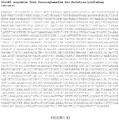
- nucleic acids include, but are not limited to, nucleic acids comprising substantially the same nucleotide sequence as set forth in 2, 4, 6, 9, 10, 12-14, 17, 19, 21, 23, 25, 27, 29 or 31.
- a genomic sequence described herein includes regulatory regions such as promoters, enhancers, and introns that are outside of the exons encoding a Mucorales CotH but does not include proximal genes that do not encode Mucorales CotH .
- isolated and/or purified in the present specification and claims as a modifier of DNA, RNA, polypeptides or proteins means that the DNA, RNA, polypeptides or proteins so designated have been produced in such form by the hand of man, and thus are separated from their native in vivo cellular environment.
- substantially the same nucleotide sequence refers to DNA having sufficient identity to the reference polynucleotide, such that it will hybridize to the reference nucleotide under moderately stringent hybridization conditions.
- DNA having substantially the same nucleotide sequence as the reference nucleotide sequence may encode substantially the same amino acid sequence as that set forth in any of SEQ ID NOS: 2, 4, 6, 9, 10, 12-14, 17, 19, 21, 23, 25, 27, 29 or 31.
- DNA having substantially the same nucleotide sequence as the reference nucleotide sequence may have at least 65% identity with respect to the reference nucleotide sequence.
- DNA having substantially the same nucleotide sequence can have at least 65% identity, at least 70% identity, at least 75% identity, at least 80% identity, at least 85% identity, at least 90% identity, at least 95% identity, at least 98% identity, or at least 99% identity to the reference nucleotide sequence.
- a "modification" of a nucleic acid can also include one or several nucleotide additions, deletions, or substitutions with respect to a reference sequence.
- a modification of a nucleic acid can include substitutions that do not change the encoded amino acid sequence due to the degeneracy of the genetic code. Such modifications can correspond to variations that are made deliberately, or which occur as mutations during nucleic acid replication.
- CotH sequences include sequences that correspond to homologs of other species, including species of the Mucorales order such as A. corymbifera, A. elegans , A. rouxii, B. circina , B. multispora , C. brefeldii, C. angarensis , C. recurvatus , D. fulva, E. anomalus , H. elegans , H. assamensis , K . cordensis , M . amphibiorum , P . parasitica , P . agaricina , P . anomala , P . assamensis, K.
- species of the Mucorales order such as A. corymbifera, A. elegans , A. rouxii, B. circina , B. multispora , C. brefeldii, C. angarensis , C. recurvatus
- Mucorales CotH sequences of Mucorales species can be determined by methods known in the art, such as by PCR or by screening genomic, cDNA or expression libraries.
- a modification of a nucleotide sequence can include one or more non-native nucleotides, having, for example, modifications to the base, the sugar, or the phosphate portion, or having a modified phosphodiester linkage. Such modifications can be advantageous in increasing the stability of the nucleic acid molecule.
- nucleic acids which differ from the nucleic acids shown in SEQ ID NOS: 2, 4, 6, 9, 10, 12-14, 17, 19, 21, 23, 25, 27, 29 or 31, but which have the same phenotype. Phenotypically similar nucleic acids are also referred to as functionally equivalent nucleic acids.
- functionally equivalent nucleic acids encompasses nucleic acids characterized by slight and non-consequential sequence variations that will function in substantially the same manner to produce the same protein product(s) as the nucleic acids disclosed herein.
- functionally equivalent nucleic acids encode polypeptides that are the same as those encoded by the nucleic acids disclosed herein or that have conservative amino acid variations. For example, conservative variations include substitution of a non-polar residue with another non-polar residue, or substitution of a charged residue with a similarly charged residue. These variations include those recognized by skilled artisans as those that do not substantially alter the tertiary structure of the protein.
- nucleic acids encoding Mucorales CotH polypeptides that, by virtue of the degeneracy of the genetic code, do not necessarily hybridize to the nucleic acids described herein under specified hybridization conditions.
- degenerate refers to codons that differ in at least one nucleotide from a reference nucleic acid, but encode the same amino acids as the reference nucleic acid.
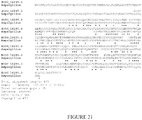
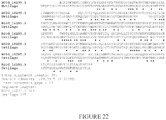
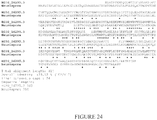
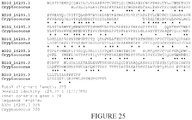
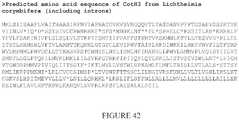
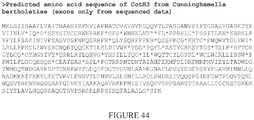
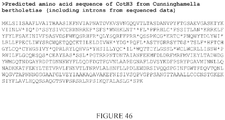
- Nucleic acids encoding the Mucorales CotH polypeptides described herein can be comprised of nucleotides that encode substantially the same amino acid sequence as set forth in SEQ ID NOS: 1, 3, 5, 11, 15, 16, 18, 20, 22, 24, 26, 28, 30 or 32.
- nucleic acid encoding a polypeptide as disclosed herein including a Mucorales CotH polypeptide, an immunogenic fragment thereof, or a functional fragment thereof. Also providedherein is an isolated nucleic acid encoding a Mucorales CotH polypeptide, an immunogenic fragment thereof, or a functional fragment thereof, comprising a nucleic acid selected from: (a) nucleic acid encoding an amino acid sequence set forth in SEQ ID NOS: 1, 3, 5, 11, 15, 16, 18, 20, 22, 24, 26, 28, 30 or 32, or (b) nucleic acid that hybridizes to the nucleic acid of (a) under low, moderately or highly stringent conditions, wherein said nucleic acid contiguously encodes biologically active Mucorales CotH polypeptide, or (c) nucleic acid degenerate with respect to either (a) or (b) above, wherein said nucleic acid encodes biologically active Mucorales CotH polypeptide.
- Hybridization refers to the binding of complementary strands of nucleic acid, for example, sense:antisense strands or probe:target-nucleic acid to each other through hydrogen bonds, similar to the bonds that naturally occur in chromosomal DNA. Stringency levels used to hybridize a given probe with target-DNA can be readily varied by those of skill in the art.
- stringent hybridization is used herein to refer to conditions under which polynucleic acid hybrids are stable. As known to those of skill in the art, the stability of hybrids is reflected in the melting temperature (T m ) of the hybrids. In general, the stability of a hybrid is a function of sodium ion concentration and temperature. Typically, the hybridization reaction is performed under conditions of lower stringency, followed by washes of varying, but higher, stringency. Reference to hybridization stringency relates to such washing conditions.
- Moderately stringent hybridization refers to conditions that permit target-nucleic acid to bind a complementary nucleic acid.
- the hybridized nucleic acids will generally have at least about 60% identity, at least about 75% identity, or at least about 85% identity; or at least about 90% identity.
- Moderately stringent conditions are conditions equivalent to hybridization in 50% formamide, 5X Denhart's solution, 5X SSPE, 0.2% SDS at 42EC, followed by washing in 0.2X SSPE, 0.2% SDS, at 42EC.
- high stringent hybridization refers to conditions that permit hybridization of only those nucleic acid sequences that form stable hybrids in 0.018M NaCl at 65EC, for example, if a hybrid is not stable in 0.018M NaCl at 65EC, it will not be stable under high stringency conditions, as contemplated herein.
- High stringency conditions can be provided, for example, by hybridization in 50% formamide, 5X Denhart's solution, 5X SSPE, 0.2% SDS at 42EC, followed by washing in 0.1X SSPE, and 0.1 % SDS at 65EC.
- low stringency hybridization refers to conditions equivalent to hybridization in 10% formamide, 5X Denhart's solution, 6X SSPE, 0.2% SDS at 22EC, followed by washing in 1X SSPE, 0.2% SDS, at 37EC.
- Denhart's solution contains 1% Ficoll, 1% polyvinylpyrolidone, and 1% bovine serum albumin (BSA).
- BSA bovine serum albumin
- 20X SSPE sodium chloride, sodium phosphate, ethylene diamide tetraacetic acid (EDTA) contains 3M sodium chloride, 0.2M sodium phosphate, and 0.025 M (EDTA).
- a modification of a Mucorales CotH nucleotide sequence that hybridizes to a Mucorales CotH nucleic acid molecule for example, a nucleic acid molecule set forth in SEQ ID NOS: 2, 4, 6, 9, 10, 12-14, 17, 19, 21, 23, 25, 27, 29 or 31, under moderately stringent conditions.
- Modifications of Mucorales CotH nucleotide sequences, where the modification has at least 65% identity to a Mucorales CotH nucleotide sequence are also provided.
- Also provided herein is a modification of a Mucorales CotH nucleotide sequence having at least 65% identity, at least 70% identity, at least 75% identity, at least 80% identity, at least 85% identity, at least 90% identity, at least 95% identity, at least 98% identity, or at least 99% identity.
- Homology refers to sequence similarity between two peptides or between two nucleic acid molecules. Homology can be determined by comparing a position in each sequence which may be aligned for purposes of comparison. When a position in the compared sequence is occupied by the same base or amino acid, then the molecules are homologous at that position. A degree of homology between sequences is a function of the number of matching or homologous positions shared by the sequences. An "unrelated" or “non-homologous” sequence shares less than 40% identity, or alternatively less than 25% identity, with one of the sequences described herein.
- a polynucleotide or polynucleotide region has a certain percentage (for example, 60%, 65%, 70%, 75%, 80%, 85%, 90%, 95%, 98% or 99%) of "sequence identity" to another sequence means that, when aligned, that percentage of bases (or amino acids) are the same in comparing the two sequences.
- This alignment and the percent homology or sequence identity can be determined using software programs known in the art, for example those described in Ausubel et al., supra. Preferably, default parameters are used for alignment.
- One alignment program is BLAST, using default parameters.
- One means of isolating a nucleic acid encoding a Mucorales CotH polypeptide is to probe a cDNA library or genomic library with a natural or artificially designed nucleic acid probe using methods well known in the art. Nucleic acid probes derived from the Mucorales CotH gene are particularly useful for this purpose. DNA and cDNA molecules that encode Mucorales CotH polypeptides can be used to obtain complementary genomic DNA, cDNA or RNA from any number of Mucorales species sources, or to isolate related cDNA or genomic clones by the screening of cDNA or genomic libraries, by methods well known in the art (see, for example, Sambrook et al., supra , 1989; Ausubel et al., supra , 1999).
- CotH oligonucleotide comprising between 15 and 300 contiguous nucleotides of SEQ ID NOS: 2, 4, 6, 9, 10, 12-14, 17, 19, 21, 23, 25, 27, 29 or 31, or the anti-sense strand thereof.
- oligonucleotide refers to a nucleic acid molecule that includes at least 15 contiguous nucleotides from a reference nucleotide sequence, and can include at least 16, 17, 18, 19, 20 or at least 25 contiguous nucleotides, and often includes at least 30, 40, 50, 60, 70, 80, 90, 100, 125, 150, 175, 200, 225, 250, 275, 300, 325, up to 350 contiguous nucleotides from the reference nucleotide sequence.
- the reference nucleotide sequence can be the sense strand or the anti-sense strand.
- CotH oligonucleotides can comprise the nucleic acid sequence of ATGAAATTATCTATTATATCCGCTGCC (SEQ ID NO: 33), GCTGGGAATATAATTGTCATCGA (SEQ ID NO: 34), GATGACAATTATATTCCCAGC (SEQ ID NO: 35), GAGTAGACGTAATTAGATCCAA (SEQ ID NO: 36) AAACGTACCTGCTGACCGAATC (SEQ ID NO: 37) or oligonucleotide disclosed herein.
- the Mucorales CotH oligonucleotides described herein that contain at least 15 contiguous nucleotides of a reference Mucorales CotH nucleotide sequence are able to hybridize to Mucorales CotH under moderately stringent hybridization conditions and thus can be advantageously used, for example, as probes to detect Mucorales CotH DNA or RNA in a sample, and to detect splice variants thereof; as sequencing or PCR primers; as antisense reagents to block transcription of Mucorales CotH RNA in cells; or in other applications known to those skilled in the art in which hybridization to a Mucorales CotH nucleic acid molecule is desirable.
- the isolated Mucorales CotH nucleic acid molecules described herein can be used in a variety of diagnostic and therapeutic applications.
- the isolated Mucorales CotH nucleic acid molecules described herein can be used as probes, as described above; as templates for the recombinant expression of Mucorales CotH polypeptides; or in screening assays to identify cellular molecules that bind Mucorales CotH.
- Another useful method for producing a Mucorales CotH nucleic acid molecule described herein involves amplification of the nucleic acid molecule using PCR and Mucorales CotH oligonucleotides and, optionally, purification of the resulting product by gel electrophoresis.
- Either PCR or RT-PCR can be used to produce a Mucorales CotH nucleic acid molecule having any desired nucleotide boundaries. Desired modifications to the nucleic acid sequence can also be introduced by choosing an appropriate oligonucleotide primer with one or more additions, deletions or substitutions.
- Such nucleic acid molecules can be amplified exponentially starting from as little as a single gene or mRNA copy, from any cell, tissue or species of interest.
- the methods of detecting Mucorales CotH nucleic acid in a sample can be either qualitative or quantitative, as desired.
- the presence, abundance, integrity or structure of a Mucorales CotH can be determined, as desired, depending on the assay format and the probe used for hybridization or primer pair chosen for application.
- Useful assays for detecting Mucorales CotH nucleic acid based on specific hybridization with an isolated Mucorales CotH nucleic acid molecule are well known in the art and include, for example, in situ hybridization, which can be used to detect altered chromosomal location of the nucleic acid molecule, altered gene copy number, and RNA abundance, depending on the assay format used.
- Other hybridization assays include, for example, Northern blots and RNase protection assays, which can be used to determine the abundance and integrity of different RNA splice variants, and Southern blots, which can be used to determine the copy number and integrity of DNA.
- a Mucorales CotH hybridization probe can be labeled with any suitable detectable moiety, such as a radioisotope, fluorochrome, chemiluminescent marker, biotin, or other detectable moiety known in the art that is detectable by analytical methods.
- detectable moiety such as a radioisotope, fluorochrome, chemiluminescent marker, biotin, or other detectable moiety known in the art that is detectable by analytical methods.
- Useful assays for detecting a Mucorales CotH nucleic acid in a sample based on amplifying a Mucorales CotH nucleic acid with two or more Mucorales CotH oligonucleotides are also well known in the art, and include, for example, qualitative or quantitative polymerase chain reaction (PCR); reverse-transcription PCR (RT-PCR); single strand conformational polymorphism (SSCP) analysis, which can readily identify a single point mutation in DNA based on differences in the secondary structure of single-strand DNA that produce an altered electrophoretic mobility upon non-denaturing gel electrophoresis; and coupled PCR, transcription and translation assays, such as a protein truncation test, in which a mutation in DNA is determined by an altered protein product on an electrophoresis gel.
- the amplified Mucorales CotH nucleic acid can be sequenced to detect mutations and mutational hot-spots, and specific assays for large-scale screening of samples to identify such mutations
- a polypeptide comprising the same or substantially the same amino acid sequence as set forth in SEQ ID NOS: 1, 3, 5, 11, 15, 16, 18, 20, 22, 24, 26, 28, 30 or 32.
- a Mucorales CotH polypeptide encoded by a nucleotide sequence comprising the same or substantially the same nucleotide sequence as set forth in SEQ ID NOS: 2, 4, 6, 9, 10, 12-14, 17, 19, 21, 23, 25, 27, 29 or 31.
- substantially the same amino acid sequence refers to amino acid sequences having at least about 65% identity with respect to the reference amino acid sequence, and retaining comparable functional and biological activity characteristic of the protein defined by the reference amino acid sequence.
- proteins having substantially the same amino acid sequence will have at least 65% identity, at least 70% identity, at least 75% identity, at least 80% identity, at least 85% identity, at least 90% identity, at least 95% identity, at least 98% identity, or at least 99% identity. It is recognized, however, that polypeptides, or encoding nucleic acids, containing less than the described levels of sequence identity arising as splice variants or that are modified by conservative amino acid substitutions, or by substitution of degenerate codons are also described herein.
- Mucorales CotH are functional fragments or polypeptide analogs thereof.
- the term "functional fragment” refers to a peptide fragment that is a portion of a full length Mucorales CotH protein, provided that the portion has a biological activity, as defined herein, that is characteristic of the corresponding full length protein.
- the functional fragments described herein can bind to the GRP78 protein or more specifically the functional fragments described herein can bind to the GRP78 protein expressed by epithelial cells.
- functional fragments of Mucorales CotH proteins described herein which can be identified using the binding and routine methods, such as bioassays described herein.
- polypeptide when used in reference to Mucorales CotH is intended to refer to a peptide or polypeptide of two or more amino acids.
- polypeptide analog includes any polypeptide having an amino acid residue sequence substantially the same as a sequence specifically described herein in which one or more residues have been conservatively substituted with a functionally similar residue and which displays the ability to functionally mimic a Mucorales CotH as described herein.
- a "modification" of a Mucorales CotH polypeptide also encompasses conservative substitutions of a Mucorales CotH polypeptide amino acid sequence.
- amino acids that belong within the following groups: (1) non-polar amino acids (Gly, Ala, Val, Leu, and Ile); (2) polar neutral amino acids (Cys, Met, Ser, Thr, Asn, and Gln); (3) polar acidic amino acids (Asp and Glu); (4) polar basic amino acids (Lys, Arg and His); and (5) aromatic amino acids (Phe, Trp, Tyr, and His).
- non-polar amino acids Gly, Ala, Val, Leu, and Ile
- Cys, Met polar neutral amino acids
- Ser Ser, Thr, Asn, and Gln
- polar acidic amino acids Asp and Glu
- polar basic amino acids Lithys, Arg and His
- aromatic amino acids Phe, Trp, Tyr, and His
- the amino acid length of functional fragments or polypeptide analogs described herein can range from about 5 amino acids up to the full-length protein sequence of a Mucorales CotH described herein.
- the amino acid lengths may include, for example, at least about 10 amino acids, at least about 15, at least about 20, at least about 25, at least about 30, at least about 35, at least about 40, at least about 45, at least about 50, at least about 75, at least about 100, at least about 150, at least about 200, at least about 250 or more amino acids in length up to the full-length Mucorales CotH protein sequence.
- the functional fragments can be contiguous amino acid sequences of a Mucorales CotH polypeptide, including contiguous amino acid sequences of SEQ ID NOS: 1, 3, 5, 11, 15, 16, 18, 20, 22, 24, 26, 28, 30 or 32.
- immunogenic fragment of the Mucorales CotH polypeptides disclosed herein can include immunogenic epitopes, which can be identified using experimental methods well known in the art. Additionally, computational modeling can also be used to identify immunogenic epitopes. See, for example, Tong et al. (Brief Bioinform. 8(2):96-108 (2006 )) and Ponomarenko et al. (2008) "B-cell epitope prediction," in Structural Bioinformatics, Bourne PE and Gu J (eds) Wiley-Liss; 2 edition, pgs. 849-879 .
- an immunogenic fragment of the Mucorales CotH polypeptides disclosed herein can include the amino acid sequence GAGKKHNNAKQSWNW (SEQ ID NO: 39) or MGQTNDGAYRDPTDNNK (SEQ ID NO: 40).
- the protein can be truncated or fragmented without losing the essential qualities as an immunogenic vaccine.
- a protein can be truncated to yield an N-terminal fragment by truncation from the C-terminal end with preservation of the functional properties of the molecule as an immunogenic.
- C-terminal fragments can be generated by truncation from the N-terminal end with preservation of the functional properties of the molecule as an immunogenic.
- Other modifications in accordance with the teachings and guidance provided herein can be made pursuant to this disclosure to create other polypeptide functional fragments, immunogenic fragments, variants, analogs or derivatives thereof, to achieve the therapeutically useful properties described herein with the native proteins.
- immunogenic fragment refers to a portion of a protein that is recognized by a T-cell and/or B-cell antigen receptor.
- the immunogenic portion generally includes at least 5 amino acid residues, or alternatively at least 6, or alternatively at least 7, or alternatively at least 8, or alternatively at least 9, or alternatively at least 10, or alternatively at least 11, or alternatively at least 12, or alternatively at least 13, or alternatively at least 14, or alternatively at least 15, or alternatively at least 16, or alternatively at least 17, or alternatively at least 18, or alternatively at least 18, or alternatively at least 19, or alternatively at least 20, or alternatively at least 25, or alternatively at least 30, or alternatively at least 50, or alternatively at least 100 amino acid residues of a CotH polypeptide disclosed herein.
- the immunogenic portion can include at most 5 amino acid residues, or alternatively at most 6, or alternatively at most 7, or alternatively at most 8, or alternatively at most 9, or alternatively at most 10, or alternatively at most 11, or alternatively at most 12, or alternatively at most 13, or alternatively at most 14, or alternatively at most 15, or alternatively at most 16, or alternatively at most 17, or alternatively at most 18, or alternatively at most 18, or alternatively at most 19, or alternatively at most 20, or alternatively at most 25, or alternatively at most 30, or alternatively at most 50, or alternatively at most 100 amino acid residues of a CotH polypeptide disclosed herein.
- immunogenic portions can contain a small N-and/or C-terminal fragment (e.g., 5-30 amino acids, preferably 10-25 amino acids).
- a modification of a polypeptide can also include derivatives, analogues and functional mimetics thereof, provided that such polypeptide displays the Mucorales CotH biological activity.
- derivatives can include chemical modifications of the polypeptide such as alkylation, acylation, carbamylation, iodination, or any modification that derivatizes the polypeptide.
- derivatized molecules include, for example, those molecules in which free amino groups have been derivatized to form amine hydrochlorides, p-toluene sulfonyl groups, carbobenzoxy groups, t-butyloxycarbonyl groups, chloroacetyl groups or formyl groups.
- Free carboxyl groups can be derivatized to form salts, methyl and ethyl esters or other types of esters or hydrazides. Free hydroxyl groups can be derivatized to form O-acyl or O-alkyl derivatives. The imidazole nitrogen of histidine can be derivatized to form N-im-benzylhistidine. Also included as derivatives or analogues are those peptides which contain one or more naturally occurring amino acid derivatives of the twenty standard amino acids, for example, 4-hydroxyproline, 5-hydroxylysine, 3-methylhistidine, homoserine, ornithine or carboxyglutamate, and can include amino acids that are not linked by peptide bonds. Polypeptides described herein also include any polypeptide having one or more additions and/or deletions of residues, relative to the sequence of a polypeptide whose sequence is shown herein, so long as Mucorales CotH activity is maintained.
- Mucorales CotH polypeptide also provided herein is an isolated Mucorales CotH polypeptide, immunogenic fragment thereof, or functional fragment thereof.
- the Mucorales CotH polypeptides described herein can be isolated by a variety of methods well-known in the art, for example, recombinant expression systems, precipitation, gel filtration, ionexchange, reverse-phase and affinity chromatography, and the like. Other well-known methods are described in Deutscher et al., Guide to Protein Purification: Methods in Enzymology, Vol. 182, (Academic Press, (1990 )).
- the isolated polypeptides described herein can be obtained using well-known recombinant methods (see, for example, Sambrook et al., supra , 1989; Ausubel et al., supra , 1999).
- the methods and conditions for biochemical purification of a polypeptide described herein can be chosen by those skilled in the art, and purification monitored, for example, by an immunological assay or a functional assay.
- An example of the means for preparing the polypeptide(s) described herein is to express nucleic acids encoding Mucorales CotH in a suitable host cell, such as a bacterial cell, a yeast cell, an amphibian cell such as an oocyte, or a mammalian cell, using methods well known in the art, and recovering the expressed polypeptide, again using well-known purification methods, so described herein.
- a suitable host cell such as a bacterial cell, a yeast cell, an amphibian cell such as an oocyte, or a mammalian cell
- Polypeptides described herein can be isolated directly from cells that have been transformed with expression vectors as described herein.
- Recombinantly expressed polypeptides described herein can also be expressed as fusion proteins with appropriate affinity tags, such as glutathione S transferase (GST) or poly His, and affinity purified.
- GST glutathione S transferase
- polypeptide described herein, biologically functional fragments, and functional equivalents thereof can also be produced by chemical synthesis.
- synthetic polypeptides can be produced using Applied Biosystems, Inc. Model 430A or 431A automatic peptide synthesizer (Foster City, CA) employing the chemistry provided by the manufacturer.
- acceptable carrier encompasses any of the standard pharmaceutical carriers, such as phosphate buffered saline solution, water and emulsions such as an oil and water emulsion, and various types of wetting agents.
- composition comprising a pharmaceutically acceptable carrier and a compound selected from the group consisting of a Mucorales CotH polypeptide, an immunogenic fragment thereof, or a functional fragment thereof as described herein, an antisense nucleic acid as described herein or an anti-Mucorales CotH antibody as described herein.
- a method of treating or preventing mucormycosis in a subject in need thereof by administering a therapeutically effective amount of a pharmaceutical composition containing a pharmaceutically acceptable carrier and a compound selected from the group consisting of a Mucorales CotH polypeptide, an immunogenic fragment thereof, or a functional fragment thereof as described herein, an antisense nucleic acid as described herein or an anti-Mucorales CotH antibody as described herein.
- a method of treating or preventing mucormycosis in a subject in need thereof by administering an therapeutically effective amount of a vaccine composition as disclosed herein.
- antisense-nucleic acids having a sequence capable of binding specifically with full-length or any portion of an mRNA that encodes Mucorales CotH polypeptides so as to prevent translation of the mRNA.
- the antisense-nucleic acid can have a sequence capable of binding specifically with any portion of the sequence of the cDNA encoding Mucorales CotH polypeptides.
- the phrase binding specifically encompasses the ability of a nucleic acid sequence to recognize a complementary nucleic acid sequence and to form double-helical segments therewith via the formation of hydrogen bonds between the complementary base pairs.
- An example of an antisense-nucleic acid is an antisense-nucleic acid comprising chemical analogs of nucleotides.
- SANC synthetic anti-sense nucleic acid compositions
- Synthetic oligonucleotides, or other antisense-nucleic acid chemical structures designed to recognize and selectively bind to mRNA are constructed to be complementary to full-length or portions of an Mucorales CotH coding strand, including nucleotide sequences set forth in SEQ ID NOS: 2, 4, 6, 9, 10, 12-14, 17, 19, 21, 23, 25, 27, 29 or 31.
- the SANC is designed to be stable in the blood stream for administration to a subject by injection, or in laboratory cell culture conditions.
- the SANC is designed to be capable of passing through the cell membrane in order to enter the cytoplasm of the cell by virtue of physical and chemical properties of the SANC, which render it capable of passing through cell membranes, for example, by designing small, hydrophobic SANC chemical structures, or by virtue of specific transport systems in the cell which recognize and transport the SANC into the cell.
- the SANC can be designed for administration only to certain selected cell populations by targeting the SANC to be recognized by specific cellular uptake mechanisms which bind and take up the SANC only within select cell populations.
- the SANC is an antisense oligonucleotide.
- the SANC may be designed to bind to a receptor found only in a certain cell type, as discussed above.
- the SANC is also designed to recognize and selectively bind to target mRNA sequence, which can correspond to a sequence contained within the sequences shown in SEQ ID NOS: 2, 4, 6, 9, 10, 12-14, 17, 19, 21, 23, 25, 27, 29 or 31.
- the SANC is designed to inactivate target mRNA sequence by either binding thereto and inducing degradation of the mRNA by, for example, RNase I digestion, or inhibiting translation of mRNA target sequence by interfering with the binding of translation-regulating factors or ribosomes, or inclusion of other chemical structures, such as ribozyme sequences or reactive chemical groups which either degrade or chemically modify the target mRNA.
- SANCs have been shown to be capable of such properties when directed against mRNA targets (see Cohen et al., TIPS, 10:435 (1989 ) and Weintraub, Sci. American, January (1990), pp.40 ).
- compositions comprising an amount of the antisense-nucleic acid described herein, effective to reduce expression of Mucorales CotH polypeptides by entering a cell and binding specifically to mRNA encoding Mucorales CotH polypeptides so as to prevent translation and an acceptable hydrophobic carrier capable of passing through a cell membrane are also provided herein.
- Suitable hydrophobic carriers are described, for example, in U.S. Patent Nos. 5,334,761 ; 4,889,953 ; 4,897,355 , and the like.
- the acceptable hydrophobic carrier capable of passing through cell membranes may also comprise a structure which binds to a receptor specific for a selected cell type and is thereby taken up by cells of the selected cell type.
- Antisense-nucleic acid compositions are useful to inhibit translation of mRNA encoding polypeptides described herein.
- Synthetic oligonucleotides, or other antisense chemical structures are designed to bind to mRNA encoding Mucorales CotH polypeptides and inhibit translation of mRNA and are useful as compositions to inhibit expression of Mucorales CotH associated genes in a tissue sample or in a subject.
- a method for the recombinant production of a Mucorales CotH described herein by expressing the nucleic acid sequences encoding Mucorales CotH in suitable host cells.
- Recombinant DNA expression systems that are suitable to produce Mucorales CotH described herein are well-known in the art (see, for example, Ausubel et al., supra , 1999).
- the above-described nucleotide sequences can be incorporated into vectors for further manipulation.
- vector refers to a recombinant DNA or RNA plasmid or virus containing discrete elements that are used to introduce heterologous DNA into cells for either expression or replication thereof.
- vectors containing the Mucorales CotH nucleic acids described herein are well-known in the art and include vectors capable of expressing nucleic acid operatively linked to a regulatory sequence or element such as a promoter region or enhancer region that is capable of regulating expression of such nucleic acid.
- Appropriate expression vectors include those that are replicable in eukaryotic cells and/or prokaryotic cells and those that remain episomal or those which integrate into the host cell genome.
- vector means the vehicle by which a nucleic acid can be introduced into a host cell.
- the vector can be used for propagation or harboring a nucleic acid or for polypeptide expression of an encoded sequence.
- vectors include, for example, plasmids, phages and viruses. Exemplary vectors can be found described in, for example, Sambrook et al., supra ; Ausubel et al., supra.
- Promoters or enhancers can be constitutive or regulated.
- the regulatory sequences or regulatory elements are operatively linked to a nucleic acid described herein such that the physical and functional relationship between the nucleic acid and the regulatory sequence allows transcription of the nucleic acid.
- Vectors useful for expression in eukaryotic cells can include, for example, regulatory elements including the SV40 early promoter, the cytomegalovirus (CMV) promoter, the mouse mammary tumor virus (MMTV) steroid-inducible promoter, Moloney murine leukemia virus (MMLV) promoter, and the like.
- CMV cytomegalovirus
- MMTV mouse mammary tumor virus
- MMLV Moloney murine leukemia virus
- a vector described herein can include, for example, viral vectors such as a bacteriophage, a baculovirus or a retrovirus; cosmids or plasmids; and, particularly for cloning large nucleic acid molecules, bacterial artificial chromosome vectors (BACs) and yeast artificial chromosome vectors (YACs).
- viral vectors such as a bacteriophage, a baculovirus or a retrovirus
- cosmids or plasmids and, particularly for cloning large nucleic acid molecules, bacterial artificial chromosome vectors (BACs) and yeast artificial chromosome vectors (YACs).
- BACs bacterial artificial chromosome vectors
- YACs yeast artificial chromosome vectors
- recombinant cells containing Mucorales CotH nucleic acids described herein are generated by introducing into a host cell a vector containing a Mucorales CotH nucleic acid molecule.
- the recombinant cells are transducted, transfected or otherwise genetically modified.
- Exemplary host cells that can be used to express recombinant Mucorales CotH molecules include mammalian primary cells; established mammalian cell lines, such as COS, CHO, HeLa, NIH3T3, HEK 293 and PC12 cells; amphibian cells, such as Xenopus embryos and oocytes; and other vertebrate cells.
- Exemplary host cells also include insect cells such as Drosophila, yeast cells such as Saccharomyces cerevisiae , Saccharomyces pombe, or Pichia pastoris, and prokaryotic cells such as Escherichia coli.
- a vaccine composition having an immunogenic amount of a Mucorales CotH polypeptide, an immunogenic fragment thereof or a variant of the polypeptide.
- the vaccine composition also can include an adjuvant.
- the formulation of the vaccine composition described herein is effective in inducing protective immunity in a subject by stimulating both specific humoral (neutralizing antibodies) and effector cell mediated immune responses against Mucorales CotH polypeptide.
- the vaccine composition described herein is also used in the treatment or prophylaxis of fungal infections such as, for example, mucormycosis.
- the vaccine described herein will contain an immunoprotective quantity of Mucorales CotH polypeptide antigens and is prepared by methods well known in the art.
- the preparation of vaccines is generally described in, for example, M. F. Powell and M. J. Newman, eds., “Vaccine Design (the subunit and adjuvant approach),” Plenum Press (1995 ); A. Robinson, M. Cranage, and M. Hudson, eds., “Vaccine Protocols (Methods in Molecular Medicine),” Humana Press (2003 ); and D. Ohagan, ed., “Vaccine Ajuvants: Preparation Methods and Research Protocols (Methods in Molecular Medicine),” Humana Press (2000 ).
- Mucorales CotH polypeptide and peptide fragments or variants thereof can include immunogenic epitopes, which can be identified using methods known in the art and described in, for example, Geysen et al. Proc. Natl. Acad. Sci. USA 81: 3998 (1984 )). Briefly, hundreds of overlapping short peptides, e.g., hexapeptides, can be synthesized covering the entire amino acid sequence of the target polypeptide (i.e., Mucorales CotH). The peptides while still attached to the solid support used for their synthesis are then tested for antigenicity by an ELISA method using a variety of antisera.
- immunogenic epitopes which can be identified using methods known in the art and described in, for example, Geysen et al. Proc. Natl. Acad. Sci. USA 81: 3998 (1984 )). Briefly, hundreds of overlapping short peptides, e.g., hexapeptid
- CotH protein can be obtained by known techniques, Kohler and Milstein, Nature 256: 495-499 (1975 ), and can be humanized to reduce antigenicity, see, for example, U.S. Patent No. 5,693,762 , or produced in transgenic mice leaving an unrearranged human immunoglobulin gene, see, for example, U.S. Patent No. 5,877,397 .
- the peptide can be further tested for specificity by amino acid substitution at every position and/or extension at both C and/or N terminal ends.
- Such epitope bearing polypeptides typically contain at least six to fourteen amino acid residues, and can be produced, for example, by polypeptide synthesis using methods well known in the art or by fragmenting an Mucorales CotH polypeptide.
- Mucorales CotH polypeptide can be truncated or fragmented without losing the essential qualities as an immunogenic vaccine.
- Mucorales CotH polypeptide can be truncated to yield an N-terminal fragment by truncation from the C-terminal end with preservation of the functional properties of the molecule as an immunogen.
- C-terminal fragments can be generated by truncation from the N-terminal end with preservation of the functional properties of the molecule as an immunogen.
- Other modifications in accordance with the teachings and guidance provided herein can be made pursuant to this disclosure to create other Mucorales CotH polypeptide functional fragments, immunogenic fragments, variants, analogs or derivatives thereof, to achieve the therapeutically useful properties described herein with the native protein.
- the vaccine compositions described herein further contain conventional pharmaceutical carriers. Suitable carriers are well known to those of skill in the art. These vaccine compositions can be prepared in liquid unit dose forms. Other optional components, e.g., pharmaceutical grade stabilizers, buffers, preservatives, excipients and the like can be readily selected by one of skill in the art. However, the compositions can be lyophilized and reconstituted prior to use. Alternatively, the vaccine compositions can be prepared in any manner appropriate for the chosen mode of administration, e.g., intranasal administration, oral administration, etc. The preparation of a pharmaceutically acceptable vaccine, having due regard to pH, isotonicity, stability and the like, is within the skill of the art.
- the immunogenicity of the vaccine compositions described herein can further be enhanced if the vaccine further comprises an adjuvant substance.
- adjuvant substance Various methods of achieving adjuvant effect for the vaccine are known. General principles and methods are detailed in " The Theory and Practical Application of Adjuvants", 1995, Duncan E.S. Stewart-Tull (ed.), John Wiley & Sons Ltd, ISBN 0-471-95170-6 , and also in “ Vaccines: New Generationn Immunological Adjuvants", 1995, Gregoriadis G et al. (eds.), Plenum Press, New York, ISBN 0-306-45283-9 .
- Preferred adjuvants facilitate uptake of the vaccine molecules by antigen presenting cells (APCs), such as dendritic cells, and activate these cells.
- APCs antigen presenting cells
- Non-limiting examples are selected from the group consisting of an immune targeting adjuvant; an immune modulating adjuvant such as a toxin, a cytokine, and a mycobacterial derivative; an oil formulation; a polymer; a micelle forming adjuvant; a saponin; an immunostimulating complex matrix (ISCOM® matrix); a particle; DDA (dimethyldioctadecylammonium bromide); aluminium adjuvants; DNA adjuvants; and an encapsulating adjuvant.
- Liposome formulations are also known to confer adjuvant effects, and therefore liposome adjuvants are included according to the disclosure.
- the vaccine compositions described herein can be used to treat, immunotherapeutically, subjects suffering from a variety of fungal infections. Accordingly, vaccines that contain one or more of Mucorales CotH polynucleotides, polypeptides and/or antibody compositions described herein in combination with adjuvants, and that act for the purposes of prophylactic or therapeutic use, are also described herein. Vaccines described herein may induce the body's own immune system to seek out and inhibit Mucorales CotH molecules.
- vacun refers to a composition that can be administered to an individual to protect the individual against an infectious disease.
- Vaccines protect against diseases by inducing or increasing an immune response in an animal against the infectious disease.
- An exemplary infectious disease amenable to treatment with the vaccines described herein is mucormycosis.
- the vaccine-mediated protection can be humoral and/or cell mediated immunity induced in host when a subject is challenged with, for example, Mucorales CotH or an immunogenic portion or fragment thereof.
- adjuvant is intended to mean a composition with the ability to enhance an immune response to an antigen generally by being delivered with the antigen at or near the site of the antigen.
- Ability to increase an immune response is manifested by an increase in immune mediated protection.
- Enhancement of humoral immunity can be determined by, for example, an increase in the titer of antibody raised to the antigen.
- Enhancement of cellular immunity can be measured by, for example, a positive skin test, cytotoxic T-cell assay, ELISPOT assay for IFN-gamma or IL-2.
- Adjuvants are well known in the art. Exemplary adjuvants include, for example, Freud's complete adjuvant, Freud's incomplete adjuvant, aluminum adjuvants, MF59 and QS21.
- treating or "treatment,” as it is used herein is intended to mean an amelioration of a clinical symptom indicative of a fungal condition.
- Amelioration of a clinical symptom includes, for example, a decrease or reduction in at least one symptom of a fungal condition in a treated individual compared to pretreatment levels or compared to an individual with a fungal condition.
- the term “treating” also is intended to include the reduction in severity of a pathological condition, a chronic complication or an opportunistic fungal infection which is associated with a fungal condition. Such pathological conditions, chronic complications or opportunistic infections are exemplified below with reference to mucormycosis.
- Mucormycosis and other such pathological conditions, chronic complications and opportunistic infections also can be found described in, for example, Merck Manual, Sixteenth Edition, 1992 , and Spellberg et al., Clin. Microbio. Rev. 18:556-69 (2005 ).
- preventing or "prevention,” as it is used herein is intended to mean a forestalling of a clinical symptom indicative of a fungal condition.
- forestalling includes, for example, the maintenance of normal physiological indicators in an individual at risk of infection by a fungus or fungi prior to the development of overt symptoms of the condition or prior to diagnosis of the condition. Therefore, the term “preventing” includes the prophylactic treatment of individuals to guard them from the occurrence of a fungal condition. Preventing a fungal condition in an individual also is intended to include inhibiting or arresting the development of the fungal condition.
- Inhibiting or arresting the development of the condition includes, for example, inhibiting or arresting the occurrence of abnormal physiological indicators or clinical symptoms such as those described above and/or well known in the art. Therefore, effective prevention of a fungal condition would include maintenance of normal body temperature, weight, psychological state as well as lack of lesions or other pathological manifestations in an individual predisposed to a fungal condition.
- Individuals predisposed to a fungal condition include an individual who is immunocompromised, for example, but not limited to, an individual with AIDS, azotemia, diabetes mellitus, diabetic ketoacidosis, neutropenia, bronchiectasis, emphysema, TB, lymphoma, leukemia, or burns, or an individual undergoing chemotherapy, bone marrow-, stem cell- and/or solid organ transplantation or an individual with a history of susceptibility to a fungal condition.
- Inhibiting or arresting the development of the condition also includes, for example, inhibiting or arresting the progression of one or more pathological conditions, chronic complications or susceptibility to an opportunistic infection associated with a fungal condition.
- a “subject,” “individual” or “patient” is used interchangeably herein, and refers to a vertebrate, preferably a mammal, more preferably a human. Mammals include, but are not limited to, murines, rats, rabbits, simians, bovines, ovines, porcines, canines, felines, farm animals, sport animals, pets, equines, and primates, particularly humans.
- fungal condition refers to fungal diseases, infection, or colonization including superficial mycoses (i.e., fungal diseases of skin, hair, nail and mucous membranes; for example, ringworm or yeast infection), subcutaneous mycoses (i.e., fungal diseases of subcutaneous tissues, fascia and bone; for example, mycetoma, chromomycosis, or sporotichosis), and systemic mycoses (i.e., deep-seated fungal infections generally resulting from the inhalation of air-borne spores produced by causal moulds; for example, zygomycosis, aspergillosis, cryptococcosis, candidiasis, histoplasmosis, coccidiomycosis, paracoccidiomycosis, fusariosis (hyalohyphomycoses), blastomycosis, penicilliosis or sporotrichosis.
- superficial mycoses i.e., fungal diseases of skin, hair
- zygomycosis is intended to mean a fungal condition caused by fungi of the class Zygomycetes, comprised of the orders Mucorales and Entomophthorales.
- the Entomophthorales are causes of subcutaneous and mucocutaneous infections known as entomophthoromycosis, which largely afflict immunocompetent hosts in developing countries.
- Zygomycosis is also referred to as mucormycosis and the two terms are used interchangeably to refer to similar types of fungal infections.
- Mucormycosis is intended to mean a fungal condition caused by fungi of the order Mucorales.
- Mucormycosis is a life-threatening fungal infection almost uniformly affecting immunocompromised hosts in either developing or industrialized countries.
- Fungi belonging to the order Mucorales are distributed into at least six families, all of which can cause cutaneous and deep infections.
- Species belonging to the family Mucoraceae are isolated more frequently from patients with mucormycosis than any other family.
- Rhizopus oryzae Rhizopus arrhizus
- Mucoraceae family that cause a similar spectrum of infections include, for example, Rhizopus microsporus var. rhizopodiformis, Absidia corymbifera , Apophysomyces elegans , Mucor species, Rhizomucor pusillus and Cunninghamella spp ( Cunninghamellaceae family).
- Mucormycosis is well known in the art and includes, for example, rinocerebral mucormycosis, pulmonary mucormycosis, gastrointestinal mucormycosis, disseminated mucormycosis, bone mucormycosis, mediastinum mucormycosis, trachea mucormycosis, kidney mucormycosis, peritoneum mucormycosis, superior vena cava mucormycosis or external otitis mucormycosis.
- Fungi belonging to the order Mucorales are currently distributed into the families of Choanephoraceae; Cunninghamellaceae; Mucoraceae; Mycotyphaceae; Phycomycetaceae; Pilobolaceae; Saksenaeaceae; Syncephalastraceae; and Umbelopsidaceae.
- Each of these fungi families consists of one or more genera.
- fungi belonging to the order Mucorales, family Mucoraceae are further classified into the genera of Absidia (e.g., A. corymbifera); Actinomucor (e.g., A. elegans ); Amylomyces (e.g., A.
- rouxii Apophysomyces; Backusella (e.g., B. circina ); Benjaminiella (e.g., B. multispora ); Chaetocladium (e.g., C . brefeldii ); Circinella (e.g., C. angarensis ); Cokeromyces (e.g., C. recurvatus ); Dicranophora (e.g., D. fulva ); Ellisomyces (e.g., E. anomalus ; Helicostylum (e.g., H. elegans ); Hyphomucor (e.g., H.
- assamensis Kirkomyces (e.g., K. cordensis ); Mucor (e.g., M. amphibiorum); Parasitella (e.g., P. parasitica ); Philophora (e.g., P. agaricina ); Pilaira (e.g., P. anomala ); Pirella (e.g., P. circinans ); Rhizomucor (e.g., R. endophyticus ); Rhizopodopsis (e.g., R. javensis ); Rhizopus; Sporodiniella (e.g., S. umbellata ); Syzygites (e.g., S.
- Thermomucor e.g., T. indicae-seudaticae
- Zygorhynchus e.g., Z . californiensis
- the genus Rhizopus for example, consists of R. azygosporus; R. caespitosus; R. homothallicus; R. oryzae; R. microsporus, R. microsporus var. rhizopodiformis and R. schipperae species.
- immunogenic amount refers an effective amount of a particular epitope of a polypeptide described herein or a fragment or variant thereof that can induce the host immune response against the polypeptide or the infectious agent expressing the polypeptide. This amount is generally in the range of 20 ⁇ g to 10 mg of antigen per dose of vaccine and depends on the subject to be treated, capacity of the subject's immune system to synthesize antibodies, and the degree of protection desired. The precise amount of immunogen required can be calculated by various methods such as, for example, antibody titration.
- effective amount refers to an amount of a compound or compositions that is sufficient to provide a desired result.
- an effective amount refers to an amount of a compound or composition (e.g., an antigen) that is sufficient to produce or elicit a protective immune response.
- An effective amount with respect to an immunological composition is an amount that is sufficient to elicit an immune response, whether or not the response is protective.
- the "therapeutically effective amount” will vary depending on the polypeptide, polynucleotide, antibody, antibody fragment or compositions, the disease and its severity and the age, weight, etc., of the patient to be treated all of which is within the skill of the attending clinician. It is contemplated that a therapeutically effective amount of one or more of a polynucleotide, polypeptide, antibody, antibody fragment or composition described herein will alter a fungal pathogen penetration through and damage of endothelial cells in the patient as compared to the absence of treatment. As such, fungal pathogenesis is decreased. A therapeutically effective amount is distinguishable from an amount having a biological effect (a "biologically effective amount").
- a polypeptide, polynucleotide, antibody, antibody fragment or compositions described herein may have one or more biological effects in vitro or even in vivo, such as reducing function of a Mucorales CotH polypetide.
- a biological effect may not result in any clinically measurable therapeutically effect as described herein as determined by methods within the skill of the attending clinician.
- Nucleic acids encoding the Mucorales CotH polypeptides described herein can be delivered into mammalian cells, either in vivo or in vitro using suitable vectors well-known in the art.
- suitable vectors for delivering a Mucorales CotH polypeptide, an immunogenic fragment thereof, or a functional fragment thereof to a mammalian cell include viral vectors such as retroviral vectors, adenovirus, adeno-associated virus, lentivirus, herpesvirus, as well as non-viral vectors such as plasmid vectors.
- viral vectors such as retroviral vectors, adenovirus, adeno-associated virus, lentivirus, herpesvirus, as well as non-viral vectors such as plasmid vectors.
- Such vectors are useful for providing therapeutic or immunogenic amounts of a Mucorales CotH polypeptide (see, for example, U.S. Patent No.
- CotH polypeptides or nucleic acids therapeutically can be particularly useful when targeted to a muscel cell, bone marrow cell or B-cell, thereby presenting the encoded mucorales CotH polypeptide for development of an immune response. Such presentation is commonly known in the art as a DNA vaccination.
- Viral based systems provide the advantage of being able to introduce relatively high levels of the heterologous nucleic acid into a variety of cells.
- Suitable viral vectors for introducing nucleic acid described herein encoding an Mucorales CotH protein into mammalian cells are well known in the art. These viral vectors include, for example, Herpes simplex virus vectors ( Geller et al., Science, 241:1667-1669 (1988 )); vaccinia virus vectors ( Piccini et al., Meth. Enzymology, 153:545-563 (1987 )); cytomegalovirus vectors ( Mocarski et al., in Viral Vectors, Y. Gluzman and S.H.
- Moloney murine leukemia virus vectors Danos et al., Proc. Natl. Acad. Sci. USA, 85:6460-6464 (1988 ); Blaese et al., Science, 270:475-479 (1995 ); Onodera et al., J. Virol., 72:1769-1774 (1998 )); adenovirus vectors ( Berkner, Biotechniques, 6:616-626 (1988 ); Cotten et al., Proc. Natl. Acad. Sci.
- Vectors useful for therapeutic administration of a Mucorales CotH polypeptide of nucleic acid can contain a regulatory element that provides tissue specific or inducible expression of an operatively linked nucleic acid.
- tissue-specific promotor or enhancer that allows exparssion of a Mucorales CotH polypeptide or nucleic acid in a desired tissue or cell.
- Any of a variety of inducible promoters or enhancers can also be included in the vector for regulatable expression of a Mucorales CotH polypeptide or nucleic acid.
- inducible systems include, for example, tetracycline inducible system ( Gossen & Bizard, Proc. Natl. Acad. Sci.
- An inducible system particularly useful for therapeutic administration utilizes an inducible promotor that can be regulated to deliver a level of therapeutic product in response to a given level of drug administered to an individual and to have little or no expression of the therapeutic product in the absence of the drug.
- One such system utilizes a Gal4 fusion that is inducible by an antiprogestin such as mifepristone in a modified adenovirus vector ( Burien et al., Proc. Natl. Acad. Sci. USA, 96:355-360 (1999 ).
- Another such inducible system utilizes the drug rapamycin to induce reconstitution of a transcriptional activator containing rapamycin binding domains of FKBP12 and FRAP in an adeno-associated virus vector ( Ye et al., Science, 283:88-91 (1999 )). It is understood that any combination of an inducible system can be combined in any suitable vector, including those disclosed herein. Such a regulatable inducible system is advantageous because the level of expression of the therapeutic product can be controlled by the amount of drug administered to the individual or, if desired, expression of the therapeutic product can be terminated by stopping administration of the drug.
- an isolated anti-Mucorales CotH antibody having specific reactivity with a Mucorales CotH polypeptide, an immunogenic fragment thereof, or functional fragment thereof.
- an anti-Mucorales CotH antibody described herein can have specific reactivity to a polypeptide having the amino acid sequence GAGKKHNNAKQSWNW (SEQ ID NO: 39) or MGQTNDGAYRDPTDNNK (SEQ ID NO: 40).
- the anti-Mucorales CotH antibody can be a monoclonal antibody or a polyclonal antibody.
- cell lines producing monoclongal antibodies having specific reactivity with a Mucorales CotH polypeptide, an immunogenic fragment thereof, or functional fragment thereof.
- antibodies that specifically bind a Mucorales CotH polypeptide.
- the term “antibody” is used in its broadest sense to include polyclonal and monoclonal antibodies, as well as antigen binding fragments of such antibodies.
- the term "antigen” means a native or synthesized Mucorales CotH polypeptide or fragment thereof.
- An anti-Mucorales CotH antibody, or antigen binding fragment of such an antibody is characterized by having specific binding activity for a Mucorales CotH polypeptide or a peptide portion thereof of at least about 1 x 10 5 M -1 .
- Fab, F(ab') 2 , Fd and Fv fragments of an anti-Mucorales CotH antibody which retain specific binding activity for a Mucorales CotH polypeptide, are included within the definition of an antibody.
- Specific binding activity of a Mucorales CotH polypeptide can be readily determined by one skilled in the art, for example, by comparing the binding activity of an anti-Mucorales CotH antibody to a Mucorales CotH polypeptide versus a control polypeptide that is not a Mucorales CotH polypeptide.
- Methods of preparing polyclonal or monoclonal antibodies are well known to those skilled in the art (see, for example, Harlow and Lane, Antibodies: A Laboratory Manual, Cold Spring Harbor Laboratory Press (1988 )).
- antibodies described herein can be naturally occurring antibodies as well as non-naturally occurring antibodies, including, for example, single chain antibodies, chimeric, bifunctional and humanized antibodies, as well as antigen-binding fragments thereof.
- non-naturally occurring antibodies can be constructed using solid phase peptide synthesis, can be produced recombinantly or can be obtained, for example, by screening combinatorial libraries consisting of variable heavy chains and variable light chains as described by Huse et al. ( Huse et al., Science 246:1275-1281 (1989 )).
- These and other methods of making, for example, chimeric, humanized, CDR-grafted, single chain, and bifunctional antibodies are well known to those skilled in the art ( Winter and Harris, Immunol.
- Anti-Mucorales CotH antibodies can be raised using a Mucorales CotH immunogen such as an isolated Mucorales CotH polypeptide having the amino acid sequence of SEQ ID NOS: 1, 3, 5, 11, 15, 16, 18, 20, 22, 24, 26, 28, 30 or 32, or an immunogenic fragment thereof, which can be prepared from natural sources or produced recombinantly, or a peptide portion of the Mucorales CotH polypeptide.
- a Mucorales CotH polypeptide having the amino acid sequence of SEQ ID NOS: 1, 3, 5, 11, 15, 16, 18, 20, 22, 24, 26, 28, 30 or 32, or an immunogenic fragment thereof, which can be prepared from natural sources or produced recombinantly, or a peptide portion of the Mucorales CotH polypeptide.
- Such peptide portions of a Mucorales CotH polypeptide are functional antigenic fragments if the antigenic peptides can be used to generate a Mucorales CotH -specific antibody.
- a non-immunogenic or weakly immunogenic Mucorales CotH polypeptide or portion thereof can be made immunogenic by coupling the hapten to a carrier molecule such as bovine serum albumin (BSA) or keyhole limpet hemocyanin (KLH). Accordingly, an immunogenic fragment of the CotH polypeptides disclosed herein can be conjugated to a carrier molecule, such as, but not limited to KLH or BSA.
- BSA bovine serum albumin
- KLH keyhole limpet hemocyanin
- an immunogenic fragment of the CotH polypeptides disclosed herein can be conjugated to a carrier molecule, such as, but not limited to KLH or BSA.
- carrier molecules such as, but not limited to KLH or BSA.
- carrier molecules and methods for coupling a hapten to a carrier molecule are well known in the art (see, for example, Harlow and Lane, supra , 1988).
- CotH polypeptide fragment can also be generated by expressing the peptide portion as a fusion protein, for example, to glutathione S transferase (GST), polyHis or the like.
- GST glutathione S transferase
- Methods for expressing peptide fusions are well known to those skilled in the art (Ausubel et al., supra ).
- sample is intended to mean any biological fluid, cell, tissue, organ or portion thereof, that includes or potentially includes Mucorales CotH nucleic acids or polypeptides.
- sample includes samples present in an individual as well as samples obtained or derived from the individual.
- a sample can be a histologic section of a specimen obtained by biopsy, or cells that are placed in or adapted to tissue culture.
- a sample further can be a subcellular fraction or extract, or a crude or substantially pure nucleic acid or protein preparation.
- Mucorales CotH-specific antibodies can also be used for the immunoaffinity or affinity chromatography purification of the Mucorales CotH described herein.
- methods are contemplated herein for detecting the presence of a Mucorales CotH protein described herein in a cell, comprising contacting the cell with an antibody that specifically binds to Mucorales CotH polypeptides under conditions permitting binding of the antibody to the Mucorales CotH polypeptides, detecting the presence of the antibody bound to the Mucorales CotH polypeptide, and thereby detecting the presence polypeptides described herein in a cell.
- the antibodies can be used for in vitro diagnostic or in vivo imaging methods.
- Immunological procedures useful for in vitro detection of target Mucorales CotH polypeptides in a sample include immunoassays that employ a detectable antibody.
- immunoassays include, for example, immunohistochemistry, immunofluorescence, ELISA assays, radioimmunoassay, FACS analysis, immunoprecipitation, immunoblot analysis, Pandex microfluorimetric assay, agglutination assays, flow cytometry and serum diagnostic assays, which are well known in the art (Harlow and Lane, supra , 1988; Harlow and Lane, Using Antibodies: A Laboratory Manual, Cold Spring Harbor Press (1999 )).
- An antibody can be made detectable by various means well known in the art.
- a detectable marker can be directly attached to the antibody or indirectly attached using, for example, a secondary agent that recognizes the Mucorales CotH specific antibody.
- Useful markers include, for example, radionucleotides, enzymes, binding proteins such as biotin, fluorogens, chromogens and chemiluminescent labels.
- label and indicating means in their various grammatical forms refer to single atoms and molecules that are either directly or indirectly involved in the production of a detectable signal. Any label or indicating means can be linked to nucleic acid probes described herein, expressed proteins, polypeptide fragments, or antibody molecules. These atoms or molecules can be used alone or in conjunction with additional reagents. Such labels are themselves well-known in clinical diagnostic chemistry.
- the labeling means can be a fluorescent labeling agent that chemically binds to antibodies or antigens without denaturation to form a fluorochrome (dye) that is a useful immunofluorescent tracer.
- a fluorochrome a fluorochrome that is a useful immunofluorescent tracer.
- the indicating group may be an enzyme, such as horseradish peroxidase (HRP), glucose oxidase, and the like.
- Radioactive elements may be employed labeling agents.
- the linking of a label to a substrate i.e., labeling of nucleic acid probes, antibodies, polypeptides, and proteins, is well known in the art.
- an antibody described herein can be labeled by metabolic incorporation of radiolabeled amino acids provided in the culture medium. See, for example, Galfre et al., Meth. Enzymol., 73:3-46 (1981 ).
- Conventional means of protein conjugation or coupling by activated functional groups are particularly applicable. See, for example, Aurameas et al., Scand. J.
- nucleic acids, oligonucleotides, including antisense, vectors containing invention nucleic acids, transformed host cells, polypeptides described herein and combinations thereof, as well as antibodies described herein can be used to screen compounds to determine whether a compound functions as a potential agonist or antagonist of polypeptides described herein.
- screening assays provide information regarding the function and activity of polypeptides described herein, which can lead to the identification and design of compounds that are capable of specific interaction with one or more types of polypeptides, peptides or proteins.
- ⁇ ⁇ ⁇ ⁇ ⁇ ⁇ ⁇ ⁇ ⁇ ⁇ ⁇ ⁇ ⁇ ⁇ ⁇ ⁇ ⁇ ⁇ ⁇ ⁇ ⁇ ⁇ ⁇ ⁇ ⁇ ⁇ ⁇ ⁇ ⁇ ⁇ ⁇ ⁇ ⁇ ⁇ ⁇ ⁇ ⁇ ⁇ ⁇ ⁇ ⁇ ⁇ ⁇ ⁇ ⁇ ⁇ ⁇ ⁇ ⁇ ⁇ ⁇ ⁇ ⁇ ⁇ ⁇ ⁇ ⁇ ⁇ ⁇ ⁇ ⁇ ⁇ ⁇ ⁇ ⁇ ⁇ ⁇ ⁇ ⁇ ⁇ ⁇ ⁇ ⁇ ⁇ ⁇ ⁇ ⁇ ⁇ ⁇ ⁇ ⁇ ⁇ ⁇ ⁇ ⁇ ⁇ ⁇ ⁇ ⁇ ⁇ ⁇ ⁇ ⁇ ⁇ ⁇ ⁇ ⁇ ⁇ ⁇ ⁇ ⁇ ⁇ ⁇ ⁇ ⁇ ⁇ ⁇ ⁇ ⁇ ⁇ ⁇ ⁇ ⁇ ⁇ ⁇ ⁇ ⁇ ⁇ ⁇ ⁇ ⁇ ⁇ ⁇ ⁇ ⁇ ⁇
- binding assays to identify cellular proteins that interact with protein binding domains include, for example, yeast two-hybrid screening assays (see, for example, U.S. Patent Nos. 5,283,173 , 5,468,614 and 5,667,973 ; Ausubel et al., supra , 1999; Luban et al., Curr. Opin. Biotechnol. 6:59-64 (1995 )) and affinity column chromatography methods using cellular extracts.
- yeast two-hybrid screening assays see, for example, U.S. Patent Nos. 5,283,173 , 5,468,614 and 5,667,973 ; Ausubel et al., supra , 1999; Luban et al., Curr. Opin. Biotechnol. 6:59-64 (1995 )
- affinity column chromatography methods using cellular extracts.
- a bioassay for identifying compounds which modulate the activity of Mucorales CotH polypeptides described herein is also provided herein.
- polypeptides described herein are contacted with an "unknown" or test substance, for example, in the presence of a reporter gene construct responsive to a Mucorales CotH signaling pathway, the activity of the polypeptide is monitored subsequent to the contact with the "unknown” or test substance, and those substances which cause the reporter gene construct to be expressed are identified as functional ligands for Mucorales CotH polypeptides.
- reporter gene assays and systems are well known to those skilled in the art (Ausubel et al., supra , 1999).
- a reporter gene constrict can be generated using the promoter region of Mucorales CotH and screened for compounds that increase or decrease Mucorales CotH gene promoter activity. Such compounds can also be used to alter Mucorales CotH expression.
- Transformed host cells that recombinantly express polypeptides described herein may be contacted with a test compound, and the modulating effect(s) thereof can then be evaluated by comparing the Mucorales CotH-mediated response, for example, via reporter gene expression in the presence and absence of test compound, or by comparing the response of test cells or control cells, to the presence of the compound.
- a compound or a signal that modulates the activity of polypeptides described herein refers to a compound or a signal that alters the activity of Mucorales CotH polypeptides so that the activity of the polypeptide described herein is different in the presence of the compound or signal than in the absence of the compound or signal.
- such compounds or signals include agonists and antagonists.
- An agonist encompasses a compound or a signal that activates Mucorales CotH protein expression or biological activity.
- an antagonist includes a compound or signal that interferes with Mucorales CotH expression or biological activity.
- the effect of an antagonist is observed as a blocking of agonist-induced protein activation.
- Antagonists include competitive and non-competitive antagonists.
- Assays to identify compounds that modulate Mucorales CotH polypeptide expression can involve detecting a change in Mucorales CotH polypeptide abundance in response to contacting the cell with a compound that modulates Mucorales CotH activity.
- Assays for detecting changes in polypeptide expression include, for example, immunoassays with Mucorales CotH -specific Mucorales CotH antibodies, such as immunoblotting, immunofluorescence, immunohistochemistry and immunoprecipitation assays, as described above.
- control is a cell or culture that is treated substantially the same as the test cell or test culture exposed to the compound, with the distinction that the "control" cell or culture is not exposed to the compound.
- Another type of “control” cell or culture can be a cell or culture that is identical to the test cells, with the exception that the "control" cells or culture do not express a Mucorales CotH polypeptide. Accordingly, the response of the transfected cell to a compound is compared to the response, or lack thereof, of the "control" cell or culture to the same compound under the same reaction conditions.
- a method for modulating an activity mediated by a Mucorales CotH polypeptide by contacting the Mucorales CotH polypeptide with an effective, modulating amount of an agent that modulates Mucorales CotH activity.
- the Mucorales CotH activity can be, for example, binding to GRP78. Additionally provided herein is a method of modulating the level of adhesion to a cell.
- Also provided herein is a method of detecting a Mucorales CotH nucleic acid molecule in a sample.
- Such methods can include the steps of contacting a sample with two or more oligonucleotides disclosed herein, amplifying a nucleic acid molecule, and detecting the amplification.
- methods for amplifying a nucleic acid are well known to one of skill in the art, which can be readily selected and applied to the methods described herein.
- the amplification is performed using polymerase chain reaction (PCR).
- At least one of the two or more oligonucleotides used in the method described herein includes an oligonucleotide having the nucleic acid sequence of ATGAAATTATCTATTATATCCGCTGCC (SEQ ID NO: 33), GCTGGGAATATAATTGTCATCGA (SEQ ID NO: 34), GATGACAATTATATTCCCAGC (SEQ ID NO: 35), GAGTAGACGTAATTAGATCCAA (SEQ ID NO: 36), AAACGTACCTGCTGACCGAATC (SEQ ID NO: 37) or any oligonucleotide disclosed herein.
- the method can include the steps of (a) providing a test sample from the subject; (b) contacting the sample with an agent that can binds a nucleic acid or a polypeptide described herein under suitable conditions, wherein the conditions allow specific binding of the agent to the nucleic acid or polypeptide; and (c) comparing the amount of the specific binding in the test sample with the amount of specific binding in a control sample, wherein an increased or decreased amount of the specific binding in the test sample as compared to the control sample is diagnostic of mucormycosis infection.
- the agent is selected from the group consisting of an anti-Mucorales CotH antibody or a CotH oligonucleotide as described herein.
- diagnostic systems preferably in kit form, comprising at least one nucleic acid or antibody described herein in a suitable packaging material.
- the diagnostic kits containing nucleic acids are derived from the Mucorales CotH -encoding nucleic acids described herein.
- the diagnostic nucleic acids are derived from any of SEQ ID NOS: 2, 4, 6, 9, 10, 12-14, 17, 19, 21, 23, 25, 27, 29 or 31 and can be oligonucleotides described herein.
- At least one oligonucleotide comprises a nucleic acid seqeunce selected from ATGAAATTATCTATTATATCCGCTGCC (SEQ ID NO: 33), GCTGGGAATATAATTGTCATCGA (SEQ ID NO: 34), GATGACAATTATATTCCCAGC (SEQ ID NO: 35), GAGTAGACGTAATTAGATCCAA (SEQ ID NO: 36), AAACGTACCTGCTGACCGAATC (SEQ ID NO: 37) or any oligonucleotide disclosed herein. Diagnostic systems described herein are useful for assaying for the presence or absence of nucleic acid encoding Mucorales CotH in either genomic DNA or mRNA.
- a suitable diagnostic system includes at least one nucleic acid or antibody described herein, as a separately packaged chemical reagent(s) in an amount sufficient for at least one assay.
- the kit will generally contain two or more nucleic acids.
- the kit will contain at least two oligonucleotides that can serve as primers for PCR.
- Those of skill in the art can readily incorporate nucleic probes and/or primers described herein or antibodies described herein into kit form in combination with appropriate buffers and solutions for the practice of the methods as described herein.
- a kit containing a Mucorales CotH antibody can contain a reaction cocktail that provides the proper conditions for performing an assay, for example, an ELISA or other immunoassay, for determining the level of expression of a Mucorales CotH polypeptide in a sample, and can contain control samples that contain known amounts of a Mucorales CotH polypeptide and, if desired, a second antibody specific for the anti-Mucorales CotH antibody.
- the contents of the kit described herein, for example, Mucorales CotH nucleic acids or antibodies, are contained in packaging material, preferably to provide a sterile, contaminant-free environment.
- the packaging material contains instructions indicating how the materials within the kit can be employed both to detect the presence or absence of a particular Mucorales CotH sequence or Mucorales CotH polypeptide or to diagnose the presence of, or a predisposition for a condition associated with mucormycosis.
- the instructions for use typically include a tangible expression describing the reagent concentration or at least one assay method parameter, such as the relative amounts of reagent and sample to be admixed, maintenance time periods for reagent/sample admixtures, temperature, buffer conditions, and the like.
- the peptides were separated on a 15 cm New Objective ProteoPep IntegraFrit column (Woburn, MA) using a flow rate of 300 nl/min. The following elution gradient was used: 0-15 min 0-30% Buffer B (98% acetonitrile containing 0.1% formic acid), 15-20min 30-80% Buffer B and 20-22 min 80% Buffer B. The column was then re-equilibrated for 13 min with Buffer A. The eluting analytes were sprayed in positive mode into the LTQ-Orbitrap MS using electrospray ionization voltage of 2300 V, capillary voltage of 45 V, tube lens of 130 V, and capillary temperature of 200°C.
- Information dependent acquisition was performed where the 6 most intense ions were selected in the m/z range of 300-1600 using a 60 K resolution FTMS scan and subjecting them to MS-MS using broadband collision induced disassociation of normalized collision energy of 35 and LTQ detection. Peaks were excluded from further MS-MS for a period of 60 sec.
- the resulting MS/MS spectra was searched against the Rhizopus oryzae 99-880 database (http://www.broadinstitute.org/annotation/genome/rhizopus_oryzae/MultiHome.html) using the Matrix Science MASCOT Daemon search engine (Boston, MA).
- the following search parameters were used: peptide tolerance: ⁇ 10 ppm, MS/MS tolerance ⁇ 0.3 Da, maximum missed cleavages: 2, fixed modifications: carboxymethyl (C) and variable modifications: deamidization (ND) and oxidation (M). Proteins identified within a particular included those with a minimum of two unique peptides that are ranked as number 1 and with an ion scores with a p ⁇ 0.05.
- a fourth ORF (RO3G_16295) is widely present in other pathogenic fungi, but none of these ORFs appear to encode a protein that has an identified function. As sequence comparison between the identified CotH polypeptides and other bacterial CotH proteins shows very little sequence identity ( Figure 17 and Table 1). Table 1.
- R03G_16295 appears to be a common protein, it's homologues (usually ⁇ 25% identity at amino acid) can be seen from many different fungi as well as a few bacteria ( Figures 18-26 ). All these proteins are not characterized. To name a few:
- CotH3 and to a lesser extent CotH2 were expressed in R. oryzae germlings interacting with human umbilical vein endothelial cells ( Figure 4 ).
- CotH1 was expressed by R. oryzae spores but not germlings interacting with endothelial cells ( Figure 3 ).
- FAR-Western analysis identified the 4th ORF (RO3G_16295), this gene was not expressed by R. oryzae germlings interacting with endothelial cells.
- S. cerevisiae expressing CotH3, and to a lesser extent CotH2, specifically bound endothelial cell GRP78 ( Figure 6 ). Heterologous expression of CotH3 in the non-adherent S.
- CotH3 and CotH2 are Unique Mucorales Invasins that Bind to Endothelial Cell GRP78.
- Mucorales were grown on potato dextrose agar (PDA, BD Diagnostic) plates for 3-5 days at 37°C, while A. fumigatus and C. albicans were grown on Sabouraud dextrose agar (SDA) plates for 2 weeks and 48 h at 37°C, respectively.
- the sporangiospores were collected in endotoxin free Dulbecco's phosphate buffered saline (PBS) containing 0.01% Tween 80, washed with PBS, and counted with a hemocytometer to prepare the final inocula.
- PBS endotoxin free Dulbecco's phosphate buffered saline
- spores were collected in PBS after growing the organisms in YPD medium [1% yeast extract (Difco Laboratories), 2% bacto-peptone (Difco) and 2% glucose (Sigma)] at 30°C for overnight.
- YPD medium 1% yeast extract (Difco Laboratories), 2% bacto-peptone (Difco) and 2% glucose (Sigma)] at 30°C for overnight.
- spores were incubated in liquid YPD medium at 37°C with shaking for 1-3 h based on the assay under study.
- Germlings were washed twice with RPMI 1640 without glutamine (Irvine Scientific) for all assays used except for isolating the endothelial cell receptor experiments in which the germlings were washed twice with PBS (plus Ca 2+ and Mg 2+ ).
- the entire ORF of CotH1 , CotH2 , and CotH3 were PCR amplified from cDNA extracted from R. oryzae spores grown on PDA plates by using Phusion high fidelity PCR Kit (New England Biolabs) and the primers listed in Table 3.
- the pESC-LEU yeast dual expression vector (Stratagene) was used to clone and express these genes under the Gal1 promoter.
- the vector was digested with BamHI and SalI.
- PCR amplified inserts from each of the CotH genes were cloned into pESC-LEU by using In-Fusion 2.0 Dry-Down PCR Cloning Kit, per the manufacturer's instructions (Clontech Laboratories).
- the generated yeast expression vectors were independently transformed into yeast strain LL-20 by the polyethylene glycol-LiOAc method, and transformants were screened on the solid synthetic dextrose minimal medium lacking leucine. S. cerevisiae transformed with the empty plasmid served as control. Table 3.
- Rabbit polyclonal antibodies were raised against two peptides predicted to be antigenic.
- the peptides GAGKKHNNAKQSWNW (SEQ ID NO: 39), and MGQTNDGAYRDPTDNNK (SEQ ID NO: 40) were coupled with KLH and used to commercially vaccinate rabbits (ProMab Biotechnologies Inc., Richmond, CA). Purified IgG from the vaccinated rabbits were used to detect cell surface localization of CotH proteins on S. cerevisiae and on R. oryzae interacting with endothelial cells ( Liu et al., J. Clin. Invest., 120:1914-1924 (2010 )).
- spores were germinated in YPD for 3 hours at 37°C. Germlings were stained with the anti-CotH IgG at 1:50, followed by FITC-labeled goat anti-rabbit IgG at 1:100.
- Endothelial cells and Chinese Hamster Ovary (CHO) cells
- Endothelial cells were collected from umbilical vein endothelial cells by the method of Jaffe et al. ( Jaffe et al., J. Clin. Invest. 52:2745-2756 (1973 )). The cells were harvested by using collagenase and were grown in M-199 (Gibco BRL) enriched with 10% fetal bovine serum, 10% defined bovine calf serum, L-glutamine, penicillin, and streptomycin (all from Gemini Bio-Products, CA). Second-passage cells were grown to confluency in 96-well tissue culture plates (Costar, Van Nuys, CA) on fibronectin (BD Biosciences). All incubations were in 5% CO 2 at 37°C.
- CHO cell line C. 1 which was derived from parental DHFR-deficient CHO cells engineered to overexpress GRP78s were kind gifts of Dr. Randall Kaufman ( Morris et al., J. Biol. Chem., 272:4327-4334 (1997 ); Reddy et al., J. Biol. Chem., 278:20915-20924 (2003 )).
- Endothelial cell membrane proteins were extracted according to the method of Isberg and Leong ( Isberg and Leong, Cell 60:861-871 (1990 )). Briefly, confluent endothelial cells in 100-mm diameter tissue culture dishes were rinsed twice with warm DPBS containing Ca 2+ and Mg 2+ (PBS-CM) and then incubated with Ez-Link Sulfo-NHS-LS Biotin (0.5 mg/ml, Pierce) in PBS-CM for 12 min at 37°C in 5% CO 2 . The cells were then rinsed extensively with cold PBS-CM and scraped from the tissue culture dishes.
- PBS-CM DPBS containing Ca 2+ and Mg 2+
- Ez-Link Sulfo-NHS-LS Biotin 0.5 mg/ml, Pierce
- the endothelial cells were collected by centrifugation at 500 x g for 5 min at 4°C and then lysed by incubation for 20 min on ice in PBS-CM containing 5.8% n-octyl- ⁇ -D-glucopyranoside (w/v) (Cal BioChem) and protease inhibitors (1 mM phenylmethylsulfonyl fluoride, 1 ⁇ g/ml pepstatin A, 1 ⁇ g/ml leupeptin, and 1 ⁇ g/ml aprotinin) (Sigma).
- the cell debris was removed by centrifugation at 5000 x g for 5 min at 4°C.
- the supernatant was collected and centrifuged at 100,000 x g for 1 h at 4°C.
- the concentration of the endothelial cell proteins in the resulting supernatant was determined using Bradford method (Bio-Rad).
- RNA interference (RNAi) technology (van et al., Mol. Microbiol., 77:587-604 (2010 )) was utilized to inhibit the expression of CotH2 and CotH3 in R. oryzae.
- a 450 bp fragment commonly shared between CotH2 and CotH3 ORF was PCR amplified and cloned as an inverted repeat under control of the Rhizopus expression vector pPdcA-Ex ( Mertens et al., Archives of microbiology 186:41-50 (2006 )).
- an intron from the Rhizopus pdcA gene ( Skory, Curr.
- the generated plasmid was transformed into R. oryzae pyrF mutant using the biolistic delivery system ( Skory, Mol. Genet. Genomics 268: 397-406 (2002 )) (BioRad) and transformants were selected on minimal medium lacking uracil.
- S. cerevisiae cells (8 x 10 8 ) expressing CotH1, CotH2, CotH3, or empty plasmid were incubated for 1 h on ice with 250 ⁇ g of biotin-labeled endothelial cell surface proteins in PBS-CM plus 1.5% n-octyl- ⁇ -D-glucopyranoside and protease inhibitors. The unbound endothelial cell proteins were washed away by three rinses with this buffer. The endothelial cell proteins that remained bound to the fungal cells were eluted twice with 6M urea (Fluka) and the supernatant was combined and concentrated to appropriate volume with a Microcon centrifugal filter (10,000 MWCO, Millipore).
- a Microcon centrifugal filter 10,000 MWCO, Millipore
- the proteins were then separated on 10% SDS-PAGE, and transferred to PVDF-plus membranes (GE Water& Process Technologies).
- the membrane was then treated with Western Blocking Reagent (Roche) and probed with a rabbit anti-GRP78 antibody (Abcam) followed with secondary antibodies of HRP-conjugated goat anti-rabbit IgG (Pierce), respectively. After incubation with SuperSignal West Dura Extended Duration Substrate (Pierce), the signals were detected using a CCD camera.
- the number of organisms endocytosed by endothelial cells or CHO cells was determined using a modification of a previously described differential fluorescence assay ( Wheat et al., Infect. Immun., 63:4368-4374 (1995 )). Briefly, 12-mm glass coverslips in a 24-well cell culture plate were coated with fibronectin for at least 4 hrs, and seeded with endothelial or CHO cells until confluency. After washing twice with prewarmed HBSS, the cells were then infected with 10 5 cells of S. cerevisiae expressing CotH or R. oryzae in RPMI 1640 medium that has been germinated for 1 h.
- the cells were fixed in 3% paraformaldehyde and the cells were stained with 1% Uvitex (a kind gift from Jay Isharani, Ciba-Geigy, Greensboro, N.C.) for 1 hr, which specifically binds to the chitin of fungal cell wall.
- Uvitex a kind gift from Jay Isharani, Ciba-Geigy, Greensboro, N.C.
- the coverslips were mounted on a glass slide with a drop of ProLong Gold antifade reagent (Molecular Probes) and sealed with nail polish.
- the total number of cell associated organisms i.e. germlings adhering to monolayer was determined by phase-contrast microscopy.
- R. oryzae -induced endothelial or CHO cell damage was quantified by using a chromium ( 51 Cr) release assay (199 et al., J. Infect. Dis., 198:1083-1090 (2008 )). Briefly, endothelial cells or CHO cells grown in 96-well tissue culture plates containing detachable wells were incubated with 1 ⁇ Ci per well of Na 2 51 CrO 4 (ICN, Irvine, CA) in M-199 medium (for endothelial cells) or Alpha minimum Eagle's medium (for CHO cells) for 16 h.
- ICN chromium
- the percentage of specific endothelial cell release of 51 Cr was calculated by the following formula: [(experimental release x 2)-(spontaneous release x 2)]/[total incorporation -(spontaneous release x 2)].
- Each experimental condition was tested at least in triplicate and the experiment repeated at least once.
- the assays were carried out as described above except for incubating endothelial cells with 50 ⁇ g of anti-CotH antibodies (purified IgG) or with serum obtained from the same rabbit prior to vaccination with CotH3 peptide predicted to be antigenic for 1 h prior to adding R. oryzae germlings.
- mice ICR male mice ( ⁇ 20g) (Taconic Farms) were rendered DKA with a single i.p. injection of 190 mg/kg streptozotocin in 0.2 ml citrate buffer 10 days prior to fungal challenge ( Bennett et al., Antimicrob. Agents Chemother., 47:3343-3344 (2003 )). Glycosuria and ketonuria were confirmed in all mice 7 days after streptozotocin treatment.
- Diabetic ketoacidotic mice were infected with fungal spores by intratracheal route after sedating the mice with ketamine (66 mg/kg) and xylazine (4.8 mg/kg) with a target inoculum of 2.5 x 10 5 spores.
- ketamine 66 mg/kg
- xylazine 4.8 mg/kg
- the lungs from three mice that were sacrificed immediately following inoculation were homogenized in PBS and quantitatively cultured on PDA plates containing 0.1% triton and colonies were counted following a 24 h incubation period at 37°C.
- the primary efficacy endpoint was time to moribundity.
- lungs and brains collected from mice 48 h post infection intratracheally with wild-type R. oryzae, or transformants with empty plasmid or with RNA-i construct were flash frozen in liquid nitrogen and process for RNA extraction using a Tri Reagent solution (Ambion). Reverse transcription was performed with RETROscript (Ambion) using primers listed in Table 3. For quantitative RT-PCR, SYBR green assays were performed .Constitutively expressed ACT1 was used as a control for all reactions. Calculations and statistical analyses were performed using ABI PRISM 7000 Sequence Detection System User Bulletin 2 (Applied Biosystems).
- mice diabetic ketoacidotic mice were immunized with 1 mg of rabbit purified anti-CotH IgG raised against GAGKKHNNAKQSWNW (SEQ ID NO: 39) or MGQTNDGAYRDPTDNNK (SEQ ID NO: 40) by intraperitoneal injection 2 hours prior to infecting the mice intratracheally as outlined above.
- Control mice were infected similarly but received a similar dose from the same rabbit prior to vaccinating with the CotH3 peptide.
- Three days post infection a repeated dose of the antibody or the control serum (prior to vaccination) was introduced. The primary efficacy endpoint was time to moribundity.
- CotH1 (R03G_05018), CotH2 (R03G_08029) and CotH3 (R03G_11882).
- the fourth ORF RO3G_16295 is widely present in many fungi and some bacteria without an identified function. CotH2 and CotH3 are closely related to each other with 77% identity at the amino acid level, while CotH1 is more distantly related ( Figure 51b ). The fourth ORF had an overall identity of 10% to the three CotH proteins at the amino acid level. Upon searching the R.
- ORFs were found (66% homology at the amino acid level) and were predicted to encode GPI-anchored proteins. These two ORFS (R03G_09276; and RO3G_01139) had distant homology to CotH1, CotH2, CotH3 proteins (20-24% at the amino acid level). These ORFs were named CotH4 and CotH5, respectively.
- CotH2 and CotH3 are Expressed During Interaction of R. oryzae with Endothelial Cells.
- CotH2 or CotH3 were heterologously expressed in the none-adherent none invading S. cerevisiae.
- the transformed yeast cells were tested for their ability to specifically bind endothelial cell GRP78.
- Antibodies raised against two CotH3 peptides predicted to be antigenic and surface expressed (GAGKKHNNAKQSWNW (SEQ ID NO: 39), and MGQTNDGAYRDPTDNNK (SEQ ID NO: 40)) recognized S. cerevisiae expressing CotH3, and to a lesser extent CotH2, but not cells expressing CotH1 ( Figure 53 ).
- CotH3 primarily bound GRP78 from endothelial cell membrane protein extracts.
- CotH2 expressing yeast cells also bound GRP78 from the same extract but S. cerevisiae expressing CotH1 ( Figure 54A ).
- CotH3, and to lesser extent CotH2 interact with endothelial cell GRP78 during invasion of R. oryzae of the endothelium.
- the ability of the transformed yeast cells to adhere to and invade endothelial cells in vitro was examined.
- S. cerevisiae expressing CotH1 had no enhancement in adherence to or endocytosis (invasion) of endothelial cells.
- yeast cells expressing CotH2 or CotH3 had multiple fold increase in adherence to and invasion of endothelial cells compared to S. cerevisiae expressing CotH1 or those transformed with empty plasmid ( Figure 54B ).
- cells expressing CotH3 had significantly higher ability to adhere to and invade endothelial cells compared to yeast cells expressing CotH2. To examine if this enhanced adherence to and invasion of endothelial cells was due to interactions with GRP78, the ability of S .
- CotH3 Protein is a R. oryzae Invasin.
- CotH2 and CotH3 are Required for Full Virulence of R. oryzae in vivo.
- mice organs infected with the three different strains were examined. Lungs harvested from mice infected with R. oryzae transformed with RNA-i construct had normal histology compared with lungs taken from mice infected with the wild type or R. oryzae transformed with the empty plasmid, which had an abundance of fungal abscesses characterized by phagocyte infiltration and substantial edema ( Figure 59 ).
- Anti-CotH3p antibodies protect diabetic ketoacidotic mice from R. oryzae infection.
- CotH2 and CotH3 proteins act as invasins to mammalian cells in vitro and because CotH2 and Cot3 were required for full virulence of R. oryzae in the hematogenously disseminated murine model infection initiated by intratracheal inoculation
- anti-CotH3 and CotH2 antibodies raised against peptide GAGKKHNNAKQSWNW (SEQ ID NO: 39) or peptide MGQTNDGAYRDPTDNNK (SEQ ID NO: 40) were investigated for their protective affect against the disease (antibodies raised against these 2 peptides recognized S. cerevisiae expressing either CotH2 or CotH3 proteins).
- mice receiving the anti-CotH2 and anti-CotH3 rabbit IgG had a significantly enhanced survival time compared to mice receiving pre-vaccination serum from the same rabbit. Survival at day 21 post infection was 44% for the mice receiving antibodies raised against peptide GAGKKHNNAKQSWNW (SEQ ID NO: 39) vs. 0% survival for the mice receiving the control pre-vaccination IgG ( Figure 60A ).
- NASBA Nucleic Acid Sequence-Based Amplification
- RNAs from Aspergillus fumigatus, Candida albicans, and Rhizopus oryzae were isolated using an RNeasy® Plant Mini Kit (Qiagen) according to manufacturer's instructions. Total RNA isolated from four different R. oryzae spores (10, 100, 1000, 10000 spores, respectively) were added to the NASBA reactions.
- RNAs isolated from C. albicans and A. fumigatus were used as controls. 300 ng total RNA was added to each reaction.
- NASBA reactions were performed with NucliSENS EasyQ Basic kit v2 (bioMerieux bv, Boxtel, NL) according to manufacturer's instructions. In brief, The NASBA reaction volume was 20 ⁇ l (per reaction) in MicroAmp® 96-Well Reaction Plate (Applied Biosystems) and contained 5.4 ⁇ l of sterile water, 0.4 ⁇ l of each primer, 0.2 ⁇ l probe, 4 ⁇ l of 5 x NASBA buffer.
- RNA 300 ng
- water when preparing no template controls
- 5 ⁇ l of purified RNA 300 ng
- water when preparing no template controls
- 5 ⁇ l of enzyme mix from the NucliSENS EasyQ Basic kit v2 was added. This mix consisted of containing T7 RNA polymerase, AMV-RT (avian myeloblastosis virus reverse transcriptase), RNase H, and BSA (bovine serum albumin). Reactions were incubated at 41 °C for 90 min. The fluorescence signal was measured with StepOnePlus Real-Time PCR machine (Applied Biosystems).
- the CotH3 molecular beacon primers/probe showed differential detection of fungal species, i.e. specificity for R. oryzae.
- Application products from samples spiked with R. oryzae readily show amplification, whereas amplification products from samples spiked with A. fumigants or C. albicans were not detected ( Figure 61 ).
- the CotH3 molecular beacon primers/probe showed highly sensitive detection of R. oryzae.
- Fungal spores were germinated in YPD broth for 3 hours at 37°C shaker. 10 ⁇ l of samples containing 10 to 10 5 of germlings were aliquoted into 250 ⁇ l of sheep blood.
- Total RNA was isolated from the spiked blood samples with RNeasy Plant Mini Kit (Qiagen) and eluted in 30 ⁇ l elution buffer. Five microliter of the total RNA was added to each NASBA reaction. Applification products were detected in all samples, include samples inoculated with only 10 germlings ( Figure 62 ).
- the CotH3 molecular beacon primers showed not only highly sensitive detection of R. oryzae, but also a robust specificity.
- Fresh R. oryzae, A. fumigatus and C. albicans spores were collected, counted and aliquoted into 10 ⁇ l of YPD broth each. 350 ⁇ l of sheep blood was added into each tube and incubated for 24 hours at 37°C shaker.
- Total RNA was isolated with RNeasy Plant Mini Kit (Qiagen) and eluted in 30 ⁇ l in elution buffer. Five microliter of the RNA was added to each NASBA reaction. No amplification products were detected in samples inoculated with 10 6 spores of A. fumigatus or C. albicans, whereas each sample inoculated with 10 to 10 4 spores of R. oryzae were detectable ( Figure 63 ).
- the CotH3 molecular beacon primers/probe showed detection of multiple Rhizopus species.
- Fresh R. oryzae (99-880 and 99-892 isolates) and R. microsporus spores (1000 spores each) were aliquoted into 10 ⁇ l of YPD broth. 350 ⁇ l of sheep blood was added into each tube and incubated for 24 hours at 37°C shaker.
- Total RNA was isolated with RNeasy Plant Mini Kit (Qiagen) and eluted in 30 ⁇ l in elution buffer. Five microliter of the RNA was added to each NASBA reaction. Not only were samples containing R. oryzae 99-892 spores detectable, but samples containing R.
Landscapes
- Health & Medical Sciences (AREA)
- Chemical & Material Sciences (AREA)
- Life Sciences & Earth Sciences (AREA)
- Organic Chemistry (AREA)
- Molecular Biology (AREA)
- General Health & Medical Sciences (AREA)
- Medicinal Chemistry (AREA)
- Immunology (AREA)
- Biochemistry (AREA)
- Proteomics, Peptides & Aminoacids (AREA)
- Biophysics (AREA)
- Genetics & Genomics (AREA)
- Engineering & Computer Science (AREA)
- Mycology (AREA)
- Biomedical Technology (AREA)
- Hematology (AREA)
- Urology & Nephrology (AREA)
- Microbiology (AREA)
- Cell Biology (AREA)
- Gastroenterology & Hepatology (AREA)
- Physics & Mathematics (AREA)
- Biotechnology (AREA)
- Pathology (AREA)
- General Physics & Mathematics (AREA)
- Analytical Chemistry (AREA)
- Tropical Medicine & Parasitology (AREA)
- Virology (AREA)
- Botany (AREA)
- Food Science & Technology (AREA)
- Oncology (AREA)
- General Chemical & Material Sciences (AREA)
- Chemical Kinetics & Catalysis (AREA)
- Nuclear Medicine, Radiotherapy & Molecular Imaging (AREA)
- Pharmacology & Pharmacy (AREA)
- Animal Behavior & Ethology (AREA)
- Public Health (AREA)
- Veterinary Medicine (AREA)
- Communicable Diseases (AREA)
- Micro-Organisms Or Cultivation Processes Thereof (AREA)
- Preparation Of Compounds By Using Micro-Organisms (AREA)
Applications Claiming Priority (2)
| Application Number | Priority Date | Filing Date | Title |
|---|---|---|---|
| US201161535257P | 2011-09-15 | 2011-09-15 | |
| PCT/US2012/055659 WO2013040517A2 (en) | 2011-09-15 | 2012-09-14 | IMMUNOTHERAPY AND DIAGNOSIS OF MUCORMYCOSIS USING CotH |
Publications (3)
| Publication Number | Publication Date |
|---|---|
| EP2755681A2 EP2755681A2 (en) | 2014-07-23 |
| EP2755681A4 EP2755681A4 (en) | 2015-05-13 |
| EP2755681B1 true EP2755681B1 (en) | 2018-06-27 |
Family
ID=47884011
Family Applications (1)
| Application Number | Title | Priority Date | Filing Date |
|---|---|---|---|
| EP12831998.5A Active EP2755681B1 (en) | 2011-09-15 | 2012-09-14 | IMMUNOTHERAPY AND DIAGNOSIS OF MUCORMYCOSIS USING CotH |
Country Status (7)
| Country | Link |
|---|---|
| US (3) | US9279002B2 (enExample) |
| EP (1) | EP2755681B1 (enExample) |
| JP (1) | JP2014528715A (enExample) |
| CN (1) | CN103998057A (enExample) |
| AU (1) | AU2012308240A1 (enExample) |
| CA (1) | CA2848765A1 (enExample) |
| WO (1) | WO2013040517A2 (enExample) |
Families Citing this family (6)
| Publication number | Priority date | Publication date | Assignee | Title |
|---|---|---|---|---|
| US10465233B2 (en) * | 2016-03-25 | 2019-11-05 | The Government Of The United States Of America, As Represented By The Secretary Of The Navy | Time-resolved nucleic acid hybridization beacons |
| EP3454944B1 (en) * | 2016-05-13 | 2022-07-13 | The Brigham and Women's Hospital, Inc. | Volatile metabolite profiles for the diagnosis and treatment of mucorales fungi |
| US10877037B2 (en) | 2016-11-21 | 2020-12-29 | Los Angeles Biomedical Research Institute At Harbor-Ucla Medical Center | Fungal toxins and methods related to the same |
| WO2022236145A1 (en) * | 2021-05-06 | 2022-11-10 | Lundquist Institute For Biomedical Innovation At Harbor-Ucla Medical Center | Coth3 binding agents and uses thereof |
| CN114324896A (zh) * | 2021-12-31 | 2022-04-12 | 菲鹏生物股份有限公司 | 特异性结合mucoricin蛋白的试剂的用途和毛霉菌检测试剂盒 |
| CN114568490B (zh) * | 2022-04-01 | 2023-12-19 | 眉山职业技术学院(眉山技师学院) | 雷帕霉素在抑制柑橘青霉菌生长中的应用 |
Family Cites Families (22)
| Publication number | Priority date | Publication date | Assignee | Title |
|---|---|---|---|---|
| US4405712A (en) | 1981-07-01 | 1983-09-20 | The United States Of America As Represented By The Department Of Health And Human Services | LTR-Vectors |
| US4650764A (en) | 1983-04-12 | 1987-03-17 | Wisconsin Alumni Research Foundation | Helper cell |
| US4493795A (en) | 1983-10-17 | 1985-01-15 | Syntex (U.S.A.) Inc. | Synthetic peptide sequences useful in biological and pharmaceutical applications and methods of manufacture |
| US4897355A (en) | 1985-01-07 | 1990-01-30 | Syntex (U.S.A.) Inc. | N[ω,(ω-1)-dialkyloxy]- and N-[ω,(ω-1)-dialkenyloxy]-alk-1-yl-N,N,N-tetrasubstituted ammonium lipids and uses therefor |
| JP2561478B2 (ja) | 1986-07-22 | 1996-12-11 | 武田薬品工業株式会社 | グリセリン誘導体 |
| JP2914692B2 (ja) | 1987-12-11 | 1999-07-05 | ホワイトヘツド・インスチチユート・フオー・バイオメデイカル・リサーチ | 内皮細胞の遺伝子修飾 |
| WO1990006997A1 (en) | 1988-12-13 | 1990-06-28 | United States Government As Represented By The Secretary Of The Department Of Health And Human Services | Genetically engineered endothelial cells and use thereof |
| US5530101A (en) | 1988-12-28 | 1996-06-25 | Protein Design Labs, Inc. | Humanized immunoglobulins |
| US5399346A (en) | 1989-06-14 | 1995-03-21 | The United States Of America As Represented By The Department Of Health And Human Services | Gene therapy |
| US5283173A (en) | 1990-01-24 | 1994-02-01 | The Research Foundation Of State University Of New York | System to detect protein-protein interactions |
| US5877397A (en) | 1990-08-29 | 1999-03-02 | Genpharm International Inc. | Transgenic non-human animals capable of producing heterologous antibodies of various isotypes |
| JPH06500923A (ja) | 1990-09-21 | 1994-01-27 | カイロン コーポレイション | パッケージング細胞 |
| WO1992007573A1 (en) | 1990-10-31 | 1992-05-14 | Somatix Therapy Corporation | Genetic modification of endothelial cells |
| JP3547129B2 (ja) | 1991-02-19 | 2004-07-28 | ザ リージェンツ オブ ザ ユニバーシティ オブ カリフォルニア | 変更宿主域を有するウィルス粒子 |
| US5252479A (en) | 1991-11-08 | 1993-10-12 | Research Corporation Technologies, Inc. | Safe vector for gene therapy |
| US5334761A (en) | 1992-08-28 | 1994-08-02 | Life Technologies, Inc. | Cationic lipids |
| US7914799B2 (en) * | 2001-08-27 | 2011-03-29 | Immunitor USA, Inc. | Anti-fungal composition |
| GB0205378D0 (en) * | 2002-03-07 | 2002-04-24 | Royal Holloway University Of L | Bacterial spores |
| EP2049669A2 (en) * | 2006-08-09 | 2009-04-22 | DSMIP Assets B.V. | Spore surface displays of bioactive molecules |
| US8697374B2 (en) * | 2008-02-28 | 2014-04-15 | 3M Innovative Properties Company | Antibodies to Clostridium difficile spores and uses thereof |
| NZ614255A (en) * | 2009-03-19 | 2015-03-27 | Los Angeles Biomed Res Inst | Vaccine compositions and methods for treatment of mucormycosis and other fungal diseases |
| US20110059111A1 (en) * | 2009-09-01 | 2011-03-10 | Los Angeles Biomedical Research Institute At Harbor-Ucla Medical Center | Mammalian receptors as targets for antibody and active vaccination therapy against mold infections |
-
2012
- 2012-09-14 WO PCT/US2012/055659 patent/WO2013040517A2/en not_active Ceased
- 2012-09-14 EP EP12831998.5A patent/EP2755681B1/en active Active
- 2012-09-14 CA CA2848765A patent/CA2848765A1/en not_active Abandoned
- 2012-09-14 AU AU2012308240A patent/AU2012308240A1/en not_active Abandoned
- 2012-09-14 CN CN201280056226.2A patent/CN103998057A/zh active Pending
- 2012-09-14 JP JP2014530916A patent/JP2014528715A/ja active Pending
- 2012-09-14 US US13/620,563 patent/US9279002B2/en active Active
-
2016
- 2016-02-12 US US15/043,025 patent/US20160159887A1/en not_active Abandoned
-
2018
- 2018-12-11 US US16/216,981 patent/US20190194301A1/en not_active Abandoned
Non-Patent Citations (1)
| Title |
|---|
| None * |
Also Published As
| Publication number | Publication date |
|---|---|
| JP2014528715A (ja) | 2014-10-30 |
| US9279002B2 (en) | 2016-03-08 |
| EP2755681A2 (en) | 2014-07-23 |
| AU2012308240A1 (en) | 2013-05-02 |
| EP2755681A4 (en) | 2015-05-13 |
| US20190194301A1 (en) | 2019-06-27 |
| WO2013040517A3 (en) | 2013-07-18 |
| US20130108642A1 (en) | 2013-05-02 |
| WO2013040517A2 (en) | 2013-03-21 |
| US20160159887A1 (en) | 2016-06-09 |
| CA2848765A1 (en) | 2013-03-21 |
| CN103998057A (zh) | 2014-08-20 |
Similar Documents
| Publication | Publication Date | Title |
|---|---|---|
| US20190194301A1 (en) | Immunotherapy and diagnosis of mucormycosis using coth | |
| EP1187850A1 (en) | Antimicrobial theta defensins and methods of using same | |
| US20120014995A1 (en) | Pharmaceutical compositions and methods to vaccinate against disseminated candidiasis and other infectious agents | |
| EP1636269A2 (en) | Extracellular aspergillus polypeptides | |
| CN106279423B (zh) | Slit2D2-HSA融合蛋白及其在抗肿瘤中的应用 | |
| JP2002505882A (ja) | キチナーゼのキチン結合性断片 | |
| US20160130330A1 (en) | Mammalian receptors as targets for antibody and active vaccination therapy against mold infections | |
| US7422749B2 (en) | Compounds | |
| US20100330070A1 (en) | Methods Of Making An Antibody And Compositions Thereof | |
| US7067138B1 (en) | Pharmaceutical compositions and methods to vaccinate against disseminated candidiasis | |
| AU2006244401B2 (en) | Pharmaceutical compositions and methods to vaccinate against disseminated candidiasis and other infectious agents | |
| US20060241288A1 (en) | Extracellular aspergillus polypeptides | |
| US20020034751A1 (en) | Aspergillus fumigatus antigenic protein 1 | |
| WO2003018629A1 (en) | Cage antigen | |
| JP5925783B2 (ja) | アスペルギルスフミガーツス感染症の検査、予防及び治療のための方法並びに組成物 | |
| CN1948335B (zh) | 白念珠菌菌丝调控因子基因及其用途 | |
| US6020164A (en) | Human RNA binding proteins | |
| US6638734B1 (en) | Nucleic acid encoding proteins involved in protein degradation, products and methods related thereto | |
| US20030092083A1 (en) | Cage antigen | |
| CN100480379C (zh) | 白念珠菌ctd蛋白激酶基因及其用途 | |
| WO2000077207A2 (en) | Nucleic acid encoding proteins involved in protein degradation, products and methods related thereto | |
| CN100497380C (zh) | 白念珠菌白/灰转变调控因子基因及其用途 | |
| JP2003504030A (ja) | 新規抗真菌剤および殺菌剤、その製造および使用法 | |
| CN1951966A (zh) | 锌指蛋白hzf1抗体 | |
| CN106699892A (zh) | 肺鳞癌中dnah5融合基因及其用途 |
Legal Events
| Date | Code | Title | Description |
|---|---|---|---|
| PUAI | Public reference made under article 153(3) epc to a published international application that has entered the european phase |
Free format text: ORIGINAL CODE: 0009012 |
|
| 17P | Request for examination filed |
Effective date: 20140410 |
|
| AK | Designated contracting states |
Kind code of ref document: A2 Designated state(s): AL AT BE BG CH CY CZ DE DK EE ES FI FR GB GR HR HU IE IS IT LI LT LU LV MC MK MT NL NO PL PT RO RS SE SI SK SM TR |
|
| DAX | Request for extension of the european patent (deleted) | ||
| A4 | Supplementary search report drawn up and despatched |
Effective date: 20150413 |
|
| RIC1 | Information provided on ipc code assigned before grant |
Ipc: A61K 48/00 20060101ALI20150407BHEP Ipc: C07K 16/14 20060101ALI20150407BHEP Ipc: C07K 14/37 20060101ALI20150407BHEP Ipc: A61K 39/00 20060101AFI20150407BHEP |
|
| 17Q | First examination report despatched |
Effective date: 20160519 |
|
| STAA | Information on the status of an ep patent application or granted ep patent |
Free format text: STATUS: EXAMINATION IS IN PROGRESS |
|
| RIC1 | Information provided on ipc code assigned before grant |
Ipc: A61K 39/00 20060101AFI20171026BHEP Ipc: C07K 14/37 20060101ALI20171026BHEP Ipc: G01N 33/569 20060101ALI20171026BHEP Ipc: A61K 48/00 20060101ALI20171026BHEP Ipc: C07K 16/14 20060101ALI20171026BHEP |
|
| GRAP | Despatch of communication of intention to grant a patent |
Free format text: ORIGINAL CODE: EPIDOSNIGR1 |
|
| STAA | Information on the status of an ep patent application or granted ep patent |
Free format text: STATUS: GRANT OF PATENT IS INTENDED |
|
| INTG | Intention to grant announced |
Effective date: 20171213 |
|
| GRAS | Grant fee paid |
Free format text: ORIGINAL CODE: EPIDOSNIGR3 |
|
| GRAJ | Information related to disapproval of communication of intention to grant by the applicant or resumption of examination proceedings by the epo deleted |
Free format text: ORIGINAL CODE: EPIDOSDIGR1 |
|
| GRAL | Information related to payment of fee for publishing/printing deleted |
Free format text: ORIGINAL CODE: EPIDOSDIGR3 |
|
| STAA | Information on the status of an ep patent application or granted ep patent |
Free format text: STATUS: EXAMINATION IS IN PROGRESS |
|
| GRAR | Information related to intention to grant a patent recorded |
Free format text: ORIGINAL CODE: EPIDOSNIGR71 |
|
| STAA | Information on the status of an ep patent application or granted ep patent |
Free format text: STATUS: GRANT OF PATENT IS INTENDED |
|
| GRAA | (expected) grant |
Free format text: ORIGINAL CODE: 0009210 |
|
| STAA | Information on the status of an ep patent application or granted ep patent |
Free format text: STATUS: THE PATENT HAS BEEN GRANTED |
|
| INTC | Intention to grant announced (deleted) | ||
| INTG | Intention to grant announced |
Effective date: 20180517 |
|
| AK | Designated contracting states |
Kind code of ref document: B1 Designated state(s): AL AT BE BG CH CY CZ DE DK EE ES FI FR GB GR HR HU IE IS IT LI LT LU LV MC MK MT NL NO PL PT RO RS SE SI SK SM TR |
|
| REG | Reference to a national code |
Ref country code: GB Ref legal event code: FG4D |
|
| REG | Reference to a national code |
Ref country code: AT Ref legal event code: REF Ref document number: 1011716 Country of ref document: AT Kind code of ref document: T Effective date: 20180715 |
|
| REG | Reference to a national code |
Ref country code: IE Ref legal event code: FG4D |
|
| REG | Reference to a national code |
Ref country code: DE Ref legal event code: R096 Ref document number: 602012047913 Country of ref document: DE |
|
| REG | Reference to a national code |
Ref country code: NL Ref legal event code: FP |
|
| REG | Reference to a national code |
Ref country code: FR Ref legal event code: PLFP Year of fee payment: 7 |
|
| PG25 | Lapsed in a contracting state [announced via postgrant information from national office to epo] |
Ref country code: SE Free format text: LAPSE BECAUSE OF FAILURE TO SUBMIT A TRANSLATION OF THE DESCRIPTION OR TO PAY THE FEE WITHIN THE PRESCRIBED TIME-LIMIT Effective date: 20180627 Ref country code: NO Free format text: LAPSE BECAUSE OF FAILURE TO SUBMIT A TRANSLATION OF THE DESCRIPTION OR TO PAY THE FEE WITHIN THE PRESCRIBED TIME-LIMIT Effective date: 20180927 Ref country code: BG Free format text: LAPSE BECAUSE OF FAILURE TO SUBMIT A TRANSLATION OF THE DESCRIPTION OR TO PAY THE FEE WITHIN THE PRESCRIBED TIME-LIMIT Effective date: 20180927 Ref country code: FI Free format text: LAPSE BECAUSE OF FAILURE TO SUBMIT A TRANSLATION OF THE DESCRIPTION OR TO PAY THE FEE WITHIN THE PRESCRIBED TIME-LIMIT Effective date: 20180627 Ref country code: LT Free format text: LAPSE BECAUSE OF FAILURE TO SUBMIT A TRANSLATION OF THE DESCRIPTION OR TO PAY THE FEE WITHIN THE PRESCRIBED TIME-LIMIT Effective date: 20180627 |
|
| REG | Reference to a national code |
Ref country code: LT Ref legal event code: MG4D |
|
| PG25 | Lapsed in a contracting state [announced via postgrant information from national office to epo] |
Ref country code: LV Free format text: LAPSE BECAUSE OF FAILURE TO SUBMIT A TRANSLATION OF THE DESCRIPTION OR TO PAY THE FEE WITHIN THE PRESCRIBED TIME-LIMIT Effective date: 20180627 Ref country code: HR Free format text: LAPSE BECAUSE OF FAILURE TO SUBMIT A TRANSLATION OF THE DESCRIPTION OR TO PAY THE FEE WITHIN THE PRESCRIBED TIME-LIMIT Effective date: 20180627 Ref country code: RS Free format text: LAPSE BECAUSE OF FAILURE TO SUBMIT A TRANSLATION OF THE DESCRIPTION OR TO PAY THE FEE WITHIN THE PRESCRIBED TIME-LIMIT Effective date: 20180627 Ref country code: GR Free format text: LAPSE BECAUSE OF FAILURE TO SUBMIT A TRANSLATION OF THE DESCRIPTION OR TO PAY THE FEE WITHIN THE PRESCRIBED TIME-LIMIT Effective date: 20180928 |
|
| REG | Reference to a national code |
Ref country code: AT Ref legal event code: MK05 Ref document number: 1011716 Country of ref document: AT Kind code of ref document: T Effective date: 20180627 |
|
| PG25 | Lapsed in a contracting state [announced via postgrant information from national office to epo] |
Ref country code: CZ Free format text: LAPSE BECAUSE OF FAILURE TO SUBMIT A TRANSLATION OF THE DESCRIPTION OR TO PAY THE FEE WITHIN THE PRESCRIBED TIME-LIMIT Effective date: 20180627 Ref country code: RO Free format text: LAPSE BECAUSE OF FAILURE TO SUBMIT A TRANSLATION OF THE DESCRIPTION OR TO PAY THE FEE WITHIN THE PRESCRIBED TIME-LIMIT Effective date: 20180627 Ref country code: AT Free format text: LAPSE BECAUSE OF FAILURE TO SUBMIT A TRANSLATION OF THE DESCRIPTION OR TO PAY THE FEE WITHIN THE PRESCRIBED TIME-LIMIT Effective date: 20180627 Ref country code: IS Free format text: LAPSE BECAUSE OF FAILURE TO SUBMIT A TRANSLATION OF THE DESCRIPTION OR TO PAY THE FEE WITHIN THE PRESCRIBED TIME-LIMIT Effective date: 20181027 Ref country code: EE Free format text: LAPSE BECAUSE OF FAILURE TO SUBMIT A TRANSLATION OF THE DESCRIPTION OR TO PAY THE FEE WITHIN THE PRESCRIBED TIME-LIMIT Effective date: 20180627 Ref country code: SK Free format text: LAPSE BECAUSE OF FAILURE TO SUBMIT A TRANSLATION OF THE DESCRIPTION OR TO PAY THE FEE WITHIN THE PRESCRIBED TIME-LIMIT Effective date: 20180627 Ref country code: PL Free format text: LAPSE BECAUSE OF FAILURE TO SUBMIT A TRANSLATION OF THE DESCRIPTION OR TO PAY THE FEE WITHIN THE PRESCRIBED TIME-LIMIT Effective date: 20180627 |
|
| PG25 | Lapsed in a contracting state [announced via postgrant information from national office to epo] |
Ref country code: SM Free format text: LAPSE BECAUSE OF FAILURE TO SUBMIT A TRANSLATION OF THE DESCRIPTION OR TO PAY THE FEE WITHIN THE PRESCRIBED TIME-LIMIT Effective date: 20180627 Ref country code: ES Free format text: LAPSE BECAUSE OF FAILURE TO SUBMIT A TRANSLATION OF THE DESCRIPTION OR TO PAY THE FEE WITHIN THE PRESCRIBED TIME-LIMIT Effective date: 20180627 |
|
| REG | Reference to a national code |
Ref country code: DE Ref legal event code: R097 Ref document number: 602012047913 Country of ref document: DE |
|
| PG25 | Lapsed in a contracting state [announced via postgrant information from national office to epo] |
Ref country code: MC Free format text: LAPSE BECAUSE OF FAILURE TO SUBMIT A TRANSLATION OF THE DESCRIPTION OR TO PAY THE FEE WITHIN THE PRESCRIBED TIME-LIMIT Effective date: 20180627 |
|
| REG | Reference to a national code |
Ref country code: CH Ref legal event code: PL |
|
| PLBE | No opposition filed within time limit |
Free format text: ORIGINAL CODE: 0009261 |
|
| STAA | Information on the status of an ep patent application or granted ep patent |
Free format text: STATUS: NO OPPOSITION FILED WITHIN TIME LIMIT |
|
| PG25 | Lapsed in a contracting state [announced via postgrant information from national office to epo] |
Ref country code: DK Free format text: LAPSE BECAUSE OF FAILURE TO SUBMIT A TRANSLATION OF THE DESCRIPTION OR TO PAY THE FEE WITHIN THE PRESCRIBED TIME-LIMIT Effective date: 20180627 |
|
| 26N | No opposition filed |
Effective date: 20190328 |
|
| REG | Reference to a national code |
Ref country code: BE Ref legal event code: MM Effective date: 20180930 |
|
| REG | Reference to a national code |
Ref country code: IE Ref legal event code: MM4A |
|
| PG25 | Lapsed in a contracting state [announced via postgrant information from national office to epo] |
Ref country code: LU Free format text: LAPSE BECAUSE OF NON-PAYMENT OF DUE FEES Effective date: 20180914 |
|
| PG25 | Lapsed in a contracting state [announced via postgrant information from national office to epo] |
Ref country code: IE Free format text: LAPSE BECAUSE OF NON-PAYMENT OF DUE FEES Effective date: 20180914 |
|
| PG25 | Lapsed in a contracting state [announced via postgrant information from national office to epo] |
Ref country code: LI Free format text: LAPSE BECAUSE OF NON-PAYMENT OF DUE FEES Effective date: 20180930 Ref country code: SI Free format text: LAPSE BECAUSE OF FAILURE TO SUBMIT A TRANSLATION OF THE DESCRIPTION OR TO PAY THE FEE WITHIN THE PRESCRIBED TIME-LIMIT Effective date: 20180627 Ref country code: CH Free format text: LAPSE BECAUSE OF NON-PAYMENT OF DUE FEES Effective date: 20180930 Ref country code: BE Free format text: LAPSE BECAUSE OF NON-PAYMENT OF DUE FEES Effective date: 20180930 |
|
| PG25 | Lapsed in a contracting state [announced via postgrant information from national office to epo] |
Ref country code: AL Free format text: LAPSE BECAUSE OF FAILURE TO SUBMIT A TRANSLATION OF THE DESCRIPTION OR TO PAY THE FEE WITHIN THE PRESCRIBED TIME-LIMIT Effective date: 20180627 |
|
| PG25 | Lapsed in a contracting state [announced via postgrant information from national office to epo] |
Ref country code: MT Free format text: LAPSE BECAUSE OF NON-PAYMENT OF DUE FEES Effective date: 20180914 |
|
| PG25 | Lapsed in a contracting state [announced via postgrant information from national office to epo] |
Ref country code: TR Free format text: LAPSE BECAUSE OF FAILURE TO SUBMIT A TRANSLATION OF THE DESCRIPTION OR TO PAY THE FEE WITHIN THE PRESCRIBED TIME-LIMIT Effective date: 20180627 |
|
| PG25 | Lapsed in a contracting state [announced via postgrant information from national office to epo] |
Ref country code: HU Free format text: LAPSE BECAUSE OF FAILURE TO SUBMIT A TRANSLATION OF THE DESCRIPTION OR TO PAY THE FEE WITHIN THE PRESCRIBED TIME-LIMIT; INVALID AB INITIO Effective date: 20120914 Ref country code: PT Free format text: LAPSE BECAUSE OF FAILURE TO SUBMIT A TRANSLATION OF THE DESCRIPTION OR TO PAY THE FEE WITHIN THE PRESCRIBED TIME-LIMIT Effective date: 20180627 |
|
| PG25 | Lapsed in a contracting state [announced via postgrant information from national office to epo] |
Ref country code: CY Free format text: LAPSE BECAUSE OF FAILURE TO SUBMIT A TRANSLATION OF THE DESCRIPTION OR TO PAY THE FEE WITHIN THE PRESCRIBED TIME-LIMIT Effective date: 20180627 Ref country code: MK Free format text: LAPSE BECAUSE OF NON-PAYMENT OF DUE FEES Effective date: 20180627 |
|
| P01 | Opt-out of the competence of the unified patent court (upc) registered |
Effective date: 20230524 |
|
| PGFP | Annual fee paid to national office [announced via postgrant information from national office to epo] |
Ref country code: DE Payment date: 20250929 Year of fee payment: 14 |
|
| PGFP | Annual fee paid to national office [announced via postgrant information from national office to epo] |
Ref country code: IT Payment date: 20250919 Year of fee payment: 14 Ref country code: NL Payment date: 20250926 Year of fee payment: 14 |
|
| PGFP | Annual fee paid to national office [announced via postgrant information from national office to epo] |
Ref country code: GB Payment date: 20250929 Year of fee payment: 14 |
|
| PGFP | Annual fee paid to national office [announced via postgrant information from national office to epo] |
Ref country code: FR Payment date: 20250925 Year of fee payment: 14 |