EP2755480B1 - Galacto-rhamnogalacturonate compositions for the treatment of non-alcoholic steatohepatitis and non-alcoholic fatty liver disease - Google Patents
Galacto-rhamnogalacturonate compositions for the treatment of non-alcoholic steatohepatitis and non-alcoholic fatty liver disease Download PDFInfo
- Publication number
- EP2755480B1 EP2755480B1 EP12831657.7A EP12831657A EP2755480B1 EP 2755480 B1 EP2755480 B1 EP 2755480B1 EP 12831657 A EP12831657 A EP 12831657A EP 2755480 B1 EP2755480 B1 EP 2755480B1
- Authority
- EP
- European Patent Office
- Prior art keywords
- galacto
- liver
- rhamnogalacturonate
- reduction
- nash
- Prior art date
- Legal status (The legal status is an assumption and is not a legal conclusion. Google has not performed a legal analysis and makes no representation as to the accuracy of the status listed.)
- Active
Links
Images


Classifications
-
- C—CHEMISTRY; METALLURGY
- C08—ORGANIC MACROMOLECULAR COMPOUNDS; THEIR PREPARATION OR CHEMICAL WORKING-UP; COMPOSITIONS BASED THEREON
- C08B—POLYSACCHARIDES; DERIVATIVES THEREOF
- C08B37/00—Preparation of polysaccharides not provided for in groups C08B1/00 - C08B35/00; Derivatives thereof
- C08B37/0006—Homoglycans, i.e. polysaccharides having a main chain consisting of one single sugar, e.g. colominic acid
- C08B37/0045—Homoglycans, i.e. polysaccharides having a main chain consisting of one single sugar, e.g. colominic acid alpha-D-Galacturonans, e.g. methyl ester of (alpha-1,4)-linked D-galacturonic acid units, i.e. pectin, or hydrolysis product of methyl ester of alpha-1,4-linked D-galacturonic acid units, i.e. pectinic acid; Derivatives thereof
-
- A—HUMAN NECESSITIES
- A61—MEDICAL OR VETERINARY SCIENCE; HYGIENE
- A61K—PREPARATIONS FOR MEDICAL, DENTAL OR TOILETRY PURPOSES
- A61K31/00—Medicinal preparations containing organic active ingredients
- A61K31/70—Carbohydrates; Sugars; Derivatives thereof
- A61K31/715—Polysaccharides, i.e. having more than five saccharide radicals attached to each other by glycosidic linkages; Derivatives thereof, e.g. ethers, esters
- A61K31/736—Glucomannans or galactomannans, e.g. locust bean gum, guar gum
-
- A—HUMAN NECESSITIES
- A61—MEDICAL OR VETERINARY SCIENCE; HYGIENE
- A61K—PREPARATIONS FOR MEDICAL, DENTAL OR TOILETRY PURPOSES
- A61K31/00—Medicinal preparations containing organic active ingredients
- A61K31/70—Carbohydrates; Sugars; Derivatives thereof
- A61K31/715—Polysaccharides, i.e. having more than five saccharide radicals attached to each other by glycosidic linkages; Derivatives thereof, e.g. ethers, esters
- A61K31/732—Pectin
-
- A—HUMAN NECESSITIES
- A61—MEDICAL OR VETERINARY SCIENCE; HYGIENE
- A61K—PREPARATIONS FOR MEDICAL, DENTAL OR TOILETRY PURPOSES
- A61K45/00—Medicinal preparations containing active ingredients not provided for in groups A61K31/00 - A61K41/00
- A61K45/06—Mixtures of active ingredients without chemical characterisation, e.g. antiphlogistics and cardiaca
-
- A—HUMAN NECESSITIES
- A61—MEDICAL OR VETERINARY SCIENCE; HYGIENE
- A61P—SPECIFIC THERAPEUTIC ACTIVITY OF CHEMICAL COMPOUNDS OR MEDICINAL PREPARATIONS
- A61P1/00—Drugs for disorders of the alimentary tract or the digestive system
- A61P1/16—Drugs for disorders of the alimentary tract or the digestive system for liver or gallbladder disorders, e.g. hepatoprotective agents, cholagogues, litholytics
-
- A—HUMAN NECESSITIES
- A61—MEDICAL OR VETERINARY SCIENCE; HYGIENE
- A61P—SPECIFIC THERAPEUTIC ACTIVITY OF CHEMICAL COMPOUNDS OR MEDICINAL PREPARATIONS
- A61P35/00—Antineoplastic agents
-
- A—HUMAN NECESSITIES
- A61—MEDICAL OR VETERINARY SCIENCE; HYGIENE
- A61P—SPECIFIC THERAPEUTIC ACTIVITY OF CHEMICAL COMPOUNDS OR MEDICINAL PREPARATIONS
- A61P43/00—Drugs for specific purposes, not provided for in groups A61P1/00-A61P41/00
-
- C—CHEMISTRY; METALLURGY
- C08—ORGANIC MACROMOLECULAR COMPOUNDS; THEIR PREPARATION OR CHEMICAL WORKING-UP; COMPOSITIONS BASED THEREON
- C08B—POLYSACCHARIDES; DERIVATIVES THEREOF
- C08B37/00—Preparation of polysaccharides not provided for in groups C08B1/00 - C08B35/00; Derivatives thereof
- C08B37/006—Heteroglycans, i.e. polysaccharides having more than one sugar residue in the main chain in either alternating or less regular sequence; Gellans; Succinoglycans; Arabinogalactans; Tragacanth or gum tragacanth or traganth from Astragalus; Gum Karaya from Sterculia urens; Gum Ghatti from Anogeissus latifolia; Derivatives thereof
-
- C—CHEMISTRY; METALLURGY
- C08—ORGANIC MACROMOLECULAR COMPOUNDS; THEIR PREPARATION OR CHEMICAL WORKING-UP; COMPOSITIONS BASED THEREON
- C08B—POLYSACCHARIDES; DERIVATIVES THEREOF
- C08B37/00—Preparation of polysaccharides not provided for in groups C08B1/00 - C08B35/00; Derivatives thereof
- C08B37/006—Heteroglycans, i.e. polysaccharides having more than one sugar residue in the main chain in either alternating or less regular sequence; Gellans; Succinoglycans; Arabinogalactans; Tragacanth or gum tragacanth or traganth from Astragalus; Gum Karaya from Sterculia urens; Gum Ghatti from Anogeissus latifolia; Derivatives thereof
- C08B37/0087—Glucomannans or galactomannans; Tara or tara gum, i.e. D-mannose and D-galactose units, e.g. from Cesalpinia spinosa; Tamarind gum, i.e. D-galactose, D-glucose and D-xylose units, e.g. from Tamarindus indica; Gum Arabic, i.e. L-arabinose, L-rhamnose, D-galactose and D-glucuronic acid units, e.g. from Acacia Senegal or Acacia Seyal; Derivatives thereof
Definitions
- Nonalcoholic fatty liver disease (NAFLD) and steatohepatitis (NASH) are common liver disorders in the United States. Histopathologically, these disorders resemble alcoholic liver disease, but they occur in people who drink little or no alcohol.
- the pathological changes in the liver include, but are not limited to, fat accumulation in hepatocytes, evidence of hepatocellular degeneration, infiltrates of inflammatory cells, deposition of excess fibrous tissue, hepatocellular nodule formation, cirrhosis, and hepatocellular carcinoma. To date, no specific therapies for these disorders exist. Therefore, there is a need to provide methods for treatment of nonalcoholic steatohepatitis with or without associated liver fibrosis.
- WO2005/095463 discloses compositions of modified pectin, e.g. having a molecular weight of 50 to 200kD and preferably 80 to 150kD, the method for preparing them and their use to inhibit cell proliferation in a patient.
- compositions for use in the treatment galectin-dependent diseases comprising a selectively depolymerized, branched galactoarabino-rhamnogalacturonate whose backbone is predominantly comprised of 1,4-linked galacturonic acid (GalA) moieties, with a lesser backbone composition of alternating 1,4-linked GalA and 1,2-linked rhamnose (Rha), which in-turn is linked to any number of side chains, including predominantly 1,4-b-D- galactose (Gal) and 1,5-a-L-arabinose (Ara) residues.
- GalA 1,4-linked galacturonic acid
- Rha 1,2-linked rhamnose
- US2008/107622 discloses methods and compositions for reducing fibrosis and cirrhosis in which an effective dose of an admixture of a polysaccharide compound and, for example, a compound selected from the group consisting of antibodies specific to intracellular or cell-surface: (i) beta-PDGF receptors; (ii) synaptophysin; (iii) zvegf3; (iv) CCR1 receptors; (v) connective tissue growth factor; (vi) alpha 1-smooth muscle actin; (vii) matrix metalloproteinases MMP 2 and MMP9; (viii) matrix metalloproteinase inhibitors TIMP1 and TMP2; (ix) integrins; (x) TFG- ⁇ 1; (xi) endothelin receptor antagonists; and (xii) collagen synthesis and degradation modulating compounds; (xiii) actin synthesis and degradation modulating compounds; and (xiv) tyrosine kinases is administered to an
- US2009/221533 discloses a method for treating a fatty liver disease or disorder in a patient in need thereof.
- the method comprises administering at least one matrix metalloproteinase ("MMP") inhibitor to the patient.
- MMP matrix metalloproteinase
- compositions for pharmaceutical and other uses comprising clear aqueous solutions of bile acids which do not form any detectable precipitates over selected ranges of pH values of the aqueous solution and methods of making such solutions.
- US2002/155513 discloses the discovery of a marker for liver disease. Diagnostics, prognostics, therapeutics and methods of use of the foregoing for the treatment and prevention of hepatocellular carcinoma are also disclosed.
- the present invention is as defined in the appended claims.
- the invention relates to compositions for use in methods of treating a subject having nonalcoholic fatty liver disease (NALFD), nonalcoholic steatohepatitis (NASH), nonalcoholic steatohepatitis with liver fibrosis, nonalcoholic steatohepatitis with cirrhosis, or nonalcoholic steatohepatitis with cirrhosis and hepatocellular carcinoma, using a therapeutic composition comprising a galactose-containing polysaccharide compound in an acceptable pharmaceutical carrier for parenteral or enteral administration.
- NALFD nonalcoholic fatty liver disease
- NASH nonalcoholic steatohepatitis
- nonalcoholic steatohepatitis with liver fibrosis nonalcoholic steatohepatitis with cirrhosis
- nonalcoholic steatohepatitis with cirrhosis and hepatocellular carcinoma using a therapeutic composition comprising a galactose-containing polysacc
- the invention relate to compositions having a galacto-rhamnogalacturonate compound for the treatment of NALFD, NASH, NASH with liver fibrosis, NASH with cirrhosis, or NASH with cirrhosis and hepatocellular carcinoma.
- Other aspects of the disclosure relate to the use of a galacto-rhamnogalacturonate compound in the manufacture of a pharmaceutical composition for the treatment of fatty liver, NALFD, NASH, NASH with liver fibrosis, NASH with cirrhosis, or NASH with cirrhosis and hepatocellular carcinoma.
- an admixture having a galacto-rhamnogalacturonate and a therapeutic agent can be used for the treatment or in the manufacture of a pharmaceutical composition for treatment of fatty liver, NALFD, NASH, NASH with liver fibrosis, NASH with cirrhosis, or NASH with cirrhosis and hepatocellular carcinoma.
- the galactose-containing polysaccharide compound is a galacto-rhamnogalacturonate.
- the method comprises the steps of obtaining a composition for parenteral or enteral administration comprising a galacto-rhamnogalacturonate compound in an acceptable pharmaceutical carrier; administering to a subject an effective dose of the composition for parenteral administration, the subject having one of a fatty liver, NALFD, NASH, NASH with liver fibrosis, NASH with cirrhosis, or NASH with cirrhosis and hepatocellular carcinoma.
- the effective dose of the composition when administered in a subject in need thereof, can result in reduction of at least one point in severity of NALFD or NASH grading scoring systems, reduction of the level of serum markers of NASH activity, or reduction of NASH disease activity. Aspects of the disclosure may result in reduction in the medical consequences of NASH.
- the effective dose of the composition when administered in a subject in need thereof, can result in the reduction in the accumulation of fat in the liver (steatosis) as determined from liver histological sections by assessment of micro-vesicular and macro-vasicular fat particles in hepatocytes or by non-invasive imaging methods including but not limited to ultrasound or magnetic resonance.
- the accumulation of fat in the liver is reduced by at least 10% as assessed in percentage of hepatocytes with fat and graded as per NAFLD grading system or by image analysis.
- the effective dose of the composition when administered in a subject in need thereof, can result in the reduction of hepatocyte ballooning as determined from liver histological section by assessment of swelling of hepatocytes indicating toxicity and inability to regulate cellular volume.
- the hepatocyte ballooning is reduced by at least 10% as assessed in percentage of swollen hepatocytes and graded as per NAFLD grading system.
- the effective dose of the composition when administered in a subject in need thereof, can result in the reduction in the infiltration of inflammatory cells in liver histological specimens, as assessed by the number of neutrophils and lymphocytes in portal, central and lobular areas of the liver specimens.
- the infiltration of inflammatory cells in liver histological specimens is reduced by at least 10% less as assessed in percentage of inflammatory cells graded using the NAFLD grading system.
- the effective dose of the composition when administered in a subject in need thereof, can result in the reduction of accumulation of collagen in the liver as determined by quantitative analysis of Sirius Red staining of liver histological sections.
- the reduction of accumulation of collagen in the liver is reduced by at least 5% less as assessed in percentage of liver tissue staining positive for Sirius red indicating collagen.
- the effective dose of the composition when administered in a subject in need thereof, can result in the reduction in the level of the serum markers of NASH activity.
- the serum markers of NASH activity can include, but are not limited to, serum levels of transaminases, serum levels of coenzyme Q reduced or oxidized, or a combination of other serum markers of NASH activity known in the art.
- the effective dose of the composition when administered in a subject in need thereof, can result in the reduction of liver fibrosis or cirrhosis based on evidence comprising a reduction of the level of the biochemical markers of fibrosis, non invasive testing of liver fibrosis or cirrhosis or liver histologic grading of fibrosis or cirrhosis.
- the effective dose of the composition when administered in a subject in need thereof, can result in the reduction of at least one point in severity of NAFLD or NASH grading scoring systems including but not limited to NAFLD activity score (NAS), proposed by the NASH Clinical Research Network (established in 2002 by the National Institute of Diabetes and Digestive and Kidney Diseases (NIDDK)), a widely used scoring system.
- NAS NAFLD activity score
- NIDDK National Institute of Diabetes and Digestive and Kidney Diseases
- the effective dose of the composition when administered in a subject in need thereof, can result in the reduction in the medical consequences of NASH with liver fibrosis or cirrhosis such as portal hypertension, reduced hepatic protein synthesis, hyperbilirubinemia, or encephalopathy.
- the compound is a polysaccharide and is chemically defined as galacto-rhamnogalacturonate (GA-RG).
- the galacto-rhamnogalacturonate is a selectively depolymerized, branched heteropolymer having a backbone predominantly comprising 1,4-linked galacturonic acid (GalA) moieties, with a lesser backbone composition of alternating 1,4-linked GalA and 1,2-linked rhamnose (Rha), which in-turn is linked to any number of side chains, including predominantly 1,4- ⁇ -D-galactose (Gal).
- the compound is a galactoarabino-rhamnogalacturonate having a backbone predominantly comprising 1,4-linked galacturonic acid (GalA) moieties, with a lesser backbone composition of alternating 1,4-linked GalA and 1,2-linked rhamnose (Rha), which in-turn is linked to any number of side chains, including predominantly 1,4- ⁇ -D-galactose (Gal) and 1,5- ⁇ -L-arabinose (Ara) residues.
- Other side chain minor constituents may include xylose (Xyl), glucose (Glu), and fucose (Fuc).
- the galactoarabino-rhamnogalacturonate comprises 1,4- ⁇ -D-galactose and 1,5- a -L-arabinose residues present in a 2:1 or a 3:1 ratio. In some embodiments, the galactoarabino-rhamnogalacturonate comprises 1,4- ⁇ -D-galactose residues, 1,5- a -L-arabinose residues or a combination thereof which represent at least 10 molar percent of the total molar carbohydrates.
- the galacto-rhamnogalacturonate or galactoarabino-rhamnogalacturonate has an average molecular weight ranging from 5 kDa to 55 kDa, 2 kDa to 80 kDa or.20 kDa to 70 kDa.
- the compound is a galacto-rhamnogalacturonate and is used in combination with a therapeutically effective amount of a therapeutic agent.
- the galacto-rhamnogalacturonate can be used in admixture.
- the compound is a galacto-rhamnogalacturonate used in combination with a therapeutically effective amount of various anti-oxidant compounds including but not limited to parenteral or oral administration of compositions comprising glycyrrhizin, schisandra, ascorbic acid, L-glutathione, silymarin, lipoic acid, and d-alpha-tocopherol.
- the compound is a galacto-rhamnogalacturonate used in combination with a therapeutically effective amount of various anti-oxidant compounds including but not limited to parenteral or oral administration of compositions comprising a water soluble Vitamin E preparation, mixed carotenoids, or selenium.
- the compound is a galacto-rhamnogalacturonate used in combination with a therapeutically effective amount of bile salt preparations including but not limited to ursodeoxycholic acid, chenodeoxycholic acid of other naturally occurring or synthetic bile acids or bile acid salts.
- the compound is a galacto-rhamnogalacturonate used in combination with a therapeutically effective amount of pentraxin proteins, including but not limited to recombinant pentraxin-2.
- the compound is a galacto-rhamnogalacturonate used in combination with a therapeutically effective amount of another galectin inhibitor that may inhibit single galectin proteins or a set of galectin proteins including but not limited small organic inhibitors of galectin, monoclonal antibodies, RNA inhibitors, small binding peptides, or protein inhibitors.
- the compound is a galacto-rhamnogalacturonate used in combination with a therapeutically effective amount of a monoclonal antibody to inhibit lysyl oxidase (or other like enzymes that crosslink collagen).
- the compound is a galacto-rhamnogalacturonate used in combination with a therapeutically effective amount of a monoclonal antibody to connective tissue growth factor.
- the efficacy of the composition for parenteral administration can be determined by administering the composition to animal models of NASH, including but not limited to, mice rendered diabetic and fed a high fat diet.
- administration of the composition to animal models of NASH can result in at least 5% reduction in hepatocellular fat accumulation, at least 5% reduction in liver infiltration of inflammatory cells, or at least a 5% reduction in liver collagen content as determined by morphometric quantification.
- Nonalcoholic Fatty Liver Disease is fat accumulation in hepatocytes with minimal inflammation. These patients are usually identified on the basis of a liver biopsy performed because of mildly elevated liver transaminase levels in the serum or the suspicion of fatty liver on non-invasive testing such as computerized tomography or ultrasound.
- NASH Nonalcoholic Steatohepatitis
- inflammatory cells including but not limited to neutrophils or lymphocytes
- This inflammatory state of NASH may result in the deposition of fibrous tissue, including but not limited to collagen, which can lead to cirrhosis, nodule formation, and eventually hepatocellular carcinoma.
- NAFLD and NASH are common disorders. It is reported by the U.S. National Institutes of Health that 10-20 percent of Americans have NAFLD and 3-5 percent have NASH. Both disorders are becoming more common because of the greater numbers of people with obesity and diabetes, including children and adolescents. The fact that NASH can progress to cirrhosis makes this a major health problem.
- NASH has become more common, its underlying cause is still not clear. It most often occurs in middle-aged persons who overweight or obese, many of whom have metabolic syndrome, insulin resistance, or overt diabetes. However, NASH is not simply obesity that affects the liver. NASH can affect children and adolescents.
- liver injury in NASH is not known.
- Multiple theories have been proposed. Some of these theories include hepatocyte resistance to the action of insulin, production of inflammatory cytokines by fat cells and other inflammatory cells that damage the liver and recruit additional inflammatory cells and oxidative stress in hepatocytes with production of reactive oxygen radicals that damage liver cells and induce inflammation.
- antioxidants such as vitamin E, selenium, betaine, and anti-diabetic agents including metformin, rosiglitazone, and pioglitazone. All clinical results to date have been disappointing.
- Galectins also known as galaptins or S-lectin
- S-lectin are a family of lectins which bind beta-galactoside.
- Galectin as general name was proposed in 1994 for a family of animal lectins ( Barondes, S.H., et al.: Galectins: a family of animal b-galactoside-binding lectins. Cell 76, 597-598, 1994 ), The family is defined by having at least one characteristic carbohydrate recognition domain (CRD) with an affinity for beta-galactosides and sharing certain sequence elements.
- CCD characteristic carbohydrate recognition domain
- galectins within the same peptide chain, some galectins have a CRD with only a few additional amino acids, whereas others have two CRDs joined by a link peptide, and one (galectin-3) has one CRD joined to a different type of domain.
- the galectin carbohydrate recognition domain is a beta-sandwich of about 135 amino acids. The two sheets are slightly bent with 6 strands forming the concave side and 5 strands forming the convex side. The concave side forms a groove in which carbohydrate is bound ( Leffler H, Carlsson S, Hedlund M, Qian Y, Poirier F (2004). "Introduction to galectins". Glycoconj. J. 19 (7-9): 433-40 ).
- galectins A wide variety of biological phenomena have been shown to be related to galectins, e.g., development, differentiation, morphogenesis, tumor metastasis, apoptosis, RNA splicing, etc. However, relatively little is known about the mechanism by which galectins exert these functions, particularly in terms of carbohydrate recognition.
- carbohydrate domain binds to galactose residues associated with glycoproteins.
- At least fifteen mammalian galectin proteins have been identified which have one or two carbohydrate domain in tandem.
- Each galectin protein has a galactose binding domain and other domains that allow homo- or hetero-dimerization to other galectin proteins.
- Galectin proteins are expressed in a broad range of cells and tissues at low levels under physiological conditions and are found in the nucleus, cytoplasm, and are secreted into the extracellular space by a non-traditional secretory pathway.
- the galactose binding domain of galectins binds to galactose containing glycoproteins located on the cell surface or on extracellular matrix proteins.
- the dimerization domains on galectins promote interaction of galectin proteins, thereby creating interaction between membrane or matrix glycoproteins. These interactions promote cell-cell, cell-matrix, and matrix-matrix interactions and association of membrane receptors that can cause activation, inactivation, or modulation of cell receptor activity leading to modulation of intracellular signaling and subsequent events.
- galectin proteins are markedly up-regulated and secreted in high amounts from cells in pathological situations.
- Multiple inflammatory cells including but not limited to macrophages and lymphocytes, in tissue inflammation states and repair (fibrosis, scarring) express galectins, particularly galectin-1 and galectin-3.
- mice that lack the galectin-3 gene have been used to explore the function of galectin-3 in a number of disease states that include inflammation and fibrogenesis as key components. These galectin-3 knockout mice have been shown to be resistant to liver fibrogenesis due to toxin administration, lung fibrogenesis, and kidney fibrogenesis.
- Galectin-3 knockout mice have also been used to explore the importance of galectin-3 in NASH.
- mice were fed a high fat diet to induce the development of NAFLD and NASH.
- Normal mice readily developed fatty liver, inflammatory infiltrates in the liver and liver fibrosis.
- the galectin-3 knockout mice did not develop as much fatty liver, and had minimal inflammatory infiltrate and fibrosis.
- Inhibition of galectin-3 is one potential mechanism underlying the efficacy of galacto-rhamnogalacturonate in this invention.
- an effective dose means the amount of galacto-rhamnogalacturonate or other agent in combination with galacto-rhamnogalacturonate that, when administered as a parental dose or in an oral formulation to an animal or human with NAFLD, NASH, or NASH with fibrosis or cirrhosis, is capable of improving NAS score by at least one point or reducing percent collagen area by at least 5%.
- compositions for use in methods for treating e.g., controlling, relieving, ameliorating, alleviating, or slowing the progression of
- methods for preventing e.g., delaying the onset of or reducing the risk of developing
- one or more diseases, disorders, or conditions in which galectins are involved, in a subject in need thereof are featured.
- the methods include administering to the subject an effective amount of a galacto-rhamnogalacturonate compound, or a composition comprising the galacto-rhamnogalacturonate compound, to a subject having one of a fatty liver, NALFD, NASH, NASH with liver fibrosis, NASH with cirrhosis, or NASH with cirrhosis and hepatocellular carcinoma.
- pharmaceutically acceptable carrier refers to any and all solvents, dispersion media, e.g., human albumin or cross-linked gelatin polypeptides, coatings, antibacterial and antifungal compounds, isotonic, e.g., sodium chloride or sodium glutamate, and absorption delaying compounds, and the like that are physiologically compatible.
- the carrier is suitable for oral, intravenous, intramuscular, subcutaneous, parenteral, spinal or epidural administration (e.g., by injection or infusion).
- the active compound can be coated in a material to protect the compound from the action of acids and other natural conditions that can inactivate the compound.
- efficacy refers in some embodiments to demonstrating an improvement in the liver histology findings associated with NASH or NASH with fibrosis or cirrhosis as determined by the NAS score or percent collagen.
- the method of treating comprises the step of obtaining a composition for parenteral or enteral administration comprising a compound in an acceptable pharmaceutical carrier.
- the compound is a polysaccharide and is chemically defined as galacto-rhamnogalacturonate, a selectively depolymerized, branched heteropolymer whose backbone is predominantly comprised of 1,4-linked galacturonic acid (GalA) moieties, with a lesser backbone composition of alternating 1,4-linked GalA and 1,2-linked rhamnose (Rha), which in-turn is linked to any number of side chains, including predominantly 1,4- ⁇ -D-galactose (Gal).
- Other side chain minor constituents may include arabinose (Ara), xylose (Xyl), glucose (Glu), and fucose (Fuc).
- the compound is a polysaccharide and may be chemically defined as a subtype of galacto-rhamnogalacturonate termed galactoarabino-rhamnogalacturonate, a selectively depolymerized, branched heteropolymer whose backbone is predominantly comprised of 1,4-linked galacturonic acid (GalA) moieties, with a lesser backbone composition of alternating 1,4-linked GalA and 1,2-linked rhamnose (Rha), which in-turn is linked to any number of side chains, including predominantly 1,4- ⁇ -D-galactose (Gal) and 1,5apha L arabinose (Ara) residues.
- Other side chain minor constituents may include xylose (Xyl), glucose (Glu), and fucose (Fuc).
- the galacto-rhamnogalacturonate compound can be produced by the method described in U.S. Serial Number 8,236,780 and in International Patent Application No. PCT/US12/55311 ( WO2013/101314 ) entitled "Composition of Nove Carbohydrate Drug for Treatment of Human Diseases".
- the compound can be synthesized from natural, highly branched, minimally processed and high methoxylated USP pectin like one manufactured from apple pomace containing 8-12% pectin.
- the compound can be synthesized under a sufficiently controlled and specific hydrolysis of the glycosidic-linked methoxylated a - 1,4-linked GalA while preserving the side-chains with enriched amounts of 1,4- ⁇ -D-Gal and 1,5- ⁇ -L-Ara.
- Amounts of 1,4- ⁇ -D-Gal and 1,5- ⁇ -L-Ara can be quantitatively determined by GC-MS (Gas chromatography-mass spectroscopy) and AELC-PAD (anion exchange liquid chromatography-pulsed amperometric detector) methods.
- the compound can be produced by a process comprising depolymerization catabolized by targeted peroxidation cleavage of glycosidic bonds by ionized OH sup- generated from ascorbic acid and/or peroxide in presence or absence of additional reduced form of a transition metal ion, like Cu sup.++. at 1 to 100 mM.
- a transition metal ion like Cu sup.++. at 1 to 100 mM.
- Other transition metals like Ca. sup.++ or Fe.sup.++ can also be used for this purpose.
- the depolymerized compound can be exposed to pH of between 8 to 10, for 10 to 30 minutes at temperature of 2 to 60°C to initiate controlled limited demethoxylation to generate a depolymerized compound with a degree of methoxylation of 40 to 70 percent in comparison to initial levels of maximum 87% and can be referred to as middle-methoxylated compound.
- Complete methoxylation of galacturonic acid is considered to be approximately DE 87%.
- the depolymerized composition can be exposed to multiple washes of hot acidic alcohol (e.g at temperatures ranging from 30 to 80°C) to remove any residual endotoxin, copper and heavy metals, agricultural contaminates and other impurities.
- hot acidic alcohol e.g at temperatures ranging from 30 to 80°C
- the compound is a polysaccharide chemically defined as galacto-rhamnogalacturonate or galactoarabino-rhamnogalacturonate, a branched heteropolymer with average molecular weight distribution of 2,000 to 80,000, or 20,000 to 70,000, or 5,000 to 55,000 Daltons, as determined by SEC-RI and/or the SEC-MALLS methods.
- the molar percent of 1,5- ⁇ -L-Ara residues in the compound of the present invention may be zero or only found in trace amounts of up to 1%.
- the compound is a galactoarabino-rhamnogalacturonate having a molar percent of the 1,4- ⁇ -D-Gal and 1,5- ⁇ -L-Ara residues that can exceed 10 % of the total molar carbohydrates with approximate ratio ranging from 1:1 to 3:1 respectively.
- the compound can be a highly soluble modified polysaccharide sufficiently reduced in molecular weight range, for example from about 2,000 to about 80,000 D, so as to be compatible with therapeutic formulations for pluralistic administration via routes including but not limited to intravenous, subcutaneous, intra-articular, inhaled, and oral.
- the compound can be synthesized from natural, highly branched, minimally processed and high methoxylated USP pectin which may come from any plant sources, including but not limited to, citrus fruits, apple, or beet.
- the compound can be synthesized from natural, highly branched, minimally processed and high methoxylated USP pectin like one manufactured from apple pomace containing 8-12% pectin.
- the compound can be synthesized under a sufficiently controlled and specific hydrolysis of the glycosidic-linked methoxylated a - 1,4-linked GalA while preserving the side-chains with enriched amounts of 1,4- ⁇ -D-Gal and 1,5- ⁇ -L-Ara.
- Amounts of 1,4- ⁇ -D-Gal and 1,5- ⁇ -L-Ara can be quantitatively determined by GC-MS (Gas chromatography-mass spectroscopy) and AELC-PAD (anion exchange liquid chromatography-pulsed amperometric detector) methods.
- the compound can be produced by a process comprising depolymerization catabolized by targeted peroxidation cleavage of glycosidic bonds by ionized OH sup- generated from ascorbic acid and/or peroxide in presence or absence of additional reduced form of a transition metal ion, like Cu sup.++. at 1 to 100 mM.
- a transition metal ion like Cu sup.++. at 1 to 100 mM.
- Other transition metals like Ca. sup.++ or Fe.sup.++ can also be used for this purpose.
- the depolymerized compound can be exposed to pH of between 8 to10 for 10 to 30 minutes at temperature of 2 to 30 °C to initiate controlled limited demethoxylation to generate a depolymerized compound with a degree of methoxylation of 40 to 70 percent in comparison to initial levels of maximum 87% and can be referred to as middle-methoxylated compound.
- Complete methoxylation of galacturonic acid is considered to be approximately DE 87%.
- the depolymerized composition can be exposed to multiple washes of hot acidic alcohol (50-65°C) to remove any residual endotoxin, copper and heavy metals, agricultural contaminates and other impurities.
- soluble chemically altered galacto-rhamnogalacturonates are prepared by modifying naturally occurring polymers to reduce the molecular weight for the desired range, reducing the alkylated group (demethoxylation or deacetylation).
- the natural polysaccharides may have a molecular weight range of between about 40,000-1,000,000 D with multiple branches of saccharides, for example, branches comprised of 1 to 20 monosaccharides of glucose, arabinose, galactose etc, and these branches may be connected to the backbone via neutral monosaccharides such as rhamnose.
- These molecules may further include a single or chain of uronic acid saccharide backbone that may be esterified from as little as about 2% to as much as about 70%.
- the multiple branches themselves may have multiple branches of saccharides, the multiple branches optionally including neutral saccharides and neutral saccharide derivatives creating mainly hydrophobic entities.
- the galacto-rhamnogalacturonate composition may be produced by various treatments, including heat, high or low pH, various forms of molecular weight exclusion filtration (or combinations of these methods) using raw pectin material from any plant source including but not limited to apple, citrus, or beet pectin, some of which are available commercially as USP pectin material.
- the compound falls within the general class comprising a substantially demethoxylated polygalacturonic acid backbone having rhamnose residues pendent therefrom. It is believed that in materials of this type, the terminal galactose units pendent from the backbone bind to galectin proteins. The remaining bulk of the molecule can potentiate the compound's action in moderating immune system response. While not wishing to be bound by speculation, the remaining bulk of the molecule may either interact with remaining portions of the galectin protein and/or may prolong the binding of the sugar portion thereto.
- the therapeutic compositions may be administered orally, by intravenous injection, by subcutaneous injection or by infusion.
- any member of the broad class of compounds which can interact with and block galectins may be employed.
- These materials in a disclosure, comprise carbohydrate materials, since such materials are low in toxicity and exhibit strong interaction with galectins or exhibit a strong anti-inflammatory effect.
- Modified pectin materials comprise one particularly group of carbohydrate materials.
- synthetic and semi-synthetic analogs thereof such as polygalacturonic acid materials may be similarly employed.
- Yet another class of materials of the present disclosure comprises molecules which have a first portion, which is typically a carbohydrate, and which is capable of binding to galectins, joined to a second portion which inactivates or otherwise moderates the activity of a protein.
- This second portion need not be a carbohydrate and can comprise a material which cross links or otherwise denatures the segment of protein comprising an active portion of the galectin protein, or an active portion of another protein which interacts with the galectin.
- Such materials include active species such as sulfur or other chalcogen elements alone or in combination such as thiols, sulfhydryls and the like.
- Other active species may comprise cyano groups, thiocyanates, alkylating agents, aldehydes and the like.
- Some active species may be proteins including but not limited to monoclonal antibodies.
- the disclosure relate to a NASH therapeutic formulation having a suitable or increased efficacy in the treatment of NASH or NALD.
- the NASH therapeutic formulation includes an effective dose of a galacto-polysaccharide.
- the NASH therapeutic formulation can be administered alone or co-administered with an effective dose of a therapeutic agent in a mixture or regimen.
- the formulation may further include an additional NASH therapeutic agent or excipients in which the formulation is in a powder form or in a liquid form.
- an effective dose of a galactose-containing polysaccharide can be administered in a formulation for oral administration.
- the formulation may include methods of physical alterations of the compound or additions of various agents that enhance the oral absorption of the galactose-containing polysaccharide.
- the galacto-rhamnogalacturonate can be used in admixture.
- admixture means more than one component mixed together to form a combination.
- "admixture” means the mixture of two or more compounds at any time prior or subsequent to, or concomitant with, administration.
- the compound is a galacto-rhamnogalacturonate and can be used in combination with a therapeutically effective amount of various anti-oxidant compounds including but not limited to parenteral or oral administration of compositions comprising glycyrrhizin, schisandra, ascorbic acid, L-glutathione, silymarin, lipoic acid, and d-alpha-tocopherol.
- compositions comprising glycyrrhizin, schisandra, ascorbic acid, L-glutathione, silymarin, lipoic acid, and d-alpha-tocopherol.
- the compound is a galacto-rhamnogalacturonate and can be used in combination with a therapeutically effective amount of various anti-oxidant compounds including but not limited to parenteral or oral administration of compositions comprising a water soluble Vitamin E preparation, mixed carotenoids, or selenium [see U.S. Patent No. 6,596,762 .]
- the compound is a galacto-rhamnogalacturonate and can be used in combination with a therapeutically effective amount of bile salt preparations including but not limited to ursodeoxycholic acid, chenodeoxycholic acid of other naturally occurring or synthetic bile acids or bile acid salts.
- bile salt preparations including but not limited to ursodeoxycholic acid, chenodeoxycholic acid of other naturally occurring or synthetic bile acids or bile acid salts.
- the compound is a galacto-rhamnogalacturonate and can be used in combination with a therapeutically effective amount of another galectin inhibitor that may inhibit single galectin proteins or a set of galectin proteins including but not limited small organic inhibitors of galectin, monoclonal antibodies, RNA inhibitors, small binding peptides, or protein inhibitors.
- the compound is a galacto-rhamnogalacturonate and can be used in combination with a therapeutically effective amount of a monoclonal antibody to inhibit lysyl oxidase. In some aspects of the disclosure, the compound is a galacto-rhamnogalacturonate and can be used in combination with a therapeutically effective amount of a monoclonal antibody that binds to connective tissue growth factor.
- the compound is a galacto-rhamnogalacturonate and can be used in combination with a therapeutically effective amount of pentraxin proteins, including but not limited to recombinant pentraxin-2.
- the galacto-rhamnogalacturonate and other compounds described are proposed as therapy alone or in combination with other compounds listed above, for human NASH as a method of ameliorating or reversing hepatocyte fat accumulation, intra-portal and intra-lobular inflammatory infiltrate, and fibrosis, including but not limited to collagen deposition in the peri-sinusoidal space, cirrhosis, and for preventing progression to hepatocellular carcinoma.
- these improvements in liver disease pathology will have a resultant positive effect on the health of the individuals by reducing complications of liver fibrosis and cirrhosis, including the development of hepatocellular carcinoma.
- an effective dose of galactose-containing polysaccharide can be administered via a variety of routes including, parenteral via an intravenous infusion given as repeated bolus infusions or constant infusion, intradermal injection, subcutaneously given as repeated bolus injection or constant infusion, or oral administration.
- An effective parental dose (given intravenously, intraperitoneally, or subcutaneously) of galactose containing polysaccharide to an experimental animal is within the range of 2 mg/kg up to 160 mg/kg body weight, or 10 mg/kg, or 30 mg/kg, or 60 mg/kg, or 90 mg/kg, or 120 mg/kg body weight.
- An effective parenteral dose (given intravenously, intraperitoneally, or subcutaneously) of galactose containing polysaccharide to an experimental animal can be administered three times weekly, twice weekly, once weekly, once every two weeks, once monthly, or as a constant infusion.
- An effective parental dose (given intravenously or subcutaneously) of galactose containing polysaccharide to a human subject is within the range of 0.5 mg/kg up to 25 mg/kg body weight, or 1 mg/kg, or 2 mg/kg, or 5 mg/kg, or 7.5 mg/kg, or 10 mg/kg body weight, or 15 mg/kg body weight.
- An effective parenteral dose (given intravenously or subcutaneously) of galactose containing polysaccharide to a human subject can be administered three times weekly, twice weekly, once weekly, once every two weeks, once monthly, or as a constant infusion.
- a therapeutically effective dose can be evaluated by a change of at least 10% in the level of the serum biomarkers of NASH, including but not limited to hyaluronic acid and other breakdown products of collagens, cytokeratin-18 and other cytoskeletal cellular proteins, tissue inhibitor of metalloprotease I and II and other liver derived collagen and matrix proteases.
- serum biomarkers of NASH including but not limited to hyaluronic acid and other breakdown products of collagens, cytokeratin-18 and other cytoskeletal cellular proteins, tissue inhibitor of metalloprotease I and II and other liver derived collagen and matrix proteases.
- a therapeutically effective dose can be evaluated by a change of at least 10% in serum biomarkers of NASH including but not limited to reactive oxygen products of lipid or protein origin, coenzyme Q reduced or oxidized forms, and lipid molecules or conjugates. These biomarkers can be measured by various means including immunoassays and electrophoresis and their levels correlated with severity of disease and treatment.
- a therapeutically effective dose can be evaluated by a change of at least 10% in serum biomarkers of NASH including but not limited to cytokines that include but are not limited to TNF-alpha, TGF-beta or IL-8, osteopontin, or a metabolic profile of serum components that is indicative of NASH presence or severity (these include serum and urine markers).
- cytokines that include but are not limited to TNF-alpha, TGF-beta or IL-8, osteopontin, or a metabolic profile of serum components that is indicative of NASH presence or severity (these include serum and urine markers).
- a profile of one or more of these cytokines as measured by immunoassay or proteomic assessment by LC mass spec, may provide an assessment of activity of the disease and a marker to follow in therapy of the disease.
- a therapeutically effective dose can be evaluated by a change of at least 10% in the pathophysiologic spectrum of NASH which includes histopathological findings on liver biopsy that include but are not limited to evidence of intra-hepatocellular fat, hepatocellular toxicity including but not limited to hyaline bodies, inflammatory cell infiltrates (including but not limited to lymphocytes and various subsets of lymphocytes and neutrophils), changes in bile duct cells, changes in endothelial cells, number of Kupffer cell macrophages, collagen deposition (including but not limited to peri-sinusoidal, portal and central collagen deposition and portal to central bridging collagen deposition, hepatocellular nodules that distort the normal architecture, hepatocellular atypia consistent with malignant transformation, and various scales and methods that combine various sets of observations for grading the severity of NASH.
- histological assessments are the sine-qua-non of NASH diagnosis and therefore integrally related to assessment of therapy.
- a therapeutically effective dose can be evaluated by a change of at least 10% in the clinical manifestations of NASH including but not limited to clinical testing of stage and severity of the disease, clinical signs and symptoms of disease, and medical complications.
- Clinical testing of stage and severity of NASH include but are not limited to hematologic testing (including but not limited to red blood cell count and morphology, white blood cell count and differential and morphology, platelet count and morphology), serum or plasma lipids including but not limited to triglycerides, cholesterol, fatty acids, lipoprotein species and lipid peroxidation species, serum or plasma enzymes (including but not limited to aspartate transaminase (AST), alanine transaminase (ALT), alkaline phosphatase (AP), gamma glutamyltranspeptidase (GGTP), lactate dehydrogenase (LDH) and isoforms, serum or plasma albumin and other proteins indicative of liver synthetic capacity, serum or plasma levels of bilirubin or other compounds
- Clinical testing also includes but is not limited to non-invasive and invasive testing that assesses the architecture, structural integrity or function of the liver including but not limited to computerized tomography (CT scan), ultrasound (US), ultrasonic elastography (including but not limited to FibroScan) or other measurements of the elasticity of liver tissue, magnetic resonance scanning or spectroscopy, percutaneous or skinny needle or transjugular liver biopsy and histological assessment (including but not limited to staining for different components using affinity dyes or immunohistochemistry), measurement of hepatic portal-venous wedge pressure gradient, or other non-invasive or invasive tests that may be developed for assessing severity of NASH in the liver tissue.
- CT scan computerized tomography
- US ultrasound
- ultrasonic elastography including but not limited to FibroScan
- histological assessment including but not limited to staining for different components using affinity dyes or immunohistochemistry
- measurement of hepatic portal-venous wedge pressure gradient or other non-invasive or invasive tests that may be developed for assessing severity of
- a therapeutically effective dose can be evaluated by a change of at least 10% in clinical signs and symptoms of disease include fatigue, muscle weight loss, spider angiomata, abdominal pain, abdominal swelling, ascites, gastrointestinal bleeding, other bleeding complications, easy bruising and ecchymoses, peripheral edema, hepatomegaly, nodular firm liver, somnolence, sleep disturbance, and coma.
- Medical complications of NASH are related to cirrhosis and include ascites, peripheral edema, esophageal and other gastrointestinal tract varices, gastrointestinal bleeding, other bleeding complications, emaciation and muscle wasting, hepatorenal syndrome, and hepatic encephalopathy.
- An additional complication of NASH related cirrhosis is the development of complications sufficiently severe to warrant placement on liver transplantation list or receiving a liver transplantation.
- a therapeutically effective dose has an effect on NASH liver disease and/or fibrosis in the absence of any effect on whole blood glucose in patients with diabetes or serum lipids in patients with elevated serum lipids.
- a therapeutically effective dose can be evaluated by a reduction of at least 10% in the level of galectin-3 in liver tissue or serum.
- a therapeutically effective dose can be evaluated by a change in the level of galectin-3 in serum.
- Apple pectin USP HM 50 kg was dissolved and heated in water to 35-85°C. 1 M HCI or NaOH was added in order to pH-adjust the solution to pH 5-7 and mixed well. The mixing was continued for 2 hours at the 35-85 °C set point. 1M NaOH or HCI was added as needed to readjust pH to between 5 and 7. Solution was cooled to 30° C. At 30 °C, pH was adjusted to between 5 and 7.
- CuSO 4 is added to the pH-adjusted pectin solution so as to result in a final 1 mM CuSO 4 concentration.
- the 1 mM CuSO 4 solution was mixed for 30 minutes at a temperature of between 10°C and 30°C.
- the filtrate was concentrated 1.5 - 3X under vacuum, and then pH-adjusted to between 3 and 5. Hot ethanol or isopropanol was added on a 50% weight. The mixture was stirred 1-2 hours to precipitate product, and the mixture was then filtered. The filtrate was discarded, leaving a white to off-white precipitate.
- EXAMPLE 2 METHOD OF TREATMENT OF A MOUSE MODEL OF STEATOHEPATITIS
- the experimental model used in this example is the mouse in which diabetes was induced and a high fat diet was administered, a model that has been called STAM mice.
- diabetes is induced immediately following birth with a single injection of streptozotocin and then four weeks later the mice are started on a high fat diet.
- This is a proven model in which the mice consistently develop NASH with hepatocyte fat accumulation, evidence of hepatocyte toxicity, portal and lobular inflammatory infiltrates, peri-sinusoidal fibrosis, advanced fibrosis with nodule formation, cirrhosis, and ultimately hepatocellular carcinoma in a certain percentage of animals.
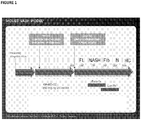
- the progression of disease appearance is fatty liver (FL) by five weeks of age, steatohepatitis (NASH) by 7 weeks of age, fibrosis (Fib) by 9 weeks of age, nodule formation (N) by 13 weeks of age, and some animals developing hepatocellular carcinoma (HC) by 16 weeks of age ( FIGURE 1 ).
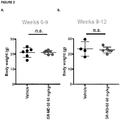
- GR-MD-02 produced as described in Example 1, was given in a dose of 60 mg/kg twice weekly intravenously for four (4) weeks at the each of the starting times indicated. Early treatment was given for weeks 6 through 9 and late therapy was given for weeks 9 through 12.
- FIGURES 2A-2B The changes in body weight of animals sacrificed after the early and late treatment periods are shown in FIGURES 2A-2B .
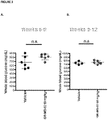
- FIGURES 3A-3B The comparison of whole blood glucose between treatment groups is shown in FIGURES 3A-3B . This shows that the blood glucose levels were markedly elevated in both the vehicle control and GR-MD-02 groups with no statistical differences at either the early or late treatment schedule.
- the normal blood glucose in mice was approximately 100 mg/dL and the average in the STAM animals was between 700 and 800 mg/dL, hence demonstrating that all animals had overt diabetes.
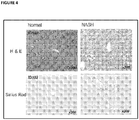
- FIGURE 4 shows the histology of the liver in normal and NASH mice.
- Liver sections stained with hematoxylin and eosin (H&E) show a marked difference between the normal liver and NASH liver, with the NASH liver showing large fat filled hepatocytes, ballooning degeneration of hepatocytes and an infiltrate of inflammatory cells.
- Liver sections stained with Sirius red highlight the presence of type I collagen.
- FIGURE 4 shows very little collagen in the normal liver, but increased collagen localized around central veins and in the peri-sinusoidal space in the NASH liver. This result demonstrates that the pathology of NASH was achieved in this mouse model.
- the NFLD activity score was used to evaluate the severity of liver disease on histological sections of liver and gives points for three aspects of NASH pathology including, steatosis (0 ( ⁇ 5%), 1 (5-33%), 2 (33-66%), or 3 (>66%)), hepatocyte ballooning (0 (none), 1, (few), or 3 (many)), and lobular inflammation (0 (no foci), 1 ( ⁇ 2 foci/200x field), 2 (2-4 foci/200x field), or 3 (>4 foci/200x field)).
- the total number of points is the NFLD activity score.
- FIGURE 5B shows the comparison of NFLD activity score on liver histology in STAM mice between the vehicle and GR-MD-02 treatment groups in the early treatment group.
- the score for the vehicle treated mice was an average of 5, confirming the presence of NASH.
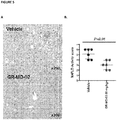
- FIGURE 6 shows the comparison of Sirius red-positive area in liver biopsies of STAM mice between the vehicle and GR-MD-02 treatment groups at 6-9 weeks and 9-12 weeks.
- Sirius red is a histological stain that has a specific affinity for collagen fibers, staining them red, and is therefore a quantitative tool for assessing the degree of fibrosis in liver biopsies.
- both the early and late treatment groups there is a marked reduction in Sirius red staining seen in the GR-MD-02 treated animals versus vehicle control.
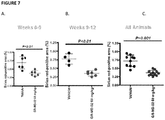
- FIGURES 7A, 7B and 7C show that collagen percent area was markedly statistically significantly reduced in the early and late treatment groups and when assessed combining both groups.
- the data further show that the efficacy of the therapeutic compounds tested have an effect on NASH liver disease and fibrosis in the absence of any effect on whole blood glucose.
- the blood glucose was not reduced in the treatment groups versus the control groups indicating that the liver disease can be treated without effective treatment of diabetes.
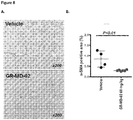
- FIGURE 8A shows immunohistochemical staining for the protein alpha-Smooth Muscle Actin, which is a marker for activated stellate cells.
- Treatment with GR-MD-02 caused a marked reduction in alpha-Smooth Muscle Actin which indicates that activated stellate cells are markedly reduced ( FIGURE 8B ). This is one of mechanism for the reduced collagen deposition with treatment.
- FIGURE 9A shows immunohistochemical staining of galectin-3 protein in liver tissue of vehicle and GR-MD-02 treated experimental groups. There was high level expression of galectin-3 predominantly in macrophages in the vehicle treated animal. Treatment with GR-MD-02 resulted in a marked reduction of galectin-3 in the liver associated with improved pathology of the disease ( FIGURE 9B ).
Landscapes
- Health & Medical Sciences (AREA)
- Life Sciences & Earth Sciences (AREA)
- Chemical & Material Sciences (AREA)
- General Health & Medical Sciences (AREA)
- Medicinal Chemistry (AREA)
- Veterinary Medicine (AREA)
- Pharmacology & Pharmacy (AREA)
- Public Health (AREA)
- Animal Behavior & Ethology (AREA)
- Molecular Biology (AREA)
- Epidemiology (AREA)
- Chemical Kinetics & Catalysis (AREA)
- Organic Chemistry (AREA)
- Engineering & Computer Science (AREA)
- Biochemistry (AREA)
- Materials Engineering (AREA)
- Polymers & Plastics (AREA)
- General Chemical & Material Sciences (AREA)
- Nuclear Medicine, Radiotherapy & Molecular Imaging (AREA)
- Bioinformatics & Cheminformatics (AREA)
- Emergency Medicine (AREA)
- Gastroenterology & Hepatology (AREA)
- Pharmaceuticals Containing Other Organic And Inorganic Compounds (AREA)
- Medicines That Contain Protein Lipid Enzymes And Other Medicines (AREA)
- Medicines Containing Antibodies Or Antigens For Use As Internal Diagnostic Agents (AREA)
- Acyclic And Carbocyclic Compounds In Medicinal Compositions (AREA)
Applications Claiming Priority (3)
| Application Number | Priority Date | Filing Date | Title |
|---|---|---|---|
| US201161535655P | 2011-09-16 | 2011-09-16 | |
| US201261656288P | 2012-06-06 | 2012-06-06 | |
| PCT/US2012/055360 WO2013040324A1 (en) | 2011-09-16 | 2012-09-14 | Galacto-rhamnogalacturonate compositions for the treatment of non-alcoholic steatohepatitis and non-alcoholic fatty liver disease |
Publications (3)
| Publication Number | Publication Date |
|---|---|
| EP2755480A1 EP2755480A1 (en) | 2014-07-23 |
| EP2755480A4 EP2755480A4 (en) | 2015-04-29 |
| EP2755480B1 true EP2755480B1 (en) | 2021-03-31 |
Family
ID=47883762
Family Applications (1)
| Application Number | Title | Priority Date | Filing Date |
|---|---|---|---|
| EP12831657.7A Active EP2755480B1 (en) | 2011-09-16 | 2012-09-14 | Galacto-rhamnogalacturonate compositions for the treatment of non-alcoholic steatohepatitis and non-alcoholic fatty liver disease |
Country Status (12)
| Country | Link |
|---|---|
| US (2) | US8658787B2 (enExample) |
| EP (1) | EP2755480B1 (enExample) |
| JP (1) | JP6185473B2 (enExample) |
| KR (1) | KR101974675B1 (enExample) |
| CN (1) | CN103945695B (enExample) |
| AU (1) | AU2012308491B2 (enExample) |
| BR (1) | BR112014006220A2 (enExample) |
| CA (1) | CA2848711C (enExample) |
| ES (1) | ES2869884T3 (enExample) |
| IL (1) | IL231512B (enExample) |
| MX (1) | MX360979B (enExample) |
| WO (2) | WO2013040316A1 (enExample) |
Families Citing this family (26)
| Publication number | Priority date | Publication date | Assignee | Title |
|---|---|---|---|---|
| WO2008011216A2 (en) * | 2006-05-16 | 2008-01-24 | Pro-Pharmaceuticals, Inc. | Galactose-pronged polysaccharides in a formulation for antifibrotic therapies |
| AU2012363033B2 (en) | 2011-12-28 | 2016-06-02 | Galectin Therapeutics, Inc. | Composition of novel carbohydrate drug for treatment of human diseases |
| WO2013184892A1 (en) | 2012-06-06 | 2013-12-12 | Galectin Therapeutics, Inc. | Galacto-rhamnogalacturonate compositions for the treatment of diseases associated with elevated inducible nitric oxide synthase |
| WO2014043708A1 (en) * | 2012-09-17 | 2014-03-20 | Traber Peter G | Method for enhancing specific immunotherapies in cancer treatment |
| EP3046566B1 (en) * | 2013-09-19 | 2020-12-02 | The Research Foundation for The State University of New York | Methods and materials for treating liver steatosis |
| WO2015138438A1 (en) * | 2014-03-10 | 2015-09-17 | La Jolla Pharmaceutical Company | Compositions and methods for treating kidney disorders |
| EP3191110A4 (en) * | 2014-08-18 | 2018-04-18 | Pharmagenesis, Inc. | Polygalacturonan rhamnogalacturonan1 (pgrg1) composition |
| MA41120A (fr) * | 2014-12-02 | 2017-10-10 | Afimmune Ltd | Compositions comprenant le 15-hepe et méthodes de traitement ou de prévention de la fibrose à l'aide de celles-ci |
| AU2016226906B2 (en) * | 2015-03-03 | 2021-06-10 | KOHJIN Life Sciences Co., Ltd. | Composition for improving or preventing nonalcoholic fatty liver |
| EP3273972A4 (en) | 2015-03-27 | 2018-10-31 | The Research Foundation for The State University of New York | Methods and materials for reducing amyloid beta levels within a mammal |
| CN117402059A (zh) | 2015-05-13 | 2024-01-16 | Ds生物制药有限公司 | 包含15-氧代-epa或15-氧代-dgla的组合物及其制备和使用方法 |
| TWI881480B (zh) * | 2015-06-30 | 2025-04-21 | 美商伊格集團國際股份有限公司 | 克立咪唑(clemizole)化合物於預防及治療肝癌之用途 |
| CN108367053A (zh) * | 2015-12-22 | 2018-08-03 | 诺华股份有限公司 | 使用生长分化因子15(gdf-15)治疗或改善代谢性疾病的方法 |
| JP7086008B2 (ja) * | 2016-03-04 | 2022-06-17 | ガレクティン・サイエンシーズ・リミテッド・ライアビリティ・カンパニー | ガレクチンに関連する疾患を予防および処置するためのセレノガラクトシド化合物およびその使用 |
| FR3050112B1 (fr) | 2016-04-15 | 2020-09-04 | Soc Civ Immobiliere Gecinq | Utilisation de l'acide fenofibrique dans le traitement des maladies hepatiques |
| CN109475537A (zh) * | 2016-06-03 | 2019-03-15 | 坎莫森特里克斯公司 | 治疗肝纤维化的方法 |
| US10342785B2 (en) | 2016-11-04 | 2019-07-09 | Askat Inc. | Use of EP4 receptor antagonists for the treatment of NASH-associated liver cancer |
| WO2018191752A1 (en) | 2017-04-14 | 2018-10-18 | Gelesis Llc | Compositions and methods for treating or preventing gut permeability-related disorders |
| AU2018265571B2 (en) | 2017-05-12 | 2022-09-29 | Galectin Sciences, Llc | Compounds for the prevention and treatment of diseases and the use thereof |
| WO2019010024A1 (en) * | 2017-07-04 | 2019-01-10 | The Regents Of The University Of California | METHODS OF TREATING LIVER DISEASES ASSOCIATED WITH INFLAMMATION OF DOOR SPACE OR PERIODAL INFLAMMATION |
| CN111183360B (zh) * | 2017-07-19 | 2024-10-18 | 生物辐射欧洲有限公司 | 同时评估非酒精性脂肪性肝炎和肝纤维化状态的生物标志物组合 |
| GB201804922D0 (en) * | 2018-03-27 | 2018-05-09 | Ucl Business Plc | Traatment |
| EP3813883A1 (en) | 2018-06-29 | 2021-05-05 | Glykos Biomedical Oy | Conjugates |
| WO2021123506A1 (en) | 2019-12-18 | 2021-06-24 | Glykos Biomedical Oy | Stabile conjugate |
| AU2021273936A1 (en) * | 2020-05-22 | 2022-12-08 | Durect Corporation | Treatment of non-alcoholic steatohepatitis (NASH) |
| EP4240413A4 (en) * | 2020-11-06 | 2024-10-16 | NDPD Pharma, Inc. | POLYSACCHARIDES FOR USE IN THE TREATMENT OF SARS-COV-2 INFECTIONS |
Family Cites Families (34)
| Publication number | Priority date | Publication date | Assignee | Title |
|---|---|---|---|---|
| DE4011285A1 (de) | 1990-04-06 | 1991-10-10 | Steigerwald Arzneimittelwerk | Arzneimittel zur behandlung von hyperlipidaemie und/oder atherosklerose |
| US6297229B1 (en) | 1994-11-14 | 2001-10-02 | Mayo Foundation For Medical Education And Research | Use of ursodeoxycholic acid to treat nonalcoholic steatohepatitis |
| US5760010A (en) | 1995-01-01 | 1998-06-02 | Klein; Ira | Method of treating liver disorders with a macrolide antibiotic |
| US6180139B1 (en) | 1998-12-04 | 2001-01-30 | Viva America Marketing, Inc. | Composition and method for treating nonalcoholic steatohepatitis |
| WO2000062076A1 (en) * | 1999-04-13 | 2000-10-19 | Hsu Daniel K | Galectin expression is induced in cirrhotic liver and hepatocellular carcinoma |
| AU777254B2 (en) | 1999-04-20 | 2004-10-07 | Board Of Trustees Of Southern Illinois University, The | Methods of treating clinical diseases with isoflavones |
| CN1142272C (zh) | 2000-02-02 | 2004-03-17 | 中国人民解放军军事医学科学院百环生物医学研究中心 | 携带人肝细胞生长因子基因的重组腺病毒的用途 |
| CN100558407C (zh) | 2000-02-04 | 2009-11-11 | 柳署弘 | 制备含有胆汁酸的澄清水溶液剂型 |
| US6596762B2 (en) | 2001-05-17 | 2003-07-22 | The Regents Of The University Of Colorado | Antioxidant compositions and use for treatment of hepatic steatosis and steatohepatitis |
| KR20040019069A (ko) | 2001-07-20 | 2004-03-04 | 인터뮨, 인크. | 간섬유증의 치료 방법 |
| US7312208B2 (en) | 2002-08-28 | 2007-12-25 | Asahi Kasei Pharma Corporation | Quaternary ammonium compounds |
| US20040223971A1 (en) * | 2003-04-07 | 2004-11-11 | Glycogenesys, Inc. | Composition and uses of galectin antagonists |
| US7078064B2 (en) | 2003-12-03 | 2006-07-18 | George Zabrecky | Compositions and methods useful for treating and preventing chronic liver disease, chronic HCV infection and non-alcoholic steatohepatitis |
| KR20070026392A (ko) | 2004-02-27 | 2007-03-08 | 아사히 가세이 파마 가부시키가이샤 | 신규 벤조티아제핀 및 벤조티에핀 화합물 |
| EP1765874A1 (en) * | 2004-03-26 | 2007-03-28 | Glycogenesys, Inc. | Modified pectins, compositions and methods related thereto |
| JP2008105945A (ja) | 2005-02-07 | 2008-05-08 | Ajinomoto Co Inc | アディポネクチンの分泌促進又は誘導作用を有するアシルアミド化合物 |
| EP1924294A4 (en) | 2005-05-24 | 2010-11-03 | Isis Pharmaceuticals Inc | COMPOSITIONS AND ITS USES AGAINST PTPRU |
| US20090028925A1 (en) * | 2005-05-26 | 2009-01-29 | Erion Mark D | Novel Phosphinic Acid-Containing Thyromimetics |
| JP2008546784A (ja) | 2005-06-20 | 2008-12-25 | シェーリング コーポレイション | ヒスタミンh3アンタゴニストとして有用なピペリジン誘導体 |
| WO2007016390A1 (en) * | 2005-07-28 | 2007-02-08 | Children's Medical Center Corporation | Matrix metalloproteinase inhibitors for treating fatty liver disease |
| US7906652B2 (en) | 2005-11-28 | 2011-03-15 | Merck Sharp & Dohme Corp. | Heterocycle-substituted 3-alkyl azetidine derivatives |
| WO2008011216A2 (en) * | 2006-05-16 | 2008-01-24 | Pro-Pharmaceuticals, Inc. | Galactose-pronged polysaccharides in a formulation for antifibrotic therapies |
| JP5105297B2 (ja) | 2006-05-25 | 2012-12-26 | 味の素株式会社 | Ppar活性調節剤 |
| JP2009539885A (ja) | 2006-06-13 | 2009-11-19 | メルク フロスト カナダ リミテツド | ステアロイルコエンザイムaデルタ−9デサチュラーゼの阻害剤としてのアザシクロペンタン誘導体 |
| US20080194575A1 (en) * | 2006-10-04 | 2008-08-14 | Naiara Beraza | Treatment for non-alcoholic-steatohepatitis |
| US7999107B2 (en) | 2007-01-31 | 2011-08-16 | Merck Sharp & Dohme Corp. | Substituted pyrano[2,3-B]pyridine derivatives as cannabinoid-1 receptor modulators |
| TWI535435B (zh) * | 2007-11-30 | 2016-06-01 | 美國加利福尼亞大學董事會 | 使用半胱胺產物治療非酒精性脂肪肝炎(nash)之方法 |
| ES2541141T3 (es) * | 2008-01-31 | 2015-07-16 | Astellas Pharma Inc. | Composición farmacéutica para el tratamiento de las enfermedades del hígado graso |
| WO2009118343A1 (en) | 2008-03-27 | 2009-10-01 | INSERM (Institut National de la Santé et de la Recherche Médicale) | Methods and kits for determining the occurrence of a liver disease in a subject |
| US20110082119A1 (en) | 2008-06-13 | 2011-04-07 | Takashi Yano | Prophylactic/ameliorating or therapeutic agent for non-alcoholic steatohepatitis |
| ES2621838T3 (es) * | 2008-11-18 | 2017-07-05 | Universite D'angers | Método in vitro no invasivo para la cuantificación de lesiones hepáticas |
| JP2010229099A (ja) * | 2009-03-27 | 2010-10-14 | Mochida Pharmaceut Co Ltd | 脂質異常症の改善または治療薬 |
| US20110183948A1 (en) * | 2010-01-15 | 2011-07-28 | Infinity Pharmaceuticals, Inc. | Treatment of fibrotic conditions using hedgehog inhibitors |
| AU2012363033B2 (en) * | 2011-12-28 | 2016-06-02 | Galectin Therapeutics, Inc. | Composition of novel carbohydrate drug for treatment of human diseases |
-
2012
- 2012-09-14 WO PCT/US2012/055348 patent/WO2013040316A1/en not_active Ceased
- 2012-09-14 US US13/573,454 patent/US8658787B2/en active Active
- 2012-09-14 CN CN201280049079.6A patent/CN103945695B/zh active Active
- 2012-09-14 CA CA2848711A patent/CA2848711C/en active Active
- 2012-09-14 US US13/573,436 patent/US20130259870A1/en not_active Abandoned
- 2012-09-14 AU AU2012308491A patent/AU2012308491B2/en active Active
- 2012-09-14 JP JP2014530821A patent/JP6185473B2/ja active Active
- 2012-09-14 ES ES12831657T patent/ES2869884T3/es active Active
- 2012-09-14 MX MX2014003213A patent/MX360979B/es active IP Right Grant
- 2012-09-14 BR BR112014006220A patent/BR112014006220A2/pt not_active Application Discontinuation
- 2012-09-14 EP EP12831657.7A patent/EP2755480B1/en active Active
- 2012-09-14 WO PCT/US2012/055360 patent/WO2013040324A1/en not_active Ceased
- 2012-09-14 KR KR1020147009796A patent/KR101974675B1/ko active Active
-
2014
- 2014-03-13 IL IL231512A patent/IL231512B/en active IP Right Grant
Non-Patent Citations (1)
| Title |
|---|
| None * |
Also Published As
| Publication number | Publication date |
|---|---|
| JP2014526513A (ja) | 2014-10-06 |
| US20130259870A1 (en) | 2013-10-03 |
| BR112014006220A2 (pt) | 2017-04-11 |
| EP2755480A1 (en) | 2014-07-23 |
| EP2755480A4 (en) | 2015-04-29 |
| JP6185473B2 (ja) | 2017-08-23 |
| WO2013040316A1 (en) | 2013-03-21 |
| US20130171151A1 (en) | 2013-07-04 |
| CA2848711C (en) | 2019-08-06 |
| US8658787B2 (en) | 2014-02-25 |
| KR20140107180A (ko) | 2014-09-04 |
| AU2012308491B2 (en) | 2016-01-07 |
| ES2869884T3 (es) | 2021-10-26 |
| CN103945695B (zh) | 2018-04-17 |
| MX360979B (es) | 2018-11-22 |
| AU2012308491A1 (en) | 2014-04-03 |
| CN103945695A (zh) | 2014-07-23 |
| KR101974675B1 (ko) | 2019-05-02 |
| IL231512B (en) | 2019-02-28 |
| IL231512A0 (en) | 2014-04-30 |
| MX2014003213A (es) | 2015-05-15 |
| WO2013040324A1 (en) | 2013-03-21 |
| CA2848711A1 (en) | 2013-03-21 |
Similar Documents
| Publication | Publication Date | Title |
|---|---|---|
| CA2848711C (en) | Galacto-rhamnogalacturonate compositions for the treatment of non-alcoholic steatohepatitis and non-alcoholic fatty liver disease | |
| US20260053840A1 (en) | Composition of novel carbohydrate drug for treatment of human diseases | |
| AU2013271585B2 (en) | Galacto-rhamnogalacturonate compositions for the treatment of diseases associated with elevated inducible nitric oxide synthase |
Legal Events
| Date | Code | Title | Description |
|---|---|---|---|
| PUAI | Public reference made under article 153(3) epc to a published international application that has entered the european phase |
Free format text: ORIGINAL CODE: 0009012 |
|
| 17P | Request for examination filed |
Effective date: 20140415 |
|
| AK | Designated contracting states |
Kind code of ref document: A1 Designated state(s): AL AT BE BG CH CY CZ DE DK EE ES FI FR GB GR HR HU IE IS IT LI LT LU LV MC MK MT NL NO PL PT RO RS SE SI SK SM TR |
|
| DAX | Request for extension of the european patent (deleted) | ||
| RA4 | Supplementary search report drawn up and despatched (corrected) |
Effective date: 20150330 |
|
| RIC1 | Information provided on ipc code assigned before grant |
Ipc: A61K 31/736 20060101AFI20150324BHEP Ipc: A61K 31/732 20060101ALI20150324BHEP Ipc: A61P 1/16 20060101ALI20150324BHEP Ipc: A61P 43/00 20060101ALI20150324BHEP |
|
| STAA | Information on the status of an ep patent application or granted ep patent |
Free format text: STATUS: EXAMINATION IS IN PROGRESS |
|
| 17Q | First examination report despatched |
Effective date: 20180628 |
|
| REG | Reference to a national code |
Ref country code: DE Ref legal event code: R079 Ref document number: 602012075025 Country of ref document: DE Free format text: PREVIOUS MAIN CLASS: A01N0043040000 Ipc: A61K0031736000 |
|
| GRAP | Despatch of communication of intention to grant a patent |
Free format text: ORIGINAL CODE: EPIDOSNIGR1 |
|
| STAA | Information on the status of an ep patent application or granted ep patent |
Free format text: STATUS: GRANT OF PATENT IS INTENDED |
|
| RIC1 | Information provided on ipc code assigned before grant |
Ipc: A61K 31/736 20060101AFI20201124BHEP Ipc: A61P 35/00 20060101ALI20201124BHEP Ipc: A61K 45/06 20060101ALI20201124BHEP Ipc: A61K 31/732 20060101ALI20201124BHEP Ipc: A61P 43/00 20060101ALI20201124BHEP Ipc: A61P 1/16 20060101ALI20201124BHEP |
|
| INTG | Intention to grant announced |
Effective date: 20201214 |
|
| GRAS | Grant fee paid |
Free format text: ORIGINAL CODE: EPIDOSNIGR3 |
|
| GRAA | (expected) grant |
Free format text: ORIGINAL CODE: 0009210 |
|
| STAA | Information on the status of an ep patent application or granted ep patent |
Free format text: STATUS: THE PATENT HAS BEEN GRANTED |
|
| RIN1 | Information on inventor provided before grant (corrected) |
Inventor name: KLYOSOV, ANATOLE A. Inventor name: TRABER, PETER G. Inventor name: ZOMER, ELIEZER |
|
| AK | Designated contracting states |
Kind code of ref document: B1 Designated state(s): AL AT BE BG CH CY CZ DE DK EE ES FI FR GB GR HR HU IE IS IT LI LT LU LV MC MK MT NL NO PL PT RO RS SE SI SK SM TR |
|
| REG | Reference to a national code |
Ref country code: GB Ref legal event code: FG4D Ref country code: CH Ref legal event code: EP |
|
| REG | Reference to a national code |
Ref country code: DE Ref legal event code: R096 Ref document number: 602012075025 Country of ref document: DE Ref country code: AT Ref legal event code: REF Ref document number: 1376172 Country of ref document: AT Kind code of ref document: T Effective date: 20210415 |
|
| REG | Reference to a national code |
Ref country code: IE Ref legal event code: FG4D |
|
| REG | Reference to a national code |
Ref country code: NL Ref legal event code: FP |
|
| REG | Reference to a national code |
Ref country code: LT Ref legal event code: MG9D |
|
| PG25 | Lapsed in a contracting state [announced via postgrant information from national office to epo] |
Ref country code: HR Free format text: LAPSE BECAUSE OF FAILURE TO SUBMIT A TRANSLATION OF THE DESCRIPTION OR TO PAY THE FEE WITHIN THE PRESCRIBED TIME-LIMIT Effective date: 20210331 Ref country code: FI Free format text: LAPSE BECAUSE OF FAILURE TO SUBMIT A TRANSLATION OF THE DESCRIPTION OR TO PAY THE FEE WITHIN THE PRESCRIBED TIME-LIMIT Effective date: 20210331 Ref country code: NO Free format text: LAPSE BECAUSE OF FAILURE TO SUBMIT A TRANSLATION OF THE DESCRIPTION OR TO PAY THE FEE WITHIN THE PRESCRIBED TIME-LIMIT Effective date: 20210630 Ref country code: BG Free format text: LAPSE BECAUSE OF FAILURE TO SUBMIT A TRANSLATION OF THE DESCRIPTION OR TO PAY THE FEE WITHIN THE PRESCRIBED TIME-LIMIT Effective date: 20210630 |
|
| PG25 | Lapsed in a contracting state [announced via postgrant information from national office to epo] |
Ref country code: LV Free format text: LAPSE BECAUSE OF FAILURE TO SUBMIT A TRANSLATION OF THE DESCRIPTION OR TO PAY THE FEE WITHIN THE PRESCRIBED TIME-LIMIT Effective date: 20210331 Ref country code: RS Free format text: LAPSE BECAUSE OF FAILURE TO SUBMIT A TRANSLATION OF THE DESCRIPTION OR TO PAY THE FEE WITHIN THE PRESCRIBED TIME-LIMIT Effective date: 20210331 Ref country code: SE Free format text: LAPSE BECAUSE OF FAILURE TO SUBMIT A TRANSLATION OF THE DESCRIPTION OR TO PAY THE FEE WITHIN THE PRESCRIBED TIME-LIMIT Effective date: 20210331 |
|
| REG | Reference to a national code |
Ref country code: AT Ref legal event code: MK05 Ref document number: 1376172 Country of ref document: AT Kind code of ref document: T Effective date: 20210331 |
|
| REG | Reference to a national code |
Ref country code: ES Ref legal event code: FG2A Ref document number: 2869884 Country of ref document: ES Kind code of ref document: T3 Effective date: 20211026 |
|
| PG25 | Lapsed in a contracting state [announced via postgrant information from national office to epo] |
Ref country code: SM Free format text: LAPSE BECAUSE OF FAILURE TO SUBMIT A TRANSLATION OF THE DESCRIPTION OR TO PAY THE FEE WITHIN THE PRESCRIBED TIME-LIMIT Effective date: 20210331 Ref country code: AT Free format text: LAPSE BECAUSE OF FAILURE TO SUBMIT A TRANSLATION OF THE DESCRIPTION OR TO PAY THE FEE WITHIN THE PRESCRIBED TIME-LIMIT Effective date: 20210331 Ref country code: EE Free format text: LAPSE BECAUSE OF FAILURE TO SUBMIT A TRANSLATION OF THE DESCRIPTION OR TO PAY THE FEE WITHIN THE PRESCRIBED TIME-LIMIT Effective date: 20210331 Ref country code: CZ Free format text: LAPSE BECAUSE OF FAILURE TO SUBMIT A TRANSLATION OF THE DESCRIPTION OR TO PAY THE FEE WITHIN THE PRESCRIBED TIME-LIMIT Effective date: 20210331 Ref country code: LT Free format text: LAPSE BECAUSE OF FAILURE TO SUBMIT A TRANSLATION OF THE DESCRIPTION OR TO PAY THE FEE WITHIN THE PRESCRIBED TIME-LIMIT Effective date: 20210331 |
|
| PG25 | Lapsed in a contracting state [announced via postgrant information from national office to epo] |
Ref country code: IS Free format text: LAPSE BECAUSE OF FAILURE TO SUBMIT A TRANSLATION OF THE DESCRIPTION OR TO PAY THE FEE WITHIN THE PRESCRIBED TIME-LIMIT Effective date: 20210731 Ref country code: RO Free format text: LAPSE BECAUSE OF FAILURE TO SUBMIT A TRANSLATION OF THE DESCRIPTION OR TO PAY THE FEE WITHIN THE PRESCRIBED TIME-LIMIT Effective date: 20210331 Ref country code: PL Free format text: LAPSE BECAUSE OF FAILURE TO SUBMIT A TRANSLATION OF THE DESCRIPTION OR TO PAY THE FEE WITHIN THE PRESCRIBED TIME-LIMIT Effective date: 20210331 Ref country code: PT Free format text: LAPSE BECAUSE OF FAILURE TO SUBMIT A TRANSLATION OF THE DESCRIPTION OR TO PAY THE FEE WITHIN THE PRESCRIBED TIME-LIMIT Effective date: 20210802 Ref country code: SK Free format text: LAPSE BECAUSE OF FAILURE TO SUBMIT A TRANSLATION OF THE DESCRIPTION OR TO PAY THE FEE WITHIN THE PRESCRIBED TIME-LIMIT Effective date: 20210331 |
|
| REG | Reference to a national code |
Ref country code: DE Ref legal event code: R097 Ref document number: 602012075025 Country of ref document: DE |
|
| PG25 | Lapsed in a contracting state [announced via postgrant information from national office to epo] |
Ref country code: DK Free format text: LAPSE BECAUSE OF FAILURE TO SUBMIT A TRANSLATION OF THE DESCRIPTION OR TO PAY THE FEE WITHIN THE PRESCRIBED TIME-LIMIT Effective date: 20210331 Ref country code: AL Free format text: LAPSE BECAUSE OF FAILURE TO SUBMIT A TRANSLATION OF THE DESCRIPTION OR TO PAY THE FEE WITHIN THE PRESCRIBED TIME-LIMIT Effective date: 20210331 |
|
| PLBE | No opposition filed within time limit |
Free format text: ORIGINAL CODE: 0009261 |
|
| STAA | Information on the status of an ep patent application or granted ep patent |
Free format text: STATUS: NO OPPOSITION FILED WITHIN TIME LIMIT |
|
| 26N | No opposition filed |
Effective date: 20220104 |
|
| PG25 | Lapsed in a contracting state [announced via postgrant information from national office to epo] |
Ref country code: IS Free format text: LAPSE BECAUSE OF FAILURE TO SUBMIT A TRANSLATION OF THE DESCRIPTION OR TO PAY THE FEE WITHIN THE PRESCRIBED TIME-LIMIT Effective date: 20210731 Ref country code: MC Free format text: LAPSE BECAUSE OF FAILURE TO SUBMIT A TRANSLATION OF THE DESCRIPTION OR TO PAY THE FEE WITHIN THE PRESCRIBED TIME-LIMIT Effective date: 20210331 |
|
| PG25 | Lapsed in a contracting state [announced via postgrant information from national office to epo] |
Ref country code: LU Free format text: LAPSE BECAUSE OF NON-PAYMENT OF DUE FEES Effective date: 20210914 Ref country code: IT Free format text: LAPSE BECAUSE OF FAILURE TO SUBMIT A TRANSLATION OF THE DESCRIPTION OR TO PAY THE FEE WITHIN THE PRESCRIBED TIME-LIMIT Effective date: 20210331 Ref country code: IE Free format text: LAPSE BECAUSE OF NON-PAYMENT OF DUE FEES Effective date: 20210914 |
|
| PG25 | Lapsed in a contracting state [announced via postgrant information from national office to epo] |
Ref country code: HU Free format text: LAPSE BECAUSE OF FAILURE TO SUBMIT A TRANSLATION OF THE DESCRIPTION OR TO PAY THE FEE WITHIN THE PRESCRIBED TIME-LIMIT; INVALID AB INITIO Effective date: 20120914 Ref country code: CY Free format text: LAPSE BECAUSE OF FAILURE TO SUBMIT A TRANSLATION OF THE DESCRIPTION OR TO PAY THE FEE WITHIN THE PRESCRIBED TIME-LIMIT Effective date: 20210331 |
|
| P01 | Opt-out of the competence of the unified patent court (upc) registered |
Effective date: 20230516 |
|
| PG25 | Lapsed in a contracting state [announced via postgrant information from national office to epo] |
Ref country code: GR Free format text: LAPSE BECAUSE OF FAILURE TO SUBMIT A TRANSLATION OF THE DESCRIPTION OR TO PAY THE FEE WITHIN THE PRESCRIBED TIME-LIMIT Effective date: 20210331 |
|
| PG25 | Lapsed in a contracting state [announced via postgrant information from national office to epo] |
Ref country code: MK Free format text: LAPSE BECAUSE OF FAILURE TO SUBMIT A TRANSLATION OF THE DESCRIPTION OR TO PAY THE FEE WITHIN THE PRESCRIBED TIME-LIMIT Effective date: 20210331 |
|
| PG25 | Lapsed in a contracting state [announced via postgrant information from national office to epo] |
Ref country code: MT Free format text: LAPSE BECAUSE OF FAILURE TO SUBMIT A TRANSLATION OF THE DESCRIPTION OR TO PAY THE FEE WITHIN THE PRESCRIBED TIME-LIMIT Effective date: 20210331 |
|
| PGFP | Annual fee paid to national office [announced via postgrant information from national office to epo] |
Ref country code: NL Payment date: 20250814 Year of fee payment: 14 |
|
| REG | Reference to a national code |
Ref country code: CH Ref legal event code: U11 Free format text: ST27 STATUS EVENT CODE: U-0-0-U10-U11 (AS PROVIDED BY THE NATIONAL OFFICE) Effective date: 20251001 |
|
| PGFP | Annual fee paid to national office [announced via postgrant information from national office to epo] |
Ref country code: DE Payment date: 20250730 Year of fee payment: 14 |
|
| PGFP | Annual fee paid to national office [announced via postgrant information from national office to epo] |
Ref country code: BE Payment date: 20250818 Year of fee payment: 14 Ref country code: GB Payment date: 20250731 Year of fee payment: 14 |
|
| PGFP | Annual fee paid to national office [announced via postgrant information from national office to epo] |
Ref country code: FR Payment date: 20250808 Year of fee payment: 14 |
|
| PG25 | Lapsed in a contracting state [announced via postgrant information from national office to epo] |
Ref country code: TR Free format text: LAPSE BECAUSE OF FAILURE TO SUBMIT A TRANSLATION OF THE DESCRIPTION OR TO PAY THE FEE WITHIN THE PRESCRIBED TIME-LIMIT Effective date: 20210331 |
|
| PGFP | Annual fee paid to national office [announced via postgrant information from national office to epo] |
Ref country code: CH Payment date: 20251001 Year of fee payment: 14 |
|
| PGFP | Annual fee paid to national office [announced via postgrant information from national office to epo] |
Ref country code: ES Payment date: 20251016 Year of fee payment: 14 |