EP2684569A1 - A composition for treatment of advanced prostate cancer - Google Patents
A composition for treatment of advanced prostate cancer Download PDFInfo
- Publication number
- EP2684569A1 EP2684569A1 EP13188131.0A EP13188131A EP2684569A1 EP 2684569 A1 EP2684569 A1 EP 2684569A1 EP 13188131 A EP13188131 A EP 13188131A EP 2684569 A1 EP2684569 A1 EP 2684569A1
- Authority
- EP
- European Patent Office
- Prior art keywords
- composition
- antigen
- ncm
- exogenous
- patient
- Prior art date
- Legal status (The legal status is an assumption and is not a legal conclusion. Google has not performed a legal analysis and makes no representation as to the accuracy of the status listed.)
- Withdrawn
Links
Images

Classifications
-
- A—HUMAN NECESSITIES
- A61—MEDICAL OR VETERINARY SCIENCE; HYGIENE
- A61K—PREPARATIONS FOR MEDICAL, DENTAL OR TOILETRY PURPOSES
- A61K38/00—Medicinal preparations containing peptides
- A61K38/16—Peptides having more than 20 amino acids; Gastrins; Somatostatins; Melanotropins; Derivatives thereof
- A61K38/17—Peptides having more than 20 amino acids; Gastrins; Somatostatins; Melanotropins; Derivatives thereof from animals; from humans
- A61K38/19—Cytokines; Lymphokines; Interferons
- A61K38/191—Tumor necrosis factors [TNF], e.g. lymphotoxin [LT], i.e. TNF-beta
-
- A—HUMAN NECESSITIES
- A61—MEDICAL OR VETERINARY SCIENCE; HYGIENE
- A61K—PREPARATIONS FOR MEDICAL, DENTAL OR TOILETRY PURPOSES
- A61K38/00—Medicinal preparations containing peptides
- A61K38/16—Peptides having more than 20 amino acids; Gastrins; Somatostatins; Melanotropins; Derivatives thereof
- A61K38/17—Peptides having more than 20 amino acids; Gastrins; Somatostatins; Melanotropins; Derivatives thereof from animals; from humans
- A61K38/19—Cytokines; Lymphokines; Interferons
- A61K38/20—Interleukins [IL]
- A61K38/2006—IL-1
-
- A—HUMAN NECESSITIES
- A61—MEDICAL OR VETERINARY SCIENCE; HYGIENE
- A61K—PREPARATIONS FOR MEDICAL, DENTAL OR TOILETRY PURPOSES
- A61K38/00—Medicinal preparations containing peptides
- A61K38/16—Peptides having more than 20 amino acids; Gastrins; Somatostatins; Melanotropins; Derivatives thereof
- A61K38/17—Peptides having more than 20 amino acids; Gastrins; Somatostatins; Melanotropins; Derivatives thereof from animals; from humans
- A61K38/19—Cytokines; Lymphokines; Interferons
- A61K38/20—Interleukins [IL]
- A61K38/2013—IL-2
-
- A—HUMAN NECESSITIES
- A61—MEDICAL OR VETERINARY SCIENCE; HYGIENE
- A61K—PREPARATIONS FOR MEDICAL, DENTAL OR TOILETRY PURPOSES
- A61K38/00—Medicinal preparations containing peptides
- A61K38/16—Peptides having more than 20 amino acids; Gastrins; Somatostatins; Melanotropins; Derivatives thereof
- A61K38/17—Peptides having more than 20 amino acids; Gastrins; Somatostatins; Melanotropins; Derivatives thereof from animals; from humans
- A61K38/19—Cytokines; Lymphokines; Interferons
- A61K38/20—Interleukins [IL]
- A61K38/204—IL-6
-
- A—HUMAN NECESSITIES
- A61—MEDICAL OR VETERINARY SCIENCE; HYGIENE
- A61K—PREPARATIONS FOR MEDICAL, DENTAL OR TOILETRY PURPOSES
- A61K38/00—Medicinal preparations containing peptides
- A61K38/16—Peptides having more than 20 amino acids; Gastrins; Somatostatins; Melanotropins; Derivatives thereof
- A61K38/17—Peptides having more than 20 amino acids; Gastrins; Somatostatins; Melanotropins; Derivatives thereof from animals; from humans
- A61K38/19—Cytokines; Lymphokines; Interferons
- A61K38/20—Interleukins [IL]
- A61K38/2053—IL-8
-
- A—HUMAN NECESSITIES
- A61—MEDICAL OR VETERINARY SCIENCE; HYGIENE
- A61K—PREPARATIONS FOR MEDICAL, DENTAL OR TOILETRY PURPOSES
- A61K38/00—Medicinal preparations containing peptides
- A61K38/16—Peptides having more than 20 amino acids; Gastrins; Somatostatins; Melanotropins; Derivatives thereof
- A61K38/17—Peptides having more than 20 amino acids; Gastrins; Somatostatins; Melanotropins; Derivatives thereof from animals; from humans
- A61K38/19—Cytokines; Lymphokines; Interferons
- A61K38/21—Interferons [IFN]
- A61K38/217—IFN-gamma
-
- A—HUMAN NECESSITIES
- A61—MEDICAL OR VETERINARY SCIENCE; HYGIENE
- A61K—PREPARATIONS FOR MEDICAL, DENTAL OR TOILETRY PURPOSES
- A61K39/00—Medicinal preparations containing antigens or antibodies
- A61K39/0005—Vertebrate antigens
- A61K39/0011—Cancer antigens
-
- A—HUMAN NECESSITIES
- A61—MEDICAL OR VETERINARY SCIENCE; HYGIENE
- A61K—PREPARATIONS FOR MEDICAL, DENTAL OR TOILETRY PURPOSES
- A61K39/00—Medicinal preparations containing antigens or antibodies
- A61K39/0005—Vertebrate antigens
- A61K39/0011—Cancer antigens
- A61K39/001193—Prostate associated antigens e.g. Prostate stem cell antigen [PSCA]; Prostate carcinoma tumor antigen [PCTA]; PAP or PSGR
- A61K39/001195—Prostate specific membrane antigen [PSMA]
-
- A—HUMAN NECESSITIES
- A61—MEDICAL OR VETERINARY SCIENCE; HYGIENE
- A61P—SPECIFIC THERAPEUTIC ACTIVITY OF CHEMICAL COMPOUNDS OR MEDICINAL PREPARATIONS
- A61P13/00—Drugs for disorders of the urinary system
- A61P13/08—Drugs for disorders of the urinary system of the prostate
-
- A—HUMAN NECESSITIES
- A61—MEDICAL OR VETERINARY SCIENCE; HYGIENE
- A61P—SPECIFIC THERAPEUTIC ACTIVITY OF CHEMICAL COMPOUNDS OR MEDICINAL PREPARATIONS
- A61P15/00—Drugs for genital or sexual disorders; Contraceptives
-
- A—HUMAN NECESSITIES
- A61—MEDICAL OR VETERINARY SCIENCE; HYGIENE
- A61P—SPECIFIC THERAPEUTIC ACTIVITY OF CHEMICAL COMPOUNDS OR MEDICINAL PREPARATIONS
- A61P15/00—Drugs for genital or sexual disorders; Contraceptives
- A61P15/14—Drugs for genital or sexual disorders; Contraceptives for lactation disorders, e.g. galactorrhoea
-
- A—HUMAN NECESSITIES
- A61—MEDICAL OR VETERINARY SCIENCE; HYGIENE
- A61P—SPECIFIC THERAPEUTIC ACTIVITY OF CHEMICAL COMPOUNDS OR MEDICINAL PREPARATIONS
- A61P17/00—Drugs for dermatological disorders
-
- A—HUMAN NECESSITIES
- A61—MEDICAL OR VETERINARY SCIENCE; HYGIENE
- A61P—SPECIFIC THERAPEUTIC ACTIVITY OF CHEMICAL COMPOUNDS OR MEDICINAL PREPARATIONS
- A61P29/00—Non-central analgesic, antipyretic or antiinflammatory agents, e.g. antirheumatic agents; Non-steroidal antiinflammatory drugs [NSAID]
-
- A—HUMAN NECESSITIES
- A61—MEDICAL OR VETERINARY SCIENCE; HYGIENE
- A61P—SPECIFIC THERAPEUTIC ACTIVITY OF CHEMICAL COMPOUNDS OR MEDICINAL PREPARATIONS
- A61P31/00—Antiinfectives, i.e. antibiotics, antiseptics, chemotherapeutics
- A61P31/04—Antibacterial agents
-
- A—HUMAN NECESSITIES
- A61—MEDICAL OR VETERINARY SCIENCE; HYGIENE
- A61P—SPECIFIC THERAPEUTIC ACTIVITY OF CHEMICAL COMPOUNDS OR MEDICINAL PREPARATIONS
- A61P31/00—Antiinfectives, i.e. antibiotics, antiseptics, chemotherapeutics
- A61P31/04—Antibacterial agents
- A61P31/06—Antibacterial agents for tuberculosis
-
- A—HUMAN NECESSITIES
- A61—MEDICAL OR VETERINARY SCIENCE; HYGIENE
- A61P—SPECIFIC THERAPEUTIC ACTIVITY OF CHEMICAL COMPOUNDS OR MEDICINAL PREPARATIONS
- A61P31/00—Antiinfectives, i.e. antibiotics, antiseptics, chemotherapeutics
- A61P31/12—Antivirals
- A61P31/14—Antivirals for RNA viruses
- A61P31/18—Antivirals for RNA viruses for HIV
-
- A—HUMAN NECESSITIES
- A61—MEDICAL OR VETERINARY SCIENCE; HYGIENE
- A61P—SPECIFIC THERAPEUTIC ACTIVITY OF CHEMICAL COMPOUNDS OR MEDICINAL PREPARATIONS
- A61P31/00—Antiinfectives, i.e. antibiotics, antiseptics, chemotherapeutics
- A61P31/12—Antivirals
- A61P31/20—Antivirals for DNA viruses
-
- A—HUMAN NECESSITIES
- A61—MEDICAL OR VETERINARY SCIENCE; HYGIENE
- A61P—SPECIFIC THERAPEUTIC ACTIVITY OF CHEMICAL COMPOUNDS OR MEDICINAL PREPARATIONS
- A61P35/00—Antineoplastic agents
-
- A—HUMAN NECESSITIES
- A61—MEDICAL OR VETERINARY SCIENCE; HYGIENE
- A61P—SPECIFIC THERAPEUTIC ACTIVITY OF CHEMICAL COMPOUNDS OR MEDICINAL PREPARATIONS
- A61P35/00—Antineoplastic agents
- A61P35/02—Antineoplastic agents specific for leukemia
-
- A—HUMAN NECESSITIES
- A61—MEDICAL OR VETERINARY SCIENCE; HYGIENE
- A61P—SPECIFIC THERAPEUTIC ACTIVITY OF CHEMICAL COMPOUNDS OR MEDICINAL PREPARATIONS
- A61P37/00—Drugs for immunological or allergic disorders
- A61P37/02—Immunomodulators
- A61P37/04—Immunostimulants
-
- A—HUMAN NECESSITIES
- A61—MEDICAL OR VETERINARY SCIENCE; HYGIENE
- A61P—SPECIFIC THERAPEUTIC ACTIVITY OF CHEMICAL COMPOUNDS OR MEDICINAL PREPARATIONS
- A61P43/00—Drugs for specific purposes, not provided for in groups A61P1/00-A61P41/00
Definitions
- the present invention relates to treatment of cancer.
- tumour-bearing state is associated with immunosuppressive mechanisms derived from both the tumour and the host's disturbed immune system (Kavanaugh, 1996), thereby making immunization difficult and until now impossible on a consistent basis.
- Immune suppression or depletion involves a reduced capacity of the immune system to respond.
- Such suppression can be drug-induced, i.e., by drug treatment, virus-induced, e.g., as in AIDS, or induced by a disease state such as cancer.
- the immune system in this condition is effectively turned off.
- a disease state such as cancer, the body is not able to protect itself against tumour antigens, thus allowing a tumour to grow and possibly metastasize.
- tumour immunization strategies have been developed.
- One approach has been dendritic cell-mediated therapy, e.g., wherein dendritic cells were pulsed with oligopeptide fragments of prostate-specific membrane antigens (PSMA).
- PSMA prostate-specific membrane antigens
- the dendritic cells (with or without the priming PSMA antigens) were then administered to patients with metastatic prostate cancer.
- Major clinical responses were obtained in only a low percentage of patients (Murphy, 1999; see also, Tjoa, 2000).
- US Patents 5503841 ; 5800810 ; 6060068 ; 5643565 ; and 5100664 disclose methods of enhancing the immune response in patients using interleukin 2 (IL-2). This method is disclosed for use in response to infectious diseases and primarily functions using antigens known to be immunogenic. Limited applicability was demonstrated. As disclosed above, the treatment of cancer is known to require different approaches. To date, treatment with IL-2 has shown minor effects in two cancers, renal cell and malignant melanoma (response rates less than 20%). It is generally considered ineffective in squamous cell head and neck and cervical cancer and in prostate cancer. Hence, it is not approved for these uses.
- IL-2 interleukin 2
- T cell mediated anti-cancer immune response primarily in the lymph nodes draining the site of the tumour or immunization, followed by T cell activation and migration to the peripheral sites.
- T cell activation and migration the critical events for a T cell mediated anti-cancer immune response are antigen presentation to T cells, primarily in the lymph nodes draining the site of the tumour or immunization, followed by T cell activation and migration to the peripheral sites.
- the uptake of the antigen by tissue macrophages, neutrophils and/or dendritic cells and presentation of processed peptides in combination with MHC class I and class II antigens to the T cells in the lymph node are crucial to a complete immune response.
- Key to a successful T cell immune activation is the generation of the appropriate cytokine environment to drive the immune response to a vaccine, at both the site of immunization and draining lymph nodes.
- the kinetics of the immune response includes two phases. The first is the draining of the antigen and soluble proteins to the lymph nodes, where an initial immune activation occurs. Twenty four to forty eight hours later, antigen-presenting cells (APCs), most particularly dendritic cells, migrate from the site of immunization via the draining lymphatic ducts to the lymph node, where a second wave of presentation of antigen and activation occurs. More specifically, the APCs interact in the lymph node with precursor T helper cells via engagement of co-stimulatory receptors as well as T cell receptors to yield T helper 1 (Th1) cells and/or T helper 2 (Th2) cells.
- APCs antigen-presenting cells
- the ratio of these subsets controls subsequent development of either cell-mediated or humoral (antibody) immune responses (Th1 biasing towards DTH/cytotoxicity, whereas Th2 biases towards antibody production). Following the induction of these activated T cells, the immune response subsides, leaving predominately memory T cells, which are capable of responding upon re-exposure to antigen.
- cytokines that bias the response in the direction of humoral or cellular immunity.
- Locally produced cytokines such as IL-1, IL-2, IFN- ⁇ , GM-CSF, IL-6, TNF- ⁇ , IL-I2 and IL-8, are associated with the recruitment of immune system cells, antigen uptake, dendritic cell maturation, dampening of T regulatory cell activity, T cell education and proliferation, and the development of Th1 cells (Naylor, 2003).
- the interdependence of the response means that the activity of any given cytokine depends on the occurrence of precursor events such that the simultaneous presence of multiple cytokines can have different effects at both the injection site and the draining lymph nodes, depending on the kinetics of cell responses to different cytokines.
- NCM (also referred to herein as IRX-2) has been previously shown in US Patent 5698194 to be effective in promoting T cell development and function in aged, immunosuppressed mice. NCM was shown to decrease the proportion of immature T cells and increase the proportion of mature T cells in the thymus. The NCM included IL-1, IL-2, IL-6, IL-8, IL-12, IFN- ⁇ , TNF- ⁇ , GM-CSF, G-CSF, and IL-3, IL-4, IL-7 in trace amounts.
- the present invention relates to compositions for alleviation or elimination of symptoms of advanced prostate cancer using a cytokine mixture, preferably comprising the cytokines IL-1, IL-2, IL-6, IL-8, IFN- ⁇ (gamma) and TNF- ⁇ (alpha), for administration together with an adjuvant comprising at least one exogenous tumour antigen.
- a cytokine mixture is the natural cytokine mixture, NCM, as disclosed in US Patents 5632983 and 5698194 .
- the cytokine mixture acts as an adjuvant with the antigen associated with the antigen-producing disease to enhance the immune response of the patient to the antigen.
- the antigen is an exogenous antigen, that is, isolated or generated in vitro and administered to the patient in vivo; the cytokine mixture is administered in combination with the exogenous antigen (either in the same preparation or in a separate preparation either at the same time or at a different time).
- the cytokine mixture acts as an adjuvant with the exogenous antigen to stimulate an immune response to the antigen.
- the invention relates to compositions for eliciting an immune response to an antigen associated with prostate cancer, wherein a cytokine mixture comprising IL-1, IL-2, IL-6, IL-8, IFN- ⁇ , and TNF- ⁇ is administered to a patient in an amount effective to stimulate an immune response to an exogenous antigen; the cytokine mixture acts as an adjuvant with the antigen to stimulate an immune response to the antigen in a patient.
- the cytokine mixture acts as an adjuvant, i.e., stimulates or enhances the immune response of a patient to a particular antigen.
- adjuvant denotes a composition with the ability to enhance the immune response to a particular antigen. Such ability is manifested by a significant increase in immune-mediated protection.
- an adjuvant must be delivered at or near the site of antigen.
- Enhancement of immunity is typically manifested by either a significant increase (usually greater than 10 fold) in the titer of antibody raised to the antigen and/or enhancement of cellular immunity, which can be measured by a positive skin test, cytotoxic T cell assay, ELISPOT assay for IFN- ⁇ or IL-2, or T cell infiltration into the tumour.
- the cytokine compositions of the present invention are particularly suited to enhance T cell-mediated immune responses.
- the adjuvant effects of the cytokine compositions of the invention include the generation of na ⁇ ve T cells, the promotion of dendritic cell differentiation and maturation, the stimulation of monocytes and macrophages, and for the cancer patients, increased lymphocyte infiltration into tumours, tumour fragmentation, tumour regression, and reduction of sinus histiocytosis in the lymph nodes.
- tumor antigen denotes a protein or peptide or other molecule capable of inducing an immune response to a tumour. This can include, but is not limited to, PSMA peptides, MAGE peptides (Sahin, 1997; Wang, 1999), Papilloma virus peptides (E6 and E7), MAGE fragments, NY ESO-1 or other similar antigens. Previously, these antigens were not considered to be effective in treating patients based either on their size, that is, they were considered too small, or they were previously thought to lack immunogenic properties (that is, they were considered to be self antigens).
- NCM denotes a natural cytokine mixture as defined and set forth in US Patents 5632983 and 5698194 .
- NCM is prepared in the continuous presence of a 4-aminoquinolone antibiotic and with the continuous or pulsed presence of a mitogen, which in the preferred embodiment is PHA.
- the NCM can include recombinant and/or pegylated cytokines, the production of which is well known in the art (see, e.g., US Patents 4738927 , 4992367 , US Patent Publication No. 2004/0136952 A1 and Mehvar, 2000 ).
- exogenous antigen denotes an antigen that is produced, that is, isolated or generated, in vitro, outside of an organism to be treated, and is administered to the organism (a patient) in vivo, such that, after the administration of the cytokine composition, the cytokines act as an adjuvant with the antigen within the patient to stimulate an immune response to the antigen.
- the exogenous antigen can be a chemically synthesized or genetically engineered compound or molecule or can be an endogenous antigen that has been extracted from its in vivo environment and isolated in vitro. The extracted antigen can be processed or otherwise modified for reintroduction in vivo.
- the exogenous antigen can be administered either in a separate pharmacological preparation from the cytokine mixture in the composition of the invention or in the same preparation.
- the cytokine mixture used in the compositions of the invention also provides a further adjuvant effect by acting as a potent activator of monocytes/macrophages.
- Monocytes are precursors to both DCs and macrophages in the body and thus an agent that promotes monocyte/macrophage activation has an adjuvant effect on immune responses in vivo.
- the cytokine mixture contains a concentration of IL-1 that ranges from 60 - 6,000 pcg/ml, more preferably, from 150 - 1,200 pcg/ml; a concentration of IL-2 that ranges from 600 - 60,000 pcg/ml, more preferably, from 1,000 - 12,000 pcg/ml; and especially from 4,000 - 8,000 pcg/ml; a concentration of IL-6 that ranges from 60 - 6,000 pcg/ml, more preferably, from 300 - 2,000 pcg/ml; a concentration of IL-8 that ranges from 6,000 - 600,000 pcg/ml, more preferably, from 20,000 - 180,000 pcg/ml; and concentrations of IFN- ⁇ and TNF- ⁇ , respectively, that range from 200 - 20,000 pcg/ml, more preferably, from 1,000 - 4,000 pcg/ml.
- the cytokine mixture used according to the invention preferably further includes the cytokines IL-12, GM-CSF, and/or G-CSF.
- the cytokines of the cytokine mixture can be natural, recombinant, pegylated or mixtures of natural, recombinant or pegylated cytokines. Cytokines may be pegylated in order to increase the half-life of the cytokine in vivo and/or to reduce the immunogenicity or toxicity of the cytokine protein in vivo (see, e.g. US Patent Publication 2004/0136952 A1 ).
- pegylating proteins including cytokines
- cytokines are well known in the art (see, e.g., Mehvar, 2000) and a number of pegylated cytokines have been approved by the FDA for use in treating patients (e.g., IFN- ⁇ and G-CSF).
- the preferred cytokine mixture NCM (also referred to herein as IRX-2) is a defined mixture of cytokines produced over a 24 hour period following stimulation of human peripheral blood mononuclear cells by PHA and ciprofloxacin, generally prepared with the following steps:
- cytokines contained in NCM are listed in Table I below.
- * represents the mean cytokine level for the 5 lots of IRX-2 used in these studies and ** represents levels not measured in all lots but for the most recent lot only.
- Additional cytokines present in pg/ml ranges include G-CSF, IL-12, and IL-10. Not present are typical Th2-biasing cytokines such as IL-3, IL-4, IL-5, IL-7 and IFN- ⁇ . When two lots were tested in the same experiment, they were always similar in activity (data not shown).
- the cytokine mixture for use according to the invention acts as an adjuvant with a disease-associated antigen to stimulate an immune response to the antigen in a patient.
- the antigen is an exogenous antigen or peptide preparation, i.e., isolated or generated in vitro and then administered to the patient in combination with the cytokine mixture at a site in vivo (e.g., in or near a lymph node regional to a tumour).
- the cytokine mixture and exogenous antigen can be administered at the same time, either in a single pharmacological preparation or in separate preparations, or they can be administered in separate preparations at different times.
- the exogenous antigen is a tumour antigen and may be a full-length antigen, or immunogenic peptides or fragments of the tumour antigen.
- the present invention can enable eliciting an immune response to at least one exogenous antigen in a patient having the antigen-producing disease. More specifically, an effective amount of the cytokine mixture comprising IL-1, IL-2, IL-6, IL-8, IFN- ⁇ , and TNF- ⁇ , is administered, wherein the cytokine mixture acts as an adjuvant with the antigen and stimulates an immune response to the antigen in the patient.
- the antigen-producing disease from which the patient is suffering is prostate cancer.
- At least one exogenous antigen is administered to the patient in combination with the cytokine mixture, wherein the cytokine mixture acts with the exogenous antigen to stimulate an immune response in the patient.
- an effective amount of the cytokine mixture is administered in combination with an effective amount of at least one exogenous tumour antigen, which can be administered in the same pharmacological preparation as the cytokine mixture and therefore simultaneously with the cytokine mixture or the antigen can be administered in a separate pharmacological preparation, either at the same time as the cytokine mixture is administered or at a time prior to or after administration of the cytokine mixture.
- the NCM composition of the invention is effective in combination with exogenous prostate-specific membrane antigens (PSMA) in promoting immune responses in both mice and humans.
- PSMA prostate-specific membrane antigens
- the present invention also encompasses the use of both an endogenous antigen and an exogenous antigen, i.e., wherein the cytokine mixture is administered in combination with an exogenous antigen to a patient having an endogenous antigen in vivo and wherein the cytokines act as an adjuvant with both antigens to stimulate immune responses in the patient.
- the present invention can be used in methods of immunotherapy to treat prostate cancer, wherein the cytokine mixture is administered to a patient to stimulate an immune response.
- the cytokine mixture acts as an adjuvant with exogenous tumour antigens to stimulate an immune response to the antigen in the patient.
- the cytokine composition of the present invention is injected around lymphatics that drain into lymph nodes regional to a lesion, such as a tumour or other persistent lesions being treated. More specifically, local perilymphatic injections or other injections that are known to those of skill in the art are administered to provide sufficient localization of the immunotherapy preparation.
- endogenous suppression of T cells which can be caused by, e.g., cancer or other immunosuppressive diseases, may be blocked by the co-administration of low dose cyclophosphamide (CY) and a non-steroidal anti-inflammatory drug (NSAID) (i.e., in combination with the cytokine compositions of the invention).
- CY low dose cyclophosphamide
- NSAID non-steroidal anti-inflammatory drug
- the NSAID is preferably indomethacin (INDO) but ibuprofen or Coxll inhibitors such as celecoxib (Celebrex®) or rofecoxib (Vioxx®) or combinations thereof can also be used. Side effects of NSAIDS can be aggressively treated with proton inhibitors and prostaglandin E analogs. Zinc and multi-vitamins, possibly including the addition of selenium, can also be added as agents to help restore T cell immunity. Preferably, the dose of zinc is 15 to 75 mg. A standard multivitamin can be administered. The zinc can be an available gluconate.
- compositions of the invention can be administered prior to or after surgery, radiotherapy, chemotherapy, or combinations thereof.
- compositions of the invention can be administered during the recurrence of tumours, i.e., during a period where tumour growth is occurring again after a period where tumours were thought to have disappeared or were in remission.
- compositions of the present invention are administered and dosed to promote optimal immunization to exogenous antigen, taking into account the clinical condition of the individual patient, the site and method of administration, scheduling of administration, patient age, sex, and body weight.
- the pharmaceutically "effective amount" for purposes herein is thus determined by such considerations as are known in the art. The amount must be effective to promote immunization, leading to, e.g., tumour reduction, tumour fragmentation and leukocyte infiltration, delayed recurrence or improved survival rate, or improvement or elimination of symptoms, including increased T cell counts.
- compositions of the invention can be administered in various ways.
- the cytokines and exogenous antigens used in the compositions of the invention can be administered in their standard forms or as pharmaceutically acceptable derivatives and can be administered alone or as active ingredients in combination with pharmaceutically acceptable carriers, diluents, adjuvants and vehicles.
- the compositions of the invention can be administered intra- or subcutaneously, or peri- or intralymphatically, intranodally or intrasplenically or intramuscularly, intraperitoneally, and intrathorasically.
- the patient being treated is a warm-blooded animal and, in particular, a mammal such as man.
- the pharmaceutically acceptable carriers, diluents, adjuvants and vehicles as well as implant carriers generally refer to inert, non-toxic solid or liquid fillers, diluents or encapsulating material not reacting with the active ingredients of the invention.
- the doses can be single doses or multiple doses over a period of several days.
- they are generally formulated in a unit dosage injectable form (e.g., solution, suspension, or emulsion).
- the pharmaceutical formulations suitable for injection include sterile aqueous solutions or dispersions and sterile powders for reconstitution into sterile injectable solutions or dispersions.
- the carrier can be a solvent or dispersing medium containing, for example, water, ethanol, polyol (for example, glycerol, propylene glycol, liquid polyethylene glycol, and the like), suitable mixtures thereof, or vegetable oils.
- Proper fluidity can be maintained, for example, by the use of a coating such as lecithin, by the maintenance of the required particle size in the case of dispersion and by the use of surfactants.
- Non-aqueous vehicles such as cottonseed oil, sesame oil, olive oil, soybean oil, corn oil, sunflower oil, or peanut oil and esters, such as isopropyl myristate, can also be used as solvent systems for the compositions of the invention.
- various additives which enhance the stability, sterility, and isotonicity of the compositions including antimicrobial preservatives, antioxidants, chelating agents, and buffers, can be added.
- antibacterial and antifungal agents for example, parabens, chlorobutanol, phenol, sorbic acid, and the like.
- isotonic agents for example, sugars, sodium chloride, and the like.
- Prolonged absorption of the injectable pharmaceutical form can be brought about by the use of agents delaying absorption, for example, aluminium monostearate and gelatin.
- agents delaying absorption for example, aluminium monostearate and gelatin.
- any vehicle, diluent or additive used would have to be compatible with the cytokines or exogenous antigens used in the invention.
- Sterile injectable solutions can be prepared by incorporating the cytokines and exogenous antigens utilized according to the present invention in the required amount of the appropriate solvent with several of the other ingredients, as desired.
- a pharmacological composition of the present invention can be administered to the patient in an injectable formulation containing any compatible carrier, such as various vehicles, additives, and diluents; or the cytokines and/or exogenous antigens utilized in the present invention can be administered parenterally to the patient in the form of slow-release subcutaneous implants or targeted delivery systems such as monoclonal antibodies, vectored delivery, iontophoretic, polymer matrices, liposomes, and microspheres.
- any compatible carrier such as various vehicles, additives, and diluents
- the cytokines and/or exogenous antigens utilized in the present invention can be administered parenterally to the patient in the form of slow-release subcutaneous implants or targeted delivery systems such as monoclonal antibodies, vectored delivery, iontophoretic, polymer matrices, liposomes, and microspheres.
- Examples of delivery systems useful in the present invention include those disclosed in US Patents 5225182 ; 5169383 ; 5167616 ; 4959217 ; 4925678 ; 4487603 ; 4486194 ; 4447233 ; 4447224 ; 4439196 ; and 4475196 . Many other such implants, delivery systems, and modules are well known to those skilled in the art.
- compositions according to the invention promote immunization against the antigens produced by prostate cancer by stimulating immune responses in patients in vivo, which immune responses help to alleviate or eliminate the symptoms and effects of the disease in the patient.
- Example 1 describes the production of NCM.
- NCM Natural Cytokine Mixture
- NCM (also referred to herein as IRX-2) is a defined mixture of cytokines produced under GMP conditions over a 24 hour period following stimulation of human peripheral blood mononuclear cells (PBMCs) by phytohemagglutinin (PHA) and ciprofloxacin.
- PBMCs peripheral blood mononuclear cells
- PHA phytohemagglutinin
- ciprofloxacin ciprofloxacin.
- the source of the PBMCs is screened and tested buffy coats purchased from FDA licensed blood banks. After PHA stimulation, the mitogen is removed through centrifugation and washing. All cellular elements are removed by centrifugation, and DNA is removed by anion exchange chromatography. The cell-free supernatant is filter sterilized and nanofiltered to permit viral removal and is designated IRX-2.
- Stringent QC testing that includes both bioassay and ELISA determination of cytokine levels assures the consistency of the IRX-2.
- IRX-2 has been given safely to over 150 patients in various clinical trials and is currently in Phase I/II testing under an FDA approved IND.
- the NCM can be prepared as follows:
- the buffy coat white cells of human blood from multiple HIV-negative hepatitis virus-negative donors are collected.
- animals could be the cell source for veterinary uses.
- the cells from the donors are pooled and layered on ficoll hypaque gradients (Pharmacia) to yield lymphocytes free of neutrophils and erythrocytes.
- Pharmacia ficoll hypaque gradients
- the lymphocytes are washed and distributed in X-VIVO 10 media (Whittaker Bioproducts) in surface-activated cell culture flasks for selection of cell subsets.
- the flasks (MICROCELLECTORTM T-25 Cell Culture Flasks) contain immobilized stimulants, i.e., mitogens, such as PHA.
- the immobilization process for the stimulants is as described by the manufacturer for immobilizing various substances for panning procedures, i.e., separating cells, in the flasks.
- the lymphocytes are exposed to stimulants, e.g., PHA, for 2-4 hours and then washed three times.
- the cells are incubated for 24 to 48 hours in X VIVO-10 media with 80 ⁇ g/ml ciprofloxacin (Miles Lab) at 37°C in a CO 2 /air incubator.
- X VIVO-10 media 80 ⁇ g/ml ciprofloxacin (Miles Lab) at 37°C in a CO 2 /air incubator.
- RPMI 1640 media could be used.
- HSA human serum albumin
- HSA human serum albumin
- HSA human serum albumin
- Example 2 demonstrates the ability of NCM to elicit immune responses, i.e., in the form of DTH responses as well as antibody responses, in mice following administration of the cytokine composition in combination with exogenous prostate-specific membrane (PSMA) peptide antigen conjugates.
- PSMA prostate-specific membrane
- PSMA prostate-specific membrane antigen
- NCM (0.1 ml) was given as a single immunization with both conjugated antigens, preceded by low dose CY (400 ⁇ g/mouse) and followed by 9 daily injections of NCM (0.1 ml) without antigens, while CpG, alum, or RIBI-Corixa adjuvants were a single primary immunization with the OVA conjugate.
- Two booster immunizations conjuggate plus adjuvant as above) were given at day 21 and 28 to each group of mice.
- the DTH reaction to the T cell peptides was measured 9 days after the final boost and serum was taken at sacrifice on days 15-21.
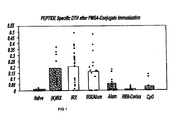
- Figure 1 shows the DTH results to skin testing of mice, using the individual ALF and LLH peptides (10 ⁇ g@), i.e., without conjugate, as the antigen challenge.
- NCM induces significant DTH responses to the antigens following immunization with both conjugates and also when given with alum for the OVA conjugate.
- Alum, RIBI-Corixa, and CpG showed negligible activity.
- Serum was diluted as indicated and added to the wells of a microplate coated with either peptide (ALF or LLH) or ovalbumin. Results are expressed as the average OD at 405 for 5 mice groups. Data are shown in Table II.
- mice immunized with the KLH conjugate in combination with NCM were negative for ovalbumin antibodies, but positive for the peptides.
- Mice immunized with the OVA conjugates and NCM were positive for antibodies for both OVA and the peptides, while those immunized with the OVA conjugate + CpG were positive for OVA only.
- NCM acts as an adjuvant in enhancing the ability of conjugated PSMA peptides to stimulate both DTH and IgG responses specific for the peptides, while other adjuvants like alum, RIBI-Corixa, and CpG were inactive or poorly active.
- Table IIA Serum IgG to ALF Peptide Dilution NCM OVA-PSMA NCM KLH-PSMA-NCM OVA-PSMA-CpG 1/200 0.929 0.692 0.241 1/400 0.989 0.518 0.208 1/800 0.695 0.351 0.144 1/1600 0.309 0.191 0.120
- Table IIB Serum IgG to LLH Peptide 1/200 0.950 0.720 0.277 1/400 1.013 0.502 0.200 1/800 0.607 0.327 0.157 1/1600 0.316 0.201 0.125
- Table IIC Serum IgG to Ovalbumin 1/500 0.920 0.269 1.050 1/1500 0.632 0.185 0.955 1/3000 0.457 0.146 0.813 1/6000 0.259 0.104 0.537
- Prostate-Specific Membrane Antigen Peptides (Peptide 1: Leu-Leu-His-Glu-Thr-Asp-Ser-Ala-Val; Peptide 2: Ala-Leu-Phe-Asp-Ile-Glu-Ser-Lys-Val) were synthesized by BioSynthesis Inc. (Lewisville, Tx). Ovalbumin and cyclophosphamide were obtained from Sigma and KLH from Pierce Biochemicals. The RIBI adjuvant system (R-700), also termed RAS, was purchased from Corixa and alum (40 mg/ml each of aluminium hydroxide and magnesium hydroxide) was purchased from Pierce Chemicals.
- R-700 also termed RAS
- RAS consisted of Monophosphoryl Lipid A (0.5 mg) and synthetic Trehalose Dicorynomycolate (0.5 mg), and 44 ⁇ l Squalene and Tween-80.
- CpG oligonucleotides (mouse specific sequence) were synthesized by BioSynthesis. The CpG sequence was TCCATGACGTTCCTGACGTT and was the phosphothionate derivative. The bioactivity of the CpG in the mouse was confirmed by measuring proliferation of mouse spleen cells and production of TNF- ⁇ by mouse adherent cells (data not shown).
- Peptides 1 and 2 described above were conjugated to a carrier molecule such as ovalbumin or KLH carriers as described above. Both peptides were conjugated to each carrier, i.e., as a single agent.
- the OVA-PSMA conjugate or KLH-PSMA conjugate used in these studies contained both peptides linked to the carrier molecule.
- the peptides were conjugated to the respective carriers using the carbodiimide method (ODC; Pierce EDC kit 77502, Rockford, III).
- Conjugation was characterized by measuring OD 280 and 215 in fractions from a Sephadex purification column. The 280 OD peak from the columns represents the ovalbumin or KLH conjugate and was collected as the conjugate. Dosing was based on the carrier concentration as recovered from the column. Monitoring the 215 showed a tailing peak representing the free peptides and provided confirmation that excess peptide was present during the conjugation procedure.
- mice were purchased from either Charles River or Harlan and were under the care of the Cold Spring Harbor Animal Facility (CSHL). All procedures were approved by the ALAC committee of the CSHL.
- cyclophosphamide 400 or 2000 ⁇ g/100 ⁇ l, IP was injected three days prior to IRX-2 treatment. Subsequent studies demonstrated that cyclophosphamide did not have a statistically significant effect on the NCM (IRX-2) enhancement of the response in mice (data not shown).
- Immunizations were performed as follows: 200 ⁇ l/mouse containing 100 ⁇ g of PSMA conjugate with 100 ⁇ l adjuvant, e.g., NCM or alum, or PBS were injected subcutaneously at the base of the tail to provide for rapid draining to the regional lymph nodes.
- 100 ⁇ l adjuvant e.g., NCM or alum, or PBS
- NCM 100 ⁇ l
- PBS ⁇ l/mouse containing 100 ⁇ g of PSMA conjugate with 100 ⁇ l adjuvant, e.g., NCM or alum, or PBS were injected subcutaneously at the base of the tail to provide for rapid draining to the regional lymph nodes.
- the primary immunization on days 2, 3, 4, 5, 8, 9, 10, 11, and 12
- IRX-2 Unlike alum or RIBI, even repeated injections of NCM (IRX-2) into the
- Alum was mixed 1:1 with antigen.
- CpG oligonucleotides were mixed with the conjugate as per the published protocols for mice (100 ⁇ g conjugate with 20 ⁇ g CpG per mouse).
- the in vivo antigen challenge for the DTH assay was with either a mixture of the two PSMA peptides (without carrier) (100 ⁇ g in 20 ⁇ l) or carrier alone (ovalbumin or KLH) (50-100 ⁇ g in 20 ⁇ l).
- Mice received subcutaneous injections of the challenge antigen in the left footpad and PBS in the right footpad at 9 days after booster immunization. After 24 hrs, the right and left footpad thicknesses were measured using a digital readout caliper (Preisser DIGI-MET Model 18314, Stofiting Co., Wooddale, IL). The swelling response was calculated by subtracting the right footpad thickness (baseline) from the left footpad thickness (experimental response). The data were expressed as individual mice swelling as well as mean +/- standard error of the mean. Statistical analysis was via Student's t-test or ANOVA.
- the spleens were harvested 14-21 days after the booster immunization and isolated via dispersing through a wire screen.
- Adherent cells were obtained by taking spleen cells and allowing them to adhere to plastic for 90 minutes. The isolated adherent cells were pooled prior to addition to the cultures to provide for additional antigen-presenting cells. Approximately 6 x 10 5 lymphocytes per well were supplemented with 2 x 10 4 adherent cells.
- Cytokine release from antigen or mitogen-induced activation of lymphocytes was measured in supernatants using Duo-Sets ELISA reagents from R and D Systems (Minn., MN).
- the optimal day for harvesting supernatants from antigen-stimulated cells was day 6 (for IFN- ⁇ ), while the PHA-stimulated IL-2 production was optimal at day 3 (data not shown).
- Serum at sacrifice was frozen for later use in ELISA assays.
- ELISA plates (Immunolon-4, Nunc, Denmark) were coated with the antigen of interest (ovalbumin, KLH, conjugate or individual peptides) overnight. Dilutions of serum were added to the blocked and washed wells and incubated overnight. Anti-mouse biotin and biotin-alkaline phosphatase (Southern BioTech, Birmingham, AL) were added sequentially and following addition of pNPP substrate, OD was measured and plotted vs dilution of serum.
- the NCM of the invention stimulates tumour antigen-specific immune responses in both young and old mice in vivo. More specifically, in the experiments described below, the in vivo DTH (delayed type hypersensitivity) assay was utilized as an indicator of T cell activation. The DTH response to cancer antigens correlates well with elimination of tumour in animal models and clinical trials, and thus provides a useful in vivo correlate of T cell immune responses (see, e.g., Stuart, 1987; Sweat, 1998). As demonstrated by the present experiments, the NCM composition of the invention acts as an adjuvant with prostate-specific tumour antigens in stimulating T cell immune responses in young mice in vivo.
- mice were used as a model of immune dysfunction, an age-related decline in immune function that occurs in both mice and men. Furthermore, it is believed that this immune dysfunction is a major reason for the increased cancer incidence that occurs with increasing age in humans.
- the adjuvant effect of NCM treatment on mice immunized with NCM and a PSMA conjugate was determined by measuring the secretion of IFN- ⁇ by spleen cells from the immunized mice. More specifically, spleen cells from mice immunized with the KLH-PSMA conjugate (as described above) and NCM (IRX-2) were harvested and incubated ex vivo with the conjugate (KLH-PSMA), the carrier (KLH) or the peptides (PSMA). The supernatants from the spleen cells were collected after 6 days of culture and measured for IFN- ⁇ secretion as described above. As shown in Figure 2 , the T cell response, in the form of production of IFN- ⁇ (in pg/ml), was greater for all three antigens in mice immunized with the conjugate and NCM as compared to na ⁇ ve mice.
- mice were immunized with the PSMA-conjugates as described above and the following adjuvants: NCM, alum or CpG.
- PBS was used as a negative control for adjuvant.
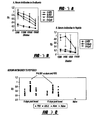
- Serum from the mice was obtained at sacrifice, either at 15 days after the third immunization (data depicted in Figures 3A and 3B ) or at 8 and 15 days after the third boost (data of Figure 3C ). Serum was assayed for antibodies by ELISA and the results expressed as dilution vs optical density ( Figure 3A and 3B ) or as optical density at the optimal dilution, 1/400 ( Figure 3C ).
- Serum antibody titers to the carrier were measured and indicated that NCM (IRX-2), alum and CpG induced similar titers to ovalbumin, with the response being: CpG>alum>NCM (IRX-2) ( Figure 3A and data not shown). Mice immunized with the KLH conjugate, as predicted, did not generate titers to ovalbumin, confirming the specificity of the ELISA assay (see, e.g., Figure 3A ).
- NCM in combination with the OVA-PSMA peptide conjugate induced serum antibodies to both peptides, in contrast to alum and CpG.
- the data in Figure 3B are for the ALF peptide with a p ⁇ 0.05 by ANOVA for NCM vs. alum and CpG. Similar responses were measured for the LLH peptide (data not shown).
- NCM IRX-2
- alum p ⁇ 0.001 for NCM vs. alum and PBS.
- the markers in Figure 3C indicate individual mice. The antibody response was measured on an ELISA plate coated with both peptides in the assay method as described above.
- the NCM of the invention enhances the T cell peptide-specific DTH response in vivo and the T cell response of spleen cells ex vivo in a prototype prostate peptide vaccine model.
- the critical nature of the mixture of cytokines is confirmed by the observation that preparations made from cell cultures lacking monocytes and therefore deficient in monocyte-derived cytokines failed to enhance the peptide-specific DTH response or the in vitro T cell response of spleen cells.
- the nature of the NCM was further demonstrated by comparing it to other adjuvants selected to represent various mechanisms of action.
- CpG is a TLR agonist for APCs and is representative of TLR activating adjuvants
- RAS system is representative of adjuvants with oil and bacterial components and is a safer alternative to Freund's adjuvant in mouse models.
- Alum is the adjuvant utilized in the majority of FDA-approved vaccines.
- NCM enhanced the peptide-specific DTH response but alum, CpG and RAS did not.
- the NCM enhancement of the in vivo T cell peptide-specific DTH response correlated with an enhanced T cell response by spleen cells ex vivo as defined by antigen-specific secretion of IFN- ⁇ .
- all of the adjuvants enhanced the antibody response to the carrier (as compared to PBS)
- only NCM enhanced the antibody response to the peptides conjugated to the carrier.
- the mechanism(s) through which the cytokines in NCM act to enhance the peptide-specific immune response as defined by the DTH assay is most likely complex since the recruitment, engulfment, proliferation, activation, maturation and migration of APCs and recruitment, proliferation, differentiation and maturation of T cells are all influenced by cytokines.
- the peptide-specific nature of the DTH response observed in these studies is believed to be a result of the influence of NCM on antigen presentation as well as subsequent T cell proliferation and migration to the periphery. It is also believed that the cytokines of the NCM shift the DC tolerance or T regulatory balance towards activation of the response to T cell epitopes.
- NCM may also be enhancing the T cell helper epitopes in the carrier providing additional stimulation of the development of an effective T cell immune response.
- the NCM stimulates the maturation and activation of dendritic cells, which promotes antigen presentation and the secretion of IL-12 (by the dendritic cells), IL-12 being a potent Th1 polarizing cytokine.
- the NCM is also a potent activator of monocytes and macrophages.
- the NCM has further effects on T cells based on the known influence of the cytokines present in the NCM.
- the NCM increases T lymphocyte counts in lymphocytopenic patients, including the production of na ⁇ ve T cells.
- IL-1 present in the NCM
- Known activities include increase in the proliferation and activation of resting T cells by inducing IL-2 secretion and, more importantly for the activity of NCM, up regulation of IL-2 receptor.
- TNF- ⁇ also present in NCM enhances the activity of IL-1 as do other cytokines such as IL-8 and the CSFs.
- IL-8 also acts as a chemoattractant for multiple cells including T cells, basophils and neutrophils.
- IL-2 acts to enhance proliferation of activated cells by not just stimulating through the receptor but also by up-regulating additional IL-2 receptors as well as receptors for additional cytokines.
- the cytokines of the NCM compositions of the invention are pleotropic, influencing monocytes, dendritic cells and T cells.
- the site of activity for the cytokines is local and includes both the injection site as well as the lymph nodes associated with the injection site. Since the NCM can be administered daily, elevated local levels of all the cytokines can be maintained.
- the peptide-specific nature of the DTH response using the NCM as an adjuvant argues for the use of the NCM in future T cell vaccines.
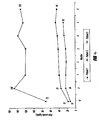
- NCM of the invention acts as an adjuvant with PSMA peptide antigens, resulting in the stabilization of disease. More specifically, three HLA-A2 positive males with advanced prostate cancer were treated with NCM (IRX-2) (115 units IL-2 equivalence) and the two PSMA peptides described above (100 ⁇ g each). The initial immunization was via injection in the neck, followed by nine injections of NCM (IRX-2) (plus low dose cyclophosphamide, indomethacin and zinc as in the protocol of Example 2 of WO2008/014220 , from The EPO phase of which the present application has been divided), and then followed by five monthly boosters of NCM plus the two peptides.
- NCM IRX-2
- IRX-2 low dose cyclophosphamide, indomethacin and zinc
- Table III summarizes briefly the clinical history (Hx) and responses to therapy (Rx). All three patients had received prostatectomy and orchiectomy 4 to 10 years before (in addition to other meds) and had relapsed. All were in a doubling phase of the rise in PSA ranging from 4 to an estimated 6 months. Two were symptomatic with bone pain. The immunization with NCM plus peptides and follow up booster injections induced no symptoms.
Landscapes
- Health & Medical Sciences (AREA)
- Life Sciences & Earth Sciences (AREA)
- General Health & Medical Sciences (AREA)
- Medicinal Chemistry (AREA)
- Pharmacology & Pharmacy (AREA)
- Veterinary Medicine (AREA)
- Public Health (AREA)
- Animal Behavior & Ethology (AREA)
- Chemical & Material Sciences (AREA)
- Immunology (AREA)
- Engineering & Computer Science (AREA)
- Bioinformatics & Cheminformatics (AREA)
- Epidemiology (AREA)
- Organic Chemistry (AREA)
- Nuclear Medicine, Radiotherapy & Molecular Imaging (AREA)
- General Chemical & Material Sciences (AREA)
- Chemical Kinetics & Catalysis (AREA)
- Zoology (AREA)
- Proteomics, Peptides & Aminoacids (AREA)
- Gastroenterology & Hepatology (AREA)
- Oncology (AREA)
- Mycology (AREA)
- Microbiology (AREA)
- Virology (AREA)
- Communicable Diseases (AREA)
- Endocrinology (AREA)
- Molecular Biology (AREA)
- Developmental Biology & Embryology (AREA)
- Cell Biology (AREA)
- Reproductive Health (AREA)
- Urology & Nephrology (AREA)
- Biotechnology (AREA)
- Pregnancy & Childbirth (AREA)
- AIDS & HIV (AREA)
- Tropical Medicine & Parasitology (AREA)
- Dermatology (AREA)
- Rheumatology (AREA)
- Gynecology & Obstetrics (AREA)
- Hematology (AREA)
- Pulmonology (AREA)
Applications Claiming Priority (2)
| Application Number | Priority Date | Filing Date | Title |
|---|---|---|---|
| US11/492,418 US20070025958A1 (en) | 2000-10-27 | 2006-07-25 | Vaccine immunotherapy |
| EP07799769A EP2056861A4 (en) | 2006-07-25 | 2007-07-24 | IMPF-IMMUNOTHERAPY |
Related Parent Applications (1)
| Application Number | Title | Priority Date | Filing Date |
|---|---|---|---|
| EP07799769A Division EP2056861A4 (en) | 2006-07-25 | 2007-07-24 | IMPF-IMMUNOTHERAPY |
Publications (1)
| Publication Number | Publication Date |
|---|---|
| EP2684569A1 true EP2684569A1 (en) | 2014-01-15 |
Family
ID=38982244
Family Applications (2)
| Application Number | Title | Priority Date | Filing Date |
|---|---|---|---|
| EP13188131.0A Withdrawn EP2684569A1 (en) | 2006-07-25 | 2007-07-24 | A composition for treatment of advanced prostate cancer |
| EP07799769A Withdrawn EP2056861A4 (en) | 2006-07-25 | 2007-07-24 | IMPF-IMMUNOTHERAPY |
Family Applications After (1)
| Application Number | Title | Priority Date | Filing Date |
|---|---|---|---|
| EP07799769A Withdrawn EP2056861A4 (en) | 2006-07-25 | 2007-07-24 | IMPF-IMMUNOTHERAPY |
Country Status (7)
| Country | Link |
|---|---|
| US (3) | US20070025958A1 (enExample) |
| EP (2) | EP2684569A1 (enExample) |
| JP (4) | JP2009544724A (enExample) |
| AU (1) | AU2007276835B2 (enExample) |
| CA (1) | CA2694428C (enExample) |
| MX (1) | MX2009000934A (enExample) |
| WO (1) | WO2008014220A2 (enExample) |
Families Citing this family (20)
| Publication number | Priority date | Publication date | Assignee | Title |
|---|---|---|---|---|
| US20070025958A1 (en) * | 2000-10-27 | 2007-02-01 | Hadden John W | Vaccine immunotherapy |
| US20070154399A1 (en) * | 2000-10-27 | 2007-07-05 | Hadden John W | Immunotherapy for immune suppressed patients |
| AU2002232560A1 (en) | 2000-10-27 | 2002-05-06 | Immuno-Rx, Inc | Vaccine immunotherapy for immune suppressed patients |
| DK2234642T3 (en) | 2007-11-28 | 2018-01-08 | Irx Therapeutics Inc | PROCEDURE FOR INCREASING AN IMMUNOLOGICAL EFFECT |
| EP2276850B9 (en) * | 2008-04-14 | 2013-10-30 | IRX Therapeutics, Inc. | Irx-2 modified manufacturing process |
| US9695397B2 (en) | 2008-10-01 | 2017-07-04 | Immunovative Therapies Ltd. | Th1 vaccination priming for active immunotherapy |
| AU2009251277A1 (en) * | 2008-05-29 | 2009-12-03 | Irx Therapeutics, Inc. | Mechanism of action of primary cell derived biologic |
| EP2429585B1 (en) * | 2009-05-15 | 2018-04-18 | IRX Therapeutics, Inc. | Vaccine immunotherapy |
| AU2013203561B2 (en) * | 2009-05-15 | 2015-11-26 | Irx Therapeutics, Inc. | Vaccine immunotherapy |
| EP2498795B1 (en) | 2009-10-12 | 2016-12-07 | The United States Of America, As Represented By The Secretary, Department of Health and Human Services | Granulysin in immunotherapy |
| CN103097543A (zh) | 2009-12-08 | 2013-05-08 | 伊尔克斯治疗有限公司 | 逆转朗格汉斯细胞免疫抑制的方法 |
| WO2012021609A2 (en) * | 2010-08-12 | 2012-02-16 | Ulrik Mouritzen | Neoadjuvant treatment of cancer with proleukin |
| WO2012037551A2 (en) * | 2010-09-17 | 2012-03-22 | Irx Therapeutics, Inc. | Primary cell-derived biologic and wt1 synthetic long peptide vaccine |
| US20150284444A1 (en) * | 2012-02-16 | 2015-10-08 | Masami Watanabe | Pharmaceutical composition for cancer treatment including fusion protein |
| CN104122710B (zh) * | 2013-04-27 | 2017-08-08 | 北京京东方光电科技有限公司 | 一种显示面板及其制造方法 |
| US11629340B2 (en) | 2017-03-03 | 2023-04-18 | Obsidian Therapeutics, Inc. | DHFR tunable protein regulation |
| WO2018161038A1 (en) * | 2017-03-03 | 2018-09-07 | Obsidian Therapeutics, Inc. | Il12 compositions and methods for immunotherapy |
| US11464798B2 (en) | 2017-05-11 | 2022-10-11 | Theralase Technologies Inc. | Vaccine containing cancer cells inactivated by photodynamic treatment with metal-based coordination complexes, and immunotherapy method using same |
| CN110101843A (zh) * | 2018-02-01 | 2019-08-09 | 北京科诺科服生物科技有限公司 | 一种抗肿瘤蛋白质及其应用 |
| WO2020073044A1 (en) * | 2018-10-05 | 2020-04-09 | Czerniecki Brian J | Combination therapy for treating cancer |
Citations (23)
| Publication number | Priority date | Publication date | Assignee | Title |
|---|---|---|---|---|
| US4439196A (en) | 1982-03-18 | 1984-03-27 | Merck & Co., Inc. | Osmotic drug delivery system |
| US4447224A (en) | 1982-09-20 | 1984-05-08 | Infusaid Corporation | Variable flow implantable infusion apparatus |
| US4447233A (en) | 1981-04-10 | 1984-05-08 | Parker-Hannifin Corporation | Medication infusion pump |
| US4475196A (en) | 1981-03-06 | 1984-10-02 | Zor Clair G | Instrument for locating faults in aircraft passenger reading light and attendant call control system |
| US4486194A (en) | 1983-06-08 | 1984-12-04 | James Ferrara | Therapeutic device for administering medicaments through the skin |
| US4487603A (en) | 1982-11-26 | 1984-12-11 | Cordis Corporation | Implantable microinfusion pump system |
| US4738927A (en) | 1982-03-31 | 1988-04-19 | Ajinomoto Co. Inc. | Gene coded for interleukin-2 polypeptide, recombinant DNA carrying the said gene, a living cell line possessing the recombinant DNA, and method for producing interleukin-2 using the said cell |
| US4925678A (en) | 1987-04-01 | 1990-05-15 | Ranney David F | Endothelial envelopment drug carriers |
| US4959217A (en) | 1986-05-22 | 1990-09-25 | Syntex (U.S.A.) Inc. | Delayed/sustained release of macromolecules |
| US4992367A (en) | 1986-05-12 | 1991-02-12 | Hoffmann-La Roche Inc. | Enhanced expression of human interleukin-2 in mammalian cells |
| US5100664A (en) | 1985-09-20 | 1992-03-31 | Cetus Corporation | Human IL-2 as a vaccine adjuvant |
| US5167616A (en) | 1989-12-14 | 1992-12-01 | Alza Corporation | Iontophoretic delivery method |
| US5169383A (en) | 1988-10-03 | 1992-12-08 | Alza Corporation | Control membrane for electrotransport drug delivery |
| US5225182A (en) | 1991-10-31 | 1993-07-06 | Sharma Yash P | Vectored drug delivery system using a cephaloplastin linking agent and a methed of using the system |
| WO1995004548A1 (en) * | 1993-08-11 | 1995-02-16 | Jenner Technologies | Prostatic cancer vaccine |
| US5503841A (en) | 1985-09-20 | 1996-04-02 | Cetus Oncology Corporation | Human IL-2 as a vaccine adjuvant |
| US5632983A (en) | 1994-11-17 | 1997-05-27 | University Of South Florida | Method for treating secondary immunodeficiency |
| US5643565A (en) | 1985-09-20 | 1997-07-01 | Chiron Corporation | Human IL-2 as a vaccine adjuvant |
| US5698194A (en) | 1994-11-17 | 1997-12-16 | University Of South Florida | Method for making a medicament for treating secondary immunodeficiency |
| WO2002034119A2 (en) * | 2000-10-27 | 2002-05-02 | Immuno-Rx, Inc. | Vaccine immunotherapy for immune suppressed patients |
| WO2003035004A2 (en) * | 2001-10-26 | 2003-05-01 | Immuno-Rx, Inc. | Immunotherapy for reversing immune suppression |
| US20040136952A1 (en) | 2002-12-26 | 2004-07-15 | Mountain View Pharmaceuticals, Inc. | Polymer conjugates of cytokines, chemokines, growth factors, polypeptide hormones and antagonists thereof with preserved receptor-binding activity |
| WO2005025494A2 (en) * | 2003-08-08 | 2005-03-24 | Irx Therapeutics, Inc. | Vaccine immunotherapy for immune suppressed patients |
Family Cites Families (80)
| Publication number | Priority date | Publication date | Assignee | Title |
|---|---|---|---|---|
| FR2160326B1 (enExample) * | 1971-11-19 | 1975-02-07 | Anvar | |
| US4079127A (en) * | 1976-10-28 | 1978-03-14 | Board Of Regents Of The University Of Texas | Thymosin alpha 1 |
| US4116951A (en) * | 1977-04-22 | 1978-09-26 | Hoffmann-La Roche Inc. | [Asn2 ]-thymosin α1 and analogs thereof |
| US4148788A (en) * | 1978-01-23 | 1979-04-10 | Hoffmann-La Roche Inc. | Synthesis of thymosin α1 |
| DE2919592A1 (de) * | 1979-05-15 | 1981-01-15 | Max Planck Gesellschaft | Verfahren zur herstellung von thymosin- alpha 1 und derivaten davon |
| US4470926A (en) * | 1980-01-18 | 1984-09-11 | Max-Planck-Gesellschaft zur F/o/ rderung der Wissenschaften e.V. | Medicaments containing thymosin alpha 1 fragments and having an immunostimulant action, and fragments of thymosin alpha 1 |
| DE3100974A1 (de) * | 1980-01-18 | 1982-01-21 | Max-Planck-Gesellschaft zur Förderung der Wissenschaften e.V., 3400 Göttingen | Thymosin(alpha)(pfeil abwaerts)1(pfeil abwaerts)-fragmente enthaltende arzneimittel mit immunregulierender wirkung, und thymosin(alpha)(pfeil abwaerts)1(pfeil abwaerts)-fragmente |
| US4612365A (en) * | 1980-03-25 | 1986-09-16 | Max-Planck-Gesellschaft Zur Foederung Der Wissenschaften | Medicaments containing alpha 1-thymosin and having an immuno regulatory action and alpha 1-thymosin fragments |
| US4293455A (en) * | 1980-04-07 | 1981-10-06 | Rockefeller University | N.sup.α -Desacetylthymosinα1 and process |
| GR74132B (enExample) | 1980-05-22 | 1984-06-06 | Deutsches Krebsforsch | |
| US4390623A (en) * | 1980-10-02 | 1983-06-28 | Hooper Trading Company | Serum-free and mitogen-free T-cell growth factor and process for making same |
| US4448879A (en) * | 1981-03-26 | 1984-05-15 | Hooper Trading Company | High yield process for in vitro production of serum-free and mitogen-free interleukin-2 |
| US4464355A (en) * | 1981-03-26 | 1984-08-07 | Hooper Trading Co. | Serum-free and mitogen-free T-cell growth factor and process for making same |
| US4406830A (en) * | 1981-04-17 | 1983-09-27 | Shanksville Corporation, N.V. | Regulatory glycoprotein for immune response and the use thereof in the production of T-cell growth factor |
| DE3120912A1 (de) * | 1981-05-26 | 1982-12-16 | Hoechst Ag, 6000 Frankfurt | Verfahren zur herstellung von p-nitrophenetol |
| US4504415A (en) * | 1983-04-04 | 1985-03-12 | Hoffman-La Roche Inc. | Synthesis of thymosin α1 and desacetyl thymosin α1 |
| US4614731A (en) * | 1983-09-15 | 1986-09-30 | Hoffmann-La Roche Inc. | Peptide having immunopotentiating activity similar to thymosin alpha1 |
| US4659694A (en) * | 1983-10-27 | 1987-04-21 | Hoffmann-La Roche Inc. | Prothymosin alpha |
| US4716148A (en) * | 1984-08-13 | 1987-12-29 | Hoffman-La Roche Inc. | Prothymosin alpha |
| US5098702A (en) * | 1986-04-09 | 1992-03-24 | Cetus Corporation | Combination therapy using interleukin-2 and tumor necrosis factor |
| WO1987006830A1 (en) | 1986-05-09 | 1987-11-19 | Sloan-Kettering Institute For Cancer Research | Lipopolysaccharide and natural factor compositions for anti-tumor therapy and method of treatment |
| US5376369A (en) * | 1987-11-03 | 1994-12-27 | Syntex (U.S.A.) Inc. | Vaccine adjuvant |
| SE8801426D0 (sv) | 1988-04-15 | 1988-04-15 | Ulf Rothman | Forfarande och medel for blodbehandling |
| IL92382A (en) * | 1988-11-23 | 1994-12-29 | Univ Michigan | Use of a ligand specific for CD28 in the manufacture of medicament |
| US6534055B1 (en) * | 1988-11-23 | 2003-03-18 | Genetics Institute, Inc. | Methods for selectively stimulating proliferation of T cells |
| IT1238231B (it) | 1989-12-18 | 1993-07-12 | Consiglio Nazionale Ricerche | Impiego di immunomodulanti come agenti sinergici di chemioterapici nella terapia dei tumori |
| DE69324671D1 (de) * | 1992-02-10 | 1999-06-02 | Interferon Sciences Inc | Verbesserte alpha-interferon-zusammensetzung und verfahren zu ihrer herstellung aus leukocyten des menschlichen peripheren blute |
| CA2139756A1 (en) * | 1992-07-08 | 1994-01-20 | Eric M. Bonnem | Use of gm-csf as a vaccine adjuvant |
| CN1094310A (zh) | 1992-12-15 | 1994-11-02 | 托马斯·C·梅里根 | 人体免疫缺陷性病毒感染用组合式化学疗法 |
| US5747024A (en) * | 1993-03-08 | 1998-05-05 | Immunex Corporation | Vaccine adjuvant comprising interleukin-15 |
| JPH08511166A (ja) | 1993-06-04 | 1996-11-26 | アメリカ合衆国 | T細胞の増殖を選択的に刺激する方法 |
| CN1044781C (zh) | 1994-02-05 | 1999-08-25 | 丹东市生物制品免疫技术应用研究中心 | 复方免疫抗生素 |
| DE4412794A1 (de) * | 1994-04-14 | 1995-12-14 | Univ Ludwigs Albert | Verfahren zur Herstellung von dendritischen Zellen, so erhaltene Zellen und Behälter zur Durchführung dieses Verfahrens |
| DE69628921T2 (de) | 1995-05-04 | 2004-04-22 | The Government Of The United States Of America As Represented By The Secretary Of The Navy | Verfahren zur modulation der t-zell-überlebensrate durch von bcl-xl protein-spiegels |
| US5788963A (en) * | 1995-07-31 | 1998-08-04 | Pacific Northwest Cancer Foundation | Isolation and/or preservation of dendritic cells for prostate cancer immunotherapy |
| AP964A (en) | 1996-02-21 | 2001-05-11 | Julianna Lisziewicz | Methods and compositions for protective and therapeutic genetic immunisation. |
| US5849589A (en) * | 1996-03-11 | 1998-12-15 | Duke University | Culturing monocytes with IL-4, TNF-α and GM-CSF TO induce differentiation to dendric cells |
| US6017527A (en) * | 1996-07-10 | 2000-01-25 | Immunex Corporation | Activated dendritic cells and methods for their activation |
| US5849307A (en) * | 1997-03-26 | 1998-12-15 | The Picower Institute For Medical Research | Vaccine adjuvant |
| EP1027453A4 (en) * | 1997-10-17 | 2004-12-01 | Univ South Florida | METHOD FOR DIAGNOSIS AND MONITORING OF CELLULAR IMMUNE FUNCTIONS |
| ATE428769T1 (de) * | 1997-10-27 | 2009-05-15 | Univ Rockefeller | Methode und zusammensetzung zur herstellung von reifen dendritischen zellen |
| PT1053017E (pt) | 1998-02-12 | 2004-12-31 | Wyeth Corp | Vacinas compreendendo interleucina-12 e antigenio de virus herpes simplex |
| US20050124645A1 (en) * | 1998-04-20 | 2005-06-09 | Finkel Terri H. | Methods and compositions for increasing CD4lymphocyte immune responsiveness |
| EP0974357A1 (en) | 1998-07-16 | 2000-01-26 | Schering-Plough | Chemokines as adjuvants of immune response |
| IL125608A0 (en) | 1998-07-30 | 1999-03-12 | Yeda Res & Dev | Tumor associated antigen peptides and use of same as anti-tumor vaccines |
| GB9827103D0 (en) | 1998-12-10 | 1999-02-03 | Onyvax Ltd | New cancer treatments |
| US6017537A (en) * | 1998-12-18 | 2000-01-25 | Connaught Laboratories, Inc. | Formyl methionyl peptide vaccine adjuvant |
| US6350589B1 (en) * | 1998-12-31 | 2002-02-26 | Viragen, Inc. | Compositions of highly-purified natural mixtures of type I interferon derived from leukocytes and methods |
| US6667175B1 (en) | 1999-06-15 | 2003-12-23 | The Trustees Of Columbia University | Generation of antigen specific T suppressor cells for treatment of rejection |
| US7056503B2 (en) * | 1999-08-19 | 2006-06-06 | Regents Of The University Of Michigan | Enclosures housing cell-coated supports for treating tumors |
| US6406699B1 (en) | 1999-10-05 | 2002-06-18 | Gary W. Wood | Composition and method of cancer antigen immunotherapy |
| KR20030032922A (ko) * | 2000-02-24 | 2003-04-26 | 싸이트 테라피스 인코포레이티드 | 세포의 동시 자극 및 농축 |
| CN1437481A (zh) * | 2000-06-22 | 2003-08-20 | 美国氰胺公司 | 作为佐剂组合的qs-21和il-12 |
| US20060194242A1 (en) * | 2000-10-27 | 2006-08-31 | Hadden John W | Immunotherapy for immune suppressed patients |
| US20070031372A1 (en) * | 2004-08-05 | 2007-02-08 | Hadden John W | Vaccine immunotherapy for immune suppressed patients |
| US20070154399A1 (en) | 2000-10-27 | 2007-07-05 | Hadden John W | Immunotherapy for immune suppressed patients |
| US20070025958A1 (en) | 2000-10-27 | 2007-02-01 | Hadden John W | Vaccine immunotherapy |
| DE10154579A1 (de) * | 2001-11-07 | 2003-05-28 | Medigene Ag | Topikale Verwendung von Cytokinen und Chemokinen zur Behandlung von viralen oder mykotischen Hauterkrankungen oder Tumorerkrankungen |
| EP1469860A4 (en) | 2002-01-24 | 2005-09-07 | Yissum Res Dev Co | ANTICANCER COMBINATION AND USE THEREOF |
| CN1802174A (zh) * | 2003-04-15 | 2006-07-12 | 圣诺菲·帕斯图尔有限公司 | 用于预防和/或治疗癌症的肿瘤抗原bfa5 |
| US6896879B2 (en) * | 2003-07-03 | 2005-05-24 | Cel-Sci Corporation | Method of pre-sensitizing cancer prior to treatment with radiation and/or chemotherapy and a novel cytokine mixture |
| US20070196335A1 (en) | 2004-02-09 | 2007-08-23 | The Johns Hopkins University | Immune Modulation By Regulating Expression Of The "Minor" Gene In Immune Dendritic Cells |
| GB0409799D0 (en) * | 2004-04-30 | 2004-06-09 | Isis Innovation | Method of generating improved immune response |
| CN101005760A (zh) | 2004-06-04 | 2007-07-25 | 塞尔-赛公司 | 改变cd4/cd8和进入肿瘤的单核细胞浸润液的方法 |
| WO2005123120A1 (en) | 2004-06-16 | 2005-12-29 | Smart Drug Systems Inc. | Sustained release vaccine composition |
| US20060140983A1 (en) | 2004-10-25 | 2006-06-29 | Baylor Research Institute | Dendritic cells loaded with heat shocked melanoma cell bodies |
| US20070065415A1 (en) | 2005-09-16 | 2007-03-22 | Kleinsek Donald A | Compositions and methods for the augmentation and repair of defects in tissue |
| AU2006292203A1 (en) | 2005-09-21 | 2007-03-29 | Dask Technologies, Llc | Methods and compositions for organ and tissue functionality |
| KR20220113543A (ko) | 2005-12-08 | 2022-08-12 | 노쓰웨스트 바이오써라퓨틱스, 인크. | 미성숙 단핵구성 수지상 세포의 활성화를 유도하기 위한 조성물 및 방법 |
| US20070259330A1 (en) * | 2006-05-04 | 2007-11-08 | Ge Healthcare Bio-Sciences Ab | Separation of cells |
| US20090181078A1 (en) * | 2006-09-26 | 2009-07-16 | Infectious Disease Research Institute | Vaccine composition containing synthetic adjuvant |
| US8802098B2 (en) | 2007-04-25 | 2014-08-12 | Immurx, Inc. | Methods of promoting antitumor immunity by administering CD40 agonists and alpha-galactosyl ceramide |
| CA2691539C (en) * | 2007-06-21 | 2014-08-26 | Angelica Therapeutics, Inc. | Modified toxins |
| DK2234642T3 (en) * | 2007-11-28 | 2018-01-08 | Irx Therapeutics Inc | PROCEDURE FOR INCREASING AN IMMUNOLOGICAL EFFECT |
| EP2276850B9 (en) | 2008-04-14 | 2013-10-30 | IRX Therapeutics, Inc. | Irx-2 modified manufacturing process |
| AU2009251277A1 (en) | 2008-05-29 | 2009-12-03 | Irx Therapeutics, Inc. | Mechanism of action of primary cell derived biologic |
| EP2429585B1 (en) | 2009-05-15 | 2018-04-18 | IRX Therapeutics, Inc. | Vaccine immunotherapy |
| CN103097543A (zh) * | 2009-12-08 | 2013-05-08 | 伊尔克斯治疗有限公司 | 逆转朗格汉斯细胞免疫抑制的方法 |
| WO2012037551A2 (en) | 2010-09-17 | 2012-03-22 | Irx Therapeutics, Inc. | Primary cell-derived biologic and wt1 synthetic long peptide vaccine |
| US20130243423A1 (en) * | 2011-07-26 | 2013-09-19 | Ziqiang He | Ethernet hub and method of use |
-
2006
- 2006-07-25 US US11/492,418 patent/US20070025958A1/en not_active Abandoned
-
2007
- 2007-07-24 WO PCT/US2007/074156 patent/WO2008014220A2/en not_active Ceased
- 2007-07-24 JP JP2009521935A patent/JP2009544724A/ja active Pending
- 2007-07-24 CA CA2694428A patent/CA2694428C/en active Active
- 2007-07-24 MX MX2009000934A patent/MX2009000934A/es not_active Application Discontinuation
- 2007-07-24 EP EP13188131.0A patent/EP2684569A1/en not_active Withdrawn
- 2007-07-24 EP EP07799769A patent/EP2056861A4/en not_active Withdrawn
- 2007-07-24 US US12/374,732 patent/US9492517B2/en not_active Expired - Fee Related
- 2007-07-24 AU AU2007276835A patent/AU2007276835B2/en not_active Ceased
-
2013
- 2013-07-04 JP JP2013140691A patent/JP2013189480A/ja not_active Withdrawn
- 2013-07-12 US US13/940,635 patent/US9492519B2/en not_active Expired - Fee Related
-
2015
- 2015-11-12 JP JP2015222533A patent/JP6162778B2/ja not_active Expired - Fee Related
-
2017
- 2017-06-15 JP JP2017117390A patent/JP2017155059A/ja active Pending
Patent Citations (25)
| Publication number | Priority date | Publication date | Assignee | Title |
|---|---|---|---|---|
| US4475196A (en) | 1981-03-06 | 1984-10-02 | Zor Clair G | Instrument for locating faults in aircraft passenger reading light and attendant call control system |
| US4447233A (en) | 1981-04-10 | 1984-05-08 | Parker-Hannifin Corporation | Medication infusion pump |
| US4439196A (en) | 1982-03-18 | 1984-03-27 | Merck & Co., Inc. | Osmotic drug delivery system |
| US4738927A (en) | 1982-03-31 | 1988-04-19 | Ajinomoto Co. Inc. | Gene coded for interleukin-2 polypeptide, recombinant DNA carrying the said gene, a living cell line possessing the recombinant DNA, and method for producing interleukin-2 using the said cell |
| US4447224A (en) | 1982-09-20 | 1984-05-08 | Infusaid Corporation | Variable flow implantable infusion apparatus |
| US4487603A (en) | 1982-11-26 | 1984-12-11 | Cordis Corporation | Implantable microinfusion pump system |
| US4486194A (en) | 1983-06-08 | 1984-12-04 | James Ferrara | Therapeutic device for administering medicaments through the skin |
| US5503841A (en) | 1985-09-20 | 1996-04-02 | Cetus Oncology Corporation | Human IL-2 as a vaccine adjuvant |
| US5100664A (en) | 1985-09-20 | 1992-03-31 | Cetus Corporation | Human IL-2 as a vaccine adjuvant |
| US6060068A (en) | 1985-09-20 | 2000-05-09 | Chiron Corporation | Human IL-2 as a vaccine adjuvant |
| US5800810A (en) | 1985-09-20 | 1998-09-01 | Chiron Corporation | Human IL-2 as a vaccine adjuvant |
| US5643565A (en) | 1985-09-20 | 1997-07-01 | Chiron Corporation | Human IL-2 as a vaccine adjuvant |
| US4992367A (en) | 1986-05-12 | 1991-02-12 | Hoffmann-La Roche Inc. | Enhanced expression of human interleukin-2 in mammalian cells |
| US4959217A (en) | 1986-05-22 | 1990-09-25 | Syntex (U.S.A.) Inc. | Delayed/sustained release of macromolecules |
| US4925678A (en) | 1987-04-01 | 1990-05-15 | Ranney David F | Endothelial envelopment drug carriers |
| US5169383A (en) | 1988-10-03 | 1992-12-08 | Alza Corporation | Control membrane for electrotransport drug delivery |
| US5167616A (en) | 1989-12-14 | 1992-12-01 | Alza Corporation | Iontophoretic delivery method |
| US5225182A (en) | 1991-10-31 | 1993-07-06 | Sharma Yash P | Vectored drug delivery system using a cephaloplastin linking agent and a methed of using the system |
| WO1995004548A1 (en) * | 1993-08-11 | 1995-02-16 | Jenner Technologies | Prostatic cancer vaccine |
| US5632983A (en) | 1994-11-17 | 1997-05-27 | University Of South Florida | Method for treating secondary immunodeficiency |
| US5698194A (en) | 1994-11-17 | 1997-12-16 | University Of South Florida | Method for making a medicament for treating secondary immunodeficiency |
| WO2002034119A2 (en) * | 2000-10-27 | 2002-05-02 | Immuno-Rx, Inc. | Vaccine immunotherapy for immune suppressed patients |
| WO2003035004A2 (en) * | 2001-10-26 | 2003-05-01 | Immuno-Rx, Inc. | Immunotherapy for reversing immune suppression |
| US20040136952A1 (en) | 2002-12-26 | 2004-07-15 | Mountain View Pharmaceuticals, Inc. | Polymer conjugates of cytokines, chemokines, growth factors, polypeptide hormones and antagonists thereof with preserved receptor-binding activity |
| WO2005025494A2 (en) * | 2003-08-08 | 2005-03-24 | Irx Therapeutics, Inc. | Vaccine immunotherapy for immune suppressed patients |
Non-Patent Citations (13)
| Title |
|---|
| BARRERA J L ET AL: "Combination immunotherapy of squamous cell carcinoma of the head and neck", ARCHIVES OF OTOLARYNGOLOGY HEAD AND NECK SURGERY, AMERICAN MEDICAL ASSOCIATION, US, vol. 126, no. 3, 1 March 2000 (2000-03-01), pages 345 - 351, XP002967974, ISSN: 0886-4470 * |
| KAVANAUGH D Y; CARBONE D P.: "Immunologic dysfunction in cancer", HEMATOL-ONCOL CLINICS OF NORTH AMER, vol. 10, no. 4, 1996, pages 927 - 951 |
| MEHVAR, R.: "Modulation of the Pharmacokinetics and Pharmacodynamics of Proteins by Polyethylene Glycol Conjugation", J PHARM PHARMACEUT SCI, vol. 3, no. 1, 2000, pages 125 - 136 |
| MISHELL; SHIIGI, SELECTED METHODS IN CELLULAR IMMUNOLOGY, 1981 |
| MURPHY G P; TJOA B A; SIMMONS S J.: "Infusion of Dendritic Cells Pulsed With HLA-A2-Specific Prostate-Specific Membrane Antigen Peptides: A Phase II Prostate Cancer Vaccine Trial Involving Patients With Hormone- Refractory Metastatic Disease", THE PROSTATE, vol. 38, 1999, pages 43 - 78 |
| NAYLOR PAUL H ET AL: "T cell targeted immune enhancement yields effective T cell adjuvants", INTERNATIONAL IMMUNOPHARMACOLOGY, ELSEVIER, AMSTERDAM, NL, vol. 3, no. 8, 1 August 2003 (2003-08-01), pages 1205 - 1215, XP002442180, ISSN: 1567-5769, DOI: 10.1016/S1567-5769(03)00025-0 * |
| SAHIN U; TURECI O: "Pfreundschuh. Serological identification of human tumor antigens", CURR OPIN IMMUNOL, vol. 9, 1997, pages 709 - 715 |
| SAITO H; TSUJITANI S; LKEGUCHI M; MAETA M; KAIBARA N: "Relationship between the expression of vascular endothelial growth factor and the density of dendritic cells in gastric adenocarcinoma tissue", BRITISH JOURNAL OF CANCER, vol. 78, 1998, pages 1573 - 1579 |
| STUART PM; LANNACCONE PM; MILLER SD; JENKINS MK; DEL MURO FA; MELVOLD RW: "In vitro and in vivo correlates of hybrid tumor resistance", J NATL CANCER INSTITUTE, vol. 78, 1987, pages 1159 - 1168 |
| SWEAT SC; PACELLI A; MURPHY GP; BOSTWICK DG: "Prostate-specific membrane antigen (PSMA) expression is greatest in prostate adenocarcinoma and lymph node metastases", UROLOGY, vol. 52, 1998, pages 637 - 640 |
| TJOA, BA; MURPHY GP: "Development of dendritic-cell based prostate cancer vaccine", IMMUNO. LETTERS, vol. 74, 2000, pages 87 - 93 |
| VAN DER EYNDE B; VAN DER BRUGGEN: "T cell defined tumor antigens", CURR OPIN IMMUNOL, vol. 9, 1997, pages 684 - 693 |
| WANG R F; ROSENBERG S A: "Human tumor antigens for cancer vaccine development", IMMUNOLOGIC REVIEWS, vol. 170, 1999, pages 85 - 100 |
Also Published As
| Publication number | Publication date |
|---|---|
| EP2056861A2 (en) | 2009-05-13 |
| AU2007276835B2 (en) | 2013-03-28 |
| JP2013189480A (ja) | 2013-09-26 |
| JP2016029100A (ja) | 2016-03-03 |
| JP2017155059A (ja) | 2017-09-07 |
| WO2008014220A3 (en) | 2008-05-02 |
| US9492517B2 (en) | 2016-11-15 |
| MX2009000934A (es) | 2009-07-29 |
| US9492519B2 (en) | 2016-11-15 |
| CA2694428C (en) | 2018-06-12 |
| EP2056861A4 (en) | 2012-04-25 |
| US20140030217A1 (en) | 2014-01-30 |
| JP6162778B2 (ja) | 2017-07-12 |
| CA2694428A1 (en) | 2008-01-31 |
| JP2009544724A (ja) | 2009-12-17 |
| AU2007276835A1 (en) | 2008-01-31 |
| US20100047205A1 (en) | 2010-02-25 |
| WO2008014220A2 (en) | 2008-01-31 |
| US20070025958A1 (en) | 2007-02-01 |
Similar Documents
| Publication | Publication Date | Title |
|---|---|---|
| EP2684569A1 (en) | A composition for treatment of advanced prostate cancer | |
| US9566331B2 (en) | Vaccine immunotherapy | |
| US20110044941A1 (en) | Immunotherapy for reversing immune suppression | |
| US20140348782A1 (en) | Vaccine immunotherapy for immune suppressed patients | |
| JP2012144579A (ja) | 免疫抑制された患者のためのワクチン免疫治療 | |
| AU2002342151A1 (en) | Immunotherapy for reversing immune suppression | |
| US20100310469A1 (en) | Vaccine immunotherapy for immune suppressed patients | |
| HK1193755A (en) | A composition for treatment of advanced prostate cancer | |
| HK1107267A (en) | Immunotherapy for reversing immune suppression | |
| HK1168541A (en) | Vaccine immunotherapy | |
| HK1168541B (en) | Vaccine immunotherapy |
Legal Events
| Date | Code | Title | Description |
|---|---|---|---|
| PUAI | Public reference made under article 153(3) epc to a published international application that has entered the european phase |
Free format text: ORIGINAL CODE: 0009012 |
|
| 17P | Request for examination filed |
Effective date: 20131122 |
|
| AC | Divisional application: reference to earlier application |
Ref document number: 2056861 Country of ref document: EP Kind code of ref document: P |
|
| AK | Designated contracting states |
Kind code of ref document: A1 Designated state(s): AT BE BG CH CY CZ DE DK EE ES FI FR GB GR HU IE IS IT LI LT LU LV MC MT NL PL PT RO SE SI SK TR |
|
| REG | Reference to a national code |
Ref country code: HK Ref legal event code: DE Ref document number: 1193755 Country of ref document: HK |
|
| STAA | Information on the status of an ep patent application or granted ep patent |
Free format text: STATUS: EXAMINATION IS IN PROGRESS |
|
| 17Q | First examination report despatched |
Effective date: 20170619 |
|
| REG | Reference to a national code |
Ref country code: HK Ref legal event code: WD Ref document number: 1193755 Country of ref document: HK |
|
| STAA | Information on the status of an ep patent application or granted ep patent |
Free format text: STATUS: THE APPLICATION IS DEEMED TO BE WITHDRAWN |
|
| 18D | Application deemed to be withdrawn |
Effective date: 20250201 |