EP2640071B1 - Informationsverarbeitungsvorrichtung - Google Patents
Informationsverarbeitungsvorrichtung Download PDFInfo
- Publication number
- EP2640071B1 EP2640071B1 EP11840649.5A EP11840649A EP2640071B1 EP 2640071 B1 EP2640071 B1 EP 2640071B1 EP 11840649 A EP11840649 A EP 11840649A EP 2640071 B1 EP2640071 B1 EP 2640071B1
- Authority
- EP
- European Patent Office
- Prior art keywords
- media
- analysis
- characteristics information
- qos
- performance
- Prior art date
- Legal status (The legal status is an assumption and is not a legal conclusion. Google has not performed a legal analysis and makes no representation as to the accuracy of the status listed.)
- Active
Links
Images



Classifications
-
- H—ELECTRICITY
- H04—ELECTRIC COMMUNICATION TECHNIQUE
- H04N—PICTORIAL COMMUNICATION, e.g. TELEVISION
- H04N17/00—Diagnosis, testing or measuring for television systems or their details
- H04N17/004—Diagnosis, testing or measuring for television systems or their details for digital television systems
-
- G—PHYSICS
- G06—COMPUTING OR CALCULATING; COUNTING
- G06T—IMAGE DATA PROCESSING OR GENERATION, IN GENERAL
- G06T7/00—Image analysis
-
- H—ELECTRICITY
- H04—ELECTRIC COMMUNICATION TECHNIQUE
- H04N—PICTORIAL COMMUNICATION, e.g. TELEVISION
- H04N21/00—Selective content distribution, e.g. interactive television or video on demand [VOD]
- H04N21/80—Generation or processing of content or additional data by content creator independently of the distribution process; Content per se
-
- H—ELECTRICITY
- H04—ELECTRIC COMMUNICATION TECHNIQUE
- H04N—PICTORIAL COMMUNICATION, e.g. TELEVISION
- H04N17/00—Diagnosis, testing or measuring for television systems or their details
-
- H—ELECTRICITY
- H04—ELECTRIC COMMUNICATION TECHNIQUE
- H04N—PICTORIAL COMMUNICATION, e.g. TELEVISION
- H04N7/00—Television systems
- H04N7/16—Analogue secrecy systems; Analogue subscription systems
- H04N7/173—Analogue secrecy systems; Analogue subscription systems with two-way working, e.g. subscriber sending a programme selection signal
Definitions
- the present invention relates to an information processing device, more specifically, relates to an information processing device which has a function of controlling the QoS of a media analysis system including an analysis engine for analyzing media.
- a technique disclosed in Patent Document 1 is setting priorities in accordance with a plurality of requests based on workloads and selecting queues in accordance with the values of waiting times of the requests, thereby efficiently using resources and keeping the QoS constant.
- a technique disclosed in Patent Document 2 is determining a QoS parameter of a network based on a load status of the network and controlling a transfer data amount of the network, thereby keeping the QoS constant.
- the patent application US- A-2004/103181 discloses a technique for managing the performance of a computer system, based on a system model that includes performance characteristics of the system components and their relationships.
- the performance manager includes a system model.
- the system model represents the state of the computer system based on the operational characteristics of the system components, measured entities that corresponds to the components, and relationships that represent the effect of one measured entity has on the operation of another entity. Through a visualizer, an operator can affect controls to the selected entities to improve the system performance.
- the term “media characteristics” represents the “characteristics” of a media, which are defined for each type of media and have an influence on the performance and the accuracy at the time of transfer of media by input of media, storage of media, or analysis of media.
- the term “QoS characteristics” of an analysis system represents the performance of a media storage region determined by the media characteristics and a storing means for storing media, and the accuracy and performance of an analysis engine determined by the media characteristics and an analysis method.
- an object of the present invention is to solve the aforementioned problem that it is difficult for a developer of a media application to develop because it is difficult to regulate the QoS characteristics of an analysis system.
- the present invention can facilitate regulation of the QoS characteristic of an analysis system and achieve increase of convenience in development by a developer of a media application.
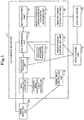
- FIG. 1 to 6 are diagrams for describing the configuration of a media analysis system in this exemplary embodiment
- Fig. 7 is a diagram for describing the operation.
- the media analysis system includes a media inputting unit 100 that accepts input of media data to be analyzed, a media storing unit 101 that stores the media data, and an analysis engine 102 that receives the media data and executes an analysis process.
- the media analysis system also includes a QoS controlling device 1 to which the units 100, 101 and 102 are connected as external devices and which controls the QoS (Quality of Service) that is the quality of the system, such as the analysis accuracy and response performance in the media analysis system.
- QoS Quality of Service
- installation of the QoS controlling device 1 allows a developer of a media application to transparently use the QoS controlling device 1 and develop an application based on a functional request without being conscious of the QoS characteristics of an analysis method of the media analysis engine.
- the configuration of the QoS controlling device 1 will be described in detail.
- the QoS controlling device 1 includes a media characteristics judging unit 11, an acquisition media characteristics rule managing unit 12, a media storage processing unit 13, a QoS controlling unit 14, a target non-functional requirement managing unit 15, a QoS calculating unit 16, and a media system QoS characteristics knowledge managing unit 17.
- the QoS controlling unit 1 includes a media input controlling unit 18, a media storage controlling unit 19, and an analysis engine controlling unit 20.
- Each of the abovementioned units 11 to 20 is configured by a functioning unit structured by embedding a program in an arithmetic device installed in the QoS controlling unit 1, or a storing unit formed in an installed storage device.
- the QoS controlling device 1 may be configured by one information processing device, or may be configured by a plurality of information processing devices. Below, the respective components will be described in detail.
- the media inputting unit 100 inputs media data into the QoS controlling device 1.
- the media storing unit 101 can return a storage location for storing media, and holds a substitutable storing means such as an HDD (Hard Disk Drive) and a memory.
- the external analysis engine 102 holds types of media that can be analyzed, analysis methods used at the time of analyzing media, and analysis methods which are substitutable for the analysis methods.
- the acquisition media characteristics rule managing unit 12 manages whether to cause the media characteristics judging unit 11 to acquire media characteristics from media data.
- the media characteristics judging unit 11 is caused by the acquisition media characteristics rule managing unit 12 to receive input of media files from the external media inputting unit 100 and acquire media characteristics such as the size and spatial density based on the types of the received media, for each media type.
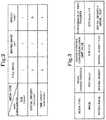
- Fig. 2 shows a structure diagram of a data structure of data managed by the acquisition media characteristics rule managing unit 12.
- the acquisition media characteristics rule managing unit 12 manages media characteristics that should be acquired depending on the media types.
- the data shown in Fig. 2 may include any number of media characteristics and any number of media types. In the data, "1" represents a media characteristic to acquire, and "0" represents a media characteristic not to acquire.
- the media characteristics judging unit 11 determines a media characteristic to acquire from media data such as a static image, a moving image and a speech inputted by the media inputting unit 100 based on the rules of acquisition of media characteristics managed by the acquisition media characteristics rule managing unit 12, and acquires a media characteristics value from the media data. Then, the media characteristics judging unit 11 transmits the acquired media characteristics value of the media data to the media storage processing unit 13.
- the media storage processing unit 13 stores the inputted media data into the media storing unit 101, and acquires a storage location of the media data. Moreover, the media storage processing unit 13 transmits the media characteristics value and storage location of the stored media data to the QoS controlling unit 14 as media metadata.
- the media storing unit 101 stores the media data and returns a storage location of the media to the media storage processing unit 13.
- the QoS calculating unit 16 calculates expected response performance of the media analysis system and expected analysis accuracy, from the type of the analysis engine 102 and the abovementioned media characteristics value. To be specific, the QoS calculating unit 16 calculates response performance and analysis accuracy in the media analysis system, based on QoS characteristics knowledge of the media inputting unit 11, the media storing unit 101 and the analysis engine 102, which are managed and stored by the media system QoS characteristics knowledge managing unit 17.
- the media system QoS characteristics knowledge managing unit 17 (a characteristic information storing means) will be described in detail with reference to Figs. 3 to 5 .
- Fig. 3 is a diagram showing an example of QoS characteristics (media characteristics information) that are managed by the media system QoS characteristics knowledge managing unit 17 and that represent the performance of respective input methods by the media inputting unit 100.
- type of media data such as image, moving image or speech
- media characteristics representing the characteristics of media data
- characteristics conversion lower limit value that is a lower limit value allowable for conversion of the characteristics in conversion of media data into a certain media characteristic
- a calculation formula of "performance of transfer (millisecond)" of inputted media data are stored as the QoS characteristics of the media inputting unit 100.
- a calculation formula stored in the "characteristics conversion lower limit value" represents another input method (conversion method) that is substitutable for a method (conversion method) of inputting media data having been inputted by converting into the size or the spatial density represented by the "media characteristics.”
- performance of transfer is a formula for calculating response performance relating to a processing time in the media analysis system. Based on this formula, a time for processing media data converted into the value of the size or spatial density that is an input method is calculated.
- Fig. 4 is a diagram showing an example of QoS characteristics (media characteristics information) of respective methods for inputting, namely, storing media data of an analysis target into the media storing unit 101.
- "storage method” representing a media storage destination as a method for storing media data
- "response performance of storage” representing a formula of calculation of response performance of storing media data are stored as the QoS characteristics of the media storing unit 101.
- the "response performance of storage” represents a method for storing inputted media data and, for example, "memory” is set as a storage destination that is another storage method substitutable for a storage destination "HDD.”
- Fig. 5 is a diagram showing an example of QoS characteristics (analysis characteristics information) that are managed by the QoS characteristics knowledge managing unit 17 and that represent the performance of an analysis method by the analysis engine 102.
- QoS characteristics analysis characteristics information
- “analysis engine,” "media type” corresponding to the analysis engine 102, "analysis method” used by the analysis engine 102, information representing whether the analysis method is “essential” for the analysis engine 102, and information representing whether there is a "substitute analysis method” that is substitutable for the aforementioned analysis method are set as the QoS characteristics of the analysis engine 102.
- calculation formulas for respectively calculating "analysis accuracy” in each analysis method and "response performance” as an analysis processing time are registered.
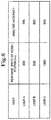
- the target non-functional requirement managing unit 15 stores target values of "response speed” representing a processing time in the media analysis system and "analysis accuracy" for each user as shown in Fig. 6 . As described later, in a case that at least one of the response speed and the analysis accuracy calculated by the QoS calculating unit 16 does not satisfy the target value, an input method or an analysis method is changed.
- the QoS calculating unit 16 calculates a time (a processing time) for transfer by the media inputting unit 100, a time (a processing time) that the media storage processing unit 13 stores a media into the media storing unit 101, and response performance (a processing time) and analysis accuracy of the analysis engine 102, from the values of the media characteristics data calculated by the media characteristics judging unit 11 and the QoS characteristics (media characteristics information, analysis characteristics information) of the media inputting unit 100, the media storing unit 101 and the analysis engine 102 that are stored in the media system QoS characteristics knowledge managing unit 17 (a characteristic information storing means).
- the QoS calculating unit 16 calculates the total value of the calculated times (processing times) as the response performance (millisecond) of the whole media analysis system, and also calculates the analysis accuracy of the whole analysis system from the analysis accuracy of the analysis engine 102.
- the analysis accuracy of the analysis engine 102 the analysis accuracy of each media characteristic set for each analysis engine shown in Fig. 5 is calculated.
- the strength of the relation may be given as a weight to the accuracy calculation formula.
- the QoS controlling unit 14 sends a query whether it is possible to increase the accuracy and the performance so that the user's target performance and accuracy are satisfied to the QoS calculating unit 16.
- the QoS calculating unit 16 changes the media data input method and the media data analysis method, and returns a performance increase value representing how much the performance can increase from the original performance in order to determine whether it is possible to increase the performance of each of the units.
- the analysis engine 102 additionally returns the analysis accuracy.
- the QoS controlling unit 14 determines a controlling unit to execute control of changing the input method or the analysis method from among the units 18, 19 and 20 for controlling the media inputting unit 100, the media storing unit 101 and the analysis engine 102 so that the response performance satisfies the user's target value, and executes QoS control on the determined controlling unit.
- the QoS controlling unit 14 instructs the media controlling unit 18 to execute QoS control.
- the QoS controlling unit 14 instructs the media storage controlling unit 19 to execute QoS control.
- the QoS controlling unit 14 instructs the analysis engine controlling unit 20 to execute QoS control.
- the media input controlling unit 18 controls the media inputting unit 100 so as to convert the characteristics of media data in accordance with an input method designated to be changed by the QoS controlling unit 14.
- the media storage controlling unit 19 designates a method, namely, a destination for storage of media data designated to be changed by the QoS controlling unit 14, and controls so as to store the media data.
- the analysis engine controlling unit 20 designates a substitute method for an analysis method of the analysis engine 102 designated by the QoS controlling unit 14, and controls the analysis engine 102 so that the analysis engine 102 analyzes by the method.
- the media characteristics judging unit 11 determines media characteristics to acquire from the media data, based on the data stored by the acquisition media characteristics rule managing unit 12 shown in Fig. 2 (step S1). Then, the media characteristics judging unit 11 calculates media characteristics values from the media data.
- the media storage processing unit 13 stores the media data into the media storing unit 101 (step S2), and acquires a storage location of the media data. Then, the media storage processing unit 13 transmits the storage location of the media data and the types and values of the media characteristics acquired by the media characteristics judging unit 11, to the QoS controlling unit 14.
- the QoS controlling unit 14 instructs the QoS calculating unit 16 to calculate the QoS of the media analysis system based the media characteristics of the media data having been acquired. Then, the QoS calculating unit 16 firstly receives the media characteristics of the inputted media data and the values thereof, and calculates an input transfer time corresponding to the input method of the media data, based on the QoS characteristics of the media inputting unit 100 shown in Fig. 3 managed by the media system QoS characteristics knowledge managing unit 17 (step S3).
- the QoS calculating unit 16 calculates the response performance of the media storing unit 101, by using the calculation formula of the response performance of media storage, based on the QoS characteristics of the media storing unit 101 shown in Fig. 4 managed by the media system QoS characteristics knowledge managing unit 17 (step S3).
- the QoS calculating unit 16 calculates the response performance and analysis accuracy of the analysis engine 102, based on an essential analysis method of the analysis engine 102 used in the system and the calculation formulas of the analysis accuracy and response performance managed for each analysis method as shown in Fig. 5 (step S3).
- the QoS controlling unit 14 acquires the target values of the response performance (millisecond) and analysis accuracy (%), which are user's target values, from the target non-functional requirement managing unit 15 as shown in Fig. 6 and, in a case that either the value of the response performance or the value of the analysis accuracy calculated at step S3 does not satisfy the target value, determines that QoS control is necessary (step S4: Yes) and proceeds to step S5. In a case that the values of the response performance and analysis accuracy calculated at step S3 exceed the target values, the QoS controlling unit 14 proceeds to step S7.
- the QoS controlling unit 14 confirms whether the user's target performance and accuracy can be satisfied, and determines a method for controlling the QoS. For this purpose, the QoS controlling unit 14 sends a query whether it is possible to increase the performance to the QoS calculating unit 16.
- the media storing unit 101 and the analysis engine 102 which are managed by the media system QoS characteristics knowledge managing unit 17, the QoS calculating unit 16 returns "whether it is possible to increase the performance in each unit," “means for increasing the performance” and “performance increase value representing how much the performance increases from the original performance.”
- the analysis engine 102 also returns "analysis accuracy" in addition to the above.
- the QoS calculating unit 16 returns a media characteristic that is a substitutable method for inputting media data and a conversion lower limit value of the media characteristic with regard to the media inputting unit 100, a substitutable destination for storing media data with regard to the media storing unit 101, and a substitutable analysis method when it is possible to increase the performance with regard to the analysis engine 102.
- the QoS controlling unit 14 determines a unit to execute QoS control from among the media inputting unit 100, the media storing unit 101 and the analysis engine 102 that the QoS calculating unit 16 has responded it is possible to increase the performance, and also determines a performance increasing means to be used from among the performance increasing means returned by the QoS calculating unit 16.
- the QoS controlling unit 14 selects any number of controlling units as targets to execute control from among the controlling units so that the user's target value is satisfied. For example, the QoS controlling unit 14 may select a controlling unit whose performance increase value corresponding to a performance increasing means is the highest, or may use a plurality of controlling units to satisfy the user's target value.
- the QoS controlling unit 14 designates the control target unit and performance increasing means as a controlling method that have been determined, and instructs the media input controlling unit 18, media storage controlling unit 19 or analysis engine controlling unit 20 having been selected to execute QoS control.
- the QoS controlling unit 14 instructs the media input controlling unit 18 to execute QoS control in the case of controlling the media inputting unit 100, instructs the media storage controlling unit 19 to execute QoS control in the case of controlling the media storing unit 101, and instructs the analysis engine controlling unit 20 to execute QoS control in the case of controlling the analysis engine 102.
- the media input controlling unit 18 controls the media inputting unit 100 so as to convert the characteristic of the media data in accordance with the media characteristic and conversion value of the media characteristic designated by the QoS controlling unit 14.
- the media storage controlling unit 19 designates the performance increasing means designated by the QoS controlling unit 14, as a storing method of media storage, and controls the media storing unit 101 to change the storing method of media storage.
- the analysis engine controlling unit 20 designates a substitute analysis method of the analysis engine 102 designated by the QoS controlling unit 14, and controls the analysis engine 102 so that the analysis engine 102 analyzes by the method.
- the QoS controlling unit 14 transmits the media data to the analysis engine 102, and the analysis engine 102 executes an analysis process thereon.
- the present invention owing to the operation as described above, even when it appears from calculation that the performance of the media analysis system exceeds the user's target value, it is possible to make the performance closer to one desired by the user in consideration of a relation between the accuracy and the performance, by making a performance increase instruction to decrease the input quality of the media inputting unit 100, change the storage method of the media storing unit 101 and thereby increase the response performance, or increase the response performance of the media analysis engine 102, in accordance with the user's target values of the accuracy and the performance. Consequently, it becomes easy to regulate the QoS characteristics of the media analysis system, and it is possible to achieve increase of convenience in development by a developer of a media application.
- the media inputting unit 100 inputs a "face image" as media data into the media analysis system.
- the analysis engine 102 is an analysis engine 102 which recognizes a face image and determines the position of the face, and the ID of the analysis engine 102 is "analysis engine A.”
- the media storing unit 101 stores images into an "HDD.”
- the media inputting unit 100 inputs a face image of a person and transmits to the media characteristics judging unit 11, and the media characteristics judging unit 11 judges the characteristics of the media data (step S1).
- the media characteristics judging unit 11 judges the image is a still image based on the content type of the received media, and calculates the size and spatial density as the media characteristics of the media data based on the data managed by the acquisition media characteristics rule managing unit 12 as shown in Fig. 3 .
- the media characteristics judging unit 11 calculates and obtains the values of the media characteristics: size is 100 kbyte and spatial density is 10 bit ⁇ 10 bit. Then, the media characteristics judging unit 11 transmits the media characteristics to the media storage processing unit 13.
- the media storage processing unit 101 stores the inputted face image into the media storing unit 101 (step S2), and acquires a URL, http://example.com/images/id/001, as the storage location of this image.
- the storage location of this image and the media characteristics values that are the types and values of the media characteristics acquired by the media characteristics judging unit 11 at step S1 are transmitted to the QoS controlling unit 14.
- the QoS controlling unit 14 instructs the QoS calculating unit 16 to calculate the QoS
- the QoS calculating unit 16 calculates the response performance and analysis accuracy of the whole media analysis system, based on the media characteristics values (size is 100 kbyte and spatial density is 10 bit ⁇ 10 bit) transmitted by the media storage processing unit 13 and based on the QoS characteristics representing the rules of calculation of the analysis accuracy and the response performance stored for each analysis engine 102, each media type and each analysis method, which are stored by the media system QoS characteristics knowledge managing unit 17.
- the QoS calculating unit 16 receives the media characteristics values of the media data having been inputted, and calculates a time for transferring input of media data so as to correspond to the media type and the media characteristics based on the QoS characteristics of the media inputting unit 100 shown in Fig. 3 managed by the media system QoS characteristics knowledge managing unit 17. In this case, the QoS calculating unit 16 obtains 200 milliseconds from calculation 100 ⁇ 2 (milliseconds).
- the QoS calculating unit 16 calculates the response performance of storage of the media storing unit 101 from a formula for calculating the response performance of media storage, based on the QoS characteristics of the media storing unit 101 shown in Fig. 4 managed by the media system QoS characteristics knowledge managing unit 17.
- the QoS calculating unit 16 obtains 10 milliseconds as the response performance of storage from calculation 100 ⁇ 100 / 1000 (milliseconds).
- the QoS calculating unit 16 calculates the accuracy of the analysis engine 102 in eth following manner.
- the accuracy of face contour acquisition is 90% from calculation 100 / 100 ⁇ 90, and the accuracy of an analysis method for face matching judgment is 80% from calculation 100 ⁇ 10 / 100 ⁇ 8.
- the combination accuracy is obtained from calculation (90 / 100) ⁇ (80 / 100) ⁇ 100, and consequently, the accuracy of the analysis engine A is 72%.
- the performance of face contour acquisition is 0.01 milliseconds from calculation 100 ⁇ 100 / (1000 ⁇ 1000), and the performance of face matching judgment is 100 milliseconds from calculation 10 ⁇ 10.
- the QoS calculating unit 16 calculates the response performance of the media analysis system as the total value of the transfer performance of the media inputting unit 100, the storage performance of the media storing unit 101 and the response performance of the analysis engine 102.
- the QoS calculating unit 16 calculates the accuracy of the media analysis system as 72% because it is the same as the accuracy of the analysis engine 102 (step S3).
- the QoS controlling unit 14 acquires the response performance of 300 milliseconds and the accuracy of 70% as target values with regard to a media system of a user A, who is the user of this system, from the target non-functional requirement managing unit 15 as shown in Fig. 6 . Then, the QoS controlling unit 14 compares the acquired response performance and accuracy with the response performance (310.1 milliseconds) and analysis accuracy (72%) calculated at step S3 as described above and, because the response performance exceeds the target value of 300 milliseconds, determines that QoS control is necessary (step S4: Yes) and proceeds to step S5.
- the QoS controlling unit 14 judges the possibility of increase of the QoS to confirm whether the media storing unit 101, the analysis engine 102 or the media inputting unit 100 can increase the QoS so as to satisfy the user's target response performance and analysis accuracy.
- the QoS controlling unit 14 sends a query whether it is possible to increase the performance to the QoS calculating unit 16, and the QoS calculating unit 16 sends a query whether it is possible to increase the performance to the media inputting unit 100, the media storing unit 101 and the analysis engine 102. Then, the media inputting unit 100, media storing unit 101 and analysis engine 102 having received the query returns whether it is possible to increase the performance and the response performance.
- the analysis engine 102 also returns the analysis accuracy in addition to the above.
- the media inputting unit 100 currently handles an "image" as media data, as shown in Fig. 3 , it is possible to substitute a method for converting the size of inputted media data with a conversion lower limit value "size (kbyte) ⁇ 0.2" and, in this case, the size becomes 20 kbyte from calculation 100 ⁇ 0.2. Consequently, the response performance as an input transfer time of the media data after conversion is 40 milliseconds from calculation 20 ⁇ 2.
- the analysis engine 102 which currently uses analysis methods such as "face contour acquisition” and “face matching judgment in color” of the analysis engine A, confirms a substitutable method from among the analysis methods of the analysis engine 102 shown in Fig. 5 and calculates whether there is a possibility of increase of the performance. Then, because the analysis method "face matching judgment in color” can be substituted with "face matching judgment by black-and-while conversion," the analysis engine 102 confirms the response performance and analysis accuracy after substitution.
- the QoS controlling unit 14 receives that all of the media inputting unit 100, the media storing unit 101 and the analysis engine 102 can increase the performance, from the QoS calculating unit 16. Because the analysis accuracy is 72%, which exceeds 70% as the target value of the user A according to Fig. 6 , the QoS controlling unit 14 judges that it is possible to increase the performance while satisfying the user's target accuracy, and determines a QoS controlling method.
- the QoS controlling unit 14 designates the QoS controlling method determined at the forward step, and performs QoS control instruction.
- the media input controlling unit 18 controls the media inputting unit 100 to convert a media data input method by the media inputting unit 100 so that the media characteristic "size" designated by the QoS controlling unit 14 is converted into 20 kbyte of a conversion value of the media characteristic.
- step S7 the QoS controlling unit 14 executes an analysis process on the analysis engine 102.
- the present invention owing to the configuration and operation as described above, even when the performance of the media analysis system exceeds the user's target value as a result of calculation, it is possible to make the performance closer to one desired by the user in consideration of a relation between the accuracy and the performance, by making a performance increase instruction to decrease the input quality of the media inputting unit 100, change the storage method of the media storing unit 101 to increase the response performance, or increase the response performance of the media analysis engine 102, in accordance with the user's target values of the accuracy and the performance.
- the QoS controlling unit 14 may select any combination such that the total value of the response performance in the media inputting unit 100, the media storing unit 101 and the analysis engine 102 becomes lower than a user's target value of the response performance, and instruct the respective units 100, 101 and 102 to increase the performance.
- the QoS controlling unit 14 may change all of a media data conversion method in the media inputting unit 100, an analysis method in the analysis engine 102 and a storage method in the media storing unit 101 to substitutable methods, or may select and change any one or two of them.
- the present invention by decreasing the analysis accuracy and the input data quality to make the analysis performance closer to a user's target value in accordance with performance that is determined by a user's request and should be satisfied by the analysis engine 102, based on the accuracy and performance of the analysis engine 102, a developer of a media application can develop a media application without being conscious of performance characteristics like throughput and turnaround time to response, such as performance characteristics of an analysis method in the analysis engine 102. Therefore, for development of a media application, it is possible to use as middleware that can make the performance of the analysis engine 102 closer to the user's target value.
- An information processing device 200 including:
- the information processing device includes another analysis method substitutable for a predetermined analysis method
- the media characteristics information stored by the characteristics information storing means includes another input method substitutable for a predetermined method of input of the media data
- the QoS controlling unit is configured to change at least one of the preset media data input method and analysis method to another substitutable method stored by the characteristics information storing means.
- the media characteristics information stored by the characteristics information storing means includes a method of conversion of media data inputted into and analyzed by the media analysis system, as the input method, and also includes another conversion method substitutable for the conversion method; and the QoS controlling unit is configured to change a conversion method as the preset media data input method to another substitutable method, based on the media characteristics information.
- the information processing device according to Supplementary Note 5, wherein the QoS controlling unit is configured to change at least one of the preset media data input method and analysis method so that at least one of the processing time and the analysis accuracy becomes closer to a target value.
- the information processing device according to Supplementary Note 6, wherein the QoS controlling unit is configured to change at least one of the preset media data input method and analysis method so that the calculated processing time of the media analysis system becomes lower than a target value.
- a computer program including instructions for causing an information processing device including a characteristics information storing means for storing analysis characteristics information representing performance of each analysis method executed in a media analysis system analyzing predetermined media data, and media characteristics information representing performance of each method of input of the media data inputted into and analyzed by the media analysis system, to realize; a QoS calculating unit for calculating response performance and analysis accuracy when executing an analysis process in the media analysis system by preset media data input method and analysis method, based on the analysis characteristics information and the media characteristics information stored by the characteristics information storing means; and a QoS controlling unit for, in a case that at least one of the response performance and the analysis accuracy calculated by the QoS calculating unit does not satisfy a preset target value, changing at least one of the preset media data input method and analysis method, based on the analysis characteristics information and the media characteristics information stored by the characteristics information storing means.
- the analysis characteristics information stored by the characteristics information storing means includes another analysis method substitutable for a predetermined analysis method
- the media characteristics information stored by the characteristics information storing means includes another input method substitutable for a predetermined method of input of the media data
- the QoS controlling unit is configured to change at least one of the preset media data input method and analysis method to another substitutable method stored by the characteristics information storing means.
- An information processing method wherein analysis characteristics information representing performance of each analysis method executed in a media analysis system which analyzes predetermined media data, and media characteristics information representing performance of each method of input of the media data inputted into and analyzed by the media analysis system are stored in a characteristics information storing means, the information processing method including:
- the analysis characteristics information stored by the characteristics information storing means includes another analysis method substitutable for a predetermined analysis method
- the media characteristics information stored by the characteristics information storing means includes another input method substitutable for a predetermined method of input of the media data
- the QoS controlling unit is configured to change at least one of the preset media data input method and analysis method to another substitutable method stored by the characteristics information storing means.
Landscapes
- Engineering & Computer Science (AREA)
- Multimedia (AREA)
- Signal Processing (AREA)
- Health & Medical Sciences (AREA)
- Biomedical Technology (AREA)
- General Health & Medical Sciences (AREA)
- Computer Vision & Pattern Recognition (AREA)
- Physics & Mathematics (AREA)
- General Physics & Mathematics (AREA)
- Theoretical Computer Science (AREA)
- Debugging And Monitoring (AREA)
- Information Retrieval, Db Structures And Fs Structures Therefor (AREA)
- Two-Way Televisions, Distribution Of Moving Picture Or The Like (AREA)
Claims (9)
- Informationsverarbeitungsvorrichtung (1, 200) zum Steuern der Dienstgüte (QoS) eines Medienanalysesystems zum Analysieren von Mediendaten durch Steuern des Verfahrens des Eingebens der genannten Daten, des Verfahren des Speicherns der genannten Daten oder des Verfahrens des Analysierens der genannten Daten, umfassend:ein Charakteristikinformationsspeichermittel (17, 203) zum Speichern von Analysecharakteristikinformationen zum Berechnen und Darstellen der erwarteten Leistung jedes in dem genannten Medienanalysesystem ausgeführten Analyseverfahrens, wobei die genannte erwartete Leistung eine Zeitverhaltensleistung und mit einer Analysegenauigkeit assoziiert ist, und Mediencharakteristikinformationen zum Berechnen und Darstellen der erwarteten Leistung jedes Verfahrens des Eingebens der Mediendaten, die in das Medienanalysesystem eingegeben und von diesem analysiert werden, wobei die genannte erwartete Leistung eine Zeitverhaltensleistung ist;eine QoS-Berechnungseinheit (16, 201) zum Berechnen der gesamten erwarteten Zeitverhaltensleistung und der erwarteten Analysegenauigkeit beim Ausführen eines Analyseprozesses im Medienanalysesystem gemäß einem voreingestellten Mediendateneingabeverfahren und einem voreingestellten Analyseverfahren auf der Basis der Analysecharakteristikinformationen und der Mediencharakteristikinformationen wie im Charakteristikinformationsspeichermittel gespeichert; undeine QoS-Steuereinheit (14, 202), um in einem Fall, in dem die gesamte Zeitverhaltensleistung und/oder die Analysegenauigkeit wie von der QoS-Berechnungseinheit berechnet die voreingestellten Zielwerte für die gesamte Zeitverhaltensleistung und Analysegenauigkeit nicht erfüllt,Ändern des voreingestellten Mediendateneingabeverfahrens und/oder Analyseverfahrens auf der Basis der Analysecharakteristikinformationen und der Mediencharakteristikiformationen wie im Charakteristikinformationsspeichermittel gespeichert, so dass die gesamte Zeitverhaltensleistung im Medienanalysesystem geringer wird als der voreingestellte Zielwert für gesamte Zeitverhaltensleistung, und die Analysegenauigkeit den genannten voreingestellten Zielwert für Analysegenauigkeit übersteigt.
- Informationsverarbeitungsvorrichtung nach Anspruch 1, wobei
die vom Charakteristikinformationsspeichermittel gespeicherten Analysecharakteristikinformationen ein anderes Analyseverfahren beinhalten, das durch ein vorbestimmtes Analyseverfahren ersetzt werden kann, und die von dem Charakteristikinformationsspeichermittel gespeicherten Mediencharakteristikinformationen ein anderes Eingabeverfahren beinhalten, das durch ein vorbestimmtes Verfahren zum Eingeben der Mediendaten ersetzt werden kann; und
die QoS-Steuereinheit zum Ändern des voreingestellten Medieneingabeverfahrens und/oder Analyseverfahrens in ein anderes ersetzbares Verfahren konfiguriert ist, das im Charakteristikinformationsspeichermittel gespeichert ist. - Informationsverarbeitungsvorrichtung nach Anspruch 2, wobei:die im Charakteristikinformationsspeichermittel gespeicherten Mediencharakteristikinformationen ein Verfahren des Umwandelns von Mediendaten, die in das Medienanalysesystem eingegeben und von diesem analysiert wurden, als Eingabeverfahren beinhalten, und auch ein anderes Umwandlungsverfahren beinhaltet, das durch das Umwandlungsverfahren ersetzt werden kann; unddie QoS-Steuereinheit zum Ändern eines Umwandlungsverfahren als das voreingestellte Mediendateneingabeverfahren in ein anderes ersetzbares Verfahren auf der Basis der Mediencharakteristikinformationen konfiguriert ist.
- Informationsverarbeitungsvorrichtung nach Anspruch 2 oder 3, wobei:die im Charakteristikinformationsspeichermittel gespeicherten Mediencharakteristikinformationen ein Verfahren des Speicherns von Mediendaten, die in das Medienanalysesystem eingegeben und von diesem analysiert wurden, als Eingabeverfahren beinhalten, und auch ein anderes Speicherverfahren beinhalten, das durch das Speicherverfahren ersetzt werden kann; unddie QoS-Steuereinheit zum Ändern eines Speicherverfahrens als das voreingestellte Mediendateneingabeverfahren in ein anderes ersetzbares Verfahren auf der Basis der Mediencharakteristikinformationen konfiguriert ist.
- Informationsverarbeitungsvorrichtung nach einem der Ansprüche 1 bis 4, wobei:die im Charakteristikinformationsspeichermittel gespeicherten Analysecharakteristikinformationen Verfahren zum Berechnen der Analysegenauigkeit jedes Analyseverfahrens und zum Berechnen einer Verarbeitungszeit als Informationen beinhalten, die Leistung des Analyseverfahrens repräsentieren;die im Charakteristikinformationsspeichermittel gespeicherten Mediencharakteristikinformationen Verfahren des Berechnens von Verarbeitungszeiten in jeweiligen Mediendateneingabeverfahren als Informationen beinhalten, die Leistung des Eingabeverfahrens repräsentieren; unddie QoS-Berechnungseinheit zum Berechnen der Analysegenauigkeit des Medienanalysesystems auf der Basis der Analysecharakteristikinformationen und auch zum Berechnen einer Verarbeitungszeit des Medienanalysesystems auf der Basis der Analysecharakteristikinformationen und der Mediencharakteristikinformationen als gesamte Zeitverhaltensleistung konfiguriert ist.
- Informationsverarbeitungsvorrichtung nach Anspruch 5, wobei die QoS-Steuereinheit zum Ändern des voreingestellten Mediendateneingabeverfahrens und/oder Analyseverfahrens konfiguriert ist, so dass die Verarbeitungszeit und/oder die Analysegenauigkeit näher an einen Zielwert herankommt.
- Informationsverarbeitungsvorrichtung nach Anspruch 6, wobei die QoS-Steuereinheit zum Ändern des voreingestellten Mediendateneingabeverfahrens und/oder Analyseverfahrens konfiguriert ist, so dass die Leistung näher an eine vom Benutzer gewünschte herankommt.
- Computerprogramm, das Befehle zum Anweisen einer Informationsverarbeitungsvorrichtung zum Steuern der Dienstgüte (QoS) eines Medienanalysesystems zum Analysieren von Mediendaten durch Steuern des Verfahrens des Eingebens der genannten Daten, des Verfahrens des Speicherns der genannten Daten oder des Verfahrens des Analysierens der genannten Daten umfasst, mit einem Charakteristikinformationsspeichermittel zum Speichern von Analysecharakteristikinformationen zum Berechnen und Darstellen der erwarteten Leistung jedes in dem genannten Medienanalysesystem ausgeführten Analyseverfahrens, wobei die genannte erwartete Leistung eine Zeitverhaltensleistung und mit einer Analysegenauigkeit assoziiert ist, und Mediencharakteristikinformationen zum Berechnen und Darstellen der erwarteten Leistung jedes Verfahrens des Eingebens der Mediendaten, die in das Medienanalysesystem eingegeben und von diesem analysiert werden, wobei die genannte erwartete Leistung eine Zeitverhaltensleistung ist;
wobei die genannten Befehle Folgendes umfassen:Code, ausgelegt zum Implementieren einer QoS-Berechnungseinheit zum Berechnen der gesamten erwarteten Zeitverhaltensleistung und der erwarteten Analysegenauigkeit beim Ausführen eines Analyseprozesses im Medienanalysesystem gemäß einem voreingestellten Mediendateneingabeverfahren und einem voreingestellten Analyseverfahren auf der Basis der Analysecharakteristikinformationen und der Mediencharakteristikinformationen wie im Charakteristikinformationsspeichermedien gespeichert; undCode, ausgelegt zum Implementieren einer QoS-Steuereinheit, um in einem Fall, in dem die gesamte Zeitverhaltensleistung und/oder die Analysegenauigkeit wie von der QoS-Berechnungseinheit berechnet ausgelegt ist, die voreingestellten Zielwerte für gesamte Zeitverhaltensleistung und Analysegenauigkeit nicht erfüllt,Ändern des voreingestellten Mediendateneingabeverfahrens und/oder Analyseverfahrens auf der Basis der Analysecharakteristikinformationen und der Mediencharakteristikinformationen wie im Charakteristikinformationsspeichermedien gespeichert, so dass die gesamte Zeitverhaltensleistung niedriger wird als der voreingestellte Zielwert für gesamte Zeitverhaltensleistung und die Analysegenauigkeit den genannten Zielwert für Analysegenauigkeit übersteigt. - Informationsverarbeitungsverfahren zum Steuern der Dienstgüte (QoS) eines Medienanalysesystems zum Analysieren von Mediendaten durch Steuern des Verfahrens des Eingebens der genannten Daten, des Verfahrens des Speicherns der genannten Daten oder des Verfahren des Analysierens der genannten Daten, wobei Analysecharakteristikinformationen zum Berechnen und Darstellen der erwarteten Leistung jedes in dem genannten Medienanalysesystem ausgeführten Analyseverfahrens, wobei die genannte erwartete Leistung eine Zeitverhaltensleistung und mit einer Analysegenauigkeit assoziiert ist, und Mediencharakteristikinformationen zum Berechnen und Darstellen der erwarteten Leistung jedes Verfahrens des Eingebens der Mediendaten, die in das Medienanalysesystem eingegeben und von diesem analysiert werden, wobei die genannte erwartete Leistung eine Zeitverhaltensleistung ist, in einem Charakteristikinformationsspeichermittel gespeichert sind,
wobei das Informationsverarbeitungsverfahren Folgendes beinhaltet:Berechnen der gesamten erwarteten Zeitverhaltensleistung und der erwarteten Analysegenauigkeit beim Ausführen eines Analyseprozesses in dem Medienanalysesystem gemäß einem voreingestellten Mediendateneingabeverfahren und einem voreingestellten Analyseverfahren auf der Basis der Analysecharakteristikinformationen und der Mediencharakteristikinformationen wie im Charakteristikinformationsspeichermedien gespeichert; undin einem Fall, in dem die gesamte Zeitverhaltensleistung und/oder die Analysegenauigkeit wie berechnet voreingestellte Zielwerte für gesamte Zeitverhaltensleistung und Analysegenauigkeit nicht erfüllen, Ändern des voreingestellten Mediendateneingabeverfahrens und/oder Analyseverfahrens auf der Basis der Analysecharakteristikinformationen und der Mediencharakteristikinformationen wie im Charakteristikinformationsspeichermedien gespeichert, so dass die gesamte Zeitverhaltensleistung niedriger wird als der voreingestellte Zielwert für gesamte Zeitverhaltensleistung und die Analysegenauigkeit den genannten voreingestellten Zielwert für Analysegenauigkeit übersteigt.
Applications Claiming Priority (2)
| Application Number | Priority Date | Filing Date | Title |
|---|---|---|---|
| JP2010249263 | 2010-11-08 | ||
| PCT/JP2011/006131 WO2012063434A1 (ja) | 2010-11-08 | 2011-11-02 | 情報処理装置 |
Publications (3)
| Publication Number | Publication Date |
|---|---|
| EP2640071A1 EP2640071A1 (de) | 2013-09-18 |
| EP2640071A4 EP2640071A4 (de) | 2015-06-10 |
| EP2640071B1 true EP2640071B1 (de) | 2018-04-04 |
Family
ID=46050603
Family Applications (1)
| Application Number | Title | Priority Date | Filing Date |
|---|---|---|---|
| EP11840649.5A Active EP2640071B1 (de) | 2010-11-08 | 2011-11-02 | Informationsverarbeitungsvorrichtung |
Country Status (8)
| Country | Link |
|---|---|
| US (1) | US9230314B2 (de) |
| EP (1) | EP2640071B1 (de) |
| JP (1) | JP5857971B2 (de) |
| KR (1) | KR101446558B1 (de) |
| CN (1) | CN103202029B (de) |
| BR (1) | BR112013011373B1 (de) |
| RU (1) | RU2533173C1 (de) |
| WO (1) | WO2012063434A1 (de) |
Families Citing this family (4)
| Publication number | Priority date | Publication date | Assignee | Title |
|---|---|---|---|---|
| CN109414059B (zh) * | 2016-07-04 | 2022-06-10 | 日本烟草产业株式会社 | 吸附剂、具有该吸附剂的吸烟物品用过滤嘴、及具有该吸烟物品用过滤嘴的吸烟物品 |
| US11521460B2 (en) | 2018-07-25 | 2022-12-06 | Konami Gaming, Inc. | Casino management system with a patron facial recognition system and methods of operating same |
| US10878657B2 (en) | 2018-07-25 | 2020-12-29 | Konami Gaming, Inc. | Casino management system with a patron facial recognition system and methods of operating same |
| EP3614627B1 (de) | 2018-08-20 | 2021-09-15 | EXFO Inc. | Telekommunikationsnetzwerk und dienstqualitätserfahrungsbeurteilung |
Family Cites Families (30)
| Publication number | Priority date | Publication date | Assignee | Title |
|---|---|---|---|---|
| US6081513A (en) * | 1997-02-10 | 2000-06-27 | At&T Corp. | Providing multimedia conferencing services over a wide area network interconnecting nonguaranteed quality of services LANs |
| JP2955561B1 (ja) * | 1998-05-29 | 1999-10-04 | 株式会社ディジタル・ビジョン・ラボラトリーズ | ストリーム通信システム及びストリーム転送制御方法 |
| GB2341059A (en) * | 1998-08-28 | 2000-03-01 | Nokia Oy Ab | Internet protocol flow detection |
| FI108200B (fi) * | 1998-09-14 | 2001-11-30 | Nokia Mobile Phones Ltd | Yhteyden vaihto matkaviestinverkkojen välillä |
| JP3676121B2 (ja) | 1999-06-01 | 2005-07-27 | 三菱電機株式会社 | パラメータ決定装置、パラメータ決定方法およびその方法をコンピュータに実行させるプログラムを記録したコンピュータ読み取り可能な記録媒体 |
| US6724761B1 (en) * | 1999-09-29 | 2004-04-20 | Northrop Grumman Corporation | Method and apparatus for serial cell replication for multicast in a cell switch |
| US7177295B1 (en) * | 2002-03-08 | 2007-02-13 | Scientific Research Corporation | Wireless routing protocol for ad-hoc networks |
| US20030235338A1 (en) * | 2002-06-19 | 2003-12-25 | Meetrix Corporation | Transmission of independently compressed video objects over internet protocol |
| US7457864B2 (en) | 2002-11-27 | 2008-11-25 | International Business Machines Corporation | System and method for managing the performance of a computer system based on operational characteristics of the system components |
| US7917903B2 (en) | 2003-03-27 | 2011-03-29 | Hewlett-Packard Development Company, L.P. | Quality of service controller and method for a data storage system |
| EP1503548A1 (de) * | 2003-08-01 | 2005-02-02 | fg microtec GmbH | Verteiltes Dienstgüte Management System |
| RU36907U1 (ru) * | 2003-11-14 | 2004-03-27 | Общество с ограниченной ответственностью "Информационные исследования" ("Изучение, Оценивание, Распознавание") | Автоматизированная система базы знаний по обработке, анализу и распознаванию изображений |
| US20060203722A1 (en) * | 2005-03-14 | 2006-09-14 | Nokia Corporation | System and method for managing performance of mobile terminals via remote diagnostics |
| JP4594771B2 (ja) * | 2005-03-18 | 2010-12-08 | 富士通株式会社 | ネットワークQoS制御システムおよび制御方法 |
| US7924732B2 (en) * | 2005-04-19 | 2011-04-12 | Hewlett-Packard Development Company, L.P. | Quality of service in IT infrastructures |
| JP4687343B2 (ja) * | 2005-09-06 | 2011-05-25 | 日本電気株式会社 | チャネル帯域占有率評価方法、無線通信システム、チャネル帯域占有率評価装置及びプログラム |
| JP2007074377A (ja) * | 2005-09-07 | 2007-03-22 | Matsushita Electric Ind Co Ltd | 伝送速度制御装置及び通信システム |
| WO2007077991A1 (ja) * | 2006-01-06 | 2007-07-12 | Sony Corporation | 情報処理装置および方法、並びにプログラム |
| WO2007144567A2 (en) * | 2006-06-13 | 2007-12-21 | British Telecommunications Public Limited Company | Quality based service selection in a peer to peer network |
| WO2008021182A2 (en) * | 2006-08-09 | 2008-02-21 | Interdigital Technology Corporation | Method and apparatus for providing differentiated quality of service for packets in a particular flow |
| EP2111588A2 (de) * | 2007-02-13 | 2009-10-28 | Nidvid, Inc. | Medienbearbeitungssystem und -verfahren |
| US7532134B2 (en) * | 2007-03-12 | 2009-05-12 | Citrix Systems, Inc. | Systems and methods for sharing compression histories between multiple devices |
| JP2008269391A (ja) * | 2007-04-23 | 2008-11-06 | Yahoo Japan Corp | 係り受けを解析する方法 |
| JP2009055327A (ja) * | 2007-08-27 | 2009-03-12 | Hitachi Ltd | ネットワークシステム |
| JP4569614B2 (ja) * | 2007-09-19 | 2010-10-27 | 日本電気株式会社 | データ変換システム |
| JP5212381B2 (ja) * | 2008-01-31 | 2013-06-19 | 日本電気株式会社 | フィードフォーワード制御方法、サービス提供品質制御装置、システム、プログラム及びその記録媒体 |
| JP5028651B2 (ja) * | 2008-05-19 | 2012-09-19 | 富士通モバイルコミュニケーションズ株式会社 | 情報処理装置およびコンテンツ解析プログラム |
| WO2009157939A1 (en) * | 2008-06-26 | 2009-12-30 | Hewlett-Packard Development Company, L.P. | Face-detection processing methods, image processing devices, and articles of manufacture |
| US9026094B2 (en) * | 2010-03-30 | 2015-05-05 | Telefonaktiebolaget L M Ericsson (Publ) | Method and apparatus for use of performance history data in positioning method selection |
| KR101696508B1 (ko) * | 2010-04-07 | 2017-01-13 | 텔레폰악티에볼라겟엘엠에릭슨(펍) | 서비스의 위치확인 품질 향상 |
-
2011
- 2011-11-02 EP EP11840649.5A patent/EP2640071B1/de active Active
- 2011-11-02 JP JP2012542800A patent/JP5857971B2/ja active Active
- 2011-11-02 KR KR1020137010311A patent/KR101446558B1/ko active Active
- 2011-11-02 US US13/823,832 patent/US9230314B2/en active Active
- 2011-11-02 WO PCT/JP2011/006131 patent/WO2012063434A1/ja not_active Ceased
- 2011-11-02 CN CN201180053812.7A patent/CN103202029B/zh active Active
- 2011-11-02 BR BR112013011373-1A patent/BR112013011373B1/pt active IP Right Grant
- 2011-11-02 RU RU2013120958/07A patent/RU2533173C1/ru active
Non-Patent Citations (1)
| Title |
|---|
| None * |
Also Published As
| Publication number | Publication date |
|---|---|
| BR112013011373A2 (pt) | 2020-08-04 |
| US9230314B2 (en) | 2016-01-05 |
| WO2012063434A1 (ja) | 2012-05-18 |
| KR20130091344A (ko) | 2013-08-16 |
| KR101446558B1 (ko) | 2014-10-01 |
| JPWO2012063434A1 (ja) | 2014-05-12 |
| EP2640071A1 (de) | 2013-09-18 |
| EP2640071A4 (de) | 2015-06-10 |
| RU2533173C1 (ru) | 2014-11-20 |
| BR112013011373B1 (pt) | 2022-01-18 |
| CN103202029B (zh) | 2016-01-20 |
| US20130301955A1 (en) | 2013-11-14 |
| CN103202029A (zh) | 2013-07-10 |
| JP5857971B2 (ja) | 2016-02-10 |
Similar Documents
| Publication | Publication Date | Title |
|---|---|---|
| JP3658420B2 (ja) | 分散処理システム | |
| US20090157870A1 (en) | Resource-amount calculation system, and method and program thereof | |
| EP2650786A2 (de) | Verteiltes Verarbeitungssystem, Planungsknoten und Planungsverfahren für verteiltes Verarbeitungssystem, und Programmerzeugungsgerät dafür | |
| CN118034892B (zh) | 一种集群文件系统客户端多核并发负载实现方法 | |
| CN108228347A (zh) | 一种任务感知的Docker自适应调度系统 | |
| CN120123099A (zh) | 一种边缘云计算平台中的资源调度方法、系统、设备及介质 | |
| CN104010028A (zh) | 一种云平台下性能加权的虚拟资源动态管理策略方法 | |
| WO2011105091A1 (ja) | 制御装置、管理装置、制御装置のデータ処理方法、およびプログラム | |
| JP7687041B2 (ja) | 衛星観測計画立案システム、衛星観測計画立案方法、および衛星観測計画立案プログラム | |
| US9230314B2 (en) | Information processing device having a function to control QoS of media analysis system | |
| KR20230067369A (ko) | 기계 학습 작업 스케줄링 시스템 및 그 방법 | |
| US20030095282A1 (en) | Distributed printing system and distributed printing method | |
| CN117492929A (zh) | 调度方法、装置、调度器及可读存储介质 | |
| US11934899B2 (en) | Information processing device, prediction method, and non-transitory computer-readable storage medium storing program | |
| CN120276828B (zh) | 任务调度处理方法及电子设备 | |
| US8914591B2 (en) | Information processing apparatus, method for controlling same | |
| JP2020080119A (ja) | 処理要求管理装置、処理要求管理方法及びプログラム | |
| CN120881014B (zh) | 消息队列集群的管理方法、装置、计算机设备及存储介质 | |
| CN121478455B (zh) | 一种模型调用请求的路由方法、装置、设备、存储介质及产品 | |
| JP7315026B2 (ja) | クラウドサービスのユーザ要件違反防止装置、ユーザ要件違反防止方法及びプログラム | |
| WO2026035354A1 (en) | Intelligent router for distributing requests to different generative ai instances | |
| JP5704756B2 (ja) | コマンドスケジュール対応型クラウド統一操作システムおよび方法 | |
| JP2009151376A (ja) | 分散処理方法、計算機管理装置及び分散処理システム | |
| CN120596189A (zh) | 一种负载均衡方法、装置、设备及存储介质 | |
| JP2011013847A (ja) | 帳票印刷システム,帳票印刷方法及びそのプログラム |
Legal Events
| Date | Code | Title | Description |
|---|---|---|---|
| PUAI | Public reference made under article 153(3) epc to a published international application that has entered the european phase |
Free format text: ORIGINAL CODE: 0009012 |
|
| 17P | Request for examination filed |
Effective date: 20130607 |
|
| AK | Designated contracting states |
Kind code of ref document: A1 Designated state(s): AL AT BE BG CH CY CZ DE DK EE ES FI FR GB GR HR HU IE IS IT LI LT LU LV MC MK MT NL NO PL PT RO RS SE SI SK SM TR |
|
| DAX | Request for extension of the european patent (deleted) | ||
| RA4 | Supplementary search report drawn up and despatched (corrected) |
Effective date: 20150511 |
|
| RIC1 | Information provided on ipc code assigned before grant |
Ipc: H04N 7/173 20110101AFI20150504BHEP |
|
| GRAP | Despatch of communication of intention to grant a patent |
Free format text: ORIGINAL CODE: EPIDOSNIGR1 |
|
| RIC1 | Information provided on ipc code assigned before grant |
Ipc: G06T 7/00 20170101ALN20171009BHEP Ipc: H04N 7/173 20110101AFI20171009BHEP |
|
| INTG | Intention to grant announced |
Effective date: 20171030 |
|
| GRAS | Grant fee paid |
Free format text: ORIGINAL CODE: EPIDOSNIGR3 |
|
| GRAA | (expected) grant |
Free format text: ORIGINAL CODE: 0009210 |
|
| AK | Designated contracting states |
Kind code of ref document: B1 Designated state(s): AL AT BE BG CH CY CZ DE DK EE ES FI FR GB GR HR HU IE IS IT LI LT LU LV MC MK MT NL NO PL PT RO RS SE SI SK SM TR |
|
| REG | Reference to a national code |
Ref country code: GB Ref legal event code: FG4D |
|
| REG | Reference to a national code |
Ref country code: CH Ref legal event code: EP |
|
| REG | Reference to a national code |
Ref country code: AT Ref legal event code: REF Ref document number: 986810 Country of ref document: AT Kind code of ref document: T Effective date: 20180415 |
|
| REG | Reference to a national code |
Ref country code: IE Ref legal event code: FG4D |
|
| REG | Reference to a national code |
Ref country code: DE Ref legal event code: R096 Ref document number: 602011047262 Country of ref document: DE |
|
| REG | Reference to a national code |
Ref country code: NL Ref legal event code: MP Effective date: 20180404 |
|
| REG | Reference to a national code |
Ref country code: LT Ref legal event code: MG4D |
|
| PG25 | Lapsed in a contracting state [announced via postgrant information from national office to epo] |
Ref country code: NL Free format text: LAPSE BECAUSE OF FAILURE TO SUBMIT A TRANSLATION OF THE DESCRIPTION OR TO PAY THE FEE WITHIN THE PRESCRIBED TIME-LIMIT Effective date: 20180404 |
|
| REG | Reference to a national code |
Ref country code: FR Ref legal event code: PLFP Year of fee payment: 8 |
|
| PG25 | Lapsed in a contracting state [announced via postgrant information from national office to epo] |
Ref country code: AL Free format text: LAPSE BECAUSE OF FAILURE TO SUBMIT A TRANSLATION OF THE DESCRIPTION OR TO PAY THE FEE WITHIN THE PRESCRIBED TIME-LIMIT Effective date: 20180404 Ref country code: ES Free format text: LAPSE BECAUSE OF FAILURE TO SUBMIT A TRANSLATION OF THE DESCRIPTION OR TO PAY THE FEE WITHIN THE PRESCRIBED TIME-LIMIT Effective date: 20180404 Ref country code: LT Free format text: LAPSE BECAUSE OF FAILURE TO SUBMIT A TRANSLATION OF THE DESCRIPTION OR TO PAY THE FEE WITHIN THE PRESCRIBED TIME-LIMIT Effective date: 20180404 Ref country code: PL Free format text: LAPSE BECAUSE OF FAILURE TO SUBMIT A TRANSLATION OF THE DESCRIPTION OR TO PAY THE FEE WITHIN THE PRESCRIBED TIME-LIMIT Effective date: 20180404 Ref country code: NO Free format text: LAPSE BECAUSE OF FAILURE TO SUBMIT A TRANSLATION OF THE DESCRIPTION OR TO PAY THE FEE WITHIN THE PRESCRIBED TIME-LIMIT Effective date: 20180704 Ref country code: BG Free format text: LAPSE BECAUSE OF FAILURE TO SUBMIT A TRANSLATION OF THE DESCRIPTION OR TO PAY THE FEE WITHIN THE PRESCRIBED TIME-LIMIT Effective date: 20180704 Ref country code: SE Free format text: LAPSE BECAUSE OF FAILURE TO SUBMIT A TRANSLATION OF THE DESCRIPTION OR TO PAY THE FEE WITHIN THE PRESCRIBED TIME-LIMIT Effective date: 20180404 Ref country code: FI Free format text: LAPSE BECAUSE OF FAILURE TO SUBMIT A TRANSLATION OF THE DESCRIPTION OR TO PAY THE FEE WITHIN THE PRESCRIBED TIME-LIMIT Effective date: 20180404 |
|
| PG25 | Lapsed in a contracting state [announced via postgrant information from national office to epo] |
Ref country code: HR Free format text: LAPSE BECAUSE OF FAILURE TO SUBMIT A TRANSLATION OF THE DESCRIPTION OR TO PAY THE FEE WITHIN THE PRESCRIBED TIME-LIMIT Effective date: 20180404 Ref country code: GR Free format text: LAPSE BECAUSE OF FAILURE TO SUBMIT A TRANSLATION OF THE DESCRIPTION OR TO PAY THE FEE WITHIN THE PRESCRIBED TIME-LIMIT Effective date: 20180705 Ref country code: LV Free format text: LAPSE BECAUSE OF FAILURE TO SUBMIT A TRANSLATION OF THE DESCRIPTION OR TO PAY THE FEE WITHIN THE PRESCRIBED TIME-LIMIT Effective date: 20180404 Ref country code: RS Free format text: LAPSE BECAUSE OF FAILURE TO SUBMIT A TRANSLATION OF THE DESCRIPTION OR TO PAY THE FEE WITHIN THE PRESCRIBED TIME-LIMIT Effective date: 20180404 |
|
| REG | Reference to a national code |
Ref country code: AT Ref legal event code: MK05 Ref document number: 986810 Country of ref document: AT Kind code of ref document: T Effective date: 20180404 |
|
| PG25 | Lapsed in a contracting state [announced via postgrant information from national office to epo] |
Ref country code: PT Free format text: LAPSE BECAUSE OF FAILURE TO SUBMIT A TRANSLATION OF THE DESCRIPTION OR TO PAY THE FEE WITHIN THE PRESCRIBED TIME-LIMIT Effective date: 20180806 |
|
| REG | Reference to a national code |
Ref country code: DE Ref legal event code: R097 Ref document number: 602011047262 Country of ref document: DE |
|
| PG25 | Lapsed in a contracting state [announced via postgrant information from national office to epo] |
Ref country code: RO Free format text: LAPSE BECAUSE OF FAILURE TO SUBMIT A TRANSLATION OF THE DESCRIPTION OR TO PAY THE FEE WITHIN THE PRESCRIBED TIME-LIMIT Effective date: 20180404 Ref country code: SK Free format text: LAPSE BECAUSE OF FAILURE TO SUBMIT A TRANSLATION OF THE DESCRIPTION OR TO PAY THE FEE WITHIN THE PRESCRIBED TIME-LIMIT Effective date: 20180404 Ref country code: AT Free format text: LAPSE BECAUSE OF FAILURE TO SUBMIT A TRANSLATION OF THE DESCRIPTION OR TO PAY THE FEE WITHIN THE PRESCRIBED TIME-LIMIT Effective date: 20180404 Ref country code: DK Free format text: LAPSE BECAUSE OF FAILURE TO SUBMIT A TRANSLATION OF THE DESCRIPTION OR TO PAY THE FEE WITHIN THE PRESCRIBED TIME-LIMIT Effective date: 20180404 Ref country code: EE Free format text: LAPSE BECAUSE OF FAILURE TO SUBMIT A TRANSLATION OF THE DESCRIPTION OR TO PAY THE FEE WITHIN THE PRESCRIBED TIME-LIMIT Effective date: 20180404 Ref country code: CZ Free format text: LAPSE BECAUSE OF FAILURE TO SUBMIT A TRANSLATION OF THE DESCRIPTION OR TO PAY THE FEE WITHIN THE PRESCRIBED TIME-LIMIT Effective date: 20180404 |
|
| PLBE | No opposition filed within time limit |
Free format text: ORIGINAL CODE: 0009261 |
|
| STAA | Information on the status of an ep patent application or granted ep patent |
Free format text: STATUS: NO OPPOSITION FILED WITHIN TIME LIMIT |
|
| PG25 | Lapsed in a contracting state [announced via postgrant information from national office to epo] |
Ref country code: SM Free format text: LAPSE BECAUSE OF FAILURE TO SUBMIT A TRANSLATION OF THE DESCRIPTION OR TO PAY THE FEE WITHIN THE PRESCRIBED TIME-LIMIT Effective date: 20180404 Ref country code: IT Free format text: LAPSE BECAUSE OF FAILURE TO SUBMIT A TRANSLATION OF THE DESCRIPTION OR TO PAY THE FEE WITHIN THE PRESCRIBED TIME-LIMIT Effective date: 20180404 |
|
| 26N | No opposition filed |
Effective date: 20190107 |
|
| PG25 | Lapsed in a contracting state [announced via postgrant information from national office to epo] |
Ref country code: SI Free format text: LAPSE BECAUSE OF FAILURE TO SUBMIT A TRANSLATION OF THE DESCRIPTION OR TO PAY THE FEE WITHIN THE PRESCRIBED TIME-LIMIT Effective date: 20180404 |
|
| REG | Reference to a national code |
Ref country code: DE Ref legal event code: R119 Ref document number: 602011047262 Country of ref document: DE |
|
| REG | Reference to a national code |
Ref country code: CH Ref legal event code: PL |
|
| PG25 | Lapsed in a contracting state [announced via postgrant information from national office to epo] |
Ref country code: MC Free format text: LAPSE BECAUSE OF FAILURE TO SUBMIT A TRANSLATION OF THE DESCRIPTION OR TO PAY THE FEE WITHIN THE PRESCRIBED TIME-LIMIT Effective date: 20180404 Ref country code: LU Free format text: LAPSE BECAUSE OF NON-PAYMENT OF DUE FEES Effective date: 20181102 |
|
| REG | Reference to a national code |
Ref country code: BE Ref legal event code: MM Effective date: 20181130 |
|
| REG | Reference to a national code |
Ref country code: IE Ref legal event code: MM4A |
|
| PG25 | Lapsed in a contracting state [announced via postgrant information from national office to epo] |
Ref country code: LI Free format text: LAPSE BECAUSE OF NON-PAYMENT OF DUE FEES Effective date: 20181130 Ref country code: CH Free format text: LAPSE BECAUSE OF NON-PAYMENT OF DUE FEES Effective date: 20181130 |
|
| PG25 | Lapsed in a contracting state [announced via postgrant information from national office to epo] |
Ref country code: IE Free format text: LAPSE BECAUSE OF NON-PAYMENT OF DUE FEES Effective date: 20181102 Ref country code: DE Free format text: LAPSE BECAUSE OF NON-PAYMENT OF DUE FEES Effective date: 20190601 |
|
| PG25 | Lapsed in a contracting state [announced via postgrant information from national office to epo] |
Ref country code: BE Free format text: LAPSE BECAUSE OF NON-PAYMENT OF DUE FEES Effective date: 20181130 |
|
| PG25 | Lapsed in a contracting state [announced via postgrant information from national office to epo] |
Ref country code: MT Free format text: LAPSE BECAUSE OF NON-PAYMENT OF DUE FEES Effective date: 20181102 |
|
| PG25 | Lapsed in a contracting state [announced via postgrant information from national office to epo] |
Ref country code: TR Free format text: LAPSE BECAUSE OF FAILURE TO SUBMIT A TRANSLATION OF THE DESCRIPTION OR TO PAY THE FEE WITHIN THE PRESCRIBED TIME-LIMIT Effective date: 20180404 |
|
| PG25 | Lapsed in a contracting state [announced via postgrant information from national office to epo] |
Ref country code: HU Free format text: LAPSE BECAUSE OF FAILURE TO SUBMIT A TRANSLATION OF THE DESCRIPTION OR TO PAY THE FEE WITHIN THE PRESCRIBED TIME-LIMIT; INVALID AB INITIO Effective date: 20111102 Ref country code: CY Free format text: LAPSE BECAUSE OF FAILURE TO SUBMIT A TRANSLATION OF THE DESCRIPTION OR TO PAY THE FEE WITHIN THE PRESCRIBED TIME-LIMIT Effective date: 20180404 Ref country code: MK Free format text: LAPSE BECAUSE OF NON-PAYMENT OF DUE FEES Effective date: 20180404 |
|
| PG25 | Lapsed in a contracting state [announced via postgrant information from national office to epo] |
Ref country code: IS Free format text: LAPSE BECAUSE OF FAILURE TO SUBMIT A TRANSLATION OF THE DESCRIPTION OR TO PAY THE FEE WITHIN THE PRESCRIBED TIME-LIMIT Effective date: 20180804 |
|
| PGFP | Annual fee paid to national office [announced via postgrant information from national office to epo] |
Ref country code: GB Payment date: 20251121 Year of fee payment: 15 |
|
| PGFP | Annual fee paid to national office [announced via postgrant information from national office to epo] |
Ref country code: FR Payment date: 20251125 Year of fee payment: 15 |