EP2552465B1 - Stabilisation of viral particles - Google Patents
Stabilisation of viral particles Download PDFInfo
- Publication number
- EP2552465B1 EP2552465B1 EP11714373.5A EP11714373A EP2552465B1 EP 2552465 B1 EP2552465 B1 EP 2552465B1 EP 11714373 A EP11714373 A EP 11714373A EP 2552465 B1 EP2552465 B1 EP 2552465B1
- Authority
- EP
- European Patent Office
- Prior art keywords
- virus
- alkyl
- glycine
- concentration
- sugars
- Prior art date
- Legal status (The legal status is an assumption and is not a legal conclusion. Google has not performed a legal analysis and makes no representation as to the accuracy of the status listed.)
- Active
Links
Images











Classifications
-
- A—HUMAN NECESSITIES
- A61—MEDICAL OR VETERINARY SCIENCE; HYGIENE
- A61K—PREPARATIONS FOR MEDICAL, DENTAL OR TOILETRY PURPOSES
- A61K35/00—Medicinal preparations containing materials or reaction products thereof with undetermined constitution
- A61K35/66—Microorganisms or materials therefrom
- A61K35/76—Viruses; Subviral particles; Bacteriophages
-
- A—HUMAN NECESSITIES
- A61—MEDICAL OR VETERINARY SCIENCE; HYGIENE
- A61K—PREPARATIONS FOR MEDICAL, DENTAL OR TOILETRY PURPOSES
- A61K39/00—Medicinal preparations containing antigens or antibodies
- A61K39/12—Viral antigens
-
- A—HUMAN NECESSITIES
- A61—MEDICAL OR VETERINARY SCIENCE; HYGIENE
- A61K—PREPARATIONS FOR MEDICAL, DENTAL OR TOILETRY PURPOSES
- A61K47/00—Medicinal preparations characterised by the non-active ingredients used, e.g. carriers or inert additives; Targeting or modifying agents chemically bound to the active ingredient
- A61K47/06—Organic compounds, e.g. natural or synthetic hydrocarbons, polyolefins, mineral oil, petrolatum or ozokerite
- A61K47/16—Organic compounds, e.g. natural or synthetic hydrocarbons, polyolefins, mineral oil, petrolatum or ozokerite containing nitrogen, e.g. nitro-, nitroso-, azo-compounds, nitriles, cyanates
- A61K47/18—Amines; Amides; Ureas; Quaternary ammonium compounds; Amino acids; Oligopeptides having up to five amino acids
- A61K47/183—Amino acids, e.g. glycine, EDTA or aspartame
-
- A—HUMAN NECESSITIES
- A61—MEDICAL OR VETERINARY SCIENCE; HYGIENE
- A61K—PREPARATIONS FOR MEDICAL, DENTAL OR TOILETRY PURPOSES
- A61K47/00—Medicinal preparations characterised by the non-active ingredients used, e.g. carriers or inert additives; Targeting or modifying agents chemically bound to the active ingredient
- A61K47/06—Organic compounds, e.g. natural or synthetic hydrocarbons, polyolefins, mineral oil, petrolatum or ozokerite
- A61K47/20—Organic compounds, e.g. natural or synthetic hydrocarbons, polyolefins, mineral oil, petrolatum or ozokerite containing sulfur, e.g. dimethyl sulfoxide [DMSO], docusate, sodium lauryl sulfate or aminosulfonic acids
-
- A—HUMAN NECESSITIES
- A61—MEDICAL OR VETERINARY SCIENCE; HYGIENE
- A61K—PREPARATIONS FOR MEDICAL, DENTAL OR TOILETRY PURPOSES
- A61K47/00—Medicinal preparations characterised by the non-active ingredients used, e.g. carriers or inert additives; Targeting or modifying agents chemically bound to the active ingredient
- A61K47/06—Organic compounds, e.g. natural or synthetic hydrocarbons, polyolefins, mineral oil, petrolatum or ozokerite
- A61K47/26—Carbohydrates, e.g. sugar alcohols, amino sugars, nucleic acids, mono-, di- or oligo-saccharides; Derivatives thereof, e.g. polysorbates, sorbitan fatty acid esters or glycyrrhizin
-
- A—HUMAN NECESSITIES
- A61—MEDICAL OR VETERINARY SCIENCE; HYGIENE
- A61P—SPECIFIC THERAPEUTIC ACTIVITY OF CHEMICAL COMPOUNDS OR MEDICINAL PREPARATIONS
- A61P31/00—Antiinfectives, i.e. antibiotics, antiseptics, chemotherapeutics
- A61P31/12—Antivirals
-
- A—HUMAN NECESSITIES
- A61—MEDICAL OR VETERINARY SCIENCE; HYGIENE
- A61P—SPECIFIC THERAPEUTIC ACTIVITY OF CHEMICAL COMPOUNDS OR MEDICINAL PREPARATIONS
- A61P31/00—Antiinfectives, i.e. antibiotics, antiseptics, chemotherapeutics
- A61P31/12—Antivirals
- A61P31/14—Antivirals for RNA viruses
-
- A—HUMAN NECESSITIES
- A61—MEDICAL OR VETERINARY SCIENCE; HYGIENE
- A61P—SPECIFIC THERAPEUTIC ACTIVITY OF CHEMICAL COMPOUNDS OR MEDICINAL PREPARATIONS
- A61P31/00—Antiinfectives, i.e. antibiotics, antiseptics, chemotherapeutics
- A61P31/12—Antivirals
- A61P31/14—Antivirals for RNA viruses
- A61P31/16—Antivirals for RNA viruses for influenza or rhinoviruses
-
- A—HUMAN NECESSITIES
- A61—MEDICAL OR VETERINARY SCIENCE; HYGIENE
- A61P—SPECIFIC THERAPEUTIC ACTIVITY OF CHEMICAL COMPOUNDS OR MEDICINAL PREPARATIONS
- A61P35/00—Antineoplastic agents
-
- A—HUMAN NECESSITIES
- A61—MEDICAL OR VETERINARY SCIENCE; HYGIENE
- A61P—SPECIFIC THERAPEUTIC ACTIVITY OF CHEMICAL COMPOUNDS OR MEDICINAL PREPARATIONS
- A61P37/00—Drugs for immunological or allergic disorders
-
- A—HUMAN NECESSITIES
- A61—MEDICAL OR VETERINARY SCIENCE; HYGIENE
- A61P—SPECIFIC THERAPEUTIC ACTIVITY OF CHEMICAL COMPOUNDS OR MEDICINAL PREPARATIONS
- A61P37/00—Drugs for immunological or allergic disorders
- A61P37/08—Antiallergic agents
-
- C—CHEMISTRY; METALLURGY
- C12—BIOCHEMISTRY; BEER; SPIRITS; WINE; VINEGAR; MICROBIOLOGY; ENZYMOLOGY; MUTATION OR GENETIC ENGINEERING
- C12N—MICROORGANISMS OR ENZYMES; COMPOSITIONS THEREOF; PROPAGATING, PRESERVING, OR MAINTAINING MICROORGANISMS; MUTATION OR GENETIC ENGINEERING; CULTURE MEDIA
- C12N7/00—Viruses; Bacteriophages; Compositions thereof; Preparation or purification thereof
-
- C—CHEMISTRY; METALLURGY
- C12—BIOCHEMISTRY; BEER; SPIRITS; WINE; VINEGAR; MICROBIOLOGY; ENZYMOLOGY; MUTATION OR GENETIC ENGINEERING
- C12N—MICROORGANISMS OR ENZYMES; COMPOSITIONS THEREOF; PROPAGATING, PRESERVING, OR MAINTAINING MICROORGANISMS; MUTATION OR GENETIC ENGINEERING; CULTURE MEDIA
- C12N7/00—Viruses; Bacteriophages; Compositions thereof; Preparation or purification thereof
- C12N7/02—Recovery or purification
-
- A—HUMAN NECESSITIES
- A61—MEDICAL OR VETERINARY SCIENCE; HYGIENE
- A61K—PREPARATIONS FOR MEDICAL, DENTAL OR TOILETRY PURPOSES
- A61K39/00—Medicinal preparations containing antigens or antibodies
-
- A—HUMAN NECESSITIES
- A61—MEDICAL OR VETERINARY SCIENCE; HYGIENE
- A61K—PREPARATIONS FOR MEDICAL, DENTAL OR TOILETRY PURPOSES
- A61K9/00—Medicinal preparations characterised by special physical form
- A61K9/14—Particulate form, e.g. powders, Processes for size reducing of pure drugs or the resulting products, Pure drug nanoparticles
- A61K9/19—Particulate form, e.g. powders, Processes for size reducing of pure drugs or the resulting products, Pure drug nanoparticles lyophilised, i.e. freeze-dried, solutions or dispersions
-
- C—CHEMISTRY; METALLURGY
- C12—BIOCHEMISTRY; BEER; SPIRITS; WINE; VINEGAR; MICROBIOLOGY; ENZYMOLOGY; MUTATION OR GENETIC ENGINEERING
- C12N—MICROORGANISMS OR ENZYMES; COMPOSITIONS THEREOF; PROPAGATING, PRESERVING, OR MAINTAINING MICROORGANISMS; MUTATION OR GENETIC ENGINEERING; CULTURE MEDIA
- C12N2710/00—MICROORGANISMS OR ENZYMES; COMPOSITIONS THEREOF; PROPAGATING, PRESERVING, OR MAINTAINING MICROORGANISMS; MUTATION OR GENETIC ENGINEERING; CULTURE MEDIA dsDNA viruses
- C12N2710/00011—Details
- C12N2710/10011—Adenoviridae
- C12N2710/10311—Mastadenovirus, e.g. human or simian adenoviruses
- C12N2710/10351—Methods of production or purification of viral material
Definitions
- the invention relates to the stabilisation of viral particles.
- Some biological molecules are sufficiently stable that they can be isolated, purified and then stored in solution at room temperature. However, this is not possible for many materials and techniques involving storage at low temperature, addition of stabilizers or cryoprotectants, freeze-drying, vacuum-drying and air-drying have been tried to ensure shelf preservation.
- Freeze drying of biopharmaceuticals involves freezing solutions or suspensions of thermosensitive biomaterials, followed by primary and secondary drying. The technique is based on sublimation of water at subzero temperature under vacuum without the solution melting. Freeze-drying represents a key step for manufacturing solid protein and vaccine pharmaceuticals. The rate of water vapour diffusion from the frozen biomaterial is very low and therefore the process is time-consuming. Additionally, both the freezing and drying stages introduce stresses that are capable of unfolding or denaturing proteins.
- WO 90/05182 describes a method of protecting proteins against denaturation on drying.
- the method comprises the steps of mixing an aqueous solution of the protein with a soluble cationic polyelectrolyte and a cyclic polyol and removing water from the solution.
- Diethylaminoethyldextran (DEAE-dextran) and chitosan are the preferred cationic polyelectrolytes, although polyethyleneimine is also mentioned as suitable.
- WO-A-2006/0850082 reports a desiccated or preserved product comprising a sugar, a charged material such as a histone protein and a desiccation- or thermosensitive biological component.
- the sugar forms an amorphous solid matrix.
- the histone may have immunological consequences if the preserved biological component is administered to a human or animal.
- WO 2008/114021 describes a method for preserving viral particles.
- the method comprises drying an aqueous solution of one or more sugars, a polyethyleneimine and the viral particles to form an amorphous solid matrix comprising the viral particles.
- the aqueous solution contains the polyethyleneimine at a concentration of 15 ⁇ M or less based on the number-average molar mass (M n ) of the polyethyleneimine and the sugar concentration or, if more than one sugar is present, total sugar concentration is greater than 0.1M.
- the present inventors have found that viral preparations are preserved stably by an N,N-di(C 1 -C 6 alkyl)-glycine or N,N,N-tri(C 1 -C 6 alkyl)-glycine, or a physiologically acceptable salt or ester thereof and one or more sugars during drying.
- Virus activity was preserved following subsequent heat challenge.
- Virus activity was also preserved during long-term stability tests.
- Virus activity may also be preserved in the aqueous solution prior to drying. The viruses were protected against damage caused by freezing, freeze-drying and thawing.
- the present invention provides a method for preserving viral particles comprising:
- the invention further provides:
- the present invention relates to the preservation of viral particles by an N,N-di(C 1 -C 6 alkyl)-glycine or N,N,N-tri(C 1 -C 6 alkyl)-glycine, or a physiologically acceptable salt or ester thereof and optionally a compound of formula (II) or a physiologically acceptable salt or ester thereof and one, two or more sugars.
- the viral particles are contacted with the an N,N-di(C 1 -C 6 alkyl)-glycine or N,N,N-tri(C 1 -C 6 alkyl)-glycine, or a physiologically acceptable salt or ester thereof, an optional compound of formula (II) or a physiologically acceptable salt or ester thereof and one or more sugars in an aqueous solution and the resulting solution in which the viral particles are present is then dried to form a composition incorporating the viral particles.
- the viral particles may therefore be admixed with an aqueous solution ("preservation mixture") of the N,N-di(C 1 -C 6 alkyl)-glycine or N,N,N-tri(C 1 -C 6 alkyl)-glycine, or a physiologically acceptable salt or ester thereof, optional compound of formula (II) or a physiologically acceptable salt or ester thereof and one or more sugars.
- the resulting solution is then dried to form a composition incorporating the viral particles.
- the dried composition may take the form of a cake or powder. The cake can be milled to a powder if required.
- the invention enables virus structure and function to be preserved during the drying step. Virus activity following drying can thus be maintained.
- the presence of an NN-di(C 1 -C 6 alkyl)-glycine or N,N,N-tri(C 1 -C 6 alkyl)-glycine, or a physiologically acceptable salt or ester thereof and optional compound of formula (II) or a physiologically acceptable salt or ester thereof alone allows preservation of viral activity.
- the preserved viral particles demonstrate improved thermal resistance allowing extension of shelf life, ease of storage and transport and obviating the need for a cold chain for distribution.
- the invention can thus provide protection as a cryoprotectant (protection against freeze damage), lyoprotectant (protection during freeze-drying) and/or a thermoprotectant (protection against temperatures higher or lower than 4°C).
- the viral particles are preserved in the aqueous solution prior to the drying step. This allows the aqueous solution to be stored after preparation, until such time as the drying step can be carried out, without undue loss of viral activity.
- the viral particles used in the present invention may be whole viruses such as live viruses, killed viruses, live attenuated viruses, inactivated viruses such as chemically inactivated viruses or virulent or non-virulent viruses.
- a live virus is capable of infecting and replicating within the host cell.
- a killed virus is inactivated and is unable to replicate within the host cell.
- the particles may be virus-like particles (VLPs) or nucleocapsids.
- the virus may be infectious to prokaryotic or eukaryotic cells.
- the virus may be a human or animal virus.
- the viral particle is, or is derived from, a virus of the following families:
- the viral particle can be or can be derived from an adenovirus, vaccinia virus, influenza virus, or measles virus.
- the virus can be Modified Vaccinia Virus Ankara (MVA) or a viral particle derived from MVA.
- VLPs include viral proteins derived from the structural proteins of a virus, but lack viral nucleic acid. When overexpressed, these viral structural proteins spontaneously self-assemble into particles. VLPs are replication incompetent. In some embodiments, the VLPs are viral proteins embedded within a lipid bilayer. Examples of VLPs includes phage-derived VLPs, human papillomavirus (HPV) L1 major capsid protein VLPs, Norwalk virus capsid protein VLPs and VLPs assembled from influenza virus structural proteins such as M1 protein, HA hemagglutinin protein and N1 neuraminidase protein.
- HPV human papillomavirus
- Viral particles can be prepared using standard techniques well known to those skilled in the art.
- a virus may be prepared by infecting cultured host cells with the virus strain that is to be used, allowing infection to progress such that the virus replicates in the cultured cells and can be released by standard methods known in the art for harvesting and purifying viruses.
- N,N-di(C 1 -C 6 alkyl)-glycine or N,N,N-tri(C 1 -C 6 alkyl)-glycine or compound of formula (II) may be present as a physiologically acceptable salt or ester thereof.
- the salt is typically a salt with a physiologically acceptable acid and thus includes those formed with an inorganic acid such as hydrochloric or sulphuric acid or an organic acid such as citric, tartaric, malic, maleic, mandelic, fumaric or methanesulphonic acid.
- the hydrochloride salt is preferred.
- the ester is typically a C 1-6 alkyl ester, preferably a C 1-4 alkyl ester.
- the ester may therefore be the methyl, ethyl, propyl, isopropyl, butyl, isobutyl or tert-butyl ester.
- the ethyl ester is preferred.
- a C 1-6 alkyl group is preferably a C 1-4 alkyl group.
- Preferred alkyl groups are selected from methyl, ethyl, propyl, isopropyl, butyl, isobutyl and tert-butyl. Methyl and ethyl are particularly preferred.
- the definitions include compounds in which the carboxylate anion is protonated to give -COOH and the ammonium or sulfonium cation is associated with a pharmaceutically acceptable anion. Further, for the avoidance of doubt, the compounds defined above may be used in any tautomeric or enantiomeric form.
- the alkyl group is typically a C 1-4 alkyl group.
- Preferred alkyl groups are selected from methyl, ethyl, propyl, isopropyl, butyl, isobutyl and tert-butyl. Methyl and ethyl are particularly preferred.
- Preferred compounds of formula (I) are N,N-dimethylglycine or N,N,N-trimethylglycine or physiologically acceptable salts or esters thereof.
- N,N-Dimethylglycine is also termed dimethylglycine (DMG) or 2-(dimethylamino)-acetic acid.
- N,N,N-trimethylglycine is termed trimethylglycine (TMG).
- R c is attached to the same carbon atom of the R c alkyl moiety.
- R c is a C 2-4 or C 2-3 alkyl moiety.
- the compound of formula (II) is typically a sulfone compound of formula (IIA) or a physiologically acceptable salt or ester thereof: wherein R c and R d independently represent C 1-6 alkyl, for example C 1-4 alkyl.
- Preferred alkyl groups are selected from methyl, ethyl, propyl, isopropyl, butyl, isobutyl and tert-butyl. Methyl and ethyl are particularly preferred.
- a preferred sulfone compound is methylsulfonylmethane (MSM), which is also known as dimethylsulfone (DMSO 2 ).
- the compound of formula (II) is typically a compound of formula (IIB) or a physiologically acceptable salt or ester thereof: wherein R e and R f independently represent C 1-6 alkyl, for example C 1-4 alkyl such as methyl or ethyl, and Rg represents C 1-6 alkyl, for example C 1-4 alkyl such as methyl or ethyl, substituted with a carboxylate anion and with an amine (-NH 2 ) moiety.
- the carboxylate and amine substituents are attached to the same carbon atom.
- a preferred compound of formula (IIB) is S-methyl-L-methionine (SMM) or a physiologically acceptable salt or ester thereof.
- Sugars suitable for use in the present invention include reducing sugars such as glucose, fructose, glyceraldehydes, lactose, arabinose and maltose; and preferably non-reducing sugars such as sucrose and raffinose, more preferably sucrose.
- the sugar may be a monosaccharide, disaccharide, trisaccharide, or other oligosaccharides.
- sugar alcohols includes sugar alcohols. In one embodiment, therefore, use of a non-reducing sugar or a sugar alcohol is preferred.
- Monosaccharides such as galactose and mannose; dissaccharides such as sucrose, lactose and maltose; trisaccharides such as raffinose; and tetrasaccharides such as stachyose are envisaged.
- Trehalose, umbelliferose, verbascose, isomaltose, cellobiose, maltulose, turanose, melezitose and melibiose are also suitable for use in the present invention.
- a suitable sugar alcohol is mannitol. When mannitol is used, cakes of improved appearance can be obtained on freeze-drying.
- sugar may act to improve stability.
- sugar may also provide other benefits such as an altered lyophilisation cake and improved solubility for faster reconstitution.
- the sugar is preferably sucrose or mannitol, more preferably mannitol.
- the aqueous solution is a solution of sucrose and raffinose.
- Sucrose is a disaccharide of glucose and fructose.
- Raffinose is a trisaccharide composed of galactose, fructose and glucose.
- an aqueous solution comprising the viral particles, one or more sugars and an N,N-di(C 1 -C 6 alkyl)-glycine or N,N,N-tri(C 1 -C 6 alkyl)-glycine, or a physiologically acceptable salt or ester thereof and optionally a compound of formula (II) or a physiologically acceptable salt or ester thereof is dried.
- Any suitable aqueous solution may be used.
- the solution may be buffered.
- the solution may be a HEPES, phosphate-buffered, Tris-buffered or pure water solution.
- the solution may have a pH of from 2 to about 12 and may be buffered.
- the solution may be buffered with HEPES buffer, phosphate-buffer, Tris-buffer, sodium citrate buffer, bicine buffer (i.e. N,N-bis(2-hydroxyethyl) glycine buffer) or MOPS buffer (i.e. 3-(N-morpholino) propanesulfonic acid buffer).
- the solution may or may not contain NaCl.
- the solution may thus be a saline sodium citrate (SSC) buffered solution.
- SSC saline sodium citrate
- a preparation of the viral particles is admixed with the preservation mixture, i.e. with an aqueous solution of an N,N-di(C 1 -C 6 alkyl)-glycine or N,N,N-tri(C 1 -C 6 alkyl)-glycine, or a physiologically acceptable salt or ester thereof and optionally a compound of formula (II) or a physiologically acceptable salt or ester thereof and one, two or more sugars.
- the preservation mixture may itself be buffered. It may be a HEPES, phosphate-buffered, Tris-buffered or pure water solution.
- the aqueous solution may typically consist, or consist essentially, of viral particles, an N,N-di(C 1 -C 6 alkyl)-glycine or N,N,N-tri(C 1 -C 6 alkyl)-glycine, or a physiologically acceptable salt or ester thereof and optionally a compound of formula (II) or a physiologically acceptable salt or ester thereof, and one or more sugars.
- concentrations of the N,N-di(C 1 -C 6 alkyl)-glycine or N,N,N-tri(C 1 -C 6 alkyl)-glycine, or a physiologically acceptable salt or ester thereof and a optional compound of formula (II) or a physiologically acceptable salt or ester thereof and of each sugar can be determined by routine experimentation. Optimised concentrations which result in the best stability can thus be selected.
- N,N-di(C 1 -C 6 alkyl)-glycine or N,N,N-tri(C 1 -C 6 alkyl)-glycine, or a physiologically acceptable salt or ester thereof and optional compound of formula (II) or a physiologically acceptable salt or ester thereof compound may act synergistically to improve stability.
- the concentration of sugar in the aqueous solution for drying is at least 0.01M, typically up to saturation.
- the sugar concentration when present is at least 0.1M, at least 0.2M or at least 0.5M up to saturation e.g. saturation at room temperature or up to 3M, 2.5M or 2M.
- the sugar concentration may therefore range from, for example, 0.1M to 3M or 0.2M to 2M.
- the sugar concentration or the total sugar concentration if more than one sugar is present may therefore range from 0.08M to 3M, from 0.15M to 2M or from 0.2M to 1M.
- a suitable range is from 0.05 to 1M.
- sucrose When more than one sugar is present, preferably one of those sugars is sucrose.
- the sucrose may be present at a concentration of from 0.05M, 0.1M, 0.25M or 0.5M up to saturation e.g. saturation at room temperature or up to 3M, 2.5M or 2M.
- the ratio of the molar concentration of sucrose relative to the molar concentration of the other sugar(s) is typically from 1:1 to 20:1 such as from 5:1 to 15:1.
- the ratio of molar concentrations of sucrose is typically from 1:1 to 20:1 such as from 5:1 to 15:1 and preferably about 10:1.
- the concentration of the N,N-di(C 1 -C 6 alkyl)-glycine or N,N,N-tri(C 1 -C 6 alkyl)-glycine, or a physiologically acceptable salt or ester thereof or the optional compound of formula (II) or physiologically acceptable salt or ester thereof in the aqueous solution for drying is generally in the range of from 0.001M to 2.5M and more especially from 0.01M to 2.5M.
- the concentration range may be from 0.1M to 2.5M.
- the concentration in the aqueous solution for drying is generally in the range of 0.1mM to 3M or from 1mM to 2M.
- the concentration may be from 1mM to 1.5M or from 5mM to 1M or from 0.07M to 0.7M.
- Preferred concentrations are from 7mM to 1.5M or from 0.07M to 1.2M.
- Another further preferred range is 0.5 to 1.5M, particularly when the compound of formula (I) is an N-alkylated glycine derivative such as DMG.
- concentration of the N,N-di(C 1 -C 6 alkyl)-glycine or N,N,N-tri(C 1 -C 6 alkyl)-glycine, or a physiologically acceptable salt or ester thereof or optional compound of formula (II) or physiologically acceptable salt or ester thereof that is employed will depend on several factors including the type of viral particle to be preserved; the particular compound being used; whether one, two more sugars are present and the identity of the sugar(s); and the drying procedure and conditions.
- concentration of the N,N-di(C 1 -C 6 alkyl)-glycine or N,N,N-tri(C 1 -C 6 alkyl)-glycine, or a physiologically acceptable salt or ester thereof or optional compound of formula (II) or physiologically acceptable salt or ester thereof that is employed will depend on several factors including the type of viral particle to be preserved; the particular compound being used; whether one, two more sugars are present and the identity of the sugar(s); and the drying procedure and conditions.
- the compounds can be present in amounts that result in synergy.
- N,N-di(C 1 -C 6 alkyl)-glycine or N,N,N-tri(C 1 -C 6 alkyl)-glycine, or a physiologically acceptable salt or ester thereof and a compound of formula (II) or physiologically acceptable salt or ester thereof are present, and preferably when an N-alkylated glycine derivative or salt or ester thereof and a sulfone compound of formula (IIA) or (IIC) are present, the compounds can be present in amounts that result in synergy.
- the compounds can be present in amounts that result in synergy.
- drying is achieved by freeze drying, vacuum drying, fluid bed drying or spray-drying. Freeze-drying is preferred.
- Freeze-drying is preferred.
- composition which incorporates the viral particles.
- a matrix incorporating the viral particles is produced.
- the composition is typically an amorphous solid.
- a solid matrix, generally an amorphous solid matrix, is thus generally formed.
- amorphous is meant non-structured and having no observable regular or repeated organization of molecules (i.e. non-crystalline).
- the sugar or sugars provide the amorphous matrix in the dried composition.
- the N,N-di(C 1 -C 6 alkyl)-glycine or N,N,N-tri(C 1 -C 6 alkyl)-glycine, or a physiologically acceptable salt or ester thereof and optional compound of formula (II) or physiologically acceptable salt or ester thereof is dispersed in the sugar matrix.
- the N,N-di(C 1 -C 6 alkyl)-glycine or N,N,N-tri(C 1 -C 6 alkyl)-glycine, or a physiologically acceptable salt or ester thereof and optional compound of formula (II) or physiologically acceptable salt or ester thereof is thus incorporated within the sugar matrix.
- the viral particles are incorporated within the sugar matrix too.
- the drying procedure can thus be effected e.g. by freeze-drying to form an amorphous cake within which the viral particles are incorporated.
- the drying step is generally performed as soon as the aqueous solution has been prepared or shortly afterwards. Alternatively, the aqueous solution is typically stored prior to the drying step.
- the viral particle in the aqueous solution is preserved by the N,N-di(C 1 -C 6 alkyl)-glycine or N,NN-tri(C 1 -C 6 alkyl)-glycine, or a physiologically acceptable salt or ester thereof and optional compound of formula (II) or physiologically acceptable salt or ester thereof and, one or more sugars during storage.
- the aqueous solution, or bulk intermediate solution is generally stored for up to 5 years, for example up to 4 years, 3 years, 2 years or 1 year.
- the solution is stored for up to 6 months, more preferably up to 3 months or up to 2 months, for example 1 day to 1 month or 1 day to 1 week.
- the solution Prior to drying, the solution is typically stored in a refrigerator or in a freezer.
- the temperature of a refrigerator is typically 2 to 8 °C, preferably 4 to 6°C, or for example about 4°C.
- the temperature of a freezer is typically -10 to -80°C, preferably -10 to - 30°C, for example about -20°C.
- the solution is typically stored in a sealed container, preferably a sealed inert plastic container, such as a bag or a bottle.
- the container is typically sterile.
- the volume of the bulk intermediate solution is typically 0.1 to 100 litres, preferably 0.5 to 100 litres, for example 0.5 to 50 litres, 1 to 20 litres or 5 to 10 litres.
- the container typically has a volume of 0.1 to 100 litres, preferably 0.5 to 100 litres, for example 0.5 to 50 litres, 1 to 20 litres or 5 to 10 litres.
- the stored bulk intermediate solution is to be freeze-dried, it is typically poured into a freeze-drying tray prior to the drying step.
- Stable storage of the solution increases the flexibility of the manufacturing process.
- the solution can be easily stored, shipped and later dried.
- Freeze-drying is a dehydration process typically used to preserve perishable material or make the material more convenient for transport. Freeze-drying represents a key step for manufacturing solid protein and vaccine pharmaceuticals. However, biological materials are subject to both freezing and drying stresses during the procedure, which are capable of unfolding or denaturing proteins. Furthermore, the rate of water vapour diffusion from the frozen biological material is very low and therefore the process is time-consuming. The preservation technique of the present invention enables biological materials to be protected against the desiccation and/or thermal stresses of the freeze-drying procedure.
- Freezing is typically performed using a freeze-drying machine. In this step, it is important to cool the biological material below its eutectic point, (Teu) in the case of simple crystalline products or glass transition temperature (Tg') in the case of amorphous products, i.e. below the lowest temperature at which the solid and liquid phase of the material can coexist. This ensures that sublimation rather than melting will occur in the following primary drying stage.
- a cold condenser chamber and/or condenser plates provide surfaces on which the water vapour is trapped by resolidification.
- the vacuum can either be broken with an inert gas such as nitrogen prior to sealing or the material can be sealed under vacuum.
- drying is carried out using vacuum desiccation at around 1300Pa.
- vacuum desiccation is not essential to the invention and in other embodiments, the preservation mixture contacted with the viral particle is spun (i.e. rotary desiccation) or freeze-dried (as further described below).
- the method of the invention further comprises subjecting the preservation mixture containing the viral particle to a vacuum.
- the vacuum is applied at a pressure of 20,000Pa or less, preferably 10,000Pa or less.
- the vacuum is applied for a period of at least 10 hours, preferably 16 hours or more. As known to those skilled in the art, the period of vacuum application will depend on the size of the sample, the machinery used and other parameters.
- drying is achieved by spray-drying or spray freeze-drying the viral particles admixed with the preservation mixture of the invention.
- a gas e.g. air, oxygen-free gas or nitrogen or, in the case of spray freeze-drying, liquid nitrogen.
- the liquid feed is atomized into a spray of droplets.
- the droplets are then dried by contact with the gas in a drying chamber or with the liquid nitrogen.
- drying is achieved by fluid bed drying the viral particles admixed with the preservation mixture of the invention.
- This technique is well known to those skilled in the art and typically involves passing a gas (e.g. air) through a product layer under controlled velocity conditions to create a fluidized state.
- the technique can involve the stages of drying, cooling, agglomeration, granulation and coating of particulate product materials.
- Heat may be supplied by the fluidization gas and/or by other heating surfaces (e.g. panels or tubes) immersed in the fluidized layer. Cooling can be achieved using a cold gas and/or cooling surfaces immersed in the fluidized layer.
- agglomeration and granulation are well known to those skilled in the art and can be performed in various ways depending on the product properties to be achieved. Coating of particulate products such as powders, granules or tablets can be achieved by spraying a liquid on the fluidized particles under controlled conditions.
- a composition having a low residual moisture content can be obtained.
- a level of residual moisture content is achieved which offers long term preservation at greater than refrigeration temperatures e.g. within the range from 4°C to 56°C or more, or lower than refrigeration temperatures e.g. within the range from 0 to -70°C or below.
- the dried composition may thus have residual moisture content of 10% or less, 5% or less, 2% or less or 1% or less by weight.
- the residual moisture content is 0.5% or more 1% or more.
- a dried composition has residual moisture content of from 0.5 to 10% by weight and preferably from 1 to 5% by weight.
- the composition can be obtained in a dry powder form.
- a cake resulting from e.g. freeze-drying can be milled into powder form.
- a solid composition according to the invention thus may take the form of free-flowing particles.
- the solid composition is typically provided as a powder in a sealed vial, ampoule or syringe. If for inhalation, the powder can be provided in a dry powder inhaler.
- the solid matrix can alternatively be provided as a patch.
- a powder may be compressed into tablet form.
- composition may typically consist, or consist essentially, of viral particles, a compound of formula (I) or a physiologically acceptable salt or ester thereof and/or a compound of formula (II) or a physiologically acceptable salt or ester thereof, and optionally one or more sugars.
- the admixture comprising viral particles is dried onto a solid support.
- the solid support may comprise a bead, test tube, matrix, plastic support, microtitre dish, microchip (for example, silicon, silicon-glass or gold chip), or membrane.
- microchip for example, silicon, silicon-glass or gold chip
- preservation in relation to viral particles refers to resistance of the viral particle to physical or chemical degradation and/or loss of biological activity such as nucleic acid or protein degradation, loss of transfection efficiency, loss of ability to stimulate a cellular or humoral immune response, loss of viral infectivity, loss of immunogenicity, loss of virus titre, loss of host cell response or loss of vaccine potency, under exposure to conditions of desiccation, freezing, temperatures below 0°C or below -25°C, freeze-drying, room temperature, temperatures above 0°C, above 25°C or above 30°C.
- preservation according to the present invention comprises cryoprotection (protection against freeze damage), lyoprotection (protection during freeze-drying) and/or thermoprotection (protection against temperatures higher or lower than 4°C).
- Methods of assaying for viral activity such as infectivity and/or immunogenicity are well known to those skilled in the art and include but are not limited to growth of a virus in a cell culture, detection of virus-specific antibody in blood, ability to elicit T and/or B cell responses, detection of viral antigens, detection of virus encoded DNA or RNA, or observation of virus particles using a microscope.
- a virus gives rise to morphological changes in the host cell, which can be measured to give an indication of viral activity. Detectable changes such as these in the host cell due to viral infection are known as cytopathic effect. Cytopathic effects may consist of cell rounding, disorientation, swelling or shrinking, death and detachment from the surface. Many viruses induce apoptosis (programmed cell death) in infected cells, measurable by techniques such as the TUNEL (Terminal uridine deoxynucleotidyl transferase dUTP nick end labelling) assay and other techniques well known to those skilled in the art.
- TUNEL Terminal uridine deoxynucleotidyl transferase dUTP nick end labelling
- Viruses may also affect the regulation of expression of the host cell genes and these genes can be analysed to give an indication of whether viral activity is present or not. Such techniques may involve the addition of reagents to the cell culture to complete an enzymatic or chemical reaction with a viral expression product.
- the viral genome may be modified in order to enhance detection of viral infectivity.
- the viral genome may be genetically modified to express a marker that can be readily detected by phase contrast microscopy, fluorescence microscopy or by radioimaging.
- the marker may be an expressed fluorescent protein such as GFP (Green Fluorescent Protein) or an expressed enzyme that may be involved in a colourimetric or radiolabelling reaction.
- the marker could also be a gene product that interrupts or inhibits a particular function of the cells being tested.
- An assay for plaque-forming units can be used to measure viral infectivity and to indicate viral titre.
- suitable host cells are grown on a flat surface until they form a monolayer of cells covering a plastic bottle or dish.
- the selection of a particular host cell will depend on the type of virus. Examples of suitable host cells include but are not limited to CHO, BHK, MDCK, 10T1/2, WEHI cells, COS, BSC 1, BSC 40, BMT 10, VERO, WI38, MRC5, A549, HT1080,293, B-50, 3T3, NIH3T3, HepG2, Saos-2, Huh7, HEK293 and HeLa cells. The monolayer of host cells is then infected with the viral particles.
- a plaque is produced when a virus particle infects a cell, replicates, and then kills that cell.
- a plaque refers to an area of cells in the monolayer which display a cytopathic effect, e.g. appearing round and darker than other cells under the microscope, or as white spots when visualized by eye; the plaque center may lack cells due to virus-induced lysis.
- the newly replicated virus infects surrounding cells and they too are killed. This process may be repeated several times.
- the cells are then stained with a dye such as methylene blue, which stains only living cells. The dead cells in the plaque do not stain and appear as unstained areas on a coloured background.
- plaques are the result of infection of one cell by one virus followed by replication and spreading of that virus.
- viruses that do not kill cells may not produce plaques.
- a plaque refers to an area of cells in a monolayer which display a cytopathic effect, e.g. appearing round and darker than other cells under the microscope, or as white spots when visualized by eye; the plaque center may lack cells due to virus-induced lysis.
- An indication of viral titre is given by measuring "plaque-forming units" (PFU).
- PFU plaque-forming units
- Levels of viral infectivity can be measured in a sample of biological material preserved according to the present invention and compared to control samples such as freshly harvested virus or samples subjected to desiccation and/or thermal variation without addition of the preservation mixture of the present invention.
- viral particles of the invention such as viral proteins, VLPs, or some inactivated viruses do not have the ability to form plaques in the plaque assay.
- preservation can be measured by other methods such as methods for determining immunogenicity which are well known to those skilled in the art.
- in vivo and in vitro assays for measuring antibody or cell-mediated host immune responses are known in the art and suitable for use in the present invention.
- an antibody based immune response may be measured by comparing the amount, avidity and isotype distribution of serum antibodies in an animal model, before and after immunization using the preserved viral particle of the invention.
- the preserved viral particles of the present invention may find use as a vaccine.
- preserved viral particles such as whole killed virus, live attenuated virus, chemically inactivated virus, VLPs or live viral vectors are suitable for use as a vaccine.
- the preserved viral particles of the invention may be used as antigens or to encode antigens such as viral proteins for the treatment or prevention of a number of conditions including but not limited to viral infection, sequelae of viral infection including but not limited to viral-induced toxicity, cancer and allergies.
- antigens contain one or more epitopes that will stimulate a host's immune system to generate a humoral and/or cellular antigen-specific response.
- the preserved vaccine of the invention may be used to prevent or treat infection by viruses such as influenza virus (types A, B and C), para influenza virus, polio virus, RSV virus, rhinoviruses, hepatitis A virus, enteroviruses, measles virus, mumps virus, adenoviruses, poxvirus and vaccinia virus.
- the vaccine may further be used to provide a suitable immune response against numerous veterinary diseases, such as foot and mouth disease (including serotypes O, A, C, SAT-1, SAT-2, SAT-3 and Asia-1), avian influenza, hendra and nipah virus, and canine parvovirus.
- the vaccine is a subunit, conjugate or multivalent vaccine.
- the preserved vaccine of the invention may be used to treat infection by two or more different types of virus such as measles, mumps and rubella (e.g. MMR vaccine).
- the vaccine compositions of the present invention comprise viral particles admixed with the preservation mixture of the invention.
- the vaccine composition may further comprise appropriate buffers and additives such as antibiotics, adjuvants or other molecules that enhance presentation of vaccine antigens to specific cells of the immune system.
- adjuvants well known in the art can be used in order to increase potency of the vaccine and/or modulate humoral and cellular immune responses.
- Suitable adjuvants include, but are not limited to, mineral salts (e.g., aluminium hydroxide (“alum"), aluminium phosphate, calcium phosphate), particulate adjuvants (e.g., virosomes, ISCOMS (structured complex of saponins and lipids)), microbial derivatives (e.g., MPL(monophosphoryl lipid A), CpG motifs, modified toxins including TLR adjuvants such as flagellin), plant derivatives (e.g., saponins (QS-21)) and endogenous immunostimulatory adjuvants (e.g., cytokines and any other substances that act as immunostimulating agents to enhance the effectiveness of the vaccine).
- mineral salts e.g., aluminium hydroxide (“alum"), aluminium phosphate, calcium phosphate
- the vaccine composition of the present invention can be in a freeze-dried (lyophilised) form in order to provide for appropriate storage and maximize the shelf-life of the preparation. This will allow for stock piling of vaccine for prolonged periods of time and help maintain immunogenicity, potency and efficacy.
- the preservation mixture of the present invention is particularly suited to preserve viral substances against desiccation and thermal stresses encountered during freeze-drying/lyophilisation protocols. Therefore, the preservation mixture is suitable for adding to the virus or viral particle soon after harvesting and before subjection of the sample to the freeze-drying procedure.
- the potency of the vaccine can be measured using techniques well known to those skilled in the art.
- the generation of a cellular or humoral immune response can be tested in an appropriate animal model by monitoring the generation of antibodies or immune cell responses to the vaccine.
- the ability of vaccine samples prepared in accordance with the method of the present invention to trigger an immune response may be compared with vaccines not subjected to the same preservation technique.
- a virus or viral vector preserved according to the method of the present invention can be used to transfer a heterologous gene or other nucleic acid sequence to target cells.
- the heterologous sequence i.e. transgene
- the heterologous sequence encodes a protein or gene product which is capable of being expressed in the target cell.
- Suitable transgenes include desirable reporter genes, therapeutic genes and genes encoding immunogenic polypeptides (for use as vaccines).
- Gene therapy an approach for treatment or prevention of diseases associated with defective gene expression, involves the insertion of a therapeutic gene into cells, followed by expression and production of the required proteins. This approach enables replacement of damaged genes or inhibition of expression of undesired genes.
- the preserved virus or viral vector may be used in gene therapy to transfer a therapeutic transgene or gene encoding immunogenic polypeptides to a patient.
- the preserved viral particle is a live viral vector.
- live viral vector is meant a live viral vector that is non-pathogenic or of low pathogenicity for the target species and in which has been inserted one or more genes encoding antigens that stimulate an immune response protective against other viruses or microorganisms, a reporter gene or a therapeutic protein.
- nucleic acid is introduced into the viral vector in such a way that it is still able to replicate thereby expressing a polypeptide encoded by the inserted nucleic acid sequence and in the case of a vaccine, eliciting an immune response in the infected host animal.
- the live viral vector is an attenuated live viral vector i.e. is modified to be less virulent (disease-causing) than wildtype virus.
- recombinant viruses as potential vaccines involves the incorporation of specific genes from a pathogenic organism into the genome of a nonpathogenic or attenuated virus.
- the recombinant virus can then infect specific eukaryotic cells either in vivo or in vitro, and cause them to express the recombinant protein.
- Live viral vector vaccines derived by the insertion of genes encoding sequences from disease organisms may be preferred over live attenuated vaccines, inactivated vaccines, subunit or DNA approaches.
- One of the most important safety features of live viral vectors is that the recipients may be immunized against specific antigens from pathogenic organisms without exposure to the disease agent itself.
- Safety is further regulated by the selection of a viral vector that is either attenuated for the host or unable to replicate in the host although still able to express the heterologous antigen of interest.
- a vaccine strain that has a history of safety in the target species offers an additional safety feature.
- Several systems have been developed in which the vector is deleted of essential genes and preparation of the vaccine is carried out in cell systems that provide the missing function.
- a variety of vectors such as retroviral, lentiviral, herpes virus, poxvirus, adenoviral and adeno-associated viral vectors can be used for the delivery of heterologous genes to target cells.
- the heterologous gene of interest may be inserted into the viral vector.
- the viral vectors of the invention may comprise for example a virus vector provided with an origin of replication, optionally a promoter for the expression of the heterologous gene and optionally a regulator of the promoter.
- adenoviruses useful in the practice of the present invention can have deletions in the E1 and/or E3 and /or E4 region, or can otherwise be maximized for receiving heterologous DNA.
- the viral vector may comprise a constitutive promoter such as a cytomegalovirus (CMV) promoter, SV40 large T antigen promoter, mouse mammary tumour virus LTR promoter, adenovirus major late promoter (MLP), the mouse mammary tumour virus LTR promoter, the SV40 early promoter, adenovirus promoters such as the adenovirus major late promoter (Ad MLP), HSV promoters (such as the HSV IE promoters), HPV promoters such as the HPV upstream regulatory region (URR) or rous sarcoma virus promoter together with other viral nucleic acid sequences operably linked to the heterologous gene of interest.
- Tissue-specific or inducible promoters can also be used to control expression of the heterologous gene of interest. Promoters may also be selected to be compatible with the host cell for which expression is designed.
- the viral vector may also comprise other transcriptional modulator elements such as enhancers.
- Enhancers are broadly defined as a cis-acting agent, which when operably linked to a promoter/gene sequence, will increase transcription of that gene sequence. Enhancers can function from positions that are much further away from a sequence of interest than other expression control elements (e.g. promoters) and may operate when positioned in either orientation relative to the sequence of interest. Enhancers have been identified from a number of viral sources, including polyoma virus, BK virus, cytomegalovirus (CMV), adenovirus, simian virus 40 (SV40), Moloney sarcoma virus, bovine papilloma virus and Rous sarcoma virus.
- CMV cytomegalovirus
- SV40 simian virus 40
- Suitable enhancers include the SV40 early gene enhancer, the enhancer/promoter derived from the long terminal repeat (LTR) of the Rous Sarcoma Virus, and elements derived from human or murine CMV, for example, elements included in the CMV intron A sequence.
- LTR long terminal repeat
- the viral vector containing a heterologous gene of interest may then be preserved according to the method of the invention before storage, subjecting to further preservation techniques such as lyophilisation, or administration to a patient or host cell.
- Nucleic acids encoding for polypeptides known to display antiviral activity immunomodulatory molecules such as cytokines (e.g. TNF-alpha, interleukins such as IL-6, and IL-2, interferons, colony stimulating factors such as GM-CSF), adjuvants and co-stimulatory and accessory molecules may be included in the viral vector of the invention.
- immunomodulatory molecules such as cytokines (e.g. TNF-alpha, interleukins such as IL-6, and IL-2, interferons, colony stimulating factors such as GM-CSF)
- cytokines e.g. TNF-alpha, interleukins such as IL-6, and IL-2, interferons, colony stimulating factors such as GM-CSF
- adjuvants and co-stimulatory and accessory molecules may be included in the viral vector of the invention.
- such polypeptides may be provided separately, for example in the preservation mixture of the invention or may be administrated simultaneously,
- the preserved viral vector of the invention may be introduced into suitable host cells using a variety of viral techniques that are known in the art, such as for example infection with recombinant viral vectors such as retroviruses, herpes simplex virus and adenoviruses.
- administration of the preserved viral vector of the invention containing a gene of interest is mediated by viral infection of a target cell.
- a selected recombinant nucleic acid molecule can be inserted into a vector and packaged as retroviral particles using techniques known in the art.
- the recombinant virus can then be isolated and delivered to cells of the subject either in vivo or ex vivo.
- Retroviral vectors may be based upon the Moloney murine leukaemia virus (Mo-MLV).
- Mo-MLV Moloney murine leukaemia virus
- one or more of the viral genes are generally replaced with the gene of interest.
- a number of adenovirus vectors are known.
- Adenovirus subgroup C serotypes 2 and 5 are commonly used as vectors.
- the wild type adenovirus genome is approximately 35kb of which up to 30kb can be replaced with foreign DNA.
- Adenovirus vectors may have the E1 and/or E3 gene inactivated. The missing gene(s) may then be supplied in trans either by a helper virus, plasmid or integrated into a helper cell genome. Adenovirus vectors may use an E2a temperature sensitive mutant or an E4 deletion. Minimal adenovirus vectors may contain only the inverted terminal repeats (ITRs) & a packaging sequence around the transgene, all the necessary viral genes being provided in trans by a helper virus. Suitable adenoviral vectors thus include Ad5 vectors and simian adenovirus vectors.
- ITRs inverted terminal repeats
- Viral vectors may also be derived from the pox family of viruses, including vaccinia viruses and avian poxvirus such as fowlpox vaccines.
- modified vaccinia virus Ankara is a strain of vaccinia virus which does not replicate in most cell types, including normal human tissues.
- a recombinant MVA vector may therefore be used to deliver the polypeptide of the invention.
- AAV adeno-associated virus
- HSV herpes simplex virus
- an excipient for the preservation of viral particles comprises (a) one or more sugars such as sucrose, raffinose, stachyose, trehalose, or a sugar alcohol or any combination thereof; and (b) an N,N-di(C 1 -C 6 alkyl)-glycine or N,N,N-tri(C 1 -C 6 alkyl)-glycine, or a physiologically acceptable salt or ester thereof and optionally a compound of formula (II) or a physiologically acceptable salt or ester thereof.
- the excipient consists, or consists essentially of these components.
- excipient is meant an inactive substance used as a carrier for the viral particles of the invention (for example when the viral particles are used as a vaccine).
- the viral particles e.g. for use as a vaccine
- an excipient may also comprise other preservatives such as antioxidants, lubricants and binders well known in the art, as long as those ingredients do not significantly reduce the effectiveness of the preservation mixture of the present invention.
- Preserved viral particles stored on a solid support may be used for diagnostic purposes or to monitor a vaccination regime.
- a patient sample such as bodily fluid (blood, urine, saliva, phlegm, gastric juices etc) may be preserved according to the methods described herein by drying an admixture comprising the patient sample and preservation mixture of the present invention onto a solid support.
- Preserved patient samples may then be tested for the presence of viral antigens/epitopes in the sample using anti-viral antibodies (for example using ELISA).
- viral particles of interest may be preserved according to the methods described herein by drying an admixture comprising the viral particles and preservation mixture of the present invention onto a solid support.
- Patient samples may be tested for the presence of anti-viral antibodies by contacting the patient sample with a solid support onto which the viral particles of interest are attached.
- the formation of antigen-antibody complexes can elicit a measurable signal.
- the presence and/or amount of viral particle antigen-antibody complexes in a sample may be used to indicate the presence of a viral infection or progress of a vaccination regime in a patient.
- Preserved vaccines or viral particles according to the present invention may be administered, in some instances after reconstitution of a dried or freeze-dried product, to a subject in vivo using a variety of known routes and techniques.
- the preserved vaccines can be provided as an injectable solution, suspension or emulsion and administered via parenteral, subcutaneous, oral, epidermal, intradermal, intramuscular, interarterial, intraperitoneal, intravenous injection using a conventional needle and syringe, or using a liquid jet injection system.
- Preserved vaccines may be administered topically to skin or mucosal tissue, such as nasally, intratrachealy, intestinal, sublingually, rectally or vaginally, or provided as a finely divided spray suitable for respiratory or pulmonary administration.
- the method of the invention further comprises the step of processing the mixture into a formulation suitable for administration as a liquid injection.
- the method further comprises the step of processing the mixture into a formulation suitable for administration via ingestion or via the pulmonary route.
- the preserved product is administered to a subject in an amount that is compatible with the dosage formulation and that will be prophylactically and/or therapeutically effective.
- the administration of the preserved product or vaccine of the invention may be for either ⁇ prophylactic" or "therapeutic" purpose.
- therapeutic or “treatment” includes any of the following: the prevention of infection or reinfection; the reduction or elimination of symptoms; and the reduction or complete elimination of a pathogen. Treatment may be effected prophylactically (prior to infection) or therapeutically (following infection).
- the N,N-di(C 1 -C 6 alkyl)-glycine or N,N,N-tri(C 1 -C 6 alkyl)-glycine, or a physiologically acceptable salt or ester thereof and optional compound of formula (II) or physiologically acceptable salt or ester thereof and, one or more sugars typically acts as a resuspension agent for a dried or freeze-dried product comprising viral particles of the invention, for example when it is converted into liquid form (aqueous solution) prior to administration to a patient.
- Samples were freeze dried by the VirTis Advantage freeze dryer, using the pre-programmed protocol lasting for approximately 3 days. Samples were frozen at - 40°C for 1 hour before a vacuum was applied, initially at 200 milliTorre with a Thermo Savant VLP pump (Thermofisher, UK). Shelf temperature and vacuum were adjusted throughout the process and the condenser was maintained at -80°C. Step 8 was extended until the samples were stoppered before releasing the vacuum.
- Step Shelf temp (°C) Time (mins) Ramp/Hold Vacuum (milliTorre) 1 -45 15 H - 2 -32 600 R 200 3 -20 120 R 200 4 -10 120 R 200 5 0 120 R 200 6 10 120 R 200 7 20 120 R 200 8 20 1250 H 400
- the shelf temperature is raised to -32°C from - 45°C.
- the secondary drying phase included a ramp to 20°C until the drying was completed.
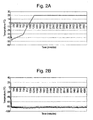
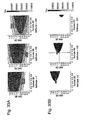
- the condenser temperature was set to stay at a constant -80°C. Probes recorded shelf temperatures and condenser temperatures (see Figures 2A and 2B ).
- excipient each type of excipient (see Table 1 below) was made up as a stock and 250 ⁇ l added to appropriately labelled 5ml glass vials. 50 ⁇ l of adenovirus was then added to each vial. After vortexing, vials were loaded onto the VirTis Advantage freeze drier and freeze dried according to the protocol given in the general experimental techniques section above. Table 1 - Final Concentrations of excipient mixes PBS Suc (1M) Raf (100mM) Suc (1M) Raf (100mM), Dimethyl sulfone (1M)
- GFP Adenovirus assay
- 96 flat bottomed cell culture dishes (Jencons, UK) were seeded with HEK 293 cells (ECACC 85120602) at 10 5 cells per ml (100 ⁇ l per well) and maintained at 37°C with 5% CO 2 .
- vials containing the adenovirus plus excipient were reconstituted in 300 ⁇ l PBS.
- a 1 in 10 dilution step was then taken by taking 20 ⁇ l from the reconstituted vial and adding to 180 ⁇ l of Dulbecco's Modified Eagle Medium (DMEM).
- DMEM Dulbecco's Modified Eagle Medium
- a further 1 in 100 dilution was performed by taking 20 ⁇ l of the 1 in10 dilution and adding it to 180 ⁇ l of DMEM.
- GFP Green Fluorescent Protein
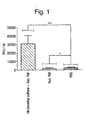
- excipients containing dimethylsulfone showed little deterioration following heat and freeze challenge compared to control samples.
- the results indicate that thermoprotection during the FD process is essential as inadequate excipients such as sugars alone or PBS fail to produce any significant virus titre following FD.
- excipients containing dimethyl sulfone are used in conjunction with sugars, virus titre remains close to that of the original titre even during freeze thaw cycles.
- excipient plus virus (see Table 2) was made up as a stock in PBS and 250 ⁇ l added to appropriately labelled 5ml glass vials. All vials were prepared in triplicate. 50 ⁇ l of adenovirus was added to each vial. After vortexing, rubber bungs were partially inserted and vials were loaded onto the VirTis advantage and freeze-dried (FD) according to the freeze drying protocol given in the general experimental techniques section above. Following freeze drying, samples were assessed for virus titre using the adenovirus assay described in Example 1.
- Titration was carried out by weighing vials containing the dried excipient mixture using a balance (Kern, Germany). 1ml of liquid (hydranal methanol rapid and hydranol methanol composite, Fluka) from the chamber is transferred from the titration chamber to the glass vial using a 5ml syringe and needle. Once the excipient has dissolved the liquid is then taken back up into the syringe and the liquid injected into the titration chamber. The vial was reweighed and the difference in weight (the weight of the excipient) was inputted into the titrator. The titrator then calculated the residual moisture.
- liquid hydroanal methanol rapid and hydranol methanol composite, Fluka
- a mixture of excipient plus virus was prepared and processed as described in Example 2.
- the excipient contained TMG and optionally sugars.
- the final concentration of each component in the excipient before drying is shown in Table 4 below. All vials were prepared in triplicate.
- Table 4 TMG (M) Sucrose (M) Raffinose (mM) Virus Test 0.7 1 100 Y 0.2 1 100 Y 0.07 1 100 Y Excipient alone 0.7 0 0 Y 0.2 0 0 Y 0.07 0 0 Y Assay controls 0.7 1 100 N 0.7 0 0 N
- TMG Trimethylglycine
- Example 4 describes experimentation to elucidate the interaction between S-methyl-L-methionine (SMM), sucrose and raffinose as excipients in a freeze dried formulation of adenovrius.
- SMM S-methyl-L-methionine
- Recombinant adenovirus (Vector Biolabs) expressing enhanced GFP under a CMV promoter, and with a titre (pre-freeze) of 2x10 6 pfu/ml, was removed from storage at -80°C and allowed to thaw. 50 ⁇ l aliquots of the virus were diluted to 300 ⁇ l in PBS containing a variable concentration of each of the excipients. A full list of excipient formulations tested can be seen in Table 5.
- 96 flat bottomed cell culture dishes (VWR, UK) were seeded with HEK 293 ( ECACC 85120602) cells at 10 5 cells per ml (100 ⁇ l per well) and maintained at 37°C with 5% CO 2 .
- HEK 293 ECACC 85120602
- After achieving 90% confluence vials containing the adenovirus plus excipient were reconstituted in 300 ⁇ l of PBS.
- the reconstituted samples were serially diluted 1:10 and 1:100 in DMEM plus 5% FBS. 100 ⁇ l of each of the resulting diluted virus samples were then added to individual wells of the plate. After a further 48 hours, the number of GFP cells per well were counted using fluorescent microscopy.
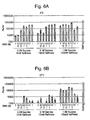
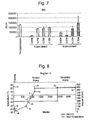
- S-methyl-L-methionine alone shows a concentration dependent protection of adenovirus during lyophilisation. Increased S-methyl-L-methionine in the formulation gave an increase in the recovered viral infectivity from reconstituted samples in this concentration range. Co-formulation of S-methyl-L-methionine with the low concentration treatment of sugars (0.1M Sucrose, 10mM Raffmose) did not significantly alter this relationship. However, co-formulation of S-methyl-L-methionine with the high sugar treatment (1.0M Sucrose, 100mM Raffinose) did significantly enhance the recovery of viral infectivity at low S-methyl-L-methionine concentrations.
- S-methyl-L-methionine offers only very limited retention of viral infectivity during lyophilisation and subsequent thermo-challenge ( Figure 6B ). Even this limited protection is only seen at concentrations of 0.07M and above. Co-formulation with a low concentration of sugars (0.1M Sucrose, 10mM Raffinose) similarly offers little protection although efficacy may be enhanced at low S-methyl-L-methionine concentrations.
- Recombinant adenovirus (Vector Biolabs) expressing enhanced GFP (Green Fluorescent Protein) under a CMV promoter was formulated with excipient mixtures so that, after lyophilisation, levels of recovered infectious adenovirus could easily be assayed.
- excipient plus virus see Table 6 below
- PBS phosphatidylcholine
- FD freeze-dried
- Samples were freeze dried by the VirTis Advantage freeze dryer according to the protocol given in the general experimental techniques section above. Following freeze-drying, the samples were assayed in an adenovirus assay as described in Example 1.
- DMG alone provided protection of adenoviral infectivity during lyophilisation, and this compares favourably to sugars alone.
- the formulation of sugars and DMG demonstrated a dose-dependent protection.
- the highest concentration of DMG appears comparable to adenovirus pre-lyophilisation.
- the experiment in this Example expands on the capacity of DMG to protect adenovirus during lyophilisation in conjunction with raffinose and sucrose, by exploring the capability of DMG to protect adenovirus during thermal challenge.
- a strain of adenovirus expressing GFP was formulated with the excipient mixtures so that, after lyophilisation and thermal treatment, levels of recovered infectious adenovirus could easily be assayed.
- Adenovirus was formulated with the excipients and lyophilized before storage at +4°C and +37°C for one week. Samples were subsequently inoculated to HEK293 cells and recovered virus assessed by counting the number of GFP-expressing cells at 48 hours post-inoculation.
- Recombinant adenovirus (Vector Biolabs) expressing enhanced GFP under a CMV promoter, and with a titre (pre-freeze) of 2x10 6 pfu/ml, was removed from storage at -80°C and allowed to thaw. 50 ⁇ l aliquots of the virus were diluted to 300 ⁇ l in PBS containing a variable concentration of each of the excipients. A full list of excipient formulations tested can be seen in Table 7 below. Each treatment was made up in 6 replicate 5ml vials. Rubber bungs were partially inserted, and after vortexing were loaded onto the VirTis Advantage freeze-dryer and lyophilised on program 10 (see Figure 8 ).
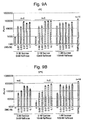
- 96 flat bottomed cell culture dishes (VWR, UK) were seeded with HEK 293 (ECACC 85120602) cells at 105 cells per ml (100 ⁇ l per well) and maintained at 37°C with 5% CO2. After achieving 90% confluence vials containing the adenovirus plus excipient were reconstituted in 300ml of PBS. The reconstituted samples were serially diluted 1:10 and 1:100 in DMEM plus 5% FBS. loom of each of the resulting diluted virus samples were then added to individual wells of the plate. After a further 48 hours, the number of GFP cells per well were counted using fluorescent microscopy. The results are shown in Figures 9A and 9B .
- DMG as an excipient with adenovirus enhanced recovery of viral infectivity after reconstitution of the freeze dried cakes.
- recovered titres of between 7.5-8.5x10 5 pfu/ml are readily achievable (compared to an input titre of 1.5x10 6 pfu/ml).
- Coformulation of adenovirus with the same lower concentration of sugars and DMG at 0.07M or above was at least as good as the equivalent DMG concentrations in the absence of any sugars and possibly gave a slight enhancement of the protective effect.
- Recombinant adenovirus (Vector Biolabs) expressing enhanced GFP under a CMV promoter was formulated with excipient mixtures so that, after lyophilisation, levels of recovered infectious adenovirus could easily be assayed.
- Each type of excipient (see Table 8 below) was made up as a stock and 250 ⁇ l added to appropriately labelled 2ml glass vials. 50 ⁇ l of adenovirus was added to each vial from stocks. After vortexing, vials were loaded onto the VirTis Advantage freeze drier and freeze-dried. Table 8 - Final concentrations of excipient mixes for Example 7 0.7M DMG 0.07M Mannitol 0.7M DMG, 0.07M Mannitol
- Samples were freeze dried by the VirTis Advantage freeze dryer, using the pre-programmed protocol lasting for approximately 3 days. Samples were frozen at -40°C for 1 hour before a vacuum was applied, initially at 300 milliTorre with a Thermo Savant VLP pump (Thermofisher, UK). Shelf temperature and vacuum were adjusted throughout the process and the condenser was maintained at -80°C. Step 9 was extended until the samples were stoppered before releasing the vacuum.
- Table 9 Freeze drier conditions Step Shelf temp (°C) Time (mins) Ramp/Hold Vacuum (milliTorre) 1 -45 15 H 300 2 -34 30 R 300 3 -34 1200 H 300 4 -20 120 R 300 5 -10 120 R 300 6 0 120 R 300 7 10 120 R 80 8 20 1250 H 80 9 20 1250 H 80 10 20 1250 H 80
- the shelf temperature is held at -34°C.
- the secondary drying phase included a ramp to +20°C until the drying was completed.
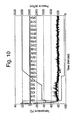
- the condenser temperature was set to stay at a constant -80°C. Probes recorded shelf temperatures and condenser temperatures (see Figure 10 ).
- 96 flat bottomed cell culture dishes (Jencons, UK) were seeded with HEK 293 cells (ECACC 85120602) at 10 5 cells per ml (100 ⁇ l per well) and maintained at 37°C with 5% CO 2 .
- vials containing the adenovirus plus excipient were reconstituted in 1ml of Dulbecco's Minimum Essential Medium (DMEM) plus 5% Foetal Bovine Serum (FBS).
- DMEM Dulbecco's Minimum Essential Medium
- FBS Foetal Bovine Serum
- a 1:10 dilution step was carried out by taking 100 ⁇ l from the reconstituted vial and adding to 900 ⁇ l of DMEM. 100 ⁇ l of the resulting diluted virus was then added to the first row on the plate and a 1:2 dilution ran down the plate. The process was repeated with the next excipient. After a further 48 hours, the number of GFP cells per well were counted using fluorescent microscopy.
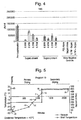
- Figure 11 shows the benefit of a combination of mannitol and DMG on the preservation of adenovirus titre following freeze drying. Following freeze drying there was approximately half a log drop in virus titre when DMG was used as an excipient on its own. When mannitol was the sole excipient the loss in titre was more significant than DMG with virus titre being reduced by 2 logs. When however both mannitol and DMG were used, there was no significant loss in titre and the appearance of freeze-dried cake improved.
- Example 8 was conducted in the same manner as Example 7 except that a broader panel of excipients mixes were employed. Each type of excipient (see Table 10 below) was made up as a stock and 300 ⁇ l added to appropriately labelled 2ml glass vials. After vortexing, vials were loaded onto the VirTis Advantage freeze drier which was run according to the freeze drying protocol given in Table 9. Following freeze drying, samples were photographed and assessed for cake formation.
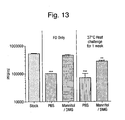
- Example 9 was conducted in the same manner as Example 7 except that only two types of excipients were prepared.
- the first excipient was the adenovirus in PBS made up to a final volume of 300ul.
- the second excipient was mannitol (0.58M) and DMG (0.7M) with the adenovirus in 2ml glass vials. After vortexing, vials were loaded onto the VirTis Advantage freeze drier and freeze-dried according to the freeze drying protocol given in Table 9. Following freeze drying, samples were either assayed for virus titre or heat treated for one week at +37°C and then assayed.
- Example 10 Stablisation of adenovirus
- Recombinant human adenovirus Ad5 (Vector Biolabs) expressing enhanced GFP (Green Fluorescent Protein) under a CMV promoter, and with a titre (pre-freeze) of 6.7x10 5 pfu/ml in SSC, was removed from storage at -80°C and allowed to thaw. 50 ⁇ l aliquots were added to 2 ml freeze-drying vials. To these 50 ⁇ l virus samples was added 250 ⁇ l of a formulation mixture composed of DMG, MSM and optionally sucrose. Each formulation mixture was made up in SSC.
- the shelf temperature was dropped to -40°C.
- vials were immediately capped, removed, crimped and then placed at 37°C for thermal challenge. Thermal challenge was for 7 days, after which all the vials were returned to 4°C until it was practical to assay them.
- 96 flat bottomed cell culture dishes (VWR, UK) were seeded with HEK 293 (ECACC 85120602) cells at 10 5 cells per ml (100 ⁇ l per well) and maintained at 37°C with 5% CO 2 . After achieving 90% confluence, cells were inoculated.
- Vials containing adenovirus plus excipient were reconstituted in 300 ⁇ l SSC.
- a 1 in 10 dilution step was then taken by taking 20 ⁇ l from the reconstituted vial and adding to 180 ⁇ l of Dulbecco's Modified Eagle Medium (DMEM).
- a further 1 in 100 dilution (of the original sample) was performed by taking 20 ⁇ l of the 1 in 10 dilution and adding it to 180 ⁇ l of DMEM.
- 100 ⁇ l of each of the resultant dilution (1 in 10 and 1 in 100) was then added to wells of the plate containing HEK 293 cells.
- a further sample of adenovirus from the same source and with the same titre (on storage at -80°C) used in the excipient treatments, was thawed and used to produce a 1 in 10 dilution series (in DMEM + 10% FBS). Dilutions ranging from 1 in 10 to 1 in 10 6 were also added to individual wells containing HEK 293s. At 48 hours post inoculation, the number GFP (Green Fluorescent Protein) cells per well were counted using fluorescent microscopy, and this was subsequently converted to pfu/ml of the treated samples taking into account the volume applied and dilution of the inoculum.
- GFP Green Fluorescent Protein
- MVA was recovered from storage at -80°C and thawed. 50 ⁇ l aliquots were added to 2 ml freeze-drying vials. To these virus samples was added 250 ⁇ l of a formulation mixture listed in Table 11 above. Rubber bungs were partially inserted. After vortexing, the vials were loaded onto a Virtis Advantage Plus EL85 freeze-dryer and lyophilised on program 4 as described in Example 10.
- vials were immediately capped, removed, crimped and then placed at 37°C for thermal challenge. Thermal challenge was for 7 days, after which all the vials were returned to 4°C until it was practical to assay them.
- MVA plus excipient were reconstituted in 300ml of SSC. The reconstituted samples were diluted and assayed.
- Assay plates (96 wells) were seeded with BHK-21 cells (100 ⁇ l per well, 10 5 cells/ml). Cells were diluted in DMEM supplemented with 10% FBS, and 1% PS. The plates were placed at +37°C, + 5% CO 2 for 1 to 2 hours.
- a dilution series of the formulated MVA samples was prepared (in the same growth media) ranging from 10 -1 to 10 -4 .
- Each dilution series was prepared 4 times. 35 ⁇ l of each dilution was applied to individual wells containing BHK-21 cells and the wells were topped up with a further 65 ⁇ l of media.
- CPE cytopathic effect
- Figure 15 The results are shown in Figure 15 .
- the range of responses in this screening study was from 0.6-60.5% of starting titre (see Figure 15 ). This was assessed relative to a second aliquot of the virus held at -80°C until assay.
- Figure 15 shows the response to each formulation treatment as percentage of a positive control.
- the best performing formulation comprised 0.15M sucrose, 1M DMG, 1M MSM. Overall, the results strongly suggest that this combination of excipients has significant potential for the stabilisation of viruses in a freeze-dried setting.
- Ad-CMV-GFP BHK-21 cell line ECACC CB2857 HEK 293 ECACC 85120602
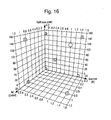
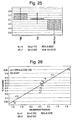
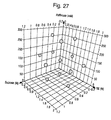
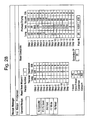
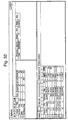
- MODDE 9.0 was used to generate a three factor, two level full factorial screening design (see Figure 16 showing coded values, and Table 13 showing actual concentrations applied). This design involves testing combinations of the excipients at the high and low levels of the tested range as well as replicated centre points. The replicated centre points give an indication of error in the experiment.
- the design can model 1 st order effects of each tested factor (excipient) and interactions between them, that is, determine the impact of the presence of the exipients to the formulation. It cannot model 2 nd order of higher effects but can give an indication of whether they are present (curvature in the data). Second order effects result from covariance within the data, that is, two or more variables are dependent upon one another. Though 2 nd order effects are expected, the intent is to use this simple screening study, with minimal treatments, in order to detect any effect of the excipient and then take forward any excipient that have an effect into a more sophisticated study that can model the effects more accurately.
- Recombinant Adenovirus expressing enhanced GFP under a CMV promoter with a titre (pre-freeze) of 6.7x10 5 pfu/ml in saline sodium citrate (SSC), was removed from storage at -80°C and allowed to thaw at room temperature. Subsequently, 50 ⁇ l aliquots of virus were added to 15 individual 2ml glass freeze-drying vials. To each vial 250 ⁇ l of an excipient blend was admixed. The excipient blend formulations once mixed with virus are described in Table 13 and were made up in SSC.
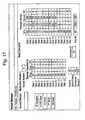
- Rubber bungs were partially inserted, and after vortexing were loaded onto a VirTis Advantage Freeze Dryer and lyophilised on program 4 (see Figure 17 ). After lyophilisation samples were immediately capped under vacuum, removed, crimped and placed at 37°C for thermal challenge. Thermal challenge was for 7 days, after which all the vials were held at 4°C until it was practical to assay them. Freeze-dried samples were reconstituted in 300 ⁇ l SSC immediately prior to assay.
- HEK 293 cells were prepared in 96 well flat bottomed cell culture dishes for inoculation by seeding at 10 5 cells per ml (100 ⁇ l per well) and maintained at 37°C with 5% CO 2 . After 2 hours cells were inoculated as follows.
- Thermo-challenged virus samples were diluted 1 in 10, and 1 in 100 in DMEM +10% FBS. 100 ⁇ l of each of the resulting diluted virus samples were then added to individual wells of the assay plate. Additionally, a second aliquot of the original adenovirus in SSC was thawed from -80°C and a 10 fold dilution series (from 1 in 10 to 1 in 100,000) also prepared in DMEM +10% FBS. Two repeats of this positive control dilution series was inoculated to each 96 well plate used. After a further 48 hours, the number of GFP cells per well were counted using fluorescent microscopy.
- the lowest response was below the detection threshold of the assay.
- the response in these cases was assigned the level of the detection threshold, which in this case (taking to account the countable level and then allowing for dilution factors etc.) is 6x10 2 pfu/ml.
- Table 15 Further modelling analyses are set out in Table 15 to 17.
- Table 15 - model assessment parameters from models where a non-specific 2nd order interaction is allowed R 2 Q 2 MV Rep.
- DMG No curvature SMM 0.95 0.66 0.89 0.88
- TMG No improved model
- Table 16 Table 16 - coefficients retained in the model after fine tuning Factors / Interactions NE Suc Raff NExS NExR SxR Curvature DMG ⁇ ⁇ No SMM * ⁇ * * * ⁇ Yes TMG ⁇ * ⁇ ⁇ ⁇ Yes
- Figure 22 shows evidence of curvature in the model.
- a new model was developed with the inclusion of a 2 nd order effect. As in previous examples the specific 2 nd order effect cannot be identified with this experimental design.
- the new model scored more highly on all four model assessment parameters. This model identified sucrose, and raffinose as 1 st order effects as well as an interaction between SMM and sucrose and the putative 2 nd order effect of one excipient. (see Figure 23 ). This new model showed no evidence of curvature within the model (see Figure 24 ).
- Doehlert designs are response surface modelling designs constructed from regular simplexes. They are easily extendable in different directions and new factors can be added to an existing design. Unlike regular formulation designs non-significant factors can be eliminated from the analysis and so do not become a confounding factor. Furthermore, different factors within the design are tested at a different number of levels, so it is possible to allocate more test levels to factors that are suspected of greater importance. Thus the excipients were tested at 7 levels, whilst sucrose was tested at 5 levels and raffinose at only 3 levels. This model retains the ability to model for second order effects and interactions. The design included 3 factors and 3 replicate centre-points resulting in 15 test samples.
- Sucrose was tested between 0 and 1M.
- the upper level of sucrose was set at 1M because it has proved close to the limit for acceptable freeze-drying. It has also proved to be a highly successful level in prior studies, and in general higher sucrose concentrations are undesirable in parenterals.
- the lowest level of Sucrose was set at 0 M.
- Raffinose was tested over a range of 0 to 300mM although the nature of the Doehlert design meant that tested levels did not include 0mM, instead the following concentrations were tested; 27.5, 150.0, and 272.5mM.
- DMG was tested over a linear range of 0 to 2M. It was possible to limit this range based on previous experiments in which the optimum concentration was frequently between 0.5 and 1.5M in a freeze-dried setting.
- Recombinant Adenovirus expressing enhanced GFP under a CMV promoter with a titre (pre-freeze) of 6.7x10 5 pfu/ml in SSC, was removed from storage at -80°C and allowed to thaw. Subsequently, 50 ⁇ l aliquots of virus were added to 15,2ml, glass freeze-drying vials. To each vial 250 ⁇ l of an excipient blend was admixed. The excipient blend formulations once mixed with virus are described in Table 18 and were made up in SSC. Table 18 Formulation No.
- Rubber bungs were partially inserted, and after vortexing were loaded onto a Virtis advantage freeze-dryer and lyophilised on program 4 (see Figure 28 ). After lyophilisation samples were immediately capped under vacuum, removed, crimped and placed at 37°C for thermal challenge. Thermal challenge was for 7 days, after which all the vials were held at 4°C until it was practical to assay them. Freeze-dried samples were reconstituted in 300 ⁇ l SSC immediately prior to assay.
- HEK 293 cells were prepared in 96 well flat bottomed cell culture dishes for inoculation by seeding at 10 5 cells per ml (100 ⁇ l per well) and maintained at 37°C with 5% CO 2 . After 2 hours cells were inoculated as follows.
- Thermo-challenged virus samples were diluted 1 in 10, and 1 in 100 in DMEM +10% FBS. 100 ⁇ l of each of the resulting diluted virus samples were then added to individual wells of the assay plate. Additionally, a second aliquot of the original Adenovirus in SSC was thawed from -80°C and a 10 fold dilution series (from 1 in 10 to 1 in 100,000) also prepared in DMEM +10% FBS. Two repeats of this positive control dilution series was inoculated to each 96 well plate used. After a further 48 hours, the number of GFP cells per well were counted using fluorescent microscopy.
- Figure 31 shows a series of 3D plots of recovered virus activity (Y-Axis) against varied sucrose (X-axis) and DMG (Z-axis) concentrations.
- Low denotes a raffinose concentration of 0mM
- Mod denotes a raffinose concentration of 150mM
- High denotes a raffinose concentration of 300mM.
- the predicted optimum is shown on a contour plot ( Figure 33a ) which puts the optimum into context.
- the model predicts whole regions of the design space in which formulations would yield 100% or greater recovered virus activity. This region needs to be viewed as a plateau in the data within which close to zero loss of virus activity would be expected.
- Figure 33b highlights this region. The figure shows that as raffinose concentration is increased the region moves down the Y-axis (DMG concentration) and up the X-axis (sucrose concentration).
- a formulation of DMG, sucrose and raffinose has been identified with significant potential for the preservation of adenovirus through lyophilisation and heat challenge. Models based on the data predict that recovery of 100% of viral activity is possible. This model, an optimum DMG concentration of between 0.5 and 1.5M was identified. The optimum sucrose concentration is beyond the tested range and also likely beyond other constraints of sucrose concentration. Raffmose does not appear to be a critical factor in this model.
- a long-term stability testing temperature of +4°C ⁇ 3 was selected. This is broadly consistent with standard industry guidelines for long-term testing of products intended for refrigerated storage (+5°C ⁇ 3).
- An accelerated stability temperature of +25°C was adopted and a thermal challenge of +37°C was adopted to represent a stress testing temperature, or a further elevated accelerated thermal stability temperature.
- the samples at 25°C and 37°C were tested 1, 2, 5 and 15 weeks post lyophilisation.
- the samples at +4°C were tested at 15 weeks post lyophilisation.
- Recombinant adenovirus expressing enhanced GFP under a CMV promoter with a titre (pre-freeze) of 6.7x10 5 pfu/ml in SSC, was removed from storage at -80°C and allowed to thaw. Subsequently, 50 ⁇ l aliquots of virus were added to 2ml glass freeze-drying vials. To each vial 250 ⁇ l of an excipient blend was admixed.
- excipient blend formulations used were as described above, namely (i) buffer alone (SSC), (ii) sugars (0.5M Sucrose, 150mM Raffmose in SSC), and (iii) a putative optimal formulation (0.5M Sucrose, 150mM Raffinose, 1M DMG, also in SSC).
- HEK 293 cells were prepared in 96 well flat bottomed cell culture dishes for inoculation by seeding at 10 5 cells per ml (100 ⁇ l per well) and maintained at 37°C with 5% CO 2 . After 2 hours cells were inoculated as follows.
- Thermo-challenged virus samples were recovered from thermo challenge as described above diluted 1 in 10, and 1 in 100 in DMEM +10% FBS. 100 ⁇ l of each of the resulting diluted virus samples were then added to individual wells of the assay plate.
- a second aliquot of the original adenovirus in SSC was thawed from -80°C and a 10 fold dilution series (from 1 in 10 to 1 in 100,000) also prepared in DMEM +10% FBS. Two repeats of this positive control dilution series was inoculated to each 96 well plate used. After a further 48 hours, the number of GFP cells per well were counted using fluorescent microscopy.
- Figures 36 and 37 further support these findings. At both, +25°C and +37°C, no virus activity is recovered from samples stored in buffer alone at any time-point. Those formulated in sugars alone retain some activity throughout. Their activity declines by a slightly greater degree and slightly more rapidly at the higher temperature (+37°C). In the putative optimal formulation there is a steeper decline in viral activity at +37°C but both temperatures decline to similar levels over time.
- MODDE 9.0 (Umetrics) was used to generate a Doehlert experimental design (see Figure 38 ), as described in Example 13. Thus, TMG was tested at seven levels, whilst sucrose was tested at five and raffinose three. This model retains the ability to model for second order effects and interactions. The design included three factors and three replicate centre-points resulting in fifteen test samples.
- Sucrose was tested between 0 and 1M.
- Raffinose was tested over a range of 0 to 300mM, although the nature of the Doehlert design meant that tested levels did not include 0mM. Instead the following ranges were tested: 27.5, 150.0, and 272.5mM.
- TMG was tested over a linear range of 0 to 2M.
- MVA was recovered from storage at -80°C and thawed. 50 ⁇ l aliquots of the MVA were added to 2ml, glass freeze-drying vials, subsequently 250 ⁇ l of an excipient blend was added to each vial.
- the excipient blend formulations once mixed with virus are described in Table 19 and were made up in SSC. Table 19 Formulation No.
- Rubber bungs were partially inserted, and after vortexing were loaded onto a Virtis advantage freeze-dryer and lyophilised as described in Figure 39 . After lyophilisation samples were immediately capped under vacuum, removed, crimped and placed at 37°C for thermal challenge. Thermal challenge was for 7 days, after which all the vials were returned to the control vials and held at 4°C until it was practical to assay them. Freeze-dried samples were reconstituted in 300 ⁇ l SSC immediately prior to assay.
- Assay plates (96 well) were seeded with BHK-21 cells (100 ⁇ l per well, 10 5 cells/ml). Cells were diluted in DMEM supplemented with 10% FBS, and 1% PS. The plates were placed at +37°C, + 5% CO 2 for 1-2 hours.
- a 10 fold dilution series of the formulated MVA samples was prepared (in the same growth media) ranging from 1 in 10 to 1 in 10,000. Each dilution series was prepared 5 times. 100 ⁇ l of each dilution was applied to individual wells containing BHK-21 cells (described above).
- Figure 42 shows a contour plot of the model.
- the optimum TMG concentration is close to the centre of the model (around 1M), although this drifts slightly as you vary the other excipients. Raffinose also shows an optimum.
- the higher the sucrose concentration the better the preservation of MVA.
- CCF Central Composite Face-Centred
- RBM Response Surface Modelling
- MVA was recovered from storage at -80°C and thawed. 50 ⁇ l aliquots of the MVA were added to 2ml glass freeze-drying vials. Subsequently 250 ⁇ l of an excipient blend was added to each vial.
- the excipient blend formulations once mixed with virus are described in Table 20 and were made up in SSC. Table 20 Sample I.D.
- Rubber bungs were partially inserted, and after vortexing were loaded onto a Virtis advantage freeze-dryer and lyophilised as described in Figure 44 . After lyophilisation samples were immediately capped under vacuum, removed, crimped and placed at 37°C for thermal challenge. Thermal challenge was for 7 days, after which all the vials were returned to the control vials and held at 4°C until it was practical to assay them. Freeze-dried samples were reconstituted in 300 ⁇ l SSC immediately prior to assay.
- Assay plates (96 well) were seeded with BHK-21 cells (100ml per well, 10 5 cells/ml). Cells were diluted in DMEM supplemented with 10% FBS, and 1% PS. The plates were placed at +37°C, + 5% CO 2 for 1-2 hours.
- a 10 fold dilution series of the formulated MVA samples was prepared in the same growth media ranging from 1in 10 to 1 in 10,000. Each dilution series was prepared 5 times. 100 ⁇ l of each dilution was applied to individual wells containing BHK-21 cells (described above).
- DMG was found to have a second order (non-linear / quadratic) effect (see Figure 46 ).
- Figure 47 shows the RSM model generated. It is effectively a simple DMG dose response curve that is not altered by mannitol within the tested concentration range.
- the dose response curve identifies a clear optimum DMG concentration, as do monte-carlo simulations (see Figure 48 ).
- the predicted optimum DMG concentration is 1.00M and predicted recovery of viral activity is 117% of starting titre.
Landscapes
- Health & Medical Sciences (AREA)
- Life Sciences & Earth Sciences (AREA)
- Chemical & Material Sciences (AREA)
- General Health & Medical Sciences (AREA)
- Medicinal Chemistry (AREA)
- Animal Behavior & Ethology (AREA)
- Veterinary Medicine (AREA)
- Public Health (AREA)
- Pharmacology & Pharmacy (AREA)
- Engineering & Computer Science (AREA)
- Chemical Kinetics & Catalysis (AREA)
- General Chemical & Material Sciences (AREA)
- Virology (AREA)
- Organic Chemistry (AREA)
- Epidemiology (AREA)
- Bioinformatics & Cheminformatics (AREA)
- Oil, Petroleum & Natural Gas (AREA)
- Microbiology (AREA)
- Genetics & Genomics (AREA)
- Wood Science & Technology (AREA)
- Zoology (AREA)
- Biochemistry (AREA)
- Immunology (AREA)
- Nuclear Medicine, Radiotherapy & Molecular Imaging (AREA)
- Molecular Biology (AREA)
- Mycology (AREA)
- General Engineering & Computer Science (AREA)
- Biomedical Technology (AREA)
- Biotechnology (AREA)
- Oncology (AREA)
- Communicable Diseases (AREA)
- Pulmonology (AREA)
- Proteomics, Peptides & Aminoacids (AREA)
- Medicinal Preparation (AREA)
- Medicines Containing Antibodies Or Antigens For Use As Internal Diagnostic Agents (AREA)
- Micro-Organisms Or Cultivation Processes Thereof (AREA)
- Medicines That Contain Protein Lipid Enzymes And Other Medicines (AREA)
- Medicines Containing Material From Animals Or Micro-Organisms (AREA)
- Food Preservation Except Freezing, Refrigeration, And Drying (AREA)
Priority Applications (3)
| Application Number | Priority Date | Filing Date | Title |
|---|---|---|---|
| DK15158279T DK2898890T3 (da) | 2010-03-31 | 2011-03-31 | Stabilisering af viruspartikler |
| EP15158279.8A EP2898890B1 (en) | 2010-03-31 | 2011-03-31 | Stabilisation of viral particles |
| EP11714373.5A EP2552465B1 (en) | 2010-03-31 | 2011-03-31 | Stabilisation of viral particles |
Applications Claiming Priority (9)
| Application Number | Priority Date | Filing Date | Title |
|---|---|---|---|
| GBGB1005497.1A GB201005497D0 (en) | 2010-03-31 | 2010-03-31 | Method for stabilising viruses |
| GBGB1005521.8A GB201005521D0 (en) | 2010-03-31 | 2010-03-31 | Stabilised liquid formulations of virus particles |
| GBGB1005520.0A GB201005520D0 (en) | 2010-03-31 | 2010-03-31 | Stabilisation of viral particles |
| EP10250706 | 2010-03-31 | ||
| GBGB1014962.3A GB201014962D0 (en) | 2010-09-08 | 2010-09-08 | Mehtod for stabilising viruses |
| GBGB1017647.7A GB201017647D0 (en) | 2010-10-19 | 2010-10-19 | Method for stabilising viruses |
| GBGB1017648.5A GB201017648D0 (en) | 2010-10-19 | 2010-10-19 | Liquid preparation containing stabilised viruses |
| PCT/GB2011/000498 WO2011121306A1 (en) | 2010-03-31 | 2011-03-31 | Stabilisation of viral particles |
| EP11714373.5A EP2552465B1 (en) | 2010-03-31 | 2011-03-31 | Stabilisation of viral particles |
Related Child Applications (2)
| Application Number | Title | Priority Date | Filing Date |
|---|---|---|---|
| EP15158279.8A Division-Into EP2898890B1 (en) | 2010-03-31 | 2011-03-31 | Stabilisation of viral particles |
| EP15158279.8A Division EP2898890B1 (en) | 2010-03-31 | 2011-03-31 | Stabilisation of viral particles |
Publications (2)
| Publication Number | Publication Date |
|---|---|
| EP2552465A1 EP2552465A1 (en) | 2013-02-06 |
| EP2552465B1 true EP2552465B1 (en) | 2015-04-22 |
Family
ID=43903999
Family Applications (2)
| Application Number | Title | Priority Date | Filing Date |
|---|---|---|---|
| EP11714373.5A Active EP2552465B1 (en) | 2010-03-31 | 2011-03-31 | Stabilisation of viral particles |
| EP15158279.8A Active EP2898890B1 (en) | 2010-03-31 | 2011-03-31 | Stabilisation of viral particles |
Family Applications After (1)
| Application Number | Title | Priority Date | Filing Date |
|---|---|---|---|
| EP15158279.8A Active EP2898890B1 (en) | 2010-03-31 | 2011-03-31 | Stabilisation of viral particles |
Country Status (11)
| Country | Link |
|---|---|
| US (2) | US10206960B2 (enExample) |
| EP (2) | EP2552465B1 (enExample) |
| JP (1) | JP5960120B2 (enExample) |
| CN (1) | CN102892424B (enExample) |
| CA (1) | CA2795013C (enExample) |
| DK (2) | DK2552465T3 (enExample) |
| ES (2) | ES2757591T3 (enExample) |
| GB (1) | GB2499479A (enExample) |
| HU (2) | HUE047521T2 (enExample) |
| IL (1) | IL221858A (enExample) |
| WO (1) | WO2011121306A1 (enExample) |
Families Citing this family (18)
| Publication number | Priority date | Publication date | Assignee | Title |
|---|---|---|---|---|
| DK2552410T3 (en) | 2010-03-31 | 2019-02-18 | Stabilitech Biopharma Ltd | PROCEDURE FOR THE CONSERVATION OF ALUNADUVANCES AND VACCINES WITH ALUNADUVANCES |
| WO2011121306A1 (en) | 2010-03-31 | 2011-10-06 | Stabilitech Ltd. | Stabilisation of viral particles |
| JP5869553B2 (ja) | 2010-03-31 | 2016-02-24 | スタビリテック リミテッド | ウイルス粒子、ポリペプチド又は生体材料を安定化させる添加剤 |
| GB201117233D0 (en) | 2011-10-05 | 2011-11-16 | Stabilitech Ltd | Stabilisation of polypeptides |
| TWI690322B (zh) | 2012-10-02 | 2020-04-11 | 法商傳斯堅公司 | 含病毒的調配物及其使用 |
| JP6611720B2 (ja) | 2013-09-03 | 2019-11-27 | ジョージア テック リサーチ コーポレイション | 熱安定性ワクチン製剤及びマイクロニードル |
| GB201406569D0 (en) * | 2014-04-11 | 2014-05-28 | Stabilitech Ltd | Vaccine compositions |
| WO2018127702A1 (en) | 2017-01-06 | 2018-07-12 | Stabilitech Biopharma Ltd | Virus |
| GB2562241B (en) * | 2017-05-08 | 2022-04-06 | Stabilitech Biopharma Ltd | Vaccine compositions |
| AR113996A1 (es) * | 2017-12-22 | 2020-07-08 | Intervet Int Bv | Vacunas líquidas de virus envueltos vivos |
| EP3847246A1 (en) | 2018-09-06 | 2021-07-14 | Bavarian Nordic A/S | Storage improved poxvirus compositions |
| US20220315953A1 (en) * | 2019-06-07 | 2022-10-06 | Intervet Inc. | Mdbk irf3/irf7 knock out mutant cell and its use for vaccine production |
| US11857620B2 (en) | 2020-03-11 | 2024-01-02 | Immunitybio, Inc. | Method of inducing immunity against SARS-CoV-2 using spike (s) and nucleocapsid (N)-ETSD immunogens delivered by a replication-defective adenovirus |
| US20210284716A1 (en) | 2020-03-11 | 2021-09-16 | Immunitybio, Inc. | ACE2-Fc Trap |
| US12285480B2 (en) | 2020-03-11 | 2025-04-29 | Nantcell, Inc. | Method of inducing immunity against SARS-CoV-2 using spike and nucleocapsid-ETSD immunogens delivered by RNA and replication-defective adenoviruses |
| JP7712284B2 (ja) | 2020-03-12 | 2025-07-23 | バヴァリアン・ノルディック・アクティーゼルスカブ | ポックスウイルスの安定性を改善する組成物 |
| EP4141110A4 (en) | 2020-04-24 | 2025-04-09 | Sf Biotech Laboratuvar Danismanlik Anonim Sirketi | Method for producing particles of bacteriophages of the genus levivirus |
| AR127944A1 (es) | 2021-12-23 | 2024-03-13 | Intervet Int Bv | Vacunas líquidas estabilizadas de virus vivos |
Family Cites Families (89)
| Publication number | Priority date | Publication date | Assignee | Title |
|---|---|---|---|---|
| US3927208A (en) | 1973-05-14 | 1975-12-16 | Rit Rech Ind Therapeut | Live bovine adenovirus vaccines, preparation thereof and method of vaccination using them |
| US4631189A (en) | 1980-03-10 | 1986-12-23 | Da Vinci Laboratories, a division of FoodScience Corporation | N,N-dimethylglycine and use in immune response |
| JPS6013718A (ja) | 1983-07-05 | 1985-01-24 | Chemo Sero Therapeut Res Inst | B型肝炎ワクチン |
| JPS60193925A (ja) | 1984-03-13 | 1985-10-02 | Chemo Sero Therapeut Res Inst | 凍結乾燥製剤化ワクチン |
| US4808700A (en) | 1984-07-09 | 1989-02-28 | Praxis Biologics, Inc. | Immunogenic conjugates of non-toxic E. coli LT-B enterotoxin subunit and capsular polymers |
| JPS61189228A (ja) | 1985-02-19 | 1986-08-22 | Nippon Sekijiyuujishiya | 血液凝固第8因子製剤の製法 |
| US4950596A (en) | 1985-03-04 | 1990-08-21 | The Dow Chemical Company | Stabilization of intracellular enzymes |
| JPS6238173A (ja) | 1985-08-13 | 1987-02-19 | 三菱レイヨン株式会社 | 抗血液凝固剤 |
| US5169758A (en) | 1986-05-02 | 1992-12-08 | Boehringer Mannheim Gmbh | Stabilized, NAD(P)H-dependent, soluble nitrate reductase, a process for the preparation thereof and a reagent containing it |
| US4816568A (en) | 1986-05-16 | 1989-03-28 | International Minerals & Chemical Corp. | Stabilization of growth hormones |
| NZ221306A (en) | 1986-08-15 | 1990-02-26 | Commw Scient Ind Res Org | 2-component immunoadjuvant comprising a mycobacterial free immunoadjuvant oil and a polycationic polyelectrolyte immunoadjuvant and vaccines thereof |
| US4980277A (en) | 1987-10-16 | 1990-12-25 | Cultor Ltd. | Cryoprotectant solution and method |
| JPH03504605A (ja) | 1988-05-27 | 1991-10-09 | セントカー・インコーポレーテツド | 抗体産生物の凍結乾燥した配合物 |
| GB8826429D0 (en) | 1988-11-11 | 1988-12-14 | Univ Leeds Ind Service Ltd | Enzyme stabilisation systems |
| DE69032102T2 (de) | 1989-08-15 | 1998-06-25 | Massachusetts Inst Technology | Stabilisierte impfstoffzusammensetzungen |
| AU650045B2 (en) | 1990-09-12 | 1994-06-09 | Lifecell Corporation | Method and apparatus for cryopreparation dry stabilization and rehydration of biological suspensions |
| AU2309692A (en) * | 1991-07-03 | 1993-02-11 | Cryolife, Inc. | Method for stabilization of biomaterials |
| RU2099418C1 (ru) | 1991-11-21 | 1997-12-20 | Лонца Аг | Фрагмент днк, обеспечивающий использование бетаина, рекомбинантная плазмидная днк с фрагментом днк, обеспечивающим использование бетаина, штамм бактерий rhizobium/agrobacterium, предназначенный для стабильного хранения плазмиды с фрагментом днк, способ получения штамма бактерий |
| ZA936095B (en) | 1992-08-21 | 1994-03-14 | Univ Melbourne | Cytokine applications. |
| FR2698879B1 (fr) | 1992-12-09 | 1995-01-13 | Rhone Poulenc Biochimie | gellules modifiées au niveau du catabolisme de la bétaïne, préparation et utilisations, notamment pour la production de métabolites ou d'enzymes. |
| GB9320782D0 (en) | 1993-10-08 | 1993-12-01 | Univ Leeds Innovations Ltd | Stabilising of proteins on solution |
| WO1995011700A1 (en) | 1993-10-29 | 1995-05-04 | Pharmos Corp. | Submicron emulsions as vaccine adjuvants |
| US5580856A (en) | 1994-07-15 | 1996-12-03 | Prestrelski; Steven J. | Formulation of a reconstituted protein, and method and kit for the production thereof |
| US5965438A (en) | 1995-06-07 | 1999-10-12 | Phyton, Inc. | Cryopreservation of plant cells |
| CA2226575C (en) | 1995-07-27 | 2011-10-18 | Genentech, Inc. | Stabile isotonic lyophilized protein formulation |
| GB9521806D0 (en) | 1995-10-25 | 1996-01-03 | Cortecs Ltd | Preservation methods |
| FR2746109B1 (fr) | 1996-03-12 | 1998-04-17 | Rhone Poulenc Rorer Sa | Milieu pour la conservation de materiel biologique |
| US20070179096A1 (en) | 1996-04-24 | 2007-08-02 | Novo Nordisk A/S | Pharmaceutical Formulation |
| US6037116A (en) * | 1996-06-14 | 2000-03-14 | Biostore New Zealand, Ltd. | Compositions comprising betaine, sodium citrate and sodium chloride and methods for the preservation of biological materials |
| AU707186B2 (en) | 1997-07-01 | 1999-07-01 | Transgene S.A. | Compositions useful for transferring therapeutically active substances into a target cell, and their use in gene therapy |
| AU5459698A (en) | 1997-11-26 | 1999-06-15 | Universal Preservation Technologies, Inc. | Preservation of sensitive biological samples by vitrification |
| EP1133316B1 (en) | 1998-11-16 | 2009-01-21 | Introgen Therapeutics, Inc. | Formulation of adenovirus for gene therapy |
| US6689600B1 (en) | 1998-11-16 | 2004-02-10 | Introgen Therapeutics, Inc. | Formulation of adenovirus for gene therapy |
| AUPQ347199A0 (en) | 1999-10-15 | 1999-11-11 | Csl Limited | Novel polypeptide fragments |
| CA2412197A1 (en) | 2000-06-08 | 2001-12-13 | Powderject Vaccines, Inc. | Powder compositions |
| DE10041515A1 (de) | 2000-08-24 | 2002-03-14 | Gerold Schuler | Verfahren zur Herstellung gebrauchsfertiger, Antigen-beladener oder -unbeladener, kryokonservierter reifer dendritischer Zellen |
| US20040110267A1 (en) | 2000-12-15 | 2004-06-10 | Stratagene | Room temperature stable competent cells |
| AU2002302814A1 (en) | 2001-06-08 | 2002-12-23 | Powderject Vaccines, Inc. | Spray freeze-dried compositions |
| US7101693B2 (en) | 2001-09-07 | 2006-09-05 | Brigham Young University | Plasticized hydrophilic glasses for improved stabilization of biological agents |
| JP4936618B2 (ja) | 2001-09-21 | 2012-05-23 | 株式会社ノエビア | 微細エマルション組成物 |
| US20040161776A1 (en) | 2001-10-23 | 2004-08-19 | Maddon Paul J. | PSMA formulations and uses thereof |
| DE60329070D1 (de) | 2001-12-28 | 2009-10-15 | Kyowa Hakko Kirin Co Ltd | Antikörper gegen den fibroblastenwachstumsfaktor 23 |
| EP3210624A1 (en) | 2002-02-27 | 2017-08-30 | Immunex Corporation | Stabilized tnfr-fc composition comprising arginine |
| JP2003261591A (ja) | 2002-03-08 | 2003-09-19 | Koji Hayade | 凍結乾燥安定剤 |
| WO2004002534A1 (en) | 2002-06-27 | 2004-01-08 | Novo Nordisk A/S | Use of dimethyl sulfone as isotonicity agent |
| WO2004007537A2 (en) | 2002-07-10 | 2004-01-22 | Transgene S.A. | Modified adenoviral fiber with ablated to cellular receptors |
| AU2003272174A1 (en) | 2002-10-21 | 2004-05-04 | Biotage Ab | Use of osmolytes to heat stabilise luciferase and/or apyrase |
| MXPA05006147A (es) | 2002-12-10 | 2005-08-26 | Schering Plough Ltd | Ligando del activador del receptor de nf-kb de canino, y metodos para preparar y usar el mismo. |
| EP1633391B1 (en) | 2003-06-03 | 2011-10-19 | Novo Nordisk A/S | Stabilized pharmaceutical peptide compositions |
| EP1638993A4 (en) | 2003-06-10 | 2007-05-09 | Univ Melbourne | IMMUNOMODULATING COMPOSITIONS, APPLICATIONS THEREOF AND METHOD FOR THE PRODUCTION THEREOF |
| US20060247167A1 (en) | 2003-09-01 | 2006-11-02 | Novo Nordisk A/S | Stable formulations of peptides |
| US7642077B2 (en) | 2003-12-08 | 2010-01-05 | Genencor International, Inc. | Biocomposite comprising co-precipitate of enzyme, silicate and polyamine |
| EP1711619A4 (en) | 2003-12-30 | 2007-04-11 | Virumar Pituach Tarkivin Ltd | INTEGRATED VIRUS COMPLEXES, METHOD FOR THE MANUFACTURE THEREOF, VACCINES CONTAINING THEM AND METHOD FOR THE USE THEREOF |
| BRPI0508440A (pt) | 2004-03-03 | 2007-07-24 | Revance Therapeutics Inc | composições e métodos para diagnóstico tópico e transporte terapêutico |
| US20060058238A1 (en) | 2004-09-15 | 2006-03-16 | Lee Laurent-Applegate | Fetal skin cell protein compositions for the treatment of skin conditions, disorders or diseases and methods of making and using the same |
| MX2007003968A (es) | 2004-10-01 | 2008-03-04 | Ramscor Inc | Composiciones de farmaco de liberacion sostenida convenientemente implantables. |
| EP1824460B1 (en) * | 2004-11-10 | 2014-12-24 | Tolmar Therapeutics, Inc. | A stabilized polymeric delivery system |
| PA8661401A1 (es) | 2005-01-28 | 2006-09-08 | Wyeth Corp | Formulaciones del liquido polipeptido estabilizado |
| GB0502661D0 (en) | 2005-02-09 | 2005-03-16 | Stabilitech Ltd | A desiccated product |
| TWI398272B (zh) * | 2005-03-08 | 2013-06-11 | Intervet Int Bv | 化學定義的安定劑 |
| AU2006249640C1 (en) | 2005-04-08 | 2016-10-13 | Coimmune, Inc. | Dendritic cell compositions and methods |
| ME01965B (me) | 2005-09-16 | 2012-04-30 | Merial Ltd | Stabilizatori za vakcine osušene zamrzavanjem |
| EP2324850A1 (en) | 2005-10-04 | 2011-05-25 | Alk-Abelló A/S | Solid vaccine formulation |
| KR101357685B1 (ko) | 2005-11-21 | 2014-02-06 | 사노피 파스퇴르 리미티드 / 사노피 파스퇴르 리미떼 | 재조합 바이러스용 안정화 제형 |
| SI1961761T1 (sl) | 2005-11-30 | 2010-12-31 | Int Inst Cancer Immunology Inc | Nove peptidne spojine iz Wilmsovega tumorja |
| US9393215B2 (en) | 2005-12-02 | 2016-07-19 | Novartis Ag | Nanoparticles for use in immunogenic compositions |
| WO2007095337A2 (en) | 2006-02-15 | 2007-08-23 | Imclone Systems Incorporated | Antibody formulation |
| US8021659B2 (en) | 2006-04-28 | 2011-09-20 | Naidu Lp | Coenzyme Q10, lactoferrin and angiogenin compositions and uses thereof |
| ES2286951B1 (es) | 2006-05-26 | 2008-10-01 | Instituto Cientifico Y Tecnologico De Navarra, S.A | Nanoparticulas bioadhesivas para la administracion de moleculas biologicamente activas. |
| US20090053197A1 (en) | 2006-06-14 | 2009-02-26 | Ramaekers Joseph C | Transfer Factor Compositions and Methods |
| US20090047255A1 (en) * | 2006-11-03 | 2009-02-19 | Alphavax, Inc. | Alphavirus and Alphavirus Replicon Particle Formulations and Methods |
| GB0705245D0 (en) * | 2007-03-19 | 2007-04-25 | Stabilitech Ltd | Stable biological products |
| EP2829282B1 (en) | 2007-03-22 | 2017-10-25 | The Regents of The University of Colorado, A Body Corporate | Method of preparing an immunologically-active adjuvant-bound dried vaccine composition |
| EP2150537A4 (en) | 2007-06-01 | 2010-09-22 | Acologix Inc | STABLE PEPTIDE FORMULATION AT HIGH TEMPERATURE |
| CN101801404A (zh) | 2007-06-29 | 2010-08-11 | 先进科技及再生医学有限责任公司 | 供在高温下使用的蛋白质配方 |
| CA2693827A1 (en) | 2007-07-25 | 2009-01-29 | Bioe, Inc. | Differentiation of multi-lineage progenitor cells to chondrocytes |
| US20090123436A1 (en) | 2007-11-08 | 2009-05-14 | Surmodics, Inc. | Cryopreservative compositions and methods |
| JP5599778B2 (ja) | 2008-04-14 | 2014-10-01 | デピュイ・シンセス・プロダクツ・エルエルシー | 液体緩衝gdf−5製剤 |
| AU2009295623A1 (en) | 2008-09-24 | 2010-04-01 | Stabilitech Ltd | Method for preserving polypeptides using a sugar and polyethyleneimine |
| US20110212127A1 (en) | 2008-09-24 | 2011-09-01 | Stabilitech Ltd. | Method for Preserving Polypeptides Using a Sugar and Polyethyleneimine |
| WO2010146598A2 (en) | 2008-11-07 | 2010-12-23 | Serum Institute Of India Ltd. | Stable, dried rotavirus vaccine, compositions and process for preparation thereof |
| CA2761675A1 (en) * | 2009-05-11 | 2010-11-18 | Biomatrica, Inc. | Compositions and methods for biological sample storage |
| CN101670104A (zh) | 2009-09-24 | 2010-03-17 | 浙江大学 | 一种含人参皂甙的油佐剂及其制备方法 |
| US20130171128A1 (en) | 2010-03-02 | 2013-07-04 | Amgen Inc. | Reducing viscosity of pharmaceutical formulations |
| JP5869553B2 (ja) | 2010-03-31 | 2016-02-24 | スタビリテック リミテッド | ウイルス粒子、ポリペプチド又は生体材料を安定化させる添加剤 |
| DK2552410T3 (en) | 2010-03-31 | 2019-02-18 | Stabilitech Biopharma Ltd | PROCEDURE FOR THE CONSERVATION OF ALUNADUVANCES AND VACCINES WITH ALUNADUVANCES |
| WO2011121306A1 (en) | 2010-03-31 | 2011-10-06 | Stabilitech Ltd. | Stabilisation of viral particles |
| GB201117233D0 (en) | 2011-10-05 | 2011-11-16 | Stabilitech Ltd | Stabilisation of polypeptides |
| GB201406569D0 (en) | 2014-04-11 | 2014-05-28 | Stabilitech Ltd | Vaccine compositions |
-
2011
- 2011-03-31 WO PCT/GB2011/000498 patent/WO2011121306A1/en not_active Ceased
- 2011-03-31 EP EP11714373.5A patent/EP2552465B1/en active Active
- 2011-03-31 DK DK11714373.5T patent/DK2552465T3/en active
- 2011-03-31 DK DK15158279T patent/DK2898890T3/da active
- 2011-03-31 ES ES15158279T patent/ES2757591T3/es active Active
- 2011-03-31 EP EP15158279.8A patent/EP2898890B1/en active Active
- 2011-03-31 CN CN201180018127.0A patent/CN102892424B/zh not_active Expired - Fee Related
- 2011-03-31 JP JP2013501933A patent/JP5960120B2/ja active Active
- 2011-03-31 HU HUE15158279A patent/HUE047521T2/hu unknown
- 2011-03-31 HU HUE11714373A patent/HUE026885T2/en unknown
- 2011-03-31 CA CA2795013A patent/CA2795013C/en active Active
- 2011-03-31 US US13/637,817 patent/US10206960B2/en active Active
- 2011-03-31 GB GB1216469.5A patent/GB2499479A/en not_active Withdrawn
- 2011-03-31 ES ES11714373.5T patent/ES2543795T3/es active Active
-
2012
- 2012-09-09 IL IL221858A patent/IL221858A/en active IP Right Grant
-
2019
- 2019-01-02 US US16/237,889 patent/US20190307819A1/en not_active Abandoned
Non-Patent Citations (1)
| Title |
|---|
| BROWN S.D., FIEDLER J.D. & FINN M.G.: "Assembly of hybrid bacteriophage Q-beta virus-like particles", BIOCHEMISTRY, vol. 48, 2009, pages 11155 - 11157, XP055196729, DOI: doi:10.1021/bi901306p * |
Also Published As
| Publication number | Publication date |
|---|---|
| CA2795013A1 (en) | 2011-10-06 |
| JP5960120B2 (ja) | 2016-08-02 |
| HUE047521T2 (hu) | 2020-04-28 |
| CA2795013C (en) | 2018-10-16 |
| DK2552465T3 (en) | 2015-07-27 |
| CN102892424B (zh) | 2015-04-01 |
| GB201216469D0 (en) | 2012-10-31 |
| CN102892424A (zh) | 2013-01-23 |
| DK2898890T3 (da) | 2019-11-25 |
| GB2499479A (en) | 2013-08-21 |
| US20190307819A1 (en) | 2019-10-10 |
| EP2552465A1 (en) | 2013-02-06 |
| AU2011234269A1 (en) | 2012-10-04 |
| IL221858A (en) | 2017-04-30 |
| WO2011121306A1 (en) | 2011-10-06 |
| US10206960B2 (en) | 2019-02-19 |
| EP2898890B1 (en) | 2019-08-21 |
| ES2543795T3 (es) | 2015-08-21 |
| JP2013524782A (ja) | 2013-06-20 |
| HUE026885T2 (en) | 2016-08-29 |
| ES2757591T3 (es) | 2020-04-29 |
| EP2898890A1 (en) | 2015-07-29 |
| US20130129685A1 (en) | 2013-05-23 |
Similar Documents
| Publication | Publication Date | Title |
|---|---|---|
| DK2552465T3 (en) | Stabilization of virus particles | |
| EP2552478B1 (en) | Excipients for stabilising viral particles | |
| EP2121898B1 (en) | Method for preserving viral particles | |
| JP7358068B2 (ja) | 熱安定性ワクチン製剤及びマイクロニードル | |
| CA3178388A1 (en) | Liquid stable virus vaccines | |
| WO2000023104A1 (en) | Freeze-dried hepatitis a attenuated live vaccine and its stabilizer | |
| CN109952372A (zh) | 获得有效用于疫苗接种或基因治疗的基于病毒载体的组合物的新方法 | |
| EP3720487A1 (en) | Formulations of dengue virus vaccine compositions | |
| WO2013177172A2 (en) | Herpesvirus compositions and related methods | |
| Riyesh et al. | Evaluation of efficacy of stabilizers on the thermostability of live attenuated thermo-adapted Peste des petits ruminants vaccines | |
| US20210299247A1 (en) | Stable formulations of cytomegalovirus | |
| Zuo et al. | Live vaccine preserved at room temperature: Preparation and characterization of a freeze-dried classical swine fever virus vaccine | |
| EP4010015A1 (en) | Chikungunya vaccine formulations | |
| CN105377293A (zh) | 减毒活甲病毒制剂的组合物和方法 | |
| EP3127550A1 (en) | Stabilizing composition for dry formulation of virus | |
| AU2011234269B2 (en) | Stabilisation of viral particles | |
| US20260091106A1 (en) | Compositions and methods for making and using stabilized enveloped viruses by spray-drying and lyophilization |
Legal Events
| Date | Code | Title | Description |
|---|---|---|---|
| PUAI | Public reference made under article 153(3) epc to a published international application that has entered the european phase |
Free format text: ORIGINAL CODE: 0009012 |
|
| 17P | Request for examination filed |
Effective date: 20120917 |
|
| AK | Designated contracting states |
Kind code of ref document: A1 Designated state(s): AL AT BE BG CH CY CZ DE DK EE ES FI FR GB GR HR HU IE IS IT LI LT LU LV MC MK MT NL NO PL PT RO RS SE SI SK SM TR |
|
| DAX | Request for extension of the european patent (deleted) | ||
| 17Q | First examination report despatched |
Effective date: 20130718 |
|
| GRAP | Despatch of communication of intention to grant a patent |
Free format text: ORIGINAL CODE: EPIDOSNIGR1 |
|
| INTG | Intention to grant announced |
Effective date: 20141022 |
|
| GRAS | Grant fee paid |
Free format text: ORIGINAL CODE: EPIDOSNIGR3 |
|
| GRAA | (expected) grant |
Free format text: ORIGINAL CODE: 0009210 |
|
| RAP1 | Party data changed (applicant data changed or rights of an application transferred) |
Owner name: STABILITECH LTD. |
|
| RIN1 | Information on inventor provided before grant (corrected) |
Inventor name: CORTEYN, AMANDA Inventor name: WOODWARD, DAVID Inventor name: BAINBRIDGE, JOHN Inventor name: DREW, JEFFREY |
|
| AK | Designated contracting states |
Kind code of ref document: B1 Designated state(s): AL AT BE BG CH CY CZ DE DK EE ES FI FR GB GR HR HU IE IS IT LI LT LU LV MC MK MT NL NO PL PT RO RS SE SI SK SM TR |
|
| REG | Reference to a national code |
Ref country code: GB Ref legal event code: FG4D |
|
| REG | Reference to a national code |
Ref country code: CH Ref legal event code: EP |
|
| REG | Reference to a national code |
Ref country code: AT Ref legal event code: REF Ref document number: 722785 Country of ref document: AT Kind code of ref document: T Effective date: 20150515 |
|
| REG | Reference to a national code |
Ref country code: IE Ref legal event code: FG4D |
|
| REG | Reference to a national code |
Ref country code: DE Ref legal event code: R096 Ref document number: 602011015900 Country of ref document: DE Effective date: 20150603 |
|
| REG | Reference to a national code |
Ref country code: DK Ref legal event code: T3 Effective date: 20150724 |
|
| REG | Reference to a national code |
Ref country code: NL Ref legal event code: T3 |
|
| REG | Reference to a national code |
Ref country code: SE Ref legal event code: TRGR |
|
| REG | Reference to a national code |
Ref country code: ES Ref legal event code: FG2A Ref document number: 2543795 Country of ref document: ES Kind code of ref document: T3 Effective date: 20150821 |
|
| REG | Reference to a national code |
Ref country code: LT Ref legal event code: MG4D |
|
| REG | Reference to a national code |
Ref country code: CH Ref legal event code: NV Representative=s name: VENI GMBH, CH |
|
| PG25 | Lapsed in a contracting state [announced via postgrant information from national office to epo] |
Ref country code: NO Free format text: LAPSE BECAUSE OF FAILURE TO SUBMIT A TRANSLATION OF THE DESCRIPTION OR TO PAY THE FEE WITHIN THE PRESCRIBED TIME-LIMIT Effective date: 20150722 Ref country code: PT Free format text: LAPSE BECAUSE OF FAILURE TO SUBMIT A TRANSLATION OF THE DESCRIPTION OR TO PAY THE FEE WITHIN THE PRESCRIBED TIME-LIMIT Effective date: 20150824 Ref country code: LT Free format text: LAPSE BECAUSE OF FAILURE TO SUBMIT A TRANSLATION OF THE DESCRIPTION OR TO PAY THE FEE WITHIN THE PRESCRIBED TIME-LIMIT Effective date: 20150422 Ref country code: HR Free format text: LAPSE BECAUSE OF FAILURE TO SUBMIT A TRANSLATION OF THE DESCRIPTION OR TO PAY THE FEE WITHIN THE PRESCRIBED TIME-LIMIT Effective date: 20150422 |
|
| PG25 | Lapsed in a contracting state [announced via postgrant information from national office to epo] |
Ref country code: GR Free format text: LAPSE BECAUSE OF FAILURE TO SUBMIT A TRANSLATION OF THE DESCRIPTION OR TO PAY THE FEE WITHIN THE PRESCRIBED TIME-LIMIT Effective date: 20150723 Ref country code: IS Free format text: LAPSE BECAUSE OF FAILURE TO SUBMIT A TRANSLATION OF THE DESCRIPTION OR TO PAY THE FEE WITHIN THE PRESCRIBED TIME-LIMIT Effective date: 20150822 Ref country code: RS Free format text: LAPSE BECAUSE OF FAILURE TO SUBMIT A TRANSLATION OF THE DESCRIPTION OR TO PAY THE FEE WITHIN THE PRESCRIBED TIME-LIMIT Effective date: 20150422 Ref country code: LV Free format text: LAPSE BECAUSE OF FAILURE TO SUBMIT A TRANSLATION OF THE DESCRIPTION OR TO PAY THE FEE WITHIN THE PRESCRIBED TIME-LIMIT Effective date: 20150422 |
|
| REG | Reference to a national code |
Ref country code: DE Ref legal event code: R097 Ref document number: 602011015900 Country of ref document: DE |
|
| PG25 | Lapsed in a contracting state [announced via postgrant information from national office to epo] |
Ref country code: EE Free format text: LAPSE BECAUSE OF FAILURE TO SUBMIT A TRANSLATION OF THE DESCRIPTION OR TO PAY THE FEE WITHIN THE PRESCRIBED TIME-LIMIT Effective date: 20150422 |
|
| REG | Reference to a national code |
Ref country code: FR Ref legal event code: PLFP Year of fee payment: 6 |
|
| PLBE | No opposition filed within time limit |
Free format text: ORIGINAL CODE: 0009261 |
|
| STAA | Information on the status of an ep patent application or granted ep patent |
Free format text: STATUS: NO OPPOSITION FILED WITHIN TIME LIMIT |
|
| PG25 | Lapsed in a contracting state [announced via postgrant information from national office to epo] |
Ref country code: CZ Free format text: LAPSE BECAUSE OF FAILURE TO SUBMIT A TRANSLATION OF THE DESCRIPTION OR TO PAY THE FEE WITHIN THE PRESCRIBED TIME-LIMIT Effective date: 20150422 Ref country code: PL Free format text: LAPSE BECAUSE OF FAILURE TO SUBMIT A TRANSLATION OF THE DESCRIPTION OR TO PAY THE FEE WITHIN THE PRESCRIBED TIME-LIMIT Effective date: 20150422 Ref country code: SK Free format text: LAPSE BECAUSE OF FAILURE TO SUBMIT A TRANSLATION OF THE DESCRIPTION OR TO PAY THE FEE WITHIN THE PRESCRIBED TIME-LIMIT Effective date: 20150422 Ref country code: RO Free format text: LAPSE BECAUSE OF NON-PAYMENT OF DUE FEES Effective date: 20150422 |
|
| 26N | No opposition filed |
Effective date: 20160125 |
|
| PG25 | Lapsed in a contracting state [announced via postgrant information from national office to epo] |
Ref country code: SI Free format text: LAPSE BECAUSE OF FAILURE TO SUBMIT A TRANSLATION OF THE DESCRIPTION OR TO PAY THE FEE WITHIN THE PRESCRIBED TIME-LIMIT Effective date: 20150422 |
|
| REG | Reference to a national code |
Ref country code: HU Ref legal event code: AG4A Ref document number: E026885 Country of ref document: HU |
|
| PG25 | Lapsed in a contracting state [announced via postgrant information from national office to epo] |
Ref country code: LU Free format text: LAPSE BECAUSE OF FAILURE TO SUBMIT A TRANSLATION OF THE DESCRIPTION OR TO PAY THE FEE WITHIN THE PRESCRIBED TIME-LIMIT Effective date: 20160331 |
|
| REG | Reference to a national code |
Ref country code: FR Ref legal event code: PLFP Year of fee payment: 7 |
|
| REG | Reference to a national code |
Ref country code: AT Ref legal event code: UEP Ref document number: 722785 Country of ref document: AT Kind code of ref document: T Effective date: 20150422 |
|
| PG25 | Lapsed in a contracting state [announced via postgrant information from national office to epo] |
Ref country code: MT Free format text: LAPSE BECAUSE OF FAILURE TO SUBMIT A TRANSLATION OF THE DESCRIPTION OR TO PAY THE FEE WITHIN THE PRESCRIBED TIME-LIMIT Effective date: 20150422 |
|
| REG | Reference to a national code |
Ref country code: HU Ref legal event code: HC9C |
|
| REG | Reference to a national code |
Ref country code: FR Ref legal event code: PLFP Year of fee payment: 8 |
|
| PG25 | Lapsed in a contracting state [announced via postgrant information from national office to epo] |
Ref country code: CY Free format text: LAPSE BECAUSE OF FAILURE TO SUBMIT A TRANSLATION OF THE DESCRIPTION OR TO PAY THE FEE WITHIN THE PRESCRIBED TIME-LIMIT Effective date: 20150422 Ref country code: SM Free format text: LAPSE BECAUSE OF FAILURE TO SUBMIT A TRANSLATION OF THE DESCRIPTION OR TO PAY THE FEE WITHIN THE PRESCRIBED TIME-LIMIT Effective date: 20150422 |
|
| PG25 | Lapsed in a contracting state [announced via postgrant information from national office to epo] |
Ref country code: TR Free format text: LAPSE BECAUSE OF FAILURE TO SUBMIT A TRANSLATION OF THE DESCRIPTION OR TO PAY THE FEE WITHIN THE PRESCRIBED TIME-LIMIT Effective date: 20150422 Ref country code: MK Free format text: LAPSE BECAUSE OF FAILURE TO SUBMIT A TRANSLATION OF THE DESCRIPTION OR TO PAY THE FEE WITHIN THE PRESCRIBED TIME-LIMIT Effective date: 20150422 |
|
| PG25 | Lapsed in a contracting state [announced via postgrant information from national office to epo] |
Ref country code: BG Free format text: LAPSE BECAUSE OF FAILURE TO SUBMIT A TRANSLATION OF THE DESCRIPTION OR TO PAY THE FEE WITHIN THE PRESCRIBED TIME-LIMIT Effective date: 20150422 |
|
| PG25 | Lapsed in a contracting state [announced via postgrant information from national office to epo] |
Ref country code: AL Free format text: LAPSE BECAUSE OF FAILURE TO SUBMIT A TRANSLATION OF THE DESCRIPTION OR TO PAY THE FEE WITHIN THE PRESCRIBED TIME-LIMIT Effective date: 20150422 |
|
| PGFP | Annual fee paid to national office [announced via postgrant information from national office to epo] |
Ref country code: MC Payment date: 20230315 Year of fee payment: 13 Ref country code: IE Payment date: 20230310 Year of fee payment: 13 Ref country code: FI Payment date: 20230320 Year of fee payment: 13 Ref country code: DK Payment date: 20230320 Year of fee payment: 13 Ref country code: AT Payment date: 20230310 Year of fee payment: 13 |
|
| PGFP | Annual fee paid to national office [announced via postgrant information from national office to epo] |
Ref country code: SE Payment date: 20230314 Year of fee payment: 13 Ref country code: HU Payment date: 20230321 Year of fee payment: 13 Ref country code: BE Payment date: 20230309 Year of fee payment: 13 |
|
| P01 | Opt-out of the competence of the unified patent court (upc) registered |
Effective date: 20230404 |
|
| PGFP | Annual fee paid to national office [announced via postgrant information from national office to epo] |
Ref country code: NL Payment date: 20230309 Year of fee payment: 13 |
|
| PGFP | Annual fee paid to national office [announced via postgrant information from national office to epo] |
Ref country code: CH Payment date: 20230402 Year of fee payment: 13 |
|
| PG25 | Lapsed in a contracting state [announced via postgrant information from national office to epo] |
Ref country code: FI Free format text: LAPSE BECAUSE OF NON-PAYMENT OF DUE FEES Effective date: 20240331 |
|
| REG | Reference to a national code |
Ref country code: DK Ref legal event code: EBP Effective date: 20240331 |
|
| PG25 | Lapsed in a contracting state [announced via postgrant information from national office to epo] |
Ref country code: FI Free format text: LAPSE BECAUSE OF NON-PAYMENT OF DUE FEES Effective date: 20240331 |
|
| REG | Reference to a national code |
Ref country code: CH Ref legal event code: PL |
|
| REG | Reference to a national code |
Ref country code: NL Ref legal event code: MM Effective date: 20240401 |
|
| REG | Reference to a national code |
Ref country code: AT Ref legal event code: MM01 Ref document number: 722785 Country of ref document: AT Kind code of ref document: T Effective date: 20240331 |
|
| PG25 | Lapsed in a contracting state [announced via postgrant information from national office to epo] |
Ref country code: MC Free format text: LAPSE BECAUSE OF NON-PAYMENT OF DUE FEES Effective date: 20240402 |
|
| PG25 | Lapsed in a contracting state [announced via postgrant information from national office to epo] |
Ref country code: HU Free format text: LAPSE BECAUSE OF NON-PAYMENT OF DUE FEES Effective date: 20240401 |
|
| PG25 | Lapsed in a contracting state [announced via postgrant information from national office to epo] |
Ref country code: MC Free format text: LAPSE BECAUSE OF NON-PAYMENT OF DUE FEES Effective date: 20240402 Ref country code: HU Free format text: LAPSE BECAUSE OF NON-PAYMENT OF DUE FEES Effective date: 20240401 |
|
| REG | Reference to a national code |
Ref country code: SE Ref legal event code: EUG |
|
| PG25 | Lapsed in a contracting state [announced via postgrant information from national office to epo] |
Ref country code: NL Free format text: LAPSE BECAUSE OF NON-PAYMENT OF DUE FEES Effective date: 20240401 |
|
| REG | Reference to a national code |
Ref country code: BE Ref legal event code: MM Effective date: 20240331 |
|
| PG25 | Lapsed in a contracting state [announced via postgrant information from national office to epo] |
Ref country code: NL Free format text: LAPSE BECAUSE OF NON-PAYMENT OF DUE FEES Effective date: 20240401 |
|
| PG25 | Lapsed in a contracting state [announced via postgrant information from national office to epo] |
Ref country code: BE Free format text: LAPSE BECAUSE OF NON-PAYMENT OF DUE FEES Effective date: 20240331 |
|
| PG25 | Lapsed in a contracting state [announced via postgrant information from national office to epo] |
Ref country code: AT Free format text: LAPSE BECAUSE OF NON-PAYMENT OF DUE FEES Effective date: 20240331 |
|
| PG25 | Lapsed in a contracting state [announced via postgrant information from national office to epo] |
Ref country code: IE Free format text: LAPSE BECAUSE OF NON-PAYMENT OF DUE FEES Effective date: 20240331 |
|
| PG25 | Lapsed in a contracting state [announced via postgrant information from national office to epo] |
Ref country code: IE Free format text: LAPSE BECAUSE OF NON-PAYMENT OF DUE FEES Effective date: 20240331 Ref country code: BE Free format text: LAPSE BECAUSE OF NON-PAYMENT OF DUE FEES Effective date: 20240331 Ref country code: AT Free format text: LAPSE BECAUSE OF NON-PAYMENT OF DUE FEES Effective date: 20240331 Ref country code: CH Free format text: LAPSE BECAUSE OF NON-PAYMENT OF DUE FEES Effective date: 20240331 |
|
| PG25 | Lapsed in a contracting state [announced via postgrant information from national office to epo] |
Ref country code: DK Free format text: LAPSE BECAUSE OF NON-PAYMENT OF DUE FEES Effective date: 20240331 |
|
| PG25 | Lapsed in a contracting state [announced via postgrant information from national office to epo] |
Ref country code: SE Free format text: LAPSE BECAUSE OF NON-PAYMENT OF DUE FEES Effective date: 20240401 |
|
| PGFP | Annual fee paid to national office [announced via postgrant information from national office to epo] |
Ref country code: GB Payment date: 20260324 Year of fee payment: 16 |
|
| PGFP | Annual fee paid to national office [announced via postgrant information from national office to epo] |
Ref country code: DE Payment date: 20260324 Year of fee payment: 16 |
|
| PGFP | Annual fee paid to national office [announced via postgrant information from national office to epo] |
Ref country code: IT Payment date: 20260317 Year of fee payment: 16 |
|
| PGFP | Annual fee paid to national office [announced via postgrant information from national office to epo] |
Ref country code: FR Payment date: 20260324 Year of fee payment: 16 |
|
| PGFP | Annual fee paid to national office [announced via postgrant information from national office to epo] |
Ref country code: ES Payment date: 20260406 Year of fee payment: 16 |