EP2539443B1 - Erythropoietin for use in enhancing fat graft survival - Google Patents
Erythropoietin for use in enhancing fat graft survival Download PDFInfo
- Publication number
- EP2539443B1 EP2539443B1 EP11746961.9A EP11746961A EP2539443B1 EP 2539443 B1 EP2539443 B1 EP 2539443B1 EP 11746961 A EP11746961 A EP 11746961A EP 2539443 B1 EP2539443 B1 EP 2539443B1
- Authority
- EP
- European Patent Office
- Prior art keywords
- fat
- erythropoietin
- epo
- cells
- treated
- Prior art date
- Legal status (The legal status is an assumption and is not a legal conclusion. Google has not performed a legal analysis and makes no representation as to the accuracy of the status listed.)
- Active
Links
Images



Classifications
-
- A—HUMAN NECESSITIES
- A61—MEDICAL OR VETERINARY SCIENCE; HYGIENE
- A61K—PREPARATIONS FOR MEDICAL, DENTAL OR TOILETRY PURPOSES
- A61K35/00—Medicinal preparations containing materials or reaction products thereof with undetermined constitution
- A61K35/12—Materials from mammals; Compositions comprising non-specified tissues or cells; Compositions comprising non-embryonic stem cells; Genetically modified cells
- A61K35/35—Fat tissue; Adipocytes; Stromal cells; Connective tissues
-
- A—HUMAN NECESSITIES
- A61—MEDICAL OR VETERINARY SCIENCE; HYGIENE
- A61K—PREPARATIONS FOR MEDICAL, DENTAL OR TOILETRY PURPOSES
- A61K38/00—Medicinal preparations containing peptides
- A61K38/16—Peptides having more than 20 amino acids; Gastrins; Somatostatins; Melanotropins; Derivatives thereof
- A61K38/17—Peptides having more than 20 amino acids; Gastrins; Somatostatins; Melanotropins; Derivatives thereof from animals; from humans
- A61K38/18—Growth factors; Growth regulators
- A61K38/1816—Erythropoietin [EPO]
-
- A—HUMAN NECESSITIES
- A61—MEDICAL OR VETERINARY SCIENCE; HYGIENE
- A61K—PREPARATIONS FOR MEDICAL, DENTAL OR TOILETRY PURPOSES
- A61K8/00—Cosmetics or similar toiletry preparations
- A61K8/18—Cosmetics or similar toiletry preparations characterised by the composition
- A61K8/30—Cosmetics or similar toiletry preparations characterised by the composition containing organic compounds
- A61K8/64—Proteins; Peptides; Derivatives or degradation products thereof
-
- A—HUMAN NECESSITIES
- A61—MEDICAL OR VETERINARY SCIENCE; HYGIENE
- A61P—SPECIFIC THERAPEUTIC ACTIVITY OF CHEMICAL COMPOUNDS OR MEDICINAL PREPARATIONS
- A61P17/00—Drugs for dermatological disorders
- A61P17/02—Drugs for dermatological disorders for treating wounds, ulcers, burns, scars, keloids, or the like
-
- A—HUMAN NECESSITIES
- A61—MEDICAL OR VETERINARY SCIENCE; HYGIENE
- A61P—SPECIFIC THERAPEUTIC ACTIVITY OF CHEMICAL COMPOUNDS OR MEDICINAL PREPARATIONS
- A61P41/00—Drugs used in surgical methods, e.g. surgery adjuvants for preventing adhesion or for vitreum substitution
-
- A—HUMAN NECESSITIES
- A61—MEDICAL OR VETERINARY SCIENCE; HYGIENE
- A61Q—SPECIFIC USE OF COSMETICS OR SIMILAR TOILETRY PREPARATIONS
- A61Q19/00—Preparations for care of the skin
- A61Q19/08—Anti-ageing preparations
-
- A—HUMAN NECESSITIES
- A61—MEDICAL OR VETERINARY SCIENCE; HYGIENE
- A61K—PREPARATIONS FOR MEDICAL, DENTAL OR TOILETRY PURPOSES
- A61K2800/00—Properties of cosmetic compositions or active ingredients thereof or formulation aids used therein and process related aspects
- A61K2800/80—Process related aspects concerning the preparation of the cosmetic composition or the storage or application thereof
- A61K2800/91—Injection
-
- A—HUMAN NECESSITIES
- A61—MEDICAL OR VETERINARY SCIENCE; HYGIENE
- A61K—PREPARATIONS FOR MEDICAL, DENTAL OR TOILETRY PURPOSES
- A61K9/00—Medicinal preparations characterised by special physical form
- A61K9/0012—Galenical forms characterised by the site of application
- A61K9/0019—Injectable compositions; Intramuscular, intravenous, arterial, subcutaneous administration; Compositions to be administered through the skin in an invasive manner
Definitions
- the present invention relates to Erythropoietin for use in enhancing implanted fat cell survival for reconstruction surgery in a subject in need thereof.
- endothelial cells change their phenotype to an angiogenic phenotype that includes the production of proteases, such as matrix metalloproteinases (MMPs), and the ability to migrate and proliferate.
- MMPs matrix metalloproteinases
- This process is dependent upon the activity of several growth factors, such as vascular endothelial growth factor (VEGF), basic fibroblast growth factor (bFGF) and platelet-derived growth factor (PDGF)-BB.
- VEGF vascular endothelial growth factor
- bFGF basic fibroblast growth factor
- PDGF platelet-derived growth factor
- EPO Erythropoietin
- Ribatti and colleagues demonstrated that EPO can induce a pro-angiogenic phenotype in cultured endothelial cells and stimulate angiogenesis in vivo [ Ribatti et al. (2003) Eur J Clin Invest 33:891-896 ].
- EPO has also been shown to indirectly stimulate angiogenesis in ischemic tissue by increasing the expression of VEGF protein and recruiting endothelial progenitor cells [ Nakano et al. (2007) Circ Res 100:662-669 ; Aicher et al. (2005) Hypertension 45:321- 325 ].
- EPO administration has also been shown to mobilize bone marrow- derived progenitor cells [ Hamed et al. (2006) Eur Heart J 27:1876-83 ] and to increase the myocardial expression of VEGF [ Westenbrink et al. (2007) Eur Heart J 28:2018- 2027 ].
- Wang and colleagues demonstrated that EPO can promote angiogenesis by stimulating VEGF secretion from neural progenitor cells and VEGF-receptor expression in cerebral endothelial cells [ Wang et al. (2008) J Cereb Blood Flow Metab 28:1361-8 ].
- EPO has also been reported to possess other non-hematopoietic effects, including cytoprotection of vascular endothelial cells [ Chong et al. (2003) Curr Drug Targets Cardiovasc Haematol Disord 3:141-154 ] and an anti-apoptotic action in vascular smooth muscle cells and in endothelial cells [ Somervaille et al. (2001) Blood 98:1374-1381 ].
- These anti-apoptotic actions include prevention of mitochondrial release of cytochrome c, suppression of caspase activity, upregulation of protein kinase B (PKB) signaling pathway activity and the expression of the antiapoptotic protein Bcl-xl.
- tissue repair e.g. bone, cartilage
- a tissue graft e.g. fat tissue, muscle tissue
- one or more bioactive agents e.g. erythropoietin
- the tissue is implanted into a subject.
- U.S. Pat. No. 7459152 discloses erythropoietin administration for improved graft survival.
- cells of a tissue graft e.g. cells of a neural or paraneural origin, such as adrenal chromaffin cells
- erythropoietin are treated with erythropoietin before, during or after delivery or administration into a subject for the treatment of neurological diseases (e.g. Parkinson's disease, Alzheimer's disease, spinal cord injury).
- neurological diseases e.g. Parkinson's disease, Alzheimer's disease, spinal cord injury.
- U.S. Pat. No. 5,681,561 discloses method and compositions for improving autologous fat grafting.
- autologous fat cells e.g. lipocytes
- a non-steroidal anabolic hormone e.g. insulin or triiodothyronine/thyroxine or both.
- the autologous fat cells may further be injected into a subject with a growth hormone [e.g. epithelial growth factor (EGF), platelet derived growth factor (PDGF)].
- EGF epithelial growth factor
- PDGF platelet derived growth factor
- the hormones are combined with a nutrient medium.
- PCT Publication No. 2008/019434 discloses use of agents to enhance adipogenesis and to promote fat graft survival.
- growth factors e.g. platelet-derived growth factor (PDGF), vascular endothelial growth factor (VEGF) and/or fibroblast growth factor (FGF)
- PDGF platelet-derived growth factor
- VEGF vascular endothelial growth factor
- FGF fibroblast growth factor
- A1 cells present in adipose tissue are used to promote wound healing in a patient.
- Methods of treating patients include processing adipose tissue to deliver a concentrated amount of regenerative cells obtained from the adipose tissue to a patient.
- the methods may be practiced in a closed system so that the regenerative cells are not exposed to an external environment prior to being administered to a patient. Accordingly, in one method, cells present in adipose tissue are placed directly into a recipient along with such additives necessary to promote, engender or support a therapeutic benefit.
- WO 2005/011569 A2 discloses methods of treating patients for conditions such as breast augmentation, soft tissue defects, and urinary incontinence.
- the methods include removing adipose tissue from a patient, processing a portion of the adipose tissue to obtain a substantially isolated population of regenerative cells, mixing the regenerative cells with another portion of adipose tissue to form a composition, and administering the composition to the patient from which the adipose tissue was removed.
- the present invention is directed to Erythropoietin for use in enhancing implanted fat cell survival for reconstruction surgery in a subject in need thereof, wherein a dose of Erythropoietin for local administration ranges between 1-1000 IU per injection per 1,000,000 fat cells or wherein the dose of Erythropoietin for systemic administration ranges between 10 - 7500 IU per kg body weight.
- the present invention is also directed to the use of Erythropoietin in enhancing implanted fat cell survival for treating wrinkles in a subject in need thereof, wherein a dose of Erythropoietin for local administration ranges between 1-1000 IU per injection per 1,000,000 fat cells or wherein the dose of Erythropoietin for systemic administration ranges between 10 - 7500 IU per kg body weight, wherein the use is non-therapeutic.
- a pharmaceutical composition comprising a population of fat cells and Erythropoietin at a dose of about 1-1000 IU per injection per 1,000,000 fat cells.
- fat cells are treated with Erythropoietin prior to the implanting.
- Erythropoietin may be directly injected into the population of fat cells.
- administering may be effected at least twice.
- the use further comprises administering to the subject at least one factor selected from the group consisting of an extracellular matrix component, a growth factor, a hormone, an angiogenic factor, a coagulation factor, a cytokine, a chemokine, an enzyme, a neurotransmitter, a vitamin, a carbohydrate, an ion, an iron chelator, a fatty acid, an antibiotic and an amino acid.
- at least one factor selected from the group consisting of an extracellular matrix component, a growth factor, a hormone, an angiogenic factor, a coagulation factor, a cytokine, a chemokine, an enzyme, a neurotransmitter, a vitamin, a carbohydrate, an ion, an iron chelator, a fatty acid, an antibiotic and an amino acid.
- the soft tissue defect may be selected from the group consisting of a skin condition, a skin malady, a wound, a burn, a cancer, a surgery, a reconstruction surgery, a skin depression, a congenital malformation and an acquired disease.
- the fat cell comprises an autologous cell.
- the fat cell comprises a non- autologous cell.
- the non-autologous cell is an allogeneic cell.
- the non-autologous cell is a xenogeneic cell.
- the non-autologous cell may be obtained from a mammal.
- the pharmaceutical composition comprises at least one factor selected from the group consisting of an extracellular matrix component, a growth factor, a hormone, an angiogenic factor, a coagulation factor, a cytokine, a chemokine, an enzyme, a neurotransmitter, a vitamin, a carbohydrate, an ion, an iron chelator, a fatty acid, an antibiotic, and an amino acid.
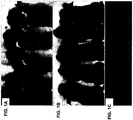
- FIGs. 1A-C are photographs depicting five representative mice with fat grafts at the end of the 15-week study period.
- Figure 1A shows five PBS-treated fat grafts with small lumps that vary in their size in the scalps.
- Figure 1B shows five high-dose erythropoietin (100 IU EPO)-treated fat grafts with large lumps that are similar in their size in the scalps.
- Figure 1C shows fat grafts which were dissected from the mice 15 weeks after transplantation. From left to right: a representative small fat graft from a PBS-treated fat graft, an intermediate-size low-dose EPO-treated fat graft, and a large high-dose EPO-treated fat graft respectively. Scale bar: 10 mm.
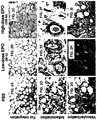
- FIGs. 2A-C are photographs depicting histological sections of fat grafts that were removed from the PBS-treated, low-dose EPO treated and high-dose EPO treated mice 15 week after fat transplantation. Sections were stained with hematoxylin and eosin, and were examined under light microscope for: (i) the extent of integration, as evidenced by the extent of organization of intact and nucleated fat cells in the grafted fat tissue architecture; (ii) the extent of fibrosis, as evidenced by the amount of collagen and elastic fibrils; (iii) the presence of cysts and vacuoles; and (iiii) the intensity of the inflammatory response, as evidenced by the extent of lymphocyte and macrophage infiltration.
- FIG. 1 a PBS-treated fat graft in which there is fat cell degeneration, fibrosis, and infiltration of nucleated inflammatory cells although some cells are still viable and intact
- Figure 2B a low dose erythropoietin (EPO)-treated fat graft in which the fat cells are well-defined in tissue in which there is a moderate amount of fibrosis
- Figure 2C a high dose EPO-treated fat graft in which there are viable, well-defined intact fat cells with modest amounts of connective tissue.
- Scale bar 200 ⁇ m.
- FIGs. 2D-F are photographs depicting the effect of erythropoietin (EPO) on inflammatory response in fat grafts after fat transplantation.
- EPO erythropoietin
- FIGs. 2G-I are photographs depicting the effect of erythropoietin (EPO) on new blood vessel formation in fat grafts after fat transplantation.
- EPO erythropoietin
- FIGs. 2G-I are photographs depicting the effect of erythropoietin (EPO) on new blood vessel formation in fat grafts after fat transplantation.
- PBS 100 ⁇ l, Figure 2G
- 20 IU EPO/100 ⁇ l PBS low-dose, Figure 2H
- 100 IU EPO/100 ⁇ l PBS high-dose, Figure 2I
- FIGs. 2J-L are graphs depicting the effect of EPO on inflammatory response and MVD in the fat grafts after transplantation.
- Figure 2J is a bar graph showing that EPO treatment decreases the severity of the inflammatory responses in the fat grafts.
- Figure 2K is a bar graph showing that EPO treatment increases microvascular density (MVD) in a dose-dependent manner.
- MVD microvascular density
- Each bar represents the mean MVD ⁇ SD from five regions of interest in each fat graft from each treatment group at the end of the 15-week study period.
- *P ⁇ 0.05, ***P ⁇ 0.001 is the significance of the difference between either the low dose or high dose EPO-treated fat grafts and the PBS-treated grafts.
- Scale bar 50 ⁇ m.
- Figure 2L is a line graph showing the negative correlation of MVD to the extent of macrophage infiltration in the fat grafts.
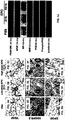
- FIGs 3A-J depict the effect of EPO on the expression levels of angiogenic growth factors in the fat grafts.
- the fat grafts from the three different groups of mice were treated with either PBS (100 ⁇ l), 20 IU EPO/100 ⁇ l PBS (low-dose), or 100 IU EPO/100 ⁇ l PBS (high-dose) on the day of the fat injection, and the treatments were repeated every three days for 18 days.
- Figures 3A-I are representative histological micrographs of PBS-, and low-dose- and high-dose-EPO treated fat grafts (as indicated) presenting VEGF expression ( Figures 3A-C ), VEGFR-2 expression ( Figures 3D-F ) and EPOR expression ( Figures 3G-I).
- Figure 3J is a photograph showing representative western blots of the expression levels of the angiogenic factors in the PBS- and EPO-treated fat grafts at the end of the 15-week study period.
- bFGF basic fibroblast growth factor
- IGF-1 insulin-like growth factor-1
- PDGF-BB platelet-derived growth factor-BB
- MMP-2 matrix metalloproteinase-2
- PKB protein kinase B
- phosphoPKB phosphorylated PKB.
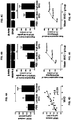
- FIGs. 4A-F depict the effect of erythropoietin (EPO) on the expression levels of angiogenic growth factors in the fat grafts.
- EPO erythropoietin
- FIGs. 4A-F depict the effect of erythropoietin (EPO) on the expression levels of angiogenic growth factors in the fat grafts.
- PBS 100 ⁇ l
- 20 IU EPO/100 ⁇ l PBS low-dose
- 100 IU EPO/100 ⁇ l PBS high-dose
- the graphs represent the mean vascular endothelial growth factor (VEGF) content ( Figure 4A ), the mean VEGFR-2 expression ( Figure 4B ) and the mean EPOR expression ( Figure 4C ) ⁇ SD in the fat grafts in each treatment group.
- VEGF vascular endothelial growth factor
- Figures 4D-F show the correlation between VEGF and MVD ( Figure 4D ), and between mean VEGFR-2 ( Figure 4E ) and EPOR ( Figure 4F ) expression and mean MVD in each group.
- Scale bar 200 ⁇ m.
- FIGs. 5A-B depict the effect of erythropoietin (EPO) on the extent of apoptosis in the fat grafts.
- EPO erythropoietin
- PBS 100 ⁇ l
- 20 IU EPO/100 ⁇ l PBS low-dose
- 100 IU EPO/100 ⁇ l PBS high-dose
- Figure 5A shows the extent of apoptosis as was measured by TUNEL assay and is expressed as a percentage of the presence of apoptosis in the PBS-treated fat grafts.
- Each bar represents the mean extent of apoptosis ⁇ SD in the fat graft, in each treatment group, at the end of the 15-week study period.
- Figure 5B shows representative western blots of the expression levels of caspase 3 (Casp 3) and cytochrome c (Cyt c) in the PBS- and EPO-treated fat grafts at the end of the 15-week study period.
- FIGs. 6A-D depict the effect of vascular endothelial growth factor (VEGF) on microvascular density (MVD) and the extent of apoptosis in the fat grafts.
- PBS 100 ⁇ l
- VEGF vascular endothelial growth factor
- VEGF vascular endothelial growth factor
- 200 ng VEGF/100 ⁇ l PBS were injected into the fat grafts on the day of fat injection into two different groups of mice and then repeatedly every three days for 18 days.
- Figure 6A is a bar graph showing the mean microvascular density (MVD) ⁇ SD from five regions of interest in each slide (slides were prepared from the harvested fat grafts of each treatment group at the end of the 15-week study period).
- Figure 6B is a bar graph showing the mean VEGF content ⁇ SD in the harvested fat grafts in each treatment group at the end of the 15-week study period.
- Figure 6C is a bar graph showing the extent of apoptosis as was measured by TUNEL assay. The results are expressed as a percentage of the extent of apoptosis in the PBS-treated fat grafts.
- Each bar represents the mean extent of apoptosis ⁇ SD in the fat graft in each treatment group at the end of the 15-week study period. **P ⁇ 0.01, and is the significance of the difference between the VEGF-treated fat grafts and the PBS-treated grafts.
- Figure 6D is a photograph showing representative western blots of the expression levels of caspase 3 (Casp 3) and cytochrome c (Cyt c) in the PBS- and VEGF-treated fat grafts at the end of the 15-week study period.
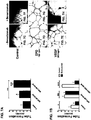
- FIG. 7A depict the effect of erythropoietin (EPO) on human umbilical vein endothelial cells (HUVECs) tube formation in matrigel.
- EPO erythropoietin
- human umbilical vein endothelial cells (HUVECs) were treated with 20 IU/ml or 100 IU/ml EPO for 48 hours after plating the cells on matrigel.
- the extent of HUVEC tube formation on matrigel was assessed after 24 hours under a light microscope at 10 x magnification.
- 0 well separated individual cells
- 1 cells had begun to migrate and align themselves
- 2 visible capillary tubes and no sprouting
- 3 visible sprouting of new capillary tubes
- 4 early formation of closed polygons
- 5 development of complex mesh-like structures.
- Each bar represents the mean grade of tube formation ⁇ SD in the matrigel. *P ⁇ 0.05, **P ⁇ 0.01 and ***P ⁇ 0.001.
- FIGs. 7B-H depict the effect of EPO or VEGF on human umbilical vein endothelial cells (HUVECs) tube formation in matrigel.
- HUVECs were treated with 100 IU/ml EPO or 200 ng/100 ⁇ l VEGF in the absence or presence of 0.25 mg/ml bevacizumab for 48 hours after plating the cells on matrigel.
- the extent of HUVEC tube formation on matrigel was assessed after 24 hours under a light microscope at 10 x magnification.
- Figure 7B the white bars represent the mean grade of tube formation ⁇ SD in the matrigel of untreated HUVECs, VEGF- or EPO-treated HUVECs.
- Figure 7C depicts untreated HUVECs on matrigel
- Figure 7D depicts EPO-treated HUVECs after 24 hours of plating
- Figure 7E depicts VEGF-treated HUVECs after 24 hours of plating
- Figure 7F depicts untreated HUVECs with bevacizumab
- Figure 7G depicts EPO-treated HUVECs after 24 hours of plating with bevacizumab
- Figure 7H depicts VEGF-treated HUVECs after 24 hours of plating with bevacizumab.
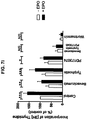
- FIG. 7 I depicts the effect of EPO or VEGF on human umbilical vein endothelial cells (HUVECs) tube formation in matrigel.
- Cultured HUVECs were treated with or without 100 IU/ml EPO in the presence of either bevacizumab, PD173074, or tyrphostin, a combination of bevacizumab, PD173074 and tyrphostin, or in the presence of wortmannin.
- Proliferation of HUVECs was measured by incorporation of [ 3 H]- thymidine to DNA. Duplicate cell counts were averaged for 3 experiments and the data were expressed as the percentage of control.
- EPO Erythropoietin
- VEGF angiogenic factor
- the present inventor has shown that treating the fat grafts with EPO leads to long-term survival of the grafted fat cells.
- the present teachings portray a therapeutic value for Erythropoietin and suggest the use of same in transplantation of fat tissue.
- EPO treated fat tissues showed high microvascular density (MVD), well vascularized areas with increased expression of CD31 and numerous endothelial islets ( Figures 2G-I and 2K ) and showed a lower inflammatory response after transplantation ( Figures 2D-F and 2J ).
- EPO treatment also lead to a dose-dependent decrease in apoptosis of fat cells ( Figure 5 A) while increasing the expression of the angiogenic factors VEGF, bFGF, IGF-1, PDGF-BB, MMP-2 PKB and phosphoPKB ( Figures 3J and 4A ) and increasing both tissue VEGFR-2 and EPOR expression ( Figures 3D-I and 4B-C ) in these cells.
- Erythropoietin for use in enhancing implanted fat cell survival for reconstruction surgery in a subject in need thereof, wherein a dose of Erythropoietin for local administration ranges between 1-1000 IU per injection per 1,000,000 fat cells or wherein the dose of Erythropoietin for systemic administration ranges between 10 - 7500 IU per kg body weight.
- fat cell refers to any cell or group of cells composed in a fat tissue, including for example, lipocytes, adipocytes, adipocyte precursors including pre-adipocytes and mesenchymal stem cells. It will be appreciated that according to the present teachings, the fat cells may be dispersed or may be comprised in a tissue.
- the number of fat cells may vary over a wide range and one of ordinary skill in the art will recognize that this number will vary depending upon the type and size of the area to be treated according to the use of this invention, the relative degree of vascularization of the area to be treated, the age of the subject to be treated and the relative viability of the fat cells available for transplantation. It will be appreciated that the number of fat cells transplanted may be adjusted according to the procedure used, the site of injection and the relative vascularization of the site to be injected. One of ordinary skill in the art will recognize that certain conditions may necessitate the adjustment of the fat cell numbers outside of the below described ranges. According to some embodiments of the present invention, the number of fat cells for transplantation range from about 10,000 to about 10,000,000 fat cells per 1 ml.
- 0.01 - 2000 mls of fat tissue are transplanted.
- the subject may be administered a single transplantation or several transplantations (e.g. about 2, 5, 10, 20, 50, 100 or more transplantation procedures), as described in further detail hereinbelow.
- fat cell survival refers to the ability of the fat cells to remain viable and intact following engraftment thereof. Preferably, the fat cells survive for a period of a few days, a few weeks, a few months or a few years following engraftment thereof.
- enhancing in respect to fat cell survival refers to a process of increasing the life span of fat cells in the fat graft and/or decreasing the number of fat cells which undergo resorption, apoptosis or cell death within the fat graft.
- enhancing refers to at least about 10 %, 20 %, 50 %, 80 %, 90 % increase in viable fat cells and/or at least about 10 %, 20 %, 50 %, 80 %, 90 % arrest in fat cell death.
- EPO Erythropoietin
- Erythropoietin refers to a mammalian (e.g., human) Erythropoietin protein (interchangeably used with polypeptide) or mimetics thereof such as set forth in GenBank Accession No. NP_000790. Erythropoietin may be synthesized using recombinant DNA techniques or solid phase technology. Erythropoietin is also commercially available (e.g., Cytolab/Peprotech, Rehovot, Israel; Arenesp, Amgen, Thousand Oaks, CA, USA; and Epogen, Amgen, Thousand Oaks, CA, USA, Bristol-Myers Squibb, Roche and Sanofi-Aventis).
- Erythropoietin may be used as an entire glycoprotein or as only a protein subunit devoid of the bound sugar. Since the Erythropoietin of the present invention is used for clinical applications, it is preferably sterile or may be purified of possible contaminating factors (e.g., bacteria or bacterial components, such as by filter).
- possible contaminating factors e.g., bacteria or bacterial components, such as by filter.
- Typical subjects that may be treated according to this aspect of the present invention include mammals such as human beings or domesticated animals including, but not limited to, horses (i.e. equine), cattle, goat, sheep, pig, dog, cat, camel, alpaca, llama and yak, male or female, at any age that is in need of fat transplantation.
- horses i.e. equine
- cattle, goat, sheep, pig, dog, cat camel
- alpaca llama and yak
- male or female male or female
- fat transplantation may be used to treat any soft tissue defect, to fill any soft tissue deficit and for augmentation of external and internal surfaces and structures of the body which are missing due to surgery, as a result of aging of a tissue, or due to disease, trauma or an injury. Examples include, but are not limited to, urological surgeries, tumor removal surgeries, reconstructive surgeries and skin surgeries. Likewise, fat transplantation may be used as an alternative to silicone or collagen fillers. Fat transplantation may be used to fill depressions (i.e.
- Fat transplantation may also be used in numerous other applications, including urological procedures involving the buildup of weak or damaged structural tissue, in treatment of wrinkles, burns, skin conditions, skin maladies and wounds and to augment areas of the body, such as the buttocks, biceps, triceps muscles, calf muscles, breasts, hands and penis. Furthermore, fat transplantation may be used to treat congenital malformations such as Hemifacial microsomia and acquired diseases such as Romberg's lipodystrophy and Acquired immune deficiency syndrome (AIDS).
- AIDS Acquired immune deficiency syndrome
- the fat cells may be obtained from the body of a subject and used in an autologous fashion (i.e. transplanted into the same subject from which the fat cells were obtained).
- the autologous fat cells are typically taken from a subject to fill in depressions or soft tissue deficits in the body of the same subject in an area of the body other than that site from which the fat cells were removed.
- the fat cells may be obtained from one subject (a "donor") and transplanted into a different individual (a "recipient") in a non-autologous fashion.
- the fat cells may be obtained from a subject of the same species as the recipient subject (i.e. allogeneic fat cells as for example from a human donor to a human recipient) or from a different species (i.e. xenogeneic cells as for example from a porcine donor to a human recipient).
- the non-autologous cell is obtained from a mammal.
- fat cells are generally obtained by removing same (e.g. by suctioning) from subcutaneous fat layers in the area of the stomach, legs or other areas where significant fat cells may be found.
- the fat cells in the present invention are substantially free of unrelated cells such as erythrocytes, other blood cells, fibroblasts and other cells which may contaminate the fat cells.
- these cells are kept in a sterile environment until used for transplantation.
- the fat cells may be further separated from other components which may be found in the aspirated fat, such as, for example, triglycerides, lysozomes, other cellular fragments, blood components, blood cells and large connective tissue fragments, among other less desirable components, before use. Any methods known in the art may be used to separate the fat cells from these other components, but preferably, at least one centrifugation step is employed.
- Fat cells may be immediately implanted into a subject.
- the fat cells may be implanted within 30 minutes, within an hour, within two hours, within three hours, within four hours or within one day of collection (see e.g. Example 1, of the examples section which follows). It will be appreciated that the fat cells in the present invention may be preserved for longer periods of time prior to translation in, for example, by freezing in liquid nitrogen.
- Implanting the fat cells may be carried out by any method known in the art, such as for example, by injection thereof into the desired location (as described in detail in Example 1, hereinbelow), by microsurgery and by surgery in cases were a large amount of fat cells or fat tissue is being transplanted.
- the subject may be administered Erythropoietin.
- Erythropoietin may be administered via a systemic administration or via a local administration.
- systemic administration refers to oral, intravenous, intraperitoneal and intramuscular administration of Erythropoietin.
- local administering refers to applying the Erythropoietin directly to the implanted fat cells or in close proximity to the implanted fat cells. Erythropoietin may be directly administered to the transplanted fat cells via injection.
- the contemplated dose of Erythropoietin applied for local administration ranges between 1-1000 IU per injection per 1,000,000 fat cells for local administration.
- the dose of Erythropoietin for systemic administration ranges between 10 - 7500 IU per kg body weight for systemic administration.
- the dose of Erythropoietin selected for treatment depends on the number and concentration of fat cells, the subject being treated and the location of the graft.
- Erythropoietin is typically effected immediately following implantation of the fat cells.
- Erythropoietin is administered to the subject within a few minutes or within a few hours of implantation.
- Erythropoietin is administered to the subject starting from the first day of fat cell transplantation and is continuously administered until the fat cells have been integrated and vascularized in the subject (e.g. for at least 5- 50 days).
- the present invention contemplates treating fat cells with Erythropoietin prior to implantation thereof. This may be in addition to administration of Erythropoietin following implantation or instead of administration of Erythropoietin following implantation. Treatment of the fat cells may be carried out by any method known to one of ordinary skill in the art as for example by ex vivo contacting the fat cells with Erythropoietin in a tissue culture plate or by injection of Erythropoietin directly into the fat tissue. Alternatively, fat cells may be exposed to Erythropoietin prior to removal from the donor.
- Concentrations of Erythropoietin for treating fat cells prior to transplantation are in a dose between 1-1000 IU per injection per 1,000,000 fat cells.
- the subject being treated prior to implantation may continue to receive Erythropoietin following implantation of the fat cells as depicted in detail hereinabove.
- Erythropoietin can be administered to the subject per se or as a pharmaceutical composition.
- the fat cells in the present invention can be administered per se or as part of a pharmaceutical composition.
- a "pharmaceutical composition” refers to a preparation of the active ingredients described herein with other chemical components such as physiologically suitable carriers and excipients.
- the purpose of the composition is to facilitate administration of the active ingredients (e.g., Erythropoietin) to the subject.
- active ingredient refers to Erythropoietin or the fat cells themselves accountable for the intended biological effect (i.e., enhancing fat cell survival).
- physiologically acceptable carrier and “pharmaceutically acceptable carrier” which may be interchangeably used refer to a carrier or a diluent that does not cause significant irritation to the subject and does not abrogate the biological activity and properties of the administered active ingredients.
- An adjuvant is included under these phrases.
- excipient refers to an inert substance added to the composition (pharmaceutical composition) to further facilitate administration of an active ingredient in the present invention.
- suitable routes of administration of Erythropoietin may, for example, include a systemic manner including oral, rectal, transmucosal, especially transnasal, intestinal or parenteral delivery, including intramuscular, subcutaneous and intramedullary injections as well as intrathecal, direct intraventricular, intravenous, intraperitoneal, intramuscular, intranasal, or intraocular injections.
- Suitable routes of administration of the compositions may, for example, include topical (e.g., to a keratinous tissue, such as the skin, scalp) and mucosal (e.g., oral, vaginal, eye) administrations.
- compositions of the present invention may be manufactured by processes well known in the art, e.g., by means of conventional mixing, dissolving, granulating, dragee-making, levigating, emulsifying, encapsulating, entrapping or lyophilizing processes.
- compositions for use in accordance with the present invention thus may be formulated in conventional manner using one or more physiologically acceptable carriers comprising excipients and auxiliaries, which facilitate processing of the active ingredients into preparations which can be used pharmaceutically. Proper formulation is dependent upon the route of administration chosen.
- the active ingredients of the pharmaceutical composition may be formulated in aqueous solutions, preferably in physiologically compatible buffers such as Hank's solution, Ringer's solution, or physiological salt buffer.
- physiologically compatible buffers such as Hank's solution, Ringer's solution, or physiological salt buffer.
- penetrants appropriate to the barrier to be permeated are used in the formulation. Such penetrants are generally known in the art.
- the pharmaceutical composition can be formulated readily by combining the active compounds with pharmaceutically acceptable carriers well known in the art.
- Such carriers enable the pharmaceutical composition to be formulated as tablets, pills, dragees, capsules, liquids, gels, syrups, slurries, suspensions, and the like, for oral ingestion by a patient.
- Pharmacological preparations for oral use can be made using a solid excipient, optionally grinding the resulting mixture, and processing the mixture of granules, after adding suitable auxiliaries if desired, to obtain tablets or dragee cores.
- Suitable excipients are, in particular, fillers such as sugars, including lactose, sucrose, mannitol, or sorbitol; cellulose preparations such as, for example, maize starch, wheat starch, rice starch, potato starch, gelatin, gum tragacanth, methyl cellulose, hydroxypropylmethyl-cellulose, sodium carbomethylcellulose; and/or physiologically acceptable polymers such as polyvinylpyrrolidone (PVP).
- disintegrating agents may be added, such as cross-linked polyvinyl pyrrolidone, agar, or alginic acid or a salt thereof such as sodium alginate.
- Dragee cores are provided with suitable coatings.
- suitable coatings For this purpose, concentrated sugar solutions may be used which may optionally contain gum arabic, talc, polyvinyl pyrrolidone, carbopol gel, polyethylene glycol, titanium dioxide, lacquer solutions and suitable organic solvents or solvent mixtures.
- Dyestuffs or pigments may be added to the tablets or dragee coatings for identification or to characterize different combinations of active compound doses.
- compositions which can be used orally include push-fit capsules made of gelatin as well as soft, sealed capsules made of gelatin and a plasticizer, such as glycerol or sorbitol.
- the push-fit capsules may contain the active ingredients in admixture with filler such as lactose, binders such as starches, lubricants such as talc or magnesium stearate and, optionally, stabilizers.
- the active ingredients may be dissolved or suspended in suitable liquids, such as fatty oils, liquid paraffin, or liquid polyethylene glycols.
- stabilizers may be added. All formulations for oral administration should be in dosages suitable for the chosen route of administration.
- compositions may take the form of tablets or lozenges formulated in conventional manner.
- the active ingredients for use according to the present invention are conveniently delivered in the form of an aerosol spray presentation from a pressurized pack or a nebulizer with the use of a suitable propellant, e.g., dichlorodifluoromethane, trichlorofluoromethane, dichloro-tetrafluoroethane or carbon dioxide.
- a suitable propellant e.g., dichlorodifluoromethane, trichlorofluoromethane, dichloro-tetrafluoroethane or carbon dioxide.
- the dosage unit may be determined by providing a valve to deliver a metered amount.
- Capsules and cartridges of, e.g., gelatin for use in a dispenser may be formulated containing a powder mix of the compound and a suitable powder base such as lactose or starch.
- compositions described herein may be formulated for parenteral administration, e.g., by bolus injection or continues infusion.
- Formulations for injection may be presented in unit dosage form, e.g., in ampoules or in multidose containers with optionally, an added preservative.
- the compositions may be suspensions, solutions or emulsions in oily or aqueous vehicles, and may contain formulatory agents such as suspending, stabilizing and/or dispersing agents.
- compositions for parenteral administration include aqueous solutions of the active preparation in water-soluble form. Additionally, suspensions of the active ingredients may be prepared as appropriate oily or water based injection suspensions. Suitable lipophilic solvents or vehicles include fatty oils such as sesame oil, or synthetic fatty acids esters such as ethyl oleate, triglycerides or liposomes. Aqueous injection suspensions may contain substances, which increase the viscosity of the suspension, such as sodium carboxymethyl cellulose, sorbitol or dextran. Optionally, the suspension may also contain suitable stabilizers or agents which increase the solubility of the active ingredients to allow for the preparation of highly concentrated solutions.
- the active ingredient may be in powder form for constitution with a suitable vehicle, e.g., sterile, pyrogen-free water based solution, before use.
- a suitable vehicle e.g., sterile, pyrogen-free water based solution
- compositions of the present invention may also be formulated in rectal compositions such as suppositories or retention enemas, using, e.g., conventional suppository bases such as cocoa butter or other glycerides.
- compositions suitable for use in context of the present invention include compositions wherein the active ingredients are contained in an amount effective to achieve the intended purpose.
- a therapeutically effective amount means an amount of active ingredients (e.g. Erythropoietin) at a dose of about 1-1000 IU per injection per 1,000,000 fat cells, effective in enhancing fat cell survival.
- the therapeutically effective amount or dose can be estimated initially from in vitro and cell culture assays.
- a dose can be formulated in animal models to achieve a desired concentration or titer. Such information can be used to more accurately determine useful doses in humans.
- Toxicity and therapeutic efficacy of the active ingredients described herein can be determined by standard pharmaceutical procedures in vitro, in cell cultures or experimental animals.
- the data obtained from these in vitro and cell culture assays and animal studies can be used in formulating a range of dosage for use in human.
- the dosage may vary depending upon the dosage form employed and the route of administration utilized.
- the exact formulation, route of administration and dosage can be chosen by the individual physician in view of the patient's condition. (See e.g., Fingl, et al., 1975, in "The Pharmacological Basis of Therapeutics", Ch. 1 p.1).
- Dosage amount and interval may be adjusted individually to levels of the active ingredient which are sufficient to induce or suppress the biological effect (minimal effective concentration, MEC).
- MEC minimum effective concentration
- the MEC will vary for each preparation, but can be estimated from in vitro data. Dosages necessary to achieve the MEC will depend on individual characteristics and route of administration. Detection assays can be used to determine plasma concentrations.
- An animal model which can be used according to the present teachings to assess the biological effect of the compositions described herein includes SCID mice (as described in detail in the Examples section below).
- dosing can be of a single or a plurality of administrations, with course of treatment lasting from several days to several weeks or months or until cure is effected or until ample fat tissue has been endured.
- Erythropoietin compositions are administered once, administered twice, administered three times, administered four times, administered five times, administered six times, administered seven times, administered eight times, administered nine times or administered ten times to the subject in order to enhance fat cell survival. It will be appreciated that if multiple fat cell transplantations are carried out, the number of administrations of Erythropoietin may be vast and may be prolonged for as long as needed (as determined by one of ordinary skill in the art).
- the compositions of the present invention are administered at least once a day. It will be appreciated that the number of administrations can be determined by one of ordinary skill in the art.
- compositions to be administered will, of course, be dependent on the subject being treated, the severity of the affliction, the manner of administration, the judgment of the prescribing physician, etc.
- Determination of efficacy of treatment may be determined by measuring the number and viability of the engrafted fat cells (e.g. by ultrasound), measuring the number of apoptotic cells within the graft (e.g. by PCR), and evaluating the vascularization of the transplanted fat cells (e.g. by ultrasound).
- compositions of the present invention may, if desired, be presented in a pack or dispenser device, such as an FDA-approved kit, which may contain one or more unit dosage forms containing the active ingredient.
- the pack may, for example, comprise metal or plastic foil, such as a blister pack.
- the pack or dispenser device may be accompanied by instructions for administration.
- the pack or dispenser device may also be accompanied by a notice in a form prescribed by a governmental agency regulating the manufacture, use, or sale of pharmaceuticals, which notice is reflective of approval by the agency of the form of the compositions for human or veterinary administration. Such notice, for example, may include labeling approved by the U.S. Food and Drug Administration for prescription drugs or of an approved product insert.
- Compositions comprising a preparation of the invention formulated in a pharmaceutically acceptable carrier may also be prepared, placed in an appropriate container, and labeled for treatment of an indicated condition, as further detailed above.
- compositions of the present invention are utilized in vivo, the compositions are preferably of high purity and substantially free of potentially harmful contaminants, e.g., at least National Food (NF) grade, generally at least analytical grade, and preferably at least pharmaceutical grade.
- NF National Food
- synthesis or subsequent purification shall preferably result in a product that is substantially free of any potentially contaminating toxic agents that may have been used during the synthesis or purification procedures.
- Additional factors may be incorporated into the compositions of the present invention (i.e., Erythropoietin described hereinabove) to enhance fat cell survival.
- extracellular matrix components e.g. vitronectin, laminin, collagen, elastin
- growth factors e.g. FGF 1, FGF 2, IGF 1, IGF 2, PDGF, EGF, KGF, HGF, VEGF, GM-CSF, CSF, G-CSF, TGF alpha, TGF beta, NGF and ECGF
- hypoxia inducible factors e.g.
- HIF-1 alpha and beta and HIF-2 hormones
- hormones e.g., insulin, growth hormone (GH), CRH, Leptin, Prolactin and TSH
- angiogenic factors e.g., angiogenin and angiopoietin
- coagulation and anticoagulation factors e.g., Factor I, Factor XIII, tissue factor, calcium, vWF, protein C, protein S, protein Z, fibronectin, antithrombin, heparin, plasminogen, low molecular weight heparin (Clixan), high molecular weight kininogen (HMWK), prekallikrein, plasminogen activator inhibitor-1 (PAI1), plasminogen activator inhibitor-2 (PAI2), urokinase, thrombomoduline, tissue plasminogen activator (tPA), alpha 2-antiplasmin and Protein Z-related protease inhibitor (ZPI)], cytokines (IL-1 alpha, IL
- endoglycosidases exoglycosidases, endonucleases, exonucleases, peptidases, lipases, oxidases, decarboxylases, hydrases, chondroitinase, chondroitinase ABC, chondroitinase AC, hyaluronidase, keratanase, heparanases, heparanase splice variance, collagenase, trypsin, catalases), neurotransmitters (e.g., acetylcholine and monoamines), neuropeptides (e.g.
- substance P substance P
- vitamins e.g., D-biotin, Choline Chloride, Folic acid, Myo-inositol, Niacinamide, D-Pantothenic acid, Calcium salts, Pyridoxal.HCl, Pyrodixine.HCl, Riboflavin, Thiamine.HCl, Vitamin B12, vitamin E, vitamin C, vitamin D, vitamin B1-6, vitamin K, vitamin A and vitamin PP
- carbohydrates e.g. Mono/Di/Polysacharides including glucose, mannose, maltose and fructose
- ions e.g.
- Fe chelators Fe chelators, Ca chelators
- antioxidants e.g., Vitamin E, Quarcetin, superoxide scavengers, Superoxide dismutase
- H2O2 scavengers free radicals scavengers, Fe scavengers
- fatty acids e.g., Triglycerides, Phospholipids, Cholesterols, free fatty acids and non free fatty acids, fatty alcohol, Linoleic acid, oleic acid and lipoic acid
- antibiotics e.g., Penicillins, Cephalosporins and Tetracyclines
- analgesics anesthetics, antibacterial agents, anti-yeast agents, anti-fungal agents, antiviral agents, pro-biotic agents, anti-protozal agents, anti-pruritic agents, anti-dermatitis agents, anti-emetics, anti-inflammatory agents, anti-hyperkeratolyic agents, antiperspirants, anti-p
- Calcium Sulfate calcium Sulfate
- steroids e.g., androgens, estrogens, progestagens, glucocorticoids and mineralocorticoids
- catecholamines e.g., Epinephrine and Nor-epinephrine
- Nucleosides and Nucleotides e.g., Purins and Pyrimidines
- Prostaglandins e.g. Prostaglandin E2
- Leucotriens Erythropoietins (e.g. Thrombopoietin)
- Proteoglycans e.g. Heparan sulfate, keratan sulfate
- Hydroxyapatites e.g.
- Hydroxyapatite Ca 10 (PO 4 ) 6 (OH) 2 )]] Haptoglobins (Hp1-1, Hp2-2 and Hp1-2), Superoxide dismutases (e.g. SOD 1/2/3), Nitric Oxides, Nitric Oxide donors (e.g. nitroprusside, Sigma Aldrich, St. Louis, MO, USA, Glutathione peroxidases, Hydrating compounds (e.g. vasopressin), cells (e.g. Platelets), cell medium (e.g. M199, DMEM/F12, RPMI, Iscovs), serum (e.g.
- human serum fetal calf serum, , fetal bovine serum
- buffers e.g., HEPES, Sodium Bicarbonate
- detergents e.g., Tween
- disinfectants herbs, fruit extracts, vegetable extracts (e.g. cabbage, cucumber), flower extracts, plant extracts, flavinoids (e.g. pomegranate juice), spices, leafs (e.g. Green tea, Chamomile), Polyphenols (e.g. Red Wine), honey, lectins, microparticles, nanoparticles (lyposomes), micelles, calcium carbonate (CaCO3, e.g.
- CaCO3 calcium carbonate
- precipitated calcium carbonate ground/pulverized calcium carbonate, albacar, PCC, GCC
- calcite limestone, crushed marble, ground limestone, lime, chalk (e.g. whiting chalk, champagne chalk, french chalk) and co factors such as BH4 (tetrahydrobiobterine).
- the present composition may also contain ingredients, substances, elements and materials containing, hydrogen, alkyl groups, aryl groups, halo groups, hydroxy groups, alkoxy groups, alkylamino groups, dialkylamino groups, acyl groups, carboxyl groups, carboamido groups, sulfonamide groups, aminoacyl groups, amide groups, amine groups, nitro groups, organo selenium compounds, hydrocarbons, and cyclic hydrocarbons.
- ingredients, substances, elements and materials containing, hydrogen, alkyl groups, aryl groups, halo groups, hydroxy groups, alkoxy groups, alkylamino groups, dialkylamino groups, acyl groups, carboxyl groups, carboamido groups, sulfonamide groups, aminoacyl groups, amide groups, amine groups, nitro groups, organo selenium compounds, hydrocarbons, and cyclic hydrocarbons.
- the present composition may be combined with substances such as benzol peroxide, vasoconstrictors, vasodilatators, salicylic acid, retinoic acid, azelaic acid, lactic acid, glycolic acid, pyreuric acid, tannins, benzlidenecamphor and derivatives thereof, alpha hydroxyis, surfactants.
- substances such as benzol peroxide, vasoconstrictors, vasodilatators, salicylic acid, retinoic acid, azelaic acid, lactic acid, glycolic acid, pyreuric acid, tannins, benzlidenecamphor and derivatives thereof, alpha hydroxyis, surfactants.
- compositions of some embodiments of the present invention may be bioconjugated to polyethylenglycol (e.g. PEG, SE-PEG) which preserves the stability (e.g., against protease activities) and/or solubility (e.g., within a biological fluid such as blood, digestive fluid) of the active ingredients (e.g. Erythropoietin) while preserving their biological activity and prolonging its half-life.
- polyethylenglycol e.g. PEG, SE-PEG
- solubility e.g., within a biological fluid such as blood, digestive fluid
- active ingredients e.g. Erythropoietin
- compositions of the present invention can be used in combination with other currently practiced therapies for fat cell transplantation as, without being limited to, treatment of the subject with growth factors, transplantation of the fat cells on scaffolds or transplantation of the fat cells on polyester beads.
- fat cells of the present invention can be derived from either autologous sources or from non-autologous sources (e.g. allogeneic or xenogeneic). Since non-autologous cells are likely to induce an immune reaction when administered to the body several approaches have been developed to reduce the likelihood of rejection of non-autologous cells. These include either suppressing the recipient immune system or encapsulating the non-autologous cells or tissues in immunoisolating, semipermeable membranes before transplantation.
- non-autologous sources e.g. allogeneic or xenogeneic
- Encapsulation techniques are generally classified as microencapsulation, involving small spherical vehicles and macroencapsulation, involving larger flat-sheet and hollow-fiber membranes ( Uludag, H. et al. Technology of mammalian cell encapsulation. Adv Drug Deliv Rev. 2000; 42: 29-64 ).
- microcapsules Methods of preparing microcapsules are known in the arts and include for example those disclosed by Lu MZ, et al., Cell encapsulation with alginate and alpha-phenoxycinnamylidene-acetylated poly(allylamine). Biotechnol Bioeng. 2000, 70: 479-83 , Chang TM and Prakash S. Procedures for microencapsulation of enzymes, cells and genetically engineered microorganisms. Mol Biotechnol. 2001, 17: 249-60 , and Lu MZ, et al., A novel cell encapsulation method using photosensitive poly(allylamine alpha-cyanocinnamylideneacetate). J Microencapsul. 2000, 17: 245-51 .
- microcapsules are prepared by complexing modified collagen with a ter-polymer shell of 2-hydroxyethyl methylacrylate (HEMA), methacrylic acid (MAA) and methyl methacrylate (MMA), resulting in a capsule thickness of 2-5 ⁇ m.
- HEMA 2-hydroxyethyl methylacrylate
- MAA methacrylic acid
- MMA methyl methacrylate
- Such microcapsules can be further encapsulated with additional 2-5 ⁇ m ter-polymer shells in order to impart a negatively charged smooth surface and to minimize plasma protein absorption ( Chia, S.M. et al. Multi-layered microcapsules for cell encapsulation Biomaterials. 2002 23: 849-56 ).
- microcapsules are based on alginate, a marine polysaccharide ( Sambanis, A. Encapsulated islets in diabetes treatment. Diabetes Thechnol. Ther. 2003, 5: 665-8 ) or its derivatives.
- microcapsules can be prepared by the polyelectrolyte complexation between the polyanions sodium alginate and sodium cellulose sulphate with the polycation poly(methylene-co-guanidine) hydrochloride in the presence of calcium chloride.
- the method of the present invention may further advantageously comprise conditioning the subject with an immunosuppressive regimen prior to, concomitantly with, or following transplantation of the fat cells.
- the methods of the present invention require a reduced immunosuppressive regimen as compared to a subject not treated with Erythropoietin.
- immunosuppressive regimens include administration of immunosuppressive drugs and/or immunosuppressive irradiation.
- the immunosuppressive regimen consists of administering at least one immunosuppressant agent to the subject.
- immunosuppressive agents include, but are not limited to, methotrexate, cyclophosphamide, cyclosporine, cyclosporin A, chloroquine, hydroxychloroquine, sulfasalazine (sulphasalazopyrine), gold salts, D-penicillamine, leflunomide, azathioprine, anakinra, infliximab (REMICADE), etanercept, TNF.alpha. blockers, a biological agent that targets an inflammatory cytokine, and Non-Steroidal Anti-Inflammatory Drug (NSAIDs).
- methotrexate cyclophosphamide
- cyclosporine cyclosporin A
- chloroquine hydroxychloroquine
- sulfasalazine sulphasalazopyrine
- gold salts gold salts
- D-penicillamine leflunomide
- azathioprine anakin
- NSAIDs include, but are not limited to acetyl salicylic acid, choline magnesium salicylate, diflunisal, magnesium salicylate, salsalate, sodium salicylate, diclofenac, etodolac, fenoprofen, flurbiprofen, indomethacin, ketoprofen, ketorolac, meclofenamate, naproxen, nabumetone, phenylbutazone, piroxicam, sulindac, tolmetin, acetaminophen, ibuprofen, Cox-2 inhibitors and tramadol. These agents may be administered individually or in combination.
- the methods of the present invention require a reduced anti-inflammatory treatment [e.g. anti-inflammatory drugs such as steroids, non-steroidal anti-inflammatory drugs or immune selective anti-inflammatory derivatives (ImSAIDs)] as compared to a subject not treated with Erythropoietin.
- a reduced anti-inflammatory treatment e.g. anti-inflammatory drugs such as steroids, non-steroidal anti-inflammatory drugs or immune selective anti-inflammatory derivatives (ImSAIDs)
- compositions, method or structure may include additional ingredients, steps and/or parts, but only if the additional ingredients, steps and/or parts do not materially alter the basic and novel characteristics of the claimed composition, method or structure.
- a compound or “at least one compound” may include a plurality of compounds, including mixtures thereof.
- range format is merely for convenience and brevity and should not be construed as an inflexible limitation on the scope of the invention. Accordingly, the description of a range should be considered to have specifically disclosed all the possible subranges as well as individual numerical values within that range. For example, description of a range such as from 1 to 6 should be considered to have specifically disclosed subranges such as from 1 to 3, from 1 to 4, from 1 to 5, from 2 to 4, from 2 to 6, from 3 to 6 etc., as well as individual numbers within that range, for example, 1, 2, 3, 4, 5, and 6. This applies regardless of the breadth of the range.
- method refers to manners, means, techniques and procedures for accomplishing a given task including, but not limited to, those manners, means, techniques and procedures either known to, or readily developed from known manners, means, techniques and procedures by practitioners of the chemical, pharmacological, biological, biochemical and medical arts.
- treating includes abrogating, substantially inhibiting, slowing or reversing the progression of a condition, substantially ameliorating clinical or aesthetical symptoms of a condition or substantially preventing the appearance of clinical or aesthetical symptoms of a condition.
- Fat was harvested from the thigh of a 40-year-old woman by suction-assisted lipectomy under general anesthesia. The fat was aspirated under local anesthesia using a 14-gauge blunt cannula, and then processed under sterile conditions for subsequent grafting into nude mice within two hours of its collection according to previously published protocols [ Ullmann et al. (2005) Dermatol Surg 31:1304-7 ; Kurita et al. (2008) Plast Reconstr Surg 121:1033-1041 ].
- the first study comprised 30 seven-week-old female CD-1 nude mice (Harlan, Jerusalem, Israel). These mice were housed in cages in a room with an artificial 12-h light/dark cycle at a constant temperature range (24 ⁇ 2 °C) and relative humidity (55 ⁇ 10%). The mice were acclimated for one week prior to the study, and fed a standard laboratory chow and water ad libitum.
- the 30 mice were randomly divided into three equal groups and treated as follows: Group 1 mice were injected with 1 ml of human fat and were treated with sterile PBS (control group). Group 2 mice were injected with 1 ml human fat and were treated with 1000 IU/kg EPO (low-dose EPO group).
- mice were injected with 1 ml human fat and were treated with 5000 IU/kg EPO (high-dose EPO group).
- the fat was injected subcutaneously into the scalp using a 14G needle while the animals were manually restrained.
- the PBS-treated fat grafts were injected with 100 ⁇ l PBS (control group), and the EPO-treated fat grafts were injected with either 20 IU EPO/100 ⁇ l PBS (low-dose EPO group) or 100 IU EPO/100 ⁇ l PBS (high-dose EPO group) every three days for 18 days (a total of 6 injections).
- EPO was purchased as an injection ampoule (ARANESP®, Amgen AG, Switzerland) which contained 150 ⁇ g/ml (18,000 IU) of EPO.
- the second animal study comprised 20 seven-week-old female CD-1 nude mice, and differed from the first study in that the fat was treated with VEGF (2 ⁇ g/ml, Sigma Aldrich, MO, USA) following implantation. 10 mice were injected with fat followed by 200 ng VEGF/100 ⁇ l PBS injections every three days for a total of 18 days. The remaining 10 mice made up a second control group that was treated in an identical manner to the control group in the first study. Post-operative analgesics and antibiotics were not administered to the mice in the two experiments.
- the duration of the study period of both experiments was 15 weeks from the start of fat transplantation. During this period, each mouse was weighed; a tail vein blood sample was collected for determination of the red blood cell count, leukocyte count, and platelet count; and for measurement of plasma hemoglobin, VEGF, and EPO concentrations. These measurements were carried out at three different occasions: the day of fat injection, 18 days after the fat injection and at the end of the study period.
- VEGF and EPO concentrations were determined in homogenates of samples of the fat grafts using commercial enzyme-linked immunosorbent assays (Quantikine® VEGF immunoassay Kit and Quantikine® IVD® Erythropoietin Kit, R&D Systems, MN, USA) in accordance with the manufacturer's instructions.
- each fat graft was weighed and the volume of the fat graft was measured by the liquid overflow method as previously described [ Ayhan et al. (2001) Aesthetic Plast Surg 25:338-342 ]. After weight and volume determination, each fat graft was divided into two portions from the middle.
- One portion was stored at -80 °C for later determination of EPO concentrations, VEGF content, the extent of apoptosis, and the expression levels of the angiogenic factors, namely bFGF, insulin growth factor-1 (IGF-1), PDGF-BB, VEGF receptor-2 (VEGFR-2), EPO receptor (EPOR) and MMP-2, the survival factor PKB and phosphorylated PKB, and the pro-apoptotic factors, namely caspase 3 and cytochrome c.
- the second portion was placed in 4 % formalin and used for determination of macrophage infiltration, microvascular density (MVD), VEGFR-2 and EPOR localization and for histological examination.
- mice in all treatment groups in both experiments completed the 15-week study period. They appeared to be healthy during the course of the study and there was no evidence of cachexia at the end of the study period. There were no significant changes in red blood cell counts, leukocyte counts, platelet counts, plasma hemoglobin and EPO concentrations in mice with either phosphate buffer saline (PBS)-treated or low-dose EPO-treated fat grafts (Table 1, below). The red blood cell counts, leukocyte counts, platelet counts and plasma EPO concentrations, but not the plasma hemoglobin concentrations, were significantly increased in mice treated with high-dose EPO-treated fat grafts (Table 1, below).
- PBS phosphate buffer saline
- Plasma VEGF concentrations were significantly increased in the two groups of mice with EPO-treated fat grafts.
- the plasma VEGF concentrations in the two groups of mice with EPO-treated grafts were not significantly different from baseline values and those in mice with PBS-treated fat grafts.
- EPO concentrations in the PBS- and EPO-treated grafts were not different from the baseline values, however, 18 days after fat injection both the EPO and VEGF values were significantly higher in both the EPO-low and EPO-high treatment groups (Table 1, below).
- the slides were examined under a light microscope for (a) the extent of integration, as evidenced by the extent of organization of intact and nucleated fat cells, (b) the extent of fibrosis, as evidenced by the amount of collagen and elastic fibrils, (c) the presence of cysts and vacuoles, and (d) the intensity of the inflammatory response, as evidenced by the extent of lymphocyte and macrophage infiltration.
- Quantification of macrophage infiltration in the fat grafts was estimated by counting the number of CD68-positive cells in five fields per fat graft in all fat graft sections.
- Microvascular density (MVD) in fat grafts was determined in five regions of interest where the CD31 antibody signal was the most intense in each section in all of the fat graft sections.
- the number of macrophages and blood vessels in each region was counted under a light microscope at 400 x magnification.
- the assessment in each fat graft was made by calculating the mean result in two different sections per fat graft and five different fields of view per section.
- the histological criteria in the PBS-treated fat grafts in the first experiment were not different from those in the second experiment.
- the extent of integration was higher in the high-dose EPO-treated grafts compared to the low-dose EPO- or PBS-treated grafts, whereas, the extent of cyst formation and fibrosis was lower in the high-dose EPO-treated grafts compared to the low-dose EPO- or PBS-treated grafts ( Figures 2A-C ).
- microvascular density Assessment of microvascular density (MVD)
- the paraffin-embedded fat graft sections were incubated overnight at room temperature with a monoclonal antibody against tissue CD31 (R&D Systems, Minneapolis MN, USA) as previously described [ Li et al. (2005) J Cell Biochem 95:559-570 ]. Upon completion of the incubation, the specimens were counterstained with hematoxylin. Mouse IgG was used as a negative control. The microvascular density (MVD) was determined in five regions of interest where the CD31 antibody signal was most intense. The number of blood vessels in each region was counted under a light microscope at 40 x magnification.
- microvascular densities (MVDs) in the two EPO-treated fat grafts were significantly higher than that of the PBS-treated fat graft, and the effect of EPO on MVD was dose-dependent.
- In the EPO-treated grafts there were well-vascularized areas with increased expression of CD31, and numerous endothelial islets ( Figures 2G-I and 2K ).
- the extent of MVD was negatively correlated to the extent of macrophage infiltration in the fat grafts ( Figure 2L ).
- the expression levels of the angiogenic factors, bFGF, IGF-1, PDGF-BB VEGFR-2, EPOR and MMP-2, the cell survival factor PKB and phosphorylated PKB, and the pro-apoptotic factors caspase 3 and cytochrome c were determined in homogenates of the harvested fats grafts by Western blotting. Briefly, homogenates of samples of the fat grafts were lysed in RIPA buffer (R&D Systems, MN, USA). A 40 ⁇ g aliquot of each lysate was loaded onto SDS-PAGE, and then transferred onto nitrocellulose membranes.
- Membranes were then incubated with monoclonal antibodies against bFGF, IGF-1, PDGF-BB, MMP-2, PKB, phosphoPKB, caspase 3, and cytochrome c (all purchased from Santa Cruz, CA, USA), or with monoclonal antibodies against VEGFR-2 and EPOR (R&D systems), before a second incubation with a horseradish peroxidase (HRP)-conjugated IgG secondary antibody. An antibody against ⁇ -actin (Santa Cruz) was used to normalize protein loading. The resultant bands were quantified by densitometry.
- HRP horseradish peroxidase
- the VEGF content in the low-dose and high-dose EPO-treated fat grafts was significantly higher compared to the PBS-treated fat grafts.
- the VEGF content in the high-dose EPO-treated grafts was significantly higher than that in the low-dose EPO-treated graft ( Figures 3A-C and 4A ).
- EPO treatment lead to a dose-dependent increase in the expression levels of bFGF, IGF-1, PDGF-BB, MMP-2 PKB and phosphoPKB ( Figure 3J ).
- EPO increased both tissue VEGFR-2 and EPOR expression in a dose-dependent manner, as evidenced by immunohistochemical localization of both factors ( Figures 3D-I ) and by western blot analysis ( Figure 4B-C ).
- the VEGF content and the mean expression levels of both VEGFR-2 and EPOR were positively correlated with MVD ( Figures 4D-F ).
- TUNEL terminal deoxyuridine triphosphate nick end labeling
- the MVD and the extent of apoptosis in the PBS-treated fat grafts in the first experiment were similar to those in the second experiment.
- the MVD and the VEGF content in the VEGF-treated fat grafts were higher than, but not statistically different from, those in the PBS-treated fat grafts ( Figures 6A-B ).
- the extent of apoptosis in the VEGF-treated fat grafts was greater than that in the PBS-treated fat grafts ( Figure 6C ).
- There were no statistical differences in the expression levels of caspase 3 and cytochrome c in the PBS-treated and VEGF-treated fat grafts ( Figure 6D ).
- VEGF and EPO were measured by assessment of their ability to form tubes of endothelial cells on matrigel.
- human umbilical vein endothelial cells (HUVECs, LONZA, USA) were first cultured on fibronectin-coated 6-well plates in endothelial basal medium-2 (EBM-2, PromoCell, USA) until confluence and then the cells were treated with 0, 20 or 100 IU/ml EPO for 48 hours before their use in the assay ( Figure 7A ).
- HUVECs were exposed to 0, 100 IU/ml EPO or 200 ng/ml VEGF for 48 hours in EBM-2 with or without 0.25 mg/ml bevacizumab (Avastin®, Genentech, San Francisco, CA, USA), a humanized monoclonal antibody that antagonizes the actions of VEGF.
- bevacizumab Avastin®, Genentech, San Francisco, CA, USA
- the untreated HUVECs, the VEGF- and EPO-treated HUVECs, and the VEGF+bevacizumab- and EPO+bevacizumab-treated HUVECs were detached gently by 0.5 % trypsin/EDTA, and then suspended in EBM-2.
- frozen matrigel (Sigma Aldrich, St Louis MO, USA) was thawed, and spread onto 96-well plates (40 ⁇ l/well) at room temperature for 30 minutes to allow solidification.
- the detached untreated HUVECs, VEGF- and EPO-treated HUVECs, and VEGF+bevacizumab- and EPO+bevacizumab-treated HUVECs (5 x 10 4 cells/150 ⁇ l EBM-2/well) were placed on the matrigel surface, and then incubated at 37 °C for 24 hours in EBM-2.
- the VEGF- and EPO-treated HUVECs and VEGF+bevacizumab- and EPO+bevacizumab-treated HUVECs were treated again with identical concentrations of EPO, VEGF, and bevacizumab, respectively.
- the non-integrated cells were removed by washing and tube formation on the matrigel was assessed under a light microscope at 10 x magnification.
- HUVECs (2 x 10 5 cells/well) were cultured on fibronectin-coated 12-well plates in EBM-2.
- the cultured HUVECs were treated with or without 100 IU/ml EPO for 48 hours, and then exposed for 3 hours to (a) 0.25 mg/ml bevacizumab, (b) 100 nM of PD173074; an inhibitor of bFGF (Calbiochem, San Diego, CA), (c) 20 ⁇ M of tyrphostin AG 1296; a selective inhibitor of PDGF (Sigma), (d) a combination of bevacizumab, PD173074 and tyrphostin, and to (e) 100 nM wortmannin; a phosphatidylinositol 3-kinaz (PI 3-K) inhibitor (Sigma).
- PI 3-K phosphatidylinositol 3-kinaz
- the cells were washed with PBS and then incubated with 1 ⁇ Ci/ml medium [ 3 H]-thymidine (NEN, Boston, MA, USA) for 5 h at 37 °C. Thereafter, 0.5 ml cold 10 % Trichloroacetic acid (TCA) was added into each well for another 30 min at 4 °C. To extract the 3 H-thymidine labeled DNA, 0.5 ml 1N NaOH was added to each well for 10 min at room temperature, and then 0.5 ml IN HCl was added and mixed well.
- TCA Trichloroacetic acid
- EPO enhanced human umbilical vein endothelial cell (HUVEC) tube formation in a dose-dependent manner. Furthermore, both VEGF and EPO significantly enhanced HUVEC tube formation ( Figure 7B ). Tube formation was substantially reduced in VEGF + bevacizumab-treated HUVECs, but not in the EPO + bevacizumab-treated HUVECs ( Figures 7B-H ).
- HUVEC human umbilical vein endothelial cell
Landscapes
- Health & Medical Sciences (AREA)
- Life Sciences & Earth Sciences (AREA)
- Veterinary Medicine (AREA)
- Public Health (AREA)
- General Health & Medical Sciences (AREA)
- Animal Behavior & Ethology (AREA)
- Engineering & Computer Science (AREA)
- Pharmacology & Pharmacy (AREA)
- Chemical & Material Sciences (AREA)
- Medicinal Chemistry (AREA)
- Bioinformatics & Cheminformatics (AREA)
- Epidemiology (AREA)
- Organic Chemistry (AREA)
- Chemical Kinetics & Catalysis (AREA)
- Biomedical Technology (AREA)
- Immunology (AREA)
- Nuclear Medicine, Radiotherapy & Molecular Imaging (AREA)
- Zoology (AREA)
- General Chemical & Material Sciences (AREA)
- Dermatology (AREA)
- Cell Biology (AREA)
- Biotechnology (AREA)
- Gerontology & Geriatric Medicine (AREA)
- Developmental Biology & Embryology (AREA)
- Virology (AREA)
- Surgery (AREA)
- Birds (AREA)
- Gastroenterology & Hepatology (AREA)
- Proteomics, Peptides & Aminoacids (AREA)
- Medicines That Contain Protein Lipid Enzymes And Other Medicines (AREA)
- Medicines Containing Material From Animals Or Micro-Organisms (AREA)
- Materials For Medical Uses (AREA)
Applications Claiming Priority (2)
| Application Number | Priority Date | Filing Date | Title |
|---|---|---|---|
| US30699110P | 2010-02-23 | 2010-02-23 | |
| PCT/IL2011/000181 WO2011104707A1 (en) | 2010-02-23 | 2011-02-23 | Methods and compositions for enhancing fat graft survival |
Publications (3)
| Publication Number | Publication Date |
|---|---|
| EP2539443A1 EP2539443A1 (en) | 2013-01-02 |
| EP2539443A4 EP2539443A4 (en) | 2013-12-11 |
| EP2539443B1 true EP2539443B1 (en) | 2019-03-27 |
Family
ID=44506187
Family Applications (1)
| Application Number | Title | Priority Date | Filing Date |
|---|---|---|---|
| EP11746961.9A Active EP2539443B1 (en) | 2010-02-23 | 2011-02-23 | Erythropoietin for use in enhancing fat graft survival |
Country Status (12)
| Country | Link |
|---|---|
| US (1) | US20120315254A1 (enExample) |
| EP (1) | EP2539443B1 (enExample) |
| JP (2) | JP5823986B2 (enExample) |
| CN (1) | CN102906250A (enExample) |
| AU (1) | AU2011219425A1 (enExample) |
| BR (1) | BR112012021179A2 (enExample) |
| CA (1) | CA2790867A1 (enExample) |
| IL (1) | IL221619A (enExample) |
| IN (1) | IN2012MN02218A (enExample) |
| MX (1) | MX2012009768A (enExample) |
| RU (1) | RU2012140379A (enExample) |
| WO (1) | WO2011104707A1 (enExample) |
Families Citing this family (7)
| Publication number | Priority date | Publication date | Assignee | Title |
|---|---|---|---|---|
| BR112012021179A2 (pt) * | 2010-02-23 | 2015-09-15 | Sebana Medical Ltd | método para aprimorar a sobrevivência da gordura adiposa em um paciente que necessite da mesma, uso de eritropoietina e composição farmacêutica |
| JP5953035B2 (ja) * | 2011-11-28 | 2016-07-13 | 学校法人慶應義塾 | 病理診断支援装置、病理診断支援方法、及び病理診断支援プログラム |
| CN107456606A (zh) * | 2017-08-30 | 2017-12-12 | 上海新肌生物科技有限公司 | 一种脂肪细胞存活率提高91%的复活素配方及制备方法 |
| CN110229785A (zh) * | 2019-06-17 | 2019-09-13 | 白晋 | 一种利用血管内皮祖细胞提升脂肪移植成功率的方法 |
| CN111548988B (zh) * | 2020-05-14 | 2023-06-20 | 江苏芝海生物科技有限公司 | 一种医用漂洗液及其制备方法和应用 |
| CA3200227A1 (en) * | 2020-11-25 | 2022-06-02 | Alexandra Sophie DE BOER | Adipogenic cell compositions and methods |
| CN113413177B (zh) * | 2021-06-23 | 2022-08-02 | 美闺(长沙)医疗美容有限公司 | 一种保持自体脂肪活性的移植设备及控制方法 |
Family Cites Families (10)
| Publication number | Priority date | Publication date | Assignee | Title |
|---|---|---|---|---|
| US8105580B2 (en) | 2001-12-07 | 2012-01-31 | Cytori Therapeutics, Inc. | Methods of using adipose derived stem cells to promote wound healing |
| US7651684B2 (en) * | 2001-12-07 | 2010-01-26 | Cytori Therapeutics, Inc. | Methods of using adipose tissue-derived cells in augmenting autologous fat transfer |
| US7459152B2 (en) * | 2003-04-23 | 2008-12-02 | Rush University Medical Center | Erythropoietin administration to improve graft survival |
| CN101415451A (zh) * | 2003-06-18 | 2009-04-22 | 马克罗珀尔生物外科公司 | 在加大自体脂肪转移时使用来自脂肪组织的细胞的方法 |
| ES2346226T3 (es) * | 2003-12-30 | 2010-10-13 | Augustinus Bader | Uso de la eritropoyetina para la regeneracion de tejido hepatico. |
| ITPD20050168A1 (it) * | 2005-06-01 | 2006-12-02 | Fidia Advanced Biopolymers Srl | Formulazioni di acido lipoico ed acido ialuronico e o suoi derivati e loro impiego in campo farmaceutico e cosmetico |
| WO2007087402A2 (en) * | 2006-01-24 | 2007-08-02 | Brown University | Cell aggregation and encapsulation device and method |
| WO2008019434A1 (en) | 2006-08-14 | 2008-02-21 | Victorian Tissue Engineering Pty Ltd | The use of growth factors in a method of improving fat-graft survival |
| US20110123481A1 (en) * | 2007-08-16 | 2011-05-26 | Remedor Biomed Ltd. | Erythropoietin and fibronectin compositions for therapeutic and cosmetic applications |
| BR112012021179A2 (pt) * | 2010-02-23 | 2015-09-15 | Sebana Medical Ltd | método para aprimorar a sobrevivência da gordura adiposa em um paciente que necessite da mesma, uso de eritropoietina e composição farmacêutica |
-
2011
- 2011-02-23 BR BR112012021179A patent/BR112012021179A2/pt not_active IP Right Cessation
- 2011-02-23 CN CN2011800205877A patent/CN102906250A/zh active Pending
- 2011-02-23 AU AU2011219425A patent/AU2011219425A1/en not_active Abandoned
- 2011-02-23 CA CA2790867A patent/CA2790867A1/en not_active Abandoned
- 2011-02-23 US US13/580,381 patent/US20120315254A1/en active Pending
- 2011-02-23 JP JP2012554466A patent/JP5823986B2/ja active Active
- 2011-02-23 WO PCT/IL2011/000181 patent/WO2011104707A1/en not_active Ceased
- 2011-02-23 RU RU2012140379/15A patent/RU2012140379A/ru unknown
- 2011-02-23 MX MX2012009768A patent/MX2012009768A/es not_active Application Discontinuation
- 2011-02-23 EP EP11746961.9A patent/EP2539443B1/en active Active
-
2012
- 2012-08-23 IL IL221619A patent/IL221619A/en active IP Right Grant
- 2012-09-20 IN IN2218MUN2012 patent/IN2012MN02218A/en unknown
-
2015
- 2015-10-08 JP JP2015200614A patent/JP6023864B2/ja active Active
Also Published As
| Publication number | Publication date |
|---|---|
| EP2539443A1 (en) | 2013-01-02 |
| CA2790867A1 (en) | 2011-09-01 |
| IN2012MN02218A (enExample) | 2015-06-12 |
| IL221619A (en) | 2017-09-28 |
| RU2012140379A (ru) | 2014-03-27 |
| MX2012009768A (es) | 2013-02-27 |
| US20120315254A1 (en) | 2012-12-13 |
| EP2539443A4 (en) | 2013-12-11 |
| JP6023864B2 (ja) | 2016-11-09 |
| JP5823986B2 (ja) | 2015-11-25 |
| AU2011219425A1 (en) | 2012-10-18 |
| JP2016041261A (ja) | 2016-03-31 |
| WO2011104707A1 (en) | 2011-09-01 |
| JP2013520271A (ja) | 2013-06-06 |
| BR112012021179A2 (pt) | 2015-09-15 |
| CN102906250A (zh) | 2013-01-30 |
Similar Documents
| Publication | Publication Date | Title |
|---|---|---|
| JP6023864B2 (ja) | 脂肪移植物の生存を増大させるための方法及び組成物 | |
| CA2592840C (en) | Adipose-derived stem cells for tissue regeneration and wound healing | |
| Burra et al. | Systemic administration of a novel human umbilical cord mesenchymal stem cells population accelerates the resolution of acute liver injury | |
| Wang et al. | Human acellular amniotic matrix with previously seeded umbilical cord mesenchymal stem cells restores endometrial function in a rat model of injury | |
| EP2741755B1 (en) | Treatment of peripheral vascular disease using umbilical cord tissue-derived cells | |
| Hu et al. | Combination of mesenchymal stem cell-conditioned medium and botulinum toxin type A for treating human hypertrophic scars | |
| KR20160081994A (ko) | 지방 또는 태반 조직 유래의 부착 세포 및 이의 치료 용도 | |
| WO2015004609A2 (en) | Adherent cells from placenta and use thereof in treatment of injured tendons | |
| Güran et al. | Dextrose solution used for prolotherapy decreases cell viability and increases gene expressions of angiogenic and apopitotic factors | |
| Tracy et al. | State of the field: cellular and exosomal therapeutic approaches in vascular regeneration | |
| US20240399032A1 (en) | Hydrogel for promoting growth of mesenchymal stem cells, and preparation method and application method thereof | |
| He et al. | MSCs promote the development and improve the function of neonatal porcine islet grafts | |
| Kemaloğlu et al. | The optimal effective dose of adipose-derived stem cell exosomes in wound healing | |
| WO2012025925A1 (en) | Methods of improving transplantation using sdf-1alpha | |
| KR101816964B1 (ko) | 피부 또는 혈관조직 손상 치료 보조용 약학 조성물 | |
| KR20250037691A (ko) | 중간엽 줄기세포 스페로이드, 이의 제조방법 및 이를 포함하는 조성물 | |
| Cheng et al. | A new function of a previously isolated compound that stimulates activation and differentiation of myogenic precursor cells leading to efficient myofiber regeneration and muscle repair | |
| El-Qashty et al. | The role of erythropoietin-loaded hydrogel versus adipose derived stem cell secretome in the regeneration of tongue defects | |
| JP2023513370A (ja) | 線維芽細胞を用いた脳性麻痺の治療 | |
| JP2022522460A (ja) | 間葉系幹細胞の血管新生能を改善する方法 | |
| Sukpat et al. | A low dose of simvastatin enhanced the therapeutic efficacy of mesenchymal stem cell (MSC) transplantation in skin wound healing in diabetic mice associated with increases in pAkt, SDF-1, and angiogenesis | |
| Rezazadeh et al. | The effect of bone marrow derived mesenchymal stem cells on the survival of random skin flap on sterptozotocin-induced diabetic rats | |
| US20120121547A1 (en) | Methods and compositions for treating chronic wounds | |
| US20160296606A1 (en) | Cellular Factor-Containing Solution Compositions for the Treatment of Rhinovirus Infection and Symptoms | |
| Sava | The development of a hydrogel-based regenerative therapy for brain tissue repair and functional recovery following ischaemic stroke |
Legal Events
| Date | Code | Title | Description |
|---|---|---|---|
| PUAI | Public reference made under article 153(3) epc to a published international application that has entered the european phase |
Free format text: ORIGINAL CODE: 0009012 |
|
| 17P | Request for examination filed |
Effective date: 20120920 |
|
| AK | Designated contracting states |
Kind code of ref document: A1 Designated state(s): AL AT BE BG CH CY CZ DE DK EE ES FI FR GB GR HR HU IE IS IT LI LT LU LV MC MK MT NL NO PL PT RO RS SE SI SK SM TR |
|
| DAX | Request for extension of the european patent (deleted) | ||
| RIC1 | Information provided on ipc code assigned before grant |
Ipc: A61K 35/12 20060101ALI20131028BHEP Ipc: A61K 38/18 20060101ALI20131028BHEP Ipc: C12N 5/16 20060101AFI20131028BHEP |
|
| A4 | Supplementary search report drawn up and despatched |
Effective date: 20131112 |
|
| RIC1 | Information provided on ipc code assigned before grant |
Ipc: C12N 5/16 20060101AFI20131105BHEP Ipc: A61K 35/12 20060101ALI20131105BHEP Ipc: A61K 38/18 20060101ALI20131105BHEP |
|
| STAA | Information on the status of an ep patent application or granted ep patent |
Free format text: STATUS: EXAMINATION IS IN PROGRESS |
|
| 17Q | First examination report despatched |
Effective date: 20161020 |
|
| RIC1 | Information provided on ipc code assigned before grant |
Ipc: A61K 35/35 20150101ALI20180419BHEP Ipc: A61P 41/00 20060101ALI20180419BHEP Ipc: A61K 8/64 20060101ALI20180419BHEP Ipc: A61K 38/18 20060101AFI20180419BHEP Ipc: A61P 17/02 20060101ALI20180419BHEP Ipc: A61K 9/00 20060101ALI20180419BHEP |
|
| GRAP | Despatch of communication of intention to grant a patent |
Free format text: ORIGINAL CODE: EPIDOSNIGR1 |
|
| STAA | Information on the status of an ep patent application or granted ep patent |
Free format text: STATUS: GRANT OF PATENT IS INTENDED |
|
| INTG | Intention to grant announced |
Effective date: 20180621 |
|
| GRAJ | Information related to disapproval of communication of intention to grant by the applicant or resumption of examination proceedings by the epo deleted |
Free format text: ORIGINAL CODE: EPIDOSDIGR1 |
|
| STAA | Information on the status of an ep patent application or granted ep patent |
Free format text: STATUS: EXAMINATION IS IN PROGRESS |
|
| REG | Reference to a national code |
Ref country code: DE Ref legal event code: R079 Ref document number: 602011057527 Country of ref document: DE Free format text: PREVIOUS MAIN CLASS: C12N0005160000 Ipc: A61K0038180000 |
|
| INTC | Intention to grant announced (deleted) | ||
| RIC1 | Information provided on ipc code assigned before grant |
Ipc: A61K 35/35 20150101ALI20180806BHEP Ipc: A61K 9/00 20060101ALI20180806BHEP Ipc: A61K 8/64 20060101ALI20180806BHEP Ipc: A61Q 19/08 20060101ALI20180806BHEP Ipc: A61P 17/02 20060101ALI20180806BHEP Ipc: A61K 38/18 20060101AFI20180806BHEP Ipc: A61P 41/00 20060101ALI20180806BHEP |
|
| GRAP | Despatch of communication of intention to grant a patent |
Free format text: ORIGINAL CODE: EPIDOSNIGR1 |
|
| STAA | Information on the status of an ep patent application or granted ep patent |
Free format text: STATUS: GRANT OF PATENT IS INTENDED |
|
| INTG | Intention to grant announced |
Effective date: 20180920 |
|
| GRAS | Grant fee paid |
Free format text: ORIGINAL CODE: EPIDOSNIGR3 |
|
| GRAA | (expected) grant |
Free format text: ORIGINAL CODE: 0009210 |
|
| STAA | Information on the status of an ep patent application or granted ep patent |
Free format text: STATUS: THE PATENT HAS BEEN GRANTED |
|
| AK | Designated contracting states |
Kind code of ref document: B1 Designated state(s): AL AT BE BG CH CY CZ DE DK EE ES FI FR GB GR HR HU IE IS IT LI LT LU LV MC MK MT NL NO PL PT RO RS SE SI SK SM TR |
|
| REG | Reference to a national code |
Ref country code: GB Ref legal event code: FG4D |
|
| REG | Reference to a national code |
Ref country code: CH Ref legal event code: EP |
|
| REG | Reference to a national code |
Ref country code: DE Ref legal event code: R096 Ref document number: 602011057527 Country of ref document: DE |
|
| REG | Reference to a national code |
Ref country code: AT Ref legal event code: REF Ref document number: 1112216 Country of ref document: AT Kind code of ref document: T Effective date: 20190415 |
|
| REG | Reference to a national code |
Ref country code: IE Ref legal event code: FG4D |
|
| REG | Reference to a national code |
Ref country code: CH Ref legal event code: NV Representative=s name: PATENTANWALT DIPL.-ING. (UNI.) WOLFGANG HEISEL, CH |
|
| PG25 | Lapsed in a contracting state [announced via postgrant information from national office to epo] |
Ref country code: FI Free format text: LAPSE BECAUSE OF FAILURE TO SUBMIT A TRANSLATION OF THE DESCRIPTION OR TO PAY THE FEE WITHIN THE PRESCRIBED TIME-LIMIT Effective date: 20190327 Ref country code: NO Free format text: LAPSE BECAUSE OF FAILURE TO SUBMIT A TRANSLATION OF THE DESCRIPTION OR TO PAY THE FEE WITHIN THE PRESCRIBED TIME-LIMIT Effective date: 20190627 Ref country code: SE Free format text: LAPSE BECAUSE OF FAILURE TO SUBMIT A TRANSLATION OF THE DESCRIPTION OR TO PAY THE FEE WITHIN THE PRESCRIBED TIME-LIMIT Effective date: 20190327 Ref country code: LT Free format text: LAPSE BECAUSE OF FAILURE TO SUBMIT A TRANSLATION OF THE DESCRIPTION OR TO PAY THE FEE WITHIN THE PRESCRIBED TIME-LIMIT Effective date: 20190327 |
|
| REG | Reference to a national code |
Ref country code: NL Ref legal event code: MP Effective date: 20190327 |
|
| PG25 | Lapsed in a contracting state [announced via postgrant information from national office to epo] |
Ref country code: RS Free format text: LAPSE BECAUSE OF FAILURE TO SUBMIT A TRANSLATION OF THE DESCRIPTION OR TO PAY THE FEE WITHIN THE PRESCRIBED TIME-LIMIT Effective date: 20190327 Ref country code: HR Free format text: LAPSE BECAUSE OF FAILURE TO SUBMIT A TRANSLATION OF THE DESCRIPTION OR TO PAY THE FEE WITHIN THE PRESCRIBED TIME-LIMIT Effective date: 20190327 Ref country code: NL Free format text: LAPSE BECAUSE OF FAILURE TO SUBMIT A TRANSLATION OF THE DESCRIPTION OR TO PAY THE FEE WITHIN THE PRESCRIBED TIME-LIMIT Effective date: 20190327 Ref country code: GR Free format text: LAPSE BECAUSE OF FAILURE TO SUBMIT A TRANSLATION OF THE DESCRIPTION OR TO PAY THE FEE WITHIN THE PRESCRIBED TIME-LIMIT Effective date: 20190628 Ref country code: BG Free format text: LAPSE BECAUSE OF FAILURE TO SUBMIT A TRANSLATION OF THE DESCRIPTION OR TO PAY THE FEE WITHIN THE PRESCRIBED TIME-LIMIT Effective date: 20190627 Ref country code: LV Free format text: LAPSE BECAUSE OF FAILURE TO SUBMIT A TRANSLATION OF THE DESCRIPTION OR TO PAY THE FEE WITHIN THE PRESCRIBED TIME-LIMIT Effective date: 20190327 |
|
| REG | Reference to a national code |
Ref country code: AT Ref legal event code: MK05 Ref document number: 1112216 Country of ref document: AT Kind code of ref document: T Effective date: 20190327 |
|
| PG25 | Lapsed in a contracting state [announced via postgrant information from national office to epo] |
Ref country code: EE Free format text: LAPSE BECAUSE OF FAILURE TO SUBMIT A TRANSLATION OF THE DESCRIPTION OR TO PAY THE FEE WITHIN THE PRESCRIBED TIME-LIMIT Effective date: 20190327 Ref country code: IT Free format text: LAPSE BECAUSE OF FAILURE TO SUBMIT A TRANSLATION OF THE DESCRIPTION OR TO PAY THE FEE WITHIN THE PRESCRIBED TIME-LIMIT Effective date: 20190327 Ref country code: CZ Free format text: LAPSE BECAUSE OF FAILURE TO SUBMIT A TRANSLATION OF THE DESCRIPTION OR TO PAY THE FEE WITHIN THE PRESCRIBED TIME-LIMIT Effective date: 20190327 Ref country code: RO Free format text: LAPSE BECAUSE OF FAILURE TO SUBMIT A TRANSLATION OF THE DESCRIPTION OR TO PAY THE FEE WITHIN THE PRESCRIBED TIME-LIMIT Effective date: 20190327 Ref country code: PT Free format text: LAPSE BECAUSE OF FAILURE TO SUBMIT A TRANSLATION OF THE DESCRIPTION OR TO PAY THE FEE WITHIN THE PRESCRIBED TIME-LIMIT Effective date: 20190727 Ref country code: AL Free format text: LAPSE BECAUSE OF FAILURE TO SUBMIT A TRANSLATION OF THE DESCRIPTION OR TO PAY THE FEE WITHIN THE PRESCRIBED TIME-LIMIT Effective date: 20190327 Ref country code: SK Free format text: LAPSE BECAUSE OF FAILURE TO SUBMIT A TRANSLATION OF THE DESCRIPTION OR TO PAY THE FEE WITHIN THE PRESCRIBED TIME-LIMIT Effective date: 20190327 Ref country code: ES Free format text: LAPSE BECAUSE OF FAILURE TO SUBMIT A TRANSLATION OF THE DESCRIPTION OR TO PAY THE FEE WITHIN THE PRESCRIBED TIME-LIMIT Effective date: 20190327 |
|
| PG25 | Lapsed in a contracting state [announced via postgrant information from national office to epo] |
Ref country code: SM Free format text: LAPSE BECAUSE OF FAILURE TO SUBMIT A TRANSLATION OF THE DESCRIPTION OR TO PAY THE FEE WITHIN THE PRESCRIBED TIME-LIMIT Effective date: 20190327 Ref country code: PL Free format text: LAPSE BECAUSE OF FAILURE TO SUBMIT A TRANSLATION OF THE DESCRIPTION OR TO PAY THE FEE WITHIN THE PRESCRIBED TIME-LIMIT Effective date: 20190327 |
|
| PG25 | Lapsed in a contracting state [announced via postgrant information from national office to epo] |
Ref country code: AT Free format text: LAPSE BECAUSE OF FAILURE TO SUBMIT A TRANSLATION OF THE DESCRIPTION OR TO PAY THE FEE WITHIN THE PRESCRIBED TIME-LIMIT Effective date: 20190327 Ref country code: IS Free format text: LAPSE BECAUSE OF FAILURE TO SUBMIT A TRANSLATION OF THE DESCRIPTION OR TO PAY THE FEE WITHIN THE PRESCRIBED TIME-LIMIT Effective date: 20190727 |
|
| REG | Reference to a national code |
Ref country code: DE Ref legal event code: R097 Ref document number: 602011057527 Country of ref document: DE |
|
| PG25 | Lapsed in a contracting state [announced via postgrant information from national office to epo] |
Ref country code: DK Free format text: LAPSE BECAUSE OF FAILURE TO SUBMIT A TRANSLATION OF THE DESCRIPTION OR TO PAY THE FEE WITHIN THE PRESCRIBED TIME-LIMIT Effective date: 20190327 |
|
| PLBE | No opposition filed within time limit |
Free format text: ORIGINAL CODE: 0009261 |
|
| STAA | Information on the status of an ep patent application or granted ep patent |
Free format text: STATUS: NO OPPOSITION FILED WITHIN TIME LIMIT |
|
| PG25 | Lapsed in a contracting state [announced via postgrant information from national office to epo] |
Ref country code: SI Free format text: LAPSE BECAUSE OF FAILURE TO SUBMIT A TRANSLATION OF THE DESCRIPTION OR TO PAY THE FEE WITHIN THE PRESCRIBED TIME-LIMIT Effective date: 20190327 |
|
| 26N | No opposition filed |
Effective date: 20200103 |
|
| PG25 | Lapsed in a contracting state [announced via postgrant information from national office to epo] |
Ref country code: TR Free format text: LAPSE BECAUSE OF FAILURE TO SUBMIT A TRANSLATION OF THE DESCRIPTION OR TO PAY THE FEE WITHIN THE PRESCRIBED TIME-LIMIT Effective date: 20190327 |
|
| REG | Reference to a national code |
Ref country code: BE Ref legal event code: MM Effective date: 20200229 |
|
| PG25 | Lapsed in a contracting state [announced via postgrant information from national office to epo] |
Ref country code: MC Free format text: LAPSE BECAUSE OF FAILURE TO SUBMIT A TRANSLATION OF THE DESCRIPTION OR TO PAY THE FEE WITHIN THE PRESCRIBED TIME-LIMIT Effective date: 20190327 Ref country code: LU Free format text: LAPSE BECAUSE OF NON-PAYMENT OF DUE FEES Effective date: 20200223 |
|
| PG25 | Lapsed in a contracting state [announced via postgrant information from national office to epo] |
Ref country code: BE Free format text: LAPSE BECAUSE OF NON-PAYMENT OF DUE FEES Effective date: 20200229 |
|
| PG25 | Lapsed in a contracting state [announced via postgrant information from national office to epo] |
Ref country code: MT Free format text: LAPSE BECAUSE OF FAILURE TO SUBMIT A TRANSLATION OF THE DESCRIPTION OR TO PAY THE FEE WITHIN THE PRESCRIBED TIME-LIMIT Effective date: 20190327 Ref country code: CY Free format text: LAPSE BECAUSE OF FAILURE TO SUBMIT A TRANSLATION OF THE DESCRIPTION OR TO PAY THE FEE WITHIN THE PRESCRIBED TIME-LIMIT Effective date: 20190327 |
|
| PG25 | Lapsed in a contracting state [announced via postgrant information from national office to epo] |
Ref country code: MK Free format text: LAPSE BECAUSE OF FAILURE TO SUBMIT A TRANSLATION OF THE DESCRIPTION OR TO PAY THE FEE WITHIN THE PRESCRIBED TIME-LIMIT Effective date: 20190327 |
|
| P01 | Opt-out of the competence of the unified patent court (upc) registered |
Effective date: 20230530 |
|
| REG | Reference to a national code |
Ref country code: CH Ref legal event code: U11 Free format text: ST27 STATUS EVENT CODE: U-0-0-U10-U11 (AS PROVIDED BY THE NATIONAL OFFICE) Effective date: 20260301 |
|
| PGFP | Annual fee paid to national office [announced via postgrant information from national office to epo] |
Ref country code: GB Payment date: 20260216 Year of fee payment: 16 |
|
| PGFP | Annual fee paid to national office [announced via postgrant information from national office to epo] |
Ref country code: DE Payment date: 20260211 Year of fee payment: 16 Ref country code: IE Payment date: 20260211 Year of fee payment: 16 |
|
| PGFP | Annual fee paid to national office [announced via postgrant information from national office to epo] |
Ref country code: FR Payment date: 20260209 Year of fee payment: 16 |
|
| PGFP | Annual fee paid to national office [announced via postgrant information from national office to epo] |
Ref country code: CH Payment date: 20260301 Year of fee payment: 16 |