EP2526959B1 - Treatment of pulmonary disease conditions - Google Patents
Treatment of pulmonary disease conditions Download PDFInfo
- Publication number
- EP2526959B1 EP2526959B1 EP12174059.1A EP12174059A EP2526959B1 EP 2526959 B1 EP2526959 B1 EP 2526959B1 EP 12174059 A EP12174059 A EP 12174059A EP 2526959 B1 EP2526959 B1 EP 2526959B1
- Authority
- EP
- European Patent Office
- Prior art keywords
- csf
- antibody
- smoke
- mice
- balf
- Prior art date
- Legal status (The legal status is an assumption and is not a legal conclusion. Google has not performed a legal analysis and makes no representation as to the accuracy of the status listed.)
- Not-in-force
Links
Images






Classifications
-
- C—CHEMISTRY; METALLURGY
- C12—BIOCHEMISTRY; BEER; SPIRITS; WINE; VINEGAR; MICROBIOLOGY; ENZYMOLOGY; MUTATION OR GENETIC ENGINEERING
- C12N—MICROORGANISMS OR ENZYMES; COMPOSITIONS THEREOF; PROPAGATING, PRESERVING, OR MAINTAINING MICROORGANISMS; MUTATION OR GENETIC ENGINEERING; CULTURE MEDIA
- C12N15/00—Mutation or genetic engineering; DNA or RNA concerning genetic engineering, vectors, e.g. plasmids, or their isolation, preparation or purification; Use of hosts therefor
- C12N15/09—Recombinant DNA-technology
- C12N15/11—DNA or RNA fragments; Modified forms thereof; Non-coding nucleic acids having a biological activity
- C12N15/113—Non-coding nucleic acids modulating the expression of genes, e.g. antisense oligonucleotides; Antisense DNA or RNA; Triplex- forming oligonucleotides; Catalytic nucleic acids, e.g. ribozymes; Nucleic acids used in co-suppression or gene silencing
- C12N15/1138—Non-coding nucleic acids modulating the expression of genes, e.g. antisense oligonucleotides; Antisense DNA or RNA; Triplex- forming oligonucleotides; Catalytic nucleic acids, e.g. ribozymes; Nucleic acids used in co-suppression or gene silencing against receptors or cell surface proteins
-
- A—HUMAN NECESSITIES
- A01—AGRICULTURE; FORESTRY; ANIMAL HUSBANDRY; HUNTING; TRAPPING; FISHING
- A01K—ANIMAL HUSBANDRY; AVICULTURE; APICULTURE; PISCICULTURE; FISHING; REARING OR BREEDING ANIMALS, NOT OTHERWISE PROVIDED FOR; NEW BREEDS OF ANIMALS
- A01K67/00—Rearing or breeding animals, not otherwise provided for; New or modified breeds of animals
- A01K67/027—New or modified breeds of vertebrates
-
- A—HUMAN NECESSITIES
- A61—MEDICAL OR VETERINARY SCIENCE; HYGIENE
- A61K—PREPARATIONS FOR MEDICAL, DENTAL OR TOILETRY PURPOSES
- A61K38/00—Medicinal preparations containing peptides
- A61K38/16—Peptides having more than 20 amino acids; Gastrins; Somatostatins; Melanotropins; Derivatives thereof
- A61K38/17—Peptides having more than 20 amino acids; Gastrins; Somatostatins; Melanotropins; Derivatives thereof from animals; from humans
- A61K38/177—Receptors; Cell surface antigens; Cell surface determinants
- A61K38/1793—Receptors; Cell surface antigens; Cell surface determinants for cytokines; for lymphokines; for interferons
-
- A—HUMAN NECESSITIES
- A61—MEDICAL OR VETERINARY SCIENCE; HYGIENE
- A61K—PREPARATIONS FOR MEDICAL, DENTAL OR TOILETRY PURPOSES
- A61K39/00—Medicinal preparations containing antigens or antibodies
- A61K39/395—Antibodies; Immunoglobulins; Immune serum, e.g. antilymphocytic serum
- A61K39/39533—Antibodies; Immunoglobulins; Immune serum, e.g. antilymphocytic serum against materials from animals
- A61K39/3955—Antibodies; Immunoglobulins; Immune serum, e.g. antilymphocytic serum against materials from animals against proteinaceous materials, e.g. enzymes, hormones, lymphokines
-
- A—HUMAN NECESSITIES
- A61—MEDICAL OR VETERINARY SCIENCE; HYGIENE
- A61K—PREPARATIONS FOR MEDICAL, DENTAL OR TOILETRY PURPOSES
- A61K45/00—Medicinal preparations containing active ingredients not provided for in groups A61K31/00 - A61K41/00
- A61K45/06—Mixtures of active ingredients without chemical characterisation, e.g. antiphlogistics and cardiaca
-
- A—HUMAN NECESSITIES
- A61—MEDICAL OR VETERINARY SCIENCE; HYGIENE
- A61P—SPECIFIC THERAPEUTIC ACTIVITY OF CHEMICAL COMPOUNDS OR MEDICINAL PREPARATIONS
- A61P11/00—Drugs for disorders of the respiratory system
-
- C—CHEMISTRY; METALLURGY
- C07—ORGANIC CHEMISTRY
- C07K—PEPTIDES
- C07K14/00—Peptides having more than 20 amino acids; Gastrins; Somatostatins; Melanotropins; Derivatives thereof
- C07K14/435—Peptides having more than 20 amino acids; Gastrins; Somatostatins; Melanotropins; Derivatives thereof from animals; from humans
- C07K14/52—Cytokines; Lymphokines; Interferons
- C07K14/53—Colony-stimulating factor [CSF]
- C07K14/535—Granulocyte CSF; Granulocyte-macrophage CSF
-
- C—CHEMISTRY; METALLURGY
- C07—ORGANIC CHEMISTRY
- C07K—PEPTIDES
- C07K16/00—Immunoglobulins [IG], e.g. monoclonal or polyclonal antibodies
- C07K16/18—Immunoglobulins [IG], e.g. monoclonal or polyclonal antibodies against material from animals or humans
- C07K16/22—Immunoglobulins [IG], e.g. monoclonal or polyclonal antibodies against material from animals or humans against growth factors ; against growth regulators
-
- C—CHEMISTRY; METALLURGY
- C07—ORGANIC CHEMISTRY
- C07K—PEPTIDES
- C07K16/00—Immunoglobulins [IG], e.g. monoclonal or polyclonal antibodies
- C07K16/18—Immunoglobulins [IG], e.g. monoclonal or polyclonal antibodies against material from animals or humans
- C07K16/24—Immunoglobulins [IG], e.g. monoclonal or polyclonal antibodies against material from animals or humans against cytokines, lymphokines or interferons
- C07K16/243—Colony Stimulating Factors
-
- C—CHEMISTRY; METALLURGY
- C07—ORGANIC CHEMISTRY
- C07K—PEPTIDES
- C07K16/00—Immunoglobulins [IG], e.g. monoclonal or polyclonal antibodies
- C07K16/18—Immunoglobulins [IG], e.g. monoclonal or polyclonal antibodies against material from animals or humans
- C07K16/28—Immunoglobulins [IG], e.g. monoclonal or polyclonal antibodies against material from animals or humans against receptors, cell surface antigens or cell surface determinants
- C07K16/2863—Immunoglobulins [IG], e.g. monoclonal or polyclonal antibodies against material from animals or humans against receptors, cell surface antigens or cell surface determinants against receptors for growth factors, growth regulators
-
- C—CHEMISTRY; METALLURGY
- C12—BIOCHEMISTRY; BEER; SPIRITS; WINE; VINEGAR; MICROBIOLOGY; ENZYMOLOGY; MUTATION OR GENETIC ENGINEERING
- C12N—MICROORGANISMS OR ENZYMES; COMPOSITIONS THEREOF; PROPAGATING, PRESERVING, OR MAINTAINING MICROORGANISMS; MUTATION OR GENETIC ENGINEERING; CULTURE MEDIA
- C12N15/00—Mutation or genetic engineering; DNA or RNA concerning genetic engineering, vectors, e.g. plasmids, or their isolation, preparation or purification; Use of hosts therefor
- C12N15/09—Recombinant DNA-technology
- C12N15/11—DNA or RNA fragments; Modified forms thereof; Non-coding nucleic acids having a biological activity
- C12N15/113—Non-coding nucleic acids modulating the expression of genes, e.g. antisense oligonucleotides; Antisense DNA or RNA; Triplex- forming oligonucleotides; Catalytic nucleic acids, e.g. ribozymes; Nucleic acids used in co-suppression or gene silencing
- C12N15/1136—Non-coding nucleic acids modulating the expression of genes, e.g. antisense oligonucleotides; Antisense DNA or RNA; Triplex- forming oligonucleotides; Catalytic nucleic acids, e.g. ribozymes; Nucleic acids used in co-suppression or gene silencing against growth factors, growth regulators, cytokines, lymphokines or hormones
-
- A—HUMAN NECESSITIES
- A01—AGRICULTURE; FORESTRY; ANIMAL HUSBANDRY; HUNTING; TRAPPING; FISHING
- A01K—ANIMAL HUSBANDRY; AVICULTURE; APICULTURE; PISCICULTURE; FISHING; REARING OR BREEDING ANIMALS, NOT OTHERWISE PROVIDED FOR; NEW BREEDS OF ANIMALS
- A01K2227/00—Animals characterised by species
- A01K2227/10—Mammal
- A01K2227/105—Murine
-
- A—HUMAN NECESSITIES
- A01—AGRICULTURE; FORESTRY; ANIMAL HUSBANDRY; HUNTING; TRAPPING; FISHING
- A01K—ANIMAL HUSBANDRY; AVICULTURE; APICULTURE; PISCICULTURE; FISHING; REARING OR BREEDING ANIMALS, NOT OTHERWISE PROVIDED FOR; NEW BREEDS OF ANIMALS
- A01K2267/00—Animals characterised by purpose
- A01K2267/03—Animal model, e.g. for test or diseases
- A01K2267/035—Animal model for multifactorial diseases
- A01K2267/0368—Animal model for inflammation
-
- A—HUMAN NECESSITIES
- A61—MEDICAL OR VETERINARY SCIENCE; HYGIENE
- A61K—PREPARATIONS FOR MEDICAL, DENTAL OR TOILETRY PURPOSES
- A61K39/00—Medicinal preparations containing antigens or antibodies
- A61K2039/505—Medicinal preparations containing antigens or antibodies comprising antibodies
-
- A—HUMAN NECESSITIES
- A61—MEDICAL OR VETERINARY SCIENCE; HYGIENE
- A61K—PREPARATIONS FOR MEDICAL, DENTAL OR TOILETRY PURPOSES
- A61K48/00—Medicinal preparations containing genetic material which is inserted into cells of the living body to treat genetic diseases; Gene therapy
-
- C—CHEMISTRY; METALLURGY
- C07—ORGANIC CHEMISTRY
- C07K—PEPTIDES
- C07K2317/00—Immunoglobulins specific features
- C07K2317/70—Immunoglobulins specific features characterized by effect upon binding to a cell or to an antigen
- C07K2317/73—Inducing cell death, e.g. apoptosis, necrosis or inhibition of cell proliferation
Definitions
- the present invention relates generally to agents which inhibit the activity of G-CSF, which interfere with G-CSF signaling for use in treating or preventing or otherwise ameliorating the effects of pulmonary diseases characterized by or associated with infiltration of neutrophils and complications arising therefrom.
- COPD chronic obstructive pulmonary disease
- COPD lungs may also become colonized with Gram negative and Gram positive bacteria which hasten lung function decline and, along with viruses and inhaled pollutants, are major triggers of recurrent debilitating exacerbations.
- COPD patients suffer recurrent acute exacerbations (AECOPD) caused by both viruses and bacteria.
- AECOPD recurrent acute exacerbations
- Neutrophil numbers in bronchial biopsies and induced sputum are correlated with COPD disease severity (Di Stefano et al, 1998 supra, Keatings et al, 1996 supra ) and with the rate of decline in lung function ( Stanescu et al, Thorax 51(3):267-271, 1996 ).
- Neutrophils migrate into the respiratory tract under the direction of neutrophil chemotactic factors, which include IL-8 (Barnes et al, supra 2003).
- Serine proteases are potent stimulants of mucus hypersecretion and may have an important role in the mucus hypersecretion seen in chronic bronchitis ( Sommerhoff et al, J Clin Invest 85(3):682-289, 1990 ).
- G-CSF granulocyte colony-stimulating factor
- CSF-3 gene granulocyte colony-stimulating factor
- G-CSF is a hemopoietic growth factor that regulates the production of granulocytes ( Nicola et al, Nature 314:625, 1985 ; Metcalf, International Journal of Cancer 25:225, 1980 ; Nicola et al, Journal of Biological Chemistry 258:9017, 1983 ).
- G-CSF mediates its effects through interaction with the G-CSF receptor (G-CSFR, encoded by the CSFR-3 gene), a member of the type I cytokine receptor superfamily ( Demetri et al, Blood 78:2791-2808, 1991 ).
- G-CSF major biological actions of G-CSF in humans and mice, include increasing the production and release of neutrophils from the bone marrow ( Souza et al, Science 232:61, 1986 ; Lord et al, Proc. Natl. Acad. Sci.
- G-CSF is used to treat neutropenia, as well as mobilization of haemopoietic stem cells (HSC) for autologous and allogenic stem cell transplantation ( Welte et al, Blood 88:1907-1929, 1996 ).
- HSC haemopoietic stem cells
- G-CSF has been shown to increase neutrophil migration across vascular endothelium, but has no effect on neutrophil adhesion to endothelium ( Yong., Brit. J. Haematology, 1996, vol. 94(1), pp. 40-47 ).
- G-CSF has also been linked with pneumococcal pneumonia as elevated concentrations of G-CSF have been found in bronchoalveolar lavage fluid obtained from infected patients ( Knapp et al., J. Infectious Diseases, 2004, vol. 189(8), pp. 1506-1514 ).
- Smoke extract has been shown to stimulate lung fibroblasts and epithelial cells to release neutrophil and monocyte chemotactic activities, such as G-CSF, GM-CSF, IL-8 and MCP-1, which can be inhibited by antibodies to the chemokines ( Sato et al., Amer. J. Physiol., 1999, vol. 277(6), pp. L1149-L1157 and Masubuchi et al., Amer. J. Pathol., 1998, vol. 153(6), pp. 1903-1912 ).
- neutrophil and monocyte chemotactic activities such as G-CSF, GM-CSF, IL-8 and MCP-1
- G-CSF a neutrophil chemotactic activity in response to IL-1 ⁇ and this activity can be blocked by anti-G-CSF antibody
- Cyclophosphamide has also been shown to stimulate neutrophil and monocyte chemoattractants from lung fibroblasts, such as G-CSF ( Koyama et al., Am. J. Physiol. Lung Cell Mol. Physiol., 2001, vol. 280, pp. L1203-1211 ).
- TNF- ⁇ , IL-8 and MCP-1 are important chemotactic proteins for macrophages and neutrophils, which are the predominant cells associated with COPD ( de Boer, Chest, 2002, vol. 121(5), pp. 209S-218S ).
- GM-CSF GM-CSF activated neutrophils when co-cultured with bronchial epithelial cells
- Yousefi et al., Biochem. Biophys. Res. Comm., 2000, vol. 277, pp. 401-409 GM-CSF has been linked with neutrophil survival in the airways of patients with diffuse panbronchitis ( Nishimaki et al., Respiratory Medicine, 2005, vol. 99(7), pp. 910-917 ).
- anti-GM-CSF antibodies have been shown to suppress LPS-induced inflammation in the lungs of mice ( Bozinovski et al., J. Biol. Chem., 2002, vol.
- mice For instance, pre-treatment of mice with GM-CSF neutralizing antibody dose-dependently inhibited the accumulation of neutrophils in bronchoalveolar lavage fluid ( Puljic et al., Eur. J. Pharmacol., 2007, vol. 557(2-3), pp. 230-235 ). This animal data indicates that neutralisation of GM-CSF ameliorates experimental COPD ( Vlahos et al., Pharmacology and Therapeutics, 2006, vol. 112(1), pp. 106-115 ).
- Azithromycin has been proposed as an anti-inflammatory treatment in COPD patients and has been shown to modulate various neutrophil and inflammation markers, but the response to azithromycin seen in healthy volunteers is not so clearly detectable in COPD patients ( Parnham et al., Eur. J. Pharmacol., 2005, vol. 517(1-2), pp. 132-143 ).
- SEQ ID NO: Nucleotide and amino acid sequences are referred to by a sequence identifier number (SEQ ID NO:).
- the SEQ ID NOs: correspond numerically to the sequence identifiers ⁇ 400>1 (SEQ ID NO:1), ⁇ 400>2 (SEQ ID NO:2), etc.
- SEQ ID NO:1 sequence identifier 1
- SEQ ID NO:2 sequence identifier 2
- a summary of the sequence identifiers is provided in Table 1.
- a sequence listing is provided after the claims.
- G-CSF antagonists of activity of G-CSF, its receptor and/or which inhibit expression of genes encoding G-CSF or its receptor in the treatment of pulmonary diseases or conditions characterized by or associated with infiltration of neutrophils.
- the present invention contemplates the use of G-CSF inhibiting agents in the treatment of chronic immune-mediated inflammatory pulmonary disease (COPD) and exacerbated forms thereof such as acute exacerbated COPD (AECOPD).
- COPD chronic immune-mediated inflammatory pulmonary disease
- AECOPD acute exacerbated COPD
- Complications arising therefrom or manifestations thereof include chronic bronchitis, oxidative stress, emphysema, mucus hypersecretion, arrhythmias, cor pulmonale pneumonia and lung cancer.
- the present invention is predicated in part on the elucidation of the role of G-CSF in relation to COPD or its exacerbated forms (e.g. AECOPD) or complications therefrom or manifestations thereof.
- Inhibiting the activity of G-CSF or G-CSFR systemically or locally and/or down-regulating expression of a gene encoding a G-CSF or G-CSFR is proposed to be useful in the treatment of pulmonary conditions characterized by or associated with infiltration of neutrophils.
- G-CSF or its full name “granulocyte-colony stimulating factor” includes homologs and derivatives of G-CSF.
- a “homolog” or “derivative” includes polymorphic variants of G-CSF.
- G-CSFR or its full name “granulocyte-colony stimulating factor receptor” includes homologs and derivatives of G-CSFR.
- a “homolog” or “derivative” includes polymorphic variants of G-CSFR.
- a method for the treatment of a pulmonary condition characterized by or associated with infiltration of neutrophils in a subject, said method comprising administering to said subject an amount of an agent effective to inhibit the activity of G-CSF or G-CSFR or inhibit expression of the gene encoding G-CSF or G-CSFR.
- the invention provides a G-CSF inhibiting agent for use in treating chronic obstructive pulmonary disease (COPD) or an exacerbated form thereof in a subject, wherein said agent is an antibody specific for G-CSF.
- COPD chronic obstructive pulmonary disease
- the agent is for administration for a time and under conditions sufficient to ameliorate the symptoms of the pulmonary condition.
- the administration may be systemic or local. Systemic administration is particularly useful. Reference to "systemic administration” includes intra-articular, intravenous, intraperitoneal, and subcutaneous injection, infusion, as well as administration via oral, rectal and nasal routes, or via inhalation. Administration by subcutaneous injection or via inhalation is particularly preferred.
- Proteinaceous, non-proteinaceous (e.g. chemical entities) and nucleic acid molecule agents which may be used in treatments, are described herein.
- Proteinaceous and non-proteinaceous molecules include peptides, polypeptides and proteins, small, intermediate or large chemical molecules as well as molecules identified from natural product screening or the screening of chemical libraries.
- Natural product screening includes the screening of extracts or samples from plants, microorganisms, soil river beds, coral, aquatic environments and extraterrestrial environments for molecules or groups of molecules which have an affect on G-CSF activity or the level of G-CSF gene expression. These molecules may also affect G-CSF/G-CSFR interaction.
- the present invention further contemplates combination therapy such as targeting G-CSF and one or more other inflammatory targets.
- another aspect of the present invention relates to a G-CSF inhibiting agent, wherein said agent is an antibody specific for G-CSF and at least one other therapeutic agent selected from an anti-inflammatory, a bronchodilator or an antibiotic for the treatment of COPD or an exacerbated form thereof, such as AECOPD, in a subject.
- said agent is an antibody specific for G-CSF and at least one other therapeutic agent selected from an anti-inflammatory, a bronchodilator or an antibiotic for the treatment of COPD or an exacerbated form thereof, such as AECOPD, in a subject.
- the agent of the invention is an antibody which inhibits the activity of G-CSF.
- Other agents disclosed herein include antibodies that inhibit the activity of G-CSFR, small molecule inhibitors, soluble G-CSF receptors and nucleic acid molecules which inhibit G-CSF or G-CSFR gene expression.
- the antibody may be mono-specific or multi-specific including bi-specific.
- the present invention contemplates administration to a subject of an amount of an antibody effective to inhibit the activity of G-CSF.
- sense or antisense molecules directed to the G-CSF gene or mRNA or G-CSFR gene or mRNA for this purpose are disclosed herein, as well as sense or antisense molecules against any portion of the coding or non-coding regions including leader sequence and selected introns or extons of the G-CSF or G-CSFR gene or mRNA.
- sense and antisense molecules of 20 to 30 nucleotide bases in length directed to one or more of SEQ ID NOs:2, 3, 6 or 7 could be used.
- the preferred subjects are mammals and in particular humans.
- compositions comprising antagonists of G-CSF or G-CSFR activity or gene expression is also described herein.
- a composition may comprise an anti-G-CSF antibody or an anti-G-CSFR antibody.
- the present invention further contemplates the use of an antibody specific for G-CSF in the manufacture of a medicament for the treatment of COPD or an exacerbated form thereof in a subject.
- the invention provides the use of an agent which inhibits the activity of G-CSF in the manufacture of a medicament for treating COPD in a subject, wherein said agent is an antibody specific for G-CSF.
- cytokine includes a single cytokine as well as two or more cytokines
- an antibody includes a single antibody, as well as two or more antibodies
- reference to “the invention” includes a single invention or multiple invention; and so forth.
- the present invention concerns a G-CSF inhibiting agent for use in treating chronic obstructive pulmonary disease (COPD) or an exacerbated form thereof in a subject, wherein said agent is an antibody specific for G-CSF.
- COPD chronic obstructive pulmonary disease
- the invention provides the use of an antibody specific for G-CSF in the manufacture of a medicament for treating chronic obstructive pulmonary disease (COPD) or an exacerbated form thereof in a subject.
- agent may be used interchangeably herein to refer to a substance that induces a desired pharmacological and/or physiological effect.
- the terms also encompass pharmaceutically acceptable and pharmacologically active forms thereof, including salts.
- the desired effect is the inhibition of G-CSF activity or signaling.
- G-CSF antagonist which is an antibody specific for a G-CSF together with another therapeutic agent selected from an anti-inflammatory, a bronchodilator and/or an antibiotic is also contemplated by the present invention.
- antibody and antibodies include polyclonal and monoclonal antibodies and all the various forms derived from monoclonal antibodies, including but not limited to full-length antibodies (e.g. having an intact Fc region), antigen-binding fragments, including for example, Fv, Fab, Fab' and F(ab') 2 fragments; and antibody-derived polypeptides produced using recombinant methods such as single chain antibodies.
- antibody and antibodies as used herein also refer to human antibodies produced for example in transgenic animals or through phage display, as well as chimeric antibodies, humanized antibodies or primatized antibodies.
- fragment or modified forms of the antibodies may also involve any effect the fragments or modified forms have on their half-lives. For example, it may in certain circumstances be advantages for an antibody to have a short half-life to avoid global affects of anti-G-CSF treatment, such as neutropenia. Alternatively, where exacerbations are common or likely, an antibody with a longer half-life may be advantageous.
- a "half-life" for an antibody is considered herein to be short if it is within 2 days or less.
- a longer half-life for an antibody would be any half-life in excess of 2 days and more preferably may be greater than 7 days.
- monoclonal antibody is used herein to refer to an antibody obtained from a population of substantially homogeneous antibodies. That is, the individual antibodies comprising the population are identical except for naturally occurring mutations that may be present in minor amounts.
- the modifier "monoclonal” as used herein therefore indicates the character of the antibody as being obtained from a substantially homogeneous population of antibodies, and is not used to indicate that the antibody was produced by a particular method.
- monoclonal antibodies in accordance with the present invention may be made by the hybridoma method described by Kohler and Milstein, Nature 256:495-499, 1975 , or may be made by recombinant DNA methods (such as described in U.S. Patent No: 4,816,567 ).
- Monoclonal antibodies may also be isolated from phage antibody libraries using the techniques described in Clackson et al, Nature 352:624-628, 1991 or Marks et al, J. Mol. Biol. 222:581-597, 1991 .
- an effective amount and "therapeutically effective amount” as used herein mean a sufficient amount of an agent which provides the desired therapeutic or physiological effect or outcome, inhibiting the activity of G-CSF.
- the effect may be an amelioration of the symptoms of COPD or an exacerbated form thereof (e.g. AECOPD).
- Undesirable effects e.g. side effects, may sometimes manifest along with the desired therapeutic effect; hence, a practitioner balances the potential benefits against the potential risks in determining what is an appropriate "effective amount”.
- the exact amount of agent required will vary from subject to subject, depending on the species, age and general condition of the subject, mode of administration and the like. Thus, it may not be possible to specify an exact "effective amount”.
- an appropriate "effective amount” in any individual case may be determined by one of ordinary skill in the art using routine experimentation.
- the ability of an ⁇ G-CSF antibody to ameliorate the effects of COPD or an exacerbated form thereof can be evaluated in an animal model system.
- One of ordinary skill in the art would be able to determine the required amounts based on such factors as the subject's size, the severity of the subject's symptoms, and the particular composition or route of administration selected.
- the present invention relates to the use of antibodies to G-CSF and the effective amount may include from about 10 ⁇ g/kg body weight to 20mg/kg body weight of antibody such as 10, 20, 30, 40, 50, 60, 70, 80, 90, 100 ⁇ g/kg body weight, 100, 200, 300, 400, 500, 600, 700, 800, 900, 1000 ⁇ g/kg body weight or 2, 3, 4, 5, 6, 7, 8, 9, 10, 11, 12, 13, 14, 15, 16, 17, 18, 19 or 20mg/kg body weight. Similar amounts are provided for single or combination therapy.
- a pulmonary condition or disease includes any exaggerated or excessive or prolonged inflammatory response in the lungs or pulmonary system, which may be stimulated by a foreign object or irritant such as but not limited to smoke, dust, fumes, particles, bacteria, fungi, yeast or viruses.
- a range of complications and manifestations of the pulmonary conditions include exacerbated forms (e.g. AECOPD), oxidative stress, emphysema, bronchitis, mucus hypersecretion, cor pulmonale (right sided heart failure or enlargement of the heart and heart failure associated with chronic lung disease), arrhythmias, pneumonia and lung cancer.
- the complications and manifestations include acute respiratory distress syndrome and acute lung injury.
- the pulmonary condition may be chronic or acute or a stage inbetween. Recurring acute forms include exacerbations of a chronic condition.
- the present invention is directed to COPD and its exacerbated forms (e.g. AECOPD). Related conditions and complications and manifestations thereof are outlined above.
- a "pharmaceutically acceptable" carrier and/or diluent is a pharmaceutical vehicle comprised of a material that is not biologically or otherwise undesirable, i.e. the material may be administered to a subject along with the selected active agent without causing any or a substantial adverse reaction.
- Carriers may include any and all solvents, dispersion media, coatings, antibacterial and antifungal agents, agents used for adjusting tonicity, buffers, chelating agents, and absorption delaying agents and the like.
- a "pharmacologically acceptable" salt of a compound is a salt that is not biologically or otherwise undesirable.
- treating and “treatment” as used herein refer to therapeutic treatment and may include prophylactic or preventative measures.
- treatment may result in a reduction in severity and/or the frequency of symptoms of the pulmonary disease (COPD in accordance with the invention), the elimination of symptoms and/or underlying cause of the inflammation, the prevention of the occurrence of symptoms of inflammation and/or their underlying cause and improvement or remediation or amelioration of damage following inflammation.
- the treatment may not result in a "cure” but rather an amelioration of symptoms.
- treatment may not commence until an exacerbated event occurs.
- prophylactic also applies to the prevention or treatment of a likelihood of an exacerbated event occurring.
- treating and “treatment” as used herein also refer to the reduction of one or more symptoms or characteristics associated with pulmonary diseases characterised by or associated with infiltration of neutrophils. Such symptoms or characteristics include increased neutrophil infiltration, increased neutrophils in BALF and sputum, declined lung function, increased levels of serine proteases, such as, but not limited to, neutrophil elastase, cathepsin G and protease-3, as well as MMD-8 and MMP-9.
- chimeric antibodies may include antibodies to G-CSF comprising the heavy and light chain variable regions of rat or rabbit antibodies to G-CSF and human heavy and light chain constant domains.
- a "subject” as used herein refers to an animal, preferably a mammal and more preferably a human who can benefit from the agent and use of the present invention. There is no limitation on the type of animal that could benefit from the presently described agent and use. A subject regardless of whether a human or non-human animal may be referred to as an individual, patient, animal, host or recipient as well as subject.
- the agent and use of the present invention have applications in human medicine and veterinary medicine.
- Preferred mammals are humans and laboratory test animals.
- laboratory test animals include mice, rats, rabbits, guinea pigs, hamsters, cats and dogs.
- the agent for use in the present invention is an antibody to G-CSF that inhibits G-CSF signalling through the G-CSF receptor.
- Such antibodies to G-CSF may be referred to as anti-G-CSF antibodies or as ⁇ G-CSF.
- Antibodies to G-CSFR may be referred to as anti-G-CSFR antibodies or as ⁇ G-CSFR.
- monoclonal antibodies can be readily produced monoclonal antibodies are particularly preferred as they can be generated in large quantities, are highly specific and are directed against a single antigenic site. Furthermore, the monoclonal antibody preparations are homogeneous, making them ideal for generating antigen-binding fragments and other engineered antibody derivatives for therapeutic applications.
- polyclonal antibodies are also relatively easily prepared, they are not as useful as monoclonal antibodies as polyclonal antibody preparations typically include different antibodies directed against different antigenic sites and thus are not as suitable for generating antigen-binding fragments and other engineered antibody derivatives for therapeutic applications.
- the hybridoma method described above is used in animals, such as mice, to produce monoclonal antibodies.
- animals such as mice
- antibodies derived from animals are generally unsuitable for administration to humans as they may cause an immune response.
- such antibodies may be modified to become suitable for administration to humans or the desired non-human subject.
- the ⁇ G-CSF antibodies may also be produced using recombinant methods (for example, in an E. coli expression system) well known in the art.
- DNA encoding monoclonal antibodies such as the murine monoclonal antibodies of the present invention, may be isolated from the hybridoma cell lines, sequenced using standard procedures and optionally manipulated using recombinant DNA technology.
- the DNA may be fused to another DNA of interest, or altered (such as by mutagenesis or other conventional techniques) to add, delete, or substitute one or more nucleic acid residues.
- the DNA may be placed into vectors which are then transfected or transformed into appropriate host cells using methods well known in the art (such as described in U.S. Patent Nos: 4,399,216 ; 4,912,040 ; 4,740,461 and 4,959,455 ).
- the DNA isolated from the hybridoma cell lines may also be modified to change the character of the antibody produced by its expression.
- chimeric forms of murine ⁇ G-CSF monoclonal antibodies may be produced by replacing the nucleotides encoding selected murine heavy and light chain constant domains with nucleotides encoding human heavy and light chain constant domains, such as is described in U.S. Patent No. 4,816,567 and by Morrison et al, Proc. Nat. Acad. Sci. 81:6851, 1984 .
- the chimeric antibodies may then be produced in an appropriate cell line, such as a murine myeloma cell line, that has been transfected with modified DNA.
- chimeric ⁇ G-CSF antibodies that comprise the heavy and light chain variable regions of the murine ⁇ G-CSF monoclonal antibody fused to non-murine heavy and light chain antibody constant domains.
- the non-murine heavy and light chain constant domains are human heavy and light chain antibody constant domains.
- chimeric antibodies may include antibodies to G-CSF comprising the heavy and light chain variable regions of rat or rabbit antibodies to G-CSF and human heavy and light chain constant domains.
- the ⁇ G-CSF antibodies for use in the present invention also include humanized antibodies.
- humanized antibodies are human antibodies (the recipient antibody) in which the complementarity determining (CDR) region residues have been replaced by CDR region residues from a non-human species (the donor antibody), such as from a mouse, rat, rabbit or non-human primate.
- CDR complementarity determining
- the donor antibody such as from a mouse, rat, rabbit or non-human primate.
- certain framework region (FR) residues of the human antibody may also be replaced by corresponding non-human residues, or the humanized antibodies may comprise residues which are not found in the recipient antibody or in the donor antibody.
- the humanized antibody will comprise substantially all of at least one, and typically two, variable regions, in which all or substantially all of the CDR regions correspond to those of a non-human antibody, and all or substantially all of the FRs are those of a human antibody sequence.
- the humanized antibody may also optionally comprise at least a portion of an antibody constant region (Fc), typically that of a human antibody.
- Fc antibody constant region
- the murine CDR regions can be inserted into a primate framework using methods known in the art (see e.g. WO 93/02108 and WO 99/55369 ).
- a humanized antibody may be created by a process of "veneering".
- Veneering A statistical analysis of unique human and murine immunoglobulin heavy and light chain variable regions revealed that the precise patterns of exposed residues are different in human and murine antibodies, and most individual surface positions have a strong preference for a small number of different residues (see Padlan et al, Mol. Immunol. 28:489- 498, 1991 and Pedersen et al, J. Mol. Biol. 235:959-973, 1994 ). Therefore, it is possible to reduce the immunogenicity of a non-human Fv by replacing exposed residues in its framework regions that differ from those usually found in human antibodies.
- WO 2004/006955 describes methods for humanizing antibodies, based on selecting variable region framework sequences from human antibody genes by comparing canonical CDR structure types for CDR sequences of the variable region of a non-human antibody to canonical CDR structure types for corresponding CDRs from a library of human antibody sequences, e.g. germline antibody gene segments.
- Human antibody variable regions having similar canonical CDR structure types to the non-human CDRs form a subset of member human antibody sequences from which to select human framework sequences.
- the subset members may be further ranked by amino acid similarity between the human and the non-human CDR sequences.
- top ranking human sequences are selected to provide the framework sequences for constructing a chimeric antibody that functionally replaces human CDR sequences with the non-human CDR counterparts using the selected subset member human frameworks, thereby providing a humanized antibody of high affinity and low immunogenicity without need for comparing framework sequences between the non-human and human antibodies.
- the CDRs of a given antibody may be readily identified, for example using the system described by Kabat et al in Sequences of Proteins of Immunological Interest, 5th Ed., US Department of Health and Human Services, PHS, NIH, NIH Publication No. 91-3242, 1991 ).
- the antibodies for use in the present invention are human monoclonal antibodies.
- Such human monoclonal antibodies directed against G-CSF can be generated using transgenic or transchromosomic mice carrying parts of the human immune system rather than the mouse system. These transgenic and transchromosomic mice include mice referred to herein as HuMAb mice and KM mice.
- transgenic animal systems expressing human immunoglobulin genes are available in the art and can be used to raise antibodies.
- an alternative transgenic system referred to as the Xenomouse (Abgenix, Inc.) can be used; such mice are described in, for example, US Patent Nos. 5,939,598 ; 6,075,181 ; 6,114,598 ; 6,150,584 and 6,162,963 .
- mice carrying both a human heavy chain transchromosome and a human light chain transchromosome referred to as "TC mice” can be used; such mice are described in Tomizuka et al, Proc. Natl. Acad. Sci. USA 97:722-727, 2000 .
- Human monoclonal antibodies can also be prepared using phage display methods for screening libraries of human immunoglobulin genes. Such phage display methods for isolating human antibodies are established in the art. See for example: US Patent Nos. 5,223,409 ; 5,403,484 ; and 5,571,698 ; US Patent Nos. 5,427,908 and 5,580,717 ; US Patent Nos. 5,969,108 and 6,172,197 and US Patent Nos. 5,885,793 ; 6,521,404 ; 6,544,731 ; 6,555,313 ; 6,582,915 and 6,593,081 .
- Human monoclonal antibodies can also be prepared using SCID mice into which human immune cells have been reconstituted such that a human antibody response can be generated upon immunization. Such mice are described in, for example, US Patent Nos. 5,476,996 and 5,698,767 .
- the ⁇ G-CSF antibodies for use in the present invention also include antigen-binding fragments such as Fv, Fab, Fab' and F(ab') 2 fragments.
- antigen-binding fragments were generated by the proteolytic digestion of full antibodies ( Morimoto et al, Journal of Biochemical and Biophysical Methods 24:107-117,1992 ; Brennan et al, Science 229:81, 1985 ).
- a number of recombinant methods have now been developed for producing antigen-binding fragments of antibodies directly in recombinant host cells.
- Fab'-SH fragments can be directly recovered from E. coli and chemically coupled to form F(ab') 2 fragments ( Carter et al, Bio/Technology 10:163-167, 1992 ).
- F(ab') 2 fragments can also be formed using the leucine zipper GCN4 to promote assembly of the F(ab') 2 molecule.
- Fv, Fab or F(ab') 2 fragments can also be isolated directly from recombinant host cell cultures. A number of recombinant methods have been developed for the production of single chain antibodies including those described in U.S. Patent No. 4,946,778 ; Bird, Science 242:423, 1988 , Huston et al, Proc. Natl. Acad. Sci.
- Single chain antibodies may be formed by linking heavy (V H ) and light (V L ) chain variable region (Fv region) fragments via an short peptide linker to provide a single polypeptide chain (scFvs).
- the scFvs may also form dimers or trimers, depending on the length of a peptide linker between the two variable regions ( Kortt et al, Protein Engineering 10:423, 1997 ).
- Phage display is another well known recombinant method for producing the antigen-binding fragments of the present invention.
- the antigen-binding fragments for use in the present invention may be screened for desired properties.
- the assays described herein provide the means to identify antigen-binding fragments that bind to G-CSF and which antagonize G-CSF signaling through G-CSFR.
- Mammalian cell lines available as hosts for expression are well known in the art and include many immortalized cell lines available from the American Type Culture Collection (ATCC). These include, inter alia, Chinese hamster ovary (CHO) cells, NSO, SP2 cells, HeLa cells, baby hamster kidney (BHK) cells, monkey kidney cells (COS), human hepatocellular carcinoma cells (e.g. Hep G2), A549 cells, 3T3 cells, and a number of other cell lines.
- Mammalian host cells include human, mouse, rat, dog, monkey, pig, goat, bovine, horse and hamster cells. Cell lines of particular preference are selected through determining which cell lines have high expression levels. Other cell lines that may be used are insect cell lines, such as Sf9.
- the antibodies are produced by culturing the host cells for a period of time sufficient to allow for expression of the antibody in the host cells or, more preferably, secretion of the antibody into the culture medium in which the host cells are grown.
- Antibodies can be recovered from the culture medium using standard protein purification methods. Further, expression of antibodies of the invention from host cell lines can be enhanced using a number of known techniques. For example, the glutamine synthetase gene expression system (the GS system) is a common approach for enhancing expression under certain conditions. The GS system is discussed in whole or part in connection with European Patent Nos. 0 216 846 , 0 256 055 , and 0 323 997 and European Patent Application No. 89303964.4 .
- Antibodies expressed by different cell lines or in transgenic animals may have different glycosylation patterns from each other. However, all such antibodies to G-CSF for use in the treatment of chronic obstructive pulmonary disease or exacerbated forms thereof are part of the present invention, regardless of the glycosylation pattern of the antibodies.
- IgG1 or IgG4 monoclonal antibodies may be derived from an IgM monoclonal antibody, for example, and vice versa.
- Such techniques allow the preparation of new antibodies that possess the antigen-binding properties of a given antibody (the parent antibody), but also exhibit biological properties associated with an antibody isotype or subclass different from that of the parent antibody.
- Recombinant DNA techniques may be employed. Cloned DNA encoding particular antibody polypeptides may be employed in such procedures, e.g. DNA encoding the constant region of an antibody of the desired isotype.
- Vectors available for cloning and expression in host cell lines are well known in the art, and include but are not limited to vectors for cloning and expression in mammalian cell lines, vectors for cloning and expression in bacterial cell lines, vectors for cloning and expression in phage and vectors for cloning and expression insect cell lines.
- the antibodies can be recovered using standard protein purification methods.
- antibodies for use in the method of the present invention are human or humanized ⁇ G-CSF antibodies which antagonize G-CSF signaling via G-CSFR.
- the human or humanized ⁇ G-CSF antibodies are in isolated, homogenous or fully or partially purified form.
- the human or humanized ⁇ G-CSF antibodies are full-length monoclonal antibodies or antigen-binding fragments.
- the selection of antigen-binding fragments or modified forms of the antibodies may be influenced by the effect the fragments or modified forms have on the individual half-life.
- G-CSFR A soluble form of the G-CSFR which competes with the naturally occurring membrane-associated G-CSFR for G-CSF interaction is described herein. Those skilled in the art can readily prepare soluble forms of the receptor, see for example US 5,589,456 and Honjo et al.
- nucleic acids include RNA, cDNA, genomic DNA, synthetic forms and mixed polymers, both sense and antisense strands, and may be chemically or biochemically modified or may contain non-natural or derivatized nucleotide bases, as will be readily appreciated by those skilled in the art.
- modifications include, for example, labels, methylation, substitution of one or more of the naturally occurring nucleotides with an analog (such as the morpholine ring), internucleotide modifications such as uncharged linkages (e.g. methyl phosphonates, phosphotriesters, phosphoamidates, carbamates, etc.), charged linkages (e.g.
- phosphorothioates phosphorodithioates, etc.
- pendent moieties e.g. polypeptides
- intercalators e.g. acridine, psoralen, etc.
- chelators e.g. acridine, psoralen, etc.
- alkylators e.g. ⁇ -anomeric nucleic acids, etc.
- synthetic molecules that mimic polynucleotides in their ability to bind to a designated sequence via hydrogen binding and other chemical interactions. Such molecules are known in the art and include, for example, those in which peptide linkages substitute for phosphate linkages in the backbone of the molecule.
- nucleobases and “nucleotides” may be used interchangeably.
- Nucleic acids may be flanked by natural regulatory (expression control) sequences, or may be associated with heterologous sequences, including promoters, internal ribosome entry sites (IRES) and other ribosome binding site sequences, enhancers, response elements, suppressors, signal sequences, polyadenylation sequences, introns, 5'-and 3'-non-coding regions, and the like.
- promoters include promoters, internal ribosome entry sites (IRES) and other ribosome binding site sequences, enhancers, response elements, suppressors, signal sequences, polyadenylation sequences, introns, 5'-and 3'-non-coding regions, and the like.
- IVS internal ribosome entry sites
- a “promoter” or “promoter sequence” is a DNA regulatory region capable of binding an RNA polymerase in a cell and initiating transcription of a coding sequence.
- a promoter sequence is generally bounded at its 3' terminus by the transcription initiation site and extends upstream in the 5' direction to include the minimum number of bases or elements necessary to initiate transcription at any level.
- a transcription initiation site as well as protein binding domains (consensus sequences) responsible for the binding of RNA polymerase may be found within the promoter sequence.
- the promoter may be operably associated with other expression control sequences, including enhancer and repressor sequences or with a nucleic acid. Promoters which may be used to control gene expression include cytomegalovirus (CMV) promoter and the SV40 early promoter region.
- CMV cytomegalovirus
- a coding sequence is "under the control of”, “functionally associated with” or “operably associated with” transcriptional and translational control sequences in a cell when the sequences direct RNA polymerase mediated transcription of the coding sequence into RNA, preferably mRNA, which then may be trans-RNA spliced (if it contains introns) and, optionally, translated into a protein encoded by the coding sequence.
- express and expression mean allowing or causing the information in a gene, RNA or DNA sequence to be converted into a product; for example, producing a protein by activating the cellular functions involved in transcription and translation of a nucleotide sequence.
- a DNA sequence is expressed in or by a cell to form an "expression product” such as RNA (such as mRNA or a double stranded short RNA, hairpin RNA or antisense RNA) or a protein (such as an antagonist of cytokine activity or portion of an anti-cytokine antibody).
- the expression product itself may also be said to be “expressed” by the cell.
- vector means the vehicle (such as a plasmid) by which a DNA or RNA sequence can be introduced into a host cell, so as to transform the host and, optionally, promote expression and/or replication of the introduced sequence.
- transfection means the introduction of a nucleic acid into a cell. These terms may refer to the introduction of a nucleic acid encoding a cytokine cross-reactive antibody or a fragment thereof into a cell.
- a host cell that receives the introduced DNA or RNA has been "transformed” and is a “transformant” or a “clone”.
- the DNA or RNA introduced to a host cell can come from any source, including cells of the same genus or species as the host cell, or cells of a different genus or species.
- host cell means any cell of any organism that is selected, modified, transfected, transformed, grown, or used or manipulated in any way, for the production of a substance by the cell, for example the expression of a protein or the replication of a gene.
- expression system means a host cell and compatible vector which, under suitable conditions, can express a protein or nucleic acid which is carried by the vector and introduced to the host cell.
- Common expression systems include E. coli host cells and plasmid vectors, insect host cells and Baculovirus vectors, and mammalian host cells and vectors.
- Agents disclosed herein e.g. antibodies, proteins such as non-signalling mutant forms of G-CSF, small chemical molecules, soluble receptors, etc
- composition forms suitable for injectable use include sterile aqueous solutions (where water soluble) and sterile powders for the extemporaneous preparation of sterile injectable solutions. It must be stable under the conditions of manufacture and storage and must be preserved against the contaminating action of microorganisms such as bacteria and fungi.
- the carrier can be a solvent or dilution medium comprising, for example, water, ethanol, polyol (for example, glycerol, propylene glycol and liquid polyethylene glycol, and the like), suitable mixtures thereof and vegetable oils. The proper fluidity can be maintained, for example, by the use of superfactants.
- Prevention of the action of microorganisms can be brought about by various anti-bacterial and anti-fungal agents, for example, parabens, chlorobutanol, phenol, sorbic acid, thirmerosal and the like. In many cases, it will be preferable to include agents to adjust tonicity, for example, sugars or sodium chloride. Prolonged absorption of the injectable compositions can be brought about by the use in the compositions of agents delaying absorption, for example, aluminium monostearate and gelatin.
- Sterile injectable solutions are prepared by incorporating the active compounds in the required amount in the appropriate solvent with the active ingredient and optionally other active ingredients as required, followed by filtered sterilization or other appropriate means of sterilization.
- suitable methods of preparation include vacuum drying and the freeze-drying technique which yield a powder of active ingredient plus any additionally desired ingredient.
- the modulator When the modulator is suitably protected, it may be orally administered, for example, with an inert diluent or with an assimilable edible carrier, or it may be enclosed in hard or soft shell gelatin capsule, or it may be compressed into tablets, or it may be incorporated directly with the food of the diet or administered via breast milk.
- the active ingredient may be incorporated with excipients and used in the form of ingestible tablets, buccal tablets, troches, capsules, elixirs, suspensions, syrups, wafers and the like.
- Such compositions and preparations should contain at least 1% by weight of modulator. The percentage of the compositions and preparations may, of course, be varied and may conveniently be between about 5 to about 80% of the weight of the unit.
- compositions or preparations may be prepared so that an oral dosage unit form contains between about 0.1 ⁇ g and 200 mg of modulator.
- Alternative dosage amounts include from about 1 ⁇ g to about 1000 mg and from about 10 ⁇ g to about 500 mg. These dosages may be per individual or per kg body weight. Administration may be per hour, day, week, month or year.
- Tablets, troches, pills, capsules, creams and the like may also contain the components as listed hereafter.
- a binder such as gum, acacia, corn starch or gelatin; excipients such as dicalcium phosphate; a disintegrating agent such as corn starch, potato starch, alginic acid and the like; a lubricant such as magnesium stearate; and a sweetening agent such as sucrose, lactose or saccharin may be added or a flavoring agent such as peppermint, oil of wintergreen or cherry flavoring.
- the dosage unit form When the dosage unit form is a capsule, it may contain, in addition to materials of the above type, a liquid carrier. Various other materials may be present as coatings or to otherwise modify the physical form of the dosage unit.
- tablets, pills or capsules may be coated with shellac, sugar or both.
- a syrup or elixir may contain the active compound, sucrose as a sweetening agent, methyl and propylparabens as preservatives, a dye and flavoring such as cherry or orange flavor.
- any material used in preparing any dosage unit form should be pharmaceutically pure and substantially non-toxic in the amounts employed.
- the active compound(s) may be incorporated into sustained-release preparations and formulations.
- Pharmaceutically acceptable carriers and/or diluents include any and all solvents, dispersion media, coatings, anti-bacterial and anti-fungal agents, isotonic and absorption delaying agents and the like.
- the use of such media and agents for pharmaceutical active agents is well known in the art and except insofar as any conventional media or agent is incompatible with the modulator, their use in the therapeutic compositions is contemplated.
- Supplementary active compounds can also be incorporated into the compositions.
- administration may be by any means.
- intra-nasal intravenous and intra-pulmonary administration is particularly efficacious.
- Dosage regimens may be adjusted to provide the optimum desired response (e.g. a therapeutic response). For example, a single bolus may be administered, several divided doses may be administered over time or the dose may be proportionally reduced or increased as indicated by exigencies of the therapeutic situation. It is especially advantageous to formulate parenteral compositions in dosage unit form for ease of administration and uniformity of dosage.
- a physician or veterinarian having ordinary skill in the art can readily determine and prescribe the effective amount of the pharmaceutical composition required.
- the physician or veterinarian could start doses of the ⁇ G-CSF antibody for use in the present invention, employed in a pharmaceutical composition at levels lower than that required in order to achieve the desired therapeutic effect and gradually increase the dosage until the desired effect is achieved.
- a suitable daily dose of a composition may be that amount of the compound which is the lowest dose effective to produce a therapeutic effect. Such an effective dose will generally depend upon the factors described above. It is preferred that administration be by injection, preferably proximal to the site of the target (e.g. lung). If desired, the effective daily dose of a pharmaceutical composition may be administered as two, three, four, five, six or more subdoses administered separately at appropriate intervals throughout the day.
- the ⁇ G-CSF antibodies for use in the present invention are administered to a mammal, preferably a human, in a pharmaceutically acceptable dosage form such as those discussed above, including those that may be administered to a human intravenously as a bolus or by continuous infusion over a period of time by intra-pulmonary, nasal, oral or intra-arterial routes.
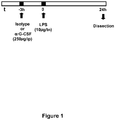
- Animal models useful for testing inhibition of G-CSF or its receptor, or other approaches to antagonism of G-CSF activity include acute LPS exposure, sub-chronic cigarette smoke exposure and influenza infection of smoke-exposed mice (exacerbation model).
- neutrophilic inflammation TNF ⁇ production and excessive protease activity enable the determination of the effectiveness of ⁇ G-CSF/ ⁇ G-CSFR antibodies or other antagonists, or reduced G-CSF levels or G-CSF signalling, in suppressing some of the key features of COPD-like inflammation.
- Neutrophils are a major predominant cell type infiltrating the airways of COPD patients ( Beeh and Beier, Clin Exp Allergy 26(2):142-157, 2006 ; Stockley, Chest 121(5 Suppl):151S-155S, 2002 ).
- the ability of neutrophils to generate reactive oxygen species and proteases is critical to their host defence role. However, as with all aspects of the immune response, over-activity can be detrimental.
- the cytokine milieu present in the airways of COPD sufferers provides the ideal environment for enhanced neutrophilic inflammation ( Barnes, N Engl J Med 343(4):269-280, 2000 ; Barnes, Cytokine Growth Factor Rev 14(6):511-522, 2003 ). Since neutrophil survival in the healthy lung is normally very limited, the prolonged life of neutrophils in COPD is an important feature.
- mice Specific pathogen-free male Balb/C mice aged 7 weeks and weighing -20 g were obtained from the Animal Resource Centre Pty. Ltd. (Perth, Australia). The animals were housed at 20 C on a 12-h day/night cycle in sterile micro-isolators and fed a standard sterile diet of Purina mouse chow with water allowed ad libitum.
- mice were placed in an 18 litre perspex chamber in a class II biosafety cabinet and exposed to cigarette smoke. Mice were exposed to cigarette smoke generated from 9 cigarettes per day for 4 days, delivered three times per day at 8.00 am, 12 noon and 4 pm using 3 cigarettes spaced over one hour. In pilot experiments, it was found that 3, 6 and 9 cigarettes per day are very well tolerated. Sham-exposed mice were placed in an 18 litre perspex chamber but do not receive cigarette smoke. On the fifth day, mice were killed by an intraperitoneal (i.p.) overdose of anaesthetic (5.6 mg ketamine/1.12 mg xylazine, Parnell Laboratories, NSW, Australia) and the lungs lavaged with PBS.
- anaesthetic 5.6 mg ketamine/1.12 mg xylazine, Parnell Laboratories, NSW, Australia
- mice were given the specified doses of PBS, isotype control or anti-G-CSF antibody (as outlined in section 1) once daily (60 minutes prior to first smoke), administered by i.p. injection.
- mice exposed to cigarette smoke are infected with a non-lethal, mouse adapted influenza strain [Mem71, H3N1] at a dose known (in normal mice) to cause productive replication and inflammation, but no overt disease. Mice are dissected 3d and 10d after influenza infection. Control mice receive a preparation of uninfected cells used to grow the virus.
- BAL was performed in terminally anaesthetized mice. Briefly, lungs from each mouse were lavaged in situ with a 400 ⁇ l aliquot, followed by three 300 ⁇ l of PBS, with approximately 1 ml of bronchoalveolar lavage fluid (BALF) recovered from each animal. Smoke exposure had no effect on the recovered volume.
- the total number of viable cells in the BALF was determined by using the fluorophores ethidium bromide and acridine orange (Molecular Probes, San Diego, USA) on a standard Neubauer hemocytometer using a Zeiss Axioscope Fluorescence microscope.
- Cytospins were prepared using 200 ⁇ l BALF at 350 rpm for 10 min on a Cytospin 3 (Shandon, UK). Cytospin preparations were stained with DiffQuik (Dade Baxter, Australia) and cells identified and differentiated into mononuclear, epithelial, eosinophils, neutrophils and macrophages by standard morphological criteria. A minimum of 500 cells per slide were counted.
- TNF ⁇ concentrations in BALF samples were measured using Pharmingen OptEIA (Trademark) ELISA kits (Pharmingen) as per manufacturer's instructions.
- the absorbances were read at 450 nm (Victor 1420 Multilabel Counter, Wallac), and analysed using the Microplate Manager (Registered) (BioRad, USA) program, which derived the standard curve and sample absorbances.
- SDS-page mini-gels (10% v/v) were prepared with the incorporation of gelatin (2 mg/ml) before casting.
- BALF (20 ⁇ l) was run into gels at a constant voltage of 200 V under non-reducing conditions. When the dye front reached the bottom, gels were removed and washed twice for 15 min in 2.5% v/v Triton X-100 and incubated at 37 °C overnight in zymography buffer (50 mM Tris-HCl (pH 7.5), 5 mM CaCl 2 , 1 mM ZnCl 2 and 0.01% v/v NaN 3 ). The gels were then stained for 45 min with Coomassie Brilliant Blue R-250 and extensively destained. Following destaining, zones of enzyme activity appeared clear against the Coomassie Blue background.
- Neat BALF was also tested for net gelatinase and net serine protease activity using fluorescence-conjugated gelatin (Molecular Probes, USA) and N-methoxysuccinyl-ala-ala-pro-val-p-Nitroanilide (Sigma, USA), respectively.
- the gelatin substrate (10 ⁇ g) was diluted in 50 mM Tris pH 7.5, 150 mM NaCl, 5 mM CaCl 2 , 0.01% v/v NaN 3 and incubated at room temperature for 16 h with 100 ⁇ l of neat BALF.
- the digested substrate had absorption/emission maxima at 495 nm/515 nm.
- the N-methoxysuccinyl-ala-ala-pro-val-p-Nitroanilide substrate (50 ⁇ g) was diluted in 50 mM Tris pH 7.5, 150 mM NaCl, 5 mM CaCl 2 , 0.01% NaN 3 and incubated at room temperature for 16 h with 100 ⁇ l of neat BALF.
- the digested substrate had absorption maxima at 405 nm.
- the fluorescence intensity of the substrates was measured in a microplate reader (Victor II, Wallac) to detect quantitative differences in activity.
- mice were killed by intraperitoneal anaesthesia (5.6 mg ketamine/1.12 mg xylazine) overdose and then perfusion fixed via a tracheal cannula with 4% v/v formaldehyde at exactly 200mm H 2 O pressure. After 1 h, the trachea was ligated, the lungs were removed from the thorax and immersed in 4% v/v formaldehyde for a minimum period of 24 h. After fixation of the lung tissue and processing in paraffin wax, sections (3 - 4 ⁇ m thick) were cut transversely through the left lobe. Sections were stained with hematoxylin and eosin (H&E) for general histopathology.
- H&E hematoxylin and eosin
- mice As data were normally distributed, they are presented as grouped data expressed as mean ⁇ standard error of the mean (s.e.m.); n represents the number of mice. Differences in total BALF cell types and differential counts were determined by one-way analysis of variance (ANOVA) followed by Dunnett post hoc test for multiple comparisons, where appropriate. In some cases, Student's unpaired t -test was used to determine if there were significant differences between means of pairs. All statistical analyses were performed using GraphPad Prism (Trademark) for Windows (Version 3.03). In all cases, probability levels less than 0.05 (* P ⁇ 0.05) were taken to indicate statistical significance.
- ANOVA analysis of variance
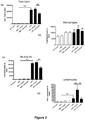
- ⁇ G-CSF antibody, isotype control or PBS did not increase inflammatory cell number in the BALF of saline-treated animals ( Figures 2a through to d).
- LPS caused a significant increase in total cell number ( Figure 2a ), neutrophils ( Figure 2c ) and lymphocytes ( Figure 2d ) in the BALF.
- the isotype control did not have an effect on inflammatory cell number.
- ⁇ G-CSF caused a significant decrease in the total number of cells and the number of neutrophils and lymphocytes, but not macrophages, in LPS-treated animals ( Figure 2 ).
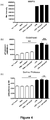
- LPS caused a significant increase in the number of total viable cells, macrophages and neutrophils in the blood of treated mice.
- ⁇ G-CSF caused a significant reduction in neutrophil number in LPS-treated animals, but did not affect total viable cell or macrophage numbers. Note that there were no lymphocytes detected in the blood of any of the animals.
- mice were exposed to smoke (or sham handled) 3 times a day (2 cigarettes/exposure) for 4 days, and analyzed on the fifth day, as previously described ( Chen et al, Neuropsychopharmacology 30(4),713-719 2005 ).
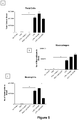
- the ⁇ G-CSF antibody did not increase the number of inflammatory cells in the BALF of sham mice ( Figure 7 ).
- the isotype control reduced total cell number and the number of macrophages and neutrophils in the BALF of smoke-exposed mice, while ⁇ G-CSF caused a significant reduction in the number of macrophages, neutrophils and total cells, and a marked reduction in the number of lymphocytes in BALF.
- the isotype control caused a significant reduction in total cell number and the number of macrophages in the blood of smoke-exposed animals, while ⁇ G-CSF antibody caused a significant reduction in total cell, neutrophil and macrophage numbers in smoke-exposed animals.
- influenza MDCK cell-derived Mem-71, influenza A strain
- diluent uninfected MDCK cell preparation
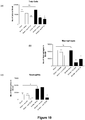
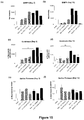
- the isotype control had no effect on total cell number or number of macrophages, neutrophils and lymphocytes in the BALF of smoke-exposed, influenza-treated mice.
- ⁇ G-CSF caused a significant reduction in the total number of cells and the number of macrophages and neutrophils, and a marked reduction in lymphocyte numbers in the BALF of smoke-exposed and influenza-treated animals.
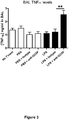
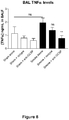
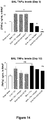
- Cigarette smoke exposure caused a marked increase in BALF TNF ⁇ levels at Day 3 and Day 10 ( Figure 14 ).
- Influenza caused a reduction in BALF TNF ⁇ at Day 3 post-infection which was further reduced by ⁇ G-CSF ( Figure 14a ).
- influenza caused a small increase in BALF TNF ⁇ in smoke-exposed mice which was only slightly reduced by ⁇ G-CSF treatment ( Figure 14b ).
- the isotype control caused slight reductions in TNF ⁇ levels at both Day 3 and Day 10 which were not as marked as with ⁇ G-CSF antibody treatment.
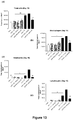
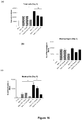
- cigarette smoke caused a marked increase in inflammatory cells in the blood which was significantly increased after influenza exposure (macrophage numbers were markedly elevated after influenza infection).
- ⁇ G-CSF caused a significant reduction in neutrophil number in the blood of smoke-exposed and influenza-infected animals ( Figure 16c ), and a marked reduction in total cell number in the blood.
- ⁇ G-CSF had little effect on macrophage number in the blood of smoke-exposed, influenza-infected mice.
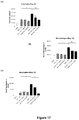
- influenza infection caused a significant increase in total cell, macrophage and neutrophil numbers in the blood of smoke-exposed mice.
- ⁇ G-CSF caused a significant reduction in neutrophil number and a marked reduction in macrophage and total cell number in the blood of smoke-exposed and influenza-infected mice.
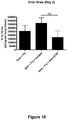
- ⁇ G-CSF caused a marked reduction in viral titres in smoke-exposed and influenza-infected mice, compared to isotype-treated mice ( Figure 18 ) at Day 3 post-infection. No virus was detected in any of the treatment groups at Day 10 post-infection.
- Samples were taken from the PFA-fixed lungs of control, influenza-treated + smoke-exposed and influenza + smoke + ⁇ G-CSF antibody-treated mice and paraffin-mounted and stained to reveal structural and cellular changes in lung parenchyma, vasculature and bronchi. Images were taken using a Zeiss microscope at 10X and 20x. Images taken at both Day 3 and Day 10 of a peribronchial region in the left lung showed that smoke and influenza caused marked potentiation of inflammation recognized as infiltration of the region between blood vessels and bronchus with mononuclear cells, neutrophils and lymphocytes. Parenchymal infiltration was also evident. In comparison to isotype control, the ⁇ G-CSF antibody markedly reduced the extent of inflammation in all regions.
- isotype control 250 ⁇ g/dose ip or 85 ⁇ g/dose tn
- anti-GCSF 250 ⁇
- the ⁇ G-CSF antibody administered transnasally caused a significant reduction in total viable cells, macrophages, neutrophils and lymphocytes in BALF compared to the transnasally-administered isotype group.
- the ⁇ G-CSF antibody administered via intraperitoneal injection caused a significant reduction in total viable cells and neutrophils, but had no effect on macrophage or lymphocyte numbers, in the BALF compared to the isotype (ip) group.
- BaF3 cells stably transfected with hG-CSFR as described by Layton et al, supra 1997 were cultured in 96 well plates at 20,000 cells / well in DMEM media with 5% FBS and 0.5ng/ml rh or mGCSF (R&D Sytems Cat # 214-CS and Cat# 414-CS respectively).
- G-CSF antagonists R&D Systems MAB414, anti-hG-CSFR mAb711 and hG-CSFR-Fc
- MTS reduction Cory et al, Cancer Commun. 3:207-12, 1991 ; Riss and Moravec, sura 1993
- a commercial R&D Systems antibody MAB414 was able to inhibit mG-CSF proliferation with an IC 50 of 10pM.
- a murine monoclonal antibody against the hG-CSF Receptor, mAb711, (Layton et al, supra 1997) and its humanized derivative were able to inhibit mG-CSF proliferation with IC 50 's of 1.1nM and 1.5nM respectively.
- a chimeric antibody comprising the heavy and light chain variable regions of mAb711 and human IgG1 heavy and light chain constant regions inhibited G-CSF activity with a similar IC 50 to the murine monoclonal antibody mAb711.
- a soluble G-CSFR-Fc protein ( Honjo et al, Acta Cryst F61:788-790, 2005 ) was able to inhibit mG-CSF proliferation with an IC 50 of 22pM.
- G-CSF biological activity may be inhibited by a variety of antagonists, including but not limited to antibodies to G-CSF, antibodies to G-CSFR, and soluble G-CSF receptors.
Landscapes
- Health & Medical Sciences (AREA)
- Life Sciences & Earth Sciences (AREA)
- Chemical & Material Sciences (AREA)
- Organic Chemistry (AREA)
- Genetics & Genomics (AREA)
- General Health & Medical Sciences (AREA)
- Engineering & Computer Science (AREA)
- Medicinal Chemistry (AREA)
- Molecular Biology (AREA)
- Zoology (AREA)
- Immunology (AREA)
- Bioinformatics & Cheminformatics (AREA)
- Biochemistry (AREA)
- Biophysics (AREA)
- Proteomics, Peptides & Aminoacids (AREA)
- Animal Behavior & Ethology (AREA)
- Biomedical Technology (AREA)
- Pharmacology & Pharmacy (AREA)
- Public Health (AREA)
- Veterinary Medicine (AREA)
- Biotechnology (AREA)
- General Engineering & Computer Science (AREA)
- Wood Science & Technology (AREA)
- Epidemiology (AREA)
- Environmental Sciences (AREA)
- Gastroenterology & Hepatology (AREA)
- Microbiology (AREA)
- Endocrinology (AREA)
- Physics & Mathematics (AREA)
- Plant Pathology (AREA)
- Cell Biology (AREA)
- Biodiversity & Conservation Biology (AREA)
- Animal Husbandry (AREA)
- Toxicology (AREA)
- Mycology (AREA)
- General Chemical & Material Sciences (AREA)
- Chemical Kinetics & Catalysis (AREA)
- Pulmonology (AREA)
- Nuclear Medicine, Radiotherapy & Molecular Imaging (AREA)
- Medicines Containing Antibodies Or Antigens For Use As Internal Diagnostic Agents (AREA)
Applications Claiming Priority (2)
| Application Number | Priority Date | Filing Date | Title |
|---|---|---|---|
| AU2006904378A AU2006904378A0 (en) | 2006-08-11 | Treatment and prophylaxis of pulmonary disease conditions | |
| EP07784767.1A EP2056858B1 (en) | 2006-08-11 | 2007-08-10 | Treatment of pulmonary disease conditions |
Related Parent Applications (3)
| Application Number | Title | Priority Date | Filing Date |
|---|---|---|---|
| EP07784767.1 Division | 2007-08-10 | ||
| EP07784767.1A Division EP2056858B1 (en) | 2006-08-11 | 2007-08-10 | Treatment of pulmonary disease conditions |
| EP07784767.1A Division-Into EP2056858B1 (en) | 2006-08-11 | 2007-08-10 | Treatment of pulmonary disease conditions |
Publications (2)
| Publication Number | Publication Date |
|---|---|
| EP2526959A1 EP2526959A1 (en) | 2012-11-28 |
| EP2526959B1 true EP2526959B1 (en) | 2017-08-02 |
Family
ID=39032559
Family Applications (2)
| Application Number | Title | Priority Date | Filing Date |
|---|---|---|---|
| EP12174059.1A Not-in-force EP2526959B1 (en) | 2006-08-11 | 2007-08-10 | Treatment of pulmonary disease conditions |
| EP07784767.1A Active EP2056858B1 (en) | 2006-08-11 | 2007-08-10 | Treatment of pulmonary disease conditions |
Family Applications After (1)
| Application Number | Title | Priority Date | Filing Date |
|---|---|---|---|
| EP07784767.1A Active EP2056858B1 (en) | 2006-08-11 | 2007-08-10 | Treatment of pulmonary disease conditions |
Country Status (10)
| Country | Link |
|---|---|
| US (2) | US8574572B2 (enExample) |
| EP (2) | EP2526959B1 (enExample) |
| JP (1) | JP5235881B2 (enExample) |
| AU (1) | AU2007283463B2 (enExample) |
| CA (1) | CA2661446C (enExample) |
| DK (1) | DK2056858T3 (enExample) |
| ES (1) | ES2506065T3 (enExample) |
| NZ (1) | NZ574285A (enExample) |
| PL (1) | PL2056858T3 (enExample) |
| WO (1) | WO2008017126A1 (enExample) |
Families Citing this family (11)
| Publication number | Priority date | Publication date | Assignee | Title |
|---|---|---|---|---|
| ES2513292T3 (es) * | 2009-07-31 | 2014-10-24 | Genentech, Inc. | Inhibición de metástasis tumoral usando anticuerpos anti-G-CSF |
| EP2477656B1 (en) | 2009-09-15 | 2017-03-29 | CSL Limited | Treatment of neurological conditions |
| CN102869777B (zh) * | 2010-04-02 | 2018-11-02 | 库尔纳公司 | 通过抑制集落刺激因子3(csf3)的天然反义转录物而治疗csf3相关疾病 |
| RU2605595C2 (ru) | 2011-06-13 | 2016-12-20 | СиЭсЭл Лимитид | Антитела против g-csfr и их применение |
| CA2986097A1 (en) * | 2015-05-18 | 2016-11-24 | The University Of British Columbia | Methods and systems of detecting plasma protein biomarkers for diagnosing acute exacerbation of copd |
| JP6944701B2 (ja) * | 2016-10-21 | 2021-10-06 | 国立大学法人山口大学 | CD11bアンタゴニストを含む劇症型急性肺炎治療用組成物 |
| US20210179721A1 (en) * | 2017-11-29 | 2021-06-17 | Csl Limited | Method of treating or preventing ischemia-reperfusion injury |
| US12281160B2 (en) | 2018-03-23 | 2025-04-22 | Csl Limited | Method of treating asthma |
| BR112021010920A2 (pt) * | 2018-12-04 | 2021-08-31 | CSL Innovation Pty Ltd | Método de tratamento de condições neutrofílicas |
| CN115768475A (zh) * | 2020-06-04 | 2023-03-07 | Csl创新私人有限公司 | 治疗或预防急性呼吸窘迫综合征的方法 |
| EP4739706A1 (en) | 2023-07-05 | 2026-05-13 | CSL Innovation Pty Ltd | Methods of treating or preventing a complication of sickle cell disease |
Family Cites Families (28)
| Publication number | Priority date | Publication date | Assignee | Title |
|---|---|---|---|---|
| US4399216A (en) | 1980-02-25 | 1983-08-16 | The Trustees Of Columbia University | Processes for inserting DNA into eucaryotic cells and for producing proteinaceous materials |
| US4816567A (en) | 1983-04-08 | 1989-03-28 | Genentech, Inc. | Recombinant immunoglobin preparations |
| US4740461A (en) | 1983-12-27 | 1988-04-26 | Genetics Institute, Inc. | Vectors and methods for transformation of eucaryotic cells |
| GB2183662B (en) | 1985-04-01 | 1989-01-25 | Celltech Ltd | Transformed myeloma cell-line and a process for the expression of a gene coding for a eukaryotic polypeptide employing same |
| GB8601597D0 (en) | 1986-01-23 | 1986-02-26 | Wilson R H | Nucleotide sequences |
| US4959455A (en) | 1986-07-14 | 1990-09-25 | Genetics Institute, Inc. | Primate hematopoietic growth factors IL-3 and pharmaceutical compositions |
| US4946778A (en) | 1987-09-21 | 1990-08-07 | Genex Corporation | Single polypeptide chain binding molecules |
| US4912040A (en) | 1986-11-14 | 1990-03-27 | Genetics Institute, Inc. | Eucaryotic expression system |
| GB8717430D0 (en) | 1987-07-23 | 1987-08-26 | Celltech Ltd | Recombinant dna product |
| US5476996A (en) | 1988-06-14 | 1995-12-19 | Lidak Pharmaceuticals | Human immune system in non-human animal |
| US5223409A (en) | 1988-09-02 | 1993-06-29 | Protein Engineering Corp. | Directed evolution of novel binding proteins |
| US5530101A (en) * | 1988-12-28 | 1996-06-25 | Protein Design Labs, Inc. | Humanized immunoglobulins |
| IE66494B1 (en) | 1989-09-26 | 1996-01-10 | Immunex Corp | Granulocyte-colony stimulating factor receptors |
| EP1690935A3 (en) | 1990-01-12 | 2008-07-30 | Abgenix, Inc. | Generation of xenogeneic antibodies |
| US6075181A (en) | 1990-01-12 | 2000-06-13 | Abgenix, Inc. | Human antibodies derived from immunized xenomice |
| US6150584A (en) | 1990-01-12 | 2000-11-21 | Abgenix, Inc. | Human antibodies derived from immunized xenomice |
| US6673986B1 (en) | 1990-01-12 | 2004-01-06 | Abgenix, Inc. | Generation of xenogeneic antibodies |
| US5427908A (en) | 1990-05-01 | 1995-06-27 | Affymax Technologies N.V. | Recombinant library screening methods |
| US6172197B1 (en) | 1991-07-10 | 2001-01-09 | Medical Research Council | Methods for producing members of specific binding pairs |
| GB9015198D0 (en) | 1990-07-10 | 1990-08-29 | Brien Caroline J O | Binding substance |
| NZ243706A (en) | 1991-07-25 | 1994-08-26 | Idec Pharma Corp | Recombinant monkey antibodies, pharmaceutical compositions |
| PT1024191E (pt) | 1991-12-02 | 2008-12-22 | Medical Res Council | Produção de auto-anticorpos a partir de reportórios de segmentos de anticorpo e exibidos em fagos |
| WO1999055369A1 (en) | 1998-04-28 | 1999-11-04 | Smithkline Beecham Corporation | Monoclonal antibodies with reduced immunogenicity |
| AU2002368077B2 (en) | 2001-07-12 | 2010-03-04 | Jefferson Foote | Super humanized antibodies |
| US20060093604A1 (en) | 2002-08-23 | 2006-05-04 | The Walter And Eliza Hall Institute Of Medical Research | Method of treatment and prophylaxis |
| ES2317527T3 (es) | 2005-01-13 | 2009-04-16 | Glaxosmithkline Istrazivacki Centar Zagreb D.O.O. | Decladinosil-macrolidos que presentan actividad anti-inflamatoria. |
| WO2006077504A2 (en) | 2005-01-18 | 2006-07-27 | Koninklijke Philips Electronics N.V. | An algorithm for growing 4-connected cores in image segmentation |
| CA2636990A1 (en) * | 2006-01-13 | 2007-07-26 | Battelle Memorial Institute | Animal model for assessing copd-related diseases |
-
2007
- 2007-08-10 AU AU2007283463A patent/AU2007283463B2/en not_active Ceased
- 2007-08-10 PL PL07784767T patent/PL2056858T3/pl unknown
- 2007-08-10 EP EP12174059.1A patent/EP2526959B1/en not_active Not-in-force
- 2007-08-10 US US12/377,256 patent/US8574572B2/en not_active Expired - Fee Related
- 2007-08-10 CA CA2661446A patent/CA2661446C/en active Active
- 2007-08-10 EP EP07784767.1A patent/EP2056858B1/en active Active
- 2007-08-10 JP JP2009523112A patent/JP5235881B2/ja not_active Expired - Fee Related
- 2007-08-10 WO PCT/AU2007/001127 patent/WO2008017126A1/en not_active Ceased
- 2007-08-10 NZ NZ574285A patent/NZ574285A/en not_active IP Right Cessation
- 2007-08-10 DK DK07784767.1T patent/DK2056858T3/da active
- 2007-08-10 ES ES07784767.1T patent/ES2506065T3/es active Active
-
2013
- 2013-10-01 US US14/042,931 patent/US9376682B2/en active Active
Non-Patent Citations (5)
| Title |
|---|
| "Annex 2", EP12174059, 8 October 2013 (2013-10-08), XP055119086, Retrieved from the Internet <URL:diplus> [retrieved on 20140520] * |
| "Bronchitis", 23 August 2011, INTECH, ISBN: 978-953-30-7889-2, article JASON ADAMSON ET AL: "In Vitro Models of Chronic Obstructive Pulmonary Disease (COPD)", XP055263423, DOI: 10.5772/18247 * |
| ROSS VLAHOS ET AL: "Neutralizing Granulocyte/Macrophage Colony-Stimulating Factor Inhibits Cigarette Smoke-induced Lung Inflammation", AMERICAN JOURNAL OF RESPIRATORY AND CRITICAL CARE MEDICINE, vol. 182, no. 1, 1 July 2010 (2010-07-01), pages 34 - 40, XP055077828, ISSN: 1073-449X, DOI: 10.1164/rccm.200912-1794OC * |
| RUSSEL BASSER: "Declaration of Russel Basser", EP12174059, 8 October 2013 (2013-10-08), XP055119079, Retrieved from the Internet <URL:diplus> [retrieved on 20140520] * |
| WRIGHT J L ET AL: "Animal models of cigarette smoke-induced chronic obstructive pulmonary disease", EXPERT REVIEW OF RESPIRATORY MEDICINE, EXPERT REVIEWS, GB, vol. 4, no. 6, 1 January 2010 (2010-01-01), pages 723 - 734, XP009152972, ISSN: 1747-6348 * |
Also Published As
| Publication number | Publication date |
|---|---|
| CA2661446A1 (en) | 2008-02-14 |
| EP2056858A4 (en) | 2010-03-31 |
| US20140056882A1 (en) | 2014-02-27 |
| CA2661446C (en) | 2017-11-21 |
| ES2506065T3 (es) | 2014-10-13 |
| US9376682B2 (en) | 2016-06-28 |
| JP2010500291A (ja) | 2010-01-07 |
| EP2056858B1 (en) | 2014-06-25 |
| EP2526959A1 (en) | 2012-11-28 |
| US8574572B2 (en) | 2013-11-05 |
| EP2056858A1 (en) | 2009-05-13 |
| AU2007283463B2 (en) | 2012-04-26 |
| PL2056858T3 (pl) | 2015-01-30 |
| AU2007283463A1 (en) | 2008-02-14 |
| NZ574285A (en) | 2011-11-25 |
| WO2008017126A1 (en) | 2008-02-14 |
| JP5235881B2 (ja) | 2013-07-10 |
| US20090324591A1 (en) | 2009-12-31 |
| DK2056858T3 (da) | 2014-09-29 |
Similar Documents
| Publication | Publication Date | Title |
|---|---|---|
| EP2056858B1 (en) | Treatment of pulmonary disease conditions | |
| JP6719490B2 (ja) | 抗il−36r抗体 | |
| Vlahos et al. | Therapeutic potential of treating chronic obstructive pulmonary disease (COPD) by neutralising granulocyte macrophage-colony stimulating factor (GM-CSF) | |
| JP5231814B2 (ja) | 線維性障害を治療するための組成物および方法 | |
| US8182814B2 (en) | Methods of treating inflammatory airway conditions by inhibition of IL-11 activity | |
| JP7473531B2 (ja) | 抗cxcr2抗体及びその使用 | |
| JP5785550B2 (ja) | 神経疾患の処置方法 | |
| de Boer | Perspectives for cytokine antagonist therapy in COPD | |
| JP5249025B2 (ja) | ガンを治療するための抗ccr7受容体抗体 | |
| US8968731B2 (en) | Treatment of uveitis | |
| AU2012201934A1 (en) | Treatment of Pulmonary disease conditions | |
| JP2022514867A (ja) | 移植片対宿主病(GvHD)の防止又は処置のための抗CCR7 MABの使用 | |
| HK40052675B (en) | Anti-cxcr2 antibodies and uses thereof | |
| HK1124760A (en) | Anti-ccr7 receptor antibodies for the treatment of cancer | |
| HK1197553A (en) | Anti il-36r antibodies | |
| HK1197553B (en) | Anti il-36r antibodies | |
| AU2011211408A1 (en) | Compositions and methods comprising an EGFL7 antagonist for modulating vascular development |
Legal Events
| Date | Code | Title | Description |
|---|---|---|---|
| PUAI | Public reference made under article 153(3) epc to a published international application that has entered the european phase |
Free format text: ORIGINAL CODE: 0009012 |
|
| AC | Divisional application: reference to earlier application |
Ref document number: 2056858 Country of ref document: EP Kind code of ref document: P |
|
| AK | Designated contracting states |
Kind code of ref document: A1 Designated state(s): AT BE BG CH CY CZ DE DK EE ES FI FR GB GR HU IE IS IT LI LT LU LV MC MT NL PL PT RO SE SI SK TR |
|
| 17P | Request for examination filed |
Effective date: 20130524 |
|
| RBV | Designated contracting states (corrected) |
Designated state(s): AT BE BG CH CY CZ DE DK EE ES FI FR GB GR HU IE IS IT LI LT LU LV MC MT NL PL PT RO SE SI SK TR |
|
| 17Q | First examination report despatched |
Effective date: 20140130 |
|
| STAA | Information on the status of an ep patent application or granted ep patent |
Free format text: STATUS: EXAMINATION IS IN PROGRESS |
|
| GRAP | Despatch of communication of intention to grant a patent |
Free format text: ORIGINAL CODE: EPIDOSNIGR1 |
|
| STAA | Information on the status of an ep patent application or granted ep patent |
Free format text: STATUS: GRANT OF PATENT IS INTENDED |
|
| INTG | Intention to grant announced |
Effective date: 20170324 |
|
| GRAS | Grant fee paid |
Free format text: ORIGINAL CODE: EPIDOSNIGR3 |
|
| GRAA | (expected) grant |
Free format text: ORIGINAL CODE: 0009210 |
|
| STAA | Information on the status of an ep patent application or granted ep patent |
Free format text: STATUS: THE PATENT HAS BEEN GRANTED |
|
| AC | Divisional application: reference to earlier application |
Ref document number: 2056858 Country of ref document: EP Kind code of ref document: P |
|
| AK | Designated contracting states |
Kind code of ref document: B1 Designated state(s): AT BE BG CH CY CZ DE DK EE ES FI FR GB GR HU IE IS IT LI LT LU LV MC MT NL PL PT RO SE SI SK TR |
|
| REG | Reference to a national code |
Ref country code: GB Ref legal event code: FG4D |
|
| REG | Reference to a national code |
Ref country code: FR Ref legal event code: PLFP Year of fee payment: 11 |
|
| REG | Reference to a national code |
Ref country code: CH Ref legal event code: EP Ref country code: AT Ref legal event code: REF Ref document number: 913733 Country of ref document: AT Kind code of ref document: T Effective date: 20170815 |
|
| REG | Reference to a national code |
Ref country code: IE Ref legal event code: FG4D |
|
| REG | Reference to a national code |
Ref country code: DE Ref legal event code: R096 Ref document number: 602007051879 Country of ref document: DE |
|
| REG | Reference to a national code |
Ref country code: NL Ref legal event code: MP Effective date: 20170802 |
|
| REG | Reference to a national code |
Ref country code: AT Ref legal event code: MK05 Ref document number: 913733 Country of ref document: AT Kind code of ref document: T Effective date: 20170802 |
|
| REG | Reference to a national code |
Ref country code: LT Ref legal event code: MG4D |
|
| PG25 | Lapsed in a contracting state [announced via postgrant information from national office to epo] |
Ref country code: LT Free format text: LAPSE BECAUSE OF FAILURE TO SUBMIT A TRANSLATION OF THE DESCRIPTION OR TO PAY THE FEE WITHIN THE PRESCRIBED TIME-LIMIT Effective date: 20170802 Ref country code: NL Free format text: LAPSE BECAUSE OF FAILURE TO SUBMIT A TRANSLATION OF THE DESCRIPTION OR TO PAY THE FEE WITHIN THE PRESCRIBED TIME-LIMIT Effective date: 20170802 Ref country code: FI Free format text: LAPSE BECAUSE OF FAILURE TO SUBMIT A TRANSLATION OF THE DESCRIPTION OR TO PAY THE FEE WITHIN THE PRESCRIBED TIME-LIMIT Effective date: 20170802 Ref country code: SE Free format text: LAPSE BECAUSE OF FAILURE TO SUBMIT A TRANSLATION OF THE DESCRIPTION OR TO PAY THE FEE WITHIN THE PRESCRIBED TIME-LIMIT Effective date: 20170802 Ref country code: AT Free format text: LAPSE BECAUSE OF FAILURE TO SUBMIT A TRANSLATION OF THE DESCRIPTION OR TO PAY THE FEE WITHIN THE PRESCRIBED TIME-LIMIT Effective date: 20170802 |
|
| PG25 | Lapsed in a contracting state [announced via postgrant information from national office to epo] |
Ref country code: IS Free format text: LAPSE BECAUSE OF FAILURE TO SUBMIT A TRANSLATION OF THE DESCRIPTION OR TO PAY THE FEE WITHIN THE PRESCRIBED TIME-LIMIT Effective date: 20171202 Ref country code: BG Free format text: LAPSE BECAUSE OF FAILURE TO SUBMIT A TRANSLATION OF THE DESCRIPTION OR TO PAY THE FEE WITHIN THE PRESCRIBED TIME-LIMIT Effective date: 20171102 Ref country code: ES Free format text: LAPSE BECAUSE OF FAILURE TO SUBMIT A TRANSLATION OF THE DESCRIPTION OR TO PAY THE FEE WITHIN THE PRESCRIBED TIME-LIMIT Effective date: 20170802 Ref country code: GR Free format text: LAPSE BECAUSE OF FAILURE TO SUBMIT A TRANSLATION OF THE DESCRIPTION OR TO PAY THE FEE WITHIN THE PRESCRIBED TIME-LIMIT Effective date: 20171103 Ref country code: PL Free format text: LAPSE BECAUSE OF FAILURE TO SUBMIT A TRANSLATION OF THE DESCRIPTION OR TO PAY THE FEE WITHIN THE PRESCRIBED TIME-LIMIT Effective date: 20170802 Ref country code: LV Free format text: LAPSE BECAUSE OF FAILURE TO SUBMIT A TRANSLATION OF THE DESCRIPTION OR TO PAY THE FEE WITHIN THE PRESCRIBED TIME-LIMIT Effective date: 20170802 |
|
| REG | Reference to a national code |
Ref country code: CH Ref legal event code: PL |
|
| PG25 | Lapsed in a contracting state [announced via postgrant information from national office to epo] |
Ref country code: CZ Free format text: LAPSE BECAUSE OF FAILURE TO SUBMIT A TRANSLATION OF THE DESCRIPTION OR TO PAY THE FEE WITHIN THE PRESCRIBED TIME-LIMIT Effective date: 20170802 Ref country code: RO Free format text: LAPSE BECAUSE OF FAILURE TO SUBMIT A TRANSLATION OF THE DESCRIPTION OR TO PAY THE FEE WITHIN THE PRESCRIBED TIME-LIMIT Effective date: 20170802 Ref country code: CH Free format text: LAPSE BECAUSE OF NON-PAYMENT OF DUE FEES Effective date: 20170831 Ref country code: DK Free format text: LAPSE BECAUSE OF FAILURE TO SUBMIT A TRANSLATION OF THE DESCRIPTION OR TO PAY THE FEE WITHIN THE PRESCRIBED TIME-LIMIT Effective date: 20170802 Ref country code: LI Free format text: LAPSE BECAUSE OF NON-PAYMENT OF DUE FEES Effective date: 20170831 |
|
| REG | Reference to a national code |
Ref country code: DE Ref legal event code: R097 Ref document number: 602007051879 Country of ref document: DE |
|
| REG | Reference to a national code |
Ref country code: IE Ref legal event code: MM4A |
|
| PG25 | Lapsed in a contracting state [announced via postgrant information from national office to epo] |
Ref country code: EE Free format text: LAPSE BECAUSE OF FAILURE TO SUBMIT A TRANSLATION OF THE DESCRIPTION OR TO PAY THE FEE WITHIN THE PRESCRIBED TIME-LIMIT Effective date: 20170802 Ref country code: SK Free format text: LAPSE BECAUSE OF FAILURE TO SUBMIT A TRANSLATION OF THE DESCRIPTION OR TO PAY THE FEE WITHIN THE PRESCRIBED TIME-LIMIT Effective date: 20170802 Ref country code: MC Free format text: LAPSE BECAUSE OF FAILURE TO SUBMIT A TRANSLATION OF THE DESCRIPTION OR TO PAY THE FEE WITHIN THE PRESCRIBED TIME-LIMIT Effective date: 20170802 Ref country code: IT Free format text: LAPSE BECAUSE OF FAILURE TO SUBMIT A TRANSLATION OF THE DESCRIPTION OR TO PAY THE FEE WITHIN THE PRESCRIBED TIME-LIMIT Effective date: 20170802 |
|
| REG | Reference to a national code |
Ref country code: BE Ref legal event code: MM Effective date: 20170831 |
|
| PLBE | No opposition filed within time limit |
Free format text: ORIGINAL CODE: 0009261 |
|
| STAA | Information on the status of an ep patent application or granted ep patent |
Free format text: STATUS: NO OPPOSITION FILED WITHIN TIME LIMIT |
|
| PG25 | Lapsed in a contracting state [announced via postgrant information from national office to epo] |
Ref country code: LU Free format text: LAPSE BECAUSE OF NON-PAYMENT OF DUE FEES Effective date: 20170810 |
|
| 26N | No opposition filed |
Effective date: 20180503 |
|
| PG25 | Lapsed in a contracting state [announced via postgrant information from national office to epo] |
Ref country code: IE Free format text: LAPSE BECAUSE OF NON-PAYMENT OF DUE FEES Effective date: 20170810 |
|
| REG | Reference to a national code |
Ref country code: FR Ref legal event code: PLFP Year of fee payment: 12 |
|
| PG25 | Lapsed in a contracting state [announced via postgrant information from national office to epo] |
Ref country code: SI Free format text: LAPSE BECAUSE OF FAILURE TO SUBMIT A TRANSLATION OF THE DESCRIPTION OR TO PAY THE FEE WITHIN THE PRESCRIBED TIME-LIMIT Effective date: 20170802 Ref country code: BE Free format text: LAPSE BECAUSE OF NON-PAYMENT OF DUE FEES Effective date: 20170831 |
|
| PG25 | Lapsed in a contracting state [announced via postgrant information from national office to epo] |
Ref country code: MT Free format text: LAPSE BECAUSE OF NON-PAYMENT OF DUE FEES Effective date: 20170810 |
|
| PG25 | Lapsed in a contracting state [announced via postgrant information from national office to epo] |
Ref country code: HU Free format text: LAPSE BECAUSE OF FAILURE TO SUBMIT A TRANSLATION OF THE DESCRIPTION OR TO PAY THE FEE WITHIN THE PRESCRIBED TIME-LIMIT; INVALID AB INITIO Effective date: 20070810 |
|
| PG25 | Lapsed in a contracting state [announced via postgrant information from national office to epo] |
Ref country code: CY Free format text: LAPSE BECAUSE OF NON-PAYMENT OF DUE FEES Effective date: 20170802 |
|
| PG25 | Lapsed in a contracting state [announced via postgrant information from national office to epo] |
Ref country code: TR Free format text: LAPSE BECAUSE OF FAILURE TO SUBMIT A TRANSLATION OF THE DESCRIPTION OR TO PAY THE FEE WITHIN THE PRESCRIBED TIME-LIMIT Effective date: 20170802 |
|
| PG25 | Lapsed in a contracting state [announced via postgrant information from national office to epo] |
Ref country code: PT Free format text: LAPSE BECAUSE OF FAILURE TO SUBMIT A TRANSLATION OF THE DESCRIPTION OR TO PAY THE FEE WITHIN THE PRESCRIBED TIME-LIMIT Effective date: 20170802 |
|
| P01 | Opt-out of the competence of the unified patent court (upc) registered |
Effective date: 20230515 |
|
| PGFP | Annual fee paid to national office [announced via postgrant information from national office to epo] |
Ref country code: FR Payment date: 20230620 Year of fee payment: 17 |
|
| PGFP | Annual fee paid to national office [announced via postgrant information from national office to epo] |
Ref country code: GB Payment date: 20230622 Year of fee payment: 17 |
|
| PGFP | Annual fee paid to national office [announced via postgrant information from national office to epo] |
Ref country code: DE Payment date: 20230613 Year of fee payment: 17 |
|
| REG | Reference to a national code |
Ref country code: DE Ref legal event code: R119 Ref document number: 602007051879 Country of ref document: DE |
|
| GBPC | Gb: european patent ceased through non-payment of renewal fee |
Effective date: 20240810 |
|
| PG25 | Lapsed in a contracting state [announced via postgrant information from national office to epo] |
Ref country code: DE Free format text: LAPSE BECAUSE OF NON-PAYMENT OF DUE FEES Effective date: 20250301 |
|
| PG25 | Lapsed in a contracting state [announced via postgrant information from national office to epo] |
Ref country code: GB Free format text: LAPSE BECAUSE OF NON-PAYMENT OF DUE FEES Effective date: 20240810 |
|
| PG25 | Lapsed in a contracting state [announced via postgrant information from national office to epo] |
Ref country code: FR Free format text: LAPSE BECAUSE OF NON-PAYMENT OF DUE FEES Effective date: 20240831 |