EP2516528B1 - Flammgeschützte polymerzusammensetzungen - Google Patents
Flammgeschützte polymerzusammensetzungen Download PDFInfo
- Publication number
- EP2516528B1 EP2516528B1 EP10798552.5A EP10798552A EP2516528B1 EP 2516528 B1 EP2516528 B1 EP 2516528B1 EP 10798552 A EP10798552 A EP 10798552A EP 2516528 B1 EP2516528 B1 EP 2516528B1
- Authority
- EP
- European Patent Office
- Prior art keywords
- phr
- vinyl acetate
- polymer composition
- component
- olefin
- Prior art date
- Legal status (The legal status is an assumption and is not a legal conclusion. Google has not performed a legal analysis and makes no representation as to the accuracy of the status listed.)
- Active
Links
Images


Classifications
-
- C—CHEMISTRY; METALLURGY
- C08—ORGANIC MACROMOLECULAR COMPOUNDS; THEIR PREPARATION OR CHEMICAL WORKING-UP; COMPOSITIONS BASED THEREON
- C08K—Use of inorganic or non-macromolecular organic substances as compounding ingredients
- C08K13/00—Use of mixtures of ingredients not covered by one single of the preceding main groups, each of these compounds being essential
- C08K13/02—Organic and inorganic ingredients
-
- C—CHEMISTRY; METALLURGY
- C08—ORGANIC MACROMOLECULAR COMPOUNDS; THEIR PREPARATION OR CHEMICAL WORKING-UP; COMPOSITIONS BASED THEREON
- C08K—Use of inorganic or non-macromolecular organic substances as compounding ingredients
- C08K3/00—Use of inorganic substances as compounding ingredients
- C08K3/18—Oxygen-containing compounds, e.g. metal carbonyls
- C08K3/20—Oxides; Hydroxides
- C08K3/22—Oxides; Hydroxides of metals
-
- C—CHEMISTRY; METALLURGY
- C08—ORGANIC MACROMOLECULAR COMPOUNDS; THEIR PREPARATION OR CHEMICAL WORKING-UP; COMPOSITIONS BASED THEREON
- C08K—Use of inorganic or non-macromolecular organic substances as compounding ingredients
- C08K5/00—Use of organic ingredients
- C08K5/49—Phosphorus-containing compounds
- C08K5/51—Phosphorus bound to oxygen
- C08K5/53—Phosphorus bound to oxygen bound to oxygen and to carbon only
- C08K5/5313—Phosphinic compounds, e.g. R2=P(:O)OR'
-
- C—CHEMISTRY; METALLURGY
- C08—ORGANIC MACROMOLECULAR COMPOUNDS; THEIR PREPARATION OR CHEMICAL WORKING-UP; COMPOSITIONS BASED THEREON
- C08L—COMPOSITIONS OF MACROMOLECULAR COMPOUNDS
- C08L31/00—Compositions of homopolymers or copolymers of compounds having one or more unsaturated aliphatic radicals, each having only one carbon-to-carbon double bond, and at least one being terminated by an acyloxy radical of a saturated carboxylic acid, of carbonic acid or of a haloformic acid; Compositions of derivatives of such polymers
- C08L31/02—Homopolymers or copolymers of esters of monocarboxylic acids
- C08L31/04—Homopolymers or copolymers of vinyl acetate
-
- C—CHEMISTRY; METALLURGY
- C09—DYES; PAINTS; POLISHES; NATURAL RESINS; ADHESIVES; COMPOSITIONS NOT OTHERWISE PROVIDED FOR; APPLICATIONS OF MATERIALS NOT OTHERWISE PROVIDED FOR
- C09K—MATERIALS FOR MISCELLANEOUS APPLICATIONS, NOT PROVIDED FOR ELSEWHERE
- C09K21/00—Fireproofing materials
-
- C—CHEMISTRY; METALLURGY
- C09—DYES; PAINTS; POLISHES; NATURAL RESINS; ADHESIVES; COMPOSITIONS NOT OTHERWISE PROVIDED FOR; APPLICATIONS OF MATERIALS NOT OTHERWISE PROVIDED FOR
- C09K—MATERIALS FOR MISCELLANEOUS APPLICATIONS, NOT PROVIDED FOR ELSEWHERE
- C09K21/00—Fireproofing materials
- C09K21/02—Inorganic materials
- C09K21/04—Inorganic materials containing phosphorus
-
- C—CHEMISTRY; METALLURGY
- C09—DYES; PAINTS; POLISHES; NATURAL RESINS; ADHESIVES; COMPOSITIONS NOT OTHERWISE PROVIDED FOR; APPLICATIONS OF MATERIALS NOT OTHERWISE PROVIDED FOR
- C09K—MATERIALS FOR MISCELLANEOUS APPLICATIONS, NOT PROVIDED FOR ELSEWHERE
- C09K21/00—Fireproofing materials
- C09K21/06—Organic materials
- C09K21/12—Organic materials containing phosphorus
Definitions
- the present invention relates to a flame-retardant polymer composition consisting of one or more ⁇ -olefin-vinyl acetate copolymers having a vinyl acetate content of from 40 to 90% by weight, based on the total weight of the ⁇ -olefin-vinyl acetate copolymer, their use and a flame retardant combination for upgrading plastics and rubbers.
- Flame-retardant polymer compositions are used, for example, in cable applications (cable sheath and cable insulation) and floor coverings. Such polymer compositions are said to have sufficient flame retardancy that conforms to legal standards and also excellent processing properties.
- metal hydroxides in particular aluminum hydroxides (ATH) and magnesium hydroxides (MDH) are mentioned, which are used in polymers as flame retardant fillers.
- Metal hydroxides are used alone or in combination with each other and optionally in combination with other flame retardant additives.
- the flame retardancy is based essentially on an endothermic decomposition of the crystals, the release of water in the form of water vapor with simultaneous dilution of the concentration of combustible gases in the vicinity of the attacked plastic and the formation of a more or less solid oxide residue.
- the oxide residue itself has a high inner surface and can thus adsorb soot particles or precursors of the soot (polycyclic aromatic hydrocarbons, PAHs).
- This so-called ash layer acts as a mechanical stabilization of the burning polymer, so that, for example, burning dripping of the polymer is reduced or completely avoided.
- the encrusted ash layer on the surface of the burning polymer acts as a kind of "protective barrier" for the underlying polymer layers, thereby avoiding rapid hamster burning.
- salts of phosphinic acids have proven to be effective flame retardant additives for polymer systems.
- Calcium and aluminum phosphinates have been described as particularly effective in polyesters or polyamides and affect the material properties of the polymer compositions less than z.
- synergistic combinations of phosphinates with certain nitrogen-containing compounds have been found to be more effective as flame retardants in many polymers than the phosphinates alone.
- melamine and melamine compounds are known to be effective synergists, such as melamine cyanurates and melamine phosphate.
- the object of the present invention is therefore to provide a polymer composition in which the degree of filling of the metal hydroxide is reduced, wherein the flame retardancy at least remains constant or improved, but improves the mechanical properties of the polymer and, above all, reduces the hardness.
- LOI Limiting Oxygen Index
- UL 94 Another method of assessing and classifying the flammability of plastics is UL 94.
- the UL94 classification is performed on 3.2 mm thick samples. According to the UL 94-V standard, classification is in unclassified (NC), V2 (better), V1 (even better), V0 (maximum grading).
- component A is an aluminum phosphinate.
- the total amount of synergistic flame retardant combinations is between 110 and 280 phr, more preferably between 80 and 190 phr.
- the polymer composition according to the invention preferably has 100 to 190 phr of component B and 10 to 90 phr of component A, more preferably 130 to 160 phr of component B and 20 to 40 phr of component A.
- the polymer composition of the invention has 160 phr of ATH and 30 phr of aluminum phosphinate.
- the ⁇ -olefin-vinyl acetate copolymers used are characterized by high vinyl acetate contents of ⁇ 40 wt .-%, based on the total weight of the ⁇ -olefin-vinyl acetate copolymer.
- the vinyl acetate content of the ⁇ -olefin-vinyl acetate copolymers used according to the invention is preferably from 50% by weight to 80% by weight, based on the total weight of the ⁇ -olefin-vinyl acetate copolymers.
- the ⁇ -olefin-vinyl acetate copolymer used may have, in addition to the ⁇ -olefin and vinyl acetate-based monomer units, one or more other comonomer units (e.g., terpolymers), e.g. based on vinyl esters and / or (meth) acrylates.
- the further comonomer units are present in an amount of up to 10% by weight, based on the total weight of the ⁇ -olefin-vinyl acetate copolymer, if further comonomer units are present in the ⁇ -olefin-vinyl acetate copolymer, the proportion of correspondingly reduced on the ⁇ -olefin-based monomer units.
- ⁇ -olefin-vinyl acetate copolymers consist of 40 wt .-% to 90 wt .-% vinyl acetate, 10 wt .-% to 60 wt .-% ⁇ -olefin and 0 to 10 wt .-% of at least one other Comonomers are constructed, wherein the total amount of vinyl acetate, ⁇ -olefin and the other comonomer is 100 wt .-%.
- ⁇ -olefins all known ⁇ -olefins can be used in the ⁇ -olefin-vinyl acetate copolymers used.
- the ⁇ -olefin is preferably selected from ethene, propene, butene, in particular n-butene and i-butene, pentene, hexene, in particular 1-hexene, heptene and octene, in particular 1-octene.
- ⁇ -olefins may further bear substituents, in particular C 1 -C 5 -alkyl radicals.
- the ⁇ -olefins preferably carry no further substituents.
- Preferred ⁇ -olefins are ethene and propene, ethene being particularly preferably used as ⁇ -olefin in the ⁇ -olefin-vinylacetate copolymers.
- the preferred ⁇ -olefin-vinyl acetate copolymer is an ethylene-vinyl acetate copolymer.
- Particularly preferred ethylene-vinyl acetate copolymers have a vinyl acetate content of 50 wt .-% to 80 wt .-%. on.
- EVM copolymers typically, the high vinyl acetate-containing ethylene-vinyl acetate copolymers are referred to as EVM copolymers, where the "M" in the designation indicates the saturated backbone of the EVM's methylene backbone.
- the ⁇ -olefin-vinyl acetate copolymers used preferably ethylene-vinyl acetate copolymers, generally have MFI values (g / 10 min), measured according to ISO 1133 at 190 ° C and a load of 21.1 N, of 1 to 40, preferably 1 to 35 on.
- the Mooney viscosities in accordance with DIN 53 523 ML 1 + 4 at 100 ° C. are generally from 3 to 80, preferably from 20 to 65 Mooney units.
- the number-average molecular weight (Mw), as determined by GPC, is generally from 5,000 g / mol to 800,000 kg / mol, preferably from 100,000 g / mol to 400,000 g / mol.
- Ethylene-vinyl acetate copolymers are particularly preferably used in the inventive flame retardant polymer composition, which are commercially available, for example under the trade names Levapren ® ® or Levamelt of Lanxess GmbH Germany.
- the flame-retardant polymer composition according to the invention preferably has a LOT of at least 30% and a hardness of not more than 90 Shore A.
- the flame retarded polymer composition of the present invention can be used in plastics and rubbers, thermoplastic elastomers or thermoplastic vulcanizates.
- Another invention is the use of the inventive flame-retardant polymer composition for the production of cables, plastic molding compounds, elastic molding compounds, floor coverings (especially in public transport or buildings), electrical coated conductors and adhesives.
- flame-retardant polymer composition according to the invention also in blends.
- suitable polymers are HNBR, EPDM, EVA, HDPE, LDPE, polyamide and / or copolyester.
- cables sheaths for certain areas must be resistant to oil, since swollen oil at the latest in case of fire impaired the function and also increases the smoke density. Furthermore, the cables must remain flexible even at temperatures below minus 40 ° C and show good electrical Tsolationseigenschaften so they work reliably even with thin wall thicknesses.
- the vinyl acetate content for the EVM / EVA formed is 18 to 90% by weight, based on the total weight of the ⁇ -olefin-vinyl acetate copolymer, preferably 32 to 80% by weight and most preferably 40 to 70% by weight.
- the content of the MAHg-EVM / EVA is preferably 5 to 50 phr, preferably 10 to 40 phr and particularly preferably 10 to 20 phr.
- Another invention is also a flame retardant combination for producing flame retardant polymer composition from one or more ⁇ -olefin-vinyl acetate copolymers having a vinyl acetate content of 40 to 90 wt .-%, based on the total weight of the ⁇ -olefin-vinyl acetate copolymer, characterized in that it contains as component A an aluminum phosphinate and as component B a metal hydroxide, preferably aluminum hydroxide (ATH).
- component A an aluminum phosphinate
- component B a metal hydroxide, preferably aluminum hydroxide (ATH).
- Preferred is a vinyl acetate content of 50-80 wt .-% based on the total weight of the ⁇ -olefin-vinyl acetate copolymer.
- the flame-retardant polymer composition according to the invention has lower concentrations of toxic flue gases in case of fire according to EN ISO 5659-2.
- it has no HCl gas, for example, since the ⁇ -olefin-vinyl acetate copolymer is halogen-free.
- the cables, cable sheaths, plastic molding compounds, elastic molding compounds, floor coverings and electrical, coated conductors made of them remain flexible even at cryogenic temperatures below -40 ° C.
- the flame retardant combination according to the invention preferably has 100 to 190 phr of component B and 10 to 90 phr of aluminum phosphinate, more preferably 130 to 160 phr of component B and 20 to 40 phr of aluminum phosphinate.
- the flame retardant combination according to the invention is preferably 160 phr ATH and 30 phr aluminum phosphinate.
- the flame retardant combination according to the invention is suitable for upgrading plastics and rubbers, thermoplastic elastomers or thermoplastic vulcanizates.
- ethylene-vinyl acetate copolymers which are commercially available, for example under the trade names Levapren ® or Levamelt ® from Lanxess Germany GmbH, or in blends with HNBR, EPDM, EVA, HDPE, LDPE, polyamides and / or copolyesters.
- the flame retardant combination according to the invention is halogen-free and can absorb large amounts of inorganic flame retardants such as aluminum hydroxide due to the low viscosity and good compatibility with polar fillers.
- inorganic flame retardants such as aluminum hydroxide due to the low viscosity and good compatibility with polar fillers.
- HCl gas for example, which forms halogen-containing compounds during firing, can not give off pure ethylene-vinyl acetate copolymers on account of their chemical composition.
- the total amount of synergistic flame retardant combinations is between 110 and 280 phr, more preferably between 80 and 190 phr for the above-mentioned uses.
- Fig. 1 shows an increase in the LOI value using ATH, especially when the vinyl acetate content (VA) of the ⁇ -olefin-vinyl acetate copolymer exceeds 40% by weight.
- VA vinyl acetate content
- Table 2 clearly shows a surprising effect of EXOLIT OP 1230 in combination with various ATHs, while the filler concentration of flame retardant components (ATH or combination of ATH and EXOLIT OP 1230) is 130 phr.
- Fig. 3 shows the surprising jump in LOI and elongation at break when using ATH and OP1230.
Landscapes
- Chemical & Material Sciences (AREA)
- Organic Chemistry (AREA)
- Health & Medical Sciences (AREA)
- Chemical Kinetics & Catalysis (AREA)
- Medicinal Chemistry (AREA)
- Polymers & Plastics (AREA)
- Engineering & Computer Science (AREA)
- Materials Engineering (AREA)
- Inorganic Chemistry (AREA)
- Compositions Of Macromolecular Compounds (AREA)
- Insulated Conductors (AREA)
Description
- Die vorliegende Erfindung betrifft eine flammgeschützte, aus einem oder mehreren α-Olefin-Vinylacetat-Copolymeren mit einem Vinylacetatgehalt von 40 bis 90 Gew.-%, bezogen auf das Gesamtgewicht des α-Olefin-Vinylacetat-Copolymeren bestehende Polymerzusammensetzung, deren Verwendung und eine Flammschutzkombination zur Aufrüstung von Kunststoffen und Kautschuken.
- Flammgeschützte Polymerzusammensetzungen werden beispielsweise in Kabelanwendungen (Kabelmantel und Kabelisolation) sowie Fußbodenbelägen eingesetzt. Derartige Polymerzusammensetzungen sollen einen ausreichenden, den gesetzlichen Normen entsprechenden Flammschutz und zudem hervorragende Verarbeitungseigenschaften aufweisen.
- Seit langem ist es bekannt, Polymersysteme mit anorganischen Flammschutzmitteln, halogenierten Flammschutzmitteln, Organophosphor-Flammschutzmitteln oder stickstoffbasierten Flammschutzmitteln auszurüsten.
- Als mineralische Flammschutzmittel sind Metallhydroxide, insbesondere Aluminiutnhydroxide (ATH) und Magnesiumhydroxide (MDH) zu nennen, die in Polymeren als flammhemmende Füllstoffe eingesetzt werden. Metallhydroxide werden dabei allein oder in Kombination miteinander und gegebenenfalls in Kombination mit weiteren Flammschutzadditiven eingesetzt.
- Die Flammschutzwirkung beruht dabei im Wesentlichen auf einer endothermen Zersetzung der Kristalle, der Freisetzung von Wasser in Form von Wasserdampf bei gleichzeitiger Verdünnung der Konzentration brennbarer Gase in der Umgebung des angegriffenen Kunststoffs und der Bildung eines mehr oder weniger festen Oxidrückstands. Der Oxidrückstand selbst hat eine hohe innere Oberfläche und kann somit Russpartikel bzw. Vorprodukte des Rußes (polycyclische aromatische Kohlenwasserstoffe, PAK), adsorbieren. Diese sog. Ascheschicht fungiert als mechanische Stabilisierung des brennenden Polymers, so dass beispielsweise brennendes Abtropfen des Polymers reduziert oder ganz vermieden wird. Ferner wirkt die verkrustete Ascheschicht an der Oberfläche des brennenden Polymers als eine Art "Schutzbarriere" für die darunter liegenden Polymerschichten, wodurch ein schnelles Weilerbrennen vermieden werden kann.
- Besonders bewährt hat sich der Einsatz von Metallhydroxiden in α-Olefin-Vinylacetat-Copolymeren.
- Nachteilig sind jedoch die hohen Zugabemengen von Metallhydroxiden in Kunststofftnischungen, um dem Kunststoff einen ausreichenden Flammschutz zu gewährleisten. Dadurch werden die physikalische Eigenschaften (mechanische und elektrische Kenndaten) des Kunststoffs beeinträchtigt.
- Weiterhin haben sich Salze von Phosphinsäuren (Phosphinate) als wirksame flammhemmende Zusätze für Polymersysteme erwiesen. Calcium- und Aluminiumphosphinate sind in Polyestern oder Polyamiden als besonders effektiv beschrieben worden und beeinträchtigen die Materialeigenschaften der Polymermassen weniger als z. B. Alkalimetallsalze.
- Auch wurden synergistischen Kombinationen von Phosphinaten mit bestimmten stickstoffhaltigen Verbindungen gefunden, die in vielen Polymeren als Flammschutzmittel effektiver wirken, als die Phosphinate alleine. Bekannt sind beispielsweise Melamin und Melaminverbindungen als wirksame Synergisten, wie etwa Melamincyanurate und Melaminphosphat.
- Aufgabe der vorliegenden Erfindung ist daher, eine Polymerzusammensetzung bereitzustellen, bei der der Füllgrad des Metallhydroxids reduziert wird, wobei die Flammschutzwirkung zumindest gleich bleibend oder verbessert wird, jedoch die mechanischen Eigenschaften des Polymers verbessert und vor Allem die Härte verringert wird.
- Zur Lösung dieser Aufgabe schlägt die vorliegende Erfindung eine flammgeschützte Polymerzusammensetzung der eingangs genannten Art vor, welche aus einer oder mehreren α-Olefin-Vinylacetat-Copolymeren mit einem Vinylacetatgehalt von 40 bis 90 Gew.-%, bezogen auf das Gesamtgewicht des α-Olefin-Vinylacetat-Copolymeren und auf eine synergistische Flammschutzmittel-Kombination, enthaltend als Komponente A ein Phosphinsäuresalz der Formel (I)

- R1, R2
- C1-C6-Alkyl, vorzugsweise C1-C4-Alkyl, linear oder verzweigt;
- M
- Calcium-, Aluminium-, Zink-Ionen;
- m
- 2 oder 3
- Überraschenderweise wurde festgestellt, dass durch die Zugabe von Metallhydroxiden und Phosphinaten der Flammschutz signifikant erhöht wird bei gleichzeitiger Verbesserung der mechanischen Eigenschaften bzw. der Flexibilität des Materials.
- Für die Beurteilung des Flammschutzes werden verschiedene Parameter herangezogen.
- Ein indikativer Wert zur Beurteilung des Flammschutzes und insbesondere der Entzündbarkeit ist der Limiting Oxygen Index (LOI) nach ISO 4589. Er beschreibt die Minimalkonzentration an Sauerstoff in einer Sauerstoffmischung, die gerade in der Lage ist, die Verbrennung eines vertikal orientierten Prüfkörpers zu unterstützen. Bei niedrigerer Sauerstoffkonzentration erlischt die Flamme. Hohe LOI-Werte bedeuten daher hoher Flammschutz bzw. niedrige Entzündbarkeit.
- Weitere für den Flammschutz relevante Kennwerte können mit dem Cone Calorimeter bestimmt werden, wie etwa:
- die "Peak-Heat-Release-Rate" in KW/m2 (PHRR); dies ist die maximale Leistungsabgabe pro Flächeneinheit, die im Cone-Calorimeter bei der Verbrennung der Probe gemessen wurde. Je geringer die PHRR, desto besser ist die Probe flammgeschützt.
- die "Time to Ignition" (TTI); dies ist der Zeitpunkt, bei der die Probe durch die Wärmeausstrahlung im Cone-Calorimeter zu brennen beginnt. Je höher der TTI-Wert, desto besser ist die Probe flammgeschützt.
- Ein weiteres Verfahren zur Beurteilung und Klassifizierung der Brennbarkeit von Kunststoffen ist die Vorschrift UL 94. Die UL94-Klassifizierung wird an 3.2 mm dicken Proben durchgeführt. Nach der UL 94-V-Norm erfolgt eine Einstufung in nicht klassifiziert (NC), V2 (besser), V1 (noch besser), V0 (Höchsteinstufung).
- Vorzugsweise handelt es sich bei der Komponente A um ein Aluminiumphosphinat.
- Bevorzugt beträgt die Gesamtmenge an synergistischen Flammschutzmittelkombinationen zwischen 110 und 280 phr, besonders bevorzugt zwischen 80 und 190 phr.
- Die erfindungsgemäße Polymerzusammensetzung weist bevorzugt 100 bis 190 phr Komponente B und 10 bis 90 phr Komponente A auf, besonders bevorzugt 130 - 160 phr Komponente B und 20 - 40 phr Komponente A.
- Vorzugsweise weist die erfindungsgemäße Polymerzusammensetzung 160 phr ATH und 30 phr Aluminiumphosphinat auf.
- Hierbei bedeutet "phr" parts per hundred rubber.
- Die eingesetzten α-Olefin-Vinylacetat-Copolymere zeichnen sich durch hohe Vinylacetat-Gehalte von ≥ 40 Gew.-%, bezogen auf das Gesamtgewicht des α-Olefin-Vinylacetat-Copolymeren aus. Bevorzugt beträgt der Vinylacetat-Gehalt der erfindungsgemäß eingesetzten α-Olefin-Vinylacetat-Copolymere 50 Gew.-% bis 80 Gew.-%, bezogen auf das Gesamtgewicht der α-Olefin-Vinylacetat-Copolymere.
- Das eingesetzte α-Olefin-Vinylacetat-Copolymer kann neben den auf dem α-Olefin und Vinylacetat basierenden Monomereinheiten ein oder mehrere weitere Comonomereinheiten aufweisen (z.B. Terpolymere), z.B. basierend auf Vinylestern und/oder (Meth)acrylaten. Die weiteren Comonomereinheiten sind - sofern weitere Comonomereinheiten in dem α-Olefin-Vinylacetat-Copolymer vorliegen, in einem Anteil von bis zu 10 Gew.-%, bezogen auf das Gesamtgewicht des α-Olefin-Vinylacetat-Copolymeren vorhanden, wobei sich der Anteil der auf dem α-Olefin basierenden Monomereinheiten entsprechend verringert. Somit können z.B. α-Olefin-Vinylacetat-Copolymere eingesetzt werden, die aus 40 Gew.-% bis 90 Gew.-% Vinylacetat, 10 Gew.-% bis 60 Gew.-% α-Olefin und 0 bis 10 Gew.-% mindestens eines weiteren Comonomeren aufgebaut sind, wobei die Gesamtmenge an Vinylacetat, α-Olefin und dem weiteren Comonomeren 100 Gew.-% beträgt.
- Als α-Olefine können in den eingesetzten α-Olefin-Vinylacetat-Copolymeren alle bekannten α-Olefine eingesetzt werden. Bevorzugt ist das α-Olefin ausgewählt aus Ethen, Propen, Buten, insbesondere n-Buten und i-Buten, Penten, Hexen, insbesondere 1-Hexen, Hepten und Octen, insbesondere 1-Octen.
- Es können auch höhere Homologe der genannten α-Olefine als α-Olefine in den α-Olefin-Vinylacetat-Copolymeren eingesetzt werden. Die α-Olefine können des Weiteren Substituenten tragen, insbesondere C1-C5-Alkylreste. Bevorzugt tragen die α-Olefine jedoch keine weiteren Substituenten. Des Weiteren ist es möglich, in den α-Olefin-Vinylacetat-Copolymeren Mischungen zweier oder mehrerer verschiedener α-Olefine einzusetzen. Bevorzugt ist es jedoch, keine Mischungen verschiedener α-Olefine einzusetzen. Bevorzugte α-Olefine sind Ethen und Propen, wobei Ethen besonders bevorzugt als α-Olefin in den α-Olefin-Vinylacetet-Copolymeren eingesetzt wird.
- Somit handelt es sich bei dem bevorzugt eingesetzten α-Olefin-Vinylacetat-Copolymer um ein Ethylen-Vinylacetat-Copolymer.
- Besonders bevorzugte Ethylen-Vinylacetat-Copolymere weisen einen Vinylacetat-Gehalt von 50 Gew.-% bis 80 Gew.-%. auf.
- Üblicherweise werden die bevorzugt eingesetzten Ethylen-Vinylacetat-Copolymere mit hohen Vinylacetat-Gehalten als EVM-Copolymere bezeichnet, wobei das "M" in der Bezeichnung das gesättigte Rückgrat der Methylen-Hauptkette des EVMs andeutet.
- Die verwendeten α-Olefin-Vinylacetat-Copolymere, bevorzugt Ethylen-Vinylacetat-Copolymere, weisen im Allgemeinen MFI-Werte (g/10 min), gemessen nach ISO 1133 bei 190 °C und einer Last von 21,1 N, von 1 bis 40, bevorzugt 1 bis 35 auf.
- Die Mooney-Viskositäten gemäß DIN 53 523 ML 1+4 bei 100°C betragen im Allgemeinen 3 bis 80, bevorzugt 20 bis 65 Mooney-Einheiten.
- Das zahlenmittlere durchschnittliche Molekulargewicht (Mw), bestimmt mittels GPC, beträgt im Allgemeinen von 5000 g/mol bis 800000 kg/mol, bevorzugt 100000 g/mol bis 400000 g/mol.
- Besonders bevorzugt werden in der erfindungsgemäßen flammgeschützten Polymerzusammensetzung Ethylen-Vinylacetat-Copolymere eingesetzt, die zum Beispiel unter den Handelsnamen Levapren® oder Levamelt® der Lanxess Deutschland GmbH kommerziell erhältlich sind.
- Vorzugsweise weist die erfindungsgemäße flammgeschützte Polymerzusammensetzung einen LOT von mindestens 30 % und eine Härte von maximal 90 Shore A auf.
- Die erfindungsgemäße flammgeschützte Polymerzusammensetzung kann in Kunststoffen und Kautschuken, thermoplastischen Elastomeren oder thermoplastischen Vulkanisaten verwendet werden.
- Eine weitere Erfindung ist die Verwendung der erfindungsgemäßen flammgeschützten Polymerzusammensetzung für die Herstellung von Kabeln, Kunststoff-Formmassen, elastischen Formmassen, Fußbodenbelägen (besonders in öffentlichen Verkehrsmitteln bzw. Gebäuden), elektrischen, beschichteten Leitern und Klebstoffen.
- Es ist daher vorstellbar, die erfindungsgemäße flammgeschützten Polymerzusammensetzung auch in Blends einzusetzen. Hierbei kommen beispielsweise folgende Polymere in Frage: HNBR, EPDM, EVA, HDPE, LDPE, Polyamid und/oder Copolyester.
- Beispielsweise müssen Kabelmäntel für bestimmte Bereiche ölbeständig sein, da eingequollenes Öl spätestens im Brandfall die Funktion beeinträchtigt und zusätzlich die Rauchgasdichte erhöht. Des Weiteren müssen die Kabel auch bei Tieftemperaturen bis unter Minus 40 °C flexibel bleiben und gute elektrische Tsolationseigenschaften zeigen, damit sie auch bei dünnen Wandstärken zuverlässig arbeiten.
- Es ist ebenso vorstellbar, Maleinsäureanhydrid gegrafte EVM/EVA im Blend zu verwenden. Der Vinylacetatgehalt für das gegrafte EVM/EVA beträgt 18 bis 90 Gew.-% bezogen auf das Gesamtgewicht des α-Olefin-Vinylacetat-Copolymer, bevorzugt 32 bis 80 Gew.-% und ganz besonders bevorzugt 40 bis 70 Gew.-%. Der Gehalt der MAHg-EVM/EVA beträgt vorzugsweise 5 bis 50 phr, bevorzugt 10 bis 40 phr und besonders bevorzugt 10 bis 20 phr.
- Eine weitere Erfindung ist auch eine Flammschutzmittelkombination zur Herstellung flammgeschützter Polymerzusammensetzung aus einem oder mehreren α-Olefin-Vinylacetat-Copolymeren mit einem Vinylacetat-Gehalt von 40 bis 90 Gew.-%, bezogen auf das Gesamtgewicht des α-Olefin-Vinylacetat-Copolymeren, dadurch gekennzeichnet, dass sie als Komponente A ein Aluminiumphosphinat und als Komponente B ein Metallhydroxid, bevorzugt Aluminiumhydroxid (ATH), enthält.
- Bevorzugt ist ein Vinylacetatgehalt von 50 - 80 Gew.-% bezogen auf das Gesamtgewicht des α-Olefin-Vinylacetat-Copolymeren.
- Es hat sich herausgestellt, dass diese Kombination eine hervorragende Flammschutzwirkung aufweist, welche für das besagte α-Olefin-Vinylacetat-Copolymer im Hinblick auf eine gleichzeitig niedrige Härte besonders gut geeignet ist.
- Des Weiteren weist die erfindungsgemäße flammgeschützte Polymerzusammensetzung geringere Konzentrationen toxischer Rauchgase im Brandfall gemäß EN ISO 5659-2 auf. Insbesondere weist sie beispielsweise kein HCl-Gas auf, da das α-Olefin-Vinylacetat-Copolymer halogenfrei ist.
- Die daraus hergestellten Kabel, Kabelmäntel, Kunststoff-Formmassen, elastische Formmassen, Fußbodenbeläge, elektrische, beschichtete Leiter bleiben auch bei Tieftemperaturen bis unter -40°C flexibel.
- Die erfindungsgemäße Flammschutzmittelkombination weist bevorzugt 100 bis 190 phr Komponente B und 10 bis 90 phr Aluminiumphosphinat, besonders bevorzugt 130 - 160 phr Komponente B und 20 - 40 phr Aluminiumphosphinat auf.
- Vorzugsweise beträgt die erfindungsgemäße Flammschutzmittelkombination 160 phr ATH und 30 phr Aluminiumphosphinat auf.
- Die erfindungsgemäße Flammschutzmittelkombination ist zur Aufrüstung von Kunststoffen und Kautschuken, thermoplastischen Elastomeren bzw. thermoplastischen Vulkanisaten geeignet.
- Bevorzugt wird sie in Ethylen-Vinylacetat-Copolymere eingesetzt, die zum Beispiel unter den Handelsnamen Levapren® oder Levamelt® der Lanxess Deutschland GmbH kommerziell erhältlich sind, oder in Blends mit HNBR, EPDM, EVA, HDPE, LDPE, Polyamiden und/oder Copolyestern.
- Die erfindungsgemäße Flammschutzmittelkombination ist halogenfrei und kann auf Grund der geringen Viskosität und guten Verträglichkeit mit polaren Füllstoffen große Mengen anorganischer Flammschutzmittel wie Aluminiumhydroxid aufnehmen. Wenn die erfindungsgemäße Flammschutzmittelkombination enthaltenen Compounds verbrennen, entstehen lediglich Rauchgase geringer Dichte. HCl-Gas beispielsweise, das beim Brand halogenhaltigen Compounds entsteht, können reine Ethylen-Vinylacetat-Copolymere auf Grund ihrer chemischen Zusammensetzung erst gar nicht abgeben.
Diese Vorteile zeigen sich insbesondere im Bahnverkehr oder in Gebäuden; dort sollen die Personen die vom Brand betroffenen Bereiche ohne fremde Hilfe verlassen können; dazu gehört sicherlich auch, dass die Fluchtwege lange sichtbar bleiben. - Vorzugsweise beträgt die Gesamtmenge an synergistischen Flammschutzmittelkombinationen zwischen 110 und 280 phr, besonders bevorzugt zwischen 80 und 190 phr für die oben genannten Verwendungen.
- Nachstehend wird anhand von Beispielen die Erfindung näher erläutert:
-
Fig. 1 : Grafische Darstellung von LOI- Werte von α-Olefin-Vinylacetat-Copolymeren mit und ohne ATH -
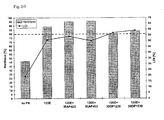
Fig. 2 : Grafische Darstellung zu Tab. 1, Härte und LOI -
Fig. 3 : Grafische Darstellung zu Tab. 2, Reißdehnung und LOI -
Fig. 1 zeigt einen Anstieg des LOI Werts bei der Verwendung von ATH, insbesondere sobald der Vinylacetatgehalt (VA) des α-Olefin-Vinylacetat-Copolymeren 40 Gew.-% überschreitet. Bei Erhöhung von 0 auf 40 Gew.-% VA steigt der LOI um ca. 15% (LOI: 30% => LOI: 35%). Bei Erhöhung von 40 auf 80 Gew.-% VA steigt der LOI um ca. 40% (LOI: 35% => LOI: 50%).
- Gut zu erkennen ist der Sprung im LOI bei Einsatz von ATH (19% auf 51 %) und ein weiterer bei Verwendung von EXOLIT OP 1230 (51% auf 59%). Überraschenderweise zeigt nur das EXOLIT OP 1230 Vorteile in Bezug auf Flammschutz und mechanische Eigenschaften. Besonders hervorzuheben ist die Mischung N4. Mit der Kombination von 160phr ATH und 30phr EXOLIT OP 1230 kann sowohl ausgezeichnete Werte im LOI als auch in Reißdehnung und Zugfestigkeit erreicht werden. Die gleichzeitig niedrigste Härte von 80 Shore A stellt einen einzigartigen Vorteil bei der Rezepturgestaltung dar.

- Tabelle 2 zeigt deutlich einen überraschenden Effekt des EXOLIT OP 1230 in Kombination mit verschiedenen ATHs, dabei beträgt die Füllstoffkonzentration an Flammschutzmittelkomponenten (ATH oder Kombination aus ATH und EXOLIT OP 1230) 130 phr.
- Signifikant höhere LOI Werte bei Einsatz von OP 1230 ist ersichtlich. Des Weiteren wird die TTI jeweils um über 30s verlängert. Die PHRR bleibt vergleichbar oder verringert sich, was ebenfalls positiv ist. Von besonderem Vorteil sind außerdem die deutlich höheren Werte in der Reißdehnung für OP1230 Mischungen im Vergleich zu ATH alleine. Bei vergleichbarer Härte und Zugfestigkeit führt dies zu erhöhter Flexibilität in den entsprechenden Anwendungen. Außer für die Rezeptur mit Apyral 40CD wird immer das beste UL Rating von VO erreicht.
-
Fig. 3 zeigt den überraschenden Sprung in LOI und Reißdehnung bei Verwendung von ATH und OP1230.
und als Komponente B ein Metallhydroxid, bevorzugt Aluminiumhydroxid (ATH).
Komponente A wird hier auch als Phosphinate bezeichnet.
Claims (8)
- Flammgeschützte Polymerzusammensetzung erhältlich- aus einem oder mehreren α-Olefin-Vinylacetat-Copolymeren mit einem Vinylacetatgehalt von 40 bis 90 Gew.-%, bezogen auf das Gesamtgewicht des α-Olefin-Vinylacetat-Copolymeren und- aus einer synergistischen Flammschutzmittelkombination, enthalten als Komponente A ein Phosphinsäuresalz der Formel (I)
 R1, R2 C1-C6-Alkyl, vorzugsweise C1-C4-Alkyl, linear oder verzweigt;M Calcium-, Aluminium-, Zink-Ionen;m 2 oder 3bedeuten
und als Komponente B ein Metallhydroxid. - Flammgeschützte Polymerzusammensetzung nach Anspruch 1, dadurch gekennzeichnet, dass Komponente A ein Aluminiumphosphinat ist.
- Flammgeschützte Polymerzusammensetzung nach Anspruch 1, dadurch gekennzeichnet, dass Komponente B ein Aluminiumhydroxid (ATH) ist.
- Flammgeschützte Polymerzusammensetzung nach Anspruch 1, dadurch gekennzeichnet, dass die Gesamtmenge an synergistischer Flammschutzmittelkombination zwischen 110 phr und 280 phr, bevorzugt zwischen 80 und 190 phr, beträgt.
- Flammgeschützte Polymerzusammensetzung nach Anspruch 4, dadurch gekennzeichnet, dass sie 100 bis 190 phr Komponente B und 10 bis 90 phr Komponente A, bevorzugt 130 - 160 phr Komponente B und 20 - 40 phr Komponente A aufweist.
- Flammgeschützte Polymerzusammensetzung nach Anspruch 5, dadurch gekennzeichnet, dass sie 160 phr ATH und 30 phr Aluminiumphosphinat aufweist.
- Flammgeschützte Polymerzusammensetzung nach Anspruch 1, dadurch gekennzeichnet, dass sie einen LOI von mindestens 35 % und gleichzeitig eine Härte von maximal 90 Shore A aufweist.
- Verwendung der flammgeschützten Polymerzusammensetzung nach einem der vorstehenden Ansprüche zur Herstellung von Kabeln, Kunststoff-Formmassen, elastischen Formmassen, elektrischen beschichteten Leitern, Klebstoffen, Fußbodenbelägen.
Priority Applications (1)
| Application Number | Priority Date | Filing Date | Title |
|---|---|---|---|
| EP10798552.5A EP2516528B1 (de) | 2009-12-21 | 2010-12-20 | Flammgeschützte polymerzusammensetzungen |
Applications Claiming Priority (3)
| Application Number | Priority Date | Filing Date | Title |
|---|---|---|---|
| EP09180183A EP2343335A1 (de) | 2009-12-21 | 2009-12-21 | Flammgeschützte Polymerzusammensetzungen |
| PCT/EP2010/070290 WO2011076760A1 (de) | 2009-12-21 | 2010-12-20 | Flammgeschützte polymerzusammensetzungen |
| EP10798552.5A EP2516528B1 (de) | 2009-12-21 | 2010-12-20 | Flammgeschützte polymerzusammensetzungen |
Publications (2)
| Publication Number | Publication Date |
|---|---|
| EP2516528A1 EP2516528A1 (de) | 2012-10-31 |
| EP2516528B1 true EP2516528B1 (de) | 2014-06-04 |
Family
ID=41580997
Family Applications (2)
| Application Number | Title | Priority Date | Filing Date |
|---|---|---|---|
| EP09180183A Ceased EP2343335A1 (de) | 2009-12-21 | 2009-12-21 | Flammgeschützte Polymerzusammensetzungen |
| EP10798552.5A Active EP2516528B1 (de) | 2009-12-21 | 2010-12-20 | Flammgeschützte polymerzusammensetzungen |
Family Applications Before (1)
| Application Number | Title | Priority Date | Filing Date |
|---|---|---|---|
| EP09180183A Ceased EP2343335A1 (de) | 2009-12-21 | 2009-12-21 | Flammgeschützte Polymerzusammensetzungen |
Country Status (9)
| Country | Link |
|---|---|
| US (1) | US9260590B2 (de) |
| EP (2) | EP2343335A1 (de) |
| JP (1) | JP5607753B2 (de) |
| KR (1) | KR101448362B1 (de) |
| CN (1) | CN102712782A (de) |
| BR (1) | BR112012015715B1 (de) |
| CA (1) | CA2785096C (de) |
| TW (1) | TWI485232B (de) |
| WO (1) | WO2011076760A1 (de) |
Families Citing this family (5)
| Publication number | Priority date | Publication date | Assignee | Title |
|---|---|---|---|---|
| EP2336229A1 (de) * | 2009-12-21 | 2011-06-22 | LANXESS Deutschland GmbH | Flammgeschützte Polymerzusammensetzungen |
| CN104487501A (zh) * | 2012-03-20 | 2015-04-01 | 罗地亚经营管理公司 | 阻燃聚合物组合物 |
| PL2954006T3 (pl) | 2013-02-08 | 2017-09-29 | Italmatch Chemicals S.P.A. | Uniepalniona kompozycja polimerowa |
| JP6295475B2 (ja) * | 2013-03-06 | 2018-03-20 | ディーエスエム アイピー アセッツ ビー.ブイ. | 熱可塑性コポリエーテルエステルエラストマーを含む難燃性組成物 |
| CN112250935B (zh) * | 2020-09-30 | 2022-12-16 | 金发科技股份有限公司 | 一种高阻燃等级低烟无卤材料及其制备方法和应用 |
Family Cites Families (15)
| Publication number | Priority date | Publication date | Assignee | Title |
|---|---|---|---|---|
| JPS5618636A (en) * | 1979-07-26 | 1981-02-21 | Furukawa Electric Co Ltd:The | Flame-retarding resin composition |
| JPS59117549A (ja) * | 1982-12-23 | 1984-07-06 | Sumitomo Electric Ind Ltd | 難燃、低煙ポリオレフイン樹脂組成物 |
| JPH07119324B2 (ja) * | 1988-08-22 | 1995-12-20 | 日本石油化学株式会社 | 傷付き白化を改良した難燃性オレフィン重合体樹脂組成物 |
| DE19708726A1 (de) * | 1997-03-04 | 1998-09-10 | Hoechst Ag | Flammgeschützte Polymerformmassen |
| DE19903707C2 (de) * | 1999-01-30 | 2003-05-28 | Clariant Gmbh | Flammwidrige duroplastische Massen |
| DE10241126A1 (de) | 2002-09-03 | 2004-03-25 | Clariant Gmbh | Flammschutzmittel-Stabilisator-Kombination für thermoplastische Polymere |
| DE10321298B4 (de) * | 2003-05-13 | 2005-11-10 | Clariant Gmbh | Halogenhaltige Flammschutzmittel-Kombination und deren Verwendung |
| WO2005061606A1 (fr) | 2003-12-19 | 2005-07-07 | Rhodia Engineering Plastics S.R.L. | Composition ignifugee a base de matrice thermoplastique |
| FR2864097B1 (fr) * | 2003-12-19 | 2006-03-10 | Rhodia Enginnering Plastics | Composition ignifugee a base de matrice thermoplastique |
| DE10359814A1 (de) * | 2003-12-19 | 2005-07-28 | Clariant Gmbh | Dialkylphosphinsäure-Salze |
| JP2005200574A (ja) * | 2004-01-16 | 2005-07-28 | Hitachi Cable Ltd | ノンハロゲン難燃性樹脂組成物及びこれを用いた電線・ケーブル |
| DE102005013957A1 (de) | 2005-03-26 | 2006-09-28 | Clariant Produkte (Deutschland) Gmbh | Phosphorhaltige thermostabilisierte Flammschutzmittelagglomerate |
| CA2630003A1 (en) * | 2005-11-21 | 2007-05-24 | Sumitomo Electric Industries, Ltd. | Flame-retardant resin composition, and insulated wire, insulated shielded wire, insulated cable and insulating tube using the same |
| JP2008184591A (ja) * | 2007-01-31 | 2008-08-14 | Nitsukan Kogyo Kk | 難燃性樹脂組成物およびそれを用いたフレキシブル銅張積層板、カバーレイフィルムならびに接着剤シート |
| EP2336229A1 (de) * | 2009-12-21 | 2011-06-22 | LANXESS Deutschland GmbH | Flammgeschützte Polymerzusammensetzungen |
-
2009
- 2009-12-21 EP EP09180183A patent/EP2343335A1/de not_active Ceased
-
2010
- 2010-12-20 CN CN2010800621562A patent/CN102712782A/zh active Pending
- 2010-12-20 TW TW099144649A patent/TWI485232B/zh not_active IP Right Cessation
- 2010-12-20 BR BR112012015715A patent/BR112012015715B1/pt not_active IP Right Cessation
- 2010-12-20 JP JP2012545281A patent/JP5607753B2/ja not_active Expired - Fee Related
- 2010-12-20 WO PCT/EP2010/070290 patent/WO2011076760A1/de not_active Ceased
- 2010-12-20 CA CA2785096A patent/CA2785096C/en not_active Expired - Fee Related
- 2010-12-20 KR KR1020127019157A patent/KR101448362B1/ko active Active
- 2010-12-20 US US13/517,269 patent/US9260590B2/en active Active
- 2010-12-20 EP EP10798552.5A patent/EP2516528B1/de active Active
Also Published As
| Publication number | Publication date |
|---|---|
| EP2516528A1 (de) | 2012-10-31 |
| TW201137093A (en) | 2011-11-01 |
| US9260590B2 (en) | 2016-02-16 |
| WO2011076760A1 (de) | 2011-06-30 |
| JP2013515119A (ja) | 2013-05-02 |
| JP5607753B2 (ja) | 2014-10-15 |
| CN102712782A (zh) | 2012-10-03 |
| TWI485232B (zh) | 2015-05-21 |
| BR112012015715B1 (pt) | 2019-09-03 |
| US20130131238A1 (en) | 2013-05-23 |
| KR101448362B1 (ko) | 2014-10-07 |
| EP2343335A1 (de) | 2011-07-13 |
| KR20120097543A (ko) | 2012-09-04 |
| CA2785096C (en) | 2017-08-29 |
| CA2785096A1 (en) | 2011-06-30 |
| BR112012015715A2 (pt) | 2016-05-17 |
Similar Documents
| Publication | Publication Date | Title |
|---|---|---|
| DE68906575T2 (de) | Flammfester thermoplast mit geringer giftigkeit. | |
| DE69023039T2 (de) | Feuerfeste Polymerzusammensetzung. | |
| EP2074166B1 (de) | Halogenfreies flammschutzmittel | |
| EP2516527A1 (de) | Flammgeschützte polymerzusammensetzungen | |
| KR101542110B1 (ko) | 압출용 고온내수성 난연 수지 조성물, 이를 이용하여 제조된 절연체 및 이를 포함하는 전선 및 케이블 | |
| DE60033373T2 (de) | Flammgeschützte polyolefinzusammensetzungen | |
| DE69127727T2 (de) | Flammhemmende Zusammensetzungen | |
| SK31699A3 (en) | Flame retardant plastic composition and process for the preparation of a filler | |
| ITMI961948A1 (it) | Composizione antifiamma per mescole polimeriche | |
| WO2011076760A1 (de) | Flammgeschützte polymerzusammensetzungen | |
| DE102004016125B3 (de) | Halogenfreie flammwidrige Polymermischung für Leitungssysteme und deren Herstellung | |
| DE3315079A1 (de) | Flammenhemmendes, vernetztes polyolefin-isolationsmaterial | |
| KR101872019B1 (ko) | 난연성 수지 조성물 | |
| DE3117672A1 (de) | Flammhemmende thermoplastische formmassen auf basis von polyolefin-bitumen-mischungen und deren verwendung zur herstellung von formkoerpern, insbesondere von abdichtungsbahnen fuer den hoch- und tiefbau | |
| KR102176985B1 (ko) | 전선케이블 피복용 도료 조성물 | |
| EP3712907A1 (de) | Flammhemmendes elektrisches kabel | |
| DE112006001102B4 (de) | Halogenfreie isolierte Leitung und Kabelbaum | |
| US20080161466A1 (en) | Composition For Production Flame Retardant Insulating Material of Halogen Free Type Using Nano-Technology | |
| EP1368424A1 (de) | Flammhemmende propylenpolymercompounds | |
| KR20010019095A (ko) | 난연성 폴리프로필렌 수지조성물 | |
| DD244140A1 (de) | Flammwidrige halogenfreie polyolefin-formmassen mit verbesserten eigenschaften |
Legal Events
| Date | Code | Title | Description |
|---|---|---|---|
| PUAI | Public reference made under article 153(3) epc to a published international application that has entered the european phase |
Free format text: ORIGINAL CODE: 0009012 |
|
| 17P | Request for examination filed |
Effective date: 20120723 |
|
| AK | Designated contracting states |
Kind code of ref document: A1 Designated state(s): AL AT BE BG CH CY CZ DE DK EE ES FI FR GB GR HR HU IE IS IT LI LT LU LV MC MK MT NL NO PL PT RO RS SE SI SK SM TR |
|
| DAX | Request for extension of the european patent (deleted) | ||
| RAP1 | Party data changed (applicant data changed or rights of an application transferred) |
Owner name: LANXESS DEUTSCHLAND GMBH |
|
| GRAP | Despatch of communication of intention to grant a patent |
Free format text: ORIGINAL CODE: EPIDOSNIGR1 |
|
| INTG | Intention to grant announced |
Effective date: 20140103 |
|
| GRAS | Grant fee paid |
Free format text: ORIGINAL CODE: EPIDOSNIGR3 |
|
| GRAA | (expected) grant |
Free format text: ORIGINAL CODE: 0009210 |
|
| AK | Designated contracting states |
Kind code of ref document: B1 Designated state(s): AL AT BE BG CH CY CZ DE DK EE ES FI FR GB GR HR HU IE IS IT LI LT LU LV MC MK MT NL NO PL PT RO RS SE SI SK SM TR |
|
| REG | Reference to a national code |
Ref country code: GB Ref legal event code: FG4D Free format text: NOT ENGLISH |
|
| REG | Reference to a national code |
Ref country code: CH Ref legal event code: EP |
|
| REG | Reference to a national code |
Ref country code: AT Ref legal event code: REF Ref document number: 671085 Country of ref document: AT Kind code of ref document: T Effective date: 20140615 |
|
| REG | Reference to a national code |
Ref country code: IE Ref legal event code: FG4D Free format text: LANGUAGE OF EP DOCUMENT: GERMAN |
|
| REG | Reference to a national code |
Ref country code: DE Ref legal event code: R096 Ref document number: 502010007148 Country of ref document: DE Effective date: 20140717 |
|
| REG | Reference to a national code |
Ref country code: NL Ref legal event code: VDEP Effective date: 20140604 |
|
| PG25 | Lapsed in a contracting state [announced via postgrant information from national office to epo] |
Ref country code: FI Free format text: LAPSE BECAUSE OF FAILURE TO SUBMIT A TRANSLATION OF THE DESCRIPTION OR TO PAY THE FEE WITHIN THE PRESCRIBED TIME-LIMIT Effective date: 20140604 Ref country code: CY Free format text: LAPSE BECAUSE OF FAILURE TO SUBMIT A TRANSLATION OF THE DESCRIPTION OR TO PAY THE FEE WITHIN THE PRESCRIBED TIME-LIMIT Effective date: 20140604 Ref country code: NO Free format text: LAPSE BECAUSE OF FAILURE TO SUBMIT A TRANSLATION OF THE DESCRIPTION OR TO PAY THE FEE WITHIN THE PRESCRIBED TIME-LIMIT Effective date: 20140904 Ref country code: LT Free format text: LAPSE BECAUSE OF FAILURE TO SUBMIT A TRANSLATION OF THE DESCRIPTION OR TO PAY THE FEE WITHIN THE PRESCRIBED TIME-LIMIT Effective date: 20140604 Ref country code: GR Free format text: LAPSE BECAUSE OF FAILURE TO SUBMIT A TRANSLATION OF THE DESCRIPTION OR TO PAY THE FEE WITHIN THE PRESCRIBED TIME-LIMIT Effective date: 20140905 |
|
| REG | Reference to a national code |
Ref country code: LT Ref legal event code: MG4D |
|
| PG25 | Lapsed in a contracting state [announced via postgrant information from national office to epo] |
Ref country code: RS Free format text: LAPSE BECAUSE OF FAILURE TO SUBMIT A TRANSLATION OF THE DESCRIPTION OR TO PAY THE FEE WITHIN THE PRESCRIBED TIME-LIMIT Effective date: 20140604 Ref country code: SE Free format text: LAPSE BECAUSE OF FAILURE TO SUBMIT A TRANSLATION OF THE DESCRIPTION OR TO PAY THE FEE WITHIN THE PRESCRIBED TIME-LIMIT Effective date: 20140604 Ref country code: HR Free format text: LAPSE BECAUSE OF FAILURE TO SUBMIT A TRANSLATION OF THE DESCRIPTION OR TO PAY THE FEE WITHIN THE PRESCRIBED TIME-LIMIT Effective date: 20140604 Ref country code: LV Free format text: LAPSE BECAUSE OF FAILURE TO SUBMIT A TRANSLATION OF THE DESCRIPTION OR TO PAY THE FEE WITHIN THE PRESCRIBED TIME-LIMIT Effective date: 20140604 |
|
| PG25 | Lapsed in a contracting state [announced via postgrant information from national office to epo] |
Ref country code: RO Free format text: LAPSE BECAUSE OF FAILURE TO SUBMIT A TRANSLATION OF THE DESCRIPTION OR TO PAY THE FEE WITHIN THE PRESCRIBED TIME-LIMIT Effective date: 20140604 Ref country code: SK Free format text: LAPSE BECAUSE OF FAILURE TO SUBMIT A TRANSLATION OF THE DESCRIPTION OR TO PAY THE FEE WITHIN THE PRESCRIBED TIME-LIMIT Effective date: 20140604 Ref country code: CZ Free format text: LAPSE BECAUSE OF FAILURE TO SUBMIT A TRANSLATION OF THE DESCRIPTION OR TO PAY THE FEE WITHIN THE PRESCRIBED TIME-LIMIT Effective date: 20140604 Ref country code: PT Free format text: LAPSE BECAUSE OF FAILURE TO SUBMIT A TRANSLATION OF THE DESCRIPTION OR TO PAY THE FEE WITHIN THE PRESCRIBED TIME-LIMIT Effective date: 20141006 Ref country code: EE Free format text: LAPSE BECAUSE OF FAILURE TO SUBMIT A TRANSLATION OF THE DESCRIPTION OR TO PAY THE FEE WITHIN THE PRESCRIBED TIME-LIMIT Effective date: 20140604 Ref country code: ES Free format text: LAPSE BECAUSE OF FAILURE TO SUBMIT A TRANSLATION OF THE DESCRIPTION OR TO PAY THE FEE WITHIN THE PRESCRIBED TIME-LIMIT Effective date: 20140604 |
|
| PG25 | Lapsed in a contracting state [announced via postgrant information from national office to epo] |
Ref country code: IS Free format text: LAPSE BECAUSE OF FAILURE TO SUBMIT A TRANSLATION OF THE DESCRIPTION OR TO PAY THE FEE WITHIN THE PRESCRIBED TIME-LIMIT Effective date: 20141004 Ref country code: PL Free format text: LAPSE BECAUSE OF FAILURE TO SUBMIT A TRANSLATION OF THE DESCRIPTION OR TO PAY THE FEE WITHIN THE PRESCRIBED TIME-LIMIT Effective date: 20140604 Ref country code: NL Free format text: LAPSE BECAUSE OF FAILURE TO SUBMIT A TRANSLATION OF THE DESCRIPTION OR TO PAY THE FEE WITHIN THE PRESCRIBED TIME-LIMIT Effective date: 20140604 |
|
| REG | Reference to a national code |
Ref country code: DE Ref legal event code: R097 Ref document number: 502010007148 Country of ref document: DE |
|
| PLBE | No opposition filed within time limit |
Free format text: ORIGINAL CODE: 0009261 |
|
| STAA | Information on the status of an ep patent application or granted ep patent |
Free format text: STATUS: NO OPPOSITION FILED WITHIN TIME LIMIT |
|
| PG25 | Lapsed in a contracting state [announced via postgrant information from national office to epo] |
Ref country code: DK Free format text: LAPSE BECAUSE OF FAILURE TO SUBMIT A TRANSLATION OF THE DESCRIPTION OR TO PAY THE FEE WITHIN THE PRESCRIBED TIME-LIMIT Effective date: 20140604 |
|
| 26N | No opposition filed |
Effective date: 20150305 |
|
| REG | Reference to a national code |
Ref country code: DE Ref legal event code: R097 Ref document number: 502010007148 Country of ref document: DE Effective date: 20150305 |
|
| PG25 | Lapsed in a contracting state [announced via postgrant information from national office to epo] |
Ref country code: BE Free format text: LAPSE BECAUSE OF NON-PAYMENT OF DUE FEES Effective date: 20141231 |
|
| PG25 | Lapsed in a contracting state [announced via postgrant information from national office to epo] |
Ref country code: SI Free format text: LAPSE BECAUSE OF FAILURE TO SUBMIT A TRANSLATION OF THE DESCRIPTION OR TO PAY THE FEE WITHIN THE PRESCRIBED TIME-LIMIT Effective date: 20140604 Ref country code: LU Free format text: LAPSE BECAUSE OF FAILURE TO SUBMIT A TRANSLATION OF THE DESCRIPTION OR TO PAY THE FEE WITHIN THE PRESCRIBED TIME-LIMIT Effective date: 20141220 |
|
| REG | Reference to a national code |
Ref country code: IE Ref legal event code: MM4A |
|
| PG25 | Lapsed in a contracting state [announced via postgrant information from national office to epo] |
Ref country code: IE Free format text: LAPSE BECAUSE OF NON-PAYMENT OF DUE FEES Effective date: 20141220 |
|
| REG | Reference to a national code |
Ref country code: FR Ref legal event code: PLFP Year of fee payment: 6 |
|
| PG25 | Lapsed in a contracting state [announced via postgrant information from national office to epo] |
Ref country code: SM Free format text: LAPSE BECAUSE OF FAILURE TO SUBMIT A TRANSLATION OF THE DESCRIPTION OR TO PAY THE FEE WITHIN THE PRESCRIBED TIME-LIMIT Effective date: 20140604 |
|
| PG25 | Lapsed in a contracting state [announced via postgrant information from national office to epo] |
Ref country code: MC Free format text: LAPSE BECAUSE OF FAILURE TO SUBMIT A TRANSLATION OF THE DESCRIPTION OR TO PAY THE FEE WITHIN THE PRESCRIBED TIME-LIMIT Effective date: 20140604 |
|
| PG25 | Lapsed in a contracting state [announced via postgrant information from national office to epo] |
Ref country code: BG Free format text: LAPSE BECAUSE OF FAILURE TO SUBMIT A TRANSLATION OF THE DESCRIPTION OR TO PAY THE FEE WITHIN THE PRESCRIBED TIME-LIMIT Effective date: 20140604 |
|
| REG | Reference to a national code |
Ref country code: CH Ref legal event code: PUE Owner name: ARLANXEO DEUTSCHLAND GMBH, DE Free format text: FORMER OWNER: LANXESS DEUTSCHLAND GMBH, DE |
|
| REG | Reference to a national code |
Ref country code: DE Ref legal event code: R081 Ref document number: 502010007148 Country of ref document: DE Owner name: ARLANXEO DEUTSCHLAND GMBH, DE Free format text: FORMER OWNER: LANXESS DEUTSCHLAND GMBH, 50569 KOELN, DE |
|
| PG25 | Lapsed in a contracting state [announced via postgrant information from national office to epo] |
Ref country code: MT Free format text: LAPSE BECAUSE OF FAILURE TO SUBMIT A TRANSLATION OF THE DESCRIPTION OR TO PAY THE FEE WITHIN THE PRESCRIBED TIME-LIMIT Effective date: 20140604 Ref country code: TR Free format text: LAPSE BECAUSE OF FAILURE TO SUBMIT A TRANSLATION OF THE DESCRIPTION OR TO PAY THE FEE WITHIN THE PRESCRIBED TIME-LIMIT Effective date: 20140604 Ref country code: HU Free format text: LAPSE BECAUSE OF FAILURE TO SUBMIT A TRANSLATION OF THE DESCRIPTION OR TO PAY THE FEE WITHIN THE PRESCRIBED TIME-LIMIT; INVALID AB INITIO Effective date: 20101220 |
|
| REG | Reference to a national code |
Ref country code: FR Ref legal event code: PLFP Year of fee payment: 7 |
|
| REG | Reference to a national code |
Ref country code: FR Ref legal event code: TP Owner name: ARLANXEO DEUTSCHLAND GMBH, DE Effective date: 20161110 |
|
| REG | Reference to a national code |
Ref country code: AT Ref legal event code: PC Ref document number: 671085 Country of ref document: AT Kind code of ref document: T Owner name: ARLANXEO DEUTSCHLAND GMBH, DE Effective date: 20170224 |
|
| REG | Reference to a national code |
Ref country code: GB Ref legal event code: 732E Free format text: REGISTERED BETWEEN 20170331 AND 20170405 |
|
| REG | Reference to a national code |
Ref country code: FR Ref legal event code: PLFP Year of fee payment: 8 |
|
| PG25 | Lapsed in a contracting state [announced via postgrant information from national office to epo] |
Ref country code: MK Free format text: LAPSE BECAUSE OF FAILURE TO SUBMIT A TRANSLATION OF THE DESCRIPTION OR TO PAY THE FEE WITHIN THE PRESCRIBED TIME-LIMIT Effective date: 20140604 |
|
| PG25 | Lapsed in a contracting state [announced via postgrant information from national office to epo] |
Ref country code: AL Free format text: LAPSE BECAUSE OF FAILURE TO SUBMIT A TRANSLATION OF THE DESCRIPTION OR TO PAY THE FEE WITHIN THE PRESCRIBED TIME-LIMIT Effective date: 20140604 |
|
| REG | Reference to a national code |
Ref country code: DE Ref legal event code: R082 Ref document number: 502010007148 Country of ref document: DE |
|
| PGFP | Annual fee paid to national office [announced via postgrant information from national office to epo] |
Ref country code: AT Payment date: 20191125 Year of fee payment: 10 Ref country code: CH Payment date: 20191213 Year of fee payment: 10 |
|
| PGFP | Annual fee paid to national office [announced via postgrant information from national office to epo] |
Ref country code: GB Payment date: 20191219 Year of fee payment: 10 |
|
| REG | Reference to a national code |
Ref country code: CH Ref legal event code: PL |
|
| REG | Reference to a national code |
Ref country code: AT Ref legal event code: MM01 Ref document number: 671085 Country of ref document: AT Kind code of ref document: T Effective date: 20201220 |
|
| GBPC | Gb: european patent ceased through non-payment of renewal fee |
Effective date: 20201220 |
|
| PG25 | Lapsed in a contracting state [announced via postgrant information from national office to epo] |
Ref country code: AT Free format text: LAPSE BECAUSE OF NON-PAYMENT OF DUE FEES Effective date: 20201220 |
|
| PG25 | Lapsed in a contracting state [announced via postgrant information from national office to epo] |
Ref country code: LI Free format text: LAPSE BECAUSE OF NON-PAYMENT OF DUE FEES Effective date: 20201231 Ref country code: CH Free format text: LAPSE BECAUSE OF NON-PAYMENT OF DUE FEES Effective date: 20201231 Ref country code: GB Free format text: LAPSE BECAUSE OF NON-PAYMENT OF DUE FEES Effective date: 20201220 |
|
| P01 | Opt-out of the competence of the unified patent court (upc) registered |
Effective date: 20230608 |
|
| PGFP | Annual fee paid to national office [announced via postgrant information from national office to epo] |
Ref country code: DE Payment date: 20250930 Year of fee payment: 16 |
|
| PGFP | Annual fee paid to national office [announced via postgrant information from national office to epo] |
Ref country code: IT Payment date: 20251121 Year of fee payment: 16 |
|
| PGFP | Annual fee paid to national office [announced via postgrant information from national office to epo] |
Ref country code: FR Payment date: 20251008 Year of fee payment: 16 |