EP2464354B1 - Pyrimido-pyrrolo-quinoxalinedione inhibitors of cystic fibrosis transmembrane conductance regulator protein and uses therefor - Google Patents
Pyrimido-pyrrolo-quinoxalinedione inhibitors of cystic fibrosis transmembrane conductance regulator protein and uses therefor Download PDFInfo
- Publication number
- EP2464354B1 EP2464354B1 EP10808643.0A EP10808643A EP2464354B1 EP 2464354 B1 EP2464354 B1 EP 2464354B1 EP 10808643 A EP10808643 A EP 10808643A EP 2464354 B1 EP2464354 B1 EP 2464354B1
- Authority
- EP
- European Patent Office
- Prior art keywords
- pyrrolo
- dione
- pyrimido
- quinoxaline
- dihydro
- Prior art date
- Legal status (The legal status is an assumption and is not a legal conclusion. Google has not performed a legal analysis and makes no representation as to the accuracy of the status listed.)
- Active
Links
- 0 C*C(CC(N(C)C(c1c2-c3cccc(C)c3)=O)=O)c1c1[n]2-c2ccccc2NC1c1ccccc1 Chemical compound C*C(CC(N(C)C(c1c2-c3cccc(C)c3)=O)=O)c1c1[n]2-c2ccccc2NC1c1ccccc1 0.000 description 1
- NZPXTOBODJDEAU-UHFFFAOYSA-N CN(c(c(C(N1C)=O)c2-c(cc3)ccc3OC)c3[n]2-c(cccc2)c2NC3c2cccc(O)c2)C1=O Chemical compound CN(c(c(C(N1C)=O)c2-c(cc3)ccc3OC)c3[n]2-c(cccc2)c2NC3c2cccc(O)c2)C1=O NZPXTOBODJDEAU-UHFFFAOYSA-N 0.000 description 1
- CNFBZCSOILDITF-UHFFFAOYSA-N CN(c(c(C(N1C)=O)c2-c(cccc3)c3F)c3[n]2-c(cccc2)c2NC3c(cc2)ccc2Cl)C1=O Chemical compound CN(c(c(C(N1C)=O)c2-c(cccc3)c3F)c3[n]2-c(cccc2)c2NC3c(cc2)ccc2Cl)C1=O CNFBZCSOILDITF-UHFFFAOYSA-N 0.000 description 1
- XIWPTFSFHIONSN-UHFFFAOYSA-N CN(c(c(C(N1C)=O)c2-c3ccccc3)c3[n]2-c(cccc2)c2NC3c(cccc2F)c2F)C1=O Chemical compound CN(c(c(C(N1C)=O)c2-c3ccccc3)c3[n]2-c(cccc2)c2NC3c(cccc2F)c2F)C1=O XIWPTFSFHIONSN-UHFFFAOYSA-N 0.000 description 1
- YHGNBDCIPHFTFW-UHFFFAOYSA-N CN(c(c(C(N1C)=O)c2-c3ccccc3)c3[n]2-c(cccc2)c2NC3c2cccc(O)c2)C1=O Chemical compound CN(c(c(C(N1C)=O)c2-c3ccccc3)c3[n]2-c(cccc2)c2NC3c2cccc(O)c2)C1=O YHGNBDCIPHFTFW-UHFFFAOYSA-N 0.000 description 1
- UIRXQWBUUJUNFW-UHFFFAOYSA-N CN(c(c(C(N1C)=O)c2-c3ccccc3F)c3[n]2-c(cccc2)c2NC3c(cc2)ccc2F)C1=O Chemical compound CN(c(c(C(N1C)=O)c2-c3ccccc3F)c3[n]2-c(cccc2)c2NC3c(cc2)ccc2F)C1=O UIRXQWBUUJUNFW-UHFFFAOYSA-N 0.000 description 1
- BKWXYWIYXWUTPA-UHFFFAOYSA-N Cc(c(C)c1)cc(NC(c2c3N(C)C(N4C)=O)c(cc5O)ccc5O)c1-[n]2c(-c1ccccc1)c3C4=O Chemical compound Cc(c(C)c1)cc(NC(c2c3N(C)C(N4C)=O)c(cc5O)ccc5O)c1-[n]2c(-c1ccccc1)c3C4=O BKWXYWIYXWUTPA-UHFFFAOYSA-N 0.000 description 1
- MWXBDYUAOUCDGL-UHFFFAOYSA-N Cc(c(C)c1)cc(NC(c2c3N(C)C(N4C)=O)c(cccc5)c5OC)c1-[n]2c(-c1ccccc1)c3C4=O Chemical compound Cc(c(C)c1)cc(NC(c2c3N(C)C(N4C)=O)c(cccc5)c5OC)c1-[n]2c(-c1ccccc1)c3C4=O MWXBDYUAOUCDGL-UHFFFAOYSA-N 0.000 description 1
- NOWHIMIREYXTHD-UHFFFAOYSA-N Cc1ccc(C(c2c3N(C)C(N4C)=O)Nc(cc(C)c(C)c5)c5-[n]2c(-c2ccccc2F)c3C4=O)[o]1 Chemical compound Cc1ccc(C(c2c3N(C)C(N4C)=O)Nc(cc(C)c(C)c5)c5-[n]2c(-c2ccccc2F)c3C4=O)[o]1 NOWHIMIREYXTHD-UHFFFAOYSA-N 0.000 description 1
- PXYDDRNLFWKFBB-UHFFFAOYSA-N Cc1ccc(C(c2c3N(C)C(N4C)=O)Nc(cccc5)c5-[n]2c(-c(cc2)ccc2Cl)c3C4=O)[o]1 Chemical compound Cc1ccc(C(c2c3N(C)C(N4C)=O)Nc(cccc5)c5-[n]2c(-c(cc2)ccc2Cl)c3C4=O)[o]1 PXYDDRNLFWKFBB-UHFFFAOYSA-N 0.000 description 1
- WKPWEWBNSUBCQR-UHFFFAOYSA-N Cc1ccc(C(c2c3N(C)C(N4C)=O)Nc(cccc5)c5-[n]2c(-c(cc2)ccc2OC)c3C4=O)[o]1 Chemical compound Cc1ccc(C(c2c3N(C)C(N4C)=O)Nc(cccc5)c5-[n]2c(-c(cc2)ccc2OC)c3C4=O)[o]1 WKPWEWBNSUBCQR-UHFFFAOYSA-N 0.000 description 1
- YUZFYYLAJSNHDK-UHFFFAOYSA-N Cc1ccc(C(c2c3N(C)C(N4C)=O)Nc5ccccc5-[n]2c(-c2cc(C)ccc2)c3C4=O)[o]1 Chemical compound Cc1ccc(C(c2c3N(C)C(N4C)=O)Nc5ccccc5-[n]2c(-c2cc(C)ccc2)c3C4=O)[o]1 YUZFYYLAJSNHDK-UHFFFAOYSA-N 0.000 description 1
- WBTSOTMEBXKFQB-UHFFFAOYSA-N Cc1cccc(-c([n](c2c3N(C)C(N4C)=O)-c5ccccc5NC2c(cc(cc2)OC)c2O)c3C4=O)c1 Chemical compound Cc1cccc(-c([n](c2c3N(C)C(N4C)=O)-c5ccccc5NC2c(cc(cc2)OC)c2O)c3C4=O)c1 WBTSOTMEBXKFQB-UHFFFAOYSA-N 0.000 description 1
- YXFVVABEGXRONW-UHFFFAOYSA-N Cc1ccccc1 Chemical compound Cc1ccccc1 YXFVVABEGXRONW-UHFFFAOYSA-N 0.000 description 1
- ATQBOCVZFYBGMH-UHFFFAOYSA-N Cc1ccccc1-c([n](c1c2N(C)C(N3C)=O)-c(cccc4)c4NC1c(cc1)cc(OC)c1O)c2C3=O Chemical compound Cc1ccccc1-c([n](c1c2N(C)C(N3C)=O)-c(cccc4)c4NC1c(cc1)cc(OC)c1O)c2C3=O ATQBOCVZFYBGMH-UHFFFAOYSA-N 0.000 description 1
- YFFCXLRKQUIYCP-UHFFFAOYSA-N Cc1ccccc1-c([n](c1c2N(C)C(N3C)=O)-c(cccc4)c4NC1c1cc(F)ccc1)c2C3=O Chemical compound Cc1ccccc1-c([n](c1c2N(C)C(N3C)=O)-c(cccc4)c4NC1c1cc(F)ccc1)c2C3=O YFFCXLRKQUIYCP-UHFFFAOYSA-N 0.000 description 1
- FWOJMXAZOWESBR-UHFFFAOYSA-N Cc1ccccc1-c([n](c1c2N(C)C(N3C)=O)-c4ccccc4NC1c1cc(O)ccc1)c2C3=O Chemical compound Cc1ccccc1-c([n](c1c2N(C)C(N3C)=O)-c4ccccc4NC1c1cc(O)ccc1)c2C3=O FWOJMXAZOWESBR-UHFFFAOYSA-N 0.000 description 1
- IKGBJRXJIDEBGX-UHFFFAOYSA-N Cc1ccccc1-c([n]1-c2ccccc2NC(c2ccc[s]2)c1c1N(C)C(N2C)=O)c1C2=O Chemical compound Cc1ccccc1-c([n]1-c2ccccc2NC(c2ccc[s]2)c1c1N(C)C(N2C)=O)c1C2=O IKGBJRXJIDEBGX-UHFFFAOYSA-N 0.000 description 1
Images



Classifications
-
- A—HUMAN NECESSITIES
- A61—MEDICAL OR VETERINARY SCIENCE; HYGIENE
- A61K—PREPARATIONS FOR MEDICAL, DENTAL OR TOILETRY PURPOSES
- A61K31/00—Medicinal preparations containing organic active ingredients
- A61K31/33—Heterocyclic compounds
- A61K31/395—Heterocyclic compounds having nitrogen as a ring hetero atom, e.g. guanethidine or rifamycins
- A61K31/40—Heterocyclic compounds having nitrogen as a ring hetero atom, e.g. guanethidine or rifamycins having five-membered rings with one nitrogen as the only ring hetero atom, e.g. sulpiride, succinimide, tolmetin, buflomedil
- A61K31/407—Heterocyclic compounds having nitrogen as a ring hetero atom, e.g. guanethidine or rifamycins having five-membered rings with one nitrogen as the only ring hetero atom, e.g. sulpiride, succinimide, tolmetin, buflomedil condensed with other heterocyclic ring systems, e.g. ketorolac, physostigmine
-
- A—HUMAN NECESSITIES
- A61—MEDICAL OR VETERINARY SCIENCE; HYGIENE
- A61K—PREPARATIONS FOR MEDICAL, DENTAL OR TOILETRY PURPOSES
- A61K31/00—Medicinal preparations containing organic active ingredients
- A61K31/33—Heterocyclic compounds
- A61K31/395—Heterocyclic compounds having nitrogen as a ring hetero atom, e.g. guanethidine or rifamycins
- A61K31/495—Heterocyclic compounds having nitrogen as a ring hetero atom, e.g. guanethidine or rifamycins having six-membered rings with two or more nitrogen atoms as the only ring heteroatoms, e.g. piperazine or tetrazines
-
- A—HUMAN NECESSITIES
- A61—MEDICAL OR VETERINARY SCIENCE; HYGIENE
- A61P—SPECIFIC THERAPEUTIC ACTIVITY OF CHEMICAL COMPOUNDS OR MEDICINAL PREPARATIONS
- A61P1/00—Drugs for disorders of the alimentary tract or the digestive system
-
- A—HUMAN NECESSITIES
- A61—MEDICAL OR VETERINARY SCIENCE; HYGIENE
- A61P—SPECIFIC THERAPEUTIC ACTIVITY OF CHEMICAL COMPOUNDS OR MEDICINAL PREPARATIONS
- A61P1/00—Drugs for disorders of the alimentary tract or the digestive system
- A61P1/12—Antidiarrhoeals
-
- A—HUMAN NECESSITIES
- A61—MEDICAL OR VETERINARY SCIENCE; HYGIENE
- A61P—SPECIFIC THERAPEUTIC ACTIVITY OF CHEMICAL COMPOUNDS OR MEDICINAL PREPARATIONS
- A61P13/00—Drugs for disorders of the urinary system
- A61P13/12—Drugs for disorders of the urinary system of the kidneys
-
- C—CHEMISTRY; METALLURGY
- C07—ORGANIC CHEMISTRY
- C07D—HETEROCYCLIC COMPOUNDS
- C07D487/00—Heterocyclic compounds containing nitrogen atoms as the only ring hetero atoms in the condensed system, not provided for by groups C07D451/00 - C07D477/00
- C07D487/12—Heterocyclic compounds containing nitrogen atoms as the only ring hetero atoms in the condensed system, not provided for by groups C07D451/00 - C07D477/00 in which the condensed system contains three hetero rings
- C07D487/14—Ortho-condensed systems
Definitions
- Therapeutics are needed for treating diseases and disorders related to aberrant cystic fibrosis transmembrane conductance regulator protein (CFTR)-mediated ion transport, such as polycystic kidney disease, increased intestinal fluid secretion, and secretory diarrhea.
- CFTR cystic fibrosis transmembrane conductance regulator protein
- Small molecule compounds are described herein that are potent inhibitors of CFTR activity and that may be used for treating such diseases and disorders.
- the cystic fibrosis transmembrane conductance regulator protein is a cAMP-activated chloride (Cl) channel expressed in epithelial cells in mammalian airways, intestine, pancreas, and testis (see, e.g., Sheppard et al., Physiol. Rev. 79:S23-45 (1999 ); Gadsby et al., Nature 40:477-83 (2006 )).
- Hormones such as a ⁇ -adrenergic agonist, or a toxin, such as cholera toxin, lead to an increase in cAMP, activation of cAMP-dependent protein kinase, and phosphorylation of the CFTR Cl - channel, which causes the channel to open.
- An increase in cell Ca 2+ can also activate different apical membrane channels. Phosphorylation by protein kinase C can either open or shut Cl channels in the apical membrane.
- CFTR is predominantly located in epithelia where it provides a pathway for the movement of Cl ions across the apical membrane and a key point at which to regulate the rate of transepithelial salt and water transport.
- CFTR chloride channel function is associated with a wide spectrum of disease, including cystic fibrosis (CF) and with some forms of male infertility, polycystic kidney disease, and secretory diarrhea.
- Cystic fibrosis is a hereditary lethal disease caused by mutations in CFTR (see, e.g., Quinton, Physiol. Rev. 79:S3-S22 (1999 ); Boucher, Eur. Respir. J. 23:146-58 (2004 )).
- Observations in human patients with CF and mouse models of CF indicate the functional importance of CFTR in intestinal and pancreatic fluid transport, as well as in male fertility ( Grubb et al., Physiol. Rev.
- CFTR is also expressed in enterocytes in the intestine and in cyst epithelium in polycystic kidney disease (see, e.g., O'Sullivan et al., Am. J. Kidney Dis. 32:976-983 (1998 ); Sullivan et al., Physiol. Rev. 78:1165-91 (1998 ); Strong et al., J. Clin. Invest. 93:347-54 (1994 ); Mall et al., Gastroenterology 126:32-41 (2004 ); Hanaoka et al., Am. J.
- PTD Polycystic kidney disease
- ADPKD Human autosomal dominant PKD
- PKD1 and PKD2 encoding the interacting proteins polycystin-1 and polycystin-2, respectively (Wilson, supra ; Qian et al., Cell 87: 979-987, 1996 ; Wu et al., Cell 93: 177-188, 1998 ; Watnick et al., Torres et al., Nat Med 10: 363-364, 2004 Nat Genet 25: 143-144, 2000 ). Cyst growth in PKD involves fluid secretion into the cyst lumen coupled with epithelial cell hyperplasia.
- CFTR inhibitors have been discovered, although many exhibit weak potency and lack CFTR specificity.
- the oral hypoglycemic agent glibenclamide inhibits CFTR Cl - conductance from the intracellular side by an open channel blocking mechanism ( Sheppard et al., J. Physiol., 503:333-346 (1997 ); Zhou et al., J. Gen. Physiol. 120:647-62 (2002 )) at high micromolar concentrations where it affects other Cl - and cation channels (Edwards & Weston, 1993; Rabe et al., Br. J. Pharmacol. 110:1280-81 (1995 ); Schultz et al., Physiol. Rev.
- non-selective anion transport inhibitors including diphenylamine-2-carboxylate (DPC), 5-nitro-2(3-phenylpropyl-amino)benzoate (NPPB), and flufenamic acid, also inhibit CFTR by occluding the pore at an intracellular site ( Dawson et al., Physiol. Rev., 79:S47-S75 (1999 ); McCarty, J. Exp. Biol., 203:1947-62 (2000 )).
- DPC diphenylamine-2-carboxylate
- NPPB 5-nitro-2(3-phenylpropyl-amino)benzoate
- flufenamic acid also inhibit CFTR by occluding the pore at an intracellular site ( Dawson et al., Physiol. Rev., 79:S47-S75 (1999 ); McCarty, J. Exp. Biol., 203:1947-62 (2000 )).
- CFTR inhibitors also have clinical application in the therapy of secretory diarrheas.
- Cell culture and animal models indicated that intestinal chloride secretion in enterotoxin-mediated secretory diarrheas occurs mainly through CFTR (see, e.g., Clarke et al., Science 257:1125-28 (1992 ); Gabriel et al., Science 266:107-109 (1994 ); Kunzelmann and Mall, Physiol. Rev. 82:245-89 (2002 ); Field, M. J. Clin. Invest. 111:931-43 (2003 ); and Thiagarajah et al., Gastroenterology 126:511-519 (2003 )).
- Diarrheal disease in children is a global health concern: Approximately four billion cases among children occur annually, resulting in at least two million deaths. Travelers' diarrhea affects approximately 6 million people per year. Antibiotics are routinely used to treat diarrhea; however, the antibiotics are ineffective for treating many pathogens, and the use of these drugs contributes to development of antibiotic resistance in other pathogens. Oral replacement of fluid loss is also routinely used to treat diarrhea, but is primarily palliative. Therapy directed at reducing intestinal fluid secretion ( ⁇ anti-secretory therapy') has the potential to overcome limitations of existing therapies.
- WO 2005/039589 relates to pharmaceutical compositions for use in the treatment of diseases associated with a CFTR channel dysfunction.
- Said compositions contain compounds of formula (I) wherein X is N or P; Y is O or S and R 1 to R 7 represent -, H, or substituted or unsubstituted carbon chains which may contain heteroatoms.
- WO 98/05642 relates to CFTR channel activator compounds from the benzo[c]quinolizinium family, as well as pharmaceutical compositions containing said compounds.
- WO 2009/076593 relates to modulators of ATP-Binding Cassette ("ABC") transporters of formula (I) compositions comprising same and their use in the treatment of CFTR-mediated diseases.
- ABSC ATP-Binding Cassette
- WO 2004/111014 relates to compounds of formula (I) which act as modulators of ATP-Binding Cassette (“ABC”) transporters, compositions comprising same and their use in the treatment of ABC transporter-mediated diseases.
- ABC ATP-Binding Cassette
- CFTR inhibitors particularly those that are safe, non-absorbable, highly potent, inexpensive, and chemically stable.
- PPQ pyrimido-pyrrolo-quinoxalinedione
- compositions comprising such compounds that inhibit cystic fibrosis transmembrane conductance regulator (CFTR) mediated ion transport and that are useful for treating diseases and disorders associated with aberrantly increased CFTR chloride channel activity.
- the PPQ compounds which are highly potent CFTR inhibitors, and compositions comprising these compounds, described herein, are useful for treating diseases and disorders treatable by inhibiting CFTR-mediated ion transport.
- the present invention provides a pharmaceutical composition
- a physiologically acceptable excipient comprising a physiologically acceptable excipient and a compound having the following structure (I): as an isolated enantiomer or a racemic mixture of enantiomers, or as a pharmaceutically acceptable salt, hydrate, solvate or N-oxide thereof, wherein:
- CFTR cystic fibrosis transmembrane conductance regulator
- composition of the present invention for use in inhibiting cyst formation or inhibiting cyst enlargement, wherein the compound of the pharmaceutical composition inhibits CFTR-mediated ion transport.
- composition of the present invention for use in treating a disease, condition, or disorder that is selected from polycystic kidney disease, aberrantly increased intestinal fluid secretion, and secretory diarrhea.
- PPQ pyrimido-pyrrolo-quinoxalinedione
- CFTR cystic fibrosis transmembrane conductance regulator
- the PPQ compounds described herein are capable of inhibiting CFTR-mediated ion transport (e.g., CFTR-mediated Cl - transport) ( i.e., inhibiting CFTR conductance).
- CFTR-mediated ion transport e.g., CFTR-mediated Cl - transport
- the compounds and compositions comprising the PPQ compounds are therefore useful for administering to a subject who has or who is at risk of developing a disease, disorder, or condition that is treatable (i.e., administration of the compounds and compositions will provide a therapeutic or prophylactic benefit) by inhibiting CFTR-mediated ion transport.
- CFTR inhibitors are highly potent CFTR inhibitors that are uncharged and thereby membrane-potential insensitive. CFTR inhibitors are predicted to slow renal cyst expansion in polycystic kidney disease (PKD), where fluid accumulation in renal cysts is CFTR-dependent (see, e.g., Hanaoka et al., J. Am. Soc. Nephrol. 2000, 11:1179-1187 ; Brill et al., Proc. Natl. Acad. Sci. U.S.A. 1996, 93:10206-10211 ; Torres et al., Nat. Clin. Pract. Nephrol. 2006, 2:40-55 ; O'Sullivan et al., Am. J. Kidney Dis.
- PPD polycystic kidney disease
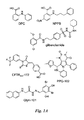
- CFTR inhibitors include glibenclamide, diphenylamine-2-carboxylate (DPC), and 5-nitro-2-(3-phenylpropyl-amino)benzoate (NPPB) (see Figure 1A ); however, these inhibitors are non-selective in their action and have low potency.
- DPC diphenylamine-2-carboxylate
- NPPB 5-nitro-2-(3-phenylpropyl-amino)benzoate
- the thiazolidinone CFTR inh -172 compound acts from the cytoplasmic side of the plasma membrane to block CFTR chloride conductance with IC 50 ⁇ 0.3-3 ⁇ M depending on cell type and membrane potential (see, e.g., Ma et al., J. Clin. Invest. 2002, 110:1651-1658 ).
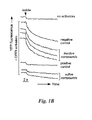
- Patch-clamp analysis indicated a voltage-independent channel block mechanism in which CFTR inh -172 stabilizes the channel closed state (see, e.g., Taddei et al., FEBS Lett.
- CFTR mutagenesis suggested CFTR inh -172 interaction at arginine-347 located near the cytoplasmic entrance of the CFTR pore ( see, e.g., Caci et al., Biochem. J. 2008, 413:135-142 ).
- CFTR inh -172 has low toxicity, undergoes renal excretion with minimal metabolism, and accumulates in the intestine by enterohepatic recirculation ( Sonawane et al., J. Pharm. Sci. 2005, 94:134-143 ).
- a second compound class the glycine hydrazides (e.g., GlyH-101, see Figure 1A ), inhibit CFTR with IC 50 ⁇ 5 ⁇ M (see, e.g., Muanprasat et al., J. Gen. Physiol. 2004, 124:125-137 ; U.S. Patent No. 7,414,037 ).
- Patch-clamp analysis showed inward rectifying chloride current following GlyH-101 application with rapid channel flicking, indicating an external pore occlusion mechanism.
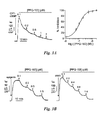
- the PPQ compounds described herein provide certain advantages compared to thiazolidinone compounds and glycine hydrazide compounds. Inhibition of CFTR activity by the PPQ compounds described herein is voltage-independent and thus advantageous to maintain CFTR inhibition potency in interior membrane negative potential cells. Accordingly, the PPQ CFTR inhibitors may not be subject to membrane potential-dependent cellular partitioning or a decrease in potency (such as indicated by an increase in IC 50 ). The most potent PPQ compounds inhibited CFTR chloride conductance with IC 50 ⁇ 90 nM.
- the PPQ compounds described herein stabilize the CFTR channel closed state, which in combination with the neutral charge of the compounds and relatively slow time course of inhibition, suggests that the compounds act at a site on the cytoplasmic-facing surface of CFTR distinct from its pore.
- An exemplary PPQ compound prevented cyst expansion and reduced the size of pre-formed cysts in a neonatal kidney organ culture model of polycystic kidney disease. The PPQ compounds are therefore useful for administering to patients who have polycystic kidney disease.
- the PPQ compounds described herein share a fused tetracyclic core structure, more specifically, a pyrimido[4',5'-3,4]pyrrolo[1,2-a]quinoxaline ring system.
- the numbering system of the fused ring atoms in the PPQ compounds of structure (I) is shown below:
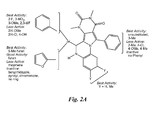
- a compound (PPQ105) of the following structure is named herein as 2,3,7,9-Tetramethyl-11-(2-fluorophenyl)-b-(5-methylfuran-2-yl)-5,6-dihydro-pyrimido[4',5'-3,4]pyrrolo[1,2-a]quinoxaline-8,10-(7H,9H)-dione.
- composition comprising a physiologically acceptable excipient (i.e., pharmaceutically acceptable or suitable excipient) and the compound of structure (I): as an isolated enantiomer or a racemic mixture of enantiomers, or as a pharmaceutically acceptable salt, hydrate, solvate, or N-oxide thereof, wherein all symbols have the same as described above.
- a physiologically acceptable excipient i.e., pharmaceutically acceptable or suitable excipient
- compound of structure (I) as an isolated enantiomer or a racemic mixture of enantiomers, or as a pharmaceutically acceptable salt, hydrate, solvate, or N-oxide thereof, wherein all symbols have the same as described above.
- Z is an aryl and is an optionally substituted phenyl.
- phenyl is substituted with at least one of alkyl, halo, alkoxy, nitro, or hydroxyl.
- Z is a heteroaryl selected from optionally substituted furanyl, optionally substituted thienyl and optionally substituted 1,3-benzodioxolyl.
- Z is furanyl optionally substituted with alkyl.
- Z is thienyl optionally substituted with alkyl.
- Z is 1,3-benzodioxol-5-yl.
- Z is a heteroaryl selected from optionally substituted furanyl and optionally substituted thienyl
- the compound of structure (I) can be represented by the following subgenus structure (IA): as an isolated enantiomer or a racemic mixture of enantiomers, or as a pharmaceutically acceptable salt, hydrate, solvate, or N-oxide thereof, wherein:
- R 1a , R 1b , and R 1c are each the same or different and independently hydrogen, alkyl, halo, or alkoxy; and R 2a and R 2b are each the same or different and independently hydrogen or alkyl; and R 3 is hydrogen or alkyl.
- R 2a and R 2b are the same and each is hydrogen or each is alkyl.
- R 2a and R 2b are the same and each is hydrogen or each is methyl.
- R 1a , R 1b , and R 1c are each the same or different and independently hydrogen, C 1-6 alkyl, halo, or C 1-6 alkoxy; and R 2a and R 2b are each the same or different and independently hydrogen or C 1-6 alkyl; and R 3 is hydrogen or C 1-6 alkyl.
- R 2a and R 2b are the same and each is hydrogen or each is C 1-6 alkyl.
- R 2a and R 2b are the same and each is hydrogen or each is methyl.
- R 1a , R 1b , and R 1c are each the same or different and independently hydrogen, methyl, chloro, fluoro, or methoxy; and R 2a and R 2b are each the same or different and independently hydrogen or methyl; and R 3 is hydrogen or methyl.
- R 2a and R 2b are the same and each is hydrogen or each is methyl.
- the PPQ compounds of substructure (IA) are as follows: PPQ-101 7,9-Dimethyl-11-(3-methylphenyl)-6-(5-methylfuran-2-yl)-5,6-dihydropyrimido[4',5'-3,4]pyrrolo[1,2-a]quinoxaline-8,10-(7H,9H)-dione PPQ-102 7,9-Dimethyl-11-phenyl-6-(5-methylfuran-2-yl)-5,6-dihydro-pyrimido[4',5'-3,4]pyrrolo[1,2-a]quinoxaline-8,10-(7H,9H)-dione PPQ-103 7,9-Dimethyl-11-(2-methylphenyl)-6-(5-methylfuran-2-yl)-5,6-dihydropyrimido[4',5'-3,4]pyrrolo[1,2-a]quinoxaline-8,10-
- R 1a , R 1b , and R 1c are each the same or different and independently hydrogen, alkyl, halo, or alkoxy; and R 2a and R 2b are each the same or different and independently hydrogen or alkyl; and R 3 is hydrogen or alkyl.
- R 2a and R 2b are the same and each is hydrogen or each is alkyl.
- R 2a and R 2b are the same and each is hydrogen or each is methyl.
- R 1a , R 1b , and R 1c are each the same or different and independently hydrogen, C 1-6 alkyl, halo, or C 1-6 alkoxy; and R 2a and R 2b are each the same or different and independently hydrogen or C 1-6 alkyl; and R 3 is hydrogen or C 1-6 alkyl.
- R 2a and R 2b are the same and each is hydrogen or each is C 1-6 alkyl.
- R 2a and R 2b are the same and each is hydrogen or each is methyl.
- R 1a , R 1b , and R 1c are each the same or different and independently hydrogen, methyl, chloro, fluoro, or methoxy; and R 2a and R 2b are each the same or different and independently hydrogen or methyl; and R 3 is hydrogen or methyl.
- R 2a and R 2b are the same and each is hydrogen or each is methyl.
- the PPQ compounds of substructure (IA) are as follows: PPQ-113 7,9-Dimethyl-11-phenyl-6-(thienyl-2-yl)-5,6-dihydro-pyrimido[4',5'-3,4]pyrrolo[1,2-a]quinoxaline-8,10-(7H,9H)-dione PPQ-114 7,9-Dimethyl-11-(3-methylphenyl)-6-(thienyl-2-yl)-5,6-dihydro-pyrimido[4',5'-3,4]pyrrolo[1,2-a]quinoxaline-8,10-(7H,9H)-dione PPQ-115 2,3,7,9-Tetramethyl-11-phenyl-6-(thienyl-2-yl)-5,6-dihydro-pyrimido[4',5'-3,4]pyrrolo[1,2-a]quinoxaline-8,10-(
- Z is an optionally substituted phenyl
- the compound of structure (I) can be represented by the following subgenus structure (IB): as an isolated enantiomer or a racemic mixture of enantiomers, or as a pharmaceutically acceptable salt, hydrate, solvate, or N-oxide thereof, wherein:
- R 1a , R 1b , and R 1c are each the same or different and independently hydrogen, alkyl, halo, or alkoxy;
- R 2a and R 2b are each the same or different and independently hydrogen or alkyl;
- R 4a , R 4b , R 4c , and R 4d are each the same or different and independently hydrogen, alkyl, alkenyl, halo, alkoxy, nitro, or hydroxy.
- R 2a and R 2b are the same and each is hydrogen or each is alkyl.
- R 2a and R 2b are the same and each is hydrogen or each is methyl.
- R 1a , R 1b , and R 1c are each the same or different and independently hydrogen, C 1-6 alkyl, halo, or C 1-6 alkoxy; and R 2a and R 2b are each the same or different and independently hydrogen or C 1-6 alkyl; and R 4a , R 4b ,R 4c , and R 4d are each the same or different and independently hydrogen, C 1-6 alkyl, halo, C 1-6 alkoxy, nitro, or hydroxy.
- R 2a and R 2b are the same and each is hydrogen or each is C 1-6 alkyl.
- R 2a and R 2b are the same and each is hydrogen or each is methyl.
- R 1a , R 1b , and R 1c are each the same or different and independently hydrogen, methyl, chloro, fluoro, or methoxy; and R 2a and R 2b are each the same or different and independently hydrogen or methyl; and R 4a , R 4b , R 4c , and R 4d are each the same or different and independently hydrogen, methyl, chloro, fluoro, methoxy, nitro, or hydroxy.
- R 2a and R 2b are the same and each is hydrogen or each is methyl.
- the PPQ compounds of substructure (IB) are as follows: PPQ-201 7,9-Dimethyl-11-phenyl-6-(2,3-difluorophenyl)-5,6-dihydro-pyrimido[4',5'-3,4]pyrrolo[1,2-a]quinoxaline-8,10-(7H,9H)-dione PPQ-202 7,9-Dimethyl-11-phenyl-6-(3-nitrophenyl)-5,6-dihydro-pyrimido[4',5'-3,4]pyrrolo[1,2-a]quinoxaline-8,10-(7H,9H)-dione PPQ-203 2,3,7,9-Tetramethyl-11-phenyl-6-(4-hydroxyphenyl)-5,6-dihydro-pyrimido[4',5'-3,4]pyrrolo[1,2-a]quinoxaline-8,10-(7H,9H)
- Z is an optionally substituted 1,3-benzodioxolyl
- each R 1 is the same or different and independently hydrogen, alkyl, halo, or alkoxy
- each R 2 is the same or different and independently hydrogen or alkyl.
- n is 0. In other embodiments, m is 1 and n is 2.
- Z is an optionally substituted 1,3-benzodioxolyl
- each R 1 is the same or different and independently hydrogen, C 1-6 alkyl, halo, or C 1-6 alkoxy
- each R 2 is the same or different and independently hydrogen or C 1-6 alkyl.
- m is 1, and R 1 is C 1-6 alkyl.
- Z is an optionally substituted 1,3-benzodioxolyl, each R 1 is the same or different and independently hydrogen, methyl, chloro, fluoro, or methoxy; and each R 2 is the same or different and independently hydrogen or methyl.
- m is 1, n is 0, and R 1 is methyl. In other embodiments, m is 0 and n is 0.
- the PPQ compounds of structure (I) are as follows: PPQ-301 7,9-Dimethyl-11-phenyl-6-(1,3-benzodioxol-5-yl)-5,6-dihydro-pyrimido[4',5'-3,4]pyrrolo[1,2-a]quinoxaline-8,10-(7H,9H)-dione PPQ-302 7,9-Dimethyl-11-(3-methylphenyl)-6-(1,3-benzodioxol-5-yl)-5,6-dihydropyrimido[4',5'-3,4]pyrrolo[1,2-a] quinoxaline-8,10-(7H,9H)-dione
- PPQ compounds and compositions comprising the compounds are capable of inhibiting ( i.e., slowing, retarding, decreasing, reducing) CFTR-mediated ion transport (i.e., inhibiting in a statistically significant, clinically significant, and/or biologically significant manner), for example, inhibiting CFTR-mediated chloride ion ( i.e., Cl - ) transport.
- compositions comprising the PPQ compounds described above and herein may be used in treating a disease, condition, or disorder that is treatable by inhibiting CFTR-mediated ion transport.
- diseases, conditions, and disorders include but are not limited to polycystic kidney disease (PKD) (including autosomal dominant PDK and autosomal recessive PKD), aberrantly increased intestinal fluid secretion, and secretory diarrhea.
- PLD polycystic kidney disease
- PKD including autosomal dominant PDK and autosomal recessive PKD
- aberrantly increased intestinal fluid secretion and secretory diarrhea.
- compositions comprising the PPQ compounds may be used in inhibiting (i.e., preventing, delaying, slowing) cyst formation ( i.e., reducing the likelihood of occurrence of one or more cysts forming) and/or inhibiting cyst enlargement or expansion ( i.e., slowing, reducing, preventing, retarding, reversing, decreasing cyst enlargement or expansion), particularly inhibiting cyst formation or inhibiting cyst enlargement in one or both kidneys of a human or non-human animal. Inhibiting cyst enlargement or expansion may thus reduce or decrease the volume of one or more fluid-filled cysts.
- inhibiting i.e., preventing, delaying, slowing
- cyst formation i.e., reducing the likelihood of occurrence of one or more cysts forming
- inhibiting cyst enlargement or expansion i.e., slowing, reducing, preventing, retarding, reversing, decreasing cyst enlargement or expansion
- Inhibiting cyst enlargement or expansion may thus reduce or decrease the volume of
- C 1-6 alkyl describes an alkyl group, as defined below, having a total of 1 to 6 carbon atoms.
- the total number of carbons in the shorthand notation does not include carbons that may exist in substituents of the group described.
- Alkyl means a straight chain or branched, noncyclic or cyclic, unsaturated or saturated aliphatic hydrocarbon containing from 1 to 12 carbon atoms, while the terms “lower alkyl” and “C 1-6 alkyl” have the same meaning as alkyl but contain from 1 to 6 carbon atoms.
- Representative saturated straight chain alkyls include methyl, ethyl, n-propyl, n-butyl, n-pentyl, n-hexyl, and the like, while saturated branched alkyls include isopropyl, sec-butyl, isobutyl, tert -butyl, isopentyl, and the like.
- saturated cyclic alkyls include cyclopropyl, cyclobutyl, cyclopentyl, cyclohexyl, -CH 2 cyclopropyl, -CH 2 cyclobutyl, -CH 2 cyclopentyl, -CH 2 cyclohexyl, and the like; unsaturated cyclic alkyls include cyclopentenyl and cyclohexenyl, and the like.
- Cyclic alkyls, also referred to as "homocyclic rings,” include di- and poly-homocyclic rings such as decalin and adamantyl.
- Unsaturated alkyls contain at least one double or triple bond between adjacent carbon atoms (referred to as an "alkenyl” or “alkynyl,” respectively).
- Representative straight chain and branched alkenyls include ethylenyl, propylenyl, 1-butenyl, 2-butenyl, isobutylenyl, 1-pentenyl, 2-pentenyl, 3-methyl-1-butenyl, 2-methyl-2-butenyl, 2,3-dimethyl-2-butenyl, and the like;
- representative straight chain and branched alkynyls include acetylenyl, propynyl, 1-butynyl, 2-butynyl, 1-pentynyl, 2-pentynyl, 3-methyl-1 butynyl, and the like.
- alkyl can be optionally substituted, i.e., “optionally substituted alkyl” encompasses unsubstituted alkyl and substituted alkyl as defined herein.
- substituents include (but are not limited to) alkoxy (i.e., alkyl-O-, e.g., methoxy, ethoxy, propoxy, butoxy, pentoxy), aryloxy (e.g., phenoxy, chlorophenoxy, tolyloxy, methoxyphenoxy, benzyloxy, alkyloxycarbonylphenoxy, alkyloxycarbonyloxy, acyloxyphenoxy), acyloxy ( e.g., propionyloxy, benzoyloxy, acetoxy), carbamoyloxy, carboxy, mercapto, alkylthio, acylthio, arylthio ( e.g., phenylthio, chlorophenylthio, alkylphenylthio, alkoxyphenylthio, benzylthio, alkyloxycarbonyl-phenylthio), amino ( e.g., amino, mono- and di- C
- Alkenyl refers to a straight or branched hydrocarbon chain radical group consisting solely of carbon and hydrogen atoms, containing at least one double bond, and having from two to twelve carbon atoms. In certain embodiments, an alkenyl may comprise two to eight carbon atoms. In other embodiments, an alkenyl may comprise two to four carbon atoms. The alkenyl is connected to the rest of the molecule by a single bond, for example, ethenyl ( i.e., vinyl), prop-1-enyl ( i.e., allyl), but-1-enyl, pent-1-enyl, penta-1,4-dienyl, and the like.
- alkenyl can be optionally substituted, i.e., “optionally substituted alkenyl” encompasses unsubstituted alkyl and substituted alkenyl as defined herein.
- Aryl refers to aromatic monocyclic or multicyclic hydrocarbon ring system consisting only of hydrogen and carbon and containing from six to eighteen carbon atoms, where the ring system may be partially or fully saturated.
- Aryl groups include, but are not limited to, groups such as fluorenyl, phenyl and naphthyl. Unless otherwise specified, it is understood that within the context of the current disclosure, the term “aryl” can be optionally substituted, i.e., “optionally substituted aryl” encompasses unsubstituted aryl and substituted aryl ( e.g., substituted phenyl) as defined herein.
- Heteroaryl means an aromatic heterocycle ring of 5- to 10 members and having at least one heteroatom selected from nitrogen, oxygen and sulfur, and containing at least 1 carbon atom, including monocyclic, bicyclic and tricyclic ring systems.
- a fused heteroaryl e.g., a bicyclic heteroaryl
- heteroaryls are furanyl, benzofuranyl, thienyl, benzothienyl, 1,3-benzodioxolyl, pyrrolyl, indolyl, isoindolyl, azaindolyl, pyridyl, quinolinyl, isoquinolinyl, oxazolyl, isooxazolyl, benzoxazolyl, pyrazolyl, imidazolyl, benzimidazolyl, thiazolyl, benzothiazolyl, isothiazolyl, pyridazinyl, pyrimidinyl, pyrazinyl, triazinyl, cinnolinyl, phthalazinyl, and quinazolinyl.
- heteroaryl can be optionally substituted, i.e., “optionally substituted heteroaryl” encompasses unsubstituted heteroaryl and substituted heteroaryl ( e.g., substituted furanyl) as defined herein,.
- Heterocycle (also referred to herein as a “heterocyclic ring”) means a 4- to 7-membered monocyclic, or 7- to 10-membered bicyclic, heterocyclic ring which is either saturated, unsaturated, or aromatic, and which contains from 1 to 4 heteroatoms independently selected from nitrogen, oxygen and sulfur, and wherein the nitrogen and sulfur heteroatoms may be optionally oxidized, and the nitrogen heteroatom may be optionally quaternized, including bicyclic rings in which any of the above heterocycles are fused to a benzene ring.
- the heterocycle may be attached via any heteroatom or carbon atom.
- Heterocycles include heteroaryls as defined above.
- heterocycles also include morpholinyl, pyrrolidinonyl, pyrrolidinyl, piperidinyl, hydantoinyl, valerolactamyl, oxiranyl, oxetanyl, tetrahydrofuranyl, tetrahydropyranyl, tetrahydropyridinyl, tetrahydroprimidinyl, tetrahydrothiophenyl, tetrahydrothiopyranyl, tetrahydropyrimidinyl, tetrahydrothiophenyl, tetrahydrothiopyranyl.
- Halogen or "halo" means fluoro, chloro, bromo, and iodo.
- Alkoxy refers to the radical: -O-alkyl, such as methoxy, ethoxy, and the like.
- C 1-6 alkoxy means that the alkyl moiety is C 1-6 alkyl.
- the compounds of structure (I), as well as any sub-structure herein may have one or more chiral centers (for example, at the 6 position of the pyrimido[4',5'-3,4]pyrrolo[1,2-a]quinoxaline ring system).
- the compounds may occur in any isomeric form, including racemates, racemic mixtures, and as individual enantiomers or diastereomers.
- some of the crystalline forms of any compound described herein may exist as polymorphs, which are also included and contemplated by the present disclosure.
- some of the compounds may form solvates with water or other organic solvents. Such solvates are similarly included within the scope of compositions described herein.
- the compounds used in the reactions described herein may be made according to organic synthesis techniques known to those skilled in this art, starting from commercially available chemicals and/or from compounds described in the chemical literature.
- “Commercially available chemicals” may be obtained from standard commercial sources including Acros Organics (Pittsburgh PA), Aldrich Chemical (Milwaukee WI, including Sigma Chemical and Fluka), Apin Chemicals Ltd. (Milton Park UK), Avocado Research (Lancashire U.K.), BDH Inc. (Toronto, Canada), Bionet (Cornwall, U.K.), Chemservice Inc. (West Chester PA), Crescent Chemical Co. (Hauppauge NY), Eastman Organic Chemicals, Eastman Kodak Company (Rochester NY), Fisher Scientific Co.
- 6-methyluracil ( 1 ) can be first methylated to provide 1,3,6-trimethyluracil ( 2 ).
- Suitable methylating agents include dimethylsulfate, iodomethane, etc.
- 1,3,6-trimethyluracil ( 2 ) is further acylated to provide 3a via, e.g., a Friedel-Crafts mechanism, in the presence of an appropriately substituted benzoyl chloride ( 3b ) and a Lewis acid catalyst (e.g., ZnCl).
- Compound (3a) can then be brominated to provide compound ( 4a ).
- Reaction of compound (4a) and an appropriately substituted N-(2-aminophenyl) acetamide ( 5b ) provides a ring-condensed product ( 5a ).
- a deprotected compound ( 6a ) can be combined with Z-CHO ( 7b ) to produce a ring-condensed product ( 7a ), i.e., Structure (I).
- compositions are provided herein, wherein the pharmaceutical composition comprises a pharmaceutically suitable excipient (i.e., a pharmaceutically acceptable excipient or a physiologically suitable or acceptable excipient) and at least one of the PPQ compounds of any one of the structures, substructures, and specific structures described herein, including a compound of structure I, substructures (IA), (IB) and specific structures.
- a pharmaceutically suitable excipient i.e., a pharmaceutically acceptable excipient or a physiologically suitable or acceptable excipient
- the PPQ compounds of any one of the structures, substructures, and specific structures described herein, including a compound of structure I, substructures (IA), (IB) and specific structures.
- the PPQ compounds of structure I, substructures (IA), (IB) and specific structures described herein that are capable of inhibiting CFTR activity (i.e., inhibiting, reducing, decreasing, blocking transport of chloride ion in the CFTR channel or pore in a statistically, clinically and/or biologically significant manner) in a cell may be used for treating diseases, disorders, and conditions that are treatable by inhibiting CFTR activity and include diseases, disorder, and conditions that result from or are related to aberrantly increased CFTR activity.
- the PPQ compounds of structure I (and substructures thereof) that are CFTR inhibitors are useful in the treatment of a CFTR-mediated or -associated condition, i.e., any condition, disorder, or disease, that results from activity of CFTR, such as CFTR-mediated ion transport.
- a condition, disorder, or disease may result from aberrantly increased CFTR activity, particularly aberrantly increased CFTR-mediated ion transport.
- CFTR-mediated ion i.e., any condition, disorder, or disease
- the condition, disorder, or disease may result from aberrantly increased CFTR activity, particularly aberrantly increased CFTR-mediated ion transport.
- These conditions, disorders, and diseases are amenable to treatment by inhibition of CFTR activity, e.g., inhibition of CFTR-mediated ion, such as chloride ion, transport.
- the PPQ compounds of structure I, substructures (IA), (IB) and specific structures as described herein are capable of blocking or impeding the CFTR pore or channel and inhibiting ion transport (e.g., inhibiting chloride ion (Cl - ) transport (also referred to as inhibiting chloride ion conductance)) by CFTR located in the outer cell membrane of a cell.
- ion transport e.g., inhibiting chloride ion (Cl - ) transport (also referred to as inhibiting chloride ion conductance)
- compositions comprising PPQ compounds of structure I are used in the treatment of conditions associated with aberrantly increased intestinal fluid secretion, particularly acute aberrantly increased intestinal fluid secretion, including secretory diarrhea.
- Diarrhea amenable to treatment using any one of the PPQ compounds described herein can result from exposure to a variety of agents or pathogens, including those that cause an enteropathogenic infection.
- secretory diarrhea is caused by an enteric pathogen.
- Exemplary enteric pathogens include without limitation, Vibrio cholerae, Escherichia coli, (particularly enterotoxigenic E.
- Secretory diarrhea resulting from an increased intestinal fluid secretion mediated by CFTR may also be a disorder or sequelae associated with food poisoning, or exposure to a toxin including but not limited to a bacterial enterotoxin such as cholera toxin ( V. cholera ), a E. coli toxin, a Salmonella toxin, a Campylobacter toxin, or a Shigella toxin, or any other bacterial toxin that causes aberrantly increased intestinal fluid secretion.
- Other secretory diarrheas that may be treated by administering any one or more of the PPQ compounds of structure I (and substructures thereof) described herein include diarrhea associated with or that is a sequelae of AIDS, diarrhea that is a condition related to the effects of anti-AIDS medications such as protease inhibitors, diarrhea that is a condition of or is related to administration of chemotherapeutic compounds, inflammatory gastrointestinal disorders, such as ulcerative colitis, inflammatory bowel disease (IBD), Crohn's disease, diverticulosis, and the like.
- IBD inflammatory bowel disease
- diverticulosis and the like.
- Intestinal inflammation modulates the expression of three major mediators of intestinal salt transport and may contribute to diarrhea in ulcerative colitis both by increasing transepithelial Cl - secretion and by inhibiting the epithelial NaCl absorption (see, e.g., Lohi et al., Am. J. Physiol. Gastrointest. Liver Physiol. 283:G567-75 (2002 )).
- one or more of the PPQ compounds of structure I and substructures thereof e.g., (IA) and (IB)
- specific structures as described herein may be administered in an amount effective to inhibit CFTR ion transport and, thus, decrease intestinal fluid secretion.
- the terms, “treat” and “treatment,” refer to medical management of a disease, disorder, or condition of a subject (i.e., patient) (see, e.g., Stedman's Medical Dictionary).
- an appropriate dose and treatment regimen provide the PPQ compound in an amount sufficient to provide therapeutic and/or prophylactic benefit.
- Therapeutic and/or prophylactic benefit includes, for example, an improved clinical outcome, both therapeutic treatment and prophylactic or preventative measures, wherein the object is to prevent or slow or retard (lessen) an undesired physiological change or disorder, or to prevent or slow or retard (lessen) the expansion or severity of such disorder.
- beneficial or desired clinical results from treating a subject include, but are not limited to, abatement, lessening, or alleviation of symptoms that result from or are associated the disease, condition, or disorder to be treated; decreased occurrence of symptoms; improved quality of life; longer disease-free status (i.e., decreasing the likelihood or the propensity that a subject will present symptoms on the basis of which a diagnosis of a disease is made); diminishment of extent of disease; stabilized (i.e., not worsening) state of disease; delay or slowing of disease progression; amelioration or palliation of the disease state; and remission (whether partial or total), whether detectable or undetectable; and/or overall survival.
- Treatment can also mean prolonging survival when compared to expected survival if a subject were not receiving treatment.
- Subjects in need of treatment include those who already have the condition or disorder as well as subjects prone to have or at risk of developing the disease, condition, or disorder, and those in which the disease, condition, or disorder is to be prevented (i.e., decreasing the likelihood of occurrence of the disease, disorder, or condition).
- compositions of the present invention in the treatment of any one of the diseases or disorders described herein (e.g., polycystic kidney disease, aberrantly increased intestinal fluid secretion, secretory diarrhea) that is treatable by inhibiting ion transport (e.g., chloride ion transport) by CFTR.
- diseases or disorders described herein e.g., polycystic kidney disease, aberrantly increased intestinal fluid secretion, secretory diarrhea
- ion transport e.g., chloride ion transport
- a pharmaceutical composition that comprises at least one PPQ compound and a pharmaceutically suitable (i.e., pharmaceutically acceptable, or physiologically suitable or acceptable) excipient in combination, either in the same composition or in a separate (or second) composition, at least one thiazolidinone compound and/or at least one glycine hydrazide compound that inhibit CFTR-mediated ion transport (see, e.g., U.S. Patent Nos. 7,235,573 ; 7,414,037 ; U.S. Patent Application Publication No. 2008-0064666 ; International Patent Application Publication No. WO 2008/079897 ; U.S. Patent Application No. 12/418,147 ; International Patent Application No.
- a pharmaceutically suitable i.e., pharmaceutically acceptable, or physiologically suitable or acceptable
- PCT/US2009/038292 is used in the treatment of any one of the diseases or disorders described herein that is treatable by inhibiting ion transport (e.g., chloride ion transport) by CFTR.
- ion transport e.g., chloride ion transport
- the first composition may be administered prior to, concurrently with, or subsequent to administration of the second composition.
- the subject is a human or non-human animal.
- a subject in need of the treatments described herein may exhibit symptoms or sequelae of a disease, disorder, or condition described herein or may be at risk of developing the disease, disorder, or condition.
- Non-human animals that may be treated include mammals, for example, non-human primates (e . g ., monkey, chimpanzee, gorilla, and the like), rodents ( e . g ., rats, mice, gerbils, hamsters, ferrets, rabbits), lagomorphs, swine ( e.g ., pig, miniature pig), equine, canine, feline, bovine, and other domestic, farm, and zoo animals.
- non-human primates e . g ., monkey, chimpanzee, gorilla, and the like
- rodents e. g ., rats, mice, gerbils, hamsters, ferrets, rabbits
- a biological sample as described herein that comprises, for example, cells obtained from a tissue, body fluid, or culture-adapted cell line, or other biological source as described in detail herein below.
- the step of contacting refers to combining, mixing, or in some manner familiar to persons skilled in the art, which permits the compound and the cell to interact such that any effect of the compound on CFTR activity (e.g., the capability of a PPQ compound to inhibit CFTR ion transport or the level to which the compound inhibits CFTR ion transport) can be measured according to methods described herein and routinely practiced in the art.
- Methods described herein for inhibiting ion transport by CFTR are understood to be performed under conditions and for a time sufficient that permit the CFTR and the compound to interact. Additional PPQ compounds may be identified and/or characterized by such a method of inhibiting ion transport by CFTR, performed with isolated cells in vitro. Conditions for a particular assay include temperature, buffers (including salts, cations, media), and other components that maintain the integrity of the cell and the compound, which a person skilled in the art will be familiar and/or which can be readily determined.
- fluid secretion occurs by primary chloride exit across the cell apical membrane, which secondarily drives transepithelial sodium and water secretion (see, e.g., Barrett et al., Annu. Rev. Physiol. 62:535-72 (2000 )).
- lumenal fluid accumulation causes progressive cyst expansion directly by net water influx into the cyst lumen, and indirectly by stretching cyst wall epithelial cells to promote their division and thinning ( Ye et al., N. Engl. J. Med. 329:310-13 (1993 ); Sullivan et al., Physiol. Rev. 78:1165-91 (1998 ); Tanner et al., J. Am. Soc. Nephrol. 6:1230-41 (1995 )).
- CFTR inhibition interferes with fluid secretion at the apical chloride exit step.
- Methods for characterizing a PPQ compound, for determining an effective concentration to achieve a therapeutic benefit, for monitoring the level of a PPQ compound in a biological sample, and for other purposes as described herein and apparent to a person skilled in the art, may be performed using techniques and procedures described herein and routinely practiced by a person skilled in the art.
- Exemplary methods include, but are not limited to, fluorescence cell-based assays of CFTR inhibition ( see, e.g., Galietta et al., J. Physiol. 281:C1734-C1742 (2001 )), short circuit apical chloride ion current measurements and patch-clamp analysis ( see, e.g., Muanprasat et al., J. Gen.
- Methods that may be used to characterize a PPQ compound, including those described herein, and to determine effectiveness of the compound for reducing, inhibiting, or preventing cyst enlargement and/or preventing or inhibiting cyst formation, and which compound is therefore useful for treating a subject who has or who is at risk of developing PKD include methods described in the art and herein.
- the PPQ compounds may be analyzed in models using embryonic or neonatal kidney organ cultures, for example ( see, e.g., Yang et al., J. Am. Soc. Nephrol. 19:1300-1310 (2008 ); Magenheimer et al., J. Am. Soc. Nephrol. 17:3424-37 (2006 )).
- ADPKD autosomal dominant PKD
- An additional example of a cell culture model for determining whether a compound inhibits cyst formation or enlargement includes an MDCK cell (Madin-Darby Canine Kidney Epithelial Cell) model of PKD ( Li et al., Kidney Int 66:1926-1938 (2004 ); see also, e.g ., Neufeld et al., Kidney Int. 41:1222-36 (1992 ); Mangoo-Karim et al., Proc. Natl. Acad. Sci. USA 86:6007-6011 (1989 ); Mangoo-Karim et al., FASEB J. 3:2629-32 (1989 ); Grantham et al., Trans. Assoc. Am.
- MDCK cell Medin-Darby Canine Kidney Epithelial Cell model of PKD ( Li et al., Kidney Int 66:1926-1938 (2004 ); see also, e.g ., Neufeld et al.
- PPQ compounds of structure I and substructures thereof by determining the capability of the compound to inhibit cyst enlargement or prevent or inhibit cyst formation in an in vitro cell culture model.
- the MDCK cell line may also be used in methods and techniques for determining that a compound lacks cytotoxicity, for example, by evaluating cell viability (e.g., by any one of numerous cell staining methods and microscopy methods routinely practiced in the art), cell proliferation (e . g ., by determining the level of incorporation of nucleotide analogs and other methods for measuring division of cells), and/or apoptosis by using any one of a number of techniques and methods known in the art and described herein.
- cell viability e.g., by any one of numerous cell staining methods and microscopy methods routinely practiced in the art
- cell proliferation e. g ., by determining the level of incorporation of nucleotide analogs and other methods for measuring division of cells
- apoptosis by using any one of a number of techniques and methods known in the art and described herein.
- organotypic growth and differentiation of renal tissue can be monitored in defined media in the absence of any effect or influence by circulating hormones and glomerular filtration (Magenheimer et al., supra ; Gupta et al., Kidney Int. 63:365-376 (2003 )).
- the early mouse kidney tubule has an intrinsic capacity to secrete fluid by a CFTR-dependent mechanism in response to cAMP (Magenheimer et al., supra ).
- Pkdl flox mice and Ksp-Cre transgenic mice in a C57BL/6 background may be generated as described and practiced in the art (see, e.g., Shibazaki et al., J. Am. Soc. Nephrol.
- Ksp-Cre mice express Cre recombinase under the control of the Ksp-cadherin promoter ( see, e.g ., Shao et al., supra).
- Pkdl flox / - ;Ksp-Cre mice may be generated by cross-breeding Pkdl flox / flox mice with Pkdl + / - :Ksp-Cre mice.
- test compound may be determined by quantifying cyst size and growth in metanephroi and kidney sections, histological analyses of tissues and cells, and delay or prevention of renal failure and death (see, e.g., Shibazaki et al., sura).
- the PPQ compounds may also be analyzed in animal models that are art-accepted animal models for increased intestinal fluid secretion.
- animal models that are art-accepted animal models for increased intestinal fluid secretion.
- a closed intestinal loop model of cholera, suckling mouse model of cholera, and in vivo imaging of gastrointestinal transit may be used for characterizing the PPQ compounds described herein (see, e.g., Takeda et al., Infect. Immun. 19:752-54 (1978 ); see also, e.g., Spira et al., Infect. Immun. 32:739-747 (1981 )).
- Methods of inhibiting CFTR-mediated ion transport include in vitro methods that comprise contacting a cell with any one or more of the PPQ compounds of structure I (and substructures thereof) as described herein, under conditions and for a time sufficient for CFTR present in the outer membrane of the cell and the compound to interact.
- Cells (or cell lines) that may be used in such methods are cells that expresses CFTR and have channels or pores formed by CFTR in the cell membrane.
- Exemplary cells and cell lines include without limitation a Fischer rat thyroid (FRT) cell (including a FRT cell that co-expresses human or other animal wildtype CFTR and the halide indicator YFP-H148Q or other comparable yellow fluorescent protein); a cultured human bronchial epithelial cell; and a gastrointestinal cell (such as T84 human intestinal epithelial cells)) that comprises CFTR in the outer membrane of the cell.
- FRT Fischer rat thyroid
- a FRT cell including a FRT cell that co-expresses human or other animal wildtype CFTR and the halide indicator YFP-H148Q or other comparable yellow fluorescent protein
- a cultured human bronchial epithelial cell such as T84 human intestinal epithelial cells
- the cell is contacted in an in vitro assay, and the cell may be obtained from a subject or from a biological sample.
- a biological sample may be a blood sample (from which serum or plasma may be prepared and cells isolated), biopsy specimen, body fluids ( e . g ., lung lavage, ascites, mucosal washings, synovial fluid), bone marrow, lymph nodes, tissue explant ( e . g ., kidney cells), organ culture ( e . g ., kidney), or any other tissue or cell preparation from a subject or a biological source.
- a sample may further refer to a tissue or cell preparation in which the morphological integrity or physical state has been disrupted, for example, by dissection, dissociation, solubilization, fractionation, homogenization, biochemical or chemical extraction, pulverization, lyophilization, sonication, or any other means for processing a sample derived from a subject or biological source.
- the subject or biological source may be a human or non-human animal, a primary cell culture ( e .
- immune cells g ., immune cells, virus infected cells
- culture adapted cell line including but not limited to, genetically engineered cell lines that may contain chromosomally integrated or episomal recombinant nucleic acid sequences, immortalized or immortalizable cell lines, somatic cell hybrid cell lines, differentiated or differentiatable cell lines, transformed cell lines, and the like.
- compositions comprising any one or more of the PPQ compounds of structure I (and substructures thereof).
- the compounds described herein may be formulated in a pharmaceutical composition for use in treatment or preventive (or prophylactic) treatment (e . g ., reducing the likelihood of occurrence of cyst formation), of polycystic kidney disease (PKD), which includes autosomal dominant PKD (ADPKD) and autosomal recessive PKD (ARPKD).
- PLDPKD polycystic kidney disease
- ADPKD autosomal dominant PKD
- ARPKD autosomal recessive PKD
- a pharmaceutical composition comprising at least one PPQ compound may be formulated for use in treatment or preventive treatment (i.e., for reducing the likelihood of occurrence) of a disease, condition, or disorder manifested by increased intestinal fluid secretion, such as secretory diarrhea.
- any one or more of the PPQ compounds of structure I, substructures (IA), (IB) and specific structures described herein may be administered in the form of a pharmaceutically acceptable derivative, such as a salt, or they may also be used alone or in appropriate association, as well as in combination, with other pharmaceutically active compounds.
- a pharmaceutically acceptable derivative such as a salt
- the methods and excipients described herein are merely exemplary and are in no way limiting.
- Optimal doses may generally be determined using experimental models and/or clinical trials.
- the optimal dose may depend upon the body mass, weight, or blood volume of the subject.
- the amount of a PPQ compound of structure I (and substructures thereof) described herein, that is present in a dose ranges from about 0.01 ⁇ g to about 1000 ⁇ g per kg weight of the host.
- the use of the minimum dose that is sufficient to provide effective therapy is usually preferred.
- Subjects may generally be monitored for therapeutic effectiveness using assays suitable for the condition being treated or prevented, which assays will be familiar to those having ordinary skill in the art and are described herein.
- the level of a compound that is administered to a subject may be monitored by determining the level of the compound in a biological fluid, for example, in the blood, blood fraction (e . g ., serum), and/or in the urine, and/or other biological sample from the subject. Any method practiced in the art to detect the compound may be used to measure the level of compound during the course of a therapeutic regimen.
- a biological fluid for example, in the blood, blood fraction (e . g ., serum), and/or in the urine, and/or other biological sample from the subject. Any method practiced in the art to detect the compound may be used to measure the level of compound during the course of a therapeutic regimen.
- compositions comprising at least one of the PPQ compounds described herein for treating PCKD may depend upon the subject's condition, that is, stage of the disease, renal function, severity of symptoms caused by enlarged cysts, general health status, as well as age, gender, and weight, and other factors apparent to a person skilled in the medical art.
- the dose of the PPQ compound for treating a disease or disorder associated with aberrantly increased CFTR function including but not limited to intestinal fluid secretion, secretory diarrhea, such as a toxin-induced diarrhea, or secretory diarrhea associated with or a sequelae of an enteropathogenic infection, Traveler's diarrhea, ulcerative colitis, irritable bowel syndrome (IBS), AIDS, chemotherapy and other diseases or conditions described herein may be determined according to parameters understood by a person skilled in the medical art. Accordingly, the appropriate dose may depend upon the subject's condition, that is, stage of the disease, general health status, as well as age, gender, and weight, and other factors considered by a person skilled in the medical art.
- compositions may be administered in a manner appropriate to the disease or disorder to be treated as determined by persons skilled in the medical arts.
- An appropriate dose and a suitable duration and frequency of administration will be determined by such factors as the condition of the patient, the type and severity of the patient's disease, the particular form of the active ingredient, and the method of administration.
- an appropriate dose (or effective dose) and treatment regimen provides the composition(s) comprising at least one PPQ compound in an amount sufficient to provide therapeutic and/or prophylactic benefit (for example, an improved clinical outcome, such as more frequent complete or partial remissions, or longer disease-free and/or overall survival, or a lessening of symptom severity or other benefit as described in detail above).
- clinical assessment of the level of dehydration and/or electrolyte imbalance may be performed to determine the level of effectiveness of a compound and whether dose or other administration parameters (such as frequency of administration or route of administration) should be adjusted.
- Polycystic kidney disease (or PCKD) and polycystic renal disease are used interchangeably, and refer to a group of disorders characterized by a large number of cysts distributed throughout enlarged kidneys. The resultant cyst development leads to impairment of kidney function and can eventually cause kidney failure.
- PDK includes autosomal dominant polycystic kidney disease (ADPKD) and recessive autosomal recessive polycystic kidney disease (ARPKD), in all stages of development, regardless of the underlying etiology or cause.
- ADPKD autosomal dominant polycystic kidney disease
- ARPKD recessive autosomal recessive polycystic kidney disease
- Effectiveness of a treatment for PKD may be monitored by one or more of several methods practiced in the medical art including, for example, by monitoring renal function by standard measurements, and by radiologic investigations that are performed with ultrasounds, computerized tomography (CT), or magnetic resonance imaging, which are useful for evaluating renal cyst morphology and volume and estimating the amount of residual renal parenchyma.
- CT computerized tomography
- magnetic resonance imaging which are useful for evaluating renal cyst morphology and volume and estimating the amount of residual renal parenchyma.
- a clinical method called a urea clearance test may be performed.
- a blood sample is obtained from a subject to whom the compound is being administered so that the amount of urea in the bloodstream can be determined.
- a first urine sample is collected from the subject and at least one hour later, a second urine sample is collected.
- the amount of urea quantified in the urine indicates the amount of urea that is filtered, or cleared by the kidneys into the urine.
- Another clinical assay method measures urine osmolality (i.e ., the amount of dissolved solute particles in the urine). Inability of the kidneys to concentrate the urine in response to restricted fluid intake, or to dilute the urine in response to increased fluid intake during osmolality testing may indicate decreased kidney function.
- Urea is a by-product of protein metabolism and is formed in the liver. Urea is then filtered from the blood and excreted in the urine by the kidneys.
- the BUN (blood urea nitrogen) test measures the amount of nitrogen contained in the urea. High BUN levels may indicate kidney dysfunction, but because blood urea nitrogen is also affected by protein intake and liver function, the test is usually performed in conjunction with determination of blood creatinine, which is considered a more specific indicator of kidney function. Low clearance values for creatinine and urea indicate diminished ability of the kidneys to filter these waste products from the blood and excrete them in the urine. As clearance levels decrease, blood levels of creatinine and urea nitrogen increase. An abnormally elevated blood creatinine, a more specific and sensitive indicator of kidney disease than the BUN, is diagnostic of impaired kidney function.
- compositions described herein that comprise at least one PPQ compound may be administered to a subject in need by any one of several routes that effectively deliver an effective amount of the compound.
- Such administrative routes include, for example, oral, parenteral, enteral, rectal, intranasal, buccal, sublingual, intramuscular, and transdermal.
- at least one or more of the compounds may be administered to a mucosal surface of the gastrointestinal tract (e.g., by an enteral route, which includes administration directly to the tract via a tube inserted into the nose, stomach, or small intestine) or to a mucosal surface of the oral or nasal cavities, or ( e . g ., intranasal, buccal, sublingual, and the like).
- a pharmaceutical composition may be a sterile aqueous or non-aqueous solution, suspension or emulsion, which additionally comprises a physiologically acceptable excipient (pharmaceutically acceptable or suitable excipient or carrier) (i.e ., a non-toxic material that does not interfere with the activity of the active ingredient).
- a physiologically acceptable excipient pharmaceutically acceptable or suitable excipient or carrier
- Such compositions may be in the form of a solid, liquid, or gas (aerosol).
- compositions described herein may be formulated as a lyophilizate, or compounds may be encapsulated within liposomes using technology known in the art.
- Pharmaceutical compositions may also contain other components, which may be biologically active or inactive. Such components include, but are not limited to, buffers ( e .
- neutral buffered saline or phosphate buffered saline carbohydrates (e . g ., glucose, mannose, sucrose or dextrans), mannitol, proteins, polypeptides or amino acids such as glycine, antioxidants, chelating agents such as EDTA or glutathione, stabilizers, dyes, flavoring agents, and suspending agents and/or preservatives.
- excipients or carriers Any suitable excipient or carrier known to those of ordinary skill in the art for use in pharmaceutical compositions may be employed in the compositions described herein.
- Excipients for therapeutic use are well known, and are described, for example, in Remington: The Science and Practice of Pharmacy (Gennaro, 21st Ed. Mack Pub. Co., Easton, PA (2005 )). In general, the type of excipient is selected based on the mode of administration.
- compositions may be formulated for any appropriate manner of administration, including, for example, topical, oral, nasal, intrathecal, rectal, vaginal, intraocular, subconjunctival, sublingual or parenteral administration, including subcutaneous, intravenous, intramuscular, intrasternal, intracavernous, intrameatal or intraurethral injection or infusion.
- the carrier preferably comprises water, saline, alcohol, a fat, a wax or a buffer.
- any of the above excipients or a solid excipient or carrier such as mannitol, lactose, starch, magnesium stearate, sodium saccharine, talcum, cellulose, kaolin, glycerin, starch dextrins, sodium alginate, carboxymethylcellulose, ethyl cellulose, glucose, sucrose and/or magnesium carbonate, may be employed.
- a pharmaceutical composition may be in the form of a liquid.
- a liquid pharmaceutical composition may include, for example, one or more of the following: a sterile diluent such as water for injection, saline solution, preferably physiological saline, Ringer's solution, isotonic sodium chloride, fixed oils that may serve as the solvent or suspending medium, polyethylene glycols, glycerin, propylene glycol or other solvents; antibacterial agents; antioxidants; chelating agents; buffers and agents for the adjustment of tonicity such as sodium chloride or dextrose.
- a parenteral preparation can be enclosed in ampoules, disposable syringes or multiple dose vials made of glass or plastic. The use of physiological saline is preferred, and an injectable pharmaceutical composition is preferably sterile.
- a composition comprising any one of the compounds of structure (I) and substructures (IA) and (IB) described herein may be formulated for sustained or slow release.
- Such compositions may generally be prepared using well known technology and administered by, for example, oral, rectal or subcutaneous implantation, or by implantation at the desired target site.
- Sustained-release formulations may contain a compound dispersed in a carrier matrix and/or contained within a reservoir surrounded by a rate controlling membrane. Excipients for use within such formulations are biocompatible, and may also be biodegradable; preferably the formulation provides a relatively constant level of active component release. The amount of active compound contained within a sustained release formulation depends upon the site of implantation, the rate and expected duration of release, and the nature of the condition to be treated or prevented.
- a PPQ compound of structure (I) and substructures (IA) and (IB) can be used alone or in combination with appropriate additives to make tablets, powders, granules or capsules, for example, with conventional additives, such as lactose, mannitol, corn starch or potato starch; with binders, such as starch, gelatin, natural sugars such as glucose or beta-lactose, corn sweeteners, natural and synthetic gums such as acacia, tragacanth, or sodium alginate, carboxymethylcellulose, polyethylene glycol, waxes, crystalline cellulose, cellulose derivatives, and acacia; with disintegrators, such as corn starch, potato starch or sodium carboxymethylcellulose, methyl cellulose, agar, bentonite, or xanthan gum; with lubricants, such as talc, sodium oleate, magnesium stearate sodium stearate, sodium benzoate, sodium acetate, or sodium chlor
- the compounds may be formulated with a buffering agent to provide for protection of the compound from low pH of the gastric environment and/or an enteric coating.
- the PPQ compounds of structure I (and substructures thereof) may be formulated for oral delivery with a flavoring agent, e.g., in a liquid, solid or semi-solid formulation and/or with an enteric coating.
- Oral formulations may be provided as gelatin capsules, which may contain the active compound along with powdered carriers, such as lactose, starch, cellulose derivatives, magnesium stearate, stearic acid, and the like. Similar carriers and diluents may be used to make compressed tablets. Tablets and capsules can be manufactured as sustained release products to provide for continuous release of active ingredients over a period of time. Compressed tablets can be sugar coated or film coated to mask any unpleasant taste and protect the tablet from the atmosphere, or enteric coated for selective disintegration in the gastrointestinal tract. Liquid dosage forms for oral administration may contain coloring and/or flavoring agents to increase acceptance of the compound by the subject.
- powdered carriers such as lactose, starch, cellulose derivatives, magnesium stearate, stearic acid, and the like. Similar carriers and diluents may be used to make compressed tablets. Tablets and capsules can be manufactured as sustained release products to provide for continuous release of active ingredients over a period of time. Compressed tablets can be sugar coated
- the PPQ compounds of structure I (and substructures thereof) described herein can be made into suppositories by mixing with a variety of bases such as emulsifying bases or water-soluble bases.
- bases such as emulsifying bases or water-soluble bases.
- the compounds described herein can be administered rectally via a suppository.
- the suppository can include vehicles such as cocoa butter, carbowaxes and polyethylene glycols, which melt at body temperature, yet are solidified at room temperature.
- the PPQ compounds of structure I (and substructures thereof) described herein may be used in aerosol formulation to be administered via inhalation.
- the compounds may be formulated into pressurized acceptable propellants such as dichlorodifluoromethane, propane, nitrogen and the like.
- Topical formulations may be in the form of a transdermal patch, ointment, paste, lotion, cream, gel, and the like. Topical formulations may include one or more of a penetrating agent, thickener, diluent, emulsifier, dispersing aid, or binder.
- a PPQ compound When a PPQ compound is formulated for transdermal delivery, the compound may be formulated with or for use with a penetration enhancer.
- Penetration enhancers which include chemical penetration enhancers and physical penetration enhancers, facilitate delivery of the compound through the skin, and may also be referred to as "permeation enhancers" interchangeably.
- Physical penetration enhancers include, for example, electrophoretic techniques such as iontophoresis, use of ultrasound (or “phonophoresis”), and the like.
- Chemical penetration enhancers are agents administered either prior to, with, or immediately following compound administration, which increase the permeability of the skin, particularly the stratum corneum, to provide for enhanced penetration of the drug through the skin. Additional chemical and physical penetration enhancers are described in, for example, Transdermal Delivery of Drugs, A. F. Kydonieus (ED) 1987 CRL Press ; Percutaneous Penetration Enhancers, eds.
- a PPQ compound of structure I When a PPQ compound of structure I (and substructures thereof) is formulated with a chemical penetration enhancer, the penetration enhancer is selected for compatibility with the compound, and is present in an amount sufficient to facilitate delivery of the compound through skin of a subject, e . g ., for delivery of the compound to the systemic circulation.
- the PPQ compounds of structure I (and substructures thereof) may be provided in a drug delivery patch, e.g., a transmucosal or transdermal patch, and can be formulated with a penetration enhancer.
- the patch generally includes a backing layer, which is impermeable to the compound and other formulation components, a matrix in contact with one side of the backing layer, which matrix provides for sustained release, which may be controlled release, of the compound, and an adhesive layer, which is on the same side of the backing layer as the matrix.
- the matrix can be selected as is suitable for the route of administration, and can be, for example, a polymeric or hydrogel matrix.
- the PPQ compounds of structure I are delivered to the gastrointestinal tract of the subject to provide for decreased fluid secretion.
- Suitable formulations for this embodiment include any formulation that provides for delivery of the compound to the gastrointestinal surface, particularly an intestinal tract surface.
- one or more of the PPQ compounds of structure I (and substructures thereof) described herein may be formulated with other pharmaceutically active agents or compounds, including other CFTR-inhibiting agents and compounds or agents and compounds that block intestinal chloride channels (e.g., a glycine hydrazide compound or thiazolidinone compound as discussed herein).
- one or more of the PPQ compounds of structure I (and substructures thereof) described herein may be formulated with other pharmaceutically active agents or compounds, including other CFTR-inhibiting agents and compounds, or other agents and compounds that are administered to a subject for treating PKD.
- Kits with unit doses of the PPQ compounds of structure I (and substructures thereof) described herein, usually in oral or injectable doses, are described.
- Such kits may include a container containing the unit dose, an informational package insert describing the use and attendant benefits of the drugs in treating pathological 57 condition of interest, and optionally an appliance or device for delivery of the composition.
- compositions described herein that comprise at least one of the PPQ compounds of structure I, substructures (IA), (IB) and specific structures as described herein.
- the method of manufacture comprises synthesis of the compound. Synthesis of one of more of the compounds described herein may be performed according to methods described herein and practiced in the art. In another method of manufacture, the method comprises comprise formulating ( i.e ., combining, mixing) at least one of the compounds disclosed herein with a pharmaceutically suitable excipient. These methods are performed under conditions that permit formulation and/or maintenance of the desired state (i.e., liquid or solid, for example) of each of the compound and excipient.
- a method of manufacture may comprise one or more of the steps of synthesizing the at least one compound, formulating the compound with at least one pharmaceutically suitable excipient to form a pharmaceutical composition, and dispensing the formulated pharmaceutical composition in an appropriate vessel (i.e., a vessel appropriate for storage and/or distribution of the pharmaceutical composition).
- an appropriate vessel i.e., a vessel appropriate for storage and/or distribution of the pharmaceutical composition.
- Microwave reactions were performed in a Biotage InitiatorTM (Biotage, Uppsala, Sweden) (0.5-2 mL vials) with target temperature reached within 30 s at -55 watts. Melting points are uncorrected. Purity to >98 % was confirmed by LCMS.
- Aromatic compound 8 which lacks a stereocenter, was prepared from 7 by oxidation with potassium permanganate.
- Reagents and conditions for reactions shown in Figure 2B (a) Me 2 SO 4 , NaOH, 40°C, 4 h, 43%; (b) PhCOCl, ZnCl 2 , toluene, reflux, 6 h, 28%; (c) Br 2 , CHCl 3 , rt, 2 h, 57%; (d) N-(2-aminophenyl)acetamide, microwave, 170 °C, 1 h, 51%; (e) HCl, reflux, 6 h, 67%; (f) 5-Me-furan-2-carbaldehyde, 170°C, 10 min, 43%; (g) KMnO 4 , Me 2 CO, 1 h, 40%. Synthesis of PPQ-102 and intermediates is described in greater detail below.
- 1,3,6-Trimethyl-1 H ,3 H -pyrimidine-2,4-dione (2) See, e.g., Azas et al., Farmaco. 58:1263-1270 (2003 )).
- Dimethylsulfate 106 g, 80 ml, 844 mmol was added dropwise to a solution of 2,4-dihydroxy-6-methylpyrimidine (30 g, 238 mmol) in 280 mL of 4 N NaOH at 40°C. After stirring for 4 h at 40°C, the reaction mixture was neutralized with careful addition of acetic acid and extracted 3 times with 100 mL of ethyl acetate.
- CFTR inhibitors were identified by reduced iodide influx in FRT cells co-expressing human CFTR and a YFP halide sensor. CFTR was maximally activated by a mixture of agonists having different activating mechanisms. Inhibition of iodide influx was observed as reduced YFP fluorescence quenching in response to rapid iodide addition to each well of 96-well plates. Based on prior knowledge that a small percent of active CFTR inhibitors are identified from random screening of compounds, primary screening was performed at 25 ⁇ M test compounds that were preincubated for 15 min prior to measuring fluorescence.
- FIG. 1B shows exemplary YFP fluorescence data in negative control (vehicle-only) wells, positive control (10 ⁇ M CFTR inh -172) wells, and in wells containing test compounds. Representative data for two active compounds are presented. Fifty-four compounds exhibited greater than 50 % CFTR inhibition at 25 ⁇ M. These fifty-four compounds were included in a second screening assay; electrophysiological measurements indicated that three compounds exhibited greater than 50 % CFTR inhibition at 5 ⁇ M.
- Several active compounds that were identified in the screening were related to previously identified CFTR inhibitors. A new class of inhibitors, pyrimido-pyrrolo-quinoxalinedione (PPQ) compounds, was also identified. The structure of the PPQ analog with greatest CFTR inhibition potency (PPQ-102) is shown in Figure 1A . Unlike previously identified CFTR inhibitors, PPQ compounds are uncharged at physiological pH.
- PPQ compounds of structure I, substructures (IA), (IB) were tested and the percent inhibition data from the screening are shown in Table 2 below.
- Table 2 PPQ Compound % Inhibition at 25 ⁇ M % Inhibition at 5 ⁇ M PPQ # >95 >95 PPQ-101 >95 46 PPQ-217 >95 ⁇ 10 PPQ-220 >95 63 PPQ-103 >95 50 PPQ-221 >95 80 PPQ-203 >95 73 PPQ-210 >95 70 PPQ-214 >95 62 PPQ-216 84 32 PPQ-222 92 36 PPQ-223 82 24 PPQ-224 82 28 PPQ-233 81 61 PPQ-205 81 53 PPQ-234 80 12 PPQ-235 80 14 PPQ-236 80 67 PPQ-215 79 29 PPQ-114 61 14 PPQ-115 68 42 PPQ-109 58 20 PPQ-237 58 28
- This Example describes potency, reversibility. and specificity of an exemplary PPQ compound, PPQ-102 as determined by CFTR chloride conductance.
- FIG. 1 The most potent CFTR inhibitor confirmed by electrophysiological testing, PPQ-102, was synthesized as described in Example 1, confirmed, and further characterized. Short circuit current analysis was performed as described in Example 2.
- Figure 3A (left) shows PPQ-102 inhibition of chloride current in CFTR-expressing FRT cells following CFTR stimulation by the cAMP agonist CPT-cAMP. Measurements were taken in the presence of a transepithelial chloride gradient and following basolateral membrane permeabilization with amphotericin B so that measured current is a direct, quantitative measure of CFTR chloride conductance.
- PPQ inhibition of CFTR was approximately 100 % at higher concentrations, with IC 50 -90 nM (see Figure 3A , right).
- Figure 3B shows PPQ-102 inhibition of CFTR chloride current following CFTR activation by apigenin, a flavone-type CFTR agonist that acts by directly binding to CFTR, and IBMX, a phosphodiesterase inhibitor that also binds directly to CFTR.
- the mildly reduced PPQ-102 potency in response to these agonists, compared to a pure cAMP agonist (CPT-cAMP) that activates CFTR by a physiological phosphorylation mechanism, is consistent with PPQ-102 action at nucleotide binding domain(s) on the intracellular CFTR surface.
- PPQ-102 inhibited short-circuit current in (non-permeabilized) human intestinal (T84) and bronchial cells following maximal CFTR activation by forskolin and IBMX.
- CFTR inhibition was near 100% at 10 ⁇ M PPQ-102 with an IC 50 significantly below 1 ⁇ M.
- the IC 50 for CFTR inhibition by PPQ of ⁇ 1 ⁇ M was substantially better than that of 3-5 ⁇ M previously observed for CFTR inh -172 and GlyH-101 (see, e.g., Ma et al., supra ; Muanprasat et al., J. Gen. Physiol. 124:125-137 (2004 )).
- PPQ-102 did not inhibit calcium-activated chloride channels or cellular cAMP production.
- Figure 3D shows little inhibition of UTP-induced chloride currents in cystic fibrosis human bronchial cells by 10 or 20 ⁇ M PPQ-102.
- Figure 3E shows no significant effect of 10 ⁇ M PPQ-102 on basal or forskolin-stimulated cAMP production.
- This Example describes analysis of the PPQ compound, PPQ-102, in an embryonic kidney culture model of polycystic kidney disease.
- Kidneys were removed from day 13.5 embryonic mice and maintained in organ culture where they continue to grow. Examination of kidneys by transmission light microscopy showed that the kidneys in organ culture did not form cysts under control conditions. Multiple cysts did form and progressively enlarged when the culture medium was supplemented with the CFTR agonist 8-Br-cAMP (see Figure 5A , left). Inclusion of PPQ-102 in the culture medium did not affect kidney growth, but significantly reduced the number and size of renal cysts formed in the 8-Br-cAMP-containing medium.
- Figure 5A (right) summarizes the percentage area occupied by cysts from studies performed on many kidneys, showing approximately 60 % inhibition of cyst formation by 0.5 ⁇ M PPQ-102 and near complete absence of cysts at 2.5 and 5 ⁇ M PPQ-102.
- Figure 5B shows representative hematoxylin and eosin-stained paraffin sections of control and 8-Br-cAMP-treated kidneys cultured for 4 day in the presence of indicated concentrations of PPQ-102. In agreement with the transmission light micrographs of intact kidneys, PPQ-102 reduced cyst size.
Landscapes
- Health & Medical Sciences (AREA)
- Chemical & Material Sciences (AREA)
- Organic Chemistry (AREA)
- Animal Behavior & Ethology (AREA)
- Pharmacology & Pharmacy (AREA)
- Veterinary Medicine (AREA)
- Public Health (AREA)
- Medicinal Chemistry (AREA)
- General Health & Medical Sciences (AREA)
- Life Sciences & Earth Sciences (AREA)
- Epidemiology (AREA)
- Bioinformatics & Cheminformatics (AREA)
- Engineering & Computer Science (AREA)
- Nuclear Medicine, Radiotherapy & Molecular Imaging (AREA)
- General Chemical & Material Sciences (AREA)
- Chemical Kinetics & Catalysis (AREA)
- Urology & Nephrology (AREA)
- Pharmaceuticals Containing Other Organic And Inorganic Compounds (AREA)
- Nitrogen Condensed Heterocyclic Rings (AREA)
Applications Claiming Priority (2)
| Application Number | Priority Date | Filing Date | Title |
|---|---|---|---|
| US23274109P | 2009-08-10 | 2009-08-10 | |
| PCT/US2010/045052 WO2011019737A1 (en) | 2009-08-10 | 2010-08-10 | Pyrimido-pyrrolo-quinoxalinedione inhibitors of cystic fibrosis transmembrane conductance regulator protein and uses therefor |
Publications (3)
| Publication Number | Publication Date |
|---|---|
| EP2464354A1 EP2464354A1 (en) | 2012-06-20 |
| EP2464354A4 EP2464354A4 (en) | 2013-03-27 |
| EP2464354B1 true EP2464354B1 (en) | 2015-04-01 |
Family
ID=43586433
Family Applications (1)
| Application Number | Title | Priority Date | Filing Date |
|---|---|---|---|
| EP10808643.0A Active EP2464354B1 (en) | 2009-08-10 | 2010-08-10 | Pyrimido-pyrrolo-quinoxalinedione inhibitors of cystic fibrosis transmembrane conductance regulator protein and uses therefor |
Country Status (6)
| Country | Link |
|---|---|
| US (1) | US8609661B2 (enExample) |
| EP (1) | EP2464354B1 (enExample) |
| CN (1) | CN102695510A (enExample) |
| CA (1) | CA2769847C (enExample) |
| IN (1) | IN2012DN00719A (enExample) |
| WO (1) | WO2011019737A1 (enExample) |
Families Citing this family (6)
| Publication number | Priority date | Publication date | Assignee | Title |
|---|---|---|---|---|
| USRE48842E1 (en) * | 2011-05-27 | 2021-12-07 | The Regents Of The University Of California | Pyrimido-pyrrolo-oxazine-dione compound inhibitors of the cystic fibrosis transmembrane conductance regulator protein and uses therefor |
| KR20150097660A (ko) | 2012-12-19 | 2015-08-26 | 노파르티스 아게 | Cftr 채널을 억제하기 위한 트리시클릭 화합물 |
| CA2895656A1 (en) * | 2012-12-19 | 2014-06-26 | Novartis Ag | Tricyclic compounds as cftr inhibitors |
| GB201905711D0 (en) * | 2019-04-24 | 2019-06-05 | Galapagos Nv | Novel compounds and pharmaceutical compositions thereof for the treatment of kidney diseases |
| CN114948966B (zh) * | 2022-04-27 | 2023-06-20 | 南京鼓楼医院 | 一种小分子抑制剂在制备治疗多发性硬化和脓毒症的药物中的应用 |
| CN115998763A (zh) * | 2023-01-17 | 2023-04-25 | 暨南大学 | 氯离子及靶向氯离子通道的化合物在调控铁死亡中的应用 |
Family Cites Families (12)
| Publication number | Priority date | Publication date | Assignee | Title |
|---|---|---|---|---|
| FR2751969B1 (fr) | 1996-08-01 | 1998-12-04 | Centre Nat Rech Scient | Composes activateurs du canal cftr, et compositions pharmaceutiques les contenant |
| GB9626643D0 (en) * | 1996-12-21 | 1997-02-12 | Astra Pharma Prod | Compounds |
| US7235573B2 (en) | 2002-09-30 | 2007-06-26 | The Regents Of The University Of California | Methods of treating secretory diarrhea using cystic fibrosis transmembrane conductance regulator protein inhibitors |
| ATE440825T1 (de) * | 2003-06-06 | 2009-09-15 | Vertex Pharma | Pyrimidin-derivate zur verwendung als modulatoren von atp-bindende kassette transportern |
| FR2861304B1 (fr) * | 2003-10-23 | 2008-07-18 | Univ Grenoble 1 | Modulateurs des canaux cftr |
| BRPI0509282A (pt) | 2004-03-30 | 2007-09-18 | Univ California | compostos contendo hidrazida inibidores de cftr e seus usos |
| US7563793B2 (en) * | 2004-12-20 | 2009-07-21 | Wyeth | Pyrrolo[1,2-a]quinoxalin-5-(4H)-yl)sulfonyls and carbonyls and their use as estrogenic agents |
| EP2142498A2 (en) * | 2007-04-02 | 2010-01-13 | Institute for Oneworld Health | Cftr inhibitor compounds and uses thereof |
| ES2422741T3 (es) * | 2007-12-13 | 2013-09-13 | Vertex Pharma | Moduladores del regulador de la conductancia transmembrana de la fibrosis quística |
| JP2011517674A (ja) | 2008-03-25 | 2011-06-16 | ザ リージェンツ オブ ザ ユニバーシティ オブ カリフォルニア | 嚢胞性線維症膜コンダクタンス制御因子の水溶性小分子阻害剤 |
| EP2288592A2 (en) | 2008-04-04 | 2011-03-02 | The Regents of the University of California | Divalent hydrazide compound conjugates for inhibiting cystic fibrosis transmembrane conductance regulator |
| USRE48842E1 (en) | 2011-05-27 | 2021-12-07 | The Regents Of The University Of California | Pyrimido-pyrrolo-oxazine-dione compound inhibitors of the cystic fibrosis transmembrane conductance regulator protein and uses therefor |
-
2010
- 2010-08-10 EP EP10808643.0A patent/EP2464354B1/en active Active
- 2010-08-10 IN IN719DEN2012 patent/IN2012DN00719A/en unknown
- 2010-08-10 CA CA2769847A patent/CA2769847C/en active Active
- 2010-08-10 US US13/389,898 patent/US8609661B2/en active Active
- 2010-08-10 CN CN2010800427350A patent/CN102695510A/zh active Pending
- 2010-08-10 WO PCT/US2010/045052 patent/WO2011019737A1/en not_active Ceased
Also Published As
| Publication number | Publication date |
|---|---|
| EP2464354A4 (en) | 2013-03-27 |
| US20120208822A1 (en) | 2012-08-16 |
| EP2464354A1 (en) | 2012-06-20 |
| WO2011019737A1 (en) | 2011-02-17 |
| CN102695510A (zh) | 2012-09-26 |
| IN2012DN00719A (enExample) | 2015-06-19 |
| CA2769847C (en) | 2019-01-08 |
| US8609661B2 (en) | 2013-12-17 |
| CA2769847A1 (en) | 2011-02-17 |
Similar Documents
| Publication | Publication Date | Title |
|---|---|---|
| KR101600634B1 (ko) | 항암제 | |
| US8609661B2 (en) | Pyrimido-pyrrolo-quinoxalinedione inhibitors of cystic fibrosis transmembrane conductance regulator protein and uses therefor | |
| ES2250377T5 (es) | Moleculas organicas pequeñas reguladoras de la proliferacion celular. | |
| De Sarro et al. | 5H-[1, 2, 4] Oxadiazolo [5, 4-d][1, 5] benzothiazepines as anticonvulsant agents in DBA/2 mice | |
| TWI423978B (zh) | 作為hm74a同效劑之嘌呤酮衍生物(二) | |
| JP4115105B2 (ja) | ピラゾール誘導体 | |
| USRE48842E1 (en) | Pyrimido-pyrrolo-oxazine-dione compound inhibitors of the cystic fibrosis transmembrane conductance regulator protein and uses therefor | |
| EP2279029A2 (en) | Water soluble small molecule inhibitors of the cystic fibrosis transmembrane conductance regulator | |
| WO1992021341A1 (en) | Use of rapamycin prodrugs as immunosuppressant agents | |
| MX2014013294A (es) | Inhibidores de 3-haloalilamina sustituidos de ssao y uso de los mismos. | |
| UA123725C2 (uk) | Заміщені поліциклічні похідні піридону та їх проліки | |
| CN105636943B (zh) | 作为TCR-Nck相互作用的抑制剂的色烯衍生物 | |
| BR112012022915B1 (pt) | composto de benzazepina e uso do mesmo para prevenção ou tratamento de doenças relacionadas ao receptor 5-ht2c | |
| EP3129102B1 (en) | Iodonium analogs as inhibitors of nadph oxidases and other flavin dehydrogenases; formulations thereof; and uses thereof | |
| JP2006503111A (ja) | 高コンダクタンス型カルシウム感受性kチャネル開口薬 | |
| US9303042B2 (en) | Triazolothienopyrimidine compound inhibitors of urea transporters and methods of using inhibitors | |
| WO2013022793A1 (en) | Small molecule activators of calcium-activated chloride channels and methods of use | |
| FI85481B (fi) | Foerfarande foer framstaellning av 2,3 -dihydro-1-(8-metyl-1,2,4-triazolo/4,3-b/pyridazin-6-yl)-4(1h) -pyridinon. | |
| CA2748982A1 (en) | Thienopyridines as pharmacologically active agents | |
| KR101459720B1 (ko) | 세로토닌 5-HT6 저해 활성을 갖는 5-설포닐아미노-5,6-다이하이드로-1H-피라졸로[3,4-c]피리딘-7(4H)-온 화합물 | |
| CN115087643B (zh) | 稠和杂环类化合物及其制备方法和医药用途 | |
| CN112694461B (zh) | 色满酮类化合物及其制备方法和用途 | |
| WO2008109936A1 (en) | Steroidal compounds | |
| JP2005325103A (ja) | 医薬組成物 |
Legal Events
| Date | Code | Title | Description |
|---|---|---|---|
| PUAI | Public reference made under article 153(3) epc to a published international application that has entered the european phase |
Free format text: ORIGINAL CODE: 0009012 |
|
| 17P | Request for examination filed |
Effective date: 20120309 |
|
| AK | Designated contracting states |
Kind code of ref document: A1 Designated state(s): AL AT BE BG CH CY CZ DE DK EE ES FI FR GB GR HR HU IE IS IT LI LT LU LV MC MK MT NL NO PL PT RO SE SI SK SM TR |
|
| DAX | Request for extension of the european patent (deleted) | ||
| REG | Reference to a national code |
Ref country code: DE Ref legal event code: R079 Ref document number: 602010023647 Country of ref document: DE Free format text: PREVIOUS MAIN CLASS: A61K0031535000 Ipc: A61P0001120000 |
|
| A4 | Supplementary search report drawn up and despatched |
Effective date: 20130221 |
|
| RIC1 | Information provided on ipc code assigned before grant |
Ipc: A61P 13/12 20060101ALI20130215BHEP Ipc: A61K 31/407 20060101ALI20130215BHEP Ipc: A61P 1/12 20060101AFI20130215BHEP Ipc: A61K 31/495 20060101ALI20130215BHEP Ipc: C07D 487/14 20060101ALI20130215BHEP |
|
| 17Q | First examination report despatched |
Effective date: 20131112 |
|
| GRAP | Despatch of communication of intention to grant a patent |
Free format text: ORIGINAL CODE: EPIDOSNIGR1 |
|
| INTG | Intention to grant announced |
Effective date: 20141013 |
|
| GRAS | Grant fee paid |
Free format text: ORIGINAL CODE: EPIDOSNIGR3 |
|
| GRAA | (expected) grant |
Free format text: ORIGINAL CODE: 0009210 |
|
| AK | Designated contracting states |
Kind code of ref document: B1 Designated state(s): AL AT BE BG CH CY CZ DE DK EE ES FI FR GB GR HR HU IE IS IT LI LT LU LV MC MK MT NL NO PL PT RO SE SI SK SM TR |
|
| REG | Reference to a national code |
Ref country code: GB Ref legal event code: FG4D |
|
| REG | Reference to a national code |
Ref country code: CH Ref legal event code: EP |
|
| REG | Reference to a national code |
Ref country code: IE Ref legal event code: FG4D |
|
| REG | Reference to a national code |
Ref country code: DE Ref legal event code: R096 Ref document number: 602010023647 Country of ref document: DE Effective date: 20150513 |
|
| REG | Reference to a national code |
Ref country code: AT Ref legal event code: REF Ref document number: 718732 Country of ref document: AT Kind code of ref document: T Effective date: 20150515 |
|
| REG | Reference to a national code |
Ref country code: NL Ref legal event code: VDEP Effective date: 20150401 |
|
| REG | Reference to a national code |
Ref country code: AT Ref legal event code: MK05 Ref document number: 718732 Country of ref document: AT Kind code of ref document: T Effective date: 20150401 |
|
| REG | Reference to a national code |
Ref country code: LT Ref legal event code: MG4D |
|
| PG25 | Lapsed in a contracting state [announced via postgrant information from national office to epo] |
Ref country code: NL Free format text: LAPSE BECAUSE OF FAILURE TO SUBMIT A TRANSLATION OF THE DESCRIPTION OR TO PAY THE FEE WITHIN THE PRESCRIBED TIME-LIMIT Effective date: 20150401 |
|
| PG25 | Lapsed in a contracting state [announced via postgrant information from national office to epo] |
Ref country code: HR Free format text: LAPSE BECAUSE OF FAILURE TO SUBMIT A TRANSLATION OF THE DESCRIPTION OR TO PAY THE FEE WITHIN THE PRESCRIBED TIME-LIMIT Effective date: 20150401 Ref country code: CZ Free format text: LAPSE BECAUSE OF FAILURE TO SUBMIT A TRANSLATION OF THE DESCRIPTION OR TO PAY THE FEE WITHIN THE PRESCRIBED TIME-LIMIT Effective date: 20150401 Ref country code: FI Free format text: LAPSE BECAUSE OF FAILURE TO SUBMIT A TRANSLATION OF THE DESCRIPTION OR TO PAY THE FEE WITHIN THE PRESCRIBED TIME-LIMIT Effective date: 20150401 Ref country code: ES Free format text: LAPSE BECAUSE OF FAILURE TO SUBMIT A TRANSLATION OF THE DESCRIPTION OR TO PAY THE FEE WITHIN THE PRESCRIBED TIME-LIMIT Effective date: 20150401 Ref country code: NO Free format text: LAPSE BECAUSE OF FAILURE TO SUBMIT A TRANSLATION OF THE DESCRIPTION OR TO PAY THE FEE WITHIN THE PRESCRIBED TIME-LIMIT Effective date: 20150701 Ref country code: PT Free format text: LAPSE BECAUSE OF FAILURE TO SUBMIT A TRANSLATION OF THE DESCRIPTION OR TO PAY THE FEE WITHIN THE PRESCRIBED TIME-LIMIT Effective date: 20150803 Ref country code: LT Free format text: LAPSE BECAUSE OF FAILURE TO SUBMIT A TRANSLATION OF THE DESCRIPTION OR TO PAY THE FEE WITHIN THE PRESCRIBED TIME-LIMIT Effective date: 20150401 |
|
| PG25 | Lapsed in a contracting state [announced via postgrant information from national office to epo] |
Ref country code: AT Free format text: LAPSE BECAUSE OF FAILURE TO SUBMIT A TRANSLATION OF THE DESCRIPTION OR TO PAY THE FEE WITHIN THE PRESCRIBED TIME-LIMIT Effective date: 20150401 Ref country code: LV Free format text: LAPSE BECAUSE OF FAILURE TO SUBMIT A TRANSLATION OF THE DESCRIPTION OR TO PAY THE FEE WITHIN THE PRESCRIBED TIME-LIMIT Effective date: 20150401 Ref country code: GR Free format text: LAPSE BECAUSE OF FAILURE TO SUBMIT A TRANSLATION OF THE DESCRIPTION OR TO PAY THE FEE WITHIN THE PRESCRIBED TIME-LIMIT Effective date: 20150702 Ref country code: IS Free format text: LAPSE BECAUSE OF FAILURE TO SUBMIT A TRANSLATION OF THE DESCRIPTION OR TO PAY THE FEE WITHIN THE PRESCRIBED TIME-LIMIT Effective date: 20150801 |
|
| REG | Reference to a national code |
Ref country code: DE Ref legal event code: R097 Ref document number: 602010023647 Country of ref document: DE |
|
| PG25 | Lapsed in a contracting state [announced via postgrant information from national office to epo] |
Ref country code: EE Free format text: LAPSE BECAUSE OF FAILURE TO SUBMIT A TRANSLATION OF THE DESCRIPTION OR TO PAY THE FEE WITHIN THE PRESCRIBED TIME-LIMIT Effective date: 20150401 Ref country code: DK Free format text: LAPSE BECAUSE OF FAILURE TO SUBMIT A TRANSLATION OF THE DESCRIPTION OR TO PAY THE FEE WITHIN THE PRESCRIBED TIME-LIMIT Effective date: 20150401 |
|
| PLBE | No opposition filed within time limit |
Free format text: ORIGINAL CODE: 0009261 |
|
| STAA | Information on the status of an ep patent application or granted ep patent |
Free format text: STATUS: NO OPPOSITION FILED WITHIN TIME LIMIT |
|
| PG25 | Lapsed in a contracting state [announced via postgrant information from national office to epo] |
Ref country code: PL Free format text: LAPSE BECAUSE OF FAILURE TO SUBMIT A TRANSLATION OF THE DESCRIPTION OR TO PAY THE FEE WITHIN THE PRESCRIBED TIME-LIMIT Effective date: 20150401 Ref country code: SK Free format text: LAPSE BECAUSE OF FAILURE TO SUBMIT A TRANSLATION OF THE DESCRIPTION OR TO PAY THE FEE WITHIN THE PRESCRIBED TIME-LIMIT Effective date: 20150401 Ref country code: RO Free format text: LAPSE BECAUSE OF NON-PAYMENT OF DUE FEES Effective date: 20150401 |
|
| 26N | No opposition filed |
Effective date: 20160105 |
|
| PG25 | Lapsed in a contracting state [announced via postgrant information from national office to epo] |
Ref country code: LU Free format text: LAPSE BECAUSE OF FAILURE TO SUBMIT A TRANSLATION OF THE DESCRIPTION OR TO PAY THE FEE WITHIN THE PRESCRIBED TIME-LIMIT Effective date: 20150810 Ref country code: MC Free format text: LAPSE BECAUSE OF FAILURE TO SUBMIT A TRANSLATION OF THE DESCRIPTION OR TO PAY THE FEE WITHIN THE PRESCRIBED TIME-LIMIT Effective date: 20150401 |
|
| REG | Reference to a national code |
Ref country code: CH Ref legal event code: PL |
|
| PG25 | Lapsed in a contracting state [announced via postgrant information from national office to epo] |
Ref country code: IT Free format text: LAPSE BECAUSE OF FAILURE TO SUBMIT A TRANSLATION OF THE DESCRIPTION OR TO PAY THE FEE WITHIN THE PRESCRIBED TIME-LIMIT Effective date: 20150401 Ref country code: CH Free format text: LAPSE BECAUSE OF NON-PAYMENT OF DUE FEES Effective date: 20150831 Ref country code: LI Free format text: LAPSE BECAUSE OF NON-PAYMENT OF DUE FEES Effective date: 20150831 |
|
| PG25 | Lapsed in a contracting state [announced via postgrant information from national office to epo] |
Ref country code: SI Free format text: LAPSE BECAUSE OF FAILURE TO SUBMIT A TRANSLATION OF THE DESCRIPTION OR TO PAY THE FEE WITHIN THE PRESCRIBED TIME-LIMIT Effective date: 20150401 |
|
| REG | Reference to a national code |
Ref country code: IE Ref legal event code: MM4A |
|
| REG | Reference to a national code |
Ref country code: FR Ref legal event code: ST Effective date: 20160429 |
|
| PG25 | Lapsed in a contracting state [announced via postgrant information from national office to epo] |
Ref country code: IE Free format text: LAPSE BECAUSE OF NON-PAYMENT OF DUE FEES Effective date: 20150810 |
|
| PG25 | Lapsed in a contracting state [announced via postgrant information from national office to epo] |
Ref country code: FR Free format text: LAPSE BECAUSE OF NON-PAYMENT OF DUE FEES Effective date: 20150831 Ref country code: BE Free format text: LAPSE BECAUSE OF FAILURE TO SUBMIT A TRANSLATION OF THE DESCRIPTION OR TO PAY THE FEE WITHIN THE PRESCRIBED TIME-LIMIT Effective date: 20150401 |
|
| PG25 | Lapsed in a contracting state [announced via postgrant information from national office to epo] |
Ref country code: MT Free format text: LAPSE BECAUSE OF FAILURE TO SUBMIT A TRANSLATION OF THE DESCRIPTION OR TO PAY THE FEE WITHIN THE PRESCRIBED TIME-LIMIT Effective date: 20150401 |
|
| PG25 | Lapsed in a contracting state [announced via postgrant information from national office to epo] |
Ref country code: SM Free format text: LAPSE BECAUSE OF FAILURE TO SUBMIT A TRANSLATION OF THE DESCRIPTION OR TO PAY THE FEE WITHIN THE PRESCRIBED TIME-LIMIT Effective date: 20150401 Ref country code: BG Free format text: LAPSE BECAUSE OF FAILURE TO SUBMIT A TRANSLATION OF THE DESCRIPTION OR TO PAY THE FEE WITHIN THE PRESCRIBED TIME-LIMIT Effective date: 20150401 Ref country code: HU Free format text: LAPSE BECAUSE OF FAILURE TO SUBMIT A TRANSLATION OF THE DESCRIPTION OR TO PAY THE FEE WITHIN THE PRESCRIBED TIME-LIMIT; INVALID AB INITIO Effective date: 20100810 |
|
| PG25 | Lapsed in a contracting state [announced via postgrant information from national office to epo] |
Ref country code: SE Free format text: LAPSE BECAUSE OF FAILURE TO SUBMIT A TRANSLATION OF THE DESCRIPTION OR TO PAY THE FEE WITHIN THE PRESCRIBED TIME-LIMIT Effective date: 20150401 Ref country code: CY Free format text: LAPSE BECAUSE OF FAILURE TO SUBMIT A TRANSLATION OF THE DESCRIPTION OR TO PAY THE FEE WITHIN THE PRESCRIBED TIME-LIMIT Effective date: 20150401 |
|
| PG25 | Lapsed in a contracting state [announced via postgrant information from national office to epo] |
Ref country code: TR Free format text: LAPSE BECAUSE OF FAILURE TO SUBMIT A TRANSLATION OF THE DESCRIPTION OR TO PAY THE FEE WITHIN THE PRESCRIBED TIME-LIMIT Effective date: 20150401 |
|
| PG25 | Lapsed in a contracting state [announced via postgrant information from national office to epo] |
Ref country code: MK Free format text: LAPSE BECAUSE OF FAILURE TO SUBMIT A TRANSLATION OF THE DESCRIPTION OR TO PAY THE FEE WITHIN THE PRESCRIBED TIME-LIMIT Effective date: 20150401 |
|
| PG25 | Lapsed in a contracting state [announced via postgrant information from national office to epo] |
Ref country code: AL Free format text: LAPSE BECAUSE OF FAILURE TO SUBMIT A TRANSLATION OF THE DESCRIPTION OR TO PAY THE FEE WITHIN THE PRESCRIBED TIME-LIMIT Effective date: 20150401 |
|
| P01 | Opt-out of the competence of the unified patent court (upc) registered |
Effective date: 20230519 |
|
| PGFP | Annual fee paid to national office [announced via postgrant information from national office to epo] |
Ref country code: DE Payment date: 20250827 Year of fee payment: 16 |
|
| PGFP | Annual fee paid to national office [announced via postgrant information from national office to epo] |
Ref country code: GB Payment date: 20250827 Year of fee payment: 16 |