EP2409718B1 - Bioresorbierbarer Gelatinevliesstoff - Google Patents
Bioresorbierbarer Gelatinevliesstoff Download PDFInfo
- Publication number
- EP2409718B1 EP2409718B1 EP11006496.1A EP11006496A EP2409718B1 EP 2409718 B1 EP2409718 B1 EP 2409718B1 EP 11006496 A EP11006496 A EP 11006496A EP 2409718 B1 EP2409718 B1 EP 2409718B1
- Authority
- EP
- European Patent Office
- Prior art keywords
- nonwoven fabric
- fibers
- fabric according
- container
- gelatin
- Prior art date
- Legal status (The legal status is an assumption and is not a legal conclusion. Google has not performed a legal analysis and makes no representation as to the accuracy of the status listed.)
- Not-in-force
Links
- 239000004745 nonwoven fabric Substances 0.000 title claims abstract description 75
- 229920000159 gelatin Polymers 0.000 title claims abstract description 41
- 235000019322 gelatine Nutrition 0.000 title claims abstract description 41
- 108010010803 Gelatin Proteins 0.000 title claims abstract description 40
- 239000008273 gelatin Substances 0.000 title claims abstract description 40
- 235000011852 gelatine desserts Nutrition 0.000 title claims abstract description 40
- 239000000835 fiber Substances 0.000 claims abstract description 102
- 239000002994 raw material Substances 0.000 claims abstract description 23
- 230000003115 biocidal effect Effects 0.000 claims abstract description 16
- 238000009987 spinning Methods 0.000 claims abstract description 14
- 238000004519 manufacturing process Methods 0.000 claims abstract description 12
- 239000003242 anti bacterial agent Substances 0.000 claims abstract description 4
- 238000000034 method Methods 0.000 claims abstract description 4
- 239000002121 nanofiber Substances 0.000 claims description 9
- 239000003102 growth factor Substances 0.000 claims description 6
- 238000002360 preparation method Methods 0.000 claims description 4
- 229920000742 Cotton Polymers 0.000 claims description 2
- 210000001185 bone marrow Anatomy 0.000 claims description 2
- 230000035699 permeability Effects 0.000 claims description 2
- 239000011148 porous material Substances 0.000 claims description 2
- 210000001772 blood platelet Anatomy 0.000 claims 1
- 210000004027 cell Anatomy 0.000 claims 1
- 239000003814 drug Substances 0.000 claims 1
- 229940079593 drug Drugs 0.000 claims 1
- 230000029663 wound healing Effects 0.000 claims 1
- 239000003795 chemical substances by application Substances 0.000 abstract description 3
- BQCADISMDOOEFD-UHFFFAOYSA-N Silver Chemical compound [Ag] BQCADISMDOOEFD-UHFFFAOYSA-N 0.000 description 17
- 230000000845 anti-microbial effect Effects 0.000 description 17
- 229910052709 silver Inorganic materials 0.000 description 17
- 239000004332 silver Substances 0.000 description 16
- 239000000126 substance Substances 0.000 description 10
- 239000013543 active substance Substances 0.000 description 8
- 239000004599 antimicrobial Substances 0.000 description 8
- 206010052428 Wound Diseases 0.000 description 6
- 208000027418 Wounds and injury Diseases 0.000 description 6
- 239000000463 material Substances 0.000 description 6
- 239000007789 gas Substances 0.000 description 5
- 238000001878 scanning electron micrograph Methods 0.000 description 5
- 230000005684 electric field Effects 0.000 description 4
- 239000000203 mixture Substances 0.000 description 4
- 238000003860 storage Methods 0.000 description 4
- CEAZRRDELHUEMR-URQXQFDESA-N Gentamicin Chemical compound O1[C@H](C(C)NC)CC[C@@H](N)[C@H]1O[C@H]1[C@H](O)[C@@H](O[C@@H]2[C@@H]([C@@H](NC)[C@@](C)(O)CO2)O)[C@H](N)C[C@@H]1N CEAZRRDELHUEMR-URQXQFDESA-N 0.000 description 3
- 229930182566 Gentamicin Natural products 0.000 description 3
- 238000009826 distribution Methods 0.000 description 3
- 229960002518 gentamicin Drugs 0.000 description 3
- 230000002572 peristaltic effect Effects 0.000 description 3
- 238000007711 solidification Methods 0.000 description 3
- 230000008023 solidification Effects 0.000 description 3
- 210000001519 tissue Anatomy 0.000 description 3
- XLYOFNOQVPJJNP-UHFFFAOYSA-N water Substances O XLYOFNOQVPJJNP-UHFFFAOYSA-N 0.000 description 3
- IJGRMHOSHXDMSA-UHFFFAOYSA-N Atomic nitrogen Chemical compound N#N IJGRMHOSHXDMSA-UHFFFAOYSA-N 0.000 description 2
- 241000894006 Bacteria Species 0.000 description 2
- XEEYBQQBJWHFJM-UHFFFAOYSA-N Iron Chemical compound [Fe] XEEYBQQBJWHFJM-UHFFFAOYSA-N 0.000 description 2
- 229920001410 Microfiber Polymers 0.000 description 2
- 230000002411 adverse Effects 0.000 description 2
- 230000010261 cell growth Effects 0.000 description 2
- 238000007596 consolidation process Methods 0.000 description 2
- 238000004132 cross linking Methods 0.000 description 2
- 230000000694 effects Effects 0.000 description 2
- PCHJSUWPFVWCPO-UHFFFAOYSA-N gold Chemical compound [Au] PCHJSUWPFVWCPO-UHFFFAOYSA-N 0.000 description 2
- 229910052737 gold Inorganic materials 0.000 description 2
- 239000010931 gold Substances 0.000 description 2
- PQTCMBYFWMFIGM-UHFFFAOYSA-N gold silver Chemical compound [Ag].[Au] PQTCMBYFWMFIGM-UHFFFAOYSA-N 0.000 description 2
- 239000003658 microfiber Substances 0.000 description 2
- 239000002105 nanoparticle Substances 0.000 description 2
- 239000007787 solid Substances 0.000 description 2
- VYZAMTAEIAYCRO-UHFFFAOYSA-N Chromium Chemical compound [Cr] VYZAMTAEIAYCRO-UHFFFAOYSA-N 0.000 description 1
- RYGMFSIKBFXOCR-UHFFFAOYSA-N Copper Chemical compound [Cu] RYGMFSIKBFXOCR-UHFFFAOYSA-N 0.000 description 1
- 241000233866 Fungi Species 0.000 description 1
- 239000001828 Gelatine Substances 0.000 description 1
- 241000282412 Homo Species 0.000 description 1
- PWHULOQIROXLJO-UHFFFAOYSA-N Manganese Chemical compound [Mn] PWHULOQIROXLJO-UHFFFAOYSA-N 0.000 description 1
- 241000700605 Viruses Species 0.000 description 1
- HCHKCACWOHOZIP-UHFFFAOYSA-N Zinc Chemical compound [Zn] HCHKCACWOHOZIP-UHFFFAOYSA-N 0.000 description 1
- 230000009471 action Effects 0.000 description 1
- 230000002009 allergenic effect Effects 0.000 description 1
- 239000003708 ampul Substances 0.000 description 1
- 230000002421 anti-septic effect Effects 0.000 description 1
- 229940088710 antibiotic agent Drugs 0.000 description 1
- 230000001580 bacterial effect Effects 0.000 description 1
- 229910052793 cadmium Inorganic materials 0.000 description 1
- BDOSMKKIYDKNTQ-UHFFFAOYSA-N cadmium atom Chemical compound [Cd] BDOSMKKIYDKNTQ-UHFFFAOYSA-N 0.000 description 1
- 239000000969 carrier Substances 0.000 description 1
- 238000012512 characterization method Methods 0.000 description 1
- 238000006243 chemical reaction Methods 0.000 description 1
- 229910052804 chromium Inorganic materials 0.000 description 1
- 239000011651 chromium Substances 0.000 description 1
- 239000011248 coating agent Substances 0.000 description 1
- 238000000576 coating method Methods 0.000 description 1
- 229910017052 cobalt Inorganic materials 0.000 description 1
- 239000010941 cobalt Substances 0.000 description 1
- GUTLYIVDDKVIGB-UHFFFAOYSA-N cobalt atom Chemical compound [Co] GUTLYIVDDKVIGB-UHFFFAOYSA-N 0.000 description 1
- 238000010276 construction Methods 0.000 description 1
- 238000010924 continuous production Methods 0.000 description 1
- 229910052802 copper Inorganic materials 0.000 description 1
- 239000010949 copper Substances 0.000 description 1
- 238000000151 deposition Methods 0.000 description 1
- 238000013461 design Methods 0.000 description 1
- 230000000249 desinfective effect Effects 0.000 description 1
- 238000011161 development Methods 0.000 description 1
- 230000018109 developmental process Effects 0.000 description 1
- 230000005686 electrostatic field Effects 0.000 description 1
- 239000004744 fabric Substances 0.000 description 1
- 239000002657 fibrous material Substances 0.000 description 1
- 238000010438 heat treatment Methods 0.000 description 1
- 239000011261 inert gas Substances 0.000 description 1
- 239000012678 infectious agent Substances 0.000 description 1
- 230000002401 inhibitory effect Effects 0.000 description 1
- 229910052742 iron Inorganic materials 0.000 description 1
- 239000011133 lead Substances 0.000 description 1
- 230000005923 long-lasting effect Effects 0.000 description 1
- 229910052748 manganese Inorganic materials 0.000 description 1
- 239000011572 manganese Substances 0.000 description 1
- 229940127554 medical product Drugs 0.000 description 1
- QSHDDOUJBYECFT-UHFFFAOYSA-N mercury Chemical compound [Hg] QSHDDOUJBYECFT-UHFFFAOYSA-N 0.000 description 1
- 229910052753 mercury Inorganic materials 0.000 description 1
- 238000012986 modification Methods 0.000 description 1
- 230000004048 modification Effects 0.000 description 1
- 239000002086 nanomaterial Substances 0.000 description 1
- 229910052757 nitrogen Inorganic materials 0.000 description 1
- 231100000252 nontoxic Toxicity 0.000 description 1
- 230000003000 nontoxic effect Effects 0.000 description 1
- 239000002245 particle Substances 0.000 description 1
- 229920000058 polyacrylate Polymers 0.000 description 1
- 229920000642 polymer Polymers 0.000 description 1
- 229920002635 polyurethane Polymers 0.000 description 1
- 239000004814 polyurethane Substances 0.000 description 1
- 230000008569 process Effects 0.000 description 1
- 102000004196 processed proteins & peptides Human genes 0.000 description 1
- 108090000765 processed proteins & peptides Proteins 0.000 description 1
- 230000009257 reactivity Effects 0.000 description 1
- 241000894007 species Species 0.000 description 1
- 238000001228 spectrum Methods 0.000 description 1
- 238000005507 spraying Methods 0.000 description 1
- 238000003756 stirring Methods 0.000 description 1
- 238000012360 testing method Methods 0.000 description 1
- 238000004804 winding Methods 0.000 description 1
- 239000011701 zinc Substances 0.000 description 1
- 229910052725 zinc Inorganic materials 0.000 description 1
Images
Classifications
-
- A—HUMAN NECESSITIES
- A61—MEDICAL OR VETERINARY SCIENCE; HYGIENE
- A61L—METHODS OR APPARATUS FOR STERILISING MATERIALS OR OBJECTS IN GENERAL; DISINFECTION, STERILISATION OR DEODORISATION OF AIR; CHEMICAL ASPECTS OF BANDAGES, DRESSINGS, ABSORBENT PADS OR SURGICAL ARTICLES; MATERIALS FOR BANDAGES, DRESSINGS, ABSORBENT PADS OR SURGICAL ARTICLES
- A61L15/00—Chemical aspects of, or use of materials for, bandages, dressings or absorbent pads
- A61L15/16—Bandages, dressings or absorbent pads for physiological fluids such as urine or blood, e.g. sanitary towels, tampons
- A61L15/42—Use of materials characterised by their function or physical properties
- A61L15/46—Deodorants or malodour counteractants, e.g. to inhibit the formation of ammonia or bacteria
-
- A—HUMAN NECESSITIES
- A61—MEDICAL OR VETERINARY SCIENCE; HYGIENE
- A61L—METHODS OR APPARATUS FOR STERILISING MATERIALS OR OBJECTS IN GENERAL; DISINFECTION, STERILISATION OR DEODORISATION OF AIR; CHEMICAL ASPECTS OF BANDAGES, DRESSINGS, ABSORBENT PADS OR SURGICAL ARTICLES; MATERIALS FOR BANDAGES, DRESSINGS, ABSORBENT PADS OR SURGICAL ARTICLES
- A61L15/00—Chemical aspects of, or use of materials for, bandages, dressings or absorbent pads
- A61L15/16—Bandages, dressings or absorbent pads for physiological fluids such as urine or blood, e.g. sanitary towels, tampons
- A61L15/22—Bandages, dressings or absorbent pads for physiological fluids such as urine or blood, e.g. sanitary towels, tampons containing macromolecular materials
- A61L15/32—Proteins, polypeptides; Degradation products or derivatives thereof, e.g. albumin, collagen, fibrin, gelatin
-
- D—TEXTILES; PAPER
- D01—NATURAL OR MAN-MADE THREADS OR FIBRES; SPINNING
- D01D—MECHANICAL METHODS OR APPARATUS IN THE MANUFACTURE OF ARTIFICIAL FILAMENTS, THREADS, FIBRES, BRISTLES OR RIBBONS
- D01D5/00—Formation of filaments, threads, or the like
- D01D5/18—Formation of filaments, threads, or the like by means of rotating spinnerets
-
- D—TEXTILES; PAPER
- D01—NATURAL OR MAN-MADE THREADS OR FIBRES; SPINNING
- D01F—CHEMICAL FEATURES IN THE MANUFACTURE OF ARTIFICIAL FILAMENTS, THREADS, FIBRES, BRISTLES OR RIBBONS; APPARATUS SPECIALLY ADAPTED FOR THE MANUFACTURE OF CARBON FILAMENTS
- D01F1/00—General methods for the manufacture of artificial filaments or the like
- D01F1/02—Addition of substances to the spinning solution or to the melt
- D01F1/10—Other agents for modifying properties
-
- D—TEXTILES; PAPER
- D01—NATURAL OR MAN-MADE THREADS OR FIBRES; SPINNING
- D01F—CHEMICAL FEATURES IN THE MANUFACTURE OF ARTIFICIAL FILAMENTS, THREADS, FIBRES, BRISTLES OR RIBBONS; APPARATUS SPECIALLY ADAPTED FOR THE MANUFACTURE OF CARBON FILAMENTS
- D01F4/00—Monocomponent artificial filaments or the like of proteins; Manufacture thereof
-
- D—TEXTILES; PAPER
- D01—NATURAL OR MAN-MADE THREADS OR FIBRES; SPINNING
- D01F—CHEMICAL FEATURES IN THE MANUFACTURE OF ARTIFICIAL FILAMENTS, THREADS, FIBRES, BRISTLES OR RIBBONS; APPARATUS SPECIALLY ADAPTED FOR THE MANUFACTURE OF CARBON FILAMENTS
- D01F9/00—Artificial filaments or the like of other substances; Manufacture thereof; Apparatus specially adapted for the manufacture of carbon filaments
-
- D—TEXTILES; PAPER
- D04—BRAIDING; LACE-MAKING; KNITTING; TRIMMINGS; NON-WOVEN FABRICS
- D04H—MAKING TEXTILE FABRICS, e.g. FROM FIBRES OR FILAMENTARY MATERIAL; FABRICS MADE BY SUCH PROCESSES OR APPARATUS, e.g. FELTS, NON-WOVEN FABRICS; COTTON-WOOL; WADDING ; NON-WOVEN FABRICS FROM STAPLE FIBRES, FILAMENTS OR YARNS, BONDED WITH AT LEAST ONE WEB-LIKE MATERIAL DURING THEIR CONSOLIDATION
- D04H1/00—Non-woven fabrics formed wholly or mainly of staple fibres or like relatively short fibres
- D04H1/02—Cotton wool; Wadding
-
- D—TEXTILES; PAPER
- D04—BRAIDING; LACE-MAKING; KNITTING; TRIMMINGS; NON-WOVEN FABRICS
- D04H—MAKING TEXTILE FABRICS, e.g. FROM FIBRES OR FILAMENTARY MATERIAL; FABRICS MADE BY SUCH PROCESSES OR APPARATUS, e.g. FELTS, NON-WOVEN FABRICS; COTTON-WOOL; WADDING ; NON-WOVEN FABRICS FROM STAPLE FIBRES, FILAMENTS OR YARNS, BONDED WITH AT LEAST ONE WEB-LIKE MATERIAL DURING THEIR CONSOLIDATION
- D04H1/00—Non-woven fabrics formed wholly or mainly of staple fibres or like relatively short fibres
- D04H1/40—Non-woven fabrics formed wholly or mainly of staple fibres or like relatively short fibres from fleeces or layers composed of fibres without existing or potential cohesive properties
- D04H1/42—Non-woven fabrics formed wholly or mainly of staple fibres or like relatively short fibres from fleeces or layers composed of fibres without existing or potential cohesive properties characterised by the use of certain kinds of fibres insofar as this use has no preponderant influence on the consolidation of the fleece
- D04H1/4266—Natural fibres not provided for in group D04H1/425
-
- D—TEXTILES; PAPER
- D04—BRAIDING; LACE-MAKING; KNITTING; TRIMMINGS; NON-WOVEN FABRICS
- D04H—MAKING TEXTILE FABRICS, e.g. FROM FIBRES OR FILAMENTARY MATERIAL; FABRICS MADE BY SUCH PROCESSES OR APPARATUS, e.g. FELTS, NON-WOVEN FABRICS; COTTON-WOOL; WADDING ; NON-WOVEN FABRICS FROM STAPLE FIBRES, FILAMENTS OR YARNS, BONDED WITH AT LEAST ONE WEB-LIKE MATERIAL DURING THEIR CONSOLIDATION
- D04H1/00—Non-woven fabrics formed wholly or mainly of staple fibres or like relatively short fibres
- D04H1/40—Non-woven fabrics formed wholly or mainly of staple fibres or like relatively short fibres from fleeces or layers composed of fibres without existing or potential cohesive properties
- D04H1/42—Non-woven fabrics formed wholly or mainly of staple fibres or like relatively short fibres from fleeces or layers composed of fibres without existing or potential cohesive properties characterised by the use of certain kinds of fibres insofar as this use has no preponderant influence on the consolidation of the fleece
- D04H1/4382—Stretched reticular film fibres; Composite fibres; Mixed fibres; Ultrafine fibres; Fibres for artificial leather
- D04H1/43838—Ultrafine fibres, e.g. microfibres
-
- D—TEXTILES; PAPER
- D04—BRAIDING; LACE-MAKING; KNITTING; TRIMMINGS; NON-WOVEN FABRICS
- D04H—MAKING TEXTILE FABRICS, e.g. FROM FIBRES OR FILAMENTARY MATERIAL; FABRICS MADE BY SUCH PROCESSES OR APPARATUS, e.g. FELTS, NON-WOVEN FABRICS; COTTON-WOOL; WADDING ; NON-WOVEN FABRICS FROM STAPLE FIBRES, FILAMENTS OR YARNS, BONDED WITH AT LEAST ONE WEB-LIKE MATERIAL DURING THEIR CONSOLIDATION
- D04H1/00—Non-woven fabrics formed wholly or mainly of staple fibres or like relatively short fibres
- D04H1/70—Non-woven fabrics formed wholly or mainly of staple fibres or like relatively short fibres characterised by the method of forming fleeces or layers, e.g. reorientation of fibres
-
- D—TEXTILES; PAPER
- D04—BRAIDING; LACE-MAKING; KNITTING; TRIMMINGS; NON-WOVEN FABRICS
- D04H—MAKING TEXTILE FABRICS, e.g. FROM FIBRES OR FILAMENTARY MATERIAL; FABRICS MADE BY SUCH PROCESSES OR APPARATUS, e.g. FELTS, NON-WOVEN FABRICS; COTTON-WOOL; WADDING ; NON-WOVEN FABRICS FROM STAPLE FIBRES, FILAMENTS OR YARNS, BONDED WITH AT LEAST ONE WEB-LIKE MATERIAL DURING THEIR CONSOLIDATION
- D04H1/00—Non-woven fabrics formed wholly or mainly of staple fibres or like relatively short fibres
- D04H1/70—Non-woven fabrics formed wholly or mainly of staple fibres or like relatively short fibres characterised by the method of forming fleeces or layers, e.g. reorientation of fibres
- D04H1/72—Non-woven fabrics formed wholly or mainly of staple fibres or like relatively short fibres characterised by the method of forming fleeces or layers, e.g. reorientation of fibres the fibres being randomly arranged
- D04H1/728—Non-woven fabrics formed wholly or mainly of staple fibres or like relatively short fibres characterised by the method of forming fleeces or layers, e.g. reorientation of fibres the fibres being randomly arranged by electro-spinning
-
- D—TEXTILES; PAPER
- D04—BRAIDING; LACE-MAKING; KNITTING; TRIMMINGS; NON-WOVEN FABRICS
- D04H—MAKING TEXTILE FABRICS, e.g. FROM FIBRES OR FILAMENTARY MATERIAL; FABRICS MADE BY SUCH PROCESSES OR APPARATUS, e.g. FELTS, NON-WOVEN FABRICS; COTTON-WOOL; WADDING ; NON-WOVEN FABRICS FROM STAPLE FIBRES, FILAMENTS OR YARNS, BONDED WITH AT LEAST ONE WEB-LIKE MATERIAL DURING THEIR CONSOLIDATION
- D04H1/00—Non-woven fabrics formed wholly or mainly of staple fibres or like relatively short fibres
- D04H1/70—Non-woven fabrics formed wholly or mainly of staple fibres or like relatively short fibres characterised by the method of forming fleeces or layers, e.g. reorientation of fibres
- D04H1/72—Non-woven fabrics formed wholly or mainly of staple fibres or like relatively short fibres characterised by the method of forming fleeces or layers, e.g. reorientation of fibres the fibres being randomly arranged
- D04H1/736—Non-woven fabrics formed wholly or mainly of staple fibres or like relatively short fibres characterised by the method of forming fleeces or layers, e.g. reorientation of fibres the fibres being randomly arranged characterised by the apparatus for arranging fibres
-
- D—TEXTILES; PAPER
- D04—BRAIDING; LACE-MAKING; KNITTING; TRIMMINGS; NON-WOVEN FABRICS
- D04H—MAKING TEXTILE FABRICS, e.g. FROM FIBRES OR FILAMENTARY MATERIAL; FABRICS MADE BY SUCH PROCESSES OR APPARATUS, e.g. FELTS, NON-WOVEN FABRICS; COTTON-WOOL; WADDING ; NON-WOVEN FABRICS FROM STAPLE FIBRES, FILAMENTS OR YARNS, BONDED WITH AT LEAST ONE WEB-LIKE MATERIAL DURING THEIR CONSOLIDATION
- D04H3/00—Non-woven fabrics formed wholly or mainly of yarns or like filamentary material of substantial length
-
- D—TEXTILES; PAPER
- D04—BRAIDING; LACE-MAKING; KNITTING; TRIMMINGS; NON-WOVEN FABRICS
- D04H—MAKING TEXTILE FABRICS, e.g. FROM FIBRES OR FILAMENTARY MATERIAL; FABRICS MADE BY SUCH PROCESSES OR APPARATUS, e.g. FELTS, NON-WOVEN FABRICS; COTTON-WOOL; WADDING ; NON-WOVEN FABRICS FROM STAPLE FIBRES, FILAMENTS OR YARNS, BONDED WITH AT LEAST ONE WEB-LIKE MATERIAL DURING THEIR CONSOLIDATION
- D04H3/00—Non-woven fabrics formed wholly or mainly of yarns or like filamentary material of substantial length
- D04H3/016—Non-woven fabrics formed wholly or mainly of yarns or like filamentary material of substantial length characterised by the fineness
-
- D—TEXTILES; PAPER
- D04—BRAIDING; LACE-MAKING; KNITTING; TRIMMINGS; NON-WOVEN FABRICS
- D04H—MAKING TEXTILE FABRICS, e.g. FROM FIBRES OR FILAMENTARY MATERIAL; FABRICS MADE BY SUCH PROCESSES OR APPARATUS, e.g. FELTS, NON-WOVEN FABRICS; COTTON-WOOL; WADDING ; NON-WOVEN FABRICS FROM STAPLE FIBRES, FILAMENTS OR YARNS, BONDED WITH AT LEAST ONE WEB-LIKE MATERIAL DURING THEIR CONSOLIDATION
- D04H3/00—Non-woven fabrics formed wholly or mainly of yarns or like filamentary material of substantial length
- D04H3/02—Non-woven fabrics formed wholly or mainly of yarns or like filamentary material of substantial length characterised by the method of forming fleeces or layers, e.g. reorientation of yarns or filaments
- D04H3/03—Non-woven fabrics formed wholly or mainly of yarns or like filamentary material of substantial length characterised by the method of forming fleeces or layers, e.g. reorientation of yarns or filaments at random
-
- A—HUMAN NECESSITIES
- A61—MEDICAL OR VETERINARY SCIENCE; HYGIENE
- A61L—METHODS OR APPARATUS FOR STERILISING MATERIALS OR OBJECTS IN GENERAL; DISINFECTION, STERILISATION OR DEODORISATION OF AIR; CHEMICAL ASPECTS OF BANDAGES, DRESSINGS, ABSORBENT PADS OR SURGICAL ARTICLES; MATERIALS FOR BANDAGES, DRESSINGS, ABSORBENT PADS OR SURGICAL ARTICLES
- A61L2300/00—Biologically active materials used in bandages, wound dressings, absorbent pads or medical devices
- A61L2300/10—Biologically active materials used in bandages, wound dressings, absorbent pads or medical devices containing or releasing inorganic materials
- A61L2300/102—Metals or metal compounds, e.g. salts such as bicarbonates, carbonates, oxides, zeolites, silicates
- A61L2300/104—Silver, e.g. silver sulfadiazine
-
- A—HUMAN NECESSITIES
- A61—MEDICAL OR VETERINARY SCIENCE; HYGIENE
- A61L—METHODS OR APPARATUS FOR STERILISING MATERIALS OR OBJECTS IN GENERAL; DISINFECTION, STERILISATION OR DEODORISATION OF AIR; CHEMICAL ASPECTS OF BANDAGES, DRESSINGS, ABSORBENT PADS OR SURGICAL ARTICLES; MATERIALS FOR BANDAGES, DRESSINGS, ABSORBENT PADS OR SURGICAL ARTICLES
- A61L2300/00—Biologically active materials used in bandages, wound dressings, absorbent pads or medical devices
- A61L2300/40—Biologically active materials used in bandages, wound dressings, absorbent pads or medical devices characterised by a specific therapeutic activity or mode of action
- A61L2300/404—Biocides, antimicrobial agents, antiseptic agents
-
- A—HUMAN NECESSITIES
- A61—MEDICAL OR VETERINARY SCIENCE; HYGIENE
- A61L—METHODS OR APPARATUS FOR STERILISING MATERIALS OR OBJECTS IN GENERAL; DISINFECTION, STERILISATION OR DEODORISATION OF AIR; CHEMICAL ASPECTS OF BANDAGES, DRESSINGS, ABSORBENT PADS OR SURGICAL ARTICLES; MATERIALS FOR BANDAGES, DRESSINGS, ABSORBENT PADS OR SURGICAL ARTICLES
- A61L2300/00—Biologically active materials used in bandages, wound dressings, absorbent pads or medical devices
- A61L2300/40—Biologically active materials used in bandages, wound dressings, absorbent pads or medical devices characterised by a specific therapeutic activity or mode of action
- A61L2300/404—Biocides, antimicrobial agents, antiseptic agents
- A61L2300/406—Antibiotics
-
- A—HUMAN NECESSITIES
- A61—MEDICAL OR VETERINARY SCIENCE; HYGIENE
- A61L—METHODS OR APPARATUS FOR STERILISING MATERIALS OR OBJECTS IN GENERAL; DISINFECTION, STERILISATION OR DEODORISATION OF AIR; CHEMICAL ASPECTS OF BANDAGES, DRESSINGS, ABSORBENT PADS OR SURGICAL ARTICLES; MATERIALS FOR BANDAGES, DRESSINGS, ABSORBENT PADS OR SURGICAL ARTICLES
- A61L2300/00—Biologically active materials used in bandages, wound dressings, absorbent pads or medical devices
- A61L2300/40—Biologically active materials used in bandages, wound dressings, absorbent pads or medical devices characterised by a specific therapeutic activity or mode of action
- A61L2300/412—Tissue-regenerating or healing or proliferative agents
- A61L2300/414—Growth factors
-
- Y—GENERAL TAGGING OF NEW TECHNOLOGICAL DEVELOPMENTS; GENERAL TAGGING OF CROSS-SECTIONAL TECHNOLOGIES SPANNING OVER SEVERAL SECTIONS OF THE IPC; TECHNICAL SUBJECTS COVERED BY FORMER USPC CROSS-REFERENCE ART COLLECTIONS [XRACs] AND DIGESTS
- Y10—TECHNICAL SUBJECTS COVERED BY FORMER USPC
- Y10T—TECHNICAL SUBJECTS COVERED BY FORMER US CLASSIFICATION
- Y10T442/00—Fabric [woven, knitted, or nonwoven textile or cloth, etc.]
- Y10T442/60—Nonwoven fabric [i.e., nonwoven strand or fiber material]
- Y10T442/696—Including strand or fiber material which is stated to have specific attributes [e.g., heat or fire resistance, chemical or solvent resistance, high absorption for aqueous compositions, water solubility, heat shrinkability, etc.]
Definitions
- an aforementioned nonwoven fabric is characterized in that the fibers are produced by a rotary spinning process.
- the container could be rotatable at up to 25,000 revolutions per minute. This high speed makes it possible to produce nanofibers with a diameter of at most 100 nm. Usually, nanofibers are produced by an electric spinning process using an electric field. By a suitable structural design of the container and very high rotational speeds, it is possible to produce nanofibers without electric field. By choosing the rotational speed and viscosity of the fiber raw material and fibers with a larger diameter can be produced.
- the nonwoven fabric is equipped with recombinant growth factors, autologous growth factors, in particular platelet preparations, and / or adhesion factors, in particular RDG peptides. It may additionally be equipped with autologous cell preparations, in particular bone marrow aspirates.
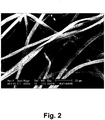
- Fig. 2 It can be seen in particular in the lower left quarter of the figure that some fibers are entangled or twisted together. The appearance of these entanglements is characteristic of a nonwoven fabric made by a rotary spinning process.
Landscapes
- Engineering & Computer Science (AREA)
- Textile Engineering (AREA)
- Health & Medical Sciences (AREA)
- Chemical & Material Sciences (AREA)
- General Chemical & Material Sciences (AREA)
- Chemical Kinetics & Catalysis (AREA)
- Veterinary Medicine (AREA)
- Hematology (AREA)
- General Health & Medical Sciences (AREA)
- Public Health (AREA)
- Life Sciences & Earth Sciences (AREA)
- Epidemiology (AREA)
- Materials Engineering (AREA)
- Animal Behavior & Ethology (AREA)
- Manufacturing & Machinery (AREA)
- Mechanical Engineering (AREA)
- Materials For Medical Uses (AREA)
- Nonwoven Fabrics (AREA)
- Spinning Methods And Devices For Manufacturing Artificial Fibers (AREA)
- Multicomponent Fibers (AREA)
- Artificial Filaments (AREA)
Description
- Die Erfindung betrifft einen Vliesstoff, umfassend Fasern aus einem Faserrohmaterial, das aus Gelatine oder Derivaten der Gelatine besteht, wobei die Fasern mit einem Antibiotikum und gegebenenfalls einem antimikrobiell wirksamen Stoff ausgerüstet sind.
- Derartige Vliesstoffe sind bereits aus dem Stand der Technik bekannt. Insbesondere zeigt die
WO 2004/002384 A1 einen Vliesstoff, welcher Silber aufweist und als Wundauflage verwendet wird. Als Faser-Material werden dort Polyurethane oder Polyacrylate vorgeschlagen. - Vliesstoffe werden häufig für medizinische Anwendungen verwendet. Den als Rohmaterial für die Vliesstoffe vorliegenden Vliesen wird durch Wasserstrahlverfestigung, thermische oder chemische Verfestigung eine hinreichende Reißfestigkeit verliehen, damit diese als Verbandsmaterial eingesetzt werden können.
- Die mechanischen oder chemischen Verfestigungsverfahren können jedoch die antimikrobielle oder antibiotische Ausrüstung der Fasern negativ beeinträchtigen, nämlich die wirksamen Stoffe in ihrer Wirkung hemmen oder sogar teilweise aus den Fasern herauslösen. Daher sind häufig aufwendige und teure Nachbehandlungsschritte notwendig, um die verfestigten Vliesstoffe in einen gebrauchstauglichen Zustand zu verbringen.
-
DE 10 2005 048939 offenbart ein Rotationsspinnverfahren zur Herstellung eines Vliesstoffs, umfassend Fasern aus einem Faserrohmaterial, welches Gelatine aufweist. - Des Weiteren ist nachteilig, dass Faserrohmaterial aus Polymeren, die eine ausreichende Verfestigung erlauben, häufig nicht wundverträglich, insbesondere nicht bioresorbierbar ist.
- Der Erfindung liegt daher die Aufgabe zugrunde, einen bioresorbierbaren Vliesstoff mit hinreichender Festigkeit kostengünstig zu fertigen.
- Die vorliegende Erfindung löst die zuvor genannte Aufgabe durch die Merkmale des Patentanspruchs 1.
- Danach ist ein eingangs genannter Vliesstoff dadurch gekennzeichnet, dass die Fasern durch ein Rotationsspinnverfahren hergestellt sind.
- Erfindungsgemäß ist erkannt worden, dass Gelatine ein biologisch abbaubares Material darstellt, welches sich überraschend gut zu einem Vlies ablegen lässt. Des Weiteren wurde erkannt, dass die Fasern des Vlieses zum Teil ohne Phasengrenze ineinander übergehen, miteinander vernetzen und dadurch einen festen Verbund ausbilden. Der entstehende Vliesstoff zeigt ohne weitere Verfestigungsmaßnahmen überraschend eine hinreichend hohe Reißfestigkeit, um als Verbandsmaterial oder Wundauflage Verwendung zu finden. Das Antibiotikum und gegebenenfalls ein zusätzlicher antimikrobiell wirksamer Stoff werden in ihrer Wirkung nicht durch Verfestigungsmaßnahmen negativ beeinträchtigt. Weiter ist erkannt worden, dass mittels eines Rotationsspinnverfahrens der Durchmesser der Fasern in einer engen Verteilung einstellbar ist. Durch das Rotationsspinnverfahren sind Fasern mit einem Durchmesser von im Mittel 0,3 bis 500 µm, im Mittel 3 bis 200 µm und sogar im Mittel 5 bis 100 µm erzeugbar, die untereinander partiell durch die Gelatine vernetzt sind. Die enge Verteilung des Durchmessers der Fasern erlaubt einen homogenen und stabilen Aufbau des Vliesstoffs ohne teure zusätzliche Verfestigungsmaßnahmen.
- Folglich ist die eingangs genannte Aufgabe gelöst.
- Einige Fasern könnten miteinander verdrillt oder verschlungen sein oder eine verdrillte Struktur aufweisen. Die Verdrillungen oder Verschlingungen stellen sich überraschend während des Rotationsspinnens ein und begünstigen zusätzlich die Festigkeit und das Dehnungsverhalten des Vliesstoffs.
- Einige Fasern könnten miteinander verschlungen sein und ein oder mehrere Faserbündel ausbilden. Durch die Verschlingungen einzelner Fasern werden diese zu Faserbündeln zusammengefasst und können gegeneinander reversibel verschoben werden. Hierdurch ist es möglich, den Vliesstoff zerstörungsfrei zu dehnen. Bei der Dehnung werden nämlich einzelne Fasern gezogen und relativ zu anderen Fasern verschoben. Durch die Verdrillungen oder Verschlingungen wird sogar begünstigt, dass die Fasern in ihre Position vor der Dehnung zurückkehren. Der Vliesstoff zeigt daher eine hohe Formstabilität.
- Die Fasern sind ausschließlich aus Gelatine gefertigt, wobei in und gegebenenfalls zusätzlich auf den Fasern das Antibiotikum und gegebenenfalls ein zusätzlicher antimikrobiell wirksamer Stoff vorliegt. Die Fasern sind mit Adhäsionsfaktoren oder Wachstumsfaktoren, nämlich autologen oder rekombinanten Wachstumsfaktoren, ausgerüstet. Ein solcher Vliesstoff kann durch die Chemie des menschlichen Körpers abgebaut werden und ist daher nahezu vollständig bioresorbierbar. Dieser Vliesstoff kann in den menschlichen Körper eingebracht werden.
- Das Antibiotikum und gegebenenfalls der zusätzliche antimikrobiell wirksame Stoff sind homogen in den Fasern verteilt. Hierdurch lässt sich eine allmähliche Abgabe des Antibiotikums und gegebenenfalls des zusätzlichen antimikrobiell wirksamen Stoffs mit langanhaltender Wirkung einstellen.
- Das Antibiotikum und gegebenenfalls ein zusätzlicher antimikrobiell wirksamer Stoff könnte in den Fasern nanoskalig vorliegen. Unter nanoskaligen Strukturen versteht man Bereiche jeglicher Morphologie, die zumindest in einer Raumrichtung Dimensionen im Nanometerbereich aufweisen. Hierdurch erlangt das Antibiotikum und gegebenenfalls der zusätzliche antimikrobiell wirksame Stoff eine hohe Mobilität. Ein nanoskalig vorliegender antimikrobieller Stoff zeigt eine besonders hohe Reaktivität, wenn der Stoff mit Bakterien, Viren, Pilzen oder Sporen in Kontakt gebracht wird. Des Weiteren gibt der Vliesstoff den wirkenden Stoff sehr leicht an Medien ab, die mit diesem in Kontakt treten. Insoweit zeichnet sich der Vliesstoff durch eine hohe Abgabefähigkeit in Bezug auf das Antibiotikum und gegebenenfalls den zusätzlichen antimikrobiell wirksamen Stoff aus.
- Das Antibiotikum und gegebenenfalls der zusätzliche antimikrobiell wirksame Stoff könnte auf den Fasern verteilt sein. Hierdurch ist ein Besprühen des Vliesstoffs mit dem Antibiotikum und gegebenenfalls dem zusätzlichen antimikrobiellen wirksamen Stoff ermöglicht, um eine rasche Abgabe an den menschlichen Körper sicher zu stellen.
- Der antimikrobiell wirksame Stoff könnte Silber enthalten. Silber ist besonders als antimikrobiell wirkender Stoff geeignet, da es für Menschen nahezu ungiftig ist. Des Weiteren zeigt Silber ein relativ geringes allergenes Potential. Silber wirkt als antiseptische Substanz in geringen Konzentrationen über einen langen Zeitraum auf eine Vielzahl von Infektionskeimen. Die meisten bekannten Bakterien zeigen darüber hinaus keine Resistenz gegen Silber.
- Der Stoff könnte zumindest ein Nebengruppenelement umfassen. Nebengruppenelemente zeichnen sich durch antimikrobielle Wirkung aus. Vor diesem Hintergrund ist denkbar, dass mehrere Nebengruppenelemente gemeinsam vorliegen, um unterschiedlichen Bakterienarten selektiv zu begegnen. Es hat sich in Versuchsreihen gezeigt, dass sich in Bezug auf die antimikrobielle Wirksamkeit eine Rangfolge der verwendeten Stoffe ergibt. Diese lässt sich wie folgt darstellen. Silber ist der wirksamste Stoff, gefolgt von Quecksilber, Kupfer, Cadmium, Chrom, Blei, Kobalt, Gold, Zink, Eisen und schließlich Mangan. Vor diesem Hintergrund ist denkbar, auch Hauptgruppenelemente zu verwenden, welche eine antimikrobielle Wirkung zeigen. Der antimikrobiell wirkende Stoff könnte eine Gold-Silber Mischung umfassen oder ausschließlich aus einer Gold-Silber-Mischung bestehen. Mischungen dieser Art zeigen eine besonders hohe antimikrobielle Wirksamkeit. Es hat sich überraschenderweise gezeigt, dass die Anwesenheit von Gold die antimikrobielle Wirkung von Silber noch steigert.
- Zumindest ein Teil der Fasern könnte als Nanofasern ausgestaltet sein. Ein Vliesstoff dieser Ausgestaltung kann besonders leicht und dünn ausgestaltet sein.
- Der Vliesstoff könnte eine Reißfestigkeit bei einem spezifischen Flächengewicht von 140 bis 180 g/m2 im trockenen Zustand von 0,15 N/mm2 oder mehr und eine Reißdehnung in hydratisiertem Zustand von 150%, bevorzugt von 200% oder mehr aufweisen. Ein solcher Vliesstoff eignet sich besonders gut als Verbandsmaterial, da er problemlos aufgewickelt werden kann.
- Der Vliesstoff könnte eine offene Porenstruktur mit einer Luftdurchlässigkeit von 0,5 l/min*cm2 aufweisen, wobei dieser Parameter gemäß DIN 9237 ermittelt wird. Ein solcher Vliesstoff eignet sich besonders gut als Verbandsmaterial, da er der Haut erlaubt, Feuchtigkeit abzugeben und zu atmen.
- Der Vliesstoff wird durch ein Rotationsspinnverfahren hergestellt, wobei das Faserrohmaterial in ein Behältnis gegeben wird, wobei das Behältnis in Rotation versetzt wird und wobei das fluidisierte Faserrohmaterial durch Zentripetalkräfte aus dem Behältnis in Form von Fasern ausgetragen wird.
- Die austretenden Fasern könnten gerichtet, kontaktlos geführt werden. Eine kontaktlose und definierte Führung der Fasern, bevor diese auf einer Ablageeinrichtung auftreffen, erlaubt eine Modifikation der Fasern. So kann allein die Dauer der Führung bzw. die Richtung der Führung Einfluss auf die Faserlänge, den Faserdurchmesser sowie die Faserstruktur nehmen. Eine gerichtete kontaktlose Führung erzeugt ein homogeneres Faserspektrum, als ein Herstellungsprozess ohne Führung. Ganz konkret kann allein durch die Führung die Breite einer Verteilungskurve sämtlicher Fasereigenschaften eingestellt werden. Hierdurch kann die Menge an Fasern mit unerwünschter Fasergeometrie erheblich reduziert werden.
- In einer konstruktiv besonders günstigen Ausgestaltung könnten die Fasern durch eine Absaugeinrichtung geführt werden. Dabei ist denkbar, dass die Fasern durch einen Gasstrom transportiert werden. Sofern der Gasstrom laminar ausgebildet ist, können die Fasern zwischen den laminaren Schichten gestreckt und geformt werden.
- Als Gas könnte Luft fungieren. Luft ist ein kostengünstiges Gas, welches sich dadurch auszeichnet, dass ein Herstellungsprozess bei Atmosphärendruck durchgeführt werden könnte. Denkbar ist auch, dass anstelle von Luft weitere Gase, insbesondere Inertgase wie Stickstoff verwendet werden. Hierdurch ist sicher gestellt, dass Faserrohmaterial verarbeitbar ist, welches reaktive Gruppen umfasst oder zu Nachreaktionen nach dem Verlassen des Behältnisses neigt.
- Es könnten Fasern hergestellt werden, die einen Durchmesser von 0,3 bis 500 µm aufweisen. Insoweit ist eine Herstellung von Nanofasern möglich, ohne dass ein elektrostatisches Feld verwendet werden muss.
- Die Austrittsbereiche des Behältnisses könnten als Durchgänge ausgestaltet sein. Hierbei ist denkbar, dass die Durchgänge kreisförmig, oval oder rechteckförmig ausgestaltet sind. Ganz in Abhängigkeit von der Form der Durchgänge kann auf die Fasergeometrie Einfluss genommen werden.
- Die Durchgänge könnten einen Durchmesser oder eine Weite bis 500 µm aufweisen. Diese Dimensionierung hat sich als besonders vorteilhaft für die Erzeugung von Nanofasern und Mikrofasern erwiesen. Die Durchgänge könnten in einem Abstand von einem Zentimeter voneinander positioniert sein. Denkbar ist auch, dass die Durchgänge in mehreren Reihen übereinander angeordnet sind. Hierdurch ist der Durchsatz an Faserrohmaterial auf besonders einfache Weise steigerbar. Durch Verringerung oder Vergrößerung des Durchmessers ist es möglich, Nano- bzw. Mikrofasern im Bereich von 0,3 bis 500 µm zu erzeugen.
- Das Behältnis könnte mit bis zu 25.000 Umdrehungen pro Minute rotierbar sein. Durch diese hohe Drehzahl ist es möglich, Nanofasern mit einem Durchmesser von höchstens 100 nm zu erzeugen. Üblicherweise werden Nanofasern durch ein elektrisches Spinnverfahren unter Verwendung eines elektrischen Feldes erzeugt. Durch eine geeignete konstruktive Ausgestaltung des Behältnisses sowie sehr hohe Umdrehungszahlen ist es jedoch möglich, ohne elektrisches Feld Nanofasern zu erzeugen. Durch Wahl der Rotationsgeschwindigkeit und Viskosität des Faserrohmaterials können auch Fasern mit größerem Durchmesser erzeugt werden.
- Das Behältnis könnte auf 300° C erwärmbar sein.
- Die Verwendung von einem biologisch abbaubaren Stoff, nämlich Gelatine, als Faserrohmaterial ermöglicht die Erzeugung von Fasern, die problemlos entsorgbar sind. Des Weiteren können mit diesen Fasern medizinische Produkte wie Wundverbände oder Zellwachstumsträger gefertigt werden.
- Dem rotierenden Behältnis könnte eine Ablageeinrichtung zur Aufnahme von Faserrohmaterial zugeordnet sein. Die Ablageeinrichtung könnte als Plattform ausgestaltet sein, auf der die Fasern zur Bildung eines Faserflors oder Vlieses abgelegt werden können. Denkbar ist auch, dass die Ablageeinrichtung eine rotierende Einrichtung ist, auf welcher Fasern zur Beschichtung eines zylindrischen Körpers oder zur Erzeugung eines Wickelvlieses aufgenommen werden.
- Zwischen der Ablageeinrichtung und dem Behältnis könnte eine elektrische Potentialdifferenz bestehen. Diese konkrete Ausgestaltung erlaubt die Fertigung von elektrostatisch aufgeladenen Fasern.
- Des Weiteren ist denkbar, dass die elektrische Potentialdifferenz zur Unterstützung der Herstellung von Nanofasern verwendet wird. Hierbei addieren sich die Effekte der Zentripetalkräfte und des elektrischen Feldes, d.h. das Faserrohmaterial wird einerseits durch die Zentripetalkräfte in dünnen Fäden tangential vom rotierenden Behältnis weg geschleudert und des Weiteren durch das elektrische Feld ggf. noch weiter aufgesplittet. Insoweit ist denkbar, einen Fertigungsprozess zu realisieren, durch welchen Fasern im Subnanometerbereich herstellbar sind.
- Das Faserrohmaterial könnte bereits in fluidisierter Form in das Behältnis eingebracht werden. Hierdurch ist es möglich, einen kontinuierlichen Prozess durchzuführen, indem nämlich das Faserrohmaterial außerhalb des Behältnisses erwärmt wird. Denkbar ist jedoch auch, das Faserrohmaterial erst zu fluidisieren, nachdem es in das Behältnis eingebracht wurde.
- Vliesstoffe der hier beschriebenen Art könnten im medizinischen Bereich Verwendung finden, da sie im Hinblick auf ihre Gewebestruktur und stoffliche Zusammensetzung sehr gut modifizierbar sind. Beispielsweise ist denkbar, die Gewebestruktur so einzustellen, dass sie als Wundverband fungieren können, wenn nämlich die Fasergewebestruktur mit dem menschlichen Gewebe gut verwachsen kann. Weitere medizinische Anwendungen wie die Verwendung als Zellwachstumsträger sind denkbar.
- Der hier beschriebene Vliesstoff eignet sich besonders zur Herstellung eines Wattetupfers oder Tupfers, da er hinreichend stabil ist und desinfizierend wirkt.
- Der Vliesstoff ist mit rekombinanten Wachstumsfaktoren, autologen Wachstumsfaktoren, insbesondere Thrombozyten-Präparationen, und/oder Adhäsionsfaktoren, insbesondere RDG-Peptiden ausgerüstet. Er kann zusätzlich mit autologen Zellpräparationen, insbesondere Knochenmarkaspiraten, ausgerüstet sein.
- Es gibt nun verschiedene Möglichkeiten, die Lehre der vorliegenden Erfindung in vorteilhafter Weise auszugestalten und weiterzubilden. Dazu ist einerseits auf die nachgeordneten Ansprüche, andererseits auf die nachfolgende Erläuterung bevorzugter Ausführungsbeispiele des erfindungsgemäßen Vliesstoffs anhand der Zeichnung zu verweisen.
- In Verbindung mit der Erläuterung der bevorzugten Ausführungsbeispiele anhand der Zeichnung werden auch im Allgemeinen bevorzugte Ausgestaltungen und Weiterbildungen der Lehre erläutert.
- In der Zeichnung zeigen
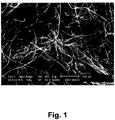
- Fig. 1
- eine REM-Aufnahme eines Vliesstoffs aus Gelatine, in dessen Fasern Silber als antimikrobieller Stoff in Form von nanoskaligen Partikeln verteilt ist,
- Fig. 2
- eine REM-Aufnahme des Vliesstoffs aus
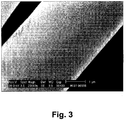
Fig. 1 in vergrößerter Ansicht, - Fig. 3
- eine REM-Aufnahme einer Faser des Vliesstoffs aus
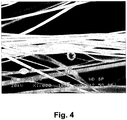
Fig. 1 in vergrößerter Ansicht, welche einen Durchmesser von 4 µm aufweist, und - Fig. 4
- eine REM-Aufnahme eines Faserbündels, welches miteinander verschlungene Fasern aufweist.
- Die Ausführungsbeispiele sind nicht erfindungsgemäß.
- Ein Vliesstoff mit Silber als antimikrobiellem Stoff gemäß den
Fig. 1 und2 wird durch ein Rotationsspinnverfahren wie folgt hergestellt:
Zunächst wird eine 20%ige Gelatine-Lösung hergestellt. Zur Verwendung kommt eine Gelatine des Typs A PIGSKIN der Firma GELITA AG. Die Gelatine wird in Wasser eingerührt. Der Gelatine-Lösung werden 1000 ppm des Feststoffgehalts einer 5%igen wässrigen Silberlösung zugegeben, die Silber in Form von nanoskaligen Partikeln enthält. Es wurde eine Silberlösung der Firma RENT A SCIENTIST, des Typs AGPURE verwendet. Hierdurch entsteht eine Endkonzentration von 50 mg Silber /(kg Gelatine-Lösung). - Darauf verbleibt die Gelatine-Lösung etwa eine Stunde in Ruhe, um aufzuquellen. Anschließend wird die Gelatine-Lösung bei 60°C in einem Ultraschallbad gelöst und darauf ca. 2 Stunden auf einer Temperatur von 80-85°C gehalten. Die Partikel des Silbers können in der Gelatine-Lösung Agglomerate bilden, die durch Rühren der Gelatine-Lösung aufgelöst werden. Die auf 80-85°C temperierte Gelatine-Lösung wird mittels einer Schlauchpumpe als Faserrohmaterial in das Behältnis einer Vorrichtung zum Rotationsspinnen gemäß der
DE 102005048939 A1 geführt. - Das Behältnis hat eine Temperatur von ca. 120°C und rotiert mit einer Drehzahl von 4500 U/min. Im Behältnis befinden sich Ausnehmungen, die als Löcher mit einem Durchmesser von 0,3 mm ausgestaltet sind. Durch die Zentripetalkraft wird das Faserrohmaterial durch die Ausnehmungen gepresst und zu Fasern gesponnen, die durch eine Absaugeinrichtung verstreckt werden. Die Absaugeinrichtung befindet sich unterhalb des Behältnisses.
- Nach Vernetzung der Gelatine wird ein antimikrobiell wirksamer, bioresorbierbarer Vliesstoff aus Gelatine, nämlich ein Gelatinevliesstoff, erhalten.
- Der Vliesstoff wurde mit einem Rasterelektronenmikroskop (REM) charakterisiert. Die
Fig. 1 bis 3 zeigen REM-Aufnahmen des hier beschriebenen Vliesstoffs mit unterschiedlicher Vergrößerung. Gemäß einer Charakterisierung nach ICP (gemäß EN ISO 11885) beträgt die Silberkonzentration im Vliesstoff 44 mg/kg. - In
Fig. 2 ist insbesondere im linken unteren Viertel der Figur erkennbar, dass einige Fasern miteinander verschlungen oder verdrillt sind. Das Aufreten dieser Verschlingungen ist charakteristisch für einen Vliesstoff, der durch ein Rotationsspinnverfahren hergestellt wurde. - Ein Vliesstoff mit Antibiotika wird durch ein Rotationsspinnverfahren wie folgt hergestellt:
- Zur Herstellung eines Vliesstoffs wird zunächst eine 20%ige Gelatine-Lösung hergestellt. Zur Verwendung kommt eine Gelatine vom Typ A PIGSKIN gemäß Beispiel 1. Die Gelatine wird in Wasser eingerührt. Diese Gelatine-Lösung verbleibt zum Quellen für eine Stunde in Ruhe. Anschließend wird die Gelatine-Lösung bei 60°C in einem Ultraschallbad gelöst und dann etwa zwei Stunden auf einer Temperatur von 80-85°C gehalten.
- Die auf 80-85°C temperierte Gelatine-Lösung wird mittels einer Schlauchpumpe in das Behältnis gemäß der
DE 102005048939 A1 geführt. Kurz vor dem Eintritt der Gelatine-Lösung in die Ausnehmungen wird der Gelatine-Lösung eine Ampulle Gentamicin-Lösung (GENTAMICIN 40 der Firma HEXAL AG) beigemengt. Das Behältnis hat eine Temperatur von ca. 120°C und dreht mit einer Drehzahl von 4500 U/min. Durch die Zentripetalkraft wird das Faserrohmaterial aus den am Behältnis befindlichen Ausnehmungen gepresst und zu Fasern gesponnen. Die Fasern werden durch eine Absaugeinrichtung, die sich unterhalb des Behältnisses befindet, verstreckt. Nach Vernetzung der Gelatine wird ein Vliesstoff mit einem eingeschlossenen Antibiotika erhalten, welcher antimikrobiotisch wirkt und zugleich bioresorbierbar ist. - Ein Vliesstoff mit nachträglicher Antibiotika-Ausrüstung wird durch ein Rotationsspinnverfahren wie folgt hergestellt:
Zur Herstellung eines Vliesstoffs wird zunächst eine 20%ige Gelatine-Lösung hergestellt. Zur Verwendung kommt eine Gelatine vom Typ A PIGSKIN gemäß Beispiel 1. Die Gelatine wird in Wasser eingerührt. Diese Gelatine-Lösung verbleibt zum Quellen für eine Stunde in Ruhe. Anschließend wird die Gelatine-Lösung bei 60°C in einem Ultraschallbad gelöst und dann etwa zwei Stunden auf einer Temperatur von 80-85°C gehalten. - Die auf 80-85°C temperierte Gelatine-Lösung wird mittels einer Schlauchpumpe in das Behältnis gemäß der
DE 102005048939 A1 geführt. Das Behältnis hat eine Temperatur von ca. 120°C und dreht mit einer Drehzahl von 4500 U/min. Durch die Zentripetalkraft wird das Faserrohmaterial aus den am Behältnis befindlichen Ausnehmungen gepresst und zu Fasern gesponnen. Die Fasern werden durch eine Absaugeinrichtung, die sich unterhalb des Behältnisses befindet, verstreckt. Nach Vernetzung der Gelatine wird der Vliesstoff mit einer Lösung von Gentamicin besprüht und danach getrocknet. -
Fig. 4 zeigt einen Vliesstoff, der analog zum Ausführungsbeispiel 1 hergestellt wurde. Bei diesem Vliesstoff sind einige Fasern miteinander verschlungen und bilden ein Faserbündel aus. Durch die Verschlingungen einzelner Fasern werden diese zu einem Faserbündel zusammengefasst und können gegeneinander reversibel verschoben werden. Hierdurch ist es möglich, den Vliesstoff zerstörungsfrei zu dehnen. Bei der Dehnung werden nämlich einzelne Fasern gezogen und relativ zu anderen Fasern verschoben. Durch die Verdrillungen oder Verschlingungen wird sogar begünstigt, dass die Fasern in ihre Position vor der Dehnung zurückkehren. Der Vliesstoff zeigt daher eine hohe Formstabilität.
Claims (18)
- Vliesstoff, umfassend Fasern aus einem Faserrohmaterial, das ausschließlich aus Gelatine besteht, wobei die Fasern mit einem Antibiotikum und Adhäsionsfaktoren oder Wachstumsfaktoren, nämlich autologen oder rekombinanten Wachstumsfaktoren, ausgerüstet sind, hergestellt durch ein Rotationsspinnverfahren, wobei das Faserrohmaterial in ein Behältnis gegeben wird, wobei das Behältnis in Rotation versetzt wird und wobei das fluidisierte Faserrohmaterial durch Zentripetalkräfte aus dem Behältnis in Form von Fasern ausgetragen wird, dadurch gekennzeichnet, dass das Antibiotikum homogen in den Fasern verteilt ist.
- Vliesstoff nach Anspruch 1, dadurch gekennzeichnet, dass der Vliesstoff mit Thrombozyten-Präparationen ausgerüstet wird.
- Vliesstoff nach Anspruch 1 oder 2, dadurch gekennzeichnet, dass der Vliesstoff mit autologen Zellpräparationen ausgerüstet wird.
- Vliesstoff nach Anspruch 3, dadurch gekennzeichnet, dass der Vliesstoff mit Knochenmarkaspiraten ausgerüstet wird.
- Vliesstoff nach einem der Ansprüche 1 bis 4, dadurch gekennzeichnet, dass einige Fasern miteinander verdrillt oder miteinander verschlungen sind oder eine verdrillte Struktur aufweisen.
- Vliesstoff nach einem der Ansprüche 1 bis 5, dadurch gekennzeichnet, dass einige Fasern miteinander verschlungen sind und ein oder mehrere Faserbündel ausbilden.
- Vliesstoff nach einem der Ansprüche 1 bis 6, dadurch gekennzeichnet, dass zumindest ein Teil der Fasern als Nanofasern ausgestaltet ist.
- Vliesstoff nach einem der Ansprüche 1 bis 7, wobei ein Vliesstoff hergestellt wird, der durch eine Reißfestigkeit bei einem spezifischen Flächengewicht von 140 bis 180 g/m2 im trockenen Zustand von 0,15 N/mm2 oder mehr und eine Reißdehnung in hydratisiertem Zustand von 150%, bevorzugt von 200% oder mehr gekennzeichnet ist.
- Vliesstoff nach einem der Ansprüche 1 bis 8, wobei ein Vliesstoff hergestellt wird, der durch eine offene Porenstruktur mit einer Luftdurchlässigkeit von 0,5 l/min*cm2 gekennzeichnet ist.
- Vliesstoff nach einem der Ansprüche 1 bis 9, dadurch gekennzeichnet, dass die austretenden Fasern gerichtet, kontaktlos geführt werden.
- Vliesstoff nach einem der Ansprüche 1 bis 10, dadurch gekennzeichnet, dass die austretenden Fasern durch eine Absaugeinrichtung geführt werden.
- Vliesstoff nach einem der Ansprüche 1 bis 11, dadurch gekennzeichnet, dass Fasern hergestellt werden, die einen Durchmesser von 0,3 bis 500 µm aufweisen.
- Vliesstoff nach einem der Ansprüche 1 bis 12, dadurch gekennzeichnet, dass die Austrittsbereiche des Behältnisses als Durchgänge mit einem Durchmesser bis 500 µm ausgestaltet sind.
- Vliesstoff nach einem der Ansprüche 1 bis 13, dadurch gekennzeichnet, dass dass das Behältnis mit bis zu 25 000 Umdrehungen pro Minute rotierbar ist.
- Vliesstoff nach einem der Ansprüche 1 bis 14, dadurch gekennzeichnet, dass dass das Behältnis auf 300°C erwärmbar ist.
- Vliesstoff nach einem der Ansprüche 1 bis 15, dadurch gekennzeichnet, dass die Fasern auf einer Ablageeinrichtung abgelegt werden, wobei zwischen der Ablageeinrichtung und dem Behältnis eine elektrische Potentialdifferenz besteht.
- Verwendung eines Vliesstoffs nach einem der Ansprüche 1 bis 16 zur Herstellung eines Arzneimittels für die Wundheilung.
- Verwendung eines Vliesstoffs nach einem der Ansprüche 1 bis 16 zur Herstellung eines Wattetupfers.
Priority Applications (1)
| Application Number | Priority Date | Filing Date | Title |
|---|---|---|---|
| PL11006496T PL2409718T3 (pl) | 2007-09-18 | 2008-09-17 | Bioresorbowalna włóknina żelatynowa |
Applications Claiming Priority (3)
| Application Number | Priority Date | Filing Date | Title |
|---|---|---|---|
| DE102007044648.0A DE102007044648B4 (de) | 2007-09-18 | 2007-09-18 | Bioresorbierbarer Gelatinevliesstoff |
| PCT/EP2008/007757 WO2009036958A2 (de) | 2007-09-18 | 2008-09-17 | Bioresorbierbarer gelatinevliesstoff |
| EP08832467.8A EP2190490B2 (de) | 2007-09-18 | 2008-09-17 | Bioresorbierbarer gelatinevliesstoff |
Related Parent Applications (5)
| Application Number | Title | Priority Date | Filing Date |
|---|---|---|---|
| WOPCT/EP2008/007757 Previously-Filed-Application | 2008-09-17 | ||
| EP08832467.8A Division EP2190490B2 (de) | 2007-09-18 | 2008-09-17 | Bioresorbierbarer gelatinevliesstoff |
| EP08832467.8A Division-Into EP2190490B2 (de) | 2007-09-18 | 2008-09-17 | Bioresorbierbarer gelatinevliesstoff |
| PCT/EP2008/007757 Previously-Filed-Application WO2009036958A2 (de) | 2007-09-18 | 2008-09-17 | Bioresorbierbarer gelatinevliesstoff |
| EP08832467.8 Division | 2008-09-17 |
Publications (2)
| Publication Number | Publication Date |
|---|---|
| EP2409718A1 EP2409718A1 (de) | 2012-01-25 |
| EP2409718B1 true EP2409718B1 (de) | 2019-04-03 |
Family
ID=40347786
Family Applications (3)
| Application Number | Title | Priority Date | Filing Date |
|---|---|---|---|
| EP20070023973 Active EP2042199B1 (de) | 2007-09-18 | 2007-12-11 | Bioresorbierbare Wundauflagen |
| EP08832467.8A Not-in-force EP2190490B2 (de) | 2007-09-18 | 2008-09-17 | Bioresorbierbarer gelatinevliesstoff |
| EP11006496.1A Not-in-force EP2409718B1 (de) | 2007-09-18 | 2008-09-17 | Bioresorbierbarer Gelatinevliesstoff |
Family Applications Before (2)
| Application Number | Title | Priority Date | Filing Date |
|---|---|---|---|
| EP20070023973 Active EP2042199B1 (de) | 2007-09-18 | 2007-12-11 | Bioresorbierbare Wundauflagen |
| EP08832467.8A Not-in-force EP2190490B2 (de) | 2007-09-18 | 2008-09-17 | Bioresorbierbarer gelatinevliesstoff |
Country Status (14)
| Country | Link |
|---|---|
| US (1) | US10624985B2 (de) |
| EP (3) | EP2042199B1 (de) |
| JP (1) | JP5517072B2 (de) |
| CN (1) | CN101861173B (de) |
| AT (1) | ATE532538T1 (de) |
| AU (1) | AU2008300873B2 (de) |
| BR (2) | BR122017013684B1 (de) |
| CA (1) | CA2699851C (de) |
| DE (2) | DE102007044648B4 (de) |
| ES (2) | ES2414961T3 (de) |
| PL (2) | PL2190490T5 (de) |
| TR (1) | TR201907956T4 (de) |
| TW (1) | TWI400097B (de) |
| WO (1) | WO2009036958A2 (de) |
Families Citing this family (15)
| Publication number | Priority date | Publication date | Assignee | Title |
|---|---|---|---|---|
| DE102007044648B4 (de) | 2007-09-18 | 2020-11-26 | Carl Freudenberg Kg | Bioresorbierbarer Gelatinevliesstoff |
| US8231378B2 (en) | 2008-03-17 | 2012-07-31 | The Board Of Regents Of The University Of Texas System | Superfine fiber creating spinneret and uses thereof |
| DE102010012845A1 (de) * | 2010-03-25 | 2011-09-29 | Carl Freudenberg Kg | Durch Rotationsspinnverfahren hergestellte Mehrkomponentenfasern |
| EP2447397A1 (de) | 2010-10-29 | 2012-05-02 | Carl Freudenberg KG | Vliesstoffe aus synthetischen Polymeren sowie Rotationsspinnverfahren zur Herstellung derselben |
| EP2462874B1 (de) * | 2010-12-10 | 2020-02-05 | Carl Freudenberg KG | Medizinisches Instrument für mikroinvasive Anwendungen |
| US8778240B2 (en) | 2011-02-07 | 2014-07-15 | Fiberio Technology Corporation | Split fiber producing devices and methods for the production of microfibers and nanofibers |
| DE102011105372A1 (de) * | 2011-06-20 | 2012-12-20 | Carl Freudenberg Kg | Stabile, wässrige Protein-Lösung oder Protein-Dispersion, Verfahren zur Herstellung der stabilen, wässrigen Lösung oder Dispersion und Verfahren zur Herstellung von Form-oder Flächengebilden, Imprägnierungen oder Beschichtungen aus der stabilen, wässrigen Protein-Lösung oder Protein-Dispersion sowie deren Verwendung |
| EP2537538A1 (de) * | 2011-06-22 | 2012-12-26 | Biopharm Gesellschaft Zur Biotechnologischen Entwicklung Von Pharmaka mbH | Bioresorbierbarer Wundverband |
| WO2013068596A1 (de) * | 2011-11-12 | 2013-05-16 | Anke Domaske | Verfahren zur herstellung von milchprotein-fasern |
| DE102012002209A1 (de) | 2012-02-07 | 2013-08-08 | Carl Freudenberg Kg | Biodegradierbares Vlies für medizinische Zwecke |
| DE102012224379A1 (de) | 2012-12-27 | 2014-07-03 | Aesculap Ag | Faserprodukt und Verfahren zu seiner Herstellung |
| US10156028B2 (en) | 2013-05-31 | 2018-12-18 | Eth Zurich | Spinning process |
| DE102014202578A1 (de) | 2014-02-12 | 2015-08-13 | Aesculap Ag | Medizinisches Produkt und Verfahren zu seiner Herstellung |
| US10765569B2 (en) * | 2014-11-14 | 2020-09-08 | Attends Healthcare Products, Inc. | Synthetic surfactant-free finish, sheet having synthetic surfactant-free finish, articles having sheet with synthetic surfactant-free finish, and related methods |
| DE102017009989A1 (de) | 2017-10-26 | 2019-05-02 | Carl Freudenberg Kg | Biokompatibles Verbundmaterial zum Einbringen in einen menschlichen Körper |
Citations (2)
| Publication number | Priority date | Publication date | Assignee | Title |
|---|---|---|---|---|
| DE102005048939A1 (de) * | 2005-07-01 | 2007-01-11 | Carl Freudenberg Kg | Vorrichtung, Anordnung und Verfahren zur Herstellung von Fasern und eine solche Fasern umfassende Anordnung |
| CN1961974A (zh) * | 2005-11-09 | 2007-05-16 | 中国科学院化学研究所 | 可生物降解及吸收的聚合物纳米纤维膜材料及其制备方法和用途 |
Family Cites Families (33)
| Publication number | Priority date | Publication date | Assignee | Title |
|---|---|---|---|---|
| BE560130A (de) | 1956-08-28 | |||
| US3757004A (en) * | 1971-11-19 | 1973-09-04 | Stanford Research Inst | Gelatin coacervate fibers |
| JPH05195438A (ja) * | 1991-10-09 | 1993-08-03 | Hirose Kozo | 抗菌防臭繊維 |
| DE4315609A1 (de) † | 1993-05-11 | 1994-11-17 | Basf Ag | Verfahren und Vorrichtung zur Herstellung von Fasern nach einem Zentrifugalspinnverfahren |
| US5814094A (en) * | 1996-03-28 | 1998-09-29 | Becker; Robert O. | Iontopheretic system for stimulation of tissue healing and regeneration |
| FR2779713B1 (fr) | 1998-06-12 | 2000-07-21 | Saint Gobain Isover | Dispositif et procede de centrifugation de fibres minerales |
| GB9910505D0 (en) | 1999-05-06 | 1999-07-07 | Electrosols Ltd | A method and apparatus for manufacturing consumable tablets |
| JP2001123397A (ja) | 1999-10-21 | 2001-05-08 | Toray Ind Inc | 不織布 |
| CA2406343A1 (en) | 2000-04-13 | 2001-10-25 | Emory University | Antithrombogenic membrane mimetic compositions and methods |
| CA2406862A1 (en) | 2000-04-20 | 2001-11-01 | Emory University | Native protein mimetic fibers, fiber networks and fabrics for medical use |
| CN1114728C (zh) * | 2000-04-21 | 2003-07-16 | 中国石油化工集团公司 | 止血纤维及其制造方法 |
| US6969480B2 (en) * | 2000-05-12 | 2005-11-29 | Matregen Corp. | Method of producing structures using centrifugal forces |
| GB0026863D0 (en) | 2000-11-03 | 2000-12-20 | Ssl Int Plc | Polysaccharide fibres |
| EP1343510B1 (de) † | 2000-11-29 | 2010-05-19 | ConvaTec Technologies Inc. | Lichtstabilisierte antimikrobielle mittel |
| US20040110439A1 (en) * | 2001-04-20 | 2004-06-10 | Chaikof Elliot L | Native protein mimetic fibers, fiber networks and fabrics for medical use |
| US6685956B2 (en) * | 2001-05-16 | 2004-02-03 | The Research Foundation At State University Of New York | Biodegradable and/or bioabsorbable fibrous articles and methods for using the articles for medical applications |
| US20030161995A1 (en) * | 2002-02-28 | 2003-08-28 | Michael Kauschke | Variable porosity barrier sheet and disposable garment incorporating same |
| JP4433447B2 (ja) | 2002-03-18 | 2010-03-17 | サンゴバン・ティーエム株式会社 | アルミナ繊維マットとそれを使用した無機繊維製品 |
| GB0215023D0 (en) † | 2002-06-28 | 2002-08-07 | Bristol Myers Squibb Co | Wound dressing |
| MXPA05006193A (es) * | 2002-12-11 | 2005-12-05 | Ferrosan As | Materiales basados en gelatina como hisopos. |
| EP1656474B1 (de) | 2003-04-03 | 2010-08-04 | E.I. Du Pont De Nemours And Company | Drehverfahren zur herstellung eines einheitlichen materials |
| GB2408206B (en) | 2003-11-18 | 2007-11-28 | Johnson & Johnson Medical Ltd | Antioxidant and antimicrobial wound dressing materials |
| JP3887703B2 (ja) | 2003-12-01 | 2007-02-28 | 学校法人 関西大学 | ゼラチン繊維とその製造方法 |
| JP4236591B2 (ja) | 2004-01-07 | 2009-03-11 | ダイプラ・ウィンテス株式会社 | 試料表面分析装置 |
| TWI245085B (en) * | 2004-07-29 | 2005-12-11 | Taiwan Textile Res Inst | Apparatus and method for manufacturing polymeric fibrils |
| EA016776B9 (ru) * | 2004-09-30 | 2012-11-30 | Ковалон Текнолоджиз Инк. | Неадгезивные эластичные желатиновые матрицы |
| US8585753B2 (en) * | 2006-03-04 | 2013-11-19 | John James Scanlon | Fibrillated biodegradable prosthesis |
| JP2006188811A (ja) | 2006-03-07 | 2006-07-20 | Toritec Kk | 積層糸 |
| US20090136651A1 (en) * | 2006-03-28 | 2009-05-28 | Gustavo Larsen | Method of Manufacturing Fibrous Hemostatic Bandages |
| US9017361B2 (en) * | 2006-04-20 | 2015-04-28 | Covidien Lp | Occlusive implant and methods for hollow anatomical structure |
| US8753672B2 (en) | 2006-04-24 | 2014-06-17 | Coloplast A/S | Gelatin non-woven structures produced by a non-toxic dry solvent spinning process |
| CN100457989C (zh) * | 2006-11-04 | 2009-02-04 | 青岛大学 | 高强度海藻酸/明胶共混纤维的制备方法 |
| DE102007044648B4 (de) | 2007-09-18 | 2020-11-26 | Carl Freudenberg Kg | Bioresorbierbarer Gelatinevliesstoff |
-
2007
- 2007-09-18 DE DE102007044648.0A patent/DE102007044648B4/de not_active Expired - Fee Related
- 2007-12-11 DE DE200720019670 patent/DE202007019670U1/de not_active Expired - Lifetime
- 2007-12-11 EP EP20070023973 patent/EP2042199B1/de active Active
- 2007-12-11 ES ES07023973T patent/ES2414961T3/es active Active
-
2008
- 2008-09-17 JP JP2010525246A patent/JP5517072B2/ja active Active
- 2008-09-17 US US12/678,219 patent/US10624985B2/en not_active Expired - Fee Related
- 2008-09-17 TR TR2019/07956T patent/TR201907956T4/tr unknown
- 2008-09-17 ES ES08832467T patent/ES2373767T5/es active Active
- 2008-09-17 BR BR122017013684-4A patent/BR122017013684B1/pt not_active IP Right Cessation
- 2008-09-17 EP EP08832467.8A patent/EP2190490B2/de not_active Not-in-force
- 2008-09-17 PL PL08832467T patent/PL2190490T5/pl unknown
- 2008-09-17 EP EP11006496.1A patent/EP2409718B1/de not_active Not-in-force
- 2008-09-17 CN CN200880116630.8A patent/CN101861173B/zh not_active Expired - Fee Related
- 2008-09-17 AT AT08832467T patent/ATE532538T1/de active
- 2008-09-17 CA CA2699851A patent/CA2699851C/en not_active Expired - Fee Related
- 2008-09-17 AU AU2008300873A patent/AU2008300873B2/en not_active Ceased
- 2008-09-17 PL PL11006496T patent/PL2409718T3/pl unknown
- 2008-09-17 BR BRPI0816897 patent/BRPI0816897A2/pt not_active IP Right Cessation
- 2008-09-17 WO PCT/EP2008/007757 patent/WO2009036958A2/de not_active Ceased
- 2008-09-18 TW TW97135761A patent/TWI400097B/zh not_active IP Right Cessation
Patent Citations (2)
| Publication number | Priority date | Publication date | Assignee | Title |
|---|---|---|---|---|
| DE102005048939A1 (de) * | 2005-07-01 | 2007-01-11 | Carl Freudenberg Kg | Vorrichtung, Anordnung und Verfahren zur Herstellung von Fasern und eine solche Fasern umfassende Anordnung |
| CN1961974A (zh) * | 2005-11-09 | 2007-05-16 | 中国科学院化学研究所 | 可生物降解及吸收的聚合物纳米纤维膜材料及其制备方法和用途 |
Also Published As
Similar Documents
| Publication | Publication Date | Title |
|---|---|---|
| EP2409718B1 (de) | Bioresorbierbarer Gelatinevliesstoff | |
| DE60008773T2 (de) | Elektrogesponnene fasern und vorrichtung hierzu | |
| EP1221927B1 (de) | Gesichtsmaske aus elektrogesponnenen fasern und ihre verwendung | |
| EP2126166B1 (de) | Faser- wirrgelege | |
| DE69608199T2 (de) | Hydrophiler Vliesstoff auf Basis von Polylactiden | |
| EP2414575A1 (de) | Template-gestütztes musterbildungsverfahren von nanofasern im electrospinn-verfahren und deren anwendungen | |
| DE102010012845A1 (de) | Durch Rotationsspinnverfahren hergestellte Mehrkomponentenfasern | |
| DE10009248A1 (de) | Medizinisches Verbandsmaterial | |
| EP2447397A1 (de) | Vliesstoffe aus synthetischen Polymeren sowie Rotationsspinnverfahren zur Herstellung derselben | |
| Kang et al. | Morphological and permeable properties of antibacterial double-layered composite nonwovens consisting of microfibers and nanofibers | |
| EP1187949B1 (de) | Verfahren zur herstellung von spinnvlies- oder meltblown-fasern/filamenten, verfahren zur herstellung von folien sowie spinnvlies- oder meltblown-fasern/filamente, folien, vliesstoff | |
| DE102007052519A1 (de) | Medizinisches Implantat | |
| Chakravorty et al. | A review on toxicity of turmeric derived Nano-Formulates against bacterial and fungal cells with special emphasis on electrospun nanofibers | |
| EP2462874A1 (de) | Medizinisches Instrument für mikroinvasive Anwendungen | |
| DE202006020791U1 (de) | Lage zur Herstellung eines Reinigungsprodukts, Hygieneprodukts oder medizinischen Produkts | |
| Unnithan et al. | Electrospun polyurethane nanofibrous mats for wound dressing applications | |
| EP4710954A1 (de) | Absorbierende wundabdeckung mit infektionshemmenden eigenschaften | |
| KR20180000884A (ko) | 은 나노입자를 포함하는 젤라틴-폴리우레탄 나노섬유 | |
| HK1147217B (en) | Bioresorbable nonwoven fabric made of gelatin |
Legal Events
| Date | Code | Title | Description |
|---|---|---|---|
| 17P | Request for examination filed |
Effective date: 20110808 |
|
| AC | Divisional application: reference to earlier application |
Ref document number: 2190490 Country of ref document: EP Kind code of ref document: P |
|
| AK | Designated contracting states |
Kind code of ref document: A1 Designated state(s): AT BE BG CH CY CZ DE DK EE ES FI FR GB GR HR HU IE IS IT LI LT LU LV MC MT NL NO PL PT RO SE SI SK TR |
|
| PUAI | Public reference made under article 153(3) epc to a published international application that has entered the european phase |
Free format text: ORIGINAL CODE: 0009012 |
|
| 17Q | First examination report despatched |
Effective date: 20150323 |
|
| STAA | Information on the status of an ep patent application or granted ep patent |
Free format text: STATUS: EXAMINATION IS IN PROGRESS |
|
| TPAC | Observations filed by third parties |
Free format text: ORIGINAL CODE: EPIDOSNTIPA |
|
| GRAP | Despatch of communication of intention to grant a patent |
Free format text: ORIGINAL CODE: EPIDOSNIGR1 |
|
| STAA | Information on the status of an ep patent application or granted ep patent |
Free format text: STATUS: GRANT OF PATENT IS INTENDED |
|
| GRAJ | Information related to disapproval of communication of intention to grant by the applicant or resumption of examination proceedings by the epo deleted |
Free format text: ORIGINAL CODE: EPIDOSDIGR1 |
|
| STAA | Information on the status of an ep patent application or granted ep patent |
Free format text: STATUS: EXAMINATION IS IN PROGRESS |
|
| INTG | Intention to grant announced |
Effective date: 20180919 |
|
| GRAP | Despatch of communication of intention to grant a patent |
Free format text: ORIGINAL CODE: EPIDOSNIGR1 |
|
| STAA | Information on the status of an ep patent application or granted ep patent |
Free format text: STATUS: GRANT OF PATENT IS INTENDED |
|
| INTC | Intention to grant announced (deleted) | ||
| INTG | Intention to grant announced |
Effective date: 20181106 |
|
| GRAS | Grant fee paid |
Free format text: ORIGINAL CODE: EPIDOSNIGR3 |
|
| GRAA | (expected) grant |
Free format text: ORIGINAL CODE: 0009210 |
|
| STAA | Information on the status of an ep patent application or granted ep patent |
Free format text: STATUS: THE PATENT HAS BEEN GRANTED |
|
| AC | Divisional application: reference to earlier application |
Ref document number: 2190490 Country of ref document: EP Kind code of ref document: P |
|
| AK | Designated contracting states |
Kind code of ref document: B1 Designated state(s): AT BE BG CH CY CZ DE DK EE ES FI FR GB GR HR HU IE IS IT LI LT LU LV MC MT NL NO PL PT RO SE SI SK TR |
|
| REG | Reference to a national code |
Ref country code: GB Ref legal event code: FG4D Free format text: NOT ENGLISH |
|
| REG | Reference to a national code |
Ref country code: CH Ref legal event code: EP Ref country code: AT Ref legal event code: REF Ref document number: 1114936 Country of ref document: AT Kind code of ref document: T Effective date: 20190415 |
|
| REG | Reference to a national code |
Ref country code: DE Ref legal event code: R096 Ref document number: 502008016690 Country of ref document: DE |
|
| REG | Reference to a national code |
Ref country code: IE Ref legal event code: FG4D Free format text: LANGUAGE OF EP DOCUMENT: GERMAN |
|
| REG | Reference to a national code |
Ref country code: NL Ref legal event code: FP |
|
| REG | Reference to a national code |
Ref country code: LT Ref legal event code: MG4D |
|
| PG25 | Lapsed in a contracting state [announced via postgrant information from national office to epo] |
Ref country code: PT Free format text: LAPSE BECAUSE OF FAILURE TO SUBMIT A TRANSLATION OF THE DESCRIPTION OR TO PAY THE FEE WITHIN THE PRESCRIBED TIME-LIMIT Effective date: 20190803 Ref country code: ES Free format text: LAPSE BECAUSE OF FAILURE TO SUBMIT A TRANSLATION OF THE DESCRIPTION OR TO PAY THE FEE WITHIN THE PRESCRIBED TIME-LIMIT Effective date: 20190403 Ref country code: SE Free format text: LAPSE BECAUSE OF FAILURE TO SUBMIT A TRANSLATION OF THE DESCRIPTION OR TO PAY THE FEE WITHIN THE PRESCRIBED TIME-LIMIT Effective date: 20190403 Ref country code: HR Free format text: LAPSE BECAUSE OF FAILURE TO SUBMIT A TRANSLATION OF THE DESCRIPTION OR TO PAY THE FEE WITHIN THE PRESCRIBED TIME-LIMIT Effective date: 20190403 Ref country code: NO Free format text: LAPSE BECAUSE OF FAILURE TO SUBMIT A TRANSLATION OF THE DESCRIPTION OR TO PAY THE FEE WITHIN THE PRESCRIBED TIME-LIMIT Effective date: 20190703 Ref country code: LT Free format text: LAPSE BECAUSE OF FAILURE TO SUBMIT A TRANSLATION OF THE DESCRIPTION OR TO PAY THE FEE WITHIN THE PRESCRIBED TIME-LIMIT Effective date: 20190403 Ref country code: FI Free format text: LAPSE BECAUSE OF FAILURE TO SUBMIT A TRANSLATION OF THE DESCRIPTION OR TO PAY THE FEE WITHIN THE PRESCRIBED TIME-LIMIT Effective date: 20190403 |
|
| PG25 | Lapsed in a contracting state [announced via postgrant information from national office to epo] |
Ref country code: LV Free format text: LAPSE BECAUSE OF FAILURE TO SUBMIT A TRANSLATION OF THE DESCRIPTION OR TO PAY THE FEE WITHIN THE PRESCRIBED TIME-LIMIT Effective date: 20190403 Ref country code: GR Free format text: LAPSE BECAUSE OF FAILURE TO SUBMIT A TRANSLATION OF THE DESCRIPTION OR TO PAY THE FEE WITHIN THE PRESCRIBED TIME-LIMIT Effective date: 20190704 Ref country code: BG Free format text: LAPSE BECAUSE OF FAILURE TO SUBMIT A TRANSLATION OF THE DESCRIPTION OR TO PAY THE FEE WITHIN THE PRESCRIBED TIME-LIMIT Effective date: 20190703 |
|
| PG25 | Lapsed in a contracting state [announced via postgrant information from national office to epo] |
Ref country code: IS Free format text: LAPSE BECAUSE OF FAILURE TO SUBMIT A TRANSLATION OF THE DESCRIPTION OR TO PAY THE FEE WITHIN THE PRESCRIBED TIME-LIMIT Effective date: 20190803 |
|
| REG | Reference to a national code |
Ref country code: DE Ref legal event code: R097 Ref document number: 502008016690 Country of ref document: DE |
|
| PG25 | Lapsed in a contracting state [announced via postgrant information from national office to epo] |
Ref country code: DK Free format text: LAPSE BECAUSE OF FAILURE TO SUBMIT A TRANSLATION OF THE DESCRIPTION OR TO PAY THE FEE WITHIN THE PRESCRIBED TIME-LIMIT Effective date: 20190403 Ref country code: SK Free format text: LAPSE BECAUSE OF FAILURE TO SUBMIT A TRANSLATION OF THE DESCRIPTION OR TO PAY THE FEE WITHIN THE PRESCRIBED TIME-LIMIT Effective date: 20190403 Ref country code: EE Free format text: LAPSE BECAUSE OF FAILURE TO SUBMIT A TRANSLATION OF THE DESCRIPTION OR TO PAY THE FEE WITHIN THE PRESCRIBED TIME-LIMIT Effective date: 20190403 Ref country code: RO Free format text: LAPSE BECAUSE OF FAILURE TO SUBMIT A TRANSLATION OF THE DESCRIPTION OR TO PAY THE FEE WITHIN THE PRESCRIBED TIME-LIMIT Effective date: 20190403 |
|
| PLBE | No opposition filed within time limit |
Free format text: ORIGINAL CODE: 0009261 |
|
| STAA | Information on the status of an ep patent application or granted ep patent |
Free format text: STATUS: NO OPPOSITION FILED WITHIN TIME LIMIT |
|
| 26N | No opposition filed |
Effective date: 20200106 |
|
| PG25 | Lapsed in a contracting state [announced via postgrant information from national office to epo] |
Ref country code: MC Free format text: LAPSE BECAUSE OF FAILURE TO SUBMIT A TRANSLATION OF THE DESCRIPTION OR TO PAY THE FEE WITHIN THE PRESCRIBED TIME-LIMIT Effective date: 20190403 Ref country code: SI Free format text: LAPSE BECAUSE OF FAILURE TO SUBMIT A TRANSLATION OF THE DESCRIPTION OR TO PAY THE FEE WITHIN THE PRESCRIBED TIME-LIMIT Effective date: 20190403 |
|
| REG | Reference to a national code |
Ref country code: CH Ref legal event code: PL |
|
| PG25 | Lapsed in a contracting state [announced via postgrant information from national office to epo] |
Ref country code: LI Free format text: LAPSE BECAUSE OF NON-PAYMENT OF DUE FEES Effective date: 20190930 Ref country code: IE Free format text: LAPSE BECAUSE OF NON-PAYMENT OF DUE FEES Effective date: 20190917 Ref country code: CH Free format text: LAPSE BECAUSE OF NON-PAYMENT OF DUE FEES Effective date: 20190930 Ref country code: LU Free format text: LAPSE BECAUSE OF NON-PAYMENT OF DUE FEES Effective date: 20190917 |
|
| REG | Reference to a national code |
Ref country code: BE Ref legal event code: MM Effective date: 20190930 |
|
| PG25 | Lapsed in a contracting state [announced via postgrant information from national office to epo] |
Ref country code: BE Free format text: LAPSE BECAUSE OF NON-PAYMENT OF DUE FEES Effective date: 20190930 |
|
| PGFP | Annual fee paid to national office [announced via postgrant information from national office to epo] |
Ref country code: FR Payment date: 20200925 Year of fee payment: 13 Ref country code: NL Payment date: 20200924 Year of fee payment: 13 Ref country code: GB Payment date: 20200924 Year of fee payment: 13 Ref country code: CZ Payment date: 20200826 Year of fee payment: 13 Ref country code: TR Payment date: 20200916 Year of fee payment: 13 Ref country code: DE Payment date: 20200923 Year of fee payment: 13 |
|
| REG | Reference to a national code |
Ref country code: AT Ref legal event code: MM01 Ref document number: 1114936 Country of ref document: AT Kind code of ref document: T Effective date: 20190917 |
|
| PGFP | Annual fee paid to national office [announced via postgrant information from national office to epo] |
Ref country code: PL Payment date: 20200824 Year of fee payment: 13 |
|
| PG25 | Lapsed in a contracting state [announced via postgrant information from national office to epo] |
Ref country code: AT Free format text: LAPSE BECAUSE OF NON-PAYMENT OF DUE FEES Effective date: 20190917 |
|
| PGFP | Annual fee paid to national office [announced via postgrant information from national office to epo] |
Ref country code: IT Payment date: 20200930 Year of fee payment: 13 |
|
| PG25 | Lapsed in a contracting state [announced via postgrant information from national office to epo] |
Ref country code: CY Free format text: LAPSE BECAUSE OF FAILURE TO SUBMIT A TRANSLATION OF THE DESCRIPTION OR TO PAY THE FEE WITHIN THE PRESCRIBED TIME-LIMIT Effective date: 20190403 |
|
| PG25 | Lapsed in a contracting state [announced via postgrant information from national office to epo] |
Ref country code: HU Free format text: LAPSE BECAUSE OF FAILURE TO SUBMIT A TRANSLATION OF THE DESCRIPTION OR TO PAY THE FEE WITHIN THE PRESCRIBED TIME-LIMIT; INVALID AB INITIO Effective date: 20080917 Ref country code: MT Free format text: LAPSE BECAUSE OF FAILURE TO SUBMIT A TRANSLATION OF THE DESCRIPTION OR TO PAY THE FEE WITHIN THE PRESCRIBED TIME-LIMIT Effective date: 20190403 |
|
| REG | Reference to a national code |
Ref country code: DE Ref legal event code: R119 Ref document number: 502008016690 Country of ref document: DE |
|
| REG | Reference to a national code |
Ref country code: NL Ref legal event code: MM Effective date: 20211001 |
|
| GBPC | Gb: european patent ceased through non-payment of renewal fee |
Effective date: 20210917 |
|
| PG25 | Lapsed in a contracting state [announced via postgrant information from national office to epo] |
Ref country code: CZ Free format text: LAPSE BECAUSE OF NON-PAYMENT OF DUE FEES Effective date: 20210917 |
|
| PG25 | Lapsed in a contracting state [announced via postgrant information from national office to epo] |
Ref country code: NL Free format text: LAPSE BECAUSE OF NON-PAYMENT OF DUE FEES Effective date: 20211001 |
|
| PG25 | Lapsed in a contracting state [announced via postgrant information from national office to epo] |
Ref country code: GB Free format text: LAPSE BECAUSE OF NON-PAYMENT OF DUE FEES Effective date: 20210917 Ref country code: FR Free format text: LAPSE BECAUSE OF NON-PAYMENT OF DUE FEES Effective date: 20210930 Ref country code: DE Free format text: LAPSE BECAUSE OF NON-PAYMENT OF DUE FEES Effective date: 20220401 |
|
| PG25 | Lapsed in a contracting state [announced via postgrant information from national office to epo] |
Ref country code: IT Free format text: LAPSE BECAUSE OF NON-PAYMENT OF DUE FEES Effective date: 20210917 |
|
| PG25 | Lapsed in a contracting state [announced via postgrant information from national office to epo] |
Ref country code: PL Free format text: LAPSE BECAUSE OF NON-PAYMENT OF DUE FEES Effective date: 20210917 |
|
| PG25 | Lapsed in a contracting state [announced via postgrant information from national office to epo] |
Ref country code: TR Free format text: LAPSE BECAUSE OF NON-PAYMENT OF DUE FEES Effective date: 20210917 |