EP2402023A1 - Expanding the t cell repertoire to include subdominant epitopes by vaccination with antigens delivered as protein fragments or peptide cocktails - Google Patents
Expanding the t cell repertoire to include subdominant epitopes by vaccination with antigens delivered as protein fragments or peptide cocktails Download PDFInfo
- Publication number
- EP2402023A1 EP2402023A1 EP11182884A EP11182884A EP2402023A1 EP 2402023 A1 EP2402023 A1 EP 2402023A1 EP 11182884 A EP11182884 A EP 11182884A EP 11182884 A EP11182884 A EP 11182884A EP 2402023 A1 EP2402023 A1 EP 2402023A1
- Authority
- EP
- European Patent Office
- Prior art keywords
- epitopes
- protein
- peptides
- peptide
- vaccine according
- Prior art date
- Legal status (The legal status is an assumption and is not a legal conclusion. Google has not performed a legal analysis and makes no representation as to the accuracy of the status listed.)
- Withdrawn
Links
Images



Classifications
-
- A—HUMAN NECESSITIES
- A61—MEDICAL OR VETERINARY SCIENCE; HYGIENE
- A61K—PREPARATIONS FOR MEDICAL, DENTAL OR TOILETRY PURPOSES
- A61K39/00—Medicinal preparations containing antigens or antibodies
-
- A—HUMAN NECESSITIES
- A61—MEDICAL OR VETERINARY SCIENCE; HYGIENE
- A61K—PREPARATIONS FOR MEDICAL, DENTAL OR TOILETRY PURPOSES
- A61K39/00—Medicinal preparations containing antigens or antibodies
- A61K39/02—Bacterial antigens
- A61K39/04—Mycobacterium, e.g. Mycobacterium tuberculosis
-
- A—HUMAN NECESSITIES
- A61—MEDICAL OR VETERINARY SCIENCE; HYGIENE
- A61K—PREPARATIONS FOR MEDICAL, DENTAL OR TOILETRY PURPOSES
- A61K39/00—Medicinal preparations containing antigens or antibodies
- A61K39/12—Viral antigens
- A61K39/29—Hepatitis virus
-
- A—HUMAN NECESSITIES
- A61—MEDICAL OR VETERINARY SCIENCE; HYGIENE
- A61P—SPECIFIC THERAPEUTIC ACTIVITY OF CHEMICAL COMPOUNDS OR MEDICINAL PREPARATIONS
- A61P3/00—Drugs for disorders of the metabolism
- A61P3/08—Drugs for disorders of the metabolism for glucose homeostasis
- A61P3/10—Drugs for disorders of the metabolism for glucose homeostasis for hyperglycaemia, e.g. antidiabetics
-
- A—HUMAN NECESSITIES
- A61—MEDICAL OR VETERINARY SCIENCE; HYGIENE
- A61P—SPECIFIC THERAPEUTIC ACTIVITY OF CHEMICAL COMPOUNDS OR MEDICINAL PREPARATIONS
- A61P31/00—Antiinfectives, i.e. antibiotics, antiseptics, chemotherapeutics
- A61P31/04—Antibacterial agents
-
- A—HUMAN NECESSITIES
- A61—MEDICAL OR VETERINARY SCIENCE; HYGIENE
- A61P—SPECIFIC THERAPEUTIC ACTIVITY OF CHEMICAL COMPOUNDS OR MEDICINAL PREPARATIONS
- A61P31/00—Antiinfectives, i.e. antibiotics, antiseptics, chemotherapeutics
- A61P31/04—Antibacterial agents
- A61P31/06—Antibacterial agents for tuberculosis
-
- A—HUMAN NECESSITIES
- A61—MEDICAL OR VETERINARY SCIENCE; HYGIENE
- A61P—SPECIFIC THERAPEUTIC ACTIVITY OF CHEMICAL COMPOUNDS OR MEDICINAL PREPARATIONS
- A61P31/00—Antiinfectives, i.e. antibiotics, antiseptics, chemotherapeutics
- A61P31/12—Antivirals
-
- A—HUMAN NECESSITIES
- A61—MEDICAL OR VETERINARY SCIENCE; HYGIENE
- A61P—SPECIFIC THERAPEUTIC ACTIVITY OF CHEMICAL COMPOUNDS OR MEDICINAL PREPARATIONS
- A61P31/00—Antiinfectives, i.e. antibiotics, antiseptics, chemotherapeutics
- A61P31/12—Antivirals
- A61P31/14—Antivirals for RNA viruses
- A61P31/18—Antivirals for RNA viruses for HIV
-
- A—HUMAN NECESSITIES
- A61—MEDICAL OR VETERINARY SCIENCE; HYGIENE
- A61P—SPECIFIC THERAPEUTIC ACTIVITY OF CHEMICAL COMPOUNDS OR MEDICINAL PREPARATIONS
- A61P33/00—Antiparasitic agents
-
- A—HUMAN NECESSITIES
- A61—MEDICAL OR VETERINARY SCIENCE; HYGIENE
- A61P—SPECIFIC THERAPEUTIC ACTIVITY OF CHEMICAL COMPOUNDS OR MEDICINAL PREPARATIONS
- A61P33/00—Antiparasitic agents
- A61P33/02—Antiprotozoals, e.g. for leishmaniasis, trichomoniasis, toxoplasmosis
-
- A—HUMAN NECESSITIES
- A61—MEDICAL OR VETERINARY SCIENCE; HYGIENE
- A61P—SPECIFIC THERAPEUTIC ACTIVITY OF CHEMICAL COMPOUNDS OR MEDICINAL PREPARATIONS
- A61P33/00—Antiparasitic agents
- A61P33/02—Antiprotozoals, e.g. for leishmaniasis, trichomoniasis, toxoplasmosis
- A61P33/06—Antimalarials
-
- A—HUMAN NECESSITIES
- A61—MEDICAL OR VETERINARY SCIENCE; HYGIENE
- A61P—SPECIFIC THERAPEUTIC ACTIVITY OF CHEMICAL COMPOUNDS OR MEDICINAL PREPARATIONS
- A61P35/00—Antineoplastic agents
-
- A—HUMAN NECESSITIES
- A61—MEDICAL OR VETERINARY SCIENCE; HYGIENE
- A61P—SPECIFIC THERAPEUTIC ACTIVITY OF CHEMICAL COMPOUNDS OR MEDICINAL PREPARATIONS
- A61P37/00—Drugs for immunological or allergic disorders
- A61P37/02—Immunomodulators
- A61P37/04—Immunostimulants
-
- A—HUMAN NECESSITIES
- A61—MEDICAL OR VETERINARY SCIENCE; HYGIENE
- A61P—SPECIFIC THERAPEUTIC ACTIVITY OF CHEMICAL COMPOUNDS OR MEDICINAL PREPARATIONS
- A61P43/00—Drugs for specific purposes, not provided for in groups A61P1/00-A61P41/00
-
- A—HUMAN NECESSITIES
- A61—MEDICAL OR VETERINARY SCIENCE; HYGIENE
- A61K—PREPARATIONS FOR MEDICAL, DENTAL OR TOILETRY PURPOSES
- A61K39/00—Medicinal preparations containing antigens or antibodies
- A61K2039/555—Medicinal preparations containing antigens or antibodies characterised by a specific combination antigen/adjuvant
- A61K2039/55511—Organic adjuvants
-
- A—HUMAN NECESSITIES
- A61—MEDICAL OR VETERINARY SCIENCE; HYGIENE
- A61K—PREPARATIONS FOR MEDICAL, DENTAL OR TOILETRY PURPOSES
- A61K39/00—Medicinal preparations containing antigens or antibodies
- A61K2039/555—Medicinal preparations containing antigens or antibodies characterised by a specific combination antigen/adjuvant
- A61K2039/55511—Organic adjuvants
- A61K2039/5555—Muramyl dipeptides
-
- Y—GENERAL TAGGING OF NEW TECHNOLOGICAL DEVELOPMENTS; GENERAL TAGGING OF CROSS-SECTIONAL TECHNOLOGIES SPANNING OVER SEVERAL SECTIONS OF THE IPC; TECHNICAL SUBJECTS COVERED BY FORMER USPC CROSS-REFERENCE ART COLLECTIONS [XRACs] AND DIGESTS
- Y02—TECHNOLOGIES OR APPLICATIONS FOR MITIGATION OR ADAPTATION AGAINST CLIMATE CHANGE
- Y02A—TECHNOLOGIES FOR ADAPTATION TO CLIMATE CHANGE
- Y02A50/00—TECHNOLOGIES FOR ADAPTATION TO CLIMATE CHANGE in human health protection, e.g. against extreme weather
- Y02A50/30—Against vector-borne diseases, e.g. mosquito-borne, fly-borne, tick-borne or waterborne diseases whose impact is exacerbated by climate change
Definitions
- the present invention discloses a vaccine against chronic diseases such as a bacterial, viral or parasitic infection or cancer comprising a peptide mixture of overlapping peptides spanning the whole amino acid sequence of a protein that is expressed during the chronic phase of diseases such as a chronic infection caused by a bacteria, a persistent virus or parasite or from proteins expressed in malignant tumours, a method of making such vaccines and prophylaxis and treatment of chronic disease.
- the bacteria proliferate in the organs, until the immune response increases to the point at which it can control the infection, whereupon the bacterial load peaks and starts declining.
- a chronic or latent phase is established where the bacterial load is kept stable at a low level.
- tuberculosis goes from active multiplication to a state of slow or non-replicating persistence which can last for many years.
- the infection can suddenly reactivate and overt disease will be the outcome. The factors that lead to this reactivation is largely unknown.
- Clamydia the infection may remain asymptomatic but the ongoing inflammatory process cause later clinical manifestations such as infertility.
- the immune response to many of these difficult diseases include both a humoral and a cell-mediated immune (CMI) response component.
- CMI cell-mediated immune
- the CMI response is directed to a hierachy of T cell antigens and epitopes from the pathogen.
- the epitopes are amino acid (aa) stretches of 7-9 aa (MHC I) and 12-15 aa (MHC II) (1).
- WO01016163 a vaccine against virus comprising a peptide mix consisting of peptides that activate T cells regardless of their HLA genotype is described.
- This application teaches the use of peptide mixes from Hepatitis B to enable a broad coverage when applied for the vaccination of a genetically diverse human population thereby circumventing the non-reponders found when immunizing with single peptides.
- This invention does not teach the peptide driven expansion of T cells directed against subdominant T cell epitopes relevant for the preventive and therapeutic vaccination against chronic diseases as teached in the present invention.
- a prime-boost vaccine is disclosed.
- priming is achieved by a DNA or viral vector encoding a string of epitopes.
- the epitopes are used individually, in separate constructs or carried on separate vehicles, to boost the response as opposed to being administered as a single poly-epitope DNA or viral construct.
- the present invention use stretches of amino acid sequences, spanning a whole protein, in a peptide mixture with an overlap of 6-20 amino acids for priming and optionally boosting with the whole protein as an adjuvanted subunit vaccine or expressed in viral delivery systems for maximal induction of humoral responses as well.
- the present invention discloses vaccines inducing a broad recognition of dominant and subdominant responses to any given antigen.
- the vaccine comprises overlapping fragments of the desired antigen in appropriate adjuvants.
- the T cell repertoire is thereby expanded to include not only the immunodominant epitope recognized when the intact molecule is used for immunzation or induced by the chronic infection itself, but also to induce a much broader and balanced response to a number of the subdominant epitopes as well.
- the major advantage of the present invention is that it requires no prior knowledge of the precise localization or identity of the subdominant epitopes and their recognition in a human population but expands the T-cell repertoire and thereby the total number of target specific T cells primed by vaccination from a few immunodominant epitopes to multiple epitopes.
- targeting chronic diseases with a broad range of responses to subdominant epitopes harness the immunity to these diseases dramatically.
- the present invention discloses a vaccine against a chronic disease such as a bacterial, viral or parasitic infection or cancer comprising a peptide mixture consisting of adjacent overlapping peptides spanning the whole amino acid sequence of a protein that is expressed during the chronic phase of the disease.
- the present invention discloses the use of a mixture of overlapping peptides derived from an antigenic protein and/or the nucleic acid encoding these peptides for a vaccine against a chronic disease such as a bacterial, viral or parasitic infection or cancer.
- the peptides are 10 to 30 amino acids long, preferably 12-20 amino acids long where the overlap with the adjacent peptide is 6-20 amino acids, preferably 10-12 amino acids.
- the antigenic protein which the peptide mixture spans is chosen among proteins that are expressed during the chronic phase of a disease and induces a cell mediated immune response in the case of chronic disease.
- the protein is selected from a bacteria such as a virulent mycobacteria, e.g. by Mycobacterium tuberculosis, Mycobacterium africanum or Mycobacterium bovis, Mycobacterium leprae or Chlamydia trachomatis or a virus such as hepatitis B or C or a parasite such as Leishmania or the malaria causing parasite Plasmodium falciparum or from molecules expressed in malignant tumours .
- a bacteria such as a virulent mycobacteria, e.g. by Mycobacterium tuberculosis, Mycobacterium africanum or Mycobacterium bovis, Mycobacterium leprae or Chlamydia trachomatis or a virus such as hepatitis B or C or a parasite such as Leishmania or the malaria causing parasite Plasmodium falciparum or from molecules expressed in malignant tumours .
- a bacteria such as a virulent mycobacter
- the peptides are not restricted to but preferably from a protein selected from M . tuberculosis such as ESAT6, Ag85A, Ag85B or TB1 0.4 or from Chlamydia trachomatis such as CT184, CT521, CT443, CT520, CT521, CT375, CT583, CT603, CT610 or CT681 or from a hepatitis B or C or from Plasmodium falciparum such as Msp1, Msp2, Msp3, Ama1, GLURP, LSA1, LSA3 or CSP.
- Msp1, Msp2, Msp3, Ama1, GLURP, LSA1, LSA3 or CSP Plasmodium falciparum
- the invention also discloses a method for preparing a peptide mixture according to the invention by proteolytic cleavage of the protein with two or more proteolytic cleavage agents such as proteolytic enzymes such a trypsin, V-8 protease, AspN or chymotrypsin or chemical agents such as CNBr or BNPS-skatole.
- proteolytic enzymes such as trypsin, V-8 protease, AspN or chymotrypsin or chemical agents such as CNBr or BNPS-skatole.
- the peptide mixture according to the invention can be used for preparing a vaccine against a chronic disease such as a bacterial, viral or parasitic infection or cancer.
- the vaccine comprise a delivery system such as an adjuvant.
- the adjuvant is chosen from an adjuvant based on cationic liposomes or a mixture of a polycationic peptide [e.g. polylysin (KLK peptide) or polyarginin] and oligodeoxynucleic molecules [I-ODNs].
- the preferred adjuvant based on cationic liposomes is dimethyldioctadecylammonium bromide /Trehalose dibehenate (DDA/TDB).
- DDA/TDB dimethyldioctadecylammonium bromide /Trehalose dibehenate
- the peptide mixture used for vaccination can be mixed with preformed liposomes or each peptide can be mixed with the preformed liposomes, the individual peptides formulated in the liposomes are then mixed before immunization so they get incorporated individually in the liposomes.
- Each peptide in the peptide mixture can preferably be individually mixed with the liposome prior to making the peptide mixture for optimal interaction with individual antigen presenting cells from the immune system thereby ensuring maximum responses to all possible epitopes in the molecule.
- I-ODN is oligo dIC e.g. 5'- ICI CIC ICI CIC ICI CIC ICI CIC IC-3'.
- KLK peptide is NH2KLKLLLLLKLK-COOH or KLKLLLLLKLK-NH2 but other examples of polycationic peptides are RLRLLLLLRLR-NH2, RLKLLLLLKLR-NH2, KFKFFFFFKFK-NH2, KWKWWWWWKWK-NH2 or KVKVVVVVKVK-NH2.
- the preferred adjuvant based on a mixture of a polycationic peptide and oligodeoxynucleic molecules is IC31.
- the IC31 adjuvant consist of a mixture of the peptide NH2KLKLLLLLKLK-COOH (obtained from Multiple Peptide Systems, San Diego, CA, USA) and the oligonucleotide 5'- ICI CIC ICI CIC ICI CIC ICI CIC IC-3' (purchased from Proligo, Boulder, USA)
- the invention also discloses a method and vaccine for prophylaxis or therapeutic treatment of a chronic disease in an animal, including a human being, comprising administering to the animal the vaccine of the invention.
- the prophylaxis or treatment is boosted by administering a second vaccine comprising the full size protein spanned by the peptide mixture in an adjuvant or expressed in a viral delivery systems or as a pure DNA vaccine for optimal boosting a CMI as well as a humoral response.
- the invention further discloses a vaccine in which the amino acid sequence is lipidated or conjugated directly to TLR agonist such as CPG so as to allow a self-adjuvanting effect of the polypeptide.
- the preferred embodiment of the invention is a vaccine comprising a peptide mixture of the invention with an adjuvant as described above.
- a chronic disease is a long-lasting or recurring disease.
- the term chronic describes the course of the disease, or its rate of onset and development.
- a chronic course is distinguished from a recurrent course; recurrent diseases relapse repeatedly, with periods of remission in between.
- Chronic infections can be caused by bacteria e.g. Mycobacteria sp. or Chlamydia s.p among others, by virus e.g. Hepatitis or HIV, by a parasite e.g. a malaria causing parasite or Leishmania or by diseases such as cancer, diabetes etc.
- peptide in the present invention should have its usual meaning. That is an amino acid chain of any length being a part or fragment of a protein, wherein the amino acid residues are linked by covalent peptide bonds.
- the peptide may be chemically modified by being glycosylated, by being lipidated (e.g. by chemical lipidation with palmitoyloxy succinimide as described by (9), labeling with PAM3Cys (18) or with dodecanoyl chloride as described by (10)), by comprising prosthetic groups, or by containing additional amino acids such as e.g. a his-tag or a signal peptide or by direct conjugation to TLR agonist (e.g.as described by (11)).
- lipidated e.g. by chemical lipidation with palmitoyloxy succinimide as described by (9), labeling with PAM3Cys (18) or with dodecanoyl chloride as described by (10)
- prosthetic groups or by containing additional amino acids such as e.g. a his-tag or a signal peptide or by direct conjugation to TLR agonist (e.g.as described by (11)).
- Each peptide may thus be characterised by specific amino acids and be encoded by specific nucleic acid sequences. It will be understood that such sequences include analogues and variants produced by recombinant or synthetic methods wherein such polypeptide sequences have been modified by substitution, insertion, addition or deletion of one or more amino acid residues in the recombinant polypeptide and still be immunogenic in any of the biological assays described herein. Substitutions are preferably "conservative". These are defined according to the following table. Amino acids in the same block in the second column and preferably in the same line in the third column may be substituted for each other. The amino acids in the third column are indicated in one-letter code. ALIPHATIC Non-polar GAP ILV Polar-uncharged CSTM NQ Polar-charged DE KR AROMATIC HFWY
- a peptide mixture is liquid mixture of fragments of a protein.
- a preferred peptide mixture within the present invention is based on a protein from M. tuberculosis such as ESAT6, Ag85A, Ag85B or TB10.4 or from Chlamydia trachomatis such as CT184, CT521, CT443, CT520, CT521 or CT375 or from a hepatitis virus or from Plasmodium falciparuman such as momp, omp, msp1, msp3, ama1 or glurp. It may also be a peptide mixture or proteolytic digest based on a fusion molecule e.g. as previously described as a relevant vaccine constructs against TB in PCT/DK2006/000356 . In general all peptide mixtures of proteins inducing a CMI response which can be used in vaccines against chronic disease can be used to induce an increased prophylactic or therapeutic response as a vaccine
- the polypeptide fragment of the invention has a length of at least 7 amino acid residues, such as at least 8, at least 9, at least 10, at least 12, at least 14, at least 16, at least 18, at least 20, at least 22, at least 24, and at least 30 amino acid residues.
- the polypeptide fragment has a length of at most 50 amino acid residues, such as at most 40, 35, 30, 25, and 20 amino acid residues.
- the peptides having a length of between 10 and 20 amino acid residues will prove to be most efficient as MHC class II epitopes and therefore especially preferred lengths of the polypeptide fragment used in the inventive method are 18, such as 15, 14, 13, 12 and even 11 amino acid residues. It is expected that the peptides having a length of between 7 and 12 amino acid residues will prove to be most efficient as MHC class I epitopes and therefore especially preferred lengths of the polypeptide fragment used in the inventive method are 11, such as 10, 9, 8 and even 7 amino acid residues.
- T cell epitopes is understood a sequence of amino acids that is recognized by specific T cells through their T cell receptor after presentation by an antigen presenting cell in the context of either MHC class I or II.
- a dominant epitope is a sequence of amino acids that, when part of a protein, induce a high T cell response and often the majority of the response to an antigen is directed to a few T dominant T cell epitopes.
- a subdominant epitope is a sequence of amino acids that when part of a protein does not induce a strong T cell response, even though the epitopes are immunogenic and able to induce a significant T cell response when isolated from the protein.
- mixture of overlapping polypeptides or protein fragments is understood a mixture of 10 to 30 mers, with a 6-20 amino acid overlap, spanning an entire protein.
- polypeptides of the invention are their capability to induce an immunological response as illustrated in the examples. It is understood that a variant of a polypeptide of the invention produced by substitution, insertion, addition or deletion may also be immunogenic as determined by any of the assays described herein.
- An immune individual is defined as a person or an animal, which has cleared or controlled an infection.
- the immune response may be monitored by one of the following methods:
- antigens and DNA sequences encoding such antigens may be prepared using any one of a variety of procedures.
- the peptide mixture can be produced synthetically when the peptide fragment have fewer than about 100 amino acids, and generally fewer than 50 amino acids and may be generated using techniques well known to those ordinarily skilled in the art, such as commercially available solid-phase techniques where amino acids are sequentially added to a growing amino acid chain.
- Plasmid DNA can then be prepared from cultures of the host strain carrying the plasmid of interest, and purified using e.g. the Qiagen Giga -Plasmid column kit (Qiagen, Santa Clarita, CA, USA) including an endotoxin removal step. It is preferred that plasmid DNA used for DNA vaccination is endotoxin free.
- a set of overlapping peptides can be made by proteolytic cleavage of the intact protein which can be expressed as a recombinant tagged protein in e.g. E. coli followed by purification by column chromatography such as metal chelate chromatography. Two or more proteolytic cleavage agents can be selected that will generate different fragments and thereby overlapping peptide cocktail.
- proteolytic enzymes such as trypsin, V-8 protease, AspN or chymotrypsin can be used or chemical agents like CNBr or BNPS-skatole.
- the number of cleavage sites and the length of the fragments generated are determined by the amino acid sequence of the protein and the specific cleavage agent, e.g.
- Asp-N hydrolyzes proteins at the N-terminal side of aspartic acid and cysteic acid residues.
- the V-8 protease cleaves at the carboxyl side of glutamic acid in ammonium bicarbonate buffer at pH 7.8.
- the protease can be removed from the digestion mixture by chromatographic methods such as gel filtration or reversed-phase HPLC. After digestion of the protein, mass spectrometry analysis of the digest is performed to confirm that cleavage of the protein has taken place as predicted. Finally, the two digestion mixtures can be combined to form a mixture of overlapping peptides.
- a vaccination with a recombinant protein will induce a T cell response towards a limited number of dominant peptide epitopes within this protein.
- vaccinating with a mix of overlapping peptides, spanning the entire amino acid sequence of the protein will generate a T cell response against an increased number of epitopes being both dominant and sub-dominant peptide epitopes.
- the invention pertains to a vaccine composition
- a vaccine composition comprising a peptide mixture according to the invention.
- it is preferred that it comprises an immunologically and pharmaceutically acceptable carrier, vehicle or adjuvant.
- An effective vaccine wherein a peptide mixture of the invention is recognized by the animal, will in an animal model be able to decrease bacterial load in target organs, prolong survival times and/or diminish weight loss after challenge with an infectious organism, compared to non-vaccinated animals either when given as a preventive or therapeutic vaccine.
- Suitable vehicles are selected from the group consisting of a diluent and a suspending agent.
- the adjuvant is preferably selected from the group consisting of DDA, Quil A, poly I:C, aluminium hydroxide, Freund's incomplete adjuvant, IFN- ⁇ , IL-2, IL-12, monophosphoryl lipid A (MPL), Treholose Dimycolate (TDM), TDB and muramyl dipeptide (MDP).
- An adjuvant is defined as a substance that non-specifically enhances the immune response to an antigen. Depending on the nature of the adjuvant it can promote a cell-mediated immune response, a humoral immune response or a mixture of the two. Since the enhancement of the immune response is non-specific, it is well understood in the field that the same adjuvant can be used with different antigens to promote responses against different targets e.g. with an antigen from M . tuberculosis to promote immunity against M . tuberculosis or with an antigen derived from a tumor, to promote immunity against tumors of that specific kind.
- Liposomes are defined as closed vesicles structures made up of one or more lipid bilayers surrounding an aqueous core. Each lipid bilayer is composed of two lipid monolayers, each of which has a hydrophobic "tail” region and a hydrophilic "head” region. In the bilayer, the hydrophobic "tails” of the lipid monolayers orient toward the inside of the bilayer, while the hydrophilic "heads” orient toward the outside of the bilayer. Liposomes can have a variety of physicochemical properties such as size, lipid composition, surface charge, fluidity and number of bilayer membranes.
- liposomes can be categorized as unilamellar vesicles (UV) comprising a single lipid bilayer or multilamellar vesicles (MLV) comprising two or more concentric bilayers each separated from the next by a layer of water.
- UV unilamellar vesicles
- MLV multilamellar vesicles
- Water soluble compounds are entrapped within the aqueous phases/core of the liposomes opposed to lipophilic compounds which are trapped in the core of the lipid bilayer membranes.
- the peptide mixture used for vaccination can be mixed with preformed liposomes as previously described ( WO2006002642 which is hereby incorporated as reference) or each peptide can be mixed with the preformed liposomes in the same manner, the individual peptides formulated in the liposomes are then mixed before immunization.
- the standard preparation of liposomes is by dissolving the lipids in an organic solvent which is then evaporated to dryness leaving a thin lipid film on the inside of the test tube.
- the dry lipid film is then hydrated in an appropriate amount of aqueous phase and the mixture is heated to above the phase transition temperature of the lipids and allowed to "swell".
- the resulting liposomes which consist of multilamellar vesicles (MLV's) are dispersed by shaking the test tube.
- MLV's multilamellar vesicles
- peptides can be encapsulated in the liposomes by different methods.
- One method is to add the peptides directly into the lipid film followed by rehydration.
- Another method describes adding the peptides to the buffer used for rehydration of the liposomes from the lipid film.
- the peptides can be encapsulated by the dehydration-rehydration method (21) in which a peptide is encapsulated by freeze drying followed by rehydration of the lyophilized liposomes.
- the antigen is encapsulated using the freeze and thaw technique described by Pick (22) and by Bally et al. in U.S. Pat. No. 4,975,282 .
- vesicles are mixed with the protein antigen and repeatedly snap frozen in liquid nitrogen and warmed to temperatures above the main phase transition temperature of the relevant lipids.
- the vesicles may be further processed to remove any non-entrapped antigen e.g. by washing and centrifuging.
- the peptide mixture can then be delivered by the liposomes in two ways.
- the peptides can either be mixed before the interaction with the liposomes or the peptides can be mixed after interaction of the individual peptides with the liposomes as described above.
- the peptides can also be encapsulated in the liposomes by adding the peptides to the buffer used for rehydration of the liposomes from a lipid film or on freeze dried form.
- the polypeptide may also be chemically modified by being glycosylated, by being lipidated (e.g. by chemical lipidation with palmitoyloxy succinimide as described by Mowat et al. 1991, labeling with PAM3Cys (18) or with dodecanoyl chloride as described by Lustig et al. 1976), by comprising prosthetic groups or by direct conjugation to TLR agonist (eg.as described by Seder 2006).
- lipidated e.g. by chemical lipidation with palmitoyloxy succinimide as described by Mowat et al. 1991, labeling with PAM3Cys (18) or with dodecanoyl chloride as described by Lustig et al. 1976
- prosthetic groups eg.as described by Seder 2006.
- agents such as aluminum hydroxide or phosphate (alum), synthetic polymers of sugars (Carbopol), aggregation of the protein in the vaccine by heat treatment, aggregation by reactivating with pepsin treated (Fab) antibodies to albumin, mixture with bacterial cells such as C. parvum or endotoxins or lipopolysaccharide components of gram-negative bacteria, emulsion in physiologically acceptable oil vehicles such as mannide mono-oleate (Aracel A) or emulsion with 20 percent solution of a perfluorocarbon (Fluosol-DA) used as a block substitute may also be employed.
- Other possibilities involve the use of immune modulating substances such as cytokines or synthetic IFN- ⁇ inducers such as poly I:C in combination with the above-mentioned adjuvants.
- a relevant antigen such as an antigen of the present invention can be conjugated to an antibody (or antigen binding antibody fragment) against the Fc ⁇ receptors on monocytes/macrophages.
- the vaccines are administered in a manner compatible with the dosage formulation, and in such amount as will be therapeutically effective and immunogenic.
- the quantity to be administered depends on the subject to be treated, including, e.g., the capacity of the individual's immune system to mount an immune response, and the degree of protection desired.
- Suitable dosage ranges are of the order of several hundred micrograms active ingredient per vaccination with a preferred range from about 0.1 ⁇ g to 1000 ⁇ g, such as in the range from about 1 ⁇ g to 300 ⁇ g, and especially in the range from about 10 ⁇ g to 50 ⁇ g.
- Suitable regimens for initial administration and booster shots are also variable but are typified by an initial administration followed by subsequent inoculations or other administrations.
- the manner of application may be varied widely. Any of the conventional methods for administration of a vaccine are applicable. These are believed to include oral application on a solid physiologically acceptable base or in a physiologically acceptable dispersion, parenterally, by injection or the like.
- the dosage of the vaccine will depend on the route of administration and will vary according to the age of the person to be vaccinated and, to a lesser degree, the size of the person to be vaccinated.
- the vaccines are conventionally administered parenterally, by injection, for example, either subcutaneously or intramuscularly.
- Additional formulations which are suitable for other modes of administration include suppositories and, in some cases, oral formulations.
- suppositories traditional binders and carriers may include, for example, polyalkalene glycols or triglycerides; such suppositories may be formed from mixtures containing the active ingredient in the range of 0.5% to 10%, preferably 1-2%.
- Oral formulations include such normally employed excipients as, for example, pharmaceutical grades of mannitol, lactose, starch, magnesium stearate, sodium saccharine, cellulose, magnesium carbonate, and the like. These compositions take the form of solutions, suspensions, tablets, pills, capsules, sustained release formulations or powders and advantageously contain 10-95% of active ingredient, preferably 25-70%.
- vaccines can be administered to prevent an infection.
- the vaccine When administered to prevent an infection, the vaccine is given prophylactically, before definitive clinical signs or symptoms of an infection are present. Since the current vaccines e.g. BCG appears to induce an effective, but short-lived immune response, prophylactic vaccines may also be designed to be used as booster vaccines. Such vaccines are given to individuals who have previously received a vaccination, with the intention of prolonging the period of protection.
- the previous vaccination may have provided sufficient immunity to prevent primary disease, but as discussed previously, boosting this immune response will not help against the latent infection.
- the vaccine has a particular advantage as a therapeutic vaccine designed for efficacy against the latent stage of infection.
- the long term equilibrium between host and pathogen often results in immune responses focused towards a few immuno-dominant epitopes.
- Inducing a broad balanced response towards a range of epitopes within a given protein can not be achieved by immunizing with the recombinant protein, which would only lead to a response towards a limited number of dominant epitopes.
- the present invention teaches that vaccinating with a mix of overlapping peptides does induce a T cell immune response towards a range of epitopes, including subdominant epitopes, within a given protein.
- the present invention and the induction of responses to subdominant epitopes therefore has a particular advantage in these diseases because it can induce an immune response against protective epitopes that are not induced by the chronic disease itself, or by vaccinating with the given protein in a recombinant full lengh form.
- By conventional preventive vaccination or post-exposure in a therapeutic manner the application of the peptide mixture vaccine technology is superior and with much higher activity than conventional vaccines based on full size molecules against these chronic diseases.
- mice were vaccinated three times at 2-week intervals with either ESAT-6 or ESAT-6-peptide mix (P1-P13). 6 weeks after the last vaccination, the mice were subjected to an aerosol challenge with virulent M.tb. 10 weeks after the challenge, the mice were killed and the bacterial numbers were determined in the lungs.
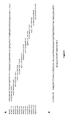
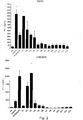
- mice were vaccinated with the recombinant protein ESAT-6 3 times at 2 weeks interval and cells taken two weeks after final vaccination from blood and stimulated with the indicated ESAT-6 peptides ( Fig. 1A ) where after secretion of IFN-gamma, as assessed by ELISA, was determined.
- the results showed an induction of IFN-gamma producing T cells specific for P1 and to a lesser degree P2. Removing the immunodominant epitope P1 from ESAT6 (giving the construct named " ⁇ 15-ESAT-6 in which the amino acids 1-15 have been deleted" ( Fig.
- CFU bacterial burden
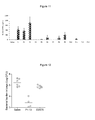
- mice vaccinated with the recombinant protein ESAT-6 were vaccinated three times at 2-week intervals with a mix of all the peptides, and the immune response was investigated by culturing blood cells with each of the individual ESAT-6 peptides P1-P13 ( Fig. 11 ). The results showed that, in contrast to vaccinating with recombinant protein ESAT-6, vaccinating with a mix of ESAT-6 peptides (P1-P13) led to a broader recognition of the peptides ( Fig. 11 ).
- mice were vaccinated three times at 2-week intervals with either ESAT-6 or ESAT-6-peptide mix. 6 weeks after the last vaccination, the mice were subjected to an aerosol challenge with virulent M.tb. 10 weeks after the challenge, the mice were killed and the bacterial numbers were determined in the lungs.
- mice vaccinated with ESAT-6 peptide mix not only exhibited a broader recognition of ESAT-6, but were also significant more protected against infection with M.tb compared to mice vaccinated with the recombinant protein ESAT-6 ( Fig. 12 ).
- vaccinating with a mix of ESAT-6 peptides leads to a broader recognition of ESAT-6 epitopes which in turn induce a significant higher protection against infection with M.tb, compared to when vaccinating with the recombinant protein ESAT-6.
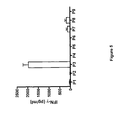
- mice were vaccinated 3 times at 2 weeks interval with recombinant TB10.4, and cells were taken two weeks after final vaccination from blood and stimulated with 0.5ug/ml of the indicated TB10.4 peptides ( Fig. 4 ) and secretion of IFN-gamma, as assessed by ELISA, was determined.
- the results showed that vaccinating with TB10.4 mainly induced P3 specific T cells ( Fig.5 ). P3 therefore constituted a dominant epitope.
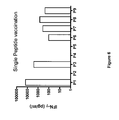
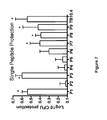
- the subdominant peptides in particular P1, P7, P8, P9 all protected against infection with M.tb. ( Fig. 7 ). Vaccinating with the dominant peptide epitope P3 also induced significant protection.
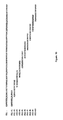
- mice Having determined the existence of subdominant epitopes when vaccinating with the recombinant protein TB10.4 we next examined whether vaccination with a mix of all overlapping TB10.4 peptides would lead to a broader recognition of P1-P9 compared to mice vaccinated with the recombinant protein TB10.4. Mice were vaccinated three times at 2-week intervals with a mix of all the peptides, and the immune response was investigated by culturing blood cells with each of the individual TB10.4 peptides P1-P9 ( Fig. 8 ).
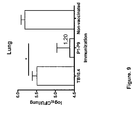
- mice were vaccinated three times at 2-week intervals with either TB1 0.4 or TB10.4-peptide mix. 6 weeks after the last vaccination, the mice were subjected to an aerosol challenge with virulent M.tb. 6 weeks after the challenge, the mice were killed and the bacterial numbers were determined in the lungs.
- mice vaccinated with TB10.4-peptide mix not only exhibited a broader recognition of TB10.4, but were also significant more protected against infection with M.tb compared to mice vaccinated with the recombinant protein TB10.4 ( Fig. 9 ).
- vaccinating with a mix of TB1 0.4 peptides leads to a broader recognition of TB10.4 epitopes which in turn induce a significant higher protection against infection with M.tb, compared to when vaccinating with the recombinant protein TB10.4.
- mice was vaccinated 3 times at 2 weeks interval with recombinant CT521 or a mix of CT521 overlapping peptides ( Fig. 10 ), and cells taken two weeks after final vaccination from blood was stimulated with 0.5ug/ml of each of the CT521 peptides.
- Secretion of IFN-gamma was determined to examine whether vaccinating with a mix of CT521 peptides leads to a broader recognition of CT521, compared to vaccinating with the recombinant CT521 protein.
Landscapes
- Health & Medical Sciences (AREA)
- Life Sciences & Earth Sciences (AREA)
- Veterinary Medicine (AREA)
- Animal Behavior & Ethology (AREA)
- General Health & Medical Sciences (AREA)
- Medicinal Chemistry (AREA)
- Pharmacology & Pharmacy (AREA)
- Public Health (AREA)
- Chemical & Material Sciences (AREA)
- Nuclear Medicine, Radiotherapy & Molecular Imaging (AREA)
- General Chemical & Material Sciences (AREA)
- Chemical Kinetics & Catalysis (AREA)
- Organic Chemistry (AREA)
- Immunology (AREA)
- Communicable Diseases (AREA)
- Microbiology (AREA)
- Mycology (AREA)
- Epidemiology (AREA)
- Tropical Medicine & Parasitology (AREA)
- Virology (AREA)
- Pulmonology (AREA)
- Oncology (AREA)
- Diabetes (AREA)
- Bioinformatics & Cheminformatics (AREA)
- Engineering & Computer Science (AREA)
- Hematology (AREA)
- Obesity (AREA)
- Endocrinology (AREA)
- Emergency Medicine (AREA)
- AIDS & HIV (AREA)
- Molecular Biology (AREA)
- Medicines Containing Antibodies Or Antigens For Use As Internal Diagnostic Agents (AREA)
- Peptides Or Proteins (AREA)
- Medicinal Preparation (AREA)
- Medicines That Contain Protein Lipid Enzymes And Other Medicines (AREA)
Applications Claiming Priority (2)
| Application Number | Priority Date | Filing Date | Title |
|---|---|---|---|
| DKPA200600861 | 2006-06-28 | ||
| EP07764444A EP2040745B1 (en) | 2006-06-28 | 2007-06-26 | Expanding the t cell repertoire to include subdominant epitopes by vaccination with antigens delivered as protein fragments or peptide cocktails |
Related Parent Applications (1)
| Application Number | Title | Priority Date | Filing Date |
|---|---|---|---|
| EP07764444.1 Division | 2007-06-26 |
Publications (1)
| Publication Number | Publication Date |
|---|---|
| EP2402023A1 true EP2402023A1 (en) | 2012-01-04 |
Family
ID=38845996
Family Applications (3)
| Application Number | Title | Priority Date | Filing Date |
|---|---|---|---|
| EP11182884A Withdrawn EP2402023A1 (en) | 2006-06-28 | 2007-06-26 | Expanding the t cell repertoire to include subdominant epitopes by vaccination with antigens delivered as protein fragments or peptide cocktails |
| EP11182885A Withdrawn EP2402024A1 (en) | 2006-06-28 | 2007-06-26 | Expanding the t cell repertoire to include subdominant epitopes by vaccination with antigens delivered as protein fragments or peptide cocktails |
| EP07764444A Not-in-force EP2040745B1 (en) | 2006-06-28 | 2007-06-26 | Expanding the t cell repertoire to include subdominant epitopes by vaccination with antigens delivered as protein fragments or peptide cocktails |
Family Applications After (2)
| Application Number | Title | Priority Date | Filing Date |
|---|---|---|---|
| EP11182885A Withdrawn EP2402024A1 (en) | 2006-06-28 | 2007-06-26 | Expanding the t cell repertoire to include subdominant epitopes by vaccination with antigens delivered as protein fragments or peptide cocktails |
| EP07764444A Not-in-force EP2040745B1 (en) | 2006-06-28 | 2007-06-26 | Expanding the t cell repertoire to include subdominant epitopes by vaccination with antigens delivered as protein fragments or peptide cocktails |
Country Status (11)
| Country | Link |
|---|---|
| US (2) | US8105614B2 (enExample) |
| EP (3) | EP2402023A1 (enExample) |
| JP (1) | JP5165681B2 (enExample) |
| KR (1) | KR20090024292A (enExample) |
| AU (1) | AU2007264205B2 (enExample) |
| BR (1) | BRPI0713978A2 (enExample) |
| CA (1) | CA2654271A1 (enExample) |
| DK (1) | DK2040745T3 (enExample) |
| ES (1) | ES2400531T3 (enExample) |
| RU (1) | RU2490024C2 (enExample) |
| WO (1) | WO2008000261A2 (enExample) |
Families Citing this family (15)
| Publication number | Priority date | Publication date | Assignee | Title |
|---|---|---|---|---|
| DE69941545D1 (de) | 1998-11-04 | 2009-11-26 | Isis Innovation | Tuberkulose diagnose test |
| EP1523331B1 (en) * | 2002-07-13 | 2013-02-27 | Statens Serum Institut | Therapeutic tb vaccine |
| MX2009013008A (es) * | 2007-05-31 | 2010-06-09 | Vacunas para la influenza. | |
| BRPI0811796A2 (pt) * | 2007-06-26 | 2020-04-28 | Statens Serum Institut | Uso de um monomicolil glicerol (mmg) ou de homólogos ou análogos sintéticos e versões modificadas, adjuvante ou imunomodulador, homólogo ou análogo de mmg sintético ou uma versão modificada, vacina e sistema de aplicação |
| EP2197497B1 (en) | 2007-09-27 | 2016-06-01 | ImmunoVaccine Technologies Inc. | Use of liposomes in a carrier comprising a continuous hydrophobic phase for delivery of polynucleotides in vivo |
| JP5715051B2 (ja) * | 2008-06-05 | 2015-05-07 | イムノバクシーン・テクノロジーズ・インコーポレイテッドImmunovaccine Technologies Inc. | リポソーム、抗原、ポリヌクレオチド及び疎水性物質の連続相を含む担体を含む組成物 |
| US20100015171A1 (en) * | 2008-07-15 | 2010-01-21 | Statens Serum Institute | Vaccines comprising tb 10.4 |
| ES2614802T3 (es) * | 2008-11-28 | 2017-06-02 | Statens Serum Institut | Vacunas contra la gripe optimizadas |
| TR201903223T4 (tr) * | 2009-04-24 | 2019-03-21 | Statens Seruminstitut | Reaktivasyonu önlemek üzere bir tüberküloz TB aşısı. |
| US20110104195A1 (en) * | 2009-11-05 | 2011-05-05 | Joao Aguiar | Plasmodium falciparum sporozoite and liver stage antigens |
| US9107875B2 (en) * | 2009-11-18 | 2015-08-18 | Auburn University | Low antigen-dose immunization for maximizing T-helper cell 1 (Th1) immunity against a pathogen |
| US20120244178A1 (en) * | 2011-03-25 | 2012-09-27 | Denise Doolan | Plasmodium falciparum antigens |
| DK3079716T3 (da) * | 2013-12-13 | 2019-08-19 | Us Health | Multiepitop-tarp-peptidvaccine og anvendelser deraf. |
| US10004793B2 (en) | 2014-04-24 | 2018-06-26 | Statens Serum Institut | M.tuberculosis vaccines |
| CN117064854A (zh) * | 2023-08-14 | 2023-11-17 | 广州谦毅生物医药有限公司 | 一种卡瓦脂质体的制备技术 |
Citations (12)
| Publication number | Priority date | Publication date | Assignee | Title |
|---|---|---|---|---|
| US4599230A (en) | 1984-03-09 | 1986-07-08 | Scripps Clinic And Research Foundation | Synthetic hepatitis B virus vaccine including both T cell and B cell determinants |
| US4599231A (en) | 1984-03-09 | 1986-07-08 | Scripps Clinic And Research Foundation | Synthetic hepatitis B virus vaccine including both T cell and B cell determinants |
| US4601903A (en) | 1985-05-01 | 1986-07-22 | The United States Of America As Represented By The Department Of Health And Human Services | Vaccine against Neisseria meningitidis Group B serotype 2 invasive disease |
| US4608251A (en) | 1984-11-09 | 1986-08-26 | Pitman-Moore, Inc. | LHRH analogues useful in stimulating anti-LHRH antibodies and vaccines containing such analogues |
| US4975282A (en) | 1985-06-26 | 1990-12-04 | The Liposome Company, Inc. | Multilamellar liposomes having improved trapping efficiencies |
| WO2001016163A2 (en) | 1999-08-27 | 2001-03-08 | Eurodiagnostica Ab | Peptide mixture and vaccine against a chronic viral infection |
| WO2001093905A1 (en) | 2000-06-08 | 2001-12-13 | Intercell Biomedizinische Forschungs- Und Entwicklungs Ag | Immunostimulatory oligodeoxynucleotides |
| WO2001093903A1 (en) | 2000-06-08 | 2001-12-13 | Intercell Biomedizinische Forschungs- Und Entwicklungs Ag | Antigenic composition comprising a polycationic peptide and inosine and cytosine |
| WO2002032451A1 (en) | 2000-10-18 | 2002-04-25 | Intercell Biomedizinische Forschungs- Und Entwicklungs Ag | Vaccine composition comprising an antigen and a peptide having adjuvant properties |
| WO2003011331A2 (en) | 2001-07-30 | 2003-02-13 | Isis Innovation Limited | Materials and methods relating to improved vaccination strategies |
| WO2004002415A2 (en) * | 2002-06-27 | 2004-01-08 | Dana-Farber Cancer Institute, Inc. | Compositions and methods for modulating a cytotoxic t lymphocyte immune response |
| WO2006002642A2 (en) | 2004-07-07 | 2006-01-12 | Statens Serum Institut | Compositions and methods for stabilizing lipid based adjuvant formulations using glycolipids |
Family Cites Families (9)
| Publication number | Priority date | Publication date | Assignee | Title |
|---|---|---|---|---|
| US6641814B1 (en) * | 1997-04-02 | 2003-11-04 | Statens Serum Institut | Nucleic acids fragments and polypeptide fragments derived from M. tuberculosis |
| EP0979867A3 (en) * | 1993-11-04 | 2007-06-13 | Innogenetics N.V. | Immunodominant human T-cell epitopes of hepatitis C virus |
| CZ302870B6 (cs) * | 1998-04-07 | 2011-12-28 | Corixa Corporation | Polynukleotid, polypeptid, farmaceutický prostredek, vakcínový prostredek a jejich použití k lécbe a prevenci infekce tuberkulózou |
| US6649170B1 (en) | 1999-05-12 | 2003-11-18 | Statens Serum Institut | Adjuvant combinations for immunization composition and vaccines |
| CA2386841A1 (en) * | 1999-10-07 | 2001-04-12 | Corixa Corporation | Fusion proteins of mycobacterium tuberculosis |
| US7749520B2 (en) | 2004-07-07 | 2010-07-06 | Statens Serum Institut | Compositions and methods for stabilizing lipid based adjuvant formulations using glycolipids |
| FR2873467A1 (fr) | 2004-07-26 | 2006-01-27 | Proton World Internatinal Nv | Enregistrement d'une cle dans un circuit integre |
| DK1991266T3 (da) * | 2006-01-26 | 2013-08-26 | Zoetis P Llc | Nye glycolipid-adjuvant-sammensætninger |
| GB0608368D0 (en) * | 2006-04-28 | 2006-06-07 | Isis Innovation | Process for making Oligopeptides |
-
2007
- 2007-06-26 EP EP11182884A patent/EP2402023A1/en not_active Withdrawn
- 2007-06-26 EP EP11182885A patent/EP2402024A1/en not_active Withdrawn
- 2007-06-26 WO PCT/DK2007/000312 patent/WO2008000261A2/en not_active Ceased
- 2007-06-26 ES ES07764444T patent/ES2400531T3/es active Active
- 2007-06-26 RU RU2009102389/15A patent/RU2490024C2/ru not_active IP Right Cessation
- 2007-06-26 AU AU2007264205A patent/AU2007264205B2/en not_active Expired - Fee Related
- 2007-06-26 BR BRPI0713978-0A patent/BRPI0713978A2/pt not_active IP Right Cessation
- 2007-06-26 CA CA002654271A patent/CA2654271A1/en not_active Abandoned
- 2007-06-26 EP EP07764444A patent/EP2040745B1/en not_active Not-in-force
- 2007-06-26 JP JP2009516901A patent/JP5165681B2/ja not_active Expired - Fee Related
- 2007-06-26 DK DK07764444.1T patent/DK2040745T3/da active
- 2007-06-26 KR KR1020097001606A patent/KR20090024292A/ko not_active Ceased
- 2007-06-27 US US11/823,402 patent/US8105614B2/en not_active Expired - Fee Related
-
2011
- 2011-12-16 US US13/328,319 patent/US20120156282A1/en not_active Abandoned
Patent Citations (12)
| Publication number | Priority date | Publication date | Assignee | Title |
|---|---|---|---|---|
| US4599230A (en) | 1984-03-09 | 1986-07-08 | Scripps Clinic And Research Foundation | Synthetic hepatitis B virus vaccine including both T cell and B cell determinants |
| US4599231A (en) | 1984-03-09 | 1986-07-08 | Scripps Clinic And Research Foundation | Synthetic hepatitis B virus vaccine including both T cell and B cell determinants |
| US4608251A (en) | 1984-11-09 | 1986-08-26 | Pitman-Moore, Inc. | LHRH analogues useful in stimulating anti-LHRH antibodies and vaccines containing such analogues |
| US4601903A (en) | 1985-05-01 | 1986-07-22 | The United States Of America As Represented By The Department Of Health And Human Services | Vaccine against Neisseria meningitidis Group B serotype 2 invasive disease |
| US4975282A (en) | 1985-06-26 | 1990-12-04 | The Liposome Company, Inc. | Multilamellar liposomes having improved trapping efficiencies |
| WO2001016163A2 (en) | 1999-08-27 | 2001-03-08 | Eurodiagnostica Ab | Peptide mixture and vaccine against a chronic viral infection |
| WO2001093905A1 (en) | 2000-06-08 | 2001-12-13 | Intercell Biomedizinische Forschungs- Und Entwicklungs Ag | Immunostimulatory oligodeoxynucleotides |
| WO2001093903A1 (en) | 2000-06-08 | 2001-12-13 | Intercell Biomedizinische Forschungs- Und Entwicklungs Ag | Antigenic composition comprising a polycationic peptide and inosine and cytosine |
| WO2002032451A1 (en) | 2000-10-18 | 2002-04-25 | Intercell Biomedizinische Forschungs- Und Entwicklungs Ag | Vaccine composition comprising an antigen and a peptide having adjuvant properties |
| WO2003011331A2 (en) | 2001-07-30 | 2003-02-13 | Isis Innovation Limited | Materials and methods relating to improved vaccination strategies |
| WO2004002415A2 (en) * | 2002-06-27 | 2004-01-08 | Dana-Farber Cancer Institute, Inc. | Compositions and methods for modulating a cytotoxic t lymphocyte immune response |
| WO2006002642A2 (en) | 2004-07-07 | 2006-01-12 | Statens Serum Institut | Compositions and methods for stabilizing lipid based adjuvant formulations using glycolipids |
Non-Patent Citations (25)
| Title |
|---|
| ANJA WEINREICH OLSEN ET AL.: "Efficient protection against Mycobacterium tuberculosis by vaccination with a single subdominant epitope from the ESAT-6 antigen", EUROPEAN JOURNAL OF IMMUNOLOGY, vol. 30, June 2000 (2000-06-01), pages 1724 - 1732, XP002466419 * |
| BABU ET AL., VACCINE, vol. 13, 1995, pages 1669 - 76 |
| BABU J S ET AL: "Priming for virus-specific CD8+ but not CD4+ cytotoxic T lymphocytes with synthetic lipopeptide is influenced by acylation units and liposome encapsulation", VACCINE, ELSEVIER LTD, GB, vol. 13, no. 17, 1 December 1995 (1995-12-01), pages 1669 - 1676, XP004057396, ISSN: 0264-410X, DOI: 10.1016/0264-410X(95)00120-P * |
| CROWE, S. R., S. J. TURNER, S. C. MILLER, A. D. ROBERTS, R. A. RAPPOLO, P. C. DOHERTY, K. H. ELY, D. L. WOODLAND, J EXP MED, vol. 198, 2003, pages 399 |
| DAVIDSEN ET AL., BIOCHIM BIOPHYS ACTA, vol. 1718, 2005, pages 22 - 31 |
| GOSSELIN ET AL., J. IMMUNOL., vol. 149, 1992, pages 3477 - 3481 |
| HARBOE, M. ET AL., INFECT. IMMUN., vol. 66, no. 2, 1998, pages 717 - 723 |
| KAMATH, A. B., J. WOODWORTH, X. XIONG, C. TAYLOR, Y. WENG, S. M. BEHAR, J EXP MED, vol. 200, 2004, pages 1479 |
| KIRBY,GREGORIADIS, vol. 2, 1984, pages 979 - 984 |
| KROGH, TN, BERG, T, HOJRUP, P., ANAL. BIOCHEM., vol. 274, 1999, pages 153 - 162 |
| KUROKOHCHI KAZUTAKA ET AL: "Use of recombinant protein to identify a motif-negative human cytotoxic T-cell epitope presented by HLA-A2 in the hepatitis C virus NS3 region", JOURNAL OF VIROLOGY, vol. 70, no. 1, 1996, pages 232 - 240, XP002466418, ISSN: 0022-538X * |
| LUSTIG ET AL., CELL IMMUNOL, vol. 24, no. 1, 1976, pages 164 - 7 |
| MCMICHAEL, A. J., R. E. PHILLIPS, ANNU REV LMMUNOL, vol. 15, 1997, pages 271 |
| MOWAT ET AL., IMMUNOLOGY, vol. 72, no. 3, 1991, pages 317 - 22 |
| MUNOZ ET AL., INT J PHARM, vol. 269, 2004, pages 177 - 84 |
| OLSEN, A. W., P. R. HANSEN, A. HOLM, P. ANDERSEN, EUR J IMMUNOL, vol. 30, 2000, pages 1724 |
| PAUL, W.: "Fundamental Immunology, fourth edition,", 1999, LIPPINCOTT-RAVEN |
| PICK U., ARCH. BIOCHEM. BIOPHYS., vol. 212, 1981, pages 186 - 194 |
| RAVN, P ET AL., J.INFECT.DIS., vol. 179, 1999, pages 637 - 645 |
| SETTE, A., J. FIKES, CURR OPIN IMMUNOL, vol. 15, 2003, pages 461 |
| STRYHN, A. ET AL., EUR. J. IMMUNOL., vol. 26, 1996, pages 1911 - 1918 |
| THOMPSON J. ET AL., NUCLEIC ACIDS RES, vol. 22, 1994, pages 4673 - 4680 |
| VAN DER MOST, R. G., K. MURALI-KRISHNA, J. G. LANIER, E. J. WHERRY, M. T. PUGLIELLI, J. N. BLATTMAN, A. SETTE, R. AHMED, VIROLOGY, vol. 315, 2003, pages 93 |
| WHERRY, E. J., J. N. BLATTMAN, K. MURALI-KRISHNA, R. VAN DER MOST, R. AHMED, J VIROL, vol. 77, 2003, pages 4911 |
| WILLE-REECE, U., C. Y. WU, B. J. FLYNN, R. M. KEDL, R. A. SEDER, J. IMMUNOL., vol. 174, 2005, pages 7676.6 |
Also Published As
| Publication number | Publication date |
|---|---|
| EP2402024A1 (en) | 2012-01-04 |
| EP2040745A2 (en) | 2009-04-01 |
| RU2009102389A (ru) | 2010-08-10 |
| DK2040745T3 (da) | 2013-03-18 |
| RU2490024C2 (ru) | 2013-08-20 |
| AU2007264205A1 (en) | 2008-01-03 |
| US8105614B2 (en) | 2012-01-31 |
| ES2400531T3 (es) | 2013-04-10 |
| JP2009541373A (ja) | 2009-11-26 |
| JP5165681B2 (ja) | 2013-03-21 |
| EP2040745B1 (en) | 2012-12-05 |
| US20120156282A1 (en) | 2012-06-21 |
| KR20090024292A (ko) | 2009-03-06 |
| AU2007264205B2 (en) | 2013-04-18 |
| US20080008724A1 (en) | 2008-01-10 |
| WO2008000261A2 (en) | 2008-01-03 |
| BRPI0713978A2 (pt) | 2012-11-27 |
| CA2654271A1 (en) | 2008-01-03 |
| WO2008000261A3 (en) | 2008-03-20 |
Similar Documents
| Publication | Publication Date | Title |
|---|---|---|
| EP2040745B1 (en) | Expanding the t cell repertoire to include subdominant epitopes by vaccination with antigens delivered as protein fragments or peptide cocktails | |
| Edelman | Survey of human-use adjuvants | |
| US8142797B2 (en) | Therapeutic TB vaccine | |
| US8241610B2 (en) | Adjuvant combinations of liposomes and mycobacterial lipids for immunization compositions and vaccines | |
| US10519202B2 (en) | Tuberculosis TB vaccine to prevent reactivation | |
| AU772617B2 (en) | Vaccine compositions | |
| Golovliov et al. | Adjuvanticity of ISCOMs incorporating a T cell-reactive lipoprotein of the facultative intracellular pathogen Francisella tularensis | |
| JP2019163253A (ja) | クラミジア種(Chlamydia sp.)に対するワクチン | |
| WO2002004018A2 (en) | Mid-life vaccine and methods for boosting anti-mycobacterial immunity | |
| WO2005061534A2 (en) | Improved tuberculosis vaccines | |
| CN102488898B (zh) | 龋齿疫苗及制备方法 | |
| WO1999052547A9 (en) | Vaccine compositions comprising cd-1 antigens and t-cell stimulating compound and methods of use thereof | |
| JP2004529881A (ja) | 合成ワクチン剤 | |
| Alcón et al. | Biphasic lipid vesicles as a subcutaneous delivery system for protein antigens and CpG oligonucleotides | |
| Baldwin | Novel vaccine approaches against aerogenic infection with Mycobacterium tuberculosis | |
| Alpar | Session 09: Vaccines in the post-genomic era |
Legal Events
| Date | Code | Title | Description |
|---|---|---|---|
| AC | Divisional application: reference to earlier application |
Ref document number: 2040745 Country of ref document: EP Kind code of ref document: P |
|
| AK | Designated contracting states |
Kind code of ref document: A1 Designated state(s): AT BE BG CH CY CZ DE DK EE ES FI FR GB GR HU IE IS IT LI LT LU LV MC MT NL PL PT RO SE SI SK TR |
|
| PUAI | Public reference made under article 153(3) epc to a published international application that has entered the european phase |
Free format text: ORIGINAL CODE: 0009012 |
|
| RIN1 | Information on inventor provided before grant (corrected) |
Inventor name: AAGAARD, CLAUS Inventor name: ANDERSEN, PETER Inventor name: DIETRICH, JES |
|
| 17P | Request for examination filed |
Effective date: 20120704 |
|
| 17Q | First examination report despatched |
Effective date: 20120824 |
|
| STAA | Information on the status of an ep patent application or granted ep patent |
Free format text: STATUS: THE APPLICATION IS DEEMED TO BE WITHDRAWN |
|
| 18D | Application deemed to be withdrawn |
Effective date: 20130104 |