EP1523331B1 - Therapeutic tb vaccine - Google Patents
Therapeutic tb vaccine Download PDFInfo
- Publication number
- EP1523331B1 EP1523331B1 EP03763613A EP03763613A EP1523331B1 EP 1523331 B1 EP1523331 B1 EP 1523331B1 EP 03763613 A EP03763613 A EP 03763613A EP 03763613 A EP03763613 A EP 03763613A EP 1523331 B1 EP1523331 B1 EP 1523331B1
- Authority
- EP
- European Patent Office
- Prior art keywords
- polypeptide
- tuberculosis
- sequence
- infection
- amino acid
- Prior art date
- Legal status (The legal status is an assumption and is not a legal conclusion. Google has not performed a legal analysis and makes no representation as to the accuracy of the status listed.)
- Expired - Lifetime
Links
Images



Classifications
-
- A—HUMAN NECESSITIES
- A61—MEDICAL OR VETERINARY SCIENCE; HYGIENE
- A61K—PREPARATIONS FOR MEDICAL, DENTAL OR TOILETRY PURPOSES
- A61K39/00—Medicinal preparations containing antigens or antibodies
- A61K39/02—Bacterial antigens
- A61K39/04—Mycobacterium, e.g. Mycobacterium tuberculosis
-
- C—CHEMISTRY; METALLURGY
- C07—ORGANIC CHEMISTRY
- C07K—PEPTIDES
- C07K14/00—Peptides having more than 20 amino acids; Gastrins; Somatostatins; Melanotropins; Derivatives thereof
- C07K14/195—Peptides having more than 20 amino acids; Gastrins; Somatostatins; Melanotropins; Derivatives thereof from bacteria
- C07K14/35—Peptides having more than 20 amino acids; Gastrins; Somatostatins; Melanotropins; Derivatives thereof from bacteria from Mycobacteriaceae (F)
-
- A—HUMAN NECESSITIES
- A61—MEDICAL OR VETERINARY SCIENCE; HYGIENE
- A61P—SPECIFIC THERAPEUTIC ACTIVITY OF CHEMICAL COMPOUNDS OR MEDICINAL PREPARATIONS
- A61P31/00—Antiinfectives, i.e. antibiotics, antiseptics, chemotherapeutics
- A61P31/04—Antibacterial agents
- A61P31/06—Antibacterial agents for tuberculosis
-
- A—HUMAN NECESSITIES
- A61—MEDICAL OR VETERINARY SCIENCE; HYGIENE
- A61K—PREPARATIONS FOR MEDICAL, DENTAL OR TOILETRY PURPOSES
- A61K39/00—Medicinal preparations containing antigens or antibodies
- A61K2039/555—Medicinal preparations containing antigens or antibodies characterised by a specific combination antigen/adjuvant
- A61K2039/55511—Organic adjuvants
- A61K2039/55572—Lipopolysaccharides; Lipid A; Monophosphoryl lipid A
Definitions
- the present invention discloses a therapeutic vaccine against latent or active tuberculosis infection caused by the tuberculosis complex microorganisms ( Mycobacterium tuberculosis., M.bovis, M.africanum).
- the invention furthermore discloses a multi-phase vaccine which can be administered either prophylactically or therapeutically as well as a diagnostic reagent for the detection of latent stages of tuberculosis.
- M. tuberculosis Human tuberculosis caused by Mycobacterium tuberculosis ( M. tuberculosis ) is a severe global health problem, responsible for approx. 3 million deaths annually, according to the WHO.
- the worldwide incidence of new tuberculosis (TB) cases had been falling during the 1960s and 1970s but during recent decades this trend has markedly changed in part due to the advent of AIDS and the appearance of multidrug resistant strains of M . tuberculosis.
- Organisms of the tuberculosis complex can cause a variety of diseases, but the commonest route of invasion is by inhalation of bacteria. This initiates an infection in the lung, which can ultimately spread to other parts of the body. Normally, this infection is restricted in growth by the immune system, so that the majority of infected individuals show few signs apart from cough and fever, which eventually abates. Approximately 30% of individuals are unable to contain the infection and they will develop primary disease, which in many cases will eventually prove fatal. However, it is believed that even those individuals who apparently control the infection remain infected, probably for the rest of their life. Certainly, individuals who have been healthy for years or even decades can suddenly develop tuberculosis, which has proven to be caused by the same organism they were infected with many years previously. M.
- tuberculosis and other organisms of the TB complex are unique in that the mycobacteria can evade the immune response and survive for long periods in a refractory non-replicating or slowly-replicating stage. This is referred to as latent TB and is at present a very significant global health problem which is estimated to affect approximately 1/3 of the worlds population (Anon., 2001).
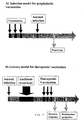
- M. tuberculosis The course of a M. tuberculosis infection runs essentially through 3 phases, as illustrated in figure 1 .
- the bacteria proliferate in the organs, until the immune response increases to the point at which it can control the infection, whereupon the bacterial load peaks and starts declining.
- a latent phase is established where the bacterial load is kept stable at a low level.
- M. tuberculosis goes from active multiplication to dormancy, essentially becoming non-replicating and remaining inside the granuloma.
- the infection goes to the reactivation phase, where the dormant bacteria start replicating again.
- the full nature of the immune response that controls latent infection and the factors that lead to reactivation are largely unknown.
- CD4 T cells are essential and sufficient for control of infection during the acute phase
- BCG The only vaccine presently available for clinical use is BCG, a vaccine whose efficacy remains a matter of controversy.
- BCG consistently performs well in animal models of primary infection, it has clearly failed to control the TB epidemic. Consistent with that, BCG vaccination appears to provide protection against pediatric TB (which is due to primary infection), while offering little or no protection against adult disease (which is often reactivation of latent infection acquired in childhood). It has also been shown that vaccination of individuals who are currently sensitized to mycobacteria or latently infected is ineffective. Thus, current vaccination strategies, while effective against primary disease, fail to activate immune responses which efficiently control surviving dormant bacteria.
- a multiphase vaccine which combines components with prophylactic and therapeutic activity is described in this invention.
- the evasion of the primary immune response and the subsequent development of latent disease is probably at least in part due to the change in the antigenic profile of the invading bacteria.
- vaccinating with antigens associated with latent TB should prevent or reduce the establishment of latent infection and therefore, a vaccine incorporating antigens expressed by the bacteria both in the first logarithmic growth phase and during latent disease should improve long-term immunity when used as a prophylactic vaccine.
- Such a multiphase vaccine will obviously also be efficient as a therapeutic vaccine thereby addressing the problem that the majority of the population in the third world who would receive a future TB vaccine would be already latently infected.
- the immunodominant antigens identified in this invention may be used as diagnostic reagents.
- We has abundantly demonstrated that antigens expressed by mycobacteria during the early stages of the infection, such as ESAT-6 (Early Secretory Antigen Target-6) are recognized in individuals who are in the process of developing primary TB, even though they are healthy at the time of diagnosis (Doherty 2002).
- ESAT-6 Early Secretory Antigen Target-6
- Doherty 2002 the large number of contacts who are exposed, and almost certainly infected, remain negative to this antigen. Since those individuals latently infected remain healthy by making an immune response against the latent bacteria, they must be making an immune response to those antigens expressed by the latent bacteria. Thus, response to those antigens expressed by the latent bacteria.
- the antigens of the invention may also be used to diagnose latent infection and differentiate it from primary acute TB.
- the invention is related to preventing, treating and detecting infections caused by species of the tuberculosis complex ( Mycobacterium tuberculosis, M. bovis, M. africanum ) by the use of a polypeptide comprising a M . tuberculosis antigen or an immunogenic portion or other variant thereof, or by the use of a DNA sequence encoding a M . tuberculosis antigen or an immunogenic portion or other variant thereof.
- the invention discloses a new therapeutic vaccine against tuberculosis comprising antigens induced during the latent stage of TB-infection. It also discloses a multiphase vaccine incorporating a combination of prophylactic and therapeutic antigens as well as diagnostic reagents for the detection of the latent stage of M . tuberculosis infection.
- the present invention discloses the use of a polypeptide , which polypeptide is expressed during the latent stage of the mycobacterial infection, which stage is characterized by low-oxygen tension in the microenvironment of the mycobacteria, for a therapeutic vaccine against tuberculosis, wherein the polypeptide comprises the sequence set forth in SEQ ID:33 or an amino acid sequence analogue having at least 98% sequence identity to the sequence SEQ ID:33 and at the same time being immunogenic.
- Table 1 Amino acid sequences of selected low oxygen induced antigens Rv no. Seq ID no.
- the vaccine is a multiphase vaccine, where the polypeptide is fused to other antigens with efficacy as prophylactic vaccines, where the fusionpartner is selected from eg. the group consisting of ESAT-6, TB10.4, CFP10, RD1-ORF5, RD1-ORF2, Rv1036, MPB64, MPT64, Ag85A, Ag85B (MPT59), MPB59, Ag85C, 19kDa lipoprotein, MPT32.
- the fusionpartner is selected from eg. the group consisting of ESAT-6, TB10.4, CFP10, RD1-ORF5, RD1-ORF2, Rv1036, MPB64, MPT64, Ag85A, Ag85B (MPT59), MPB59, Ag85C, 19kDa lipoprotein, MPT32.
- the invention further discloses a therapeutic vaccine against tuberculosis comprising a polypeptide, which polypeptide is expressed during the latent stage of the mycobacterial infection, which stage is characterized by low-oxygen tension in the microenvironment of the mycobacteria, said polypeptide comprises the sequence set forth in SEQ ID:33.
- the therapeutic and multiphase vaccine comprises an additional delivery system selected among, live recombinant vaccines, that is gene-modified organisms such as bacteria or viruses expressing mycobacterial genes, or immunogenic delivery systems such as, DNA vaccines, that is plasmids expressing genes or gene fragments for the proteins described above, or protein vaccines, that is the proteins themselves or synthetic peptides derived from the proteins themselves delivered in a delivery system such as an adjuvant.
- live recombinant vaccines that is gene-modified organisms such as bacteria or viruses expressing mycobacterial genes
- immunogenic delivery systems such as, DNA vaccines, that is plasmids expressing genes or gene fragments for the proteins described above, or protein vaccines, that is the proteins themselves or synthetic peptides derived from the proteins themselves delivered in a delivery system such as an adjuvant.
- the invention further discloses a therapeutic vaccine in which the amino acid sequence is lipidated so as to allow a self-adjuvanting effect of the polypeptide.
- the application also discloses a method for treating an animal, including a human being, with tuberculosis caused by virulent mycobacteria, e.g. by Mycobacterium tuberculosis, Mycobacterium africanum or Mycobacterium bovis, comprising administering to the animal the above-mentioned vaccine.
- virulent mycobacteria e.g. by Mycobacterium tuberculosis, Mycobacterium africanum or Mycobacterium bovis
- the application also discloses a method for immunising an animal, including a human being, against tuberculosis caused by virulent mycobacteria, e.g. by Mycobacterium tuberculosis, Mycobacterium africanum or Mycobacterium bovis, comprising administering to the animal the above mentioned vaccine.
- virulent mycobacteria e.g. by Mycobacterium tuberculosis, Mycobacterium africanum or Mycobacterium bovis
- the invention discloses an immunogenic composition
- an immunogenic composition comprising a polypeptide as defined above, preferably in the form of a vaccine or in the form of a diagnostic reagent.
- the diagnostic reagent can be in the form of a skin test reagent (administered by the transcutaneous, subcutaneous or intradermal routes), a serological reagent or a reagent for stimulating a cell-mediated reaction.
- the application discloses a nucleic acid fragment in isolated form which
- the nucleic acid fragment is preferably a DNA fragment.
- the fragment can be used as a pharmaceutical.
- the application discloses a vaccine comprising a nucleic acid fragment according to the invention, optionally inserted in a vector, the vaccine effecting in vivo expression of antigen by an animal, including a human being, to whom the vaccine has been administered, the amount of expressed antigen being effective to confer substantially increased resistance to tuberculosis caused by virulent mycobacteria, e.g. by Mycobacterium tuberculosis, Mycobacterium africanum or Mycobacterium bovis, in an animal, including a human being.
- virulent mycobacteria e.g. by Mycobacterium tuberculosis, Mycobacterium africanum or Mycobacterium bovis
- the application discloses the use of a nucleic acid fragment according to the invention for the preparation of a composition for the diagnosis of tuberculosis caused by virulent mycobacteria, e. g. by Mycobacterium tuberculosis, Mycobacterium africanum or Mycobacterium bovis, and the use of a nucleic acid fragment according to the invention for the preparation of a pharmaceutical composition for the vaccination against tuberculosis caused by virulent mycobacteria, e.g. by Mycobacterium tuberculo sis, Mycobacterium africanum or Mycobacterium bovis.
- the application discloses a vaccine for immunizing an animal, including a human being, against tuberculosis caused by virulent mycobacteria, e.g. by Mycobacterium tuberculosis, Mycobacterium africanum or Mycobacterium bovis, comprising as the effective component a non-pathogenic microorganism, wherein at least one copy of a DNA fragment comprising a DNA sequence encoding a polypeptide as defined above has been incorporated into the microorganism (e.g. placed on a plasmid or in the genome) in a manner allowing the microorganism to express and optionally secrete the polypeptide.
- virulent mycobacteria e.g. by Mycobacterium tuberculosis, Mycobacterium africanum or Mycobacterium bovis
- the application discloses a replicable expression vector, which comprises a nucleic acid fragment according to the invention, and a transformed cell harbouring at least one such vector.
- the application discloses a method for producing a polypeptide as defined above, comprising
- the application also discloses a method of diagnosing tuberculosis caused by virulent mycobacteria, e.g. by Mycobacterium tuberculosis, Mycobacterium africanum or Mycobacterium bovis, in an animal, including a human being, comprising intradermally injecting, in the animal, a polypeptide as defined above or an immunogenic composition as defined above, a positive skin response at the location of injection being indicative of the animal having tuberculosis, and a negative skin response at the location of injection being indicative of the animal not having tuberculosis.
- virulent mycobacteria e.g. by Mycobacterium tuberculosis, Mycobacterium africanum or Mycobacterium bovis
- the application discloses a method for immunising an animal, including a human being, against tuberculosis caused by virulent mycobacteria, e.g. by Mycobacterium tuberculosis, Mycobacterium africanum or Mycobacterium bovis, comprising administering to the animal the polypeptide as defined above, the immunogenic composition according to the invention, or the vaccine according to the invention.
- virulent mycobacteria e.g. by Mycobacterium tuberculosis, Mycobacterium africanum or Mycobacterium bovis
- Another embodiment of the application discloses a monoclonal or polyclonal antibody, which is specifically reacting with a polypeptide as defined above in an immuno assay, or a specific binding fragment of said antibody.
- said antibody is for use as a diagnostic reagent, e.g. for detection of mycobacterial antigens in sputum, urine or other body fluids of an infected animal, including a human being.
- the vaccine, immunogenic composition and pharmaceutical composition according to the application can be used therapeutically in a subject infected with a virulent mycobacterium combined with a prophylactic composition in a subject to prevent further infection with a virulent mycobacterium.
- the invention also discloses a method for diagnosing previous or ongoing infection with a virulent mycobacterium, said method comprising
- the invention discloses a method of diagnosing Mycobacterium tuberculosis infection in a subject comprising:
- polypeptide in the present invention should have its usual meaning. That is an amino acid chain of any length, including a full-length protein, oligopeptides, short peptides and fragments thereof, wherein the amino acid residues are linked by covalent peptide bonds.
- the polypeptide may be chemically modified by being glycosylated, by being lipidated (e.g. by chemical lipidation with palmitoyloxy succinimide as described by Mowat et al. 1991 or with dodecanoyl chloride as described by Lustig et al. 1976), by comprising prosthetic groups, or by containing additional amino acids such as e.g. a his-tag or a signal peptide.
- Each polypeptide may thus be characterised by specific amino acids and be encoded by specific nucleic acid sequences. It will be understood that such sequences include analogues and variants produced by recombinant or synthetic methods wherein such polypeptide sequences have been modified by substitution, insertion, addition or deletion of one or more amino acid residues in the recombinant polypeptide and still be immunogenic in any of the biological assays described herein. Substitutions are preferably "conservative". These are defined according to the following table. Amino acids in the same block in the second column and preferably in the same line in the third column may be substituted for each other. The amino acids in the third column are indicated in one-letter code. ALIPHATIC Non-polar GAP ILV Polar-uncharged CSTM NQ Polar-charged DE KR AROMATIC HFWY
- a preferred polypeptide within the present invention is an immunogenic antigen from M . tuberculosis produced when the organism is subjected to the stresses associated with latent infection.
- antigen can for example also be derived from the M . tuberculosis cell and/or M . tuberculosis culture filtrate.
- a polypeptide comprising an immunogenic portion of one of the above antigens may consist entirely of the immunogenic portion, or may contain additional sequences.
- the additional sequences may be derived from the native M . tuberculosis antigen or be heterologous and such sequences may, but need not, be immunogenic.
- Each polypeptide is encoded by a specific nucleic acid sequence. It will be understood that such sequences include analogues and variants hereof wherein such nucleic acid sequences have been modified by substitution, insertion, addition or deletion of one or more nucleic acid. Substitutions are preferably silent substitutions in the codon usage which will not lead to any change in the amino acid sequence, but may be introduced to enhance the expression of the protein.
- substantially pure polypeptide fragment means a polypeptide preparation which contains at most 5% by weight of other polypeptide material with which it is natively associated (lower percentages of other polypeptide material are preferred, e.g. at most 4%, at most 3%, at most 2%, at most 1%, and at most 1 ⁇ 2%). It is preferred that the substantially pure polypeptide is at least 96% pure, i.e. that the polypeptide constitutes at least 96% by weight of total polypeptide material present in the preparation, and higher percentages are preferred, such as at least 97%, at least 98%, at least 99%, at least 99,25%, at least 99,5%, and at least 99,75%.
- the polypeptide fragment is in "essentially pure form", i.e. that the polypeptide fragment is essentially free of any other antigen with which it is natively associated, i.e. free of any other antigen from bacteria belonging to the tuberculosis complex or a virulent mycobacterium.
- This can be accomplished by preparing the polypeptide fragment by means of recombinant methods in a non-mycobacterial host cell as will be described in detail below, or by synthesizing the polypeptide fragment by the well-known methods of solid or liquid phase peptide synthesis, e.g. by the method described by Merrifield or variations thereof.
- virulent mycobacterium is understood a bacterium capable of causing the tuberculosis disease in an animal or in a human being.
- virulent mycobacteria include but are not limited to M. tuberculosis, M. africanum, and M . bovis. Examples of relevant animals are cattle, possums, badgers and kangaroos.
- a TB patient an individual with culture or microscopically proven infection with virulent mycobacteria, and/or an individual clinically diagnosed with TB and who is responsive to anti-TB chemotherapy. Culture, microscopy and clinical diagnosis of TB are well known by any person skilled in the art.
- PPD-positive individual an individual with a positive Mantoux test or an individual where PPD induces a positive in vitro recall response determined by release of IFN- ⁇ .
- a latently infected individual an individual, who has been infected by a virulent mycobacterium, e.g. M. tuberculosis , but shows no sign of active tuberculosis. It is likely that individuals who have been vaccinated, e.g. by BCG, or treated for TB may still retain the mycobacteria within their bodies, although this is currently impossible to prove since such individuals would be expected to be postive if tested for PPD reactivity. Nonetheless, in its most accurate sense, “latently-infected” may be used to describe any individual who has M . tuberculosis residing in their tissues but who is not clinically ill.
- DTH delayed type hypersensitivity reaction
- IFN- ⁇ interferon-gamma.
- the measurement of IFN- ⁇ is used as an indication of an immunological response.
- nucleic acid fragment and “nucleic acid sequence” are understood any nucleic acid molecule including DNA, RNA , LNA (locked nucleic acids), PNA, RNA, dsRNA and RNA-DNA-hybrids. Also included are nucleic acid molecules comprising non-naturally occurring nucleosides. The term includes nucleic acid molecules of any length e.g. from 10 to 10000 nucleotides, depending on the use. When the nucleic acid molecule is for use as a pharmaceutical, e.g.
- a molecule encoding at least one epitope is preferably used, having a length from about 18 to about 1000 nucleotides, the molecule being optionally inserted into a vector.
- a molecule having a length of 10-100 is preferably used.
- molecule lengths can be used, for instance a molecule having at least 12, 15, 21, 24, 27, 30, 33, 36, 39, 42, 50, 60, 70, 80, 90, 100, 200, 300, 400, 500 or 1000 nucleotides (or nucleotide derivatives), or a molecule having at most 10000, 5000, 4000, 3000, 2000, 1000, 700, 500, 400, 300, 200, 100, 50, 40, 30 or 20 nucleotides (or nucleotide derivatives).
- stringent when used in conjunction with hybridization conditions is as defined in the art, i.e. the hybridization is performed at a temperature not more than 15-20°C under the melting point T m , cf. Sambrook et al, 1989, pages 11.45-11.49.
- the conditions are "highly stringent", i.e. 5-10°C under the melting point T m .
- sequence identity indicates a quantitative measure of the degree of homology between two amino acid sequences of equal length or between two nucleotide sequences of equal length.
- the two sequences to be compared must be aligned to best possible fit allowing the insertion of gaps or alternatively, truncation at the ends of the protein sequences.
- the sequence identity can be calculated as N ref - N dif ⁇ 100 N ref , wherein N dif is the total number of non-identical residues in the two sequences when aligned and wherein N ref is the number of residues in one of the sequences.
- Sequence identity can alternatively be calculated by the BLAST program e.g. the BLASTP program (Pearson, 1988, or www.ncbi.nlm.nih.gov/cgi-bin/BLAST). In one aspect of the invention, alignment is performed with the sequence alignment method ClustalW with default parameters as described by Thompson J., et al 1994, available at http:/lwww2.ebi.ac.uk/clustalw/.
- a preferred minimum percentage of sequence identity is at least 80%, such as at least 85%, at least 90%, at least 91 %, at least 92%, at least 93%, at least 94%, at least 95%, at least 96%, at least 97%, at least 98%, at least 99%, and at least 99.5%.
- the polypeptide comprises an immunogenic portion of the polypeptide, such as an epitope for a B-cell or T-cell.
- the immunogenic portion of a polypeptide is a part of the polypeptide, which elicits an immune response in an animal or a human being, and/or in a biological sample determined by any of the biological assays described herein.
- the immunogenic portion of a polypeptide may be a T-cell epitope or a B-cell epitope.
- Immunogenic portions can be related to one or a few relatively small parts of the polypeptide, they can be scattered throughout the polypeptide sequence or be situated in specific parts of the polypeptide.
- epitopes have even been demonstrated to be scattered throughout the polypeptide covering the full sequence (Ravn et al 1999).
- overlapping oligopeptides for the detection of MHC class II epitopes, preferably synthetic, having a length of e.g. 20 amino acid residues derived from the polypeptide.
- These peptides can be tested in biological assays (e.g. the IFN- ⁇ assay as described herein) and some of these will give a positive response (and thereby be immunogenic) as evidence for the presence of a T cell epitope in the peptide.
- B-cell epitopes can be determined by analysing the B cell recognition to overlapping peptides covering the polypeptide of interest as e.g. described in Harboe et al 1998.
- the polypeptide fragment of the invention has a length of at least 7 amino acid residues, such as at least 8, at least 9, at least 10, at least 12, at least 14, at least 16, at least 18, at least 20, at least 22, at least 24, and at least 30 amino acid residues.
- the polypeptide fragment has a length of at most 50 amino acid residues, such as at most 40, 35, 30, 25, and 20 amino acid residues.
- the peptides having a length of between 10 and 20 amino acid residues will prove to be most efficient as MHC class II epitopes and therefore especially preferred lengths of the polypeptide fragment used in the inventive method are 18, such as 15, 14, 13, 12 and even 11 amino acid residues. It is expected that the peptides having a length of between 7 and 12 amino acid residues will prove to be most efficient as MHC class I epitopes and therefore especially preferred lengths of the polypeptide fragment used in the inventive method are 11, such as 10, 9, 8 and even 7 amino acid residues.
- Immunogenic portions of polypeptides may be recognised by a broad part (high frequency) or by a minor part (low frequency) of the genetically heterogeneous human population.
- high frequency a broad part
- low frequency a minor part
- Some immunogenic portions induce high immunological responses (dominant), whereas others induce lower, but still significant, responses (subdominant).
- High frequency> ⁇ low frequency can be related to the immunogenic portion binding to widely distributed MHC molecules (HLA type) or even by multiple MHC molecules (Sinigaglia, 1988, Kilgus, 1991).
- the subdominant epitopes are however as relevant as are the dominant epitopes since it has been shown (Olsen, 2000) that such epitopes can induce protection regardless of the fact that they are not as strongly or broadly recognised.
- polypeptides of the invention are their capability to induce an immunological response as illustrated in the examples. It is understood that a variant of a polypeptide of the invention produced by substitution, insertion, addition or deletion may also be immunogenic as determined by any of the assays described herein.
- An immune individual is defined as a person or an animal, which has cleared or controlled an infection with virulent mycobacteria or has received a vaccination with M.bovis BCG.
- the immune response may be monitored by one of the following methods:
- M . tuberculosis antigens may be prepared using any one of a variety of procedures. They may be purified as native proteins from the M. tuberculosis cell or culture filtrate by procedures such as those described above. Immunogenic antigens may also be produced recombinantly using a DNA sequence encoding the antigen, which has been inserted into an expression vector and expressed in an appropriate host. Examples of host cells are E . coli.
- polypeptides or immunogenic portion hereof can also be produced synthetically having fewer than about 100 amino acids, and generally fewer than 50 amino acids and may be generated using techniques well known to those ordinarily skilled in the art, such as commercially available solid-phase techniques where amino acids are sequentially added to a growing amino acid chain.
- Plasmid DNA can then be prepared from cultures of the host strain carrying the plasmid of interest, and purified using e.g. the Qiagen Giga -Plasmid column kit (Qiagen, Santa Clarita, CA, USA) including an endotoxin removal step. It is preferred that plasmid DNA used for DNA vaccination is endotoxin free.
- the immunogenic polypeptides may also be produced as fusion proteins, by which methods superior characteristics of the polypeptide of the invention can be achieved. For instance, fusion partners that facilitate export of the polypeptide when produced recombinantly, fusion partners that facilitate purification of the polypeptide, and fusion partners which enhance the immunogenicity of the polypeptide fragment of the invention are all interesting possibilities. Therefore, the invention also pertains to a fusion polypeptide comprising at least one polypeptide or immunogenic portion defined above and at least one fusion partner.
- the fusion partner can, in order to enhance immunogenicity, be another polypeptide derived from M .
- tuberculosis such as of a polypeptide fragment derived from a bacterium belonging to the tuberculosis complex, such as ESAT-6, TB10.4, CFP10, RD1-ORF5, RD1-ORF2, Rv1036, MPB64, MPT64, Ag85A, Ag85B (MPT59), MPB59, Ag85C, 19kDa lipoprotein, MPT32 and alpha-crystallin, or at least one T-cell epitope of any of the above mentioned antigens (Skjot et al 2000; Danish Patent application PA 2000 00666 ; Danish Patent application PA 1999 01020 ; US patent application 09/0505,739 ; Rosenkrands et al 1998; Nagai et al 1991).
- a polypeptide fragment derived from a bacterium belonging to the tuberculosis complex such as ESAT-6, TB10.4, CFP10, RD1-ORF5, RD1-ORF2, Rv1036,
- the invention also pertains to a fusion polypeptide comprising mutual fusions of two or more of the polypeptides (or immunogenic portions thereof) of the invention.
- Other fusion partners which could enhance the immunogenicity of the product, are lymphokines such as IFN- ⁇ , IL-2 and IL-12.
- the fusion partner can e.g. be a bacterial fimbrial protein, e.g. the pilus components pilin and papA; protein A; the ZZ-peptide (ZZ-fusions are marketed by Pharmacia in Sweden); the maltose binding protein; gluthatione S-transferase; ⁇ -galactosidase; or poly-histidine. Fusion proteins can be produced recombinantly in a host cell, which could be E. coli, and it is a possibility to induce a linker region between the different fusion partners.
- polypeptides which are lipidated so that the immunogenic polypeptide is presented in a suitable manner to the immune system.
- This effect is e.g. known from vaccines based on the Borrelia burgdorferi OspA polypeptide as described in e.g. WO 96/40718 A or vaccines based on the Pseudomonas aeruginosa Oprl lipoprotein (Cote-Sierra J 1998).
- Another possibility is N-terminal fusion of a known signal sequence and an N-terminal cystein to the immunogenic polypeptide. Such a fusion results in lipidation of the immunogenic polypeptide at the N-terminal cystein, when produced in a suitable production host.
- Another part of the invention pertains to a vaccine composition
- a vaccine composition comprising a polypeptide (or at least one immunogenic portion thereof) or fusion polypeptide according to the invention.
- a vaccine composition comprises an immunologically and pharmaceutically acceptable carrier, vehicle or adjuvant.
- An effective vaccine wherein a polypeptide of the invention is recognized by the animal, will in an animal model be able to decrease bacterial load in target organs, prolong survival times and/or diminish weight loss after challenge with a virulent Mycobacterium, compared to non-vaccinated animals
- Suitable carriers are selected from the group consisting of a polymer to which the polypeptide(s) is/are bound by hydrophobic non-covalent interaction, such as a plastic, e.g. polystyrene, or a polymer to which the polypeptide(s) is/are covalently bound, such as a polysaccharide, or a polypeptide, e.g. bovine serum albumin, ovalbumin or keyhole limpet haemocyanin.
- Suitable vehicles are selected from the group consisting of a diluent and a suspending agent.
- the adjuvant is preferably selected from the group consisting of di-methyldioctadecylammonium bromide (DDA), Quil A, poly I:C, aluminium hydroxide, Freund's incomplete adjuvant, IFN- ⁇ , IL-2, IL-12, monophosphoryl lipid A (MPL), Treholose Dimycolate (TDM), Trehalose Dibehenate and muramyl dipeptide (MDP).
- DDA di-methyldioctadecylammonium bromide
- Quil A Quil A
- poly I:C aluminium hydroxide
- Freund's incomplete adjuvant IFN- ⁇
- IL-2 interleukin-12
- MPL monophosphoryl lipid A
- TDM Treholose Dimycolate
- Trehalose Dibehenate and muramyl dipeptide
- agents such as aluminum hydroxide or phosphate (alum), synthetic polymers of sugars (Carbopol), aggregation of the protein in the vaccine by heat treatment, aggregation by reactivating with pepsin treated (Fab) antibodies to albumin, mixture with bacterial cells such as C. parvum or endotoxins or lipopolysaccharide components of gram-negative bacteria, emulsion in physiologically acceptable oil vehicles such as mannide mono-oleate (Aracel A) or emulsion with 20 percent solution of a perfluorocarbon (Fluosol-DA) used as a block substitute may also be employed.
- Other possibilities involve the use of immune modulating substances such as cytokines or synthetic IFN- ⁇ inducers such as poly I:C in combination with the above-mentioned adjuvants.
- a relevant antigen such as an antigen of the present invention can be conjugated to an antibody (or antigen binding antibody fragment) against the Fc ⁇ receptors on monocytes/macrophages.
- the vaccines are administered in a manner compatible with the dosage formulation, and in such amount as will be therapeutically effective and immunogenic.
- the quantity to be administered depends on the subject to be treated, including, e.g., the capacity of the individual's immune system to mount an immune response, and the degree of protection desired.
- Suitable dosage ranges are of the order of several hundred micrograms active ingredient per vaccination with a preferred range from about 0.1 ⁇ g to 1000 ⁇ g, such as in the range from about 1 ⁇ g to 300 ⁇ g, and especially in the range from about 10 ⁇ g to 50 ⁇ g.
- Suitable regimens for initial administration and booster shots are also variable but are typified by an initial administration followed by subsequent inoculations or other administrations.
- the manner of application may be varied widely. Any of the conventional methods for administration of a vaccine are applicable. These are believed to include oral application on a solid physiologically acceptable base or in a physiologically acceptable dispersion, parenterally, by injection or the like.
- the dosage of the vaccine will depend on the route of administration and will vary according to the age of the person to be vaccinated and, to a lesser degree, the size of the person to be vaccinated.
- the vaccines are conventionally administered parenterally, by injection, for example, either subcutaneously or intramuscularly.
- Additional formulations which are suitable for other modes of administration include suppositories and, in some cases, oral formulations.
- suppositories traditional binders and carriers may include, for example, polyalkalene glycols or triglycerides; such suppositories may be formed from mixtures containing the active ingredient in the range of 0.5% to 10%, preferably 1-2%.
- Oral formulations include such normally employed excipients as, for example, pharmaceutical grades of mannitol, lactose, starch, magnesium stearate, sodium saccharine, cellulose, magnesium carbonate, and the like. These compositions take the form of solutions, suspensions, tablets, pills, capsules, sustained release formulations or powders and advantageously contain 10-95% of active ingredient, preferably 25-70%.
- vaccines can be administered to prevent an infection with virulent mycobacteria, a prophylactic vaccine, and/or to treat established mycobacterial infection, a therapeutic vaccine.
- the vaccine When administered to prevent an infection, the vaccine is given prophylactically, before definitive clinical signs, diagnosis or identification of an infection TB are present. Since the current vaccine BCG appears to induce an effective, but short-lived immune response, prophylactic vaccines may also be designed to be used as booster vaccines. Such booster vaccines are given to individuals who have previously received a vaccination, with the intention of prolonging the period of protection.
- the previous vaccination may have provided sufficient immunity to prevent primary disease, but as discussed previously, boosting this immune response will not help against the latent infection.
- the vaccine will necessarily have to be a therapeutic vaccine designed for efficacy against the latent stage of infection.
- the vaccine according to the invention may comprise several different polypeptides in order to increase the immune response.
- the vaccine may comprise two or more polypeptides or immunogenic portions, where all of the polypeptides are as defined above, or some but not all of the peptides may be derived from virulent mycobacteria.
- the polypeptides not necessarily fulfilling the criteria set forth above for polypeptides may either act due to their own immunogenicity or merely act as adjuvants.
- the vaccine may comprise 1-20, such as 2-20 or even 3-20 different polypeptides or fusion polypeptides, such as 3-10 different polypeptides or fusion polypeptides.
- the invention also pertains to a method for immunising an animal, including a human being, against TB caused by virulent mycobacteria, comprising administering to the animal the polypeptide of the invention, or a vaccine composition of the invention as described above, or a living vaccine described above.
- the invention also pertains to a method for producing an immunologic composition according to the invention, the method comprising preparing, synthesising or isolating a polypeptide according to the invention, and solubilizing or dispersing the polypeptide in a medium for a vaccine, and optionally adding other M. tuberculosis antigens and/or a carrier, vehicle and/or adjuvant substance.
- nucleic acid fragments of the invention may be used for effecting in vivo expression of antigens , i.e. the nucleic acid fragments may be used in so-called DNA vaccines as reviewed in Ulmer et al 1993, which is included by reference.
- the invention also relates to a vaccine comprising a nucleic acid fragment according to the invention, the vaccine effecting in vivo expression of antigen by an animal, including a human being, to whom the vaccine has been administered, the amount of expressed antigen being effective to confer substantially increased resistance to infections caused by virulent mycobacteria in an animal, including a human being.
- the efficacy of such a DNA vaccine can possibly be enhanced by administering the gene encoding the expression product together with a DNA fragment encoding a polypeptide which has the capability of modulating an immune response.
- One possibility for effectively activating a cellular immune response for a vaccine can be achieved by expressing the relevant antigen in a vaccine in a non-pathogenic microorganism or virus.
- a non-pathogenic microorganism or virus are Mycobacterium bovis BCG, Salmonella and Pseudomona and examples of viruses are Vaccinia Virus and Adenovirus.
- Another important aspect of the present invention is an improvement of the living BCG vaccine presently available, wherein one or more copies of a DNA sequence encoding one or more polypeptide as defined above has been incorporated into the genome of the micro-organism in a manner allowing the micro-organism to express and secrete the polypeptide.
- the incorporation of more than one copy of a nucleotide sequence of the invention is contemplated to enhance the immune response.
- Another possibility is to integrate the DNA encoding the polypeptide according to the invention in an attenuated virus such as the vaccinia virus or Adenovirus (Rolph et al 1997).
- the recombinant vaccinia virus is able to replicate within the cytoplasma of the infected host cell and the polypeptide of interest can therefore induce an immune response, which is envisioned to induce protection against TB.
- the invention also relates to the use of a polypeptide or nucleic acid of the invention for use as therapeutic vaccines as have been described by D. Lowrie (Lowrie, 1999) using DNA vaccine encoding HSP65 from M. leprae.
- Antigens with therapeutic properties may be identified based on their ability to diminish the severity of M . tuberculosis infection in experimental animals or prevent reactivation of previous infection, when administered as a vaccine.
- the composition used for therapeutic vaccines can be prepared as described above for vaccines.
- the invention also relates to a method of diagnosing latent TB caused by a virulent mycobacterium in an animal, including a human being, comprising intradermally injecting, in the animal, a polypeptide according to the invention, a positive skin response at the location of injection being indicative of the animal having TB, and a negative skin response at the location of injection being indicative of the animal not having TB.
- a blood sample comprising mononuclear cells (i.e . T-lymphocytes) from a patient is contacted with a sample of one or more polypeptides of the invention.
- This contacting can be performed in vitro and a positive reaction could e.g. be proliferation of the T-cells or release of cytokines such as IFN- ⁇ into the extracellular phase.
- a positive reaction could e.g. be proliferation of the T-cells or release of cytokines such as IFN- ⁇ into the extracellular phase.
- cytokines such as IFN- ⁇ into the extracellular phase.
- the invention therefore also relates to an in vitro method for diagnosing latent infection in an animal or a human being with a virulent mycobacterium, the method comprising providing a blood sample from the animal or human being, and contacting the sample from the animal with the polypeptide of the invention, a significant release into the extracellular phase of at least one cytokine by mononuclear cells in the blood sample being indicative of the animal being sensitised.
- a positive response being a response more than release from a blood sample derived from a patient without the TB diagnosis plus two standard deviations.
- the invention also relates to the in vitro method for diagnosing ongoing or previous sensitisation in an animal or a human being with a virulent mycobacterium, the method comprising providing a blood sample from the animal or human being, and by contacting the sample from the animal with the polypeptide of the invention demonstrating the presence of antibodies recognizing the polypeptide of the invention in the serum sample.
- the immunogenic composition used for diagnosing may comprise 1-20, such as 2-20 or even 3-20 different polypeptides or fusion polypeptides, such as 3-10 different polypeptides or fusion polypeptides.
- the nucleic acid probes encoding the polypeptide of the invention can be used in a variety of diagnostic assays for detecting the presence of pathogenic organisms in a given sample.
- Such a method of diagnosing TB might involve the use of a composition comprising at least a part of a nucleotide sequence as defined above and detecting the presence of nucleotide sequences in a sample from the animal or human being to be tested which hybridise with the nucleic acid fragment (or a complementary fragment) by the use of PCR technique.
- a monoclonal or polyclonal antibody which is specifically reacting with a polypeptide of the invention in an immunoassay, or a specific binding fragment of said antibody, is also a part of the invention.
- the antibodies can be produced by methods known to a person skilled in the art. Polyclonal antibodies can be raised in a mammal, for example, by one or more injections of a polypeptide according to the present invention and, if desired, an adjuvant.
- the monoclonal antibodies according to the present invention may, for example, be produced by the hybridoma method first described by Kohler and Milstein (Kohler and Milstein, 1975), or may be produced by recombinant DNA methods such as described in U.S. Pat. No. 4,816,567 .
- the monoclonal antibodies may also be isolated from phage libraries generated using the techniques described by McCafferty et al (McCafferty, 1990), for example. Methods for producing antibodies are described in the literature, e.g. in US6136958 .
- a sample of a potentially infected organ or body fluid from an infected individual may be contacted with such an antibody recognizing a polypeptide of the invention.
- the demonstration of the reaction by means of methods well known in the art between the sample and the antibody will be indicative of an ongoing infection. It is of course also a possibility to demonstrate the presence of anti-mycobacterial antibodies in serum or other body fluids by contacting a serum sample from a subject with at least one of the polypeptide fragments of the invention and using well-known methods for visualising the reaction between the antibody and antigen.
- an antibody, a nucleic acid fragment and/or a polypeptide of the invention can be used either alone, or as a constituent in a composition.
- Such compositions are known in the art, and comprise compositions in which the antibody, the nucleic acid fragment or the polypeptide of the invention is coupled, preferably covalently, to at least one other molecule, e.g. a label (e.g. radioactive or fluorescent) or a carrier molecule.
- Figure 1 TB vaccination models.
- a schematic time schedule of the models for A) prophylactic vaccination and B) therapeutic vaccination Each square on the time axis represents one week.
- Three prophylactic vaccinations two weeks apart are given 6 weeks prior to an aerosol infection.
- the protective effect of the vaccines is measured 6 weeks after infection, in the acute phase of the infection.
- a reactivation model is established, where aerosol infected mice are treated with anti-M tuberculosis drugs for 8 weeks from the peak of infection (6 weeks after infection). This induces a latent infection phase with a low bacterial load.
- Four -five weeks into the latency phase three therapeutic vaccinations are given two weeks apart and the protective effect of the vaccines is measured as bacterial load in the reactivation phase, seven weeks after the last immunization.
- mice were immunized 3 times with a 2-week interval with recombinant ESAT6, BCG or recombinant Rv2031c.
- the immunization was given as a prophylactic vaccine 6 weeks before the mice were given a M. tuberculosis infection (approx. 250 bacilli) through the aerosol route with. Bacterial numbers in the lung was enumerated 6 weeks post infection.
- the immunization was given as a therapeutic vaccine after a latent infection had been established. Bacterial numbers in the lung was enumerated 8 weeks after the last immunization. The data represents the mean of 5 individual mice.
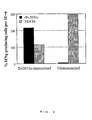
- Latent infected C57BI/6j mice were either not immunized or immunized with 3 ⁇ g recombinant Rv2031 3 times with a two-week interval.
- One and two weeks post immunization mice were bleed and PBMCs isolated.
- the frequency of IFN- ⁇ producing cells specific for either ESAT6 or Rv2031c was determined for both the rRv2031c immunized and the unimmunized group.
- ELIspot plate precoated with anti-IFN- ⁇ antibodies graded numbers of PBMCs were incubated with either 2 ⁇ g/ml rRv2031 c or 2 ⁇ g/ml rESAT6.
- PBMCs from rRv2031c immunized latently infected C57BI/6j mice were analyzed for recognition of 20'mer overlapping peptides scanning through Rv2031 c.
- B) individual peptides of positive pools were reanalyzed.
- PBMCs (2x10 5 ) were incubated for 72 h with 1 ⁇ g/ml of each peptide. Secreted IFN- ⁇ in the supernatant was quantitated.
- Latent infected C57BI/6j mice were immunized 3 times with or without rRv2031c.
- Bacterial numbers in lung (A) and spleen (B) was enumerated 8 weeks after the last immunization. The data represents the mean of 8 individual mice.
- FIG. 6 Rv0569 specific IFN- ⁇ responses.
- Latent infected C57BI/6j mice were vaccinated with 3 ⁇ g of either recombinant Rv0569 or recombinant ESAT6 in a DDA/MPL adjuvant.
- the vaccines were given as 3 s.c. injections with a two-week interval and the induced immune response were evaluated 7 weeks after the last vaccination.
- Isolated splenocytes (2x10 5 ) were incubated for 72 h with antigen at 1 ⁇ g/ml.
- FIG. 7 Therapeutic vaccine induced protection against reactivation.
- Latently infected C57BI/6j mice were vaccinated once with BCG or 3 times with a 2-week interval with either recombinant Rv0569 or recombinant ESAT6. Seven weeks after the last vaccination the bacterial numbers was enumerated in A) the lung and in B) the spleen of vaccinated and un-vaccinated mice. The data represents the mean of Log CFU per organ of 6-8 individual mice.
- EXAMPLE 1 Cloning and expression of low oxygen induced M. tuberculosis antigens in E . coli.
- a number of M tuberculosis genes are induced under low oxygen conditions.
- the up-regulation of the genes listed in table 2 has been determined at either the mRNA (Sherman, 2001) or protein (Boon, 2001, Rosenkrands, 2002) level.
- the coding region of these selected antigens is amplified by PCR using the primer sets listed in table 3.
- Table 3. Primer sequences for PCR amplification of selected low oxygen induced antigens Rv no.
- PCR reactions were carried out using Platinum Tag DNA Polymerase (GIBCO BRL) in a 50 ⁇ l reaction volume containing 60 mM Tris-SO 4 (pH 8.9), 18 mM Ammonium Sulfate, 0.2 mM of each of the four nucleotides, 0.2 ⁇ M of each primer and 10 ng of M. tuberculosis H37Rv chromosomal DNA.
- the reaction mixtures were initially heated to 95° C for 5 min., followed by 35 cycles of: 95° C for 45 sec, 60° C for 45 sec and 72° C for 2 min.
- the amplification products were precipitated by PEG/MgCl 2 , and dissolved in 50 ⁇ L TE buffer.
- DNA fragments were cloned and expressed in Gateway Cloning system (Life. Technology).
- 5 ⁇ L of DNA fragment was mixed with 1 ⁇ L of pDONR201, 2 ⁇ L of BP CLONASE enzyme mix and 2 ⁇ L of BP reaction buffer. The recombination reactions were carried out at 25° C for 60 min. After Proteinase K treatment at 37° C for 10 min., 5 ⁇ L of each sample was used to transform E.coli DH5 ⁇ competent cells. Transformants were selected on LB plates containing 50 ⁇ g/mL kanamycin. One bacterial clone from each transformation was grown in 3 mL LB medium containing 50 ⁇ g/mL kanamycin and plasmid DNA was isolated (Qiagen).
- each entry clone DNA was mixed with 1 ⁇ L of His-tagged expression vector (pDest17), 2 ⁇ L LR reaction buffer, 2 ⁇ L LR CLONASE enzyme mix and 3 ⁇ L TE. After recombination at 25° C for 60 min. and Proteinase K treatment at 37° C for 10 min., 5 ⁇ L of each sample was used to transform E.coli BL21-SI competent cells. Transformants were selected on LBON (LB without NaCl) plates containing 100 ⁇ g/mL ampicillin. The resulting E. coli clones express recombinant proteins carrying a 6-histine tag at the N-terminal. All clones were confirmed by DNA sequencing.
- lysozyme 0.1 mg/mL
- DNase I 2.5 ⁇ g/mL
- the recombinant protein forms inclusion bodies and can be pelleted by centrifugation at 27.000 x g for 15 min.
- Protein pellets were solubilized by adding 20 ml of sonication buffer (8 M urea, 50 mM Na 2 HPO 4 , 100 mM Tris-HCl, pH 8.0) and sonicating 5 x 30 sec pulses interrupted by a 30 sec pause. After another centrifugation at 27.000 x g for 15 min., supernatants were applied to 10 mL TALON columns (Clonetech). The columns were washed with 50 mL sonication buffer.
- Bound proteins were eluted by lowering pH (8 M urea, 50 mM Na 2 HPO 4 , 100 mM Tris-HCl, pH 4.5). 5 mL fractions were collected and analyzed by SDS-PAGE. Fractions containing recombinant protein were pooled. Further purification was achieved by anion- or cation- exchange chromatography on Hitrap columns (Pharmacia). Bound protein was eluted using a NaCl gradient from 0 - 500 mM in 3 M urea, 10 mM Tris-HCl, pH 8.0. All fractions were collected and analyzed on SDS-PAGE using Coomassie staining. Fractions containing recombinant protein were pooled. Final protein concentrations were determined by micro BCA (Pierce).
- EXAMPLE 2 Prophylactic versus therapeutic vaccine.
- a prophylactic vaccine given prior to infection should induce an immune response sufficiently strong to prevent or dampen the initial proliferation of the bacteria in the acute.phase and thereby reduce the ensuing disease.
- na ⁇ ve mice are immunized 3 times, 2 weeks apart with recombinant antigens.
- the mice are given an aerosol infection with approximately 250 M . tuberculosis bacilli.
- the protective capacity of the vaccine is evaluated by enumeration of the bacteria in spleen and lung 6 weeks post-infection.
- a murine reactivation model of latent TB has been established (van Pinxteren, 2000) ( figure 1B ).
- An aerosol infection with approximately 250 M . tuberculosis bacilli is given and at the peak of infection 6 weeks after, the mice receive an 8-week course of anti-mycobacterial drug treatment of isoniazid and rifabutin given in the drinking water. This reduces the bacterial load in spleen and lung to a low level (about 500 bacteria per organ).
- This latent phase of low chronic infection is stable for 9-10 weeks after which a slow spontaneous reactivation occurs.
- the therapeutic vaccine is given as 3 subcutaneous (s.c.) immunizations about 5 weeks after cessation of drug treatment. The effect of the therapeutic vaccine is evaluated as protection against reactivation determined by enumeration of bacteria in spleen and lung 7 weeks after the last immunization.
- BCG, ESAT6, and Rv2031 c one of the most prominent proteins induced under low oxygen conditions (Rosenkrands, 2002), were analyzed for their prophylactic and therapeutic vaccine potential.
- Na ⁇ ve or latently infected C57BI mice were immunized with one s.c. injection of 2.5x10 5 BCG, or 3 s.c. immunizations of 10 ⁇ g of either recombinant ESAT6 or recombinant Rv2031c in a DDA/MPL adjuvant.
- the vaccinations were done in groups of 5 mice and protective capacity of the vaccines was evaluated as described above.
- FIG. 2 shows the bacterial load in the lung in the acute phase (A) and in the reactivation phase (B), after prophylactic and therapeutic vaccination respectively.
- ESAT6 offers protection against acute phase infection at the level of BCG (figure 2A). However, neither of the two shows any protective effect against reactivation of the infection when given during latent infection (figure 2B).
- Rv2031c the low oxygen induced antigen, offers no protection against the acute phase of the infection when given as a prophylactic vaccine, but gives some protection against reactivation when given as a therapeutic vaccine. That is, some antigens, here exemplified by ESAT6, though potent as prophylactic vaccines have no effect as therapeutic vaccines. In contrast, other antigens, here exemplified by Rv2031 c, could be efficient therapeutic vaccines although they have no effect or only negligible effect as prophylactic vaccines.
- Rv2031 c As a therapeutic vaccine was therefore repeated in groups of eight mice. As in the previous experiments the mice were given 3 s.c. immunizations of 10 ⁇ g rRv2031c in DDA/MPL. The induced immune responses were analyzed one week post immunization. The mice were partially bled and the PBMC from the blood purified and analyzed for Rv2031c- and ESAT6 specific recall responses.
- the frequency of Rv2031 c-specific and ESAT6-specific IFN- ⁇ -producing cells were determined in both the rRv2031c immunized and the unimmunized group ( figure 3 ).
- the rRv2031 c immunization has increased the frequency of Rv2031 c-specific IFN- ⁇ producing cells by a factor of 43 as compared to the unimmunized group.
- the frequency of ESAT6-specific IFN- ⁇ producing cells is significantly higher in the unimmunized group.
- ESAT6 is an antigen produced in high amounts by the actively-growing M . tuberculosis bacteria.
- the level of the ESAT6 specific immune response in infected mice could therefore be indicative the degree of actively-growing infection in the animals.
- Recent reports have in fact demonstrated such a correlation between the level of ESAT6 response and degree of disease in both M. tuberculosis -infected humans and M. bovis -infected cattle (Doherty, 2002, Vordermeier, 2002). Therefore, the higher ESAT6 response in the unimmunized group of latently-infected mice could be indicative of a transition into the reactivation phase, where the bacteria are again beginning to multiply.
- fourteen overlapping peptides covering the whole Rv2031 c protein were synthesized.
- peptides were analyzed in 4 pools of 3-4 peptides.
- PBMCs from rRv2031 c immunized latently-infected mice were incubated with the peptide pools (5 ⁇ g/ml per peptide) for 72 h.
- the specific peptide-induced IFN- ⁇ production was quantitated in the supernatant in a standard sandwich ELISA using paired anti-murine IFN- ⁇ antibodies (PharMingen) and recombinant IFN- ⁇ (PharMingen) as standard.
- Both peptide pool 1-4 and 8-10 stimulated a significant IFN- ⁇ response ( figure 4A ).
- the individual peptides of these two pools were re-analyzed ( figure 4B ).
- Rv0569 is also a low oxygen induced antigen described in WO0179274 and illustrates very well the potential as a therapeutic vaccine.
- Rv0569 which is highly up regulated under low oxygen growth conditions [Rosenkrands et al, 2002, 184(13): 3485-91], were analyzed for its ability to protect against reactivation given as a therapeutic vaccine in the latent phase of TB infection.
- Latent infected C57BI mice were vaccinated with 3 s.c. injections of 3 ⁇ g recombinant Rv0569 and for comparison with 3 s.c. injections of 3 ⁇ g recombinant ESAT6 or one s.c. injection of BCG.
- the effect of the vaccine is evaluated 7 weeks after the last immunization.
- the induced immune responses were analyzed for Rv0569 or ESAT6 specific responses in an in vitro recall assay.
- Isolated splenocytes were incubated with 1 ⁇ g/ml of Rv0569 or 1 ⁇ g/ml of ESAT6 for 72h.
- the produced IFN ⁇ in the culture supernatant was quantitated in a standard sandwich ELISA.
- Figure 6 shows a nice Rv0569 specific IFN ⁇ response induced in the Rv0569 vaccinated group with practically no response in the un-vaccinated group.
- the ESAT6 vaccination enhanced the ESAT6 specific response though a significant ESAT6 response persisted in the un-vaccinated latent infected group.
Landscapes
- Health & Medical Sciences (AREA)
- Chemical & Material Sciences (AREA)
- Life Sciences & Earth Sciences (AREA)
- Medicinal Chemistry (AREA)
- General Health & Medical Sciences (AREA)
- Organic Chemistry (AREA)
- Public Health (AREA)
- Animal Behavior & Ethology (AREA)
- Veterinary Medicine (AREA)
- Pulmonology (AREA)
- Pharmacology & Pharmacy (AREA)
- Communicable Diseases (AREA)
- Immunology (AREA)
- Microbiology (AREA)
- Epidemiology (AREA)
- Mycology (AREA)
- Biochemistry (AREA)
- Biophysics (AREA)
- Genetics & Genomics (AREA)
- Molecular Biology (AREA)
- Proteomics, Peptides & Aminoacids (AREA)
- Gastroenterology & Hepatology (AREA)
- Oncology (AREA)
- General Chemical & Material Sciences (AREA)
- Nuclear Medicine, Radiotherapy & Molecular Imaging (AREA)
- Chemical Kinetics & Catalysis (AREA)
- Medicines Containing Antibodies Or Antigens For Use As Internal Diagnostic Agents (AREA)
- Peptides Or Proteins (AREA)
- Medicines That Contain Protein Lipid Enzymes And Other Medicines (AREA)
Description
- The present invention discloses a therapeutic vaccine against latent or active tuberculosis infection caused by the tuberculosis complex microorganisms (Mycobacterium tuberculosis., M.bovis, M.africanum). The invention furthermore discloses a multi-phase vaccine which can be administered either prophylactically or therapeutically as well as a diagnostic reagent for the detection of latent stages of tuberculosis.
- Human tuberculosis caused by Mycobacterium tuberculosis (M. tuberculosis) is a severe global health problem, responsible for approx. 3 million deaths annually, according to the WHO. The worldwide incidence of new tuberculosis (TB) cases had been falling during the 1960s and 1970s but during recent decades this trend has markedly changed in part due to the advent of AIDS and the appearance of multidrug resistant strains of M. tuberculosis.
- Organisms of the tuberculosis complex can cause a variety of diseases, but the commonest route of invasion is by inhalation of bacteria. This initiates an infection in the lung, which can ultimately spread to other parts of the body. Normally, this infection is restricted in growth by the immune system, so that the majority of infected individuals show few signs apart from cough and fever, which eventually abates. Approximately 30% of individuals are unable to contain the infection and they will develop primary disease, which in many cases will eventually prove fatal. However, it is believed that even those individuals who apparently control the infection remain infected, probably for the rest of their life. Certainly, individuals who have been healthy for years or even decades can suddenly develop tuberculosis, which has proven to be caused by the same organism they were infected with many years previously. M. tuberculosis and other organisms of the TB complex are unique in that the mycobacteria can evade the immune response and survive for long periods in a refractory non-replicating or slowly-replicating stage. This is referred to as latent TB and is at present a very significant global health problem which is estimated to affect approximately 1/3 of the worlds population (Anon., 2001).
- The course of a M. tuberculosis infection runs essentially through 3 phases, as illustrated in
figure 1 . During the acute phase, the bacteria proliferate in the organs, until the immune response increases to the point at which it can control the infection, whereupon the bacterial load peaks and starts declining. After this, a latent phase is established where the bacterial load is kept stable at a low level. In this phase M. tuberculosis goes from active multiplication to dormancy, essentially becoming non-replicating and remaining inside the granuloma. In some cases, the infection goes to the reactivation phase, where the dormant bacteria start replicating again. The full nature of the immune response that controls latent infection and the factors that lead to reactivation are largely unknown. However, there is some evidence for a shift in the dominant cell types responsible. While CD4 T cells are essential and sufficient for control of infection during the acute phase, studies suggest that CD8 T cell responses are more important in the latent phase. It is also likely that changes in the antigen-specificity of the response occur, as the bacteria modulates gene expression during its transition from active replication to dormancy. - The only vaccine presently available for clinical use is BCG, a vaccine whose efficacy remains a matter of controversy. Although BCG consistently performs well in animal models of primary infection, it has clearly failed to control the TB epidemic. Consistent with that, BCG vaccination appears to provide protection against pediatric TB (which is due to primary infection), while offering little or no protection against adult disease (which is often reactivation of latent infection acquired in childhood). It has also been shown that vaccination of individuals who are currently sensitized to mycobacteria or latently infected is ineffective. Thus, current vaccination strategies, while effective against primary disease, fail to activate immune responses which efficiently control surviving dormant bacteria.
- At this point no vaccine has been developed that confers protection against reactivation whether given as a prophylactic vaccine prior to infection or as a therapeutic vaccine given to already latently infected individuals.
- This makes the development of a new and improved vaccine against TB an urgent matter, which has been given a very high priority by the WHO. Many attempts to define protective mycobacterial substances have been made, and different investigators have reported increased resistance after experimental vaccination. However, these efforts have almost exclusively focused on the development of prophylactic vaccines for the prevention of disease (Doherty, 2002), and such vaccines have not been demonstrated to work if given in an immunotherapeutic fashion (Turner, 2000).
- It has been suggested that the transition of M. tuberculosis from primary infection to latency is accompanied by changes in gene expression (see, for example, Honer zu Bentrup, 2001). In vitro hypoxic culture conditions, which mimic the conditions of low oxygen tension and restricted nutrients found in the granuloma (the location of the latent infection), have been used to analyse changes in gene expression and a number of antigens have been found that are induced or markedly upregulated under these conditions eg. the 16 kDa antigen α-crystallin (Boon, 2001, Monahan, 2001, Florczyk 2001, Sherman 2001, Manganelli, 2001) and Rv0569 as described in Rosenkrands, 2002, and which is covered by
WO0179274 - In this invention we show that these molecules can be used as the basis for therapeutic vaccines, whereas vaccines which are designed to elicit protective immune responses prior to infection (prophylactic vaccination) are only effective against primary infection. The immune responses elicited are powerless against the latent stage of the disease, because the bacteria have changed the antigens that they produce so that in essence they have altered their appearance and the immune system can no longer recognize them. However, latency is a dynamic process, maintained by the immune response, as indicated by the dramatic increase in the risk of reactivation of TB after HIV infection or other events that compromise immunity. Therefore, an effective vaccination strategy to protect infected individuals (therapeutic vaccination) is possible, but only if it is directed against those antigens expressed in the latent stage.
- Further, since TB vaccines do not result in sterilizing immunity but rather control the infection at a subclinical level (thereby resulting in the subsequent establishment of latent infection), a multiphase vaccine which combines components with prophylactic and therapeutic activity is described in this invention. After conventional prophylactic vaccination, the evasion of the primary immune response and the subsequent development of latent disease is probably at least in part due to the change in the antigenic profile of the invading bacteria. Thus, vaccinating with antigens associated with latent TB should prevent or reduce the establishment of latent infection and therefore, a vaccine incorporating antigens expressed by the bacteria both in the first logarithmic growth phase and during latent disease should improve long-term immunity when used as a prophylactic vaccine. Such a multiphase vaccine will obviously also be efficient as a therapeutic vaccine thereby addressing the problem that the majority of the population in the third world who would receive a future TB vaccine would be already latently infected.
- For a number of years, a major effort has been put into the identification of protective antigens for the development of novel prophylactic vaccines against TB and today a few antigens with demonstrated protective activity in prophylactic vaccines have been identified (eg. ESAT-6, the 38 kDa antigen, Ag85A and Ag85B). Such molecules would be components, which in combination with latency associated antigens such as α-crystallin, could form a multiphase vaccine.
- As noted in the references cited above, it is already known that some genes are upregulated under conditions that mimic latency. However, these are a limited subset of the total gene expression during latent infection. Moreover, as one skilled in the art will readily appreciate, expression of a gene is not sufficient to make it a good vaccine candidate. The only way to determine if a protein is recognized by the immune system during latent infection with M. tuberculosis is to produce the given protein and test it in an appropriate assay as described herein. Of the more than 200 hundred antigens known to be expressed during primary infection, and tested as vaccines, less than a half dozen have demonstrated significant potential. So far only one antigen has been shown to have any potential as a therapeutic vaccine (Lowrie, 1999). However this vaccine only worked if given as a DNA vaccine, an experimental technique so far not approved for use in humans. Moreover, the technique has proved controversial, with other groups claiming that vaccination using this protocol induces either non-specific protection or even worsens disease (Turner, 2000). In contrast, the antigens described in the invention may be incorporated in vaccines that use well-recognized vaccination technology, as demonstrated in provided examples.
- Finally, the immunodominant antigens identified in this invention may be used as diagnostic reagents. Our group has abundantly demonstrated that antigens expressed by mycobacteria during the early stages of the infection, such as ESAT-6 (Early Secretory Antigen Target-6) are recognized in individuals who are in the process of developing primary TB, even though they are healthy at the time of diagnosis (Doherty 2002). However, the large number of contacts who are exposed, and almost certainly infected, remain negative to this antigen (Doherty 2002). Since those individuals latently infected remain healthy by making an immune response against the latent bacteria, they must be making an immune response to those antigens expressed by the latent bacteria. Thus, response to those antigens expressed by the latent bacteria. Thus, the antigens of the invention may also be used to diagnose latent infection and differentiate it from primary acute TB.
- The invention is related to preventing, treating and detecting infections caused by species of the tuberculosis complex (Mycobacterium tuberculosis, M. bovis, M. africanum) by the use of a polypeptide comprising a M. tuberculosis antigen or an immunogenic portion or other variant thereof, or by the use of a DNA sequence encoding a M. tuberculosis antigen or an immunogenic portion or other variant thereof. The invention discloses a new therapeutic vaccine against tuberculosis comprising antigens induced during the latent stage of TB-infection. It also discloses a multiphase vaccine incorporating a combination of prophylactic and therapeutic antigens as well as diagnostic reagents for the detection of the latent stage of M. tuberculosis infection.
- The present invention discloses the use of a polypeptide , which polypeptide is expressed during the latent stage of the mycobacterial infection, which stage is characterized by low-oxygen tension in the microenvironment of the mycobacteria, for a therapeutic vaccine against tuberculosis, wherein the polypeptide comprises the sequence set forth in SEQ ID:33 or an amino acid sequence analogue having at least 98% sequence identity to the sequence SEQ ID:33 and at the same time being immunogenic.
Table 1. Amino acid sequences of selected low oxygen induced antigens Rv no. Seq ID no. Sequence Rv0569 0 
Rv0079 1 
Rv0080 2 
Rv0081 3 
Rv0363c 4 
Rv0572c 5 
Rv0574c 6 
Rv1264 7 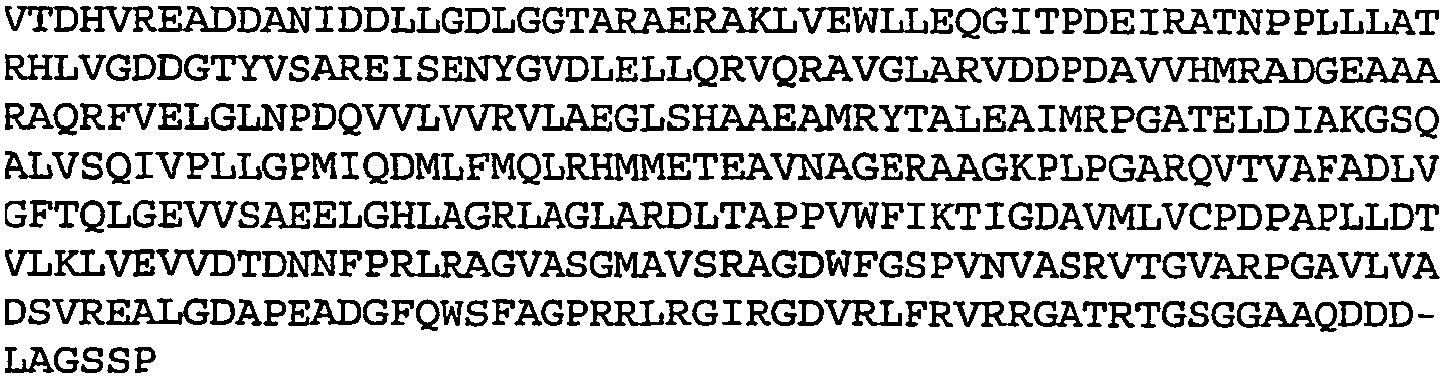
Rv1592c 8 
Rv1733c 9 
Table 1. (continued) Amino acid sequences of selected low oxygen induced antigens Rv no. Seq ID no. Sequence Rv1734c 10 
Rv1736c 11 
Rv1737c 12 
Rv1738c 13 
Rv1739c 14 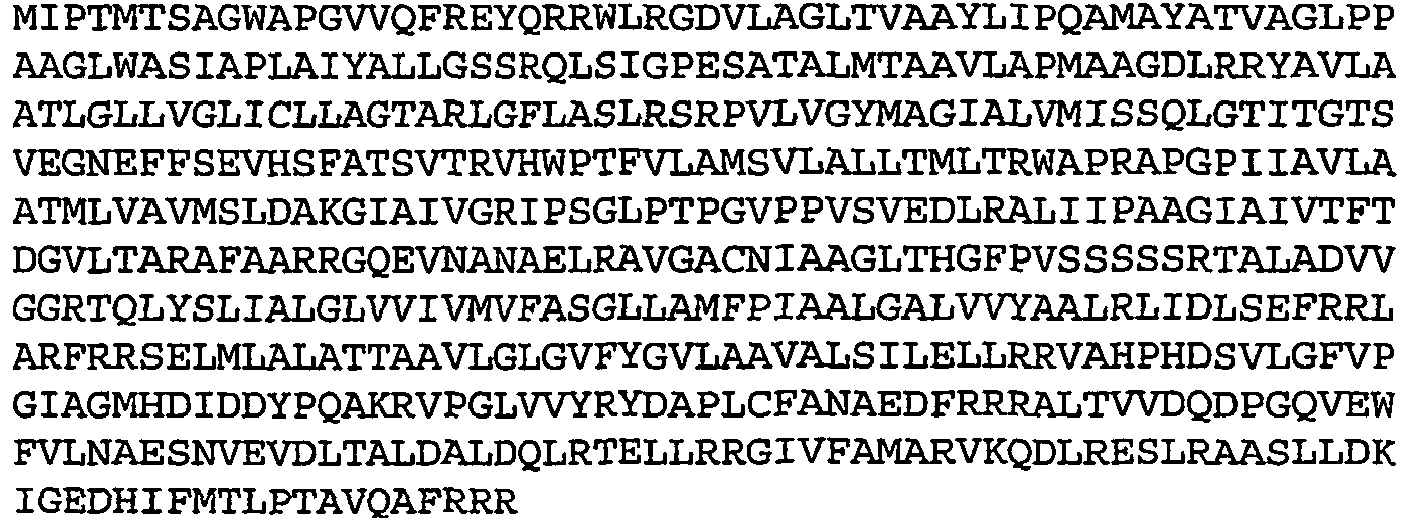
Rv1813c 15 
Rv1997c 16 
Rv1998c 17 
Rv2003c 18 
Rv2005c 19 
Rv2007c 20 
Rv2028c 21 
Rv2029c 22 
Rv2030c 23 
Rv2031c 24 
Rv2032 25 
Rv2428 26 
Rv2624c 27 
Rv2625c 28 
Rv2727c 29 
Rv2628 30 
Rv2629 31 
Rv2630 32 
Rv2659c 33 
Rv2780 34 
Rv3126c 35 
Rv3127 36 
Rv3128c 37 
Rv3129 38 
Rv3130c 39 
Rv3131 40 
Rv3132 41 
Rv3134c 42 
Rv3841 43 
Rv3842c 44 
Rv3908 45 
Table 2. DNA sequences of selected low oxygen induced antigens Rv no. Seq ID no. Sequence Rv0079 46 
Rv0080 47 
Rv0081 48 
Rv0363c 49 
Table 2. (continued) DNA sequences of selected low oxygen induced antigens Rv no. Seq ID no. Sequence Rv0572c 50 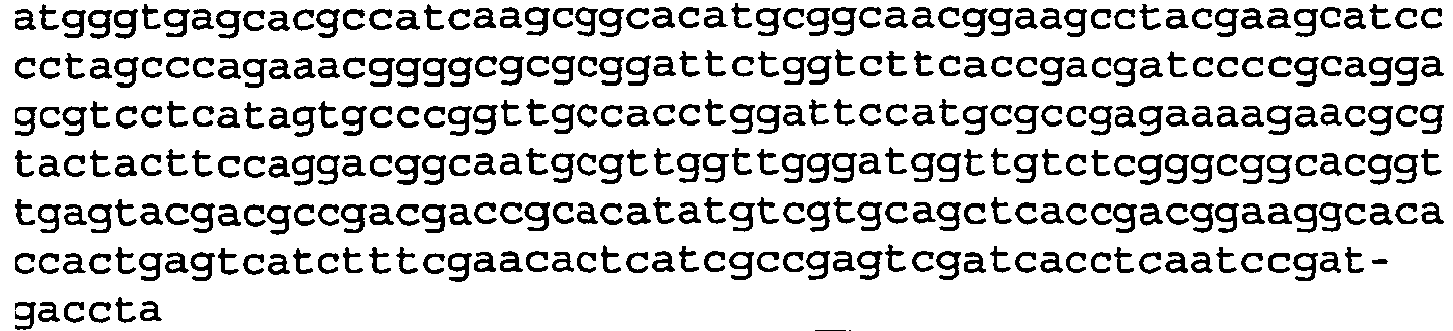
Rv0574c 51 
Rv1264 52 
Rv1592c 53 
Rv1733c 54 
Rv1734c 55 
Rv1736c 56 
Rv1737c 57 
Rv1738 58 
Rv1739c 59 
Rv1813c 60 
Rv1997 61 
Rv1998c 62 
Rv2003c 63 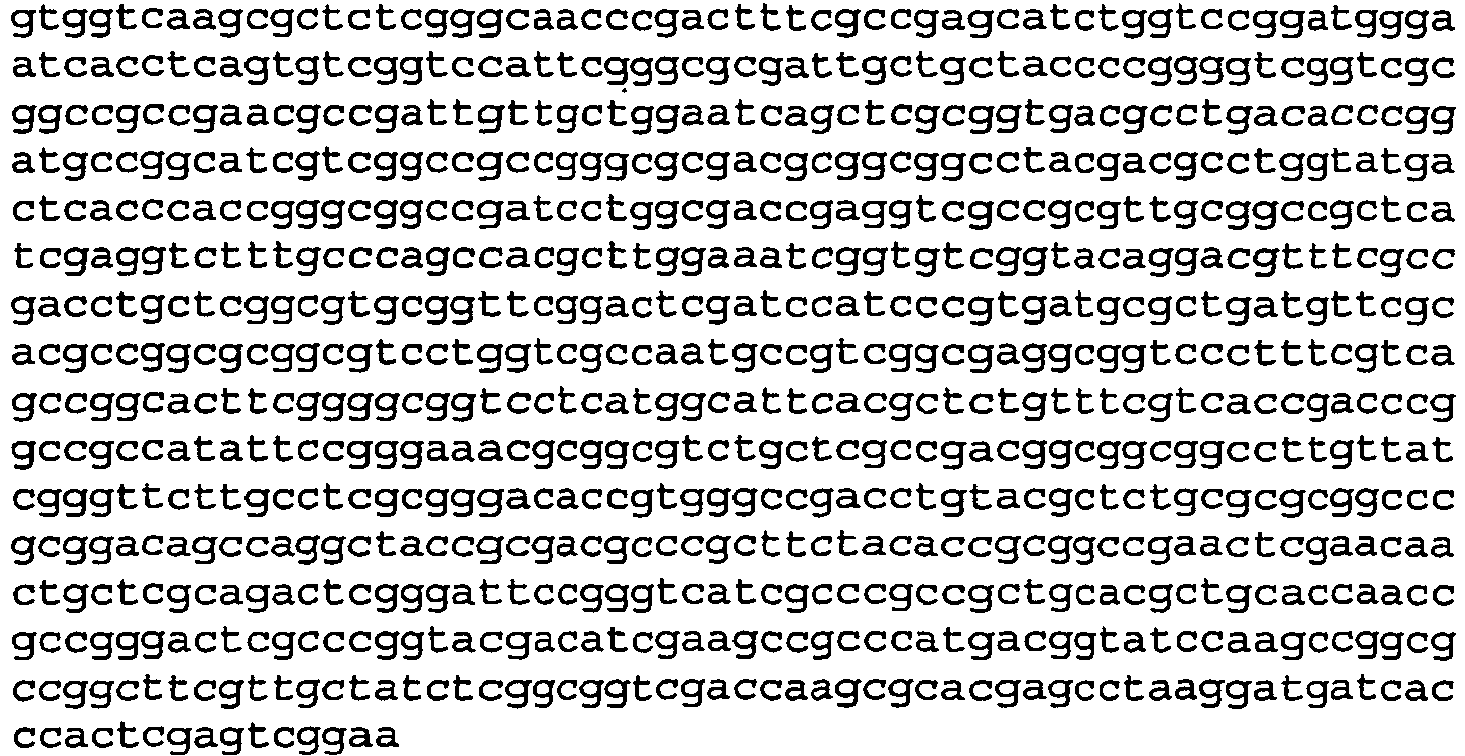
Rv2005c 64 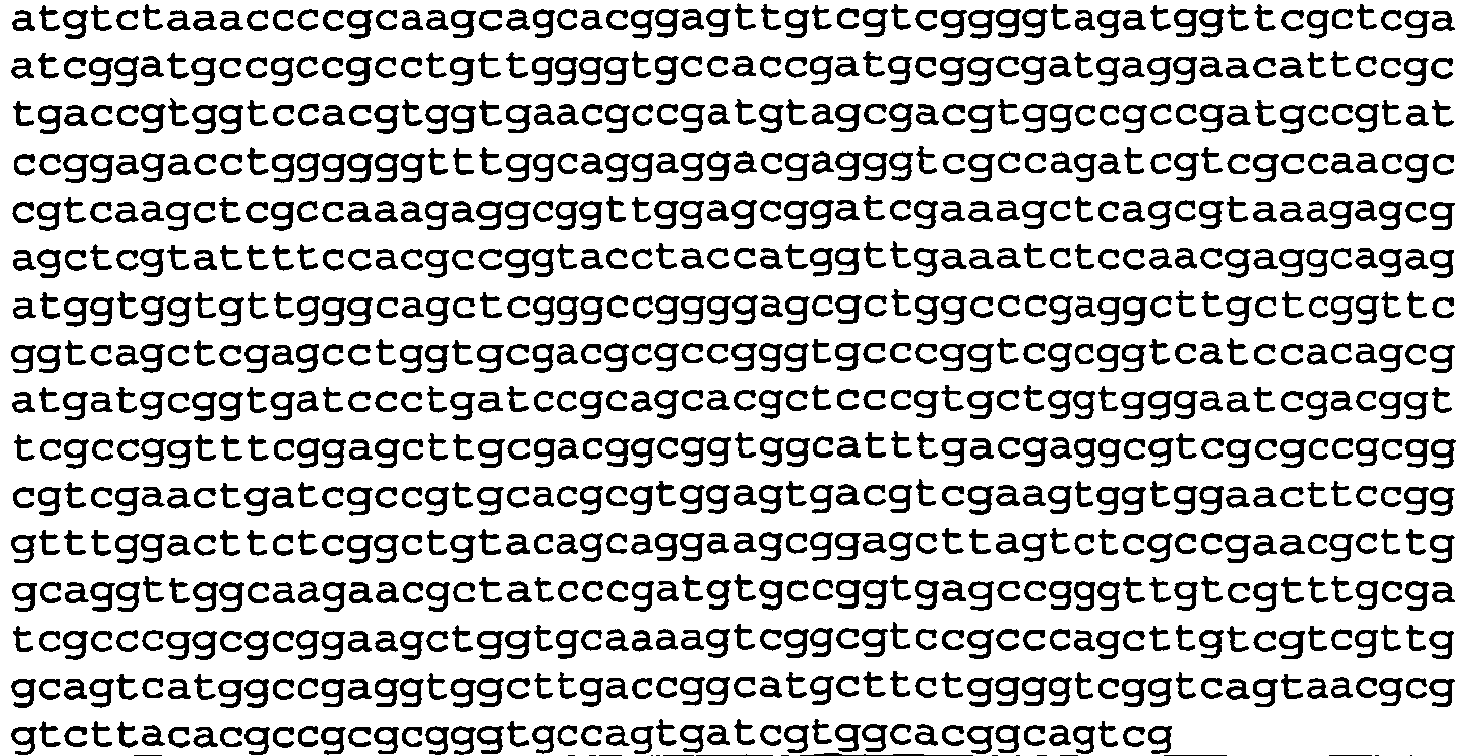
Rv2007c 65 
Rv2028c 66 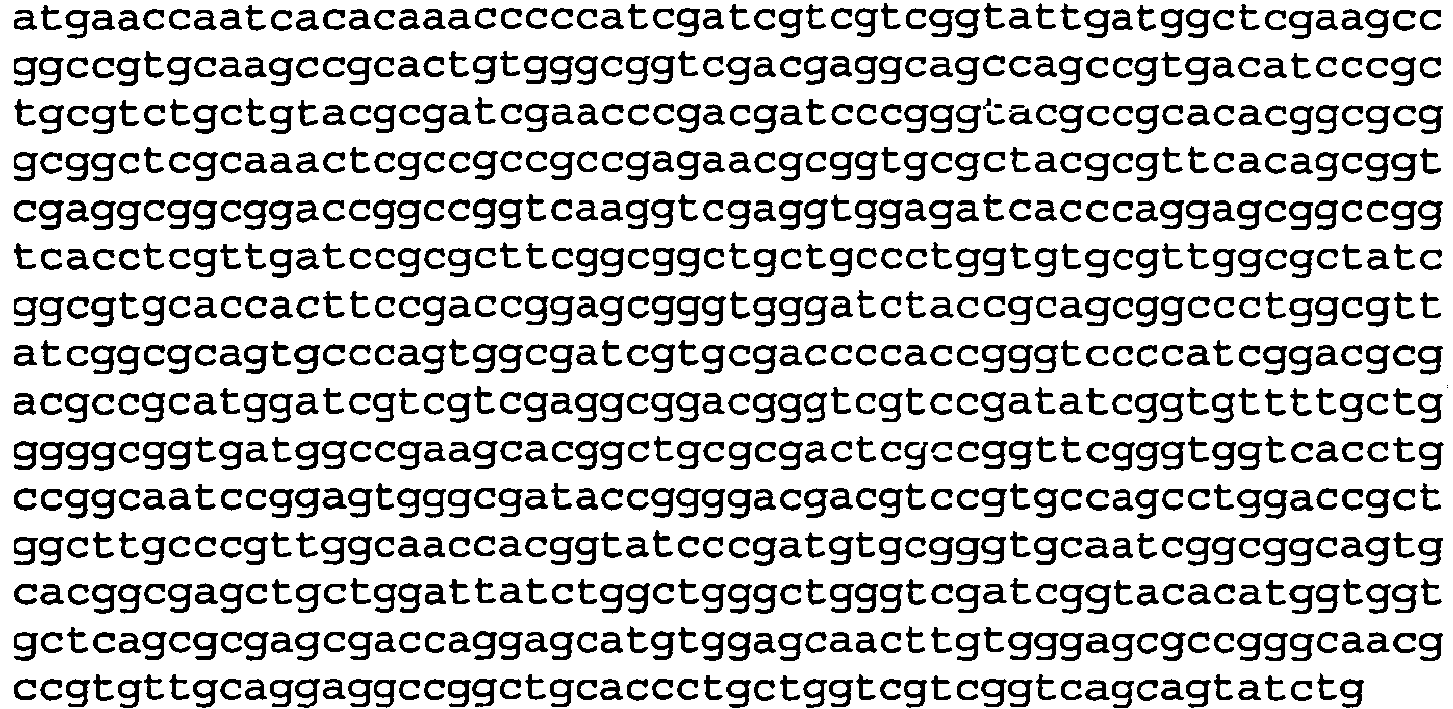
Rv2029c 67 
Rv2030c 68 
Rv2031c 69 
Rv2032 70 
Rv2428 71 
Rv2624c 72 
Rv2625c 73 
Rv2627c 74 
Rv2628 75 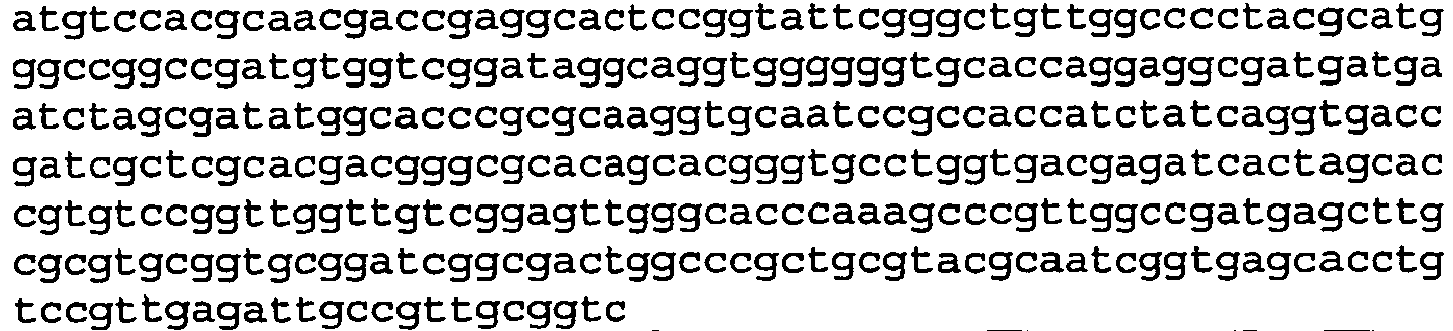
Rv2629 76 
Rv2630 77 
Rv2659c 78 
Rv2780 79 
Rv3126c 80 
Rv3127 81 
Rv3128c 82 
Rv3129 83 
Rv3130c 84 
Rv3131 85 
Rv3132c 86 
Rv3134c 87 
Rv3841 88 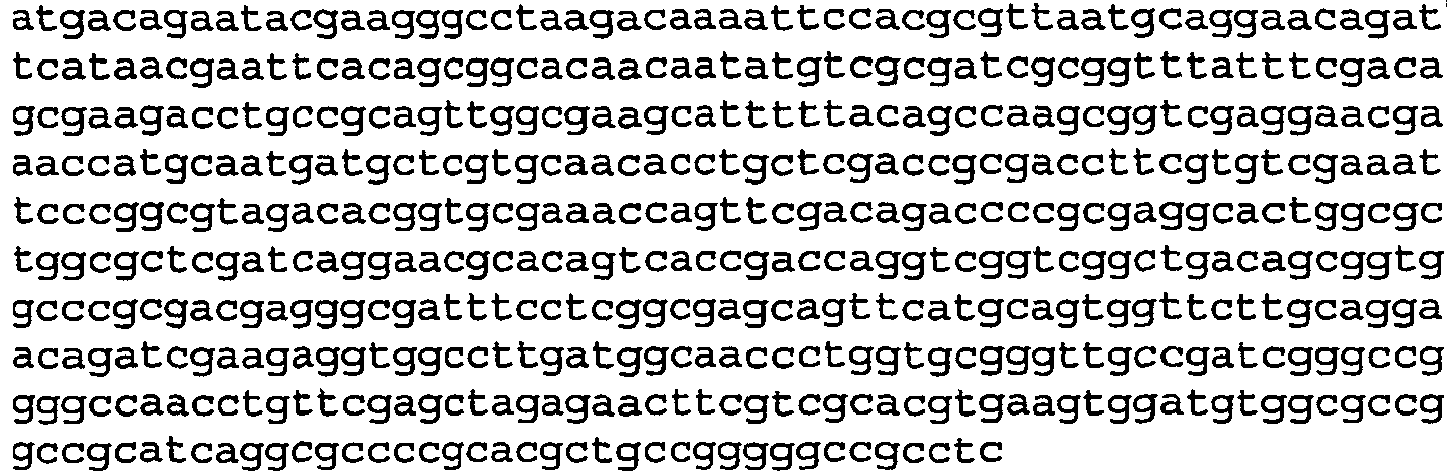
Rv3842c 89 
Rv3908 90 
- In another embodiment, the vaccine is a multiphase vaccine, where the polypeptide is fused to other antigens with efficacy as prophylactic vaccines, where the fusionpartner is selected from eg. the group consisting of ESAT-6, TB10.4, CFP10, RD1-ORF5, RD1-ORF2, Rv1036, MPB64, MPT64, Ag85A, Ag85B (MPT59), MPB59, Ag85C, 19kDa lipoprotein, MPT32.
- The invention further discloses a therapeutic vaccine against tuberculosis comprising a polypeptide, which polypeptide is expressed during the latent stage of the mycobacterial infection, which stage is characterized by low-oxygen tension in the microenvironment of the mycobacteria, said polypeptide comprises the sequence set forth in SEQ ID:33.
- Preferably, the therapeutic and multiphase vaccine comprises an additional delivery system selected among, live recombinant vaccines, that is gene-modified organisms such as bacteria or viruses expressing mycobacterial genes, or immunogenic delivery systems such as, DNA vaccines, that is plasmids expressing genes or gene fragments for the proteins described above, or protein vaccines, that is the proteins themselves or synthetic peptides derived from the proteins themselves delivered in a delivery system such as an adjuvant.
- The invention further discloses a therapeutic vaccine in which the amino acid sequence is lipidated so as to allow a self-adjuvanting effect of the polypeptide.
- The application also discloses a method for treating an animal, including a human being, with tuberculosis caused by virulent mycobacteria, e.g. by Mycobacterium tuberculosis, Mycobacterium africanum or Mycobacterium bovis, comprising administering to the animal the above-mentioned vaccine.
- The application also discloses a method for immunising an animal, including a human being, against tuberculosis caused by virulent mycobacteria, e.g. by Mycobacterium tuberculosis, Mycobacterium africanum or Mycobacterium bovis, comprising administering to the animal the above mentioned vaccine.
- In a still further embodiment, the invention discloses an immunogenic composition comprising a polypeptide as defined above, preferably in the form of a vaccine or in the form of a diagnostic reagent. The diagnostic reagent can be in the form of a skin test reagent (administered by the transcutaneous, subcutaneous or intradermal routes), a serological reagent or a reagent for stimulating a cell-mediated reaction.
- In another embodiment, the application discloses a nucleic acid fragment in isolated form which
- (a) comprises a nucleic acid sequence which encodes a polypeptide as defined above, or comprises a nucleic acid sequence complementary thereto; or
- (b) has a length of at least 10 nucleotides and hybridizes readily under stringent hybridization conditions with a nucleotide sequence selected from the nucleotide sequences presented in Table 2 or a sequence complementary thereto, or with a nucleotide sequence selected from a sequence in (a)
- The nucleic acid fragment is preferably a DNA fragment. The fragment can be used as a pharmaceutical.
- In another embodiment, the application discloses a vaccine comprising a nucleic acid fragment according to the invention, optionally inserted in a vector, the vaccine effecting in vivo expression of antigen by an animal, including a human being, to whom the vaccine has been administered, the amount of expressed antigen being effective to confer substantially increased resistance to tuberculosis caused by virulent mycobacteria, e.g. by Mycobacterium tuberculosis, Mycobacterium africanum or Mycobacterium bovis, in an animal, including a human being.
- In a further embodiment, the application discloses the use of a nucleic acid fragment according to the invention for the preparation of a composition for the diagnosis of tuberculosis caused by virulent mycobacteria, e. g. by Mycobacterium tuberculosis, Mycobacterium africanum or Mycobacterium bovis, and the use of a nucleic acid fragment according to the invention for the preparation of a pharmaceutical composition for the vaccination against tuberculosis caused by virulent mycobacteria, e.g. by Mycobacterium tuberculosis, Mycobacterium africanum or Mycobacterium bovis.
- In a still further embodiment, the application discloses a vaccine for immunizing an animal, including a human being, against tuberculosis caused by virulent mycobacteria, e.g. by Mycobacterium tuberculosis, Mycobacterium africanum or Mycobacterium bovis, comprising as the effective component a non-pathogenic microorganism, wherein at least one copy of a DNA fragment comprising a DNA sequence encoding a polypeptide as defined above has been incorporated into the microorganism (e.g. placed on a plasmid or in the genome) in a manner allowing the microorganism to express and optionally secrete the polypeptide.
- In another embodiment, the application discloses a replicable expression vector, which comprises a nucleic acid fragment according to the invention, and a transformed cell harbouring at least one such vector.
- In another embodiment, the application discloses a method for producing a polypeptide as defined above, comprising
- (a) inserting a nucleic acid fragment according to the invention into a vector which is able to replicate in a host cell, introducing the resulting recombinant vector into the host cell, culturing the host cell in a culture medium under conditions sufficient to effect expression of the polypeptide, and recovering the polypeptide from the host cell or culture medium;
- (b) isolating the polypeptide from a whole mycobacterium, e.g. Mycobacterium tuberculosis, Mycobacterium africanum or Mycobacterium bovis, from culture filtrate or from lysates or fractions thereof; or
- (c) synthesizing the polypeptide e.g. by solid or liquid phase peptide synthesis.
- The application also discloses a method of diagnosing tuberculosis caused by virulent mycobacteria, e.g. by Mycobacterium tuberculosis, Mycobacterium africanum or Mycobacterium bovis, in an animal, including a human being, comprising intradermally injecting, in the animal, a polypeptide as defined above or an immunogenic composition as defined above, a positive skin response at the location of injection being indicative of the animal having tuberculosis, and a negative skin response at the location of injection being indicative of the animal not having tuberculosis.
- In another embodiment, the application discloses a method for immunising an animal, including a human being, against tuberculosis caused by virulent mycobacteria, e.g. by Mycobacterium tuberculosis, Mycobacterium africanum or Mycobacterium bovis, comprising administering to the animal the polypeptide as defined above, the immunogenic composition according to the invention, or the vaccine according to the invention.
- Another embodiment of the application discloses a monoclonal or polyclonal antibody, which is specifically reacting with a polypeptide as defined above in an immuno assay, or a specific binding fragment of said antibody. Preferably, said antibody is for use as a diagnostic reagent, e.g. for detection of mycobacterial antigens in sputum, urine or other body fluids of an infected animal, including a human being.
- In a further embodiment the application discloses a pharmaceutical composition which comprises an immunologically responsive amount of at least one member selected from the group consisting of:
- (a) a polypeptide selected from the sequences presented in Table 1, or an immunogenic portion thereof;
- (b) an amino acid sequence which has a sequence identity of at least 70% to any one of said polypeptides in (a) and is immunogenic;
- (c) a fusion polypeptide comprising at least one polypeptide or amino acid sequence according to (a) or (b) and at least one fusion partner;
- (d) a nucleic acid sequence which encodes a polypeptide or amino acid sequence according to (a), (b) or (c);
- (e) a nucleic acid sequence which is complementary to a sequence according to (d);
- (f) a nucleic acid sequence which has a length of at least 10 nucleotides and which hybridizes under stringent conditions with a nucleic acid sequence according to (d) or (e); and
- (g) a non-pathogenic micro-organism which has incorporated (e.g. placed on a plasmid or in the genome) therein a nucleic acid sequence according to (d), (e) or (f) in a manner to permit expression of a polypeptide encoded thereby.
- In a still further embodiment the application discloses a method for stimulating an immunogenic response in an animal which comprises administering to said animal an immunologically stimulating amount of at least one member selected from the group consisting of:
- (a) a polypeptide selected from from the sequences presented in Table 1, or an immunogenic portion thereof;
- (b) an amino acid sequence which has a sequence identity of at least 70% to any one of said polypeptides in (a) and is immunogenic;
- (c) a fusion polypeptide comprising at least one polypeptide or amino acid sequence according to (a) or (b) and at least one fusion partner;
- (d) a nucleic acid sequence which encodes a polypeptide or amino acid sequence according to (a), (b) or (c);
- (e) a nucleic acid sequence which is complementary to a sequence according to (d);
- (f) a nucleic acid sequence which has a length of at least 10 nucleotides and which hybridizes under stringent conditions with a nucleic acid sequence according to (d) or (e); and
- (g) a non-pathogenic micro-organism which has incorporated therein (e.g. placed on a plasmid or in the genome) a nucleic acid sequence according to (d), (e) or (f) in a manner to permit expression of a polypeptide encoded thereby.
- The vaccine, immunogenic composition and pharmaceutical composition according to the application can be used therapeutically in a subject infected with a virulent mycobacterium combined with a prophylactic composition in a subject to prevent further infection with a virulent mycobacterium.
- The invention also discloses a method for diagnosing previous or ongoing infection with a virulent mycobacterium, said method comprising
- (a) contacting a sample, e.g. a blood sample, with a composition comprising an antibody according to the invention, a nucleic acid fragment according to the invention and/or a polypeptide as defined above, or
- (b) contacting a sample, e.g. a blood sample comprising mononuclear cells (e.g. T-lymphocytes), with a composition comprising one or more polypeptides as defined above in order to detect a positive reaction, e.g. proliferation of the cells or release of cytokines such as IFN-γ.
- Finally, the invention discloses a method of diagnosing Mycobacterium tuberculosis infection in a subject comprising:
- (a) contacting a polypeptide as defined above with a bodily fluid sample of the subject;
- (b) detecting binding of a antibody to said polypeptide, said binding being an indication that said subject is infected by Mycobacterium tuberculosis or is susceptible to Mycobacterium tuberculosis infection.
- The word "polypeptide" in the present invention should have its usual meaning. That is an amino acid chain of any length, including a full-length protein, oligopeptides, short peptides and fragments thereof, wherein the amino acid residues are linked by covalent peptide bonds.
- The polypeptide may be chemically modified by being glycosylated, by being lipidated (e.g. by chemical lipidation with palmitoyloxy succinimide as described by Mowat et al. 1991 or with dodecanoyl chloride as described by Lustig et al. 1976), by comprising prosthetic groups, or by containing additional amino acids such as e.g. a his-tag or a signal peptide.
- Each polypeptide may thus be characterised by specific amino acids and be encoded by specific nucleic acid sequences. It will be understood that such sequences include analogues and variants produced by recombinant or synthetic methods wherein such polypeptide sequences have been modified by substitution, insertion, addition or deletion of one or more amino acid residues in the recombinant polypeptide and still be immunogenic in any of the biological assays described herein. Substitutions are preferably "conservative". These are defined according to the following table. Amino acids in the same block in the second column and preferably in the same line in the third column may be substituted for each other. The amino acids in the third column are indicated in one-letter code.
ALIPHATIC Non-polar GAP ILV Polar-uncharged CSTM NQ Polar-charged DE KR AROMATIC HFWY - A preferred polypeptide within the present invention is an immunogenic antigen from M. tuberculosis produced when the organism is subjected to the stresses associated with latent infection. Such antigen can for example also be derived from the M. tuberculosis cell and/or M. tuberculosis culture filtrate. Thus, a polypeptide comprising an immunogenic portion of one of the above antigens may consist entirely of the immunogenic portion, or may contain additional sequences. The additional sequences may be derived from the native M. tuberculosis antigen or be heterologous and such sequences may, but need not, be immunogenic.
- Each polypeptide is encoded by a specific nucleic acid sequence. It will be understood that such sequences include analogues and variants hereof wherein such nucleic acid sequences have been modified by substitution, insertion, addition or deletion of one or more nucleic acid. Substitutions are preferably silent substitutions in the codon usage which will not lead to any change in the amino acid sequence, but may be introduced to enhance the expression of the protein.
- In the present context the term "substantially pure polypeptide fragment" means a polypeptide preparation which contains at most 5% by weight of other polypeptide material with which it is natively associated (lower percentages of other polypeptide material are preferred, e.g. at most 4%, at most 3%, at most 2%, at most 1%, and at most ½%). It is preferred that the substantially pure polypeptide is at least 96% pure, i.e. that the polypeptide constitutes at least 96% by weight of total polypeptide material present in the preparation, and higher percentages are preferred, such as at least 97%, at least 98%, at least 99%, at least 99,25%, at least 99,5%, and at least 99,75%. It is especially preferred that the polypeptide fragment is in "essentially pure form", i.e. that the polypeptide fragment is essentially free of any other antigen with which it is natively associated, i.e. free of any other antigen from bacteria belonging to the tuberculosis complex or a virulent mycobacterium. This can be accomplished by preparing the polypeptide fragment by means of recombinant methods in a non-mycobacterial host cell as will be described in detail below, or by synthesizing the polypeptide fragment by the well-known methods of solid or liquid phase peptide synthesis, e.g. by the method described by Merrifield or variations thereof.
- By the term "virulent mycobacterium" is understood a bacterium capable of causing the tuberculosis disease in an animal or in a human being. Examples of virulent mycobacteria include but are not limited to M. tuberculosis, M. africanum, and M. bovis. Examples of relevant animals are cattle, possums, badgers and kangaroos.
- By "a TB patient" is understood an individual with culture or microscopically proven infection with virulent mycobacteria, and/or an individual clinically diagnosed with TB and who is responsive to anti-TB chemotherapy. Culture, microscopy and clinical diagnosis of TB are well known by any person skilled in the art.
- By the term "PPD-positive individual" is understood an individual with a positive Mantoux test or an individual where PPD induces a positive in vitro recall response determined by release of IFN-γ.
- By "a latently infected individual" is understood an individual, who has been infected by a virulent mycobacterium, e.g. M. tuberculosis , but shows no sign of active tuberculosis. It is likely that individuals who have been vaccinated, e.g. by BCG, or treated for TB may still retain the mycobacteria within their bodies, although this is currently impossible to prove since such individuals would be expected to be postive if tested for PPD reactivity. Nonetheless, in its most accurate sense, "latently-infected" may be used to describe any individual who has M. tuberculosis residing in their tissues but who is not clinically ill.
- By the term "delayed type hypersensitivity reaction" (DTH) is understood a T-cell mediated inflammatory response elicited after the injection of a polypeptide into, or application to, the skin, said inflammatory response appearing 72-96 hours after the polypeptide injection or application.
- By the term "IFN-γ" is understood interferon-gamma. The measurement of IFN-γ is used as an indication of an immunological response.
- By the terms "nucleic acid fragment" and "nucleic acid sequence" are understood any nucleic acid molecule including DNA, RNA , LNA (locked nucleic acids), PNA, RNA, dsRNA and RNA-DNA-hybrids. Also included are nucleic acid molecules comprising non-naturally occurring nucleosides. The term includes nucleic acid molecules of any length e.g. from 10 to 10000 nucleotides, depending on the use. When the nucleic acid molecule is for use as a pharmaceutical, e.g. in DNA therapy, or for use in a method for producing a polypeptide according to the invention, a molecule encoding at least one epitope is preferably used, having a length from about 18 to about 1000 nucleotides, the molecule being optionally inserted into a vector. When the nucleic acid molecule is used as a probe, as a primer or in antisense therapy, a molecule having a length of 10-100 is preferably used. According to the invention, other molecule lengths can be used, for instance a molecule having at least 12, 15, 21, 24, 27, 30, 33, 36, 39, 42, 50, 60, 70, 80, 90, 100, 200, 300, 400, 500 or 1000 nucleotides (or nucleotide derivatives), or a molecule having at most 10000, 5000, 4000, 3000, 2000, 1000, 700, 500, 400, 300, 200, 100, 50, 40, 30 or 20 nucleotides (or nucleotide derivatives).
- The term "stringent" when used in conjunction with hybridization conditions is as defined in the art, i.e. the hybridization is performed at a temperature not more than 15-20°C under the melting point Tm, cf. Sambrook et al, 1989, pages 11.45-11.49. Preferably, the conditions are "highly stringent", i.e. 5-10°C under the melting point Tm.
- Throughout this specification, unless the context requires otherwise, the word "comprise", or variations thereof such as "comprises" or "comprising", will be understood to imply the inclusion of a stated element or integer or group of elements or integers but not the exclusion of any other element or integer or group of elements or integers.
- The term "sequence identity" indicates a quantitative measure of the degree of homology between two amino acid sequences of equal length or between two nucleotide sequences of equal length. The two sequences to be compared must be aligned to best possible fit allowing the insertion of gaps or alternatively, truncation at the ends of the protein sequences. The sequence identity can be calculated as

- A preferred minimum percentage of sequence identity is at least 80%, such as at least 85%, at least 90%, at least 91 %, at least 92%, at least 93%, at least 94%, at least 95%, at least 96%, at least 97%, at least 98%, at least 99%, and at least 99.5%.
- In a preferred embodiment of the invention, the polypeptide comprises an immunogenic portion of the polypeptide, such as an epitope for a B-cell or T-cell.
The immunogenic portion of a polypeptide is a part of the polypeptide, which elicits an immune response in an animal or a human being, and/or in a biological sample determined by any of the biological assays described herein. The immunogenic portion of a polypeptide may be a T-cell epitope or a B-cell epitope. Immunogenic portions can be related to one or a few relatively small parts of the polypeptide, they can be scattered throughout the polypeptide sequence or be situated in specific parts of the polypeptide. For a few polypeptides epitopes have even been demonstrated to be scattered throughout the polypeptide covering the full sequence (Ravn et al 1999).
In order to identify relevant T-cell epitopes which are recognised during an immune response, it is possible to use overlapping oligopeptides for the detection of MHC class II epitopes, preferably synthetic, having a length of e.g. 20 amino acid residues derived from the polypeptide. These peptides can be tested in biological assays (e.g. the IFN-γ assay as described herein) and some of these will give a positive response (and thereby be immunogenic) as evidence for the presence of a T cell epitope in the peptide. For the detection of MHC class I epitopes it is possible to predict peptides that will bind (Stryhn et al. 1996) and hereafter produce these peptides synthetic and test them in relevant biological assays e.g. the IFN-γ assay as described herein. The peptides preferably having a length of e.g. 8 to 11 amino acid residues derived from the polypeptide. B-cell epitopes can be determined by analysing the B cell recognition to overlapping peptides covering the polypeptide of interest as e.g. described in Harboe et al 1998. - Although the minimum length of a T-cell epitope has been shown to be at least 6 amino acids, it is normal that such epitopes are constituted of longer stretches of amino acids. Hence, it is preferred that the polypeptide fragment of the invention has a length of at least 7 amino acid residues, such as at least 8, at least 9, at least 10, at least 12, at least 14, at least 16, at least 18, at least 20, at least 22, at least 24, and at least 30 amino acid residues. Hence, in important embodiments of the inventive method, it is preferred that the polypeptide fragment has a length of at most 50 amino acid residues, such as at most 40, 35, 30, 25, and 20 amino acid residues. It is expected that the peptides having a length of between 10 and 20 amino acid residues will prove to be most efficient as MHC class II epitopes and therefore especially preferred lengths of the polypeptide fragment used in the inventive method are 18, such as 15, 14, 13, 12 and even 11 amino acid residues. It is expected that the peptides having a length of between 7 and 12 amino acid residues will prove to be most efficient as MHC class I epitopes and therefore especially preferred lengths of the polypeptide fragment used in the inventive method are 11, such as 10, 9, 8 and even 7 amino acid residues.
- Immunogenic portions of polypeptides may be recognised by a broad part (high frequency) or by a minor part (low frequency) of the genetically heterogeneous human population. In addition some immunogenic portions induce high immunological responses (dominant), whereas others induce lower, but still significant, responses (subdominant). High frequency><low frequency can be related to the immunogenic portion binding to widely distributed MHC molecules (HLA type) or even by multiple MHC molecules (Sinigaglia, 1988, Kilgus, 1991).
- In the context of providing candidate molecules for a new vaccine against tuberculosis, the subdominant epitopes are however as relevant as are the dominant epitopes since it has been shown (Olsen, 2000) that such epitopes can induce protection regardless of the fact that they are not as strongly or broadly recognised.
- A common feature of the polypeptides of the invention is their capability to induce an immunological response as illustrated in the examples. It is understood that a variant of a polypeptide of the invention produced by substitution, insertion, addition or deletion may also be immunogenic as determined by any of the assays described herein.
- An immune individual is defined as a person or an animal, which has cleared or controlled an infection with virulent mycobacteria or has received a vaccination with M.bovis BCG.
- The immune response may be monitored by one of the following methods:
- An in vitro cellular response is determined by induction of the release of a relevant cytokine such as IFN-γ from, or the induction of proliferation in lymphocytes withdrawn from an animal or human being currently or previously infected with virulent mycobacteria or immunized with the relevant polypeptide.The induction being performed by the addition of the polypeptide or the immunogenic portion of the polypeptide to a suspension comprising from 2x10⁵ cells to 4x10⁵ cells per well. The cells being isolated from either the blood, the spleen, the liver or the lung and the addition of the polypeptide or the immunogenic portion resulting in a concentration of not more than 20 µg per ml suspension and the stimulation being performed from two to five days. For monitoring cell proliferation the cells are pulsed with radioactive labeled Thymidine and after 16-22 hours of incubation detecting the proliferation by liquid scintillation counting. A positive response is defined as being a response more than background plus two standard deviations. The release of IFN-y can be determined by the ELISA method, which is well known to a person skilled in the art. A positive response being a response more than background plus two standard deviations. Other cytokines than IFN-γ could be relevant when monitoring the immunological response to the polypeptide, such as IL-12, TNF-α, IL-4, IL-5, IL-10, IL-6, TGF-β. Another and more sensitive method for detecting the immune response is the ELISpot method, in which the frequency of IFN-γ producing cells is determined. In an ELIspot plate (MAHA, Millipore) precoated with anti-murine IFN-γ antibodies (PharMingen) graded numbers of cells isolated from either blood, spleen, or lung (typically between 1 to 4 x 10⁵ cells /well) are incubated for 24-32 hrs in the presence of the polypeptide or the immunogenic portion resulting in a concentration of not more than 20 µg per ml. The plates are subsequently incubated with biotinylated anti-IFN-γ antibodies followed by a streptavidin-alkaline phosphatase incubation. The IFN-γ producing cells are identified by adding BCIP/NBT (Sigma), the relevant substrate giving rise to spots. These spots can be enumerated using a dissection microscope. It is also a possibility to determine the presence of mRNA coding for the relevant cytokine by the use of the PCR technique. Usually one or more cytokines will be measured utilizing for example PCR, ELISPOT or ELISA. It will be appreciated by a person skilled in the art that a significant increase or decrease in the amount of any of these cytokines induced by a specific polypeptide can be used in evaluation of the immunological activity of the polypeptide.
- An in vitro cellular response may also be determined by the use of T cell lines derived from an immune individual or an M. tuberculosis-infected person where the T cell lines have been driven with either live mycobacteria, extracts from the bacterial cell or culture filtrate for 10 to 20 days with the addition of IL-2. The induction being performed by addition of not more than 20 µg polypeptide per ml suspension to the T cell lines containing from 1x10⁵ cells to 3x10⁵ cells per well and incubation being performed from two to six days. The induction of IFN-γ or release of another relevant cytokine is detected by ELISA. The stimulation of T cells can also be monitored by detecting cell proliferation using radioactively labeled Thymidine as described above. For both assays a positive response being a response more than background plus two standard deviations.
- An in vivo cellular response may be determined as a positive DTH response after intradermal injection or local application patch of at most 100 µg of the polypeptide or the immunogenic portion to an individual who is clinically or subclinically infected with a virulent mycobacterium, a positive response having a diameter of at least 5 mm 72-96 hours after the injection or application.
- An in vitro humoral response is determined by a specific antibody response in an immune or infected individual. The presence of antibodies may be determined by an ELISA technique or a Western blot where the polypeptide or the immunogenic portion is absorbed to either a nitrocellulose membrane or a polystyrene surface. The serum is preferably diluted in PBS from 1:10 to 1:100 and added to the absorbed polypeptide and the incubation being performed from 1 to 12 hours. By the use of labeled secondary antibodies the presence of specific antibodies can be determined by measuring the OD e.g. by ELISA where a positive response is a response of more than background plus two standard deviations or alternatively a visual response in a Western blot.
- Another relevant parameter is measurement of the protection in animal models induced after vaccination with the polypeptide in an adjuvant or after DNA vaccination. Suitable animal models include primates, guinea pigs or mice, which are challenged with an infection of a virulent Mycobacterium. Readout for induced protection could be decrease of the bacterial load in target organs compared to non-vaccinated animals, prolonged survival times compared to non-vaccinated animals and diminished weight loss compared to non-vaccinated animals.
- In general, M. tuberculosis antigens, and DNA sequences encoding such antigens, may be prepared using any one of a variety of procedures.
They may be purified as native proteins from the M. tuberculosis cell or culture filtrate by procedures such as those described above. Immunogenic antigens may also be produced recombinantly using a DNA sequence encoding the antigen, which has been inserted into an expression vector and expressed in an appropriate host. Examples of host cells are E. coli. The polypeptides or immunogenic portion hereof can also be produced synthetically having fewer than about 100 amino acids, and generally fewer than 50 amino acids and may be generated using techniques well known to those ordinarily skilled in the art, such as commercially available solid-phase techniques where amino acids are sequentially added to a growing amino acid chain. - In the construction and preparation of plasmid DNA encoding the polypeptide as defined for DNA vaccination a host strain such as E. coli can be used. Plasmid DNA can then be prepared from cultures of the host strain carrying the plasmid of interest, and purified using e.g. the Qiagen Giga -Plasmid column kit (Qiagen, Santa Clarita, CA, USA) including an endotoxin removal step. It is preferred that plasmid DNA used for DNA vaccination is endotoxin free.
- The immunogenic polypeptides may also be produced as fusion proteins, by which methods superior characteristics of the polypeptide of the invention can be achieved. For instance, fusion partners that facilitate export of the polypeptide when produced recombinantly, fusion partners that facilitate purification of the polypeptide, and fusion partners which enhance the immunogenicity of the polypeptide fragment of the invention are all interesting possibilities. Therefore, the invention also pertains to a fusion polypeptide comprising at least one polypeptide or immunogenic portion defined above and at least one fusion partner. The fusion partner can, in order to enhance immunogenicity, be another polypeptide derived from M. tuberculosis, such as of a polypeptide fragment derived from a bacterium belonging to the tuberculosis complex, such as ESAT-6, TB10.4, CFP10, RD1-ORF5, RD1-ORF2, Rv1036, MPB64, MPT64, Ag85A, Ag85B (MPT59), MPB59, Ag85C, 19kDa lipoprotein, MPT32 and alpha-crystallin, or at least one T-cell epitope of any of the above mentioned antigens (Skjot et al 2000; Danish
Patent application PA 2000 00666 PA 1999 01020 US patent application 09/0505,739
Other fusion partners, which could enhance the immunogenicity of the product, are lymphokines such as IFN-γ, IL-2 and IL-12. In order to facilitate expression and/or purification, the fusion partner can e.g. be a bacterial fimbrial protein, e.g. the pilus components pilin and papA; protein A; the ZZ-peptide (ZZ-fusions are marketed by Pharmacia in Sweden); the maltose binding protein; gluthatione S-transferase; β-galactosidase; or poly-histidine. Fusion proteins can be produced recombinantly in a host cell, which could be E. coli, and it is a possibility to induce a linker region between the different fusion partners. - Other interesting fusion partners are polypeptides, which are lipidated so that the immunogenic polypeptide is presented in a suitable manner to the immune system. This effect is e.g. known from vaccines based on the Borrelia burgdorferi OspA polypeptide as described in e.g.
WO 96/40718 A - Another part of the invention pertains to a vaccine composition comprising a polypeptide (or at least one immunogenic portion thereof) or fusion polypeptide according to the invention. In order to ensure optimum performance of such a vaccine composition it is preferred that it comprises an immunologically and pharmaceutically acceptable carrier, vehicle or adjuvant.
- An effective vaccine, wherein a polypeptide of the invention is recognized by the animal, will in an animal model be able to decrease bacterial load in target organs, prolong survival times and/or diminish weight loss after challenge with a virulent Mycobacterium, compared to non-vaccinated animals
- Suitable carriers are selected from the group consisting of a polymer to which the polypeptide(s) is/are bound by hydrophobic non-covalent interaction, such as a plastic, e.g. polystyrene, or a polymer to which the polypeptide(s) is/are covalently bound, such as a polysaccharide, or a polypeptide, e.g. bovine serum albumin, ovalbumin or keyhole limpet haemocyanin. Suitable vehicles are selected from the group consisting of a diluent and a suspending agent. The adjuvant is preferably selected from the group consisting of di-methyldioctadecylammonium bromide (DDA), Quil A, poly I:C, aluminium hydroxide, Freund's incomplete adjuvant, IFN-γ, IL-2, IL-12, monophosphoryl lipid A (MPL), Treholose Dimycolate (TDM), Trehalose Dibehenate and muramyl dipeptide (MDP).
- Preparation of vaccines which contain peptide sequences as active ingredients is generally well understood in the art, as exemplified by
U.S. Patents 4,608,251 ;4,601,903 ;4,599,231 and4,599,230 . - Other methods of achieving adjuvant effect for the vaccine include use of agents such as aluminum hydroxide or phosphate (alum), synthetic polymers of sugars (Carbopol), aggregation of the protein in the vaccine by heat treatment, aggregation by reactivating with pepsin treated (Fab) antibodies to albumin, mixture with bacterial cells such as C. parvum or endotoxins or lipopolysaccharide components of gram-negative bacteria, emulsion in physiologically acceptable oil vehicles such as mannide mono-oleate (Aracel A) or emulsion with 20 percent solution of a perfluorocarbon (Fluosol-DA) used as a block substitute may also be employed. Other possibilities involve the use of immune modulating substances such as cytokines or synthetic IFN-γ inducers such as poly I:C in combination with the above-mentioned adjuvants.
- Another interesting possibility for achieving adjuvant effect is to employ the technique described in Gosselin et al., 1992. In brief, a relevant antigen such as an antigen of the present invention can be conjugated to an antibody (or antigen binding antibody fragment) against the Fcγ receptors on monocytes/macrophages.
- The vaccines are administered in a manner compatible with the dosage formulation, and in such amount as will be therapeutically effective and immunogenic. The quantity to be administered depends on the subject to be treated, including, e.g., the capacity of the individual's immune system to mount an immune response, and the degree of protection desired. Suitable dosage ranges are of the order of several hundred micrograms active ingredient per vaccination with a preferred range from about 0.1 µg to 1000 µg, such as in the range from about 1 µg to 300 µg, and especially in the range from about 10 µg to 50 µg. Suitable regimens for initial administration and booster shots are also variable but are typified by an initial administration followed by subsequent inoculations or other administrations.
- The manner of application may be varied widely. Any of the conventional methods for administration of a vaccine are applicable. These are believed to include oral application on a solid physiologically acceptable base or in a physiologically acceptable dispersion, parenterally, by injection or the like. The dosage of the vaccine will depend on the route of administration and will vary according to the age of the person to be vaccinated and, to a lesser degree, the size of the person to be vaccinated.
- The vaccines are conventionally administered parenterally, by injection, for example, either subcutaneously or intramuscularly. Additional formulations which are suitable for other modes of administration include suppositories and, in some cases, oral formulations. For suppositories, traditional binders and carriers may include, for example, polyalkalene glycols or triglycerides; such suppositories may be formed from mixtures containing the active ingredient in the range of 0.5% to 10%, preferably 1-2%. Oral formulations include such normally employed excipients as, for example, pharmaceutical grades of mannitol, lactose, starch, magnesium stearate, sodium saccharine, cellulose, magnesium carbonate, and the like. These compositions take the form of solutions, suspensions, tablets, pills, capsules, sustained release formulations or powders and advantageously contain 10-95% of active ingredient, preferably 25-70%.
- In many instances, it will be necessary to have multiple administrations of the vaccine. Especially, vaccines can be administered to prevent an infection with virulent mycobacteria, a prophylactic vaccine, and/or to treat established mycobacterial infection, a therapeutic vaccine. When administered to prevent an infection, the vaccine is given prophylactically, before definitive clinical signs, diagnosis or identification of an infection TB are present. Since the current vaccine BCG appears to induce an effective, but short-lived immune response, prophylactic vaccines may also be designed to be used as booster vaccines. Such booster vaccines are given to individuals who have previously received a vaccination, with the intention of prolonging the period of protection. In instances where the individual has already become infected or is suspected to have become infected, the previous vaccination may have provided sufficient immunity to prevent primary disease, but as discussed previously, boosting this immune response will not help against the latent infection. In such a situation, the vaccine will necessarily have to be a therapeutic vaccine designed for efficacy against the latent stage of infection. A combination of a prophylactic vaccine and a therapeutic vaccine, which is active against both primary and latent infection, constitutes a multiphase vaccine.
- Due to genetic variation, different individuals may react with immune responses of varying strength to the same polypeptide. Therefore, the vaccine according to the invention may comprise several different polypeptides in order to increase the immune response. The vaccine may comprise two or more polypeptides or immunogenic portions, where all of the polypeptides are as defined above, or some but not all of the peptides may be derived from virulent mycobacteria. In the latter example, the polypeptides not necessarily fulfilling the criteria set forth above for polypeptides may either act due to their own immunogenicity or merely act as adjuvants.
- The vaccine may comprise 1-20, such as 2-20 or even 3-20 different polypeptides or fusion polypeptides, such as 3-10 different polypeptides or fusion polypeptides.
- The invention also pertains to a method for immunising an animal, including a human being, against TB caused by virulent mycobacteria, comprising administering to the animal the polypeptide of the invention, or a vaccine composition of the invention as described above, or a living vaccine described above.
- The invention also pertains to a method for producing an immunologic composition according to the invention, the method comprising preparing, synthesising or isolating a polypeptide according to the invention, and solubilizing or dispersing the polypeptide in a medium for a vaccine, and optionally adding other M. tuberculosis antigens and/or a carrier, vehicle and/or adjuvant substance.
- The nucleic acid fragments of the invention may be used for effecting in vivo expression of antigens, i.e. the nucleic acid fragments may be used in so-called DNA vaccines as reviewed in Ulmer et al 1993, which is included by reference.
- Hence, the invention also relates to a vaccine comprising a nucleic acid fragment according to the invention, the vaccine effecting in vivo expression of antigen by an animal, including a human being, to whom the vaccine has been administered, the amount of expressed antigen being effective to confer substantially increased resistance to infections caused by virulent mycobacteria in an animal, including a human being.
- The above mentioned definitions and destinctions of prophylactic-, booster-, therapeutic-and multiphase vaccines also applies for DNA vaccines
- The efficacy of such a DNA vaccine can possibly be enhanced by administering the gene encoding the expression product together with a DNA fragment encoding a polypeptide which has the capability of modulating an immune response.
- One possibility for effectively activating a cellular immune response for a vaccine can be achieved by expressing the relevant antigen in a vaccine in a non-pathogenic microorganism or virus. Well-known examples of such microorganisms are Mycobacterium bovis BCG, Salmonella and Pseudomona and examples of viruses are Vaccinia Virus and Adenovirus.
- Therefore, another important aspect of the present invention is an improvement of the living BCG vaccine presently available, wherein one or more copies of a DNA sequence encoding one or more polypeptide as defined above has been incorporated into the genome of the micro-organism in a manner allowing the micro-organism to express and secrete the polypeptide. The incorporation of more than one copy of a nucleotide sequence of the invention is contemplated to enhance the immune response.
- Another possibility is to integrate the DNA encoding the polypeptide according to the invention in an attenuated virus such as the vaccinia virus or Adenovirus (Rolph et al 1997). The recombinant vaccinia virus is able to replicate within the cytoplasma of the infected host cell and the polypeptide of interest can therefore induce an immune response, which is envisioned to induce protection against TB.
- The invention also relates to the use of a polypeptide or nucleic acid of the invention for use as therapeutic vaccines as have been described by D. Lowrie (Lowrie, 1999) using DNA vaccine encoding HSP65 from M. leprae. Antigens with therapeutic properties may be identified based on their ability to diminish the severity of M. tuberculosis infection in experimental animals or prevent reactivation of previous infection, when administered as a vaccine. The composition used for therapeutic vaccines can be prepared as described above for vaccines.
- The invention also relates to a method of diagnosing latent TB caused by a virulent mycobacterium in an animal, including a human being, comprising intradermally injecting, in the animal, a polypeptide according to the invention, a positive skin response at the location of injection being indicative of the animal having TB, and a negative skin response at the location of injection being indicative of the animal not having TB.
- When diagnosis of latent infection with virulent mycobacteria is the aim, a blood sample comprising mononuclear cells (i.e. T-lymphocytes) from a patient is contacted with a sample of one or more polypeptides of the invention. This contacting can be performed in vitro and a positive reaction could e.g. be proliferation of the T-cells or release of cytokines such as IFN-γ into the extracellular phase. It is also conceivable to contact a serum sample from a subject with a polypeptide of the invention, the demonstration of a binding between antibodies in the serum sample and the polypeptide being indicative of previous or ongoing infection.
- The invention therefore also relates to an in vitro method for diagnosing latent infection in an animal or a human being with a virulent mycobacterium, the method comprising providing a blood sample from the animal or human being, and contacting the sample from the animal with the polypeptide of the invention, a significant release into the extracellular phase of at least one cytokine by mononuclear cells in the blood sample being indicative of the animal being sensitised. A positive response being a response more than release from a blood sample derived from a patient without the TB diagnosis plus two standard deviations. The invention also relates to the in vitro method for diagnosing ongoing or previous sensitisation in an animal or a human being with a virulent mycobacterium, the method comprising providing a blood sample from the animal or human being, and by contacting the sample from the animal with the polypeptide of the invention demonstrating the presence of antibodies recognizing the polypeptide of the invention in the serum sample.
- The immunogenic composition used for diagnosing may comprise 1-20, such as 2-20 or even 3-20 different polypeptides or fusion polypeptides, such as 3-10 different polypeptides or fusion polypeptides.
- The nucleic acid probes encoding the polypeptide of the invention can be used in a variety of diagnostic assays for detecting the presence of pathogenic organisms in a given sample.
A method of determining the presence of mycobacterial nucleic acids in an animal, including a human being, or in a sample, comprising administering a nucleic acid fragment of the invention to the animal or incubating the sample with the nucleic acid fragment of the invention or a nucleic acid fragment complementary thereto, and detecting the presence of hybridised nucleic acids resulting from the incubation (by using the hybridisation assays which are well-known in the art), is also included in the invention. Such a method of diagnosing TB might involve the use of a composition comprising at least a part of a nucleotide sequence as defined above and detecting the presence of nucleotide sequences in a sample from the animal or human being to be tested which hybridise with the nucleic acid fragment (or a complementary fragment) by the use of PCR technique. - A monoclonal or polyclonal antibody, which is specifically reacting with a polypeptide of the invention in an immunoassay, or a specific binding fragment of said antibody, is also a part of the invention. The antibodies can be produced by methods known to a person skilled in the art. Polyclonal antibodies can be raised in a mammal, for example, by one or more injections of a polypeptide according to the present invention and, if desired, an adjuvant. The monoclonal antibodies according to the present invention may, for example, be produced by the hybridoma method first described by Kohler and Milstein (Kohler and Milstein, 1975), or may be produced by recombinant DNA methods such as described in
U.S. Pat. No. 4,816,567 . The monoclonal antibodies may also be isolated from phage libraries generated using the techniques described by McCafferty et al (McCafferty, 1990), for example. Methods for producing antibodies are described in the literature, e.g. inUS6136958 . - A sample of a potentially infected organ or body fluid from an infected individual may be contacted with such an antibody recognizing a polypeptide of the invention. The demonstration of the reaction by means of methods well known in the art between the sample and the antibody will be indicative of an ongoing infection. It is of course also a possibility to demonstrate the presence of anti-mycobacterial antibodies in serum or other body fluids by contacting a serum sample from a subject with at least one of the polypeptide fragments of the invention and using well-known methods for visualising the reaction between the antibody and antigen.
- In diagnostics, an antibody, a nucleic acid fragment and/or a polypeptide of the invention can be used either alone, or as a constituent in a composition. Such compositions are known in the art, and comprise compositions in which the antibody, the nucleic acid fragment or the polypeptide of the invention is coupled, preferably covalently, to at least one other molecule, e.g. a label (e.g. radioactive or fluorescent) or a carrier molecule.
- A schematic time schedule of the models for A) prophylactic vaccination and B) therapeutic vaccination. Each square on the time axis represents one week. Three prophylactic vaccinations two weeks apart are given 6 weeks prior to an aerosol infection. The protective effect of the vaccines is measured 6 weeks after infection, in the acute phase of the infection. For analysis of therapeutic vaccinations a reactivation model is established, where aerosol infected mice are treated with anti-M tuberculosis drugs for 8 weeks from the peak of infection (6 weeks after infection). This induces a latent infection phase with a low bacterial load. Four -five weeks into the latency phase three therapeutic vaccinations are given two weeks apart and the protective effect of the vaccines is measured as bacterial load in the reactivation phase, seven weeks after the last immunization.
- C57BI/6j mice were immunized 3 times with a 2-week interval with recombinant ESAT6, BCG or recombinant Rv2031c. In A) the immunization was given as a
prophylactic vaccine 6 weeks before the mice were given a M. tuberculosis infection (approx. 250 bacilli) through the aerosol route with. Bacterial numbers in the lung was enumerated 6 weeks post infection. In B) the immunization was given as a therapeutic vaccine after a latent infection had been established. Bacterial numbers in the lung was enumerated 8 weeks after the last immunization. The data represents the mean of 5 individual mice. - Latent infected C57BI/6j mice were either not immunized or immunized with 3µg recombinant Rv2031 3 times with a two-week interval. One and two weeks post immunization mice were bleed and PBMCs isolated. The frequency of IFN-γ producing cells specific for either ESAT6 or Rv2031c was determined for both the rRv2031c immunized and the unimmunized group. In an ELIspot plate precoated with anti-IFN-γ antibodies graded numbers of PBMCs were incubated with either 2µg/ml rRv2031 c or 2µg/ml rESAT6. After 32h the plate was washed and incubated with biotinylated anti-INF-γ antibodies followed by a streptavidin-alkalinephosphatase incubation. The INFg spots, representing individual IFN-γ producing cells were visualized using BCIP/NBT substrate. The results are shown as number Rv2031c specific IFN-γ producing cell (black bars) and number of ESAT6 specific IFN-γ producing cell (hatch bars) per 106 PBMCs.
- PBMCs from rRv2031c immunized latently infected C57BI/6j mice were analyzed for recognition of 20'mer overlapping peptides scanning through Rv2031 c. In A) the peptides were analyzed in pools of 3-4 peptides. PBMCs (2x10⁵) were incubated for 72 h with the peptide pools at 5 µg/ml per peptide. Supernatant was harvested and secreted IFN-γ was quantitated by ELISA. In B) individual peptides of positive pools were reanalyzed. PBMCs (2x10⁵) were incubated for 72 h with 1 µg/ml of each peptide. Secreted IFN-γ in the supernatant was quantitated.
- Latent infected C57BI/6j mice were immunized 3 times with or without rRv2031c. Bacterial numbers in lung (A) and spleen (B) was enumerated 8 weeks after the last immunization. The data represents the mean of 8 individual mice.
-
Figure 6 . Rv0569 specific IFN-γ responses.Latent infected C57BI/6j mice were vaccinated with 3µg of either recombinant Rv0569 or recombinant ESAT6 in a DDA/MPL adjuvant. The vaccines were given as 3 s.c. injections with a two-week interval and the induced immune response were evaluated 7 weeks after the last vaccination. Isolated splenocytes (2x10⁵) were incubated for 72 h with antigen at 1 µg/ml. Supernatant was harvested and secreted IFN-γ was quantitated by ELISA using paired anti-murine IFN-γ antibodies (PharMingen) and recombinant IFN-γ (PharMingen) as standard. In A) Rv0569 specific response is measured in Rv0569-vaccinated and un-vaccinated latently infected mice; in B) the ESAT6 specific response is measured in ESAT6-vaccinated and un-vaccinated latently infected mice -
Figure 7 . Therapeutic vaccine induced protection against reactivation.Latently infected C57BI/6j mice were vaccinated once with BCG or 3 times with a 2-week interval with either recombinant Rv0569 or recombinant ESAT6. Seven weeks after the last vaccination the bacterial numbers was enumerated in A) the lung and in B) the spleen of vaccinated and un-vaccinated mice. The data represents the mean of Log CFU per organ of 6-8 individual mice. - A number of M tuberculosis genes are induced under low oxygen conditions. The up-regulation of the genes listed in table 2 has been determined at either the mRNA (Sherman, 2001) or protein (Boon, 2001, Rosenkrands, 2002) level. The coding region of these selected antigens is amplified by PCR using the primer sets listed in table 3.
Table 3. Primer sequences for PCR amplification of selected low oxygen induced antigens Rv no. Primer sequence Rv0079 Fwd CACCGTGGAACCGAAACGCAGTCG Rvs TTATGCCAGACCGTCGGCA Rv0080 Fwd CACCATGAGCCCGGGCTCG Rvs TTACGGCGTACGCGAGTCAG Rv0081 Fwd CACCGTGGAGTCCGAACCGCTGTA Rvs TTACGTGGCCGAGCCGC Rv0363c Fwd CACCATGCCTATCGCAACGCCC (fba) Rvs TTAGTGGGTTAGGGACTTTCCGG Rv0569 Fwd Rvs 
Rv0572c Fwd CACCATGGGTGAGCACGCCATC Rvs TTATAGGTCATCGGATTGAGGTGATC Rv0574c Fwd CACCGTGGCTGGCAATCCTGATGT Rvs TTACTCCTTGCTCGTTAGGTTGGC Rv1264 Fwd CACCGTGACAGACCACGTGCGC Rvs TTACGGTGACGAGCCGGC Rv1592c Fwd CACCATGGTAGAGCCCGGCAATTTG Rvs TTAGAGCGGACGGCGGCT Rv1733c Fwd CACCATGATCGCCACAACCCGC Rvs TTACCGCTGCGTGCAGAACA Rv1734c Fwd CACCATGACCAACGTCGGTGACCA Rvs TTATCCTGTTACTGCGGCGCA Rv1736c Fwd CACCGTGACGGTGACACCACGGAC (narX) Rvs TTACCACCCGCGCCGC Rv1737c Fwd CACCATGAGAGGGCAAGCGGC (narK2) Rvs TTACCTGGACGCCTCCTCACTC Rv1738 Fwd CACCATGTGCGGCGACCAGTC Rvs TTAATACAACAATCGCGCCGG Rv1739c Fwd CACCATGATTCCCACGATGACATCG Rvs TTAGCGCCGACGGAACG Rv1813c Fwd GGGGACAAGTTTGTACAAAAAAGCAGGCTTAATCACAAACCTCCGACGC Rvs 
Rv1997 Fwd CACCTTGTCGGCGTCAGTGTCTGC (ctpF) Rvs TTATGGCGGTTGCGCCC Rv1998c Fwd CACCATGAGTTTCCACGATCTTCATCACC Rvs TTACGTTGTACTCGTGCGGTTCTC Rv2003c Fwd CACCGTGGTCAAGCGCTCTCGG Rvs TTATTCCGACTCGAGTGGGTGA Rv2005c Fwd CACCATGTCTAAACCCCGCAAGCA Rvs TTACGACTGCCGTGCCACG Rv2007c Fwd CACCGTGACCTATGTGATCGGTAGTGAGTG (fdxA) Rvs TTAAGGGCACTCCACCGGGA Rv2028c Fwd CACCATGAACCAATCACACAAACCCC Rvs TTACAGATACTGCTGACCGACGACC Rv2029c Fwd CACCATGACGGAGCCAGCGG (pfkB) Rvs TTATGGCGAGGCTTCCGG Rv2030c Fwd 
Rvs 
Rv2031c Fwd 
(hspX) Rvs 
Rv2032 Fwd CACCATGCCGGACACCATGGTG Rvs TTAGTGATCCTTAGCCCGAACGTG Rv2428 Fwd 
(ahpC) Rvs 
Rv2624c Fwd CACCATGTCTGGGAGAGGAGAGCCG Rvs TTAGCGAACGACAAGCACCGA Rv2625c Fwd 
Rvs 
Rv2627c Fwd 
Rvs 
Rv2628 Fwd CACCATGTCCACGCAACGACCG Rvs TTAACCGCAACGGCAATCTCA Rv2629 Fwd CACCATGCGATCAGAACGTCTCCG Rvs TTAGGATCTATGGCTGCCGAGTC Rv2630 Fwd CACCATGCTGCACCGCGACGA Rvs TTACACATCGAGCGTTACCGCAC Rv2659c Fwd GGGGACAAGTTTGTACAAAAAAGCAGGCTTAGTGACGCAAACCGGCAA Rvs 
Rv2780 Fwd 
Rvs GGGGACCACTTTGTACAAGAAAGCTGGGTCCTACACGCTGGCGGGCTC Rv3126c Fwd CACCATGGTCATCCGGTTTGATCAAATA Rvs TTATGGATTGTCAATGACAGCCCA Rv3127 Fwd CACCGTGCTCAAGAACGCAGTCTTGC Rvs TTAAGGCGGGCTGAACCAACC Rv3128c Fwd CACCGTGTGGTCCGCCTCGG Rvs TTAGCCCGCCTTGATCAGGA Rv3129 Fwd CACCGTGGTGCAAGGCCGCA Rvs TTATCGCTGGTTGTGTGACGAG Rv3130c Fwd CACCATGAATCACCTAACGACACTTGACG Rvs TTACACAACCAGCGATAGCGCTC Rv3131 Fwd CACCATGAACACCCATTTCCCGG Rvs TTAGCACCGTTGTCGCAGTAGCT Rv3132c Fwd CACCATGACAACAGGGGGCCTCG Rvs TTACTGCGACAACGGTGCTGAC Rv3134c Fwd CACCATGAGCGATCCTCGGCCA Rvs TTACAAGTTGGCACTGCGTACCG Rv3841 Fwd CCGGCTGAGATCTATGACAGAATACGAAGGGC (bfrB) Rvs CCCCGCCAGGGAACTAGAGGCGGC Rv3842c Fwd CACCATGACATGGGCCGACGAG (glpQ1) Rvs TTAGCGAGTGGTCCCGTTCG Rv3908 Fwd CACCGTGTCCGACGGCGAACAA Rvs TTACGGCCCCGGCCC - PCR reactions were carried out using Platinum Tag DNA Polymerase (GIBCO BRL) in a 50 µl reaction volume containing 60 mM Tris-SO4(pH 8.9), 18 mM Ammonium Sulfate, 0.2 mM of each of the four nucleotides, 0.2 µM of each primer and 10 ng of M. tuberculosis H37Rv chromosomal DNA. The reaction mixtures were initially heated to 95° C for 5 min., followed by 35 cycles of: 95° C for 45 sec, 60° C for 45 sec and 72° C for 2 min. The amplification products were precipitated by PEG/MgCl2, and dissolved in 50 µL TE buffer.
- DNA fragments were cloned and expressed in Gateway Cloning system (Life. Technology). First, to create Entry Clones, 5 µL of DNA fragment was mixed with 1 µL of pDONR201, 2 µL of BP CLONASE enzyme mix and 2 µL of BP reaction buffer. The recombination reactions were carried out at 25° C for 60 min. After Proteinase K treatment at 37° C for 10 min., 5 µL of each sample was used to transform E.coli DH5α competent cells. Transformants were selected on LB plates containing 50 µg/mL kanamycin. One bacterial clone from each transformation was grown in 3 mL LB medium containing 50 µg/mL kanamycin and plasmid DNA was isolated (Qiagen).
- Second, to create expression clones, 2 µL of each entry clone DNA was mixed with 1 µL of His-tagged expression vector (pDest17), 2 µL LR reaction buffer, 2µL LR CLONASE enzyme mix and 3 µL TE. After recombination at 25° C for 60 min. and Proteinase K treatment at 37° C for 10 min., 5 µL of each sample was used to transform E.coli BL21-SI competent cells. Transformants were selected on LBON (LB without NaCl) plates containing 100 µg/mL ampicillin. The resulting E. coli clones express recombinant proteins carrying a 6-histine tag at the N-terminal. All clones were confirmed by DNA sequencing.
- Recombinant proteins were purified from transformed E. coli BL21-SI cells cultured in 900 mL LBON medium containing 100 µg/mL at 30° C until OD600 = 0.4-0.6. At this
point 100 mL 3 M NaCl was added and 3 hours later bacteria were harvested by centrifugation. Bacteria pellets were resuspended in 20 mL bacterial protein extraction reagent (Pierce) incubated for 10 min. at room temperature and pelleted by centrifugation. Bacteria were lysed and their DNA digested by treating with lysozyme (0.1 mg/mL) and DNase I (2.5 µg/mL) at room temperature for 30 minutes, with gentle agitation. The recombinant protein forms inclusion bodies and can be pelleted by centrifugation at 27.000 x g for 15 min. Protein pellets were solubilized by adding 20 ml of sonication buffer (8 M urea, 50 mM Na2HPO4, 100 mM Tris-HCl, pH 8.0) and sonicating 5 x 30 sec pulses interrupted by a 30 sec pause. After another centrifugation at 27.000 x g for 15 min., supernatants were applied to 10 mL TALON columns (Clonetech). The columns were washed with 50 mL sonication buffer. Bound proteins were eluted by lowering pH (8 M urea, 50 mM Na2HPO4, 100 mM Tris-HCl, pH 4.5). 5 mL fractions were collected and analyzed by SDS-PAGE. Fractions containing recombinant protein were pooled. Further purification was achieved by anion- or cation- exchange chromatography on Hitrap columns (Pharmacia). Bound protein was eluted using a NaCl gradient from 0 - 500 mM in 3 M urea, 10 mM Tris-HCl, pH 8.0. All fractions were collected and analyzed on SDS-PAGE using Coomassie staining. Fractions containing recombinant protein were pooled. Final protein concentrations were determined by micro BCA (Pierce). - A prophylactic vaccine given prior to infection should induce an immune response sufficiently strong to prevent or dampen the initial proliferation of the bacteria in the acute.phase and thereby reduce the ensuing disease. In the murine prophylactic vaccine model outlined in
figure 1A , naïve mice are immunized 3 times, 2 weeks apart with recombinant antigens. Six weeks after the last immunization, the mice are given an aerosol infection with approximately 250 M. tuberculosis bacilli. The protective capacity of the vaccine is evaluated by enumeration of the bacteria in spleen andlung 6 weeks post-infection.
To define the optimal components for a therapeutic vaccine, a murine reactivation model of latent TB has been established (van Pinxteren, 2000) (figure 1B ). An aerosol infection with approximately 250 M. tuberculosis bacilli is given and at the peak ofinfection 6 weeks after, the mice receive an 8-week course of anti-mycobacterial drug treatment of isoniazid and rifabutin given in the drinking water. This reduces the bacterial load in spleen and lung to a low level (about 500 bacteria per organ). This latent phase of low chronic infection is stable for 9-10 weeks after which a slow spontaneous reactivation occurs. The therapeutic vaccine is given as 3 subcutaneous (s.c.) immunizations about 5 weeks after cessation of drug treatment. The effect of the therapeutic vaccine is evaluated as protection against reactivation determined by enumeration of bacteria in spleen and lung 7 weeks after the last immunization. - BCG, ESAT6, and Rv2031 c, one of the most prominent proteins induced under low oxygen conditions (Rosenkrands, 2002), were analyzed for their prophylactic and therapeutic vaccine potential. Naïve or latently infected C57BI mice were immunized with one s.c. injection of 2.5x10⁵ BCG, or 3 s.c. immunizations of 10µg of either recombinant ESAT6 or recombinant Rv2031c in a DDA/MPL adjuvant. The vaccinations were done in groups of 5 mice and protective capacity of the vaccines was evaluated as described above.
Figure 2 shows the bacterial load in the lung in the acute phase (A) and in the reactivation phase (B), after prophylactic and therapeutic vaccination respectively. ESAT6 (as previously described by Brandt, 2000) offers protection against acute phase infection at the level of BCG (figure 2A). However, neither of the two shows any protective effect against reactivation of the infection when given during latent infection (figure 2B). In contrast, Rv2031c, the low oxygen induced antigen, offers no protection against the acute phase of the infection when given as a prophylactic vaccine, but gives some protection against reactivation when given as a therapeutic vaccine. That is, some antigens, here exemplified by ESAT6, though potent as prophylactic vaccines have no effect as therapeutic vaccines. In contrast, other antigens, here exemplified by Rv2031 c, could be efficient therapeutic vaccines although they have no effect or only negligible effect as prophylactic vaccines. - There is a high variability in bacterial load intrinsic to the reactivation model in the latent and reactivation phase. The analysis of Rv2031 c as a therapeutic vaccine was therefore repeated in groups of eight mice. As in the previous experiments the mice were given 3 s.c. immunizations of 10µg rRv2031c in DDA/MPL. The induced immune responses were analyzed one week post immunization. The mice were partially bled and the PBMC from the blood purified and analyzed for Rv2031c- and ESAT6 specific recall responses. Using ELlspot technique, the frequency of Rv2031 c-specific and ESAT6-specific IFN-γ-producing cells were determined in both the rRv2031c immunized and the unimmunized group (
figure 3 ). The rRv2031 c immunization has increased the frequency of Rv2031 c-specific IFN-γ producing cells by a factor of 43 as compared to the unimmunized group.
In contrast, the frequency of ESAT6-specific IFN-γ producing cells is significantly higher in the unimmunized group. ESAT6 is an antigen produced in high amounts by the actively-growing M. tuberculosis bacteria. The level of the ESAT6 specific immune response in infected mice could therefore be indicative the degree of actively-growing infection in the animals. Recent reports have in fact demonstrated such a correlation between the level of ESAT6 response and degree of disease in both M. tuberculosis-infected humans and M. bovis-infected cattle (Doherty, 2002, Vordermeier, 2002). Therefore, the higher ESAT6 response in the unimmunized group of latently-infected mice could be indicative of a transition into the reactivation phase, where the bacteria are again beginning to multiply. To analyze the epitope recognition pattern of Rv2031c, fourteen overlapping peptides (each 20 amino acids long) covering the whole Rv2031 c protein were synthesized. Initially the peptides were analyzed in 4 pools of 3-4 peptides. PBMCs from rRv2031 c immunized latently-infected mice were incubated with the peptide pools (5 µg/ml per peptide) for 72 h. The specific peptide-induced IFN-γ production was quantitated in the supernatant in a standard sandwich ELISA using paired anti-murine IFN-γ antibodies (PharMingen) and recombinant IFN-γ (PharMingen) as standard. Both peptide pool 1-4 and 8-10 stimulated a significant IFN-γ response (figure 4A ). The individual peptides of these two pools were re-analyzed (figure 4B ). This clearly shows that the response to Rv2031c contains a dominant epitope, peptide 2 (PRSLFPEFSELFAAFPSFAG), and a subdominant epitope, peptide 9 (RTEQKDFDGRSEFAYGSFVR).
The therapeutic effect of the rRv2031 c immunizations was analyzed 7 weeks after the last immunization.Figure 5 shows the bacterial load in the lung (A) and the spleen (B) of both rRv2031c-immunized and unimmunized mice. There is a clear reduction in the level of bacteria in both organs in the rRv2031 c-immunized group. That is, the induction of Rv2031c T cell responses can participate in keeping the latent infection in check. - Rv0569 is also a low oxygen induced antigen described in
WO0179274 - We have established a murine reactivation model of latent TB [van Pinxteren et al, 2000, 30:3689-98], which is a variant of the so-called Cornell model. An aerosol infection is allowed to be established and at the peak of
infection 6 weeks after, the mice receive an 8-week course of anti-mycobacterial drug treatment of isoniazid and rifabutin given in the drinking water. This reduces the bacterial load in spleen and lung to a low level. This latent phase of low chronic infection is stable for 9-10 weeks after which a slow spontaneous reactivation can be detected. This model is used to analyze the protective effect of a post exposure vaccine on reactivation. - Rv0569, which is highly up regulated under low oxygen growth conditions [Rosenkrands et al, 2002, 184(13): 3485-91], were analyzed for its ability to protect against reactivation given as a therapeutic vaccine in the latent phase of TB infection. Latent infected C57BI mice were vaccinated with 3 s.c. injections of 3 µg recombinant Rv0569 and for comparison with 3 s.c. injections of 3 µg recombinant ESAT6 or one s.c. injection of BCG. The effect of the vaccine is evaluated 7 weeks after the last immunization. The induced immune responses were analyzed for Rv0569 or ESAT6 specific responses in an in vitro recall assay. Isolated splenocytes were incubated with 1µg/ml of Rv0569 or 1µg/ml of ESAT6 for 72h. The produced IFNγ in the culture supernatant was quantitated in a standard sandwich ELISA.
Figure 6 shows a nice Rv0569 specific IFNγ response induced in the Rv0569 vaccinated group with practically no response in the un-vaccinated group.
The ESAT6 vaccination enhanced the ESAT6 specific response though a significant ESAT6 response persisted in the un-vaccinated latent infected group. - The Rv0569 induced protection against reactivation was determined by enumeration of bacteria in spleen and lung 7 weeks after the last immunization.
Figure 7 shows the bacterial load in the lung and the spleen of both Rv0569-vaccinated, ESAT6-vaccinated, BCG vaccinated and un-vaccinated latently infected mice. There is a clear reduction in the level of viable bacteria in both spleen and lungs of the Rv0569 vaccinated mice, whereas neither ESAT6 nor BCG are able to inhibit the growth of the M. tuberculosis bacteria when given as a vaccine during latent infection. That is, the induction of Rv0569 T cell responses can participate in keeping the latent infection in check. -
- Anon. 2001. Global Tuberculosis Control. WHO Report.
- Boon, C., et al. 2001. J. Bacteriol, 183, 2677-2676.
- Brandt, L., et al. 2000 Infect.Immun. 68:2; 791-795.
- Cote-Sierra J, et al 1998, Gene Oct 9;221(1):25-34
- Doherty TM et al., 2002, J Clin Microbiol. Feb;40(2):704-6.
- Florczyk, M. A., et al. 2001. Infect Immun, 69, 5777-5785.
- Gosselin et al., 1992. J. Immunol. 149: 3477-3481
- Harboe, M., et al 1998 Infect. Immun. 66:2; 717-723
- Honer zu Bentrup, K. et al., 2001. Trens Immunol. 9 597-605
- Kilgus J et al, J Immunol. 1991 Jan 1;146(1):307-15
- Kohler and Milstein, Nature, 256:495 (1975)
- Lowrie, D.B. et al 1999, Nature 400: 269-71
- Lustig et al 1976, Cell Immunol 24(1):164-7
- Manganelli, et al. 2001. Mol Microbiol, 41, 423-437.
- McCafferty, et al. 1990. Nature, 348, 552-554.
- Merrifield, R. B. Fed. Proc. Am. Soc. Ex. Biol. 21: 412, 1962 and J. Am. Chem. Soc. 85: 2149, 1963
- Monahan, I. M. et al. 2001. Microbiology, 147, 459-471.
- Mowat et al 1991, Immunology 72(3):317-22
- Nagai et al 1991, Infect. Immun 59:1; 372-382
- Olsen A.W et al, Eur J Immunol. 2000 Jun; 30(6):1724-32
- Danish
Patent application PA 2000 00666 - Danish Patent application
PA 1999 01020 WO 01/23388 - Patent application
US 09/0505,739 - Pearson, W. R. et al. 1988. Proc Natl Acad Sci U S A, 85, 2444-2448.
- Ravn, P. et al 1999. J. Infect.Dis. 179:637-645
- Rolph, M.S, and I. A. Ramshaw. 1997. Curr.Opin.Immunol.9:517-24
- Rosenkrands, I., et al 1998, Infect. Immun 66:6; 2728-2735
- Rosenkrands, I., et al. 2002. Journal of Bacteriology, 184: 3485-3491.
- Sambrook et al Molecular Cloning; A laboratory manual, Cold Spring Harbor Laboratories, NY, 1989
- Sherman, D. R., et al. 2001. PNAS, 98, 7534-7539.
- Sinigaglia F et al. Nature 1988 Dec 22-29;336(6201 ):778-80
- Skjøt, R.L.V., et al 2000, Infect. Immun 68:1; 214-220
- Stryhn, A., et al 1996 Eur. J. Immunol. 26:1911-1918
- Thompson J., et al Nucleic Acids Res 1994 22:4673-4680
- Ulmer J.B et al 1993, Curr. Opin. Invest. Drugs 2(9): 983-989
- van Pinxteren L. et al. .
- Vordermeier, H. M. et al. 2002. Infect. Immun., 70, 3026-3032.
Claims (11)
- A therapeutic vaccine against tuberculosis comprising a polypeptide selected from the group consisting of:(a) a polypeptide, which is expressed during the latent stage of the mycobacterial infection, which stage is characterized by low oxygen tension in the microenvironment of the mycobacteria, said polypeptide comprising the sequence set forth in SEQ ID NO: 33;(b) an amino acid sequence analogue having at least 98% sequence identity to the sequence in (a) and at the same time being immunogenic.
- A therapeutic vaccine according to claim 1, wherein said polypeptide is fused to other antigens expressed by bacteria within the mycobacteria family.
- A therapeutic vaccine according to claim 2, wherein said other antigens expressed by bacteria within the mycobacteria family are selected from the group consisting of ESAT-6, ESAT-6-Ag85B, TB10.4, CFP10, RD1-ORF5, RD1-ORF2, Rv1036, MPB64, MPT64, Ag85A, Ag85B (MPT59), MPB59, Ag85C, 19kDa lipoprotein and MPT32.
- A therapeutic vaccine according to any of claims 1-3, said vaccine being a multiphase vaccine comprising an antigen component with therapeutic activity as defined in claim 1, combined with antigen components with prophylactic activity.
- A therapeutic vaccine according to claim 4 where the antigen components with prophylactic activity comprise ESAT-6, ESAT-6-Ag85B, TB10.4, CFP10, RD1-ORF5, RD1-ORF2, Rv1036, MPB64, MPT64, Ag85A, Ag85B (MPT59), MPB59, Ag85C, 19kDa lipoprotein or MPT32.
- A therapeutic vaccine according to claims 1-5 in which the amino acid sequence is lipidated so as to allow a self-adjuvanting effect of the polypeptide.
- Use of a polypeptide selected from the group consisting of:(a) a polypeptide, which is expressed during the latent stage of the mycobacterial infection, which stage is characterized by low oxygen tension in the microenvironment of the mycobacteria, said polypeptide comprising the sequence set forth in SEQ ID NO: 33;(b) an amino acid sequence analogue having at least 98% sequence identity to the sequence in (a) and at the same time being immunogenicin the manufacture of a therapeutic vaccine against tuberculosis.
- Use according to claim 7, wherein said therapeutic vaccine is for treatment of an individual who is infected by a virulent mycobacterium, e.g. M. tuberculosis.
- An amino acid sequence selected from the group consisting of:(a) a polypeptide, which is expressed during the latent stage of the mycobacterial infection, which stage is characterized by low oxygen tension in the microenvironment of the mycobacteria, said polypeptide having the sequence set forth in SEQ ID NO: 33;(b) an amino acid sequence analogue having at least 98% sequence identity to the sequence in (a) and at the same time being immunogenic.for use in a method of in vivo diagnosing tuberculosis caused by virulent mycobacteria, e.g. by Mycobacterium tuberculosis, Mycobacterium africanum or Mycobacterium bovis, in an animal, including a human being, said method comprising applying or intradermally injecting said amino acid sequence in the animal, a positive skin response at the location of injection or application being indicative of the animal having tuberculosis, and a negative skin response at the location of injection or application being indicative of the animal not having tuberculosis.
- A method for diagnosing previous or ongoing infection with a virulent mycobacterium, said method comprising contacting a sample, e.g. a blood sample, comprising mononuclear cells (e.g. T-lymphocytes), with an amino acid sequence selected from the group consisting of:(a) a polypeptide, which is expressed during the latent stage of the mycobacterial infection, which stage is characterized by low oxygen tension in the microenvironment of the mycobacteria, said polypeptide having the sequence set forth in SEQ ID NO: 33;(b) an amino acid sequence analogue having at least 98% sequence identity to the sequence in (a) and at the same time being immunogenic,in order to detect a positive reaction, e.g. proliferation of the cells or release of cytokines such as IFN-γ.
- A method for diagnosing previous or ongoing Mycobacterium tuberculosis infection in a subject, comprising contacting an amino acid sequence selected from the group consisting of:(a) a polypeptide, which is expressed during the latent stage of the mycobacterial infection, which stage is characterized by low oxygen tension in the microenvironment of the mycobacteria, said polypeptide having the sequence set forth in SEQ ID NO: 33;(b) an amino acid sequence analogue having at least 98% sequence identity to the sequence in (a) and at the same time being immunogenic,with a bodily fluid sample of the subject and detecting binding of an antibody to said amino acid sequence, said binding being an indication that said subject is infected by Mycobacterium tuberculosis or is susceptible to Mycobacterium tuberculosis infection.
Applications Claiming Priority (3)
| Application Number | Priority Date | Filing Date | Title |
|---|---|---|---|
| DKPA200201098 | 2002-07-13 | ||
| DK200201098 | 2002-07-13 | ||
| PCT/DK2003/000477 WO2004006952A2 (en) | 2002-07-13 | 2003-07-08 | Therapeutic tuberculosis vaccines |
Publications (2)
| Publication Number | Publication Date |
|---|---|
| EP1523331A2 EP1523331A2 (en) | 2005-04-20 |
| EP1523331B1 true EP1523331B1 (en) | 2013-02-27 |
Family
ID=30011018
Family Applications (1)
| Application Number | Title | Priority Date | Filing Date |
|---|---|---|---|
| EP03763613A Expired - Lifetime EP1523331B1 (en) | 2002-07-13 | 2003-07-08 | Therapeutic tb vaccine |
Country Status (4)
| Country | Link |
|---|---|
| US (3) | US20040057963A1 (en) |
| EP (1) | EP1523331B1 (en) |
| AU (1) | AU2003242504A1 (en) |
| WO (1) | WO2004006952A2 (en) |
Families Citing this family (34)
| Publication number | Priority date | Publication date | Assignee | Title |
|---|---|---|---|---|
| US7749520B2 (en) * | 2004-07-07 | 2010-07-06 | Statens Serum Institut | Compositions and methods for stabilizing lipid based adjuvant formulations using glycolipids |
| BRPI0518933A2 (en) | 2004-11-16 | 2008-12-16 | Crucell Holland B V E Aeras Gl | replication defective recombinant adenovirus, recombinant polynucleotide vector, multivalent tuberculosis vaccine, and use of mycobacterium antigen tb10.4 |
| US7605139B2 (en) * | 2005-02-24 | 2009-10-20 | National Defense Medical Center | DNA cancer vaccines |
| EA013016B1 (en) * | 2005-03-31 | 2010-02-26 | Лейден Юниверсити Медикал Сентер | Methods and means for diagnostics, prevention and treatment of mycobacterium infections and tuberculosis |
| US7968105B2 (en) | 2005-06-23 | 2011-06-28 | Statens Serum Institut | Tuberculosis vaccines comprising antigens expressed during the latent infection phase |
| EP1767937A1 (en) * | 2005-09-27 | 2007-03-28 | Institut National De La Sante Et De La Recherche Medicale (Inserm) | Method of diagnosis of tuberculosis related immune restoration syndrome (IRS) |
| US20110190479A1 (en) * | 2005-12-07 | 2011-08-04 | Kolattukudy Pappachan E | Differential targeting of triacylglycerol synthase and wax synthase activity of the triacylglycerol synthase gene for tuberculosis treatment |
| US7579012B2 (en) * | 2005-12-07 | 2009-08-25 | University Of Central Florida Research Foundation, Inc. | Targeting of triacylglycerol synthase gene for tuberculosis treatment |
| CN100999550B (en) * | 2006-01-10 | 2010-10-06 | 中国人民解放军第三○九医院 | Mycobacterium tuberculosis fusion protein and its application |
| WO2007106536A2 (en) * | 2006-03-14 | 2007-09-20 | Oregon Health & Science University | Methods for producing an immune response to tuberculosis |
| DE602006015180D1 (en) * | 2006-07-25 | 2010-08-12 | Pasteur Institut | Recombinant mycobacterium strain expressing a Mycobacterium FAP protein under the control of a promoter active under hypoxic conditions, and its use in tumor therapy |
| GB0618127D0 (en) * | 2006-09-14 | 2006-10-25 | Isis Innovation | Biomarker |
| WO2008124647A2 (en) | 2007-04-04 | 2008-10-16 | Infectious Disease Research Institute | Immunogenic compositions comprising mycobacterium tuberculosis polypeptides and fusions thereof |
| US20080299151A1 (en) * | 2007-05-31 | 2008-12-04 | Statens Serum Institut | Influenza vaccines |
| US7670609B2 (en) * | 2007-11-27 | 2010-03-02 | Aeras Global Tb Vaccine Foundation | Recombinant BCG tuberculosis vaccine designed to elicit immune responses to Mycobacterium tuberculosis in all physiological stages of infection and disease |
| US8361482B2 (en) * | 2007-11-27 | 2013-01-29 | Aeras Global Tb Vaccine Foundation | Recombinant BCG tuberculosis vaccine designed to elicit immune responses to mycobacterium tuberculosis in all physiological stages of infection and disease |
| CN101969976A (en) * | 2008-01-11 | 2011-02-09 | 美国政府健康与人类服务部秘书处 | Peptide Vaccines and Vaccination Strategies Against Mycobacteria |
| US20100015171A1 (en) | 2008-07-15 | 2010-01-21 | Statens Serum Institute | Vaccines comprising tb 10.4 |
| ES2614802T3 (en) * | 2008-11-28 | 2017-06-02 | Statens Serum Institut | Optimized flu vaccines |
| EP2421557B1 (en) | 2009-04-24 | 2018-12-05 | Statens Serum Institut | A tuberculosis tb vaccine to prevent reactivation |
| WO2010144799A2 (en) * | 2009-06-12 | 2010-12-16 | Vaccine Technologies, Incorporated | Methods and compositions for diagnostic assays for measuring cell mediated immune response |
| US20120201846A1 (en) * | 2009-07-29 | 2012-08-09 | Bernd Helmut Adam Rehm | Polymer particles and uses thereof |
| US8961989B2 (en) | 2009-11-20 | 2015-02-24 | Oregon Health & Science University | Methods for producing an immune response to tuberculosis |
| CA2808556A1 (en) | 2010-09-20 | 2012-03-29 | Crucell Holland B.V. | Therapeutic vaccination against active tuberculosis |
| SG11201500171YA (en) | 2012-07-10 | 2015-02-27 | Transgene Sa | Mycobacterial antigen vaccine |
| EP2754452A1 (en) * | 2013-01-09 | 2014-07-16 | LIONEX Diagnostics and Therapeutics GmbH | SigC for modulation of immune responses |
| EP2994142A4 (en) * | 2013-05-08 | 2017-03-29 | Colorado Seminary, Which Owns and Operates The University of Denver | Antibiotic and anti-parasitic agents that modulate class ii fructose 1,6-bisphosphate aldolase |
| CN105555756B (en) | 2013-06-28 | 2018-12-07 | 奥克兰联合服务有限公司 | Amino acid conjugates and peptide conjugates and methods of conjugation |
| EP3092000A1 (en) | 2014-01-09 | 2016-11-16 | Transgene SA | Fusion of heterooligomeric mycobacterial antigens |
| TWI576026B (en) * | 2015-07-17 | 2017-03-21 | 財團法人工業技術研究院 | Circuit structure |
| CN108165560B (en) * | 2017-12-01 | 2021-06-08 | 北京蛋白质组研究中心 | Mycobacterium tuberculosis H37Rv coding gene and its application |
| US20230210964A1 (en) * | 2020-06-07 | 2023-07-06 | Sundaram Ramasamy | Compositions and methods for detoxifying bacterial endotoxins and hydrogen sulfide by recombinant fusion enzymes |
| CN115598041B (en) * | 2021-07-07 | 2025-08-19 | 中国科学院微生物研究所 | Tuberculosis differential diagnosis cytokine and application thereof in tuberculosis infection risk assessment |
| GB2621127A (en) * | 2022-07-29 | 2024-02-07 | Univ Johannesburg Witwatersrand | Vaccine constructs comprising tuberculosis antigens |
Family Cites Families (14)
| Publication number | Priority date | Publication date | Assignee | Title |
|---|---|---|---|---|
| US5108745B1 (en) * | 1988-08-16 | 1998-06-30 | Univ California | Tuberculosis and legionellosis vaccines and methods for their production |
| US6641814B1 (en) * | 1997-04-02 | 2003-11-04 | Statens Serum Institut | Nucleic acids fragments and polypeptide fragments derived from M. tuberculosis |
| WO1997035611A1 (en) * | 1996-03-27 | 1997-10-02 | The Johns-Hopkins University | Stationary phase, stress response sigma factor from mycobacterium tuberculosis, and regulation thereof |
| US6649170B1 (en) * | 1999-05-12 | 2003-11-18 | Statens Serum Institut | Adjuvant combinations for immunization composition and vaccines |
| AU2001250294A1 (en) * | 2000-04-19 | 2001-10-30 | Statens Serum Institut | Tuberculosis antigens and methods of use thereof |
| GB0030368D0 (en) * | 2000-12-13 | 2001-01-24 | Inst Of Molecul & Cell Biology | Dormancy-induced mycobacterium proteins |
| CA2689741C (en) * | 2001-01-08 | 2013-10-01 | The Government Of The United States Of America As Represented By The Sec Retary Of The Department Of Health And Human Services, Centers For Disea | Latent human tuberculosis model, diagnostic antigens, and methods of use |
| US7393540B2 (en) * | 2001-07-04 | 2008-07-01 | Health Protection Agency | Mycobacterial antigens expressed during latency |
| US6806355B2 (en) * | 2001-08-14 | 2004-10-19 | Statens Serum Institut | Purification process for large scale production of Gc-globulin, the Gc-globulin produced hereby, a use of Gc.globulin and a Gc-globulin medicinal product |
| US7749520B2 (en) * | 2004-07-07 | 2010-07-06 | Statens Serum Institut | Compositions and methods for stabilizing lipid based adjuvant formulations using glycolipids |
| US7968105B2 (en) * | 2005-06-23 | 2011-06-28 | Statens Serum Institut | Tuberculosis vaccines comprising antigens expressed during the latent infection phase |
| KR20090024292A (en) * | 2006-06-28 | 2009-03-06 | 스태튼스 세룸 인스티튜트 | Expansion of T cell repertoire containing subdominant epitopes by vaccination with antigen delivered as a protein fragment or peptide mixture |
| US20080299151A1 (en) * | 2007-05-31 | 2008-12-04 | Statens Serum Institut | Influenza vaccines |
| US20100015171A1 (en) * | 2008-07-15 | 2010-01-21 | Statens Serum Institute | Vaccines comprising tb 10.4 |
-
2003
- 2003-07-08 WO PCT/DK2003/000477 patent/WO2004006952A2/en not_active Ceased
- 2003-07-08 EP EP03763613A patent/EP1523331B1/en not_active Expired - Lifetime
- 2003-07-08 AU AU2003242504A patent/AU2003242504A1/en not_active Abandoned
- 2003-07-11 US US10/617,038 patent/US20040057963A1/en not_active Abandoned
-
2010
- 2010-05-21 US US12/785,053 patent/US8142797B2/en not_active Expired - Fee Related
-
2012
- 2012-02-09 US US13/369,411 patent/US20130149324A1/en not_active Abandoned
Also Published As
| Publication number | Publication date |
|---|---|
| US20110020384A1 (en) | 2011-01-27 |
| AU2003242504A8 (en) | 2004-02-02 |
| WO2004006952A2 (en) | 2004-01-22 |
| US20040057963A1 (en) | 2004-03-25 |
| US20130149324A1 (en) | 2013-06-13 |
| AU2003242504A1 (en) | 2004-02-02 |
| EP1523331A2 (en) | 2005-04-20 |
| WO2004006952A3 (en) | 2004-03-18 |
| US8142797B2 (en) | 2012-03-27 |
Similar Documents
| Publication | Publication Date | Title |
|---|---|---|
| US8142797B2 (en) | Therapeutic TB vaccine | |
| US10519202B2 (en) | Tuberculosis TB vaccine to prevent reactivation | |
| US7037510B2 (en) | Hybrids of M. tuberculosis antigens | |
| US8703151B2 (en) | Tuberculosis vaccines comprising antigens expressed during the latent infection phase | |
| AU779495B2 (en) | Tuberculosis vaccine and diagnostics based on the mycobacterium tuberculosis esat-6 gene family | |
| AU2001250294A1 (en) | Tuberculosis antigens and methods of use thereof | |
| WO2005061534A2 (en) | Improved tuberculosis vaccines | |
| US20040013685A1 (en) | Nucleic acid fragments and polypeptide fragments derived from M. tuberculosis | |
| AU2013206297A1 (en) | Tuberculosis vaccines comprising antigens expressed during the latent infection phase | |
| HK1166018B (en) | A tuberculosis tb vaccine to prevent reactivation | |
| HK1179855B (en) | Tuberculosis vaccines comprising antigens expressed during the latent infection phase | |
| HK1124071B (en) | Tuberculosis vaccines comprising antigens expressed during the latent infection phase |
Legal Events
| Date | Code | Title | Description |
|---|---|---|---|
| PUAI | Public reference made under article 153(3) epc to a published international application that has entered the european phase |
Free format text: ORIGINAL CODE: 0009012 |
|
| 17P | Request for examination filed |
Effective date: 20050211 |
|
| AK | Designated contracting states |
Kind code of ref document: A2 Designated state(s): AT BE BG CH CY CZ DE DK EE ES FI FR GB GR HU IE IT LI LU MC NL PT RO SE SI SK TR |
|
| AX | Request for extension of the european patent |
Extension state: AL LT LV MK |
|
| DAX | Request for extension of the european patent (deleted) | ||
| 17Q | First examination report despatched |
Effective date: 20100721 |
|
| RAP1 | Party data changed (applicant data changed or rights of an application transferred) |
Owner name: STATENS SERUM INSTITUT |
|
| GRAP | Despatch of communication of intention to grant a patent |
Free format text: ORIGINAL CODE: EPIDOSNIGR1 |
|
| GRAS | Grant fee paid |
Free format text: ORIGINAL CODE: EPIDOSNIGR3 |
|
| GRAA | (expected) grant |
Free format text: ORIGINAL CODE: 0009210 |
|
| RAP1 | Party data changed (applicant data changed or rights of an application transferred) |
Owner name: STATENS SERUM INSTITUT |
|
| AK | Designated contracting states |
Kind code of ref document: B1 Designated state(s): AT BE BG CH CY CZ DE DK EE ES FI FR GB GR HU IE IT LI LU MC NL PT RO SE SI SK TR |
|
| REG | Reference to a national code |
Ref country code: GB Ref legal event code: FG4D |
|
| REG | Reference to a national code |
Ref country code: CH Ref legal event code: EP |
|
| REG | Reference to a national code |
Ref country code: AT Ref legal event code: REF Ref document number: 598138 Country of ref document: AT Kind code of ref document: T Effective date: 20130315 |
|
| REG | Reference to a national code |
Ref country code: IE Ref legal event code: FG4D |
|
| REG | Reference to a national code |
Ref country code: DE Ref legal event code: R096 Ref document number: 60343380 Country of ref document: DE Effective date: 20130425 |
|
| REG | Reference to a national code |
Ref country code: AT Ref legal event code: MK05 Ref document number: 598138 Country of ref document: AT Kind code of ref document: T Effective date: 20130227 |
|
| PG25 | Lapsed in a contracting state [announced via postgrant information from national office to epo] |
Ref country code: AT Free format text: LAPSE BECAUSE OF FAILURE TO SUBMIT A TRANSLATION OF THE DESCRIPTION OR TO PAY THE FEE WITHIN THE PRESCRIBED TIME-LIMIT Effective date: 20130227 Ref country code: BG Free format text: LAPSE BECAUSE OF FAILURE TO SUBMIT A TRANSLATION OF THE DESCRIPTION OR TO PAY THE FEE WITHIN THE PRESCRIBED TIME-LIMIT Effective date: 20130527 Ref country code: ES Free format text: LAPSE BECAUSE OF FAILURE TO SUBMIT A TRANSLATION OF THE DESCRIPTION OR TO PAY THE FEE WITHIN THE PRESCRIBED TIME-LIMIT Effective date: 20130607 Ref country code: SE Free format text: LAPSE BECAUSE OF FAILURE TO SUBMIT A TRANSLATION OF THE DESCRIPTION OR TO PAY THE FEE WITHIN THE PRESCRIBED TIME-LIMIT Effective date: 20130227 |
|
| REG | Reference to a national code |
Ref country code: NL Ref legal event code: VDEP Effective date: 20130227 |
|
| PG25 | Lapsed in a contracting state [announced via postgrant information from national office to epo] |
Ref country code: SI Free format text: LAPSE BECAUSE OF FAILURE TO SUBMIT A TRANSLATION OF THE DESCRIPTION OR TO PAY THE FEE WITHIN THE PRESCRIBED TIME-LIMIT Effective date: 20130227 Ref country code: BE Free format text: LAPSE BECAUSE OF FAILURE TO SUBMIT A TRANSLATION OF THE DESCRIPTION OR TO PAY THE FEE WITHIN THE PRESCRIBED TIME-LIMIT Effective date: 20130227 Ref country code: PT Free format text: LAPSE BECAUSE OF FAILURE TO SUBMIT A TRANSLATION OF THE DESCRIPTION OR TO PAY THE FEE WITHIN THE PRESCRIBED TIME-LIMIT Effective date: 20130627 Ref country code: FI Free format text: LAPSE BECAUSE OF FAILURE TO SUBMIT A TRANSLATION OF THE DESCRIPTION OR TO PAY THE FEE WITHIN THE PRESCRIBED TIME-LIMIT Effective date: 20130227 Ref country code: GR Free format text: LAPSE BECAUSE OF FAILURE TO SUBMIT A TRANSLATION OF THE DESCRIPTION OR TO PAY THE FEE WITHIN THE PRESCRIBED TIME-LIMIT Effective date: 20130528 |
|
| PG25 | Lapsed in a contracting state [announced via postgrant information from national office to epo] |
Ref country code: CZ Free format text: LAPSE BECAUSE OF FAILURE TO SUBMIT A TRANSLATION OF THE DESCRIPTION OR TO PAY THE FEE WITHIN THE PRESCRIBED TIME-LIMIT Effective date: 20130227 Ref country code: DK Free format text: LAPSE BECAUSE OF FAILURE TO SUBMIT A TRANSLATION OF THE DESCRIPTION OR TO PAY THE FEE WITHIN THE PRESCRIBED TIME-LIMIT Effective date: 20130227 Ref country code: SK Free format text: LAPSE BECAUSE OF FAILURE TO SUBMIT A TRANSLATION OF THE DESCRIPTION OR TO PAY THE FEE WITHIN THE PRESCRIBED TIME-LIMIT Effective date: 20130227 Ref country code: RO Free format text: LAPSE BECAUSE OF FAILURE TO SUBMIT A TRANSLATION OF THE DESCRIPTION OR TO PAY THE FEE WITHIN THE PRESCRIBED TIME-LIMIT Effective date: 20130227 Ref country code: NL Free format text: LAPSE BECAUSE OF FAILURE TO SUBMIT A TRANSLATION OF THE DESCRIPTION OR TO PAY THE FEE WITHIN THE PRESCRIBED TIME-LIMIT Effective date: 20130227 Ref country code: EE Free format text: LAPSE BECAUSE OF FAILURE TO SUBMIT A TRANSLATION OF THE DESCRIPTION OR TO PAY THE FEE WITHIN THE PRESCRIBED TIME-LIMIT Effective date: 20130227 |
|
| PG25 | Lapsed in a contracting state [announced via postgrant information from national office to epo] |
Ref country code: CY Free format text: LAPSE BECAUSE OF FAILURE TO SUBMIT A TRANSLATION OF THE DESCRIPTION OR TO PAY THE FEE WITHIN THE PRESCRIBED TIME-LIMIT Effective date: 20130227 |
|
| PG25 | Lapsed in a contracting state [announced via postgrant information from national office to epo] |
Ref country code: IT Free format text: LAPSE BECAUSE OF FAILURE TO SUBMIT A TRANSLATION OF THE DESCRIPTION OR TO PAY THE FEE WITHIN THE PRESCRIBED TIME-LIMIT Effective date: 20130227 |
|
| PLBE | No opposition filed within time limit |
Free format text: ORIGINAL CODE: 0009261 |
|
| STAA | Information on the status of an ep patent application or granted ep patent |
Free format text: STATUS: NO OPPOSITION FILED WITHIN TIME LIMIT |
|
| 26N | No opposition filed |
Effective date: 20131128 |
|
| PG25 | Lapsed in a contracting state [announced via postgrant information from national office to epo] |
Ref country code: MC Free format text: LAPSE BECAUSE OF FAILURE TO SUBMIT A TRANSLATION OF THE DESCRIPTION OR TO PAY THE FEE WITHIN THE PRESCRIBED TIME-LIMIT Effective date: 20130227 |
|
| REG | Reference to a national code |
Ref country code: CH Ref legal event code: PL |
|
| REG | Reference to a national code |
Ref country code: DE Ref legal event code: R097 Ref document number: 60343380 Country of ref document: DE Effective date: 20131128 |
|
| GBPC | Gb: european patent ceased through non-payment of renewal fee |
Effective date: 20130708 |
|
| REG | Reference to a national code |
Ref country code: IE Ref legal event code: MM4A |
|
| REG | Reference to a national code |
Ref country code: DE Ref legal event code: R119 Ref document number: 60343380 Country of ref document: DE Effective date: 20140201 |
|
| REG | Reference to a national code |
Ref country code: FR Ref legal event code: ST Effective date: 20140331 |
|
| PG25 | Lapsed in a contracting state [announced via postgrant information from national office to epo] |
Ref country code: CH Free format text: LAPSE BECAUSE OF NON-PAYMENT OF DUE FEES Effective date: 20130731 Ref country code: DE Free format text: LAPSE BECAUSE OF NON-PAYMENT OF DUE FEES Effective date: 20140201 Ref country code: GB Free format text: LAPSE BECAUSE OF NON-PAYMENT OF DUE FEES Effective date: 20130708 Ref country code: LI Free format text: LAPSE BECAUSE OF NON-PAYMENT OF DUE FEES Effective date: 20130731 |
|
| PG25 | Lapsed in a contracting state [announced via postgrant information from national office to epo] |
Ref country code: FR Free format text: LAPSE BECAUSE OF NON-PAYMENT OF DUE FEES Effective date: 20130731 |
|
| PG25 | Lapsed in a contracting state [announced via postgrant information from national office to epo] |
Ref country code: IE Free format text: LAPSE BECAUSE OF NON-PAYMENT OF DUE FEES Effective date: 20130708 |
|
| PG25 | Lapsed in a contracting state [announced via postgrant information from national office to epo] |
Ref country code: TR Free format text: LAPSE BECAUSE OF FAILURE TO SUBMIT A TRANSLATION OF THE DESCRIPTION OR TO PAY THE FEE WITHIN THE PRESCRIBED TIME-LIMIT Effective date: 20130227 |
|
| PG25 | Lapsed in a contracting state [announced via postgrant information from national office to epo] |
Ref country code: LU Free format text: LAPSE BECAUSE OF NON-PAYMENT OF DUE FEES Effective date: 20130708 Ref country code: HU Free format text: LAPSE BECAUSE OF FAILURE TO SUBMIT A TRANSLATION OF THE DESCRIPTION OR TO PAY THE FEE WITHIN THE PRESCRIBED TIME-LIMIT; INVALID AB INITIO Effective date: 20030708 |