EP2324061B1 - Multispecific antibodies - Google Patents
Multispecific antibodies Download PDFInfo
- Publication number
- EP2324061B1 EP2324061B1 EP09792139.9A EP09792139A EP2324061B1 EP 2324061 B1 EP2324061 B1 EP 2324061B1 EP 09792139 A EP09792139 A EP 09792139A EP 2324061 B1 EP2324061 B1 EP 2324061B1
- Authority
- EP
- European Patent Office
- Prior art keywords
- antibody
- sequence
- hvr
- seq
- her2
- Prior art date
- Legal status (The legal status is an assumption and is not a legal conclusion. Google has not performed a legal analysis and makes no representation as to the accuracy of the status listed.)
- Not-in-force
Links
Images


























Classifications
-
- C—CHEMISTRY; METALLURGY
- C07—ORGANIC CHEMISTRY
- C07K—PEPTIDES
- C07K16/00—Immunoglobulins [IG], e.g. monoclonal or polyclonal antibodies
- C07K16/18—Immunoglobulins [IG], e.g. monoclonal or polyclonal antibodies against material from animals or humans
- C07K16/28—Immunoglobulins [IG], e.g. monoclonal or polyclonal antibodies against material from animals or humans against receptors, cell surface antigens or cell surface determinants
-
- C—CHEMISTRY; METALLURGY
- C07—ORGANIC CHEMISTRY
- C07K—PEPTIDES
- C07K16/00—Immunoglobulins [IG], e.g. monoclonal or polyclonal antibodies
- C07K16/18—Immunoglobulins [IG], e.g. monoclonal or polyclonal antibodies against material from animals or humans
- C07K16/32—Immunoglobulins [IG], e.g. monoclonal or polyclonal antibodies against material from animals or humans against translation products of oncogenes
-
- A—HUMAN NECESSITIES
- A61—MEDICAL OR VETERINARY SCIENCE; HYGIENE
- A61K—PREPARATIONS FOR MEDICAL, DENTAL OR TOILETRY PURPOSES
- A61K39/00—Medicinal preparations containing antigens or antibodies
- A61K39/395—Antibodies; Immunoglobulins; Immune serum, e.g. antilymphocytic serum
- A61K39/39533—Antibodies; Immunoglobulins; Immune serum, e.g. antilymphocytic serum against materials from animals
- A61K39/3955—Antibodies; Immunoglobulins; Immune serum, e.g. antilymphocytic serum against materials from animals against proteinaceous materials, e.g. enzymes, hormones, lymphokines
-
- A—HUMAN NECESSITIES
- A61—MEDICAL OR VETERINARY SCIENCE; HYGIENE
- A61K—PREPARATIONS FOR MEDICAL, DENTAL OR TOILETRY PURPOSES
- A61K39/00—Medicinal preparations containing antigens or antibodies
- A61K39/395—Antibodies; Immunoglobulins; Immune serum, e.g. antilymphocytic serum
- A61K39/39533—Antibodies; Immunoglobulins; Immune serum, e.g. antilymphocytic serum against materials from animals
- A61K39/39558—Antibodies; Immunoglobulins; Immune serum, e.g. antilymphocytic serum against materials from animals against tumor tissues, cells, antigens
-
- A—HUMAN NECESSITIES
- A61—MEDICAL OR VETERINARY SCIENCE; HYGIENE
- A61K—PREPARATIONS FOR MEDICAL, DENTAL OR TOILETRY PURPOSES
- A61K45/00—Medicinal preparations containing active ingredients not provided for in groups A61K31/00 - A61K41/00
- A61K45/06—Mixtures of active ingredients without chemical characterisation, e.g. antiphlogistics and cardiaca
-
- A—HUMAN NECESSITIES
- A61—MEDICAL OR VETERINARY SCIENCE; HYGIENE
- A61P—SPECIFIC THERAPEUTIC ACTIVITY OF CHEMICAL COMPOUNDS OR MEDICINAL PREPARATIONS
- A61P35/00—Antineoplastic agents
-
- A—HUMAN NECESSITIES
- A61—MEDICAL OR VETERINARY SCIENCE; HYGIENE
- A61P—SPECIFIC THERAPEUTIC ACTIVITY OF CHEMICAL COMPOUNDS OR MEDICINAL PREPARATIONS
- A61P37/00—Drugs for immunological or allergic disorders
- A61P37/02—Immunomodulators
- A61P37/06—Immunosuppressants, e.g. drugs for graft rejection
-
- A—HUMAN NECESSITIES
- A61—MEDICAL OR VETERINARY SCIENCE; HYGIENE
- A61P—SPECIFIC THERAPEUTIC ACTIVITY OF CHEMICAL COMPOUNDS OR MEDICINAL PREPARATIONS
- A61P43/00—Drugs for specific purposes, not provided for in groups A61P1/00-A61P41/00
-
- C—CHEMISTRY; METALLURGY
- C07—ORGANIC CHEMISTRY
- C07K—PEPTIDES
- C07K16/00—Immunoglobulins [IG], e.g. monoclonal or polyclonal antibodies
- C07K16/18—Immunoglobulins [IG], e.g. monoclonal or polyclonal antibodies against material from animals or humans
- C07K16/22—Immunoglobulins [IG], e.g. monoclonal or polyclonal antibodies against material from animals or humans against growth factors ; against growth regulators
-
- C—CHEMISTRY; METALLURGY
- C07—ORGANIC CHEMISTRY
- C07K—PEPTIDES
- C07K16/00—Immunoglobulins [IG], e.g. monoclonal or polyclonal antibodies
- C07K16/18—Immunoglobulins [IG], e.g. monoclonal or polyclonal antibodies against material from animals or humans
- C07K16/28—Immunoglobulins [IG], e.g. monoclonal or polyclonal antibodies against material from animals or humans against receptors, cell surface antigens or cell surface determinants
- C07K16/2863—Immunoglobulins [IG], e.g. monoclonal or polyclonal antibodies against material from animals or humans against receptors, cell surface antigens or cell surface determinants against receptors for growth factors, growth regulators
-
- C—CHEMISTRY; METALLURGY
- C07—ORGANIC CHEMISTRY
- C07K—PEPTIDES
- C07K16/00—Immunoglobulins [IG], e.g. monoclonal or polyclonal antibodies
- C07K16/42—Immunoglobulins [IG], e.g. monoclonal or polyclonal antibodies against immunoglobulins
- C07K16/4208—Immunoglobulins [IG], e.g. monoclonal or polyclonal antibodies against immunoglobulins against an idiotypic determinant on Ig
- C07K16/4241—Immunoglobulins [IG], e.g. monoclonal or polyclonal antibodies against immunoglobulins against an idiotypic determinant on Ig against anti-human or anti-animal Ig
- C07K16/4258—Immunoglobulins [IG], e.g. monoclonal or polyclonal antibodies against immunoglobulins against an idiotypic determinant on Ig against anti-human or anti-animal Ig against anti-receptor Ig
-
- C—CHEMISTRY; METALLURGY
- C07—ORGANIC CHEMISTRY
- C07K—PEPTIDES
- C07K16/00—Immunoglobulins [IG], e.g. monoclonal or polyclonal antibodies
- C07K16/46—Hybrid immunoglobulins
-
- C—CHEMISTRY; METALLURGY
- C07—ORGANIC CHEMISTRY
- C07K—PEPTIDES
- C07K16/00—Immunoglobulins [IG], e.g. monoclonal or polyclonal antibodies
- C07K16/46—Hybrid immunoglobulins
- C07K16/468—Immunoglobulins having two or more different antigen binding sites, e.g. multifunctional antibodies
-
- A—HUMAN NECESSITIES
- A61—MEDICAL OR VETERINARY SCIENCE; HYGIENE
- A61K—PREPARATIONS FOR MEDICAL, DENTAL OR TOILETRY PURPOSES
- A61K39/00—Medicinal preparations containing antigens or antibodies
- A61K2039/505—Medicinal preparations containing antigens or antibodies comprising antibodies
-
- C—CHEMISTRY; METALLURGY
- C07—ORGANIC CHEMISTRY
- C07K—PEPTIDES
- C07K2317/00—Immunoglobulins specific features
- C07K2317/30—Immunoglobulins specific features characterized by aspects of specificity or valency
- C07K2317/31—Immunoglobulins specific features characterized by aspects of specificity or valency multispecific
-
- C—CHEMISTRY; METALLURGY
- C07—ORGANIC CHEMISTRY
- C07K—PEPTIDES
- C07K2317/00—Immunoglobulins specific features
- C07K2317/50—Immunoglobulins specific features characterized by immunoglobulin fragments
- C07K2317/56—Immunoglobulins specific features characterized by immunoglobulin fragments variable (Fv) region, i.e. VH and/or VL
-
- C—CHEMISTRY; METALLURGY
- C07—ORGANIC CHEMISTRY
- C07K—PEPTIDES
- C07K2317/00—Immunoglobulins specific features
- C07K2317/50—Immunoglobulins specific features characterized by immunoglobulin fragments
- C07K2317/56—Immunoglobulins specific features characterized by immunoglobulin fragments variable (Fv) region, i.e. VH and/or VL
- C07K2317/565—Complementarity determining region [CDR]
-
- C—CHEMISTRY; METALLURGY
- C07—ORGANIC CHEMISTRY
- C07K—PEPTIDES
- C07K2317/00—Immunoglobulins specific features
- C07K2317/70—Immunoglobulins specific features characterized by effect upon binding to a cell or to an antigen
- C07K2317/73—Inducing cell death, e.g. apoptosis, necrosis or inhibition of cell proliferation
-
- C—CHEMISTRY; METALLURGY
- C07—ORGANIC CHEMISTRY
- C07K—PEPTIDES
- C07K2317/00—Immunoglobulins specific features
- C07K2317/90—Immunoglobulins specific features characterized by (pharmaco)kinetic aspects or by stability of the immunoglobulin
- C07K2317/92—Affinity (KD), association rate (Ka), dissociation rate (Kd) or EC50 value
-
- C—CHEMISTRY; METALLURGY
- C07—ORGANIC CHEMISTRY
- C07K—PEPTIDES
- C07K2317/00—Immunoglobulins specific features
- C07K2317/90—Immunoglobulins specific features characterized by (pharmaco)kinetic aspects or by stability of the immunoglobulin
- C07K2317/94—Stability, e.g. half-life, pH, temperature or enzyme-resistance
Definitions
- the present invention relates to multispecific antibodies, and methods of making and using such antibodies.
- Antibodies are specific immunoglobulin polypeptides produced by the vertebrate immune system in response to challenge by foreign proteins, glycoproteins, cells, or other antigenic foreign substances. An important part of this process is the generation of antibodies that bind specifically to a particular foreign substance.
- the binding specificity of such polypeptides to a particular antigen is highly refined, and the multitude of specificities capable of being generated by the individual vertebrate is remarkable in its complexity and variability. Thousands of antigens are capable of eliciting responses, each almost exclusively directed to the particular antigen which elicited it.
- V H variable domain of HC
- V L variable domain of the LC
- receptor editing Ongoing recombination of the V L genes to edit the B cell receptor is the main mechanism to correct self reactive antibody precursors, which appear to constitute a significant portion of the initial repertoire ( ⁇ 75%). Altering of the light chain is demonstrated to extinguish unwanted binding specificity or multi-specificity.
- antibodies and antibody fragments for a particular antigen or antigens makes antibodies desirable therapeutic agents.
- Antibodies and antibody fragments can be used to target particular tissues, for example, a tumor, and thereby minimize the potential side effects of non-specific targeting.
- therapeutic antibodies especially antibodies, fragments, and derivatives thereof, useful in the treatment of cancer and other proliferative disorders.
- the present invention provides an isolated antibody comprising a hypervariable region (HVR) L1 sequence comprising the sequence NIAKTISGY (SEQ ID NO:1), where the antibody specifically binds human epidermal growth factor receptor 2 (HER2) and vascular endothelial growth factor (VEGF).
- HVR hypervariable region
- the antibody further comprises an HVR-L2 comprising the sequence WGSFLY (SEQ ID NO: 2) and/or an HVR-L3 comprising the sequence HYSSPP (SEQ ID NO: 3).
- the antibody further comprises, one, two, or three HVR sequences selected from (i) HVR-H1 comprising the sequence NIKDTY (SEQ ID NO:4); (ii) HVR-H2 comprising the sequence RIYPTNGYTR (SEQ ID NO:5); and (iii) HVR-H3 comprising the sequence WGGDGFYAMD (SEQ ID NO:6).
- the antibody further comprises, one, two, or three HVR sequences selected from (i) HVR-H1 comprising the sequence NISGTY (SEQ ID NO:7); (ii) HVR-H2 comprising the sequence RIYPSEGYTR (SEQ ID NO:8); and (iii) HVR-H3 comprising the sequence WVGVGFYAMD (SEQ ID NO:9).
- the disclosure features an isolated antibody comprising an HVR-L1 sequence comprising the sequence X 1 I X 3 X 4 X 5 X 6 X 7 X 8 X 9 Y (SEQ ID NO: 83), wherein X 1 is any amino acid except aspartic acid, X 3 is any amino acid except proline, X 4 is any amino acid except arginine, and X 5 is any amino acid except serine, where the antibody specifically binds HER2 and VEGF.
- an antibody comprising the sequence X 1 I X 3 X 4 X 5 X 6 X 7 X 8 X 9 Y (SEQ ID NO: 83) has an asparagine at X 1 , an alanine at X 3 , a lysine at X 4 , a threonine at X 5 . a serine at X 7 . and/or a glycine at X 8 , or any combination thereof.
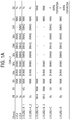
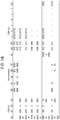
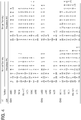
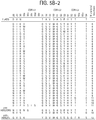
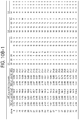
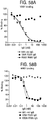
- any of the HVR-L1 residues shown in Figure 57 to have an F value of greater than 1, 5, or 10 are residues that are preferably maintained as the same residue found in the same position of the HVR-L1 of bH1-44 or bH1-81 (SEQ ID NO: 1).
- any of the HVR-L1 residues shown in Table 14 to have ⁇ G values greater than 1 are residues that are preferably maintained as the same residue found in the same position of the HVR-L1 of bH1-44 or bH1-81 (SEQ ID NO: 1).
- the antibody comprises an HVR-H2 sequence comprising the sequence RX 2 X 3 X 4 X 5 X 6 X 7 X 8 X 9 R (SEQ ID NO: 84). In one embodiment, the antibody further comprises an HVR-L2 comprising the sequence WGSFLY (SEQ ID NO: 2) and/or an HVR-L3 comprising the sequence HYSSPP (SEQ ID NO: 3).
- the antibody further comprises, one, two, or three HVR sequences selected from (i) HVR-H1 comprising the sequence NIKDTY (SEQ ID NO:4); (ii) HVR-H2 comprising the sequence RIYPTNGYTR (SEQ ID NO:5); and (iii) HVR-H3 comprising the sequence WGGDGFYAMD (SEQ ID NO:6).
- the antibody further comprises, one, two, or three HVR sequences selected from (i) HVR-H1 comprising the sequence NISGTY (SEQ ID NO:7); (ii) HVR-H2 comprising the sequence RIYPSEGYTR (SEQ ID NO:8); and (iii) HVR-H3 comprising the sequence WVGVGFYAMD (SEQ ID NO:9).
- the disclosure features an isolated antibody comprising an HVR-H2 sequence comprising the sequence RX 2 X 3 X 4 X 5 X 6 X 7 X 8 X 9 R (SEQ ID NO: 85), wherein X 5 is any amino acid except threonine and X 6 is any amino acid except asparagine and where the antibody specifically binds HER2 and VEGF.
- an antibody comprising the sequence RX 2 X 3 X 4 X 5 X 6 X 7 X 8 X 9 R (SEQ ID NO: 84) has a tyrosine at X 8 .
- an antibody comprising the sequence RX 2 X 3 X 4 X 5 X 6 X 7 X 8 X 9 R has a serine at X 5 and/or a glutamic acid at X 6 .
- the antibodies further comprise one, two, or three HVR sequences selected from the group of a HVR-L1 comprising the sequence NIAKTISGY (SEQ ID NO: 1), a HVR-L2 comprising the sequence WGSFLY (SEQ ID NO: 2), and/or a HVR-L3 comprising the sequence HYSSPP (SEQ ID NO: 3).
- the antibodies further comprise, one or two HVR sequences selected from (i) HVR-H1 comprising the sequence NIKDTY (SEQ ID NO:4) and (ii) HVR-H3 comprising the sequence WGGDGFYAMD (SEQ ID NO:6).
- the antibodies further comprise, one or two HVR sequences selected from (i) HVR-H1 comprising the sequence NISGTY (SEQ ID NO:7) and (ii) HVR-H3 comprising the sequence WVGVGFYAMD (SEQ ID NO:9).
- any of the HVR-H2 residues shown in Figure 57 to have an F value of greater than 1, 5, or 10 are residues that are preferably maintained as the same residue found in the same position of the HVR-H2 of bH1-44 or bH1-81 (SEQ ID NOS: 8 and 5, respectively).
- any of the HVR-H2 residues shown in Table 14 to have ⁇ G values greater than 1 are residues that are preferably maintained as the same residue found in the same position of the HVR-H2 of bH1-44 or bH1-81 (SEQ ID NOS: 8 and 5, respectively).
- the antibody comprises an HVR-L1 sequence comprising NIAKTISGY (SEQ ID NO:1); an HVR-L2 sequence comprising WGSFLY (SEQ ID NO:2); an HVR-L3 sequence comprising HYSSPP (SEQ ID NO:3); an HVR-H1 sequence comprising NIKDTY (SEQ ID NO:4); an HVR-H2 sequence comprising RIYPTNGYTR (SEQ ID NO:5); and an HVR-H3 sequence comprising WGGDGFYAMD (SEQ ID NO:6) or comprises an HVR-L1 sequence comprising NIAKTISGY (SEQ ID NO:1); an HVR-L2 sequence comprising WGSFLY (SEQ ID NO:2); an HVR-L3 sequence comprising HYSSPP (SEQ ID NO:3); an HVR-H1 sequence comprising NISGTY (SEQ ID NO:7); an HVR-H2 sequence comprising RIYPSEGYTR (SEQ ID NO:8); and
- the isolated antibody comprises HVR-L1, HVR-L2, HVR-L3, HVR-H1, HVR-H2, and HVR-H3, wherein each, in order, comprises the sequence NIAKTISGY (SEQ ID NO:1); WGSFLY (SEQ ID NO:2); HYSSPP (SEQ ID NO:3); NIKDTY (SEQ ID NO:4); RIYPTNGYTR (SEQ ID NO:5); and WGGDGFYAMD (SEQ ID NO:6) and specifically binds HER2 and VEGF.
- SEQ ID NO:1 sequence NIAKTISGY
- WGSFLY SEQ ID NO:2
- HYSSPP SEQ ID NO:3
- NIKDTY SEQ ID NO:4
- RIYPTNGYTR SEQ ID NO:5
- WGGDGFYAMD SEQ ID NO:6
- the antibody comprises HVR-L1, HVR-L2, HVR-L3, HVR-H1, HVR-H2, and HVR-H3, wherein each, in order, comprises the sequence NIAKTISGY (SEQ ID NO:1); WGSFLY (SEQ ID NO:2); HYSSPP (SEQ ID NO:3); NISGTY (SEQ ID NO:7); RIYPSEGYTR (SEQ ID NO:8); and WVGVGFYAMD (SEQ ID NO:9) and specifically binds HER2 and VEGF.
- SEQ ID NO:1 sequence NIAKTISGY
- WGSFLY SEQ ID NO:2
- HYSSPP SEQ ID NO:3
- NISGTY SEQ ID NO:7
- RIYPSEGYTR SEQ ID NO:8
- WVGVGFYAMD SEQ ID NO:9
- the antibody binds human and murine VEGF with a Kd of 150 nM or stronger and HER2 with a Kd of 7 nM or stronger. In additional embodiments, the antibody inhibits VEGF-induced cell proliferation and proliferation of a HER2 expressing cell relative to a control. In a particular embodiment, the antibody binds human and murine VEGF with a Kd of 36 nM or stronger and HER2 with a Kd of 1 nM or stronger. In an additional embodiment, the antibody inhibits VEGF binding to VEGFR2.
- the invention features an isolated antibody that binds human and murine VEGF with a Kd of 150 nM or stronger and HER2 with a Kd of 7 nM or stronger and wherein the antibody inhibits VEGF-induced cell proliferation and proliferation of a HER2 expressing cell relative to a control.
- the antibody binds human and murine VEGF with a Kd of 36 nM or stronger and HER2 with a Kd of 1 nM or stronger.
- the invention provides an isolated antibody fragment that binds human VEGF with a Kd of 58 nM or stronger and HER2 with a Kd of 6 nM or stronger, and/or inhibits VEGF-induced cell proliferation and proliferation of a HER2 expressing cell relative to a control.
- the antibody fragment binds human and murine VEGF with a Kd of 33 nM or stronger and HER2 with a Kd of 0.7 nM or stronger.
- the fragment is a Fab fragment or a single chain variable fragment (scFv).
- the antibody may be a monoclonal antibody. In another embodiment of all the above aspects, the antibody may be an IgG antibody. In additional embodiments of all the above aspects, at least a portion of the framework sequence of the antibody may be a human consensus framework sequence.
- the invention features a fragment of an antibody any of the antibodies described herein.
- an antibody fragment is a fragment comprising a HVR-L1 sequence comprising the sequence NIAKTISGY (SEQ ID NO:1) that specifically binds HER2 and VEGF.
- the antibody fragment further comprises one or two HVR sequences selected from (i) HVR-L2 comprising the sequence WGSFLY (SEQ ID NO:2); and (ii) HVR-L3 comprising the sequence HYSSPP (SEQ ID NO:3).
- the antibody fragment further comprises, one, two, or three HVR sequences selected from (i) HVR-H1 comprising the sequence NIKDTY (SEQ ID NO:4); (ii) HVR-H2 comprising the sequence RIYPTNGYTR (SEQ ID NO:5); and (iii) HVR-H3 comprising the sequence WGGDGFYAMD (SEQ ID NO:6).
- the antibody fragment further comprises, one, two, or three HVR sequences selected from (i) HVR-H1 comprising the sequence NISGTY (SEQ ID NO:7); (ii) HVR-H2 comprising the sequence RIYPSEGYTR (SEQ ID NO:8); and (iii) HVR-H3 comprising the sequence WVGVGFYAMD (SEQ ID NO:9).
- the antibody fragment comprises an HVR-L1 sequence comprising NIAKTISGY (SEQ ID NO:1); an HVR-L2 sequence comprising WGSFLY (SEQ ID NO:2); an HVR-L3 sequence comprising HYSSPP (SEQ ID NO:3); an HVR-H1 sequence comprising NIKDTY (SEQ ID NO:4); an HVR-H2 sequence comprising RIYPTNGYTR (SEQ ID NO:5); and an HVR-H3 sequence comprising WGGDGFYAMD (SEQ ID NO:6) or comprises an HVR-L1 sequence comprising NIAKTISGY (SEQ ID NO:1); an HVR-L2 sequence comprising WGSFLY (SEQ ID NO:2); an HVR-L3 sequence comprising HYSSPP (SEQ ID NO:3); an HVR-H1 sequence comprising NISGTY (SEQ ID NO:7); an HVR-H2 sequence comprising RIYPSEGYTR (SEQ ID NO:8);
- the invention features polynucleotides encoding any antibody or antibody fragment described herein, as well as a vector comprising such a polynucleotide.
- the encoded antibody comprises an HVR-L1 sequence comprising NIAKTISGY (SEQ ID NO:1).
- the polynucleotide encodes an antibody that also comprises an HVR-L2 sequence comprising WGSFLY (SEQ ID NO:2); and/or an HVR-L3 sequence comprising HYSSPP (SEQ ID NO:3), or any combination thereof.
- the polynucleotide may further encode an antibody comprising one, two, or three of an HVR-H1 sequence comprising NIKDTY (SEQ ID NO:4); an HVR-H2 sequence comprising RIYPTNGYTR (SEQ ID NO:5); and an HVR-H3 sequence comprising WGGDGFYAMD (SEQ ID NO:6); or an antibody comprising one, two, or three of an HVR-H1 comprising NISGTY (SEQ ID NO:7); an HVR-H2 comprising RIYPSEGYTR (SEQ ID NO:8); and/or an HVR-H3 sequence comprising WVGVGFYAMD (SEQ ID NO:9).
- the polynucleotide encodes an HVR-H1 sequence comprising the sequence of NISGTY (SEQ ID NO: 7), an HVR-H2 comprising the sequence of RIYPSEGYTR (SEQ ID NO: 8), or an HVR-H3 comprising the sequence of WVGVGFYAMD (SEQ ID NO: 9), or any combination thereof.
- the invention features an isolated polynucleotide encoding an HVR-L1 sequence comprising the sequence NIAKTISGY (SEQ ID NO:1) and, optionally, the polynucleotide further encodes one, two, or three HVR sequences selected from (i) an HVR-H1 comprising the sequence NIKDTY (SEQ ID NO:4); (ii) an HVR-H2 comprising the sequence RIYPTNGYTR (SEQ ID NO:5); and (iii) an HVR-H3 comprising the sequence WGGDGFYAMD (SEQ ID NO:6).
- the invention features an isolated polynucleotide encoding an HVR-L1 sequence comprising the sequence NIAKTISGY (SEQ ID NO:1); and (i) an HVR-L2 sequence comprising the sequence WGSFLY (SEQ ID NO:2) or (ii) an HVR-L3 sequence comprising the sequence HYSSPP (SEQ ID NO:3), or both, and, optionally, the polynucleotide further encodes one, two, or three HVR sequences selected from (i) an HVR-H1 comprising the sequence NIKDTY (SEQ ID NO:4); (ii) an HVR-H2 comprising the sequence RIYPTNGYTR (SEQ ID NO:5); and (iii) an HVR-H3 comprising the sequence WGGDGFYAMD (SEQ ID NO:6).
- the invention features an isolated polynucleotide encoding an HVR-L1 sequence comprising the sequence NIAKTISGY (SEQ ID NO:1); an HVR-H1 comprising the sequence NISGTY (SEQ ID NO:7); an HVR-H2 comprising the sequence RIYPSEGYTR (SEQ ID NO:8); and an HVR-H3 comprising the sequence WVGVGFYAMD (SEQ ID NO:9).
- the invention features an isolated polynucleotide encoding an HVR-L1 sequence comprising the sequence NIAKTISGY (SEQ ID NO:1); an HVR-L2 sequence comprising the sequence WGSFLY (SEQ ID NO:2); an HVR-L3 sequence comprising the sequence HYSSPP (SEQ ID NO:3); an HVR-H1 comprising the sequence NISGTY (SEQ ID NO:7); an HVR-H2 comprising the sequence RIYPSEGYTR (SEQ ID NO:8); and an HVR-H3 comprising the sequence WVGVGFYAMD (SEQ ID NO:9).
- the invention features an isolated polynucleotide encoding an HVR-H1 sequence comprising the sequence NISGTY (SEQ ID NO:7), an isolated polynucleotide encoding an HVR-H2 sequence comprising the sequence RIYPSEGYTR (SEQ ID NO:8), and an isolated polynucleotide encoding an HVR-H3 sequence comprising the sequence WVGVGFYAMD (SEQ ID NO:9).
- the invention features an isolated polynucleotide encoding an polypeptide comprising an HVR-H1 sequence comprising the sequence NISGTY (SEQ ID NO:7); an HVR-H2 sequence comprising the sequence RIYPSEGYTR (SEQ ID NO:8); and an HVR-H3 sequence comprising the sequence WVGVGFYAMD (SEQ ID NO:9).
- the isolated polynucleotide encodes an HVR-L1 sequence comprising the sequence X 1 I X 3 X 4 X 5 X 6 X 7 X 8 X 9 Y (SEQ ID NO: 83), wherein X 1 is any amino acid except aspartic acid, X 3 is any amino acid except proline, X 4 is any amino acid except arginine, and X 5 is any amino acid except serine.
- the polynucleotide encodes an HVR-L1 sequence comprising the sequence X 1 I X 3 X 4 X 5 X 6 X 7 X 8 X 9 Y (SEQ ID NO: 83), wherein X 1 is any amino acid except Asp, X 3 is any amino acid except proline, X 4 is any amino acid except arginine, and X 5 is any amino acid except serine; and a HVR-L2 sequence comprising the sequence WGSFLY (SEQ ID NO: 2) and/or an HVR-L3 sequence comprising the sequence HYSSPP (SEQ ID NO: 3).
- the polynucleotide encodes an antibody comprising the sequence X 1 I X 3 X 4 X 5 X 6 X 7 X 8 X 9 Y (SEQ ID NO: 83) that has an asparagine at X 1 , an alanine at X 3 , a lysine at X 4 , a threonine at X 5 , a serine at X 7 , and/or a glycine at X 8 , or any combination thereof.
- any of the HVR-L1 residues shown in Figure 57 to have an F value of greater than 1, 5, or 10 are residues that are preferably maintained as the same residue found in the same position of the HVR-L1 of bHl-44 or bH1-81 (SEQ ID NO: 1).
- any of the HVR-L1 residues shown in Table 14 to have ⁇ G values greater than 1 are residues that are preferably maintained as the same residue found in the same position of the HVR-L1 of bH1-44 or bH1-81 (SEQ ID NO: 1).
- the polynucleotide encodes an HVR-H2 sequence comprising the sequence RX 2 X 3 X 4 X 5 X 6 X 7 X 8 X 9 R (SEQ ID NO: 85), wherein X 5 is any amino acid except threonine and X 6 is any amino acid except asparagine.
- the disclosure provides a polynucleotide encoding an HVR-H1 sequence comprising the sequence NISGTY (SEQ ID NO: 7); an HVR-H2 sequence comprising the sequence RX 2 X 3 X 4 X 5 X 6 X 7 X 8 X 9 R (SEQ ID NO: 85), wherein wherein X 5 is any amino acid except threonine and X 6 is any amino acid except asparagine; and an HVR-H3 sequence comprising the sequence WVGVGFYAMD (SEQ ID NO: 9).
- the polynucleotide encodes an HVR-H2 sequence comprising the sequence RX 2 X 3 X 4 X 5 X 6 X 7 X 8 X 9 R (SEQ ID NO: 84) that has a serine at X 5 , a glutamic acid at X 6 , and/or a tyrosine at X 8 , or any combination thereof.
- any of the HVR-H2 residues shown in Figure 57 to have an F value of greater than 1, 5, or 10 are residues that are preferably maintained as the same residue found in the same position of the HVR-H2 of bH1-44 or bH1-81 (SEQ ID NOS: 8 and 5, respectively).
- any of the HVR-H2 residues shown in Table 14 to have ⁇ G values greater than 1 are residues that are preferably maintained as the same residue found in the same position of the HVR-H2 of bH1-44 or bH1-81 (SEQ ID NOS: 8 and 5, respectively).
- the invention features an isolated polypeptide comprising an HVR-L1 sequence comprising the sequence NIAKTISGY (SEQ ID NO:1) or an isolated polypeptide comprising an HVR-L1 sequence comprising the sequence NIAKTISGY (SEQ ID NO:1); an HVR-L2 sequence comprising the sequence WGSFLY (SEQ ID NO:2); and/or an HVR-L3 sequence comprising the sequence HYSSPP (SEQ ID NO:3).
- the disclosure provides a polypeptide comprising an HVR-L1 sequence comprising the sequence X 1 IX 3 X 4 X 5 X 6 X 7 X 8 X 9 Y (SEQ ID NO: 83), wherein X 1 is any amino acid except aspartic acid, X 3 is any amino acid except proline, X 4 is any amino acid except arginine, and X 5 is any amino acid except serine.
- the polypeptide comprises the HVR-L1 sequence X 1 I X 3 X 4 X 5 X 6 X 7 X 8 X 9 Y (SEQ ID NO: 83), wherein X 1 is any amino acid except aspartic acid, X 3 is any amino acid except proline, X 4 is any amino acid except arginine, and X 5 is any amino acid except serine.
- the polypeptide further comprises an HVR-L2 sequence comprising the sequence WGSFLY (SEQ ID NO: 2) and/or an HVR-L3 sequence comprising the sequence HYSSPP (SEQ ID NO: 3).
- any of the above aspects that comprise a polypeptide that comprises the sequence X 1 IX 3 X 4 X 5 X 6 X 7 X 8 X 9 Y (SEQ ID NO: 83), there is an asparagine at X 1 , an alanine at X 3 , a lysine at X 4 , a threonine at X 5 , a serine at X 7 , and/or a glycine at X 8 , or any combination thereof.
- any of the HVR-L1 residues shown in Figure 57 to have an F value of greater than 1, 5, or 10 are residues that are preferably maintained as the same residue found in the same position of the HVR-L1 of bH1-44 or bH1-81 (SEQ ID NO: 1).
- any of the HVR-L1 residues shown in Table 14 to have ⁇ G values greater than 1 are residues that are preferably maintained as the same residue found in the same position of the HVR-L1 of bH1-44 or bH1-81 (SEQ ID NO: 1).
- Thedisclosure also provides a polypeptide comprising an HVR-H2 sequence comprising the sequence RX 2 X 3 X 4 X 5 X 6 X 7 X 8 X 9 R (SEQ ID NO: 85), wherein X 5 is any amino acid except threonine and X 6 is any amino acid except asparagine.
- the polypeptide comprises the HVR-H2 sequence RX 2 X 3 X 4 X 5 X 6 X 7 X 8 X 9 R (SEQ ID NO: 85), wherein X 5 is any amino acid except threonine and X 6 is any amino acid except asparagine, a HVR-H1 sequence comprising the sequence NISGTY (SEQ ID NO: 7), and an HVR-H3 sequence comprising the sequence WVGVGFYAMD (SEQ ID NO: 9).
- the polypeptide comprising the HVR-H2 sequence comprising the sequence RX 2 X 3 X 4 X 5 X 6 X 7 X 8 X 9 R (SEQ ID NO: 84) has a serine at X 5 , a glutamic acid at X 6 , and/or a tyrosine at X 8 , or any combination thereof.
- any of the HVR-H2 residues shown in Figure 57 to have an F value of greater than 1, 5, or 10 are residues that are preferably maintained as the same residue found in the same position of the HVR-H2 of bH1-44 or bH1-81 (SEQ ID NOS: 8 and 5, respectively).
- any of the HVR-H2 residues shown in Table 14 to have ⁇ G values greater than 1 are residues that are preferably maintained as the same residue found in the same position of the HVR-H2 of bH1-44 or bH1-81 (SEQ ID NOS: 8 and 5, respectively).
- the invention also provides a polypeptide comprising one, two, or three of an HVR-H1 sequence comprising the sequence NISGTY (SEQ ID NO: 7), a HVR-H2 sequence comprising the sequence RIYPSEGYTR (SEQ ID NO: 8), and/or an HVR-H3 sequence comprising the sequence WVGVGFYAMD (SEQ ID NO: 9), or any combination thereof.
- the isolated polypeptide may further comprise one, two, or three of an HVR-L1 sequence comprising the sequence NIAKTISGY (SEQ ID NO:1); an HVR-H1 comprising the sequence NIKDTY (SEQ ID NO:4); an HVR-H2 comprising the sequence RIYPTNGYTR (SEQ ID NO:5); and/or an HVR-H3 comprising the sequence WGGDGFYAMD (SEQ ID NO:6), or any combination thereof.
- an HVR-L1 sequence comprising the sequence NIAKTISGY (SEQ ID NO:1)
- an HVR-H1 comprising the sequence NIKDTY
- an HVR-H2 comprising the sequence RIYPTNGYTR (SEQ ID NO:5)
- an HVR-H3 comprising the sequence WGGDGFYAMD (SEQ ID NO:6), or any combination thereof.
- the isolated polypeptide may further comprise one, two, or three of an HVR-L1 sequence comprising the sequence NIAKTISGY (SEQ ID NO:1); an HVR-L2 sequence comprising the sequence WGSFLY (SEQ ID NO:2); and/or an HVR-L3 sequence comprising the sequence HYSSPP (SEQ ID NO:3), or any combination thereof.
- the isolated polypeptide may further comprise an HVR-H1 comprising the sequence NIKDTY (SEQ ID NO:4); an HVR-H2 comprising the sequence RIYPTNGYTR (SEQ ID NO:5); and/or an HVR-H3 comprising the sequence WGGDGFYAMD (SEQ ID NO:6), or any combination thereof.
- the isolated polypeptide may further comprise one, two, or three HVR sequences selected from an HVR-H1 comprising the sequence NISGTY (SEQ ID NO: 7); an HVR-H2 sequence comprising the sequence RIYPSEGYTR (SEQ ID NO: 8); and/or an HVR-H3 comprising the sequence WVGVGFYAMD (SEQ ID NO: 9), or any combination thereof.
- the invention features features an isolated polypeptide comprising an HVR-L1 sequence comprising the sequence NIAKTISGY (SEQ ID NO:1) and (i) an HVR-L2 sequence comprising the sequence WGSFLY (SEQ ID NO:2) or (ii) an HVR-L3 sequence comprising the sequence HYSSPP (SEQ ID NO:3), or both; and one, two, of three HVR sequences selected from (i) an HVR-H1 comprising the sequence NISGTY (SEQ ID NO:7); (ii) an HVR-H2 comprising the sequence RIYPSEGYTR (SEQ ID NO:8); and/or (iii) an HVR-H3 comprising the sequence WVGVGFYAMD (SEQ ID NO:9), or any combination thereof.
- the invention features features an isolated polypeptide comprising an HVR-L1 sequence comprising the sequence NIAKTISGY (SEQ ID NO:1) and (i) an HVR-L2 sequence comprising the sequence WGSFLY (SEQ ID NO:2) or (ii) an HVR-L3 sequence comprising the sequence HYSSPP (SEQ ID NO:3), or both; and one, two, of three HVR sequences selected from (i) an HVR-H1 comprising the sequence NIKDTY (SEQ ID NO:4); (ii) an HVR-H2 comprising the sequence RIYPTNGYTR (SEQ ID NO:5); and/or (iii) an HVR-H3 comprising the sequence WGGDGFYAMD (SEQ ID NO:6), or any combination thereof.
- the invention features an isolated polypeptide comprising an HVR-H1 sequence comprising the sequence NISGTY (SEQ ID NO:7), an isolated polypeptide comprising an HVR-H2 sequence comprising the sequence RIYPSEGYTR (SEQ ID NO:8), and an isolated polypeptide comprising an HVR-H3 sequence comprising the sequence WVGVGFYAMD (SEQ ID NO:9).
- the invention features an isolated polypeptide comprising an HVR-H1 sequence comprising the sequence NISGTY (SEQ ID NO:7); an HVR-H2 sequence comprising the sequence RIYPSEGYTR (SEQ ID NO:8); and an HVR-H3 sequence comprising the sequence WVGVGFYAMD (SEQ ID NO:9).
- the invention provides a vector comprising any of the above described polynucleotides of the invention.
- the invention features a host cell comprising any of the vectors of the invention.
- the host cell is prokaryotic.
- the host cell is eukaryotic, for example, a mammalian cell.
- the invention features a method of producing any of the antibodies or antibody fragments described above.
- This method comprises culturing a host cell that comprises a vector comprising a polynucleotide encoding the antibody and recovering the antibody.
- the polynucleotide encodes an HVR-L1 sequence comprising the sequence NIAKTISGY (SEQ ID NO:1) and, optionally, the polynucleotide further encodes an HVR-H1 comprising the sequence NIKDTY (SEQ ID NO:4); an HVR-H2 comprising the sequence RIYPTNGYTR (SEQ ID NO:5); and an HVR-H3 comprising the sequence WGGDGFYAMD (SEQ ID NO:6).
- the polynucleotide encodes an HVR-L1 sequence comprising the sequence NIAKTISGY (SEQ ID NO:1); an HVR-L2 sequence comprising the sequence WGSFLY (SEQ ID NO:2); and an HVR-L3 sequence comprising the sequence HYSSPP (SEQ ID NO:3) and, optionally, the polynucleotide further encodes an HVR-H1 comprising the sequence NIKDTY (SEQ ID NO:4); an HVR-H2 comprising the sequence RIYPTNGYTR (SEQ ID NO:5); and an HVR-H3 comprising the sequence WGGDGFYAMD (SEQ ID NO:6).
- the polynucleotide encodes an HVR-L1 sequence comprising the sequence NIAKTISGY (SEQ ID NO:1); an HVR-H1 comprising the sequence NISGTY (SEQ ID NO:7); an HVR-H2 comprising the sequence RIYPSEGYTR (SEQ ID NO:8); and an HVR-H3 comprising the sequence WVGVGFYAMD (SEQ ID NO:9).
- the polynucleotide encodes an HVR-L1 sequence comprising the sequence NIAKTISGY (SEQ ID NO:1); an HVR-L2 sequence comprising the sequence WGSFLY (SEQ ID NO:2); an HVR-L3 sequence comprising the sequence HYSSPP (SEQ ID NO:3); an HVR-H1 comprising the sequence NISGTY (SEQ ID NO:7); an HVR-H2 comprising the sequence RIYPSEGYTR (SEQ ID NO:8); and an HVR-H3 comprising the sequence WVGVGFYAMD (SEQ ID NO:9).
- the polynucleotide encodes an HVR-H1 sequence comprising the sequence NISGTY (SEQ ID NO:7), an HVR-H2 sequence comprising the sequence RIYPSEGYTR (SEQ ID NO:8), or an HVR-H3 sequence comprising the sequence WVGVGFYAMD (SEQ ID NO:9).
- the polynucleotide encodes a polypeptide comprising an HVR-H1 sequence comprising the sequence NISGTY (SEQ ID NO:7); an HVR-H2 sequence comprising the sequence RIYPSEGYTR (SEQ ID NO:8); and an HVR-H3 sequence comprising the sequence WVGVGFYAMD (SEQ ID NO:9).
- the host cell is prokaryotic and in another embodiment, the host cell is eukaryotic, such as a mammalian cell.
- the invention features a method of treating a tumor in a subject.
- This method comprises administering to the subject an antibody or antibody fragment described herein, where the administering is for a time and in an amount sufficient to treat or prevent the tumor in the subject.
- the tumor is a colorectal tumor, a breast cancer, a lung cancer, a renal cell carcinoma, a glioma, a glioblastoma, or an ovarian cancer.
- the antibody comprises an HVR-L1 sequence comprising the sequence NIAKTISGY (SEQ ID NO:1) and specifically binds HER2 and VEGF.
- the antibody further comprises one or two HVR sequences selected from (i) HVR-L2 comprising the sequence WGSFLY (SEQ ID NO:2); and (ii) HVR-L3 comprising the sequence HYSSPP (SEQ ID NO:3).
- the antibody comprises, one, two, or three HVR sequences selected from (i) HVR-H1 comprising the sequence NIKDTY (SEQ ID NO:4); (ii) HVR-H2 comprising the sequence RIYPTNGYTR (SEQ ID NO:5); and (iii) HVR-H3 comprising the sequence WGGDGFYAMD (SEQ ID NO:6).
- the antibody comprises, one, two, or three HVR sequences selected from (i) HVR-H1 comprising the sequence NISGTY (SEQ ID NO:7); (ii) HVR-H2 comprising the sequence RIYPSEGYTR (SEQ ID NO:8); and (iii) HVR-H3 comprising the sequence WVGVGFYAMD (SEQ ID NO:9).
- the antibody comprises an HVR-L1 sequence comprising NIAKTISGY (SEQ ID NO:1); an HVR-L2 sequence comprising WGSFLY (SEQ ID NO:2); an HVR-L3 sequence comprising HYSSPP (SEQ ID NO:3); an HVR-H1 sequence comprising NIKDTY (SEQ ID NO:4); an HVR-H2 sequence comprising RIYPTNGYTR (SEQ ID NO:5); and an HVR-H3 sequence comprising WGGDGFYAMD (SEQ ID NO:6) and specifically binds HER2 and VEGF.
- the antibody comprises an HVR-L1 sequence comprising NIAKTISGY (SEQ ID NO:1); an HVR-L2 sequence comprising WGSFLY (SEQ ID NO:2); an HVR-L3 sequence comprising HYSSPP (SEQ ID NO:3); an HVR-H1 sequence comprising NISGTY (SEQ ID NO:7); an HVR-H2 sequence comprising RIYPSEGYTR (SEQ ID NO:8); and an HVR-H3 sequence comprising WVGVGFYAMD (SEQ ID NO:9) and specifically binds HER2 and VEGF.
- the method further comprises administering to the subject an additional anti-cancer therapeutic.
- the additional anti-cancer therapeutic comprises another antibody, a chemotherapeutic agent, a cytotoxic agent, an anti-angiogenic agent, an immunosuppressive agent, a prodrug, a cytokine, a cytokine antagonist, cytotoxic radiotherapy, a corticosteroid, an anti-emetic, a cancer vaccine, an analgesic, or a growth-inhibitory agent.
- the additional anti-cancer therapeutic is administered prior to or subsequent to the administration of an antibody. In a further embodiment, the additional anti-cancer therapeutic is administered concurrently with an antibody.
- the invention features a method of treating an autoimmune disease in a subject.
- This method comprises administering to the subject an antibody or antibody fragment described herein, where the administering is for a time and in an amount sufficient to treat or prevent the autoimmune disease in the subject.
- the antibody comprises an HVR-L1 sequence comprising the sequence NIAKTISGY (SEQ ID NO:1) and specifically binds HER2 and VEGF.
- the antibody comprises one or two HVR sequences selected from (i) HVR-L2 comprising the sequence WGSFLY (SEQ ID NO:2); and (ii) HVR-L3 comprising the sequence HYSSPP (SEQ ID NO:3).
- the antibody comprises, one, two, or three HVR sequences selected from (i) HVR-H1 comprising the sequence NIKDTY (SEQ ID NO:4); (ii) HVR-H2 comprising the sequence RIYPTNGYTR (SEQ ID NO:5); and (iii) HVR-H3 comprising the sequence WGGDGFYAMD (SEQ ID NO:6).
- the antibody comprises, one, two, or three HVR sequences selected from (i) HVR-H1 comprising the sequence NISGTY (SEQ ID NO:7); (ii) HVR-H2 comprising the sequence RIYPSEGYTR (SEQ ID NO:8); and (iii) HVR-H3 comprising the sequence WVGVGFYAMD (SEQ ID NO:9).
- the antibody comprises an HVR-L1 sequence comprising NIAKTISGY (SEQ ID NO:1); an HVR-L2 sequence comprising WGSFLY (SEQ ID NO:2); an HVR-L3 sequence comprising HYSSPP (SEQ ID NO:3); an HVR-H1 sequence comprising NIKDTY (SEQ ID NO:4); an HVR-H2 sequence comprising RIYPTNGYTR (SEQ ID NO:5); and an HVR-H3 sequence comprising WGGDGFYAMD (SEQ ID NO:6) and specifically binds HER2 and VEGF or the antibody comprises an HVR-L1 sequence comprising NIAKTISGY (SEQ ID NO:1); an HVR-L2 sequence comprising WGSFLY (SEQ ID NO:2); an HVR-L3 sequence comprising HYSSPP (SEQ ID NO:3); an HVR-H1 sequence comprising NISGTY (SEQ ID NO:7); an HVR-H2 sequence comprising RI
- the disclosure features a method of treating a non-malignant disease involving abnormal activation of HER2 in a subject.
- This method comprises administering to the subject an antibody or antibody fragment described herein, where the administering is for a time and in an amount sufficient to treat or prevent the non-malignant disease in the subject.
- the antibody comprises an HVR-L1 sequence comprising the sequence NIAKTISGY (SEQ ID NO:1) and specifically binds HER2 and VEGF.
- the antibody comprises one or two HVR sequences selected from (i) HVR-L2 comprising the sequence WGSFLY (SEQ ID NO:2); and (ii) HVR-L3 comprising the sequence HYSSPP (SEQ ID NO:3).
- the antibody further comprises, one, two, or three HVR sequences selected from (i) HVR-H1 comprising the sequence NIKDTY (SEQ ID NO:4); (ii) HVR-H2 comprising the sequence RIYPTNGYTR (SEQ ID NO:5); and (iii) HVR-H3 comprising the sequence WGGDGFYAMD (SEQ ID NO:6).
- the antibody comprises, one, two, or three HVR sequences selected from (i) HVR-H1 comprising the sequence NISGTY (SEQ ID NO:7); (ii) HVR-H2 comprising the sequence RIYPSEGYTR (SEQ ID NO:8); and (iii) HVR-H3 comprising the sequence WVGVGFYAMD (SEQ ID NO:9).
- the antibody comprises an HVR-L1 sequence comprising NIAKTISGY (SEQ ID NO:1); an HVR-L2 sequence comprising WGSFLY (SEQ ID NO:2); an HVR-L3 sequence comprising HYSSPP (SEQ ID NO:3); an HVR-H1 sequence comprising NIKDTY (SEQ ID NO:4); an HVR-H2 sequence comprising RIYPTNGYTR (SEQ ID NO:5); and an HVR-H3 sequence comprising WGGDGFYAMD (SEQ ID NO:6) and specifically binds HER2 and VEGF or the antibody comprises an HVR-L1 sequence comprising NIAKTISGY (SEQ ID NO:1); an HVR-L2 sequence comprising WGSFLY (SEQ ID NO:2); an HVR-L3 sequence comprising HYSSPP (SEQ ID NO:3); an HVR-H1 sequence comprising NISGTY (SEQ ID NO:7); an HVR-H2 sequence comprising RIY
- the antibody comprises an HVR-L1 sequence comprising the sequence NIAKTISGY (SEQ ID NO:1) and specifically binds HER2 and VEGF.
- the antibody further comprises one or two HVR sequences selected from (i) HVR-L2 comprising the sequence WGSFLY (SEQ ID NO:2); and (ii) HVR-L3 comprising the sequence HYSSPP (SEQ ID NO:3).
- the antibody comprises, one, two, or three HVR sequences selected from (i) HVR-H1 comprising the sequence NIKDTY (SEQ ID NO:4); (ii) HVR-H2 comprising the sequence RIYPTNGYTR (SEQ ID NO:5); and (iii) HVR-H3 comprising the sequence WGGDGFYAMD (SEQ ID NO:6).
- the antibody comprises, one, two, or three HVR sequences selected from (i) HVR-H1 comprising the sequence NISGTY (SEQ ID NO:7); (ii) HVR-H2 comprising the sequence RIYPSEGYTR (SEQ ID NO:8); and (iii) HVR-H3 comprising the sequence WVGVGFYAMD (SEQ ID NO:9).
- the antibody comprises an HVR-L1 sequence comprising NIAKTISGY (SEQ ID NO:1); an HVR-L2 sequence comprising WGSFLY (SEQ ID NO:2); an HVR-L3 sequence comprising HYSSPP (SEQ ID NO:3); an HVR-H1 sequence comprising NIKDTY (SEQ ID NO:4); an HVR-H2 sequence comprising RIYPTNGYTR (SEQ ID NO:5); and an HVR-H3 sequence comprising WGGDGFYAMD (SEQ ID NO:6) and specifically binds HER2 and VEGF or the antibody comprises an HVR-L1 sequence comprising NIAKTISGY (SEQ ID NO:1); an HVR-L2 sequence comprising WGSFLY (SEQ ID NO:2); an HVR-L3 sequence comprising HYSSPP (SEQ ID NO:3); an HVR-H1 sequence comprising NISGTY (SEQ ID NO:7); an HVR-H2 sequence comprising RI
- the subject is a human.
- kits, compositions, and articles of manufacture comprising the antibodies and antibody fragments described herein.
- the present invention provides methods of making multispecific antibodies and antibody fragments, as well as antibodies identified using these methods and their use.
- the methods of the invention involve diversifying the light chain variable domain or the heavy chain variable domain of an antibody to generate variants that can be stably expressed in a library. Diversified antibodies that are capable of specifically binding two epitopes are then selected from this library and further characterized.
- Exemplary antibodies identified using the methods of the invention include antibodies that bind both HER2 (human epidermal growth factor receptor 2) and VEGF (vascular endothelial growth factor).
- HER2 human epidermal growth factor receptor 2
- VEGF vascular endothelial growth factor
- the data described herein, for instance, in the below Examples show that mutations in the light chain complementarity determining regions (CDRs) of a HER2 antibody confer dual binding capabilities for unrelated protein antigens as well as HER2.
- CDRs light chain complementarity determining regions
- One bi-specific high affinity HER2/VEGF antibody is extensively characterized.
- the crystal structures of this bi-specific Fab in complex with HER2 and VEGF are shown and the energetic contribution of the Fab residues by mutagenesis is evaluated.
- the binding sites for the two antigens overlap extensively; most of the CDR residues that contact HER2 also engage VEGF. Energetically, however, the residues of the heavy chain dominate the HER2 specificity
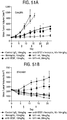
- the HER2/VEGF bi-specific antibody inhibits both HER2 and VEGF-mediated cell proliferation in vitro and in vivo .
- These results demonstrate that altering the sequence of the light chain variable domain of an antibody can generate antibodies with dual specificity and function.
- bH1-44 and bH1-81 have the potential to target two mechanisms of tumor progression: tumor cell proliferation mediated by HER2 and tumor angiogenesis mediated by VEGF.
- Co-targeting two antigens with a single antibody is an alternative to combination therapy.
- multispecific antibody is used in the broadest sense and specifically covers an antibody comprising a heavy chain variable domain (V H ) and a light chain variable domain (V L ), where the V H V L unit has polyepitopic specificity (i.e., is capable of binding to two different epitopes on one biological molecule or each epitope on a different biological molecule).
- Such multispecific antibodies include, but are not limited to, full length antibodies, antibodies having two or more V L and V H domains, antibody fragments such as Fab, Fv, dsFv, scFv, diabodies, bispecific diabodies and triabodies, antibody fragments that have been linked covalently or non-covalently.
- Polyepitopic specificity refers to the ability to specifically bind to two or more different epitopes on the same or different target(s).
- “Monospecific” refers to the ability to bind only one epitope.
- the multispecific antibody is an IgG1 form binds to each epitope with an affinity of 5 ⁇ M to 0.001 pM, 3 ⁇ M to 0.001pM, 1 ⁇ M to 0.001pM, 0.5 ⁇ M to 0.001 pM or 0.1 ⁇ M to 0.001 pM.
- the basic 4-chain antibody unit is a heterotetrameric glycoprotein composed of two identical light (L) chains and two identical heavy (H) chains (an IgM antibody consists of 5 of the basic heterotetramer units along with an additional polypeptide called J chain, and therefore contains 10 antigen binding sites, while secreted IgA antibodies can polymerize to form polyvalent assemblages comprising 2-5 of the basic 4-chain units along with J chain).
- the 4-chain unit is generally about 150,000 daltons.
- Each L chain is linked to an H chain by one covalent disulfide bond, while the two H chains are linked to each other by one or more disulfide bonds depending on the H chain isotype.
- Each H and L chain also has regularly spaced intrachain disulfide bridges.
- Each H chain has, at the N-terminus, a variable domain (V H ) followed by three constant domains (C H ) for each of the ⁇ and ⁇ chains and four C H domains for ⁇ and ⁇ isotypes.
- Each L chain has, at the N-terminus, a variable domain (V L ) followed by a constant domain (C L ) at its other end.
- the V L is aligned with the V H and the C L is aligned with the first constant domain of the heavy chain (C H 1). Particular amino acid residues are believed to form an interface between the light chain and heavy chain variable domains.
- the pairing of a V H and V L together forms a single antigen-binding site.
- immunoglobulins can be assigned to different classes or isotypes. There are five classes of immunoglobulins: IgA, IgD, IgE, IgG, and IgM, having heavy chains designated ⁇ , ⁇ , ⁇ , ⁇ , and ⁇ , respectively.
- the ⁇ and ⁇ classes are further divided into subclasses on the basis of relatively minor differences in C H sequence and function, e.g., humans express the following subclasses: IgG1, IgG2, IgG3, IgG4, IgA1, and IgA2.
- variable refers to the fact that certain segments of the variable domains differ extensively in sequence among antibodies.
- the V domain mediates antigen binding and defines specificity of a particular antibody for its particular antigen.
- variability is not evenly distributed across the 110-amino acid span of the variable domains.
- the V regions consist of relatively invariant stretches called framework regions (FRs) of 15-30 amino acids separated by shorter regions of extreme variability called “hypervariable regions” that are each 9-12 amino acids long.
- FRs framework regions
- hypervariable regions that are each 9-12 amino acids long.
- the variable domains of native heavy and light chains each comprise four FRs, largely adopting a beta-sheet configuration, connected by three hypervariable regions, which form loops connecting, and in some cases forming part of, the beta-sheet structure.
- the hypervariable regions in each chain are held together in close proximity by the FRs and, with the hypervariable regions from the other chain, contribute to the formation of the antigen-binding site of antibodies (see Kabat et al., Sequences of Proteins of Immunological Interest, 5th Ed. Public Health Service, National Institutes of Health, Bethesda, MD. (1991 )).
- the constant domains are not involved directly in binding an antibody to an antigen, but exhibit various effector functions, such as participation of the antibody in antibody dependent cellular cytotoxicity (ADCC).
- hypervariable region when used herein refers to the amino acid residues of an antibody which are responsible for antigen-binding.
- the hypervariable region generally comprises amino acid residues from a "complementarity determining region" or "CDR" (e.g., around about residues 24-34 (L1), 50-56 (L2) and 89-97 (L3) in the V L , and around about residues 26-35 (H1), 50-65 (H2) and 95-102 (H3) in the V H (in one embodiment, H1 is around about residues 31-35); Kabat et al., Sequences of Proteins of Immunological Interest, 5th Ed. Public Health Service, National Institutes of Health, Bethesda, MD.
- residues from a "hypervariable loop” e.g., residues 26-32 (L1), 50-52 (L2), and 91-96 (L3) in the V L , and 26-32 (H1), 53-55 (H2), and 96-101 (H3) in the V H ; Chothia and Lesk, J. Mol. Biol. 196:901-917 (1987 )).
- FR Framework regions
- Each variable domain typically has four FRs identified as FR1, FR2, FR3 and FR4.
- the CDRs are defined according to Kabat, the light chain FR residues are positioned at about residues 1-23 (LCFR1), 35-49 (LCFR2), 57-88 (LCFR3), and 98-107 (LCFR4) and the heavy chain FR residues are positioned about at residues 1-30 (HCFR1), 36-49 (HCFR2), 66-94 (HCFR3), and 103-113 (HCFR4) in the heavy chain residues.
- the light chain FR residues are positioned about at residues 1-25 (LCFR1), 33-49 (LCFR2), 53-90 (LCFR3), and 97-107 (LCFR4) in the light chain and the heavy chain FR residues are positioned about at residues 1-25 (HCFRI), 33-52 (HCFR2), 56-95 (HCFR3), and 102-113 (HCFR4) in the heavy chain residues.
- the FR residues will be adjusted accordingly.
- CDRH1 includes amino acids H26-H35
- the heavy chain FR1 residues are at positions 1-25 and the FR2 residues are at positions 36-49.
- a "human consensus framework” is a framework which represents the most commonly occurring amino acid residues in a selection of human immunoglobulin VL or VH framework sequences.
- the selection of human immunoglobulin VL or VH sequences is from a subgroup of variable domain sequences.
- the subgroup of sequences is a subgroup as in Kabat.
- the subgroup is subgroup kappa I as in Kabat.
- the subgroup is subgroup III as in Kabat.
- monoclonal antibody refers to an antibody from a population of substantially homogeneous antibodies, i.e., the individual antibodies comprising the population are substantially similar and bind the same epitope(s), except for possible variants that may arise during production of the monoclonal antibody, such variants generally being present in minor amounts.
- Such monoclonal antibody typically includes an antibody comprising a variable region that binds a target, wherein the antibody was obtained by a process that includes the selection of the antibody from a plurality of antibodies.
- the selection process can be the selection of a unique clone from a plurality of clones, such as a pool of hybridoma clones, phage clones or recombinant DNA clones.
- the selected antibody can be further altered, for example, to improve affinity for the target, to humanize the antibody, to improve its production in cell culture, to reduce its immunogenicity in vivo , to create a multispecific antibody, etc., and that an antibody comprising the altered variable region sequence is also a monoclonal antibody of this invention.
- the monoclonal antibody preparations are advantageous in that they are typically uncontaminated by other immunoglobulins.
- the modifier "monoclonal” indicates the character of the antibody as being obtained from a substantially homogeneous population of antibodies, and is not to be construed as requiring production of the antibody by any particular method.
- the monoclonal antibodies to be used in accordance with the present invention may be made by a variety of techniques, including the hybridoma method (e.g., Kohler et al., Nature, 256:495 (1975 ); Harlow et al., Antibodies: A Laboratory Manual, (Cold Spring Harbor Laboratory Press, 2nd ed.
- Methods 284(1-2):119-132 (2004 ) and technologies for producing human or human-like antibodies from animals that have parts or all of the human immunoglobulin loci or genes encoding human immunoglobulin sequences see, e.g., WO98/24893 , WO/9634096 , WO/9633735 , and WO/91 10741 , Jakobovits et al., Proc. Natl. Acad. Sci. USA, 90:2551 (1993 ); Jakobovits et al., Nature, 362:255-258 (1993 ); Bruggemann et al., Year in Immuno., 7:33 (1993 ); U.S. Patent Nos.
- an “intact” antibody is one which comprises an antigen-binding site as well as a C L and at least heavy chain constant domains, C H 1, C H 2, and C H 3.
- the constant domains can be native sequence constant domains (e.g., human native sequence constant domains) or amino acid sequence variant thereof.
- the intact antibody has one or more effector functions.
- Antibody fragments comprise a portion of an intact antibody, preferably the antigen binding or variable region of the intact antibody.
- antibody fragments include Fab, Fab', F(ab') 2 , and Fv fragments; diabodies; linear antibodies (see U.S. Patent No. 5,641,870 , Example 2; Zapata et al., Protein Eng. 8(10): 1057-1062 (1995 )); single-chain antibody molecules; and multispecific antibodies formed from antibody fragments.
- the expression “linear antibodies” generally refers to the antibodies described in Zapata et al., Protein Eng., 8(10):1057-1062 (1995 ). Briefly, these antibodies comprise a pair of tandem Fd segments (V H -C H 1-V H -C H 1) which, together with complementary light chain polypeptides, form a pair of antigen binding regions. Linear antibodies can be bispecific or monospecific.
- Papain digestion of antibodies produces two identical antigen-binding fragments, called “Fab” fragments, and a residual "Fc” fragment, a designation reflecting the ability to crystallize readily.
- the Fab fragment consists of an entire L chain along with the variable region domain of the H chain (V H ), and the first constant domain of one heavy chain (C H 1).
- Pepsin treatment of an antibody yields a single large F(ab') 2 fragment which roughly corresponds to two disulfide linked Fab fragments having divalent antigen-binding activity and is still capable of cross-linking antigen.
- Fab' fragments differ from Fab fragments by having additional few residues at the carboxy terminus of the C H 1 domain including one or more cysteines from the antibody hinge region.
- Fab'-SH is the designation herein for Fab' in which the cysteine residue(s) of the constant domains bear a free thiol group.
- F(ab') 2 antibody fragments originally were produced as pairs of Fab' fragments which have hinge cysteines between them. Other chemical couplings of antibody fragments are also known.
- the Fc fragment comprises the carboxy-terminal portions of both H chains held together by disulfides.
- the effector functions of antibodies are determined by sequences in the Fc region; this region is also the part recognized by Fc receptors (FcR) found on certain types of cells.
- Fv consists of a dimer of one heavy- and one light-chain variable region domain in tight, non-covalent association. From the folding of these two domains emanate six hypervariable loops (3 loops each from the H and L chain) that contribute the amino acid residues for antigen binding and confer antigen binding specificity to the antibody. However, even a single variable domain (or half of an Fv comprising only three CDRs specific for an antigen) has the ability to recognize and bind antigen, although often at a lower affinity than the entire binding site.
- Single-chain Fv also abbreviated as “sFv” or “scFv” are antibody fragments that comprise the V H and V L antibody domains connected into a single polypeptide chain.
- the sFv polypeptide further comprises a polypeptide linker between the V H and V L domains which enables the sFv to form the desired structure for antigen binding.
- diabodies refers to small antibody fragments prepared by constructing sFv fragments (see preceding paragraph) with short linkers (about 5-10 residues) between the V H and V L domains such that inter-chain but not intra-chain pairing of the V domains is achieved, resulting in a bivalent fragment, i.e., fragment having two antigen-binding sites.
- Bispecific diabodies are heterodimers of two "crossover" sFv fragments in which the V H and V L domains of the two antibodies are present on different polypeptide chains.
- Diabodies are described more fully in, for example, EP 404,097 ; WO 93/11161 ; and Hollinger et al., Proc. Natl. Acad. Sci. USA, 90:6444-6448 (1993 ).
- Humanized forms of non-human (e.g., rodent) antibodies are chimeric antibodies that contain minimal sequence derived from the non-human antibody.
- humanized antibodies are human immunoglobulins (recipient antibody) in which residues from a hypervariable region of the recipient are replaced by residues from a hypervariable region of a non-human species (donor antibody) such as mouse, rat, rabbit or non-human primate having the desired antibody specificity, affinity, and capability.
- donor antibody such as mouse, rat, rabbit or non-human primate having the desired antibody specificity, affinity, and capability.
- framework region (FR) residues of the human immunoglobulin are replaced by corresponding non-human residues.
- humanized antibodies can comprise residues that are not found in the recipient antibody or in the donor antibody. These modifications are made to further refine antibody performance.
- the humanized antibody will comprise substantially all of at least one, and typically two, variable domains, in which all or substantially all of the hypervariable loops correspond to those of a non-human immunoglobulin and all or substantially all of the FRs are those of a human immunoglobulin sequence.
- the humanized antibody optionally also will comprise at least a portion of an immunoglobulin constant region (Fc), typically that of a human immunoglobulin.
- Fc immunoglobulin constant region
- codon set refers to a set of different nucleotide triplet sequences used to encode desired variant amino acids.
- a set of oligonucleotides can be synthesized, for example, by solid phase synthesis, including sequences that represent all possible combinations of nucleotide triplets provided by the codon set and that will encode the desired group of amino acids.
- a standard form of codon designation is that of the IUB code, which is known in the art and described herein.
- a "non-random codon set”, as used herein, thus refers to a codon set that encodes select amino acids that fulfill partially, preferably completely, the criteria for amino acid selection as described herein.
- oligonucleotides with selected nucleotide "degeneracy" at certain positions is well known in that art, for example the TRIM approach ( Knappek et al., J. Mol. Biol. 296:57-86, 1999 ); Garrard and Henner, Gene 128:103, 1993 ).
- Such sets of oligonucleotides having certain codon sets can be synthesized using commercial nucleic acid synthesizers (available from, for example, Applied Biosystems, Foster City, CA), or can be obtained commercially (for example, from Life Technologies, Rockville, MD).
- a set of oligonucleotides synthesized having a particular codon set will typically include a plurality of oligonucleotides with different sequences, the differences established by the codon set within the overall sequence.
- Oligonucleotides, as used according to the invention have sequences that allow for hybridization to a variable domain nucleic acid template and also can, but do not necessarily, include restriction enzyme sites useful for, for example, cloning purposes.
- an antibody of this invention "which binds" an antigen of interest is one that binds the antigen with sufficient affinity such that the antibody is useful as a diagnostic and/or therapeutic agent in targeting a protein or a cell or tissue expressing the antigen, and does not significantly cross-react with other proteins.
- the extent of binding of the antibody to a "non-target" protein will be less than about 10% of the binding of the antibody to its particular target protein as determined by fluorescence activated cell sorting (FACS) analysis or radioimmunoprecipitation (RIA) or ELISA.
- the term “specific binding” or “specifically binds to” or is “specific for” a particular polypeptide or an epitope on a particular polypeptide target means binding that is measurably different from a non-specific interaction (e.g., for bH1-44 or bH1-81, a non-specific interaction is binding to bovine serum albumin, casein, fetal bovine serum, or neuravidin).
- Specific binding can be measured, for example, by determining binding of a molecule compared to binding of a control molecule.
- specific binding can be determined by competition with a control molecule that is similar to the target, for example, an excess of non-labeled target.
- binding is indicated if the binding of the labeled target to a probe is competitively inhibited by excess unlabeled target.
- the term “specific binding” or “specifically binds to” or is "specific for" a particular polypeptide or an epitope on a particular polypeptide target as used herein can be exhibited, for example, by a molecule having a Kd for the target of at least about 200 nM, alternatively at least about 150 nM, alternatively at least about 100 nM, alternatively at least about 60 nM, alternatively at least about 50 nM, alternatively at least about 40 nM, alternatively at least about 30 nM, alternatively at least about 20 nM, alternatively at least about 10 nM, alternatively at least about 8 nM, alternatively at least about 6 nM, alternatively at least about 4 nM, alternatively at least about 2 nM, alternatively at least about 1 nM, or greater.
- the term "specific binding" refers
- Binding affinity generally refers to the strength of the sum total of noncovalent interactions between a single binding site of a molecule (e.g., an antibody) and its binding partner (e.g., an antigen). Unless indicated otherwise, as used herein, “binding affinity” refers to intrinsic binding affinity which reflects a 1:1 interaction between members of a binding pair (e.g., antibody and antigen).
- the affinity of a molecule X for its partner Y can generally be represented by the dissociation constant (Kd).
- the Kd is about 200 nM, 150 nM, 100 nM, 60 nM, 50 nM, 40 nM, 30 nM, 20 nM, 10 nM, 8 nM, 6 nM, 4 nM, 2 nM, 1 nM, or stronger.
- Affinity can be measured by common methods known in the art, including those described herein. Low-affinity antibodies generally bind antigen slowly and tend to dissociate readily, whereas high-affinity antibodies generally bind antigen faster and tend to remain bound longer. A variety of methods of measuring binding affinity are known in the art, any of which can be used for purposes of the present invention.
- the "Kd” or “Kd value” according to this invention is measured by using surface plasmon resonance assays using a BIAcore TM -2000 or a BIAcore TM -3000 (BIAcore, Inc., Piscataway, NJ) at 25°C with immobilized antigen CM5 chips at ⁇ 10 response units (RU). Briefly, carboxymethylated dextran biosensor chips (CM5, BIAcore Inc.) are activated with N-ethyl-N'- (3-dimethylaminopropyl)-carbodiimide hydrochloride (EDC) and N-hydroxysuccinimide (NHS) according to the supplier's instructions.
- CM5 carboxymethylated dextran biosensor chips
- EDC N-ethyl-N'- (3-dimethylaminopropyl)-carbodiimide hydrochloride
- NHS N-hydroxysuccinimide
- Antigen is diluted with 10 mM sodium acetate, pH 4.8, into 5 ⁇ g/ml ( ⁇ 0.2 ⁇ M) before injection at a flow rate of 5 ⁇ l/minute to achieve approximately 10 response units (RU) of coupled protein. Following the injection of antigen, 1M ethanolamine is injected to block unreacted groups. For kinetics measurements, two-fold serial dilutions of Fab (e.g., 0.78 nM to 500 nM) are injected in PBS with 0.05% Tween 20 (PBST) at 25°C at a flow rate of approximately 25 ⁇ l/min.
- PBST Tween 20
- association rates (k on ) and dissociation rates (k off ) are calculated using a simple one-to-one Langmuir binding model (BIAcore Evaluation Software version 3.2) by simultaneous fitting the association and dissociation sensorgram.
- the equilibrium dissociation constant (Kd) is calculated as the ratio k off /k on . See, e.g., Chen, Y., et al., (1999) J. Mol. Biol. 293:865-881 .
- CM5 chips ⁇ 10 response units (RU).
- CM5 chips carboxymethylated dextran biosensor chips (CM5, BIAcore Inc.) are activated with N-ethyl-N'- (3-dimethylaminopropyl)-carbodiimide hydrochloride (EDC) and N-hydroxysuccinimide (NHS) according to the supplier's instructions.
- EDC N-ethyl-N'- (3-dimethylaminopropyl)-carbodiimide hydrochloride
- NHS N-hydroxysuccinimide
- Antigen is diluted with 10 mM sodium acetate, pH 4.8, into 5 ⁇ g/ml ( ⁇ 0.2 ⁇ M) before injection at a flow rate of 5 ⁇ l/minute to achieve approximately 10 response units (RU) of coupled protein. Following the injection of antigen, 1M ethanolamine is injected to block unreacted groups. For kinetics measurements, two-fold serial dilutions of Fab (e.g., 0.78 nM to 500 nM) are injected in PBS with 0.05% Tween 20 (PBST) at 25°C at a flow rate of approximately 25 ⁇ l/min.
- PBST Tween 20
- association rates (k on ) and dissociation rates (k off ) are calculated using a simple one-to-one Langmuir binding model (BIAcore Evaluation Software version 3.2) by simultaneous fitting the association and dissociation sensorgram.
- the equilibrium dissociation constant (Kd) is calculated as the ratio k off /k on . See, e.g., Chen, Y., et al., (1999) J. Mol. Biol. 293:865-881 .
- Bioly active and “biological activity” and “biological characteristics” with respect to a polypeptide of this invention means having the ability to bind to a biological molecule, except where specified otherwise.
- Bio molecule refers to a nucleic acid, a protein, a carbohydrate, a lipid, and combinations thereof. In one embodiment, the biologic molecule exists in nature.
- Isolated when used to describe the various antibodies disclosed herein, means an antibody that has been identified and separated and/or recovered from a cell or cell culture from which it was expressed. Contaminant components of its natural environment are materials that would typically interfere with diagnostic or therapeutic uses for the polypeptide, and can include enzymes, hormones, and other proteinaceous or non-proteinaceous solutes.
- the antibody will be purified (1) to a degree sufficient to obtain at least 15 residues of N-terminal or internal amino acid sequence by use of a spinning cup sequenator, or (2) to homogeneity by SDS-PAGE under non-reducing or reducing conditions using Coomassie blue or, preferably, silver stain.
- Isolated antibody includes antibodies in situ within recombinant cells, because at least one component of the polypeptide natural environment will not be present. Ordinarily, however, isolated polypeptide will be prepared by at least one purification step.
- control sequences refers to DNA sequences necessary for the expression of an operably linked coding sequence in a particular host organism.
- the control sequences that are suitable for prokaryotes include a promoter, optionally an operator sequence, and a ribosome binding site.
- Eukaryotic cells are known to utilize promoters, polyadenylation signals, and enhancers.
- Nucleic acid is "operably linked" when it is placed into a functional relationship with another nucleic acid sequence.
- DNA for a presequence or secretory leader is operably linked to DNA for a polypeptide if it is expressed as a preprotein that participates in the secretion of the polypeptide;
- a promoter or enhancer is operably linked to a coding sequence if it affects the transcription of the sequence; or
- a ribosome binding site is operably linked to a coding sequence if it is positioned so as to facilitate translation.
- "operably linked” means that the DNA sequences being linked are contiguous, and, in the case of a secretory leader, contiguous and in reading phase. However, enhancers do not have to be contiguous. Linking is accomplished by ligation at convenient restriction sites. If such sites do not exist, the synthetic oligonucleotide adaptors or linkers are used in accordance with conventional practice.
- Percent (%) amino acid sequence identity with respect to the polypeptide sequences identified herein is defined as the percentage of amino acid residues in a candidate sequence that are identical with the amino acid residues in the polypeptide being compared, after aligning the sequences and introducing gaps, if necessary, to achieve the maximum percent sequence identity, and not considering any conservative substitutions as part of the sequence identity. Alignment for purposes of determining percent amino acid sequence identity can be achieved in various ways that are within the skill in the art, for instance, using publicly available computer software such as BLAST, BLAST-2, ALIGN or Megalign (DNASTAR) software. Those skilled in the art can determine appropriate parameters for measuring alignment, including any algorithms needed to achieve maximal alignment over the full length of the sequences being compared.
- % amino acid sequence identity values are generated using the sequence comparison computer program ALIGN-2.
- the ALIGN-2 sequence comparison computer program was authored by Genentech, Inc. and the source code has been filed with user documentation in the U.S. Copyright Office, Washington D.C., 20559, where it is registered under U.S. Copyright Registration No. TXU510087.
- the ALIGN-2 program is publicly available through Genentech, Inc., South San Francisco, California.
- the ALIGN-2 program should be compiled for use on a UNIX operating system, preferably digital UNIX V4.0D. All sequence comparison parameters are set by the ALIGN-2 program and do not vary.
- amino acid sequences described herein are contiguous amino acid sequences unless otherwise specified.
- Structurally unsimilar biological molecules refers to biological molecules that are not in the same class (protein, nucleic acid, lipid, carbohydrates, etc.) or, for example, when referring to proteins, having less than 60% amino acid identity, less than 50% amino acid identity, less than 40% amino acid identity, less than 30% amino acid identity, less than 20% amino acid identity or less than 10% amino acid identity compared to each other.
- “Stringency” of hybridization reactions is readily determinable by one of ordinary skill in the art, and generally is an empirical calculation dependent upon probe length, washing temperature, and salt concentration. In general, longer probes require higher temperatures for proper annealing, while shorter probes need lower temperatures. Hybridization generally depends on the ability of denatured DNA to reanneal when complementary strands are present in an environment below their melting temperature. The higher the degree of desired homology between the probe and hybridizable sequence, the higher the relative temperature which can be used. As a result, it follows that higher relative temperatures would tend to make the reaction conditions more stringent, while lower temperatures less so. For additional details and explanation of stringency of hybridization reactions, see Ausubel et al., Current Protocols in Molecular Biology, Wiley Interscience Publishers, (1995 ).
- “Stringent conditions” or “high stringency conditions”, as defined herein, can be identified by those that: (1) employ low ionic strength and high temperature for washing, for example 0.015 M sodium chloride/0.0015 M sodium citrate/0.1% sodium dodecyl sulfate at 50°C; (2) employ during hybridization a denaturing agent, such as formamide, for example, 50% (v/v) formamide with 0.1 % bovine serum albumin/0.1% Ficoll/0.1% polyvinylpyrrolidone/50mM sodium phosphate buffer at pH 6.5 with 750 mM sodium chloride, 75 mM sodium citrate at 42°C; or (3) overnight hybridization in a solution that employs 50% formamide, 5 x SSC (0.75 M NaCl, 0.075 M sodium citrate), 50 mM sodium phosphate (pH 6.8), 0.1% sodium pyrophosphate, 5 x Denhardt's solution, sonicated salmon sperm DNA (50 ⁇ g/ml), 0.1%
- Modely stringent conditions can be identified as described by Sambrook et al., Molecular Cloning: A Laboratory Manual, New York: Cold Spring Harbor Press, 1989 , and include the use of washing solution and hybridization conditions (e.g., temperature, ionic strength, and %SDS) less stringent that those described above.
- washing solution and hybridization conditions e.g., temperature, ionic strength, and %SDS
- moderately stringent conditions is overnight incubation at 37°C in a solution comprising: 20% formamide, 5 x SSC (150 mM NaCl, 15 mM trisodium citrate), 50 mM sodium phosphate (pH 7.6), 5 x Denhardt's solution, 10% dextran sulfate, and 20 mg/ml denatured sheared salmon sperm DNA, followed by washing the filters in 1 x SSC at about 37-50°C.
- the skilled artisan will recognize how to adjust the temperature, ionic strength, etc. as necessary to accommodate factors such as probe length and the like.
- Antibody effector functions refer to those biological activities attributable to the Fc region (a native sequence Fc region or amino acid sequence variant Fc region) of an antibody, and vary with the antibody isotype. Examples of antibody effector functions include: C1q binding and complement dependent cytotoxicity; Fc receptor binding; antibody-dependent cell-mediated cytotoxicity (ADCC); phagocytosis; down regulation of cell surface receptors (e.g., B cell receptor); and B cell activation.
- ADCC antibody-dependent cell-mediated cytotoxicity
- FcRs Fc receptors
- cytotoxic cells e.g., Natural Killer (NK) cells, neutrophils, and macrophages
- NK cells Natural Killer cells
- neutrophils neutrophils
- macrophages cytotoxic cells
- the antibodies “arm” the cytotoxic cells and are absolutely required for such killing.
- the primary cells for mediating ADCC, NK cells express Fc ⁇ RIII only, whereas monocytes express Fc ⁇ RI, Fc ⁇ RII, and Fc ⁇ RIII.
- ADCC activity of a molecule of interest is summarized in Table 3 on page 464 of Ravetch and Kinet, Annu. Rev. Immunol. 9:457-92 (1991 ).
- an in vitro ADCC assay such as that described in US Patent No. 5,500,362 or 5,821,337 can be performed.
- Useful effector cells for such assays include peripheral blood mononuclear cells (PBMC) and Natural Killer (NK) cells.
- PBMC peripheral blood mononuclear cells
- NK Natural Killer
- ADCC activity of the molecule of interest can be assessed in vivo , e.g., in a animal model such as that disclosed in Clynes et al. (Proc. Natl. Acad. Sci. USA) 95:652-656 (1998 ).
- Fc receptor or “FcR” describes a receptor that binds to the Fc region of an antibody.
- the preferred FcR is a native sequence human FcR.
- a preferred FcR is one which binds an IgG antibody (a gamma receptor) and includes receptors of the Fc ⁇ RI, Fc ⁇ RII, and Fc ⁇ RIII subclasses, including allelic variants and alternatively spliced forms of these receptors.
- Fc ⁇ RII receptors include Fc ⁇ RIIA (an “activating receptor”) and Fc ⁇ RIIB (an “inhibiting receptor”), which have similar amino acid sequences that differ primarily in the cytoplasmic domains thereof.
- Activating receptor Fc ⁇ RIIA contains an immunoreceptor tyrosine-based activation motif (ITAM) in its cytoplasmic domain.
- Inhibiting receptor Fc ⁇ RIIB contains an immunoreceptor tyrosine-based inhibition motif (ITIM) in its cytoplasmic domain (see review M. in Da ⁇ ron, Annu. Rev. Immunol. 15:203-234 (1997 )).
- FcRs are reviewed in Ravetch and Kinet, Annu. Rev. Immunol. 9:457-492 (1991 ); Capel et al., Immunomethods 4:25-34 (1994 ); and de Haas et al., J. Lab. Clin. Med. 126:330-41 (1995 ).
- FcR FcR
- FcRn neonatal receptor
- Human effector cells are leukocytes which express one or more FcRs and perform effector functions. Preferably, the cells express at least Fc ⁇ RIII and perform ADCC effector function. Examples of human leukocytes which mediate ADCC include peripheral blood mononuclear cells (PBMC), natural killer (NK) cells, monocytes, cytotoxic T cells, and neutrophils; with PBMCs and NK cells being preferred.
- PBMC peripheral blood mononuclear cells
- NK natural killer cells
- monocytes cytotoxic T cells
- neutrophils neutrophils
- the effector cells can be isolated from a native source, e.g., from blood.
- “Complement dependent cytotoxicity” or “CDC” refers to the lysis of a target cell in the presence of complement. Activation of the classical complement pathway is initiated by the binding of the first component of the complement system (C1q) to antibodies (of the appropriate subclass) which are bound to their cognate antigen.
- C1q first component of the complement system
- a CDC assay e.g., as described in Gazzano-Santoro et al., J. Immunol. Methods 202:163 (1996 ), can be performed.
- the term "therapeutically effective amount” refers to an amount of an antibody or antibody fragment to treat a disease or disorder in a subject.
- the therapeutically effective amount of the antibody or antibody fragment may reduce the number of cancer cells; reduce the primary tumor size; inhibit (i.e., slow to some extent and preferably stop) cancer cell infiltration into peripheral organs; inhibit (i.e., slow to some extent and preferably stop) tumor metastasis; inhibit, to some extent, tumor growth; and/or relieve to some extent one or more of the symptoms associated with the disorder.
- the antibody or antibody fragment may prevent growth and/or kill existing cancer cells, it may be cytostatic and/or cytotoxic.
- efficacy in vivo can, for example, be measured by assessing the duration of survival, time to disease progression (TTP), the response rates (RR), duration of response, and/or quality of life.
- Reduce or inhibit is meant the ability to cause an overall decrease preferably of 20% or greater, more preferably of 50% or greater, and most preferably of 75%, 85%, 90%, 95%, or greater.
- Reduce or inhibit can refer to the symptoms of the disorder being treated, the presence or size of metastases, the size of the primary tumor, or the size or number of the blood vessels in angiogenic disorders.
- cancer and “cancerous” refer to or describe the physiological condition in mammals that is typically characterized by unregulated cell growth/proliferation. Included in this definition are benign and malignant cancers. Examples of cancer include but are not limited to, carcinoma, lymphoma, blastoma, sarcoma, and leukemia.
- cancers include squamous cell cancer, small-cell lung cancer, non-small cell lung cancer, adenocarcinoma of the lung, squamous carcinoma of the lung, cancer of the peritoneum, hepatocellular cancer, gastric or stomach cancer including gastrointestinal cancer, pancreatic cancer, glioblastoma, glioma, cervical cancer, ovarian cancer, liver cancer, bladder cancer, hepatoma, breast cancer, colon cancer, colorectal cancer, endometrial or uterine carcinoma, salivary gland carcinoma, kidney cancer (e.g., renal cell carcinoma), liver cancer, prostate cancer, vulval cancer, thyroid cancer, hepatic carcinoma, anal carcinoma, penile carcinoma, melanoma, and various types of head and neck cancer.
- gastrointestinal cancer pancreatic cancer, glioblastoma, glioma, cervical cancer, ovarian cancer
- liver cancer, bladder cancer hepatoma, breast cancer, colon cancer
- colorectal cancer endometrial or
- stage cancer is meant a cancer that is not invasive or metastatic or is classified as a Stage 0, I, or II cancer.
- precancerous refers to a condition or a growth that typically precedes or develops into a cancer.
- non-metastatic is meant a cancer that is benign or that remains at the primary site and has not penetrated into the lymphatic or blood vessel system or to tissues other than the primary site.
- a non-metastatic cancer is any cancer that is a Stage 0, I, or II cancer, and occasionally a Stage III cancer.
- a "non-malignant disease or disorder involving abnormal activation of HER2" is a condition which does not involve a cancer where abnormal activation of HER2 is occurring in cells or tissue of the subject having, or predisposed to, the disease or disorder.
- diseases or disorders include autoimmune disease (e.g.
- psoriasis see definition below; endometriosis; scleroderma; restenosis; polyps such as colon polyps, nasal polyps or gastrointestinal polyps; fibroadenoma; respiratory disease (e.g., chronic bronchitis, asthma including acute asthma and allergic asthma, cystic fibrosis, bronchiectasis, allergic or other rhinitis or sinusitis, ⁇ 1-anti-trypsin deficiency, coughs, pulmonary emphysema, pulmonary fibrosis or hyper-reactive airways, chronic obstructive pulmonary disease, and chronic obstructive lung disorder); cholecystitis; neurofibromatosis; polycystic kidney disease; inflammatory diseases; skin disorders including psoriasis and dermatitis; vascular disease; conditions involving abnormal proliferation of vascular epithelial cells; gastrointestinal ulcers; Menetrier's disease, secreting adenomas or
- microbial infections including microbial pathogens selected from adenovirus, hantaviruses, Borrelia burgdorferi, Yersinia spp. and Bordetella pertussis; thrombus caused by platelet aggregation; reproductive conditions such as endometriosis, ovarian hyperstimulation syndrome, preeclampsia, dysfunctional uterine bleeding, or menometrorrhagia; synovitis; atheroma; acute and chronic nephropathies (including proliferative glomerulonephritis and diabetes-induced renal disease); eczema; hypertrophic scar formation; endotoxic shock and fungal infection; familial adenomatosis polyposis; neurodedenerative diseases (e.g.
- Alzheimer's disease AIDS-related dementia, Parkinson's disease, amyotrophic lateral sclerosis, retinitis pigmentosa, spinal muscular atrophy and cerebellar degeneration); myelodysplastic syndromes; aplastic anemia; ischemic injury; fibrosis of the lung, kidney or liver; T-cell mediated hypersensitivity disease; infantile hypertrophic pyloric stenosis; urinary obstructive syndrome; psoriatic arthritis; and Hasimoto's thyroiditis.
- autoimmune disease herein is a disease or disorder arising from and directed against an individual's own tissues or a co-segregate or manifestation thereof or resulting condition therefrom.
- autoimmune diseases or disorders include, but are not limited to arthritis (rheumatoid arthritis such as acute arthritis, chronic rheumatoid arthritis, gouty arthritis, acute gouty arthritis, chronic inflammatory arthritis, degenerative arthritis, infectious arthritis, Lyme arthritis, proliferative arthritis, psoriatic arthritis, vertebral arthritis, and juvenile-onset rheumatoid arthritis, osteoarthritis, arthritis chronica progrediente, arthritis deformans, polyarthritis chronica primaria, reactive arthritis, and ankylosing spondylitis), inflammatory hyperproliferative skin diseases, psoriasis such as plaque psoriasis, gutatte psoriasis, pustular psoriasis, and psoriasis of the nails, dermatitis including contact
- an "anti-angiogenesis agent” or “angiogenesis inhibitor” refers to a small molecular weight substance, a polynucleotide, a polypeptide, an isolated protein, a recombinant protein, an antibody, or conjugates or fusion proteins thereof, that inhibits angiogenesis, vasculogenesis, or undesirable vascular permeability, either directly or indirectly.
- an anti-angiogenesis agent is an antibody or other antagonist to an angiogenic agent as defined above, e.g., antibodies to VEGF (e.g., bevacizumab (AVASTIN7), bH1, bH1-44, bH1-81), antibodies to VEGF receptors, small molecules that block VEGF receptor signaling (e.g., PTK787/ZK2284, SU6668, SUTENT/SU11248 (sunitinib malate), AMG706).
- Anti-angiogensis agents also include native angiogenesis inhibitors, e.g., angiostatin, endostatin, etc. See, e.g., Klagsbrun and D'Amore, Annu. Rev.
- cytotoxic agent refers to a substance that inhibits or prevents the function of a cell and/or causes destruction of a cell.
- the term is intended to include radioactive isotopes (e.g., At 211 , I 131 , I 125 , Y 90 , Re 186 , Re 188 , Sm 153 , Bi 212 , Ra 235 , P 32 , and radioactive isotopes of Lu), chemotherapeutic agents, e.g., methotrexate, adriamicin, vinca alkaloids (vincristine, vinblastine, etoposide), doxorubicin, melphalan, mitomycin C, chlorambucil, daunorubicin or other intercalating agents, enzymes and fragments thereof such as nucleolytic enzymes, antibiotics, and toxins such as small molecule toxins or enzymatically active toxins of bacterial, fungal, plant or animal origin, including fragment
- chemotherapeutic agent is a chemical compound useful in the treatment of cancer.
- examples of chemotherapeutic agents include alkylating agents such as thiotepa and CYTOXAN® cyclosphosphamide; alkyl sulfonates such as busulfan, improsulfan and piposulfan; aziridines such as benzodopa, carboquone, meturedopa, and uredopa; ethylenimines and methylamelamines including altretamine, triethylenemelamine, trietylenephosphoramide, triethiylenethiophosphoramide and trimethylolomelamine; acetogenins (especially bullatacin and bullatacinone); delta-9-tetrahydrocannabinol (dronabinol, MARINOL®); beta-lapachone; lapachol; colchicines; betulinic acid; a camptothecin (including the synthetic analogue topote
- dynemicin including dynemicin A; an esperamicin; as well as neocarzinostatin chromophore and related chromoprotein enediyne antiobiotic chromophores), aclacinomysins, actinomycin, authramycin, azaserine, bleomycins, cactinomycin, carabicin, carminomycin, carzinophilin, chromomycinis, dactinomycin, daunorubicin, detorubicin, 6-diazo-5-oxo-L-norleucine, ADRIAMYCIN® doxorubicin (including morpholino-doxorubicin, cyanomorpholino-doxorubicin, 2-pyrrolino-doxorubicin and deoxydoxorubicin), epirubicin, esorubicin, idar
- anti-hormonal agents that act to regulate, reduce, block, or inhibit the effects of hormones that can promote the growth of cancer, and are often in the form of systemic, or whole-body treatment. They may be hormones themselves.
- SERMs selective estrogen receptor modulators
- tamoxifen including NOLVADEX® tamoxifen
- EVISTA® raloxifene droloxifene
- 4-hydroxytamoxifen trioxifene, keoxifene, LY117018, onapristone, and FARESTON® toremifene
- anti-progesterones anti-progesterones
- estrogen receptor down-regulators ETDs
- agents that function to suppress or shut down the ovaries for example, leutinizing hormone-releasing hormone (LHRH) agonists such as LUPRON® and ELIGARD® leuprolide acetate, goserelin acetate, buserelin acetate and
- LHRH leutinizing
- chemotherapeutic agents includes bisphosphonates such as clodronate (for example, BONEFOS® or OSTAC®), DIDROCAL® etidronate, NE-58095, ZOMETA® zoledronic acid/zoledronate, FOSAMAX® alendronate, AREDIA® pamidronate, SKELID® tiludronate, or ACTONEL® risedronate; as well as troxacitabine (a 1,3-dioxolane nucleoside cytosine analog); antisense oligonucleotides, particularly those that inhibit expression of genes in signaling pathways implicated in abherant cell proliferation, such as, for example, PKC-alpha, Raf, H-Ras, and epidermal growth factor receptor (EGF-R); vaccines such as THERATOPE® vaccine and gene therapy vaccines, for example, ALLOVECTIN® vaccine, LEUVECTIN® vaccine, and VAXID® vaccine; LURTOTECAN
- a “growth inhibitory agent” when used herein refers to a compound or composition which inhibits growth of a cell either in vitro or in vivo .
- the growth inhibitory agent may be one which significantly reduces the percentage of cells in S phase.
- growth inhibitory agents include agents that block cell cycle progression (at a place other than S phase), such as agents that induce G1 arrest and M-phase arrest.
- Classical M-phase blockers include the vincas (e.g., vincristine and vinblastine), taxanes, and topoisomerase II inhibitors such as doxorubicin, epirubicin, daunorubicin, etoposide, and bleomycin.
- the agents that arrest G1 also spill over into S-phase arrest, for example, DNA alkylating agents such as tamoxifen, prednisone, dacarbazine, mechlorethamine, cisplatin, methotrexate, 5-fluorouracil, and ara-C.
- DNA alkylating agents such as tamoxifen, prednisone, dacarbazine, mechlorethamine, cisplatin, methotrexate, 5-fluorouracil, and ara-C.
- Docetaxel (TAXOTERE®, Rhone-Poulenc Rorer), derived from the European yew, is a semisynthetic analogue of pacfitaxel (TAXOL®, Bristol-Myers Squibb). Paclitaxel and docetaxel promote the assembly of microtubules from tubulin dimers and stabilize microtubules by preventing depolymerization, which results in the inhibition of mitosis in cells.
- Anti-cancer therapy refers to a treatment that reduces or inhibits cancer in a subject.
- anti-cancer therapy include cytotoxic radiotherapy as well as the administration of a therapeutically effective amount of a cytotoxic agent, a chemotherapeutic agent, a growth inhibitory agent, a cancer vaccine, an angiogenesis inhibitor, a prodrug,, a cytokine, a cytokine antagonist, a corticosteroid, an immunosuppressive agent, an anti-emetic, an antibody or antibody fragment, or an analgesic to the subject.
- prodrug refers to a precursor or derivative form of a pharmaceutically active substance that is less cytotoxic to tumor cells compared to the parent drug and is capable of being enzymatically activated or converted into the more active parent form. See, e.g., Wilman, "Prodrugs in Cancer Chemotherapy” Biochemical Society Transactions, 14, pp. 375-382, 615th Meeting Harbor (1986 ) and Stella et al., “Prodrugs: A Chemical Approach to Targeted Drug Delivery,” Directed Drug Delivery, Borchardt et al., (ed.), pp. 247-267, Humana Press (1985 ).
- Prodrugs include, but are not limited to, phosphate-containing prodrugs, thiophosphate-containing prodrugs, sulfate-containing prodrugs, peptide-containing prodrugs, D-amino acid-modified prodrugs, glycosylated prodrugs, betalactam-containing prodrugs, optionally substituted phenoxyacetamide-containing prodrugs or optionally substituted phenylacetamide-containing prodrugs, 5-fluorocytosine and other 5-fluorouridine prodrugs which can be converted into the more active cytotoxic free drug.
- cytotoxic drugs that can be derivatized into a prodrug form for use in this invention include, but are not limited to, those chemotherapeutic agents described above.
- cytokine is a generic term for proteins released by one cell population which act on another cell as intercellular mediators.
- cytokines are lymphokines, monokines, and traditional polypeptide hormones. Included among the cytokines are growth hormone such as human growth hormone (HGH), N-methionyl human growth hormone, and bovine growth hormone; parathyroid hormone; thyroxine; insulin; proinsulin; relaxin; prorelaxin; glycoprotein hormones such as follicle stimulating hormone (FSH), thyroid stimulating hormone (TSH), and luteinizing hormone (LH); epidermal growth factor (EGF); hepatic growth factor; fibroblast growth factor (FGF); prolactin; placental lactogen; tumor necrosis factor-alpha and -beta; mullerian-inhibiting substance; mouse gonadotropin-associated peptide; inhibin; activin; vascular endothelial growth factor; integrin; thrombopoietin (T)
- cytokine antagonist is meant a molecule that partially or fully blocks, inhibits, or neutralizes a biological activity of of at least one cytokine.
- the cytokine antagonists may inhibit cytokine activity by inhibiting cytokine expression and/or secretion, or by binding to a cytokine or to a cytokine receptor.
- Cytokine antagonists include antibodies, synthetic or native-sequence peptides, immunoadhesins, and small-molecule antagonists that bind to a cytokine or cytokine receptor.
- the cytokine antagonist is optionally conjugated with or fused to a cytotoxic agent.
- Exemplary TNF antagonists are etanercept (ENBREL®), infliximab (REMICADE®), and adalimumab (HUMIRA TM ).
- immunosuppressive agent refers to substances that act to suppress or mask the immune system of the subject being treated. This includes substances that suppress cytokine production, downregulate or suppress self-antigen expression, or mask the MHC antigens.
- immunosuppressive agents include 2-amino-6-aryl-5-substituted pyrimidines (see U.S. Pat. No. 4,665,077 ); mycophenolate mofetil such as CELLCEPT®; azathioprine (IMURAN®, AZASAN®/6-mercaptopurine; bromocryptine; danazol; dapsone; glutaraldehyde (which masks the MHC antigens, as described in U.S.
- anti-idiotypic antibodies for MHC antigens and MHC fragments include cyclosporin A; steroids such as corticosteroids and glucocorticosteroids, e.g., prednisone, prednisolone such as PEDIAPRED® (prednisolone sodium phosphate) or ORAPRED® (prednisolone sodium phosphate oral solution), methylprednisolone, and dexamethasone; methotrexate (oral or subcutaneous) (RHEUMATREX®, TREXALL TM ); hydroxycloroquine/chloroquine; sulfasalazine; leflunomide; cytokine or cytokine receptor antagonists including anti-interferon- ⁇ , - ⁇ , or - ⁇ antibodies, anti-tumor necrosis factor- ⁇ antibodies (infliximab or adalimumab), anti-TNF ⁇ immunoadhes
- steroids such as corticosteroids
- T cell receptor antibodies such as T10B9; cyclophosphamide (CYTOXAN®); dapsone; penicillamine (CUPRIMINE®); plasma exchange; or intravenous immunoglobulin (IVIG).
- T10B9 T10B9
- CYTOXAN® cyclophosphamide
- dapsone dapsone
- penicillamine CPRIMINE®
- plasma exchange or intravenous immunoglobulin (IVIG).
- IVIG intravenous immunoglobulin
- an “analgesic” refers to a drug that acts to inhibit or suppress pain in a subject.
- exemplary analgesics include non-steroidal anti-inflammatory drugs (NSAIDs) including ibuprofen (MOTRIN®), naproxen (NAPROSYN®), acetylsalicylic acid, indomethacin, sulindac, and tolmetin, including salts and derivatives thereof, as well as various other medications used to reduce the stabbing pains that may occur, including anticonvulsants (gabapentin, phenyloin, carbamazepine) or tricyclic antidepressants.
- NSAIDs non-steroidal anti-inflammatory drugs
- MOTRIN® ibuprofen
- NAPROSYN® naproxen
- acetylsalicylic acid indomethacin
- sulindac sulindac
- tolmetin including salts and derivatives thereof, including salts and derivatives thereof, as well as various
- acetaminophen aspirin, amitriptyline (ELAVIL®), carbamazepine (TEGRETOL®), phenyltoin (DILANTIN®), gabapentin (NEURONTIN®), (E)-N-Vanillyl-8-methyl-6-noneamid (CAPSAICIN®), or a nerve blocker.
- Corticosteroid refers to any one of several synthetic or naturally occurring substances with the general chemical structure of steroids that mimic or augment the effects of the naturally occurring corticosteroids.
- Examples of synthetic corticosteroids include prednisone, prednisolone (including methylprednisolone), dexamethasone triamcinolone, and betamethasone.
- cancer vaccine is a composition that stimulates an immune response in a subject against a cancer.
- Cancer vaccines typically consist of a source of cancer-associated material or cells (antigen) that may be autologous (from self) or allogenic (from others) to the subject, along with other components (e.g., adjuvants) to further stimulate and boost the immune response against the antigen.
- Cancer vaccines desirably result in stimulating the immune system of the subject to produce antibodies to one or several specific antigens, and/or to produce killer T cells to attack cancer cells that have those antigens.
- Radioactive radiotherapy refers to radiation therapy that inhibits or prevents the function of cells and/or causes destruction of cells. Radiation therapy may include, for example, external beam irradiation or therapy with a radioactive labeled agent, such as an antibody. The term is intended to include use of radioactive isotopes (e.g., At 211 , I 131 , I 125 , Y 90 , Re 186 , R 188 , Sm 153 , Bi 212 , Ra 223 , P 32 , and radioactive isotopes of Lu).
- radioactive isotopes e.g., At 211 , I 131 , I 125 , Y 90 , Re 186 , R 188 , Sm 153 , Bi 212 , Ra 223 , P 32 , and radioactive isotopes of Lu).
- Anti-emetic is a compound that reduces or prevents nausea in a subject.
- Anti-emetic compounds include, for example, neurokinin-1 receptor antagonists, 5HT3 receptor antagonists (such as ondansetron, granisetron, tropisetron, and zatisetron), GABAB receptor agonists, such as baclofen, a corticosteroid such as dexamethasone, KENALOG®, ARISTOCORT®, or NASALIDE®, an antidopaminergic, phenothiazines (for example prochlorperazine, fluphenazine, thioridazine and mesoridazine), dronabinol, metroclopramide, domperidone, haloperidol, cyclizine, lorazepam, prochlorperazine, and levomepromazine.
- neurokinin-1 receptor antagonists such as ondansetron, granisetron, tropise
- a "subject” is a vertebrate, preferably a mammal, more preferably a human. Mammals include, but are not limited to, farm animals (such as cows), sport animals, pets (such as cats, dogs and horses), primates, mice, and rats.
- the present invention uses standard procedures of recombinant DNA technology, such as those described hereinabove and in the following textbooks: Sambrook et al., supra ; Ausubel et al., Current Protocols in Molecular Biology (Green Publishing Associates and Wiley Interscience, N.Y., 1989 ); Innis et al., PCR Protocols: A Guide to Methods and Applications (Academic Press, Inc.: N.Y., 1990 ); Harlow et al., Antibodies: A Laboratory Manual (Cold Spring Harbor Press: Cold Spring Harbor, 1988 ); Gait, Oligonucleotide Synthesis (IRL Press: Oxford, 1984 ); Freshney, Animal Cell Culture, 1987 ; Coligan et al., Current Protocols in Immunology, 1991 .
- the nucleic acid encoding it is isolated and inserted into a replicable vector for further cloning (amplification of the DNA) or for expression.
- DNA encoding the antibody is readily isolated and sequenced using conventional procedures (e.g., by using oligonucleotide probes that are capable of binding specifically to genes encoding the heavy and light chains of the antibody).
- Many vectors are available. The choice of vector depends in part on the host cell to be used. Generally, preferred host cells are of either prokaryotic or eukaryotic (generally mammalian) origin. It will be appreciated that constant regions of any isotype can be used for this purpose, including IgG, IgM, IgA, IgD, and IgE constant regions, and that such constant regions can be obtained from any human or animal species.
- Polynucleotide sequences encoding polypeptide components of the antibody of the invention can be obtained using standard recombinant techniques. Desired polynucleotide sequences may be isolated and sequenced from antibody producing cells such as hybridoma cells. Alternatively, polynucleotides can be synthesized using nucleotide synthesizer or PCR techniques. Once obtained, sequences encoding the polypeptides are inserted into a recombinant vector capable of replicating and expressing heterologous polynucleotides in prokaryotic hosts. Many vectors that are available and known in the art can be used for the purpose of the present invention.
- Selection of an appropriate vector will depend mainly on the size of the nucleic acids to be inserted into the vector and the particular host cell to be transformed with the vector.
- Each vector contains various components, depending on its function (amplification or expression of heterologous polynucleotide, or both) and its compatibility with the particular host cell in which it resides.
- the vector components generally include, but are not limited to: an origin of replication, a selection marker gene, a promoter, a ribosome binding site (RBS), a signal sequence, the heterologous nucleic acid insert and a transcription termination sequence.
- plasmid vectors containing replicon and control sequences which are derived from species compatible with the host cell are used in connection with these hosts.
- the vector ordinarily carries a replication site, as well as marking sequences which are capable of providing phenotypic selection in transformed cells.
- E. coli is typically transformed using pBR322, a plasmid derived from an E. coli species.
- pBR322 contains genes encoding ampicillin (Amp) and tetracycline (Tet) resistance and thus provides easy means for identifying transformed cells.
- pBR322 its derivatives, or other microbial plasmids or bacteriophage may also contain, or be modified to contain, promoters which can be used by the microbial organism for expression of endogenous proteins.
- promoters which can be used by the microbial organism for expression of endogenous proteins. Examples of pBR322 derivatives used for expression of particular antibodies are described in detail in Carter et al., U.S. Patent No. 5,648,237 .
- phage vectors containing replicon and control sequences that are compatible with the host microorganism can be used as transforming vectors in connection with these hosts.
- bacteriophage such as ⁇ GEM.TM.-11 may be utilized in making a recombinant vector which can be used to transform susceptible host cells such as E . coli LE392.
- the expression vector of the invention may comprise two or more promoter-cistron pairs, encoding each of the polypeptide components.
- a promoter is an untranslated regulatory sequence located upstream (5') to a cistron that modulates its expression.
- Prokaryotic promoters typically fall into two classes, inducible and constitutive.
- An inducible promoter is a promoter that initiates increased levels of transcription of the cistron under its control in response to changes in the culture condition, e.g., the presence or absence of a nutrient or a change in temperature.
- the selected promoter can be operably linked to cistron DNA encoding the light or heavy chain by removing the promoter from the source DNA via restriction enzyme digestion and inserting the isolated promoter sequence into the vector of the invention.
- Both the native promoter sequence and many heterologous promoters may be used to direct amplification and/or expression of the target genes.
- heterologous promoters are utilized, as they generally permit greater transcription and higher yields of expressed target gene as compared to the native target polypeptide promoter.
- Promoters suitable for use with prokaryotic hosts include the PhoA promoter, the ⁇ -galactamase and lactose promoter systems, a tryptophan (trp) promoter system and hybrid promoters such as the tac or the trc promoter.
- trp tryptophan
- other promoters that are functional in bacteria such as other known bacterial or phage promoters
- Their nucleotide sequences have been published, thereby enabling a skilled worker to ligate them to cistrons encoding the target light and heavy chains ( Siebenlist et al., (1980) Cell 20: 269 ) using linkers or adaptors to supply any required restriction sites.
- each cistron within the recombinant vector comprises a secretion signal sequence component that directs translocation of the expressed polypeptides across a membrane.
- the signal sequence may be a component of the vector, or it may be a part of the target polypeptide DNA that is inserted into the vector.
- the signal sequence selected for the purpose of this invention should be one that is recognized and processed (i.e., cleaved by a signal peptidase) by the host cell.
- the signal sequence is substituted by a prokaryotic signal sequence selected, for example, from the group consisting of the alkaline phosphatase, penicillinase, Ipp, or heat-stable enterotoxin II (STII) leaders, LamB, PhoE, PelB, OmpA, and MBP.
- STII heat-stable enterotoxin II
- LamB, PhoE, PelB, OmpA, and MBP the signal sequences used in both cistrons of the expression system are STII signal sequences or variants thereof.
- the production of the immunoglobulins according to the invention can occur in the cytoplasm of the host cell, and therefore does not require the presence of secretion signal sequences within each cistron.
- immunoglobulin light and heavy chains are expressed, folded and assembled to form functional immunoglobulins within the cytoplasm.
- Certain host strains e.g., the E. coli trxB- strains
- Prokaryotic host cells suitable for expressing antibodies of the invention include Archaebacteria and Eubacteria, such as Gram-negative or Gram-positive organisms.
- useful bacteria include Escherichia (e.g., E. coli ), Bacilli (e.g., B. subtilis ), Enterobacteria, Pseudomonas species (e.g., P. aeruginosa ), Salmonella typhimurium, Serratia marcescans , Klebsiella, Proteus, Shigella, Rhizobia, Vitreoscilla, or Paracoccus.
- gram-negative cells are used.
- E. coli cells are used as hosts for the invention. Examples of E.
- coli strains include strain W3110 ( Bachmann, Cellular and Molecular Biology, vol. 2 (Washington, D.C.: American Society for Microbiology, 1987), pp. 1190-1219 ; ATCC Deposit No. 27,325) and derivatives thereof, including strain 33D3 having genotype W3110 ⁇ fhuA ( ⁇ tonA) ptr3 lac Iq lacL8 ⁇ ompT ⁇ (nmpc-fepE) degP41 kanR ( U.S. Pat. No. 5,639,635 ).
- Other strains and derivatives thereof such as E. coli 294 (ATCC 31,446), E. coli B, E. coli ⁇ 1776 (ATCC 31,537) and E.
- coli RV308 (ATCC 31,608) are also suitable. These examples are illustrative rather than limiting. Methods for constructing derivatives of any of the above-mentioned bacteria having defined genotypes are known in the art and described in, for example, Bass et al., Proteins, 8:309-314 (1990 ). It is generally necessary to select the appropriate bacteria taking into consideration replicability of the replicon in the cells of a bacterium.
- E. coli, Serratia, or Salmonella species can be suitably used as the host when well-known plasmids such as pBR322, pBR325, pACYC177, or pKN410 are used to supply the replicon.
- the host cell should secrete minimal amounts of proteolytic enzymes, and additional protease inhibitors may desirably be incorporated in the cell culture.
- Host cells are transformed with the above-described expression vectors and cultured in conventional nutrient media modified as appropriate for inducing promoters, selecting transformants, or amplifying the genes encoding the desired sequences.
- Transformation means introducing DNA into the prokaryotic host so that the DNA is replicable, either as an extrachromosomal element or by chromosomal integrant.
- transformation is done using standard techniques appropriate to such cells.
- the calcium treatment employing calcium chloride is generally used for bacterial cells that contain substantial cell-wall barriers.
- Another method for transformation employs polyethylene glycol/DMSO.
- Yet another technique used is electroporation.
- Prokaryotic cells used to produce the polypeptides of the invention are grown in media known in the art and suitable for culture of the selected host cells.
- suitable media include Luria broth (LB) plus necessary nutrient supplements.
- the media also contains a selection agent, chosen based on the construction of the expression vector, to selectively permit growth of prokaryotic cells containing the expression vector. For example, ampicillin is added to media for growth of cells expressing ampicillin resistant gene.
- any necessary supplements besides carbon, nitrogen, and inorganic phosphate sources may also be included at appropriate concentrations introduced alone or as a mixture with another supplement or medium such as a complex nitrogen source.
- the culture medium may contain one or more reducing agents selected from the group consisting of glutathione, cysteine, cystamine, thioglycollate, dithioerythritol and dithiothreitol.
- the prokaryotic host cells are cultured at suitable temperatures.
- the preferred temperature ranges from about 20°C to about 39°C, more preferably from about 25°C to about 37°C, even more preferably at about 30°C.
- the pH of the medium may be any pH ranging from about 5 to about 9, depending mainly on the host organism.
- the pH is preferably from about 6.8 to about 7.4, and more preferably about 7.0.
- an inducible promoter is used in the expression vector of the invention, protein expression is induced under conditions suitable for the activation of the promoter.
- PhoA promoters are used for controlling transcription of the polypeptides.
- the transformed host cells are cultured in a phosphate-limiting medium for induction.
- the phosphate-limiting medium is the C.R.A.P medium (see, e.g., Simmons et al., J. Immunol. Methods (2002), 263:133-147 ).
- a variety of other inducers may be used, according to the vector construct employed, as is known in the art.
- the expressed polypeptides of the present invention are secreted into and recovered from the periplasm of the host cells.
- Protein recovery typically involves disrupting the microorganism, generally by such means as osmotic shock, sonication or lysis. Once cells are disrupted, cell debris or whole cells may be removed by centrifugation or filtration. The proteins may be further purified, for example, by affinity resin chromatography. Alternatively, proteins can be transported into the culture media and isolated therein. Cells may be removed from the culture and the culture supernatant being filtered and concentrated for further purification of the proteins produced. The expressed polypeptides can be further isolated and identified using commonly known methods such as polyacrylamide gel electrophoresis (PAGE) and Western blot assay.
- PAGE polyacrylamide gel electrophoresis
- antibody production is conducted in large quantity by a fermentation process.
- Various large-scale fed-batch fermentation procedures are available for production of recombinant proteins.
- Large-scale fermentations have at least 1000 liters of capacity, preferably about 1,000 to 100,000 liters of capacity. These fermentors use agitator impellers to distribute oxygen and nutrients, especially glucose (the preferred carbon/energy source).
- Small-scale fermentation refers generally to fermentation in a fermentor that is no more than approximately 100 liters in volumetric capacity, and can range from about 1 liter to about 100 liters.
- induction of protein expression is typically initiated after the cells have been grown under suitable conditions to a desired density, e.g., an OD550 of about 180-220, at which stage the cells are in the early stationary phase.
- a desired density e.g., an OD550 of about 180-220
- inducers may be used, according to the vector construct employed, as is known in the art and described above. Cells may be grown for shorter periods prior to induction. Cells are usually induced for about 12-50 hours, although longer or shorter induction time may be used.
- various fermentation conditions can be modified.
- additional vectors overexpressing chaperone proteins such as Dsb proteins (DsbA, DsbB, DsbC, DsbD, and/or DsbG) or FkpA (a peptidylprolyl cis,trans-isomerase with chaperone activity) can be used to co-transform the host prokaryotic cells.
- the chaperone proteins have been demonstrated to facilitate the proper folding and solubility of heterologous proteins produced in bacterial host cells. Chen et al., (1999) J. Biol. Chem.
- certain host strains deficient for proteolytic enzymes can be used for the present invention.
- host cell strains may be modified to effect genetic mutation(s) in the genes encoding known bacterial proteases such as Protease III, OmpT, DegP, Tsp, Protease I, Protease Mi, Protease V, Protease VI, and combinations thereof.
- E. coli protease-deficient strains are available and described in, for example, Joly et al., (1998), Proc. Natl. Acad. Sci. USA 95:2773-2777 ; Georgiou et al., U.S. Patent No. 5,264,365 ; Georgiou et al., U.S. Patent No. 5,508,192 ; Hara et al., Microbial Drug Resistance, 2:63-72 (1996 ).
- E. coli strains deficient for proteolytic enzymes and transformed with plasmids overexpressing one or more chaperone proteins are used as host cells in the expression system of the invention.
- Standard protein purification methods known in the art can be employed.
- the following procedures are exemplary of suitable purification procedures: fractionation on immunoaffinity or ion-exchange columns, ethanol precipitation, reverse phase HPLC, chromatography on silica or on a cation-exchange resin such as DEAE, chromatofocusing, SDS-PAGE, ammonium sulfate precipitation, and gel filtration using, for example, Sephadex G-75.
- Protein A immobilized on a solid phase is used for immunoaffinity purification of the full length antibody products of the invention.
- Protein A is a 41kD cell wall protein from Staphylococcus aureus which binds with a high affinity to the Fc region of antibodies. Lindmark et al., (1983) J. Immunol. Meth. 62:1-13 .
- the solid phase to which Protein A is immobilized is preferably a column comprising a glass or silica surface, more preferably a controlled pore glass column or a silicic acid column. In some applications, the column has been coated with a reagent, such as glycerol, in an attempt to prevent nonspecific adherence of contaminants.
- the preparation derived from the cell culture as described above is applied onto the Protein A immobilized solid phase to allow specific binding of the antibody of interest to Protein A.
- the solid phase is then washed to remove contaminants non-specifically bound to the solid phase.
- the antibody of interest is recovered from the solid phase by elution.
- the vector components generally include, but are not limited to, one or more of the following: a signal sequence, an origin of replication, one or more marker genes, an enhancer element, a promoter, and a transcription termination sequence.
- a vector for use in a eukaryotic host cell may also contain a signal sequence or other polypeptide having a specific cleavage site at the N-terminus of the mature protein or polypeptide of interest.
- the heterologous signal sequence selected preferably is one that is recognized and processed (i.e., cleaved by a signal peptidase) by the host cell.
- mammalian signal sequences as well as viral secretory leaders, for example, the herpes simplex gD signal are available.
- the DNA for such precursor region is ligated in reading frame to DNA encoding the antibody.
- an origin of replication component is not needed for mammalian expression vectors.
- the SV40 origin may typically be used only because it contains the early promoter.
- Selection genes may contain a selection gene, also termed a selectable marker.
- Typical selection genes encode proteins that (a) confer resistance to antibiotics or other toxins, e.g., ampicillin, neomycin, methotrexate, or tetracycline, (b) complement auxotrophic deficiencies, where relevant, or (c) supply critical nutrients not available from complex media.
- One example of a selection scheme utilizes a drug to arrest growth of a host cell. Those cells that are successfully transformed with a heterologous gene produce a protein conferring drug resistance and thus survive the selection regimen. Examples of such dominant selection use the drugs neomycin, mycophenolic acid, and hygromycin.
- Suitable selectable markers for mammalian cells are those that enable the identification of cells competent to take up the antibody nucleic acid, such as DHFR, thymidine kinase, metallothionein-I and -II, preferably primate metallothionein genes, adenosine deaminase, ornithine decarboxylase, etc.
- cells transformed with the DHFR selection gene are first identified by culturing all of the transformants in a culture medium that contains methotrexate (Mtx), a competitive antagonist of DHFR.
- Mtx methotrexate
- An appropriate host cell when wild-type DHFR is employed is the Chinese hamster ovary (CHO) cell line deficient in DHFR activity (e.g., ATCC CRL-9096).
- host cells particularly wild-type hosts that contain endogenous DHFR transformed or co-transformed with DNA sequences encoding an antibody, wild-type DHFR protein, and another selectable marker such as aminoglycoside 3'-phosphotransferase (APH) can be selected by cell growth in medium containing a selection agent for the selectable marker such as an aminoglycosidic antibiotic, e.g., kanamycin, neomycin, or G418. See U.S. Patent No. 4,965,199 .
- APH aminoglycoside 3'-phosphotransferase
- Expression and cloning vectors usually contain a promoter that is recognized by the host organism and is operably linked to the antibody polypeptide nucleic acid.
- Promoter sequences are known for eukaryotes.
- Virtually alleukaryotic genes have an AT-rich region located approximately 25 to 30 bases upstream from the site where transcription is initiated.
- Another sequence found 70 to 80 bases upstream from the start of transcription of many genes is a CNCAAT region where N may be any nucleotide.
- N may be any nucleotide.
- AATAAA sequence At the 3' end of most eukaryotic genes is an AATAAA sequence that may be the signal for addition of the poly A tail to the 3' end of the coding sequence. All of these sequences are suitably inserted into eukaryotic expression vectors.
- Antibody polypeptide transcription from vectors in mammalian host cells is controlled, for example, by promoters obtained from the genomes of viruses such as polyoma virus, fowlpox virus, adenovirus (such as Adenovirus 2), bovine papilloma virus, avian sarcoma virus, cytomegalovirus, a retrovirus, hepatitis-B virus, and Simian Virus 40 (SV40), from heterologous mammalian promoters, e.g., the actin promoter or an immunoglobulin promoter, from heat-shock promoters, provided such promoters are compatible with the host cell systems.
- viruses such as polyoma virus, fowlpox virus, adenovirus (such as Adenovirus 2), bovine papilloma virus, avian sarcoma virus, cytomegalovirus, a retrovirus, hepatitis-B virus, and Simian Virus 40 (SV40),
- the early and late promoters of the SV40 virus are conveniently obtained as an SV40 restriction fragment that also contains the SV40 viral origin of replication.
- the immediate early promoter of the human cytomegalovirus is conveniently obtained as a HindIII E restriction fragment.
- a system for expressing DNA in mammalian hosts using the bovine papilloma virus as a vector is disclosed in U.S. Patent No. 4,419,446 . A modification of this system is described in U.S. Patent No. 4,601,978 .
- the Rous Sarcoma Virus long terminal repeat can be used as the promoter.
- Enhancer sequences are now known from mammalian genes (globin, elastase, albumin, ⁇ -fetoprotein, and insulin). Typically, however, one will use an enhancer from a eukaryotic cell virus. Examples include the SV40 enhancer on the late side of the replication origin (bp 100-270), the cytomegalovirus early promoter enhancer, the polyoma enhancer on the late side of the replication origin, and adenovirus enhancers.
- the enhancer may be spliced into the vector at a position 5' or 3' to the antibody polypeptide-encoding sequence, but is preferably located at a site 5' from the promoter.
- Expression vectors used in eukaryotic host cells will typically also contain sequences necessary for the termination of transcription and for stabilizing the mRNA. Such sequences are commonly available from the 5' and, occasionally 3', untranslated regions of eukaryotic or viral DNAs or cDNAs. These regions contain nucleotide segments transcribed as polyadenylated fragments in the untranslated portion of the mRNA encoding an antibody.
- One useful transcription termination component is the bovine growth hormone polyadenylation region. See WO94/11026 and the expression vector disclosed therein.
- Suitable host cells for cloning or expressing the DNA in the vectors herein include higher eukaryote cells described herein, including vertebrate host cells. Propagation of vertebrate cells in culture (tissue culture) has become a routine procedure. Examples of useful mammalian host cell lines are monkey kidney CV1 line transformed by SV40 (COS-7, ATCC CRL 1651); human embryonic kidney line (293 or 293 cells subcloned for growth in suspension culture, Graham et al., J. Gen. Virol. 36:59 (1977 )); baby hamster kidney cells (BHK, ATCC CCL 10); Chinese hamster ovary cells/-DHFR (CHO, Urlaub et al., Proc. Natl. Acad. Sci.
- COS-7 monkey kidney CV1 line transformed by SV40
- human embryonic kidney line (293 or 293 cells subcloned for growth in suspension culture, Graham et al., J. Gen. Virol. 36:59 (1977 )
- mice sertoli cells TM4, Mather, Biol. Reprod. 23:243-251 (1980 )); monkey kidney cells (CV1 ATCC CCL 70); African green monkey kidney cells (VERO-76, ATCC CRL-1587); human cervical carcinoma cells (HELA, ATCC CCL 2); canine kidney cells (MDCK, ATCC CCL 34); buffalo rat liver cells (BRL 3A, ATCC CRL 1442); human lung cells (W138, ATCC CCL 75); human liver cells (Hep G2, HB 8065); mouse mammary tumor (MMT 060562, ATCC CCL51); TRI cells ( Mather et al., Annals N.Y. Acad. Sci. 383:44-68 (1982 )); MRC 5 cells; FS4 cells; and a human hepatoma line (Hep G2).
- Host cells are transformed with the above-described expression or cloning vectors for antibody production and cultured in conventional nutrient media modified as appropriate for inducing promoters, selecting transformants, or amplifying the genes encoding the desired sequences.
- the host cells used to produce an antibody of this invention may be cultured in a variety of media.
- Commercially available media such as Ham's F10 (Sigma), Minimal Essential Medium ((MEM), (Sigma), RPMI-1640 (Sigma), and Dulbecco's Modified Eagle's Medium ((DMEM), Sigma) are suitable for culturing the host cells.
- any of these media may be supplemented as necessary with hormones and/or other growth factors (such as insulin, transferrin, or epidermal growth factor), salts (such as sodium chloride, calcium, magnesium, and phosphate), buffers (such as HEPES), nucleotides (such as adenosine and thymidine), antibiotics (such as GENTAMYCINTM drug), trace elements (defined as inorganic compounds usually present at final concentrations in the micromolar range), and glucose or an equivalent energy source. Any other necessary supplements may also be included at appropriate concentrations that would be known to those skilled in the art.
- the culture conditions such as temperature, pH, and the like, are those previously used with the host cell selected for expression, and will be apparent to the ordinarily skilled artisan.
- the antibody can be produced intracellularly, or directly secreted into the medium. If the antibody is produced intracellularly, as a first step, the particulate debris, either host cells or lysed fragments, are removed, for example, by centrifugation or ultrafiltration. Where the antibody is secreted into the medium, supernatants from such expression systems are generally first concentrated using a commercially available protein concentration filter, for example, an Amicon or Millipore Pellicon ultrafiltration unit. A protease inhibitor such as PMSF may be included in any of the foregoing steps to inhibit proteolysis and antibiotics may be included to prevent the growth of adventitious contaminants.
- a protease inhibitor such as PMSF may be included in any of the foregoing steps to inhibit proteolysis and antibiotics may be included to prevent the growth of adventitious contaminants.
- the antibody composition prepared from the cells can be purified using, for example, hydroxylapatite chromatography, gel electrophoresis, dialysis, and affinity chromatography, with affinity chromatography being the preferred purification technique.
- affinity chromatography is the preferred purification technique.
- the suitability of protein A as an affinity ligand depends on the species and isotype of any immunoglobulin Fc domain that is present in the antibody.
- Protein A can be used to purify antibodies that are based on human ⁇ 1, ⁇ 2, or ⁇ 4 heavy chains ( Lindmark et al., J. Immunol. Meth. 62:1-13 (1983 )).
- Protein G is recommended for all mouse isotypes and for human ⁇ 3 ( Guss et al., EMBO J. 5:15671575 (1986 )).
- the matrix to which the affinity ligand is attached is most often agarose, but other matrices are available.
- Mechanically stable matrices such as controlled pore glass or poly(styrenedivinyl)benzene allow for faster flow rates and shorter processing times than can be achieved with agarose.
- the antibody comprises a CH3 domain
- the Bakerbond ABXTMresin J. T. Baker, Phillipsburg, NJ is useful for purification.
- the mixture comprising the antibody of interest and contaminants may be subjected to low pH hydrophobic interaction chromatography using an elution buffer at a pH between about 2.5-4.5, preferably performed at low salt concentrations (e.g., from about 0-0.25M salt).
- the invention also provides immunoconjugates (interchangeably termed “antibody-drug conjugates” or "ADC”), comprising any of the anti-Notch1 NRR antibodies described herein conjugated to a cytotoxic agent such as a chemotherapeutic agent, a drug, a growth inhibitory agent, a toxin (e.g., an enzymatically active toxin of bacterial, fungal, plant, or animal origin, or fragments thereof), or a radioactive isotope (i.e., a radioconjugate).
- a cytotoxic agent such as a chemotherapeutic agent, a drug, a growth inhibitory agent, a toxin (e.g., an enzymatically active toxin of bacterial, fungal, plant, or animal origin, or fragments thereof), or a radioactive isotope (i.e., a radioconjugate).
- cytotoxic or cytostatic agents i.e., drugs to kill or inhibit tumor cells in the treatment of cancer
- cytotoxic or cytostatic agents i.e., drugs to kill or inhibit tumor cells in the treatment of cancer
- Syrigos and Epenetos (1999) Anticancer Research 19:605-614 ; Niculescu-Duvaz and Springer (1997) Adv. Drg. Del. Rev. 26:151-172 ; U.S. Patent No. 4,975,278 allows targeted delivery of the drug moiety to tumors, and intracellular accumulation therein, where systemic administration of these unconjugated drug agents may result in unacceptable levels of toxicity to normal cells as well as the tumor cells sought to be eliminated (Appel et al., (1986) Lancet pp. (Mar.
- Toxins used in antibody-toxin conjugates include bacterial toxins such as diphtheria toxin, plant toxins such as ricin, small molecule toxins such as geldanamycin ( Mandler et al (2000) Jour. of the Nat. Cancer Inst. 92(19):1573-1581 ; Mandler et al., (2000) Bioorganic & Med. Chem. Letters 10:1025-1028 ; Mandler et al., (2002) Bioconjugate Chem. 13:786-791 ), maytansinoids ( EP 1391213 ; Liu et al., (1996) Proc. Natl. Acad. Sci.
- the toxins may effect their cytotoxic and cytostatic effects by mechanisms including tubulin binding, DNA binding, or topoisomerase inhibition. Some cytotoxic drugs tend to be inactive or less active when conjugated to large antibodies or protein receptor ligands.
- ZEVALIN® is an antibody-radioisotope conjugate composed of a murine IgG1 kappa monoclonal antibody directed against the CD20 antigen found on the surface of normal and malignant B lymphocytes and 111 In or 90 Y radioisotope bound by a thiourea linker-chelator ( Wiseman et al., (2000) Eur. Jour. Nucl. Med. 27(7):766-77 ; Wiseman et al., (2002) Blood 99(12):4336-42 ; Witzig et al., (2002) J. Clin. Oncol.
- ZEVALIN has activity against B-cell non-Hodgkin's Lymphoma (NHL), administration results in severe and prolonged cytopenias in most patients.
- MYLOTARGTM (gemtuzumab ozogamicin, Wyeth Pharmaceuticals), an antibody drug conjugate composed of a hu CD33 antibody linked to calicheamicin, was approved in 2000 for the treatment of acute myeloid leukemia by injection ( Drugs of the Future (2000) 25(7):686 ; US Patent Nos.
- Cantuzumab mertansine (Immunogen, Inc.), an antibody drug conjugate composed of the huC242 antibody linked via the disulfide linker SPP to the maytansinoid drug moiety, DM1, is advancing into Phase II trials for the treatment of cancers that express CanAg, such as colon, pancreatic, gastric, and others.
- MLN-2704 (Millennium Pharm., BZL Biologics, Immunogen Inc.), an antibody drug conjugate composed of the anti-prostate specific membrane antigen (PSMA) monoclonal antibody linked to the maytansinoid drug moiety, DM1, is under development for the potential treatment of prostate tumors.
- PSMA anti-prostate specific membrane antigen
- auristatin peptides auristatin E (AE) and monomethylauristatin (MMAE), synthetic analogs of dolastatin, were conjugated to chimeric monoclonal antibodies cBR96 (specific to Lewis Y on carcinomas) and cAC10 (specific to CD30 on hematological malignancies) ( Doronina et al., (2003) Nature Biotechnology 21(7):778-784 ) and are under therapeutic development.
- Enzymatically active toxins and fragments thereof that can be used include diphtheria A chain, nonbinding active fragments of diphtheria toxin, exotoxin A chain (from Pseudomonas aeruginosa ), ricin A chain, abrin A chain, modeccin A chain, alpha-sarcin, Aleurites fordii proteins, dianthin proteins, Phytolaca americana proteins (PAPI, PAPII, and PAP-S), momordica charantia inhibitor, curcin, crotin, sapaonaria officinalis inhibitor, gelonin, mitogellin, restrictocin, phenomycin, enomycin, and the tricothecenes.
- Enzymatically active toxins and fragments thereof that can be used include diphtheria A chain, nonbinding active fragments of diphtheria toxin, exotoxin A chain (from Pseudomonas aeruginosa ), ric
- radionuclides are available for the production of radioconjugated antibodies. Examples include 212 Bi, 131 I, 131 In, 90 Y, and 186 Re.
- Conjugates of the antibody and cytotoxic agent are made using a variety of bifunctional protein-coupling agents such as N-succinimidyl-3-(2-pyridyldithiol) propionate (SPDP), iminothiolane (IT), bifunctional derivatives of imidoesters (such as dimethyl adipimidate HCl), active esters (such as disuccinimidyl suberate), aldehydes (such as glutaraldehyde), bis-azido compounds (such as bis (p-azidobenzoyl) hexanediamine), bis-diazonium derivatives (such as bis-(p-diazoniumbenzoyl)-ethylenediamine), diisocyanates (such as toluene 2,6-diisocyanate), and bis-active fluorine compounds (such as 1,5-difluoro-2,4-dinitrobenzene).
- SPDP N-succinimidyl-3
- a ricin immunotoxin can be prepared as described in Vitetta et al., Science, 238: 1098 (1987 ).
- Carbon-14-labeled 1-isothiocyanatobenzyl-3-methyldiethylene triaminepentaacetic acid (MX-DTPA) is an exemplary chelating agent for conjugation of radionucleotide to the antibody. See WO94/11026 .
- Conjugates of an antibody and one or more small molecule toxins such as a calicheamicin, maytansinoids, dolastatins, aurostatins, a trichothecene, and CC1065, and the derivatives of these toxins that have toxin activity, are also contemplated herein.
- the immunoconjugate comprises an antibody (full length or fragments) of the invention conjugated to one or more maytansinoid molecules.
- Maytansinoids are mitototic inhibitors which act by inhibiting tubulin polymerization. Maytansine was first isolated from the east African shrub Maytenus serrata ( U.S. Patent No. 3,896,111 ). Subsequently, it was discovered that certain microbes also produce maytansinoids, such as maytansinol and C-3 maytansinol esters ( U.S. Patent No. 4,151,042 ). Synthetic maytansinol and derivatives and analogues thereof are disclosed, for example, in U.S. Patent Nos.
- Maytansinoid drug moieties are attractive drug moieties in antibody drug conjugates because they are: (i) relatively accessible to prepare by fermentation or chemical modification, derivatization of fermentation products, (ii) amenable to derivatization with functional groups suitable for conjugation through the non-disulfide linkers to antibodies, (iii) stable in plasma, and (iv) effective against a variety of tumor cell lines.
- Immunoconjugates containing maytansinoids, methods of making same, and their therapeutic use are disclosed, for example, in U.S. Patent Nos. 5,208,020 , 5,416,064 , and European Patent EP 0 425 235 B1 .
- Liu et al., Proc. Natl. Acad. Sci. USA 93:8618-8623 (1996 ) described immunoconjugates comprising a maytansinoid designated DM1 linked to the monoclonal antibody C242 directed against human colorectal cancer.
- the conjugate was found to be highly cytotoxic towards cultured colon cancer cells, and showed antitumor activity in an in vivo tumor growth assay.
- the drug conjugate achieved a degree of cytotoxicity similar to the free maytansinoid drug, which could be increased by increasing the number of maytansinoid molecules per antibody molecule.
- the A7-maytansinoid conjugate showed low systemic cytotoxicity in mice.
- Antibody-maytansinoid conjugates are prepared by chemically linking an antibody to a maytansinoid molecule without significantly diminishing the biological activity of either the antibody or the maytansinoid molecule. See, e.g., U.S. Patent No. 5,208,020 .
- An average of 3-4 maytansinoid molecules conjugated per antibody molecule has shown efficacy in enhancing cytotoxicity of target cells without negatively affecting the function or solubility of the antibody, although even one molecule of toxin/antibody would be expected to enhance cytotoxicity over the use of naked antibody.
- Maytansinoids are well known in the art and can be synthesized by known techniques or isolated from natural sources. Suitable maytansinoids are disclosed, for example, in U.S.
- Preferred maytansinoids are maytansinol and maytansinol analogues modified in the aromatic ring or at other positions of the maytansinol molecule, such as various maytansinol esters.
- Antibody-maytansinoid conjugates comprising the linker component SMCC may be prepared as disclosed in U.S. Patent Application No. 10/960,602, filed Oct. 8, 2004 .
- the linking groups include disulfide groups, thioether groups, acid labile groups, photolabile groups, peptidase labile groups, or esterase labile groups, as disclosed in the above-identified patents, disulfide and thioether groups being preferred. Additional linking groups are described and exemplified herein.
- Conjugates of the antibody and maytansinoid may be made using a variety of bifunctional protein coupling agents such as N-succinimidyl-3-(2-pyridyldithio) propionate (SPDP), succinimidyl-4-(N-maleimidomethyl) cyclohexane-1-carboxylate (SMCC), iminothiolane (IT), bifunctional derivatives of imidoesters (such as dimethyl adipimidate HCl), active esters (such as disuccinimidyl suberate), aldehydes (such as glutaraldehyde), bis-azido compounds (such as bis (p-azidobenzoyl) hexanediamine), bis-diazonium derivatives (such as bis-(p-diazoniumbenzoyl)-ethylenediamine), diisocyanates (such as toluene 2,6-diisocyanate), and bis-active fluorine compounds (
- Particularly preferred coupling agents include N-succinimidyl-3-(2-pyridyldithio) propionate (SPDP) ( Carlsson et al., Biochem. J. 173:723-737 (1978 )) and N-succinimidyl-4-(2-pyridylthio)pentanoate (SPP) to provide for a disulfide linkage.
- SPDP N-succinimidyl-3-(2-pyridyldithio) propionate
- SPP N-succinimidyl-4-(2-pyridylthio)pentanoate
- the linker may be attached to the maytansinoid molecule at various positions, depending on the type of the link.
- an ester linkage may be formed by reaction with a hydroxyl group using conventional coupling techniques. The reaction may occur at the C-3 position having a hydroxyl group, the C-14 position modified with hydroxymethyl, the C-15 position modified with a hydroxyl group, and the C-20 position having a hydroxyl group.
- the linkage is formed at the C-3 position of maytansinol or a maytansinol analogue.
- the immunoconjugate comprises an antibody of the invention conjugated to dolastatins or dolostatin peptidic analogs and derivatives, the auristatins ( U.S. Patent Nos. 5,635,483 and 5,780,588 ).
- Dolastatins and auristatins have been shown to interfere with microtubule dynamics, GTP hydrolysis, and nuclear and cellular division ( Woyke et al (2001) Antimicrob. Agents and Chemother. 45(12):3580-3584 ) and have anticancer ( U.S. Patent No. 5,663,149 ) and antifungal activity ( Pettit et al., (1998) Antimicrob. Agents Chemother. 42:2961-2965 ).
- the dolastatin or auristatin drug moiety may be attached to the antibody through the N (amino) terminus or the C (carboxyl) terminus of the peptidic drug moiety ( WO 02/088172 ).
- Exemplary auristatin embodiments include the N-terminus linked monomethylauristatin drug moieties DE and DF, disclosed in "Monomethylvaline Compounds Capable of Conjugation to Ligands," U.S. Ser. No. 10/983,340, filed Nov. 5, 2004 .
- peptide-based drug moieties can be prepared by forming a peptide bond between two or more amino acids and/or peptide fragments.
- Such peptide bonds can be prepared, for example, according to the liquid phase synthesis method (see E. Schröder and K. Lübke, "The Peptides," volume 1, pp. 76-136, 1965, Academic Press ) that is well known in the field of peptide chemistry.
- the auristatin/dolastatin drug moieties may be prepared according to the methods of: U.S. Patent Nos. 5,635,483 and 5,780,588 ; Pettit et al., (1989) J. Am. Chem. Soc.
- the immunoconjugate comprises an antibody of the invention conjugated to one or more calicheamicin molecules.
- the calicheamicin family of antibiotics are capable of producing double-stranded DNA breaks at sub-picomolar concentrations.
- For the preparation of conjugates of the calicheamicin family see U.S. Patent Nos. 5,712,374 , 5,714,586 , 5,739,116 , 5,767,285 , 5,770,701 , 5,770,710 , 5,773,001 , and 5,877,296 (all to American Cyanamid Company).
- Structural analogues of calicheamicin which may be used include, but are not limited to, ⁇ 1 I , ⁇ 2 I , ⁇ 3 I , N-acetyl- ⁇ 1 I , PSAG and ⁇ I 1 ( Hinman et al., Cancer Research 53:3336-3342 (1993 ), Lode et al., Cancer Research 58:2925-2928 (1998 ) and the aforementioned U.S. patents to American Cyanamid).
- Another anti-tumor drug that the antibody can be conjugated is QFA which is an antifolate.
- QFA is an antifolate.
- Both calicheamicin and QFA have intracellular sites of action and do not readily cross the plasma membrane. Therefore, cellular uptake of these agents through antibody mediated internalization greatly enhances their cytotoxic effects.
- Enzymatically active toxins and fragments thereof which can be used include diphtheria A chain, nonbinding active fragments of diphtheria toxin, exotoxin A chain (from Pseudomonas aeruginosa ), ricin A chain, abrin A chain, modeccin A chain, alpha-sarcin, Aleurites fordii proteins, dianthin proteins, Phytolaca americana proteins (PAPI, PAPII, and PAP-S), momordica charantia inhibitor, curcin, crotin, Sapaonaria officinalis inhibitor, gelonin, mitogellin, restrictocin, phenomycin, enomycin and the tricothecenes. See, for example, WO 93/21232 published October 28, 1993 .
- the present invention further contemplates an immunoconjugate formed between an antibody and a compound with nucleolytic activity (e.g., a ribonuclease or a DNA endonuclease such as a deoxyribonuclease; DNase).
- a compound with nucleolytic activity e.g., a ribonuclease or a DNA endonuclease such as a deoxyribonuclease; DNase.
- the antibody may comprise a highly radioactive atom.
- radioactive isotopes are available for the production of radioconjugated antibodies. Examples include At 211 , I 131 , I 125 , Y 90 , Re 186 , R 188 , Sm 153 , Bi 212 , P 32 , Pb 212 and radioactive isotopes of Lu.
- the conjugate When used for detection, it may comprise a radioactive atom for scintigraphic studies, for example tc 99m or I 123 , or a spin label for nuclear magnetic resonance (NMR) imaging (also known as magnetic resonance imaging, mri), such as iodine-123 again, iodine-131, indium-111, fluorine-19, carbon-13, nitrogen-15, oxygen-17, gadolinium, manganese or iron.
- NMR nuclear magnetic resonance
- the radio- or other labels may be incorporated in the conjugate in known ways.
- the peptide may be biosynthesized or may be synthesized by chemical amino acid synthesis using suitable amino acid precursors involving, for example, fluorine-19 in place of hydrogen.
- Labels such as Tc 99m or I 123 , Re 186 , Re 188 and In 111 can be attached via a cysteine residue in the peptide.
- Yttrium-90 can be attached via a lysine residue.
- the IODOGEN method Fraker et al (1978) Biochem. Biophys. Res. Commun. 80: 49-57 can be used to incorporate iodine-123.
- Monoclonal Antibodies in Immunoscintigraphy (Chatal, CRC Press 1989 ) describes other methods in detail.
- Conjugates of the antibody and cytotoxic agent may be made using a variety of bifunctional protein coupling agents such as N-succinimidyl-3-(2-pyridyldithio) propionate (SPDP), succinimidyl-4-(N-maleimidomethyl) cyclohexane-1-carboxylate (SMCC), iminothiolane (IT), bifunctional derivatives of imidoesters (such as dimethyl adipimidate HCl), active esters (such as disuccinimidyl suberate), aldehydes (such as glutaraldehyde), bis-azido compounds (such as bis (p-azidobenzoyl) hexanediamine), bis-diazonium derivatives (such as bis-(p-diazoniumbenzoyl)-ethylenediamine), diisocyanates (such as toluene 2,6-diisocyanate), and bis-active fluorine compounds (such as
- a ricin immunotoxin can be prepared as described in Vitetta et al., Science 238:1098 (1987 ).
- Carbon-14-labeled 1-isothiocyanatobenzyl-3-methyldiethylene triaminepentaacetic acid (MX-DTPA) is an exemplary chelating agent for conjugation of radionucleotide to the antibody. See WO94/11026 .
- the linker may be a "cleavable linker" facilitating release of the cytotoxic drug in the cell.
- an acid-labile linker for example, an acid-labile linker, peptidase-sensitive linker, photolabile linker, dimethyl linker or disulfide-containing linker ( Chari et al., Cancer Research 52:127-131 (1992 ); U.S. Patent No. 5,208,020 ) may be used.
- the compounds of the invention expressly contemplate, but are not limited to, ADC prepared with cross-linker reagents: BMPS, EMCS, GMBS, HBVS, LC-SMCC, MBS, MPBH, SBAP, SIA, SIAB, SMCC, SMPB, SMPH, sulfo-EMCS, sulfo-GMBS, sulfo-KMUS, sulfo-MBS, sulfo-SIAB, sulfo-SMCC, and sulfo-SMPB, and SVSB (succinimidyl-(4-vinylsulfone)benzoate) which are commercially available (e.g., from Pierce Biotechnology, Inc., Rockford, IL., U.S.A). See pages 467-498, 2003-2004 Applications Handbook and Catalog .
- an antibody (Ab) is conjugated to one or more drug moieties (D), e.g. about 1 to about 20 drug moieties per antibody, through a linker (L).
- the ADC of Formula I may be prepared by several routes, employing organic chemistry reactions, conditions, and reagents known to those skilled in the art, including: (1) reaction of a nucleophilic group of an antibody with a bivalent linker reagent, to form Ab-L, via a covalent bond, followed by reaction with a drug moiety D; and (2) reaction of a nucleophilic group of a drug moiety with a bivalent linker reagent, to form D-L, via a covalent bond, followed by reaction with the nucleophilic group of an antibody. Additional methods for preparing ADC are described herein. Ab-(L-D) p I
- the linker may be composed of one or more linker components.
- exemplary linker components include 6-maleimidocaproyl ("MC"), maleimidopropanoyl ("MP”), valine-citrulline (“val-cit”), alanine-phenylalanine (“ala-phe”), p-aminobenzyloxycarbonyl (“PAB”), N-Succinimidyl 4-(2-pyridylthio) pentanoate (“SPP”), N-Succinimidyl 4-(N-maleimidomethyl) cyclohexane-1 carboxylate (“SMCC'), and N-Succinimidyl (4-iodo-acetyl) aminobenzoate (“SIAB”). Additional linker components are known in the art and some are described herein. See also “Monomethylvaline Compounds Capable of Conjugation to Ligands," U.S. Ser. No. 10/983,340, filed Nov. 5, 2004 .
- the linker may comprise amino acid residues.
- Exemplary amino acid linker components include a dipeptide, a tripeptide, a tetrapeptide or a pentapeptide.
- Exemplary dipeptides include: valine-citrulline (vc or val-cit), alanine-phenylalanine (af or ala-phe).
- Exemplary tripeptides include: glycine-valine-citrulline (glyval-cit) and glycine-glycine-glycine (gly-gly-gly).
- Amino acid residues which comprise an amino acid linker component include those occurring naturally, as well as minor amino acids and non-naturally occurring amino acid analogs, such as citrulline.
- Amino acid linker components can be designed and optimized in their selectivity for enzymatic cleavage by a particular enzymes, for example, a tumor-associated protease, cathepsin B, C and D, or a plasmin protease.
- Nucleophilic groups on antibodies include, but are not limited to: (i) N-terminal amine groups, (ii) side chain amine groups, e.g., lysine, (iii) side chain thiol groups, e.g., cysteine, and (iv) sugar hydroxyl or amino groups where the antibody is glycosylated.
- Amine, thiol, and hydroxyl groups are nucleophilic and capable of reacting to form covalent bonds with electrophilic groups on linker moieties and linker reagents including: (i) active esters such as NHS esters, HOBt esters, haloformates, and acid halides; (ii) alkyl and benzyl halides such as haloacetamides; (iii) aldehydes, ketones, carboxyl, and maleimide groups. Certain antibodies have reducible interchain disulfides, i.e., cysteine bridges. Antibodies may be made reactive for conjugation with linker reagents by treatment with a reducing agent such as DTT (dithiothreitol).
- a reducing agent such as DTT (dithiothreitol).
- Each cysteine bridge will thus form, theoretically, two reactive thiol nucleophiles.
- Additional nucleophilic groups can be introduced into antibodies through the reaction of lysines with 2-iminothiolane (Traut's reagent) resulting in conversion of an amine into a thiol.
- Reactive thiol groups may be introduced into the antibody (or fragment thereof) by introducing one, two, three, four, or more cysteine residues (e.g., preparing mutant antibodies comprising one or more non-native cysteine amino acid residues).
- Antibody drug conjugates of the invention may also be produced by modification of the antibody to introduce electrophilic moieties, which can react with nucleophilic substituents on the linker reagent or drug.
- the sugars of glycosylated antibodies may be oxidized, e.g., with periodate oxidizing reagents, to form aldehyde or ketone groups which may react with the amine group of linker reagents or drug moieties.
- the resulting imine Schiff base groups may form a stable linkage, or may be reduced, e.g., by borohydride reagents to form stable amine linkages.
- reaction of the carbohydrate portion of a glycosylated antibody with either glactose oxidase or sodium meta-periodate may yield carbonyl (aldehyde and ketone) groups in the protein that can react with appropriate groups on the drug (Hermanson, Bioconjugate Techniques).
- proteins containing N-terminal serine or threonine residues can react with sodium meta-periodate, resulting in production of an aldehyde in place of the first amino acid ( Geoghegan & Stroh, (1992) Bioconjugate Chem. 3:138-146 ; U.S. Patent No. 5,362,852 ).
- Such aldehyde can be reacted with a drug moiety or linker nucleophile.
- nucleophilic groups on a drug moiety include, but are not limited to: amine, thiol, hydroxyl, hydrazide, oxime, hydrazine, thiosemicarbazone, hydrazine carboxylate, and arylhydrazide groups capable of reacting to form covalent bonds with electrophilic groups on linker moieties and linker reagents including: (i) active esters such as NHS esters, HOBt esters, haloformates, and acid halides; (ii) alkyl and benzyl halides such as haloacetamides; (iii) aldehydes, ketones, carboxyl, and maleimide groups.
- a fusion protein comprising the antibody and cytotoxic agent may be made, e.g., by recombinant techniques or peptide synthesis.
- the length of DNA may comprise respective regions encoding the two portions of the conjugate either adjacent one another or separated by a region encoding a linker peptide which does not destroy the desired properties of the conjugate.
- the antibody may be conjugated to a "receptor” (such streptavidin) for utilization in tumor pre-targeting wherein the antibody-receptor conjugate is administered to the individual, followed by removal of unbound conjugate from the circulation using a clearing agent and then administration of a "ligand” (e.g., avidin) which is conjugated to a cytotoxic agent (e.g., a radionucleotide).
- a "receptor” such streptavidin
- a ligand e.g., avidin
- cytotoxic agent e.g., a radionucleotide
- Therapeutic formulations comprising an antibody of the invention are prepared for storage by mixing the antibody having the desired degree of purity with optional physiologically acceptable carriers, excipients or stabilizers ( Remington: The Science and Practice of Pharmacy 20th edition (2000 )), in the form of aqueous solutions, lyophilized or other dried formulations.
- Acceptable carriers, excipients, or stabilizers are nontoxic to recipients at the dosages and concentrations employed, and include buffers such as phosphate, citrate, histidine and other organic acids; antioxidants including ascorbic acid and methionine; preservatives (such as octadecyldimethylbenzyl ammonium chloride; hexamethonium chloride; benzalkonium chloride, benzethonium chloride; phenol, butyl or benzyl alcohol; alkyl parabens such as methyl or propyl paraben; catechol; resorcinol; cyclohexanol; 3-pentanol; and m-cresol); low molecular weight (less than about 10 residues) polypeptides; proteins, such as serum albumin, gelatin, or immunoglobulins; hydrophilic polymers such as polyvinylpyrrolidone; amino acids such as glycine, glutamine, asparagine, hist
- the formulation herein may also contain more than one active compound as necessary for the particular indication being treated, preferably those with complementary activities that do not adversely affect each other.
- Such molecules are suitably present in combination in amounts that are effective for the purpose intended.
- the active ingredients may also be entrapped in microcapsule prepared, for example, by coacervation techniques or by interfacial polymerization, for example, hydroxymethylcellulose or gelatin-microcapsule and poly-(methylmethacylate) microcapsule, respectively, in colloidal drug delivery systems (for example, liposomes, albumin microspheres, microemulsions, nano-particles and nanocapsules) or in macroemulsions.
- colloidal drug delivery systems for example, liposomes, albumin microspheres, microemulsions, nano-particles and nanocapsules
- the formulations to be used for in vivo administration must be sterile. This is readily accomplished by filtration through sterile filtration membranes.
- Sustained-release preparations may be prepared. Suitable examples of sustained-release preparations include semi-permeable matrices of solid hydrophobic polymers containing the immunoglobulin of the invention, which matrices are in the form of shaped articles, e.g., films, or microcapsule. Examples of sustained-release matrices include polyesters, hydrogels (for example, poly(2-hydroxyethyl-methacrylate), or poly(vinylalcohol)), polylactides ( U.S. Patent No.
- copolymers of L-glutamic acid and ⁇ ethyl-L-glutamate copolymers of L-glutamic acid and ⁇ ethyl-L-glutamate, non-degradable ethylene-vinyl acetate, degradable lactic acid-glycolic acid copolymers such as the LUPRON DEPOTTM (injectable microspheres composed of lactic acid-glycolic acid copolymer and leuprolide acetate), and poly-D-(-)-3-hydroxybutyric acid. While polymers such as ethylene-vinyl acetate and lactic acid-glycolic acid enable release of molecules for over 100 days, certain hydrogels release proteins for shorter time periods.
- encapsulated immunoglobulins When encapsulated immunoglobulins remain in the body for a long time, they may denature or aggregate as a result of exposure to moisture at 37°C, resulting in a loss of biological activity and possible changes in immunogenicity. Rational strategies can be devised for stabilization depending on the mechanism involved. For example, if the aggregation mechanism is discovered to be intermolecular S-S bond formation through thio-disulfide interchange, stabilization may be achieved by modifying sulfhydryl residues, lyophilizing from acidic solutions, controlling moisture content, using appropriate additives, and developing specific polymer matrix compositions.
- the antibodies and antibody fragments described herein which bind both HER2 and VEGF can be used for the treatment of tumors, including pre-cancerous, non-metastatic, and cancerous tumors (e.g., early stage cancer), for the treatment of autoimmune disease, for the treatment of an angiogenesis disorder, for the treatment of a disease involving abnormal activation of HER2, or for the treatment of a subject at risk for developing cancer (for example, breast cancer, colorectal cancer, lung cancer, renal cell carcinoma, glioma, or ovarian cancer), an angiogenesis disorder, an autoimmune disease, or a disease involving abnormal activation of HER2.
- tumors including pre-cancerous, non-metastatic, and cancerous tumors (e.g., early stage cancer)
- autoimmune disease e.g., an angiogenesis disorder
- an angiogenesis disorder for the treatment of a disease involving abnormal activation of HER2
- a subject at risk for developing cancer for example, breast cancer, colorectal cancer,
- cancer embraces a collection of proliferative disorders, including but not limited to pre-cancerous growths, benign tumors, and malignant tumors.
- Benign tumors remain localized at the site of origin and do not have the capacity to infiltrate, invade, or metastasize to distant sites.
- Malignant tumors will invade and damage other tissues around them. They can also gain the ability to break off from where they started and spread to other parts of the body (metastasize), usually through the bloodstream or through the lymphatic system where the lymph nodes are located.
- Primary tumors are classified by the type of tissue from which they arise; metastatic tumors are classified by the tissue type from which the cancer cells are derived. Over time, the cells of a malignant tumor become more abnormal and appear less like normal cells.
- cancer cells This change in the appearance of cancer cells is called the tumor grade and cancer cells are described as being well-differentiated, moderately-differentiated, poorly-differentiated, or undifferentiated.
- Well-differentiated cells are quite normal appearing and resemble the normal cells from which they originated.
- Undifferentiated cells are cells that have become so abnormal that it is no longer possible to determine the origin of the cells.
- the tumor can be a solid tumor or a non-solid or soft tissue tumor.
- soft tissue tumors include leukemia (e.g., chronic myelogenous leukemia, acute myelogenous leukemia, adult acute lymphoblastic leukemia, acute myelogenous leukemia, mature B-cell acute lymphoblastic leukemia, chronic lymphocytic leukemia, polymphocytic leukemia, or hairy cell leukemia), or lymphoma (e.g., non-Hodgkin's lymphoma, cutaneous T-cell lymphoma, or Hodgkin's disease).
- a solid tumor includes any cancer of body tissues other than blood, bone marrow, or the lymphatic system.
- Solid tumors can be further separated into those of epithelial cell origin and those of non-epithelial cell origin.
- epithelial cell solid tumors include tumors of the gastrointestinal tract, colon, breast, prostate, lung, kidney, liver, pancreas, ovary, head and neck, oral cavity, stomach, duodenum, small intestine, large intestine, anus, gall bladder, labium, nasopharynx, skin, uterus, male genital organ, urinary organs, bladder, and skin.
- Solid tumors of non-epithelial origin include sarcomas, brain tumors, and bone tumors.
- Epithelial cancers generally evolve from a benign tumor to a preinvasive stage (e.g., carcinoma in situ ), to a malignant cancer, which has penetrated the basement membrane and invaded the subepithelial stroma.
- a preinvasive stage e.g., carcinoma in situ
- Multispecific antibodies that bind both VEGF and HER2 desirably are used to treat breast cancer, colorectal cancer, lung cancer, renal cell carcinoma, glioma, or ovarian cancer.
- angiogenesis is implicated in the pathogenesis of a variety of disorders. These include solid tumors and metastasis, atherosclerosis, retrolental fibroplasia, hemangiomas, chronic inflammation, intraocular neovascular diseases such as proliferative retinopathies, e.g., diabetic retinopathy, age-related macular degeneration (AMD), neovascular glaucoma, immune rejection of transplanted corneal tissue and other tissues, rheumatoid arthritis, and psoriasis.
- proliferative retinopathies e.g., diabetic retinopathy, age-related macular degeneration (AMD), neovascular glaucoma, immune rejection of transplanted corneal tissue and other tissues, rheumatoid arthritis, and psoriasis.
- AMD age-related macular degeneration
- Garner A. "Vascular diseases", In: Pathobiology of Ocular Disease. A Dynamic Approach, Garner A., Klintworth GK, eds., 2nd Edition (Marcel Dekker, NY, 1994), pp 1625-1710 .
- Abnormal angiogenesis occurs when new blood vessels either grow excessively, insufficiently or inappropriately (e.g., the location, timing or onset of the angiogenesis being undesired from a medical standpoint) in a diseased state or such that it causes a diseased state.
- Excessive, inappropriate or uncontrolled angiogenesis occurs when there is new blood vessel growth that contributes to the worsening of the diseased state or causes a diseased state, such as in cancer, especially vascularized solid tumors and metastatic tumors (including colon, lung cancer (especially small-cell lung cancer), or prostate cancer), diseases caused by ocular neovascularization, especially diabetic blindness, retinopathies, primarily diabetic retinopathy or age-related macular degeneration (AMD), diabetic macular edema, cerebral edema (e.g., associated with acute stroke/closed head injury/trauma), synovial inflammation, pannus formation in rheumatoid arthritis, myositis ossificans, hypertropic bone formation, refractory ascites, polycystic ovarian disease, 3rd spacing of fluid diseases (pancreatitis, compartment syndrome, burns, bowel disease), uterine fibroids, premature labor, neovascularization of the angle (rub
- the new blood vessels can feed the diseased tissues, destroy normal tissues, and in the case of cancer, the new vessels can allow tumor cells to escape into the circulation and lodge in other organs (tumor metastases).
- Insufficient angiogenesis occurs when there is inadequate blood vessels growth that contributes to the worsening of a diseased state, e.g., in diseases such as coronary artery disease, stroke, and delayed wound healing. Further, ulcers, strokes, and heart attacks can result from the absence of angiogenesis that normally is required for natural healing.
- the present invention contemplates treating those patients that have or are at risk of developing the above-mentioned illnesses using an antibody that specifically binds both VEGF and HER2 (e.g., the bH1-81 or bH1-44 antibody).
- compositions of this invention have, or are at risk for developing, abnormal proliferation of fibrovascular tissue, acne rosacea, acquired immune deficiency syndrome, artery occlusion, atopic keratitis, bacterial ulcers, Bechets disease, blood borne tumors, carotid obstructive disease, choroidal neovascularization, chronic inflammation, chronic retinal detachment, chronic uveitis, chronic vitritis, contact lens overwear, corneal graft rejection, corneal neovascularization, corneal graft neovascularization, Crohn's disease, Eales disease, epidemic keratoconjunctivitis, fungal ulcers, Herpes simplex infections, Herpes zoster infections, hyperviscosity syndromes, Kaposi's sarcoma, leukemia, lipid degeneration, Lyme's disease, marginal keratolysis, Mooren ulcer, Mycobacteria infections other than leprosy, myopia
- Anti-angiogenesis therapies are useful in the general treatment of graft rejection, lung inflammation, primary pulmonary hypertension, nephrotic syndrome, preeclampsia, and pleural effusion, diseases and disorders characterized by undesirable vascular permeability, e.g., edema associated with brain tumors, ascites associated with malignancies, Meigs' syndrome, lung inflammation, nephrotic syndrome, pericardial effusion (such as associated with pericarditis), permeability associated with cardiovascular diseases such as the condition following myocardial infarctions and strokes and the like, and sepsis.
- undesirable vascular permeability e.g., edema associated with brain tumors, ascites associated with malignancies, Meigs' syndrome, lung inflammation, nephrotic syndrome, pericardial effusion (such as associated with pericarditis), permeability associated with cardiovascular diseases such as the condition following myocardial infarctions and strokes and the like, and sepsis.
- angiogenesis-dependent diseases include angiofibroma (abnormal blood of vessels which are prone to bleeding), neovascular glaucoma (growth of blood vessels in the eye), arteriovenous malformations (AVM; abnormal communication between arteries and veins), nonunion fractures (fractures that will not heal), atherosclerotic plaques (hardening of the arteries), pyogenic granuloma (common skin lesion composed of blood vessels), scleroderma (a form of connective tissue disease), hemangioma (tumor composed of blood vessels), meningioma, thyroid hyperplasias (including Grave's disease), trachoma (leading cause of blindness in the third world), hemophilic joints, synovitis, dermatitis, vascular adhesions, and hypertrophic scars (abnormal scar formation).
- APM arteriovenous malformations
- nonunion fractures fracture that will not heal
- atherosclerotic plaques hardening of the
- the antibody (e.g., bH1-44 or bH1-81) or antibody fragment compositions will be formulated, dosed, and administered in a fashion consistent with good medical practice.
- Factors for consideration in this context include the particular disorder being treated, the particular mammal being treated, the clinical condition of the individual subject, the cause of the disorder, the site of delivery of the agent, the method of administration, the scheduling of administration, and other factors known to medical practitioners.
- the "therapeutically effective amount" of the antibody or antibody fragment to be administered will be governed by such considerations, and is the minimum amount necessary to prevent, ameliorate, or treat a cancer or autoimmune disorder.
- the antibody or antibody fragment need not be, but is optionally, formulated with one or more agents currently used to prevent or treat cancer or an autoimmune disorder or a risk of developing cancer or an autoimmune disorder.
- the effective amount of such other agents depends on the amount of antibody or antibody fragment present in the formulation, the type of disorder or treatment, and other factors discussed above. These are generally used in the same dosages and with administration routes as used hereinbefore or about from 1 to 99% of the heretofore employed dosages.
- alleviation or treatment of a cancer involves the lessening of one or more symptoms or medical problems associated with the cancer.
- the therapeutically effective amount of the drug can accomplish one or a combination of the following: reduce (by at least 10%, 20%, 30%, 40%, 50%, 60%, 70%, 80%, 90%, 100% or more) the number of cancer cells; reduce or inhibit the tumor size or tumor burden; inhibit (i.e., to decrease to some extent and/or stop) cancer cell infiltration into peripheral organs; reduce hormonal secretion in the case of adenomas; reduce vessel density; inhibit tumor metastasis; reduce or inhibit tumor growth; and/or relieve to some extent one or more of the symptoms associated with the cancer.
- the antibody or antibody fragment is used to prevent the occurrence or reoccurrence of cancer or an autoimmune disorder in the subject.
- the present invention can be used for increasing the duration of survival of a human patient susceptible to or diagnosed with a cancer or autoimmune disorder. Duration of survival is defined as the time from first administration of the drug to death. Duration of survival can also be measured by stratified hazard ratio (HR) of the treatment group versus control group, which represents the risk of death for a patient during the treatment.
- HR stratified hazard ratio
- the treatment of the present invention significantly increases response rate in a group of human patients susceptible to or diagnosed with a cancer who are treated with various anti-cancer therapies.
- Response rate is defined as the percentage of treated patients who responded to the treatment.
- the combination treatment of the invention using an antibody or antibody fragment and surgery, radiation therapy, or one or more chemotherapeutic agents significantly increases response rate in the treated patient group compared to the group treated with surgery, radiation therapy, or chemotherapy alone, the increase having a Chi-square p-value of less than 0.005.
- Therapeutic formulations are prepared using standard methods known in the art by mixing the active ingredient having the desired degree of purity with optional physiologically acceptable carriers, excipients or stabilizers ( Remington's Pharmaceutical Sciences (20th edition), ed. A. Gennaro, 2000, Lippincott, Williams & Wilkins, Philadelphia, PA ).
- Acceptable carriers include saline, or buffers such as phosphate, citrate and other organic acids; antioxidants including ascorbic acid; low molecular weight (less than about 10 residues) polypeptides; proteins, such as serum albumin, gelatin or immunoglobulins; hydrophilic polymers such as polyvinylpyrrolidone, amino acids such as glycine, glutamine, asparagines, arginine or lysine; monosaccharides, disaccharides, and other carbohydrates including glucose, mannose, or dextrins; chelating agents such as EDTA; sugar alcohols such as mannitol or sorbitol; salt-forming counterions such as sodium; and/or nonionic surfactants such as TWEENTM, PLURONICSTM, or PEG.
- buffers such as phosphate, citrate and other organic acids
- antioxidants including ascorbic acid
- low molecular weight (less than about 10 residues) polypeptides such as serum albumin, gelatin or
- the formulation contains a pharmaceutically acceptable salt, preferably sodium chloride, and preferably at about physiological concentrations.
- the formulations of the invention can contain a pharmaceutically acceptable preservative.
- the preservative concentration ranges from 0.1 to 2.0%, typically v/v. Suitable preservatives include those known in the pharmaceutical arts. Benzyl alcohol, phenol, m-cresol, methylparaben, and propylparaben are preferred preservatives.
- the formulations of the invention can include a pharmaceutically acceptable surfactant at a concentration of 0.005 to 0.02%.
- the formulation herein may also contain more than one active compound as necessary for the particular indication being treated, preferably those with complementary activities that do not adversely affect each other.
- Such molecules are suitably present in combination in amounts that are effective for the purpose intended.
- the active ingredients may also be entrapped in microcapsule prepared, for example, by coacervation techniques or by interfacial polymerization, for example, hydroxymethylcellulose or gelatin-microcapsule and poly-(methylmethacylate) microcapsule, respectively, in colloidal drug delivery systems (for example, liposomes, albumin microspheres, microemulsions, nano-particles and nanocapsules) or in macroemulsions.
- colloidal drug delivery systems for example, liposomes, albumin microspheres, microemulsions, nano-particles and nanocapsules
- Sustained-release preparations may be prepared. Suitable examples of sustained-release preparations include semipermeable matrices of solid hydrophobic polymers containing the antibody, which matrices are in the form of shaped articles, e.g., films, or microcapsule. Examples of sustained-release matrices include polyesters, hydrogels (for example, poly(2-hydroxyethyl-methacrylate), or poly(vinylalcohol)), polylactides ( U.S. Patent No.
- copolymers of L-glutamic acid and ⁇ ethyl-L-glutamate copolymers of L-glutamic acid and ⁇ ethyl-L-glutamate, non-degradable ethylene-vinyl acetate, degradable lactic acid-glycolic acid copolymers such as the LUPRON DEPOTTM (injectable microspheres composed of lactic acid-glycolic acid copolymer and leuprolide acetate), and poly-D-(-)-3-hydroxybutyric acid. While polymers such as ethylene-vinyl acetate and lactic acid-glycolic acid enable release of molecules for over 100 days, certain hydrogels release proteins for shorter time periods.
- encapsulated antibodies When encapsulated antibodies remain in the body for a long time, they may denature or aggregate as a result of exposure to moisture at 37°C, resulting in a loss of biological activity and possible changes in immunogenicity. Rational strategies can be devised for stabilization depending on the mechanism involved. For example, if the aggregation mechanism is discovered to be intermolecular S-S bond formation through thio-disulfide interchange, stabilization may be achieved by modifying sulfhydryl residues, lyophilizing from acidic solutions, controlling moisture content, using appropriate additives, and developing specific polymer matrix compositions.
- the antibodies and antibody fragments described herein are administered to a human subject, in accord with known methods, such as intravenous administration as a bolus or by continuous infusion over a period of time, by intramuscular, intraperitoneal, intracerobrospinal, subcutaneous, intra-articular, intrasynovial, intrathecal, oral, topical, or inhalation routes.
- Local administration may be particularly desired if extensive side effects or toxicity is associated with VEGF and/or HER2 antagonism.
- An ex vivo strategy can also be used for therapeutic applications.
- Ex vivo strategies involve transfecting or transducing cells obtained from the subject with a polynucleotide encoding an antibody or antibody fragment.
- the transfected or transduced cells are then returned to the subject.
- the cells can be any of a wide range of types including, without limitation, hemopoietic cells (e.g., bone marrow cells, macrophages, monocytes, dendritic cells, T cells, or B cells), fibroblasts, epithelial cells, endothelial cells, keratinocytes, or muscle cells.
- the antibody e.g., bH1-44 or bH1-81
- the antibody or antibody fragment is administered locally, e.g., by direct injections, when the disorder or location of the tumor permits, and the injections can be repeated periodically.
- the antibody or antibody fragment can also be delivered systemically to the subject or directly to the tumor cells, e.g., to a tumor or a tumor bed following surgical excision of the tumor, in order to prevent or reduce local recurrence or metastasis.
- the article of manufacture comprises a container and a label or package insert on or associated with the container.
- Suitable containers include, for example, bottles, vials, syringes, etc.
- the containers may be formed from a variety of materials such as glass or plastic.
- the container holds a composition which is effective for treating the condition and may have a sterile access port (for example the container may be an intravenous solution bag or a vial having a stopper pierceable by a hypodermic injection needle).
- At least one active agent in the composition is a multispecific antibody or antibody fragment antibody of the invention.
- the label or package insert indicates that the composition is used for treating the particular condition.
- the label or package insert will further comprise instructions for administering the antibody composition to the patient.
- Articles of manufacture and kits comprising combinatorial therapies described herein are also contemplated.
- Package insert refers to instructions customarily included in commercial packages of therapeutic products that contain information about the indications, usage, dosage, administration, contraindications and/or warnings concerning the use of such therapeutic products.
- the package insert indicates that the composition is used for treating breast cancer, colorectal cancer, lung cancer, renal cell carcinoma, glioma, or ovarian cancer.
- the article of manufacture may further comprise a second container comprising a pharmaceutically-acceptable buffer, such as bacteriostatic water for injection (BWFI), phosphate-buffered saline, Ringer's solution and dextrose solution. It may further include other materials from a commercial and user standpoint, including other buffers, diluents, filters, needles, and syringes.
- a pharmaceutically-acceptable buffer such as bacteriostatic water for injection (BWFI), phosphate-buffered saline, Ringer's solution and dextrose solution.
- Kits are also provided that are useful for various purposes, e.g., for purification or immunoprecipitation of VEGF or HER2 from cells.
- the kit can contain a VEGF/HER2 antibody (e.g., bH1-44 or bH1-81) coupled to beads (e.g., sepharose beads).
- Kits can be provided which contain the antibodies for detection and quantitation of VEGF or HER2 in vitro, e.g., in an ELISA or a Western blot.
- the kit comprises a container and a label or package insert on or associated with the container.
- the container holds a composition comprising at least one multispecific antibody or antibody fragment of the invention. Additional containers may be included that contain, e.g., diluents and buffers or control antibodies.
- the label or package insert may provide a description of the composition as well as instructions for the intended in vitro or diagnostic use.
- the antigen-binding site of antibody is formed by the association of the variable domain (V H , V L ) of heavy chain (HC) and light chain (LC), each containing three CDR loops for antigen recognition. In many cases one of the two variable domains, often V H , determines the antigen specificity. Mice with transgenic HC but intact LC repertoire generate neutralizing antibody titers ( Senn et al., Eur. J. Immunol. 33:950-961, 2003 ). We set out to investigate how bi-specificity of an antibody can occur and whether different utilization of the V H and the V L domains can enable dual antigen binding specificity.
- the heavy chain template (variable domain) sequence is set forth below (SEQ ID NO: 11).
- the LC library is a productive naive repertoire ( Table 1 ). Listed are results from the screening of 95 random clones at the end of four rounds of selection. In particular, selection for new binding specificity was performed as described on immobilized targets (VEGF, DR5, and human Fc) ( Sidhu et al., J. Mol. Biol. 338:299, 2004 ). After four rounds of selection 95 phage clones were assayed using ELISA for binding to the target, HER2, and a non-target protein, BSA, to ensure specific binding. To enrich for target binding clones that maintained HER2 binding, a final round of selection on HER2 was performed. The positive clones were sequenced.
- the IC 50 for antigen binding was determined by competitive ELISA ( Sidhu et al., J. Mol. Biol. 338:299, 2004 ). The number of unique clones as determined by sequence analysis and the number of unique clones that maintain HER2 binding (bispecific clones) are shown. These clones show minimum background binding signals to irrelevant antigens, such as BSA.
- the number of mutations ranged from 3-17.
- the clones that retained HER2 binding (the bi-specific clones) contained fewer mutations on average than those that lost HER2 binding.
- Retaining the Herceptin® antibody CDR-L3 sequence was preferred but not sufficient to conserve HER2 binding. This is consistent with the report that the Herceptin® antibody CDR-L3 is the most important LC CDR for HER2 binding ( Kelley and O'Connell, Biochemistry 32:6828. 1993 ).
- Representative VEGF-binding clones were expressed as Fab and IgG proteins ( Table 2 ). Table 2 .
- the representative antibodies isolated from the light chain library of the Herceptin® antibody (SEQ ID NOS: 12-23).
- Equilibrium binding affinities (K D ) of the LC library-derived mono-specific antibodies ranged from 15-150 nM.
- the bi-specific antibodies bound the new antigens (i.e., VEGF) with high nM to low ⁇ M affinity and HER2 with low nM affinity ( Table 2 ).
- VEGF new antigens
- Table 2 HER2 with low nM affinity
- Enzymes and M13-KO7 helper phage were from New England Biolabs.
- E. coli XL1-Blue was from Stratagene.
- Bovine serum albumin (BSA), ovalbumin, and Tween 20 were from Sigma.
- Neutravidin, casein, and Superblock were from Pierce.
- Immobilized protein G and anti-M13 conjugated horse-radish peroxidase (HRP) were from GE Healthcare (Piscataway, NJ).
- Maxisorp immunoplates were from NUNC (Roskilde, Denmark).
- Tetramethylbenzidine (TMB) substrate was from Kirkegaard and Perry Laboratories (Gaithersburg, MD). All protein antigens were generated by research groups at Genentech, Inc.
- the XYZ codon refers to a codon with unequal nucleotide ratios at each position of the codon triplet. X contained 38% G, 19% A, 26% T and 17% C; Y contained 31% G, 34% A, 17% T and 18% C; and Z contained 24% G and 76% C.
- the 2C4 Fab-C template phagemid pJB0290 was constructed by cloning the 2C4 heavy chain variable domain into a pV0354-Fab-C vector containing the alkaline phosphatase promoter (Lowman et al., 1991) and stII secretion signal for both light and heavy chain of Fab. It is engineered to contain a single cysteine at the C-terminus of the heavy chain variable domain 1 to allow bivalent M13 phage display of the 2C4 Fab as previously described (Lee et al., 2004b).
- the 2C4 light chain CDRs were incorporated into the Fab-C vector by site-directed mutagenesis using the method of Kunkel et al (Kunkel et al., 1987).
- An epitope tag (gD tag) (Lasky and Dowbenko, 1984) was added at the C-terminus of the light chain to enable determination of the level of display as described (Sidhu et al., 2004).
- the Fab12-G library template pV1283 was created by cloning a highly displayed heavy chain variable domain into pV0354-Fab-C, and the light chain variable domain was modified to contain CDR-L3 of Fab-12 (humanized A4.6.1, an anti-VEGF antibody).
- the highly-displayed V H was selected from a Fab library that randomized heavy chain CDR residues of G6 Fab using shotgun alanine scanning mutagenesis (Liang et al., 2006; Vajdos et al., 2002) with CDR-L3 converted to Fab-12 (Y 91 STVPW 96 ; SEQ ID NO:24) by panning on immobilized anti-gD antibody.
- the design and construction of the phagemid pV1384, displaying 4d5 (LC-R66G) scFv bivalently on the surface of M13 phage particles was modified from the template pS2018 described previously (Sidhu et al., 2004).
- the scFv fragment contained a gD epitope tag in the linker region between light chain and heavy chain.
- LC framework residue Arg66 was mutated to Gly66, which is the prevalent residue in this position in over 95% of natural kappa light chains.
- the mutation R66G reduces Herceptin® antibody binding affinity to HER2 only slightly ( ⁇ 2 fold) as described in Kelley and Connell (Biochemistry 32:6828, 1993 ).
- the CDR sequences of the library templates are summarized in Figure 3 .
- Phage-displayed libraries were created using oligonucelotide-directed mutagenesis as described (Sidhu et al., 2004).
- the library template vectors contained a stop codon (TAA) embedded in CDR-L1, which was repaired during the mutagenesis reaction using degenerate oligonucleotides that annealed over the sequences encoding CDR-L1, CDR-L3 (all libraries), CDR-L2 (L1/L2/L3-A, -B, -C, +L4-D) and the light chain framework 3 (L1/L4 and L1/L2/L3+L4-D).
- TAA stop codon
- the library mutagenesis reactions were performed according to the method of Kunkel et al (Kunkel et al., 1987).
- the light chain CDR designs for the libraries are described in Figure 1 , which summarizes the degenerate codons used at each position for the different libraries.
- Three or four oligonucleotides were mixed at certain ratios for each CDR to encode the desired frequency of amino acid types at each position targeted for randomization ( Figure 4 ).
- the oligonucleotides were combined in different ratios to fine-tune the diversity to reflect the amino acid frequency in natural light chain kappa sequences at selected positions.
- CAT NNK NNK RST SEQ ID NO:25
- KMT XYZ XYZ RST SEQ ID NO:26
- DGG XYZ XYZ RST SEQ ID NO:27
- XYZ is a variation of NNK that has equal proportions of the A/G/T/C for each site to reduce the coverage of aliphatic hydrophobic amino acids ( Lee et al., J. Mol. Biol. 340:1073, 2004 ).
- NNK GST TCC NNK SEQ ID NO:28
- TGG GST TCC NNK SEQ ID NO:29
- KGG GST TCC TMT SEQ ID NO:30
- NNK GST TCC TMT SEQ ID NO:31
- each length was a mixture of three oligonucleotides containing codons for position 28-33: G 70 A 70 C 70 RTT NNK NNK TAC STA (SEQ ID NO:32), G 70 A 70 C 70 RTT NNK NNK DGG STA (SEQ ID NO:33), or G 70 A 70 C 70 RTT NNK NNK NMT STA (SEQ ID NO:34) at 1:1:2 ratios.
- G 70 A 70 C 70 is a "soft" codon that allows 70% of the designated nucleotide and 10% each of the other three, encoding ⁇ 50% of Glu and ⁇ 50% of the other amino acids.
- CDR1 has the widest range of conformations, which is likely a result of the variation in loop lengths (11-17 residues between position 24 and 34).
- Different CDR-L1 lengths (lengths 11-16) were thus included in the library.
- Natural CDR-L3 also varies in length (lengths 7-10 residues between position 89-96), which is reflected by the library design (lengths 8-10; Figure 4 ).
- Figure 1 shows the comparison of the light chain natural diversity and the actual library designs.
- the mutagenesis products were pooled into one reaction per library and electroporated into E. Coli SS320 cells supplemented with KO7 helper phage and were grown overnight at 30°C ( Lee et al., J. Mol. Biol. 340:1073, 2004 ). ⁇ 10 11 cells and ⁇ 5-10 ⁇ g DNA were used in each electroporation reaction.
- the library phage were purified ( Sidhu et al., J. Mol. Biol. 338:299, 2004 ). The number of transformants ranged from 10 9 -10 10 .
- the display level of intact Fabs or scFv on the surface of phage was determined in an ELISA binding assay where 96 randomly selected clones from each library were tested for their ability to bind an anti-gD antibody. The display level ranged from 5-25% ( Figure 2 ). 25% of the clones displaying antibody retained HER2 binding. Approximately 150 displaying clones were sequenced to examine the actual library diversity as compared to the design diversity. A portion ( ⁇ 30%) of the functionally displayed library members retained the Herceptin® antibody CDR-L2 and/or CDR-L3 sequence due to incomplete mutagenesis (a template stop codon in CDR-1 ensured 100% mutation of this CDR in expressed scFvs). These were excluded from the sequence analysis of the actual library diversity.
- a library was considered functional when antibodies binding specifically to various protein antigens could be isolated after 4-5 rounds of sorting.
- Many protein targets were known to allow functional immobilization for library panning and specific antibodies have been generated from validated phage-displayed libraries (Fellouse et al., 2005) (Lee et al., 2004a).
- To evaluate each set of libraries we chose a subset of these targets for selection ( Figure 2 ).
- the libraries were subjected to an initial round of binding selection with anti-gD antibody or protein L as the capture target to eliminate clones in which the Fab/scFv gene had been deleted, followed by 4-5 rounds of antigen selection. Alternatively, they were directly subjected to target binding selection without pre-selection with anti-gD or protein L.
- NUNC 96-well Maxisorp plates were coated overnight with antigen (5 ⁇ g/ml) and blocked for 1 hour with alternating blocking agents ( Figure 7 ). Phage solutions of 10 13 phage/ml were added to the coated immunoplates in the first selection cycle. The phage concentration was decreased in each round of selection. Following incubation of the phage solutions on the immunoplates to allow binding to the immobilized antigen, the plates were washed with PBS, 0.5 % Tween 20, repeatedly.
- Random clones from rounds 4 and 5 were selected for screening and assayed using phage ELISA in which binding to target and anti-gD was compared to binding of a non-relevant protein (BSA) for checking non-specific binding. Clones that bound the anti-gD antibody and target but not the non-specific protein were considered specific positives.
- Libraries L1/L3, L1/L4, L1/L2/L3-A, L1/L2/L3-B_1 and L1/L2/L3-B_2 did not yield any specific positive clones whereas libraries L1/L2/L3-C and L1/L2/L3+L4-D enabled isolation of specific antibodies to the target antigens.
- random clones from round four were assayed using phage ELISA where binding of individually amplified clones to the target and HER2 was compared to binding of a non-target protein (BSA) to test binding specificity.
- BSA non-target protein
- the eluted phage from the third and fourth round of VEGF or DR5 selection were amplified and subjected to another round of selection on HER2 coated wells.
- the V L and V H regions of the positive clones were amplified by PCR and sequenced.
- the hit rate for hFC, hVEGF, and hDR5-lf was 63, 77, and 85% respectively.
- the V L regions of the positive clones were amplified by PCR and sequenced as described (Sidhu et al., 2004).
- the DNA sequence analysis of the positive specific binders revealed a percentage of unique clones of 51% (hFC), 55% (hVEGF), and 6.1% (hDR5-lf).
- the sequences of unique hVEGF binding clones are summarized in Figure 8 .
- the library template for libraries L1/L2/L3-C and L1/L2/L3+L4-D was an scFv fragment modified from the hu4D5 antibody, which binds Her2 with high affinity. Mapping of the functional paratope of hu4D5-5 for Her2 binding by alanine-scan mutagenesis of the CDR regions showed that heavy chain residues contribute the majority of the free energy of binding, whereas individual light chain residues contribute to a lesser extent (Kelley and O'Connell, 1993).
- the percentage of specific positive clones capable of binding Her2 varied depending on the second antigen specificity. Only 1 out of 61 unique hFc specific positive clones clone still bound Her2 (1.6%), 30 out of 41 unique hVEGF binding clones still bound Her2 (73%), and 2 out of 5 unique hDR5 binders still bound Her2 (40%). In addition, a selection-based approach was taken to isolate bi-specific antibodies by selecting Her2 binders from the pool of hVEGF and hDR5 binding antibodies.
- this method generated 94 Her2/hVEGF bi-specific clones out of the 94 unique clones tested (100%) ( Figure 8 ).
- the sequences of all isolated unique hVEGF/Her2 bi-specific antibodies from both isolation strategies are summarized in Figures 10A and 10B .
- the sequences of isolated clones that lost all detectable binding to Her2 are shown in Figure 11 .
- the clones that have dual specificity nearly all retained the Herceptin® antibody CDR-L3, making it likely that maintaining CDR-L3 is important for maintaining HER2 binding.
- 2 out of the 7 unique Her2-binding clones were bi-specific (29%, 12 clones sequenced).
- One of the dual specific clones had some homologous changes in CDR-L3.
- a high-throughput single spot competitive ELISA in a 96-well format was used to screen for high affinity clones for hVEGF and to study the VEGFR1-blocking profiles. Briefly, Maxisorp Immunoplates were coated with 2 ⁇ g/ml hVEGF 109 , overnight at 4°C and blocked with 1% (w/v) BSA for 1 hour. Phagemid clones in E. coli XL1-Blue were grown in 150 ⁇ l of 2YT broth supplemented with carbenicillin and M13-KO7 helper phage; the cultures were grown with shaking overnight at 37°C in a 96-well format.
- PBST PBS with 0.05% Tween 20 and 0.5% (w/v) BSA
- hVEGF coated wells were incubated with or without VEGFR1 Domain 1-3 (D1-3) and VEGFR1 Domain 2 (D2) before adding five-fold diluted phage supernatant (Liang et al., 2006; Wiesmann et al., 1997). After incubation for 1 hour at room temperature (RT), the mixtures were transferred to the coated plates with hVEGF 109 and incubated for 10 minutes.
- D1-3 VEGFR1 Domain 1-3
- D2 VEGFR1 Domain 2
- the plate was washed with PBT (PBS with 0.05% Tween 20) and incubated for 30 minutes with anti-M13 antibody horseradish peroxidase conjugate diluted 5000-fold to 1 nM in PBST.
- the plates were washed, developed with TMB substrate for approximately five minutes, quenched with 1.0 M H 3 PO 4 , and read spectrophotometrically at 450 nm.
- the ratio of the absorbance in the presence of solution-phase hVEGF 109 to that in the absence of solution-phase hVEGF 109 was used as an indication of the affinity.
- a low ratio would indicate that most of the Fab-phage were bound to solution-phase hVEGF 109 in the initial incubation stage and, therefore, were unavailable for capture by immobilized hVEGF 109 .
- the high-throughput affinity assay results of the first 41 unique clones are summarized in Figure 12 .
- a low ratio indicated that the binding of a clone to hVEGF 109 is blocked by the hVEGF 109 - VEGFR1 interaction, indicating that some clones have an overlapping binding site (epitope) on VEGF with the respective VEGF receptor fragments ( Figures 13A and 13B ) and these clones are likely to be displaying the blocking antibodies.
- hVEGF-specific and hVEGF/Her2 bi-specific phage clones that gave rise to the lowest signal ratios in the single spot competitive ELISA were selected for affinity measurement by competitive ELISA as well as the DR5-binding and DR5/Her2 bi-specific phage clones from the initial single spot ELISA screen and VEGF binding clones from the combined plate and solution selection.
- Phage clones were propagated from a single colony by growing in 25 ml of 2YT culture supplemented with carbenicillin and KO7 helper phage overnight at 30°C. Phage purified by precipitation in PEG/NaCl were first diluted serially in PBST and tested for binding to an antigen-coated plate. The dilution that gave 50-70% saturating signal was used in the solution binding assay in which phage were first incubated with increasing concentration of antigen for one to two hours and then transferred to antigen-coated plates for 10-15 minutes to capture the unbound phage.
- IC 50 was calculated as the concentration of antigen in solution-binding stage that inhibited 50% of the phage from binding to immobilized antigen (Lee et al., 2004a).
- Figure 14B depicts the curves from which the IC 50 was calculated for the analyzed hVEGF binding clones from the plate sorting strategy.
- the IC 50 values ranged from 22 nM to >1 ⁇ M ( Figure 14B ).
- the IC 50 values for the hVEGF binders isolated by combined plate and solution based selection ranged from 41 nM-226 nM ( Figure 9 ).
- IC 50 values of DR5-binding clones ranged from 20 nM to >1 ⁇ M.
- the IC 50 values for hVEGF/Her2 bi-specific clones are summarized in Figure 15 .
- the digested DNA fragment was ligated into a similarly digested vector (pAP2009) designed for the phage display of Fab hu4D5 by fusion to the C-terminal domain of the M13 gene-3 minor coat protein (Lee et al., 2004b).
- the resulting bi-cistronic phagemid contains the light chain fused to an epitope (gD) tag at the C-terminus and heavy chain (V H and C H 1) fused to the gene for M13 minor coat protein (p3) C-terminally under the control of the alkaline phosphatase promoter.
- the first open reading frame encoded a polypeptide consisting of the stII secretion signal followed by the Fab4D5 light chain, with the CDRs replaced by those of 3-7 anti-hVEGF and 4-1 anti-hDR5 scFv'2, followed by a gD-tag epitope.
- the second open reading frame encoded a fusion polypeptide consisting of the following: the stII secretion signal, the Fab4D5 heavy chain, an amber (TAG) stop codon, a Gly/Ser linker sequence and c-terminal domain of g3 protein (cP3).
- plasmid pAP2009 was modified to encode bH1Fab. Versions of the bH1 Fab were used as library templates containing stop codons (TAA) in either the three LC CDRs or the three HC CDRs for the LC and HC library, respectively.
- TAA stop codons
- Separate heavy chain and light chain alanine and homolog scanning libraries were constructed as previously described ( Vajdos et al., J. Mol. Biol. 320:415, 2002 ). The degeneracy ranged from 1x10 5 to 1x10 8 and the actual library size from 6x10 9 to 4x10 10 .
- the libraries were constructed as described above.
- VEGF vascular endothelial growth factor
- HER2-ECD protein L
- anti-gD mIgG anti-gD mIgG
- Target binding clones were screened by phage ELISA for target binding followed by DNA sequencing and sequence alignment to calculate the wild-type/mutation ratios at each position.
- the ratios from sequence analysis of approximately 100 unique sequences of VEGF and HER2 binding clones were corrected for display and protein folding effect by dividing with ratios calculated from the sequences of more than 100 anti-gD binding clones to yield the F wt/mut values.
- the phage display of the gD tag is indicative of proper folding and association of light chain and heavy chain.
- protein L binding to a non-linear epitope on the light chain of the Fab also resulted in similar wild-type/mutation ratios as gD tag selections.
- the hIgGs were expressed by transient transfection of 293 cells and hIgG was purified with protein A affinity chromatography ( Fuh et al., J. Biol. Chem. 273:11197, 1998 ).
- the 1 L E. coli cultures were purified with protein G affinity chromatography. The columns were washed with PBS and Fab protein was eluted with 100 mM acetic acid and dialyzed against PBS.
- the 4 L E. coli cultures were purified on a protein A affinity column followed by cation exchange chromatography as previously described (Muller et al., 1998). Protein concentrations were determined spectrophotometrically.
- the final yield for Fab was typically 0.8-15 mg/l purified from a small-scale shake flask growth. IgG production yield was medium to high at 6.7-60 mg/l in small-scale culture ( Figure 17 ).
- the purified proteins were first characterized using size exclusion chromatography and light scattering to ensure that the proteins did not exhibit significant levels of protein aggregation ( ⁇ 5%).
- Fabs and hIgGs expressed were screened by ELISA for binding their respective antigen(s). All but one variant were found to bind their cognate antigen(s). Clone 4-6 lost hDR5 binding ability when converted to Fab and hIgG.
- Selected anti-VEGF clones, raised against the shorter form hVEGF 109 were tested for binding to hVEGF 165 using standard ELISA (H3, H4_N, H4_D hIgG), and competitive ELISA (bH1, 3-1, 3-6, 3-7 hIgG).
- G6 hIgG (Fuh et al., 2006) was used as a positive control ( Figures 18A and 18B ). As expected, all clones bound hVEGF 165 .
- hVEGF and hDR5 were immobilized at a concentration of 2 ⁇ g/ml.
- a fixed concentration of hIgG was incubated with serial dilutions of Her2-ECD followed by capture of the hIgG on the immobilized antigen.
- Her2-ECD binding was found competitive with binding to the other antigens ( Figure 20 ).
- the affinity of the hVEGF binding antibodies 3-1, 3-6 and 3-7 was found to be in the nano molar range.
- the bi-specific antibodies analyzed (bH1, H3, H4_N, H4_D) showed low micromolar to micromolar affinities for hVEGF.
- the affinities for Her2 ranged from 8-59 nM (Fab).
- the light chain variable domains were grafted onto the anti-Her2 2C4 Fab by cloning the light chain variable domains into a 2C4 Fab expression vector pJB0524, thus replacing 2C4 light chain variable domain.
- the Fabs were expressed as previously described.
- the bH1/2C4 and H3/2C4 chimeric Fabs did not express at detectable levels.
- the H4_N/2C4 chimeric Fab protein was isolated and tested for binding to hVEGF (bH1 original specificity) and Her2 (bH1, 2C4 original specificity). No binding was detected to hVEGF and Her2 by a standard ELISA binding assay ( Figure 22 ). The results indicate that the heavy chain of bH1 is required for antigen binding.
- the solution competition binding assay used biotinylated VEGF equilibrated with serial dilutions of purified IgG proteins, and the unbound biotin-VEGF was captured with immobilized Fab or IgG coated on Maxisorb plates and was detected with streptavidin-conjugated HRP ( Lee et al., J. Mol. Biol. 340:1073, 2004 ). Antibodies that block hVEGF from binding other hVEGF-binding antibodies or hVEGF-receptors are likely to share over-lapping epitopes.
- 3-1 in contrast, does not block hVEGF from binding VEGFR1, even at the highest concentration (0.5 ⁇ M) ( Figure 23 ). Furthermore, we could not detect 3-1 hIgG blocking of the Avastin® antibody ( Figure 25 ). However, 3-1 hIgG block hVEGF binding to VEGFR2 (KDR) ( Figure 23 ) as well as to B20-4.1 ( Figure 24 ). These results indicate that 3-1 has a unique epitope compared to the other antibodies.
- the Herceptin® antibody and bH1 differ in CDR-L1 (V 29 NTA 32 vs. I 29 PRSISGY 32 ; SEQ ID NOS:35 and 36) and CDR-L2 (S 50 ASF 53 vs. W 50 GSY 53 ; SEQ ID NOS:37 and 38).
- the bH1 anti-VEGF/Her2 was chosen as representative for structural characterization based on its dual specific nature and its relatively high affinity for VEGF and Her2.
- the receptor-binding portion of human VEGF consisting of residues 8-109, was expressed, refolded and purified as described previously (Christinger et al., 1996). Residue 1-624 of the extra cellular domain of Her2 was expressed and purified as previously described (Franklin et al., 2004; Hudziak and Ullrich, 1991).
- the data was processed using Denzo and Scalepack (Otwinowski, 1997).
- the structures of bH1 Fab complexes was solved by Phaser (L. C. Storoni, 2004; Read, 2001).
- the bH1-Fab-VEGF(8-109) complex was solved using coordinates of VEGF from a previously described VEGF-Fab complex (2FJG) and Fab fragments containing either the variable domains V L /V H or the constant domains C H1 /C L of the Herceptin® antibody Fab-Her2 complex (1N8Z). Fragments of Her2 and the variable domain of the Herceptin® antibody Fab from the Her2-Fab complex 1N8Z were used as search models when solving bH1-Her2 structure.
- the constant domain of the bH1 Fab could not be found using the Herceptin® antibody Fab constant portion as a search model (1N8Z) and had to be docked manually guided by the Herceptin® antibody Fab-Her2 complex structure.
- Model building and refinement were performed using the programs Refmac (Collaborative Computational Project, 1994) and Coot (Emsley and Cowtan, 2004), respectively.
- bH1 Fab in complex with VEGF as well as Her2-ECD was modeled. Some bH1 Fab residues were within 4.5, 4.0, and 3.5 ⁇ of the antigens.
- bH1 binds a similar epitope on VEGF as the Avastin® antibody, and bH1 binds Her2 on an essentially identical epitope as the Herceptin® antibody.
- the Fab binds to domain IV of HER2 in a manner similar to the Herceptin® antibody ( Cho et al., Nature 421:756, 2003 ); the two complexes superimpose with a root mean square deviation (r.m.s.d.) of C ⁇ positions of 2.3 ⁇ .
- bH1 recognizes an epitope that overlaps with the binding sites of the VEGF receptors VEGFR1 and VEGFR2 and of other VEGF antibodies ( Wiesmann et al., Cell 91:695, 1997 ; Muller et al., Proc. Natl. Acad. Sci. USA 94:7192, 1997 ).
- ⁇ I> is the average intensity of symmetry-related observations of a unique reflection.
- R Factor b ⁇ F0-Fc ⁇ I F0.
- Rfree is calculated as R except for 5% of the reflections excluded from all refinements. * Values in parenthesis denote values of the highest resolution shell.
- the CDR-L1 is an exception and differs significantly in the two complex structures; the deviation is 4.6 ⁇ (C ⁇ of residues 27-32).
- Figure 30 shows that the CDR conformations of bH1 Fab bound to VEGF are markedly similar to HER2-bound bH1 and to the Herceptin® antibody, with exception of the CDR-L1.
- Figure 30 is a superposition of the CDR loops as tubes of VEGF-bound bH1 (dark shading), HER2-bound bH1 (white) and HER2-bound the Herceptin® antibody (light shading).
- the CDR-L1 is minimally involved in antigen interaction and part of the loop (residues 28-30b) appears flexible.
- the entire loop is well structured and contributes 26% of surface area buried by VEGF.
- CDR-L1, Ile30c and Tyr32 Two residues in CDR-L1, Ile30c and Tyr32, have different conformations and play different roles in bH1 binding to HER2 or VEGF.
- the side chain of Ile30c is buried in the hydrophobic core formed by CDR-L1 and CDR-L3 residues.
- this side chain forms hydrophobic contacts with VEGF.
- the C ⁇ of Tyr32 is in the same position in the two structures, but its side chain is rotated ⁇ 130 degrees.
- Tyr32 packs against the receptor, while in the VEGF complex the side chain, together with Ile29, form the hydrophobic core and support the conformation of CDR-L1 and CDR-L3.
- the CDR-L1 conformation is further stabilized by hydrogen bonds between Tyr32 and the LC framework residue Gly72.
- the structural analysis confirms that Tyr32 is critical for VEGF binding as mutation to either alanine or phenylalanine is not tolerated. Contrary to VEGF binding, mutation of Tyr32 to alanine (back to the Herceptin® antibody residue) is preferred for HER2 binding. Superposition of the two complexes reveals that VEGF would clash with Tyr32 of CDR-L1 in its HER2 bound state ( Figure 31 ). In Figure 31 the side chains of residues Tyr32, Ile30c, Ile29, and Gly72 are shown as sticks. Residues with temperature factors higher than average are shown in darker shading (residues 28-30b). Hydrogen bonding between Tyr32 and Gly72 is illustrated by a dotted line.
- Solvent exposed residues in the CDRs were scanned using phage-displayed libraries in which the wild type residues were allowed to vary as either alanine or wild type (Alanine Scan) or as a homolog residue or wild type (Homolog Scan).
- the nature of the genetic code required some other substitutions to be included in the library in addition to Wt/Alanine or Wt/Homlog residues ( Figure 33 ).
- Separate heavy chain and light chain alanine and homolog scanning libraries were constructed. The libraries are described in Figure 34 . The degeneracy ranged from 1.3x10 5 to 1.3x10 8 and the actual library size from 6x10 9 to 4x10 10 .
- a previously described plasmid AP2009 designed to display hu4D5Fab on phage fused to the C-terminal domain of the M13 gene-3 minor coat protein was modified to encode bH1Fab using standard molecular biology techniques.
- the C-terminus of the light chain contained an epitope (gD) tag.
- “Stop template” versions of the bH1 Fab was used as library template (Sidhu et al., 2004).
- the light chain alanine and homolog scanning library had stop codons in CDR-L1, CDR-L2 and CDR-L3 and the heavy chain alanine and homolog libraries contained stop codons in each heavy chain CDR.
- the libraries were constructed by previously described methods (Sidhu et al., 2004) using Kunkel mutagenesis (Kunkel et al., 1987) on the respective stop templates.
- NUNC 96-well Maxisorp immunoplates were coated with 5 ⁇ g/ml capture target (hVEGF 109 , Her2-ECD or anti-gD mIgG) and blocked with 1 % BSA (w/v) in PBS. Phage from the above-described libraries were propagated with KO7 helper phage (NEB) as described (Lee et al., 2004a). The library phage solutions were added to the coated plates at a concentration of 10 13 phage particles/ml and incubated for 1-2 hours at RT. The plates were washed 8 times with PBST and followed by elution of bound phage with 0.1 M HCl for 30 minutes. Enrichment after each round of selection was determined as described previously.
- NEB KO7 helper phage
- Figure 39A and Figure 39B show shotgun alanine- and homolog scanning of bH1 Fab for binding to VEGF and HER2.
- the effects of mutation of alanine (ml), or additional mutations (m2, m3; due to limitations of shotgun-alanine codons), or to a homologous amino acid (m4) are calculated as the ratio of occurrence of wild-type and mutants (wt/mut) among the clones binding to human VEGF ( Figure 39A ) or HER2 ( Figure 39B ). In cases where only the wild-type residue appeared, the ratios are shown as larger than ">" the wild-type count.
- the identity of the amino acid substitutions (m1-m4) is shown as superscripts on the F values.
- VEGF binding interaction is mediated primarily by the LC CDRs with Tyr32 of CDR-L1 and His91 of CDR-L3 as the core hot spot ( ⁇ G wt/ala >1.5 kcal/mol).
- HER2 binding is mainly contributed by HC CDRs.
- Figure 32 shows crystal structures where the bH1 and the Herceptin® antibody residues are shaded on the Fab surface based on their functional importance (dark shading and white lettering, ⁇ G ⁇ 1.5 kcal/mol; intermediate shading and black lettering, 1 ⁇ ⁇ G ⁇ 1.5 kcal/mol; light shading and black lettering, 0.5 ⁇ ⁇ G ⁇ 1 kcal/mol of alanine mutation).
- the black dotted line outlines the contact area as in Figure 28 .
- the white dotted line depicts the divide of light and heavy chain.
- Trp95 of CDR-H3 is the only common hot spot residue for the two interactions ( ⁇ G wt/ala >1.5 kcal/mol).
- the VEGF binding interaction is mediated primarily by the LC CDRs while HER2 binding is dominated by HC CDRs.
- bH1 with weaker HER2 binding affinity maintains the same core hot spot residues for HER2 binding (Arg50, Trp95, and Tyr100a) while the importance of peripheral residues is redistributed ( Figure 32 ).
- the interaction of bH1 with the two structurally unrelated large proteins is characterized by the engagement of a distinct set of bH1 residues in the energetic interaction with each antigen. While most of the two extensively overlapping binding sites for the two different antigens exhibit a single conformation, the flexibility of one CDR loop (L1) facilitates the accommodation of both HER2 and VEGF. The mechanism is reminiscent of the molecular versatility observed in multi-specific antibodies binding unrelated small haptens or peptides.
- a library was constructed where the CDR residues at highly solvent-accessible positions based on the crystal structure of h4D5 42 Fab (Eigenbrot et al., 2001), which is assumed to closely resemble bH1 Fab, were diversified. Targeted residues were allowed to vary as either wild type or a few homologous residues ( Figure 34 ).
- the library was constructed as described in section "Construction of shotgun scanning libraries.” A solution-based selection method was used to select for higher affinity VEGF-binders as described. Two rounds of solution-based selection were performed.
- the stringency was increased in each round of selection by decreasing the concentration of biotinylated VEGF from 50 nM in the first round to 20 nM in the second round. 138 clones were sequenced from the last round of selection. Most clones were found to be unique.
- a high-throughput ELISA assay with immobilized VEGF (8-109), anti-gD antibody, and Her2-ECD was used to identify clones that bound to VEGF, Her2-ECD, and anti-gD mIgG but not to BSA.
- the VEGF-ELISA binding signals were normalized by the anti-gD ELISA signals to estimate the relative affinity of the VEGF binding clones.
- Clones with high VEGF/anti-gD ratios were selected for further characterization.
- the affinity of the selected clones for VEGF and Her2 was estimated by competition ELISA as phage-displayed Fabs as previously described.
- the bH1 variants show improved VEGF binding-affinity compared to the parent bH1 clone.
- some clones have slightly improved IC 50 values for Her2 binding even though that affinity-based selection for Her2 was not performed. This shows that it is possible to affinity mature the bH1 clone for VEGF binding without affecting Her2 binding ability significantly.
- the K D for human VEGF was increased from 250 (bH1; IgG) to 41 (bH1-81; IgG) or 16 nM (bH1-44; IgG) and the K D for HER2 was increased from 21 (bH1; IgG) to 7 (bH1-81; IgG) or 1 nM (bH1-44; IgG).
- the affinity was improved by introducing mutations in the HC and LC CDRs of bH1. The positions were selected based on the information about the functional paratopes for VEGF and HER2 described herein.
- the bH1 variants were isolated in two steps by selection and screeing of phage display libraries as described herein.
- the improved clone bh1-81 was isolated by affinity-based selections of the described light chain homolog shotgun scan library. In the second step, the highest affinity clone (bH1-44) was isolated from a library by randomizing residues of bH1-81.
- oligonucleotides were designed that randomized sites in the HC and the LC of bH1-81 ( Table 5 ) to encode ⁇ 50% wild-type and 50% of all other 19 amino acids at each position ( Gallop et al., Journal of Medicinal Chimistry 37:1233, 1994 ).
- the K D s of bH1 affinity-improved variants were measured for Fab fragments and IgG antibodies.
- Fab fragments and IgG antibodies were expressed in E. Coli and 293 cells respectively, and purified as described herein.
- Surface plasmon resonance (SPR) measurements with BIAcore3000 were used to determine the binding affinities of Fab fragments and IgG antibodies as described in Lee et al. (J. Mol. Biol. 340:1073, 2004 ).
- the antigens hVEG 109 , murine VEGF 102 , andHER2 ECD
- Table 5 shows the randomized positions in bold and summarizes the CDR sequences (SEQ ID NOS:1-9 and 39-41) of bH1, bH1-81, and bH1-44 and their affinities (as determined by surface plasmon resonance).
- VEGF 109 The receptor-binding fragment of VEGF (VEGF 109 ) was used in the BIAcore experiment because the bH1 variants bind the full-length protein
- VEGF 165 VEGF 165
- VEGF 109 with similar affinity in solution competition experiments (data not shown).
- Different assay formats and evaluation models were used to calculate the K d for Fab fragments/IgG antibodies as described herein.
- the different assay/evaluation formats yielded consistent dissociation constants for the individual interactions.
- HVEGF 165 human umbilical vein endothelial cells
- HUVEC Human umbilical vein endothelial cells
- Approximately 4000 HUVECs were plated in each well of the 96-well cell culture plate and incubated in Dulbecco's modified Eagle's/F-12 medium (1:1) supplemented with 1.0% (v/v) fetal bovine serum (assay medium) for 18 hours.
- Fresh assay medium with fixed amounts of VEGF (0.2 nM final concentration), which was first titrated as a level of VEGF that can stimulate submaximal DNA synthesis, and increasing concentrations of anti-VEGF antibodies (e.g., bH1) were then added to the cells. After incubation at 37°C for 18 hours, cells were pulsed with 0.5 ⁇ Ci/well of [ 3 H]Thymidine for 24 hours and harvested for counting with TopCount Microplate Scintillation counter. The results demonstrate that both 3-1 and bH1 can inhibit VEGF-induced growth of HUVEC cells by preventing hVEGF induced signaling and subsequent proliferation.
- the Avastin® antibody (anti-VEGF) was used as a positive control and the Herceptin® antibody as a negative control ( Figure 42 ).
- bH1 and bH3 antibodies to NR6 fibroblast cells over-expressing Her2 were studied by Flow Cytometry.
- One million NR6-Her2 cells were incubated with 100 ⁇ g/ml Fab and IgG for 1 hour, followed by incubation with an Alexa488-conjugated murine anti-human IgG antibody for 1 hour.
- Fab and IgG binding to non-expressing NR6 cells was studied.
- bH1 and bH3 bind specifically to Her2 on NR6 cells as Fab and as IgG.
- FIG 44 shows the results of competitive binding experiments for bH1 to VEGF or HER2.
- bH1 inhibited VEGF induced proliferation of human umbilical vein endothelial cells (HUVEC) with an IC 50 of 200 nM, which is consistent with its affinity of 300 nM, and the proliferation of HER2-expressing breast cancer cell line BT474 after 5-day incubation, albeit with lower efficiency than the Herceptin® antibody due to its reduced affinity ( Figure 45 ).
- the Herceptin® IgG antibody and bevacizumab (anti-VEGF) served as controls.
- bH1-81 and bH1-44 antibodies inhibit VEGF-induced proliferation of HUVEC cells and growth of BT474 cells to a greater extent than bH1.
- the increased potencies of the bH1 variants correlate with their relative affinities.
- the highest affinity variant, bH1-44 inhibits growth of HUVEC and BT474 cells with a potency similar to bevacizumab or Herceptin® antibody, respectively.
- VEGF-stimulated HUVECs were treated with increasing concentrations of human IgG and the proliferation inhibition after 2-days of incubation was measured as described in Liang et al. (J. Biol. Chem. 281:951, 2006 ).
- Breast cancer cells BT474 were cultured in RPMI media supplemented with 10% FBS.
- 10 4 cells were plated per well in a 96-well plate and incubated overnight (18 hours) at 37°C.
- Increasing concentrations of human IgG were added to the cells.
- the cells were then incubated at 37°C for five days, followed by addition of 10% AlamarBlue (Biosource International, Camarillo, CA) according to the manufacturer's instructions.
- the antibody-dependent inhibition of proliferation of the HER2 expressing cells was determined by measuring the fluorescent signal after 6 hours.
- the binding specificity of the antibodies derived from the LC library was determined. IgGs binding to various immobilized purified proteins or cell lysates including the cognate antigens was assayed by ELISA. The antigens were immobilized and incubated with hIgG at a concentration of 15 ⁇ g/mL for an hour. Bound IgG were detected spectrophotometrically (optical density at 450 nm; y-axis; Figure 46 ).
- vascular endothelial growth factor A vascular endothelial growth factor A
- murine vascular endothelial growth factor murine vascular endothelial growth factor
- vascular endothelial growth factor C vascular endothelial growth factor C
- hVEGF-C murine vascular endothelial growth factor C
- hVEGF-D vascular endothelial growth factor D
- HER2 extracellular domain HER2 ECD
- epidermal growth factor receptor extracellular domain hEGFR
- ErbB3/HER3 extracellular domain HER3 ECD
- human death receptor 5 hDR5
- BSA bovine serum albumin
- FBS Fetal Bovine Serum
- Neutravidin Neutravidin
- 5% milk mouse fibroblast cell lysate
- mouse fibroblast cell lysate mouse fibroblast cell lysate spiked with hVEGF-A or HER2 ECD.
- VEGF and HER2 were shown to compete for binding to bH1-44 bispecific IgG antibody in solution ( Figure 48 ).
- Human bH1-44 IgG antibody at a concentration of 0.1 nM was incubated with 0.1 nM biotinylated human VEGF 165 in the presence of increasing concentrations of HER2 ECD.
- bH1-44 was captured by immobilized anti-human Fc and bH1-44-bound biotin-VEGF detected with streptavidin-HRP.
- HER2 ECD bound to captured bH1-44 was detected using a murine anti-HER2 antibody binding a nonoverlapping epitope on HER2 followed by an HRP-conjugated goat anti-mouse IgG ( Figure 48A ).
- Human bH1-44 IgG at a concentration of 0.2 nM was incubated with 0.6 nM biotinylated HER2 in the presence of increasing concentrations of human VEGF 165 .
- bH1-44 was captured by immobilized anti-human Fc and bH1-44-bound biotin-HER2 detected with streptavidin-HRP ( Figure 48B ).
- bH1 and bH1-44 The specific binding of bH1 and bH1-44 to cells as also detected by using FACS (Fluorescence Activated Cell Sorting; Figure 49 ).
- the bispecific antibodies (bH1 and bH1-44) bind to HER2 expressing mouse fibroblast (NR6) cells ( Figure 49B ) but not to HER2 negative NR6 cells ( Figure 49A ).
- NR6 mouse fibroblast
- Figure 49A HER2 negative NR6 cells
- 0.5-1 million cells were incubated with 15 ⁇ g/mL hIgG on ice for an hour.
- Primary antibodies bound to cells were detected using a secondary fluorescent PE conjugated goat-anti-human IgG.
- the cells were analyzed using a FACS Calibur flow cytometer.
- bH1 and bH1-44 do not cross react with the rat ortholog of HER2, as no binding was detected to mouse fibroblast cells transfected with rat neu (rat ortholog of
- NR6 cells were non-specifically biotinylated, lysed, and cell membrane proteins detergent solubilized. Cell lysates corresponding to 5-10 million cells/mL of NR6 cells, NR6 cells spiked with 0.1 ⁇ g/mL biotinylated VEGF 165 , or HER2 over expressing NR6 cells were incubated with 15 ⁇ g/mL antibody.
- the antibody was captured using proteinA-coated sepharose beads and bound proteins eluted.
- the eluted proteins were separated by SDS-PAGE.
- Cell lysates corresponding to approximately 25-50,000 cells and immunopreciptate from approximately 0.12-0.25 million cells were loaded onto the gel.
- Captured biotinylated proteins were detected by Western blotting using streptavidin-HRP.
- mice xenograft tumor models known to be responsive to treatment by anti-VEGF antibody Cold-VEGF antibody
- Herceptin® antibody B474M1, breast cancer cell line
- Colo205 xenografts were used in nu/nu mice and BT474M1 xenografts were used in beige nude XID mice. All animal studies were in accordance with the guidelines of the American Association for Accreditation of Laboratory Animal Care and the Genentech Institutional Animal Care and Use Committee.
- BT474M1 in-house
- Colo205 ATCC, Manassas, VA cells
- RPMI media/10% fetal bovine serum 5 ⁇ 10 6 BT474M1 cells suspended in Hank's Buffered Salt Solution (HBSS) and matrigel (1:1) mixure were injected into the mammary fat pad of Harlan beige nude XID mice (Indianapolis, IN) implanted with an estradiol pellet subcutaneously.
- HBSS Hank's Buffered Salt Solution
- matrigel (1:1) mixure were injected into the mammary fat pad of Harlan beige nude XID mice (Indianapolis, IN) implanted with an estradiol pellet subcutaneously.
- HBSS Hank's Buffered Salt Solution
- matrigel (1:1) mixure 5 ⁇ 10 6 Colo205 cells in HBSS were subcutaneously injected into Charles River nu/nu mice (Hollister, CA).
- PR Partial responses
- the concentration of human antibody was determined using ELISA.
- Donkey anti-human IgG Fc was immobilized on an immuno plate. Dilutions of serum and an antibody standard were incubated on the plate for 2 hours. Bound antibody was detected by Horseradish Peroxidase conjugated goat anti-human IgG Fc followed by TMB Substrate/1M Phosphoric Acid. The plates were read at 450/620 nm. Sample concentrations were determined using a 4-parameter algorithm.
- the bH1 -44 treated groups were compared with groups treated with anti-VEGF (B20-4.1) ( Liang et al., J. Biol. Chem. 281:951, 2006 ), Herceptin® antibody, or the combination (Herceptin® antibody + anti-VEGF) to further establish that bH1-44 antibody was capable of inhibiting VEGF and HER2 mediated tumor growth.
- anti-VEGF B20-4.1
- Herceptin® antibody + anti-VEGF Herceptin® antibody + anti-VEGF
- bH1 and bH1-44 the VEGF and HER2 binding interfaces with these antibodies were identified.
- the structural contacts listed in Table 7 were identified based on the crystal structure coordinates 3BDY (bH1/VEGF) and 3BE1 (bH1/HER2).
- the binding interface was calculated using the program XSAE. This program defined the interface as polar, hydrophobic, and mixed.
- Table 7 lists the bH1 residues with >25% of the total surface area buried upon HER2 or VEGF binding.
- Table 7 also lists the VEGF and HER2 residues within 4.5 ⁇ of the bH1 residues.
- the surface area of each residue that is buried upon complex formation was calculated using IMOL based on the coordinates of the crystal structures 3BDY, 3BE1, and 1N8Z (PDB).
- the polar and hydrophobic interface areas reported in Table 11 reflect the polar interface area and half of the mixed.
- the hydrophobic interface area reported consists of the hydrophobic areas and half of the mixed.
- Herceptin® antibody residues that contribute more than 10% of the total binding energy based on alanine scanning mutagenesis are conserved, and many of them are also part of the binding hotspots of bH1 and bH1-44 (Bostrom et al., 2009; Kelley and O'Connell, 1993) ( Table 14, Figure 62 ).
- the Herceptin®/HER2 binding interface has similar size and composition as the bH1/HER2 interface (1524 ⁇ 2 , 60% hydrophobic, Table 11 ), and is also characterized by high shape complementarity ( Table 8 ) (Bostrom et al., 2009).
- the shape complementarity (represented as Sc in Table 8 ) between the antibody and the antigen was determined as described (Lawrence et al., 1993).
- the high shape complementarity in the bH1/VEGF and bH1/HER2 complexes similar to the complementarity between the Herceptin® antibody and HER2, are in the range of reported antibody-antigen complexes (Sc ⁇ 0.64-0.68; Lawrence et al., 1993).
- Superposition of HER2 with bH1 in its VEGF-bound conformation or VEGF with bH1 in its HER2-bound form reveals little shape complementarity observed when juxtaposing an antibody with an unrelated antigen. (Sc ⁇ 0.35; Lawrence et al., 1993).
- the affinity of bH1 was improved by selecting the high affinity variant bH1-44 from phage-displayed antibody libraries of bH1. Shotgun alanine scanning mutagensis demonstrated that bH1-44 conserved the hotspot for antigen binding of bH1 ( Tables 9A-B , 10 , and 14 ). Shotgun alanine scanning mutagenis of bH1-44 was performed using the techniques described above for the shotgun alanine scanning mutagenesis of bH1.
- the antibody residues of bH1 and bH1-44 that contact VEGF and/or HER2 in the crystal structure are listed.
- the energetic hotspots for binding are defined by the antibody residues that result in ⁇ G wt/ala greater than approximately 10% of the total binding energy of the interaction.
- Table 11 The data in Table 11 indicate that the polarity and size of the binding interfaces are similar between bH1/VEGF, bH1/HER2, and the Herceptin®/HER2 complex.
- the polarity of each interface was analyzed using XSAE. All the numbers depicted in Table 11 represent the area in ⁇ 2 , unless otherwise indicated.
- Table 9A Shotgun alanine- and homolog-scanning of bH1-44 Fab for binding to VEGF.
- VEGF Antigen selection
- Protei L Fwt/mut values ⁇ G wt/mut (kcal/mol) wt/m1 wt/m2 wt/m3 wt/m4 wt/m1 wt/m2 wt/m3 wt/m4 Fwt/m1 Fwt/m2 Fwt/m3 Fwt/m4 ⁇ G wt/m1 ⁇ G wt/m2 ⁇ G wt/m3 ⁇ G wt/m4 CDR-L1 Q27 0.3 1.0 9.0 1.2 0.8 0.9 0.4 2.8 0.4 1.1 20.3 0.5 -0.6 0.04 1.8 -0.5 N28 1.8 0.6 3.5 1.2 0.6 0.9 1.0 8.4 2.8 0.7 3.5 0.1 0.6 -0.2 0.7 -1.1 I29 39.0 39.0 3.9 36.0 0.8 0.7 0.4 0.8 46.8 59.8 8.8 42.7 2.3
- HER2/VEGF dual specific bH1-44 antibody maintains the HER2 binding kinetics of the Herceptin® antibody
- VEGF 109 and HER2 extracellular domains were immobilized on CM5 chips at a density that allowed for an Rmax in the range of 50-150 RU.
- Serial dilutions of Fabs in PBS with 0.05% Tween20 were injected at 30 ⁇ l/min.
- the binding responses were corrected by subtracting responses from a blank flow cell and by normalizing for buffer effects.
- a 1:1 Langmuir fitting model was used to estimate the k a (onrate) and k d (offrate). The K D values were determined from the ratios of k a and k d .
- the affinity improved bH1 variants, bH1-81 and bH1-44 displayed improvements in both the on-rates and off-rates of the VEGF and HER2 interactions.
- Table 12 depicts the kinetic profiles of the bH1 variants and the Herceptin® antibody determined by surface plasmon resonance measurement using BIAcore at 30°C.
- Fabs were bound to immobilized VEGF or HER2, and the on-rate (k a ), off-rate (k d ), and dissociation constant (K D ) were determined using a 1:1 Langmuir binding fitting model.
- the bH1-44 antibody has a similar kinetic profile and affinity for HER2 as the Herceptin® antibody.
- the two double mutants (bH1-44 I29A + Y32A and bH1-44 R50A + R58A) that lost binding to VEGF or HER2 retained the kinetic profile and affinity for the other antigen. Table 12.
- ⁇ H enthalpy
- ⁇ S entropy
- ITC isothermal titration calorimetry
- Microcalorimetric measurements of the interactions between Fabs and human VEGF 109 and the extracellular domain of HER2 were performed on a VP-ITC titration calorimeter (Microcal Inc.) as described (Starovasnik et al., 1999). Protein solutions were extensively dialyzed into phosphate-buffered saline. The antigen and Fabs were dialyzed in the same vessel to minimize mixing heat effects due to differences in buffer composition. Fabs at a concentration of 100-220 ⁇ M were titrated into antigen solutions (HER2-ECD or VEGF 109 ) at a concentration of 10-22 ⁇ M.
- This concentration of antigen was required for precise enthalpy measurements, but precludes determination of the K D in cases where the binding affinity is high. Fifteen or twenty injections were performed to obtain a 2-fold excess of antibody. The heats of reaction were determined, heats of Fab dilution were subtracted, and the ⁇ H was calculated.
- ⁇ S ⁇ H ⁇ ⁇ G / T , where T is the temperature (K).
- microcalorimetric measurements were performed as described above at different temperatures ranging from 20 to 37°C.
- the ⁇ Cp was determined by linear regression by plotting ⁇ H as a function of the temperature ( Figure 62 ).
- Table 13 depicts the ⁇ G (binding free energy), ⁇ S (entropy change), and ⁇ H (enthalpy change) in kcal/mol.
- the affinities shown were measured in at least two independent experiments using kinetic analysis by BIAcore at 30°C.
- the ⁇ H was measured using ITC and represents the average of two or three independent measurements followed by the standard deviations.
- the ⁇ G and ⁇ S were calculated as described above.
- Table 13 Antigen binding affinities and thermodynamics for the bH1 variants and the Herceptin® antibody.
- thermodynamic properties contrast the many similarities in HER2 binding characteristics between Herceptin® and bH1-44, which include affinity, kinetics, and many of the residues of the energetic hotspots. Although the hot spot residues of Herceptin® that contribute more than 10% of the total binding energy for HER2 are similar to those of bH1 and bH1-44, there are some clear differences.
- Table 14 shows the bH1, bH1-44, and the Herceptin® antibody hotspots for HER2 binding determined by alanine scanning mutagenesis. The mutagenesis was performed as described in Kelley et al., 1993. The numbers in Table 14 represent the change in binding free energy ( ⁇ G wt-mut ) when the residue is mutated to alanine. The hotspot residues in Table 14 are shaded and are defined as ⁇ G greater than or equal to 10% of the total binding free energy ( ⁇ G).
- Residues LC-Thr94, HC-Tyr33, HC-Asp98 are conserved in sequence in bH1 but have different functions in HER2 binding ( Table 14 , Figure 61 ).
- the mutations in the antigen-binding site of Herceptin® that recruited VEGF binding appear to have made some fundamental changes to the antigen-binding site that affect the interaction with HER2.
- the dual specific antibodies accommodate the introduced mutations by utilizing a different HER2 recognition strategy that results in equally high affinity for HER2 as Herceptin®. It is interesting to note that except for LC-Ser94 of bH1-44 the mutations that improved the affinity for HER2 more than 100-fold compared to bH1 are not parts of the binding hotspot, but appear to optimize the existing interactions.
- ⁇ Cp was estimated from the slope of the temperature dependence of ⁇ H by linear regression ( Figure 62 , Table 15 ).
- ⁇ Cp of bH1-44 was determined to -400 cal/molK for the interaction with VEGF, and -440 cal/molK for the interaction with HER2.
- the large negative heat capacities indicate the importance of the hydrophobic effect as previously described (Kauzmann, 1959), which is consistent with the hydrophobic nature of the structural interfaces in the two complexes ( Table 11 ).
- the ⁇ Cp for Herceptin®/HER2 which was previously determined to -370 cal/molK in a similar temperature interval (Kelley et al., 1992), is smaller than the ⁇ Cp of bH1-44/HER2, but still indicates the important role of the hydrophobic effect in HER2 binding.
- the total entropy change ( ⁇ S) of binding free energy is a sum of entropy changes from three sources (Murphy et al., 1994): entropy changes associated with desolvation of the binding surfaces ( ⁇ S SOLV ), entropy changes from the loss of rotational and translational degree of freedom ( ⁇ S RT ), and entropy changes due to the changes in configurational and conformational dynamics of the interacting molecules ( ⁇ S CONF ).
- ⁇ S TOT ⁇ S SOLV + ⁇ S RT + ⁇ S CONF
- ⁇ S SOLV ⁇ S TOT ⁇ ⁇ S RT ⁇ ⁇ S SOLV
- ⁇ S SOLV is estimated to 96 calmol -1 K -1 for bH1-44/VEGF, 105 calmol -1 K -1 for bH1-44/HER2, and 89 calmol -1 K -1 for Herceptin®/HER2 ( Table 15 ). This translates to ⁇ S CONF of -72 calmol -1 K -1 for bH1-44/VEGF, -70 calmol -1 K -1 for bH1-44/HER2, and -80 calmol -1 K -1 for Herceptin®/HER2 ( Table 15 ).
- thermal denaturation experiments using differential scanning calorimetry were performed. Thermal denaturation experiments were performed on a differential scanning calorimeter from Microcal Inc. Fabs were dialyzed against 10 mM sodium acetate pH 5, 150 mM sodium chloride. The solutions were adjusted to a concentration of 0.5 mg/ml and heated to 95°C at a rate of 1 °C/min. The melting profiles were baseline corrected and normalized. The melting temperature (T M ) was determined using the software supplied by the manufacturer. As expected, none of the Fabs displayed reversible thermal denaturation profiles (Kelley et al., 1992) (data not shown).
- T M of the dual specific variants (77.2°C, 75.6°C, 74.3°C for bH1, bH1-81, and bH1-44, respectively, Table 16 ) are slightly lower than that of Herceptin® (82.5°C), but high and within the range of what has been reported for other therapeutic antibodies (Garber and Demarest, 2007).
- the dual specific antibodies derive the majority of their binding energy from entirely distinct regions of the shared VEGF/HER2 binding site.
- These data show that the VEGF or HER2 binding function of the dual specific antibodies can be selectively disrupted without affecting the remaining binding specificity.
- Structural studies indicated that the structural paratopes on bH1 for VEGF and HER2 overlap significantly, but shotgun alanine mutagenesis of bH1 and bH1-44 demonstrated that the VEGF and HER2 interactions are mediated by two unique sets of CDR residues with little overlap ( Figures 54 and 57 , Tables 9A, 9B, and 10 ).
- each residue was mutated to alanine in the bH1-44 (LC-Ile29, LC-Tyr32, HC-Arg50, HC-Arg58) or the Herceptin® (HC-Arg50, HC-Arg58) scaffolds, individually or in combination, and expressed the mutants as Fabs and IgGs.
- Vectors that encoded bH1-44 or Herceptin® Fabs fused to the N-terminus of geneIII via the heavy chain was used as the templates for Kunkel mutagenesis (Kunkel et al., 1987). Oligonucleotides were designed to introduce the desired alanine mutations at selected positions. The Fab alanine mutants were expressed as phage, and the binding verified by competition ELISA ( Figure 58 ). The heavy chain and the light chain variable domains were then cloned into Fab and IgG expression vectors, and Fabs and IgGs expressed and purified as described (Bostrom et al., 2009). SDS-PAGE verified the correct protein size ( Figure 65 ). Size exclusion chromatography showed aggregation levels of less than 5%.
- HC-R50A, HC-R58A in the Herceptin® scaffold also disrupted binding to HER2 to various extents, while the double mutant HC R50A+R58A showed no detectable HER2 binding ( Table 12 ).
- thermodynamic parameters of the double mutants were next analyzed and compared to the values for bH1-44.
- the double mutants displayed the same thermodynamic and kinetic profiles as bH1-44.
- Ile29 is far away from HER2, with its side chain exposed to solvent and mutation of Ile29 and Tyr32 to Ala, is well tolerated for HER2 binding.
Landscapes
- Health & Medical Sciences (AREA)
- Chemical & Material Sciences (AREA)
- Organic Chemistry (AREA)
- Immunology (AREA)
- Life Sciences & Earth Sciences (AREA)
- Medicinal Chemistry (AREA)
- General Health & Medical Sciences (AREA)
- Proteomics, Peptides & Aminoacids (AREA)
- Molecular Biology (AREA)
- Genetics & Genomics (AREA)
- Biophysics (AREA)
- Biochemistry (AREA)
- Veterinary Medicine (AREA)
- Pharmacology & Pharmacy (AREA)
- Public Health (AREA)
- Animal Behavior & Ethology (AREA)
- Engineering & Computer Science (AREA)
- Bioinformatics & Cheminformatics (AREA)
- Epidemiology (AREA)
- General Chemical & Material Sciences (AREA)
- Chemical Kinetics & Catalysis (AREA)
- Nuclear Medicine, Radiotherapy & Molecular Imaging (AREA)
- Oncology (AREA)
- Microbiology (AREA)
- Mycology (AREA)
- Biomedical Technology (AREA)
- Endocrinology (AREA)
- Transplantation (AREA)
- Peptides Or Proteins (AREA)
- Medicines Containing Antibodies Or Antigens For Use As Internal Diagnostic Agents (AREA)
- Micro-Organisms Or Cultivation Processes Thereof (AREA)
- Preparation Of Compounds By Using Micro-Organisms (AREA)
Applications Claiming Priority (2)
| Application Number | Priority Date | Filing Date | Title |
|---|---|---|---|
| US19085608P | 2008-09-03 | 2008-09-03 | |
| PCT/US2009/055625 WO2010027981A1 (en) | 2008-09-03 | 2009-09-01 | Multispecific antibodies |
Publications (2)
| Publication Number | Publication Date |
|---|---|
| EP2324061A1 EP2324061A1 (en) | 2011-05-25 |
| EP2324061B1 true EP2324061B1 (en) | 2017-04-12 |
Family
ID=41399375
Family Applications (1)
| Application Number | Title | Priority Date | Filing Date |
|---|---|---|---|
| EP09792139.9A Not-in-force EP2324061B1 (en) | 2008-09-03 | 2009-09-01 | Multispecific antibodies |
Country Status (19)
| Country | Link |
|---|---|
| US (3) | US8193321B2 (enExample) |
| EP (1) | EP2324061B1 (enExample) |
| JP (1) | JP5796831B2 (enExample) |
| KR (1) | KR101705911B1 (enExample) |
| CN (1) | CN102143977B (enExample) |
| AR (1) | AR073538A1 (enExample) |
| AU (1) | AU2009288167B2 (enExample) |
| BR (1) | BRPI0918648A2 (enExample) |
| CA (1) | CA2734905A1 (enExample) |
| ES (1) | ES2628108T3 (enExample) |
| IL (1) | IL211349A0 (enExample) |
| MX (1) | MX353984B (enExample) |
| PE (2) | PE20150222A1 (enExample) |
| PH (1) | PH12013502230A1 (enExample) |
| RU (1) | RU2547596C2 (enExample) |
| SG (1) | SG193851A1 (enExample) |
| TW (1) | TWI487712B (enExample) |
| WO (1) | WO2010027981A1 (enExample) |
| ZA (1) | ZA201101970B (enExample) |
Families Citing this family (37)
| Publication number | Priority date | Publication date | Assignee | Title |
|---|---|---|---|---|
| US20050106667A1 (en) * | 2003-08-01 | 2005-05-19 | Genentech, Inc | Binding polypeptides with restricted diversity sequences |
| US7758859B2 (en) * | 2003-08-01 | 2010-07-20 | Genentech, Inc. | Anti-VEGF antibodies |
| EP2471816A1 (en) | 2006-08-30 | 2012-07-04 | Genentech, Inc. | Multispecific antibodies |
| AR073538A1 (es) | 2008-09-03 | 2010-11-17 | Genentech Inc | Anticuerpos multiespecificos que se unen especificamente al receptor del factor de crecimiento epidermico humano 2 (her2) y al factor de crecimiento endotelial vascular (vegf) |
| US8268314B2 (en) | 2008-10-08 | 2012-09-18 | Hoffmann-La Roche Inc. | Bispecific anti-VEGF/anti-ANG-2 antibodies |
| NZ604007A (en) | 2010-05-27 | 2015-03-27 | Genmab As | Monoclonal antibodies against her2 epitope |
| IL299365A (en) | 2010-05-27 | 2023-02-01 | Genmab As | Monoclonal antibodies against 2HER |
| US20130323259A1 (en) * | 2011-01-17 | 2013-12-05 | Novo Nordisk A/S | Il-21 ligands |
| US9527925B2 (en) | 2011-04-01 | 2016-12-27 | Boehringer Ingelheim International Gmbh | Bispecific binding molecules binding to VEGF and ANG2 |
| WO2012143524A2 (en) | 2011-04-20 | 2012-10-26 | Genmab A/S | Bispecific antibodies against her2 and cd3 |
| SG2014011316A (en) | 2011-08-31 | 2014-06-27 | Genentech Inc | Diagnostic markers |
| KR101453516B1 (ko) | 2011-09-20 | 2014-10-24 | 가톨릭대학교 산학협력단 | 항-vegf 항체를 포함하는 자가면역질환 예방 및 치료용 조성물 |
| JP2014531213A (ja) | 2011-09-30 | 2014-11-27 | ジェネンテック, インコーポレイテッド | 上皮又は間葉の表現型の診断用メチル化マーカー、及び腫瘍又は腫瘍細胞におけるegfrキナーゼ阻害薬に対する応答 |
| EP4310191A3 (en) | 2012-06-14 | 2024-05-15 | Chugai Seiyaku Kabushiki Kaisha | Antigen-binding molecule containing modified fc region |
| SI3495387T1 (sl) | 2012-07-13 | 2021-12-31 | Roche Glycart Ag | Bispecifična protitelesa proti VEGF/proti ANG-2 in njihova uporaba pri zdravljenju bolezni očesnih žil |
| EP2961409A1 (en) * | 2013-02-26 | 2016-01-06 | Senex Biotechnology, Inc. | Inhibitors of cdk8/19 for use in treating estrogen receptor positive breast cancer |
| CA2929044A1 (en) * | 2013-11-11 | 2015-05-14 | Chugai Seiyaku Kabushiki Kaisha | Antigen-binding molecule containing modified antibody variable region |
| JP2015097496A (ja) * | 2013-11-19 | 2015-05-28 | 国立大学法人 東京大学 | Robo1に対する親和性を向上させた抗体及び高親和性抗体の分子設計方法 |
| WO2015119841A1 (en) * | 2014-02-05 | 2015-08-13 | Merck Sharp & Dohme Corp. | Role of il-23 and pd-1 in autoreactive immune response |
| GB201411420D0 (en) * | 2014-06-26 | 2014-08-13 | Ucb Biopharma Sprl | Antibody constructs |
| WO2016014725A1 (en) | 2014-07-22 | 2016-01-28 | The University Of Notre Dame Du Lac | Molecular constructs and uses thereof |
| WO2016042684A1 (ja) * | 2014-09-16 | 2016-03-24 | 国立大学法人東京海洋大学 | 濃縮された生着能をもつ未分化生殖細胞を用いた生殖細胞系列への分化誘導方法 |
| KR102390359B1 (ko) | 2014-09-29 | 2022-04-22 | 삼성전자주식회사 | 폴리펩타이드, 이를 포함하는 항 VEGF 항체 및 항 c-Met/항 VEGF 이중 특이 항체 |
| US11154615B2 (en) * | 2014-11-11 | 2021-10-26 | Chugai Seiyaku Kabushiki Kaisha | Library of antigen-binding molecules including modified antibody variable region |
| AU2016312259B2 (en) | 2015-08-26 | 2018-12-06 | Bison Therapeutics Inc. | Multispecific antibody platform and related methods |
| JP6959912B2 (ja) | 2015-09-23 | 2021-11-05 | ジェネンテック, インコーポレイテッド | 抗vegf抗体の最適化変異体 |
| GB201521447D0 (en) | 2015-12-04 | 2016-01-20 | Ucb Biopharma Sprl | De novo antibody design |
| WO2017132457A1 (en) * | 2016-01-28 | 2017-08-03 | Janssen Biotech, Inc. | BISPECIFIC ANTI-TNF-α/IL-17A ANTIBODIES AND ANTI-TNF-α ANTIBODIES AND METHODS OF THEIR USE |
| EP3634999A1 (en) * | 2017-06-07 | 2020-04-15 | Philogen S.p.A. | Vascular endothelial growth factor/anti-fibronectin antibody fusion proteins |
| CN107602702A (zh) | 2017-09-22 | 2018-01-19 | 生标(上海)医疗器械科技有限公司 | 一种同时靶向人p185和血管内皮生长因子的抗体及其应用 |
| JP7357616B2 (ja) | 2017-12-05 | 2023-10-06 | 中外製薬株式会社 | Cd3およびcd137に結合する改変された抗体可変領域を含む抗原結合分子 |
| CN111699004A (zh) | 2018-02-06 | 2020-09-22 | 豪夫迈·罗氏有限公司 | 眼科疾病的治疗 |
| US12435137B2 (en) | 2018-08-03 | 2025-10-07 | Chugai Seiyaku Kabushiki Kaisha | Antigen-binding molecule containing two antigen-binding domains that are linked to each other |
| CN110850068B (zh) * | 2018-08-21 | 2023-08-15 | 上海恒润达生生物科技股份有限公司 | 一种嵌合抗原受体亲和力检测方法 |
| JP2022501325A (ja) | 2018-09-28 | 2022-01-06 | 中外製薬株式会社 | 改変された抗体可変領域を含む抗原結合分子 |
| US12392777B2 (en) | 2019-04-02 | 2025-08-19 | National Research Council Of Canada | Antibody variants with pH-dependent antigen binding for selective targeting of solid tumors |
| CA3173587A1 (en) | 2020-03-31 | 2021-10-07 | Chugai Seiyaku Kabushiki-Kaisha | Dll3-targeting multispecific antigen-binding molecules and uses thereof |
Family Cites Families (39)
| Publication number | Priority date | Publication date | Assignee | Title |
|---|---|---|---|---|
| US4816567A (en) | 1983-04-08 | 1989-03-28 | Genentech, Inc. | Recombinant immunoglobin preparations |
| IL85035A0 (en) | 1987-01-08 | 1988-06-30 | Int Genetic Eng | Polynucleotide molecule,a chimeric antibody with specificity for human b cell surface antigen,a process for the preparation and methods utilizing the same |
| GB8823869D0 (en) | 1988-10-12 | 1988-11-16 | Medical Res Council | Production of antibodies |
| FI903489A7 (fi) | 1988-11-11 | 1990-07-10 | Medical Res Council | Yhden osan sisältävät ligandit, näitä ligandeja sisältävät reseptorit, menetelmiä niiden valmistamiseksi sekä ligandien ja reseptorien käytt ö |
| US5175384A (en) | 1988-12-05 | 1992-12-29 | Genpharm International | Transgenic mice depleted in mature t-cells and methods for making transgenic mice |
| DE3920358A1 (de) | 1989-06-22 | 1991-01-17 | Behringwerke Ag | Bispezifische und oligospezifische, mono- und oligovalente antikoerperkonstrukte, ihre herstellung und verwendung |
| EP1690935A3 (en) | 1990-01-12 | 2008-07-30 | Abgenix, Inc. | Generation of xenogeneic antibodies |
| US5661016A (en) | 1990-08-29 | 1997-08-26 | Genpharm International Inc. | Transgenic non-human animals capable of producing heterologous antibodies of various isotypes |
| US5625126A (en) | 1990-08-29 | 1997-04-29 | Genpharm International, Inc. | Transgenic non-human animals for producing heterologous antibodies |
| US5633425A (en) | 1990-08-29 | 1997-05-27 | Genpharm International, Inc. | Transgenic non-human animals capable of producing heterologous antibodies |
| US5545806A (en) | 1990-08-29 | 1996-08-13 | Genpharm International, Inc. | Ransgenic non-human animals for producing heterologous antibodies |
| ES2246502T3 (es) | 1990-08-29 | 2006-02-16 | Genpharm International, Inc. | Animales no humanos transgenicos capaces de producir anticuerpos heterologos. |
| CA2097060A1 (en) | 1990-12-04 | 1992-06-05 | Peter J. Curtis | Bifunctional antibodies and method of preparing same |
| US5582996A (en) | 1990-12-04 | 1996-12-10 | The Wistar Institute Of Anatomy & Biology | Bifunctional antibodies and method of preparing same |
| EP0590058B1 (en) | 1991-06-14 | 2003-11-26 | Genentech, Inc. | HUMANIZED Heregulin ANTIBODy |
| DE69233528T2 (de) | 1991-11-25 | 2006-03-16 | Enzon, Inc. | Verfahren zur Herstellung von multivalenten antigenbindenden Proteinen |
| US5932448A (en) | 1991-11-29 | 1999-08-03 | Protein Design Labs., Inc. | Bispecific antibody heterodimers |
| CA2128511C (en) | 1992-01-23 | 2006-11-07 | Andreas Pluckthun | Monomeric and dimeric antibody-fragment fusion proteins |
| US5491074A (en) | 1993-04-01 | 1996-02-13 | Affymax Technologies Nv | Association peptides |
| US5641870A (en) | 1995-04-20 | 1997-06-24 | Genentech, Inc. | Low pH hydrophobic interaction chromatography for antibody purification |
| CA2219361C (en) | 1995-04-27 | 2012-02-28 | Abgenix, Inc. | Human antibodies derived from immunized xenomice |
| WO1996034096A1 (en) | 1995-04-28 | 1996-10-31 | Abgenix, Inc. | Human antibodies derived from immunized xenomice |
| EP1972194A1 (en) | 1996-12-03 | 2008-09-24 | Amgen Fremont Inc. | Transgenic mammals having human ig loci including plural vh and vk regions and antibodies produced therefrom |
| PE20020132A1 (es) | 2000-06-29 | 2002-03-04 | Abbott Lab | Anticuerpos de especificidad doble y metodos para la elaboracion y el uso de los mismos |
| US20020025317A1 (en) | 2000-07-20 | 2002-02-28 | Schering Ag | Bispecific monoclonal antibodies to IL-12 and IL-18 |
| JP2002355074A (ja) * | 2001-01-24 | 2002-12-10 | Univ Tsukuba | 腸管出血性病原性大腸菌o157:h7に特異的な核酸分子およびポリペプチド並びにこれらの使用方法 |
| US6833441B2 (en) | 2001-08-01 | 2004-12-21 | Abmaxis, Inc. | Compositions and methods for generating chimeric heteromultimers |
| WO2003018749A2 (en) | 2001-08-22 | 2003-03-06 | Shengfeng Li | Compositions and methods for generating antigen-binding units |
| EP1513879B1 (en) | 2002-06-03 | 2018-08-22 | Genentech, Inc. | Synthetic antibody phage libraries |
| CN1678634A (zh) | 2002-06-28 | 2005-10-05 | 多曼蒂斯有限公司 | 免疫球蛋白单个变体抗原结合区及其特异性构建体 |
| RS20150135A1 (sr) | 2003-05-30 | 2015-08-31 | Genentech Inc. | Tretman sa anti-vegf antitelima |
| MX361174B (es) | 2003-12-23 | 2018-11-29 | Genentech Inc | Anticuerpos anti-il13 novedosos y sus usos. |
| US20050282233A1 (en) | 2004-03-05 | 2005-12-22 | Ludwig Institute For Cancer Research | Multivalent antibody materials and methods for VEGF/PDGF family of growth factors |
| KR20070041781A (ko) * | 2004-08-11 | 2007-04-19 | 트루비온 파마슈티칼스, 인코포레이티드 | 결합 도메인 융합 단백질 |
| WO2007076923A1 (en) | 2006-01-04 | 2007-07-12 | Merck Patent Gmbh | Combination therapy using anti-egfr and anti-her2 antibodies |
| EA015992B1 (ru) * | 2006-03-17 | 2012-01-30 | Байоджен Айдек Эмэй Инк. | Стабилизированное антитело и многовалентная антигенсвязывающая молекула на его основе, способы получения и использования вышеназванного стабилизированного антитела |
| EP2471816A1 (en) | 2006-08-30 | 2012-07-04 | Genentech, Inc. | Multispecific antibodies |
| TW200944231A (en) * | 2007-11-30 | 2009-11-01 | Glaxo Group Ltd | Antigen-binding constructs |
| AR073538A1 (es) | 2008-09-03 | 2010-11-17 | Genentech Inc | Anticuerpos multiespecificos que se unen especificamente al receptor del factor de crecimiento epidermico humano 2 (her2) y al factor de crecimiento endotelial vascular (vegf) |
-
2009
- 2009-09-01 AR ARP090103347A patent/AR073538A1/es unknown
- 2009-09-01 KR KR1020117007567A patent/KR101705911B1/ko not_active Expired - Fee Related
- 2009-09-01 EP EP09792139.9A patent/EP2324061B1/en not_active Not-in-force
- 2009-09-01 MX MX2011002389A patent/MX353984B/es active IP Right Grant
- 2009-09-01 BR BRPI0918648A patent/BRPI0918648A2/pt not_active IP Right Cessation
- 2009-09-01 AU AU2009288167A patent/AU2009288167B2/en not_active Ceased
- 2009-09-01 SG SG2013066501A patent/SG193851A1/en unknown
- 2009-09-01 JP JP2011526137A patent/JP5796831B2/ja not_active Expired - Fee Related
- 2009-09-01 TW TW098129415A patent/TWI487712B/zh not_active IP Right Cessation
- 2009-09-01 ES ES09792139T patent/ES2628108T3/es active Active
- 2009-09-01 WO PCT/US2009/055625 patent/WO2010027981A1/en not_active Ceased
- 2009-09-01 PE PE2014002488A patent/PE20150222A1/es not_active Application Discontinuation
- 2009-09-01 US US12/552,177 patent/US8193321B2/en not_active Expired - Fee Related
- 2009-09-01 RU RU2011112324/10A patent/RU2547596C2/ru not_active IP Right Cessation
- 2009-09-01 CN CN200980134512.4A patent/CN102143977B/zh not_active Expired - Fee Related
- 2009-09-01 CA CA2734905A patent/CA2734905A1/en not_active Abandoned
- 2009-09-01 PE PE2011000442A patent/PE20110593A1/es not_active Application Discontinuation
-
2011
- 2011-02-18 US US13/030,760 patent/US9017686B2/en not_active Expired - Fee Related
- 2011-02-22 IL IL211349A patent/IL211349A0/en not_active IP Right Cessation
- 2011-03-15 ZA ZA2011/01970A patent/ZA201101970B/en unknown
-
2013
- 2013-10-30 PH PH12013502230A patent/PH12013502230A1/en unknown
-
2015
- 2015-03-23 US US14/665,697 patent/US9522960B2/en not_active Expired - Fee Related
Non-Patent Citations (2)
| Title |
|---|
| CARTER P J: "POTENT ANTIBODY THERAPEUTICS BY DESIGN", THE JOURNAL OF IMMUNOLOGY, NATURE PUB. GROUP, GB, vol. 6, 7 April 2006 (2006-04-07), pages 343 - 357, XP007901440, ISSN: 1474-1733, DOI: 10.1038/NRI1837 * |
| WARK K L ET AL: "Latest technologies for the enhancement of antibody affinity", ADVANCED DRUG DELIVERY REVIEWS, ELSEVIER, AMSTERDAM, NL, vol. 58, no. 5-6, 7 August 2006 (2006-08-07), pages 657 - 670, XP024892147, ISSN: 0169-409X, [retrieved on 20060807], DOI: 10.1016/J.ADDR.2006.01.025 * |
Also Published As
| Publication number | Publication date |
|---|---|
| PE20110593A1 (es) | 2011-09-10 |
| WO2010027981A1 (en) | 2010-03-11 |
| MX353984B (es) | 2017-11-27 |
| SG193851A1 (en) | 2013-10-30 |
| MX2011002389A (es) | 2011-05-23 |
| BRPI0918648A2 (pt) | 2019-09-03 |
| US9522960B2 (en) | 2016-12-20 |
| IL211349A0 (en) | 2011-05-31 |
| US9017686B2 (en) | 2015-04-28 |
| US20150315290A1 (en) | 2015-11-05 |
| CN102143977A (zh) | 2011-08-03 |
| US20110142852A1 (en) | 2011-06-16 |
| TW201011047A (en) | 2010-03-16 |
| RU2011112324A (ru) | 2012-10-10 |
| ES2628108T3 (es) | 2017-08-01 |
| JP5796831B2 (ja) | 2015-10-21 |
| CA2734905A1 (en) | 2010-03-11 |
| EP2324061A1 (en) | 2011-05-25 |
| CN102143977B (zh) | 2014-08-06 |
| AU2009288167B2 (en) | 2015-10-22 |
| TWI487712B (zh) | 2015-06-11 |
| PH12013502230A1 (en) | 2016-01-25 |
| RU2547596C2 (ru) | 2015-04-10 |
| US8193321B2 (en) | 2012-06-05 |
| AR073538A1 (es) | 2010-11-17 |
| KR101705911B1 (ko) | 2017-02-10 |
| US20100322946A1 (en) | 2010-12-23 |
| PE20150222A1 (es) | 2015-03-02 |
| KR20110081812A (ko) | 2011-07-14 |
| JP2012501648A (ja) | 2012-01-26 |
| AU2009288167A1 (en) | 2010-03-11 |
| ZA201101970B (en) | 2012-05-30 |
Similar Documents
| Publication | Publication Date | Title |
|---|---|---|
| US9522960B2 (en) | Multispecific antibodies | |
| US11851501B2 (en) | Multispecific antibodies | |
| KR101364276B1 (ko) | 인간화 항-베타7 길항제 및 그의 용도 | |
| AU2006338198B2 (en) | Binding polypeptides and uses thereof | |
| JP2009518011A5 (enExample) | ||
| JP2007501011A (ja) | 制限多様性配列を有する結合型ポリペプチド | |
| US20170275359A1 (en) | Anti-ephrinb2 antibodies and methods using same | |
| AU2012201667B2 (en) | Anti-VEGF antibodies | |
| Class et al. | Inventors: Jenny M. Bostrom (South San Francisco, CA, US) Germaine Fuh (South San Francisco, CA, US) | |
| HK40013718A (en) | Humanized anti-beta7 antagonists and uses therefor |
Legal Events
| Date | Code | Title | Description |
|---|---|---|---|
| PUAI | Public reference made under article 153(3) epc to a published international application that has entered the european phase |
Free format text: ORIGINAL CODE: 0009012 |
|
| 17P | Request for examination filed |
Effective date: 20110404 |
|
| AK | Designated contracting states |
Kind code of ref document: A1 Designated state(s): AT BE BG CH CY CZ DE DK EE ES FI FR GB GR HR HU IE IS IT LI LT LU LV MC MK MT NL NO PL PT RO SE SI SK SM TR |
|
| AX | Request for extension of the european patent |
Extension state: AL BA RS |
|
| RIN1 | Information on inventor provided before grant (corrected) |
Inventor name: BOSTROM, JENNY, M. Inventor name: FUH, GERMAINE |
|
| RIN1 | Information on inventor provided before grant (corrected) |
Inventor name: FUH, GERMAINE Inventor name: BOSTROM, JENNY, M. |
|
| DAX | Request for extension of the european patent (deleted) | ||
| 17Q | First examination report despatched |
Effective date: 20140714 |
|
| GRAP | Despatch of communication of intention to grant a patent |
Free format text: ORIGINAL CODE: EPIDOSNIGR1 |
|
| STAA | Information on the status of an ep patent application or granted ep patent |
Free format text: STATUS: GRANT OF PATENT IS INTENDED |
|
| INTG | Intention to grant announced |
Effective date: 20161110 |
|
| RIN1 | Information on inventor provided before grant (corrected) |
Inventor name: BOSTROM, JENNY M. Inventor name: FUH, GERMAINE |
|
| GRAS | Grant fee paid |
Free format text: ORIGINAL CODE: EPIDOSNIGR3 |
|
| GRAA | (expected) grant |
Free format text: ORIGINAL CODE: 0009210 |
|
| STAA | Information on the status of an ep patent application or granted ep patent |
Free format text: STATUS: THE PATENT HAS BEEN GRANTED |
|
| AK | Designated contracting states |
Kind code of ref document: B1 Designated state(s): AT BE BG CH CY CZ DE DK EE ES FI FR GB GR HR HU IE IS IT LI LT LU LV MC MK MT NL NO PL PT RO SE SI SK SM TR |
|
| REG | Reference to a national code |
Ref country code: GB Ref legal event code: FG4D |
|
| REG | Reference to a national code |
Ref country code: CH Ref legal event code: EP |
|
| REG | Reference to a national code |
Ref country code: IE Ref legal event code: FG4D |
|
| REG | Reference to a national code |
Ref country code: AT Ref legal event code: REF Ref document number: 883778 Country of ref document: AT Kind code of ref document: T Effective date: 20170515 |
|
| REG | Reference to a national code |
Ref country code: DE Ref legal event code: R096 Ref document number: 602009045418 Country of ref document: DE |
|
| REG | Reference to a national code |
Ref country code: ES Ref legal event code: FG2A Ref document number: 2628108 Country of ref document: ES Kind code of ref document: T3 Effective date: 20170801 |
|
| REG | Reference to a national code |
Ref country code: NL Ref legal event code: MP Effective date: 20170412 |
|
| REG | Reference to a national code |
Ref country code: FR Ref legal event code: PLFP Year of fee payment: 9 |
|
| REG | Reference to a national code |
Ref country code: LT Ref legal event code: MG4D |
|
| REG | Reference to a national code |
Ref country code: AT Ref legal event code: MK05 Ref document number: 883778 Country of ref document: AT Kind code of ref document: T Effective date: 20170412 |
|
| PG25 | Lapsed in a contracting state [announced via postgrant information from national office to epo] |
Ref country code: NL Free format text: LAPSE BECAUSE OF FAILURE TO SUBMIT A TRANSLATION OF THE DESCRIPTION OR TO PAY THE FEE WITHIN THE PRESCRIBED TIME-LIMIT Effective date: 20170412 |
|
| PG25 | Lapsed in a contracting state [announced via postgrant information from national office to epo] |
Ref country code: FI Free format text: LAPSE BECAUSE OF FAILURE TO SUBMIT A TRANSLATION OF THE DESCRIPTION OR TO PAY THE FEE WITHIN THE PRESCRIBED TIME-LIMIT Effective date: 20170412 Ref country code: HR Free format text: LAPSE BECAUSE OF FAILURE TO SUBMIT A TRANSLATION OF THE DESCRIPTION OR TO PAY THE FEE WITHIN THE PRESCRIBED TIME-LIMIT Effective date: 20170412 Ref country code: LT Free format text: LAPSE BECAUSE OF FAILURE TO SUBMIT A TRANSLATION OF THE DESCRIPTION OR TO PAY THE FEE WITHIN THE PRESCRIBED TIME-LIMIT Effective date: 20170412 Ref country code: NO Free format text: LAPSE BECAUSE OF FAILURE TO SUBMIT A TRANSLATION OF THE DESCRIPTION OR TO PAY THE FEE WITHIN THE PRESCRIBED TIME-LIMIT Effective date: 20170712 Ref country code: AT Free format text: LAPSE BECAUSE OF FAILURE TO SUBMIT A TRANSLATION OF THE DESCRIPTION OR TO PAY THE FEE WITHIN THE PRESCRIBED TIME-LIMIT Effective date: 20170412 Ref country code: GR Free format text: LAPSE BECAUSE OF FAILURE TO SUBMIT A TRANSLATION OF THE DESCRIPTION OR TO PAY THE FEE WITHIN THE PRESCRIBED TIME-LIMIT Effective date: 20170713 |
|
| PGFP | Annual fee paid to national office [announced via postgrant information from national office to epo] |
Ref country code: CH Payment date: 20170725 Year of fee payment: 9 Ref country code: FR Payment date: 20170823 Year of fee payment: 9 Ref country code: IT Payment date: 20170915 Year of fee payment: 9 Ref country code: GB Payment date: 20170829 Year of fee payment: 9 |
|
| PG25 | Lapsed in a contracting state [announced via postgrant information from national office to epo] |
Ref country code: BG Free format text: LAPSE BECAUSE OF FAILURE TO SUBMIT A TRANSLATION OF THE DESCRIPTION OR TO PAY THE FEE WITHIN THE PRESCRIBED TIME-LIMIT Effective date: 20170712 Ref country code: LV Free format text: LAPSE BECAUSE OF FAILURE TO SUBMIT A TRANSLATION OF THE DESCRIPTION OR TO PAY THE FEE WITHIN THE PRESCRIBED TIME-LIMIT Effective date: 20170412 Ref country code: IS Free format text: LAPSE BECAUSE OF FAILURE TO SUBMIT A TRANSLATION OF THE DESCRIPTION OR TO PAY THE FEE WITHIN THE PRESCRIBED TIME-LIMIT Effective date: 20170812 Ref country code: SE Free format text: LAPSE BECAUSE OF FAILURE TO SUBMIT A TRANSLATION OF THE DESCRIPTION OR TO PAY THE FEE WITHIN THE PRESCRIBED TIME-LIMIT Effective date: 20170412 Ref country code: PL Free format text: LAPSE BECAUSE OF FAILURE TO SUBMIT A TRANSLATION OF THE DESCRIPTION OR TO PAY THE FEE WITHIN THE PRESCRIBED TIME-LIMIT Effective date: 20170412 |
|
| PGFP | Annual fee paid to national office [announced via postgrant information from national office to epo] |
Ref country code: TR Payment date: 20170815 Year of fee payment: 9 |
|
| REG | Reference to a national code |
Ref country code: DE Ref legal event code: R097 Ref document number: 602009045418 Country of ref document: DE |
|
| PG25 | Lapsed in a contracting state [announced via postgrant information from national office to epo] |
Ref country code: RO Free format text: LAPSE BECAUSE OF FAILURE TO SUBMIT A TRANSLATION OF THE DESCRIPTION OR TO PAY THE FEE WITHIN THE PRESCRIBED TIME-LIMIT Effective date: 20170412 Ref country code: SK Free format text: LAPSE BECAUSE OF FAILURE TO SUBMIT A TRANSLATION OF THE DESCRIPTION OR TO PAY THE FEE WITHIN THE PRESCRIBED TIME-LIMIT Effective date: 20170412 Ref country code: DK Free format text: LAPSE BECAUSE OF FAILURE TO SUBMIT A TRANSLATION OF THE DESCRIPTION OR TO PAY THE FEE WITHIN THE PRESCRIBED TIME-LIMIT Effective date: 20170412 Ref country code: EE Free format text: LAPSE BECAUSE OF FAILURE TO SUBMIT A TRANSLATION OF THE DESCRIPTION OR TO PAY THE FEE WITHIN THE PRESCRIBED TIME-LIMIT Effective date: 20170412 Ref country code: CZ Free format text: LAPSE BECAUSE OF FAILURE TO SUBMIT A TRANSLATION OF THE DESCRIPTION OR TO PAY THE FEE WITHIN THE PRESCRIBED TIME-LIMIT Effective date: 20170412 |
|
| PGFP | Annual fee paid to national office [announced via postgrant information from national office to epo] |
Ref country code: DE Payment date: 20170928 Year of fee payment: 9 |
|
| PLBE | No opposition filed within time limit |
Free format text: ORIGINAL CODE: 0009261 |
|
| STAA | Information on the status of an ep patent application or granted ep patent |
Free format text: STATUS: NO OPPOSITION FILED WITHIN TIME LIMIT |
|
| PG25 | Lapsed in a contracting state [announced via postgrant information from national office to epo] |
Ref country code: SM Free format text: LAPSE BECAUSE OF FAILURE TO SUBMIT A TRANSLATION OF THE DESCRIPTION OR TO PAY THE FEE WITHIN THE PRESCRIBED TIME-LIMIT Effective date: 20170412 |
|
| PGFP | Annual fee paid to national office [announced via postgrant information from national office to epo] |
Ref country code: ES Payment date: 20171004 Year of fee payment: 9 |
|
| 26N | No opposition filed |
Effective date: 20180115 |
|
| PG25 | Lapsed in a contracting state [announced via postgrant information from national office to epo] |
Ref country code: MC Free format text: LAPSE BECAUSE OF FAILURE TO SUBMIT A TRANSLATION OF THE DESCRIPTION OR TO PAY THE FEE WITHIN THE PRESCRIBED TIME-LIMIT Effective date: 20170412 Ref country code: SI Free format text: LAPSE BECAUSE OF FAILURE TO SUBMIT A TRANSLATION OF THE DESCRIPTION OR TO PAY THE FEE WITHIN THE PRESCRIBED TIME-LIMIT Effective date: 20170412 |
|
| REG | Reference to a national code |
Ref country code: IE Ref legal event code: MM4A |
|
| REG | Reference to a national code |
Ref country code: BE Ref legal event code: MM Effective date: 20170930 |
|
| PG25 | Lapsed in a contracting state [announced via postgrant information from national office to epo] |
Ref country code: LU Free format text: LAPSE BECAUSE OF NON-PAYMENT OF DUE FEES Effective date: 20170901 |
|
| PG25 | Lapsed in a contracting state [announced via postgrant information from national office to epo] |
Ref country code: IE Free format text: LAPSE BECAUSE OF NON-PAYMENT OF DUE FEES Effective date: 20170901 |
|
| PG25 | Lapsed in a contracting state [announced via postgrant information from national office to epo] |
Ref country code: BE Free format text: LAPSE BECAUSE OF NON-PAYMENT OF DUE FEES Effective date: 20170930 |
|
| PG25 | Lapsed in a contracting state [announced via postgrant information from national office to epo] |
Ref country code: MT Free format text: LAPSE BECAUSE OF NON-PAYMENT OF DUE FEES Effective date: 20170901 |
|
| REG | Reference to a national code |
Ref country code: DE Ref legal event code: R119 Ref document number: 602009045418 Country of ref document: DE |
|
| REG | Reference to a national code |
Ref country code: CH Ref legal event code: PL |
|
| GBPC | Gb: european patent ceased through non-payment of renewal fee |
Effective date: 20180901 |
|
| PG25 | Lapsed in a contracting state [announced via postgrant information from national office to epo] |
Ref country code: HU Free format text: LAPSE BECAUSE OF FAILURE TO SUBMIT A TRANSLATION OF THE DESCRIPTION OR TO PAY THE FEE WITHIN THE PRESCRIBED TIME-LIMIT; INVALID AB INITIO Effective date: 20090901 |
|
| PG25 | Lapsed in a contracting state [announced via postgrant information from national office to epo] |
Ref country code: DE Free format text: LAPSE BECAUSE OF NON-PAYMENT OF DUE FEES Effective date: 20190402 Ref country code: IT Free format text: LAPSE BECAUSE OF NON-PAYMENT OF DUE FEES Effective date: 20180901 |
|
| PG25 | Lapsed in a contracting state [announced via postgrant information from national office to epo] |
Ref country code: LI Free format text: LAPSE BECAUSE OF NON-PAYMENT OF DUE FEES Effective date: 20180930 Ref country code: CH Free format text: LAPSE BECAUSE OF NON-PAYMENT OF DUE FEES Effective date: 20180930 Ref country code: FR Free format text: LAPSE BECAUSE OF NON-PAYMENT OF DUE FEES Effective date: 20180930 |
|
| PG25 | Lapsed in a contracting state [announced via postgrant information from national office to epo] |
Ref country code: GB Free format text: LAPSE BECAUSE OF NON-PAYMENT OF DUE FEES Effective date: 20180901 Ref country code: CY Free format text: LAPSE BECAUSE OF NON-PAYMENT OF DUE FEES Effective date: 20170412 |
|
| PG25 | Lapsed in a contracting state [announced via postgrant information from national office to epo] |
Ref country code: MK Free format text: LAPSE BECAUSE OF FAILURE TO SUBMIT A TRANSLATION OF THE DESCRIPTION OR TO PAY THE FEE WITHIN THE PRESCRIBED TIME-LIMIT Effective date: 20170412 |
|
| REG | Reference to a national code |
Ref country code: ES Ref legal event code: FD2A Effective date: 20191129 |
|
| PG25 | Lapsed in a contracting state [announced via postgrant information from national office to epo] |
Ref country code: ES Free format text: LAPSE BECAUSE OF NON-PAYMENT OF DUE FEES Effective date: 20180902 |
|
| PG25 | Lapsed in a contracting state [announced via postgrant information from national office to epo] |
Ref country code: PT Free format text: LAPSE BECAUSE OF FAILURE TO SUBMIT A TRANSLATION OF THE DESCRIPTION OR TO PAY THE FEE WITHIN THE PRESCRIBED TIME-LIMIT Effective date: 20170412 |
|
| PG25 | Lapsed in a contracting state [announced via postgrant information from national office to epo] |
Ref country code: TR Free format text: LAPSE BECAUSE OF NON-PAYMENT OF DUE FEES Effective date: 20180901 |