EP2276495B1 - Stimulation of an immune response by enantiomers of cationic lipids - Google Patents
Stimulation of an immune response by enantiomers of cationic lipids Download PDFInfo
- Publication number
- EP2276495B1 EP2276495B1 EP09733034.4A EP09733034A EP2276495B1 EP 2276495 B1 EP2276495 B1 EP 2276495B1 EP 09733034 A EP09733034 A EP 09733034A EP 2276495 B1 EP2276495 B1 EP 2276495B1
- Authority
- EP
- European Patent Office
- Prior art keywords
- dotap
- antigen
- antigens
- tumor
- cationic lipid
- Prior art date
- Legal status (The legal status is an assumption and is not a legal conclusion. Google has not performed a legal analysis and makes no representation as to the accuracy of the status listed.)
- Active
Links
Images




Classifications
-
- A—HUMAN NECESSITIES
- A61—MEDICAL OR VETERINARY SCIENCE; HYGIENE
- A61K—PREPARATIONS FOR MEDICAL, DENTAL OR TOILETRY PURPOSES
- A61K31/00—Medicinal preparations containing organic active ingredients
- A61K31/66—Phosphorus compounds
- A61K31/683—Diesters of a phosphorus acid with two hydroxy compounds, e.g. phosphatidylinositols
- A61K31/685—Diesters of a phosphorus acid with two hydroxy compounds, e.g. phosphatidylinositols one of the hydroxy compounds having nitrogen atoms, e.g. phosphatidylserine, lecithin
-
- A—HUMAN NECESSITIES
- A61—MEDICAL OR VETERINARY SCIENCE; HYGIENE
- A61P—SPECIFIC THERAPEUTIC ACTIVITY OF CHEMICAL COMPOUNDS OR MEDICINAL PREPARATIONS
- A61P31/00—Antiinfectives, i.e. antibiotics, antiseptics, chemotherapeutics
-
- A—HUMAN NECESSITIES
- A61—MEDICAL OR VETERINARY SCIENCE; HYGIENE
- A61P—SPECIFIC THERAPEUTIC ACTIVITY OF CHEMICAL COMPOUNDS OR MEDICINAL PREPARATIONS
- A61P31/00—Antiinfectives, i.e. antibiotics, antiseptics, chemotherapeutics
- A61P31/12—Antivirals
-
- A—HUMAN NECESSITIES
- A61—MEDICAL OR VETERINARY SCIENCE; HYGIENE
- A61P—SPECIFIC THERAPEUTIC ACTIVITY OF CHEMICAL COMPOUNDS OR MEDICINAL PREPARATIONS
- A61P35/00—Antineoplastic agents
-
- A—HUMAN NECESSITIES
- A61—MEDICAL OR VETERINARY SCIENCE; HYGIENE
- A61P—SPECIFIC THERAPEUTIC ACTIVITY OF CHEMICAL COMPOUNDS OR MEDICINAL PREPARATIONS
- A61P37/00—Drugs for immunological or allergic disorders
- A61P37/02—Immunomodulators
-
- A—HUMAN NECESSITIES
- A61—MEDICAL OR VETERINARY SCIENCE; HYGIENE
- A61P—SPECIFIC THERAPEUTIC ACTIVITY OF CHEMICAL COMPOUNDS OR MEDICINAL PREPARATIONS
- A61P37/00—Drugs for immunological or allergic disorders
- A61P37/02—Immunomodulators
- A61P37/04—Immunostimulants
Definitions
- the present invention generally relates to stimulating an immune response, and more particularly to the use of R-DOTAP in stimulating immune responses.
- immunologic modifiers that enhance, direct, or promote an immune response
- vaccines may include antigens to stimulate an immune response.
- some potential vaccines that include antigens are weak stimulators of an immune response because the vaccines do not efficiently deliver the antigen to antigen presenting cells (“APC”) of the immune system and/or the antigen is weakly immunogenic.
- an immunomodifier when included as part of a therapeutic vaccine, should at least (1) improve antigen delivery and/or processing in the APC [ Wang, R, F., and Wang, H. Y. Enhancement of antitumor immunity by prolonging antigen presentation on dendritic cells.
- the primary class of agents used to enhance the efficacy of antigens such as peptide or protein antigens, in eliciting an immune response are adjuvants such as water-in-oil emulsions, alum, and other chemicals which enhance antigen responses; however, these adjuvants are not immunomodifiers, as described above, because they have no direct immunomodulatory effects themselves [ Vogel, F. R., and Powell, M. F. A compendium of vaccine adjuvants and excipients, Pharm Biotechnol 6: 141 (1995 )]. Several such adjuvants are available for use in animals and some of them have been tested in clinical trials.
- influenza virosomes In addition to traditional adjuvants such as the aluminum salts, products such as influenza virosomes [ Gtuck, R., and Walti, E. 2000. Biophysical validation of Epaxal Berna, a hepatitis A vaccine adjuvanted with immunopotentiating reconstituted influenza virosomes (IRIV). Dev Biol (Basel) 103 :189 (2000 )], and Chiron's MF59 [ Kahn, J. O., et al.
- HIV human immunodeficiency virus
- MF59 which is a submicron emulsion based adjuvant
- MF59 is internalized by dendritic cells [ Dupuis, M., et al., Dendritic cells internalize vaccine adjuvant after intramuscular injection. Cell Immunol 186:18 (1998 )].
- HSV and influenza vaccines [ Jones, C. A., and Cunningham, A. L. Vaccination strategies to prevent genital herpes and neonatal herpes simplex virus (HSV) disease. Herpes 11:12 (2004 ); Minutello, M. et al., Safety and immunogenicity of an inactivated subunit influenza virus vaccine combined with MF59 adjuvant emulsion in elderly subjects, immunized for three consecutive influenza seasons. Vaccine 17:99 (1999 )], evidence from animal models suggests that the MF59 adjuvant enhances production of neutralizing antibodies rather than enhancing T-cell responses. Thus, new methods of stimulating cell mediated immune responses are needed.
- a weakly immunogenic antigen can be modified to increase its immunogenicity.
- a weakly immunogenic antigen can be coupled to immunogenic peptides, polysaccharides, or lipids to increase its immunogenicity.
- simply coupling weakly immunogenic antigens to these types of compounds may not be sufficient to elicit an immune response.
- the resulting immune response may be directed to immunogenic epitopes on the coupled compound and not the weak antigen, or the coupled antigen may not be efficiently delivered to APC of the immune system.
- additional methods are needed to stimulate immune responses to antigens that are weakly immunogenic.
- WO2008/116078 discloses the use of chiral, optically active cationic lipids, which under certain dose and composition conditions act as a novel class of immune- stimulants, to (1) effectively present or deliver an antigen to the immune system and (2) stimulate the immune system to respond to the antigen.
- US2006/008472 discloses antigen delivery compositions which may contain a cationic lipid and methods of using same to prevent or to treat cancers and other infectious diseases. Particularly, this document provides a lipid-protamine-DNA (LPD) vaccine delivery system and methods of using such LPD vaccine delivery system for the prevention and treatment of cancer and other infectious diseases.
- LPD lipid-protamine-DNA
- US2008/014254 discloses the enantiomerically pure DOTAP chloride and stable crystal modifications of (2R,S)-, (2S)- and (2R)-DOTAP chloride, to a process for the preparation of these modifications, and to the use thereof as constituent for the preparation of medicaments.
- This document also discloses pharmaceutical compositions which can, for example, be in the form of liposomes, lipoplexes, microemulsions and nanoparticles and include, for example, an active compound from the group of the peptides, nucleotides, vaccines or cytostatic agents.
- compositions for inducing a cytotoxic T lymphocyte response to an antigen of interest in a mammal comprise a peptide that induces a CTL response to the antigen and a peptide that induces a HTL response, wherein the HTL-inducing peptide is lipidated.
- the present invention relates to R-DOTAP for use according to the set of claims.
- This disclosure is directed to the chirality of cationic lipids and the use of the R and S enantiomers of cationic lipids, which under certain dose and composition conditions act as a novel class of immune-stimulants, to (1) effectively present or deliver an antigen to the immune system and (2) stimulate the immune system to respond to the antigen.
- Liposomes have been extensively used for delivering small molecular weight drugs, plasmid DMA, oligonucleotides, proteins, and peptides. Vaccines using liposomal vehicles as nonviral antigen carriers are preferable compared to traditional immunizations using live attenuated vaccines or viral vectors such as vaccinia or influenza virus.
- U.S. Patent Application No. 12/049,957 assigned to the assignee of the present application, discloses simple yet effective lipid-based immunotherapies, including a cationic lipid/antigen complex, which has two molecules, a cationic lipid and an antigen, and the effects of the lipid dose on the resulting immune response. The reported results demonstrate that the cationic liposome complexed with an antigen serves to stimulate immune responses and initiate dendritic cell (an APC) interaction with T-cells.
- an APC dendritic cell
- one aspect of the disclosure provides a composition of at least one enantiomer of a cationic lipid in a dose sufficient to induce an immune response in a subject.
- Another aspect of the disclosure provides a method of inducing an immune response in a subject by administering a specific enantiomer or a mixture of enantiomers of a cationic lipid to the subject.
- Another aspect of the disclosure provides a composition of an R or S enantiomer of a cationic lipid in a dose sufficient to induce an immune response in a subject.
- Additional aspects of the disclosure involve the addition of at least one antigen to the R or S enantiomer to form a cationic lipid/ antigen complex in which case the immune response is antigen-specific.
- the present invention relates to R-DOTAP for use according to the set of claims.
- One aspect of the disclosure provides an enantiomer of a cationic lipid to stimulate an immune response in a mammal to prevent or treat disease.
- the individual chiral lipids can function independently as immunomodulators, in a dose dependent manner, such as for production of chemokines and/or cytokines, by activating various components of the MAP kinase signaling pathway.
- the dose range that effectively induces an immune response is observed to differ between the R and S enantiomers and also within various mammalian species.
- the R-enantiomer of DOTAP effectively attenuates tumor growth over a range of about 30 nmole to about 400 nmole.
- the S-enantiomer of DOTAP is effective over this same range of doses in the same species of rodent, though less so than the R-enantiomer.
- the chiral cationic lipid may be associated with antigens or drugs for presentation to cells of the immune system while simultaneously stimulating a strong antigen-specific immune response.
- the antigen is a lipopeptide.
- US. Patent No. 7,303,881 discloses that multiple cationic lipids complexed with disease-associated antigens were shown to stimulate a prophylactic immune response that prevented the specific disease (e.g., HPV- positive cancer) and also a therapeutic immune response that killed cells expressing the particular antigen and resulted in an effective treatment of the disease.
- a prophylactic immune response that prevented the specific disease (e.g., HPV- positive cancer)
- a therapeutic immune response that killed cells expressing the particular antigen and resulted in an effective treatment of the disease.
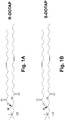
- studies were performed to further understand the effects of chirality on the immunostimulatory capability of cationic lipids by using the R and S enantiomers of DOTAP. (The R and S enantiomers of DOTAP are shown in Figs. 1A and 1B ).
- the chiral cationic lipid at a dose sufficient to stimulate an immune response, is administered in combination with an antigen or antigens.
- the cationic lipid/antigen combination is capable of generating an immune response that is specific to the antigen(s) delivered in combination with the cationic lipid.
- the response generated may include production of specific cytotoxic T cells, memory T cells, or B cells resulting in the prevention of, or therapeutic response to, the specific disease associated with the antigen(s).
- the chiral cationic lipids of the disclosure maybe in the form of cationic lipid complexes.
- the cationic lipid complex can take the form of various vesicles such as liposomes, micelles, or emulsions.
- the cationic lipid complexes maybe unilaminar or multilaminar.
- the antigen maybe encapsulated in the cationic lipid complex or may be unencapsulated. Encapsulated is understood to mean that the antigen may be contained within the internal space of the complex and/or incorporated into the lipid walls of the complex.
- Another aspect of the disclosure relates to a method for producing these complexes, wherein the method may optionally include the step of purifying these formulations from excess individual components.
- the cationic lipid complexes have a net positive charge and/or a positively charged surface at pH 6.0-8.0.
- the optional "antigen" which may be included with cationic lipid complexes of the disclosure may be nucleic acids, peptides, lipopeptides, proteins, lipoproteins, polysaccharides, and other macromolecules which may be complexed directly with cationic lipids.
- cationic drugs e.g., large cationic protein
- anionic lipid or sequentially complexed first with anionic lipid or polymer followed by the chiral cationic lipid permits delivery of positive or neutral charged drugs to cells by the complexes of the disclosure.
- One aspect of the disclosure involves the use of the chiral cationic lipid complexes to activate dendritic cells and also to stimulate the production of chemokines and cytokines.
- Chemokines and cytokines are important regulators of immune responses. Chemokines were originally identified as potent chemoattractants for inflammatory cells including neutrophils, eosinophils, and monocytes/macrophages. Subsequent studies have revealed that chemokines have profound effects on immune reactions by regulating the trafficking of dendritic cells and other lymphocytes into lymphoid organs. Dendritic cells are migratory cells that sample antigens in the tissue, migrate to the draining lymph nodes and mature to stimulate the T cell response.
- CCL2 cytotoxic T lymphocytes
- IL-12 interleukin-12
- IFN- ⁇ interferon-y
- CCL-4 Another CC chemokine, CCL-4, has also been shown to recruit and expand dendritic cells in vivo and potentiate the immunogenicity of plasmid DNA vaccines. Recently, it has been shown that chemokines enhance immunity by guiding na ⁇ ve CD8+ T cells to sites of CD4+ T cell-dendritic cell interaction and promote memory CD8+ T cell generation.
- chemokines that may be stimulated by the cationic lipid complexes of the disclosure are CCL-2, CCL-3, and CCL-4.
- Examples of cytokines that maybe stimulated by the cationic lipid complexes of the disclosure are IL-2, IL-8, IL-12 and IFN- ⁇ .
- the chiral cationic lipid complexes of the disclosure may form liposomes that are optionally mixed with antigen and may contain the chiral cationic lipids alone or chiral cationic lipids in combination with neutral lipids.
- Suitable chiral cationic lipid species include the R and S enantiomers of: 3- ⁇ [ 4 N-( 1 N, 8 -diguanidino spermidine)-carbamoyl]cholesterol (BGSC); 3- ⁇ [N,N-diguanidinoethyl-aminoethane)-carbamoyl]cholesterol (BGTC); N, N 1 N 2 N 3 Tetra-methyttetrapahnitylspermine (cellfectin); N-t-butyl-N'-tetradecyl-3-tetradecyl-aminopropion-amidine (CLONfectin); dimethyldioctadecyl ammonium bromide (DDAB
- nonsteroidal chiral cationic lipids having a structure represented by the following formula: wherein in R 1 is a quaternary ammonium group, Y 1 is chosen from a hydrocarbon chain, an ester, a ketone, and a peptide, C* is a chiral carbon, R 2 and R 3 are independently chosen from a saturated fatty acid, an unsaturated fatty acid, an ester-linked hydrocarbon, phosphor-diesters, and combinations thereof.
- DOTAP, DMTAP, DSTAP, DPTAP, DPEPC, DSEPC, DMEPC, DLEPC, DOEPC, DMKE, DMKD, DOSPA, DOTMA are examples of lipids having this general structure.
- chiral cationic lipids of the disclosure are lipids in which bonds between the lipophilic group and the amino group are stable in aqueous solution.
- bonds used in the cationic lipids include amide bonds, ester bonds, ether bonds and carbamoyl bonds.
- liposomes comprising two cationic lipid species, lysyl- phosphatidylethanolamine and ⁇ -alanyl cholesterol ester have been disclosed for certain drug delivery applications [ Brunette, E. et al., Nucl. Acids Res., 20: 1151 (1992 )].
- the methods of the disclosure are not restricted only to the use of the cationic lipids recited above but rather, any lipid composition may be used so long as a cationic liposome is produced and the resulting cationic charge density is sufficient to activate and induce an immune response.
- the complexes of the disclosure may contain other lipids in addition to the chiral cationic lipids.
- These lipids include lyso lipids of which lysophosphatidylcholine (1-oleoyl lysophosphatidylcholine) is an example, cholesterol, or neutral phospholipids including dioleoyl phosphatidyl ethanolamine (DOPE) or dioleoyl phosphatidylcholine (DOPC) as well as various lipophilic surfactants, containing polyethylene glycol moieties, of which Tween-80 and PEG-PE are examples.
- DOPE dioleoyl phosphatidyl ethanolamine
- DOPC dioleoyl phosphatidylcholine
- various lipophilic surfactants containing polyethylene glycol moieties, of which Tween-80 and PEG-PE are examples.
- the chiral cationic lipid complexes of the disclosure may also contain negatively charged lipids as well as cationic lipids so long as the net charge of the complexes formed is positive and/or the surface of the complex is positively charged.
- Negatively charged lipids of the disclosure are those comprising at least one lipid species having a net negative charge at or near physiological pH or combinations of these. Suitable negatively charged lipid species include CHEMS (cholesteryl hemisuccinate), NGPE (N-glutaryl phosphatidlylethanolanine), phosphatidyl glycerol and phosphatidic acid or a similar phospholipid analog.
- the chiral cationic lipid is present in the liposome at from about 10 mole % to about 100 mole % of total liposomal lipid, or from about 20 mole % to about 80 mole %.
- the neutral lipid when included in the liposome, may be present at a concentration of from about 0 mole % to about 90 mole % of the total liposomal lipid, or from about 20 mole % to about 80 mole %, or from 40 mole % to 80 mole %.
- the negatively charged lipid when included in the liposome, maybe present at a concentration ranging from about 0 mole % to about 49 mole % of the total liposomal lipid, or from about 0 mole % to about 40 mole %.
- the liposomes contain a chiral cationic and a neutral lipid, in ratios between about 2:8 to about 6:4.
- the complexes of the disclosure may contain modified lipids, protein, polycations or receptor ligands which function as a targeting factor directing the complex to a particular tissue or cell type.
- targeting factors include asialoglycoprotein, insulin, low density lipoprotein (LDL), folate and monoclonal and polyclonal antibodies directed against cell surface molecules.
- LDL low density lipoprotein
- the positive surface charge can be sterically shielded by incorporating lipophilic surfactants which contain polyethylene glycol moieties.
- the cationic lipid complexes may be stored in isotonic sucrose or dextrose solution upon collection from the sucrose gradient or they may be lyophilized and then reconstituted in an isotonic solution prior to use. In one embodiment, the cationic lipid complexes are stored in solution.
- the stability of the cationic lipid complexes of the disclosure is measured by specific assays to determine the physical stability and biological activity of the cationic lipid complexes over time in storage.
- the physical stability of the cationic lipid complexes is measured by determining the diameter and charge of the cationic lipid complexes by methods known to those of ordinary skill in the art, including for example, electron microscopy, gel filtration chromatography or by means of quasi-elastic light scattering using, for example, a Coulter N4SD particle size analyzer as described in the Example.
- the physical stability of the cationic lipid complex is "substantially unchanged" over storage when the diameter of the stored cationic lipid complexes is not increased by more than 100%, or by not more than 50%, or by not more than 30%, over the diameter of the cationic lipid complexes as determined at the time the cationic lipid complexes were purified.
- the chiral cationic lipid may be administered in a pure or substantially pure form, it is preferable to present it as a pharmaceutical composition, formulation or preparation.
- Pharmaceutical formulations using the chiral cationic lipid complexes of the disclosure may comprise the cationic lipid complexes in a physiologically compatible sterile buffer such as, for example, phosphate buffered saline, isotonic saline or low ionic strength buffer such as acetate or Hepes (an exemplary pH being in the range of about 3.0 to about 8.0).
- the chiral cationic lipid complexes may be administered as aerosols or as liquid solutions for intratumoral, intraarterial, intravenous, intratracheal, intraperitoneal, subcutaneous, and intramuscular administration.
- the formulations of the disclosure may incorporate any stabilizer known in the art.
- Illustrative stabilizers are cholesterol and other sterols that may help rigidify the liposome bilayer and prevent disintegration or destabilization of the bilayer.
- agents such as polyethylene glycol, poly-, and monosaccharides maybe incorporated into the liposome to modify the liposome surface and prevent it from being destabilized due to interaction with blood-components.
- Other illustrative stabilizers are proteins, saccharides, inorganic acids, or organic acids which may be used either on their own or as admixtures.
- Controlled release preparations may be achieved through the use of polymer complexes such as polyesters, polyamino acids, methylcellulose, polyvinyl, poly(lactic acid), and hydro gels to encapsulate or entrap the cationic lipids and slowly release them. Similar polymers may also be used to adsorb the liposomes.
- the liposomes may be contained in emulsion formulations in order to alter the release profile of the stimulant.
- the duration of the stimulant's presence in the blood circulation maybe enhanced by coating the surface of the liposome with compounds such as polyethylene glycol or other polymers and other substances such as saccharides which are capable of enhancing the circulation time or half life of liposomes and emulsions.
- the chiral cationic lipids may be combined with typical pharmaceutical carriers known in the art such as, for example, sucrose, lactose, methylcellulose, carboxymethyl cellulose, or gum Arabic, among others.
- the cationic lipids may also be encapsulated in capsules or tablets for systemic delivery.
- Administration of the chiral cationic lipid of the disclosure may be for either a prophylactic or therapeutic purpose.
- the cationic lipid is provided in advance of any evidence or symptoms of illness.
- the cationic lipid is provided at or after the onset of disease.
- the therapeutic administration of the immune-stimulant serves to attenuate or cure the disease.
- the cationic lipid may be administered with an additional therapeutic agent(s) or antigen(s).
- the prophylactic or therapeutic effect may be generated against a specific disease.
- formulations of the disclosure both for veterinary and for human use, comprise a chiral cationic lipid alone as described above, as a mixture of R and S enantiomers, or also optionally, with one or more therapeutic ingredients such as an antigen(s) or drug molecule(s).
- the formulations may conveniently be presented in unit dosage form and may be prepared by any method known in the pharmaceutical art.
- the chiral cationic lipid is administered without any additional agents in order to boost or lower various immune responses, including production of other immune modulators, and to boost the immune response to fighting disease.
- the chiral cationic lipid is administered in combination with an antigen or antigens.
- the objective is to generate an immune response, which is specific to the antigen(s) delivered in combination with the cationic lipid.
- the response generated may include production of specific cytotoxic T-cells, memory T-cells, or B-cells resulting in the prevention of or therapeutic response to the specific disease associated with those antigen(s).
- the antigen can be any tumor-associated antigen or microbial antigen or any other antigen known to one skilled in the art.
- tumor-associated antigen is a molecule or compound (e.g., a protein, peptide, polypeptide, lipoprotein, lipopeptide, glycoprotein, glycopeptides, lipid, glycolipid, carbohydrate, RNA, and/or DNA) associated with a tumor or cancer cell and which is capable of provoking an immune response (humoral and/or cellular) when expressed on the surface of an antigen presenting cell in the context of a major histocompatibility complex ("MHC") molecule.
- MHC major histocompatibility complex
- Tumor-associated antigens include self antigens, as well as other antigens that may not be specifically associated with a cancer, but nonetheless enhance an immune response to and/or reduce the growth of a tumor or cancer cell when administered to an animal. More specific embodiments are provided herein.
- a “microbial antigen,” as used herein, is an antigen of a microorganism and includes infectious virus, infectious bacteria, infectious parasites and infectious fungi.
- Microbial antigens may be intact microorganisms, and natural isolates, fragments, or derivatives thereof, synthetic compounds which are identical to or similar to naturally- occurring microbial antigens and, preferably, induce an immune response specific for the corresponding microorganism (from which the naturally-occurring microbial antigen originated).
- a compound is similar to a naturally-occurring microorganism antigen if it induces an immune response (humoral and/or cellular) similar to a naturally-occurring microorganism antigen.
- a naturally-occurring microorganism antigen is well known to those of ordinary skill in the art such as, for example, a protein, peptide, polypeptide, lipoprotein, lipopeptide, glycoprotein, glycopeptides, lipid, glycolipid, carbohydrate, RNA, and/or DNA.
- a compound that is similar to a naturally-occurring microorganism antigen is a peptide mimic of a polysaccharide antigen. More specific embodiments are provided herein.
- the term "antigen" is further intended to encompass peptide or protein analogs of known or wild-type antigens such as those described in this specification.
- the analogs may be more soluble or more stable than wild type antigen, and may also contain, mutations or modifications rendering the antigen more immunologically active.
- Antigen can be modified in any manner, such as adding lipid or sugar moieties, mutating peptide or protein amino acid sequences, mutating the DNA or RNA sequence, or any other modification known to one skilled in the art.
- Antigens can be modified using standard methods known by one skilled in the art.
- compositions and methods of the disclosure are peptides or proteins which have amino acid sequences homologous with a desired antigen's amino acid sequence, where the homologous antigen induces an immune response to the respective tumor, microorganism or infected cell.
- the antigen in the cationic lipid complex comprises an antigen associated with a tumor or cancer, i.e., a tumor-associated antigen, to make a vaccine to prevent or treat a tumor.
- the tumor or cancer vaccines of the disclosure further comprise at least one epitope of at least one tumor-associated antigen.
- the tumor or cancer vaccines of the disclosure further comprise a plurality of epitopes from one or more tumor-associated antigens.
- the tumor-associated antigens finding use in the cationic lipid complexes and methods of the disclosure can be inherently immunogenic, or nonimmunogenic, or slightly immunogenic.
- tumor-associated self antigens may be advantageously employed in the subject vaccines for therapeutic effect, since the subject compositions are capable of breaking immune tolerance against such antigens.
- exemplary antigens include synthetic, recombinant, foreign, or homologous antigens, and antigenic materials may include proteins, peptides, polypeptides, lipoproteins, lipopeptides, lipids, glycolipids, carbohydrates, RNA and DNA.
- examples of such vaccines include those for the treatment or prevention of breast cancer, head and neck cancer, melanoma, cervical cancer, lung cancer, prostate cancer, gut carcinoma, or any other cancer known in the art using a cationic lipid in a complex with a tumor-associated antigen(s).
- the antigen with the cationic lipid without encapsulating it in the liposome.
- the chiral cationic lipid complexes of the disclosure may be used in methods to treat or prevent cancer.
- the mammal to be immunized maybe injected with the pharmaceutical formulation containing the liposome with the encapsulated antigen(s).
- Tumor-associated antigens suitable for use in the disclosure include both naturally occurring and modified molecules which may be indicative of single tumor type, shared among several types of tumors, and/or exclusively expressed or overexpressed in tumor cells in comparison with normal cells.
- proteins, glycoproteins, lipoproteins, peptides, and lipopeptides tumor-specific patterns of expression of carbohydrates, gangliosides, glycolipids, and mucins have also been documented.
- Exemplary tumor-associated antigens for use in cancer vaccines include protein products of oncogenes, tumor suppressor genes, and other genes with mutations or rearrangements unique to tumor cells, reactivated embryonic gene products, oncofetal antigens, tissue-specific (but not tumor-specific) differentiation antigens, growth factor receptors, cell surface carbohydrate residues, foreign viral proteins, and a number of other self proteins.
- tumor-associated antigens include, e.g., mutated or modified antigens such as the protein products of the Ras p21 protooncogenes, tumor suppressor p53 and HER-2/neu and BCR-abl oncogenes, as well as CDK4, MUM1, Caspase 8, and Beta catenin; overexpressed antigens such as galectin 4, galectin 9, carbonic anhydrase, Aldolase A, PRAME, Her2/neu, ErbB-2 and KSA, oncofetal antigens such as alpha fetoprotein (AFP), human chorionic gonadotropin (hCG); self antigens such as carcinoembryonic antigen (CEA) and melanocyte differentiation antigens such as Mart 1/Melan A, gp100, gp75, Tyrosinase, TRP1 and TRP2; prostate associated antigens such as PSA, PAP, PSMA, PSM-P1 and PSM-P2; re
- Tumor-associated antigens and their respective tumor cell targets include, e.g., cytokeratins, particularly cytokeratin 8, 18 and 19, as antigens for carcinoma.
- Epithelial membrane antigen (EMA), human embryonic antigen (HEA-125), human milk fat globules, MBr1, MBr8, Ber-EP4, 17-1A, C26 and T16 are also known carcinoma antigens.
- Desmin and muscle-specific actin are antigens of myogenic sarcomas.
- Placental alkaline phosphatase, beta-human chorionic gonadotropin, and alpha-fetoprotein are antigens of trophoblastic and germ cell tumors.
- Prostate specific antigen is an antigen of prostatic carcinomas, carcinoembryonic antigen of colon adenocarcinomas.
- HMB-45 is an antigen of melanomas.
- useful antigens could be encoded by human papilloma virus.
- Chromagranin-A and synaptophysin are antigens of neuroendocrine and neuroectodermal tumors. Of particular interest are aggressive tumors that form solid tumor masses having necrotic areas. The lysis of such necrotic cells is a rich source of antigens for antigen- presenting cells, and thus the subject therapy may find advantageous use in conjunction with conventional chemotherapy and/or radiation therapy.
- the human papillomavirus HPV antigens are used.
- a specific HPV antigen that used as a tumor-associated antigen is HPV subtype 16 E7.
- HPV E7 antigen-cationic lipid complexes are effective at preventing and treating cervical cancer.
- a genetically engineered E7 protein, i.e., E7m protein, having antigenic activity, but without tumorigenic activity is an effective tumor-associated antigen.
- E7m-cationic lipid complexes induce cellular immunity to cause complete regression of established tumors and, thus, are useful as potent anti-cervical cancer vaccines,
- Tumor-associated antigens can be prepared by methods well known in the art.
- these antigens can be prepared from cancer cells either by preparing crude extracts of cancer cells (e.g., as described in Cohen et al, Cancer Res., 54:1055 (1994 )), by partially purifying the antigens, by recombinant technology, or by de novo synthesis of known antigens.
- the antigen may also be in the form of a nucleic acid encoding an antigenic peptide in a form suitable for expression in a subject and presentation to the immune system of the immunized subject.
- the antigen may be a complete antigen, or it may be a fragment of a complete antigen comprising at least one epitope.
- Antigens derived from pathogens known to predispose to certain cancers may also be advantageously included in the cancer vaccines of the disclosure. It is estimated that close to 16% of the worldwide incidence of cancer can be attributed to infectious pathogens; and a number of common malignancies are characterized by the expression of specific viral gene products. Thus, the inclusion of one or more antigens from pathogens implicated in causing cancer may help broaden the host immune response and enhance the prophylactic or therapeutic effect of the cancer vaccine.
- Pathogens of particular interest for use in the cancer vaccines provided herein include the, hepatitis B virus (hepatocellular carcinoma), hepatitis C virus (heptomas), Epstein Barr-virus (EBV) (Burkitt lymphoma, nasopharynx cancer, PTLD in immunosuppressed individuals), HTLVL (adult T cell leukemia), oncogenic human papilloma viruses types 16, 18, 33, 45 (adult cervical cancer), and the bacterium Helicobacter pylori (B cell gastric lymphoma).
- EBV Epstein Barr-virus
- HTLVL adult T cell leukemia
- HTLVL adult T cell leukemia
- oncogenic human papilloma viruses types 16, 18, 33, 45 adult cervical cancer
- Helicobacter pylori B cell gastric lymphoma
- Other medically relevant microorganisms that may serve as antigens in mammals and more particularly humans are described extensively in the literature, e.g., C.
- the antigen in the cationic lipid complex comprises an antigen derived from or associated with a pathogen, i.e., a microbial antigen.
- the pathogen vaccines of the disclosure further comprise at least one epitope of at least one microbial antigen.
- Pathogens that may be targeted by the subject vaccines include viruses, bacteria, parasites and fungi.
- the pathogen vaccines of the disclosure further comprise a plurality of epitopes from one or more microbial antigens.
- the microbial antigens finding use in the cationic lipid complexes and methods may be inherently immunogenic, or nonimmunogenic, or slightly immunogenic.
- Exemplary antigens include synthetic, recombinant, foreign, or homologous antigens, and antigenic materials may include proteins, peptides, polypeptides, lipoproteins, lipopeptides, lipids, glycolipids, carbohydrates, RNA, and DNA.
- Exemplary viral pathogens include viruses that infect mammals, and more particularly humans.
- Retroviridae e.g., human immunodeficiency viruses
- HIV-1 also referred to as HTLV-III, LAV or HTLV-III/LAV, or HIV-III
- other isolates such as HIV-LP
- Picornaviridae e.g. polio viruses, hepatitis A virus; enteroviruses, human Coxsackie viruses, rhinoviruses, echoviruses
- Calciviridae e.g. strains that cause gastroenteritis
- Togaviridae e.g. equine encephalitis viruses, rubella viruses
- Flaviridae e.g.
- coronoviridae e.g. coronaviruses
- Rhabdoviradae e.g. vesicular stomatitis viruses, rabies viruses
- Coronaviridae e.g. coronaviruses
- Rhabdoviridae e.g. vesicular stomatitis viruses, rabies viruses
- Filoviridae e.g. ebola viruses
- Paramyxoviridae e.g. parainfluenza viruses, mumps vims, measles virus, respiratory syncytial virus
- Orthomyxoviridae e.g. influenza viruses
- Bungaviridae e.g.
- African swine fever virus African swine fever virus
- gram negative and gram positive bacteria may be targeted by the subject compositions and methods in vertebrate animals.
- Such gram positive bacteria include Pasteurella species, Staphylococci species, and Streptococcus species.
- Gram negative bacteria include Escherichia coli , Pseudomonas species , and Salmonella species.
- Specific examples of infectious bacteria include: Helicobacter pyloris, Boretta burgdorferi, Legionella pneumophitia, Mycobacteria sps (e.g. M. tuberculosis, M. avium, M, intracellulare, M.
- Polypeptides of bacterial pathogens which may find use as sources of microbial antigens in the subject compositions include an iron-regulated outer membrane protein, (“IROMP”), an outer membrane protein (“OMP”), and an A-protein of Aeromonis salmonicida which causes furunculosis, p57 protein of Renibacterium salmoninarum which causes bacterial kidney disease ("BKD"), major surface associated antigen ("msa”), a surface expressed cytotoxin (“mpr”), a surface expressed hemolysin (“ish”), and a flagellar antigen of Yersiniosis ; an extracellular protein (“ECP”), an iron- regulated outer membrane protein (“IROMP”), and a structural protein of Pasteurellosis ; an OMP and a flagellar protein of Vibrosis anguillarum and V.
- IROMP iron-regulated outer membrane protein
- OMP outer membrane protein
- Vibrosis anguillarum and V.
- antigens can be isolated or prepared recombinantly or by any other means known in the art.
- pathogens further include fungi that infect mammals, and more particularly humans.
- fungi include: Cryptococcus neoformans, Histoplasma capsulatum, Coccidioides immitis, Blastomyces dermatitidis, Chlamydia trachomatis, and Candida albicans.
- infectious parasites include Plasmodium such as Plasmodium falciparum, Plasmodium malariae, Plasmodium ovale, and Plasmodium vivax.
- Other infectious organisms i.e. protists
- Polypeptides of a parasitic pathogen include the surface antigens of Ichthyophthirius.
- compositions and methods of the disclosure are useful for treating infections of nonhuman mammals.
- Many vaccines for the treatment of nonhuman mammals are disclosed in Bennett, K. Compendium of Veterinary Products, 3rd ed. North American Compendiums, Inc., 1995 ; see also WO 02/069369 .
- nonhuman pathogens include mouse mammary tumor virus (“MMTV”), Rous sarcoma virus (“RSV”), avian leukemia virus (“ALV”), avian myeloblastosis virus (“AMV”), murine leukemia virus (“MLV”), feline leukemia virus (“FeLV”), murine sarcoma virus (“MSV”), gibbon ape leukemia virus (“GALV”), spleen necrosis virus (“SNV”), reticuloendotheliosis virus (“RV”), simian sarcoma virus (“SSV”), Mason-Pfizer monkey virus (“MPMV”), simian retrovirus type 1 (“SRV-1”), lentiviruses such as HIV-I, HIV-2, SIV, Visna virus, feline immunodeficiency virus (“FIV”), and equine infectious anemia vires (“EIAV”), T-cell leukemia viruses such as HTLV-I, HTLV-III
- treatment refers to a prophylactic treatment which increases the resistance of a subject to infection with a pathogen or decreases the likelihood that the subject will become infected with the pathogen; and/or treatment after the subject has become infected in order to fight the infection, e.g., reduce or eliminate the infection or prevent it from becoming worse.
- Microbial antigens can be prepared by methods well known in the art. For example, these antigens can be prepared directly from viral and bacterial cells either by preparing crude extracts, by partially purifying the antigens, or alternatively by recombinant technology or by de novo synthesis of known antigens.
- the antigen may also be in the form of a nucleic acid encoding an antigenic peptide in a form suitable for expression in a subject and presentation to the immune system of the immunized subject. Further, the antigen may be a complete antigen, or it may be a fragment of a complete antigen comprising at least one epitope.
- the antigen may be conjugated to a lipid chain in order to improve its solubility in the hydrophobic acyl chains of the cationic lipid, while maintaining the antigenic properties of the molecule.
- the lipidated antigen can be a lipoprotein, or a lipopeptide, and combinations thereof.
- the lipidated antigen may have a linker conjugated between the lipid and the antigen such as, for example, an N-terminal ⁇ or ⁇ -paltnitoyl lysine may be connected to antigen via a dipeptide Ser-Ser linker.
- TC-1 cells are C57BL/6 mouse lung endothelial cells that have been transformed with the HPV16 E6 and E7 oncogenes and activated H-ras.
- Cells were grown in RPMI medium (commercially available from Invitrogen of Carlsbad, CA) supplemented with 10% fetal bovine serum and 100 U/ml penicillin, and 100 mg/ml streptomycin.
- the MHC class I restricted peptide from the HPV 16 E7 protein (amino acid 11 to 20, YMLDLQPETT [SEQ. ID. NO. 1]) was synthesized by the University of Pittsburgh Peptide Synthesis Facility by solid state synthesis using an Advanced ChemTech model 200 peptide synthesizer and purified by HPLC.
- lipids were purchased from Avanti Polar Lipids (Alabaster, AL).
- Small unilamellar DOTAP liposomes were prepared by thin film hydration followed by extrusion.
- the lipid, in chloroform, was dried as a thin layer under a stream of nitrogen in a glass tube.
- the lipid dispersion was sequentially extruded through polycarbonate membranes with pore size of 0.4, 0.2, and 0.1 ⁇ m. The un-entrapped peptide was not removed. The liposomes were stored at 4°C until use. E7 peptide association with the liposome was determined by measuring the percentage of liposome-bound peptide. In brief, unbound E7 peptide from R-DOTAP/E7, S-DOTAP/E7 or RS-DOTAP/E7 complexes was separated by a Microcon® centrifugal filtrate device (Millipore, Bedford, MA) and the concentration of unbound peptide was measured by Micro BCATM Protein Assay Kit (Pierce, Rockford, IL). The efficiency of peptide association was determined as percent unbound peptide. Other methods used in general liposome preparation that are well known to those skilled in the art may also be used.
- Cationic liposomes were prepared as described above.
- the E7 antigen used in the formulation is the identified human E7 peptide restricted by HLA-A*0201 [HPV-16 E7, amino acids 11-20, YMLDLQPETT (SEQ. ID. NO. 1)].
- the peptide was synthesized by the University of Pittsburgh, Molecular Medicine Institute, Pittsburgh, PA, Human HLA-A2 human dendritic cells were obtained from Lonza (of Walkersville, MD).
- LGM-3 medium commercially available from Lonza of Walkersville, MD
- IL-4 and GM-CSF 50 microgram/ml IL-4 and GM-CSF at 37°C and 5% CO 2 at an initial plating density of 125,000 cells/cm 2 in 2 ml of medium in 12-well tissue culture dishes.
- the cells were grown for 3 days in culture and appeared as a mixture of adherent and rounded cells by microscopic examination.
- the cells were treated on day 3 with a fresh dose of 50 microgram/ml of IL-4 and GM-CSF (all wells) and test wells were treated with either a mixture of interleukin1-beta ("IL- ⁇ "), interleukin 6 ("IL-6") and TNF- ⁇ at 10 ng/ml, and prostaglandin E2 ("PGE-2") at 10 ⁇ g/ml (positive control for activation), no treatment (negative activation control), and S-DOTAP/E7 at 2.5, 10 and 40 micromolar final concentrations, and R-DOTAP/E7 at 2.5, 10 and 40 micromolar final concentrations.
- the treated dendritic cells were maintained in culture for 24 hours and harvested for cell surface marker staining and flow cytometry analysis.
- the harvested cells were counted by hemacytometer and 10 ⁇ l of the following antibody conjugates were added sequentially to each sample for labeling surface markers: CD80-FITC, CD83-APC, and CD86-PE (BD Biosciences).
- the surface labeled cells were subsequently analyzed by flow cytometry using a BD FACS Caliber flow cytometer, and the co -stimulatory dendritic cell marker molecules CD80, CD83, and CD86 which are produced upon activation, were monitored.
- Cationic lipid/ E7 complexes consisting of individual R and S enantiomers exhibit different potencies in activating human dendritic cells to induce chemokine and cytokine production
- Human HLA-A2 dendritic cells (Lonza, Walkersville, MD), were treated and grown in culture as described above. On day 3 the cells were treated with 40 micromolar DOTAP/E7 complex or the potent immunostimulator lipopolysaccharide (LPS) at 50 micromolar concentrations (positive control). Medium from assay wells was removed and centrifuged at 1300 rpm in a microfuge for 5 minutes to pellet unattached dendritic cells. The supernatants were removed and treated with 10 microliters per ml of Calbiochem (La Jolla, CA) protease inhibitor cocktail set I (Cat. No. 539131 ) and stored frozen prior to analysis. Samples were analyzed for chemokine and cytokine expression by Searchlight Protein Array Multiplex ELISA assay [Pierce Biotechnology (Woburn, MA)].
- LPS potent immunostimulator lipopolysaccharide
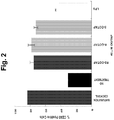
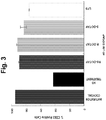
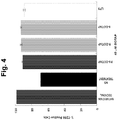
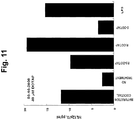
- FIG. 5-11 which illustrate the ability of R-DOTAP/E7 and S- DOTAP/E7 to induce production of CCL3, CCL4, CCL5, CCL-19, IL-2, IL-8 and IL-12).
- the figures illustrate that the DOTAP/E7 complex containing the individual enantiomers of DOTAP induce cytokine and chemokine production by human dendritic cells. Both enantiomers however activate the immune system to different extents with the R-enantiomer exhibiting higher potency.
- mice were subcutaneously injected with TC-1 cells on day 0 in order to induce the growth of HPV-positive tumors.
- the DOTAP/E7 compositions were comprised of racemic mixtures of DOTAP.
- the mice received DOTAP/E7 compositions containing 10 ⁇ g E7 peptide subcutaneously on the opposite side of the abdomen on day 6.
- DOTAP lipid concentration in the complex varied from 3 to 600 nmole (3, 15, 30, 75, 150, 300, and 600 nmole).
- Low dose of DOTAP (15 nmole) showed partial tumor inhibition effect (P ⁇ 0.05) compared to the untreated control on day 23, while DOTAP at 30, 150 or 300 nmole exhibited an enhanced efficacy ( P ⁇ 0.01).
- DOTAP at 75 nmole showed the most significant tumor regression effect ( P ⁇ 0.001).
- mice given a high dose of DOTAP 600 nmole did not show anti-tumor activity, confirming that DOTAP liposomes at a high dose might have induced a negative regulation to the immune response,
- DOTAP liposomes at the 100 nmole dose, but without E7 peptide did not show significant inhibition of tumor growth, indicating that the anti-tumor effect was antigen specific.
- DOPG 1,2-dioleoyl-sn-gIycero-3-phosphoglycerol
- mice were subcutaneously injected with TC-1 cells on day 0 in order to induce the growth of HPV-positive tumors.
- the mice received R and S-DOTAP/E7 compositions containing 20 ⁇ g E7 peptide subcutaneously on the opposite side of the abdomen on day 6.
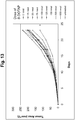
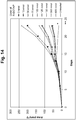
- R or S-DOTAP lipid concentrations in the complex varied from 3 to 600 nmole (3, 15, 30, 75, 100, 125, 150, 300, and 600 nmole).
- S-DOTAP complexes did not exhibit the ability to inhibit tumor growth and no tumor regression was observed ( Figure 13 ).
- mice given a high dose of R-DOTAP did not show significant anti-tumor activity, confirming that R-DOTAP liposomes at a high dose might have induced a negative regulation to the immune response.
- E7 peptide alone did not show any inhibition of tumor growth (not shown).
- Figure 15 shows the lipid dose-response curves for the tumor regression efficacy of the various cationic lipid/E7 antigen complexes DOTAP, S-DOTAP, and R-DOTAP at 20 ⁇ g of the antigen and DOTAP at 10 ⁇ g of the antigen.
- DOTAP-mediated T cell activation was further confirmed by ERK phosphorylation in T cells, DOTAP-induced expression of die costimulatory molecule, CD86 on human T lymphocytes was also observed. Those results suggested that DOTAP has a direct impact on T cell activation via a MAP kinase mediated cell proliferation.
- a broad class of cationic lipids can act as potent immunostimulators together with an antigen to generate antigen specific immune responses in the treatment of disease.
- U.S. Patent No. 7,303,881 discloses that liposomes comprised of cationic lipids activate dendritic cells as demonstrated by the stimulation by cationic lipids of the expression of costimulatory molecules CD80/CD86 on DC2.4 dendritic cells ( Figure 14A and 14B ).
- FIG. I4A of U.S. Patent No. 7,303,881 the ability to stimulate the expression of CD80/CD86 on DC2.4 cells by different cationic liposomes varies greatly.
- Lipofectamine.RTM. a 3:1 (w/w) liposome formulation of the polycationic lipid 2,3-dioleyloxy-N-[2(sperminecarboxamido)ethyl]-N,N-dimethyl-1-propanamini-um trifluoroacetate (DOSPA) and the neutral lipid dioleoyl phosphatidylethanolamine (DOPE), and liposomes prepared from O,O'-dimyristyl-N-lysyl aspartate (DMKE) and O,O'-dimyristyl-N-lysyl-glutamate (DMKD), strongly stimulated the expression of CD80/CD86 by CD2.4 cells.
- DOSPA polycationic lipid 2,3-dioleyloxy-N-[2(sperminecarboxamido)ethyl]-N,N-dimethyl-1-propanamini-um trifluoroacetate
- DOPE neutral lipid dioleoyl
- cationic lipids are not only efficient targeting and delivery vehicles for antigens to APC of the immune system, but also function as potent adjuvants under low dose composition ranges to directly influence immune system function through activation of MAP kinase dependent signaling pathways with resultant production of immune system regulatory molecules including cytokines and chemokines.
- a clear dose-response effect of cationic lipid on the immunostimulatory capabilities of the formulations have been demonstrated. It was demonstrated that upon receiving the lipid/antigen complex, the particles were mainly taken up by dendritic cells, the major professional antigen presenting cells.
- the initiation of dendritic cell activation and migration to the draining lymph node facilitates immune responses against antigen specific TC-1 tumors as demonstrated.
- Functional CD8 + T lymphocytes were generated in mice upon receiving a DOTAP/E7 injection and tumor sizes decreased and exhibited enhanced apoptosis, owing to the increasing number of infiltrating T cells in the tumor microenvironment.
- the resulting bell-shaped (activity decreases above and below the optimal dose) cationic lipid dose response curve demonstrated activity at very low doses, indicating mat the activity of the cationic lipids as adjuvants or immunostimulators is so potent that the EC 50 is as low as about 15 nmole per injection. High doses of cationic lipids eliminate the immunostimulatory activity.
- An important characteristic of an immunostimulator capable of inducing cellular immune responses to disease is its ability to induce the production of critical chemokines and cytokines. As reported in the Example, significant differences were observed between the R and S enantiomers of DOTAP in their ability to induce chemokine and cytokine production. R-DOTAP was observed to be a more potent immune activator than S-DOTAP. In all cases the potency of R-DOTAP was equivalent to or higher than that of the DOATP racemic mixture.
Landscapes
- Health & Medical Sciences (AREA)
- Life Sciences & Earth Sciences (AREA)
- Animal Behavior & Ethology (AREA)
- Chemical & Material Sciences (AREA)
- Veterinary Medicine (AREA)
- Public Health (AREA)
- Medicinal Chemistry (AREA)
- General Health & Medical Sciences (AREA)
- Pharmacology & Pharmacy (AREA)
- Organic Chemistry (AREA)
- Nuclear Medicine, Radiotherapy & Molecular Imaging (AREA)
- General Chemical & Material Sciences (AREA)
- Chemical Kinetics & Catalysis (AREA)
- Immunology (AREA)
- Epidemiology (AREA)
- Bioinformatics & Cheminformatics (AREA)
- Engineering & Computer Science (AREA)
- Communicable Diseases (AREA)
- Oncology (AREA)
- Virology (AREA)
- Medicines Containing Antibodies Or Antigens For Use As Internal Diagnostic Agents (AREA)
- Medicinal Preparation (AREA)
- Peptides Or Proteins (AREA)
- Medicines That Contain Protein Lipid Enzymes And Other Medicines (AREA)
Priority Applications (1)
| Application Number | Priority Date | Filing Date | Title |
|---|---|---|---|
| PL09733034T PL2276495T3 (pl) | 2008-04-17 | 2009-04-14 | Stymulacja odpowiedzi układu immunologicznego przez enancjomery kationowych lipidów |
Applications Claiming Priority (2)
| Application Number | Priority Date | Filing Date | Title |
|---|---|---|---|
| US4583708P | 2008-04-17 | 2008-04-17 | |
| PCT/US2009/040500 WO2009129227A1 (en) | 2008-04-17 | 2009-04-14 | Stimulation of an immune response by enantiomers of cationic lipids |
Publications (3)
| Publication Number | Publication Date |
|---|---|
| EP2276495A1 EP2276495A1 (en) | 2011-01-26 |
| EP2276495A4 EP2276495A4 (en) | 2013-05-15 |
| EP2276495B1 true EP2276495B1 (en) | 2018-11-21 |
Family
ID=41199446
Family Applications (1)
| Application Number | Title | Priority Date | Filing Date |
|---|---|---|---|
| EP09733034.4A Active EP2276495B1 (en) | 2008-04-17 | 2009-04-14 | Stimulation of an immune response by enantiomers of cationic lipids |
Country Status (13)
| Country | Link |
|---|---|
| US (4) | US9789129B2 (enExample) |
| EP (1) | EP2276495B1 (enExample) |
| JP (1) | JP5971945B2 (enExample) |
| CN (2) | CN102137675A (enExample) |
| AU (1) | AU2009236306B2 (enExample) |
| BR (1) | BRPI0910464B1 (enExample) |
| CA (1) | CA2721366C (enExample) |
| ES (1) | ES2712505T3 (enExample) |
| IL (1) | IL208713A (enExample) |
| PL (1) | PL2276495T3 (enExample) |
| RU (1) | RU2530555C2 (enExample) |
| TW (1) | TWI449534B (enExample) |
| WO (1) | WO2009129227A1 (enExample) |
Families Citing this family (30)
| Publication number | Priority date | Publication date | Assignee | Title |
|---|---|---|---|---|
| DE10347710B4 (de) | 2003-10-14 | 2006-03-30 | Johannes-Gutenberg-Universität Mainz | Rekombinante Impfstoffe und deren Verwendung |
| DE102005046490A1 (de) | 2005-09-28 | 2007-03-29 | Johannes-Gutenberg-Universität Mainz | Modifikationen von RNA, die zu einer erhöhten Transkriptstabilität und Translationseffizienz führen |
| US8877206B2 (en) | 2007-03-22 | 2014-11-04 | Pds Biotechnology Corporation | Stimulation of an immune response by cationic lipids |
| AU2009236306B2 (en) | 2008-04-17 | 2015-04-02 | Pds Biotechnology Corporation | Stimulation of an immune response by enantiomers of cationic lipids |
| WO2011109294A1 (en) * | 2010-03-01 | 2011-09-09 | Dicerna Pharmaceuticals, Inc. | Lipid delivery formulations |
| JP2011184344A (ja) * | 2010-03-08 | 2011-09-22 | Kao Corp | p21発現促進剤 |
| CA2804591C (en) | 2010-07-06 | 2019-01-22 | Novartis Ag | Cationic oil-in-water emulsions |
| LT2714071T (lt) | 2011-05-24 | 2019-10-10 | Biontech Rna Pharmaceuticals Gmbh | Individualizuotos vakcinos nuo vėžio |
| US9655845B2 (en) | 2011-07-06 | 2017-05-23 | Glaxosmithkline Biologicals, S.A. | Oil-in-water emulsions that contain nucleic acids |
| US9636410B2 (en) | 2011-07-06 | 2017-05-02 | Glaxosmithkline Biologicals Sa | Cationic oil-in-water emulsions |
| WO2013039989A1 (en) | 2011-09-12 | 2013-03-21 | Pds Biotechnology Corporation | Particluate vaccine formulations |
| WO2013143555A1 (en) | 2012-03-26 | 2013-10-03 | Biontech Ag | Rna formulation for immunotherapy |
| US10286064B2 (en) | 2012-06-15 | 2019-05-14 | Pds Biotechnology Corporation | Cationic lipid vaccine compositions and methods of use |
| AU2013317805B2 (en) | 2012-09-21 | 2018-07-26 | Pds Biotechnology Corporation | Improved vaccine compositions and methods of use |
| AU2013351542B2 (en) | 2012-11-28 | 2018-08-09 | BioNTech SE | Individualized vaccines for cancer |
| WO2014180490A1 (en) | 2013-05-10 | 2014-11-13 | Biontech Ag | Predicting immunogenicity of t cell epitopes |
| EP3083663A1 (en) * | 2013-12-16 | 2016-10-26 | Merck Patent GmbH | Survivin-directed cancer vaccine therapy |
| WO2016045732A1 (en) | 2014-09-25 | 2016-03-31 | Biontech Rna Pharmaceuticals Gmbh | Stable formulations of lipids and liposomes |
| WO2016128060A1 (en) | 2015-02-12 | 2016-08-18 | Biontech Ag | Predicting t cell epitopes useful for vaccination |
| WO2017059902A1 (en) | 2015-10-07 | 2017-04-13 | Biontech Rna Pharmaceuticals Gmbh | 3' utr sequences for stabilization of rna |
| US11612652B2 (en) | 2015-11-13 | 2023-03-28 | Pds Biotechnology Corporation | Lipids as synthetic vectors to enhance antigen processing and presentation ex-vivo in dendritic cell therapy |
| JP2019500021A (ja) * | 2015-11-13 | 2019-01-10 | ピーディーエス バイオテクノロジー コーポレイションPds Biotechnology Corporation | 樹状細胞療法においてex vivoでの抗原のプロセシングと提示を亢進させるための合成ベクターとしての脂質 |
| WO2018067822A1 (en) * | 2016-10-05 | 2018-04-12 | Pds Biotechnology Corporation | Methods to alter the tumor microenvironment for effective cancer immunotherapy |
| WO2018080253A1 (ko) * | 2016-10-31 | 2018-05-03 | 아이진 주식회사 | 면역반응 조절물질 및 양이온성 리포좀을 포함하는 면역증강용 조성물 및 이의 용도 |
| WO2018224166A1 (en) | 2017-06-09 | 2018-12-13 | Biontech Rna Pharmaceuticals Gmbh | Methods for predicting the usefulness of disease specific amino acid modifications for immunotherapy |
| TW201924722A (zh) | 2017-12-05 | 2019-07-01 | 美商Pds生技公司 | 用於刺激第i型干擾素基因之方法及包含陽離子脂質的組合物 |
| US20230076515A1 (en) * | 2019-11-18 | 2023-03-09 | Children's Medical Center Corporation | Stimuli that hyperactivate resident dendritic cells for cancer immunotherapy |
| AU2021383838A1 (en) * | 2020-11-20 | 2023-06-29 | Pds Biotechnology Corporation | Methods and compositions comprising cationic lipids for immunotherapy by direct tumor injection |
| CN120584129A (zh) * | 2022-10-19 | 2025-09-02 | Pds生物科技公司 | 用于治疗表达黏蛋白1蛋白的人癌症的新型t细胞活化免疫治疗 |
| TW202430637A (zh) | 2022-11-16 | 2024-08-01 | 美商戴瑟納製藥股份有限公司 | Stat3靶向性寡核苷酸及其用途 |
Family Cites Families (123)
| Publication number | Priority date | Publication date | Assignee | Title |
|---|---|---|---|---|
| US2167480A (en) | 1927-11-02 | 1939-07-25 | Rca Corp | Signaling |
| US4703004A (en) | 1984-01-24 | 1987-10-27 | Immunex Corporation | Synthesis of protein with an identification peptide |
| JPS6440808A (en) | 1987-08-05 | 1989-02-13 | Canon Kk | Zoom lens |
| US6214804B1 (en) | 1989-03-21 | 2001-04-10 | Vical Incorporated | Induction of a protective immune response in a mammal by injecting a DNA sequence |
| US5703055A (en) | 1989-03-21 | 1997-12-30 | Wisconsin Alumni Research Foundation | Generation of antibodies through lipid mediated DNA delivery |
| US5264618A (en) | 1990-04-19 | 1993-11-23 | Vical, Inc. | Cationic lipids for intracellular delivery of biologically active molecules |
| US6183745B1 (en) | 1990-12-12 | 2001-02-06 | The University Of Queensland | Subunit papilloma virus vaccine and peptides for use therein |
| EP0599850B1 (en) | 1991-08-16 | 1996-01-10 | Vical, Inc. | Composition and method for treating cystic fibrosis |
| US6419931B1 (en) | 1991-08-26 | 2002-07-16 | Epimmune Inc. | Compositions and methods for eliciting CTL immunity |
| DE69231621T2 (de) | 1991-08-26 | 2001-05-31 | Epimmune, Inc. | Hepatitis-B-Virus-Epitope mit HLA-reduzierte CTL-Respons |
| US5283185A (en) | 1991-08-28 | 1994-02-01 | University Of Tennessee Research Corporation | Method for delivering nucleic acids into cells |
| IL105554A (en) | 1992-05-05 | 1999-08-17 | Univ Leiden | Peptides of human papillomavirus for use in preparations elicit a human T cell response |
| EP0646178A1 (en) | 1992-06-04 | 1995-04-05 | The Regents Of The University Of California | expression cassette with regularoty regions functional in the mammmlian host |
| US7105574B1 (en) | 1999-03-26 | 2006-09-12 | Vical Incorporated | Adjuvant compositions and methods for enhancing immune responses to polynucleotide-based vaccines |
| US5334761A (en) | 1992-08-28 | 1994-08-02 | Life Technologies, Inc. | Cationic lipids |
| US9266930B1 (en) | 1993-03-05 | 2016-02-23 | Epimmune Inc. | Inducing cellular immune responses to Plasmodium falciparum using peptide and nucleic acid compositions |
| WO1995004542A1 (en) | 1993-08-06 | 1995-02-16 | Cytel Corporation | Cloning and characterization of the complete mage-1 gene |
| AUPM500494A0 (en) | 1994-04-12 | 1994-05-05 | Minister For Agriculture & Rural Affairs For The State Of New South Wales, The | Composition for use in increasing mucosal immunity |
| FR2726764B1 (fr) | 1994-11-14 | 1997-01-31 | Pasteur Merieux Serums Vacc | Adjuvant pour composition vaccinale |
| US6008202A (en) | 1995-01-23 | 1999-12-28 | University Of Pittsburgh | Stable lipid-comprising drug delivery complexes and methods for their production |
| FR2732895B1 (fr) | 1995-04-11 | 1997-05-16 | Pasteur Merieux Serums Vacc | Utilisation d'un compose amphipathique cationique comme agent de transfection, comme adjuvant de vaccin, ou comme medicament |
| JPH11510046A (ja) | 1995-07-21 | 1999-09-07 | ローヌ−プーラン ローラー ファーマシューティカルズ インコーポレイテッド | アデノ関連ウイルスリポソーム及び樹状細胞をトランスフェクトして特異性免疫を刺激することにおけるそれらの使用 |
| JP2001503735A (ja) | 1996-07-03 | 2001-03-21 | ユニバーシティ オブ ピッツバーグ | 親水性活性試薬のためのエマルジョン処方物 |
| US7288266B2 (en) | 1996-08-19 | 2007-10-30 | United States Of America As Represented By The Secretary, Department Of Health And Human Services | Liposome complexes for increased systemic delivery |
| US7001614B2 (en) | 1996-08-19 | 2006-02-21 | The United States Of America As Represented By The Department Of Health And Human Services | Liposome complexes for increased systemic delivery |
| US20030229040A1 (en) | 1997-03-21 | 2003-12-11 | Georgetown University | Cationic liposomal delivery system and therapeutic use thereof |
| US6977074B2 (en) | 1997-07-10 | 2005-12-20 | Mannkind Corporation | Method of inducing a CTL response |
| US6693086B1 (en) | 1998-06-25 | 2004-02-17 | National Jewish Medical And Research Center | Systemic immune activation method using nucleic acid-lipid complexes |
| US20030022854A1 (en) | 1998-06-25 | 2003-01-30 | Dow Steven W. | Vaccines using nucleic acid-lipid complexes |
| CA2361459A1 (en) | 1999-02-05 | 2000-08-10 | Salam Abdul Kadhim | Use of cationic lipids to generate anti-tumor immunity |
| WO2000050006A2 (en) | 1999-02-26 | 2000-08-31 | Chiron Corporation | Microemulsions with adsorbed macromoelecules and microparticles |
| DE60012711T2 (de) | 1999-03-26 | 2005-08-18 | Vical, Inc., San Diego | Adjuvanszusammensetzungen zur erhöhung der immunantwort auf polynukleotid-basierende impfstoffe |
| WO2000062813A2 (en) | 1999-04-20 | 2000-10-26 | The University Of British Columbia | Cationic peg-lipids and methods of use |
| US6852334B1 (en) | 1999-04-20 | 2005-02-08 | The University Of British Columbia | Cationic peg-lipids and methods of use |
| US6649170B1 (en) | 1999-05-12 | 2003-11-18 | Statens Serum Institut | Adjuvant combinations for immunization composition and vaccines |
| FR2794370B1 (fr) | 1999-06-03 | 2003-10-17 | Biovector Therapeutics | Fragments proteiques polyepitopiques, leur obtention et leurs utilisations notamment en vaccination |
| BR0011732B1 (pt) | 1999-06-10 | 2014-02-04 | Vacinas de dna para animais de companhia e de esporte | |
| CA2309313A1 (en) | 1999-08-05 | 2001-02-05 | Board Of Trustees Of The University Of Arkansas | Stimulation of the immune response by human dendritic cell manipulation |
| EP2100620A1 (en) | 1999-09-16 | 2009-09-16 | Eisai Corporation of North America | Nucleic acids encoding polyepitope polypeptides |
| US20030008813A1 (en) | 1999-12-17 | 2003-01-09 | Felgner Philip L. | Intracellular protein delivery compositions and methods of use |
| AU3279301A (en) | 2000-01-11 | 2001-07-24 | Maxygen, Inc. | Monocyte-derived dendritic cell subsets |
| WO2001057068A1 (en) * | 2000-02-01 | 2001-08-09 | The Austin Research Institute | Mucin-1 derived antigens and their use in immunotherapy |
| WO2001080900A2 (en) | 2000-04-20 | 2001-11-01 | The University Of British Columbia | Enhanced stabilised plasmid-lipid particle-mediated transfection using endosomal membrane |
| WO2002069369A2 (en) | 2000-12-08 | 2002-09-06 | Coley Pharmaceutical Gmbh | Cpg-like nucleic acids and methods of use thereof |
| WO2002060412A2 (en) | 2001-02-01 | 2002-08-08 | Board Of Regents | Stabilised polymeric aerosols for pulmonary gene delivery |
| WO2002077012A2 (en) | 2001-03-23 | 2002-10-03 | The Government Of The United States Of America, Represented By The Secretary, Department Of Health And Human Services | Human papilloma virus immunoreative peptides |
| FR2824326B1 (fr) | 2001-05-04 | 2004-03-19 | Commissariat Energie Atomique | Melange de peptides issus des proteines e6 et/ou e7 de papillomavirus et leurs applications |
| KR100904954B1 (ko) * | 2001-05-30 | 2009-06-26 | 더 스크립스 리서치 인스티튜트 | 핵산용 전달 시스템 |
| NZ530635A (en) * | 2001-06-15 | 2007-03-30 | Nordic Vaccine Technology As | Therapeutical vaccination comprising an immunogen and a targeting vehicle comprising a carrier and a antigen silmilar to the first |
| WO2003002142A1 (fr) | 2001-06-29 | 2003-01-09 | Chugai Seiyaku Kabushiki Kaisha | Vaccin anticarcinogene contenant un antigene tumoral base sur un produit de gene wt1 suppresseur de tumeur et des liposomes cationiques |
| WO2003003985A2 (en) * | 2001-07-06 | 2003-01-16 | Sloan-Kettering Institute For Cancer Research | Polyvalent conjugate vaccine for cancer |
| GB0118517D0 (en) * | 2001-07-30 | 2001-09-19 | Mitsubishi Tokyo Pharm Inc | Compound |
| MXPA04005382A (es) | 2001-11-07 | 2005-02-24 | Mannkind Corp | Vectores de expresion que codifican epitopes de antigenos asociados al objetivo y metodos para su diseno. |
| US7598421B2 (en) | 2002-05-08 | 2009-10-06 | Ucl Biomedica Plc | Materials for the delivery of biologically-active material to cells |
| JP4294584B2 (ja) | 2002-07-05 | 2009-07-15 | リポクセン・テクノロジーズ・リミテツド | 核酸ワクチン接種の免疫応答を高めるための方法 |
| ES2535451T3 (es) | 2002-08-12 | 2015-05-11 | The Council Of The Queensland Institute Of Medical Research | Nuevos lipopéptidos inmunógenos que comprenden epítopos de linfocitos T auxiliares y de linfocitos T citotóxicos (CTL) |
| US20050031587A1 (en) | 2002-10-04 | 2005-02-10 | Yamanouchi Pharmaceutical Co., Ltd. | Immune response induction method |
| AU2003284239B2 (en) | 2002-10-21 | 2008-08-21 | Eisai Inc. | Compositions and methods for treating human papillomavirus-mediated disease |
| SE0301109D0 (sv) | 2003-04-14 | 2003-04-14 | Mallen Huang | Nucleotide vaccine composition |
| EP1628637A2 (en) | 2003-05-30 | 2006-03-01 | Alza Corporation | Method of pulmonary administration of an agent |
| US7541035B2 (en) | 2003-06-05 | 2009-06-02 | The United States Of America As Represented By The Secretary Of The Department Of Health And Human Services | Immunogenic peptides for the treatment of prostate and breast cancer |
| JP2006527763A (ja) | 2003-06-18 | 2006-12-07 | イッスム・リサーチ・ディベロップメント・カンパニー・オブ・ザ・ヘブルー・ユニバーシティ・オブ・エルサレム | スフィンゴ脂質のポリアルキルアミン抱合体 |
| US7906122B2 (en) | 2003-06-18 | 2011-03-15 | Yissum Research Development Company Of The Hebrew University Of Jersusalem | Sphingoid polyalkylamine conjugates for Hepatitis B virus vaccination |
| US8592197B2 (en) | 2003-07-11 | 2013-11-26 | Novavax, Inc. | Functional influenza virus-like particles (VLPs) |
| WO2005014110A1 (en) | 2003-07-22 | 2005-02-17 | Cytos Biotechnology Ag | Cpg-packaged liposomes |
| WO2005037190A2 (en) | 2003-09-03 | 2005-04-28 | Dendritherapeutics, Inc. | Multiplex vaccines |
| CN1609617B (zh) * | 2003-09-29 | 2012-02-15 | 香港中文大学 | 诊断与预防严重急性呼吸道综合症(sars)的组合物和方法 |
| ATE502654T1 (de) | 2003-12-10 | 2011-04-15 | Canji Inc | Verfahren und zusammensetzungen zur behandlung von interferon-resistenten tumoren |
| CN1559607A (zh) | 2004-02-20 | 2005-01-05 | �й�ũҵ��ѧ | 一种核酸物质与蛋白质类组合物及其生产方法和在免疫调节中的应用 |
| KR20110132416A (ko) | 2004-04-05 | 2011-12-07 | 화이자 프로덕츠 인코포레이티드 | 미세유체화된 수중유 유화액 및 백신 조성물 |
| GB0716992D0 (en) | 2007-08-31 | 2007-10-10 | Immune Targeting Systems Its L | Influenza antigen delivery vectors and constructs |
| US7303881B2 (en) * | 2004-04-30 | 2007-12-04 | Pds Biotechnology Corporation | Antigen delivery compositions and methods of use |
| US7745651B2 (en) | 2004-06-07 | 2010-06-29 | Protiva Biotherapeutics, Inc. | Cationic lipids and methods of use |
| KR20070052273A (ko) * | 2004-06-30 | 2007-05-21 | 아이디 바이오메디컬 코포레이션 오브 퀘벡 | 코로나바이러스 감염의 치료를 위한 백신 조성물 |
| WO2006007712A1 (en) | 2004-07-19 | 2006-01-26 | Protiva Biotherapeutics, Inc. | Methods comprising polyethylene glycol-lipid conjugates for delivery of therapeutic agents |
| DE102004057303A1 (de) * | 2004-11-26 | 2006-06-01 | Merck Patent Gmbh | Stabile Kristallmodifikationen von DOTAP Chlorid |
| WO2006063382A1 (en) | 2004-12-13 | 2006-06-22 | Peplin Research Pty Ltd | Treatment of solid cancers |
| JP2008535771A (ja) * | 2004-12-14 | 2008-09-04 | アプレラ コーポレイション | カチオン性リポソームおよびその使用方法 |
| EP1838353A2 (en) | 2005-01-21 | 2007-10-03 | Introgen Therapeutics, Inc. | Topical administration permitting prolonged exposure of target cells to therapeutic and prophylactic nucleic acids |
| JP2009501237A (ja) | 2005-03-14 | 2009-01-15 | ボード オブ リージェンツ オブ ザ ユニバーシティー オブ テキサス システム | 生物活性fus1ペプチドおよびナノ粒子−ポリペプチド複合体 |
| AU2005329326B2 (en) | 2005-03-18 | 2009-07-30 | Widex A/S | Remote control system for a hearing aid |
| AU2006249640C1 (en) | 2005-04-08 | 2016-10-13 | Coimmune, Inc. | Dendritic cell compositions and methods |
| KR20080052509A (ko) | 2005-04-11 | 2008-06-11 | 더 거버먼트 오브 더 유나이티드 스테이츠 오브 아메리카, 애즈 레프리젠티드 바이 더 세크러테리, 디파트먼트 오브 헬쓰 앤드 휴먼 서비시즈, 센터스 포 디지즈 컨트롤 앤드 프리벤션 | 유행성 독감 바이러스에 대한 백신 |
| US20060275777A1 (en) | 2005-06-03 | 2006-12-07 | Waelti Ernst R | Novel strategies for protein vaccines |
| WO2007022152A2 (en) | 2005-08-15 | 2007-02-22 | The Research Foundation Of State University Of New York | Lipid nano particulates containing antigens as cancer vaccines |
| US20110305713A1 (en) | 2005-10-21 | 2011-12-15 | Medical College Of Georgia Research Institute, Inc | Methods and compositions to enhance vaccine efficacy by reprogramming regulatory t cells |
| WO2007081447A2 (en) | 2005-11-22 | 2007-07-19 | Novartis Vaccines And Diagnostics, Inc. | Norovirus and sapovirus antigens |
| WO2007106073A2 (en) * | 2006-03-02 | 2007-09-20 | University Of Massachusetts | Modified pathogens for use as vaccines |
| JP2007238559A (ja) | 2006-03-10 | 2007-09-20 | Nagoya City Univ | 未成熟樹状細胞活性化剤及びその使用 |
| MX2008013488A (es) | 2006-04-21 | 2008-10-30 | Transgene Sa | Vacuna de virus de papiloma basado en hpv-16 (virus de papiloma humano 16). |
| US20080014251A1 (en) | 2006-07-14 | 2008-01-17 | Advanced Vascular Dynamics | Hemostatic compound and its use |
| EP1894941A1 (en) | 2006-09-01 | 2008-03-05 | Institut Pasteur | Treatment of cervical carcinoma with a recombinant adenylate cyclase carrying HPV antigens |
| CA2700573C (en) | 2006-09-26 | 2016-11-22 | Cedars-Sinai Medical Center | Cancer stem cell antigen vaccines and methods |
| CA2666357A1 (en) | 2006-10-18 | 2008-04-24 | The Government Of The United States Of America As Represented By The Sec Retary Of The Department Of Health And Human Services, Centers For Disea | Enhancing disease resistance against rna viral infections with intracytoplasmic pathogen sensors |
| KR100817024B1 (ko) | 2006-11-09 | 2008-03-26 | 재단법인 목암생명공학연구소 | 핵산 또는 약물을 간에 특이적으로 전달하는 복합체 및이를 포함하는 약학적 조성물 |
| US8877206B2 (en) | 2007-03-22 | 2014-11-04 | Pds Biotechnology Corporation | Stimulation of an immune response by cationic lipids |
| WO2008148057A2 (en) | 2007-05-23 | 2008-12-04 | Vical Incorporated | Cationic lipids compositions and methods for enhancing immune responses to vaccines |
| US7832751B2 (en) * | 2007-06-29 | 2010-11-16 | Harley-Davidson Motor Company Group, Inc. | Rear fender assembly |
| CN113559253B (zh) | 2007-11-02 | 2024-09-17 | 约翰霍普金斯大学 | 用于治疗或预防人乳头瘤病毒感染的多型hpv肽的组合物和方法 |
| AU2009236306B2 (en) | 2008-04-17 | 2015-04-02 | Pds Biotechnology Corporation | Stimulation of an immune response by enantiomers of cationic lipids |
| CA2724408A1 (en) | 2008-05-19 | 2009-11-26 | The University Of North Carolina At Chapel Hill | Methods and compositions comprising novel cationic lipids |
| WO2010033863A2 (en) | 2008-09-18 | 2010-03-25 | Juvaris Biotherapeutics, Inc. | Vaccine compositions of m2e, ha0 and bm2 multiple antigenic peptides |
| US8883995B2 (en) | 2009-03-06 | 2014-11-11 | Icahn School Of Medicine At Mount Sinai | Live attenuated influenza virus vaccines comprising microRNA response elements |
| AU2010248761B2 (en) | 2009-05-15 | 2016-02-11 | Irx Therapeutics, Inc. | Vaccine immunotherapy |
| WO2011109294A1 (en) | 2010-03-01 | 2011-09-09 | Dicerna Pharmaceuticals, Inc. | Lipid delivery formulations |
| WO2011123495A1 (en) | 2010-03-30 | 2011-10-06 | Mount Sinai School Of Medicine | Influenza virus vaccines and uses thereof |
| KR101773643B1 (ko) | 2010-04-28 | 2017-08-31 | 교와 핫꼬 기린 가부시키가이샤 | 양이온성 지질 |
| KR20140054140A (ko) | 2011-07-27 | 2014-05-08 | 베일러 리서치 인스티튜트 | 췌장암에 대한 수지상 세포(dc) - 백신 치료요법 |
| WO2013039989A1 (en) | 2011-09-12 | 2013-03-21 | Pds Biotechnology Corporation | Particluate vaccine formulations |
| EP2638896A1 (en) | 2012-03-14 | 2013-09-18 | Bioneer A/S | Cationic liposomal drug delivery system for specific targeting of human cd14+ monocytes in whole blood |
| EP2639299A1 (en) | 2012-03-16 | 2013-09-18 | Invectys | Universal cancer peptides derived from telomerase |
| US10286064B2 (en) | 2012-06-15 | 2019-05-14 | Pds Biotechnology Corporation | Cationic lipid vaccine compositions and methods of use |
| AU2013317805B2 (en) | 2012-09-21 | 2018-07-26 | Pds Biotechnology Corporation | Improved vaccine compositions and methods of use |
| AU2014310932B2 (en) | 2013-08-21 | 2019-06-06 | CureVac SE | Composition and vaccine for treating lung cancer |
| AU2014340201B2 (en) | 2013-10-23 | 2019-02-21 | The United States Of America, As Represented By The Secretary, Department Of Health And Human Services | HLA-A24 agonist epitopes of MUC1-C oncoprotein and compositions and methods of use |
| CN104189897A (zh) | 2014-05-21 | 2014-12-10 | 深圳先进技术研究院 | 一种树突状细胞高效负载抗原的制备方法 |
| DK3271382T3 (da) | 2015-03-16 | 2020-05-04 | Max Delbrueck Centrum Fuer Molekulare Medizin Helmholtz Gemeinschaft | Fremgangsmåde til detektion af nye immunogene T-celleepitoper og isolering af nye antigenspecifikke T-cellereceptorer ved hjælp af et MHC-cellebibliotek |
| CN105920599B (zh) | 2015-09-17 | 2020-02-11 | 武汉生物制品研究所有限责任公司 | 以阳离子脂质体dotap为佐剂的疫苗及其制备方法 |
| US11612652B2 (en) | 2015-11-13 | 2023-03-28 | Pds Biotechnology Corporation | Lipids as synthetic vectors to enhance antigen processing and presentation ex-vivo in dendritic cell therapy |
| CN119033925A (zh) | 2016-10-05 | 2024-11-29 | Pds生物科技公司 | 新型hpv16非hla限制性t细胞疫苗、组合物及其使用方法 |
| WO2018067822A1 (en) | 2016-10-05 | 2018-04-12 | Pds Biotechnology Corporation | Methods to alter the tumor microenvironment for effective cancer immunotherapy |
| TW201924722A (zh) | 2017-12-05 | 2019-07-01 | 美商Pds生技公司 | 用於刺激第i型干擾素基因之方法及包含陽離子脂質的組合物 |
| CN111217918B (zh) * | 2020-03-04 | 2020-11-10 | 中山大学 | 一种基于2,4-二氧四氢喋啶合酶的新型冠状病毒s蛋白双区域亚单位纳米疫苗 |
-
2009
- 2009-04-14 AU AU2009236306A patent/AU2009236306B2/en active Active
- 2009-04-14 JP JP2011505132A patent/JP5971945B2/ja active Active
- 2009-04-14 CN CN200980121761XA patent/CN102137675A/zh active Pending
- 2009-04-14 BR BRPI0910464-0A patent/BRPI0910464B1/pt active IP Right Grant
- 2009-04-14 WO PCT/US2009/040500 patent/WO2009129227A1/en not_active Ceased
- 2009-04-14 ES ES09733034T patent/ES2712505T3/es active Active
- 2009-04-14 US US12/988,236 patent/US9789129B2/en active Active
- 2009-04-14 PL PL09733034T patent/PL2276495T3/pl unknown
- 2009-04-14 EP EP09733034.4A patent/EP2276495B1/en active Active
- 2009-04-14 CA CA2721366A patent/CA2721366C/en active Active
- 2009-04-14 CN CN201811312211.3A patent/CN110075113A/zh active Pending
- 2009-04-14 RU RU2010146655/15A patent/RU2530555C2/ru active
- 2009-04-17 TW TW098112878A patent/TWI449534B/zh active
-
2010
- 2010-10-14 IL IL208713A patent/IL208713A/en active IP Right Grant
-
2017
- 2017-09-12 US US15/702,063 patent/US10702541B2/en active Active
-
2020
- 2020-06-12 US US16/899,763 patent/US11801257B2/en active Active
-
2021
- 2021-03-25 US US17/212,051 patent/US20210308157A1/en not_active Abandoned
Non-Patent Citations (1)
| Title |
|---|
| None * |
Also Published As
| Publication number | Publication date |
|---|---|
| US11801257B2 (en) | 2023-10-31 |
| PL2276495T3 (pl) | 2019-05-31 |
| BRPI0910464A2 (pt) | 2018-03-27 |
| WO2009129227A1 (en) | 2009-10-22 |
| IL208713A0 (en) | 2010-12-30 |
| US9789129B2 (en) | 2017-10-17 |
| US20210308157A1 (en) | 2021-10-07 |
| TW201000124A (en) | 2010-01-01 |
| RU2010146655A (ru) | 2012-05-27 |
| JP2011518170A (ja) | 2011-06-23 |
| US10702541B2 (en) | 2020-07-07 |
| US20110110972A1 (en) | 2011-05-12 |
| BRPI0910464B1 (pt) | 2021-08-10 |
| CA2721366A1 (en) | 2009-10-22 |
| US20200330491A1 (en) | 2020-10-22 |
| EP2276495A4 (en) | 2013-05-15 |
| RU2530555C2 (ru) | 2014-10-10 |
| EP2276495A1 (en) | 2011-01-26 |
| ES2712505T3 (es) | 2019-05-13 |
| IL208713A (en) | 2016-10-31 |
| CN110075113A (zh) | 2019-08-02 |
| JP5971945B2 (ja) | 2016-08-17 |
| CA2721366C (en) | 2017-06-06 |
| AU2009236306A1 (en) | 2009-10-22 |
| TWI449534B (zh) | 2014-08-21 |
| US20180015114A1 (en) | 2018-01-18 |
| CN102137675A (zh) | 2011-07-27 |
| AU2009236306B2 (en) | 2015-04-02 |
Similar Documents
| Publication | Publication Date | Title |
|---|---|---|
| US11801257B2 (en) | Stimulation of an immune response by enantiomers of cationic lipids | |
| US20210346333A1 (en) | Stimulation of an immune response by cationic lipids | |
| US7303881B2 (en) | Antigen delivery compositions and methods of use | |
| US11638753B2 (en) | Lipids as synthetic vectors to enhance antigen processing and presentation ex-vivo in dendritic cell therapy |
Legal Events
| Date | Code | Title | Description |
|---|---|---|---|
| PUAI | Public reference made under article 153(3) epc to a published international application that has entered the european phase |
Free format text: ORIGINAL CODE: 0009012 |
|
| 17P | Request for examination filed |
Effective date: 20101117 |
|
| AK | Designated contracting states |
Kind code of ref document: A1 Designated state(s): AT BE BG CH CY CZ DE DK EE ES FI FR GB GR HR HU IE IS IT LI LT LU LV MC MK MT NL NO PL PT RO SE SI SK TR |
|
| AX | Request for extension of the european patent |
Extension state: AL BA RS |
|
| RIN1 | Information on inventor provided before grant (corrected) |
Inventor name: BEDU-ADDO, FRANK Inventor name: VASIEVICH, ELIZABETH, ANN Inventor name: CHEN, WEIHSU Inventor name: TONEY, KENYA Inventor name: HUANG, LEAF Inventor name: CONN, GREGORY |
|
| DAX | Request for extension of the european patent (deleted) | ||
| RIC1 | Information provided on ipc code assigned before grant |
Ipc: A61K 31/685 20060101AFI20130404BHEP |
|
| A4 | Supplementary search report drawn up and despatched |
Effective date: 20130415 |
|
| 17Q | First examination report despatched |
Effective date: 20150416 |
|
| STAA | Information on the status of an ep patent application or granted ep patent |
Free format text: STATUS: EXAMINATION IS IN PROGRESS |
|
| GRAP | Despatch of communication of intention to grant a patent |
Free format text: ORIGINAL CODE: EPIDOSNIGR1 |
|
| STAA | Information on the status of an ep patent application or granted ep patent |
Free format text: STATUS: GRANT OF PATENT IS INTENDED |
|
| RIC1 | Information provided on ipc code assigned before grant |
Ipc: A61P 35/00 20060101ALI20180615BHEP Ipc: A61K 31/685 20060101AFI20180615BHEP Ipc: A61P 31/00 20060101ALI20180615BHEP |
|
| INTG | Intention to grant announced |
Effective date: 20180706 |
|
| GRAS | Grant fee paid |
Free format text: ORIGINAL CODE: EPIDOSNIGR3 |
|
| GRAA | (expected) grant |
Free format text: ORIGINAL CODE: 0009210 |
|
| STAA | Information on the status of an ep patent application or granted ep patent |
Free format text: STATUS: THE PATENT HAS BEEN GRANTED |
|
| AK | Designated contracting states |
Kind code of ref document: B1 Designated state(s): AT BE BG CH CY CZ DE DK EE ES FI FR GB GR HR HU IE IS IT LI LT LU LV MC MK MT NL NO PL PT RO SE SI SK TR |
|
| REG | Reference to a national code |
Ref country code: CH Ref legal event code: EP |
|
| REG | Reference to a national code |
Ref country code: IE Ref legal event code: FG4D |
|
| REG | Reference to a national code |
Ref country code: DE Ref legal event code: R096 Ref document number: 602009055764 Country of ref document: DE |
|
| REG | Reference to a national code |
Ref country code: AT Ref legal event code: REF Ref document number: 1066747 Country of ref document: AT Kind code of ref document: T Effective date: 20181215 |
|
| REG | Reference to a national code |
Ref country code: CH Ref legal event code: NV Representative=s name: VOSSIUS AND PARTNER PATENTANWAELTE RECHTSANWAE, CH |
|
| REG | Reference to a national code |
Ref country code: NL Ref legal event code: FP |
|
| REG | Reference to a national code |
Ref country code: SE Ref legal event code: TRGR |
|
| REG | Reference to a national code |
Ref country code: AT Ref legal event code: MK05 Ref document number: 1066747 Country of ref document: AT Kind code of ref document: T Effective date: 20181121 |
|
| PG25 | Lapsed in a contracting state [announced via postgrant information from national office to epo] |
Ref country code: LV Free format text: LAPSE BECAUSE OF FAILURE TO SUBMIT A TRANSLATION OF THE DESCRIPTION OR TO PAY THE FEE WITHIN THE PRESCRIBED TIME-LIMIT Effective date: 20181121 Ref country code: AT Free format text: LAPSE BECAUSE OF FAILURE TO SUBMIT A TRANSLATION OF THE DESCRIPTION OR TO PAY THE FEE WITHIN THE PRESCRIBED TIME-LIMIT Effective date: 20181121 Ref country code: FI Free format text: LAPSE BECAUSE OF FAILURE TO SUBMIT A TRANSLATION OF THE DESCRIPTION OR TO PAY THE FEE WITHIN THE PRESCRIBED TIME-LIMIT Effective date: 20181121 Ref country code: NO Free format text: LAPSE BECAUSE OF FAILURE TO SUBMIT A TRANSLATION OF THE DESCRIPTION OR TO PAY THE FEE WITHIN THE PRESCRIBED TIME-LIMIT Effective date: 20190221 Ref country code: IS Free format text: LAPSE BECAUSE OF FAILURE TO SUBMIT A TRANSLATION OF THE DESCRIPTION OR TO PAY THE FEE WITHIN THE PRESCRIBED TIME-LIMIT Effective date: 20190321 Ref country code: LT Free format text: LAPSE BECAUSE OF FAILURE TO SUBMIT A TRANSLATION OF THE DESCRIPTION OR TO PAY THE FEE WITHIN THE PRESCRIBED TIME-LIMIT Effective date: 20181121 Ref country code: HR Free format text: LAPSE BECAUSE OF FAILURE TO SUBMIT A TRANSLATION OF THE DESCRIPTION OR TO PAY THE FEE WITHIN THE PRESCRIBED TIME-LIMIT Effective date: 20181121 Ref country code: BG Free format text: LAPSE BECAUSE OF FAILURE TO SUBMIT A TRANSLATION OF THE DESCRIPTION OR TO PAY THE FEE WITHIN THE PRESCRIBED TIME-LIMIT Effective date: 20190221 |
|
| REG | Reference to a national code |
Ref country code: ES Ref legal event code: FG2A Ref document number: 2712505 Country of ref document: ES Kind code of ref document: T3 Effective date: 20190513 |
|
| PG25 | Lapsed in a contracting state [announced via postgrant information from national office to epo] |
Ref country code: GR Free format text: LAPSE BECAUSE OF FAILURE TO SUBMIT A TRANSLATION OF THE DESCRIPTION OR TO PAY THE FEE WITHIN THE PRESCRIBED TIME-LIMIT Effective date: 20190222 Ref country code: PT Free format text: LAPSE BECAUSE OF FAILURE TO SUBMIT A TRANSLATION OF THE DESCRIPTION OR TO PAY THE FEE WITHIN THE PRESCRIBED TIME-LIMIT Effective date: 20190321 |
|
| PG25 | Lapsed in a contracting state [announced via postgrant information from national office to epo] |
Ref country code: CZ Free format text: LAPSE BECAUSE OF FAILURE TO SUBMIT A TRANSLATION OF THE DESCRIPTION OR TO PAY THE FEE WITHIN THE PRESCRIBED TIME-LIMIT Effective date: 20181121 Ref country code: DK Free format text: LAPSE BECAUSE OF FAILURE TO SUBMIT A TRANSLATION OF THE DESCRIPTION OR TO PAY THE FEE WITHIN THE PRESCRIBED TIME-LIMIT Effective date: 20181121 |
|
| REG | Reference to a national code |
Ref country code: DE Ref legal event code: R097 Ref document number: 602009055764 Country of ref document: DE |
|
| PG25 | Lapsed in a contracting state [announced via postgrant information from national office to epo] |
Ref country code: SK Free format text: LAPSE BECAUSE OF FAILURE TO SUBMIT A TRANSLATION OF THE DESCRIPTION OR TO PAY THE FEE WITHIN THE PRESCRIBED TIME-LIMIT Effective date: 20181121 Ref country code: RO Free format text: LAPSE BECAUSE OF FAILURE TO SUBMIT A TRANSLATION OF THE DESCRIPTION OR TO PAY THE FEE WITHIN THE PRESCRIBED TIME-LIMIT Effective date: 20181121 Ref country code: EE Free format text: LAPSE BECAUSE OF FAILURE TO SUBMIT A TRANSLATION OF THE DESCRIPTION OR TO PAY THE FEE WITHIN THE PRESCRIBED TIME-LIMIT Effective date: 20181121 |
|
| PLBE | No opposition filed within time limit |
Free format text: ORIGINAL CODE: 0009261 |
|
| STAA | Information on the status of an ep patent application or granted ep patent |
Free format text: STATUS: NO OPPOSITION FILED WITHIN TIME LIMIT |
|
| 26N | No opposition filed |
Effective date: 20190822 |
|
| PG25 | Lapsed in a contracting state [announced via postgrant information from national office to epo] |
Ref country code: SI Free format text: LAPSE BECAUSE OF FAILURE TO SUBMIT A TRANSLATION OF THE DESCRIPTION OR TO PAY THE FEE WITHIN THE PRESCRIBED TIME-LIMIT Effective date: 20181121 |
|
| PG25 | Lapsed in a contracting state [announced via postgrant information from national office to epo] |
Ref country code: LU Free format text: LAPSE BECAUSE OF NON-PAYMENT OF DUE FEES Effective date: 20190414 Ref country code: MC Free format text: LAPSE BECAUSE OF FAILURE TO SUBMIT A TRANSLATION OF THE DESCRIPTION OR TO PAY THE FEE WITHIN THE PRESCRIBED TIME-LIMIT Effective date: 20181121 |
|
| PG25 | Lapsed in a contracting state [announced via postgrant information from national office to epo] |
Ref country code: TR Free format text: LAPSE BECAUSE OF FAILURE TO SUBMIT A TRANSLATION OF THE DESCRIPTION OR TO PAY THE FEE WITHIN THE PRESCRIBED TIME-LIMIT Effective date: 20181121 |
|
| PG25 | Lapsed in a contracting state [announced via postgrant information from national office to epo] |
Ref country code: CY Free format text: LAPSE BECAUSE OF FAILURE TO SUBMIT A TRANSLATION OF THE DESCRIPTION OR TO PAY THE FEE WITHIN THE PRESCRIBED TIME-LIMIT Effective date: 20181121 |
|
| PG25 | Lapsed in a contracting state [announced via postgrant information from national office to epo] |
Ref country code: HU Free format text: LAPSE BECAUSE OF FAILURE TO SUBMIT A TRANSLATION OF THE DESCRIPTION OR TO PAY THE FEE WITHIN THE PRESCRIBED TIME-LIMIT; INVALID AB INITIO Effective date: 20090414 Ref country code: MT Free format text: LAPSE BECAUSE OF FAILURE TO SUBMIT A TRANSLATION OF THE DESCRIPTION OR TO PAY THE FEE WITHIN THE PRESCRIBED TIME-LIMIT Effective date: 20181121 |
|
| PG25 | Lapsed in a contracting state [announced via postgrant information from national office to epo] |
Ref country code: MK Free format text: LAPSE BECAUSE OF FAILURE TO SUBMIT A TRANSLATION OF THE DESCRIPTION OR TO PAY THE FEE WITHIN THE PRESCRIBED TIME-LIMIT Effective date: 20181121 |
|
| P01 | Opt-out of the competence of the unified patent court (upc) registered |
Effective date: 20230426 |
|
| PGFP | Annual fee paid to national office [announced via postgrant information from national office to epo] |
Ref country code: SE Payment date: 20260319 Year of fee payment: 18 |
|
| PGFP | Annual fee paid to national office [announced via postgrant information from national office to epo] |
Ref country code: GB Payment date: 20260319 Year of fee payment: 18 |
|
| PGFP | Annual fee paid to national office [announced via postgrant information from national office to epo] |
Ref country code: IE Payment date: 20260320 Year of fee payment: 18 |
|
| PGFP | Annual fee paid to national office [announced via postgrant information from national office to epo] |
Ref country code: BE Payment date: 20260319 Year of fee payment: 18 Ref country code: IT Payment date: 20260319 Year of fee payment: 18 |
|
| PGFP | Annual fee paid to national office [announced via postgrant information from national office to epo] |
Ref country code: NL Payment date: 20260319 Year of fee payment: 18 |
|
| PGFP | Annual fee paid to national office [announced via postgrant information from national office to epo] |
Ref country code: FR Payment date: 20260320 Year of fee payment: 18 |
|
| PGFP | Annual fee paid to national office [announced via postgrant information from national office to epo] |
Ref country code: PL Payment date: 20260325 Year of fee payment: 18 |
|
| REG | Reference to a national code |
Ref country code: CH Ref legal event code: U11 Free format text: ST27 STATUS EVENT CODE: U-0-0-U10-U11 (AS PROVIDED BY THE NATIONAL OFFICE) Effective date: 20260501 |
|
| PGFP | Annual fee paid to national office [announced via postgrant information from national office to epo] |
Ref country code: ES Payment date: 20260504 Year of fee payment: 18 |
|
| PGFP | Annual fee paid to national office [announced via postgrant information from national office to epo] |
Ref country code: DE Payment date: 20260319 Year of fee payment: 18 |
|
| PGFP | Annual fee paid to national office [announced via postgrant information from national office to epo] |
Ref country code: CH Payment date: 20260501 Year of fee payment: 18 |