EP2249513B1 - Verfahren und Vorrichtung zum Wecken eines schlafenden Systems - Google Patents
Verfahren und Vorrichtung zum Wecken eines schlafenden Systems Download PDFInfo
- Publication number
- EP2249513B1 EP2249513B1 EP10174770.7A EP10174770A EP2249513B1 EP 2249513 B1 EP2249513 B1 EP 2249513B1 EP 10174770 A EP10174770 A EP 10174770A EP 2249513 B1 EP2249513 B1 EP 2249513B1
- Authority
- EP
- European Patent Office
- Prior art keywords
- packet
- wake
- protocol
- target system
- address
- Prior art date
- Legal status (The legal status is an assumption and is not a legal conclusion. Google has not performed a legal analysis and makes no representation as to the accuracy of the status listed.)
- Expired - Lifetime
Links
Images

Classifications
-
- H—ELECTRICITY
- H04—ELECTRIC COMMUNICATION TECHNIQUE
- H04L—TRANSMISSION OF DIGITAL INFORMATION, e.g. TELEGRAPHIC COMMUNICATION
- H04L12/00—Data switching networks
- H04L12/02—Details
- H04L12/12—Arrangements for remote connection or disconnection of substations or of equipment thereof
-
- H—ELECTRICITY
- H04—ELECTRIC COMMUNICATION TECHNIQUE
- H04L—TRANSMISSION OF DIGITAL INFORMATION, e.g. TELEGRAPHIC COMMUNICATION
- H04L61/00—Network arrangements, protocols or services for addressing or naming
- H04L61/50—Address allocation
- H04L61/5007—Internet protocol [IP] addresses
- H04L61/5014—Internet protocol [IP] addresses using dynamic host configuration protocol [DHCP] or bootstrap protocol [BOOTP]
-
- H—ELECTRICITY
- H04—ELECTRIC COMMUNICATION TECHNIQUE
- H04L—TRANSMISSION OF DIGITAL INFORMATION, e.g. TELEGRAPHIC COMMUNICATION
- H04L61/00—Network arrangements, protocols or services for addressing or naming
- H04L61/59—Network arrangements, protocols or services for addressing or naming using proxies for addressing
-
- H—ELECTRICITY
- H04—ELECTRIC COMMUNICATION TECHNIQUE
- H04L—TRANSMISSION OF DIGITAL INFORMATION, e.g. TELEGRAPHIC COMMUNICATION
- H04L67/00—Network arrangements or protocols for supporting network services or applications
- H04L67/50—Network services
- H04L67/56—Provisioning of proxy services
-
- H—ELECTRICITY
- H04—ELECTRIC COMMUNICATION TECHNIQUE
- H04L—TRANSMISSION OF DIGITAL INFORMATION, e.g. TELEGRAPHIC COMMUNICATION
- H04L67/00—Network arrangements or protocols for supporting network services or applications
- H04L67/50—Network services
- H04L67/56—Provisioning of proxy services
- H04L67/565—Conversion or adaptation of application format or content
-
- Y—GENERAL TAGGING OF NEW TECHNOLOGICAL DEVELOPMENTS; GENERAL TAGGING OF CROSS-SECTIONAL TECHNOLOGIES SPANNING OVER SEVERAL SECTIONS OF THE IPC; TECHNICAL SUBJECTS COVERED BY FORMER USPC CROSS-REFERENCE ART COLLECTIONS [XRACs] AND DIGESTS
- Y02—TECHNOLOGIES OR APPLICATIONS FOR MITIGATION OR ADAPTATION AGAINST CLIMATE CHANGE
- Y02D—CLIMATE CHANGE MITIGATION TECHNOLOGIES IN INFORMATION AND COMMUNICATION TECHNOLOGIES [ICT], I.E. INFORMATION AND COMMUNICATION TECHNOLOGIES AIMING AT THE REDUCTION OF THEIR OWN ENERGY USE
- Y02D30/00—Reducing energy consumption in communication networks
- Y02D30/50—Reducing energy consumption in communication networks in wire-line communication networks, e.g. low power modes or reduced link rate
Definitions
- the present invention relates to computer networks. More specifically, the present invention relates to a method and an apparatus for waking up a sleeping system which resides on a computer network.
- LANs Local Area Networks
- a system can typically receive packets of lower-layer protocols, such as Ethernet, but cannot respond to ARP (Address Resolution Protocol) requests.
- ARP Address Resolution Protocol
- being able to respond to ARP packets is often necessary for receiving packets of upper-layer protocols, such as IP (Internet Protocol).
- IP Internet Protocol
- the wake-up packet is generally sent using a lower-layer protocol, such as Ethernet, instead of using an upper-layer protocol, such as IP.
- such lower-layer protocols can only be used for sending packets within a LAN.
- US 2005/0180326 discloses a system and method for providing services such as Wake-on-LAN and PXE Boot services to a multi-subnet network system which includes routers between different subnets. The system determines whether the service is required across a router, and if so, identifies a peer computer which is located on the appropriate subnet to deliver the service to that peer computer so that the computer can then perform the Wake-on-LAN service.
- " Clarifications and Extensions for the Bootstrap Protocol" XP015007329 1993 discloses some detailed aspects of the Bootstrap protocol, providing a description of BOOTP relay agents.
- a relay agent receives a BOOTREPLY message intended for BOOTP clients on its directly-connected networks. The relay agent examines the BOOTREPLY message which provides adequate information for the relay agent to deliver the BOOTREPLY message to the client.
- One embodiment of the present invention provides a system that wakes up a sleeping target system located on a target LAN (Local Area Network) from a remote system located oat a remote LAN.
- a target LAN Local Area Network
- the sleeping target system since the sleeping target system is in a sleep staple, it receives packets of a lower-layer protocol which cannot be used by the remote system to directly; send packets to the sleeping target system.
- the remote system creates a wake-up packet.
- the remote system then uses an upper-layer protocol to send the wake-up packet to a relay agent located on the target LAN. Note that using the upper-layer protocol enables the remote system to communicate with the relay agent even though they are on different LANs.
- the first wake-up packet contains a lower-layer-protocol address of the steeping target system which is valid within the target LAN, and a magic bit-pattern which if received by the sleeping target system causes the sleeping target system to wake up.
- the lower-layer-protocol address is an Ethernet address associated with an interface of the sleeping target system which is coupled with the target LAN.
- the second wake-up packet is an Ethernet packet whose destination address field is set to the lower-layer-protocol address of the sleeping target system, and whose payload contains the magic bit-pattern.
- the magic bit-pattern contains a bit representation of the lower-layer-protocol address of the sleeping target system.
- the lower-layer protocol is Ethernet
- the upper-layer protocol is IP (Internet Protocol)
- the first wake-up packet is an IP packet which contains a DHCP (Dynamic Host Configuration Protocol) reply packet.
- DHCP Dynamic Host Configuration Protocol
- the relay agent is a DHCP (Dynamic Host Configuration Protocol) relay agent, such as an IP (Internet Protocol) router.
- DHCP Dynamic Host Configuration Protocol
- IP Internet Protocol
- FIG. 1 illustrates a network which couples multiple LANs (Local Area Networks) in accordance with an embodiment of the present invention.
- LANs Local Area Networks
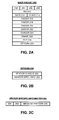
- FIG. 2A illustrates a DHCP packet that contains multiple pieces of information that can be used by a remote system to wake up a sleeping target system in accordance with an embodiment of the present invention.
- a computer-readable storage medium which may be any device or medium that can store code and/or data for use by a computer system.
- the transmission medium may include a communications network, such as the Internet.
- FIG. 1 illustrates a network which couples multiple LANs (Local Area Networks) in accordance with an embodiment of the present invention.
- LANs Local Area Networks
- Remote LAN 104 contains remote computer system 102, and target LAN 108 contains target computer system 110.
- Network 106 couples remote LAN 104 with target LAN 108, which can contain router 112.
- a network node such as remote system 102, can generally include any type of communication device capable of communicating with other network nodes via a network. This includes, but is not limited to, a computer system based on a microprocessor, a mainframe computer, a server, a printer, a video camera, an external disk drive, a router, a switch, a personal organizer, and a mobile phone.
- a LAN typically covers a local area, like a home, office or small group of buildings such as a college.
- a network node within a LAN is typically associated with a local address which is valid only within the LAN. For example, an Ethernet address is only valid within the Ethernet LAN. Since a local address is usually valid only within a LAN, remote system 102 typically cannot communicate with target system 110 using target system 110's local address.
- the sleeping target system usually contains special hardware that can recognize the magic bit-pattern and wake up the system.
- the motherboard is coupled to the network card so that the network card can send a wake-up signal to the motherboard.
- the motherboard's BIOS Basic Input Output System
- BIOS Basic Input Output System
- IP broadcast packets it may be possible to send a wake-up packet from a remote system to a target system using IP broadcast packets, but turning on IP broadcast in the network can cause serious security and performance problems. For example, if IP broadcast is turned on in a network, a malicious user can flood the network with broadcast packets. That is why most system administrators do not turn on IP broadcast in a network, and hence wake-up packets typically cannot be sent using IP broadcast.
- DHCP Dynamic Host Configuration Protocol
- DHCP Dynamic Host Configuration Protocol
- one embodiment of the present invention exploits the following properties of DHCP: (a) most routers in a network are DHCP relay agents, (b) DHCP packets can carry a user-defined payload, and (c) DHCP allows a remote system to specify a hardware address which the relay agent uses to send a DHCP packet to the target system.
- DHCP packet 200 contains an opcode field 202, a hardware address type field 204, a hardware address length field 206, a hops field 208, a transaction identifier field 210, a seconds field 212 which keeps track of the seconds elapsed since client began address acquisition or renewal process, and a flags field 214.
- DHCP packet contains a number of address fields, including a client IP (Internet Protocol) address field 216, a "your" (client) IP address field 218 which can be used to suggest an IP address to a client, a server IP address field 220, a relay agent IP address field 222, a client hardware address field 224, a server name field 226, a boot file name field 228, and a variable length options field 230.
- client IP Internet Protocol
- the options field 230 allows a system to specify system specific configuration parameters. (Further details on DHCP options can be found in S. Alexander and R. Droms, "DHCP Options and BOOTP Vendor Extensions," RFC 2132 , March 1997.)
- Options field 230 can include a vendor class identifier field 250 (option code "0x60") which can be used to identify the vendor type. Options field 230 can also include a vendor specific information field 252 (option code "0x43”) to exchange vendor-specific information.
- FIG. 2C illustrates how a vendor specific information field can be used to carry a magic bit-pattern in accordance with an embodiment of the present invention.
- vendor specific information 252 is specified using a "type-length-value" format. Specifically, the type field 254 can be set to "0x43" to indicate vendor specific information and the length field 256 can be set to the length of value field which can contain the magic bit-pattern 258.
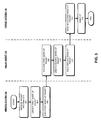
- FIG. 3 presents a flowchart that illustrates a process for waking up a sleeping system in accordance with an embodiment of the present invention.
- the process typically begins by receiving packet information at remote system 102 (step 302).
- the packet information can include (a) a local address of the sleeping target system 110, (b) a magic bit-pattern which when received by the sleeping target system 110 can cause the sleeping target system 110 to wake up, and (c) information that can be used to communicate with a relay agent, such as router 112, located on the target LAN 108.
- a relay agent such as router 112 located on the target LAN 108.
- the local address is an Ethernet address associated with an interface of the sleeping target system 110 which is coupled with the target LAN 108.
- an IP address of a relay agent such as router 112
- a subnet mask associated with the IP address of the sleeping target system can be used to identify a relay agent located on the target LAN.
- the system can "guess" the IP address of a relay agent based on standard address assignment schemes used by system administrators.
- Relay agents are typically assigned IP addresses at the end of the subnet address space. This information can be used to guess the IP address of a relay agent.
- 10.0.0.15 be the IP address of the target system
- 255.255.255.0 be the subnet mask.
- the remote system can guess the IP address of a relay agent to be 10.0.0.1 or 10.0.0.254.
- the magic bit-pattern can be any pattern that can cause the sleeping target system to wake up.
- the magic bit-pattern contains the bytes "0xFFFFFFFFFF" followed by sixteen repetitions of the sleeping target system's Ethernet address.
- the magic bit-pattern is a well known standard, it can be hard coded into the system, and hence may not have to be provided by the user. On the other hand, if the magic bit-pattern is specific to the vendor's equipment, it may have to be specified as an input.
- the remote system 102 uses the packet information to create a first wake-up packet (step 304).
- the first wake-up packet contains information that (a) allows the network to deliver the packet to the relay agent 112, and (b) allows the relay agent 112 to create and send a second wake-up packet to the sleeping target system 110, thereby causing the sleeping target system to wake up.
- the system can use DHCP packet 200 to create the first wake-up packet by setting (a) the "yiaddr" field 218 to the sleeping target system's IP address, (b) the "giaddr” field 222 to the relay agent's IP address, and (c) the "chaddr” field 224 to the sleeping target system's local address.
- the system can store the magic bit-pattern in the options field 230 as shown in FIGs. 2B and 2C . Note that storing the sleeping target system's hardware address in the "chaddr" field 224 enables the relay agent to create and send a wake-up packet to the sleeping target system.
- the relay agent then receives the first wake-up packet (step 308).
- the relay agent 112 then sends the second wake-up packet to the sleeping target system 110 (step 312). Recall that the first wake-up packet contains the local address of the sleeping target system. The relay agent uses this local address to send the second wakeup packet to the sleeping target system over the target LAN.
- the sleeping target system 110 receives the second wake-up packet (step 314).
- the target system since the target system is in a sleep state, it usually cannot process packets that belong to higher layers in the protocol stack, such as the IP layer. This is why the remote system typically cannot send a wake-up packet to the sleeping system directly.
- the relay system since the relay system is located on the same LAN as the sleeping target system, it can send a wake-up packet directly to the sleeping target system using a lower layer protocol, such as Ethernet.
- the sleeping target system wakes up (step 316). Note that a number of techniques can be used to couple a network transceiver with the system, so that when the network transceiver detects a magic bit-pattern on the network, it wakes up the system.
- the present invention is not limited to an IP over Ethernet network. It will be apparent to one skilled in the art that the present invention can be used in any network that contains multiple protocol layers that have relay agents which can be used by remote systems to wake up sleeping systems by sending packets to the relay agent.
Landscapes
- Engineering & Computer Science (AREA)
- Computer Networks & Wireless Communication (AREA)
- Signal Processing (AREA)
- Small-Scale Networks (AREA)
- Data Exchanges In Wide-Area Networks (AREA)
- Types And Forms Of Lifts (AREA)
- Forklifts And Lifting Vehicles (AREA)
- Control And Safety Of Cranes (AREA)
Claims (7)
- Verfahren zum Betreiben eines entfernten Systems (102), welches sich in einem entfernten LAN, Lokales Bereichsnetzwerk, (104) befindet, um das entfernte System (102) zu veranlassen, ein schlafendes Zielsystem (lio), welches sich in einem Ziel-LAN (108) befindet, aufzuwecken, wobei das schlafende Zielsystem (110) Pakete eines ersten Protokolls empfängt, welches nicht durch das entfernte System (102) zum direkten Senden eines Pakets an das schlafende Zielsystem (110) verwendet werden kann, weil das entfernte System (102) und das schlafende Zielsystem (110) sich in unterschiedlichen LANs befinden, wobei das Verfahren aufweist:Erzeugen eines ersten Aufweckpakets, welches unter Verwendung eines zweiten Protokolls zu senden ist, wobei das erste Aufweckpaket ein DHCP, Dynamic Host Control Protocol, -Antwortpaket mit Informationen zum Aufwecken des schlafenden Zielsystems (110) enthält;undSenden des ersten Aufweckpakets an einen Relay-Agenten (112), welcher sich in dem Ziel-LAN (108) befindet, unter Verwendung des zweiten Protokolls;wobei das Senden des ersten Aufweckpakets an den Relay-Agenten (112) den Relay-Agenten (112) veranlasst zum:Verwenden der Information, welche in dem DHCP-Antwortpaket in dem ersten Aufweckpaket enthalten ist, zum Erzeugen eines zweiten Aufweckpakets, welches unter Verwendung des ersten Protokolls zu senden ist; undSenden des zweiten Aufweckpakets an das schlafende Zielsystem unter Verwendung des ersten Protokolls, welches das schlafende Zielsystem (110) veranlasst aufzuwachen,dadurch gekennzeichnet, dass:das erste Aufweckpaket eine Adresse eines Protokolls einer niedrigeren Schicht des schlafenden Zielsystems (110), welche innerhalb des Ziel-LANs (108) gültig ist, und ein magisches Bitmuster umfasst, welches, wenn es durch das schlafende Zielsystem (110) empfangen wird, das schlafende Zielsystem (110) veranlasst aufzuwachen; und dadurch dass:das erste Protokoll ein Protokoll einer niedrigeren Schicht ist, wie beispielsweise Ethernet;das zweite Protokoll ein Protokoll einer höheren Schicht ist, wie beispielsweise IP, Internet-Protokoll;die Adresse des Protokolls der niedrigeren Schicht eine Ethernet-Adresse ist, welche mit einer Schnittstelle des schlafenden Zielsystems (110) assoziiert ist, gekoppelt mit dem Ziel-LAN (108);das magische Bitmuster eine Bitdarstellung der Ethernet-Adresse enthält;das erste Aufweckpaket ein IP-Paket ist, welches das DHCP-Antwortpaket enthält; unddas zweite Aufweckpaket ein Ethernet-Paket ist, dessen Zieladressenfeld auf die Ethernet-Adresse gesetzt wird, und dessen Nutzdaten das magische Bitmuster enthalten.
- Verfahren nach Anspruch 1, wobei das DHCP-Antwortpaket in dem ersten Aufweckpaket einen Header umfasst mit:einem Client-Hardware-Adressfeld, welches auf die Adresse des Protokolls der niedrigeren Schicht des schlafenden Zielsystems (110) gesetzt wird;einem Client-IP-Adressfeld, welches auf eine IP-Adresse gesetzt wird, welche mit der Adresse des Protokolls der niedrigeren Schicht des schlafenden Zielsystems (110) assoziiert ist; undeinem Relay-Agent (112)-IP-Adressfeld, welches auf eine IP-Adresse gesetzt wird, welche mit einer Schnittstelle des Relay-Agenten (112) assoziiert ist, gekoppelt mit dem Ziel-LAN (108).
- Verfahren nach Anspruch 1, wobei der Relay-Agent (112) ein DHCP-Relay-Agent ist, wie beispielsweise ein IP-Router;
wobei das Erzeugen des ersten Aufweckpakets ein Bestimmen der IP-Adresse des Relay-Agenten basierend auf der IP-Adresse des schlafenden Zielsystems und einer Subnetz-Maske umfasst. - Computerlesbares Speichermedium, welches Instruktionen speichert, welche, wenn sie durch ein entferntes System (102), welches sich in einem entfernten LAN (104) befindet, ausgeführt werden, das entfernte System (102) veranlassen, das Verfahren gemäß irgendeinem der Ansprüche 1 bis 3 auszuführen.
- Vorrichtung, welche, wenn sie sich in einem entfernten LAN (104) befindet, ein schlafendes Zielsystem (110), welches sich in einem Ziel-LAN (108) befindet, aufwecken kann, wobei das schlafende Ziel system (110) Pakete eines ersten Protokolls empfängt, wobei die Vorrichtung das erste Protokoll nicht zum direkten Senden eines Pakets an das schlafende Zielsystem (110) verwenden kann, weil sich die Vorrichtung und das schlafende Zielsystem (110) in unterschiedlichen LANs befinden, wobei die Vorrichtung aufweist:einen Prozessor;einen Speicher, welcher Instruktionen speichert, welche, wenn sie durch den Prozessor ausgeführt werden, den Prozessor veranlassen, ein erstes Aufweckpaket unter Verwendung eines zweiten Protokolls zu erzeugen, wobei das erste Aufweckpaket ein DHCP-Antwortpaket mit Informationen zum Aufwecken des schlafenden Zielsystems (110) enthält;undeine Netzwerk-Schnittstelle, welche eingerichtet ist zum Senden des ersten Aufweckpakets an einen Relay-Agenten (112), welcher sich in dem Ziel-LAN (108) befindet;wobei das Senden des ersten Aufweckpakets an den Relay-Agenten (112) den Relay-Agenten (112) veranlasst, das erste Protokoll zu verwenden zum:Verwenden der Information, welche in dem DHCP-Antwortpaket in dem ersten Aufweckpaket enthalten ist, zum Erzeugen eines zweiten Aufweckpakets, welches unter Verwendung des ersten Protokolls zu senden ist; undVerwenden des ersten Protokolls zum Senden des zweiten Aufweckpakets an das schlafende Zielsystem (110), welches das schlafende Zielsystem (110) veranlasst, aufzuwachen,dadurch gekennzeichnet, dass:das erste Aufweckpaket eine Adresse eines Protokolls einer niedrigeren Schicht des schlafenden Zielsystems (110), welche innerhalb des Ziel-LANs (108) gültig ist, und ein magisches Bitmuster umfasst, welches, wenn es durch das schlafende Zielsystem (110) empfangen wird, das schlafende Zielsystem (110) veranlasst, aufzuwachen; und dadurch dass:das erste Protokoll ein Protokoll einer niedrigeren Schicht ist, wie beispielsweise Ethernet;das zweite Protokoll ein Protokoll einer höheren Schicht ist, wie beispielsweise IP;die Adresse des Protokoll der niedrigeren Schicht eine Ethernet-Adresse ist, welche mit einer Schnittstelle des schlafenden Zielsystems (110) assoziiert ist, gekoppelt mit dem Ziel-LAN (108);das magische Bitmuster eine Bitdarstellung der Ethernet-Adresse enthält;das erste Aufweckpaket ein IP-Paket ist, welches das DHCP-Antwortpaket enthält; unddas zweite Aufweckpaket ein Ethernet-Paket ist, dessen Zieladressenfeld auf die Ethernet-Adresse gesetzt wird, und dessen Nutzdaten das magische Bitmuster enthalten.
- Vorrichtung nach Anspruch 5, wobei das DHCP-Antwortpaket in dem ersten Aufweckpaket einen Header umfasst mit:einem Client-Hardware-Adressfeld, welches auf die Adresse des Protokolls der niedrigeren Schicht des schlafenden Zielsystems (110) gesetzt wird;einem Client-IP-Adressfeld, welches auf eine IP-Adresse gesetzt wird, welche mit der Adresse des Protokolls der niedrigeren Schicht des schlafenden Zielsystems (110) assoziiert ist; undeinem Relay-Agent (112)-IP-Adressfeld, welches auf eine IP-Adresse gesetzt wird, welche mit einer Schnittstelle des Relay-Agenten (112) assoziiert ist, gekoppelt mit dem Ziel-LAN (108).
- Vorrichtung nach Anspruch 5, wobei der Relay-Agent (112) ein DHCP-Relay-Agent, wie beispielsweise ein IP-Router, ist;
wobei der Speicher Instruktionen speichert, welche, wenn sie durch den Prozessor ausgeführt werden, den Prozessor veranlassen, die IP-Adresse des Relay-Agenten (112) basierend auf der IP-Adresse des schlafenden Zielsystems (110) und einer Subnetz-Maske zu bestimmen.
Applications Claiming Priority (2)
| Application Number | Priority Date | Filing Date | Title |
|---|---|---|---|
| US11/210,571 US7447927B2 (en) | 2005-08-23 | 2005-08-23 | Method and apparatus for waking up a sleeping system |
| EP06770715A EP1943772B1 (de) | 2005-08-23 | 2006-05-18 | Verfahren und vorrichtung zum aufwecken eines schlafenden systems |
Related Parent Applications (1)
| Application Number | Title | Priority Date | Filing Date |
|---|---|---|---|
| EP06770715.8 Division | 2006-05-18 |
Publications (2)
| Publication Number | Publication Date |
|---|---|
| EP2249513A1 EP2249513A1 (de) | 2010-11-10 |
| EP2249513B1 true EP2249513B1 (de) | 2013-10-09 |
Family
ID=36954363
Family Applications (2)
| Application Number | Title | Priority Date | Filing Date |
|---|---|---|---|
| EP10174770.7A Expired - Lifetime EP2249513B1 (de) | 2005-08-23 | 2006-05-18 | Verfahren und Vorrichtung zum Wecken eines schlafenden Systems |
| EP06770715A Expired - Lifetime EP1943772B1 (de) | 2005-08-23 | 2006-05-18 | Verfahren und vorrichtung zum aufwecken eines schlafenden systems |
Family Applications After (1)
| Application Number | Title | Priority Date | Filing Date |
|---|---|---|---|
| EP06770715A Expired - Lifetime EP1943772B1 (de) | 2005-08-23 | 2006-05-18 | Verfahren und vorrichtung zum aufwecken eines schlafenden systems |
Country Status (8)
| Country | Link |
|---|---|
| US (3) | US7447927B2 (de) |
| EP (2) | EP2249513B1 (de) |
| JP (1) | JP4681054B2 (de) |
| CN (1) | CN101243644B (de) |
| AT (1) | ATE480064T1 (de) |
| AU (1) | AU2006282025B2 (de) |
| DE (1) | DE602006016633D1 (de) |
| WO (1) | WO2007024306A1 (de) |
Families Citing this family (56)
| Publication number | Priority date | Publication date | Assignee | Title |
|---|---|---|---|---|
| US7447927B2 (en) | 2005-08-23 | 2008-11-04 | Apple Inc. | Method and apparatus for waking up a sleeping system |
| JP4664780B2 (ja) * | 2005-09-12 | 2011-04-06 | 株式会社日立製作所 | 無線lanシステム |
| US8234701B2 (en) * | 2005-10-28 | 2012-07-31 | Andrew Cheung | System, method and computer program for remotely sending digital signal(s) to a computer |
| US9323311B2 (en) * | 2006-06-22 | 2016-04-26 | Broadcom Corporation | Method and system for packet based signaling between A Mac and A PHY to manage energy efficient network devices and/or protocols |
| US20080028053A1 (en) * | 2006-07-27 | 2008-01-31 | Benjamin Kelley | Method and system for a wake on LAN (WOL) computer system startup process |
| JP2008085687A (ja) * | 2006-09-28 | 2008-04-10 | Nec Corp | 遠隔制御システム、方法並びに遠隔制御装置及び制御パケット送信装置並びにそれらの制御方法及びプログラム |
| US20080089338A1 (en) * | 2006-10-13 | 2008-04-17 | Robert Campbell | Methods for remotely creating and managing virtual machines |
| US9319225B2 (en) * | 2007-01-16 | 2016-04-19 | Microsoft Technology Licensing, Llc | Remote device waking using a multicast packet |
| US20100332640A1 (en) * | 2007-03-07 | 2010-12-30 | Dennis Sidney Goodrow | Method and apparatus for unified view |
| US8495157B2 (en) | 2007-03-07 | 2013-07-23 | International Business Machines Corporation | Method and apparatus for distributed policy-based management and computed relevance messaging with remote attributes |
| US8161149B2 (en) | 2007-03-07 | 2012-04-17 | International Business Machines Corporation | Pseudo-agent |
| WO2009003319A1 (en) * | 2007-07-05 | 2009-01-08 | Alcatel Shanghai Bell Company, Ltd. | Relay station's sleep controlling method and equipment in wireless relay network |
| WO2009071853A1 (fr) * | 2007-11-30 | 2009-06-11 | France Telecom | Procede et dispositif de reveil a distance d'un equipement connecte a un reseau |
| US20090210519A1 (en) * | 2008-02-18 | 2009-08-20 | Microsoft Corporation | Efficient and transparent remote wakeup |
| JP2009199283A (ja) * | 2008-02-21 | 2009-09-03 | Sony Corp | 情報処理装置 |
| US20110302278A1 (en) * | 2008-02-22 | 2011-12-08 | Logicplant | Method for remote wake-up a computer connected to a network |
| US7506366B1 (en) | 2008-02-27 | 2009-03-17 | International Business Machines Corporation | Integrating workstation computer with badging system |
| JP2010008856A (ja) * | 2008-06-30 | 2010-01-14 | Olympus Corp | 顕微鏡撮像装置及び顕微鏡撮像システム |
| CN101662370B (zh) * | 2008-08-26 | 2013-12-04 | 华为技术有限公司 | 服务器休眠/唤醒方法及具有休眠/唤醒功能的服务器 |
| NO20084135A (no) * | 2008-09-30 | 2009-10-12 | Rosberg System As | Dataenhet og fremgangsmåte for etablering av en nettforbindelse |
| WO2010083629A1 (zh) * | 2009-01-24 | 2010-07-29 | 上海贝尔股份有限公司 | 通过网络地址配置服务器实现设备远程控制的方法及装置 |
| JP4743288B2 (ja) * | 2009-02-05 | 2011-08-10 | 横河電機株式会社 | 制御装置及び制御システム |
| TW201038077A (en) * | 2009-04-13 | 2010-10-16 | Avermedia Tech Inc | Remote wake-up method, host to be awakened remotely, and wake-up management server |
| WO2011029983A1 (en) * | 2009-09-10 | 2011-03-17 | Nokia Corporation | Radio communication |
| US8966110B2 (en) * | 2009-09-14 | 2015-02-24 | International Business Machines Corporation | Dynamic bandwidth throttling |
| US8326960B2 (en) * | 2009-12-03 | 2012-12-04 | International Business Machines Corporation | Wake on local area network signalling in a multi-root I/O virtualization |
| US8977276B2 (en) * | 2010-07-15 | 2015-03-10 | Nokia Corporation | Method and apparatus for device initiated offloading to unlicensed bands |
| TWI472194B (zh) * | 2010-12-30 | 2015-02-01 | Au Optronics Corp | 喚醒電子裝置之方法以及可喚醒電子裝置之網路伺服器 |
| US8490177B2 (en) * | 2011-03-15 | 2013-07-16 | Lenovo (Singapore) Pte. Ltd. | Apparatus and method for variable authentication requirements |
| KR20140039028A (ko) | 2011-06-09 | 2014-03-31 | 톰슨 라이센싱 | 저-소모 스탠바이 모드를 탈출하기 위한 방법, 및 연관된 디바이스 |
| US9154312B2 (en) * | 2011-07-20 | 2015-10-06 | Qualcomm Incorporated | Power save proxy in communication networks |
| TWI463831B (zh) * | 2011-10-05 | 2014-12-01 | Quanta Comp Inc | 伺服器叢集及其控制方法 |
| JP6089682B2 (ja) * | 2012-12-20 | 2017-03-08 | カシオ電子工業株式会社 | 通信制御方法 |
| WO2014101022A1 (zh) * | 2012-12-26 | 2014-07-03 | 华为技术有限公司 | 远程唤醒方法、装置及系统 |
| JP6040767B2 (ja) * | 2012-12-28 | 2016-12-07 | 富士通株式会社 | 配信システム、配信方法、及びプログラム |
| CN103618759A (zh) * | 2013-10-31 | 2014-03-05 | 上海交通大学 | 一种基于云服务的远程桌面计算机唤醒方法 |
| US9813221B2 (en) * | 2013-11-13 | 2017-11-07 | Stmicroelectronics (Rousset) Sas | Combined flow and low-power state control using same lines between interfaces |
| JP6289094B2 (ja) | 2013-12-27 | 2018-03-07 | キヤノン株式会社 | ネットワークインタフェース装置およびその制御方法 |
| CN105281919A (zh) * | 2014-05-28 | 2016-01-27 | 中兴通讯股份有限公司 | 远程唤醒的方法、服务器及客户终端 |
| CN104270415B (zh) * | 2014-09-12 | 2019-09-27 | 九阳股份有限公司 | 智能厨房系统及其控制方法 |
| CN105049923B (zh) * | 2015-08-28 | 2019-03-01 | 小米科技有限责任公司 | 唤醒电子设备的方法及装置 |
| US10158562B2 (en) * | 2015-11-11 | 2018-12-18 | Mediatek Inc. | Apparatuses and methods for handovers in a wireless mesh network |
| CN107294876B (zh) * | 2016-04-11 | 2020-12-04 | 联想企业解决方案(新加坡)有限公司 | 用于执行lan唤醒的网络交换机 |
| TWI646799B (zh) * | 2016-08-29 | 2019-01-01 | 物聯智慧科技(深圳)有限公司 | 遠端喚醒方法、連線伺服器及具有休眠模式的連網裝置 |
| KR102532119B1 (ko) * | 2016-09-22 | 2023-05-15 | 한국전자통신연구원 | It 기기의 원격 상태 제어를 위한 네트워크 관리 장치 및 그 방법 |
| GB2559328B (en) * | 2017-01-26 | 2020-10-14 | Jaguar Land Rover Ltd | Communication over a network |
| CN110622470B (zh) * | 2017-03-31 | 2022-09-20 | 交互数字Ce专利控股公司 | 从因特网唤醒网络接入设备的方法 |
| KR102611371B1 (ko) * | 2018-12-13 | 2023-12-06 | 엘지전자 주식회사 | 차량용 시스템 및 방법 |
| CN112398661B (zh) * | 2019-08-15 | 2022-12-13 | 纳恩博(北京)科技有限公司 | 设备休眠处理方法、装置、IoT设备及存储介质 |
| CN113132505B (zh) * | 2020-01-10 | 2025-07-08 | 华为技术有限公司 | 发送应答报文的方法、装置、计算设备和存储介质 |
| CN113778530B (zh) * | 2020-06-10 | 2024-09-06 | 杭州海康存储科技有限公司 | 一种设备唤醒方法、装置、远程系统及系统服务器 |
| CN112202740A (zh) * | 2020-09-21 | 2021-01-08 | 上海微波技术研究所(中国电子科技集团公司第五十研究所) | 基于fpga的可唤醒udp传输协议实现方法及系统 |
| US20220225231A1 (en) * | 2021-01-11 | 2022-07-14 | Hewlett Packard Enterprise Development Lp | Power saving in mesh network |
| CN114980365B (zh) * | 2022-05-20 | 2024-11-08 | 恒玄科技(北京)有限公司 | 一种WiFi保活方法、WiFi保活装置及WiFi芯片 |
| CN116795443B (zh) * | 2023-08-25 | 2023-11-28 | 小米汽车科技有限公司 | 休眠唤醒控制系统、方法、车辆和存储介质 |
| CN118733339A (zh) * | 2024-06-05 | 2024-10-01 | 上海锐势机器视觉科技有限公司 | 一种远程设备的系统恢复方法、装置、设备及介质 |
Family Cites Families (14)
| Publication number | Priority date | Publication date | Assignee | Title |
|---|---|---|---|---|
| US6311276B1 (en) * | 1998-08-25 | 2001-10-30 | 3Com Corporation | Secure system for remote management and wake-up commands |
| US7184413B2 (en) * | 1999-02-10 | 2007-02-27 | Nokia Inc. | Adaptive communication protocol for wireless networks |
| US6847620B1 (en) * | 1999-05-13 | 2005-01-25 | Intermec Ip Corp. | Mobile virtual LAN |
| US6848059B2 (en) * | 2001-04-30 | 2005-01-25 | Agere Systems Inc. | System and method for processing wake-up signals in a network |
| JP2003319083A (ja) * | 2002-04-24 | 2003-11-07 | Nec Corp | 通信ネットワークを介した端末装置の遠隔起動方法および宅内アクセス管理装置 |
| WO2004006097A2 (en) * | 2002-07-03 | 2004-01-15 | Koninklijke Philips Electronics N.V. | Multi-processor computer system |
| US7324518B2 (en) * | 2003-06-05 | 2008-01-29 | International Business Machines Corporation | Method and apparatus for transmitting wake-up packets over a network data processing system |
| DE10330079B4 (de) * | 2003-07-03 | 2005-06-02 | Fujitsu Siemens Computers Gmbh | Router und Verfahren zur Aktivierung eines deaktivierten Computers |
| JP2005051473A (ja) * | 2003-07-28 | 2005-02-24 | Sony Corp | ネットワーク相互接続装置及びネットワーク相互接続方法、名前解決装置、並びにコンピュータ・プログラム |
| US20050180326A1 (en) * | 2004-02-13 | 2005-08-18 | Goldflam Michael S. | Method and system for remotely booting a computer device using a peer device |
| US20050198219A1 (en) * | 2004-03-04 | 2005-09-08 | International Business Machines Corporation | Unicast messaging for waking up sleeping devices |
| US20060034318A1 (en) * | 2004-07-22 | 2006-02-16 | International Business Machines Corporation | Method and apparatus for waking up client devices |
| US8935405B2 (en) * | 2005-03-07 | 2015-01-13 | Nokia Corporation | Expanding universal plug and play capabilities in power constrained environment |
| US7447927B2 (en) | 2005-08-23 | 2008-11-04 | Apple Inc. | Method and apparatus for waking up a sleeping system |
-
2005
- 2005-08-23 US US11/210,571 patent/US7447927B2/en active Active
-
2006
- 2006-05-18 CN CN2006800304528A patent/CN101243644B/zh not_active Expired - Fee Related
- 2006-05-18 EP EP10174770.7A patent/EP2249513B1/de not_active Expired - Lifetime
- 2006-05-18 AT AT06770715T patent/ATE480064T1/de not_active IP Right Cessation
- 2006-05-18 WO PCT/US2006/019547 patent/WO2007024306A1/en not_active Ceased
- 2006-05-18 EP EP06770715A patent/EP1943772B1/de not_active Expired - Lifetime
- 2006-05-18 AU AU2006282025A patent/AU2006282025B2/en not_active Ceased
- 2006-05-18 DE DE602006016633T patent/DE602006016633D1/de not_active Expired - Lifetime
- 2006-05-18 JP JP2008524960A patent/JP4681054B2/ja not_active Expired - Fee Related
-
2008
- 2008-09-30 US US12/242,198 patent/US7899923B2/en not_active Expired - Fee Related
-
2011
- 2011-01-27 US US13/015,443 patent/US8539090B2/en not_active Expired - Fee Related
Also Published As
| Publication number | Publication date |
|---|---|
| AU2006282025B2 (en) | 2009-11-05 |
| ATE480064T1 (de) | 2010-09-15 |
| JP4681054B2 (ja) | 2011-05-11 |
| US8539090B2 (en) | 2013-09-17 |
| US20070050645A1 (en) | 2007-03-01 |
| AU2006282025A1 (en) | 2007-03-01 |
| WO2007024306A1 (en) | 2007-03-01 |
| DE602006016633D1 (de) | 2010-10-14 |
| US20090030970A1 (en) | 2009-01-29 |
| EP2249513A1 (de) | 2010-11-10 |
| EP1943772B1 (de) | 2010-09-01 |
| HK1123407A1 (en) | 2009-06-12 |
| JP2009504083A (ja) | 2009-01-29 |
| US7899923B2 (en) | 2011-03-01 |
| CN101243644A (zh) | 2008-08-13 |
| CN101243644B (zh) | 2010-11-10 |
| US20110119512A1 (en) | 2011-05-19 |
| US7447927B2 (en) | 2008-11-04 |
| EP1943772A1 (de) | 2008-07-16 |
Similar Documents
| Publication | Publication Date | Title |
|---|---|---|
| US7899923B2 (en) | Method and apparatus for waking up a sleeping system | |
| US7532862B2 (en) | Method and apparatus for configuring a wireless device through reverse advertising | |
| EP1656763B1 (de) | Verfahren und apparat zum implementieren eines sleep-proxys für dienste in einem netz | |
| CA2562889C (en) | Method and apparatus for looking up configuration information for a network node | |
| US20100169677A1 (en) | Remotely Powering On-Off Network Devices via a Network Interface Device | |
| JP2009500891A (ja) | 電力削減モードにおいて動作する遠隔接続移動体デバイスのためのローカルエリアネットワークプロキシ | |
| US8601271B2 (en) | Method and system for power management using ICMPV6 options | |
| CN107294876B (zh) | 用于执行lan唤醒的网络交换机 | |
| US20060155836A1 (en) | Method of configuring network device | |
| US7940696B2 (en) | Remotely booting computing nodes in a switching domain | |
| Cheshire et al. | RFC 3927: Dynamic configuration of IPv4 link-local addresses | |
| US20020132620A1 (en) | Roaming in a communication network | |
| US9086880B2 (en) | Communication device management apparatus, user device, and service device | |
| CN1852328B (zh) | 一种无盘工作站启动系统和方法 | |
| CA2475938A1 (en) | A system and method of internet access and management | |
| HK1123407B (en) | Method and apparatus for waking up a sleeping system | |
| JP2001268095A (ja) | ネットワークデバイス、ネットワークデバイスのパラメータ設定方法及び記憶媒体 | |
| JP2004070726A (ja) | ネットワークデバイス管理装置及び方法と記憶媒体 | |
| HK1113041B (en) | Apparatus for advertising a user interface for configuring, controlling and/or monitoring a service | |
| HK1102951A (en) | Method and apparatus for looking up configuration information for a network node | |
| HK1102951B (en) | Method and apparatus for looking up configuration information for a network node |
Legal Events
| Date | Code | Title | Description |
|---|---|---|---|
| PUAI | Public reference made under article 153(3) epc to a published international application that has entered the european phase |
Free format text: ORIGINAL CODE: 0009012 |
|
| 17P | Request for examination filed |
Effective date: 20100831 |
|
| AC | Divisional application: reference to earlier application |
Ref document number: 1943772 Country of ref document: EP Kind code of ref document: P |
|
| AK | Designated contracting states |
Kind code of ref document: A1 Designated state(s): AT BE BG CH CY CZ DE DK EE ES FI FR GB GR HU IE IS IT LI LT LU LV MC NL PL PT RO SE SI SK TR |
|
| 17Q | First examination report despatched |
Effective date: 20110527 |
|
| GRAP | Despatch of communication of intention to grant a patent |
Free format text: ORIGINAL CODE: EPIDOSNIGR1 |
|
| INTG | Intention to grant announced |
Effective date: 20130425 |
|
| GRAS | Grant fee paid |
Free format text: ORIGINAL CODE: EPIDOSNIGR3 |
|
| GRAA | (expected) grant |
Free format text: ORIGINAL CODE: 0009210 |
|
| AC | Divisional application: reference to earlier application |
Ref document number: 1943772 Country of ref document: EP Kind code of ref document: P |
|
| AK | Designated contracting states |
Kind code of ref document: B1 Designated state(s): AT BE BG CH CY CZ DE DK EE ES FI FR GB GR HU IE IS IT LI LT LU LV MC NL PL PT RO SE SI SK TR |
|
| REG | Reference to a national code |
Ref country code: GB Ref legal event code: FG4D |
|
| REG | Reference to a national code |
Ref country code: AT Ref legal event code: REF Ref document number: 635930 Country of ref document: AT Kind code of ref document: T Effective date: 20131015 Ref country code: CH Ref legal event code: EP |
|
| REG | Reference to a national code |
Ref country code: IE Ref legal event code: FG4D |
|
| REG | Reference to a national code |
Ref country code: DE Ref legal event code: R096 Ref document number: 602006038816 Country of ref document: DE Effective date: 20131205 |
|
| REG | Reference to a national code |
Ref country code: SE Ref legal event code: TRGR |
|
| REG | Reference to a national code |
Ref country code: AT Ref legal event code: MK05 Ref document number: 635930 Country of ref document: AT Kind code of ref document: T Effective date: 20131009 |
|
| REG | Reference to a national code |
Ref country code: NL Ref legal event code: VDEP Effective date: 20131009 |
|
| PG25 | Lapsed in a contracting state [announced via postgrant information from national office to epo] |
Ref country code: SI Free format text: LAPSE BECAUSE OF FAILURE TO SUBMIT A TRANSLATION OF THE DESCRIPTION OR TO PAY THE FEE WITHIN THE PRESCRIBED TIME-LIMIT Effective date: 20131009 |
|
| REG | Reference to a national code |
Ref country code: LT Ref legal event code: MG4D |
|
| PG25 | Lapsed in a contracting state [announced via postgrant information from national office to epo] |
Ref country code: IS Free format text: LAPSE BECAUSE OF FAILURE TO SUBMIT A TRANSLATION OF THE DESCRIPTION OR TO PAY THE FEE WITHIN THE PRESCRIBED TIME-LIMIT Effective date: 20140209 Ref country code: LT Free format text: LAPSE BECAUSE OF FAILURE TO SUBMIT A TRANSLATION OF THE DESCRIPTION OR TO PAY THE FEE WITHIN THE PRESCRIBED TIME-LIMIT Effective date: 20131009 Ref country code: BE Free format text: LAPSE BECAUSE OF FAILURE TO SUBMIT A TRANSLATION OF THE DESCRIPTION OR TO PAY THE FEE WITHIN THE PRESCRIBED TIME-LIMIT Effective date: 20131009 Ref country code: NL Free format text: LAPSE BECAUSE OF FAILURE TO SUBMIT A TRANSLATION OF THE DESCRIPTION OR TO PAY THE FEE WITHIN THE PRESCRIBED TIME-LIMIT Effective date: 20131009 |
|
| PG25 | Lapsed in a contracting state [announced via postgrant information from national office to epo] |
Ref country code: ES Free format text: LAPSE BECAUSE OF FAILURE TO SUBMIT A TRANSLATION OF THE DESCRIPTION OR TO PAY THE FEE WITHIN THE PRESCRIBED TIME-LIMIT Effective date: 20131009 Ref country code: AT Free format text: LAPSE BECAUSE OF FAILURE TO SUBMIT A TRANSLATION OF THE DESCRIPTION OR TO PAY THE FEE WITHIN THE PRESCRIBED TIME-LIMIT Effective date: 20131009 Ref country code: PL Free format text: LAPSE BECAUSE OF FAILURE TO SUBMIT A TRANSLATION OF THE DESCRIPTION OR TO PAY THE FEE WITHIN THE PRESCRIBED TIME-LIMIT Effective date: 20131009 Ref country code: LV Free format text: LAPSE BECAUSE OF FAILURE TO SUBMIT A TRANSLATION OF THE DESCRIPTION OR TO PAY THE FEE WITHIN THE PRESCRIBED TIME-LIMIT Effective date: 20131009 Ref country code: CY Free format text: LAPSE BECAUSE OF FAILURE TO SUBMIT A TRANSLATION OF THE DESCRIPTION OR TO PAY THE FEE WITHIN THE PRESCRIBED TIME-LIMIT Effective date: 20131009 |
|
| PG25 | Lapsed in a contracting state [announced via postgrant information from national office to epo] |
Ref country code: PT Free format text: LAPSE BECAUSE OF FAILURE TO SUBMIT A TRANSLATION OF THE DESCRIPTION OR TO PAY THE FEE WITHIN THE PRESCRIBED TIME-LIMIT Effective date: 20140210 |
|
| REG | Reference to a national code |
Ref country code: DE Ref legal event code: R097 Ref document number: 602006038816 Country of ref document: DE |
|
| PG25 | Lapsed in a contracting state [announced via postgrant information from national office to epo] |
Ref country code: EE Free format text: LAPSE BECAUSE OF FAILURE TO SUBMIT A TRANSLATION OF THE DESCRIPTION OR TO PAY THE FEE WITHIN THE PRESCRIBED TIME-LIMIT Effective date: 20131009 |
|
| PLBE | No opposition filed within time limit |
Free format text: ORIGINAL CODE: 0009261 |
|
| STAA | Information on the status of an ep patent application or granted ep patent |
Free format text: STATUS: NO OPPOSITION FILED WITHIN TIME LIMIT |
|
| PG25 | Lapsed in a contracting state [announced via postgrant information from national office to epo] |
Ref country code: SK Free format text: LAPSE BECAUSE OF FAILURE TO SUBMIT A TRANSLATION OF THE DESCRIPTION OR TO PAY THE FEE WITHIN THE PRESCRIBED TIME-LIMIT Effective date: 20131009 Ref country code: CZ Free format text: LAPSE BECAUSE OF FAILURE TO SUBMIT A TRANSLATION OF THE DESCRIPTION OR TO PAY THE FEE WITHIN THE PRESCRIBED TIME-LIMIT Effective date: 20131009 Ref country code: RO Free format text: LAPSE BECAUSE OF FAILURE TO SUBMIT A TRANSLATION OF THE DESCRIPTION OR TO PAY THE FEE WITHIN THE PRESCRIBED TIME-LIMIT Effective date: 20131009 Ref country code: IT Free format text: LAPSE BECAUSE OF FAILURE TO SUBMIT A TRANSLATION OF THE DESCRIPTION OR TO PAY THE FEE WITHIN THE PRESCRIBED TIME-LIMIT Effective date: 20131009 |
|
| 26N | No opposition filed |
Effective date: 20140710 |
|
| PG25 | Lapsed in a contracting state [announced via postgrant information from national office to epo] |
Ref country code: DK Free format text: LAPSE BECAUSE OF FAILURE TO SUBMIT A TRANSLATION OF THE DESCRIPTION OR TO PAY THE FEE WITHIN THE PRESCRIBED TIME-LIMIT Effective date: 20131009 |
|
| REG | Reference to a national code |
Ref country code: DE Ref legal event code: R097 Ref document number: 602006038816 Country of ref document: DE Effective date: 20140710 |
|
| PG25 | Lapsed in a contracting state [announced via postgrant information from national office to epo] |
Ref country code: LU Free format text: LAPSE BECAUSE OF FAILURE TO SUBMIT A TRANSLATION OF THE DESCRIPTION OR TO PAY THE FEE WITHIN THE PRESCRIBED TIME-LIMIT Effective date: 20140518 |
|
| REG | Reference to a national code |
Ref country code: CH Ref legal event code: PL |
|
| PG25 | Lapsed in a contracting state [announced via postgrant information from national office to epo] |
Ref country code: CH Free format text: LAPSE BECAUSE OF NON-PAYMENT OF DUE FEES Effective date: 20140531 Ref country code: MC Free format text: LAPSE BECAUSE OF FAILURE TO SUBMIT A TRANSLATION OF THE DESCRIPTION OR TO PAY THE FEE WITHIN THE PRESCRIBED TIME-LIMIT Effective date: 20131009 Ref country code: LI Free format text: LAPSE BECAUSE OF NON-PAYMENT OF DUE FEES Effective date: 20140531 |
|
| REG | Reference to a national code |
Ref country code: IE Ref legal event code: MM4A |
|
| REG | Reference to a national code |
Ref country code: FR Ref legal event code: ST Effective date: 20150130 |
|
| PG25 | Lapsed in a contracting state [announced via postgrant information from national office to epo] |
Ref country code: IE Free format text: LAPSE BECAUSE OF NON-PAYMENT OF DUE FEES Effective date: 20140518 |
|
| PG25 | Lapsed in a contracting state [announced via postgrant information from national office to epo] |
Ref country code: FR Free format text: LAPSE BECAUSE OF NON-PAYMENT OF DUE FEES Effective date: 20140602 |
|
| PG25 | Lapsed in a contracting state [announced via postgrant information from national office to epo] |
Ref country code: BG Free format text: LAPSE BECAUSE OF FAILURE TO SUBMIT A TRANSLATION OF THE DESCRIPTION OR TO PAY THE FEE WITHIN THE PRESCRIBED TIME-LIMIT Effective date: 20131009 |
|
| PG25 | Lapsed in a contracting state [announced via postgrant information from national office to epo] |
Ref country code: GR Free format text: LAPSE BECAUSE OF FAILURE TO SUBMIT A TRANSLATION OF THE DESCRIPTION OR TO PAY THE FEE WITHIN THE PRESCRIBED TIME-LIMIT Effective date: 20140110 |
|
| PG25 | Lapsed in a contracting state [announced via postgrant information from national office to epo] |
Ref country code: TR Free format text: LAPSE BECAUSE OF FAILURE TO SUBMIT A TRANSLATION OF THE DESCRIPTION OR TO PAY THE FEE WITHIN THE PRESCRIBED TIME-LIMIT Effective date: 20131009 Ref country code: HU Free format text: LAPSE BECAUSE OF FAILURE TO SUBMIT A TRANSLATION OF THE DESCRIPTION OR TO PAY THE FEE WITHIN THE PRESCRIBED TIME-LIMIT; INVALID AB INITIO Effective date: 20060518 |
|
| PGFP | Annual fee paid to national office [announced via postgrant information from national office to epo] |
Ref country code: GB Payment date: 20220324 Year of fee payment: 17 |
|
| PGFP | Annual fee paid to national office [announced via postgrant information from national office to epo] |
Ref country code: SE Payment date: 20220310 Year of fee payment: 17 |
|
| PGFP | Annual fee paid to national office [announced via postgrant information from national office to epo] |
Ref country code: DE Payment date: 20220322 Year of fee payment: 17 |
|
| PGFP | Annual fee paid to national office [announced via postgrant information from national office to epo] |
Ref country code: FI Payment date: 20220509 Year of fee payment: 17 |
|
| REG | Reference to a national code |
Ref country code: DE Ref legal event code: R119 Ref document number: 602006038816 Country of ref document: DE |
|
| REG | Reference to a national code |
Ref country code: SE Ref legal event code: EUG |
|
| GBPC | Gb: european patent ceased through non-payment of renewal fee |
Effective date: 20230518 |
|
| PG25 | Lapsed in a contracting state [announced via postgrant information from national office to epo] |
Ref country code: SE Free format text: LAPSE BECAUSE OF NON-PAYMENT OF DUE FEES Effective date: 20230519 Ref country code: FI Free format text: LAPSE BECAUSE OF NON-PAYMENT OF DUE FEES Effective date: 20230518 |
|
| PG25 | Lapsed in a contracting state [announced via postgrant information from national office to epo] |
Ref country code: DE Free format text: LAPSE BECAUSE OF NON-PAYMENT OF DUE FEES Effective date: 20231201 Ref country code: GB Free format text: LAPSE BECAUSE OF NON-PAYMENT OF DUE FEES Effective date: 20230518 |