EP2114370B1 - Novel biomaterials for ocular drug delivery and a method for making and using same - Google Patents
Novel biomaterials for ocular drug delivery and a method for making and using same Download PDFInfo
- Publication number
- EP2114370B1 EP2114370B1 EP08725018A EP08725018A EP2114370B1 EP 2114370 B1 EP2114370 B1 EP 2114370B1 EP 08725018 A EP08725018 A EP 08725018A EP 08725018 A EP08725018 A EP 08725018A EP 2114370 B1 EP2114370 B1 EP 2114370B1
- Authority
- EP
- European Patent Office
- Prior art keywords
- chitosan
- modified
- composition
- treated
- acid
- Prior art date
- Legal status (The legal status is an assumption and is not a legal conclusion. Google has not performed a legal analysis and makes no representation as to the accuracy of the status listed.)
- Not-in-force
Links
- 238000000034 method Methods 0.000 title description 74
- 238000012377 drug delivery Methods 0.000 title description 30
- 239000012620 biological material Substances 0.000 title description 5
- 229920001661 Chitosan Polymers 0.000 claims description 537
- 239000000203 mixture Substances 0.000 claims description 279
- AQOKCDNYWBIDND-FTOWTWDKSA-N bimatoprost Chemical compound CCNC(=O)CCC\C=C/C[C@H]1[C@@H](O)C[C@@H](O)[C@@H]1\C=C\[C@@H](O)CCC1=CC=CC=C1 AQOKCDNYWBIDND-FTOWTWDKSA-N 0.000 claims description 87
- 229960002470 bimatoprost Drugs 0.000 claims description 85
- 239000000243 solution Substances 0.000 claims description 77
- 239000003814 drug Substances 0.000 claims description 68
- XLYOFNOQVPJJNP-UHFFFAOYSA-N water Substances O XLYOFNOQVPJJNP-UHFFFAOYSA-N 0.000 claims description 42
- 125000000524 functional group Chemical group 0.000 claims description 25
- 239000003795 chemical substances by application Substances 0.000 claims description 23
- 239000000126 substance Substances 0.000 claims description 22
- 239000000872 buffer Substances 0.000 claims description 18
- 239000003755 preservative agent Substances 0.000 claims description 14
- 150000003180 prostaglandins Chemical class 0.000 claims description 11
- 239000000546 pharmaceutical excipient Substances 0.000 claims description 9
- 230000002335 preservative effect Effects 0.000 claims description 9
- 229940124597 therapeutic agent Drugs 0.000 claims description 9
- 150000003839 salts Chemical class 0.000 claims description 7
- BTBUEUYNUDRHOZ-UHFFFAOYSA-N Borate Chemical compound [O-]B([O-])[O-] BTBUEUYNUDRHOZ-UHFFFAOYSA-N 0.000 claims description 6
- 229920002413 Polyhexanide Polymers 0.000 claims description 6
- 239000008194 pharmaceutical composition Substances 0.000 claims description 6
- QBWCMBCROVPCKQ-UHFFFAOYSA-N chlorous acid Chemical compound OCl=O QBWCMBCROVPCKQ-UHFFFAOYSA-N 0.000 claims description 5
- VAZJLPXFVQHDFB-UHFFFAOYSA-N 1-(diaminomethylidene)-2-hexylguanidine Polymers CCCCCCN=C(N)N=C(N)N VAZJLPXFVQHDFB-UHFFFAOYSA-N 0.000 claims description 4
- 125000000129 anionic group Chemical group 0.000 claims description 4
- 125000002496 methyl group Chemical group [H]C([H])([H])* 0.000 claims description 4
- 239000008363 phosphate buffer Substances 0.000 claims description 4
- DTOUUUZOYKYHEP-UHFFFAOYSA-N 1,3-bis(2-ethylhexyl)-5-methyl-1,3-diazinan-5-amine Chemical compound CCCCC(CC)CN1CN(CC(CC)CCCC)CC(C)(N)C1 DTOUUUZOYKYHEP-UHFFFAOYSA-N 0.000 claims description 3
- GHXZTYHSJHQHIJ-UHFFFAOYSA-N Chlorhexidine Chemical compound C=1C=C(Cl)C=CC=1NC(N)=NC(N)=NCCCCCCN=C(N)N=C(N)NC1=CC=C(Cl)C=C1 GHXZTYHSJHQHIJ-UHFFFAOYSA-N 0.000 claims description 3
- 239000008351 acetate buffer Substances 0.000 claims description 3
- 229960000686 benzalkonium chloride Drugs 0.000 claims description 3
- CADWTSSKOVRVJC-UHFFFAOYSA-N benzyl(dimethyl)azanium;chloride Chemical group [Cl-].C[NH+](C)CC1=CC=CC=C1 CADWTSSKOVRVJC-UHFFFAOYSA-N 0.000 claims description 3
- 229960003260 chlorhexidine Drugs 0.000 claims description 3
- 229910001919 chlorite Inorganic materials 0.000 claims description 3
- 229910052619 chlorite group Inorganic materials 0.000 claims description 3
- 239000007979 citrate buffer Substances 0.000 claims description 3
- 235000010228 ethyl p-hydroxybenzoate Nutrition 0.000 claims description 3
- 230000001747 exhibiting effect Effects 0.000 claims description 3
- 229960004867 hexetidine Drugs 0.000 claims description 3
- 235000010270 methyl p-hydroxybenzoate Nutrition 0.000 claims description 3
- 208000022873 Ocular disease Diseases 0.000 claims description 2
- 239000000463 material Substances 0.000 description 158
- 210000001508 eye Anatomy 0.000 description 121
- 239000000047 product Substances 0.000 description 62
- 241000283973 Oryctolagus cuniculus Species 0.000 description 61
- 229940079593 drug Drugs 0.000 description 57
- 238000009472 formulation Methods 0.000 description 55
- 210000001519 tissue Anatomy 0.000 description 55
- HEMHJVSKTPXQMS-UHFFFAOYSA-M Sodium hydroxide Chemical compound [OH-].[Na+] HEMHJVSKTPXQMS-UHFFFAOYSA-M 0.000 description 51
- 230000004048 modification Effects 0.000 description 51
- 238000012986 modification Methods 0.000 description 51
- 239000011159 matrix material Substances 0.000 description 44
- 239000002253 acid Substances 0.000 description 36
- 238000000502 dialysis Methods 0.000 description 34
- 238000011282 treatment Methods 0.000 description 34
- 239000000523 sample Substances 0.000 description 33
- 150000001875 compounds Chemical class 0.000 description 30
- 210000004087 cornea Anatomy 0.000 description 30
- 238000002347 injection Methods 0.000 description 30
- 239000007924 injection Substances 0.000 description 30
- 210000000795 conjunctiva Anatomy 0.000 description 27
- 239000002953 phosphate buffered saline Substances 0.000 description 26
- LRJOMUJRLNCICJ-JZYPGELDSA-N Prednisolone acetate Chemical compound C1CC2=CC(=O)C=C[C@]2(C)[C@@H]2[C@@H]1[C@@H]1CC[C@@](C(=O)COC(=O)C)(O)[C@@]1(C)C[C@@H]2O LRJOMUJRLNCICJ-JZYPGELDSA-N 0.000 description 25
- 229960002800 prednisolone acetate Drugs 0.000 description 25
- XEKOWRVHYACXOJ-UHFFFAOYSA-N Ethyl acetate Chemical compound CCOC(C)=O XEKOWRVHYACXOJ-UHFFFAOYSA-N 0.000 description 24
- OKKJLVBELUTLKV-UHFFFAOYSA-N Methanol Chemical compound OC OKKJLVBELUTLKV-UHFFFAOYSA-N 0.000 description 24
- 239000003607 modifier Substances 0.000 description 23
- 230000001070 adhesive effect Effects 0.000 description 22
- BWHLPLXXIDYSNW-UHFFFAOYSA-N ketorolac tromethamine Chemical compound OCC(N)(CO)CO.OC(=O)C1CCN2C1=CC=C2C(=O)C1=CC=CC=C1 BWHLPLXXIDYSNW-UHFFFAOYSA-N 0.000 description 22
- JVTAAEKCZFNVCJ-UHFFFAOYSA-N lactic acid Chemical compound CC(O)C(O)=O JVTAAEKCZFNVCJ-UHFFFAOYSA-N 0.000 description 22
- 238000007792 addition Methods 0.000 description 21
- 239000000853 adhesive Substances 0.000 description 19
- 238000002360 preparation method Methods 0.000 description 19
- 150000001412 amines Chemical class 0.000 description 18
- 238000004458 analytical method Methods 0.000 description 18
- 230000008878 coupling Effects 0.000 description 18
- 238000010168 coupling process Methods 0.000 description 18
- 238000005859 coupling reaction Methods 0.000 description 18
- 239000003855 balanced salt solution Substances 0.000 description 17
- 229960004384 ketorolac tromethamine Drugs 0.000 description 17
- -1 2-octyl Chemical group 0.000 description 16
- 235000002639 sodium chloride Nutrition 0.000 description 16
- QTBSBXVTEAMEQO-UHFFFAOYSA-N Acetic acid Chemical compound CC(O)=O QTBSBXVTEAMEQO-UHFFFAOYSA-N 0.000 description 15
- ZMANZCXQSJIPKH-UHFFFAOYSA-N Triethylamine Chemical compound CCN(CC)CC ZMANZCXQSJIPKH-UHFFFAOYSA-N 0.000 description 15
- 210000001742 aqueous humor Anatomy 0.000 description 15
- 239000000945 filler Substances 0.000 description 15
- 230000006399 behavior Effects 0.000 description 14
- 210000004027 cell Anatomy 0.000 description 14
- 238000005516 engineering process Methods 0.000 description 14
- 230000014759 maintenance of location Effects 0.000 description 14
- 102000004190 Enzymes Human genes 0.000 description 13
- 108090000790 Enzymes Proteins 0.000 description 13
- FAPWRFPIFSIZLT-UHFFFAOYSA-M Sodium chloride Chemical compound [Na+].[Cl-] FAPWRFPIFSIZLT-UHFFFAOYSA-M 0.000 description 13
- 230000008859 change Effects 0.000 description 13
- 230000006196 deacetylation Effects 0.000 description 13
- 238000003381 deacetylation reaction Methods 0.000 description 13
- 229940088598 enzyme Drugs 0.000 description 13
- 125000005842 heteroatom Chemical group 0.000 description 13
- 238000001727 in vivo Methods 0.000 description 13
- 125000005647 linker group Chemical group 0.000 description 13
- 238000012360 testing method Methods 0.000 description 13
- NGNBDVOYPDDBFK-UHFFFAOYSA-N 2-[2,4-di(pentan-2-yl)phenoxy]acetyl chloride Chemical compound CCCC(C)C1=CC=C(OCC(Cl)=O)C(C(C)CCC)=C1 NGNBDVOYPDDBFK-UHFFFAOYSA-N 0.000 description 12
- IJGRMHOSHXDMSA-UHFFFAOYSA-N Atomic nitrogen Chemical compound N#N IJGRMHOSHXDMSA-UHFFFAOYSA-N 0.000 description 12
- 230000002255 enzymatic effect Effects 0.000 description 12
- 230000008569 process Effects 0.000 description 12
- 239000000758 substrate Substances 0.000 description 12
- 150000001408 amides Chemical group 0.000 description 11
- 239000003124 biologic agent Substances 0.000 description 11
- 239000004310 lactic acid Substances 0.000 description 11
- 235000014655 lactic acid Nutrition 0.000 description 11
- NINIDFKCEFEMDL-UHFFFAOYSA-N Sulfur Chemical compound [S] NINIDFKCEFEMDL-UHFFFAOYSA-N 0.000 description 10
- 239000000654 additive Substances 0.000 description 10
- 238000004090 dissolution Methods 0.000 description 10
- 230000000694 effects Effects 0.000 description 10
- 238000005227 gel permeation chromatography Methods 0.000 description 10
- 238000002156 mixing Methods 0.000 description 10
- 239000011780 sodium chloride Substances 0.000 description 10
- BFUUJUGQJUTPAF-UHFFFAOYSA-N 2-(3-amino-4-propoxybenzoyl)oxyethyl-diethylazanium;chloride Chemical compound [Cl-].CCCOC1=CC=C(C(=O)OCC[NH+](CC)CC)C=C1N BFUUJUGQJUTPAF-UHFFFAOYSA-N 0.000 description 9
- 108010035532 Collagen Proteins 0.000 description 9
- 102000008186 Collagen Human genes 0.000 description 9
- YMWUJEATGCHHMB-UHFFFAOYSA-N Dichloromethane Chemical compound ClCCl YMWUJEATGCHHMB-UHFFFAOYSA-N 0.000 description 9
- IAZDPXIOMUYVGZ-UHFFFAOYSA-N Dimethylsulphoxide Chemical compound CS(C)=O IAZDPXIOMUYVGZ-UHFFFAOYSA-N 0.000 description 9
- 241001465754 Metazoa Species 0.000 description 9
- 239000003153 chemical reaction reagent Substances 0.000 description 9
- 229920001436 collagen Polymers 0.000 description 9
- KXGVEGMKQFWNSR-UHFFFAOYSA-N deoxycholic acid Natural products C1CC2CC(O)CCC2(C)C2C1C1CCC(C(CCC(O)=O)C)C1(C)C(O)C2 KXGVEGMKQFWNSR-UHFFFAOYSA-N 0.000 description 9
- 150000002148 esters Chemical group 0.000 description 9
- IDIIJJHBXUESQI-DFIJPDEKSA-N moxifloxacin hydrochloride Chemical compound Cl.COC1=C(N2C[C@H]3NCCC[C@H]3C2)C(F)=CC(C(C(C(O)=O)=C2)=O)=C1N2C1CC1 IDIIJJHBXUESQI-DFIJPDEKSA-N 0.000 description 9
- 238000011587 new zealand white rabbit Methods 0.000 description 9
- 150000007524 organic acids Chemical class 0.000 description 9
- 238000010186 staining Methods 0.000 description 9
- 238000003756 stirring Methods 0.000 description 9
- 229910052717 sulfur Inorganic materials 0.000 description 9
- 239000011593 sulfur Substances 0.000 description 9
- VHYFNPMBLIVWCW-UHFFFAOYSA-N 4-Dimethylaminopyridine Chemical compound CN(C)C1=CC=NC=C1 VHYFNPMBLIVWCW-UHFFFAOYSA-N 0.000 description 8
- WQSADEBZBOMXSQ-UHFFFAOYSA-N 4-[2-(diethylamino)ethylamino]-4-oxobutanoic acid Chemical compound CCN(CC)CCNC(=O)CCC(O)=O WQSADEBZBOMXSQ-UHFFFAOYSA-N 0.000 description 8
- 150000008064 anhydrides Chemical class 0.000 description 8
- 230000003115 biocidal effect Effects 0.000 description 8
- 238000005119 centrifugation Methods 0.000 description 8
- 238000006243 chemical reaction Methods 0.000 description 8
- 238000003776 cleavage reaction Methods 0.000 description 8
- 238000002474 experimental method Methods 0.000 description 8
- 239000000017 hydrogel Substances 0.000 description 8
- 230000007794 irritation Effects 0.000 description 8
- 229910052757 nitrogen Inorganic materials 0.000 description 8
- 239000002773 nucleotide Substances 0.000 description 8
- 125000003729 nucleotide group Chemical group 0.000 description 8
- 239000012266 salt solution Substances 0.000 description 8
- 230000007017 scission Effects 0.000 description 8
- 239000002904 solvent Substances 0.000 description 8
- 239000006228 supernatant Substances 0.000 description 8
- 108090000371 Esterases Proteins 0.000 description 7
- 230000000996 additive effect Effects 0.000 description 7
- QVGXLLKOCUKJST-UHFFFAOYSA-N atomic oxygen Chemical compound [O] QVGXLLKOCUKJST-UHFFFAOYSA-N 0.000 description 7
- 238000007385 chemical modification Methods 0.000 description 7
- 239000007822 coupling agent Substances 0.000 description 7
- RAABOESOVLLHRU-UHFFFAOYSA-N diazene Chemical compound N=N RAABOESOVLLHRU-UHFFFAOYSA-N 0.000 description 7
- 229910000071 diazene Inorganic materials 0.000 description 7
- 230000001976 improved effect Effects 0.000 description 7
- 238000000338 in vitro Methods 0.000 description 7
- 230000028709 inflammatory response Effects 0.000 description 7
- 239000001301 oxygen Substances 0.000 description 7
- 229910052760 oxygen Inorganic materials 0.000 description 7
- 229920000570 polyether Polymers 0.000 description 7
- BHQCQFFYRZLCQQ-UHFFFAOYSA-N (3alpha,5alpha,7alpha,12alpha)-3,7,12-trihydroxy-cholan-24-oic acid Natural products OC1CC2CC(O)CCC2(C)C2C1C1CCC(C(CCC(O)=O)C)C1(C)C(O)C2 BHQCQFFYRZLCQQ-UHFFFAOYSA-N 0.000 description 6
- FALRKNHUBBKYCC-UHFFFAOYSA-N 2-(chloromethyl)pyridine-3-carbonitrile Chemical compound ClCC1=NC=CC=C1C#N FALRKNHUBBKYCC-UHFFFAOYSA-N 0.000 description 6
- 108091003079 Bovine Serum Albumin Proteins 0.000 description 6
- 239000004380 Cholic acid Substances 0.000 description 6
- 239000006144 Dulbecco’s modified Eagle's medium Substances 0.000 description 6
- 102000016943 Muramidase Human genes 0.000 description 6
- 108010014251 Muramidase Proteins 0.000 description 6
- 108010062010 N-Acetylmuramoyl-L-alanine Amidase Proteins 0.000 description 6
- 239000004721 Polyphenylene oxide Substances 0.000 description 6
- WYURNTSHIVDZCO-UHFFFAOYSA-N Tetrahydrofuran Chemical compound C1CCOC1 WYURNTSHIVDZCO-UHFFFAOYSA-N 0.000 description 6
- 230000001464 adherent effect Effects 0.000 description 6
- 229940087458 alcaine Drugs 0.000 description 6
- 125000003277 amino group Chemical group 0.000 description 6
- 150000001450 anions Chemical class 0.000 description 6
- 230000008901 benefit Effects 0.000 description 6
- 230000037396 body weight Effects 0.000 description 6
- 210000005252 bulbus oculi Anatomy 0.000 description 6
- BHQCQFFYRZLCQQ-OELDTZBJSA-N cholic acid Chemical compound C([C@H]1C[C@H]2O)[C@H](O)CC[C@]1(C)[C@@H]1[C@@H]2[C@@H]2CC[C@H]([C@@H](CCC(O)=O)C)[C@@]2(C)[C@@H](O)C1 BHQCQFFYRZLCQQ-OELDTZBJSA-N 0.000 description 6
- 229960002471 cholic acid Drugs 0.000 description 6
- 235000019416 cholic acid Nutrition 0.000 description 6
- 210000000399 corneal endothelial cell Anatomy 0.000 description 6
- 210000000695 crystalline len Anatomy 0.000 description 6
- 150000004985 diamines Chemical class 0.000 description 6
- 208000037265 diseases, disorders, signs and symptoms Diseases 0.000 description 6
- 210000000981 epithelium Anatomy 0.000 description 6
- 239000010408 film Substances 0.000 description 6
- 230000001965 increasing effect Effects 0.000 description 6
- 238000009616 inductively coupled plasma Methods 0.000 description 6
- 229910052500 inorganic mineral Inorganic materials 0.000 description 6
- 239000007788 liquid Substances 0.000 description 6
- 239000004325 lysozyme Substances 0.000 description 6
- 235000010335 lysozyme Nutrition 0.000 description 6
- 229960000274 lysozyme Drugs 0.000 description 6
- 235000010755 mineral Nutrition 0.000 description 6
- 239000011707 mineral Substances 0.000 description 6
- 239000008177 pharmaceutical agent Substances 0.000 description 6
- 229920000768 polyamine Polymers 0.000 description 6
- IOLCXVTUBQKXJR-UHFFFAOYSA-M potassium bromide Chemical compound [K+].[Br-] IOLCXVTUBQKXJR-UHFFFAOYSA-M 0.000 description 6
- 238000001556 precipitation Methods 0.000 description 6
- 239000007787 solid Substances 0.000 description 6
- 230000001954 sterilising effect Effects 0.000 description 6
- 238000004659 sterilization and disinfection Methods 0.000 description 6
- 229940014800 succinic anhydride Drugs 0.000 description 6
- 230000002459 sustained effect Effects 0.000 description 6
- FYSNRJHAOHDILO-UHFFFAOYSA-N thionyl chloride Chemical compound ClS(Cl)=O FYSNRJHAOHDILO-UHFFFAOYSA-N 0.000 description 6
- 230000000699 topical effect Effects 0.000 description 6
- 229940034215 vigamox Drugs 0.000 description 6
- 239000004215 Carbon black (E152) Substances 0.000 description 5
- LFQSCWFLJHTTHZ-UHFFFAOYSA-N Ethanol Chemical compound CCO LFQSCWFLJHTTHZ-UHFFFAOYSA-N 0.000 description 5
- 208000010412 Glaucoma Diseases 0.000 description 5
- VEXZGXHMUGYJMC-UHFFFAOYSA-N Hydrochloric acid Chemical compound Cl VEXZGXHMUGYJMC-UHFFFAOYSA-N 0.000 description 5
- 238000005481 NMR spectroscopy Methods 0.000 description 5
- 206010052428 Wound Diseases 0.000 description 5
- 208000027418 Wounds and injury Diseases 0.000 description 5
- 230000009471 action Effects 0.000 description 5
- 125000003158 alcohol group Chemical group 0.000 description 5
- 235000001014 amino acid Nutrition 0.000 description 5
- 150000001413 amino acids Chemical class 0.000 description 5
- 210000002159 anterior chamber Anatomy 0.000 description 5
- 230000000843 anti-fungal effect Effects 0.000 description 5
- 239000011260 aqueous acid Substances 0.000 description 5
- 230000015572 biosynthetic process Effects 0.000 description 5
- 239000004067 bulking agent Substances 0.000 description 5
- 125000004432 carbon atom Chemical group C* 0.000 description 5
- 238000012512 characterization method Methods 0.000 description 5
- 150000005829 chemical entities Chemical class 0.000 description 5
- 239000000460 chlorine Substances 0.000 description 5
- 230000034994 death Effects 0.000 description 5
- 238000001514 detection method Methods 0.000 description 5
- 201000010099 disease Diseases 0.000 description 5
- 238000001035 drying Methods 0.000 description 5
- 210000000744 eyelid Anatomy 0.000 description 5
- MHMNJMPURVTYEJ-UHFFFAOYSA-N fluorescein-5-isothiocyanate Chemical compound O1C(=O)C2=CC(N=C=S)=CC=C2C21C1=CC=C(O)C=C1OC1=CC(O)=CC=C21 MHMNJMPURVTYEJ-UHFFFAOYSA-N 0.000 description 5
- 230000002538 fungal effect Effects 0.000 description 5
- 238000004128 high performance liquid chromatography Methods 0.000 description 5
- 229930195733 hydrocarbon Natural products 0.000 description 5
- IXCSERBJSXMMFS-UHFFFAOYSA-N hydrogen chloride Substances Cl.Cl IXCSERBJSXMMFS-UHFFFAOYSA-N 0.000 description 5
- 230000003301 hydrolyzing effect Effects 0.000 description 5
- 229910052751 metal Inorganic materials 0.000 description 5
- 239000002184 metal Substances 0.000 description 5
- 210000003205 muscle Anatomy 0.000 description 5
- 229920001184 polypeptide Polymers 0.000 description 5
- 239000013641 positive control Substances 0.000 description 5
- 239000002244 precipitate Substances 0.000 description 5
- 102000004196 processed proteins & peptides Human genes 0.000 description 5
- 108090000765 processed proteins & peptides Proteins 0.000 description 5
- 235000018102 proteins Nutrition 0.000 description 5
- 102000004169 proteins and genes Human genes 0.000 description 5
- 108090000623 proteins and genes Proteins 0.000 description 5
- 239000011734 sodium Substances 0.000 description 5
- 230000001225 therapeutic effect Effects 0.000 description 5
- 239000003106 tissue adhesive Substances 0.000 description 5
- 230000001988 toxicity Effects 0.000 description 5
- 231100000419 toxicity Toxicity 0.000 description 5
- 229940086542 triethylamine Drugs 0.000 description 5
- 229910021642 ultra pure water Inorganic materials 0.000 description 5
- 239000012498 ultrapure water Substances 0.000 description 5
- 239000003981 vehicle Substances 0.000 description 5
- 238000003260 vortexing Methods 0.000 description 5
- 238000005406 washing Methods 0.000 description 5
- BFSVOASYOCHEOV-UHFFFAOYSA-N 2-diethylaminoethanol Chemical compound CCN(CC)CCO BFSVOASYOCHEOV-UHFFFAOYSA-N 0.000 description 4
- QTBSBXVTEAMEQO-UHFFFAOYSA-M Acetate Chemical compound CC([O-])=O QTBSBXVTEAMEQO-UHFFFAOYSA-M 0.000 description 4
- 241000196324 Embryophyta Species 0.000 description 4
- PIWKPBJCKXDKJR-UHFFFAOYSA-N Isoflurane Chemical compound FC(F)OC(Cl)C(F)(F)F PIWKPBJCKXDKJR-UHFFFAOYSA-N 0.000 description 4
- YQEZLKZALYSWHR-UHFFFAOYSA-N Ketamine Chemical compound C=1C=CC=C(Cl)C=1C1(NC)CCCCC1=O YQEZLKZALYSWHR-UHFFFAOYSA-N 0.000 description 4
- 229920002125 Sokalan® Polymers 0.000 description 4
- 239000008186 active pharmaceutical agent Substances 0.000 description 4
- 150000001299 aldehydes Chemical class 0.000 description 4
- 230000000845 anti-microbial effect Effects 0.000 description 4
- XJHABGPPCLHLLV-UHFFFAOYSA-N benzo[de]isoquinoline-1,3-dione Chemical compound C1=CC(C(=O)NC2=O)=C3C2=CC=CC3=C1 XJHABGPPCLHLLV-UHFFFAOYSA-N 0.000 description 4
- 239000002775 capsule Substances 0.000 description 4
- 150000001735 carboxylic acids Chemical class 0.000 description 4
- 238000002983 circular dichroism Methods 0.000 description 4
- 238000002485 combustion reaction Methods 0.000 description 4
- 230000002860 competitive effect Effects 0.000 description 4
- 230000001419 dependent effect Effects 0.000 description 4
- 239000003085 diluting agent Substances 0.000 description 4
- OSVXSBDYLRYLIG-UHFFFAOYSA-N dioxidochlorine(.) Chemical compound O=Cl=O OSVXSBDYLRYLIG-UHFFFAOYSA-N 0.000 description 4
- 230000002500 effect on skin Effects 0.000 description 4
- 238000000921 elemental analysis Methods 0.000 description 4
- 239000012894 fetal calf serum Substances 0.000 description 4
- 239000012530 fluid Substances 0.000 description 4
- 238000004108 freeze drying Methods 0.000 description 4
- 230000012010 growth Effects 0.000 description 4
- 230000007062 hydrolysis Effects 0.000 description 4
- 238000006460 hydrolysis reaction Methods 0.000 description 4
- 230000002209 hydrophobic effect Effects 0.000 description 4
- 238000010348 incorporation Methods 0.000 description 4
- 150000002500 ions Chemical class 0.000 description 4
- 229960002725 isoflurane Drugs 0.000 description 4
- 229960003299 ketamine Drugs 0.000 description 4
- 150000004715 keto acids Chemical class 0.000 description 4
- 230000000670 limiting effect Effects 0.000 description 4
- 238000005259 measurement Methods 0.000 description 4
- 239000000178 monomer Substances 0.000 description 4
- 239000013642 negative control Substances 0.000 description 4
- 230000017066 negative regulation of growth Effects 0.000 description 4
- 108020004707 nucleic acids Proteins 0.000 description 4
- 102000039446 nucleic acids Human genes 0.000 description 4
- 150000007523 nucleic acids Chemical class 0.000 description 4
- 210000001328 optic nerve Anatomy 0.000 description 4
- 239000002245 particle Substances 0.000 description 4
- NBIIXXVUZAFLBC-UHFFFAOYSA-K phosphate Chemical compound [O-]P([O-])([O-])=O NBIIXXVUZAFLBC-UHFFFAOYSA-K 0.000 description 4
- 229920000642 polymer Polymers 0.000 description 4
- 238000000746 purification Methods 0.000 description 4
- 239000002994 raw material Substances 0.000 description 4
- 239000011541 reaction mixture Substances 0.000 description 4
- 238000011084 recovery Methods 0.000 description 4
- 230000009467 reduction Effects 0.000 description 4
- 230000002829 reductive effect Effects 0.000 description 4
- 230000002441 reversible effect Effects 0.000 description 4
- 150000003431 steroids Chemical class 0.000 description 4
- 229940075469 tissue adhesives Drugs 0.000 description 4
- NLVFBUXFDBBNBW-PBSUHMDJSA-N tobramycin Chemical compound N[C@@H]1C[C@H](O)[C@@H](CN)O[C@@H]1O[C@H]1[C@H](O)[C@@H](O[C@@H]2[C@@H]([C@@H](N)[C@H](O)[C@@H](CO)O2)O)[C@H](N)C[C@@H]1N NLVFBUXFDBBNBW-PBSUHMDJSA-N 0.000 description 4
- 231100000331 toxic Toxicity 0.000 description 4
- 230000002588 toxic effect Effects 0.000 description 4
- XSQUKJJJFZCRTK-UHFFFAOYSA-N urea group Chemical group NC(=O)N XSQUKJJJFZCRTK-UHFFFAOYSA-N 0.000 description 4
- 210000000707 wrist Anatomy 0.000 description 4
- BPICBUSOMSTKRF-UHFFFAOYSA-N xylazine Chemical compound CC1=CC=CC(C)=C1NC1=NCCCS1 BPICBUSOMSTKRF-UHFFFAOYSA-N 0.000 description 4
- 229960001600 xylazine Drugs 0.000 description 4
- QCVGEOXPDFCNHA-UHFFFAOYSA-N 5,5-dimethyl-2,4-dioxo-1,3-oxazolidine-3-carboxamide Chemical group CC1(C)OC(=O)N(C(N)=O)C1=O QCVGEOXPDFCNHA-UHFFFAOYSA-N 0.000 description 3
- WVDDGKGOMKODPV-UHFFFAOYSA-N Benzyl alcohol Chemical compound OCC1=CC=CC=C1 WVDDGKGOMKODPV-UHFFFAOYSA-N 0.000 description 3
- KSFOVUSSGSKXFI-GAQDCDSVSA-N CC1=C/2NC(\C=C3/N=C(/C=C4\N\C(=C/C5=N/C(=C\2)/C(C=C)=C5C)C(C=C)=C4C)C(C)=C3CCC(O)=O)=C1CCC(O)=O Chemical compound CC1=C/2NC(\C=C3/N=C(/C=C4\N\C(=C/C5=N/C(=C\2)/C(C=C)=C5C)C(C=C)=C4C)C(C)=C3CCC(O)=O)=C1CCC(O)=O KSFOVUSSGSKXFI-GAQDCDSVSA-N 0.000 description 3
- 102000053642 Catalytic RNA Human genes 0.000 description 3
- 108090000994 Catalytic RNA Proteins 0.000 description 3
- 229920001651 Cyanoacrylate Polymers 0.000 description 3
- 206010012689 Diabetic retinopathy Diseases 0.000 description 3
- 208000003556 Dry Eye Syndromes Diseases 0.000 description 3
- 102000002322 Egg Proteins Human genes 0.000 description 3
- 108010000912 Egg Proteins Proteins 0.000 description 3
- 108010080379 Fibrin Tissue Adhesive Proteins 0.000 description 3
- WSFSSNUMVMOOMR-UHFFFAOYSA-N Formaldehyde Chemical compound O=C WSFSSNUMVMOOMR-UHFFFAOYSA-N 0.000 description 3
- SXRSQZLOMIGNAQ-UHFFFAOYSA-N Glutaraldehyde Chemical group O=CCCCC=O SXRSQZLOMIGNAQ-UHFFFAOYSA-N 0.000 description 3
- XQFRJNBWHJMXHO-RRKCRQDMSA-N IDUR Chemical compound C1[C@H](O)[C@@H](CO)O[C@H]1N1C(=O)NC(=O)C(I)=C1 XQFRJNBWHJMXHO-RRKCRQDMSA-N 0.000 description 3
- 108010067372 Pancreatic elastase Proteins 0.000 description 3
- 102000016387 Pancreatic elastase Human genes 0.000 description 3
- NBIIXXVUZAFLBC-UHFFFAOYSA-N Phosphoric acid Chemical compound OP(O)(O)=O NBIIXXVUZAFLBC-UHFFFAOYSA-N 0.000 description 3
- XUIMIQQOPSSXEZ-UHFFFAOYSA-N Silicon Chemical group [Si] XUIMIQQOPSSXEZ-UHFFFAOYSA-N 0.000 description 3
- 229930182558 Sterol Natural products 0.000 description 3
- 239000002671 adjuvant Substances 0.000 description 3
- 230000002411 adverse Effects 0.000 description 3
- 238000013019 agitation Methods 0.000 description 3
- 125000003342 alkenyl group Chemical group 0.000 description 3
- 150000004703 alkoxides Chemical group 0.000 description 3
- 125000002877 alkyl aryl group Chemical group 0.000 description 3
- 125000000217 alkyl group Chemical group 0.000 description 3
- 230000003444 anaesthetic effect Effects 0.000 description 3
- 238000000149 argon plasma sintering Methods 0.000 description 3
- 125000004429 atom Chemical group 0.000 description 3
- 239000000227 bioadhesive Substances 0.000 description 3
- 150000001732 carboxylic acid derivatives Chemical class 0.000 description 3
- 238000001142 circular dichroism spectrum Methods 0.000 description 3
- 230000008602 contraction Effects 0.000 description 3
- 239000003431 cross linking reagent Substances 0.000 description 3
- 150000003983 crown ethers Chemical class 0.000 description 3
- KXGVEGMKQFWNSR-LLQZFEROSA-N deoxycholic acid Chemical compound C([C@H]1CC2)[C@H](O)CC[C@]1(C)[C@@H]1[C@@H]2[C@@H]2CC[C@H]([C@@H](CCC(O)=O)C)[C@@]2(C)[C@@H](O)C1 KXGVEGMKQFWNSR-LLQZFEROSA-N 0.000 description 3
- 229960003964 deoxycholic acid Drugs 0.000 description 3
- 150000002009 diols Chemical class 0.000 description 3
- 235000014103 egg white Nutrition 0.000 description 3
- 210000000969 egg white Anatomy 0.000 description 3
- 238000010828 elution Methods 0.000 description 3
- 239000013020 final formulation Substances 0.000 description 3
- 239000012467 final product Substances 0.000 description 3
- 239000000499 gel Substances 0.000 description 3
- 238000003306 harvesting Methods 0.000 description 3
- 229960004716 idoxuridine Drugs 0.000 description 3
- 230000028993 immune response Effects 0.000 description 3
- 238000002329 infrared spectrum Methods 0.000 description 3
- 238000007918 intramuscular administration Methods 0.000 description 3
- 210000000554 iris Anatomy 0.000 description 3
- 239000003589 local anesthetic agent Substances 0.000 description 3
- 208000002780 macular degeneration Diseases 0.000 description 3
- 229960005112 moxifloxacin hydrochloride Drugs 0.000 description 3
- WLGDAKIJYPIYLR-UHFFFAOYSA-M octane-1-sulfonate Chemical compound CCCCCCCCS([O-])(=O)=O WLGDAKIJYPIYLR-UHFFFAOYSA-M 0.000 description 3
- 210000000056 organ Anatomy 0.000 description 3
- 235000005985 organic acids Nutrition 0.000 description 3
- 230000001590 oxidative effect Effects 0.000 description 3
- 230000036961 partial effect Effects 0.000 description 3
- 229920005862 polyol Polymers 0.000 description 3
- 150000003077 polyols Chemical class 0.000 description 3
- 229920001282 polysaccharide Polymers 0.000 description 3
- 239000005017 polysaccharide Substances 0.000 description 3
- 125000002924 primary amino group Chemical group [H]N([H])* 0.000 description 3
- 229960001371 proparacaine hydrochloride Drugs 0.000 description 3
- 229950003776 protoporphyrin Drugs 0.000 description 3
- 238000011555 rabbit model Methods 0.000 description 3
- 210000001525 retina Anatomy 0.000 description 3
- 230000002207 retinal effect Effects 0.000 description 3
- 108091092562 ribozyme Proteins 0.000 description 3
- 239000008227 sterile water for injection Substances 0.000 description 3
- 235000003702 sterols Nutrition 0.000 description 3
- 238000003786 synthesis reaction Methods 0.000 description 3
- GKCBAIGFKIBETG-UHFFFAOYSA-N tetracaine Chemical compound CCCCNC1=CC=C(C(=O)OCCN(C)C)C=C1 GKCBAIGFKIBETG-UHFFFAOYSA-N 0.000 description 3
- 229960002372 tetracaine Drugs 0.000 description 3
- 238000000196 viscometry Methods 0.000 description 3
- 235000013343 vitamin Nutrition 0.000 description 3
- 239000011782 vitamin Substances 0.000 description 3
- 229940088594 vitamin Drugs 0.000 description 3
- 229930003231 vitamin Natural products 0.000 description 3
- 230000029663 wound healing Effects 0.000 description 3
- GOLXRNDWAUTYKT-UHFFFAOYSA-N 3-(1H-indol-3-yl)propanoic acid Chemical compound C1=CC=C2C(CCC(=O)O)=CNC2=C1 GOLXRNDWAUTYKT-UHFFFAOYSA-N 0.000 description 2
- 206010000060 Abdominal distension Diseases 0.000 description 2
- 229920001817 Agar Polymers 0.000 description 2
- 206010002091 Anaesthesia Diseases 0.000 description 2
- 241000228257 Aspergillus sp. Species 0.000 description 2
- 239000010754 BS 2869 Class F Substances 0.000 description 2
- LSNNMFCWUKXFEE-UHFFFAOYSA-M Bisulfite Chemical compound OS([O-])=O LSNNMFCWUKXFEE-UHFFFAOYSA-M 0.000 description 2
- 241000222122 Candida albicans Species 0.000 description 2
- 241000222173 Candida parapsilosis Species 0.000 description 2
- 239000004155 Chlorine dioxide Substances 0.000 description 2
- HEDRZPFGACZZDS-UHFFFAOYSA-N Chloroform Chemical compound ClC(Cl)Cl HEDRZPFGACZZDS-UHFFFAOYSA-N 0.000 description 2
- 208000034656 Contusions Diseases 0.000 description 2
- 241000238557 Decapoda Species 0.000 description 2
- 206010013774 Dry eye Diseases 0.000 description 2
- 206010015548 Euthanasia Diseases 0.000 description 2
- 108010049003 Fibrinogen Proteins 0.000 description 2
- 102000008946 Fibrinogen Human genes 0.000 description 2
- 238000005033 Fourier transform infrared spectroscopy Methods 0.000 description 2
- 206010017533 Fungal infection Diseases 0.000 description 2
- WQZGKKKJIJFFOK-GASJEMHNSA-N Glucose Natural products OC[C@H]1OC(O)[C@H](O)[C@@H](O)[C@@H]1O WQZGKKKJIJFFOK-GASJEMHNSA-N 0.000 description 2
- 241000282412 Homo Species 0.000 description 2
- DGAQECJNVWCQMB-PUAWFVPOSA-M Ilexoside XXIX Chemical compound C[C@@H]1CC[C@@]2(CC[C@@]3(C(=CC[C@H]4[C@]3(CC[C@@H]5[C@@]4(CC[C@@H](C5(C)C)OS(=O)(=O)[O-])C)C)[C@@H]2[C@]1(C)O)C)C(=O)O[C@H]6[C@@H]([C@H]([C@@H]([C@H](O6)CO)O)O)O.[Na+] DGAQECJNVWCQMB-PUAWFVPOSA-M 0.000 description 2
- 206010061218 Inflammation Diseases 0.000 description 2
- 208000001344 Macular Edema Diseases 0.000 description 2
- CSNNHWWHGAXBCP-UHFFFAOYSA-L Magnesium sulfate Chemical compound [Mg+2].[O-][S+2]([O-])([O-])[O-] CSNNHWWHGAXBCP-UHFFFAOYSA-L 0.000 description 2
- 241000124008 Mammalia Species 0.000 description 2
- MWCLLHOVUTZFKS-UHFFFAOYSA-N Methyl cyanoacrylate Chemical compound COC(=O)C(=C)C#N MWCLLHOVUTZFKS-UHFFFAOYSA-N 0.000 description 2
- 208000031888 Mycoses Diseases 0.000 description 2
- 241001494479 Pecora Species 0.000 description 2
- 241000235645 Pichia kudriavzevii Species 0.000 description 2
- 239000002202 Polyethylene glycol Substances 0.000 description 2
- WCUXLLCKKVVCTQ-UHFFFAOYSA-M Potassium chloride Chemical compound [Cl-].[K+] WCUXLLCKKVVCTQ-UHFFFAOYSA-M 0.000 description 2
- 240000004808 Saccharomyces cerevisiae Species 0.000 description 2
- QAOWNCQODCNURD-UHFFFAOYSA-N Sulfuric acid Chemical compound OS(O)(=O)=O QAOWNCQODCNURD-UHFFFAOYSA-N 0.000 description 2
- 239000004809 Teflon Substances 0.000 description 2
- 229920006362 Teflon® Polymers 0.000 description 2
- 241000222126 [Candida] glabrata Species 0.000 description 2
- 238000010521 absorption reaction Methods 0.000 description 2
- 150000007513 acids Chemical class 0.000 description 2
- 239000008272 agar Substances 0.000 description 2
- 206010064930 age-related macular degeneration Diseases 0.000 description 2
- 125000000304 alkynyl group Chemical group 0.000 description 2
- 125000003368 amide group Chemical group 0.000 description 2
- 150000003863 ammonium salts Chemical class 0.000 description 2
- 230000037005 anaesthesia Effects 0.000 description 2
- 239000012491 analyte Substances 0.000 description 2
- 239000007864 aqueous solution Substances 0.000 description 2
- 238000003556 assay Methods 0.000 description 2
- 239000011324 bead Substances 0.000 description 2
- 230000001588 bifunctional effect Effects 0.000 description 2
- 239000003139 biocide Substances 0.000 description 2
- 239000006161 blood agar Substances 0.000 description 2
- 210000004204 blood vessel Anatomy 0.000 description 2
- 229940098773 bovine serum albumin Drugs 0.000 description 2
- 229940095731 candida albicans Drugs 0.000 description 2
- 208000032343 candida glabrata infection Diseases 0.000 description 2
- 229940055022 candida parapsilosis Drugs 0.000 description 2
- 150000001720 carbohydrates Chemical class 0.000 description 2
- 230000015556 catabolic process Effects 0.000 description 2
- 238000004113 cell culture Methods 0.000 description 2
- 235000019398 chlorine dioxide Nutrition 0.000 description 2
- 239000007330 chocolate agar Substances 0.000 description 2
- 210000003161 choroid Anatomy 0.000 description 2
- 230000001684 chronic effect Effects 0.000 description 2
- 238000011109 contamination Methods 0.000 description 2
- 210000003683 corneal stroma Anatomy 0.000 description 2
- 239000002537 cosmetic Substances 0.000 description 2
- 238000002316 cosmetic surgery Methods 0.000 description 2
- 239000006184 cosolvent Substances 0.000 description 2
- 231100000135 cytotoxicity Toxicity 0.000 description 2
- 230000003013 cytotoxicity Effects 0.000 description 2
- 230000006378 damage Effects 0.000 description 2
- 230000003247 decreasing effect Effects 0.000 description 2
- 230000007812 deficiency Effects 0.000 description 2
- 238000006731 degradation reaction Methods 0.000 description 2
- 238000011161 development Methods 0.000 description 2
- 238000010586 diagram Methods 0.000 description 2
- 238000009792 diffusion process Methods 0.000 description 2
- 238000010790 dilution Methods 0.000 description 2
- 239000012895 dilution Substances 0.000 description 2
- LOKCTEFSRHRXRJ-UHFFFAOYSA-I dipotassium trisodium dihydrogen phosphate hydrogen phosphate dichloride Chemical compound P(=O)(O)(O)[O-].[K+].P(=O)(O)([O-])[O-].[Na+].[Na+].[Cl-].[K+].[Cl-].[Na+] LOKCTEFSRHRXRJ-UHFFFAOYSA-I 0.000 description 2
- 239000006185 dispersion Substances 0.000 description 2
- 230000009881 electrostatic interaction Effects 0.000 description 2
- 125000001495 ethyl group Chemical group [H]C([H])([H])C([H])([H])* 0.000 description 2
- 238000011156 evaluation Methods 0.000 description 2
- 210000000720 eyelash Anatomy 0.000 description 2
- 230000002349 favourable effect Effects 0.000 description 2
- 229940012952 fibrinogen Drugs 0.000 description 2
- 238000000799 fluorescence microscopy Methods 0.000 description 2
- 229910052732 germanium Inorganic materials 0.000 description 2
- GNPVGFCGXDBREM-UHFFFAOYSA-N germanium atom Chemical compound [Ge] GNPVGFCGXDBREM-UHFFFAOYSA-N 0.000 description 2
- 239000011521 glass Substances 0.000 description 2
- 239000008103 glucose Substances 0.000 description 2
- 150000004676 glycans Chemical class 0.000 description 2
- 125000005843 halogen group Chemical group 0.000 description 2
- 150000002430 hydrocarbons Chemical class 0.000 description 2
- 125000004435 hydrogen atom Chemical group [H]* 0.000 description 2
- 238000010191 image analysis Methods 0.000 description 2
- 230000009851 immunogenic response Effects 0.000 description 2
- 238000011065 in-situ storage Methods 0.000 description 2
- 230000036512 infertility Effects 0.000 description 2
- 230000002757 inflammatory effect Effects 0.000 description 2
- 230000004054 inflammatory process Effects 0.000 description 2
- 230000005764 inhibitory process Effects 0.000 description 2
- 230000002045 lasting effect Effects 0.000 description 2
- 230000002503 metabolic effect Effects 0.000 description 2
- 229910021645 metal ion Inorganic materials 0.000 description 2
- 230000000813 microbial effect Effects 0.000 description 2
- 244000005700 microbiome Species 0.000 description 2
- 239000002105 nanoparticle Substances 0.000 description 2
- 210000005036 nerve Anatomy 0.000 description 2
- 230000004112 neuroprotection Effects 0.000 description 2
- 231100001083 no cytotoxicity Toxicity 0.000 description 2
- 239000002417 nutraceutical Substances 0.000 description 2
- 235000021436 nutraceutical agent Nutrition 0.000 description 2
- TVMXDCGIABBOFY-UHFFFAOYSA-N octane Chemical compound CCCCCCCC TVMXDCGIABBOFY-UHFFFAOYSA-N 0.000 description 2
- 239000008188 pellet Substances 0.000 description 2
- 229940085991 phosphate ion Drugs 0.000 description 2
- 150000004714 phosphonium salts Chemical class 0.000 description 2
- 238000006303 photolysis reaction Methods 0.000 description 2
- 230000015843 photosynthesis, light reaction Effects 0.000 description 2
- 230000000704 physical effect Effects 0.000 description 2
- 239000013612 plasmid Substances 0.000 description 2
- 239000004014 plasticizer Substances 0.000 description 2
- 229920001223 polyethylene glycol Polymers 0.000 description 2
- 150000004032 porphyrins Chemical class 0.000 description 2
- 230000002035 prolonged effect Effects 0.000 description 2
- 239000002096 quantum dot Substances 0.000 description 2
- 238000002278 reconstructive surgery Methods 0.000 description 2
- 238000010992 reflux Methods 0.000 description 2
- GHMLBKRAJCXXBS-UHFFFAOYSA-N resorcinol Chemical compound OC1=CC=CC(O)=C1 GHMLBKRAJCXXBS-UHFFFAOYSA-N 0.000 description 2
- 230000000717 retained effect Effects 0.000 description 2
- 208000004644 retinal vein occlusion Diseases 0.000 description 2
- 238000004007 reversed phase HPLC Methods 0.000 description 2
- 231100000241 scar Toxicity 0.000 description 2
- 210000003786 sclera Anatomy 0.000 description 2
- 239000013049 sediment Substances 0.000 description 2
- 238000000926 separation method Methods 0.000 description 2
- 239000010703 silicon Substances 0.000 description 2
- 229910052710 silicon Inorganic materials 0.000 description 2
- 150000003384 small molecules Chemical class 0.000 description 2
- 229910052708 sodium Inorganic materials 0.000 description 2
- 150000003432 sterols Chemical class 0.000 description 2
- 229940124530 sulfonamide Drugs 0.000 description 2
- 150000003456 sulfonamides Chemical class 0.000 description 2
- 150000003467 sulfuric acid derivatives Chemical class 0.000 description 2
- 238000013268 sustained release Methods 0.000 description 2
- 239000012730 sustained-release form Substances 0.000 description 2
- 239000010409 thin film Substances 0.000 description 2
- 125000000101 thioether group Chemical group 0.000 description 2
- UMGDCJDMYOKAJW-UHFFFAOYSA-N thiourea Chemical compound NC(N)=S UMGDCJDMYOKAJW-UHFFFAOYSA-N 0.000 description 2
- 229940035274 tobradex Drugs 0.000 description 2
- 229960000707 tobramycin Drugs 0.000 description 2
- 231100000041 toxicology testing Toxicity 0.000 description 2
- LENZDBCJOHFCAS-UHFFFAOYSA-N tris Chemical compound OCC(N)(CO)CO LENZDBCJOHFCAS-UHFFFAOYSA-N 0.000 description 2
- JOYRKODLDBILNP-UHFFFAOYSA-N urethane group Chemical group NC(=O)OCC JOYRKODLDBILNP-UHFFFAOYSA-N 0.000 description 2
- 230000037303 wrinkles Effects 0.000 description 2
- KIUKXJAPPMFGSW-DNGZLQJQSA-N (2S,3S,4S,5R,6R)-6-[(2S,3R,4R,5S,6R)-3-Acetamido-2-[(2S,3S,4R,5R,6R)-6-[(2R,3R,4R,5S,6R)-3-acetamido-2,5-dihydroxy-6-(hydroxymethyl)oxan-4-yl]oxy-2-carboxy-4,5-dihydroxyoxan-3-yl]oxy-5-hydroxy-6-(hydroxymethyl)oxan-4-yl]oxy-3,4,5-trihydroxyoxane-2-carboxylic acid Chemical compound CC(=O)N[C@H]1[C@H](O)O[C@H](CO)[C@@H](O)[C@@H]1O[C@H]1[C@H](O)[C@@H](O)[C@H](O[C@H]2[C@@H]([C@@H](O[C@H]3[C@@H]([C@@H](O)[C@H](O)[C@H](O3)C(O)=O)O)[C@H](O)[C@@H](CO)O2)NC(C)=O)[C@@H](C(O)=O)O1 KIUKXJAPPMFGSW-DNGZLQJQSA-N 0.000 description 1
- PXGPLTODNUVGFL-BRIYLRKRSA-N (E,Z)-(1R,2R,3R,5S)-7-(3,5-Dihydroxy-2-((3S)-(3-hydroxy-1-octenyl))cyclopentyl)-5-heptenoic acid Chemical compound CCCCC[C@H](O)C=C[C@H]1[C@H](O)C[C@H](O)[C@@H]1CC=CCCCC(O)=O PXGPLTODNUVGFL-BRIYLRKRSA-N 0.000 description 1
- SMZOUWXMTYCWNB-UHFFFAOYSA-N 2-(2-methoxy-5-methylphenyl)ethanamine Chemical compound COC1=CC=C(C)C=C1CCN SMZOUWXMTYCWNB-UHFFFAOYSA-N 0.000 description 1
- NIXOWILDQLNWCW-UHFFFAOYSA-N 2-Propenoic acid Natural products OC(=O)C=C NIXOWILDQLNWCW-UHFFFAOYSA-N 0.000 description 1
- JKMHFZQWWAIEOD-UHFFFAOYSA-N 2-[4-(2-hydroxyethyl)piperazin-1-yl]ethanesulfonic acid Chemical compound OCC[NH+]1CCN(CCS([O-])(=O)=O)CC1 JKMHFZQWWAIEOD-UHFFFAOYSA-N 0.000 description 1
- MLIREBYILWEBDM-UHFFFAOYSA-M 2-cyanoacetate Chemical compound [O-]C(=O)CC#N MLIREBYILWEBDM-UHFFFAOYSA-M 0.000 description 1
- FPQQSJJWHUJYPU-UHFFFAOYSA-N 3-(dimethylamino)propyliminomethylidene-ethylazanium;chloride Chemical compound Cl.CCN=C=NCCCN(C)C FPQQSJJWHUJYPU-UHFFFAOYSA-N 0.000 description 1
- XGILAAMKEQUXLS-UHFFFAOYSA-N 3-(indol-3-yl)lactic acid Chemical compound C1=CC=C2C(CC(O)C(O)=O)=CNC2=C1 XGILAAMKEQUXLS-UHFFFAOYSA-N 0.000 description 1
- 108010088751 Albumins Proteins 0.000 description 1
- 102000009027 Albumins Human genes 0.000 description 1
- 206010002945 Aphakia Diseases 0.000 description 1
- AKGWUHIOEVNNPC-LURJTMIESA-N Arg-OEt Chemical compound CCOC(=O)[C@@H](N)CCCNC(N)=N AKGWUHIOEVNNPC-LURJTMIESA-N 0.000 description 1
- 239000004475 Arginine Substances 0.000 description 1
- 208000031104 Arterial Occlusive disease Diseases 0.000 description 1
- 208000035143 Bacterial infection Diseases 0.000 description 1
- 208000009137 Behcet syndrome Diseases 0.000 description 1
- 108010027529 Bio-glue Proteins 0.000 description 1
- 201000004569 Blindness Diseases 0.000 description 1
- 108010039209 Blood Coagulation Factors Proteins 0.000 description 1
- 102000015081 Blood Coagulation Factors Human genes 0.000 description 1
- 108010017384 Blood Proteins Proteins 0.000 description 1
- 102000004506 Blood Proteins Human genes 0.000 description 1
- ZOXJGFHDIHLPTG-UHFFFAOYSA-N Boron Chemical group [B] ZOXJGFHDIHLPTG-UHFFFAOYSA-N 0.000 description 1
- 241000283690 Bos taurus Species 0.000 description 1
- PEAXKJOTHCMAIS-UHFFFAOYSA-N C(C1=CC=CC=C1)NC(CCC(=O)O)=O.C1(=CC=CC=C1)NC(CCC(=O)O)=O.C(CCCCCCC)NC(CCC(=O)O)=O.C(C)(C)NC(CCC(=O)O)=O.CNC(CCC(=O)O)=O.C(CCCCC)NC(CCC(=O)O)=O Chemical compound C(C1=CC=CC=C1)NC(CCC(=O)O)=O.C1(=CC=CC=C1)NC(CCC(=O)O)=O.C(CCCCCCC)NC(CCC(=O)O)=O.C(C)(C)NC(CCC(=O)O)=O.CNC(CCC(=O)O)=O.C(CCCCC)NC(CCC(=O)O)=O PEAXKJOTHCMAIS-UHFFFAOYSA-N 0.000 description 1
- XRNRIHZSCTZBJE-UHFFFAOYSA-N C(CCC(=O)O)(=O)O.C(CC(O)(C(=O)O)CC(=O)O)(=O)O.C(C(=O)O)(=O)O.C(CCCCC(=O)O)(=O)O.C(CCCCCCC(=O)O)(=O)O.P(=O)(O)(O)O Chemical compound C(CCC(=O)O)(=O)O.C(CC(O)(C(=O)O)CC(=O)O)(=O)O.C(C(=O)O)(=O)O.C(CCCCC(=O)O)(=O)O.C(CCCCCCC(=O)O)(=O)O.P(=O)(O)(O)O XRNRIHZSCTZBJE-UHFFFAOYSA-N 0.000 description 1
- TUNPYOJUCFCNHS-UHFFFAOYSA-N C(CCC(=O)O)(=O)O.FC(C(C(C(C(C(C(C(F)(F)F)(F)F)(F)F)(F)F)(F)F)(F)F)(F)F)(S(=O)(=O)O)F.C(CCCCCCC)S(=O)(=O)O Chemical compound C(CCC(=O)O)(=O)O.FC(C(C(C(C(C(C(C(F)(F)F)(F)F)(F)F)(F)F)(F)F)(F)F)(F)F)(S(=O)(=O)O)F.C(CCCCCCC)S(=O)(=O)O TUNPYOJUCFCNHS-UHFFFAOYSA-N 0.000 description 1
- UXVMQQNJUSDDNG-UHFFFAOYSA-L Calcium chloride Chemical compound [Cl-].[Cl-].[Ca+2] UXVMQQNJUSDDNG-UHFFFAOYSA-L 0.000 description 1
- 208000002177 Cataract Diseases 0.000 description 1
- 229920002101 Chitin Polymers 0.000 description 1
- ZAMOUSCENKQFHK-UHFFFAOYSA-N Chlorine atom Chemical compound [Cl] ZAMOUSCENKQFHK-UHFFFAOYSA-N 0.000 description 1
- 208000005590 Choroidal Neovascularization Diseases 0.000 description 1
- 206010060823 Choroidal neovascularisation Diseases 0.000 description 1
- 206010053567 Coagulopathies Diseases 0.000 description 1
- 229940126062 Compound A Drugs 0.000 description 1
- 208000016134 Conjunctival disease Diseases 0.000 description 1
- 206010010741 Conjunctivitis Diseases 0.000 description 1
- 206010055665 Corneal neovascularisation Diseases 0.000 description 1
- 206010011033 Corneal oedema Diseases 0.000 description 1
- 239000004971 Cross linker Substances 0.000 description 1
- 206010058202 Cystoid macular oedema Diseases 0.000 description 1
- FBPFZTCFMRRESA-KVTDHHQDSA-N D-Mannitol Chemical compound OC[C@@H](O)[C@@H](O)[C@H](O)[C@H](O)CO FBPFZTCFMRRESA-KVTDHHQDSA-N 0.000 description 1
- 206010053990 Dacryostenosis acquired Diseases 0.000 description 1
- 206010012688 Diabetic retinal oedema Diseases 0.000 description 1
- 102000016942 Elastin Human genes 0.000 description 1
- 108010014258 Elastin Proteins 0.000 description 1
- 208000001351 Epiretinal Membrane Diseases 0.000 description 1
- 241000588724 Escherichia coli Species 0.000 description 1
- 208000029728 Eyelid disease Diseases 0.000 description 1
- 108010073385 Fibrin Proteins 0.000 description 1
- 102000009123 Fibrin Human genes 0.000 description 1
- BWGVNKXGVNDBDI-UHFFFAOYSA-N Fibrin monomer Chemical compound CNC(=O)CNC(=O)CN BWGVNKXGVNDBDI-UHFFFAOYSA-N 0.000 description 1
- 238000001157 Fourier transform infrared spectrum Methods 0.000 description 1
- 101150030514 GPC1 gene Proteins 0.000 description 1
- GYHNNYVSQQEPJS-UHFFFAOYSA-N Gallium Chemical compound [Ga] GYHNNYVSQQEPJS-UHFFFAOYSA-N 0.000 description 1
- WHUUTDBJXJRKMK-UHFFFAOYSA-N Glutamic acid Natural products OC(=O)C(N)CCC(O)=O WHUUTDBJXJRKMK-UHFFFAOYSA-N 0.000 description 1
- 239000007995 HEPES buffer Substances 0.000 description 1
- 241000606768 Haemophilus influenzae Species 0.000 description 1
- 102100029100 Hematopoietic prostaglandin D synthase Human genes 0.000 description 1
- 206010019973 Herpes virus infection Diseases 0.000 description 1
- NLDMNSXOCDLTTB-UHFFFAOYSA-N Heterophylliin A Natural products O1C2COC(=O)C3=CC(O)=C(O)C(O)=C3C3=C(O)C(O)=C(O)C=C3C(=O)OC2C(OC(=O)C=2C=C(O)C(O)=C(O)C=2)C(O)C1OC(=O)C1=CC(O)=C(O)C(O)=C1 NLDMNSXOCDLTTB-UHFFFAOYSA-N 0.000 description 1
- 101000988802 Homo sapiens Hematopoietic prostaglandin D synthase Proteins 0.000 description 1
- 206010020751 Hypersensitivity Diseases 0.000 description 1
- 206010020772 Hypertension Diseases 0.000 description 1
- 206010022557 Intermediate uveitis Diseases 0.000 description 1
- 206010022941 Iridocyclitis Diseases 0.000 description 1
- 208000010038 Ischemic Optic Neuropathy Diseases 0.000 description 1
- 208000031471 Macular fibrosis Diseases 0.000 description 1
- 206010025415 Macular oedema Diseases 0.000 description 1
- 229930195725 Mannitol Natural products 0.000 description 1
- 241000237536 Mytilus edulis Species 0.000 description 1
- AFCARXCZXQIEQB-UHFFFAOYSA-N N-[3-oxo-3-(2,4,6,7-tetrahydrotriazolo[4,5-c]pyridin-5-yl)propyl]-2-[[3-(trifluoromethoxy)phenyl]methylamino]pyrimidine-5-carboxamide Chemical compound O=C(CCNC(=O)C=1C=NC(=NC=1)NCC1=CC(=CC=C1)OC(F)(F)F)N1CC2=C(CC1)NN=N2 AFCARXCZXQIEQB-UHFFFAOYSA-N 0.000 description 1
- 208000028389 Nerve injury Diseases 0.000 description 1
- 239000004677 Nylon Substances 0.000 description 1
- 108091034117 Oligonucleotide Proteins 0.000 description 1
- 206010030924 Optic ischaemic neuropathy Diseases 0.000 description 1
- 229910019142 PO4 Inorganic materials 0.000 description 1
- LCTONWCANYUPML-UHFFFAOYSA-N PYRUVIC-ACID Natural products CC(=O)C(O)=O LCTONWCANYUPML-UHFFFAOYSA-N 0.000 description 1
- 208000031481 Pathologic Constriction Diseases 0.000 description 1
- 208000018262 Peripheral vascular disease Diseases 0.000 description 1
- ABLZXFCXXLZCGV-UHFFFAOYSA-N Phosphorous acid Chemical class OP(O)=O ABLZXFCXXLZCGV-UHFFFAOYSA-N 0.000 description 1
- 206010034960 Photophobia Diseases 0.000 description 1
- ZLMJMSJWJFRBEC-UHFFFAOYSA-N Potassium Chemical compound [K] ZLMJMSJWJFRBEC-UHFFFAOYSA-N 0.000 description 1
- XBDQKXXYIPTUBI-UHFFFAOYSA-N Propionic acid Substances CCC(O)=O XBDQKXXYIPTUBI-UHFFFAOYSA-N 0.000 description 1
- 208000033796 Pseudophakia Diseases 0.000 description 1
- 206010064714 Radiation retinopathy Diseases 0.000 description 1
- 241000700159 Rattus Species 0.000 description 1
- 206010038848 Retinal detachment Diseases 0.000 description 1
- 208000017442 Retinal disease Diseases 0.000 description 1
- 208000007014 Retinitis pigmentosa Diseases 0.000 description 1
- 229920005654 Sephadex Polymers 0.000 description 1
- 239000012507 Sephadex™ Substances 0.000 description 1
- 241000219289 Silene Species 0.000 description 1
- VMHLLURERBWHNL-UHFFFAOYSA-M Sodium acetate Chemical compound [Na+].CC([O-])=O VMHLLURERBWHNL-UHFFFAOYSA-M 0.000 description 1
- 241000191967 Staphylococcus aureus Species 0.000 description 1
- 241000191963 Staphylococcus epidermidis Species 0.000 description 1
- 208000004350 Strabismus Diseases 0.000 description 1
- 241000193998 Streptococcus pneumoniae Species 0.000 description 1
- QAOWNCQODCNURD-UHFFFAOYSA-L Sulfate Chemical compound [O-]S([O-])(=O)=O QAOWNCQODCNURD-UHFFFAOYSA-L 0.000 description 1
- 108090000190 Thrombin Proteins 0.000 description 1
- 239000007983 Tris buffer Substances 0.000 description 1
- 208000025865 Ulcer Diseases 0.000 description 1
- 206010064996 Ulcerative keratitis Diseases 0.000 description 1
- 206010046851 Uveitis Diseases 0.000 description 1
- 208000029977 White Dot Syndromes Diseases 0.000 description 1
- 206010053208 Wound decomposition Diseases 0.000 description 1
- JLCPHMBAVCMARE-UHFFFAOYSA-N [3-[[3-[[3-[[3-[[3-[[3-[[3-[[3-[[3-[[3-[[3-[[5-(2-amino-6-oxo-1H-purin-9-yl)-3-[[3-[[3-[[3-[[3-[[3-[[5-(2-amino-6-oxo-1H-purin-9-yl)-3-[[5-(2-amino-6-oxo-1H-purin-9-yl)-3-hydroxyoxolan-2-yl]methoxy-hydroxyphosphoryl]oxyoxolan-2-yl]methoxy-hydroxyphosphoryl]oxy-5-(5-methyl-2,4-dioxopyrimidin-1-yl)oxolan-2-yl]methoxy-hydroxyphosphoryl]oxy-5-(6-aminopurin-9-yl)oxolan-2-yl]methoxy-hydroxyphosphoryl]oxy-5-(6-aminopurin-9-yl)oxolan-2-yl]methoxy-hydroxyphosphoryl]oxy-5-(6-aminopurin-9-yl)oxolan-2-yl]methoxy-hydroxyphosphoryl]oxy-5-(6-aminopurin-9-yl)oxolan-2-yl]methoxy-hydroxyphosphoryl]oxyoxolan-2-yl]methoxy-hydroxyphosphoryl]oxy-5-(5-methyl-2,4-dioxopyrimidin-1-yl)oxolan-2-yl]methoxy-hydroxyphosphoryl]oxy-5-(4-amino-2-oxopyrimidin-1-yl)oxolan-2-yl]methoxy-hydroxyphosphoryl]oxy-5-(5-methyl-2,4-dioxopyrimidin-1-yl)oxolan-2-yl]methoxy-hydroxyphosphoryl]oxy-5-(5-methyl-2,4-dioxopyrimidin-1-yl)oxolan-2-yl]methoxy-hydroxyphosphoryl]oxy-5-(6-aminopurin-9-yl)oxolan-2-yl]methoxy-hydroxyphosphoryl]oxy-5-(6-aminopurin-9-yl)oxolan-2-yl]methoxy-hydroxyphosphoryl]oxy-5-(4-amino-2-oxopyrimidin-1-yl)oxolan-2-yl]methoxy-hydroxyphosphoryl]oxy-5-(4-amino-2-oxopyrimidin-1-yl)oxolan-2-yl]methoxy-hydroxyphosphoryl]oxy-5-(4-amino-2-oxopyrimidin-1-yl)oxolan-2-yl]methoxy-hydroxyphosphoryl]oxy-5-(6-aminopurin-9-yl)oxolan-2-yl]methoxy-hydroxyphosphoryl]oxy-5-(4-amino-2-oxopyrimidin-1-yl)oxolan-2-yl]methyl [5-(6-aminopurin-9-yl)-2-(hydroxymethyl)oxolan-3-yl] hydrogen phosphate Polymers Cc1cn(C2CC(OP(O)(=O)OCC3OC(CC3OP(O)(=O)OCC3OC(CC3O)n3cnc4c3nc(N)[nH]c4=O)n3cnc4c3nc(N)[nH]c4=O)C(COP(O)(=O)OC3CC(OC3COP(O)(=O)OC3CC(OC3COP(O)(=O)OC3CC(OC3COP(O)(=O)OC3CC(OC3COP(O)(=O)OC3CC(OC3COP(O)(=O)OC3CC(OC3COP(O)(=O)OC3CC(OC3COP(O)(=O)OC3CC(OC3COP(O)(=O)OC3CC(OC3COP(O)(=O)OC3CC(OC3COP(O)(=O)OC3CC(OC3COP(O)(=O)OC3CC(OC3COP(O)(=O)OC3CC(OC3COP(O)(=O)OC3CC(OC3COP(O)(=O)OC3CC(OC3COP(O)(=O)OC3CC(OC3COP(O)(=O)OC3CC(OC3CO)n3cnc4c(N)ncnc34)n3ccc(N)nc3=O)n3cnc4c(N)ncnc34)n3ccc(N)nc3=O)n3ccc(N)nc3=O)n3ccc(N)nc3=O)n3cnc4c(N)ncnc34)n3cnc4c(N)ncnc34)n3cc(C)c(=O)[nH]c3=O)n3cc(C)c(=O)[nH]c3=O)n3ccc(N)nc3=O)n3cc(C)c(=O)[nH]c3=O)n3cnc4c3nc(N)[nH]c4=O)n3cnc4c(N)ncnc34)n3cnc4c(N)ncnc34)n3cnc4c(N)ncnc34)n3cnc4c(N)ncnc34)O2)c(=O)[nH]c1=O JLCPHMBAVCMARE-UHFFFAOYSA-N 0.000 description 1
- 238000002835 absorbance Methods 0.000 description 1
- OWPCINAJTSAJCE-UHFFFAOYSA-N acetic acid benzoic acid butanedioic acid butanoic acid 2,3-dihydroxybutanedioic acid formic acid 2-hydroxypropane-1,2,3-tricarboxylic acid 2-hydroxypropanoic acid 2-oxopropanoic acid 2,2,2-trichloroacetic acid Chemical compound ClC(C(=O)O)(Cl)Cl.C(=O)O.C(CCC(=O)O)(=O)O.C(CC(O)(C(=O)O)CC(=O)O)(=O)O.C(C1=CC=CC=C1)(=O)O.C(C(O)C(O)C(=O)O)(=O)O.C(C(=O)C)(=O)O.C(C(O)C)(=O)O.C(CCC)(=O)O.C(C)(=O)O OWPCINAJTSAJCE-UHFFFAOYSA-N 0.000 description 1
- 230000003213 activating effect Effects 0.000 description 1
- 230000004913 activation Effects 0.000 description 1
- 239000004480 active ingredient Substances 0.000 description 1
- 229940112258 acular Drugs 0.000 description 1
- 230000001154 acute effect Effects 0.000 description 1
- 208000023564 acute macular neuroretinopathy Diseases 0.000 description 1
- 150000001335 aliphatic alkanes Chemical class 0.000 description 1
- 150000001336 alkenes Chemical class 0.000 description 1
- 229910052782 aluminium Inorganic materials 0.000 description 1
- XAGFODPZIPBFFR-UHFFFAOYSA-N aluminium Chemical compound [Al] XAGFODPZIPBFFR-UHFFFAOYSA-N 0.000 description 1
- 229910000147 aluminium phosphate Inorganic materials 0.000 description 1
- 230000000202 analgesic effect Effects 0.000 description 1
- 239000000730 antalgic agent Substances 0.000 description 1
- 201000007058 anterior ischemic optic neuropathy Diseases 0.000 description 1
- 201000004612 anterior uveitis Diseases 0.000 description 1
- 229940030225 antihemorrhagics Drugs 0.000 description 1
- 238000013459 approach Methods 0.000 description 1
- 239000007900 aqueous suspension Substances 0.000 description 1
- ODKSFYDXXFIFQN-UHFFFAOYSA-N arginine Natural products OC(=O)C(N)CCCNC(N)=N ODKSFYDXXFIFQN-UHFFFAOYSA-N 0.000 description 1
- 210000001367 artery Anatomy 0.000 description 1
- 125000003710 aryl alkyl group Chemical group 0.000 description 1
- 201000009310 astigmatism Diseases 0.000 description 1
- 230000003190 augmentative effect Effects 0.000 description 1
- 208000022362 bacterial infectious disease Diseases 0.000 description 1
- 230000004888 barrier function Effects 0.000 description 1
- 230000009286 beneficial effect Effects 0.000 description 1
- 235000019445 benzyl alcohol Nutrition 0.000 description 1
- 229920000249 biocompatible polymer Polymers 0.000 description 1
- 238000006065 biodegradation reaction Methods 0.000 description 1
- 230000004071 biological effect Effects 0.000 description 1
- 230000002051 biphasic effect Effects 0.000 description 1
- 230000000740 bleeding effect Effects 0.000 description 1
- 206010005159 blepharospasm Diseases 0.000 description 1
- 230000000744 blepharospasm Effects 0.000 description 1
- 239000003114 blood coagulation factor Substances 0.000 description 1
- KGBXLFKZBHKPEV-UHFFFAOYSA-N boric acid Chemical compound OB(O)O KGBXLFKZBHKPEV-UHFFFAOYSA-N 0.000 description 1
- 239000004327 boric acid Substances 0.000 description 1
- 239000007975 buffered saline Substances 0.000 description 1
- 239000013590 bulk material Substances 0.000 description 1
- RMRJXGBAOAMLHD-IHFGGWKQSA-N buprenorphine Chemical compound C([C@]12[C@H]3OC=4C(O)=CC=C(C2=4)C[C@@H]2[C@]11CC[C@]3([C@H](C1)[C@](C)(O)C(C)(C)C)OC)CN2CC1CC1 RMRJXGBAOAMLHD-IHFGGWKQSA-N 0.000 description 1
- 229960001736 buprenorphine Drugs 0.000 description 1
- 239000006227 byproduct Substances 0.000 description 1
- 239000001110 calcium chloride Substances 0.000 description 1
- 229910001628 calcium chloride Inorganic materials 0.000 description 1
- 239000004202 carbamide Substances 0.000 description 1
- 229910052799 carbon Inorganic materials 0.000 description 1
- 125000003178 carboxy group Chemical group [H]OC(*)=O 0.000 description 1
- 150000001734 carboxylic acid salts Chemical class 0.000 description 1
- 239000000969 carrier Substances 0.000 description 1
- 125000002091 cationic group Chemical group 0.000 description 1
- 230000010261 cell growth Effects 0.000 description 1
- 201000005667 central retinal vein occlusion Diseases 0.000 description 1
- 229910052801 chlorine Inorganic materials 0.000 description 1
- 210000004240 ciliary body Anatomy 0.000 description 1
- 230000001886 ciliary effect Effects 0.000 description 1
- 230000035602 clotting Effects 0.000 description 1
- 239000011248 coating agent Substances 0.000 description 1
- 238000000576 coating method Methods 0.000 description 1
- 239000002131 composite material Substances 0.000 description 1
- 238000007906 compression Methods 0.000 description 1
- 230000006835 compression Effects 0.000 description 1
- 238000001816 cooling Methods 0.000 description 1
- 208000021921 corneal disease Diseases 0.000 description 1
- 201000004778 corneal edema Diseases 0.000 description 1
- 201000000159 corneal neovascularization Diseases 0.000 description 1
- 201000007717 corneal ulcer Diseases 0.000 description 1
- 239000002178 crystalline material Substances 0.000 description 1
- 210000004748 cultured cell Anatomy 0.000 description 1
- NLCKLZIHJQEMCU-UHFFFAOYSA-N cyano prop-2-enoate Chemical class C=CC(=O)OC#N NLCKLZIHJQEMCU-UHFFFAOYSA-N 0.000 description 1
- 201000010206 cystoid macular edema Diseases 0.000 description 1
- 238000002784 cytotoxicity assay Methods 0.000 description 1
- 231100000263 cytotoxicity test Toxicity 0.000 description 1
- 125000001295 dansyl group Chemical group [H]C1=C([H])C(N(C([H])([H])[H])C([H])([H])[H])=C2C([H])=C([H])C([H])=C(C2=C1[H])S(*)(=O)=O 0.000 description 1
- 230000018044 dehydration Effects 0.000 description 1
- 238000006297 dehydration reaction Methods 0.000 description 1
- 230000003111 delayed effect Effects 0.000 description 1
- 230000001627 detrimental effect Effects 0.000 description 1
- 201000011190 diabetic macular edema Diseases 0.000 description 1
- 150000001991 dicarboxylic acids Chemical class 0.000 description 1
- 230000003292 diminished effect Effects 0.000 description 1
- XEYBRNLFEZDVAW-ARSRFYASSA-N dinoprostone Chemical compound CCCCC[C@H](O)\C=C\[C@H]1[C@H](O)CC(=O)[C@@H]1C\C=C/CCCC(O)=O XEYBRNLFEZDVAW-ARSRFYASSA-N 0.000 description 1
- 229960002986 dinoprostone Drugs 0.000 description 1
- 208000035475 disorder Diseases 0.000 description 1
- 229940126534 drug product Drugs 0.000 description 1
- 230000009977 dual effect Effects 0.000 description 1
- 239000000975 dye Substances 0.000 description 1
- 229920002549 elastin Polymers 0.000 description 1
- 239000000839 emulsion Substances 0.000 description 1
- 230000007071 enzymatic hydrolysis Effects 0.000 description 1
- 238000006047 enzymatic hydrolysis reaction Methods 0.000 description 1
- ZBQZBWKNGDEDOA-UHFFFAOYSA-N eosin B Chemical compound O1C(=O)C2=CC=CC=C2C21C1=CC([N+]([O-])=O)=C(O)C(Br)=C1OC1=C2C=C([N+]([O-])=O)C(O)=C1Br ZBQZBWKNGDEDOA-UHFFFAOYSA-N 0.000 description 1
- SEACYXSIPDVVMV-UHFFFAOYSA-L eosin Y Chemical compound [Na+].[Na+].[O-]C(=O)C1=CC=CC=C1C1=C2C=C(Br)C(=O)C(Br)=C2OC2=C(Br)C([O-])=C(Br)C=C21 SEACYXSIPDVVMV-UHFFFAOYSA-L 0.000 description 1
- 210000002919 epithelial cell Anatomy 0.000 description 1
- YVKSGVDJQXLXDV-BYPYZUCNSA-N ethyl (2r)-2-amino-3-sulfanylpropanoate Chemical compound CCOC(=O)[C@@H](N)CS YVKSGVDJQXLXDV-BYPYZUCNSA-N 0.000 description 1
- ACHWEOLUTJAHLV-ZETCQYMHSA-N ethyl (2s)-2-amino-3-(1h-imidazol-5-yl)propanoate Chemical compound CCOC(=O)[C@@H](N)CC1=CN=CN1 ACHWEOLUTJAHLV-ZETCQYMHSA-N 0.000 description 1
- NTNZTEQNFHNYBC-UHFFFAOYSA-N ethyl 2-aminoacetate Chemical compound CCOC(=O)CN NTNZTEQNFHNYBC-UHFFFAOYSA-N 0.000 description 1
- 238000001704 evaporation Methods 0.000 description 1
- 230000008020 evaporation Effects 0.000 description 1
- 201000004356 excessive tearing Diseases 0.000 description 1
- 230000029142 excretion Effects 0.000 description 1
- 229950003499 fibrin Drugs 0.000 description 1
- 238000011049 filling Methods 0.000 description 1
- 239000010419 fine particle Substances 0.000 description 1
- 239000011888 foil Substances 0.000 description 1
- 210000005224 forefinger Anatomy 0.000 description 1
- 229910052733 gallium Inorganic materials 0.000 description 1
- 239000003292 glue Substances 0.000 description 1
- 235000013922 glutamic acid Nutrition 0.000 description 1
- 239000004220 glutamic acid Substances 0.000 description 1
- 238000005469 granulation Methods 0.000 description 1
- 230000003179 granulation Effects 0.000 description 1
- 230000033687 granuloma formation Effects 0.000 description 1
- 238000000227 grinding Methods 0.000 description 1
- 239000001963 growth medium Substances 0.000 description 1
- 239000007952 growth promoter Substances 0.000 description 1
- 150000003278 haem Chemical class 0.000 description 1
- 229940047650 haemophilus influenzae Drugs 0.000 description 1
- 230000036541 health Effects 0.000 description 1
- 239000002874 hemostatic agent Substances 0.000 description 1
- IPVSQRLZENDNRL-KVVVOXFISA-N hexadecanoic acid;(z)-octadec-9-enoic acid Chemical compound CCCCCCCCCCCCCCCC(O)=O.CCCCCCCC\C=C/CCCCCCCC(O)=O IPVSQRLZENDNRL-KVVVOXFISA-N 0.000 description 1
- RRAMGCGOFNQTLD-UHFFFAOYSA-N hexamethylene diisocyanate Chemical compound O=C=NCCCCCCN=C=O RRAMGCGOFNQTLD-UHFFFAOYSA-N 0.000 description 1
- 229920002674 hyaluronan Polymers 0.000 description 1
- 229960003160 hyaluronic acid Drugs 0.000 description 1
- BHEPBYXIRTUNPN-UHFFFAOYSA-N hydridophosphorus(.) (triplet) Chemical compound [PH] BHEPBYXIRTUNPN-UHFFFAOYSA-N 0.000 description 1
- DCPMPXBYPZGNDC-UHFFFAOYSA-N hydron;methanediimine;chloride Chemical compound Cl.N=C=N DCPMPXBYPZGNDC-UHFFFAOYSA-N 0.000 description 1
- 150000002433 hydrophilic molecules Chemical class 0.000 description 1
- 125000001165 hydrophobic group Chemical group 0.000 description 1
- 238000005805 hydroxylation reaction Methods 0.000 description 1
- 230000006872 improvement Effects 0.000 description 1
- 239000012535 impurity Substances 0.000 description 1
- 238000011534 incubation Methods 0.000 description 1
- 230000001939 inductive effect Effects 0.000 description 1
- 208000015181 infectious disease Diseases 0.000 description 1
- 208000014674 injury Diseases 0.000 description 1
- 239000002054 inoculum Substances 0.000 description 1
- 230000010354 integration Effects 0.000 description 1
- 230000003993 interaction Effects 0.000 description 1
- 238000010255 intramuscular injection Methods 0.000 description 1
- 239000007927 intramuscular injection Substances 0.000 description 1
- 230000004410 intraocular pressure Effects 0.000 description 1
- 125000003010 ionic group Chemical group 0.000 description 1
- XXUPXHKCPIKWLR-JHUOEJJVSA-N isopropyl unoprostone Chemical group CCCCCCCC(=O)CC[C@H]1[C@H](O)C[C@H](O)[C@@H]1C\C=C/CCCC(=O)OC(C)C XXUPXHKCPIKWLR-JHUOEJJVSA-N 0.000 description 1
- 238000012804 iterative process Methods 0.000 description 1
- OZWKMVRBQXNZKK-UHFFFAOYSA-N ketorolac Chemical compound OC(=O)C1CCN2C1=CC=C2C(=O)C1=CC=CC=C1 OZWKMVRBQXNZKK-UHFFFAOYSA-N 0.000 description 1
- 208000016747 lacrimal apparatus disease Diseases 0.000 description 1
- 208000000617 lacrimal duct obstruction Diseases 0.000 description 1
- 238000013532 laser treatment Methods 0.000 description 1
- GGXICVAJURFBLW-CEYXHVGTSA-N latanoprost Chemical compound CC(C)OC(=O)CCC\C=C/C[C@H]1[C@@H](O)C[C@@H](O)[C@@H]1CC[C@@H](O)CCC1=CC=CC=C1 GGXICVAJURFBLW-CEYXHVGTSA-N 0.000 description 1
- 229960001160 latanoprost Drugs 0.000 description 1
- 230000003902 lesion Effects 0.000 description 1
- 150000002632 lipids Chemical class 0.000 description 1
- 210000004185 liver Anatomy 0.000 description 1
- 241000238565 lobster Species 0.000 description 1
- 208000018769 loss of vision Diseases 0.000 description 1
- 231100000864 loss of vision Toxicity 0.000 description 1
- 238000004020 luminiscence type Methods 0.000 description 1
- 229920002521 macromolecule Polymers 0.000 description 1
- 201000010230 macular retinal edema Diseases 0.000 description 1
- 229910052943 magnesium sulfate Inorganic materials 0.000 description 1
- 235000019341 magnesium sulphate Nutrition 0.000 description 1
- 229940049920 malate Drugs 0.000 description 1
- BJEPYKJPYRNKOW-UHFFFAOYSA-N malic acid Chemical compound OC(=O)C(O)CC(O)=O BJEPYKJPYRNKOW-UHFFFAOYSA-N 0.000 description 1
- 210000004962 mammalian cell Anatomy 0.000 description 1
- 239000000594 mannitol Substances 0.000 description 1
- 235000010355 mannitol Nutrition 0.000 description 1
- 239000003550 marker Substances 0.000 description 1
- 238000010907 mechanical stirring Methods 0.000 description 1
- 230000007246 mechanism Effects 0.000 description 1
- 230000004060 metabolic process Effects 0.000 description 1
- WSFSSNUMVMOOMR-NJFSPNSNSA-N methanone Chemical compound O=[14CH2] WSFSSNUMVMOOMR-NJFSPNSNSA-N 0.000 description 1
- 238000001000 micrograph Methods 0.000 description 1
- 238000000386 microscopy Methods 0.000 description 1
- 238000002715 modification method Methods 0.000 description 1
- 238000006011 modification reaction Methods 0.000 description 1
- 239000004570 mortar (masonry) Substances 0.000 description 1
- 235000020638 mussel Nutrition 0.000 description 1
- 208000001491 myopia Diseases 0.000 description 1
- 230000004379 myopia Effects 0.000 description 1
- 229950006780 n-acetylglucosamine Drugs 0.000 description 1
- 230000017074 necrotic cell death Effects 0.000 description 1
- 230000008764 nerve damage Effects 0.000 description 1
- 230000001537 neural effect Effects 0.000 description 1
- 125000004433 nitrogen atom Chemical group N* 0.000 description 1
- QJGQUHMNIGDVPM-UHFFFAOYSA-N nitrogen group Chemical group [N] QJGQUHMNIGDVPM-UHFFFAOYSA-N 0.000 description 1
- 239000012454 non-polar solvent Substances 0.000 description 1
- 231100000065 noncytotoxic Toxicity 0.000 description 1
- 229920001778 nylon Polymers 0.000 description 1
- QIQXTHQIDYTFRH-UHFFFAOYSA-N octadecanoic acid Chemical compound CCCCCCCCCCCCCCCCCC(O)=O QIQXTHQIDYTFRH-UHFFFAOYSA-N 0.000 description 1
- QWOKKHXWFDAJCZ-UHFFFAOYSA-N octane-1-sulfonamide Chemical compound CCCCCCCCS(N)(=O)=O QWOKKHXWFDAJCZ-UHFFFAOYSA-N 0.000 description 1
- WLGDAKIJYPIYLR-UHFFFAOYSA-N octane-1-sulfonic acid Chemical compound CCCCCCCCS(O)(=O)=O WLGDAKIJYPIYLR-UHFFFAOYSA-N 0.000 description 1
- WIVNTNLDTMNDNO-UHFFFAOYSA-N octane-1-sulfonyl chloride Chemical compound CCCCCCCCS(Cl)(=O)=O WIVNTNLDTMNDNO-UHFFFAOYSA-N 0.000 description 1
- 230000010494 opalescence Effects 0.000 description 1
- 230000003204 osmotic effect Effects 0.000 description 1
- 125000004430 oxygen atom Chemical group O* 0.000 description 1
- 238000001139 pH measurement Methods 0.000 description 1
- 230000000149 penetrating effect Effects 0.000 description 1
- XYJRXVWERLGGKC-UHFFFAOYSA-D pentacalcium;hydroxide;triphosphate Chemical compound [OH-].[Ca+2].[Ca+2].[Ca+2].[Ca+2].[Ca+2].[O-]P([O-])([O-])=O.[O-]P([O-])([O-])=O.[O-]P([O-])([O-])=O XYJRXVWERLGGKC-UHFFFAOYSA-D 0.000 description 1
- YVBBRRALBYAZBM-UHFFFAOYSA-N perfluorooctane Chemical compound FC(F)(F)C(F)(F)C(F)(F)C(F)(F)C(F)(F)C(F)(F)C(F)(F)C(F)(F)F YVBBRRALBYAZBM-UHFFFAOYSA-N 0.000 description 1
- YFSUTJLHUFNCNZ-UHFFFAOYSA-N perfluorooctane-1-sulfonic acid Chemical compound OS(=O)(=O)C(F)(F)C(F)(F)C(F)(F)C(F)(F)C(F)(F)C(F)(F)C(F)(F)C(F)(F)F YFSUTJLHUFNCNZ-UHFFFAOYSA-N 0.000 description 1
- 239000000825 pharmaceutical preparation Substances 0.000 description 1
- 239000010452 phosphate Substances 0.000 description 1
- 150000003013 phosphoric acid derivatives Chemical class 0.000 description 1
- 230000000649 photocoagulation Effects 0.000 description 1
- 238000002428 photodynamic therapy Methods 0.000 description 1
- 230000006461 physiological response Effects 0.000 description 1
- 239000002985 plastic film Substances 0.000 description 1
- 239000002798 polar solvent Substances 0.000 description 1
- 229920000233 poly(alkylene oxides) Polymers 0.000 description 1
- 239000004584 polyacrylic acid Substances 0.000 description 1
- 239000004626 polylactic acid Substances 0.000 description 1
- 238000006116 polymerization reaction Methods 0.000 description 1
- 230000000379 polymerizing effect Effects 0.000 description 1
- 108091033319 polynucleotide Proteins 0.000 description 1
- 239000002157 polynucleotide Substances 0.000 description 1
- 102000040430 polynucleotide Human genes 0.000 description 1
- 231100000683 possible toxicity Toxicity 0.000 description 1
- 239000011591 potassium Substances 0.000 description 1
- 229910052700 potassium Inorganic materials 0.000 description 1
- 239000001103 potassium chloride Substances 0.000 description 1
- 235000011164 potassium chloride Nutrition 0.000 description 1
- 201000010041 presbyopia Diseases 0.000 description 1
- 238000003825 pressing Methods 0.000 description 1
- 238000012545 processing Methods 0.000 description 1
- 201000007914 proliferative diabetic retinopathy Diseases 0.000 description 1
- BHMBVRSPMRCCGG-OUTUXVNYSA-N prostaglandin D2 Chemical compound CCCCC[C@H](O)\C=C\[C@@H]1[C@@H](C\C=C/CCCC(O)=O)[C@@H](O)CC1=O BHMBVRSPMRCCGG-OUTUXVNYSA-N 0.000 description 1
- XEYBRNLFEZDVAW-UHFFFAOYSA-N prostaglandin E2 Natural products CCCCCC(O)C=CC1C(O)CC(=O)C1CC=CCCCC(O)=O XEYBRNLFEZDVAW-UHFFFAOYSA-N 0.000 description 1
- BHMBVRSPMRCCGG-UHFFFAOYSA-N prostaglandine D2 Natural products CCCCCC(O)C=CC1C(CC=CCCCC(O)=O)C(O)CC1=O BHMBVRSPMRCCGG-UHFFFAOYSA-N 0.000 description 1
- 230000001681 protective effect Effects 0.000 description 1
- 238000000425 proton nuclear magnetic resonance spectrum Methods 0.000 description 1
- 208000022749 pupil disease Diseases 0.000 description 1
- 238000010926 purge Methods 0.000 description 1
- 229940107700 pyruvic acid Drugs 0.000 description 1
- 238000004445 quantitative analysis Methods 0.000 description 1
- 238000010791 quenching Methods 0.000 description 1
- 150000003254 radicals Chemical class 0.000 description 1
- 230000007420 reactivation Effects 0.000 description 1
- 238000012079 reconstructive surgical procedure Methods 0.000 description 1
- 208000014733 refractive error Diseases 0.000 description 1
- 238000011160 research Methods 0.000 description 1
- 230000004044 response Effects 0.000 description 1
- 230000004264 retinal detachment Effects 0.000 description 1
- 230000004283 retinal dysfunction Effects 0.000 description 1
- 238000005070 sampling Methods 0.000 description 1
- 238000007790 scraping Methods 0.000 description 1
- 239000000565 sealant Substances 0.000 description 1
- 238000007789 sealing Methods 0.000 description 1
- 238000004062 sedimentation Methods 0.000 description 1
- 230000035945 sensitivity Effects 0.000 description 1
- 238000003307 slaughter Methods 0.000 description 1
- 239000001632 sodium acetate Substances 0.000 description 1
- 235000017281 sodium acetate Nutrition 0.000 description 1
- 159000000000 sodium salts Chemical class 0.000 description 1
- 210000004872 soft tissue Anatomy 0.000 description 1
- 239000011343 solid material Substances 0.000 description 1
- 238000005063 solubilization Methods 0.000 description 1
- 230000007928 solubilization Effects 0.000 description 1
- 241000894007 species Species 0.000 description 1
- 238000001228 spectrum Methods 0.000 description 1
- 238000012453 sprague-dawley rat model Methods 0.000 description 1
- 239000003381 stabilizer Substances 0.000 description 1
- 239000007858 starting material Substances 0.000 description 1
- 238000003860 storage Methods 0.000 description 1
- 229940031000 streptococcus pneumoniae Drugs 0.000 description 1
- JDVPQXZIJDEHAN-UHFFFAOYSA-N succinamic acid Chemical compound NC(=O)CCC(O)=O JDVPQXZIJDEHAN-UHFFFAOYSA-N 0.000 description 1
- KDYFGRWQOYBRFD-UHFFFAOYSA-L succinate(2-) Chemical compound [O-]C(=O)CCC([O-])=O KDYFGRWQOYBRFD-UHFFFAOYSA-L 0.000 description 1
- 150000005846 sugar alcohols Chemical class 0.000 description 1
- 150000003871 sulfonates Chemical class 0.000 description 1
- 150000003460 sulfonic acids Chemical class 0.000 description 1
- 125000004434 sulfur atom Chemical group 0.000 description 1
- YBBRCQOCSYXUOC-UHFFFAOYSA-N sulfuryl dichloride Chemical compound ClS(Cl)(=O)=O YBBRCQOCSYXUOC-UHFFFAOYSA-N 0.000 description 1
- 230000008093 supporting effect Effects 0.000 description 1
- 238000001356 surgical procedure Methods 0.000 description 1
- 239000000725 suspension Substances 0.000 description 1
- 229920002994 synthetic fiber Polymers 0.000 description 1
- 229920001059 synthetic polymer Polymers 0.000 description 1
- 230000009897 systematic effect Effects 0.000 description 1
- 238000010998 test method Methods 0.000 description 1
- YLQBMQCUIZJEEH-UHFFFAOYSA-N tetrahydrofuran Natural products C=1C=COC=1 YLQBMQCUIZJEEH-UHFFFAOYSA-N 0.000 description 1
- 150000003573 thiols Chemical class 0.000 description 1
- 229960004072 thrombin Drugs 0.000 description 1
- 210000003813 thumb Anatomy 0.000 description 1
- 239000003104 tissue culture media Substances 0.000 description 1
- 230000009466 transformation Effects 0.000 description 1
- 238000000844 transformation Methods 0.000 description 1
- 230000008733 trauma Effects 0.000 description 1
- MKPLKVHSHYCHOC-AHTXBMBWSA-N travoprost Chemical compound CC(C)OC(=O)CCC\C=C/C[C@H]1[C@@H](O)C[C@@H](O)[C@@H]1\C=C\[C@@H](O)COC1=CC=CC(C(F)(F)F)=C1 MKPLKVHSHYCHOC-AHTXBMBWSA-N 0.000 description 1
- 229960002368 travoprost Drugs 0.000 description 1
- 229960000281 trometamol Drugs 0.000 description 1
- 230000036269 ulceration Effects 0.000 description 1
- 238000002604 ultrasonography Methods 0.000 description 1
- 229950008081 unoprostone isopropyl Drugs 0.000 description 1
- 230000035899 viability Effects 0.000 description 1
- 239000011345 viscous material Substances 0.000 description 1
- 230000000007 visual effect Effects 0.000 description 1
- 230000004393 visual impairment Effects 0.000 description 1
- 210000004127 vitreous body Anatomy 0.000 description 1
Images

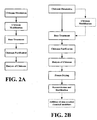


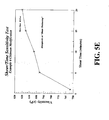


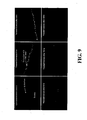
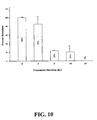
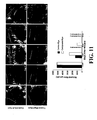
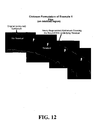



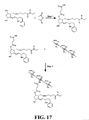
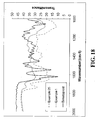

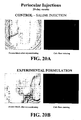
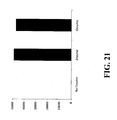
Classifications
-
- A—HUMAN NECESSITIES
- A61—MEDICAL OR VETERINARY SCIENCE; HYGIENE
- A61K—PREPARATIONS FOR MEDICAL, DENTAL OR TOILETRY PURPOSES
- A61K47/00—Medicinal preparations characterised by the non-active ingredients used, e.g. carriers or inert additives; Targeting or modifying agents chemically bound to the active ingredient
- A61K47/30—Macromolecular organic or inorganic compounds, e.g. inorganic polyphosphates
- A61K47/36—Polysaccharides; Derivatives thereof, e.g. gums, starch, alginate, dextrin, hyaluronic acid, chitosan, inulin, agar or pectin
-
- A—HUMAN NECESSITIES
- A61—MEDICAL OR VETERINARY SCIENCE; HYGIENE
- A61K—PREPARATIONS FOR MEDICAL, DENTAL OR TOILETRY PURPOSES
- A61K31/00—Medicinal preparations containing organic active ingredients
- A61K31/70—Carbohydrates; Sugars; Derivatives thereof
- A61K31/715—Polysaccharides, i.e. having more than five saccharide radicals attached to each other by glycosidic linkages; Derivatives thereof, e.g. ethers, esters
- A61K31/716—Glucans
- A61K31/722—Chitin, chitosan
-
- A—HUMAN NECESSITIES
- A61—MEDICAL OR VETERINARY SCIENCE; HYGIENE
- A61K—PREPARATIONS FOR MEDICAL, DENTAL OR TOILETRY PURPOSES
- A61K31/00—Medicinal preparations containing organic active ingredients
- A61K31/33—Heterocyclic compounds
- A61K31/395—Heterocyclic compounds having nitrogen as a ring hetero atom, e.g. guanethidine or rifamycins
- A61K31/40—Heterocyclic compounds having nitrogen as a ring hetero atom, e.g. guanethidine or rifamycins having five-membered rings with one nitrogen as the only ring hetero atom, e.g. sulpiride, succinimide, tolmetin, buflomedil
- A61K31/407—Heterocyclic compounds having nitrogen as a ring hetero atom, e.g. guanethidine or rifamycins having five-membered rings with one nitrogen as the only ring hetero atom, e.g. sulpiride, succinimide, tolmetin, buflomedil condensed with other heterocyclic ring systems, e.g. ketorolac, physostigmine
-
- A—HUMAN NECESSITIES
- A61—MEDICAL OR VETERINARY SCIENCE; HYGIENE
- A61K—PREPARATIONS FOR MEDICAL, DENTAL OR TOILETRY PURPOSES
- A61K31/00—Medicinal preparations containing organic active ingredients
- A61K31/557—Eicosanoids, e.g. leukotrienes or prostaglandins
- A61K31/5575—Eicosanoids, e.g. leukotrienes or prostaglandins having a cyclopentane, e.g. prostaglandin E2, prostaglandin F2-alpha
-
- A—HUMAN NECESSITIES
- A61—MEDICAL OR VETERINARY SCIENCE; HYGIENE
- A61K—PREPARATIONS FOR MEDICAL, DENTAL OR TOILETRY PURPOSES
- A61K31/00—Medicinal preparations containing organic active ingredients
- A61K31/56—Compounds containing cyclopenta[a]hydrophenanthrene ring systems; Derivatives thereof, e.g. steroids
- A61K31/57—Compounds containing cyclopenta[a]hydrophenanthrene ring systems; Derivatives thereof, e.g. steroids substituted in position 17 beta by a chain of two carbon atoms, e.g. pregnane or progesterone
- A61K31/573—Compounds containing cyclopenta[a]hydrophenanthrene ring systems; Derivatives thereof, e.g. steroids substituted in position 17 beta by a chain of two carbon atoms, e.g. pregnane or progesterone substituted in position 21, e.g. cortisone, dexamethasone, prednisone or aldosterone
-
- A—HUMAN NECESSITIES
- A61—MEDICAL OR VETERINARY SCIENCE; HYGIENE
- A61K—PREPARATIONS FOR MEDICAL, DENTAL OR TOILETRY PURPOSES
- A61K47/00—Medicinal preparations characterised by the non-active ingredients used, e.g. carriers or inert additives; Targeting or modifying agents chemically bound to the active ingredient
- A61K47/50—Medicinal preparations characterised by the non-active ingredients used, e.g. carriers or inert additives; Targeting or modifying agents chemically bound to the active ingredient the non-active ingredient being chemically bound to the active ingredient, e.g. polymer-drug conjugates
- A61K47/51—Medicinal preparations characterised by the non-active ingredients used, e.g. carriers or inert additives; Targeting or modifying agents chemically bound to the active ingredient the non-active ingredient being chemically bound to the active ingredient, e.g. polymer-drug conjugates the non-active ingredient being a modifying agent
- A61K47/56—Medicinal preparations characterised by the non-active ingredients used, e.g. carriers or inert additives; Targeting or modifying agents chemically bound to the active ingredient the non-active ingredient being chemically bound to the active ingredient, e.g. polymer-drug conjugates the non-active ingredient being a modifying agent the modifying agent being an organic macromolecular compound, e.g. an oligomeric, polymeric or dendrimeric molecule
- A61K47/61—Medicinal preparations characterised by the non-active ingredients used, e.g. carriers or inert additives; Targeting or modifying agents chemically bound to the active ingredient the non-active ingredient being chemically bound to the active ingredient, e.g. polymer-drug conjugates the non-active ingredient being a modifying agent the modifying agent being an organic macromolecular compound, e.g. an oligomeric, polymeric or dendrimeric molecule the organic macromolecular compound being a polysaccharide or a derivative thereof
-
- A—HUMAN NECESSITIES
- A61—MEDICAL OR VETERINARY SCIENCE; HYGIENE
- A61K—PREPARATIONS FOR MEDICAL, DENTAL OR TOILETRY PURPOSES
- A61K9/00—Medicinal preparations characterised by special physical form
- A61K9/0012—Galenical forms characterised by the site of application
- A61K9/0014—Skin, i.e. galenical aspects of topical compositions
-
- A—HUMAN NECESSITIES
- A61—MEDICAL OR VETERINARY SCIENCE; HYGIENE
- A61K—PREPARATIONS FOR MEDICAL, DENTAL OR TOILETRY PURPOSES
- A61K9/00—Medicinal preparations characterised by special physical form
- A61K9/0012—Galenical forms characterised by the site of application
- A61K9/0048—Eye, e.g. artificial tears
-
- A—HUMAN NECESSITIES
- A61—MEDICAL OR VETERINARY SCIENCE; HYGIENE
- A61K—PREPARATIONS FOR MEDICAL, DENTAL OR TOILETRY PURPOSES
- A61K9/00—Medicinal preparations characterised by special physical form
- A61K9/08—Solutions
-
- A—HUMAN NECESSITIES
- A61—MEDICAL OR VETERINARY SCIENCE; HYGIENE
- A61L—METHODS OR APPARATUS FOR STERILISING MATERIALS OR OBJECTS IN GENERAL; DISINFECTION, STERILISATION OR DEODORISATION OF AIR; CHEMICAL ASPECTS OF BANDAGES, DRESSINGS, ABSORBENT PADS OR SURGICAL ARTICLES; MATERIALS FOR BANDAGES, DRESSINGS, ABSORBENT PADS OR SURGICAL ARTICLES
- A61L24/00—Surgical adhesives or cements; Adhesives for colostomy devices
- A61L24/04—Surgical adhesives or cements; Adhesives for colostomy devices containing macromolecular materials
- A61L24/08—Polysaccharides
-
- A—HUMAN NECESSITIES
- A61—MEDICAL OR VETERINARY SCIENCE; HYGIENE
- A61L—METHODS OR APPARATUS FOR STERILISING MATERIALS OR OBJECTS IN GENERAL; DISINFECTION, STERILISATION OR DEODORISATION OF AIR; CHEMICAL ASPECTS OF BANDAGES, DRESSINGS, ABSORBENT PADS OR SURGICAL ARTICLES; MATERIALS FOR BANDAGES, DRESSINGS, ABSORBENT PADS OR SURGICAL ARTICLES
- A61L27/00—Materials for grafts or prostheses or for coating grafts or prostheses
- A61L27/14—Macromolecular materials
- A61L27/20—Polysaccharides
-
- A—HUMAN NECESSITIES
- A61—MEDICAL OR VETERINARY SCIENCE; HYGIENE
- A61P—SPECIFIC THERAPEUTIC ACTIVITY OF CHEMICAL COMPOUNDS OR MEDICINAL PREPARATIONS
- A61P27/00—Drugs for disorders of the senses
- A61P27/02—Ophthalmic agents
-
- A—HUMAN NECESSITIES
- A61—MEDICAL OR VETERINARY SCIENCE; HYGIENE
- A61P—SPECIFIC THERAPEUTIC ACTIVITY OF CHEMICAL COMPOUNDS OR MEDICINAL PREPARATIONS
- A61P29/00—Non-central analgesic, antipyretic or antiinflammatory agents, e.g. antirheumatic agents; Non-steroidal antiinflammatory drugs [NSAID]
-
- C—CHEMISTRY; METALLURGY
- C08—ORGANIC MACROMOLECULAR COMPOUNDS; THEIR PREPARATION OR CHEMICAL WORKING-UP; COMPOSITIONS BASED THEREON
- C08B—POLYSACCHARIDES; DERIVATIVES THEREOF
- C08B37/00—Preparation of polysaccharides not provided for in groups C08B1/00 - C08B35/00; Derivatives thereof
- C08B37/0006—Homoglycans, i.e. polysaccharides having a main chain consisting of one single sugar, e.g. colominic acid
- C08B37/0024—Homoglycans, i.e. polysaccharides having a main chain consisting of one single sugar, e.g. colominic acid beta-D-Glucans; (beta-1,3)-D-Glucans, e.g. paramylon, coriolan, sclerotan, pachyman, callose, scleroglucan, schizophyllan, laminaran, lentinan or curdlan; (beta-1,6)-D-Glucans, e.g. pustulan; (beta-1,4)-D-Glucans; (beta-1,3)(beta-1,4)-D-Glucans, e.g. lichenan; Derivatives thereof
- C08B37/0027—2-Acetamido-2-deoxy-beta-glucans; Derivatives thereof
- C08B37/003—Chitin, i.e. 2-acetamido-2-deoxy-(beta-1,4)-D-glucan or N-acetyl-beta-1,4-D-glucosamine; Chitosan, i.e. deacetylated product of chitin or (beta-1,4)-D-glucosamine; Derivatives thereof
-
- C—CHEMISTRY; METALLURGY
- C08—ORGANIC MACROMOLECULAR COMPOUNDS; THEIR PREPARATION OR CHEMICAL WORKING-UP; COMPOSITIONS BASED THEREON
- C08L—COMPOSITIONS OF MACROMOLECULAR COMPOUNDS
- C08L5/00—Compositions of polysaccharides or of their derivatives not provided for in groups C08L1/00 or C08L3/00
- C08L5/08—Chitin; Chondroitin sulfate; Hyaluronic acid; Derivatives thereof
-
- A—HUMAN NECESSITIES
- A61—MEDICAL OR VETERINARY SCIENCE; HYGIENE
- A61L—METHODS OR APPARATUS FOR STERILISING MATERIALS OR OBJECTS IN GENERAL; DISINFECTION, STERILISATION OR DEODORISATION OF AIR; CHEMICAL ASPECTS OF BANDAGES, DRESSINGS, ABSORBENT PADS OR SURGICAL ARTICLES; MATERIALS FOR BANDAGES, DRESSINGS, ABSORBENT PADS OR SURGICAL ARTICLES
- A61L2300/00—Biologically active materials used in bandages, wound dressings, absorbent pads or medical devices
- A61L2300/40—Biologically active materials used in bandages, wound dressings, absorbent pads or medical devices characterised by a specific therapeutic activity or mode of action
- A61L2300/404—Biocides, antimicrobial agents, antiseptic agents
-
- A—HUMAN NECESSITIES
- A61—MEDICAL OR VETERINARY SCIENCE; HYGIENE
- A61L—METHODS OR APPARATUS FOR STERILISING MATERIALS OR OBJECTS IN GENERAL; DISINFECTION, STERILISATION OR DEODORISATION OF AIR; CHEMICAL ASPECTS OF BANDAGES, DRESSINGS, ABSORBENT PADS OR SURGICAL ARTICLES; MATERIALS FOR BANDAGES, DRESSINGS, ABSORBENT PADS OR SURGICAL ARTICLES
- A61L2430/00—Materials or treatment for tissue regeneration
- A61L2430/16—Materials or treatment for tissue regeneration for reconstruction of eye parts, e.g. intraocular lens, cornea
Definitions
- the present invention relates to the use of treated chitosan compositions, modified chitosan compositions, modified and treated chitosan compositions and mixtures thereof.
- the present invention relates to the use of a composition comprising treated chitosans, modified chitosans, modified and treated chitosans or a mixture or combination thereof, these chitosans having one or more physical, chemical, and/or performance properties or characteristics that distinguish them from untreated chitosan.
- fibrin sealant based products The most common tissue adhesives currently on the market are fibrin sealant based products. In this system the components of the natural clotting factors, fibrinogen and thrombin, react mimicking the final stage of the body's natural clotting mechanism. The resulting fibrin clot or film adheres to tissues to stop bleeding and improve the wound healing. The bond strengths of these products are not sufficient to hold tissues in approximation without the use of mechanical closures such as staples or sutures.
- Cyanoacrylate products have been used to close skin breaks in the United States. When applied to tissue, the cyanoacrylate monomer undergoes an exothermic hydroxylation reaction that results in polymerization of the adhesive.
- the biological alkyl chains can be modified to modulate the physiological response.
- the shorter-chain derivatives (methyl and ethyl) tend to have a higher degree of tissue toxicity than the longer-chain derivatives (2-octyl).
- Inflammation, tissue necrosis, granulation formation, and wound breakdown can occur when cyanoacrylates are implanted subcutaneously.
- the process causing the histological toxicity is thought to be related to the byproducts of degradation, cyanoacetate and formaldehyde.
- the cured polymer is brittle and presents a barrier to tissue regrowth.
- the addition of plasticizers can provide a more flexible bonding substrate.
- Natural proteins such as collagen and albumin can be cross-linked with aldehyde cross-linking agents producing a biologically based adhesive.
- This type of adhesive was first approved with a humanitarian device exemption (HDE) but has seen some expansion of use both on and off label.
- the product is glutaraldehyde crosslinked bovine serum albumin (BSA).
- BSA bovine serum albumin
- the presence of glutaraldehyde prohibits its contact with neural tissues, as it can cause acute nerve injury.
- This class of adhesive has also been shown to impair aortic growth and to cause anastomotic strictures, thereby precluding its use in children.
- the adhesive has a very rapid curing time causing frequent blockage in the dual chamber delivery syringe and resulting in inconsistent bonding efficacy.
- the matrix is strengthened through the addition of incompatible crosslinkers, dopes, and primers, such as glutaraldehyde, formaldehyde, 1,6-diisocyanatohexane, 4-isocyanatomethylphenyl-3-isocyantopropanate, resorcinol, Eosin Y and Eosin B.
- primers such as glutaraldehyde, formaldehyde, 1,6-diisocyanatohexane, 4-isocyanatomethylphenyl-3-isocyantopropanate, resorcinol, Eosin Y and Eosin B.
- PEG Polyethylene glycol
- Local drug delivery technology can be grouped by function. Sustained release technology seeks to deliver the active pharmaceutical over an extended time. Polymeric materials that physically entrap the drug may provide a means for providing passive delivery over a period of time. In addition, the polymeric materials can supply enhanced characteristics such as stability or solubility enhancement. The polymer matrix may be degraded, retrieved or left in place in the case of many implantable devices, at the end of the drug delivery cycle.
- targeted delivery technologies seek to enhance the movement and/or release of the pharmaceutical agent(s) through the use of focused RF or ultrasound.
- Enhanced absorption/transport technologies seek to increase the absorption of the drug by increasing the uptake by target tissues. This has been found to be especially effective when used in a mucosal environment.
- WO 2006/050836 discloses a cationic ophthalmic oil-in-water type emulsion comprising a prostaglandin.
- Dermal fillers are typically produced from bovine collagen, hyaluronic acid, poly-lactic acid, or calcium hydroxyl-apatite. Dermal fillers are used to reduce or eliminate wrinkles, raise scar depressions, enhance lips or replace soft-tissue volume loss. Injection of fillers is usually accomplished using a small needle, the dermal filler is injected into each wrinkle or scar that requires treatment. Some initial discomfort and bruising is experienced but such side effects generally subside quite quickly. Side effects are uncommon but can include allergic reactions, ulceration, reactivation of herpes infection, bacterial infection, localized bruising, and granuloma formation. Movement or "beading" of the material is sometimes seen giving an unpleasing aesthetic result.
- Chitosan is a cationic polysaccharide derived from the partial deacetylation of chitin from the exoskeleton ofcrustaceans, including shrimp, lobster, and crabs. Its chemical nature is best described as a deacylated-(1,4)-N-acetyl-D-glucosamine polymer.
- the adhesive nature of chitosan has been known for some time. However, to date, no adhesive product based on chitosan has been produced. This is due in large measure to the difficulties in handling chitosan and delivering it in a form that quickly bonds to tissue without associated problems due to high acid concentrations.
- U.S. Pat. No. 6,200,595 disclosed a combination of polycationic substrates, including chitosan, along with polyanionic substrates to be used as a potential medical adhesive. Reported bond strengths in this patent did not exceed 70 g-f/cm 2 . Additionally, this invention requires mixing of two components immediately prior to use.
- U.S. Pat. No. 6,991,652 disclosed the use of chitosan as one in a list of many potential materials to be used as a matrix for cellular growth.
- compositions that are safe and effective tissue adhesives that can be provided in a sterile and easy-to-use form. Such highly adherent compositions would also offer significant advantages in drug delivery. There is also a need in the art for compositions that remain highly hydrated offering novel fillers, bulking compositions, or reconstructive compositions for use in cosmetic and reconstructive surgical procedures.
- substantially uniform means that a composition evidences less than a 10% difference in properties throughout the composition.
- a biological agent is a compound or collection of compounds that imparts a desired property to a member of the animal or plant kingdoms, including microorganisms and higher order organisms up to and including mammals such as humans and the advanced plants or causes a desired effect on a member of the animal or plant kingdoms, including microorganisms and higher order organisms up to and including mammals such as humans and the advanced plants.
- a biological agent can be active from the outset for the desired effect or can be made active either via metabolism or eternal activation by an activating agent.
- Suitable Reagent section a list or articulation of biological agents is given; these agents include all the biocides, pharmaceuticals, nutraceuticals, or any other compound that directly or indirectly can bring about a desired biological effect, whether that be death (biocides), treatments (pharmaceuticals), preventatives (nutraceuticals, vitamins, etc.) or the like.
- a pharmaceutical composition is a formulation which contains at least one active ingredient (for example a topically applied therapeutic agent).
- the composition may also contain one or more excipients, buffers, carriers, stabilizers, preservatives and/or bulking agents, and is suitable for administration to a patient to achieve a desired effect or result.
- the pharmaceutical compositions disclosed herein can have diagnostic, therapeutic, cosmetic and/or research utility in various species, such as for example in human patients or subjects.
- An ocular condition can include a disease, ailment or condition which affects or involves the eye or one of the parts or regions of the eye.
- the eye includes the eyeball and the tissues and fluids which constitute the eyeball, the periocular muscles (such as the oblique and rectus muscles) and the portion of the optic nerve which is within or adjacent to the eyeball.
- the anterior segment of the human eye is the front third of the eye (those portions of the eye in front of the vitreous humour) including the iris, cornea, ciliary body and lens.
- the posterior segment of the eye then contains the vitreous humour, retina, choroids and the optic nerve.
- An anterior ocular condition is a disease, ailment or condition which affects or which involves an anterior (i.e. front of the eye) ocular region or site, such as a periocular muscle, an eye lid or an eyeball tissue or fluid which is located anterior to the posterior wall of the lens capsule or ciliary muscles.
- an anterior ocular condition primarily affects or involves, the conjunctiva, the cornea, the anterior chamber, the iris, the posterior chamber (behind the retina but in front of the posterior wall of the lens capsule), the lens or the lens capsule and blood vessels and nerves which vascularize or innervate an anterior ocular region or site.
- a posterior ocular (also referred to herein synonymously as a "posterior segment”) condition is a disease, ailment or condition which primarily affects or involves a posterior ocular region or site such as choroid or sclera (in a position posterior to a plane through the posterior wall of the lens capsule), vitreous, vitreous chamber, retina, optic nerve (i.e. the optic disc), and blood vessels and nerves which vascularize or innervate a posterior ocular (or posterior segment) region or site.
- a posterior ocular region or site such as choroid or sclera (in a position posterior to a plane through the posterior wall of the lens capsule), vitreous, vitreous chamber, retina, optic nerve (i.e. the optic disc), and blood vessels and nerves which vascularize or innervate a posterior ocular (or posterior segment) region or site.
- a posterior ocular condition can include a disease, ailment or condition, such as for example, macular degeneration (such as non-exudative age related macular degeneration and exudative age related macular degeneration); choroidal neovascularization; acute macular neuroretinopathy; macular edema (such as cystoid macular edema and diabetic macular edema); Behcet's disease, retinal disorders, diabetic retinopathy (including proliferative diabetic retinopathy); retinal arterial occlusive disease; central retinal vein occlusion; uveitis (including intermediate and anterior uveitis); retinal detachment; ocular trauma which affects a posterior ocular site or location; a posterior ocular condition caused by or influenced by an ocular laser treatment; posterior ocular conditions caused by or influence by a photodynamic therapy; photocoagulation; radiation retinopathy; epiretinal membrane disorders; branch retinal vein occlusion;
- An anterior ocular condition can include a disease, ailment or condition, such as for example, aphakia; pseudophakia; astigmatism; blepharospasm; cataract; conjunctival diseases; conjunctivitis; corneal diseases; corneal ulcer; dry eye syndromes; eyelid diseases; lacrimal apparatus diseases; lacrimal duct obstruction; myopia; presbyopia; pupil disorders; refractive disorders and strabismus.
- Glaucoma can also be considered to be an anterior ocular condition because a clinical goal of glaucoma treatment can be to reduce a hypertension of aqueous fluid in the anterior chamber of the eye (i.e. reduce intraocular pressure).
- the present invention provides a pharmaceutical composition for use in treating an ocular disease or condition, the composition comprising:
- Formulations of this invention have significant advantage over competitive technologies. These advantages include for example: safety and efficacy; ready-to-use, sterile formulations; formulations having an adjustable viscosity; formulations with rapidly adjustable pH and reserve acidity amenable to physiological applications; and formulations that are easily and quickly manufactured from affordable base materials.
- Figure 1 depicts the Haug triangle of macromolecular conformations, showing a compact sphere at the top vertex of the triangle, random coils at the left hand vertex and rigid rod at the right hand vertex.
- FIGS. 1A&B depict two schematic embodiments ofchitosan treatment and/or modification methods of this invention.
- Figure 3 depicts circular dichroism (CD) spectra collected from treated chitosan, several replicates of the material of Example 1, and untreated chitosan.
- Figure 4 depicts GPC chromatograms collected from treated chitosan, several replicates of the materials of Example 1, and untreated chitosan.
- Figures 5A-E depict the variety of viscosity behaviors exhibited by the material of Example 1 differing in such characteristics as molecular weight and degree of deacetylation.
- Figure 6 illustrates the safety of the materials of this invention to living cells. Death of corneal endothelial cells was not observed when primary cultures were exposed to the material of Example I for 20-24 hours (middle panels). Death was induced in cells by fungal infection and detectable using this staining technique (bottom panel).
- Figure 7 depicts a series of corneal endothelial cell culture toxicity studies with varying doses of the material of Example 1; no cytotoxicity was observed.
- Figure 8 illustrates the safety of the materials of this invention within the stroma of the cornea.
- the material of Example 1 elicits virtually no immunogenic or inflammatory response, even upon chronic administration. Residual material can be observed, even at 60 days, without any adverse effects to the cornea - in vivo study.
- Figure 9 depicts the retention of the material of Example I on the cornea of the rabbit, with significant residual even at 8 and 16 hours after application - in vitro study.
- Figure 10 depicts, graphically, the amount of the material of Example 1 retained on the cornea after various time points - in vitro study.
- Figure 11 depicts a series of photographs showing rabbit cornealre-epithelialization in scrape wounds after treatment with the material of Example 1 - in vivo study.
- Figure 12 depicts a cross-section of a cornea showing uninjured epithelium and newly regenerated epithelium covering the wound with underlying residual material of Example 1 - in vivo study.
- Figure 13 depicts graphically the enzymatic release of a pseudo drug by elastase from several replicates of a collagen-based model, validating the premise of cleavable drug tethers.
- Figure 14 depicts evidence of the retention of the material of Example 1 on the corneal surface of a rabbit eye two hours post-application, using calcofluor staining to positively identify the chitosan-based composition (A) compared to control (B) - in vivo study.
- Figure 15 depicts comparable, if not superior, delivery of ketorolac tromethamine (KT) from the material of Example 19 (0.2% KT) compared to a commercial preparation (0.4% KT).
- KT ketorolac tromethamine
- Figure 16 depicts comparable, if not superior, delivery of prednisolone acetate (PA) from the material of Example 21 (0.05% PA) compared to a commercial preparation (1% PA).
- PA prednisolone acetate
- Figure 17 depicts the synthetic strategy for the covalent attachment of bimatoprost to the chitosan backbone.
- the bimatoprost is first reacted with succinic anhydride, which provides a linker attached to an alcohol functional group on the bimatoprost.
- succinic anhydride which provides a linker attached to an alcohol functional group on the bimatoprost.
- the free acid end of the linker is attached to the chitosan backbone utilizing EDC coupling.
- Figure 18 depicts the FT-IR spectra for the material of Example 1, bimatoprost alone, and the material of Example 25 (the material of Example 1 having bimatoprost covalent attachment thereto).
- the bands characteristic of bimatoprost at 1550 cm -1 and 1620 cm -1 can be seen in spectrum of the material of Example 25, indicating the successful attachment of bimatoprost to the material of Example 1.
- Figure 19 depicts residual presence of two compositions of this invention in the periocular space 29 days after injection -
- compound A The material of Example 1 at 10 mg/mL concentration
- compound B An alternate formulation at 70 mg/mL concentration. Calcofluor staining was used to positively identify the chitosan-based composition - in vivo study.
- Figure 20 depicts residual presence of the material of Example 25, which included covalently bound bimatoprost, in the periocular space 29 days after injection, using calcofluor staining to positively identify the chitosan-based composition - in vivo study.
- Figure 21 depicts the relative release rates of covalently attached bimatoprost from the material of Example 25 in the presence and absence of enzymes. In the absence of any enzymes, no released bimatoprost can be detected, in the presence of porcine liver esterase and lysozyme, significant amounts of bimatoprost are released - in vitro study.
- Chitosan can be subjected to certain treatments and/or modifications that are capable of producing a chitosan material having altered physical, chemical, and/or performance properties or characteristics.
- Formulations including these treated chitosans, modified chitosans, or modified and treated chitosans have altered, tailored, and improved properties and/or characteristics over corresponding untreated chitosan formulations.
- These treated chitosans, modified chitosans, or modified and treated chitosans are ideally well suited for use in drug delivery compositions.
- the compositions of the present invention show different or improved properties over competing technologies.
- the adhesive properties of the compositions of this invention allow the materials to reside on or in a target tissue or organ for an extended period of time without detrimental consequences to the tissue or organ.
- cleavable or non-cleavable linkers attached to the chitosans of this invention provides a means to deliver a biological agent.
- the cleavable linkers can result in release of the biological agent in situ, the release being caused by hydrolytic, photolytic, enzymatic or a combination of hydrolytic, photolytic and enzymatic activity.
- the biological agent is a pharmaceutical and may be released via hydrolysis, via photolysis, via enzymatic activity or a combination of hydrolysis, photolysis and enzymatic activity.
- the enzymes can be constitutive or inducible or the release enzyme can be incorporated into the composition itself.
- the present invention broadly relates to the use of a chitosan composition comprising treated chitosan, modified chitosan, modified and treated chitosan or a mixture thereof.
- the treatment includes at least dialysis designed to cause a conformational and/or functional change of chitosan.
- the modification includes at least (i) a covalent modification of the chitosan with one or a plurality of chemical modifier or entities, (ii) a non-covalent association of the chitosan with one or a plurality of chemical entities, (iii) a coaddition of the chitosan with one or a plurality of chemical entities or (iv) mixtures or combinations thereof.
- the chemical entities or modifiers can be atomic structures such as atomic cluster, quantum dots, or other nano-atomic structures or molecules, molecular structures, or collections of molecules.
- the compositions of this invention including the chitosan matrix are capable of increasing a tissue drug concentration compared to a composition in the absence of the chitosan matrix at an equivalent drug concentration in the composition.
- the compositions of this invention afford a lower pharmaceutically effective amount of the drug compared to the composition in the absence of the chitosan matrix.
- the drug delivery compositions of this invention achieve a lower pharmaceutically effective amount than comparable compositions in the absence of the chitosan compositions.
- the lower pharmaceutically effective amount is at least 10% less than an amount of the drug in a comparable composition in the absence of the chitosan matrix. In other embodiments, the lower pharmaceutically effective amount is at least 20% less than an amount of the drug in a comparable composition in the absence of the chitosan matrix. In other embodiments, the lower pharmaceutically effective amount is at least 30% less than an amount of the drug in a comparable composition in the absence of the chitosan matrix. In other embodiments, the lower pharmaceutically effective amount is at least 40% less than an amount of the drug in a comparable composition in the absence of the chitosan matrix.
- the lower pharmaceutically effective amount is at least 50% less than an amount of the drug in a comparable composition in the absence of the chitosan matrix. In other embodiments, the lower pharmaceutically effective amount is at least 60% less than an amount of the drug in a comparable composition in the absence of the chitosan matrix. In other embodiments, the lower pharmaceutically effective amount is at least 70% less than an amount of the drug in a comparable composition in the absence of the chitosan matrix. In other embodiments, the lower pharmaceutically effective amount is at least 80% less than an amount of the drug in a comparable composition in the absence of the chitosan matrix.
- the lower pharmaceutically effective amount is at least 90% less than an amount of the drug in a comparable composition in the absence of the chitosan matrix. In other embodiments, the lower pharmaceutically effective amount is at least 95% less than an amount of the drug in a comparable composition in the absence of the chitosan matrix.
- Treated chitosan, modified chitosan or modified and treated chitosan is bonded to an effective amount of a prostaglandin and/or prostamide via labile linkages, where the effective amount is sufficient to invoke a desired therapeutic effect, where the linkages are hydrolytically and/or enzymatically labile so as, to release the biological agent over a designed time period at a designed rate, and where the compositions have different or improved drug delivery properties relative to a drug delivery system including an equivalent amount of a corresponding untreated chitosan.
- a suitable method for treating chitosan includes dissolving raw chitosan (untreated chitosan) in an aqueous acid solution for a time and at a temperature sufficient to facilitate complete chitosan dissolution. Next, the dissolved chitosan is precipitated with a base. The acid dissolution and base precipitation can be performed more than once. The precipitated chitosan is then separated from the supernatant via centrifugation or other similar process for separating solid and liquid components. The chitosan is then placed in dialysis tubes and dissolved using an acid solution.
- the chitosan is dialyzed against a solution which causes substantially reversible changes to the chitosan as evidenced by changes in certain physical, chemical and performance properties or characteristics compared to a corresponding untreated chitosan.
- the chitosan can be chemically modified prior to or after the dialysis steps.
- Another method for treating chitosan includes dissolving raw chitosan in an aqueous acid solution for a time and at a temperatures sufficient to facilitate complete chitosan dissolution. After the chitosan is dissolved, a base is added slowly to the dissolved chitosan to precipitate the chitosan, where the base addition raises a pH of the solution to a value between about pH 9 and pH 10. After base treatment, the chitosan is re-solubilized in an aqueous acid solution and then re-precipitated via the addition of a base. The re-precipitated chitosan is then separated from the solution by centrifugation.
- the precipitated chitosan is dialyzed in an acid solution for a time and at a temperature sufficient to dissolve the chitosan and then dialyzed against a buffered salt solution, which changes certain physical and/or chemical properties of the chitosan.
- the resulting treated chitosan can then be freeze dried.
- the chitosan can be chemically modified.
- chemical modification can also be performed after base addition and even after re-constitution from a freeze dried material.
- coadditions or the incorporation of other materials or components can be made at various steps in the treatment method.
- composition can also include excipients, adjuvants, preservatives, buffers, vehicles, and/or any other component to result in a composition with desired characteristics for a desired end use.
- the composition also includes a solvent, where the treated chitosan, the modified chitosan, the modified and treated chitosan or the mixture thereof is present in a concentration between about 0.1 mg/mL and about 100 mg/mL and the solvent is present in an amount between about 90 and about 99.99 v/v percent.
- the solvent is water and each chitosan is in the form of a hydrogel.
- the composition also includes an effective amount of a biological agent.
- the composition also includes an effective amount of a biological agent and the solvent is water and each chitosan is in the form of a hydrogel.
- the concentration of the treated chitosan, the modified chitosan, the modified and treated chitosan or the mixture thereof is between about 1 mg/mL and about 50 mg/mL and the solvent is present in an amount between about 95 and about 99.9 v/v percent. In other embodiments, the concentration of the treated chitosan, the modified chitosan, the modified and treated chitosan or the mixture thereof is between about 3 mg/mL and about 30 mg/mL, and the solvent is present in an amount between about 97 and about 99.7 v/v percent.
- each modified chitosan includes a functionalizing effective amount of one functional group or a plurality of functional groups covalently bonded to amine or alcohol moieties of the chitosan, where the functionalizing effective amount is between about 0.01% and about 100% of the amine or alcohol moieties of the chitosan and where the functional group or groups are the same or different in each modified chitosan.
- the functionalizing effective amount is between about 0.1% and about 10% of the amine or alcohol moieties of the chitosan.
- the functionalizing effective amount is between about 0.5% and about 2% of the amine or alcohol moieties of the chitosan.
- the functional groups are selected from the group consisting of hydrophobic functional groups, hydrophilic functional groups, ionic functional groups and mixtures thereof.
- the hydrophobic functional groups are selected from the group consisting of alkyl groups, alkenyl groups, araalkyl groups, alkaryl groups, and mixtures thereof having between 1 and 100 carbon atoms, where one or more of carbon atoms of the groups are replace by a hetero atom and/or hetero atom moieties selected from the group consisting of boron atoms, nitrogen atoms, oxygen atoms, sulfur atoms, silicon atoms, germanium, ester moiety, amide moiety, urea moiety, urethane moiety, and mixtures or combinations thereof and where one or more of the hydrogen atoms are replaced by a hetero atom and/or hetero atom moieties selected from the group consisting of halogen atoms, an alkoxide groups, an amide group, and mixtures or combinations thereof.
- the hydrophobic functional groups are selected from the group consisting of carboxyl acids, organo sulfonic acids, polyethers, polyether amines, sterols, porphyrins and mixtures or combinations thereof.
- the hydrophilic functional groups are selected from the group consisting of diamines, polyamines, diols, polyols, diacids, polyacids, crown ethers, glymes, polyalkenylethers, polyalkenylamines, polyalkenyletheramines, polyacrylic acids, polyvinylacohols, or mixtures or combinations thereof.
- the ionic functional groups are selected from the group consisting of a metal salt, an ammonium salt, a phosphonium salt, a sulfate salt, a carboxylic acid salt, a phosphate salt, dicarboxylic acids, poly carboxylic acids, where one carboxylic acid is used to form a covalent linkage with chitosan and the other acid groups can take a charge, diamines, poly amines, where one amine is used to form a covalent linkage with chitosan and the other amino groups can take a charge, metal ions, ionic atomic clusters, ionic molecular structures, simple anions, polyatomic anions, deprotonated oxoacids, substituted deprotonated oxoacids or deprotonated organic acids where these groups interact with the chitosan via an electrostatic interaction, and mixtures or combinations thereof.
- compositions can also include buffers, vehicles, additives, preservatives, excipients, adjuvants, or any other component that will render the composition suitable for a particular purpose.
- any amounts of other components can be added to the compositions.
- the treated and/or modified chitosans exhibit changes in one or more chemical and/or physical properties and in performance properties and characteristics relative to a corresponding untreated chitosan.
- Each treated chitosan is prepared by dialyzing a solubilized chitosan against water, a salt solution and/or an anionic solution.
- each modified chitosan is prepared by forming covalent linkages between the chitosan and one functional group or a plurality of functional groups, by forming non-covalent associations between the chitosan and one atomic or molecular agent or a plurality of atomic and/or molecular agents, or by forming mixtures between the chitosan and one atomic or molecular agent or a plurality of atomic and/or molecular agents, thereby altering the chitosan through covalent attachments of one functional group or a plurality of functional groups, non-covalent associations with one atomic or molecular agent or a plurality of atomic and/or molecular agents, and/or coadditions of one atomic or molecular agent or a plurality of atomic and/or molecular agents.
- the atomic and/or molecular agents are selected to impart to the chitosan a desired behavior, property or characteristic for a given application.
- the composition is in the form of a liquid, a solid, a dispersion, a suspension, a hydrogel, a particle, a nanoparticle, a thin film, or a shaped structure.
- the prostagtandin and/or prostamide is/are covalently bonded to at least one of the chitosans in the composition either directly or through a linker moiety, where the composition is capable of releasing an effective amount of the biological agent into a site of an organism over a period of time and where the period of time depends either on a rate of hydrolytic cleavage, enzymatic cleavage or a combination of hydrolytic cleavage and enzymatic cleavage of the agent from the at least one of the chitosans.
- a method for treating chitosan invvolves dissolving a raw chitosan in a first aqueous acid solution for a time and at a temperatures sufficient to facilitate complete chitosan dissolution.
- a base is added to the dissolved chitosan solution to precipitate the chitosan, where the base addition raises a pH of the dissolved chitosan solution to a value between about pH 9 and about pH 10.
- the precipitated chitosan is re-dissolved in a second aqueous acid solution.
- a base is added to the redissolved chitosan solution to precipitate the chitosan.
- the re-precipitated chitosan solution is centrifuged to separate the chitosan from the solution.
- the re-precipitated chitosan is dialyzed in an acid solution for a time and at a temperature sufficient to dissolve the chitosan in a dialysis tube.
- the acid dialyzed chitosan is then dialyzed against a buffered salt solution, which changes one or more chemical, physical and/or performance properties or characteristics relative to a corresponding untreated chitosan or modified chitosan.
- the method can also include freeze drying the dialyzed chitosan to form a chitosan having a lower apparent molecular weight and a higher tissue bond strength than a corresponding untreated chitosan.
- the method can also include, prior to the first base addition step, chemically modifying the chitosan.
- the chemical modification can be performed at any stage the process, e.g., to the raw chitosan, to the water dialyzed chitosan, to the acid dialyzed chitosan, to the freeze dried chitosan or to the re-constituted chitosan.
- the method can also include prior to freeze drying, adding an additive package to the dialyzed chitosan.
- the additive package can be added at any stage of the process, e.g ., to the raw chitosan, to the water dialyzed chitosan, to the acid dialyzed chitosan, to the freeze dried chitosan or to the re-constituted chitosan.
- the additive package will depend on the additives and where they would be capable of surviving certain of the process step.
- the additive package would be lost during dialysis, then the additive package would have to be added post dialysis; similarly, if the additive package would be changed or lost during chemical modification, then the additive package would have to be added post modification.
- One of ordinary skill in the art should recognize that the order of process steps more depends on the desired material than on a required procedure.
- the process steps will be arranged to accomplish that end. Otherwise, the process steps will be arranged to impart to the compositions a set of desired properties or characteristics.
- the inventors' first attempt at a modified chitosan was to prepare chitosan modified with a naphthalimide, resulting in a light activated material displaying greater bond strength than chitosan alone (see United States Patent Application Serial No. 10/982,197 ).
- naphthalimide modified chitosan demonstrated bonding in the absence of light. Therefore, the inventors began to explore the possibility of modifying chitosan with organic molecules to enhance certain characteristics or qualities of chitosans. Through the same iterative process, it was discovered that the binding ability of both native and modified chitosan was greatly enhanced. In some cases, certain modifications may convey additional biocompatibility, desirable degradation profiles, or other desirable traits to the resulting modified chitosan formulations.
- the inventors have found that the methods of this invention provide unique chitosan materials.
- Native chitosan is typically found to be in a molecular form that places it near the random coil/rigid rod region of the Haug triangle of macromolecular conformations as shown in Figure 1 .
- the experimental data shown below demonstrate that treated chitosan, modified chitosan, modified and treated chitosan or mixtures or combinations thereof prepared according to the methods of this invention evidence a reduction in measured molecular weight as compared to untreated chitosan.
- Analytical characterization supports the premise of a contraction of the 3D chitosan chemical structure of the molecule to give a more compact 3D conformation and/or structure. While not meaning to be bound by any theory, the inventors believe that this observable change in chitosan molecular form may be responsible for the improved bioadhesive properties obtained using the treated chitosan, a modified chitosan, modified and treated chitosans or mixtures or combinations thereof of this invention as compared to corresponding untreated chitosans.
- compositions of this invention including treated, modified, modified and treated chitosans or mixtures or combinations thereof are well suited as a means for local drug delivery.
- Chitosan contains a wealth of hydoxy and amino functional groups which makes it an ideal candidate for chemical modification.
- the present invention utilizes the inherent nucleophilicity of its amino functionality as sites for coupling or attaching a wide range of chemical moieties via formation of sulfonamide and amide linkages or other similar nitrogen containing chemical linkages such as urethane linkages, urea linkages, thiourea linkages, or the like.
- the present invention details the use of organic acid chloride, sulfonic acid chloride and diimide coupling reagents to produce desired chemical modifications. Any appropriate reaction methodology known to one skilled in the art utilizing amino functionalities on a substrate could be used to implement such modification.
- a treated chitosan, a modified chitosan, a modified and treated chitosan or mixtures or combinations thereof, where modification involves the covalent attachment or co-addition of chemical entities into the chitosan structure provides unique biomaterials with different and often times favorable functional characteristics for a number of potential uses.
- These uses include novel adhesive systems, novel means for local drug delivery systems, and novel filling or bulking systems.
- the adhesive system may find wider applications especially in binding a non-living substrate to a living substrate or another non-living substrate or to serve as a coating of a non-living substrate in order to confer enhanced biocompatibility or other desirable traits.
- chitosan based compositions or systems can be formulated that has much superior tissue bonding properties as compared to native or untreated chitosan.
- chitosan used in the formulation of the chitosan based compositions of this invention have properties that distinguish them from normal, native, untreated or unprocessed chitosan, permitting clear differential analytical characterization of the chitosans of this invention and the compositions formulated therefrom:
- the inventors have also shown that certain altered physical and/or chemical characteristics of the chitosan are reversible.
- compositions of this invention demonstrate characteristics desirable for use as fillers or bulking agents in such fields as reconstructive surgery or cosmetic surgery.
- the compositions of this invention demonstrate very favorable biocompatibility within tissues generally augmented in reconstructive and cosmetic surgery.
- the compositions of this invention can be tailored so that the compositions have desired properties and characterizations.
- compositions ofthis invention including treated, modified and/or modified and treated chitosans are reconstituted from a freeze dried state into an aqueous solution to form hydrogels, aqueous dispersions, aqueous suspensions, aqueous pastes or the like
- the compositions can also be utilized directly in their freeze dried state.
- the freeze dried materials can be dry mixed with other materials such as biological agents or fillers.
- the compositions can also be swelled, using water or an aqueous solution (incomplete dissolution) and mixed with other components. These materials can then be fully hydrated or reconstituted.
- the dry or swelled compositions of this invention can also be used directly, where the treated, modified and/or modified and treated chitosans form hydrogels in situ after the material containing the composition is implanted or placed in contact with tissues.
- Suitable amino acids for use in this invention include, without limitation, any naturally occurring or synthetic compound including a carboxylic group and an amino group in an alpha arrangement or any compound including a carboxylic group and an amino group capable of being incorporated into a polypeptide chain or a compound including a carboxylic acid analog or an amino group analog, where the compound is capable of being incorporated into a polypeptide chain.
- Suitable polypeptides for use in this invention include, without limitation, any naturally occurring or synthetic compound comprising a chain of amino acids.
- Suitable enzymes for use in this invention include, without limitation, any naturally occurring or synthetic compound comprised of amino acids and capable of catalyzing a chemical reaction.
- Suitable ribozymes for use in this invention include, without limitation, any naturally occurring or synthetic compound comprised of nucleotides and capable of catalyzing a chemical reaction.
- Suitable nucleotides for use in this invention include, without limitation, any naturally occurring or synthetic compound capable of being incorporated into a nucleotide chain.
- Suitable oligonucleotides for use in this invention include, without limitation, any naturally occurring or synthetic compound comprising a relatively small number of nucleotides, generally between about 2 and about 20.
- Suitable polynucleotides for use in this invention include, without limitation, any naturally occurring or synthetic compound comprising a large number of nucleotides, generally greater than about 20 to thousands.
- Suitable nucleic acids for use in this invention include, without limitation, any naturally occurring or synthetic compound comprising two to millions of nucleotides or more.
- Suitable hydrophobic groups for use in modifying the chitosans of this invention include, without limitation, alkyl group, alkenyl groups, alkynyl groups, aralkyl groups, and alkaryl groups, having between 1 carbon atom and about 100 carbon atoms.
- one or more carbon atoms can be replaced by a hetero atom or a hetero atom containing group, where the hetero atoms are selected from the group consisting of oxygen, nitrogen, sulfur, silicon, germanium, gallium, and mixtures thereof and where the hetero atom containing groups are selected from the group consisting of an alkoxide group, a sulfide group, an amido group, a silicon containing group, and mixtures or combination thereof.
- one or more of the hydrogen atoms can be replaced by a hetero atom or hetero atom containing group, where the hetero atoms are selected from the group consisting of a halogen atom and mixtures thereof and where the hetero atom containing group is selected from the group consisting of alkoxide groups, sulfide groups, and mixtures or combinations thereof.
- Suitable hydrophilic groups for use in modifying the chitosans of this invention include, without limitation, any group or plurality of groups that enhance or change hydrophilic or hygroscopic properties of chitosan.
- exemplary examples of such hydrophilic or hygroscopic groups include diamines, polyamines, diols, polyols, diacids, polyacids, crown ethers, glymes, polyalkenylethers, polyalkenylamines, polyalkenyletheramines, polyacrylic acids, polyvinylacohols, or any other group that can enhance or change the hydrophilic or hygroscopic property of the chitosan, or mixtures or combinations thereof.
- Suitable ionic groups for use in modifying the chitosans of this invention include, without limitation, any group or plurality of groups that enhance or change ionic properties of chitosan.
- exemplary groups include dicarboxylic or poly carboxylic acids, where one carboxylic acid is used to form a covalent linkage with chitosan and the other acid groups can take a charge, diamines or poly amines, where one amine is used to form a covalent linkage with chitosan and the other amino groups can take a charge, metal ions, ionic atomic clusters, ionic molecular structures, simple anions, polyatomic anions, deprotonated oxoacids, substituted deprotonated oxoacids or deprotonated organic acids where these groups interact with the chitosan via an electrostatic interaction, any other charged group or mixtures or combinations thereof.
- Chitosan was solubilized with a 10% organic acid or a non-oxidizing mineral acid solution.
- the organic acid or non-oxidizing mineral acid used was dependent upon the subsequent steps used to produce the invention and the final application of this invention.
- Non-limiting mineral acids include HCl, sulfuric acid, phosphoric acid or any other non-oxidizing mineral acid.
- Table I contains a non-limiting list of suitable organic acid choices for this process. TABLE I Organic Acids For Chitosan Dissolution Acetic Acid Butyric Acid Lactic Acid Pyruvic Acid Tartaric Acid Benzoic Acid Citric Acid Succinic Acid Formic Acid Trichloroacetic Acid
- the chitosan was allowed to solubilize overnight without mixing. After the chitosan was completely dissolved, the sample was placed on a mechanical mixer and stirred for about 30 minutes before proceeding to the next step. The sample was continuously stirred until the final base precipitation, which occurs at the end of the chitosan purification process.
- Octanesulfonic acid Reactive anhydride, acid chloride or other activated acid or ester/amide coupling agent B Covalent to chitosan amine or alcohol unsaturated or aromatic hydrocarbon aromatic ring systems, porphyrins, etc .
- Protoporphyrin IX Reactive anhydride, acid chloride or other activated acid or ester/amide coupling agent C Covalent to chitosan amine or alcohol polar or non-polar hydrocarbon alkyl groups, alkenyl groups, alkynyl group, arenyl groups, araalkyl groups, alkaryl group, halogentated analogs, perhalogenated analogs, analogs having one or more hetero aloms. etc.
- N-(2-Diethylamino-ethyl)-succinamic acid Reactive anhydride, acid chloride or other activated acid or ester/amide coupling agent E" Covalent to chitosan amine or alcohol ionic groups metal salts,ammonium salts, phosphonium salts, sulfate salts, diamines, polyamines, diacids, polyacids, acrylic acid oligomers, polyacrylic acid, disulfonates, poly sulfonates, diphosphonates, poly phosphonates, etc .
- Glutamic acid Reactive anhydride, acid chloride or other activated acid or ester/amide coupling agent F Mixture non-polar solvents, polar solvents, organic molecules, biomolecules alkanes, alkenes, aromatics, plasticizers, amino acids, polypeptides, enzymes, ribozymes, nucleic acids, nucleotides, plasmids, saccharides, polysaccharides, vitamins, minerals, etc. perfluorooctane, octane, perfluoron NA G Treated NA NA NA
- chitosan is amenable to a wide variety of modifications with a single atomic and/or molecular functional group or with a plurality of atomic and/or molecular functional groups
- Table III tabulates a list of functional groups that have been used by the inventors to modify chitosan to achieve a change to a physical, chemical or functional property or characteristic of the chitosan.
- the term atomic functional group is meant to embrace the attachment of single atoms such as metal atoms or ions, the attachment of atomic clusters including homoatomic clusters or mixed atomic clusters, quantum dots, or any other small collection of atoms that may not evidence traditional molecular bonding.
- Base was slowly added to the chitosan sample until a pH between 9 and 10 was achieved (pH paper with a discernable color change between 9 and 10 was used).
- a teflon stir rod was used to aid the mixing process during this step, as the chitosan solution became very viscous.
- the chitosan was resolubilized in acid by the addition of a 10 % (v/v) organic acid solution. Resolubilization was allowed to take place overnight. After all chitosan had gone back into solution, the chitosan was reprecipitated by slowly adding base. Full precipitation was indicated by both the attainment of a basic pH (9-10) and the lack of any notable viscosity in the sample supernatant.
- the chitosan, including covalently modified chitosan was precipitated in this step leaving small molecules, including unreacted modifying reagents, in solution.
- the mixer was removed from the sample and the sample was centrifuged (e.g. , 3850 ⁇ G or a sufficient G force to sediment the chitosan) and the supernatant discarded.
- the solid chitosan from the centrifugation step was transferred to dialysis tubing (10 mm flat diameter, 12,000-14,000 MW cutoff).
- the chitosan was dialyzed against a 10% (v/v) organic acid solution until the solid was redissolved.
- the same acid chosen for the initial chitosan dilution was used in this step.
- the acid can be different than the acid used in the initial dissolution steps and the choice will be influenced by the subsequent synthetic steps.
- Table I contains a non-limiting list of the possible acid choices.
- the acid dialysate was then removed and replaced with water and dialyzed for a time no shorter than 3 hours.
- the water was then replaced 2 additional times for a total of three water washes.
- a small amount of chitosan was removed from the dialysis tubing and the pH measured using a pH meter.
- the dialysate was then changed to a buffered salt solution and the dialysis was monitored until the pH of the chitosan was generally in the range of pH 5.7 to 6.0.
- the buffered salt solution used for dialysis was chosen based upon the final product application. Table IV contains a non-limiting list of the possible buffered salt solutions. Fresh buffered salt solution was used if the desired pH range was not achieved in a 3 hour period.
- the chitosan was then dialyzed 3 times against water with each wash lasting no less than 3 hours.
- the flask containing dialyzed chitosan was placed in a -80°C freezer overnight. The sample was then freeze dried and stored until use.
- PBS sterile phosphate buffered saline
- the sample was allowed to solubilize for at least four hours prior to sterilization, or for a time that is appropriate for the specific final formulation.
- the chitosan formulation was steam sterilized in an autoclave. This was accomplished by tenting the sample vial with aluminum foil and placing the sample vial in a water bath inside the autoclave. After sterilization, the sample was allowed to cool to room temperature and a final pH was measured.
- the desired formulation pH is between about 5 and about 7. In certain embodiments, the pH range is between about 6 and about 7. In other embodiments, the pH range is between about 6.2 and about 6.4.
- compositions of the invention further manipulations of the chitosan properties may be achieved by the addition of one modifying reagent or a plurality of modifying reagents, where the reagents are designed to impart properties to the composition making the composition tailored for an intended purpose.
- the additives can be excipients, adjuvants, promoters, release promoters, or any other agent that can tailor the composition for the intended drug delivery application.
- These non-covalent modifications can influence the chitosan behavior by modulating or modifying intra- and inter-chain interactions. This is accomplished by combining appropriate volumes of sterile reconstituted chitosan and sterile modifying agents to yield the desired formulation.
- Suitable non-covalent modifiers include, without limitation, crosslinking agents, pharmaceutical compositions, hydrophobic molecules, hydrophilic molecules, dyes, steroids, lipids, proteins, nucleic acids, biocompatible polymers, or any other material that can be added to the chitosans of this invention.
- This example illustrates the preparation of a Class A type of covalent modification ofchitosan with an alkyl sulfonic acid via a sulfonic acid chloride. This synthesis was designed to target a chitosan modification ratio of about 1% (one octane sulfonamide linkage per 100 glucose subunits).
- chitosan In a beaker, 2 grams of chitosan were combined with 40 mL of 10% (v/v) lactic acid. The chitosan was allowed to solubilize overnight. When the chitosan was fully dissolved the sample was placed on a mechanical mixer and stirred at a speed of 80-120 rpm and allowed to mix for 30 minutes. With continued mixing, 100 ⁇ L of octanesulfonyl chloride was added dropwise to the chitosan. The sample was allowed to mix for an hour and then 6M NaOH was slowly added until the pH of the sample was between 9 and 10. This pH was maintained with continued mixing for 2 hours.
- the chitosan was then redissolved by the addition of 100 mL of 10% (v/v) lactic acid. When all of the modified chitosan was dissolved the sample was reprecipitated by the slow addition of 6M NaOH. Mixing was terminated and the sample was divided equally among 4 centrifuge tubes (50 mL) and the samples centrifuged at a sufficient speed and time to sediment out the chitosan. Generally, sedimentation is conducted at about 3850 xG. The supernatant was discarded and the modified chitosan placed into dialysis tubing. The chitosan was then dialyzed with 10% (v/v) lactic acid until all of the chitosan was dissolved.
- the acid dialysate was then removed and replaced with ultrapure water (USP Sterile Water for Injection) and dialyzed for no less than 3 hours.
- the ultrapure water was then replaced 2 additional times for a total of 3 water washes.
- a small aliquot of chitosan was removed from the dialysis tubing and a pH measurement was made.
- the dialysate was then changed to PBS pH 7.4 and the dialysis was monitored until the pH of the chitosan was in the range of 5.7 to 6.0.
- the chitosan was then dialyzed three times against ultrapure water with each wash lasting no less than 3 hours.
- the chitosan then went through the freeze-drying, reconstitution and sterilization steps outlined above.
- the desired final pH of the formulation is 6.2 to 6.4.
- This example illustrates the preparation of a class C type of covalent modification of chitosan with N -(2-diethylamino-ethyl)-succinamic acid using diimide coupling.
- This example illustrates the preparation of a Class C type of covalent modification of chitosan with N -(2-diethylamino-ethyl)-succinamic acid using acid chloride coupling.
- the N -(2-diethylaminoethyl)succinamic acid chloride solution was then added dropwise with stirring to the chitosan solution.
- the pH was adjusted to a value between 7 and 8 with 1 N NaOH and the reaction was allowed to continue for 2 to 4 hours.
- the modified chitosan was purified by raising the pH to 9 by adding 1 N NaOH. The precipitate was then collected by centrifugation.
- This example illustrates the preparation of a Class D type of covalent modification ofchitosan with cholic acid using acid chloride coupling.
- chitosan was dissolved in 20 mL of 10% lactic acid.
- cholic acid sodium salt
- 10 mL of DMSO or ethyl acetate 120 ⁇ L was carefully added to the cholic acid solution.
- the cholic acid - thionyl chloride reaction mixture was refluxed under a drying tube for 1 hour after which the mixture was cooled to room temperature.
- the cholic acid - thionyl chloride reaction mixture was added to the dissolved chitosan with constant stirring using an overhead mixer.
- the pH of the reaction solution was adjusted to between 9 and 10 using 6 M NaOH. This reaction mixture was stirred for 2 hours.
- the precipitated modified chitosan was collected by centrifuging the mixture for 10 minutes at 3850 ⁇ G.
- the modified chitosan was redissolved in 50 mL of 10% lactic acid after which it was reprecipitated using 6M NaOH to adjust to pH 9-10.
- the precipitated modified chitosan was collected by centrifuging the mixture for 10 minutes at 3850 ⁇ G.
- the collected modified chitosan was transferred to dialysis tubing and dialyzed against 10% lactic acid until the chitosan was dissolved. After the modified chitosan was dissolved, the dialysate was replaced with deionized (DI) water and dialysis continued for an additional 3 hours. A total of three changes of DI water were employed.
- DI deionized
- the modified chitosan was dialyzed against PBS (pH 7.4) until the pH of the chitosan reached pH 5.7 - 6.0.
- PBS dialysis could be replaced by dialysis against other salts such as magnesium sulfate in TRIS buffer.
- the modified chitosan was placed into a freeze dryer flask and frozen at -80°C for at least 1 hour. The flask was placed on the freeze dryer and dried until completely dry. The dried modified chitosan was stored in a desiccator at -20°C until needed.
- the modification steps in the above procedure can be repeated to provide a biomaterial that is more highly modified.
- This example illustrates the preparation of a Class F type of noncovalent modification comprised of a mixture of treated chitosan and perfluoron.
- chitosan 1 gram of chitosan was dissolved in 40 mL of 10% acetic acid to produce a solution 25 mg/mL chitosan. I mL of perfluoron was added to 1 mL of the 25 mg/mL chitosan solution to yield a final chitosan concentration of 12.5 mg/mL and stirred overnight. Upon initial addition, the solution was biphasic but after prolonged stirring, the perfluoron phase was not evident. The resultant solution displayed an opalescence character. The chitosan/perfluoron mixture was placed into dialysis tubing and dialyzed against water three times and then against PBS overnight.
- This example illustrates the preparation of a class C type of covalent modification of chitosan with a polyether using diimide coupling.
- a polyether amine was modified with succinic anhydride to produce a succinamic acid linker that facilitates diimide coupling to chitosan.
- the resulting modified chitosan was purified by precipitation by adjusting the pH to about 9 with 6 M NaOH and collecting the precipitate by centrifugation.
- the modified chitosan was then transferred to dialysis tubing and dialyzed versus 10%(v/v) lactic acid in PBS for 36 hours until dissolved.
- the acid dialysate was then removed and replaced with ultrapure water (USP Sterile Water for Injection) and dialyzed for no less than 3 hours.
- the dialysate was then changed to PBS pH 6.0 and the chitosan was dialyzed for approximately 36 hours.
- the PBS dialysate was then removed and replaced with ultrapure water (USP Sterile Water for Injection) and dialyzed for no less than 3 hours.
- the final product was freeze dried and reconstituted according to the normal practices outlined earlier in this document.
- compositions were analyzed by various analytical procedures including circular dichroism (CD), elemental analysis, nuclear magnetic resonance (NMR), gel permeation chromatography (GPC) with light scattering detection, and viscometry. These analytical procedures were performed on treated, as well as modified or modified and treated chitosan. This data was then compared to data on native chitosan samples to document the physical and/or chemical differences between the compositions of the present invention and native chitosan. These initial studies are herein referred to as Study 1.
- CD circular dichroism
- NMR nuclear magnetic resonance
- GPC gel permeation chromatography
- Study 2 Additional studies, herein referred to as Study 2, were performed at a later date using the same analytical techniques (with the exception of NMR) to study the effects of chitosan molecular weight (MW) as well as type (random (R) vs. block(B)) and degree of deacetylation (DDA). All characterization was performed on the embodiment described in Example 1.
- Domard Int. J. Biol. Macromol. 1987, Vol 9, 98-104 ) reported the CD spectra of chitosan.
- the author reports a negative dichroic band at 185 nm that corresponds to the deprotonated (-NH 2 ) form of chitosan, a form which exists as a more crystalline material.
- the protonated form of chitosan (-NH 3 + ) does not display the negative band.
- the electrostatic repulsion of the protonated amines prevents this material from adopting a crystalline conformation.
- CD spectra collected on our products are shown in Figure 3 . It is clear that the proprietary treatment of chitosan, either modified or unmodified, produces a unique chitosan that is less crystalline in nature than untreated chitosan. These results have been verified with multiple samples on multiple instruments.
- Elemental analysis was used to determine the degree of modification by octane sulfonate.
- Sulfur and nitrogen analysis was performed on three modified and treated batches and one unmodified and treated batch of material.
- Each chitosan subunit contains one nitrogen capable of linking to octane sulfonate using acid chloride coupling.
- Comparison of total moles nitrogen to the moles of sulfur contributed from the sulfonamide linkage of the octane sulfonate modifier to the chitosan allowed for the determination of the modification ratio for each of the three modified and treated samples.
- the absence of any sulfur from the unmodified and treated sample confirmed that no sulfur is present in the absence of the modifier.
- the modification ratio determined for the three modified and treated batches was 1.5 ⁇ 0.3% of the glucose subunits modified. Sulfur levels for the initial studies were close to the limit of detection for the combustion analyzer used for quantitation, therefore, the sulfur analysis for Study 2 was performed using Inductively Coupled Plasma (ICP) which yielded improved sensitivity. Table V summarizes the modification ratios determined in each set of experiments.
- ICP Inductively Coupled Plasma
- Modification ratio data for all study groups shows good agreement with the 1% modification ratio targeted during the synthesis process.
- sulfur quantitation by combustion was pushing the quantitative limits of the analytical technique. This is reflected in the increased variability in results for the three batches analyzed. Variability decreased using ICP analysis and it is believed that these values more accurately reflect the modification ratio.
- Elemental analysis was further used to determine concentrations of ions contributed by the PBS used to treat and reconstitute the sample.
- the following elements were quantified: potassium, sodium, chlorine, and phosphorous. These elements represent the following ions in treated chitosan: K + , Na + , Cl - and H 2 PO 4 -/HPO 4 2- .
- the concentrations of each ion in the modified and treated chitosan are tabulated below in Table VI and represents the osmotic balance of the chitosan.
- the multivalent phosphate ion is concentrated relative to the bulk PBS showing the affinity of the positively charged chitosan for that multiply charged anion while sodium is excluded from the bulk material.
- Proton NMR was capable of detecting a resonance resulting from the hydrocarbon modification of chitosan. This resonance peak was present in the three modified and treated batches analyzed and not in the unmodified and treated batch verifying the origin of the peak being the modifier. Comparison of peak integrations for this particular resonance to a well defined resonance attributable to the chitosan backbone (C2) gave a modification ratio of approximately 0.5%. This value shows good agreement with the modification ratios predicted by the ICP elemental sulfur analysis and shown in Table V.
- the untreated materials displayed a lower retention volume (higher Mw) than the materials receiving the treatment of this invention. Similar changes in M w were seen for all chitosan samples prepared according to Example 1 studied. In these experiments, the modification is that of Example 1. Samples were run at two different testing labs to confirm these results. This change in M w is independent of chitosan properties such as molecular weight (MW), degree of deacetylation (DDA) and the type of deacetylation (block versus random). Upon treatment, samples GPC-2, 3, 4, and 5 show an observable and reproducible shift in M w , from 263,000 to 219,000, a reduction to 84%.
- MW molecular weight
- DDA degree of deacetylation
- block versus random the type of deacetylation
- the M w to MW ratio is generally between about 0.50 and about 0.90. In certain embodiments, the M w to MW ratio is between about 0.50 and about 0.85. In other embodiments, the M w to MW ratio is between about 0.60 and about 0.85.
- samples V-7 and V-8 have higher molecular weight and display correspondingly higher viscosities.
- Sample V-6 ( Figure 5A ) displayed Newtonian Flow behavior while samples V-7 ( Figure 5B ) and V-8 ( Figure 5C ) show progressively greater deviations from Newtonian behavior showing pseudoplastic behavior as the molecular weight increases.
- Example 6 The material of Example 6 was studied to understand its unique properties that make it useful as a dermal filler.
- the material of Example 6 is unique in that its capacity to contain water over a wide range of pH is greatly enhanced over all other forms of chitosan studied. This behavior has been attributed to the nature of the covalent chemical modification.
- the material of Example 6 displays dramatically different viscosity behavior.
- the modification used in Example 6 results in a very viscous material that displays non-Newtonian (pseudoplastic) behavior ( Figures 5D ) and rheopectic behavior ( Figures 5E ). Rheopectic behavior was not observed with the material of Example 1. It is clear that the judicious choice of the modifying agent will allow the tailoring of the water retention, viscosity profile, and other beneficial properties to fit the intended use of the material.
- This example was designed to assess the ability of various formulations to bond tissues ex vivo.
- tissue preparation was then wrapped in a thin plastic sheet, sandwiched between glass microscope slides, and compressed with mild compression ( ⁇ 125 g). After bonding, the tissues were carefully placed in PBS for at least an hour, but no longer than 24 hours, prior to tensile strength testing to ensure any residual "stickiness" resulting from partial dehydration would not influence the measured tensile strengths. Testing of tensile bond strengths was conducted using a tensiometer, whereby the force was gradually increased to the point of bond failure. Peak loads were noted and bond strengths were calculated as g-f/cm 2 .
- Table IX provides comparison data for a number of competing technologies and controls. Table X provides representative bond strengths for each of several general classes of modified chitosan materials. The most promising formulations were then subjected to additional safety and efficacy testing, data provided in subsequent examples.
- modified chitosan formulations offer excellent adhesive properties, which have proven to be superior to competing technologies or to the bioadhesive nature of native chitosan alone.
- This example was designed to assess the ability of a modified chitosan composition to bond tissues in vivo , specifically to seal a corneal incision in a rabbit model, and utilized the material of Example 1.
- New Zealand White rabbits with a body weight of 7 to 8 lbs were used.
- the rabbits were anesthetized with intramuscular xylazine (5 mg/kg) and ketamine (35 mg/kg).
- a local anesthetic of proparacaine hydrochloride solution 0.5% (Alcaine, Alcon) was applied to the rabbit eyes.
- the eyes were taped open with Transpore Tape (3M) and covered with Steri-Drape (3M) to provide a sterile surgical field.
- Corneal incisions were created with a 3.2mm Clear Cut slit knife (Alcon).
- the slit knife was marked with a sterile surgical marker (Viscot) so the incision would be defined.
- a non-self-sealing, 3.2-mm incision was made in each cornea, approximately 1 mm anterior to the limbus, angled 45° from the plane of the iris and penetrating the full thickness of the cornea.
- BSS sterile Balanced Salt Solution
- Techcon was injected into the anterior chamber with a 23-gauge needle (Techcon).
- approximately 10 to 20 uL of the material of Example 1 was dispensed into the corneal incision with a 30-gauge blunt needle (Techcon) and gentle pressure was applied with a surgical eye spear (Murocel) to ensure the tissues were opposed and to dry the incision surface.
- Example 1 Approximately 5 to 10 uL of the material of Example 1 were applied topically and allowed to set for a five minute bonding period.
- the incision was sealed with 10-0 non-absorbable nylon black monofilament surgical suture (Alcon) by placing a suture from the sclera into the cornea.
- Alcon non-absorbable nylon black monofilament surgical suture
- Example 1 The material of Example 1 was found to be a successful sealant of corneal incisions in the rabbit eye. This material demonstrated excellent biocompatibility, Standard suture treatment elicited an inflammatory response,while the modified chitosan did not.
- This example was designed to assess the cytotoxicity of a modified chitosan formulation on corneal endothelial cells in culture and utilized the material of Example 1.
- Rabbit corneal endothelial cells were grown in standard tissue culture medium (Dulbecco's Modified Eagle Medium - DMEM) containing 10% fetal calf serum (FCS) until they become confluent (about 7-10 days). Cells were grown in 12-well tissue culture plates. Confluent cultures were used to test the toxicity of the material of Example 1 or these cells. The stock compound (10 mg/mL) was diluted in DMEM containing 0.2% FCS to obtain 1, 2, or 3 mg/mL final concentration just before use. The cells were incubated in the presence of different concentrations of adhesive (as above) in a total volume of 0.5mL DMEM+0.2%FCS/well at 37°C for 24 hours.
- FCS fetal calf serum
- the modified chitosan of this example is not toxic to corneal endothelial cells. Even at 3 mg/mL, where essentially one third of the media consisted of the modified chitosan no cytotoxic effects were observed.
- This example illustrates the biocompatibility of a modified chitosan formulation when placed within the corneal stroma of a rabbit eye utilizing the material of Example 1.
- New Zealand White rabbits with a body weight of 7 to 8 kg were used.
- the rabbits were anesthetized with intramuscular xylazine (5 mg/kg) and ketamine (35 mg/kg).
- a local anesthetic of proparacaine hydrochloride solution 0.5% (Alcaine, Alcon) was applied to the rabbit eyes.
- the eyes were taped open with Transpore Tape (3M) to prevent contamination from the eyelashes.
- a 3.5-mm diameter lamellar stromal pocket was created at 300 microns into the cornea using a Bevel Up Angled Cresent Knife (Sharpoint).
- the adhesive formulation (10 mg/mL) was dispensed into the corneal pocket with a 23-gauge blunt needle (Techcon) and the pocket was stroked with gentle pressure using surgical eye spear (Murocel) to ensure no air remained in the pocket. The adhesive was allowed to set for the five minute bonding period.
- approximately 20 ⁇ L of BSS was dispensed into the corneal pocket following the same procedure as the experimental groups.
- FIG 8 this figure illustrates the safety of these materials within the stroma of the cornea.
- These materials elicit virtually no immunogenic or inflammatory response, even upon chronic administration. Residual material can be observed, even at 120days, without any adverse effects to the cornea.
- the apparent lesion observed in these specimens is due to the mechanical damage inflicted during creation of the corneal pocket. The pocket actually extends beyond the lesioned area for a length of approximately 3.5 mm at a depth of approximately 300 ⁇ m within the stroma. Test materials are instilled within this pocket and have either been inert (top three specimens) or caused a severe inflammatory response (fourth specimen - positive control).
- This compound did not induce an inflammatory or immune response in the corneal stroma of the rabbit eye.
- Prior results with inflammatory agents induced significant irritation, photophobia, inflammation, corneal edema, and neovascularization.
- This example was designed to determine the biocompatibility of a modified chitosan formulation when injected intradermally and utilized the material of Example 1.
- Sprague Dawley rats were anesthetized with an intramuscular injection of xylazine (7 mg/kg), ketamine (70 mg/kg), and buprenorphine (0.05 mg/kg).
- the dorsal skin surface of the rat was shaved and cleaned with alcohol.
- 0.2 mL of the material of Example 1 was subcutaneously injected into an identified grid section. Additionally, 0.2 mL ofboth a positive and negative control material were subcutaneously injected.
- the injection sites were marked with a small tattoo dot to assure harvest of the appropriate regions at the time of euthanasia, occurring at either 7 or 28 days. At the appropriate time point, animals were euthanized, skin samples with associated muscle were harvested, and specimens were embedded in OCT and frozen for subsequent cryosectioning and histological evaluation.
- the negative control specimen was completely resorbed by day 7 and there was virtually no immune response at the site of injection at either time point.
- the positive control showed significant reduction, via resorption or biodegradation, by day 7 and virtual absence by day 28. However, a significant inflammatory response was observed at the injection site of the positive control, even at day 28 when the material was no longer evident.
- the materials of Example 1 remained present out to day 28 and showed a lesser inflammatory response at both the 7 and 28 day time points than the positive control. A very minimal and localized immune response was observed while subadjacent tissue exhibited typical morphology.
- Example 1 shows good biocompatibility and excellent longevity in the tissues tested, so is useful as a depot for sustained drug delivery.
- This example was designed to determine the biocompatibility and retention of a chitosan of this invention, specifically designed to serve as a filler or bulking agent, and utilized the material of Example 6.
- the rabbits were anesthetized using isoflurane at 2.0 to 3.5% in a 40%/60% oxygen/air mixture. Two drops of a topical anesthetic (Tetracaine - 0.5% drops or Alcaine) were applied to the rabbit eyes. A forceps was used to gently lift the conjunctiva from the surface of the globe resulting in a "tenting" of the conjunctiva. The injection was made well off the surface of the globe.
- a topical anesthetic Tetracaine - 0.5% drops or Alcaine
- Example 6 shows promise as a filler or bulking agent. Following periocular injection, the material of Example 6 remained present in the conjunctival space for at least 29 days, with excellent biocompatibility. While not quantified in this study, these materials demonstrated desirable qualities as they retained a significant percentage of their initial volume.
- This example was designed to determine the kinetics of formulation retention on the corneal surface of an in vitro rabbit eye model and utilized the material of Example 1. This example was designed to assess the ability of a modified and treated chitosan material to act as a drug delivery matrix through, ultimately, mixture of free drug within the prepared chitosan material and subsequent adherence to the target tissue substrate with elution of the drug into the tissue via diffusion.
- chitosan formulation of this invention was conjugated with fluorescein isothiocyanate (FITC) and prepared at 20 mg/mL concentration. Globes were rinsed in PBS, then were drained and allowed to stand at room temp for 1 min. The epithelial surface of the cornea was gently dabbed with a kimwipe to remove excess PBS. The epithelium was treated with 200 ⁇ L of this formulation to ensure thorough coverage. After 1 min, the globes were transferred to a container with PBS and rinsed for 1 min. Corneal buttons were dissected and transferred to the DMEM/F12 organ culture media and rinsed again.
- FITC fluorescein isothiocyanate
- Modified chitosan formulations are easy to apply and remain adherent for up to 16 hours. By 24 hours there is no residual fluorescence. This data suggests that these formulations may provide a useful matrix from which to administer sustained drug delivery or to address dry eye, requiring only one application per day. The absence of residual at 24 hours suggests a fresh surface for reapplication on the next day.
- This example was designed to assess the corneal re-epithelialization rate and pattern in scrape wounds after treatment utilizing the material of Example 1.
- the center of cornea was marked with a sterile 6 mm trephine by gently pressing the trephine.
- the entire epithelium was gently scraped within the marked 6 mm circle on the cornea using a #15 Bard-Parker blade fitted to a scalpel. Care was taken to scrape the entire epithelium within the marked area.
- the eye was rinsed with sterile BSS after scraping to remove any adherent loose epithelium.
- One eye was randomly selected to be treated with compound (10 mg/mL concentration). 100 ⁇ L was applied topically and allowed to set for 1 min. The contralateral eye was treated with 100 ⁇ L of BSS to serve as a control.
- Each eye was treated with fluoroscein and, under UV exposure, the image was captured to record the wound size at the 0 time point.
- a ruler was placed adjacent to the cornea for calibration during image analysis. After the eye was photographed, the fluoroscein was washed off with BSS. After treatment all eyes were irrigated with BSS, treated with antibiotic moxifloxacin hydrochloride 0.5% (Vigamox, Alcon), and taped closed to prevent the eye from drying during recovery from anesthesia. Elizabethan collars were placed on the animals to prevent them from touching their eyes. Wound size was assessed in all eyes by taking the photos as above on days 1, 2, 4 and 8 following the surgery. The general health and eye condition was monitored once a day and observations were recorded. The corneas were harvested after the 8-day photos were taken. Corneas and were excised, snap frozen and prepared for histological observation.
- the topical film does not appear to have any toxic or inflammatory effects, but does seem to slow the re-epithelialization process. Clinical benefit would be gained if this protective covering could provide an analgesic effect during the, albeit delayed, re-epithelialization process. Alternatively, it could provide a means to deliver an analgesic agent and/or epithelial/stromal growth promoters. Evidence shows residual film adhered to stroma out to 8 days, which would provide a novel means for sustained drug delivery.
- This example was designed to assess the ability of a modified and treated chitosan material to act as a drug delivery matrix through covalent attachment of a pharmaceutical agent to the chitosan molecule itself and subsequent adherence to the target tissue substrate.
- the pharmaceutical agent may either remain attached or be cleaved via hydrolytic or enzymatic activity.
- Enzymatic cleavage of a pseudo drug was demonstrated using a dansyl group attached to a backbone through an enzymatically cleavable link.
- the simple amide is a prudent target for cleavage by elastase.
- This example was completed using collagen as the backbone. The linkage was covalently attached to the collagen utilizing napthalimide photochemistry.
- the collagen was suspended in a PBS, pH 7.4, and incubated in the presence of 10 U/mL elastase. After four hours, the collagen was removed by centrifugation and the pseudo drug released was measured by the fluorescence in the supernatant.
- This example clearly demonstrates the concept of using a cleavable linker to achieve sustained release of a pharmaceutical agent from a biological macromolecule. While this demonstration illustrates enzymatic-dependent release of a pseudo drug from a collagen model, similar chemistry can be used to deliver pharmaceutical agents from materials of this invention.
- Example 1 This example was designed to assess the antimicrobial properties of a modified and treated chitosan formulation and utilized the material of Example 1.
- a 0.5 McFarland standard inoculum of organisms was used to prepare a lawn of growth on Remel Sheep Blood agar or Remel Chocolate agar plate (organism dependent).
- a 50 ⁇ L drop of the compound was placed in the middle of the plate.
- the plates were incubated at 36.5°C at 6.5% CO 2 and observed for inhibition of growth at 24 and 48 hours.
- the compound was checked for sterility by inoculating a 50 ⁇ L drop onto Remel Sheep Blood agar and Remel Chocolate agar plates. Placing a drop of saline on each plate performed a negative control of the test procedure.
- Example 1 This example was designed to assess the antifungal properties of a modified and treated chitosan formulation and utilized the material of Example 1.
- Example 1 The antifungal properties of the material of Example 1 at 10 mg/mL were tested by creating a 0.5 McFarland standard turbidity lawn of organisms on Sab Dex agar. One drop of the compound was placed in the middle of this lawn of organisms and observed for potential antifungal activity. Five different yeast and fungal organisms were tested, including Candida albicans, Candida glabrata, Candida parapsilosis, Candida krusei, and Aspergillus sp.
- Example 1 exhibits some degree of contact-dependent antifungal properties with all fungal organisms tested. Perhaps most importantly, the promotion of fungal growth was not observed in any case. This finding is encouraging in light of the proposed medical uses, where it will be important to discourage, rather than encourage, fungal propagation.
- the present invention relates to an ocular drug delivery composition including a chitosan matrix and a pharmaceutically effective amount of an ocular drug.
- the ocular drug is selected from the group consisting of a prostaglandin, a prostamide and a mixture thereof, and the composition is adapted to release a therapeutically effective amount of the ocular drug over a period of time.
- the chitosan matrix includes a modified chitosan, a treated chitosan, a treated and modified chitosan, or a mixture thereof, where the treated chitosans have a lower apparent molecular weight and higher tissue bond strength than untreated chitosan.
- the period of time (release period) for compositions including a prostaglandin, a prostamide or a mixture thereof is typically between a day and about 1 year. In certain embodiments, the period of time for compositions including a prostaglandin, a prostamide or a mixture thereof is between about a month and about six months. In other embodiments, the period of time for compositions including a prostaglandin, a prostamide or a mixture thereof is between about a mount and about four months. In other embodiments, the period of time for compositions including a prostaglandin, a prostamide or a mixture thereof is at least three months. In other embodiments, the period of time for compositions including a prostaglandin, a prostamide or a mixture thereof is at least one month. In other embodiments, the period of time for compositions including a prostaglandin, a prostamide or a mixture thereof is at least two months.
- composition of this invention including a prostagtandin, a prostamide or a mixture thereof can be administered to an eye of an animal, including a human, via injection.
- the composition can also include a preservative.
- the preservative is generally selected from the group consisting of benzalkonium chloride, chlorhexidine, PHMB (polyhexamethylene biguanide), methyl and ethyl parabens, hexetidine, chlorite components, such as stabilized chlorine dioxide, metal chlorites and the like, other ophthalmically acceptable preservatives and mixtures thereof in a concentration range of about 0.00001% to about 0.05% or about 0.1% (w/v) of the composition.
- the composition can also include an excipient.
- the excipient is generally an ophthalmically compatible excipient.
- the composition can also include a buffer.
- the buffer is generally selected from the group consisting of acetate buffers, citrate buffers, phosphate buffers, borate buffers and mixtures thereof.
- the composition can also include a vehicle.
- the vehicle is generally an ophthalmically compatible vehicle.
- the therapeutic agent is covalently bonded to sites on the chitosan.
- the therapeutic agent is covalently bonded to sites on the chitosan via a linker.
- the composition affords equivalent therapeutic activity at a lower pharmaceutically effective amount compared to a composition in the absence of the chitosan matrix.
- compositions of this invention including the chitosan matrix are capable of increasing a tissue drug concentration compared to a composition in the absence of the chitosan matrix at an equivalent drug concentration in the composition.
- the compositions of this invention afford a lower pharmaceutically effective amount of the drug compared to the composition in the absence of the chitosan matrix.
- the lower pharmaceutically effective amount is at least 10% less than an amount of the drug in a comparable composition in the absence of the chitosan matrix.
- the lower pharmaceutically effective amount is at least 20% less than an amount of the drug in a comparable composition in the absence of the chitosan matrix.
- the lower pharmaceutically effective amount is at least 30% less than an amount of the drug in a comparable composition in the absence of the chitosan matrix. In other embodiments, the lower pharmaceutically effective amount is at least 40% less than an amount of the drug in a comparable composition in the absence of the chitosan matrix. In other embodiments, the lower pharmaceutically effective amount is at least 50% less than an amount of the drug in a comparable composition in the absence of the chitosan matrix. In other embodiments, the lower pharmaceutically effective amount is at least 60% less than an amount of the drug in a comparable composition in the absence of the chitosan matrix.
- the lower pharmaceutically effective amount is at least 70% less than an amount of the drug in a comparable composition in the absence of the chitosan matrix. In other embodiments, the lower pharmaceutically effective amount is at least 80% less than an amount of the drug in a comparable composition in the absence of the chitosan matrix. In other embodiments, the lower pharmaceutically effective amount is at least 90% less than an amount of the drug in a comparable composition in the absence of the chitosan matrix. In other embodiments, the lower pharmaceutically effective amount is at least 95% less than an amount of the drug in a comparable composition in the absence of the chitosan matrix.
- the pharmaceutical composition is advantageously ophthalmically acceptable and may include one or more conventional excipients useful in ophthalmic compositions.
- the present compositions preferably include a major amount of liquid water.
- the present compositions may be, and are preferably, sterile, for example, prior to being used in the eye.
- the present compositions preferably include at least one buffer component in an amount effective to control and/or maintain the pH of the composition and/or at least one tonicity component in an amount effective to control the tonicity or osmolality of the compositions; preferably the tonicity and/or osmolality will be substantially isotonic to the vitreous humor. More preferably, the present compositions include both a buffer component and a tonicity component.
- the buffer component and tonicity component may be chosen from those which are conventional and well known in the ophthalmic art.
- buffer components include, but are not limited to, acetate buffers, citrate buffers, phosphate buffers, borate buffers and the like and mixtures thereof. Phosphate buffers are particularly useful.
- Useful tonicity components include, but are not limited to, salts, particularly sodium chloride, potassium chloride, mannitol and other sugar alcohols, and other suitable ophthalmically acceptable tonicity components and mixtures thereof.
- the amount of buffer component employed preferably is sufficient to maintain the pH of the composition in a range of about 6 to about 8, more preferably about 7 to about 7.5.
- the amount of tonicity component employed preferably is sufficient to provide an osmolality to the present compositions in a range of about 200 to about 400, more preferably about 250 to about 350, mOsmol/kg respectively.
- the present compositions are substantially isotonic.
- the present compositions may include one or more other components in amounts effective to provide one or more useful properties and/or benefits to the present compositions.
- the present compositions may be substantially free of added preservative components, in other embodiments, the present compositions include effective amounts of preservative components, preferably such components which are more compatible with the tissue in the posterior segment of the eye, into which the composition is placed, than benzyl alcohol.
- preservative components include, without limitation, benzalkonium chloride, chlorhexidine, PHMB (polyhexamethylene biguanide), methyl and ethyl parabens, hexetidine, chlorite components, such as stabilized chlorine dioxide, metal chlorites and the like, other ophthalmically acceptable preservatives and the like and mixtures thereof.
- concentration of the preservative component, if any, in the present compositions is a concentration effective to preserve the composition, and is often in a range of about 0.00001 % to about 0.05% or about 0.1% (w/v) of the composition.
- This example was designed to determine the kinetics of retention on the corneal surface of an in vivo rabbit eye model and utilized the material of Example 1. Furthermore, this example was designed to assess the ability of a modified and treated chitosan material to act as a drug delivery matrix through, ultimately, mixture of free drug within the prepared chitosan material and subsequent adherence to the target tissue substrate with elution of the drug into the tissue via diffusion.
- the rabbit's eyes were randomized.
- One drop of sterile BSS was put in the control eyes and 20 ⁇ L of the material of Example 1 was applied, using a 5 - 50 ⁇ L pipettor, onto the experimental eyes.
- the corneas were harvested at 2 hours.
- the rabbits were anesthetized at the time of harvest with isofluorane at 2.0 to 3.5% in a 40%/60% oxygen/air mixture, followed by euthanization. Experiments were staggered at 1 hour intervals to allow time for analysis immediately upon harvest.
- the corneas were stained with calcofluor and evaluated topographically using fluorescence microscopy to assess retention of the modified chitosan material. Representative images were captured and stored for each cornea.
- Topographical evaluation of the surface of the corneas using fluorescence microscopy confirmed continued presence of the materials of Example 1 2 hours after application.
- Example 1 The materials of Example 1 are easy to apply and remain adherent for up to 2 hours under in vivo conditions. This data suggests that these formulations may provide a useful matrix from which to administer sustained or improved drug delivery or to address dry eye. Chitosan formulations can be prepared which adhere to the cornea for a period of time between about 10 minutes and about 30 days.
- This example illustrates the incorporation of ketorolac tromethamine (KT) in a chitosan composition of this invention for use as a KT delivery system.
- KT ketorolac tromethamine
- a 10 mg/mL solution was prepared from freeze-dried materials of Example I by dilution of the solid material with PBS. The resultant solution was steam sterilized.
- a KT solution was prepared at a concentration of 0.285% (w/v) in sterile saline and sterilized using syringe driven filter sterilization cartridge (Millex-GC).
- the modified chitosan solution and the KT solution were combined in a ratio to yield a final modified chitosan concentration of 3 mg/mL and a final KT concentration of 0.2% in a sterile vial.
- the combined material was then mixed well by placing on a wrist action shaker for one hour. The pH of the final formulation was then measured.
- This example was designed to compare the ocular delivery performance of a currently marketed KT formulation (Allergan's Acular LS®) with a proprietary delivery matrix of the current invention in an in vivo rabbit model. This study used the material of Example 19.
- Group 1 consisted of three rabbits. The experimental eye of each rabbit was treated with 50 ⁇ L of the materials of Example 19 at 3 mg/mL. The other eyes remained untreated. Aqueous humor was collected from the treated eyes at the following time points: 1 hr and 4 hrs. Aqueous humor was collected from the untreated eye of one of the rabbits at 1 hr to serve as a background control for analysis if needed.
- Group 2 consisted of two rabbits. The experimental eye of each rabbit was treated with 50 ⁇ L of Acular LS ® (the recommended dosage). The other eye remained untreated. Aqueous humor was collected from the treated eyes at the following time points: 1 hour and 4 hours.
- HPLC Reverse Phase High Performance Liquid Chromatography
- Figure 15 shows data obtained from this study.
- delivery from the modified chitosan formulation exceeds that of the currently marketed product at time points of one and four hours post-application.
- KT concentrations delivered by the formulation were at 136% and 157% of Acular-LS® at 1 and 4 hours respectively.
- Example 19 show tremendous promise as a means to improve the delivery of KT to the eye, allowing substantial lowering of the active pharmaceutical ingredient (API) yet obtaining comparable if not superior delivery.
- This example illustrates the incorporation of prednisilone acetate (PA) in a modified chitosan composition of this invention for use as a PA delivery system.
- PA prednisilone acetate
- the drug is incorporated into the formulation during the aforementioned reconstitution step.
- Freeze dried material of Example 4 is weighed out and diluted with sterile saline to yield the desired final modified chitosan concentration of 3 mg/mL.
- the modified chitosan was allowed to solubilize overnight prior to the addition of the PA.
- Prior to autoclaving the drug was weighed out in an amount to yield the desired final drug concentration (0.05%) when added to the modified chitosan/saline mixture.
- the mixture may be heated prior to autoclaving to help the dissolution of the active drug.
- the formulation was then autoclaved and then stirred overnight.
- the sterilized material may be diluted with an appropriate diluent while warm or after cooling.
- Such diluents include any carrier used in drug delivery.
- This example illustrates an alternate procedure for incorporating prednisilone acetate (PA) in a modified chitosan composition of this invention for use as a PA delivery system using DMSO as a cosolvent.
- PA prednisilone acetate
- This example illustrates an alternate procedure for incorporating prednisilone acetate (PA) in a modified chitosan composition of this invention for use as a PA delivery system using ethyl acetate as a cosolvent.
- PA prednisilone acetate
- PA was dissolved in ethyl acetate to form a PA ethyl acetate solution having a desired PA concentration.
- a desired amount of a 10 mg/mL modified chitosan solution of materials of Example 4 was placed in a 20 mL vial.
- the PA ethyl acetate solution was added to the vial to give a PA concentration of 0.05%.
- the resulting solution was gently heated to a temperature of about 45°C to evaporate the ethyl acetate.
- a gentle flow of N 2 can be directed onto the surface of the solution to speed removal the ethyl acetate or facilitate the removal of any dissolved ethyl acetate.
- This example was designed to compare the ocular delivery performance of a currently marketed prednisolone acetate (PA) formulation (Allergan's Pred Forte®) with a proprietary delivery matrix of the current invention in an in vivo rabbit model. This study used the material of Example 21.
- PA prednisolone acetate
- Group 1 consisted of three rabbits. The left eye of each rabbit was treated with 35 ⁇ L ofPred Forte ® (the recommended dosage). The right eyes remained untreated. Aqueous humor was collected from both eyes at the 4 hour time point.
- Group 2 consisted of three rabbits. The left eye of each rabbit was treated with 35 ⁇ L of the materials of Example 21 at 7.2 mg/mL. The right eyes remained untreated. Aqueous humor was collected from both eyes at the 4 hour time point.
- Group 3 consisted of three rabbits. The left eye of each rabbit was treated with 35 ⁇ L of Pred Forte ® (the recommended dosage). The right eyes remained untreated. Aqueous humor was collected from both eyes at the 1 hour time point.
- Group 4 consisted of three rabbits. The left eye of each rabbit was treated with 35 ⁇ L of the materials of Example 21 at 7.2 mg/mL. The right eyes remained untreated. Aqueous humor was collected from both eyes at the 1 hour time point.
- Aqueous humor samples were analyzed by Reverse Phase High Performance Liquid Chromatography. Prior to analysis samples were diluted 1:1 with methanol, refrigerated for 1 hour and centrifuged to eliminate any biological interference. All samples and standards were treated according to this sample preparation step. Analyte recoveries were evaluated and deemed acceptable for this analysis. HPLC separation was accomplished using a standard C18 analytical column, a mobile phase consisting of IPA/water/H 3 PO 4 (25/74.8/0.2) and a 1.0 mL/minute flow rate. Detection and quantitation was accomplished using a UV-Visible detector at 245 nm.
- Figure 16 contains a bar graph that summarizes the data obtained from this study.
- the currently marketed Pred Forte® contains the active drug at a concentration of 1.0% and the formulation of this invention is at 0.05%.
- delivery from the formulation of this invention exceeds that of the currently marketed product at the one hour time point (138% of Pred Forte®) and was only slightly lower (71% of Pred Forte®) 4 hours post-application.
- Example 21 show tremendous promise as a means to improve the delivery of PA to the eye, allowing substantial lowering of the active pharmaceutical ingredient (API) yet obtaining comparable if not superior delivery.
- API active pharmaceutical ingredient
- This example illustrates the covalent attachment of bimatoprost to a modified chitosan composition of this invention for use as an enzyme released bimatoprost delivery system.
- the covalent attachment of bimatoprost was accomplished in two steps.
- a tether was added to the bimatoprost molecule providing a suitable molecular structure for the attachment to the chitosan backbone.
- the attachment of the bimatoprost to the tether created an enzymatically cleavable link that upon enzymatic hydrolysis would result in a localized release of unmodified Bimatoprost.
- the linker modified Bimatoprost was attached to a chitosan backbone of the modified chitosan materials of Example 1.
- the covalently modified, drug loaded chitosan material can be used for subsequent localized delivery of the bimatoprost over a prolonged delivery phase.
- the redissolved sample was then placed in a 50 mL centrifuge vial and acidified with 1M HCl to a pH 4.
- the solution turned a milky white as the product precipitated.
- the product was collected by centrifugation for 10 minutes at 3850 xG.
- Example 1 The material of Example 1 was reconstituted in sterile saline to produce a 10 mg/mL solution having a total volume of 10 mL. 0.11 g EDC and 0.165 g NHS were added to the solution with stirring with a magnetic stir bar. The linker-modified bimatoprost from Step 1 was added to the 10 mg/mL modified chitosan solution. The pH of the solution was adjusted to a pH between 6.5 and 7 using 6M NaOH and/or HCl and the pH adjusted solution was stirred for 72 hours. The pH of the resulting solution was then brought to pH 9 by the addition of 6M NaOH to quench the reaction and to precipitate the modified chitosan/bimatoprost product.
- the precipitated modified chitosan/bimatoprost product and the supernatant were transferred to a 50 mL beaker, and 30 mL of 10% lactic acid was added and the precipitate was allowed to redissolve.
- the modified chitosan/bimatoprost product was re-precipitated with addition of 6M NaOH. This step was designed to eliminate dissolved residuals that are discarded as part of the supernatant.
- the material was transferred to centrifuge tubes and centrifuged at 3850 ⁇ G for 10 minutes. The precipitate was collected, and the solid modified chitosan/bimatoprost product was transferred to dialysis tubing and dialyzed versus 10% acid until the modified chitosan dissolved.
- the dissolved modified chitosan/bimatoprost product was dialyzed versus water for a minimum of 3 hours.
- the modified chitosan/bimatoprost product was dialyzed versus water two additional times.
- the dialysis steps remove excess acid and any unattached bimatoprost/linker from the modified chitosan/bimatoprost product.
- the pH of the dialysate was measured with pH paper and the pH was recorded.
- the modified chitosan/bimatoprost product was then dialyzed versus sterile PBS until the dialysate had a pH between 5.7 and 6.0.
- the modified chitosan/bimatoprost product was then dialyzed against water for 3 hours, repeat for a total of 2 times.
- the modified chitosan/bimatoprost product was then transferred to a freeze dry flask and refrigerated at -80°C overnight.
- the modified chitosan/bimatoprost product was freeze dried.
- the freeze dried material makes for convenient storage and makes reconstitution at the desired concentration simple.
- the freeze dried product can then be reconstituted at the desired concentration with sterile PBS and autoclaved to provide a steri le product.
- FIG. 18 a composite IR spectra is shown for the modified chitosan composition o of this invention, pure bimatoprost and the modified chitosan/bimatoprost product prepared above.
- the figure shows the region of the IR spectra where amide absorbances appear for pure bimatorprost, the modified chitosan matrix, and the modified chitosan/Bimatoprost product.
- the development of new IR bands at 1540 cm -1 and 1610 cm -1 in the modified chitosan matrix IR spectra confirm the attachment of the bimatoprost to the modified chitosan matrix.
- This example illustrates another procedure for attaching bimatoprost to modified chitosan materials of Example 1 for use as an enzyme-released bimatoprost delivery system.
- This alternative procedure produces a more pure linker-bimatoprost conjugate than the procedure given in Example 25.
- the TEA was added and dissolved by vortexing.
- the DEAE was added and mixed by vortexing and the vial was tightly capped.
- the capped vial was then placed on a wrist action shaker and shaken for 1 hour at room temperature.
- the plunger from a 10 mL syringe was removed.
- Small circles of filter paper were cut out and wetted.
- the wet filter paper circles were used to plug the syringe opening.
- the filter paper is designed to retard the flow of the DEAE gel.
- the syringe was filled to the 1 mL line with dry DEAE beads. The beads were wetted using water and then methanol.
- the reaction mixture was then pipetted into the syringe.
- the gel was washed with 40 mL of 75% methanol and 40 mL of water to remove any impurities or unreacted material.
- the gel was then washed with 40 mL of 1M NaCl to elute the product
- modified chitosan material of Example 1 was weighed out and added to the 1M NaCl washed product from step 1. The mixture was stirred for 24 hours. If modified chitosan did not dissolve, the mixture was gently heated to dissolve the modified chitosan using care not to exceed 60°C.
- EDC per 100mg modified chitosan
- NHS per 100mg modified chitosan
- the pH of the solution was adjusted to pH 9 using 6M NaOH to precipitate the modified chitosan/bimatoprost product.
- the precipitated modified chitosan/bimatoprost product was place in a 150 mL beaker and 50 mL of 10% lactic acid was added.
- the precipitated modified chitosan/bimatoprost was stirred until all the modified chitosan/bimatoprost product was dissolved.
- the modified chitosan/bimatoprost product was precipitated by adjusting the pH to pH 9 using 6M NaOH.
- the mixture was then poured into a 50 mL centrifuge tube and centrifuged for 15 minutes at 3850 ⁇ G.
- the supernatant was then removed and discarded.
- the modified chitosan/bimatoprost product was transferred to dialysis tubes and dialyzed against 10% lactic acid until the modified chitosan/bimatoprost product dissolved. After the modified chitosan/bimatoprost product dissolved, the dialysate was changed to DI water and the product was dialyzed for minimum of 3 hours for a minimum of 3 separate DI water dialyzing steps.
- modified chitosan/bimatoprost product was checked, and then the modified chitosan/bimatoprost product was dialyzed against PBS (pH 7.4) until the modified chitosan/bimatoprost product attained a pH of about 6.
- the PBS dialysis typically took about 30 minutes for the product to attain a pH of about 6.
- the product was then dialyzed against DI water for minimum 3 hours in a minimum of 2 separate DI water dialysis steps.
- the modified chitosan/bimatoprost product was removed from the dialysis tubes and placed in a freeze dryer flask. The flask was placed in a -80°C freezer for a minimum of 1 hour or overnight. The flask was removed from the -80°C freezer and placed on the freeze dryer until the product was completely dry.
- This example was designed to determine the biocompatibility of a chitosan composition of this invention when placed within the conjuctival tissue surrounding the rabbit eye and utilized the material of Example 1.
- Two New Zealand White rabbits were used for this study.
- the rabbits and treatments were randomized.
- the experimental eyes were treated with 100 ⁇ L of the material of Example 1 at 10 mg/mL and the control eyes were treated with 100 ⁇ L BSS.
- the rabbits were anesthetized using isoflurane at 2.0 to 3.5% in a 40%/60% oxygen/air mixture.
- Two drops of a topical anesthetic (Tetracaine - 0.5% drops or Alcaine) were applied to the rabbit eyes.
- a forceps was used to gently lift the conjunctiva from the surface of the globe resulting in a "tenting" of the conjunctiva.
- the injection was made well off the surface of the globe.
- Example 1 shows promise as a means to provide sustained drug delivery to the eye. Following periocular injection, the material of this invention remained present in the conjunctival space for at least 29 days, with excellent biocompatibility.
- This example was designed to determine the biocompatibility of a material of this invention, which has been covalently modified by the addition of bimatoprost, when placed within the conjuctival tissue surrounding the rabbit eye and utilized the material of Example 25.
- the rabbits and treatments were randomized for this study.
- the experimental eyes were treated with 100 ⁇ L of the material of Example 25 at 10 mg/mL and the control eyes were treated with 100 ⁇ L of BSS.
- the rabbits were anesthetized using isoflurane at 2.0 to 3.5% in a 40%/60% oxygen/air mixture.
- Two drops of a topical anesthetic (Tetracaine - 0.5% drops or Alcaine) were applied to the rabbit eyes.
- a forceps was used to gently lift the conjunctiva from the surface of the globe resulting in a "tenting" of the conjunctiva. The injection was made well off the surface of the globe.
- modified chitosan materials of this invention that have been covalently modified with bimatoprost show promise as a means to provide sustained drug delivery to the eye. Following periocular injection, these materials remained present in the conjunctival space for at least 29 days, with excellent biocompatibility. The slight redness observed in the conjunctiva of these experimental eyes following injection is likely attributed to the bimatoprost modification, given that the results from Example 27 show no signs of irritation from the base material alone.
- This example was designed to assess the ability to enzymatically release the bound bimatoprost. This was demonstrated by an in vitro hydrolysis assay using porcine esterase and lysozyme according to the following procedure.
- a solution of 0.1 M borate buffer was prepared by adding 0.309 g of boric acid to 50 mL of DI water and adjusting the pH to 6.5 using 1M NaOH.
- a 5 mg/mL solution of the materials of Example 25 was aseptically prepared in sterile saline. 1000 units of porcine esterase and 20 units of egg white lysozyme per milliliter was dissolved in 0.1 M borate buffer.
- the standards were prepared as follows: Add 1 mL of borate buffer (pH 6.5) and 1 mL of 5 mg/mL modified chitosan material of Example 25 to each vial, vortex for 10 seconds to ensure complete mixing. Place the samples on a wrist action shaker and shake for 72 hours.
- Esterase samples were prepared as follows: Add 1 mL of the porcine esterase and egg white lysozyme solution (1000 units of porcine esterase and 20 units of egg white lysozyme per mL) and 1 mL of the 5 mg/mL modified chitosan material of Example 25 to each vial, vortex the samples for 10 seconds to ensure complete mixing. Place the samples on a wrist action shaker and shake for 72 hours.
- Figure 21 shows the release profile of bimatoprost in both the presence and absence of the enzymes. In the absence of the enzymes, no detectable bimatoprost was observed. In the presence of the enzymes significant amounts of bimatoprost were released.
- modified chitosan, bimatoprost compositions described herein can be used to successfully treat ocular conditions, such as glaucoma and to provide neuroprotection to retinal cells.
- Therapeutically effective modified chitosan formulations can also be prepared with other prostglandins and prostamides such as (without limitation) PGD2, PGE2, PGF2, latanoprost and travoprost and unoprostone isopropyl.
Landscapes
- Health & Medical Sciences (AREA)
- Chemical & Material Sciences (AREA)
- Life Sciences & Earth Sciences (AREA)
- General Health & Medical Sciences (AREA)
- Medicinal Chemistry (AREA)
- Animal Behavior & Ethology (AREA)
- Public Health (AREA)
- Veterinary Medicine (AREA)
- Epidemiology (AREA)
- Pharmacology & Pharmacy (AREA)
- Chemical Kinetics & Catalysis (AREA)
- Organic Chemistry (AREA)
- Engineering & Computer Science (AREA)
- Polymers & Plastics (AREA)
- Ophthalmology & Optometry (AREA)
- Molecular Biology (AREA)
- Bioinformatics & Cheminformatics (AREA)
- Dermatology (AREA)
- Inorganic Chemistry (AREA)
- Surgery (AREA)
- Biochemistry (AREA)
- Materials Engineering (AREA)
- Nuclear Medicine, Radiotherapy & Molecular Imaging (AREA)
- General Chemical & Material Sciences (AREA)
- Oral & Maxillofacial Surgery (AREA)
- Transplantation (AREA)
- Pain & Pain Management (AREA)
- Rheumatology (AREA)
- Medicinal Preparation (AREA)
- Pharmaceuticals Containing Other Organic And Inorganic Compounds (AREA)
- Materials For Medical Uses (AREA)
- Polysaccharides And Polysaccharide Derivatives (AREA)
- Birds (AREA)
- Organic Low-Molecular-Weight Compounds And Preparation Thereof (AREA)
Priority Applications (1)
| Application Number | Priority Date | Filing Date | Title |
|---|---|---|---|
| EP11191300.0A EP2425816A3 (en) | 2007-01-31 | 2008-01-31 | A pharmaceutical composition for use in treating an ocular disease or condition and a method for producing the composition |
Applications Claiming Priority (2)
| Application Number | Priority Date | Filing Date | Title |
|---|---|---|---|
| US88755907P | 2007-01-31 | 2007-01-31 | |
| PCT/US2008/001301 WO2008094659A2 (en) | 2007-01-31 | 2008-01-31 | Novel biomaterials for ocular drug delivery and a method for making and using same |
Related Child Applications (2)
| Application Number | Title | Priority Date | Filing Date |
|---|---|---|---|
| EP11191300.0A Division EP2425816A3 (en) | 2007-01-31 | 2008-01-31 | A pharmaceutical composition for use in treating an ocular disease or condition and a method for producing the composition |
| EP11191300.0A Division-Into EP2425816A3 (en) | 2007-01-31 | 2008-01-31 | A pharmaceutical composition for use in treating an ocular disease or condition and a method for producing the composition |
Publications (2)
| Publication Number | Publication Date |
|---|---|
| EP2114370A2 EP2114370A2 (en) | 2009-11-11 |
| EP2114370B1 true EP2114370B1 (en) | 2012-10-03 |
Family
ID=39409833
Family Applications (2)
| Application Number | Title | Priority Date | Filing Date |
|---|---|---|---|
| EP08725018A Not-in-force EP2114370B1 (en) | 2007-01-31 | 2008-01-31 | Novel biomaterials for ocular drug delivery and a method for making and using same |
| EP11191300.0A Withdrawn EP2425816A3 (en) | 2007-01-31 | 2008-01-31 | A pharmaceutical composition for use in treating an ocular disease or condition and a method for producing the composition |
Family Applications After (1)
| Application Number | Title | Priority Date | Filing Date |
|---|---|---|---|
| EP11191300.0A Withdrawn EP2425816A3 (en) | 2007-01-31 | 2008-01-31 | A pharmaceutical composition for use in treating an ocular disease or condition and a method for producing the composition |
Country Status (9)
| Country | Link |
|---|---|
| US (5) | US8252771B2 (https=) |
| EP (2) | EP2114370B1 (https=) |
| JP (2) | JP5541926B2 (https=) |
| KR (1) | KR20090108723A (https=) |
| AU (1) | AU2008211083B2 (https=) |
| BR (1) | BRPI0807065A2 (https=) |
| CA (1) | CA2676919C (https=) |
| MX (1) | MX2009008170A (https=) |
| WO (2) | WO2008094659A2 (https=) |
Families Citing this family (38)
| Publication number | Priority date | Publication date | Assignee | Title |
|---|---|---|---|---|
| AU2007257436B2 (en) | 2006-06-02 | 2013-05-02 | Synedgen, Inc. | Chitosan-derivative compounds and methods of controlling microbial populations |
| US20080248508A1 (en) * | 2006-08-17 | 2008-10-09 | Shenda Baker | Methods of making a chitosan product having an ultra-low endotoxin concentration and the ultra-low endotoxin chitosan product derived therefrom and method of accurately determining inflammatory and anti-inflammatory cellular response to such materials |
| KR20090108723A (ko) * | 2007-01-31 | 2009-10-16 | 알러간, 인코포레이티드 | 안 약물 송달을 위한 신규한 생체적합물질 및 이의 제조방법 및 용도 |
| US8871247B2 (en) | 2007-02-19 | 2014-10-28 | Marine Polymer Technologies, Inc. | Hemostatic compositions and therapeutic regimens |
| US20100009009A1 (en) * | 2008-07-10 | 2010-01-14 | Micropure, Inc. | Method and composition for prevention and treatment of oral fungal infections |
| CN101780105B (zh) * | 2009-01-20 | 2011-09-28 | 沈阳兴齐制药有限公司 | 小牛血去蛋白提取物的滴眼液 |
| US20100233101A1 (en) | 2009-02-13 | 2010-09-16 | Micropure, Inc. | Composition and method for the oxidative consumption of salivary biomolecules |
| EP2477617B1 (en) | 2009-09-18 | 2018-01-31 | Bioinspire Technologies Inc. | Free-standing biodegradable patch |
| US9271925B2 (en) | 2013-03-11 | 2016-03-01 | Bioinspire Technologies, Inc. | Multi-layer biodegradable device having adjustable drug release profile |
| CN101695583B (zh) * | 2009-10-29 | 2012-12-26 | 中国人民解放军第三军医大学第一附属医院 | 一种用于组织修复的颗粒状生物材料及其制备方法 |
| WO2011130646A1 (en) | 2010-04-15 | 2011-10-20 | Marine Polymer Technologies, Inc. | Anti-bacterial applications of poly -n-acetylglucosamine nanofibers |
| WO2012061803A2 (en) * | 2010-11-06 | 2012-05-10 | Marine Polymer Technologies, Inc. | Compositions and methods for nanopolymer-based nucleic acid delivery |
| BR112013020719B1 (pt) | 2011-02-14 | 2018-04-17 | Allergan, Inc. | Composições de derivados de bimatoprost tipo éster e métodos |
| NZ732118A (en) | 2011-04-15 | 2018-11-30 | Marine Polymer Tech Inc | Treatment of disease with poly-n-acetylglucosamine nanofibers |
| US9962401B2 (en) * | 2011-09-27 | 2018-05-08 | Purdue Research Foundation | Chitosan derivatives for inactivation of endotoxins and surface protection of nanoparticles |
| US20150010634A1 (en) * | 2011-10-12 | 2015-01-08 | Ascendis Pharma Ophthamology Division A/S | Prevention and treatment of ocular conditions |
| US8968790B2 (en) * | 2011-12-09 | 2015-03-03 | Shaker A. Mousa | Nanoformulation of vitamin D derivatives and/or vitamin D metabolites |
| US9956291B2 (en) * | 2012-07-10 | 2018-05-01 | Shaker A. Mousa | Nanoformulation and methods of use of thyroid receptor beta1 agonists for liver targeting |
| AU2013353985B2 (en) * | 2012-12-07 | 2017-07-13 | Ascendis Pharma A/S | Carrier-linked prostanoid prodrugs |
| TWI485189B (zh) | 2012-12-28 | 2015-05-21 | Ind Tech Res Inst | 固體製劑及其製造方法 |
| WO2014152796A2 (en) | 2013-03-14 | 2014-09-25 | Hemcon Medical Technologies, Inc. | Biocompatible and bioabsorbable derivatized chitosan compositions |
| GB201309788D0 (en) * | 2013-05-31 | 2013-07-17 | Medtrade Products Ltd | Process for the removal of contamination from a raw material |
| CN106456536B (zh) | 2014-05-07 | 2020-05-12 | 克罗马药品股份有限公司 | 水性眼用溶液和治疗干眼综合征的方法 |
| US10449272B2 (en) | 2015-10-16 | 2019-10-22 | Industrial Technology Research Institute | Hydrogel composition and method for using the same |
| WO2017072236A1 (en) | 2015-10-30 | 2017-05-04 | Croma-Pharma Gesellschaft M.B.H. | Therapeutic use of a sterile aqueous ophthalmic solution |
| JP2018532753A (ja) | 2015-10-30 | 2018-11-08 | クロマ−ファーマ ゲゼルシャフト エム.ベー.ハー. | 滅菌水性点眼液の治療的使用 |
| BR112018013105A2 (pt) * | 2015-12-28 | 2018-12-11 | Alumend Llc | composições e métodos para reduzir a irritação da pele |
| AU2017311636B2 (en) | 2016-08-19 | 2023-08-10 | Orasis Pharmaceuticals Ltd. | Ophthalmic pharmaceutical compositions and uses relating thereto |
| CA3020197C (en) | 2017-09-01 | 2024-06-04 | Micropure, Inc. | Aliphatic anionic compounds and oxidative compounds with improved stability and efficacy for use in pharmaceutical compositions |
| CN110343263A (zh) * | 2018-04-02 | 2019-10-18 | 中国海洋大学 | 一种基于氢氧化钾和低温溶解壳聚糖的方法 |
| US11344507B2 (en) | 2019-01-08 | 2022-05-31 | Alumend, Llc | Topical compositions containing low molecular weight chitosan derivatives |
| KR20220100850A (ko) | 2019-07-26 | 2022-07-18 | 판도럼 테크놀로지스 프라이뱃 리미티드 | 생체공학적 제형, 이의 제조 및 구현 공정 |
| KR102119693B1 (ko) | 2019-10-31 | 2020-06-05 | 경희대학교 산학협력단 | 숙신화 콜라겐-피브리노겐 하이드로겔의 제조방법 |
| US20240000704A1 (en) * | 2020-04-03 | 2024-01-04 | Tissuetech, Inc. | Methods of using umbilical cord products for treatment of ocular surface disorders |
| US12023276B2 (en) | 2021-02-24 | 2024-07-02 | Ocular Therapeutix, Inc. | Intracanalicular depot inserter device |
| CN113440643B (zh) * | 2021-06-10 | 2022-04-29 | 武汉大学 | 一种可吸收外科材料的表面抗菌处理方法 |
| CN113881070B (zh) * | 2021-11-09 | 2022-11-15 | 中北大学 | 具有光-应力双重响应的碳量子点/壳聚糖衍生物水凝胶的制备方法及应用 |
| WO2025090805A1 (en) * | 2023-10-25 | 2025-05-01 | The Board Of Trustees Of The Leland Stanford Junior University | Antimicrobial irrigation solutions for endourological procedures |
Citations (1)
| Publication number | Priority date | Publication date | Assignee | Title |
|---|---|---|---|---|
| WO1992001477A1 (en) * | 1990-07-26 | 1992-02-06 | G.D. Searle & Co. | Polymeric drug delivery system |
Family Cites Families (21)
| Publication number | Priority date | Publication date | Assignee | Title |
|---|---|---|---|---|
| FR2707878A1 (fr) | 1993-07-21 | 1995-01-27 | Imedex | Nouvelles compositions adhésives à usage chirurgical. |
| US5422116A (en) * | 1994-02-18 | 1995-06-06 | Ciba-Geigy Corporation | Liquid ophthalmic sustained release delivery system |
| US5510102A (en) * | 1995-01-23 | 1996-04-23 | The Regents Of The University Of California | Plasma and polymer containing surgical hemostatic adhesives |
| TW389694B (en) * | 1995-08-17 | 2000-05-11 | Novartis Ag | Compositions including o-carboxyalkyl chitosan and methods of use in ophthalmics |
| US6015474A (en) | 1997-06-20 | 2000-01-18 | Protein Polymer Technologies | Methods of using primer molecules for enhancing the mechanical performance of tissue adhesives and sealants |
| US6200595B1 (en) | 1998-04-24 | 2001-03-13 | Kuraray Co., Ltd. | Medical adhesive |
| JP2000288079A (ja) * | 1999-04-07 | 2000-10-17 | Toyobo Co Ltd | 生体組織用接着剤 |
| KR100698559B1 (ko) * | 1999-06-11 | 2007-03-21 | 넥타르 테라퓨틱스 에이엘, 코포레이션 | 키토산 및 폴리(에틸렌 글리콜) 또는 관련 폴리머로부터유래되는 하이드로겔 |
| US6310188B1 (en) * | 2000-01-24 | 2001-10-30 | Board Of Supervisors Of Louisiana State University And Agricultural And Mechanical College | Method for producing chitin or chitosan |
| US6991652B2 (en) * | 2000-06-13 | 2006-01-31 | Burg Karen J L | Tissue engineering composite |
| US20040047892A1 (en) * | 2000-11-15 | 2004-03-11 | Desrosiers Eric Andre | Filler composition for soft tissue augmentation and reconstructive surgery |
| US6756363B1 (en) * | 2000-11-17 | 2004-06-29 | Wound Healing Of Oklahoma, Inc. | Solutions and films of glycated chitosan |
| KR100507968B1 (ko) * | 2001-08-18 | 2005-08-17 | 한국과학기술연구원 | 자기집합체를 형성하는 항암제-키토산 복합체 및 그의제조방법 |
| ATA13842001A (de) * | 2001-08-31 | 2002-10-15 | Mucobiomer Biotechnologische F | Chitosan-thio-alkyl-amidin konjugate und deren kosmetische sowie pharmazeutische verwendung |
| ATE506079T1 (de) | 2003-11-05 | 2011-05-15 | Photobiomed Corp | Verbindungsgewebe und vernetzungsproteine mit naphthalimid-verbindungen |
| WO2005113608A1 (en) * | 2004-05-20 | 2005-12-01 | Mentor Corporation | Method of covalently linking hyaluronan and chitosan |
| US20050283004A1 (en) * | 2004-06-18 | 2005-12-22 | Hopax Chemicals Manufacturing Co., Ltd. | Alkylsulfonated polyaminosaccharides |
| KR100578382B1 (ko) * | 2004-07-16 | 2006-05-11 | 나재운 | 항암제의 전달체용 수용성 키토산 나노입자 및 그 제조방법 |
| EP1929996B1 (en) * | 2004-11-09 | 2011-02-16 | Novagali Pharma S.A. | Ophthalmic emulsions containing an immunosuppressive agent |
| GB0615834D0 (en) * | 2006-08-09 | 2006-09-20 | Univ Glasgow | Polymeric micellar clusters and their uses in formulating drugs |
| KR20090108723A (ko) * | 2007-01-31 | 2009-10-16 | 알러간, 인코포레이티드 | 안 약물 송달을 위한 신규한 생체적합물질 및 이의 제조방법 및 용도 |
-
2008
- 2008-01-31 KR KR1020097018022A patent/KR20090108723A/ko not_active Withdrawn
- 2008-01-31 CA CA2676919A patent/CA2676919C/en not_active Expired - Fee Related
- 2008-01-31 EP EP08725018A patent/EP2114370B1/en not_active Not-in-force
- 2008-01-31 EP EP11191300.0A patent/EP2425816A3/en not_active Withdrawn
- 2008-01-31 WO PCT/US2008/001301 patent/WO2008094659A2/en not_active Ceased
- 2008-01-31 US US12/023,977 patent/US8252771B2/en not_active Expired - Fee Related
- 2008-01-31 MX MX2009008170A patent/MX2009008170A/es active IP Right Grant
- 2008-01-31 JP JP2009548305A patent/JP5541926B2/ja not_active Expired - Fee Related
- 2008-01-31 AU AU2008211083A patent/AU2008211083B2/en not_active Ceased
- 2008-01-31 WO PCT/US2008/001332 patent/WO2008094675A2/en not_active Ceased
- 2008-01-31 BR BRPI0807065A patent/BRPI0807065A2/pt not_active IP Right Cessation
- 2008-01-31 US US12/023,963 patent/US9855337B2/en active Active
-
2014
- 2014-03-06 JP JP2014044210A patent/JP2014129408A/ja active Pending
-
2015
- 2015-12-22 US US14/978,512 patent/US9884121B2/en active Active
-
2017
- 2017-12-29 US US15/858,315 patent/US20180344858A1/en not_active Abandoned
-
2018
- 2018-02-05 US US15/888,586 patent/US20180344859A1/en not_active Abandoned
Patent Citations (1)
| Publication number | Priority date | Publication date | Assignee | Title |
|---|---|---|---|---|
| WO1992001477A1 (en) * | 1990-07-26 | 1992-02-06 | G.D. Searle & Co. | Polymeric drug delivery system |
Also Published As
| Publication number | Publication date |
|---|---|
| AU2008211083B2 (en) | 2013-08-01 |
| AU2008211083A1 (en) | 2008-08-07 |
| JP5541926B2 (ja) | 2014-07-09 |
| CA2676919A1 (en) | 2008-08-07 |
| KR20090108723A (ko) | 2009-10-16 |
| EP2425816A3 (en) | 2014-04-30 |
| MX2009008170A (es) | 2009-08-12 |
| US20160175449A1 (en) | 2016-06-23 |
| BRPI0807065A2 (pt) | 2017-03-21 |
| WO2008094659A2 (en) | 2008-08-07 |
| EP2425816A2 (en) | 2012-03-07 |
| US8252771B2 (en) | 2012-08-28 |
| US9855337B2 (en) | 2018-01-02 |
| WO2008094675A3 (en) | 2009-11-26 |
| WO2008094675A2 (en) | 2008-08-07 |
| CA2676919C (en) | 2013-01-29 |
| US20180344859A1 (en) | 2018-12-06 |
| WO2008094659A3 (en) | 2009-05-14 |
| US20180344858A1 (en) | 2018-12-06 |
| JP2010516814A (ja) | 2010-05-20 |
| EP2114370A2 (en) | 2009-11-11 |
| US9884121B2 (en) | 2018-02-06 |
| US20080200948A1 (en) | 2008-08-21 |
| US20080207561A1 (en) | 2008-08-28 |
| JP2014129408A (ja) | 2014-07-10 |
Similar Documents
| Publication | Publication Date | Title |
|---|---|---|
| EP2114370B1 (en) | Novel biomaterials for ocular drug delivery and a method for making and using same | |
| CN1092990C (zh) | 细胞增生和伤口愈合的调节 | |
| US6063396A (en) | Methods and compositions for the modulation of cell proliferation and wound healing | |
| JP2021181495A (ja) | デンドリマー−生体接着性ポリマーヒドロゲルナノ接着剤およびその使用 | |
| KR101545506B1 (ko) | 키토산 조성물 | |
| US20120315265A1 (en) | Hydrogel-forming polymer, and preparation process and uses thereof | |
| Das et al. | The gamut of perspectives, challenges, and recent trends for in situ hydrogels: A smart ophthalmic drug delivery vehicle | |
| Wang et al. | Applications and recent developments of hydrogels in ophthalmology | |
| US9592251B2 (en) | Multi-vinylsulfone containing molecule | |
| Fitzpatrick et al. | Development of injectable, resorbable drug-releasing copolymer scaffolds for minimally invasive sustained ophthalmic therapeutics | |
| WO2020050779A1 (en) | Hydrogels with tunable electrostatic properties | |
| US20250195446A1 (en) | Antibacterial drug-eluting compositions and methods | |
| CN115192578B (zh) | 一种载槲皮素和尼达尼布混合胶束的制备 | |
| Goostrey | Preactivated thiomer mucoadhesive micelles for anterior ophthalmic drug delivery | |
| Ross | Development of Mucoadhesive Thermogels for Treating Anterior Ocular Conditions | |
| US20230093832A1 (en) | Compositions and methods for controlled release of target agent | |
| Yu | Engineering Ocular Drug Delivery System for Posterior Eye Diseases |
Legal Events
| Date | Code | Title | Description |
|---|---|---|---|
| PUAI | Public reference made under article 153(3) epc to a published international application that has entered the european phase |
Free format text: ORIGINAL CODE: 0009012 |
|
| 17P | Request for examination filed |
Effective date: 20090819 |
|
| AK | Designated contracting states |
Kind code of ref document: A2 Designated state(s): AT BE BG CH CY CZ DE DK EE ES FI FR GB GR HR HU IE IS IT LI LT LU LV MC MT NL NO PL PT RO SE SI SK TR |
|
| 17Q | First examination report despatched |
Effective date: 20091124 |
|
| DAX | Request for extension of the european patent (deleted) | ||
| GRAP | Despatch of communication of intention to grant a patent |
Free format text: ORIGINAL CODE: EPIDOSNIGR1 |
|
| GRAS | Grant fee paid |
Free format text: ORIGINAL CODE: EPIDOSNIGR3 |
|
| GRAA | (expected) grant |
Free format text: ORIGINAL CODE: 0009210 |
|
| AK | Designated contracting states |
Kind code of ref document: B1 Designated state(s): AT BE BG CH CY CZ DE DK EE ES FI FR GB GR HR HU IE IS IT LI LT LU LV MC MT NL NO PL PT RO SE SI SK TR |
|
| REG | Reference to a national code |
Ref country code: GB Ref legal event code: FG4D |
|
| REG | Reference to a national code |
Ref country code: AT Ref legal event code: REF Ref document number: 577639 Country of ref document: AT Kind code of ref document: T Effective date: 20121015 Ref country code: CH Ref legal event code: EP |
|
| REG | Reference to a national code |
Ref country code: IE Ref legal event code: FG4D |
|
| REG | Reference to a national code |
Ref country code: DE Ref legal event code: R096 Ref document number: 602008019143 Country of ref document: DE Effective date: 20121206 |
|
| REG | Reference to a national code |
Ref country code: NL Ref legal event code: T3 |
|
| REG | Reference to a national code |
Ref country code: AT Ref legal event code: MK05 Ref document number: 577639 Country of ref document: AT Kind code of ref document: T Effective date: 20121003 |
|
| PG25 | Lapsed in a contracting state [announced via postgrant information from national office to epo] |
Ref country code: SI Free format text: LAPSE BECAUSE OF FAILURE TO SUBMIT A TRANSLATION OF THE DESCRIPTION OR TO PAY THE FEE WITHIN THE PRESCRIBED TIME-LIMIT Effective date: 20121003 |
|
| REG | Reference to a national code |
Ref country code: LT Ref legal event code: MG4D |
|
| PG25 | Lapsed in a contracting state [announced via postgrant information from national office to epo] |
Ref country code: SE Free format text: LAPSE BECAUSE OF FAILURE TO SUBMIT A TRANSLATION OF THE DESCRIPTION OR TO PAY THE FEE WITHIN THE PRESCRIBED TIME-LIMIT Effective date: 20121003 Ref country code: NO Free format text: LAPSE BECAUSE OF FAILURE TO SUBMIT A TRANSLATION OF THE DESCRIPTION OR TO PAY THE FEE WITHIN THE PRESCRIBED TIME-LIMIT Effective date: 20130103 Ref country code: FI Free format text: LAPSE BECAUSE OF FAILURE TO SUBMIT A TRANSLATION OF THE DESCRIPTION OR TO PAY THE FEE WITHIN THE PRESCRIBED TIME-LIMIT Effective date: 20121003 Ref country code: LT Free format text: LAPSE BECAUSE OF FAILURE TO SUBMIT A TRANSLATION OF THE DESCRIPTION OR TO PAY THE FEE WITHIN THE PRESCRIBED TIME-LIMIT Effective date: 20121003 Ref country code: HR Free format text: LAPSE BECAUSE OF FAILURE TO SUBMIT A TRANSLATION OF THE DESCRIPTION OR TO PAY THE FEE WITHIN THE PRESCRIBED TIME-LIMIT Effective date: 20121003 Ref country code: ES Free format text: LAPSE BECAUSE OF FAILURE TO SUBMIT A TRANSLATION OF THE DESCRIPTION OR TO PAY THE FEE WITHIN THE PRESCRIBED TIME-LIMIT Effective date: 20130114 Ref country code: IS Free format text: LAPSE BECAUSE OF FAILURE TO SUBMIT A TRANSLATION OF THE DESCRIPTION OR TO PAY THE FEE WITHIN THE PRESCRIBED TIME-LIMIT Effective date: 20130203 |
|
| PG25 | Lapsed in a contracting state [announced via postgrant information from national office to epo] |
Ref country code: BE Free format text: LAPSE BECAUSE OF FAILURE TO SUBMIT A TRANSLATION OF THE DESCRIPTION OR TO PAY THE FEE WITHIN THE PRESCRIBED TIME-LIMIT Effective date: 20121003 Ref country code: LV Free format text: LAPSE BECAUSE OF FAILURE TO SUBMIT A TRANSLATION OF THE DESCRIPTION OR TO PAY THE FEE WITHIN THE PRESCRIBED TIME-LIMIT Effective date: 20121003 Ref country code: PT Free format text: LAPSE BECAUSE OF FAILURE TO SUBMIT A TRANSLATION OF THE DESCRIPTION OR TO PAY THE FEE WITHIN THE PRESCRIBED TIME-LIMIT Effective date: 20130204 Ref country code: CY Free format text: LAPSE BECAUSE OF FAILURE TO SUBMIT A TRANSLATION OF THE DESCRIPTION OR TO PAY THE FEE WITHIN THE PRESCRIBED TIME-LIMIT Effective date: 20121003 Ref country code: PL Free format text: LAPSE BECAUSE OF FAILURE TO SUBMIT A TRANSLATION OF THE DESCRIPTION OR TO PAY THE FEE WITHIN THE PRESCRIBED TIME-LIMIT Effective date: 20121003 Ref country code: GR Free format text: LAPSE BECAUSE OF FAILURE TO SUBMIT A TRANSLATION OF THE DESCRIPTION OR TO PAY THE FEE WITHIN THE PRESCRIBED TIME-LIMIT Effective date: 20130104 |
|
| PG25 | Lapsed in a contracting state [announced via postgrant information from national office to epo] |
Ref country code: AT Free format text: LAPSE BECAUSE OF FAILURE TO SUBMIT A TRANSLATION OF THE DESCRIPTION OR TO PAY THE FEE WITHIN THE PRESCRIBED TIME-LIMIT Effective date: 20121003 |
|
| PG25 | Lapsed in a contracting state [announced via postgrant information from national office to epo] |
Ref country code: CZ Free format text: LAPSE BECAUSE OF FAILURE TO SUBMIT A TRANSLATION OF THE DESCRIPTION OR TO PAY THE FEE WITHIN THE PRESCRIBED TIME-LIMIT Effective date: 20121003 Ref country code: EE Free format text: LAPSE BECAUSE OF FAILURE TO SUBMIT A TRANSLATION OF THE DESCRIPTION OR TO PAY THE FEE WITHIN THE PRESCRIBED TIME-LIMIT Effective date: 20121003 Ref country code: DK Free format text: LAPSE BECAUSE OF FAILURE TO SUBMIT A TRANSLATION OF THE DESCRIPTION OR TO PAY THE FEE WITHIN THE PRESCRIBED TIME-LIMIT Effective date: 20121003 Ref country code: SK Free format text: LAPSE BECAUSE OF FAILURE TO SUBMIT A TRANSLATION OF THE DESCRIPTION OR TO PAY THE FEE WITHIN THE PRESCRIBED TIME-LIMIT Effective date: 20121003 Ref country code: BG Free format text: LAPSE BECAUSE OF FAILURE TO SUBMIT A TRANSLATION OF THE DESCRIPTION OR TO PAY THE FEE WITHIN THE PRESCRIBED TIME-LIMIT Effective date: 20130103 |
|
| PLBE | No opposition filed within time limit |
Free format text: ORIGINAL CODE: 0009261 |
|
| STAA | Information on the status of an ep patent application or granted ep patent |
Free format text: STATUS: NO OPPOSITION FILED WITHIN TIME LIMIT |
|
| PG25 | Lapsed in a contracting state [announced via postgrant information from national office to epo] |
Ref country code: IT Free format text: LAPSE BECAUSE OF FAILURE TO SUBMIT A TRANSLATION OF THE DESCRIPTION OR TO PAY THE FEE WITHIN THE PRESCRIBED TIME-LIMIT Effective date: 20121003 Ref country code: MC Free format text: LAPSE BECAUSE OF NON-PAYMENT OF DUE FEES Effective date: 20130131 Ref country code: RO Free format text: LAPSE BECAUSE OF FAILURE TO SUBMIT A TRANSLATION OF THE DESCRIPTION OR TO PAY THE FEE WITHIN THE PRESCRIBED TIME-LIMIT Effective date: 20121003 |
|
| REG | Reference to a national code |
Ref country code: CH Ref legal event code: PL |
|
| 26N | No opposition filed |
Effective date: 20130704 |
|
| REG | Reference to a national code |
Ref country code: IE Ref legal event code: MM4A |
|
| REG | Reference to a national code |
Ref country code: FR Ref legal event code: ST Effective date: 20130930 |
|
| PG25 | Lapsed in a contracting state [announced via postgrant information from national office to epo] |
Ref country code: CH Free format text: LAPSE BECAUSE OF NON-PAYMENT OF DUE FEES Effective date: 20130131 Ref country code: LI Free format text: LAPSE BECAUSE OF NON-PAYMENT OF DUE FEES Effective date: 20130131 |
|
| REG | Reference to a national code |
Ref country code: DE Ref legal event code: R097 Ref document number: 602008019143 Country of ref document: DE Effective date: 20130704 |
|
| PG25 | Lapsed in a contracting state [announced via postgrant information from national office to epo] |
Ref country code: FR Free format text: LAPSE BECAUSE OF NON-PAYMENT OF DUE FEES Effective date: 20130131 |
|
| PG25 | Lapsed in a contracting state [announced via postgrant information from national office to epo] |
Ref country code: IE Free format text: LAPSE BECAUSE OF NON-PAYMENT OF DUE FEES Effective date: 20130131 |
|
| PG25 | Lapsed in a contracting state [announced via postgrant information from national office to epo] |
Ref country code: MT Free format text: LAPSE BECAUSE OF FAILURE TO SUBMIT A TRANSLATION OF THE DESCRIPTION OR TO PAY THE FEE WITHIN THE PRESCRIBED TIME-LIMIT Effective date: 20121003 |
|
| PGFP | Annual fee paid to national office [announced via postgrant information from national office to epo] |
Ref country code: NL Payment date: 20150126 Year of fee payment: 8 |
|
| PGFP | Annual fee paid to national office [announced via postgrant information from national office to epo] |
Ref country code: DE Payment date: 20150128 Year of fee payment: 8 |
|
| PGFP | Annual fee paid to national office [announced via postgrant information from national office to epo] |
Ref country code: GB Payment date: 20150127 Year of fee payment: 8 |
|
| PG25 | Lapsed in a contracting state [announced via postgrant information from national office to epo] |
Ref country code: TR Free format text: LAPSE BECAUSE OF FAILURE TO SUBMIT A TRANSLATION OF THE DESCRIPTION OR TO PAY THE FEE WITHIN THE PRESCRIBED TIME-LIMIT Effective date: 20121003 |
|
| PG25 | Lapsed in a contracting state [announced via postgrant information from national office to epo] |
Ref country code: LU Free format text: LAPSE BECAUSE OF NON-PAYMENT OF DUE FEES Effective date: 20130131 Ref country code: HU Free format text: LAPSE BECAUSE OF FAILURE TO SUBMIT A TRANSLATION OF THE DESCRIPTION OR TO PAY THE FEE WITHIN THE PRESCRIBED TIME-LIMIT; INVALID AB INITIO Effective date: 20080131 |
|
| REG | Reference to a national code |
Ref country code: DE Ref legal event code: R119 Ref document number: 602008019143 Country of ref document: DE |
|
| GBPC | Gb: european patent ceased through non-payment of renewal fee |
Effective date: 20160131 |
|
| REG | Reference to a national code |
Ref country code: NL Ref legal event code: MM Effective date: 20160201 |
|
| PG25 | Lapsed in a contracting state [announced via postgrant information from national office to epo] |
Ref country code: DE Free format text: LAPSE BECAUSE OF NON-PAYMENT OF DUE FEES Effective date: 20160802 Ref country code: GB Free format text: LAPSE BECAUSE OF NON-PAYMENT OF DUE FEES Effective date: 20160131 |
|
| PG25 | Lapsed in a contracting state [announced via postgrant information from national office to epo] |
Ref country code: NL Free format text: LAPSE BECAUSE OF NON-PAYMENT OF DUE FEES Effective date: 20160201 |