EP2061533B1 - Apparatus for use in a therapy for liver disease - Google Patents
Apparatus for use in a therapy for liver disease Download PDFInfo
- Publication number
- EP2061533B1 EP2061533B1 EP07824370.6A EP07824370A EP2061533B1 EP 2061533 B1 EP2061533 B1 EP 2061533B1 EP 07824370 A EP07824370 A EP 07824370A EP 2061533 B1 EP2061533 B1 EP 2061533B1
- Authority
- EP
- European Patent Office
- Prior art keywords
- albumin
- blood
- individual
- endotoxin
- patients
- Prior art date
- Legal status (The legal status is an assumption and is not a legal conclusion. Google has not performed a legal analysis and makes no representation as to the accuracy of the status listed.)
- Active
Links
Images




Classifications
-
- A—HUMAN NECESSITIES
- A61—MEDICAL OR VETERINARY SCIENCE; HYGIENE
- A61M—DEVICES FOR INTRODUCING MEDIA INTO, OR ONTO, THE BODY; DEVICES FOR TRANSDUCING BODY MEDIA OR FOR TAKING MEDIA FROM THE BODY; DEVICES FOR PRODUCING OR ENDING SLEEP OR STUPOR
- A61M1/00—Suction or pumping devices for medical purposes; Devices for carrying-off, for treatment of, or for carrying-over, body-liquids; Drainage systems
- A61M1/34—Filtering material out of the blood by passing it through a membrane, i.e. hemofiltration or diafiltration
- A61M1/3496—Plasmapheresis; Leucopheresis; Lymphopheresis
-
- A—HUMAN NECESSITIES
- A61—MEDICAL OR VETERINARY SCIENCE; HYGIENE
- A61P—SPECIFIC THERAPEUTIC ACTIVITY OF CHEMICAL COMPOUNDS OR MEDICINAL PREPARATIONS
- A61P1/00—Drugs for disorders of the alimentary tract or the digestive system
- A61P1/16—Drugs for disorders of the alimentary tract or the digestive system for liver or gallbladder disorders, e.g. hepatoprotective agents, cholagogues, litholytics
Definitions
- the invention relates to the in vitro treatment of blood of an individual suffering from liver disease. It relates to an apparatus and albumin for use in the treatment of liver disease.
- the main precipitant of acute deterioration in liver function is infection.
- the specific form of infection that is most commonly observed in such patients is spontaneous bacterial peritonitis.
- This acute deterioration in end-organ function continues despite treatment of the underlying infection and mortality rates of up to 40% are commonly observed.
- the mechanisms that lead to this acute deterioration in liver function following infection are not clear.
- US 2004/060866 relates to a method and system for using a hemofilter to treat IMRD, hepatic failure, exogenous intoxication and other conditions associated with toxins in a patient's blood.
- Sen Sambit et al. Emerging indications for albumin dialysis, American Journal of Gastroenterology, vol. 100, no.2, February 2005, pages 468-475 , describes an apparatus for blood clearance of patients with liver disease comprising means for removing endotoxins by dialysis.
- WO2004/080575 A1 discloses that patient's blood may be treated by transferring toxins bound to the patient's albumin to recombinant albumin.
- the invention relates to the treatment of liver disease and addresses two crucial factors which may influence morbitity and mortality, namely defects in albumin structure, function and levels in patients with liver disease, and increased levels of endotoxin in the blood of such patients.
- the invention provides an apparatus for use in the treatment of an individual having liver disease, comprising:
- the invention also provides:
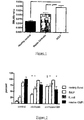
- Figure 2 (A) Resting oxidative burst (%) in controls, patients with cirrhosis alone and patients with cirrhosis+AH, (B) difference between resting oxidative burst and oxidative burst after ex vivo stimulation with E. coli in controls, patients with cirrhosis alone and patients with cirrhosis+AH, (C) geometric mean of fluorescence intensity (GMFI) as a measure of the number of bacteria (FITC-labelled E.
- GMFI geometric mean of fluorescence intensity
- GMFI geometric mean of fluorescence intensity
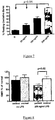
- Figure 6 Reversibility of resting oxidative burst by incubation of patients neutrophils with normal plasma.
- NN+PP H vs. NN+PP HB Column p ⁇ 0.001.
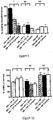
- Figure 10 Decreased phagocytosis is reversible by passing plasma over an endotoxin-removal column or incubation with CD14 antibodies. The columns or the CD 14 antibodies do not influence resting burst when plasma from patients with low burst or control plasma is used.
- NN+PP H vs. NN+PP H CD14 p 0.04
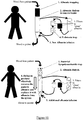
- Figure 11 Illustration of albumin replacement systems.
- Albumin is the major plasma protein that is produced in the liver. Albumin undertakes a variety of functions including fatty acid transport, metal chelation, drug binding and anti-oxidant activity. In liver disease its concentration is diminished either due to decreased synthesis or resulting from higher degradation rates. The present inventors have additionally shown that in patients having liver disease, a proportion of the albumin in the blood circulation is structurally abnormal. The inventors have also found that the amount of ischaemia modified albumin (IMA) is increased in patients with liver disease compared with healthy control subjects. The functional ability of a proportion of the albumin from the patient with liver failure is permanently destroyed.
- IMA ischaemia modified albumin
- the invention relates to an apparatus for removing albumin from the blood of an individual having liver disease.
- Removal of albumin in this context refers to the removal of structurally normal albumin, and also to the removal of any structurally or functionally modified forms of albumin present in the blood of the individual. That is, preferably, the means for removing albumin used in accordance with the present invention will be capable of removing not only normal, naturally occurring albumin, but also albumin which may have an abnormal structure or albumin which has been modified. Removal of any damaged or abnormal albumin may also be therapeutically useful because damaged albumin has poor functionality and may be associated with damaging side reactions. For example, the means for removing albumin may also remove albumin having reduced molecular flexibility, reduced fatty acid binding affinity, reduced transport quality, reduced transport efficiency and/or reduced detoxification ability compared with normal, unmodified albumin.
- the means for removing albumin may also remove particular modified forms of albumin, such as ischaemia modified albumin (IMA).
- IMA ischaemia modified albumin
- Such structural and functional modifications may be detected using conventional techniques, for example as described in Example 1.
- albumin functionality may be assessed using a spin label and electron paramagnetic resonance spectroscopy.
- the presence of IMA may be detected by examining the ability of the albumin to bind metal atoms.
- Removal of albumin may also detoxify the blood by removing any associated albumin-bound toxins. That is, the means for removing albumin may also consequently remove toxins in the blood that are bound to the albumin.
- the means for removing albumin from the blood removes albumin selectively. That is, albumin is removed in preference to other substances in the blood, such as other proteins. Preferably the amount of albumin removed from the blood is significantly greater than that of other blood components removed. For example, more than 99% by weight of the component removed in this aspect may be albumin. More than 98%, more than 95%, more than 90%, more than 80%, more than 70%, more than 60% or more than 50% of the component removed in this aspect may be albumin. Removal of albumin here includes the removal of the various modified forms of albumin described herein.
- the means for removing albumin is a means capable of selectively removing albumin from blood, and comprises means for dialysis of albumin comprising a membrane having a pure size of greater than 50 kDa and less than 100kDa, or a solid support which selectively bind albumin.
- albumin is selectively removed using a ligand that binds the albumin.
- the ligand may be any molecule that binds albumin.
- the ligand may be an antibody or other affinity ligand that specifically binds albumin.
- a ligand that specifically binds albumin is a ligand capable of selectively removing albumin from blood as explained above.
- the ligand may be capable of binding albumin more strongly than other components of blood.
- the ligand may be an antibody that specifically binds human albumin.
- the ligand may be an antibody that binds an epitope that is specific to albumin.
- the ligand may be a combination of molecules which each bind albumin, such as a combination of molecules which bind different parts of the albumin molecule.
- the ligand may be a polyclonal antibody or mixture of antibodies which bind to multiple epitopes on the albumin protein. Such a combination approach may be useful in the removal of modified forms of albumin as different antibodies may target different parts of the albumin molecule.
- Antibodies may be raised against specific epitopes of the albumin molecule. For example, antibodies may be raised specifically against those regions, which are expected to be structurally similar in unmodified and particular modified forms of albumin.
- the term "antibody”, unless specified to the contrary, includes fragments which bind albumin. Such fragments include Fv, F(ab') and F(ab') 2 fragments, as well as single chain antibodies. Furthermore, the antibodies and fragment thereof may be chimeric antibodies, CDR-grafted antibodies or humanised antibodies.
- Antibodies for use in the present invention can be produced by any suitable method.
- Means for preparing and characterising antibodies are well known in the art, see for example Harlow and Lane (1988) "Antibodies: A Laboratory Manual", Cold Spring Harbor Laboratory Press, Cold Spring Harbor, NY .
- an antibody may be produced by raising antibody in a host animal against the whole polypeptide or a fragment thereof, for example an antigenic epitope thereof, herein after the "immunogen".
- a method for producing a polyclonal antibody comprises immunising a suitable host animal, for example an experimental animal, with the immunogen and isolating immunoglobulins from the animal's serum.
- the animal may therefore be inoculated with the immunogen, blood subsequently removed from the animal and the IgG fraction purified.
- a method for producing a monoclonal antibody comprises immortalising cells which produce the desired antibody.
- Hybridoma cells may be produced by fusing spleen cells from an inoculated experimental animal with tumour cells ( Kohler and Milstein (1975) Nature 256, 495-497 ).
- An immortalized cell producing the desired antibody may be selected by a conventional procedure.
- the hybridomas maybe grown in culture or injected intraperitoneally for formation of ascites fluid or into the blood stream of an allogenic host or immunocompromised host.
- Human antibody may be prepared by in vitro immunisation of human lymphocytes, followed by transformation of the lymphocytes with Epstein-Barr virus.
- the experimental animal is suitably a goat, rabbit, rat or mouse.
- the immunogen may be administered as a conjugate in which the immunogen is coupled, for example via a side chain of one of the amino acid residues, to a suitable carrier.
- the carrier molecule is typically a physiologically acceptable carrier.
- the antibody obtained may be isolated and, if desired, purified.
- an antibody or other ligand, "specifically binds" to a protein when it binds with preferential or high affinity to the protein for which it is specific but does substantially bind not bind or binds with only low affinity to other proteins. That is, an antibody specifically binds albumin if it binds to albumin more strongly than it binds to other blood components, such as other proteins in the blood. As explained above, the specificity of binding may be such that it binds structurally or functionally altered forms of albumin as well as unmodified albumin. Preferably it binds structurally or functionally altered forms of albumin with the same or substantially the same binding affinity as unmodified albumin.
- fonns of albumin binds both modified and unmodified fonns of albumin with a greater affinity than other blood components, such as other proteins in the blood.
- a variety of protocols for competitive binding or immunoradiometric assays to determine the specific binding capability of an antibody are well known in the art (see for example Maddox et al, J. Exp. Med. 158, 1211-1226, 1993 ). Such immunoassays typically involve the formation of complexes between the specific protein and its antibody and the measurement of complex formation.
- the ligand may be provided attached to a solid support.
- the ligand may be immobilised on such a solid support.
- a suitable solid support may be in the form of a column through which the blood may be passed,
- a suitable solid support may be, for example, a porous material such as a membrane, particle bed or filter which is sufficiently porous to allow blood cells to pass through it.
- a suitable solid support may alternatively be a solid substrate across the surface of which blood may be passed, Preferably the solid support has a large surface area to maximise the area of contact between the blood of the individual and the ligand attached to the support.
- the solid support may be in the form of beads, which can be filled into a container into which the blood can be inserted, or through which the blood can be passed.
- the beads will preferably have a size sufficient to allow sufficient porosity when packed into a column or filter bed.
- Various bead materials are known in the art.
- the means for removing albumin may comprise such a solid support on which is attached or immobilised a ligand capable of binding albumin.
- the means for removing albumin may comprise a container through which blood is passed.
- the container may thus comprise an inlet and an outlet.
- the inlet and outlet are positioned so that blood passing through the container comes into contact with a solid support as described herein.
- the means for removing albumin is designed or selected to maximise the area of contact between the blood and the solid support, A variety of such designs are known in the art.
- the means for removing albumin may be a column or filter bed packed with beads, wherein a ligand for albumin is immobilised on the beads.
- removal of albumin is achieved via dialysis. Such an approach may also lead to the removal of other blood components that are dialysed together with the albumin. Typically, albumin should be the predominant component removed.
- This dialysis step of the present invention can use any albumin dialysis system that allows removal of albumin from the blood.
- a variety of such systems are known in the art.
- One dialysis system is the molecular absorbance recirculating system (MARS).
- MERS molecular absorbance recirculating system
- An alternate is a generic single pass albumin dialysis (SPAD) system. These systems use a 50kDa pore membrane to dialyse albumin in blood. This system is designed particularly to remove albumin-bound toxins from the blood of patients.
- a larger pore membrane can be utilised so that albumin from the patients blood is actively exchanged with fresh albumin via dialysis. This permits the removal of toxins and abnormal forms of albumin in the same step. This also allows the introduction into the blood of new albumin, not from the individual, as discussed further below.
- a membrane having a pore size of greater than 50 kDa, greater than 60 kDa, greater than 70 kDa, greater than 80 kDa, greater than 90 kDa or greater than 100 kDa may be used.
- the membrane may have a pore size of less than 60 kDa, less than 75 kDa, less than 100 kDa or less than 150 kDa.
- Other blood components may be removed together with albumin depending on the particular means used to remove the albumin.
- other components which are removed with the albumin may be returned to the blood of the individual.
- the components to be returned may be purified from the albumin mixture that has been removed from the blood, or may be replaced by fresh equivalent components not deriving from the individual.
- US Patent No. 4,093,612 discloses reactive dye compositions that can be used to remove albumin from a fluid.
- such compositions may be used for the removal of albumin from the blood of the individual.
- This may therefore be a selective albumin trapping system based on compounds which specifically bind albumin.
- These may be, for example reactive dyes as described in US Patent No. 4,093,612 such as cibacron-blue, or may be other molecules capable of binding albumin, such as albumin-specific antibodies.
- albumin is removed from the blood of an individual with liver disease.
- This albumin is replaced with new albumin which does not derive from the individual.
- the new albumin is preferably structurally and functionally normal. That is, the new albumin may comprise no, or substantially no, structurally or functionally modified forms of albumin.
- the albumin returned to the blood of that individual preferably comprises less modified albumin than has been removed.
- the albumin returned to the blood of the individual may comprise less than 50%, less than 30%, less than 20%, less than 10%, less than 5% or less than 1% of the amount of modified albumin removed from that individual.
- the albumin returned to the individual will comprise no modified albumin or no modified albumin of one or more of the types that were removed from the individual, such as no ischaemia modified albumin (IMA).
- IMA no ischaemia modified albumin
- the new albumin may derive from another individual, such as an individual that does not have liver disease, an individual that does not have liver failure or an individual that has normal liver function.
- the new albumin will typically have a higher proportion of structurally and functionally normal albumin than the albumin removed from the individual.
- the new albumin can be pharmaceutical grade albumin.
- This new albumin is introduced into the blood of the individual to ensure that the individual has a suitable level of circulating albumin.
- This can be a direct replacement for the albumin removed, for example, the same or an equivalent amount of albumin to that that is removed can be returned to the blood.
- the individual's albumin is effectively exchanged with new albumin.
- the overall albumin concentration in the blood can be increased or decreased if necessary.
- the amount of albumin that is introduced to the blood may thus be greater than or less than the amount that is removed. For example, liver disease can lead to a decrease in the level of circulating albumin. This can result in a low functional capacity.
- the amount of new albumin introduced to the blood of the patient may be greater than the amount of albumin removed. This may supplement the level of albumin in the circulation of the individual. For example, an amount of new albumin may be introduced which raises the overall albumin level in the blood to a level the same as, or similar to, that seen in an individual not having liver disease.
- the fresh albumin may be introduced to the blood of the individual simultaneously with the removal of the individual's albumin.
- an exchange of albumin may be achieved by dialysis.
- the steps of albumin removal and albumin return may be carried out sequentially or separately.
- the blood of the individual may be passed through means for removing albumin and then subsequently have fresh albumin added to it. This may be achieved by different parts of the same apparatus.
- the addition of fresh albumin may be carried out separately.
- the addition of fresh albumin is carried out after the removal of albumin from the patient's blood.
- endotoxin is a component in the blood of individuals with liver disease which may be associated with the prognosis of those patients, for example their susceptibility to infection or organ failure, their risk of mortality and their potential responsiveness to some therapies such as immunosuppression.
- prognosis factors are linked to activation of neutrophils in the blood of an individual having liver disease, and that such activation may be related to the presence of a transmissible factor in the plasma of those individuals.
- plasma from an individual having a high degree of neutrophil activation is capable of increasing the level of activation of normal neutrophils.
- the inventors have further found that a similar effect may be achieved by contacting normal neutrophils with endotoxin, and that removal of endotoxin from the blood of patients having a high degree of neutrophil activation can reduce the activation levels of neutrophils in that blood. Removal of endotoxin is therefore believed to be useful in the treatment of patients having liver disease whose neutrophils are in an activated state. By restoring normal neutrophil function, the ability of those individuals to combat infection may be improved.
- the present invention also relates to the removal of endotoxin from the blood of patients having liver disease.
- Removal of albumin addresses one issue of detoxification, removal of endotoxin relates to a further issue of reduced immune response.
- the means for removing endotoxin from the blood removes endotoxin selectively. That is, endotoxin is removed in preference to other substances in the blood. Preferably the amount of endotoxin removed from the blood is significantly greater than that of other blood components removed. For example, more than 99% by weight of the component removed in this aspect may be endotoxin. More than 98%, more than 95%, more than 90%, more than 80%, more than 70%, more than 60% or more than 50% of the component removed in this aspect may be endotoxin.
- the means for removing endotoxin may be any means capable of selectively removing endotoxin from blood.
- endotoxin may be selectively removed using a ligand that binds the endotoxin.
- the ligand may be any molecule that binds endotoxin.
- anti-endotoxin antibodies, LPS binding proteins, Polymyxin B, polyethyleneimine, an arginine ligand and various peptides are known to bind endotoxin.
- the ligand may be an antibody or other affinity ligand that specifically bind endotoxin.
- the ligand may be an antibody that specifically binds endotoxin.
- a ligand that specifically binds endotoxin is a ligand capable of selectively removing endotoxin from blood as explained above.
- the ligand is capable of binding endotoxin more strongly than other components of blood.
- the ligand may be an antibody that binds an epitope that is specific to endotoxin.
- the ligand may be a combination of molecules which each bind endotoxin, such as a combination of molecules which bind different parts of the endotoxin molecule or different endotoxins.
- the ligand may be a polyclonal antibody or mixture of antibodies which bind to multiple epitopes on the endotoxin molecule or different endotoxins.
- Antibodies may be raised against specific epitopes of the endotoxin molecule.
- Suitable antibody types may be any antibody type, as described above in relation to albumin, such as an antibody fragment.
- Antibodies that bind endotoxin may be prepared by any means, for example as described above in relation to albumin-binding antibodies.
- the antibody obtained may be isolated and, if desired, purified.
- An antibody, or other ligand "specifically binds" to a protein when it binds with preferential or high affinity to the protein for which it is specific but does substantially bind not bind or binds with only low affinity to other proteins. That is, it binds to endotoxin more strongly than it binds to other blood components, such as other proteins in the blood.
- the specificity of binding may be such that it binds different forms of endotoxin. Preferably, it binds a variety of forms of endotoxin with a greater affinity than other blood components.
- the ligand may be provided attached to a solid support.
- the ligand may be immobilised on such a solid support. Suitable solid supports are as discussed above in relation to albumin-binding ligands.
- the means for removing endotoxin may comprise or consist of such a solid support on which is attached or immobilised a ligand capable of binding endotoxin.
- the means for removing endotoxin may comprise or consist of a container through which blood is passed.
- the container may thus comprise an inlet and an outlet.
- the inlet and outlet are positioned so that blood passing through the container comes into contact with a solid support as described herein.
- the means is designed or selected to maximise the area of contact between the blood and the solid support.
- the means may be a column or filter bed packed with beads, wherein a ligand for albumin is immobilised on the beads.
- an agent may be administered to the individual to reduce endotoxin levels.
- the endotoxin in the blood may be functionally neutralised rather than removed.
- Various methods for neutralising endotoxin are known in the art. This may comprise administering an agent to the individual, which agent is capable of selectively removing or neutralising the activity of the endotoxin. This may rely on the host immune system to aid removal of endotoxin.
- a suitable agent may bind endotoxin and allow the immune system of the individual to clear the endotoxin-agent complexes from the blood.
- agents for decreasing circulating endotoxin levels are known, for example anti-endotoxin antibodies, albumin, and LPS-binding proteins, LPS neutralising CD-14 antibodies.
- blood components may be removed together with endotoxin depending on the particular means used to remove the endotoxin. For example, some methods for removing endotoxin may also remove other toxins from the blood. This may be beneficial to the patient. Some methods for removing endotoxin may also remove other blood components which it is desired to maintain in the blood. In this case, blood components which are removed with the endotoxin may be returned to the blood of the individual. The components to be returned may be purified from the endotoxin mixture removed, or may be replaced by fresh equivalent components that do not derive from the individual.
- EP-A-0 129 786 describes the use of Polymyxin B covalently immobilized on polystyrene fibres for the removal of endotoxins from blood.
- Falkenhagen et al (Artificial Organs (1996) 20:420 ) described the removal of endotoxin from plasma using polyethyleneimine coated beads.
- WO 01/23413 describes oligopeptides having a high degree of dispersity which are used to selectively remove endotoxin from blood or plasma.
- the apparatus or method of the invention will preferably be effective in achieving a significant reduction in circulating blood endotoxin levels.
- the apparatus or method may lead to a reduction by at least 25%, at least 50%, at least 70%, at least 80%, at least 90%, at least 95%, at least 99% or more in the level of endotoxin in the blood of the individual.
- albumin is capable of binding endotoxin in the blood.
- the removal of albumin may also lead to the removal of some endotoxin which is bound to albumin.
- albumin in the blood can bind to circulating endotoxin and the levels of free endotoxin in the blood may be decreased.
- the amount of endotoxin reduction achieved in this way is relatively small, so the present invention utilises separate means for (a) removing albumin and (b) reducing endotoxin levels. This effect of albumin removal and/or replacement may supplement other means for reducing endotoxin and may help to "mop up" endotoxin remaining in the blood of the individual.
- the inventors have developed a new method and apparatus for use in the treatment of individuals having liver disease. These comprise a combination of components which act to remove both albumin and endotoxin from the blood of an individual having liver disease.
- the inventors have developed an apparatus for use in the treatment of an individual having liver disease, the apparatus comprising means for selectively removing albumin from the blood of the individual and means for selectively removing endotoxin from the blood of the individual. These are two separate means, each directed to achieving one of these effects.
- the apparatus also comprises means for supplying new albumin, that does not derive from the individual, to the blood of the individual.
- Use of such an apparatus thus results in the removal of albumin from the blood of the individual, a reduction in the level of endotoxin in the blood of the individual and optionally the introduction of new albumin to the blood of the individual.
- This is therapeutically useful in a variety of ways. Removal of endogenous albumin from the blood of an individual may result in the removal of unwanted toxins bound to the albumin and may also result in the removal of abnormal modified forms of albumin from the blood. Such modified forms often have reduced functional ability.
- the introduction of new albumin can be used to replace the albumin that has been removed with fresh albumin.
- the fresh albumin does not comprise toxins bound to the albumin molecules and preferably the fresh albumin is in unmodified form.
- the addition of fresh albumin to the blood can also be used to supplement endogenous albumin levels where these are reduced as a result of liver disease.
- the removal of endotoxin from the blood of an individual having liver disease can help to reduce the level of activation of neutrophils in the blood of the individual. This reduction in neutrophil activation can lead to decreased risk of infection, organ failure and mortality, and can improve the responsiveness of the individual to immunosuppressive therapy and steroid or antibiotic treatment.
- the methods and apparatus of the invention thus provide a targeted approach to the treatment of liver disease, addressing multiple factors linked to such disease and benefiting the individual in multiple ways.
- the invention relates to an apparatus for use in the treatment of an individual with liver disease.
- the apparatus may comprise a number of components, which may be used in combination or separately.
- An apparatus of the invention will comprise or consist essentially of means for selectively removing albumin from the blood of an individual, means for selectively removing endotoxin from the blood of the individual, and means for supplying albumin that does not derive from the individual to the blood of the individual wherein said means for selectively removing albumin comprises means for dialysis of albumin comprising a membrane having a pore size of greater than 50 kDa and less than 100 kDa, and wherein the means for selectively removing albumin and the means for selectively removing endotoxin are separate components of the apparatus.
- any means described herein may be used for the removal of albumin or endotoxin, provided that the means are separate components of the apparatus. Described is a single component of the apparatus used for the removal of both albumin and endotoxin. Typically, such a component of the apparatus will comprise both means for removing albumin and means for removing endotoxin. For example, where albumin and endotoxin are both to be removed by binding to specific ligands, then one or more ligands specific for albumin and one or more ligands specific for endotoxin may be used together in the same component of the apparatus.
- the apparatus may comprise a single container, such as a column or filter bed, which comprises solid support(s) onto which the two ligands are immobilised.
- the ligands may be immobilised onto different supports or onto the same support.
- the albumin and endotoxin may thus be removed simultaneously from the blood of the individual.
- the apparatus for use in the present invention includes separate means for removal of albumin and endotoxin.
- the apparatus may include more than one means capable of removing albumin and/or more than one means capable of removing albumin.
- the apparatus may comprise further components.
- the apparatus comprises means for supplying new albumin, i.e. albumin that does not derive from the individual, to the blood.
- the apparatus may be for use ex vivo.
- the apparatus may be designed such that blood from the individual passes through it so as to achieve albumin removal and endotoxin removal before returning to the body of the individual.
- blood from the individual may be contacted with an apparatus for use in the invention such that albumin and endotoxin are removed from the blood and albumin that does not derive from the individual may optionally be supplied to the blood.
- This method may be carried out ex vivo and the blood may be subsequently returned to the individual.
- the method comprises or consists essentially of the following steps: (a) removing albumin from the blood of the individual; and (b) reducing the level of endotoxin in the blood of the individual.
- This may be achieved by any method or means as described herein. This method may be carried out ex vivo.
- Step (a) may be achieved using dialysis.
- Step (a) may be achieved using a ligand capable of specifically binding albumin.
- Step (b) may be achieved by directly removing endotoxin from the blood.
- Step (b) may be achieved using a ligand that specifically binds endotoxin.
- Step (b) may be achieved by administering to the individual a therapeutically effective amount of an agent capable of reducing the level of endotoxin in the blood. Any combination of step (a) and step (b) methods described herein may be used. Optionally the method further includes the step of introducing albumin that does not derive from the individual into the blood of the individual.
- the invention also relates to an in vitro method of treating blood extracorporeally by selectively removing albumin and endotoxin from the blood, wherein the blood is from an individual having liver disease the method comprising (a) contacting the blood with a solid support which selectively binds albumin and thereby removing albumin from the blood, (b) contacting the blood with a solid support which selectively binds endotoxin and thereby removing endotoxin from the blood; and adding to the blood albumin that does not derive from the same individual as the blood; wherein steps (a) and (b) of the method comprise different means for removing albumin and removing endotoxin.
- This method may be achieved by any suitable means as described herein and comprises the additional step of adding to the blood albumin that does not derive from the individual.
- Blood which has been treated in this way may be returned to the individual for therapeutic purposes, or may be used for another purpose.
- blood may be treated in this way prior to transfusion into a different individual.
- the individual to be treated according to the invention is an individual having liver disease.
- Liver failure is the final stage of liver disease. Liver failure is divided into types depending on the rapidity of onset. Acute liver failure develops rapidly, but chronic liver failure may take months or years to develop. By definition, liver failure occurs when the liver is so diseased, and functioning so poorly, that encephalopathy is evident. Any progressive liver disease can result in liver failure; examples include: acetaminotophen toxicity, cirrhosis, viral hepatitis, and metastatic cancer of the liver. Other signs of liver disease such as jaundince, ascites, fetor hepaticus, and failure of coagulation indicate that the liver is having trouble performing its normal physiological duties, but it is not termed liver failure until the mental status changes appear.
- the individual to be treated may be an individual whose liver is decompensated or which shows hepatic encephalopathy.
- the individual's liver may be in the compensated state.
- the individual may have chronic liver disease.
- the individual may have liver cirrhosis, for example with or without alcoholic hepatitis.
- the individual may have acute liver failure.
- the individual may have hepatic encephalopathy.
- the onset of both acute and chronic liver disease may be due to a xenobiotic cause.
- the individual may have been exposed to a chemical, drug or some other agent which causes liver damage.
- the individual may have a reaction to an over-the-counter, prescriptive or "recreational" drug which causes liver damage.
- the individual may have been taking RezulinTM (troglitazone; Parke-Davis), SerzoneTM (nefazodone; Bristol-Myers Squibb) or other drugs thought to cause liver damage.
- the individual may be one who has had an overdose of a particular drug or exceeded the recommended dosage of a drug capable of causing liver damage.
- the individual may have taken an overdose of paracetamol.
- the individual may have been exposed to chemicals which can cause liver damage such as, for example, at their place of work.
- the individual may have been exposed to such chemicals in an industrial or agricultural context.
- the individual may have consumed plants which contain compounds which can cause liver damage, in particular this may be the case where the individual is an animal, such as a herbivore.
- the individual may have consumed a plant containing pyrrolizidine alkaloid such as ragwort.
- the individual may have been exposed to environmental toxins thought to cause liver disease.
- Drug-related liver toxicity comprises more than 50% of all cases with acute liver disease (acute liver failure).
- Acetaminophen-(also known as paracetamol and N -acetyl-p-aminophenol) toxicity is the most common cause of acute liver failure in the United States and Great Britain.
- Long-term moderate to heavy alcohol users who take acetaminophen in therapeutic or modestly excessive doses are at risk of severe hepatic injury and possibly acute liver failure. Alcohol use potentiates the toxic effects of acetaminophen.
- Idiosyncratic drug toxicity also contributes to acute liver failure. Idiosyncratic drug toxicity is thought to be a hypersensitivity response wherein the individual responds to a drug in a pharmacologically abnormal way. This abnormal response can lead to acute liver failure.
- the acute liver failure or chronic liver disease may be caused by infection with a pathogenic organism.
- the liver disease may be due to viral infection.
- the individual may be infected, or have been infected, with a virus which causes hepatitis.
- the individual may have chronic viral hepatitis.
- the virus may, for example, be hepatitis B, C or D virus.
- the individual may also be infected with HIV-I or II.
- the individual may have AIDS. It is possible that the individual may have been, or be, infected with other organisms which cause liver disease and in particular those which are present in the liver during some stage of their life cycle. For example, the individual may have, or have had, liver fluke.
- the individual may have an inherited disease which causes, or increases the risk of, chrome liver disease.
- the individual may have one or more of hepatic hemochromatosis, Wilson's disease or ⁇ -1-antitrypsin deficiency.
- the individual may have an inherited disorder which causes some kind of structural or functional abnormality in the liver which increases the likelihood of liver fibrosis.
- the individual may be genetically predisposed to develop an autoimmune disorder which damages the liver and hence which can contribute to liver fibrosis.
- the chronic liver disease may be alcohol-induced.
- a man or woman to be treated may be, or have been, an alcoholic. He or she may be, or have been, consuming on average 50 or more units of alcohol per week, 60 or more units of alcohol per week, 75 or more units of alcohol per week and even 100 or more units of alcohol per week. The man or woman may be, or have been, consuming on average up to 100 units of alcohol per week, up to 150 units of alcohol per week and even up to 200 units of alcohol per week.
- the measurement of one unit of alcohol differs from country to country. Here, one unit equals 8 grams of ethanol in accordance with the United Kingdom standard.
- the man or woman may have been consuming such levels of alcohol for 5 or more years, 10 or more years, 15 or more years or 20 or more years.
- the individual may have been consuming such levels of alcohol for up to 10 years, up to 20 years, up to 30 years and even up to 40 years.
- the individual may be aged, for example, 25 years or over, 35 years or over, 45 years or over and even over 60 years.
- the individual maybe male or female. Women may be more susceptible to the adverse effects of alcohol than men. Women can develop alcoholic chronic liver disease in a shorter time frame and from smaller amounts of alcohol than men. There seems to be no single factor to account for increased susceptibility to alcoholic liver damage in females, but the effect of hormones on the metabolism of alcohol may play an important role.
- Alcoholic hepatitis may range from a mild hepatitis, with abnormal laboratory tests being the only indication of disease, to severe liver dysfunction with complications such as jaundice (yellow skin caused by bilirubin retention), hepatic encephalopathy, ascites, bleeding esophageal varices, abnormal blood clotting and coma.
- the individual may have one or more of a number of other conditions known to result in liver damage such as, for example, primary biliary cirrhosis, autoimmune chronic active hepatitis, and/or schistosomiasis (parasitic infection).
- the individual may have or have had a bile duct blockage.
- the underlying cause of liver disease may not be known.
- the individual may have been diagnosed as having cryptogenic cirrhosis. Accordingly, the individual may be suspected of having any of the conditions listed herein.
- liver disease such as acute liver failure and hepatic encephalopathy
- the individual will have been diagnosed as having a liver disease and hepatic encephalopathy, for example by a medical or veterinarian professional.
- the individual may display one or more symptoms associated with liver disease such as one or more of jaundice, ascites, skin changes, fluid retention, nail changes, easy bruising, nose bleeds, oesophageal varices, and in male individuals may have enlargement of breasts.
- the individual may display exhaustion, fatigue, loss of appetite, nausea, weakness and/or weight loss.
- the individual may also display one or more symptoms associated with hepatic encephalopathy such as one or more of confusion, disorientation, dementia, stupor, coma, cerebral edema, multiorgan failure (respiratory failure, cardiovascular failure or kidney failure), muscle stiffness/rigidity, seizures or speech impairment.
- the individual to be treated may or may not be taking other drugs to treat liver, disease.
- the individual to be treated may be at risk of developing hepatic encephalopathy.
- liver disease may have been, or be, confirmed by physical examination including techniques such as ultrasound.
- Liver biopsies may have been taken to look for build up of fibrosis, necrotic cells, cellular degeneration and/or inflammation and other characteristic features of liver disease.
- Liver function may have been assessed in the individual to determine whether this is compromised in the individual.
- the nature and underlying cause of the liver disease may be characterized. Any history of exposure to causative agents of liver disease may be determined.
- the individual to be treated may be at risk for hepatic encephalopathy episodes, for example patients who are awaiting liver transplants, surgical and/or portal hypertension patients.
- a person at risk for hepatic encephalopathic episodes is a person who has not suffered any hepatic encephalopathic episodes or has not suffered any hepatic encephalopathic episode for an extended period of time (about 12 weeks or longer), but has a disorder or medical condition which creates a risk of hepatic encephalopathic episodes.
- a hepatic encephalopathic episode is a clinical condition characterised by the presence of cerebral dysfunction in patients with liver disease or dysfunction. There is a wide spectrum of mental disturbances in hepatic encephalopathy which range from minimal where the main effects are a reduction in the quality of life, to overt which leads to coma and ultimately death.
- the individual on which the method of the invention is practiced may be a liver transplant patient, an individual suffering from reperfusion injury, for example in a graft after liver transplantation or a patient at risk of developing or who has developed multi-organ failure.
- the agent may be administered in a variety of dosage forms.
- an agent maybe administered orally, for example as tablets, troches, lozenges, aqueous or oily suspensions, dispersible powders or granules.
- the agent may also be administered parenterally, either subcutaneously, intravenously, intramuscularly, intrasternally, transdermally or by infusion techniques.
- the agent may also be administered in the form of a suppository. A physician will be able to determine the required route of administration for each particular patient.
- an agent will depend upon factors such as the nature of the exact agent, whether a pharmaceutical or veterinary use is intended, etc.
- An agent which is to be used to treat liver disease may be formulated for simultaneous, separate or sequential use.
- An agent is typically formulated for administration in the present invention with a pharmaceutically acceptable carrier or diluent.
- the pharmaceutical carrier or diluent maybe, for example, an isotonic solution.
- solid oral forms may contain, together with the active compound, diluents, e.g. lactose, dextrose, saccharose, cellulose, corn starch or potato starch; lubricants, e.g. silica, talc, stearic acid, magnesium or calcium stearate, and/or polyethylene glycols; binding agents; e.g. starches, gum arabic, gelatin, methylcellulose, carboxymethylcellulose or polyvinyl pyrrolidone; disaggregating agents, e.g.
- Such pharmaceutical preparations may be manufactured in known manner, for example, by means of mixing, granulating, tabletting, sugar-coating, or film-coating processes.
- Liquid dispersions for oral administration may be syrups, emulsions or suspensions.
- the syrups may contain as carriers, for example, saccharose or saccharose with glycerine and/or mannitol and/or sorbitol.
- Suspensions and emulsions may contain as carrier, for example a natural gum, agar, sodium alginate, pectin, methylcellulose, carboxymethylcellulose, or polyvinyl alcohol.
- the suspensions or solutions for intramuscular injections may contain, together with the active compound, a pharmaceutically acceptable carrier, e.g. sterile water, olive oil, ethyl oleate, glycols, e.g. propylene glycol, and if desired, a suitable amount of lidocaine hydrochloride.
- Solutions for intravenous administration or infusion may contain as carrier, for example, sterile water or preferably they may be in the form of sterile, aqueous, isotonic saline solutions.
- the dose of an agent may be determined according to various parameters, especially according to the substance used; the age, weight and condition of the patient to be treated; the route of administration; and the required regimen.
- a typical daily dose is from about 0.1 to 50 mg per kg of body weight, according to the activity of the specific inhibitor, the age, weight and conditions of the individual to be treated, the type and severity of the degeneration and the frequency and route of administration.
- daily dosage levels are from 5 mg to 2 g.
- 5 patients were treated with molecular adsorbents recirculating system (MARS, 4 sessions) and 5 with standard medical therapy. Measurements were made before and after 7 days of MARS. Aliquots of ethanol were then added to the labelled plasma samples and the EPR spectra recorded following each addition.
- MARS molecular adsorbents recirculating system
- IMA ischaemia modified albumin
- blood samples were collected and used for routine biochemistry, neutrophil function, cytokine profile and thiobarbituric acid (T-BARS/ modified MDA) detection.
- Peripheral venous blood was aseptically collected into pyrogen free tubes (BD Vacutainer Lithium-Heparin, 60U per tube, Beckton and Dickinson, Madison, UK)) from patients and healthy volunteers.
- pyrogen free tubes BD Vacutainer Lithium-Heparin, 60U per tube, Beckton and Dickinson, Madison, UK
- blood was kept at room temperature, for harvesting plasma, blood was placed on ice immediately.
- Neutrophils were either investigated in a whole blood assay (as described below) or after isolation by a one-step gradient centrifugation (as indicated in the result section, see appendix).
- the Phagoburst® kit (Orpegen Pharma, Heidelberg, Germany) was used to determine the percentage of neutrophils that produce reactive oxidants by stimulation with opsonized E, coli bacteria or without any stimulus according to the manufacturers instructions.
- the Phagotest® (Orpegen Pharma, Heidelberg, Germany) was used to measure the overall percentage of neutrophils showing phagocytosis and the individual cellular phagocytotic activity using FITC-labelled opsonized E. coli bacteria (see appendix).
- Neutrophils were gated on forward and side scatter ( Figure 2 ) characteristics and subsequently the percentage of CD16 positive cells- FITC positive cells, corresponding to the percentage of neutrophils undergoing phagocytosis and the geometric mean of fluorescence intensity (GMF1), corresponding to the number of bacteria engulfed by one cell, was analyzed. To avoid variability due to batch-to-batch difference of bacteria, results were normalized to the mean of at least 3 healthy control samples for each new batch of bacteria used. Samples were analyzed in triplicate or duplicate.
- Endotoxin E. coli 0111:B4 Lot 085K4068, Sigma Aldrich, St. Louis, MO, USA
- E. coli 0111:B4 Lot 085K4068 Sigma Aldrich, St. Louis, MO, USA
- PBS PBS
- Whole blood was incubated for 1 h with the respective endotoxin concentration at 37°C in a water bath before Phagotest® or Bursttest® were performed.
- Detoxigel Detoxi-Gel® Affinity-pack prepacked columns (Pierce Biotechnology, Rockford, IL) containing an endotoxin removal gel consisting of immobilised polymixin B that binds to the lipid A portion of bacterial lipopolysaccharide were used to remove endotoxin from plasma samples. 100 ⁇ L of this endotoxin-ftee, diluted plasma sample were incubated with 50 ⁇ L of cell suspension and Bursttest® or Phagotest® was performed as indicated. (see appendix).
- CD14 Antibody 100 ⁇ L of plasma and 50 ⁇ l of PBS were incubated with 5 ⁇ L of an anti-human CD14 antibody (Clone 11D18, Immuntools, Friesoythe, Germany) (known to neutralise LPS) for 60 minutes before performing the Phagotest® or the Bursttest®.
- Plasma TNF ⁇ , sTNF ⁇ R1, sTNF ⁇ R2, IL-6 and IL-8 were determined using commercially available sets (BioSource International, Nivelles, Belgium).
- Malondialdehyde was determined using a modified thiobarbituric acid reactive substances assay as known in the art. Free 8-Isoprostane F2alpha was assayed with a commercial EIA kit (Cayman Chemical, Ann Arbor, MI).
- blood or plasma from 16 of these 63 patients was used. The baseline clinical data for these 63 patients were not significantly different from the whole cohort. Table 1 shows the baseline characteristics for all patients and for the subgroups having high and low resting bust (see below).
- neutrophil oxidative burst was increased when compared with controls.
- Neutrophils from patients with alcoholic cirrhosis overall had a 5.6 times higher resting oxidative burst (p ⁇ 0.001) than healthy controls.
- Neutrophils from patients with cirrhosis+AH had significantly higher resting oxidative burst compared to patients with cirrhosis alone (p ⁇ 0.001) or controls (p ⁇ 0.001, Figure 2A ).
- GMFI geometric mean of fluorescence intensity
- the burst-inducing effect was detectable immediately after mixing plasma and cells but could also be shown after up to one hour of incubation (results not shown). This result indicated that there is a transmissible factor present in patient's plasma which causes neutrophils activation.
- the Phagoburst® kit (Orpegen Pharma, Heidelberg, Germany) was used to determine the percentage of neutrophils that produce reactive oxidants by stimulation with opsonized E. coli bacteria or without any stimulus according to the manufacturers instructions.
- 100 ⁇ l of heparinized whole blood or isolated neutrophils (as indicated) were incubated for 20 minutes with 20 ⁇ l of the bacteria, N-formylmethionyl-leucyl-pehnylalanine (fMLP), phorbol 12-myristate 13-acetate (PMA) or without stimulus at 37°C. Formation of the reactive oxidants during the oxidative burst was monitored by the addition and oxidation of dihydrorhodamine 123.
- neutrophils were stained with anti-CD16-PE antibody (IOTest®, Beckman Coulter) and analysed by fluorescence activated cell sorting. (FACS), (Becton Dickinson FACScan, San Jose, CA.) using CellquestTM software. Neutrophils were gated on forward and side scatter characteristics and subsequently the percentage of CD16 positive cells producing reactive oxygen metabolites determined by green fluorescence (FL-1) measurement. Samples were analyzed in triplicate or duplicate. The interassay coefficient of variation (CV) for resting burst was 5,4%, for stimulated burst 4,2%, the intraassay CV for resting burst was 4,7%, for stimulated burst 2,4%.
- FL-1 green fluorescence
- the Phagotest® (Orpegen Pharma, Heidelberg, Germany) was used to measure the overall percentage of neutrophils showing phagocytosis and the individual cellular phagocytotic activity using FITC-labelled opsonized E. coli bacteria. 100 ⁇ l of whole blood or isolated neutrophils (as indicated below) were incubated with 20 ⁇ l of bacteria at 37°C for 20 min while a negative control sample remained on ice.
- neutrophils were stained with anti-CD-16-PE antibody (IOTest®, Beckman Coulter) Neutrophils were gated on forward and side scatter ( Figure 2A ) characteristics and subsequently the percentage of CD16 positive cells- FITC positive cells, corresponding to the percentage of neutrophils undergoing phagocytosis and the geometric mean of fluorescence intensity (GMFI), corresponding to the number of bacteria engulfed by one cell, was analyzed ( Figure 1B, D, F ). To avoid misinterpretation of results due to batch-to-batch variability of bacteria, results are normalized to the mean of at least 3 healthy control samples for each new batch of bacteria used. Samples were analyzed in triplicate of duplicate. The interassay CV for percentage of phagocytosis was 6,8%, for GMFI 10,1% the respective intraassay CV for percentage of phagocytosis was 4,1%, and 1,6% for GMFI,
- Detoxi-Gel Affinity-pack prepacked columns (Pierce Biotechnology, Rockford, IL) containing an endotoxin removal gel consisting of immobilised polymixin B that binds to the lipid A portion of bacterial lipopolysaccharide were used to remove endotoxin from plasma samples.
- the columns were regenerated with 1% sodium deoxycholate (Sigma Aldrich, St. Louis, MO, USA), washed with sterile water and equilibrated with sterile sodium chloride 0.9% supplemented with 50IU/ml of heparin (Multipharm, Waxham, UK) at room temperature.
- Plasma samples are diluted 1:1 with PBS and applied on the column and after discarding the void the sample was collected in a pyrogen free sample tube. 150 ⁇ L of this endotoxin-free, diluted plasma sample were incubated with 50 ⁇ L of cell suspension and Bursttest® or Phagotest® was performed as indicated.
- TNF ⁇ , sTNF ⁇ R1, sTNFaR2, IL-6 and IL-8 were determined from ethylenediamine-tetraacetate anticoagulated plasma samples using commercially available sets (BioSource International, Nivelles, Belgium) following the manufacturer's instructions. The lower limit for the detection of the cytokines was 3 pg/mL. The intra-assay coefficient of variation was 5.4% to 6.4%. IL-6 and IL-8 were undetectable in controls.
- Bile duct ligation was achieved by making a midline abdominal incision under anaesthesia. In the BDL group, the common bile duct was isolated, triply ligated with 3-0 silk, and sectioned between the ligatures. After BDL, all animals continued to gain weight and were comparable with naive controls. The overall mortality was less than 10% and occurred within 36 hours of the operation.
- the arterial line was used for continuous blood pressure monitoring (Biopac Systems, Goleta, CA. USA) and blood sample collection, and the venous line for continuous infusion of fluids.
- the animals were killed by exsanguinations under anaesthesia, with the blood collected for analysis. All studies were performed on liver tissue at 25 to 28 days post BDL, and 4 animals were used in the final analysis in each group.
- Neutrophil function was measured using a Phagoburst assay kit (Orpegen, Heidelberg, Germany) using a FACScanto flowcytometer (Becton Dickenson, UK) according to manufacturer's instructions (see, for Example, Mookerjee et al Hepatology 2007; 46: 831-840 ).
- BDL animals are known to have significantly reduced plasma albumin concentrations resulting from the ongoing liver injury.
- Albumin administration was found to significantly increase the measured plasma albumin levels (p ⁇ 0.05 vs saline) by approximately 25%. Though this was still found to be significantly less than samples collected from na ⁇ ve healthy animals (p ⁇ 0.01, Figure 13A ).
- Figure 14 shows the measured mean arterial pressure data collected throughout the study period. It can be seen that the saline only group maintains the initial pressure for the first 90 minutes, after which a progressive deterioration is observed. Both the albumin and albumin/polymixin groups maintain blood pressure throughout the whole study period, with the albumin/polymixin animals showing an increase in pressure at 3 hours. It should be noted that all of the BDL animals are considered to be hypotensive at the start of the study as the normal MAP for an anaesthetised rat should be circa. 120mmHg.
- albumin to an established rat model of cirrhosis is beneficial in preventing an acute deterioration following exposure to bacterial toxins. Furthermore, these effects are improved by the synergistic addition of an agent to bind and remove endotoxin.
- albumin caused a significant increase in the measured plasma levels, these were still found to be lower than in healthy animals.
- this study we aimed to provide a typical therapeutic daily dose of albumin, though hospital patients would be expected to receive this treatment on successive days. It is likely that the existing albumin in these animals has been damaged by the disease process and that the provision of new, 'healthy' albumin has a substantial metabolic benefit to the animal.
- Urea levels are a reflection of both the synthetic processes resulting from protein breakdown and the ability of the kidneys to excrete waste products from the body. It is interesting to note that a significant difference was observed between the albumin only and albumin/polymixin treated groups.
- the albumin treated animals showed a slight increase in urea levels compared with the saline group, which may reflect the amount of protein being administered.
- the animals receiving the combination treatment had significantly lower plasma urea levels. This reduction in plasma urea may be related to the improved mean arterial pressure levels observed in these animals ( Figure 15 ).
- All of these BDL animals were found to be hypotensive which is known to cause a reduction in renal blood flow and hence function. By improving systemic pressure, even if only marginally, there is likely to be a consequent beneficial effect on renal blood flow and excretory function.
- albumin administered to cirrhotic animals was found to improve the status of the animal and prevent a number of the symptoms of the induced decompensation. Furthermore, the addition of an agent to remove endotoxin significantly improved the effects of albumin.
Landscapes
- Health & Medical Sciences (AREA)
- Heart & Thoracic Surgery (AREA)
- Animal Behavior & Ethology (AREA)
- Engineering & Computer Science (AREA)
- Veterinary Medicine (AREA)
- Public Health (AREA)
- General Health & Medical Sciences (AREA)
- Life Sciences & Earth Sciences (AREA)
- Hematology (AREA)
- Biomedical Technology (AREA)
- Anesthesiology (AREA)
- Vascular Medicine (AREA)
- Chemical Kinetics & Catalysis (AREA)
- Pharmacology & Pharmacy (AREA)
- Organic Chemistry (AREA)
- Nuclear Medicine, Radiotherapy & Molecular Imaging (AREA)
- Medicinal Chemistry (AREA)
- General Chemical & Material Sciences (AREA)
- Chemical & Material Sciences (AREA)
- Bioinformatics & Cheminformatics (AREA)
- Gastroenterology & Hepatology (AREA)
- External Artificial Organs (AREA)
- Medicines That Contain Protein Lipid Enzymes And Other Medicines (AREA)
Applications Claiming Priority (2)
| Application Number | Priority Date | Filing Date | Title |
|---|---|---|---|
| GBGB0621452.2A GB0621452D0 (en) | 2006-10-27 | 2006-10-27 | Therapy for liver disease |
| PCT/GB2007/004126 WO2008050148A2 (en) | 2006-10-27 | 2007-10-29 | Therapy for liver disease |
Publications (2)
| Publication Number | Publication Date |
|---|---|
| EP2061533A2 EP2061533A2 (en) | 2009-05-27 |
| EP2061533B1 true EP2061533B1 (en) | 2020-11-25 |
Family
ID=37546125
Family Applications (1)
| Application Number | Title | Priority Date | Filing Date |
|---|---|---|---|
| EP07824370.6A Active EP2061533B1 (en) | 2006-10-27 | 2007-10-29 | Apparatus for use in a therapy for liver disease |
Country Status (8)
| Country | Link |
|---|---|
| US (1) | US8480607B2 (enExample) |
| EP (1) | EP2061533B1 (enExample) |
| JP (1) | JP5276002B2 (enExample) |
| CN (1) | CN101541357B (enExample) |
| DK (1) | DK2061533T3 (enExample) |
| ES (1) | ES2843374T3 (enExample) |
| GB (1) | GB0621452D0 (enExample) |
| WO (1) | WO2008050148A2 (enExample) |
Families Citing this family (36)
| Publication number | Priority date | Publication date | Assignee | Title |
|---|---|---|---|---|
| CA2715947C (en) * | 2008-02-20 | 2016-10-25 | Novartis Ag | Heterocyclic inhibitors of stearoyl-coa desaturase |
| CN103842004B (zh) | 2011-08-22 | 2016-11-23 | 美敦力公司 | 双流吸附剂盒 |
| US10624924B2 (en) | 2012-03-12 | 2020-04-21 | Grifols, S.A. | Method and device for treating blood cholesterol disorders |
| US11154648B2 (en) | 2013-01-09 | 2021-10-26 | Medtronic, Inc. | Fluid circuits for sorbent cartridge with sensors |
| US9713666B2 (en) | 2013-01-09 | 2017-07-25 | Medtronic, Inc. | Recirculating dialysate fluid circuit for blood measurement |
| US9144640B2 (en) | 2013-02-02 | 2015-09-29 | Medtronic, Inc. | Sorbent cartridge configurations for improved dialysate regeneration |
| US9884145B2 (en) | 2013-11-26 | 2018-02-06 | Medtronic, Inc. | Parallel modules for in-line recharging of sorbents using alternate duty cycles |
| US10052612B2 (en) | 2013-11-26 | 2018-08-21 | Medtronic, Inc. | Zirconium phosphate recharging method and apparatus |
| US10537875B2 (en) | 2013-11-26 | 2020-01-21 | Medtronic, Inc. | Precision recharging of sorbent materials using patient and session data |
| US10004839B2 (en) | 2013-11-26 | 2018-06-26 | Medtronic, Inc. | Multi-use sorbent cartridge |
| US9943780B2 (en) | 2013-11-26 | 2018-04-17 | Medtronic, Inc. | Module for in-line recharging of sorbent materials with optional bypass |
| US9895477B2 (en) | 2013-11-26 | 2018-02-20 | Medtronic, Inc. | Detachable module for recharging sorbent materials with optional bypass |
| RU2539139C1 (ru) * | 2014-02-13 | 2015-01-10 | Артем Сергеевич Арапов | Способ лечения отека мозга у больных хроническими заболеваниями печени |
| AU2015201496B2 (en) | 2014-06-03 | 2019-10-31 | Grifols Worldwide Operations Limited | Use of plasmapheresis to treat blood pressure disorders |
| CN106463774A (zh) * | 2014-06-05 | 2017-02-22 | 索尼公司 | 二次电池用电解液、二次电池、电池组、电动车辆、电力储存系统、电动工具和电子设备 |
| WO2015199766A1 (en) | 2014-06-24 | 2015-12-30 | Medtronic, Inc. | Modular dialysate regeneration assembly |
| WO2015199763A1 (en) | 2014-06-24 | 2015-12-30 | Medtronic, Inc. | A urease introduction system for replenishing urease in a sorbent cartridge |
| EP3160534A4 (en) | 2014-06-24 | 2018-03-07 | Medtronic Inc. | Stacked sorbent assembly |
| WO2015199761A1 (en) | 2014-06-24 | 2015-12-30 | Medtronic, Inc. | Sorbent pouch |
| US10124274B2 (en) | 2014-06-24 | 2018-11-13 | Medtronic, Inc. | Replenishing urease in dialysis systems using urease pouches |
| EP3160531B1 (en) | 2014-06-24 | 2019-08-14 | Medtronic Inc. | Replenisihing urease in dialysis systems using a urease introducer |
| EP3268071A1 (en) | 2015-03-10 | 2018-01-17 | Life Warmer Inc. | Thermic infusion system |
| US10981148B2 (en) | 2016-11-29 | 2021-04-20 | Medtronic, Inc. | Zirconium oxide module conditioning |
| US11167070B2 (en) | 2017-01-30 | 2021-11-09 | Medtronic, Inc. | Ganged modular recharging system |
| US10960381B2 (en) | 2017-06-15 | 2021-03-30 | Medtronic, Inc. | Zirconium phosphate disinfection recharging and conditioning |
| US11707580B2 (en) | 2017-09-08 | 2023-07-25 | Life Warmer Inc. | Thermic infusion system dry tube detector |
| US12285552B2 (en) | 2018-08-14 | 2025-04-29 | Mozarc Medical Us Llc | Precision dialysis therapy based on sorbent effluent analysis |
| US11213616B2 (en) | 2018-08-24 | 2022-01-04 | Medtronic, Inc. | Recharge solution for zirconium phosphate |
| EP3894579A1 (en) | 2018-12-14 | 2021-10-20 | Bia Separations D.O.O. | A method for depletion or removal of endotoxin from an endotoxin-containing source or potentially endotoxin-containing source |
| WO2020216437A1 (en) * | 2019-04-23 | 2020-10-29 | Espire Technologies Gmbh | Device and method for localising or identifying malignancies |
| EP3786642A1 (en) * | 2019-08-30 | 2021-03-03 | ESPIRE Technologies GmbH | Method for functional characteristics of proteins for classification of patients to be associated to a specific disease |
| GB202004775D0 (en) * | 2020-03-31 | 2020-05-13 | Ucl Business Ltd | Apparatus |
| US12569601B2 (en) | 2021-04-07 | 2026-03-10 | Mozarc Medical Us Llc | Increased operational capabilities of a dialysis system |
| US12397093B2 (en) | 2021-05-18 | 2025-08-26 | Mozarc Medical Us Llc | Sorbent cartridge designs |
| GB202307837D0 (en) | 2023-05-25 | 2023-07-12 | Yaqrit Ltd | Dialysis method |
| KR20260033012A (ko) * | 2023-06-09 | 2026-03-10 | 칸조 바이오메디신즈, 인코포레이티드 | 간 지지 시스템 및 사용 방법 |
Citations (1)
| Publication number | Priority date | Publication date | Assignee | Title |
|---|---|---|---|---|
| WO2004080575A1 (en) * | 2003-03-12 | 2004-09-23 | Fresenius Kabi Deutschland Gmbh | Use of recombinant albumin in dialysis after liver failure |
Family Cites Families (32)
| Publication number | Priority date | Publication date | Assignee | Title |
|---|---|---|---|---|
| US4093612A (en) | 1975-08-04 | 1978-06-06 | Research Corporation | Selective removal of albumin from blood fluids and compositions therefore |
| JPS5670028A (en) | 1979-11-12 | 1981-06-11 | Teijin Ltd | Polymer bonding with albumin |
| US4476715A (en) | 1983-03-11 | 1984-10-16 | Murphy Jack L | Mud metering tank monitoring system |
| JPH0738880B2 (ja) | 1983-06-24 | 1995-05-01 | 東レ株式会社 | エンドトキシン血症治療剤 |
| US5179018A (en) | 1983-10-14 | 1993-01-12 | Centocor, Inc. | Mamalian monoclonal antibodies against endotoxin of gram-negative bacteria |
| US5594113A (en) | 1988-06-23 | 1997-01-14 | Associates Of Cape Cod, Inc. | Endotoxin binding and neutralizing protein and uses thereof |
| US5476715A (en) | 1989-10-03 | 1995-12-19 | Fresenius Ag | Particulate adsorbent for the removal of biomacromolecules such as LDL and endotoxins from whole blood in extracorporeal circuits |
| DE4309410A1 (de) * | 1993-03-19 | 1995-02-16 | Stange Jan | Material, Verfahren und Einrichtung zur selektiven Trennung frei gelöster und stoffgebundener Stoffe aus flüssigen Stoffgemischen sowie Verfahren zur Herstellung des Materials |
| JP3413985B2 (ja) | 1994-09-29 | 2003-06-09 | 東レ株式会社 | 選択分離膜およびそれを用いた血液処理装置 |
| DE4435612A1 (de) * | 1994-10-05 | 1996-04-11 | Braun Melsungen Ag | Verfahren zur simultanen Entfernung von Tumor-Nekrose-Faktor alpha und bakteriellen Lipopolysacchariden aus einer wäßrigen Flüssigkeit |
| IT1279209B1 (it) | 1995-05-16 | 1997-12-04 | Bellco Spa | Filtro dializzatore/reattore atto ad effettuare la cattura di endotossine, e procedimento per la sua realizzazione. |
| JPH1071201A (ja) * | 1996-01-19 | 1998-03-17 | Terumo Corp | 血液浄化排液再生装置、血液浄化液回路および血液浄化装置 |
| JPH11137672A (ja) * | 1997-11-05 | 1999-05-25 | Asa Sangyo Kk | 腹膜透析液回収・再生方法及び装置 |
| EP1063289A1 (en) | 1998-03-03 | 2000-12-27 | JMS Co., Ltd. | Liver cell clones for artifical liver and extracorporeal liver assist device |
| JPH11225725A (ja) * | 1998-02-16 | 1999-08-24 | Yoshinori Naito | 冷凍食品および冷凍食品の製造方法 |
| JPH11225752A (ja) * | 1998-02-16 | 1999-08-24 | Jms Co Ltd | 人工肝臓用肝細胞クローンおよび体外循環肝補助装置 |
| JP2000107286A (ja) * | 1998-10-07 | 2000-04-18 | Akira Sakai | 腹膜透析液の灌流装置及び灌流法 |
| US8026096B1 (en) * | 1998-10-08 | 2011-09-27 | Protein Sciences Corporation | In vivo active erythropoietin produced in insect cells |
| US6774102B1 (en) | 1999-09-29 | 2004-08-10 | Gambro Dialysatoren Gmbh & Co. Kg | Extracorporeal endotoxin removal method |
| US6365147B1 (en) | 1999-10-13 | 2002-04-02 | New Jersey Institute Of Technology | Methods for removing endotoxins from biological solutions using immobilized metal affinity chromatography |
| US6787040B2 (en) * | 2000-05-16 | 2004-09-07 | Immunocept, L.L.C. | Method and system for colloid exchange therapy |
| JP2003135594A (ja) * | 2001-10-30 | 2003-05-13 | Toray Medical Co Ltd | 体液浄化カラム |
| SE522692C2 (sv) * | 2002-03-27 | 2004-03-02 | Gambro Lundia Ab | Förfarande och anordning för avlägsnande av delvis proteinbundna substanser |
| JP4201313B2 (ja) * | 2002-04-11 | 2008-12-24 | 旭化成クラレメディカル株式会社 | 有害物質結合アルブミン除去システム |
| JP2003310752A (ja) | 2002-04-25 | 2003-11-05 | Toray Ind Inc | 生理活性物質固定化成型品の製造方法 |
| SE526038C2 (sv) | 2002-07-08 | 2005-06-21 | Gambro Lundia Ab | Polymeraffinitetsmatris, förfarande för framställning därav och anvädning därav |
| JP2004121445A (ja) * | 2002-10-01 | 2004-04-22 | Akira Sakai | 酸化ストレス消去材、それを有する透析液循環回路及び酸化ストレス消去法 |
| WO2004082737A2 (en) * | 2003-03-17 | 2004-09-30 | Hemavation Llc | Extracorporeal blood treatment device for removing blood toxins, and methods thereof |
| JP4352775B2 (ja) * | 2003-06-19 | 2009-10-28 | 株式会社ジェイ・エム・エス | 血液透析濾過装置 |
| US20050037331A1 (en) | 2003-08-13 | 2005-02-17 | William Galbraith | Apparatuses and methods for reducing albumin in samples |
| CN2810611Y (zh) * | 2005-06-22 | 2006-08-30 | 浙江科锐生物科技有限公司 | 一种体外人工肝支持系统 |
| WO2007092427A2 (en) * | 2006-02-06 | 2007-08-16 | Palingen, Inc. | Treatment of endotoxemia using endotoxin neutralizing agents |
-
2006
- 2006-10-27 GB GBGB0621452.2A patent/GB0621452D0/en not_active Ceased
-
2007
- 2007-10-29 JP JP2009533950A patent/JP5276002B2/ja active Active
- 2007-10-29 DK DK07824370.6T patent/DK2061533T3/da active
- 2007-10-29 CN CN2007800388833A patent/CN101541357B/zh active Active
- 2007-10-29 WO PCT/GB2007/004126 patent/WO2008050148A2/en not_active Ceased
- 2007-10-29 EP EP07824370.6A patent/EP2061533B1/en active Active
- 2007-10-29 US US12/312,028 patent/US8480607B2/en active Active
- 2007-10-29 ES ES07824370T patent/ES2843374T3/es active Active
Patent Citations (1)
| Publication number | Priority date | Publication date | Assignee | Title |
|---|---|---|---|---|
| WO2004080575A1 (en) * | 2003-03-12 | 2004-09-23 | Fresenius Kabi Deutschland Gmbh | Use of recombinant albumin in dialysis after liver failure |
Non-Patent Citations (1)
| Title |
|---|
| LEE KARLA C L ET AL: "Extracorporeal liver assist device to exchange albumin and remove endotoxin in acute liver failure: Results of a pivotal pre-clinical study", JOURNAL OF HEPATOLOGY, vol. 63, no. 3, 1 May 2015 (2015-05-01), pages 634 - 642, XP029259378, ISSN: 0168-8278, DOI: 10.1016/J.JHEP.2015.04.020 * |
Also Published As
| Publication number | Publication date |
|---|---|
| CN101541357B (zh) | 2012-07-04 |
| WO2008050148A3 (en) | 2008-07-17 |
| CN101541357A (zh) | 2009-09-23 |
| JP2010507432A (ja) | 2010-03-11 |
| ES2843374T3 (es) | 2021-07-16 |
| WO2008050148A2 (en) | 2008-05-02 |
| EP2061533A2 (en) | 2009-05-27 |
| US20100025328A1 (en) | 2010-02-04 |
| US8480607B2 (en) | 2013-07-09 |
| JP5276002B2 (ja) | 2013-08-28 |
| DK2061533T3 (da) | 2020-12-21 |
| GB0621452D0 (en) | 2006-12-06 |
Similar Documents
| Publication | Publication Date | Title |
|---|---|---|
| US8480607B2 (en) | Therapy for liver disease | |
| Atcheson et al. | Mycophenolic acid pharmacokinetics and related outcomes early after renal transplant | |
| Zimmerman et al. | Goodpasture's syndrome with normal renal function | |
| Nakamura et al. | Effect of low-density lipoprotein apheresis on urinary protein and podocyte excretion in patients with nephrotic syndrome due to diabetic nephropathy | |
| Haas et al. | Peri‐operative immunoadsorption in sensitized renal transplant recipients | |
| Schenk et al. | Removal of focal segmental glomerulosclerosis (FSGS) factor suPAR using CytoSorb | |
| Honda et al. | De novo membranous nephropathy and antibody‐mediated rejection in transplanted kidney | |
| Boyer et al. | Renal function and histology in children after small bowel transplantation | |
| EP4126106B1 (en) | Apparatus for extracorporeal removal of albumin and endotoxin from blood | |
| US8415117B2 (en) | Prognosis and therapy of liver failure | |
| Kusaba et al. | Significance of broad distribution of electron-dense deposits in patients with IgA nephropathy | |
| EP4719520A1 (en) | Dialysis method | |
| WO2014120642A1 (en) | Diagnosis and treatment of hepatorenal syndrome | |
| Kalowski et al. | Multinucleated giant cells in antiglomerular basement membrane antibody-induced glomerulonephritis | |
| Ishikawa et al. | A Fatal Case of Rapidly Progressive Glomerulonephritis With Two Anti-neutrophil Cytoplasmic Antibodies and Anti-glomerular Basement Membrane Antibody: A Description of Autopsy Findings | |
| Simsek | A stagerring recovery of an adolescent boy with crescentic glomerulonephritis despite numerous poor prognostic factors following early therapy | |
| Rai et al. | Renal amyloidosis causing nephrotic syndrome: An unusual presentation of light chain myeloma | |
| Hami et al. | Higher Viral Load of Polyomavirus Type BK, Rather than JC, Among Renal Transplant Recipients Compared to Donors | |
| Gollasch | Insights in Nephrology: 2021 | |
| Cardoso Fernandes et al. | New Onset Nephrotic-Range Proteinuria in a Patient with Chronic Kidney Disease-Not Always What it Seems | |
| Chen et al. | Renal heavy and light chain amyloidosis: A rare case report | |
| Sampietro et al. | Lipoprotein apheresis as rescue therapy in lipoprotein glomerulopathy: The role of plasmatic extracellular vesicle removal | |
| Chamoun Huacon et al. | Progression of Interstitial Fibrosis and Tubular Atrophy in Low Immunological Risk Renal Transplants Monitored by Sequential Surveillance Biopsies: The Influence of TAC Exposure and Metabolism | |
| Perrakis et al. | The Role of Procalcitonin in the Early Diagnosis of Septic and Non-Septic Complications in the Immediate Postoperative Setting After Orthotopic Liver Transplantation | |
| Mandal | Accomplishments of Electron Microscopy Study in the Practice of Nephrology |
Legal Events
| Date | Code | Title | Description |
|---|---|---|---|
| PUAI | Public reference made under article 153(3) epc to a published international application that has entered the european phase |
Free format text: ORIGINAL CODE: 0009012 |
|
| 17P | Request for examination filed |
Effective date: 20090324 |
|
| AK | Designated contracting states |
Kind code of ref document: A2 Designated state(s): AT BE BG CH CY CZ DE DK EE ES FI FR GB GR HU IE IS IT LI LT LU LV MC MT NL PL PT RO SE SI SK TR |
|
| AX | Request for extension of the european patent |
Extension state: AL BA HR MK RS |
|
| DAX | Request for extension of the european patent (deleted) | ||
| 17Q | First examination report despatched |
Effective date: 20131129 |
|
| GRAP | Despatch of communication of intention to grant a patent |
Free format text: ORIGINAL CODE: EPIDOSNIGR1 |
|
| STAA | Information on the status of an ep patent application or granted ep patent |
Free format text: STATUS: GRANT OF PATENT IS INTENDED |
|
| INTG | Intention to grant announced |
Effective date: 20180305 |
|
| GRAJ | Information related to disapproval of communication of intention to grant by the applicant or resumption of examination proceedings by the epo deleted |
Free format text: ORIGINAL CODE: EPIDOSDIGR1 |
|
| STAA | Information on the status of an ep patent application or granted ep patent |
Free format text: STATUS: EXAMINATION IS IN PROGRESS |
|
| INTC | Intention to grant announced (deleted) | ||
| GRAP | Despatch of communication of intention to grant a patent |
Free format text: ORIGINAL CODE: EPIDOSNIGR1 |
|
| STAA | Information on the status of an ep patent application or granted ep patent |
Free format text: STATUS: GRANT OF PATENT IS INTENDED |
|
| INTG | Intention to grant announced |
Effective date: 20191121 |
|
| GRAJ | Information related to disapproval of communication of intention to grant by the applicant or resumption of examination proceedings by the epo deleted |
Free format text: ORIGINAL CODE: EPIDOSDIGR1 |
|
| STAA | Information on the status of an ep patent application or granted ep patent |
Free format text: STATUS: EXAMINATION IS IN PROGRESS |
|
| GRAP | Despatch of communication of intention to grant a patent |
Free format text: ORIGINAL CODE: EPIDOSNIGR1 |
|
| INTC | Intention to grant announced (deleted) | ||
| RAP1 | Party data changed (applicant data changed or rights of an application transferred) |
Owner name: UCL BUSINESS LTD |
|
| STAA | Information on the status of an ep patent application or granted ep patent |
Free format text: STATUS: GRANT OF PATENT IS INTENDED |
|
| INTG | Intention to grant announced |
Effective date: 20200423 |
|
| GRAS | Grant fee paid |
Free format text: ORIGINAL CODE: EPIDOSNIGR3 |
|
| GRAA | (expected) grant |
Free format text: ORIGINAL CODE: 0009210 |
|
| STAA | Information on the status of an ep patent application or granted ep patent |
Free format text: STATUS: THE PATENT HAS BEEN GRANTED |
|
| RAP1 | Party data changed (applicant data changed or rights of an application transferred) |
Owner name: YAQRIT LIMITED |
|
| AK | Designated contracting states |
Kind code of ref document: B1 Designated state(s): AT BE BG CH CY CZ DE DK EE ES FI FR GB GR HU IE IS IT LI LT LU LV MC MT NL PL PT RO SE SI SK TR |
|
| REG | Reference to a national code |
Ref country code: GB Ref legal event code: FG4D |
|
| REG | Reference to a national code |
Ref country code: CH Ref legal event code: EP |
|
| REG | Reference to a national code |
Ref country code: AT Ref legal event code: REF Ref document number: 1337549 Country of ref document: AT Kind code of ref document: T Effective date: 20201215 |
|
| REG | Reference to a national code |
Ref country code: DE Ref legal event code: R096 Ref document number: 602007060802 Country of ref document: DE |
|
| REG | Reference to a national code |
Ref country code: DK Ref legal event code: T3 Effective date: 20201218 |
|
| REG | Reference to a national code |
Ref country code: IE Ref legal event code: FG4D |
|
| REG | Reference to a national code |
Ref country code: SE Ref legal event code: TRGR |
|
| REG | Reference to a national code |
Ref country code: CH Ref legal event code: NV Representative=s name: VENI GMBH, CH |
|
| REG | Reference to a national code |
Ref country code: NL Ref legal event code: FP |
|
| REG | Reference to a national code |
Ref country code: AT Ref legal event code: MK05 Ref document number: 1337549 Country of ref document: AT Kind code of ref document: T Effective date: 20201125 |
|
| PG25 | Lapsed in a contracting state [announced via postgrant information from national office to epo] |
Ref country code: GR Free format text: LAPSE BECAUSE OF FAILURE TO SUBMIT A TRANSLATION OF THE DESCRIPTION OR TO PAY THE FEE WITHIN THE PRESCRIBED TIME-LIMIT Effective date: 20210226 Ref country code: FI Free format text: LAPSE BECAUSE OF FAILURE TO SUBMIT A TRANSLATION OF THE DESCRIPTION OR TO PAY THE FEE WITHIN THE PRESCRIBED TIME-LIMIT Effective date: 20201125 Ref country code: PT Free format text: LAPSE BECAUSE OF FAILURE TO SUBMIT A TRANSLATION OF THE DESCRIPTION OR TO PAY THE FEE WITHIN THE PRESCRIBED TIME-LIMIT Effective date: 20210325 |
|
| PG25 | Lapsed in a contracting state [announced via postgrant information from national office to epo] |
Ref country code: IS Free format text: LAPSE BECAUSE OF FAILURE TO SUBMIT A TRANSLATION OF THE DESCRIPTION OR TO PAY THE FEE WITHIN THE PRESCRIBED TIME-LIMIT Effective date: 20210325 Ref country code: AT Free format text: LAPSE BECAUSE OF FAILURE TO SUBMIT A TRANSLATION OF THE DESCRIPTION OR TO PAY THE FEE WITHIN THE PRESCRIBED TIME-LIMIT Effective date: 20201125 Ref country code: BG Free format text: LAPSE BECAUSE OF FAILURE TO SUBMIT A TRANSLATION OF THE DESCRIPTION OR TO PAY THE FEE WITHIN THE PRESCRIBED TIME-LIMIT Effective date: 20210225 Ref country code: LV Free format text: LAPSE BECAUSE OF FAILURE TO SUBMIT A TRANSLATION OF THE DESCRIPTION OR TO PAY THE FEE WITHIN THE PRESCRIBED TIME-LIMIT Effective date: 20201125 Ref country code: PL Free format text: LAPSE BECAUSE OF FAILURE TO SUBMIT A TRANSLATION OF THE DESCRIPTION OR TO PAY THE FEE WITHIN THE PRESCRIBED TIME-LIMIT Effective date: 20201125 |
|
| REG | Reference to a national code |
Ref country code: LT Ref legal event code: MG9D |
|
| REG | Reference to a national code |
Ref country code: ES Ref legal event code: FG2A Ref document number: 2843374 Country of ref document: ES Kind code of ref document: T3 Effective date: 20210716 |
|
| PG25 | Lapsed in a contracting state [announced via postgrant information from national office to epo] |
Ref country code: EE Free format text: LAPSE BECAUSE OF FAILURE TO SUBMIT A TRANSLATION OF THE DESCRIPTION OR TO PAY THE FEE WITHIN THE PRESCRIBED TIME-LIMIT Effective date: 20201125 Ref country code: CZ Free format text: LAPSE BECAUSE OF FAILURE TO SUBMIT A TRANSLATION OF THE DESCRIPTION OR TO PAY THE FEE WITHIN THE PRESCRIBED TIME-LIMIT Effective date: 20201125 Ref country code: SK Free format text: LAPSE BECAUSE OF FAILURE TO SUBMIT A TRANSLATION OF THE DESCRIPTION OR TO PAY THE FEE WITHIN THE PRESCRIBED TIME-LIMIT Effective date: 20201125 Ref country code: RO Free format text: LAPSE BECAUSE OF FAILURE TO SUBMIT A TRANSLATION OF THE DESCRIPTION OR TO PAY THE FEE WITHIN THE PRESCRIBED TIME-LIMIT Effective date: 20201125 Ref country code: LT Free format text: LAPSE BECAUSE OF FAILURE TO SUBMIT A TRANSLATION OF THE DESCRIPTION OR TO PAY THE FEE WITHIN THE PRESCRIBED TIME-LIMIT Effective date: 20201125 |
|
| REG | Reference to a national code |
Ref country code: DE Ref legal event code: R097 Ref document number: 602007060802 Country of ref document: DE |
|
| PLBE | No opposition filed within time limit |
Free format text: ORIGINAL CODE: 0009261 |
|
| STAA | Information on the status of an ep patent application or granted ep patent |
Free format text: STATUS: NO OPPOSITION FILED WITHIN TIME LIMIT |
|
| 26N | No opposition filed |
Effective date: 20210826 |
|
| PG25 | Lapsed in a contracting state [announced via postgrant information from national office to epo] |
Ref country code: SI Free format text: LAPSE BECAUSE OF FAILURE TO SUBMIT A TRANSLATION OF THE DESCRIPTION OR TO PAY THE FEE WITHIN THE PRESCRIBED TIME-LIMIT Effective date: 20201125 |
|
| PG25 | Lapsed in a contracting state [announced via postgrant information from national office to epo] |
Ref country code: IS Free format text: LAPSE BECAUSE OF FAILURE TO SUBMIT A TRANSLATION OF THE DESCRIPTION OR TO PAY THE FEE WITHIN THE PRESCRIBED TIME-LIMIT Effective date: 20210325 |
|
| PG25 | Lapsed in a contracting state [announced via postgrant information from national office to epo] |
Ref country code: MC Free format text: LAPSE BECAUSE OF FAILURE TO SUBMIT A TRANSLATION OF THE DESCRIPTION OR TO PAY THE FEE WITHIN THE PRESCRIBED TIME-LIMIT Effective date: 20201125 |
|
| PG25 | Lapsed in a contracting state [announced via postgrant information from national office to epo] |
Ref country code: LU Free format text: LAPSE BECAUSE OF NON-PAYMENT OF DUE FEES Effective date: 20211029 |
|
| PG25 | Lapsed in a contracting state [announced via postgrant information from national office to epo] |
Ref country code: HU Free format text: LAPSE BECAUSE OF FAILURE TO SUBMIT A TRANSLATION OF THE DESCRIPTION OR TO PAY THE FEE WITHIN THE PRESCRIBED TIME-LIMIT; INVALID AB INITIO Effective date: 20071029 Ref country code: CY Free format text: LAPSE BECAUSE OF FAILURE TO SUBMIT A TRANSLATION OF THE DESCRIPTION OR TO PAY THE FEE WITHIN THE PRESCRIBED TIME-LIMIT Effective date: 20201125 |
|
| P01 | Opt-out of the competence of the unified patent court (upc) registered |
Effective date: 20230518 |
|
| P02 | Opt-out of the competence of the unified patent court (upc) changed |
Effective date: 20231123 |
|
| PG25 | Lapsed in a contracting state [announced via postgrant information from national office to epo] |
Ref country code: TR Free format text: LAPSE BECAUSE OF FAILURE TO SUBMIT A TRANSLATION OF THE DESCRIPTION OR TO PAY THE FEE WITHIN THE PRESCRIBED TIME-LIMIT Effective date: 20201125 |
|
| PG25 | Lapsed in a contracting state [announced via postgrant information from national office to epo] |
Ref country code: MT Free format text: LAPSE BECAUSE OF FAILURE TO SUBMIT A TRANSLATION OF THE DESCRIPTION OR TO PAY THE FEE WITHIN THE PRESCRIBED TIME-LIMIT Effective date: 20201125 |
|
| PGFP | Annual fee paid to national office [announced via postgrant information from national office to epo] |
Ref country code: NL Payment date: 20250912 Year of fee payment: 19 Ref country code: IT Payment date: 20250922 Year of fee payment: 19 |
|
| PGFP | Annual fee paid to national office [announced via postgrant information from national office to epo] |
Ref country code: BE Payment date: 20250917 Year of fee payment: 19 Ref country code: GB Payment date: 20250904 Year of fee payment: 19 |
|
| PGFP | Annual fee paid to national office [announced via postgrant information from national office to epo] |
Ref country code: FR Payment date: 20250908 Year of fee payment: 19 |
|
| PGFP | Annual fee paid to national office [announced via postgrant information from national office to epo] |
Ref country code: SE Payment date: 20250910 Year of fee payment: 19 |
|
| PGFP | Annual fee paid to national office [announced via postgrant information from national office to epo] |
Ref country code: IE Payment date: 20250909 Year of fee payment: 19 |
|
| REG | Reference to a national code |
Ref country code: CH Ref legal event code: U11 Free format text: ST27 STATUS EVENT CODE: U-0-0-U10-U11 (AS PROVIDED BY THE NATIONAL OFFICE) Effective date: 20251101 |
|
| PGFP | Annual fee paid to national office [announced via postgrant information from national office to epo] |
Ref country code: DE Payment date: 20250902 Year of fee payment: 19 |
|
| PGFP | Annual fee paid to national office [announced via postgrant information from national office to epo] |
Ref country code: DK Payment date: 20251014 Year of fee payment: 19 |
|
| PGFP | Annual fee paid to national office [announced via postgrant information from national office to epo] |
Ref country code: CH Payment date: 20251101 Year of fee payment: 19 |
|
| PGFP | Annual fee paid to national office [announced via postgrant information from national office to epo] |
Ref country code: ES Payment date: 20251107 Year of fee payment: 19 |