EP1997895A1 - Famille de séquences nucléiques et de séquences protéiques déduites presentant des motifs rétroviraux endogènes humains, et leurs applications - Google Patents
Famille de séquences nucléiques et de séquences protéiques déduites presentant des motifs rétroviraux endogènes humains, et leurs applications Download PDFInfo
- Publication number
- EP1997895A1 EP1997895A1 EP08010138A EP08010138A EP1997895A1 EP 1997895 A1 EP1997895 A1 EP 1997895A1 EP 08010138 A EP08010138 A EP 08010138A EP 08010138 A EP08010138 A EP 08010138A EP 1997895 A1 EP1997895 A1 EP 1997895A1
- Authority
- EP
- European Patent Office
- Prior art keywords
- seq
- sequences
- herv
- sequence
- nucleic
- Prior art date
- Legal status (The legal status is an assumption and is not a legal conclusion. Google has not performed a legal analysis and makes no representation as to the accuracy of the status listed.)
- Withdrawn
Links
- 230000001177 retroviral effect Effects 0.000 title claims abstract description 99
- 108090000623 proteins and genes Proteins 0.000 title claims abstract description 76
- 102000004169 proteins and genes Human genes 0.000 title claims abstract description 51
- 201000006417 multiple sclerosis Diseases 0.000 claims abstract description 24
- 238000001514 detection method Methods 0.000 claims abstract description 23
- 230000007171 neuropathology Effects 0.000 claims abstract description 22
- 239000003153 chemical reaction reagent Substances 0.000 claims abstract description 20
- 230000001363 autoimmune Effects 0.000 claims abstract description 16
- 102100021696 Syncytin-1 Human genes 0.000 claims description 148
- 101000820777 Homo sapiens Syncytin-1 Proteins 0.000 claims description 140
- 108090000765 processed proteins & peptides Proteins 0.000 claims description 114
- 150000007523 nucleic acids Chemical class 0.000 claims description 75
- 108020004707 nucleic acids Proteins 0.000 claims description 69
- 102000039446 nucleic acids Human genes 0.000 claims description 69
- 239000002773 nucleotide Substances 0.000 claims description 59
- 125000003729 nucleotide group Chemical group 0.000 claims description 59
- 238000000034 method Methods 0.000 claims description 57
- 230000007170 pathology Effects 0.000 claims description 38
- 239000000523 sample Substances 0.000 claims description 38
- 230000014509 gene expression Effects 0.000 claims description 37
- 230000008569 process Effects 0.000 claims description 23
- 230000003321 amplification Effects 0.000 claims description 22
- 238000003199 nucleic acid amplification method Methods 0.000 claims description 22
- 239000012472 biological sample Substances 0.000 claims description 13
- 238000009396 hybridization Methods 0.000 claims description 13
- 230000000295 complement effect Effects 0.000 claims description 11
- 238000013518 transcription Methods 0.000 claims description 9
- 230000035897 transcription Effects 0.000 claims description 9
- 230000003993 interaction Effects 0.000 claims description 8
- 230000001900 immune effect Effects 0.000 claims description 6
- FWMNVWWHGCHHJJ-SKKKGAJSSA-N 4-amino-1-[(2r)-6-amino-2-[[(2r)-2-[[(2r)-2-[[(2r)-2-amino-3-phenylpropanoyl]amino]-3-phenylpropanoyl]amino]-4-methylpentanoyl]amino]hexanoyl]piperidine-4-carboxylic acid Chemical compound C([C@H](C(=O)N[C@H](CC(C)C)C(=O)N[C@H](CCCCN)C(=O)N1CCC(N)(CC1)C(O)=O)NC(=O)[C@H](N)CC=1C=CC=CC=1)C1=CC=CC=C1 FWMNVWWHGCHHJJ-SKKKGAJSSA-N 0.000 claims description 4
- 241001465754 Metazoa Species 0.000 claims description 4
- 238000002360 preparation method Methods 0.000 claims description 4
- 239000013060 biological fluid Substances 0.000 claims description 3
- 238000010835 comparative analysis Methods 0.000 claims description 3
- 239000013604 expression vector Substances 0.000 claims description 3
- 108700004026 gag Genes Proteins 0.000 claims description 3
- 101150098622 gag gene Proteins 0.000 claims description 3
- 230000009261 transgenic effect Effects 0.000 claims description 2
- 102000040430 polynucleotide Human genes 0.000 claims 5
- 108091033319 polynucleotide Proteins 0.000 claims 5
- 239000002157 polynucleotide Substances 0.000 claims 4
- 238000009007 Diagnostic Kit Methods 0.000 claims 1
- 241000713887 Human endogenous retrovirus Species 0.000 claims 1
- 238000003556 assay Methods 0.000 claims 1
- 239000012634 fragment Substances 0.000 abstract description 71
- 230000036961 partial effect Effects 0.000 abstract description 11
- 230000001225 therapeutic effect Effects 0.000 abstract description 5
- 230000000069 prophylactic effect Effects 0.000 abstract description 4
- 239000013615 primer Substances 0.000 description 90
- 102000004196 processed proteins & peptides Human genes 0.000 description 44
- 235000018102 proteins Nutrition 0.000 description 42
- 210000004027 cell Anatomy 0.000 description 30
- 210000000349 chromosome Anatomy 0.000 description 29
- 150000001413 amino acids Chemical group 0.000 description 26
- 108020004414 DNA Proteins 0.000 description 25
- 235000001014 amino acid Nutrition 0.000 description 24
- 238000003780 insertion Methods 0.000 description 24
- 230000037431 insertion Effects 0.000 description 24
- 241001430294 unidentified retrovirus Species 0.000 description 23
- 230000004048 modification Effects 0.000 description 22
- 238000012986 modification Methods 0.000 description 22
- 239000000872 buffer Substances 0.000 description 21
- 238000004458 analytical method Methods 0.000 description 19
- LFQSCWFLJHTTHZ-UHFFFAOYSA-N Ethanol Chemical compound CCO LFQSCWFLJHTTHZ-UHFFFAOYSA-N 0.000 description 18
- 108020004705 Codon Proteins 0.000 description 17
- 101000687343 Mus musculus PR domain zinc finger protein 1 Proteins 0.000 description 17
- 230000000692 anti-sense effect Effects 0.000 description 17
- RESSROXEVCGJLA-DFNTYYFDSA-N 99273-04-8 Chemical compound CC(C)C[C@H](N)C(=O)N[C@@H](CCC(N)=O)C(=O)N[C@@H](CC(N)=O)C(=O)N[C@@H](CCCNC(N)=N)C(=O)N[C@@H](CCCNC(N)=N)C(=O)NCC(=O)N[C@@H](CC(C)C)C(=O)N[C@@H](CC(O)=O)C(=O)N[C@@H](CC(C)C)C(=O)N[C@@H](CC(C)C)C(=O)N[C@H](C(=O)N[C@@H](CC(C)C)C(=O)N[C@@H](CCCCN)C(=O)N[C@@H](CCC(O)=O)C(=O)NCC(=O)NCC(=O)N[C@@H](CC(C)C)C(O)=O)CC1=CC=CC=C1 RESSROXEVCGJLA-DFNTYYFDSA-N 0.000 description 16
- 238000011144 upstream manufacturing Methods 0.000 description 15
- 108010034572 CKS 17 Proteins 0.000 description 14
- 108020004485 Nonsense Codon Proteins 0.000 description 13
- FAPWRFPIFSIZLT-UHFFFAOYSA-M Sodium chloride Chemical compound [Na+].[Cl-] FAPWRFPIFSIZLT-UHFFFAOYSA-M 0.000 description 13
- 239000000047 product Substances 0.000 description 13
- 108700024394 Exon Proteins 0.000 description 12
- PEDCQBHIVMGVHV-UHFFFAOYSA-N Glycerine Chemical compound OCC(O)CO PEDCQBHIVMGVHV-UHFFFAOYSA-N 0.000 description 12
- 206010028980 Neoplasm Diseases 0.000 description 12
- 230000006870 function Effects 0.000 description 12
- 208000015181 infectious disease Diseases 0.000 description 12
- 239000000203 mixture Substances 0.000 description 12
- 230000001575 pathological effect Effects 0.000 description 12
- 108091026890 Coding region Proteins 0.000 description 11
- 108091034117 Oligonucleotide Proteins 0.000 description 11
- 230000002458 infectious effect Effects 0.000 description 11
- 239000008188 pellet Substances 0.000 description 11
- 210000001519 tissue Anatomy 0.000 description 11
- 108700026244 Open Reading Frames Proteins 0.000 description 10
- 238000012217 deletion Methods 0.000 description 10
- 230000037430 deletion Effects 0.000 description 10
- 230000035772 mutation Effects 0.000 description 10
- 208000023275 Autoimmune disease Diseases 0.000 description 9
- 230000004544 DNA amplification Effects 0.000 description 9
- 241000135309 Processus Species 0.000 description 9
- 230000004075 alteration Effects 0.000 description 9
- 230000033228 biological regulation Effects 0.000 description 9
- 230000000977 initiatory effect Effects 0.000 description 9
- 229920001184 polypeptide Polymers 0.000 description 9
- 101001099372 Homo sapiens Peroxisome biogenesis factor 1 Proteins 0.000 description 8
- 101000665873 Homo sapiens Retinol-binding protein 3 Proteins 0.000 description 8
- 101000904152 Homo sapiens Transcription factor E2F1 Proteins 0.000 description 8
- 102100038881 Peroxisome biogenesis factor 1 Human genes 0.000 description 8
- 102100024026 Transcription factor E2F1 Human genes 0.000 description 8
- XSQUKJJJFZCRTK-UHFFFAOYSA-N Urea Chemical compound NC(N)=O XSQUKJJJFZCRTK-UHFFFAOYSA-N 0.000 description 8
- 239000002609 medium Substances 0.000 description 8
- 230000008488 polyadenylation Effects 0.000 description 8
- 108010037253 syncytin Proteins 0.000 description 8
- 108010035136 CKS 25 Proteins 0.000 description 7
- 101710177291 Gag polyprotein Proteins 0.000 description 7
- 102100034349 Integrase Human genes 0.000 description 7
- 102100034353 Integrase Human genes 0.000 description 7
- 101710125418 Major capsid protein Proteins 0.000 description 7
- 108091028043 Nucleic acid sequence Proteins 0.000 description 7
- JLCPHMBAVCMARE-UHFFFAOYSA-N [3-[[3-[[3-[[3-[[3-[[3-[[3-[[3-[[3-[[3-[[3-[[5-(2-amino-6-oxo-1H-purin-9-yl)-3-[[3-[[3-[[3-[[3-[[3-[[5-(2-amino-6-oxo-1H-purin-9-yl)-3-[[5-(2-amino-6-oxo-1H-purin-9-yl)-3-hydroxyoxolan-2-yl]methoxy-hydroxyphosphoryl]oxyoxolan-2-yl]methoxy-hydroxyphosphoryl]oxy-5-(5-methyl-2,4-dioxopyrimidin-1-yl)oxolan-2-yl]methoxy-hydroxyphosphoryl]oxy-5-(6-aminopurin-9-yl)oxolan-2-yl]methoxy-hydroxyphosphoryl]oxy-5-(6-aminopurin-9-yl)oxolan-2-yl]methoxy-hydroxyphosphoryl]oxy-5-(6-aminopurin-9-yl)oxolan-2-yl]methoxy-hydroxyphosphoryl]oxy-5-(6-aminopurin-9-yl)oxolan-2-yl]methoxy-hydroxyphosphoryl]oxyoxolan-2-yl]methoxy-hydroxyphosphoryl]oxy-5-(5-methyl-2,4-dioxopyrimidin-1-yl)oxolan-2-yl]methoxy-hydroxyphosphoryl]oxy-5-(4-amino-2-oxopyrimidin-1-yl)oxolan-2-yl]methoxy-hydroxyphosphoryl]oxy-5-(5-methyl-2,4-dioxopyrimidin-1-yl)oxolan-2-yl]methoxy-hydroxyphosphoryl]oxy-5-(5-methyl-2,4-dioxopyrimidin-1-yl)oxolan-2-yl]methoxy-hydroxyphosphoryl]oxy-5-(6-aminopurin-9-yl)oxolan-2-yl]methoxy-hydroxyphosphoryl]oxy-5-(6-aminopurin-9-yl)oxolan-2-yl]methoxy-hydroxyphosphoryl]oxy-5-(4-amino-2-oxopyrimidin-1-yl)oxolan-2-yl]methoxy-hydroxyphosphoryl]oxy-5-(4-amino-2-oxopyrimidin-1-yl)oxolan-2-yl]methoxy-hydroxyphosphoryl]oxy-5-(4-amino-2-oxopyrimidin-1-yl)oxolan-2-yl]methoxy-hydroxyphosphoryl]oxy-5-(6-aminopurin-9-yl)oxolan-2-yl]methoxy-hydroxyphosphoryl]oxy-5-(4-amino-2-oxopyrimidin-1-yl)oxolan-2-yl]methyl [5-(6-aminopurin-9-yl)-2-(hydroxymethyl)oxolan-3-yl] hydrogen phosphate Polymers Cc1cn(C2CC(OP(O)(=O)OCC3OC(CC3OP(O)(=O)OCC3OC(CC3O)n3cnc4c3nc(N)[nH]c4=O)n3cnc4c3nc(N)[nH]c4=O)C(COP(O)(=O)OC3CC(OC3COP(O)(=O)OC3CC(OC3COP(O)(=O)OC3CC(OC3COP(O)(=O)OC3CC(OC3COP(O)(=O)OC3CC(OC3COP(O)(=O)OC3CC(OC3COP(O)(=O)OC3CC(OC3COP(O)(=O)OC3CC(OC3COP(O)(=O)OC3CC(OC3COP(O)(=O)OC3CC(OC3COP(O)(=O)OC3CC(OC3COP(O)(=O)OC3CC(OC3COP(O)(=O)OC3CC(OC3COP(O)(=O)OC3CC(OC3COP(O)(=O)OC3CC(OC3COP(O)(=O)OC3CC(OC3COP(O)(=O)OC3CC(OC3CO)n3cnc4c(N)ncnc34)n3ccc(N)nc3=O)n3cnc4c(N)ncnc34)n3ccc(N)nc3=O)n3ccc(N)nc3=O)n3ccc(N)nc3=O)n3cnc4c(N)ncnc34)n3cnc4c(N)ncnc34)n3cc(C)c(=O)[nH]c3=O)n3cc(C)c(=O)[nH]c3=O)n3ccc(N)nc3=O)n3cc(C)c(=O)[nH]c3=O)n3cnc4c3nc(N)[nH]c4=O)n3cnc4c(N)ncnc34)n3cnc4c(N)ncnc34)n3cnc4c(N)ncnc34)n3cnc4c(N)ncnc34)O2)c(=O)[nH]c1=O JLCPHMBAVCMARE-UHFFFAOYSA-N 0.000 description 7
- 229960000723 ampicillin Drugs 0.000 description 7
- AVKUERGKIZMTKX-NJBDSQKTSA-N ampicillin Chemical compound C1([C@@H](N)C(=O)N[C@H]2[C@H]3SC([C@@H](N3C2=O)C(O)=O)(C)C)=CC=CC=C1 AVKUERGKIZMTKX-NJBDSQKTSA-N 0.000 description 7
- 230000003831 deregulation Effects 0.000 description 7
- 201000010099 disease Diseases 0.000 description 7
- 208000037265 diseases, disorders, signs and symptoms Diseases 0.000 description 7
- 108010078428 env Gene Products Proteins 0.000 description 7
- 239000000499 gel Substances 0.000 description 7
- 239000011780 sodium chloride Substances 0.000 description 7
- 239000000243 solution Substances 0.000 description 7
- 238000003756 stirring Methods 0.000 description 7
- 239000013598 vector Substances 0.000 description 7
- QKNYBSVHEMOAJP-UHFFFAOYSA-N 2-amino-2-(hydroxymethyl)propane-1,3-diol;hydron;chloride Chemical compound Cl.OCC(N)(CO)CO QKNYBSVHEMOAJP-UHFFFAOYSA-N 0.000 description 6
- 108091006112 ATPases Proteins 0.000 description 6
- VEXZGXHMUGYJMC-UHFFFAOYSA-N Hydrochloric acid Chemical compound Cl VEXZGXHMUGYJMC-UHFFFAOYSA-N 0.000 description 6
- 239000004677 Nylon Substances 0.000 description 6
- 208000037273 Pathologic Processes Diseases 0.000 description 6
- HEMHJVSKTPXQMS-UHFFFAOYSA-M Sodium hydroxide Chemical compound [OH-].[Na+] HEMHJVSKTPXQMS-UHFFFAOYSA-M 0.000 description 6
- 108091008874 T cell receptors Proteins 0.000 description 6
- 102000016266 T-Cell Antigen Receptors Human genes 0.000 description 6
- 239000007983 Tris buffer Substances 0.000 description 6
- 238000005119 centrifugation Methods 0.000 description 6
- 230000013595 glycosylation Effects 0.000 description 6
- 238000006206 glycosylation reaction Methods 0.000 description 6
- 229920001778 nylon Polymers 0.000 description 6
- 230000009054 pathological process Effects 0.000 description 6
- 238000012163 sequencing technique Methods 0.000 description 6
- 239000001488 sodium phosphate Substances 0.000 description 6
- 229910000162 sodium phosphate Inorganic materials 0.000 description 6
- 230000008685 targeting Effects 0.000 description 6
- 238000011282 treatment Methods 0.000 description 6
- LENZDBCJOHFCAS-UHFFFAOYSA-N tris Chemical compound OCC(N)(CO)CO LENZDBCJOHFCAS-UHFFFAOYSA-N 0.000 description 6
- RYFMWSXOAZQYPI-UHFFFAOYSA-K trisodium phosphate Chemical compound [Na+].[Na+].[Na+].[O-]P([O-])([O-])=O RYFMWSXOAZQYPI-UHFFFAOYSA-K 0.000 description 6
- 102000057290 Adenosine Triphosphatases Human genes 0.000 description 5
- 101000833172 Homo sapiens AF4/FMR2 family member 2 Proteins 0.000 description 5
- FFEARJCKVFRZRR-BYPYZUCNSA-N L-methionine Chemical compound CSCC[C@H](N)C(O)=O FFEARJCKVFRZRR-BYPYZUCNSA-N 0.000 description 5
- 241000813323 Maize streak Reunion virus Species 0.000 description 5
- 210000001766 X chromosome Anatomy 0.000 description 5
- 230000008827 biological function Effects 0.000 description 5
- 201000011510 cancer Diseases 0.000 description 5
- 238000010367 cloning Methods 0.000 description 5
- 210000004698 lymphocyte Anatomy 0.000 description 5
- 239000012528 membrane Substances 0.000 description 5
- 229930182817 methionine Natural products 0.000 description 5
- 239000002245 particle Substances 0.000 description 5
- 239000013612 plasmid Substances 0.000 description 5
- 238000011160 research Methods 0.000 description 5
- 238000013519 translation Methods 0.000 description 5
- 108091032973 (ribonucleotides)n+m Proteins 0.000 description 4
- 102100040623 60S ribosomal protein L41 Human genes 0.000 description 4
- 102000002260 Alkaline Phosphatase Human genes 0.000 description 4
- 108020004774 Alkaline Phosphatase Proteins 0.000 description 4
- 108700028369 Alleles Proteins 0.000 description 4
- 101000674326 Homo sapiens 60S ribosomal protein L41 Proteins 0.000 description 4
- 108020005350 Initiator Codon Proteins 0.000 description 4
- 239000007993 MOPS buffer Substances 0.000 description 4
- 210000001744 T-lymphocyte Anatomy 0.000 description 4
- 241000700605 Viruses Species 0.000 description 4
- 230000006907 apoptotic process Effects 0.000 description 4
- 238000013459 approach Methods 0.000 description 4
- 210000004899 c-terminal region Anatomy 0.000 description 4
- 239000004202 carbamide Substances 0.000 description 4
- 239000003795 chemical substances by application Substances 0.000 description 4
- 238000001962 electrophoresis Methods 0.000 description 4
- 210000002472 endoplasmic reticulum Anatomy 0.000 description 4
- 229930027917 kanamycin Natural products 0.000 description 4
- 229960000318 kanamycin Drugs 0.000 description 4
- SBUJHOSQTJFQJX-NOAMYHISSA-N kanamycin Chemical compound O[C@@H]1[C@@H](O)[C@H](O)[C@@H](CN)O[C@@H]1O[C@H]1[C@H](O)[C@@H](O[C@@H]2[C@@H]([C@@H](N)[C@H](O)[C@@H](CO)O2)O)[C@H](N)C[C@@H]1N SBUJHOSQTJFQJX-NOAMYHISSA-N 0.000 description 4
- 229930182823 kanamycin A Natural products 0.000 description 4
- 108020004999 messenger RNA Proteins 0.000 description 4
- SCVFZCLFOSHCOH-UHFFFAOYSA-M potassium acetate Chemical compound [K+].CC([O-])=O SCVFZCLFOSHCOH-UHFFFAOYSA-M 0.000 description 4
- 238000001742 protein purification Methods 0.000 description 4
- 239000011347 resin Substances 0.000 description 4
- 229920005989 resin Polymers 0.000 description 4
- 238000003757 reverse transcription PCR Methods 0.000 description 4
- 230000002441 reversible effect Effects 0.000 description 4
- 238000012360 testing method Methods 0.000 description 4
- 229960005486 vaccine Drugs 0.000 description 4
- 230000003612 virological effect Effects 0.000 description 4
- 102100024378 AF4/FMR2 family member 2 Human genes 0.000 description 3
- QTBSBXVTEAMEQO-UHFFFAOYSA-N Acetic acid Chemical compound CC(O)=O QTBSBXVTEAMEQO-UHFFFAOYSA-N 0.000 description 3
- 238000000018 DNA microarray Methods 0.000 description 3
- 102000016928 DNA-directed DNA polymerase Human genes 0.000 description 3
- 108010014303 DNA-directed DNA polymerase Proteins 0.000 description 3
- KCXVZYZYPLLWCC-UHFFFAOYSA-N EDTA Chemical compound OC(=O)CN(CC(O)=O)CCN(CC(O)=O)CC(O)=O KCXVZYZYPLLWCC-UHFFFAOYSA-N 0.000 description 3
- 101710091045 Envelope protein Proteins 0.000 description 3
- 108010010803 Gelatin Proteins 0.000 description 3
- 101000829171 Hypocrea virens (strain Gv29-8 / FGSC 10586) Effector TSP1 Proteins 0.000 description 3
- 239000006142 Luria-Bertani Agar Substances 0.000 description 3
- OKKJLVBELUTLKV-UHFFFAOYSA-N Methanol Chemical compound OC OKKJLVBELUTLKV-UHFFFAOYSA-N 0.000 description 3
- ZMXDDKWLCZADIW-UHFFFAOYSA-N N,N-Dimethylformamide Chemical compound CN(C)C=O ZMXDDKWLCZADIW-UHFFFAOYSA-N 0.000 description 3
- 108020004711 Nucleic Acid Probes Proteins 0.000 description 3
- ISWSIDIOOBJBQZ-UHFFFAOYSA-N Phenol Chemical compound OC1=CC=CC=C1 ISWSIDIOOBJBQZ-UHFFFAOYSA-N 0.000 description 3
- 101710188315 Protein X Proteins 0.000 description 3
- 108010092799 RNA-directed DNA polymerase Proteins 0.000 description 3
- 241001080024 Telles Species 0.000 description 3
- 102000004887 Transforming Growth Factor beta Human genes 0.000 description 3
- 108090001012 Transforming Growth Factor beta Proteins 0.000 description 3
- 230000004913 activation Effects 0.000 description 3
- 239000000427 antigen Substances 0.000 description 3
- 108091007433 antigens Proteins 0.000 description 3
- 102000036639 antigens Human genes 0.000 description 3
- 230000001580 bacterial effect Effects 0.000 description 3
- 230000008901 benefit Effects 0.000 description 3
- 230000004071 biological effect Effects 0.000 description 3
- 210000004369 blood Anatomy 0.000 description 3
- 239000008280 blood Substances 0.000 description 3
- 210000001175 cerebrospinal fluid Anatomy 0.000 description 3
- KRKNYBCHXYNGOX-UHFFFAOYSA-N citric acid Chemical compound OC(=O)CC(O)(C(O)=O)CC(O)=O KRKNYBCHXYNGOX-UHFFFAOYSA-N 0.000 description 3
- 239000002299 complementary DNA Substances 0.000 description 3
- 229940082150 encore Drugs 0.000 description 3
- 108020001507 fusion proteins Proteins 0.000 description 3
- 102000037865 fusion proteins Human genes 0.000 description 3
- 239000008273 gelatin Substances 0.000 description 3
- 229920000159 gelatin Polymers 0.000 description 3
- 235000019322 gelatine Nutrition 0.000 description 3
- 235000011852 gelatine desserts Nutrition 0.000 description 3
- 230000012010 growth Effects 0.000 description 3
- 238000004128 high performance liquid chromatography Methods 0.000 description 3
- 230000002519 immonomodulatory effect Effects 0.000 description 3
- 238000004519 manufacturing process Methods 0.000 description 3
- 238000013507 mapping Methods 0.000 description 3
- 239000002853 nucleic acid probe Substances 0.000 description 3
- 238000004393 prognosis Methods 0.000 description 3
- 230000001105 regulatory effect Effects 0.000 description 3
- 238000002333 serotherapy Methods 0.000 description 3
- 239000006228 supernatant Substances 0.000 description 3
- ZRKFYGHZFMAOKI-QMGMOQQFSA-N tgfbeta Chemical compound C([C@H](NC(=O)[C@H](C(C)C)NC(=O)CNC(=O)[C@H](CCC(O)=O)NC(=O)[C@H](CCCNC(N)=N)NC(=O)[C@H](CC(N)=O)NC(=O)[C@H](CC(C)C)NC(=O)[C@H]([C@@H](C)O)NC(=O)[C@H](CCC(O)=O)NC(=O)[C@H]([C@@H](C)O)NC(=O)[C@H](CC(C)C)NC(=O)CNC(=O)[C@H](C)NC(=O)[C@H](CO)NC(=O)[C@H](CCC(N)=O)NC(=O)[C@@H](NC(=O)[C@H](C)NC(=O)[C@H](C)NC(=O)[C@@H](NC(=O)[C@H](CC(C)C)NC(=O)[C@@H](N)CCSC)C(C)C)[C@@H](C)CC)C(=O)N[C@@H]([C@@H](C)O)C(=O)N[C@@H](C(C)C)C(=O)N[C@@H](CC=1C=CC=CC=1)C(=O)N[C@@H](C)C(=O)N1[C@@H](CCC1)C(=O)N[C@@H]([C@@H](C)O)C(=O)N[C@@H](CC(N)=O)C(=O)N[C@@H](CCC(O)=O)C(=O)N[C@@H](C)C(=O)N[C@@H](CC=1C=CC=CC=1)C(=O)N[C@@H](CCCNC(N)=N)C(=O)N[C@@H](C)C(=O)N[C@@H](CC(C)C)C(=O)N1[C@@H](CCC1)C(=O)N1[C@@H](CCC1)C(=O)N[C@@H](CCCNC(N)=N)C(=O)N[C@@H](CCC(O)=O)C(=O)N[C@@H](CCCNC(N)=N)C(=O)N[C@@H](CO)C(=O)N[C@@H](CCCNC(N)=N)C(=O)N[C@@H](CC(C)C)C(=O)N[C@@H](CC(C)C)C(O)=O)C1=CC=C(O)C=C1 ZRKFYGHZFMAOKI-QMGMOQQFSA-N 0.000 description 3
- XLYOFNOQVPJJNP-UHFFFAOYSA-N water Substances O XLYOFNOQVPJJNP-UHFFFAOYSA-N 0.000 description 3
- YBJHBAHKTGYVGT-ZKWXMUAHSA-N (+)-Biotin Chemical compound N1C(=O)N[C@@H]2[C@H](CCCCC(=O)O)SC[C@@H]21 YBJHBAHKTGYVGT-ZKWXMUAHSA-N 0.000 description 2
- 239000003155 DNA primer Substances 0.000 description 2
- 238000002965 ELISA Methods 0.000 description 2
- 102100031005 Epididymal sperm-binding protein 1 Human genes 0.000 description 2
- 241001596967 Escherichia coli M15 Species 0.000 description 2
- ZHNUHDYFZUAESO-UHFFFAOYSA-N Formamide Chemical compound NC=O ZHNUHDYFZUAESO-UHFFFAOYSA-N 0.000 description 2
- 101001063556 Homo sapiens Epididymal sperm-binding protein 1 Proteins 0.000 description 2
- 101001073025 Homo sapiens Peroxisomal targeting signal 1 receptor Proteins 0.000 description 2
- 101000730779 Homo sapiens Peroxisome assembly factor 2 Proteins 0.000 description 2
- 208000026350 Inborn Genetic disease Diseases 0.000 description 2
- KFZMGEQAYNKOFK-UHFFFAOYSA-N Isopropanol Chemical compound CC(C)O KFZMGEQAYNKOFK-UHFFFAOYSA-N 0.000 description 2
- 108700018351 Major Histocompatibility Complex Proteins 0.000 description 2
- 241000124008 Mammalia Species 0.000 description 2
- 230000004988 N-glycosylation Effects 0.000 description 2
- VEQPNABPJHWNSG-UHFFFAOYSA-N Nickel(2+) Chemical compound [Ni+2] VEQPNABPJHWNSG-UHFFFAOYSA-N 0.000 description 2
- 238000000636 Northern blotting Methods 0.000 description 2
- 108091005461 Nucleic proteins Chemical group 0.000 description 2
- 108020005187 Oligonucleotide Probes Proteins 0.000 description 2
- 238000012408 PCR amplification Methods 0.000 description 2
- 108020002230 Pancreatic Ribonuclease Proteins 0.000 description 2
- 102000005891 Pancreatic ribonuclease Human genes 0.000 description 2
- 102100036598 Peroxisomal targeting signal 1 receptor Human genes 0.000 description 2
- 102100032931 Peroxisome assembly factor 2 Human genes 0.000 description 2
- 229920001213 Polysorbate 20 Polymers 0.000 description 2
- 101710124413 Portal protein Proteins 0.000 description 2
- WCUXLLCKKVVCTQ-UHFFFAOYSA-M Potassium chloride Chemical compound [Cl-].[K+] WCUXLLCKKVVCTQ-UHFFFAOYSA-M 0.000 description 2
- 108010026552 Proteome Proteins 0.000 description 2
- 101150030875 RAB7A gene Proteins 0.000 description 2
- 102000007056 Recombinant Fusion Proteins Human genes 0.000 description 2
- 108010008281 Recombinant Fusion Proteins Proteins 0.000 description 2
- 241000219061 Rheum Species 0.000 description 2
- 238000012300 Sequence Analysis Methods 0.000 description 2
- 238000002105 Southern blotting Methods 0.000 description 2
- 241000713820 Squirrel monkey retrovirus Species 0.000 description 2
- 108090000631 Trypsin Proteins 0.000 description 2
- 102000004142 Trypsin Human genes 0.000 description 2
- HCHKCACWOHOZIP-UHFFFAOYSA-N Zinc Chemical compound [Zn] HCHKCACWOHOZIP-UHFFFAOYSA-N 0.000 description 2
- VREFGVBLTWBCJP-UHFFFAOYSA-N alprazolam Chemical compound C12=CC(Cl)=CC=C2N2C(C)=NN=C2CN=C1C1=CC=CC=C1 VREFGVBLTWBCJP-UHFFFAOYSA-N 0.000 description 2
- 206010003246 arthritis Diseases 0.000 description 2
- 210000001130 astrocyte Anatomy 0.000 description 2
- 201000004339 autoimmune neuropathy Diseases 0.000 description 2
- 210000003719 b-lymphocyte Anatomy 0.000 description 2
- 230000015572 biosynthetic process Effects 0.000 description 2
- 210000001124 body fluid Anatomy 0.000 description 2
- 239000010839 body fluid Substances 0.000 description 2
- 238000006243 chemical reaction Methods 0.000 description 2
- 230000002759 chromosomal effect Effects 0.000 description 2
- 230000000052 comparative effect Effects 0.000 description 2
- 239000000470 constituent Substances 0.000 description 2
- 230000002950 deficient Effects 0.000 description 2
- 238000004925 denaturation Methods 0.000 description 2
- 230000036425 denaturation Effects 0.000 description 2
- 238000011161 development Methods 0.000 description 2
- 230000018109 developmental process Effects 0.000 description 2
- 238000003745 diagnosis Methods 0.000 description 2
- 238000003748 differential diagnosis Methods 0.000 description 2
- 230000004069 differentiation Effects 0.000 description 2
- 238000004520 electroporation Methods 0.000 description 2
- 238000011156 evaluation Methods 0.000 description 2
- 238000000605 extraction Methods 0.000 description 2
- 208000016361 genetic disease Diseases 0.000 description 2
- 230000002068 genetic effect Effects 0.000 description 2
- 238000010353 genetic engineering Methods 0.000 description 2
- 102000054766 genetic haplotypes Human genes 0.000 description 2
- 239000011521 glass Substances 0.000 description 2
- 230000028993 immune response Effects 0.000 description 2
- 230000002163 immunogen Effects 0.000 description 2
- 229940072221 immunoglobulins Drugs 0.000 description 2
- 238000003364 immunohistochemistry Methods 0.000 description 2
- 238000007901 in situ hybridization Methods 0.000 description 2
- 238000000338 in vitro Methods 0.000 description 2
- 230000006698 induction Effects 0.000 description 2
- BPHPUYQFMNQIOC-NXRLNHOXSA-N isopropyl beta-D-thiogalactopyranoside Chemical compound CC(C)S[C@@H]1O[C@H](CO)[C@H](O)[C@H](O)[C@H]1O BPHPUYQFMNQIOC-NXRLNHOXSA-N 0.000 description 2
- 210000000265 leukocyte Anatomy 0.000 description 2
- 150000002632 lipids Chemical class 0.000 description 2
- 230000004807 localization Effects 0.000 description 2
- 229920002521 macromolecule Polymers 0.000 description 2
- 238000004949 mass spectrometry Methods 0.000 description 2
- 230000004060 metabolic process Effects 0.000 description 2
- 238000002493 microarray Methods 0.000 description 2
- 231100000150 mutagenicity / genotoxicity testing Toxicity 0.000 description 2
- 238000007857 nested PCR Methods 0.000 description 2
- 230000004770 neurodegeneration Effects 0.000 description 2
- 208000015122 neurodegenerative disease Diseases 0.000 description 2
- 230000000926 neurological effect Effects 0.000 description 2
- 229910001453 nickel ion Inorganic materials 0.000 description 2
- 238000007899 nucleic acid hybridization Methods 0.000 description 2
- 210000004248 oligodendroglia Anatomy 0.000 description 2
- 239000002751 oligonucleotide probe Substances 0.000 description 2
- 238000002515 oligonucleotide synthesis Methods 0.000 description 2
- 238000007254 oxidation reaction Methods 0.000 description 2
- 230000037361 pathway Effects 0.000 description 2
- 230000000858 peroxisomal effect Effects 0.000 description 2
- 230000003169 placental effect Effects 0.000 description 2
- 238000003752 polymerase chain reaction Methods 0.000 description 2
- 239000000256 polyoxyethylene sorbitan monolaurate Substances 0.000 description 2
- 235000010486 polyoxyethylene sorbitan monolaurate Nutrition 0.000 description 2
- 210000004896 polypeptide structure Anatomy 0.000 description 2
- 235000011056 potassium acetate Nutrition 0.000 description 2
- 230000013823 prenylation Effects 0.000 description 2
- 239000002987 primer (paints) Substances 0.000 description 2
- 238000000734 protein sequencing Methods 0.000 description 2
- 238000000746 purification Methods 0.000 description 2
- 230000003252 repetitive effect Effects 0.000 description 2
- 206010039073 rheumatoid arthritis Diseases 0.000 description 2
- FGDZQCVHDSGLHJ-UHFFFAOYSA-M rubidium chloride Chemical compound [Cl-].[Rb+] FGDZQCVHDSGLHJ-UHFFFAOYSA-M 0.000 description 2
- 238000012216 screening Methods 0.000 description 2
- 210000002966 serum Anatomy 0.000 description 2
- 238000002415 sodium dodecyl sulfate polyacrylamide gel electrophoresis Methods 0.000 description 2
- 238000000527 sonication Methods 0.000 description 2
- 208000015055 susceptibility to multiple sclerosis Diseases 0.000 description 2
- 208000011580 syndromic disease Diseases 0.000 description 2
- 238000003786 synthesis reaction Methods 0.000 description 2
- 238000012546 transfer Methods 0.000 description 2
- 230000009466 transformation Effects 0.000 description 2
- 238000011830 transgenic mouse model Methods 0.000 description 2
- 230000001052 transient effect Effects 0.000 description 2
- 230000018412 transposition, RNA-mediated Effects 0.000 description 2
- 239000012588 trypsin Substances 0.000 description 2
- 238000002255 vaccination Methods 0.000 description 2
- 238000001262 western blot Methods 0.000 description 2
- 239000011701 zinc Substances 0.000 description 2
- 229910052725 zinc Inorganic materials 0.000 description 2
- 102000040650 (ribonucleotides)n+m Human genes 0.000 description 1
- CUJMXIQZWPZMNQ-XYYGWQPLSA-N 13,14-dihydro-15-oxo-prostaglandin E2 Chemical compound CCCCCC(=O)CC[C@H]1[C@H](O)CC(=O)[C@@H]1C\C=C/CCCC(O)=O CUJMXIQZWPZMNQ-XYYGWQPLSA-N 0.000 description 1
- OPIFSICVWOWJMJ-AEOCFKNESA-N 5-bromo-4-chloro-3-indolyl beta-D-galactoside Chemical compound O[C@@H]1[C@@H](O)[C@@H](O)[C@@H](CO)O[C@H]1OC1=CNC2=CC=C(Br)C(Cl)=C12 OPIFSICVWOWJMJ-AEOCFKNESA-N 0.000 description 1
- QRXMUCSWCMTJGU-UHFFFAOYSA-N 5-bromo-4-chloro-3-indolyl phosphate Chemical compound C1=C(Br)C(Cl)=C2C(OP(O)(=O)O)=CNC2=C1 QRXMUCSWCMTJGU-UHFFFAOYSA-N 0.000 description 1
- 208000030507 AIDS Diseases 0.000 description 1
- 229920001817 Agar Polymers 0.000 description 1
- 206010001488 Aggression Diseases 0.000 description 1
- 206010002556 Ankylosing Spondylitis Diseases 0.000 description 1
- 239000004475 Arginine Substances 0.000 description 1
- 241000271566 Aves Species 0.000 description 1
- 241001485018 Baboon endogenous virus Species 0.000 description 1
- 208000027496 Behcet disease Diseases 0.000 description 1
- 239000008001 CAPS buffer Substances 0.000 description 1
- UXVMQQNJUSDDNG-UHFFFAOYSA-L Calcium chloride Chemical compound [Cl-].[Cl-].[Ca+2] UXVMQQNJUSDDNG-UHFFFAOYSA-L 0.000 description 1
- 108090000565 Capsid Proteins Proteins 0.000 description 1
- 102000053642 Catalytic RNA Human genes 0.000 description 1
- 108090000994 Catalytic RNA Proteins 0.000 description 1
- 206010053684 Cerebrohepatorenal syndrome Diseases 0.000 description 1
- 102100023321 Ceruloplasmin Human genes 0.000 description 1
- 241000251204 Chimaeridae Species 0.000 description 1
- 101000741396 Chlamydia muridarum (strain MoPn / Nigg) Probable oxidoreductase TC_0900 Proteins 0.000 description 1
- 101000741399 Chlamydia pneumoniae Probable oxidoreductase CPn_0761/CP_1111/CPj0761/CpB0789 Proteins 0.000 description 1
- 101000741400 Chlamydia trachomatis (strain D/UW-3/Cx) Probable oxidoreductase CT_610 Proteins 0.000 description 1
- VEXZGXHMUGYJMC-UHFFFAOYSA-M Chloride anion Chemical compound [Cl-] VEXZGXHMUGYJMC-UHFFFAOYSA-M 0.000 description 1
- KRKNYBCHXYNGOX-UHFFFAOYSA-K Citrate Chemical compound [O-]C(=O)CC(O)(CC([O-])=O)C([O-])=O KRKNYBCHXYNGOX-UHFFFAOYSA-K 0.000 description 1
- 108020004635 Complementary DNA Proteins 0.000 description 1
- 229920002271 DEAE-Sepharose Polymers 0.000 description 1
- 102000012410 DNA Ligases Human genes 0.000 description 1
- 108010061982 DNA Ligases Proteins 0.000 description 1
- 102000004594 DNA Polymerase I Human genes 0.000 description 1
- 108010017826 DNA Polymerase I Proteins 0.000 description 1
- 108090000626 DNA-directed RNA polymerases Proteins 0.000 description 1
- 102000004163 DNA-directed RNA polymerases Human genes 0.000 description 1
- 101150014361 Delta gene Proteins 0.000 description 1
- 102100038132 Endogenous retrovirus group K member 6 Pro protein Human genes 0.000 description 1
- 108010067770 Endopeptidase K Proteins 0.000 description 1
- 101710121417 Envelope glycoprotein Proteins 0.000 description 1
- 102000004190 Enzymes Human genes 0.000 description 1
- 108090000790 Enzymes Proteins 0.000 description 1
- 241000588724 Escherichia coli Species 0.000 description 1
- 241000701988 Escherichia virus T5 Species 0.000 description 1
- 108700039887 Essential Genes Proteins 0.000 description 1
- 108091006027 G proteins Proteins 0.000 description 1
- 102000030782 GTP binding Human genes 0.000 description 1
- 108091000058 GTP-Binding Proteins 0.000 description 1
- 241001415961 Gaviidae Species 0.000 description 1
- 102100032862 General transcription factor IIH subunit 4 Human genes 0.000 description 1
- 208000034826 Genetic Predisposition to Disease Diseases 0.000 description 1
- 108700039691 Genetic Promoter Regions Proteins 0.000 description 1
- WQZGKKKJIJFFOK-GASJEMHNSA-N Glucose Natural products OC[C@H]1OC(O)[C@H](O)[C@@H](O)[C@@H]1O WQZGKKKJIJFFOK-GASJEMHNSA-N 0.000 description 1
- 108060003393 Granulin Proteins 0.000 description 1
- 108010061486 HLA-B27 Antigen Proteins 0.000 description 1
- 102000012153 HLA-B27 Antigen Human genes 0.000 description 1
- 108010075326 HLA-B51 Antigen Proteins 0.000 description 1
- 241000282412 Homo Species 0.000 description 1
- 101000655406 Homo sapiens General transcription factor IIH subunit 4 Proteins 0.000 description 1
- 101000687344 Homo sapiens PR domain zinc finger protein 1 Proteins 0.000 description 1
- 101000838703 Homo sapiens Putative HTLV-1-related endogenous sequence Proteins 0.000 description 1
- 241000598436 Human T-cell lymphotropic virus Species 0.000 description 1
- 241000714260 Human T-lymphotropic virus 1 Species 0.000 description 1
- 241001135958 Human type D retrovirus Species 0.000 description 1
- 108060003951 Immunoglobulin Proteins 0.000 description 1
- 108010061833 Integrases Proteins 0.000 description 1
- 108090000467 Interferon-beta Proteins 0.000 description 1
- GUBGYTABKSRVRQ-QKKXKWKRSA-N Lactose Natural products OC[C@H]1O[C@@H](O[C@H]2[C@H](O)[C@@H](O)C(O)O[C@@H]2CO)[C@H](O)[C@@H](O)[C@H]1O GUBGYTABKSRVRQ-QKKXKWKRSA-N 0.000 description 1
- 108010028921 Lipopeptides Proteins 0.000 description 1
- 229910021380 Manganese Chloride Inorganic materials 0.000 description 1
- GLFNIEUTAYBVOC-UHFFFAOYSA-L Manganese chloride Chemical compound Cl[Mn]Cl GLFNIEUTAYBVOC-UHFFFAOYSA-L 0.000 description 1
- 102000018697 Membrane Proteins Human genes 0.000 description 1
- 108010052285 Membrane Proteins Proteins 0.000 description 1
- 241000713333 Mouse mammary tumor virus Species 0.000 description 1
- 241000714177 Murine leukemia virus Species 0.000 description 1
- 101000913652 Mus musculus Fibronectin type III domain-containing protein 5 Proteins 0.000 description 1
- 108010083674 Myelin Proteins Proteins 0.000 description 1
- 102000006386 Myelin Proteins Human genes 0.000 description 1
- BACYUWVYYTXETD-UHFFFAOYSA-N N-Lauroylsarcosine Chemical compound CCCCCCCCCCCC(=O)N(C)CC(O)=O BACYUWVYYTXETD-UHFFFAOYSA-N 0.000 description 1
- 208000018909 Neonatal adrenoleukodystrophy Diseases 0.000 description 1
- 101100406879 Neurospora crassa (strain ATCC 24698 / 74-OR23-1A / CBS 708.71 / DSM 1257 / FGSC 987) par-2 gene Proteins 0.000 description 1
- 239000000020 Nitrocellulose Substances 0.000 description 1
- 102000007999 Nuclear Proteins Human genes 0.000 description 1
- 108010089610 Nuclear Proteins Proteins 0.000 description 1
- 108090001074 Nucleocapsid Proteins Proteins 0.000 description 1
- 241000283973 Oryctolagus cuniculus Species 0.000 description 1
- -1 PCR Proteins 0.000 description 1
- 102100024894 PR domain zinc finger protein 1 Human genes 0.000 description 1
- 108091005804 Peptidases Proteins 0.000 description 1
- 208000020547 Peroxisomal disease Diseases 0.000 description 1
- 108010009975 Positive Regulatory Domain I-Binding Factor 1 Proteins 0.000 description 1
- 102000009844 Positive Regulatory Domain I-Binding Factor 1 Human genes 0.000 description 1
- 241000288906 Primates Species 0.000 description 1
- 239000004365 Protease Substances 0.000 description 1
- 108010076504 Protein Sorting Signals Proteins 0.000 description 1
- 102100029008 Putative HTLV-1-related endogenous sequence Human genes 0.000 description 1
- 108010066717 Q beta Replicase Proteins 0.000 description 1
- 108010065868 RNA polymerase SP6 Proteins 0.000 description 1
- 208000005587 Refsum Disease Diseases 0.000 description 1
- 241000242583 Scyphozoa Species 0.000 description 1
- 208000021386 Sjogren Syndrome Diseases 0.000 description 1
- VMHLLURERBWHNL-UHFFFAOYSA-M Sodium acetate Chemical compound [Na+].CC([O-])=O VMHLLURERBWHNL-UHFFFAOYSA-M 0.000 description 1
- 229930006000 Sucrose Natural products 0.000 description 1
- CZMRCDWAGMRECN-UGDNZRGBSA-N Sucrose Chemical compound O[C@H]1[C@H](O)[C@@H](CO)O[C@@]1(CO)O[C@@H]1[C@H](O)[C@@H](O)[C@H](O)[C@@H](CO)O1 CZMRCDWAGMRECN-UGDNZRGBSA-N 0.000 description 1
- 101710137500 T7 RNA polymerase Proteins 0.000 description 1
- 108020005038 Terminator Codon Proteins 0.000 description 1
- 108091023040 Transcription factor Proteins 0.000 description 1
- 102000040945 Transcription factor Human genes 0.000 description 1
- 239000007984 Tris EDTA buffer Substances 0.000 description 1
- 241001639412 Verres Species 0.000 description 1
- 201000004525 Zellweger Syndrome Diseases 0.000 description 1
- 208000036813 Zellweger spectrum disease Diseases 0.000 description 1
- QWXOJIDBSHLIFI-UHFFFAOYSA-N [3-(1-chloro-3'-methoxyspiro[adamantane-4,4'-dioxetane]-3'-yl)phenyl] dihydrogen phosphate Chemical compound O1OC2(C3CC4CC2CC(Cl)(C4)C3)C1(OC)C1=CC=CC(OP(O)(O)=O)=C1 QWXOJIDBSHLIFI-UHFFFAOYSA-N 0.000 description 1
- 238000002835 absorbance Methods 0.000 description 1
- 230000009471 action Effects 0.000 description 1
- 239000002671 adjuvant Substances 0.000 description 1
- 208000030597 adult Refsum disease Diseases 0.000 description 1
- 239000011543 agarose gel Substances 0.000 description 1
- 230000016571 aggressive behavior Effects 0.000 description 1
- 230000019552 anatomical structure morphogenesis Effects 0.000 description 1
- 239000005557 antagonist Substances 0.000 description 1
- 230000000947 anti-immunosuppressive effect Effects 0.000 description 1
- 230000003110 anti-inflammatory effect Effects 0.000 description 1
- 230000010100 anticoagulation Effects 0.000 description 1
- 208000034615 apoptosis-related disease Diseases 0.000 description 1
- 239000012223 aqueous fraction Substances 0.000 description 1
- 239000007864 aqueous solution Substances 0.000 description 1
- ODKSFYDXXFIFQN-UHFFFAOYSA-N arginine Natural products OC(=O)C(N)CCCNC(N)=N ODKSFYDXXFIFQN-UHFFFAOYSA-N 0.000 description 1
- 230000009286 beneficial effect Effects 0.000 description 1
- 230000005540 biological transmission Effects 0.000 description 1
- 229960002685 biotin Drugs 0.000 description 1
- 235000020958 biotin Nutrition 0.000 description 1
- 239000011616 biotin Substances 0.000 description 1
- 230000000903 blocking effect Effects 0.000 description 1
- 210000004900 c-terminal fragment Anatomy 0.000 description 1
- 239000001110 calcium chloride Substances 0.000 description 1
- 229910001628 calcium chloride Inorganic materials 0.000 description 1
- 238000005251 capillar electrophoresis Methods 0.000 description 1
- 210000000170 cell membrane Anatomy 0.000 description 1
- 230000009087 cell motility Effects 0.000 description 1
- 230000001413 cellular effect Effects 0.000 description 1
- 230000008859 change Effects 0.000 description 1
- 238000003776 cleavage reaction Methods 0.000 description 1
- 239000013599 cloning vector Substances 0.000 description 1
- 230000002153 concerted effect Effects 0.000 description 1
- 238000010276 construction Methods 0.000 description 1
- 239000000356 contaminant Substances 0.000 description 1
- 239000013068 control sample Substances 0.000 description 1
- 125000004122 cyclic group Chemical group 0.000 description 1
- 231100000433 cytotoxic Toxicity 0.000 description 1
- 210000001151 cytotoxic T lymphocyte Anatomy 0.000 description 1
- 230000001472 cytotoxic effect Effects 0.000 description 1
- 230000003013 cytotoxicity Effects 0.000 description 1
- 231100000135 cytotoxicity Toxicity 0.000 description 1
- RGWHQCVHVJXOKC-SHYZEUOFSA-J dCTP(4-) Chemical compound O=C1N=C(N)C=CN1[C@@H]1O[C@H](COP([O-])(=O)OP([O-])(=O)OP([O-])([O-])=O)[C@@H](O)C1 RGWHQCVHVJXOKC-SHYZEUOFSA-J 0.000 description 1
- 230000006378 damage Effects 0.000 description 1
- 238000000151 deposition Methods 0.000 description 1
- 238000002405 diagnostic procedure Methods 0.000 description 1
- 235000014113 dietary fatty acids Nutrition 0.000 description 1
- KAKKHKRHCKCAGH-UHFFFAOYSA-L disodium;(4-nitrophenyl) phosphate;hexahydrate Chemical compound O.O.O.O.O.O.[Na+].[Na+].[O-][N+](=O)C1=CC=C(OP([O-])([O-])=O)C=C1 KAKKHKRHCKCAGH-UHFFFAOYSA-L 0.000 description 1
- UKWLRLAKGMZXJC-QIECWBMSSA-L disodium;[4-chloro-3-[(3r,5s)-1-chloro-3'-methoxyspiro[adamantane-4,4'-dioxetane]-3'-yl]phenyl] phosphate Chemical compound [Na+].[Na+].O1OC2([C@@H]3CC4C[C@H]2CC(Cl)(C4)C3)C1(OC)C1=CC(OP([O-])([O-])=O)=CC=C1Cl UKWLRLAKGMZXJC-QIECWBMSSA-L 0.000 description 1
- 238000010494 dissociation reaction Methods 0.000 description 1
- 230000005593 dissociations Effects 0.000 description 1
- VHJLVAABSRFDPM-ZXZARUISSA-N dithioerythritol Chemical compound SC[C@H](O)[C@H](O)CS VHJLVAABSRFDPM-ZXZARUISSA-N 0.000 description 1
- 239000003814 drug Substances 0.000 description 1
- 239000003937 drug carrier Substances 0.000 description 1
- 238000010828 elution Methods 0.000 description 1
- 210000002257 embryonic structure Anatomy 0.000 description 1
- 239000000839 emulsion Substances 0.000 description 1
- 239000003623 enhancer Substances 0.000 description 1
- 108700004025 env Genes Proteins 0.000 description 1
- 101150030339 env gene Proteins 0.000 description 1
- 230000007613 environmental effect Effects 0.000 description 1
- DWRKFAJEBUWTQM-UHFFFAOYSA-N etaconazole Chemical compound O1C(CC)COC1(C=1C(=CC(Cl)=CC=1)Cl)CN1N=CN=C1 DWRKFAJEBUWTQM-UHFFFAOYSA-N 0.000 description 1
- 239000011536 extraction buffer Substances 0.000 description 1
- 239000000194 fatty acid Substances 0.000 description 1
- 229930195729 fatty acid Natural products 0.000 description 1
- 150000004665 fatty acids Chemical class 0.000 description 1
- 230000008175 fetal development Effects 0.000 description 1
- 230000001605 fetal effect Effects 0.000 description 1
- 230000037433 frameshift Effects 0.000 description 1
- 230000000799 fusogenic effect Effects 0.000 description 1
- 238000001415 gene therapy Methods 0.000 description 1
- 238000012268 genome sequencing Methods 0.000 description 1
- 210000004602 germ cell Anatomy 0.000 description 1
- 230000035784 germination Effects 0.000 description 1
- 239000008103 glucose Substances 0.000 description 1
- PCHJSUWPFVWCPO-UHFFFAOYSA-N gold Chemical compound [Au] PCHJSUWPFVWCPO-UHFFFAOYSA-N 0.000 description 1
- 229910052737 gold Inorganic materials 0.000 description 1
- 239000010931 gold Substances 0.000 description 1
- 229960000789 guanidine hydrochloride Drugs 0.000 description 1
- PJJJBBJSCAKJQF-UHFFFAOYSA-N guanidinium chloride Chemical compound [Cl-].NC(N)=[NH2+] PJJJBBJSCAKJQF-UHFFFAOYSA-N 0.000 description 1
- 230000035876 healing Effects 0.000 description 1
- 235000014304 histidine Nutrition 0.000 description 1
- 150000002411 histidines Chemical class 0.000 description 1
- 230000006801 homologous recombination Effects 0.000 description 1
- 238000002744 homologous recombination Methods 0.000 description 1
- 230000007062 hydrolysis Effects 0.000 description 1
- 238000006460 hydrolysis reaction Methods 0.000 description 1
- 239000005457 ice water Substances 0.000 description 1
- 230000007124 immune defense Effects 0.000 description 1
- 230000036737 immune function Effects 0.000 description 1
- 230000008105 immune reaction Effects 0.000 description 1
- 230000003832 immune regulation Effects 0.000 description 1
- 210000000987 immune system Anatomy 0.000 description 1
- 230000002998 immunogenetic effect Effects 0.000 description 1
- 102000018358 immunoglobulin Human genes 0.000 description 1
- 230000008975 immunomodulatory function Effects 0.000 description 1
- 230000001506 immunosuppresive effect Effects 0.000 description 1
- 229940125721 immunosuppressive agent Drugs 0.000 description 1
- 230000001024 immunotherapeutic effect Effects 0.000 description 1
- 238000009169 immunotherapy Methods 0.000 description 1
- 239000007943 implant Substances 0.000 description 1
- 238000011065 in-situ storage Methods 0.000 description 1
- 238000010348 incorporation Methods 0.000 description 1
- 238000011534 incubation Methods 0.000 description 1
- 230000004054 inflammatory process Effects 0.000 description 1
- 230000010365 information processing Effects 0.000 description 1
- 230000002401 inhibitory effect Effects 0.000 description 1
- 230000002452 interceptive effect Effects 0.000 description 1
- 239000008101 lactose Substances 0.000 description 1
- 230000003902 lesion Effects 0.000 description 1
- 239000003446 ligand Substances 0.000 description 1
- 239000002502 liposome Substances 0.000 description 1
- 239000012160 loading buffer Substances 0.000 description 1
- 206010025135 lupus erythematosus Diseases 0.000 description 1
- 239000006166 lysate Substances 0.000 description 1
- 230000003211 malignant effect Effects 0.000 description 1
- 210000001161 mammalian embryo Anatomy 0.000 description 1
- 239000011565 manganese chloride Substances 0.000 description 1
- 235000002867 manganese chloride Nutrition 0.000 description 1
- 229940099607 manganese chloride Drugs 0.000 description 1
- 239000003550 marker Substances 0.000 description 1
- 239000011159 matrix material Substances 0.000 description 1
- 238000001840 matrix-assisted laser desorption--ionisation time-of-flight mass spectrometry Methods 0.000 description 1
- 230000007246 mechanism Effects 0.000 description 1
- 230000001404 mediated effect Effects 0.000 description 1
- 238000000520 microinjection Methods 0.000 description 1
- 230000005012 migration Effects 0.000 description 1
- 238000013508 migration Methods 0.000 description 1
- 238000010369 molecular cloning Methods 0.000 description 1
- 238000012544 monitoring process Methods 0.000 description 1
- 238000010172 mouse model Methods 0.000 description 1
- 210000005012 myelin Anatomy 0.000 description 1
- 210000004897 n-terminal region Anatomy 0.000 description 1
- 230000003472 neutralizing effect Effects 0.000 description 1
- MGFYIUFZLHCRTH-UHFFFAOYSA-N nitrilotriacetic acid Chemical compound OC(=O)CN(CC(O)=O)CC(O)=O MGFYIUFZLHCRTH-UHFFFAOYSA-N 0.000 description 1
- 229920001220 nitrocellulos Polymers 0.000 description 1
- 201000008482 osteoarthritis Diseases 0.000 description 1
- 230000002018 overexpression Effects 0.000 description 1
- 244000045947 parasite Species 0.000 description 1
- 230000008506 pathogenesis Effects 0.000 description 1
- 231100000915 pathological change Toxicity 0.000 description 1
- 230000036285 pathological change Effects 0.000 description 1
- 230000000737 periodic effect Effects 0.000 description 1
- 108700004029 pol Genes Proteins 0.000 description 1
- 101150088264 pol gene Proteins 0.000 description 1
- 229920002401 polyacrylamide Polymers 0.000 description 1
- 239000001103 potassium chloride Substances 0.000 description 1
- 235000011164 potassium chloride Nutrition 0.000 description 1
- 238000004321 preservation Methods 0.000 description 1
- 230000001737 promoting effect Effects 0.000 description 1
- 238000011321 prophylaxis Methods 0.000 description 1
- 235000019419 proteases Nutrition 0.000 description 1
- 230000001681 protective effect Effects 0.000 description 1
- 238000004451 qualitative analysis Methods 0.000 description 1
- 238000011002 quantification Methods 0.000 description 1
- 238000004445 quantitative analysis Methods 0.000 description 1
- 230000002285 radioactive effect Effects 0.000 description 1
- 108020003175 receptors Proteins 0.000 description 1
- 102000005962 receptors Human genes 0.000 description 1
- 230000006798 recombination Effects 0.000 description 1
- 238000005215 recombination Methods 0.000 description 1
- 230000006833 reintegration Effects 0.000 description 1
- 230000000717 retained effect Effects 0.000 description 1
- 238000010839 reverse transcription Methods 0.000 description 1
- 210000003705 ribosome Anatomy 0.000 description 1
- 108091092562 ribozyme Proteins 0.000 description 1
- 229940102127 rubidium chloride Drugs 0.000 description 1
- 238000005464 sample preparation method Methods 0.000 description 1
- 108700004121 sarkosyl Proteins 0.000 description 1
- 229920006395 saturated elastomer Polymers 0.000 description 1
- 230000007017 scission Effects 0.000 description 1
- 238000000926 separation method Methods 0.000 description 1
- 230000035939 shock Effects 0.000 description 1
- 238000004904 shortening Methods 0.000 description 1
- 230000011664 signaling Effects 0.000 description 1
- 239000001632 sodium acetate Substances 0.000 description 1
- 235000017281 sodium acetate Nutrition 0.000 description 1
- 239000001509 sodium citrate Substances 0.000 description 1
- NLJMYIDDQXHKNR-UHFFFAOYSA-K sodium citrate Chemical compound O.O.[Na+].[Na+].[Na+].[O-]C(=O)CC(O)(CC([O-])=O)C([O-])=O NLJMYIDDQXHKNR-UHFFFAOYSA-K 0.000 description 1
- FQENQNTWSFEDLI-UHFFFAOYSA-J sodium diphosphate Chemical compound [Na+].[Na+].[Na+].[Na+].[O-]P([O-])(=O)OP([O-])([O-])=O FQENQNTWSFEDLI-UHFFFAOYSA-J 0.000 description 1
- 229940048086 sodium pyrophosphate Drugs 0.000 description 1
- 238000001179 sorption measurement Methods 0.000 description 1
- 241000894007 species Species 0.000 description 1
- 230000006641 stabilisation Effects 0.000 description 1
- 230000000087 stabilizing effect Effects 0.000 description 1
- 238000003860 storage Methods 0.000 description 1
- 239000000126 substance Substances 0.000 description 1
- 239000005720 sucrose Substances 0.000 description 1
- 230000020382 suppression by virus of host antigen processing and presentation of peptide antigen via MHC class I Effects 0.000 description 1
- 239000000725 suspension Substances 0.000 description 1
- 230000002195 synergetic effect Effects 0.000 description 1
- 230000009897 systematic effect Effects 0.000 description 1
- 235000019818 tetrasodium diphosphate Nutrition 0.000 description 1
- 239000001577 tetrasodium phosphonato phosphate Substances 0.000 description 1
- 101150043651 tfb1 gene Proteins 0.000 description 1
- 229940124597 therapeutic agent Drugs 0.000 description 1
- 230000007704 transition Effects 0.000 description 1
- 230000032258 transport Effects 0.000 description 1
- 229910052721 tungsten Inorganic materials 0.000 description 1
- 230000029812 viral genome replication Effects 0.000 description 1
- 239000013603 viral vector Substances 0.000 description 1
- 238000005406 washing Methods 0.000 description 1
Images


















Classifications
-
- G—PHYSICS
- G01—MEASURING; TESTING
- G01N—INVESTIGATING OR ANALYSING MATERIALS BY DETERMINING THEIR CHEMICAL OR PHYSICAL PROPERTIES
- G01N33/00—Investigating or analysing materials by specific methods not covered by groups G01N1/00 - G01N31/00
- G01N33/48—Biological material, e.g. blood, urine; Haemocytometers
- G01N33/50—Chemical analysis of biological material, e.g. blood, urine; Testing involving biospecific ligand binding methods; Immunological testing
- G01N33/53—Immunoassay; Biospecific binding assay; Materials therefor
- G01N33/569—Immunoassay; Biospecific binding assay; Materials therefor for microorganisms, e.g. protozoa, bacteria, viruses
- G01N33/56983—Viruses
-
- A—HUMAN NECESSITIES
- A61—MEDICAL OR VETERINARY SCIENCE; HYGIENE
- A61P—SPECIFIC THERAPEUTIC ACTIVITY OF CHEMICAL COMPOUNDS OR MEDICINAL PREPARATIONS
- A61P21/00—Drugs for disorders of the muscular or neuromuscular system
-
- A—HUMAN NECESSITIES
- A61—MEDICAL OR VETERINARY SCIENCE; HYGIENE
- A61P—SPECIFIC THERAPEUTIC ACTIVITY OF CHEMICAL COMPOUNDS OR MEDICINAL PREPARATIONS
- A61P25/00—Drugs for disorders of the nervous system
-
- A—HUMAN NECESSITIES
- A61—MEDICAL OR VETERINARY SCIENCE; HYGIENE
- A61P—SPECIFIC THERAPEUTIC ACTIVITY OF CHEMICAL COMPOUNDS OR MEDICINAL PREPARATIONS
- A61P37/00—Drugs for immunological or allergic disorders
- A61P37/02—Immunomodulators
- A61P37/06—Immunosuppressants, e.g. drugs for graft rejection
-
- C—CHEMISTRY; METALLURGY
- C07—ORGANIC CHEMISTRY
- C07K—PEPTIDES
- C07K14/00—Peptides having more than 20 amino acids; Gastrins; Somatostatins; Melanotropins; Derivatives thereof
- C07K14/005—Peptides having more than 20 amino acids; Gastrins; Somatostatins; Melanotropins; Derivatives thereof from viruses
-
- C—CHEMISTRY; METALLURGY
- C07—ORGANIC CHEMISTRY
- C07K—PEPTIDES
- C07K14/00—Peptides having more than 20 amino acids; Gastrins; Somatostatins; Melanotropins; Derivatives thereof
- C07K14/435—Peptides having more than 20 amino acids; Gastrins; Somatostatins; Melanotropins; Derivatives thereof from animals; from humans
- C07K14/46—Peptides having more than 20 amino acids; Gastrins; Somatostatins; Melanotropins; Derivatives thereof from animals; from humans from vertebrates
- C07K14/47—Peptides having more than 20 amino acids; Gastrins; Somatostatins; Melanotropins; Derivatives thereof from animals; from humans from vertebrates from mammals
- C07K14/4701—Peptides having more than 20 amino acids; Gastrins; Somatostatins; Melanotropins; Derivatives thereof from animals; from humans from vertebrates from mammals not used
- C07K14/4713—Autoimmune diseases, e.g. Insulin-dependent diabetes mellitus, multiple sclerosis, rheumathoid arthritis, systemic lupus erythematosus; Autoantigens
-
- C—CHEMISTRY; METALLURGY
- C12—BIOCHEMISTRY; BEER; SPIRITS; WINE; VINEGAR; MICROBIOLOGY; ENZYMOLOGY; MUTATION OR GENETIC ENGINEERING
- C12Q—MEASURING OR TESTING PROCESSES INVOLVING ENZYMES, NUCLEIC ACIDS OR MICROORGANISMS; COMPOSITIONS OR TEST PAPERS THEREFOR; PROCESSES OF PREPARING SUCH COMPOSITIONS; CONDITION-RESPONSIVE CONTROL IN MICROBIOLOGICAL OR ENZYMOLOGICAL PROCESSES
- C12Q1/00—Measuring or testing processes involving enzymes, nucleic acids or microorganisms; Compositions therefor; Processes of preparing such compositions
- C12Q1/70—Measuring or testing processes involving enzymes, nucleic acids or microorganisms; Compositions therefor; Processes of preparing such compositions involving virus or bacteriophage
- C12Q1/701—Specific hybridization probes
- C12Q1/702—Specific hybridization probes for retroviruses
-
- A—HUMAN NECESSITIES
- A61—MEDICAL OR VETERINARY SCIENCE; HYGIENE
- A61K—PREPARATIONS FOR MEDICAL, DENTAL OR TOILETRY PURPOSES
- A61K38/00—Medicinal preparations containing peptides
-
- C—CHEMISTRY; METALLURGY
- C12—BIOCHEMISTRY; BEER; SPIRITS; WINE; VINEGAR; MICROBIOLOGY; ENZYMOLOGY; MUTATION OR GENETIC ENGINEERING
- C12N—MICROORGANISMS OR ENZYMES; COMPOSITIONS THEREOF; PROPAGATING, PRESERVING, OR MAINTAINING MICROORGANISMS; MUTATION OR GENETIC ENGINEERING; CULTURE MEDIA
- C12N2740/00—Reverse transcribing RNA viruses
- C12N2740/00011—Details
- C12N2740/10011—Retroviridae
- C12N2740/10022—New viral proteins or individual genes, new structural or functional aspects of known viral proteins or genes
Definitions
- the present invention relates to a new family of deduced nucleic acid sequences and protein sequences, which exhibit complete or partial human endogenous retroviral motifs, as well as flanking or flanking sequences of said sequences, and controlled by them: modification of the expression or alteration of the structure (polyadenylation, alternative splicing, etc.) of said flanking sequences.
- the invention also relates to the detection and / or the use of said nucleic sequences and of said corresponding protein sequences, in the context of diagnostic, prophylactic and therapeutic applications, in particular for neuropathologies with an autoimmune component such as multiple sclerosis. .
- the invention also relates to obtaining double-stranded and single-stranded nucleic acid probes, ribozymes, capable of modulating viral replication ( TR Cech, Science, 1987, 236, 1532-1539 ; RH Symons, Trends Biochem. Sci., 1989, 14, 445-450 ) corresponding recombinant molecules, and associated antibodies.
- Retroviruses are viruses that replicate only using the reverse pathway of conventional genetic information processing. This process, called reverse transcription, is mediated by an RNA-dependent DNA polymerase or reverse transcriptase, encoded by the pol gene . Retroviruses also code for at least two additional genes.
- the gag gene encodes skeletal, matrix, nucleocapsid and capsid proteins.
- the env gene encodes the envelope glycoproteins.
- Retroviral transcription is regulated by promoter regions or "enhancers ", located in highly repetitive regions or LTRs (Long Terminal Repeat) and which are present at both ends of the retroviral genome.
- Retroviruses do not kill the cells they infect, but on the contrary often improve their rapidity of growth. Retroviruses can infect germ cells or embryos at an early stage; they can in these conditions, integrate the lineage germination and be transmitted by vertical Mendelian transmission, which is the closest relationship between a host and its parasite. These endogenous viruses can degenerate over generations of the host organism and lose their original properties. However, some of them may retain all or part of their properties or the properties of their constituent motifs, or they may acquire new functional properties that have an advantage for the host organism, which would explain the preservation of their sequence.
- HERV elements A classification of HERV elements has been proposed ( Tönjes RR et al., AIDS & Hum. Retrovirol., 1996, 13, S261-S267 ; AM Krieg et al., FASEB J., 1992, 6, 2537-2544 ). It is based on a homology of these sequences with retroviruses isolated from animals, using heterologous retroviral probes. Indeed, in general, HERVs have relatively little homology with known human infectious retroviruses.
- Class I families exhibit sequence homology with mammalian retroviruses of type C; mention may be made especially of the ERI superfamily, which is close to the murine leukemia virus ( MuLV ) and the baboon endogenous virus (BaEV ).
- MuLV murine leukemia virus
- BaEV baboon endogenous virus
- Class II families exhibit sequence homology with mammalian type B retroviruses such as mouse mammary tumor virus (MMTV) or type D retroviruses such as SRV (squirrel monkey retrovirus).
- MMTV mouse mammary tumor virus
- SRV quirrel monkey retrovirus
- HERVs which exceptionally exhibit partial homology with HTLV-1 (RTVL-H) or primate viruses; HRES-1, for example, exhibits sequence homology with HTLVs.
- the subject of the present invention is a purified nucleic acid fragment, characterized in that it comprises all or part of a sequence coding for a human endogenous retroviral sequence, which has at least env- like retroviral motifs , corresponding to the sequence SEQ ID NO: 1 or to a sequence having a level of homology with said sequence SEQ ID NO: 1 greater than or equal to 80% over more than 190 nucleotides or greater than or equal to 70% over more than 600 nucleotides for the domains of type approx.
- homologous sequence is meant both a sequence that has a complete or partial identity with the above-mentioned sequence SEQ ID NO: 1, and a sequence that has a partial similarity with said sequence SEQ ID NO: 1.
- said fragment has both retroviral motifs corresponding to an env domain and responding to the sequence SEQ ID NO: 1 and retroviral motifs corresponding to a gag domain and corresponding to the sequence SEQ ID NO: 2 or to a sequence having a homology level greater than or equal to 80% over more than 190 nucleotides or greater than or equal to 70% over more than 600 nucleotides for the env type domains and a homology level greater than or equal to 90% on more than 700 nucleotides or greater than or equal to 70% on more than 1200 nucleotides for the gag- like domains , which motifs do not have no insertion or deletion of more than 200 nucleotides.
- the present invention encompasses sequences belonging to the HERV-7q family as defined above (presence of the sequence SEQ ID NO: 1 or of a homologous sequence or presence of both SEQ ID NO: 1 and SEQ ID sequences NO: 2) and in particular the sequences SEQ ID NO: 3-22, 28 and 61; it also encompasses the complementary nucleic sequences and the complementary inverse sequences of the preceding sequences as well as the fragments originating from the coding regions of the preceding sequences corresponding to a sliding framework greater than or equal to 14 nucleotides or their complementary sequences. (SEQ ID NO: 37-57, 59-60 and 121-122).
- fragments may advantageously be used as primers or as probes (reagents A); they hybridize specifically under conditions of high stringency to a sequence of the HERV-7q family.
- All the oligonucleotides are designed to be able to generate a sense primer and an antisense primer by shifting the sequence of the reference primer from 1 to 7 nucleotides to the 5 'side or the 3' side: the modification of the sequence can result in a change in size of the primer from 1 to 7 nucleotides depending on the case.
- the chosen primers can be optimized according to the case by a shortening or elongation involving 1 to 9 nucleotides.
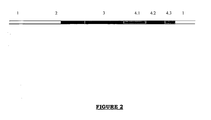
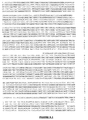
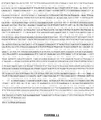
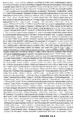
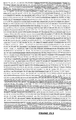
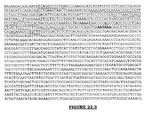
- the human endogenous retroviral sequence (SEQ ID NO: 3) located on the long arm of chromosome 7 corresponds to the HERV-7q sequence; it has 10.5 kb ( Fig. 1 and 2 ) and meets the previously defined criteria.
- the present invention also encompasses the coding and non-coding fragments for all or part of the enverin comprising at least 14 nucleotides and in particular the fragments coding for the C-terminal part of the enverin, or starting from the amino acid 291, or from amino acid 321, starting from the first methionine.
- transcripts belonging to some of the members of this family are mainly expressed in tissues of fetal or placental origin.
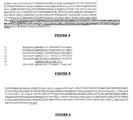
- Polypeptide sequences generated by these transcripts can therefore be potentially produced and biological functions or activities can be envisaged, by analogy with biologically active polypeptides of viral or retroviral origin; for example, CKS-17 peptide motifs ( Haraguchi et al., PNAS, 1995, 92, 5568-5571 ) ( Fig. 5 ) or CKS-25 ( Huang SS and Huang JS, J. Biol. Chem. 1998, 273, 4815-4818 ), which exhibit immunomodulatory functions on host lymphocyte cells.
- the observed sequence differences and possible normal or pathological changes, in particular, are at the origin of a modulation of the function.
- HERV-7q represents the paradigm of the new family of endogenous human retroviral sequences or endogenous retroviral motifs.
- HERV-7q and some of the endogenous retroviral sequences belonging to its family have a pol- like domain similar to retroviral sequences of the pol type, for example the pol region identified in the MSRV retrovirus associated with multiple sclerosis and described by H. Perron et al. (1997, Proc Natl. Acad. Sci. USA, 94, 7583-7588 ; International Application PCT WO 97/06260 ).
- sequences according to the present invention are distinguished from the exogenous infectious retroviral sequences analogous to MSRV previously described in that the gag and env sequences according to the invention are significantly different according to the criteria previously defined and according to certain specific characteristics, for example. example the long open reading frame of the env domain of HERV-7q; they would be able to allow to sign a pathology when they present insertions, deletions, frameshifts or mutations.
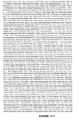
- an env- like sequence from infectious retroviral particles has a significant analogy to the env domain of HERV-7q ( figure 11 ).
- These marked analogies between exogenous and endogenous retroviral sequences could be responsible for triggering or aggravating certain pathological processes, particularly certain autoimmune diseases, such as multiple sclerosis.
- some of the endogenous retroviral sequences described in the invention are located in the vicinity or in regions deemed to have susceptibility to multiple sclerosis: for example HERV-7q and the region 7q21-22 of chromosome 7 , likewise for HE12 and HG12 in HERV-TcR and the region of the gene coding for the alpha and delta chains of the T-cell receptor, HE2 and chromosome 17, or HE3, HE13 and HG3 and chromosome 6, for example, sequences HE11 and HG11, around region 7q 21-22 or else HE4, HE5, HE6, HE9, HE10 or HG10 on the X chromosome. These sequences would therefore be able to provide means for locating or identifying the predisposition genes.
- Human endogenous retroviral sequences belonging to the HERV-7q family can protect against environmental aggressions or be of benefit to the individual. This beneficial effect could be one of the possible reasons for the selection pressure exerted on some of these sequences and the potentially functional nature of the identified deduced protein structures: for example the long open reading frame able to encode for a new protein and corresponding to the domain approx HERV-7q.
- the human endogenous retroviral sequences belonging to the HERV-7q family could be associated, for example, with pathologies related to the processes related to cancer, to neuropathologies with an autoimmune component or to any other pathological process in association or not with endogenous or exogenous viruses or retroviruses. Their action could relate to the declaration, the aggravation, the modification of the calendar of appearance or the protection vis-à-vis the disease.
- retroviral patterns and patterns found in retroviral structures characterized in patients with autoimmune diseases such as multiple sclerosis: for example fragments of domain gag (recently available in the databases) from infectious retroviral particles or the complete pol domain sequence corresponding to the MSRV virus associated with multiple sclerosis.
- These retroviral motifs have significant analogies with the homologous endogenous sequences of the HERV-7q type, which makes it possible to envisage a direct or indirect association with pathological processes, including multiple sclerosis, in association or otherwise with MSRV.
- the present invention further encompasses the use of sequences associated with sequences of the HERV-7q family for the detection and / or prognosis of various autoimmune diseases (neuropathologies, in particular); these sequences encode all or part of a factor whose function, regulation / deregulation or alteration (polyadenylation, alternative splicing) is associated with the normal or pathological expression or with the regulation / deregulation of the motifs belonging to the HERV-7q family and correspond to transcripts or cDNAs of nucleotide sequences coding for genes located in regions flanking or flanking retroviral sequences of the HERV-7q family.
- flanking region is intended to mean any region located in the vicinity (included in or including) of an endogenous retroviral sequence belonging to the HERV-7q family, as defined above, up to and including the immediately contiguous genes and / or situated at a local level. distance can not exceed 120 kb.
- the present invention also includes fragments of the sequence SEQ ID NO: 63, included in the above 24 coding exons and comprising at least 14 nucleotides.
- nucleic region containing HE3, HG3, HI3 and RBP3 is localized at the short arm of chromosome 6, at 6p21, which is a proposed region of susceptibility to multiple sclerosis ( The Multiple Sclerosis Genetic Group, Nature Genet., (1996), 13, 469-472 ).
- HERV-7q sequences The interaction between the HERV-7q sequences and the flanking sequences and the importance of establishing an expression profile including one or more of the aforementioned sequences to establish a differential diagnosis of a neuropathology appears even more that it is observed that the HG12 and HE12 sequences are located in an intron region of the gene encoding the alpha and delta subunits of the T cell receptors.
- T cell receptors are involved in the processes of immune regulation and their influence has been proposed in the case of autoimmune diseases, including multiple sclerosis.
- the subject of the invention is also the transcripts generated from the abovementioned sequences as well as those possibly having modifications with the reference sequences described in the invention when they are expressed in certain patients.
- HERV-7q retroviral protein expression regulation systems which are present in LTR-type motifs, could influence the expression of genes located in the near or far chromosomal neighborhood and induce perturbations of a similar nature. immunological and / or neurological.
- the HERV-TcR endogenous retroviral sequence is in close proximity to the previously described T-cell receptor alpha and delta subunit genes.
- LTR-type motifs could also encode super-genes ( Acha-Orbea and Palmer, 1991, Immunol. Today, 12, 356-361 ).
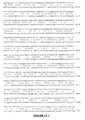
- retroviral proteins of the HERV-7q or related type could be involved in cytotoxicity or supereiministernality phenomena, for example those resulting from the long open reading frame identified in the literature. env domain ( figure 4 ).
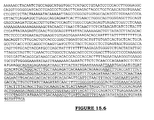
- LTX is described, a sequence comparable to that of an LTR of HERV-7q (SEQ ID NO: 67 and figure 16 ), which is at the heart of an intron greater than 49 kb, but 2 kb from the 5 'donor site, the FMR2 gene associated with X-fragile and encoding a protein of 1311 amino acids ( figure 26 ).
- LTRs modulate alternative splicing ( Kapitonov and Jurka, (1999) J. Mol.
- retroviral motifs from defective regions are capable of presenting biological functions: for example, the p15E envelope protein derived from defective retroviral units, has an anti-inflammatory and immunosuppressive activity ( Snyderman and Ciancolo, 1984, Immunol. Today, 5, 240-244 ).
- motifs of the gag, env and LTR domains may be associated with a particular function or may contribute to the normal or pathological function of the flanking domains as defined above (SEQ ID NO: 62-67). Recombinations with an element of exogenous origin, retroviral or otherwise, may give rise to the production of nucleic or proteinic motifs that could either protect or trigger or promote or aggravate a pathology. Similarly, a retroviral structure containing endogenous retroviral elements according to the invention would be able to cause a pathological process after passing through an exogenous transient cycle and then reintegration in a sensitive or critical region of the human genome.
- motifs belonging to the HERV-7q family, or elements induced by motifs belonging to the HERV-7q family, with origin or exogenously induced motifs would be able to trigger or aggravate a pathological process or, on the contrary, promote partial protection or remission or total and definitive healing.
- HERV-7q-like domains suggests possible applications at the same time for prophylaxis, prognosis and diagnosis: for example immunological or gene amplification approaches making it possible to compare normal individuals used as reference with patients, would be able to promote screening, improve the early detection of the declaration of the disease and / or follow the evolution of a pathology in patients who may have a susceptibility or who have declared the disease or in individuals considered normal, according to current clinical criteria.
- the specific nucleic and immunological probes, as defined, in the present invention are able to promote the identification and detection of patterns abnormally expressed in the context of pathologies associated with cancer, or neuropathologies, in particular autoimmune neuropathies, in the first instance. rank of which multiple sclerosis.
- the subject of the present invention is also hybrid nucleic sequences, characterized in that they comprise sequences or motifs belonging to the family of HERV-7q, or of elements induced by motifs belonging to the family of HERV-7q, with origin or exogenously induced motifs (exogenous retroviral sequences); such hybrid sequences are likely to be able to trigger, or aggravate a disease process or otherwise to promote protection or partial remission or a total cure and definitive.
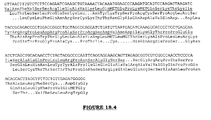
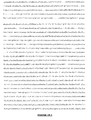
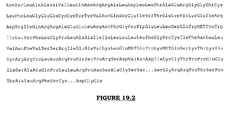
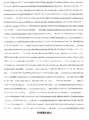
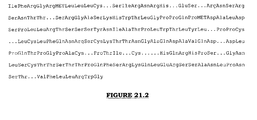
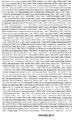
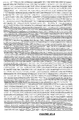
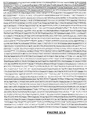
- the present invention also relates to a diagnostic reagent for the differential detection of complete or partial human endogenous nucleic sequences having retroviral motifs, selected from the sequences SEQ ID NO: 1 and / or SEQ ID NO: 2, characterized in that it is selected from the group consisting of the sequences SEQ ID NO: 1-22, 28, 37-57, 59-61 and 121-122, the complementary nucleic and complementary reverse sequences of the preceding sequences, by the fragments nucleotides capable of defining or identifying the sequences SEQ ID NO: 1 and / or SEQ ID NO: 2 and any flanking or overlapping sequence as well as fragments derived from the coding regions of the sequences SEQ ID NO: 1-22 and 61 , corresponding to a sliding frame greater than or equal to 14 nucleotides or their complementary sequences, optionally labeled with an appropriate marker as well as by sequences such as e defined in Figures 18-21 .
- sequences of the nucleic, ribonucleic and oligonucleotide probes used will be chosen from the env and gag regions or their flanking regions: for example the oligonucleotide primers for HERV-7q will be chosen in the regions situated between the nucleotides 3065 and 4390, the nucleotides 6965 and 9550 or nucleotides 2502-2865 of SEQ ID NO: 3, as well as in any adjacent sequence (upstream or downstream) capable of allowing specific amplification ( figure 1 ).
- Suitable markers include radioactive isotopes, enzymes, fluorochromes, chemical markers (biotin), haptens (digoxygenin), and appropriate base antibodies or analogs.
- the human endogenous retroviral sequences according to the invention are thus compared with the nucleic sequences present in the biological sample to be analyzed and allow the detection of homologous sequences of patients with pathologies, which may involve a modification of their genome.
- said gene comparisons are conducted from genomic DNA from control individuals and patients.
- a classical PCR gene amplification will be carried out using 5 '-sens and 3' -antisens primers flanking or comprising the zone to be studied ( env zone or gag zone).
- sequences of the nucleic, ribonucleic and oligonucleotide probes used are chosen in the env and gag regions or their flanking regions: for example the oligonucleotide primers for HERV-7q, will be chosen in the regions situated between the nucleotides 3065 and 4390 and nucleotides 6965 and 9550, as well as in any adjacent sequence (upstream or downstream) capable of allowing specific amplification ( figure 1 ), as specified above.
- They are preferably selected from the group consisting of a fragment of 1505 nt amplified by the pair of primers SEQ ID NO: 37 and SEQ ID NO: 38 (primers G1F and G1R), a fragment of 2529 nt amplified by the pair of primers SEQ ID NO: 45 and SEQ ID NO: 46 (primers E1F and E1R).
- the gene amplification step is in particular carried out using one of the following gene amplification techniques: amplification by Q ⁇ -replicase, PCR, LCR, ERA, CPR or SDA.
- the subject of the present invention is also chimeric sequences, characterized in that they consist of a fragment of 17 to 40 nucleotides of a flanking sequence as defined above associated with an endogenous retroviral motif of the HERV-7q type comprising between 17 and 40 nucleotides, as defined above.
- said transcript or cDNA is selected from the group consisting of the sequences SEQ ID NO: 62-67 and 119 and their fragments corresponding to a sliding frame greater than or equal to 14 nucleotides or their complementary sequences.
- said support further comprises any endogenous or exogenous retroviral sequence.
- the microarray method ( Bowtell, (1999), Nature Genet., 21, 25-32 ), is used to evaluate the modification of the expression of all or part of some of the retroviral sequences of HERV-7q type and flanking sequences. Briefly, DNA from clones, PCR products obtained from genomic DNA, RT-PCR products from transcripts or specific oligonucleotide sequences are deposited on a support, such as a nylon filter. , a glass slide or their equivalent. The deposited nucleic sequences cover the different retroviral domains described above, as well as the contiguous sequences and the flanking genes.
- RNAs are synthesized in 500-600 nucleotide steps with an overlap of 250-300 nucleotides on either side.
- the alternative splicing already identified will be the subject of a specific synthesis.
- the hybridization is carried out using a probe obtained, for example, by retrotransposition of a mixture of RNA originating from cells, tissues or body fluids from well-known normal controls, members of different ethnic populations. , patients with pathologies often associated with retrovirus expression, such as tumor processes, or autoimmune diseases, including multiple sclerosis.
- nucleic acid probe is adequately labeled to allow subsequent detection, such as by fluorescence or an equivalent method.
- bi- or even multicolored probes makes it possible to specify the concerted expression of several genes in parallel, while benefiting from more precise standardization.
- the acquisition of the results is performed automatically, for example by a laser scanning system or its equivalent.
- microarrays Two types of microarrays are designed, on the one hand chips having a complete set of sequences, and on the other hand specific DNA chips for targeting a more specific application.
- a critical sequence in that it contains a difference relating to a deletion or a mutation is detected using specific oligonucleotides ( Wang et al., (1998), Science, 280, 1077-1082 ).
- the polymorphism associated with a base or a mutation is detected using four oligonucleotides having one of the four possibilities of sequence at a base (A, CG or T): for each point difference the 4 oligonucleotides are deposited and the intensities of hybridization are compared.
- alternative splicing is detected using DNA corresponding to a single effective or putative exon: the gene is therefore analyzed exon by exon.
- the DNA microarrays also concern, by extension, any endogenous or exogenous retroviral sequence, such as for example ERV-9, ERV-K, ERV-L, ERV-H, ERV-4, ERV-6, ERV-8, ERV- 10, ERV-15, ERV-16, ERV-17, ERV-18, ERV-21, ERV-24, ERV-33, ERV-34, ERV-36, ERV-40, ERV-42, ERV-MLN, ERV-FRD, ERV-FTD ...), as well as all putative exon sequences (identified by the existence of corresponding tag sequences and corresponding transcripts) or effective, and which are located on both sides up to a distance of 120 kb from the endogenous retroviral sequences of HERV-7q type.
- any endogenous or exogenous retroviral sequence such as for example ERV-9, ERV-K, ERV-L
- the comparative study is conducted between a control sample and the test sample, from a prophylactic, diagnostic or therapeutic perspective, for example: the early detection of a modification of the expression of one of the sequences, in a cell , a tissue or an organism, the identification of a sequence associated with any susceptibility or pathology, the monitoring of the evolution of the pathology, or the follow-up of a treatment and the evaluation of its effectiveness.
- the interest of the method makes it possible, in a more general way, to make an assessment of the variations observed in an individual, which constitutes in a way an identity card, which facilitates an approach epidemiological study to establish new correlations between a particular profile observed and a pathology, apart from any a priori concerning this pathology.
- said reagents B are selected from the group consisting of the sequences SEQ ID NOs: 62-67 and 119 and their fragments corresponding to a sliding framework greater than or equal to 14 nucleotides or their complementary sequences, as well as the sequences represented at Figures 13-17 , 22-26 .
- the present invention also relates to translation products, characterized in that they are encoded by a nucleotide sequence as defined above.
- the present invention also relates to a peptide, characterized in that it is capable of being expressed using a nucleotide sequence selected from the group consisting of the sequences SEQ ID NO: 1-22, 28 and 61 , as defined above, according to the combinations offered by the use of different possible reading frames (see also Figures 18-21 ).
- Said peptide also includes peptides or derived polypeptides comprising between 5 and 540 amino acids (SEQ ID NO: 23-36 and SEQ ID NO: 58 and their fragments of at least 5 amino acids) and in particular a fragment of 538 amino acids, starting at first methionine of the sequence SEQ ID NO: 26 (envery).
- said peptides are especially selected from the sequences SEQ ID NO: 23-36, 58, in particular the sequence SEQ ID NO: 26 and its C-terminal fragments, or from the amino acid 291 or from amino acid 321, starting from the first methionine.
- said peptides are obtained from the nucleic sequences as defined above, in which at least one nonsense codon can be replaced by a codon coding for one of the following amino acids: Phe (F), Leu (L), Ser (S), Tyr (Y), Cys (C), Trp (W), Gln (Q), Arg (R), Lys (K), Glu (E) or Gly (BOY WUT).
- the invention thus encompasses the deduced peptides or the deduced proteins corresponding to all or part of the nucleic sequences described in the invention, and possibly having modifications with the reference sequences described in the invention, when they are expressed in certain patients. .
- the invention encompasses the complete or partial sequences obtained according to the 3 sense reading frames and the 3 reverse and complementary reading frames. (see Figures 18-21 )
- This Table I gives an estimate of the dissociation half-life of a peptide of enverin with a HLA class I allele (the Parker: J. Immunol, (1994), 152, 163-175 ).
- the location indicates the position of the first amino acid of the peptides tested in the sequence of the envery.
- the one-letter code is used for the amino acid sequence. Scores around 500 or above 500 were retained.
- This Table I shows that certain molecules of the major type I histocompatibility complex are capable of binding peptides derived from the envery, thus assimilated to peptides of viral or tumor origin, at the level of the endoplasmic reticulum. Complexes formed at the level of the endoplasmic reticulum are then transported to the cell surface, resulting in the destruction of the target cell by cytotoxic T lymphocytes.
- the peptides identified generally comprise 8 to 10 amino acids.
- Studies have shown that certain alleles of the HLA class I system are thus associated with certain pathologies, in particular of auto-immune nature, such as HLA-B27 with ankylosing spondylitis or HLA-B51 with Behçet's disease.
- a peptide capable of binding a particular class I molecule is therefore able to function as a T cell epitope.
- the present invention also includes enverin fragments 399-471 and 244-271 which advantageously combine several high affinity epitopes for different HLA class I haplotypes.
- the use of all or part of these polypeptides is therefore able to promote an increase in the repertoire of T-cells, allowing a better efficiency of the immune response in the context of different immunotherapeutic, prophylactic or vaccine strategies).
- These peptides may be advantageously delivered for example by the use of viral vectors, viral or synthetic particles, lipopeptides, conventional adjuvants, nucleic acids that are naked or adsorbed on particles, or liposomes.
- the peptides may be chemically or biochemically modified; some of the amino acids can be replaced by an analogous amino acid, according to the standard criteria of homologies (A or G; S or T; I, L or V; F, Y or W; N or Q; D or E).
- the subject of the present invention is also immunogenic or vaccine compositions, for the protection against autoimmune diseases, in particular in subjects at risk, characterized in that it comprises at least one peptide comprising at least one CKS type motif and or at least one peptide consisting of a unit having an affinity with one of the class I or class II HLA haplotypes and a pharmaceutically acceptable carrier.
- said pattern is selected from the group consisting of the peptides as defined in Table I above.
- lymphocyte subgroups for example of cytotoxic lymphocytes, by the peptides of Table I and, by extension, their homologues, is blocked by usual immunotherapy maneuvers such as, for example, serotherapy and vaccination.
- the vaccination concerns the production of antibodies directed against the peptides of Table I, according to the rules of the art and according to the release methods controlled by artificial or cellular implants using a composition as defined above and by use of the gene therapy maneuvers, for example by expression of the nucleic sequences coding for the peptides of Table I. Consequently, the subject of the invention is also immunogenic or vaccine compositions characterized in that they comprise a vector including at least one nucleic sequence encoding a peptide as defined in Table I, optionally associated with a sequence encoding a pattern CKS-17 type.
- Serotherapy concerns the use of neutralizing antibodies produced from the peptides of Table I and their homologs.
- Protein products generated by the endogenous or parallel produced retroviral sequences can advantageously be characterized by micro-methods of analysis and quantification of peptides and proteins: HPLC / FPLC or equivalent, capillary electrophoresis or equivalent, microsequencing techniques (Edman method or equivalent, mass spectrometry ).
- the subject of the invention is also antibodies directed against one or more of the peptides described above and their use either for the implementation of an in vitro detection method , in particular a differential method for the presence of such a sequence. in an individual, either for the preparation of a composition suitable for use in serotherapy in neuropathologies with an autoimmune component.
- Said antibodies are advantageously polyclonal or monoclonal antibodies obtained by an immunological reaction of a human organism, mammals, birds or other species with respect to proteins, as defined above.
- the subject of the present invention is a method for the differential immunological screening of endogenous retroviral sequences of the normal or pathological HERV-7q family, characterized in that it comprises bringing a biological sample into contact with an antibody according to the invention. , the reading of the result being revealed by an appropriate means, in particular EIA, ELISA, RIA, fluorescence.
- such an in vitro diagnostic method comprises contacting a biological sample taken from a patient with antibodies according to the invention and detection using any appropriate method. , particularly with the aid of labeled anti-immunoglobulins, immunological complexes formed between the proteins produced normally or pathologically and the antibodies.
- Monoclonal or polyclonal antibodies produced from antigens corresponding to synthetic peptides, polypeptide or recombinant proteins, make it possible to monitor the expression of peptides or proteins produced normally or pathologically.
- the analysis is preferably carried out by ELISA, or equivalent, Western-blot or equivalent, or by immunohistochemistry.
- the subject of the present invention is also a method for identifying and detecting endogenous retroviral motifs, abnormally expressed in the context of pathologies associated with cancer, or neuropathologies, in particular autoimmune neuropathies, foremost among which is multiple sclerosis, characterized in that it comprises the comparative analysis of the sequences extracted from a biological sample with the sequences according to the invention.
- the subject of the present invention is also the application of the nucleic sequences or protein sequences according to the invention to the diagnosis, prognosis, evaluation of genetic susceptibility, to all human diseases that are induced, innate or acquired, in particular those with constituents. cancerous, autoimmune and / or neurological incidence, such as multiple sclerosis, associated syndromes and neurodegenerative diseases in which all or part of the nucleic sequences according to the invention and endogenous or related exogenous forms.
- the subject of the present invention is also hybrid nucleic sequences, characterized in that they comprise nucleic sequences or motifs according to the invention, combined with sequences or motifs of endogenous or origin origin or exogenously induced.
- the present invention further relates to a recombinant cloning or expression vector, characterized in that it comprises a nucleic sequence according to the invention.
- Therapeutic maneuvers can be envisaged by using some of the nucleic sequences contained in HERV-7q and sequences of the same family or deduced polypeptide structures or by use of peptides or proteins, or specific antibodies.
- all or part of the endogenous retroviral nucleic sequences of the HERV-7q type can be used for vector or therapeutic vector elements, in particular the LTR sequences and the gag region (SEQ ID NO : 2, 21 and 22) ..
- the interest of such sequences resides, in the safety of the vector thus formed, in the possibility of a specific insertion targeted in a well-defined region by a strategy similar to homologous recombination, in cell targeting, possibly transient in the case of placental expression in women.
- Another aspect relates to the possibility of associating with the genes of interest the biologically active retroviral motifs (immunomodulatory peptides, as represented in sequences SEQ ID No. 68-118, hereinafter, fusogenic peptide, etc.).
- the subject of the present invention is also transgenic animals, characterized in that they comprise all or part of a sequence of the HERV-7q type (SEQ ID NO: 1-22 and 61).
- EXAMPLE 1 Detection, by gene amplification, of a nucleic sequence belonging to a gag or env- type domain according to the invention, in a sample of genomic DNA of human origin or mammals.
- Gene amplification is performed from genomic DNA isolated from the blood.
- Anticoagulation treatment is performed with 1 ml of a citrate solution (for one liter: 4.8 g of citric acid, 13.2 g of sodium citrate, 14.7 g of glucose) for 6 ml of blood fresh. After centrifugation of 20 ml of blood for 15 minutes at 13.0000 g, the supernatant is removed and the fraction enriched in white blood cells is transferred into a new tube and then recentrifuged under the same conditions as above.
- the fraction enriched in white blood cells is resuspended in extraction buffer (10 nm Tris-HCl, 0.1 M EDTA, 20 ⁇ g / ml pancreatic RNAse treated to remove DNAses, 0.5% SDS, pH 8.0), then incubated for 1 hour at 37 ° C. Proteinase K is added at a final concentration of 100 ⁇ g / ml. The suspension of the lysed cells is incubated at 50 ° C. for 3 hours with periodic stirring and then treated with an equal volume of phenol equilibrated with 0.5 M Tris-HCl, pH 8.0. The emulsion formed is placed on a wheel for one hour and then centrifuged at 5000 g for 15 minutes at room temperature.
- the aqueous solution is treated deproteinized by phenolic triple extraction to obtain a purification level corresponding to a final absorbance A260 / A280 ratio greater than 1.75.
- the aqueous fraction is precipitated by 0.2 vol. 10 M sodium acetate and 2 vol. ethanol.
- the DNA is then either taken from the end of a curved pasteur pipette or centrifuged at 5000 g for 5 minutes at room temperature.
- the DNA or the DNA pellet is washed twice with 70% ethanol and then taken up in 1 ml of TE pH 8.0 in order to be eluted with gentle stirring for 12 to 24 hours.
- Oligonucleotides specific for the endogenous sequences described according to the invention are chosen to amplify the gag or env region of the endogenous retroviral regions described according to the invention.
- the genomic DNA studied comes from patients with pathologies such as multiple sclerosis and individuals deemed healthy.
- thermostable DNA polymerases used were chosen for their high fidelity during the amplification process, such as Vent r DNA polymerase (Biolabs) or equivalent, and are used according to the conditions recommended by the supplier.
- the amplification strategy uses, depending on the case, a simple PCR, or a nested or semi-nested PCR.
- PCR is performed from 50 to 200 ng of genomic DNA.
- the PCR conditions are those recommended by the supplier.
- the cyclic amplification conditions are carried out in 50 ⁇ l: a denaturation of 94 ° C. for 1 min., A hybridization of 70 ° C. for 1 min., And an elongation at 72 ° C. for 1 to 2 min. amplified fragments. After 35 cycles, a terminal reaction is conducted at 72 ° C for 10 min. Automatic sequencing of amplified samples is performed using an Applied Biosystems Sequencer ABI 377 or other model comparable, according to the protocols provided by the manufacturer.
- Two independent amplifications are made from the same sample.
- a control reaction is performed by replacing the DNA sample with water to detect potential contaminants.
- EXAMPLE 2 Detection by gene amplification of a nucleic acid sequence according to the invention in a biological sample of genomic DNA taken from patients with a declared candidate pathology or the suspicion of this pathology.
- the amplification protocol is the same as in Example 1, apart from the origin of the sample which comes from patients with a candidate pathology.
- a genomic DNA sample deemed normal is systematically integrated into all the pathological samples amplified and analyzed.
- Hybridization is carried out with a specific probe corresponding to the amplified PCR fragments either by the G1F-G1R couples or by the E1F-E1R pair.
- the probe is labeled by incorporation of dUTP-digoxigenin according to the protocol of the supplier (Boehringer Mannheim).
- Hybridization is performed in hybridization buffer (5XSSC, 50% formamide, 0.1% lauroyl-sarcosine, 0.02% SDS, 2% Boehringer blocking reagent) overnight at 42 ° C. The Southern is washed twice 5 min.
- SSCP analysis (“ single strand conformation polymorphism ”) makes it possible to detect discrete modifications of the fragment sequence amplified by PCR.
- the PCR is conducted in the presence of dCTP labeled with P 32 .
- the sample to be analyzed is denatured at 95 ° C for 10 min., In the presence of loading buffer, and immediately loaded onto a 10% polyacrylamide gel containing 7.5% glycerol. The migration takes place at 4 ° C to 8-10 W. The gel is dried and then self-radiographed.
- PCR fragments likely to have an alteration of their nucleotide sequence are sequenced according to Example 1.
- Hybridization using a specific oligonucleotide (17 mers to 20 mers) corresponding to the modified nucleotide region makes it possible to identify the samples having an identical modification (ASO method). Briefly southern is hybridized with an oligonucleotide labeled distally either with P 32 or in the presence of digoxygenin (according to the protocol of Boehringer Mannheim) and then washed under stringent conditions at 65% C in a solution 6XSSC, 0.05% sodium pyrophosphate.
- SEQ ID NO: 22 Different peptides corresponding to all or part of the SEQ ID NO: 22 (see SEQ ID NO: 23-27 and 35) were synthesized by genetic engineering in order to test their antigen specificity against sera or tissue of patients with MS, for example. Briefly, all or part of the env region of HERV-7q is subcloned into the pQE30, 31 and 32 vectors.
- the pQE30, 31 and 32 vectors contain in 5 'of the cloning multi-site the consensual sequences for the transcription (the strong promoter of bacteriophage T5, 2 operators of the lactose operon), translation (a synthetic ribosomal binding site).
- pQE30, 31 and 32 possess in 3 ', the transcription terminator of phage 1 as well as a stop codon for translation.
- the expression of the protein is carried out after transformation in E. coli M15.
- Plasmid pQE30, 31 and 32 possess, upstream of the polycloning site, the coding sequence for a sequence of 6 histidines having an affinity for nickel ions. This sequence allows the purification of the expressed chimeric protein, by adsorption on a resin consisting of a chelating ligand, nitrilotriacetic acid (NTA), loaded with 4 nickel ions (NI-NTA resin, Qiagen).
- NTA nitrilotriacetic acid
- the transformation is carried out by electroporation or calcium chloride treatment.
- an E. coli M15 colony is incubated in 100 ml of LB medium containing 250 ⁇ g of kanamycin, with stirring at 37 ° C. until an OD 600 of 0.5 is obtained. After centrifugation for 5 minutes at 2000 g at 4 ° C., the bacterial pellet is taken up in 30 ml of TFB1 solution (100 mM of rubinium chloride, 50 mM of manganese chloride, 30 mM of potassium acetate, 10 mM CaCl 2 15% glycerol, pH 5.8) at 4 ° C for 90 minutes.
- TFB1 solution 100 mM of rubinium chloride, 50 mM of manganese chloride, 30 mM of potassium acetate, 10 mM CaCl 2 15% glycerol, pH 5.8 at 4 ° C for 90 minutes.
- the bacterial pellet is taken up in 4 ml of TFB2 solution (10 mM rubidium chloride, 10 mM MOPS, 75 mM CaCl 2, 15% glycerol, pH 8).
- the cells can be stored at -70 ° C in a 500 ml aliquot. 20 ⁇ l of the ligation and 125 ⁇ l of competent cells are mixed and placed in ice 20 minutes. After a heat shock of 42 ° C. for 90 seconds, the cells are shaken for 90 minutes at 37 ° C. in 500 ml of Psi-broth medium (LB medium supplemented with 4 mM MgSO 4 , 10 mM potassium chloride). The transformed cells are plated on LB-agar plates supplemented with 25 ⁇ g / ml of kanamycin and 100 ⁇ g / ml of ampicillin, and the dishes are incubated overnight at 37 ° C.
- Psi-broth medium LB medium supplemented with 4 mM MgSO
- Potentially recombinant clones are transplanted in an orderly fashion onto a nylon filter deposited on an LB-agar complemented with ⁇ g / ml of kanamycin and 100 ⁇ g / ml of ampicillin. After overnight at 37 ° C., the recombinant clones are identified by hybridization of the plasmid DNA with the amplified nucleotide probe by PCR with the pair of primers according to SEQ ID NO: 45 and SEQ ID NO: 46.
- An independent colony, containing the insert, is inoculated with 20 ml of LB medium supplemented with 25 ⁇ g / ml of kanamycin and 100 ⁇ g / ml of ampicillin. After stirring overnight at 37 ° C., 500 ml of the same medium are incubated at 1/50 ° with this preculture until a D0 600 of 0.8 is obtained, followed by 1 to 2 mM final of IPTG. is added. After 5 hours, the cells are centrifuged for 20 minutes at 4000 g.
- Part of the cell pellet is taken up in 5 ml of sonication buffer (50 mM sodium phosphate pH 7.8, 300 mM NaCl) and placed in ice. After a rapid sonication, the cells are centrifuged for 20 minutes at 10,000 g. Part of the cell pellet is taken up in 10 ml of a 30 mM Tris / HCl-20% sucrose pH8 solution. The cells are incubated for 5 to 10 minutes with stirring, after addition of 1 mM EDTA. After centrifugation for 10 minutes at 8000 g at 4 ° C., the pellet is taken up in 10 ml of 5 mM ice-cold MgSO 4. After stirring for 10 minutes, the cells are centrifuged for 10 minutes at 8000 g at 4 ° C.
- sonication buffer 50 mM sodium phosphate pH 7.8, 300 mM NaCl
- the pellet is taken up in 5 ml / g in buffer A (6 M GuHCl (guanidine hydrochloride), 0.1 M sodium phosphate, 0.01 M Tris / HCl, pH 8), 1 hour at room temperature.
- the lysate is centrifuged for 15 minutes at 10,000 g at 4 ° C., and the supernatant is supplemented with 8 ml of Ni-NTA resin, pre-equilibrated in buffer A. After 45 minutes at room temperature, the resin is poured into a column, washed 10 times the volume of the column with buffer A and then 5 times the volume of the column with buffer B (8 M urea, 0.1 M sodium phosphate, 0.01 M Tris / HCl, pH 8).
- the column is washed with buffer C (8 M urea, 0.1 M sodium phosphate, 0.01 M Tris / HCl, pH 6.3) until the A280 is less than 0.01.
- the recombinant protein is eluted with 10 to 20 ml of buffer D (8 M urea, 0.1 M sodium phosphate, 0.01 M Tris / HCl, pH 5.9) and then 10 to 20 ml of buffer E (8 M urea, 0.1 M sodium phosphate, 0.01 M Tris / HCl, pH 4.5), then with 20 ml of buffer F (6 M HCl, 0.2 M acetic acid).
- the purified fraction (s) containing the chimeric protein made it possible to obtain antibodies in rabbits.
- the antibodies obtained are tested by Western-blot after revelation with a secondary antibody coupled with alkaline phosphatase.
- Antibodies are obtained in the same manner from peptides synthesized chemically according to the Merrifield technique ( G. Barany and B. Merrifield, 1980, in The Peptides, 2, 1-284, E. Gross and J. Meienhofer, Academic Press, New York ).
- the specific antibodies obtained are used for the purpose of detecting the serum or tissue expression of all or part of the endogenous retroviral sequences according to the invention, in normal and pathological cases.
- the proteins of serum or tissue origin are separated on SDS-acrylamide gel and then transferred to a nitrocellulose filter using a Novablot 2117-2250 (LKB) apparatus.
- the blot is performed on a Hybond C-extra sheet (Amersham) using 100 mM CAPS buffer pH 11, methanol, water (V / V / V: 1/1/8) containing 1 mM CaCl 2 .
- V / V / V: 1/1/8 containing 1 mM CaCl 2 .
- the sheet is saturated for one hour at room temperature in PBS-0.5% gelatin.
- the sheet is placed in the presence of the specific antibody at a concentration of 1/1000 in PBS-0.25% gelatin.
- the filter is washed 3 times 15 minutes in PBS-0.1% Tween-20, then the filter is incubated for 30 minutes in the presence of a secondary antibody coupled to alkaline phosphatase (Promega), diluted 1/7500 in PBS-0.25% gelatin. After washing three times in PBS-0.1% Tween-20, the filter is equilibrated in a buffer (100 mM Tris-HCl pH 9.5, 100 mM NaCl, 5 mM MgCl 2 ). The development is carried out in the presence of 45 ⁇ l of 75 mg / ml NBT and 35 ⁇ l of 50 mg / ml BCIP per 10 ml of alkaline phosphatase buffer.
- a buffer 100 mM Tris-HCl pH 9.5, 100 mM NaCl, 5 mM MgCl 2 .
- the chimeric proteins obtained by genetic engineering are also used for the purpose of biological activity tests, as for example for the biological activity test of the CKS-17 peptide identified in the env domain of HERV-7q ( figure 5 ).
- PCR fragments obtained are subcloned into the plasmid PGEM 4Z (Promega) which has, on either side of its polycloning site, the promoter sequences for the SP6 and T7 RNA polymerases.
- the skill method used is electroporation.
- the plasmid and the PCR fragment are hybridized in a ratio of 50 ng of vector (cut to Sma I) per 100 ng of PCR fragment (made blunt by treatment with the Klenow fragment of the DNA polymerase).
- the incubation is carried out overnight at 22 ° C in the ligation buffer (66 mM Tris-HCl pH 7.5, 5 mM MgCl 2, 1 mM dithioerythritol, 1 mM ATP) in the presence of 1 ⁇ M.
- T4 DNA ligase is then stopped by denaturation for 10 minutes at 65 ° C.
- the strain of E. Coli JM 105 is seeded overnight at 37 ° C in LB medium.
- This preculture is diluted to 1/500 and placed at 37 ° C until an OD 600 equal to 1.
- the cells will always be kept cold.
- the cell pellet is resuspended in 1/4 vol. ultra-pure ice water. This step is repeated 5 to 6 times.
- the pellet is resuspended in 1/4000 vol. water; 10% of sterile glycerol are added allowing the storage of the electrocompetent cells, in aliquots of 10 ⁇ l at 20 ° C.
- the potentially recombinant white clones are subcultured in an orderly manner on an LB / ampicillin box and in parallel on a nylon filter deposited on an LB / ampicillin box. These two dishes are incubated overnight at 37 ° C.
- the recombinant clones are then identified by hybridization with a PCR amplified nucleic acid probe with the pair of primers according to SEQ ID NO: 45 and SEQ ID NO: 46 and labeled with digoxygenine.
- the recombinant clones are cultured in 50 ml of LB / ampicillin medium (100 ⁇ g / ml) with stirring overnight at 37 ° C. After centrifugation at 3500 g for 15 minutes at 4 ° C., the bacterial pellet is taken up in 4 ml of buffer P1 (50 mM Tris-HCl, 10 mM EDTA, 400 ⁇ g / ml RNase A, pH 8) and 4 ml of buffer P2 ( 200 mM NaOH, 1% SDS). The mixture is incubated at room temperature for 5 minutes.
- buffer P1 50 mM Tris-HCl, 10 mM EDTA, 400 ⁇ g / ml RNase A, pH 8
- buffer P2 200 mM NaOH, 1% SDS
- the ribonucleic probes are used as specific probes, in particular for the detection of transcripts expressed by the endogenous retroviral sequences according to the invention.
- EXAMPLE 6 Construction of a transgenic mouse containing all or part of the enveryin gene.
- a transgenic mouse containing all or part of the HERV-7q sequence (SEQ ID NO: 3) is constructed in order to identify the sequences responsible for the tissue specificity, and to evaluate the role of all or part of the HERV-type endogenous retroviral motifs. -7q, in particular all or part of the peptidic motifs of the envery.
- the microinjection technique used refers to the classical technique ( Hogan et al., (1994), Manipulating the Mouse Embryo, Cold Spring Harbor, Cold Spring Harbor Laboratory Press ) or its equivalents.
Landscapes
- Health & Medical Sciences (AREA)
- Life Sciences & Earth Sciences (AREA)
- Chemical & Material Sciences (AREA)
- Organic Chemistry (AREA)
- Immunology (AREA)
- Engineering & Computer Science (AREA)
- General Health & Medical Sciences (AREA)
- Molecular Biology (AREA)
- Virology (AREA)
- Medicinal Chemistry (AREA)
- Biochemistry (AREA)
- Proteomics, Peptides & Aminoacids (AREA)
- Zoology (AREA)
- Genetics & Genomics (AREA)
- Hematology (AREA)
- Bioinformatics & Cheminformatics (AREA)
- Biophysics (AREA)
- Biomedical Technology (AREA)
- Biotechnology (AREA)
- Microbiology (AREA)
- Urology & Nephrology (AREA)
- Physics & Mathematics (AREA)
- Analytical Chemistry (AREA)
- Gastroenterology & Hepatology (AREA)
- Wood Science & Technology (AREA)
- Pharmacology & Pharmacy (AREA)
- Veterinary Medicine (AREA)
- Animal Behavior & Ethology (AREA)
- Public Health (AREA)
- Nuclear Medicine, Radiotherapy & Molecular Imaging (AREA)
- General Chemical & Material Sciences (AREA)
- Chemical Kinetics & Catalysis (AREA)
- Cell Biology (AREA)
- Neurology (AREA)
- Pathology (AREA)
- Rehabilitation Therapy (AREA)
- Rheumatology (AREA)
- Toxicology (AREA)
- Food Science & Technology (AREA)
- General Physics & Mathematics (AREA)
Applications Claiming Priority (2)
| Application Number | Priority Date | Filing Date | Title |
|---|---|---|---|
| FR9807920A FR2780069B1 (fr) | 1998-06-23 | 1998-06-23 | Famille de sequences nucleiques et de sequences proteiques deduites presentant des motifs retroviraux endogenes humains et leurs applications |
| EP99926538A EP1090122B1 (fr) | 1998-06-23 | 1999-06-23 | Famille de sequences nucleiques et de sequences proteiques deduites presentant des motifs retroviraux endogenes humains, et leurs applications |
Related Parent Applications (1)
| Application Number | Title | Priority Date | Filing Date |
|---|---|---|---|
| EP99926538A Division EP1090122B1 (fr) | 1998-06-23 | 1999-06-23 | Famille de sequences nucleiques et de sequences proteiques deduites presentant des motifs retroviraux endogenes humains, et leurs applications |
Publications (1)
| Publication Number | Publication Date |
|---|---|
| EP1997895A1 true EP1997895A1 (fr) | 2008-12-03 |
Family
ID=9527737
Family Applications (2)
| Application Number | Title | Priority Date | Filing Date |
|---|---|---|---|
| EP08010138A Withdrawn EP1997895A1 (fr) | 1998-06-23 | 1999-06-23 | Famille de séquences nucléiques et de séquences protéiques déduites presentant des motifs rétroviraux endogènes humains, et leurs applications |
| EP99926538A Expired - Lifetime EP1090122B1 (fr) | 1998-06-23 | 1999-06-23 | Famille de sequences nucleiques et de sequences proteiques deduites presentant des motifs retroviraux endogenes humains, et leurs applications |
Family Applications After (1)
| Application Number | Title | Priority Date | Filing Date |
|---|---|---|---|
| EP99926538A Expired - Lifetime EP1090122B1 (fr) | 1998-06-23 | 1999-06-23 | Famille de sequences nucleiques et de sequences proteiques deduites presentant des motifs retroviraux endogenes humains, et leurs applications |
Country Status (8)
| Country | Link |
|---|---|
| US (3) | US6919438B1 (enExample) |
| EP (2) | EP1997895A1 (enExample) |
| JP (1) | JP2002518051A (enExample) |
| AU (1) | AU4375199A (enExample) |
| CA (1) | CA2331923C (enExample) |
| DE (1) | DE69939114D1 (enExample) |
| FR (1) | FR2780069B1 (enExample) |
| WO (1) | WO1999067395A1 (enExample) |
Cited By (1)
| Publication number | Priority date | Publication date | Assignee | Title |
|---|---|---|---|---|
| WO2019043127A1 (en) * | 2017-09-01 | 2019-03-07 | Inprother Aps | VACCINE FOR USE IN PROPHYLAXIS AND / OR TREATMENT OF DISEASE |
Families Citing this family (17)
| Publication number | Priority date | Publication date | Assignee | Title |
|---|---|---|---|---|
| EP2206785A1 (en) | 1998-12-31 | 2010-07-14 | Novartis Vaccines and Diagnostics, Inc. | Improved expression of HIV polypeptides and production of virus-like particles |
| JP2003523721A (ja) | 1998-12-31 | 2003-08-12 | カイロン コーポレイション | 抗原性hivc型ポリペプチドをコードするポリヌクレオチド、ポリペプチド、およびそれらの使用 |
| JP2003512844A (ja) * | 1999-10-28 | 2003-04-08 | ユニヴェルシテ・ドゥ・ジュネーブ | 多発性硬化症関連スーパー抗原 |
| FR2805279B1 (fr) * | 2000-02-23 | 2004-09-24 | Jean Jacques Guilhou | Sequences retrovirales associees a des affections cutanees |
| US20070249808A1 (en) * | 2000-10-30 | 2007-10-25 | Bernard Conrad | Multiple Sclerosis-related superantigen |
| WO2003004620A2 (en) | 2001-07-05 | 2003-01-16 | Chiron, Corporation | Polynucleotides encoding antigenic hiv type c polypeptides, polypeptides and uses thereof |
| US20030170614A1 (en) | 2001-08-31 | 2003-09-11 | Megede Jan Zur | Polynucleotides encoding antigenic HIV type B polypeptides, polypeptides and uses thereof |
| AT411262B (de) | 2001-09-27 | 2003-11-25 | Wolff Klaus Dr | Humanes endogenes retrovirus |
| FR2865403B1 (fr) * | 2004-01-23 | 2009-06-12 | Biomerieux Sa | Composition pour le traitement d'une pathologie associee a la msrv/herv-w |
| WO2005095442A1 (en) * | 2004-03-30 | 2005-10-13 | Institut Gustave Roussy | Polypeptide sequence involved in the modulation of the immunosuppresive effect of viral proteins |
| US8680065B2 (en) * | 2008-09-11 | 2014-03-25 | The United States Of America, As Represented By The Secretary, Department Of Health And Human Services | Oligonucleotides of human endogenous retrovirus 9 (ERV-9) long terminal repeat (LTR) and methods of use |
| JP7344300B2 (ja) | 2018-09-18 | 2023-09-13 | ブイエヌブイ ニューコ インク. | Arcベースのカプシドおよびその使用 |
| JP2022536364A (ja) | 2019-06-13 | 2022-08-15 | ザ ジェネラル ホスピタル コーポレイション | 操作されたヒト内在性ウイルス様粒子および細胞への送達のためのその使用方法 |
| CN110470837B (zh) * | 2019-08-30 | 2022-09-16 | 苏州西山生物技术有限公司 | 利用猴srv病毒gp20蛋白检测猴srv病毒的方法及其试剂盒 |
| US11129892B1 (en) | 2020-05-18 | 2021-09-28 | Vnv Newco Inc. | Vaccine compositions comprising endogenous Gag polypeptides |
| WO2022020800A2 (en) | 2020-07-24 | 2022-01-27 | The General Hospital Corporation | Enhanced virus-like particles and methods of use thereof for delivery to cells |
| US20240325535A1 (en) * | 2021-11-11 | 2024-10-03 | The Trustees Of The University Of Pennsylvania | Compositions and methods comprising car t cells comprising prdm1 and/or nr4a3 knockout |
Citations (2)
| Publication number | Priority date | Publication date | Assignee | Title |
|---|---|---|---|---|
| FR2737500A1 (fr) * | 1995-08-03 | 1997-02-07 | Bio Merieux | Materiel viral et fragments nucleotidiques associes a la sclerose en plaques, a des fins de diagnostic, prophylactiques et therapeutiques |
| WO1998023755A1 (en) * | 1996-11-26 | 1998-06-04 | Bio Merieux | Viral material and nucleotide fragments associated with multiple sclerosis, for diagnostic, prophylactic and therapeutic purposes |
Family Cites Families (5)
| Publication number | Priority date | Publication date | Assignee | Title |
|---|---|---|---|---|
| ES2233936T3 (es) * | 1994-02-04 | 2005-06-16 | Bio Merieux | Virus msrv1 asociado a la esclerosis en placas, sus constituyentes nucleicos y sus aplicaciones. |
| US5708157A (en) * | 1996-07-26 | 1998-01-13 | Genetics Institute, Inc. | Secreted proteins and polynucleotides encoding them |
| US6312921B1 (en) * | 1996-07-26 | 2001-11-06 | Genetics Institute, Inc. | Secreted proteins and polynucleotides encoding them |
| FR2765588A1 (fr) * | 1997-07-07 | 1999-01-08 | Bio Merieux | Materiel nucleique retroviral et fragments nucleotidiques notamment associes a la sclerose en plaques et/ou la polyarthrite rhumatoide, a des fins de diagnostic, prophylactiques et therapeutiques |
| ATE346153T1 (de) * | 1997-07-07 | 2006-12-15 | Bio Merieux | Endogene retrovirale sequenzen, verwandten mit auto-immune krankheiten oder mit schwangerschaftsstörungen |
-
1998
- 1998-06-23 FR FR9807920A patent/FR2780069B1/fr not_active Expired - Lifetime
-
1999
- 1999-06-23 AU AU43751/99A patent/AU4375199A/en not_active Abandoned
- 1999-06-23 EP EP08010138A patent/EP1997895A1/fr not_active Withdrawn
- 1999-06-23 WO PCT/FR1999/001513 patent/WO1999067395A1/fr not_active Ceased
- 1999-06-23 EP EP99926538A patent/EP1090122B1/fr not_active Expired - Lifetime
- 1999-06-23 DE DE69939114T patent/DE69939114D1/de not_active Expired - Lifetime
- 1999-06-23 US US09/719,554 patent/US6919438B1/en not_active Expired - Lifetime
- 1999-06-23 JP JP2000556036A patent/JP2002518051A/ja active Pending
- 1999-06-23 CA CA2331923A patent/CA2331923C/fr not_active Expired - Lifetime
-
2005
- 2005-01-05 US US11/028,539 patent/US7534439B2/en not_active Expired - Fee Related
-
2008
- 2008-12-17 US US12/336,813 patent/US20090263783A1/en not_active Abandoned
Patent Citations (3)
| Publication number | Priority date | Publication date | Assignee | Title |
|---|---|---|---|---|
| FR2737500A1 (fr) * | 1995-08-03 | 1997-02-07 | Bio Merieux | Materiel viral et fragments nucleotidiques associes a la sclerose en plaques, a des fins de diagnostic, prophylactiques et therapeutiques |
| WO1997006260A1 (fr) | 1995-08-03 | 1997-02-20 | Bio Merieux | Materiel viral et fragments nucleotidiques associes a la sclerose en plaques, a des fins de diagnostic, prophylactiques et therapeutiques |
| WO1998023755A1 (en) * | 1996-11-26 | 1998-06-04 | Bio Merieux | Viral material and nucleotide fragments associated with multiple sclerosis, for diagnostic, prophylactic and therapeutic purposes |
Non-Patent Citations (70)
| Title |
|---|
| "Current Protocols in Molecular Biology", GREEN PUBLISHING ASSOCIATES AND WILEY INTERSCIENCE |
| "Molecular Cloning: a laboratory manual.", COLD SPRING HARBOR LABORATORY PRESS |
| "Proteome research: New frontiers in functional genomics", SPRINGER |
| "The Practical Approach series.", IRL PRESS AND OXFORD UNIVERSITY PRESS |
| A.M. KRIEG ET AL., FASEB J., vol. 6, 1992, pages 2537 - 2544 |
| ACHA-ORBEA; PALMER, IMMUNOL. TODAY, vol. 12, 1991, pages 356 - 361 |
| AKOPOV; COLL., FEBS LETT., vol. 421, 1998, pages 229 - 233 |
| ALLIEL PM ET AL: "Rétrovirus endogènes et sclérose en plaques. II. HERV-7q", COMPTES RENDUS DES SEANCES DE L'ACADEMIE DES SCIENCES SERIE III: SCIENCES DE LA VIE., vol. 321, no. 10, October 1998 (1998-10-01), MONTREUIL FR, pages 857 - 863, XP002101381 * |
| ALLIEL PM ET AL: "Séquences rétrovirales endogènes anlogues à celle du nouveau rétrovirus MSRV associé à la sclérose en plaques ( première partie)", COMPTES RENDUS DES SEANCES DE L'ACADEMIE DES SCIENCES SERIE III: SCIENCES DE LA VIE., vol. 321, no. 6, June 1998 (1998-06-01), MONTREUIL FR, pages 495 - 499, XP002101380 * |
| ANTONY JOSEPH M ET AL: "Human endogenous retrovirus glycoprotein-mediated induction of redox reactants causes oligodendrocyte death and demyelination", NATURE NEUROSCIENCE, vol. 7, no. 10, October 2004 (2004-10-01), pages 1088 - 1095, XP002499879, ISSN: 1097-6256 * |
| BENIT L. ET AL.: "Cloning of a new murine endogenous retrovirus MuERV-L, with strong similarity of the human HERV-L element and with a gag coding sequence closely related to the Fvl restriction gene", J. VIROL., vol. 71, pages 5652 - 5657 |
| BENIT, J VIROL., vol. 71, 1997, pages 5652 - 5657 |
| BLOND J L ET AL: "Molecular characterization and placental expresion of HERV-W, a new human endogenous retrovirus family", JOURNAL OF VIROLOGY, THE AMERICAN SOCIETY FOR MICROBIOLOGY, US, vol. 73, no. 2, 1 February 1999 (1999-02-01), pages 1175 - 1185, XP002169297, ISSN: 0022-538X * |
| BOWTELL, NATURE GENET., vol. 21, 1999, pages 25 - 32 |
| COFFIN J.M.: "RNA tumor viruses", 1985, COLD SPRING HARBOR LABORATORY PRESS, article "Endogenous retrovirus." |
| CONRAD B. ET AL.: "A human endogenous retroviral superantigen as candidate autoimmunogene in type 1 diabetes", CELL, vol. 90, 1997, pages 303 - 313 |
| COTTRELL J.S., PEPT. RES., vol. 7, 1997, pages 115 - 124 |
| COVEY S.N.: "Amino acid sequence homology in gag region of reverse transcribing elements and the coat protein gene of cauliflower mosaic virus", NUCLEIC ACIDS RES., vol. 14, 1986, pages 623 - 633 |
| COVEY, NUCLEIC ACIDS RES., vol. 14, 1986, pages 623 - 633 |
| DATABASE EMBL [online] 17 November 1996 (1996-11-17), "Human BAC clone RG083M05 from 7q21-7q22, complete sequence.", XP002118730, retrieved from EBI accession no. EMBL:AC000064 Database accession no. AC000064 * |
| E. GROSS: "J. Meienhofer", ACADEMIC PRESS |
| FLANDERS; COLL, PROG. NEUROBIOL., vol. 54, 1998, pages 71 - 85 |
| G. BARANY; B. MERRIFIELD, THE PEPTIDES, vol. 2, 1980, pages 1 - 284 |
| GOODCHILD; COLL., GENE, vol. 121, 1992, pages 287 - 294 |
| H. FAN: "The retroviridiae", 1994, PLENUM, pages: 313 - 353 |
| H. PERRON ET AL., PROC. NATL ACAD. SCI. USA, vol. 94, 1997, pages 7583 - 7588 |
| HAMMOND; COLL, FEBS LETT., vol. 425, 1998, pages 391 - 395 |
| HARAGUCHI ET AL., PNAS, vol. 92, 1995, pages 5568 - 5571 |
| HERTIG C. ET AL.: "Field and vaccine strains of fowlpox virus carry integrated sequences from the avian retrovirus, reticuloendotheliosis virus.", VIROLOGY, vol. 235, 1997, pages 367 - 376 |
| HOGAN; COLL.: "Manipulating the mouse embryo", 1994, COLD SPRING HARBOR LABORATORY PRESS |
| HOHENADL C. ET AL.: "Biological signifi- cance of human endogenous retroviral sequences", J. ACQUI. IMM. DEF. SYND. HUM. RETROVIR., vol. 13, 1996, pages 5268 - 5273 |
| HUANG ET AL., J. BIOL. CHEM., vol. 272, 1997, pages 27155 - 27159 |
| HUANG S.S; HUANG J.S, J. BIOL. CHEM., vol. 273, 1998, pages 4815 - 4818 |
| KAPITONOV; JURKA, J. MOL. EVOL., vol. 48, 1999, pages 248 - 251 |
| KELLER; MANIATIS, GENES DEV., vol. 5, 1991, pages 868 - 879 |
| KOMURIAN-PRADEL F ET AL: "Molecular cloning and characterization of MSRV-related sequences associated with retrovirus-like particles", VIROLOGY, ACADEMIC PRESS,ORLANDO, US, vol. 260, no. 1, 1 January 1999 (1999-01-01), pages 1 - 9, XP002133738, ISSN: 0042-6822 * |
| KULKOLSKI, MOL. CELL. BIOL., vol. 12, 1992, pages 2331 - 2338 |
| KULKOSKI J.K. ET AL.: "Residues critical for retroviral integrative recombination in a region that is highly conserved among retroviral/retrotransposon integrases and bacterial insertion sequence transposases", MOL. CELL. BIOL., vol. 12, 1992, pages 2331 - 2338 |
| LA MANTIA G. ET AL., N.A.R., vol. 19, no. 7, 1991, pages 1513 - 1520 |
| M. MITANI, PROC. NATL. ACAD. SCI. USA, vol. 84, 1987, pages 237 - 240 |
| MÉNARD; COLL., J. NEUROL. SCI., vol. 154, 1998, pages 209 - 221 |
| MOCK; COLL., GENOMICS, vol. 37, 1996, pages 24 - 28 |
| NAKAGAWA; COLL, ARTHRITIS. RHEUM., vol. 40, 1997, pages 627 - 638 |
| PARKER, J. IMMUNOL, vol. 152, 1994, pages 163 - 175 |
| PATIENCE C ET AL: "Our retroviral heritage", TRENDS IN GENETICS, ELSEVIER SCIENCE PUBLISHERS B.V. AMSTERDAM, NL, vol. 13, no. 3, 1 March 1997 (1997-03-01), pages 116 - 120, XP004054773, ISSN: 0168-9525 * |
| PATIENCE C.; WILKINSON D.A.; WEISS R.A.: "Our retroviral heritage", TRENDS GENET., vol. 13, 1997, pages 116 - 120 |
| PEARSON W.R.: "Using the FASTA program to search protein and DNA sequence databases", METHODS MOL. BIOL., vol. 24, 1994, pages 307 - 331 |
| PERRON H ET AL: "Molecular identification of a novel retrovirus repeatedly isolated from patients with multiple sclerosis", PROCEEDINGS OF THE NATIONAL ACADEMY OF SCIENCES OF USA, NATIONAL ACADEMY OF SCIENCE, WASHINGTON, DC.; US, vol. 14, no. 94, 8 July 1997 (1997-07-08), pages 7538 - 7588, XP002059256, ISSN: 0027-8424 * |
| PERRON H. ET AL.: "Molecular identification of a novel retrovirus repeatedly isolated from patients with multiple sclerosis", PROC. NATL. ACAD. SCI. USA, vol. 94, 1997, pages 7583 - 7588 |
| PERRON HERVE ET AL: "Human endogenous retrovirus (HERV)-W ENV and GAG proteins: physiological expression in human brain and pathophysiological modulation in multiple sclerosis lesions", JOURNAL OF NEUROVIROLOGY, BASINGSTOKE, GB, vol. 11, no. 1, 1 February 2005 (2005-02-01), pages 23 - 33, XP009089229, ISSN: 1355-0284 * |
| R.H. SYMONS, TRENDS BIOCHEM. SCI., vol. 14, 1989, pages 445 - 450 |
| RAMMENSEE, IMMUNOGENETICS, vol. 41, 1995, pages 178 - 228 |
| RASMUSSEN H B ET AL: "POSSIBLE INVOLVEMENT OF ENDOGENOUS RETROVIRUSES IN THE DEVELOPMENT OF AUTOIMMUNE DISORDERS, ESPECIALLY MULTIPLE SCLEROSIS", ACTA NEUROLOGICA SCANDINAVICA, MUNKSGAARD, COPENHAGEN, DK, vol. 169, 1 January 1997 (1997-01-01), pages 32 - 37, XP002930427, ISSN: 0001-6314 * |
| REUBER; COLL, NATURE GENET., vol. 17, 1997, pages 445 - 448 |
| S.K. CHATTOPADHYAY, NATURE, vol. 295, 1982, pages 25 - 31 |
| SNYDERMAN; CIANCOLO, IMMUNOL. TODAY, vol. 5, 1984, pages 240 - 244 |
| T.R. CECH, SCIENCE, vol. 236, 1987, pages 1532 - 1539 |
| TANG; COLL, NAT. MED., vol. 4, 1998, pages 802 - 807 |
| THE MULTIPLE SCLEROSIS GENETIC GROUP, NATURE GENET., vol. 13, 1996, pages 469 - 472 |
| TÔNJES R.R. ET AL., AIDS & HUM. RETROVIROL., vol. 13, 1996, pages 261 - 5267 |
| TÔNJES R.R. ET AL., J. AIDS AND HUM. RETROVIROL, vol. 13, 1996, pages S261 - S267 |
| VITELLI R. ET AL.: "Molecular cloning and expression analysis of the human Rab7 GTP-ase complementary deoxyribonucleic acid.", BIOCHEM. BIOPHYS. RES. COMMUN., vol. 229, 1996, pages 887 - 890 |
| VOISSET CECILE ET AL: "Chromosomal distribution and coding capacity of the human endogenous retrovirus HERV-W family", AIDS RESEARCH AND HUMAN RETROVIRUSES, MARY ANN LIEBERT, US, vol. 16, no. 8, 20 May 2000 (2000-05-20), pages 731 - 740, XP000925926, ISSN: 0889-2229 * |
| WANG; COLL., SCIENCE, vol. 280, 1998, pages 1077 - 1082 |
| WEBER L.T. ET AL.: "Molecular modeling of the HIV-1 protease and its substrate binding site", SCIENCE, vol. 243, 1989, pages 928 - 931 |
| WEBER, SCIENCE, vol. 243, 1988, pages 928 - 931 |
| WEIS S ET AL: "Reduced expression of human endogenous retrovirus (HERV)-W GAG protein in the cingulate gyrus and hippocampus in schizophrenia, bipolar disorder, and depression", JOURNAL OF NEURAL TRANSMISSION ; BASIC NEUROSCIENCES, GENETICS AND IMMUNOLOGY, PARKINSON'S DISEASE AND ALLIED CONDITIONS, ALZHEIMER'S DISEASE AND ADOLESCENT PSYCHIATRY RELATED DISORDERS, BIOLOGICAL PSYCHIATRY, BIOLOGICAL CHILD AND ADOLESCENT PSYCHIAT, vol. 114, no. 5, 15 January 2007 (2007-01-15), pages 645 - 655, XP019519317, ISSN: 1435-1463 * |
| WILKINSON D.; MAGER D.L.; LEONG J.A.C.: "The Retroviridae", vol. 3, 1994, PLENUM PRESS, article "Endogenous human retroviruses", pages: 465 - 535 |
| XIONG Y.; EICKBUSH, T.: "Origin and evolution of retroelements based upon their reverse transcriptase sequences", EMBO J., vol. 9, 1990, pages 3353 - 3362 |
| XIONG; EICKBUSH, EMBO J., vol. 9, 1990, pages 3353 - 3362 |
Cited By (11)
| Publication number | Priority date | Publication date | Assignee | Title |
|---|---|---|---|---|
| WO2019043127A1 (en) * | 2017-09-01 | 2019-03-07 | Inprother Aps | VACCINE FOR USE IN PROPHYLAXIS AND / OR TREATMENT OF DISEASE |
| WO2020043908A1 (en) * | 2017-09-01 | 2020-03-05 | Inprother Aps | A vaccine for use in the prophylaxis and/or treatment of a disease |
| CN111630060A (zh) * | 2017-09-01 | 2020-09-04 | 盈珀治疗有限公司 | 用于在疾病的预防和/或治疗中使用的疫苗 |
| US11351247B2 (en) | 2017-09-01 | 2022-06-07 | Inprother Aps | Vaccine for use in the prophylaxis and/or treatment of a disease |
| AU2018322831B2 (en) * | 2017-09-01 | 2023-04-27 | Inprother Aps | A vaccine for use in the prophylaxis and/or treatment of a disease |
| CN111630060B (zh) * | 2017-09-01 | 2024-01-23 | 盈珀治疗有限公司 | 用于在疾病的预防和/或治疗中使用的疫苗 |
| US11883487B2 (en) | 2017-09-01 | 2024-01-30 | Inprother Aps | Vaccine for use in the prophylaxis and/or treatment of a disease |
| US12023377B2 (en) | 2017-09-01 | 2024-07-02 | Inprother Aps | Vaccine for use in the prophylaxis and/or treatment of a disease |
| EP4450516A3 (en) * | 2017-09-01 | 2025-01-22 | InProTher ApS | A vaccine for use in the prophylaxis and/or treatment of a disease |
| US12263214B2 (en) | 2017-09-01 | 2025-04-01 | Inprother Aps | Vaccine for use in the prophylaxis and/or treatment of a disease |
| US12390522B2 (en) | 2017-09-01 | 2025-08-19 | Inprother Aps | Nucleic acids encoding human endogenous retrovirus K (HERV-k) envelope proteins containing modified immunosuppressive domains (ISD) and uses thereof |
Also Published As
| Publication number | Publication date |
|---|---|
| DE69939114D1 (de) | 2008-08-28 |
| JP2002518051A (ja) | 2002-06-25 |
| CA2331923C (fr) | 2014-02-18 |
| CA2331923A1 (fr) | 1999-12-29 |
| FR2780069A1 (fr) | 1999-12-24 |
| WO1999067395A1 (fr) | 1999-12-29 |
| EP1090122B1 (fr) | 2008-07-16 |
| US20090263783A1 (en) | 2009-10-22 |
| US20050118573A1 (en) | 2005-06-02 |
| US7534439B2 (en) | 2009-05-19 |
| AU4375199A (en) | 2000-01-10 |
| FR2780069B1 (fr) | 2002-06-28 |
| EP1090122A1 (fr) | 2001-04-11 |
| US6919438B1 (en) | 2005-07-19 |
Similar Documents
| Publication | Publication Date | Title |
|---|---|---|
| EP1090122B1 (fr) | Famille de sequences nucleiques et de sequences proteiques deduites presentant des motifs retroviraux endogenes humains, et leurs applications | |
| EP1916304B1 (fr) | Polypeptides antigéniques associés à la sclérose en plaques et utilisations | |
| Tönjes et al. | HERV-K: the biologically most active human endogenous retrovirus family | |
| EP1497467A2 (fr) | Oligonucleotide issus des sequences codant pour la composante de surface des proteines d enveloppe des ptlv et leurs utilisat ions | |
| JP2013046619A (ja) | 癌と関連するガンマレトロウイルス | |
| US8623815B2 (en) | TRIM5alpha mutants and uses thereof | |
| KR20160111973A (ko) | 인간 t 림프영양성 바이러스 타입 1에 대한 면역 반응들을 발생시키기 위한 렌티바이러스 벡터들 | |
| JP4249269B2 (ja) | 自己免疫疾患および/または妊娠障害に関連する内因性レトロウイルス配列 | |
| WO1997017445A1 (fr) | Methode de traitement de maladies neurodegeneratives mettant en oeuvre un anticorps 1c2, un fragment ou derive de celui-ci et compositions pharmaceutiques correspondantes | |
| FR2868318A1 (fr) | Antigene tat stabilise et ses applications pour la vaccination anti-vih | |
| WO2011095475A1 (en) | Methods for the diagnosis and therapy of retinitis pigmentosa | |
| EP0743364A2 (fr) | Fragments d'acide nucléique dérivés du génome du virus VIH-1, peptides correspondants et leurs applications en tant que réactifs d'évaluation du risque de transmission materno-foetal du VIH-1 | |
| WO2001070941A2 (en) | An infective endogenous retrovirus in association with demyelinating diseases e.g. multiple sclerosis | |
| FR2765588A1 (fr) | Materiel nucleique retroviral et fragments nucleotidiques notamment associes a la sclerose en plaques et/ou la polyarthrite rhumatoide, a des fins de diagnostic, prophylactiques et therapeutiques | |
| WO2005097180A1 (fr) | Antigene tat dimerique et ses applications pour la vaccination anti-vih. | |
| WO1994003493A1 (en) | Peptides derived from an immunosuppressive region in the retroviral genome | |
| WO2004035611A2 (fr) | Peptides liant la proteine phosphatase 2a et polynucleotides les codant |
Legal Events
| Date | Code | Title | Description |
|---|---|---|---|
| PUAI | Public reference made under article 153(3) epc to a published international application that has entered the european phase |
Free format text: ORIGINAL CODE: 0009012 |
|
| AC | Divisional application: reference to earlier application |
Ref document number: 1090122 Country of ref document: EP Kind code of ref document: P |
|
| AK | Designated contracting states |
Kind code of ref document: A1 Designated state(s): DE FR GB NL |
|
| 17P | Request for examination filed |
Effective date: 20090522 |
|
| 17Q | First examination report despatched |
Effective date: 20090619 |
|
| AKX | Designation fees paid |
Designated state(s): DE FR GB NL |
|
| STAA | Information on the status of an ep patent application or granted ep patent |
Free format text: STATUS: THE APPLICATION HAS BEEN WITHDRAWN |
|
| 18W | Application withdrawn |
Effective date: 20101108 |