EP1979472B1 - Metabolomische Bestimmung bei assistierter Reproduktionstechnologie - Google Patents
Metabolomische Bestimmung bei assistierter Reproduktionstechnologie Download PDFInfo
- Publication number
- EP1979472B1 EP1979472B1 EP06795387.7A EP06795387A EP1979472B1 EP 1979472 B1 EP1979472 B1 EP 1979472B1 EP 06795387 A EP06795387 A EP 06795387A EP 1979472 B1 EP1979472 B1 EP 1979472B1
- Authority
- EP
- European Patent Office
- Prior art keywords
- embryo
- embryos
- spectrum
- culture medium
- spectra
- Prior art date
- Legal status (The legal status is an assumption and is not a legal conclusion. Google has not performed a legal analysis and makes no representation as to the accuracy of the status listed.)
- Not-in-force
Links
Images





Classifications
-
- G—PHYSICS
- G01—MEASURING; TESTING
- G01N—INVESTIGATING OR ANALYSING MATERIALS BY DETERMINING THEIR CHEMICAL OR PHYSICAL PROPERTIES
- G01N21/00—Investigating or analysing materials by the use of optical means, i.e. using sub-millimetre waves, infrared, visible or ultraviolet light
- G01N21/17—Systems in which incident light is modified in accordance with the properties of the material investigated
- G01N21/25—Colour; Spectral properties, i.e. comparison of effect of material on the light at two or more different wavelengths or wavelength bands
- G01N21/31—Investigating relative effect of material at wavelengths characteristic of specific elements or molecules, e.g. atomic absorption spectrometry
-
- A—HUMAN NECESSITIES
- A61—MEDICAL OR VETERINARY SCIENCE; HYGIENE
- A61P—SPECIFIC THERAPEUTIC ACTIVITY OF CHEMICAL COMPOUNDS OR MEDICINAL PREPARATIONS
- A61P15/00—Drugs for genital or sexual disorders; Contraceptives
-
- G—PHYSICS
- G01—MEASURING; TESTING
- G01N—INVESTIGATING OR ANALYSING MATERIALS BY DETERMINING THEIR CHEMICAL OR PHYSICAL PROPERTIES
- G01N33/00—Investigating or analysing materials by specific methods not covered by groups G01N1/00 - G01N31/00
- G01N33/48—Biological material, e.g. blood, urine; Haemocytometers
- G01N33/50—Chemical analysis of biological material, e.g. blood, urine; Testing involving biospecific ligand binding methods; Immunological testing
- G01N33/5005—Chemical analysis of biological material, e.g. blood, urine; Testing involving biospecific ligand binding methods; Immunological testing involving human or animal cells
- G01N33/5091—Chemical analysis of biological material, e.g. blood, urine; Testing involving biospecific ligand binding methods; Immunological testing involving human or animal cells for testing the pathological state of an organism
-
- G—PHYSICS
- G01—MEASURING; TESTING
- G01N—INVESTIGATING OR ANALYSING MATERIALS BY DETERMINING THEIR CHEMICAL OR PHYSICAL PROPERTIES
- G01N33/00—Investigating or analysing materials by specific methods not covered by groups G01N1/00 - G01N31/00
- G01N33/48—Biological material, e.g. blood, urine; Haemocytometers
- G01N33/50—Chemical analysis of biological material, e.g. blood, urine; Testing involving biospecific ligand binding methods; Immunological testing
- G01N33/68—Chemical analysis of biological material, e.g. blood, urine; Testing involving biospecific ligand binding methods; Immunological testing involving proteins, peptides or amino acids
- G01N33/689—Chemical analysis of biological material, e.g. blood, urine; Testing involving biospecific ligand binding methods; Immunological testing involving proteins, peptides or amino acids related to pregnancy or the gonads
-
- G—PHYSICS
- G01—MEASURING; TESTING
- G01R—MEASURING ELECTRIC VARIABLES; MEASURING MAGNETIC VARIABLES
- G01R33/00—Arrangements or instruments for measuring magnetic variables
- G01R33/20—Arrangements or instruments for measuring magnetic variables involving magnetic resonance
- G01R33/44—Arrangements or instruments for measuring magnetic variables involving magnetic resonance using nuclear magnetic resonance [NMR]
- G01R33/46—NMR spectroscopy
- G01R33/465—NMR spectroscopy applied to biological material, e.g. in vitro testing
-
- G—PHYSICS
- G16—INFORMATION AND COMMUNICATION TECHNOLOGY [ICT] SPECIALLY ADAPTED FOR SPECIFIC APPLICATION FIELDS
- G16B—BIOINFORMATICS, i.e. INFORMATION AND COMMUNICATION TECHNOLOGY [ICT] SPECIALLY ADAPTED FOR GENETIC OR PROTEIN-RELATED DATA PROCESSING IN COMPUTATIONAL MOLECULAR BIOLOGY
- G16B20/00—ICT specially adapted for functional genomics or proteomics, e.g. genotype-phenotype associations
- G16B20/40—Population genetics; Linkage disequilibrium
-
- G—PHYSICS
- G01—MEASURING; TESTING
- G01N—INVESTIGATING OR ANALYSING MATERIALS BY DETERMINING THEIR CHEMICAL OR PHYSICAL PROPERTIES
- G01N21/00—Investigating or analysing materials by the use of optical means, i.e. using sub-millimetre waves, infrared, visible or ultraviolet light
- G01N21/62—Systems in which the material investigated is excited whereby it emits light or causes a change in wavelength of the incident light
- G01N21/63—Systems in which the material investigated is excited whereby it emits light or causes a change in wavelength of the incident light optically excited
- G01N21/64—Fluorescence; Phosphorescence
- G01N21/645—Specially adapted constructive features of fluorimeters
- G01N2021/6482—Sample cells, cuvettes
-
- G—PHYSICS
- G01—MEASURING; TESTING
- G01N—INVESTIGATING OR ANALYSING MATERIALS BY DETERMINING THEIR CHEMICAL OR PHYSICAL PROPERTIES
- G01N21/00—Investigating or analysing materials by the use of optical means, i.e. using sub-millimetre waves, infrared, visible or ultraviolet light
- G01N21/62—Systems in which the material investigated is excited whereby it emits light or causes a change in wavelength of the incident light
- G01N21/63—Systems in which the material investigated is excited whereby it emits light or causes a change in wavelength of the incident light optically excited
- G01N21/65—Raman scattering
- G01N2021/651—Cuvettes therefore
-
- G—PHYSICS
- G01—MEASURING; TESTING
- G01N—INVESTIGATING OR ANALYSING MATERIALS BY DETERMINING THEIR CHEMICAL OR PHYSICAL PROPERTIES
- G01N21/00—Investigating or analysing materials by the use of optical means, i.e. using sub-millimetre waves, infrared, visible or ultraviolet light
- G01N21/17—Systems in which incident light is modified in accordance with the properties of the material investigated
- G01N21/25—Colour; Spectral properties, i.e. comparison of effect of material on the light at two or more different wavelengths or wavelength bands
- G01N21/31—Investigating relative effect of material at wavelengths characteristic of specific elements or molecules, e.g. atomic absorption spectrometry
- G01N21/35—Investigating relative effect of material at wavelengths characteristic of specific elements or molecules, e.g. atomic absorption spectrometry using infrared light
- G01N21/359—Investigating relative effect of material at wavelengths characteristic of specific elements or molecules, e.g. atomic absorption spectrometry using infrared light using near infrared light
-
- G—PHYSICS
- G01—MEASURING; TESTING
- G01N—INVESTIGATING OR ANALYSING MATERIALS BY DETERMINING THEIR CHEMICAL OR PHYSICAL PROPERTIES
- G01N21/00—Investigating or analysing materials by the use of optical means, i.e. using sub-millimetre waves, infrared, visible or ultraviolet light
- G01N21/62—Systems in which the material investigated is excited whereby it emits light or causes a change in wavelength of the incident light
- G01N21/63—Systems in which the material investigated is excited whereby it emits light or causes a change in wavelength of the incident light optically excited
- G01N21/65—Raman scattering
-
- G—PHYSICS
- G01—MEASURING; TESTING
- G01N—INVESTIGATING OR ANALYSING MATERIALS BY DETERMINING THEIR CHEMICAL OR PHYSICAL PROPERTIES
- G01N2201/00—Features of devices classified in G01N21/00
- G01N2201/12—Circuits of general importance; Signal processing
- G01N2201/129—Using chemometrical methods
- G01N2201/1293—Using chemometrical methods resolving multicomponent spectra
-
- G—PHYSICS
- G01—MEASURING; TESTING
- G01N—INVESTIGATING OR ANALYSING MATERIALS BY DETERMINING THEIR CHEMICAL OR PHYSICAL PROPERTIES
- G01N2800/00—Detection or diagnosis of diseases
- G01N2800/36—Gynecology or obstetrics
- G01N2800/367—Infertility, e.g. sperm disorder, ovulatory dysfunction
-
- G—PHYSICS
- G01—MEASURING; TESTING
- G01N—INVESTIGATING OR ANALYSING MATERIALS BY DETERMINING THEIR CHEMICAL OR PHYSICAL PROPERTIES
- G01N2800/00—Detection or diagnosis of diseases
- G01N2800/36—Gynecology or obstetrics
- G01N2800/368—Pregnancy complicated by disease or abnormalities of pregnancy, e.g. preeclampsia, preterm labour
-
- G—PHYSICS
- G16—INFORMATION AND COMMUNICATION TECHNOLOGY [ICT] SPECIALLY ADAPTED FOR SPECIFIC APPLICATION FIELDS
- G16B—BIOINFORMATICS, i.e. INFORMATION AND COMMUNICATION TECHNOLOGY [ICT] SPECIALLY ADAPTED FOR GENETIC OR PROTEIN-RELATED DATA PROCESSING IN COMPUTATIONAL MOLECULAR BIOLOGY
- G16B20/00—ICT specially adapted for functional genomics or proteomics, e.g. genotype-phenotype associations
Definitions
- the present invention relates to determining a state of a cell exchanging metabolites with a fluid medium by analyzing the metabolites in the fluid medium, and to uses thereof.
- proteomics One important aspect of proteomics is the identification of proteins with inherent mutations or altered expression levels. Differences in protein and metabolite levels over time or among populations can be correlated with disease states, drug regimens, or alterations to metabolism. Identified molecular species may serve as biological markers (biomarkers) for the disease or condition in question, thereby permitting new methods of diagnosis, prognosis and disease management to be developed or more suitably tailored for the patient. In order to discover such biological markers, it is helpful to obtain accurate measurements of relative differences in protein and metabolite levels between different sample types, a process referred to as differential phenotyping.
- ART assisted reproductive technologies
- spermatozoa sperm cells
- oocytes eggs
- embryos oocytes
- embryos embryos
- the whole procedure is performed with the hope that viable gametes will be selected and that these gametes will produce viable embryos that will successfully implant in a uterus and go on to produce healthy offspring.
- genetic testing of embryos by extracting one cell is possible to determine at least some factors of viability, such an "invasive" procedure can adversely affect the embryo. No technique presently exists that allows embryologists and other ART specialists to efficiently assess the viability of these cells for ART procedures.
- IVF has proven to be the most viable alternative available to infertile couples and is increasingly becoming recognized as appropriate "first line” procedure over other treatment options.
- IVF procedures can be broken down into six broad procedural stages: 1) stimulation of the female using fertility hormone drugs to produce a large cohort population of oocytes; 2) retrieval of oocytes; 3) male gamete collection and preparation, followed by fertilization of the egg; 4) culturing of resulting zygotes/embryos in growth media; 5) embryo selection, and finally 6) embryo transfer.
- the key events comprising embryo implantation and pregnancy are not considered part of the IVF process since they are outside the control of the procedure per se.
- oocytes and embryos that are selected for the procedure are assumed to be viable or healthy, based primarily on subjective morphological criteria and development patterns (in the case of the embryo); no biological metrics are available to assist in this very critical selection process. Unused embryos are typically cryopreserved.
- ART services now make it possible to offer treatment options also to patients who a priori are not infertile, but who wish to push back or control the "biological clock to enhance and/or preserve their reproductive function (or fertility) (fertility preservation).
- the application of ART services to otherwise normal, fertile population has created a new therapeutic paradigm of Fertility Preservation.
- the need for controlled fertility delay may be further appreciated for example if a patient is undergoing chemotherapy wherein reproductive function may be perturbed.
- the spectra are subjected to numerical processing e.g. comprising a discriminant function analysis of the first derivative FTIR spectra, together with hierarchical cluster analysis used to construct a dendrogram which demonstrated that the fluid from large follicles formed a homogeneous closely related cluster, whilst that from small follicles was distinct from the large, and heterogeneous in nature.
- An artificial neural network was trained and following validation with an independent test set, successfully distinguished follicular fluids from large and small follicles.
- the sex steroid concentrations in the fluids from large and small follicles were significantly different.
- this document further discloses the step of determining the spectra of a metabolite in view of the fact that the FTIR spectra shown in Fig. 1 will be determined by the components in the follicular fluid which include metabolites in the form of hormones such as oestradiol and progesterone i.e. sex steroids as disclosed on page 1670 which vary strongly between the fluid from large follicles and from small follicles affecting i. a. the heterogeneity of the fluid from smaller follicles.
- hormones such as oestradiol and progesterone i.e. sex steroids
- biospectroscopy the application of different forms of spectroscopic analysis in human biology that can be used to identify, quantify and validate proteomic and molecular diagnostic biomarkers
- metabolomics the science that examines and integrates the dynamic interplay between multiple small molecule biomarkers in a biological sample (both in fluids and in solid tissue) to understand complex biological processes and functions. Metabolomics can be employed to investigate changes in metabolic profiles in tissues and/or cell types.
- biospectroscopy-based metabolomics is used here to describe this technology platform.
- the BSM platform is used herein to analyze a sample's proteomic and molecular biomarker makeup, which then converts the data into a unique "metabolomic profile” using informatics. Each profile translates into a unique "fingerprint” or “signature” that defines the metabolic status of the target sample and, thus, the patient from whom the sample is derived.
- “Metabolomic profiling” may be employed to systematically distinguish between the oftensubtle differences that separate normal physiology from the onset or progression of disease, or an individual's response to pharmacotherapy.
- BSM has broad application to human and animal health.
- Such broad application of the BSM technology platform includes but is not limited to: (1) non-invasive, molecular diagnostic and prognostic assessment as in for example, Alzheimer's Disease (AD), monitoring fetal-maternal health and in vitro fertilization methodologies, and (2) pharmacodiagnostics-based strategies for drug discovery and development using metabolomic profiling to identify surrogate markers of efficacy and safety.
- AD Alzheimer's Disease
- metabolomic profiling to identify surrogate markers of efficacy and safety.
- These applications employ biomarker-based metabolomic profiling using the focused application engendered in BSM technology.
- Biospectroscopic analysis has many advantages, including simplicity, accuracy and specificity, ease of use, rapid analysis, low-cost instrumentation, simultaneous measurement of multiple analytes in a single specimen, and the advantage of continuous, real-time monitoring by either point-of-care or remote analysis.
- BSM platform one can now perform high speed, sophisticated metabolomic analysis in less than one minute with liquid samples as small as 20 microliters, using a small device.
- Metabolomics is a valuable extension of a growing understanding of the interplay of genes and proteins.
- the medical and scientific communities are now realizing that genomics, transcriptomics and proteomics are just a small part of homeostasis. While the genome is representative of what might be, and the proteome defines what has been expressed, it is the metabolome that represents the real-time functional status of the cell, tissue, organ or individual with respect to health and disease. The cumulative effects of all the "downstream events" of expressed proteins and protein modifications are represented in a pool: of small molecules that reflect the cell's functional status.
- Profiling this molecular inventory provides a correlate of a cell's health, disease, aging and the effects of drugs and xenobiotics in its environment.
- the ability to capture this information offers technological advancement to molecular diagnostics, prognostics and drug discovery across several scientific disciplines. It offers the practitioner invaluable decision making capability in multiple clinical settings.
- reproductive health includes normal reproductive function as well as reproductive failure and infertility.
- Metabolomic profiling of biomarkers in the field of reproductive health, and more particularly in assisted reproductive technologies (ART) has not been explored. It has been discovered that biomarker profiling may be used to reliably to identify viable, biologically competent oocytes, sperm, and embryos in order to enhance treatment outcomes (pregnancy) in in vitro fertilization (IVF) procedures as well as reduce the risk of multiple births by allowing judicious pre-selection of fewer, but only viable, embryos for transfer.
- the cells may be cells growing in a suitable culture medium, such as an embryo or stem cells.
- the cells may be those of the uterine wall and the fluid medium may be the endometrial fluid.
- the present disclosure provides a method to determine state of a cell exchanging metabolites with a fluid medium by analyzing the metabolites in the fluid medium.
- the present disclosure also provides a system and method for determining the metabolomic profile of a sample useful for determining, for example, the probability of success of in vitro fertilization procedures and related methods by optically measuring body fluids and gamete or embryo culture media used in related IVF laboratory procedures.
- spectra such as single wavelength including fluorescence, multi-wavelength optical absorption, Raman scattering spectra, or magnetic resonance spectra of metabolites in fluids, such as body fluids, gamete or embryo culture media, wherein such spectra with state of at least one cell, including a gamete or a plurality of cells in an embryo.
- an assisted reproductive technology (ART) method combines growing in vitro at least one embryo in a culture medium, analytically testing the culture medium of the at least one embryo at intervals during growth of the embryo to determine state of the embryo, and using the state of the embryo to determine at least one of:
- this method further comprises determining a viability of the oocyte, the spermatozoa and the uterus by analytically testing a respective follicular fluid, seminal plasma and uterine lining fluid, wherein the single embryo is transferred when the viability of the oocyte, the spermatozoa, the uterus indicates a good probability of implantation or pregnancy for transfer of the embryo.
- the embryo can be obtained by in vitro fertilizing at least one oocyte using spermatozoa.
- the adjustment to the culture medium is repeatedly determined as the embryo grows.
- the time to transfer the embryo is determined as the earliest time at which the embryo reaches a good probability threshold for implantation.
- the present invention can be applied, without limitation, to mammals, for example to humans, bovines, equines, felines, canines, caprines, and cetaceans.
- the embryos can be selected for transfer using at least the determined state.
- the analytically testing may comprise obtaining a spectrum of the culture medium.
- the spectrum is calibrated determining an effective correlation between recorded spectrum of the culture medium of a number of embryos and recorded success of pregnancy using the number of embryos, and the state is determined from performing the correlation on the spectrum.
- the spectrum is an optical spectrum.
- the spectrum may contain information related to oxidative stress components of the culture medium.
- a spectrum of the cryopreserved culture medium may be periodically obtained and the state can be determined from the cryopreserved culture medium optical spectrum to monitor the cryopreserved embryo during cryopreservation.
- an assisted reproductive technology (ART) method comprises extracting a plurality of oocytes in their own follicular fluid, analytically testing the follicular fluid of each one of the oocytes to determine a state of the oocyte, and selecting the oocytes using the state for one of cryopreservation and fertilization.
- the analytical testing of follicular fluid is essentially the same as for a culture medium.
- a method of generating probability data for the successful outcome of a reproductive health procedure in a patient comprises acquiring for at least one embryo exchanging metabolites with a culture medium, , a spectrum of at least one metabolite in the culture medium using a chosen analytical modality, and generating probability data for the at least one embryo using the acquired spectrum and an established correlation between the successful outcome of a reproductive health procedure and the spectra of a metabolite in a culture medium obtained using the chosen analytical modality for a population of patients.
- the analytical testing of these fluid media is essentially the same.
- the analytical modality may be single or multiwavelength optical absorption, Raman scattering or optical fluorescence.
- the optical spectrum may be within the short wavelength near infrared range.
- the chosen analytical modality may also be NMR.
- the reproductive health procedure may relate to pre-eclampsia, IAI or intra-amniotic inflammation, pre-term labor/birth, recurrent miscarriage/abortion, embryo implantation, sex determination, environmental contamination/infection, ectopic pregnancy, normal pregnancy or to endometriosis.
- the disclosure provides an assisted reproductive technology (ART) method.
- This method comprises providing a sample of one or more spermatozoa in seminal plasma, analytically testing the plasma of the spermatozoa to determine a state of the spermatozoa, and selecting the spermatozoa using the state for one of cryopreservation and fertilization.
- ART assisted reproductive technology
- the disclosure provides provides an assisted reproductive technology (ART) method.
- This method comprises analytically testing the endometrial fluid of a uterus of a patient to determine a viability of the uterus for implantation of an embryo, and determining a time of implantation using the viability. For example, if the viability is weak, the testing is repeated, and the time of implantation is determined when the viability is stronger. For example, at least one of dietary, rest/exercise, and medicinal intervention can be provided to the patient to improve the viability.
- ART assisted reproductive technology
- the endometrial fluid can be measured optically in situ, and the analytically testing then involves obtaining an optical spectrum.
- a method to determine state of a cell exchanging metabolites with a fluid medium combines acquiring for at least one cell a spectrum of at least one metabolite in the fluid medium using a chosen analytical modality, and generating probability data for the at least one cell using the acquired spectrum and an established correlation between the state of at least one cell and the spectra of a metabolite in a fluid medium obtained using the chosen analytical modality for a population of cells.
- the analytical modality is optical spectroscopy, such as optical Raman scattering, optical absorption or optical fluorescence.
- the optical spectrum provides information about oxidative stress of the fluid medium.
- a method for sustaining or growing one or more cells in a culture medium comprises adjusting the culture medium using a state of the cells determined from a spectrum of the culture medium obtained using a chosen analytical modality.
- an apparatus for controlling culture of one or more cells growing in vitro in a culture medium combines a spectral acquisition device for acquiring a spectrum of the culture medium, a database of correlation data relating spectral data to a state of the cells, a state determination processor generating data representing the state using the correlation data and the spectrum, a culture medium controller generating control signals for effecting an adjustment in the culture medium in response to the data representing the state.
- the controller can be fully automated and thus control valves and switches for changing culture medium parameters, or it can provide a report for a technician to make the required adjustment.
- the spectrum contains information regarding oxidative stress of at least one component of the culture medium.
- the adjustment to the culture medium can be in ambient temperature or gas composition, such as dissolved oxygen.
- the adjustment can be an addition of a substance to the culture medium, for example to change pH or add protein. In other cases, it is appropriate that the adjustment be a substitution of the culture medium.
- the apparatus can operate to make culture medium changes using the state as feedback.
- the time for an adjustment to yield a measurable change in the state will typically determine the feedback loop cycle time.
- the spectrum is reacquired following the adjustment, and then the change in the state as determined immediately following the adjustment and at some subsequent time is used to assess whether the adjustment was beneficial to the sustaining or growing of the cells.
- body fluid is intended to mean whole blood, blood plasma, blood serum, urine, saliva, tear fluid, amniotic fluid, cerebrospinal fluid (CSF), breast milk, vaginal fluid, uteral fluid, seminal fluid.
- culture media is intended to mean any mixture of nutrients and salt solutions that can be used to sustain viable cells in in vitro culture in the laboratory, including gametes and embryos. With some analytical modalities, such as optical spectroscopy, the culture media can be frozen without affecting the ability to obtain useful spectra.
- patient is intended to mean a subject to be investigated, observed, monitored or studied, whether human or animal.
- non-invasive is intended to include transdermal or transcutaneous spectroscopy, that is performed in situ, or in-vivo in a patient, and minimally invasive, such as by withdrawing a small volume of body fluid.
- oxidative stress related disease is intended to mean a condition that either causes oxidative stress or is caused by or dependent on oxidative stress.
- oxidative stress component is intended to mean the disturbance in the pro-oxidant/antioxidant balance of a biochemical component of body fluid culture media or other sample under investigation, in favor of the former, leading to possible tissue damage.
- oxidative stress components is intended to mean such disturbance in the pro-oxidant/antioxidant balance of a plurality of biochemical components of the body fluid culture media or other sample under investigation in favor of the former, leading to possible tissue damage.
- redox signature is intended to mean an aggregate of oxidative stress components or OS biological byproducts derived from multi-wavelength optical absorption spectroscopy or NMR spectroscopy.
- antibody refers to a polypeptide substantially encoded by an immunoglobulin gene or immunoglobulin genes, or fragments thereof.
- the recognized immunoglobulin genes include the kappa, lambda, alpha, gamma, delta, epsilon and mu constant region genes, as well as myriad immunoglobulin variable region genes.
- Light chains are classified as either kappa or lambda.
- Heavy chains are classified as gamma, mu, alpha, delta, or epsilon, which in turn define the immunoglobulin classes, IgG, IgM, IgA, IgD and IgE, respectively.
- biomarkers or “target biomarkers” refer to the profile of proteins, enzymes, peptides, small molecules, oxidative stress compounds, or other biological compounds that are associated with the specific procedure or medical condition or disease being studied, such as in vitro fertilization or Alzheimer's disease.
- the data relating to a specific biomarker makeup is converted into a novel "metabolomic profile” or “fingerprint”.
- Each profile is typically analyzed using proprietary informatics that correlates the data to a clinical condition or outcome. Metabolomic profiling is used to systematically distinguish between the often subtle differences between normal physiology and the onset or progression of disease, or an individual's response to a therapeutic compound. This technology is applicable across several scientific disciplines and fields of use.
- embryo quality is defined as a quality indicative of embryos being competent for use in subsequent procedures, and reflect embryo viability, for use in procedures involving embryo selection and transfer, such as in vitro fertilization, and implantation to achieve a pregnancy, and short-term storage, and long term storage, including cryopreservation.
- Short term storage may be defined as storage of from about 3 days to about 5 years.
- Long term storage may be further defined as storage for longer than about 5 years to storage for an indefinite period of time.
- oocyte quality is defined as a quality indicative of oocytes being competent for use in subsequent procedures, and reflect oocyte viability, for use in procedures involving oocyte selection and transfer, such as in vitro fertilization, and implantation to achieve a pregnancy, and short-term storage, and long term storage, including cryopreservation.
- Short term storage may be defined as storage of from about 3 days to about 5 years.
- Long term storage may be further defined as storage for longer than about 5 years to storage for an indefinite period of time.
- sperm quality is defined as a quality indicative of sperm being competent for use in subsequent procedures, and reflect sperm viability, for use in procedures involving sperm selection and transfer, such as in vitro fertilization, and implantation to achieve a pregnancy, and short-term storage, and long term storage, including cryopreservation.
- Short term storage may be defined as storage of from about 3 days to about 5 years.
- Long term storage may be further defined as storage for longer than about 5 years to storage for an indefinite period of time.
- HLA-G refers to human leukocyte antigen G and unless otherwise stated includes both the soluble and insoluble forms.
- the term may in appropriate context refer to either the antigen or the genetic locus.
- integratedins ubiquitin, selectins, growth factors, inhibitins and other hormones, other enzymes, small molecules and peptides are typical biomarkers which have their various recognized scientific meanings.
- immunoassay is an analysis or methodology that utilizes an antibody to specifically bind an analyte.
- the immunoassay is characterized by the use of specific binding properties of at least one particular antibody to isolate, target, or quantify the analyte.
- isolated refers to material which is substantially or essentially free from components which normally accompany it as found in its native state.
- label is used in reference to a composition detectable by spectroscopic, photochemical, biochemical, immunochemical, or chemical means.
- useful labels include fluorescent dyes, electron-dense reagents, calorimetric, enzymes, for example, as commonly used in ELISA, biotin, dioxigenin, or haptens and proteins for which antisera or monoclonal antibodies are available can be made detectable.
- the present disclosure provides a method and apparatus for correlating spectra, such as multi-wavelength optical absorption, Raman scattering spectra, or magnetic resonance spectra of culture media or body fluids, such as body fluids from a patient with an oxidative stress dependent disease.
- spectra such as multi-wavelength optical absorption, Raman scattering spectra, or magnetic resonance spectra of culture media or body fluids, such as body fluids from a patient with an oxidative stress dependent disease.
- Oxidative stress measurement has not been employed in a clinical environment as a tool in diagnosing or predicting the onset of a condition.
- the present disclosure provides a tool that allows rapid measurement of oxidative stress suitable for use in clinical setting.
- Oxidative stress longitudinally (over time) has not been measured previously with a view to better study the time course of a condition thereby be able to intervene and correct the level of oxidative stress.
- the present disclosure provides a device that is able to measure oxidative stress quickly and non-invasively in a manner suitable for use with any patients.
- the present disclosure provides a tool to measure one or more oxidative stress components in body fluid using optical analysis.
- the body fluid analyzed according to the disclosure may be any one of, or a combination of, whole blood, blood plasma, blood serum, urine, saliva, tear fluid and cerebrospinal fluid (CSF), amniotic fluid, breast milk, vaginal or uteral fluid.
- Another aspect of the present disclosure provides a tool to measure one or more oxidative stress components in a culture medium to determine oocyte quality, embryo quality, sperm quality etc.
- the optical analysis may be achieved with wavelengths from optical spectra in a variety of ranges, such as the NIR, SWNIR, and THz ranges. In addition to absorption spectra, Raman spectra and fluorescence spectra may also be analyzed.
- a correlation is established between an oxidative stress dependent disease and spectra of a body fluid obtained using a chosen analytical modality for a population of patients or samples.
- a spectrum of the body fluid is obtained using the chosen modality.
- the probability data for the patient is generated using the acquired spectrum and the established correlation.
- the present disclosure also provides methods for determining the quality of embryos for use in subsequent procedures, which includes embryo viability. These methods include transfer of the embryo to the uterus with in vitro fertilization and embryo transfer (IVF/ET) and Tubal Embryo Transfer (TET), by assessing the metabolomic profiles of biomarkers of embryo viability.
- IVF/ET in vitro fertilization and embryo transfer
- TET Tubal Embryo Transfer
- the BSM technology platform may be applied to many different diagnostic, prognostic and monitoring indications, including in vitro Fertilization procedures (IVF). Studies have indicated that BSM can easily be performed in non-invasive manner and with a high degree of sensitivity and specificity. Small prototype devices may be readily adapted for large-scale production of commercial units.
- IVF in vitro Fertilization procedures
- Relative quantitative information about components of chemical or biological samples can be obtained from spectra by normalizing the spectra to yield peak intensity values that accurately reflect concentrations of the responsible chemical species.
- a normalization factor is computed from peak intensities of those inherent components whose concentration remains constant across a series of samples. Relative concentrations of a component occurring in different samples can be estimated from the normalized peak intensities.
- internal standards or additional reagents are not required. The methods are particularly useful for differential phenotyping in proteomics and metabolomics research, in which molecules varying in concentration across samples are identified. These identified species may serve as biological markers for disease or response to therapy.
- Free radicals are atoms or molecules that contain unpaired electrons in their outer orbitals. Their electronic configurations render these chemical species highly reactive with membrane lipids, proteins, nucleic acids and other cellular substrates. Free radicals may be derived from environmental sources or may be generated de novo within tissues.
- the superoxide anion (0 2- ), hydrogen peroxide (H 2 O 2 ), singlet oxygen, hypochlorous acid (HOCl), peroxynitrite (ONOO-) and the hydroxyl radical (OH*) are examples of comon, endogenously-produced reactive oxygen species (ROS).
- Transition metals such as ferrous iron (Fe 2+ ) or cuprous copper (Cu 1+ ), play a vital role in cellular redox chemistry by reducing H 2 O 2 to the highly-cytotoxic OH* radical (Fenton catalysis).
- evolutionarily-conserved antioxidant enzymes e.g. the superoxide dismutases, catalase, the glutathione peroxidases and various reductases
- GSH nonenzymatic, low-moiecular-weight antioxidant compounds
- metalbinding proteins such as ferritin, transferrin, lactoferrin, the metallothioneins and ceruloplasmin, contribute substantially to the antioxidant protection of tissues and body fluids.
- Oxidative stress (0s) has been defined as "a disturbance in the pro- oxidant/antioxidant balance in favor of the former, leading to possible [tissue] damage". This balance can be related to one or more biochemical component of the body fluid. Oxidative stress has been implicated as a key common pathway for cellular dysfunction and death and a potential therapeutic target in a broad spectrum of human medical conditions including cancer, diabetes, obstructive lung disease, inflammatory bowel disease, cardiac ischemia, glomerulonephritis, macular degeneration and various neurodegenerative disorders.
- the biological markers utilized include inflammatory markers, oxidative stress markers, and cell damage markers, or combinations thereof.
- Inflammatory markers include, but are not limited to, cytokines or other inflammatory mediators that promote the attraction of white blood cells or inflammatory cells. Inflammatory markers can be, but are not necessarily, released from inflammatory cells. Inflammatory markers include, but are not limited to, 8-isoprostane, myeloperoxidase, IL-6, and C-reactive protein.
- Oxidative stress markers indicate cell damage caused by oxidants or free-radicals. Oxidative stress markers include the radicals and oxidants that reach their respective targets, such as lipids, protein, or DNA, as well as indirect markers of the damage caused by radicals and oxidants.
- Oxidative stress markers include, but are not limited to, free iron, 8-isoprostane, superoxide dismutase, glutathione peroxidase, lipid hydroperoxidase, dityrosine, and 8-hydroxyguanine.
- Cell damage markers include biological molecules (e.g., enzymes) wherein their release is associated with necrotic or damaged cells.
- Cell damage markers include, but are not limited to, creatine kinase and lactate dehydrogenase.
- Some biological markers can be classified as more than one type of marker. For example, 8-isoprostane can be classified as both an inflammatory marker and an oxidative stress marker.
- the present disclosure provides a method for processing spectral data containing peaks having peak intensities.
- a set of spectra is obtained from a plurality of chemical samples such as biological samples containing metabolites, proteins or peptides.
- the spectra can be mass spectra obtained by, for example, electrospray ionization (EST), matrix-assisted laser desorption ionization (MALDI), or electron-impact ionization (EI).
- Peak intensities in each spectrum are scaled by a normalization factor to yield peak intensities that are proportional to the concentration of the responsible component. Based on scaled peak intensities, relative concentrations of a particular sample component can be estimated.
- the normalization factor is computed in dependence on chemical sample components whose concentrations are substantially constant in the chemical samples.
- these components are not predetermined and are inherent components of the chemical samples.
- the normalization factor is computed from ratios of peak intensities between two (e.g., first and second) spectra of the set and is a nonparametric measure of peak intensities such as a median.
- the methods of the current invention may be used to determine the successful timing of in vitro fertilization procedures.
- in vitro fertility (IVF) laboratories are able to select pre-embryos only on the basis of their morphology and rate of in vitro cleavage during the first 48 to 72 hours after fertilization. These criteria are useful, but are not always good indicators of developmental potential. In most cases, 3 or 4 embryos are chosen based on these relatively crude indicators and then transferred into the uterine cavity. If additional, more stringent pre-embryo selection criteria were available, based on biochemical, genetic or developmental parameters, it would be possible to transfer one or two healthy pre-embryos, which have the highest chance of survival, without exposing patients to the psychological trauma caused by recurrent embryo implantation failure, spontaneous abortions, multiple IVF trials or the risk of multiple pregnancy. Therefore, there is a medical need for a more predictive test for successful implantation.
- reproductive health and obstetrics include the assessment of: pre-eclampsia, IAI or intra-amniotic inflammation, pre-term laborhirth, recurrent miscarriage/abortion, implantation, sex determination, environmental contamination, infection, ectopic pregnancy, normal pregnancy, endometriosis, and the like.
- PGD Genetic Diagnosis
- the embryo has received more attention as the target of intervention for monitoring and predicting IVF success.
- the "holy grail" of IVF is to know which embryos are viable, competent embryos and which ones are not. The hypothesis stands that if there was a procedure to consistently identify and select only high quality embryos - those with the greatest likelihood of producing a pregnancy - such embryos could be routinely selected for transfer. This, in turn, carries the expectation of improving pregnancy rates while reducing multiple births because fewer embryos would have to be transferred if they were known prospectively to be viable.
- GES Graduated Embryo Scoring
- the GES system evaluates embryos during the first 72 hours following fertilization. Each embryo is scored on a maximum of 100 points. Embryos with a GES score of > 70 have the highest chance of developing into viable blastocysts that following embryo transfer (ET) will subsequently implant into the uterine lining (or endometrium) and produce a viable pregnancy. GES thus establishes a sound basis for advising patients with regard to selecting embryos for ET.
- a weaker embryo may be supplemented with more oxygen or the growth medium may be modified to improve viability of that embryo, such as modifying the medium pH, removing metabolites or supplementing the medium with nutrients, based on media monitoring.
- a weak embryo growing in a day-3 medium may be transfer to grow into a day-5 medium based on media monitoring of the present disclosure.
- the viability of the uterus for implantation of the embryo can be correlated with the analytical spectral components of the endometrial fluid, namely the fluid lining the wall of the uterus.
- the methodology can be applied to determine the metabolomic profile of cervical mucous and endometrial of the uterus lining to determine biological receptivity of the endometrium to embryo implentation.
- Cervical mucous as a biological fluid, can be analyzed by various spectroscopic methods to determine metabolomic profiles indicative of a receptive endometrium while the endometrial lining of the various uterus can be examined non-invasively by various spectroscopic methods employing fiber optics that can be inserted through the cervix directly into the uterus. Metabolomic determination of the endometrium will lead to increased embryo implentation rates and, hence, pregnancy.
- Genomics testing i.e., CGR
- CGR Genomics testing
- oocyte a cell line
- embryo CGR has not received credible attention from the scientific community.
- the ART field currently benefits from the procedure of Preimplantation Genetic Diagnosis that can be used to screen developing embryos for a limited number of specific genetic diseases and aneuploidies that affect 9 of the possible 23 chromosome pairs.
- PGD is a labor intensive procedure used in combination with another procedure called fluorescence in situ hybridization (FISH).
- FISH fluorescence in situ hybridization
- PGD/FISH lacks both sensitivity and specificity when it comes to identifying global oocytes and embryos viability for IVF. While PGD is useful in detecting aneuploidies that could impact embryo viability, it has not proven useful for the global assessment of embryo quality.
- PGD is viewed as a controversial procedure since it requires a single cell biopsy of the early embryo and the health risks inherent in the process are unknown. While the biopsies are performed in the IVF lab, they must be sent to another remote genetics laboratory for chromosomal analysis. PDG is also regarded as an experimental procedure by FDA and ASRM, and bioethical questions have been raised due to the nature of the genetic information obtained from the test. PGD is also cost-prohibitive as a routine, mainstream test for IVF. Until very recently, the field's preoccupation with PGD has likely kept scientists from pursuing other genomic methodologies or proteomics and metabolomics
- PGD metabolomic profiling
- metabolomic profiling is a very costly and invasive procedure upon the embryo and thus carries a high degree of unknown risk; limited to testing of genetic conditions; and is time consuming.
- PGD has not proven to be a useful tool for determining embryo viability except in the genomic assessment of aneuploidy. Since it is a complex and expensive procedure, it is not likely to become a mainstream option for routine embryo assessment. For many scientific and sociopolitical reasons, PGD is still considered an experimental procedure. Accordingly, the introduction of metabolomic profiling as a test of global oocyte and embryo competency is a major advance in the art.
- At least one molecular biomarker of embryo viability has been examined with some rigor, a molecule called soluble human leukocyte antigen (sHLAG).
- sHLAG soluble human leukocyte antigen
- This protein is measured by immunoassay and thus is more cumbersome, has a long turn-around time (hours), and is expensive to run. Due to volume limitations (of media samples), the assay cannot be run in duplicate so statistical accuracy is compromised.
- Other proteomic biomarkers e.g., integrin beta, ubiquitin, HCG, others
- these markers have not been studied extensively and their role as indicators of embryo viability, if any, requires further investigation.
- the benefits of metabolomic testing can be appreciated and include: (i) enhanced treatment outcomes (i.e., pregnancy rate) and a concomitant reduction in the incidence of multiple births (triplets, or greater); (ii) a reduction in medical risk to mother and offspring; (iii) reduced medical costs associated with providing medical care for multiple premature infants; (iv) broader insurance coverage for IVF; (v) greater confidence for those seeking treatment for infertility.
- Metabolomic profiling is also expected to enable the development of other benefits for the ART community including: 1) frozen donor egg banks that offer only prescreened, viable eggs for prospective recipients, and 2) "oocyte rescue" which is the collection of competent, extra-numeric eggs for cryopreservation followed by fertilization at a future date in a subsequent IVF cycle.
- kits additionally contain instructions for performing the methods of the current disclosure.
- the disclosure can likewise be applied to determining the viability of one or more stem cells in a culture medium by analyzing the culture medium.
- an assessment of the growth medium of the stem cells to determine the oxidative stress of these stem cells is necessary to maximize the differentiation of stem cells into ⁇ -cells or into differentiated cell type.
- a differentiating factor may be identified with a monitoring spectrum of the stem cell growth medium, such as proteins and other metabolites.
- sample cell Prior to analysis samples were thawed for one hour to reach room temperature and then centrifuged for 30 min. For cleaning and preconditioning, the sample cell was first rinsed with 200 ⁇ l of 0.1 M NaOH followed by 3x200 ⁇ l Millipore water.
- a SWNIR spectrum was recorded of the third water rinse serving as a control. Thereupon, 75 ⁇ l of sample was injected into the sample cell and a sample spectrum recorded using the apparatus as shown in Fig. 1 .
- Short wavelength near infrared spectra were obtained from the prepared samples using the following protocol.
- an American Holographic near infrared spectrophotometer was used. The spectrophotometer is equipped with a two channel input port so that a reference could be obtained simultaneous with the measurement sample. Spectra acquired covered the 580 to 1100 nm region. Integration time of the detector was 100 milliseconds. All samples were measured 50 times and the results averaged to reduce spectral noise. Samples were introduced into a sample cell with 10mm internal path length using an eppendorff pipette. Approximately 75 microliter sample was used. After spectral data were obtained, the sample cell was washed using 200 microliter- 0.1 M NaOH followed by 3 volumes of 200 microliter Millipore water. After each sample a separate reference spectrum was taken of the third water rinse solution. This allowed monitoring of contamination of the sample cell or changes in alignment of the optical system. Each sample spectrum was referenced to the consecutive water sample for later processing.
- Oocyte at the time of oocyte collection, an aliquot consisting of approximately 100 ⁇ l of normally discarded follicular fluid is retrieved from the Petri dish once the oocyte has been identified and removed to holding nutrient media.
- Embryo spent culture media, that is normally discarded, is collected at the end of each stage of IVF culture (from fertilization to cleavage to blastocyst) for analysis by BSM. Individual embryo culture is the preferred method of preparing embryos for this procedure but is not mandatory. Alternatively, discarded culture media from PGD, assisted hatching and other related ART procedures can also be analyzed in a like manner. The samples can be analyzed by BSM immediately or stored frozen for future analysis. Oocyte and embryo selection is determined based on the unique metabolomic profile of biomarkers in the respective samples.
- Fluid samples may be frozen and used as such to obtain a spectrum or may be subsequently thawed prior to obtaining a spectrum.
- the SWNIR spectra contains absorptions from a variety of molecular species.
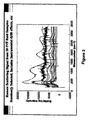
- wavelength regions (15 nm width) associated with Heme (700nm), CH (830nm), ROH(940nm), H2O(960nm), OH(980nm) and NH (1020nm) moieties were identified as shown in Figure 2 .
- the integrated absorptions from these six regions were then used in the regression model described below.
- the Haar transform is the oldest and simplest wavelet transform. Similarly to the Fourier transform, it projects data - for example a NIR spectrum - onto a given basis set. Unlike the Fourier transform, which uses sine and cosine functions as a basis set, the HT uses Haar wavelets. In this study, a discrete wavelet transform (DWT) was chosen over a continuous wavelet transform or a wavelet packet transform to maximize the simplicity and speed of calculations.
- DWT discrete wavelet transform
- Carrying out a HT consists of decomposing a spectrum into a weighted sum of ⁇ , ⁇ , and ⁇ n,k , where the weightings are known as "wavelet coefficients".
- ⁇ the coefficient of the father wavelet
- the weighting of the mother wavelet, ⁇ is obtained by integrating the first half of the data points, and subtracting the sum of the second half of the data.
- Daughter wavelets are scaled down and translated versions of the mother wavelet. In the notation ⁇ n,k , represents the scaling, and k indicates translation.
- ⁇ n,k represents the scaling
- k indicates translation.
- a "son" HT can therefore be carried out on a spectrum with z points using 2z-1 wavelets that are constructed only of ones and zeros.
- the basis set for this wavelet transform is not orthogonal, since higher generation son wavelets are subsets of lower generations.
- son wavelets have the advantage of being monodirectional, i.e., they only go positive.
- son wavelets do not inherently carry out a first derivative in the data processing.
- Wavelet coefficients obtained contain both frequency and wavelength information (where "frequency” is not used in the usual sense, but refers to whether wavelets describe small- and large-scale features). Due to the retention of wavelength information, it is easier to understand the spectral meaning of HT results than FT results. Furthermore, it becomes possible to not only investigate the importance of separate wavelengths, but also spectral features of different sizes.
- One common application of this property is to smooth data by deleting high frequency wavelet coefficients. Alternately, large trends in data sets such as sloping baselines can be corrected by removing low frequency wavelets.
- Another important trait of the HT is its ability to compress a large amount of information into a very small number of variables.
- Daughter wavelets are efficient in data compression, and this property is exploited in the present study to find the most parsimonious model to estimate sample properties.
- the son HT does not perform as well for data compression since it is partially redundant, but it allows complete decoupling of adjacent wavelengths. Therefore this basis set should allow more freedom in feature selection.
- models built with son wavelets are easier to interpret. Since ⁇ n,k have only two discrete levels, either a wavelength region is chosen or not chosen by the optimization algorithm. Based on the selected son wavelets, it should be possible to build a simplified instrument that uses slits or filters for sample analysis.
- Both the daughter and son HT were calculated using programs written in Matlab (The Mathworks Inc., Natick, MA).
- Matlab The Mathworks Inc., Natick, MA.
- a fast HT program based on Mallat's pyramid algorithm determined the wavelet coefficients by carrying out a series of recursive sums and differences.
- simple sums were used. Since the algorithms required the length of input data to be a power of 2, experimental spectra were padded with the last data value to reach the nearest 2n.
- Wavelet coefficients were determined and ordered from wide to more compact wavelets ( ⁇ , ⁇ , ⁇ 1,0 , ..., ⁇ n,k or ⁇ , ⁇ 1,0, ..., ⁇ n,k ).
- X 1 , X 2 , ..., X n are independent variables (i.e.. intensity of a given wavelength or wavelet coefficients), and ⁇ 0 , ⁇ 1 , ..., ⁇ n are the coefficients determined from a set of calibration X's.
- the best fit (optimal) models containing 1 to 15 variables were sought using the GA method.
- a population of individuals i.e., models
- Population size was set to 1000, Every individual was used with a calibration set to build a model according to Equation 6.
- Computation of the corresponding standard error of calibration (SEC) was based on a test set. The two fittest individuals were identified based on their SEC, and kept for the next generation without mutation. The rest of the new population was filled by randomly mating individuals with a crossover probability of 1 and a mutation rate of 0.02. After following the population through 2000 generations, the algorithm converged to a stable solution.
- Class values estimated were either 0 or 1. However, the regression above determined continuous real values. Class separation was determined using values greater that 0.5 as being from class 1 and values less than 0.5 from class 0. For each model, the sensitivity and specificity were determined and used as the criterion for model selection.
- optical spectra in a variety of ranges, such as the NIR, SWNIR and THz ranges, as would be apparent to a person skilled in the art.
- Raman spectra and fluorescence spectra can also be similarly analyzed.
- the analysis technique would be modified, as would be apparent to a person skilled in the art, to identify the desired oxidative stress components and/or perform the correlation with the desired disease or condition.
- the present disclosure can be used to correlate spectra to a disease or condition state, in addition to providing one or more values of oxidative stress.
- the present disclosure provides that a processor can generate a value representing a weighted average of a plurality of values for oxidative stress components, such that the weighted average provides a value indicative of a degree of oxidative stress of the patient.
- Example 1 may be employed in IVF procedures, and in monitoring fetal-maternal health. The methods are also applicable to harvesting oocytes, sperm, and embryos, as well as the cryopreservation of same. In vitro fertilization programs employing these methods are also contemplated.
- Metabolomic signatures of the oxidative stress constituents in the developing embryo are also obtained using analytical separation techniques which identify nutrient and metabolite fractions of the media.
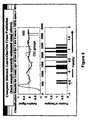
- An example of a separation using capillary electrophoresis with ultraviolet optical detection is given in Figure 7 .
- Constituents associated with embryo development are identified and have both positive and negative correlations with embryo viability. In particular, one nutrient fraction at 900 seconds is negatively correlated with embryo viability while two metabolite fractions (1000-1100sec) are positively correlated. Combining the information from the both constituent groups, separation of embryos which result in pregnancy and those which did not, is achieved with a sensitivity of 80% and a specificity of 100%.
- separations techniques such as, other electromotive separation techniques, liquid and gas chromatography, can also be used for separation of these metabolomic signatures from developing cells to viability assessment.
Landscapes
- Health & Medical Sciences (AREA)
- Life Sciences & Earth Sciences (AREA)
- Physics & Mathematics (AREA)
- Engineering & Computer Science (AREA)
- Chemical & Material Sciences (AREA)
- Immunology (AREA)
- Molecular Biology (AREA)
- General Health & Medical Sciences (AREA)
- Biomedical Technology (AREA)
- Analytical Chemistry (AREA)
- Spectroscopy & Molecular Physics (AREA)
- Urology & Nephrology (AREA)
- Hematology (AREA)
- General Physics & Mathematics (AREA)
- Pathology (AREA)
- Biochemistry (AREA)
- Biotechnology (AREA)
- Bioinformatics & Cheminformatics (AREA)
- Medicinal Chemistry (AREA)
- Proteomics, Peptides & Aminoacids (AREA)
- Cell Biology (AREA)
- Physiology (AREA)
- Microbiology (AREA)
- Genetics & Genomics (AREA)
- Food Science & Technology (AREA)
- Reproductive Health (AREA)
- High Energy & Nuclear Physics (AREA)
- Theoretical Computer Science (AREA)
- Pregnancy & Childbirth (AREA)
- Medical Informatics (AREA)
- Evolutionary Biology (AREA)
- Bioinformatics & Computational Biology (AREA)
- Biophysics (AREA)
- Condensed Matter Physics & Semiconductors (AREA)
- Ecology (AREA)
- Tropical Medicine & Parasitology (AREA)
- Gynecology & Obstetrics (AREA)
- Veterinary Medicine (AREA)
- Public Health (AREA)
- Animal Behavior & Ethology (AREA)
Claims (9)
- Ein Verfahren zur Generierung von Wahrscheinlichkeitsdaten über den Ausgangserfolg einer reproduktiven Gesundheitsmaßnahme in einem Patienten, wobei das Verfahren umfasst:Erlangen eines Spektrums von mindestens einem Metaboliten in einem Kulturmedium durch Verwendung einer ausgesuchten analytischen Applikation für mindestens einen Embryo, der mit dem Kulturmedium Metaboliten austauscht;Generieren von Wahrscheinlichkeitsdaten, die den mindestens einen Embryo betreffen, durch Verwendung des erlangten Spektrums und einer etablierten Korrelation zwischen dem Ausgangserfolg der reproduktiven Gesundheitsmaßnahme und den Spektren eines Metaboliten in einem Kulturmedium, die durch die ausgesuchte analytische Applikation für eine Population von Patienten erhalten wurden.
- Das Verfahren nach Anspruch 1, wobei die analytische Applikation eine Multiwellenlängenabsorption ist.
- Das Verfahren nach Anspruch 1, wobei die analytische Applikation eine optische Raman Streuung oder eine optische Fluoreszenz ist.
- Das Verfahren nach Anspruch 2, wobei das optische Spektrum eine kurze Wellenlänge im Nah-Infrarot ist.
- Das Verfahren nach Anspruch 4, wobei das optische Spektrum Nah-Infrarot ist.
- Das Verfahren nach Anspruch 1, wobei die analytische Applikation NMR ist.
- Das Verfahren nach einem der Ansprüche 1 bis 6, wobei die reproduktive Gesundheitsmaßnahme in vitro Fertilisation ist.
- Das Verfahren nach einem der Ansprüche 1 bis 6, wobei die reproduktive Gesundheitsmaßnahme einer Embryoimplantation entspricht.
- Das Verfahren nach einem der Ansprüche 1 bis 8, wobei das Kulturmedium gefroren ist.
Applications Claiming Priority (2)
| Application Number | Priority Date | Filing Date | Title |
|---|---|---|---|
| US75724206P | 2006-01-09 | 2006-01-09 | |
| PCT/IB2006/002389 WO2007080443A2 (en) | 2006-01-09 | 2006-08-31 | Metabolomic determination in assisted reproductive technology |
Publications (3)
| Publication Number | Publication Date |
|---|---|
| EP1979472A2 EP1979472A2 (de) | 2008-10-15 |
| EP1979472A4 EP1979472A4 (de) | 2010-05-12 |
| EP1979472B1 true EP1979472B1 (de) | 2013-05-22 |
Family
ID=38256666
Family Applications (1)
| Application Number | Title | Priority Date | Filing Date |
|---|---|---|---|
| EP06795387.7A Not-in-force EP1979472B1 (de) | 2006-01-09 | 2006-08-31 | Metabolomische Bestimmung bei assistierter Reproduktionstechnologie |
Country Status (10)
| Country | Link |
|---|---|
| US (3) | US20070162992A1 (de) |
| EP (1) | EP1979472B1 (de) |
| JP (1) | JP2009522381A (de) |
| CN (1) | CN101600396A (de) |
| AU (1) | AU2006334511A1 (de) |
| BR (1) | BRPI0620924A2 (de) |
| CA (1) | CA2632869A1 (de) |
| DK (1) | DK1979472T3 (de) |
| ES (1) | ES2417142T3 (de) |
| WO (2) | WO2007080442A2 (de) |
Families Citing this family (37)
| Publication number | Priority date | Publication date | Assignee | Title |
|---|---|---|---|---|
| US8889127B2 (en) | 2004-07-01 | 2014-11-18 | Icahn School Of Medicine At Mount Sinai | Targeted protein replacement for the treatment of lysosomal storage disorders |
| US10996218B2 (en) | 2008-03-11 | 2021-05-04 | Ournextbaby Llc | Methods for chemotaxis / redox driven separation of X and Y chromosome bearing sperm and their insemination in gender specific menstrual cycles |
| US9057720B2 (en) * | 2008-03-11 | 2015-06-16 | Urobiologics Llc | Reducing/oxidizing activity of maternal urine as indicator of fetal gender related characteristics |
| US9458495B2 (en) | 2008-07-01 | 2016-10-04 | The Board Of Trustees Of The Leland Stanford Junior University | Methods and systems for assessment of clinical infertility |
| US20100049554A1 (en) * | 2008-08-22 | 2010-02-25 | Mcconnell Rachel Ann | Methods and systems of insuring fertility care lifestyle affairs |
| US20100099135A1 (en) * | 2008-10-22 | 2010-04-22 | Mandy Katz-Jaffe | Methods and assays for assessing the quality of embryos in assisted reproduction technology protocols |
| EP2583237A4 (de) | 2010-06-20 | 2017-02-15 | Univfy, Inc. | Verfahren zur bereitstellung von entscheidungsunterstützungssystemen und elektronischen patientenakten für reproduktive pflege, vorgeburtliche pflege, fruchtbarkeitsbehandlungen und andere gesundheitsbehandlungen |
| CA2802747A1 (en) * | 2010-07-13 | 2012-01-19 | Univfy Inc. | Method of assessing risk of multiple births in infertility treatments |
| EP2619573B1 (de) | 2010-09-16 | 2017-06-14 | Urobiologics LLC | Verwendung des harns von weiblichen säugetieren zur bestimmung von fetalen geschlechtsspezifischen merkmalen |
| DE102010052434A1 (de) * | 2010-11-24 | 2012-05-24 | Fraunhofer-Gesellschaft zur Förderung der angewandten Forschung e.V. | Verfahren und Vorrichtung zur Überwachung einer kryokonservierten biologischen Probe |
| WO2013029625A1 (en) * | 2011-08-29 | 2013-03-07 | Unisense Respirometry A/S | Apparatus for measuring the metabolic rate of motile organisms |
| LT2753346T (lt) | 2011-09-07 | 2020-08-10 | Mount Sinai School Of Medicine | Ceramidazė ir ląstelių diferenciacija |
| US9934361B2 (en) | 2011-09-30 | 2018-04-03 | Univfy Inc. | Method for generating healthcare-related validated prediction models from multiple sources |
| US20140329237A1 (en) * | 2011-10-30 | 2014-11-06 | Westfälische Wilhelms-Universität Münster | Means and methods for assessing sperm nuclear dna structure |
| WO2013106753A1 (en) | 2012-01-13 | 2013-07-18 | The Board Of Trustees Of The Leland Stanford Junior University | Mechanical biomarkers for oocyte and embryo viability |
| ES2897825T3 (es) | 2012-06-01 | 2022-03-02 | Icahn School Med Mount Sinai | Niveles de ceramida en el tratamiento y prevención de infecciones |
| HK1217762A1 (zh) * | 2013-01-08 | 2017-01-20 | The Brigham And Women's Hospital,Inc. | 用於評價卵母細胞和胚胎的代謝成像方法 |
| PT2968479T (pt) | 2013-03-14 | 2019-08-07 | Icahn School Med Mount Sinai | Composições terapêuticas de ceramidase ácida e métodos de fabrico e utilização |
| TWI598577B (zh) | 2014-03-28 | 2017-09-11 | 梅托珍尼克斯股份有限公司 | Method for obtaining data for determining possibility of carcinogenesis of endometriotic ovarian cysts, and diagnostic apparatus thereof |
| WO2015161045A1 (en) | 2014-04-16 | 2015-10-22 | President And Fellows Of Harvard College | Non-linear imaging systems and methods for assisted reproductive technologies |
| HUE039593T2 (hu) * | 2014-07-18 | 2019-01-28 | Pecsi Tudomanyegyetem | In vitro tenyésztett embriók életképességének megállapítása a tenyésztõ tápközegbõl |
| US9823188B1 (en) * | 2014-09-09 | 2017-11-21 | University Of South Florida | Systems and methods for detecting the presence of a contaminant |
| US20160183878A1 (en) * | 2014-12-27 | 2016-06-30 | John C. Weast | Technologies for managing device functions of an ingestible computing device |
| US10542961B2 (en) | 2015-06-15 | 2020-01-28 | The Research Foundation For The State University Of New York | System and method for infrasonic cardiac monitoring |
| CN105112491A (zh) * | 2015-09-09 | 2015-12-02 | 南京农业大学 | 基于气相色谱-质谱联用技术和形态的山羊转基因克隆胚胎质量评估差异代谢物的筛选方法 |
| CN105784982B (zh) * | 2016-04-19 | 2019-07-19 | 上海市计划生育科学研究所 | 精浆不饱和脂肪酸代谢产物的应用 |
| CN106841089B (zh) * | 2016-07-29 | 2020-04-07 | 重庆医科大学 | 基于指甲判别哺乳动物性别的近红外光谱分析方法 |
| CN107167617B (zh) * | 2017-05-26 | 2018-09-25 | 山东师范大学 | 鉴定ic50剂量维生素c对raw264.7和k562细胞差异标志物的方法 |
| EP3483619A1 (de) * | 2017-11-13 | 2019-05-15 | Technische Universität München | Automatisierte nicht-invasive bestimmung des geschlechts eines embryos und der fertilität eines vogeleis |
| JP7134462B2 (ja) * | 2018-03-28 | 2022-09-12 | 国立大学法人 大分大学 | 胚の評価方法 |
| CA3144694A1 (en) | 2019-07-25 | 2021-01-28 | Jose A. Horcajadas | Identification of viable human embryos |
| WO2021086904A1 (en) | 2019-10-29 | 2021-05-06 | Aerpio Pharmaceuticals, Inc. | Small molecule activators of tie-2 |
| GB202000670D0 (en) * | 2020-01-16 | 2020-03-04 | Clinspec Diagnostics Ltd | Cell culture analysis |
| EP4111192A4 (de) * | 2020-02-27 | 2024-03-20 | Intelon Optics, Inc. | Kontaktlose inspektion von reproduktiven zellstrukturen mittels optischer messung biomechanischer eigenschaften |
| CN111778204B (zh) * | 2020-06-11 | 2022-05-27 | 温氏食品集团股份有限公司 | 卵母细胞体外成熟培养液添加剂及其应用 |
| CN112229993B (zh) * | 2020-09-24 | 2022-12-02 | 深圳中山泌尿外科医院 | Gm-csf因子作为生物标志物在筛选辅助生殖移植胚胎中的应用及方法 |
| CN116942151B (zh) * | 2023-07-25 | 2024-05-14 | 迈德医疗科技(深圳)有限公司 | 一种基于小波散射融合马尔科夫角度场的血糖检测方法 |
Citations (2)
| Publication number | Priority date | Publication date | Assignee | Title |
|---|---|---|---|---|
| WO1999016895A1 (en) * | 1997-09-29 | 1999-04-08 | The Royal Institution For The Advancement Of Learning (Mcgill University) | Use of universal culture medium ftir spectrometry |
| EP1248852A2 (de) * | 2000-01-19 | 2002-10-16 | The University Of York | Methode zur beurteilung der lebensfähigkeit einer zelle |
Family Cites Families (37)
| Publication number | Priority date | Publication date | Assignee | Title |
|---|---|---|---|---|
| US5541081A (en) * | 1994-03-22 | 1996-07-30 | President And Fellows Of Harvard College | Process for assessing oocyte and embryo quality |
| US5712165A (en) * | 1994-08-22 | 1998-01-27 | Beth Israel Hospital Administration | Method and apparatus for detecting hydrocarbon oxidation |
| US20040268446A1 (en) * | 2003-06-30 | 2004-12-30 | Brian Penttila | Method for classifying plant embryos using Raman spectroscopy |
| US20060160065A1 (en) * | 1998-06-01 | 2006-07-20 | Roger Timmis | Method for classifying plant embryos using Raman spectroscopy |
| NZ508961A (en) | 1998-06-01 | 2002-10-25 | Weyerhaeuser Co | Methods for classification of somatic embryos |
| US20040224301A1 (en) * | 1998-06-01 | 2004-11-11 | Weyerhaeuser Company | Methods for classification of somatic embryos |
| AU1443001A (en) | 1999-10-29 | 2001-05-14 | Cleveland Clinic Foundation, The | Method and apparatus for predicting male infertility |
| US7329489B2 (en) * | 2000-04-14 | 2008-02-12 | Matabolon, Inc. | Methods for drug discovery, disease treatment, and diagnosis using metabolomics |
| US20020009740A1 (en) * | 2000-04-14 | 2002-01-24 | Rima Kaddurah-Daouk | Methods for drug discovery, disease treatment, and diagnosis using metabolomics |
| US6618138B2 (en) * | 2000-10-12 | 2003-09-09 | Jed Khoury | Scanning fluorescent systems for various diagnostic |
| GB0031566D0 (en) * | 2000-12-22 | 2001-02-07 | Mets Ometrix | Methods for spectral analysis and their applications |
| AU2002233310A1 (en) * | 2001-01-18 | 2002-07-30 | Basf Aktiengesellschaft | Method for metabolic profiling |
| AT410322B (de) * | 2001-04-05 | 2003-03-25 | Lendl Bernhard Dipl Ing Dr Ins | Verfahren zur prozessüberwachung von biotechnologischen prozessen |
| US6489135B1 (en) * | 2001-04-17 | 2002-12-03 | Atairgintechnologies, Inc. | Determination of biological characteristics of embryos fertilized in vitro by assaying for bioactive lipids in culture media |
| US20020188424A1 (en) * | 2001-04-20 | 2002-12-12 | Grinstein Georges G. | Method and system for data analysis |
| AU2002314969A1 (en) * | 2001-06-06 | 2002-12-16 | University Of Kentucky Research Foundation | Multimode structure for current measurement, ultrasonic and near-ir spectrum collection and processing |
| WO2003005628A2 (en) * | 2001-07-06 | 2003-01-16 | Lipomics Technologies, Inc. | Generating, viewing, interpreting, and utilizing a quantitative database of metabolites |
| WO2003017177A2 (en) * | 2001-08-13 | 2003-02-27 | Beyong Genomics, Inc. | Method and system for profiling biological systems |
| US6813009B2 (en) * | 2001-09-18 | 2004-11-02 | The Center For The Improvement Of Human Functioning, International, Inc. | Detection of metabolic dysfunctions using fluorescence emission from serum |
| EP1446495A4 (de) * | 2001-10-01 | 2006-06-07 | Diversa Corp | Konstruktion ganzer zellen unter verwendung einer echtzeitanalyse des metabolischen flusses |
| EP1481356A1 (de) * | 2001-11-21 | 2004-12-01 | Paradigm Genetics Inc. | Verfahren und systeme zur analyse komplexer biologischer systeme |
| US6690958B1 (en) * | 2002-05-07 | 2004-02-10 | Nostix Llc | Ultrasound-guided near infrared spectrophotometer |
| EP1539932A1 (de) * | 2002-06-17 | 2005-06-15 | Kobenhavns Amts Sygehus, Herlev | In vitro befruchtung |
| EP1570424A2 (de) * | 2002-10-01 | 2005-09-07 | Target Discovery, Inc. | Verfahren und zusammensetzungen mit evolutionären berechnungstechniken und differenz-datensätzen |
| US7191068B2 (en) * | 2003-03-25 | 2007-03-13 | Proteogenix, Inc. | Proteomic analysis of biological fluids |
| CA2536388A1 (en) * | 2003-08-20 | 2005-03-03 | Bg Medicine, Inc. | Methods and systems for profiling biological systems |
| US7761238B2 (en) * | 2003-10-03 | 2010-07-20 | Allan Robert Moser | Method and apparatus for discovering patterns in binary or categorical data |
| WO2005052575A1 (en) | 2003-11-28 | 2005-06-09 | Pfizer Limited | Molecular markers of oxidative stress |
| US20050154535A1 (en) * | 2004-01-09 | 2005-07-14 | Genstruct, Inc. | Method, system and apparatus for assembling and using biological knowledge |
| WO2006086731A2 (en) | 2005-02-09 | 2006-08-17 | The Gov't.T Of The Usa As Represented By The Secretary Of The Department Of Health & Human Services | Method for identifying the risk of preterm delivery |
| WO2006090228A1 (en) * | 2005-02-22 | 2006-08-31 | Mcgill University | Oxidative stress measurement device and related methods |
| US7373256B2 (en) * | 2005-04-19 | 2008-05-13 | Nicholson Jeremy K | Method for the identification of molecules and biomarkers using chemical, biochemical and biological data |
| WO2007019485A1 (en) * | 2005-08-08 | 2007-02-15 | Metabolon Inc. | A system, method, and computer program product using a database in a computing system to compile and compare metabolomic data obtained from a plurality of samples |
| US20110010099A1 (en) | 2005-09-19 | 2011-01-13 | Aram S Adourian | Correlation Analysis of Biological Systems |
| GB0601746D0 (en) | 2006-01-27 | 2006-03-08 | Novocellus Ltd | Cryopreservation method |
| CA2646890C (en) | 2006-03-21 | 2012-07-31 | Metabolon, Inc. | A system, method, and computer program product for analyzing spectrometry data to indentify and quantify individual components in a sample |
| DE602007004143D1 (de) * | 2006-04-20 | 2010-02-25 | Northern Sydney And Central Co | Verfahren zur Beurteilung der Lebensfähigkeit von Embryos |
-
2006
- 2006-08-30 US US11/468,694 patent/US20070162992A1/en not_active Abandoned
- 2006-08-30 US US11/468,702 patent/US7981399B2/en not_active Expired - Fee Related
- 2006-08-31 EP EP06795387.7A patent/EP1979472B1/de not_active Not-in-force
- 2006-08-31 CN CNA2006800507819A patent/CN101600396A/zh active Pending
- 2006-08-31 AU AU2006334511A patent/AU2006334511A1/en not_active Abandoned
- 2006-08-31 BR BRPI0620924-6A patent/BRPI0620924A2/pt not_active IP Right Cessation
- 2006-08-31 JP JP2008549939A patent/JP2009522381A/ja active Pending
- 2006-08-31 CA CA002632869A patent/CA2632869A1/en not_active Abandoned
- 2006-08-31 DK DK06795387.7T patent/DK1979472T3/da active
- 2006-08-31 WO PCT/IB2006/002366 patent/WO2007080442A2/en not_active Ceased
- 2006-08-31 ES ES06795387T patent/ES2417142T3/es active Active
- 2006-08-31 WO PCT/IB2006/002389 patent/WO2007080443A2/en not_active Ceased
-
2011
- 2011-06-10 US US13/157,508 patent/US8486690B2/en not_active Expired - Fee Related
Patent Citations (2)
| Publication number | Priority date | Publication date | Assignee | Title |
|---|---|---|---|---|
| WO1999016895A1 (en) * | 1997-09-29 | 1999-04-08 | The Royal Institution For The Advancement Of Learning (Mcgill University) | Use of universal culture medium ftir spectrometry |
| EP1248852A2 (de) * | 2000-01-19 | 2002-10-16 | The University Of York | Methode zur beurteilung der lebensfähigkeit einer zelle |
Non-Patent Citations (2)
| Title |
|---|
| HOUGHTON FRANCHESCA D ET AL: "NON-INVASIVE AMINO ACID TURNOVER PREDICTS HUMAN EMBRYO DEVELOPMENTAL CAPACITY", HUMAN REPRODUCTION, OXFORD UNIVERSITY PRESS, GB, vol. 17, no. 4, 1 April 2002 (2002-04-01), pages 999 - 1005, XP009081877, ISSN: 0268-1161, DOI: 10.1093/HUMREP/17.4.999 * |
| RILEY M R ET AL: "Simultaneous measurements of 19 components in serum-containing animal cell culture media by fourier transform near-infrared spectroscopy", BIOTECHNOLOGY PROGRESS, AMERICAN INSTITUTE OF CHEMICAL ENGINEERS, US, vol. 17, no. 2, 1 January 2001 (2001-01-01), pages 376 - 378, XP003023624, ISSN: 8756-7938, DOI: 10.1021/BP0100068 * |
Also Published As
| Publication number | Publication date |
|---|---|
| US20110236922A1 (en) | 2011-09-29 |
| WO2007080443A3 (en) | 2009-04-16 |
| WO2007080443A2 (en) | 2007-07-19 |
| WO2007080442A3 (en) | 2009-04-16 |
| AU2006334511A1 (en) | 2007-07-19 |
| CA2632869A1 (en) | 2007-07-19 |
| DK1979472T3 (da) | 2013-08-26 |
| ES2417142T3 (es) | 2013-08-06 |
| WO2007080442A2 (en) | 2007-07-19 |
| US7981399B2 (en) | 2011-07-19 |
| CN101600396A (zh) | 2009-12-09 |
| EP1979472A2 (de) | 2008-10-15 |
| US20070162992A1 (en) | 2007-07-12 |
| US8486690B2 (en) | 2013-07-16 |
| US20070160973A1 (en) | 2007-07-12 |
| EP1979472A4 (de) | 2010-05-12 |
| BRPI0620924A2 (pt) | 2011-11-29 |
| JP2009522381A (ja) | 2009-06-11 |
Similar Documents
| Publication | Publication Date | Title |
|---|---|---|
| EP1979472B1 (de) | Metabolomische Bestimmung bei assistierter Reproduktionstechnologie | |
| Nagy et al. | Metabolomic assessment of oocyte viability | |
| Bracewell-Milnes et al. | Metabolomics as a tool to identify biomarkers to predict and improve outcomes in reproductive medicine: a systematic review | |
| Esteves et al. | A novel predictive model to estimate the number of mature oocytes required for obtaining at least one euploid blastocyst for transfer in couples undergoing in vitro fertilization/intracytoplasmic sperm injection: the ART calculator | |
| Jayaraman et al. | Identification of biochemical differences between different forms of male infertility by nuclear magnetic resonance (NMR) spectroscopy | |
| Nagy et al. | Symposium: innovative techniques in human embryo viability assessment. Non-invasive assessment of embryo viability by metabolomic profiling of culture media (‘metabolomics’) | |
| CN106199004A (zh) | 用于预测辅助受精中植入成功性的测定法和试剂盒 | |
| WO2011008932A1 (en) | Methods of assessing embryo outcome | |
| CN109073654A (zh) | 用于预测早产的方法和组合物 | |
| McRae et al. | Metabolite profiling in the pursuit of biomarkers for IVF outcome: the case for metabolomics studies | |
| Ding et al. | Raman spectrum: A potential biomarker for embryo assessment during in vitro fertilization | |
| Asampille et al. | The utility of nuclear magnetic resonance spectroscopy in assisted reproduction | |
| Castiglione Morelli et al. | NMR metabolomics study of follicular fluid in women with cancer resorting to fertility preservation | |
| Aydiner et al. | Perspectives on emerging biomarkers for non-invasive assessment of embryo viability in assisted reproduction | |
| Buhimschi et al. | Proteomics of the amniotic fluid in assessment of the placenta. Relevance for preterm birth | |
| Mariani et al. | Proteomics and metabolomics studies and clinical outcomes | |
| Nagy et al. | Non-invasive assessment of embryo viability by metabolomic profiling of culture media (‘metabolomics’) | |
| Iles et al. | The Influence of Hatching on Blastocyst Metabolomic Analysis: Mass Spectral Analysis of Spent Blastocyst Media in Ai/ML Prediction of IVF Embryo Implantation Potential–To Hatch or Not to Hatch? | |
| CN100410663C (zh) | 蛋白质组的分析方法 | |
| Sui et al. | Non-invasive applications of Raman spectroscopy in assisted reproduction | |
| Oehninger | An update on the laboratory assessment of male fertility | |
| Zivi et al. | Zygote serine decreased uptake from the fertilization medium is associated with implantation and pregnancy | |
| CN121816624A (zh) | 一种子痫前期风险评估预测模型的构建方法及其应用 | |
| Montskó et al. | Non‐Invasive Assessment of the embryo Viability via the Analysis of the Culture Media | |
| Daoud et al. | Association between hypo-osmotic swelling test-induced tail swelling patterns and sperm quality |
Legal Events
| Date | Code | Title | Description |
|---|---|---|---|
| PUAI | Public reference made under article 153(3) epc to a published international application that has entered the european phase |
Free format text: ORIGINAL CODE: 0009012 |
|
| 17P | Request for examination filed |
Effective date: 20080731 |
|
| AK | Designated contracting states |
Kind code of ref document: A2 Designated state(s): AT BE BG CH CY CZ DE DK EE ES FI FR GB GR HU IE IS IT LI LT LU LV MC NL PL PT RO SE SI SK TR |
|
| AX | Request for extension of the european patent |
Extension state: AL BA HR MK RS |
|
| TPAC | Observations filed by third parties |
Free format text: ORIGINAL CODE: EPIDOSNTIPA |
|
| R17D | Deferred search report published (corrected) |
Effective date: 20090416 |
|
| RIC1 | Information provided on ipc code assigned before grant |
Ipc: A61B 17/435 20060101AFI20090427BHEP |
|
| RIC1 | Information provided on ipc code assigned before grant |
Ipc: G01N 33/50 20060101AFI20100331BHEP Ipc: G01N 21/31 20060101ALI20100331BHEP Ipc: G01N 21/64 20060101ALI20100331BHEP Ipc: G01R 33/465 20060101ALI20100331BHEP Ipc: A61B 5/00 20060101ALI20100331BHEP Ipc: A61B 17/435 20060101ALI20100331BHEP |
|
| A4 | Supplementary search report drawn up and despatched |
Effective date: 20100412 |
|
| 17Q | First examination report despatched |
Effective date: 20110103 |
|
| DAX | Request for extension of the european patent (deleted) | ||
| REG | Reference to a national code |
Ref country code: DE Ref legal event code: R079 Ref document number: 602006036467 Country of ref document: DE Free format text: PREVIOUS MAIN CLASS: C12N0005080000 Ipc: G01N0021640000 |
|
| GRAP | Despatch of communication of intention to grant a patent |
Free format text: ORIGINAL CODE: EPIDOSNIGR1 |
|
| RIC1 | Information provided on ipc code assigned before grant |
Ipc: G01N 33/68 20060101ALI20121029BHEP Ipc: A61B 5/00 20060101ALI20121029BHEP Ipc: G01N 33/50 20060101ALI20121029BHEP Ipc: G01N 21/31 20060101ALI20121029BHEP Ipc: A61B 17/435 20060101ALI20121029BHEP Ipc: G01N 21/64 20060101AFI20121029BHEP |
|
| GRAS | Grant fee paid |
Free format text: ORIGINAL CODE: EPIDOSNIGR3 |
|
| GRAA | (expected) grant |
Free format text: ORIGINAL CODE: 0009210 |
|
| AK | Designated contracting states |
Kind code of ref document: B1 Designated state(s): AT BE BG CH CY CZ DE DK EE ES FI FR GB GR HU IE IS IT LI LT LU LV MC NL PL PT RO SE SI SK TR |
|
| REG | Reference to a national code |
Ref country code: GB Ref legal event code: FG4D |
|
| REG | Reference to a national code |
Ref country code: CH Ref legal event code: EP |
|
| REG | Reference to a national code |
Ref country code: CH Ref legal event code: NV Representative=s name: ARNOLD AND SIEDSMA AG, CH |
|
| REG | Reference to a national code |
Ref country code: AT Ref legal event code: REF Ref document number: 613470 Country of ref document: AT Kind code of ref document: T Effective date: 20130615 |
|
| REG | Reference to a national code |
Ref country code: IE Ref legal event code: FG4D |
|
| REG | Reference to a national code |
Ref country code: SE Ref legal event code: TRGR |
|
| REG | Reference to a national code |
Ref country code: DE Ref legal event code: R096 Ref document number: 602006036467 Country of ref document: DE Effective date: 20130718 |
|
| REG | Reference to a national code |
Ref country code: ES Ref legal event code: FG2A Ref document number: 2417142 Country of ref document: ES Kind code of ref document: T3 Effective date: 20130806 |
|
| REG | Reference to a national code |
Ref country code: DK Ref legal event code: T3 |
|
| REG | Reference to a national code |
Ref country code: NL Ref legal event code: T3 |
|
| GRAT | Correction requested after decision to grant or after decision to maintain patent in amended form |
Free format text: ORIGINAL CODE: EPIDOSNCDEC |
|
| REG | Reference to a national code |
Ref country code: AT Ref legal event code: MK05 Ref document number: 613470 Country of ref document: AT Kind code of ref document: T Effective date: 20130522 |
|
| REG | Reference to a national code |
Ref country code: LT Ref legal event code: MG4D |
|
| PG25 | Lapsed in a contracting state [announced via postgrant information from national office to epo] |
Ref country code: IS Free format text: LAPSE BECAUSE OF FAILURE TO SUBMIT A TRANSLATION OF THE DESCRIPTION OR TO PAY THE FEE WITHIN THE PRESCRIBED TIME-LIMIT Effective date: 20130922 Ref country code: GR Free format text: LAPSE BECAUSE OF FAILURE TO SUBMIT A TRANSLATION OF THE DESCRIPTION OR TO PAY THE FEE WITHIN THE PRESCRIBED TIME-LIMIT Effective date: 20130823 Ref country code: SI Free format text: LAPSE BECAUSE OF FAILURE TO SUBMIT A TRANSLATION OF THE DESCRIPTION OR TO PAY THE FEE WITHIN THE PRESCRIBED TIME-LIMIT Effective date: 20130522 Ref country code: FI Free format text: LAPSE BECAUSE OF FAILURE TO SUBMIT A TRANSLATION OF THE DESCRIPTION OR TO PAY THE FEE WITHIN THE PRESCRIBED TIME-LIMIT Effective date: 20130522 Ref country code: PT Free format text: LAPSE BECAUSE OF FAILURE TO SUBMIT A TRANSLATION OF THE DESCRIPTION OR TO PAY THE FEE WITHIN THE PRESCRIBED TIME-LIMIT Effective date: 20130923 Ref country code: AT Free format text: LAPSE BECAUSE OF FAILURE TO SUBMIT A TRANSLATION OF THE DESCRIPTION OR TO PAY THE FEE WITHIN THE PRESCRIBED TIME-LIMIT Effective date: 20130522 Ref country code: LT Free format text: LAPSE BECAUSE OF FAILURE TO SUBMIT A TRANSLATION OF THE DESCRIPTION OR TO PAY THE FEE WITHIN THE PRESCRIBED TIME-LIMIT Effective date: 20130522 |
|
| PG25 | Lapsed in a contracting state [announced via postgrant information from national office to epo] |
Ref country code: PL Free format text: LAPSE BECAUSE OF FAILURE TO SUBMIT A TRANSLATION OF THE DESCRIPTION OR TO PAY THE FEE WITHIN THE PRESCRIBED TIME-LIMIT Effective date: 20130522 Ref country code: BG Free format text: LAPSE BECAUSE OF FAILURE TO SUBMIT A TRANSLATION OF THE DESCRIPTION OR TO PAY THE FEE WITHIN THE PRESCRIBED TIME-LIMIT Effective date: 20130822 |
|
| PG25 | Lapsed in a contracting state [announced via postgrant information from national office to epo] |
Ref country code: LV Free format text: LAPSE BECAUSE OF FAILURE TO SUBMIT A TRANSLATION OF THE DESCRIPTION OR TO PAY THE FEE WITHIN THE PRESCRIBED TIME-LIMIT Effective date: 20130522 |
|
| PG25 | Lapsed in a contracting state [announced via postgrant information from national office to epo] |
Ref country code: EE Free format text: LAPSE BECAUSE OF FAILURE TO SUBMIT A TRANSLATION OF THE DESCRIPTION OR TO PAY THE FEE WITHIN THE PRESCRIBED TIME-LIMIT Effective date: 20130522 Ref country code: CZ Free format text: LAPSE BECAUSE OF FAILURE TO SUBMIT A TRANSLATION OF THE DESCRIPTION OR TO PAY THE FEE WITHIN THE PRESCRIBED TIME-LIMIT Effective date: 20130522 Ref country code: BE Free format text: LAPSE BECAUSE OF FAILURE TO SUBMIT A TRANSLATION OF THE DESCRIPTION OR TO PAY THE FEE WITHIN THE PRESCRIBED TIME-LIMIT Effective date: 20130522 Ref country code: SK Free format text: LAPSE BECAUSE OF FAILURE TO SUBMIT A TRANSLATION OF THE DESCRIPTION OR TO PAY THE FEE WITHIN THE PRESCRIBED TIME-LIMIT Effective date: 20130522 |
|
| PG25 | Lapsed in a contracting state [announced via postgrant information from national office to epo] |
Ref country code: RO Free format text: LAPSE BECAUSE OF FAILURE TO SUBMIT A TRANSLATION OF THE DESCRIPTION OR TO PAY THE FEE WITHIN THE PRESCRIBED TIME-LIMIT Effective date: 20130522 Ref country code: IT Free format text: LAPSE BECAUSE OF FAILURE TO SUBMIT A TRANSLATION OF THE DESCRIPTION OR TO PAY THE FEE WITHIN THE PRESCRIBED TIME-LIMIT Effective date: 20130522 |
|
| PLBE | No opposition filed within time limit |
Free format text: ORIGINAL CODE: 0009261 |
|
| STAA | Information on the status of an ep patent application or granted ep patent |
Free format text: STATUS: NO OPPOSITION FILED WITHIN TIME LIMIT |
|
| 26N | No opposition filed |
Effective date: 20140225 |
|
| PG25 | Lapsed in a contracting state [announced via postgrant information from national office to epo] |
Ref country code: MC Free format text: LAPSE BECAUSE OF FAILURE TO SUBMIT A TRANSLATION OF THE DESCRIPTION OR TO PAY THE FEE WITHIN THE PRESCRIBED TIME-LIMIT Effective date: 20130522 |
|
| REG | Reference to a national code |
Ref country code: IE Ref legal event code: MM4A |
|
| REG | Reference to a national code |
Ref country code: DE Ref legal event code: R097 Ref document number: 602006036467 Country of ref document: DE Effective date: 20140225 |
|
| PG25 | Lapsed in a contracting state [announced via postgrant information from national office to epo] |
Ref country code: IE Free format text: LAPSE BECAUSE OF NON-PAYMENT OF DUE FEES Effective date: 20130831 |
|
| PGFP | Annual fee paid to national office [announced via postgrant information from national office to epo] |
Ref country code: CH Payment date: 20140901 Year of fee payment: 9 Ref country code: DE Payment date: 20140829 Year of fee payment: 9 Ref country code: DK Payment date: 20140829 Year of fee payment: 9 Ref country code: NL Payment date: 20140829 Year of fee payment: 9 |
|
| PGFP | Annual fee paid to national office [announced via postgrant information from national office to epo] |
Ref country code: FR Payment date: 20140829 Year of fee payment: 9 Ref country code: GB Payment date: 20140901 Year of fee payment: 9 Ref country code: SE Payment date: 20140829 Year of fee payment: 9 Ref country code: ES Payment date: 20140926 Year of fee payment: 9 |
|
| PG25 | Lapsed in a contracting state [announced via postgrant information from national office to epo] |
Ref country code: TR Free format text: LAPSE BECAUSE OF FAILURE TO SUBMIT A TRANSLATION OF THE DESCRIPTION OR TO PAY THE FEE WITHIN THE PRESCRIBED TIME-LIMIT Effective date: 20130522 Ref country code: CY Free format text: LAPSE BECAUSE OF FAILURE TO SUBMIT A TRANSLATION OF THE DESCRIPTION OR TO PAY THE FEE WITHIN THE PRESCRIBED TIME-LIMIT Effective date: 20130522 |
|
| PG25 | Lapsed in a contracting state [announced via postgrant information from national office to epo] |
Ref country code: LU Free format text: LAPSE BECAUSE OF NON-PAYMENT OF DUE FEES Effective date: 20130831 Ref country code: HU Free format text: LAPSE BECAUSE OF FAILURE TO SUBMIT A TRANSLATION OF THE DESCRIPTION OR TO PAY THE FEE WITHIN THE PRESCRIBED TIME-LIMIT; INVALID AB INITIO Effective date: 20060831 |
|
| REG | Reference to a national code |
Ref country code: DE Ref legal event code: R119 Ref document number: 602006036467 Country of ref document: DE |
|
| REG | Reference to a national code |
Ref country code: DK Ref legal event code: EBP Effective date: 20150831 |
|
| REG | Reference to a national code |
Ref country code: CH Ref legal event code: PL |
|
| GBPC | Gb: european patent ceased through non-payment of renewal fee |
Effective date: 20150831 |
|
| PG25 | Lapsed in a contracting state [announced via postgrant information from national office to epo] |
Ref country code: LI Free format text: LAPSE BECAUSE OF NON-PAYMENT OF DUE FEES Effective date: 20150831 Ref country code: CH Free format text: LAPSE BECAUSE OF NON-PAYMENT OF DUE FEES Effective date: 20150831 |
|
| REG | Reference to a national code |
Ref country code: SE Ref legal event code: EUG |
|
| REG | Reference to a national code |
Ref country code: NL Ref legal event code: MM Effective date: 20150901 |
|
| PG25 | Lapsed in a contracting state [announced via postgrant information from national office to epo] |
Ref country code: SE Free format text: LAPSE BECAUSE OF NON-PAYMENT OF DUE FEES Effective date: 20150901 |
|
| REG | Reference to a national code |
Ref country code: FR Ref legal event code: ST Effective date: 20160429 |
|
| PG25 | Lapsed in a contracting state [announced via postgrant information from national office to epo] |
Ref country code: NL Free format text: LAPSE BECAUSE OF NON-PAYMENT OF DUE FEES Effective date: 20150901 |
|
| PG25 | Lapsed in a contracting state [announced via postgrant information from national office to epo] |
Ref country code: GB Free format text: LAPSE BECAUSE OF NON-PAYMENT OF DUE FEES Effective date: 20150831 Ref country code: DE Free format text: LAPSE BECAUSE OF NON-PAYMENT OF DUE FEES Effective date: 20160301 |
|
| PG25 | Lapsed in a contracting state [announced via postgrant information from national office to epo] |
Ref country code: FR Free format text: LAPSE BECAUSE OF NON-PAYMENT OF DUE FEES Effective date: 20150831 Ref country code: DK Free format text: LAPSE BECAUSE OF NON-PAYMENT OF DUE FEES Effective date: 20150831 |
|
| PG25 | Lapsed in a contracting state [announced via postgrant information from national office to epo] |
Ref country code: ES Free format text: LAPSE BECAUSE OF NON-PAYMENT OF DUE FEES Effective date: 20150901 |
|
| REG | Reference to a national code |
Ref country code: ES Ref legal event code: FD2A Effective date: 20180706 |