EP1807516B1 - Promoteurs vegetaux et utilisations - Google Patents
Promoteurs vegetaux et utilisations Download PDFInfo
- Publication number
- EP1807516B1 EP1807516B1 EP05809287A EP05809287A EP1807516B1 EP 1807516 B1 EP1807516 B1 EP 1807516B1 EP 05809287 A EP05809287 A EP 05809287A EP 05809287 A EP05809287 A EP 05809287A EP 1807516 B1 EP1807516 B1 EP 1807516B1
- Authority
- EP
- European Patent Office
- Prior art keywords
- plant
- protein
- expression
- gene
- nucleic acid
- Prior art date
- Legal status (The legal status is an assumption and is not a legal conclusion. Google has not performed a legal analysis and makes no representation as to the accuracy of the status listed.)
- Expired - Lifetime
Links
Images
Classifications
-
- C—CHEMISTRY; METALLURGY
- C12—BIOCHEMISTRY; BEER; SPIRITS; WINE; VINEGAR; MICROBIOLOGY; ENZYMOLOGY; MUTATION OR GENETIC ENGINEERING
- C12N—MICROORGANISMS OR ENZYMES; COMPOSITIONS THEREOF; PROPAGATING, PRESERVING, OR MAINTAINING MICROORGANISMS; MUTATION OR GENETIC ENGINEERING; CULTURE MEDIA
- C12N15/00—Mutation or genetic engineering; DNA or RNA concerning genetic engineering, vectors, e.g. plasmids, or their isolation, preparation or purification; Use of hosts therefor
- C12N15/09—Recombinant DNA-technology
- C12N15/63—Introduction of foreign genetic material using vectors; Vectors; Use of hosts therefor; Regulation of expression
- C12N15/79—Vectors or expression systems specially adapted for eukaryotic hosts
- C12N15/82—Vectors or expression systems specially adapted for eukaryotic hosts for plant cells, e.g. plant artificial chromosomes (PACs)
- C12N15/8216—Methods for controlling, regulating or enhancing expression of transgenes in plant cells
- C12N15/8222—Developmentally regulated expression systems, tissue, organ specific, temporal or spatial regulation
- C12N15/8223—Vegetative tissue-specific promoters
-
- C—CHEMISTRY; METALLURGY
- C12—BIOCHEMISTRY; BEER; SPIRITS; WINE; VINEGAR; MICROBIOLOGY; ENZYMOLOGY; MUTATION OR GENETIC ENGINEERING
- C12N—MICROORGANISMS OR ENZYMES; COMPOSITIONS THEREOF; PROPAGATING, PRESERVING, OR MAINTAINING MICROORGANISMS; MUTATION OR GENETIC ENGINEERING; CULTURE MEDIA
- C12N9/00—Enzymes; Proenzymes; Compositions thereof; Processes for preparing, activating, inhibiting, separating or purifying enzymes
- C12N9/14—Hydrolases (3)
- C12N9/24—Hydrolases (3) acting on glycosyl compounds (3.2)
- C12N9/2402—Hydrolases (3) acting on glycosyl compounds (3.2) hydrolysing O- and S- glycosyl compounds (3.2.1)
Definitions
- the present application relates to tools, methods and compositions for plant modification and / or expression of proteins in plants.
- it relates to transcriptional promoters that allow specific expression in trichomes, constructs containing these promoters, and their uses for genetically modifying cells, seeds or plants.
- the invention also relates to methods for producing transgenic plants expressing proteins or metabolites of interest.
- the invention is generally applicable to any plant having glandular trichomes, and to the expression of any protein of industrial interest, particularly therapeutic or phytosanitary.
- trichomes The leaves of certain higher plants (Angiosperms) have on their surface organs called trichomes which, according to their anatomy, are mainly divided into two types: non-secretory trichomes on the one hand and secretory trichomes on the other hand.
- the secretory glandular trichomes have the main function of secreting on the surface of the leaf oils or essences composed of some major molecules.
- secretory glandular trichomes are composed of a foot consisting of a row of a few cells (3-5) and a head containing a variable number (2-20) of secretory cells. These cells secrete predominantly sucrose esters and diterpenes. These can represent up to 60% of the exudate and 10% of the dry weight of the adult plant (Wagner et al., 2004).
- the diterpenes produced belong to two distinct families, labdans and cembranes. The relative production rates of the two families are dependent on the cultivar with, however, a production of cembranes which is generally 4 to 10 times stronger than the production of labdans. In N.
- CBT-diol cembratriene diol
- G. Wagner's team has shown that a regulatory sequence of 1852 bp, located upstream of the ATG of the CYP71D16 gene, makes it possible to direct the expression of the uidA reporter gene specifically in the secretory cells of trichomes. of tobacco (request US2003 / 0100050 A1, Wagner et al., 2003 ).
- promoter sequences extracted from different species have been identified as being able to direct the expression of a heterologous gene in tobacco trichomes (Table 1).
- LTP3 gene coding for a cotton protein involved in lipid transfer (LTP)
- the regulatory sequence of the gene (1548 bp) has been studied in tobacco. This sequence specifically directs uidA gene expression in leaf trichomes. The 315bp sequence located between positions -614 and -300 upstream of ATG would be responsible for the specificity of the promoter.
- the promoter of the LTP6 gene would also allow specific expression of cotton trichomes. On the basis of the publications, however, it would appear that the expression is localized in the cells of the base of the trichome, and not in the secretory cells. In addition, when these promoters are introduced into tobacco, the expression is no longer specific, including a signal in the epidermal cells (see Table 1).
- the present application describes the identification and characterization of regulatory nucleic acid sequences of plant origin, which specifically direct the expression of a gene of interest in the secretory cells of plant trichomes. These promoters are easily manipulated, of reasonable size, flexible, adaptable to the expression of heterologous genes, and capable of causing an expression specifically in certain plant tissues.
- the present application thus describes promoters, expression cassettes and vectors for use in plant modification and expression of products of interest in plant cells or tissues.
- a first subject of the invention resides more particularly in a nucleic acid having a functional transcriptional promoter activity specific for secretory cells in glandular trichomes, characterized in that it comprises a sequence selected from SEQ ID NO: 2, a fragment thereof of at least 100 consecutive bases or a functional variant thereof having at least 80% identity therewith or said fragment. More particularly, the nucleic acid comprises a sequence selected from SEQ ID NOS: 1, 2, 3, 4 and 22, and a fragment thereof of at least 100 consecutive bases, and is specific for the secretory cells of trichomes. glandular.
- the application discloses a plant cell chloroplast transit peptide, comprising the sequence MSQSISPLMFSHFAKFQSNIWRCNTSQLRVIHSSYASFGGRRKERVRRMNRAM DLSS (SEQ ID NO: 10) or a functional fragment thereof, as well as a nucleic acid encoding such a peptide.
- the invention also relates to any recombinant expression cassette comprising a gene of interest operably linked to a nucleic acid as defined above; any expression vector comprising a nucleic acid or a cassette as defined above; and any modified cell comprising a cassette or a vector as defined above.
- the cell is a plant cell, especially of the family Solanaceae, Asteraceae, Cannabaceae or Lamiaceae.
- Another subject of the invention relates to a method for producing a protein in the trichomes of a plant, comprising the introduction into said plant of a cassette or a vector as defined above, comprising a gene encoding said protein.
- Another subject of the invention relates to a method for producing a protein in the trichomes of a plant, comprising the introduction into a cell or plant seed of a cassette or a vector as defined above. comprising a gene encoding said protein, and reconstituting a plant from said cell or seed.
- Another subject of the invention relates to a method for producing a plant expressing a recombinant protein, comprising the introduction into a cell or seed of plant of a cassette or a vector as defined above, comprising a gene encoding said protein, and the reconstitution of a plant from said cell or seed.
- said protein is an enzyme whose activity in secretory cells leads to a modification of the composition of the exudate.
- Another advantage is that the plant secretes the protein in the glandular trichome, and the protein is recovered from the exudate of the leaf surface.
- Another subject of the invention relates to any plant or seed comprising an expression cassette or a vector as defined above.
- the invention also relates to the use of a nucleic acid as defined above for the expression of a protein specifically in the glandular trichomes of a plant. It also relates to kits comprising the nucleic acids, vectors, cassettes and / or cells as described above.
- the present invention is applicable to the expression of any gene of interest in any plant or plant tissue, preferably higher plants comprising glandular trichomes, for various applications, such as the production of products of pharmaceutical or phytosanitary interest, or the production of plants with improved or adapted properties.
- the present application describes the identification of specific promoters of plant trichomes from tobacco CBT-ol synthase genes. From the sequence of a cDNA coding for a terpene synthase, ie CBT-ol cyclase (CYC-2; NID: AF401234), four genes (denoted NsTPS-02a, 02b, 03, and 04) having a strong similarity of sequence with CYC-2 were identified from genomic DNA of the species Nicotiana Sylvestris, using techniques using PCR.
- the promoter sequences unknown to date, located upstream of the ATG of each of these four genes, have been identified and characterized.
- the size of each sequence is about 1 kb.
- Their sequences are represented in SEQ ID NO: 1 at 4.
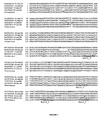
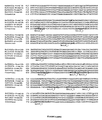
- the alignment of the four sequences shows that they have more than 93% identity with each other ( Figure 1 Table 2). In addition, this alignment makes it possible to identify identical regions, certainly involved in the specificity of expression.
- the present application therefore provides novel promoters, particularly advantageous for the expression of proteins in plant or plant tissues, especially for the specific expression in glandular trichome cells.
- Such promoters are particularly advantageous since they allow the production of recombinant products directly in the exudate secreted by the leaves, thus allowing very easy recovery of the recombinant products, where appropriate.
- a particular object of the invention therefore resides in any nucleic acid having functional transcriptional promoter activity in glandular trichomes, characterized in that it comprises a sequence selected from SEQ ID NOS: 1, 2, 3, 4 and 22 , a fragment thereof of at least 100 consecutive bases or a functional variant thereof (or their complementary strand).
- the invention relates to any nucleic acid as defined above, characterized in that it comprises a sequence selected from SEQ ID NOS: 1, 2, 3, 4 and 22, a fragment thereof of at least 100 consecutive bases or a sequence having at least 80% identity with one of them, and in that it has a transcriptional promoter activity specific for glandular trichomes.
- the nucleic acid comprises a sequence selected from SEQ ID NOS: 1, 2, 3, 4 and 22, preferably of the sequence SEQ ID NO: 2.
- the 1065 base pair sequence of the TPS-02b gene promoter (SEQ ID NO: 2) was fused upstream of a uidA reporter gene (the TPS02b promoter fusion sequence with the gene uidA is represented in SEQ ID NO: 5).
- This construct (cassette No. 1) was introduced into a T-DNA vector (pBI121) possessing a resistance gene for kanamycin under the control of the promoter of the nopaline synthase of Agrobacterium Tumefasciens (nos).
- This T-DNA was introduced into N. sylvestris by genetic transformation using the strain Agrobacterium tumefaciens LBA4404 (Hoekema et al., 1993).
- nucleic acid means any molecule based on DNA or RNA. It may be synthetic or semi-synthetic, recombinant, optionally amplified or cloned in vectors, chemically modified or comprising non-natural bases. These are typically isolated DNA molecules, synthesized by recombinant techniques well known to those skilled in the art.
- the term "specific" promoter is understood to mean a promoter that is mainly active in a tissue in which a given cell group. It is understood that a residual expression, generally lower, in other tissues or cells can not be entirely excluded. For example, the residual expression in other tissues or cells does not exceed 30% of the expression observed in the glandular trichomes, preferably does not exceed 20%, 10% or 5%.
- a particular characteristic of the invention resides in the capacity to construct specific promoters of the secretory cells of the glandular trichomes, allowing a modification of the composition of the foliar secretions of the plant, and in particular to express there products of interest.
- a “fragment" of a nucleic acid according to the invention advantageously denotes a fragment comprising at least 10 consecutive bases, more generally at least 20, 30, 40, 50, 60, 70, 80, 90 or 100.
- “Fragments” nucleic acid are typically fragments of 100, 200, 300, 400 or 500 consecutive nucleotides of the sequence or more.
- “Fragments” of a nucleic acid are preferably fragments of at least 100, 200, 300, 400 or 500 consecutive nucleotides of the sequence.
- “Fragments” of a nucleic acid can be used alone, or combined with other transcriptional regions, to provide chimeric promoters with specificity for glandular trichomes.
- a promoter according to the invention is typically a region of the sequence having promoter activity.
- a fragment within the meaning of the invention comprises at least one sequence chosen from SEQ ID NO: 6, 7 or 8.
- a particular subject of the invention concerns any nucleic acid comprising a chosen sequence. among SEQ ID NO: 6, 7 or 8 or a functional variant thereof.
- Such nucleic acids are typically recombinant nucleic acids having transcriptional promoter activity. It may be in particular chimeric promoters, that is to say comprising a sequence selected from SEQ ID NO: 6, 7 or 8 or a functional variant thereof, operably linked to a minimum promoter.
- the term "functional variant” refers to any nucleic acid having one or more modifications (i.e., for example, a mutation, deletion, or addition of one or more bases) relative to the parent sequences described in the present application, and retaining an activity, either of transcriptional promoter, of expression specificity signal, or of transit.
- the functional variants may correspond, for example, to promoters derived from the corresponding genes in other plant species.
- N. tabacum are extremely close (identity sometimes of the order of 99% between the sequences of N. tabacum and N. sylvestris), so that the promoters of the corresponding genes of N Tobacco are functional variants within the meaning of the invention, and can be readily prepared by conventional techniques (hybridization, amplification, etc.).
- Other functional variants are nucleic acids, synthetic, recombinant or natural, whose hybrid sequence, under high stringency conditions, with one of the sequences SEQ ID NOS: 1, 2, 3, 4, 22 or a fragment of less than 100 consecutive nucleotides and which possess a transcriptional promoter activity, especially specific for glandular trichomes.
- the functional variants are nucleic acids having at least 80, 85 or 90% identity with the sequences SEQ ID NOS: 1, 2, 3, 4 or 22, or with their fragments of at least 100 consecutive nucleotides, still more preferably more than 95% identity obtained by the blastN sequence alignment program (Altschul et al., 1990).
- the percentage of identity is determined by comparing two sequences whose optimal alignment has been achieved.
- the percent identity is calculated by determining the number of positions for which an identical residue appears on both sequences at the same position divided by the number of total positions and multiplied by 100.
- the optimal alignment of the two sequences can be obtained by example with a local homology search algorithm (Smith & Watherman, 1981) or equivalent systems known to those skilled in the art,
- the identified genes have also allowed the characterization of a transit peptide, capable of targeting or directing a heterologous protein in the chloroplastic compartment of plant cells, including trichomes.
- the diterpene synthases possess, at their N-terminal end, a peptide signal sequence necessary for their localization in the chloroplast compartment, the site of biosynthesis of geranylgeneylpyrophosphate (GGPP) (Trapp and Croteau, 2001).
- GGPP geranylgeneylpyrophosphate
- ChloroP program Emanuelsson et al., 2000, Nielsen et al., 1997), a putative transit peptide of 51 amino acids (AA) was identified from the coding sequence of the TPS-02a gene.
- This transit peptide (plus the following 6 AAs) was introduced into cassette No. 1, upstream of the uidA gene and downstream of the TPS-02b promoter. In this way, a translational fusion of the transit peptide with the GUS protein was performed.
- This construction (cassette No. 2) was introduced into a T-DNA vector (pBI121) possessing a resistance gene for kanamycin under the control of cauliflower mosaic virus (CaMV 35S) promoter.
- This T-DNA was introduced into N. sylvestris by genetic transformation using the strain Agrobacterium tumefaciens LBA4404 (Hoekema et al., 1993).
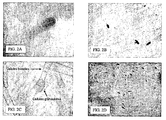
- cassette # 1 expression of the uidA gene in several transformants was only detected in the secretory cells of the glandular trichomes. In addition, under a microscope, it was found that GUS activity was localized in the plastids, indicating that the GUS protein was correctly targeted in the chloroplast compartment.
- the present application describes a plant cell chloroplast transit peptide, comprising the following amino acid sequence: MSQSISPLMFSHFAKFQSNIWRCNTSQLRVIHSSYASFGGRRKERVRRMNRAM DLSS (SEQ ID NO: 10) or any functional fragment or variant thereof, as well as a nucleic acid encoding a plant cell chloroplast transit peptide, comprising the nucleotide sequence: "ATGAGTCAATCAATTTCTCCATTAATGTTTTCTCACTTTGCAAAATTTCAGT CGAATATTTGGAGATGCAATACTTCTCAACTCAGAGTTATACACTCATCATA TGCCTCTTTTGGAGGGAGAAGAAAAGAGAGAGTAAGAAGAATGAATCGAG CAATGGATCTTTCTTCA” (SEQ ID NO: 9), or any functional variant fragment thereof.
- the invention also relates to any recombinant expression cassette, characterized in that it comprises a gene and / or a promoter of interest operably linked to a nucleic acid as defined above.
- expression cassette refers to a nucleic acid construct comprising a coding region and a regulatory region, operably linked.
- operably linked indicates that the elements are combined so that the expression of the coding sequence (the gene of interest) and / or the targeting of the encoded protein is under the control of the transcriptional promoter and or the transit peptide.
- the promoter sequence is placed upstream of the gene of interest, at a distance thereof compatible with the control of the expression.
- the transit peptide sequence is generally fused upstream of the sequence of the gene of interest, and in phase with it, and downstream of any promoter. Spacer sequences may be present between the regulatory elements and the gene, as long as they do not prevent expression and / or targeting.
- the gene of interest may be any nucleic acid (e.g., DNA or RNA) having a region encoding an expression product (e.g., mRNA or protein).
- an expression product e.g., mRNA or protein.
- the gene of interest encodes a therapeutic or phytosanitary protein, an enzyme, a resistance protein, a transcription activator or a viral genome.
- the vector may be a DNA or an RNA, circular or not, single- or double-stranded. It is typically a plasmid, phage, virus, cosmid, artificial chromosome, etc. It is advantageously a plant vector, that is to say capable of transforming a plant cell. Examples of plant vectors are described in the literature, among which mention may in particular be made of A. tumefaciens T-DNA plasmids pBIN19 (Bevan, 1984), pPZP100 (Hajdukewicz et al., 1994), pCAMBIA series (R.
- the vectors of the invention may further comprise an origin of replication and / or a selection gene and / or a plant recombination sequence, etc.
- the vectors can be constructed by standard molecular biology techniques, well known to those skilled in the art, using, for example, restriction enzymes, ligation, cloning, replication, etc. Specific examples of vectors in the sense of the invention are provided in the experimental part, and include in particular pLIBRO-01 and pLIBRO-02.
- the genetic constructs of the invention can be used for the genetic modification of plants, and in particular for the introduction and expression of proteins in plant tissues, including whole plants.
- constructs of the invention into a plant cell or tissue, including a seed or plant, can be carried out by any technique known to those skilled in the art.
- Plant transgenesis techniques are well known in the art, and include, for example, the use of the Agrobacterium tumefaciens bacterium , electroporation, conjugative transfer, biolistic techniques, etc.
- a commonly used technique is based on the use of the bacterium Agrobacterium tumefaciens, which consists essentially in introducing the construction of interest (nucleic acid, cassette, vector, etc.) into the bacterium A. tumefaciens, and then bringing this bacterium into contact transformed with leaf discs of the chosen plant.
- the introduction of the expression cassette into the bacterium is typically carried out using Ti (or T-DNA) plasmid as a vector, which can be transferred into the bacterium for example by thermal shock. Incubation of the transformed bacterium with the leaf disks makes it possible to obtain the transfer of the Ti plasmid into the genome of the cells of the disks.
- transgenic plants may optionally be grown under conditions suitable for reconstituting a transgenic plant whose cells comprise the construction of the invention.
- A. tumefaciens transformation technique reference may be made, for example, to Horsch et al., 1985 or Hooykaas and Schilperoort, 1992.
- microparticles typically microbeads
- the particles used are typically gold particles, which are typically projected by means of a particle gun (see in particular Russell et al., In Vitro Cell. Dev. Biol., 1992, 28P, p. 97-105 ).
- microinjection technique relies essentially on injecting genetic constructs into plant embryos or protoplasts, and then cultivating these tissues to regenerate whole plants.
- Other plant transgenesis techniques are well known, or other protocols employing the above techniques are described in the prior art (Siemens, J and Schieder, 1996) and can be applied to the present invention.
- transgenic plants can be tested for expression of the product of interest in trichomes. This can be accomplished by harvesting leaf exudate and testing for the presence of the product in this exudate, when the product is to be secreted. This can also be done by analyzing the presence of expression product of the gene of interest in the leaves and, more particularly, in the trichome cells (for example by analyzing mRNA or genomic DNA using probes or dots). 'specific primers). The plants can possibly be selected, crossed, processed, etc. to obtain plants with improved levels of expression.
- another object of the invention resides in a modified cell comprising a cassette or a vector as defined above. It may be for example a plant cell, especially of the family Solanaceae, Asteraceae, Cannabaceae or Lamiaceae.
- the cells can be cultured in vitro, and used to reconstitute tissues or whole plants, to produce proteins in culture, or to study the properties of genes or proteins of interest (for example in functional genomics).
- Another subject of the invention also resides in a plant or seed comprising an expression cassette or a vector as defined above.
- the invention also relates to a method for producing a protein in a plant, particularly in the glandular trichome of a plant, comprising introducing into said plant a cassette or a vector as defined above, comprising a gene encoding said protein.
- Another aspect of the invention relates to a method for producing a protein in a plant, particularly in the glandular trichome of a plant, comprising introducing into a cell or plant seed of a cassette or a vector as defined above, comprising a gene encoding said protein, and the reconstitution of a plant from said cell or seed.
- the invention also relates to any method for producing a plant expressing a recombinant protein, comprising the introduction into a cell or plant seed of a cassette or a vector as defined above, comprising a gene encoding said protein, and reconstituting a plant from said cell or seed.
- the recombinant protein expressed in the trichome leads to the production by the secretory cells of a molecule secreted in the exudate of the leaf surface and / or to a modification of the composition of the exudate.
- the plant secretes the protein in the glandular trichome, and the protein is recovered from the exudate of the leaf surface.
- the invention can thus be used to modify plants, cells or plant tissues, to make them express different products of interest.
- the invention can especially be used for the expression of products of interest specifically in the secretory cells of glandular trichomes of higher plants (in particular Angiosperms).
- the invention is applicable in particular to all plants of families having glandular trichomes, for example Asteraceae, Solanaceae, Cannabaceae and Lamiaceae. It is particularly suitable for plants of the Solanaceae family, such as for example the genera Solanum, Lycopersicon, Capsicum, Petunia, Datura, Atropa, etc., and Nicotianae, for example Nicotiana sylvestris and N. tabacum.
- the product of interest can be any recombinant protein, including peptides, enzymes, antibodies, etc. It may be in particular a protein having a biological activity of industrial interest, for example medical or phytosanitary. It may also be a protein intended to confer particular properties on the plant (in particular a modification of the composition of the secretion (exudate)), such as resistance to pathogens (insect pests, fungi, bacteria, viruses, etc.), better growth, a modified metabolite content or a modified synthetic route, etc.
- the invention can also be used to express, in a plant cell or a plant, a transcriptional activator.
- the transcriptional activator produced will control the expression of a protein of interest placed under the control of a promoter responding to this activator.
- Such a binary system using two cassettes (present on the same vector or on separate vectors), makes it possible to amplify the specific expression obtained by means of the invention.
- a system comprising a first cassette with the gene coding for a transcription activator (GAL4 example) under the control of the specific trichome promoter, and another cassette comprising the gene coding for the protein of interest under the control of regulatory elements recognized by the transcription factor (Gal4).
- RNA viral vector Another amplification system involves using an RNA viral vector.
- Some RNA plant viruses actually encode an RNA-dependent RNA polymerase that allows the amplification of transcripts of a given gene.
- the gene of interest is cloned downstream of the promoter of this RNA polymerase, in place of of the reading phase coding for the coat protein (" coat protein") of the virus.
- coat protein coat protein
- the virus is itself under the control of the specific promoter. The expression of the virus is thus restricted to the secretory cells of trichomes, thus allowing a selective amplification of the expression of the gene in these cells.
- Genomic DNA was extracted from tobacco leaves (N. sylvestris or N. tabacum) using a commercial kit from Qiagen® (DNeasy Plant Maxi Kit). Cloning of the promoter regions of the different TPS genes (TPS02a, 02b, 03, and 04) was carried out by the technique of "adaptater-anchor PCR (Siebert et al., 1995)". Briefly, the genomic DNA was digested separately with different restriction enzymes generating blunt ends (DraI, SspI, NaeI, etc.) and ligated to an adapter composed of the following primers: ADPR1 5'-CTAATACGACTCACTATAGGGCTCGAGCGGCCGCCCGGGGAGGT (SEQ ID No.
- a fraction of the PCR1 reaction was used to perform the PCR2 reaction with the AP2 primer (5'-CTATAGGGCTCGAGCGGC, SEQ ID No. 18) and the internal primer 2A02 (5'-ACCTCCAAATATTCGACTGAAATTT, SEQ ID No. 19).
- the fragments obtained by this method have a size that varies between 200 and 1000 bp.
- the same process was repeated from the newly identified sequences. For example, to identify the 1.7 kb promoter sequence corresponding to the TPS02b gene, the PCR1 reaction was carried out on the same genomic material and under the same PCR conditions but using the external primer 2G07 (5'-GTCATGTGCTTGAAGTTACCATATC, SEQ ID No.
- PCR amplifications were all carried out under the same standard PCR conditions with 0.25 units of the Taq enzyme (Eppendorf supplier) in 25 ⁇ l of reaction mixture under the following conditions: 1 cycle at 94 ° C. for 2 min, then 35 cycles at 94 ° C. 30 sec, 68 ° C. 30 sec and 1 cycle at 72 ° C. for 5 min using 50 ng of genomic DNA.
- TPS-02b promoter (PromTPS02b) into the binary vector
- further PCR amplification was performed from genomic DNA with sense primer, 3A04 (5'-CT AAGCTT AATTTATTTTTGTAAAACTTC sequence, SEQ ID NO: 11) which has a 5 'HindIII site and the antisense primer, 3A03 (5'-AT GGATCC CTCTTTCTCTCGCCAAACGAGT sequence, SEQ ID NO: 12) which has a 5' BamH1 site.
- the sense primer 3A04 was used with the 4C01 antisense primer (5'-T GGATCCT GAAGAAAGATCCATTGCTCGA, SEQ ID NO: 13), including a HindIII in 5 '.
- sense primer 4E07 which has a 5 'SacI site (sequence 5' T GAGCTC AAAGAGGTGAAACCTAATCTAGTATGCAA 3 ', SEQ ID No. 23) has been used with primer 3A03.
- the amplifications were performed with Taq enzyme (Eppendorf®) under the following conditions: 1 cycle at 94 ° C for 2 min, and 35 cycles at 94 ° C dry, 57 ° C dry, 72 ° C 1 min and 1 cycle at 72 ° C. for 5 min using 50 ng of genomic DNA for a reaction of 25 ⁇ l.
- the PCR products were purified on a Qiaquick column (Qiagen®) and cloned into the pGEM-T vector (Promega®).
- the plasmids thus obtained were named respectively pPromTPS02b and pPromTPS02b-TP.
- the clones were sequenced, and the sequences of the regions The resulting 1 kb promoters are shown in SEQ ID NO: 1-4.
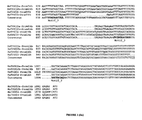
- the sequences have been aligned ( Figure 1 ), revealing an identity of 93% or more. Alignment with the 1.7 kb sequences gives identity percentages greater than 90%.
- the CaMV 35S promoter located upstream of the binary vector uidA gene pBI121 was removed by enzymatic digestion with the enzymes HindIII and BamH1 and purified on agarose gel on a Qiaquick column (Qiagen®).
- the PromTPS02b and PromTPS02b-TP promoter sequences were purified on a Qiaquick column (Qiagen®) after digestion of the plasmids pPromTPS02b and pPromTPS02b-TP with the enzymes HindIII and BamH1.
- the promoter sequences were introduced into the pBI121 vector at the HindIII and BamHI sites in replacement of the CaMV 35S promoter thus generating a transcriptional fusion with the uidA gene .
- the constructs are named pLIBRO-18 and pLIBRO-19 respectively.
- the two binary vectors pLIBRO-01 and 02 were introduced into the Agrobacterium strain LBA4404 by electroporation.
- the promTPS02b_1.7 promoter was cloned into the EcoRI site of the vector pCAMBIA1391Z (NID: AF234312) thus giving the vector pLIBRO-32.
- Transgenic tobacco lines (N. sylvestris) carrying the constructs pLIBRO-01, pLIBRO-02 and pLIBRO-32 were obtained by genetic transformation with the corresponding Agrobacterium strains using the leaf disc method (Horsch et al., 1985). Selection of the transformed lines was performed with 100 mg / L kanamycin sulfate and removal of the Agrobacterium strain with 250 mg / L Carbenicillin.
- cassette # 1 expression of the uidA gene in several transformants was only detected in the secretory cells of the glandular trichomes. In addition, under a microscope, it was demonstrated that GUS activity was localized in chloroplast cells, indicating that the GUS protein was correctly targeted in the chloroplast compartment.
Landscapes
- Health & Medical Sciences (AREA)
- Genetics & Genomics (AREA)
- Life Sciences & Earth Sciences (AREA)
- Engineering & Computer Science (AREA)
- Biomedical Technology (AREA)
- Chemical & Material Sciences (AREA)
- Bioinformatics & Cheminformatics (AREA)
- Organic Chemistry (AREA)
- Zoology (AREA)
- Wood Science & Technology (AREA)
- Biotechnology (AREA)
- General Engineering & Computer Science (AREA)
- General Health & Medical Sciences (AREA)
- Biochemistry (AREA)
- Microbiology (AREA)
- Molecular Biology (AREA)
- Cell Biology (AREA)
- Biophysics (AREA)
- Physics & Mathematics (AREA)
- Plant Pathology (AREA)
- Medicinal Chemistry (AREA)
- Breeding Of Plants And Reproduction By Means Of Culturing (AREA)
- Micro-Organisms Or Cultivation Processes Thereof (AREA)
- Peptides Or Proteins (AREA)
- Preparation Of Compounds By Using Micro-Organisms (AREA)
- Organic Low-Molecular-Weight Compounds And Preparation Thereof (AREA)
- Agricultural Chemicals And Associated Chemicals (AREA)
Applications Claiming Priority (2)
| Application Number | Priority Date | Filing Date | Title |
|---|---|---|---|
| FR0410799A FR2876387B1 (fr) | 2004-10-13 | 2004-10-13 | Promoteurs vegetaux et utilisations |
| PCT/FR2005/002530 WO2006040479A2 (fr) | 2004-10-13 | 2005-10-12 | Promoteurs vegetaux et utilisations |
Publications (2)
| Publication Number | Publication Date |
|---|---|
| EP1807516A2 EP1807516A2 (fr) | 2007-07-18 |
| EP1807516B1 true EP1807516B1 (fr) | 2011-03-02 |
Family
ID=34951159
Family Applications (1)
| Application Number | Title | Priority Date | Filing Date |
|---|---|---|---|
| EP05809287A Expired - Lifetime EP1807516B1 (fr) | 2004-10-13 | 2005-10-12 | Promoteurs vegetaux et utilisations |
Country Status (8)
| Country | Link |
|---|---|
| US (2) | US8993836B2 (enExample) |
| EP (1) | EP1807516B1 (enExample) |
| JP (1) | JP4961593B2 (enExample) |
| AT (1) | ATE500330T1 (enExample) |
| CA (1) | CA2581983C (enExample) |
| DE (1) | DE602005026685D1 (enExample) |
| FR (1) | FR2876387B1 (enExample) |
| WO (1) | WO2006040479A2 (enExample) |
Families Citing this family (20)
| Publication number | Priority date | Publication date | Assignee | Title |
|---|---|---|---|---|
| FR2881143B1 (fr) * | 2005-01-27 | 2010-12-17 | Librophyt | Systeme de production de terpenoides dans les plantes |
| US20160345631A1 (en) | 2005-07-19 | 2016-12-01 | James Monsees | Portable devices for generating an inhalable vapor |
| FR2914652B1 (fr) * | 2007-04-03 | 2013-01-18 | Librophyt | Genes codant pour z,z-farnesyl diphosphate synthase et une sesquiterpene synthase a produits multiples et leurs utilisations |
| US10076139B2 (en) | 2013-12-23 | 2018-09-18 | Juul Labs, Inc. | Vaporizer apparatus |
| USD825102S1 (en) | 2016-07-28 | 2018-08-07 | Juul Labs, Inc. | Vaporizer device with cartridge |
| GB2560652B8 (en) | 2013-12-23 | 2018-12-19 | Juul Labs Uk Holdco Ltd | Vaporization device systems and methods |
| US10058129B2 (en) | 2013-12-23 | 2018-08-28 | Juul Labs, Inc. | Vaporization device systems and methods |
| US20160366947A1 (en) | 2013-12-23 | 2016-12-22 | James Monsees | Vaporizer apparatus |
| US10159282B2 (en) | 2013-12-23 | 2018-12-25 | Juul Labs, Inc. | Cartridge for use with a vaporizer device |
| USD842536S1 (en) | 2016-07-28 | 2019-03-05 | Juul Labs, Inc. | Vaporizer cartridge |
| EP3226704B1 (en) | 2014-12-05 | 2021-01-20 | Juul Labs, Inc. | Calibrated dose control |
| EP3419443A4 (en) | 2016-02-11 | 2019-11-20 | Juul Labs, Inc. | SAFE MOUNTING OF CARTRIDGES FOR EVAPORATOR DEVICES |
| US10405582B2 (en) | 2016-03-10 | 2019-09-10 | Pax Labs, Inc. | Vaporization device with lip sensing |
| CN105755002A (zh) * | 2016-03-29 | 2016-07-13 | 河南农业大学 | 烟草西柏三烯一醇合成酶基因启动子及其应用 |
| USD849996S1 (en) | 2016-06-16 | 2019-05-28 | Pax Labs, Inc. | Vaporizer cartridge |
| USD851830S1 (en) | 2016-06-23 | 2019-06-18 | Pax Labs, Inc. | Combined vaporizer tamp and pick tool |
| USD836541S1 (en) | 2016-06-23 | 2018-12-25 | Pax Labs, Inc. | Charging device |
| BR112019016390A2 (pt) * | 2017-02-07 | 2020-04-07 | University Of Kentucky Research Foundation | método para aumentar o teor de éster de sacarose de uma planta de tabaco, uso de um gene de síntese de diterpenos, método para produzir uma planta de tabaco, planta de tabaco, material de propagação de plantas de tabaco, uso, folha colhida, folha de tabaco processada, material de tabaco curado, mistura de tabaco, produto da indústria do tabaco e artigo |
| USD887632S1 (en) | 2017-09-14 | 2020-06-16 | Pax Labs, Inc. | Vaporizer cartridge |
| CN109852614B (zh) * | 2018-12-06 | 2022-11-22 | 上海交通大学 | 一种调控基因在非分泌型腺毛中表达的启动子及其应用 |
Family Cites Families (2)
| Publication number | Priority date | Publication date | Assignee | Title |
|---|---|---|---|---|
| US6730826B2 (en) * | 2000-03-22 | 2004-05-04 | University Of Kentucky Research Foundation | Plant trichome gland specific promoter sequence |
| EP1636333A4 (en) * | 2003-06-19 | 2007-10-24 | Evogene Ltd | NUCLEOTIDE SEQUENCES FOR REGULATING GENE EXPRESSION IN VEGETABLE TRICHROMES, AND HYBRID GENES AND METHODS IN WHICH THEY INTERVENE |
-
2004
- 2004-10-13 FR FR0410799A patent/FR2876387B1/fr not_active Expired - Fee Related
-
2005
- 2005-10-12 WO PCT/FR2005/002530 patent/WO2006040479A2/fr not_active Ceased
- 2005-10-12 US US11/664,153 patent/US8993836B2/en not_active Expired - Fee Related
- 2005-10-12 JP JP2007536219A patent/JP4961593B2/ja not_active Expired - Fee Related
- 2005-10-12 EP EP05809287A patent/EP1807516B1/fr not_active Expired - Lifetime
- 2005-10-12 CA CA2581983A patent/CA2581983C/fr not_active Expired - Fee Related
- 2005-10-12 DE DE602005026685T patent/DE602005026685D1/de not_active Expired - Lifetime
- 2005-10-12 AT AT05809287T patent/ATE500330T1/de active
-
2015
- 2015-03-17 US US14/659,704 patent/US20150218574A1/en not_active Abandoned
Also Published As
| Publication number | Publication date |
|---|---|
| US20150218574A1 (en) | 2015-08-06 |
| CA2581983C (fr) | 2014-01-28 |
| JP4961593B2 (ja) | 2012-06-27 |
| CA2581983A1 (fr) | 2006-04-20 |
| FR2876387B1 (fr) | 2010-09-24 |
| DE602005026685D1 (de) | 2011-04-14 |
| ATE500330T1 (de) | 2011-03-15 |
| WO2006040479A3 (fr) | 2007-06-07 |
| US20090300791A1 (en) | 2009-12-03 |
| JP2008515450A (ja) | 2008-05-15 |
| WO2006040479A2 (fr) | 2006-04-20 |
| US8993836B2 (en) | 2015-03-31 |
| FR2876387A1 (fr) | 2006-04-14 |
| EP1807516A2 (fr) | 2007-07-18 |
Similar Documents
| Publication | Publication Date | Title |
|---|---|---|
| EP1807516B1 (fr) | Promoteurs vegetaux et utilisations | |
| CA2219979C (fr) | Sequence adn d'un gene de l'hydroxy-phenyl pyruvate dioxygenase et obtention de plantes contenant un gene de l'hydroxy-phenyl pyruvate dioxygenase, tolerantes a certains herbicides | |
| CA2293738A1 (en) | Regulatory sequences for transgenic plants | |
| Shinoyama et al. | Genetic engineering of chrysanthemum (Chrysanthemum morifolium): current progress and perspectives | |
| JP2001519668A (ja) | 植物種子脂質組成の改変のためのオレオシン5’調節領域 | |
| EP3392339A1 (en) | Improved genome editing in plant cells | |
| CN112384063A (zh) | 再生及转殖大麻的方法 | |
| AU759570C (en) | Transgenic lemnaceae | |
| CN104232655B (zh) | 利用MicroRNA156及其靶基因调控植物挥发油含量的方法 | |
| EP0412912B1 (fr) | Plantes transgéniques appartenant à l'espèce Cucumis melo | |
| FR2791358A1 (fr) | Promoteurs chimeriques d'expression, cassettes d'expression, plasmides, vecteurs, plantes et semences transgeniques les contenant et leurs methodes d'obtention | |
| FR2774379A1 (fr) | Procede de production, par des cellules vegetales, d'alpha 1-antitrypsine et de ses variantes, et produits contenant l'alpha-antitrypsine ainsi obtenue | |
| EP0672124B1 (fr) | Utilisation d'une sequence d'adn codant pour une proteine susceptible de degrader l'acide oxalique a titre de gene de selection | |
| CA2385763C (fr) | Promoteurs specifiques de l'albumen des graines de vegetaux | |
| WO2000071704A1 (fr) | Promoteur exerçant une activite specifique sur les tissus du pistil | |
| JP2001503992A (ja) | 線虫誘導性調節dna配列 | |
| FR2798139A1 (fr) | Vecteurs synthetiques propres, plasmides, plantes et parties de plantes transgeniques les contenant, et leurs methodes d'obtention | |
| JP2003511049A (ja) | プロトポルフィリノーゲンオキシダーゼ遺伝子を利用した作物の収量またはバイオマスの増大方法 | |
| KR101636317B1 (ko) | 주병조직 특이적 발현 프로모터 | |
| EP1121451B1 (fr) | Procede d'obtention de plantes transgeniques exprimant une proteine a activite productrice de peroxyde d'hydrogene par transformation par agrobacterium rhizogenes | |
| JPH1169979A (ja) | プロモーター配列およびその利用法 | |
| WO2011154385A1 (en) | Plant promoters and uses thereof | |
| JPH0779778A (ja) | エンド型キシログルカン転移酵素遺伝子 | |
| WO2005063989A1 (fr) | Sequences nucleotidiques promotrices inductibles par infection par les pathogenes. | |
| JP2010183872A (ja) | 新規なペルオキシダーゼ |
Legal Events
| Date | Code | Title | Description |
|---|---|---|---|
| PUAI | Public reference made under article 153(3) epc to a published international application that has entered the european phase |
Free format text: ORIGINAL CODE: 0009012 |
|
| 17P | Request for examination filed |
Effective date: 20070315 |
|
| AK | Designated contracting states |
Kind code of ref document: A2 Designated state(s): AT BE BG CH CY CZ DE DK EE ES FI FR GB GR HU IE IS IT LI LT LU LV MC NL PL PT RO SE SI SK TR |
|
| AX | Request for extension of the european patent |
Extension state: AL BA HR MK YU |
|
| DAX | Request for extension of the european patent (deleted) | ||
| 17Q | First examination report despatched |
Effective date: 20090803 |
|
| GRAP | Despatch of communication of intention to grant a patent |
Free format text: ORIGINAL CODE: EPIDOSNIGR1 |
|
| GRAS | Grant fee paid |
Free format text: ORIGINAL CODE: EPIDOSNIGR3 |
|
| GRAA | (expected) grant |
Free format text: ORIGINAL CODE: 0009210 |
|
| RAP1 | Party data changed (applicant data changed or rights of an application transferred) |
Owner name: PHILIP MORRIS PRODUCTS S.A. |
|
| AK | Designated contracting states |
Kind code of ref document: B1 Designated state(s): AT BE BG CH CY CZ DE DK EE ES FI FR GB GR HU IE IS IT LI LT LU LV MC NL PL PT RO SE SI SK TR |
|
| REG | Reference to a national code |
Ref country code: GB Ref legal event code: FG4D Free format text: NOT ENGLISH |
|
| REG | Reference to a national code |
Ref country code: CH Ref legal event code: EP |
|
| REG | Reference to a national code |
Ref country code: IE Ref legal event code: FG4D Free format text: LANGUAGE OF EP DOCUMENT: FRENCH |
|
| REF | Corresponds to: |
Ref document number: 602005026685 Country of ref document: DE Date of ref document: 20110414 Kind code of ref document: P |
|
| REG | Reference to a national code |
Ref country code: DE Ref legal event code: R096 Ref document number: 602005026685 Country of ref document: DE Effective date: 20110414 |
|
| REG | Reference to a national code |
Ref country code: SE Ref legal event code: TRGR |
|
| REG | Reference to a national code |
Ref country code: NL Ref legal event code: T3 |
|
| PG25 | Lapsed in a contracting state [announced via postgrant information from national office to epo] |
Ref country code: ES Free format text: LAPSE BECAUSE OF FAILURE TO SUBMIT A TRANSLATION OF THE DESCRIPTION OR TO PAY THE FEE WITHIN THE PRESCRIBED TIME-LIMIT Effective date: 20110613 Ref country code: GR Free format text: LAPSE BECAUSE OF FAILURE TO SUBMIT A TRANSLATION OF THE DESCRIPTION OR TO PAY THE FEE WITHIN THE PRESCRIBED TIME-LIMIT Effective date: 20110603 Ref country code: LV Free format text: LAPSE BECAUSE OF FAILURE TO SUBMIT A TRANSLATION OF THE DESCRIPTION OR TO PAY THE FEE WITHIN THE PRESCRIBED TIME-LIMIT Effective date: 20110302 Ref country code: LT Free format text: LAPSE BECAUSE OF FAILURE TO SUBMIT A TRANSLATION OF THE DESCRIPTION OR TO PAY THE FEE WITHIN THE PRESCRIBED TIME-LIMIT Effective date: 20110302 |
|
| LTIE | Lt: invalidation of european patent or patent extension |
Effective date: 20110302 |
|
| PG25 | Lapsed in a contracting state [announced via postgrant information from national office to epo] |
Ref country code: CY Free format text: LAPSE BECAUSE OF FAILURE TO SUBMIT A TRANSLATION OF THE DESCRIPTION OR TO PAY THE FEE WITHIN THE PRESCRIBED TIME-LIMIT Effective date: 20110302 Ref country code: SI Free format text: LAPSE BECAUSE OF FAILURE TO SUBMIT A TRANSLATION OF THE DESCRIPTION OR TO PAY THE FEE WITHIN THE PRESCRIBED TIME-LIMIT Effective date: 20110302 Ref country code: BG Free format text: LAPSE BECAUSE OF FAILURE TO SUBMIT A TRANSLATION OF THE DESCRIPTION OR TO PAY THE FEE WITHIN THE PRESCRIBED TIME-LIMIT Effective date: 20110602 |
|
| REG | Reference to a national code |
Ref country code: IE Ref legal event code: FD4D |
|
| PG25 | Lapsed in a contracting state [announced via postgrant information from national office to epo] |
Ref country code: PT Free format text: LAPSE BECAUSE OF FAILURE TO SUBMIT A TRANSLATION OF THE DESCRIPTION OR TO PAY THE FEE WITHIN THE PRESCRIBED TIME-LIMIT Effective date: 20110704 Ref country code: IE Free format text: LAPSE BECAUSE OF FAILURE TO SUBMIT A TRANSLATION OF THE DESCRIPTION OR TO PAY THE FEE WITHIN THE PRESCRIBED TIME-LIMIT Effective date: 20110302 Ref country code: EE Free format text: LAPSE BECAUSE OF FAILURE TO SUBMIT A TRANSLATION OF THE DESCRIPTION OR TO PAY THE FEE WITHIN THE PRESCRIBED TIME-LIMIT Effective date: 20110302 |
|
| PG25 | Lapsed in a contracting state [announced via postgrant information from national office to epo] |
Ref country code: RO Free format text: LAPSE BECAUSE OF FAILURE TO SUBMIT A TRANSLATION OF THE DESCRIPTION OR TO PAY THE FEE WITHIN THE PRESCRIBED TIME-LIMIT Effective date: 20110302 Ref country code: IS Free format text: LAPSE BECAUSE OF FAILURE TO SUBMIT A TRANSLATION OF THE DESCRIPTION OR TO PAY THE FEE WITHIN THE PRESCRIBED TIME-LIMIT Effective date: 20110702 Ref country code: SK Free format text: LAPSE BECAUSE OF FAILURE TO SUBMIT A TRANSLATION OF THE DESCRIPTION OR TO PAY THE FEE WITHIN THE PRESCRIBED TIME-LIMIT Effective date: 20110302 Ref country code: CZ Free format text: LAPSE BECAUSE OF FAILURE TO SUBMIT A TRANSLATION OF THE DESCRIPTION OR TO PAY THE FEE WITHIN THE PRESCRIBED TIME-LIMIT Effective date: 20110302 |
|
| PLBE | No opposition filed within time limit |
Free format text: ORIGINAL CODE: 0009261 |
|
| STAA | Information on the status of an ep patent application or granted ep patent |
Free format text: STATUS: NO OPPOSITION FILED WITHIN TIME LIMIT |
|
| 26N | No opposition filed |
Effective date: 20111205 |
|
| PG25 | Lapsed in a contracting state [announced via postgrant information from national office to epo] |
Ref country code: PL Free format text: LAPSE BECAUSE OF FAILURE TO SUBMIT A TRANSLATION OF THE DESCRIPTION OR TO PAY THE FEE WITHIN THE PRESCRIBED TIME-LIMIT Effective date: 20110302 Ref country code: DK Free format text: LAPSE BECAUSE OF FAILURE TO SUBMIT A TRANSLATION OF THE DESCRIPTION OR TO PAY THE FEE WITHIN THE PRESCRIBED TIME-LIMIT Effective date: 20110302 |
|
| REG | Reference to a national code |
Ref country code: DE Ref legal event code: R097 Ref document number: 602005026685 Country of ref document: DE Effective date: 20111205 |
|
| PG25 | Lapsed in a contracting state [announced via postgrant information from national office to epo] |
Ref country code: MC Free format text: LAPSE BECAUSE OF NON-PAYMENT OF DUE FEES Effective date: 20111031 Ref country code: IT Free format text: LAPSE BECAUSE OF FAILURE TO SUBMIT A TRANSLATION OF THE DESCRIPTION OR TO PAY THE FEE WITHIN THE PRESCRIBED TIME-LIMIT Effective date: 20110302 |
|
| PG25 | Lapsed in a contracting state [announced via postgrant information from national office to epo] |
Ref country code: LU Free format text: LAPSE BECAUSE OF NON-PAYMENT OF DUE FEES Effective date: 20111012 |
|
| PG25 | Lapsed in a contracting state [announced via postgrant information from national office to epo] |
Ref country code: TR Free format text: LAPSE BECAUSE OF FAILURE TO SUBMIT A TRANSLATION OF THE DESCRIPTION OR TO PAY THE FEE WITHIN THE PRESCRIBED TIME-LIMIT Effective date: 20110302 |
|
| PG25 | Lapsed in a contracting state [announced via postgrant information from national office to epo] |
Ref country code: HU Free format text: LAPSE BECAUSE OF FAILURE TO SUBMIT A TRANSLATION OF THE DESCRIPTION OR TO PAY THE FEE WITHIN THE PRESCRIBED TIME-LIMIT Effective date: 20110302 |
|
| PGFP | Annual fee paid to national office [announced via postgrant information from national office to epo] |
Ref country code: SE Payment date: 20141023 Year of fee payment: 10 Ref country code: GB Payment date: 20141031 Year of fee payment: 10 Ref country code: FI Payment date: 20141021 Year of fee payment: 10 Ref country code: CH Payment date: 20141027 Year of fee payment: 10 Ref country code: FR Payment date: 20141014 Year of fee payment: 10 |
|
| PGFP | Annual fee paid to national office [announced via postgrant information from national office to epo] |
Ref country code: AT Payment date: 20141029 Year of fee payment: 10 Ref country code: NL Payment date: 20141027 Year of fee payment: 10 |
|
| PGFP | Annual fee paid to national office [announced via postgrant information from national office to epo] |
Ref country code: DE Payment date: 20141230 Year of fee payment: 10 Ref country code: BE Payment date: 20141030 Year of fee payment: 10 |
|
| REG | Reference to a national code |
Ref country code: DE Ref legal event code: R119 Ref document number: 602005026685 Country of ref document: DE |
|
| REG | Reference to a national code |
Ref country code: SE Ref legal event code: EUG Ref country code: CH Ref legal event code: PL |
|
| REG | Reference to a national code |
Ref country code: AT Ref legal event code: MM01 Ref document number: 500330 Country of ref document: AT Kind code of ref document: T Effective date: 20151012 |
|
| GBPC | Gb: european patent ceased through non-payment of renewal fee |
Effective date: 20151012 |
|
| REG | Reference to a national code |
Ref country code: NL Ref legal event code: MM Effective date: 20151101 |
|
| PG25 | Lapsed in a contracting state [announced via postgrant information from national office to epo] |
Ref country code: CH Free format text: LAPSE BECAUSE OF NON-PAYMENT OF DUE FEES Effective date: 20151031 Ref country code: LI Free format text: LAPSE BECAUSE OF NON-PAYMENT OF DUE FEES Effective date: 20151031 Ref country code: DE Free format text: LAPSE BECAUSE OF NON-PAYMENT OF DUE FEES Effective date: 20160503 Ref country code: GB Free format text: LAPSE BECAUSE OF NON-PAYMENT OF DUE FEES Effective date: 20151012 |
|
| REG | Reference to a national code |
Ref country code: FR Ref legal event code: ST Effective date: 20160630 |
|
| PG25 | Lapsed in a contracting state [announced via postgrant information from national office to epo] |
Ref country code: FR Free format text: LAPSE BECAUSE OF NON-PAYMENT OF DUE FEES Effective date: 20151102 Ref country code: AT Free format text: LAPSE BECAUSE OF NON-PAYMENT OF DUE FEES Effective date: 20151012 Ref country code: SE Free format text: LAPSE BECAUSE OF NON-PAYMENT OF DUE FEES Effective date: 20151013 Ref country code: NL Free format text: LAPSE BECAUSE OF NON-PAYMENT OF DUE FEES Effective date: 20151101 |
|
| PG25 | Lapsed in a contracting state [announced via postgrant information from national office to epo] |
Ref country code: FI Free format text: LAPSE BECAUSE OF NON-PAYMENT OF DUE FEES Effective date: 20151012 |
|
| PG25 | Lapsed in a contracting state [announced via postgrant information from national office to epo] |
Ref country code: BE Free format text: LAPSE BECAUSE OF NON-PAYMENT OF DUE FEES Effective date: 20151031 |