EP1565195B1 - Antikrebs- und antivirale zusammensetzung - Google Patents
Antikrebs- und antivirale zusammensetzung Download PDFInfo
- Publication number
- EP1565195B1 EP1565195B1 EP03759049A EP03759049A EP1565195B1 EP 1565195 B1 EP1565195 B1 EP 1565195B1 EP 03759049 A EP03759049 A EP 03759049A EP 03759049 A EP03759049 A EP 03759049A EP 1565195 B1 EP1565195 B1 EP 1565195B1
- Authority
- EP
- European Patent Office
- Prior art keywords
- composition
- present
- anticancer
- arginine
- zinc
- Prior art date
- Legal status (The legal status is an assumption and is not a legal conclusion. Google has not performed a legal analysis and makes no representation as to the accuracy of the status listed.)
- Expired - Lifetime
Links
Images






Classifications
-
- A—HUMAN NECESSITIES
- A61—MEDICAL OR VETERINARY SCIENCE; HYGIENE
- A61K—PREPARATIONS FOR MEDICAL, DENTAL OR TOILETRY PURPOSES
- A61K31/00—Medicinal preparations containing organic active ingredients
- A61K31/185—Acids; Anhydrides, halides or salts thereof, e.g. sulfur acids, imidic, hydrazonic or hydroximic acids
- A61K31/19—Carboxylic acids, e.g. valproic acid
- A61K31/195—Carboxylic acids, e.g. valproic acid having an amino group
- A61K31/197—Carboxylic acids, e.g. valproic acid having an amino group the amino and the carboxyl groups being attached to the same acyclic carbon chain, e.g. gamma-aminobutyric acid [GABA], beta-alanine, epsilon-aminocaproic acid or pantothenic acid
- A61K31/198—Alpha-amino acids, e.g. alanine or edetic acid [EDTA]
-
- A—HUMAN NECESSITIES
- A61—MEDICAL OR VETERINARY SCIENCE; HYGIENE
- A61K—PREPARATIONS FOR MEDICAL, DENTAL OR TOILETRY PURPOSES
- A61K31/00—Medicinal preparations containing organic active ingredients
- A61K31/185—Acids; Anhydrides, halides or salts thereof, e.g. sulfur acids, imidic, hydrazonic or hydroximic acids
- A61K31/19—Carboxylic acids, e.g. valproic acid
- A61K31/194—Carboxylic acids, e.g. valproic acid having two or more carboxyl groups, e.g. succinic, maleic or phthalic acid
-
- A—HUMAN NECESSITIES
- A61—MEDICAL OR VETERINARY SCIENCE; HYGIENE
- A61K—PREPARATIONS FOR MEDICAL, DENTAL OR TOILETRY PURPOSES
- A61K33/00—Medicinal preparations containing inorganic active ingredients
- A61K33/24—Heavy metals; Compounds thereof
- A61K33/30—Zinc; Compounds thereof
-
- A—HUMAN NECESSITIES
- A61—MEDICAL OR VETERINARY SCIENCE; HYGIENE
- A61P—SPECIFIC THERAPEUTIC ACTIVITY OF CHEMICAL COMPOUNDS OR MEDICINAL PREPARATIONS
- A61P31/00—Antiinfectives, i.e. antibiotics, antiseptics, chemotherapeutics
- A61P31/12—Antivirals
-
- A—HUMAN NECESSITIES
- A61—MEDICAL OR VETERINARY SCIENCE; HYGIENE
- A61P—SPECIFIC THERAPEUTIC ACTIVITY OF CHEMICAL COMPOUNDS OR MEDICINAL PREPARATIONS
- A61P31/00—Antiinfectives, i.e. antibiotics, antiseptics, chemotherapeutics
- A61P31/12—Antivirals
- A61P31/14—Antivirals for RNA viruses
-
- A—HUMAN NECESSITIES
- A61—MEDICAL OR VETERINARY SCIENCE; HYGIENE
- A61P—SPECIFIC THERAPEUTIC ACTIVITY OF CHEMICAL COMPOUNDS OR MEDICINAL PREPARATIONS
- A61P31/00—Antiinfectives, i.e. antibiotics, antiseptics, chemotherapeutics
- A61P31/12—Antivirals
- A61P31/14—Antivirals for RNA viruses
- A61P31/18—Antivirals for RNA viruses for HIV
-
- A—HUMAN NECESSITIES
- A61—MEDICAL OR VETERINARY SCIENCE; HYGIENE
- A61P—SPECIFIC THERAPEUTIC ACTIVITY OF CHEMICAL COMPOUNDS OR MEDICINAL PREPARATIONS
- A61P31/00—Antiinfectives, i.e. antibiotics, antiseptics, chemotherapeutics
- A61P31/12—Antivirals
- A61P31/20—Antivirals for DNA viruses
-
- A—HUMAN NECESSITIES
- A61—MEDICAL OR VETERINARY SCIENCE; HYGIENE
- A61P—SPECIFIC THERAPEUTIC ACTIVITY OF CHEMICAL COMPOUNDS OR MEDICINAL PREPARATIONS
- A61P35/00—Antineoplastic agents
-
- A—HUMAN NECESSITIES
- A61—MEDICAL OR VETERINARY SCIENCE; HYGIENE
- A61P—SPECIFIC THERAPEUTIC ACTIVITY OF CHEMICAL COMPOUNDS OR MEDICINAL PREPARATIONS
- A61P35/00—Antineoplastic agents
- A61P35/02—Antineoplastic agents specific for leukemia
-
- A—HUMAN NECESSITIES
- A61—MEDICAL OR VETERINARY SCIENCE; HYGIENE
- A61P—SPECIFIC THERAPEUTIC ACTIVITY OF CHEMICAL COMPOUNDS OR MEDICINAL PREPARATIONS
- A61P43/00—Drugs for specific purposes, not provided for in groups A61P1/00-A61P41/00
-
- Y—GENERAL TAGGING OF NEW TECHNOLOGICAL DEVELOPMENTS; GENERAL TAGGING OF CROSS-SECTIONAL TECHNOLOGIES SPANNING OVER SEVERAL SECTIONS OF THE IPC; TECHNICAL SUBJECTS COVERED BY FORMER USPC CROSS-REFERENCE ART COLLECTIONS [XRACs] AND DIGESTS
- Y02—TECHNOLOGIES OR APPLICATIONS FOR MITIGATION OR ADAPTATION AGAINST CLIMATE CHANGE
- Y02A—TECHNOLOGIES FOR ADAPTATION TO CLIMATE CHANGE
- Y02A50/00—TECHNOLOGIES FOR ADAPTATION TO CLIMATE CHANGE in human health protection, e.g. against extreme weather
- Y02A50/30—Against vector-borne diseases, e.g. mosquito-borne, fly-borne, tick-borne or waterborne diseases whose impact is exacerbated by climate change
Definitions
- the present invention in general, relates to an anticancer or antiviral composition, and more particularly, to an anticancer or antiviral composition comprising therapeutically effective amounts of citric acid and/or zinc and L-arginine, along with a pharmaceutically acceptable carrier.
- anticancer agents are problematic in terms of being highly toxic and thus severely damaging normal cells.
- many recent studies have focused on developing alternative anticancer substances capable of specifically suppressing proliferation of tumor cells, leading to finding many candidates having anticancer activity.
- anticancer compounds are disclosed in International Pat. Publication Nos. WO 96/40142 , WO 97/13771 and WO 95/23141 .
- the newly discovered anticancer compounds, which specifically suppress proliferation of tumor cells are chemically synthesized and thus have a potential to induce severe side effects in the body.
- the present invention is related to the fact that natural human seminal fluid has an anticancer effect versus epithelial ovarian cancer.
- Epithelial ovarian cancer is the most common type of ovarian cancer, and a major cause of death by malignancy in gynecological oncology.
- the high mortality of patients with epithelial ovarian cancer is due to insidious development of epithelial ovarian cancer, causing most patients to recognize significant symptoms at a considerably advanced stage ( Ozols, R. F. Semin. Oncol., 1995, Vol.22, p61 .).
- Ozols, R. F. Semin. Oncol., 1995, Vol.22, p61 . Despite removal of tumor by surgical operation or positive chemotherapy, only 20-30% of patients with epithelial ovarian cancer survive owing to rapid emergence of drug resistance.
- Oral contraceptives are generally known to have protective effect versus development of epithelial ovarian cancer.
- epithelial ovarian cancer occurs by repeated division and repair of the ovarian surface epithelium during ovulation ( Fathalla, M. F. Lancet., 1971, Vol.2, p163 .).
- transformed epithelial cells are spontaneously mutated, tumor-suppressor genes are inactivated, and oncogenes are easily activated by carcinogens.
- the human seminal fluid has been reported to have the following physiological functions and anticancer effects.
- the seminal plasma repairs immunological damage to sperm caused by cytotoxic lymphocytes after sexual intercourse ( Stities et al. Nature, 1975, Vol. 253, p727 ; James et al. Immunol., 1985, Vol. 6, p61 .), and the human seminal fluid inhibits development of humoral immunity and in vivo growth of tumor ( Anderson et al. Immunol., 1985, Vol. 128, p535 ; and Michaelis et al. Anticancer Drugs, 2000, Vol. 11, p369 .).
- the human seminal fluid influences production of matrix metalloproteinase (MMP)-2 and MMP-9 mRNA in cervical epithelial carcinoma cells, and thus is believed to affect progression of cervical cancer upon sexual activity ( Jeremias et al. Am. J. Obstet. Gynecol., 1999, Vol. 181, p591 .).
- MMP matrix metalloproteinase
- BS-RNase bovine seminal ribonuclease
- BS-RNase induces apoptosis in human lymphocytes and human tumor cells in time and dose-dependent manners.
- BS-RNase exerts selective cytotoxicity to neuroblastoma (NB) cells resistant to chemotherapeutic drugs ( Cinatl et al. Anticancer Res., 2000, Vol. 20, p853 ; Cinatl et al. Int. J. Oncol., 1999, Vol 15, p1001 .).
- Gjorgov performed ecological research on anticancer effects of seminal fluid by comparing various cases, in which relations between reduced exposure to the human seminal fluid and incidence of breast cancer were investigated.
- this research when comparing incidence risk of breast cancer in women using barrier contraceptives (condom) to that in women using non-barrier contraceptives (contraceptive drugs, intra uterine device (IUD), rhythm control, or tubal ligation), women using barrier contraceptives (condom) were found to have 5.2-fold higher incidence of breast cancer ( Gjorgov et al. Folia Med., 1998, Vol. 40, p17 .).
- Major components of the seminal fluid having anticancer activity as described above include albumin, lactoferrin, transferrin, immunoglobulins, acid phosphatase, L-carnitine, L-arginine, L-histidine, citric acid, fructose, magnesium, zinc, prostaglandin, and glycerophosphocholine.
- the present inventors intended to develop uses of anticancer agents capable of showing excellent anticancer effect in addition to having reduced side effects.
- Papillomavirus is known to infect epithelial cells of several tissues in animals and induce benign tumors generally called "warts" in hands, foots, the skin, the larynx, etc.
- HPV human papillomavirus
- HPV types 16 and 18 were reported to relate to occurrence of malignant tumors in genital organs, the oral cavity, the skin, etc., and to serve as a major factor causing uterine cancer accounting for over 90% of cervical cancer, as well as HPV types 6b and 11 were revealed to cause benign tumors called "condyloma acuminata (or genital warts)" in genital organs.
- condyloma acuminata or genital warts
- a large amount of evidence from epidemiological studies suggests that uterine carcinomas are caused by infection with papillomavirus, where the evidences include the findings that uterine carcinomas are mainly developed by factors spread via sexual contacts ( Durst et al., Natl. Acad.
- CIN cervical intraepithelial neoplasia
- HPV types 16 and 18 are present in 50 to 70% and 15 to 25%, respectively, of uterine cancer.
- HPV-16 over 25% of cancer patients infected with HPV-16 and over 50% of cancer patients infected with HPV-18 were evaluated to develop metastatic tumors ( Lorincz et al., Obstetrics and Gynecology, 1992, VoL 79, p328 .).
- the present invention intended to prevent and treat various diseases caused by viral infections using antiviral substances present in human seminal fluid with anticancer effect, including citric acid, zinc and L-arginine.
- WO 91/09524 A discloses a composition comprising 5.7% (w/w) I-arginine, 2.35% (w/w) citric acid and 0.01 % zinc for the treatment of AIDS or cancer.
- US-A-5,719,134 discloses a composition comprising 1% (w/w) I-arginine, 0.8% (w/w) citric acid and 0.02% zinc for the treatment of AIDS.
- WO 01/58414 A discloses a composition comprising 2.2% (w/w) I-arginine, citric acid and 0.15% zinc.
- US-A-5,518,714 discloses a composition comprising 5% (w/w) I-arginine, 5% (w/w) citric acid and 5% zinc.
- the present inventors Based on the fact that reduced exposure to the human seminal fluid during ovulation is a pathological risk factor in epithelial ovarian cancer progression, the present inventors concluded that the human seminal fluid is able to effectively remove malignant transformed epithelial cells. In addition, the present inventors found that a composition containing the human seminal fluid with anticancer effect suppresses production of viral proteins in cervical carcinoma cells in which the cancer is caused by papillomavirus infection.
- the present invention provides uses of anticancer or antiviral compositions, as follows.
- the present invention provides use of an anticancer composition
- an anticancer composition comprising therapeutically effective amounts of citric acid, zinc and L-arginine along with a pharmaceutically acceptable carrier, according to claim 1.
- the present invention provides uses of an antiviral composition comprising therapeutically effective amounts of citric acid, zinc and L-arginine along with a pharmaceutically acceptable carrier, according to claim 2.
- the present description provides an anticancer composition comprising citric acid and L-arginine as active components.
- the above anticancer composition is characterized by comprising as active components citric acid in an amount of 0.01-20% by weight, preferably 0.5-5% by weight, and L-arginine in an amount of 0.01-20% by weight, preferably 0.5-10% by weight, based on the total weight of the composition, along with a pharmaceutically acceptable carrier.
- the carrier used in the anticancer composition includes the commonly used carriers, adjuvants and vehicles in the pharmaceutical field.
- the present description provides an anticancer composition comprising zinc and L-arginine as active components.
- the above anticancer composition is characterized by comprising as active components zinc in an amount of 0.001-5% by weight, preferably 0.01-1% by weight, and L-arginine in an amount of 0.01-20% by weight, preferably 0.5-10% by weight, based on the total weight of the composition, along with a pharmaceutically acceptable carrier.
- the carrier used in the anticancer composition includes the commonly used carriers, adjuvants and vehicles in the pharmaceutical field.
- the present invention provides uses of an anticancer composition comprising citric acid, zinc and L-arginine as active components.
- the above anticancer composition is characterized by comprising as active components citric acid in an amount of 0.01-20% by weight, preferably 0.5-5% by weight, zinc in an amount of 0.001-5% by weight, preferably 0.01-1% by weight, and L-arginine in an amount of 0.01-20% by weight, preferably 0.5-10% by weight, based on the total weight of the composition, along with a pharmaceutically acceptable carrier.
- the carrier used in the anticancer composition includes commonly used carriers, adjuvants and vehicles in the pharmaceutical field.
- Citric acid; zinc; and L-arginine selectively used as an active component in each aspect, may be used in the anticancer compositions of the present invention in the following forms, but the present invention is not limited to them; instead, it is limited only by the claims.
- Citric acid used in the present invention may be in any of the forms extracted from seeds or fruit juice of a variety of plants, where citric acid exists in a free form. Also citric acid prepared by a surface fermentation process or submerged fermentation process using the fungus Aspergillus niger may be used in the anticancer compositions of the present invention. In the process of preparing citric acid, fermentation is performed using molasses as an energy source, and various centrifugal separators, including a separator with self-cleaning bowl, a separator with nozzle bowl and a screw decanter, are used.
- Zinc used in the present invention may be in any of the forms extracted from oysters, crustaceans, fishes, animal products such as red meat, and various vegetable products including grain, beans, nuts and seeds, in which zinc is present in abundance.
- Zinc may be used in various forms in the anticancer compositions of the present invention.
- Zinc sulfate has been used in most clinical trials, but zinc ions in other forms are also easily absorbed and utilized by the body. Examples of the available forms of zinc include chelated zinc ions with picolinate, acetate, sodium citrate, glycerate and monomethionine.
- L-arginine used in the present invention may be in any of the forms prepared by fermentation or extraction from protein sources, and preferably, by a fermentation process.
- Methods for preparing L-arginine by fermentation may include fermentation using a microorganism resistant to arginine analogues ( Agricultural Biological Chemistry, 1972, Vol. 36, p1675 ; Journal of General Applied Microbiology, 1973, Vol. 19, p339 ; Japanese Pat. Publication No. 3391-1973 and U.S. Pat. No. 3723249 ), L-arginine can be produced directly from carbon and nitrogen sources, for example, by using a glutaminic acid-producing microorganism belonging the genus Brevibacterium or Corynebacterium (Japanese Pat.
- the anticancer composition has an activity of stimulating cell death of tumor cells or inhibiting proliferation of tumor cells by inducing apoptosis of tumor cells.
- apoptosis is a programmed cell death under inherent genetic control, and is induced according to an encoded program by apoptosis-related genes activated by specific external or internal factors. Activation of apoptosis-inducing genes results in biosynthesis or degradation of translation products of programmed cell death genes, eventually causing cell death.
- Apoptosis is typically evaluated by a biochemical method investigating DNA fragmentation, or a molecular biological method detecting expression of apoptosis-associated proteins. According to a large number of recent reports, it was demonstrated that substances inducing apoptosis in tumor cells control cell death of tumor cells, and effectively inhibit proliferation of cancers.
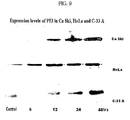
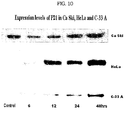
- the aforementioned methods are used to verify that the mechanism of cell death specifically induced by the anticancer composition of the present invention is apoptosis. That is, DNA fragmentation was found in DNA samples extracted from tumor cells treated with the anticancer composition of the present invention ( FIG. 8 ). In addition, apoptosis-associated proteins were detected in tumor cells treated with the anticancer composition of the present invention ( FIGS. 9 , 10 and 11 ).
- the apoptosis-associated proteins identified by the anticancer composition of the present invention are P21, P53 and C-Myc proteins. As well known in the art, expression of P53 protein leads to the synthesis of P21 protein inhibiting the activity of factors stimulating cell division. Thus, P53 and P21 proteins function to suppress cancer development by inhibiting cell division.
- C-Myc is an oncogenic protein, which stimulates DNA replication in tumor cells and thus activating cell division of the tumor cells.
- the anticancer composition used in the present invention applied to epithelial ovarian cancer as an illustrative cancer type in the present invention, is applicable to other types of cancer.
- the anticancer composition used according to the present invention may be useful for treatment of the following cancer types, but is not limited to them: bladder, breast, intestine, kidney, liver, lung (including small cell lung carcinoma), brain, esophagus, gall-bladder, ovary, pancreas, stomach, cervical, thyroid, prostate and skin (including squamous cell carcinoma) carcinomas; hematopoietic tumors in the lymphatic system including leukemia, acute lymphoid leukemia, acute lymphoblastic leukemia, B-cell lymphoma, T-cell lymphoma, Hodgkin's lymphoma, non-Hodgldn's lymphoma, hairy cell lymphoma and Burkitt's lymphoma; hematopoietic tumors in the bone marrow including acute and chronic myelogenous leukemia, myelodysplastic syndrome and promyelocytic leukemia; tumors in the central and peripheral nervous systems, including astrocyto
- the anticancer composition used according to the present invention is useful for suppression or treatment of lung cancer, brain cancer, breast cancer, large intestine cancer, gestational choriocarcinoma, uterine cancer and ovarian cancer, and particularly preferably, epithelial ovarian cancer.
- the present description provides an antiviral composition
- an antiviral composition comprising citric acid and L-arginine as active components.
- the above antiviral composition is characterized by comprising as active components citric acid in an amount of 0.001-20% by weight, preferably 0.01-5% by weight, and L-arginine in an amount of 0.001-20% by weight, preferably 0.01-10% by weight, based on the total weight of the composition, along with a pharmaceutically acceptable carrier.
- the carrier used in the antiviral composition includes the commonly used carriers, adjuvants and vehicles in the pharmaceutical field.
- the present description provides an antiviral composition comprising zinc and L-arginine as active components.
- the above antiviral composition is characterized by comprising as active components zinc in an amount of 0.0001-5% by weight, preferably 0.001-1% by weight, and L-arginine in an amount of 0.001-20% by weight, preferably 0.01-10% by weight, based on the total weight of the composition, along with a pharmaceutically acceptable carrier.
- the carrier used in the antiviral composition includes the commonly used carriers, adjuvants and vehicles in the pharmaceutical field.
- the present invention provides uses of an antiviral composition comprising citric acid, zinc and L-arginine as active components.
- the above antiviral composition is characterized by comprising as active components citric acid in an amount of 0.001-20% by weight, preferably 0.01-5% by weight, zinc in an amount of 0.0001-5% by weight, preferably 0.001-1% by weight, and L-arginine in an amount of 0.001-20% by weight, preferably 0.01-10% by weight, based on the total weight of the composition, along with a pharmaceutically acceptable carrier.
- the carrier used in the antiviral composition includes the commonly used carriers, adjuvants and vehicles in the pharmaceutical field.
- the activity of the antiviral composition used in the present invention may be verified by analyzing expression of viral proteins in cancer cell lines. That is, after a cancer cell line is treated with the present antiviral composition, proteins are isolated from the cell line and analyzed for presence of viral proteins by a molecular biology technique commonly known in the art. In addition, the activity of the present antiviral composition may be verified by confirming viral infections to be prevented or treated when directly applied to viral infection sites in the body.
- E6 and E7 proteins of HPV type 16 or 18 were analyzed, which are known as antigenic proteins causing uterine cancer.
- the present antiviral composition is demonstrated to reduce the expression of the E6 and E7 proteins in a cervical cancer cell line ( FIG. 13 ).
- genital warts were found to be treated when the present antiviral composition was applied to the vulva of a female patient with genital warts by HPV infections ( FIG. 14 ).
- CPE cytopathic effect
- the antiviral composition used according to the present invention may be used for preventing or treating diverse diseases caused by viral infections. Therefore, non-limiting examples of the diseases caused by viral infections, which can be treated or prevented by use of the present antiviral composition, include warts that are skin growths caused by infection with papillomavirus, which stimulates the local proliferation of cells in the epidermis of the skin and thus leads to enlargement of the keratin layer, and condyloma acuminata caused by papillomavirus infections around genital organs or the anus.
- the present antiviral composition has effects of inhibiting viral proliferation, and thus may inhibit proliferation of AIDS virus causing AIDS (Acquired Immune Deficiency Syndrome), influenza virus, enterovirus causing meningitis, poliovirus causing infantile paralysis, etc.
- AIDS virus causing AIDS (Acquired Immune Deficiency Syndrome)
- influenza virus enterovirus causing meningitis
- poliovirus causing infantile paralysis, etc.
- the antiviral composition used according to the present invention may prevent or treat diseases caused by papillomavirus, AIDS virus, enterovirus or poliovirus.
- the carrier used in the anticancer or antiviral composition for used in the present invention includes the commonly used carriers, adjuvants and vehicles, in the pharmaceutical field, which are as a whole called “pharmaceutically acceptable carriers”.
- Non-limiting pharmaceutically acceptable carriers used in the anticancer composition of the present invention include ion exchange, alumina, aluminum stearate, lecithin, serum proteins, buffering agents (e.g., sodium phosphate, glycine, sorbic acid, potassium sorbate, partial glyceride mixtures of vegetable saturated fatty acids), water, salts or electrolytes (e.g., protamine sulfate, disodium hydrophosphate, potassium hydrophoshate, sodium chloride, and zinc salts), colloidal silica, magnesium trisilicate, polyvinylpyrrolidone, cellulose-based substrates, polyethylene glycol, sodium carboxymethylcellulose, polyarylate, waxes, polyethylene-polyoxypropylene-block copolymers, polyethylene glycol, and wool fat.
- buffering agents e.g., sodium phosphate, glycine, sorbic acid, potassium sorbate, partial glyceride mixtures of vegetable saturated fatty acids
- water salt
- the present composition may be administered via any of the common routes, if being able to reach a desired tissue. Therefore, the present composition may be administered topically, orally, parenterally, intraocularly, transdermally, intrarectally and intraluminally, and may be formulated into solutions, suspensions, tablets, pills, capsules, sustained release preparations, ointments, creams, and the like.
- parenteral includes subcutaneous, intranasal, intravenous, intraperitoneal, intramuscular, intra-articular, intra-synovial, intrasternal, intracardial, intrathecal, intralesional and intracranial injection or infusion techniques.
- the present composition when formulated as a solid preparation for oral application, may include, in addition to the active ingredient, diluents (e.g., lactose, dextrose, sucrose, cellulose, corn starch or potato starch), lubricants (e.g., silica, talc, stearic acid, magnesium or calcium stearate, and/or polyethylene glycol), binders (e.g., starch, gum arabic, gelatin methylcellulose, carboxymethylcellulose or polyvinyl pyrrolidone), disintegrators (e.g., starch, alginic acid, alginate or sodium starch glycolate), formal mixtures, dyes, sweetening agents, humectants (e.g., lecithin, polysorbate, laurylsulfate), and the commonly used, pharmaceutically inert substances.
- the solid formulation for oral administration may be prepared by the methods known in the art, for example, via a process comprising mixing, granulation,
- the present composition when formulated as liquid compositions for oral application, such as solutions, emulsions, suspensions, syrups or elixirs, the present composition may include the commonly used inert diluents (e.g., purified water, ethanol). If desired, the liquid composition may further include adjuvants, for example, humectants and emulsifiers, sweetening agents, perfumes, aromatic agents, and antiseptic agents.
- inert diluents e.g., purified water, ethanol
- the liquid composition may further include adjuvants, for example, humectants and emulsifiers, sweetening agents, perfumes, aromatic agents, and antiseptic agents.
- the present composition may be formulated as aqueous solutions for parenteral administration.
- a suitable buffer solution such as Hank's solution, Ringer's solution or physiologically buffered saline
- Aqueous injection suspensions may be supplemented with substances capable of increasing viscosity of the suspensions, which are exemplified by sodium carboxymethylcellulose, sorbitol and dextran.
- suspensions of the active components such as oily injection suspension, include lipophilic solvents or carriers, which are exemplified by fatty oils such as sesame oil, and synthetic fatty acid esters such as ethyl oleate, triglycerides or liposomes.
- Polycationic non-lipid amino polymers may be also used as vehicles.
- the suspensions may contain suitable stabilizers or drugs to increase the solubility of components and obtain high concentrations of the components.
- the present composition is preferably in the form of a sterile injectable preparation, such as a sterile injectable aqueous or oleaginous suspension.
- a sterile injectable preparation such as a sterile injectable aqueous or oleaginous suspension.
- Such suspension may be formulated according to the methods known in the art, using suitable dispersing or wetting agents (e.g., Tween 80) and suspending agents.
- the sterile injectable preparations may also be a sterile injectable solution or suspension in a non-toxic parenteially-acceptable diluent or solvent, such as a solution in 1,3-butanediol.
- the acceptable vehicles and solvents include mannitol, water, Ringer's solution and isotonic sodium chloride solution.
- sterile fixed oils may conventionally be employed as a solvent or suspending medium.
- any bland fixed oil may be employed, including synthetic mono- or diglycerides.
- fatty acids such as oleic acid and glyceride derivatives thereof, may be used in the preparation of injectable preparations, likewise the pharmaceutically acceptable natural oils (e.g., olive oil or castor oil), and particularly, polyoxyethylated derivatives thereof.
- the aforementioned aqueous composition is sterilized mainly by filtration using a filter to remove bacteria, mixing with disinfectants or in combination with radiation.
- the sterilized composition can be hardened, for example, by freeze-drying to obtain a hardened product, and for practical use, the hardened composition is dissolved in sterilized water or a sterilized diluted solution.
- the antiviral composition for use in the present invention is preferably in the formulations for transdermal administration, which comprises therapeutically effective amounts of the active components along with a pharmaceutically acceptable carrier.
- transdermal administration means that a therapeutically effective amount of an active component contained in a pharmaceutical composition transmits into the skin when the pharmaceutical composition is topically applied to the skin.
- transdermal formulations obtainable according to the present invention include creams, ointments, lotions, gels, external solutions, pastes, liniments, external powders, aerosols and trandermal absorbents. These formulations are described in the literature that is a guidebook generally known in all pharmaceutical chemistry fields ( Remington's Pharmaceutical Science, 15th Editions, 1975, Mack Publishing Company, Easton, Pennsylvania, 18042, Chapter 87: Blaug, Seymour ).
- the creams obtainable by the present invention include cold creams, emollient creams, shaving creams, vanishing creams and hand creams.
- vanishing creams which are oil in water (o/w) types typically containing stearic acid and water. When the vanishing creams are applied to the skin, water is evaporated and a thin layer of stearic acid is formed.
- the cold creams which may be suitably used, are semi-solid white water in oil (w/o) types that are composed of cetyl alcohol, bee wax, white wax, sodium borate and distilled water.
- the ointments obtainable by the present invention are typically classified into hydrocarbon bases, absorption bases, water-removable bases and water-soluble bases, and all types of the ointments are well known to those skilled in the pharmaceutical formulation fields and included in the present invention.
- the lotions of the present invention are typically classified into suspensions and emulsions, and typically prepared using an emulsifier or another suitable stabilizer. All types of the lotions are well known to those skilled in the pharmaceutical formulation fields, and included in the present invention.
- transdermal formulations obtainable according to the present invention, creams, ointments, gels and pastes will be described, as follows.
- a cream is prepared, as follows.
- An oil phase and an aqueous phase are separately heated to 65 to 75°C, where the oil phase is composed of alcohols, bee wax, sorbitan monooleate, etc., and the aqueous phase is composed of a sorbitol solution, polysorbate, methylparabene, propylparabene, glycerin, potassium hyroxide, distilled water, etc.
- the oil phase is slowly added to the aqueous phase with stirring to generate a crude emulsion.
- the emulsion is homogenized by cooling it to a temperature at which volatilization and degradation does not occur, and stirred at a prescribed rate until coagulation.
- the ointments may be prepared on a large or small scale.
- the method is determined greatly depending on physical and chemical properties of the components of the ointments.
- their components may be mixed by incorporation using several methods.
- a melting method may be used, with which all or a part of the components of the ointments are melted and then cooled with stirring at a prescribed rate until coagulation.
- undissolved components generally require a mixing step together with cooling.
- the ointments are prepared within low temperatures at which heat-unstable or volatile substances are not degraded or volatile.
- the gel may be prepared as follows. Metocel is dispersed in distilled water preheated to 80 to 90°C. After 12 hrs of incubation, a gel composition is dispersed in the distilled water to generate a dispersion solution. Then, a sodium hydroxide solution is added to the dispersion solution, and the solution is adjusted to neutral pH. The resulting solution is mixed with methylparabene, metocel, carbopol, propylene glycol, etc., to give a gel.
- the paste may be made by pulverizing a paste composition in a suitable container such as a mortar and homogenously mixing the pulverized product with Vaseline, etc.
- Transdermal absorption of citric acid, zinc and L-arginine which are active components in the transdermal formulations obtainable by the present invention, may be stimulated by the known physical and chemical methods. Suitable are physical methods employing mainly heat, electrical and ultrasonic energy, but chemical methods are preferable.
- Transdermal absorption stimulators usable in the chemical methods according to the present invention include those listed in Table 1, below.
- therapeutically effective amount means an amount at which an active component shows improved or therapeutic effect toward a cancer type treated with the present composition.
- the therapeutically effective amount of the present composition may vary according to patient's age and sex, application sites, administration frequency, administration duration, formulation type and adjuvant types.
- the present composition is administered in an amount of 50 to 5000 mg, preferably, 100 to 4000 mg, and most preferably, 250 to 3000 mg, over 1 to 5 times per day.
- the present composition is typically administered in an amount of 1 to 2,000 mg, preferably, 250 to 1,000 mg, and most preferably, 300 to 500 mg, over 1 to 5 times per day.
- the present composition is typically administered in an amount of 500 to 2000 mg once or twice per day for about two to three weelcs.
- compositions for use according to the present invention comprising various combinations of active components, were prepared as follows. Citric acid (Sigma, USA), zinc (Sigma, USA), and L-arginine (Sigma, USA) were selectively mixed according to the mixing ratios in Table 2, below, and each of the mixtures was dissolved in sterilized water. The resulting mixture was then filled into a vial (100 mg). TABLE 2 Contents (wt%) of active components of the compositions for use according to the present invention Composition Citric acid Zinc L-arginine 1 4 0 12 2 0 0.2 6 3 2 0.2 6
- Citric acid (Sigma, USA), zinc (Sigma, USA), and L-arginine (Sigma, USA) were selectively mixed according to the mixing ratios in Table 2, above, and each of the mixtures was mixed with 30 wt% of lactose, 5 wt% of magnesium stearate, 10 wt% of sodium starch glycolate, and sterilized water. The resulting mixture was incubated at 30-60°C for 1 hr with stirring, and cooled to room temperature. Thereafter, the mixture was tableted according to the conventional methods, thereby producing tablets each containing 350 mg of the powdered mixture.
- the antiviral composition obtainable by the present invention was formulated into transdermal forms, as follows. 2 wt% of citric acid, 0.1 wt% of zinc and 5 wt% of L-arginine were dissolved 1 L ethanol contained in a beaker, and placed at -20°C for 24 hrs. Then, the generated coagulation was recovered and used as an active ingredient of the transdermal formulations. The coagulation is an about ten-fold concentrate.
- Vaseline 80 wt% Stearyl alcohol 3 wt% White wax 9 wt% Cholesterol 3 wt% The prepared coagulation 5 wt%
- Metocel was dispersed in hot water (80 to 90 °C), and cooled in a refrigerator overnight to generate a liquid solution. Separately, carbopol 934 and the coagulation were dispersed in water, adjusted to pH 7.0 with a sufficient amount of sodium hydroxide solution, and then supplemented with water to give a final volume of 40 ml. Also, separately, methylparabene was dissolved in propylene glycol. The three solutions were mixed to generate a gel.
- Oxidized iron 25 wt% Starch 25 wt% Kelamin 5 wt% The prepared coagulation 5 wt% Vaseline up to 100 wt%
- Kelamin was titrated with oxidized iron, the coagulation and starch, pulverized in a mortar, and homogeneously mixed with Vaseline, thus yielding a paste.
- the anticancer composition comprising citric acid and L-arginine as active components was evaluated for its effect on growth and survival of tumor cells, by preparing several compositions comprising various concentrations of citric acid according to Table 3, below, treating tumor cells with the compositions, and investigating cellular viability.
- SKOV-3 cells human ovarian adenocarcinoma cell line (derived from malignant ascites), ATCC No. HTB-77) and U87 (human glioblastoma cell line, ATCC No. HTB-14) were used.
- SKOV-3 and U-87 cells were plated onto 96-well plates at a density of 3 ⁇ 10 3 cells, and cultured for 12 hrs in DMEM (Dulbecco's modified Eagle's medium, Life Technology, Inc., U.S.A.) supplemented with 10% (v/v) FBS (fetal bovine serum), 100 ⁇ g/ml of streptomycin, 100 U/ml of penicillin and 100 ⁇ g/ml of L-glutamine.
- DMEM Dulbecco's modified Eagle's medium, Life Technology, Inc., U.S.A.
- FBS fetal bovine serum
- the cultured cells were treated with the compositions comprising various concentrations of citric acid and L-arginine, which were prepared according to the same method as in Example 1, and incubated at 37°C under 5% CO 2 for 24 hrs. Thereafter, cellular viability was evaluated.
- MTT 3-(4,5 dimethylthiazol-2-yl)-2,5-2H-tetrazolium bromide) assay ( Hansen, M.B. et al., J. Immunol. Methods, 172, 203-210 (1989 )).
- 20 ⁇ l of an MTT solution (10 mg/ml of MTT in PBS (phosphate buffered saline) was added to each well, and the plates were incubated at 37°C for 4 hrs. After removing the culture medium, formazan crystal dissolved in 200 ⁇ l of DMSO (dimethyl sulfoxide) was added to each well, followed by incubation at room temperature for 10 min with agitation.
- PBS phosphate buffered saline
- the anticancer composition comprising zinc and L-arginine as active components was evaluated for its effects on growth and survival of tumor cells, by preparing several compositions comprising various concentrations of zinc and L-arginine according to Table 4, below, treating tumor cells with the compositions, and investigating cellular viability. SKOV-3 and U-87 cell lines were used. Cell culture, treatment of the tumor cells with the compositions and cellular viability analysis were performed according to the same method as in Example 4. The results are given in FIG. 2 . TABLE 4 Contents (wt%) of zinc and L-arginine of the compositions Composition No. Control 1 2 3 4 5 6 7 Conc. of zinc 0 0.02 0.04 0.08 0.1 0.15 0.2 0.4 Conc. of L-arginine 0 0.6 1.2 2.4 3 4.5 6 12
- the anticancer composition comprising citric acid, zinc and L-arginine as active components was evaluated for its effects on growth and survival of tumor cells, by preparing several compositions comprising various concentrations of citric acid, zinc and L-arginine according to Table 5, below, treating tumor cells with the compositions, and investigating cellular viability.
- SKOV-3, NIH:OVCAR-3 human ovarian adenocarcinoma cell line, ATCC No. HTB-161
- NOSE human ovarian surface normal epithelial cell line
- the anticancer composition comprising citric acid, zinc and albumin as active components was evaluated for its effects on growth and survival of tumor cells, using several compositions prepared in the Example 5, which comprise various concentrations of citric acid, zinc and albumin according to the above Table 5, by treating tumor cells with the compositions and investigating cellular viability.
- Ca Ski ATCC No. CRL-1550
- HeLa ATCC No. CCL-2
- C-33 ATCC No. HTB-31
- Cell culture, treatment of the cells with the compositions and cellular viability analysis were performed according to the same method as in Example 4. The results are given in FIG. 4 .
- viability of the tumor cells was found to decrease in a manner inversely dependent on concentration of the active components citric acid, zinc and L-arginine.
- viability of the tumor cells was reduced to below 60%, while being reduced to below 20% in case of being treated with the composition 7.
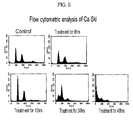
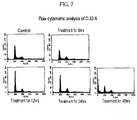
- EXAMPLE 8 Flow cytometric analysis of cells treated with the anticancer composition obtainable by of the present invention
- the anticancer composition obtainable by the present invention, prepared in the Example 1, was evaluated for its effects on DNA division by flow cytometry.
- WI 38, OVCAR-3 and SK-OV-3 cells were plated onto 96-well plates at a density of 2x10 6 cells, 100 ⁇ l of the anticancer composition prepared in Example 1 (the anticancer composition 3 of Table 1) was added to each well, and the plates were incubated for 6 hrs and 24 hrs according to the same method as in Example 4. A control was not treated with the anticancer composition.
- Cells were harvested, and washed with pre-cooled PBS twice. The washed cells were fixed with 100% ethanol at 4°C for 24 hrs. The resulting cells were suspended in 500 ⁇ l of PBS, treated with 20 ⁇ g/ml of RNase at 37°C for 30 min, and cooled on ice for 10 min.
- the resulting isolated DNA was stained with 50 ⁇ g/ ⁇ l of PI (propidium iodide), and DNA division was analyzed using a flow cytometer (Becton Dickinson FACS system, U.S.A.).
- PI propidium iodide
- flow cytometer Becton Dickinson FACS system, U.S.A.
- propidium fluorescence was developed using a cooled 15 mW argon laser, and emitted light was collected using a 617 long pass optical filter.
- Cell cycle distribution was determined by ModFit software (ModFit, Verity Software House, Topsham, ME, U.S.A.). The results are given in FIGS. 5 , 6 and 7 .
- EXAMPLE 9 DNA laddering assay of cells treated with the anticancer composition obtainable by of the present invention
- DNA laddering assay was performed to investigate the mechanism of cell death induced by the anticancer composition of the present invention, observed in Example 8.
- Ca Ski, HeLa and C-33 A cells were plated onto 96-well plates at a density of 2 ⁇ 10 6 cells, 100 ⁇ l of the anticancer composition prepared in the Example 1 (the anticancer composition 3 of Table 1) was added to each well, and the plates were incubated for 6, 12, 24 and 48 hrs according to the same method as in Example 4. Cells were harvested individually after the incubation, and DNA was then isolated by the conventionally known method, as follows ( Leszczynski D. et. al. Photochem. Photobiol., 1996, Vol. 64, p936 -.).
- the harvested cells were suspended in lysis buffer consisting of 0.5% SDS (sodium-dodecyl-sulfate), 2 mM EDTA (ethylene diamine tetra acetic acid), 100 mg/ml of proteinase K and 50 mM Tris-HCl buffer (pH 8.0), incubated at 55°C for 3 hrs, and extracted with an equal volume of phenol: chloroform: isoarnylalcohol (25:24:1). Then, DNA was precipitated with 0.1 volume of ammonium acetate and 2.5 volume of cool absolute ethanol, followed by incubation at -20°C overnight.
- SDS sodium-dodecyl-sulfate
- 2 mM EDTA ethylene diamine tetra acetic acid
- DNA pellet was dissolved in TE buffer (0.5 M EDTA in 1 M Tris-HCl buffer, pH 8.0), and treated with 100 mg/ml of RNase A at 37°C for 1hr.
- the resulting DNA sample was separated on a 1.5% agarose gel containing 0.5 ⁇ g/ml of ethidium bromide under 60 V for 1 hr, and exposed to UV. The results are given in FIG. 8 .
- EXAMPLE 10 Expression analysis of apoptosis-associated and oncogenic proteins in cells treated with the anticancer composition according to the present invention
- the membrane was then blocked with a blocking solution (5% skim milk in TBST; 10mM Tris-HCl, pH 8.0. 150 mM NaCl, 0.1% Tween 20) at 4°C overnight Thereafter, apoptosis-associated proteins were investigated by immunoblotting analysis, as follows. Primary antibodies to P21, P53 and C-Mycwere diluted to 1:500 in the blocking solution. The blocked membrane was reacted with the diluted primary antibodies at 4°C overnight, and then with a 1:5000 dilution of a secondary antibody (goat anti-rabbit IgG-HRP; Santa Cruz Biotechnology, USA) in the blocking solution at room temperature for 1 hr. After each treatment of primary and secondary antibodies, the membrane was washed three times for 15 min per each washing, and exposed to an ECL Hyperfilm (Amersham Life Science, U.K.). The results are given in FIGS. 9 , 10 and 11 .
- EXAMPLE 11 Nuclear staining of cells treated with the anticancer composition obtainable by the present invention
- Example 8 nuclear staining was performed in cells treated with the anticancer composition obtainable by the present invention.
- Sterilized cover glasses were placed into 60-mm culture dishes, Ca Ski, HeLa and C-33 A cells were plated at a density of 1 ⁇ 10 4 cells, and cultured overnight. Thereafter, the cells were treated with 100 ⁇ l of the anticancer composition prepared in the Example 1 (the anticancer composition 3 of Table 1). After 24 hrs, the cells were washed with PBS twice, and fixed with 3.7% formaldehyde. After washing with PBS three times, the cells were stained with 4 ⁇ g/ml of a DAPI (4',6'-diamino-2-phenylinylindole) solution (Sigma, USA) at room temperature for 10 min. After washing with PBS three times and then distilled water twice, the stained cells fixed on the cover glasses were observed under a fluorescence microscope (Olympus Optical Co., Ltd., USA). The results are given in FIG. 12 .
- EXAMPLE 12 Evaluation of expression of papillomavirus proteins in uterine cancer cells
- Ca Ski and HeLa cells were plated onto 96-well plates at a density of 2 ⁇ 10 6 cells, 100 ⁇ l of the anticancer composition prepared in Example 1 (the anticancer composition 3 of Table 1) was added to each well, and the plates were incubated for 6, 12, 24 and 48 hrs according to the same method as in Example 4.
- Cells were harvested individually after the incubation, and lysed with lysis buffer (10mM Tris, 1mM EDTA, 1mM DTT, 1mM PMSF, protease inhibitor). The resulting cell lysate was subjected to SDS-electrophoresis, and the separated protein was transferred to an ECL nitrocellulose membrane (Amersham Life Science, U.K.). The membrane was then blocked with a blocking solution (5% skim milk in TBST; 10mM Tris-HCl, pH 8.0. 150 mM NaCl, 0.1% Tween 20) at 4°C overnight.
- a blocking solution 5% skim milk in TBST; 10mM Tri
- E6 and E7 proteins of HPV type 16 or 18 were investigated by immunoblotting analysis, as follows.
- Primary antibodies (Santa Cruz Biotechnology, USA) to E6 of HPV type 16 and E7 of HPV type 18 were diluted to 1:500 in the blocking solution.
- the blocked membrane was reacted with the diluted primary antibodies at 4°C overnight, and then with a 1:5000 dilution of a secondary antibody (goat anti-rabbit IgG-HRP; Santa Cruz Biotechnology, USA) in the blocking solution at room temperature for 1 hr.
- a secondary antibody goat anti-rabbit IgG-HRP; Santa Cruz Biotechnology, USA
- the membrane was washed three times for 15 min per each washing, and exposed to an ECL Hyperfilm (Amersham Life Science, U.K.). The results are given in FIG. 13 .
- Vero E6 cells African green monkey kidney cells
- MEM medium containing 10% FBS in a 37°C incubator
- the cultured cells were washed with PBS before infection with enterovirus and poliovirus.
- Enterovirus and poliovirus were titrated by plaque assay, and stored at -70°C until use. 6 pfu of enterovirus and poliovirus were individually incubated in 37°C incubator for one hour, washed with PBS, and added to the cell culture medium, followed by incubation for 24 hrs.
- the cells infected with the viruses were then treated with the antiviral composition obtainable by the present invention (the composition of the above Table 1), and evaluated for formation of cytopathic effect inhibition.
- the cells were treated with citric acid alone, zinc alone and the human seminal fluid. The results are given in FIGS. 15 and 16 .
Landscapes
- Health & Medical Sciences (AREA)
- Life Sciences & Earth Sciences (AREA)
- Medicinal Chemistry (AREA)
- Veterinary Medicine (AREA)
- Public Health (AREA)
- General Health & Medical Sciences (AREA)
- Animal Behavior & Ethology (AREA)
- Chemical & Material Sciences (AREA)
- Pharmacology & Pharmacy (AREA)
- Chemical Kinetics & Catalysis (AREA)
- Nuclear Medicine, Radiotherapy & Molecular Imaging (AREA)
- Organic Chemistry (AREA)
- General Chemical & Material Sciences (AREA)
- Virology (AREA)
- Epidemiology (AREA)
- Oncology (AREA)
- Communicable Diseases (AREA)
- Molecular Biology (AREA)
- Engineering & Computer Science (AREA)
- Inorganic Chemistry (AREA)
- AIDS & HIV (AREA)
- Tropical Medicine & Parasitology (AREA)
- Bioinformatics & Cheminformatics (AREA)
- Hematology (AREA)
- Biotechnology (AREA)
- Acyclic And Carbocyclic Compounds In Medicinal Compositions (AREA)
- Pharmaceuticals Containing Other Organic And Inorganic Compounds (AREA)
- Medicines That Contain Protein Lipid Enzymes And Other Medicines (AREA)
- Medicines Containing Material From Animals Or Micro-Organisms (AREA)
- Medicinal Preparation (AREA)
- Cosmetics (AREA)
Claims (2)
- Verwendung einer Antikrebs-Zusammensetzung, umfassend therapeutisch wirksame Mengen von Zitronensäure, Zink und L-Arginin als aktive Substanzen zusammen mit einem pharmazeutisch akzeptablen Träger zum Herstellen eines Medikaments zur Behandlung eines Krebspatienten, wobei Apoptose der Tumorzellen induziert wird.
- Verwendung einer antiviralen Zusammensetzung, umfassend therapeutisch wirksame Mengen an Zitronensäure, Zink und L-Arginin als aktive Substanzen zusammen mit einem pharmazeutisch akzeptablen Träger, zum Herstellen eines Medikaments zur Behandlung von Krebs in einem Patienten, wobei der Krebs ausgelöst ist durch eine virale Infektion und eine Reduktion der Expression viraler Proteine induziert wird.
Applications Claiming Priority (9)
| Application Number | Priority Date | Filing Date | Title |
|---|---|---|---|
| KR2002067291 | 2002-10-31 | ||
| KR1020020067291A KR100932520B1 (ko) | 2002-10-31 | 2002-10-31 | 항암제 조성물 |
| KR1020020067293A KR100925516B1 (ko) | 2002-10-31 | 2002-10-31 | 아연 및 l-아르기닌을 함유한 항암용 조성물 |
| KR2002067293 | 2002-10-31 | ||
| KR1020020081951A KR100428587B1 (ko) | 2002-12-20 | 2002-12-20 | 구연산, 아연 및 l-아르기닌을 포함하는 항암제 조성물 |
| KR2002081951 | 2002-12-20 | ||
| KR1020030072732A KR100428588B1 (ko) | 2003-10-17 | 2003-10-17 | 구연산, 아연 및 l-아르기닌을 포함하는 항 바이러스제조성물 |
| KR2003072732 | 2003-10-17 | ||
| PCT/KR2003/002324 WO2004039379A1 (en) | 2002-10-31 | 2003-10-31 | Anticancer or antiviral composition |
Publications (3)
| Publication Number | Publication Date |
|---|---|
| EP1565195A1 EP1565195A1 (de) | 2005-08-24 |
| EP1565195A4 EP1565195A4 (de) | 2006-05-10 |
| EP1565195B1 true EP1565195B1 (de) | 2008-07-23 |
Family
ID=32234320
Family Applications (1)
| Application Number | Title | Priority Date | Filing Date |
|---|---|---|---|
| EP03759049A Expired - Lifetime EP1565195B1 (de) | 2002-10-31 | 2003-10-31 | Antikrebs- und antivirale zusammensetzung |
Country Status (8)
| Country | Link |
|---|---|
| US (2) | US20070166401A1 (de) |
| EP (1) | EP1565195B1 (de) |
| JP (2) | JP4603891B2 (de) |
| CN (1) | CN1708310A (de) |
| AT (1) | ATE401901T1 (de) |
| AU (1) | AU2003274800A1 (de) |
| DE (1) | DE60322415D1 (de) |
| WO (1) | WO2004039379A1 (de) |
Families Citing this family (12)
| Publication number | Priority date | Publication date | Assignee | Title |
|---|---|---|---|---|
| US7968122B2 (en) | 2003-12-10 | 2011-06-28 | Adventrx Pharmaceuticals, Inc. | Anti-viral pharmaceutical compositions |
| KR100656807B1 (ko) * | 2005-02-23 | 2006-12-13 | 배석년 | 구연산, 아연 및 아르기닌으로 이루어진 팽창선조 예방 및치료용 조성물 |
| KR100967812B1 (ko) * | 2007-03-09 | 2010-07-05 | 마루이시세이야쿠가부시키가이샤 | 소독제 |
| WO2012087113A1 (en) * | 2010-12-24 | 2012-06-28 | N.V. Nutricia | Improved nutritional tablet |
| KR20140026372A (ko) | 2011-02-02 | 2014-03-05 | 이무노퓨처 아이앤씨. | 혈액-뇌 장벽을 투과하는 약물 전달체, 펩티드 및 이의 용도 |
| KR101546802B1 (ko) * | 2013-06-12 | 2015-08-24 | 박래옥 | 붕산, 구연산, 아연, 알부민 및 비타민 c를 포함하는 파필로마 바이러스에 대한 항바이러스 피부외용제 조성물 |
| WO2019000163A1 (zh) * | 2017-06-26 | 2019-01-03 | 余祖江 | 精氨酸在制备抗肿瘤药物中的用途 |
| JP6826737B2 (ja) * | 2018-01-19 | 2021-02-10 | Delta−Fly Pharma株式会社 | がん患者の治療に有用な尿のアルカリ剤 |
| KR102155802B1 (ko) * | 2018-09-21 | 2020-09-14 | 박래옥 | 시트르산 및 아르기닌 포함 아연 착화합물 |
| WO2021211660A1 (en) | 2020-04-14 | 2021-10-21 | Vector Vitale Ip Llc | Method of preventing or treating viral infections |
| EP4125851B1 (de) * | 2020-10-27 | 2025-06-18 | Gosbert Weth | Antivirale thrombosehemmende zusammensetzung zur verwendung bei der behandlung von covid-19 enthaltend arginin und thiocyanat |
| US12414928B2 (en) | 2021-05-14 | 2025-09-16 | Rene Dumalaog Javier | Viral inactivation spray and gargling formulation |
Family Cites Families (14)
| Publication number | Priority date | Publication date | Assignee | Title |
|---|---|---|---|---|
| US3697287A (en) * | 1969-01-28 | 1972-10-10 | Morton Norwich Products Inc | Amino acid food composition |
| GB8410403D0 (en) * | 1984-04-24 | 1984-05-31 | Unilever Plc | Antiperspirant product |
| US5599551A (en) * | 1989-06-06 | 1997-02-04 | Kelly; Patrick D. | Genital lubricants containing zinc as an anti-viral agent |
| DE69033521T2 (de) * | 1989-12-29 | 2000-08-31 | B. Braun Medical Inc., Bethlehem | Verwendung von arginin als immunstimulator |
| KR930002831B1 (ko) * | 1990-12-04 | 1993-04-10 | 일양약품 주식회사 | 항종양 면역증강효과가 있는 단백다당체(c 909) |
| CZ287239B6 (en) * | 1993-10-14 | 2000-10-11 | Seikagaku Kogyo Co Ltd | Polypeptides exhibiting antimicrobial and antiviral activity and pharmaceutical preparations containing thereof |
| US6238682B1 (en) * | 1993-12-13 | 2001-05-29 | The Procter & Gamble Company | Anhydrous skin lotions having antimicrobial components for application to tissue paper products which mitigate the potential for skin irritation |
| US5719133A (en) * | 1994-09-21 | 1998-02-17 | Novartis Nutrition Ag | Adolescent dietary composition |
| JP2000212088A (ja) * | 1999-01-27 | 2000-08-02 | Kobayashi Kako Kk | 難溶性抗ウイルス剤の水溶液 |
| GB2359021B (en) * | 2000-02-09 | 2002-04-24 | Andromeda Trading Ltd | Method and composition for promoting hair growth |
| KR20030021857A (ko) * | 2001-09-08 | 2003-03-15 | 주식회사 에코윈 | 아미노산 음이온-제2구리 착물을 포함하는 항암제 및 이의제조방법 |
| JP4323128B2 (ja) * | 2002-01-16 | 2009-09-02 | 正 五井野 | 生理活性組成物 |
| KR100426450B1 (ko) * | 2002-03-16 | 2004-04-13 | 박래옥 | 구연산, 알부민 및 아연을 함유한 항암 조성물 |
| US7163919B2 (en) * | 2002-03-16 | 2007-01-16 | Seog-Nyeon Bae | Anticancer composition |
-
2003
- 2003-10-31 WO PCT/KR2003/002324 patent/WO2004039379A1/en not_active Ceased
- 2003-10-31 DE DE60322415T patent/DE60322415D1/de not_active Expired - Fee Related
- 2003-10-31 JP JP2004548147A patent/JP4603891B2/ja not_active Expired - Fee Related
- 2003-10-31 US US10/510,727 patent/US20070166401A1/en not_active Abandoned
- 2003-10-31 AU AU2003274800A patent/AU2003274800A1/en not_active Abandoned
- 2003-10-31 CN CNA2003801024520A patent/CN1708310A/zh active Pending
- 2003-10-31 EP EP03759049A patent/EP1565195B1/de not_active Expired - Lifetime
- 2003-10-31 AT AT03759049T patent/ATE401901T1/de not_active IP Right Cessation
-
2008
- 2008-10-08 US US12/247,896 patent/US20090226538A1/en not_active Abandoned
-
2009
- 2009-08-13 JP JP2009187888A patent/JP5232103B2/ja not_active Expired - Lifetime
Also Published As
| Publication number | Publication date |
|---|---|
| US20090226538A1 (en) | 2009-09-10 |
| EP1565195A4 (de) | 2006-05-10 |
| US20070166401A1 (en) | 2007-07-19 |
| CN1708310A (zh) | 2005-12-14 |
| JP4603891B2 (ja) | 2010-12-22 |
| EP1565195A1 (de) | 2005-08-24 |
| AU2003274800A1 (en) | 2004-05-25 |
| ATE401901T1 (de) | 2008-08-15 |
| JP5232103B2 (ja) | 2013-07-10 |
| JP2009298800A (ja) | 2009-12-24 |
| JP2006506400A (ja) | 2006-02-23 |
| WO2004039379A1 (en) | 2004-05-13 |
| DE60322415D1 (de) | 2008-09-04 |
Similar Documents
| Publication | Publication Date | Title |
|---|---|---|
| US20090226538A1 (en) | Anticancer or antiviral composition | |
| US12128024B2 (en) | Use of artemisinin for treating tumors induced by oncogenic viruses and for treating viral infections | |
| US6127393A (en) | Antiproliferative, antiinfective, antiinflammatory, autologous immunization agent and method | |
| US6579891B1 (en) | Agent and method for prevention and treatment of cancer in animals | |
| US6407125B1 (en) | Pharmacological agent and method of treatment | |
| US20060074063A1 (en) | Pharmacological agent and method of treatment | |
| US6197808B1 (en) | Methods for treating hyperplasia | |
| CN104869991B (zh) | 防风草酸的药物组合物及其应用 | |
| US6403618B1 (en) | Agent and method for controlling angiogenesis | |
| KR20000036210A (ko) | 장쇄 알코올, 알칸, 지방산 및 아미드로 바이러스를 억제하는 방법 | |
| US7163919B2 (en) | Anticancer composition | |
| US6441009B1 (en) | Agent and method of preventing and treating heavy metal exposure and toxicity | |
| KR101546802B1 (ko) | 붕산, 구연산, 아연, 알부민 및 비타민 c를 포함하는 파필로마 바이러스에 대한 항바이러스 피부외용제 조성물 | |
| IL106491A0 (en) | Anti viral preparations | |
| Ringenberg et al. | Interferons in the treatment of skin disease. | |
| KR100426450B1 (ko) | 구연산, 알부민 및 아연을 함유한 항암 조성물 | |
| KR100428588B1 (ko) | 구연산, 아연 및 l-아르기닌을 포함하는 항 바이러스제조성물 | |
| US20220079898A1 (en) | Surfactants for the treatment of conditions through targeted necrosis | |
| US4971977A (en) | Anti-viral pharmaceutical compositions | |
| JP2002540150A (ja) | ウイルス治療 | |
| CN100569281C (zh) | 治疗和预防坏死的组合物的制备用途 | |
| KR20140044545A (ko) | 구연산, 아연 및 l-아르기닌을 포함하는 항 바이러스제 조성물 | |
| US6238659B1 (en) | Agent for treating papilloma virus-positive malignant and premalignant lesions | |
| KR100428587B1 (ko) | 구연산, 아연 및 l-아르기닌을 포함하는 항암제 조성물 | |
| CA2199154A1 (en) | The use of medicaments containing interferon-beta |
Legal Events
| Date | Code | Title | Description |
|---|---|---|---|
| PUAI | Public reference made under article 153(3) epc to a published international application that has entered the european phase |
Free format text: ORIGINAL CODE: 0009012 |
|
| 17P | Request for examination filed |
Effective date: 20050531 |
|
| AK | Designated contracting states |
Kind code of ref document: A1 Designated state(s): AT BE BG CH CY CZ DE DK EE ES FI FR GB GR HU IE IT LI LU MC NL PT RO SE SI SK TR |
|
| AX | Request for extension of the european patent |
Extension state: AL LT LV MK |
|
| DAX | Request for extension of the european patent (deleted) | ||
| A4 | Supplementary search report drawn up and despatched |
Effective date: 20060324 |
|
| RIC1 | Information provided on ipc code assigned before grant |
Ipc: A61P 31/12 20060101ALI20060320BHEP Ipc: A61P 35/00 20060101ALI20060320BHEP Ipc: A61K 33/30 20060101AFI20040519BHEP |
|
| 17Q | First examination report despatched |
Effective date: 20061002 |
|
| GRAP | Despatch of communication of intention to grant a patent |
Free format text: ORIGINAL CODE: EPIDOSNIGR1 |
|
| GRAS | Grant fee paid |
Free format text: ORIGINAL CODE: EPIDOSNIGR3 |
|
| GRAA | (expected) grant |
Free format text: ORIGINAL CODE: 0009210 |
|
| AK | Designated contracting states |
Kind code of ref document: B1 Designated state(s): AT BE BG CH CY CZ DE DK EE ES FI FR GB GR HU IE IT LI LU MC NL PT RO SE SI SK TR |
|
| REG | Reference to a national code |
Ref country code: GB Ref legal event code: FG4D |
|
| REG | Reference to a national code |
Ref country code: CH Ref legal event code: EP |
|
| REG | Reference to a national code |
Ref country code: IE Ref legal event code: FG4D |
|
| REF | Corresponds to: |
Ref document number: 60322415 Country of ref document: DE Date of ref document: 20080904 Kind code of ref document: P |
|
| NLV1 | Nl: lapsed or annulled due to failure to fulfill the requirements of art. 29p and 29m of the patents act | ||
| PG25 | Lapsed in a contracting state [announced via postgrant information from national office to epo] |
Ref country code: ES Free format text: LAPSE BECAUSE OF FAILURE TO SUBMIT A TRANSLATION OF THE DESCRIPTION OR TO PAY THE FEE WITHIN THE PRESCRIBED TIME-LIMIT Effective date: 20081103 Ref country code: NL Free format text: LAPSE BECAUSE OF FAILURE TO SUBMIT A TRANSLATION OF THE DESCRIPTION OR TO PAY THE FEE WITHIN THE PRESCRIBED TIME-LIMIT Effective date: 20080723 Ref country code: PT Free format text: LAPSE BECAUSE OF FAILURE TO SUBMIT A TRANSLATION OF THE DESCRIPTION OR TO PAY THE FEE WITHIN THE PRESCRIBED TIME-LIMIT Effective date: 20081223 |
|
| PG25 | Lapsed in a contracting state [announced via postgrant information from national office to epo] |
Ref country code: SI Free format text: LAPSE BECAUSE OF FAILURE TO SUBMIT A TRANSLATION OF THE DESCRIPTION OR TO PAY THE FEE WITHIN THE PRESCRIBED TIME-LIMIT Effective date: 20080723 Ref country code: BG Free format text: LAPSE BECAUSE OF FAILURE TO SUBMIT A TRANSLATION OF THE DESCRIPTION OR TO PAY THE FEE WITHIN THE PRESCRIBED TIME-LIMIT Effective date: 20081023 Ref country code: AT Free format text: LAPSE BECAUSE OF FAILURE TO SUBMIT A TRANSLATION OF THE DESCRIPTION OR TO PAY THE FEE WITHIN THE PRESCRIBED TIME-LIMIT Effective date: 20080723 Ref country code: FI Free format text: LAPSE BECAUSE OF FAILURE TO SUBMIT A TRANSLATION OF THE DESCRIPTION OR TO PAY THE FEE WITHIN THE PRESCRIBED TIME-LIMIT Effective date: 20080723 |
|
| PG25 | Lapsed in a contracting state [announced via postgrant information from national office to epo] |
Ref country code: BE Free format text: LAPSE BECAUSE OF FAILURE TO SUBMIT A TRANSLATION OF THE DESCRIPTION OR TO PAY THE FEE WITHIN THE PRESCRIBED TIME-LIMIT Effective date: 20080723 |
|
| PG25 | Lapsed in a contracting state [announced via postgrant information from national office to epo] |
Ref country code: DK Free format text: LAPSE BECAUSE OF FAILURE TO SUBMIT A TRANSLATION OF THE DESCRIPTION OR TO PAY THE FEE WITHIN THE PRESCRIBED TIME-LIMIT Effective date: 20080723 Ref country code: EE Free format text: LAPSE BECAUSE OF FAILURE TO SUBMIT A TRANSLATION OF THE DESCRIPTION OR TO PAY THE FEE WITHIN THE PRESCRIBED TIME-LIMIT Effective date: 20080723 |
|
| PG25 | Lapsed in a contracting state [announced via postgrant information from national office to epo] |
Ref country code: RO Free format text: LAPSE BECAUSE OF FAILURE TO SUBMIT A TRANSLATION OF THE DESCRIPTION OR TO PAY THE FEE WITHIN THE PRESCRIBED TIME-LIMIT Effective date: 20080723 Ref country code: SK Free format text: LAPSE BECAUSE OF FAILURE TO SUBMIT A TRANSLATION OF THE DESCRIPTION OR TO PAY THE FEE WITHIN THE PRESCRIBED TIME-LIMIT Effective date: 20080723 Ref country code: MC Free format text: LAPSE BECAUSE OF NON-PAYMENT OF DUE FEES Effective date: 20081031 Ref country code: CZ Free format text: LAPSE BECAUSE OF FAILURE TO SUBMIT A TRANSLATION OF THE DESCRIPTION OR TO PAY THE FEE WITHIN THE PRESCRIBED TIME-LIMIT Effective date: 20080723 |
|
| PLBE | No opposition filed within time limit |
Free format text: ORIGINAL CODE: 0009261 |
|
| REG | Reference to a national code |
Ref country code: CH Ref legal event code: PL |
|
| STAA | Information on the status of an ep patent application or granted ep patent |
Free format text: STATUS: NO OPPOSITION FILED WITHIN TIME LIMIT |
|
| 26N | No opposition filed |
Effective date: 20090424 |
|
| REG | Reference to a national code |
Ref country code: IE Ref legal event code: MM4A |
|
| PG25 | Lapsed in a contracting state [announced via postgrant information from national office to epo] |
Ref country code: IT Free format text: LAPSE BECAUSE OF FAILURE TO SUBMIT A TRANSLATION OF THE DESCRIPTION OR TO PAY THE FEE WITHIN THE PRESCRIBED TIME-LIMIT Effective date: 20080723 Ref country code: DE Free format text: LAPSE BECAUSE OF NON-PAYMENT OF DUE FEES Effective date: 20090501 |
|
| PG25 | Lapsed in a contracting state [announced via postgrant information from national office to epo] |
Ref country code: LI Free format text: LAPSE BECAUSE OF NON-PAYMENT OF DUE FEES Effective date: 20081031 Ref country code: IE Free format text: LAPSE BECAUSE OF NON-PAYMENT OF DUE FEES Effective date: 20081031 Ref country code: CH Free format text: LAPSE BECAUSE OF NON-PAYMENT OF DUE FEES Effective date: 20081031 |
|
| PG25 | Lapsed in a contracting state [announced via postgrant information from national office to epo] |
Ref country code: SE Free format text: LAPSE BECAUSE OF FAILURE TO SUBMIT A TRANSLATION OF THE DESCRIPTION OR TO PAY THE FEE WITHIN THE PRESCRIBED TIME-LIMIT Effective date: 20081023 |
|
| PG25 | Lapsed in a contracting state [announced via postgrant information from national office to epo] |
Ref country code: CY Free format text: LAPSE BECAUSE OF FAILURE TO SUBMIT A TRANSLATION OF THE DESCRIPTION OR TO PAY THE FEE WITHIN THE PRESCRIBED TIME-LIMIT Effective date: 20080723 Ref country code: HU Free format text: LAPSE BECAUSE OF FAILURE TO SUBMIT A TRANSLATION OF THE DESCRIPTION OR TO PAY THE FEE WITHIN THE PRESCRIBED TIME-LIMIT Effective date: 20090124 Ref country code: LU Free format text: LAPSE BECAUSE OF NON-PAYMENT OF DUE FEES Effective date: 20081031 |
|
| PG25 | Lapsed in a contracting state [announced via postgrant information from national office to epo] |
Ref country code: TR Free format text: LAPSE BECAUSE OF FAILURE TO SUBMIT A TRANSLATION OF THE DESCRIPTION OR TO PAY THE FEE WITHIN THE PRESCRIBED TIME-LIMIT Effective date: 20080723 |
|
| PG25 | Lapsed in a contracting state [announced via postgrant information from national office to epo] |
Ref country code: GR Free format text: LAPSE BECAUSE OF FAILURE TO SUBMIT A TRANSLATION OF THE DESCRIPTION OR TO PAY THE FEE WITHIN THE PRESCRIBED TIME-LIMIT Effective date: 20081024 |
|
| REG | Reference to a national code |
Ref country code: FR Ref legal event code: PLFP Year of fee payment: 13 |
|
| REG | Reference to a national code |
Ref country code: FR Ref legal event code: PLFP Year of fee payment: 14 |
|
| PGFP | Annual fee paid to national office [announced via postgrant information from national office to epo] |
Ref country code: FR Payment date: 20161031 Year of fee payment: 14 Ref country code: GB Payment date: 20161031 Year of fee payment: 14 |
|
| GBPC | Gb: european patent ceased through non-payment of renewal fee |
Effective date: 20171031 |
|
| REG | Reference to a national code |
Ref country code: FR Ref legal event code: ST Effective date: 20180629 |
|
| PG25 | Lapsed in a contracting state [announced via postgrant information from national office to epo] |
Ref country code: GB Free format text: LAPSE BECAUSE OF NON-PAYMENT OF DUE FEES Effective date: 20171031 |
|
| PG25 | Lapsed in a contracting state [announced via postgrant information from national office to epo] |
Ref country code: FR Free format text: LAPSE BECAUSE OF NON-PAYMENT OF DUE FEES Effective date: 20171031 |