EP1549353B1 - Benutzung von alpha (1,3) -galactosyltransferase exprimierenden allogenen tumorzellen zur impfung gegen tumoren - Google Patents
Benutzung von alpha (1,3) -galactosyltransferase exprimierenden allogenen tumorzellen zur impfung gegen tumoren Download PDFInfo
- Publication number
- EP1549353B1 EP1549353B1 EP03779090A EP03779090A EP1549353B1 EP 1549353 B1 EP1549353 B1 EP 1549353B1 EP 03779090 A EP03779090 A EP 03779090A EP 03779090 A EP03779090 A EP 03779090A EP 1549353 B1 EP1549353 B1 EP 1549353B1
- Authority
- EP
- European Patent Office
- Prior art keywords
- cells
- αgal
- tumor
- cell
- atcc accession
- Prior art date
- Legal status (The legal status is an assumption and is not a legal conclusion. Google has not performed a legal analysis and makes no representation as to the accuracy of the status listed.)
- Expired - Lifetime
Links
- 0 CC[C@](C1)*CC1=C[*@@](C)C(*)=* Chemical compound CC[C@](C1)*CC1=C[*@@](C)C(*)=* 0.000 description 1
Images











Classifications
-
- A—HUMAN NECESSITIES
- A61—MEDICAL OR VETERINARY SCIENCE; HYGIENE
- A61K—PREPARATIONS FOR MEDICAL, DENTAL OR TOILETRY PURPOSES
- A61K39/00—Medicinal preparations containing antigens or antibodies
- A61K39/395—Antibodies; Immunoglobulins; Immune serum, e.g. antilymphocytic serum
-
- A—HUMAN NECESSITIES
- A01—AGRICULTURE; FORESTRY; ANIMAL HUSBANDRY; HUNTING; TRAPPING; FISHING
- A01K—ANIMAL HUSBANDRY; AVICULTURE; APICULTURE; PISCICULTURE; FISHING; REARING OR BREEDING ANIMALS, NOT OTHERWISE PROVIDED FOR; NEW BREEDS OF ANIMALS
- A01K67/00—Rearing or breeding animals, not otherwise provided for; New or modified breeds of animals
- A01K67/027—New or modified breeds of vertebrates
- A01K67/0271—Chimeric vertebrates, e.g. comprising exogenous cells
-
- A—HUMAN NECESSITIES
- A01—AGRICULTURE; FORESTRY; ANIMAL HUSBANDRY; HUNTING; TRAPPING; FISHING
- A01K—ANIMAL HUSBANDRY; AVICULTURE; APICULTURE; PISCICULTURE; FISHING; REARING OR BREEDING ANIMALS, NOT OTHERWISE PROVIDED FOR; NEW BREEDS OF ANIMALS
- A01K67/00—Rearing or breeding animals, not otherwise provided for; New or modified breeds of animals
- A01K67/027—New or modified breeds of vertebrates
- A01K67/0275—Genetically modified vertebrates, e.g. transgenic
-
- A—HUMAN NECESSITIES
- A61—MEDICAL OR VETERINARY SCIENCE; HYGIENE
- A61K—PREPARATIONS FOR MEDICAL, DENTAL OR TOILETRY PURPOSES
- A61K40/00—Cellular immunotherapy
- A61K40/10—Cellular immunotherapy characterised by the cell type used
- A61K40/11—T-cells, e.g. tumour infiltrating lymphocytes [TIL] or regulatory T [Treg] cells; Lymphokine-activated killer [LAK] cells
-
- A—HUMAN NECESSITIES
- A61—MEDICAL OR VETERINARY SCIENCE; HYGIENE
- A61K—PREPARATIONS FOR MEDICAL, DENTAL OR TOILETRY PURPOSES
- A61K40/00—Cellular immunotherapy
- A61K40/40—Cellular immunotherapy characterised by antigens that are targeted or presented by cells of the immune system
- A61K40/41—Vertebrate antigens
- A61K40/42—Cancer antigens
- A61K40/4244—Enzymes
-
- A—HUMAN NECESSITIES
- A61—MEDICAL OR VETERINARY SCIENCE; HYGIENE
- A61K—PREPARATIONS FOR MEDICAL, DENTAL OR TOILETRY PURPOSES
- A61K40/00—Cellular immunotherapy
- A61K40/40—Cellular immunotherapy characterised by antigens that are targeted or presented by cells of the immune system
- A61K40/41—Vertebrate antigens
- A61K40/42—Cancer antigens
- A61K40/4271—Melanoma antigens
-
- A—HUMAN NECESSITIES
- A61—MEDICAL OR VETERINARY SCIENCE; HYGIENE
- A61P—SPECIFIC THERAPEUTIC ACTIVITY OF CHEMICAL COMPOUNDS OR MEDICINAL PREPARATIONS
- A61P35/00—Antineoplastic agents
-
- A—HUMAN NECESSITIES
- A61—MEDICAL OR VETERINARY SCIENCE; HYGIENE
- A61P—SPECIFIC THERAPEUTIC ACTIVITY OF CHEMICAL COMPOUNDS OR MEDICINAL PREPARATIONS
- A61P37/00—Drugs for immunological or allergic disorders
- A61P37/02—Immunomodulators
- A61P37/04—Immunostimulants
-
- A—HUMAN NECESSITIES
- A01—AGRICULTURE; FORESTRY; ANIMAL HUSBANDRY; HUNTING; TRAPPING; FISHING
- A01K—ANIMAL HUSBANDRY; AVICULTURE; APICULTURE; PISCICULTURE; FISHING; REARING OR BREEDING ANIMALS, NOT OTHERWISE PROVIDED FOR; NEW BREEDS OF ANIMALS
- A01K2217/00—Genetically modified animals
- A01K2217/05—Animals comprising random inserted nucleic acids (transgenic)
-
- A—HUMAN NECESSITIES
- A01—AGRICULTURE; FORESTRY; ANIMAL HUSBANDRY; HUNTING; TRAPPING; FISHING
- A01K—ANIMAL HUSBANDRY; AVICULTURE; APICULTURE; PISCICULTURE; FISHING; REARING OR BREEDING ANIMALS, NOT OTHERWISE PROVIDED FOR; NEW BREEDS OF ANIMALS
- A01K2267/00—Animals characterised by purpose
- A01K2267/03—Animal model, e.g. for test or diseases
- A01K2267/0331—Animal model for proliferative diseases
-
- A—HUMAN NECESSITIES
- A61—MEDICAL OR VETERINARY SCIENCE; HYGIENE
- A61K—PREPARATIONS FOR MEDICAL, DENTAL OR TOILETRY PURPOSES
- A61K39/00—Medicinal preparations containing antigens or antibodies
- A61K2039/51—Medicinal preparations containing antigens or antibodies comprising whole cells, viruses or DNA/RNA
- A61K2039/515—Animal cells
- A61K2039/5152—Tumor cells
-
- A—HUMAN NECESSITIES
- A61—MEDICAL OR VETERINARY SCIENCE; HYGIENE
- A61K—PREPARATIONS FOR MEDICAL, DENTAL OR TOILETRY PURPOSES
- A61K2239/00—Indexing codes associated with cellular immunotherapy of group A61K40/00
- A61K2239/46—Indexing codes associated with cellular immunotherapy of group A61K40/00 characterised by the cancer treated
- A61K2239/57—Skin; melanoma
Definitions
- the present invention relates to methods and compositions for treating cancer by stimulating humoral and cellular immune responses against tumor cells.
- this invention is directed to methods for stimulating complement-mediated destruction of tumors cells and concomitant stimulation of tumor specific antibody production and tumor specific cytotoxic cells.
- a primary barrier to xenotransplantation has been the essentially immediate recognition of carbohydrate epitopes present in the foreign tissue causing hyperacute xenograft rejection (HAR).
- HAR hyperacute xenograft rejection
- the reaction begins immediately upon reperfusion, and once initiated destroys the foreign tissue within minutes to a few hours.
- the presence of HAR in some donor/recipient combinations while not others is postulated to be related to two primary factors, a) the binding of xenoreactive natural antibodies of the recipient to antigens or endothelial cells in the graft and b) the incompatibility of complement regulatory proteins in the transplant with the complement system of the recipient, allowing uncontrolled activation of complement.
- Gal ⁇ (1-3)Gal ⁇ (1,4)GlcNAc-R Greater than 1% of the complement-fixing natural antibodies in human serum recognize a single structure- Gal ⁇ (1-3)Gal ⁇ (1,4)GlcNAc-R.
- the synthesis of Gal ⁇ (1-3)Gal ⁇ (1,4)GlcNAc-R is catalyzed by the enzyme ⁇ (1,3) galactosyltransferase ( ⁇ GT).
- This enzyme catalyzes the synthesis of ⁇ -galactosyl ( ⁇ Gal) epitopes in the Golgi apparatus of cells from various non-primate mammals by the following reaction: Gal ⁇ (1,4)GlcNAc-R + UDP-Gal ⁇ Gal ⁇ (1-3)Gal ⁇ (1,4)GlcNAc-R
- the gene is present in the human genome, although no transcription has been detected. Instead, two frame shift mutations were found (deletions generating premature stop codons) in the human exons encoding the enzyme. See generally, Galili, Uri “Evolution in Pathophysiology of the Human Natural anti- ⁇ -Galactosyl IgG (anti- aGal) Antibody", Springer Semin. Immunopathol. (1993) 15:155-171 .
- anti- ⁇ Gal a naturally occurring antibody present in all humans, specifically interacts with the carbohydrate epitope Gal ⁇ (1-3)Gal ⁇ (1,4)GlcNAc-R ( ⁇ Gal epitope). This antibody does not interact with any other known carbohydrate epitope produced by mammalian cells ( Galili, 1993, Springer Seminar Immunopathology 15:153 ).
- anti- ⁇ Gal constitutes approximately 1% of circulating IgG ( Galili et al., 1984, J. Exp. Med. 160:1519 ) and is also found in the form of IgA and IgM ( Davine et al., 1987, Kidney Int. 31:1132 ; Sandrin et al., 1993, Proc. Natl.
- It is a further object of this invention to provide a therapeutic pharmaceutical composition comprising recombinant tumor cells which express and process ⁇ GT to engineer ⁇ Gal epitopes on cells.
- the invention provides a pharmaceutical composition for inhibiting pre-established tumor growth in an anti- ⁇ Gal synthesizing animal comprising: a mixture of attenuated vaccine tumor cells allogeneic to said animal, said cells comprising an ⁇ (1,3) galactosyltransferase encoding sequence and a plurality of cell surface glycoproteins or glycolipids on which an ⁇ Gal epitope is present, and a carrier.
- the invention further provides a pharmaceutical composition for stimulating an immune response simultaneously to a plurality of tumor antigens, regardless of their glycosylation state, in an anti- ⁇ Gal synthesizing animal bearing a pre-established tumor comprising: a mixture of attenuated whole vaccine tumor cells allogeneic to said animal, said cells encoding an ⁇ (1,3) galactosyltransferase protein and a plurality of cell surface glycoproteins or glycolipids on which an ⁇ Gal epitope is present, so that antigens in the entire tumor cell may be presented to the immune system, and a suitable carrier.
- the invention additionally provides a pharmaceutical composition for inducing an immune response against tumor cells in an anti-alpha gal synthesizing animal bearing a pre-established tumor comprising: a mixture of attenuated tumor cells allogeneic to said animal, said cells comprising an ⁇ (1,3) galactosyltransferase encoding sequence and a plurality of cell surface glycoproteins or glycolipids on which an ⁇ -galactosyl epitope is present, wherein said tumor cells are derived from the group of A549, NCI-H460, NCI-H520, MCF-7, BT-20, HPAF-II, PANC-1, ASPC-1, BxPC3, IGROV, ES-2, NIH:OVCAR3, PA-1, A375, COLO829, G-361, HCT-116, COLO205, LoVo, WiDr, DLD-1, HCT-15, SW620, SW480, SW1116, HT-29, FHC, CCD841CoN, PC-3, LNC
- the invention provides use of a mixture of attenuated tumor cells allogeneic to a patient with pre-established tumor cells, said cells expressing the ⁇ (1,3) galactosyltransferase gene and comprising a plurality of cell surface glycoproteins on which an ⁇ Gal epitope is present, in the manufacture of a medicament for inducing immune mediated destruction of tumor cells in said patient, wherein said patient is an anti- ⁇ Gal synthesising animal.
- the invention provides use of a composition comprising a mixture of attenuated tumor cells allogeneic to an anti- ⁇ Gal synthesizing animal with a pre-established tumor, and genetically modified with a polynucleotide that encodes an a(1,3) galactosyltransferase protein, in the manufacture of a medicament for treating said animal.
- tumor cells allogeneic to an anti-alphaGal synthesizing animal with pre-established tumor cells, and expressing the ⁇ (1,3) galactosyltransferase gene, in the manufacture of a medicament for treating said animal.
- This invention relates to compositions for causing an immune response to therapy protocols to express an ⁇ Gal epitope.
- the cells are then killed (by gamma or ultraviolet irradiation, heat, formaldehyde and the like) and administered to a patient.
- the ⁇ Gal epitope causes opsonization of the tumor cell which enhances tumor specific antigen presentation of antigens present in the entire tumor cell.
- An important feature of the invention contemplates the use of whole cells in the pharmaceutical compositions for use according to the invention. This provides for processing of tumor associated antigens present within the entire tumor cell regardless of whether those proteins have been affected by the addition of ⁇ Gal epitiopes or not.
- the animal's immune system will have an increased opportunity to detect, process and generate antibodies and cellular immune response to tumor specific antigens.
- the animal's immune system thus is stimulated to produce tumor specific antibodies and immune cells, which will attack and kill ⁇ Gal negative tumor cells present in the animal that bear tumor associated antigens which are common with the ones provided by the engineered whole cell vaccine.
- a pharmaceutical composition for use according to the invention is generated by introducing a polynucleotide sequence, which encodes upon expression the murine ⁇ GT to whole tumor cells ex vivo.
- the recipient tumor cells are, allogenic, but use of syngeneic or autologous tumor cells is also described.
- the sequence is introduced through any nucleotide transfer vehicle which can comprise a viral or non-viral vector, a plasmid or vector producer cells which produce active viral particles. These gene transfer vehicles transform the tumor cells, and cause expression of foreign genetic material inserted therein.
- the resulting gene product catalyzes the synthesis of ⁇ Gal epitope, on cell surface glycoproteins and glycolipids present on said cells.
- the invention contemplates the use of whole tumor cells with multiple cell surface glycoproteins to maximize the binding of ⁇ Gal epitopes by pre-existing anti- ⁇ Gal antibodies thus enhancing binding of this complexes to the Fc receptors present on antigen presenting cells and thus triggering antigen presentation of a plurality of tumor associated antigens present in said vaccine tumor cell.
- multiple types of transformed cells may be administered from the same tissue type, or cancer type thus further increasing the number of different epitopes provided to increase the probability of complete amelioration of tumor cells present in the individual.
- a pharmaceutical composition and a method for making the same which includes a therapeutically effective amount of a mixture of attenuated tumor cells said mixture comprising a plurality of cell surface glycoproteins which include an ⁇ Gal epitope and a carrier.
- the cells are preferably whole cells.
- Methods for making the compositions include obtaining a collection of live tumor cells, transforming said cells with a nucleotide sequence that encodes upon expression a an aGT so that an ⁇ Gal epitope is presented on cell surface glycoproteins of said cells. The cells are then killed and combined with a pharmaceutical carrier for administration.
- nucleic acids are written left to right in 5' to 3' orientation; amino acid sequences are written left to right in amino to carboxy orientation, respectively.
- Numeric ranges are inclusive of the numbers defining the range and include each integer within the defined range.
- Amino acids may be referred to herein by either their commonly known three letter symbols or by the one-letter symbols recommended by the IUPAC-IUB Biochemical nomenclature Commission.
- Nucleotides, likewise, may be referred to by their commonly accepted single-letter codes.
- software, electrical, and electronics terms as used herein are as defined in The New IEEE Standard Dictionary of Electrical and Electronics Terms (5th edition, 1993 ). The terms defined below are more fully defined by reference to the specification as a whole.
- ⁇ -(1,3) Galactosyl Transferase encoding sequence or " ⁇ GT encoding sequence” is meant any polynucleotide sequence which encodes a protein that forms ⁇ -galactosyl ( ⁇ Gal) epitopes by the following reaction: Gal ⁇ (1,4)GlcNAc-R + UDP-Gal ⁇ Gal ⁇ (1-3)Gal ⁇ (1,4)GlcNAc-R
- amplified is meant the construction of multiple copies of a nucleic acid sequence or multiple copies complementary to the nucleic acid sequence using at least one of the nucleic acid sequences as a template.
- Amplification systems include the polymerase chain reaction (PCR) system, ligase chain reaction (LCR) system, nucleic acid sequence based amplification (NASBA, Canteen, Mississauga, Ontario), Q -Beta Replicase systems, transcription-based amplification system (TAS), and strand displacement amplification (SDA). See, e.g., Diagnostic Molecular Microbiology: Principles and Applications, D.H. Persing et al., Ed., American Society for Microbiology, Washington, D.C. (1993 ). The product of amplification is termed an amplicon.
- animal as used herein should be construed to include all anti- ⁇ Gal synthesizing animals including those which are not yet known to synthesize anti- ⁇ Gal. For example, some animals such as those of the avian species, are known not to synthesize ⁇ Gal epitopes. Due to the unique reciprocal relationship among animals which synthesize either anti- ⁇ Gal or ⁇ Gal epitopes, it is believed that many animals heretofore untested in which ⁇ Gal epitopes are absent may prove to be anti- ⁇ Gal synthesizing animals. The invention also encompasses these animals.
- antibody includes reference to antigen binding forms of antibodies (e.g., Fab, F(ab) 2 ).
- antibody frequently refers to a polypeptide substantially encoded by an immunoglobulin gene or immunoglobulin genes, or fragments thereof which specifically bind and recognize an analyte (antigen).
- analyte analyte
- antibody also includes antibody fragments such as single chain Fv, chimeric antibodies (i.e., comprising constant and variable regions from different species), humanized antibodies (i.e., comprising a complementarity determining region (CDR) from a non-human source) and heteroconjugate antibodies (e.g., bispecific antibodies).
- chimeric antibodies i.e., comprising constant and variable regions from different species
- humanized antibodies i.e., comprising a complementarity determining region (CDR) from a non-human source
- heteroconjugate antibodies e.g., bispecific antibodies.
- anti- ⁇ Gal includes any type or subtype of immunoglobulin recognizing the ⁇ Gal epitope, such as IgG, IgA, IgE or IgM anti- ⁇ Gal antibody.
- the term "antigen” is meant any biological molecule (proteins, peptides, lipids, glycans, glycoproteins, glycolipids, etc) that is capable of eliciting an immune response against itself or portions thereof, including but not limited to, tumor associated antigens and viral, bacterial, parasitic and fungal antigens.
- antigen presentation is meant the biological mechanism by which macrophages, dendritic cells, B cells and other types of antigen presenting cells process internal or external antigens into subfragments of those molecules and present them complexed with class I or class II major histocompatibility complex or CD1 molecules on the surface of the cell. This process leads to growth stimulation of other types of cells of the immune system (such as CD4 + , CD8 + , B and NK cells), which are able to specifically recognize those complexes and mediate an immune response against those antigens or cells displaying those antigens.
- CD4 + , CD8 + , B and NK cells are able to specifically recognize those complexes and mediate an immune response against those antigens or cells displaying those antigens.
- conservatively modified variants refer to those nucleic acids which encode identical or conservatively modified variants of the amino acid sequences. Because of the degeneracy of the genetic code, a large number of functionally identical nucleic acids encode any given protein. For instance, the codons GCA, GCC, GCG and GCU all encode the amino acid alanine. Thus, at every position where an alanine is specified by a codon, the codon can be altered to any of the corresponding codons described without altering the encoded polypeptide.
- nucleic acid variations are "silent variations" and represent one species of conservatively modified variation. Every nucleic acid sequence herein that encodes a polypeptide also, by reference to the genetic code, describes every possible silent variation of the nucleic acid.
- each codon in a nucleic acid except AUG, which is ordinarily the only codon for methionine; and UGG, which is ordinarily the only codon for tryptophan
- each silent variation of a nucleic acid which encodes a polypeptide of the present invention is implicit in each described polypeptide sequence and is within the scope of the present invention.
- amino acid sequences As to amino acid sequences, one of skill will recognize that individual substitutions, deletions or additions to a nucleic acid, peptide, polypeptide, or protein sequence which alters, adds or deletes a single amino acid or a small percentage of amino acids in the encoded sequence is a "conservatively modified variant" where the alteration results in the substitution of an amino acid with a chemically similar amino acid.
- the following six groups each contain amino acids that are conservative substitutions for one another:
- nucleic acid encoding a protein may comprise non-translated sequences (e.g., introns) within translated regions of the nucleic acid, or may lack such intervening non-translated sequences (e.g., as in cDNA).
- non-translated sequences e.g., introns
- cDNA e.g., as in cDNA
- the information by which a protein is encoded is specified by the use of codons.
- amino acid sequence is encoded by the nucleic acid using the "universal" genetic code.
- nucleic acid When the nucleic acid is prepared or altered synthetically, advantage can be taken of known codon preferences of the intended host where the nucleic acid is to be expressed.
- isolated protein or peptide
- isolated and purified protein or peptide
- This term may refer to a protein that has been sufficiently separated from other proteins with which it would naturally be associated, so as to exist in “substantially pure” form.
- this term may refer to a protein produced by expression of an isolated nucleic acid molecule.
- isolated nucleic acid refers to a DNA molecule that is separated from sequences with which it is immediately contiguous (in the 5' and 3' directions) in the naturally occurring genome of the organism from which it was derived.
- the "isolated nucleic acid” may comprise a DNA molecule inserted into a vector, such as a plasmid or virus vector, or integrated into the genomic DNA of a procaryote or eukaryote.
- An “isolated nucleic acid molecule” may also comprise a cDNA molecule.
- isolated nucleic acid primarily refers to an RNA molecule encoded by an isolated DNA molecule as defined above.
- the term may refer to an RNA molecule that has been sufficiently separated from RNA molecules with which it would be associated in its natural state (i.e., in cells or tissues), such that it exists in a “substantially pure” form (the term “substantially pure” is defined below).
- heterologous in reference to a nucleic acid is a nucleic acid that originates from a foreign species, or, if from the same species, is substantially modified from its native form in composition and/or genomic locus by deliberate human intervention.
- a promoter operably linked to a heterologous structural gene is from a species different from that from which the structural gene was derived, or, if from the same species, one or both are substantially modified from their original form.
- a heterologous protein may originate from a foreign species or, if from the same species, is substantially modified from its original form by deliberate human intervention.
- host cell is meant a cell which contains a vector and supports the replication and/or expression of the vector.
- Host cells may be prokaryotic cells such as E . coli, or eukaryotic cells such as yeast, insect, amphibian, or mammalian cells.
- the term "introduced” in the context of inserting a nucleic acid into a cell means “transfection” or “transformation” or “transduction” and includes reference to the incorporation of a nucleic acid into a eukaryotic or prokaryotic cell where the nucleic acid may be incorporated into the genome of the cell (e.g., chromosome, plasmid, plastid or mitochondrial DNA), converted into an autonomous replicon, or transiently expressed (e.g., transfected mRNA).
- marker includes reference to a locus on a chromosome that serves to identify a unique position on the chromosome.
- a "polymorphic marker” includes reference to a marker which appears in multiple forms (alleles) such that different forms of the marker, when they are present in a homologous pair, allow transmission of each of the chromosomes of that pair to be followed.
- a genotype may be defined by use of one or a plurality of markers.
- nucleic acid includes reference to a deoxyribonucleotide or ribonucleotide polymer in either single- or double-stranded form, and unless otherwise limited, encompasses known analogues having the essential nature of natural nucleotides in that they hybridize to single-stranded nucleic acids in a manner similar to naturally occurring nucleotides (e.g., peptide nucleic acids).
- opsonization of an antigen or a tumor cell is meant binding of the anti- ⁇ Gal epitopes present in the antigen or on the surface of a tumor cell by anti- ⁇ Gal antibodies thereby enhancing phagocytosis of the opsonized antigen or tumor cell by macrophages, dendritic cells, B cells or other types of antigen presenting cells through binding of the Fc portion of the antibodies to the Fc receptors present on the surface of antigen presenting cells.
- polynucleotide includes reference to a deoxyribopolynucleotide, ribopolynucleotide, or analogs thereof that have the essential nature of a natural ribonucleotide in that they hybridize, under stringent hybridization conditions, to substantially the same nucleotide sequence as naturally occurring nucleotides and/or allow translation into the same amino acid(s) as the naturally occurring nucleotide(s).
- a polynucleotide can be full-length or a subsequence of a native or heterologous structural or regulatory gene. Unless otherwise indicated, the term includes reference to the specified sequence as well as the complementary sequence thereof. Thus, DNAs or RNAs with backbones modified for stability or for other reasons as “polynucleotides” as that term is intended herein.
- polypeptide polypeptide
- peptide protein
- proteins are used interchangeably herein to refer to a polymer of amino acid residues.
- the terms apply to amino acid polymers in which one or more amino acid residue is an artificial chemical analogue of a corresponding naturally occurring amino acid, as well as to naturally occurring amino acid polymers.
- the essential nature of such analogues of naturally occurring amino acids is that, when incorporated into a protein, that protein is specifically reactive to antibodies elicited to the same protein but consisting entirely of naturally occurring amino acids.
- polypeptide polypeptide
- peptide protein
- modifications including, but not limited to, phosphorylation, glycosylation, lipid attachment, sulfation, gamma-carboxylation of glutamic acid residues, hydroxylation and ADP-ribosylation
- recombinant includes reference to a cell or vector, that has been modified by the introduction of a heterologous nucleic acid or that the cell is derived from a cell so modified.
- recombinant cells express genes that are not found in identical form within the native (non-recombinant) form of the cell or express native genes that are otherwise abnormally expressed, under-expressed or not expressed at all as a result of deliberate human intervention.
- the term "recombinant” as used herein does not encompass the alteration of the cell or vector by naturally occurring events (e.g., spontaneous mutation, natural transformation/transduction/transposition) such as those occurring without deliberate human intervention.
- a "recombinant expression cassette” is a nucleic acid construct, generated recombinantly or synthetically, with a series of specified nucleic acid elements which permit transcription of a particular nucleic acid in a host cell.
- the recombinant expression cassette can be incorporated into a plasmid, chromosome, mitochondrial DNA, plastid DNA, virus, or nucleic acid fragment.
- the recombinant expression cassette portion of an expression vector includes, among other sequences, a nucleic acid to be transcribed, and a promoter.
- amino acid residue or “amino acid residue” or “amino acid” are used interchangeably herein to refer to an amino acid that is incorporated into a protein, polypeptide, or peptide (collectively “protein”).
- the amino acid may be a naturally occurring amino acid and, unless otherwise limited, may encompass non-natural analogs of natural amino acids that can function in a similar manner as naturally occurring amino acids.
- nucleic acid or amino acid sequences having sequence variation that do not materially affect the nature of the protein (i.e. the structure, stability characteristics, substrate specificity and/or biological activity of the protein).
- nucleic acid sequences the term “substantially the same” is intended to refer to the coding region and to conserved sequences governing expression, and refers primarily to degenerate codons encoding the same amino acid, or alternate codons encoding conservative substitute amino acids in the encoded polypeptide.
- amino acid sequences refers generally to conservative substitutions and/or variations in regions of the polypeptide not involved in determination of structure or function.
- immunologically specific refers to antibodies that bind to one or more epitopes of a protein of interest, but which do not substantially recognize and bind other molecules in a sample containing a mixed population of antigenic biological molecules.
- a “coding sequence” or “coding region” refers to a nucleic acid molecule having sequence information necessary to produce a gene product, when the sequence is expressed.
- operably linked means that the regulatory sequences necessary for expression of the coding sequence are placed in a nucleic acid molecule in the appropriate positions relative to the coding sequence so as to enable expression of the coding sequence.
- This same definition is sometimes applied to the arrangement other transcription control elements (e.g. enhancers) in an expression vector.
- Transcriptional and translational control sequences are DNA regulatory sequences, such as promoters, enhancers, polyadenylation signals, terminators, and the like, that provide for the expression of a coding sequence in a host cell.
- promoter refers generally to transcriptional regulatory regions of a gene, which may be found at the 5' or 3' side of the coding region, or within the coding region, or within introns.
- a promoter is a DNA regulatory region capable of binding RNA polymerase in a cell and initiating transcription of a downstream (3' direction) coding sequence.
- the typical 5'promoter sequence is bounded at its 3' terminus by the transcription initiation site and extends upstream (5' direction) to include the minimum number of bases or elements necessary to initiate transcription at levels detectable above background.
- a transcription initiation site (conveniently defined by mapping with nuclease S1), as well as protein binding domains (consensus sequences) responsible for the binding of RNA polymerase.
- terapéuticaally effective amount is meant an amount of treatment composition sufficient to elicit a measurable decrease in the number, quality or replication of previously existing tumor cells as measurable by techniques including but not limited to those described herein.
- tumor cell is meant a cell which is a component of a tumor in an animal, or a cell which is determined to be destined to become a component of a tumor, i.e., a cell which is a component of a precancerous lesion in an animal. Included within this definition are malignant cells of the hematopoietic system which do not form solid tumors such as leukemias, lymphomas and myelomas.
- tumor is defined as one or more tumor cells capable of forming an invasive mass that can progressively displace or destroy normal tissues.
- malignant tumor is defined as those tumors formed by tumor cells that can develop the property of dissemination beyond their original site of occurrence.
- a “vector” is a replicon, such as plasmid, phage, cosmid, or virus to which another nucleic acid segment may be operably inserted so as to bring about the replication or expression of the segment.
- nucleic acid construct or "DNA construct” is sometimes used to refer to a coding sequence or sequences operably linked to appropriate regulatory sequences and inserted into a vector for transforming a cell. This term may be used interchangeably with the term "transforming DNA”.
- a nucleic acid construct may contain a coding sequence for a gene product of interest, along with a selectable marker gene and/or a reporter gene.
- selectable marker gene refers to a gene encoding a product that, when expressed, confers a selectable phenotype such as antibiotic resistance on a transformed cell.
- reporter gene refers to a gene that encodes a product which is easily detectable by standard methods, either directly or indirectly.
- a cell has been "transformed” or “transfected” by exogenous or heterologous DNA when such DNA has been introduced inside the cell.
- the transforming DNA may or may not be integrated (covalently linked) into the genome of the cell.
- the transforming DNA may be maintained on an episomal element such as a plasmid.
- a stably transformed cell is one in which the transforming DNA has become integrated into a chromosome so that it is inherited by daughter cells through chromosome replication. This stability is demonstrated by the ability of the eukaryotic cell to establish cell lines or clones comprised of a population of daughter cells containing the transforming DNA.
- a “clone” is a population of cells derived from a single cell or common ancestor by mitosis.
- a “cell line” is a clone of a primary cell that is capable of stable growth in vitro for many generations.
- treat or “treating” with respect to tumor cells refers to stopping the progression of said cells, slowing down growth, inducing regression, or amelioration of symptoms associated with the presence of said cells.
- xenogeneic cell refers to a cell that derives from a different animal species than the animal species that becomes the recipient animal host in a transplantation or vaccination procedure.
- allogeneic cell refers to a cell that is of the same animal species but genetically different in one or more genetic loci as the animal that becomes the "recipient host”. This usually applies to cells transplanted from one animal to another non-identical animal of the same species.
- genotypic cell refers to a cell which is of the same animal species and has the same genetic composition for most genotypic and phenotypic markers as the animal who becomes the recipient host of that cell line in a transplantation or vaccination procedure. This usually applies to cells transplanted from identical twins or may be applied to cells transplanted between highly inbred animals.
- TAA tumor-associated antigens
- APC antigen presenting cells
- T cell stimulation through antigen-specific vaccination with an altered peptide ligand, rather than the native self-peptide, and co-administration of a T cell growth and activation factor were three elements strictly necessary to induce tumor regression.
- TAA tumor cells have unique expression profiles of TAA, but in many cases these TAA are unknown or very difficult to determine or isolate for individual tumors. Moreover, for most tumors that escape immune surveillance the immune system does not recognize these TAA as foreign antigens because either they are not presented in the context of a cellular "danger" signal or because the immune system has been tolerized to those antigens and recognizes them as "self” antigens.
- the use of whole cell vaccines alleviates the first difficulty, as it provides a whole repertoire of TAA without the need to isolate or characterize those antigens.
- the use of allogeneic whole cell vaccines provides TAA which might present allelic differences among individuals and therefore might break the tolerance of the immune system to those TAA.
- Whole cancer vaccines have been also genetically modified to express molecules that enhance the immune response such as GM-CSF [ Dranoff et al Proc. Natl. Acad. Sci. USA (1993) 90: 3539 ].
- Genetically modified or unmodified whole cell allogeneic cancer vaccines are showing anti-tumor activity and survival benefits in clinical trials, thereby validating the hypothesis that immune rejection of laboratory produced human cancer cell lines can induce destruction of patient's malignancies.
- These vaccines function by direct stimulation of cellular immune effectors by direct presentation of TAA in the context of the tumor vaccine Class I MHC which leads to direct activation of cytotoxic T lymphocytes and natural killer cells [ van Elsas et al. J. Exp. Medicine (1999) 190: 355-366 ].
- Fc receptor targeting accomplishes several important functions for effective vaccine performance including: promoting the efficient uptake of antigen for both MHC Class I and II antigenic presentation; promoting APC activation and promoting the maturation of dendritic cells.
- Vaccines that cannot stimulate a humoral immune response are limited in their ability to induce cellular immunity by HLA restriction. CTLs are HLA restricted and will only destroy the vaccine cells that present tumor antigens on self-class I MHC molecules.
- NK cells will destroy the tumor vaccine cells if the MHC interaction is poor producing a poor immune response.
- the signals that activate APCs come either directly or indirectly from the naturally acquired immune response.
- the APCs that ingest tumor vaccine cells must be activated before they can effectively present antigen.
- presenting antigens to immature APCs, without the required activation signals, can suppress the immune response.
- activated APCs can activate CTLs which cannot kill without activation, even if they recognize their cognate antigen on the HLA matched tumor cells.
- tumor vaccines are needed in the tumor vaccine field, where the specific needs are: I) to develop tumor vaccines which can cause regression of pre-existing and disseminated tumors or at least that can slow down tumor growth rates in therapeutic settings without the need of preventive vaccination regimes, II) to develop vaccines that stimulate both the cellular and humoral branches of the immune system, and III) to develop vaccines that do not have secondary undesired effect such as the triggering of autoimmune disease.
- Applicants' invention provides for use of therapeutic tumor vaccine formulations that satisfy those requirements. Described herein is the use of a gene transfer technique to engineer tumor cells to synthesize ⁇ (1,3)-Galactosyl epitopes in vitro.
- the use of the cell's own machinery and the use of a mixture of a number of allogeneic tumor cells that have been so engineered provide for epitopes to be generated on multiple cell surface glycoproteins and glycolipids to provide multiple opportunities for antibodies to be generated to TAAs on individual or separate cells.
- the cells used in these vaccines are estimated to contain between one and two million ⁇ Gal epitopes.
- Opsonized cells are readily ingested by phagocytes providing a mechanism whereby most of the tumor antigens can be simultaneously presented to the adaptive immune system.
- proteins from the cancer vaccine cells will be digested and given class II MHC presentation thereby exposing the mutant proteins epitopes in the cancer cell to T-cell surveillance.
- APCs antigen presenting cells
- Fc receptor mediated endocytosis may facilitate the activation of MHC class I restricted responses by CD8 + cells through a cross presentation pathway.
- the immune system cascade set in motion by this process provides the stimulus to induce a specific T-cell response to destroy native tumor cells from an established human malignancy.
- T-cells activated in this manner are directly capable of killing cancer cells.
- An important remark is that the addition of ⁇ Gal epitopes to glycoproteins and glycolipids present in the tumor vaccine will not restrict the development of an immune response only to those antigens that become glycosylated but to any antigen present within the tumor cell whether it is affected by glycosylation or not.
- KO mice knockout mice
- rRBC rabbit red blood cells
- This animal model was also used to simulate a clinical application where aGal negative tumor cells were given to the animal prior to treatment with the vaccine to simulate a pre-established human malignancy.
- aGal negative tumor cells were given to the animal prior to treatment with the vaccine to simulate a pre-established human malignancy.
- applicants have shown that cell-mediated immunity induced in mice immune-treated with cells engineered according to the invention were able to effectively treat subcutaneous and pulmonary pre-established local and disseminated tumors resulting not only in reduce tumor growth rates but more importantly in long term survival of treated mice.
- Adoptive cell transfer experiments showed conclusively the cell-dependent component in the rejection of pre-established tumors.
- the typical autoimmune depigmentation associated to whole cell tumor vaccination described using other approaches was never observed in mice subjected to this treatment highlighting the importance that different immune stimulation methods may have on the final outcome of the immune response.
- compositions for causing the selective targeting and killing of pre-established tumor cells are engineered through ex vivo gene therapy protocols to express a ⁇ Gal epitopes. The cells are then irradiated or otherwise killed and administered to a patient. The binding of ⁇ Gal epitope by naturally pre-existing anti-aGal antibodies causes opsonization of the tumor cells and enhances tumor specific antigen presentation.
- An important feature of the invention contemplates the use of whole cells and a mixture of a plurality of transduced cells in the pharmaceutical compositions for use according to the invention. Since ⁇ Gal modifications affect multiple glycoproteins on the cell surface, the animal's immune system will have an increased opportunity to detect, process and generate antibodies to tumor specific antigens.
- a pharmaceutical composition for use according to the invention is generated by introducing to tumor cells a polynucleotide sequence, which encodes upon expression an ⁇ GT enzyme.
- the sequence is introduced through any nucleotide transfer vehicle, which can comprise a viral or non-viral vector. These gene transfer vehicles transform the tumor cells, and cause expression of foreign genetic material inserted therein. The resulting gene product catalyzes the synthesis of an ⁇ Gal epitope, on cell surface glycoproteins present on said cells.
- the invention contemplates the use of whole tumor cells with multiple cell surface glycoproteins to maximize the binding of ⁇ Gal epitopes by pre-existing anti- ⁇ Gal antibodies thus enhancing binding of this complexes to the Fc receptors present on antigen presenting cells and thus triggering antigen presentation of a plurality of tumor associated antigens present in said vaccine tumor cell.
- compositions which includes a therapeutically effective amount of a mixture of attenuated allogeneic tumor cells said mixture comprising a plurality of cell surface glycoproteins which include ⁇ Gal epitopes, and a carrier.
- the cells are preferably whole cells.
- Methods for making the compositions include obtaining a collection of live tumor cells, transforming said cells with a nucleotide sequence that encodes upon expression an aGT so that an ⁇ Gal epitope is presented on cell surface glycoproteins of said cells. The cells are then killed, preferably by irradiation and combined with a pharmaceutical carrier for administration.
- tumor cells may be transformed with a nucleotide sequence which encodes upon expression, the enzyme ⁇ -(1,3)-galactosyl transferase ( ⁇ GT).
- ⁇ GT ⁇ -(1,3)-galactosyl transferase
- the ⁇ GT cDNA has been cloned from bovine and murinecDNA libraries. Larson, R. D. et al.
- nucleotide sequence which similarly will result in the tumor cells expressing an ⁇ Gal epitope on the cell surface may be used, for example other enzymes that catalyze this reaction or perhaps event the engineering of the cells to have additional glycoproteins present on the cell surface hence the artificial creation of a TAA which can be presented to the immune system.
- the tumor cells used in the pharmaceutical composition for use according to the invention are allogeneic but use of syngeneic or autologous tumor cells is also described.
- the transformed cells and the tumor cells to be treat must have at least one epitope in common, but will preferable have many. To the extent that universal, or overlapping epitopes or TAA exist between different cancers, the pharmaceutical compositions may be quite widely applicable.
- any cell surface glycoprotein-containing cell, or cell component that has a site for an ⁇ Gal epitope may include certain viruses, neoplastic cells, and the like.
- the nucleic acid sequence that encodes the ⁇ Gal epitope generating protein is contained in an appropriate expression vehicle, which transduces the tumor cells.
- expression vehicles include, but are not limited to, eukaryotic vectors, prokaryotic vectors (such as, for example, bacterial vectors), and viral vectors.
- the expression vector may be a viral vector.
- Viral vectors which may be employed include, but are not limited to, retroviral vectors, adenovirus vectors, Herpes virus vectors, and adeno-associated virus vectors, or DNA conjugates.
- a viral vector packaging cell line is preferably transduced with a viral vector containing the nucleic acid sequence encoding the agent which induces the destruction of the tumor cells by antibody binding and complement activation.
- the viral particles produced by the packaging cell line are harvested and used to transduce the tumor cells which will be administered as the anti-tumor vaccine.
- the viral vector is a retroviral or adenoviral vector.
- retroviral vectors which may be employed include, but are not limited to, Moloney Murine Leukemia Virus, spleen necrosis virus, and vectors derived from retroviruses such as Rous Sarcoma Virus, Harvey Sarcoma Virus, avian leukosis virus, human immunodeficiency virus, myeloproliferative sarcoma virus, and mammary tumor virus.
- Retroviral vectors are useful as agents to mediate retroviral-mediated gene transfer into eukaryotic cells. Retroviral vectors are generally constructed such that the majority of sequences coding for the structural genes of the virus are deleted and replaced by the gene(s) of interest. Most often, the structural genes (i.e., gag, pol, and env), are removed from the retroviral backbone using genetic engineering techniques known in the art.
- Retroviral vectors have also been constructed which can introduce more than one gene into target cells. Usually, in such vectors one gene is under the regulatory control of the viral LTR, while the second gene is expressed either off a spliced message or is under the regulation of its own, internal promoter.
- a packaging-defective helper virus is necessary to provide the structural genes of a retrovirus, which have been deleted from the vector itself.
- the retroviral vector may be one of a series of vectors described in Bender, et al., J. Virol. 61:1639-1649 (1987 ), based on the N2 vector ( Armentano, et al., J. Virol., 61:1647-1650 ) containing a series of deletions and substitutions to reduce to an absolute minimum the homology between the vector and packaging systems. These changes have also reduced the likelihood that viral proteins would be expressed. In the first of these vectors, LNL-XHC, there was altered, by site-directed mutagenesis, the natural ATG start codon of gag to TAG, thereby eliminating unintended protein synthesis from that point.
- MoMuLV Moloney murine leukemia virus
- pPr80.sup.gag another glycosylated protein
- MoMuSV Moloney murine sarcoma virus
- the vector LNL6 was made, which incorporated both the altered ATG of LNL-XHC and the 5' portion ofMoMuSV.
- the 5' structure of the LN vector series thus eliminates the possibility of expression of retroviral reading frames, with the subsequent production of viral antigens in genetically transduced target cells.
- Miller has eliminated extra env sequences immediately preceding the 3' LTR in the LN vector ( Miller, et al., Biotechniques, 7:980-990, 1989 ).
- Figure 1 One example of a vector which may be used is shown in Figure 1 , which the sequence shown in Figure 2 , SEQ ID NO: 1.
- Safety is derived from the combination of vector genome structure together with the packaging system that is utilized for production of the infectious vector.
- Miller, et al. have developed the combination of the pPAM3 plasmid (the packaging-defective helper genome) for expression of retroviral structural proteins together with the LN vector series to make a vector packaging system where the generation of recombinant wild-type retrovirus is reduced to a minimum through the elimination of nearly all sites of recombination between the vector genome and the packaging-defective helper genome (i.e. LN with pPAM3).
- the retroviral vector may be a Moloney Murine Leukemia Virus of the LN series of vectors, such as those hereinabove mentioned, and described further in Bender, et al. (1987) and Miller, et al. (1989).
- Such vectors have a portion of the packaging signal derived from a mouse sarcoma virus, and a mutated gag initiation codon.
- the term "mutated” as used herein means that the gag initiation codon has been deleted or altered such that the gag protein or fragment or truncations thereof, are not expressed.
- the vector includes one or more promoters.
- Suitable promoters which may be employed include, but are not limited to, the retroviral LTR; the SV40 promoter; and the human cytomegalovirus (CMV) promoter described in Miller, et al., Biotechniques, Vol. 7, No. 9, 980-990 (1989 ), or any other promoter (e.g., cellular promoters such as eukaryotic cellular promoters including, but not limited to, the histone, pol III, and beta.-actin promoters).
- CMV cytomegalovirus
- Other viral promoters which may be employed include, but are not limited to, adenovirus promoters, TK promoters, and B19 parvovirus promoters.
- the vector may comprise an inducible promoter.
- One such promoter is the tetracycline-controlled transactivator (tTA)-responsive promoter (tet system), a prokaryotic inducible promoter system which has been adapted for use in mammalian cells.
- the tet system was organized within a retroviral vector so that high levels of constitutively-produced tTA mRNA function not only for production of tTA protein but also the decreased basal expression of the response unit by antisense inhibition. See, Paulus, W. et al., "Self-Contained, Tetracycline-Regulated Retroviral Vector System for Gene Delivery to Mammalian Cells", J of Virology, January. 1996, Vol. 70, No. 1, pp. 62-67 . The selection of a suitable promoter will be apparent to those skilled in the art from the teachings contained herein.
- the vector then is employed to transduce a packaging cell line to form a producer cell line.
- packaging cells which may be transfected include, but are not limited to the PE501, PA317, psi.2,.psi.-AM, PA12, T19-14X, VT-19-17-H2, .psi.CRE, .psi.CRIP, GP+E-86, GP+envAM12, DAN and AMIZ cell lines.
- the vector containing the nucleic acid sequence encoding the agent which is capable of providing for the destruction of the tumor cells upon expression of the nucleic acid sequence encoding the agent, and activation of the complement cascade may transduce the packaging cells through any means known in the art. Such means include, but are not limited to, electroporation, the use of liposomes, and CaPO.sub.4 precipitation.
- a prefered viral vector is one which commonly infects humans and packaging cell line which is human based.
- vectors derived from viruses which commonly infect humans such as Herpes Virus, Epstein Barr Virus, may be used.
- Tumors which may be treated in accordance with the present invention include malignant and non-malignant tumors.
- Malignant (including primary and metastatic) tumors which may be treated include, but are not limited to, those occurring in the adrenal glands; bladder; bone; breast; cervix; endocrine glands (including thyroid glands, the pituitary gland, and the pancreas); colon; rectum; heart; hematopoietic tissue; kidney; liver; lung; muscle; nervous system; brain; eye; oral cavity; pharynx; larynx; ovaries; penis; prostate; skin (including melanoma); testicles; thymus; and uterus.
- tumors include apudoma, choristoma, branchioma, malignant carcinoid syndrome, carcinoid heart disease, carcinoma (e.g., Walker, basal cell, basosquamous, Brown-Pearce, ductal, Ehrlich tumor, in situ, Krebs 2, Merkel cell, mucinous, non-small cell lung, oat cell, papillary, scirrhous, bronchiolar, bronchogenic, squamous cell, and transitional cell), plasmacytoma, melanoma, chondroblastoma, chondroma, chondrosarcoma, fibroma, fibrosarcoma, giant cell tumors, histiocytoma, lipoma, liposarcoma, mesothelioma, myxoma, myxosarcoma, osteoma, osteosarcoma, Ewing's sarcoma, synovioma, adenofibroma,
- Attenuated ⁇ Gal expressing tumor cells are used as therapeutic vaccines to treat tumors but use as prophylactic vaccines is also described.
- the invention also includes use of pharmaceutical preparations for humans and animals involving these transgenic tumor cells (expressed as HA1, HA2 etc., see Table 1).
- HA1, HA2 etc. see Table 1.
- the doses and schedules of pharmaceutical composition will vary depending on the age, health, sex, size and weight of the human and animal. These parameters can be determined for each system by well-established procedures and analysis e.g., in phase I, II and III clinical trials and by review of the examples provided herein,
- the attenuated tumor cells can be combined with a pharmaceutically acceptable carrier such as a suitable liquid vehicle or excipient and an optional auxiliary additive or additives.
- a suitable liquid vehicle or excipient such as a suitable liquid vehicle or excipient and an optional auxiliary additive or additives.
- suitable liquid vehicles and excipients are conventional and are commercially available. Illustrative thereof are distilled water, physiological saline, aqueous solutions of dextrose and the like.
- Suitable formulations for parenteral, subcutaneous, intradermal, intramuscular, oral or intraperitoneal administration include aqueous solutions of active compounds in water-soluble or water-dispersible form.
- suspensions of the active compounds as appropriate oily injection suspensions may be administered.
- Suitable lipophilic solvents or vehicles include fatty oils for example, sesame oil, or synthetic fatty acid esters, for example, ethyl oleate or triglycerides.
- Aqueous injection suspensions may contain substances which increase the viscosity of the suspension, include for example, sodium carboxymethyl cellulose, sorbitol and/or dextran, optionally the suspension may also contain stabilizers.
- tumor vaccine cells can be mixed with immune adjuvants well known in the art such as Freund's complete adjuvant, inorganic salts such as zinc chloride, calcium phosphate, aluminum hydroxide, aluminum phosphate, saponins, polymers, lipids or lipid fractions (Lipid A, monophosphoryl lipid A), modified oligonucleotides, etc.
- immune adjuvants well known in the art such as Freund's complete adjuvant, inorganic salts such as zinc chloride, calcium phosphate, aluminum hydroxide, aluminum phosphate, saponins, polymers, lipids or lipid fractions (Lipid A, monophosphoryl lipid A), modified oligonucleotides, etc.
- active ingredients may be administered by a variety of specialized delivery drug techniques which are known to those of skill in the art.
- the following examples are given for illustrative purposes only and are in no way intended to limit the invention.
- a 1,077 bp fragment of murine ⁇ GT gene was PCR amplified by a forward primer, 5'-ACAAAAGCTTGACATGGATGTCAAGGGAAAAGTAAT-3', which contains a Kozak sequence to enhance the translation of ⁇ GT, and a reverse primer, 5'-AATTATCGATTCAGACATTATTTCTAAC-3', and then cloned into the ClaI and HindIII sites of pLNCX to produce pLNCKG retroviral vector ( Figure 1 ).
- This vector was transfected into the packaging cell line 293.
- AMIZ Young and Link "Chimeric retroviral helper virus and picornavirus IRES sequence to eliminate DNA methylation for improved retroviral packaging cells" J. Virol.
- Transfected cells were selected in presence of G418 and ZeocinTM for two weeks. Mixed population of selected cells was subcloned by limiting dilutions. Single cell-derived VPC were screened for their ability to effectively transduce human epithelial cancer cell lines established from different tissues. The clone which supernatant consistently yielded highest transduction efficiency and ⁇ GT expression on a panel of human epithelial cancer cell lines was identified and designated 293Z.CKG VPC.
- a master cell bank, working cell bank and production lot was generated for 293Z.CKG VPC was originated from one vial of the seed bank, expanded in flasks at 37° C ⁇ 1°C in 5% ⁇ 1% CO2.
- the culture medium was RPMI-1640 supplemented with 10% fetal bovine serum (FBS) and 2mm L-glutamine.
- FBS fetal bovine serum
- the culture fluids are harvested, filtered, and pooled into a sterile container.
- the pool is thoroughly mixed and then aseptically filled into labeled, sterile plastic bottles. (Labels contain the product name, lot number and date of filling.)
- the fill bottles are frozen and stored at or below -60° C. Aliquots are submitted for safety testing.
- Retrovirus-containing supernatants from 293Z.CKG VPC were used to transduce different human cancer cell lines (mentioned in examples below) to establish the ⁇ Gal (+) whole cell vaccines.
- ⁇ Gal (+) B16 cells To generate ⁇ Gal (+) B16 cells, 2x10 6 cells were transduced with 2 mL of supernatant containing the LNCKG retrovirus with an infectious titer of 2x 10 6 tu/mL. Cells were selected for resistance to Neomycin by a two-week selection in medium supplemented with G418 1 mg/mL. After this period of selection, cells were stained for expression of the ⁇ Gal epitope with a chicken anti- ⁇ Gal polyclonal antibody and sorted by fluorescence activated cell sorting.
- mice Females and males 8 to 14 weeks old ⁇ (1,3)galactosyltransferase ( ⁇ GT) knockout (KO) mice were used in this study. Mice were initially of mixed haplotype (H-2 b/d) and by breeding and selection the current colony of ⁇ GT KO mice was obtained consisting in F4 inbreeding generation of H-2 b/b haplotype. These animals produce low titers of natural antibodies against ⁇ Gal epitopes. To increase the titer of anti- ⁇ Gal Ab mice were immunized intraperitoneally (i.p.) with 1 x 10 8 Rabbit Red Blood Cells twice, two weeks apart.
- ⁇ GT ⁇ (1,3)galactosyltransferase
- mice used in this study have high anti- ⁇ Gal Ab titers greater than 1:500 dilution, measured by ELISA.
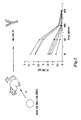
- a representative experiment is shown in Fig 3 .
- mice had tumors out of 17 mice in the group that received B16 wild type (76%). Similarly 13 out of 18 mice developed large tumors in the group receiving cells transduced with mock vector (72%). However, only 50% of mice had measurable tumors in the group receiving the ⁇ Gal-expressing cells. More importantly, a total of four animals, two in each of the control groups, had to be euthanized because of the development of large tumors. None of the animals that received the ⁇ Gal expressing cells died by thirty days after tumor implantation, indicating an increase in the survival of animal challenged with ⁇ Gal expressing cells.
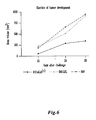
- Figure 6 shows the kinetics of tumor development after challenge with control, mock and ⁇ Gal-expressing B16 cells.
- Tumors in both control ⁇ Gal (-) groups grew extremely fast almost doubling the volume every 7 days.
- mice injected subcutaneous with native ⁇ Gal (-) B16 survived. Comparably, only 4 out of 21 mice survived the lethal subcutaneous challenge with mock transduced ⁇ Gal (-) B16 cells. On the contrary, 8 out of 20 mice injected subcutaneous with ⁇ Gal (+) B16 survived and remained tumor free for more than 80 days.
- mice from the subcutaneous injection of non-irradiated ⁇ Gal (+) B16 cells developed cellular immunity extended to the native ⁇ Gal (-) B16 tumor.
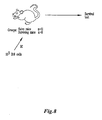
- all surviving tumor-free mice were re-challenged with wild type B16 ( ⁇ Gal negative).
- Aged-matched mice were included as controls and were also injected with ⁇ Gal (-) B16 ( Fig. 8 ).
- none of the mice that survived the first encounter with non-irradiated ⁇ Gal (+) B16 melanoma developed tumors.
- mice remained tumor free for 70 days increasing significantly the survival of mice that first rejected ⁇ Gal (+) B16 cells (logrank test p ⁇ 0.001).
- protection against B16 melanoma was not associated with autoimmune depigmentation (vitiligo) as previously described by others [ Overwijk et al. "Vaccination with a recombinant vaccinia virus encoding a self antigen induces autoimmune vitiligo and tumor cell destruction in mice: requirement for CD4+ T lymphocytes" Proc. Natl. Acad. Sci. USA (1999) 96: 2982-2987 ; Overwijk et al.
- mice that survived the lethal challenge with ⁇ Gal (+) cells developed strong immunity against the native ⁇ Gal (-) tumor.
- This cellular and possibly humoral immune response protected surviving mice from a second lethal challenge with wild tumor indicating that the immune response has been extended to native ⁇ Gal (-) tumor B 16 in all protected mice.
- mice that rejected ⁇ Gal (+) B16 cells and survived the initial lethal injection were able to develop strong immunity extended against the native ⁇ Gal (-) B16 melanoma tumor. This indicates that memory T cell mediated immunity was induced after rejection of ⁇ Gal (+) B16 cells able to recognize ⁇ Gal (-) B16 tumor protecting mice from a lethal tumor dose.
- Disseminated melanoma metastasis model in the ⁇ GT knockout mice by intravenous injection of a lethal dose of non-irradiated ⁇ Gal (+) or ⁇ Gal (-) B16 melanoma cells.
- mice with high titer of anti- ⁇ Gal Ab are able to reject ⁇ Gal (+) B16 melanoma cells
- the lung melanoma metastasis model was used. Mice were intravenously (i.v) injected with 10 5 non-irradiated ⁇ Gal (-) or ⁇ Gal (+) B16 melanoma cells. Three weeks later, the lung melanoma metastases were enumerated ( Fig. 12 ). Mice injected with ⁇ Gal (-) B16 cells have many lung metastasis. On the contrary mice injected with ⁇ Gal (+) B16 cells have reduced lung burden ( Fig 13 ). Moreover two out of 5 mice were tumor free. This result indicates that pre-existing anti- ⁇ Gal Ab played a major role in the clearance of ⁇ Gal (+) B16 cells.
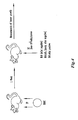
- mice were injected either with irradiated native ⁇ Gal (-) B16, ⁇ Gal (-) B 16 transduced with control vector (pLNL, encoding for Neomycin Resistance Gene) or with ⁇ Gal (+) B 16 (transduced with vector encoding the Neomycin Resistance Gene and the ⁇ GT gene). Some mice did not receive irradiated cell vaccines. The cell vaccination was repeated two weeks later. Two weeks after the last vaccination mice were injected subcutaneous with 10 5 non-irradiated ⁇ Gal (-) B16 cells ( Figure 14 ). Tumors were measured twice a week for 90 days. As shown in Figure 15 , zero out of 10 mice that did not received B16 cell vaccines survived the challenge and died before 50 days after challenge.
- T cells able to recognize the native ⁇ Gal (-) B16 cells were induced after vaccination with ⁇ Gal (+) B16 vaccine in mice protected from the injection with live ⁇ Gal (-) B16.
- splenocytes from mice vaccinated with ⁇ Gal (+) vaccines were harvested and cultured for 6 h in presence or absence of stimulation.
- PMA/Ca ++ Ionophore was used for maximum stimulation.
- Cells were cultured with 10 5 irradiated B16 cells to measure specific recognition or with CA320M, a non-specific ⁇ Gal (-) cell line with identical H-2 b/b haplotype. After incubation cells were harvested and stained for intracellular TNF- ⁇ .
- T cells harvested from ⁇ Gal (+) B16 vaccinated mice were efficiently activated by PMA/Ca++ Ionophore.
- the percentage of lymphocytes activated by this polyclonal activator method is considered the maximum activation detected in this experiment.
- Resting (unstimulated) T cells and T cells stimulated with CA320M were not able to produce TNF-a, indicating that no T cells precursors were induced after B16- ⁇ Gal (+) vaccination able to recognize antigens in CA320M.
- vaccination with B16- ⁇ Gal (+) induced T cell precursor that specifically recognize B16- ⁇ Gal (-) in vitro This result suggests that these T cells induced after vaccination with ⁇ Gal (+) B16 maybe responsible for tumor prevention in about half of ⁇ Gal (+) B16 treated mice.
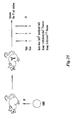
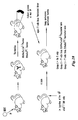
- mice were injected subcutaneous with non-irradiated 10 5 B16 cells and randomized. Three days after challenge they were vaccinated subcutaneous with irradiated ⁇ Gal (-) B16/NeoR or with irradiated ⁇ Gal (+) B16. Three days later the vaccination with irradiated cell vaccines was repeated. The baseline control mice received subcutaneous injection with non-irradiated B16 and they did not receive irradiated cell vaccine treatment (No vaccine group).
- mice vaccinated with irradiated ⁇ Gal (+) B16 vaccines developed smaller tumors that grew slower.
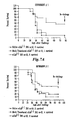
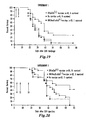
- mice bearing pre-established ⁇ Gal (-) B16 subcutaneous tumors vaccinated with ⁇ Gal (+) B16 irradiated cells showed prolonged survival when compared with non-vaccinated controls and ⁇ Gal (-) mock-vaccinated groups ( Figure 19 ). While zero out of 9 and only 1 out of 20 non-vaccinated and mock-vaccinated animals survived the subcutaneous challenge, respectively, 5 out of 19 mice treated with ⁇ Gal expressing B16 cells survived for more than 70 days after the challenge. The median survival time for the no-vaccine and mock vaccine group were 27 and 26 days respectively. On the contrary, the median survival time of mice receiving ⁇ Gal (+) B16 vaccines was significantly increased (39 days).
- mice received three doses of cell vaccines at 4, 11 and 18 days after the initial subcutaneous injection with non-irradiated ⁇ Gal (-) B16 ( Fig. 20 ).
- the vaccine dose each time was 3x10 5 cells.
- Figure 20 shows the Kaplan-Meier survival analysis after 70 days of observation.
- the logrank test comparison of the survival curves indicated a significant difference in the number of surviving mice bearing subcutaneous melanoma tumors treated with ⁇ Gal (+) B16 vaccines, compared to control non-vaccinated and ⁇ Gal (-) B16 vaccinated mice (p ⁇ 0.005). None out of 12 non-vaccinated mice survived the subcutaneous injection with B16. Similarly, none out of 23 mice vaccinated with ⁇ Gal (-) B16 vaccines survived the subcutaneous injection with B16. On the contrary 11 out of 26 mice (42%) receiving ⁇ Gal (+) B16 vaccines survived for 70 days after the lethal subcutaneous injection of ⁇ Gal (-) B 16 melanoma.
- mice treated with ⁇ Gal (+) B 16 were greater than 60 days. This represent a significant increase in the median survival of the ⁇ Gal vaccinated group (p ⁇ 0.005).
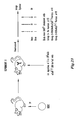
- Vaccines (2x10 5 irradiated cells) were administered subcutaneous at 4, 11 and 21 days after i.v. injection of B16 ( Fig. 21 ). Mice were sacrificed 30 days after challenge and the number of melanoma metastasis were enumerated ( Fig. 22 ). The number of lung metastasis were "too numerous to count" (arbitrary value >250 tumors) in 3 mice and 30 tumors were counted in the other mice, while only two mice were tumor free. Moreover, one of the animals in this group showed three additional metastatic nodules in the peritoneal cavity demonstrating dissemination of the disease in other places besides lungs.
- mice treated with ⁇ Gal (+) B16 vaccine were all tumor free demonstrating that pre-established tumor were treated very successfully by the ⁇ Gal (+) expressing vaccine therapy.
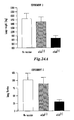
- mice Thirty days after the i.v. challenge with B16, mice were euthanized and lung melanoma metastases enumerated ( Figure 23 ). Also the tumor growth was evaluated by counting the lung tumor burden and by weighting lung tissue ( Figure 24 ).
- mice from control and no-vaccine group had "too numerous to count” melanoma metastases.
- two animals had scattered melanoma tumors extra-pulmonary, indicating disseminated disease in addition to pulmonary tissue.
- None of the ⁇ Gal (+) B16 vaccinated mice had "too numerous to count” melanoma tumors in the lungs and none had extra-pulmonary tumors. This indicates that vaccination with ⁇ Gal (+) B16 vaccines can effectively treat disseminated metastatic melanoma.
- the vaccination with ⁇ Gal (+) B16 vaccines can prevent further spreading of the systemic disease.
- T cells were harvested from mice vaccinated with control vaccine ⁇ Gal (-) B16 group or from mice vaccinated with ⁇ Gal (+) B16 irradiated cells ( Figure 25 ). Two types of studies were performed that demonstrated by different means the same conclusion, that is, that mice vaccinated with irradiated ⁇ Gal (+) B 16 cell have increased numbers of T cell precursors able to recognize specifically ⁇ Gal (-) B16 tumor cells.
- the intracellular cytokine TNF- ⁇ was detected by FACS.
- Splenocytes were cultured without stimulation as negative control.
- TNF ⁇ (+) lymphocytes Increased percentage of TNF ⁇ (+) lymphocytes was found in the spleens of mice vaccinated with ⁇ Gal (+) B16 cells that specifically recognized ⁇ Gal (-) B16 cells ( Figure 26 ). These T cells did not produce TNF ⁇ when cultured with CA320M which indicates that they specifically recognize B16 and not a non-related syngeneic cell line. In addition to the increased number of melanoma specific T cell precursors, the quantitative amount of TNF ⁇ produced by these cells was significantly increased measured by the Mean fluorescence intensity detected by FACS ( Figure 26 ). Four - fold increased MFI in the TNF ⁇ (+) cells was detected.
- T cell-surface activation markers were used to measure specific T cell recognition of the ⁇ Gal (-) B16 melanoma cell line. It is well described that upon engagement of the T cell receptor (TCR), T cells up-regulate several cell surface molecules that indicate an activated state of the lymphocyte. One of those molecules is the IL-2 receptor alpha chain or CD25. Upon TCR engagement, CD25 is up-regulated and can be detected by FACS at 1 day after activation. Similarly, CD69 (or very early activation antigen (VEA)) is up-regulated upon T cell activation.
- TCR T cell receptor
- IL-2 receptor alpha chain or CD25 Upon TCR engagement, CD25 is up-regulated and can be detected by FACS at 1 day after activation.
- CD69 or very early activation antigen (VEA) is up-regulated upon T cell activation.
- CD69 functions as a signal-transmitting receptor in different cells, it is involved in early events of lymphocyte activation and contributes to T cell activation by inducing synthesis of different cytokines, and their receptors. Both activation markers (CD25 and CD69) are expressed at very low level in resting T cells. To demonstrate that vaccination with ⁇ Gal (+) B16 cells induced T cell precursors able to recognize specifically ⁇ Gal (-) B16, the up-regulation of activation markers was used as parameters to measure recognition and activation. Cells were harvested from mice vaccinated with ⁇ Gal (-) B16 or vaccinated with ⁇ Gal (+) B16.
- mice receive native ⁇ Gal (-) B 16 vaccines receive native ⁇ Gal (-) B 16 vaccines.
- this reactivity is not sufficient to prevent and or treat pre-established melanoma tumors .
- increased activation of lymphocytes from mice vaccinated with ⁇ Gal (+) B16 was detected when T cells were cultured with ⁇ Gal (-) B16, as increased number of CD25 (+) and CD69 (+) cells were measured.
- mice vaccinated with ⁇ Gal (+) or ⁇ Ga (-) B16 cell vaccines Treatment of pre-established metastatic melanoma tumors by adoptive T cell transfer from mice vaccinated with ⁇ Gal (+) or ⁇ Ga (-) B16 cell vaccines
- mice bearing both subcutaneous and lung pulmonary metastasis receiving ⁇ Gal (+) B16 showed prolonged survival and increased clearance of the lung tumors.
- T cells induced by ⁇ Gal (+) B16 vaccination are responsible for the treatment of pre-established melanoma tumors.
- T cells induced by ⁇ Gal (+) B16 vaccination are responsible for the treatment of pre-established melanoma tumors.
- large amount of melanoma-specific T cells are insufficient to treat pre-established subcutaneous melanoma tumors, since they are in a tolerant state [ Overwijk et al. "Tumor regression and autoimmunity after reversal of functionally tolerant state of self-reactive CD8+ T cells" J. Exp. Med. (2003) 198: 569-580 ].
- ⁇ Gal (+) B16 cells induced a strong cell mediated immunity that can be rapidly activated upon recall and it is responsible for tumor clearance in mice bearing pre-established disease.
- adoptive cell transfer experiments were conducted ( Fig. 28 ). Donor mice were vaccinated receiving three doses of irradiated ⁇ Gal (+) B16 or ⁇ Gal (-) B16 vaccines as described before. Recipient mice were i.v injected with live ⁇ Gal (-) B16 to establish the lung melanoma metastasis and randomized.
- mice Four days after i.v injection of non-irradiated B16, mice received, or not T cells from donors vaccinated with ⁇ Gal (+) or ⁇ Gal (-) B16 cells. Four weeks later, the lung melanoma metastasis burden was measured by enumerating lung tumors, and by weighting lungs obtained in block. The experiment was performed twice and results from both are depicted in Figures 29A and 29B .
- the prophylactic vaccination experiments described above with B16 melanoma cells were repeated with a different tumor cell line derived from the ⁇ Gal (-) knockout mice and therefore are completely syngeneic with the host.
- This cell line is CA320M and was obtained by intraperitoneal injection of 2 mg 9,10-dimethyl-1,2-benz-anthracene (DMBA) and 1 mg 3-methylcholanthrene (3-MC) dissolved in 250 ⁇ l of olive oil at two week intervals into ⁇ GT knockout mice.
- DMBA 9,10-dimethyl-1,2-benz-anthracene
- 3-MC 3-methylcholanthrene
- CA320M cells induced in a ⁇ GT KO mouse failed to bind IB 4 isolectin that specifically detects ⁇ Gal epitopes, verifying that this murine tumor is, as expected, devoid of functional ⁇ GT enzyme and, therefore, ⁇ Gal epitopes.
- CA320M cells were susceptible to infection by an HSV-1 based vector and expressed ⁇ Gal epitopes after transduction with HE7 ⁇ Gall.
- ⁇ GT KO mice were primed to develop immunity against the ⁇ Gal epitope by subcutaneous injection of 2x10 7 rabbit whole blood cells twice at 14 day intervals.
- CA320M cells were transduced with 10 MOI of either HDKgal or HDKgal ⁇ sall for eight hours to obtain CA320M ⁇ Gal (+) or ⁇ Gal (-) cells, respectively.
- HDKgal was developed by inserting the ⁇ GT gene with a Kozak sequence into the pHD1 amplicon HSV-1 vector. pHDKgal therefore carries a single eukaryotic gene, ⁇ GT, under the control of the CMV promoter.
- mutant ⁇ GT gene To construct the mutant ⁇ GT gene, a unique SalI restriction site, located in the corresponding catalytic domain of the ⁇ GT enzyme, was cut and filled in using Klenow and dNTP's. The resulting frameshift mutation yields premature termination of the polypeptide rendering the enzyme nonfunctional.
- the mutant ⁇ GT gene was also cloned into the pHD1 amplicon and both amplicons were packaged into infectious HSV virions using a helper-free herpes viral system.
- Transduced CA320M cells were irradiated (25 Gy) and 1x10 3 cells injected into each of 15 animals. Twenty-one days later animals were challenged with 1x10 7 live CA320M cells and followed for tumor growth and survival analysis.
- Hyperacute TM whole cell cancer vaccines consists of allogeneic cancer cell lines genetically engineered to express murine ⁇ (1,3)galactosyltransferase gene. Several independent cancer cell lines from several tumor tissue types have been engineered to express ⁇ Gal epitopes on their surface.
- a therapeutic whole cell cancer vaccine consists of injection of irradiated individual cell lines or a mixture of several engineered cancer cell types belonging to the same tumor tissue type. Table 1 indicates the cancer cell lines that were used to originate the HyperAcute TM whole cell cancer vaccines. Table 1.
- HyperAcute TM whole cell cancer vaccines Hyper Acute TM Vaccine Cell Line ATCC # Tumor Tissue Type Description HAL1 A549 CCL-185 lung carcinoma HAL2 NCI-H460 HTB-177 lung large cell carcinoma HAL3 NCI-H520 HTB-182 lung squamous cell carcinoma HAB1 MCF-7 HTB-22 breast pleural effusion adenocarcinoma HAB2 BT-20 HTB-19 breast carcinoma HAPAI HPAF-II CRL-1997 pancreas ascitis adenocarcinoma HAPA2 PANC-1 CRL-1469 pancreas primary ductal epithelial carcinoma HAPA3 ASPC-1 CRL-1682 pancreas metastatic adenocarcinoma HAPA4 BxPC3 CRL-1687 pancreas primary adenocarcinoma HAO1 IGROV NA ovary carcinoma HAO2 ES-2 CRL-1978 ovary clear cell carcinoma HAO3 NIH:OVCAR3 HBT-161 ova
- HyperAcute TM whole cell cancer vaccines were established by transduction of the cell lines indicated in Table 1 with retroviral supernatant from 293Z.CKG in the presence of protamine sulfate 10 ⁇ g/mL.
- the population of transduced cells was stained for ⁇ Gal cell surface epitopes using 0-2605 anti- ⁇ Gal antibody (NewLink). Five percent of the cell population with the highest intensity of ⁇ Gal epitopes expression on their cell surface was sorted into a separate subpopulation using FACS sorter. The sorted subpopulation of transduced cells with highest expression of ⁇ Gal epitopes was the one designated as indicated in Table 1. These cells were expanded (split ratio 1:5) to generate a master cell bank (MCB).
- MCB were developed by expanding the cells in flasks at 37° C ⁇ 1° C in 5% ⁇ 1% CO2.
- the culture medium was RPMI-1640 supplemented with 10% fetal bovine serum (FBS) and 2mm L-glutamine.
- FBS fetal bovine serum
- 2mm L-glutamine 10% fetal bovine serum
- Cells were propagated to provide one billion cells, harvested, pooled, distributed into 100 cryovials, and frozen using programmed rate freezing chamber. Cells are stored in the vapor phase of liquid nitrogen storage tank.
- a working cell bank (WCB) for each cell line was developed from a MCB. Conditions for WCB expansion, harvesting, freezing and storage were as it is described for MCB.
- a production lot for each HyperAcute TM cancer cell line was originated from each WCB. When the cells from the production lot reach sufficient density, the culture fluids (supernatant) are harvested, filtered, and pooled into a sterile container. The pool is thoroughly mixed and then aseptically filled into labeled, sterile plastic bottles. (Labels contain the product name, lot number and date of filling). The fill bottles are frozen and stored at or below -60° C. Aliquots are submitted for safety testing.
- Cells for a Production Lot are harvested by trypsinization, pooled, and resuspended in complete culture medium. Pooled cells are irradiated at 150-200 Grey. The cells were irradiated using a Varian Clinic 2100C medical linear accelerator operating in the 6MV photon mode. The machine's radiation output is calibrated in water using the AAPM TG-51 calibration protocol. Output consistency is monitored daily; and output calibration is checked monthly with a NIST calibration traceable ion chamber/electrometer dosimeter. Irradiated cells are centrifuged and resuspended in final formulation for injection consisting of 5% glycerol and human serum albumin.
- HyperAcute TM cells MCB, WCB, and PL quality control testing involves both cells and supernatant.
- Acceptance criteria for HyperAcute TM cancer vaccine MCB, WCB and PL cells consist in assays for tumorigenicity in nude mice.
- mice Pre-clinical toxicology studies in mice have shown that ⁇ -gal expressing allogeneic and syngeneic tumors are well tolerated up to 1 x 10 6 cells per mouse which is equivalent to 3.5 x 10 9 cells per 70 kg human.
- Phase I study with murine vector producer cells (see Section 2.1) naturally expressing ⁇ -gal epitopes on cell surface has shown that murine VPC were well tolerated at the dose 7 x 10 9 cells per patient.
- Phase II murine VPC trial a patient has undergone three cycles of treatment with 7 x 10 9 cells injected in each cycle. The patient tolerated the treatment well. Murine VPC injections were repeated with an interval of 6 weeks.
- the proposed dose levels are within well-tolerated doses of ⁇ -gal vaccine in mice (maximum 4 x 10 8 cells per patient). Four week intervals between vaccine injections will allow sufficient time for evaluation of toxicity of the treatment and for maturation of the immune response. Data from Phase I murine VPC study suggest that anti- ⁇ Gal immune response reaches its maximum between 14 and 21 days after ⁇ Gal expressing cells injection.
- mice were injected subcutaneously with allogeneic ⁇ Gal (+) EMT-6 breast cells at a dose of 1x10 6 cells per mouse.
- blood and tissue samples were obtained to perform toxicology studies. Histological and hematological toxicity studies were performed. Histopathology examinations included major perfused organs: kidney, spleen and liver, as well as potential target tissue, skin and mammary gland. Histological studies evaluating safety indicated no remarkable lesions in all sample tissues examined (skin, mammary gland, kidney, spleen, liver). Some animals (that included control mice) showed renal perivasculitis with minimal infiltrates of inflammatory cells.
- This procedure describes how to prepare and administer to human patients the whole cell cancer vaccine (the pharmaceutical composition of the invention).
- Cells should be injected into patients immediately after they have been prepared. No specific safety precautions are necessary because administered cells have been lethally irradiated before freezing.
- the cryovials of each vaccine cell line are retrieved from the liquid nitrogen container.
- all the vials are thawed simultaneously by immersing in the water bath at 37°C to above the frozen content level. As soon as vials are thawed, rinse their surface with 70% alcohol. Equal amounts of content of vial(s) with each cell line component of the vaccine are combined into one syringe for injection and immediately injected into the patient.
- the vaccine cells will be injected intradermally (i.d.) using a tuberculin syringe with a 25-gauge needle. Injections should be given in the arms and legs on a rotating basis. HAB vaccine cells will be administered on days 1, 29, 57, and 85. Patients will be monitored for two hours after each injection in the outpatient clinic by the nursing staff. Patient monitoring is to include: Temperature (T), pulse (P), blood pressure (BP) and respiratory rate (R), within 30 minutes before administration of the vaccine, and then by checking every 15 minutes x 4, then every 30 minutes x 2 after the vaccination. Temperature will be checked prior to discharge from the clinic. In addition, patients will be monitored for signs of acute reactions including local or disseminated skin rash and other adverse reactions.
- T Temperature
- P pulse
- BP blood pressure
- R respiratory rate
- Grade II or greater acute adverse events may be monitored for an additional 1 - 2 hours in the clinic until the event has resolved to less than Grade II. If an AE of Grade II or greater persists for more than 4 hours despite observation and/or treatment, a decision on whether to continue observation, institute or modify treatment, or admit the patient to the hospital
- Treatment will proceed in dose cohorts of 3 eligible patients.
- the maximum tolerated dose is defined as the dose cohort below that at which dose-limiting toxicity (DLT) is seen. If >33% of patients (i.e., 1/3, or 2/4-6) in a dose cohort manifest DLT, then the MTD will have been determined and further dose escalations will not be permitted. If DLT is noted in one of three patients (1/3) in a dose cohort, then that cohort will be expanded to accrue up to a total of six (6) patients. If another DLT is observed, the cohort will be closed, MTD will be defined and no further dose escalation permitted. If no other DLT is observed in the cohort, accrual to the next higher dose cohort will be initiated. Further patients will be treated on the Phase II portion of the study at the MTD.
- All other lesions are considered non-measurable disease.
- Bone lesions, leptomeningeal disease, ascites, pleural or pericardial effusions, lymphangitis cutis or pulmonis, inflammatory breast disease, abdominal masses (not followed by CT or MRI), and cystic lesions are all considered non-measurable. All measurable lesions up to a maximum of five lesions per organ and 10 lesions in total, representative of all involved organs, should be identified as target lesions and recorded and measured at baseline.
- Target lesions should be selected on the basis of their size (lesions with the longest diameter) and their suitability for accurate repeated measurements (either by imaging techniques or clinically). A sum of the longest diameter (LD) for all target lesions is calculated and reported as the baseline sum LD. The baseline sum LD will be used as reference by which to characterize the objective tumor response. All other lesions (or sites of disease) should be identified as non-target lesions and should also be recorded at baseline. Non-target lesions include measurable lesions that exceed the maximum numbers per organ or total of all involved organs as well as non-measurable lesions. Measurements of these lesions are not required but the presence or absence of each should be noted throughout follow-up. All measurements should be taken and recorded in metric notation using a ruler or preferably calipers.
- Spiral CT should be performed using a 5 mm contiguous reconstruction algorithm. This applies to tumors of the chest, abdomen, and pelvis. Head and neck tumors and those of extremities usually require specific protocols.
- Ultrasound (US) is utilized when the primary endpoint of the study is objective response evaluation. US should not be used to measure tumor lesions. It is, however, a possible alternative to clinical measurements of superficial palpable lymph nodes, subcutaneous lesions, and thyroid nodules. US might also be useful to confirm the complete disappearance of superficial lesions usually assessed by clinical examination. Endoscopy and Laparoscopy is for objective tumor evaluation has not yet been fully and widely validated. Their uses in this specific context require sophisticated equipment and a high level of expertise that may only be available in some centers.
Landscapes
- Life Sciences & Earth Sciences (AREA)
- Health & Medical Sciences (AREA)
- Animal Behavior & Ethology (AREA)
- General Health & Medical Sciences (AREA)
- Veterinary Medicine (AREA)
- Public Health (AREA)
- Environmental Sciences (AREA)
- Epidemiology (AREA)
- Chemical & Material Sciences (AREA)
- Medicinal Chemistry (AREA)
- Immunology (AREA)
- Engineering & Computer Science (AREA)
- Animal Husbandry (AREA)
- Biodiversity & Conservation Biology (AREA)
- Zoology (AREA)
- Pharmacology & Pharmacy (AREA)
- Bioinformatics & Cheminformatics (AREA)
- Cell Biology (AREA)
- Biotechnology (AREA)
- Chemical Kinetics & Catalysis (AREA)
- Organic Chemistry (AREA)
- Nuclear Medicine, Radiotherapy & Molecular Imaging (AREA)
- General Chemical & Material Sciences (AREA)
- Microbiology (AREA)
- Mycology (AREA)
- Medicines Containing Material From Animals Or Micro-Organisms (AREA)
- Medicines That Contain Protein Lipid Enzymes And Other Medicines (AREA)
- Medicines Containing Antibodies Or Antigens For Use As Internal Diagnostic Agents (AREA)
- Pharmaceuticals Containing Other Organic And Inorganic Compounds (AREA)
- Micro-Organisms Or Cultivation Processes Thereof (AREA)
- Oncology (AREA)
Claims (16)
- Pharmazeutische Zusammensetzung zur Hemmung eines vorher bestimmten Tumorwachstums in einem Anti-αGal-synthetisierenden Tier, umfassend: ein Gemisch aus abgeschwächten Impfstoff-Tumorzellen, die für das Tier allogen sind, wobei die Zellen eine α(1,3)-Galaktosyltransferase-kodierende Sequenz und eine Vielzahl von Zelloberflächen-Glykoproteinen oder Glykolipiden, auf denen ein αGal-Epitop vorhanden ist, umfassen, und einen Träger.
- Pharmazeutische Zusammensetzung zur Stimulierung einer Immunreaktion gleichzeitig mit einer Vielzahl von Tumorantigenen, unabhängig von ihrem Glykosylierungszustand, in einem Anti-αGal-synthetisierenden Tier, das einen vorher bestimmten Tumor trägt, umfassend: ein Gemisch aus abgeschwächten Vollimpfstoff-Tumorzellen, die für das Tier allogen sind, wobei die Zellen ein α(1,3)-Galaktosyltransferase-Protein und eine Vielzahl von Zelloberflächen-Glykoproteinen oder Glykolipiden, auf denen ein αGal-Epitop vorhanden ist, kodieren, so dass Antigene in der gesamten Tumorzelle dem Immunsystem präsentiert werden können, und einen geeigneten Träger.
- Zusammensetzung nach Anspruch 1 oder 2, wobei die Tumorzellen großzellige Karzinom-, Plattenepithelkarzinom-, Aszites-Adenokarzinom-, Pleuraerguss-Karzinom-, primäre Gangepithel-Karzinom-, metastatische Adenokarzinom-, primäre Adenokarzinom-, Klarzell-Karzinom-, Eierstock-Adenokarzinom-, Eierstock-Teratokarzinom-, maligne Melanom-, kolorektale Karzinom-, kolorektale Adenokarzinom- oder kolorektale Adenokarzinom-Grad II-Zellen sind.
- Zusammensetzung nach einem der Ansprüche 1 bis 3, worin die Impfstoff-Tumorzellen-abgeleitet sind von A549-Zellen, NCI-H460-Zellen, NCI-H520-Zellen, MCF-7-Zellen, BT-20-Zellen, HPAF-II-Zellen, PANC-1-Zellen, ASPC-1-Zellen, BxPC3-Zellen, IGROV-Zellen, ES-2-Zellen, NIH:OVCAR3-Zellen, COLO829-Zellen,G-361-Zellen, HCT-116-Zellen, COLO205-Zellen, LoVo-Zellen, WiDr-Zellen, DLD-1-Zellen, HCT-15-Zellen, SW620-Zellen, SW480-Zellen, SW1116-Zellen, HT-29-Zellen, FHC-Zellen, CCD841CoN-Zellen, PC-3-Zellen, LNCaPFGC-Zellen, MDAPca2b-Zellen oder DU145-Zellen.
- Zusammensetzung nach einem der vorangehenden Ansprüche, wobei die Zusammensetzung eine Impfstoff-Zelle umfasst, die erhaltbar ist mittels der Methode, umfassend:(a) das Erhalten eines retroviralen Vektors von pLNCKG, wobei der Vektor eine Nukleotidsequenz des pLNCX-Vektors der SEQ ID NR. 1 und eine Nukleotidsequenz von murinem αGT, kloniert in den pLNCX-Vektor an Clal- und HindIII-Restriktionsendonuklease-Stellen in dem pLNCX-Vektor, umfasst;(b) das Transfizieren einer Vektor-Produzentenzelllinie von 293.AMIZ mit dem retroviralen Vektor zum Erhalt einer Vektor-Produzentenzelllinie aus 293.AMIZ/LNCKG;(c) das Abnehmen des Überstands von dem 293.AMIZ/LNCKG, um das Retrovirus aus pLNCKG zu erhalten; und(d) das Transduzieren in der Gegenwart von Protaminsulfat einer der humanen Krebszelllinien von A549 (ATCC-Zugriffs-Nr. CCL-185), NCI-H460 (ATCC-Zugriffs-Nr. HTB-177), NCI-H520 (ATCC-Zugriffs-Nr. HTB-182), MCF-7 (ATCC-Zugriffs-Nr. HTB-22), BT-20 (ATCC-Zugriffs-Nr. HTB-19), HPAF-II (ATCC-Zugriffs-Nr. CRL-1997), PANC-1 (ATCC-Zugriffs-Nr. CRL-1469), ASPC-1 (ATCC-Zugriffs-Nr. CRL-1682), BxPC3 (ATCC-Zugriffs-Nr. CRL-1687), IGROV (ATCC-Zugriffs-Nr. NA), ES-2 (ATCC-Zugriffs-Nr. CRL-1978), NIH:OVCAR3 (ATCC-Zugriffs-Nr. HBT-161), PA-1 (ATCC-Zugriffs-Nr. CRL-1572), A375 (ATCC-Zugriffs-Nr. CRL-1619), COLO829 (ATCC-Zugriffs-Nr. CRL-1974), G-361 (ATCC-Zugriffs-Nr. CRL-1424), HCT-116 (ATCC-Zugriffs-Nr. CCL-247), COLO205 (ATCC-Zugriffs-Nr. CCL-222), LoVo (ATCC-Zugriffs-Nr. CCL-229), WiDr (ATCC-Zugriffs-Nr. CCL-218), DLD-1 (ATCC-Zugriffs-Nr. CCL-221), HCT-15 (ATCC-Zugriffs-Nr. CCL-225), SW620 (ATCC-Zugriffs-Nr. CCL-227), SW480 (ATCC-Zugriffs-Nr. CCL-228), SW1116 (ATCC-Zugriffs-Nr. CCL-233), HT-29 (ATCC-Zugriffs-Nr. HTB-38), FHC (ATCC-Zugriffs-Nr. CRL-1831), CCD841CoN (ATCC-Zugriffs-Nr. CRL-1790), PC-3 (ATCC-Zugriffs-Nr. CRL-1435), LNCaPFGC (ATCC Zugriffs-Nr. CRL-1740), MDAPca2b (ATCC-Zugriffs-Nr. CRL-2422), DU145 (ATCC-Zugriffs-Nr. HTB-81), um die Vollzell-Impfstoffe, bezeichnet jeweils als HAL1, HAL2, HAL3, HAB1, HAB2, HAPA1, HAPA2, HAPA3, HAPA4, HAO1, HAO2, HAO3, HAO4, HAM1, HAM2; HAM3, HAC1, HAC2, HAC3, HAC4, HAC5, HAC6, HAC7, HAC8, HAC9, HAC10, HAC11, HAC12, HAPR1, HAPR2, HAPR3, HAPR4, zu erhalten.
- Zusammensetzung nach einem der vorangehenden Ansprüche, außerdem umfassend ein Adjuvans.
- Pharmazeutische Zusammensetzung zur Hervorrufung einer Immunreaktion gegen Tumorzellen in einem Anti-alphaGal-synthetisierenden Tier, das einen vorher bestimmten Tumor trägt, umfassend: ein Gemisch aus abgeschwächten Tumorzellen, die für das Tier allogen sind, wobei die Zellen eine α(1,3)-Galaktosyltransferase-kodierende Sequenz und eine Vielzahl von Zelloberflächen-Glykoproteinen oder Glykolipiden, auf denen ein α-Galactosyl-Epitop vorhanden ist, umfassen, wobei die Tumorzellen von der Gruppe der A549-, NCI-H460-, NCI-H520-, MCF-7-, BT-20-, HPAF-II-, PANC-1-, ASPC-1-, BxPC3-, IGROV-, ES-2-, NIH:OVCAR3-, PA-1-, A375-, COLO829- G-361-, HCT-116-, COLO205-, LoVo-, WiDr-, DLD-1-, HCT-15-, SW620-, SW480-, SW1116-, HT-29-, FHC-, CCD841CoN-, PC-3-, LNCaPFGC-, MDAPca2b- oder DU145-Zellen stammen; und einen Träger.
- Pharmazeutische Zusammensetzung zur Behandlung von Gewebetumorzellen in einem Tier, wobei die Zusammensetzung ein oder mehrere Vollzell-Impfstoffe umfasst, wobei die Vollzell-Impfstoffe mittels der Methode nach Anspruch 5 erhaltbar sind.
- Verwendung eines Gemischs aus abgeschwächten Tumorzellen, die für einen Patienten mit vorher bestimmten Tumorzellen allogen sind, wobei die Zellen das α(1,3)-Galaktosyltransferase-Gen exprimieren und eine Vielzahl von Zelloberflächen-Glykoproteinen, auf denen das αGal-Epitop vorhanden ist, umfassen, in der Herstellung eines Medikaments zur Hervorrufung der Immunvermittelten Zerstörung der Tumorzellen in dem Patienten, wobei dieser Patient ein Anti-αGal-synthetisierendes Tier ist.
- Verwendung einer Zusammensetzung, umfassend ein Gemisch aus abgeschwächten Tumorzellen, die für ein Anti-αGal-synthetisierendes Tier mit einem vorher bestimmten Tumor allogen sind, und genetisch modifiziert mit einem Polynukleotid, das ein α(1,3)-Galaktosyltransferase-Protein kodiert, in der Herstellung eines Medikaments zur Behandlung dieses Tiers.
- Verwendung von letal bestrahlten Tumorzellen, die für ein Anti-alphaGalsynthetisierendes Tier mit vorher bestimmten Tumorzellen allogen sind, und Exprimieren des α(1,3)-Galaktosyltransferase-Gens, in der Herstellung eines Medikaments zur Behandlung dieses Tiers.
- Verwendung nach Anspruch 11, wobei das α(1,3)-Galaktosyltransferase-Polynukleotid von murinem Ursprung ist.
- Verwendung nach Anspruch 11 oder 12, wobei das Gen eine α(1,3)-Galaktosyltransferase mit wenigstens etwa 70 % Identität der Aminosäuresequenz oder 85 % Ähnlichkeit der Aminosäuresequenz zu der der SEQ ID NR. 2 kodiert.
- Verwendung nach einem der Ansprüche 11 bis 13, wobei das α(1,3)-Galaktosyltransferase-Gen in die Zellen mittels eines Vektors eingeführt wird.
- Verwendung nach Anspruch 14, wobei der Vektor ein viraler Vektor ist.
- Verwendung nach Anspruch 15, wobei der virale Vektor auf einem murinen retroviralen Vektor, lentiviralen Vektor, adenoviralen Vektor, Adeno-assozüerten Vektor oder Herpes simplex-Virus-Vektor basiert.
Applications Claiming Priority (3)
| Application Number | Priority Date | Filing Date | Title |
|---|---|---|---|
| US41734302P | 2002-10-09 | 2002-10-09 | |
| US417343P | 2002-10-09 | ||
| PCT/US2003/032036 WO2004032865A2 (en) | 2002-10-09 | 2003-10-09 | Antitumor vaccination using allogeneic tumor cells expressing alpha (1,3)-galactosyltransferase |
Publications (2)
| Publication Number | Publication Date |
|---|---|
| EP1549353A2 EP1549353A2 (de) | 2005-07-06 |
| EP1549353B1 true EP1549353B1 (de) | 2010-03-31 |
Family
ID=32094006
Family Applications (1)
| Application Number | Title | Priority Date | Filing Date |
|---|---|---|---|
| EP03779090A Expired - Lifetime EP1549353B1 (de) | 2002-10-09 | 2003-10-09 | Benutzung von alpha (1,3) -galactosyltransferase exprimierenden allogenen tumorzellen zur impfung gegen tumoren |
Country Status (13)
| Country | Link |
|---|---|
| US (5) | US20040191229A1 (de) |
| EP (1) | EP1549353B1 (de) |
| JP (1) | JP4966496B2 (de) |
| CN (2) | CN1756568A (de) |
| AT (1) | ATE462449T1 (de) |
| AU (1) | AU2003285863A1 (de) |
| CA (1) | CA2501744C (de) |
| DE (1) | DE60331933D1 (de) |
| DK (1) | DK1549353T3 (de) |
| ES (1) | ES2341335T3 (de) |
| HK (1) | HK1215044A1 (de) |
| MX (1) | MXPA05003705A (de) |
| WO (1) | WO2004032865A2 (de) |
Families Citing this family (54)
| Publication number | Priority date | Publication date | Assignee | Title |
|---|---|---|---|---|
| WO1999042121A1 (en) | 1998-02-20 | 1999-08-26 | University Of Miami | Modified heat shock protein-antigenic peptide complex |
| CN1756568A (zh) | 2002-10-09 | 2006-04-05 | 衣阿华中央卫生系统 | 使用表达α(1,3)-半乳糖基转移酶的同种异型肿瘤细胞的抗肿瘤免疫 |
| US20050201993A1 (en) * | 2002-10-09 | 2005-09-15 | Link Charles J.Jr. | Antitumor vaccination using allogeneic tumor cells expressing alpha (1,3)-galactosyltransferase |
| JP5623004B2 (ja) * | 2004-10-25 | 2014-11-12 | ベイラー リサーチ インスティテュートBaylor Research Institute | 熱ショックをかけたメラノーマ細胞体が装填された樹状細胞 |
| US7820628B2 (en) * | 2005-02-22 | 2010-10-26 | University Of Massachusetts Medical School | Tumor lesion regression and conversion in situ into autologous tumor vaccines by compositions that result in anti-Gal antibody binding |
| US7850683B2 (en) * | 2005-05-20 | 2010-12-14 | Myoscience, Inc. | Subdermal cryogenic remodeling of muscles, nerves, connective tissue, and/or adipose tissue (fat) |
| US7713266B2 (en) | 2005-05-20 | 2010-05-11 | Myoscience, Inc. | Subdermal cryogenic remodeling of muscles, nerves, connective tissue, and/or adipose tissue (fat) |
| US7998486B2 (en) | 2006-10-25 | 2011-08-16 | Newlink Genetics Corporation | Enhanced immunogenicity of tumor associated antigens by addition of alphaGal epitopes |
| US9254162B2 (en) | 2006-12-21 | 2016-02-09 | Myoscience, Inc. | Dermal and transdermal cryogenic microprobe systems |
| US8409185B2 (en) * | 2007-02-16 | 2013-04-02 | Myoscience, Inc. | Replaceable and/or easily removable needle systems for dermal and transdermal cryogenic remodeling |
| US20090004213A1 (en) * | 2007-03-26 | 2009-01-01 | Immatics Biotechnologies Gmbh | Combination therapy using active immunotherapy |
| US8298216B2 (en) | 2007-11-14 | 2012-10-30 | Myoscience, Inc. | Pain management using cryogenic remodeling |
| US20100112702A1 (en) * | 2008-02-25 | 2010-05-06 | Klein Benjamin Y | Method designed to divert glucose away from the glycolytic pathway |
| DK2257301T3 (da) | 2008-03-03 | 2014-04-28 | Univ Miami | Immunterapi baseret på allogene cancerceller. |
| JP2011515399A (ja) | 2008-03-20 | 2011-05-19 | ユニバーシティー オブ マイアミ | 熱ショックタンパクgp96ワクチン接種及びそれを用いた方法 |
| AU2009251328B2 (en) * | 2008-05-30 | 2014-10-02 | Glycofi, Inc. | Yeast strain for the production of proteins with terminal alpha-1,3-linked galactose |
| AU2009316371B2 (en) * | 2008-11-21 | 2014-02-20 | University Of Miami | HIV/SIV vaccines for the generation of mucosal and systemic immunity |
| KR20110119640A (ko) | 2008-12-22 | 2011-11-02 | 마이오우사이언스, 인크. | 냉매 공급원과 전원이 통합된 한랭수술 시스템 |
| MX345333B (es) * | 2009-11-10 | 2017-01-25 | Nestec Sa | Biomarcadores de envejecimiento cardiaco y métodos de uso. |
| US20110150934A1 (en) * | 2009-12-18 | 2011-06-23 | University Of Notre Dame | Ovarian Tumor Tissue Cell Preparations/Vaccines for the Treatment/Inhibition of Ovarian Tumors and Ovarian Cancer |
| SG181880A1 (en) | 2009-12-23 | 2012-07-30 | Gradalis Inc | Furin-knockdown and gm-csf-augmented (fang) cancer vaccine |
| US9157084B2 (en) | 2009-12-23 | 2015-10-13 | Gradalis, Inc. | Furin-knockdown bi-functional RNA |
| WO2011082087A2 (en) * | 2010-01-04 | 2011-07-07 | Kj Biosciences, Llc | Dps fusion proteins for use in vaccines and diagnostics |
| CN102286428A (zh) * | 2011-06-04 | 2011-12-21 | 内蒙古医学院 | 一种在肿瘤细胞表面合成α-半乳糖苷表位并激活免疫细胞的方法 |
| CN102716497A (zh) * | 2011-07-07 | 2012-10-10 | 赵永祥 | α1,3半乳糖基转移酶基因转染材料及其制备方法和应用 |
| WO2013106860A1 (en) | 2012-01-13 | 2013-07-18 | Myoscience, Inc. | Cryogenic probe filtration system |
| US9241753B2 (en) | 2012-01-13 | 2016-01-26 | Myoscience, Inc. | Skin protection for subdermal cryogenic remodeling for cosmetic and other treatments |
| WO2013106859A1 (en) | 2012-01-13 | 2013-07-18 | Myoscience, Inc. | Cryogenic needle with freeze zone regulation |
| US9017318B2 (en) | 2012-01-20 | 2015-04-28 | Myoscience, Inc. | Cryogenic probe system and method |
| CN102760208B (zh) * | 2012-07-03 | 2015-07-29 | 清华大学 | 基于模拟疫苗的动态人工免疫故障诊断方法 |
| WO2014064534A2 (en) | 2012-10-05 | 2014-05-01 | Chrontech Pharma Ab | Injection needle, device, immunogenic compositions and method of use |
| CN105208954B (zh) | 2013-03-15 | 2019-06-04 | 肌肉科技股份有限公司 | 低温钝性解剖方法和设备 |
| US9295512B2 (en) | 2013-03-15 | 2016-03-29 | Myoscience, Inc. | Methods and devices for pain management |
| US9610112B2 (en) | 2013-03-15 | 2017-04-04 | Myoscience, Inc. | Cryogenic enhancement of joint function, alleviation of joint stiffness and/or alleviation of pain associated with osteoarthritis |
| HK1220693A1 (zh) * | 2013-03-15 | 2017-05-12 | Newlink Genetics Corporation | 碳水化合物改性的糖蛋白及其用途 |
| US9668800B2 (en) | 2013-03-15 | 2017-06-06 | Myoscience, Inc. | Methods and systems for treatment of spasticity |
| WO2014186596A2 (en) * | 2013-05-15 | 2014-11-20 | Newlink Genetics Corporation | Correlates of efficacy relating to tumor vaccines |
| EP3065658B1 (de) | 2013-11-05 | 2021-03-31 | Pacira CryoTech, Inc. | Sicheres kryochirurgisches behandlungssystem |
| TW202503057A (zh) * | 2014-10-10 | 2025-01-16 | 美商艾爾妮蘭製藥公司 | 用於抑制hao1(羥酸氧化酶1(乙醇酸鹽氧化酶))基因表現的組合物及方法 |
| SG11201705844SA (en) | 2015-02-06 | 2017-08-30 | Heat Biologics Inc | Vector co-expressing vaccine and costimulatory molecules |
| GB201505860D0 (en) * | 2015-04-07 | 2015-05-20 | Agalimmune Ltd | Therapeutic compositions and methods of use for treating cancer |
| WO2017197323A1 (en) | 2016-05-13 | 2017-11-16 | Lee Ann S | Methods and systems for locating and treating with cold therapy |
| CA3040123A1 (en) | 2016-10-11 | 2018-04-19 | University Of Miami | Vectors and vaccine cells for immunity against zika virus |
| CA3058938A1 (en) | 2017-04-04 | 2018-10-11 | Heat Biologics, Inc. | Intratumoral vaccination |
| US11896653B2 (en) | 2017-09-13 | 2024-02-13 | Unm Rainforest Innovations | Silicified cell replicas, methods of making, and methods of using |
| WO2019099677A1 (en) | 2017-11-15 | 2019-05-23 | Myoscience, Inc. | Integrated cold therapy and electrical stimulation systems for locating and treating nerves and associated methods |
| WO2020185449A1 (en) | 2019-03-08 | 2020-09-17 | Stc.Unm | Silicified immunogenic cells, methods of making, and methods of using |
| CN114729324A (zh) * | 2019-07-24 | 2022-07-08 | 斯比根公司 | 永生化干细胞株的制备方法及其用途 |
| TW202134430A (zh) | 2019-12-03 | 2021-09-16 | 美商紐沃進公司 | 腫瘤細胞疫苗 |
| EP4087920A4 (de) * | 2020-01-10 | 2024-02-28 | The University of Hong Kong | Alpha-1,3-galactosyltransferase exprimierende rekombinante viren und ihre verwendung |
| WO2021202449A1 (en) * | 2020-03-30 | 2021-10-07 | Unm Rainforest Innovations | Nanoparticle-loaded silicified cells, methods of making, and methods of use |
| WO2022256360A1 (en) * | 2021-06-02 | 2022-12-08 | Neuvogen, Inc. | Tumor cell vaccines |
| CN120702958B (zh) * | 2025-08-15 | 2025-11-04 | 细胞生态海河实验室 | 判断异源细胞、组织或器官间免疫排斥反应水平的方法 |
| CN120718864B (zh) * | 2025-08-28 | 2025-11-28 | 山东农业大学 | 一种高度不成熟鸭坦布苏病毒及其培养方法和应用 |
Family Cites Families (10)
| Publication number | Priority date | Publication date | Assignee | Title |
|---|---|---|---|---|
| AU2158995A (en) * | 1994-03-15 | 1995-10-03 | Medical College Of Pennsylvania And Hahnemann University | Compositions and methods for vaccines comprising alpha-galactosyl epitopes |
| US6218166B1 (en) | 1994-12-09 | 2001-04-17 | John Wayne Cancer Institute | Adjuvant incorporation into antigen carrying cells: compositions and methods |
| ATE283069T1 (de) * | 1996-08-16 | 2004-12-15 | Univ Johns Hopkins Med | Melanomzellinien, welche immundominante melanomantigene teilen und verfahren zu deren anwendung |
| US5869035A (en) * | 1996-11-13 | 1999-02-09 | Human Gene Therapy Research Institute | Methods and compositions for inducing complement destruction of tissue |
| EP1119365A4 (de) * | 1997-07-24 | 2003-08-13 | Univ Jefferson | Zusammensetzung und methode zur verwendung von tumorzellen |
| US7005126B1 (en) * | 1999-06-08 | 2006-02-28 | Human Gene Therapy Research Institute | Method for tumor treatment using infusion of xenogeneic cells to induce hyperacute rejection and innocent bystander effect |
| US7101543B2 (en) * | 2000-03-31 | 2006-09-05 | Novarx | Genetically modified cells expressing a TGFβ inhibitor, the cells being lung cancer cells |
| AU2002235141A1 (en) * | 2000-11-27 | 2002-06-03 | Geron Corporation | Glycosyltransferase vectors for treating cancer |
| CN1756568A (zh) | 2002-10-09 | 2006-04-05 | 衣阿华中央卫生系统 | 使用表达α(1,3)-半乳糖基转移酶的同种异型肿瘤细胞的抗肿瘤免疫 |
| US20050201993A1 (en) * | 2002-10-09 | 2005-09-15 | Link Charles J.Jr. | Antitumor vaccination using allogeneic tumor cells expressing alpha (1,3)-galactosyltransferase |
-
2003
- 2003-10-09 CN CNA2003801011520A patent/CN1756568A/zh active Pending
- 2003-10-09 ES ES03779090T patent/ES2341335T3/es not_active Expired - Lifetime
- 2003-10-09 MX MXPA05003705A patent/MXPA05003705A/es active IP Right Grant
- 2003-10-09 DE DE60331933T patent/DE60331933D1/de not_active Expired - Lifetime
- 2003-10-09 WO PCT/US2003/032036 patent/WO2004032865A2/en not_active Ceased
- 2003-10-09 AT AT03779090T patent/ATE462449T1/de active
- 2003-10-09 JP JP2004543606A patent/JP4966496B2/ja not_active Expired - Fee Related
- 2003-10-09 CN CN201510381454.2A patent/CN104911210A/zh active Pending
- 2003-10-09 US US10/682,178 patent/US20040191229A1/en not_active Abandoned
- 2003-10-09 EP EP03779090A patent/EP1549353B1/de not_active Expired - Lifetime
- 2003-10-09 DK DK03779090.4T patent/DK1549353T3/da active
- 2003-10-09 CA CA2501744A patent/CA2501744C/en not_active Expired - Fee Related
- 2003-10-09 AU AU2003285863A patent/AU2003285863A1/en not_active Abandoned
-
2006
- 2006-09-19 US US11/533,184 patent/US7763461B2/en not_active Expired - Fee Related
- 2006-09-19 US US11/533,199 patent/US20070014775A1/en not_active Abandoned
-
2010
- 2010-09-09 US US12/878,756 patent/US8535658B2/en not_active Expired - Fee Related
-
2013
- 2013-08-14 US US13/966,446 patent/US9474801B2/en not_active Expired - Fee Related
-
2016
- 2016-03-14 HK HK16102936.5A patent/HK1215044A1/zh unknown
Also Published As
| Publication number | Publication date |
|---|---|
| US8535658B2 (en) | 2013-09-17 |
| HK1215044A1 (zh) | 2016-08-12 |
| US20070014774A1 (en) | 2007-01-18 |
| WO2004032865A9 (en) | 2004-07-22 |
| ES2341335T3 (es) | 2010-06-18 |
| AU2003285863A8 (en) | 2004-05-04 |
| JP2006507267A (ja) | 2006-03-02 |
| JP4966496B2 (ja) | 2012-07-04 |
| US20140037692A1 (en) | 2014-02-06 |
| CN104911210A (zh) | 2015-09-16 |
| US20070014775A1 (en) | 2007-01-18 |
| EP1549353A2 (de) | 2005-07-06 |
| AU2003285863A1 (en) | 2004-05-04 |
| WO2004032865A2 (en) | 2004-04-22 |
| US20040191229A1 (en) | 2004-09-30 |
| US9474801B2 (en) | 2016-10-25 |
| CA2501744C (en) | 2012-01-03 |
| DE60331933D1 (de) | 2010-05-12 |
| US7763461B2 (en) | 2010-07-27 |
| DK1549353T3 (da) | 2010-07-12 |
| US20110250233A1 (en) | 2011-10-13 |
| CA2501744A1 (en) | 2004-04-22 |
| MXPA05003705A (es) | 2005-08-16 |
| CN1756568A (zh) | 2006-04-05 |
| ATE462449T1 (de) | 2010-04-15 |
| WO2004032865A3 (en) | 2004-06-10 |
Similar Documents
| Publication | Publication Date | Title |
|---|---|---|
| EP1549353B1 (de) | Benutzung von alpha (1,3) -galactosyltransferase exprimierenden allogenen tumorzellen zur impfung gegen tumoren | |
| CA2664567C (en) | Tumor immunity | |
| US8062646B2 (en) | Tissue vaccines and uses thereof | |
| US9474771B2 (en) | Antitumor vaccination using allogeneic tumor cells expressing alpha (1,3)-galactosyltransferase | |
| US9839680B2 (en) | DNA vector and transformed tumor cell vaccines | |
| Knutson et al. | Immunologic principles and immunotherapeutic approaches in ovarian cancer | |
| Posekany et al. | Suppression of Lewis lung tumor development in alpha 1, 3 galactosyltransferase knock-out mice | |
| WO2014186596A2 (en) | Correlates of efficacy relating to tumor vaccines | |
| US20260116941A1 (en) | Modified mammalian vesicles and compositions and methods related thereto | |
| PT1267945E (pt) | Células geneticamente modificadas que expressam um inibidor de ftc-beta, sendo essas células, células de cancro de pulmão | |
| Generoso | Six-transmembrane epithelial antigen of the postate (STREAP): a potential target of immunotherapy of prostate cancer. | |
| Zhou | Enhanced anti-tumor immunity by breaking immune tolerance | |
| HK1206973B (en) | Tumor immunity | |
| HK1232789B (en) | Dna vector and transformed tumor cell vaccines |
Legal Events
| Date | Code | Title | Description |
|---|---|---|---|
| PUAI | Public reference made under article 153(3) epc to a published international application that has entered the european phase |
Free format text: ORIGINAL CODE: 0009012 |
|
| 17P | Request for examination filed |
Effective date: 20050413 |
|
| AK | Designated contracting states |
Kind code of ref document: A2 Designated state(s): AT BE BG CH CY CZ DE DK EE ES FI FR GB GR HU IE IT LI LU MC NL PT RO SE SI SK TR |
|
| AX | Request for extension of the european patent |
Extension state: AL LT LV MK |
|
| DAX | Request for extension of the european patent (deleted) | ||
| 17Q | First examination report despatched |
Effective date: 20060704 |
|
| 17Q | First examination report despatched |
Effective date: 20060704 |
|
| RIN1 | Information on inventor provided before grant (corrected) |
Inventor name: LINK, CHARLES, J., JR. Inventor name: ROSSI, GABRIELA Inventor name: SEREGINA, TATIANA |
|
| GRAP | Despatch of communication of intention to grant a patent |
Free format text: ORIGINAL CODE: EPIDOSNIGR1 |
|
| GRAS | Grant fee paid |
Free format text: ORIGINAL CODE: EPIDOSNIGR3 |
|
| GRAA | (expected) grant |
Free format text: ORIGINAL CODE: 0009210 |
|
| AK | Designated contracting states |
Kind code of ref document: B1 Designated state(s): AT BE BG CH CY CZ DE DK EE ES FI FR GB GR HU IE IT LI LU MC NL PT RO SE SI SK TR |
|
| REG | Reference to a national code |
Ref country code: GB Ref legal event code: FG4D Ref country code: CH Ref legal event code: EP |
|
| REG | Reference to a national code |
Ref country code: IE Ref legal event code: FG4D |
|
| REF | Corresponds to: |
Ref document number: 60331933 Country of ref document: DE Date of ref document: 20100512 Kind code of ref document: P |
|
| REG | Reference to a national code |
Ref country code: GR Ref legal event code: EP Ref document number: 20100401092 Country of ref document: GR |
|
| REG | Reference to a national code |
Ref country code: CH Ref legal event code: NV Representative=s name: R. A. EGLI & CO. PATENTANWAELTE Ref country code: SE Ref legal event code: TRGR |
|
| REG | Reference to a national code |
Ref country code: ES Ref legal event code: FG2A Ref document number: 2341335 Country of ref document: ES Kind code of ref document: T3 |
|
| REG | Reference to a national code |
Ref country code: NL Ref legal event code: T3 |
|
| REG | Reference to a national code |
Ref country code: DK Ref legal event code: T3 |
|
| PG25 | Lapsed in a contracting state [announced via postgrant information from national office to epo] |
Ref country code: SI Free format text: LAPSE BECAUSE OF FAILURE TO SUBMIT A TRANSLATION OF THE DESCRIPTION OR TO PAY THE FEE WITHIN THE PRESCRIBED TIME-LIMIT Effective date: 20100331 |
|
| PG25 | Lapsed in a contracting state [announced via postgrant information from national office to epo] |
Ref country code: EE Free format text: LAPSE BECAUSE OF FAILURE TO SUBMIT A TRANSLATION OF THE DESCRIPTION OR TO PAY THE FEE WITHIN THE PRESCRIBED TIME-LIMIT Effective date: 20100331 Ref country code: CY Free format text: LAPSE BECAUSE OF FAILURE TO SUBMIT A TRANSLATION OF THE DESCRIPTION OR TO PAY THE FEE WITHIN THE PRESCRIBED TIME-LIMIT Effective date: 20100331 Ref country code: RO Free format text: LAPSE BECAUSE OF FAILURE TO SUBMIT A TRANSLATION OF THE DESCRIPTION OR TO PAY THE FEE WITHIN THE PRESCRIBED TIME-LIMIT Effective date: 20100331 |
|
| PG25 | Lapsed in a contracting state [announced via postgrant information from national office to epo] |
Ref country code: SK Free format text: LAPSE BECAUSE OF FAILURE TO SUBMIT A TRANSLATION OF THE DESCRIPTION OR TO PAY THE FEE WITHIN THE PRESCRIBED TIME-LIMIT Effective date: 20100331 |
|
| PG25 | Lapsed in a contracting state [announced via postgrant information from national office to epo] |
Ref country code: PT Free format text: LAPSE BECAUSE OF FAILURE TO SUBMIT A TRANSLATION OF THE DESCRIPTION OR TO PAY THE FEE WITHIN THE PRESCRIBED TIME-LIMIT Effective date: 20100802 |
|
| PLBE | No opposition filed within time limit |
Free format text: ORIGINAL CODE: 0009261 |
|
| STAA | Information on the status of an ep patent application or granted ep patent |
Free format text: STATUS: NO OPPOSITION FILED WITHIN TIME LIMIT |
|
| 26N | No opposition filed |
Effective date: 20110104 |
|
| PG25 | Lapsed in a contracting state [announced via postgrant information from national office to epo] |
Ref country code: BG Free format text: LAPSE BECAUSE OF FAILURE TO SUBMIT A TRANSLATION OF THE DESCRIPTION OR TO PAY THE FEE WITHIN THE PRESCRIBED TIME-LIMIT Effective date: 20100331 Ref country code: HU Free format text: LAPSE BECAUSE OF FAILURE TO SUBMIT A TRANSLATION OF THE DESCRIPTION OR TO PAY THE FEE WITHIN THE PRESCRIBED TIME-LIMIT Effective date: 20101001 |
|
| PG25 | Lapsed in a contracting state [announced via postgrant information from national office to epo] |
Ref country code: TR Free format text: LAPSE BECAUSE OF FAILURE TO SUBMIT A TRANSLATION OF THE DESCRIPTION OR TO PAY THE FEE WITHIN THE PRESCRIBED TIME-LIMIT Effective date: 20100331 |
|
| PG25 | Lapsed in a contracting state [announced via postgrant information from national office to epo] |
Ref country code: BG Free format text: LAPSE BECAUSE OF FAILURE TO SUBMIT A TRANSLATION OF THE DESCRIPTION OR TO PAY THE FEE WITHIN THE PRESCRIBED TIME-LIMIT Effective date: 20100630 |
|
| REG | Reference to a national code |
Ref country code: FR Ref legal event code: PLFP Year of fee payment: 13 |
|
| REG | Reference to a national code |
Ref country code: FR Ref legal event code: PLFP Year of fee payment: 14 |
|
| REG | Reference to a national code |
Ref country code: FR Ref legal event code: PLFP Year of fee payment: 15 |
|
| REG | Reference to a national code |
Ref country code: FR Ref legal event code: PLFP Year of fee payment: 16 |
|
| PGFP | Annual fee paid to national office [announced via postgrant information from national office to epo] |
Ref country code: LU Payment date: 20181019 Year of fee payment: 16 |
|
| PGFP | Annual fee paid to national office [announced via postgrant information from national office to epo] |
Ref country code: NL Payment date: 20181019 Year of fee payment: 16 |
|
| PGFP | Annual fee paid to national office [announced via postgrant information from national office to epo] |
Ref country code: CZ Payment date: 20181008 Year of fee payment: 16 Ref country code: MC Payment date: 20181012 Year of fee payment: 16 Ref country code: AT Payment date: 20181022 Year of fee payment: 16 Ref country code: DE Payment date: 20181019 Year of fee payment: 16 Ref country code: SE Payment date: 20181019 Year of fee payment: 16 Ref country code: FI Payment date: 20181022 Year of fee payment: 16 Ref country code: GR Payment date: 20181011 Year of fee payment: 16 Ref country code: IE Payment date: 20181023 Year of fee payment: 16 Ref country code: DK Payment date: 20181023 Year of fee payment: 16 |
|
| PGFP | Annual fee paid to national office [announced via postgrant information from national office to epo] |
Ref country code: IT Payment date: 20181024 Year of fee payment: 16 Ref country code: GB Payment date: 20181019 Year of fee payment: 16 Ref country code: ES Payment date: 20181123 Year of fee payment: 16 Ref country code: FR Payment date: 20181022 Year of fee payment: 16 Ref country code: BE Payment date: 20181019 Year of fee payment: 16 Ref country code: CH Payment date: 20181019 Year of fee payment: 16 |
|
| REG | Reference to a national code |
Ref country code: DE Ref legal event code: R119 Ref document number: 60331933 Country of ref document: DE |
|
| REG | Reference to a national code |
Ref country code: FI Ref legal event code: MAE |
|
| REG | Reference to a national code |
Ref country code: DK Ref legal event code: EBP Effective date: 20191031 |
|
| PG25 | Lapsed in a contracting state [announced via postgrant information from national office to epo] |
Ref country code: MC Free format text: LAPSE BECAUSE OF NON-PAYMENT OF DUE FEES Effective date: 20191031 |
|
| REG | Reference to a national code |
Ref country code: CH Ref legal event code: PL |
|
| REG | Reference to a national code |
Ref country code: NL Ref legal event code: MM Effective date: 20191101 |
|
| PG25 | Lapsed in a contracting state [announced via postgrant information from national office to epo] |
Ref country code: CH Free format text: LAPSE BECAUSE OF NON-PAYMENT OF DUE FEES Effective date: 20191031 Ref country code: DE Free format text: LAPSE BECAUSE OF NON-PAYMENT OF DUE FEES Effective date: 20200501 Ref country code: CZ Free format text: LAPSE BECAUSE OF NON-PAYMENT OF DUE FEES Effective date: 20191009 Ref country code: GR Free format text: LAPSE BECAUSE OF NON-PAYMENT OF DUE FEES Effective date: 20200506 Ref country code: LI Free format text: LAPSE BECAUSE OF NON-PAYMENT OF DUE FEES Effective date: 20191031 Ref country code: FI Free format text: LAPSE BECAUSE OF NON-PAYMENT OF DUE FEES Effective date: 20191009 Ref country code: LU Free format text: LAPSE BECAUSE OF NON-PAYMENT OF DUE FEES Effective date: 20191009 |
|
| REG | Reference to a national code |
Ref country code: BE Ref legal event code: MM Effective date: 20191031 |
|
| REG | Reference to a national code |
Ref country code: AT Ref legal event code: MM01 Ref document number: 462449 Country of ref document: AT Kind code of ref document: T Effective date: 20191009 |
|
| PG25 | Lapsed in a contracting state [announced via postgrant information from national office to epo] |
Ref country code: SE Free format text: LAPSE BECAUSE OF NON-PAYMENT OF DUE FEES Effective date: 20191010 Ref country code: BE Free format text: LAPSE BECAUSE OF NON-PAYMENT OF DUE FEES Effective date: 20191031 Ref country code: NL Free format text: LAPSE BECAUSE OF NON-PAYMENT OF DUE FEES Effective date: 20191101 |
|
| GBPC | Gb: european patent ceased through non-payment of renewal fee |
Effective date: 20191009 |
|
| PG25 | Lapsed in a contracting state [announced via postgrant information from national office to epo] |
Ref country code: GB Free format text: LAPSE BECAUSE OF NON-PAYMENT OF DUE FEES Effective date: 20191009 Ref country code: FR Free format text: LAPSE BECAUSE OF NON-PAYMENT OF DUE FEES Effective date: 20191031 Ref country code: IT Free format text: LAPSE BECAUSE OF NON-PAYMENT OF DUE FEES Effective date: 20191009 Ref country code: DK Free format text: LAPSE BECAUSE OF NON-PAYMENT OF DUE FEES Effective date: 20191031 Ref country code: IE Free format text: LAPSE BECAUSE OF NON-PAYMENT OF DUE FEES Effective date: 20191009 |
|
| PG25 | Lapsed in a contracting state [announced via postgrant information from national office to epo] |
Ref country code: AT Free format text: LAPSE BECAUSE OF NON-PAYMENT OF DUE FEES Effective date: 20191009 |
|
| REG | Reference to a national code |
Ref country code: ES Ref legal event code: FD2A Effective date: 20210302 |
|
| PG25 | Lapsed in a contracting state [announced via postgrant information from national office to epo] |
Ref country code: ES Free format text: LAPSE BECAUSE OF NON-PAYMENT OF DUE FEES Effective date: 20191010 |