EP1390474B1 - Procede d'obtention de lymphocytes tr1 regulateurs specifiques d'antigene - Google Patents
Procede d'obtention de lymphocytes tr1 regulateurs specifiques d'antigene Download PDFInfo
- Publication number
- EP1390474B1 EP1390474B1 EP02740789A EP02740789A EP1390474B1 EP 1390474 B1 EP1390474 B1 EP 1390474B1 EP 02740789 A EP02740789 A EP 02740789A EP 02740789 A EP02740789 A EP 02740789A EP 1390474 B1 EP1390474 B1 EP 1390474B1
- Authority
- EP
- European Patent Office
- Prior art keywords
- cells
- lymphocytes
- antigen
- specific
- molecule
- Prior art date
- Legal status (The legal status is an assumption and is not a legal conclusion. Google has not performed a legal analysis and makes no representation as to the accuracy of the status listed.)
- Expired - Lifetime
Links
- 239000000427 antigen Substances 0.000 title claims abstract description 54
- 102000036639 antigens Human genes 0.000 title claims abstract description 53
- 108091007433 antigens Proteins 0.000 title claims abstract description 53
- 210000004698 lymphocyte Anatomy 0.000 title claims abstract description 45
- 238000000034 method Methods 0.000 title claims abstract description 24
- 230000001105 regulatory effect Effects 0.000 title claims abstract description 8
- 210000000612 antigen-presenting cell Anatomy 0.000 claims abstract description 21
- 108010084313 CD58 Antigens Proteins 0.000 claims abstract description 16
- 101150013553 CD40 gene Proteins 0.000 claims abstract description 6
- 108010064593 Intercellular Adhesion Molecule-1 Proteins 0.000 claims abstract description 6
- 102100040245 Tumor necrosis factor receptor superfamily member 5 Human genes 0.000 claims abstract description 6
- 101000878605 Homo sapiens Low affinity immunoglobulin epsilon Fc receptor Proteins 0.000 claims abstract description 5
- 102100038007 Low affinity immunoglobulin epsilon Fc receptor Human genes 0.000 claims abstract description 5
- 102100024216 Programmed cell death 1 ligand 1 Human genes 0.000 claims abstract description 5
- 101710094000 Programmed cell death 1 ligand 1 Proteins 0.000 claims abstract description 5
- 230000000139 costimulatory effect Effects 0.000 claims abstract description 4
- 102000015271 Intercellular Adhesion Molecule-1 Human genes 0.000 claims abstract 2
- 210000004027 cell Anatomy 0.000 claims description 59
- 210000001744 T-lymphocyte Anatomy 0.000 claims description 36
- 230000004913 activation Effects 0.000 claims description 12
- 150000007523 nucleic acids Chemical group 0.000 claims description 11
- 238000011282 treatment Methods 0.000 claims description 9
- 208000023275 Autoimmune disease Diseases 0.000 claims description 7
- 239000000203 mixture Substances 0.000 claims description 7
- 108091028043 Nucleic acid sequence Proteins 0.000 claims description 6
- 238000000338 in vitro Methods 0.000 claims description 6
- 208000027866 inflammatory disease Diseases 0.000 claims description 5
- 230000008569 process Effects 0.000 claims description 5
- 238000002360 preparation method Methods 0.000 claims description 4
- 210000002950 fibroblast Anatomy 0.000 claims description 3
- 238000002955 isolation Methods 0.000 claims description 3
- 210000002889 endothelial cell Anatomy 0.000 claims description 2
- 238000009472 formulation Methods 0.000 claims description 2
- 210000002510 keratinocyte Anatomy 0.000 claims description 2
- 210000004684 kidney tubule cell Anatomy 0.000 claims description 2
- 210000004962 mammalian cell Anatomy 0.000 claims description 2
- 210000003098 myoblast Anatomy 0.000 claims description 2
- 239000008194 pharmaceutical composition Substances 0.000 claims description 2
- 210000004116 schwann cell Anatomy 0.000 claims description 2
- 238000004806 packaging method and process Methods 0.000 claims 1
- 238000011084 recovery Methods 0.000 claims 1
- 102000003814 Interleukin-10 Human genes 0.000 description 28
- 108090000174 Interleukin-10 Proteins 0.000 description 28
- 210000003289 regulatory T cell Anatomy 0.000 description 27
- 229940076144 interleukin-10 Drugs 0.000 description 26
- 108090000765 processed proteins & peptides Proteins 0.000 description 13
- 102000000588 Interleukin-2 Human genes 0.000 description 11
- 108010002350 Interleukin-2 Proteins 0.000 description 11
- 102100037850 Interferon gamma Human genes 0.000 description 10
- 108010074328 Interferon-gamma Proteins 0.000 description 10
- 102000004388 Interleukin-4 Human genes 0.000 description 10
- 108090000978 Interleukin-4 Proteins 0.000 description 10
- 238000004519 manufacturing process Methods 0.000 description 9
- 239000002299 complementary DNA Substances 0.000 description 7
- 230000035755 proliferation Effects 0.000 description 7
- 230000000638 stimulation Effects 0.000 description 7
- 230000007170 pathology Effects 0.000 description 6
- 229960000814 tetanus toxoid Drugs 0.000 description 6
- 102000004127 Cytokines Human genes 0.000 description 5
- 108090000695 Cytokines Proteins 0.000 description 5
- 230000028993 immune response Effects 0.000 description 5
- 239000002773 nucleotide Substances 0.000 description 5
- 125000003729 nucleotide group Chemical group 0.000 description 5
- 210000003819 peripheral blood mononuclear cell Anatomy 0.000 description 5
- 101001057504 Homo sapiens Interferon-stimulated gene 20 kDa protein Proteins 0.000 description 4
- 101001055144 Homo sapiens Interleukin-2 receptor subunit alpha Proteins 0.000 description 4
- 101000914514 Homo sapiens T-cell-specific surface glycoprotein CD28 Proteins 0.000 description 4
- 102100037877 Intercellular adhesion molecule 1 Human genes 0.000 description 4
- 102100027268 Interferon-stimulated gene 20 kDa protein Human genes 0.000 description 4
- 102100027213 T-cell-specific surface glycoprotein CD28 Human genes 0.000 description 4
- 239000011324 bead Substances 0.000 description 4
- 230000016396 cytokine production Effects 0.000 description 4
- 230000003993 interaction Effects 0.000 description 4
- 210000005087 mononuclear cell Anatomy 0.000 description 4
- 238000003752 polymerase chain reaction Methods 0.000 description 4
- HVLSXIKZNLPZJJ-TXZCQADKSA-N HA peptide Chemical compound C([C@@H](C(=O)N[C@@H](CC(O)=O)C(=O)N[C@@H](C(C)C)C(=O)N1[C@@H](CCC1)C(=O)N[C@@H](CC(O)=O)C(=O)N[C@@H](CC=1C=CC(O)=CC=1)C(=O)N[C@@H](C)C(O)=O)NC(=O)[C@H]1N(CCC1)C(=O)[C@@H](N)CC=1C=CC(O)=CC=1)C1=CC=C(O)C=C1 HVLSXIKZNLPZJJ-TXZCQADKSA-N 0.000 description 3
- 230000001363 autoimmune Effects 0.000 description 3
- 238000011534 incubation Methods 0.000 description 3
- 230000002757 inflammatory effect Effects 0.000 description 3
- 230000031261 interleukin-10 production Effects 0.000 description 3
- 108040006870 interleukin-10 receptor activity proteins Proteins 0.000 description 3
- 108020004707 nucleic acids Proteins 0.000 description 3
- 102000039446 nucleic acids Human genes 0.000 description 3
- 230000002093 peripheral effect Effects 0.000 description 3
- 230000004044 response Effects 0.000 description 3
- 230000028327 secretion Effects 0.000 description 3
- 239000013598 vector Substances 0.000 description 3
- IQFYYKKMVGJFEH-OFKYTIFKSA-N 1-[(2r,4s,5r)-4-hydroxy-5-(tritiooxymethyl)oxolan-2-yl]-5-methylpyrimidine-2,4-dione Chemical compound C1[C@H](O)[C@@H](CO[3H])O[C@H]1N1C(=O)NC(=O)C(C)=C1 IQFYYKKMVGJFEH-OFKYTIFKSA-N 0.000 description 2
- 108010029697 CD40 Ligand Proteins 0.000 description 2
- 102100032937 CD40 ligand Human genes 0.000 description 2
- 208000011231 Crohn disease Diseases 0.000 description 2
- 238000002965 ELISA Methods 0.000 description 2
- 108010017213 Granulocyte-Macrophage Colony-Stimulating Factor Proteins 0.000 description 2
- 102100039620 Granulocyte-macrophage colony-stimulating factor Human genes 0.000 description 2
- 101000914484 Homo sapiens T-lymphocyte activation antigen CD80 Proteins 0.000 description 2
- 102100022339 Integrin alpha-L Human genes 0.000 description 2
- 108010064548 Lymphocyte Function-Associated Antigen-1 Proteins 0.000 description 2
- 108010058846 Ovalbumin Proteins 0.000 description 2
- 102100027222 T-lymphocyte activation antigen CD80 Human genes 0.000 description 2
- IQFYYKKMVGJFEH-XLPZGREQSA-N Thymidine Chemical compound O=C1NC(=O)C(C)=CN1[C@@H]1O[C@H](CO)[C@@H](O)C1 IQFYYKKMVGJFEH-XLPZGREQSA-N 0.000 description 2
- 206010052779 Transplant rejections Diseases 0.000 description 2
- 210000004102 animal cell Anatomy 0.000 description 2
- 230000008901 benefit Effects 0.000 description 2
- 230000033228 biological regulation Effects 0.000 description 2
- 230000000903 blocking effect Effects 0.000 description 2
- 230000001413 cellular effect Effects 0.000 description 2
- 238000012761 co-transfection Methods 0.000 description 2
- 230000003247 decreasing effect Effects 0.000 description 2
- 206010012601 diabetes mellitus Diseases 0.000 description 2
- 208000037265 diseases, disorders, signs and symptoms Diseases 0.000 description 2
- 230000000694 effects Effects 0.000 description 2
- 238000002474 experimental method Methods 0.000 description 2
- 208000024908 graft versus host disease Diseases 0.000 description 2
- 210000002443 helper t lymphocyte Anatomy 0.000 description 2
- 210000000987 immune system Anatomy 0.000 description 2
- 230000004957 immunoregulator effect Effects 0.000 description 2
- 230000001939 inductive effect Effects 0.000 description 2
- 230000002401 inhibitory effect Effects 0.000 description 2
- NOESYZHRGYRDHS-UHFFFAOYSA-N insulin Chemical compound N1C(=O)C(NC(=O)C(CCC(N)=O)NC(=O)C(CCC(O)=O)NC(=O)C(C(C)C)NC(=O)C(NC(=O)CN)C(C)CC)CSSCC(C(NC(CO)C(=O)NC(CC(C)C)C(=O)NC(CC=2C=CC(O)=CC=2)C(=O)NC(CCC(N)=O)C(=O)NC(CC(C)C)C(=O)NC(CCC(O)=O)C(=O)NC(CC(N)=O)C(=O)NC(CC=2C=CC(O)=CC=2)C(=O)NC(CSSCC(NC(=O)C(C(C)C)NC(=O)C(CC(C)C)NC(=O)C(CC=2C=CC(O)=CC=2)NC(=O)C(CC(C)C)NC(=O)C(C)NC(=O)C(CCC(O)=O)NC(=O)C(C(C)C)NC(=O)C(CC(C)C)NC(=O)C(CC=2NC=NC=2)NC(=O)C(CO)NC(=O)CNC2=O)C(=O)NCC(=O)NC(CCC(O)=O)C(=O)NC(CCCNC(N)=N)C(=O)NCC(=O)NC(CC=3C=CC=CC=3)C(=O)NC(CC=3C=CC=CC=3)C(=O)NC(CC=3C=CC(O)=CC=3)C(=O)NC(C(C)O)C(=O)N3C(CCC3)C(=O)NC(CCCCN)C(=O)NC(C)C(O)=O)C(=O)NC(CC(N)=O)C(O)=O)=O)NC(=O)C(C(C)CC)NC(=O)C(CO)NC(=O)C(C(C)O)NC(=O)C1CSSCC2NC(=O)C(CC(C)C)NC(=O)C(NC(=O)C(CCC(N)=O)NC(=O)C(CC(N)=O)NC(=O)C(NC(=O)C(N)CC=1C=CC=CC=1)C(C)C)CC1=CN=CN1 NOESYZHRGYRDHS-UHFFFAOYSA-N 0.000 description 2
- 229940092253 ovalbumin Drugs 0.000 description 2
- 230000002265 prevention Effects 0.000 description 2
- 230000000770 proinflammatory effect Effects 0.000 description 2
- UCSJYZPVAKXKNQ-HZYVHMACSA-N streptomycin Chemical compound CN[C@H]1[C@H](O)[C@@H](O)[C@H](CO)O[C@H]1O[C@@H]1[C@](C=O)(O)[C@H](C)O[C@H]1O[C@@H]1[C@@H](NC(N)=N)[C@H](O)[C@@H](NC(N)=N)[C@H](O)[C@H]1O UCSJYZPVAKXKNQ-HZYVHMACSA-N 0.000 description 2
- 239000006228 supernatant Substances 0.000 description 2
- 238000001890 transfection Methods 0.000 description 2
- HVCOBJNICQPDBP-UHFFFAOYSA-N 3-[3-[3,5-dihydroxy-6-methyl-4-(3,4,5-trihydroxy-6-methyloxan-2-yl)oxyoxan-2-yl]oxydecanoyloxy]decanoic acid;hydrate Chemical compound O.OC1C(OC(CC(=O)OC(CCCCCCC)CC(O)=O)CCCCCCC)OC(C)C(O)C1OC1C(O)C(O)C(O)C(C)O1 HVCOBJNICQPDBP-UHFFFAOYSA-N 0.000 description 1
- 201000001320 Atherosclerosis Diseases 0.000 description 1
- 241000894006 Bacteria Species 0.000 description 1
- DWRXFEITVBNRMK-UHFFFAOYSA-N Beta-D-1-Arabinofuranosylthymine Natural products O=C1NC(=O)C(C)=CN1C1C(O)C(O)C(CO)O1 DWRXFEITVBNRMK-UHFFFAOYSA-N 0.000 description 1
- 108091003079 Bovine Serum Albumin Proteins 0.000 description 1
- 102100035793 CD83 antigen Human genes 0.000 description 1
- 108010021064 CTLA-4 Antigen Proteins 0.000 description 1
- 229940045513 CTLA4 antagonist Drugs 0.000 description 1
- 108091026890 Coding region Proteins 0.000 description 1
- 108020004635 Complementary DNA Proteins 0.000 description 1
- 241000276573 Cottidae Species 0.000 description 1
- PMATZTZNYRCHOR-CGLBZJNRSA-N Cyclosporin A Chemical compound CC[C@@H]1NC(=O)[C@H]([C@H](O)[C@H](C)C\C=C\C)N(C)C(=O)[C@H](C(C)C)N(C)C(=O)[C@H](CC(C)C)N(C)C(=O)[C@H](CC(C)C)N(C)C(=O)[C@@H](C)NC(=O)[C@H](C)NC(=O)[C@H](CC(C)C)N(C)C(=O)[C@H](C(C)C)NC(=O)[C@H](CC(C)C)N(C)C(=O)CN(C)C1=O PMATZTZNYRCHOR-CGLBZJNRSA-N 0.000 description 1
- 229930105110 Cyclosporin A Natural products 0.000 description 1
- 108010036949 Cyclosporine Proteins 0.000 description 1
- 102100039498 Cytotoxic T-lymphocyte protein 4 Human genes 0.000 description 1
- 102100025137 Early activation antigen CD69 Human genes 0.000 description 1
- 229930186217 Glycolipid Natural products 0.000 description 1
- 208000009329 Graft vs Host Disease Diseases 0.000 description 1
- 241000606768 Haemophilus influenzae Species 0.000 description 1
- 101100005713 Homo sapiens CD4 gene Proteins 0.000 description 1
- 101000946856 Homo sapiens CD83 antigen Proteins 0.000 description 1
- 101000934374 Homo sapiens Early activation antigen CD69 Proteins 0.000 description 1
- 101001063392 Homo sapiens Lymphocyte function-associated antigen 3 Proteins 0.000 description 1
- 206010061218 Inflammation Diseases 0.000 description 1
- 102000004877 Insulin Human genes 0.000 description 1
- 108090001061 Insulin Proteins 0.000 description 1
- 108010064600 Intercellular Adhesion Molecule-3 Proteins 0.000 description 1
- 102100037872 Intercellular adhesion molecule 2 Human genes 0.000 description 1
- 101710148794 Intercellular adhesion molecule 2 Proteins 0.000 description 1
- 102100037871 Intercellular adhesion molecule 3 Human genes 0.000 description 1
- 102000004551 Interleukin-10 Receptors Human genes 0.000 description 1
- 108010017550 Interleukin-10 Receptors Proteins 0.000 description 1
- 102000003816 Interleukin-13 Human genes 0.000 description 1
- 108090000176 Interleukin-13 Proteins 0.000 description 1
- 102000004889 Interleukin-6 Human genes 0.000 description 1
- 108090001005 Interleukin-6 Proteins 0.000 description 1
- 102100030984 Lymphocyte function-associated antigen 3 Human genes 0.000 description 1
- 241001465754 Metazoa Species 0.000 description 1
- 241000699666 Mus <mouse, genus> Species 0.000 description 1
- 241000699670 Mus sp. Species 0.000 description 1
- 229930182555 Penicillin Natural products 0.000 description 1
- JGSARLDLIJGVTE-MBNYWOFBSA-N Penicillin G Chemical compound N([C@H]1[C@H]2SC([C@@H](N2C1=O)C(O)=O)(C)C)C(=O)CC1=CC=CC=C1 JGSARLDLIJGVTE-MBNYWOFBSA-N 0.000 description 1
- 201000004681 Psoriasis Diseases 0.000 description 1
- 230000024932 T cell mediated immunity Effects 0.000 description 1
- 102100025237 T-cell surface antigen CD2 Human genes 0.000 description 1
- 241001080024 Telles Species 0.000 description 1
- GUGOEEXESWIERI-UHFFFAOYSA-N Terfenadine Chemical compound C1=CC(C(C)(C)C)=CC=C1C(O)CCCN1CCC(C(O)(C=2C=CC=CC=2)C=2C=CC=CC=2)CC1 GUGOEEXESWIERI-UHFFFAOYSA-N 0.000 description 1
- 210000004241 Th2 cell Anatomy 0.000 description 1
- 102000009618 Transforming Growth Factors Human genes 0.000 description 1
- 108010009583 Transforming Growth Factors Proteins 0.000 description 1
- 241000700605 Viruses Species 0.000 description 1
- 230000001594 aberrant effect Effects 0.000 description 1
- 239000002253 acid Substances 0.000 description 1
- 230000009471 action Effects 0.000 description 1
- 230000003213 activating effect Effects 0.000 description 1
- 230000000172 allergic effect Effects 0.000 description 1
- 230000000961 alloantigen Effects 0.000 description 1
- 239000002269 analeptic agent Substances 0.000 description 1
- 238000004458 analytical method Methods 0.000 description 1
- 238000010171 animal model Methods 0.000 description 1
- 230000001387 anti-histamine Effects 0.000 description 1
- 229940124599 anti-inflammatory drug Drugs 0.000 description 1
- 230000003110 anti-inflammatory effect Effects 0.000 description 1
- 230000000890 antigenic effect Effects 0.000 description 1
- 239000000739 antihistaminic agent Substances 0.000 description 1
- 208000006673 asthma Diseases 0.000 description 1
- 208000010668 atopic eczema Diseases 0.000 description 1
- 230000002238 attenuated effect Effects 0.000 description 1
- IQFYYKKMVGJFEH-UHFFFAOYSA-N beta-L-thymidine Natural products O=C1NC(=O)C(C)=CN1C1OC(CO)C(O)C1 IQFYYKKMVGJFEH-UHFFFAOYSA-N 0.000 description 1
- 210000000234 capsid Anatomy 0.000 description 1
- 210000000170 cell membrane Anatomy 0.000 description 1
- 239000006285 cell suspension Substances 0.000 description 1
- 238000002659 cell therapy Methods 0.000 description 1
- 238000005119 centrifugation Methods 0.000 description 1
- 238000012512 characterization method Methods 0.000 description 1
- 239000003795 chemical substances by application Substances 0.000 description 1
- 208000037976 chronic inflammation Diseases 0.000 description 1
- 230000006020 chronic inflammation Effects 0.000 description 1
- 229960001265 ciclosporin Drugs 0.000 description 1
- 210000001072 colon Anatomy 0.000 description 1
- 230000003750 conditioning effect Effects 0.000 description 1
- 230000008094 contradictory effect Effects 0.000 description 1
- 229930182912 cyclosporin Natural products 0.000 description 1
- 210000004443 dendritic cell Anatomy 0.000 description 1
- 230000003831 deregulation Effects 0.000 description 1
- 230000004069 differentiation Effects 0.000 description 1
- 230000001079 digestive effect Effects 0.000 description 1
- 201000010099 disease Diseases 0.000 description 1
- 208000035475 disorder Diseases 0.000 description 1
- 238000004520 electroporation Methods 0.000 description 1
- 238000005516 engineering process Methods 0.000 description 1
- 239000012894 fetal calf serum Substances 0.000 description 1
- 239000012634 fragment Substances 0.000 description 1
- 239000003862 glucocorticoid Substances 0.000 description 1
- 239000003102 growth factor Substances 0.000 description 1
- 229940047650 haemophilus influenzae Drugs 0.000 description 1
- 208000013403 hyperactivity Diseases 0.000 description 1
- 230000001506 immunosuppresive effect Effects 0.000 description 1
- 238000010348 incorporation Methods 0.000 description 1
- 230000006698 induction Effects 0.000 description 1
- 210000004969 inflammatory cell Anatomy 0.000 description 1
- 230000004054 inflammatory process Effects 0.000 description 1
- 230000028709 inflammatory response Effects 0.000 description 1
- 229940125396 insulin Drugs 0.000 description 1
- 229960003130 interferon gamma Drugs 0.000 description 1
- 238000002372 labelling Methods 0.000 description 1
- 239000003446 ligand Substances 0.000 description 1
- 230000000670 limiting effect Effects 0.000 description 1
- 238000011068 loading method Methods 0.000 description 1
- 210000000207 lymphocyte subset Anatomy 0.000 description 1
- 210000002540 macrophage Anatomy 0.000 description 1
- 239000003550 marker Substances 0.000 description 1
- 230000002025 microglial effect Effects 0.000 description 1
- 210000001616 monocyte Anatomy 0.000 description 1
- 201000006417 multiple sclerosis Diseases 0.000 description 1
- 239000000041 non-steroidal anti-inflammatory agent Substances 0.000 description 1
- 229940021182 non-steroidal anti-inflammatory drug Drugs 0.000 description 1
- 235000015097 nutrients Nutrition 0.000 description 1
- 210000000056 organ Anatomy 0.000 description 1
- 238000002638 palliative care Methods 0.000 description 1
- 230000001717 pathogenic effect Effects 0.000 description 1
- 229940049954 penicillin Drugs 0.000 description 1
- 210000005259 peripheral blood Anatomy 0.000 description 1
- 239000011886 peripheral blood Substances 0.000 description 1
- 150000003905 phosphatidylinositols Chemical class 0.000 description 1
- 102000004196 processed proteins & peptides Human genes 0.000 description 1
- 108020003175 receptors Proteins 0.000 description 1
- 102000005962 receptors Human genes 0.000 description 1
- 230000000717 retained effect Effects 0.000 description 1
- 206010039073 rheumatoid arthritis Diseases 0.000 description 1
- 238000009738 saturating Methods 0.000 description 1
- 229960005322 streptomycin Drugs 0.000 description 1
- 230000009885 systemic effect Effects 0.000 description 1
- 229940037128 systemic glucocorticoids Drugs 0.000 description 1
- 230000001225 therapeutic effect Effects 0.000 description 1
- 229940104230 thymidine Drugs 0.000 description 1
- 238000005406 washing Methods 0.000 description 1
Images
Classifications
-
- C—CHEMISTRY; METALLURGY
- C12—BIOCHEMISTRY; BEER; SPIRITS; WINE; VINEGAR; MICROBIOLOGY; ENZYMOLOGY; MUTATION OR GENETIC ENGINEERING
- C12N—MICROORGANISMS OR ENZYMES; COMPOSITIONS THEREOF; PROPAGATING, PRESERVING, OR MAINTAINING MICROORGANISMS; MUTATION OR GENETIC ENGINEERING; CULTURE MEDIA
- C12N5/00—Undifferentiated human, animal or plant cells, e.g. cell lines; Tissues; Cultivation or maintenance thereof; Culture media therefor
- C12N5/06—Animal cells or tissues; Human cells or tissues
- C12N5/0602—Vertebrate cells
- C12N5/0634—Cells from the blood or the immune system
- C12N5/0636—T lymphocytes
-
- A—HUMAN NECESSITIES
- A61—MEDICAL OR VETERINARY SCIENCE; HYGIENE
- A61K—PREPARATIONS FOR MEDICAL, DENTAL OR TOILETRY PURPOSES
- A61K39/00—Medicinal preparations containing antigens or antibodies
- A61K39/0005—Vertebrate antigens
- A61K39/0008—Antigens related to auto-immune diseases; Preparations to induce self-tolerance
-
- A—HUMAN NECESSITIES
- A61—MEDICAL OR VETERINARY SCIENCE; HYGIENE
- A61K—PREPARATIONS FOR MEDICAL, DENTAL OR TOILETRY PURPOSES
- A61K40/00—Cellular immunotherapy
- A61K40/10—Cellular immunotherapy characterised by the cell type used
- A61K40/11—T-cells, e.g. tumour infiltrating lymphocytes [TIL] or regulatory T [Treg] cells; Lymphokine-activated killer [LAK] cells
-
- A—HUMAN NECESSITIES
- A61—MEDICAL OR VETERINARY SCIENCE; HYGIENE
- A61K—PREPARATIONS FOR MEDICAL, DENTAL OR TOILETRY PURPOSES
- A61K40/00—Cellular immunotherapy
- A61K40/40—Cellular immunotherapy characterised by antigens that are targeted or presented by cells of the immune system
- A61K40/45—Bacterial antigens
- A61K40/453—Clostridium, e.g. Clostridium tetani
-
- A—HUMAN NECESSITIES
- A61—MEDICAL OR VETERINARY SCIENCE; HYGIENE
- A61K—PREPARATIONS FOR MEDICAL, DENTAL OR TOILETRY PURPOSES
- A61K40/00—Cellular immunotherapy
- A61K40/40—Cellular immunotherapy characterised by antigens that are targeted or presented by cells of the immune system
- A61K40/46—Viral antigens
-
- A—HUMAN NECESSITIES
- A61—MEDICAL OR VETERINARY SCIENCE; HYGIENE
- A61P—SPECIFIC THERAPEUTIC ACTIVITY OF CHEMICAL COMPOUNDS OR MEDICINAL PREPARATIONS
- A61P19/00—Drugs for skeletal disorders
- A61P19/02—Drugs for skeletal disorders for joint disorders, e.g. arthritis, arthrosis
-
- A—HUMAN NECESSITIES
- A61—MEDICAL OR VETERINARY SCIENCE; HYGIENE
- A61P—SPECIFIC THERAPEUTIC ACTIVITY OF CHEMICAL COMPOUNDS OR MEDICINAL PREPARATIONS
- A61P29/00—Non-central analgesic, antipyretic or antiinflammatory agents, e.g. antirheumatic agents; Non-steroidal antiinflammatory drugs [NSAID]
-
- A—HUMAN NECESSITIES
- A61—MEDICAL OR VETERINARY SCIENCE; HYGIENE
- A61P—SPECIFIC THERAPEUTIC ACTIVITY OF CHEMICAL COMPOUNDS OR MEDICINAL PREPARATIONS
- A61P3/00—Drugs for disorders of the metabolism
- A61P3/08—Drugs for disorders of the metabolism for glucose homeostasis
- A61P3/10—Drugs for disorders of the metabolism for glucose homeostasis for hyperglycaemia, e.g. antidiabetics
-
- A—HUMAN NECESSITIES
- A61—MEDICAL OR VETERINARY SCIENCE; HYGIENE
- A61P—SPECIFIC THERAPEUTIC ACTIVITY OF CHEMICAL COMPOUNDS OR MEDICINAL PREPARATIONS
- A61P37/00—Drugs for immunological or allergic disorders
- A61P37/02—Immunomodulators
-
- A—HUMAN NECESSITIES
- A61—MEDICAL OR VETERINARY SCIENCE; HYGIENE
- A61P—SPECIFIC THERAPEUTIC ACTIVITY OF CHEMICAL COMPOUNDS OR MEDICINAL PREPARATIONS
- A61P37/00—Drugs for immunological or allergic disorders
- A61P37/02—Immunomodulators
- A61P37/06—Immunosuppressants, e.g. drugs for graft rejection
-
- C—CHEMISTRY; METALLURGY
- C12—BIOCHEMISTRY; BEER; SPIRITS; WINE; VINEGAR; MICROBIOLOGY; ENZYMOLOGY; MUTATION OR GENETIC ENGINEERING
- C12N—MICROORGANISMS OR ENZYMES; COMPOSITIONS THEREOF; PROPAGATING, PRESERVING, OR MAINTAINING MICROORGANISMS; MUTATION OR GENETIC ENGINEERING; CULTURE MEDIA
- C12N2501/00—Active agents used in cell culture processes, e.g. differentation
- C12N2501/50—Cell markers; Cell surface determinants
-
- C—CHEMISTRY; METALLURGY
- C12—BIOCHEMISTRY; BEER; SPIRITS; WINE; VINEGAR; MICROBIOLOGY; ENZYMOLOGY; MUTATION OR GENETIC ENGINEERING
- C12N—MICROORGANISMS OR ENZYMES; COMPOSITIONS THEREOF; PROPAGATING, PRESERVING, OR MAINTAINING MICROORGANISMS; MUTATION OR GENETIC ENGINEERING; CULTURE MEDIA
- C12N2501/00—Active agents used in cell culture processes, e.g. differentation
- C12N2501/50—Cell markers; Cell surface determinants
- C12N2501/599—Cell markers; Cell surface determinants with CD designations not provided for elsewhere
-
- C—CHEMISTRY; METALLURGY
- C12—BIOCHEMISTRY; BEER; SPIRITS; WINE; VINEGAR; MICROBIOLOGY; ENZYMOLOGY; MUTATION OR GENETIC ENGINEERING
- C12N—MICROORGANISMS OR ENZYMES; COMPOSITIONS THEREOF; PROPAGATING, PRESERVING, OR MAINTAINING MICROORGANISMS; MUTATION OR GENETIC ENGINEERING; CULTURE MEDIA
- C12N2502/00—Coculture with; Conditioned medium produced by
- C12N2502/99—Coculture with; Conditioned medium produced by genetically modified cells
Definitions
- the invention relates to obtaining regulatory CD4 + T lymphocytes, which can be used in the context of the prevention and treatment of autoimmune and inflammatory diseases.
- Autoimmune diseases are caused by a deregulation of the immune system, which results in an unwanted immune response of an organism to its own antigens.
- helper T lymphocytes also known as helper T cells (T helper).
- T helper T lymphocytes
- Th1 lymphocytes involved in the development of the cellular immune response, produce pro-inflammatory cytokines such as interleukin-2 (IL-2) and interferon ⁇ (IFN ⁇ ) and exhibit activating effects of macrophages
- Th2 cells which produce cytokines such as interleukins IL-4, IL-6, IL-10 and IL-13 promote the secretion of antibodies.
- Tr1 lymphocytes which have been called Tr1 lymphocytes (PCT Application WO 97/42324).
- Tr1 lymphocytes PCT Application WO 97/42324.
- Tr1 lymphocytes GROUX et al., Nature, 389, 737-742, 1997. This lymphocyte subpopulation was obtained by repeated activation of CD4 + T cells in the presence of antigen and interleukin 10 (IL-10).
- Tr1 cells When re-stimulated by the antigen used for their induction, Tr1 cells proliferate only slightly, produce very high amounts of IL-10, significant amounts of TGF- ⁇ (tumor growth factor ⁇ ), very low amounts of IL-2, and do not produce IL-4.
- TGF- ⁇ tumor growth factor ⁇
- IL-2 tumor growth factor ⁇
- IL-4 tumor growth factor ⁇
- activated Tr1 cells are cultured in the presence of other CD4 + T cells they suppress the proliferation thereof in response to an antigen; this effect results from the secretion of cytokines, and in particular IL-10, by the Tr lymphocytes, and not from a direct action of these on the CD4 + T cells; it can therefore be obtained without having to know the antigen responsible for the proliferation of these cells. This has a significant advantage in the case of autoimmune diseases, which can be considered treatment without it being necessary to know the exact antigen against which the pathogenic cells are directed.
- Tr1 inhibitory cells are able not only to prevent, but also to heal these different pathologies. They further observed that Tr1 cells migrated specifically and intensively in the different inflammatory sites. This property of Tr1 cells represents an additional advantage in the use of these cells as a vector of anti-inflammatory molecules in sites of intense inflammation. Tr1 cells obtained from the T cells of a patient are therefore potentially usable as part of a cell therapy to regulate the immune response in this patient.
- autoimmune and inflammatory diseases mentioned above, but also any other pathology characterized by an aberrant inflammatory response, such as diabetes, psoriasis, atherosclerosis, rheumatoid arthritis. or asthma; they are also useful in the treatment of graft rejection or graft-versus-host reaction.
- Tr1 lymphocytes which is described in the publication of GROUX et al . cited above, requires repeated stimulation of T cells with the antigen in the presence of IL-10. This method is cumbersome to implement, and does not make it possible to obtain rapidly, from a patient, a population of Tr1 lymphocytes that can be used as part of a therapeutic treatment.
- VAN GOOL et al. (Eur J Immunol., 29, 2367, 1999) have observed that activation of T cells by an alloantigen in the presence of antibodies blocking CD80 / CD28 or CD86 / CD28 and CD40 / CD40L interactions induces a specific d antigen, accompanied by a decrease in IFN- ⁇ production and an increase in IL-10 production.
- JONULEIT et al. J. Exp Med 192, 1112, 2000 describes the production of regulatory T cells from immature dendritic cells (CD83 - ).
- the inventors have now developed a new method for rapidly obtaining antigen-specific Tr1 lymphocytes, in a much greater amount than that obtained by the activation of CD4 + T cells in the presence of IL-10. They found that the culture of CD4 + T cells in the presence of an inducing antigen, and antigen-presenting cells expressing an HLA class II molecule and the human LFA-3 (CD58) molecule, but expressing no none of the co-stimulatory molecules B7-1 (CD80), B7-2 (CD86), B7-H1, CD40, CD23 and ICAM-1 (CD54) induced the differentiation of Tr1 cells specific for said antigen.
- the LFA-3 molecule is the CD2 receptor ligand of T lymphocytes.
- Two forms of LFA 3 have been described: a transmembrane form (WALNER et al., J. Exp Med 166, 923-932, 1987; PCT WO Application 88/09826) and a form, referred to as "PI-linked LFA3" which is anchored to the cell membrane via a phosphatidylinositol-containing glycolipid (PCT Application WO 90/02181).
- the present invention relates to the use of artificial antigen presenting cells, expressing a molecule of the HLA class II system and a human LFA-3 molecule, and expressing none of the B7-1 costimulatory molecules, B7-2, B7-H1, CD40, CD23 or ICAM-1 (CD54), for obtaining antigen-specific Tr1 regulatory lymphocytes.
- Artificial antigen presenting cells that can be used for the implementation of the present invention can advantageously be obtained by co-transfection of animal cells that do not express any of the costimulatory molecules indicated above with an acid sequence.
- These nucleic acid sequences may be carried by different nucleic acid molecules, or 2 or more of them may be carried by the same nucleic acid molecule.
- Animal cells that can be used to obtain said artificial antigen-presenting cells may be cells of human origin, autologous or heterologous, or cells of xenogeneic origin, in particular mammalian cells. Newly isolated primary cultures can be used; generally it will be preferred to use established cell lines, which are more homogeneous, and able to proliferate for several generations.
- It may be, for example, fibroblasts, keratinocytes, kidney tubule cells, Schwann cells, myoblasts, endothelial cells, etc.
- the class II MHC molecule expressed by the artificial antigen-presenting cells will be selected from the various human HLA-2 molecules available, depending on the HLA-class II type of the patient from which CD4 + T cells are taken, and of the intended use for Tr1 cells.
- HLA-2 molecule also expressed by the patient will generally be used; however, one can also choose an HLA-2 molecule different from those expressed by said patient; it can be for example; if it is desired to produce Tr1 cells useful in the context of the prevention of transplant rejection, of an HLA-2 molecule expressed by the graft cells; in this case, the HLA-2 molecule constitutes the antigen to which the Tr1 cells obtained will be directed.
- the antigen used for the implementation of the process according to the invention will be chosen according to the use for which the antigen-specific Tr1 cells which are to be produced are intended. It may be an antigen associated with an inflammatory or autoimmune pathology; it may also be an antigen unrelated to a particular pathology, but which may be administered if it is desired to activate the Tr1 cells to fight against an undesirable immune response.
- the loading of the antigen on the artificial antigen presenting cells can be carried out conventionally, by co-incubation of the cells and said antigen.
- This may be in native form, and may be prepared by said antigen presenting cells; it can also be in the form of one or more antigenic peptides, which can be directly attached by the HLA-2 molecules expressed by said cells.
- the antigen may be expressed by the artificial antigen presenting cells, where they have been previously transfected with a nucleic acid sequence encoding it.
- the in vitro activation of the lymphocytes can be carried out directly on PBMCs (mononuclear cells of the peripheral blood) taken from said patient. It can also be carried out on CD4 + T lymphocytes previously purified from these PBMCs.
- PBMCs monoonuclear cells of the peripheral blood
- Activation of the lymphocytes is carried out by co-cultivation thereof for 2 to 10 days, preferably for 6 to 8 days, in the presence of the artificial antigen presenting cells described above, loaded with the selected antigen.
- activated CD4 + T cells are selected on the basis of the expression of the CD4 + marker, and one or more activation markers such as CD25, CD69, CD45RO, etc.
- Tr1 lymphocytes represent at least 10% and generally between 50 and 80% of the activated antigen-specific T cells.
- the stimulation can be repeated under the conditions defined above.
- a population of activated CD4 + T lymphocytes comprising at least 30% and generally 60 to 90% of Tr1 lymphocytes among the specific antigen-specific cells is then obtained.
- Tr1 lymphocyte clones can also be isolated from this population. These clones can easily be identified on the basis of the characteristic cytokine production profile of Tr1 lymphocytes, as defined above.
- Expansion of the clones can be performed in a nutrient medium containing nonspecific growth factors such as IL-4 and IL-2.
- a preferred embodiment is to use as a stimulating agent beads coupled with anti-CD3 and CD28 antibodies.
- Tr1 cells obtained by the process according to the invention have all the characteristics of the Tr1 cells obtained by activation of CD4 + T cells in the presence of IL-10, and therefore have the same uses as these for the regulation of the immune response.
- the present invention also relates to a process for preparing a pharmaceutical composition for the treatment of inflammatory diseases and / or autoimmune diseases, characterized in that it comprises the preparation of antigen-specific Tr1 lymphocytes by a method according to the invention, and conditioning said Tr1 lymphocytes in a formulation suitable for their administration to a patient.
- PBMC Peripheral mononuclear cells
- CD4 + T cells are obtained by removal of non-CD4 + cells, using anti-CD8 (L533), anti-CD11b (OKM1), and anti-CD20 (2H7) antibodies, according to the following protocol.
- the cells are incubated with saturating antibody concentrations for 20 minutes at 4 ° C.
- DYNABEADS beads (DYNAL, Oslo, Norway) were added at a ratio of beads / target cells of 1/1, and incubated for 1 hour at 4 ° C.
- the beads carrying the non-CD4 + cells are removed by applying a magnetic field.
- Flow cytofluorometry analysis FACSstar, BECTON DICKINSON
- Mouse L (ATCC CCL-1) fibroblast cells were co-transfected with nucleic acid sequences encoding LFA-3 and a class II HLA molecule.
- a cDNA encoding LFA-3 was prepared from a total human peripheral mononuclear cell cDNA library by polymerase chain reaction (PCR) using the so-called 5'LFA-3 primer, which comprises the sequence of nucleotides 13 to 33 of the coding sequence for human LFA-3 (accession number GENBANK X06296), flanked in (5 ') of a KpnI site, and the primer called 3'LFA-3, which comprises the sequence of nucleotides 708 to 728 of the sequence encoding human LFA-3, flanked at (5 ') of a NotI site.
- 5'LFA-3 primer which comprises the sequence of nucleotides 13 to 33 of the coding sequence for human LFA-3 (accession number GENBANK X06296), flanked in (5 ') of a KpnI site
- 3'LFA-3 which comprises the sequence of nucleotides 708 to 728 of the sequence encoding human LFA-3, flanked at
- a cDNA encoding the DR1 alpha chain was obtained from a total peripheral human mononuclear cell cDNA library of a DR1 + donor, by polymerase chain reaction (PCR) using primers called DR1A5 'and DR1A3 ', which respectively comprise the sequence of nucleotides 151 to 176, and the sequence of nucleotides 769 to 792 of the sequence coding for the alpha chain of DR1 (GENBANK accession number KO1171).
- a cDNA coding for the beta chain of DR1 was obtained in the same way using the primers called DR1B5 'and DR1B3' which respectively comprise the sequence of nucleotides 52 to 74 and 850 to 923 of the sequence coding for the beta chain of DR1. (GENBANK access number NMO02124).
- Each of the resulting cDNAs was cloned into a pcDNA 3.1 / hygro (INVITROGEN) vector at the TA site.
- the resulting vectors were used to co-transfect L cells by electroporation.
- the stable transfectants are sorted by flow cytofluorometry (FACSVantage SE, BECTON DICKINSON) by labeling the cells with an anti-LFA-3 antibody (1C3) and an anti-DR antibody (L243).
- FACSVantage SE BECTON DICKINSON
- LFA-3 antibody 1C3
- L243 anti-DR antibody
- the cells expressing both LFA-3 and DR are retained, and cultured on medium F12 (LIFE TECHNOLOGIES) supplemented with 10% fetal calf serum (BOEHRINGER), and added penicillin and streptomycin.
- LFA-3 and DR1 co-expressing antigen-presenting cells were also prepared, as described above, by co-transfection of P815 cells (ATCC-TIB64).
- non-transfected L or P815 cells or cells obtained by transfection of L or P815 cells, and expressing only the DR1 molecule were also used.
- CD4 + T cells isolated as described above from PBMCs of a non-DR1 donor are suspended at 2 x 10 6 cells / ml in YSSEL medium (YSSEL et al., J. Immunol Methods, 72, 219-227, 1984).
- the cell suspension is distributed in a 24-well culture plate at a rate of 1 ml per well.
- L-DR1-LFA3 transfected cells or L-DR1 transfected cells, obtained as described above, or as a control, B-EBV DR1 + lymphoblastoid cells are irradiated (60 Gy) and added to each well, at a rate of of 5 x 10 5 cells / ml.
- CD4 + CD25 + cells are sorted by flow cytofluorometry, and are cloned at the rate of 1 cell / well in a 96-well plate, in YSSEL medium. Clonal expansion is performed in the presence of IL-2 and IL-4 by the technique described by SPITS and YSSEL (J. Immunol Methods, 9, 416-421, 1996). After clonal expansion, the different clones are re-stimulated by B-EBV DR1 + lymphoblastoid cells.
- Table I The results illustrated in Table I below represent the production of cytokines IL-10, and IFN- ⁇ of Tr1 cells (average ⁇ standard deviation of 10 clones) of 2 different donors.
- Table 1 Cell Donor 1 Donor 2 IL-10 (pg / ml) IFN- ⁇ (pg / ml) IL-10 (pg / ml) IFN- ⁇ (pg / ml) L-DR1 326 ⁇ 40 13372 ⁇ 1500 3657 ⁇ 324 9638 ⁇ 63 L-DR1-LFA-3 2315 ⁇ 183 19403 ⁇ 975 6402 + 272 914 ⁇ 322 B-EBV DR1 + ⁇ 40 16005 ⁇ 123 174 ⁇ 59 4930 ⁇ 685
- CD4 + T cells isolated from PBMCs of a DR1 + donor are mixed, as described above, with antigen-presenting cells expressing the DR1 molecule and the LFA-molecule. 3.
- An inducing antigen (peptide HA 307-319, corresponding to a fragment of the capsid antigen of the virus Haemophilus influenzae ) is added to the mixture of cells at a rate of 50 ⁇ g / ml.
- CD4 + CD25 + cells are sorted by flow cytofluorometry, and cloned as described above.
- the various clones are re-stimulated by B-EBV lymphoblastoid cells loaded with the HA peptide (10 ⁇ M). 48 hours after stimulation, the cellular supernatant is recovered and the production profile of cytokines IL-2, IL-4, IL-10, and IFN- ⁇ in response to this stimulation was determined by assaying these cytokines by ELISA according to the protocol described by ABRAMS et al.
- CD4 + CD25 + clones exhibit the cytokine production profile of Tr1 cells.
- cytokine production profiles of 9 of these Tr1 clones are shown in Table II below.
- Table II clone IL-2 (pg / ml) IL-4 (pg / ml) IL-10 ( ⁇ g / ml) IFN-gamma (pg / ml) HA-1A12 ⁇ 20 ⁇ 40 12358 521 HA-1B6 ⁇ 20 ⁇ 40 11897 four hundred ninety seven HA-1C9 ⁇ 20 ⁇ 40 14598 1369 HA-1E5 ⁇ 20 ⁇ 40 13549 314 HA-1E7 40 ⁇ 40 11697 876 HA-1F2 ⁇ 20 ⁇ 40 10597 1057 HA-2B6 ⁇ 20 ⁇ 40 17891 697 HA-2D5 32 ⁇ 40 16589 503 HA-2F2 ⁇ 20 ⁇ 40 17803 873
- Tr1 cells with the same cytokine production profile were also obtained using the P815-DR1-LFA-3 cells as antigen presenting cells, which shows that obtaining Tr1 cells is not possible. related to the properties of the cell line from which the antigen presenting cells are obtained.
- Tr1 specific antigen cells were tested as follows:
- Human CD4 + T cells from a DR1 + donor (1 x 10 6 / ml) are stimulated with irradiated syngeneic monocytes (1 x 10 6 / ml) (60 GY), in the presence of HA 307-319 peptide (50 ⁇ M). ) and tetanus toxoid (TT: 50 ⁇ g / ml).
- the proliferation of CD4 + T cells is determined after 5 days, by measuring the incorporation of tritiated thymidine.
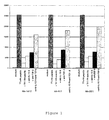
- Tr1 lymphocytes obtained by the process according to the invention considerably reduce the specific antigen proliferation of CD4 + T cells.
- This inhibitory effect is only very slightly attenuated by separate anti-IL-10R or anti-TGF- ⁇ antibodies, and is partially canceled by a mixture of the two antibodies.
Landscapes
- Health & Medical Sciences (AREA)
- Life Sciences & Earth Sciences (AREA)
- General Health & Medical Sciences (AREA)
- Veterinary Medicine (AREA)
- Animal Behavior & Ethology (AREA)
- Public Health (AREA)
- Engineering & Computer Science (AREA)
- Immunology (AREA)
- Chemical & Material Sciences (AREA)
- Bioinformatics & Cheminformatics (AREA)
- Organic Chemistry (AREA)
- Epidemiology (AREA)
- Pharmacology & Pharmacy (AREA)
- Medicinal Chemistry (AREA)
- Biomedical Technology (AREA)
- Nuclear Medicine, Radiotherapy & Molecular Imaging (AREA)
- Chemical Kinetics & Catalysis (AREA)
- General Chemical & Material Sciences (AREA)
- Rheumatology (AREA)
- Biotechnology (AREA)
- Genetics & Genomics (AREA)
- Wood Science & Technology (AREA)
- Zoology (AREA)
- Microbiology (AREA)
- Hematology (AREA)
- Diabetes (AREA)
- General Engineering & Computer Science (AREA)
- Cell Biology (AREA)
- Mycology (AREA)
- Biochemistry (AREA)
- Orthopedic Medicine & Surgery (AREA)
- Pain & Pain Management (AREA)
- Physical Education & Sports Medicine (AREA)
- Emergency Medicine (AREA)
- Endocrinology (AREA)
- Obesity (AREA)
- Transplantation (AREA)
- Micro-Organisms Or Cultivation Processes Thereof (AREA)
- Medicines Containing Material From Animals Or Micro-Organisms (AREA)
- Preparation Of Compounds By Using Micro-Organisms (AREA)
Applications Claiming Priority (3)
| Application Number | Priority Date | Filing Date | Title |
|---|---|---|---|
| FR0106231A FR2824567B1 (fr) | 2001-05-11 | 2001-05-11 | Procede d'obtention de lymphocytes tr1 regulateurs specifiques d'antigene |
| FR0106231 | 2001-05-11 | ||
| PCT/FR2002/001586 WO2002092793A1 (fr) | 2001-05-11 | 2002-05-10 | Procede d'obtention de lymphocytes tr1 regulateurs specifiques d'antigene |
Publications (2)
| Publication Number | Publication Date |
|---|---|
| EP1390474A1 EP1390474A1 (fr) | 2004-02-25 |
| EP1390474B1 true EP1390474B1 (fr) | 2007-02-21 |
Family
ID=8863160
Family Applications (1)
| Application Number | Title | Priority Date | Filing Date |
|---|---|---|---|
| EP02740789A Expired - Lifetime EP1390474B1 (fr) | 2001-05-11 | 2002-05-10 | Procede d'obtention de lymphocytes tr1 regulateurs specifiques d'antigene |
Country Status (10)
| Country | Link |
|---|---|
| US (2) | US8076133B2 (enExample) |
| EP (1) | EP1390474B1 (enExample) |
| JP (1) | JP4185366B2 (enExample) |
| AT (1) | ATE354641T1 (enExample) |
| CA (1) | CA2446981C (enExample) |
| DE (1) | DE60218302T2 (enExample) |
| DK (1) | DK1390474T3 (enExample) |
| ES (1) | ES2282425T3 (enExample) |
| FR (1) | FR2824567B1 (enExample) |
| WO (1) | WO2002092793A1 (enExample) |
Families Citing this family (36)
| Publication number | Priority date | Publication date | Assignee | Title |
|---|---|---|---|---|
| US6358506B1 (en) | 1997-11-05 | 2002-03-19 | University Of Southern California | Use of cytokines and mitogens to inhibit pathological immune responses |
| EP1061949B1 (en) | 1998-03-03 | 2009-07-15 | University of Southern California | Cytokines and mitogens to inhibit graft-versus-host disease |
| US7572631B2 (en) | 2000-02-24 | 2009-08-11 | Invitrogen Corporation | Activation and expansion of T cells |
| US7541184B2 (en) | 2000-02-24 | 2009-06-02 | Invitrogen Corporation | Activation and expansion of cells |
| CA2469800A1 (en) * | 2001-12-21 | 2003-07-24 | University Of Southern California | Methods for the induction of professional and cytokine-producing regulatory cells |
| WO2003057171A2 (en) * | 2002-01-03 | 2003-07-17 | The Trustees Of The University Of Pennsylvania | Activation and expansion of t-cells using an engineered multivalent signaling platform |
| US7638326B2 (en) * | 2002-01-03 | 2009-12-29 | The Trustees Of The University Of Pennsylvania | Activation and expansion of T-cells using an engineered multivalent signaling platform |
| US7745140B2 (en) | 2002-01-03 | 2010-06-29 | The Trustees Of The University Of Pennsylvania | Activation and expansion of T-cells using an engineered multivalent signaling platform as a research tool |
| AU2003292137A1 (en) * | 2002-11-29 | 2004-06-23 | Maria Grazia Roncarolo | Rapamycin and il-10 for the treatment of immune diseases |
| FR2852967B1 (fr) * | 2003-03-26 | 2007-12-07 | Txcell | Procede d'obtention de cellules dendritiques et de cellules t |
| FR2856700B1 (fr) * | 2003-06-24 | 2007-06-08 | Txcell | Procede d'identification de lymphocytes tr1 regulateurs par la presence et la surexpression de molecules specifiques et ses applications |
| WO2005046729A2 (en) * | 2003-11-12 | 2005-05-26 | Txcell | Use of lipopeptides for activating t lymphocytes through the skin |
| ES2653570T3 (es) | 2004-05-27 | 2018-02-07 | The Trustees Of The University Of Pennsylvania | Células presentadoras de antígeno artificiales novedosas y usos de las mismas |
| US7985409B2 (en) | 2004-08-11 | 2011-07-26 | Inserm (Institut National De La Sante Et De La Recherche Medicale) | Tr1 cells for use in atherosclerosis |
| EP1812563B1 (en) * | 2004-10-29 | 2013-04-10 | Benaroya Research Institute at Virginia Mason | Methods of generating antigen-specific cd4+cd25+ regulatory t cells, compositions and methods of use |
| EP1712615A1 (en) * | 2005-04-15 | 2006-10-18 | Txcell | In vitro production of a cell population using feeder cells |
| EP3130350A1 (en) | 2005-06-08 | 2017-02-15 | Dana-Farber Cancer Institute, Inc. | Methods and compositions for the treatment of persistent infections and cancer by inhibiting the programmed cell death 1 (pd-1)pathway |
| ATE513903T1 (de) * | 2005-07-01 | 2011-07-15 | Txcell S A | Herstellung von nahrungsmittel- oder auto-antigen-spezifischen tr1-zellen aus leukozyten oder pbmc |
| EA015989B1 (ru) * | 2005-08-31 | 2012-01-30 | АйТиЭйч ИММЬЮН ТЕРАПИ ХОЛДИНГЗ АБ | Лечение воспалительного заболевания кишечника |
| GB0603081D0 (en) * | 2006-02-15 | 2006-03-29 | Dynal Biotech Asa Oslo | Method |
| JP5543207B2 (ja) * | 2006-10-04 | 2014-07-09 | ジヤンセン・フアーマシユーチカ・ナームローゼ・フエンノートシヤツプ | 不活性化された人工抗原提示細胞の調製および細胞治療におけるそれらの使用 |
| EP2185936A4 (en) * | 2007-08-02 | 2010-08-04 | Iss Immune System Stimulation | DIAGNOSIS, STADIFICATION AND SURVEILLANCE OF INFLAMMATORY ABDOMINAL DISEASE |
| JP5539886B2 (ja) * | 2007-10-17 | 2014-07-02 | ティクセル | Tr1細胞、間葉系幹細胞およびその使用 |
| EP2050814A1 (en) | 2007-10-17 | 2009-04-22 | Txcell | Compositions for treating multiple sclerosis |
| EP2062970A1 (en) * | 2007-11-26 | 2009-05-27 | Txcell | Compositions for treating an intestinal inflammatory condition |
| SI2113254T1 (sl) | 2008-04-28 | 2013-01-31 | Txcell | Sestave za zdravljenje vnetnih avtoimunskih stanj |
| EP2113560A1 (en) * | 2008-04-28 | 2009-11-04 | TXCell | Compositions for treating an arthritic condition |
| CN102282265B (zh) | 2008-11-28 | 2020-07-24 | 埃默里大学 | 用于治疗传染病和肿瘤的方法 |
| WO2010077634A1 (en) * | 2008-12-09 | 2010-07-08 | Genentech, Inc. | Anti-pd-l1 antibodies and their use to enhance t-cell function |
| EP2221364A1 (en) | 2009-02-23 | 2010-08-25 | TXCell | Compositions for treating an allergic or asthmatic condition |
| EP2412802A1 (en) * | 2010-07-29 | 2012-02-01 | TXCell | IL-13 producing TR1-like cells and use thereof |
| EP2439534A1 (en) | 2010-10-08 | 2012-04-11 | TXCell | Method for assessing the efficacy of a TR1 cell therapy in asubject |
| BR112013023968A2 (pt) | 2011-03-25 | 2016-12-13 | Txcell | uso de células t reguladoras para a fabricação de medicamentos para tratar condição inflamatória ou autoimune |
| EP2982746A1 (en) | 2014-08-07 | 2016-02-10 | TXCell | Regulatory T cells with therapeutic potential |
| AU2019269601A1 (en) | 2018-05-17 | 2020-11-26 | Regents Of The University Of Minnesota | Drug-resistant immune cells and methods of use thereof |
| WO2019237378A1 (zh) * | 2018-06-16 | 2019-12-19 | 深圳市博奥康生物科技有限公司 | 一种将CD274基因定点整合至Jurkat细胞的方法及其应用 |
Family Cites Families (5)
| Publication number | Priority date | Publication date | Assignee | Title |
|---|---|---|---|---|
| US6277635B1 (en) * | 1992-03-04 | 2001-08-21 | Schering Corporation | Use of interleukin-10 to produce a population of suppressor cells |
| DE69734974D1 (de) * | 1996-02-08 | 2006-02-02 | Us Gov Health & Human Serv | Verfahren zur transformation dendritischer zellen und aktivierung von t zellen |
| CA2254975C (en) * | 1996-05-23 | 2008-12-16 | The Scripps Research Institute | Mhc class ii antigen-presenting systems and methods for activating cd4+ t cells |
| US6746670B2 (en) * | 2000-08-15 | 2004-06-08 | Schering Corporation | Regulatory T cells; methods |
| US6670146B2 (en) * | 2000-10-04 | 2003-12-30 | Schering Corporation | Regulatory T cells; methods |
-
2001
- 2001-05-11 FR FR0106231A patent/FR2824567B1/fr not_active Expired - Fee Related
-
2002
- 2002-05-10 JP JP2002589661A patent/JP4185366B2/ja not_active Expired - Fee Related
- 2002-05-10 US US10/477,671 patent/US8076133B2/en not_active Expired - Fee Related
- 2002-05-10 DE DE60218302T patent/DE60218302T2/de not_active Expired - Lifetime
- 2002-05-10 WO PCT/FR2002/001586 patent/WO2002092793A1/fr not_active Ceased
- 2002-05-10 CA CA2446981A patent/CA2446981C/fr not_active Expired - Fee Related
- 2002-05-10 ES ES02740789T patent/ES2282425T3/es not_active Expired - Lifetime
- 2002-05-10 DK DK02740789T patent/DK1390474T3/da active
- 2002-05-10 AT AT02740789T patent/ATE354641T1/de not_active IP Right Cessation
- 2002-05-10 EP EP02740789A patent/EP1390474B1/fr not_active Expired - Lifetime
-
2007
- 2007-10-30 US US11/928,189 patent/US20080233095A1/en not_active Abandoned
Also Published As
| Publication number | Publication date |
|---|---|
| EP1390474A1 (fr) | 2004-02-25 |
| DE60218302T2 (de) | 2007-11-15 |
| JP4185366B2 (ja) | 2008-11-26 |
| FR2824567A1 (fr) | 2002-11-15 |
| US20080233095A1 (en) | 2008-09-25 |
| CA2446981C (fr) | 2012-03-20 |
| DE60218302D1 (de) | 2007-04-05 |
| ES2282425T3 (es) | 2007-10-16 |
| DK1390474T3 (da) | 2007-07-02 |
| US8076133B2 (en) | 2011-12-13 |
| ATE354641T1 (de) | 2007-03-15 |
| FR2824567B1 (fr) | 2003-08-08 |
| WO2002092793A1 (fr) | 2002-11-21 |
| JP2004526459A (ja) | 2004-09-02 |
| US20040191235A1 (en) | 2004-09-30 |
| CA2446981A1 (fr) | 2003-11-21 |
Similar Documents
| Publication | Publication Date | Title |
|---|---|---|
| EP1390474B1 (fr) | Procede d'obtention de lymphocytes tr1 regulateurs specifiques d'antigene | |
| AU2013225721B2 (en) | Expansion of alloantigen-reactive regulatory T cells | |
| Gao et al. | CD40‐deficient dendritic cells producing interleukin‐10, but not interleukin‐12, induce T‐cell hyporesponsiveness in vitro and prevent acute allograft rejection | |
| US9944899B2 (en) | Tolerogenic dendritic cells, method for their production and uses therof | |
| JP5016489B2 (ja) | 抗原提示ヒトγδT細胞の調製及び免疫療法における使用 | |
| WO2006050138A2 (en) | Methods of generating antigen-specific cd4+cd25+ regulatory t cells, compositions and methods of use | |
| US20030134415A1 (en) | Th1 cell adoptive immunotherapy | |
| HUE030503T2 (en) | Cell populations having immunoregulatory activity, method for isolation and uses | |
| AU5744798A (en) | Method for the production of selected lymphocytes | |
| US20030134341A1 (en) | Th1 cell adoptive immunotherapy | |
| CN101031641A (zh) | 呈递抗原的人γδT细胞的制备和在免疫治疗中的用途 | |
| US8871510B2 (en) | Methods for generating T lymphocytes from hematopoietic stem cells | |
| US8338173B2 (en) | Preparation of antigen-presenting human γδ T cells and use in immunotherapy | |
| JP5433825B2 (ja) | ウイルス特異的ctlの製造方法 | |
| JP2002500872A5 (enExample) | ||
| Paul et al. | Regulatory T cells in treatment of type-1 diabetes: types and approaches | |
| EP1149159A1 (fr) | Lymphocytes t humains effecteurs exprimant la molecule cd86 et leur utilisation therapeutique | |
| CN120699909A (zh) | 工程化树突状细胞及其构建方法与应用 | |
| FOWLER et al. | National Institutes of Health, Bethesda, Maryland, USA | |
| HK1103104B (en) | Preparation of antigen-presenting human gamma delta t cells and use in immunotherapy |
Legal Events
| Date | Code | Title | Description |
|---|---|---|---|
| PUAI | Public reference made under article 153(3) epc to a published international application that has entered the european phase |
Free format text: ORIGINAL CODE: 0009012 |
|
| 17P | Request for examination filed |
Effective date: 20031114 |
|
| AK | Designated contracting states |
Kind code of ref document: A1 Designated state(s): AT BE CH CY DE DK ES FI FR GB GR IE IT LI LU MC NL PT SE TR |
|
| AX | Request for extension of the european patent |
Extension state: AL LT LV MK RO SI |
|
| 17Q | First examination report despatched |
Effective date: 20050201 |
|
| 17Q | First examination report despatched |
Effective date: 20050201 |
|
| GRAP | Despatch of communication of intention to grant a patent |
Free format text: ORIGINAL CODE: EPIDOSNIGR1 |
|
| GRAS | Grant fee paid |
Free format text: ORIGINAL CODE: EPIDOSNIGR3 |
|
| GRAA | (expected) grant |
Free format text: ORIGINAL CODE: 0009210 |
|
| AK | Designated contracting states |
Kind code of ref document: B1 Designated state(s): AT BE CH CY DE DK ES FI FR GB GR IE IT LI LU MC NL PT SE TR |
|
| PG25 | Lapsed in a contracting state [announced via postgrant information from national office to epo] |
Ref country code: AT Free format text: LAPSE BECAUSE OF FAILURE TO SUBMIT A TRANSLATION OF THE DESCRIPTION OR TO PAY THE FEE WITHIN THE PRESCRIBED TIME-LIMIT Effective date: 20070221 |
|
| REG | Reference to a national code |
Ref country code: GB Ref legal event code: FG4D Free format text: NOT ENGLISH |
|
| REG | Reference to a national code |
Ref country code: CH Ref legal event code: EP |
|
| REF | Corresponds to: |
Ref document number: 60218302 Country of ref document: DE Date of ref document: 20070405 Kind code of ref document: P |
|
| REG | Reference to a national code |
Ref country code: IE Ref legal event code: FG4D Free format text: LANGUAGE OF EP DOCUMENT: FRENCH |
|
| REG | Reference to a national code |
Ref country code: SE Ref legal event code: TRGR |
|
| GBT | Gb: translation of ep patent filed (gb section 77(6)(a)/1977) |
Effective date: 20070523 |
|
| REG | Reference to a national code |
Ref country code: CH Ref legal event code: NV Representative=s name: ISLER & PEDRAZZINI AG |
|
| REG | Reference to a national code |
Ref country code: DK Ref legal event code: T3 |
|
| PG25 | Lapsed in a contracting state [announced via postgrant information from national office to epo] |
Ref country code: PT Free format text: LAPSE BECAUSE OF FAILURE TO SUBMIT A TRANSLATION OF THE DESCRIPTION OR TO PAY THE FEE WITHIN THE PRESCRIBED TIME-LIMIT Effective date: 20070723 |
|
| REG | Reference to a national code |
Ref country code: CH Ref legal event code: PCAR Free format text: ISLER & PEDRAZZINI AG;POSTFACH 1772;8027 ZUERICH (CH) |
|
| REG | Reference to a national code |
Ref country code: ES Ref legal event code: FG2A Ref document number: 2282425 Country of ref document: ES Kind code of ref document: T3 |
|
| PLBE | No opposition filed within time limit |
Free format text: ORIGINAL CODE: 0009261 |
|
| STAA | Information on the status of an ep patent application or granted ep patent |
Free format text: STATUS: NO OPPOSITION FILED WITHIN TIME LIMIT |
|
| REG | Reference to a national code |
Ref country code: FR Ref legal event code: CL |
|
| 26N | No opposition filed |
Effective date: 20071122 |
|
| PG25 | Lapsed in a contracting state [announced via postgrant information from national office to epo] |
Ref country code: MC Free format text: LAPSE BECAUSE OF NON-PAYMENT OF DUE FEES Effective date: 20070531 |
|
| PG25 | Lapsed in a contracting state [announced via postgrant information from national office to epo] |
Ref country code: GR Free format text: LAPSE BECAUSE OF FAILURE TO SUBMIT A TRANSLATION OF THE DESCRIPTION OR TO PAY THE FEE WITHIN THE PRESCRIBED TIME-LIMIT Effective date: 20070522 |
|
| PG25 | Lapsed in a contracting state [announced via postgrant information from national office to epo] |
Ref country code: CY Free format text: LAPSE BECAUSE OF FAILURE TO SUBMIT A TRANSLATION OF THE DESCRIPTION OR TO PAY THE FEE WITHIN THE PRESCRIBED TIME-LIMIT Effective date: 20070221 |
|
| PG25 | Lapsed in a contracting state [announced via postgrant information from national office to epo] |
Ref country code: LU Free format text: LAPSE BECAUSE OF NON-PAYMENT OF DUE FEES Effective date: 20070510 |
|
| PG25 | Lapsed in a contracting state [announced via postgrant information from national office to epo] |
Ref country code: TR Free format text: LAPSE BECAUSE OF FAILURE TO SUBMIT A TRANSLATION OF THE DESCRIPTION OR TO PAY THE FEE WITHIN THE PRESCRIBED TIME-LIMIT Effective date: 20070221 |
|
| REG | Reference to a national code |
Ref country code: FR Ref legal event code: PLFP Year of fee payment: 14 |
|
| REG | Reference to a national code |
Ref country code: FR Ref legal event code: PLFP Year of fee payment: 15 |
|
| PGFP | Annual fee paid to national office [announced via postgrant information from national office to epo] |
Ref country code: NL Payment date: 20160512 Year of fee payment: 15 |
|
| PGFP | Annual fee paid to national office [announced via postgrant information from national office to epo] |
Ref country code: GB Payment date: 20160518 Year of fee payment: 15 Ref country code: IE Payment date: 20160520 Year of fee payment: 15 Ref country code: DE Payment date: 20160516 Year of fee payment: 15 Ref country code: CH Payment date: 20160506 Year of fee payment: 15 Ref country code: ES Payment date: 20160603 Year of fee payment: 15 Ref country code: FI Payment date: 20160524 Year of fee payment: 15 |
|
| PGFP | Annual fee paid to national office [announced via postgrant information from national office to epo] |
Ref country code: FR Payment date: 20160429 Year of fee payment: 15 Ref country code: BE Payment date: 20160525 Year of fee payment: 15 Ref country code: IT Payment date: 20160512 Year of fee payment: 15 Ref country code: DK Payment date: 20160523 Year of fee payment: 15 Ref country code: SE Payment date: 20160506 Year of fee payment: 15 |
|
| REG | Reference to a national code |
Ref country code: DE Ref legal event code: R119 Ref document number: 60218302 Country of ref document: DE |
|
| REG | Reference to a national code |
Ref country code: CH Ref legal event code: PL |
|
| REG | Reference to a national code |
Ref country code: SE Ref legal event code: EUG Ref country code: DK Ref legal event code: EBP Effective date: 20170531 |
|
| REG | Reference to a national code |
Ref country code: NL Ref legal event code: MM Effective date: 20170601 |
|
| GBPC | Gb: european patent ceased through non-payment of renewal fee |
Effective date: 20170510 |
|
| PG25 | Lapsed in a contracting state [announced via postgrant information from national office to epo] |
Ref country code: FI Free format text: LAPSE BECAUSE OF NON-PAYMENT OF DUE FEES Effective date: 20170510 |
|
| REG | Reference to a national code |
Ref country code: IE Ref legal event code: MM4A |
|
| PG25 | Lapsed in a contracting state [announced via postgrant information from national office to epo] |
Ref country code: CH Free format text: LAPSE BECAUSE OF NON-PAYMENT OF DUE FEES Effective date: 20170531 Ref country code: SE Free format text: LAPSE BECAUSE OF NON-PAYMENT OF DUE FEES Effective date: 20170511 Ref country code: LI Free format text: LAPSE BECAUSE OF NON-PAYMENT OF DUE FEES Effective date: 20170531 |
|
| REG | Reference to a national code |
Ref country code: FR Ref legal event code: ST Effective date: 20180131 |
|
| PG25 | Lapsed in a contracting state [announced via postgrant information from national office to epo] |
Ref country code: NL Free format text: LAPSE BECAUSE OF NON-PAYMENT OF DUE FEES Effective date: 20170601 |
|
| REG | Reference to a national code |
Ref country code: BE Ref legal event code: MM Effective date: 20170531 |
|
| PG25 | Lapsed in a contracting state [announced via postgrant information from national office to epo] |
Ref country code: GB Free format text: LAPSE BECAUSE OF NON-PAYMENT OF DUE FEES Effective date: 20170510 Ref country code: IE Free format text: LAPSE BECAUSE OF NON-PAYMENT OF DUE FEES Effective date: 20170510 Ref country code: DK Free format text: LAPSE BECAUSE OF NON-PAYMENT OF DUE FEES Effective date: 20170531 Ref country code: DE Free format text: LAPSE BECAUSE OF NON-PAYMENT OF DUE FEES Effective date: 20171201 |
|
| PG25 | Lapsed in a contracting state [announced via postgrant information from national office to epo] |
Ref country code: IT Free format text: LAPSE BECAUSE OF NON-PAYMENT OF DUE FEES Effective date: 20170510 Ref country code: FR Free format text: LAPSE BECAUSE OF NON-PAYMENT OF DUE FEES Effective date: 20170531 |
|
| REG | Reference to a national code |
Ref country code: ES Ref legal event code: FD2A Effective date: 20180704 |
|
| PG25 | Lapsed in a contracting state [announced via postgrant information from national office to epo] |
Ref country code: ES Free format text: LAPSE BECAUSE OF NON-PAYMENT OF DUE FEES Effective date: 20170511 |
|
| PG25 | Lapsed in a contracting state [announced via postgrant information from national office to epo] |
Ref country code: BE Free format text: LAPSE BECAUSE OF NON-PAYMENT OF DUE FEES Effective date: 20170531 |