EP1383793B1 - Insulin and igf-1 receptor agonists and antagonists - Google Patents
Insulin and igf-1 receptor agonists and antagonists Download PDFInfo
- Publication number
- EP1383793B1 EP1383793B1 EP00918510A EP00918510A EP1383793B1 EP 1383793 B1 EP1383793 B1 EP 1383793B1 EP 00918510 A EP00918510 A EP 00918510A EP 00918510 A EP00918510 A EP 00918510A EP 1383793 B1 EP1383793 B1 EP 1383793B1
- Authority
- EP
- European Patent Office
- Prior art keywords
- amino acid
- igf
- acid sequence
- peptide
- binding
- Prior art date
- Legal status (The legal status is an assumption and is not a legal conclusion. Google has not performed a legal analysis and makes no representation as to the accuracy of the status listed.)
- Expired - Lifetime
Links
- 108010001127 Insulin Receptor Proteins 0.000 title claims abstract description 355
- NOESYZHRGYRDHS-UHFFFAOYSA-N insulin Chemical compound N1C(=O)C(NC(=O)C(CCC(N)=O)NC(=O)C(CCC(O)=O)NC(=O)C(C(C)C)NC(=O)C(NC(=O)CN)C(C)CC)CSSCC(C(NC(CO)C(=O)NC(CC(C)C)C(=O)NC(CC=2C=CC(O)=CC=2)C(=O)NC(CCC(N)=O)C(=O)NC(CC(C)C)C(=O)NC(CCC(O)=O)C(=O)NC(CC(N)=O)C(=O)NC(CC=2C=CC(O)=CC=2)C(=O)NC(CSSCC(NC(=O)C(C(C)C)NC(=O)C(CC(C)C)NC(=O)C(CC=2C=CC(O)=CC=2)NC(=O)C(CC(C)C)NC(=O)C(C)NC(=O)C(CCC(O)=O)NC(=O)C(C(C)C)NC(=O)C(CC(C)C)NC(=O)C(CC=2NC=NC=2)NC(=O)C(CO)NC(=O)CNC2=O)C(=O)NCC(=O)NC(CCC(O)=O)C(=O)NC(CCCNC(N)=N)C(=O)NCC(=O)NC(CC=3C=CC=CC=3)C(=O)NC(CC=3C=CC=CC=3)C(=O)NC(CC=3C=CC(O)=CC=3)C(=O)NC(C(C)O)C(=O)N3C(CCC3)C(=O)NC(CCCCN)C(=O)NC(C)C(O)=O)C(=O)NC(CC(N)=O)C(O)=O)=O)NC(=O)C(C(C)CC)NC(=O)C(CO)NC(=O)C(C(C)O)NC(=O)C1CSSCC2NC(=O)C(CC(C)C)NC(=O)C(NC(=O)C(CCC(N)=O)NC(=O)C(CC(N)=O)NC(=O)C(NC(=O)C(N)CC=1C=CC=CC=1)C(C)C)CC1=CN=CN1 NOESYZHRGYRDHS-UHFFFAOYSA-N 0.000 title claims abstract description 247
- 229940125396 insulin Drugs 0.000 title claims abstract description 122
- 102000003746 Insulin Receptor Human genes 0.000 title claims description 353
- 102000038455 IGF Type 1 Receptor Human genes 0.000 title description 7
- 108010031794 IGF Type 1 Receptor Proteins 0.000 title description 7
- 239000000018 receptor agonist Substances 0.000 title 1
- 229940044601 receptor agonist Drugs 0.000 title 1
- 239000002464 receptor antagonist Substances 0.000 title 1
- 229940044551 receptor antagonist Drugs 0.000 title 1
- 108090000765 processed proteins & peptides Proteins 0.000 claims abstract description 444
- 230000027455 binding Effects 0.000 claims abstract description 261
- 102000004877 Insulin Human genes 0.000 claims abstract description 120
- 230000000694 effects Effects 0.000 claims abstract description 77
- 239000000556 agonist Substances 0.000 claims abstract description 62
- 108010067902 Peptide Library Proteins 0.000 claims abstract description 26
- 150000001413 amino acids Chemical group 0.000 claims description 190
- 229940024606 amino acid Drugs 0.000 claims description 175
- 235000001014 amino acid Nutrition 0.000 claims description 173
- 210000004027 cell Anatomy 0.000 claims description 144
- 108090001061 Insulin Proteins 0.000 claims description 102
- DHMQDGOQFOQNFH-UHFFFAOYSA-N Glycine Chemical compound NCC(O)=O DHMQDGOQFOQNFH-UHFFFAOYSA-N 0.000 claims description 79
- 238000000034 method Methods 0.000 claims description 66
- WHUUTDBJXJRKMK-UHFFFAOYSA-N Glutamic acid Natural products OC(=O)C(N)CCC(O)=O WHUUTDBJXJRKMK-UHFFFAOYSA-N 0.000 claims description 50
- 235000013922 glutamic acid Nutrition 0.000 claims description 50
- 239000004220 glutamic acid Substances 0.000 claims description 50
- 239000004471 Glycine Substances 0.000 claims description 39
- CKLJMWTZIZZHCS-REOHCLBHSA-N L-aspartic acid Chemical compound OC(=O)[C@@H](N)CC(O)=O CKLJMWTZIZZHCS-REOHCLBHSA-N 0.000 claims description 37
- 235000003704 aspartic acid Nutrition 0.000 claims description 37
- OQFSQFPPLPISGP-UHFFFAOYSA-N beta-carboxyaspartic acid Natural products OC(=O)C(N)C(C(O)=O)C(O)=O OQFSQFPPLPISGP-UHFFFAOYSA-N 0.000 claims description 37
- WHUUTDBJXJRKMK-VKHMYHEASA-N L-glutamic acid Chemical compound OC(=O)[C@@H](N)CCC(O)=O WHUUTDBJXJRKMK-VKHMYHEASA-N 0.000 claims description 36
- ROHFNLRQFUQHCH-YFKPBYRVSA-N L-leucine Chemical compound CC(C)C[C@H](N)C(O)=O ROHFNLRQFUQHCH-YFKPBYRVSA-N 0.000 claims description 35
- ROHFNLRQFUQHCH-UHFFFAOYSA-N Leucine Natural products CC(C)CC(N)C(O)=O ROHFNLRQFUQHCH-UHFFFAOYSA-N 0.000 claims description 35
- QIVBCDIJIAJPQS-UHFFFAOYSA-N Tryptophan Natural products C1=CC=C2C(CC(N)C(O)=O)=CNC2=C1 QIVBCDIJIAJPQS-UHFFFAOYSA-N 0.000 claims description 35
- 235000005772 leucine Nutrition 0.000 claims description 35
- COLNVLDHVKWLRT-QMMMGPOBSA-N L-phenylalanine Chemical compound OC(=O)[C@@H](N)CC1=CC=CC=C1 COLNVLDHVKWLRT-QMMMGPOBSA-N 0.000 claims description 34
- COLNVLDHVKWLRT-UHFFFAOYSA-N phenylalanine Natural products OC(=O)C(N)CC1=CC=CC=C1 COLNVLDHVKWLRT-UHFFFAOYSA-N 0.000 claims description 34
- 235000008729 phenylalanine Nutrition 0.000 claims description 34
- OUYCCCASQSFEME-UHFFFAOYSA-N tyrosine Natural products OC(=O)C(N)CC1=CC=C(O)C=C1 OUYCCCASQSFEME-UHFFFAOYSA-N 0.000 claims description 34
- 235000002374 tyrosine Nutrition 0.000 claims description 34
- QIVBCDIJIAJPQS-VIFPVBQESA-N L-tryptophane Chemical compound C1=CC=C2C(C[C@H](N)C(O)=O)=CNC2=C1 QIVBCDIJIAJPQS-VIFPVBQESA-N 0.000 claims description 33
- OUYCCCASQSFEME-QMMMGPOBSA-N L-tyrosine Chemical compound OC(=O)[C@@H](N)CC1=CC=C(O)C=C1 OUYCCCASQSFEME-QMMMGPOBSA-N 0.000 claims description 33
- -1 aromatic amino acids Chemical class 0.000 claims description 33
- 239000013598 vector Substances 0.000 claims description 30
- 150000001875 compounds Chemical class 0.000 claims description 28
- 239000012634 fragment Substances 0.000 claims description 27
- MTCFGRXMJLQNBG-UHFFFAOYSA-N Serine Natural products OCC(N)C(O)=O MTCFGRXMJLQNBG-UHFFFAOYSA-N 0.000 claims description 25
- 235000004400 serine Nutrition 0.000 claims description 25
- QNAYBMKLOCPYGJ-REOHCLBHSA-N L-alanine Chemical compound C[C@H](N)C(O)=O QNAYBMKLOCPYGJ-REOHCLBHSA-N 0.000 claims description 20
- 235000004279 alanine Nutrition 0.000 claims description 20
- 230000002209 hydrophobic effect Effects 0.000 claims description 20
- 125000002924 primary amino group Chemical group [H]N([H])* 0.000 claims description 20
- MTCFGRXMJLQNBG-REOHCLBHSA-N (2S)-2-Amino-3-hydroxypropansäure Chemical compound OC[C@H](N)C(O)=O MTCFGRXMJLQNBG-REOHCLBHSA-N 0.000 claims description 19
- ZDXPYRJPNDTMRX-VKHMYHEASA-N L-glutamine Chemical compound OC(=O)[C@@H](N)CCC(N)=O ZDXPYRJPNDTMRX-VKHMYHEASA-N 0.000 claims description 17
- 108091028043 Nucleic acid sequence Proteins 0.000 claims description 17
- KZSNJWFQEVHDMF-UHFFFAOYSA-N Valine Natural products CC(C)C(N)C(O)=O KZSNJWFQEVHDMF-UHFFFAOYSA-N 0.000 claims description 16
- ZDXPYRJPNDTMRX-UHFFFAOYSA-N glutamine Natural products OC(=O)C(N)CCC(N)=O ZDXPYRJPNDTMRX-UHFFFAOYSA-N 0.000 claims description 16
- 235000004554 glutamine Nutrition 0.000 claims description 16
- 235000014393 valine Nutrition 0.000 claims description 16
- 239000004474 valine Substances 0.000 claims description 16
- KZSNJWFQEVHDMF-BYPYZUCNSA-N L-valine Chemical compound CC(C)[C@H](N)C(O)=O KZSNJWFQEVHDMF-BYPYZUCNSA-N 0.000 claims description 15
- DCXYFEDJOCDNAF-UHFFFAOYSA-N Asparagine Natural products OC(=O)C(N)CC(N)=O DCXYFEDJOCDNAF-UHFFFAOYSA-N 0.000 claims description 13
- AGPKZVBTJJNPAG-WHFBIAKZSA-N L-isoleucine Chemical compound CC[C@H](C)[C@H](N)C(O)=O AGPKZVBTJJNPAG-WHFBIAKZSA-N 0.000 claims description 13
- 125000003178 carboxy group Chemical group [H]OC(*)=O 0.000 claims description 13
- AGPKZVBTJJNPAG-UHFFFAOYSA-N isoleucine Natural products CCC(C)C(N)C(O)=O AGPKZVBTJJNPAG-UHFFFAOYSA-N 0.000 claims description 13
- 229960000310 isoleucine Drugs 0.000 claims description 13
- 238000011282 treatment Methods 0.000 claims description 13
- 239000004475 Arginine Substances 0.000 claims description 12
- KDXKERNSBIXSRK-UHFFFAOYSA-N Lysine Natural products NCCCCC(N)C(O)=O KDXKERNSBIXSRK-UHFFFAOYSA-N 0.000 claims description 12
- 239000004472 Lysine Substances 0.000 claims description 12
- ODKSFYDXXFIFQN-UHFFFAOYSA-N arginine Natural products OC(=O)C(N)CCCNC(N)=N ODKSFYDXXFIFQN-UHFFFAOYSA-N 0.000 claims description 12
- 235000009697 arginine Nutrition 0.000 claims description 12
- 235000009582 asparagine Nutrition 0.000 claims description 12
- 229960001230 asparagine Drugs 0.000 claims description 12
- 235000018977 lysine Nutrition 0.000 claims description 12
- DCXYFEDJOCDNAF-REOHCLBHSA-N L-asparagine Chemical compound OC(=O)[C@@H](N)CC(N)=O DCXYFEDJOCDNAF-REOHCLBHSA-N 0.000 claims description 11
- 150000007523 nucleic acids Chemical group 0.000 claims description 11
- KDXKERNSBIXSRK-YFKPBYRVSA-N L-lysine Chemical compound NCCCC[C@H](N)C(O)=O KDXKERNSBIXSRK-YFKPBYRVSA-N 0.000 claims description 9
- ODKSFYDXXFIFQN-BYPYZUCNSA-P L-argininium(2+) Chemical compound NC(=[NH2+])NCCC[C@H]([NH3+])C(O)=O ODKSFYDXXFIFQN-BYPYZUCNSA-P 0.000 claims description 8
- 206010012601 diabetes mellitus Diseases 0.000 claims description 6
- 238000000338 in vitro Methods 0.000 claims description 6
- 239000008194 pharmaceutical composition Substances 0.000 claims description 6
- 238000012216 screening Methods 0.000 claims description 6
- 210000004962 mammalian cell Anatomy 0.000 claims description 4
- 239000003937 drug carrier Substances 0.000 claims description 3
- ZNZYKNKBJPZETN-WELNAUFTSA-N Dialdehyde 11678 Chemical group N1C2=CC=CC=C2C2=C1[C@H](C[C@H](/C(=C/O)C(=O)OC)[C@@H](C=C)C=O)NCC2 ZNZYKNKBJPZETN-WELNAUFTSA-N 0.000 claims description 2
- 230000003100 immobilizing effect Effects 0.000 claims description 2
- JXNGDSIPMBNTNL-KMDXXIMOSA-N (2s)-2-[[(2s)-6-amino-1-[[(1r)-1-carboxy-2-(1h-indol-3-yl)ethyl]amino]-1-oxohexan-2-yl]amino]-4-phenylbutanoic acid Chemical compound C([C@H](N[C@@H](CCCCN)C(=O)N[C@H](CC=1C2=CC=CC=C2NC=1)C(O)=O)C(O)=O)CC1=CC=CC=C1 JXNGDSIPMBNTNL-KMDXXIMOSA-N 0.000 claims 1
- 102000004196 processed proteins & peptides Human genes 0.000 abstract description 221
- 102000004584 Somatomedin Receptors Human genes 0.000 abstract description 187
- 108010017622 Somatomedin Receptors Proteins 0.000 abstract description 187
- 102000005962 receptors Human genes 0.000 abstract description 63
- 108020003175 receptors Proteins 0.000 abstract description 63
- 239000005557 antagonist Substances 0.000 abstract description 42
- 239000003814 drug Substances 0.000 abstract description 15
- 238000011161 development Methods 0.000 abstract description 9
- 125000001165 hydrophobic group Chemical group 0.000 abstract description 3
- 239000013589 supplement Substances 0.000 abstract description 2
- 125000003118 aryl group Chemical group 0.000 abstract 1
- 239000000813 peptide hormone Substances 0.000 abstract 1
- 101000599951 Homo sapiens Insulin-like growth factor I Proteins 0.000 description 194
- 102100037852 Insulin-like growth factor I Human genes 0.000 description 172
- 125000003275 alpha amino acid group Chemical group 0.000 description 129
- 108090000623 proteins and genes Proteins 0.000 description 73
- 238000003556 assay Methods 0.000 description 64
- 239000003446 ligand Substances 0.000 description 64
- 239000000243 solution Substances 0.000 description 47
- 102000004169 proteins and genes Human genes 0.000 description 36
- 238000004091 panning Methods 0.000 description 35
- 108020004414 DNA Proteins 0.000 description 33
- 108020001507 fusion proteins Proteins 0.000 description 33
- 102000037865 fusion proteins Human genes 0.000 description 33
- 235000018102 proteins Nutrition 0.000 description 33
- 238000002965 ELISA Methods 0.000 description 32
- 239000000203 mixture Substances 0.000 description 31
- 239000002953 phosphate buffered saline Substances 0.000 description 28
- PEDCQBHIVMGVHV-UHFFFAOYSA-N Glycerine Chemical compound OCC(O)CO PEDCQBHIVMGVHV-UHFFFAOYSA-N 0.000 description 27
- 239000000539 dimer Substances 0.000 description 27
- 230000014509 gene expression Effects 0.000 description 27
- 239000000872 buffer Substances 0.000 description 26
- 235000018417 cysteine Nutrition 0.000 description 26
- 239000008103 glucose Substances 0.000 description 25
- IAZDPXIOMUYVGZ-UHFFFAOYSA-N Dimethylsulphoxide Chemical compound CS(C)=O IAZDPXIOMUYVGZ-UHFFFAOYSA-N 0.000 description 24
- 230000004927 fusion Effects 0.000 description 24
- WQZGKKKJIJFFOK-GASJEMHNSA-N Glucose Natural products OC[C@H]1OC(O)[C@H](O)[C@@H](O)[C@@H]1O WQZGKKKJIJFFOK-GASJEMHNSA-N 0.000 description 23
- WQZGKKKJIJFFOK-VFUOTHLCSA-N beta-D-glucose Chemical compound OC[C@H]1O[C@@H](O)[C@H](O)[C@@H](O)[C@@H]1O WQZGKKKJIJFFOK-VFUOTHLCSA-N 0.000 description 23
- 125000000151 cysteine group Chemical group N[C@@H](CS)C(=O)* 0.000 description 23
- 238000007792 addition Methods 0.000 description 22
- 239000000047 product Substances 0.000 description 22
- 108091035707 Consensus sequence Proteins 0.000 description 21
- 108091034117 Oligonucleotide Proteins 0.000 description 21
- 238000004458 analytical method Methods 0.000 description 21
- 238000002474 experimental method Methods 0.000 description 21
- 238000011534 incubation Methods 0.000 description 21
- 239000003795 chemical substances by application Substances 0.000 description 20
- 238000002360 preparation method Methods 0.000 description 20
- 101710175625 Maltose/maltodextrin-binding periplasmic protein Proteins 0.000 description 18
- 108010088365 B6 peptide Proteins 0.000 description 17
- 108010003545 C1 peptide Proteins 0.000 description 17
- XUJNEKJLAYXESH-UHFFFAOYSA-N cysteine Natural products SCC(N)C(O)=O XUJNEKJLAYXESH-UHFFFAOYSA-N 0.000 description 17
- 230000004044 response Effects 0.000 description 17
- 241000588724 Escherichia coli Species 0.000 description 16
- FAPWRFPIFSIZLT-UHFFFAOYSA-M Sodium chloride Chemical compound [Na+].[Cl-] FAPWRFPIFSIZLT-UHFFFAOYSA-M 0.000 description 16
- 238000005119 centrifugation Methods 0.000 description 16
- 238000013461 design Methods 0.000 description 16
- ONIBWKKTOPOVIA-UHFFFAOYSA-N Proline Natural products OC(=O)C1CCCN1 ONIBWKKTOPOVIA-UHFFFAOYSA-N 0.000 description 15
- 239000011230 binding agent Substances 0.000 description 15
- 239000006228 supernatant Substances 0.000 description 15
- 239000003656 tris buffered saline Substances 0.000 description 15
- 241000282414 Homo sapiens Species 0.000 description 14
- 238000000746 purification Methods 0.000 description 14
- 238000006467 substitution reaction Methods 0.000 description 14
- 101000852815 Homo sapiens Insulin receptor Proteins 0.000 description 13
- 230000001270 agonistic effect Effects 0.000 description 13
- 230000015572 biosynthetic process Effects 0.000 description 13
- 238000006243 chemical reaction Methods 0.000 description 13
- 239000002609 medium Substances 0.000 description 13
- 108020004705 Codon Proteins 0.000 description 12
- 108090000723 Insulin-Like Growth Factor I Proteins 0.000 description 12
- 239000000178 monomer Substances 0.000 description 12
- 238000012360 testing method Methods 0.000 description 12
- 238000012546 transfer Methods 0.000 description 12
- QTBSBXVTEAMEQO-UHFFFAOYSA-N Acetic acid Chemical compound CC(O)=O QTBSBXVTEAMEQO-UHFFFAOYSA-N 0.000 description 11
- 229910052693 Europium Inorganic materials 0.000 description 11
- 238000001514 detection method Methods 0.000 description 11
- 238000010494 dissociation reaction Methods 0.000 description 11
- 230000005593 dissociations Effects 0.000 description 11
- 102000047882 human INSR Human genes 0.000 description 11
- 230000001965 increasing effect Effects 0.000 description 11
- 230000035772 mutation Effects 0.000 description 11
- 239000002773 nucleotide Substances 0.000 description 11
- 125000003729 nucleotide group Chemical group 0.000 description 11
- 239000008188 pellet Substances 0.000 description 11
- 238000002823 phage display Methods 0.000 description 11
- 229920001184 polypeptide Polymers 0.000 description 11
- 238000003786 synthesis reaction Methods 0.000 description 11
- 238000002835 absorbance Methods 0.000 description 10
- 125000000539 amino acid group Chemical group 0.000 description 10
- 230000003042 antagnostic effect Effects 0.000 description 10
- 230000035578 autophosphorylation Effects 0.000 description 10
- 238000000423 cell based assay Methods 0.000 description 10
- OGPBJKLSAFTDLK-UHFFFAOYSA-N europium atom Chemical compound [Eu] OGPBJKLSAFTDLK-UHFFFAOYSA-N 0.000 description 10
- 230000006870 function Effects 0.000 description 10
- 230000005764 inhibitory process Effects 0.000 description 10
- 238000004519 manufacturing process Methods 0.000 description 10
- 235000013336 milk Nutrition 0.000 description 10
- 239000008267 milk Substances 0.000 description 10
- 210000004080 milk Anatomy 0.000 description 10
- HNDVDQJCIGZPNO-YFKPBYRVSA-N L-histidine Chemical compound OC(=O)[C@@H](N)CC1=CN=CN1 HNDVDQJCIGZPNO-YFKPBYRVSA-N 0.000 description 9
- 102000013275 Somatomedins Human genes 0.000 description 9
- AYFVYJQAPQTCCC-UHFFFAOYSA-N Threonine Natural products CC(O)C(N)C(O)=O AYFVYJQAPQTCCC-UHFFFAOYSA-N 0.000 description 9
- 239000004473 Threonine Substances 0.000 description 9
- OHDRQQURAXLVGJ-HLVWOLMTSA-N azane;(2e)-3-ethyl-2-[(e)-(3-ethyl-6-sulfo-1,3-benzothiazol-2-ylidene)hydrazinylidene]-1,3-benzothiazole-6-sulfonic acid Chemical compound [NH4+].[NH4+].S/1C2=CC(S([O-])(=O)=O)=CC=C2N(CC)C\1=N/N=C1/SC2=CC(S([O-])(=O)=O)=CC=C2N1CC OHDRQQURAXLVGJ-HLVWOLMTSA-N 0.000 description 9
- 238000010276 construction Methods 0.000 description 9
- 235000014304 histidine Nutrition 0.000 description 9
- HNDVDQJCIGZPNO-UHFFFAOYSA-N histidine Natural products OC(=O)C(N)CC1=CN=CN1 HNDVDQJCIGZPNO-UHFFFAOYSA-N 0.000 description 9
- 239000012071 phase Substances 0.000 description 9
- 239000002244 precipitate Substances 0.000 description 9
- 210000001519 tissue Anatomy 0.000 description 9
- 229920001213 Polysorbate 20 Polymers 0.000 description 8
- 239000013504 Triton X-100 Substances 0.000 description 8
- 229920004890 Triton X-100 Polymers 0.000 description 8
- JLCPHMBAVCMARE-UHFFFAOYSA-N [3-[[3-[[3-[[3-[[3-[[3-[[3-[[3-[[3-[[3-[[3-[[5-(2-amino-6-oxo-1H-purin-9-yl)-3-[[3-[[3-[[3-[[3-[[3-[[5-(2-amino-6-oxo-1H-purin-9-yl)-3-[[5-(2-amino-6-oxo-1H-purin-9-yl)-3-hydroxyoxolan-2-yl]methoxy-hydroxyphosphoryl]oxyoxolan-2-yl]methoxy-hydroxyphosphoryl]oxy-5-(5-methyl-2,4-dioxopyrimidin-1-yl)oxolan-2-yl]methoxy-hydroxyphosphoryl]oxy-5-(6-aminopurin-9-yl)oxolan-2-yl]methoxy-hydroxyphosphoryl]oxy-5-(6-aminopurin-9-yl)oxolan-2-yl]methoxy-hydroxyphosphoryl]oxy-5-(6-aminopurin-9-yl)oxolan-2-yl]methoxy-hydroxyphosphoryl]oxy-5-(6-aminopurin-9-yl)oxolan-2-yl]methoxy-hydroxyphosphoryl]oxyoxolan-2-yl]methoxy-hydroxyphosphoryl]oxy-5-(5-methyl-2,4-dioxopyrimidin-1-yl)oxolan-2-yl]methoxy-hydroxyphosphoryl]oxy-5-(4-amino-2-oxopyrimidin-1-yl)oxolan-2-yl]methoxy-hydroxyphosphoryl]oxy-5-(5-methyl-2,4-dioxopyrimidin-1-yl)oxolan-2-yl]methoxy-hydroxyphosphoryl]oxy-5-(5-methyl-2,4-dioxopyrimidin-1-yl)oxolan-2-yl]methoxy-hydroxyphosphoryl]oxy-5-(6-aminopurin-9-yl)oxolan-2-yl]methoxy-hydroxyphosphoryl]oxy-5-(6-aminopurin-9-yl)oxolan-2-yl]methoxy-hydroxyphosphoryl]oxy-5-(4-amino-2-oxopyrimidin-1-yl)oxolan-2-yl]methoxy-hydroxyphosphoryl]oxy-5-(4-amino-2-oxopyrimidin-1-yl)oxolan-2-yl]methoxy-hydroxyphosphoryl]oxy-5-(4-amino-2-oxopyrimidin-1-yl)oxolan-2-yl]methoxy-hydroxyphosphoryl]oxy-5-(6-aminopurin-9-yl)oxolan-2-yl]methoxy-hydroxyphosphoryl]oxy-5-(4-amino-2-oxopyrimidin-1-yl)oxolan-2-yl]methyl [5-(6-aminopurin-9-yl)-2-(hydroxymethyl)oxolan-3-yl] hydrogen phosphate Polymers Cc1cn(C2CC(OP(O)(=O)OCC3OC(CC3OP(O)(=O)OCC3OC(CC3O)n3cnc4c3nc(N)[nH]c4=O)n3cnc4c3nc(N)[nH]c4=O)C(COP(O)(=O)OC3CC(OC3COP(O)(=O)OC3CC(OC3COP(O)(=O)OC3CC(OC3COP(O)(=O)OC3CC(OC3COP(O)(=O)OC3CC(OC3COP(O)(=O)OC3CC(OC3COP(O)(=O)OC3CC(OC3COP(O)(=O)OC3CC(OC3COP(O)(=O)OC3CC(OC3COP(O)(=O)OC3CC(OC3COP(O)(=O)OC3CC(OC3COP(O)(=O)OC3CC(OC3COP(O)(=O)OC3CC(OC3COP(O)(=O)OC3CC(OC3COP(O)(=O)OC3CC(OC3COP(O)(=O)OC3CC(OC3COP(O)(=O)OC3CC(OC3CO)n3cnc4c(N)ncnc34)n3ccc(N)nc3=O)n3cnc4c(N)ncnc34)n3ccc(N)nc3=O)n3ccc(N)nc3=O)n3ccc(N)nc3=O)n3cnc4c(N)ncnc34)n3cnc4c(N)ncnc34)n3cc(C)c(=O)[nH]c3=O)n3cc(C)c(=O)[nH]c3=O)n3ccc(N)nc3=O)n3cc(C)c(=O)[nH]c3=O)n3cnc4c3nc(N)[nH]c4=O)n3cnc4c(N)ncnc34)n3cnc4c(N)ncnc34)n3cnc4c(N)ncnc34)n3cnc4c(N)ncnc34)O2)c(=O)[nH]c1=O JLCPHMBAVCMARE-UHFFFAOYSA-N 0.000 description 8
- 230000004913 activation Effects 0.000 description 8
- 210000004899 c-terminal region Anatomy 0.000 description 8
- 238000010367 cloning Methods 0.000 description 8
- 230000018109 developmental process Effects 0.000 description 8
- 238000004520 electroporation Methods 0.000 description 8
- 238000001415 gene therapy Methods 0.000 description 8
- 230000012010 growth Effects 0.000 description 8
- 238000001727 in vivo Methods 0.000 description 8
- 230000003278 mimic effect Effects 0.000 description 8
- 239000013612 plasmid Substances 0.000 description 8
- 239000000256 polyoxyethylene sorbitan monolaurate Substances 0.000 description 8
- 235000010486 polyoxyethylene sorbitan monolaurate Nutrition 0.000 description 8
- 239000011780 sodium chloride Substances 0.000 description 8
- 230000001225 therapeutic effect Effects 0.000 description 8
- XLYOFNOQVPJJNP-UHFFFAOYSA-N water Substances O XLYOFNOQVPJJNP-UHFFFAOYSA-N 0.000 description 8
- JKMHFZQWWAIEOD-UHFFFAOYSA-N 2-[4-(2-hydroxyethyl)piperazin-1-yl]ethanesulfonic acid Chemical compound OCC[NH+]1CCN(CCS([O-])(=O)=O)CC1 JKMHFZQWWAIEOD-UHFFFAOYSA-N 0.000 description 7
- 239000007995 HEPES buffer Substances 0.000 description 7
- ONIBWKKTOPOVIA-BYPYZUCNSA-N L-Proline Chemical compound OC(=O)[C@@H]1CCCN1 ONIBWKKTOPOVIA-BYPYZUCNSA-N 0.000 description 7
- FFEARJCKVFRZRR-BYPYZUCNSA-N L-methionine Chemical compound CSCC[C@H](N)C(O)=O FFEARJCKVFRZRR-BYPYZUCNSA-N 0.000 description 7
- 238000012300 Sequence Analysis Methods 0.000 description 7
- 108010090804 Streptavidin Proteins 0.000 description 7
- 210000001789 adipocyte Anatomy 0.000 description 7
- 238000012512 characterization method Methods 0.000 description 7
- 239000003153 chemical reaction reagent Substances 0.000 description 7
- 238000010790 dilution Methods 0.000 description 7
- 239000012895 dilution Substances 0.000 description 7
- 235000013861 fat-free Nutrition 0.000 description 7
- 239000000463 material Substances 0.000 description 7
- 239000012528 membrane Substances 0.000 description 7
- 229930182817 methionine Natural products 0.000 description 7
- 239000013642 negative control Substances 0.000 description 7
- 239000002777 nucleoside Substances 0.000 description 7
- 239000011347 resin Substances 0.000 description 7
- 229920005989 resin Polymers 0.000 description 7
- 108091008146 restriction endonucleases Proteins 0.000 description 7
- 238000002415 sodium dodecyl sulfate polyacrylamide gel electrophoresis Methods 0.000 description 7
- 230000000638 stimulation Effects 0.000 description 7
- 239000000126 substance Substances 0.000 description 7
- 238000005406 washing Methods 0.000 description 7
- YMWUJEATGCHHMB-UHFFFAOYSA-N Dichloromethane Chemical compound ClCCl YMWUJEATGCHHMB-UHFFFAOYSA-N 0.000 description 6
- SECXISVLQFMRJM-UHFFFAOYSA-N N-Methylpyrrolidone Chemical compound CN1CCCC1=O SECXISVLQFMRJM-UHFFFAOYSA-N 0.000 description 6
- 206010028980 Neoplasm Diseases 0.000 description 6
- PXIPVTKHYLBLMZ-UHFFFAOYSA-N Sodium azide Chemical compound [Na+].[N-]=[N+]=[N-] PXIPVTKHYLBLMZ-UHFFFAOYSA-N 0.000 description 6
- 238000003271 compound fluorescence assay Methods 0.000 description 6
- 239000010432 diamond Substances 0.000 description 6
- 231100000673 dose–response relationship Toxicity 0.000 description 6
- 239000012149 elution buffer Substances 0.000 description 6
- 238000004128 high performance liquid chromatography Methods 0.000 description 6
- 229940088597 hormone Drugs 0.000 description 6
- 239000005556 hormone Substances 0.000 description 6
- 238000004806 packaging method and process Methods 0.000 description 6
- 238000000159 protein binding assay Methods 0.000 description 6
- 230000002441 reversible effect Effects 0.000 description 6
- 239000000523 sample Substances 0.000 description 6
- 230000003612 virological effect Effects 0.000 description 6
- 238000001262 western blot Methods 0.000 description 6
- 108091003079 Bovine Serum Albumin Proteins 0.000 description 5
- 238000001712 DNA sequencing Methods 0.000 description 5
- 102000004022 Protein-Tyrosine Kinases Human genes 0.000 description 5
- 108090000412 Protein-Tyrosine Kinases Proteins 0.000 description 5
- 239000012131 assay buffer Substances 0.000 description 5
- 238000002820 assay format Methods 0.000 description 5
- 238000003776 cleavage reaction Methods 0.000 description 5
- 230000008878 coupling Effects 0.000 description 5
- 238000010168 coupling process Methods 0.000 description 5
- 238000005859 coupling reaction Methods 0.000 description 5
- 238000012217 deletion Methods 0.000 description 5
- 230000037430 deletion Effects 0.000 description 5
- 239000012894 fetal calf serum Substances 0.000 description 5
- 102000044162 human IGF1 Human genes 0.000 description 5
- 239000006166 lysate Substances 0.000 description 5
- 230000001404 mediated effect Effects 0.000 description 5
- 125000003835 nucleoside group Chemical group 0.000 description 5
- 229920003023 plastic Polymers 0.000 description 5
- 239000004033 plastic Substances 0.000 description 5
- 230000003389 potentiating effect Effects 0.000 description 5
- 230000001177 retroviral effect Effects 0.000 description 5
- 230000007017 scission Effects 0.000 description 5
- JUJBNYBVVQSIOU-UHFFFAOYSA-M sodium;4-[2-(4-iodophenyl)-3-(4-nitrophenyl)tetrazol-2-ium-5-yl]benzene-1,3-disulfonate Chemical compound [Na+].C1=CC([N+](=O)[O-])=CC=C1N1[N+](C=2C=CC(I)=CC=2)=NC(C=2C(=CC(=CC=2)S([O-])(=O)=O)S([O-])(=O)=O)=N1 JUJBNYBVVQSIOU-UHFFFAOYSA-M 0.000 description 5
- 238000000759 time-resolved fluorescence anisotropy Methods 0.000 description 5
- 238000013519 translation Methods 0.000 description 5
- 241000701161 unidentified adenovirus Species 0.000 description 5
- 241001430294 unidentified retrovirus Species 0.000 description 5
- YBJHBAHKTGYVGT-ZKWXMUAHSA-N (+)-Biotin Chemical group N1C(=O)N[C@@H]2[C@H](CCCCC(=O)O)SC[C@@H]21 YBJHBAHKTGYVGT-ZKWXMUAHSA-N 0.000 description 4
- 108010075254 C-Peptide Proteins 0.000 description 4
- 101100112922 Candida albicans CDR3 gene Proteins 0.000 description 4
- CURLTUGMZLYLDI-UHFFFAOYSA-N Carbon dioxide Chemical compound O=C=O CURLTUGMZLYLDI-UHFFFAOYSA-N 0.000 description 4
- BWGNESOTFCXPMA-UHFFFAOYSA-N Dihydrogen disulfide Chemical compound SS BWGNESOTFCXPMA-UHFFFAOYSA-N 0.000 description 4
- 102000003951 Erythropoietin Human genes 0.000 description 4
- 108090000394 Erythropoietin Proteins 0.000 description 4
- 108010002386 Interleukin-3 Proteins 0.000 description 4
- 102000000646 Interleukin-3 Human genes 0.000 description 4
- AYFVYJQAPQTCCC-GBXIJSLDSA-N L-threonine Chemical compound C[C@@H](O)[C@H](N)C(O)=O AYFVYJQAPQTCCC-GBXIJSLDSA-N 0.000 description 4
- 101800001693 R-peptide Proteins 0.000 description 4
- CDBYLPFSWZWCQE-UHFFFAOYSA-L Sodium Carbonate Chemical compound [Na+].[Na+].[O-]C([O-])=O CDBYLPFSWZWCQE-UHFFFAOYSA-L 0.000 description 4
- 108010050735 acetyl-lysyl-prolyl-seryl-seryl-prolyl-prolyl-glutamyl-glutamic acid amide Proteins 0.000 description 4
- 239000002253 acid Substances 0.000 description 4
- AVKUERGKIZMTKX-NJBDSQKTSA-N ampicillin Chemical compound C1([C@@H](N)C(=O)N[C@H]2[C@H]3SC([C@@H](N3C2=O)C(O)=O)(C)C)=CC=CC=C1 AVKUERGKIZMTKX-NJBDSQKTSA-N 0.000 description 4
- 229960000723 ampicillin Drugs 0.000 description 4
- 238000013459 approach Methods 0.000 description 4
- 230000001580 bacterial effect Effects 0.000 description 4
- 239000012148 binding buffer Substances 0.000 description 4
- 229960002685 biotin Drugs 0.000 description 4
- 239000011616 biotin Substances 0.000 description 4
- 230000000903 blocking effect Effects 0.000 description 4
- 230000002860 competitive effect Effects 0.000 description 4
- 230000001086 cytosolic effect Effects 0.000 description 4
- 230000007423 decrease Effects 0.000 description 4
- 201000010099 disease Diseases 0.000 description 4
- 208000037265 diseases, disorders, signs and symptoms Diseases 0.000 description 4
- 229940105423 erythropoietin Drugs 0.000 description 4
- 208000015181 infectious disease Diseases 0.000 description 4
- 238000002347 injection Methods 0.000 description 4
- 239000007924 injection Substances 0.000 description 4
- 230000006362 insulin response pathway Effects 0.000 description 4
- 102000028416 insulin-like growth factor binding Human genes 0.000 description 4
- 108091022911 insulin-like growth factor binding Proteins 0.000 description 4
- 101150066555 lacZ gene Proteins 0.000 description 4
- 239000002502 liposome Substances 0.000 description 4
- 239000011159 matrix material Substances 0.000 description 4
- 238000003259 recombinant expression Methods 0.000 description 4
- 238000011160 research Methods 0.000 description 4
- 238000007790 scraping Methods 0.000 description 4
- 238000007423 screening assay Methods 0.000 description 4
- 238000013207 serial dilution Methods 0.000 description 4
- 210000002966 serum Anatomy 0.000 description 4
- 239000007790 solid phase Substances 0.000 description 4
- 239000000758 substrate Substances 0.000 description 4
- 239000000725 suspension Substances 0.000 description 4
- 108091032973 (ribonucleotides)n+m Proteins 0.000 description 3
- FPIRBHDGWMWJEP-UHFFFAOYSA-N 1-hydroxy-7-azabenzotriazole Chemical compound C1=CN=C2N(O)N=NC2=C1 FPIRBHDGWMWJEP-UHFFFAOYSA-N 0.000 description 3
- 150000008574 D-amino acids Chemical class 0.000 description 3
- 239000003155 DNA primer Substances 0.000 description 3
- RTZKZFJDLAIYFH-UHFFFAOYSA-N Diethyl ether Chemical compound CCOCC RTZKZFJDLAIYFH-UHFFFAOYSA-N 0.000 description 3
- LFQSCWFLJHTTHZ-UHFFFAOYSA-N Ethanol Chemical compound CCO LFQSCWFLJHTTHZ-UHFFFAOYSA-N 0.000 description 3
- 108010074860 Factor Xa Proteins 0.000 description 3
- 102000004218 Insulin-Like Growth Factor I Human genes 0.000 description 3
- 150000008575 L-amino acids Chemical class 0.000 description 3
- SJRJJKPEHAURKC-UHFFFAOYSA-N N-Methylmorpholine Chemical compound CN1CCOCC1 SJRJJKPEHAURKC-UHFFFAOYSA-N 0.000 description 3
- 238000012408 PCR amplification Methods 0.000 description 3
- 102000007066 Prostate-Specific Antigen Human genes 0.000 description 3
- 108010072866 Prostate-Specific Antigen Proteins 0.000 description 3
- 102100032421 Protein S100-A6 Human genes 0.000 description 3
- 239000012980 RPMI-1640 medium Substances 0.000 description 3
- HEMHJVSKTPXQMS-UHFFFAOYSA-M Sodium hydroxide Chemical compound [OH-].[Na+] HEMHJVSKTPXQMS-UHFFFAOYSA-M 0.000 description 3
- 102000036693 Thrombopoietin Human genes 0.000 description 3
- 108010041111 Thrombopoietin Proteins 0.000 description 3
- YXFVVABEGXRONW-UHFFFAOYSA-N Toluene Chemical compound CC1=CC=CC=C1 YXFVVABEGXRONW-UHFFFAOYSA-N 0.000 description 3
- 239000007983 Tris buffer Substances 0.000 description 3
- 241000700605 Viruses Species 0.000 description 3
- GJJAKJNPJXXMCY-UHFFFAOYSA-N [K].CC(C)=O Chemical compound [K].CC(C)=O GJJAKJNPJXXMCY-UHFFFAOYSA-N 0.000 description 3
- 239000006687 ag medium Substances 0.000 description 3
- 239000011543 agarose gel Substances 0.000 description 3
- 125000001931 aliphatic group Chemical group 0.000 description 3
- 150000001412 amines Chemical class 0.000 description 3
- 239000000427 antigen Substances 0.000 description 3
- 108091007433 antigens Proteins 0.000 description 3
- 102000036639 antigens Human genes 0.000 description 3
- 210000000481 breast Anatomy 0.000 description 3
- 238000004113 cell culture Methods 0.000 description 3
- 238000001516 cell proliferation assay Methods 0.000 description 3
- 238000004587 chromatography analysis Methods 0.000 description 3
- KRKNYBCHXYNGOX-UHFFFAOYSA-N citric acid Chemical compound OC(=O)CC(O)(C(O)=O)CC(O)=O KRKNYBCHXYNGOX-UHFFFAOYSA-N 0.000 description 3
- 230000003247 decreasing effect Effects 0.000 description 3
- LOKCTEFSRHRXRJ-UHFFFAOYSA-I dipotassium trisodium dihydrogen phosphate hydrogen phosphate dichloride Chemical compound P(=O)(O)(O)[O-].[K+].P(=O)(O)([O-])[O-].[Na+].[Na+].[Cl-].[K+].[Cl-].[Na+] LOKCTEFSRHRXRJ-UHFFFAOYSA-I 0.000 description 3
- 229940079593 drug Drugs 0.000 description 3
- 238000005516 engineering process Methods 0.000 description 3
- 239000003623 enhancer Substances 0.000 description 3
- 230000002708 enhancing effect Effects 0.000 description 3
- 239000000499 gel Substances 0.000 description 3
- 239000001963 growth medium Substances 0.000 description 3
- 229910052739 hydrogen Inorganic materials 0.000 description 3
- 239000001257 hydrogen Substances 0.000 description 3
- 238000010348 incorporation Methods 0.000 description 3
- 230000003993 interaction Effects 0.000 description 3
- 230000003834 intracellular effect Effects 0.000 description 3
- BPHPUYQFMNQIOC-NXRLNHOXSA-N isopropyl beta-D-thiogalactopyranoside Chemical compound CC(C)S[C@@H]1O[C@H](CO)[C@H](O)[C@H](O)[C@H]1O BPHPUYQFMNQIOC-NXRLNHOXSA-N 0.000 description 3
- 150000002611 lead compounds Chemical class 0.000 description 3
- 150000002632 lipids Chemical class 0.000 description 3
- 125000003588 lysine group Chemical group [H]N([H])C([H])([H])C([H])([H])C([H])([H])C([H])([H])C([H])(N([H])[H])C(*)=O 0.000 description 3
- 230000007246 mechanism Effects 0.000 description 3
- 230000002503 metabolic effect Effects 0.000 description 3
- 230000002297 mitogenic effect Effects 0.000 description 3
- 238000010647 peptide synthesis reaction Methods 0.000 description 3
- 230000026731 phosphorylation Effects 0.000 description 3
- 238000006366 phosphorylation reaction Methods 0.000 description 3
- 229920001223 polyethylene glycol Polymers 0.000 description 3
- 239000013641 positive control Substances 0.000 description 3
- OXCMYAYHXIHQOA-UHFFFAOYSA-N potassium;[2-butyl-5-chloro-3-[[4-[2-(1,2,4-triaza-3-azanidacyclopenta-1,4-dien-5-yl)phenyl]phenyl]methyl]imidazol-4-yl]methanol Chemical compound [K+].CCCCC1=NC(Cl)=C(CO)N1CC1=CC=C(C=2C(=CC=CC=2)C2=N[N-]N=N2)C=C1 OXCMYAYHXIHQOA-UHFFFAOYSA-N 0.000 description 3
- 230000008569 process Effects 0.000 description 3
- 238000012545 processing Methods 0.000 description 3
- 230000012743 protein tagging Effects 0.000 description 3
- 238000001525 receptor binding assay Methods 0.000 description 3
- 238000011894 semi-preparative HPLC Methods 0.000 description 3
- 238000002864 sequence alignment Methods 0.000 description 3
- 238000010561 standard procedure Methods 0.000 description 3
- 238000004448 titration Methods 0.000 description 3
- ZMBHCYHQLYEYDV-UHFFFAOYSA-N trioctylphosphine oxide Chemical compound CCCCCCCCP(=O)(CCCCCCCC)CCCCCCCC ZMBHCYHQLYEYDV-UHFFFAOYSA-N 0.000 description 3
- LENZDBCJOHFCAS-UHFFFAOYSA-N tris Chemical compound OCC(N)(CO)CO LENZDBCJOHFCAS-UHFFFAOYSA-N 0.000 description 3
- OWEGMIWEEQEYGQ-UHFFFAOYSA-N 100676-05-9 Natural products OC1C(O)C(O)C(CO)OC1OCC1C(O)C(O)C(O)C(OC2C(OC(O)C(O)C2O)CO)O1 OWEGMIWEEQEYGQ-UHFFFAOYSA-N 0.000 description 2
- UPMGJEMWPQOACJ-UHFFFAOYSA-N 2-[4-[(2,4-dimethoxyphenyl)-(9h-fluoren-9-ylmethoxycarbonylamino)methyl]phenoxy]acetic acid Chemical compound COC1=CC(OC)=CC=C1C(C=1C=CC(OCC(O)=O)=CC=1)NC(=O)OCC1C2=CC=CC=C2C2=CC=CC=C21 UPMGJEMWPQOACJ-UHFFFAOYSA-N 0.000 description 2
- QKNYBSVHEMOAJP-UHFFFAOYSA-N 2-amino-2-(hydroxymethyl)propane-1,3-diol;hydron;chloride Chemical compound Cl.OCC(N)(CO)CO QKNYBSVHEMOAJP-UHFFFAOYSA-N 0.000 description 2
- JMTMSDXUXJISAY-UHFFFAOYSA-N 2H-benzotriazol-4-ol Chemical compound OC1=CC=CC2=C1N=NN2 JMTMSDXUXJISAY-UHFFFAOYSA-N 0.000 description 2
- 229920001817 Agar Polymers 0.000 description 2
- 102000002260 Alkaline Phosphatase Human genes 0.000 description 2
- 108020004774 Alkaline Phosphatase Proteins 0.000 description 2
- 241000283690 Bos taurus Species 0.000 description 2
- 206010006187 Breast cancer Diseases 0.000 description 2
- 208000026310 Breast neoplasm Diseases 0.000 description 2
- HEDRZPFGACZZDS-UHFFFAOYSA-N Chloroform Chemical compound ClC(Cl)Cl HEDRZPFGACZZDS-UHFFFAOYSA-N 0.000 description 2
- 108091026890 Coding region Proteins 0.000 description 2
- 108700010070 Codon Usage Proteins 0.000 description 2
- 241001429175 Colitis phage Species 0.000 description 2
- 108010069514 Cyclic Peptides Proteins 0.000 description 2
- 102000001189 Cyclic Peptides Human genes 0.000 description 2
- 102000053602 DNA Human genes 0.000 description 2
- 230000006820 DNA synthesis Effects 0.000 description 2
- 101710088194 Dehydrogenase Proteins 0.000 description 2
- 241000702421 Dependoparvovirus Species 0.000 description 2
- 208000032131 Diabetic Neuropathies Diseases 0.000 description 2
- 206010012689 Diabetic retinopathy Diseases 0.000 description 2
- 240000006497 Dianthus caryophyllus Species 0.000 description 2
- 235000009355 Dianthus caryophyllus Nutrition 0.000 description 2
- 108010016626 Dipeptides Proteins 0.000 description 2
- 238000012286 ELISA Assay Methods 0.000 description 2
- XZWYTXMRWQJBGX-VXBMVYAYSA-N FLAG peptide Chemical compound NCCCC[C@@H](C(O)=O)NC(=O)[C@H](CC(O)=O)NC(=O)[C@H](CC(O)=O)NC(=O)[C@H](CC(O)=O)NC(=O)[C@H](CC(O)=O)NC(=O)[C@H](CCCCN)NC(=O)[C@@H](NC(=O)[C@@H](N)CC(O)=O)CC1=CC=C(O)C=C1 XZWYTXMRWQJBGX-VXBMVYAYSA-N 0.000 description 2
- 241000724791 Filamentous phage Species 0.000 description 2
- 241000238631 Hexapoda Species 0.000 description 2
- 102100035108 High affinity nerve growth factor receptor Human genes 0.000 description 2
- 108010025076 Holoenzymes Proteins 0.000 description 2
- 108010001336 Horseradish Peroxidase Proteins 0.000 description 2
- 108060003951 Immunoglobulin Proteins 0.000 description 2
- 102100039688 Insulin-like growth factor 1 receptor Human genes 0.000 description 2
- CSNNHWWHGAXBCP-UHFFFAOYSA-L Magnesium sulfate Chemical compound [Mg+2].[O-][S+2]([O-])([O-])[O-] CSNNHWWHGAXBCP-UHFFFAOYSA-L 0.000 description 2
- GUBGYTABKSRVRQ-PICCSMPSSA-N Maltose Natural products O[C@@H]1[C@@H](O)[C@H](O)[C@@H](CO)O[C@@H]1O[C@@H]1[C@@H](CO)OC(O)[C@H](O)[C@H]1O GUBGYTABKSRVRQ-PICCSMPSSA-N 0.000 description 2
- 244000141359 Malus pumila Species 0.000 description 2
- 241001529936 Murinae Species 0.000 description 2
- 206010029164 Nephrotic syndrome Diseases 0.000 description 2
- 102000004316 Oxidoreductases Human genes 0.000 description 2
- 108090000854 Oxidoreductases Proteins 0.000 description 2
- 239000008118 PEG 6000 Substances 0.000 description 2
- 102000035195 Peptidases Human genes 0.000 description 2
- 108091005804 Peptidases Proteins 0.000 description 2
- NQRYJNQNLNOLGT-UHFFFAOYSA-N Piperidine Chemical compound C1CCNCC1 NQRYJNQNLNOLGT-UHFFFAOYSA-N 0.000 description 2
- 229920002584 Polyethylene Glycol 6000 Polymers 0.000 description 2
- 108010039918 Polylysine Proteins 0.000 description 2
- 208000000236 Prostatic Neoplasms Diseases 0.000 description 2
- 239000004365 Protease Substances 0.000 description 2
- 108010076504 Protein Sorting Signals Proteins 0.000 description 2
- 102000007056 Recombinant Fusion Proteins Human genes 0.000 description 2
- 108010008281 Recombinant Fusion Proteins Proteins 0.000 description 2
- 239000006180 TBST buffer Substances 0.000 description 2
- 241000700618 Vaccinia virus Species 0.000 description 2
- 230000002378 acidificating effect Effects 0.000 description 2
- 150000007513 acids Chemical group 0.000 description 2
- 238000005917 acylation reaction Methods 0.000 description 2
- 238000001042 affinity chromatography Methods 0.000 description 2
- 239000008272 agar Substances 0.000 description 2
- 230000003281 allosteric effect Effects 0.000 description 2
- BFNBIHQBYMNNAN-UHFFFAOYSA-N ammonium sulfate Chemical compound N.N.OS(O)(=O)=O BFNBIHQBYMNNAN-UHFFFAOYSA-N 0.000 description 2
- 229910052921 ammonium sulfate Inorganic materials 0.000 description 2
- 230000033228 biological regulation Effects 0.000 description 2
- 235000020958 biotin Nutrition 0.000 description 2
- 210000004369 blood Anatomy 0.000 description 2
- 239000008280 blood Substances 0.000 description 2
- 210000001124 body fluid Anatomy 0.000 description 2
- 239000010839 body fluid Substances 0.000 description 2
- 238000006664 bond formation reaction Methods 0.000 description 2
- OQUUTERJWTYTHP-UHFFFAOYSA-N butanedioate;1h-tetrazol-1-ium Chemical compound [NH2+]1C=NN=N1.[NH2+]1C=NN=N1.[O-]C(=O)CCC([O-])=O OQUUTERJWTYTHP-UHFFFAOYSA-N 0.000 description 2
- 201000011510 cancer Diseases 0.000 description 2
- 230000015556 catabolic process Effects 0.000 description 2
- 239000013522 chelant Substances 0.000 description 2
- 125000003636 chemical group Chemical group 0.000 description 2
- 239000011248 coating agent Substances 0.000 description 2
- 238000000576 coating method Methods 0.000 description 2
- 238000004891 communication Methods 0.000 description 2
- 238000009833 condensation Methods 0.000 description 2
- 230000005494 condensation Effects 0.000 description 2
- 125000004122 cyclic group Chemical group 0.000 description 2
- 238000006731 degradation reaction Methods 0.000 description 2
- 230000029087 digestion Effects 0.000 description 2
- 238000006073 displacement reaction Methods 0.000 description 2
- 210000001163 endosome Anatomy 0.000 description 2
- 230000007717 exclusion Effects 0.000 description 2
- 239000000284 extract Substances 0.000 description 2
- 238000002866 fluorescence resonance energy transfer Methods 0.000 description 2
- 230000013595 glycosylation Effects 0.000 description 2
- 238000006206 glycosylation reaction Methods 0.000 description 2
- 125000003630 glycyl group Chemical group [H]N([H])C([H])([H])C(*)=O 0.000 description 2
- 238000012188 high-throughput screening assay Methods 0.000 description 2
- NPZTUJOABDZTLV-UHFFFAOYSA-N hydroxybenzotriazole Substances O=C1C=CC=C2NNN=C12 NPZTUJOABDZTLV-UHFFFAOYSA-N 0.000 description 2
- 102000018358 immunoglobulin Human genes 0.000 description 2
- 238000007918 intramuscular administration Methods 0.000 description 2
- 238000001990 intravenous administration Methods 0.000 description 2
- 238000002372 labelling Methods 0.000 description 2
- 108020001756 ligand binding domains Proteins 0.000 description 2
- 230000000670 limiting effect Effects 0.000 description 2
- 239000007788 liquid Substances 0.000 description 2
- 210000004185 liver Anatomy 0.000 description 2
- 210000002540 macrophage Anatomy 0.000 description 2
- 238000000520 microinjection Methods 0.000 description 2
- 229940126619 mouse monoclonal antibody Drugs 0.000 description 2
- 210000003205 muscle Anatomy 0.000 description 2
- VMGAPWLDMVPYIA-HIDZBRGKSA-N n'-amino-n-iminomethanimidamide Chemical compound N\N=C\N=N VMGAPWLDMVPYIA-HIDZBRGKSA-N 0.000 description 2
- 210000004897 n-terminal region Anatomy 0.000 description 2
- 230000009871 nonspecific binding Effects 0.000 description 2
- 150000003833 nucleoside derivatives Chemical class 0.000 description 2
- 150000002894 organic compounds Chemical class 0.000 description 2
- 230000002611 ovarian Effects 0.000 description 2
- 239000004031 partial agonist Substances 0.000 description 2
- 230000036961 partial effect Effects 0.000 description 2
- 239000000546 pharmaceutical excipient Substances 0.000 description 2
- 238000003566 phosphorylation assay Methods 0.000 description 2
- 229920000656 polylysine Polymers 0.000 description 2
- 239000002243 precursor Substances 0.000 description 2
- 239000013615 primer Substances 0.000 description 2
- 230000035755 proliferation Effects 0.000 description 2
- 125000006239 protecting group Chemical group 0.000 description 2
- 230000002285 radioactive effect Effects 0.000 description 2
- BOLDJAUMGUJJKM-LSDHHAIUSA-N renifolin D Natural products CC(=C)[C@@H]1Cc2c(O)c(O)ccc2[C@H]1CC(=O)c3ccc(O)cc3O BOLDJAUMGUJJKM-LSDHHAIUSA-N 0.000 description 2
- 238000004007 reversed phase HPLC Methods 0.000 description 2
- 102200048273 rs7216673 Human genes 0.000 description 2
- 238000013391 scatchard analysis Methods 0.000 description 2
- 238000000926 separation method Methods 0.000 description 2
- 230000019491 signal transduction Effects 0.000 description 2
- 150000003384 small molecules Chemical class 0.000 description 2
- 229910000029 sodium carbonate Inorganic materials 0.000 description 2
- 239000007787 solid Substances 0.000 description 2
- 238000010532 solid phase synthesis reaction Methods 0.000 description 2
- 239000003381 stabilizer Substances 0.000 description 2
- 108010051423 streptavidin-agarose Proteins 0.000 description 2
- 238000007920 subcutaneous administration Methods 0.000 description 2
- 238000013518 transcription Methods 0.000 description 2
- 230000035897 transcription Effects 0.000 description 2
- IHIXIJGXTJIKRB-UHFFFAOYSA-N trisodium vanadate Chemical compound [Na+].[Na+].[Na+].[O-][V]([O-])([O-])=O IHIXIJGXTJIKRB-UHFFFAOYSA-N 0.000 description 2
- 239000013603 viral vector Substances 0.000 description 2
- DFQSBSADGQZNFW-FVGYRXGTSA-N (2s)-2-(methylamino)-3-phenylpropanoic acid;hydrochloride Chemical compound Cl.CN[C@H](C(O)=O)CC1=CC=CC=C1 DFQSBSADGQZNFW-FVGYRXGTSA-N 0.000 description 1
- 125000003088 (fluoren-9-ylmethoxy)carbonyl group Chemical group 0.000 description 1
- BDNKZNFMNDZQMI-UHFFFAOYSA-N 1,3-diisopropylcarbodiimide Chemical compound CC(C)N=C=NC(C)C BDNKZNFMNDZQMI-UHFFFAOYSA-N 0.000 description 1
- ZIIUUSVHCHPIQD-UHFFFAOYSA-N 2,4,6-trimethyl-N-[3-(trifluoromethyl)phenyl]benzenesulfonamide Chemical compound CC1=CC(C)=CC(C)=C1S(=O)(=O)NC1=CC=CC(C(F)(F)F)=C1 ZIIUUSVHCHPIQD-UHFFFAOYSA-N 0.000 description 1
- IVLXQGJVBGMLRR-UHFFFAOYSA-N 2-aminoacetic acid;hydron;chloride Chemical compound Cl.NCC(O)=O IVLXQGJVBGMLRR-UHFFFAOYSA-N 0.000 description 1
- PHYVMRFCTLZIHY-QHCPKHFHSA-N 3-[4-oxo-4-[(2s)-2-(pyrrolidine-1-carbonyl)pyrrolidin-1-yl]butyl]-5,5-diphenylimidazolidine-2,4-dione Chemical compound N1([C@@H](CCC1)C(=O)N1CCCC1)C(=O)CCCN(C1=O)C(=O)NC1(C=1C=CC=CC=1)C1=CC=CC=C1 PHYVMRFCTLZIHY-QHCPKHFHSA-N 0.000 description 1
- PECYZEOJVXMISF-UHFFFAOYSA-N 3-aminoalanine Chemical compound [NH3+]CC(N)C([O-])=O PECYZEOJVXMISF-UHFFFAOYSA-N 0.000 description 1
- VOUAQYXWVJDEQY-QENPJCQMSA-N 33017-11-7 Chemical compound OC(=O)CC[C@H](N)C(=O)N[C@@H](C)C(=O)N[C@@H](CCC(O)=O)C(=O)N[C@@H](CC(O)=O)C(=O)N[C@@H](CC(C)C)C(=O)N[C@@H](CCC(N)=O)C(=O)N[C@@H](C(C)C)C(=O)NCC(=O)N[C@@H](CCC(N)=O)C(=O)N[C@@H](C(C)C)C(=O)N[C@@H](CCC(O)=O)C(=O)N[C@@H](CC(C)C)C(=O)NCC(=O)NCC(=O)NCC(=O)N1CCC[C@H]1C(=O)NCC(=O)N[C@@H](C)C(=O)NCC(=O)N[C@@H](CO)C(=O)N[C@@H](CC(C)C)C(=O)N[C@@H](CCC(N)=O)C(=O)N1[C@H](C(=O)N[C@@H](CC(C)C)C(=O)N[C@@H](C)C(=O)N[C@@H](CC(C)C)C(=O)N[C@@H](CCC(O)=O)C(=O)NCC(=O)N[C@@H](CO)C(=O)N[C@@H](CC(C)C)C(=O)N[C@@H](CCC(N)=O)C(O)=O)CCC1 VOUAQYXWVJDEQY-QENPJCQMSA-N 0.000 description 1
- 102100027271 40S ribosomal protein SA Human genes 0.000 description 1
- 241000251468 Actinopterygii Species 0.000 description 1
- 108700026758 Adenovirus hexon capsid Proteins 0.000 description 1
- BYXHQQCXAJARLQ-ZLUOBGJFSA-N Ala-Ala-Ala Chemical compound C[C@H](N)C(=O)N[C@@H](C)C(=O)N[C@@H](C)C(O)=O BYXHQQCXAJARLQ-ZLUOBGJFSA-N 0.000 description 1
- 244000153158 Ammi visnaga Species 0.000 description 1
- 235000010585 Ammi visnaga Nutrition 0.000 description 1
- 229920000856 Amylose Polymers 0.000 description 1
- 108010039627 Aprotinin Proteins 0.000 description 1
- 101710192393 Attachment protein G3P Proteins 0.000 description 1
- 206010063659 Aversion Diseases 0.000 description 1
- 241000271566 Aves Species 0.000 description 1
- 238000009020 BCA Protein Assay Kit Methods 0.000 description 1
- 244000063299 Bacillus subtilis Species 0.000 description 1
- 235000014469 Bacillus subtilis Nutrition 0.000 description 1
- 102100026189 Beta-galactosidase Human genes 0.000 description 1
- 201000006474 Brain Ischemia Diseases 0.000 description 1
- 208000003174 Brain Neoplasms Diseases 0.000 description 1
- ZRCPSKCUVFEOBX-UHFFFAOYSA-N COc1cc(C=O)cc(-c(cc(C=O)cc2O)c2O)c1O Chemical compound COc1cc(C=O)cc(-c(cc(C=O)cc2O)c2O)c1O ZRCPSKCUVFEOBX-UHFFFAOYSA-N 0.000 description 1
- 241000282465 Canis Species 0.000 description 1
- 102000014914 Carrier Proteins Human genes 0.000 description 1
- 108010078791 Carrier Proteins Proteins 0.000 description 1
- 102000000844 Cell Surface Receptors Human genes 0.000 description 1
- 108010001857 Cell Surface Receptors Proteins 0.000 description 1
- 208000003322 Coinfection Diseases 0.000 description 1
- 102000029816 Collagenase Human genes 0.000 description 1
- 108060005980 Collagenase Proteins 0.000 description 1
- 241000238557 Decapoda Species 0.000 description 1
- 229920002307 Dextran Polymers 0.000 description 1
- 241001269524 Dura Species 0.000 description 1
- 108050002772 E3 ubiquitin-protein ligase Mdm2 Proteins 0.000 description 1
- 102000012199 E3 ubiquitin-protein ligase Mdm2 Human genes 0.000 description 1
- KCXVZYZYPLLWCC-UHFFFAOYSA-N EDTA Chemical compound OC(=O)CN(CC(O)=O)CCN(CC(O)=O)CC(O)=O KCXVZYZYPLLWCC-UHFFFAOYSA-N 0.000 description 1
- 241000196324 Embryophyta Species 0.000 description 1
- 241001524679 Escherichia virus M13 Species 0.000 description 1
- 108700039691 Genetic Promoter Regions Proteins 0.000 description 1
- KOSRFJWDECSPRO-WDSKDSINSA-N Glu-Glu Chemical compound OC(=O)CC[C@H](N)C(=O)N[C@@H](CCC(O)=O)C(O)=O KOSRFJWDECSPRO-WDSKDSINSA-N 0.000 description 1
- 229920002527 Glycogen Polymers 0.000 description 1
- 102000003886 Glycoproteins Human genes 0.000 description 1
- 108090000288 Glycoproteins Proteins 0.000 description 1
- 102000009465 Growth Factor Receptors Human genes 0.000 description 1
- 108010009202 Growth Factor Receptors Proteins 0.000 description 1
- 108010051696 Growth Hormone Proteins 0.000 description 1
- 102100020948 Growth hormone receptor Human genes 0.000 description 1
- 101000694288 Homo sapiens 40S ribosomal protein SA Proteins 0.000 description 1
- 101001077604 Homo sapiens Insulin receptor substrate 1 Proteins 0.000 description 1
- 101001034652 Homo sapiens Insulin-like growth factor 1 receptor Proteins 0.000 description 1
- 101001105683 Homo sapiens Pre-mRNA-processing-splicing factor 8 Proteins 0.000 description 1
- 101000799461 Homo sapiens Thrombopoietin Proteins 0.000 description 1
- 101000772173 Homo sapiens Tubby-related protein 1 Proteins 0.000 description 1
- 101000610557 Homo sapiens U4/U6 small nuclear ribonucleoprotein Prp31 Proteins 0.000 description 1
- 108091006905 Human Serum Albumin Proteins 0.000 description 1
- 102000008100 Human Serum Albumin Human genes 0.000 description 1
- 238000012404 In vitro experiment Methods 0.000 description 1
- 101710184277 Insulin-like growth factor 1 receptor Proteins 0.000 description 1
- 102000004374 Insulin-like growth factor binding protein 3 Human genes 0.000 description 1
- 108090000965 Insulin-like growth factor binding protein 3 Proteins 0.000 description 1
- 229940119178 Interleukin 1 receptor antagonist Drugs 0.000 description 1
- 102000000589 Interleukin-1 Human genes 0.000 description 1
- 108010002352 Interleukin-1 Proteins 0.000 description 1
- 102000019223 Interleukin-1 receptor Human genes 0.000 description 1
- 108050006617 Interleukin-1 receptor Proteins 0.000 description 1
- 102100026018 Interleukin-1 receptor antagonist protein Human genes 0.000 description 1
- 101710144554 Interleukin-1 receptor antagonist protein Proteins 0.000 description 1
- 102000004388 Interleukin-4 Human genes 0.000 description 1
- 108090000978 Interleukin-4 Proteins 0.000 description 1
- 239000007836 KH2PO4 Substances 0.000 description 1
- GDBQQVLCIARPGH-UHFFFAOYSA-N Leupeptin Natural products CC(C)CC(NC(C)=O)C(=O)NC(CC(C)C)C(=O)NC(C=O)CCCN=C(N)N GDBQQVLCIARPGH-UHFFFAOYSA-N 0.000 description 1
- 229910009891 LiAc Inorganic materials 0.000 description 1
- 241000829100 Macaca mulatta polyomavirus 1 Species 0.000 description 1
- 241001465754 Metazoa Species 0.000 description 1
- 241000713333 Mouse mammary tumor virus Species 0.000 description 1
- 101710135898 Myc proto-oncogene protein Proteins 0.000 description 1
- 102100038895 Myc proto-oncogene protein Human genes 0.000 description 1
- 238000005481 NMR spectroscopy Methods 0.000 description 1
- 208000012902 Nervous system disease Diseases 0.000 description 1
- 208000025966 Neurological disease Diseases 0.000 description 1
- 241000221961 Neurospora crassa Species 0.000 description 1
- 239000000020 Nitrocellulose Substances 0.000 description 1
- RYYVVCNGQOENKM-UHFFFAOYSA-N O=CC(C=O)c1ccncc1 Chemical compound O=CC(C=O)c1ccncc1 RYYVVCNGQOENKM-UHFFFAOYSA-N 0.000 description 1
- KUCOHFSKRZZVRO-UHFFFAOYSA-N O=Cc1ccc(C=O)cc1 Chemical compound O=Cc1ccc(C=O)cc1 KUCOHFSKRZZVRO-UHFFFAOYSA-N 0.000 description 1
- 244000218514 Opuntia robusta Species 0.000 description 1
- 241000283973 Oryctolagus cuniculus Species 0.000 description 1
- 208000001132 Osteoporosis Diseases 0.000 description 1
- 102000016979 Other receptors Human genes 0.000 description 1
- 229910019142 PO4 Inorganic materials 0.000 description 1
- 239000001888 Peptone Substances 0.000 description 1
- 108010080698 Peptones Proteins 0.000 description 1
- 102000015439 Phospholipases Human genes 0.000 description 1
- 108010064785 Phospholipases Proteins 0.000 description 1
- 102000004160 Phosphoric Monoester Hydrolases Human genes 0.000 description 1
- 108090000608 Phosphoric Monoester Hydrolases Proteins 0.000 description 1
- 108091000080 Phosphotransferase Proteins 0.000 description 1
- 239000002202 Polyethylene glycol Substances 0.000 description 1
- 102100021231 Pre-mRNA-processing-splicing factor 8 Human genes 0.000 description 1
- 206010060862 Prostate cancer Diseases 0.000 description 1
- 230000006819 RNA synthesis Effects 0.000 description 1
- 102000003901 Ras GTPase-activating proteins Human genes 0.000 description 1
- 108090000231 Ras GTPase-activating proteins Proteins 0.000 description 1
- 101500028458 Rattus norvegicus Growth hormone-binding protein Proteins 0.000 description 1
- 108090000873 Receptor Protein-Tyrosine Kinases Proteins 0.000 description 1
- 208000007135 Retinal Neovascularization Diseases 0.000 description 1
- 102000014400 SH2 domains Human genes 0.000 description 1
- 108050003452 SH2 domains Proteins 0.000 description 1
- 240000004808 Saccharomyces cerevisiae Species 0.000 description 1
- 235000014680 Saccharomyces cerevisiae Nutrition 0.000 description 1
- 101000862778 Saccharomyces cerevisiae (strain ATCC 204508 / S288c) 40S ribosomal protein S3 Proteins 0.000 description 1
- 101000677914 Saccharomyces cerevisiae (strain ATCC 204508 / S288c) 40S ribosomal protein S5 Proteins 0.000 description 1
- 101000643078 Saccharomyces cerevisiae (strain ATCC 204508 / S288c) 40S ribosomal protein S9-A Proteins 0.000 description 1
- 101000729607 Saccharomyces cerevisiae (strain ATCC 204508 / S288c) 40S ribosomal protein S9-B Proteins 0.000 description 1
- 101000679735 Saccharomyces cerevisiae (strain ATCC 204508 / S288c) 60S ribosomal protein L16-A Proteins 0.000 description 1
- 101001109965 Saccharomyces cerevisiae (strain ATCC 204508 / S288c) 60S ribosomal protein L7-A Proteins 0.000 description 1
- 101001109960 Saccharomyces cerevisiae (strain ATCC 204508 / S288c) 60S ribosomal protein L7-B Proteins 0.000 description 1
- 206010039509 Scab Diseases 0.000 description 1
- 241000235347 Schizosaccharomyces pombe Species 0.000 description 1
- VMHLLURERBWHNL-UHFFFAOYSA-M Sodium acetate Chemical compound [Na+].CC([O-])=O VMHLLURERBWHNL-UHFFFAOYSA-M 0.000 description 1
- 102100038803 Somatotropin Human genes 0.000 description 1
- 108010068542 Somatotropin Receptors Proteins 0.000 description 1
- 241000191967 Staphylococcus aureus Species 0.000 description 1
- 239000012505 Superdex™ Substances 0.000 description 1
- 210000001744 T-lymphocyte Anatomy 0.000 description 1
- 108010023603 Transcobalamins Proteins 0.000 description 1
- 102000011409 Transcobalamins Human genes 0.000 description 1
- 108700029229 Transcriptional Regulatory Elements Proteins 0.000 description 1
- 101710150448 Transcriptional regulator Myc Proteins 0.000 description 1
- DTQVDTLACAAQTR-UHFFFAOYSA-N Trifluoroacetic acid Chemical compound OC(=O)C(F)(F)F DTQVDTLACAAQTR-UHFFFAOYSA-N 0.000 description 1
- 241000209140 Triticum Species 0.000 description 1
- 235000021307 Triticum Nutrition 0.000 description 1
- 102100029293 Tubby-related protein 1 Human genes 0.000 description 1
- 206010067584 Type 1 diabetes mellitus Diseases 0.000 description 1
- 102100040118 U4/U6 small nuclear ribonucleoprotein Prp31 Human genes 0.000 description 1
- 108010046516 Wheat Germ Agglutinins Proteins 0.000 description 1
- 238000002441 X-ray diffraction Methods 0.000 description 1
- 238000010521 absorption reaction Methods 0.000 description 1
- 230000009471 action Effects 0.000 description 1
- 239000013543 active substance Substances 0.000 description 1
- 239000000654 additive Substances 0.000 description 1
- 230000000996 additive effect Effects 0.000 description 1
- 210000000577 adipose tissue Anatomy 0.000 description 1
- MGSKVZWGBWPBTF-UHFFFAOYSA-N aebsf Chemical compound NCCC1=CC=C(S(F)(=O)=O)C=C1 MGSKVZWGBWPBTF-UHFFFAOYSA-N 0.000 description 1
- 239000000443 aerosol Substances 0.000 description 1
- 230000002776 aggregation Effects 0.000 description 1
- 238000004220 aggregation Methods 0.000 description 1
- 230000008484 agonism Effects 0.000 description 1
- 238000012867 alanine scanning Methods 0.000 description 1
- 125000003158 alcohol group Chemical group 0.000 description 1
- 230000008841 allosteric interaction Effects 0.000 description 1
- KOSRFJWDECSPRO-UHFFFAOYSA-N alpha-L-glutamyl-L-glutamic acid Natural products OC(=O)CCC(N)C(=O)NC(CCC(O)=O)C(O)=O KOSRFJWDECSPRO-UHFFFAOYSA-N 0.000 description 1
- 230000004075 alteration Effects 0.000 description 1
- 150000001408 amides Chemical group 0.000 description 1
- 125000003277 amino group Chemical group 0.000 description 1
- 239000001166 ammonium sulphate Substances 0.000 description 1
- 235000011130 ammonium sulphate Nutrition 0.000 description 1
- 230000003321 amplification Effects 0.000 description 1
- 210000004102 animal cell Anatomy 0.000 description 1
- 238000005571 anion exchange chromatography Methods 0.000 description 1
- 238000000137 annealing Methods 0.000 description 1
- 230000001188 anti-phage Effects 0.000 description 1
- 229960004405 aprotinin Drugs 0.000 description 1
- 239000008346 aqueous phase Substances 0.000 description 1
- 210000003719 b-lymphocyte Anatomy 0.000 description 1
- 238000007630 basic procedure Methods 0.000 description 1
- 230000008901 benefit Effects 0.000 description 1
- 108010005774 beta-Galactosidase Proteins 0.000 description 1
- 230000003115 biocidal effect Effects 0.000 description 1
- 230000004071 biological effect Effects 0.000 description 1
- 230000008512 biological response Effects 0.000 description 1
- 230000002051 biphasic effect Effects 0.000 description 1
- 210000004958 brain cell Anatomy 0.000 description 1
- UDSAIICHUKSCKT-UHFFFAOYSA-N bromophenol blue Chemical compound C1=C(Br)C(O)=C(Br)C=C1C1(C=2C=C(Br)C(O)=C(Br)C=2)C2=CC=CC=C2S(=O)(=O)O1 UDSAIICHUKSCKT-UHFFFAOYSA-N 0.000 description 1
- 239000001506 calcium phosphate Substances 0.000 description 1
- 229910000389 calcium phosphate Inorganic materials 0.000 description 1
- 235000011010 calcium phosphates Nutrition 0.000 description 1
- 229940041514 candida albicans extract Drugs 0.000 description 1
- 150000001720 carbohydrates Chemical class 0.000 description 1
- 235000011089 carbon dioxide Nutrition 0.000 description 1
- 239000000969 carrier Substances 0.000 description 1
- 239000013592 cell lysate Substances 0.000 description 1
- 239000008004 cell lysis buffer Substances 0.000 description 1
- 210000000170 cell membrane Anatomy 0.000 description 1
- 230000004663 cell proliferation Effects 0.000 description 1
- 239000006285 cell suspension Substances 0.000 description 1
- 210000004671 cell-free system Anatomy 0.000 description 1
- 230000001413 cellular effect Effects 0.000 description 1
- 230000008859 change Effects 0.000 description 1
- 238000001311 chemical methods and process Methods 0.000 description 1
- 238000002038 chemiluminescence detection Methods 0.000 description 1
- 238000002512 chemotherapy Methods 0.000 description 1
- 108700010039 chimeric receptor Proteins 0.000 description 1
- 238000013375 chromatographic separation Methods 0.000 description 1
- 238000011097 chromatography purification Methods 0.000 description 1
- 238000011509 clonal analysis Methods 0.000 description 1
- 238000000975 co-precipitation Methods 0.000 description 1
- 229960002424 collagenase Drugs 0.000 description 1
- 238000012875 competitive assay Methods 0.000 description 1
- 230000000536 complexating effect Effects 0.000 description 1
- 239000002131 composite material Substances 0.000 description 1
- 238000010205 computational analysis Methods 0.000 description 1
- 230000021615 conjugation Effects 0.000 description 1
- 238000007796 conventional method Methods 0.000 description 1
- 238000004132 cross linking Methods 0.000 description 1
- 239000013078 crystal Substances 0.000 description 1
- 239000012228 culture supernatant Substances 0.000 description 1
- 230000006378 damage Effects 0.000 description 1
- 230000034994 death Effects 0.000 description 1
- 231100000517 death Toxicity 0.000 description 1
- 230000001419 dependent effect Effects 0.000 description 1
- 238000010511 deprotection reaction Methods 0.000 description 1
- 238000003795 desorption Methods 0.000 description 1
- 239000003599 detergent Substances 0.000 description 1
- 239000008121 dextrose Substances 0.000 description 1
- 238000010586 diagram Methods 0.000 description 1
- 238000000502 dialysis Methods 0.000 description 1
- 230000004069 differentiation Effects 0.000 description 1
- 239000012470 diluted sample Substances 0.000 description 1
- 238000006471 dimerization reaction Methods 0.000 description 1
- 239000012153 distilled water Substances 0.000 description 1
- 238000009826 distribution Methods 0.000 description 1
- 229940000406 drug candidate Drugs 0.000 description 1
- 238000007876 drug discovery Methods 0.000 description 1
- 239000012636 effector Substances 0.000 description 1
- 238000001962 electrophoresis Methods 0.000 description 1
- 230000007515 enzymatic degradation Effects 0.000 description 1
- 230000002255 enzymatic effect Effects 0.000 description 1
- 201000010063 epididymitis Diseases 0.000 description 1
- 238000011067 equilibration Methods 0.000 description 1
- 230000000925 erythroid effect Effects 0.000 description 1
- 230000005284 excitation Effects 0.000 description 1
- 239000013604 expression vector Substances 0.000 description 1
- 238000000855 fermentation Methods 0.000 description 1
- 230000004151 fermentation Effects 0.000 description 1
- 230000001605 fetal effect Effects 0.000 description 1
- 238000001914 filtration Methods 0.000 description 1
- 238000009472 formulation Methods 0.000 description 1
- 238000002825 functional assay Methods 0.000 description 1
- 230000002538 fungal effect Effects 0.000 description 1
- 108010074605 gamma-Globulins Proteins 0.000 description 1
- 238000001502 gel electrophoresis Methods 0.000 description 1
- 238000001641 gel filtration chromatography Methods 0.000 description 1
- 238000002523 gelfiltration Methods 0.000 description 1
- 230000002068 genetic effect Effects 0.000 description 1
- 210000004602 germ cell Anatomy 0.000 description 1
- 230000004153 glucose metabolism Effects 0.000 description 1
- 230000004190 glucose uptake Effects 0.000 description 1
- 125000000291 glutamic acid group Chemical group N[C@@H](CCC(O)=O)C(=O)* 0.000 description 1
- 108010055341 glutamyl-glutamic acid Proteins 0.000 description 1
- 229940096919 glycogen Drugs 0.000 description 1
- 239000000122 growth hormone Substances 0.000 description 1
- XLYOFNOQVPJJNP-ZSJDYOACSA-N heavy water Substances [2H]O[2H] XLYOFNOQVPJJNP-ZSJDYOACSA-N 0.000 description 1
- 239000001307 helium Substances 0.000 description 1
- 229910052734 helium Inorganic materials 0.000 description 1
- SWQJXJOGLNCZEY-UHFFFAOYSA-N helium atom Chemical compound [He] SWQJXJOGLNCZEY-UHFFFAOYSA-N 0.000 description 1
- 208000002672 hepatitis B Diseases 0.000 description 1
- 238000002868 homogeneous time resolved fluorescence Methods 0.000 description 1
- 108091008039 hormone receptors Proteins 0.000 description 1
- 230000036737 immune function Effects 0.000 description 1
- 230000008102 immune modulation Effects 0.000 description 1
- 210000000987 immune system Anatomy 0.000 description 1
- 238000009169 immunotherapy Methods 0.000 description 1
- 239000003112 inhibitor Substances 0.000 description 1
- ZPNFWUPYTFPOJU-LPYSRVMUSA-N iniprol Chemical compound C([C@H]1C(=O)NCC(=O)NCC(=O)N[C@H]2CSSC[C@H]3C(=O)N[C@@H](CCCCN)C(=O)N[C@@H](C)C(=O)N[C@@H](CCCNC(N)=N)C(=O)N[C@H](C(N[C@H](C(=O)N[C@@H](CCCNC(N)=N)C(=O)N[C@@H](CC=4C=CC(O)=CC=4)C(=O)N[C@@H](CC=4C=CC=CC=4)C(=O)N[C@@H](CC=4C=CC(O)=CC=4)C(=O)N[C@@H](CC(N)=O)C(=O)N[C@@H](C)C(=O)N[C@@H](CCCCN)C(=O)N[C@@H](C)C(=O)NCC(=O)N[C@@H](CC(C)C)C(=O)N[C@@H](CSSC[C@H](NC(=O)[C@H](CC(O)=O)NC(=O)[C@H](CCC(O)=O)NC(=O)[C@H](C)NC(=O)[C@H](CO)NC(=O)[C@H](CCCCN)NC(=O)[C@H](CC=4C=CC=CC=4)NC(=O)[C@H](CC(N)=O)NC(=O)[C@H](CC(N)=O)NC(=O)[C@H](CCCNC(N)=N)NC(=O)[C@H](CCCCN)NC(=O)[C@H](C)NC(=O)[C@H](CCCNC(N)=N)NC2=O)C(=O)N[C@@H](CCSC)C(=O)N[C@@H](CCCNC(N)=N)C(=O)N[C@@H]([C@@H](C)O)C(=O)N[C@@H](CSSC[C@H](NC(=O)[C@H](CC=2C=CC=CC=2)NC(=O)[C@H](CC(O)=O)NC(=O)[C@H]2N(CCC2)C(=O)[C@@H](N)CCCNC(N)=N)C(=O)N[C@@H](CC(C)C)C(=O)N[C@@H](CCC(O)=O)C(=O)N2[C@@H](CCC2)C(=O)N2[C@@H](CCC2)C(=O)N[C@@H](CC=2C=CC(O)=CC=2)C(=O)N[C@@H]([C@@H](C)O)C(=O)NCC(=O)N2[C@@H](CCC2)C(=O)N3)C(=O)NCC(=O)NCC(=O)N[C@@H](C)C(O)=O)C(=O)N[C@@H](CCC(N)=O)C(=O)N[C@H](C(=O)N[C@@H](CC=2C=CC=CC=2)C(=O)N[C@H](C(=O)N1)C(C)C)[C@@H](C)O)[C@@H](C)CC)=O)[C@@H](C)CC)C1=CC=C(O)C=C1 ZPNFWUPYTFPOJU-LPYSRVMUSA-N 0.000 description 1
- 239000002198 insoluble material Substances 0.000 description 1
- 239000012212 insulator Substances 0.000 description 1
- 108091010168 insulin-like growth factor I binding proteins Proteins 0.000 description 1
- 238000007913 intrathecal administration Methods 0.000 description 1
- 238000004255 ion exchange chromatography Methods 0.000 description 1
- 150000002500 ions Chemical class 0.000 description 1
- 238000001155 isoelectric focusing Methods 0.000 description 1
- 238000002955 isolation Methods 0.000 description 1
- 125000000741 isoleucyl group Chemical group [H]N([H])C(C(C([H])([H])[H])C([H])([H])C([H])([H])[H])C(=O)O* 0.000 description 1
- 229930027917 kanamycin Natural products 0.000 description 1
- 229960000318 kanamycin Drugs 0.000 description 1
- SBUJHOSQTJFQJX-NOAMYHISSA-N kanamycin Chemical compound O[C@@H]1[C@@H](O)[C@H](O)[C@@H](CN)O[C@@H]1O[C@H]1[C@H](O)[C@@H](O[C@@H]2[C@@H]([C@@H](N)[C@H](O)[C@@H](CO)O2)O)[C@H](N)C[C@@H]1N SBUJHOSQTJFQJX-NOAMYHISSA-N 0.000 description 1
- 229930182823 kanamycin A Natural products 0.000 description 1
- 210000003734 kidney Anatomy 0.000 description 1
- 101150109249 lacI gene Proteins 0.000 description 1
- 101150012518 lamB gene Proteins 0.000 description 1
- 201000010901 lateral sclerosis Diseases 0.000 description 1
- GDBQQVLCIARPGH-ULQDDVLXSA-N leupeptin Chemical compound CC(C)C[C@H](NC(C)=O)C(=O)N[C@@H](CC(C)C)C(=O)N[C@H](C=O)CCCN=C(N)N GDBQQVLCIARPGH-ULQDDVLXSA-N 0.000 description 1
- 108010052968 leupeptin Proteins 0.000 description 1
- 230000037356 lipid metabolism Effects 0.000 description 1
- 210000005229 liver cell Anatomy 0.000 description 1
- 239000012160 loading buffer Substances 0.000 description 1
- 210000005265 lung cell Anatomy 0.000 description 1
- 210000004698 lymphocyte Anatomy 0.000 description 1
- 229910052943 magnesium sulfate Inorganic materials 0.000 description 1
- 101150039085 malB gene Proteins 0.000 description 1
- 238000013507 mapping Methods 0.000 description 1
- 238000004949 mass spectrometry Methods 0.000 description 1
- 230000034217 membrane fusion Effects 0.000 description 1
- 230000007102 metabolic function Effects 0.000 description 1
- 230000004060 metabolic process Effects 0.000 description 1
- 230000003228 microsomal effect Effects 0.000 description 1
- 150000007522 mineralic acids Chemical class 0.000 description 1
- 230000004048 modification Effects 0.000 description 1
- 238000012986 modification Methods 0.000 description 1
- 238000000302 molecular modelling Methods 0.000 description 1
- 210000001616 monocyte Anatomy 0.000 description 1
- 229910000402 monopotassium phosphate Inorganic materials 0.000 description 1
- 208000005264 motor neuron disease Diseases 0.000 description 1
- 210000000663 muscle cell Anatomy 0.000 description 1
- 238000002703 mutagenesis Methods 0.000 description 1
- 231100000350 mutagenesis Toxicity 0.000 description 1
- 210000003887 myelocyte Anatomy 0.000 description 1
- 210000004498 neuroglial cell Anatomy 0.000 description 1
- 210000002569 neuron Anatomy 0.000 description 1
- 201000001119 neuropathy Diseases 0.000 description 1
- 230000007823 neuropathy Effects 0.000 description 1
- 229920001220 nitrocellulos Polymers 0.000 description 1
- 238000003199 nucleic acid amplification method Methods 0.000 description 1
- 108020004707 nucleic acids Proteins 0.000 description 1
- 102000039446 nucleic acids Human genes 0.000 description 1
- 238000005457 optimization Methods 0.000 description 1
- 210000000056 organ Anatomy 0.000 description 1
- 150000007524 organic acids Chemical class 0.000 description 1
- 235000005985 organic acids Nutrition 0.000 description 1
- 238000007911 parenteral administration Methods 0.000 description 1
- 239000002245 particle Substances 0.000 description 1
- 238000004810 partition chromatography Methods 0.000 description 1
- 102000014187 peptide receptors Human genes 0.000 description 1
- 108010011903 peptide receptors Proteins 0.000 description 1
- 235000019319 peptone Nutrition 0.000 description 1
- 238000003359 percent control normalization Methods 0.000 description 1
- ODAIHABQVKJNIY-PEDHHIEDSA-N perindoprilat Chemical compound C1CCC[C@H]2C[C@@H](C(O)=O)N(C(=O)[C@H](C)N[C@@H](CCC)C(O)=O)[C@H]21 ODAIHABQVKJNIY-PEDHHIEDSA-N 0.000 description 1
- 230000000737 periodic effect Effects 0.000 description 1
- 208000033808 peripheral neuropathy Diseases 0.000 description 1
- 230000002572 peristaltic effect Effects 0.000 description 1
- 239000000825 pharmaceutical preparation Substances 0.000 description 1
- 230000000144 pharmacologic effect Effects 0.000 description 1
- 239000010452 phosphate Substances 0.000 description 1
- 239000008363 phosphate buffer Substances 0.000 description 1
- 102000020233 phosphotransferase Human genes 0.000 description 1
- 125000005498 phthalate group Chemical group 0.000 description 1
- 230000000704 physical effect Effects 0.000 description 1
- 230000035790 physiological processes and functions Effects 0.000 description 1
- 239000002504 physiological saline solution Substances 0.000 description 1
- 229920002401 polyacrylamide Polymers 0.000 description 1
- 229920002704 polyhistidine Polymers 0.000 description 1
- 238000003752 polymerase chain reaction Methods 0.000 description 1
- 230000001323 posttranslational effect Effects 0.000 description 1
- GNSKLFRGEWLPPA-UHFFFAOYSA-M potassium dihydrogen phosphate Chemical compound [K+].OP(O)([O-])=O GNSKLFRGEWLPPA-UHFFFAOYSA-M 0.000 description 1
- 238000011533 pre-incubation Methods 0.000 description 1
- 238000001556 precipitation Methods 0.000 description 1
- 239000003755 preservative agent Substances 0.000 description 1
- 230000002265 prevention Effects 0.000 description 1
- 230000002062 proliferating effect Effects 0.000 description 1
- 230000001737 promoting effect Effects 0.000 description 1
- 210000005267 prostate cell Anatomy 0.000 description 1
- 230000022558 protein metabolic process Effects 0.000 description 1
- 239000013014 purified material Substances 0.000 description 1
- 238000001959 radiotherapy Methods 0.000 description 1
- 238000002708 random mutagenesis Methods 0.000 description 1
- 238000010188 recombinant method Methods 0.000 description 1
- 230000009467 reduction Effects 0.000 description 1
- 230000002829 reductive effect Effects 0.000 description 1
- 230000001105 regulatory effect Effects 0.000 description 1
- 238000009877 rendering Methods 0.000 description 1
- 230000010076 replication Effects 0.000 description 1
- 210000001995 reticulocyte Anatomy 0.000 description 1
- 229920006395 saturated elastomer Polymers 0.000 description 1
- 238000012772 sequence design Methods 0.000 description 1
- 238000012163 sequencing technique Methods 0.000 description 1
- 125000003607 serino group Chemical group [H]N([H])[C@]([H])(C(=O)[*])C(O[H])([H])[H] 0.000 description 1
- 230000011664 signaling Effects 0.000 description 1
- PCMORTLOPMLEFB-ONEGZZNKSA-N sinapic acid Chemical compound COC1=CC(\C=C\C(O)=O)=CC(OC)=C1O PCMORTLOPMLEFB-ONEGZZNKSA-N 0.000 description 1
- PCMORTLOPMLEFB-UHFFFAOYSA-N sinapinic acid Natural products COC1=CC(C=CC(O)=O)=CC(OC)=C1O PCMORTLOPMLEFB-UHFFFAOYSA-N 0.000 description 1
- 235000020183 skimmed milk Nutrition 0.000 description 1
- 239000001632 sodium acetate Substances 0.000 description 1
- 235000017281 sodium acetate Nutrition 0.000 description 1
- 239000007974 sodium acetate buffer Substances 0.000 description 1
- 229910000030 sodium bicarbonate Inorganic materials 0.000 description 1
- RPACBEVZENYWOL-XFULWGLBSA-M sodium;(2r)-2-[6-(4-chlorophenoxy)hexyl]oxirane-2-carboxylate Chemical compound [Na+].C=1C=C(Cl)C=CC=1OCCCCCC[C@]1(C(=O)[O-])CO1 RPACBEVZENYWOL-XFULWGLBSA-M 0.000 description 1
- 238000005063 solubilization Methods 0.000 description 1
- 230000007928 solubilization Effects 0.000 description 1
- 239000002904 solvent Substances 0.000 description 1
- 238000000638 solvent extraction Methods 0.000 description 1
- 230000003093 somatogenic effect Effects 0.000 description 1
- 238000000527 sonication Methods 0.000 description 1
- 238000012306 spectroscopic technique Methods 0.000 description 1
- 230000002269 spontaneous effect Effects 0.000 description 1
- 239000012086 standard solution Substances 0.000 description 1
- 210000000130 stem cell Anatomy 0.000 description 1
- 239000008174 sterile solution Substances 0.000 description 1
- 238000003860 storage Methods 0.000 description 1
- 238000001356 surgical procedure Methods 0.000 description 1
- 238000010189 synthetic method Methods 0.000 description 1
- 230000008685 targeting Effects 0.000 description 1
- 239000012085 test solution Substances 0.000 description 1
- 238000002877 time resolved fluorescence resonance energy transfer Methods 0.000 description 1
- 238000001269 time-of-flight mass spectrometry Methods 0.000 description 1
- 230000008467 tissue growth Effects 0.000 description 1
- 230000017423 tissue regeneration Effects 0.000 description 1
- 238000001890 transfection Methods 0.000 description 1
- QORWJWZARLRLPR-UHFFFAOYSA-H tricalcium bis(phosphate) Chemical compound [Ca+2].[Ca+2].[Ca+2].[O-]P([O-])([O-])=O.[O-]P([O-])([O-])=O QORWJWZARLRLPR-UHFFFAOYSA-H 0.000 description 1
- 210000004881 tumor cell Anatomy 0.000 description 1
- 125000001493 tyrosinyl group Chemical group [H]OC1=C([H])C([H])=C(C([H])=C1[H])C([H])([H])C([H])(N([H])[H])C(*)=O 0.000 description 1
- 238000000825 ultraviolet detection Methods 0.000 description 1
- 241001529453 unidentified herpesvirus Species 0.000 description 1
- 125000002987 valine group Chemical group [H]N([H])C([H])(C(*)=O)C([H])(C([H])([H])[H])C([H])([H])[H] 0.000 description 1
- 239000003981 vehicle Substances 0.000 description 1
- 239000002699 waste material Substances 0.000 description 1
- 239000003643 water by type Substances 0.000 description 1
- 238000002424 x-ray crystallography Methods 0.000 description 1
- 239000012138 yeast extract Substances 0.000 description 1
- DGVVWUTYPXICAM-UHFFFAOYSA-N β‐Mercaptoethanol Chemical compound OCCS DGVVWUTYPXICAM-UHFFFAOYSA-N 0.000 description 1
Images
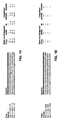
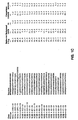
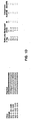
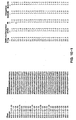


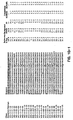
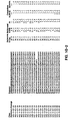
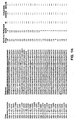

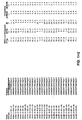
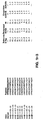

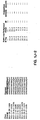

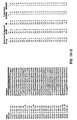
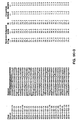
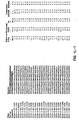
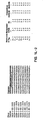

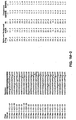
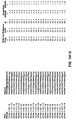
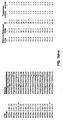
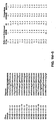
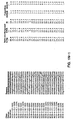

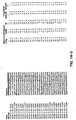
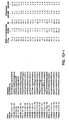

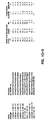

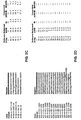


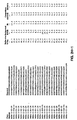
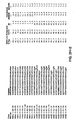
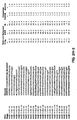
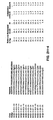
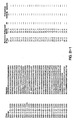
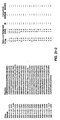
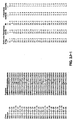

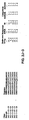


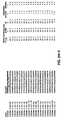
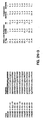
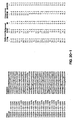
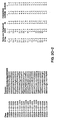
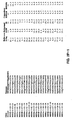
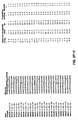
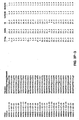


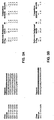
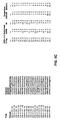

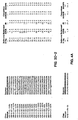
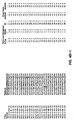
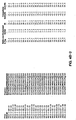


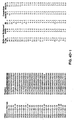
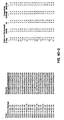
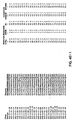

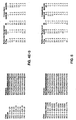


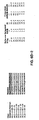
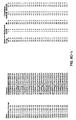


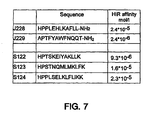
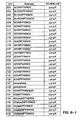
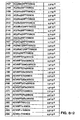


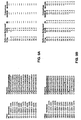


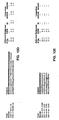


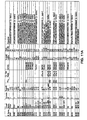
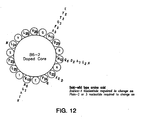


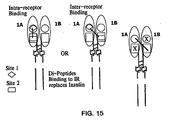

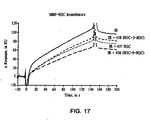
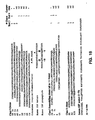
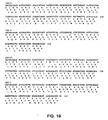
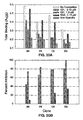
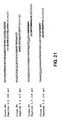
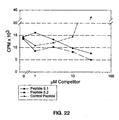


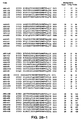

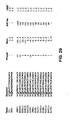
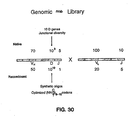
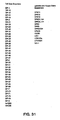
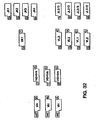
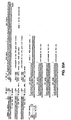
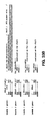

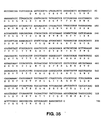
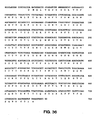
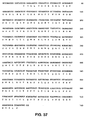
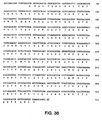
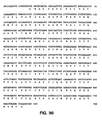

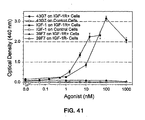
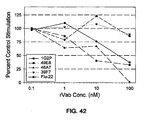
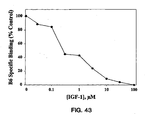
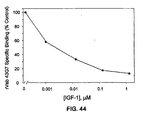

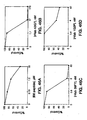




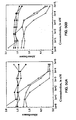
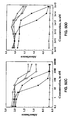
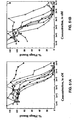


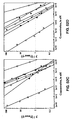
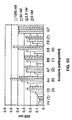
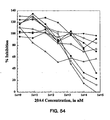
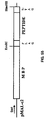

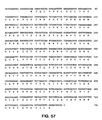

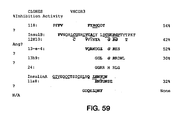
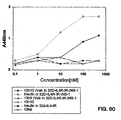
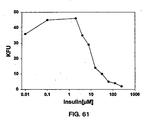
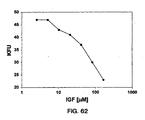

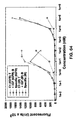


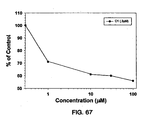
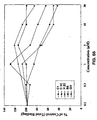
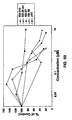

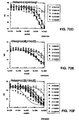
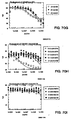
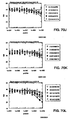
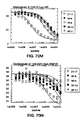
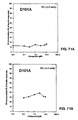


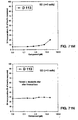

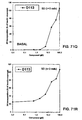
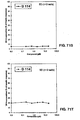
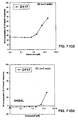


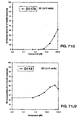
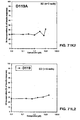
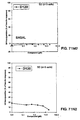

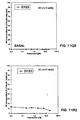
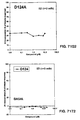

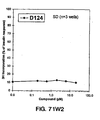

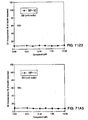
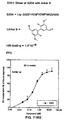

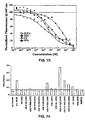
Classifications
-
- G—PHYSICS
- G01—MEASURING; TESTING
- G01N—INVESTIGATING OR ANALYSING MATERIALS BY DETERMINING THEIR CHEMICAL OR PHYSICAL PROPERTIES
- G01N33/00—Investigating or analysing materials by specific methods not covered by groups G01N1/00 - G01N31/00
- G01N33/48—Biological material, e.g. blood, urine; Haemocytometers
- G01N33/50—Chemical analysis of biological material, e.g. blood, urine; Testing involving biospecific ligand binding methods; Immunological testing
- G01N33/74—Chemical analysis of biological material, e.g. blood, urine; Testing involving biospecific ligand binding methods; Immunological testing involving hormones or other non-cytokine intercellular protein regulatory factors such as growth factors, including receptors to hormones and growth factors
-
- A—HUMAN NECESSITIES
- A61—MEDICAL OR VETERINARY SCIENCE; HYGIENE
- A61P—SPECIFIC THERAPEUTIC ACTIVITY OF CHEMICAL COMPOUNDS OR MEDICINAL PREPARATIONS
- A61P3/00—Drugs for disorders of the metabolism
- A61P3/08—Drugs for disorders of the metabolism for glucose homeostasis
- A61P3/10—Drugs for disorders of the metabolism for glucose homeostasis for hyperglycaemia, e.g. antidiabetics
-
- A—HUMAN NECESSITIES
- A61—MEDICAL OR VETERINARY SCIENCE; HYGIENE
- A61P—SPECIFIC THERAPEUTIC ACTIVITY OF CHEMICAL COMPOUNDS OR MEDICINAL PREPARATIONS
- A61P35/00—Antineoplastic agents
-
- A—HUMAN NECESSITIES
- A61—MEDICAL OR VETERINARY SCIENCE; HYGIENE
- A61P—SPECIFIC THERAPEUTIC ACTIVITY OF CHEMICAL COMPOUNDS OR MEDICINAL PREPARATIONS
- A61P43/00—Drugs for specific purposes, not provided for in groups A61P1/00-A61P41/00
-
- C—CHEMISTRY; METALLURGY
- C07—ORGANIC CHEMISTRY
- C07K—PEPTIDES
- C07K1/00—General methods for the preparation of peptides, i.e. processes for the organic chemical preparation of peptides or proteins of any length
- C07K1/04—General methods for the preparation of peptides, i.e. processes for the organic chemical preparation of peptides or proteins of any length on carriers
- C07K1/047—Simultaneous synthesis of different peptide species; Peptide libraries
-
- C—CHEMISTRY; METALLURGY
- C07—ORGANIC CHEMISTRY
- C07K—PEPTIDES
- C07K14/00—Peptides having more than 20 amino acids; Gastrins; Somatostatins; Melanotropins; Derivatives thereof
- C07K14/001—Peptides having more than 20 amino acids; Gastrins; Somatostatins; Melanotropins; Derivatives thereof by chemical synthesis
-
- C—CHEMISTRY; METALLURGY
- C07—ORGANIC CHEMISTRY
- C07K—PEPTIDES
- C07K7/00—Peptides having 5 to 20 amino acids in a fully defined sequence; Derivatives thereof
- C07K7/04—Linear peptides containing only normal peptide links
- C07K7/08—Linear peptides containing only normal peptide links having 12 to 20 amino acids
-
- A—HUMAN NECESSITIES
- A61—MEDICAL OR VETERINARY SCIENCE; HYGIENE
- A61K—PREPARATIONS FOR MEDICAL, DENTAL OR TOILETRY PURPOSES
- A61K38/00—Medicinal preparations containing peptides
-
- C—CHEMISTRY; METALLURGY
- C07—ORGANIC CHEMISTRY
- C07K—PEPTIDES
- C07K2319/00—Fusion polypeptide
-
- G—PHYSICS
- G01—MEASURING; TESTING
- G01N—INVESTIGATING OR ANALYSING MATERIALS BY DETERMINING THEIR CHEMICAL OR PHYSICAL PROPERTIES
- G01N2333/00—Assays involving biological materials from specific organisms or of a specific nature
- G01N2333/435—Assays involving biological materials from specific organisms or of a specific nature from animals; from humans
- G01N2333/575—Hormones
- G01N2333/65—Insulin-like growth factors (Somatomedins), e.g. IGF-1, IGF-2
-
- G—PHYSICS
- G01—MEASURING; TESTING
- G01N—INVESTIGATING OR ANALYSING MATERIALS BY DETERMINING THEIR CHEMICAL OR PHYSICAL PROPERTIES
- G01N2333/00—Assays involving biological materials from specific organisms or of a specific nature
- G01N2333/435—Assays involving biological materials from specific organisms or of a specific nature from animals; from humans
- G01N2333/705—Assays involving receptors, cell surface antigens or cell surface determinants
- G01N2333/71—Assays involving receptors, cell surface antigens or cell surface determinants for growth factors; for growth regulators
-
- G—PHYSICS
- G01—MEASURING; TESTING
- G01N—INVESTIGATING OR ANALYSING MATERIALS BY DETERMINING THEIR CHEMICAL OR PHYSICAL PROPERTIES
- G01N2500/00—Screening for compounds of potential therapeutic value
- G01N2500/02—Screening involving studying the effect of compounds C on the interaction between interacting molecules A and B (e.g. A = enzyme and B = substrate for A, or A = receptor and B = ligand for the receptor)
-
- G—PHYSICS
- G01—MEASURING; TESTING
- G01N—INVESTIGATING OR ANALYSING MATERIALS BY DETERMINING THEIR CHEMICAL OR PHYSICAL PROPERTIES
- G01N2500/00—Screening for compounds of potential therapeutic value
- G01N2500/04—Screening involving studying the effect of compounds C directly on molecule A (e.g. C are potential ligands for a receptor A, or potential substrates for an enzyme A)
Definitions
- This invention relates to the field of hormone receptor activation or inhibition. More specifically, this invention relates to the identification of molecular structures, especially peptides, which are capable of acting at either the insulin or insulin-like growth factor receptors as agonists or antagonists. Also related to this invention is the field of molecular modeling whereby useful molecular structures are derived from known structures.
- Insulin is a potent metabolic and growth promoting hormone that acts on cells to stimulate glucose, protein, and lipid metabolism, as well as RNA and DNA synthesis.
- a well-known effect of insulin is the regulation of the level of glucose at a whole body level. This effect by insulin occurs predominantly in liver, fat, and muscle. In liver, insulin stimulates glucose incorporation into glycogen and inhibits the production of glucose. In muscle and fat, insulin stimulates glucose uptake, storage, and metabolism. Disruptions of glucose utilization are very common in the population in giving rise to diabetes.
- IR insulin receptor
- the binding leads to conformational changes in the extracellular domain of the receptor, which are transmitted across the cell membrane and result in activation of the receptor's tyrosine kinase activity. This, in turn, leads to autophosphorylation of the insulin receptor's tyrosine kinase, and the binding of soluble effector molecules that contain SH2 domains such as phophoinositol-3-kinase, Ras GTPase-activating protein, and phospholipase Cy to IR (Lee and Pilch, 1994).
- SH2 domains such as phophoinositol-3-kinase, Ras GTPase-activating protein, and phospholipase Cy to IR
- IGF-1 Insulin-like growth factor 1
- MW 7,500 Da
- MW 7,500 Da
- It is similar in size, sequence and structure to insulin, but has 100-1,000-fold lower affinity for the insulin receptor (Mynarcik et al., 1997).
- IGF-1 recombinant human IGF-1 has been investigated for the treatment of several diseases, including type I diabetes (Carroll et al., 1997; Crowne et al., 1998), amyotropic lateral sclerosis (Lai et al., 1997), and diabetic motor neuropathy (Apfel and Kessler, 1996).
- Other potential therapeutic applications of IGF-1 such as osteoporosis (Canalis, 1997), immune modulation (Clark, 1997) and nephrotic syndrome (Feld and Hirshberg, 1996) are being examined.
- IGF-1 insulin growth factor-1
- PSA prostate-specific antigen
- Serum IGF-1 levels are regulated by the presence of IGF binding proteins (IGFBP) which bind to IGF-1 and prevent its interaction with the IGF-1 R (reviewed in Conover, 1996 and Rajaram et al., 1997).
- IGFBP IGF binding proteins
- PSA has been shown to be a protease that cleaves IGFBP-3, resulting in an increase of free IGF-1 in serum (Cohen et al., 1992; Cohen et al, 1994; Lilja, 1995).
- IGFBP IGF binding proteins
- the type-1 insulin-like growth-factor receptor (IGF-1 R) and insulin receptor (IR) are rotated members of the tyrosine-kinase receptor superfamily of growth factor receptors. Both types of receptors are composed of two ⁇ and two ⁇ subunits which form a disulfide-linked heterotetramer ( ⁇ - ⁇ - ⁇ - ⁇ ). They have an extracellular ligand binding domain, a single transmembrane domain, and a cytoplasmic domain displaying the tyrosine kinase activity. The extracellular domain is composed of the entire subunits and a portion of the N-terminus of the ⁇ subunits, while the intracellular portion of the ⁇ subunits contains the tyrosine kinase domain. Besides IR and IGF-1R, the other known member of the IR family is the insulin-related receptor (IRR), for which no natural ligand is known.
- IRR insulin-related receptor
- IGF-1 and insulin receptors serve different physiological functions.
- the IR is primarily involved in metabolic functions whereas the IGF-1R mediates growth and differentiation.
- both insulin and IGF-1 can induce both mitogenic and metabolic effects. Whether each ligand elicits both activities via its own receptor, or whether insulin exerts its mitogenic effects through its weak affinity binding to the IGF-1 receptor, and IGF-1 its metabolic effects through the insulin receptor, remains controversial. (De Meyts, 1994).
- the insulin receptor is a glycoprotein having molecular weight of 350-400 kDa (depending of the level of glycosylation). It is synthesized as a single polypeptide chain and proteolytically cleaved yielding the disulfide-linked monomer ⁇ - ⁇ insulin receptor. Two ⁇ - ⁇ monomers are linked by disulfide bonds between the ⁇ -subunits to form a dimeric form of the receptor ( ⁇ - ⁇ - ⁇ - ⁇ -type configuration).
- the ⁇ subunit is comprised of 723 amino acids, and it can be divided into two large homologous domains, L1 (amino acids 1-155) and L2 (amino acids 313-468), separated by a cysteine rich region (amino acids 156-312) (Ward et al., 1995). Many determinants of insulin binding seem to reside in the ⁇ -subunit. A unique feature of the insulin receptor is that it is dimeric in the absence of ligand.
- the sequence of IR is highly homologous to the sequence of the type-1 insulin-like growth factor receptor (IGF-1R).
- the homology level varies from about 40% to 70%, depending on the position within the ⁇ -subunit.
- the three-dimensional structures of both receptors may therefore be similar.
- the crystal structure of the first three domains of IGF-1 R has been determined (Garrett et al., 1998).
- the L domains consist of a single-stranded right-handed ⁇ -helix (a helical arrangement of ⁇ -strands), while the cysteine-rich region is composed of eight disulfide-bonded modules.
- the ⁇ -subunit of the insulin receptor has 620 amino acid residues and three domains: extracellular, transmembrane, and cytosolic.
- the extracellular domain is linked by disulfide bridges to the ⁇ -subunit.
- the cytosolic domain includes the tyrosine kinase domain, the three-dimensional structure of which has been solved (Hubbard et al., 1994).
- a soluble form of a membrane-bound receptor was constructed by replacing the transmembrane domain and the intracellular domain of IR with constant domains from immunoglobulin Fc or ⁇ subunits (Bass et al ., 1996).
- the recombinant gene was expressed in human embryonic kidney 293 cells.
- the expressed protein was a fully processed heterotetramer and the ability to bind insulin was similar to that of the full-length holoreceptor.
- IGF-1 and insulin competitively cross-react with IGF-1R and IR. (Schäffer, 1994). Despite 45% overall amino acid homology, insulin and IGF-1 bind only weakly to each other's receptor. The affinity of each peptide for the non-cognate receptor is about 3 orders of magnitude lower than that for the cognate receptor. (Mynarcik, et al., 1997). The differences in binding affinities may be partly explained by the differences in amino acids and unique domains which contribute to unique tertiary structures of ligands. (Blakesley et al., 1996).
- Both insulin and IGF-1 are expressed as precursor proteins comprising, among other regions, contiguous A, B, and C peptide regions, with the C peptide being an intervening peptide connecting the A and B peptides.
- a mature insulin molecule is composed of the A and B chains connected by disulfide bonds, whereas the connecting C peptide has been removed during post-translational processing.
- IGF-1 retains its smaller C-peptide as well as a small D extension at the C-terminal end of the A chain, making the mature IGF-1 slightly larger than insulin. (Blakesley, 1996).
- the C region of human insulin-like growth factor (IGF-1) appears to be required for high affinity binding to the type I IGF receptor. (Pietrzkowski et al., 1992).
- tyrosine 31 located within this region appears to be essential for high affinity binding. Furthermore, deletion of the D domain of IGF-1 increased the affinity of the mutant IGF-1 for binding to the IR, while decreasing its affinity for the IGF-1R receptor. (Pietrzkowski et al., 1992). A further structural distinction between the two hormones is that, unlike insulin, IGF-1 has very weak self-association and does not hexamerize. (De Meyts, 1994).
- the ⁇ -subunits which contain the ligand binding region of the IR and IGF-1 R, demonstrate between 47-67% overall amino acid homology.
- Three general domains have been reported for both receptors from sequence analysis of the ⁇ subunits, L1-Cys-rich-L2.
- the cysteine residues in the C-rich region are highly conserved between the two receptors; however, the cysteine-rich domains have only 48% overall amino acid homology.
- a further distinction between the binding regions of the IR and IGF-1 R is their differing dependence on the N-terminal and C-terminal regions. Both the N-terminal and C-terminal regions (located within the putative L1 and L2 domains) of the IR are important for high-affinity insulin binding but appear to have little effect on IGF-1 binding. Replacing residues in the N-terminus of IGF-1R (amino acids 1-62) with the corresponding residues of IR (amino acids 1-68) confers insulin-binding ability on IGF-1 R. Within this region residues Phe-39, Arg-41 and Pro-42 are reported as major contributors to the interaction with insulin. (Williams et al., 1995).
- a molecule developed as an insulin agonist should have little or no IGF-1 activity in order to avoid the mitogenic activity of IGF-1 and a potential for facilitating neoplastic growth.
- insulin and IGF-1 share common three-dimensional structures but which have sufficient differences to confer selectivity for their respective receptors. Similarly, it would be desirable to identify other molecular structures which mimic the active binding regions of insulin and/or IGF-1 and which impart selective agonist or antagonist activity.
- TPO human thrombopoietin
- WO 96/04557 reports the use of peptides and antibodies which bind to active sites of biological targets and which are then used in competition assays to identify small molecules which are agonist or antagonists at the biological targets.
- This invention relates to the identification of amino acid sequences that specifically recognize sites involved in IR and/or IGF-1R activation, Specific amino acid sequences are identified and their agonist or antagonist activity at IR or IGF-1R has been determined. Such sequences may be developed as potential therapeutics or as lead compounds to develop other more efficacious ones. In addition, these sequences may be used in highthroughput screens to identify and provide information on small molecules which bind at these sites and mimic or antagonize the functions of insulin or IGF-1. Furthermore, the peptide sequences provided by this invention can be used to design secondary peptide libraries, which can be used to identify sequence variants that increase or modulate the binding and/or activity of the original peptide at IR or IGF-1R.
- the present invention provides an in vitro method of modulating insulin activity in mammalian cells, said method comprising administering to said cells an amino acid sequence which binds IR and comprises the amino acid sequence X 1 X 2 X 3 X 4 X 5 , wherein X 1 , X 2 , X 4 , and X 5 are aromatic amino acids, and X 3 is any polar amino acid wherein the amino acid sequence comprises FYDWF or FYEWF, or FHEN is bound to the amino terminal of X 1 X 2 X 3 X 4 X 5 to produce an amino acid sequence comprising FHENX 1 X 2 X 3 X 4 X 5 , and wherein said amino acid sequence is an insulin agonist.
- the present invention also provides an amino acid sequence which specifically binds IR such that binding to IGF-1R is at or below background and wherein said amino acid sequence comprises X 1 X 2 X 3 X 4 X 5 wherein X 1 , X 2 , and X 5 are selected from the group consisting of phenylalanine and tyrosine, X 3 is selected from the group consisting of aspartic acid, glutamic acid, glycine and serine, and X 4 is selected from group consisting of tryptophan, tyrosine and phenylalanine, wherein the amino acid sequence is selected from the group consisting of: D101, D102, D1 04, D1 05, D1 07, D1 08, D109, D110, D111, D112, D113, D114, D1115, D1117, D125, D126, C1 H2C, NG-G33, RP-1, RP-2, RP-3, RP-7, RP-9, RP-11, RP
- the present invention also provides a kit for identifying a compound which binds IR, comprising IR and an amino acid sequence X 1 X 2 X 3 X 4 X 5 , wherein X 1 , X 2 , and X 5 are selected from the group consisting of phenylalanine and tyrosine, X 3 is selected from the group consisting of aspartic acid, glutamic acid, glycine and serine, and X 4 is selected from the group consisting of tryptophan, tyrosine and phenylalanine or an amino acid sequence selected from the group consisting of: D101, D102, D104, D105, D107, D108, D109, D110, D111, D112, D113, D114, D115, D117, D125, D126, C1, H2C, NG-G33, RP-1, RP-2, RP-3, RP-7, RP-9, RP-11, RP-13, RP-14, RP-19, S167,
- the present invention also provides a pharmaceutical composition
- a pharmaceutical composition comprising an amino acid sequence which binds specifically to IR at Site 1 and is an insulin agonist, and a pharmaceutically acceptable carrier, wherein the amino acid sequence comprises X 1 X 2 X 3 X 4 X 5 wherein X 1 , X 2 , and X 5 are selected from the group consisting of phenylalanine and tyrosine, X 3 is selected from the group consisting of aspartic acid, glutamic acid, glycine and serine, and X4 is selected from the group consisting of tryptophan, tyrosine and phenylalanine and the amino acid sequence comprises:
- the present invention also provides a method of screening for a compound which binds to IR comprising: i) immobilizing IR, or a fragment thereof, on a surface ; ii) incubating the IR, or fragment thereof, with a known amount of labelled amino acid sequence X 1 X 2 X 3 X 4 X 5 , wherein X 1 , X 2 , and X 5 are selected from the group consisting of phenylalanine and tyrosine, X 3 is selected from the group consisting of aspartic acid, glutamic acid, glycine and serine, and X 4 is selected from the group consisting of tryptophan, tyrosine and phenylalanine, or an amino acid sequence selected from the group consisting of: D101, D102, D104, D105, D107, D108, D109, D110, D111, D112, D113, D114, D115, D117, D125, D126, C1, H2C, NG-
- the present invention also provides a recombinant peptide library comprising members wherein the majority of the members comprise an amino acid sequence X 1 X 2 X 3 X 4 X 5 , wherein X 1 , X 2 , and X 5 are selected from the group consisting of phenylalanine and tyrosine, X 3 is selected from the group consisting of aspartic acid, glutamic acid, glycine and serine, and X 4 is selected from the group consisting of tryptophan, tyrosine and phenylalanine.
- amino acid sequences of this disclosure which bind IR and/or IGR1R include:
- FYX 3 WF (“A6" motif) and FYX 8 X 9 L/IX 11 X 12 L (“B6"motif) have been identified which competitively bind to sites on IR and IGF-1R and possess either agonist or antagonist activity.
- FYX 3 WF which possesses agonist activity at IGF-1R, can possess agonist or antagonist activity at IR.
- FY X 8 X 9 L/IX 11 X 12 L which is an antagonist at IGF-1R, possesses agonist activity at IR.
- At least two distinct binding sites on IR and IGF-1R are identified based on the differing ability of certain of the peptides to compete with one another and insulin or IGF-1 for binding to IR and IGF-1R. Accordingly, this disclosure provides amino acid sequences which bind specifically to one or both sites of IR and/or IGF-1R. Furthermore, specific amino acid sequences are provided which have either agonist or antagonist characteristics based on their ability to bind to the specific sites of IR.
- Amino acid sequences which bind to one or more sites of IR or IGF-1R may be covalently linked together to form multivalent ligands. These multivalent ligands are capable of forming complexes with a plurality of IR or IGF-1R. Either the same or different amino acid sequences may be covalently bound together to form homo- or heterocomplexes. Dimers of the same amino acid sequence, for example, may be used to form receptor complexes bound through the same corresponding sites. Alternatively, heterodimers may be used to bind to different sites on one receptor or to cause receptor complexing through different sites.
- Assays for identifying compounds that mimic the binding characteristics of insulin are described. Such compounds may act as antagonists or agonists of insulin function in cell based assays.
- Amino acid sequences such as peptides and recombinant antibody variable regions (rVab) are provided that inhibit binding of insulin to the insulin receptor. Such amino acid sequences and rVabs are used in assays to identify compounds that mimic insulin.
- Kits are provided for identifying compounds that bind to the insulin receptor. Therapeutic compounds that bind the insulin receptor are further provided.
- Assays for identifying compounds which mimic the binding characteristics of IGF-1 are provided. Such compounds act as antagonists or agonists of IGF-1 hormone function in cell based assays.
- Amino acid sequences such as peptides and rVabs which inhibit binding of IGF-1 to IGF-1R are provided. Such amino acid sequences and rVabs are used in assays to identity compounds which mimic IGF-1.
- nucleic acid sequences encoding the described amino acid sequences.
- Vectors containing the nucleic acids and host cells which express the genes encoding the amino acid sequences which bind at IR or IGF-1R and possess agonist or antagonist activity are described.
- Amino acid sequences are provided which bind to active sites of IR and/or IGF-1R and to identify structural criteria for conferring agonist or antagonist activity at IR and/or IGF-1R.
- amino acid sequences which possess agonist, partial agonist or antagonist activity at either IR or IGF-1R. Such amino acid sequences are potentially useful as therapeutics themselves or may be used to identify other molecules, especially small organic molecules, which possess agonist or antagonist activity at IR or IGF-1R.
- Structural information derived from the amino acid sequences disclosed is provided which may be used to construct other molecules possessing the desired activity at the relevant IR of IGF-1R binding site.
- FIGS. 1A-10G Amino acid sequences comprising the motif of Formulas 1 through 10. Sequences were identified by panning peptide libraries against IGF-1R and/or IR. The amino acids are represented by their one-letter abbreviation.
- the ratios over background are determined by dividing the signal at 405 nm (E-Tag, IGF-1R, or IR) by the signal at 405 nm for non-fat milk.
- the IGF-1R/IR Ratio Comparison is determined by dividing the ratio of IGF-1R by the ratio of IR.
- the IR/IGF-1R Ratio Comparison is determined by dividing the ratio of IR by the ratio of IGF-1 R.
- each library is shown in the first line in bold.
- symbol 'X' indicates a random position
- an underlined amino acid indicates a doped position at the nucleotide level, and other positions are held constant.
- Additional abbreviations in the B6H library are: 'O'indicates an NGY codon where Y is C or T; 'J' indicates an RHR codon where R is A or G, and H is A, C, or T; and 'U' indicates an VVY codon where V is A, C, or G, and Y is C or T.
- the 'h' in the 20E2 libraries indicates an NTN codon.
- This invention relates to amino acid sequences comprising motifs which bind to the insulin receptor (IR).
- the amino acid sequences also possess either agonist, partial agonist or antagonist activity at the receptor.
- this invention surprisingly provides amino acid sequences which define common binding motifs on IR and IGF-1 R which are capable of conferring agonist and/or antagonist activity at these receptors.
- this invention identifies multiple binding sites (Sites 1 and 2) on IR which appear to be allosterically coupled.
- amino acid sequences are neither based on insulin or IGF-1 native sequences, nor do they reflect an obvious homology to any such sequence.
- amino acid sequences of the invention may be peptides, polypeptides, or proteins.
- the amino acid sequences confer insulin agonist activity.
- the amino acid sequences of the invention are typically artificial, i.e. non-naturally occurring peptides or polypeptides.
- Amino acid sequences useful in the invention may be obtained through various means such as chemical synthesis, phage display, cleavage of proteins or polypeptides into fragments, or by any means which amino acid sequences of sufficient length to possess binding ability may be made or obtained.
- the amino acid sequences provided by this invention should have an affinity for IR sufficient to provide adequate binding for the intended purpose.
- the peptide, polypeptide or protein provided by this invention should have an affinity (K d ) of between about 10 -7 to about 10 -15 M. More preferably the affinity is 10 -8 to about 10 -12 M. Most preferably, the affinity is 10 -9 to about 10 -11 M.
- the amino acid sequence preferably has affinity for the receptor of between about 10 -5 to about 10 -12 M.
- a further consideration in identifying peptides provided by this invention for use as therapeutics is the relative activity at either IR or IGF-IR.
- a peptide which has efficacy at IR and clinically insignificant activity of IGF-IR may be a useful therapeutic even though such a peptide may bind IGF-IR with relatively high affinity.
- binding motifs At least ten different binding motifs have been identified which bind to active sites on IR; at least four of these also bind to IGF-1 R.
- the binding motifs are defined based on the analysis of several different amino acid sequences and analyzing the frequency that particular amino acids or types of amino acids occur at a particular position of the amino acid sequence.
- amino acids possessing alcohol groups are serine (S) and threonine (T).
- Aliphatic amino acids are isoleucine (I), leucine (L), valine (V), and methionine (M).
- Aromatic amino acids are phenylalanine (F), histidine (H), tryptophan (W), and tyrosine (Y).
- Hydrophobic amino acids are alanine (A), cysteine (C), phenylalanine (F), glycine (G), histidine (H), isoleucine (I), lysine (L), methionine (M), arginine (R), threonine (T), valine (V), tryptophan (W), and tyrosine (Y).
- Negative amino acids are aspartic acid (D) and glutamic acid (E).
- the following amino acids are polar amino acids: cysteine (C), aspartic acid (D), glutamic acid (E), histidine (H), lysine (K), asparagine (N), glutamine (Q), arginine (R), serine (S), and threonine (T). Positive amino acids are histidine (H), lysine (K), and arginine (R).
- Small amino acids are alanine (A), cysteine (C), aspartic acid (D), glycine (G), asparagine (N), proline (P), serine (S), threonine (T), and valine (V). Very small amino acids are alanine (A), glycine (G) and serine (S).
- Amino acids likely to be involved in a turn formation are alanine (A), cysteine (C), aspartic acid (D), glutamic acid (E), glycine (G), histidine (H), lysine (K), asparagine (N), glutamine (Q), arginine (R), serine (S), proline (P), and threonine (T).
- amino acid sequences containing substitutions, additions, or deletions based on the teachings disclosed herein might bind to IR with the same or altered affinity.
- amino acid residues located at the carboxy and amino terminal regions of the consensus motifs described below which amino acid residues are not associated with a strong preference for a particular amino acid, could be deleted providing for truncated sequences.
- Certain amino acids such as lysine which promote the stability of the amino acids sequences may be deleted depending on the use of the sequence, as for example, expression of the sequence as part of a larger sequence which is soluble, or linked to a solid support.
- motifs In addition to the motifs stated above, preferred sequences at the amino terminal or carboxyl terminal ends are capable of enhancing binding of the motifs to either IR, IGF-1R, or both.
- the use of the extensions described below does not preclude the possible use of the motifs with other substitutions, additions or deletions which allow for binding to IR, IGF-1R or both.
- Any amino acid sequence may be used for extensions of the amino terminal end of A6, although certain amino acids in amino terminal extensions may be identified which modulate activity.
- Preferred carboxy terminal extensions for A6 are A6 X 93 X 94 X 95 X 96 X 97 wherein X 93 may be any amino acid, but is preferably selected from the group consisting of alanine, valine, aspartic acid, glutamic acid, and arginine, and X 94 and X 97 are any amino acid; X 95 is preferably glutamine, glutamic acid, alanine or lysine but most preferably glutamine. The presence of glutamic acid at X 95 however may confer some IR selectivity.
- X 95 is preferably a hydrophobic or aliphatic amino acid, more preferably leucine, isoleucine, valine, or tryptophan but most preferably leucine. Hydrophobic residues, especially tryptophan at X 96 may be used to enhance IR selectivity.
- B6 with amino terminal and carboxy terminal extensions may be represented as X 98 X 99 B6 X 100 .
- X 98 is optionally aspartic acid and X 99 is independently an amino acid selected from the group consisting of glycine, glutamine, and proline.
- the presence of an aspartic acid at X 98 and a proline at X 99 is associated with an enhancement of binding for both IR and IGF-1R.
- a hydrophobic amino acid is preferred for the amino acid at X 100 , an aliphatic amino acid is more preferred.
- Negatively charged amino acids are preferred at both the amino and carboxy terminals of Formula 2A.
- B6 and reverse B6 motifs participate in alpha helix formation such that the most highly preferred residues at positions X 6 , X 7 , X 10 and X 13 (B6) and X 14 X 17 X 20 and X 21 (rB6) reside on the same side of a helix. See Figure 12 . Because both B6 and RB6 motifs form structurally analogous motifs from their palindrome sequences, the use of D-amino acids instead of typical L-amino acids would be expected to produce amino acid sequences having similar properties to the L-amino acid sequences.
- D-amino acids may be advantageous, as the resultant sequences may be more resistant to enzymatic degradation than L-amino acid sequences.
- the second and third amino acids of B6 (X 7 and X 8 ) are oriented at opposite sides of the helix. See Figure 12 .
- the amino acid sequences containing the motifs of this invention may be constructed to have enhanced selectivity for either IR or IGF-1R by choosing appropriate amino acids at specific positions of the motifs or the regions flanking them.
- this invention provides the means for constructing amino acid sequences with minimized activity at the non-cognate receptor.
- the amino acid sequences disclosed herein with high affinity and activity for IR and low affinity and activity for IGF-1R are desirable as IR agonist as their propensity to promote undesirable cell proliferation, an activity of IGF-1 agonists, is reduced. Ratios of IR binding affinity to IGF-1R binding affinity for specific sequences are provided in Figures 1A-10I .
- the IR/IGF-1R binding affinity ratio is preferably greater than 100. Conversely, for use as an IGF-1R therapeutic, the IR/IGF-1R ratio should be less than 0.01. Examples of peptides that selectively bind to IGF-1 R are shown below.
- MOTIF 1 Ratios over Background Comparisons Clone Sequence E-Tag IGF-1R IR IGF-1R/IR IR/IGF-1R A6L-0-E6-IR YRGMLVLGRSSDGAGKVAFERPARIGQTVFAVNFYDWFV 31.0 31.0 1.8 17.0 0.1 H2CA-4-G9-IGFR GIISQSCPESFYDWFAGQVSDPWWCW 8.6 9.5 0.6 16.0 0.1 H2CA-4-H6-IGFR VGRASGFPENFYDWFGRQLSLQSGEQ 4.9 10.5 0.7 14.6 0.1 A6L-0-E4-IR YRGMLVLGRISDGAG#VASEPPARIGRKVFAVNFYDWFV 26.0 16.0 1.3 13.0 0.1 A6L-0-H3-IR YRGMLVLGRISGGAGKAASERPARIGQKVSAVNFYDWFV 27.0 26.0 2.0 13.0 0.1 H2CA-4-F5-IGFR
- relative efficacy at the cognate receptor is another important consideration for choosing a potential therapeutic.
- a sequence which is efficacious at IR but has little or no significant activity at IGF-1R may also be considered as an important IR therapeutic, irrespective of the relative binding affinities at IR and IGF-1R.
- A6 selectivity for IR may be enhanced by including glutamic acid in a carboxyl terminal extension at position X 95 .
- IR selectivity of the B6 motif may be enhanced by having a tryptophan or phenylalanine at X 11 . Tryptophan at X 13 also favors selectivity of IR.
- a tryptophan amino acid at X 13 rather than leucine at that position also may be used to enhance selectivity for IR.
- a large amino acid at X 15 favors IR selectivity.
- small amino acids may confer specificity for IGF-1R.
- an L in position X 23 is essentially required for IR binding.
- tryptophan at X 31 is also highly preferred.
- glycine is preferred for IR selectivity.
- the competition data disclosed herein reveals that at least two separate binding sites are present on IR and IGF-1 R which recognize the different sequence motifs provided by this invention.
- competition data indicates that peptides comprising the A6, B6, revB6, and F2 motifs compete for binding to the same site on IR (Site 1) whereas the F8 and D8 motifs compete for a second site (Site 2).
- the decrease of dissociation of B6 motif peptide (20E2) from IGF-1 R by a D8 ligand indicates multiple interacting binding sites.
- IR and IGF-1 R The identification of peptides which bind to separate binding sites on IR and IGF-1 R provides for various schemes of binding to IR or IGF-1 R to increase or decrease its activity. Examples of such schemes for IR are illustrated in Figure 15 .
- F8-derived (Long C-C loop): Clone Sequence F8 HLCVLEELFWGASLFGYCSG F8-C12 FQSLLEELVWGAPLFRYGTG F8-Des2 PLCVLEELFWGASLFGYCSG F8-F12 PLCVLEELFWGASLFGQCSG F8-B9 HLCVLEELFWGASLFGQCSG F8-B12 DLRVLCELFGGAYVLGYCSE NNKH-2B3 HRSVLKQLSWGASLFGQWAG NNKH-2F9- HLSVGEELSWWVALLGQWAR NNKH-4H4- APVSTEELRWGALLFGQWAG D8-derived (Small C-C loop): Clone Sequence D8 KWLDQEWAWVQCEVYGRGCPSKK D8-G1 QLEEWAGVQCEVYGRECPS DB-BS ⁇ ALEEEWAWVQVRSIRSGLPL D8-A7 SLDQEWAWVQC
- This disclosure provides ligands which preferentially bind different sites on IR and IGF-1R.
- the amino acid motifs which bind IR at one site are A6, B6, revB6, and F2.
- a second in site (Site 2, Figure 13 ) binds F8 and D8.
- multimeric ligands may be prepared according to the invention by covalently linking amino acid sequences.
- amino acid sequences which bind the same or different sites may be combined to form a single molecule.
- the amino acid sequences of the ligand for binding to the receptors may be the same or different, provided that if different amino acid sequences are used, they both bind to the same site.
- Multivalent ligands may be prepared by either expressing amino acid sequences which bind to the individual sites separately and then covalently linking them together, or by expressing the multivalent ligand as a single amino acid sequence which comprises within it the combination of specific amino acid sequences for binding.
- Various combinations of amino acid sequences may be combined to produce multivalent ligands having specific desirable properties.
- agonists may be combined with agonists, antagonists combined with antagonists, and agonists combined with antagonists.
- Combining amino acid sequences which bind to the same site to form a multivalent ligand may be useful to produce molecules which are capable of cross-linking together multiple receptor units.
- Multivalent ligands may also be constructed to combine amino acid sequences which bind to different sites ( Figure 15 ).
- preparation of multivalent ligands may be useful to prepare ligands having more desirable pharmacokinetic properties due to the presence of multiple bind sites on a single molecule.
- combining amino acid sequences which bind to different sites with different affinities provides a means for modulating the overall potency and affinity of the ligand for IR or IGF-1R.
- hybrids of at least two peptides may be produced as recombinant fusion polypeptides which are expressed in any suitable expression system.
- the polypeptides may bind the receptor as either fusion constructs containing amino acid sequences besides the ligand binding sequences or as cleaved proteins from which signal sequences or other sequences unrelated to ligand binding are removed. Sequences for facilitating purification of the fusion protein may also be expressed as part of the construct. Such sequences optionally may be subsequently removed to produce the mature binding ligand.
- Recombinant expression also provides means for producing large quantities of ligand.
- recombinant expression may be used to express different combinations of amino acid sequences and to vary the orientation of their combination, i.e., amino to carboxyl terminal orientation.
- the various amino acid sequences may be coupled through linkers of various lengths.
- linkers for connecting the two amino acid sequences would typically range from about 3 to about 12 amino acids corresponding to from about 12 to about 48 A. Accordingly, the preferred distance between binding sequences is from about 2 to about 50 A. More preferred is 4 to about 40.
- the degree of flexibility of the linker between the amino acid sequences may be modulated by the choice of amino acids used to construct the linker. The combination of glycine and serine is useful for producing a flexible, relatively unrestrictive linker. A more rigid linker may be constructed by using amino acids with more complex side chains within the linkage sequence.
- MBP-FLAG-PEPTIDE-(G,S)n-PEPTIDE-E-TAG a fusion construct producing a dipeptide comprises a maltose binding protein amino acid sequence (MBP) or similar sequence useful for enabling the affinity chromatography purification of the expressed peptide sequences.
- MBP maltose binding protein amino acid sequence
- This purification facilitating sequence may then be attached to a flag sequence to provide a cleavage site to remove the initial sequence.
- the peptide dimer then follows which includes the intervening linker and a tag sequence may be included at the carboxyl terminal portion to facilitate identification/purification of the expression of peptide.
- G and S are glycine and serine residues, which make up the linker sequence.
- dimers may also be produced by peptide synthesis whereby a synthetic technique such as Merrifield synthesis (Merrifield, 1997), may be used to construct the entire peptide.
- dimers include introducing a linker molecule which activates the terminal end of a peptide so that it can covalently bind to a second peptide.
- linkers include diaminoproprionic acid activated with an oxyamino function.
- Linkers may be used to link dimers either to the carboxyl terminal or the amino terminal.
- the concentrations of these fusions vary depending on the expression quality. There are 2 sets of each fusion: uncleaved (-) and cleaved with factor Xa (+).
- the fusion proteins are in Tris buffer (20 mM Tris, 200 mM NaCl, 1 mM EDTA, 50 mM maltose, pH 7.5) and the cleaved fusions (+) are in the same Tris buffer (500 ⁇ l) + 12 ⁇ g Factor Xa. (Source of Factor Xa: New England Biolabs).
- a linker of only 3 amino acids (12 A) provided a ligand of greater affinity for Site 1 of IR than a corresponding ligand prepared with a 9 amino acid (36 A) linking region.
- Figure 17 a linker of only 3 amino acids (12 A) provided a ligand of greater affinity for Site 1 of IR than a corresponding ligand prepared with a 9 amino acid (36 A) linking region.
- fusion peptides show IR agonist activity as determined by an IR autophosphorylation assay (see Example 20).
- Figure 74 fusion peptides 439, 436, 449, and 463 show significant IR agonist activity ( Figure 74 ).
- the corresponding DNA sequences may be cloned into any suitable vectors for expression in intact host cells or in cell-free translation systems by methods well known in the art (see Sambrook et al., 1989).
- the particular choice of the vector, host, or translation system is not critical to the practice of the invention.
- Cloning vectors for the expression of recombinant peptides include, but are not limited to, pUC, pBluescript (Stratagene, La Jolla, CA), pET (Novagen, Inc., Madison, WI), pMAL (New England Biolabs, Beverly, MA), or pREP (Invitrogen Corp., San Diego, CA) vectors.
- Vectors can contain one or more replication and inheritance systems for cloning or expression, one or more markers for selection in the host (e.g. antibiotic resistance), and one or more expression cassettes.
- the inserted coding sequences can be synthesized by standard methods, isolated from natural sources, or prepared as hybrids, etc.
- Ligation of the coding sequences to transcriptional regulatory elements and/or to other amino acid coding sequences can be carried out using established methods.
- DNA sequences can be optimized, if desired, for more efficient expression in a given host organism.
- codons can be altered to conform to the preferred codon usage in a given host cell or cell-free translation system using techniques routinely practiced in the art.
- Suitable cell-free systems for expressing recombinant peptides include, for example, rabbit reticulocyte lysate, wheat germ extract, canine pancreatic microsomal membranes, Escherichia coli ( E. coli ) S30 extract, and coupled transcription/translation systems (Promega Corp., Madison, WI). Such systems allow expression of recombinant polypeptides upon the addition of cloning vectors, DNA fragments, or RNA sequences containing coding regions and appropriate promoter elements.
- Host cells for cloning vectors include bacterial, archebacterial, fungal, plant, insect and animal cells, especially mammalian cells.
- mammalian cells Of particular interest are E. coli, Bacillus subtilis, Staphylococcus aureus, Saccharomyces cerevisiae, Schizosaccharomyces pombe, Neurospora crassa, SF9, C129, 293, NIH 3T3, CHO, COS, and HeLa cells.
- These cells can be transformed, transfected, or transduced, as appropriate, by any suitable method including electroporation, CaCl 2 -, LiCl-, LiAc/PEG-, spheroplasting-, Ca-Phosphate, DEAE-dextran, liposome-mediated DNA uptake, injection, microinjection, microprojectile bombardment, or other established methods.
- tags include c-myc, haemagglutinin (HA), polyhistidine (6X-HIS), GLU-GLU, and DYKDDDDK (FLAG®) epitope tags.
- Epitope tags can be added to peptides by a number of established methods. DNA sequences of epitope tags can be inserted into peptide coding sequences as oligonucleotides or through primers used in PCR amplification.
- peptide coding sequences can be cloned into specific vectors that create fusions with epitope tags; for example, pRSET vectors (Invitrogen Corp., San Diego, CA).
- the expressed, tagged peptides can then be purified from a crude lysate of the cell-free translation system or host cell by chromatography on an appropriate solid-phase matrix.
- peptides from natural sources such as cellular or extracellular lysates are well known in the art (see Harris and Angal, 1989). Such methods include, without limitation, sodium dodecylsulfate-polyacrylamide gel electrophoresis (SDS-PAGE), preparative disc-gel electrophoresis, isoelectric focusing, high-performance liquid chromatography (HPLC), reversed-phase HPLC, gel filtration, ion exchange and partition chromatography, countercurrent distribution, and combinations thereof.
- Naturally occurring peptides can be purified from many possible sources, for example, plasma, body tissues, or body fluid lysates derived from human or animal, including mammalian, bird, fish, and insect sources.
- Antibody-based methods may also be used to purify naturally occurring or recombinantly produced peptides. Antibodies that recognize these peptides or fragments derived therefrom can be produced and isolated. The peptide can then be purified from a crude lysate by chromatography on an antibody-conjugated solid-phase matrix (see Harlow and Lane, 1998). '
- peptides may be chemically synthesized by commercially available automated procedures, including, without limitation, exclusive solid phase synthesis, partial solid phase methods, fragment condensation or classical solution synthesis.
- the polypeptides are preferably prepared by solid-phase peptide synthesis; for example, as described by Merrifield (1965; 1997).
- recombinant and synthetic methods of polypeptide production can be combined to produce semi-synthetic polypeptides.
- screening assays to identify pharmacologically active ligands at IR and/or IGF-1R are provided.
- the screening assays provided in accordance with this invention are based on those disclosed in International application WO 96/04557 which is incorporated herein in its entirety. Briefly, WO 96/04557 discloses the use of reporter peptides which bind to active sites on targets and possess agonist or antagonist activity at the target. These reporters are identified from recombinant libraries and are either peptides with random amino acid sequences or variable antibody regions with at least one CDR region which has been randomized (rVab). The reporter peptides may be expressed in cell recombinant expression systems, such as for example in E .
- the reporters identified from the libraries may then be used in accordance with this invention either as therapeutics themselves, or in competition binding assays to screen for other molecules, preferably small, active molecules, which possess similar properties to the reporters and may be developed as drug candidates to provide agonist or antagonist activity.
- these small organic molecules are orally active.
- the basic format of an in vitro competitive receptor binding assay as the basis of a heterogeneous screen for small organic molecular replacements for insulin may be as follows: occupation of the active site of IR is quantified by time-resolved fluorometric detection (TRFD) with streptavidin-labeled europium (saEu) complexed to biotinylated peptides (bP). In this assay, saEu forms a ternary complex with bP and IR (i.e., IR:bP:saEu complex).
- TRFD assay format is well established, sensitive, and quantitative (Tompkins et al., 1993).
- the assay can use a single-chain antibody or a biotinylated peptide. Furthermore, both assay formats faithfully report the competition of the biotinylated ligands binding to the active site of IR by insulin.
- soluble IR is coated on the surface of microtiter wells, blocked by a solution of 0.5% BSA and 2% non-fat milk in PBS, and then incubated with biotinylated peptide or rVab. Unbound bP is then washed away and saEu is added to complex with receptor-bound bP. Upon addition of the acidic enhancement solution, the bound europium is released as free Eu 3+ which rapidly forms a highly fluorescent and stable complex with components of the enhancement solution. The IR:bP bound saEu is then converted into its highly fluorescent state and detected by a detector such as Wallac Victor II (EG&G Wallac, Inc.)
- the designing of mimetics to a known pharmaceutically active compound is a known approach to the development of pharmaceuticals based on a "lead" compound. This might be desirable where the active compound is difficult or expensive to synthesize or where it is unsuitable for a particular method of administration, e.g. peptides are generally unsuitable active agents for oral compositions as they tend to be quickly degraded by proteases in the alimentary canal.
- Mimetic design, synthesis and testing is generally used to avoid randomly screening large number of molecules for a target property.
- the pharmacophore Once the pharmacophore has been found, its structure is modeled according to its physical properties (e.g. stereochemistry, bonding, size and/or charge), using data from a range of sources (e.g. spectroscopic techniques, X-ray diffraction data and NMR). Computational analysis, similarity mapping (which modes the charge and/or volume of a pharmacophore, rather than the bonding between atoms), and other techniques can be used in this modeling process.
- physical properties e.g. stereochemistry, bonding, size and/or charge
- sources e.g. spectroscopic techniques, X-ray diffraction data and NMR.
- Computational analysis, similarity mapping which modes the charge and/or volume of a pharmacophore, rather than the bonding between atoms
- other techniques can be used in this modeling process.
- the three dimensional structure of the ligand and its binding partner are modeled. This can be especially useful where the ligand and/or binding partner change conformation on binding, allowing the model to take account of this in the design of the mimetic.
- a template molecule is then selected onto which chemical groups which mimic the pharmacophore can be grafted.
- the template molecule and the chemical groups grafted on to it can conveniently be selected so that the mimetic is easy to synthesize, is likely to be pharmacologically acceptable, does not degrade in vivo, and retains the biological activity of the lead compound.
- the mimetics found are then screened to ascertain the extent they exhibit the target property, or to what extent they inhibit it. Further optimization or modification can then be carried out to arrive at one or more final mimetics for in vivo or clinical testing.
- This invention provides specific amino acid sequences which function as agonists or antagonists at IR and/or IGF-1R.
- phage display libraries suitable for use in this invention include one such library containing randomized 40 amino acid peptides (RAPIDLIBTM, Figure 16 ), another library containing rVab derived from human genomic antibody DNA (GRABLIBTM, Figure 30 ).
- the peptides provided by this invention are useful as potential therapeutics in pharmaceutical compositions, lead compounds for identifying other more potent or selective therapeutics, assay reagents for identifying other useful ligands by, for example, competition screening assays, and as research tools for further analysis of IR and IGF-1R.
- the peptide sequences provided by this invention can be used to design secondary peptide libraries, which include members that bind to Site 1 and/or Site 2 of IR or IGF-1 R. Such libraries can be used to identify sequence variants that increase or modulate the binding and/or activity of the original peptide at IR or IGF-1R.
- IR agonist amino acid sequences provided by this invention are useful as insulin analogs and may therefore be developed as treatments for diabetes or other diseases associated with a decreased response or production of insulin.
- preferred amino acid sequence are: FHENFYDWFVRQVSK (D117, H2C), DYKDFYDAIQLVRSARAGGTRDKK (D118, 20E2), KDRAFYNGLRDLVGAVYGAWDKK (D119, 20C11), DYKDLCQSWGVRIGWLAGLCPKK (D116, JBA5), DYKDVTFTSAVFHENFYDWFVRQVSKK (D113, H2), and GRVDWLQRNANFYDWFVAELG (S175).
- More preferred IR agonists are: FHENFYDWFVRQVSK (D117, H2C) and GRVDWLQRNANFYDWFVAELG (S175). Most preferred is GRVDWLQRNANFYDWFVAELG (S175).
- Preferred dimer sequences are represented by S170, S171, S172, S232, S300 sequences (see Table 15).
- IGF-1 R antagonist amino acid sequences are useful as treatments for cancers, including, but not limited to, breast and prostate cancers. Human and breast cancers are responsible for over 40,000 deaths per year, as present treatments such as surgery, chemotherapy, radiation therapy, and immunotherapy show limited success.
- the IGF-1R antagonist amino acid sequences disclosed herein are also useful for the treatment or prevention of diabetic retinopathy. Recent reports have shown that a previously identified IGF-1R antagonist can suppress retinal neovascularization, which causes diabetic retinopathy (Smith et al., 1999).
- IGF-1R agonist amino acid sequences are useful for development as treatments for neurological disorders, including stroke and diabetic neuropathy. Reports of several different groups implicate IGF-1 R in the reduction of global brain ischemia, and support the use of IGF-1 for the treatment of diabetic neuropathy (reviewed in Auer et al ., 1998; Apfel, 1999).
- the amino acid sequences of this invention may be administered as pharmaceutical compositions comprising standard carriers known in the art for delivering proteins and peptides and by gene therapy. Due to the labile nature of the amino acid sequences parenteral administration is preferred. Preferred modes of administration include aerosols for nasal or bronchial absorption; suspensions for intravenous, intramuscular, intrasternal or subcutaneous, injection; and compounds for oral administration. Other modes of administration and examples of suitable formulative components for use with this embodiment are discussed below. Other modes of administration include intranasal, intrathecal, intracutaneous, percutaneous, enteral, and sublingual.
- the composition is in sterile solution or suspension or may be emulsified in pharmaceutically- and physiologically-acceptable aqueous or oleaginous vehicles, which may contain preservatives, stabilizers, and material for rendering the solution or suspension isotonic with body fluids (i.e. blood) of the recipient.
- Excipients suitable for use are water, phosphate buffered saline, pH 7.4, 0.15 M aqueous sodium chloride solution, dextrose, glycerol, dilute ethanol, and the like, and mixtures thereof.
- Illustrative stabilizers are polyethylene glycol, proteins, saccharides, amino acids, inorganic acids, and organic acids, which may be used either on their own or as admixtures.
- the amounts or quantities, as well as routes of administration, used are determined on an individual basis, and correspond to the amounts used in similar types of applications or indications known to those of skill in the art.
- constructs as described herein may also be used in gene transfer and gene therapy methods to allow the expression of one or more amino acid sequences of the present invention.
- Using the amino acid sequences of the present invention for gene therapy may provide an alternative method of treating diabetes which does not rely on the administration or expression of insulin. Expressing insulin for use in gene therapy requires the expression of a precursor product, which must then undergo processing including cleavage and disulfide bond formation to form the active product.
- the amino acid sequences of this invention, which possess activity, are relatively small, and thus do not require the complex processing steps to become active. Accordingly, these sequences provide a more suitable product for gene therapy.
- Gene transfer systems known in the art may be useful in the practice of the invention. Both viral and non-viral methods are suitable. Examples of such transfer systems include, but are not limited to, delivery via liposomes or via viruses, such as adeno-associated or vaccinia virus. Numerous viruses have been used as gene transfer vectors, including papovaviruses (e.g., SV40, adenovirus, vaccinia virus, adeno-associated virus, herpes viruses, including HSV and EBV, and retroviruses of avian, murine, and human origin). As is appreciated by those in the art, most human gene therapy protocols have been based on disabled murine retroviruses. Recombinant retroviral DNA can also be employed with amphotrophic packaging cell lines capable of producing high titer stocks of helper-free recombinant retroviruses (e.g., Cone and Mulligan, 1984).
- papovaviruses e.g., SV40, adenovirus, vac
- a recombinant retroviral vector may contain the following parts: an intact 5' LTR from an appropriate retrovirus, such as MMTV, followed by DNA containing the retroviral packaging signal sequence; the insulator element placed between an enhancer and the promoter of a transcription unit containing the gene to be introduced into a specific cell for replacement gene therapy; a selectable gene as described below; and a 3' LTR which contains a deletion in the viral enhancer region, or deletions in both the viral enhancer and promoter regions.
- the selectable gene may or may not have a 5' promoter that is active in the packaging cell line, as well as in the transfected cell.
- the recombinant retroviral vector DNA can be transfected into the amphotrophic packaging cell line ⁇ -AM (see Cone and Mulligan, 1984) or other packaging cell lines which are capable of producing high titer stocks of helper-free recombinant retroviruses. After transfection, the packaging cell line is selected for resistance to G418, present at appropriate concentration in the growth medium.
- Adenoviral vectors e.g. DNA virus vectors
- replication-defective adenovirus vectors particularly replication-defective adenovirus vectors, or adeno-associated vectors, have been described in the art (Kochanek et al., 1996; Ascadi et al., 1994; Ali et al ., 1994).
- Nonviral gene transfer methods known in the art include chemical techniques, such as calcium phosphate co-precipitation, direct DNA uptake and receptor-mediated DNA transfer, and mechanical means, such as microinjection and membrane fusion-mediated liposomal transfer.
- viral-mediated gene transfer can be combined with direct in vivo gene transfer using liposomes, thereby allowing the delivery or the viral vectors to tumor cells, for example, and not to surrounding non-proliferating cells.
- a description of various liposomes which are stated as being useful for transferring DNA or RNA into cells is present in United States Patents 5,283,185 and 5,795,587 .
- the retroviral vector producer cell line can also be injected directly into specific cell types, e.g., tumors, to provide a continuous source of viral particles, such as has been approved for use in patients afflicted with inoperable brain tumors.
- Receptor-mediated gene transfer methods allow targeting of the DNA in the construct directly to particular tissues. This is accomplished by the conjugation of DNA (frequently in the form of a covalently closed supercoiled plasmid) to a protein ligand via polylysine.
- DNA frequently in the form of a covalently closed supercoiled plasmid
- polylysine The appropriate or suitable ligands are selected on the basis of the presence of the corresponding ligand receptors on the cell surface of the target cell or tissue type.
- These ligand-DNA conjugates can be injected directly into the blood, if desired, and are directed to the target tissue where receptor binding and DNA-protein complex internalization occur. Co-infection with adenovirus to disrupt endosome function can be used to overcome the problem of intracellular destruction of DNA.
- An approach that combines biological and physical gene transfer methods utilizes plasmid DNA of any size combined with a polylysine-conjugated antibody specifically reactive with the adenovirus hexon protein.
- the resulting complex is bound to an adenovirus vector.
- the trimolecular complex is then used to infect cells.
- the adenovirus vector allows efficient binding to the cell, internalization, and degradation of the endosome before the coupled DNA can be damaged.
- cells and cell lines e.g. primary cell lines or established cell lines
- tissues are capable of being stably transfected by or receiving the constructs of the invention.
- cells include, but are not limited to, stem cells, B lymphocytes, T lymphocytes, macrophages, other white blood lymphocytes (e.g. myelocytes, macrophages, monocytes), immune system cells of different developmental stages, erythroid lineage cells, pancreatic cells, lung cells, muscle cells, liver cells, fat cells, neuronal cells, glial cells, other brain cells, transformed cells of various cell lineages corresponding to normal cell counterparts (e.g.
- constructs of the present invention may be transferred by various means directly into tissues, where they would stably integrate into the cells comprising the tissues.
- constructs containing the DNA sequences of the peptides of the invention can be introduced into primary cells at various stages of development, including the embryonic and fetal stages, so as to effect gene therapy at early stages of development.
- the described constructs may be administered in the form of a pharmaceutical preparation or composition containing a pharmaceutically acceptable carrier and a physiological excipient, in which preparation the vector may be a viral vector construct, or the like, to target the cells, tissues, or organs of the recipient organism of interest, including human and non-human mammals.
- the composition may be formed by dispersing the components in a suitable pharmaceutically acceptable liquid or solution such as sterile physiological saline or other injectable aqueous liquids.
- the amounts of the components to be used in such compositions may be routinely determined by those having skill in the art.
- the compositions may be administered by parenteral routes of injection, including subcutaneous, intravenous, intramuscular, and intrasternal.
- Soluble IGF-1R was obtained from R&D Systems (Cat. # 391-GR/CF). Insulin receptor was prepared according to Bass et al., 1996. The insulin is either from Sigma (Cat. # I-0259) or Boehringer. The IGF-1 is from PeproTech (Cat. # 100-11). All synthetic peptides were synthesized by Novo Nordisk, AnaSpec, Inc. (San Jose, CA), PeptioGenics (Livermore, CA), or Research Genetics (Huntsville, AL) at >80% purity. The Maxisorb Plates are from Nunc via Fisher (Cat. # 12565347). The HRP/Anti-M13 Conjugate is from Pharmacia (Cat. # 27-9421-01). The ABTS solution is from BioF/X (Cat. # ABTS-0100-04).
- the schematic for the peptide library "RAPIDLIB TM " on filamentous phage is shown in Figure 16 .
- DNA fragments coding for peptides containing 40 random amino acids were generated in the following manner.
- N A, C, T, or G
- K G or T.
- This oligonucleotide was used as the template in a PCR amplification along with two shorter oligonucleotide primers, both of which were biotinylated at their 5' ends.
- the resulting 190 bp product was purified and concentrated with QIAquick spin columns (QIAGEN, Inc.
- the ligation product was purified using QIAquick spin columns (QIAGEN). Electroporations were performed at 1500 v in an electroporation cuvette (0.1 mm gap; 0.5 ml volume) containing 12.5 ⁇ g of DNA and 500 ⁇ l of TG1 electrocompetent cells (see below). Immediately after the pulse, 12.5 ml of pre-warmed (40°C) 2xYT medium containing 2% glucose (2xYT-G) was added and the transformants were grown at 37°C for 1 h. Cell transformants were pooled, the volume measured, and an aliquot was plated onto 2xYT-G containing 100 g/ml ampicillin (2xYT-AG) plates to determine the total number of transformants.
- QIAquick spin columns QIAquick spin columns
- Another phage library expressing 20mer peptides was constructed according to a similar procedure.
- the diversity of the library is 1.1 x 10 11 different clones.
- the culture was poured into pre-chilled centrifuge bottles and incubated on ice for 30 min prior to centrifugation at 2000 x g for 30 min (2°C).
- the supernatant was poured off and the cell pellet was resuspended in a total of 400 ml of ice cold sterile distilled water.
- the process of centrifugation and resuspension was repeated 2 times. After the last centrifugation, the pellet was resuspended in a total of 25 ml of ice cold water containing 10% glycerol.
- the cell suspension was transferred to pre-chilled 35 ml centrifuge bottles, and was then pelleted at 2000 x g for 10 min at 4°C.
- the cells were then suspended in 0.3 ml of the same 10% glycerol solution, aliquotted into smaller tubes, and snap-frozen on dry ice. The aliquots were stored at -80°C.
- the transformants were inoculated into 4 I of 2xYT-AG medium and allowed to grow until the A 600 increased approximately 400 times.
- the cells were pelleted by centrifugation at 3000 x g for 20 min, then resuspended in 40 ml 2xYT-AG to which glycerol was added to a final concentration of 8%.
- the library was stored at -80°C.
- the cell pellet was resuspended in the initial culture volume of 2xYT-A (no glucose) containing 50 mg/ml kanamycin and grown overnight at 30°C with shaking (250 rpm).
- the cells from the overnight culture were pelleted at 3000 x g for 30 min at 4°C and the supernatant containing the phage was recovered.
- the solution was adjusted to 4% PEG, 500 mM NaCl and chilled on ice for 1 h.
- the precipitated phage were pelleted by centrifugation at 10,000 x g for 30 min, then resuspended in phosphate-buffered saline (1/100 of the initial culture volume) and passed through a 0.45 ⁇ m filter.
- the phage were titered by infecting TG1 cells.
- the phage titer for the 40mer peptide library was 4 x 10 13 cfu/ml.
- the phage titer for the 20mer library was 3 x 10 -3 .
- the transformants were inoculated into 4 I of 2xYT-AG medium and allowed to grow until the OD 600 increased approximately 400 times.
- the cells were pelleted by centrifugation at 3000 x g for 20 min, then resuspended in 40 ml 2xYT-AG to which glycerol was added to a final concentration of 8%.
- the library was stored at -80°C.
- sIGF-1 R The soluble IGF-1R
- 50 mM sodium carbonate buffer, pH 9.5 One hundred microliters of this solution was added to an appropriate number of wells in a 96-well microtiter plate (MaxiSorp plates, Nunc) and incubated overnight at 4°C. Wells were then blocked with MPBS (PBS buffer pH 7.5 containing 2% Carnation® non-fat dry milk) at room temperature (RT) for 1 h.
- MPBS PBS buffer pH 7.5 containing 2% Carnation® non-fat dry milk
- phage pools cells from frozen stocks were grown and phage were prepared as described above. For analysis of individual clones, colonies were picked and phage prepared as described above. Subsequent steps are the same for pooled and clonal phage. Microtiter wells were coated and blocked as described above. Wells were coated with either IGF-1 R or a control IgG mAb. Phage resuspended in MPBS were added to duplicate wells (100 ⁇ l/well) and incubated at RT for 1 h. The phage solution was then removed, and the wells were washed 3 times with PBS at RT.
- Anti-M13 antibody conjugated to horseradish peroxidase (Pharmacia) was diluted 1:3000 in MPBS and added to each well (100 ⁇ l/well). Incubation was for 1 h at RT, followed by PBS washes as described. Color was developed by addition of ABTS solution (100 ⁇ l/well; Boehringer). Color development was stopped by adjusting each well to 0.5% SDS. Plates were analyzed at 405 nm using a SpectraMax 340 plate reader (Molecular Devices Corp., Sunnyvale CA) and SoftMax Pro software. Data points were averaged after subtraction of appropriate blanks. A clone was considered "positive" if the A 405 of the well was ⁇ 2-fold over background.
- IC 50 determinations in a competitive ELISA microtiter plates were coated with IGF-1R and blocked as described. Phage were prepared as described. Prior to addition of phage to plates, the peptide or recombinant variable antibody or fragment ("rVab"), or an appropriate control, was diluted in PBS and added to duplicate wells (100 ⁇ l/well). After incubation for 1 h at RT, the prepared phage were added to each well (100 ⁇ l/well) without removing the peptide or rVab solution. After incubation for 1 h at RT, the wells were washed and the color developed as described above.
- rVab recombinant variable antibody or fragment
- the clones were next analyzed for binding to the receptor's active site ( Figures 20A and 20B ). Competitions of phage binding were done with the cognate ligand (i.e., IGF-1). All four phage clones tested, B6, F6, C6 and E5, bound to same site as IGF-1 since the binding of the clones to the immobilized IGF-1R could be inhibited with IGF-1.
- IGF-1 cognate ligand
- the human IGF-1 R (25 g/ml) was immobilized onto a CM-5 (BIAcore) sensor chip using amino coupling chemistry and the manufacturer's recommended protocol. The final surface density was 1000 RU. A monoclonal antibody was immobilized onto another flow cell as a control surface. Phage were directly injected (30-100 ⁇ l) with a buffer flow rate of 1 ⁇ l/min. Background binding to the control surface was subtracted prior to further analysis.
- Class 1 (Formula motif 2) and Class II (Formula motif 1; Figure 21 ).
- Class I peptides contain the consensus sequence D-x-F-Y-x-x-L-s-x-L, and are shown to be antagonistic in cell-based assays ( Figure 22 ).
- Class II peptides contain the consensus N-F-Y-D-W-F-V, and are shown to be agonistic in cell-based assays ( Figure 23 ). Neither of these consensus sequences have any significant linear sequence similarities greater than 2 or 3 amino acids with mature IGF-1.
- Synthetic peptides were obtained from a commercial supplier (Anaspec). The peptides were supplied greater than 90% pure by HPLC. The molecular weights of the peptides as determined by mass spectroscopy agreed with the expected values.
- IGF-1R (100 ⁇ g/ml) was immobilized onto one flow-cell of a CM-5 sensor chip (Biosensor) using amine coupling chemistry and the manufacturer's recommended protocol.
- An unrelated IgG was immobilized in the same manner to another flow cell of the same chip as a control surface.
- Increasing concentrations of synthetic peptide were injected over both surfaces, and the binding responses were allowed to come to equilibrium. After subtraction of background binding from the control surface, the results were used to derive an equilibrium dissociation constant using Scatchard analysis ( Figure 24A ).
- IGF-1 R (100 ⁇ g/ml) was immobilized onto a CM-5 sensor chip as described above, and an unrelated IgG was immobilized in the same manner to another flow cell of the same chip.
- the results shown in Figure 24B indicate that the 5.1 peptide inhibits the binding of IGF-1, and the inhibition is increased by increasing amounts of the peptide.
- the results support the idea of an overlap of the peptide 5.1 binding site and the IGF-1 binding site on IGF-1 R.
- Two phage libraries were designed on the basis of the sequences of the Class II binders known to possess agonistic properties in cell-based assays. The goal was to bring the affinity into a range that would allow the peptide to be used in a receptor binding assay and tested in a cell based assay for activity.
- mutagenesis methods we chose one based on gene synthesis and phage display. In this method a library of doped oligonucleotides carrying several mutations in any single DNA molecule is used to obtain a pool of mutant genes, the expression products of which are phage displayed.
- the approach used was the doped synthesis of the oligonucleotide encoding the sequence of the peptide.
- the sequence encoding the peptide and the sequence of the synthetic oligonucleotide made are shown in Figures 25A-25B .
- the amino acid residues belonging to the consensus sequence were kept constant and were not mutated.
- the ratio of nucleosides in each condensation was chosen to provide an average of 6 nucleotide sequence changes at the DNA level and 4-5 mutations at the amino acid level over the length of the peptides.
- the regions corresponding to the FLAG, Sfi I and Not I sites were not mutated.
- the DNA sequence encoding the A6 peptide was optimized for E . coli codon usage by replacing a total of 24 nucleotides as shown in Figure 25A .
- the TAG stop codons (suppressed in the TG1 E. coli strain used) were replaced with CAG (glutamine).
- the oligonucleotide sequence was designed to include doped nucleosides at positions corresponding to the coding region for the A6 peptide, except for the consensus NFYDWFV ( Figure 25A ). This synthetic oligonucleotide ( Figure 25B ) was then used as a template in a PCR reaction.
- Peptide H5 (LCQRLGVGWPGWLSGWCA) was identified in an independent experiment as a binder to the rat growth hormone binding protein.
- This peptide and four other H5-like peptides, including 2C3-60 ( Figure 27 ), were found in cell culture experiments to possess agonistic activity toward IGF-1 R + cells, but not against IGF-1 R - cells. Further, subsequent in vitro experiments showed that the H5-like peptides are not competed by IGF. This suggests that these peptides recognize a second allosteric site on IGF-1R.
- BIAcore analysis showed that binding of the 2C3-60 peptide to IGF-1 R is ⁇ 20 ⁇ M. Subsequently, a phage library of mutants of the H5 sequence was constructed and used for panning against IGF-1R.
- H5 secondary library Gene synthesis to introduce mutations and phage display were used to construct an H5 secondary library.
- a library of doped oligonucleotides carrying several mutations in any single DNA molecule is used to obtain a pool of mutant genes which are phage displayed.
- This method allowed the encoding of both the original H5 peptide as control as well as versions containing high numbers of mutations per peptide in a very large library (>10 10 ).
- the H5 secondary mutant library was designed to contain an average of four amino acid changes (mutations) per peptide.
- the number of possible mutant H5 peptide sequences having four mutations is 1.0 x 10 10 and is equivalent to the actual size of the secondary phage library. Sequence analysis indicates that of these peptides 30% have 3-4, 33% have 1-2 and 32 % have 5-6 mutations. There also was a small percent with 7-8 mutations and 5% clones without any mutation.
- oligonucleotide based on the DNA sequence encoding the H5 peptide was synthesized.
- the sequence of the oligonucleotide is:
- Example 4 The two secondary libraries of Example 4 were used in a panning experiment against IGF-1 R. Approximately 50 clones from each four rounds of panning were analyzed in a phage ELISA to identify the clones that bind to the receptor. The positive clones were subjected to DNA sequencing and protein sequence comparison.
- Figure 28 provides a listing of different sequences obtained from panning with the A6S library. The results show that a variety of phage peptide sequences can bind to IGF-1 R, while the consensus sequence NFYDWFV is preserved in the majority of instances.
- the H5 secondary phage library was panned against IGF-1 R to find H5-like peptides with higher affinities for IGF-1 R
- the H5 Library has a diversity of ⁇ 2.6 x 10 10 clones with a phage titer of 1.0 x 10 13 phage ml -1 .
- a total of three rounds of panning were performed.
- Table 2 summarizes the results from the three rounds of panning and shows the ELISA results for the individual clones selected from each round, the number of clones examined in each round of panning, as well as the number and percentage of E-Tag + clones and IGF-1 R + clones.
- IGF-1R + clones were sequenced, as were 15 IGF-1R - clones with high E-Tag values (Absorbance >9.0). These sequences are shown in Figure 29 . There is no discernible difference between binding sequences and the non-binding sequences with the exception that all of the binding sequences hold the Gly at position 6 constant. All sequences, binding and non-binding, hold the TAG stop codon constant at position 3 (the E . coli strain used in phage production contains the supE44 mutation, therefore Gln replaces the TAG and it denoted in Figure 29 by Q ). This suggests TAG stop codon is required for phage production and not binding.
- variable portion of the heavy chain (V H ) is linked to the variable portion of the light chain (V L ) by a flexible peptide linker. Random combinations of V H and V L genes can be genetically combined to provide some of the diversity required for a library of recombinant variable region antibodies (rVabs) ( Figure 30 ). In our library, further diversity is provided by full randomization of the 6-12 amino acids comprising the V H CDR3 (indicated as "D" in Figure 30 ).
- a total of 49 human genomic v h genes and ten human genomic v l genes ( Figure 31 ) were isolated from total human genomic DNA by PCR.
- the other genetic components of the library (V h , CDR3, j h , linker, and j l ) were derived from synthetic oligonucleotides. Assembly of these components was done using directional cloning as outlined in Figure 32 and Figure 33 .
- FIG 30 The general schematic for the assembly of the rVab library (“GRABLIB TM ”) is provided in Figure 30 .
- Four gene fragments VH, VHCDR3/JH/LINKER, VL and JL were ligated together in the proper orientation and cloned into pCANTAB 5E (Pharmacia).
- Directional cloning was achieved using the BsrDI restriction enzyme ( Figure 32 ).
- Forty-nine germline VH segments and ten VL segments encoding many of the genes from the human VH and VL repertoire were isolated ( Figure 31 ) using the polymerase chain reaction.
- VH CDR3 (ranging from 6 to 12 amino acids) /JH/Linker fragments were generated by ligation of four oligonucleotides (WM 2.1, 2.2, 2.3 and 2.4) and cloning the resulting fragment into the plasmid pUC18 previously cut with KpnI and Hind III.
- the insert was then amplified using PCR and oligonucleotide primers to introduce a synthetic D-segment of 6 to 12 amino acids having a random sequence and the BsrDl restriction site.
- the JL gene fragments were assembled as a result of annealing of two synthetic oligonucleotides.
- the assembled fragments (200 ng) were used as template in a PCR amplification along with two shorter oligonucleotide primers, both of which were biotinylated at their 5' ends.
- the resulting 800 bp product was purified and concentrated with QIAquick spin columns (QIAGEN), then digested with the Sfil and Not I restriction enzymes. Streptavidin-agarose (GibcoBRL) was added to the digestion mixture to remove the cleaved ends of the PCR product as well as any uncut DNA.
- the resulting 800 bp fragment was purified by passing DNA over QlAquick spin columns.
- Phagemid pCANTAB 5E (Pharmacia) was digested with the Sfi l and Not I restriction enzymes, which was followed by the alkaline phosphatase treatment to dephosphorylate the ends of the restriction fragments generated.
- the digested DNA was purified by running the digested plasmid DNA on a 1% agarose gel, followed by the DNA purification using the QIAEX II (QIAGEN) column.
- the vector and insert DNA were ligated overnight at 16°C.
- the ligation product was purified using QlAquick spin columns (QIAGEN) and electroporations were performed at 1500 v in a electroporation cuvette (0.1 mm gap; 0.5 ml volume, BTX, Inc.).
- the amount of DNA in one electroporation was 12.5 ⁇ g per 500 ⁇ l of TG1 electrocompetent cells.
- 12.5 ml of a pre-warmed (40°C) 2xYT medium containing 2% glucose (2xYT-G) was added, and the transformants were grown at 37°C for 1 h.
- the transformants were pooled, the volume measured, and an aliquot was plated onto the 2xYT-G medium containing 100 ⁇ g/ml ampicillin (2xYT-AG) plates to determine the total number of transformants.
- the number of different transformants and the diversity of the library was 3 x 10 10 .
- the electrocompetent cell preparation, phage library amplification, library phage rescue, phage preparations and coating of microtiter plates were done as described above for the peptide library.
- Microtiter wells were coated with IGF-1R as described above, with eight wells being used for each round of panning.
- the phage were incubated with MPBS for 30 min at RT, then 100 ⁇ l of the phage suspension was added to each well.
- the input phage titer was 8 x 10 13 cfu/ml.
- the input phage titer was approximately 10 11 cfu/ml. Phage were allowed to bind for 2 to 3 h at RT. The wells were then quickly washed 13 times with 200 ⁇ l /well of MPBS.
- Bound phage were eluted by incubation with 100 ⁇ l/well of 20 mM glycine-HCI, pH 2.2 for 30 s. The resulting solution was then neutralized with Tris-HCI, pH 8.0. Log phase TG1 cells were infected with the eluted phage, then plated onto two 4 cm x 4 cm plates containing 2XYT-AG. The plates were incubated at 30°C overnight. The next morning, cells were removed by scraping and stored in 10% glycerol at -80°C. For subsequent rounds of affinity enrichment, cells from these frozen stocks were grown and phage were prepared as described above.
- phage pools cells from frozen stocks were grown and phage were prepared as described above. Microtiter wells were coated and blocked as described above. The wells were coated with either IGF-1R (R&D Systems, Inc.) or with control BSA. Phage resuspended in MPBS were added to duplicate wells (100 ⁇ /well) and incubated at RT for 1 h. The phage solution was then removed, and the wells were washed 3 times with PBS at RT. Anti-M13 antibody conjugated to horseradish peroxidase (Pharmacia) was diluted 1:3000 in MPBS and added to each well (100 ⁇ l/well). Incubation was for 1h at RT, followed by PBS washes as described.
- IGF-1R R&D Systems, Inc.
- control BSA Phage resuspended in MPBS were added to duplicate wells (100 ⁇ /well) and incubated at RT for 1 h. The phage solution was then removed, and the wells
- microtiter plates were coated with IGF-1R and blocked as described. Phage and soluble rVabs were prepared as described above. Prior to addition of phage or soluble rVabs to the plates, IGF-1 solution in PBS (1 ⁇ g/ml) was added to duplicate wells (100 ⁇ l/well). After incubation for 1 h at RT, the prepared phage were added to each well (100 ⁇ l/well) without removing the IGF-1 solution. After incubation for 1 h at RT, the wells were washed and the color was developed as described above.
- E. coli HB2151 carrying the rVab genes on the pCANTAB5E plasmid were grown in 2xYT supplemented with 100 ⁇ g/ml ampicillin and 1% glucose at 37° C overnight and then subcultured in the absence of glucose at an OD 600 of 0.1, and grown at 21° C until OD 600 was 1.0. Expression was induced by the addition of IPTG to 1 mM and the cells were grown for 16 h at 30° C.
- the cells and culture supernatant were separated by centrifugation and samples of the cell pellet and supernatant were analyzed on a 15% SDS-PAGE gel followed by the Western blot analysis using the mouse monoclonal antibody anti-E-Tag-HRP conjugate (Pharmacia) to visualize the expressed product.
- the expressed rVabs were purified from the supernatant by precipitation with ammonium sulphate (which was added to 70% saturation) at 21° C, followed by centrifugation at 10,000 g for 15 min. The aqueous phase was discarded, and the pellet resuspended and dialyzed in PBS (phosphate buffered saline, pH 7.4) at 4° C overnight.
- PBS phosphate buffered saline, pH 7.4
- Insoluble material was removed by centrifugation at 10,000 g, and the supernatant was filtered through a 0.22 ⁇ m membrane and purified on an anti-E-Tag antibody affinity column (Pharmacia).
- the affinity resin was equilibrated in TBS (0.025 M Tris-buffered saline, pH 7.4) and the bound protein was eluted with the Elution buffer (100 mM glycine, pH 3.0).
- the rVab was concentrated to 1 mg/ml, dialyzed against TBS and stored at 4° C.
- the SDS-PAGE, Western blot analysis and N-terminal sequence analysis of the affinity purified material were performed according to standard protocols.
- the affinity purified rVabs were fractionated by size exclusion FPLC on a Superdex 75 HR10/30 column (Pharmacia) to determine the molecular size and aggregation state of the rVabs.
- High and Low Molecular Weight Gel Filtration Calibration Kits (Pharmacia) were used. Fractions from several chromatographic separations corresponding to a molecular weight of 30 kDa were pooled and concentrated to 0.7-1.0 mg/ml using Amicon XM10 membranes. Protein concentrations were determined using the BCA protein assay kit (Pierce Chemical Co., Rockford, IL).
- IGF-1 R was immobilized onto one flow cell of a CM-5 sensor chip (Biosensor) using amine coupling chemistry and the manufacturer's recommended protocols.
- BSA was immobilized in the same manner to another flow cell of the same chip as a control surface.
- Increasing concentrations of the affinity-purified rVabs were injected over both surfaces, and the binding responses were allowed to come to equilibrium. After a subtraction of the background binding (from the control surface), the equilibrium dissociation constant was derived using Scatchard analysis.
- TRFD time-resolved fluorometric detection
- saEu streptavidin-labeled europium
- bP biotinylated peptides
- saEu forms a ternary complex with bP and IGF-1 receptor (i.e., IGF-1R:bP:saEu complex).
- TRFD assay format is well established, sensitive, and quantitative (Tompkins et al., 1993).
- soluble IGF-1 receptor is coated on the surface of microtiter wells, blocked by PBS containing milk and BSA, and then incubated with biotinylated peptide or rVab. Unbound bP is then washed away and saEu is added to complex with receptor-bound bP. Upon addition of the acidic enhancement solution, the bound europium is released as free Eu +3 which rapidly forms a highly fluorescent and stable complex with components of the enhancement solution. The IGF-1 R:bP bound saEu is then converted into its highly fluorescent state and detected by TRFD.
- IGF-1 R (5 ⁇ g/ml in 50 mM NaHC0 3 ) was coated onto low-fluorescence MaxiSorp (Nunc) plates (100 ⁇ l/well) overnight at 4°C. The plates were blocked with PBS containing 2% non-fat milk and 0.05% BSA for 2 h at RT, followed by three PBS washes. For competitive ELISA, serial dilutions of unlabelled IGF-1 (0.1 nM-100 ⁇ M) were added to the plates (100 ⁇ l/well) and incubated at RT.for 1-2 h.
- DELFIA enhancement solution 100 mM acetone-potassium hydrogen phtalate, pH 3.2; 15 mM 2-naphtyltrifluoroacetate; 50 mM tri(n-octyl)-phosphine oxide; 0.1 % Triton X-100
- DELFIA 1234 fluorometer EG&G Wallac
- the dose response of TRFD of Eu was studied in microtiter wells. Detection is linear over the range 0.2 to 200 fmol with a limit of detection (twice background) of 0.05 fmol. There are 6010 fluorescent units (FU) per fmol of Eu. Binding and detection of Eu-SA, (4.7 mol Eu/mol streptavidin) to wells coated with biotinylated BSA (bBSA) (6 mol biotin/mol BSA) is linear over the entire range tested. The specific fluorescent activity of streptavidin Eu-SA (with 4.7 mol Eu/mol SA) is 28 kfu/fmol and the limits of detection (i.e., twice background) are 0.030 fmol.
- Coating with IGF-1R was linear up to inputs of 200 ng/well and thereafter appeared to saturate at about 660 ng bIGF-1 (biotinylated IGF-1) per well. This is the expected amount based on the manufacturer's information about protein saturation densities of these wells (Nunc manual). These studies show a limit of detection of bIGF-1 (i.e., twice background) of 0.05 fmol bIGF-1. The ability of this assay format to detect specifically bound bIGF-1 (or bPeptides) to IGF-1 R coated wells was determined.
- Figures 46A-46D demonstrates the binding properties of the 43G7 antibody.
- the binding of the Eu-labeled 43G7 antibody is competed by peptide 5.1 (clone B6) ( Figure 46A ) and by the non-labeled 43G7 ( Figure 46B ), as well as by rVab 39F7 ( Figure 46C ) and rVab 1G2P ( Figure 46D ).
- the sequences of rVabs 1 G2P and 39F7 are provided in Figure 35 and Figure 36 , respectively.
- IGF-1-specific peptides were tested in FDCP2 cells (NIH) which express IGF-1R.
- the cell line requires either lL-3 or IGF-1 for growth, and the cells were maintained in RPMI 1640 medium containing 15% FCS (fetal calf serum).
- Agonism activity assays were performed in a total volume of 100 ⁇ l in 96 well plates (flat bottom). Cells were seeded at 30,000 cells/well in 50 ⁇ l RPMI 1640 (without IL-3) medium containing 15% FCS in triplicate wells. To each well, 50 ⁇ l of a solution containing either IGF-1, rVabs or peptides at different concentrations was added, followed by incubation for 42 h in a CO 2 incubator at 37°C.
- Assays to measure the antagonistic activity were performed in a total volume of 100 ⁇ l in 96 well plates. An IGF-1-specific peptide, rVab or an appropriate control was added to wells containing 0.003 ⁇ M of human IGF-1 and incubated at 37°C for 18 h in CO 2 incubator. Proliferation assays were performed using WST-1 reagent. The WST-1 tetrazolium salt (slightly red) is cleaved to formazan (dark red) by the succinate-tetrazolium reductase system, which is active only in viable cells. An increase in the number of cells results in an increase in the overall activity of the dehydrogenase which results in a higher absorbance at 450 nm.
- results described demonstrate the feasibility of both the chemical synthesis of and construction of a recombinant expression vector to make sufficient soluble peptide (free or as fusion with some carrier protein) or rVab for testing agonist and antagonist activities.
- the results provide peptide-receptor pairs to be used in a site directed competition binding assay wherein IGF-1R can be used as one member of the pair, with the peptide or a rVab as the other member. Labeling of each member, and detection of pair formation, using either member in radioactive or nonradioactive labeled forms, is possible by a variety of methods known to those skilled in the art of building competition binding assays. This assay provides a high throughput screening assay to identify small organic molecules which bind to the active site of IGF-1R.
- This library was designed based on the "core" sequence of the Class I binders Site 1(B6) which posses antagonistic activities in a cell proliferation assay.
- the core sequence was determined as DPFYHKLSEL, where the residues F (position 3, X 6 of Formula 2), Y (position 4, corresponding to X 7 of Formula 2), L (position 7, corresponding to X 10 of Formula 2) and L (position 10, corresponding to X 13 of Formula 2) were the only residues observed at those positions.
- the purpose of this library was to test the possibility that some binders will show deviations from the core sequence, especially at the positions where substitutions had not previously been observed.
- the library was therefore made from doped oligonucleotides so that, on average, half of the amino acid residues were altered per peptide.
- the library was made as described in the original B6 library, i.e., synthetic oligonucleotides were first amplified in a PCR reaction. The resultant products were cloned into pACANTAB5E (Pharmacia) via Sfi l and Not l restriction sites as previously described. Over 10 10 different clones were obtained in the final library.
- the libraries were affinity selected against IGF-1 R. 96 clones from round 3 of panning from B6-2 library and 96 clones from round 4 from the random 20mer library were analyzed in a phage ELISA to identify binders. The DNA of binders was then determined. The results from both libraries show that positions other than positions 3, 4, 7 and 10 as described above can vary relatively at ease (see tables below), while variability at positions 3, 4, 7 and 10 is much more restricted.
- the results from the B6-2 library show that the restricted core residues were maintained in all binders except one, which happened only in one instance, L (position 7) can be substituted by another hydrophobic residue, M, at that position.
- a composite of amino acid residues observed in sequences of random 20mer, 40mer and A6 (Formula 1) clones is illustrated below: A6 CORE N F Y D W F D6 A E E9 G6 G2 H3 Q4 K R P S Q8 S T V
- a standard method was used to coat and block all microtiter plates IR (prepared according to Bass et al. , 1996) was diluted to 2 ⁇ g/ml in PBS. Fifty microliters of this solution was added to an appropriate number of wells in a 96-well microtiter plate (MaxiSorp plates, Nunc) and incubated overnight at 4°C. Wells were then blocked with a solution of 2% non-fat milk in PBS (MPBS) at RT for at least 1 h.
- MPBS non-fat milk in PBS
- Log phase TG1 cells were infected with the eluted phage, amplified in the 2xYT medium for 1 h at 37°C prior to the addition of helper phage, ampicillin and glucose (2% final concentration). After incubation for 1 h at 37°C, the cells were spun down and resuspended in the 2xYT-AK medium. The cells were then returned to the shaker and incubated overnight at 37°C. The overnight phage was then precipitated and subjected to the next round of panning. A total of 96 clones were picked at random from rounds 3 and 4 and screened for binding activity.
- each library was panned against a soluble form of the human IR.
- This IR is composed of the extracellular domains of both the ⁇ and ⁇ chains of the natural receptor, as well as the constant domain from immunoglobulin Fc, retaining the ⁇ - ⁇ - ⁇ - ⁇ structure described above. Because the IR is expressed in a eukaryotic system, disulfide bond formation and glycosylation patterns should mimic the wild-type receptor. The details of this recombinant protein construct are described in Bass et al. (1996).
- the IR was immobilized directly onto a protein-binding plastic surface, and four rounds of panning and enrichment were carried out. Analysis of phage clones from rounds three and four showed that 114 of the 216 clones from the 20mer random peptide library and 17 of the 120 from the 40mer random peptide library bound to IR ( Figures 1A, 1B , 2A , 2C , 4A , 6A , 10A and 10B ). Of those clones tested competitively against insulin for receptor binding, all were blocked by the presence of natural ligand. This result indicated that these phage clones and insulin bind to the same site (or at least overlapping sites) on IR.
- Groups 1 through 8 ( Figures 1-8 ) ( Figures 47 and 48 ).
- Group 1 (Formula 1 motif) peptides contain the consensus sequence FYxWF, and are believed to be agonistic in cell-based assays.
- Group 2 (Formula 6 motif) is composed of two peptides having a consensus sequence VYGR and two cysteine residues each. Thus, Group 2 peptides are capable of forming a cyclic peptide bridged with a disulfide bond.
- Group 3 (Formula 2 motif) peptides comprise the preferred consensus sequence F-Y-x-A/G-L/I-x-x-L (A/G denotes the alanine or glycine residue, and L/I denotes the leucine or isoleucine residue). Certain Group 3 peptides exhibit agonistic activity in cell-based assays ( Figure 49 ). Neither of these consensus sequences have any significant linear sequence similarities greater than 2 or 3 amino acids with mature insulin.
- Group 7 (Formula 4 motif) is composed of two exemplary peptides which do not have any significant sequence homology, but have two cysteine residues 13-14 residues apart, thus being capable of forming a cyclic peptide with a long loop anchored by a disulfide bridge.
- Each phage culture was started by the addition of 30 ⁇ l of the master stock to 20 ml 2xYT-AG in 50 ml centrifugation tubes. Cultures were incubated at 37°C until OD 600 ⁇ 0.6-1.0. M13K07 helper phage were added to a concentration of -5 x 10 10 cfu ml -1 and incubated at RT for 30 min. The cultures were centrifuged at -2500g and 4°C for 20 min. The bacterial pellet was resuspended in 30 ml 2xYT-AK. The culture was transferred into 250 ml bottles and incubated O/N at 37°C. The culture was centrifuged at -2500g and 4°C for 20 min (in 50 ml centrifuge tubes). The supernatant was transferred to new 50 ml centrifuge tubes.
- Phage ELISA Phage ELISA. Each well of the Nunc-Immuno TM plates with the MaxiSorp TM surface were coated with either 50 ⁇ l of 2 ng/ ⁇ l either IR or sIGF-1 R in PBS overnight at 4°C. The wells were blocked with 200 ⁇ l of MPBS for 1.5 h at RT. Phage were added at 100 ⁇ l per well. Peptides were added as noted below and allowed to incubate at RT for 3 h. The plates were washed 3 times with PBST. A solution of 1:3000 diluted HRP:Anti-M13 conjugate at 100 ⁇ l per well of was added for 1 h. Following a repeat of the washing, 100 ⁇ l of ABTS was added for 15-30 min. The OD was measured using a SpectraMax 340 Microplate Spectrophotometer (Molecular Devices) at 405 nm.
- Peptide Competition Competition of phage displayed peptides by the addition of soluble peptides was carried out using the phage ELISA as described above. Twenty microliters of the stock synthetic-peptide solution was added to Row A. A series of 20 ⁇ l into 100 ⁇ l dilutions were performed until Row G. Twenty microliters were discarded from Row G to maintain 100 ⁇ l per well. Row H was reserved as no peptide wells. The starting concentration of the B6 peptide was 68 ⁇ M for both receptors. For IR, the starting concentration for the C1 peptide was 48.5 ⁇ M. Only 2 ⁇ l of the C1 peptide were added to Row A of wells containing IGF-1 R. Therefore, the starting concentration was 4.9 ⁇ M. The volume was maintained by the addition of 18 ⁇ l of the phage solution to Row A.
- the "Ligand First" experiments were performed by added 50 ⁇ l of 2 ⁇ M, 200 nM, or 20 nM insulin or IGF-1 in PBS containing 0.5% Tween-20 to non-phage containing wells and allowed to incubate 15 min. Fifty microliters of the phage solution was then added to the wells and mixed well. The mixture was allowed to incubate for 2 h at RT and continue with the phage ELISA.
- Phage ELISA experiments show that the IGF-1 R peptides H2 and E4 have detectable binding to IR while expressed as a phage fusion.
- Other IGF-1R-specific peptides such as A6, C1, B6, and JBA5 do not have detectable binding to IR when expressed as phage.
- phage culture was started by the addition of 40 ⁇ l of the MASTER stock to 20 ml 2xYT-AG in 50 ml centrifugation tubes. Cultures were incubated at 37°C until OD 600 ⁇ 0.6-1.0. M13K07 helper phage were added to a concentration of -5 x 10 10 cfu/ml and incubated at RT for 30 min. The cultures were centrifuged at -2500g and 4°C for 20 min. The bacterial pellet was resuspended in 20 ml 2xYT-AK and incubated O/N at 37°C. The culture was centrifuged at -2500 x g and 4°C for 20 min. The supernatant was transferred to new 50 ml centrifuge tubes
- Phage ELISA Phage ELISA. Each well of the Nunc-Immuno TM plates with the MaxiSorp TM surface were coated with 50 ⁇ l of 2 ng/ ⁇ l either IR or IGF-1 R in PBS O/N at 4°C. The wells were blocked with 200 ⁇ l of 2% (w/v) Carnation non-fat dry milk in PBS for 1.5 h at RT. Phage were added at 100 ⁇ l per well. Peptides were added as noted below and allowed to incubate at RT for 3 h. The plates were washed 3X with PBST. A solution of 1:3000 diluted HRP:Anti-M13 Conjugate at 100 ⁇ l per well of was added for 1 h. Following a repeat of the washing, 100 ⁇ l of ABTS was added for 15-30 min. The OD 405 was measured using a SpectraMax 340 Microplate Spectrophotometer.
- Peptide Competition Peptide Competition Curves were produced during the phage ELISA across rows in triplicate. The stock synthetic peptide solution was added to Column 12 so that the total volume totaled 150 ⁇ l (additional phage solution was added when necessary). A serial dilution was made by transferring 50 ⁇ l from Column 12 into 100 ⁇ l in Column 11, 50 ⁇ l from Column 11 into 100 ⁇ l in Column 10, and continuing the serial dilution until Column 2. Fifty microliters were discarded from Column 2 to maintain 100 ⁇ l per well. Column 1 was reserved as no peptide wells.
- the starting working concentrations for each peptide was: H2 - 50 ⁇ M; H2C -100 ⁇ M; C1C -100 ⁇ M; D2C -100 ⁇ M; E4 - 33.3 ⁇ M; C1 - 50 ⁇ M; A6 -100 ⁇ M; and p53 - 100 ⁇ M.
- IGF-1 R peptides have the ability to compete phage that bind to IR. Competition will occur in either IR- or IGF-1 R-coated wells.
- the first, 20D3, ( Figures 51A , 51C ) is a phage discovered during panning of IR, but is also positive for binding to IGF-1 R.
- the second, H2, ( Figures 51B , 51 D ) is a phage found during panning of the IGF-1 R, but is also positive for binding to IR.
- a p53-like peptide that binds to MDM2 was used as a negative control.
- H4 most likely binds non-specifically to the material from which the microtiter plate is made.
- Receptors were coated at 100 ⁇ g/ml, 50 ⁇ l/well After blocking with MPBS and washing 3x with PBST, insulin was added in the presence of 0.1 % Tween-20 at 2 ⁇ M, 100 nM, and 5 nM for 15 min before the addition of IR binding phage. The final concentration of insulin was 1 ⁇ M, 50 nM and 2.5 nM. Reaction was incubated at RT for 1 h and wells were washed 3x with PBST (PBS with 0.05% Tween-20). Anti-M13 HRP was added and incubated for 1 h at RT. Wells were washed 3x with PBST before the addition of ABTS. Plates were read at 405 nm.
- the results are included in Table 7.
- the peptide 20A4 (D122) (A7) competes with Group 2 members (Formula 6 motif), Group 4 member (miscellaneous) D10, and Group 7 member (Formula 4 motif) F8 (D124). There is a partial inhibition of Group 6 member F2. The data is consistent with the conclusion that the site for 20A4 binding is different from the site for Group 1, Group 3, and Group 6.
- MBP maltose binding protein
- Figure 55 shows a schematic drawing of the MBP-peptide construct.
- the N-terminus of the peptide sequence is fused to the C-terminus of the MBP.
- Two peptide-flanking epitope tags are included, a shortened-FLAG at the N-terminus and E-Tag at the C-terminus.
- the corresponding gene fusion was generated by ligating a vector fragment encoding the MBP in frame with a PCR product encoding the peptide of interest.
- the vector fragment was obtained by digesting the plasmid pMAL-c2 (New England Biolabs) with EcoRl and Hind III and then treating the fragment with shrimp alkaline phosphatase (SAP; Amersham).
- the digested DNA fragment was resolved on a 1% agarose gel, excised, and purified by QIAEXII (QIAGEN).
- the 20-amino acid peptide sequences of interest were initially encoded in the phage display vector pCANTAB5E (Pharmacia).
- primers were synthesized which anneal to sequences encoding the shortened FLAG or E-Tag epitopes and also contain the required restriction enzyme sites Eco RI and Hind III .
- PCR products were obtained from individual phage clones and digested with restriction enzymes to yield the insert fragment.
- the vector and insert were ligated overnight at 15°C.
- the ligation product was purified using QlAquick spin columns (QIAGEN) and electroporations were performed at 1500 v in an electroporation cuvette (0.1 mm gap; 0.5 ml volume) containing 10 ng of DNA and 40 ⁇ l of E. coli strain ER2508 (RR1 Ion:mini Tn 10 (Tet r ) ( malB ) (argF-lac)U169 Pro + zjc ::Tn5(Kan r ) fhuA2 ) electrocompetent cells (New England Biolabs).
- QIAGEN QlAquick spin columns
- E.coli ER2508 (New England Biolabs) carrying the plasmids encoding MBP-peptide fusion proteins were grown in 2xYT-AG at 37°C overnight (250 rpm). The following day the cultures were used to inoculate media (2x YT containing-G) to achieve an OD 600 of 0.1. When the cultures reached an OD 600 of 0.6, expression was induced by the addition of IPTG to a final concentration of 0.3 mM and then cells were grown for 3 h. The cells were pelleted by centrifugation and samples from total cells were analyzed by SDS-PAGE electrophoresis. The production of the correct molecular weight fusion proteins was confirmed by Western blot analysis using the monoclonal antibody anti-E-Tag-HRP conjugate (Pharmacia).
- E. coli ER2508 carrying plasmids encoding the MBP-peptide fusion proteins were grown in 2xYT-AG media for 8 h (250 rpm, 37°C). The cultures were subcultured in 2xYT-AG to achieve an OD 600 of 0.1 and grown at 30°C overnight.
- This culture was used to inoculate a fermentor with medium of following composition (g/l): Glucose 3.00 (NH 4 ) 2 SO 4 5.00 MgSO 4 •7H2O 0.25 KH 2 PO 4 3.00 Citric Acid 3.00 Peptone 10.00 Yeast extract 5.00 pH 6.8
- the cell pellets were disrupted mechanically by sonication or chemically by treatment with the mild detergent Triton X-100. After removal of cell debris by centrifugation, the soluble proteins were prepared for chromatographic purification by dilution or dialysis into the appropriate starting buffer.
- the MBP fusions were initially purified either by amylose affinity chromatography or by anion exchange chromatography. Final purification was performed using anti-E-Tag antibody affinity columns (Pharmacia).
- the affinity resin was equilibrated in TBS (0.025 M Tris-buffered saline, pH 7.4) and the bound protein was eluted with Elution buffer (100 mM glycine, pH 3.0).
- Elution buffer 100 mM glycine, pH 3.0
- the concentration of each peptide was about 40 ⁇ M and the concentration of IR was 450 nM.
- the 447 peptide sequence is: LCQRLGVGWPGWLSGWCA.
- the 2A9 peptide sequence is: LCQSWGVRIGWLTGLCP.
- Example 15 Insulin Receptor Competition ELISA Using Phage Displayed Peptides and MBP-Peptide Fusion Proteins
- the purified fusion proteins were used in ELISA competition experiments with phage displayed peptides from various groups. Phage-displayed peptides, which were able to bind to IR, were classified into various groups according to consensus sequences identified (see Figures 47 and 48 ). Peptide sequences of interest were fused to the C-terminus of MBP as previously described. The protein fusion constructs were expressed as soluble proteins, purified, and the protein concentrations were determined. The purified fusion proteins were used in ELISA competition experiments with phage displayed peptides from the various groups as shown in Table 11.
- the fusion proteins containing A7 (20A4), D8, D10, and F8 peptides were able to compete the corresponding identical peptide sequence displayed on phage in the range of 28-54% of the control value.
- the fusion protein, MBP-A7 was able to significantly compete ( ⁇ 54%) phage-displayed peptides D8, D10, and F8.
- the other fusion protein from Group 2 (Formula 6 motif), MBP-D8, was able to compete A7 and D10 peptides displayed on phage.
- the Group 7 (Formula 4 motif) fusion protein MBP-F8 competed A7 and D10 phage displayed peptides.
- Figures 56A and 56B show the plotted data from Table 11.
- IR was coated on a 96-well plate with 50 ⁇ l of 2 ng/ ⁇ l IR and incubated overnight at 4°C. The wells were then blocked with MPBS for 1 h. The fusion proteins (mixed #1:5 with MPBS) were added to the wells and incubated at RT for 30 min. An equal volume of phage (displaying various peptides from each of the groups) was then added and incubated for 1.5 h. The control well contained only phage and an equal volume of buffer. The plate was washed 3 times in PBST and then incubated with HRP/anti-M13 conjugate for 45 min. The plate was washed again and then the ABTS substrate added.
- the values indicate readings taken at OD 405 which were normalized as percent control.
- the control fusion protein MBP-447 contains a peptide that binds the growth hormone receptor. Peptides in bold type contain cysteine residues. Underlined and in bold are values which are ⁇ 54% of control values.
- Human insulin receptor was diluted to 1 mg/ml in 50 mM sodium carbonate buffer, pH 9.5. One hundred microliters of this solution was added to an appropriate number of wells in a 96-well microtiter plate (MaxiSorp plates, Nunc) and incubated overnight at 4°C. The wells were then blocked by adding 100 ⁇ l of MPBS to each well and incubating at RT for 1 h.
- the phage were incubated with MPBS for 30 min at RT, then 100 ⁇ l of the phage solution were added to each well and incubated for 2 h at RT.
- the input phage titer was about 10 13 cfu/ml.
- the input phage titer was about 10 11 cfu/ml in subsequent rounds.
- the wells were washed 13 times with 200 ⁇ l/well of MPBS, then washed once with PBS (200 ⁇ l/well).
- the bound phage were eluted by adding to each well 100 ⁇ l of 20 mM glycine-HCI, pH 2.2. After 30 s, the phage was transferred to an Eppendorf tube and the solution was neutralized by adding 50 ⁇ l of 1 M Tris-HCI, pH 8.0, per volume from each well.
- the input phage for the subsequent rounds of biopanning was prepared by growing 100 ⁇ l of the cells from these frozen stocks, followed by phage preparation according to the Protocol Preparation of Phage described below.
- the Pharmacia RPSA Purification Module kit was used (Cat. #17-1362-01), and purification was performed according to the manufacturer's directions.
- microtiter plates were coated with IR and blocked as in Example 9.
- Soluble rVabs were prepared as described in Example 9. Prior to addition of soluble rVabs to the plates, 100 l/well of 100 nM insulin solution in PBS was added to duplicate wells. After incubation for 1 h at RT, the prepared soluble rVabs were added to each well (100 ⁇ l/well) without removing the insulin solution. After incubation for 1 h at RT, the wells were washed and the color was developed as described in Example 9.
- IR-specific soluble rVabs were tested in 969 cells stably transfected with the gene encoding the human IR and IRS-1 (insulin receptor substrate). The resulting cell line requires IL-3, IL-4, or insulin for growth. Negative control cell lines do not require IRS-1 for growth.
- the cells were grown in RPMI 1640 media containing 10% FCS and 20 units of IL-3 per ml. Cells were seeded at 30,000 cells/well in 50 ⁇ l PRMI1640 (without IL-3) media containing horse serum instead of FCS to reduce the background. Fifty microliters of either insulin or soluble rVabs at different concentrations were added to duplicate wells, followed by incubation for 18 h in a CO 2 incubator.
- the cell proliferation assays were performed using WST-1 reagent.
- the WST-1 tetrazolium salt is cleaved to form formazan by the succinate-tetrazolium reductase system that is active only in viable cells.
- An increase in the number of cells results in an increase of the overall enzymatic activity of the dehydrogenase that results in a higher absorbance at 450 nm.
- Ten microliters of WST-1 reagent were added and the plate was incubated for 1-4 h at 36°C.
- Figure 60 shows the results of these studies. As can be seen, rVab 12h10 was able to induce an agonist response in 32D cells expressing IR with an ED 50 of approximately 50 nM.
- the kinase receptor activation ELISA is a functional assay based on the ability of a sample to stimulate or inhibit autophosphorylation of the insulin receptor construct that has been transfected into 32D cells (Wang et al ., 1993; clone 969).
- the assay procedure begins with the cell stimulation.
- the IR transfected 32D cells were seeded at 5 x 10 6 cells/well in 96-well tissue culture plates and incubated overnight at 37°C. Samples were diluted 1:10 in the stimulation medium (PRIM1640 with 25 nM HEPES pH 7.2) plus or minus insulin.
- the culture media was decanted from the cell culture plates, and the diluted samples were added to the cells. The plates were incubated at 37°C for 30 min.
- the stimulation medium was decanted from the plates, and cell lysis buffer (50 mM HEPES pH 7.2, 150 mM NaCl, 0.5% Triton X-100, 1 mM AEBSF, 10 KIU/ml aprotinin, 50 ⁇ M leupeptin, and 2 mM sodium orthovanadate) was added. The cells were lysed for 30 min.
- cell lysis buffer 50 mM HEPES pH 7.2, 150 mM NaCl, 0.5% Triton X-100, 1 mM AEBSF, 10 KIU/ml aprotinin, 50 ⁇ M leupeptin, and 2 mM sodium orthovanadate
- the cell lysates were added to the BSA-blocked anti-IR unit mAb (Upstate Biotechnology, Lake Placid, NY) coated ELISA plates. After a 2 h incubation, the plates were washed 6 times with PBST and biotinylated anti-phosphotyrosine antibody (Upstate Biotechnology) is added. After another 2 h incubation, the plates were again washed 6 times. Streptavidin-Eu was then added, and the plates were incubated for 1 h.
- BSA-blocked anti-IR unit mAb Upstate Biotechnology, Lake Placid, NY
- EG&G Wallac enhancement solution 100 mM acetone-potassium hydrogen pthalate, pH 3.2; 15 mM 2-naphtyltrifluoroacetate; 50 mM tri(n-octyl)-phosphine oxide; 0.1 % Triton X-100 was added into each well, and the plates were placed onto a shaker for 20 min at RT. Fluorescence of samples in each well was measured at 615 nm using a VICTOR 1420 Multilabel Counter (EG&G Wallac).
- IR autophosphorylation was determined using a holoenzyme phosphorylation assay.
- 1 ⁇ l of purified insulin receptor isolated from a Wheat Germ Agglutinin Expression System
- 25 nM insulin or 10 or 50 ⁇ M peptide
- 50 ⁇ l autophosphorylation buffer 50 mM HEPES pH. 8.0, 150 mM NaCl, 0.025% Triton-X-100, 5 mM Mn 2 Cl, 50 ⁇ M sodium orthovanadate
- the reaction was stopped by adding 50 ⁇ l of gel loading buffer containing ⁇ -mercaptoethanol (Bio-Rad Laboratories, Inc., Hercules, CA). The samples were run on 4-12% SDS-polyacrylamide gels. Western Blot analysis was performed by transferring the proteins onto nitrocellulose membrane. The membrane was blocked in PBS containing 3% milk overnight. The membrane was incubated with anti-phosphotyrosine 4G10 HRP labeled antibody (Upstate Biotechnology) for 2 h. Protein bands were visualized using SuperSignal West Dura Extended Duration Substrate Chemiluminescence Detection System (Pierce Chemical Co.).
- H2C peptide at 30 ⁇ M appears to compete for binding to IR with biotinylated peptides from group 1 (Formula 1 motif) (20D1 and 20D3) and the two A6-based peptides (C1 and H2) but not compete with peptides from group 2 (Formula 6 motif) (20A4 and D8), group 3 (Formula 2 motif) (20C11) or the IGF peptide A9.
- the 33 F7 soluble rVab antibody competes with group 1 and 2 peptides as well as C1 peptide, however, it does not compete with 20C11 or 2A9.
- Figure 66 shows that H2C competition with biotinylated peptides, 20D3, H2, and C1, binding to IR is dose-dependent.
- C1C peptide also competes with C1 for IR binding ( Figure 67 ).
- IR insulin binding assays
- IR was incubated with 125 I-labeled insulin at various concentrations of test substance and the K d was calculated.
- human insulin receptor (HIR) or human IGF-1 receptor (HIGF-1R) was purified from transfected cells after solubilization with Triton X-100.
- the assay buffer contains 100 mM HEPES (pH 7.8), 100 mM NaCl, 10 mM MSG, 0.5% human serum albumin, 0.2% gammaglobulin and 0.025% Triton X-100.
- the receptor concentration was chosen to give 30-60% binding of 2000 cpm (3 pM) of its 125 I-labeled ligand (TyrA14 -125 I-HI or Tyr31- 125 I-IGF1) and a dilution series of the substance to be tested was added. After equilibration for 2 days at 4°C, each sample (200 ⁇ l) was precipitated by addition of 400 ⁇ l 25% PEG 6000, centrifuged, washed with 1 ml 15% PEG 6000, and counted in a gamma-counter.
- the insulin/IGF-1 competition curve was fitted to a one-site binding model and the calculated parameters for receptor concentration, insulin affinity, and non-specific binding were used in calculating the binding constants of the test substances. Representative curves for insulin and IGF-1 are shown in Figures 71A-71 N .
- the peptides are all biotinylated in the side chain of the C-terminal lysine (except D117A).
- the peptides produced recombinantly are C-terminal acids, whereas the synthetic peptides are C-terminal amides.
- Insulin increases uptake of 3 H glucose into adipocytes and its conversion into lipid. Incorporation of 3 H into the lipid phase was determined by partitioning of lipid phase into a scintillant mixture, which excludes watersoluble 3 H products. The effect of compounds on the incorporation of 3 H glucose at a sub-maximal insulin dose was determined, and the results expressed as increase relative to full insulin response. The method was adapted from Moody et al. (1974).
- the assay was started by addition of 3 H glucose (Amersham TRK 239), in a final concentration of 0.45 mM glucose.
- the assay was incubated for 2 h, 36.5°C, in a Labshaker incubation tower, 400 rpm, then terminated by the addition of Permablend/Toluene scintillant (or equivalent), and the plates sealed, before standing for at least 1 h and detection in a Packard Top Counter or equivalent.
- a full insulin standard curve (8 dose) was run as control on each plate. Data are presented graphically, as effect of compound on an (approx) ED 20 insulin response, with data normalized to a full insulin response.
- the assay can also be run at basal or maximal insulin concentration.
- D101A 2 Subjective ranking, on a scale of -2 (antagonist) to +2 (agonist) 3 Includes experiments run at basal and sub maximal insulin concentrations 4 Estimated, not calculated values. 5 "Precipitates” indicates precipitate in diluted stock prior to adding to assay. May be soluble under assay conditions
- the binding assays showed that most of the peptides completely inhibited insulin binding to HIR with IC 50 -values ranging from 0.3 to 20 ⁇ M.
- One peptide (D124) was active at lower concentration but only displaced insulin partially (see Figure 71 ).
- One peptide (D112) had high affinity for HIGF-1R, but all the others showed 2-20 fold selectivity for HIR (see Figure 71 ).
- these peptides represent the first non-insulin compounds ever found to elicit a maximal insulin response by binding to the insulin receptor. Such peptides may be useful for development as therapeutics themselves.
- the peptides could also be useful as leads for further characterization of molecular requirements for binding to and activation of IR, and/or as tools for identification of the mechanisms involved in the activation.
- Example 27 Formula 8 synthetic Peptides with Their Affinities for the Human Insulin Receptor HIR
- a commercial phage display peptide library (New England Biolabs Ph.D.-C7C Disulfide Constrained Peptide Library) was screened for members which bind to IR.
- Binding of phage with displayed peptides was detected by ELISA assay. Plates were coated with anti-FC antibody for 2 h at RT or overnight at 4°C. Nonspecific sites were blocked with skim milk (2%) for 1 h at RT. 'sIR-Fc, a modified form of IR in which the cytoplasmic region is substituted with an IgG-Fc fragment (Bass et al., 1990), was then added to the wells for 2 h at RT. Phage were then added to wells and incubated with or without competing peptides for 2 h at RT. Binding was detected with an anti-phage HRP antibody which was added to the wells and incubated for 2.5 h. at RT. OPD (o-phenylenediame) color reaction was detected between 5 and 10 min.
- OPD o-phenylenediame
- J101 (see Figure 8 ), the peptide expressed by phage CP42, and containing the Formula 8 motif was found to displace insulin from IR with an IC 50 of about 5 ⁇ m and to be an antagonist in the receptor autophosphorylation and fat cell assays. J101 also does not bind the IR ⁇ 703 construct and is not displaced from IR by insulin. Accordingly, J101, may bind IR outside of the insulin binding site. J101, which contains two cysteine residues is likely to have a cyclic structure.
- Phage displaying IR binding peptides were also identified by binding phage to plates coated with sIR-Fc as discussed above and washing away non-binding phages. Binding phage were eluted with glycine-HCI, pH 2.2 for 10 min.
- N-Fmoc (fluorenylmethoxycarboxyl)-amino acids were purchased from Novabiochem (Switzerland), 1-hydroxy-7-azabenzotriazole (HOAt) from Perspective Biosystems and N,N'- diisopropylcarbodiimide (DIC) from Fluka.
- the molecular weights of the peptides were determined using matrix-assisted laser desorption time of-flight mass spectroscopy (MALDI-MS), recorded on a Voyager-DE (Perseptive Biosystems). A matrix of sinapinic acid was used.
- Analytical and semi-preparative high-pressure liquid chromatography were performed using a Waters RCM 8 x 10 module and with a C-18 column (19 x 300 mm) and a C-18 column (25 x 300 mm), respectively, at 40°C.
- the solvent system for both analytical and semi-preparative HPLC was buffer A; 0.1 % TFA in water and buffer B; 0.07% TFA in 100% and UV detection was at 215 nm.
- the gradient for analytical HPLC (1.5 ml/min); a linear gradient of 5-90% buffer B over 25 min and semi-preparative HPLC (4 ml/min); an isocratic gradient of 20% buffer B over 5 min, followed by a linear gradient of 20-60% buffer B over 40 min.
- the peptide monomer available for ligation was synthesized manually in plastic syringes using a preloaded Rink amide linker (RAM)-TentaGel (0.26 mmol/g).
- Fully protected N-Fmoc amino acids (3 equiv.) were used and the temporary Fmoc protecting group was removed after each cycle by 30% piperidine in N-methylpyrrolidone (NMP).
- NMP N-methylpyrrolidone
- the natural amino acids were coupled as their free acids in NMP using DIC (3 mol equiv.) and HOAt (3 mol equiv.) as coupling additive.
- Fmoc-Dap(Alloc) was coupled as described above.
- the alloc group was then removed by Pd(0) (3 mol equiv.) in CHCl 3 /AcOH/N-methylmorpholine (37:2:1, v/v/v) under helium.
- the resin was washed with 5% in NMP containing 2% diethyldithiocarbamide, Na salt.
- the resin was washed with NMP containing HOBt (hydroxybenzotriazole).
- the protected oxyamino acetic acid (3 mol equiv.) was then coupled on the side-chain of Dap (diaminopropionic acid). The completion of all the acylation reactions was monitored visually by the use of bromophenol blue.
- the resin was washed with NMP (x 6).
- the peptide was washed with DCM (dichloromethane) (x 3).
- the peptides were cleaved simultaneously from the resin and the side-chain protecting groups were removed by treatment with 95% aqueous TFA containing triisopropylsilan (TIS) (4 molar equiv.) for 1.5 h.
- TFA triisopropylsilan
- the resin was rinsed with 95% aqueous acetic acid (x 4). Both TFA and acetic acid were evaporated and the peptide was finally precipitated in diethyl ether and lyophilized overnight.
- the peptide was both analyzed by analytical HPLC and MALDI-MS. Analysis by MALDI-MS; m/z 2287.5 (M + H)+ (requires m/z, 2288.3) confirmed the expected product.
- Table 19 summarizes the results of binding of phages of D117 (Formula 1 Motif), D123 (Formula 6 motif), D124 (Formula 4 motif), and CP42 (phage expressing peptide J101, Formula 8 motif) monomer to constructs of IR consisting of the L1-cys-L2 region, L1-cys-L2-FnIII ⁇ region and L2-FnIII ⁇ region.
- IR Construct Peptides Bound Motif L1-cys-L2 D117 A6 Only L1-cys-L2-FnIII ⁇ D117, CP42, D123, 124 A6, D8, F8 L2-FnIII ⁇ CP42, D123, D124 D8, F8
- Insulin receptor was coated on a 96-well plate with 50 ⁇ l of a 2 ng/ ⁇ l solution of IR and incubated overnight at 4°C. The wells were then blocked with MPBS for 1 h.
- Dimers were prepared by expressing them as MBP fusion products. See, Table 1, supra. The sequences of the MBP- cleaved dimers are shown below (core peptide sequences are underlined):
- #426 (D8) AQPAMA WLDQEWAWVQCEVYGRGCPS AAAGAPVPYPDPLEPRAA. #429(D8-6-D8) #459 (short flag RB6) ISEFGSADYKD LDALDRLMRYFEERPSL AAAGAPVPYPDPLEPRAA. #430 (H2C-4-RB6) #464 (H2C) DYKDDDD FHENFYDWFVRQVS AAAGAPVPYPDPLEPRAA. #446 (F8) DYKDDDD HLCVLEELFWGASLFGYCSG AAAGAPVPYPDPLEPRAA.
- the MBP- cleaved fusion protein mixtures were appropriately diluted, added to the wells, and incubated at RT for 30 min. An equal volume of F8 or H2C phage displayed peptide was then added to each well and incubated for 1 h.
- the control wells (100% phage binding) contained only phage and an equal volume of buffer.
- the control cleaved fusion protein mixture contains a peptide derived from the lacZ gene.
- the plate was washed 3 times in PBST and then incubated with HRP/anti-M13 conjugate for 45 min. The plate was washed again and then the ABTS substrate added. The values indicate readings taken at OD 405 .
- Figure 72A shows competition between cleaved monomers and dimers and F7 phage for binding to Site 2 of IR.
- Figure 72B shows competition for binding to Site 1 between H2C and the cleaved and uncleaved monomers and dimers.
- IC 50 values are shown in Table 20.
- Fusion peptides were prepared as described above, and then assayed for IR activation (see Example 20). The results of these experiments shown in Figure 74 indicate that the H2C monomer and H2C-H2C homodimers stimulate autophosphorylation of IR in vivo.
- H2C dimers (Site 1-Site 1) with a 6 amino acid linker (H2C-6-H2C) were most active in the autophosphorylation assay.
- Other active dimers are also shown in Figure 74 , particularly H2C-9-H2C, H2C-12-H2C, H2C-3-H2C, and F8.
- Peptides that meet the proper criteria of affinity, selectivity, and activity may be used to develop site-directed assays to identify active molecules which bind to sites on IGF-1R.
- Assays have been developed using Time-Resolved Fluorescence Resonance Energy Transfer (FRET). These assays are not radioactive, homogeneous (no wash steps), and can be rapidly carried out in 96- or 384-well microtiter plate format facilitating their use in high-throughput screening assays for small organic molecules.
- FRET Time-Resolved Fluorescence Resonance Energy Transfer
- This assay can be used to assess the affinity of peptides for IGF-1R or can be used to find small organic molecule leads in a high-throughput capacity.
- the determination of the IC 50 for several peptides is described below.
- IGF-1R was purchased from R&D System, Cat. # 391-GR/CF. The IGF-1R was labeled with Europium (Eu) by EG&G Wallac. Ten milligrams of IGF-1R was sent to Wallac and the IGF-1R was labeled with Wallac's W-1024 Eu-chelate.
- the Streptavidin-Allophycocynanin was obtained from Prozyme Cat. # PJ25S.
- the biotinylated 20E2 [DYKDFYDAIDQLVRGSARAGGTRDKK( ⁇ -biotin)] (“b-20E2") was synthesized by Novo Nordisk or by PeptidoGenic Research & Co., Inc.
- the IGF-1 was commercially available from PeproTech Cat. # 100-11.
- a competition dissociation experiment was performed to determine if any peptides altered the dissociation rate of the 20E2 (B6 motif) peptide in the IGF-1R Peptide Assay. An alteration of the dissociation rate suggests the peptide used in the competition binds to a second site on IGF-1R thus enhancing or slowing the 20E2 dissociation rate through an allosteric interaction.
- IGF-1R was purchased from R&D System, Cat. # 391-GR/CF. The IGF-1R was labeled with Europium (Eu) by EG&G Wallac. Ten milligrams of IGF-1R was sent to Wallac and the IGF-1R was labeled with Wallac's W-1024 Eu-chelate.
- the Streptavidin-Allophycocynanin obtained from Prozyme Cat. # PJ25S.
- the biotinylated 20E2 [DYKDFYDAIDQLVRGSARAGGTRDKK( ⁇ -biotin)] was synthesized by Novo Nordisk or by PeptidoGenic Research & Co., Inc.
- the IGF-1 was commercially available from PeproTech Cat. # 100-11.
- FIG 14 shows the results of one of the experiments.
- IGF-1 and D8 (B12) cause a much slower dissociation rate than the 20E2 (motif 2), H2C (motif 1), C1 (motif 1), and RP6 (motif 2) peptides. This suggests that IGF-1 and D8 (B12) contact IGF-1 R in different locations than that of 20E2, H2C, C1, and RP6.
Landscapes
- Health & Medical Sciences (AREA)
- Chemical & Material Sciences (AREA)
- Life Sciences & Earth Sciences (AREA)
- Organic Chemistry (AREA)
- General Health & Medical Sciences (AREA)
- Medicinal Chemistry (AREA)
- Molecular Biology (AREA)
- Engineering & Computer Science (AREA)
- General Chemical & Material Sciences (AREA)
- Biochemistry (AREA)
- Chemical Kinetics & Catalysis (AREA)
- Animal Behavior & Ethology (AREA)
- Pharmacology & Pharmacy (AREA)
- Public Health (AREA)
- Veterinary Medicine (AREA)
- Diabetes (AREA)
- Proteomics, Peptides & Aminoacids (AREA)
- Nuclear Medicine, Radiotherapy & Molecular Imaging (AREA)
- Genetics & Genomics (AREA)
- Hematology (AREA)
- Biophysics (AREA)
- Analytical Chemistry (AREA)
- Urology & Nephrology (AREA)
- Bioinformatics & Cheminformatics (AREA)
- Endocrinology (AREA)
- Immunology (AREA)
- Biomedical Technology (AREA)
- Gastroenterology & Hepatology (AREA)
- Biotechnology (AREA)
- Cell Biology (AREA)
- Emergency Medicine (AREA)
- Microbiology (AREA)
- Obesity (AREA)
- Food Science & Technology (AREA)
- Physics & Mathematics (AREA)
- General Physics & Mathematics (AREA)
- Pathology (AREA)
- Medicines That Contain Protein Lipid Enzymes And Other Medicines (AREA)
- Peptides Or Proteins (AREA)
- Investigating Or Analysing Biological Materials (AREA)
Priority Applications (1)
| Application Number | Priority Date | Filing Date | Title |
|---|---|---|---|
| EP10186251A EP2368902A3 (en) | 2000-03-29 | 2000-03-29 | Insulin and IGF-1 receptor agonists and antagonists |
Applications Claiming Priority (1)
| Application Number | Priority Date | Filing Date | Title |
|---|---|---|---|
| PCT/US2000/008528 WO2001072771A2 (en) | 2000-03-29 | 2000-03-29 | Insulin and igf-1 receptor agonists and antagonists |
Related Child Applications (1)
| Application Number | Title | Priority Date | Filing Date |
|---|---|---|---|
| EP10186251.4 Division-Into | 2010-10-01 |
Publications (2)
| Publication Number | Publication Date |
|---|---|
| EP1383793A2 EP1383793A2 (en) | 2004-01-28 |
| EP1383793B1 true EP1383793B1 (en) | 2011-10-19 |
Family
ID=21741219
Family Applications (2)
| Application Number | Title | Priority Date | Filing Date |
|---|---|---|---|
| EP00918510A Expired - Lifetime EP1383793B1 (en) | 2000-03-29 | 2000-03-29 | Insulin and igf-1 receptor agonists and antagonists |
| EP10186251A Withdrawn EP2368902A3 (en) | 2000-03-29 | 2000-03-29 | Insulin and IGF-1 receptor agonists and antagonists |
Family Applications After (1)
| Application Number | Title | Priority Date | Filing Date |
|---|---|---|---|
| EP10186251A Withdrawn EP2368902A3 (en) | 2000-03-29 | 2000-03-29 | Insulin and IGF-1 receptor agonists and antagonists |
Country Status (6)
| Country | Link |
|---|---|
| EP (2) | EP1383793B1 (enExample) |
| JP (1) | JP2004512010A (enExample) |
| AT (1) | ATE529435T1 (enExample) |
| AU (1) | AU2000239309A1 (enExample) |
| CA (1) | CA2402780A1 (enExample) |
| WO (1) | WO2001072771A2 (enExample) |
Families Citing this family (20)
| Publication number | Priority date | Publication date | Assignee | Title |
|---|---|---|---|---|
| US6420518B1 (en) | 1997-04-04 | 2002-07-16 | Genetech, Inc. | Insulin-like growth factor agonist molecules |
| US6875741B2 (en) * | 1998-09-02 | 2005-04-05 | Renuka Pillutla | Insulin and IGF-1 receptor agonists and antagonists |
| AU2001263215A1 (en) | 2000-05-16 | 2001-11-26 | Genentech Inc. | Method for treating cartilage disorders |
| DE60217066T4 (de) | 2001-02-09 | 2010-07-01 | Genentech, Inc., South San Francisco | Kristallisierung von igf-1 |
| CA2439735A1 (en) * | 2001-03-14 | 2002-09-19 | Genentech, Inc. | Igf antagonist peptides |
| IL164376A0 (en) | 2002-04-03 | 2005-12-18 | Applied Research Systems | Ox4or binding agents, their preparation and pharmaceutical compositions containing them |
| MXPA04011624A (es) | 2002-05-24 | 2005-03-07 | Schering Corp | Anticuerpo neutralizante humano anti-igfr. |
| WO2004003144A2 (en) | 2002-07-01 | 2004-01-08 | Human Genome Sciences, Inc. | Antibodies that specifically bind to reg iv |
| AU2003301195B2 (en) * | 2002-12-20 | 2010-01-07 | Amgen Inc. | Binding agents which inhibit myostatin |
| AU2004278311A1 (en) | 2003-10-03 | 2005-04-14 | Genentech, Inc. | IGF binding proteins |
| EP1694850B1 (en) | 2003-11-12 | 2011-06-29 | Schering Corporation | Plasmid system for multigene expression |
| WO2006047214A2 (en) * | 2004-10-21 | 2006-05-04 | Igf Oncology, Llc | Toxins and radionuclides coupled to igf-1 receptor ligands for treatment of cancer |
| EP2281841A3 (en) | 2004-12-03 | 2013-10-23 | Merck Sharp & Dohme Corp. | Biomarkers for pre-selection of patients for anti-IGF1R therapy |
| PT2360255E (pt) | 2005-03-25 | 2015-04-08 | Nat Res Council Canada | Método para isolamento de polipéptidos solúveis |
| AU2006264567A1 (en) * | 2005-05-05 | 2007-01-11 | Valorisation Hsj, Societe En Commandite | Cytokine receptor modulators and uses thereof |
| US7659362B2 (en) * | 2006-05-30 | 2010-02-09 | Academia Sinica | Metal-binding motif compositions and methods |
| WO2008133961A2 (en) | 2007-04-24 | 2008-11-06 | Antyra Inc. | Igf-1r binding proteins and antagonists |
| WO2010146059A2 (en) | 2009-06-16 | 2010-12-23 | F. Hoffmann-La Roche Ag | Biomarkers for igf-1r inhibitor therapy |
| JP2014156401A (ja) * | 2011-05-25 | 2014-08-28 | Hoya Corp | Igf−1r結合性ペプチド |
| CN111377773A (zh) * | 2020-04-16 | 2020-07-07 | 山东省现代中药研究院有限公司 | 一种含内生菌的花生用海藻复合微生物有机肥 |
Family Cites Families (15)
| Publication number | Priority date | Publication date | Assignee | Title |
|---|---|---|---|---|
| US4963665A (en) * | 1986-01-07 | 1990-10-16 | Washington University | Human preproinsulin-like growth factor I |
| US4876242A (en) * | 1987-09-21 | 1989-10-24 | Merck & Co., Inc. | Human insulin-like growth factor analoges with reduced binding to serum carrier proteins and their production in yeast |
| US5283185A (en) | 1991-08-28 | 1994-02-01 | University Of Tennessee Research Corporation | Method for delivering nucleic acids into cells |
| US6010861A (en) | 1994-08-03 | 2000-01-04 | Dgi Biotechnologies, Llc | Target specific screens and their use for discovering small organic molecular pharmacophores |
| DE4432943A1 (de) * | 1994-09-15 | 1996-03-21 | Radulescu Razvan T Dr Med M D | Numerical Mirror Image Strategy (NUMIS) |
| US5795587A (en) | 1995-01-23 | 1998-08-18 | University Of Pittsburgh | Stable lipid-comprising drug delivery complexes and methods for their production |
| JPH11506722A (ja) * | 1995-06-07 | 1999-06-15 | ベイラー・カレッジ・オブ・メディスン | 細胞に核酸を送達するための核酸運搬体 |
| RU2078769C1 (ru) * | 1995-08-18 | 1997-05-10 | Научно-исследовательский институт биомедицинской химии РАМН | Пептидный фрагмент, обладающий биологической активностью инсулина |
| US5912160A (en) * | 1995-08-22 | 1999-06-15 | Thomas Jefferson University | Gab1, Grb2 binding protein, and compositions for making and methods of using the same |
| WO1997046683A2 (en) * | 1996-06-07 | 1997-12-11 | Genetics Institute, Inc. | Polynucleotides encoding secreted proteins |
| JP2002512685A (ja) * | 1997-01-15 | 2002-04-23 | テリック・インコーポレイテッド | インスリン受容体活性のモジュレーター |
| US6413517B1 (en) * | 1997-01-23 | 2002-07-02 | Epimmune, Inc. | Identification of broadly reactive DR restricted epitopes |
| US7020563B1 (en) * | 1997-11-27 | 2006-03-28 | Commonwealth Scientific And Industrial Research Organisation | Method of designing agonists and antagonists to IGF receptor |
| AU2321999A (en) * | 1998-01-16 | 1999-08-02 | Genzyme Corporation | Adenoviral vectors with modified capsid proteins |
| WO2000006717A2 (en) * | 1998-07-27 | 2000-02-10 | Genentech, Inc. | Improved transformation efficiency in phage display through modification of a coat protein |
-
2000
- 2000-03-29 EP EP00918510A patent/EP1383793B1/en not_active Expired - Lifetime
- 2000-03-29 WO PCT/US2000/008528 patent/WO2001072771A2/en not_active Ceased
- 2000-03-29 EP EP10186251A patent/EP2368902A3/en not_active Withdrawn
- 2000-03-29 AU AU2000239309A patent/AU2000239309A1/en not_active Abandoned
- 2000-03-29 AT AT00918510T patent/ATE529435T1/de not_active IP Right Cessation
- 2000-03-29 CA CA002402780A patent/CA2402780A1/en not_active Abandoned
- 2000-03-29 JP JP2001571702A patent/JP2004512010A/ja active Pending
Also Published As
| Publication number | Publication date |
|---|---|
| EP1383793A2 (en) | 2004-01-28 |
| CA2402780A1 (en) | 2001-10-04 |
| WO2001072771A3 (en) | 2003-12-04 |
| WO2001072771A2 (en) | 2001-10-04 |
| ATE529435T1 (de) | 2011-11-15 |
| EP2368902A3 (en) | 2011-12-21 |
| JP2004512010A (ja) | 2004-04-22 |
| AU2000239309A1 (en) | 2001-10-08 |
| EP2368902A2 (en) | 2011-09-28 |
Similar Documents
| Publication | Publication Date | Title |
|---|---|---|
| EP2368902A2 (en) | Insulin and IGF-1 receptor agonists and antagonists | |
| US7173005B2 (en) | Insulin and IGF-1 receptor agonists and antagonists | |
| US6875741B2 (en) | Insulin and IGF-1 receptor agonists and antagonists | |
| Veselovsky et al. | Protein–protein interactions: mechanisms and modification by drugs | |
| Lowman et al. | Molecular mimics of insulin-like growth factor 1 (IGF-1) for inhibiting IGF-1: IGF-binding protein interactions | |
| US20090192072A1 (en) | Insulin and IGF-1 Receptor Agonists and Antagonists | |
| Angelini et al. | Bicyclization and tethering to albumin yields long-acting peptide antagonists | |
| US20250123275A1 (en) | Peptide modulators of the interaction between human c-peptide and human elastin receptor for therapeutic use | |
| JP2003518075A (ja) | 生理活性化合物の消失半減期延長のための方法及び組成物 | |
| CN101389648A (zh) | 肽胃泌酸调节素衍生物 | |
| AU2002335930A1 (en) | Serum albumin binding moieties | |
| Skelton et al. | Structure− Function Analysis of a Phage Display-Derived Peptide That Binds to Insulin-like Growth Factor Binding Protein 1 | |
| Reissmann et al. | Development of conformationally restricted analogues of bradykinin and somatostatin using constrained amino acids and different types of cyclization | |
| Boeglin et al. | Calcitonin gene-related peptide analogues with aza and indolizidinone amino acid residues reveal conformational requirements for antagonist activity at the human calcitonin gene-related peptide 1 receptor | |
| US6387879B1 (en) | Compounds that bind growth to hormone receptor | |
| Thakur et al. | Synthetic multivalent disulfide-constrained peptide agonists potentiate Wnt1/β-catenin signaling via LRP6 coreceptor clustering | |
| US7148193B2 (en) | Compounds that bind to growth hormone receptor | |
| GB2471693A (en) | Parathyroid hormone related protein antagonists | |
| Retzl | Peptide libraries as starting point for drug discovery of GPCRs | |
| Fetse | Discovery and Delivery of Peptide-Based Immune Checkpoint Inhibitors Targeting PD-L1 for Cancer Immunotherapy | |
| Pepanian et al. | In-depth characterization of Gαs protein activity by probing different guanine nucleotides | |
| Quartararo | De novo discovery of synthetic peptide binders to protein-protein interfaces | |
| WO2011132940A2 (ko) | Rtk에 특이적으로 결합하는 rtk-bpb | |
| CN103998054B (zh) | 酶原激活剂 | |
| Rajagopal | Directed evolution of a beta-sheet scaffold for targeting proteins involved in human disease–Thrombin and the vascular endothelial growth factor (VEGF) |
Legal Events
| Date | Code | Title | Description |
|---|---|---|---|
| PUAI | Public reference made under article 153(3) epc to a published international application that has entered the european phase |
Free format text: ORIGINAL CODE: 0009012 |
|
| AK | Designated contracting states |
Kind code of ref document: A2 Designated state(s): AT BE CH CY DE DK ES FI FR GB GR IE IT LI LU MC NL PT SE |
|
| RIC1 | Information provided on ipc code assigned before grant |
Ipc: 7C 07K 7/08 A Ipc: 7G 01N 33/68 B Ipc: 7A 61K 38/16 B Ipc: 7C 07K 14/00 B Ipc: 7C 12N 5/12 B Ipc: 7C 12N 15/11 B Ipc: 7A 61K 38/10 B |
|
| 17P | Request for examination filed |
Effective date: 20040604 |
|
| 17Q | First examination report despatched |
Effective date: 20070419 |
|
| GRAP | Despatch of communication of intention to grant a patent |
Free format text: ORIGINAL CODE: EPIDOSNIGR1 |
|
| GRAS | Grant fee paid |
Free format text: ORIGINAL CODE: EPIDOSNIGR3 |
|
| GRAA | (expected) grant |
Free format text: ORIGINAL CODE: 0009210 |
|
| AK | Designated contracting states |
Kind code of ref document: B1 Designated state(s): AT BE CH CY DE DK ES FI FR GB GR IE IT LI LU MC NL PT SE |
|
| REG | Reference to a national code |
Ref country code: GB Ref legal event code: FG4D |
|
| REG | Reference to a national code |
Ref country code: CH Ref legal event code: EP |
|
| REG | Reference to a national code |
Ref country code: IE Ref legal event code: FG4D |
|
| REG | Reference to a national code |
Ref country code: DE Ref legal event code: R096 Ref document number: 60046577 Country of ref document: DE Effective date: 20111229 |
|
| REG | Reference to a national code |
Ref country code: NL Ref legal event code: VDEP Effective date: 20111019 |
|
| REG | Reference to a national code |
Ref country code: AT Ref legal event code: MK05 Ref document number: 529435 Country of ref document: AT Kind code of ref document: T Effective date: 20111019 |
|
| PG25 | Lapsed in a contracting state [announced via postgrant information from national office to epo] |
Ref country code: BE Free format text: LAPSE BECAUSE OF FAILURE TO SUBMIT A TRANSLATION OF THE DESCRIPTION OR TO PAY THE FEE WITHIN THE PRESCRIBED TIME-LIMIT Effective date: 20111019 |
|
| PG25 | Lapsed in a contracting state [announced via postgrant information from national office to epo] |
Ref country code: NL Free format text: LAPSE BECAUSE OF FAILURE TO SUBMIT A TRANSLATION OF THE DESCRIPTION OR TO PAY THE FEE WITHIN THE PRESCRIBED TIME-LIMIT Effective date: 20111019 Ref country code: SE Free format text: LAPSE BECAUSE OF FAILURE TO SUBMIT A TRANSLATION OF THE DESCRIPTION OR TO PAY THE FEE WITHIN THE PRESCRIBED TIME-LIMIT Effective date: 20111019 Ref country code: PT Free format text: LAPSE BECAUSE OF FAILURE TO SUBMIT A TRANSLATION OF THE DESCRIPTION OR TO PAY THE FEE WITHIN THE PRESCRIBED TIME-LIMIT Effective date: 20120220 Ref country code: GR Free format text: LAPSE BECAUSE OF FAILURE TO SUBMIT A TRANSLATION OF THE DESCRIPTION OR TO PAY THE FEE WITHIN THE PRESCRIBED TIME-LIMIT Effective date: 20120120 |
|
| PG25 | Lapsed in a contracting state [announced via postgrant information from national office to epo] |
Ref country code: CY Free format text: LAPSE BECAUSE OF FAILURE TO SUBMIT A TRANSLATION OF THE DESCRIPTION OR TO PAY THE FEE WITHIN THE PRESCRIBED TIME-LIMIT Effective date: 20111019 |
|
| PG25 | Lapsed in a contracting state [announced via postgrant information from national office to epo] |
Ref country code: DK Free format text: LAPSE BECAUSE OF FAILURE TO SUBMIT A TRANSLATION OF THE DESCRIPTION OR TO PAY THE FEE WITHIN THE PRESCRIBED TIME-LIMIT Effective date: 20111019 |
|
| PLBE | No opposition filed within time limit |
Free format text: ORIGINAL CODE: 0009261 |
|
| STAA | Information on the status of an ep patent application or granted ep patent |
Free format text: STATUS: NO OPPOSITION FILED WITHIN TIME LIMIT |
|
| PG25 | Lapsed in a contracting state [announced via postgrant information from national office to epo] |
Ref country code: IT Free format text: LAPSE BECAUSE OF FAILURE TO SUBMIT A TRANSLATION OF THE DESCRIPTION OR TO PAY THE FEE WITHIN THE PRESCRIBED TIME-LIMIT Effective date: 20111019 |
|
| 26N | No opposition filed |
Effective date: 20120720 |
|
| PG25 | Lapsed in a contracting state [announced via postgrant information from national office to epo] |
Ref country code: MC Free format text: LAPSE BECAUSE OF NON-PAYMENT OF DUE FEES Effective date: 20120331 |
|
| REG | Reference to a national code |
Ref country code: CH Ref legal event code: PL |
|
| REG | Reference to a national code |
Ref country code: DE Ref legal event code: R097 Ref document number: 60046577 Country of ref document: DE Effective date: 20120720 |
|
| REG | Reference to a national code |
Ref country code: IE Ref legal event code: MM4A |
|
| PG25 | Lapsed in a contracting state [announced via postgrant information from national office to epo] |
Ref country code: LI Free format text: LAPSE BECAUSE OF NON-PAYMENT OF DUE FEES Effective date: 20120331 Ref country code: AT Free format text: LAPSE BECAUSE OF FAILURE TO SUBMIT A TRANSLATION OF THE DESCRIPTION OR TO PAY THE FEE WITHIN THE PRESCRIBED TIME-LIMIT Effective date: 20111019 Ref country code: CH Free format text: LAPSE BECAUSE OF NON-PAYMENT OF DUE FEES Effective date: 20120331 Ref country code: IE Free format text: LAPSE BECAUSE OF NON-PAYMENT OF DUE FEES Effective date: 20120329 |
|
| PG25 | Lapsed in a contracting state [announced via postgrant information from national office to epo] |
Ref country code: ES Free format text: LAPSE BECAUSE OF FAILURE TO SUBMIT A TRANSLATION OF THE DESCRIPTION OR TO PAY THE FEE WITHIN THE PRESCRIBED TIME-LIMIT Effective date: 20120130 |
|
| PG25 | Lapsed in a contracting state [announced via postgrant information from national office to epo] |
Ref country code: FI Free format text: LAPSE BECAUSE OF FAILURE TO SUBMIT A TRANSLATION OF THE DESCRIPTION OR TO PAY THE FEE WITHIN THE PRESCRIBED TIME-LIMIT Effective date: 20111019 |
|
| PG25 | Lapsed in a contracting state [announced via postgrant information from national office to epo] |
Ref country code: LU Free format text: LAPSE BECAUSE OF NON-PAYMENT OF DUE FEES Effective date: 20120329 |
|
| REG | Reference to a national code |
Ref country code: FR Ref legal event code: PLFP Year of fee payment: 17 |
|
| REG | Reference to a national code |
Ref country code: FR Ref legal event code: PLFP Year of fee payment: 18 |
|
| PGFP | Annual fee paid to national office [announced via postgrant information from national office to epo] |
Ref country code: FR Payment date: 20170221 Year of fee payment: 18 Ref country code: DE Payment date: 20170222 Year of fee payment: 18 |
|
| PGFP | Annual fee paid to national office [announced via postgrant information from national office to epo] |
Ref country code: GB Payment date: 20170224 Year of fee payment: 18 |
|
| REG | Reference to a national code |
Ref country code: DE Ref legal event code: R119 Ref document number: 60046577 Country of ref document: DE |
|
| GBPC | Gb: european patent ceased through non-payment of renewal fee |
Effective date: 20180329 |
|
| PG25 | Lapsed in a contracting state [announced via postgrant information from national office to epo] |
Ref country code: DE Free format text: LAPSE BECAUSE OF NON-PAYMENT OF DUE FEES Effective date: 20181002 |
|
| PG25 | Lapsed in a contracting state [announced via postgrant information from national office to epo] |
Ref country code: GB Free format text: LAPSE BECAUSE OF NON-PAYMENT OF DUE FEES Effective date: 20180329 |
|
| PG25 | Lapsed in a contracting state [announced via postgrant information from national office to epo] |
Ref country code: FR Free format text: LAPSE BECAUSE OF NON-PAYMENT OF DUE FEES Effective date: 20180331 |