TECHNICAL FIELD
The present invention relates to a titanium alloy bar having
excellent ductility, fatigue characteristics and formability,
particularly to an α+β type titanium alloy bar, and to a method
for manufacturing thereof.
BACKGROUND ART
Owing to high strength, light weight and excellent
corrosion resistance, titanium alloys are used as structural
materials in the fields such as chemical plants, power generators,
aircrafts and the like . Among them, an α+β type titanium alloy
occupies a large percentage of use because of its high strength
and relatively good formability.
Products made of titanium alloys have various shapes such
as sheet, plate, bar and so on. The bar may be used as it is,
or may be forged or formed in complex shapes such as a threaded
fastener. Accordingly, the bar is requested to have excellent
formability as well as superior ductility and fatigue
characteristics.
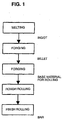
Fig. 1 shows a typical manufacturing method of bar.
An ingot prepared by melting is forged to a billet as a
base material for hot rolling. As shown in Fig. 2A and Fig. 2B,
the billet is hot rolled to a bar after reheated in a reheating
furnace using a reverse rolling mill or tandem rolling mills.
If necessary, the billet is intermediately reheated during hot
rolling to compensate the temperature needed for subsequent hot
rolling.
As for a titanium alloy bar, particularly as for an α+
β type titanium alloy bar, however, the temperature of billet
increases during hot rolling owing to the adiabatic heat, which
disturbs stable hot rolling and manufacturing of a titanium alloy
bar having excellent ductility, fatigue characteristics and
formability. For example, if the temperature of billet increases
to β transus or above, the finally hot rolled bar has β
microstructure consisting mainly of acicular α phase, thus
failing in attaining superior ductility and fatigue
characteristics. In addition, even as for a Ti-6Al-4V alloy
having high β transus, the increase in temperature during hot
rolling owing to the adiabatic heat enhances grain growth,
although the temperature during hot rolling hardly exceeds β
transus, thus failing in attaining excellent ductility, fatigue
characteristics and formability.
To solve the problem of temperature increase during hot
rolling caused by the adiabatic heat, JP-A-59-82101, (the term
"JP-A" referred herein signifies the "unexamined Japanese patent
publication"), discloses a rolling method in which cross
sectional area reduction rate of billet is specified to 40 % or
less per rolling pass in α region or in α+β region. JP-A-58-25465
discloses a method in which billet is water cooled during
hot rolling to suppress the temperature rise caused by the
adiabatic heat. Furthermore, Article 1 "Hot Bar Rolling of
Ti-6Al-4V in a Continuous Mill (Titanium '92 Science and
Technology)" describes that hot rolling speed is reduced to the
lower limit of keeping performance of mill in order to suppress
the adiabatic heat.
The methods disclosed in JP-A-59-82101 and JP-A-58-25465,
however, cannot produce a titanium alloy bar that simultaneously
has excellent ductility, fatigue characteristics and
formability.
Even if cross sectional area reduction rate per rolling
is 40 % or less according to the method of JP-A-59-82102, it is
not sufficient to suppress the adiabatic heat for some kinds of
titanium alloys. The method of JP-A-58-25465 also causes
characteristics deterioration by hydrogen absorption caused by
water cooling, and difficulty in accurate temperature control
because of deformation resulted from rapid cooling.
The method described in Article 1 deals with a Ti-6Al-4V
alloy. As described below, the method is not necessarily
applicable to alloys which generate large adiabatic heat and
therefor should be hot rolled in low temperature region,
resulting in poor ductility, fatigue characteristics and
formability.
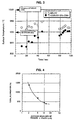
Fig. 3 shows a relationship between temperature and rolling
time during hot rolling for Ti-6Al-4V alloy and Ti-4.5A1-3V-2Fe-2Mo
alloy.
The heating temperature was 950 °C for the Ti-6Al-4V alloy,
and 850 °C for the Ti-4.5Al-3V-2Fe-2Mo alloy. The Ti-4.5Al-3V-2Fe-2Mo
alloy has lower β transus than that of the Ti-6Al-4V
alloy by 100 °C so that the heating temperature was reduced by
the difference, thus selecting 850 °C as the heating temperature
thereof. The rolling was conducted using a reverse rolling mill
and tandem rolling mills, while selecting the same conditions
of rolling speed, reduction rate and pass schedule to both alloys.
The rolling speed of reverse rolling mill was 2.7 m/sec, and the
rolling speed of tandem rolling mills was 2. 25 m/sec at the final
rolling pass where the rolling speed becomes the maximum for both
alloys. The rolling speeds are lower than the rolling speed of
Article 1 (6 m/sec). The cross sectional area reduction rate
was selected to maximum 26 % for both alloys.
For the case of the Ti-6Al-4V alloy, the rolling was
conducted at a sufficiently lower temperature than 1000 °C which
is the β transus of the alloy, thus giving favorable structure.
For the case of the Ti-4.5Al-3V-2Fe-2Mo alloy, however, even if
the heating temperature was decreased by the magnitude of low
β transus, the low temperature rolling resulted in increased
deformation resistance and in increased adiabatic heat, so the
temperature increased to a temperature region exceeding the β
transus, thus failed to obtain favorable microstructure. As a
result, excellent ductility, fatigue characteristics and
formability were not obtained. The result suggests that rolling
conditions such as rolling temperature, reduction rate and time
between rolling passes shall be considered, as well as the rolling
speed.
DISCLOSURE OF THE INVENTION
An object of the present invention is to provide a high
strength titanium alloy bar having excellent ductility, fatigue
characteristics and formability, and to provide a method of
manufacturing thereof.
The object is attained by an α+β type titanium alloy bar
consisting essentially of 4 to 5 % Al, 2.5 to 3.5 % V, 1.5 to
2.5 % Fe, 1.5 to 2.5 % Mo, by mass, and balance of Ti, and having
10 to 90 % of volume fraction of primary α phase, 10 µm or less
of average grain size of the primary α phase, and 4 or less of
aspect ratio of the grain of the primary α phase on the cross
sectional plane parallel in the rolling direction of the bar.
The α+β type titanium alloy bar can be manufactured by
a method comprising the step of hot rolling an α+β type titanium
alloy consisting essentially of 4 to 5 % Al, 2.5 to 3.5 % V, 1.5
to 2.5 % Fe, 1.5 to 2.5 % Mo, by mass, and balance of Ti, while
keeping the surface temperature thereof to β transus or below.
BRIEF DESCRIPTION OF THE DRAWINGS
Fig. 1 shows a typical method for manufacturing a bar.
Fig. 2 shows a process for hot rolling a bar.
Fig. 3 shows a relationship between temperature and rolling
time during hot rolling for Ti-6Al-4V alloy and Ti-4.5Al-3V-2Fe-2Mo
alloy.
Fig. 4 shows a relationship between average grain size of
primary α phase and total elongation measured by high
temperature tensile test.
Fig. 5 shows a relationship between average grain size of
primary α phase and fatigue strength after 108 cycles observed
in fatigue test.
Fig. 6 shows temperature changes with time at surface and
center.
Fig. 7 shows a relationship between cross sectional area
and temperature difference between surface and center.
EMBODIMENTS OF THE INVENTION
The inventors of the present invention studied the
microstructure of α+β type titanium alloy bar to provide
excellent ductility, fatigue characteristics and formability,
and found the followings.
The α+β type titanium alloy consists of primary α phase
and transformed β phase. If, however, the alloy contains very
large volume fraction of α phase that has HCP structure having
little sliding system, or contains very large volume fraction
of transformed β phase containing acicular α phase, formability
and ductility deteriorate. Consequently, the volume fraction
of primary α phase is specified to a range of from 10 to 90 %.
If the volume fraction of α phase and of β phase is equal or
close to each other at reheating stage before hot rolling, the
formability becomes better, so the volume fraction of primary
α phase is preferably between 50 and 80 %.
Fig. 4 shows a relationship between average grain size of
primary α phase and total elongation measured by high
temperature tensile test.
When the average grain size of primary α phase exceeds 10
µm, the total elongation measured by high temperature tensile
test rapidly decreases, and therefore the formability degrades .
Fig. 5 shows a relationship between average grain size of
primary α phase and fatigue strength after 108 cycles observed
in fatigue test.
If the average grain size of primary α phase exceeds 10
µm, the fatigue strength decreases . If the average grain size
of primary α phase becomes less than 6 µm, higher fatigue
strength is attained.
Forging a bar induces rough surface on a free deforming
plane not contacting with a mold due to the shape of grains, or
due to the aspect ratio of the grains. Generally, the grains
of bar tend to be elongated in the rolling direction.
Particularly for the case of upset forging, elongated grains
appear on a side face of the bar that becomes a free deforming
plane. Therefore, it is necessary to avoid excessive increase
in the aspect ratio during forging, more concretely to regulate
the aspect ratio not exceeding 4 for the grains of the primary
a phase on a cross section parallel in the rolling direction of
the bar in order to prevent rough surface on the bar after forged.
Based on the above-described findings, a high strength
titanium alloy bar having excellent ductility, fatigue
characteristics and formability is obtained when the volume
fraction of the primary α phase is between 10 and 90 %, preferably
between 50 and 80 %, the average grain size in the primary α phase
is 10 µm or less, preferably 6 µm or less, and further the aspect
ratio of grains in the primary α phase is 4 or less.
The α+β type titanium alloy bar having above-described
microstructure should consist essentially of 4 to 5 % Al, 2.5
to 3.5 % V, 1.5 to 2.5 % Fe, 1 . 5 to 2.5 % Mo, by mass, and balance
of Ti. The reasons to limit the content of individual elements
are described below.
Al
Aluminum is an essential element to stabilize the α phase
and to contribute to the strength increase. If the Al content
is below 4 %, high strength cannot fully be attained. If the
Al content exceeds 5 %, ductility degrades.
V
Vanadium is an element to stabilize the β phase and to
contribute to the strength increase. If the V content is below
2. 5 %, high strength cannot fully be attained, and β phase becomes
unstable. If the V content exceeds 3.5 %, range of workable
temperature becomes narrow caused by the lowered β transus , and
cost increases.
Mo
Molybdenum is an element to stabilize the β phase and to
contribute to the strength increase. If the Mo content is below
1.5%, high strength cannot fully be attained, and β phase becomes
unstable. If the Mo content exceeds 2.5 %, range of workable
temperature becomes narrow caused by the lowered β transus, and
cost increases.
Fe
Iron is an element to stabilize the β phase and to
contribute to the strength increase. Iron rapidly diffuses to
improve formability. If, however, the Fe content is below 1. 5 %,
high strength cannot fully be attained, and the β phase becomes
unstable, which results in failing to attain excellent
formability. If the Fe content exceeds 2.5 %, range of workable
temperature becomes narrow caused by the lowered β transus , and
degradation in characteristics is induced by segregation.
The α + β type titanium alloy bar according to the present
invention may be manufactured by hot rolling an α + β type
titanium alloy having above-described composition while
adjusting the conditions of heating temperature, rolling
temperature range, reduction rate, rolling speed, time between
passes, and other variables to suppress the temperature rise
caused by the adiabatic g heat, namely to keep the surface
temperature of the alloy not exceeding the β transus. For
example, the method comprises the steps of: heating an α+β type
titanium alloy having β transus of Tβ °C so that the surface
temperature ranges between (Tβ - 150) and Tβ °C; and hot rolling
the heated α+β type titanium alloy so that the surface
temperature thereof during hot rolling is between (Tβ - 300) and
(Tβ - 50) °C, and so that the finish surface temperature thereof
is between (Tβ - 300) and (Tβ - 100) °C.
The reason of heating the surface before hot rolling in
the range of from (Tβ - 150) to Tβ °C is the following. If the
surface temperature before hot rolling is below (Tβ - 150) °C,
the decrease in temperature during the final rolling stage
becomes significant to increase crack susceptibility and
deformation resistance. And, if the surface temperature before
hot rolling exceeds Tβ °C, the microstructure of the bar becomes
β microstructure consisting mainly of acicular α phase, which
deteriorates ductility and formability. The reason of limiting
the surface temperature during hot rolling to the range of from
(Tβ - 300) to (Tβ - 50) °C is the following. If the surface
temperature during hot rolling is below (Tβ - 300) °C, the hot
formability deteriorates to induce problems such as cracking.
And, if the surface temperature during hot rolling exceeds (T
β - 50) °C, the temperature rise caused by the adiabatic heat
induces coarse grains and formation of acicular phase. The
reason of limiting the finish surface temperature immediately
after the final rolling pass to the range of from (Tβ - 300) and
(Tβ - 100) °C is the following. If the finish temperature thereof
is below (Tβ - 300) °C, the crack susceptibility and the
deformation resistance increase. And, if the finish temperature
thereof exceeds (Tβ - 100) °C, grains become coarse.
The hot rolling is conducted by plurality of rolling passes.
To prevent temperature rise caused by the adiabatic heat, it is
preferable to keep the reduction rate not more than 40 % per
rolling pass.
When the hot rolling is conducted by a reverse rolling mill,
it is preferable to limit the rolling speed not more than 6 m/sec
to prevent the temperature rise caused by the adiabatic heat.
When the hot rolling is conducted by tandem rolling mills, it
is preferable to limit the rolling speed not more than 1.5 m/sec.
Since the alloy is cooled from surface af ter each rolling
pass, the surface of the alloy receives temperature drop to some
extent before entering succeeding pass even if a temperature rise
exists caused by the adiabatic heat. As shown in Fig. 6, however,
if the alloy has a large diameter (for the case of 106 mm in
diameter), the temperature drop at center section of the alloy
is small so that a large temperature difference appears between
the surface and the center of the alloy. When the temperature
drop at the center is small, the alloy is subjected to succeeding
rolling pass before lowering the temperature of the center, which
further increases the temperature owing to the adiabatic heat.
If the phenomenon sustains, the center is hot rolled at higher
temperature than the initial temperature. Consequently, the
center of alloy having large diameter is required to be cooled
with sufficient time between rolling passes.
To this point, the inventors of the present invention made
a detailed study on the temperature difference between the
surface and the center, and derived the finding described below.
As shown in Fig. 7, the temperature difference significantly
increases at or above 3500 mm2 of cross sectional area of alloy
normal to the rolling direction thereof. When an alloy having
large cross sectional area is hot rolled to S mm2 of the cross
sectional area, securing the time before entering succeeding
rolling at 0.167 x S1/2 sec or more can make the temperature
difference small and is favorable in manufacturing a bar having
homogeneous characteristics.
According to the manufacturing method of the present
invention, the hot rolling is carried out while keeping the
surface temperature of the alloy to β transus or below, thus there
is a possibility for the surface temperature to decrease to a
lower than the required rolling temperature range during hot
rolling depending on the time between rolling passes and on the
diameter of alloy. In that case, reheating the alloy may be given
using a high frequency heating unit or the like.
Example 1
Materials having 125 square mm size were prepared by cutting
each of the base alloy A01 (having composition within the range
of the present invention) and the base alloy A02 (having
composition outside the range of the present invention), both
of which are α + β type titanium alloy having respective chemical
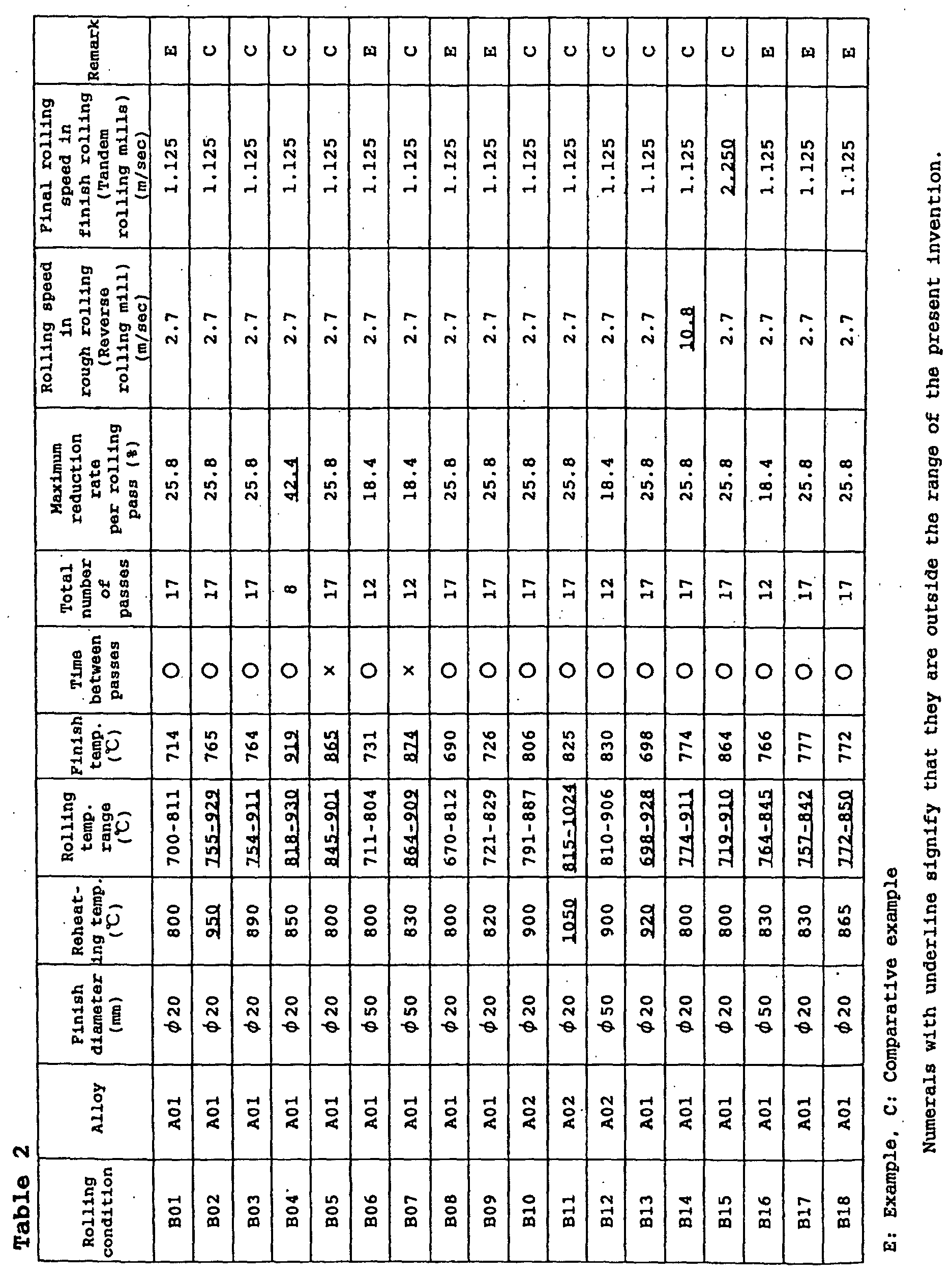
compositions given in Table 1. The materials are hot rolled using
a caliber rolling mill under respective conditions (B01 through
B18) given in Table 2 to produce bars having 20 mm and 50 mm in
diameter, respectively. For the time between rolling passes
given in Table 2, ○ denotes the time between rolling passes of
0.167 x S1/2 or more for all the rolling passes under each rolling
condition, and × denotes the time between rolling passes of less
than 0.167 x S1/2. Table 3 through Table 20 give cross sectional
area S of alloy, reduction rate, 0.167 x S1/2, time between rolling
passes, surface temperature, and rolling speed on each rolling
pass under each rolling condition. R in the table signifies a
reverse rolling mill, and T signifies tandem rolling mills.
The produced bars were annealed at temperatures between
700 and 720 °C. Tensile test was conducted to determine yield
strength (0.2 % PS), tensile strength (UTS), elongation (El),
and reduction of area (RA). In addition, the smooth fatigue test
(under the condition of Kt = 1) and the notch fatigue test (under
the condition of Kt = 3) were given to determine fatigue strength.
Furthermore, optical microstructure examination was
performed at the center of the bar and at the position of quarter
of diameter (1/4 D) to determine grain size of primary α phase,
volume fraction of the grains, and aspect ratio of the grains
on a cross section parallel in the rolling direction.
The results are given in Table 21. The columns of the
microstructure in the table giving no grain size mean that the
position consisted only of β microstructure consisting mainly
of acicular α phase and that the equiaxed primary a phase could
not be observed.
When the surface heating temperature is below (Tβ - 150)°C,
the surface temperature of the alloy was excessively low, and
the rolling load became excessive to fail in rolling. When the
heating temperature exceeds Tβ °C, the surface temperature of
the alloy became too high even if the time between rolling passes
was within the range of the present invention, which is seen under
the rolling conditions of B02 and B11, so the surface temperature
exceeded Tβ °C caused by the adiabatic heat to form β
microstructure consisting mainly of acicular α phase at the
center of the bar, thus deteriorated ductility and fatigue
characteristics.
When the finish surface temperature was below (Tβ - 300) °C,
the temperature of the alloy became too low, which deteriorated
formability to generate cracks during hot rolling. When the
finish surface temperature exceeded (Tβ - 100) °C, fine
microstructure could not be attained, deteriorating ductility
and fatigue characteristics as in the cases under the conditions
of B04, B05, and B07.
When the surface temperature during hot rolling was below
(Tβ - 300) °C, the surface temperature was too low, generating
cracks. When the surface temperature exceeded (Tβ -50) °C, the
center and the 1/4 D had β microstructure consisting mainly of
acicular a phase after hot rolling, deteriorating ductility and
fatigue characteristics.
When the reduction rate per rolling pass exceeded 40 %,
the adiabatic heat was enhanced, and the temperature of the alloy
exceeded Tβ °C, and fine microstructure could not be attained.
In the case of the rolling condition B14 which applied a
reverse rolling mill and which selected the rolling speeds of
higher than 6 m/sec, or in the case of rolling condition B15 which
applied tandem rolling mills and which selected the rolling
speeds of higher than 1.5 m/sec, the adiabatic heat became large,
and the surface temperature exceeded Tβ °C, thus failed to attain
fine microstructure.
When the time between rolling passes was outside the range
of the present invention, the surface temperature increase caused
by the adiabatic heat overrode the temperature decrease caused
by air cooling, thus the surface temperature exceeded Tβ °C, and
fine microstructure could not be attained.
With the bars using A01 which had the chemical composition
within the range of the present invention and produced under the
rolling conditions B01, B06, B08, B09, B16, B17, and B18,
homogeneous microstructure of 10 µm or smaller grain size of
primary α phase was observed, and they provided excellent
ductility and fatigue characteristics. That is, further
excellent ductility and fatigue characteristics could be
attained giving 15 % or larger elongation, 40 % or larger reduction
of area, 500 MPa or larger smooth fatigue strength, and 200 MPa
of notch (Kt=3) fatigue strength. Furthermore, with the α+β
type titanium alloy bars having 50 to 80 % of volume fraction
of primary α phase and 6 µm or less of average grain size of
primary α phase, produced under the rolling conditions of B01,
B06, B08, and B09, further excellent ductility and fatigue
characteristics could be attained giving 20 % or larger
elongation, 50 % or larger reduction of area, 550 MPa or larger
smooth fatigue strength, and 200 MPa of notch (Kt=3) fatigue
strength.
On the other hand, bars produced using A02 having chemical
composition outside the range of the present invention under the
rolling conditions of B10 and B12 could not attain satisfactory
ductility and fatigue characteristics because the grain size in
the primary α phase exceeded 10 µm, though the adiabatic heat
was suppressed because the rolling conditions were within the
range of the present invention.
Example 2
Cylindrical specimens having 8 mm in diameter and 12 mm
in height were cut from the center section in radial direction
of bars produced in Example 1 under the rolling conditions B01
through B18, respectively. The specimens were heated to 800 °C
and were compressed to 70 %. After the compression, the
occurrence of cracks and of rough surface on the surface of each
specimen was inspected to give evaluation of hot forging
property.
The results are shown in Table 21.
As for the bars produced under the rolling conditions of
B01, B06, B08, B09, B16, B17, and B18 which were within the range
of the present invention, no crack and rough surface appeared,
and favorable hot forging property was obtained.
On the other hand, for the bars produced under the rolling
conditions of B10 and B12 in which the grain size in the primary
α phase exceeded 10 µm, rough surface appeared, though no crack
was generated. As for the bars having only α phase at center
and 1/4 D produced under the rolling conditions of B02 , B03, B04,
B05, B07, B11, B14, and B15, both cracks and rough surface appeared.
Furthermore, for the bars produced under the rolling condition
B14 giving aspect ratios of more than 4 for the grains in a cross
section parallel in the rolling direction, though giving the
grain size in the primary a phase and the volume fraction within
the range of the present invention, rough surface also appeared.
| Alloy | Al | V | Fe | Mo | O | C | N | H | β transus |
| A01 | 4.7 | 3.1 | 2.1 | 1.9 | 0.1 | 0.001 | 0.005 | 0.0017 | 900 °C |
| A02 | 6.1 | 4.1 | 0.2 | - | 0.2 | 0.01 | 0.006 | 0.0016 | 1000 °C |
| Unit is mass%. |
| Rolling condition: B01 |
| Number of passes | Cross sectional area (mm2) | Reduction rate (%) | 0.167√S (sec) | Time between passes (sec) | Rolling speed (m/sec) | Temp. (°C) | Rolling mill |
| | 15625 |
| 1 | 13000 | 16.8 | 19.0 | 25 | 2.7 | 790 | R |
| 2 | 11000 | 15.4 | 17.5 | 25 | 2.7 | 796 | R |
| 3 | 9500 | 13.6 | 16.3 | 25 | 2.7 | 801 | R |
| 4 | 8000 | 15.8 | 14.9 | 25 | 2.7 | 803 | R |
| 5 | 6500 | 18.8 | 13.5 | 25 | 2.7 | 811 | R |
| 6 | 5200 | 20.0 | 12.0 | 25 | 2.7 | 801 | R |
| 7 | 4150 | 20.2 | 10.8 | 25 | 2.7 | 779 | R |
| 8 | 3300 | 20.5 | 9.6 | 25 | 2.7 | 761 | R |
| 9 | 2450 | 25.8 | 8.3 | 25 | 2.7 | 738 | R |
| 10 | 1850 | 24.5 | 7.2 | 25 | 2.7 | 719 | R |
| 11 | 1450 | 21.6 | 6.4 | 5 | 0.350 | 721 | T |
| 12 | 1150 | 20.7 | 5.7 | 5 | 0.466 | 732 | T |
| 13 | 900 | 21.7 | 5.0 | 5 | 0.581 | 739 | T |
| 14 | 700 | 22.2 | 4.4 | 5 | 0.733 | 745 | T |
| 15 | 550 | 21.4 | 3.9 | 5 | 0.871 | 741 | T |
| 16 | 420 | 23.6 | 3.4 | 5 | 0.982 | 730 | T |
| 17 | 320 | 23.8 | | | 1.125 | 714 | T |
| Rolling condition: B02 |
| Number of passes | Cross sectional area (mm2) | Reduction rate (%) | 0.167√S (sec) | Time between passes (sec) | Rolling speed (m/sec) | Temp. (°C) | Rolling mill |
| | 15625 |
| 1 | 13000 | 16.8 | 19.0 | 25 | 2.7 | 929 | R |
| 2 | 11000 | 15.4 | 17.5 | 25 | 2.7 | 925 | R |
| 3 | 9500 | 13.6 | 16.3 | 25 | 2.7 | 919 | R |
| 4 | 8000 | 15.8 | 14.9 | 25 | 2.7 | 913 | R |
| 5 | 6500 | 18.8 | 13.5 | 25 | 2.7 | 911 | R |
| 6 | 5200 | 20.0 | 12.0 | 25 | 2.7 | 900 | R |
| 7 | 4150 | 20.2 | 10.8 | 25 | 2.7 | 891 | R |
| 8 | 3300 | 20.5 | 9.6 | 25 | 2.7 | 880 | R |
| 9 | 2450 | 25.8 | 8.3 | 25 | 2.7 | 868 | R |
| 10 | 1850 | 24.5 | 7.2 | 25 | 2.7 | 860 | R |
| 11 | 1450 | 21.6 | 6.4 | 5 | 0.350 | 852 | T |
| 12 | 1150 | 20.7 | 5.7 | 5 | 0.466 | 839 | T |
| 13 | 900 | 21.7 | 5.0 | 5 | 0.581 | 829 | T |
| 14 | 700 | 22.2 | 4.4 | 5 | 0.733 | 822 | T |
| 15 | 550 | 21.4 | 3.9 | 5 | 0.871 | 803 | T |
| 16 | 420 | 23.6 | 3.4 | 5 | 0.982 | 785 | T |
| 17 | 320 | 23.8 | | | 1.125 | 765 | T |
| Rolling condition: B03 |
| Number of passes | Cross sectional area (mm2) | Reduction rate (%) | 0.167√S (sec) | Time between passes (sec) | Rolling speed (m/sec) | Temp. (°C) | Rolling mill |
| | 15625 |
| 1 | 13000 | 16.8 | 19.0 | 25 | 2.7 | 890 | R |
| 2 | 11000 | 15.4 | 17.5 | 25 | 2.7 | 894 | R |
| 3 | 9500 | 13.6 | 16.3 | 25 | 2.7 | 899 | R |
| 4 | 8000 | 15.8 | 14.9 | 25 | 2.7 | 906 | R |
| 5 | 6500 | 18.8 | 13.5 | 25 | 2.7 | 911 | R |
| 6 | 5200 | 20.0 | 12.0 | 25 | 2.7 | 902 | R |
| 7 | 4150 | 20.2 | 10.8 | 25 | 2.7 | 889 | R |
| 8 | 3300 | 20.5 | 9.6 | 25 | 2.7 | 881 | R |
| 9 | 2450 | 25.8 | 8.3 | 25 | 2.7 | 867 | R |
| 10 | 1850 | 24.5 | 7.2 | 25 | 2.7 | 860 | R |
| 11 | 1450 | 21.6 | 6.4 | 5 | 0.350 | 852 | T |
| 12 | 1150 | 20.7 | 5.7 | 5 | 0.466 | 839 | T |
| 13 | 900 | 21.7 | 5.0 | 5 | 0.581 | 830 | T |
| 14 | 700 | 22.2 | 4.4 | 5 | 0.733 | 820 | T |
| 15 | 550 | 21.4 | 3.9 | 5 | 0.871 | 803 | T |
| 16 | 420 | 23.6 | 3.4 | 5 | 0.982 | 784 | T |
| 17 | 320 | 23.8 | | | 1.125 | 764 | T |
| Rolling condition: B04 |
| Number of passes | Cross sectional area (mm2) | Reduction rate (%) | 0.167√S (sec) | Time between passes (sec) | Rolling speed (m/sec) | Temp. (°C) | Rolling mill |
| | 15625 |
| 1 | 9300 | 40.5 | 19.0 | 25 | 2.7 | 849 | R |
| 2 | 5500 | 40.9 | 17.5 | 25 | 2.7 | 865 | R |
| 3 | 3300 | 40.0 | 16.3 | 25 | 2.7 | 879 | R |
| 4 | 1900 | 42.4 | 14.9 | 25 | 2.7 | 896 | R |
| 5 | 1100 | 42.1 | 13.5 | 25 | 2.7 | 912 | R |
| 6 | 660 | 40.0 | 12.0 | 25 | 2.7 | 921 | R |
| 7 | 400 | 39.4 | 10.8 | 25 | 2.7 | 930 | R |
| 8 | 320 | 20.0 | | | 2.7 | 919 | R |
| Rolling condition: B05 |
| Number of passes | Cross sectional area (mm2) | Reduction rate (%) | 0.167√S (sec) | Time between passes (sec) | Rolling speed (m/sec) | Temp. (°C) | Rolling mill |
| | 15625 |
| 1 | 13000 | 16.8 | 19.0 | 10 | 2.7 | 791 | R |
| 2 | 11000 | 15.4 | 17.5 | 10 | 2.7 | 805 | R |
| 3 | 9500 | 13.6 | 16.3 | 10 | 2.7 | 819 | R |
| 4 | 8000 | 15.8 | 14.9 | 10 | 2.7 | 836 | R |
| 5 | 6500 | 18.8 | 13.5 | 10 | 2.7 | 850 | R |
| 6 | 5200 | 20.0 | 12.0 | 10 | 2.7 | 865 | R |
| 7 | 4150 | 20.2 | 10.8 | 10 | 2.7 | 871 | R |
| 8 | 3300 | 20.5 | 9.6 | 10 | 2.7 | 875 | R |
| 9 | 2450 | 25.8 | 8.3 | 10 | 2.7 | 879 | R |
| 10 | 1850 | 24.5 | 7.2 | 10 | 2.7 | 884 | R |
| 11 | 1450 | 21.6 | 6.4 | 5 | 0.350 | 901 | T |
| 12 | 1150 | 20.7 | 5.7 | 5 | 0.466 | 899 | T |
| 13 | 900 | 21.7 | 5.0 | 5 | 0.581 | 895 | T |
| 14 | 700 | 22.2 | 4.4 | 5 | 0.733 | 895 | T |
| 15 | 550 | 21.4 | 3.9 | 5 | 0.871 | 883 | T |
| 16 | 420 | 23.6 | 3.4 | 5 | 0.982 | 875 | T |
| 17 | 320 | 23.8 | | | 1.125 | 860 | T |
| Rolling condition: B06 |
| Number of passes | Cross sectional area (mm2) | Reduction rate (%) | 0.167√S (sec) | Time between passes (sec) | Rolling speed (m/sec) | Temp. (°C) | Rolling mill |
| | 15625 |
| 1 | 13000 | 16.8 | 19.0 | 25 | 2.7 | 791 | R |
| 2 | 11000 | 15.4 | 17.5 | 25 | 2.7 | 796 | R |
| 3 | 9500 | 13.6 | 16.3 | 25 | 2.7 | 801 | R |
| 4 | 8000 | 15.8 | 14.9 | 25 | 2.7 | 804 | R |
| 5 | 6700 | 16.3 | 13.7 | 25 | 2.7 | 806 | R |
| 6 | 6000 | 10.5 | 12.9 | 25 | 2.7 | 784 | R |
| 7 | 5200 | 13.3 | 12.0 | 25 | 2.7 | 764 | R |
| 8 | 4650 | 10.6 | 11.4 | 25 | 2.7 | 746 | R |
| 9 | 3800 | 18.3 | 10.3 | 25 | 2.7 | 733 | R |
| 10 | 3100 | 18.4 | 9.3 | 5 | 0.622 | 733 | T |
| 11 | 2600 | 16.1 | 8.5 | 5 | 0.837 | 734 | T |
| 12 | 2210 | 15.0 | | | 1.125 | 731 | T |
| Rolling condition: B07 |
| Number of passes | Cross sectional area (mm2) | Reduction rate (%) | 0.167√S (sec) | Time between passes (sec) | Rolling speed (m/sec) | Temp. (°C) | Rolling mill |
| | 15625 |
| 1 | 13000 | 16.8 | 19.0 | 10 | 2.7 | 819 | R |
| 2 | 11000 | 15.4 | 17.5 | 10 | 2.7 | 836 | R |
| 3 | 9500 | 13.6 | 16.3 | 10 | 2.7 | 849 | R |
| 4 | 8000 | 15.8 | 14.9 | 10 | 2.7 | 873 | R |
| 5 | 6700 | 16.3 | 13.5 | 10 | 2.7 | 879 | R |
| 6 | 6000 | 10.5 | 12.9 | 10 | 2.7 | 896 | R |
| 7 | 5200 | 13.3 | 12.0 | 10 | 2.7 | 901 | R |
| 8 | 4650 | 10.6 | 11.4 | 10 | 2.7 | 904 | R |
| 9 | 3800 | 18.3 | 10.3 | 5 | 2.7 | 909 | R |
| 10 | 3100 | 18.4 | 9.3 | 5 | 0.622 | 902 | T |
| 11 | 2600 | 16.1 | 8.5 | 5 | 0.837 | 883 | T |
| 12 | 2210 | 15.0 | | | 1.125 | 874 | T |
| Rolling condition: B08 |
| Number of passes | Cross sectional area (mm2) | Reduction rate (%) | 0.167√S (sec) | Time between passes (sec) | Rolling speed (m/sec) | Temp. (°C) | Rolling mill |
| | 15625 |
| 1 | 13000 | 16.8 | 19.0 | 25 | 2.7 | 790 | R |
| 2 | 11000 | 15.4 | 17.5 | 25 | 2.7 | 795 | R |
| 3 | 9500 | 13.6 | 16.3 | 25 | 2.7 | 799 | R |
| 4 | 8000 | 15.8 | 14.9 | 25 | 2.7 | 804 | R |
| 5 | 6500 | 18.8 | 13.5 | 25 | 2.7 | 812 | R |
| 6 | 5200 | 20.0 | 12.0 | 25 | 2.7 | 800 | R |
| 7 | 4150 | 20.2 | 10.8 | 25 | 2.7 | 780 | R |
| 8 | 3300 | 20.5 | 9.6 | 25 | 2.7 | 759 | R |
| 9 | 2450 | 25.8 | 8.3 | 25 | 2.7 | 741 | R |
| 10 | 1850 | 24.5 | 7.2 | 25 | 2.7 | 720 | R |
| 11 | 1450 | 21.6 | 6.4 | 10 | 0.350 | 719 | T |
| 12 | 1150 | 20.7 | 5.7 | 10 | 0.466 | 724 | T |
| 13 | 900 | 21.7 | 5.0 | 10 | 0.581 | 730 | T |
| 14 | 700 | 22.2 | 4.4 | 10 | 0.733 | 729 | T |
| 15 | 550 | 21.4 | 3.9 | 10 | 0.871 | 721 | T |
| 16 | 420 | 23.6 | 3.4 | 10 | 0.982 | 705 | T |
| 17 | 320 | 23.8 | | | 1.125 | 690 | T |
| Rolling condition: B09 |
| Number of passes | Cross sectional area (mm2) | Reduction rate (%) | 0.167√S (sec) | Time between passes (sec) | Rolling speed (m/sec) | Temp. (°C) | Rolling mill |
| | 15625 |
| 1 | 13000 | 16.8 | 19.0 | 25 | 2.7 | 810 | R |
| 2 | 11000 | 15.4 | 17.5 | 25 | 2.7 | 816 | R |
| 3 | 9500 | 13.6 | 16.3 | 25 | 2.7 | 821 | R |
| 4 | 8000 | 15.8 | 14.9 | 25 | 2.7 | 824 | R |
| 5 | 6500 | 18.8 | 13.5 | 25 | 2.7 | 829 | R |
| 6 | 5200 | 20.0 | 12.0 | 25 | 2.7 | 821 | R |
| 7 | 4150 | 20.2 | 10.8 | 25 | 2.7 | 800 | R |
| 8 | 3300 | 20.5 | 9.6 | 25 | 2.7 | 779 | R |
| 9 | 2450 | 25.8 | 8.3 | 25 | 2.7 | 761 | R |
| 10 | 1850 | 24.5 | 7.2 | 25 | 2.7 | 749 | R |
| 11 | 1450 | 21.6 | 6.4 | 5 | 0.350 | 741 | T |
| 12 | 1150 | 20.7 | 5.7 | 5 | 0.466 | 751 | T |
| 13 | 900 | 21.7 | 5.0 | 5 | 0.581 | 760 | T |
| 14 | 700 | 22.2 | 4.4 | 5 | 0.733 | 766 | T |
| 15 | 550 | 21.4 | 3.9 | 5 | 0.871 | 761 | T |
| 16 | 420 | 23.6 | 3.4 | 5 | 0.982 | 751 | T |
| 17 | 320 | 23.8 | | | 1.125 | 726 | T |
| Rolling condition: B10 |
| Number of passes | Cross sectional area (mm2) | Reduction rate (%) | 0.167√S (sec) | Time between passes (sec) | Rolling speed (m/sec) | Temp. (°C) | Rolling mill |
| | 15625 |
| 1 | 13000 | 16.8 | 19.0 | 25 | 2.7 | 886 | R |
| 2 | 11000 | 15.4 | 17.5 | 25 | 2.7 | 884 | R |
| 3 | 9500 | 13.6 | 16.3 | 25 | 2.7 | 884 | R |
| 4 | 8000 | 15.8 | 14.9 | 25 | 2.7 | 887 | R |
| 5 | 6500 | 18.8 | 13.5 | 25 | 2.7 | 885 | R |
| 6 | 5200 | 20.0 | 12.0 | 25 | 2.7 | 859 | R |
| 7 | 4150 | 20.2 | 10.8 | 25 | 2.7 | 841 | R |
| 8 | 3300 | 20.5 | 9.6 | 25 | 2.7 | 820 | R |
| 9 | 2450 | 25.8 | 8.3 | 25 | 2.7 | 800 | R |
| 10 | 1850 | 24.5 | 7.2 | 25 | 2.7 | 791 | R |
| 11 | 1450 | 21.6 | 6.4 | 5 | 0.350 | 801 | T |
| 12 | 1150 | 20.7 | 5.7 | 5 | 0.466 | 810 | T |
| 13 | 900 | 21.7 | 5.0 | 5 | 0.581 | 830 | T |
| 14 | 700 | 22.2 | 4.4 | 5 | 0.733 | 836 | T |
| 15 | 550 | 21.4 | 3.9 | 5 | 0.871 | 829 | T |
| 16 | 420 | 23.6 | 3.4 | 5 | 0.982 | 821 | T |
| 17 | 320 | 23.8 | | | 1.125 | 806 | T |
| Rolling condition: B11 |
| Number of passes | Cross sectional area (mm2) | Reduction rate (%) | 0.167√S (sec) | Time between passes (sec) | Rolling speed (m/sec) | Temp. (°C) | Rolling mill |
| | 15625 |
| 1 | 13000 | 16.8 | 19.0 | 25 | 2.7 | 1024 | R |
| 2 | 11000 | 15.4 | 17.5 | 25 | 2.7 | 1015 | R |
| 3 | 9500 | 13.6 | 16.3 | 25 | 2.7 | 1003 | R |
| 4 | 8000 | 15.8 | 14.9 | 25 | 2.7 | 996 | R |
| 5 | 6500 | 18.8 | 13.5 | 25 | 2.7 | 985 | R |
| 6 | 5200 | 20.0 | 12.0 | 25 | 2.7 | 969 | R |
| 7 | 4150 | 20.2 | 10.8 | 25 | 2.7 | 961 | R |
| 8 | 3300 | 20.5 | 9.6 | 25 | 2.7 | 949 | R |
| 9 | 2450 | 25.8 | 8.3 | 25 | 2.7 | 930 | R |
| 10 | 1850 | 24.5 | 7.2 | 25 | 2.7 | 921 | R |
| 11 | 1450 | 21.6 | 6.4 | 5 | 0.350 | 911 | T |
| 12 | 1150 | 20.7 | 5.7 | 5 | 0.466 | 901 | T |
| 13 | 900 | 21.7 | 5.0 | 5 | 0.581 | 891 | T |
| 14 | 700 | 22.2 | 4.4 | 5 | 0.733 | 881 | T |
| 15 | 550 | 21.4 | 3.9 | 5 | 0.871 | 864 | T |
| 16 | 420 | 23.6 | 3.4 | 5 | 0.982 | 845 | T |
| 17 | 320 | 23.8 | | | 1.125 | 825 | T |
| Rolling condition: B12 |
| Number of passes | Cross sectional area (mm2) | Reduction rate (%) | 0.167√S (sec) | Time between passes (sec) | Rolling speed (m/sec) | Temp. (°C) | Rolling mill |
| | 15625 |
| 1 | 13000 | 16.8 | 19.0 | 25 | 2.7 | 891 | R |
| 2 | 11000 | 15.4 | 17.5 | 25 | 2.7 | 895 | R |
| 3 | 9500 | 13.6 | 16.3 | 25 | 2.7 | 899 | R |
| 4 | 8000 | 15.8 | 14.9 | 25 | 2.7 | 905 | R |
| 5 | 6700 | 16.3 | 13.7 | 25 | 2.7 | 906 | R |
| 6 | 6000 | 10.5 | 12.9 | 25 | 2.7 | 886 | R |
| 7 | 5200 | 13.3 | 12.0 | 25 | 2.7 | 865 | R |
| 8 | 4650 | 10.6 | 11.4 | 25 | 2.7 | 845 | R |
| 9 | 3800 | 18.3 | 10.3 | 25 | 2.7 | 836 | R |
| 10 | 3100 | 18.4 | 9.3 | 5 | 0.622 | 835 | T |
| 11 | 2600 | 16.1 | 8.5 | 5 | 0.837 | 834 | T |
| 12 | 2210 | 15.0 | | | 1.125 | 830 | T |
| Rolling condition: B13 |
| Number of passes | Cross sectional area (mm2) | Reduction rate (%) | 0.167√S (sec) | Time between passes (sec) | Rolling speed (m/sec) | Temp. (°C) | Rolling mill |
| | 15625 |
| 1 | 13000 | 16.8 | 19.0 | 25 | 2.7 | 929 | R |
| 2 | 11000 | 15.4 | 17.5 | 25 | 2.7 | 925 | R |
| 3 | 9500 | 13.6 | 16.3 | 25 | 2.7 | 919 | R |
| 4 | 8000 | 15.8 | 14.9 | 25 | 2.7 | 913 | R |
| 5 | 6500 | 18.8 | 13.5 | 25 | 2.7 | 911 | R |
| 6 | 5200 | 20.0 | 12.0 | 25 | 2.7 | 900 | R |
| 7 | 4150 | 20.2 | 10.8 | 25 | 2.7 | 891 | R |
| 8 | 3300 | 20.5 | 9.6 | 25 | 2.7 | 880 | R |
| 9 | 2450 | 25.8 | 8.3 | 25 | 2.7 | 868 | R |
| 10 | 1850 | 24.5 | 7.2 | 25 | 2.7 | 850 | R |
| 11 | 1450 | 21.6 | 6.4 | 10 | 0.350 | 832 | T |
| 12 | 1150 | 20.7 | 5.7 | 10 | 0.466 | 804 | T |
| 13 | 900 | 21.7 | 5.0 | 10 | 0.581 | 777 | T |
| 14 | 700 | 22.2 | 4.4 | 10 | 0.733 | 749 | T |
| 15 | 550 | 21.4 | 3.9 | 10 | 0.871 | 728 | T |
| 16 | 420 | 23.6 | 3.4 | 10 | 0.982 | 713 | T |
| 17 | 320 | 23.8 | | | 1.125 | 698 | T |
| Rolling condition: B14 |
| Number of passes | Cross sectional area (mm2) | Reduction rate (%) | 0.167√S (sec) | Time between passes (sec) | Rolling speed (m/sec) | Temp. (°C) | Rolling mill |
| | 15625 |
| 1 | 13000 | 16.8 | 19.0 | 25 | 10.8 | 810 | R |
| 2 | 11000 | 15.4 | 17.5 | 25 | 10.8 | 836 | R |
| 3 | 9500 | 13.6 | 16.3 | 25 | 10.8 | 861 | R |
| 4 | 8000 | 15.8 | 14.9 | 25 | 10.8 | 883 | R |
| 5 | 6500 | 18.8 | 13.5 | 25 | 10.8 | 911 | R |
| 6 | 5200 | 20.0 | 12.0 | 25 | 10.8 | 901 | R |
| 7 | 4250 | 20.2 | 10.8 | 25 | 10.8 | 869 | R |
| 8 | 3300 | 20.5 | 9.6 | 25 | 1.8 | 841 | R |
| 9 | 2450 | 25.8 | 8.3 | 25 | 10.8 | 808 | R |
| 10 | 1850 | 24.5 | 7.2 | 25 | 10.8 | 779 | R |
| 11 | 1450 | 21.6 | 6.4 | 10 | 0.350 | 781 | T |
| 12 | 1150 | 20.7 | 5.7 | 10 | 0.466 | 792 | T |
| 13 | 900 | 21.7 | 5.0 | 10 | 0.581 | 799 | T |
| 14 | 700 | 22.2 | 4.4 | 10 | 0.733 | 805 | T |
| 15 | 550 | 21.4 | 3.9 | 10 | 0.871 | 801 | T |
| 16 | 420 | 23.6 | 3.4 | 10 | 0.982 | 790 | T |
| 17 | 320 | 23.8 | | | 1.125 | 774 | T |
| Rolling condition: B15 |
| Number of passes | Cross sectional area (mm2) | Reduction rate (%) | 0.167√S (sec) | Time between passes (sec) | Rolling speed (m/sec) | Temp. (°C) | Rolling mill |
| | 15625 |
| 1 | 13000 | 16.8 | 19.0 | 25 | 2.7 | 790 | R |
| 2 | 11000 | 15.4 | 17.5 | 25 | 2.7 | 796 | R |
| 3 | 9500 | 13.6 | 16.3 | 25 | 2.7 | 801 | R |
| 4 | 8000 | 15.8 | 14.9 | 25 | 2.7 | 803 | R |
| 5 | 6500 | 18.8 | 13.5 | 25 | 2.7 | 811 | R |
| 6 | 5200 | 20.0 | 12.0 | 25 | 2.7 | 801 | R |
| 7 | 4150 | 20.2 | 10.8 | 25 | 2.7 | 779 | R |
| 8 | 3300 | 20.5 | 9.6 | 25 | 2.7 | 761 | R |
| 9 | 2450 | 25.8 | 8.3 | 25 | 2.7 | 738 | R |
| 10 | 1850 | 24.5 | 7.2 | 25 | 2.7 | 719 | R |
| 11 | 1450 | 21.6 | 6.4 | 5 | 0.700 | 751 | T |
| 12 | 1150 | 20.7 | 5.7 | 5 | 0.932 | 782 | T |
| 13 | 900 | 21.7 | 5.0 | 5 | 1.162 | 829 | T |
| 14 | 700 | 22.2 | 4.4 | 5 | 1.466 | 865 | T |
| 15 | 550 | 21.4 | 3.9 | 5 | 1.742 | 891 | T |
| 16 | 420 | 23.6 | 3.4 | 5 | 1.964 | 910 | T |
| 17 | 320 | 23.8 | | | 2.500 | 864 | T |
| Rolling condition: B16 |
| Number of passes | Cross sectional area (mm2) | Reduction rate (%) | 0.167√S (sec) | Time between passes (sec) | Rolling speed (m/sec) | Temp. (°C) | Rolling mill |
| | 15625 |
| 1 | 13000 | 16.8 | 19.0 | 25 | 2.7 | 821 | R |
| 2 | 11000 | 15.4 | 17.5 | 25 | 2.7 | 817 | R |
| 3 | 9500 | 13.6 | 16.3 | 25 | 2.7 | 834 | R |
| 4 | 8000 | 15.8 | 14.9 | 25 | 2.7 | 838 | R |
| 5 | 6700 | 16.3 | 13.7 | 25 | 2.7 | 845 | R |
| 6 | 6000 | 10.5 | 12.9 | 25 | 2.7 | 824 | R |
| 7 | 5200 | 13.3 | 12.0 | 25 | 2.7 | 794 | R |
| 8 | 4650 | 10.6 | 11.4 | 25 | 2.7 | 776 | R |
| 9 | 3800 | 18.3 | 10.3 | 25 | 2.7 | 767 | R |
| 10 | 3100 | 18.4 | 9.3 | 5 | 0.622 | 764 | T |
| 11 | 2600 | 16.1 | 8.5 | 5 | 0.837 | 769 | T |
| 12 | 2210 | 15.0 | | | 1.125 | 766 | T |
| Rolling condition: B17 |
| Number of passes | Cross sectional area (mm2) | Reduction rate (%) | 0.167√S (sec) | Time between passes (sec) | Rolling speed (m/sec) | Temp. (°C) | Rolling mill |
| | 15625 |
| 1 | 13000 | 16.8 | 19.0 | 25 | 2.7 | 822 | R |
| 2 | 11000 | 15.4 | 17.5 | 25 | 2.7 | 825 | R |
| 3 | 9500 | 13.6 | 16.3 | 25 | 2.7 | 833 | R |
| 4 | 8000 | 15.8 | 14.9 | 25 | 2.7 | 834 | R |
| 5 | 6500 | 18.8 | 13.5 | 25 | 2.7 | 842 | R |
| 6 | 5200 | 20.0 | 12.0 | 25 | 2.7 | 830 | R |
| 7 | 4150 | 20.2 | 10.8 | 25 | 2.7 | 809 | R |
| 8 | 3300 | 20.5 | 9.6 | 25 | 2.7 | 790 | R |
| 9 | 2450 | 25.8 | 8.3 | 25 | 2.7 | 765 | R |
| 10 | 1850 | 24.5 | 7.2 | 25 | 2.7 | 757 | R |
| 11 | 1450 | 21.6 | 6.4 | 5 | 0.350 | 759 | T |
| 12 | 1150 | 20.7 | 5.7 | 5 | 0.466 | 772 | T |
| 13 | 900 | 21.7 | 5.0 | 5 | 0.581 | 771 | T |
| 14 | 700 | 22.2 | 4.4 | 5 | 0.733 | 774 | T |
| 15 | 550 | 21.4 | 3.9 | 5 | 0.871 | 771 | T |
| 16 | 420 | 23.6 | 3.4 | 5 | 0.982 | 779 | T |
| 17 | 320 | 23.8 | | | 1.125 | 777 | T |
| Rolling condition: B18 |
| Number of passes | Cross sectional area (mm2) | Reduction rate (%) | 0.167√S (sec) | Time between passes (sec) | Rolling speed (m/sec) | Temp. (°C) | Rolling mill |
| | 15625 |
| 1 | 13000 | 16.8 | 19.0 | 25 | 2.7 | 850 | R |
| 2 | 11000 | 15.4 | 17.5 | 25 | 2.7 | 847 | R |
| 3 | 9500 | 13.6 | 16.3 | 25 | 2.7 | 847 | R |
| 4 | 8000 | 15.8 | 14.9 | 25 | 2.7 | 845 | R |
| 5 | 6500 | 18.8 | 13.5 | 25 | 2.7 | 844 | R |
| 6 | 5200 | 20.0 | 12.0 | 25 | 2.7 | 845 | R |
| 7 | 4150 | 20.2 | 10.8 | 25 | 2.7 | 843 | R |
| 8 | 3300 | 20.5 | 9.6 | 25 | 2.7 | 834 | R |
| 9 | 2450 | 25.8 | 8.3 | 25 | 2.7 | 830 | R |
| 10 | 1850 | 24.5 | 7.2 | 25 | 2.7 | 829 | R |
| 11 | 1450 | 21.6 | 6.4 | 5 | 0.350 | 821 | T |
| 12 | 1150 | 20.7 | 5.7 | 5 | 0.466 | 814 | T |
| 13 | 900 | 21.7 | 5.0 | 5 | 0.581 | 803 | T |
| 14 | 700 | 22.2 | 4.4 | 5 | 0.733 | 794 | T |
| 15 | 550 | 21.4 | 3.9 | 5 | 0.871 | 790 | T |
| 16 | 420 | 23.6 | 3.4 | 5 | 0.982 | 782 | T |
| 17 | 320 | 23.8 | | | 1.125 | 772 | T |