EP1374672B1 - Drosophila-stamm, der in diesen übertragene(s) bradeion-gen(e) enthält - Google Patents
Drosophila-stamm, der in diesen übertragene(s) bradeion-gen(e) enthält Download PDFInfo
- Publication number
- EP1374672B1 EP1374672B1 EP02700810A EP02700810A EP1374672B1 EP 1374672 B1 EP1374672 B1 EP 1374672B1 EP 02700810 A EP02700810 A EP 02700810A EP 02700810 A EP02700810 A EP 02700810A EP 1374672 B1 EP1374672 B1 EP 1374672B1
- Authority
- EP
- European Patent Office
- Prior art keywords
- bradeion
- gene
- human
- drosophila
- drosophila melanogaster
- Prior art date
- Legal status (The legal status is an assumption and is not a legal conclusion. Google has not performed a legal analysis and makes no representation as to the accuracy of the status listed.)
- Expired - Lifetime
Links
- 108090000623 proteins and genes Proteins 0.000 title claims description 68
- 241000255581 Drosophila <fruit fly, genus> Species 0.000 title claims description 35
- 150000001875 compounds Chemical class 0.000 claims description 31
- 101000654734 Homo sapiens Septin-4 Proteins 0.000 claims description 23
- 230000008722 morphological abnormality Effects 0.000 claims description 20
- 241000255601 Drosophila melanogaster Species 0.000 claims description 19
- 239000000126 substance Substances 0.000 claims description 12
- 230000014509 gene expression Effects 0.000 claims description 8
- 238000000034 method Methods 0.000 claims description 8
- 230000022131 cell cycle Effects 0.000 claims description 7
- 239000002773 nucleotide Substances 0.000 claims description 7
- 125000003729 nucleotide group Chemical group 0.000 claims description 7
- 239000002246 antineoplastic agent Substances 0.000 claims description 5
- 239000002299 complementary DNA Substances 0.000 claims description 5
- 102000045810 human SEPTIN4 Human genes 0.000 claims description 5
- FWMNVWWHGCHHJJ-SKKKGAJSSA-N 4-amino-1-[(2r)-6-amino-2-[[(2r)-2-[[(2r)-2-[[(2r)-2-amino-3-phenylpropanoyl]amino]-3-phenylpropanoyl]amino]-4-methylpentanoyl]amino]hexanoyl]piperidine-4-carboxylic acid Chemical compound C([C@H](C(=O)N[C@H](CC(C)C)C(=O)N[C@H](CCCCN)C(=O)N1CCC(N)(CC1)C(O)=O)NC(=O)[C@H](N)CC=1C=CC=CC=1)C1=CC=CC=C1 FWMNVWWHGCHHJJ-SKKKGAJSSA-N 0.000 claims description 4
- 210000004027 cell Anatomy 0.000 description 19
- 241000282414 Homo sapiens Species 0.000 description 13
- 206010028980 Neoplasm Diseases 0.000 description 13
- 201000011510 cancer Diseases 0.000 description 13
- 108020004414 DNA Proteins 0.000 description 11
- 201000010099 disease Diseases 0.000 description 10
- 208000037265 diseases, disorders, signs and symptoms Diseases 0.000 description 10
- 238000005516 engineering process Methods 0.000 description 8
- 230000006870 function Effects 0.000 description 8
- 230000019491 signal transduction Effects 0.000 description 8
- 238000011161 development Methods 0.000 description 7
- 230000018109 developmental process Effects 0.000 description 7
- 238000004458 analytical method Methods 0.000 description 6
- 230000032823 cell division Effects 0.000 description 6
- 230000035772 mutation Effects 0.000 description 6
- 230000015572 biosynthetic process Effects 0.000 description 5
- 230000004663 cell proliferation Effects 0.000 description 5
- 238000001514 detection method Methods 0.000 description 5
- 238000003745 diagnosis Methods 0.000 description 5
- 230000001413 cellular effect Effects 0.000 description 4
- 238000012217 deletion Methods 0.000 description 4
- 230000037430 deletion Effects 0.000 description 4
- 235000013601 eggs Nutrition 0.000 description 4
- 238000001415 gene therapy Methods 0.000 description 4
- 102000004169 proteins and genes Human genes 0.000 description 4
- 241000238631 Hexapoda Species 0.000 description 3
- 239000003814 drug Substances 0.000 description 3
- 230000002068 genetic effect Effects 0.000 description 3
- 238000011813 knockout mouse model Methods 0.000 description 3
- 231100000518 lethal Toxicity 0.000 description 3
- 230000001665 lethal effect Effects 0.000 description 3
- 238000012544 monitoring process Methods 0.000 description 3
- 230000002018 overexpression Effects 0.000 description 3
- 230000037361 pathway Effects 0.000 description 3
- 239000013612 plasmid Substances 0.000 description 3
- 238000012360 testing method Methods 0.000 description 3
- 206010009944 Colon cancer Diseases 0.000 description 2
- 102100039556 Galectin-4 Human genes 0.000 description 2
- 241000699670 Mus sp. Species 0.000 description 2
- 108091028043 Nucleic acid sequence Proteins 0.000 description 2
- 108700019146 Transgenes Proteins 0.000 description 2
- 125000003275 alpha amino acid group Chemical group 0.000 description 2
- 230000006909 anti-apoptosis Effects 0.000 description 2
- 230000006907 apoptotic process Effects 0.000 description 2
- 238000000429 assembly Methods 0.000 description 2
- 230000000712 assembly Effects 0.000 description 2
- 230000030833 cell death Effects 0.000 description 2
- 230000002759 chromosomal effect Effects 0.000 description 2
- 210000000349 chromosome Anatomy 0.000 description 2
- 208000029742 colonic neoplasm Diseases 0.000 description 2
- 230000001276 controlling effect Effects 0.000 description 2
- 230000000694 effects Effects 0.000 description 2
- 230000001747 exhibiting effect Effects 0.000 description 2
- 238000002474 experimental method Methods 0.000 description 2
- 238000009396 hybridization Methods 0.000 description 2
- 230000004962 physiological condition Effects 0.000 description 2
- 108090000765 processed proteins & peptides Proteins 0.000 description 2
- 238000011321 prophylaxis Methods 0.000 description 2
- 238000012216 screening Methods 0.000 description 2
- 230000011664 signaling Effects 0.000 description 2
- 238000012546 transfer Methods 0.000 description 2
- 230000009466 transformation Effects 0.000 description 2
- 238000011282 treatment Methods 0.000 description 2
- 239000013598 vector Substances 0.000 description 2
- 208000011841 Abnormal homeostasis Diseases 0.000 description 1
- 241000894006 Bacteria Species 0.000 description 1
- 206010061764 Chromosomal deletion Diseases 0.000 description 1
- 101150001612 Diaph1 gene Proteins 0.000 description 1
- 108700009472 Drosophila So Proteins 0.000 description 1
- 108700002304 Drosophila can Proteins 0.000 description 1
- 101100499270 Drosophila melanogaster Diap1 gene Proteins 0.000 description 1
- 101100499274 Drosophila melanogaster Diap2 gene Proteins 0.000 description 1
- 101001017379 Enterobacteria phage PRD1 Holin Proteins 0.000 description 1
- 241000588724 Escherichia coli Species 0.000 description 1
- 101000796597 Escherichia coli (strain K12) tRNA pseudouridine synthase B Proteins 0.000 description 1
- 108010001515 Galectin 4 Proteins 0.000 description 1
- 101001033280 Homo sapiens Cytokine receptor common subunit beta Proteins 0.000 description 1
- 101000608765 Homo sapiens Galectin-4 Proteins 0.000 description 1
- 208000026350 Inborn Genetic disease Diseases 0.000 description 1
- 230000027311 M phase Effects 0.000 description 1
- 241001465754 Metazoa Species 0.000 description 1
- 241000699666 Mus <mouse, genus> Species 0.000 description 1
- 241000699660 Mus musculus Species 0.000 description 1
- 101100499276 Mus musculus Diaph2 gene Proteins 0.000 description 1
- 240000004713 Pisum sativum Species 0.000 description 1
- 235000010582 Pisum sativum Nutrition 0.000 description 1
- 102100036490 Protein diaphanous homolog 1 Human genes 0.000 description 1
- 208000000453 Skin Neoplasms Diseases 0.000 description 1
- 241000255588 Tephritidae Species 0.000 description 1
- 108091023040 Transcription factor Proteins 0.000 description 1
- 102000040945 Transcription factor Human genes 0.000 description 1
- 108010020764 Transposases Proteins 0.000 description 1
- 240000008042 Zea mays Species 0.000 description 1
- 235000005824 Zea mays ssp. parviglumis Nutrition 0.000 description 1
- 235000002017 Zea mays subsp mays Nutrition 0.000 description 1
- 230000002159 abnormal effect Effects 0.000 description 1
- 230000005856 abnormality Effects 0.000 description 1
- 238000007792 addition Methods 0.000 description 1
- 150000001413 amino acids Chemical class 0.000 description 1
- 238000013459 approach Methods 0.000 description 1
- 230000033228 biological regulation Effects 0.000 description 1
- 210000005013 brain tissue Anatomy 0.000 description 1
- 238000009395 breeding Methods 0.000 description 1
- 230000001488 breeding effect Effects 0.000 description 1
- 230000009702 cancer cell proliferation Effects 0.000 description 1
- 230000009713 cell cycle regulatory function Effects 0.000 description 1
- 230000024245 cell differentiation Effects 0.000 description 1
- 239000003795 chemical substances by application Substances 0.000 description 1
- 210000001726 chromosome structure Anatomy 0.000 description 1
- 238000003776 cleavage reaction Methods 0.000 description 1
- 230000004186 co-expression Effects 0.000 description 1
- 238000010276 construction Methods 0.000 description 1
- 238000007796 conventional method Methods 0.000 description 1
- 235000005822 corn Nutrition 0.000 description 1
- 210000003792 cranial nerve Anatomy 0.000 description 1
- 230000034994 death Effects 0.000 description 1
- 229940079593 drug Drugs 0.000 description 1
- 238000002651 drug therapy Methods 0.000 description 1
- 238000013399 early diagnosis Methods 0.000 description 1
- 230000007613 environmental effect Effects 0.000 description 1
- 239000013604 expression vector Substances 0.000 description 1
- 238000012214 genetic breeding Methods 0.000 description 1
- 208000016361 genetic disease Diseases 0.000 description 1
- 102000055647 human CSF2RB Human genes 0.000 description 1
- 230000006698 induction Effects 0.000 description 1
- 230000001939 inductive effect Effects 0.000 description 1
- 239000003112 inhibitor Substances 0.000 description 1
- 238000003780 insertion Methods 0.000 description 1
- 230000037431 insertion Effects 0.000 description 1
- 230000003993 interaction Effects 0.000 description 1
- 230000007774 longterm Effects 0.000 description 1
- 238000012423 maintenance Methods 0.000 description 1
- 239000003550 marker Substances 0.000 description 1
- 230000007246 mechanism Effects 0.000 description 1
- 230000001404 mediated effect Effects 0.000 description 1
- 238000002844 melting Methods 0.000 description 1
- 230000008018 melting Effects 0.000 description 1
- 108020004999 messenger RNA Proteins 0.000 description 1
- 238000010369 molecular cloning Methods 0.000 description 1
- 230000004770 neurodegeneration Effects 0.000 description 1
- 208000015122 neurodegenerative disease Diseases 0.000 description 1
- 210000002569 neuron Anatomy 0.000 description 1
- 230000004031 neuronal differentiation Effects 0.000 description 1
- 210000001328 optic nerve Anatomy 0.000 description 1
- 230000023603 positive regulation of transcription initiation, DNA-dependent Effects 0.000 description 1
- 230000008569 process Effects 0.000 description 1
- 230000001105 regulatory effect Effects 0.000 description 1
- 230000007017 scission Effects 0.000 description 1
- 230000035945 sensitivity Effects 0.000 description 1
- 201000000849 skin cancer Diseases 0.000 description 1
- 238000010561 standard procedure Methods 0.000 description 1
- 238000006467 substitution reaction Methods 0.000 description 1
- 230000001629 suppression Effects 0.000 description 1
- 230000004083 survival effect Effects 0.000 description 1
- 230000005062 synaptic transmission Effects 0.000 description 1
- 229940124597 therapeutic agent Drugs 0.000 description 1
- 238000002560 therapeutic procedure Methods 0.000 description 1
- 210000001519 tissue Anatomy 0.000 description 1
- 238000011830 transgenic mouse model Methods 0.000 description 1
- 241000701447 unidentified baculovirus Species 0.000 description 1
Images

Classifications
-
- A—HUMAN NECESSITIES
- A01—AGRICULTURE; FORESTRY; ANIMAL HUSBANDRY; HUNTING; TRAPPING; FISHING
- A01K—ANIMAL HUSBANDRY; AVICULTURE; APICULTURE; PISCICULTURE; FISHING; REARING OR BREEDING ANIMALS, NOT OTHERWISE PROVIDED FOR; NEW BREEDS OF ANIMALS
- A01K67/00—Rearing or breeding animals, not otherwise provided for; New or modified breeds of animals
- A01K67/60—New or modified breeds of invertebrates
- A01K67/61—Genetically modified invertebrates, e.g. transgenic or polyploid
- A01K67/65—Genetically modified arthropods
- A01K67/68—Genetically modified insects
-
- C—CHEMISTRY; METALLURGY
- C07—ORGANIC CHEMISTRY
- C07K—PEPTIDES
- C07K14/00—Peptides having more than 20 amino acids; Gastrins; Somatostatins; Melanotropins; Derivatives thereof
- C07K14/435—Peptides having more than 20 amino acids; Gastrins; Somatostatins; Melanotropins; Derivatives thereof from animals; from humans
- C07K14/705—Receptors; Cell surface antigens; Cell surface determinants
- C07K14/715—Receptors; Cell surface antigens; Cell surface determinants for cytokines; for lymphokines; for interferons
-
- A—HUMAN NECESSITIES
- A01—AGRICULTURE; FORESTRY; ANIMAL HUSBANDRY; HUNTING; TRAPPING; FISHING
- A01K—ANIMAL HUSBANDRY; AVICULTURE; APICULTURE; PISCICULTURE; FISHING; REARING OR BREEDING ANIMALS, NOT OTHERWISE PROVIDED FOR; NEW BREEDS OF ANIMALS
- A01K2217/00—Genetically modified animals
- A01K2217/05—Animals comprising random inserted nucleic acids (transgenic)
-
- A—HUMAN NECESSITIES
- A01—AGRICULTURE; FORESTRY; ANIMAL HUSBANDRY; HUNTING; TRAPPING; FISHING
- A01K—ANIMAL HUSBANDRY; AVICULTURE; APICULTURE; PISCICULTURE; FISHING; REARING OR BREEDING ANIMALS, NOT OTHERWISE PROVIDED FOR; NEW BREEDS OF ANIMALS
- A01K2267/00—Animals characterised by purpose
- A01K2267/03—Animal model, e.g. for test or diseases
- A01K2267/0331—Animal model for proliferative diseases
Definitions
- the present invention relates to a special Drosophila strain and the use thereof.
- the molecular medicine revolution of the 21st century aims at, as a post-genome project, the construction of a control monitor system suited for individual characteristics by capturing genes and substances that form the basis of disease.
- the system is intended to establish a medical system that is specific to individual gene types through the detection (via diagnosis and gene monitoring) of risk groups from disease groups that are thought to threaten daily social activities based on the concept of "Quality of Life" and include genetic diseases, cancer and neurodegenerative disease, the finding of the risk genes of the disease groups, and the searching for the sensitivity against therapy (drug and gene therapy).
- cancer cancer
- neurodegenerative disease the finding of the risk genes of the disease groups
- the searching for the sensitivity against therapy drug and gene therapy
- sensitivity against therapy drug and gene therapy
- knockout mice and transgenic mice involve considerable difficulties.
- gene expression is knocked out from the developmental period, so that, for example, the applicable range and successful examples of such mice are limited. Thus, they cannot be said to be organism models that can satisfy broad demands.
- Drosophila melanogaster In recent years, the usability of a fruit fly, Drosophila melanogaster, has been much publicized in comparison with that of mammalian models such as mice. Originally, the use of Drosophila was established as an experimental system for transformation by genetic breeding in the field of genetics in a manner similar to those for corn and peas. Recently, it has begun to be shown that a mutation in an individual trait of Drosophila can reflect a human trait better than a mammalian model, depending on the characteristics of the relevant gene group. In particular, Drosophila is highly useful for gene groups involved in the above-described signal transduction, signal transduction system and cellular life span.
- the experimental system using Drosophila involves transferring a human gene involved in the above signal transduction system into the compound eye formation system. Specifically, it limits the expression vector, so that the gene is expressed exclusively in the compound eye formation system (pUAST and the like, see Figs. 1 to 3 ).
- the compound eye formation system of insects normally comprises a large number of the cells involved in the formation, as previously known.
- the consistency system acts to fix the cell cycle at G0/G1, so that the same cell cycle is maintained. After the fixation, the cells differentiate into so-called optic nerve cells. That is, this system can also be used for a system for testing a gene function (nerve cell differentiation potency).
- Drosophila flies can be genetically crossed with each other. Crossing with a group having a transgene or with a Drosophila group having a known genetic mutation can reveal a gene group involved in the transgene through the observation of individual mutations under physiological conditions.
- Yamaguchi one of the inventors et al. have previously published a paper wherein it is shown that the gene transfer of a human cellular life span and cell death-determining factor p53 into the compound eye formation system of Drosophila enables the good reproduction of the cell death-inducing function at an individual level. Specifically, the process begins from the detection of the abnormal pathway of cells and tissue that have become cancerous, and the detection of causative genes involved in the pathway and the mutations. At the next step, the elucidation of substance groups to which these detection results are linked and the elucidation of the functions of the substance groups as an assembly are enabled in an individual model under physiological conditions. Only with such a series of analyses, disease control can be achieved.
- the Bradeion gene-transferred Drosophila strain is a biosource, with which the cancer-specific correlation of a conventionally known gene and substance groups can be elucidated. This is carried out through a series of analyses concerning the elucidation of the signal transduction mechanism involved in cancer cell proliferation and division mediated by Bradeion, the detection of signalling substance groups within a cancer cell, and the elucidation of the dynamics thereof.
- Bradeion originally regulates the entry into the M-phase of the cell cycle during cell proliferation and division, it is observed in a human to show strong cell-specific expression and have a cell cycle-regulating function in colon cancer cells.
- the present invention can provide a new development of cancer control technology through analyses concerning the artificial re-transformation of cells and cell death induction by elucidating the signal transduction system that maintains cell division and proliferation within cancer cells, and provides the underlying data thereof.
- the results of these studies finally contribute to precise and cost-effective diagnosis, treatment and prophylaxis suited for individual gene type through cancer cell gene monitoring (diagnosis of canceration) and cancer cell division and proliferation control (gene therapy).
- the present invention provides a Drosophila melanogaster strain.
- the special Drosophila strain is generated by artificially incorporating a Bradeion gene, which encodes a protein involved in the long-term survival and the maintenance of the neurotransmission of human cranial nerve cells, into Drosophila melanogaster , which is an experimental insect and is essential for genetic and molecular biological analyses, to exclusively express the gene in the insect's compound eyes and thus to develop rough eye.
- the invention also therefore provides for an egg of a Drosophila melanogaster strain of the invention, the egg comprising the human Bradeion gene.
- the invention also provides for the use of a Bradeion gene of the invention to transform a Drosophila melanogaster strain to express human Bradeion protein in the compound eye.
- the Bradeion gene comprises the cDNA of deposit FERM BP-6922. In another it comprises the sequence of SEQ ID NO: 1 or 2.
- the invention also provides for the use of a Drosophila melanogaster strain of the invention to screen for an anti-cancer agent.
- the invention also provides for a method of identifying an anti-cancer agent comprising determining whether a candidate substance can suppress the morphological abnormality of the Drosophila melanogaster strain of the invention.
- the Bradeion gene can be obtained by purifying mRNA from human brain tissue, constructing a cDNA library and selecting the positive clone.
- a human Bradeion gene to be transferred into Drosophila includes DNA that can hybridize under stringent conditions to Bradeion DNA.
- stringent conditions refers to conditions wherein hybridization occurs only when 90% or more, preferably 95% or more, and-more preferably 97% or more homology is present between the Bradeion DNA sequence and the other sequence. Normally, under such conditions, hybridization occurs at approximately 5°C to approximately 30°C, and preferably at approximately 10°C to approximately 25°C, below the melting temperature of the complete hybrid.
- the stringent conditions are described in J.
- DNA capable of hybridizing under stringent conditions to the Bradeion DNA encodes a Bradeion analogue.
- the analogue has characteristics substantially equivalent to those of human-derived Bradeion, and has an amino acid sequence derived from the amino acid sequence of human Bradeion by deletion, substitution or addition of at least one amino acid.
- the analogue preferably has 90% or more, preferably 95% or more, and more preferably 97% or more homology with Bradeion.
- Bradeion includes both a human ⁇ Bradeion and a human ⁇ Bradeion.
- the Bradeion gene can be obtained by a method disclosed in JP Patent Publication (Kokai) No. 2000-139470 .
- DNA containing ⁇ Bradeion cDNA was deposited with the International Patent Organism Depositary, National Institute of Advanced Industrial Science and Technology (Chuo-6, 1-1-1, Higashi, Tsukuba-shi, Ibaraki, Japan) on July 14, 1998, under FERM BP-6922.
- the ⁇ Bradeion gene and the ⁇ Bradeion gene were respectively deposited under accession Nos. E37353 and AB008753 or E37354 with the Gene Bank.
- sequence of the ⁇ Bradeion gene is represented by SEQ ID NO: 1
- sequence of the ⁇ Bradeion gene is represented by SEQ ID NO: 2.
- the entire sequence of SEQ ID NO: 1 or 2 may be transferred into Drosophila , or a portion ranging from positions 129 to 1943 of SEQ ID NO: 1 encoding a mature peptide (mat_peptide) of the a Bradeion protein, and a portion ranging from positions 129 to 1562 of SEQ ID NO: 2 encoding a mature peptide of the ⁇ Bradeion protein may be transferred into Drosophila.
- the Bradeion gene can be transformed into Drosophila using, for example, a pUAST vector ( Brand, A.H. and Perrimon, N. (1993) Development, 118, 401-415 ).
- the transferred Bradeion gene can be expressed specifically in the compound eye primordium using a GAL4-UAS target expression system ( Brand, A.H. and Perrimon, N. (1993) Development, 118, 401-415 .), thereby causing a morphological abnormality in the imaginal compound eyes.
- a fly having the Glass-GAL4 gene (optic primordium-specific Gal4 expression) is crossed with a fly having the UAS-Bradeion gene.
- the resulting Drosophila expresses Bradeion specifically in the optic primordium by transactivation of Bradeion, as shown in Fig. 1 .
- the morphological abnormality resulting from Bradeion expression is referred to as "rough eye," wherein the cell cycles of each single eye of the compound eyes are inconsistent. At this time, the morphological abnormality is enhanced by increasing the number of copies of the Bradeion gene to be transferred.
- Other biological characteristics of the Drosophila strain of the present invention are the same as those of normal Drosophila strains.
- the Drosophila strain of the present invention can be crossed with other strains of Drosophila , can transmit the Bradeion gene transferred by crossing and genes of other strains used for crossing to the offspring, and can transmit a trait that is expressed by the transferred Bradeion gene and the inherited traits of other strains to the offspring.
- the thus obtained Drosophila strain of the present invention can be stored and sent in the form of eggs.
- a mutation that modifies the rough-eye phenotype resulting from the over-expression of Bradeion can be screened for by the following method. Specifically, approximately 200 Drosophila strains having deletion chromosomes (the sum of the chromosomal deletion regions of these strains corresponds to approximately 70% of the entire genome of Drosophila ) are obtained from the Invertebrate Genetics Laboratory, Genetic Strain Research Center, National Institute of Genetics. Then, these strains are successively crossed with gene-transferred Drosophila strains showing a morphological abnormality in their compound eyes to transmit heterozygous deletion chromosomes to the offspring. Screening is then performed for strains wherein the morphological abnormality in the compound eyes is suppressed or enhanced.
- lethal mutant strains available from the genome projects in the U.S. and Europe
- P-element has been inserted within the chromosomal region showing suppression or enhancement due to deletion (which is shown as a result of these crossing experiments) are collected, and then similar crossing experiments can be conducted.
- a novel molecular target of a therapeutic agent for diagnosing cancer using Bradeion as an indicator can also be searched for by the following method. Specifically, the above lethal mutant strains into which P-element has been inserted showing the suppressed or enhanced phenotype are obtained, and then genes that are inactivated by P-element insertion are cloned by the P-element plasmid rescue method. The partial nucleotide sequences of the cloned genes are determined, the gene products thereof are identified by searching the database, and then human homologues thereof are cloned using a standard method.
- a candidate for a novel anticancer agent can be searched for by screening for an agent that suppresses the morphological abnormality exhibited by the thus established gene-transferred Drosophila .
- Bradeion cDNA was ligated to Xho I-EcoR I (blunt-ended) cleavage site located downstream of a promoter having a transcription factor GAL4 binding sequence of a pUAST vector ( Brand, A.H. and Perrimon, N. (1993). Development, 118, 401-415 ), thereby obtaining a recombinant plasmid DNA (pUAST-Bradeion).
- the DNA was transferred into Escherichia coli for transformation, and then the bacteria were grown ( Fig. 1 ).
- pUAST-Bradeion DNA was purified using a Qiagen column, and then injected in a minute amount into the fertilized eggs of a Drosophila strain, which is white gene (-) and has a transposase gene ( Spradling, A.C. (1986). Drosophila: a practical approach. Roberts, D. B. (ed.). IRL Press: Oxford, pp. 175-197 ), and then a trasformant that was rescued with a white gene marker present within the pUAST-Bradeion DNA was selected ( Robertson, H.M., Preston, C. R., Philips, R. W., Johnson-Schlitz, D. M., Benz, W. K. and Engels, W. R.
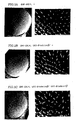
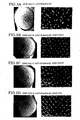
- the compound eye primordium-specific over-expression of Bradeion using the GAL4-UAS target expression system causes a morphological abnormality in the imaginal compound eyes (rough eye phenotype) ( Fig. 2B) (Fig. 2A shows a control).
- the morphological abnormality was further enhanced by increasing the number of copies of a UAS-Bradeion gene ( Fig. 2C ).
- These morphological abnormalities were suppressed by the co-expression of Drosophila anti-apoptosis proteins DIAP1 ( Fig. 3B ) and DIAP2 ( Fig.
Landscapes
- Life Sciences & Earth Sciences (AREA)
- Health & Medical Sciences (AREA)
- Chemical & Material Sciences (AREA)
- Organic Chemistry (AREA)
- Zoology (AREA)
- Environmental Sciences (AREA)
- Gastroenterology & Hepatology (AREA)
- Genetics & Genomics (AREA)
- Immunology (AREA)
- Toxicology (AREA)
- Biodiversity & Conservation Biology (AREA)
- Animal Husbandry (AREA)
- Biochemistry (AREA)
- Biophysics (AREA)
- General Health & Medical Sciences (AREA)
- Cell Biology (AREA)
- Medicinal Chemistry (AREA)
- Molecular Biology (AREA)
- Proteomics, Peptides & Aminoacids (AREA)
- Animal Behavior & Ethology (AREA)
- Micro-Organisms Or Cultivation Processes Thereof (AREA)
- Measuring Or Testing Involving Enzymes Or Micro-Organisms (AREA)
- Peptides Or Proteins (AREA)
Claims (10)
- Drosophila melanogaster-Stamm, wobei(a) ein menschliches Bradeion-Gen, welches menschliches Bradeion-Protein codiert, von der Entwicklungsperiode an in den Facettenaugen exprimiert wird, wobei das Gen ausgewählt wird aus:(i) einem menschlichen Bradeion-Gen, welches die Nukleotidsequenz gemäß SEQ ID Nr. 1 oder SEQ ID Nr. 2 umfaßt;(ii) einem menschlichen Bradeion-Gen, welches die Nukleotide 129 bis 1943 der SEQ ID Nr. 1 oder die Nukleotide 129 bis 1562 der SEQ ID Nr. 2 umfaßt;(iii) einem menschlichen Bradeion-Gen der Hinterlegung FERM BP-6922; und(iv) einem menschlichen Bradeion-Gen, welches 95 % oder mehr Homologie zum menschlichen Bradeion-Gen gemäß irgendeinem der (i) bis (iii) hat,(b) die Facettenaugen aufgrund der Expression von Bradeion eine morphologische Abnormalität zeigen und(c) die morphologische Abnormalität, die in den Facettenaugen auftritt, gemäß der Anzahl an Bradeion-Genen vervielfältigt ist.
- Drosophila melanogaster-Stamm gemäß Anspruch 1, wobei die morphologische Abnormalität in den Facettenaugen als "rohes Auge" bezeichnet wird, wobei die Zellzyklen jedes einzelnen Auges uneinheitlich sind.
- Drosophila melanogaster-Stamm gemäß Anspruch 1 oder 2, welcher genetisch mit anderen Drosophila-Stämmen gekreuzt werden kann und welcher in der Lage ist, ein Merkmal, das durch das transferierte Bradeion-Gen eingeschleust worden ist, an die Nachkommen weiterzugeben, und welcher in der Lage ist, die vererbten Merkmale anderer Drosophila-Stämme, die damit zu kreuzen sind, zu erben.
- Drosophila melanogaster-Stamm gemäß irgendeinem der Ansprüche 1 bis 3, wobei das menschliche Bradeion-Gen eines ist, das 95 % oder mehr Homologie zum menschlichen Bradeion-Gen gemäß (ii) in Anspruch 1 hat.
- Ei eines Drosophila melanogaster-Stamms, das in irgendeinem der Ansprüche 1 bis 4 definiert worden ist, wobei das Ei das menschliche Bradeion-Gen umfaßt.
- Verwendung eines menschlichen Bradeion-Gens, das in irgendeinem der Ansprüche 1 bis 4 definiert worden ist, um einen Drosophila melanogaster-Stamm zu transformieren, damit das menschliche Bradeion-Protein in dem Facettenauge exprimiert wird.
- Verwendung gemäß Anspruch 6, wobei das Gen die cDNA der Hinterlegung FERM BP-6922 umfaßt.
- Verwendung gemäß Anspruch 6, wobei das Gen die Nukleotidsequenz gemäß SEQ ID Nr. 1 oder SEQ ID Nr. 2 umfaßt.
- Verwendung eines Drosophila melanogaster-Stamms, wie in irgendeinem der Ansprüche 1 bis 4 definiert, um nach einem Antikrebsmittel zu Screenen.
- Verfahren zur Identifizierung eines Antikrebsmittels, umfassend das Bestimmen, ob eine Kandidatensubstanz die morphologische Abnormalität des Drosophila melanogaster-Stamms, welcher in irgendeinem der Ansprüche 1 bis 4 definiert ist, unterdrücken kann.
Applications Claiming Priority (3)
| Application Number | Priority Date | Filing Date | Title |
|---|---|---|---|
| JP2001054759 | 2001-02-28 | ||
| JP2001054759 | 2001-02-28 | ||
| PCT/JP2002/001755 WO2002067670A1 (fr) | 2001-02-28 | 2002-02-26 | Souche de drosophile dans laquelle on a transfere un ou plusieurs genes de bradeion |
Publications (4)
| Publication Number | Publication Date |
|---|---|
| EP1374672A1 EP1374672A1 (de) | 2004-01-02 |
| EP1374672A4 EP1374672A4 (de) | 2005-07-20 |
| EP1374672B1 true EP1374672B1 (de) | 2008-10-22 |
| EP1374672B8 EP1374672B8 (de) | 2009-11-04 |
Family
ID=18915044
Family Applications (1)
| Application Number | Title | Priority Date | Filing Date |
|---|---|---|---|
| EP02700810A Expired - Lifetime EP1374672B8 (de) | 2001-02-28 | 2002-02-26 | Drosophila-stamm, der in diesen übertragene(s) bradeion-gen(e) enthält |
Country Status (6)
| Country | Link |
|---|---|
| US (1) | US7253333B2 (de) |
| EP (1) | EP1374672B8 (de) |
| JP (1) | JP3932358B2 (de) |
| AU (1) | AU2002233753B2 (de) |
| DE (1) | DE60229508D1 (de) |
| WO (1) | WO2002067670A1 (de) |
Families Citing this family (11)
| Publication number | Priority date | Publication date | Assignee | Title |
|---|---|---|---|---|
| JP5614951B2 (ja) * | 2009-07-10 | 2014-10-29 | 環境衛生薬品株式会社 | Sco2関連遺伝子導入ショウジョウバエ及びその利用方法 |
| JP6517018B2 (ja) | 2012-02-09 | 2019-05-22 | ヴァー2・ファーマシューティカルズ・アンパルトセルスカブVAR2 Pharmaceuticals ApS | コンドロイチン硫酸グリカンのターゲティング |
| HK1252412A1 (zh) * | 2015-05-06 | 2019-05-24 | Wageningen Universiteit | 多肽用於作用於免疫信号转导和/或影响肠屏障功能和/或调节代谢状态的用途 |
| US10925950B2 (en) * | 2015-08-03 | 2021-02-23 | University Of Washington | Immunogenic compositions, antigen screening methods, and methods of generating immune responses |
| MX2019006245A (es) * | 2016-11-28 | 2020-01-20 | Aratingabio Aio | Construcciones de vectores virales para la expresion de adyuvantes geneticos que activan las rutas cd40 y sting. |
| CN110891583B (zh) | 2017-07-18 | 2023-06-06 | 学校法人庆应义塾 | 针对Th1细胞诱导性细菌的抗菌组合物 |
| KR102437436B1 (ko) * | 2019-04-26 | 2022-08-30 | 주식회사 엠디헬스케어 | 스트렙토코커스 파이오제네스 세균 유래 단백질 및 이의 용도 |
| CN110235866B (zh) * | 2019-07-10 | 2021-06-04 | 源创环境科技有限公司 | 基于有机垃圾处理的黑水虻自动化养殖系统及其操作方法 |
| TWI727378B (zh) * | 2019-07-24 | 2021-05-11 | 生展生物科技股份有限公司 | 嗜熱鏈球菌菌株st4及其抗發炎及預防癌症功效 |
| KR20230131847A (ko) * | 2020-12-14 | 2023-09-14 | 트림 바이오테크, 에스. 엘. | 암 면역치료를 위한 박테리아를 포함하는 조성물 |
| WO2022148531A1 (en) * | 2021-01-05 | 2022-07-14 | Arbiom Sas | Improved methods to enhance gastrointestinal health |
Family Cites Families (1)
| Publication number | Priority date | Publication date | Assignee | Title |
|---|---|---|---|---|
| JP3141107B2 (ja) * | 1998-11-16 | 2001-03-05 | 工業技術院長 | ヒト由来ブラディオン蛋白質、それをコードするdna及びそれらの使用 |
-
2002
- 2002-02-26 AU AU2002233753A patent/AU2002233753B2/en not_active Ceased
- 2002-02-26 JP JP2002567052A patent/JP3932358B2/ja not_active Expired - Lifetime
- 2002-02-26 US US10/469,356 patent/US7253333B2/en not_active Expired - Fee Related
- 2002-02-26 EP EP02700810A patent/EP1374672B8/de not_active Expired - Lifetime
- 2002-02-26 WO PCT/JP2002/001755 patent/WO2002067670A1/ja not_active Ceased
- 2002-02-26 DE DE60229508T patent/DE60229508D1/de not_active Expired - Fee Related
Also Published As
| Publication number | Publication date |
|---|---|
| JPWO2002067670A1 (ja) | 2004-06-24 |
| JP3932358B2 (ja) | 2007-06-20 |
| EP1374672B8 (de) | 2009-11-04 |
| DE60229508D1 (de) | 2008-12-04 |
| EP1374672A4 (de) | 2005-07-20 |
| US7253333B2 (en) | 2007-08-07 |
| EP1374672A1 (de) | 2004-01-02 |
| AU2002233753B2 (en) | 2007-03-15 |
| US20040117864A1 (en) | 2004-06-17 |
| WO2002067670A1 (fr) | 2002-09-06 |
Similar Documents
| Publication | Publication Date | Title |
|---|---|---|
| Rauskolb et al. | extradenticle determines segmental identities throughout Drosophila development | |
| Jongeward et al. | sli-1, a negative regulator of let-23-mediated signaling in C. elegans. | |
| de Nooij et al. | A cyclin-dependent kinase inhibitor, Dacapo, is necessary for timely exit from the cell cycle during Drosophila embryogenesis | |
| Saxton et al. | Kinesin heavy chain is essential for viability and neuromuscular functions in Drosophila, but mutants show no defects in mitosis | |
| Longo-Guess et al. | A missense mutation in the previously undescribed gene Tmhs underlies deafness in hurry-scurry (hscy) mice | |
| Rawlings et al. | Two Drosophila suppressors of cytokine signaling (SOCS) differentially regulate JAK and EGFR pathway activities | |
| Hewes et al. | The cryptocephal gene (ATF4) encodes multiple basic-leucine zipper proteins controlling molting and metamorphosis in Drosophila | |
| Seiler et al. | Myosin VI is required for structural integrity of the apical surface of sensory hair cells in zebrafish | |
| LaJeunesse et al. | A systematic screen for dominant second-site modifiers of Merlin/NF2 phenotypes reveals an interaction with blistered/DSRF and scribbler | |
| US20100166784A1 (en) | Method and compositions for modulating th17 cell development | |
| Mariani et al. | Two murine and human homologs of mab-21, a cell fate determination gene involved in Caenorhabditis elegans neural development | |
| US7253333B2 (en) | Drosophila strain carrying bradeion gene(s) transferred thereinto | |
| Graw et al. | Genetic and allelic heterogeneity of Cryg mutations in eight distinct forms of dominant cataract in the mouse | |
| Chamberlin et al. | The bromodomain protein LIN-49 and trithorax-related protein LIN-59 affect development and gene expression in Caenorhabditis elegans | |
| Lettice et al. | The role of Bapx1 (Nkx3. 2) in the development and evolution of the axial skeleton | |
| EP1324652B1 (de) | Transgene drosophila melanogaster, die beta-amyloid exprimiert | |
| JP2003501102A (ja) | 脂質代謝の分析、及び脂質代謝を調節する医薬品、殺虫剤のスクリーニングの為の動物モデル及び方法 | |
| US6468770B1 (en) | Nucleic acids and proteins of D. melanogaster insulin-like genes and uses thereof | |
| AU2001272238A1 (en) | CLK-2, CEX-7 and COQ-4 genes, and uses thereof | |
| Shi et al. | The pineapple eye gene is required for survival of Drosophila imaginal disc cells | |
| Krause et al. | The actin genes in Caenorhabditis elegans | |
| Krattinger et al. | DmOAZ, the unique Drosophila melanogaster OAZ homologue is involved in posterior spiracle development | |
| Stathakis | The Catsup locus of Drosophila melanogaster, a negative regulator of tyrosine hydroxylase activity | |
| Garrett-Engele | The role of intersex in Drosophila sex determination | |
| Jung | The putative transcription factor Prdm8 is required for the differentiation and maintenance of rod and cone bipolar cells in the mammalian retina |
Legal Events
| Date | Code | Title | Description |
|---|---|---|---|
| PUAI | Public reference made under article 153(3) epc to a published international application that has entered the european phase |
Free format text: ORIGINAL CODE: 0009012 |
|
| 17P | Request for examination filed |
Effective date: 20030929 |
|
| AK | Designated contracting states |
Kind code of ref document: A1 Designated state(s): AT BE CH CY DE DK ES FI FR GB GR IE IT LI LU MC NL PT SE TR |
|
| AX | Request for extension of the european patent |
Extension state: AL LT LV MK RO SI |
|
| A4 | Supplementary search report drawn up and despatched |
Effective date: 20050607 |
|
| 17Q | First examination report despatched |
Effective date: 20060210 |
|
| GRAP | Despatch of communication of intention to grant a patent |
Free format text: ORIGINAL CODE: EPIDOSNIGR1 |
|
| GRAS | Grant fee paid |
Free format text: ORIGINAL CODE: EPIDOSNIGR3 |
|
| GRAA | (expected) grant |
Free format text: ORIGINAL CODE: 0009210 |
|
| AK | Designated contracting states |
Kind code of ref document: B1 Designated state(s): DE FR GB |
|
| REG | Reference to a national code |
Ref country code: GB Ref legal event code: FG4D |
|
| REF | Corresponds to: |
Ref document number: 60229508 Country of ref document: DE Date of ref document: 20081204 Kind code of ref document: P |
|
| PLBE | No opposition filed within time limit |
Free format text: ORIGINAL CODE: 0009261 |
|
| PLAA | Information modified related to event that no opposition was filed |
Free format text: ORIGINAL CODE: 0009299DELT |
|
| PLBE | No opposition filed within time limit |
Free format text: ORIGINAL CODE: 0009261 |
|
| PLAA | Information modified related to event that no opposition was filed |
Free format text: ORIGINAL CODE: 0009299DELT |
|
| PLBE | No opposition filed within time limit |
Free format text: ORIGINAL CODE: 0009261 |
|
| STAA | Information on the status of an ep patent application or granted ep patent |
Free format text: STATUS: NO OPPOSITION FILED WITHIN TIME LIMIT |
|
| 26N | No opposition filed |
Effective date: 20090723 |
|
| D26N | No opposition filed (deleted) | ||
| RIN2 | Information on inventor provided after grant (corrected) |
Inventor name: TANAKA, MANAMI Inventor name: YAMAGUCHI, MASAMITSU |
|
| 26N | No opposition filed |
Effective date: 20090723 |
|
| D26N | No opposition filed (deleted) | ||
| RIN2 | Information on inventor provided after grant (corrected) |
Inventor name: YAMAGUCHI, MASAMITSU Inventor name: TANAKA, MANAMI |
|
| 26N | No opposition filed |
Effective date: 20090723 |
|
| REG | Reference to a national code |
Ref country code: FR Ref legal event code: ST Effective date: 20091030 |
|
| PG25 | Lapsed in a contracting state [announced via postgrant information from national office to epo] |
Ref country code: DE Free format text: LAPSE BECAUSE OF NON-PAYMENT OF DUE FEES Effective date: 20090901 |
|
| PG25 | Lapsed in a contracting state [announced via postgrant information from national office to epo] |
Ref country code: FR Free format text: LAPSE BECAUSE OF NON-PAYMENT OF DUE FEES Effective date: 20090302 |
|
| PGFP | Annual fee paid to national office [announced via postgrant information from national office to epo] |
Ref country code: GB Payment date: 20110217 Year of fee payment: 10 |
|
| GBPC | Gb: european patent ceased through non-payment of renewal fee |
Effective date: 20120226 |
|
| PG25 | Lapsed in a contracting state [announced via postgrant information from national office to epo] |
Ref country code: GB Free format text: LAPSE BECAUSE OF NON-PAYMENT OF DUE FEES Effective date: 20120226 |