EP1372682B1 - Catechins for the treatment of fibrillogenesis in alzheimer's disease, parkinson's disease, systemic aa amyloidosis, and other amyloid disorders - Google Patents
Catechins for the treatment of fibrillogenesis in alzheimer's disease, parkinson's disease, systemic aa amyloidosis, and other amyloid disorders Download PDFInfo
- Publication number
- EP1372682B1 EP1372682B1 EP02721413A EP02721413A EP1372682B1 EP 1372682 B1 EP1372682 B1 EP 1372682B1 EP 02721413 A EP02721413 A EP 02721413A EP 02721413 A EP02721413 A EP 02721413A EP 1372682 B1 EP1372682 B1 EP 1372682B1
- Authority
- EP
- European Patent Office
- Prior art keywords
- amyloid
- green tea
- disease
- catechin
- epicatechin
- Prior art date
- Legal status (The legal status is an assumption and is not a legal conclusion. Google has not performed a legal analysis and makes no representation as to the accuracy of the status listed.)
- Expired - Lifetime
Links
Images



Classifications
-
- A—HUMAN NECESSITIES
- A61—MEDICAL OR VETERINARY SCIENCE; HYGIENE
- A61K—PREPARATIONS FOR MEDICAL, DENTAL OR TOILETRY PURPOSES
- A61K31/00—Medicinal preparations containing organic active ingredients
- A61K31/33—Heterocyclic compounds
- A61K31/335—Heterocyclic compounds having oxygen as the only ring hetero atom, e.g. fungichromin
- A61K31/35—Heterocyclic compounds having oxygen as the only ring hetero atom, e.g. fungichromin having six-membered rings with one oxygen as the only ring hetero atom
- A61K31/352—Heterocyclic compounds having oxygen as the only ring hetero atom, e.g. fungichromin having six-membered rings with one oxygen as the only ring hetero atom condensed with carbocyclic rings, e.g. methantheline
- A61K31/353—3,4-Dihydrobenzopyrans, e.g. chroman, catechin
-
- A—HUMAN NECESSITIES
- A61—MEDICAL OR VETERINARY SCIENCE; HYGIENE
- A61K—PREPARATIONS FOR MEDICAL, DENTAL OR TOILETRY PURPOSES
- A61K31/00—Medicinal preparations containing organic active ingredients
- A61K31/21—Esters, e.g. nitroglycerine, selenocyanates
- A61K31/215—Esters, e.g. nitroglycerine, selenocyanates of carboxylic acids
-
- A—HUMAN NECESSITIES
- A61—MEDICAL OR VETERINARY SCIENCE; HYGIENE
- A61P—SPECIFIC THERAPEUTIC ACTIVITY OF CHEMICAL COMPOUNDS OR MEDICINAL PREPARATIONS
- A61P25/00—Drugs for disorders of the nervous system
-
- A—HUMAN NECESSITIES
- A61—MEDICAL OR VETERINARY SCIENCE; HYGIENE
- A61P—SPECIFIC THERAPEUTIC ACTIVITY OF CHEMICAL COMPOUNDS OR MEDICINAL PREPARATIONS
- A61P25/00—Drugs for disorders of the nervous system
- A61P25/14—Drugs for disorders of the nervous system for treating abnormal movements, e.g. chorea, dyskinesia
- A61P25/16—Anti-Parkinson drugs
-
- A—HUMAN NECESSITIES
- A61—MEDICAL OR VETERINARY SCIENCE; HYGIENE
- A61P—SPECIFIC THERAPEUTIC ACTIVITY OF CHEMICAL COMPOUNDS OR MEDICINAL PREPARATIONS
- A61P25/00—Drugs for disorders of the nervous system
- A61P25/28—Drugs for disorders of the nervous system for treating neurodegenerative disorders of the central nervous system, e.g. nootropic agents, cognition enhancers, drugs for treating Alzheimer's disease or other forms of dementia
-
- A—HUMAN NECESSITIES
- A61—MEDICAL OR VETERINARY SCIENCE; HYGIENE
- A61P—SPECIFIC THERAPEUTIC ACTIVITY OF CHEMICAL COMPOUNDS OR MEDICINAL PREPARATIONS
- A61P7/00—Drugs for disorders of the blood or the extracellular fluid
- A61P7/12—Antidiuretics, e.g. drugs for diabetes insipidus
Definitions
- the invention relates to compositions for treating Lewy body disease or Parkinson's disease, using catechins.
- Alzheimer's disease is characterized by the accumulation of a 39-43 amino acid peptide termed the beta-amyloid protein or Aß, in a fibrillar form, existing as extracellular amyloid plaques and as amyloid within the walls of cerebral blood vessels.
- Aß beta-amyloid protein
- Fibrillar Aß amyloid deposition in Alzheimer's disease is believed to be detrimental to the patient and eventually leads to toxicity and neuronal cell death, characteristic hallmarks of Alzheimer's disease. Accumulating evidence implicates amyloid as a major causative factor of Alzheimer's disease pathogenesis.
- Parkinson's disease is another human disorder characterized by the formation, deposition, accumulation and/or persistence of abnormal fibrillar protein deposits that demonstrate many of the characteristics of amyloid.
- an accumulation of cytoplasmic Lewy bodies consisting of filaments of alpha-synuclein/ NAC are believed important in the pathogenesis and as therapeutic targets.
- New agents or compounds able to inhibit alpha-synuclein/NAC formation, deposition, accumulation and/or persistence, or disrupt pre-formed alpha-synuclein/NAC fibrils (or portions thereof) are regarded as potential therapeutics for the treatment of Parkinsons disease.
- amyloid deposition A variety of other human diseases also demonstrate amyloid deposition and usually involve systemic organs (i.e. organs or tissues lying outside the central nervous system), with the amyloid accumulation leading to organ dysfunction or failure. These amyloid diseases (discussed below) leading to marked amyloid accumulation in a number of different organs and tissues are known as systemic amyloidoses.
- systemic amyloidoses single organs may be affected such as the pancreas in 90% of patients with type 2 diabetes.
- the beta-cells in the islets ofLangerhans in pancreas are believed to be destroyed by the accumulation of fibrillar amyloid deposits consisting primarily of a protein known as islet amyloid polypeptide (IAPP).
- IAPP islet amyloid polypeptide
- amyloid accumulation is believed to lead to new effective treatments for type 2 diabetes.
- Alzheimer's disease, Parkinson's and "systemic" amyloid diseases there is currently no cure or effective treatment, and the patient usually dies within 3 to 10 years from disease onset.
- amyloid diseases include, but are not limited to, the amyloid associated with Alzheimer's disease, Down's syndrome, hereditary cerebral hemorrhage with amyloidosis of the Dutch type, and inclusion body myositosis ( Askanas et al, Ann. Neurol.
- beta-amyloid protein or AB beta-amyloid protein
- AA amyloid or inflammation-associated amyloidosis amyloid associated with multiple myeloma and other B-cell dyscrasias
- AL amyloid amyloid
- type II diabetes wherein the specific amyloid protein is referred to as amylin or islet amyloid polypeptide
- PrP amyloid the amyloid associated with long-term homodialysis and carpal tunnel syndrome
- alpha-synuclein protein which forms fibrils, and is Congo red and Thioflavin S positive, is found as part of Lewy bodies in the brains of patients with Parkinson's disease, Lewy body disease ( Lewy in Handbuch der Neurologie, M. Lewandowski, ed., Springer, Berline pp.920-983, 1912 ; Pollanen et al, J. Neuropath, Exp. Neurol. 52:183-191, 1993 ; Spillantini et al, Proc, Natl. Acad. Sci. USA 96:6469-6473, 1998 ; Arai et al, Neurosc. Lett. 269:83-86, 1999 ), and multiple system atrophy ( Wakabayashi et al, Acta Neuropath. 96:445-452, 1998 ).
- the present invention provides the use of a catechin in the manufacture of a medicament for treating Parkinson's disease or Lewy body disease, wherein the catechin is selected from the group consisting of catechin, epicatechin, gallocatechin gallate, epigallocatechin gallate, epigallocatechin, and epicatechin gallate, and pharmaceutically acceptable salts of the foregoing catechins.
- the present invention provides a catechin selected from the group consisting of catechin, epicatechin, gallocatechin gallate, epigallocatechin gallate, epigallocatechin, and epicatechin gallate, and pharmaceutically acceptable salts of the foregoing catechins, for treating Parkinson's disease or Lewy body disease.
- the medicament may be for oral administration, parenteral injection, intravenous injection, subcutaneous injection, intramuscular injection, topical administration, or aerosol spray administration.
- the present invention provides a method of treatment of alpha-synuclein or NAC fibrillogenesis in an in vitro environment, the method comprising the step of administering into the in vitro environment a therapeutically effective amount of a catechin selected from the group consisting of catechin, epicatechin, gallocatechin gallate, epigallocatechin gallate, epigallocatechin, and epicatechin gallate, and pharmaceutically acceptable salts of the foregoing catechins.
- a catechin selected from the group consisting of catechin, epicatechin, gallocatechin gallate, epigallocatechin gallate, epigallocatechin, and epicatechin gallate, and pharmaceutically acceptable salts of the foregoing catechins.
- the present invention provides a pharmaceutical composition for use in treating Parkinson's disease or Lewy body disease, comprising a therapeutically effective amount of a catechin selected from the group consisting of catechin, epicatechin, gallocatechin gallate, epigallocatechin gallate, epigallocatechin, and epicatechin gallate, and pharmaceutically acceptable salts of the foregoing catechins and a pharmaceutically acceptable carrier, diluent, or excipient, wherein the therapeutically effective amount of the catechin comprises a dosage in the range of about 0.1 to 500 mg/kg of body weight of the subject.
- a catechin selected from the group consisting of catechin, epicatechin, gallocatechin gallate, epigallocatechin gallate, epigallocatechin, and epicatechin gallate, and pharmaceutically acceptable salts of the foregoing catechins and a pharmaceutically acceptable carrier, diluent, or excipient, wherein the therapeutically effective amount of the catechin comprises a dosage in the range of about 0.1 to 500 mg/kg of
- the therapeutically effective amount of the catechin may comprise a dosage in the range of about 1.0 to 100 mg/kg of body weight of the subject.
- the composition comprises a mixture of two or more of the catechins selected from the group consisting of catechin, epicatechin, gallocatechin gallate, epigallocatechin gallate, epigallocatechin, and epicatechin gallate, and pharmaceutically acceptable salts of the foregoing catechins.
- the catechin selected is preferably in substantially pure isolated form.
- green tealeaf extract and its ingredients i.e. 60% polyphenols
- Use of standardized green tealeaf extract and its ingredients (i.e. 60% polyphenols) contained within different commercial preparations are anticipated to benefit human patients with Alzheimer's disease and other amyloidoses, and Parkinson's and Lewy body diseases, due to green tea leaf extract's ability to inhibit amyloid fibril formation, and Parkinson's alpha-synuclein fibril and Lewy body formation, and to cause dissolution/ disruption, and disaggregation of pre-formed amyloid and alpha-synuclein fibrils.
- catechins such as those present in standardized green tea extracts, and the standardized green tea leaf extract itself (such as found in extract standardized to 50% polyphenols) act as an impressive inhibitor of Alzheimer's disease amyloid fibril formation, systemic AA amyloid fibril formation, and Parkinson's disease alpha-synuclein/NAC fibril formation.
- catechins including but not limited to epicatechin, catechin, gallocatechin gallate, epigallocatechin gallate, epigallocatechin, and/or epicatechin gallate
- standardized green tea leaf extract have the ability to cause a disassembly/disruption of pre-formed amyloid fibrils of the Alzheimer's type, suggesting that this agent may be useful for patients at latter stages Alzheimer's disease, and those affected with other amyloid diseases.
- Standardized green tea leaf extract and catechins obtained from different commercial sources extracts isolated from gelatin-coated capsules were found to serve as potent inhibitors of Alzheimer's disease amyloid fibrillogenesis and Parkinson's disease protein fibrillogenesis.
- Parkinson's disease due to the fact that fibrils develop in the brains of patients with this disease (which are Congo red and Thioflavin S positive, and which contain predominant beta-pleated sheet secondary structure), is identified and discussed as a disease which also displays the characteristics of an amyloid-like disease, and disclosures herein related to amyloidoses are therefore expected in like manner to relate therapeutically to Parkinson's and Lewy body diseases. Therefore agents or compounds found to inhibit Alzheimer's disease A ⁇ amyloid fibril formation, are anticipated to also be effective in the inhibition of alpha-synuclein/NAC fibril formation. These agents or compounds will therefore also serve as therapeutics for Parkinson's and Lewy body diseases, in addition to having efficacy as a therapeutic for Alzheimer's disease, systemic amyloidosis, type 2 diabetes, and other amyloid disorders.
- Selected polyhydroxylated aromatic compounds such as epicatechin
- epicatechin appear to be effective as inhibitors of systemic AA amyloidosis in vivo.
- catechin itself (the epimer of epicatechin) is not effective as an inhibitor of systemic AA amyloidosis.
- green tea leaf extract and/or specific catechins in various forms, i.e. a pill, tablet, liquid form, powder form, etc.
- derivatives thereof from different commercial sources is disclosed for the treatment of fibrillogenesis in Alzheimer's disease, Parkinson's disease, systemic AA amyloidosis, and other amyloidoses.
- methods of isolation to identify and purify the key amyloid inhibitory ingredients within the green tea extract material. Identification of the "active" amyloid inhibitory ingredients within the green tea extracted plant materials are anticipated to lead to new drug design for anti-amyloid therapeutics of the future.
- catechins are anticipated to benefit human patients at all stages of Alzheimer's, Parkinson's and other amyloid or amyloid-like diseases due to catechin's and standardized green tea extract's newly demonstrated ability to inhibit Aß amyloid fibril formation, and alpha-synuclein fibril formation (important for treating early to mid-stage Alzheimer's disease and Parkinson's disease, respectively), and cause dissolution/disruption and disaggregation of pre-formed amyloid fibrils (important for treating mid to late stages of Alzheimer's disease and Parkinson's disease, respectively).
- catechins and standardized green tea leaf extract are anticipated to benefit patients with different systemic amyloid diseases such as systemic AA amyloidosis, and type 2 diabetes, regardless of the stage of amyloid accumulation and the organ (or tissue) involved.
- tea extract results are exemplified with Species Camellia sinensis, extracts from other species within the family Theaceae are believed to have similar effects.
- green tea, green tea leaves and extracts, and catechins. or derivatives thereof is disclosed for the treatment of amyloid and/or fibril formation, deposition, accumulation and/or persistence in Alzheimer's disease, Parkinson's disease, systemic AA amyloidosis, type 2 diabetes and other amyloidoses.
- Treatment is also intended in every possible instance to include and cover “ in vitro treatment", whether for experimental or screening purposes and the like, and whether or not the in vitro treatment leads to, or is ever intended to lead to, treatment of a like fibillogenesis, or any amyloid or alpha-synuclein disease corresponding to that fibrillogenesis, in a mammalian subject.
- green tea, green tea leaves and extracts or derivatives thereof, from the Camellia sinensis species for the treatment of amyloid formation, deposition, accumulation and/or persistence in Alzheimer's disease, Parkinson's disease, systemic AA amyloidosis, type 2 diabetes and other amyloidoses.
- Green tea, green tea leaves and extracts or derivatives thereof, from the Theaceae family are disclosed for the treatment of amyloid formation, deposition, accumulation and/or persistence in Alzheimer's disease, Parkinson's disease, systemic AA amyloidosis, type 2 diabetes and other amyloidoses.
- catechins can be isolated and/or purified from plant materials by a number of different methods. It will further be recognized that these alternate methods, and consequent changes in other steps of the method, such as use of different solvents or different columns for purification, and of catechins from a composition of partially purified polyphenols, fall within the scope of the presently disclosed plant-derived extracts, and compounds derived thereof.
- catechins contained within green tea, green tea leaves and extracts or derivatives thereof for the treatment of amyloid formation, deposition, accumulation and/or persistence in Alzheimer's disease, Parkinson's disease, systemic AA amyloidosis, type 2 diabetes and other amyloidoses.
- Catechins including but not limited to, catechin, epicatechin, gallocatechin gallate, epigallocatechin gallate, epigallocatechin, and/or epicatechin gallate, whether contained within green tea, green tea leaves and extracts or derivatives thereof, or from other natural or synthetic sources, are disclosed for the treatment of amyloid formation, deposition, accumulation and/or persistence in Alzheimer's disease, Parkinson's disease, systemic AA amyloidosis, type 2 diabetes and other amyloidoses.
- bioflavanoids contained within green tea, green tea leaves and extracts or derivatives thereof for the treatment of amyloid formation, deposition, accumulation and/or persistence in Alzheimer's disease, Parkinson's disease, systemic AA amyloidosis, type 2 diabetes and other amyloidoses
- flavanols contained within green tea, green tea leaves and extracts or derivatives thereof for the treatment of amyloid formation, deposition, accumulation and/or persistence in Alzheimer's disease, Parkinsons disease, systemic AA amyloidosis, type 2 diabetes and other amyloidoses.
- flavandiols contained within green tea, green tea leaves and extracts or derivatives thereof for the treatment of amyloid formation, deposition, accumulation and/or persistence in Alzheimer's disease, Parkinson's disease, systemic AA amyloidosis, type 2 diabetes and other amyloidoses
- flavanoids contained within green tea, green tea leaves and extracts or derivatives thereof for the treatment of amyloid formation, deposition, accumulation and/or persistence, in Alzheimer's disease, Parkinson's disease, systemic AA amyloidosis, type 2 diabetes and other amyloidoses.
- tannins contained within green tea, green tea leaves and extracts or derivatives thereof for the treatment of amyloid formation, deposition, accumulation and/or persistence in Alzheimer's disease, Parkinson's disease, systemic AA amyloidosis, type 2 diabetes and other amyloidoses.
- Methods to isolate the active ingredients present within green tea, green tea leaves and extracts or derivatives thereof are also disclosed for use as potent agents which inhibit amyloid formation, amyloid deposition, amyloid accumulation, amyloid persistence, cause a disassembly/disruption and/or cause a disassembly of pre-formed or pre-deposited amyloid fibrils in Alzheimer's disease, Parkinson's disease, systemic AA amyloidosis, type 2 diabetes and other amyloidoses.
- Methods for isolation of the active ingredients within green tea, green tea leaves and extracts or derivatives thereof include application of some standard techniques known to those skilled in the art, including, but not limited to, thin layer chromatography using silica-coated plates, and separation and isolation using high or low pressure liquid chromatography (HPLC).
- active ingredients within green tea, green tea leaves and extracts or derivatives thereof found to be potent inhibitors of amyloid formation, amyloid deposition, amyloid accumulation, amyloid persistence, and/or cause a disassembly/disruption, and disaggregation of pre-formed or pre-deposited amyloid fibrils in Alzheimer's disease, Parkinson's disease, systemic AA amyloidosis, type 2 diabetes and other amyloidoses, are identified by re-testing of individual bands or fractions (separated by thin layer chromatography, column chromatography and/or HPLC) using specific assay tests as described in the Examples.
- green tea, green tea leaves and extracts or derivatives thereof, and/or its ingredients are disclosed for inhibition of amyloid formation, deposition, accumulation, and/or persistence, regardless of its clinical setting.
- compositions and methods involving administering to a subject a therapeutic dose of green tea, green tea leaves and extracts or derivatives thereof, which inhibits amyloid deposition is also disclosed. Accordingly, disclosed compositions and methods are useful for inhibiting amyloidosis in disorders in which amyloid deposition occurs.
- the compounds disclosed herein can be used therapeutically to treat amyloidosis or can be used prophylactically in a subject susceptible to amyloidosis.
- Disclosed methods are based, at least in part, in directly inhibiting amyloid fibril formation, causing disassembly/disruption and/or disaggregation of pre-formed amyloid fibrils.
- compositions for treating amyloidosis are also disclosed.
- the disclosed pharmaceutical compositions include a therapeutic compound in an amount effective to inhibit amyloid deposition and a pharmaceutically acceptable vehicle.
- a method of isolation to purify and identify the amyloid inhibitory ingredients from green tea, green tea leaves and extracts or derivatives thereof is disclosed.
- an extract prepared from commercially obtained pills, tablets, caplets, soft and hard gelatin capsules, lozenges, sachets, cachets, vegicaps, liquid drops, elixers, suspensions, emulsions, solutions, syrups, tea bags, aerosols (as a solid or in a liquid medium), suppositories, sterile injectable solutions, sterile packaged powders, tea powder, using the method employing some or all of the following steps: a) extraction from green tea, green tea leaves and extracts or derivatives thereof regardless of form as described above using water or alcohol (i.e.
- a composition in the form of a dietary supplement, for providing, supporting or improving in a subject one or more of the mental or cognitive qualities selected from the group of mental or cognitive qualities consisting of nutritional support for age related cognitive or memory decline, normal brain function, cognitive ability, and concentration, wherein the composition comprises green tea, green tea leaves and extracts or derivatives thereof, is also disclosed.
- a composition in the form of a dietary supplement, for promoting, maintaining or enhancing in a subject one or more of the mental or cognitive qualities selected from the group of mental or cognitive qualities consisting of mental acuity, mental alertness, cognitive well being, normal brain function, cognitive ability, mental performance, memory concentration, mental sharpness, mental vitality, mental clarity, short term memory, normal brain function, learning, and good brain health, wherein the composition comprises green tea, green tea leaves and extracts or derivatives thereof, is disclosed.
- compositions and methods involving administering to a subject a therapeutic dose of catechins or derivatives thereof, which inhibits amyloid deposition are also disclosed, Accordingly, disclosed compositions and methods are useful for inhibiting amyloidosis in disorders in which amyloid deposition occurs.
- the compounds can be used therapeutically to treat amyloidosis or can be used prophylactically in a subject susceptible to amyloidosis,
- the methods are based, at least in part, in directly inhibiting amyloid fibril formation, causing disassembly/disruption and/or disaggregation of pre-formed amyloid fibrils.
- any and all synthetic catechins or derivatives thereof and/or their active ingredients for use as potent agents which inhibit amyloid formation, amyloid deposition, amyloid accumulation, amyloid persistence, cause a disassembly/ disruption, and/or disaggregation of pre-formed or pre-deposited fibrils in Alzheimer's disease, Parkinson's disease, systemic AA amyloidosis, type 2 diabetes and other amyloidoses is disclosed.
- a pharmaceutical agent for treating an amyloid disease in a patient, wherein the pharmacological agent comprises a therapeutically effective amount of plant matter from a plant of the family Theraceae, and in particular the genus Camellia.
- the pharmacological agent is preferably from a plant of the genus Camellia, species sinensis.
- the pharmacological agent is preferably an extract obtained from Camellia sinensis, the extract being from the dried leaves.
- the pharmacological agent preferably has a therapeutically effective amount of standardized green tea leaf extract, or specific catechins, in a dosage in the range of from about 0.1 to about 500 mg/kg of body weight of the patient, and more preferably in the range from about 1.0 to about 100 mg/kg of body weight of the patient.
- Preferred pharmaceutical agents have a weight percentage of plant extract in the agent is in the range of from about 70% to about 95%, and may also have a pharmaceutically acceptable carrier, diluent or excipient.
- the pharmaceutical agent preferably has an amyloid inhibitory activity or efficacy greater than 50%.
- compositions also have the ability to reduce, eliminate, prevent, inhibit, disrupt, disassemble, or disaggregate amyloid fibril or protein deposits, brain associated amyloid fibril deposits or brain associated amyloid protein deposits, as well as amyloid fibril formation, or age associated amyloid fibril formation, brain associated amyloid fibril formation; it will therefore promote mental acuity, promote mental alertness, provide nutritional support for age or related cognitive or memory decline, promote cognitive well being, support brain function, improve cognitive ability, mental performance or memory, promote concentration and mental sharpness, improve mental vitality, promote greater mental clarity and alertness, improve short term memory, reduce or reverse age associated cognitive or memory decline, support normal brain function, enhance learning or memory; improve concentration, enhance mental performance, reduce mental decline, reduce likelihood of age related brain disorders, and maintain good brain health.
- compositions also have the ability to reduce, eliminate, prevent, inhibit, disrupt, disassemble or disaggregate amyloid fibril or protein deposits, pancreas associated amyloid fibril or protein deposits, as well as amyloid fibril formation and growth, and pancreas associated amyloid fibril formation and growth; it will therefore support healthy pancreatic function and promote pancreatic function by helping to promote normal insulin function.
- compositions may also include carriers, diluents and/or excipients commonly used in the pharmaceutical and dietary supplement industries and any such additions as will be known to those skilled in the art are acceptable and may be employed without departing from the scope of the invention.
- a method for isolating amyloid inhibitory constituents within green tea, green tea leaves, extracts or derivatives thereof comprising the following steps:
- green tea include catechins, bioflavanoids, flavanols, flavandiols, flavanoids, tannins or derivatives thereof, although for purposes of this disclosure these substance may optionally also be synthetically derived or independently found in other plant sources.
- the step of extracting the plant matter with an organic solvent further comprises adding methanol initially to plant materials that are powdered, and the resulting mixture is stirred overnight.
- the solvent used in the step of extracting amyloid inhibitory ingredients preferably has a polarity ranging from that of water to that of pentanol.
- the step of removing insoluble materials is preferably affected by centrifuging the extract and collecting the supernatant.
- the step of concentrating the extract is preferably effected by rotary evaporation or lyophilization (for water extracts). Following the extraction and centrifugation steps, the extraction and centrifugation procedure is preferably repeated 1 to 5 more times and the supernatants are collected.
- the supernatants are preferably pooled and dried using a rotary evaporator or lyophilization (for water extracts).
- the dry powder is washed with 4 volumes of petroleum ether (repeated 4 times), followed by centrifugation (each time) at 2,500X g for 20 minutes, and collection of the supernatants and pellets.
- the collected pellets are air-dried and reextracted with water and centrifuged at 2,500X g for 20 minutes.
- the collected supernatant (referred to as water extracts) are lyophilized, and the pellets or lyophilized water-extract powder are re-dissolved in acetonitrile/water/trifluoroacetic acid (TFA) for HPLC injection or low pressure chromatography.
- the dissolved pellet is divided into equal portions and injected into an HPLC.
- the HPLC preferably contains a 1X25 cm C 18 column, though other sizes may be made to serve, and is maintained at 30°C with a flow rate of 2 ml/min.
- the eluents from the HPLC are monitored at all wavelengths and 4 ml fractions are collected in a fraction collector and pooled peaks are obtained at various retention times (from 0 through 85 minutes).
- the fractions obtained may be concentrated by lyophilization after most of the acetonitrile is removed by rotary evaporation.
- the concentrated fractions obtained are then tested in relevant in vitro assays to identify potent inhibitors of amyloid fibril formation, or disassembly/disruption or disaggregation of pre-formed amyloid fibrils.
- the amyloid inhibitory ingredients are preferably drawn from the HPLC approximate retention times of 10-70 minutes.
- a method for treating an amyloid disease in a patient comprising the step of administering to the patient a therapeutically effective amount of green tea, green tea leaves and extracts or derivatives thereof.
- the green tea, green tea leaves, and extracts or derivatives thereof are preferably administered orally or by aerosol spray or in a parentally injectable or infusible form.
- amyloid formation, deposition, accumulation and/or persistence in a subject is inhibited by administering a therapeutic dose of the invention to the subject.
- subject is intended to include living organisms in which amyloidosis can occur. Examples of subjects include humans, monkeys, cows, sheep, goats, dogs, cats, mice, rats and transgenic species thereof.
- Administration of green tea, green tea leaves and extracts or derivatives thereof, to a subject to be treated can be carried out using known procedures, at dosages and for periods of time effective to inhibit amyloid formation, deposition, accumulation and persistence in the subject.
- An effective amount of the therapeutic compound necessary to achieve a therapeutic effect may vary according to factors such as the amount of amyloid already deposited at the clinical site in the subject, the age, sex, and weight of the subject, and the ability of the therapeutic compound to inhibit amyloidosis in the subject.
- a method of treatment, prevention, or management of an amyloidosis in a mammalian subject susceptible to, or afflicted by, the amyloidosis comprising the step of administering to the subject a therapeutic amount of plant matter from a source of green tea, green tea leaves, standardized green tea extract, or green tea derivative.
- a method for the treatment, inhibition, prevention or management of amyloid formation, deposition, accumulation, aggregation and/or persistence in Alzheimer's disease, Parkinson's disease, systemic AA amyloidosis, type 2 diabetes and other amyloidoses in a mammalian subject comprising the step of administering to the subject a therapeutic amount of a substance selected from the group of substances consisting of green tea, green tea leaves, standardized green tea extract, green tea derivative, catechins, bioflavanoids, flavanols, flavandiols, flavanoids, tannins or derivatives thereof.
- the substance is preferably a catechin selected from the group of catechins consisting of catechin, epicatechin, gallocatechin gallate, epigallocatechin gallate, epigallocatechin, and epicatechin gallate, or a derivative of one of the above group.
- a therapeutic quantity of one or more plant materials selected from the group of plants consisting of, and commonly known as, Cat's claw, ginkgo biloba, rosemary, gotu kola, bacopin, and ginseng may also optionally be administered.
- a method for the treatment, inhibition, prevention or management of alpha-synuclein fibril formation, deposition, accumulation, aggregation and/or persistence in Parkinson's disease, Lewy body disease, or multiple system atrophy, in a mammalian subject comprising the step of administering to the subject a therapeutic amount of a substance selected from the group of substances consisting of green tea, green tea leaves, standardized green tea extract, green tea derivative, catechins, bioflavanoids, flavanols, flavandiols, flavanoids, tannins or derivatives thereof.
- the substance is preferably a catechin selected from the group of catechins consisting of catechin, epicatechin, gallocatechin gallate, epigallocatechin gallate, epigallocatechin, and epicatechin gallate, or a derivative of one of the above group.
- a method for promoting mental alertness in a patient comprising the step of administering to the patient a therapeutically effective amount of plant matter from a plant of the family Theaceae, and preferably from a plant of the genus Camellia, species sinensis. This method may also be used for inhibiting the formation of brain amyloid deposits.
- a method for promoting, maintaining or enhancing in a patient one or more of the mental or cognitive qualities selected from the group of mental or cognitive qualities consisting of mental acuity, mental alertness, cognitive well being, normal brain function, cognitive ability, mental performance, memory, concentration, mental sharpness, mental clarity, short term memory, normal brain function, and learning is presented, the method comprising the step of administering to the patient a therapeutically effective amount of plant matter from a plant of the genus Camellia, species sinensis.
- a method for providing, supporting or improving in a patient one or more of the mental or cognitive qualities selected from the group of mental or cognitive qualities consisting of normal brain function, cognitive ability, and concentration comprising the step of administering to the patient a therapeutically effective amount of plant matter from a plant of the genus Camellia, species sinensis.
- a method for reducing in a patient one or more of the mental or cognitive effects selected from the group of mental or cognitive effects consisting of, age associated cognitive or memory decline, mental decline, and likelihood of age related brain or cognitive disorders comprising the step of administering to the patient a therapeutically effective amount of plant matter from a plant of the genus Camellia, species sinensis.
- a method for reducing, disrupting, dissolving, inhibiting, eliminating or preventing in a patient one or more conditions involving the brain selected from the group of conditions involving the brain consisting of amyloid fibril deposits, amyloid protein deposits, brain associated amyloid fibril deposits, brain associated amyloid protein deposits, amyloid fibril formation and growth, age associated amyloid fibril formation and growth, brain associated amyloid fibril formation and growth is presented, the method comprising the step of administering to the patient a therapeutically effective amount of plant matter from a plant of the genus Camellia, species sinensis.
- a method for promoting or supporting healthy pancreatic function in a patient, by helping to promote normal insulin function comprising the step of administering to the patient a therapeutically effective amount of plant matter from a plant of the genus Camellia, species sinensis.
- a method for reducing, disrupting, dissolving, inhibiting, eliminating or preventing in a patient one or more conditions involving the pancreas selected from the group of conditions involving the pancreas consisting of amyloid fibril deposits, amyloid protein deposits, pancreas associated amyloid fibril deposits, pancreas associated amyloid protein deposits, amyloid fibril formation and growth, pancreas associated amyloid fibril formation and growth is presented, the method comprising the step of administering to the patient a therapeutically effective amount of plant matter from a plant of the genus Camellia, species sinensis.
- a pharmaceutical composition or dietary supplement for the treatment, prevention, or management of amyloidosis in a mammalian subject susceptible to, or afflicted by, the amyloidosis is presented, the composition comprising a source of green tea, green tea leaves or standardized green tea leaf extract or derivatives thereof, and, if desired, a pharmaceutically or dietarily acceptable carrier, diluent or excipient.
- a pharmaceutical composition or dietary supplement for inhibiting amyloid fibril formation, deposition, accumulation, or persistence or causing dissolution/ disruption and or disaggregation of pre-formed amyloid fibrils is presented, the composition comprising a source of green tea, green tea leaves or standardized green tea leaf extract or derivatives thereof and, if desired, a pharmaceutically or dietarily acceptable carrier, diluent or excipient.
- catechins bioflavanoids, flavanols, flavandiols, flavanoids, tannins or derivatives thereof for the treatment, prevention or management of amyloid formation, deposition, accumulation and/or persistence in Alzheimer's disease, Parkinson's disease, systemic AA amyloidosis, type 2 diabetes and other amyloidoses, in a mammalian subject susceptible to the amyloidosis is presented.
- a pharmaceutical composition or dietary supplement for the treatment, prevention or management of amyloid formation, deposition, accumulation and/or persistence in Alzheimer's disease, Parkinson's disease, systemic AA amyloidosis, type 2 diabetes and other amyloidoses in a mammalian subject susceptible to such amyloid condition is presented, the composition comprising catechins, bioflavanoids, flavanols, flavandiols, flavanoids, tannins or derivatives thereof and, if desired, a pharmaceutically or dietarily acceptable carrier, diluent or excipient.
- a pharmaceutical composition or dietary supplement for the treatment, inhibition, prevention or management of alpha-synuclein fibril formation, deposition, accumulation, aggregation and/or persistence in Parkinson's disease, Lewy body disease, or multiple system atrophy in a mammalian subject comprising a substance selected from the group of substances consisting of green tea, green tea leaves, standardized green tea extract, green tea derivative, catechins, bioflavanoids, flavanols, flavandiols, flavanoids, tannins or derivatives thereof.
- a pharmaceutical composition or dietary supplement for providing, supporting or improving in a subject one or more of the mental or cognitive qualities which comprises a source of green tea, green tea leaves or standardized green tea leaf extract or derivatives thereof is presented.
- a pharmaceutical composition or dietary supplement for promoting or supporting healthy pancreatic function in a subject which comprises a source of green tea, green tea leaves or standardized green tea leaf extract or derivatives thereof is presented.
- a pharmacological agent for promoting, maintaining or enhancing in a patient one or more of the mental or cognitive qualities selected from the group of mental or cognitive qualities consisting of mental acuity, mental alertness, cognitive well being, normal brain function, cognitive ability, mental performance, memory, concentration, mental sharpness, mental vitality, mental clarity, short-term memory, normal brain function, and learning, and good brain health is presented, wherein the pharmacological agent comprises a therapeutically effective amount of plant matter from a plant of the genus Camellia, species sinensis.
- a pharmacological agent for providing, supporting or improving in a patient one or more of the mental or cognitive qualities selected from the group of mental or cognitive qualities consisting of nutritional support for age related cognitive or memory decline, normal brain function, cognitive ability, and concentration is presented, wherein the pharmacological agent comprises a therapeutically effective amount of plant matter from a plant of the genus Camellia, species sinensis.
- a pharmacological agent for reducing in a patient one or more of the mental or cognitive effects selected from the group of mental or cognitive effects consisting of, age associated cognitive or memory decline, mental decline, and likelihood of age related brain or cognitive disorders is presented, wherein the pharmacological agent comprises a therapeutically effective amount of plant matter from a plant of the genus Camellia, species sinensis.
- a pharmacological agent for reducing, disrupting, dissolving, inhibiting or preventing in a patient one or more conditions involving the brain selected from the group of conditions involving the brain consisting of amyloid fibril deposits, amyloid protein deposits, brain associated amyloid fibril deposits, Aß brain deposits, brain associated Aß deposits, brain associated amyloid protein deposits, brain amyloid deposits, amyloid fibril formation and growth, age associated amyloid fibril formation and growth is presented, wherein the pharmacological agent comprises a therapeutically effective amount of plant matter from a plant of the genus Camellia, species sinensis.
- a pharmacological agent for promoting or supporting healthy pancreatic function in a patient, by helping to promote normal insulin function is presented, wherein the pharmacological agent comprises a therapeutically effective amount of plant matter from a plant of the genus Camellia, species sinensis.
- amyloid and amyloidosis As a therapeutic target for Alzheimer's disease and Parkinson's disease and alpha-synuclein fibril formation, see our co-pending US patent application 20030017998 and issued patents 6,037,327 , 6,264,994 and 6,346,280 .
- Pharmaceutically acceptable analogs and derivatives of a claimed compound include various R- group type substitutions, and any other derivative structural modifications not affecting the disclosed efficacy of these compounds.
- compositions contain one or more catechins or green tea derivatives, each catechin or green tea derivative present in the composition in a proportion percentage or percentage purity that "significantly exceeds" a proportion percentage of the same substance's natural presence in a plant, or in an extract from the plant. For example, suppose that a particular catechin is present in a plant in a percentage by weight of 0.01 percent, and is present in an extract of the plant in a percentage by weight of 1.0 percent. In a disclosed composition then, the same catechin is present in the composition in a percentage by weight that is significantly greater than 0.01 percent or 1.0 percent, say 10 percent. Other proportionalities along this line may be applied as well, such as percentage composition or percentage presence by volume, or percent purity.
- a catechin is present in a tablet to be delivered orally in accordance with the disclosure herein.
- the catechin is an isolated catechin present in a percentage purity of 98.5% (that is, the catechin is 98.5% pure, as measured by conventional purity indicia, such as for example the characteristic single sharp peak band on an HPLC).
- the particular catechin is however only a 15% ingredient by weight in the tablet.
- the catechin is known to be present in a plant in a dry weight percentage of 0.06, while certain extracts of the same plant are known to contain up to 0.75 percent dry weight percent of the same catechin.
- the catechin is proportionally more present in the tablet than in the extract by a ratio of 20:1, and this is one measure of significantly exceeding the natural proportion percentage presence in a plant or extract of the plant.
- a catechin present in a therapeutically administered dose form that has a percentage of the catechin (by weight, dry weight, volume, or purity) that is 10 times (or more) greater than the natural percentage presence of the same catechin in a plant is a percentage that ""significantly exceeds" the natural percentage presence of the catechin in the plant.
- extracts of a plant it should be noted that only conventional or natural extracts are to be considered (juices, concentrates and the like, or extracts known and used for other purposes), not new extracts prepared after the priority date of this disclosure the effect of which is to concentrate the particular catechin so as to negative a finding of ""significantly exceeding", as just defined. It should also be noted that in some cases, a finding of "significantly exceeding” may be justified with a ratio of as little as 2:1, but more preferably as great as 50:1 to 100:1.
- the purpose of the disclosed standard of measurement is to set forth a fair margin by which a claimed composition exceeds reading on the active ingredients' natural occurrence in plants and conventional extracts of plants.
- compositions will contain catechin that is at least substantially pure.
- Catechin that is in substantially pure isolated or synthetic form may be advantageously employed as well.
- pure means better than 95% pure
- substantially pure catechin means a catechin purified by extraction or other known means or means disclosed herein such that the catechin is present in the therapeutic dosage with only those impurities that can not readily nor reasonably be removed by the extraction or purification processes.
- isolated means that the catechin in question is not accompanied in the therapeutic form by significant quantities of other catechins.
- An “isolated pure” compound is a compound in isolated purified form such as is conventional for active ingredients in the pharmaceutical industry.
- murine peritoneal macrophage cells isolated from the peritoneal cavity of normal C57BL/6 mice
- recombinant SAA2 rSAA2
- neutral pH medium i.e. 140 ⁇ g/ml
- AEF amyloid enhancing factor
- AEF was not required, its addition to the culture medium resulted in larger and more numerous amyloid deposits.
- a greater amount of fibrillar AA amyloid deposition in culture was also observed when cultures were treated with pepstatin, an aspartic protease inhibitor ( Kluve-Beckerman et al, Am. J. Path. 155: 123-133, 1999 ). These cultures also maintained viability similar to those of untreated cultures, even as long as 24 days. Pepstatin-treated cultures developed large areas of dense, localized masses of amyloid associated with cell clusters.
- This cell culture system is both easy to employ and amenable to manipulation for the development of AA amyloid deposition and persistence in vitro.
- AA amyloid deposition can be induced rapidly in CBA/J mice following a single subcutaneous injection of 2% silver nitrate (the inflammatory stimulus) plus a single intravenous injection of amyloid enhancing factor (AEF)(discussed below).
- AEF amyloid enhancing factor
- AA amyloid deposition occurs first in the spleen (by 24-48 hours), then in liver (by 3-4 days), followed by kidney (5-7 days)( Axelrad et al, Am. J. Path. 78:277-284, 1975 ; Kisilevsky et al, Lab. Invest. 37:544-553, 1977 ).
- the experimental CBA/J mouse model (as described above) is an ideal system to test the efficacy of potential AA amyloid therapeutics since following an inflammatory stimulus (i.e. silver nitrate) and AEF, 100% of test animals will deposit amyloid in tissues within the span of a few days. Whereas only a small percentage of patients with precursor proteins actually develop amyloid, all animals in this experimental model do so.
- the inflammatory reaction in CBA/J mice unlike rheumatoid arthritis or osteomyelitis, for example, results in the appearance of all the prerequisites for amyloid deposition to occur.
- AEF dramatically shortens the time necessary for the experimental induction of AA amyloid deposition in CBA/J mice and can be demonstrated in tissues 24 - 48 hours before the appearance of amyloid ( Axelrad et al, Lab. Invest. 47:139-146, 1982 ). Although the actual identity of AEF has not been fully resolved, it is believed to be generally protein in nature ( Axelrad et al, Lab. Invest. 47:139-146, 1982 ), or consists of a small nidus of amyloid fibril-like material that contains abundant ⁇ -sheet ( Kisilevsky et al, Amyloid:Int. J. Exp. Clin. Invest. 6:98-106, 1999 ).
- AEF is usually prepared from amyloid-laden spleens and/or livers of animals previously induced for AA amyloid accumulation following daily azocasein injections or single injections of AEF and silver nitrate. These amyloidotic tissues are homogenized in phosphate-buffered saline (PBS) containing protease inhibitors, and the pellet is re-homogenized a number of times.
- PBS phosphate-buffered saline
- the second through fourth supernatants (obtained following water extractions) generally contain potent AEF activity that is used to rapidly induce AA deposition in animals.
- Green tea, and other natural sources such as black tea and wine, are known to contain catechins, bioflavanoids, flavanols, flavandiols, flavanoids, tannins or derivatives thereof. See Sugita-Konishi et al, "Epigallocatechin gallate and gallocatechin gallate in green tea catechins inhibit extracellular release of Vero toxin from enterohemorrhagic E. coli", Biochemica et Biophysica Acta, 1472, 42-50 (1999 ), and Fernandez et al, "HPLC determination of catechins and caffeine in tea", Analyst 125: 421-425 (2000 ). These constituents are now believed by us to play a significant role in the surprisingly beneficial effects of green tea in amyloidoses as discussed below.
- catechins of the group consisting of catechin, epicatechin, gallocatechin gallate, epigallocatechin gallate, epigallocatechin, and/or epicatechin gallate or a derivative of one of the above group are now believed by us to be effective, either alone or in combination with other amyloid inhibitory ingredients such any plant matter from the group of plants consisting of, and commonly known as, Cat's claw, ginkgo biloba, rosemary, gotu kola, bacopin, and ginseng, to achieve any or all of the beneficial effects described below.
- amyloid fibril or protein deposits brain associated amyloid fibril deposits or brain associated amyloid protein deposits, or amyloid fibril formation and growth, or age associated amyloid fibril formation and growth; will improve mental acuity, promote mental alertness, provide nutritional support for age related cognitive or memory decline, promote cognitive well being, support brain function, improve cognitive ability, mental performance or memory, promote concentration and mental sharpness, improve mental vitality, promote greater mental clarity and alertness, improve short term memory, reduce or reverse age associated cognitive or memory decline, support normal brain function, enhance learning or memory; improve concentration, enhance mental performance, reduce mental decline, reduce likelihood of age related brain disorders, and maintain good brain health, in such patients.
- green tea, green tea leaves and extracts or derivatives thereof should have the ability to reduce, eliminate, prevent, inhibit, disrupt, dissolve, disassemble, disaggregate amyloid fibril or protein deposits, pancreas associated amyloid fibril or protein deposits, as well as amyloid fibril formation and growth, and pancreas associated amyloid fibril formation and growth.
- patients who accumulate amyloid fibril or protein deposits, pancreas associated amyloid fibril or protein deposits, or who display symptoms of amyloid fibril formation and growth, pancreas associated amyloid fibril formation and growth in general lose healthy pancreatic function or sustain a reduction in normal insulin function, leading to loss or reduction of pancreatic function.
- Standardized Green Tea Leaf Extract is a Potent Inhibitor of Alzheimer's Aß (1-40) Amyloid Fibril Formation
- any decreases or increases in fluorescence was previously shown to correlate with a decrease or increase in the amount of amyloid fibrils ( H Naiki et al, Lab. Invest. 65:104-110, 1991 ; H Levine III, Protein Sci. 2:404-410,1993 ; H Levine III, Amyloid: Int. J. Exp. Clin. Invest. 2:1-6, 1995 ; H Naiki and K. Nakakuki, Lab. Invest. 74:374-383, 1996 ), allowing one to determine the effects of potential inhibitors and/or enhancers of amyloid fibril formation.
- Fluorescence emission at 482 nm was measured on a Turner instrument-model 450 fluorometer at an excitation wavelength of 450 nm. For each determination, the fluorometer was calibrated by zeroing in the presence of the Thioflavin T reagent alone, and by setting the 50 ng/ml riboflavin (Sigma Chemical Co., St. Louis, Mo) in the Thioflavin T reagent to 1800 fluorescence units. All fluorescence determinations were based on these references and any fluorescence given off by any of the compounds in the presence of the Thioflavin T reagent was always subtracted from all pertinent readings.
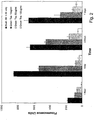
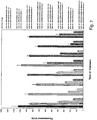
- Standardized green tea extract significantly inhibited Aß (1-40) amyloid fibril formation in a dose-dependent manner as early as 1 hour of incubation ( Figure 2 ).
- Significant inhibition (p ⁇ 0.005) by standardized green tea leaf extract on Aß 1-40 amyloid fibril formation was observed at all time points including 1 hour, 1 day, 3 days and 1 week ( Figure 2 ).
- 10 ⁇ g/ml, 50 ⁇ g/ml and 100 ⁇ g/ml of standardized green tea leaf extract significantly (p ⁇ 0.005) inhibited Aß 1-40 fibril formation by 50.3 +/- 3.3%, 66.1 +/- 3.3%, and 95.1+/- 1.6%, respectively.
- This type of activity would be important for any potential anti-amyloid compound which can be used in patients who already have substantial amyloid deposition in organs and/or tissues.
- Alzheimer's disease patients in mid-to-late stage disease have abundant Aß-containing amyloid deposits in their brains as part of both neuritic plaques and cerebrovascular amyloid deposits.
- a compound capable of causing disassembly/disruption of pre-existing amyloid deposits would be advantageous for use in these patients who are at latter stages of the disease process.
- Aß 1-42 (Bachem Inc., Torrance, CA, USA; Lot#516817) was dissolved in 1.0 ml of double distilled water (1 mg/ml solution). 25 ⁇ M of Aß 1-42 was then incubated overnight ( ⁇ 18 hours) at 37°C, in the absence or presence of 10 ⁇ g/ml, 100 ⁇ g/ml or 200 ⁇ g/ml of standardized green tea leaf extract in the presence of 150 mM Tris HCl, 10 mM NaCl (pH 7.0) with 0.02% sodium azide.
- the Aß 1-42:green tea extract weight ratio was 1:0.1, 1:1 and 1:2, respectively.
- the powder within one gelatin capsule of standardized green tea extract obtained from a commercial source was extracted in 1 ml of distilled water and pelleted using a microcentrifuge (for 10mins at 2,500X g). The supernatant was then taken and lyophilized. A 1 mg/ml working solution for use in the in vitro assays described below was then made using distilled water.
- the commercial green tea leaf extracts are usually standardized to 50% polyphenols.
- Thioflavin T is known to bind to fibrillar amyloid proteins, and an increase in fluorescence correlates with an increase in amyloid fibril formation, whereas a decrease in fluorescence correlates with a decrease in amyloid fibrils due to disassembly and/or disruption.
- the Alzheimer's Aß protein (1-42) when placed in solution, such as distilled water, tends to spontaneously form amyloid fibrils.
- any decreases or increases in fluorescence was previously shown to correlate with a decrease or increase in the amount of amyloid fibrils ( H Naiki et al, Lab. Invest. 65:104-110, 1991 ; H Levine III, Protein Sci.
- Aß 1-42 (Bachem Inc., Torrance CA, Lot #516817) was incubated in triplicate for 4 days in distilled water at 37°C in the absence or presence of 400 ⁇ g/ml of standardized green tea extract (obtained from two commercial sources) in Tris-buffered saline (TBS)(100 mM Tris; 50 mM NaCl; pH 7.0, with 0.02% sodium azide).
- TBS Tris-buffered saline
- the Aß: green tea extract weight ratio was 1:4.
- Source 1 of the standardized green tea extract used in this study was from Sundown Herbals (manufactured and distributed for Sundown Vitamins, Boca Raton, Fl), whereas source 2 of the standardized green tea extract used in this study was form Nature's Resource (Mission Hills, CA).
- the green tea used in this study were extracted in distilled water as described in Examples 1 and 2.
- test compounds standardized green tea extracts from the 2 sources (as described above)(standardized green tea extracts from the 2 sources are referred to as test compounds)
- 50 ⁇ l of 360 ⁇ M of Congo red (Sigma Chemical Co. St. Louis, MO, USA) in distilled water was then added to 250 ⁇ l of each incubation mixture, giving a final AB:Congo red molar ratio of 1:3.
- the absorbance at 405 nm (reference wavelength to account for the absorbance of Congo red alone at 540nm) and 540 nm (sample absorbance where "sample” refers to Aß alone, test compound alone, or Aß + test compound, all in the presence of Congo red) was determined using a Biorad Model 550 ELISA Plate Reader (Biorad, Hercules, CA, USA).
- the absorbance at wavelength 405 nm was automatically subtracted by the ELISA plate reader from the absorbance at wavelength 540 nm (difference is referred to as ⁇ absorbance)( Klunk et al, Anal. Biochem. 266:66-76, 1999 ). Therefore, the ⁇ absorbance reading at 540nm was proportional to the amount of aggregated Aß left in solution ( Klunk et al, Anal. Biochem. 266:66-76, 1999 ).
- Standardized green tea leaf extracts from two commercial sources were tested using the above described Congo red-Aß spectrophotometric assay to determine their effectiveness on disaggregation of Aß 1-42 Alzheimer's amyloid fibrils.
- both commercially available standardized green tea extracts caused a disaggregation of pre-aggregated Aß 1-42 amyloid fibrils as determined using the Congo red spectrophotometric assay described above.
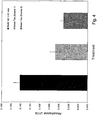
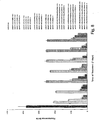
- Aß 1-40 alone demonstrated a mean ⁇ absorbance of 0.141+/- 0.013 AU ( Figure 4 ).
- Standardized green tea extract from source 1 (Sundown Herbals) caused a significant (p ⁇ 0.005) 52.5 +/- 8.5% disaggregation of 25 ⁇ M Aß 1-42 fibrils when incubated at a Aß 1-42:green tea extract weight ratio of 1:4 ( Figure 4 ).
- standardized green tea extract from source 2 caused a significant (p ⁇ 0.005) 63.8 +/-4.2% disaggregation of 25 ⁇ M Aß 1-42 fibrils when incubated at a Aß 1-42:green tea extract weight ratio of 1:4 ( Figure 4 ).
- standardized green tea leaf extract and at least one of its catechin, bioflavanoid, flavanol, flavandiol, flavanoid or tannin active constituents was a potent disaggregator of Alzheimer's Aß 1-42 amyloid fibrils.
- Catechins are Potent Inhibitors of Alzheimer's A ⁇ (1-40) Amyloid Fibril Formation
- a ⁇ (1-40) (Bachem Inc., Torrance, CA, USA) was incubated in microcentrifuge tubes at 37°C for 1 week (in triplicate), either alone, or in the presence of catechins from different commercial sources including Epicatechin (ICN Pharmaceuticals Inc., Costa Mesa, CA), Epicatechin (Aldrich, St. Louis, MO), Catechin hydrate (Fluka Chemica-Biochemika, Ronkonkoma, New York) and Catechin (Aldrich, St. Louis, MO) in 50 mM Tris HCl, 50 mM NaCl, pH 7.0 (TBS).
- catechins as described above were tested including A ⁇ :catechin at a 1:1, 1:0.1, 1:0.01 and 1:0.001 weight/weight ratio to determine if catechins exerted a dose-dependent inhibition of A ⁇ 1-40 fibril formation.
- the fluorometer was calibrated by zeroing in the presence of the Thioflavin T reagent alone, and by setting the 50 ng/ml riboflavin (Sigma Chemical Co., St. Louis, Mo) in the Thioflavin T reagent to 1800 fluorescence units. All fluorescence determinations were based on these references and any fluorescence given off by any of the compounds in the presence of the Thioflavin T reagent was always subtracted from all readings.
- Figure 6A demonstrates the Congo red staining of A ⁇ amyloid deposits following incubation of 125 ⁇ M of A ⁇ 1-40 at 37°C for 1 week alone. This study demonstrated that catechins, such as epicatechin, was a potent inhibitor of A ⁇ amyloid fibril formation.
- a ⁇ 1-42 (Bachem Inc., Torrance, CA, USA) was dissolved in 1.0 ml of double distilled water (1 mg/ml solution). 25 ⁇ M of A ⁇ 1-42 was then incubated at 37°C, in the absence or presence of epicatechin (from Fluka), epicatechin (from ICN), catechin hydrate (from Aldrich), Gallocatechin gallate (from Sigma), Epicatechin gallate (from Sigma), Epicatechin (from Sigma), Epicatechin green tea (from Sigma) in the presence of 150 mM Tris HCl, 10 mM NaCl (pH 7.0) with 0.02% sodium azide.
- the Thioflavin T fluorometry assay as described in Example 1 was used.
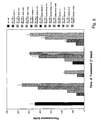
- catechins including epicatechin (from Fluka, ICN, Aldrich and Sigma), catechin hydrate (Aldrich), gallocatechin gallate (Sigma), and epicatechin gallate all caused a disassembly/disruption of pre-formed A ⁇ 1-42 amyloid fibrils and was effective in a dose-dependent manner.
- Catechins are Potent Inhibitors of Parkinson's Fibril Formation
- NAC also known as, and sometimes referred to herein as, NAC-P
- NAC-P a 35 amino acid fragment of alpha-synuclein was used since it is know to spontaneously form amyloid-like fibrils following incubation at 37°C.
- polyhydroxylated aromatic compounds are potent inhibitors/disrupters of fibrillar AA amyloid formation and deposition in cell culture.
- a group of about 30 commercially available polyhydroxylated aromatic compounds that differ by position of various functional hydroxyl groups are believed to inhibit fibrillar AA amyloid formation and deposition using a cell culture model system.
- a murine macrophage cell culture system receiving recombinant serum amyloid A 2 (SAA2) and amyloid enhancing factor (AEF) is used to generate fibrillar AA amyloid in vitro. Fibrillar AA amyloid deposition detected by Congo red staining and Thioflavin S fluorescence is quantitated using an image analysis system.
- quantitation of AA amyloid formation and deposition is achieved by the analysis of the cell layer and media derived from cultures using SDS-PAGE, immunoblotting and scanning densitometry. Selected efficacious compounds found to inhibit AA amyloid formation and/or deposition in culture are then tested in an experimental mouse model of AA amyloidosis.
- Congo red staining of tissue sections revealed a characteristic red/green birefringence (as viewed under polarized light) indicative of fibrillar amyloid deposits ( Fig. 9A ).
- the presence of fibrillar amyloid deposits was also confirmed by positive Thioflavin S fluorescence ( Fig.9C ).
- AA amyloid deposits demonstrated a co-localization of heparan sulfate glycosaminoglycans (likely as part of proteoglycans) as shown using a phage display generated periplasmic fraction antibody (known as HS4C3 which recognizes a specific heparan sulfate GAG epitope)( van Kuppevelt et al, J. Biol. Chem. 273:12960-12966,1998 .)( Fig. 9C ).
- Figure 9 shows amyloid deposition in spleen in a mouse model of experimental AA amyloidosis.
- Panels represent splenic tissue taken 5 days after CBA/J mice were injected with 100 ⁇ g AEF + 0.5ml of 3% silver nitrate.
- Fig. 9A Splenic amyloid in the perifollicular area (bright areas; arrows) as shown by Congo red staining (i.e. red/green birefringence) as viewed under polarized light.
- Fig. 9B Splenic amyloid (bright areas; arrows) in the perifollicular area in another animal as demonstrated by positive Thioflavin S fluorescence.
- Fig. 9A Splenic amyloid in the perifollicular area (bright areas; arrows) as shown by Congo red staining (i.e. red/green birefringence) as viewed under polarized light.
- Fig. 9B Splenic amyloid (bright areas;
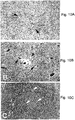
- fibrillar AA amyloid deposits were first observed within 3-4 days in the walls of the central veins ( Fig. 10A ), followed by amyloid deposition throughout the parenchyma by days 5-7 ( Fig. 10C ).
- the nature of fibrillar amyloid deposits was confirmed by both positive staining with Congo red (i.e. red/green birefringence as viewed under polarized light)( Figs. 10A, 10C ) and Thioflavin S (i.e. positive fluorescence)( Fig. 10B ).
- Figure 10 shows amyloid deposition in liver in a mouse model of experimental AA amyloidosis.
- Panels A and B represent liver tissue taken 7-10 days after CBA/J mice were injected with 100 ⁇ g AEF + 0.5ml of 3% silver nitrate.
- Fig. 10A Liver amyloid (at 7 days) primarily confined to the walls of a central vein (bright areas; arrows) as shown by Congo red staining (i.e. red/green birefringence) as viewed under polarized light (arrows).
- X100 Fig.
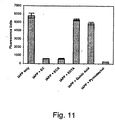
- Figure 11 demonstrates the effect of specific polyhydroxylated aromatic compounds to disrupt/disassemble amyloid fibrils consisting of islet amyloid polypeptide (IAPP)(the amyloid protein that accumulates in the pancreatic islets of ⁇ 90% of patients with type 2 diabetes)(Westermark, 1972; Clark et al, 1988) as assessed by Thioflavin T fluorometry (Naiki et al,1991; Levine III,1993;1995).
- IAPP islet amyloid polypeptide
- EC epicatechin
- ECG epicatechin gallate
- pyrocatechol Sigma
- Figure 11 shows specific polyhydroxylated aromatic compounds act as potent disruptors of pre-formed amyloid fibrils.
- This graph is a 1-week Thioflavin T fluorometry assay to identify inhibitors of IAPP fibrils. As shown, only epicatechin (EC), epicatechin gallate (ECG) and pyrocatechol disrupt/disassemble pre-formed IAPP fibrils by 90-96%.
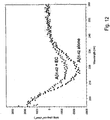
- Aß 1-42 alone demonstrates the typical spectra of a fibrillar amyloid protein containing ß-pleated sheet structure by the marked minima observed at 222 nm.
- incubation with epicatechin by 3 days caused a significant disruption/disassembly of ß-pleated sheet structure ( Fig. 12 ), suggesting that specific polyhydroxylated aromatic compound's mechanism of action may involve ß-pleated sheet disruption.
- Figure 12 shows disruption/disassembly of ß-pleated sheet structure of pre-formed Alzheimer's disease amyloid fibrils by epicatechin.
- Circular dichroism spectroscopy was used to assess the ability of epicatechin (EC) to cause a disruption/disassembly of ß-pleated sheet structure of pre-formed Aß 1-42 fibrils.
- epicatechin was effective in disrupting the ß-sheet structure (as revealed by the change in the spectra, especially at 222 nm).
- epicatechin C 15 H 14 O 6 ; MW 290.3
- epicatechin the specific polyhydroxylated aromatic compound
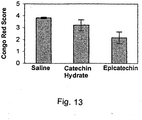
- Epicatechin was administered daily by oral gavage (0.5 ml of test article in PBS, pH 7.4) at a dosage of 78 mg/kg/day (solubility limit of epicatechin), whereas catechin hydrate was administered at a high dose (500 mg/kg/day).
- mice Following a 7-day pretreatment period with either PBS, epicatechin or catechin, all animals were induced for AA amyloid deposition by a single subcutaneous injection of 0.5 ml of silver nitrate (inflammatory stimulus), followed by a single tail vein injection of 100 ⁇ g of AEF in distilled water. The mice were then treated for another 14 days with PBS, epicatechin or catechin by oral gavage as described above (total test compound treatment time of 21 days). At the end of the experimental protocol, the animals were sacrificed and the spleen, liver and kidneys were taken for histological analysis.
- Tissue sections i.e. spleen, liver and kidney
- Five sections per organ was then used to evaluate amyloid load.
- an arbitrary scoring system was used (from 0 to 5) and amyloid load per organ was determined by the blind scoring of two investigators.
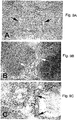
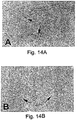
- Figure 14 shows a marked reduction in splenic AA amyloid deposition by epicatechin as revealed by Congo red staining.
- Fig. 14A Congo red staining of AA amyloid deposits in the perifollicular area of the spleen (arrows) in a mouse induced with AEF + AgNO 3 (on day 8), and treated with PBS (for 21 days).
- Color photomicrographs demonstrate a red/green birefringence indicative of fibrillar amyloid (as viewed under polarized light).
- Fibrillar AA amyloid deposition detected by Congo red staining and Thioflavin S fluorescence is quantitated in culture using an image analysis system equipped for fluorescence and polarization.
- quantitation of AA amyloid formation is achieved by the analysis of the cell layer and media using SDS-PAGE, immunoblotting and scanning densitometry.
- cultures are screened with selected polyhydroxylated compounds at increasing concentrations. The most efficacious compounds found to inhibit AA amyloid formation and deposition in culture are then tested in a relevant experimental mouse model of AA amyloidosis.
- Cells are collected by lavage from the peritoneal cavity of normal 8-10 week old female C57B1/6 mice. Briefly, 8 ml of collection medium (RPMI 1640; Life Technologies, Grand Island, NY), 25 mM HEPES, pH 7.0 and 1X antibiotic-antimycotic (Life Technologies) is injected intraperitoneally, the abdomen is gently massaged, and the fluid and cells are withdrawn. Cells are collected by centrifugation, resuspended at a concentration of 5X10 6 cells/ml, and plated at a density of 1. 7 X 10 6 cells/well in 8-well chamber slides.
- collection medium RPMI 1640; Life Technologies, Grand Island, NY
- 25 mM HEPES pH 7.0
- 1X antibiotic-antimycotic Life Technologies
- Culture media contain RPMI 1640, 2 mM L-glutamine, 1X antibiotic-antimycotic, and 15% fetal calf serum (Hyclone Labs, Logan, VT). Cells are allowed to attached for 3 hours, after which wells are rinsed thoroughly to remove nonadherent cells. Adherent cells display a uniform, round morphology typical of freshly plated, nonactivated macrophages. Cells are maintained in 350 ⁇ l of culture medium per well at 37°C in an atmosphere of 5% CO 2 , with media being replaced every 2-3 days. Following the addition of AEF and recombinant SAA2 (as described below) for the induction of AA amyloid deposition in culture (usually observed within 2-4 days of induction), cell cultures are maintained for a period of 14-20 days.
- AEF is prepared from the spleens of amyloidotic mice following a 2-week treatment with a single subcutaneous 0.5ml injection of AgNO 3 , and a single tail vein injection of 100 ⁇ g AEF in distilled water.
- the initialAEF material was kindly supplied by Dr. Robert Kisilevsky (Queen's University, Canada) to which more AEF was generated using the method of Pras et al (1968). Briefly, approximately 2 grams (10 amyloidotic spleens) of tissue is processed for each preparation. The spleens are homogenized using a Kontes tissue grinder in 40mls of 0.15M NaCl saline solution, until the tissue is in a fine slurry.
- the slurry is then centrifuged on a table-top microcentrifuge at 10,000 rpm for 30 minutes. The supernatant is discarded and the pellet is resuspended in 40mls of saline and centrifuged again as described above. This process is repeated seven times.
- the salt is then be removed from the pellets by rehomogenizing in sterile distilled water, and centrifugation on a table-top microcentrifuge at 15,000 rpm for 2 hours. The supernatant is then discarded and the pellet is resuspended in 20mls of distilled water, and then recentrifuged at 15, 000 rpm for 2 hours.
- Sup II Supernatant II
- Sup III Supernatant II
- Sup III contains significant AEF activity.
- the process used for the generation of Sup II is repeated, and the supernatant, designated as Sup III is saved.
- the pellet obtained from the last step is resuspended in 7 mls of distilled water and centrifuged at 10,000 rpm for 3 hours.
- the supernatant is saved and designated as Sup IV.
- Sup II, Sup III, and Sup IV contain AEF activity which is assayed by the Bradford method (Bradford, 1976) to determine the protein concentration for each supernatant.
- the 3 supernatants are then pooled and lyophilized such that multiple 100 ⁇ g lyophilized aliquots are obtained.
- AEF is used for both cell culture studies (aim 1) and experimental AA amyloid induction in a mouse model (aim 2) as described below.
- 10 amyloidotic spleens yield approximately 4 mg of AEF (enough for injections for 40 animals; i.e. 100 ⁇ g per animal as described herein.
- Mouse recombinant SAA2 corresponding to the SAA in mice of the CE/J strain is produced in Escherichia coli BL834 cells, using the pET-21a vector as previously described (Kluve-Beckerman et al, 1997). Purification from E. coli lysates are accompanied by Sepharose CL-6B chromatography in 4 M guanidine, 0.05 M Tris-HCl (pH 8.2) followed by chromatofocusing over a range of pH 8 to pH 5 in 6M urea (Kluve-Beckerman et al, 1997). Final preparations are precipitated in ammonium sulfate (80% saturated), extensively dialyzed against water, and lyophilized.
- recombinant mouse SAA2 (at a final concentration of 140 ⁇ g/ml), and AEF (at a final concentration of 12 ⁇ g/ml) is used.
- SAA (7 ⁇ l) is added directly to the medium (350 ⁇ l) from a 7-10 mg/ml stock solution prepared by dissolving purified, lyophilized recombinant SAA2 in 6M urea, 25 mM HEPES, pH 7.2. Concentrations of stock solutions are adjusted after analysis by SDS-PAGE and densitometric quantitation of Coomassie-blue stained SAA bands.
- AEF stock solutions (2 mg/ml) is thoroughly mixed to resuspend precipitated material before withdrawal of an aliquot (2 ⁇ l) for addition to culture medium (350 ⁇ l).
- a latex bead uptake assay is also employed. Blue-dyed polystyrene latex beads, 0.8 ⁇ m in diameter (Sigma) is suspended in serum-free RPMI. at a concentration of 7.2 X 10 8 /ml. Cells are rinsed 3 times with serum-free RPMI and then incubated for 30 minutes with 300 ⁇ l of the bead suspension. During the incubation, chamber slides are tightly wrapped in Parafilm and shaken gently in a water bath at 37°C. The bead suspension is removed, and the cells are rinsed a minimum of 10 times with RPMI. Cells are then fixed with formalin and stained with hematoxylin.
- red/green birefringence as viewed under polarized light is quantitatively determined using an imaging system as described herein. Previous studies using this culture system indicated that Congo red-positive material remains attached to chamber slides throughout the culture period (2-24 days)(Kluve-Beckerman et al, 1999). AA amyloid accumulation in culture has been previously demonstrated to occur within 2 days following addition of SAA2 and AEF (Kluve-Beckerman et al, 1999).
- Fibrillar AA amyloid deposits are detected and analyzed flowing staining with Thioflavin S (Elghetany and Saleem, 1988). Thioflavin S fluorescence is quantitated using the image analysis system as described herein.
- the images of fibrillar AA amyloid (polarized or fluorescent) sections are stored in a buffer and a specific region (i.e. at a magnification of X100) is manually outlined and the total pixel area occupied by the amyloid structures determined.
- a monochromatic-based threshold is used to select pixels corresponding to polarized or immunofluorescent structures.
- the % of the region occupied by the labeled pixels i.e. red/green for Congo red; yellow/green for Thioflavin S
- the treatment status of cultures are unknown to the observer. Mann-Whitney nonparametric analysis is performed using Statview software (SAS Institute, Cary, NC).
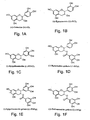
- Representative compounds disclosed and believed to be effective anti-amyloid and anti alpha-synuclein / NAC inhibitors / disrupters include EDTA (C 10 H 16 N 2 O 8 MW 292.2 used as a negative control only), and commercially available polyphenolic compounds with a variety of phenolic substitution patterns including: Epicatechin (C 15 H 14 O 6 ; MW 290.3), Catechin hydrate (C 15 H 14 O 6 ; MW 290.3), Epigallocatechin (C 16 H 14 0 7 ; MW 306.3, Epigallocatechin Gallate (C 22 H 18 O 11 ; MW 458.4), Epicatechin Gallate (C 22 H 18 O 10 ; MW 442.4), Gallocatechin Gallate (C 22 H 18 O 11 ; MW 458.4), Chlorogenic acid (C 16 H 18 O 9 ; MW 354.3), Hematoxylin (C 16 H 14 O 6 ; MW 302.3), Phloroglucide (C 12 H 10 O 6 ; MW 23
- test compounds For cell culture studies, an initial high dosage of test compounds (to be determined empirically) is used to determine if the compounds can inhibit AA amyloid formation and/or deposition, as determined by methods as described below and elsewhere herein.
- each polyhydroxylated aromatic compound is added to cultures at the start of AA amyloid induction (i.e. AEF + SAA2 administration).
- Cell culture media containing each individual test compound is replaced every 2-3 days.
- % amyloid burden are quantitated at days 5 and 10 following AA amyloid induction and test compound treatment. Comparisons are directly made to the % amyloid burden in cultures only induced for AA amyloid deposition (i.e. no test compound treatment).
- Figure 15 shows structure-activity relationship (SAR) studies of different commercially available polyhydroxylated aromatic compounds. Shown are 8 examples of the structures of different commercially available polyphenolic compounds which differ by the placement of the hydroxyl groups on the aromatic ring to be used for SAR screening studies.
- AA amyloid accumulation in cell layer and media is determined using SDS-PAGE followed by immunoblotting as previously described (Kluve-Beckerman et al, 1999). Briefly, cell layers are rinsed three times with serum-free RPMI, scraped into PBS, pelleted by centrifugation, and solubilized in SDS sample buffer. For analysis of AA amyloid in culture media derived from cells, 15 ⁇ l aliquots of media is added directly to SDS sample buffer. Triplicate samples are subjected to tricine-SDS-PAGE as previously described (Schagger and von Jago, 1987).
- separating spacing, and stacking layers contain 16.5%,10% and 4% polyacrylamide, respectively.
- a monoclonal antibody against AA amyloid protein (Serotek), and the technique of enhanced chemoluminescence (ECL) Western blotting is employed according to the manufacturer's recommendations (Amersham Life Science).
- SAA2 usually appears as multiple bands art ⁇ 12-14 kDa and higher, whereas AA protein appears as a major band at ⁇ 8.5 kDa (Kluve-Beckerman et al, 1999).
- N-terminal sequencing of the major band at ⁇ 8.5 kDa is implemented to confirm the presence of AA protein.
- treatment time 21 days total.
- Spleen, livers and kidneys are obtained from each animal, and the % amyloid burden in each organ is quantitated using image analysis.
- immunohistochemistry is implemented using antibodies against AA amyloid protein, SAA, heparan sulfate proteoglycans/ glycosaminoglycans, amyloid P component, and ApoE to assess the effects of test compounds on the accumulation AA amyloid/SAA, and other known AA amyloid co-factors.
- Oral gavage is accomplished using a 22-gauge oral dosing needle (Popper) of test compounds dissolved in a 0.50 ml of PBS (pH 7.4).
- Popper oral dosing needle
- all animals are induced for AA amyloidosis by a single subcutaneous injection of 0.5ml of 3% AgNO 3 (Fisher) in double-distilled deionized water.
- This is followed by a single tail-vein injection of 100 ⁇ g of AEF in double-distilled deionized distilled water. Animals are treated for an additional 14 days with each of the specific polyhydroxylated compounds.
- mice One group of 12 mice is induced for AA amyloidosis (by AgNO 3 + AEF as described above) and is treated orally with PBS (pH 7.4) only, in the absence of any test compounds.
- PBS pH 7.4
- animals are sacrificed by overdose with 0.1ml of euthosol, and the spleen, liver and kidneys from each animal is harvested for staining and immunohistochemistry.
- AEF is prepared as described above.
- Fixation and tissue preparation is as previously described (Snow et al, 1991). Briefly, the spleen, liver and kidneys are removed from each animal, fixed in 90% ethanol, and 10% formaldehyde for 24 hours at -20°C, embedded in paraffin and sectioned at 25 ⁇ M (thick sections needed for amyloid load quantitation as described below). Approximately 50-75 sections are cut per animal.
- Fibrillar AA amyloid accumulation is detected by Congo red staining (Puchtler et al, 1962) and Thioflavin S fluorescence (Elghetany and Saleem, 1988) as described above.
- Image analysis is also used to quantitate the % amyloid burden present in spleen, liver and kidney, of each animal.
- the % amyloid load in each organ is quantified as assessed following staining with Congo red (as viewed under polarized light) or Thioflavin S (as viewed under fluorescent light). 5-7 equally spaced slides per animal per stain (in each treatment group) are used to determine the % amyloid load at a given magnification (X100).
- Quantitative image analysis of amyloid load in a given organ (and at a specific magnification) is performed using the image analysis system as described above. Potential reductions of amyloid load is quantitatively determined for each polyhydroxylated aromatic compound for each organ/animal. Certain test compounds are expected to reduce amyloid load by 40-60%.
- Tissue sections are also immunostained to detect important AA amyloid protein markers, and known AA amyloid-associated co-factors.
- a monoclonal antibody against the AA amyloid protein (Serotek) is used to confirm the location of AA amyloid deposits, whereas a polyclonal against SAA (Serotek) is used to detect the precursor protein, SAA.
- SAA a polyclonal against SAA
- the presence of perlecan (a specific heparan sulfate proteoglycan implicated in AA amyloidosis)(Snow et al, 1991) is detected using a monoclonal antibody against the perlecan core protein (known as HK-102; generous gift of Dr.
- a phage display generated periplasmic fraction antibody (known as HS4C3; generous gift of Dr. Van Kuppevelt)(van Kuppevelt et al, 1998) against a specific epitope of heparan sulfate GAG chains are used to determine the co-localization of heparan sulfate GAGs.
- Amyloid P component is detected using a polyclonal antibody (Research Diagnostics)
- ApoE is detected using a polyclonal antibody (Research Diagnostics).
- the disclosed compounds act to inhibit or prevent amyloid fibril formation, inhibit or prevent amyloid fibril growth, and/or cause disassembly, disruption, and/or disaggregation of preformed amyloid fibrils and amyloid protein deposits.
- Their activity can be measured in vitro by methods such as those discussed in Examples 1 through 4, while their activity in vivo against amyloidoses can be measured in animal models, such as those of Alzheimer's disease, Parkinson's disease, systemic AA amyloidosis, type 2 diabetes and others.
- the compounds also act to inhibit or prevent alpha-synuclein/NAC fibril formation, inhibit or prevent alpha-synuclein/NAC fibril growth, and/or cause disassembly, disruption, and/or disaggregation of preformed alpha-synuclein/NAC fibrils and alpha-synuclein/NAC-associated protein deposits.
- Their activity can be measured in vitro by methods such as those discussed in Example 4 above.
- the therapeutic ratio of a compound can be determined, for example, by comparing the dose that gives effective anti-fibril (anti-amyloid or anti-alpha-synuclein/NAC activity in a suitable in vivo model in a suitable animal species such as the mouse, with the dose that gives significant weight loss (or other observable side-effects) in the test animal species.
- compounds are administered in pure isolated form in therapeutically effective amounts by any of the usual modes known in the art, either singly or in combination with at least one other compound and/or at least one other conventional therapeutic agent for the disease being treated.
- a therapeutically effective amount may vary widely depending on the disease, its severity, the age and relative health of the animal being treated, the potency of the compound(s), and other factors.
- therapeutically effective amounts of compounds may range from 10-1000mg/Kg body weight; for example, 10-100 mg/Kg body weight.
- compositions are administered as pharmaceutical compositions by one of the following routes: oral, topical, systemic (e.g. transdermal, intranasal, or by suppository), or parenteral (e.g. intramuscular, subcutaneous, or intravenous injection).
- routes e.g. oral, topical, systemic (e.g. transdermal, intranasal, or by suppository), or parenteral (e.g. intramuscular, subcutaneous, or intravenous injection).
- routes e.g. intramuscular, subcutaneous, or intravenous injection.
- routes e.g. intramuscular, subcutaneous, or intravenous injection.
- routes e.g. intramuscular, subcutaneous, or intravenous injection.
- Compositions may take the form of tablets, pills, capsules, semisolids, powders, sustained release formulations, solutions, suspensions, elixirs, aerosols, or any other appropriate compositions; and comprise at least one compound in combination with at least one pharmaceutically
- Suitable excipients are well known to persons of ordinary skill in the art, and they, and the methods of formulating the compositions, may be found in such standard references as Alfonso AR: Remington's Pharmaceutical Sciences, 17th ed., Mack Publishing Company, Easton PA, 1985 .
- Suitable liquid carriers, especially for injectable solutions include waster, aqueous saline solution, aqueous dextrose solution, and glycols.
- compositions intended for oral use may be prepared according to any method known in the art for the manufacture of pharmaceutical compositions and such compositions may contain one or more agents selected from the group consisting of sweetening agents, flavoring agents, coloring agents and preserving agents in order to provide pharmaceutically elegant and palatable preparations.
- Tablets contain the compound in admixture with non-toxic pharmaceutically acceptable excipients which are suitable for the manufacture of tablets.
- excipients may be for example, inert diluents, such as calcium carbonate, sodium carbonate, lactose, calcium phosphate or sodium phosphate; granulating and disintegrating agents, for example, maize starch or alginic acid; binding agents, for example, maize starch, gelatin or acacia, and lubricating agents, for example, magnesium stearate or stearic acid or tale.
- the tablets may be uncoated or they may be coated by known techniques to delay disintegration and absorption in the gastrointestinal tract and thereby provide a sustained action over a longer period.
- a time delay material such as glycerol monostearate or glycerol distearate may be employed.
- Formulations for oral use may also be presented as hard gelatin capsules wherein the compound is mixed with an inert solid diluent, for example, calcium carbonate, calcium phosphate or kaolin, or as soft gelatin capsules wherein the active ingredient is mixed with water or an oil medium, for example, peanut oil, liquid paraffin or olive oil.
- Aqueous suspensions contain the compound in admixture with excipients suitable for the manufacture of aqueous suspensions.
- excipients are suspending agents, for example, sodium carboxymethylcellulose, methylcellulose, hydroxypropylmethyl cellulose, sodium alginate, polyvinylpyrrolidone, gum tragacanth and gum acacia; dispersing or wetting agents may be naturally occurring phosphatides, for example lecithin, or condensation products of an alkylene oxide with fatty acids, for example polyoxyethylene stearate, or condensation products of ethylene oxide with long chain aliphatic alcohols, for example, heptadecaethyleneoxycetanol, or condensation products of ethylene oxide with partial esters derived from fatty acids such as hexitol such as polyoxyethylene sorbitol monooleate, or condensation products of ethylene oxide with partial esters from fatty acids and a hexitol annhydrides, for example, polyethylene sorbitan monooleate.
- the aqueous suspensions may also contain one or more preservatives, for example, ethyl or n-propyl p-hydroxybenzoate, one or more coloring agents, one or more flavoring agents, or one or more sweetening agents, such as sucrose or saccharin.
- preservatives for example, ethyl or n-propyl p-hydroxybenzoate, one or more coloring agents, one or more flavoring agents, or one or more sweetening agents, such as sucrose or saccharin.
- Oily suspensions may be formulated by suspending the compound in a vegetable oil, for example arachis oil, olive oil, sesame oil, or coconut oil or in a mineral oil such as liquid paraffin.
- the oily suspensions may contain a thickening agent, for example beeswax, hard paraffin or cetyl alcohol.
- Sweetening agents, such as those set forth below, and flavoring agents may be added to provide a palatable oral preparation. These compositions may be preserved by the addition of an antioxidant such as ascorbic acid.
- Dispersible powders and granules suitable for preparation of an aqueous suspension by the addition of water provide the active ingredient in admixture with a dispersing or wetting agent, a suspending agent and one or more preservatives. Suitable dispersing or wetting agents and suspending agents are exemplified by those already described above. Additional excipients, for example sweetening, flavoring and agents, may also be present.
- the compounds may also be in the form of oil-in-water emulsions.
- the oily phase may be a vegetable oil, for example olive oil or arachis oils, or a mineral oil, for example liquid paraffin or mixtures of these.
- Suitable emulsifying agents may be naturally-occurring gums, for example gum acacia or gum tragacanth, naturally occurring phosphatides, for example soy bean, lecithin, and occurring phosphatides, for example soy bean, lecithin, and esters or partial esters derived from fatty acids and hexitol anhydrides, for example sorbitan monooleate, and condensation products of the said partial esters with ethylene oxide, for example polyoxyethylene sorbitan monooleate.
- the emulsion may also contain sweetening and flavoring agents.
- Syrups and elixirs may be formulated with sweetening agents, for example, glycerol, sorbitol or sucrose.
- Such formulations may also contain a demulcent, a preservative and flavoring and coloring agents.
- the compounds can also be administered by injection or infusion, either subcutaneously or intravenously, or intramuscularly, or intrasternally, or intranasally, or by infusion techniques in the form of sterile injectable or oleaginous suspension.
- the compound may be in the form of a sterile injectable aqueous or oleaginous suspensions. These suspensions may be formulated according to the known art using suitable dispersing of wetting agents and suspending agents which have been described above.
- the sterile injectable preparation may also be a sterile injectable solution or suspension in a non-toxic parenterally-acceptable diluent or solvent for example, as a solution in 1,3-butanediol.
- Suitable vehicles and solvents that may be employed are water, Ringer's solution and isotonic sodium chloride solution.
- sterile, fixed oils are conventionally employed as a solvent or suspending medium.
- any bland fixed oils may be conventionally employed including synthetic mono- or diglycerides.
- fatty acids such as oleic acid find use in the preparation of injectables.
- Dosage regimens can be adjusted to provide the optimum therapeutic response. For example, several divided dosages may be administered daily or the dosage may be proportionally reduced as indicated by the exigencies of the therapeutic situation.
- Dosage unit form refers to physically discrete units suited as unitary dosages for the subjects to be treated; each containing a therapeutically effective quantity of the compound and at least one pharmaceutical excipient.
- a drug product will comprise a dosage unit form within a container that is labeled or accompanied by a label indicating the intended method of treatment, such as the treatment of an amyloid disease, such as Alzheimer's disease, or of a disease associated with alpha-synuclein fibril formation, such as Parkinson's disease.
- a "therapeutically effective dosage” preferably inhibits amyloidosis or a disease associated with alpha-synuclein fibril formation in a patient by at least 20, more preferably by at least 40%, even more preferably by at least 60%, and still more preferably by at least 80%, relative to untreated subjects.
- the invention finds worldwide utility in that it provides therapeutic relief and diagnostic assistance in treating Parkinson's disease and Lewy body disease, by use of a catechin.
Landscapes
- Health & Medical Sciences (AREA)
- Veterinary Medicine (AREA)
- Engineering & Computer Science (AREA)
- Bioinformatics & Cheminformatics (AREA)
- Chemical & Material Sciences (AREA)
- Medicinal Chemistry (AREA)
- General Health & Medical Sciences (AREA)
- Public Health (AREA)
- Pharmacology & Pharmacy (AREA)
- Life Sciences & Earth Sciences (AREA)
- Animal Behavior & Ethology (AREA)
- Neurology (AREA)
- Biomedical Technology (AREA)
- Neurosurgery (AREA)
- General Chemical & Material Sciences (AREA)
- Nuclear Medicine, Radiotherapy & Molecular Imaging (AREA)
- Chemical Kinetics & Catalysis (AREA)
- Organic Chemistry (AREA)
- Epidemiology (AREA)
- Diabetes (AREA)
- Hematology (AREA)
- Psychology (AREA)
- Emergency Medicine (AREA)
- Hospice & Palliative Care (AREA)
- Psychiatry (AREA)
- Pharmaceuticals Containing Other Organic And Inorganic Compounds (AREA)
- Medicines Containing Plant Substances (AREA)
- Pyrane Compounds (AREA)
Applications Claiming Priority (5)
| Application Number | Priority Date | Filing Date | Title |
|---|---|---|---|
| US27686601P | 2001-03-15 | 2001-03-15 | |
| US276866P | 2001-03-15 | ||
| US33896901P | 2001-12-10 | 2001-12-10 | |
| US338969P | 2001-12-10 | ||
| PCT/US2002/007755 WO2003013442A2 (en) | 2001-03-15 | 2002-03-15 | Catechins for the treatment of fibrillogenesis in alzheimer's disease, parkinson's disease, systemic aa amyloidosis, and other amyloid disorders |
Publications (3)
| Publication Number | Publication Date |
|---|---|
| EP1372682A2 EP1372682A2 (en) | 2004-01-02 |
| EP1372682A4 EP1372682A4 (en) | 2005-10-19 |
| EP1372682B1 true EP1372682B1 (en) | 2012-05-02 |
Family
ID=26958170
Family Applications (1)
| Application Number | Title | Priority Date | Filing Date |
|---|---|---|---|
| EP02721413A Expired - Lifetime EP1372682B1 (en) | 2001-03-15 | 2002-03-15 | Catechins for the treatment of fibrillogenesis in alzheimer's disease, parkinson's disease, systemic aa amyloidosis, and other amyloid disorders |
Country Status (9)
| Country | Link |
|---|---|
| EP (1) | EP1372682B1 (enExample) |
| JP (1) | JP2004537576A (enExample) |
| AT (1) | ATE555807T1 (enExample) |
| CA (1) | CA2440293C (enExample) |
| DK (1) | DK1372682T3 (enExample) |
| ES (1) | ES2387910T3 (enExample) |
| NZ (1) | NZ528321A (enExample) |
| PT (1) | PT1372682E (enExample) |
| WO (1) | WO2003013442A2 (enExample) |
Cited By (1)
| Publication number | Priority date | Publication date | Assignee | Title |
|---|---|---|---|---|
| EP4511364A4 (en) * | 2022-04-20 | 2026-02-25 | Suntec Medical Inc | METHOD FOR TREATING DISEASES OF THE CENTRAL NERVOUS SYSTEM |
Families Citing this family (17)
| Publication number | Priority date | Publication date | Assignee | Title |
|---|---|---|---|---|
| US7514107B2 (en) | 2002-03-21 | 2009-04-07 | Mars, Incorporated | Treatment of diseases involving defective gap junctional communication |
| US7491699B2 (en) | 2002-12-09 | 2009-02-17 | Ramot At Tel Aviv University Ltd. | Peptide nanostructures and methods of generating and using the same |
| WO2004060791A1 (en) | 2003-01-07 | 2004-07-22 | Ramot At Tel Aviv University Ltd. | Peptide nanostructures encapsulating a foreign material and method of manufacturing same |
| EP1663199B1 (en) * | 2003-09-25 | 2013-04-03 | Tel Aviv University Future Technology Development L.P. | Compositions and methods using same for treating amyloid-associated diseases |
| WO2005031362A2 (en) | 2003-10-02 | 2005-04-07 | Ramot At Tel Aviv University Ltd. | Novel antibacterial agents and methods of identifying and utilizing same |
| EP1713457A2 (de) * | 2004-02-11 | 2006-10-25 | Max-Delbrück-Centrum Für Molekulare Medizin | Neue arzneimittel und diagnostische zusammensetzungen f r be handlung und diagnose von neurodegenerativen erkrankungen und amyloid-krankheiten |
| WO2006013552A2 (en) | 2004-08-02 | 2006-02-09 | Ramot At Tel Aviv University Ltd. | Articles of peptide nanostructures and method of forming the same |
| US20100040558A1 (en) * | 2005-04-26 | 2010-02-18 | University Of South Florida | Green tea polyphenol alpha secretase enhancers and methods of use |
| JP2007022946A (ja) * | 2005-07-14 | 2007-02-01 | Mitsui Norin Co Ltd | マクロファージ遊走阻止因子の酵素活性阻害剤 |
| US10004828B2 (en) | 2005-10-11 | 2018-06-26 | Romat at Tel-Aviv University Ltd. | Self-assembled Fmoc-ff hydrogels |
| GB2463833B (en) * | 2007-06-26 | 2012-02-08 | Parkinson S Inst | Compositions that prevent or reverse alpha-synuclein fibrillation for use in the treatment of neurological disorders |
| JP5738755B2 (ja) * | 2008-05-09 | 2015-06-24 | アイカーン スクール オブ メディシン アット マウント シナイ | 神経変性疾患を予防および治療するための方法 |
| JP6068484B2 (ja) | 2011-10-24 | 2017-01-25 | ソム、イノベーション、バイオテック、ソシエダッド、リミターダSom Innovation Biotech, S.L. | トランスサイレチン関連アミロイドーシスの新規療法 |
| US20180271927A1 (en) * | 2015-05-27 | 2018-09-27 | Nippon Paper Industries Co., Ltd. | Brain function-protecting agent |
| KR102441381B1 (ko) * | 2016-07-18 | 2022-09-07 | (주)아모레퍼시픽 | 3-O-갈로일-3,3',5,5',7-펜타하이드록시플라반(3-O-galloyl-3,3',5,5',7- pentahydroxyflavan)을 포함하는 인지 기능 개선용 조성물 |
| JPWO2019054461A1 (ja) * | 2017-09-15 | 2020-08-27 | 株式会社明治 | 神経機能の維持または回復用組成物 |
| CN109799352B (zh) * | 2019-01-29 | 2022-03-08 | 北京健坤禾润科技有限公司 | 化学发光试剂及其在免疫检测中应用 |
Family Cites Families (5)
| Publication number | Priority date | Publication date | Assignee | Title |
|---|---|---|---|---|
| IT1275905B1 (it) * | 1995-03-14 | 1997-10-24 | Indena Spa | Frazioni polifenoliche di te', loro uso e formulazioni che le contengono |
| JPH10245342A (ja) * | 1997-03-03 | 1998-09-14 | Mitsui Norin Kk | β−アミロイド蛋白の神経細胞毒性低減剤 |
| WO1998051302A1 (en) * | 1997-05-15 | 1998-11-19 | University Of Washington | Composition and methods for treating alzheimer's disease and other amyloidoses |
| US20010047032A1 (en) * | 1999-12-30 | 2001-11-29 | Castillo Gerardo M. | Polyhydroxylated aromatic compounds for the treatment of amyloidosis and alpha-synuclein fibril diseases |
| EP1246632A4 (en) * | 1999-12-30 | 2004-08-18 | Proteotech Inc | CATECHINE AND GREEN TEA EXTRACT FOR TREATING AMYLOIDOSES IN GENERAL OR. AT ALZHEIMER |
-
2002
- 2002-03-15 PT PT02721413T patent/PT1372682E/pt unknown
- 2002-03-15 WO PCT/US2002/007755 patent/WO2003013442A2/en not_active Ceased
- 2002-03-15 AT AT02721413T patent/ATE555807T1/de active
- 2002-03-15 ES ES02721413T patent/ES2387910T3/es not_active Expired - Lifetime
- 2002-03-15 EP EP02721413A patent/EP1372682B1/en not_active Expired - Lifetime
- 2002-03-15 CA CA2440293A patent/CA2440293C/en not_active Expired - Fee Related
- 2002-03-15 JP JP2003518456A patent/JP2004537576A/ja active Pending
- 2002-03-15 NZ NZ528321A patent/NZ528321A/en not_active IP Right Cessation
- 2002-03-15 DK DK02721413.9T patent/DK1372682T3/da active
Cited By (1)
| Publication number | Priority date | Publication date | Assignee | Title |
|---|---|---|---|---|
| EP4511364A4 (en) * | 2022-04-20 | 2026-02-25 | Suntec Medical Inc | METHOD FOR TREATING DISEASES OF THE CENTRAL NERVOUS SYSTEM |
Also Published As
| Publication number | Publication date |
|---|---|
| NZ528321A (en) | 2006-09-29 |
| WO2003013442A2 (en) | 2003-02-20 |
| JP2004537576A (ja) | 2004-12-16 |
| ATE555807T1 (de) | 2012-05-15 |
| CA2440293C (en) | 2012-01-24 |
| DK1372682T3 (da) | 2012-08-20 |
| EP1372682A2 (en) | 2004-01-02 |
| WO2003013442A3 (en) | 2003-05-30 |
| EP1372682A4 (en) | 2005-10-19 |
| ES2387910T3 (es) | 2012-10-03 |
| CA2440293A1 (en) | 2003-02-20 |
| PT1372682E (pt) | 2012-08-03 |
Similar Documents
| Publication | Publication Date | Title |
|---|---|---|
| US20080306143A1 (en) | Cathechins for the Treatment of Fibrillogenesis in Alzheimer's Disease, Parkinson's Disease, Systemic AA Amyloidosis, and Other Amyloid Disorders | |
| CA2440293C (en) | Catechins for the treatment of fibrillogenesis in alzheimer's disease, parkinson's disease, systemic aa amyloidosis, and other amyloid disorders | |
| Bastianetto et al. | Neuroprotective effects of green and black teas and their catechin gallate esters against β‐amyloid‐induced toxicity | |
| CA2289531C (en) | Composition and methods for treating alzheimer's disease and other amyloidoses | |
| US20020086067A1 (en) | Catechins and green tea extract for the treatment of amyloidosis in alzheimer's disease and other amyloidoses | |
| US6264994B1 (en) | Compositions for treating alzheimer's disease and other amyloidoses | |
| WO2000030666A1 (en) | Composition and methods for inhibiting the formation of brain amyloid deposits | |
| WO2000057707A1 (en) | Methods of treating alzheimer's disease and other amyloidoses using hypericum perforatum and derivatives thereof | |
| US7205008B2 (en) | Methods of treating Alzheimer's disease and other amyloidoses using Hypericum perforatum and derivatives thereof | |
| EP3261655B1 (en) | Composition comprising an uncaria tomentosa extract and an oolong tea extract for use in the treatment of a tautopathy | |
| EP3057437B1 (en) | Protective effects of oil palm composition on alzheimer's disease | |
| AU2002252347B2 (en) | Catechins for the treatment of fibrillogenesis in alzheimer's disease, parkinson's disease, systemic AA amyloidosis, and other amyloid disorders | |
| AU2002252347A1 (en) | Catechins for the treatment of fibrillogenesis in alzheimer's disease, parkinson's disease, systemic AA amyloidosis, and other amyloid disorders | |
| US11491201B2 (en) | Compositions and methods for the treatment of “plaques and tangles” in humans and animals | |
| Cristiano et al. | Cocoa Powder Triggers Neuroprotective and Preventive Effects in a Human Alzheimer 0 s Disease Model by Modulating BDNF Signaling Pathway | |
| Prinsloo | In vitro effects of rooibos herbal tea (Aspalathus linearis) against methamphetamine on the mouse blood brain barrier | |
| Bastianetto et al. | Phytochemicals and the aging brain | |
| Wang et al. | Yishen Huazhuo Decoction Regulates Microglial Polarization to Reduce Neuroinflammation at the Early Stage of Alzheimer's Disease Through TREM2 |
Legal Events
| Date | Code | Title | Description |
|---|---|---|---|
| PUAI | Public reference made under article 153(3) epc to a published international application that has entered the european phase |
Free format text: ORIGINAL CODE: 0009012 |
|
| 17P | Request for examination filed |
Effective date: 20030926 |
|
| AK | Designated contracting states |
Kind code of ref document: A2 Designated state(s): AT BE CH CY DE DK ES FI FR GB GR IE IT LI LU MC NL PT SE TR |
|
| AX | Request for extension of the european patent |
Extension state: AL LT LV MK RO SI |
|
| RIN1 | Information on inventor provided before grant (corrected) |
Inventor name: CHOI, PAULA, Y. Inventor name: CASTILLO, GERARDO, M. Inventor name: SNOW, ALAN, D. Inventor name: CUMMINGS, JOEL, A. Inventor name: NGUYEN, BETH, P. |
|
| RIC1 | Information provided on ipc code assigned before grant |
Ipc: 7A 61K 31/353 B Ipc: 7A 61K 39/385 B Ipc: 7A 61K 35/78 A |
|
| A4 | Supplementary search report drawn up and despatched |
Effective date: 20050902 |
|
| 17Q | First examination report despatched |
Effective date: 20060620 |
|
| REG | Reference to a national code |
Ref country code: DE Ref legal event code: R079 Ref document number: 60242803 Country of ref document: DE Free format text: PREVIOUS MAIN CLASS: A61K0035780000 Ipc: A61K0039385000 |
|
| GRAJ | Information related to disapproval of communication of intention to grant by the applicant or resumption of examination proceedings by the epo deleted |
Free format text: ORIGINAL CODE: EPIDOSDIGR1 |
|
| GRAP | Despatch of communication of intention to grant a patent |
Free format text: ORIGINAL CODE: EPIDOSNIGR1 |
|
| RIC1 | Information provided on ipc code assigned before grant |
Ipc: A61K 39/385 20060101AFI20111114BHEP Ipc: A61K 31/353 20060101ALI20111114BHEP |
|
| GRAS | Grant fee paid |
Free format text: ORIGINAL CODE: EPIDOSNIGR3 |
|
| GRAA | (expected) grant |
Free format text: ORIGINAL CODE: 0009210 |
|
| AK | Designated contracting states |
Kind code of ref document: B1 Designated state(s): AT BE CH CY DE DK ES FI FR GB GR IE IT LI LU MC NL PT SE TR |
|
| REG | Reference to a national code |
Ref country code: GB Ref legal event code: FG4D |
|
| REG | Reference to a national code |
Ref country code: CH Ref legal event code: EP Ref country code: AT Ref legal event code: REF Ref document number: 555807 Country of ref document: AT Kind code of ref document: T Effective date: 20120515 |
|
| REG | Reference to a national code |
Ref country code: IE Ref legal event code: FG4D |
|
| REG | Reference to a national code |
Ref country code: DE Ref legal event code: R096 Ref document number: 60242803 Country of ref document: DE Effective date: 20120628 |
|
| REG | Reference to a national code |
Ref country code: PT Ref legal event code: SC4A Free format text: AVAILABILITY OF NATIONAL TRANSLATION Effective date: 20120727 |
|
| REG | Reference to a national code |
Ref country code: NL Ref legal event code: T3 |
|
| REG | Reference to a national code |
Ref country code: DK Ref legal event code: T3 |
|
| REG | Reference to a national code |
Ref country code: SE Ref legal event code: TRGR |
|
| REG | Reference to a national code |
Ref country code: ES Ref legal event code: FG2A Ref document number: 2387910 Country of ref document: ES Kind code of ref document: T3 Effective date: 20121003 |
|
| PG25 | Lapsed in a contracting state [announced via postgrant information from national office to epo] |
Ref country code: CY Free format text: LAPSE BECAUSE OF FAILURE TO SUBMIT A TRANSLATION OF THE DESCRIPTION OR TO PAY THE FEE WITHIN THE PRESCRIBED TIME-LIMIT Effective date: 20120502 Ref country code: FI Free format text: LAPSE BECAUSE OF FAILURE TO SUBMIT A TRANSLATION OF THE DESCRIPTION OR TO PAY THE FEE WITHIN THE PRESCRIBED TIME-LIMIT Effective date: 20120502 |
|
| PG25 | Lapsed in a contracting state [announced via postgrant information from national office to epo] |
Ref country code: GR Free format text: LAPSE BECAUSE OF FAILURE TO SUBMIT A TRANSLATION OF THE DESCRIPTION OR TO PAY THE FEE WITHIN THE PRESCRIBED TIME-LIMIT Effective date: 20120803 |
|
| PLBE | No opposition filed within time limit |
Free format text: ORIGINAL CODE: 0009261 |
|
| STAA | Information on the status of an ep patent application or granted ep patent |
Free format text: STATUS: NO OPPOSITION FILED WITHIN TIME LIMIT |
|
| 26N | No opposition filed |
Effective date: 20130205 |
|
| REG | Reference to a national code |
Ref country code: DE Ref legal event code: R097 Ref document number: 60242803 Country of ref document: DE Effective date: 20130205 |
|
| REG | Reference to a national code |
Ref country code: FR Ref legal event code: PLFP Year of fee payment: 14 |
|
| PGFP | Annual fee paid to national office [announced via postgrant information from national office to epo] |
Ref country code: IT Payment date: 20150325 Year of fee payment: 14 Ref country code: DK Payment date: 20150325 Year of fee payment: 14 Ref country code: IE Payment date: 20150327 Year of fee payment: 14 Ref country code: NL Payment date: 20150326 Year of fee payment: 14 Ref country code: MC Payment date: 20150220 Year of fee payment: 14 Ref country code: DE Payment date: 20150327 Year of fee payment: 14 Ref country code: PT Payment date: 20150219 Year of fee payment: 14 Ref country code: CH Payment date: 20150327 Year of fee payment: 14 Ref country code: ES Payment date: 20150326 Year of fee payment: 14 |
|
| PGFP | Annual fee paid to national office [announced via postgrant information from national office to epo] |
Ref country code: FR Payment date: 20150317 Year of fee payment: 14 Ref country code: SE Payment date: 20150327 Year of fee payment: 14 Ref country code: GB Payment date: 20150327 Year of fee payment: 14 Ref country code: AT Payment date: 20150219 Year of fee payment: 14 Ref country code: LU Payment date: 20150402 Year of fee payment: 14 |
|
| PG25 | Lapsed in a contracting state [announced via postgrant information from national office to epo] |
Ref country code: TR Free format text: LAPSE BECAUSE OF FAILURE TO SUBMIT A TRANSLATION OF THE DESCRIPTION OR TO PAY THE FEE WITHIN THE PRESCRIBED TIME-LIMIT Effective date: 20120502 |
|
| PGFP | Annual fee paid to national office [announced via postgrant information from national office to epo] |
Ref country code: BE Payment date: 20150327 Year of fee payment: 14 |
|
| REG | Reference to a national code |
Ref country code: DE Ref legal event code: R081 Ref document number: 60242803 Country of ref document: DE Owner name: PROTAMED, INC., KIRKLAND, US Free format text: FORMER OWNER: PROTEOTECH INC., KIRKLAND, WASH., US Ref country code: DE Ref legal event code: R081 Ref document number: 60242803 Country of ref document: DE Owner name: COGNITIVE CLARITY INC. (N.D.GES.D. STAATES DEL, US Free format text: FORMER OWNER: PROTEOTECH INC., KIRKLAND, WASH., US |
|
| PG25 | Lapsed in a contracting state [announced via postgrant information from national office to epo] |
Ref country code: BE Free format text: LAPSE BECAUSE OF NON-PAYMENT OF DUE FEES Effective date: 20160331 |
|
| REG | Reference to a national code |
Ref country code: GB Ref legal event code: 732E Free format text: REGISTERED BETWEEN 20160825 AND 20160831 Ref country code: NL Ref legal event code: HC Owner name: PROTAMED, INC.; US Free format text: DETAILS ASSIGNMENT: VERANDERING VAN EIGENAAR(S), VERANDERING VAN NAAM VAN DE EIGENAAR(S); FORMER OWNER NAME: PROTEOTECH INC. Effective date: 20160706 |
|
| REG | Reference to a national code |
Ref country code: DE Ref legal event code: R119 Ref document number: 60242803 Country of ref document: DE |
|
| REG | Reference to a national code |
Ref country code: DK Ref legal event code: EBP Effective date: 20160331 |
|
| REG | Reference to a national code |
Ref country code: FR Ref legal event code: CD Owner name: PROTAMED, INC., US Effective date: 20160922 |
|
| PG25 | Lapsed in a contracting state [announced via postgrant information from national office to epo] |
Ref country code: MC Free format text: LAPSE BECAUSE OF NON-PAYMENT OF DUE FEES Effective date: 20160331 Ref country code: LU Free format text: LAPSE BECAUSE OF NON-PAYMENT OF DUE FEES Effective date: 20160315 |
|
| REG | Reference to a national code |
Ref country code: CH Ref legal event code: PL |
|
| REG | Reference to a national code |
Ref country code: SE Ref legal event code: EUG |
|
| REG | Reference to a national code |
Ref country code: AT Ref legal event code: MM01 Ref document number: 555807 Country of ref document: AT Kind code of ref document: T Effective date: 20160315 |
|
| REG | Reference to a national code |
Ref country code: NL Ref legal event code: MM Effective date: 20160401 |
|
| GBPC | Gb: european patent ceased through non-payment of renewal fee |
Effective date: 20160315 |
|
| REG | Reference to a national code |
Ref country code: FR Ref legal event code: TP Owner name: COGNITIVE CLARITY, INC, US Effective date: 20161021 |
|
| PG25 | Lapsed in a contracting state [announced via postgrant information from national office to epo] |
Ref country code: SE Free format text: LAPSE BECAUSE OF NON-PAYMENT OF DUE FEES Effective date: 20160316 Ref country code: PT Free format text: LAPSE BECAUSE OF NON-PAYMENT OF DUE FEES Effective date: 20160915 |
|
| REG | Reference to a national code |
Ref country code: IE Ref legal event code: MM4A |
|
| REG | Reference to a national code |
Ref country code: FR Ref legal event code: ST Effective date: 20161130 |
|
| PG25 | Lapsed in a contracting state [announced via postgrant information from national office to epo] |
Ref country code: GB Free format text: LAPSE BECAUSE OF NON-PAYMENT OF DUE FEES Effective date: 20160315 Ref country code: FR Free format text: LAPSE BECAUSE OF NON-PAYMENT OF DUE FEES Effective date: 20160331 Ref country code: DE Free format text: LAPSE BECAUSE OF NON-PAYMENT OF DUE FEES Effective date: 20161001 Ref country code: IE Free format text: LAPSE BECAUSE OF NON-PAYMENT OF DUE FEES Effective date: 20160315 Ref country code: NL Free format text: LAPSE BECAUSE OF NON-PAYMENT OF DUE FEES Effective date: 20160401 Ref country code: CH Free format text: LAPSE BECAUSE OF NON-PAYMENT OF DUE FEES Effective date: 20160331 Ref country code: LI Free format text: LAPSE BECAUSE OF NON-PAYMENT OF DUE FEES Effective date: 20160331 |
|
| PG25 | Lapsed in a contracting state [announced via postgrant information from national office to epo] |
Ref country code: AT Free format text: LAPSE BECAUSE OF NON-PAYMENT OF DUE FEES Effective date: 20160315 Ref country code: IT Free format text: LAPSE BECAUSE OF NON-PAYMENT OF DUE FEES Effective date: 20160315 |
|
| REG | Reference to a national code |
Ref country code: DE Ref legal event code: R081 Ref document number: 60242803 Country of ref document: DE Owner name: COGNITIVE CLARITY INC. (N.D.GES.D. STAATES DEL, US Free format text: FORMER OWNER: PROTAMED, INC., KIRKLAND, WASH., US |
|
| PG25 | Lapsed in a contracting state [announced via postgrant information from national office to epo] |
Ref country code: DK Free format text: LAPSE BECAUSE OF NON-PAYMENT OF DUE FEES Effective date: 20160331 |
|
| PG25 | Lapsed in a contracting state [announced via postgrant information from national office to epo] |
Ref country code: ES Free format text: LAPSE BECAUSE OF NON-PAYMENT OF DUE FEES Effective date: 20160316 |
|
| REG | Reference to a national code |
Ref country code: ES Ref legal event code: FD2A Effective date: 20181205 |