EP0981318B1 - Composition for treating hair - Google Patents
Composition for treating hair Download PDFInfo
- Publication number
- EP0981318B1 EP0981318B1 EP97912925A EP97912925A EP0981318B1 EP 0981318 B1 EP0981318 B1 EP 0981318B1 EP 97912925 A EP97912925 A EP 97912925A EP 97912925 A EP97912925 A EP 97912925A EP 0981318 B1 EP0981318 B1 EP 0981318B1
- Authority
- EP
- European Patent Office
- Prior art keywords
- amino acids
- hydrolyzed protein
- hair
- vitamin
- cationic
- Prior art date
- Legal status (The legal status is an assumption and is not a legal conclusion. Google has not performed a legal analysis and makes no representation as to the accuracy of the status listed.)
- Revoked
Links
Images




Classifications
-
- A—HUMAN NECESSITIES
- A61—MEDICAL OR VETERINARY SCIENCE; HYGIENE
- A61Q—SPECIFIC USE OF COSMETICS OR SIMILAR TOILETRY PREPARATIONS
- A61Q5/00—Preparations for care of the hair
- A61Q5/02—Preparations for cleaning the hair
-
- A—HUMAN NECESSITIES
- A61—MEDICAL OR VETERINARY SCIENCE; HYGIENE
- A61K—PREPARATIONS FOR MEDICAL, DENTAL OR TOILETRY PURPOSES
- A61K8/00—Cosmetics or similar toiletry preparations
- A61K8/18—Cosmetics or similar toiletry preparations characterised by the composition
- A61K8/19—Cosmetics or similar toiletry preparations characterised by the composition containing inorganic ingredients
-
- A—HUMAN NECESSITIES
- A61—MEDICAL OR VETERINARY SCIENCE; HYGIENE
- A61K—PREPARATIONS FOR MEDICAL, DENTAL OR TOILETRY PURPOSES
- A61K8/00—Cosmetics or similar toiletry preparations
- A61K8/18—Cosmetics or similar toiletry preparations characterised by the composition
- A61K8/19—Cosmetics or similar toiletry preparations characterised by the composition containing inorganic ingredients
- A61K8/23—Sulfur; Selenium; Tellurium; Compounds thereof
-
- A—HUMAN NECESSITIES
- A61—MEDICAL OR VETERINARY SCIENCE; HYGIENE
- A61K—PREPARATIONS FOR MEDICAL, DENTAL OR TOILETRY PURPOSES
- A61K8/00—Cosmetics or similar toiletry preparations
- A61K8/18—Cosmetics or similar toiletry preparations characterised by the composition
- A61K8/19—Cosmetics or similar toiletry preparations characterised by the composition containing inorganic ingredients
- A61K8/27—Zinc; Compounds thereof
-
- A—HUMAN NECESSITIES
- A61—MEDICAL OR VETERINARY SCIENCE; HYGIENE
- A61K—PREPARATIONS FOR MEDICAL, DENTAL OR TOILETRY PURPOSES
- A61K8/00—Cosmetics or similar toiletry preparations
- A61K8/18—Cosmetics or similar toiletry preparations characterised by the composition
- A61K8/30—Cosmetics or similar toiletry preparations characterised by the composition containing organic compounds
- A61K8/40—Cosmetics or similar toiletry preparations characterised by the composition containing organic compounds containing nitrogen
- A61K8/41—Amines
- A61K8/416—Quaternary ammonium compounds
-
- A—HUMAN NECESSITIES
- A61—MEDICAL OR VETERINARY SCIENCE; HYGIENE
- A61K—PREPARATIONS FOR MEDICAL, DENTAL OR TOILETRY PURPOSES
- A61K8/00—Cosmetics or similar toiletry preparations
- A61K8/18—Cosmetics or similar toiletry preparations characterised by the composition
- A61K8/30—Cosmetics or similar toiletry preparations characterised by the composition containing organic compounds
- A61K8/40—Cosmetics or similar toiletry preparations characterised by the composition containing organic compounds containing nitrogen
- A61K8/44—Aminocarboxylic acids or derivatives thereof, e.g. aminocarboxylic acids containing sulfur; Salts; Esters or N-acylated derivatives thereof
-
- A—HUMAN NECESSITIES
- A61—MEDICAL OR VETERINARY SCIENCE; HYGIENE
- A61K—PREPARATIONS FOR MEDICAL, DENTAL OR TOILETRY PURPOSES
- A61K8/00—Cosmetics or similar toiletry preparations
- A61K8/18—Cosmetics or similar toiletry preparations characterised by the composition
- A61K8/30—Cosmetics or similar toiletry preparations characterised by the composition containing organic compounds
- A61K8/64—Proteins; Peptides; Derivatives or degradation products thereof
-
- A—HUMAN NECESSITIES
- A61—MEDICAL OR VETERINARY SCIENCE; HYGIENE
- A61K—PREPARATIONS FOR MEDICAL, DENTAL OR TOILETRY PURPOSES
- A61K8/00—Cosmetics or similar toiletry preparations
- A61K8/18—Cosmetics or similar toiletry preparations characterised by the composition
- A61K8/30—Cosmetics or similar toiletry preparations characterised by the composition containing organic compounds
- A61K8/64—Proteins; Peptides; Derivatives or degradation products thereof
- A61K8/645—Proteins of vegetable origin; Derivatives or degradation products thereof
-
- A—HUMAN NECESSITIES
- A61—MEDICAL OR VETERINARY SCIENCE; HYGIENE
- A61K—PREPARATIONS FOR MEDICAL, DENTAL OR TOILETRY PURPOSES
- A61K8/00—Cosmetics or similar toiletry preparations
- A61K8/18—Cosmetics or similar toiletry preparations characterised by the composition
- A61K8/30—Cosmetics or similar toiletry preparations characterised by the composition containing organic compounds
- A61K8/67—Vitamins
-
- A—HUMAN NECESSITIES
- A61—MEDICAL OR VETERINARY SCIENCE; HYGIENE
- A61K—PREPARATIONS FOR MEDICAL, DENTAL OR TOILETRY PURPOSES
- A61K8/00—Cosmetics or similar toiletry preparations
- A61K8/18—Cosmetics or similar toiletry preparations characterised by the composition
- A61K8/30—Cosmetics or similar toiletry preparations characterised by the composition containing organic compounds
- A61K8/67—Vitamins
- A61K8/671—Vitamin A; Derivatives thereof, e.g. ester of vitamin A acid, ester of retinol, retinol, retinal
-
- A—HUMAN NECESSITIES
- A61—MEDICAL OR VETERINARY SCIENCE; HYGIENE
- A61K—PREPARATIONS FOR MEDICAL, DENTAL OR TOILETRY PURPOSES
- A61K8/00—Cosmetics or similar toiletry preparations
- A61K8/18—Cosmetics or similar toiletry preparations characterised by the composition
- A61K8/30—Cosmetics or similar toiletry preparations characterised by the composition containing organic compounds
- A61K8/67—Vitamins
- A61K8/673—Vitamin B group
-
- A—HUMAN NECESSITIES
- A61—MEDICAL OR VETERINARY SCIENCE; HYGIENE
- A61K—PREPARATIONS FOR MEDICAL, DENTAL OR TOILETRY PURPOSES
- A61K8/00—Cosmetics or similar toiletry preparations
- A61K8/18—Cosmetics or similar toiletry preparations characterised by the composition
- A61K8/30—Cosmetics or similar toiletry preparations characterised by the composition containing organic compounds
- A61K8/67—Vitamins
- A61K8/673—Vitamin B group
- A61K8/675—Vitamin B3 or vitamin B3 active, e.g. nicotinamide, nicotinic acid, nicotinyl aldehyde
-
- A—HUMAN NECESSITIES
- A61—MEDICAL OR VETERINARY SCIENCE; HYGIENE
- A61K—PREPARATIONS FOR MEDICAL, DENTAL OR TOILETRY PURPOSES
- A61K8/00—Cosmetics or similar toiletry preparations
- A61K8/18—Cosmetics or similar toiletry preparations characterised by the composition
- A61K8/30—Cosmetics or similar toiletry preparations characterised by the composition containing organic compounds
- A61K8/67—Vitamins
- A61K8/678—Tocopherol, i.e. vitamin E
-
- A—HUMAN NECESSITIES
- A61—MEDICAL OR VETERINARY SCIENCE; HYGIENE
- A61Q—SPECIFIC USE OF COSMETICS OR SIMILAR TOILETRY PREPARATIONS
- A61Q17/00—Barrier preparations; Preparations brought into direct contact with the skin for affording protection against external influences, e.g. sunlight, X-rays or other harmful rays, corrosive materials, bacteria or insect stings
-
- A—HUMAN NECESSITIES
- A61—MEDICAL OR VETERINARY SCIENCE; HYGIENE
- A61Q—SPECIFIC USE OF COSMETICS OR SIMILAR TOILETRY PREPARATIONS
- A61Q5/00—Preparations for care of the hair
-
- A—HUMAN NECESSITIES
- A61—MEDICAL OR VETERINARY SCIENCE; HYGIENE
- A61Q—SPECIFIC USE OF COSMETICS OR SIMILAR TOILETRY PREPARATIONS
- A61Q5/00—Preparations for care of the hair
- A61Q5/004—Preparations used to protect coloured hair
-
- A—HUMAN NECESSITIES
- A61—MEDICAL OR VETERINARY SCIENCE; HYGIENE
- A61Q—SPECIFIC USE OF COSMETICS OR SIMILAR TOILETRY PREPARATIONS
- A61Q5/00—Preparations for care of the hair
- A61Q5/12—Preparations containing hair conditioners
Definitions
- the present invention relates to a hair treatment composition which provides an excellent finishing effect and superior protection against environmental, chemical and grooming-associated damage.
- the compositions of the present invention comprise hydrolyzed protein having an abundance of anionic amino acids and in particular, sulphur-containing amino acids, as well as divalent cationic compounds, such that the anionic components of the hydrolyzed protein may effectively bind to the hair by means of cationic bridges. While bound to the hair, the sulphur containing amino acids in the hydrolyzed protein may serve as "decoys" for the effects of a variety of damaging agents.
- the compositions of the present invention may further comprise a vitamin compound which enhances these protective benefits.
- Human hair is comprised of keratin ("hair keratin”), a tough fibrous protein having a high sulfur content. Hair keratin is routinely exposed to a variety of activities that compromise its structure. For example, simple grooming and styling results in loss of cuticle scale, subjecting the hair's inner cortex to further damage and eventually leading to hair breakage. Shampooing causes frictional damage to cuticle scale and extracts hair protein. Ultraviolet light from the sun reduces the hair's mechanical strength and causes fading of natural and applied hair color. Exposure to chlorinated water in swimming pools causes oxidation of hair keratin, leading to increased protein loss during combing and brushing
- the present invention relates to a composition
- a composition comprising an effective amount of an anionic hydrolyzed protein containing an abundance of sulphur-containing amino acids, which effectively binds to the anionic surface of hair via divalent cationic bridges.
- Such a composition when applied to the hair, reduces hair damage and protein loss caused by grooming, excessive heat, chlorinated water, ultraviolet light from the sun, and reactive chemicals.
- the addition of a vitamin compound which has antioxidant and/or ultraviolet absorbent properties further enhances the protective efficacy of the compositions of the present invention.
- a cosmetic composition for treating hair comprising:
- a cosmetic composition for treating hair comprising:
- a cosmetic composition for treating hair comprising:
- compositions for treating hair which protect hair from photo damage, chemical damage and protein loss due to grooming activities including, but not limited to, combing, brushing, blow drying, curling and the like.
- Such compositions of the invention comprise a hydrolyzed protein, a divalent cationic compound, and preferably a vitamin compound, in a cosmetic carrier.
- compositions according to the present invention include, but are not limited to, shampoos, conditioners, hair treatment creams, styling gels, mousse, pump hair sprays and aerosol hair sprays, set lotions, blow styling lotions, hair colour lotions, hair relaxing compositions, permanent wave first agents, and permanent wave second agents.
- the amount of hydrolyzed protein in these compositions is dependent on various considerations, such as product esthetics and the type of commercial product end-use desired, for example, as a shampoo, cream or treatment conditioner for normal hair, oily hair, dry hair, permed hair, thick hair, fine hair etc.
- the considerations regarding the appropriate amount of hydrolyzed protein to be used in view of the end-use would be known to those of ordinary skill in the art.
- products such as shampoos utilize relatively less hydrolyzed protein, generally in the range of 0.1 - 1.0% by weight of the composition, as the substantivity from shampoos is lower due to their detergency.
- High concentrations of protein in shampoos tend to adversely affect foam characteristics, and excess protein is merely washed away during rinsing.
- treatment products designed to build strength into the hair have longer hair contact times and high concentrations of protein are utilized to favor absorption.
- Such compositions may contain up to 50% by weight of hydrolyzed protein.
- compositions of the present invention comprise from 0.1 to 50.0% by weight, preferably from 0.1 to 10.0% by weight, and more preferably from 0.1 to 4.0% by weight of a hydrolyzed protein.
- hydrolyzed protein refers to the product of the hydrolysis of homogeneous or heterogeneous proteins, or their respective components, derivatives or combinations thereof, from sources including, but not limited to, plants and their respective components, seeds, animal bones, connective tissue, animal keratin, bovine and porcine collagen, human hair, wool, silk, elastin, reticulin, milk, egg, wheat, corn, soya, oats, casein, albumin, or any collagenous or keratinic substance, or derivatives thereof.
- sources including, but not limited to, plants and their respective components, seeds, animal bones, connective tissue, animal keratin, bovine and porcine collagen, human hair, wool, silk, elastin, reticulin, milk, egg, wheat, corn, soya, oats, casein, albumin, or any collagenous or keratinic substance, or derivatives thereof.
- preferred protein sources include keratin, soya, milk, collagen, wheat and their respective components, derivatives or combinations thereof. Additional preferred protein sources may be identified as proteins having desirable amino acid compositions, as set forth below. Suitable derivatives include proteins chemically modified to alter their ionic charge, for example, by sulfonation or succinylation.
- compositions of the present invention are not limited to hydrolyzed proteins produced from naturally occurring proteins. Synthetic proteins, peptides, or amino acids as well as naturally occurring proteins, peptides or amino acids or mixtures of naturally occurring and synthetic proteins and/or peptides and/or amino acids may also be used according to the invention. Hydrolyzed protein prepared from various proteins, their respective components, and derivatives may be combined and used in the composition of the present invention. Moreover, a hydrolyzed protein may be supplemented by the addition of one or more natural or synthetic peptides or amino acids to achieve the ionic characteristics or sulphur content discussed below.
- hydrolyzed proteins from the above-mentioned protein sources include, but are not limited to: 1) acid hydrolysis; 2) alkali hydrolysis; and 3) enzyme hydrolysis using a suitable protease. These methods, along with several others, for preparing hydrolyzed proteins are well known in the art. Further, hydrolyzed proteins suitable for the compositions of the present invention are commercially available.
- Hydrolyzed proteins typically have an average molecular weight from about two hundred to several hundred thousand daltons, depending on the nature of the protein and/or the extent of hydrolysis. While hydrolyzed proteins of low molecular weight favor absorption, they are more easily lost from the hair by subsequent washing. On the other hand, proteins of very high molecular weight do not penetrate well. Generally, an average molecular weight of 500,000 daltons or less is desirable for hydrolyzed proteins utilized in this invention.
- the average molecular weight of the hydrolyzed protein is from 200 to 50,000 daltons, and even more preferably from 200 to 20,000 daltons.
- the above-mentioned proteins or their derivatives, synthetic peptides, natural peptides or combinations thereof may be comprised in the composition of the present invention without any additional hydrolysis treatment, provided that the desired molecular weight, ionic characteristics and sulphur content set forth below may be achieved.
- Every protein molecule can be considered as a polymer of amino acids.
- Amino acids are commonly classified as either neutral, anionic or cationic amino acids based on the charge of the variable side chain.
- the naturally occurring anionic amino acids include aspartic acid and glutamic acid, both of which have a carboxylate group at the termini of their respective variable side chains.
- the present invention also provides for amino acids modified such that the net charge of the amino acid is made anionic, or if the net charge is already anionic, such charge may be increased. Examples of such modifications include, but are not limited to, succinylation or sulfonation of the amino acid. All such amino acids are considered, herein to be "anionic amino acids.”
- the naturally occurring cationic amino acids include lysine, arginine and histidine, all of which comprise an amino group in their respective variable side chains. Amino acids may also be modified to result in a net cationic charge. All such amino acids are considered herein to be "cationic amino acids”.
- Hair care products are generally in the pH range of 2.0 to 10.0. Proteins having a predominance of anionic amino acids, relative to cationic amino acids, are likely to be negatively charged at the general pH range of hair care products. Conversely, proteins having a relative abundance of cationic amino acids are likely to be positively charged under similar conditions.
- the amino acid composition of the hydrolyzed protein in the present invention contain a predominance of anionic amino acids relative to cationic amino acids, so that the hydrolyzed protein at the general pH range of hair care products is negatively charged.
- composition of the present invention comprises a hydrolyzed protein, wherein the molar ratio of anionic amino acids to cationic amino acids is at least 2.1:1, preferably from 2.1:1 to 25:1, and more preferably from 2.1:1 to 15:1.
- the molar ratio of anionic amino acids to cationic amino acids may be readily calculated based on the overall amino acid composition of the hydrolyzed protein or mixtures of hydrolyzed proteins. Such compositions are frequently known in the art. Alternatively, the amino acid composition of any protein may be determined using techniques known to those skilled in the art, which include, but are not limited to, (1) automated amino acid analysis and (2) high pressure liquid chromatography. Such techniques separate the individual amino acids, and the molar ratio of anionic to cationic amino acids may be determined.
- the hydrolyzed protein is characterized in that it comprises at least 0.25%, preferably from 0.25% to 15%, and more preferably from 0.25% to 5.0% by weight of a sulphur containing amino acid.
- the "term sulphur-containing amino acid” as used herein refers to any amino acid, natural or synthetic, containing sulphur in any form, including but not limited to, sulphydryl groups or disulphide bonds.
- Sulphur-containing amino acids suitable for the present invention include, but are not limited to, cysteine, cystine, methionine, and their respective derivatives and synthetic analogues.
- the cosmetic compositions may, in particular embodiments, comprise in addition to the protein hydrolyzate, sulphur-containing compounds such as amino acids or sulphur-containing salts which may supplement the amount of sulphur in the composition to achieve the percentages (by weight, relative to the hydrolyzed protein) set for the above.
- sulphur-containing compounds such as amino acids or sulphur-containing salts which may supplement the amount of sulphur in the composition to achieve the percentages (by weight, relative to the hydrolyzed protein) set for the above.
- compounds having sulphydryl groups or disulphide bonds may be added to the compositions of the present invention to enhance protection from oxidation and ultra-violet light.
- free residual cystine such as cystine diester hydrochloride or any other sulphur-containing salt, may be added to increase the content of disulphide bonds present in the composition.
- peptide fragments rich in sulphur-containing amino acids or any other compound having sulphydryl groups or disulphide bonds may be used in the present invention.
- Synthetic or naturally occurring proteins and hydrolyzed proteins suitable for the present invention can be readily prepared from appropriate sources, or, alteratively, purchased commercially.
- Table 1 sets forth relevant characteristics of nonlimiting examples of preferred protein sources from which the hydrolyzed proteins of the present invention may be prepared. These proteins were purchased from Croda, Inc. of Edison, New Jersey. Brand Name Protein Source MW % Cystine Molar Ratio (anionic/cationic amino acids) Crotein WKP Hydrolyzed protein from keratin 600 10.22 1.1:1 Hydrosoy 2000/SF Hydrolyzed protein from soy 1,000 1 2.2:1 Hydrolactin 2500 Hydrolyzed protein from milk 2,500 0.4* 2.19:1 Crotein SPA, O,C Hydrolyzed protein from collagen 10,000 0.5 1.6:1 Hydrotriticium 2000 Hydrolyzed protein from wheat 3,000 1.80 6.2:1 Cropeptide W Hydrolyzed protein from wheat 2,500 1.40 13.9:1 *Cysteine
- Hair care products are generally in the pH range of 2.0 to 10.0, although products for shampooing, conditioning and treatment of the hair are more generally in the range of 3.5 to 10.0, and even more typically between the pH of 3.5 and 8.0.
- the surface of the hair fiber has a predominance of negative charges, so that the divalent cationic compound is more effective at assisting with protein binding.
- the preferred pH of the composition of the present invention is between 2.0 to 10.0, preferably from 3.5 to 10.0, and more preferably from 3.5 to 8.0.
- compositions of the invention also comprise a cationic compound, for example, a mineral cation, including, but not limited to, calcium, copper, magnesium, manganese, iron, strontium, zinc, cadmium, barium, silver, nickel, cobalt or mercury.
- a mineral cation including, but not limited to, calcium, copper, magnesium, manganese, iron, strontium, zinc, cadmium, barium, silver, nickel, cobalt or mercury.
- the mineral may preferably be obtained from an ionic salt, including, but not limited to, salts formed with carboxylate, sulfonate, phosphate, halide, carbonate, silicate, nitrate, or pantothenate ions.
- divalent non-mineral compounds may be used in the composition of the present invention, including, but not limited to, a peptide that comprises at least two cationic amino acids, such as, for example, histidine, arginine, lysine, ornithine hydroxylysine, their respective derivatives, analogues or combinations thereof, such that the peptide has a net divalent cationic charge.
- the divalent cationic charge may result from the presence of cationic amino acids of a single type, or multiple types.
- Such a peptide may comprise from at least 2 to 200 amino acids, preferably between 2 to 10 amino acids.
- the molar ratio of the divalent non-mineral compound to anionic amino acids of the hydrolyzed protein is at least 0.2:1 to 4:1, preferably between 0.5:1 to 1:1, and more preferably 0.5:1. Stated another way, the ratio of the cationic amino acids of the divalent non-mineral compound to the anionic amino acids of the hydrolyzed protein is at least 0.4:1 to 8:1, preferably between 1:1 to 2:1, and more preferably at 1:1.
- peptides having a net cationic charge greater than 2 may be used in the composition of the present invention, including, but not limited to, a peptide that comprises at least two cationic amino acids, such as, for example, histidine, arginine, lysine, ornithine hydroxylysine, their respective derivatives, analogues or combinations thereof.
- a peptide may comprise from at least 2 to 200 amino acids, preferably between 2 to 10 amino acids.
- the ratio of the cationic amino acids of the peptide to the anionic amino acids of the hydrolyzed protein is at least 0.4:1 to 8:1, preferably between 1:1 to 2:1, and more preferably at about 1.0:1.
- the molar ratio of the diamino compound to the anionic amino acids of the hydrolyzed protein is at least 0.2:1 to 4:1, preferably between 0.5:1 to 1:1, and more preferably 1:1. Stated another way, the ratio of the amino groups of the diamino compound to the anionic amino acids of the hydrolyzed protein is at least 0.4:1 to 8:1, preferably between 1.0:1 to 2:1, and more preferably at 1:1.
- cationic polyamino compounds which may be used in the compositions of the present invention include compounds having at least three amino groups.
- the ratio of the amino groups of the cationic polyamino compound to the anionic amino acids of the hydrolyzed protein is between 0.4:1 to 8:1, preferably between 1.0:1 to 2:1, and more preferably 1:1.
- POLYMINEPEI® sold by BASF of New Jersey. Its molecular weight is between 800 to 750,000.
- Another compound comprising at least three amino groups and which may be used in the present invention includes polyamidoamine. Such compound is sold under the brand-name STARBURST PAMAM by Dendritech, Inc. of Michigan.
- cationic amino acid compounds which may be used in the cosmetic compositions include cationic amino acid compounds.
- cationic amino acid compound is defined to include within the scope of that term any amino acid having an amino group in its variable side chain, such as, for example, histidine, lysine, arginine, hydroxylysine, ornithine, their respective derivatives, analogues, and stereoisomeric configurations or combinations thereof.
- Derivatives of the cationic amino acid compound may include salt forms of the amino acid.
- the cationic amino acid used in the present invention may comprise a salt selected from the group consisting of hydrochloride, hydrochloride monohydrate, monohydrochloride, monohydrate, methyl ester dihydrochloride, dihydrochloride, ethyl ester dihydrochloride or combinations thereof.
- Specific cationic amino acid compounds which may be suitable for the present invention include the following: Arginine Arginine aspartate DL-Arginine hydrochloride monohydrate Arginine PCA D-Arginine monohydrochloride L-Arginine L-Arginine monohydrochloride DL-Arginine L-Homoarginine hydrochloride D-Arginine hydrate D-Arginine hydrochloride L-Arginine hydrochloride L-Arginine methyl ester dihydrochloride Histidine D-Histidine L-Histidine methyl ester dihydrochloride L-Histidine D-Histidine monohydrochloride monohydrate DL-Histidine L-Histidine monohydrochloride monohydrate DL-Histidine monohydrochloride monohydrate DL-Histidine monohydrochloride monohydrate Lysine Lysine L-Lysine dihydrochloride DL-Lysine monohydrate L-Lysine dihydrochloride D-Ly
- the molar ratio of the cationic amino acid compound to anionic amino acids of the hydrolyzed protein is at least 0.2:1 to 4:1, preferably between 0.5:1 to 1:1, more preferably at 0.5:1. Stated another way, the ratio of the amino groups of the cationic amino acid compound to anionic amino acids of the hydrolyzed protein is at least 0.4:1 to 8:1, preferably between 1.0 and 2:1, and more preferably 1:1.
- the molar ratio of the divalent compound to the anionic amino acids of the hydrolyzed protein is effective in "bridging" the hydrolyzed protein to the hair to form a hydrolyzed protein layer, wherein said layer is effective in at least partially protecting the hair from photo damage, oxidation and grooming-associated damage.
- the preferred molar ratio of divalent cationic compound to anionic amino acids of the hydrolyzed protein is between 0.2:1 to 4:1, preferably between 0.5:1 to 1:1, and more preferably 0.5:1.
- Examples 1 -5 demonstrate the correlation between the molar ratio of divalent cationic compound to the anionic amino acids of the hydrolyzed protein and the protective effects of the compositions of the present invention.
- compositions of the invention may further comprise from 0.01 to 5% by weight of a vitamin compound or its respective derivative which functions as an antioxidant and/or absorbs ultraviolet light.
- a vitamin compound or its respective derivative which functions as an antioxidant and/or absorbs ultraviolet light.
- the antioxidant vitamin is more readily oxidized than hair and hence can retard or inhibit the oxidation of the hair when applied.
- the vitamin compound may alternatively or additionally absorb ultra-violet light within the wavelength region between 290 and 420 nm, such that the vitamin may protect hair from photo damage when comprised in a composition of the invention.
- Suitable vitamin compounds and their respective derivatives falling within the scope of the present invention include, but are not limited to, the following: Vitamin Derivative Vitamin A (Retinol) Retinyl Palmitate Pro Vitamin A (Beta-Carotene) Vitamin B 1 (Thiamine) Thiamine Nitrate Thiamine Phosphoric Acid Ester Vitamin B 3 (Niacinamide) Niacinamide Ascorbate Vitamin B 5 (Pantothenic Acid) Vitamin B 6 (Pyridoxine) Pyridoxine Dilaureate Pyridoxine Dioctenoate Pyridoxine Dipalmitate Pyridoxine Tripalmitate Vitamin B 12 (Cyanocobalamin) Vitamin C (Ascorbic Acid) Ascorbyl Palmitate Ascorbyl Glucoseamine Ascorbyl Dipalmitate Ascorbyl Stearate Vitamin D 2 (Ergocalciferol) Vitamin D 3 (Cholecalciferol) Vitamin E (Tocopherol) Tocopheryl Acetate Tocopheryl Lin
- the above-mentioned vitamin compounds and their respective derivatives absorb ultra-violet light within the wavelength region between 290 and 420 nm.
- Vitamin compounds and their respective derivatives may be combined and used in the composition of the present invention.
- composition of the present invention comprises from 1 to 99.9% by weight of a cosmetic carrier.
- cosmetic carrier means the components, other than hydrolyzed protein, divalent cationic compound and vitamin compound, which are generally used in the cosmetic compositions within the scope of the present invention.
- Such cosmetic compositions may include, but are not limited to, shampoos, conditioners, hair treatment creams, styling gels, mousse, pump hair sprays and aerosol hair sprays and foams, set lotions, blow styling lotions, hair color lotions, hair relaxing compositions, permanent wave first agents, and permanent wave second agents.
- cosmetic carriers include, but are not limited to, water, aqueous solutions, detergents, emollients, surfactants, foam boosters, thickeners, fatty esters, ethers, alcohols, polymers, preservatives, color, dyes, fragrance and other ingredients known to those skilled in the art.
- compositions of the present invention were tested for beautifying effects and performance by skilled hairdressers. Based on such tests, the compositions were found to impart an excellent look, smoothness, feel and shine to the hair, as well as to provide excellent comability under wet and dry conditions. It was also observed that the compositions of the present invention made the hair more manageable, indicating that such compositions were effective as moisturizing, softening and bodifying treatments.
- compositions of the present invention may be treated with the compositions of the present invention by applying effective amounts to the hair.
- the composition of the present invention is present in the form of a shampoo or conditioner, the application is usually followed by rinsing the hair with water and finally drying the hair.
- the composition of the present invention is a conditioner, treatment cream, styling gel or mousse, it may alternatively be retained in the hair or rinsed.
- compositions of the present invention may be separated and applied to the hair in effective amounts by applying such amounts in multiple steps to treat the hair as may bo practiced with such products as perm waves, hair straighteners and hair relaxers.
- the protein and divalent cationic compound may be in the waving solution and the vitamin compound applied as a separate step before neutralizing the hair.
- polyamino cationic agent as recited in the specification and claims, is defined to include within the scope of that term any positively charged compound having a plurality of positively charged amino groups including, but not limited to, the compounds referenced in the specification and claims.
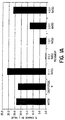
- Bleached hair swatches were colored with an oxidation dye, o-Cl-p-Phenylenediamine sulfate/m-Phenylenediamine("o-Cl-PPD/MPD”), and then treated with one of the following solutions for 10 minutes at 40°C:
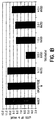
- bleached hair swatches were colored with an oxidation dye, o-Chloro-p-Phenylenediamine sulfate/4-Ethoxy-m-phenylenediamine sulfate ("o-Cl-PPD/DAPS”) and then treated with one of the following solutions for 10 minutes at 40°C:
- the cationic compounds used were Mg ++ , Zn ++ , and Ca ++ from the salts gluconate and pantothenate.
- the molar ratios of cationic compounds to anionic amino acids of the hydrolyzed protein were based on the total number of moles of the salt to the total number of moles of the anionic amino acids of the hydrolyzed protein used in the solution.
- the molar ratios of cationic compounds to anionic amino acids of the hydrolyzed protein set forth in the remaining examples were calculated in the same manner as was described above.
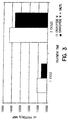
- the o-Cl-PPD/MPD-treated hair swatches in the above -mentioned solutions were irradiated in a Weather-Ometer, which is a simulated sunlight exposure machine using a xenon arc lamp, for 5 hours.
- the o-Cl-PPD/DAPSD treated hair swatches in the above-mentioned solutions were exposed in the Weather-Ometer for 2 hours.
- the loss of "lightness" (change in L value) and blue color (change in b value) in the treated hair swatches were then determined according to the CIEL*A*B color difference system.
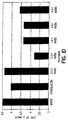
- Samples of treated hair were subjected to the following process up to three times (ie, three cycles): (a) protein rinsed; (b) rinsed with water; (c) placed in a 1% NaOCl solution for 10 minutes at room temperature; (d) shampooed using 10% ammonium lauryl sulfate (“ALS”) solution; and (e) rinsed with water. Protein loss from the hair was then determined according to the procedure described in the published procedure "A Simple and Sensitive Technique, Based on Protein Loss Measurement, to Assess Surface Damage to Human Hair," Journal of the Society of Cosmetic Chemists, Vol. 44, pp. 163-175, (1993).
- Normal brown hair was treated for 10 minutes at 40°C with either a solution containing 25% by weight of hydrolyzed protein from wheat (Cropeptide W) or 25% by weight of hydrolyzed protein from wheat (Cropeptide W) together with cationic minerals from the salts magnesium gluconate, zinc gluconate, and calcium pantothenate.
- the molar ratio of cationic compound to anionic amino acids of the hydrolyzed protein was 0.5:1.
- Samples of the treated hair were irradiated in the Weather-Ometer from 8 hours up to three days.
- the irradiated hair was then equilibrated at 25°C at 50% relative humidity for 24 hours and then stretched by the Instron Tester under the same conditions.
- the Fc value was obtained from the stress/strain curve and represents the condition of the hair, as described in Example 2.
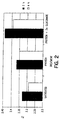
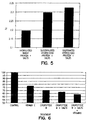
- Normal brown hair was individually treated with the following: a) a solution containing 24% by weight of hydrolyzed protein from wheat (Cropeptide W) and cationic compounds from the salts zinc gluconate, magnesium gluconate, and calcium pantothenate; b) a solution containing 25% by weight of succinylated hydrolyzed protein from collagen and cationic compounds from zinc gluconate, magnesium gluconate, and calcium pantothenate; and c) a solution containing 30% by weight of sulfonated hydrolyzed protein from collagen and cationic compounds from the salts zinc gluconate, magnesium gluconate, and calcium pantothenate.
- the molar ratio of the cationic compounds to the anionic amino acids in the above mentioned proteins was about 0.2:1.
- the average molecular weight of succinylated or sulfonated proteins suitable for the present invention may be from 500 up to 500,000 daltons, or more.
- the treated hair was irradiated in the Weather-Ometer for 4 hours and then tested by the Instron at 25°C, 50% relative humidity. Based on the stress-strain curve, the condition of the hair was determined according to the Fc values, as described in Example 2. The results are shown in Figure 5.
- the succinylated and sulfonated hydrolyzed protein from collagen both significantly improved the condition of the hair.
- Bleached hair swatches were colored with an oxidation dye (o-Cl-PPD/MPD) and then treated for 10 minutes at 40°C with solutions containing 3% hydrolyzed protein from wheat (Cropeptide W) and 1.8% minerals (Mg Gluconate 0.6%, Zn Gluconate 0.6%, Ca Pantothenate 0.6%).
- the hair swatches were treated with the above-mentioned solutions with and without 5% Vitamin A or 5% Vitamin E.
- the molar ratio of the cationic compounds to the anionic amino acids in the hydrolyzed protein in these above-mentioned compositions was 0.5:1.
- the treated hair swatches were irradiated in the Weather-Ometer for 2 hours, and the loss of color (change in the b value) and lightness (change in the L value) was determined according to the CIE L*A*B color difference system. Minimum change in the b value or the L value represents negligible color loss due to the irradiation treatment.
- Table 2 The results shown below in Table 2 indicate that adding Vitamin A or Vitamin E to the hydrolyzed protein and cationic compound mixture provided further protection against color loss.
- the pH range of the compositions described in Table 3 was from 4 to 6.
- the treated air was irradiated in the Weather-Ometer for 24 hours.
- the irradiated hair samples were tested by the Instron Tester at 23°C, 50% relative humidity. Based on the stress/strain curves, the Condition Factor (Fc) values were determined using the same procedure described in Example 2 and the percent damage calculated.
- Fc Condition Factor
- CFTA Names Shampoo Conditioner Treatment Self Emulsifying Glyceryl Ester 6.0% 6.0% Cetrimonium Chloride 3.5% 3.5% Dicetyldimonium Chloride 3.0% 3.0% Hydrolyzed protein from wheat 0.1% 0.1% 3.0% Cetearyl Alcohol 2.0% 2.0% Trimethylsylyamodimethicone 0.7% 0.7% Divalent Minerals (Total) (0.03%) (0.03%) (0.75%) Mg Gluconate 0.01% 0.01% 0.25% Zn Gluconate 0.01% 0.01% 0.25% Ca Pantothenate 0.01% 0.01% 0.25% Vitamins (Total) (0.02%) (0.02%) (0.22%) Thiamine Hydrochloride 0.1% Pyridoxine Hydrochloride 0.1% Tocopheryl Acetate 0.01% 0.01% 0.01% Retinyl Palmitate 0.01% 0.01% 0.01% Menthol 0.1% Phytolipid and Hyaluronic Acid 0.1% Apricot Seed (Apricot Kernel Power produced by Alban Muellen
- the molar ratios of cationic compounds to anionic amino acids of the hydrolyzed protein in both the shampoo and conditioner were 1:1, and the ratio in the treatment composition was 0.8:1.
- the pH range of the above-mentioned compositions was from 4 to 6.
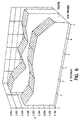
- Normal brown hair was treated with the treatment cream described below and irradiated in the Weather-Ometer for 2 hours. The treatment and irradiation steps were repeated up to 7 times (ie, 7 cycles). After each cycle, the Fc values of the irradiated hair were determined by the Instron Tester, as described in Example 2, at 23°C, 50% relative humidity.
- the treatment cream contained the following: Self Emulsifying Glyceryl Ester 6.0%, Cetrimonium Chloride 3.5%, Dicetyldimonium Chloride 3.0%, Hydrolyzed protein from wheat 3.0%, Cetearyl Alcohol 2%, Trimethylsylyamodimethicone 1.0%, Divalent Minerals 1.5% (Mg Gluconate 0.5%, Zn Gluconate 0.5%, and Ca Pantothenate 0.5%), Vitamin Compounds 0.81% (Thiamine Hydrochloride 0.1%, Pyridoxine Hydrochloride 0.5%, Tocopheryl Acetate 0.2%, Retinyl Palmitate 0.01%), Menthol 0.1%, Phytolipid and Hyaluronic Acid 0.1%.
- the molar ratio of the cationic compounds to anionic amino acids in the hydrolyzed protein was 1.6:1.
- the pH range of the composition was from 4 to 6.
- the molar ratios of cationic compounds to anionic amino acids of the hydrolyzed protein in both the shampoo and conditioner were 1:1, and the ratio in the treatment composition was 0.8:1.
- the pH range of the above-mentioned compositions was between 4 and 6.
- compositions comprising the hydrolyzed protein, cationic compounds, and vitamin compounds in the proportions according to the present invention impart greater protection to the hair against excessive heat by grooming devices, such as blow dryers, curling irons and the like.
- Tests were performed measuring color loss in untreated hair and hair treated with compositions comprising a negatively charged hydrolyzed protein and polyamino cationic agent in various molar ratios. This testing was carried out as follows:
- the cationic amino acid compound used in these tests was arginine hydrochloride (Brand name: L-Arginine Hydrochloride sold by Ajinomoto of Japan).
- the molar ratio of the cationic amino acid compound to anionic amino acids of the hydrolyzed protein were based on the total number of moles of the arginine to the total number of moles of the anionic amino acids of the hydrolyzed protein used in the solution.
- the o-Cl-PPD/MPD-treated hair swatches in the above-mentioned solutions were irradiated in a Weather-Ometer, which is a simulated sunlight exposure machine using a xenon arc lamp, for 5 hours.
- the loss of "lightness" (change in L value) in the treated hair swatches were then determined according to the CIE L*A*B* color difference between the change in the L value of treated hair and non-treated hair (i.e., hair treated with water alone).
- Percentage of improvement represents changes in L which reflects color loss due to the irradiation treatment. Compared to hair treated with the hydrolzyed protein and dibasic amino acid treated with the aforementioned molar ratios of dibasic amino acid compounds to anionic amino acids showed significantly less color loss.
- the expected value was determined by adding the separate effects of treating hair with protein and dibasic amino acid compounds alone.
- the level of protection obtained by treating hair with both protein and polyamino cationic agents in the molar ratios specified in the claims was greater than that achieved when hair was treated with either of the two components alone, and also greater than the expected protection from the additive combination of the hydrolyzed protein with the polyamino cationic agent.
- SHAMPOO CFTA Names %W/W Water 67.700 Hydroxypropyl Methylcellulose 0.400 Methylparaben 0.100 Ethylparaben 0.100 Disodium EDTA 0.100 Taurine 0.010 Trehalose 0.001 Arginine HCl 0.010 D&C Red >0.001 FD&C Red >0.001 Lauryldimonium Hydroxypropyl Hydrolyzed Soy Protein 0.010 Hydrolyzed Soy Protein and Wheat Amino Acid 0.100 TEA-Lauryl Sulfate 23.000 Cocamide MIPA 5.000 SLES and Clycol Distearate and Cocamide MEA, Laureth 10 1.500 Na Citrate 0.500 Citric Acid 0.400 Phenoxyethanol 0.500 Fragrance 0.500 PROTEIN HAIR TREATMENT CFTA Name % W/W Water 68.00 Hydroxy Ethycellulose 0.800 Methyl Paraben 0.200 Ethyl Paraben 0.100 Disodium EDTA 0.100 Arginine Hydrochlor
- the polyamino cationic agent is arginine hydrochloride.
- the ratio of the arginine hydrochloride to anionic amino acids of the hydrolyzed protein in the above shampoo and protein hair treatment were .6:1 to .9:1.
- the pH range of these compositions was from 4 to 6.
- the above compositions would provide a greater additive effect in protecting hair than the combined individual effects of the same or similar compositions containing the hydrolyzed protein or polyamino cationic agent alone.
Landscapes
- Health & Medical Sciences (AREA)
- Life Sciences & Earth Sciences (AREA)
- Animal Behavior & Ethology (AREA)
- General Health & Medical Sciences (AREA)
- Public Health (AREA)
- Veterinary Medicine (AREA)
- Birds (AREA)
- Epidemiology (AREA)
- Chemical & Material Sciences (AREA)
- Inorganic Chemistry (AREA)
- Dermatology (AREA)
- Cosmetics (AREA)
Applications Claiming Priority (3)
| Application Number | Priority Date | Filing Date | Title |
|---|---|---|---|
| US08/857,530 US6013250A (en) | 1995-06-28 | 1997-05-16 | Composition for treating hair against chemical and photo damage |
| US857530 | 1997-05-16 | ||
| PCT/US1997/019338 WO1998051265A1 (en) | 1997-05-16 | 1997-10-27 | Composition for treating hair |
Publications (2)
| Publication Number | Publication Date |
|---|---|
| EP0981318A1 EP0981318A1 (en) | 2000-03-01 |
| EP0981318B1 true EP0981318B1 (en) | 2003-07-09 |
Family
ID=25326204
Family Applications (1)
| Application Number | Title | Priority Date | Filing Date |
|---|---|---|---|
| EP97912925A Revoked EP0981318B1 (en) | 1997-05-16 | 1997-10-27 | Composition for treating hair |
Country Status (15)
| Country | Link |
|---|---|
| US (1) | US6013250A (enExample) |
| EP (1) | EP0981318B1 (enExample) |
| JP (1) | JP2001525822A (enExample) |
| KR (1) | KR20010012619A (enExample) |
| CN (1) | CN1163215C (enExample) |
| AR (1) | AR013328A1 (enExample) |
| AT (1) | ATE244549T1 (enExample) |
| AU (1) | AU746554B2 (enExample) |
| BR (1) | BR9714720A (enExample) |
| CA (1) | CA2289505C (enExample) |
| DE (1) | DE69723476T2 (enExample) |
| ES (1) | ES2202593T3 (enExample) |
| PL (1) | PL336840A1 (enExample) |
| RU (1) | RU2197946C2 (enExample) |
| WO (1) | WO1998051265A1 (enExample) |
Cited By (1)
| Publication number | Priority date | Publication date | Assignee | Title |
|---|---|---|---|---|
| EP1923042B2 (fr) † | 2006-10-26 | 2016-06-01 | L'Oréal | Utilisation d'un composé à base de zinc pour protéger la couleur vis-à-vis du lavage de fibres kératiniques teintes artificiellement ; procédés de coloration |
Families Citing this family (137)
| Publication number | Priority date | Publication date | Assignee | Title |
|---|---|---|---|---|
| US8039026B1 (en) * | 1997-07-28 | 2011-10-18 | Johnson & Johnson Consumer Companies, Inc | Methods for treating skin pigmentation |
| US8093293B2 (en) * | 1998-07-06 | 2012-01-10 | Johnson & Johnson Consumer Companies, Inc. | Methods for treating skin conditions |
| US6750229B2 (en) | 1998-07-06 | 2004-06-15 | Johnson & Johnson Consumer Companies, Inc. | Methods for treating skin pigmentation |
| US8106094B2 (en) * | 1998-07-06 | 2012-01-31 | Johnson & Johnson Consumer Companies, Inc. | Compositions and methods for treating skin conditions |
| US20020197244A1 (en) * | 1998-12-07 | 2002-12-26 | Miri Seiberg | Compositions and methods for regulating phagocytosis and ICAM-1 expression |
| GB9917453D0 (en) * | 1999-07-23 | 1999-09-29 | Unilever Plc | Method of hair treatment using organic amino compounds |
| GB9917452D0 (en) * | 1999-07-23 | 1999-09-29 | Unilever Plc | Method of hair treatment using organic amino compounds |
| US7985404B1 (en) * | 1999-07-27 | 2011-07-26 | Johnson & Johnson Consumer Companies, Inc. | Reducing hair growth, hair follicle and hair shaft size and hair pigmentation |
| DE19943597A1 (de) * | 1999-09-11 | 2001-03-15 | Henkel Kgaa | Verwendung basischer Aminosäuren als Fönschutz in Haarbehandlungsmitteln |
| US7309688B2 (en) | 2000-10-27 | 2007-12-18 | Johnson & Johnson Consumer Companies | Topical anti-cancer compositions and methods of use thereof |
| GB0004686D0 (en) * | 2000-02-28 | 2000-04-19 | Aventis Pharma Ltd | Chemical compounds |
| DK1292263T3 (da) * | 2000-06-20 | 2006-03-06 | Henkel Kgaa | Vitamin B6-derivater som plejekomponenter i den oxidative hårbehandling |
| JP4981234B2 (ja) * | 2000-06-20 | 2012-07-18 | ヘンケル・アクチェンゲゼルシャフト・ウント・コムパニー・コマンディットゲゼルシャフト・アウフ・アクチェン | 組織改良毛髪ケア剤 |
| KR100376538B1 (ko) * | 2000-07-05 | 2003-03-17 | 씨제이 주식회사 | 모발 내부 섬유질을 강화하는 모발샴푸 조성물 |
| FR2811550B1 (fr) * | 2000-07-11 | 2003-02-14 | Oreal | Composition a base de vitamines et de sels mineraux, pour diminuer la chute des cheveux et/ou favoriser la repousse des cheveux |
| US6455058B1 (en) | 2000-09-13 | 2002-09-24 | Amitee Cosmetics, Inc. | Composition and method for hair and scalp treatment |
| US8431550B2 (en) * | 2000-10-27 | 2013-04-30 | Johnson & Johnson Consumer Companies, Inc. | Topical anti-cancer compositions and methods of use thereof |
| US7192615B2 (en) * | 2001-02-28 | 2007-03-20 | J&J Consumer Companies, Inc. | Compositions containing legume products |
| US6555143B2 (en) | 2001-02-28 | 2003-04-29 | Johnson & Johnson Consumer Products, Inc. | Legume products |
| KR100399831B1 (ko) * | 2001-03-14 | 2003-09-29 | 씨제이 주식회사 | 모발 컨디셔닝 조성물 |
| US7186275B2 (en) * | 2001-03-20 | 2007-03-06 | The Procter & Gamble Company | Compositions suitable for the treatment of hair comprising chelants and methods for reducing oxidative hair damage |
| US7179302B2 (en) * | 2001-03-20 | 2007-02-20 | The Procter & Gamble Company | Oxidative treatment of hair with reduced hair damage |
| DE10120175A1 (de) * | 2001-04-24 | 2002-10-31 | Cognis Deutschland Gmbh | Verwendung von Milchproteinhydrolysaten |
| US7622104B2 (en) * | 2001-08-20 | 2009-11-24 | L'oreal S.A. | Methods for relaxing and re-waving hair comprising at least one reducing agent and at least one hydroxide compound |
| KR100978348B1 (ko) | 2001-08-31 | 2010-08-26 | 케라텍 리미티드 | 가용성 s-술폰화 케라틴 유도체로부터의 생체고분자 필름, 섬유, 발포체 및 접착제 재료의 제조 |
| JP2005513029A (ja) * | 2001-11-27 | 2005-05-12 | ユニリーバー・ナームローゼ・ベンノートシヤープ | ヘアトリートメント組成物 |
| DE10162143A1 (de) * | 2001-12-18 | 2003-07-10 | Henkel Kgaa | Verfahren zur dauerhaften Verformung keratinischer Fasern und Mittel |
| US20030224075A1 (en) * | 2002-02-21 | 2003-12-04 | Jue-Chen Liu | Soy composition for balancing combination skin |
| RU2301800C2 (ru) * | 2002-04-19 | 2007-06-27 | Аризона Боард Оф Ридженс Он Бихав Оф Зе Юниверсити Оф Аризона | Способ модулирования фототоксичности |
| KR100458007B1 (ko) * | 2002-05-01 | 2004-11-18 | 대한민국 | 실크 및 울 프로테인을 함유하는 모발 염색제 조성물 |
| US7297342B2 (en) | 2002-06-10 | 2007-11-20 | Keratec Limited | Orthopaedic materials derived from keratin |
| US20040063593A1 (en) * | 2002-09-30 | 2004-04-01 | Wu Jeffrey M. | Compositions containing a cosmetically active organic acid and a legume product |
| US7060260B2 (en) * | 2003-02-20 | 2006-06-13 | E.I. Du Pont De Nemours And Company | Water-soluble silk proteins in compositions for skin care, hair care or hair coloring |
| RU2232011C1 (ru) * | 2003-02-25 | 2004-07-10 | Открытое акционерное общество "Арнест" | Мусс для укладки поврежденных волос |
| FR2852824B1 (fr) * | 2003-03-25 | 2006-07-14 | Oreal | Utilisation d'un acide hydroxycarboxylique particulier ou ses sels, comme agents de conditionnement des matieres keratiniques |
| EP1462086A1 (fr) * | 2003-03-25 | 2004-09-29 | L'oreal | Utilisation d'un acide carboxylique particulier ou ses sels, comme agents de conditionnement des matières kératiniques |
| EP1466592A1 (en) * | 2003-04-07 | 2004-10-13 | Kao Corporation | Cleansing compositions |
| MXPA05013871A (es) * | 2003-06-17 | 2006-03-13 | Cognis Ip Man Gmbh | Proteinas de soya modificadas en composiciones para reafirmar la piel. |
| US20050004561A1 (en) * | 2003-07-01 | 2005-01-06 | Lynn Halas | Method for removing hair |
| US20100311641A1 (en) * | 2003-09-08 | 2010-12-09 | E. I. Du Pont De Nemours And Company | Peptide-based body surface coloring reagents |
| US7807141B2 (en) | 2003-09-08 | 2010-10-05 | E.I. Du Pont De Nemours And Company | Peptide-based oral care surface reagents for personal care |
| US7585495B2 (en) | 2003-09-08 | 2009-09-08 | E. I. Du Pont De Nemours And Company | Method for identifying shampoo-resistant hair-binding peptides and hair benefit agents therefrom |
| US20050226839A1 (en) * | 2003-09-08 | 2005-10-13 | Xueying Huang | Pepetide-based body surface reagents for personal care |
| WO2005025505A2 (en) | 2003-09-08 | 2005-03-24 | E. I. Du Pont De Nemours And Company | Peptide-based conditioners and colorants for hair, skin, and nails |
| US7285264B2 (en) * | 2003-09-08 | 2007-10-23 | E.I. Du Pont De Nemours And Company | Peptide-based body surface coloring reagents |
| US7220405B2 (en) | 2003-09-08 | 2007-05-22 | E. I. Du Pont De Nemours And Company | Peptide-based conditioners and colorants for hair, skin, and nails |
| US7767756B2 (en) | 2003-09-19 | 2010-08-03 | Keraplast Technologies, Ltd. | Composite materials containing keratin |
| EP1677748A1 (en) * | 2003-10-29 | 2006-07-12 | Johnson & Johnson Consumer France SAS | Compositions comprising soy products and dioic acids |
| AU2004298392A1 (en) | 2003-12-19 | 2005-06-30 | Keratec Limited | Wound care products containing keratin |
| DK1616556T3 (da) * | 2004-07-09 | 2008-07-28 | Mavi Sud S R L | Formulering på basis af gelatine-glycin og carotinoider |
| WO2006018063A1 (en) * | 2004-08-17 | 2006-02-23 | Unilever Plc | Hair care composition comprising a dendritic macromolecule |
| US8790623B2 (en) | 2005-01-18 | 2014-07-29 | Il'Oreal | Composition for treating keratin fibers, comprising at least one aromatic alcohol, at least one aromatic carboxylic acid, and at least one protecting agent |
| US7579317B2 (en) | 2005-03-11 | 2009-08-25 | Keratec, Ltd. | Nutraceutical composition comprising soluble keratin or derivative thereof |
| FR2887440B1 (fr) * | 2005-06-28 | 2009-07-10 | Oreal | Procede de traitement photoprotecteur des fibres keratiniques par application de chaleur |
| US8691196B2 (en) | 2005-06-28 | 2014-04-08 | L'oreal | Photoprotective treatment of keratin fibers by application of heat |
| US20070065387A1 (en) * | 2005-09-16 | 2007-03-22 | Beck William A | Method for enhancing the effect of particulate benefit agents |
| US7736633B2 (en) | 2005-09-28 | 2010-06-15 | E.I. Du Pont De Nemours And Company | Method for enhancing effects of colorants and conditioners |
| US7998464B2 (en) | 2005-09-29 | 2011-08-16 | L'oreal S.A. | Process for the photoprotective treatment of artificially dyed keratin fibers by application of a liquid water/steam mixture |
| RU2467015C2 (ru) | 2005-10-05 | 2012-11-20 | Коммонвелт Сайентифик Энд Индастриал Рисерч Организейшн | Белки шелка |
| US7632919B2 (en) * | 2005-12-15 | 2009-12-15 | E.I. Du Pont De Nemours And Company | Polystyrene binding peptides and methods of use |
| US7928076B2 (en) * | 2005-12-15 | 2011-04-19 | E. I. Du Pont De Nemours And Company | Polypropylene binding peptides and methods of use |
| US7709601B2 (en) * | 2005-12-15 | 2010-05-04 | E. I. Du Pont De Nemours And Company | Nylon binding peptides and methods of use |
| US7700716B2 (en) * | 2005-12-15 | 2010-04-20 | E. I. Du Pont De Nemours And Company | Polytetrafluoroethylene binding peptides and methods of use |
| US7906617B2 (en) | 2005-12-15 | 2011-03-15 | E. I. Du Pont De Nemours And Company | Polyethylene binding peptides and methods of use |
| US7858581B2 (en) * | 2005-12-15 | 2010-12-28 | E. I. Du Pont De Nemours And Company | PMMA binding peptides and methods of use |
| BRPI0621064A2 (pt) * | 2005-12-16 | 2011-11-29 | Unilever Nv | composição para o tratamento capilar |
| US20090232759A1 (en) * | 2005-12-16 | 2009-09-17 | Fraser Ian Bell | Hair Treatment Compositions |
| ES2345671T3 (es) * | 2005-12-16 | 2010-09-29 | Unilever N.V. | Composiciones de tratamiento para el cabello. |
| DE102005061917A1 (de) * | 2005-12-23 | 2007-07-05 | Henkel Kgaa | Kosmetisches Kit zur Haar- und Kopfhautbehandlung |
| DE102006004714A1 (de) * | 2006-01-31 | 2007-08-02 | Henkel Kgaa | Pflegende Haarbehandlungsmittel mit Proteinhydrolysat(en) |
| US7749957B2 (en) | 2006-04-06 | 2010-07-06 | E.I. Du Pont De Nemours And Company | Clay-binding peptides and methods of use |
| KR100848382B1 (ko) | 2006-05-08 | 2008-07-24 | 서명숙 | 미용조성물 및 이용한 퍼머액 |
| US20080008818A1 (en) * | 2006-06-23 | 2008-01-10 | Miri Seiberg | Partially denatured whole soybean extracts and methods of use thereof |
| BRPI0713245A2 (pt) * | 2006-07-14 | 2012-04-03 | Unilever N.V | método para o relaxamento do cabelo |
| US20080089960A1 (en) * | 2006-10-16 | 2008-04-17 | Miri Seiberg | Use of Legume Products for the Treatment and Prevention of Radiotherapy-Induced Skin Damage |
| US20080229521A1 (en) * | 2006-10-26 | 2008-09-25 | Boris Lalleman | Process for protecting the color of artificially dyed keratin fibers with respect to washing and light; dyeing processes |
| US20080107614A1 (en) * | 2006-11-06 | 2008-05-08 | Fahnestock Stephen R | Peptide-based conditioners |
| WO2008070091A1 (en) | 2006-12-06 | 2008-06-12 | Keratec, Ltd. | Bone void fillers and methods of making the same |
| EP2099437A4 (en) | 2006-12-11 | 2013-06-19 | Keratec Ltd | POROUS KERATIN CONSTRUCT AND METHOD OF MANUFACTURING THEREOF |
| US8263056B2 (en) * | 2007-09-14 | 2012-09-11 | E I Du Pont De Nemours And Company | Dyed-hair-binding peptides and peptide-based hair reagents for personal care |
| US20100008885A1 (en) * | 2008-07-09 | 2010-01-14 | Susan Daly | Methods and kits imparting benefits to keratin-containing substrates |
| US8318797B2 (en) * | 2008-10-30 | 2012-11-27 | Presty S Katharine | Composition and methods for the protection of hair from treated pool water |
| FR2939037B1 (fr) * | 2008-12-02 | 2011-02-04 | Oreal | Association de glycine, de serine, de valine et de threonine pour proteger le cheveu chez l'homme |
| US20100158822A1 (en) | 2008-12-18 | 2010-06-24 | E .I. Du Pont De Nemours And Company | Peptides that bind to silica-coated particles |
| US8697654B2 (en) | 2008-12-18 | 2014-04-15 | E I Du Pont De Nemours And Company | Peptide linkers for effective multivalent peptide binding |
| US20100158837A1 (en) | 2008-12-18 | 2010-06-24 | E. I. Du Pont De Nemours And Company | Iron oxide-binding peptides |
| RU2421205C2 (ru) * | 2009-03-23 | 2011-06-20 | Марина Ивановна Бутынская | Лечебно-косметическая композиция с комплементарными минералами |
| US20100291018A1 (en) * | 2009-05-12 | 2010-11-18 | Alex Kim | Conditioner for eyelash and eyebrow |
| EP2475677B1 (en) | 2009-08-26 | 2018-08-01 | Commonwealth Scientific and Industrial Research Organisation | Processes for producing silk dope |
| WO2011074138A1 (en) * | 2009-12-18 | 2011-06-23 | L'oreal | Process for treating keratin fibers |
| FR2968940B1 (fr) * | 2010-12-21 | 2013-04-19 | Oreal | Composition cosmetique comprenant un sel de zinc particulier et une silicone aminee |
| KR101428576B1 (ko) * | 2011-02-28 | 2014-08-12 | 건국대학교 산학협력단 | 모발개선용 갯지렁이 자가분해물 및 이를 이용한 모발화장품 조성물 |
| EP2723452A2 (en) | 2011-06-22 | 2014-04-30 | Vyome Biosciences Pvt Ltd | Conjugate-based antifungal and antibacterial prodrugs |
| JP5864943B2 (ja) * | 2011-08-03 | 2016-02-17 | 株式会社ミルボン | パーマネントウェーブ用中間処理剤 |
| EP2780459A4 (en) | 2011-11-16 | 2015-05-20 | Commw Scient Ind Res Org | COLLAGEN SILKEN |
| EP2644186A1 (en) * | 2012-03-26 | 2013-10-02 | OTC GmbH | Hair conditioning composition for permanent and semi-permanent hair coloration applications |
| WO2013142901A1 (en) | 2012-03-26 | 2013-10-03 | Commonwealth Scientific And Industrial Research Organisation | Silk polypeptides |
| US20140190507A9 (en) * | 2012-06-04 | 2014-07-10 | Jean Harry Xavier | Compositions And Methods For Enhancing The Structure Of Hair Fibers |
| JP5765537B2 (ja) * | 2012-08-03 | 2015-08-19 | 山栄化学株式会社 | カールヘア用毛髪仕上げ剤 |
| DE102012224143A1 (de) * | 2012-12-21 | 2014-06-26 | Henkel Ag & Co. Kgaa | Verfahren zur schonenden wärmeunterstützten Umformung keratinhaltiger Fasern |
| WO2014195872A1 (en) | 2013-06-04 | 2014-12-11 | Vyome Biosciences Pvt. Ltd. | Coated particles and compositions comprising same |
| FR3007285B1 (fr) * | 2013-06-20 | 2015-06-19 | Oreal | Procede densification des fibres keratiniques a base de polymere acrylique et de compose silicone particuliers |
| FR3007287B1 (fr) | 2013-06-20 | 2015-06-19 | Oreal | Composition comprenant l'association d'un polymere acrylique et d'une silicone aminee |
| FR3007286B1 (fr) * | 2013-06-20 | 2015-06-19 | Oreal | Composition comprenant l'association d'un polymere acrylique, d'un copolymere silicone et d'un amino-acide ou derive d'amino-acide |
| FR3015244A1 (fr) * | 2013-12-23 | 2015-06-26 | Oreal | Procede de traitement des fibres keratiniques avec un compose d'acide ascorbique |
| JP2018510911A (ja) * | 2015-04-03 | 2018-04-19 | レブロン コンシューマー プロダクツ コーポレイション | ケラチントリートメント |
| CN107847400A (zh) | 2015-05-01 | 2018-03-27 | 欧莱雅 | 活性剂在化学处理中的用途 |
| WO2017091794A1 (en) | 2015-11-24 | 2017-06-01 | L'oreal | Compositions for treating the hair |
| BR112018010344B1 (pt) | 2015-11-24 | 2021-08-10 | L'oreal | Composição para cabelo, sistema e método para tratamento do cabelo, métodos para alteração da cor do cabelo e do formato do cabelo, e, kits de multicompartimentos |
| US11213470B2 (en) | 2015-11-24 | 2022-01-04 | L'oreal | Compositions for treating the hair |
| EP3175837A1 (en) * | 2015-12-01 | 2017-06-07 | Noxell Corporation | Method for treating hair |
| KR102511109B1 (ko) * | 2016-09-13 | 2023-03-16 | 바스프 에스이 | 단백질 가수분해물 |
| US11135150B2 (en) | 2016-11-21 | 2021-10-05 | L'oreal | Compositions and methods for improving the quality of chemically treated hair |
| WO2018112187A1 (en) | 2016-12-16 | 2018-06-21 | E. I. Du Pont De Nemours And Company | Amphiphilic polysaccharide derivatives and compositions comprising same |
| WO2018183869A1 (en) * | 2017-03-31 | 2018-10-04 | L'oreal | Kits and methods for treating hair |
| US11433011B2 (en) | 2017-05-24 | 2022-09-06 | L'oreal | Methods for treating chemically relaxed hair |
| WO2019014195A1 (en) | 2017-07-10 | 2019-01-17 | Coty Inc. | NAIL CURING COMPOSITION AND METHOD OF USE |
| EP3664773A4 (en) | 2017-08-11 | 2021-05-12 | Sytheon Limited | HAIR TREATMENT COMPOSITIONS AND PROCEDURES |
| US11596588B2 (en) | 2017-12-29 | 2023-03-07 | L'oreal | Compositions for altering the color of hair |
| JP7576263B2 (ja) | 2018-06-20 | 2024-10-31 | デュポン・インダストリアル・バイオサイエンシーズ・ユーエスエイ・エルエルシー | 多糖誘導体及び同一物を含む組成物 |
| KR102076178B1 (ko) * | 2018-07-18 | 2020-02-11 | 주식회사 코리아나화장품 | 초유 및 오르니틴을 유효성분으로 함유하는 피부 주름 개선용 화장료 조성물 |
| US11090249B2 (en) | 2018-10-31 | 2021-08-17 | L'oreal | Hair treatment compositions, methods, and kits for treating hair |
| US20220033531A1 (en) | 2018-12-17 | 2022-02-03 | Dupont Industrial Biosciences Usa,Llc | Polysaccharide Derivatives and Compositions Comprising Same |
| CN110123670A (zh) * | 2019-06-12 | 2019-08-16 | 四川大学 | 一种树枝状大分子催化染发剂及其制备和使用方法 |
| US11419809B2 (en) | 2019-06-27 | 2022-08-23 | L'oreal | Hair treatment compositions and methods for treating hair |
| US20210236398A1 (en) * | 2020-01-31 | 2021-08-05 | L'oreal | Compositions and methods for hair |
| WO2021252575A1 (en) | 2020-06-10 | 2021-12-16 | Nutrition & Biosciences USA 4, Inc. | Poly alpha-1,6-glucan esters and compositions comprising same |
| CN116134055A (zh) | 2020-06-10 | 2023-05-16 | 营养与生物科学美国4公司 | 聚α-1,6-葡聚糖衍生物和包含其的组合物 |
| US20240301325A1 (en) | 2020-06-18 | 2024-09-12 | Nutrition & Biosciences USA 4, Inc. | Cationic Poly Alpha-1,6-Glucan Ethers and Compositions Comprising Same |
| US20240108565A1 (en) | 2021-02-02 | 2024-04-04 | Federici Brands, Llc | Composition comprising a hydrolyzed keratin and a silane crosslinking agent and process for hair protection during bleaching |
| US20250186321A1 (en) * | 2021-04-23 | 2025-06-12 | Miyoshi Oil & Fat Co., Ltd. | Formulation using amino acid and carboxylic acid, organic salt, and composition comprising same and use thereof |
| FR3135603B1 (fr) | 2022-05-18 | 2025-10-31 | Oreal | Dispositif de traitement des cheveux et procédé |
| FR3135604B1 (fr) | 2022-05-18 | 2025-10-24 | Oreal | Dispositif de traitement de matières kératiniques humaines |
| WO2023222789A1 (en) | 2022-05-18 | 2023-11-23 | L'oreal | Device for treating human keratin materials |
| FR3135605B1 (fr) | 2022-05-18 | 2026-03-13 | Oreal | Procédé de nettoyage de matières kératiniques humaines |
| CN115120524A (zh) * | 2022-07-06 | 2022-09-30 | 澳宝化妆品(惠州)有限公司 | 一种含三重水解植物蛋白提取物的快干固色洗发组合物 |
| DE102023207407A1 (de) * | 2023-08-02 | 2025-02-06 | Fraunhofer-Gesellschaft zur Förderung der angewandten Forschung eingetragener Verein | Proteinhydrolysat umfassend Thiol-enthaltende Peptide, Verfahren zu dessen Erhalt und Verwendungen davon |
Family Cites Families (21)
| Publication number | Priority date | Publication date | Assignee | Title |
|---|---|---|---|---|
| US3972998A (en) * | 1969-10-24 | 1976-08-03 | Lever Brothers Company | Hair preparation containing a fluoropolymer |
| US3958581A (en) * | 1972-05-17 | 1976-05-25 | L'oreal | Cosmetic composition containing a cationic polymer and divalent metal salt for strengthening the hair |
| LU72592A1 (enExample) * | 1975-05-28 | 1977-02-10 | ||
| US4279996A (en) * | 1978-10-09 | 1981-07-21 | Seiwa Kasei Co., Ltd. | Keratin hydrolyzate useful as hair fixatives |
| LU81257A1 (fr) * | 1979-05-15 | 1980-12-16 | Oreal | Composition cosmetique pour le traitement des cheveux et de la peau,contenant un extrait de salsepareille |
| JPS5785308A (en) * | 1980-11-17 | 1982-05-28 | Kao Corp | Hair rinse composition |
| JPS5788110A (en) * | 1980-11-20 | 1982-06-01 | Kao Corp | Hair setting agent composition |
| JPS5791910A (en) * | 1980-11-28 | 1982-06-08 | Kao Corp | Preshampoo-type hair treatment composition |
| JPS57130910A (en) * | 1981-02-05 | 1982-08-13 | Kao Corp | Hair treatment agent |
| JP2519024B2 (ja) * | 1982-06-07 | 1996-07-31 | 花王株式会社 | 毛髪化粧料 |
| FR2529213B1 (fr) * | 1982-06-24 | 1986-12-26 | Oreal | Derive keratinique, son procede de preparation et composition de traitement le contenant |
| US4542014A (en) * | 1982-12-03 | 1985-09-17 | The Gillette Company | Hair treating composition |
| EP0117469B2 (en) * | 1983-02-25 | 1996-09-04 | Kao Corporation | Hair cosmetics |
| US5192332A (en) * | 1983-10-14 | 1993-03-09 | L'oreal | Cosmetic temporary coloring compositions containing protein derivatives |
| JPS62205012A (ja) * | 1986-03-03 | 1987-09-09 | Kao Corp | 毛髪変形処理剤 |
| EP0269107A3 (en) * | 1986-11-28 | 1989-10-11 | Kao Corporation | Composition for hair treatment agent |
| DE3837860A1 (de) * | 1988-11-08 | 1990-05-10 | Wella Ag | Lagerstabiles haarkonditionierungsmittel mit perlglanz |
| US4970067A (en) * | 1988-12-12 | 1990-11-13 | Helene Curtis, Inc. | Method and composition to condition hair and impart semi-permanent hair set retention properties |
| DE3929740A1 (de) * | 1989-09-07 | 1991-03-14 | Hoechst Ag | Hochmolekulare eiweissfettsaeurekondensationsprodukte mit sehr guter haut- und schleimhautvertraeglichkeit |
| FR2658076B1 (fr) * | 1990-02-12 | 1992-06-12 | Sanofi Sa | Composition cosmetique contenant des copolymeres d'aminoacides, utile comme agent hydratant. |
| DE4009616A1 (de) * | 1990-03-26 | 1991-10-02 | Henkel Kgaa | Fluessige koerperreinigungsmittel |
-
1997
- 1997-05-16 US US08/857,530 patent/US6013250A/en not_active Expired - Fee Related
- 1997-10-27 ES ES97912925T patent/ES2202593T3/es not_active Expired - Lifetime
- 1997-10-27 CN CNB971821925A patent/CN1163215C/zh not_active Expired - Fee Related
- 1997-10-27 JP JP54919298A patent/JP2001525822A/ja not_active Withdrawn
- 1997-10-27 WO PCT/US1997/019338 patent/WO1998051265A1/en not_active Ceased
- 1997-10-27 BR BR9714720-6A patent/BR9714720A/pt not_active IP Right Cessation
- 1997-10-27 DE DE69723476T patent/DE69723476T2/de not_active Revoked
- 1997-10-27 PL PL97336840A patent/PL336840A1/xx unknown
- 1997-10-27 AU AU49991/97A patent/AU746554B2/en not_active Ceased
- 1997-10-27 RU RU99126865/14A patent/RU2197946C2/ru not_active IP Right Cessation
- 1997-10-27 AT AT97912925T patent/ATE244549T1/de not_active IP Right Cessation
- 1997-10-27 CA CA002289505A patent/CA2289505C/en not_active Expired - Fee Related
- 1997-10-27 EP EP97912925A patent/EP0981318B1/en not_active Revoked
- 1997-10-27 KR KR1019997010579A patent/KR20010012619A/ko not_active Withdrawn
- 1997-10-27 AR ARP970104970A patent/AR013328A1/es not_active Application Discontinuation
Cited By (1)
| Publication number | Priority date | Publication date | Assignee | Title |
|---|---|---|---|---|
| EP1923042B2 (fr) † | 2006-10-26 | 2016-06-01 | L'Oréal | Utilisation d'un composé à base de zinc pour protéger la couleur vis-à-vis du lavage de fibres kératiniques teintes artificiellement ; procédés de coloration |
Also Published As
| Publication number | Publication date |
|---|---|
| DE69723476T2 (de) | 2004-05-13 |
| US6013250A (en) | 2000-01-11 |
| ES2202593T3 (es) | 2004-04-01 |
| JP2001525822A (ja) | 2001-12-11 |
| WO1998051265A1 (en) | 1998-11-19 |
| DE69723476D1 (de) | 2003-08-14 |
| CA2289505A1 (en) | 1998-11-19 |
| EP0981318A1 (en) | 2000-03-01 |
| AU746554B2 (en) | 2002-05-02 |
| AU4999197A (en) | 1998-12-08 |
| KR20010012619A (ko) | 2001-02-26 |
| CA2289505C (en) | 2002-12-31 |
| ATE244549T1 (de) | 2003-07-15 |
| BR9714720A (pt) | 2000-06-20 |
| CN1254276A (zh) | 2000-05-24 |
| AR013328A1 (es) | 2000-12-27 |
| RU2197946C2 (ru) | 2003-02-10 |
| CN1163215C (zh) | 2004-08-25 |
| PL336840A1 (en) | 2000-07-17 |
Similar Documents
| Publication | Publication Date | Title |
|---|---|---|
| US6013250A (en) | Composition for treating hair against chemical and photo damage | |
| US5681554A (en) | Composition for treating hair and method for using the same | |
| US12251456B2 (en) | Methods for treating relaxed hair | |
| AU2019100919A4 (en) | Keratin treatment formulations and methods | |
| EA035975B1 (ru) | Способ и состав для обработки волос при обесцвечивании или окрашивании | |
| EP3490680B1 (en) | Topical cosmetic composition for restructuring and protecting hair and scalp, and uses thereof | |
| ES3034591T3 (en) | Process for treating hair | |
| RS56378B1 (sr) | Postupak za regeneraciju kose i kože | |
| WO2026014543A1 (ja) | 再生コラーゲン繊維を含む頭飾製品用繊維の処理方法 | |
| EA042965B1 (ru) | Способ обработки волос | |
| HK40044442A (en) | Process for treating hair | |
| HK1027033A (en) | Composition for treating hair | |
| EA040937B1 (ru) | Уменьшение или предупреждение повреждения волос в процессе осветления | |
| HK40065956A (en) | Keratin treatment formulations and methods | |
| NZ764434B2 (en) | Keratin Treatment Formulations and Methods |
Legal Events
| Date | Code | Title | Description |
|---|---|---|---|
| PUAI | Public reference made under article 153(3) epc to a published international application that has entered the european phase |
Free format text: ORIGINAL CODE: 0009012 |
|
| 17P | Request for examination filed |
Effective date: 19991022 |
|
| AK | Designated contracting states |
Kind code of ref document: A1 Designated state(s): AT BE CH DE DK ES FI FR GB GR IE IT LI LU MC NL PT SE |
|
| RIN1 | Information on inventor provided before grant (corrected) |
Inventor name: NGUYEN, NGHI Inventor name: CANNELL, DAVID |
|
| 17Q | First examination report despatched |
Effective date: 20010619 |
|
| GRAH | Despatch of communication of intention to grant a patent |
Free format text: ORIGINAL CODE: EPIDOS IGRA |
|
| GRAH | Despatch of communication of intention to grant a patent |
Free format text: ORIGINAL CODE: EPIDOS IGRA |
|
| GRAA | (expected) grant |
Free format text: ORIGINAL CODE: 0009210 |
|
| AK | Designated contracting states |
Designated state(s): AT BE CH DE DK ES FI FR GB GR IE IT LI LU MC NL PT SE |
|
| PG25 | Lapsed in a contracting state [announced via postgrant information from national office to epo] |
Ref country code: NL Free format text: LAPSE BECAUSE OF FAILURE TO SUBMIT A TRANSLATION OF THE DESCRIPTION OR TO PAY THE FEE WITHIN THE PRESCRIBED TIME-LIMIT Effective date: 20030709 Ref country code: LI Free format text: LAPSE BECAUSE OF FAILURE TO SUBMIT A TRANSLATION OF THE DESCRIPTION OR TO PAY THE FEE WITHIN THE PRESCRIBED TIME-LIMIT Effective date: 20030709 Ref country code: FI Free format text: LAPSE BECAUSE OF FAILURE TO SUBMIT A TRANSLATION OF THE DESCRIPTION OR TO PAY THE FEE WITHIN THE PRESCRIBED TIME-LIMIT Effective date: 20030709 Ref country code: CH Free format text: LAPSE BECAUSE OF FAILURE TO SUBMIT A TRANSLATION OF THE DESCRIPTION OR TO PAY THE FEE WITHIN THE PRESCRIBED TIME-LIMIT Effective date: 20030709 Ref country code: BE Free format text: LAPSE BECAUSE OF FAILURE TO SUBMIT A TRANSLATION OF THE DESCRIPTION OR TO PAY THE FEE WITHIN THE PRESCRIBED TIME-LIMIT Effective date: 20030709 Ref country code: AT Free format text: LAPSE BECAUSE OF FAILURE TO SUBMIT A TRANSLATION OF THE DESCRIPTION OR TO PAY THE FEE WITHIN THE PRESCRIBED TIME-LIMIT Effective date: 20030709 |
|
| REG | Reference to a national code |
Ref country code: GB Ref legal event code: FG4D |
|
| REG | Reference to a national code |
Ref country code: CH Ref legal event code: EP |
|
| REF | Corresponds to: |
Ref document number: 69723476 Country of ref document: DE Date of ref document: 20030814 Kind code of ref document: P |
|
| REG | Reference to a national code |
Ref country code: IE Ref legal event code: FG4D |
|
| PG25 | Lapsed in a contracting state [announced via postgrant information from national office to epo] |
Ref country code: SE Free format text: LAPSE BECAUSE OF FAILURE TO SUBMIT A TRANSLATION OF THE DESCRIPTION OR TO PAY THE FEE WITHIN THE PRESCRIBED TIME-LIMIT Effective date: 20031009 Ref country code: GR Free format text: LAPSE BECAUSE OF FAILURE TO SUBMIT A TRANSLATION OF THE DESCRIPTION OR TO PAY THE FEE WITHIN THE PRESCRIBED TIME-LIMIT Effective date: 20031009 Ref country code: DK Free format text: LAPSE BECAUSE OF FAILURE TO SUBMIT A TRANSLATION OF THE DESCRIPTION OR TO PAY THE FEE WITHIN THE PRESCRIBED TIME-LIMIT Effective date: 20031009 |
|
| PGFP | Annual fee paid to national office [announced via postgrant information from national office to epo] |
Ref country code: GB Payment date: 20031022 Year of fee payment: 7 |
|
| PG25 | Lapsed in a contracting state [announced via postgrant information from national office to epo] |
Ref country code: LU Free format text: LAPSE BECAUSE OF NON-PAYMENT OF DUE FEES Effective date: 20031027 |
|
| PG25 | Lapsed in a contracting state [announced via postgrant information from national office to epo] |
Ref country code: IE Free format text: LAPSE BECAUSE OF NON-PAYMENT OF DUE FEES Effective date: 20031028 |
|
| PG25 | Lapsed in a contracting state [announced via postgrant information from national office to epo] |
Ref country code: MC Free format text: LAPSE BECAUSE OF NON-PAYMENT OF DUE FEES Effective date: 20031031 |
|
| NLV1 | Nl: lapsed or annulled due to failure to fulfill the requirements of art. 29p and 29m of the patents act | ||
| PG25 | Lapsed in a contracting state [announced via postgrant information from national office to epo] |
Ref country code: PT Free format text: LAPSE BECAUSE OF FAILURE TO SUBMIT A TRANSLATION OF THE DESCRIPTION OR TO PAY THE FEE WITHIN THE PRESCRIBED TIME-LIMIT Effective date: 20031209 |
|
| REG | Reference to a national code |
Ref country code: CH Ref legal event code: PL |
|
| REG | Reference to a national code |
Ref country code: ES Ref legal event code: FG2A Ref document number: 2202593 Country of ref document: ES Kind code of ref document: T3 |
|
| PLBI | Opposition filed |
Free format text: ORIGINAL CODE: 0009260 |
|
| PLBQ | Unpublished change to opponent data |
Free format text: ORIGINAL CODE: EPIDOS OPPO |
|
| PLBI | Opposition filed |
Free format text: ORIGINAL CODE: 0009260 |
|
| ET | Fr: translation filed | ||
| PLAX | Notice of opposition and request to file observation + time limit sent |
Free format text: ORIGINAL CODE: EPIDOSNOBS2 |
|
| 26 | Opposition filed |
Opponent name: BEIERSDORF AG Effective date: 20040413 Opponent name: HENKEL KGAA Effective date: 20040408 |
|
| 26 | Opposition filed |
Opponent name: CRODA INTERNATIONAL PLC Effective date: 20040413 Opponent name: BEIERSDORF AG Effective date: 20040413 Opponent name: HENKEL KGAA Effective date: 20040408 |
|
| REG | Reference to a national code |
Ref country code: IE Ref legal event code: MM4A |
|
| PLAX | Notice of opposition and request to file observation + time limit sent |
Free format text: ORIGINAL CODE: EPIDOSNOBS2 |
|
| PGFP | Annual fee paid to national office [announced via postgrant information from national office to epo] |
Ref country code: FR Payment date: 20041008 Year of fee payment: 8 |
|
| PGFP | Annual fee paid to national office [announced via postgrant information from national office to epo] |
Ref country code: DE Payment date: 20041021 Year of fee payment: 8 |
|
| PG25 | Lapsed in a contracting state [announced via postgrant information from national office to epo] |
Ref country code: GB Free format text: LAPSE BECAUSE OF NON-PAYMENT OF DUE FEES Effective date: 20041027 |
|
| PGFP | Annual fee paid to national office [announced via postgrant information from national office to epo] |
Ref country code: ES Payment date: 20041116 Year of fee payment: 8 |
|
| RDAF | Communication despatched that patent is revoked |
Free format text: ORIGINAL CODE: EPIDOSNREV1 |
|
| GBPC | Gb: european patent ceased through non-payment of renewal fee |
Effective date: 20041027 |
|
| RDAG | Patent revoked |
Free format text: ORIGINAL CODE: 0009271 |
|
| STAA | Information on the status of an ep patent application or granted ep patent |
Free format text: STATUS: PATENT REVOKED |
|
| 27W | Patent revoked |
Effective date: 20050421 |
|
| PLAB | Opposition data, opponent's data or that of the opponent's representative modified |
Free format text: ORIGINAL CODE: 0009299OPPO |