EP0969099A2 - Flüssigreagenz zur Ammoniakeliminierung - Google Patents
Flüssigreagenz zur Ammoniakeliminierung Download PDFInfo
- Publication number
- EP0969099A2 EP0969099A2 EP99111135A EP99111135A EP0969099A2 EP 0969099 A2 EP0969099 A2 EP 0969099A2 EP 99111135 A EP99111135 A EP 99111135A EP 99111135 A EP99111135 A EP 99111135A EP 0969099 A2 EP0969099 A2 EP 0969099A2
- Authority
- EP
- European Patent Office
- Prior art keywords
- thermo
- resistant
- isocitrate dehydrogenase
- ammonia
- ammonia elimination
- Prior art date
- Legal status (The legal status is an assumption and is not a legal conclusion. Google has not performed a legal analysis and makes no representation as to the accuracy of the status listed.)
- Withdrawn
Links
Images
Classifications
-
- C—CHEMISTRY; METALLURGY
- C12—BIOCHEMISTRY; BEER; SPIRITS; WINE; VINEGAR; MICROBIOLOGY; ENZYMOLOGY; MUTATION OR GENETIC ENGINEERING
- C12N—MICROORGANISMS OR ENZYMES; COMPOSITIONS THEREOF; PROPAGATING, PRESERVING, OR MAINTAINING MICROORGANISMS; MUTATION OR GENETIC ENGINEERING; CULTURE MEDIA
- C12N9/00—Enzymes; Proenzymes; Compositions thereof; Processes for preparing, activating, inhibiting, separating or purifying enzymes
- C12N9/0004—Oxidoreductases (1.)
- C12N9/0006—Oxidoreductases (1.) acting on CH-OH groups as donors (1.1)
-
- C—CHEMISTRY; METALLURGY
- C12—BIOCHEMISTRY; BEER; SPIRITS; WINE; VINEGAR; MICROBIOLOGY; ENZYMOLOGY; MUTATION OR GENETIC ENGINEERING
- C12Q—MEASURING OR TESTING PROCESSES INVOLVING ENZYMES, NUCLEIC ACIDS OR MICROORGANISMS; COMPOSITIONS OR TEST PAPERS THEREFOR; PROCESSES OF PREPARING SUCH COMPOSITIONS; CONDITION-RESPONSIVE CONTROL IN MICROBIOLOGICAL OR ENZYMOLOGICAL PROCESSES
- C12Q1/00—Measuring or testing processes involving enzymes, nucleic acids or microorganisms; Compositions therefor; Processes of preparing such compositions
- C12Q1/26—Measuring or testing processes involving enzymes, nucleic acids or microorganisms; Compositions therefor; Processes of preparing such compositions involving oxidoreductase
- C12Q1/32—Measuring or testing processes involving enzymes, nucleic acids or microorganisms; Compositions therefor; Processes of preparing such compositions involving oxidoreductase involving dehydrogenase
Definitions
- the present invention relates to an assay method of a biological substance generating a reaction product ammonia in a sample in an accurate manner, comprising preliminarily allowing ammonia present in the sample to be consumed up; and the invention also relates to an ammonia elimination liquid reagent for the assay method, wherein use is made of a thermo-resistant isocitrate dehydrogenase with excellent stability at alkaline pHs suitable for the ammonia elimination liquid reagent as a conjugative enzyme.
- urea, creatinine, creatine, guanine and adenosine and the like in biological samples such as urine and serum is routinely conducted.
- ammonia once generated is converted to glutamic acid via glutamate dehydrogenase (sometimes abbreviated as GLD hereinbelow), to assay the NADPH decrease through the conjugation reaction: reduced nicotineamide adenine dinucleotide phosphate (NADPH) ⁇ nicotineamide adenine dinucleotide phosphate (NADP + ).
- GLD glutamate dehydrogenase
- NADPH reduced nicotineamide adenine dinucleotide phosphate
- NADP + nicotineamide adenine dinucleotide phosphate
- ammonia is assayed as a reaction product, so ammonia primarily present in a sample is also assayed and included in the resulting assay value. Therefore, these biological substances have hardly been accurately assayed.
- ammonia present in a sample is allowed to react with 2-oxoglutaric acid via GLD at a preliminary process, so that the ammonia is converted to glutamic acid;
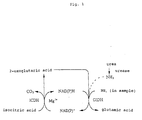
- the reaction system for the conversion of ammonia to glutamic acid involves the change NAD(P)H ⁇ NAD(P) + , so the reverse reaction NAD(P) + ⁇ NAD(P)H is needed to resume NAD(P)H.
- a conjugative reaction can be induced, with a substrate isocitric acid, isocitrate dehydrogenase and a metal ion such as magnesium ion or manganese ion.
- the reaction scheme is shown in Fig. 1.
- thermo-resistant isocitrate dehydrogenase derived from genus Sulfolobus is used in the ammonia elimination reagent designed by the inventors.
- high-level endogenous ammonia cannot thoroughly be eliminated within a given period of time (a reaction time of about 5 minutes for automatic analyzers), when a biological substance generating ammonia as a product, for example urea nitrogen, is to be assayed directly in a sample of intact urine with no dilution.
- the enzyme should be used for conventional enzyme systems, namely enzyme systems essentially requiring NADPH as a reduced coenzyme, so the enzyme is disadvantageous economically and in terms of solution stability. Hence, the enzyme is not yet sufficiently satisfactory.
- the inventors have attempted to develop a novel ammonia elimination liquid reagent using a thermo-resistant isocitrate dehydrogenase, with responsiveness to NAD and responsiveness to NADP whereby the reagent can be incorporated into conventional systems and with long-term storability at alkaline pHs.
- the inventors have made investigations about isocitrate dehydrogenase in view of the conventional problems. Consequently, the inventors have found that an isocitrate dehydrogenase (represented sometimes as ICD or ICDH hereinafter) derived from highly thermophilic bacteria of the genus Thermus is a thermo-resistant enzyme and is highly stable under alkaline conditions.
- ICD isocitrate dehydrogenase
- thermo-resistant ICDH from the genus Thermus can eliminate a higher concentration of endogenous ammonia during a short-term reaction according to the ammonia elimination method than when the thermo-resistant ICDH from the genus Sulfolobus is used.
- biological substances generating ammonia for example urea nitrogen
- biological samples with a high concentration of ammonia present therein, for example intact urine consequently, the urea nitrogen in an intact urine sample can be assayed with no preliminary dilution of the intact urine sample, so the preliminary reaction can be terminated for a given period of time.
- the invention relates to an ammonia elimination liquid reagent of a reagent composition comprising a reduced coenzyme NAD(P)H, glutamate dehydrogenase, substrates and the thermo-resistant isocitrate dehydrogenase with responsiveness to both NADP + and NAD + , wherein the ammonia elimination liquid reagent is stable under conditions at alkaline pHs for a long term.
- the invention additionally relates to an assay method of a biological substance generating ammonia by using the ammonia elimination liquid reagent, comprising allowing ammonia present in a sample to be consumed up, adding then a chelating agent to the sample to terminate the isocitrate dehydrogenase reaction, and simultaneously or thereafter adding an enzyme capable of generating ammonia as a reaction product with the biological substance, to assay the generated ammonia.
- any of isocitrate dehydrogenase species with responsiveness to both NADP + and NAD + and great stability at alkaline pHs and with thermal resistance may satisfactorily be used.
- thermo-resistant isocitrate dehydrogenase species derived from acid-fast and thermophilic Thermus species for example a Thermus thermophilus strain HB8 (ATCC 27634) and a Thermus aquaticus strain YT1 (ATCC 25104), as well as synthetic isocitrate dehydrogenase species.
- the objective enzyme described below can be prepared, by culturing a Thermus thermophilus strain HB8 (ATCC 27634), collecting the culture, particularly the bacteria, subjecting the supernatant of the bacterial culture to ammonium sulfate fractionation (removing nucleic acids if necessary), and purifying an enzyme-containing fraction by an appropriate combination of general enzyme purification means.
- Novel thermo-resistant isocitrate dehydrogenase with the following physico-chemical properties.
- the enzyme utilizes both the coenzymes NAD and NADP.
- the enzyme retains 70 % or more of the activity in 2 M urea.
- the enzyme shows a sharp peak at a position of a molecular weight of 85,000.
- thermo-resistant isocitrate dehydrogenase can be recovered by culturing a Thermus species, for example a Thermus aquaticus strain YT1 (ATCC 25104) and extracting the thermo-resistant isocitrate dehydrogenase from the culture and purifying the thermo-resistant isocitrate dehydrogenase.
- a Thermus species for example a Thermus aquaticus strain YT1 (ATCC 25104)
- thermo-resistant isocitrate dehydrogenase represented by the amino acid sequence of SQ ID No. 1 in the Sequence Listing.
- the enzyme can be recovered by such culturing as described above and can additionally be recovered by synthesis based on the identified amino acid sequence.
- thermo-resistant isocitrate dehydrogenase for use in accordance with the invention can be recovered by mean of extraction of the enzyme from the bacteria of a Thermus species and subsequent purification of the enzyme or is satisfactorily a recombinant thermo-resistant isocitrate dehydrogenase generated by a transformed bacterial strain prepared by inserting a DNA vector with the gene information of the thermo-resistant isocitrate dehydrogenase derived from the genus Thermus into a certain host bacterial strain.
- Bacterial species including for example Escherichia coli (sometimes abbreviated as E. coli ), yeast, Actinomyces , and Bacillus subtilus are used as the host bacteria therefor.
- thermo-resistant isocitrate dehydrogenase with responsiveness to both NADP + and NAD + .
- a recombinant thermo-resistant isocitrate dehydrogenase is disclosed in the prior application JP8-328400 entitled thermo-resistant isocitrate dehydrogenase gene, the application having been submitted also by the present inventors.
- thermo-resistant isocitrate dehydrogenase gene from the chromosomal DNA of the Thermus aquaticus strain YT1 (ATCC 25104). Furthermore, the inventors have determined the nucleotide sequence with success.
- the amino acid sequence of the thermo-resistant isocitrate dehydrogenase and the nucleotide sequence of the DNA of the thermo-resistant isocitrate dehydrogenase (ICD) gene are individually shown as SQ ID Nos. 1 and 2, respectively.
- Escherichia coli was transformed by using a high expression plasmid pEXAC1 prepared by inserting the thermo-resistant ICD into a vector.
- the resulting transformant was deposited as FERM P-15962 on November 28, 1996 and transferred therefrom to deposit under Budapest Treaty as FERM BP-6704 on April 16, 1999 in National Institute of Bioscience and Human-Technology, Agency of Industrial Science and Technology of 1-3, Higashi 1 chome, Tsukuba-shi, Ibaraki-ken, Japan.
- thermo-resistant ICD recovered by culturing and allowing the transformant (FERM BP-6704) to express the gene and extracting the resulting enzyme from the culture, particularly the bacteria, is used in accordance with the invention.
- the transformant is cultured in a liquid culture medium, pH 7.5, supplemented with 1.6 % tryptone, 1.0 % yeast extract, 0.5%NaCl, 0.1 mM IPTG, and 100 ⁇ g/ ⁇ l ampicillin, at 37 °C overnight under agitation, followed by centrifugation at 4,000 rpm for 10 minutes.
- the harvested bacteria are suspended in a 3-fold-volume solution containing 10 mM Tris HCl, pH 7.6 and 0.5 mM EDTA and are then disrupted therein under ultrasonication.
- the suspension is ultra-centrifuged at 45,000 rpm for 30 minutes; the resulting supernatant of the cell extract is transferred into another tube for heating treatment at 70 °C for 30 minutes; by subsequently removing the deposited denatured protein by centrifugation, the resulting supernatant is purified by using DEAE TOYO Pearl (product manufactured by TOSO, Co., Ltd.).
- thermo-resistant ICD thus recovered has the following properties:
- thermo-resistant ICD for NADP + and NAD + are 20 ⁇ M and 1 mM, respectively; the Km values of the thermo-resistant ICD from the genus Thermus as disclosed in JP 2639803 for NADP + and NAD + are 20 ⁇ M and 2.6 mM, respectively, alike. It is found by the inventors that the Km value of any of the enzymes for NAD + is small, so that the inventive thermo-resistant ICD can compose an ammonia elimination system using any of NADP + and NAD + , although the conventional ICD can never eliminate ammonia using NAD + . The novel finding has first been applied to an ammonia elimination liquid reagent, with success.
- thermo-resistant ICD thermo-resistant thermo-resistant ICD
- the method previously developed by the inventors is excellent, as no such method has existed conventionally. Nevertheless, the method has the following drawbacks; the production cost per unit volume of bacterial culture is high because of the induction expression using chemical agents (IPTG as an abbreviation of isopropyl ⁇ -D-galactopyranoside); culture productivity is low due to the low content of the enzyme per unit wet weight of bacteria; for expression and accumulation of a recombinant thermo-resistant isocitrate dehydrogenase through chemical induction, a transformant can be recovered only by batch culture, so it is difficult to improve the productivity per unit culture by the increase of a collected bacterial volume per culture. Accordingly, the method can never provide an economical recombinant thermo-resistant isocitrate dehydrogenase by a mass-scale production. Thus, the method is not sufficiently satisfactory.
- the invention has been achieved for the purpose of developing a system to produce an isocitrate dehydrogenase by a more economical high-density culture method, practical at an industrial scale, wherein the isocitrate dehydrogenase is expressed intracellularly in a designed Escherichia coli expression system with no use of the chemical agents.
- the inventors have made intensive examinations on the nucleotide substitution of the nucleotide sequence of SQ ID No. 2 with no change in the amino acid sequence of the thermo-resistant ICD.
- the inventors have first found that the second codon GCC (GCC specifying alanine, at positions 183 to 185 in the nucleotide sequence of SQ ID No. 2) from the translation initiation codon ATG in the thermo-resistant ICD gene of a sequence length of 2872 and the ninth codon CCC (CCC specifying proline, at positions 204 to 206 therein) from the same ATG are highly responsible for the mass expression and mass generation of thermo-resistant ICD.
- the inventors have attempted to substitute the second codon GCC and/or the ninth codon CCC with other nucleotides, resulting in a high expression ratio of the enzyme with no need of chemical (IPTG) induction expression, so that a continuous fed batch culture method could be adopted for the first time for the enzyme with no need of batch culture, which consequently brings about the increase of the collected bacterial transformant in volume, leading to the production of a greater amount of ICD.
- IPTG chemical
- genes carrying the isocitrate dehydrogenase gene sequence not only can be designed but also can be prepared in a practical sense. Additionally, various skillful techniques in terms of the genetic recombination technology have been employed therefor, so that the genes can be expressed efficiently with success.
- the DNA (of the nucleotide sequence of SQ ID No. 2) of the gene encoding the thermo-resistant ICD (of the amino acid sequence of SQ ID No. 1) derived from Thermus aquaticus can be recovered from a transformant (FERM BP-6704) prepared by transforming an Escherichia coli strain by using for example a thermo-resistant ICD high expression plasmid pEXAC1 or may satisfactorily be synthetically produced by PCR or others, on the basis of SQ ID No. 2.
- a transformant (FERM BP-6704) prepared by transforming an Escherichia coli strain by using for example a thermo-resistant ICD high expression plasmid pEXAC1 or may satisfactorily be synthetically produced by PCR or others, on the basis of SQ ID No. 2.
- thermo-resistant ICD thermo-resistant gene encoding thermo-resistant ICD is designed, on the basis of the novel findings for the efficient expression thereof in E. coli .
- thermo-resistant isocitrate dehydrogenase was designed, using a primer wherein the second codon GCC and the ninth codon CCC from the translation initiation codon ATG in the structural gene in the nucleotide sequence of SQ ID No. 2 were substituted with GCT, GCA or GCG and CCT, CCA or CCG, respectively and wherein a part of the structural gene is substituted with optimum codons for E. coli .
- restriction sites for EcoR I and BamH I are conjugated to both the ends for the purpose of cloning.
- the resulting primer is integrated in an expression vector (for example, pTRP vector), to transform an E. coli strain JM109 (manufactured by TAKARA, Co., Ltd.).
- pTRP vector an expression vector
- E. coli strain JM109 manufactured by TAKARA, Co., Ltd.
- a transformant expressing a high level of a recombinant thermo-resistant ICD can be recovered.
- thermo-resistant ICD generated in the cytoplasms as follows.
- the isocitrate dehydrogenase is isolated and recovered in the form of an aqueous solution.
- a chelating agent such as ethylenediaminetetraacetic acid (EDTA) and/or a surfactant
- thermo-resistant isocitrate dehydrogenase thus recovered is subjected to for example concentration under reduced pressure or membrane concentration, and then to salting-out treatment with ammonium sulfate and sodium sulfate or fractionation and precipitation with hydrophilic organic solvents, for example methanol, ethanol and acetone, to precipitate the thermo-resistant isocitrate dehydrogenase.
- hydrophilic organic solvents for example methanol, ethanol and acetone
- an ammonia elimination liquid reagent can be composed of the specific thermo-resistant ICD and additionally of 2-oxoglutaric acid ( ⁇ -ketoglutaric acid), reduced coenzymes, isocitric acid, glutamate dehydrogenase, and a metal ion (magnesium ion, manganese ion, etc.).
- the reduced coenzymes include NADH, NADPH, and ATP and derivatives of these reduced coenzymes such as thio-NADH (reduced thio-nicotineamide adenine dinucleotide), thio-NADPH (reduced thio-nicotineamide adenine dinucleotide phosphate), APADPH (reduced acetylpyridine adenine dinucleotide phosphate), and the like.
- thio-NADH reduced thio-nicotineamide adenine dinucleotide
- thio-NADPH reduced thio-nicotineamide adenine dinucleotide phosphate
- APADPH reduced acetylpyridine adenine dinucleotide phosphate
- thermo-resistant ICD responsive to both NADP + and NAD + can be used, whereby the use of costly advantageous NADH is attained, together with the use of NADPH for the conventional systems. Owing to the thermo-resistant ICD, characteristically, kits are readily designed.
- a buffer with a buffering action at an alkaline pH around 8 to 11, preferably around pH 9 to 11, is selectively used for the stability of a reduced coenzyme in solution.
- buffers optimum for the ICD are described in the catalog of Dojin Chemical Research Institute (19-th edition, 1994), preferably including buffers, for example triethanolamine, TAPS (N-tris(hydroxymethyl)methyl-3-aminopropanesulfonic acid), CHES (N-cyclohexyl-2-aminoethanesulfonic acid), CAPSO (N-cyclohexyl-2-hydroxy-3-aminopropanesulfonic acid), and CAPS (N-cyclohexyl-3-aminopropanesulfonic acid).
- buffers for example triethanolamine, TAPS (N-tris(hydroxymethyl)methyl-3-aminopropanesulfonic acid), CHES (N-cyclohexyl-2-aminoethanesulfonic acid), CAPSO (N-cyclohexyl-2-hydroxy-3-aminopropanesulfonic acid), and CAPS (N-cyclohexyl-3-aminopropanesulf
- ammonia elimination liquid reagent of any of the following compositions shown in the list of reagent compositions can be prepared, by using the inventive isocitrate dehydrogenase from the genus Thermus . Any buffer with a buffering action at alkaline pHs may satisfactorily be used for preparing the ammonia elimination liquid reagent.
- one unit of GLD is defined as the quantity with an activity capable of generating 1 ⁇ mol NADP + per one minute. If necessary, surfactants such as Briji-35 may be added to the reagent.
- Ammonia elimination liquid reagent composition (composition example) 2-Oxoglutaric acid 6.4 mM NADPH 0.3 mM Potassium isocitrate 10 mM GLD 20-100 U/ml ICDH 1-10 U/ml MgCl 2 0.2 mM pH 9-10 (preferably, 9.5)
- the other principal component GLD includes those derived from yeast, genera Proteus and Bacillus .
- GLD includes those derived from yeast, genera Proteus and Bacillus .
- Thermo-resistant isocitrate dehydrogenase was purified from Thermus aquaticus as follows.
- thermo-resistant dehydrogenase A recombinant isocitrate dehydrogenase was prepared as described in APPL. ENVIRON. MICROBIOL., Vol. 62, No. 12, 4627 - 31 (1996).
- a recombinant thermo-resistant dehydrogenase was recovered and purified from the bacterial culture. The culture conditions of the transformant and the purification procedures of the enzyme are described below.
- the bacterial strain was preliminarily cultured in a flask.
- the resulting liquid bacterial culture of 2 liters was inoculated in a 170-liter liquid culture medium sterilized in an autoclave, which was subjected to aeration agitation culture at 37 °C for 16 hours.
- IPTG isopropyl ⁇ -thiogalactoside
- the bacteria were separated and recovered by centrifugation, at a wet weight yield of 700 g, which contained about 500 kU of the enzyme.
- Culture medium composition LB culture medium, pH 7.5 Yeast extract 5 g/L Tryptone 10 g/L NaCl 5 g/L Sodium ampicillin 50 mg/L
- thermo-resistant isocitrate dehydrogenase By disrupting the cultured bacteria, the enzyme was extracted from the bacteria, which was then subjected to a combination of various chromatographic modalities, to recover a sample of the enzyme as identified as a single spot by electrophoresis.
- the purification procedures of the thermo-resistant isocitrate dehydrogenase are summarized as described below. Finally, an enzyme sample with a specific activity of 83.8 U/mg could be prepared.
- One unit of the enzyme was defined as the quantity with an activity to generate 1 ⁇ mol NADPH per one minute under the aforementioned assay conditions.
- thermo-resistant ICD derived from yeast: ICD derived from commercially available yeast (manufactured by Oriental Yeast, Co.) ICD species derived from genus Sulfolobus : ICD extracted and purified from a bacterial culture of Sulfolobus acidocaldarius (IFO 15157) (JP-A-9-295) ICD species derived from genus Thermus : thermo-resistant recombinant ICD derived from Thermus aquaticus (Example 1).
- Ammonia elimination reagents with addition of various isocitrate dehydrogenase species at various concentrations were prepared. The performance of these ammonia elimination reagents for intact urine was tested, in relation to various levels of isocitrate dehydrogenase species and ammonia elimination periods. The results are shown in the following table.
- the time required for eliminating endogenous ammonia in intact urine was defined as a time required for the absorbance A340 to resume the initial value at the time of addition of these reagents, after the start of the ammonia elimination reaction.
- Ammonia elimination time for intact urine sample ICDH concentrations Sulfolobus -derived Thermus -derived 0.1 U/ml 8 min 5 min 0.2 6 4 0.5 5 2 1 3 1.5 2 2 1 5 1 1
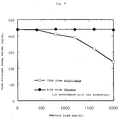
- urea nitrogen was assayed in an intact urine sample under the load of various levels of endogenous ammonia. 3 U/ml Isocitrate dehydrogenase was contained in the first reagent. The results are shown in Fig. 2.
- a urine sample was preliminarily diluted 10-fold with physiological saline, which was used as a sample.
- ammonia elimination reagent as a first reagent solution and a urease reagent solution as a second reagent
- the blocking degree of the influence of the endogenous ammonia at various levels was examined, on the basis of the urea nitrogen value assayed in the urine sample.
- the results are shown in the following table.
- the prepared ammonia elimination reagent in solution was tested under storage at 37 °C for one week, to compare the ammonia elimination performance with the ammonia elimination performance of the control after the storage test.
- the following table indicates that the Thermus aquaticus -derived isocitrate dehydrogenase exhibited great test results even after the isocitrate dehydrogenase was incorporated in the ammonia elimination reagent with NADH.
- a recombinant isocitrate dehydrogenase was prepared as follows; and then, the recombinant enzyme was prepared at a mass scale as described below.
- the nucleotide sequence of the gene of the Thermus aquaticus -derived isocitrate dehydrogenase and the amino acid sequence thereof are shown in SQ ID Nos. 3 and 1, respectively.
- the SQ ID No. 1 is the same as the amino acid sequence of the thermo-resistant ICD disclosed by the inventors in the prior application (JP8-328400);
- the SQ ID NO. 3 corresponds to the nucleotide sequence (SQ ID No. 2) of the thermo-resistant ICD gene disclosed by the inventors in the same prior application, except for the following substitutions: the second codon GCC and ninth codon CCC in the structural gene starting from the translation initiation codon ATG were substituted with GCT and CCG, respectively.
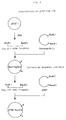
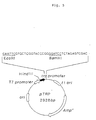
- plasmid pTRP-Taq ICD with a thermo-resistant ICD DNA fragment inserted therein was prepared, following the construction chart shown in Fig. 4.
- Escherichia coli was transformed with an expression plasmid pEXAC1 capable of expressing the thermo-resistant ICD; and from the resulting transformant (FERM BP-6704) plasmid pEXAC1 was separated.
- the plasmid carries a DNA fragment harboring the gene encoding the thermo-resistant ICD, which gene is derived from the chromosomal DNA of the Thermus aquaticus strain YT1 (ATCC 25104).
- the plasmid has successfully been developed by the inventors as described in the prior application.
- PCR was conducted, additionally using the DNA in the plasmid pEXAC1 as the template under the following conditions, for amplification of the cDNA, to recover a DNA fragment of the gene encoding the thermo-resistant ICD.
- the underlined parts represent the restriction enzyme sites and the Escherichia coli optimum codon-modified sites.
- transformants Escherichia coli JMl0l/pTRAL-ll2 and Escherichia coli JMl09/pTRP/hMb have been deposited as FERM BP-48l8 and FERM BP-5l8l,on October 5, 1994 and July 28, l995, respectively, in National Institute of Bioscience and Human-Technology, Agency of Industrial Science and Technology) were used in the example after the expression vectors were preliminarily digested with EcoR I and BamH I.
- an Escherichia coli strain JM109 was transformed.
- the plasmid in the resulting transformant was separated by the alkali-SDS method. It was confirmed by restriction cleavage that the objective gene was inserted in the plasmid. Again, the E. coli strain JM109 was transformed. A transformant was recovered.
- E. coli strain JM109 transformed with the plasmid pTRP-Taq ICD was designated Escherichia coli JM109/pTRP-Taq ICD and deposited as FERM BP-6365 in National Institute of Bioscience and Human-Technology, Agency of Industrial Science and Technology.
- thermo-resistant isocitrate dehydrogenase derived from Thermus aquaticus by high-density transformant culturing (high-density culturing by fed batch culture)
- a transformant FERM BP-6365 of Escherichia coli strain JM109 which was prepared by transformation with the plasmid pTRP-Taq ICD, was subjected to high-density culture by using 16L New Brunswick Scientific Fermenter SF-116 (Edison, NJ, USA). Culture parameters including temperature, pH, agitation velocity and aeration volume were controlled to 37 °C, pH 7.4, 800 rpm and 15 ml/min by means of ML-4100 (Multi-loop microprocessor controller). With addition of an aqueous 10 % ammonia, pH was adjusted.
- the culture of 240 ml was inoculated in an LB culture medium of 8 liters containing 25 ⁇ g/ml ampicillin, for 2-hr culturing. Thereafter, a feed culture medium was continuously fed to the culture under culturing for up to 10 hours, to a final volume of 2 liters.
- the feed culture medium had the following composition.
- the culture medium was fed to the culture, initially at a velocity of 100 ml/h; every 2 hours, then, the velocity was changed and increased to 200 ml/h, 300 ml/h and 400 ml/h, sequentially. Twelve hours later, the bacteria were collected by centrifugation (11,000 g ⁇ 20 min). The bacterial proliferation was examined by measuring the absorbance of the culture at 600 nm.
- the transformant (FERM BP-6365) of the Escherichia coli strain JM109 was recovered, which transformant had been prepared by transformation with the plasmid pTRP-Taq ICD.
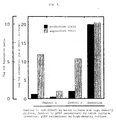
- the following production yields are compared to each other as shown below in the table; the production yield of isocitrate dehydrogenase per unit bacterial quantity of the inventive transformant by high-density culturing (the inventive method), the production yield thereof per unit bacterial quantity of the transformant described in JP8-328400 as cultured by high-density culturing (control 1) and the production yield thereof per unit bacterial quantity of the inventive transformant as cultured by batch culturing in the essential LB culture medium (control 2) (the latter two bacterial cultures were controls).
- a culture suspension (2 ml) was sampled at the end of culturing, which was centrifuged; to the resulting bacterial pellet was added an extraction buffer of 1 ml of 10 mM potassium phosphate (K-PO 4 ) buffer, pH 7.5 containing 1 mM mercaptoethanol, 0.5 mM EDTA, 0.02 % NaN 3 and 0.1 mM PMSF, so as to suspend again the pellet in the buffer; then, the resulting suspension was subjected to ultrasonic disruption under cooling in ice. After re-centrifugation, the activity of isocitrate dehydrogenase extracted and solubilized in the resulting supernatant was assayed under the following conditions.
- K-PO 4 potassium phosphate
- One unit of isocitrate dehydrogenase was defined as the quantity generating 1 ⁇ mole NADPH per minute.
- the production yield of isocitrate dehydrogenase per unit bacterial quantity can be elevated 10-fold or more by the inventive high-density culture method (these apparently indicate that the inventive transformant cultured by high-density culturing attained far greater results, compared with the control 1 cultured by the same high-density culturing); the specific activity per protein extracted and solubilized from bacteria cultured by the high-density culturing was increased by about 2 fold, suggesting that the resulting cultured bacteria were effectively purified.
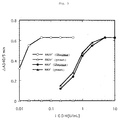
- FIG. 6 shows the relation between the production yield of isocitrate dehydrogenase under various culture conditions (controls 1 and 2 and invention) and the expression ratio of the recombinant enzyme per cultured bacterium.
- the expression ratio per cultured bacterium is calculated and expressed as specific activity of extract solution/specific activity of purified enzyme (100 U/mg).
- an ammonium elimination liquid reagent can readily be prepared by using such thermo-resistant isocitrate dehydrogenase with prominent stability under alkaline conditions suitable for the ammonium elimination liquid reagent.
- thermo-resistant isocitrate dehydrogenase with prominent stability under alkaline conditions suitable for the ammonium elimination liquid reagent.
- novel ammonium elimination liquid reagent is stable under long-tern storage.
- thermo-resistant isocitrate dehydrogenase with such an excellent characteristic property as responsiveness to both NADP + and NAD + is used in accordance with the invention, NADH never possibly used in the conventional ammonia elimination liquid reagents in spite of the economical advantage can thus be incorporated into the assay system; the thermo-resistant isocitrate dehydrogenase can be used in combination with NADH and additionally in combination with NADPH conventionally used, effectively for the designing of analytical reagents, so kits can readily be designed for the assay system. Furthermore, ammonia can be eliminated for an extremely short time, by using the enzyme. Therefore, persons engaged in laboratory tests highly acclaim the inventive ammonia elimination reagent. Thus, the ammonia elimination reagent is practical.
- thermo-resistant isocitrate dehydrogenase derived from the genus Thermus as the thermo-resistant isocitrate dehydrogenase; additionally, a recombinant thermo-resistant isocitrate dehydrogenase can be produced at a mass scale.
- thermo-resistant ICD The amino acid sequence (SQ ID No. 1) of a thermo-resistant ICD is shown in Tables 1, 2 and 3; the nucleotide sequence (SQ ID No. 2) of the DNA of the gene encoding the thermo-resistant ICD is shown in Tables 4, 5, 6, 7, 8 and 9; the nucleotide sequence (SQ ID No. 3) of the DNA of the structural gene encoding a recombinant thermo-resistant ICD of the invention is shown in Tables 10, 11, 12, and 13; and the nucleotide sequence (SQ ID No. 4) of the DNA of the structural gene encoding a recombinant thermo-resistant ICD of the invention is shown in Tables 14, 15, 16, and 17.
- the invention provides an ammonia elimination reagent in solution, comprising a thermo-resistant isocitrate dehydrogenase with prominent stability under conditions at high alkaline pHs.
- the isocitrate dehydrogenase is preferably derived from the genus Thermus .
- an ammonia elimination reagent can be prepared by selecting and using the enzyme; the resulting ammonia elimination reagent can be stored in solution ; additionally, the assay system can be designed in combination with both the coenzymes NAD + and NADP + .
- the ammonia elimination reagent is novel and can eliminate ammonia in an extremely short time.
Landscapes
- Chemical & Material Sciences (AREA)
- Life Sciences & Earth Sciences (AREA)
- Organic Chemistry (AREA)
- Health & Medical Sciences (AREA)
- Wood Science & Technology (AREA)
- Zoology (AREA)
- Engineering & Computer Science (AREA)
- Bioinformatics & Cheminformatics (AREA)
- Genetics & Genomics (AREA)
- Proteomics, Peptides & Aminoacids (AREA)
- General Health & Medical Sciences (AREA)
- Biotechnology (AREA)
- Molecular Biology (AREA)
- Biochemistry (AREA)
- General Engineering & Computer Science (AREA)
- Microbiology (AREA)
- Analytical Chemistry (AREA)
- Physics & Mathematics (AREA)
- Medicinal Chemistry (AREA)
- Biophysics (AREA)
- Biomedical Technology (AREA)
- Immunology (AREA)
- Enzymes And Modification Thereof (AREA)
- Micro-Organisms Or Cultivation Processes Thereof (AREA)
- Measuring Or Testing Involving Enzymes Or Micro-Organisms (AREA)
Applications Claiming Priority (2)
| Application Number | Priority Date | Filing Date | Title |
|---|---|---|---|
| JP17664398 | 1998-06-09 | ||
| JP10176643A JPH11346781A (ja) | 1998-06-09 | 1998-06-09 | アンモニア消去液状試薬 |
Publications (2)
| Publication Number | Publication Date |
|---|---|
| EP0969099A2 true EP0969099A2 (de) | 2000-01-05 |
| EP0969099A3 EP0969099A3 (de) | 2002-01-09 |
Family
ID=16017178
Family Applications (1)
| Application Number | Title | Priority Date | Filing Date |
|---|---|---|---|
| EP99111135A Withdrawn EP0969099A3 (de) | 1998-06-09 | 1999-06-08 | Flüssigreagenz zur Ammoniakeliminierung |
Country Status (3)
| Country | Link |
|---|---|
| US (1) | US6352847B1 (de) |
| EP (1) | EP0969099A3 (de) |
| JP (1) | JPH11346781A (de) |
Family Cites Families (5)
| Publication number | Priority date | Publication date | Assignee | Title |
|---|---|---|---|---|
| JP2639803B2 (ja) | 1987-03-02 | 1997-08-13 | オリエンタル酵母工業株式会社 | 耐熱性イソクエン酸脱水素酵素の製法 |
| JP3315827B2 (ja) | 1994-10-07 | 2002-08-19 | オリエンタル酵母工業株式会社 | 活性型ヒトaltの製造方法 |
| JP3355049B2 (ja) | 1994-10-07 | 2002-12-09 | オリエンタル酵母工業株式会社 | 組換え人ミオグロビンの製造方法 |
| JP3211138B2 (ja) | 1995-06-22 | 2001-09-25 | オリエンタル酵母工業株式会社 | アンモニア消去試薬 |
| JPH10165181A (ja) | 1996-12-09 | 1998-06-23 | Agency Of Ind Science & Technol | 耐熱性イソクエン酸脱水素酵素遺伝子 |
-
1998
- 1998-06-09 JP JP10176643A patent/JPH11346781A/ja active Pending
-
1999
- 1999-06-08 EP EP99111135A patent/EP0969099A3/de not_active Withdrawn
- 1999-06-08 US US09/327,487 patent/US6352847B1/en not_active Expired - Lifetime
Also Published As
| Publication number | Publication date |
|---|---|
| EP0969099A3 (de) | 2002-01-09 |
| JPH11346781A (ja) | 1999-12-21 |
| US6352847B1 (en) | 2002-03-05 |
Similar Documents
| Publication | Publication Date | Title |
|---|---|---|
| Scrutton et al. | Redesign of the coenzyme specificity of a dehydrogenase by protein engineering | |
| Ahmad et al. | Evolution of aromatic amino acid biosynthesis and application to the fine-tuned phylogenetic positioning of enteric bacteria | |
| EP0939799B1 (de) | Enzymatische cofaktor-regeneration unter verwendung von pyridin-nucleotid transhydrogenase | |
| Jolley et al. | Dihydrolipoamide dehydrogenase from the halophilic archaeon Haloferax volcanii: homologous overexpression of the cloned gene | |
| JP2742281B2 (ja) | グルコース―6―リン酸デヒドロゲナーゼ遺伝子 | |
| JP2729628B2 (ja) | 巨大菌からのグルコース・デヒドロゲナーゼの調製方法 | |
| JPH0286779A (ja) | 改良型組換えdna、それを含む形質転換体及びそれを用いた耐熱性グルコースデヒドロゲナーゼの製造法 | |
| EP0969099A2 (de) | Flüssigreagenz zur Ammoniakeliminierung | |
| Kataoka et al. | Construction and characterization of chimeric enzyme consisting of an amino-terminal domain of phenylalanine dehydrogenase and a carboxy-terminal domain of leucine dehydrogenase | |
| US7172890B2 (en) | Inactivated enzyme variants and associated process and reagent system | |
| JP4352286B2 (ja) | 変異型グルコース−6−リン酸デヒドロゲナーゼおよびその製造法 | |
| JP2003339385A (ja) | 新規3−ヒドロキシ酪酸脱水素酵素遺伝子、新規3−ヒドロキシ酪酸脱水素酵素の製造法、ならびに、新規3−ヒドロキシ酪酸脱水素酵素を用いたケトン体の測定方法および測定用組成物 | |
| JP2000069971A (ja) | 新規な耐熱性蟻酸脱水素酵素 | |
| US7618800B2 (en) | Glycerol kinase, which has high resistance against preservative | |
| US5871948A (en) | Alkaline reagent solution for eliminating ammonia in an assay | |
| EP0542240B1 (de) | Verfahren zur Herstellung von Flavin-Nukleotiden | |
| JP4415247B2 (ja) | 新規なグリセロールキナーゼ、該遺伝子及び該遺伝子を用いたグリセロールキナーゼの製造法 | |
| US20060128000A1 (en) | Enone reductase gene and microbial production of levodione | |
| JP4069243B2 (ja) | アルドヘキソースデヒドロゲナーゼ | |
| Jones et al. | Human Class 1 Aldehyde Dehydrogenase: Expression and Site-Directed Mutagenesis | |
| US20020119506A1 (en) | Genes encoding UMP kinase, methods for purifying UMP kinase and methods of characterizing UMP kinase | |
| JP3829950B2 (ja) | 新規なクレアチニンアミドヒドロラーゼ | |
| JP3358686B2 (ja) | 新規なグルタミン酸デヒドロゲナーゼをコードする遺伝子及び該遺伝子を用いたグルタミン酸デヒドロゲナーゼの製造法 | |
| JP5162870B2 (ja) | 安定なnadhデヒドロゲナーゼ | |
| CN120989025A (zh) | 一种7α-羟基类固醇脱氢酶突变体及其应用 |
Legal Events
| Date | Code | Title | Description |
|---|---|---|---|
| PUAI | Public reference made under article 153(3) epc to a published international application that has entered the european phase |
Free format text: ORIGINAL CODE: 0009012 |
|
| AK | Designated contracting states |
Kind code of ref document: A2 Designated state(s): AT BE CH CY DE DK ES FI FR GB GR IE IT LI LU MC NL PT SE Kind code of ref document: A2 Designated state(s): DE FR GB IT |
|
| AX | Request for extension of the european patent |
Free format text: AL;LT;LV;MK;RO;SI |
|
| RIN1 | Information on inventor provided before grant (corrected) |
Inventor name: MIYAZAKI, KENTARO Inventor name: FUJITA, TUYOSI Inventor name: OKA, OSAMU Inventor name: MATSUKAWA, HIROKAZU |
|
| PUAL | Search report despatched |
Free format text: ORIGINAL CODE: 0009013 |
|
| AK | Designated contracting states |
Kind code of ref document: A3 Designated state(s): AT BE CH CY DE DK ES FI FR GB GR IE IT LI LU MC NL PT SE |
|
| AX | Request for extension of the european patent |
Free format text: AL;LT;LV;MK;RO;SI |
|
| 17P | Request for examination filed |
Effective date: 20020131 |
|
| AKX | Designation fees paid |
Free format text: DE FR GB IT |
|
| 17Q | First examination report despatched |
Effective date: 20031008 |
|
| STAA | Information on the status of an ep patent application or granted ep patent |
Free format text: STATUS: THE APPLICATION IS DEEMED TO BE WITHDRAWN |
|
| 18D | Application deemed to be withdrawn |
Effective date: 20050412 |