EP0939621B1 - Inhibition of bcl-2 protein expression by liposomal antisense oligodeoxynucleotides - Google Patents
Inhibition of bcl-2 protein expression by liposomal antisense oligodeoxynucleotides Download PDFInfo
- Publication number
- EP0939621B1 EP0939621B1 EP97910067A EP97910067A EP0939621B1 EP 0939621 B1 EP0939621 B1 EP 0939621B1 EP 97910067 A EP97910067 A EP 97910067A EP 97910067 A EP97910067 A EP 97910067A EP 0939621 B1 EP0939621 B1 EP 0939621B1
- Authority
- EP
- European Patent Office
- Prior art keywords
- bcl
- cells
- cell
- composition
- polynucleotide
- Prior art date
- Legal status (The legal status is an assumption and is not a legal conclusion. Google has not performed a legal analysis and makes no representation as to the accuracy of the status listed.)
- Expired - Lifetime
Links
Images


Classifications
-
- C—CHEMISTRY; METALLURGY
- C12—BIOCHEMISTRY; BEER; SPIRITS; WINE; VINEGAR; MICROBIOLOGY; ENZYMOLOGY; MUTATION OR GENETIC ENGINEERING
- C12N—MICROORGANISMS OR ENZYMES; COMPOSITIONS THEREOF; PROPAGATING, PRESERVING, OR MAINTAINING MICROORGANISMS; MUTATION OR GENETIC ENGINEERING; CULTURE MEDIA
- C12N15/00—Mutation or genetic engineering; DNA or RNA concerning genetic engineering, vectors, e.g. plasmids, or their isolation, preparation or purification; Use of hosts therefor
- C12N15/09—Recombinant DNA-technology
- C12N15/11—DNA or RNA fragments; Modified forms thereof; Non-coding nucleic acids having a biological activity
- C12N15/113—Non-coding nucleic acids modulating the expression of genes, e.g. antisense oligonucleotides; Antisense DNA or RNA; Triplex- forming oligonucleotides; Catalytic nucleic acids, e.g. ribozymes; Nucleic acids used in co-suppression or gene silencing
- C12N15/1135—Non-coding nucleic acids modulating the expression of genes, e.g. antisense oligonucleotides; Antisense DNA or RNA; Triplex- forming oligonucleotides; Catalytic nucleic acids, e.g. ribozymes; Nucleic acids used in co-suppression or gene silencing against oncogenes or tumor suppressor genes
-
- A—HUMAN NECESSITIES
- A61—MEDICAL OR VETERINARY SCIENCE; HYGIENE
- A61K—PREPARATIONS FOR MEDICAL, DENTAL OR TOILETRY PURPOSES
- A61K9/00—Medicinal preparations characterised by special physical form
- A61K9/10—Dispersions; Emulsions
- A61K9/127—Synthetic bilayered vehicles, e.g. liposomes or liposomes with cholesterol as the only non-phosphatidyl surfactant
-
- A—HUMAN NECESSITIES
- A61—MEDICAL OR VETERINARY SCIENCE; HYGIENE
- A61P—SPECIFIC THERAPEUTIC ACTIVITY OF CHEMICAL COMPOUNDS OR MEDICINAL PREPARATIONS
- A61P35/00—Antineoplastic agents
-
- A—HUMAN NECESSITIES
- A61—MEDICAL OR VETERINARY SCIENCE; HYGIENE
- A61P—SPECIFIC THERAPEUTIC ACTIVITY OF CHEMICAL COMPOUNDS OR MEDICINAL PREPARATIONS
- A61P35/00—Antineoplastic agents
- A61P35/02—Antineoplastic agents specific for leukemia
-
- A—HUMAN NECESSITIES
- A61—MEDICAL OR VETERINARY SCIENCE; HYGIENE
- A61P—SPECIFIC THERAPEUTIC ACTIVITY OF CHEMICAL COMPOUNDS OR MEDICINAL PREPARATIONS
- A61P37/00—Drugs for immunological or allergic disorders
-
- A—HUMAN NECESSITIES
- A61—MEDICAL OR VETERINARY SCIENCE; HYGIENE
- A61P—SPECIFIC THERAPEUTIC ACTIVITY OF CHEMICAL COMPOUNDS OR MEDICINAL PREPARATIONS
- A61P43/00—Drugs for specific purposes, not provided for in groups A61P1/00-A61P41/00
-
- A—HUMAN NECESSITIES
- A61—MEDICAL OR VETERINARY SCIENCE; HYGIENE
- A61K—PREPARATIONS FOR MEDICAL, DENTAL OR TOILETRY PURPOSES
- A61K38/00—Medicinal preparations containing peptides
-
- C—CHEMISTRY; METALLURGY
- C12—BIOCHEMISTRY; BEER; SPIRITS; WINE; VINEGAR; MICROBIOLOGY; ENZYMOLOGY; MUTATION OR GENETIC ENGINEERING
- C12N—MICROORGANISMS OR ENZYMES; COMPOSITIONS THEREOF; PROPAGATING, PRESERVING, OR MAINTAINING MICROORGANISMS; MUTATION OR GENETIC ENGINEERING; CULTURE MEDIA
- C12N2310/00—Structure or type of the nucleic acid
- C12N2310/30—Chemical structure
- C12N2310/31—Chemical structure of the backbone
- C12N2310/312—Phosphonates
-
- C—CHEMISTRY; METALLURGY
- C12—BIOCHEMISTRY; BEER; SPIRITS; WINE; VINEGAR; MICROBIOLOGY; ENZYMOLOGY; MUTATION OR GENETIC ENGINEERING
- C12N—MICROORGANISMS OR ENZYMES; COMPOSITIONS THEREOF; PROPAGATING, PRESERVING, OR MAINTAINING MICROORGANISMS; MUTATION OR GENETIC ENGINEERING; CULTURE MEDIA
- C12N2310/00—Structure or type of the nucleic acid
- C12N2310/30—Chemical structure
- C12N2310/32—Chemical structure of the sugar
- C12N2310/322—2'-R Modification
Definitions
- the present invention relates to the field of cancer therapy, specifically, the treatment of Bcl-2 diseases. More particularly, these treatments involve the use of antisense oligodeoxynucleotides and liposomal formulations thereof.
- Bcl-2 has been linked to a wide variety of diseases such as hematologic malignancies, both leukemias and lymphomas, including follicular and nonfollicular lymphomas, chronic lymphocytic leukemia, and plasma cell dyscrasias (Campos et al., Blood, 84:595, 1994); solid tumors like those associated with breast, prostate and colon cancer; and immune disorders.
- diseases such as hematologic malignancies, both leukemias and lymphomas, including follicular and nonfollicular lymphomas, chronic lymphocytic leukemia, and plasma cell dyscrasias (Campos et al., Blood, 84:595, 1994); solid tumors like those associated with breast, prostate and colon cancer; and immune disorders.
- Follicular non-Hodgkin Lymphoma FL
- FL is the most common lymphoid malignancy in Europe and the United States. Typically it is an indolent, low grade disease consisting of an accumulation of small, rest
- the bcl-2 gene is under the influence of immunoglobulin heavy chain enhancer, and the Bcl-2 protein is overexpressed (Bakhshi et. al, Cell, 41:899, 1985; Tsujimoto et. al, Oncogene, 2:3, 1987).
- Bcl-2 tumorigenic potential is related to its capacity of interfering with physiological death responses, thereby enhancing the longevity of the cell (Nu ⁇ ez et. al, J. Immunol., 144:3602, 1990).
- the Bcl-2 protein blocks apoptotic stimuli such as growth factor deprivation, radiation, heat-shock, virus, and most of the chemotherapeutic agents (Reed, Hematol. Oncol. Clin.
- Bcl-2-related proteins This includes Bax, Bcl-X L , Bcl-X S , Bad, Bak, Mcl-1, A-1, and several open reading frames in DNA viruses (Oltvai et. al, Cell, 74:609, 1993; Boise et. al, Cell, 74:597, 1993; Yang et. al, Cell, 80:285, 1995; Chittenden et. al, Nature, 374:733, 1995; Kiefer et. al, Nature, 374: 736, 1995; Kozopas et. al Proc. Nat'l Acad Sci. USA, 90:3516, 1993; Lin et.
- Bcl-2 family of proteins
- Membership in the Bcl-2 family of proteins is principally defined by homology within the BHI and BH2 domains, which help regulate dimerization between the members (Sato et. al, Proc. Nat'l Acad Sci. USA, 91:9238, 1994).
- Bax which shares 21% amino-acid identity with Bcl-2, can bind to Bcl-2 protein and neutralize its ability to block cell death.
- the ratio of Bcl-2 to Bax is thought to determine the cell's susceptibility to death following an apoptotic stimulus (Oltvai et. al, 1993; Yin et. al, Nature, 369: 321, 1994).
- Phosphodiester antisense oligodeoxynucleotides complementary to specific sequences of the translation-initiation site of Bcl-2 mRNA are able to inhibit the production of the Bcl-2 protein and the growth of t(14;18) translocation bearing cells (Kitada et. al, Antisense Res. Dev., 3:157, 1993).
- the therapeutic use of antisense oligonucleotides has been hampered by their low cellular uptake and their rapid degradation by nucleases and other serum or cellular components.
- Phosphorothioate oligonucleotides which are resistant to nuclease degradation, were found to inhibit FL cell growth at concentrations 10 times lower than phosphodiester oligonucleotides (Reed et. al, Cancer Research, 50: 6565, 1990a; Cotter et. al, Oncogene, 9:3049, 1994).
- this approach suffers from low cellular uptake of the oligonucleotides.
- Reed et. al had to use concentrations of greater than 25 ⁇ M of phosphorothioates to achieve 50% growth inhibitions of cell lines derived from B-cell lymphomas, such as 697 and Su-Dhl-4 cells.
- Liposomal incorporation has led to enhanced uptake of oligonucleotides into leukemic cells (Akhtar et. al, Nucleic Acids Res., 19:5551, 1991; Tari et. al, Blood, 84:601, 1994).
- the use of cationic lipids by Reed et. al to deliver phosphorothioate antisense oligonucleotides allowed them to reduce the concentration of oligonucleotides to 0.075 to 0.3 ⁇ M and still induce growth inhibition in Su-Dhl-4 cells.
- Bcl-2 associated diseases such as hematologic malignancies, both leukemias and lymphomas, including follicular and nonfollicular lymphomas, chronic lymphocytic leukemia, and plasma cell dyscrasias; solid tumors like those associated with breast, prostate and colon cancer; and immune disorders.
- the present invention is designed to overcome the shortcomings of the prior art by providing improved compositions useful for the treatment of Bcl-2 associated diseases, such as hematologic malignancies, both leukemias and lymphomas, including follicular and nonfollicular lymphomas, chronic lymphocytic leukemia, and plasma cell dyscrasias; solid tumors like those associated with breast, prostate and colon cancer; and immune disorders.
- Bcl-2 associated diseases such as hematologic malignancies, both leukemias and lymphomas, including follicular and nonfollicular lymphomas, chronic lymphocytic leukemia, and plasma cell dyscrasias; solid tumors like those associated with breast, prostate and colon cancer; and immune disorders.
- These compositions comprise novel antisense oligonucleotides to target specific nucleic acids in the cells of patients.
- a composition comprising a first polynucleotide that hybridizes to a second, Bcl-2-encoding polynucleotide under intracellular conditions.
- Intracellular conditions as defined herein include monovalent cation at a concentration of approximately 160 mM (10 mM Na + ; 150 mM K + ) and a concentration of divalent cation of approximately 20 mM (18 mM Mg + ; 2 mM Ca ++ ).
- Intracellular conditions may also include a protein concentration, which would serve to decrease the volume of hybridization and, therefore, increase the effective concentration of nucleic acid species, of about 150 mg/ml. Further ingredients and requirements of such compositions are as defined in claim 1.
- the first polynucleotides may be oligonucleotides having a length of about 8-50 bases.
- the polynucleotides may be phosphodiester polynucleotides as found in nature, or they may preferably be derivatized polynucleotides or even polynucleotide analogs. Exemplary polymers would be p-ethoxy or mechylphosphonate polynucleotides.
- Other analogs that may be used include, but are not limited to C-5 propyne pyrimidine polynucleotides (Wagner et al. Science, 260:1510-1513, 1993), or polynucleotides as described in US 5,138,045 or EP-A 431,523.
- Preferred analogs are nuclease resistant, have a high melting temperature, (bind tightly to RNA), and in certain embodiments preferred polynucleotides are hydrophobic for more efficient association with a lipid formulation such as a liposome
- the polynucleotide hybridizes to bcl-2 mRNA and preferable to the translation initiation site of Bcl-2 mRNA. It is understood however, that the antisense molecules of the present invention may hybridize to any area of the bcl-2 transcript that is effective to downregulate expression of the Bcl-2 protein. There are certain advantages to targeting the first open reading frame, and as stated, the transcription initiation site is particularly preferred.
- the polynucleotide may be an oligonucleotide having the sequence 5' CAGCGTGCGCCATCCTIC 3' (SEQ ID NO:1).
- the composition of the present invention comprises a lipid, as specified in claim 1.
- the lipid is in association with the first polynucleotide.
- a polynucleotide associated with a lipid may be described as encapsulated in the aqueous interior of a liposome, interspersed within the lipid bilayer of a liposome, attached to a liposome via a linking molecule that is associated with both the liposome and the polynucleotide, complexed with a lipid, dispersed in a solution containing a lipid, mixed with a lipid, combined with a lipid, contained as a suspension in a lipid, contained or complexed with a micelle, or otherwise associated with a lipid.
- lipids as used in this specification and the claims denotes any form of both naturally occurring and synthetic lipids or liposomes.
- Lipids are fatty substances and are well-known by those of skill in the art.
- the lipids according to the present invention are not limited to any particular structure in solution. For example, they may be present in a bilayer structure, as micelles, or with a "collapsed" structure. They may also simply be interspersed in a solution, possibly forming aggregates which are not uniform in either size or shape.
- the lipids are neutral in net charge and may advantageously be comprised of the lipid dioleoylphosphatidylcholine, however other lipids such as other phosphatidylcholines, phosphatidylglycerols, and phosphatidylethanolamines may also be employed.
- composition comprising an expression construct that encodes a first polynucleotide that hybridizes to a second Bcl-2-encoding polynucleotide, wherein said first polynucleotide is under the control of a promoter that is active in eukaryotic cells. Further ingredients and requirements of such composition are as defined in claim 11.
- This invention also comprises the use of such compositions for the manufacture of a medicament for inhibiting proliferation of a cancer cell such medicament may be applied advantageously in case of a variety of cancer cells as shown in the Examples below.
- the medicaments are shown to be effective in cancer cells that overexpress or express high levels of bcl-2 and also express the Bax protein, as well as in cells in which translocation of p53 into the nucleus upon genotoxic damage is inhibited by bcl-2.
- Such cells would include, but not be limited to hematologic malignancies, both leukemias and lymphomas, including follicular and nonfollicular lymphomas, chronic lymphocytic leukemia, and plasma cell dyscrasias; solid tumors like those associated with breast, prostate and colon cancer; and immune disorders.
- the composition may comprise a neutral lipid which is associated with the polynucleotide, such as a polynucleotide encapsulated in a liposome.
- the cancer cell is in a patient, and in certain embodiments in a human patient.
- the composition may advantageously be delivered to a human patient in a volume of 0.50-10.0 ml per dose or in an amount of 5-30 mg polynucleotide per m 2 .
- the composition is administered 3 times per week for 8 weeks.
- various dosages may be used as determined by an attending physician based on the particular disease, age and condition of the patient and other factors that may affect a physicians decision.
- This invention relates to antisense technology that may be employed to treat Bcl-2-associated disease.
- it encompasses a composition comprising a polynucleotide that hybridizes to the translation initiation site of Bcl-2 mRNA.
- a useful polynucleotide is an oligonucleotide comprising the sequence CAGCGTGCGCCATCCTTC (SEQ ID NO:1).
- compositions of the present invention also include compositions wherein liposomes are formed from the lipid.
- Lipids that are particularly useful in the present invention include phosphatidylcholines, phosphatidylglycerols, and phosphatidylethanolamines, one example being the lipid dioleoylphosphatidylcholine, although any acceptable neutral lipids may be used.
- a method of inhibiting a Bcl-2-associated disease comprises the steps of obtaining a polynucleotide that hybridizes to a Bcl-2-encoding polynucleotide, mixing the polynucleotide with a neutral lipid to form a polynucleotide/lipid association, and administering said association to a cell.
- the cell may be a cancer cell, such as a follicular lymphoma cell.
- This method employs a polynucleotide comprising an oligonucleotide having a length of between 8 and 50 bases.
- the lipid may comprise a liposome. If so, the liposome may further encapsulate the polynucleotide.
- the contacting may take place in an animal, such as a human.
- the composition may be delivered to said human in a volume of 0.50-10.0 ml per dose or in an amount of from about 5 to about 30 mg polynucleotide per m 2 . It may also be administered three times per week for eight weeks.
- bcl-2 is an oncogene with tumorigenic potential due to its capacity to block programmed cell death.
- the present invention employs liposomal antisense oligodeoxynucleotides to inhibit the production of Bcl-2 so that tumor cells can regain the capacity to enter programmed cell death.
- the present invention may also be used to treat hematologic malignancies, both leukemias and lymphomas, including follicular and nonfollicular lymphomas, chronic lymphocytic leukemia, and plasma cell dyscrasias; solid tumors like those associated with breast, prostate and colon cancer; and immune disorders, which are associated with Bcl-2 expression.
- diseases would include those involving cells that overexpress, or express a high level, of Bcl-2 and which also express Bax.
- the present invention relates to compositions comprising antisense oligonucleotides and polynucleotides directed to portions of the bcl-2 gene and their use in the treatment of Bcl-2 related diseases.
- a specific type of cancer that may be treated by the compositions of the present invention is FL.
- Over 90% of follicular lymphoma patients have a t(14;18) translocation which results in the translocation of the bcl-2 gene from its normal location in chromosome 18 to the immunoglobulin heavy chain gene locus on chromosome 14.
- the bcl-2 gene is under the influence of the immunoglobulin heavy chain enhancer, and the Bcl-2 protein is overexpressed.
- bcl-2 is an oncogene with tumorigenic potential due to its capacity to block programmed cell death
- a potential therapy for these follicular lymphomas is to inhibit the production of the Bcl-2 protein.
- the present invention hopes to succeed where other approaches have failed by incorporating stable, nuclease resistant antisense oligonucleotides specific for the first open reading frame, and more specifically, for the translation initiation site of the Bcl-2 mRNA, into neutral liposomes for delivery into the cell to inhibit the production of Bcl-2 protein.
- liposomal bcl-2 antisense oligonucleotides (L-bcl-2) inhibit the growth of FL cells and other cells which overexpress Bcl-2 protein.
- L-bcl-2 antisense oligonucleotides (L-bcl-2) inhibit the growth of FL cells and other cells which overexpress Bcl-2 protein.
- the oligo- or polynucleotides themselves, or expression vectors encoding therefor may be employed.
- the preferred method of delivering these nucleic acids is via liposomes, and in particular liposomes that are made of neutral lipids.
- antisense is intended to refer to polynucleotide molecules complementary to a portion of a Bcl-2 RNA, or the DNA's corresponding thereto.
- “Complementary" polynucleotides are those which are capable of base-pairing according to the standard Watson-Crick complementarity rules. That is, the larger purines will base pair with the smaller pyrimidines to form combinations of guanine paired with cytosine (G:C) and adenine paired with either thymine (A:T) in the case of DNA, or adenine paired with uracil (A:U) in the case of RNA.
- Inclusion of less common bases such as inosine, 5-methylcytosine, 6-methyladenine, hypoxanthine and others in hybridizing sequences may offer certain advantages in some cases and does not interfere with pairing.
- Antisense polynucleotides when introduced into a target cell, specifically bind to their target polynucleotide and interfere with transcription, RNA processing, transport, translation and/or stability.
- Antisense RNA constructs, or DNA encoding such antisense RNA's may be employed to inhibit gene transcription or translation or both within a host cell, either in vitro or in vivo, such as within a host animal, including a human subject.
- the intracellular concentration of monovalent cation is approximately 160 mM (10 mM Na + ; 150 mM K + ).
- the intracellular concentration of divalent cation is approximately 20 mM (18 mM Mg + ; 2 mM Ca ++ ).
- the intracellular protein concentration which would serve to decrease the volume of hybridization and, therefore, increase the effective concentration of nucleic acid species, is 150 mg/ml. Constructs can be tested in vitro under conditions that mimic these in vivo conditions.
- Antisense constructs may be designed to bind to the promoter and other control regions, exons, introns or even exon-intron boundaries of a gene. It is contemplated that the most effective antisense constructs for the present invention will include regions complementary to the mRNA start site.
- complementary or antisense mean polynucleotides that are substantially complementary over their entire length and have very few base mismatches. For example, sequences of fifteen bases in length may be termed complementary when they have a complementary nucleotide for thirteen or fourteen positions out of fifteen. Naturally, sequences which are "completely complementary” or “full length complements” will be sequences which are entirely complementary throughout their entire length and have no base mismatches.
- an antisense construct which has limited regions of high homology, but also contains a non-homologous region (e.g. , a ribozyme) could be designed. These molecules, though having less than 50% homology, would bind to target sequences under appropriate conditions.
- the polynucleotides described above may encode a bcl-2 gene or a portion of that gene that is sufficient to effect antisense inhibition of protein expression.
- the polynucleotides may be derived from genomic DNA, i.e., cloned directly from the genome of a particular organism. In other embodiments, however, the polynucleotides may be complementary DNA (cDNA).
- cDNA is DNA prepared using messenger RNA (mRNA) as template.
- mRNA messenger RNA
- a cDNA does not contain any interrupted coding sequences and usually contains almost exclusively the coding region(s) for the corresponding protein.
- the antisense polynucleotide may be produced synthetically.
- genomic DNA may be combined with cDNA or synthetic sequences to generate specific constructs.
- a genomic clone will need to be used.
- the cDNA or a synthesized polynucleotide may provide more convenient restriction sites for the remaining portion of the construct and, therefore, would be used for the rest of the sequence.
- Bcl-2 The DNA and protein sequences for Bcl-2 are published in literature by Tsujimoto and Croce, ( Proc. Natl. Acad. Sci. USA, 83:5214, 1986) (SEQ ID NO:4, SEQ ID NO:5, SEQ ID NO:6, & SEQ ID NO:7) which is incorporated herein by reference. It is contemplated that natural variants of Bcl-2 exist that have different sequences than those disclosed herein. Thus, the present invention is not limited to use of the provided polynucleotide sequence for Bcl-2 but, rather, includes use of any naturally-occurring variants. Depending on the particular sequence of such variants, they may provide additional advantages in terms of target selectivity, i.e. , avoid unwanted antisense inhibition of related transcripts. The present invention also encompasses chemically synthesized mutants of these sequences.
- the antisense sequences may be full length genomic or cDNA copies, or large fragments thereof, they also may be shorter fragments, or "oligonucleotides.” defined herein as polynucleotides of 50 or less bases. Although shorter oligomers (8-20) are easier to make and increase in vivo accessibility, numerous other factors are involved in determining the specificity of base-pairing. For example, both binding affinity and sequence specificity of an oligonucleotide to its complementary target increase with increasing length. It is contemplated that oligonucleotides of 8, 9, 10, 11, 12, 13, 14, 15, 16, 17, 18, 19, 20, 25, 30, 35, 40, 45 or 50 base pairs or larger may be used. While all or part of the gene sequence may be employed in the context of antisense construction, statistically, any sequence of 17 bases long should occur only once in the human genome and, therefore, suffice to specify a unique target sequence.
- Oligonucleotides which contain C-5 propyne analogues of uridine and cytidine have been shown to bind RNA with high affinity and to be potent antisense inhibitors of gene expression (Wagner et al., 1993).
- derivatized polynucleotides or phosphodiester analogues such as p-ethoxy or methyl phosphonate oligonucleotides may be used.
- Such polynucleotides may offer certain advantages such as nuclease resistance. It is a discovery of the present inventors that p-ethoxy oligonucleotides, which are hydrophobic are also advantageous in that they are more efficiently incorporated into liposomes.
- ribozyme refers to an RNA-based enzyme capable of targeting and cleaving particular base sequences in both DNA and RNA. Ribozymes can either be targeted directly to cells, in the form of RNA oligonucleotides incorporating ribozyme sequences, or introduced into the cell as an expression vector encoding the desired ribozymal RNA. Ribozymes may be used and applied in much the same way as described for antisense polynucleotide. Ribozyme sequences also may be modified in much the same way as described for antisense polynucleotide. For example, one could incorporate non-Watson-Crick bases, or make mixed RNA/DNA oligonucleotides, or modify the phosphodiester backbone.
- the antisense oligo- and polynucleotides described above may be provided as mRNA via transcription from expression constructs that carry nucleic acids encoding the oligo- or polynucleotides.
- expression construct is meant to include any type of genetic construct containing a nucleic acid encoding an antisense product in which part or all of the nucleic acid sequence is capable of being transcribed.
- Typical expression vectors include bacterial plasmids or phage, such as any of the pUC or Bluescript TM plasmid series or, as discussed further below, viral vectors adapted for use in eukaryotic cells.
- the nucleic acid encodes an antisense oligo- or polynucleotide under transcriptional control of a promoter.
- a “promoter” refers to a DNA sequence recognized by the synthetic machinery of the cell, or introduced synthetic machinery, required to initiate the specific transcription of a gene.
- under transcriptional control means that the promoter is in the correct location and orientation in relation to the nucleic acid to control RNA polymerase initiation.
- promoter will be used here to refer to a group of transcriptional control modules that are clustered around the initiation site for RNA polymerase II.
- Much of the thinking about how promoters are organized derives from analyses of several viral promoters, including those for the HSV thymidine kinase (tk) and SV40 early transcription units. These studies, augmented by more recent work, have shown that promoters are composed of discrete functional modules, each consisting of approximately 7-20 bp of DNA, and containing one or more recognition sites for transcriptional activator or repressor proteins.
- At least one module in each promoter functions to position the start site for RNA synthesis.
- the best known example of this is the TATA box, but in some promoters lacking a TATA box, such as the promoter for the mammalian terminal deoxynucleotidyl transferase gene and the promoter for the SV40 late genes, a discrete element overlying the start site itself helps to fix the place of initiation.
- promoter elements regulate the frequency of transcriptional initiation. Typically, these are located in the region 30-110 bp upstream of the start site, although a number of promoters have recently been shown to contain functional elements downstream of the start site as well.
- the spacing between promoter elements frequently is flexible, so that promoter function is preserved when elements are inverted or moved relative to one another. In the tk promoter, the spacing between promoter elements can be increased to 50 bp apart before activity begins to decline. Depending on the promoter, it appears that individual elements can function either cooperatively or independently to activate transcription.
- the particular promoter that is employed to control the expression of a nucleic acid encoding the inhibitory peptide is not believed to be important, so long as it is capable of expressing the peptide in the targeted cell.
- a human cell it is preferable to position the nucleic acid coding the inhibitory peptide adjacent to and under the control of a promoter that is active in the human cell.
- a promoter might include either a human or viral promoter.
- the human cytomegalovirus (CMV) immediate early gene promoter, the SV40 early promoter and the Rous sarcoma virus long terminal repeat can be used to obtain high-level expression of various proteins.
- CMV cytomegalovirus
- the use of other viral or mammalian cellular or bacterial phage promoters which are well-known in the art to achieve expression of the peptides described above is contemplated as well, provided that the levels of expression are sufficient for a given purpose.
- a promoter with well-known properties, the level and pattern of expression of an antisense oligo- or polynucleotide can be optimized. Further, selection of a promoter that is regulated in response to specific physiologic signals can permit inducible expression of an inhibitory protein. For example, a nucleic acid under control of the human PAI-1 promoter results in expression inducible by tumor necrosis factor.
- Tables 1 and 2 list several elements/promoters which may be employed, in the context of the present invention, to regulate the expression of antisense constructs. This list is not intended to be exhaustive of all the possible elements involved in the promotion of expression but, merely, to be exemplary thereof.
- Enhancers were originally detected as genetic elements that increased transcription from a promoter located at a distant position on the same molecule of DNA. This ability to act over a large distance had little precedent in classic studies of prokaryotic transcriptional regulation. Subsequent work showed that regions of DNA with enhancer activity are organized much like promoters. That is, they are composed of many individual elements, each of which binds to one or more transcriptional proteins.
- enhancers The basic distinction between enhancers and promoters is operational. An enhancer region as a whole must be able to stimulate transcription at a distance; this need not be true of a promoter region or its component elements. On the other hand, a promoter must have one or more elements that direct initiation of RNA synthesis at a particular site and in a particular orientation, whereas enhancers lack these specificities. Promoters and enhancers are often overlapping and contiguous, often seeming to have a very similar modular organization.
- Eukaryotic promoters can support cytoplasmic transcription from certain bacterial promoters if the appropriate bacterial polymerase is provided, either as part of the delivery complex or as an additional genetic expression construct.
- the delivery of a nucleic acid in a cell may be identified in vitro or in vivo by including a marker in the expression construct.
- the marker would result in an identifiable change to the transfected cell permitting easy identification of expression.
- Enzymes such as herpes simplex virus thymidine kinase ( tk ) (eukaryotic) or chloramphenicol acetyltransferase (CAT) (prokaryotic) may be employed.
- the nature of the polyadenylation signal is not believed to be crucial to the successful practice of the invention, and any such sequence may be employed. Examples include the SV40, globin or adenovirus polyadenylation signals.
- a terminator is also contemplated as an element of the expression cassette. These elements can serve to enhance message levels and to minimize read through from the cassette into other sequences.
- the antisense oligo- or polynucleotides and expression vectors described above are associated with a lipid.
- a polynucleotide associated with a lipid may be encapsulated in the aqueous interior of a liposome, interspersed within the lipid bilayer of a liposome, attached to a liposome via a linking molecule that is associated with both the liposome and the polynucleotide, entrapped in a liposome, complexed with a liposome, dispersed in a solution containing a lipid, mixed with a lipid, combined with a lipid, contained as a suspension in a lipid, contained or complexed with a micelle, or otherwise associated with a lipid.
- the lipid or lipid/oligonucleotide associated compositions of the present invention are not limited to any particular structure in solution. For example, they may be present in a bilayer structure, as micelles, or with a "collapsed" structure. They may also simply be interspersed in a solution, possibly forming aggregates which are not uniform in either size or shape.
- the lipids may be in the form of liposomes known in the art as multiple-lamellar vesicles, small or large unilamellar vesicles or other types of vesicles known in the art.
- Lipids are fatty substances which may be naturally occurring or synthetic lipids.
- lipids include the fatty droplets that naturally occur in the cytoplasm as well as the class of compounds which are well known to those of skill in the art which contain long-chain aliphatic hydrocarbons and their derivatives, such as fatty acids, alcohols, amines, amino alcohols, and aldehydes.
- An example is the lipid dioleoylphosphatidylcholine.
- Liposome is a generic term encompassing a variety of single and multilamellar lipid vehicles formed by the generation of enclosed lipid bilayers or aggregates. Liposomes may be characterized as having vesicular structures with a phospholipid bilayer membrane and an inner aqueous medium. Multilamellar liposomes have multiple lipid layers separated by aqueous medium. They form spontaneously when phospholipids are suspended in an excess of aqueous solution. The lipid components undergo self-rearrangement before the formation of closed structures and entrap water and dissolved solutes between the lipid bilayers (Ghosh and Bachhawat, In : Wu G. Wu C ed..
- the present invention also encompasses compositions that have different structures in solution than the normal vesicular structure.
- the lipids may assume a micellar structure or merely exist as nonuniform aggregates of lipid molecules.
- lipofectamine-nucleic acid complexes are also contemplated.
- Liposome-mediated polynucleotide delivery and expression of foreign DNA in vitro has been very successful.
- Wong et al. (Gene, 10:87-94, 1980) demonstrated the feasibility of liposome-mediated delivery and expression of foreign DNA in cultured chick embryo, HeLa and hepatoma cells.
- Nicolau et al. ( Methods Enzymol., 149:157-176, 1987) accomplished successful liposome-mediated gene transfer in rats after intravenous injection.
- the lipid may be associated with a hemaglutinating virus (HVJ). This has been shown to facilitate fusion with the cell membrane and promote cell entry of liposome-encapsulated DNA (Kaneda et al., Science, 243:375-378, 1989).
- HVJ hemaglutinating virus
- the lipid may be complexed or employed in conjunction with nuclear non-histone chromosomal proteins (HMG-1) (Kato et al., J. Biol. Chem., 266:3361-3364, 1991).
- HMG-1 nuclear non-histone chromosomal proteins
- the lipid may be complexed or employed in conjunction with both HVJ and HMG-1.
- Neutral Phospholipids are used for preparing the liposomes.
- Lipids suitable for use according to the present invention can be obtained from commercial sources.
- DMPC dimyristyl phosphatidylcholine
- DCP dicetyl phosphate
- Chol cholesterol
- DMPG dimyristoyl phosphatidylglycerol
- Stock solutions of lipids in chloroform or chloroform/methanol can be stored at about -20°C.
- chloroform is used as the only solvent since it is more readily evaporated than methanol.
- Phospholipids from natural sources such as egg or soybean phosphatidylcholine, brain phosphatidic acid, brain or plant phosphatidylinositol, heart cardiolipin and plant or bacterial phosphatidylethanolamine are preferably not used as the primary phosphatide, i.e., constituting 50% or more of the total phosphatide composition, because of the instability and leakiness of the resulting liposomes.
- Liposomes used according to the present invention can be made by different methods.
- the size of the liposomes varies depending on the method of synthesis.
- a liposome suspended in an aqueous solution is generally in the shape of a spherical vesicle, having one or more concentric layers of lipid bilayer molecules. Each layer consists of a parallel array of molecules represented by the formula XY, wherein X is a hydrophilic moiety and Y is a hydrophobic moiety.
- the concentric layers are arranged such that the hydrophilic moieties tend to remain in contact with an aqueous phase and the hydrophobic regions tend to self-associate.
- the lipid molecules may form a bilayer, known as a lamella, of the arrangement XY-YX.
- Aggregates of lipids may form when the hydrophilic and hydrophobic parts of more than one lipid molecule become associated with each other. The size and shape of these aggregates will depend upon many different variables, such as the nature of the solvent and the presence of other compounds in the solution.
- Liposomes within the scope of the present invention can be prepared in accordance with known laboratory techniques.
- liposomes are prepared by mixing liposomal lipids, in a solvent in a container, e.g. , a glass, pear-shaped flask.
- the container should have a volume ten-times greater than the volume of the expected suspension of liposomes.
- the solvent is removed at approximately 40°C under negative pressure.
- the solvent normally is removed within about 5 min. to 2 hours, depending on the desired volume of the liposomes.
- the composition can be dried further in a desiccator under vacuum.
- the dried lipids generally are discarded after about 1 week because of a tendency to deteriorate with time.
- Dried lipids can be hydrated at approximately 25-50 mM phospholipid in sterile, pyrogen-free water by shaking until all the lipid film is resuspended.
- the aqueous liposomes can be then separated into aliquots, each placed in a vial, lyophilized and sealed under vacuum.
- liposomes can be prepared in accordance with other known laboratory procedures: the method of Bangham et al., (J. Mol. Biol., 13:238, 1965), the contents of which are incorporated herein by reference; the method of Gregoriadis, as described in DRUG CARRIERS IN BIOLOGY AND MEDICINE, G. Gregoriadis ed. (1979) pp. 287-341, the contents of which are incorporated herein by reference; the method of Deamer and Uster, (LIPOSOMES, M. Ostro ed. 1983), the contents of which are incorporated by reference; and the reverse-phase evaporation method as described by Szoka and Papahadjopoulos, (Proc. Nat'l Acad Sci. U.S.A. 75:4194-98 1978).
- the aforementioned methods differ in their respective abilities to entrap aqueous material and their respective aqueous space-to-lipid ratios.
- the dried lipids or lyophilized liposomes prepared as described above may be dehydrated and reconstituted in a solution of inhibitory peptide and diluted to an appropriate concentration with an suitable solvent, e.g. , DPBS.
- an suitable solvent e.g. , DPBS.
- Unencapsulated nucleic acid is removed by centrifugation at 29,000 ⁇ g and the liposomal pellets washed.
- the washed liposomes are resuspended at an appropriate total phospholipid concentration, e.g. , about 50-200 mM.
- the amount of nucleic acid encapsulated can be determined in accordance with standard methods. After determination of the amount of nucleic acid encapsulated in the liposome preparation, the liposomes may be diluted to appropriate concentrations and stored at 4°C until use.
- P-ethoxy oligonucleotides are preferred because they are stable in serum and effectively transported into the cellular cytoplasm.
- the lipid dioleoylphosphatidylchoine is employed.
- other lipids such as other phosphatidylcholines, phosphatidylglycerols, and phosphatidylethanolamines may also be useful.
- Nuclease-resistant oligonucleotides are mixed with lipids in the presence of excess t-butanol. The mixture is vortexed before being frozen in an acetone/dry ice bath.
- the frozen mixture is lyophilized and hydrated with Hepes-buffered saline (1 mM Hepes, 10 mM NaCl, pH 7.5) overnight, and then the liposomes are sonicated in a bath type sonicator for 10 to 15 min.
- the size of the liposomal-oligonucleotides typically ranges between 200-300 nm in diameter as determined by the submicron particle sizer autodilute model 370 (Nicomp, Santa Barbara, CA).
- Retroviruses are a group of single-stranded RNA viruses characterized by an ability to convert their RNA to double-stranded DNA in infected cells by a process of reverse-transcription (Coffin, In: Virology, Fields et al. (eds.), New York: Raven Press, pp. 1437-1500, 1990).
- the resulting DNA then stably integrates into cellular chromosomes as a provirus and directs synthesis of viral proteins.
- the integration results in the retention of the viral gene sequences in the recipient cell and its descendants.
- the retroviral genome contains three genes - gag, pol, and env - that code for capsid proteins, polymerase enzyme, and envelope components, respectively.
- Two long terminal repeat (LTR) sequences are present at the 5' and 3' ends of the viral genome. These contain strong promoter and enhancer sequences and are also required for integration in the host cell genome (Coffin, 1990).
- a nucleic acid encoding a Bcl-2 antisense construct is inserted into the viral genome in the place of certain viral sequences to produce a virus that is replication-defective.
- a packaging cell line containing the gag, pol and env genes but without the LTR and ⁇ components is constructed (Mann et al., Cell, 33:153-159, 1983).
- a recombinant plasmid containing an inserted DNA, together with the retroviral LTR and ⁇ sequences, is introduced into this cell line (by calcium phosphate precipitation for example), the ⁇ sequence allows the RNA transcript of the recombinant plasmid to be packaged into viral particles, which are then secreted into the culture media (Nicolas and Rubenstein, In: Vectors: A survey of molecular cloning vectors and their uses, Rodriguez and Denhardt, (eds.), Stoneham: Butterworth, pp. 494-513, 1988; Temin, In: Gene Transfer, Kucherlapati (ed.), New York: Plenum Press, pp. 149-188, 1986; Mann et al., 1983).
- Retroviral vectors are able to infect a broad variety of cell types. However, integration and stable expression require the division of host cells (Paskind et al., Virology, 67:242-248, 1975).
- Adenoviruses Human adenoviruses are double-stranded DNA tumor viruses with genome sizes of approximate 36 kB. As a model system for eukaryotic gene expression, adenoviruses have been widely studied and well characterized, which makes them an attractive system for development of adenovirus as a gene transfer system. This group of viruses is easy to grow and manipulate, and they exhibit a broad host range in vitro and in vivo. In lytically infected cells, adenoviruses are capable of shutting off host protein synthesis, directing cellular machineries to synthesize large quantities of viral proteins, and producing copious amounts of virus.
- the E1 region of the genome includes E1A and E1B which encode proteins responsible for transcription regulation of the viral genome, as well as a few cellular genes.
- E2 expression including E2A and E2B, allows synthesis of viral replicative functions, e.g. DNA-binding protein, DNA polymerase, and a terminal protein that primes replication.
- E3 gene products prevent cytolysis by cytotoxic T cells and tumor necrosis factor and appear to be important for viral propagation.
- Functions associated with the E4 proteins include DNA replication, late gene expression, and host cell shutoff.
- the late gene products include most of the virion capsid proteins, and these are expressed only after most of the processing of a single primary transcript from the major late promoter has occurred.
- MLP major late promoter
- Ad5-transformed human embryonic kidney cell lines (Graham et al., J. Gen. Virol., 36:59-72, 1977) have been developed to provide the essential viral proteins in trans.
- an adenovirus system for delivering foreign proteins to a cell include (i) the ability to substitute relatively large pieces of viral DNA by foreign DNA; (ii) the structural stability of recombinant adenoviruses; (iii) the safety of adenoviral administration to humans; and (iv) lack of any known association of adenoviral infection with cancer or malignancies; (v) the ability to obtain high titers of the recombinant virus; and (vi) the high infectivity of adenovirus.
- adenovirus vectors over retroviruses include the higher levels of gene expression. Additionally, adenovirus replication is independent of host gene replication, unlike retroviral sequences. Because adenovirus transforming genes in the E1 region can be readily deleted and still provide efficient expression vectors, oncogenic risk from adenovirus vectors is thought to be negligible (Grunhaus & Horwitz, Seminar in Virology, 3:237-252, 1992).
- adenovirus gene transfer systems are based upon recombinant, engineered adenovirus which is rendered replication-incompetent by deletion of a portion of its genome, such as E1, and yet still retains its competency for infection. Sequences encoding relatively large foreign proteins can be expressed when additional deletions are made in the adenovirus genome. For example, adenoviruses deleted in both E1 and E3 regions are capable of carrying up to 10 kB of foreign DNA and can be grown to high titers in 293 cells (Stratford-Perricaudet and Perricaudet, 1991). Surprisingly persistent expression of transgenes following adenoviral infection has also been reported.
- viral vectors may be employed as expression constructs in the present invention.
- Vectors derived from viruses such as vaccinia virus (Ridgeway, Stoneham: Butterworth, pp. 467-492, 1988; Baichwal and Sugden, In: Kucherlapati R, (ed.) Gene transfer. New York: Plenum Press, pp. 117-148, 1986; Coupar et al., Gene, 68:1-10, 1988) adeno-associated virus (AAV) (Ridgeway, 1988; Baichwal and Sugden, 1986; Hermonat and Muzycska, Proc. Nat'l Acad Sci.
- viruses such as vaccinia virus (Ridgeway, Stoneham: Butterworth, pp. 467-492, 1988; Baichwal and Sugden, In: Kucherlapati R, (ed.) Gene transfer. New York: Plenum Press, pp. 117-148, 1986; Coupar et al., Gene, 68:1-10, 1988)
- herpes viruses may be employed. They offer several attractive features for various mammalian cells (Friedman et al., Genes Devel. 3:1314, 1989; Ridgeway, 1988; Baichwal and Sugden, 1986; Coupar et al., 1988; Horwich et al., J. Virol. 64:642-650, 1990).
- Non-viral Methods Several non-viral methods for the transfer of expression vectors into cultured mammalian cells also are contemplated by the present invention. These include calcium phosphate precipitation (Graham and van der Eb, Virology, 52:456-467, 1973; Chen and Okayama, Mol. Cell Biol., 7:2745-2752, 1987; Rippe et al., Mol. Cell Biol., 10:689-695, 1990) DEAE-dextran (Gopal, Mol. Cell Biol., 5:1188-1190, 1985), electroporation (Tur-Kaspa et al., Mol. Cell Biol., 6:716-718, 1986; Potter et al., Proc. Nat'l Acad Sci.
- calcium phosphate precipitation Graham and van der Eb, Virology, 52:456-467, 1973; Chen and Okayama, Mol. Cell Biol., 7:2745-2752, 1987; Rippe et al., Mol. Cell Biol.
- the expression construct may simply consist of naked recombinant vector. Transfer of the construct may be performed by any of the methods mentioned above which physically or chemically permeabilize the cell membrane.
- Dubensky et al. (Proc, Nat'l Acad Sci. USA, 81:7529-7533, 1984) successfully injected polyomavirus DNA in the form of CaPO 4 precipitates into liver and spleen of adult and newborn mice demonstrating active viral replication and acute infection.
- Benvenisty and Neshif Proc. Nat'I Acad. Sci. USA, 83:9551, 1986
- DNA encoding an Bcl-2 construct may also be transferred in a similar manner in vivo.
- the transfer of a naked DNA expression vector into cells may involve particle bombardment. This method depends on the ability to accelerate DNA coated microprojectiles to a high velocity allowing them to pierce cell membranes and enter cells without killing them (Klein et al., Nature, 327:70-73, 1987).
- Several devices for accelerating small particles have been developed. One such device relies on a high voltage discharge to generate an electrical current, which in turn provides the motive force (Yang et al., 1990).
- the microprojectiles used have consisted of biologically inert substances such as tungsten or gold beads.
- liposome complex As a pharmaceutical composition appropriate for the intended application. Generally, this will entail preparing a pharmaceutical composition that is essentially free of pyrogens, as well as any other impurities that could be harmful to humans or animals. One also will generally desire to employ appropriate buffers to render the complex stable and allow for uptake by target cells.
- compositions of claim 11 comprise an effective amount of the antisense expression vector encapsulated in a liposome as discussed above, further dispersed in pharmaceutically acceptable carrier or aqueous medium. Such compositions also are referred to as inocula.
- pharmaceutically or pharmaceutically acceptable refer to compositions that do not produce an adverse, allergic or other untoward reaction when administered to an animal, or a human, as appropriate.
- pharmaceutically acceptable carrier includes any and all solvents, dispersion media, coatings, antibacterial and antifungal agents, isotonic and absorption delaying agents and the like.
- the use of such media and agents for pharmaceutical active substances is well known in the art. Except insofar as any conventional media or agent is incompatible with the active ingredient, its use in the therapeutic compositions is contemplated. Supplementary active ingredients also can be incorporated into the compositions.
- Solutions of therapeutic compositions can be prepared in water suitably mixed with a surfactant, such as hydroxypropylcellulose.
- Dispersions also can be prepared in glycerol, liquid polyethylene glycols, mixtures thereof and in oils. Under ordinary conditions of storage and use, these preparations contain a preservative to prevent the growth of microorganisms.
- compositions are advantageously administered in the form of injectable compositions either as liquid solutions or suspensions; solid forms suitable for solution in, or suspension in, liquid prior to injection may also be prepared. These preparations also may be emulsified.
- a typical composition for such purpose comprises a pharmaceutically acceptable carrier.
- the composition may contain 10 mg, 25 mg, 50 mg or up to about 100 mg of human serum albumin per milliliter of phosphate buffered saline.
- Other pharmaceutically acceptable carriers include aqueous solutions, non-toxic excipients, including salts, preservatives, buffers and the like.
- non-aqueous solvents examples include propylene glycol, polyethylene glycol, vegetable oil and injectable organic esters such as ethyloleate.
- Aqueous carriers include water, alcoholic/aqueous solutions, saline solutions, parenteral vehicles such as sodium chloride, Ringer's dextrose, etc.
- Intravenous vehicles include fluid and nutrient replenishers.
- Preservatives include antimicrobial agents, anti-oxidants, chelating agents and inert gases. The pH and exact concentration of the various components of the pharmaceutical composition are adjusted according to well known parameters.
- Oral formulations include such typical excipients as, for example, pharmaceutical grades of mannitol, lactose, starch, magnesium stearate, sodium saccharine, cellulose, magnesium carbonate and the like.
- the compositions take the form of solutions, suspensions, tablets, pills, capsules, sustained release formulations or powders.
- the route is topical, the form may be a cream, ointment, salve or spray.
- the therapeutic compositions may include classic pharmaceutical preparations. Administration of these therapeutic compositions will be via any common route so long as the target tissue is available via that route. This includes oral, nasal, buccal, rectal, vaginal or topical. Topical administration would be particularly advantageous for the treatment of skin cancers, to prevent chemotherapy-induced alopecia or other dermal hyperproliferative disorder. Alternatively, administration may be by orthotopic, intradermal subcutaneous, intramuscular, intraperitoneal or intravenous injection. Such compositions would normally be administered as pharmaceutically acceptable compositions that include physiologically acceptable carriers, buffers or other excipients. For treatment of conditions of the lungs, the preferred route is aerosol delivery to the lung. Volume of the aerosol is between about 0.01 ml and 0.5 ml. Similarly, a preferred method for treatment of colon-associated disease would be via enema. Volume of the enema is between about 1 ml and 100 ml.
- unit dose refers to physically discrete units suitable for use in a subject, each unit containing a predetermined quantity of the therapeutic composition calculated to produce the desired responses, discussed above, in association with its administration, i.e. , the appropriate route and treatment regimen.
- the quantity to be administered both according to number of treatments and unit dose, depends on the protection desired.
- Precise amounts of the therapeutic composition also depend on the judgment of the practitioner and are peculiar to each individual. Factors affecting the dose include the physical and clinical state of the patient, the route of administration, the intended goal of treatment (alleviation of symptoms versus cure) and the potency, stability and toxicity of the particular therapeutic substance. For the instant application, it is envisioned that the amount of therapeutic peptide included in a unit dose will range from about 5-30 mg of polynucleotide.
- Nuclease-resistant p-ethoxy oligonucleotides were purchased from Oligo Therapeutics (Willsonville. OR).
- An oligonucleotide specific for the translation initiation site of human Bcl-2 mRNA 5' CAGCGTGCGCCATCCTTC 3' (SEQ ID NO:1) was used as antisense oligonucleotide.
- P-ethoxy-oligonucleotides dissolved in distilled water were added to phospholipids (Avanti Polar Lipids, Alabaster, AL) in the presence of excess tert-butanol ( ⁇ 95% by volume). The mixture was frozen in a dry ice/acetone bath, lyophilized overnight and finally hydrated with HEPES buffered saline (1 mmol/L Hepes and 10 mmol/L NaCl) at a final oligonucleotide concentration of 0.1 mmol/L. Liposomal oligonucleotides (L-OS) were sonicated for 12 minutes in a bath-type sonicator. The average diameter of the particles was 100 nm ⁇ 50 nm as determined in a NICOMP particle sizing system (Santa Barbara, CA).
- Johnson cells a human transformed FL cell line bearing the t(14;18) translocation which overexpresses Bcl-2 protein, were used.
- Raji and Jurkat cells a human Burkitt lymphoma cell line and a human acute T cell leukemia cell line, respectively, were also used. Both lines express the Bcl-2 protein but they lack the t(14;18) translocation.
- Daudi cells a human Burkitt lymphoma cell line which does not express the Bcl-2 protein, was used as a negative control cell line.
- Johnson Raji and Jurkat cells were grown in RPMI 1640 media (GIBCO, Grand Island, NY) supplemented with 10% heat-inactivated fetal bovine serum (FBS). Daudi cells were grown in RPMI 1640 media supplemented with 20% heat-inactivated FBS.
- the viability of the neoplastic cells was measured by the alamarBlue dye (Alamar, Sacramento, CA). After 5 days of incubation with L-OS, 40 ⁇ L of cells/well were aliquoted and added to 140 ⁇ L of fresh medium. Twenty ⁇ L of alamarBlue dye were added to each well. After incubation for 12 hours at 37°C, the plates were read directly on a microplate reader (Molecular Devices, CA) at 570 and 595 nm. The difference in absorbance between 570 and 595 nm was taken as the overall absorbance value of the cells. All experiments were analyzed by t-test in which the viabilities of the cells treated with the L-OS were compared with those of the untreated controls.
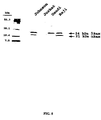
- the supernatants were recovered and normalized for total protein content (5 ⁇ g/lane of Johnson cells lysate and 20 ⁇ g/lane of Jurkat cells lysate for Bcl-2 analysis, and 25 ⁇ g/lane of Johnson cells for Bax analysis).
- the lysates were mixed with sample buffer containing 1% of sodium dodecyl sulfate (SDS) and 1% 2- ⁇ -mercaptoethanol and boiled for 5 minutes. SDS-PAGE was run on 10% polyacrylamide gels, electrophoretically transferred to nitrocellulose membranes and blocked in 10% non-fat dry milk.
- SDS sodium dodecyl sulfate
- Filters were cut in 2 portions: the bottom section was incubated with the 6C8 hamster anti-human-Bcl-2 monoclonal antibody or rabbit anti-human-Bax polyclonal antibody (Hockenbery et. al, Nature, 348:334, 1990), and the top section was incubated with mouse anti-actin monoclonal antibody (Amersharn) at room temperature for 2 hours. After washing and incubation with a peroxidase-labeled antihamster (Kirkegaar & Perry laboratories), antirabbit (Santa Cruz) or antimouse (Amersham) secondary antibody, blots were developed by enhanced chemiluminescence system (ECL, Amersham).
- the pellets were lysed in 0.5 mL of lysis buffer (10 mmol/L Tris pH 7.4, 1 mmol/L EDTA pH 8.0 and 0.2% Triton X-100) and fragmented DNA were separated from intact chromatin by microcentrifuging for 10 minutes at 13,000 x g. DNA of the supernatants was precipitated in 0.7 mL ice-cold isopropanol overnight at -20°C, resuspended in 30 ⁇ L of TE buffer (10 mmol/L Tris pH 7.4, 1 mmol/L EDTA pH 8.0) and incubated in 10 ⁇ L of RNase (10 pg/mL solution) at 60°C for 1 hour. Twenty ⁇ L of sample per well were electrophoresed on a 2% agarose gel and visualized by ethidium bromide staining.
- lysis buffer 10 mmol/L Tris pH 7.4, 1 mmol/L EDTA pH 8.0 and 0.2% Triton
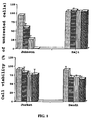
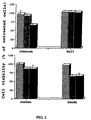
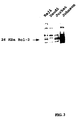
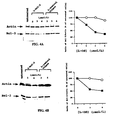
- L-bcl-2 selectively downregulates the expression of Bcl-2 protein and cell growth in a dose-dependent manner
- Bcl-2 plays an important role in maintaining lymphoid cell survival in vitro, although other autocrine growth factors may also be involved (Vaux et. al, Nature (London), 355: 440, 1988; Reed et al., Proc. Nat 'l Acad. Sci. USA, 87:3660, 1990b; Blagosklonny and Neckers, Eur. Cytokine Network, 6:21, 1995).
- Cotter and co-workers observed growth inhibition in DoHH2 cell line which has the t(14;18) translocation and overexpress Bcl-2 protein, but not in FC 11 cell line which overexpresses Bcl-2 protein without the t(14;18) translocation (Cotter et. al, 1994).
- Cells that overexpress Bcl-2 and lack the t(14;18) translocation may need an apoptotic stimulus, like growth factor deprivation or treatment with chemotherapeutic drugs, to be driven into apoptosis and growth arrest (Reed, 1995).
- Antisense oligonucleotides may be used to reverse the chemotherapeutic resistance of those cells that also overexpress high levels of Bcl-2 without the t(14;18) translocation (Kitada et al., Antisense Res. Dev., 4:71, 1994). It is understood that such a combination of L-Bcl-2 of the present disclosure with an apoptotic stimulus would be encompassed by the spirit and scope of the appended claims.
- Bax a promoter of apoptotic cell death
- Bcl-2 family member functions (Sedlak et. al, Proc. Nat'l Acad Sci. USA, 92:7834, 1995). It has been suggested that the equilibrium in the formation of Bcl-2:Bax heterodimers and Bax:Bax homodimers appears to be central in the molecular regulation of apoptosis (Yin et. al, 1994). Moreover, in a recent study, the ratio of Bcl-2:Bax correlated with cell death in IL-3-dependent FL5.12 cells.
- C-MYC and p53 may be involved in the survival of the other cell lines.
- C-MYC for example, is typically expressed in Burkitt lymphomas and in some transformed FL (McDonnell and Korsmeyer, 1991). Mutations of p53 gene, a suppressor gene involved in numerous human tumors, may also be involved in these cell lines; p53 gene encodes a DNA-binding protein that functions at least in part as a transcription factor to induce cell cycle arrest and apoptosis by upregulation of Bax (Vogelstein and Kinzler, Cell , 70:523, 1992; Miyashita et.
- the human prostate carcinoma cell line, LNCaP which possesses a wild-type p53 gene (Carroll et. al., Prostate, 23, 123-134, 1993), was selected to investigate the inhibition of p53-dependent programmed cell death by bcl-2.
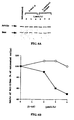
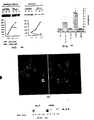
- Stable bcl-2 expressing LNCaP prostate carcinoma cell lines were generated and confirmed by Western blotting. Expression of bcl-2 conferred significant resistance to apoptosis induction following ⁇ -irradiation compared to control clones as assessed by morphologic and flow cytometric analysis (FIG. 9A and 9B). No significant cell death induction was observed in bcl-2 expressing LNCaP cells up to 48 hours following irradiation.
- Apoptosis induced in response to genotoxic damage is considered to be p53-dependent.
- total cellular p53 protein was induced to approximately equivalent levels in bcl-2 expressing clones and control transfectants within 4 hours following 20 Gy ⁇ -irradiation (FIG. 10A).
- Western blot analysis using isolated nuclei revealed that levels of p53 protein in the nucleus increased within 2 hours of irradiation in control LNCaP, but not in bcl-2 expressing LNCaP, cells (FIG. 10A). This observation suggests that the nuclear import of p53 following DNA damage may be impaired in the context of high levels of bcl-2 protein.
- NIH3T3 cells were transiently transfected with an mdm-2 promoter-luciferase reporter construct which possesses functional p53 binding sites. Luciferase activity increased approximately 8-fold following co-transfection with a wild-type, but not mutant, p53 expression plasmid (FIG. 10C). Co-transfection of bcl-2 and wild-type p53 expression plasmids resulted in a 2-4 fold decrease in luciferase activity compared to wild-type p53 alone (p ⁇ 0.02).
- RKO cells possess a wild-type p53 gene (Nagasawa et al. CancerRes., 55, 1842-1846, 1995) and also express bcl-2 protein.
- bcl-2 specific antisense oligonucleotides were delivered by liposomes.
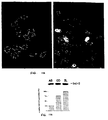
- Bcl-2 protein levels were reduced 3-fold compared to RKO cells treated with empty liposomes or liposomes containing control oligonucleotides (FIG. 11A).
- Cells were preloaded with calcein-AM (Molecular Probes, Eugene, OR) at 1 mg/ml for 20 minutes in RPMI containing 10% FBS. Cells were given 20Gy of radiation using a 137 Cs ⁇ -source and calcein-generated fluorescence was visualized using epifluorescence optics and a FITC filter (530 nm emission). The 20Gy dose of radiation was selected as the minimum dose required to induce maximum levels of apoptosis in LNCaP cells.
- calcein-AM Molecular Probes, Eugene, OR
- LNCaP cells were transfected with the splenic focus forming virus expression plasmid with, or without (control), the bcl-2 cDNA insert as previously described (Marin, et al. Oncogene, 12, 2259-66, 1996; Tu et al. Cancer Lett. 93, 147-155, 1995).
- the effector plasmids LTRXA and LTRKH expression plasmids have been described previously (Defile et al, 1993) and represent wild-type and mutant p53, respectively.
- the reporter plasmid P2mdm2-Luc was made by cloning a 1Kb Xhol -fragment containing the p53 responsive element from the mouse mdm2 gene into the Smal site of the pA3-luciferase plasmid.
- NIH3T3 cells were plated at a density of 0.5 x 10 6 cells per plate 24 hours before transfection.
- the effector wild type or mutant p53 plasmid (10 ⁇ g), reporter plasmid P2mdm2-Luc (4 ⁇ g) and ⁇ -galactosidase ( ⁇ gal) expression plasmid (3 ⁇ g) were cotransfected with or without bcl-2 vector (20 ⁇ g) following the calcium-phosphate method.
- the total amount of DNA transfected was normalized adding p-GEM plasmid up to 37 ⁇ g of total DNA for all the transfections. At 48 hours after the transfection the cells were harvested. Extracts were made and assayed for luciferase activity.
- LNCaPcontrol and LNCaP-bcl-2 cells were grown on laminin coated cover slides and irradiated with 20 Gy. After 4h, cells were washed twice with PBS, then fixed in 4% paraformaldehyde for ten minutes and washed twice in PBS. Cells were blocked with 10% goat serum in PBS, incubated with p53 (AB-2, Calbiochem) antibody in 10% goat serum (1:75), washed twice, and incubated with fluorescein isothiocyanate (FITC)-labeled secondary antibody in 10% goat serum (1:200). Imaging was done using a Zeiss scanning confocal laser microscope.
- RKO cells were grown on laminin coated cover slides and incubated with liposomal oligonucleotide formulations at a final concentration of 10 ⁇ M at 37°C in a 5% CO 2 incubator for 3 days. 4h after irradiation with 10 Gy, cells were washed twice with PBS, then fixed in 4% paraformaldehyde for ten minutes and washed twice in PBS. Cells were blocked with 10 % goat serum in PBS, incubated with p53 (AB-2, Calbiochem) antibody in 10% goat serum (1:75), washed twice and incubated with fluorescein isothiocyanate (FITC)-labeled secondary antibody in 10% goat serum (1:200). Confocal microscopy was done using a Zeiss scanning laser confocal microscope.
- P-ethoxy-oligonucleotides a non-ionic and nuclease-resistant phosphodiester analog, were purchased from Oligo Therapeutics (Willsonville, OR).
- the control oligonucleotide used was a scrambled version of Bcl-2 antisense oligonucleotide 5'ACGGTCCGCCACTCCTTCCC3' (SEQ ID NO:2).
- P-ethoxy-oligonucleotides dissolved in DMSO, were added to phospholipids (Avanti Polar Lipids, Alabaster, AL) in the presence of excess tert-butanol. The mixture was frozen in a dry ice/acetone bath, lyophilized overnight and hydrated with 0.9% saline at a final oligonucleotide concentration of 0. 1 mmol/L. Empty liposomes were prepared identicaly as above, except that oligonucleotides were not included in the preparation. 0.25 x 10⁵ cells/mL were seeded in a 24-well plate in 0.5 mL of the respective medium.
- Extracts of nuclei were prepared by scraping cell monolayers into hypotonic lysis buffer (100 mM Hepes, pH 7.4, 1.5 mM MgCl 2 , 10 mM KCl, 0.5 mM ⁇ -mercaptoethanol and 5 ng/ml leupeptin). After 10 minutes on ice, NP-40 was added to 0.625% and the crude nuclear pellet was recovered by centrifugation at 2000 x g for 5 minutes. The nuclear pellets were lysed in SDS-PAGE sample loading buffer.
- mice In an initial round of in vivo trials, 30 nude (nu/nu) mice, aged about 5-6 weeks were each injected intraperitoneally with 3 million Johnson cells, follicular lymphoma cells bearing the t(14;18) translocation.
- groups II and III mice One week after tumor implantation, groups II and III mice were administered a biweekly intravenous injection of liposomal Bcl-2 antisense oligos, or liposomal Bcl-2 control oligos.
- the oligo dose is 15 mg/kg of mouse body weight.
- mice were observed to reach the moribund state (which is defined as tumor size exceeding 1.5 cm 3 ) by day 50.
- day 70 after implantation (63 days of treatement) six mice (60%) in groups I and III had reached moribund state and were sacrificed, while only 2 mice (20%) in group II had reached moribund state and were sacrificed.
- One other mouse reached moribund state by day 77 (70 days of treatment).
- the study was terminated on day 78. Tissue from liver, kidney, spleen, heart, lungs, stomach, intestines and bone marrow were collected for histopathology studies.
- This example is concerned with the development of human treatment protocols using the lipid-associated oligo- and polynucleotide compositions. These lipid formulations will be of use in the clinical treatment of various bcl-2- overexpressing cancers and diseases in which transformed or cancerous cells play a role. Such treatment will be particularly useful tools in anti-tumor therapy, for example, in treating patients with FL.
- This treatment will also be useful in treating other conditions that are mediated by bcl-2 over-expression and resistant to conventional regimens and treatments such as hematologic malignancies, both leukemias and lymphomas, including follicular and nonfollicular lymphomas, chronic lymphocytic leukemia, and plasma cell dyscrasias; solid tumors like those associated with breast, prostate and colon cancer; and immune disorders.
- Candidates for the phase 1 clinical trial will be patients on which all conventional therapies have failed. Liposomal Bcl-2 antisense oligos will be administered to them intravenously on a tentative weekly basis. To monitor disease course and evaluate the anti-tumor responses, it is contemplated that the patients should be examined for appropriate tumor markers every month. To assess the effectiveness of the drug, the following parameters will be monitored: tumor size and bone marrow infiltration of the cancer cells. Tests that will be used to monitor the progress of the patients and the effectiveness of the treatments include: physical exam, X-ray, blood work and other clinical laboratory methodologies. In addition, peripheral blood and bone marrow samples will be drawn to assess the modification of the target protein expression. The doses given in the phase 1 study will be escalated as is done in standard phase 1 clinical phase trials, i.e. doses will be escalated until maximal tolerable ranges are reached.
- Clinical responses may be defined by acceptable measure. For example, a complete response may be defined by complete disappearance of evidence of cancer cells for at least 2 months. Whereas a partial response may be defined by a 50% reduction of cancer cells for at least 2 months.
- This example describes a protocol to facilitate the treatment of bcl-2 -mediated diseases using lipid-associated oligo- or polynucleotide compositions alone or in combination with anti-cancer drugs.
- patients that are candidates for treatment are those with FL although patients with hematologic malignancies, both leukemias and lymphomas; solid tumors like those associated with breast, prostate and colon cancer; and immune disorders may also be treated with the methods of this invention.
- the typical course of treatment will vary depending upon the individual patient and disease being treated in ways known to those of skill in the art. For example, a patient with FL might be treated in eight week cycles, although longer duration may be used if no adverse effects are observed with the patient, and shorter terms of treatment may result if the patient does not tolerate the treatment as hoped. Each cycle will consist of between 20 and 35 individual doses spaced equally, although this too may be varied depending on the clinical situation.
- a patient presenting a bcl-2- mediated condition may be treated using the following protocol. Patients may, but need not, have received previous chemo-, radio- or gene therapeutic treatments. Optimally the patient will exhibit adequate bone marrow function (defined as peripheral absolute granulocyte count of > 2,000/mm 3 and platelet count of 100, 000/mm 3 , adequate liver function (bilirubin 1.5mg/dl) and adequate renal function (creatinine 1.5mg/dl).
- a composition of the present invention is typically administered orally or parenterally in dosage unit formulations containing standard, well known non-toxic physiologically acceptable carriers, adjuvants, and vehicles as desired.
- parenteral as used herein includes subcutaneous injections, intravenous, intramuscular, intra-arterial injection, or infusion techniques.
- the lipid-associated oligo- or poly-nucleotide compositions may be delivered to the patient before, after or concurrently with the other anti-cancer agents.
- a typical treatment course may comprise about six doses delivered over a 7 to 21 day period. Upon election by the clinician the regimen may be continued with six doses every three weeks or on a less frequent (monthly, bimonthly, quarterly etc.) basis. Of course, these are only exemplary times for treatment, and the skilled practitioner will readily recognize that many other time-courses are possible.
- compositions described in the present invention To kill bcl-2 -overexpressing cancer cells using the methods and compositions described in the present invention one will generally contact a target cell with the lipid-associated formulations described previously. These compositions will be provided in an amount effective to kill or inhibit the proliferation of the cell.
- the therapeutic composition of the present invention may be administered to the patient directly at the site of the tumor. This is in essence a topical treatment of the surface of the cancer.
- the volume of the composition should usually be sufficient to ensure that the entire surface of the tumor is contacted by the lipid-associated oligo- or poly-nucleotide composition.
- administration simply entails injection of the therapeutic composition into the tumor.
- a catheter is inserted into the site of the tumor and the cavity may be continuously perfused for a desired period of time.
Landscapes
- Health & Medical Sciences (AREA)
- Life Sciences & Earth Sciences (AREA)
- Chemical & Material Sciences (AREA)
- Engineering & Computer Science (AREA)
- Genetics & Genomics (AREA)
- Organic Chemistry (AREA)
- General Health & Medical Sciences (AREA)
- Biomedical Technology (AREA)
- Public Health (AREA)
- Animal Behavior & Ethology (AREA)
- Pharmacology & Pharmacy (AREA)
- Veterinary Medicine (AREA)
- Medicinal Chemistry (AREA)
- Bioinformatics & Cheminformatics (AREA)
- Biotechnology (AREA)
- Molecular Biology (AREA)
- Wood Science & Technology (AREA)
- Nuclear Medicine, Radiotherapy & Molecular Imaging (AREA)
- General Chemical & Material Sciences (AREA)
- Chemical Kinetics & Catalysis (AREA)
- Zoology (AREA)
- General Engineering & Computer Science (AREA)
- Oncology (AREA)
- Dispersion Chemistry (AREA)
- Physics & Mathematics (AREA)
- Epidemiology (AREA)
- Biophysics (AREA)
- Plant Pathology (AREA)
- Microbiology (AREA)
- Biochemistry (AREA)
- Hematology (AREA)
- Immunology (AREA)
- Pharmaceuticals Containing Other Organic And Inorganic Compounds (AREA)
- Medicinal Preparation (AREA)
- Medicines That Contain Protein Lipid Enzymes And Other Medicines (AREA)
- Saccharide Compounds (AREA)
Applications Claiming Priority (3)
| Application Number | Priority Date | Filing Date | Title |
|---|---|---|---|
| US08/726,211 US6977244B2 (en) | 1996-10-04 | 1996-10-04 | Inhibition of Bcl-2 protein expression by liposomal antisense oligodeoxynucleotides |
| US726211 | 1996-10-04 | ||
| PCT/US1997/018348 WO1998014172A1 (en) | 1996-10-04 | 1997-10-03 | Inhibition of bcl-2 protein expression by liposomal antisense oligodeoxynucleotides |
Publications (3)
| Publication Number | Publication Date |
|---|---|
| EP0939621A1 EP0939621A1 (en) | 1999-09-08 |
| EP0939621A4 EP0939621A4 (en) | 2005-02-02 |
| EP0939621B1 true EP0939621B1 (en) | 2006-08-02 |
Family
ID=24917657
Family Applications (1)
| Application Number | Title | Priority Date | Filing Date |
|---|---|---|---|
| EP97910067A Expired - Lifetime EP0939621B1 (en) | 1996-10-04 | 1997-10-03 | Inhibition of bcl-2 protein expression by liposomal antisense oligodeoxynucleotides |
Country Status (8)
| Country | Link |
|---|---|
| US (2) | US6977244B2 (enExample) |
| EP (1) | EP0939621B1 (enExample) |
| JP (2) | JP4402746B2 (enExample) |
| AT (1) | ATE334657T1 (enExample) |
| CA (2) | CA2266584C (enExample) |
| DE (1) | DE69736432T2 (enExample) |
| ES (1) | ES2270454T3 (enExample) |
| WO (1) | WO1998014172A1 (enExample) |
Families Citing this family (55)
| Publication number | Priority date | Publication date | Assignee | Title |
|---|---|---|---|---|
| US5855911A (en) * | 1995-08-29 | 1999-01-05 | Board Of Regents, The University Of Texas System | Liposomal phosphodiester, phosphorothioate, and P-ethoxy oligonucleotides |
| US6977244B2 (en) | 1996-10-04 | 2005-12-20 | Board Of Regents, The University Of Texas Systems | Inhibition of Bcl-2 protein expression by liposomal antisense oligodeoxynucleotides |
| US7285288B1 (en) | 1997-10-03 | 2007-10-23 | Board Of Regents, The University Of Texas System | Inhibition of Bcl-2 protein expression by liposomal antisense oligodeoxynucleotides |
| US7704962B1 (en) * | 1997-10-03 | 2010-04-27 | Board Of Regents, The University Of Texas System | Small oligonucleotides with anti-tumor activity |
| US20030171315A1 (en) * | 2001-07-18 | 2003-09-11 | Brown Bob D. | Oligonucleotide probes and primers comprising universal bases for therapeutic purposes |
| US20040077082A1 (en) * | 2002-10-18 | 2004-04-22 | Koehn Richard K. | RNA-based inhibitory oligonucleotides |
| WO2004106511A1 (ja) | 2003-05-30 | 2004-12-09 | Nippon Shinyaku Co., Ltd. | Bcl−2の発現抑制をするオリゴ二本鎖RNAとそれを含有する医薬組成物 |
| US20050287667A1 (en) * | 2004-06-01 | 2005-12-29 | Pronai Therapeutics, Inc. | Methods and compositions for the inhibition of gene expression |
| US8815599B2 (en) * | 2004-06-01 | 2014-08-26 | Pronai Therapeutics, Inc. | Methods and compositions for the inhibition of gene expression |
| JP2009501237A (ja) * | 2005-03-14 | 2009-01-15 | ボード オブ リージェンツ オブ ザ ユニバーシティー オブ テキサス システム | 生物活性fus1ペプチドおよびナノ粒子−ポリペプチド複合体 |
| US8895717B2 (en) * | 2005-04-15 | 2014-11-25 | The Board Of Regents Of The University Of Texas System | Delivery of siRNA by neutral lipid compositions |
| WO2007065017A2 (en) * | 2005-12-01 | 2007-06-07 | Pronai Therapeutics, Inc. | Oligonucleotide cationic liposomal delivery system |
| US20090324587A1 (en) * | 2005-12-01 | 2009-12-31 | Neal Clifford Goodwin | Cancer Therapies and Pharmaceutical Compositions Used Therein |
| JP5122474B2 (ja) * | 2005-12-01 | 2013-01-16 | プロネイ・セラピューティクス・インコーポレイテッド | 両性リポソーム製剤 |
| US7850382B2 (en) | 2007-01-18 | 2010-12-14 | Sanford, L.P. | Valve made from two materials and writing utensil with retractable tip incorporating same |
| US7488130B2 (en) | 2007-02-01 | 2009-02-10 | Sanford, L.P. | Seal assembly for retractable instrument |
| WO2008103431A2 (en) * | 2007-02-23 | 2008-08-28 | Pronai Therapeutics, Inc. | Dnai - liposomes |
| WO2008109432A2 (en) * | 2007-03-02 | 2008-09-12 | The Board Of Regents Of The University Of Texas System | Therapeutic targeting of interleukins using sirna in neutral liposomes |
| WO2009071681A2 (en) * | 2007-12-07 | 2009-06-11 | Santaris Pharma A/S | Rna antagonist compounds for the modulation of bcl-2 |
| US8226312B2 (en) | 2008-03-28 | 2012-07-24 | Sanford, L.P. | Valve door having a force directing component and retractable instruments comprising same |
| WO2009149418A2 (en) * | 2008-06-06 | 2009-12-10 | Asuragen, Inc. | Novel compositions for the in vivo delivery of rnai agents |
| US20100068235A1 (en) * | 2008-09-16 | 2010-03-18 | Searete LLC, a limited liability corporation of Deleware | Individualizable dosage form |
| EP2342340A1 (en) * | 2008-09-22 | 2011-07-13 | Rxi Pharmaceuticals Corporation | Rna interference in skin indications |
| US8221012B2 (en) | 2008-11-07 | 2012-07-17 | Sanford, L.P. | Retractable instruments comprising a one-piece valve door actuating assembly |
| US8393814B2 (en) | 2009-01-30 | 2013-03-12 | Sanford, L.P. | Retractable instrument having a two stage protraction/retraction sequence |
| MX339050B (es) | 2009-12-18 | 2016-05-09 | Novartis Ag | Composiciones organicas para tratar las enfermedades relacionadas con hsf1. |
| MX2012009318A (es) | 2010-02-10 | 2012-09-07 | Novartis Ag | Metodos y compuestos para el crecimiento muscular. |
| WO2011119852A1 (en) | 2010-03-24 | 2011-09-29 | Rxi Pharmaceuticals Corporation | Reduced size self-delivering rnai compounds |
| CA3098080A1 (en) | 2010-04-23 | 2011-10-27 | Arrowhead Research Corporation | Organic compositions to treat beta-enac-related diseases |
| US20160032284A1 (en) | 2011-09-02 | 2016-02-04 | Arrowhead Research Corportation | Organic compositions to treat hsf1-related diseases |
| BR112014016870A2 (pt) | 2012-01-09 | 2017-06-27 | Huesken Dieter | composições orgânicas para tratar doenças relacionadas com beta-catenina |
| US9644205B2 (en) | 2012-04-25 | 2017-05-09 | The Regents Of The University Of California | Synthetic promoter for modulating gene expression |
| CN104583406A (zh) | 2012-05-02 | 2015-04-29 | 诺华股份有限公司 | 治疗kras相关疾病的有机组合物 |
| WO2014071379A1 (en) * | 2012-11-05 | 2014-05-08 | Pronai Therapeutics, Inc. | Dosing and administration of oligonucleotide cancer therapies |
| CN104884637A (zh) * | 2012-11-05 | 2015-09-02 | 普隆奈治疗公司 | 利用生物标志物通过bcl2表达的调节治疗癌症的方法 |
| HK1214301A1 (zh) | 2013-02-28 | 2016-07-22 | 箭头研究公司 | 治療epas1相關疾病的有機組合物 |
| WO2015051135A2 (en) | 2013-10-04 | 2015-04-09 | Novartis Ag | Organic compositions to treat hepcidin-related diseases |
| JP6772062B2 (ja) | 2013-12-02 | 2020-10-21 | フィオ ファーマシューティカルズ コーポレーションPhio Pharmaceuticals Corp. | 癌の免疫療法 |
| CA2947270A1 (en) | 2014-04-28 | 2015-11-05 | Rxi Pharmaceuticals Corporation | Methods for treating cancer using nucleic acids targeting mdm2 or mycn |
| EP3736334A1 (en) | 2014-07-16 | 2020-11-11 | Arrowhead Pharmaceuticals, Inc. | Rnai compositions to treat apoc3-related diseases |
| WO2016038550A1 (en) | 2014-09-11 | 2016-03-17 | Novartis Ag | Inhibition of prmt5 to treat mtap-deficiency-related diseases |
| EP3227446A1 (en) | 2014-12-01 | 2017-10-11 | Novartis AG | Compositions and methods for diagnosis and treatment of prostate cancer |
| EP3302525A2 (en) | 2015-06-05 | 2018-04-11 | Novartis AG | Methods and compositions for diagnosing, treating, and monitoring treatment of shank3 deficiency associated disorders |
| EP3362563A1 (en) | 2015-10-14 | 2018-08-22 | Bio-Path Holdings, Inc. | P-ethoxy nucleic acids for liposomal formulation |
| WO2018047148A1 (en) | 2016-09-12 | 2018-03-15 | Novartis Ag | Compounds for the inhibition of mirna |
| SG11201901667TA (en) | 2016-09-16 | 2019-03-28 | Bio Path Holdings Inc | Combination therapy with liposomal antisense oligonucleotides |
| WO2018083606A1 (en) | 2016-11-01 | 2018-05-11 | Novartis Ag | Methods and compositions for enhancing gene editing |
| WO2018195249A1 (en) | 2017-04-19 | 2018-10-25 | Bio-Path Holdings, Inc. | P-ethoxy nucleic acids for stat3 inhibition |
| US12234457B2 (en) | 2017-04-19 | 2025-02-25 | Bio-Path Holdings, Inc. | P-ethoxy nucleic acids for BCL2 inhibition |
| US20210115451A1 (en) * | 2017-04-19 | 2021-04-22 | Bio-Path Holdings, Inc. | P-ethoxy nucleic acids for igf-1r inhibition |
| EP4085919A3 (en) | 2017-07-21 | 2023-02-08 | Novartis AG | Compositions and methods to treat cancer |
| SG11201912178VA (en) | 2017-09-11 | 2020-01-30 | Arrowhead Pharmaceuticals Inc | Rnai agents and compositions for inhibiting expression of apolipoprotein c-iii (apoc3) |
| WO2019150309A1 (en) | 2018-02-02 | 2019-08-08 | Hammack Scott | Modulators of gpr68 and uses thereof for treating and preventing diseases |
| US20210123016A1 (en) | 2018-05-02 | 2021-04-29 | Novartis Ag | Regulators of human pluripotent stem cells and uses thereof |
| KR20210113273A (ko) | 2019-01-09 | 2021-09-15 | 애로우헤드 파마슈티컬스 인코포레이티드 | HIF-2 알파 (EPAS1)의 발현을 억제하기 위한 RNAi 작용제, 그의 조성물, 및 사용 방법 |
Family Cites Families (90)
| Publication number | Priority date | Publication date | Assignee | Title |
|---|---|---|---|---|
| US598635A (en) * | 1898-02-08 | Water-purifier | ||
| CH621479A5 (enExample) | 1977-08-05 | 1981-02-13 | Battelle Memorial Institute | |
| US4394448A (en) | 1978-02-24 | 1983-07-19 | Szoka Jr Francis C | Method of inserting DNA into living cells |
| US4469863A (en) | 1980-11-12 | 1984-09-04 | Ts O Paul O P | Nonionic nucleic acid alkyl and aryl phosphonates and processes for manufacture and use thereof |
| US4480041A (en) | 1982-07-09 | 1984-10-30 | Collaborative Research, Inc. | Use of phosphotriester intermediates for preparation of functionalized liposomes |
| FR2540122B1 (fr) | 1983-01-27 | 1985-11-29 | Centre Nat Rech Scient | Nouveaux composes comportant une sequence d'oligonucleotide liee a un agent d'intercalation, leur procede de synthese et leur application |
| US4721612A (en) | 1984-04-12 | 1988-01-26 | The Liposome Company, Inc. | Steroidal liposomes |
| US5015568A (en) | 1986-07-09 | 1991-05-14 | The Wistar Institute | Diagnostic methods for detecting lymphomas in humans |
| US5202429A (en) | 1986-07-09 | 1993-04-13 | The Wistar Institute | DNA molecules having human BCL-2 gene sequences |
| US5049388A (en) | 1986-11-06 | 1991-09-17 | Research Development Foundation | Small particle aerosol liposome and liposome-drug combinations for medical use |
| US5094785A (en) | 1986-12-10 | 1992-03-10 | Ciba Corning Diagnostics Corp. | Process for stabilizing liposomes |
| US4920016A (en) | 1986-12-24 | 1990-04-24 | Linear Technology, Inc. | Liposomes with enhanced circulation time |
| US4837028A (en) | 1986-12-24 | 1989-06-06 | Liposome Technology, Inc. | Liposomes with enhanced circulation time |
| US5030442A (en) | 1987-03-30 | 1991-07-09 | Liposome Technology, Inc. | Non-crystalline minoxidil composition |
| US4904582A (en) | 1987-06-11 | 1990-02-27 | Synthetic Genetics | Novel amphiphilic nucleic acid conjugates |
| US4950432A (en) | 1987-10-16 | 1990-08-21 | Board Of Regents, The University Of Texas System | Polyene microlide pre-liposomal powders |
| US5178875A (en) | 1991-01-14 | 1993-01-12 | The Board Of Regents, The University Of Texas System | Liposomal-polyene preliposomal powder and method for its preparation |
| US4924624A (en) | 1987-10-22 | 1990-05-15 | Temple University-Of The Commonwealth System Of Higher Education | 2,',5'-phosphorothioate oligoadenylates and plant antiviral uses thereof |
| US5188897A (en) | 1987-10-22 | 1993-02-23 | Temple University Of The Commonwealth System Of Higher Education | Encapsulated 2',5'-phosphorothioate oligoadenylates |
| EP0397774A1 (en) | 1988-02-04 | 1990-11-22 | Board Of Regents, The University Of Texas System | Formulation and use of retinoids in treatment of cancer and other diseases |
| US5098890A (en) | 1988-11-07 | 1992-03-24 | Temple University-Of The Commonwealth System Of Higher Education | Antisence oligonucleotides to c-myb proto-oncogene and uses thereof |
| US5831066A (en) | 1988-12-22 | 1998-11-03 | The Trustees Of The University Of Pennsylvania | Regulation of bcl-2 gene expression |
| US5734033A (en) | 1988-12-22 | 1998-03-31 | The Trustees Of The University Of Pennsylvania | Antisense oligonucleotides inhibiting human bcl-2 gene expression |
| US5248671A (en) | 1989-02-15 | 1993-09-28 | Board Of Regents, The University Of Texas System | Methods and compositions for treatment of cancer using oligonucleotides |
| US5087617A (en) | 1989-02-15 | 1992-02-11 | Board Of Regents, The University Of Texas System | Methods and compositions for treatment of cancer using oligonucleotides |
| FR2644080A1 (fr) | 1989-03-13 | 1990-09-14 | Trizac Jacques | Dispositif de filtration et d'evacuation de petites particules, dechets et detritus, de natures diverses |
| ATE120640T1 (de) | 1989-04-18 | 1995-04-15 | Vestar Inc | Markierung mit liposomen von ischämischen geweben. |
| US5112962A (en) | 1989-04-19 | 1992-05-12 | Northwestern University | Labile anchors for solid phase polynucleotide synthesis |
| US5227170A (en) | 1989-06-22 | 1993-07-13 | Vestar, Inc. | Encapsulation process |
| US5100662A (en) | 1989-08-23 | 1992-03-31 | The Liposome Company, Inc. | Steroidal liposomes exhibiting enhanced stability |
| CA2033725C (en) | 1990-01-24 | 2001-05-29 | Folker Pittrof | Pharmaceutical and cosmetic compositions containing a salt of cholanic acid |
| US5279833A (en) | 1990-04-04 | 1994-01-18 | Yale University | Liposomal transfection of nucleic acids into animal cells |
| US5264618A (en) | 1990-04-19 | 1993-11-23 | Vical, Inc. | Cationic lipids for intracellular delivery of biologically active molecules |
| US5665710A (en) | 1990-04-30 | 1997-09-09 | Georgetown University | Method of making liposomal oligodeoxynucleotide compositions |
| EP0527818A4 (en) | 1990-04-30 | 1993-09-15 | Isis Pharmaceuticals, Inc. | Oligonucleotide modulation of arachidonic acid metabolism |
| EP0464638B1 (de) | 1990-07-02 | 1997-04-02 | Hoechst Aktiengesellschaft | Oligonucleotid-analoge mit terminalen 3'-3'-bzw. 5'-5'-Internucleotidverknüpfungen |
| US5135917A (en) | 1990-07-12 | 1992-08-04 | Nova Pharmaceutical Corporation | Interleukin receptor expression inhibiting antisense oligonucleotides |
| US5378825A (en) | 1990-07-27 | 1995-01-03 | Isis Pharmaceuticals, Inc. | Backbone modified oligonucleotide analogs |
| CA2091759A1 (en) | 1990-09-17 | 1992-03-18 | Dale E. Bredesen | Method and composition for controlling proliferation of cells |
| US5271941A (en) | 1990-11-02 | 1993-12-21 | Cho Chung Yoon S | Antisense oligonucleotides of human regulatory subunit RI.sub.α of cAMP-dependent protein kinases |
| FR2677272B1 (fr) | 1991-06-05 | 1995-03-03 | Biovecteurs As | Vecteur particulaire a tropisme selectif, procede de preparation et composition pharmaceutique. |
| US5525719A (en) * | 1991-08-30 | 1996-06-11 | Chemgenes Corporation | N-protected-2'-O-methyl-and N-protected-3'-O-methyl-ribonucleosides and their phosphoramidite derivatives |
| US6030954A (en) * | 1991-09-05 | 2000-02-29 | University Of Connecticut | Targeted delivery of poly- or oligonucleotides to cells |
| JP2823959B2 (ja) | 1991-10-24 | 1998-11-11 | アイシス・ファーマシューティカルス・インコーポレーテッド | 改良された取り込みおよびその他の性質を持つ誘導化オリゴヌクレオチド |
| CA2124673C (en) | 1991-12-04 | 2008-08-05 | John Browse | Fatty acid desaturase genes from plants |
| US5858784A (en) * | 1991-12-17 | 1999-01-12 | The Regents Of The University Of California | Expression of cloned genes in the lung by aerosol- and liposome-based delivery |
| EP0633934A1 (en) * | 1992-04-02 | 1995-01-18 | Imperial Cancer Research Technology Limited | Modified cells and method of treatment |
| US5279957A (en) | 1992-04-30 | 1994-01-18 | Washington University | cDNA encoding human phospholipase A2 polypeptide |
| IT1255770B (it) | 1992-05-22 | 1995-11-15 | Consiglio Nazionale Ricerche | Oligonucleotidi antisenso ad attivita' antitumorale, composizioni farmaceutiche che li comprendono, e loro impieghi |
| US5320962A (en) | 1992-07-22 | 1994-06-14 | Duke University | DNA encoding the human A1 adenosine receptor |
| NL9201440A (nl) | 1992-08-11 | 1994-03-01 | Univ Leiden | Triantennaire clusterglycosiden, hun bereiding en toepassing. |
| AU5092893A (en) | 1992-09-02 | 1994-03-29 | Georgetown University | Method of encapsulating anthracycline glycosides in liposomes |
| US6001992A (en) | 1999-01-07 | 1999-12-14 | Isis Pharmaceuticals Inc. | Antisense modulation of novel anti-apoptotic bcl-2-related proteins |
| US6015886A (en) | 1993-05-24 | 2000-01-18 | Chemgenes Corporation | Oligonucleotide phosphate esters |
| US5417978A (en) * | 1993-07-29 | 1995-05-23 | Board Of Regents, The University Of Texas System | Liposomal antisense methyl phosphonate oligonucleotides and methods for their preparation and use |
| US5539085A (en) | 1993-08-20 | 1996-07-23 | Onyx Pharmaceuticals, Inc. | Bcl-2 and R-ras complex |
| US5622852A (en) | 1994-10-31 | 1997-04-22 | Washington University | Bcl-x/Bcl-2 associated cell death regulator |
| FR2710074B1 (fr) | 1993-09-15 | 1995-12-08 | Rhone Poulenc Rorer Sa | Gène GRB3-3, ses variants et leurs utilisations. |
| CA2172153C (en) * | 1993-09-20 | 2010-03-09 | John C. Reed | Regulation of bcl-2 gene expression |
| US5539094A (en) | 1993-11-12 | 1996-07-23 | La Jolla Cancer Research Foundation | DNA encoding Bcl-2-associated proteins |
| US5583034A (en) * | 1994-02-22 | 1996-12-10 | La Jolla Institute For Allergy And Immunology | Enhancement of adoptosis using antisense oligonucleotides |
| US5651981A (en) | 1994-03-29 | 1997-07-29 | Northwestern University | Cationic phospholipids for transfection |
| EP0759090A4 (en) | 1994-04-13 | 2000-05-24 | Jolla Cancer Res Found | Interaction of proteins involved in a cell death pathway |
| US5696248A (en) | 1994-06-15 | 1997-12-09 | Hoechst Aktiengesellschaft | 3'-modified oligonucleotide derivatives |
| US5908635A (en) | 1994-08-05 | 1999-06-01 | The United States Of America As Represented By The Department Of Health And Human Services | Method for the liposomal delivery of nucleic acids |
| US5565337A (en) | 1994-08-23 | 1996-10-15 | Albert Einstein College Of Medicine Of Yeshiva University, A Division Of Yeshiva University | Hybridoma-producing NSO myeloma cell line |
| IT1275862B1 (it) | 1995-03-03 | 1997-10-24 | Consiglio Nazionale Ricerche | Trascritto antisenso associato ad alcuni tipi di cellule tumorali ed oligodeossinucleotidi sintetici utili nella diagnosi e nel trattamento |
| PT739898E (pt) | 1995-03-13 | 2002-03-28 | Aventis Pharma Gmbh | Mono-esteres de acidos fosfonucleicos processo para a sua preparacao e sua utilizacao |
| ES2268705T3 (es) | 1995-06-01 | 2007-03-16 | Kishimoto, Tadamitsu | Inhibidor del crecimiento de celulas leucemicas que contienen un derivado oligonucleotidico antisentido frente al gen del tumor de wiloms (wt1). |
| US6326487B1 (en) | 1995-06-05 | 2001-12-04 | Aventis Pharma Deutschland Gmbh | 3 modified oligonucleotide derivatives |
| US5756122A (en) | 1995-06-07 | 1998-05-26 | Georgetown University | Liposomally encapsulated nucleic acids having high entrapment efficiencies, method of manufacturer and use thereof for transfection of targeted cells |
| US5705385A (en) | 1995-06-07 | 1998-01-06 | Inex Pharmaceuticals Corporation | Lipid-nucleic acid particles prepared via a hydrophobic lipid-nucleic acid complex intermediate and use for gene transfer |
| JP4335310B2 (ja) | 1995-06-07 | 2009-09-30 | ザ ユニバーシティ オブ ブリティッシュ コロンビア | 疎水性脂質−核酸複合中間体を通して調製される脂質−核酸粒子、及び遺伝子移送のための使用 |
| US5981501A (en) * | 1995-06-07 | 1999-11-09 | Inex Pharmaceuticals Corp. | Methods for encapsulating plasmids in lipid bilayers |
| ATE247971T1 (de) | 1995-08-01 | 2003-09-15 | Novartis Erfind Verwalt Gmbh | Liposomale oligonukleotidzusammensetzungen |
| US5855911A (en) | 1995-08-29 | 1999-01-05 | Board Of Regents, The University Of Texas System | Liposomal phosphodiester, phosphorothioate, and P-ethoxy oligonucleotides |
| DE19532553A1 (de) | 1995-09-04 | 1997-03-06 | Hoechst Ag | Verfahren zur Herstellung substituierter N-Ethyl-Glycinderivate |
| US6120794A (en) | 1995-09-26 | 2000-09-19 | University Of Pittsburgh | Emulsion and micellar formulations for the delivery of biologically active substances to cells |
| US5989912A (en) * | 1996-11-21 | 1999-11-23 | Oligos Etc. Inc. | Three component chimeric antisense oligonucleotides |
| US6977244B2 (en) | 1996-10-04 | 2005-12-20 | Board Of Regents, The University Of Texas Systems | Inhibition of Bcl-2 protein expression by liposomal antisense oligodeoxynucleotides |
| US5874224A (en) | 1997-03-11 | 1999-02-23 | Incyte Pharmaceuticals, Inc. | Growth factor receptor binding protein |
| US5837838A (en) * | 1997-03-14 | 1998-11-17 | The Burnham Institute | Bax inhibitor proteins |
| US6126965A (en) | 1997-03-21 | 2000-10-03 | Georgetown University School Of Medicine | Liposomes containing oligonucleotides |
| GB9711919D0 (en) | 1997-06-09 | 1997-08-06 | Ciba Geigy Ag | Oligonucleotide derivatives |
| DK1017365T3 (da) | 1997-06-23 | 2004-03-29 | Alza Corp | Liposomomsluttet polynukleotidsammensætning og fremgangsmåde |
| WO1999001139A1 (en) | 1997-07-03 | 1999-01-14 | Thomas Jefferson University | An improved method for design and selection of efficacious antisense oligonucleotides |
| US6136965A (en) | 1998-07-02 | 2000-10-24 | The Regents Of The University Of California | Deoxynucleic alkyl and alkoxy thiourea compounds |
| US6211349B1 (en) | 1998-12-30 | 2001-04-03 | Oligos Etc., Inc. | Protonated/acidified nucleic acids and methods of use |
| US6211162B1 (en) | 1998-12-30 | 2001-04-03 | Oligos Etc. Inc. | Pulmonary delivery of protonated/acidified nucleic acids |
| US7795232B1 (en) | 2000-08-25 | 2010-09-14 | Genta Incorporated | Methods of treatment of a bcl-2 disorder using bcl-2 antisense oligomers |
-
1996
- 1996-10-04 US US08/726,211 patent/US6977244B2/en not_active Expired - Fee Related
-
1997
- 1997-10-03 CA CA002266584A patent/CA2266584C/en not_active Expired - Fee Related
- 1997-10-03 DE DE69736432T patent/DE69736432T2/de not_active Expired - Lifetime
- 1997-10-03 AT AT97910067T patent/ATE334657T1/de not_active IP Right Cessation
- 1997-10-03 JP JP51698598A patent/JP4402746B2/ja not_active Expired - Fee Related
- 1997-10-03 ES ES97910067T patent/ES2270454T3/es not_active Expired - Lifetime
- 1997-10-03 WO PCT/US1997/018348 patent/WO1998014172A1/en not_active Ceased
- 1997-10-03 EP EP97910067A patent/EP0939621B1/en not_active Expired - Lifetime
- 1997-10-03 CA CA2677176A patent/CA2677176C/en not_active Expired - Fee Related
-
2003
- 2003-03-12 US US10/387,961 patent/US20030219474A1/en not_active Abandoned
-
2007
- 2007-09-25 JP JP2007248267A patent/JP2008069161A/ja not_active Withdrawn
Also Published As
| Publication number | Publication date |
|---|---|
| CA2677176C (en) | 2013-01-08 |
| JP2001502172A (ja) | 2001-02-20 |
| JP4402746B2 (ja) | 2010-01-20 |
| DE69736432D1 (de) | 2006-09-14 |
| DE69736432T2 (de) | 2007-03-01 |
| EP0939621A1 (en) | 1999-09-08 |
| ATE334657T1 (de) | 2006-08-15 |
| JP2008069161A (ja) | 2008-03-27 |
| CA2677176A1 (en) | 1998-04-09 |
| CA2266584C (en) | 2009-12-08 |
| US6977244B2 (en) | 2005-12-20 |
| EP0939621A4 (en) | 2005-02-02 |
| US20030012812A1 (en) | 2003-01-16 |
| ES2270454T3 (es) | 2007-04-01 |
| CA2266584A1 (en) | 1998-04-09 |
| US20030219474A1 (en) | 2003-11-27 |
| WO1998014172A1 (en) | 1998-04-09 |
Similar Documents
| Publication | Publication Date | Title |
|---|---|---|
| US7285288B1 (en) | Inhibition of Bcl-2 protein expression by liposomal antisense oligodeoxynucleotides | |
| CA2266584C (en) | Inhibition of bcl-2 protein expression by liposomal antisense oligodeoxynucleotides | |
| EP0921821B1 (en) | 2-methoxyestradiol-induced apoptosis in cancer cells | |
| US7923548B2 (en) | Inhibition of chronic myelogenous leukemic cell growth by liposomal-antisense oligodeoxy-nucleotides targeting to Grb2 or Crk1 | |
| WO1997038584A1 (en) | Inhibition of endogenous gastrin expression for treatment of colorectal cancer | |
| EP0824918A1 (en) | REMEDY AND PREVENTIVE FOR DISEASES CAUSED BY NF-$g(k)B | |
| AU745591B2 (en) | Use of PEA3 in tumor suppression | |
| US7704962B1 (en) | Small oligonucleotides with anti-tumor activity | |
| WO1998030585A9 (en) | Use of pea3 in tumor suppression | |
| WO1997016547A9 (en) | ADENOVIRUS-ANTISENSE K-ras EXPRESSION VECTORS AND THEIR APPLICATION IN CANCER THERAPY | |
| AU5001099A (en) | Repression of cell transformation with human pea3 | |
| CN120265771A (zh) | 用于外显子跳跃的反义寡核苷酸、其组合物和药物制剂 |
Legal Events
| Date | Code | Title | Description |
|---|---|---|---|
| PUAI | Public reference made under article 153(3) epc to a published international application that has entered the european phase |
Free format text: ORIGINAL CODE: 0009012 |
|
| 17P | Request for examination filed |
Effective date: 19990401 |
|
| AK | Designated contracting states |
Kind code of ref document: A1 Designated state(s): AT BE CH DE DK ES FI FR GB GR IE IT LI LU MC NL PT SE |
|
| A4 | Supplementary search report drawn up and despatched |
Effective date: 20041216 |
|
| 17Q | First examination report despatched |
Effective date: 20050506 |
|
| GRAP | Despatch of communication of intention to grant a patent |
Free format text: ORIGINAL CODE: EPIDOSNIGR1 |
|
| GRAS | Grant fee paid |
Free format text: ORIGINAL CODE: EPIDOSNIGR3 |
|
| GRAA | (expected) grant |
Free format text: ORIGINAL CODE: 0009210 |
|
| AK | Designated contracting states |
Kind code of ref document: B1 Designated state(s): AT BE CH DE DK ES FI FR GB GR IE IT LI LU MC NL PT SE |
|
| PG25 | Lapsed in a contracting state [announced via postgrant information from national office to epo] |
Ref country code: NL Free format text: LAPSE BECAUSE OF FAILURE TO SUBMIT A TRANSLATION OF THE DESCRIPTION OR TO PAY THE FEE WITHIN THE PRESCRIBED TIME-LIMIT Effective date: 20060802 Ref country code: IT Free format text: LAPSE BECAUSE OF FAILURE TO SUBMIT A TRANSLATION OF THE DESCRIPTION OR TO PAY THE FEE WITHIN THE PRESCRIBED TIME-LIMIT;WARNING: LAPSES OF ITALIAN PATENTS WITH EFFECTIVE DATE BEFORE 2007 MAY HAVE OCCURRED AT ANY TIME BEFORE 2007. THE CORRECT EFFECTIVE DATE MAY BE DIFFERENT FROM THE ONE RECORDED. Effective date: 20060802 Ref country code: FI Free format text: LAPSE BECAUSE OF FAILURE TO SUBMIT A TRANSLATION OF THE DESCRIPTION OR TO PAY THE FEE WITHIN THE PRESCRIBED TIME-LIMIT Effective date: 20060802 |
|
| REG | Reference to a national code |
Ref country code: GB Ref legal event code: FG4D |
|
| REG | Reference to a national code |
Ref country code: CH Ref legal event code: EP |
|
| REG | Reference to a national code |
Ref country code: IE Ref legal event code: FG4D |
|
| REF | Corresponds to: |
Ref document number: 69736432 Country of ref document: DE Date of ref document: 20060914 Kind code of ref document: P |
|
| PG25 | Lapsed in a contracting state [announced via postgrant information from national office to epo] |
Ref country code: MC Free format text: LAPSE BECAUSE OF NON-PAYMENT OF DUE FEES Effective date: 20061031 Ref country code: LI Free format text: LAPSE BECAUSE OF NON-PAYMENT OF DUE FEES Effective date: 20061031 Ref country code: CH Free format text: LAPSE BECAUSE OF NON-PAYMENT OF DUE FEES Effective date: 20061031 |
|
| PG25 | Lapsed in a contracting state [announced via postgrant information from national office to epo] |
Ref country code: DK Free format text: LAPSE BECAUSE OF FAILURE TO SUBMIT A TRANSLATION OF THE DESCRIPTION OR TO PAY THE FEE WITHIN THE PRESCRIBED TIME-LIMIT Effective date: 20061102 |
|
| REG | Reference to a national code |
Ref country code: SE Ref legal event code: TRGR |
|
| REG | Reference to a national code |
Ref country code: CH Ref legal event code: NV Representative=s name: PA ALDO ROEMPLER |
|
| NLV1 | Nl: lapsed or annulled due to failure to fulfill the requirements of art. 29p and 29m of the patents act | ||
| PG25 | Lapsed in a contracting state [announced via postgrant information from national office to epo] |
Ref country code: PT Free format text: LAPSE BECAUSE OF FAILURE TO SUBMIT A TRANSLATION OF THE DESCRIPTION OR TO PAY THE FEE WITHIN THE PRESCRIBED TIME-LIMIT Effective date: 20070102 |
|
| ET | Fr: translation filed | ||
| REG | Reference to a national code |
Ref country code: ES Ref legal event code: FG2A Ref document number: 2270454 Country of ref document: ES Kind code of ref document: T3 |
|
| PLBE | No opposition filed within time limit |
Free format text: ORIGINAL CODE: 0009261 |
|
| STAA | Information on the status of an ep patent application or granted ep patent |
Free format text: STATUS: NO OPPOSITION FILED WITHIN TIME LIMIT |
|
| REG | Reference to a national code |
Ref country code: CH Ref legal event code: PL |
|
| 26N | No opposition filed |
Effective date: 20070503 |
|
| BERE | Be: lapsed |
Owner name: *BOARD OF REGENTS THE UNIVERSITY OF TEXAS SYSTEM Effective date: 20061031 |
|
| PG25 | Lapsed in a contracting state [announced via postgrant information from national office to epo] |
Ref country code: AT Free format text: LAPSE BECAUSE OF NON-PAYMENT OF DUE FEES Effective date: 20061003 |
|
| PG25 | Lapsed in a contracting state [announced via postgrant information from national office to epo] |
Ref country code: GR Free format text: LAPSE BECAUSE OF FAILURE TO SUBMIT A TRANSLATION OF THE DESCRIPTION OR TO PAY THE FEE WITHIN THE PRESCRIBED TIME-LIMIT Effective date: 20061103 |
|
| PG25 | Lapsed in a contracting state [announced via postgrant information from national office to epo] |
Ref country code: LU Free format text: LAPSE BECAUSE OF NON-PAYMENT OF DUE FEES Effective date: 20061003 |
|
| PG25 | Lapsed in a contracting state [announced via postgrant information from national office to epo] |
Ref country code: BE Free format text: LAPSE BECAUSE OF FAILURE TO SUBMIT A TRANSLATION OF THE DESCRIPTION OR TO PAY THE FEE WITHIN THE PRESCRIBED TIME-LIMIT Effective date: 20061031 |
|
| PGFP | Annual fee paid to national office [announced via postgrant information from national office to epo] |
Ref country code: ES Payment date: 20130911 Year of fee payment: 17 |
|
| PGFP | Annual fee paid to national office [announced via postgrant information from national office to epo] |
Ref country code: GB Payment date: 20131002 Year of fee payment: 17 Ref country code: DE Payment date: 20130925 Year of fee payment: 17 Ref country code: IE Payment date: 20131010 Year of fee payment: 17 Ref country code: FR Payment date: 20131009 Year of fee payment: 17 Ref country code: SE Payment date: 20131011 Year of fee payment: 17 |
|
| PGFP | Annual fee paid to national office [announced via postgrant information from national office to epo] |
Ref country code: IT Payment date: 20131014 Year of fee payment: 17 |
|
| REG | Reference to a national code |
Ref country code: DE Ref legal event code: R119 Ref document number: 69736432 Country of ref document: DE |
|
| REG | Reference to a national code |
Ref country code: SE Ref legal event code: EUG |
|
| GBPC | Gb: european patent ceased through non-payment of renewal fee |
Effective date: 20141003 |
|
| REG | Reference to a national code |
Ref country code: IE Ref legal event code: MM4A |
|
| PG25 | Lapsed in a contracting state [announced via postgrant information from national office to epo] |
Ref country code: GB Free format text: LAPSE BECAUSE OF NON-PAYMENT OF DUE FEES Effective date: 20141003 Ref country code: DE Free format text: LAPSE BECAUSE OF NON-PAYMENT OF DUE FEES Effective date: 20150501 Ref country code: SE Free format text: LAPSE BECAUSE OF NON-PAYMENT OF DUE FEES Effective date: 20141004 |
|
| REG | Reference to a national code |
Ref country code: FR Ref legal event code: ST Effective date: 20150630 |
|
| PG25 | Lapsed in a contracting state [announced via postgrant information from national office to epo] |
Ref country code: IT Free format text: LAPSE BECAUSE OF NON-PAYMENT OF DUE FEES Effective date: 20141003 Ref country code: FR Free format text: LAPSE BECAUSE OF NON-PAYMENT OF DUE FEES Effective date: 20141031 |
|
| PG25 | Lapsed in a contracting state [announced via postgrant information from national office to epo] |
Ref country code: IE Free format text: LAPSE BECAUSE OF NON-PAYMENT OF DUE FEES Effective date: 20141003 |
|
| REG | Reference to a national code |
Ref country code: ES Ref legal event code: FD2A Effective date: 20151126 |
|
| PG25 | Lapsed in a contracting state [announced via postgrant information from national office to epo] |
Ref country code: ES Free format text: LAPSE BECAUSE OF NON-PAYMENT OF DUE FEES Effective date: 20141004 |