EP0922110B1 - Spatial and temporal control of gene expression using a heat shock protein promoter in combination with local heat - Google Patents
Spatial and temporal control of gene expression using a heat shock protein promoter in combination with local heat Download PDFInfo
- Publication number
- EP0922110B1 EP0922110B1 EP97940696A EP97940696A EP0922110B1 EP 0922110 B1 EP0922110 B1 EP 0922110B1 EP 97940696 A EP97940696 A EP 97940696A EP 97940696 A EP97940696 A EP 97940696A EP 0922110 B1 EP0922110 B1 EP 0922110B1
- Authority
- EP
- European Patent Office
- Prior art keywords
- gene
- cells
- disease
- expression
- promoter
- Prior art date
- Legal status (The legal status is an assumption and is not a legal conclusion. Google has not performed a legal analysis and makes no representation as to the accuracy of the status listed.)
- Expired - Lifetime
Links
Images



Classifications
-
- C—CHEMISTRY; METALLURGY
- C12—BIOCHEMISTRY; BEER; SPIRITS; WINE; VINEGAR; MICROBIOLOGY; ENZYMOLOGY; MUTATION OR GENETIC ENGINEERING
- C12N—MICROORGANISMS OR ENZYMES; COMPOSITIONS THEREOF; PROPAGATING, PRESERVING, OR MAINTAINING MICROORGANISMS; MUTATION OR GENETIC ENGINEERING; CULTURE MEDIA
- C12N15/00—Mutation or genetic engineering; DNA or RNA concerning genetic engineering, vectors, e.g. plasmids, or their isolation, preparation or purification; Use of hosts therefor
- C12N15/09—Recombinant DNA-technology
- C12N15/63—Introduction of foreign genetic material using vectors; Vectors; Use of hosts therefor; Regulation of expression
- C12N15/79—Vectors or expression systems specially adapted for eukaryotic hosts
- C12N15/85—Vectors or expression systems specially adapted for eukaryotic hosts for animal cells
- C12N15/86—Viral vectors
-
- A—HUMAN NECESSITIES
- A61—MEDICAL OR VETERINARY SCIENCE; HYGIENE
- A61K—PREPARATIONS FOR MEDICAL, DENTAL OR TOILETRY PURPOSES
- A61K48/00—Medicinal preparations containing genetic material which is inserted into cells of the living body to treat genetic diseases; Gene therapy
-
- A—HUMAN NECESSITIES
- A61—MEDICAL OR VETERINARY SCIENCE; HYGIENE
- A61P—SPECIFIC THERAPEUTIC ACTIVITY OF CHEMICAL COMPOUNDS OR MEDICINAL PREPARATIONS
- A61P35/00—Antineoplastic agents
-
- C—CHEMISTRY; METALLURGY
- C07—ORGANIC CHEMISTRY
- C07K—PEPTIDES
- C07K14/00—Peptides having more than 20 amino acids; Gastrins; Somatostatins; Melanotropins; Derivatives thereof
- C07K14/435—Peptides having more than 20 amino acids; Gastrins; Somatostatins; Melanotropins; Derivatives thereof from animals; from humans
- C07K14/52—Cytokines; Lymphokines; Interferons
-
- C—CHEMISTRY; METALLURGY
- C07—ORGANIC CHEMISTRY
- C07K—PEPTIDES
- C07K14/00—Peptides having more than 20 amino acids; Gastrins; Somatostatins; Melanotropins; Derivatives thereof
- C07K14/435—Peptides having more than 20 amino acids; Gastrins; Somatostatins; Melanotropins; Derivatives thereof from animals; from humans
- C07K14/52—Cytokines; Lymphokines; Interferons
- C07K14/54—Interleukins [IL]
-
- C—CHEMISTRY; METALLURGY
- C12—BIOCHEMISTRY; BEER; SPIRITS; WINE; VINEGAR; MICROBIOLOGY; ENZYMOLOGY; MUTATION OR GENETIC ENGINEERING
- C12N—MICROORGANISMS OR ENZYMES; COMPOSITIONS THEREOF; PROPAGATING, PRESERVING, OR MAINTAINING MICROORGANISMS; MUTATION OR GENETIC ENGINEERING; CULTURE MEDIA
- C12N15/00—Mutation or genetic engineering; DNA or RNA concerning genetic engineering, vectors, e.g. plasmids, or their isolation, preparation or purification; Use of hosts therefor
- C12N15/09—Recombinant DNA-technology
- C12N15/63—Introduction of foreign genetic material using vectors; Vectors; Use of hosts therefor; Regulation of expression
- C12N15/79—Vectors or expression systems specially adapted for eukaryotic hosts
- C12N15/85—Vectors or expression systems specially adapted for eukaryotic hosts for animal cells
-
- C—CHEMISTRY; METALLURGY
- C12—BIOCHEMISTRY; BEER; SPIRITS; WINE; VINEGAR; MICROBIOLOGY; ENZYMOLOGY; MUTATION OR GENETIC ENGINEERING
- C12N—MICROORGANISMS OR ENZYMES; COMPOSITIONS THEREOF; PROPAGATING, PRESERVING, OR MAINTAINING MICROORGANISMS; MUTATION OR GENETIC ENGINEERING; CULTURE MEDIA
- C12N2710/00—MICROORGANISMS OR ENZYMES; COMPOSITIONS THEREOF; PROPAGATING, PRESERVING, OR MAINTAINING MICROORGANISMS; MUTATION OR GENETIC ENGINEERING; CULTURE MEDIA dsDNA viruses
- C12N2710/00011—Details
- C12N2710/10011—Adenoviridae
- C12N2710/10311—Mastadenovirus, e.g. human or simian adenoviruses
- C12N2710/10341—Use of virus, viral particle or viral elements as a vector
- C12N2710/10343—Use of virus, viral particle or viral elements as a vector viral genome or elements thereof as genetic vector
-
- C—CHEMISTRY; METALLURGY
- C12—BIOCHEMISTRY; BEER; SPIRITS; WINE; VINEGAR; MICROBIOLOGY; ENZYMOLOGY; MUTATION OR GENETIC ENGINEERING
- C12N—MICROORGANISMS OR ENZYMES; COMPOSITIONS THEREOF; PROPAGATING, PRESERVING, OR MAINTAINING MICROORGANISMS; MUTATION OR GENETIC ENGINEERING; CULTURE MEDIA
- C12N2830/00—Vector systems having a special element relevant for transcription
- C12N2830/001—Vector systems having a special element relevant for transcription controllable enhancer/promoter combination
- C12N2830/002—Vector systems having a special element relevant for transcription controllable enhancer/promoter combination inducible enhancer/promoter combination, e.g. hypoxia, iron, transcription factor
-
- C—CHEMISTRY; METALLURGY
- C12—BIOCHEMISTRY; BEER; SPIRITS; WINE; VINEGAR; MICROBIOLOGY; ENZYMOLOGY; MUTATION OR GENETIC ENGINEERING
- C12N—MICROORGANISMS OR ENZYMES; COMPOSITIONS THEREOF; PROPAGATING, PRESERVING, OR MAINTAINING MICROORGANISMS; MUTATION OR GENETIC ENGINEERING; CULTURE MEDIA
- C12N2830/00—Vector systems having a special element relevant for transcription
- C12N2830/80—Vector systems having a special element relevant for transcription from vertebrates
- C12N2830/85—Vector systems having a special element relevant for transcription from vertebrates mammalian
Definitions
- the present invention relates to the spatial and temporal control of exogenous gene expression in genetically engineered cells and organisms.
- the invention relates to the use of heat-inducible promoters such as the promoter of heat shock genes to control the expression of exogenous genes.
- the invention relates to the use of focused ultrasound to heat cells that contain therapeutic genes under the control of a heat shock promoter, thereby inducing the expression of the therapeutic gene.
- Disorders caused by a malfunctioning gene can be treated by stably transferring an exogenous functional gene into a host cell, so that the gene product of that gene is produced in the host cell.
- Gene transfer may also be used to express in a host cell exogenous nucleic acids that kill the host cell, or that encode gene products that alter the phenotype of the host cell and/or the metabolic state of surrounding cells, or that suppress the expression of selected genes in the host cell.
- Human diseases are amenable to treatment by this approach, particularly those diseases where the defect is with a single gene.
- Inducible promoters include: the metallothionine IIA promoter, the lacZ, tac, and trp promoters, the phage T7 promoter/T7 RNA polymerase, the Candida albicans MAL2 gene promoter.
- Some promoters are heat inducible: e.g. , the lambda PL promoter with a C1857 repressor, heat shock protein promoters.
- hsps Heat shock proteins
- All cells that have so far been tested contain hsps, and many different hsps have been identified in a wide range of organisms. Many hsps are designated according to their molecular mass, (e.g . hsp70 refers to a 70 kDalton hsp; hsp56, hsp28). Additional examples of hsps include ubiquitin, crystallin, rapamycin, P-glycoprotein, and others.
- Hsps participate in and influence a large variety of cellular effects, including the assembly of newly formed polypeptides (some HSPs function as chaperones), signalling functions (e.g . response to steroid hormones), protein excretion, DNA and RNA synthesis (see below).
- the synthesis of proteins during heat shock is generally inhibited during stress, except for the synthesis of the hsps.
- Heat shock and other forms of stress
- the heat shock response is quite dramatic.
- the heat shock messages appear in the cytoplasm generally within minutes, and the translation of message is carried out with a very high efficiency.
- hsp genes are induced within just four minutes after a temperature elevation of 4 to 9° C.
- hsp genes are actively translated into hsp while at the same time, the transcription of previously active genes is severely repressed.
- hsp70B Schiller, P., et al. (1988) J. Mol. Biol. 203:97-105 ).
- hsps See, e.g., Morimoto et al., eds., Stress Proteins in Biology and Medicine (1990) Cold Spring Harbor Press ; Hightower, L.E. (1991) Cell 66:191-197 .; Craig, B.A., and Gross, C.A. (1991) Trends Bioch. Sci. 16:135 .
- the heat shock genes of many organisms have been mapped and sequenced. Heat shock genes are scattered at various chromosomal locations. A remarkable feature of these genes is the general absence of any intervening sequences.
- Heat shock promoters from different sources have been have been isolated, sequenced and used to express a variety of genes.
- Dreano, M., et al. (1986) Gene 49:1-8 describe the use of the human hsp70B promoter, as well as a Drosophila hsp70 promoter, to direct the heat regulated synthesis of human growth hormone, chicken lysozyme and a human influenza hemagglutinin.
- BPA Publication No. 336,523 (Dreano et al., published 11 Oct. 1989) describes the in vivo expression of human growth hormone using a human hsp70 promoter.
- WO 87/00861 (Bromley et al., published 12 Feb. 1987) describes the use of human and Drosophila hsp promoters having 5'-untranslated region variants.
- BPA Publication No. 118,393 (Bromley et al., published 12 Sep. 1984)
- PCT Publication No. WO 87/05935 (Bromley et al. , published 8 Oct. 1987) describe the expression of E. coli beta-galactosidase and human influenza hemagglutinin, using a Drosophila hsp70 promoter. See also U.S.
- the Inducible promoter systems which have been used to control the expression of proteins typically have one or more of the following limitations: they are restricted to a relatively narrow range of host cells, or are only partially inducible, or are derived from organisms, such as tumor viruses, which are inherently dangerous. More importantly, their use does not allow for finely tuned localized expression of exogenous genes in transformed cells.
- the present invention refers to a method for selective temporal and spatial control of gene expression, comprising the steps of:
- the local heating is accomplished using focused ultrasound.
- a magnetic resonance imaging instrument is used to visualize the target tissue and to quantify and finely control the level of heating (i.e., temperature).
- the invention provides for the use of a genetically engineered construct in the manufacture of a medicament for the treatment of a mammal's disease; the genetically engineered construct comprising an expression vector with a human hsp70B promoter that is operably linked to a therapeutic gene to control the latter; the therapeutic gene being minimally or not at all expressed at normal physiologic temperatures in cells transformed by the construct, wherein the medicament is to be administered by the introduction of genetically engineered constructs into cells in the mammal by in vitro or in vivo gene transfer, and wherein the administration of the medicament is characterized by the induction of localized expression of the therapeutic gene in cells of a target area that are transformed by the therapeutic construct, which therapeutic gene expression results from controllably increasing the temperature of this target area to a non-lethal supraphysiological temperature by the application of focused ultrasound, and thus activating the human hsp70B promoter in the transformed cells of the target area.
- nucleic acid refers to deoxyribonucleotides or ribonucleotides and polymers thereof in either single- or double-stranded form. Unless specifically limited, the term encompasses nucleic acids containing known analogues of natural nucleotides which have similar binding properties as the reference nucleic acid and are metabolized in a manner similar to naturally occurring nucleotides. Unless otherwise indicated, a particular nucleic acid sequence also implicitly encompasses conservatively modified variants thereof (e.g . degenerate codon substitutions) and complementary sequences and as well as the sequence explicitly indicated.
- nucleic acid is used interchangeably with gene, cDNA, and mRNA encoded by a gene.
- exogenous or heterologous nucleic acid generally denotes a nucleic acid that has been isolated, cloned and ligated to a nucleic acid with which it is not combined in nature, and/or introduced into and/or expressed in a cell or cellular environment other than the cell or cellular environment in which said nucleic acid or protein may typically be found in nature.
- the term encompasses both nucleic acids originally obtained from a different organism or cell type than the cell type in which it is expressed, and also nucleic acids that are obtained from the same cell line as the cell line in which it is expressed.
- a nucleic acid sequence encoding refers to a nucleic acid which contains sequence information for a structural RNA such as rRNA, a tRNA, or the primary amino acid sequence of a specific protein or peptide, or a binding site for a trans-acting regulatory agent. This phrase specifically encompasses degenerate codons (i.e ., different codons which encode a single amino acid) of the native sequence or sequences which may be introduced to conform with codon preference in a specific host cell.
- nucleic acid or a protein when used with reference to a nucleic acid or a protein generally denotes that the composition or primary sequence of said nucleic acid or protein has been altered from the naturally occurring sequence using experimental manipulations well known to those skilled in the art. It may also denote that a nucleic acid or protein has been isolated and cloned into a vector, or a nucleic acid that has been introduced into or expressed in a cell or cellular environment other than the cell or cellular environment in which said nucleic acid or protein may be found in nature.
- Recombinant or “engineered” when used with reference to a cell indicates that the cell replicates or expresses a nucleic acid, or produces a peptide or protein encoded by a nucleic acid, whose origin is exogenous to the cell.
- Recombinant cells can express nucleic acids that are not found within the native (nonrecombinant) form of the cell.
- Recombinant cells can also express nucleic acids found in the native form of the cell wherein the nucleic acids are reintroduced into the cell by artificial means.
- a cell has been "transformed" by an exogenous nucleic acid when such exogenous nucleic acid has been introduced inside the cell membrane.
- Exogenous DNA may or may not be integrated (covalently linked) into chromosomal DNA making up the genome of the cell.
- the exogenous DNA may be maintained on an episomal element, such as a plasmid.
- a stably transformed cell is generally one in which the exogenous DNA has become integrated into the chromosome so that it is inherited by daughter cells through chromosome replication, or one which includes stably maintained extrachromosomal plasmids. This stability is demonstrated by the ability of the eucaryotic cell to establish cell lines or clones comprised of a population of daughter cells containing the exogenous DNA.
- Heat-inducible promoter is a nucleic acid sequence associated with a gene that controls the transcription of the gene by interacting with mainly trans-acting ligands such as polymerases, transcription factors, transcription enhancers and transcription suppressors. Promoters can be either constitutive or inducible. A constitutive promoter promotes the constant transcription of a gene, whereas an inducible promoter's activity fluctuates as determined by the presence (or absence) of a specific inducer. The regulatory elements of an inducible promoter are usually located further upstream of the transcriptional start site than the TATA box.
- an inducible promoter should possess the following properties: a low to nonexistent basal level of expression in the absence of inductive stimulus, a high level of expression in the presence of inductive stimulus, and an induction scheme that does not otherwise alter the physiology of the cell.
- a heat inducible promoter is one that is activated by exposing cells that contain the promoter to a defined temperature increase.
- a "host cell” is a cell which has been transformed by an exogenous DNA sequence. Unless otherwise specified, the host cell may be a plant or animal cell.
- tumor cell or "cancer cell” or “neoplastic cell” denotes a cell that demonstrates inappropriate, unregulated proliferation.
- a "human” tumor is comprised of cells that have human chromosomes. Such tumors include those in a human patient, and tumors resulting from the introduction into a nonhuman host animal of a malignant cell line having human chromosomes into a nonhuman host animal.
- “Selectively heating” means that only cells having predetermined spatial coordinates in an organism, tissue or cell mass are directly heated by the heat source, whereas cells that are outside of these coordinates, even though adjacent, are not directly heated. Heating of adjacent cells that may occur by normal heat equilibration between the selectively heated cells and the adjacent cells is a consequence of selective heating.
- pro-molecule refers to a substance that is itself not metabolically active as administered, but that is activated either when chemically altered or metabolized by cells capable of altering or metabolizing the pro-molecule, or when combined with one or more other substances to form a complex that is metabolically active.
- a pro-molecule may, upon chemical alteration or combination with a second substance, become toxic to the host cell. Examples include 5-fluorocytosine (“5FC”), which can be converted to the lethal metabolite 5-fluorouracil (“5FU”); 5-methoxypurine arabinoside; and gancyclovir.
- Pro-molecules preferably cause no substantially no ill effects to an organism except to cells that are capable of converting the pro-drug to a toxic product (i.e ., metabolite or complex).
- Pro-drug activating molecule denotes a molecule such as an enzyme that is capable of metabolizing the non-toxic pro-drug to its toxic metabolite, or a molecule that combines (covalently or non-covalently) with a pro-drug to yield a toxic product.
- a "toxic molecule” is a molecule that inhibits cell growth, or inhibits certain metabolic pathways, in some instances killing the cell. See, e.g., WO 93/24136 .
- terapéutica dose or "therapeutic amount” or “effective amount” means a dosage sufficient to produce a desired result.
- the desired result can be subjective or objective improvement in the recipient of the dosage, a decrease or an increase in the number of a target population of cells, a decrease in tumor size, a decrease in the rate of growth of cancer cells, a decrease in metastasis, or any combination of the above.
- a nucleic acid comprising a heat-inducible promoter preferably an hsp promoter
- a heat-inducible promoter preferably an hsp promoter
- the construct is introduced into host cells, and a subset of transformed cells that occupy selected spatial coordinates are heated to activate the promoter and express the gene.
- preferred heat inducible promoter for use in the present invention is a heat shock protein promoter.
- HSE heat shock element
- the primary site for the regulation of protein synthesis is the initiation of the polypeptide chain.
- the activity of elF-2, and elF-4F, both initiation factors is modulated during heat shock.
- a hsp-related protein Idnase is thought to be involved in the regulation of initiation factors.
- Hsp-70 is thought to be a heat sensor by detecting the accumulation of denatured proteins, and the production of eIF-2 is thought to limit protein production.
- the factor eIF-4F could be involved in the preferential synthesis of the hsps.
- HSF-1 The specific transcription factor activated during heat shock is often referred to as HSF-1. Recent reviews summarize its action. HSP-1 trimerizes during stress (mediated by hsp-70) and then binds to a consensus nucleotide sequence (the heat shock element (HSE), located within the promoter element of the hsp genes.
- HSE heat shock element
- the heat shock promoter according to the invention meets the following criteria:
- nucleic acid of interest typically achieved by operably linking a nucleic acid of interest to a promoter (which is either constitutive or inducible), incorporating the construct into an expression vector, and introducing the vector into a suitable host cell.
- Typical vectors contain transcription and translation terminators, transcription and translation initiation sequences, and promoters useful for regulation of the expression of the particular nucleic acid.
- the vectors optionally comprise generic expression cassettes containing at least one independent terminator sequence, sequences permitting replication of the cassette in eukaryotes, or prokaryotes, or both, ( e.g ., shuttle vectors) and selection markers for both prokaryotic and eukaryotic systems.
- Vectors are suitable for replication and integration in prokaryotes, eukaryotes, or preferably both. See, Giliman and Smith (1979), Gene, 8:81-97 ; Roberts et al. (1987), Nature, 328:731-734 ; Berger and Kimmel, Guide to Molecular Cloning Techniques, Methods in Enzymology, volume 152, Academic Press. Inc., San Diego, CA (Berger ); Sambrook et al. (1989), MOLECULAR CLONING - A LABORATORY MANUAL (2nd ed.) Vol. 1-3, Cold Spring Harbor Laboratory, Cold Spring Harbor Press, N.Y., (Sambrook ); and F.M.
- nucleic acids used in the present method can be isolated from natural sources, obtained from such sources as ATCC or GenBank libraries, or prepared by synthetic methods. Synthetic nucleic acids can be prepared by a variety of solution or solid phase methods. Detailed descriptions of the procedures for solid phase synthesis of nucleic acids by phosphite-triester, phosphotriester, and H-phosphonate chemistries are widely available. See, for example, Itakura, U.S. Pat. No. 4,401,796 ; Caruthers, et al ., U.S. Pat. Nos.
- a number of vectors may be used to operably linked selected nucleic acids to heat shock promoters and mediate their replication, cloning and/or expression.
- “Cloning vectors” are useful for replicating and amplifying the foreign nucleic acids and obtaining clones of specific foreign nucleic acid-containing vectors.
- “Expression vectors” mediate the expression of the foreign nucleic acid.
- the particular vector used to transport a foreign gene into the cell is not particularly critical. Any of the conventional vectors used for expression in the chosen host cell may be used.
- An expression vector typically comprises a eukaryotic transcription unit or "expression cassette" that contains all the elements required for the expression of exogenous genes in eukaryotic cells.
- a typical expression cassette contains a promoter operably linked to the DNA sequence encoding a desired protein and signals required for efficient polyadenylation of the transcript.
- Eukaryotic promoters typically contain two types of recognition sequences, the TATA box and upstream promoter elements.
- the TATA box located 25-30 base pairs upstream of the transcription initiation site, is thought to be involved in directing RNA polymerase to begin RNA synthesis.
- the other upstream promoter elements determine the rate at which transcription is initiated.
- Enhancer elements can stimulate transcription up to 1,000 fold from linked homologous or heterologous promoters. Enhancers are active when placed downstream or upstream from the transcription initiation site. Many enhancer elements derived from viruses have a broad host range and are active in a variety of tissues. For example, the SV40 early gene enhancer is suitable for many cell types. Other enhancer/promoter combinations that are suitable for the present invention include those derived from polyoma virus, human or murine cytomegalovirus, the long term repeat from various retroviruses such as murine leukemia virus, murine or Rous sarcoma virus and HIV. See, Enhancers and Eukaryotic Expression, Cold Spring Harbor Press, Cold Spring Harbor, N.Y. 1983 .
- the expression cassette should also contain a transcription termination region downstream of the structural gene to provide for efficient termination.
- the termination region may be obtained from the same source as the promoter sequence or may be obtained from a different source.
- polyadenylation sequences are also commonly added to the vector construct.
- Two distinct sequence elements are required for accurate and efficient polyadenylation: GU or U rich sequences located downstream from the polyadenylation site and a highly conserved sequence of six nucleotides, AAUAAA, located 11-30 nucleotides upstream.
- Termination and polyadenylation signals that are suitable for the present invention include those derived from SV40, or a partial genomic copy of a gene already resident on the expression vector.
- the expression vector of the present invention may typically contain other specialized elements intended to increase the level of expression of cloned nucleic acids or to facilitate the identification of cells that carry the transduced DNA.
- a number of animal viruses contain DNA sequences that promote the extra chromosomal replication of the viral genome in permissive cell types. Plasmids bearing these viral replicons are replicated episomally as long as the appropriate factors are provided by genes either carried on the plasmid or with the genome of the host cell.
- the expression vectors used in the present invention will typically contain both prokaryotic sequences that facilitate the cloning of the vector in bacteria as well as one or more eukaryotic transcription units that are expressed only in eukaryotic cells, such as mammalian cells.
- the prokaryotic sequences are preferably chosen such that they do not interfere with the replication of the DNA in eukaryotic cells.
- Selected genes are normally be expressed when the DNA sequence is functionally inserted into a vector. "Functionally inserted” means that it is inserted in proper reading frame and orientation and operably linked to proper regulatory elements. Typically, a gene will be inserted downstream from a promoter and will be followed by a stop codon, although production as a hybrid protein followed by cleavage may be used, if desired.
- the vector normally contains, in addition to the gene of interest, one or more additional genes that encode selectable markers.
- the selectable markers can be for positive selection (e.g ., the cells that express the marker gene survive whereas cells that do not express the selected gene die; such genes can encode, e.g ., an antibiotic resistance) or for negative selection (e.g ., the cells that express the marker gene die whereas cells that do not express the selected gene survive; such genes can encode, e.g ., cytosine deaminase).
- viral vectors such as retroviral vectors are useful for modifying eukaryotic cells because of the high efficiency with which the retroviral vectors transfect target cells and integrate into the target cell genome. Additionally, the retroviruses harboring the retroviral vector are capable of infecting cells from a wide variety of tissues.
- Retroviral vectors are produced by genetically manipulating retroviruses. Retroviruses are called RNA viruses because the viral genome is RNA. Upon infection, this genomic RNA is reverse transcribed into a DNA copy which is integrated into the chromosomal DNA of transduced cells with a high degree of stability and efficiency. The integrated DNA copy is referred to as a provirus and is inherited by daughter cells as is any other gene.
- the wild type retroviral genome and the proviral DNA have three genes: the gag, the pol and the env genes, which are flanked by two long terminal repeat (LTR) sequences.
- LTR long terminal repeat
- the gag gene encodes the internal structural (nucleocapsid) proteins; the pol gene encodes the RNA directed DNA polymerase (reverse transcriptase); and the env gene encodes viral envelope glycoproteins.
- the 5' and 3' LTRs serve to promote transcription and polyadenylation of virion RNAs. Adjacent to the 5' LTR are sequences necessary for reverse transcription of the genome (the tRNA primer binding site) and for efficient encapsulation of viral RNA into particles (the Psi site). See Mulligan, R.C., (1983) In: Experimental Manipulation of Gene Expression, M.
- Retroviral vectors are particularly useful for modifying cells because of the high efficiency with which the retroviral vectors transduce target cells and integrate into the target cell genome. See Miller, A.D., (1992) supra. Retroviruses harboring the retroviral vector are capable of infecting dividing cells from a wide variety of tissues. These vectors have the ability to stably integrate the transferred gene sequences into the chromosomal DNA of target cells.
- retroviral vectors The design of retroviral vectors is well known to one of skill in the art. See Singer, M. and Berg, P. supra. In brief, if the sequences necessary for encapsidation (or packaging of retroviral RNA into infectious virions) are missing from the viral genome, the result is a cis acting defect which prevents encapsidation of genomic RNA. However, the resulting mutant is still capable of directing the synthesis of all virion proteins. Retroviral genomes from which these sequences have been deleted, as well as cell lines containing the mutant genome stably integrated into the chromosome are well known in the art and are used to construct retroviral vectors.
- cells may be transformed with adenoviruses or adeno-associated viral vectors.
- adenoviruses are double stranded, linear DNA viruses that cause the "common cold", pneumonia, conjunctivitis and other illnesses.
- serotypes of adenovirus known to infect humans.
- Adenoviruses typically enter cells by receptor-mediated endocytosis.
- the specific receptor is unknown.
- the genome of the vector likely does not integrate into the host genome but instead functions episomally. This leads to only transient gene expression and also avoids random genome integration and its potential problems such as induced tumorigenicity.
- Adeno-associated viruses require helper viruses such as adenovirus or herpes virus to achieve productive infection.
- helper virus functions AAV integrates (site-specifically) into a host cell's genome, but the integrated AAV genome has no pathogenic effect.
- the integration step allows the AAV genome to remain genetically intact until the host is exposed to the appropriate environmental conditions (e.g ., a lytic helper virus), whereupon it re-enters the lytic life-cycle.
- Samulski (1993), Current Opinion in Genetic and Development, 3:74-80 , and the references cited therein provides an overview of the AAV life cycle. See also West et al.
- Recombinant AAV vectors deliver foreign nucleic acids to a wide range of mammalian cells ( Hermonat & Muzycka (1984) Proc Natl Acad Sci USA 81:6466-6470 ; Tratschin et al. (1985) Mol Cell Biol 5:3251-3260 ), integrate into the host chromosome ( Mclaughlin et al. (1988) J Virol 62: 1963-1973 ), and show stable expression of the transgene in cell and animal models ( Flotte et al. (1993) Proc Natl Acad Sci USA 90:10613-10617 ).
- rAAV vectors are able to infect non-dividing cells ( Podsakoff et al. (1994) J Virol 68:5656-66 ; Flotte et al. (1994) Am. J. Respir. Cell Mol. Biol. 11:517-521 ). Further advantages of rAAV vectors include the lack of an intrinsic strong promoter, thus avoiding possible activation of downstream cellular sequences, and their naked icosahedral capsid structure, which renders them stable and easy to concentrate by common laboratory techniques. rAAV vectors have several properties which make them preferred gene delivery systems in clinical settings.
- rAAV vectors have little or no endogenous promoter activity, specific promoters may be used, depending on target cell type. rAAV vectors can be purified and concentrated so that multiplicities of infection exceeding 1.0 can be used in transduction experiments. This allows virtually 100% of the target cells in a culture to be transduced, eliminating the need for selection of transduced cells.
- Plasmids designed for producing recombinant vaccinia such as pGS62, ( Langford, C.L. et al. (1986), Mol. Cell. Biol., 6:3191-3199 ) may also be used.
- nonpathogenic vectors derived from HIV have been reported to transform non-dividing cells, and may also be used.
- the vector is genetically engineered to contain, in expressible form, a gene of interest.
- a gene of interest The particular gene selected will depend on the intended treatment. Examples of such genes of interest are described below.
- the vectors further usually comprise selectable markers which result in nucleic acid amplification such as the sodium, potassium ATPase, thymidine kinase, aminoglycoside phosphotransferase, hygromycin B phosphotransferase, xanthine-guanine phosphoribosyl transferase, CAD (carbamyl phosphate synthetase, aspartate transcarbamylase, and dihydroorotase), adenosine deaminase, dihydrofolate reductase, and asparagine synthetase and ouabain selection.
- selectable markers such as the sodium, potassium ATPase, thymidine kinase, aminoglycoside phosphotransferase, hygromycin B phosphotransferase, xanthine-guanine phosphoribosyl transferase, CAD (carbamyl phosphate synth
- nucleic acids other than plasmids when nucleic acids other than plasmids are used the nucleic acids can contain nucleic acid analogs, for example, the antisense derivatives described in a review by Stein, et al., (1993) Science 261:1004-1011 , and in U.S. Patent Nos. 5,264,423 and 5,276,019 .
- nucleic acids there are several well-known methods of introducing nucleic acids into animal cells, any of which may be used in the present invention. These include: calcium phosphate precipitation, fusion of the recipient cells with bacterial protoplasts containing the DNA, treatment of the recipient cells with liposomes containing the DNA, DEAR dextran, receptor-mediated endocytosis, electroporation, micro-injection of the DNA directly into the cells, infection with viral vectors, etc.
- the delivery of nucleic acids can be to any cell grown in culture, whether of plant or animal origin, vertebrate or invertebrate, and of any tissue or type.
- the cells will be animal cells, more preferably mammalian cells, and most preferably human cells.
- the concentration of nucleic acid varies widely depending on the particular application, but is generally between about 1 ⁇ mol and about 10 mmol. Treatment of the cells with the nucleic acid is generally carried out at physiological temperatures (about 37° C) for periods of time of from about 1 to 48 hours, preferably of from about 2 to 4 hours.
- a nucleic acid is added to 60-80% confluent plated cells having a cell density of from about 10 3 to about 10 5 cells/mL, more preferably about 2 ⁇ 10 4 cells/mL.
- the concentration of the suspension added to the cells is preferably of from about 0.01 to 0.2 ⁇ g/mL, more preferably about 0.1 ⁇ g/mL.
- compositions used in the present invention can also be used for the in vivo gene transfer, using methods which are known to those of skill in the art.
- the insertion of genes into cells for the purpose of medicinal therapy is a rapidly growing field in medicine which has enormous clinical potential.
- Research in gene therapy has been on-going for several years, and has entered human clinical trials.
- Zhu, et al., (1993) Science 261:209-211 describes the intravenous delivery of cytomegalovirus (CMV)-chloramphenicol acetyltransferase (CAT) expression plasmid using DOTMA-DOPE complexes.
- CMV cytomegalovirus
- CAT chloramphenicol acetyltransferase
- Hyde et al., (1993) Nature 362:250-256 , describes the delivery of the cystic fibrosis transmembrane conductance regulator (CFTR) gene to epithelia of the airway and to alveoli in the lung of mice, using liposomes.
- CTR cystic fibrosis transmembrane conductance regulator
- Am. J. Med. Sci. 298:278-281 describes the in vivo transfection of lungs of mice with a functioning prokaryotic gene encoding the intracellular enzyme chloramphenicol acetyltransferase (CAT).
- CAT chloramphenicol acetyltransferase
- the pharmaceutical compositions are preferably administered parenterally, i.e ., intraarticularly, intravenously, intraperitoneally, subcutaneously, or intramuscularly. More preferably, the pharmaceutical compositions are administered intravenously or intraperitoneally by a bolus injection.
- parenterally i.e ., intraarticularly, intravenously, intraperitoneally, subcutaneously, or intramuscularly.
- the pharmaceutical compositions are administered intravenously or intraperitoneally by a bolus injection.
- a bolus injection see Stadler, et al., U.S. Patent No. 5,286,634 .
- Intracellular nucleic acid delivery has also been discussed in Straubringer, et al., (1983) METHODS IN ENZYMOLOGY, Academic Press, New York.
- the pharmaceutical preparations may be contacted with the target tissue by direct application of the preparation to the tissue.
- the application may be made by topical, "open” or “closed” procedures.
- topical it is meant the direct application of the pharmaceutical preparation to a tissue exposed to the environment, such as the skin, oropharynx, external auditory canal, and the like.
- Open procedures are those procedures which include incising the skin of a patient and directly visualizing the underlying tissue to which the pharmaceutical preparations are applied. This is generally accomplished by a surgical procedure, such as a thoracotomy to access the lungs, abdominal laparotomy to access abdominal viscera, or other direct surgical approach to the target tissue.
- “Closed” procedures are invasive procedures in which the internal target tissues are not directly visualized, but accessed via inserting instruments through small wounds in the skin.
- the preparations may be administered to the peritoneum by needle lavage.
- the pharmaceutical preparations may be administered to the meninges or spinal cord by infusion during a lumbar puncture followed by appropriate positioning of the patient as commonly practiced for spinal anesthesia or metrazamide imaging of the spinal cord.
- the preparations may be administered through endoscopic devices.
- the nucleic acid can also be administered in an aerosol inhaled into the lungs (see, Brigham, et al., (1989) Am. J. Sci. 298(4):278-281 or by direct injection at the site of disease ( Culver, (1994) HUMAN GENE THERAPY, MaryAnn Liebert, Inc., Publishers, New York. pp.70-71 ).
- the methods of the present invention may be practiced in a variety of hosts.
- Preferred hosts include mammalian species, such as humans, non-human primates, dogs, cats, cattle, horses, sheep, and the like.
- the amount of nucleic acid administered will depend upon the particular nucleic acid used, the disease state being diagnosed; the age, weight, and condition of the patient and the judgement of the clinician; but will generally be between about 0.01 and about 50 mg per kilogram of body weight; preferably between about 0.1 and about 5 mg/kg of body weight or about 10 8 -10 10 particles per injection.
- compositions comprising selected vectors containing selected nucleic acids are preferably administered parenterally, i.e ., intraarticularly, intravenously, intraperitoneally, subcutaneously, or intramuscularly. More preferably, the pharmaceutical compositions are administered intravenously or intraperitoneally by a bolus injection.
- parenterally i.e ., intraarticularly, intravenously, intraperitoneally, subcutaneously, or intramuscularly. More preferably, the pharmaceutical compositions are administered intravenously or intraperitoneally by a bolus injection.
- a bolus injection see Stadler, et al ., U.S. Patent No. 5,286,634 .
- Intracellular nucleic acid delivery has also been discussed in Straubringer, et al., (1983) METHODS IN ENZYMOLOGY, Academic Press, New York. 101:512-527 ; Mannino, et al., (1988) Biotechniques 6:682-690 ); Nicolau, et al., (1989) Crit. Rev. Ther. Drug Carrier Syst. 6:239-271 , and Behr, (1993) Acc. Chem. Res. 26:274-278 . Still other methods of administering therapeutics are described in, for example, Rahman et al. , U.S. Patent No. 3,993,754 ; Sears, U.S. Patent No.
- Formulations suitable for administration include aqueous and non-aqueous, isotonic sterile injection solutions, which can contain antioxidants, buffers, bacteriostats, and solutes that render the formulation isotonic with the blood of the intended recipient, and aqueous and non-aqueous sterile suspensions that can include suspending agents, solubilizers, thickening agents, stabilizers, and preservatives.
- the formulations of packaged nucleic acid can be presented in unit-dose or multi-dose sealed containers, such as ampules and vials.
- Injection solutions and suspensions can be prepared from sterile powders, granules, and tablets of the kind previously described.
- a therapeutically effective dose is an amount sufficient to cure, or at least partially arrest, the symptoms of the disease and its complications.
- Effective doses of the compositions of the present invention, for the treatment of the above described conditions will vary depending upon many different factors, including means of administration, target site, physiological state of the patient, and other medicants administered. Thus, treatment dosages will need to be titrated to optimize safety and efficacy.
- the physician evaluates the particular nucleic acid used, the disease state being diagnosed; the age, weight, and condition of the patient, circulating plasma levels, vector toxicities, progression of the disease, and the production of anti-vector antibodies.
- the size of the dose also will be determined by the existence, nature, and extent of any adverse side-effects that accompany the administration of a particular vector. Doses ranging from about 10 ng to 1 g, 100 ng to 100 mg, 1 ⁇ g to 10 mg, or 30-300 ⁇ g DNA per patient are typical. Doses generally range between about 0.01 and about 50 mg per kilogram of body weight; preferably between about 0.1 and about 5 mg/kg of body weight or about 10 8 -10 10 particles per injection.
- the dose equivalent of a naked nucleic acid from a vector is from about 1 ⁇ g to 100 ⁇ g for a typical 70 kilogram patient, and doses of vectors which include a retroviral particle are calculated to yield an equivalent amount of inhibitor nucleic acid.
- infusion Prior to infusion, blood samples are obtained and saved for analysis. Between 10 8 and 1 X 10 12 vectors are infused intravenously over 60- 200 minutes. Vital signs and oxygen saturation by pulse oximetry are closely monitored. Blood samples are obtained 5 minutes and 1 hour following infusion and saved for subsequent analysis. At the physician's discretion, reinfusion is repeated every 2 to 3 months for a total of 4 to 6 treatments in a one year period. After the first treatment, infusions can be performed on a outpatient basis at the discretion of the clinician. If the reinfusion is given as an outpatient, the participant is monitored for at least 4, and preferably 8 hours following the therapy.
- a patient undergoing infusion of a vector or transduced cell develops fevers, chills, or muscle aches, he/she receives the appropriate dose of aspirin, ibuprofen or acetaminophen.
- Patients who experience reactions to the infusion such as fever, muscle aches, and chills are premedicated 30 minutes prior to the future infusions with either aspirin, acetaminophen, or diphenhydramine.
- Meperidine is used for more severe chills and muscle aches that do not quickly respond to antipyretics and antihistamines.
- Vector infusion is slowed or discontinued depending upon the severity of the reaction.
- Some methods of gene therapy serve to compensate for a defect in an endogenous gene by integrating a functional copy of the gene into the host chromosome.
- the inserted gene replicates with the host DNA and is expressed at a level to compensate for the defective gene.
- Diseases amenable to treatment by this approach are often characterized by recessive mutations. That is, both copies of an endogenous gene must be defective for symptoms to appear.
- Such diseases include, for example, cystic fibrosis, sickle cell anemia, ⁇ - thalassemia, phenylketonuria, galactosemia, Wilson's disease, hemochromatosis, severe combined immunodeficiency disease, alpha-1-antitrypsin deficiency, albinism, alkaptonuria, lysosomal storage diseases, Ehlers-Danlos syndrome, hemophilia, glucose-6-phosphate dehydrogenase deficiency, agammaglobulimenia, diabetes insipidus, Lesch-Nyhan syndrome, muscular dystrophy, Wiskott-Aldrich syndrome, Fabry's disease, fragile X-syndrome, and the like.
- Other recessive mutations are known in the art, and the use of the methods of the present invention to treat them is contemplated herein.
- cells are removed from a patient suffering from the disease and contacted with a vector in vitro .
- Cells should be removed from a tissue type in which disease symptoms are manifested. If the cells are capable of replication, and the vector used includes a selective marker, cells having internalized and expressed the marker can be selected. Particularly if selection is not performed, it is important that the frequency of gene transfer into cells be high, for example, at least about 1, 5, 10, 25 or 50% of cells.
- the nucleic acid can be introduced directly into a patient as a pharmaceutical composition.
- the complex is delivered to the tissue(s) affected by the genetic disorder being treated in a therapeutically effective dose.
- a therapeutically effective dose is an amount sufficient to cure, or at least partially arrest, the symptoms of the disease and its complications.
- Effective doses of the compositions of the present invention, for the treatment of the above described conditions will vary depending upon many different factors, including means of administration, target site, physiological state of the patient, and other medicants administered. Thus, treatment dosages will need to be titrated to optimize safety and efficacy. Doses ranging from about 10 ng to 1 g, 100 ng to 100 mg, 1 ⁇ g to 10 mg, or 30-300 ⁇ g DNA per patient are typical. Routes of administration include oral, nasal, gastric, intravenous, intradermal and intramuscular.
- the nucleic acids can also be used to transfect non-human embryonic stem cells or zygotes to achieve germline alterations.
- cystic fibrosis is a usually fatal recessive genetic disease, having a high incidence in Caucasian populations.
- the gene responsible for this disease was isolated by Riordan et al, (1989) Science 245:1059-1065 . It encodes a protein called the cystic fibrosis transmembrane conductance regulator (CFTR) which is involved in the transfer of chloride ions (Cl - ) through epithelial cell membranes. Mutations in the gene cause defects of Cl- secretion in epithelial cells leading to the various clinical manifestations.
- CFTR cystic fibrosis transmembrane conductance regulator
- a vector containing a coding sequence for a functional CFTR gene product can be introduced into the patient via nasal administration so that the nucleic acid composition reaches the lungs.
- the dose of vector is preferably about 10 8 -10 10 particles.
- defects in the ⁇ or ⁇ globin genes can be compensated for by ex vivo treatment of hemopoietic stem cells with a nucleic acid containing a functional copy of the gene.
- the gene integrates into the stem cells which are then reintroduced into the patient.
- Defects in the gene responsible for Fanconi Anemia Complement Group C can be treated by an analogous strategy (see Walsh et al., (1994) J. Clin. Invest. 94:1440-1448 ).
- Li-Fraumeni syndrome is a hereditary condition in which individuals receive mutant p53 alleles, resulting in the early onset of various cancers ( Harris, (1993) Science 262:1980-1981 , Freutz et al., (1992) PNAS 89:6413-6417 ; Malkin et al., (1990) Science 250:1233 ).
- Expression of a tumor suppressor gene in a cancerous cell or a cell at risk of becoming cancerous is effective to prevent, arrest and/or reverse cellular proliferation and other manifestations of the cancerous state.
- Suitable tumor suppressor genes for use in the invention include p53 ( Buchman et al., (1988) Gene 70:245-252 ), APC, DCC, Rb, WT1, and NF1 ( Marx, (1993) Science 260:751-752 ; Marshall, (1991) Cell 64:313-326 ).
- Nucleic acid constructs bearing a functional copy of a tumor suppressor gene are usually administered in vivo by the route most proximal to the intended site of action.
- skin cancers can be treated by topical administration and leukemia by intravenous administration.
- the methods of the invention are useful for treating a wide variety of cancers, among them prostate, glyoma, ovarian, and mammary tumors.
- vascular endothelial growth factor VBGF
- FGF fibroblast growth factor
- PDGF platelet derived growth factor
- Methods of gene therapy using the nucleic acid constructs of the invention can also be used for prophylactic or therapeutic treatment of patients or cells, infected with or at risk of being infected with, a pathogenic microorganism, such as HIV.
- a pathogenic microorganism such as HIV.
- the effectiveness of antisense molecules in blocking target gene functions has been demonstrated in a number of different systems ( Friedman et al. (1988), Nature 335:452-54 , Malim et al., (1989) Cell 58:205-14 and Trono et al., (1989) Cell 59:113-20 ).
- the vector used includes a DNA segment encoding an antisense transcript, which is complementary to a segment of the gene.
- the gene is from a pathogenic microorganism, it should preferably play an essential role in the life cycle of the and should also be unique to the microorganism (or at least absent from the genome of the patient undergoing therapy).
- suitable sites for inhibition on the HIV virus includes TAR, REV or nef ( Chatterjee et al., (1992) Science 258:1485-1488 ).
- Rev is a regulatory RNA binding protein that facilitates the export of unspliced HIV pre mRNA from the nucleus. Malim et al., (1989) Nature 338:254 .
- Tat is thought to be a transcriptional activator that functions by binding a recognition sequence in 5' flanking mRNA.
- the nucleic acid is introduced into leukocytes or hemopoietic stem cells, either ex vivo or by intravenous injection in a therapeutically effective dose.
- the treatment can be administered prophylactically to HIV - persons, or to persons already infected with HIV.
- compositions and methods of the present invention are used to transfer genes into a wide variety of cell types, in vivo and in vitro .
- precursor cells especially hematopoietic stem cells.
- Other cells include those of which a proportion of the targeted cells are nondividing or slow dividing. These include, for example, fibroblasts, keratinocytes, endothelial cells, skeletal and smooth muscle cells, osteoblasts, neurons, quiescent lymphocytes, terminally differentiated cells, slow or non-cycling primary cells, parenchymal cells, lymphoid cells, epithelial cells, bone cells, etc.
- the methods and compositions can be employed with cells of a wide variety of vertebrates, including mammals, and especially those of veterinary importance, e.g, canine, feline, equine, bovine, ovine, caprine, rodent, lagomorph, swine, etc., in addition to human cell populations.
- Gene therapy relies on the efficient delivery of therapeutic genes to target cells.
- Most of the somatic cells that have been targeted for gene therapy e.g ., hematopoietic cells, skin fibroblasts and keratinocytes, hepatocytes, endothelial cells, muscle cells and lymphocytes, are normally non-dividing.
- Retroviral vectors which are the most widely used vectors for gene therapy, unfortunately require cell division for effective transduction ( Miller et al., (1990) Mol. Cell. Biol. 10:4239-4242 ). This is also true with other gene therapy vectors such as the adeno-associated vectors ( Russell et al., (1991) Proc. Natl. Acad. Sci.
- nucleic acid construct that encodes a gene of interest under the control of a hsp promoter
- Nucleic acids and proteins are detected and quantified herein by any of a number of means well known to those of skill in the art. These include analytic biochemical methods such as spectrophotometry, radiography, electrophoresis, capillary electrophoresis, high performance liquid chromatography (HPLC), thin layer chromatography (TLC), hyperdiffusion chromatography, and the like, and various immunological methods such as fluid or gel precipitin reactions, immunodiffusion (single or double), immunoelectrophoresis, radioimmunoassays (RIAs), enzyme-linked immunosorbent assays (ELISAs), immunofluorescent assays, and the like.
- the detection of nucleic acids proceeds by well known methods such as Southern analysis, northern analysis, gel electrophoresis, PCR, radiolabeling, scintillation counting, and affinity chromatography.
- nucleic acid hybridization format is not critical.
- a variety of nucleic acid hybridization formats are known to those skilled in the art.
- common formats include sandwich assays and competition or displacement assays.
- Hybridization techniques are generally described in NUCLEIC ACID HYBRIDIZATION, A PRACTICAL APPROACH, Ed. Hames, B.D. and Higgins, S.J., IRL Press, 1985.
- the sensitivity of the hybridization assays may be enhanced through use of a nucleic acid amplification system which multiplies the target nucleic acid being detected.
- a nucleic acid amplification system which multiplies the target nucleic acid being detected.
- In vitro amplification techniques suitable for amplifying sequences for use as molecular probes or for generating nucleic acid fragments for subsequent subcloning are known. Examples of techniques sufficient to direct persons of skill through such in vitro amplification methods, including the polymerase chain reaction (PCR) the ligase chain reaction (LCR), Q ⁇ -replicase amplification and other RNA polymerase mediated techniques (e.g ., NASBA) are found in Berger, Sambrook, and Ausubel, as well as Mullis et al. (1987), U.S. Patent No.
- the select sequences can be generally amplified using, for example, nonspecific PCR primers and the amplified target region later probed for a specific sequence indicative of a mutation.
- Oligonucleotides for use as probes e.g ., in in vitro amplification methods, for use as gene probes, or as inhibitor components are typically synthesized chemically according to the solid phase phosphoramidite triester method described by Beaucage and Caruthers (1981), Tetrahedron Letts., 22(20):1859-1862 , e.g ., using an automated synthesizer, as described in Needham-Van Devanter et al. (1984), Nucleic Acids Res., 12:6159-6168 .
- oligonucleotides Purification of oligonucleotides, where necessary, is typically performed by either native acrylamide gel electrophoresis or by anion-exchange HPLC as described in Pearson and Regnier (1983), J. Chrom., 255:137-149 .
- the sequence of the synthetic oligonucleotides can be verified using the chemical degradation method of Maxam and Gilbert (1980) in Grossman and Moldave (eds.) Academic Press, New York, Methods in Enzymology, 65:499-560 .
- in situ hybridization An alternative means for determining the level of expression of the gene is in situ hybridization.
- In situ hybridization assays are well known and are generally described in Angerer et al. (1987), Methods Enzymol., 152:649-660 .
- in situ hybridization assay cells are fixed to a solid support, typically a glass slide. If DNA is to be probed, the cells are denatured with heat or alkali. The cells are then contacted with a hybridization solution at a moderate temperature to permit annealing of specific probes that are labelled.
- the probes are preferably labelled with radioisotopes or fluorescent reporters.
- the expression of the gene of interest under the control of a n hsp promoter to produce a product may be detected or quantified by a variety of methods. Preferred methods involve the use of specific antibodies.
- Specific monoclonal and polyclonal antibodies and antisera will usually bind with a K D of at least about .1 mM, more usually at least about 1 ⁇ M, preferably at least about .1 ⁇ M or better, and most preferably, .01 ⁇ M or better.
- the presence of a desired polypeptide (including peptide, transcript, or enzymatic digestion product) in a sample may be detected and quantified using Western blot analysis.
- the technique generally comprises separating sample products by gel electrophoresis on the basis of molecular weight, transferring the separated proteins to a suitable solid support, (such as a nitrocellulose filter, a nylon filter, or derivatized nylon filter), and incubating the sample with labeling antibodies that specifically bind to the analyte protein.
- the labeling antibodies specifically bind to analyte on the solid support.
- labeling agents such as antibodies (e.g ., labeled sheep antimouse antibodies where the antibody to an analyte is a murine antibody) that specifically bind to the labeling antibody.
- Central to the present invention is the ability to selectively activate heat-inducible promoters using localized heat.
- it is important to controllably heat cells within a target area located within deep tissue while minimizing heating of surrounding cells.
- Localized heating of deep lying tissues can be accomplished by invasive or noninvasive methods (without opening the skin).
- invasive methods the introduction of a catheter with a heated tip can be used.
- a catheter with an optical guide can be used.
- a laser beam can then be directed through the catheter to the targeted tissue and heat can be deposited using direct radiation (for example using infrared light).
- direct radiation for example using infrared light.
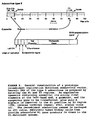
- FIG. 1 taken from Ernst et al., PRINCIPLES OF NUCLEAR RADIATION IN ONE AND Two DIMENSIONS, Oxford University Press, 1987 , illustrates the attenuation of electromagnetic and ultrasound radiation.
- Figure 1 taken from Ernst et al., PRINCIPLES OF NUCLEAR RADIATION IN ONE AND Two DIMENSIONS, Oxford University Press, 1987 , illustrates the attenuation of electromagnetic and ultrasound radiation.
- the X-ray region of the spectrum uses ionizing radiation which is hazardous.
- the radiofrequency region has a wavelength of more than 10 cm. Acoustical radiation is strongly absorbed for wavelengths below 1 mm. Since the ability to focus is limited to approximately half the wavelength, a focus diameter of 5 cm or more can be attained by radiofrequency. This is generally not localized enough to treat small lesions.
- Ultrasound can be applied with a short enough wavelength to be localized and can penetrate deeply and is to some extent absorbed by body tissues. Therefore, the preferred method for noninvasive local heating is focused ultrasound.
- ultrasound can be aimed at a defined target area, and that prolonged exposure of living tissues to ultrasound can raise the temperature of the exposed tissue.
- focused ultrasound has been known to be very effective to locally heat tissue so long as there is an acoustic path from the surface to the lesion free of air and bone.
- Lele, L.L. (1962) "A simple method for production of trackless focal lesions with focused ultrasound: physical factors," J. Physiol 160:494-512 ; Fry et al., (1978) "Tumor irradiation with intense ultrasound", Ultrasound Med. Biol. 4:337-341 .
- focused ultrasound can be delivered at high intensity to a defined very small area of deep tissue.
- Focus of the ultrasound is achieved by the shape of the transducer (spherical, parabolical) and/or by combining several different transducer elements and combining their ultrasound waves with individually adjusted phases in order to provide a focal spot.
- the principles of ultrasound can be found in, for example, Bushberg J.T. et al., THE ESSENTIAL PHYSICS OF MEDICAL IMAGING, Williams and Wilkins, Baltimore, 1994, pp. 367-526 .
- a soybean hsp promoter was recombined with a heterologous gene, introduced into plant cells, and the hsp promoter was activated using the "heat of day" (column 11, lines 15-25) or incubation at, for example, 42.5° C (column 11, line 37).
- High intensity focused ultrasound has been used to ablate tumors in animal models ( Lele (1962), J. Physiol. 160:494-512 ; Fry et al. (1978), Ultrasound Med. Biol. 4:337-341 ) and is a proposed surgical technique for treating liver tumors (ter Harr et al. (1991), Phys. Med. Biol. 36:1495-1501 ; ter Harr et al. (1991), Min. Invas. Ther. 1:13-19 ).
- the present invention sets out to deliberately heat tissue within a target volume, but in a finely controlled fashion within a defined range of temperatures.
- ultrasound to locally heat tissue: 1) the inability to precisely pinpoint the exact location of heat deposition due to interference near air/water, water/bone, and fat/water boundaries, 2) the inability to precisely quantify temperature elevation, and 3) the inability to simultaneously visualize the target tissue and surrounding tissues to monitor extent and effects of ultrasound heating.
- One possibility is to use a combination of focused ultrasound and magnetic resonance imaging (MRI).
- MRI magnetic resonance imaging
- the heat shock promoter may be activated by phenomena other than ultrasound that can raise body temperature (e.g ., fever, hot shower, stress).
- these variables e.g ., fever, hot shower, stress.
- Another approach is to limit the duration of the gene therapy.
- heat can activate endogenous heat shock genes under the control of endogenous hsp promoters.
- the interaction between the processes will be studied.
- An element of the noninvasive use of focused ultrasound is that one needs to assure that 1) the heated area corresponds with the target tissue, and 2) the temperature elevation corresponds with the target temperature.
- the first problem requires anatomical visualization, and the second one visualization of temperature distribution.
- MRI Magnetic Resonance Imaging
- focused ultrasound in which MRI is used to visualize and map the target area and to visualize and map the temperature distribution.
- the principles of MRI can be found in for example Stark D.D. and Bradley, W.G., MAGNETIC RESONANCE IMAGING, Mosby Year Book, 1992, pp. 1-521 .
- Imaging of temperature can be accomplished by MRI in three ways: 1) using the spin-lattice (T1) relaxation dependence on temperature; 2) using the diffusion constant dependence of water on temperature; and 3) using the Larmor-precession frequency dependence of water protons on temperature. It is increasingly clear that the third method is the preferred method since it is rather independent of most intra- and extracellular processes, and it can be measured very rapidly in an imaging method.
- Magn. Reson. Med. 31:628-636 De Poorter et al. (1995)
- PRF proton resonance frequency
- PRF Proton resonance frequency
- a MRI guided focused ultrasound is used as is described in Cline et al., (1995) Magn. Reson. Imaging. 194:731-737 .
- the single ultrasound transducer under mechanical control described by Cline et al . will preferably be replaced with an array of transducers under electronic control to steer the focus electronically as described by Fan, X. and Hynynen, (1995) Med. Phys. 22(3):297-306 .
- Example 1 describes the use of focused ultrasound (FUS) guided by MRI to heat a region of a transformed human tumor having preselected three-dimensional coordinates, wherein the heating activates a genetically engineered therapeutical gene which is under the control of an hsp70 heat shock promoter.
- FUS focused ultrasound
- E1A and E1b region are optionally deleted to prevent replication (see figure 2 ).
- the E3 region is also optionally be deleted to provide a 7.5 kb region for exogenous DNA.
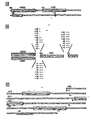
- the human hsp-70B promoter is used, as it is strictly heat regulated and can promote a several thousand fold increase in expression upon induction ( M. Dreano et al. (1986), "High level heat-regulated synthesis of proteins in eukaryotic cells," Gene 49:1 ).
- the sequence of the human hsp-70B promoter is given in Figure 3C, together with its analogs from Drosophila and changes in promoter activity using insertions. Voelmy (1994), Crit. Rev. Euk. Gene Exp. 4: 1357 .
- HSBII and HSEI refer to the common heat shock elements II and I respectively.
- the insertions can alter promoter efficiency ( R. Voellmy et al.
- the vector is constructed by inserting into a vector a cassette containing the human interleukin-2, as described in Addison et al. (1995) Proc. Nat. Acad. Sci. U.S.A. 92: 8522-6 (other lymphokines such as IL-1, IL-4, tumor necrosis factor, etc. may be used; see, e.g., U.S. Patent No. 4,992,367 , and Furutani et al. (1986), Nuc. Acids Res. 14:3167-79 ) except that the gene will be under the control of the human hsp70 promoter in place of the E1 or E3 position of the adenovirus type 5 genome.
- the E .
- coli LacZ gene is optionally included in the vector as a reporter gene. Its product, ⁇ -galactosidase, can be easily detected and quantified by its specific substrate.
- An SV40 polyadenylation is optionally used together with a inverse terminal repeat (ITR) as an encapsidation signal and enhancer (see Figure 1). Construction of the vector is accomplished using a plasmid containing the cassette and the adenovirus type 5 sequences used for homologous recombination with the E1- or E3-adenovirus genomic DNA.
- the modified adenovirus is grown in 293 cells, a transformed human embryonic kidney call line that expresses E1 proteins, providing (in case of a replication-deficient adenovirus) E1 functions to allow for the production of virus.
- Viral vectors are produced in titers of up to 10 12 plaque forming units per mL.
- the vector is administered systemically to a patient that has been diagnosed as having a mammary adenocarcinoma.
- 1 ⁇ g to 100 ⁇ g vector DNA are injected in 0.1-2 mls of a saline solution directly into the tumor.
- approximately 10 ⁇ g to 1 mg vector DNA are intravenously injected in 1-5 mls of a saline solution.
- the presence and/or of the vector is determined by obtaining a biopsy of the cancerous tissue and demonstrating the presence of the gene or gene product by well known Northern, Southern or Western blotting techniques, or by detecting the activity of the optional reporter LacZ gene.
- a patient is placed on a special bed (e . g ., General Electric Co., Milwaukee, WI, as described in Cline et al . 1994 and 1995, supra ) and moved into the magnet of a magnetic resonance imaging (MRI) instrument (e.g ., 1.5T MR Imaging system by Signa, GE Medical Systems, Milwaukee, WI).
- the MRI instrument is equipped with a focused ultrasound (FUS) device (Specialty Engineering Associates, Milpitas, CA) under computer control.
- the FUS device can be incorporated in the bed of the MRI in such a way that the transducer can be freely moved under the patient with motional freedom in the three principal directions to allow the focus to be placed anywhere in the human body.
- the focus can be adjusted electronically by using a more complicated FUS transducer, a so-called phased array FUS transducer, in fact a combination of multiple transducers that can be controlled individually by electronic means thus allowing to move the focus.
- Acoustic contact between the focus and the FUS transducer is assured using appropriate water, gel, or other means giving an uninterrupted acoustic path from transducer to focus.
- a Sparc 10 (Sun Microsystems, Mountain View, CA) workstation interfaced to the motor controls, the FUS pulse generator and the MR imaging system is used to program, plan, monitor and control therapy. Cline et al ., supra, and Zwart et al ., supra.
- the area of the target is immobilized by gentle straps to the bed. (Note that the more accelerated the procedure, the less the need for immobilization; with very accelerated procedures immobilization is unnecessary.)
- Highly detailed MRI images are obtained with a suitable contrast to determine accurately the computer coordinates of the target (e.g . tumor, or ischemic area) as per standard MRI procedures.
- the focus, power and exposure time of the FUS device are targeted to give an increase in temperature of three degrees Celsius in approximately 10 seconds at the target.
- the FUS device is switched on for 10 seconds. Immediately following the FUS exposure, a rapid MRI temperature image is taken as per the procedure outlined in J. de Zwart et al. (1996), J. Magn. Reson. Series B, 112:86-90 and references therein). An evaluation is made as to the following criteria: i) Does the heated spot correspond with the target (comparison of anatomical MRI and temperature MRI), and ii) Is the temperature elevation indeed 3 degrees Celsius (quantification of temperature, see J. de Zwart et al. under 5)? If not, the FUS target is moved in the first case, and the power is adjusted in the second case. The trial heating is repeated until location and power correspond with the target. Note that, since hsp-70B promoter activity is linearly proportional with the duration, gene expression in this adjustment procedure is limited because of its short duration.
- the therapeutic dose of the ultrasound is delivered.
- an elevation by 3 degrees for 15 minutes gives rise to very large expression of the gene under hsp-70B control. Therefore, the initial exposure is 15 minutes. It can be increased or decreased at the discretion of the attending physician, taking into consideration the severity of the condition treated, the condition (age, health) of the patient, and the size and location of the target area.
- the patient is then removed from the MRI. Evaluation of therapy is performed by clinical examination and regular follow-up of detailed anatomical MRI to evaluate tumor shrinkage.
- Example 2 is performed using the methods described in Example 1, except that the gene for vascular endothelial growth factor (VEGF) is transferred into cells of tissues suffering from ischemic damage.
- VEGF vascular endothelial growth factor
- the adenoviral vector that contains the VBGF gene is injected directly into the vicinity of the affected tissue and or into blood vessels that directly feed into the affected tissues. Gene expression is induced and monitored as described above. Evaluation of therapy is by clinical examination and regular follow-up of detailed anatomical MRI to evaluate healing of ischemic tissue.
- Example 3 describes the use of focused ultrasound (FUS) guided by MRI to heat a predetermined area of the thigh muscle and activate endogenous heat shock genes in a rat model.
- FUS focused ultrasound
- Harlan Sprague-Dawley rats (n-6) with a mass of 428 ⁇ 48 g were studied under an approved National Institutes of Health animal protocol.
- the relatively large size of the rat ensures that the ultrasound will focus deep within the biceps femoris muscle in the rat's right hind leg.
- a polycarbonate rat holder was constructed that contained both the FUS transducer and an MR surface coil. The holder was placed in a fiberglass tube that was partially filled with water. The ultrasound passes through a 38 mm aperture in the platform supporting the animal.
- the holder was inclined to insure that the rat hind leg was underwater while maintaining its head at a safe level above the water.
- the leg was supported by four 2-0 braided polyester fiber sutures forming a grid across the aperture.
- the FUS transducer was positioned so that the focus was 5 mm into the rat thigh.
- the rat was securely positioned on its right side on the platform, and care was taken to insure that the focal region of the ultrasound was not close to any bones in the leg. Respiration was monitored to maintain a proper level of sedation.
- Body temperature was measured rectally with a pair of fiber optic temperature probes (Luxtron Fluoroptic Model SMM, Santa Clara, CA). Another pair of probes monitored the temperature of the water bath. The bath temperature was controlled by heat exchange with a recirculating water heater. The target rectal temperature was 37 to 38° C. Deionized water was used for the bath because it was free of microbubbles that could interfere with the ultrasound.
- the FUS transducer (Specialty Engineering Associates, Soquel, CA) was 38 mm in diameter with a radius of curvature and nominal focal length of 25 mm. Its resonance frequency was 1.459 MHz.
- the predicted focal region based on geometry and defined as the full-width-half-maximum intensity area ( Bamber JC, Tristam M., "Diagnostic Ultrasound". In: Webb S, ed. THE PHYSICS OF MEDICAL IMAGING.
- Echo and repetition times were 12 and 75 ms, respectively.
- Five slices with a thickness of 2 mm and a spacing of 3.5 mm were acquired sequentially in an interleaved fashion. They were initially centered around the nominal focal point.
- 128 x 128 maps were calculated for the 10 x 10 cm 2 field of view. Temperature resolution was approximately 0.15° C.
- the focal region was heated to 42-45° C.
- Expression of the hsp70 gene continued for an additional 45 minutes after the heating period while MRI monitored the leg temperature.
- the rat's core body temperature as measured by the rectal probes was maintained within one degree of the target range, and respiration was monitored to insure proper anesthesia.
- the rat was euthanized with pentobarbital and the right leg muscle was frozen using a freeze clamp cooled in liquid nitrogen (-196° C).
- the frozen sample was transported in a sterile specimen jar immersed in liquid nitrogen to a lab where the tissue samples were prepared for analysis.
- the samples were taken from a three-by-three grid centered on the nominal axis of the FUS beam.
- the center sample was subdivided by depth into three giving a total of eleven samples.
- the size of each muscle sample was approximately 4 mm x 4 mm x 2 mm.
- RNA samples were kept frozen until they were placed in Eppendorf tubes containing 0.5 ml Trizol solution (Life Technologies, Gaithersburg, MD) and homogenized. The solution and homogenized tissue were then stored at -80° C until RNA was extracted. The RNA (30 ⁇ g sample per lane) was separated by gel electrophoresis, and transferred to a nylon membrane. The integrity of the mRNA was assessed by visualization of the ethidium bromide-stained RNA following transfer. The membranes were hybridized with a 32 P-labeled cDNA that is complementary to the inducible hsp70 mRNA. Autoradiographs were created and analyzed for amount of inducible hsp70 in each sample.
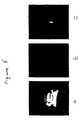
- FIG. 5(a) An intensity image of the slice containing the focal region is shown in Fig. 5(a).
- Figure 5(b) shows the temperature change in the same slice of the rat leg after one minute of heating. The field of view is identical to Fig. 5(a) , but temperatures were calculated in a smaller region of interest only. In addition, pixels falling below a threshold intensity were not calculated because of poor signal-to-noise and appear black. Since there has been little diffusion of heat into the surrounding tissue, Fig. 5(b) serves as a good indicator of the size of the focal region.
- Figure 5(c) is a temperature map acquired after about three minutes of heating. Thermal diffusion is apparent, and subsequent data showed that an approximately steady state had been reached.
- Figure 6 shows the Northern blot of total RNA prepared from rat thigh muscle following exposure to MRI-guided FUS and reacted with random primed labeled human hsp70 stress inducible gene probe.
- the probe hybridizes strongly in lane 5 at a position of about 2.3 kb (arrow), as expected for a 70,000 dalton protein.
- RNA loaded into lanes 8 and 11 was somewhat degraded. Measurements show that the differential expression of heat-inducible hsp70 in the focal region ranges from a factor of 3 to 67.
- Example 4 describes the use of focused ultrasound (FUS) guided by MRI to heat a predetermined area of the thigh muscle and activate endogenous heat shock genes in a mouse whose muscle tissue has been transformed with an adenoviral vector.
- FUS focused ultrasound
- a transgenic mouse which contains a genetically engineered LacZ gene under control of the hsp70 promoter (For methods of making transgenic mice, see, e.g ., Charron et al. (1995) J. Biol. Chem. 270: 30604-10 ; for adenoviral vectors useful in transforming cells, see Addison et al. (1995) Proc. Nat. Acad. Sci. U.S.A. 92: 8522-6 and Wang et al. (1996) Proc. Nat. Acad. Sci. U.S.A. 93: 3932-6 ) is treated as described in Example 3 ( i.e ., regions of the thigh muscle having preselected coordinates are heated using FUS-MRI). A significant increase of the desired gene transcripts in the FUS focal spot is observed.
Landscapes
- Health & Medical Sciences (AREA)
- Life Sciences & Earth Sciences (AREA)
- Chemical & Material Sciences (AREA)
- Genetics & Genomics (AREA)
- Organic Chemistry (AREA)
- Engineering & Computer Science (AREA)
- Zoology (AREA)
- General Health & Medical Sciences (AREA)
- Molecular Biology (AREA)
- Biotechnology (AREA)
- General Engineering & Computer Science (AREA)
- Biochemistry (AREA)
- Bioinformatics & Cheminformatics (AREA)
- Wood Science & Technology (AREA)
- Biophysics (AREA)
- Biomedical Technology (AREA)
- Medicinal Chemistry (AREA)
- Gastroenterology & Hepatology (AREA)
- Proteomics, Peptides & Aminoacids (AREA)
- Physics & Mathematics (AREA)
- Plant Pathology (AREA)
- Toxicology (AREA)
- Microbiology (AREA)
- Pharmacology & Pharmacy (AREA)
- Animal Behavior & Ethology (AREA)
- Public Health (AREA)
- Veterinary Medicine (AREA)
- Virology (AREA)
- Epidemiology (AREA)
- Chemical Kinetics & Catalysis (AREA)
- Nuclear Medicine, Radiotherapy & Molecular Imaging (AREA)
- General Chemical & Material Sciences (AREA)
- Medicines That Contain Protein Lipid Enzymes And Other Medicines (AREA)
- Micro-Organisms Or Cultivation Processes Thereof (AREA)
- Saccharide Compounds (AREA)
- Peptides Or Proteins (AREA)
- Medicines Containing Material From Animals Or Micro-Organisms (AREA)
Applications Claiming Priority (3)
| Application Number | Priority Date | Filing Date | Title |
|---|---|---|---|
| US2421396P | 1996-08-15 | 1996-08-15 | |
| US24213P | 1996-08-15 | ||
| PCT/US1997/015270 WO1998006864A2 (en) | 1996-08-15 | 1997-08-14 | Spatial and temporal control of gene expression using a heat shock protein promoter in combination with local heat |
Publications (2)
| Publication Number | Publication Date |
|---|---|
| EP0922110A2 EP0922110A2 (en) | 1999-06-16 |
| EP0922110B1 true EP0922110B1 (en) | 2008-04-16 |
Family
ID=21819426
Family Applications (1)
| Application Number | Title | Priority Date | Filing Date |
|---|---|---|---|
| EP97940696A Expired - Lifetime EP0922110B1 (en) | 1996-08-15 | 1997-08-14 | Spatial and temporal control of gene expression using a heat shock protein promoter in combination with local heat |
Country Status (8)
| Country | Link |
|---|---|
| US (2) | US7186698B2 (enExample) |
| EP (1) | EP0922110B1 (enExample) |
| JP (2) | JP2001501458A (enExample) |
| AT (1) | ATE392481T1 (enExample) |
| AU (1) | AU732872C (enExample) |
| CA (1) | CA2263706A1 (enExample) |
| DE (1) | DE69738640T2 (enExample) |
| WO (1) | WO1998006864A2 (enExample) |
Families Citing this family (32)
| Publication number | Priority date | Publication date | Assignee | Title |
|---|---|---|---|---|
| US6342596B1 (en) | 1998-05-05 | 2002-01-29 | Hsf Pharmaceuticals S.A. | Molecular regulatory circuits to achieve sustained activation of genes of interest by a single stress |
| EP1109582A4 (en) * | 1998-08-18 | 2004-11-03 | Res Dev Foundation | METHOD FOR STRENGTHENING AND RESTRICTING GENE EXPRESSION |
| US6900049B2 (en) * | 1998-09-10 | 2005-05-31 | Cell Genesys, Inc. | Adenovirus vectors containing cell status-specific response elements and methods of use thereof |
| US6684097B1 (en) | 1999-04-22 | 2004-01-27 | University Of Miami | Intraoperative monitoring of temperature-induced tissue changes with a high-resolution digital x-ray system during thermotherapy |
| AU7841400A (en) * | 1999-10-01 | 2001-05-10 | Genovo, Incorporated | Production of recombinant aav using adenovirus comprising aav rep/cap genes |
| US7115391B1 (en) | 1999-10-01 | 2006-10-03 | Genovo, Inc. | Production of recombinant AAV using adenovirus comprising AAV rep/cap genes |
| US6953659B2 (en) * | 2000-07-14 | 2005-10-11 | Massachusetts Institute Of Technology | Direct, externally imposed control of nucleic acids |
| CA2349506C (en) | 2001-06-14 | 2009-12-08 | Duke University | A method for selective expression of therapeutic genes by hyperthermia |
| WO2003006608A2 (en) | 2001-07-10 | 2003-01-23 | Davidson Michael N | Enhancement of transfection of dna into the liver |
| CA2369985A1 (en) * | 2002-01-18 | 2003-07-18 | Duke University | Generation of recombinant adeno-associated viral vectors by a complete adenovirus-mediated approach |
| EP1639115A1 (en) * | 2003-06-19 | 2006-03-29 | Peter Bromley | Protein production system |
| US7840263B2 (en) | 2004-02-27 | 2010-11-23 | Cardiac Pacemakers, Inc. | Method and apparatus for device controlled gene expression |
| AT500838B1 (de) * | 2004-04-20 | 2007-11-15 | Veterinaermedizinische Uni Wie | Multiple hse |
| JP2008540347A (ja) * | 2005-05-03 | 2008-11-20 | フェテリネールメディツィニシュ ウニベルジテート ウィーン | 浸透性カプセル |
| JP2009502180A (ja) | 2005-08-03 | 2009-01-29 | アデレイド リサーチ アンド イノベーション ピーティーワイ リミテッド | 多糖シンターゼ |
| US7774057B2 (en) * | 2005-09-06 | 2010-08-10 | Cardiac Pacemakers, Inc. | Method and apparatus for device controlled gene expression for cardiac protection |
| US20070190028A1 (en) * | 2006-02-13 | 2007-08-16 | Jihong Qu | Method and apparatus for heat or electromagnetic control of gene expression |
| US7871406B2 (en) * | 2006-08-04 | 2011-01-18 | INTIO, Inc. | Methods for planning and performing thermal ablation |
| EP2056711B1 (en) * | 2006-08-22 | 2011-03-02 | Koninklijke Philips Electronics N.V. | Device for obtaining information about a mammalian body |
| WO2009125332A1 (en) * | 2008-04-07 | 2009-10-15 | Peter Bromley | New and safe procedure for immunization against infectious diseases agents |
| CN102388142B (zh) | 2008-11-28 | 2014-08-06 | 巴西农业研究公司-恩布拉帕 | 启动子元件中AT(n)插入在控制植物编码序列的表达水平中的用途 |
| US20110127254A1 (en) * | 2009-11-30 | 2011-06-02 | Cypress Technology Llc | Electric Heating Systems and Associated Methods |
| US9848950B2 (en) | 2012-04-27 | 2017-12-26 | Medtronic Ardian Luxembourg S.A.R.L. | Methods and devices for localized disease treatment by ablation |
| US9101745B2 (en) | 2013-03-14 | 2015-08-11 | Sonogene Llc | Sonochemical induction of ABCA1 expression and compositions therefor |
| KR20160107303A (ko) * | 2014-01-17 | 2016-09-13 | 웨이크 포리스트 유니버시티 헬스 사이언시즈 | 활성 작용제 전달의 강화 방법 |
| US11504427B2 (en) * | 2016-11-22 | 2022-11-22 | The Regents Of The University Of California | Acoustic and ultrasound-based mechanogenetics and thermogenetics for immunotherapy |
| US11318330B2 (en) * | 2018-09-26 | 2022-05-03 | General Electric Company | Neuromodulation techniques |
| US20220241337A1 (en) * | 2019-02-22 | 2022-08-04 | The Trustees Of Columbia University In The City Of Newyork | Preparing tissues for delivery of therapeutic and diagnostic agents and delivering the agents |
| US20220298515A1 (en) * | 2019-09-10 | 2022-09-22 | The Regents Of The University Of California | Ultrasound-based thermogenetics for immunotherapy |
| US11176717B2 (en) * | 2019-09-26 | 2021-11-16 | Siemens Healthcare Gmbh | Guiding protocol development for magnetic resonance thermometry |
| US20210222128A1 (en) | 2020-01-22 | 2021-07-22 | Massachusetts Institute Of Technology | Inducible tissue constructs and uses thereof |
| EP4136228A4 (en) * | 2020-04-15 | 2024-09-11 | California Institute of Technology | THERMAL REGULATION OF T-CELL IMMUNOTHERAPY BY MOLECULAR AND PHYSICAL ACTUATION |
Citations (1)
| Publication number | Priority date | Publication date | Assignee | Title |
|---|---|---|---|---|
| US5490840A (en) * | 1994-09-26 | 1996-02-13 | General Electric Company | Targeted thermal release of drug-polymer conjugates |
Family Cites Families (13)
| Publication number | Priority date | Publication date | Assignee | Title |
|---|---|---|---|---|
| NO172595C (no) | 1983-02-07 | 1993-08-11 | Battelle Memorial Institute | Fremgangsmaate og ekspresjonsplasmid for fremstilling av hemagglutinin under kontroll av drosophila hsp-promoter |
| AU604214B2 (en) | 1985-07-31 | 1990-12-13 | Battelle Memorial Institute | An improved heat-shock control method and system for the production of competent eukaryotic gene products |
| AU606049B2 (en) * | 1986-02-06 | 1991-01-31 | General Hospital Corporation, The | Inducible heat shock and amplification system |
| WO1987005935A1 (en) * | 1986-04-04 | 1987-10-08 | Battelle Memorial Institute At Columbus, Ohio Gene | Methods and compositions for expression of competent eukaryotic gene products |
| EP0263908B1 (en) * | 1986-10-15 | 1991-09-25 | Battelle Memorial Institute | Method for the production of proteins by means of inducible expression systems in genetically modified eukaryotic host-cells multiplicated in-vivo |
| US5591632A (en) * | 1987-03-02 | 1997-01-07 | Beth Israel Hospital | Recombinant BCG |
| EP0299127A1 (en) * | 1987-07-16 | 1989-01-18 | IntraCel Corporation | A method for the expression of recombinant genes under stimulation from an inducively expressed activator protein |
| ZA892518B (en) | 1988-04-08 | 1989-12-27 | Intracel Corp | Method for the in-vivo production and testing of proteins by recombinant gene expression in selected host-cells |
| WO1990001543A1 (fr) * | 1988-07-29 | 1990-02-22 | Intracel Corporation | Procede d'expression genetique de proteines heterologues par des cellules transfectees in vivo |
| DK0737750T3 (da) * | 1989-03-21 | 2003-09-01 | Vical Inc | Ekspression af exogene polynucleotidsekvenser i vertebrater |
| US5521084A (en) | 1992-11-10 | 1996-05-28 | Biostar, Inc. | Bovine heat shock promoter and uses thereof |
| WO1995000178A1 (en) * | 1993-06-25 | 1995-01-05 | Board Of Regents, The University Of Texas System | Pore-forming and superantigen encoding toxin cassettes for gene therapy |
| US5979454A (en) * | 1995-05-15 | 1999-11-09 | The Regents Of The University Of California | Method and apparatus for causing rapid and deep spatially selective coagulation during thermally mediated therapeutic procedures |
-
1997
- 1997-08-14 EP EP97940696A patent/EP0922110B1/en not_active Expired - Lifetime
- 1997-08-14 AT AT97940696T patent/ATE392481T1/de not_active IP Right Cessation
- 1997-08-14 AU AU42416/97A patent/AU732872C/en not_active Ceased
- 1997-08-14 DE DE69738640T patent/DE69738640T2/de not_active Expired - Fee Related
- 1997-08-14 WO PCT/US1997/015270 patent/WO1998006864A2/en not_active Ceased
- 1997-08-14 CA CA002263706A patent/CA2263706A1/en not_active Abandoned
- 1997-08-14 JP JP10510126A patent/JP2001501458A/ja not_active Withdrawn
-
2002
- 2002-03-11 US US10/096,549 patent/US7186698B2/en not_active Expired - Fee Related
-
2004
- 2004-06-09 US US10/864,102 patent/US20050059623A1/en not_active Abandoned
-
2008
- 2008-08-06 JP JP2008203353A patent/JP2008291043A/ja not_active Ceased
Patent Citations (1)
| Publication number | Priority date | Publication date | Assignee | Title |
|---|---|---|---|---|
| US5490840A (en) * | 1994-09-26 | 1996-02-13 | General Electric Company | Targeted thermal release of drug-polymer conjugates |
Also Published As
| Publication number | Publication date |
|---|---|
| WO1998006864A3 (en) | 1998-05-14 |
| AU732872C (en) | 2002-02-21 |
| JP2001501458A (ja) | 2001-02-06 |
| DE69738640D1 (de) | 2008-05-29 |
| AU732872B2 (en) | 2001-05-03 |
| ATE392481T1 (de) | 2008-05-15 |
| US20050059623A1 (en) | 2005-03-17 |
| US7186698B2 (en) | 2007-03-06 |
| EP0922110A2 (en) | 1999-06-16 |
| WO1998006864A2 (en) | 1998-02-19 |
| DE69738640T2 (de) | 2009-07-16 |
| US20020165191A1 (en) | 2002-11-07 |
| AU4241697A (en) | 1998-03-06 |
| JP2008291043A (ja) | 2008-12-04 |
| CA2263706A1 (en) | 1998-02-19 |
Similar Documents
| Publication | Publication Date | Title |
|---|---|---|
| AU732872C (en) | Spatial and temporal control of gene expression using a heat shock protein promoter in combination with local heat | |
| US6057300A (en) | Methods for treating cancers and restenosis with p21 | |
| Simari et al. | Regulation of cellular proliferation and intimal formation following balloon injury in atherosclerotic rabbit arteries. | |
| JP3778930B2 (ja) | 動脈平滑筋細胞増殖の抑制 | |
| JP2011148834A (ja) | インターフェロン耐性腫瘍の処置のための方法および組成物 | |
| JP2008301832A (ja) | インターフェロン−α核酸の送達および発現のための方法および組成物 | |
| CA2214499A1 (en) | Gene transfer into the kidney | |
| EP0918861A1 (en) | Treatment of human cancers with an adenovirus vector containing an interferon consensus gene | |
| EP1443970B1 (en) | Promoters exhibiting endothelial cell specificity and methods of using same | |
| US6191269B1 (en) | Selective induction of cell death by delivery of amino-terminal interleukin-1-α pro-piece polypeptide | |
| US20130171107A1 (en) | Long lasting drug formulations | |
| EP0879294B1 (en) | Transduced human hematopoietic stem cells | |
| US7176179B1 (en) | Selective induction of cell death by delivery of amino-terminal interleukin-1-α pro-piece polypeptide | |
| US7087582B1 (en) | Combination for site-specifically transforming cells in vivo comprising a double-balloon catheter and nucleic acid comprising a gene encoding P21 | |
| Haviv et al. | TISSUE TARGETED GENE EXPRESSION AND ANIMAL MODELS | |
| CN1240480A (zh) | 运送和表达干扰素-α核酸的方法和组合物 | |
| HK1068057B (en) | Promoters exhibiting endothelial cell specificity and methods of using same | |
| WO2004016652A2 (en) | Mammaglobin promoter |
Legal Events
| Date | Code | Title | Description |
|---|---|---|---|
| PUAI | Public reference made under article 153(3) epc to a published international application that has entered the european phase |
Free format text: ORIGINAL CODE: 0009012 |
|
| 17P | Request for examination filed |
Effective date: 19990222 |
|
| AK | Designated contracting states |
Kind code of ref document: A2 Designated state(s): AT BE CH DE DK ES FI FR GB GR IE IT LI LU MC NL PT SE |
|
| 17Q | First examination report despatched |
Effective date: 20030724 |
|
| 17Q | First examination report despatched |
Effective date: 20030724 |
|
| 17Q | First examination report despatched |
Effective date: 20030724 |
|
| GRAP | Despatch of communication of intention to grant a patent |
Free format text: ORIGINAL CODE: EPIDOSNIGR1 |
|
| RAP1 | Party data changed (applicant data changed or rights of an application transferred) |
Owner name: THE GOVERNMENT OF THE UNITED STATES OF AMERICA, R |
|
| GRAS | Grant fee paid |
Free format text: ORIGINAL CODE: EPIDOSNIGR3 |
|
| GRAA | (expected) grant |
Free format text: ORIGINAL CODE: 0009210 |
|
| AK | Designated contracting states |
Kind code of ref document: B1 Designated state(s): AT BE CH DE DK ES FI FR GB GR IE IT LI LU MC NL PT SE |
|
| REG | Reference to a national code |
Ref country code: CH Ref legal event code: EP |
|
| REG | Reference to a national code |
Ref country code: IE Ref legal event code: FG4D |
|
| REF | Corresponds to: |
Ref document number: 69738640 Country of ref document: DE Date of ref document: 20080529 Kind code of ref document: P |
|
| NLV1 | Nl: lapsed or annulled due to failure to fulfill the requirements of art. 29p and 29m of the patents act | ||
| PG25 | Lapsed in a contracting state [announced via postgrant information from national office to epo] |
Ref country code: PT Free format text: LAPSE BECAUSE OF FAILURE TO SUBMIT A TRANSLATION OF THE DESCRIPTION OR TO PAY THE FEE WITHIN THE PRESCRIBED TIME-LIMIT Effective date: 20080916 Ref country code: NL Free format text: LAPSE BECAUSE OF FAILURE TO SUBMIT A TRANSLATION OF THE DESCRIPTION OR TO PAY THE FEE WITHIN THE PRESCRIBED TIME-LIMIT Effective date: 20080416 Ref country code: FI Free format text: LAPSE BECAUSE OF FAILURE TO SUBMIT A TRANSLATION OF THE DESCRIPTION OR TO PAY THE FEE WITHIN THE PRESCRIBED TIME-LIMIT Effective date: 20080416 Ref country code: ES Free format text: LAPSE BECAUSE OF FAILURE TO SUBMIT A TRANSLATION OF THE DESCRIPTION OR TO PAY THE FEE WITHIN THE PRESCRIBED TIME-LIMIT Effective date: 20080727 |
|
| PG25 | Lapsed in a contracting state [announced via postgrant information from national office to epo] |
Ref country code: AT Free format text: LAPSE BECAUSE OF FAILURE TO SUBMIT A TRANSLATION OF THE DESCRIPTION OR TO PAY THE FEE WITHIN THE PRESCRIBED TIME-LIMIT Effective date: 20080416 |
|
| PGFP | Annual fee paid to national office [announced via postgrant information from national office to epo] |
Ref country code: FR Payment date: 20080818 Year of fee payment: 12 |
|
| PGFP | Annual fee paid to national office [announced via postgrant information from national office to epo] |
Ref country code: GB Payment date: 20080827 Year of fee payment: 12 |
|
| PG25 | Lapsed in a contracting state [announced via postgrant information from national office to epo] |
Ref country code: SE Free format text: LAPSE BECAUSE OF FAILURE TO SUBMIT A TRANSLATION OF THE DESCRIPTION OR TO PAY THE FEE WITHIN THE PRESCRIBED TIME-LIMIT Effective date: 20080716 Ref country code: DK Free format text: LAPSE BECAUSE OF FAILURE TO SUBMIT A TRANSLATION OF THE DESCRIPTION OR TO PAY THE FEE WITHIN THE PRESCRIBED TIME-LIMIT Effective date: 20080416 |
|
| PGFP | Annual fee paid to national office [announced via postgrant information from national office to epo] |
Ref country code: DE Payment date: 20080930 Year of fee payment: 12 |
|
| ET | Fr: translation filed | ||
| PLBE | No opposition filed within time limit |
Free format text: ORIGINAL CODE: 0009261 |
|
| STAA | Information on the status of an ep patent application or granted ep patent |
Free format text: STATUS: NO OPPOSITION FILED WITHIN TIME LIMIT |
|
| PG25 | Lapsed in a contracting state [announced via postgrant information from national office to epo] |
Ref country code: BE Free format text: LAPSE BECAUSE OF FAILURE TO SUBMIT A TRANSLATION OF THE DESCRIPTION OR TO PAY THE FEE WITHIN THE PRESCRIBED TIME-LIMIT Effective date: 20080416 |
|
| 26N | No opposition filed |
Effective date: 20090119 |
|
| PG25 | Lapsed in a contracting state [announced via postgrant information from national office to epo] |
Ref country code: MC Free format text: LAPSE BECAUSE OF NON-PAYMENT OF DUE FEES Effective date: 20080831 |
|
| REG | Reference to a national code |
Ref country code: CH Ref legal event code: PL |
|
| PG25 | Lapsed in a contracting state [announced via postgrant information from national office to epo] |
Ref country code: LI Free format text: LAPSE BECAUSE OF NON-PAYMENT OF DUE FEES Effective date: 20080831 Ref country code: CH Free format text: LAPSE BECAUSE OF NON-PAYMENT OF DUE FEES Effective date: 20080831 |
|
| PG25 | Lapsed in a contracting state [announced via postgrant information from national office to epo] |
Ref country code: IE Free format text: LAPSE BECAUSE OF NON-PAYMENT OF DUE FEES Effective date: 20080814 |
|
| PG25 | Lapsed in a contracting state [announced via postgrant information from national office to epo] |
Ref country code: IT Free format text: LAPSE BECAUSE OF FAILURE TO SUBMIT A TRANSLATION OF THE DESCRIPTION OR TO PAY THE FEE WITHIN THE PRESCRIBED TIME-LIMIT Effective date: 20080416 |
|
| GBPC | Gb: european patent ceased through non-payment of renewal fee |
Effective date: 20090814 |
|
| REG | Reference to a national code |
Ref country code: FR Ref legal event code: ST Effective date: 20100430 |
|
| PG25 | Lapsed in a contracting state [announced via postgrant information from national office to epo] |
Ref country code: LU Free format text: LAPSE BECAUSE OF NON-PAYMENT OF DUE FEES Effective date: 20080814 |
|
| PG25 | Lapsed in a contracting state [announced via postgrant information from national office to epo] |
Ref country code: FR Free format text: LAPSE BECAUSE OF NON-PAYMENT OF DUE FEES Effective date: 20090831 Ref country code: DE Free format text: LAPSE BECAUSE OF NON-PAYMENT OF DUE FEES Effective date: 20100302 |
|
| PG25 | Lapsed in a contracting state [announced via postgrant information from national office to epo] |
Ref country code: GR Free format text: LAPSE BECAUSE OF FAILURE TO SUBMIT A TRANSLATION OF THE DESCRIPTION OR TO PAY THE FEE WITHIN THE PRESCRIBED TIME-LIMIT Effective date: 20080717 |
|
| PG25 | Lapsed in a contracting state [announced via postgrant information from national office to epo] |
Ref country code: GB Free format text: LAPSE BECAUSE OF NON-PAYMENT OF DUE FEES Effective date: 20090814 |