EP0904371B1 - Verwendung des "green-fluorescent-proteins" als screenung-marker für pflanzentransformation - Google Patents
Verwendung des "green-fluorescent-proteins" als screenung-marker für pflanzentransformation Download PDFInfo
- Publication number
- EP0904371B1 EP0904371B1 EP97924601A EP97924601A EP0904371B1 EP 0904371 B1 EP0904371 B1 EP 0904371B1 EP 97924601 A EP97924601 A EP 97924601A EP 97924601 A EP97924601 A EP 97924601A EP 0904371 B1 EP0904371 B1 EP 0904371B1
- Authority
- EP
- European Patent Office
- Prior art keywords
- gfp
- plant
- gene
- cells
- transformed
- Prior art date
- Legal status (The legal status is an assumption and is not a legal conclusion. Google has not performed a legal analysis and makes no representation as to the accuracy of the status listed.)
- Expired - Lifetime
Links
- 108010043121 Green Fluorescent Proteins Proteins 0.000 title description 212
- 102000004144 Green Fluorescent Proteins Human genes 0.000 title description 208
- 239000005090 green fluorescent protein Substances 0.000 title description 199
- 239000003550 marker Substances 0.000 title description 51
- 230000009466 transformation Effects 0.000 title description 47
- 241000196324 Embryophyta Species 0.000 claims description 255
- 108090000623 proteins and genes Proteins 0.000 claims description 241
- 239000002773 nucleotide Substances 0.000 claims description 86
- 125000003729 nucleotide group Chemical group 0.000 claims description 85
- 238000000034 method Methods 0.000 claims description 81
- 108020004414 DNA Proteins 0.000 claims description 80
- 102000004169 proteins and genes Human genes 0.000 claims description 65
- 230000009261 transgenic effect Effects 0.000 claims description 56
- 108010076504 Protein Sorting Signals Proteins 0.000 claims description 44
- 240000008042 Zea mays Species 0.000 claims description 39
- 238000012216 screening Methods 0.000 claims description 36
- 239000013604 expression vector Substances 0.000 claims description 35
- 102000053602 DNA Human genes 0.000 claims description 24
- 241000208818 Helianthus Species 0.000 claims description 10
- 230000004960 subcellular localization Effects 0.000 claims description 7
- 230000001172 regenerating effect Effects 0.000 claims description 6
- 239000003440 toxic substance Substances 0.000 claims description 6
- 231100000167 toxic agent Toxicity 0.000 claims description 5
- 241000219198 Brassica Species 0.000 claims description 3
- 235000011331 Brassica Nutrition 0.000 claims description 3
- 241000209149 Zea Species 0.000 claims description 3
- 210000004027 cell Anatomy 0.000 description 151
- 235000018102 proteins Nutrition 0.000 description 61
- 230000014509 gene expression Effects 0.000 description 59
- 108090000765 processed proteins & peptides Proteins 0.000 description 52
- 210000001519 tissue Anatomy 0.000 description 44
- 235000016383 Zea mays subsp huehuetenangensis Nutrition 0.000 description 37
- 235000002017 Zea mays subsp mays Nutrition 0.000 description 37
- 235000009973 maize Nutrition 0.000 description 37
- 229920001184 polypeptide Polymers 0.000 description 32
- 102000004196 processed proteins & peptides Human genes 0.000 description 32
- 230000001939 inductive effect Effects 0.000 description 31
- 206010020649 Hyperkeratosis Diseases 0.000 description 30
- 230000008685 targeting Effects 0.000 description 29
- 210000002257 embryonic structure Anatomy 0.000 description 28
- 239000013612 plasmid Substances 0.000 description 28
- 108010060309 Glucuronidase Proteins 0.000 description 27
- 102000053187 Glucuronidase Human genes 0.000 description 27
- 238000010804 cDNA synthesis Methods 0.000 description 24
- 239000002609 medium Substances 0.000 description 24
- GINJFDRNADDBIN-FXQIFTODSA-N bilanafos Chemical compound OC(=O)[C@H](C)NC(=O)[C@H](C)NC(=O)[C@@H](N)CCP(C)(O)=O GINJFDRNADDBIN-FXQIFTODSA-N 0.000 description 23
- 108020004635 Complementary DNA Proteins 0.000 description 22
- 239000002299 complementary DNA Substances 0.000 description 22
- 238000002474 experimental method Methods 0.000 description 22
- 108091028043 Nucleic acid sequence Proteins 0.000 description 20
- 241000589158 Agrobacterium Species 0.000 description 19
- 102000004190 Enzymes Human genes 0.000 description 17
- 108090000790 Enzymes Proteins 0.000 description 17
- 229940088598 enzyme Drugs 0.000 description 17
- 239000012634 fragment Substances 0.000 description 17
- DVGKRPYUFRZAQW-UHFFFAOYSA-N 3 prime Natural products CC(=O)NC1OC(CC(O)C1C(O)C(O)CO)(OC2C(O)C(CO)OC(OC3C(O)C(O)C(O)OC3CO)C2O)C(=O)O DVGKRPYUFRZAQW-UHFFFAOYSA-N 0.000 description 16
- 238000004458 analytical method Methods 0.000 description 16
- 210000003763 chloroplast Anatomy 0.000 description 16
- 150000001413 amino acids Chemical group 0.000 description 15
- 238000011084 recovery Methods 0.000 description 15
- 230000000694 effects Effects 0.000 description 14
- 210000004940 nucleus Anatomy 0.000 description 14
- 239000002245 particle Substances 0.000 description 14
- 239000013615 primer Substances 0.000 description 14
- SBUJHOSQTJFQJX-NOAMYHISSA-N kanamycin Chemical compound O[C@@H]1[C@@H](O)[C@H](O)[C@@H](CN)O[C@@H]1O[C@H]1[C@H](O)[C@@H](O[C@@H]2[C@@H]([C@@H](N)[C@H](O)[C@@H](CO)O2)O)[C@H](N)C[C@@H]1N SBUJHOSQTJFQJX-NOAMYHISSA-N 0.000 description 13
- 238000004519 manufacturing process Methods 0.000 description 13
- 230000001404 mediated effect Effects 0.000 description 13
- 238000012546 transfer Methods 0.000 description 13
- 230000005540 biological transmission Effects 0.000 description 12
- 230000010307 cell transformation Effects 0.000 description 12
- 239000000047 product Substances 0.000 description 12
- 239000013598 vector Substances 0.000 description 12
- 229930006000 Sucrose Natural products 0.000 description 11
- CZMRCDWAGMRECN-UGDNZRGBSA-N Sucrose Chemical compound O[C@H]1[C@H](O)[C@@H](CO)O[C@@]1(CO)O[C@@H]1[C@H](O)[C@@H](O)[C@H](O)[C@@H](CO)O1 CZMRCDWAGMRECN-UGDNZRGBSA-N 0.000 description 11
- 230000035784 germination Effects 0.000 description 11
- 229930027917 kanamycin Natural products 0.000 description 11
- 229960000318 kanamycin Drugs 0.000 description 11
- 229930182823 kanamycin A Natural products 0.000 description 11
- 239000000126 substance Substances 0.000 description 11
- 239000005720 sucrose Substances 0.000 description 11
- 238000011282 treatment Methods 0.000 description 11
- 102100038222 60 kDa heat shock protein, mitochondrial Human genes 0.000 description 10
- 101710154868 60 kDa heat shock protein, mitochondrial Proteins 0.000 description 10
- 108010000700 Acetolactate synthase Proteins 0.000 description 10
- 101710104159 Chaperonin GroEL Proteins 0.000 description 10
- 101710108115 Chaperonin GroEL, chloroplastic Proteins 0.000 description 10
- 101150066002 GFP gene Proteins 0.000 description 10
- 241000238631 Hexapoda Species 0.000 description 10
- 238000010367 cloning Methods 0.000 description 10
- 238000005516 engineering process Methods 0.000 description 10
- 230000001105 regulatory effect Effects 0.000 description 10
- 230000032258 transport Effects 0.000 description 10
- 244000061176 Nicotiana tabacum Species 0.000 description 9
- 235000002637 Nicotiana tabacum Nutrition 0.000 description 9
- 235000013339 cereals Nutrition 0.000 description 9
- 239000004009 herbicide Substances 0.000 description 9
- 230000008929 regeneration Effects 0.000 description 9
- 238000011069 regeneration method Methods 0.000 description 9
- 210000003934 vacuole Anatomy 0.000 description 9
- 241000243321 Cnidaria Species 0.000 description 8
- 108091026890 Coding region Proteins 0.000 description 8
- 108700019146 Transgenes Proteins 0.000 description 8
- 239000002253 acid Substances 0.000 description 8
- 230000009418 agronomic effect Effects 0.000 description 8
- 235000001014 amino acid Nutrition 0.000 description 8
- 210000002421 cell wall Anatomy 0.000 description 8
- 239000003795 chemical substances by application Substances 0.000 description 8
- 230000004927 fusion Effects 0.000 description 8
- 239000001307 helium Substances 0.000 description 8
- 229910052734 helium Inorganic materials 0.000 description 8
- SWQJXJOGLNCZEY-UHFFFAOYSA-N helium atom Chemical compound [He] SWQJXJOGLNCZEY-UHFFFAOYSA-N 0.000 description 8
- 108020004999 messenger RNA Proteins 0.000 description 8
- 108091008146 restriction endonucleases Proteins 0.000 description 8
- 239000000523 sample Substances 0.000 description 8
- 244000068988 Glycine max Species 0.000 description 7
- 235000010469 Glycine max Nutrition 0.000 description 7
- 235000003222 Helianthus annuus Nutrition 0.000 description 7
- 240000005979 Hordeum vulgare Species 0.000 description 7
- 235000007340 Hordeum vulgare Nutrition 0.000 description 7
- 229940123973 Oxygen scavenger Drugs 0.000 description 7
- 229940024606 amino acid Drugs 0.000 description 7
- 238000003556 assay Methods 0.000 description 7
- 230000002363 herbicidal effect Effects 0.000 description 7
- 238000002360 preparation method Methods 0.000 description 7
- 230000028327 secretion Effects 0.000 description 7
- IJGRMHOSHXDMSA-UHFFFAOYSA-N Atomic nitrogen Chemical compound N#N IJGRMHOSHXDMSA-UHFFFAOYSA-N 0.000 description 6
- 108010077850 Nuclear Localization Signals Proteins 0.000 description 6
- 108091034117 Oligonucleotide Proteins 0.000 description 6
- 108090000848 Ubiquitin Proteins 0.000 description 6
- 102000044159 Ubiquitin Human genes 0.000 description 6
- 150000007513 acids Chemical class 0.000 description 6
- 210000000805 cytoplasm Anatomy 0.000 description 6
- 210000002472 endoplasmic reticulum Anatomy 0.000 description 6
- 238000009396 hybridization Methods 0.000 description 6
- 230000010354 integration Effects 0.000 description 6
- 210000003470 mitochondria Anatomy 0.000 description 6
- 210000002824 peroxisome Anatomy 0.000 description 6
- 238000010561 standard procedure Methods 0.000 description 6
- 238000006467 substitution reaction Methods 0.000 description 6
- 231100000331 toxic Toxicity 0.000 description 6
- 230000002588 toxic effect Effects 0.000 description 6
- 231100000419 toxicity Toxicity 0.000 description 6
- 230000001988 toxicity Effects 0.000 description 6
- 238000013518 transcription Methods 0.000 description 6
- 230000035897 transcription Effects 0.000 description 6
- 230000001131 transforming effect Effects 0.000 description 6
- 108010046276 FLP recombinase Proteins 0.000 description 5
- 108060001084 Luciferase Proteins 0.000 description 5
- 102000019197 Superoxide Dismutase Human genes 0.000 description 5
- 108010012715 Superoxide dismutase Proteins 0.000 description 5
- 241000700605 Viruses Species 0.000 description 5
- 210000004899 c-terminal region Anatomy 0.000 description 5
- 239000013599 cloning vector Substances 0.000 description 5
- 238000007796 conventional method Methods 0.000 description 5
- 230000006378 damage Effects 0.000 description 5
- 108020001507 fusion proteins Proteins 0.000 description 5
- 230000002068 genetic effect Effects 0.000 description 5
- 210000004602 germ cell Anatomy 0.000 description 5
- 230000012010 growth Effects 0.000 description 5
- 238000000338 in vitro Methods 0.000 description 5
- 230000014759 maintenance of location Effects 0.000 description 5
- 230000002438 mitochondrial effect Effects 0.000 description 5
- 238000012545 processing Methods 0.000 description 5
- 230000008521 reorganization Effects 0.000 description 5
- 150000003839 salts Chemical class 0.000 description 5
- 239000002689 soil Substances 0.000 description 5
- 239000000758 substrate Substances 0.000 description 5
- 230000000007 visual effect Effects 0.000 description 5
- 238000012800 visualization Methods 0.000 description 5
- IMQLKJBTEOYOSI-GPIVLXJGSA-N Inositol-hexakisphosphate Chemical compound OP(O)(=O)O[C@H]1[C@H](OP(O)(O)=O)[C@@H](OP(O)(O)=O)[C@H](OP(O)(O)=O)[C@H](OP(O)(O)=O)[C@@H]1OP(O)(O)=O IMQLKJBTEOYOSI-GPIVLXJGSA-N 0.000 description 4
- 235000007688 Lycopersicon esculentum Nutrition 0.000 description 4
- 241000829100 Macaca mulatta polyomavirus 1 Species 0.000 description 4
- 240000003768 Solanum lycopersicum Species 0.000 description 4
- 238000013459 approach Methods 0.000 description 4
- 230000003115 biocidal effect Effects 0.000 description 4
- 108091005948 blue fluorescent proteins Proteins 0.000 description 4
- 230000007541 cellular toxicity Effects 0.000 description 4
- 238000012258 culturing Methods 0.000 description 4
- 238000001514 detection method Methods 0.000 description 4
- 239000012737 fresh medium Substances 0.000 description 4
- 102000037865 fusion proteins Human genes 0.000 description 4
- 230000004807 localization Effects 0.000 description 4
- 210000003463 organelle Anatomy 0.000 description 4
- 230000036542 oxidative stress Effects 0.000 description 4
- 101150113864 pat gene Proteins 0.000 description 4
- 230000001717 pathogenic effect Effects 0.000 description 4
- 235000002949 phytic acid Nutrition 0.000 description 4
- 238000003752 polymerase chain reaction Methods 0.000 description 4
- 230000035945 sensitivity Effects 0.000 description 4
- 238000002741 site-directed mutagenesis Methods 0.000 description 4
- 239000000725 suspension Substances 0.000 description 4
- 238000012360 testing method Methods 0.000 description 4
- 229910052724 xenon Inorganic materials 0.000 description 4
- FHNFHKCVQCLJFQ-UHFFFAOYSA-N xenon atom Chemical compound [Xe] FHNFHKCVQCLJFQ-UHFFFAOYSA-N 0.000 description 4
- 239000005631 2,4-Dichlorophenoxyacetic acid Substances 0.000 description 3
- 241000219194 Arabidopsis Species 0.000 description 3
- 108090001008 Avidin Proteins 0.000 description 3
- 239000002028 Biomass Substances 0.000 description 3
- 108020004705 Codon Proteins 0.000 description 3
- IGXWBGJHJZYPQS-SSDOTTSWSA-N D-Luciferin Chemical compound OC(=O)[C@H]1CSC(C=2SC3=CC=C(O)C=C3N=2)=N1 IGXWBGJHJZYPQS-SSDOTTSWSA-N 0.000 description 3
- 239000003155 DNA primer Substances 0.000 description 3
- 208000035240 Disease Resistance Diseases 0.000 description 3
- 241000588724 Escherichia coli Species 0.000 description 3
- 239000005562 Glyphosate Substances 0.000 description 3
- 239000005089 Luciferase Substances 0.000 description 3
- 101710163270 Nuclease Proteins 0.000 description 3
- 240000007594 Oryza sativa Species 0.000 description 3
- 235000007164 Oryza sativa Nutrition 0.000 description 3
- 102000004270 Peptidyl-Dipeptidase A Human genes 0.000 description 3
- 108090000882 Peptidyl-Dipeptidase A Proteins 0.000 description 3
- 102000018120 Recombinases Human genes 0.000 description 3
- 108010091086 Recombinases Proteins 0.000 description 3
- 108700008625 Reporter Genes Proteins 0.000 description 3
- 101100477785 Saccharomyces cerevisiae (strain ATCC 204508 / S288c) SMF3 gene Proteins 0.000 description 3
- 238000012300 Sequence Analysis Methods 0.000 description 3
- 108010052160 Site-specific recombinase Proteins 0.000 description 3
- 108700005078 Synthetic Genes Proteins 0.000 description 3
- 239000004098 Tetracycline Substances 0.000 description 3
- 241000607479 Yersinia pestis Species 0.000 description 3
- JLCPHMBAVCMARE-UHFFFAOYSA-N [3-[[3-[[3-[[3-[[3-[[3-[[3-[[3-[[3-[[3-[[3-[[5-(2-amino-6-oxo-1H-purin-9-yl)-3-[[3-[[3-[[3-[[3-[[3-[[5-(2-amino-6-oxo-1H-purin-9-yl)-3-[[5-(2-amino-6-oxo-1H-purin-9-yl)-3-hydroxyoxolan-2-yl]methoxy-hydroxyphosphoryl]oxyoxolan-2-yl]methoxy-hydroxyphosphoryl]oxy-5-(5-methyl-2,4-dioxopyrimidin-1-yl)oxolan-2-yl]methoxy-hydroxyphosphoryl]oxy-5-(6-aminopurin-9-yl)oxolan-2-yl]methoxy-hydroxyphosphoryl]oxy-5-(6-aminopurin-9-yl)oxolan-2-yl]methoxy-hydroxyphosphoryl]oxy-5-(6-aminopurin-9-yl)oxolan-2-yl]methoxy-hydroxyphosphoryl]oxy-5-(6-aminopurin-9-yl)oxolan-2-yl]methoxy-hydroxyphosphoryl]oxyoxolan-2-yl]methoxy-hydroxyphosphoryl]oxy-5-(5-methyl-2,4-dioxopyrimidin-1-yl)oxolan-2-yl]methoxy-hydroxyphosphoryl]oxy-5-(4-amino-2-oxopyrimidin-1-yl)oxolan-2-yl]methoxy-hydroxyphosphoryl]oxy-5-(5-methyl-2,4-dioxopyrimidin-1-yl)oxolan-2-yl]methoxy-hydroxyphosphoryl]oxy-5-(5-methyl-2,4-dioxopyrimidin-1-yl)oxolan-2-yl]methoxy-hydroxyphosphoryl]oxy-5-(6-aminopurin-9-yl)oxolan-2-yl]methoxy-hydroxyphosphoryl]oxy-5-(6-aminopurin-9-yl)oxolan-2-yl]methoxy-hydroxyphosphoryl]oxy-5-(4-amino-2-oxopyrimidin-1-yl)oxolan-2-yl]methoxy-hydroxyphosphoryl]oxy-5-(4-amino-2-oxopyrimidin-1-yl)oxolan-2-yl]methoxy-hydroxyphosphoryl]oxy-5-(4-amino-2-oxopyrimidin-1-yl)oxolan-2-yl]methoxy-hydroxyphosphoryl]oxy-5-(6-aminopurin-9-yl)oxolan-2-yl]methoxy-hydroxyphosphoryl]oxy-5-(4-amino-2-oxopyrimidin-1-yl)oxolan-2-yl]methyl [5-(6-aminopurin-9-yl)-2-(hydroxymethyl)oxolan-3-yl] hydrogen phosphate Polymers Cc1cn(C2CC(OP(O)(=O)OCC3OC(CC3OP(O)(=O)OCC3OC(CC3O)n3cnc4c3nc(N)[nH]c4=O)n3cnc4c3nc(N)[nH]c4=O)C(COP(O)(=O)OC3CC(OC3COP(O)(=O)OC3CC(OC3COP(O)(=O)OC3CC(OC3COP(O)(=O)OC3CC(OC3COP(O)(=O)OC3CC(OC3COP(O)(=O)OC3CC(OC3COP(O)(=O)OC3CC(OC3COP(O)(=O)OC3CC(OC3COP(O)(=O)OC3CC(OC3COP(O)(=O)OC3CC(OC3COP(O)(=O)OC3CC(OC3COP(O)(=O)OC3CC(OC3COP(O)(=O)OC3CC(OC3COP(O)(=O)OC3CC(OC3COP(O)(=O)OC3CC(OC3COP(O)(=O)OC3CC(OC3COP(O)(=O)OC3CC(OC3CO)n3cnc4c(N)ncnc34)n3ccc(N)nc3=O)n3cnc4c(N)ncnc34)n3ccc(N)nc3=O)n3ccc(N)nc3=O)n3ccc(N)nc3=O)n3cnc4c(N)ncnc34)n3cnc4c(N)ncnc34)n3cc(C)c(=O)[nH]c3=O)n3cc(C)c(=O)[nH]c3=O)n3ccc(N)nc3=O)n3cc(C)c(=O)[nH]c3=O)n3cnc4c3nc(N)[nH]c4=O)n3cnc4c(N)ncnc34)n3cnc4c(N)ncnc34)n3cnc4c(N)ncnc34)n3cnc4c(N)ncnc34)O2)c(=O)[nH]c1=O JLCPHMBAVCMARE-UHFFFAOYSA-N 0.000 description 3
- 239000003242 anti bacterial agent Substances 0.000 description 3
- 238000002869 basic local alignment search tool Methods 0.000 description 3
- JFDZBHWFFUWGJE-UHFFFAOYSA-N benzonitrile Chemical compound N#CC1=CC=CC=C1 JFDZBHWFFUWGJE-UHFFFAOYSA-N 0.000 description 3
- 230000029918 bioluminescence Effects 0.000 description 3
- 238000005415 bioluminescence Methods 0.000 description 3
- 230000002759 chromosomal effect Effects 0.000 description 3
- 238000010276 construction Methods 0.000 description 3
- 238000011161 development Methods 0.000 description 3
- 230000018109 developmental process Effects 0.000 description 3
- 241001233957 eudicotyledons Species 0.000 description 3
- 210000003527 eukaryotic cell Anatomy 0.000 description 3
- 239000000284 extract Substances 0.000 description 3
- XDDAORKBJWWYJS-UHFFFAOYSA-N glyphosate Chemical compound OC(=O)CNCP(O)(O)=O XDDAORKBJWWYJS-UHFFFAOYSA-N 0.000 description 3
- 229940097068 glyphosate Drugs 0.000 description 3
- 230000001744 histochemical effect Effects 0.000 description 3
- 238000005286 illumination Methods 0.000 description 3
- 239000006166 lysate Substances 0.000 description 3
- 239000012528 membrane Substances 0.000 description 3
- 238000012986 modification Methods 0.000 description 3
- 230000004048 modification Effects 0.000 description 3
- 239000006870 ms-medium Substances 0.000 description 3
- 238000002703 mutagenesis Methods 0.000 description 3
- 231100000350 mutagenesis Toxicity 0.000 description 3
- 229910052757 nitrogen Inorganic materials 0.000 description 3
- 244000052769 pathogen Species 0.000 description 3
- 210000001236 prokaryotic cell Anatomy 0.000 description 3
- 210000001938 protoplast Anatomy 0.000 description 3
- 230000002829 reductive effect Effects 0.000 description 3
- 235000009566 rice Nutrition 0.000 description 3
- 238000012163 sequencing technique Methods 0.000 description 3
- 229960002180 tetracycline Drugs 0.000 description 3
- 229930101283 tetracycline Natural products 0.000 description 3
- 235000019364 tetracycline Nutrition 0.000 description 3
- 150000003522 tetracyclines Chemical class 0.000 description 3
- 238000011426 transformation method Methods 0.000 description 3
- 230000014616 translation Effects 0.000 description 3
- 241001515965 unidentified phage Species 0.000 description 3
- 239000011782 vitamin Substances 0.000 description 3
- 235000013343 vitamin Nutrition 0.000 description 3
- 229940088594 vitamin Drugs 0.000 description 3
- 229930003231 vitamin Natural products 0.000 description 3
- IAJOBQBIJHVGMQ-UHFFFAOYSA-N 2-amino-4-[hydroxy(methyl)phosphoryl]butanoic acid Chemical compound CP(O)(=O)CCC(N)C(O)=O IAJOBQBIJHVGMQ-UHFFFAOYSA-N 0.000 description 2
- 108010020183 3-phosphoshikimate 1-carboxyvinyltransferase Proteins 0.000 description 2
- 101150001232 ALS gene Proteins 0.000 description 2
- 241000589156 Agrobacterium rhizogenes Species 0.000 description 2
- 241000589155 Agrobacterium tumefaciens Species 0.000 description 2
- 101710165037 Alpha-amylase 1 Proteins 0.000 description 2
- 102100033770 Alpha-amylase 1C Human genes 0.000 description 2
- UXVMQQNJUSDDNG-UHFFFAOYSA-L Calcium chloride Chemical compound [Cl-].[Cl-].[Ca+2] UXVMQQNJUSDDNG-UHFFFAOYSA-L 0.000 description 2
- 102000000584 Calmodulin Human genes 0.000 description 2
- 108010041952 Calmodulin Proteins 0.000 description 2
- 101710132601 Capsid protein Proteins 0.000 description 2
- 208000034628 Celiac artery compression syndrome Diseases 0.000 description 2
- 108010022172 Chitinases Proteins 0.000 description 2
- 102000012286 Chitinases Human genes 0.000 description 2
- 101710094648 Coat protein Proteins 0.000 description 2
- 108700010070 Codon Usage Proteins 0.000 description 2
- CYCGRDQQIOGCKX-UHFFFAOYSA-N Dehydro-luciferin Natural products OC(=O)C1=CSC(C=2SC3=CC(O)=CC=C3N=2)=N1 CYCGRDQQIOGCKX-UHFFFAOYSA-N 0.000 description 2
- 238000002965 ELISA Methods 0.000 description 2
- 102100039371 ER lumen protein-retaining receptor 1 Human genes 0.000 description 2
- BJGNCJDXODQBOB-UHFFFAOYSA-N Fivefly Luciferin Natural products OC(=O)C1CSC(C=2SC3=CC(O)=CC=C3N=2)=N1 BJGNCJDXODQBOB-UHFFFAOYSA-N 0.000 description 2
- 239000005561 Glufosinate Substances 0.000 description 2
- 108010070675 Glutathione transferase Proteins 0.000 description 2
- 102000005720 Glutathione transferase Human genes 0.000 description 2
- 102100027619 Histidine-rich glycoprotein Human genes 0.000 description 2
- 101000812437 Homo sapiens ER lumen protein-retaining receptor 1 Proteins 0.000 description 2
- KFZMGEQAYNKOFK-UHFFFAOYSA-N Isopropanol Chemical compound CC(C)O KFZMGEQAYNKOFK-UHFFFAOYSA-N 0.000 description 2
- 108010025815 Kanamycin Kinase Proteins 0.000 description 2
- DDWFXDSYGUXRAY-UHFFFAOYSA-N Luciferin Natural products CCc1c(C)c(CC2NC(=O)C(=C2C=C)C)[nH]c1Cc3[nH]c4C(=C5/NC(CC(=O)O)C(C)C5CC(=O)O)CC(=O)c4c3C DDWFXDSYGUXRAY-UHFFFAOYSA-N 0.000 description 2
- 101710125418 Major capsid protein Proteins 0.000 description 2
- 108010033272 Nitrilase Proteins 0.000 description 2
- 101710141454 Nucleoprotein Proteins 0.000 description 2
- 238000012408 PCR amplification Methods 0.000 description 2
- 238000010222 PCR analysis Methods 0.000 description 2
- 102000035195 Peptidases Human genes 0.000 description 2
- 108091005804 Peptidases Proteins 0.000 description 2
- 101710083689 Probable capsid protein Proteins 0.000 description 2
- ONIBWKKTOPOVIA-UHFFFAOYSA-N Proline Natural products OC(=O)C1CCCN1 ONIBWKKTOPOVIA-UHFFFAOYSA-N 0.000 description 2
- 102000001253 Protein Kinase Human genes 0.000 description 2
- 101150063557 RAD51 gene Proteins 0.000 description 2
- 102000002490 Rad51 Recombinase Human genes 0.000 description 2
- 108010068097 Rad51 Recombinase Proteins 0.000 description 2
- 240000004808 Saccharomyces cerevisiae Species 0.000 description 2
- 108020004682 Single-Stranded DNA Proteins 0.000 description 2
- 239000004904 UV filter Substances 0.000 description 2
- 238000010521 absorption reaction Methods 0.000 description 2
- 238000009825 accumulation Methods 0.000 description 2
- 108090000637 alpha-Amylases Proteins 0.000 description 2
- 230000001668 ameliorated effect Effects 0.000 description 2
- 239000003392 amylase inhibitor Substances 0.000 description 2
- 230000000692 anti-sense effect Effects 0.000 description 2
- 101150037081 aroA gene Proteins 0.000 description 2
- 230000001580 bacterial effect Effects 0.000 description 2
- 108010021384 barley lectin Proteins 0.000 description 2
- 230000008901 benefit Effects 0.000 description 2
- HOZOZZFCZRXYEK-GSWUYBTGSA-M butylscopolamine bromide Chemical compound [Br-].C1([C@@H](CO)C(=O)O[C@H]2C[C@@H]3[N+]([C@H](C2)[C@@H]2[C@H]3O2)(C)CCCC)=CC=CC=C1 HOZOZZFCZRXYEK-GSWUYBTGSA-M 0.000 description 2
- 239000001110 calcium chloride Substances 0.000 description 2
- 229910001628 calcium chloride Inorganic materials 0.000 description 2
- 125000003178 carboxy group Chemical group [H]OC(*)=O 0.000 description 2
- 229960004261 cefotaxime Drugs 0.000 description 2
- AZZMGZXNTDTSME-JUZDKLSSSA-M cefotaxime sodium Chemical compound [Na+].N([C@@H]1C(N2C(=C(COC(C)=O)CS[C@@H]21)C([O-])=O)=O)C(=O)\C(=N/OC)C1=CSC(N)=N1 AZZMGZXNTDTSME-JUZDKLSSSA-M 0.000 description 2
- 210000000170 cell membrane Anatomy 0.000 description 2
- 238000004587 chromatography analysis Methods 0.000 description 2
- 238000012217 deletion Methods 0.000 description 2
- 230000037430 deletion Effects 0.000 description 2
- 238000013461 design Methods 0.000 description 2
- 201000010099 disease Diseases 0.000 description 2
- 208000037265 diseases, disorders, signs and symptoms Diseases 0.000 description 2
- 239000002158 endotoxin Substances 0.000 description 2
- 238000001976 enzyme digestion Methods 0.000 description 2
- 230000005284 excitation Effects 0.000 description 2
- 210000001723 extracellular space Anatomy 0.000 description 2
- 230000002538 fungal effect Effects 0.000 description 2
- 210000004397 glyoxysome Anatomy 0.000 description 2
- 239000001963 growth medium Substances 0.000 description 2
- 239000005556 hormone Substances 0.000 description 2
- 229940088597 hormone Drugs 0.000 description 2
- 238000001727 in vivo Methods 0.000 description 2
- 238000011534 incubation Methods 0.000 description 2
- 230000002401 inhibitory effect Effects 0.000 description 2
- 230000003993 interaction Effects 0.000 description 2
- 238000005304 joining Methods 0.000 description 2
- 229930014550 juvenile hormone Natural products 0.000 description 2
- 239000002949 juvenile hormone Substances 0.000 description 2
- 150000003633 juvenile hormone derivatives Chemical class 0.000 description 2
- 239000007788 liquid Substances 0.000 description 2
- 238000013507 mapping Methods 0.000 description 2
- 239000000203 mixture Substances 0.000 description 2
- 238000010369 molecular cloning Methods 0.000 description 2
- 238000000569 multi-angle light scattering Methods 0.000 description 2
- 231100001160 nonlethal Toxicity 0.000 description 2
- 102000039446 nucleic acids Human genes 0.000 description 2
- 108020004707 nucleic acids Proteins 0.000 description 2
- 150000007523 nucleic acids Chemical class 0.000 description 2
- 230000000858 peroxisomal effect Effects 0.000 description 2
- 125000000951 phenoxy group Chemical group [H]C1=C([H])C([H])=C(O*)C([H])=C1[H] 0.000 description 2
- 108010082527 phosphinothricin N-acetyltransferase Proteins 0.000 description 2
- 125000002924 primary amino group Chemical group [H]N([H])* 0.000 description 2
- 230000037452 priming Effects 0.000 description 2
- 108060006633 protein kinase Proteins 0.000 description 2
- 101150075980 psbA gene Proteins 0.000 description 2
- 238000001846 resonance-enhanced photoelectron spectroscopy Methods 0.000 description 2
- 230000004044 response Effects 0.000 description 2
- 238000007894 restriction fragment length polymorphism technique Methods 0.000 description 2
- 230000003248 secreting effect Effects 0.000 description 2
- 230000037432 silent mutation Effects 0.000 description 2
- 238000001542 size-exclusion chromatography Methods 0.000 description 2
- 230000000392 somatic effect Effects 0.000 description 2
- 241000894007 species Species 0.000 description 2
- ATHGHQPFGPMSJY-UHFFFAOYSA-N spermidine Chemical compound NCCCCNCCCN ATHGHQPFGPMSJY-UHFFFAOYSA-N 0.000 description 2
- -1 sporamin amino acids Chemical class 0.000 description 2
- 238000010186 staining Methods 0.000 description 2
- 239000003053 toxin Substances 0.000 description 2
- 231100000765 toxin Toxicity 0.000 description 2
- UZKQTCBAMSWPJD-UQCOIBPSSA-N trans-Zeatin Natural products OCC(/C)=C\CNC1=NC=NC2=C1N=CN2 UZKQTCBAMSWPJD-UQCOIBPSSA-N 0.000 description 2
- UZKQTCBAMSWPJD-FARCUNLSSA-N trans-zeatin Chemical compound OCC(/C)=C/CNC1=NC=NC2=C1N=CN2 UZKQTCBAMSWPJD-FARCUNLSSA-N 0.000 description 2
- 230000002103 transcriptional effect Effects 0.000 description 2
- 230000001052 transient effect Effects 0.000 description 2
- 238000013519 translation Methods 0.000 description 2
- WFKWXMTUELFFGS-UHFFFAOYSA-N tungsten Chemical compound [W] WFKWXMTUELFFGS-UHFFFAOYSA-N 0.000 description 2
- 229910052721 tungsten Inorganic materials 0.000 description 2
- 239000010937 tungsten Substances 0.000 description 2
- 229940023877 zeatin Drugs 0.000 description 2
- FQVLRGLGWNWPSS-BXBUPLCLSA-N (4r,7s,10s,13s,16r)-16-acetamido-13-(1h-imidazol-5-ylmethyl)-10-methyl-6,9,12,15-tetraoxo-7-propan-2-yl-1,2-dithia-5,8,11,14-tetrazacycloheptadecane-4-carboxamide Chemical compound N1C(=O)[C@@H](NC(C)=O)CSSC[C@@H](C(N)=O)NC(=O)[C@H](C(C)C)NC(=O)[C@H](C)NC(=O)[C@@H]1CC1=CN=CN1 FQVLRGLGWNWPSS-BXBUPLCLSA-N 0.000 description 1
- JYEUMXHLPRZUAT-UHFFFAOYSA-N 1,2,3-triazine Chemical compound C1=CN=NN=C1 JYEUMXHLPRZUAT-UHFFFAOYSA-N 0.000 description 1
- GOCUAJYOYBLQRH-UHFFFAOYSA-N 2-(4-{[3-chloro-5-(trifluoromethyl)pyridin-2-yl]oxy}phenoxy)propanoic acid Chemical compound C1=CC(OC(C)C(O)=O)=CC=C1OC1=NC=C(C(F)(F)F)C=C1Cl GOCUAJYOYBLQRH-UHFFFAOYSA-N 0.000 description 1
- NEAQRZUHTPSBBM-UHFFFAOYSA-N 2-hydroxy-3,3-dimethyl-7-nitro-4h-isoquinolin-1-one Chemical compound C1=C([N+]([O-])=O)C=C2C(=O)N(O)C(C)(C)CC2=C1 NEAQRZUHTPSBBM-UHFFFAOYSA-N 0.000 description 1
- 102100027328 2-hydroxyacyl-CoA lyase 2 Human genes 0.000 description 1
- UPMXNNIRAGDFEH-UHFFFAOYSA-N 3,5-dibromo-4-hydroxybenzonitrile Chemical compound OC1=C(Br)C=C(C#N)C=C1Br UPMXNNIRAGDFEH-UHFFFAOYSA-N 0.000 description 1
- FWMNVWWHGCHHJJ-SKKKGAJSSA-N 4-amino-1-[(2r)-6-amino-2-[[(2r)-2-[[(2r)-2-[[(2r)-2-amino-3-phenylpropanoyl]amino]-3-phenylpropanoyl]amino]-4-methylpentanoyl]amino]hexanoyl]piperidine-4-carboxylic acid Chemical compound C([C@H](C(=O)N[C@H](CC(C)C)C(=O)N[C@H](CCCCN)C(=O)N1CCC(N)(CC1)C(O)=O)NC(=O)[C@H](N)CC=1C=CC=CC=1)C1=CC=CC=C1 FWMNVWWHGCHHJJ-SKKKGAJSSA-N 0.000 description 1
- QUTYKIXIUDQOLK-PRJMDXOYSA-N 5-O-(1-carboxyvinyl)-3-phosphoshikimic acid Chemical compound O[C@H]1[C@H](OC(=C)C(O)=O)CC(C(O)=O)=C[C@H]1OP(O)(O)=O QUTYKIXIUDQOLK-PRJMDXOYSA-N 0.000 description 1
- 108010011619 6-Phytase Proteins 0.000 description 1
- 101710103719 Acetolactate synthase large subunit Proteins 0.000 description 1
- 101710182467 Acetolactate synthase large subunit IlvB1 Proteins 0.000 description 1
- 101710171176 Acetolactate synthase large subunit IlvG Proteins 0.000 description 1
- 101710176702 Acetolactate synthase small subunit Proteins 0.000 description 1
- 101710147947 Acetolactate synthase small subunit 1, chloroplastic Proteins 0.000 description 1
- 101710095712 Acetolactate synthase, mitochondrial Proteins 0.000 description 1
- 102000007469 Actins Human genes 0.000 description 1
- 108010085238 Actins Proteins 0.000 description 1
- 101150021974 Adh1 gene Proteins 0.000 description 1
- 101100068321 Aequorea victoria GFP gene Proteins 0.000 description 1
- 241000724328 Alfalfa mosaic virus Species 0.000 description 1
- 108020004774 Alkaline Phosphatase Proteins 0.000 description 1
- 102000002260 Alkaline Phosphatase Human genes 0.000 description 1
- 108700028369 Alleles Proteins 0.000 description 1
- 101710171801 Alpha-amylase inhibitor Proteins 0.000 description 1
- 229940122816 Amylase inhibitor Drugs 0.000 description 1
- 108010065511 Amylases Proteins 0.000 description 1
- 241001465677 Ancylostomatoidea Species 0.000 description 1
- 108700042778 Antimicrobial Peptides Proteins 0.000 description 1
- 102000044503 Antimicrobial Peptides Human genes 0.000 description 1
- 108060006004 Ascorbate peroxidase Proteins 0.000 description 1
- 241000228245 Aspergillus niger Species 0.000 description 1
- 101000577180 Aspergillus oryzae (strain ATCC 42149 / RIB 40) Neutral protease 2 Proteins 0.000 description 1
- 108010029675 Bacillus licheniformis alpha-amylase Proteins 0.000 description 1
- 101900040182 Bacillus subtilis Levansucrase Proteins 0.000 description 1
- 241000193388 Bacillus thuringiensis Species 0.000 description 1
- 241000894006 Bacteria Species 0.000 description 1
- KHBQMWCZKVMBLN-UHFFFAOYSA-N Benzenesulfonamide Chemical compound NS(=O)(=O)C1=CC=CC=C1 KHBQMWCZKVMBLN-UHFFFAOYSA-N 0.000 description 1
- 102100026189 Beta-galactosidase Human genes 0.000 description 1
- 235000014698 Brassica juncea var multisecta Nutrition 0.000 description 1
- 240000002791 Brassica napus Species 0.000 description 1
- 235000011293 Brassica napus Nutrition 0.000 description 1
- 235000006008 Brassica napus var napus Nutrition 0.000 description 1
- 240000000385 Brassica napus var. napus Species 0.000 description 1
- 235000006618 Brassica rapa subsp oleifera Nutrition 0.000 description 1
- 235000004977 Brassica sinapistrum Nutrition 0.000 description 1
- 241000244203 Caenorhabditis elegans Species 0.000 description 1
- 108090000565 Capsid Proteins Proteins 0.000 description 1
- 108010058432 Chaperonin 60 Proteins 0.000 description 1
- 241000195585 Chlamydomonas Species 0.000 description 1
- 101100148125 Chlamydomonas reinhardtii RSP2 gene Proteins 0.000 description 1
- 108010035563 Chloramphenicol O-acetyltransferase Proteins 0.000 description 1
- 241000755729 Clivia Species 0.000 description 1
- 241000218631 Coniferophyta Species 0.000 description 1
- RYGMFSIKBFXOCR-UHFFFAOYSA-N Copper Chemical compound [Cu] RYGMFSIKBFXOCR-UHFFFAOYSA-N 0.000 description 1
- 229920000742 Cotton Polymers 0.000 description 1
- 241000724252 Cucumber mosaic virus Species 0.000 description 1
- 101710095468 Cyclase Proteins 0.000 description 1
- 102100028007 Cystatin-SA Human genes 0.000 description 1
- 101710144510 Cysteine proteinase inhibitor Proteins 0.000 description 1
- 241000238792 Diploptera Species 0.000 description 1
- 101710173731 Diuretic hormone receptor Proteins 0.000 description 1
- 101100491986 Emericella nidulans (strain FGSC A4 / ATCC 38163 / CBS 112.46 / NRRL 194 / M139) aromA gene Proteins 0.000 description 1
- 102100031780 Endonuclease Human genes 0.000 description 1
- 108010067770 Endopeptidase K Proteins 0.000 description 1
- YQYJSBFKSSDGFO-UHFFFAOYSA-N Epihygromycin Natural products OC1C(O)C(C(=O)C)OC1OC(C(=C1)O)=CC=C1C=C(C)C(=O)NC1C(O)C(O)C2OCOC2C1O YQYJSBFKSSDGFO-UHFFFAOYSA-N 0.000 description 1
- 241000702191 Escherichia virus P1 Species 0.000 description 1
- 108090000371 Esterases Proteins 0.000 description 1
- 108090000331 Firefly luciferases Proteins 0.000 description 1
- 102220566524 GDNF family receptor alpha-1_F99S_mutation Human genes 0.000 description 1
- 102220566469 GDNF family receptor alpha-1_S65T_mutation Human genes 0.000 description 1
- 102220566451 GDNF family receptor alpha-1_Y66H_mutation Human genes 0.000 description 1
- 229930182566 Gentamicin Natural products 0.000 description 1
- CEAZRRDELHUEMR-URQXQFDESA-N Gentamicin Chemical compound O1[C@H](C(C)NC)CC[C@@H](N)[C@H]1O[C@H]1[C@H](O)[C@@H](O[C@@H]2[C@@H]([C@@H](NC)[C@@](C)(O)CO2)O)[C@H](N)C[C@@H]1N CEAZRRDELHUEMR-URQXQFDESA-N 0.000 description 1
- 108010063907 Glutathione Reductase Proteins 0.000 description 1
- 102100036442 Glutathione reductase, mitochondrial Human genes 0.000 description 1
- 102000003886 Glycoproteins Human genes 0.000 description 1
- 108090000288 Glycoproteins Proteins 0.000 description 1
- 102100021181 Golgi phosphoprotein 3 Human genes 0.000 description 1
- 241001446276 Helia <angisperm> Species 0.000 description 1
- 101710152265 Histidine-rich glycoprotein Proteins 0.000 description 1
- 108010033040 Histones Proteins 0.000 description 1
- 101001081399 Homo sapiens Histidine-rich glycoprotein Proteins 0.000 description 1
- 108700025438 Hordeum vulgare ribosome-inactivating Proteins 0.000 description 1
- 102000004157 Hydrolases Human genes 0.000 description 1
- 108090000604 Hydrolases Proteins 0.000 description 1
- PMMYEEVYMWASQN-DMTCNVIQSA-N Hydroxyproline Chemical compound O[C@H]1CN[C@H](C(O)=O)C1 PMMYEEVYMWASQN-DMTCNVIQSA-N 0.000 description 1
- 102000008394 Immunoglobulin Fragments Human genes 0.000 description 1
- 108010021625 Immunoglobulin Fragments Proteins 0.000 description 1
- 206010021929 Infertility male Diseases 0.000 description 1
- 108010042889 Inulosucrase Proteins 0.000 description 1
- 244000017020 Ipomoea batatas Species 0.000 description 1
- 235000002678 Ipomoea batatas Nutrition 0.000 description 1
- AGPKZVBTJJNPAG-WHFBIAKZSA-N L-isoleucine Chemical compound CC[C@H](C)[C@H](N)C(O)=O AGPKZVBTJJNPAG-WHFBIAKZSA-N 0.000 description 1
- 108090001090 Lectins Proteins 0.000 description 1
- 102000004856 Lectins Human genes 0.000 description 1
- 102000003960 Ligases Human genes 0.000 description 1
- 108090000364 Ligases Proteins 0.000 description 1
- 108700012133 Lycopersicon Pto Proteins 0.000 description 1
- 208000007466 Male Infertility Diseases 0.000 description 1
- 108010087870 Mannose-Binding Lectin Proteins 0.000 description 1
- 101000966481 Mus musculus Dihydrofolate reductase Proteins 0.000 description 1
- 208000031888 Mycoses Diseases 0.000 description 1
- 108090000189 Neuropeptides Proteins 0.000 description 1
- 102000003797 Neuropeptides Human genes 0.000 description 1
- 108700026244 Open Reading Frames Proteins 0.000 description 1
- 229910019142 PO4 Inorganic materials 0.000 description 1
- 108010067372 Pancreatic elastase Proteins 0.000 description 1
- 102000016387 Pancreatic elastase Human genes 0.000 description 1
- 241000222291 Passalora fulva Species 0.000 description 1
- 108010030544 Peptidyl-Lys metalloendopeptidase Proteins 0.000 description 1
- 240000009164 Petroselinum crispum Species 0.000 description 1
- 101710163504 Phaseolin Proteins 0.000 description 1
- 244000046052 Phaseolus vulgaris Species 0.000 description 1
- 235000010627 Phaseolus vulgaris Nutrition 0.000 description 1
- 108700019535 Phosphoprotein Phosphatases Proteins 0.000 description 1
- 102000045595 Phosphoprotein Phosphatases Human genes 0.000 description 1
- 102000009097 Phosphorylases Human genes 0.000 description 1
- 108010073135 Phosphorylases Proteins 0.000 description 1
- IMQLKJBTEOYOSI-UHFFFAOYSA-N Phytic acid Natural products OP(O)(=O)OC1C(OP(O)(O)=O)C(OP(O)(O)=O)C(OP(O)(O)=O)C(OP(O)(O)=O)C1OP(O)(O)=O IMQLKJBTEOYOSI-UHFFFAOYSA-N 0.000 description 1
- 108010059820 Polygalacturonase Proteins 0.000 description 1
- 108010068086 Polyubiquitin Proteins 0.000 description 1
- 239000004372 Polyvinyl alcohol Substances 0.000 description 1
- 241000709992 Potato virus X Species 0.000 description 1
- 241000723762 Potato virus Y Species 0.000 description 1
- 101710196435 Probable acetolactate synthase large subunit Proteins 0.000 description 1
- 101710181764 Probable acetolactate synthase small subunit Proteins 0.000 description 1
- 229940124158 Protease/peptidase inhibitor Drugs 0.000 description 1
- 241000589615 Pseudomonas syringae Species 0.000 description 1
- 241000589626 Pseudomonas syringae pv. tomato Species 0.000 description 1
- 101710104000 Putative acetolactate synthase small subunit Proteins 0.000 description 1
- 108010092799 RNA-directed DNA polymerase Proteins 0.000 description 1
- 241000589771 Ralstonia solanacearum Species 0.000 description 1
- 108020004511 Recombinant DNA Proteins 0.000 description 1
- 108010003581 Ribulose-bisphosphate carboxylase Proteins 0.000 description 1
- 241000239226 Scorpiones Species 0.000 description 1
- 241000242583 Scyphozoa Species 0.000 description 1
- 241000270295 Serpentes Species 0.000 description 1
- CSPPKDPQLUUTND-NBVRZTHBSA-N Sethoxydim Chemical compound CCO\N=C(/CCC)C1=C(O)CC(CC(C)SCC)CC1=O CSPPKDPQLUUTND-NBVRZTHBSA-N 0.000 description 1
- 101100020617 Solanum lycopersicum LAT52 gene Proteins 0.000 description 1
- 101001044900 Solanum tuberosum Proteinase inhibitor 1 Proteins 0.000 description 1
- 238000002105 Southern blotting Methods 0.000 description 1
- 229920002472 Starch Polymers 0.000 description 1
- 108091081024 Start codon Proteins 0.000 description 1
- 235000021355 Stearic acid Nutrition 0.000 description 1
- 101710154134 Stearoyl-[acyl-carrier-protein] 9-desaturase, chloroplastic Proteins 0.000 description 1
- 241000194019 Streptococcus mutans Species 0.000 description 1
- 241001137869 Streptomyces nitrosporeus Species 0.000 description 1
- 229940100389 Sulfonylurea Drugs 0.000 description 1
- 241000723792 Tobacco etch virus Species 0.000 description 1
- 241000723873 Tobacco mosaic virus Species 0.000 description 1
- 241000723573 Tobacco rattle virus Species 0.000 description 1
- 241000724291 Tobacco streak virus Species 0.000 description 1
- 102000003929 Transaminases Human genes 0.000 description 1
- 108090000340 Transaminases Proteins 0.000 description 1
- 102000004357 Transferases Human genes 0.000 description 1
- 108090000992 Transferases Proteins 0.000 description 1
- 240000004922 Vigna radiata Species 0.000 description 1
- 235000010721 Vigna radiata var radiata Nutrition 0.000 description 1
- 235000011469 Vigna radiata var sublobata Nutrition 0.000 description 1
- 208000036142 Viral infection Diseases 0.000 description 1
- 235000007244 Zea mays Nutrition 0.000 description 1
- 101001130242 Zea mays DNA repair protein RAD51 homolog A Proteins 0.000 description 1
- 239000000370 acceptor Substances 0.000 description 1
- 108020002494 acetyltransferase Proteins 0.000 description 1
- 102000005421 acetyltransferase Human genes 0.000 description 1
- 239000008186 active pharmaceutical agent Substances 0.000 description 1
- 230000002776 aggregation Effects 0.000 description 1
- 238000004220 aggregation Methods 0.000 description 1
- 239000000556 agonist Substances 0.000 description 1
- 102000004139 alpha-Amylases Human genes 0.000 description 1
- 229940024171 alpha-amylase Drugs 0.000 description 1
- 229960000723 ampicillin Drugs 0.000 description 1
- AVKUERGKIZMTKX-NJBDSQKTSA-N ampicillin Chemical compound C1([C@@H](N)C(=O)N[C@H]2[C@H]3SC([C@@H](N3C2=O)C(O)=O)(C)C)=CC=CC=C1 AVKUERGKIZMTKX-NJBDSQKTSA-N 0.000 description 1
- 230000003321 amplification Effects 0.000 description 1
- 239000005557 antagonist Substances 0.000 description 1
- 229930002877 anthocyanin Natural products 0.000 description 1
- 235000010208 anthocyanin Nutrition 0.000 description 1
- 239000004410 anthocyanin Substances 0.000 description 1
- 150000004636 anthocyanins Chemical class 0.000 description 1
- 229940088710 antibiotic agent Drugs 0.000 description 1
- 230000000680 avirulence Effects 0.000 description 1
- 229940097012 bacillus thuringiensis Drugs 0.000 description 1
- 239000013602 bacteriophage vector Substances 0.000 description 1
- 108010051210 beta-Fructofuranosidase Proteins 0.000 description 1
- 108010005774 beta-Galactosidase Proteins 0.000 description 1
- 230000008827 biological function Effects 0.000 description 1
- 230000015572 biosynthetic process Effects 0.000 description 1
- BBWBEZAMXFGUGK-UHFFFAOYSA-N bis(dodecylsulfanyl)-methylarsane Chemical compound CCCCCCCCCCCCS[As](C)SCCCCCCCCCCCC BBWBEZAMXFGUGK-UHFFFAOYSA-N 0.000 description 1
- 108010083912 bleomycin N-acetyltransferase Proteins 0.000 description 1
- AIYUHDOJVYHVIT-UHFFFAOYSA-M caesium chloride Chemical compound [Cl-].[Cs+] AIYUHDOJVYHVIT-UHFFFAOYSA-M 0.000 description 1
- 150000001720 carbohydrates Chemical class 0.000 description 1
- 235000014633 carbohydrates Nutrition 0.000 description 1
- 230000015556 catabolic process Effects 0.000 description 1
- 230000010261 cell growth Effects 0.000 description 1
- 230000001413 cellular effect Effects 0.000 description 1
- 238000005119 centrifugation Methods 0.000 description 1
- 230000008859 change Effects 0.000 description 1
- 238000012512 characterization method Methods 0.000 description 1
- 239000013043 chemical agent Substances 0.000 description 1
- 231100000481 chemical toxicant Toxicity 0.000 description 1
- WWAABJGNHFGXSJ-UHFFFAOYSA-N chlorophenol red Chemical compound C1=C(Cl)C(O)=CC=C1C1(C=2C=C(Cl)C(O)=CC=2)C2=CC=CC=C2S(=O)(=O)O1 WWAABJGNHFGXSJ-UHFFFAOYSA-N 0.000 description 1
- 229930002875 chlorophyll Natural products 0.000 description 1
- 235000019804 chlorophyll Nutrition 0.000 description 1
- ATNHDLDRLWWWCB-AENOIHSZSA-M chlorophyll a Chemical compound C1([C@@H](C(=O)OC)C(=O)C2=C3C)=C2N2C3=CC(C(CC)=C3C)=[N+]4C3=CC3=C(C=C)C(C)=C5N3[Mg-2]42[N+]2=C1[C@@H](CCC(=O)OC\C=C(/C)CCC[C@H](C)CCC[C@H](C)CCCC(C)C)[C@H](C)C2=C5 ATNHDLDRLWWWCB-AENOIHSZSA-M 0.000 description 1
- 210000000349 chromosome Anatomy 0.000 description 1
- 238000003776 cleavage reaction Methods 0.000 description 1
- 230000002860 competitive effect Effects 0.000 description 1
- 230000000295 complement effect Effects 0.000 description 1
- 150000001875 compounds Chemical class 0.000 description 1
- 229910052802 copper Inorganic materials 0.000 description 1
- 239000010949 copper Substances 0.000 description 1
- 239000013601 cosmid vector Substances 0.000 description 1
- 238000012136 culture method Methods 0.000 description 1
- 239000002852 cysteine proteinase inhibitor Substances 0.000 description 1
- 230000003247 decreasing effect Effects 0.000 description 1
- 230000007123 defense Effects 0.000 description 1
- 238000002716 delivery method Methods 0.000 description 1
- 239000003599 detergent Substances 0.000 description 1
- 230000004069 differentiation Effects 0.000 description 1
- 230000029087 digestion Effects 0.000 description 1
- PMMYEEVYMWASQN-UHFFFAOYSA-N dl-hydroxyproline Natural products OC1C[NH2+]C(C([O-])=O)C1 PMMYEEVYMWASQN-UHFFFAOYSA-N 0.000 description 1
- 150000002061 ecdysteroids Chemical class 0.000 description 1
- 238000004520 electroporation Methods 0.000 description 1
- 230000000408 embryogenic effect Effects 0.000 description 1
- 239000003623 enhancer Substances 0.000 description 1
- 230000002255 enzymatic effect Effects 0.000 description 1
- 239000002532 enzyme inhibitor Substances 0.000 description 1
- 229940125532 enzyme inhibitor Drugs 0.000 description 1
- 238000011156 evaluation Methods 0.000 description 1
- 238000001400 expression cloning Methods 0.000 description 1
- 239000013613 expression plasmid Substances 0.000 description 1
- 230000004129 fatty acid metabolism Effects 0.000 description 1
- 239000000835 fiber Substances 0.000 description 1
- 239000012467 final product Substances 0.000 description 1
- 102000034287 fluorescent proteins Human genes 0.000 description 1
- 108091006047 fluorescent proteins Proteins 0.000 description 1
- 238000007421 fluorometric assay Methods 0.000 description 1
- 238000010230 functional analysis Methods 0.000 description 1
- 244000000004 fungal plant pathogen Species 0.000 description 1
- 239000007789 gas Substances 0.000 description 1
- 238000012215 gene cloning Methods 0.000 description 1
- 238000012248 genetic selection Methods 0.000 description 1
- 239000003862 glucocorticoid Substances 0.000 description 1
- IAJOBQBIJHVGMQ-BYPYZUCNSA-N glufosinate-P Chemical compound CP(O)(=O)CC[C@H](N)C(O)=O IAJOBQBIJHVGMQ-BYPYZUCNSA-N 0.000 description 1
- 108020002326 glutamine synthetase Proteins 0.000 description 1
- 230000002414 glycolytic effect Effects 0.000 description 1
- PCHJSUWPFVWCPO-UHFFFAOYSA-N gold Chemical compound [Au] PCHJSUWPFVWCPO-UHFFFAOYSA-N 0.000 description 1
- 229910052737 gold Inorganic materials 0.000 description 1
- 239000010931 gold Substances 0.000 description 1
- 101150054900 gus gene Proteins 0.000 description 1
- 238000004128 high performance liquid chromatography Methods 0.000 description 1
- 230000002209 hydrophobic effect Effects 0.000 description 1
- 229960002591 hydroxyproline Drugs 0.000 description 1
- 108010002685 hygromycin-B kinase Proteins 0.000 description 1
- 239000002596 immunotoxin Substances 0.000 description 1
- 230000002637 immunotoxin Effects 0.000 description 1
- 231100000608 immunotoxin Toxicity 0.000 description 1
- 229940051026 immunotoxin Drugs 0.000 description 1
- 230000002779 inactivation Effects 0.000 description 1
- 230000000937 inactivator Effects 0.000 description 1
- 239000000411 inducer Substances 0.000 description 1
- 239000003112 inhibitor Substances 0.000 description 1
- 230000000977 initiatory effect Effects 0.000 description 1
- 230000000749 insecticidal effect Effects 0.000 description 1
- 238000003780 insertion Methods 0.000 description 1
- 230000037431 insertion Effects 0.000 description 1
- 210000005061 intracellular organelle Anatomy 0.000 description 1
- 238000011835 investigation Methods 0.000 description 1
- 238000001155 isoelectric focusing Methods 0.000 description 1
- 238000002955 isolation Methods 0.000 description 1
- 229960000310 isoleucine Drugs 0.000 description 1
- AGPKZVBTJJNPAG-UHFFFAOYSA-N isoleucine Natural products CCC(C)C(N)C(O)=O AGPKZVBTJJNPAG-UHFFFAOYSA-N 0.000 description 1
- 108010080576 juvenile hormone esterase Proteins 0.000 description 1
- 230000002147 killing effect Effects 0.000 description 1
- 239000002523 lectin Substances 0.000 description 1
- 230000002366 lipolytic effect Effects 0.000 description 1
- 239000002502 liposome Substances 0.000 description 1
- 230000002934 lysing effect Effects 0.000 description 1
- 230000002101 lytic effect Effects 0.000 description 1
- 210000001161 mammalian embryo Anatomy 0.000 description 1
- 239000000463 material Substances 0.000 description 1
- 230000035800 maturation Effects 0.000 description 1
- 230000021121 meiosis Effects 0.000 description 1
- QSHDDOUJBYECFT-UHFFFAOYSA-N mercury Chemical compound [Hg] QSHDDOUJBYECFT-UHFFFAOYSA-N 0.000 description 1
- 229910052753 mercury Inorganic materials 0.000 description 1
- 230000007102 metabolic function Effects 0.000 description 1
- 244000005700 microbiome Species 0.000 description 1
- 238000000386 microscopy Methods 0.000 description 1
- 230000000394 mitotic effect Effects 0.000 description 1
- 231100001224 moderate toxicity Toxicity 0.000 description 1
- 239000003068 molecular probe Substances 0.000 description 1
- 238000012544 monitoring process Methods 0.000 description 1
- 238000002887 multiple sequence alignment Methods 0.000 description 1
- 230000035772 mutation Effects 0.000 description 1
- 239000013642 negative control Substances 0.000 description 1
- 239000002581 neurotoxin Substances 0.000 description 1
- 231100000618 neurotoxin Toxicity 0.000 description 1
- 210000004492 nuclear pore Anatomy 0.000 description 1
- 238000003199 nucleic acid amplification method Methods 0.000 description 1
- 235000015097 nutrients Nutrition 0.000 description 1
- QIQXTHQIDYTFRH-UHFFFAOYSA-N octadecanoic acid Chemical compound CCCCCCCCCCCCCCCCCC(O)=O QIQXTHQIDYTFRH-UHFFFAOYSA-N 0.000 description 1
- OQCDKBAXFALNLD-UHFFFAOYSA-N octadecanoic acid Natural products CCCCCCCC(C)CCCCCCCCC(O)=O OQCDKBAXFALNLD-UHFFFAOYSA-N 0.000 description 1
- 230000003287 optical effect Effects 0.000 description 1
- 210000000056 organ Anatomy 0.000 description 1
- 230000005305 organ development Effects 0.000 description 1
- 230000008520 organization Effects 0.000 description 1
- 238000009401 outcrossing Methods 0.000 description 1
- 230000001769 paralizing effect Effects 0.000 description 1
- 244000045947 parasite Species 0.000 description 1
- 230000036961 partial effect Effects 0.000 description 1
- 230000037361 pathway Effects 0.000 description 1
- 239000000137 peptide hydrolase inhibitor Substances 0.000 description 1
- 235000011197 perejil Nutrition 0.000 description 1
- 238000000819 phase cycle Methods 0.000 description 1
- 150000002995 phenylpropanoid derivatives Chemical class 0.000 description 1
- 239000003016 pheromone Substances 0.000 description 1
- NBIIXXVUZAFLBC-UHFFFAOYSA-K phosphate Chemical compound [O-]P([O-])([O-])=O NBIIXXVUZAFLBC-UHFFFAOYSA-K 0.000 description 1
- 239000010452 phosphate Substances 0.000 description 1
- 125000001476 phosphono group Chemical group [H]OP(*)(=O)O[H] 0.000 description 1
- 230000029553 photosynthesis Effects 0.000 description 1
- 238000010672 photosynthesis Methods 0.000 description 1
- 230000035479 physiological effects, processes and functions Effects 0.000 description 1
- 229940068041 phytic acid Drugs 0.000 description 1
- 239000000467 phytic acid Substances 0.000 description 1
- 230000019612 pigmentation Effects 0.000 description 1
- 238000002264 polyacrylamide gel electrophoresis Methods 0.000 description 1
- 108010055896 polyornithine Proteins 0.000 description 1
- 229920002451 polyvinyl alcohol Polymers 0.000 description 1
- 230000004481 post-translational protein modification Effects 0.000 description 1
- 230000001376 precipitating effect Effects 0.000 description 1
- 238000001556 precipitation Methods 0.000 description 1
- 235000019833 protease Nutrition 0.000 description 1
- 238000000751 protein extraction Methods 0.000 description 1
- 230000020978 protein processing Effects 0.000 description 1
- 238000001742 protein purification Methods 0.000 description 1
- 238000001243 protein synthesis Methods 0.000 description 1
- 238000000746 purification Methods 0.000 description 1
- 238000004451 qualitative analysis Methods 0.000 description 1
- 238000004445 quantitative analysis Methods 0.000 description 1
- 230000006798 recombination Effects 0.000 description 1
- 238000005215 recombination Methods 0.000 description 1
- 230000008439 repair process Effects 0.000 description 1
- 230000010076 replication Effects 0.000 description 1
- 230000003362 replicative effect Effects 0.000 description 1
- 230000011506 response to oxidative stress Effects 0.000 description 1
- 230000000717 retained effect Effects 0.000 description 1
- 238000010839 reverse transcription Methods 0.000 description 1
- 238000004007 reversed phase HPLC Methods 0.000 description 1
- 229940016590 sarkosyl Drugs 0.000 description 1
- 108700004121 sarkosyl Proteins 0.000 description 1
- 230000007017 scission Effects 0.000 description 1
- 230000009291 secondary effect Effects 0.000 description 1
- 230000005562 seed maturation Effects 0.000 description 1
- 238000010187 selection method Methods 0.000 description 1
- 229930004725 sesquiterpene Natural products 0.000 description 1
- 150000004354 sesquiterpene derivatives Chemical class 0.000 description 1
- 238000010008 shearing Methods 0.000 description 1
- 230000019491 signal transduction Effects 0.000 description 1
- HBMJWWWQQXIZIP-UHFFFAOYSA-N silicon carbide Chemical compound [Si+]#[C-] HBMJWWWQQXIZIP-UHFFFAOYSA-N 0.000 description 1
- 229910010271 silicon carbide Inorganic materials 0.000 description 1
- 238000002415 sodium dodecyl sulfate polyacrylamide gel electrophoresis Methods 0.000 description 1
- KSAVQLQVUXSOCR-UHFFFAOYSA-M sodium lauroyl sarcosinate Chemical compound [Na+].CCCCCCCCCCCC(=O)N(C)CC([O-])=O KSAVQLQVUXSOCR-UHFFFAOYSA-M 0.000 description 1
- 244000000000 soil microbiome Species 0.000 description 1
- 239000007787 solid Substances 0.000 description 1
- 230000003381 solubilizing effect Effects 0.000 description 1
- 210000001082 somatic cell Anatomy 0.000 description 1
- 238000000527 sonication Methods 0.000 description 1
- 125000006850 spacer group Chemical group 0.000 description 1
- 229940063673 spermidine Drugs 0.000 description 1
- 235000019698 starch Nutrition 0.000 description 1
- 239000008107 starch Substances 0.000 description 1
- 108010031092 starch-branching enzyme II Proteins 0.000 description 1
- 239000007858 starting material Substances 0.000 description 1
- 239000008117 stearic acid Substances 0.000 description 1
- 239000003270 steroid hormone Substances 0.000 description 1
- 150000003431 steroids Chemical class 0.000 description 1
- 108010008664 streptomycin 3''-kinase Proteins 0.000 description 1
- 230000035882 stress Effects 0.000 description 1
- YROXIXLRRCOBKF-UHFFFAOYSA-N sulfonylurea Chemical class OC(=N)N=S(=O)=O YROXIXLRRCOBKF-UHFFFAOYSA-N 0.000 description 1
- 230000004083 survival effect Effects 0.000 description 1
- 238000003786 synthesis reaction Methods 0.000 description 1
- 230000002194 synthesizing effect Effects 0.000 description 1
- ZJQFYZCNRTZAIM-PMXBASNASA-N tachyplesin Chemical class C([C@H]1C(=O)N[C@@H](CCCNC(N)=N)C(=O)NCC(=O)N[C@H](C(N[C@H]2CSSC[C@H](NC(=O)[C@H](C(C)C)NC(=O)[C@H](CCCNC(N)=N)NC(=O)[C@H](CC=3C=CC=CC=3)NC(=O)[C@@H](NC(=O)[C@H](CC=3C4=CC=CC=C4NC=3)NC(=O)[C@@H](N)CCCCN)CSSC[C@H](NC(=O)[C@H](CCCNC(N)=N)NC(=O)[C@H](CCCNC(N)=N)NC(=O)[C@H](CC=3C=CC(O)=CC=3)NC2=O)C(=O)N[C@@H](CCCNC(N)=N)C(N)=O)C(=O)N1)=O)[C@@H](C)CC)C1=CC=C(O)C=C1 ZJQFYZCNRTZAIM-PMXBASNASA-N 0.000 description 1
- 108700020534 tetracycline resistance-encoding transposon repressor Proteins 0.000 description 1
- 230000006032 tissue transformation Effects 0.000 description 1
- FGMPLJWBKKVCDB-UHFFFAOYSA-N trans-L-hydroxy-proline Natural products ON1CCCC1C(O)=O FGMPLJWBKKVCDB-UHFFFAOYSA-N 0.000 description 1
- 238000000844 transformation Methods 0.000 description 1
- 241000701447 unidentified baculovirus Species 0.000 description 1
- 210000003462 vein Anatomy 0.000 description 1
- 239000002435 venom Substances 0.000 description 1
- 231100000611 venom Toxicity 0.000 description 1
- 210000001048 venom Anatomy 0.000 description 1
- 230000009385 viral infection Effects 0.000 description 1
- 239000013603 viral vector Substances 0.000 description 1
- 108091009357 vitamin binding proteins Proteins 0.000 description 1
- 102000028728 vitamin binding proteins Human genes 0.000 description 1
Images


Classifications
-
- C—CHEMISTRY; METALLURGY
- C12—BIOCHEMISTRY; BEER; SPIRITS; WINE; VINEGAR; MICROBIOLOGY; ENZYMOLOGY; MUTATION OR GENETIC ENGINEERING
- C12N—MICROORGANISMS OR ENZYMES; COMPOSITIONS THEREOF; PROPAGATING, PRESERVING, OR MAINTAINING MICROORGANISMS; MUTATION OR GENETIC ENGINEERING; CULTURE MEDIA
- C12N15/00—Mutation or genetic engineering; DNA or RNA concerning genetic engineering, vectors, e.g. plasmids, or their isolation, preparation or purification; Use of hosts therefor
- C12N15/09—Recombinant DNA-technology
- C12N15/63—Introduction of foreign genetic material using vectors; Vectors; Use of hosts therefor; Regulation of expression
- C12N15/79—Vectors or expression systems specially adapted for eukaryotic hosts
- C12N15/82—Vectors or expression systems specially adapted for eukaryotic hosts for plant cells, e.g. plant artificial chromosomes (PACs)
- C12N15/8216—Methods for controlling, regulating or enhancing expression of transgenes in plant cells
-
- C—CHEMISTRY; METALLURGY
- C07—ORGANIC CHEMISTRY
- C07K—PEPTIDES
- C07K14/00—Peptides having more than 20 amino acids; Gastrins; Somatostatins; Melanotropins; Derivatives thereof
- C07K14/435—Peptides having more than 20 amino acids; Gastrins; Somatostatins; Melanotropins; Derivatives thereof from animals; from humans
- C07K14/43504—Peptides having more than 20 amino acids; Gastrins; Somatostatins; Melanotropins; Derivatives thereof from animals; from humans from invertebrates
- C07K14/43595—Peptides having more than 20 amino acids; Gastrins; Somatostatins; Melanotropins; Derivatives thereof from animals; from humans from invertebrates from coelenteratae, e.g. medusae
-
- C—CHEMISTRY; METALLURGY
- C12—BIOCHEMISTRY; BEER; SPIRITS; WINE; VINEGAR; MICROBIOLOGY; ENZYMOLOGY; MUTATION OR GENETIC ENGINEERING
- C12N—MICROORGANISMS OR ENZYMES; COMPOSITIONS THEREOF; PROPAGATING, PRESERVING, OR MAINTAINING MICROORGANISMS; MUTATION OR GENETIC ENGINEERING; CULTURE MEDIA
- C12N15/00—Mutation or genetic engineering; DNA or RNA concerning genetic engineering, vectors, e.g. plasmids, or their isolation, preparation or purification; Use of hosts therefor
- C12N15/09—Recombinant DNA-technology
- C12N15/63—Introduction of foreign genetic material using vectors; Vectors; Use of hosts therefor; Regulation of expression
- C12N15/79—Vectors or expression systems specially adapted for eukaryotic hosts
- C12N15/82—Vectors or expression systems specially adapted for eukaryotic hosts for plant cells, e.g. plant artificial chromosomes (PACs)
- C12N15/8201—Methods for introducing genetic material into plant cells, e.g. DNA, RNA, stable or transient incorporation, tissue culture methods adapted for transformation
- C12N15/8209—Selection, visualisation of transformants, reporter constructs, e.g. antibiotic resistance markers
-
- C—CHEMISTRY; METALLURGY
- C12—BIOCHEMISTRY; BEER; SPIRITS; WINE; VINEGAR; MICROBIOLOGY; ENZYMOLOGY; MUTATION OR GENETIC ENGINEERING
- C12N—MICROORGANISMS OR ENZYMES; COMPOSITIONS THEREOF; PROPAGATING, PRESERVING, OR MAINTAINING MICROORGANISMS; MUTATION OR GENETIC ENGINEERING; CULTURE MEDIA
- C12N15/00—Mutation or genetic engineering; DNA or RNA concerning genetic engineering, vectors, e.g. plasmids, or their isolation, preparation or purification; Use of hosts therefor
- C12N15/09—Recombinant DNA-technology
- C12N15/63—Introduction of foreign genetic material using vectors; Vectors; Use of hosts therefor; Regulation of expression
- C12N15/79—Vectors or expression systems specially adapted for eukaryotic hosts
- C12N15/82—Vectors or expression systems specially adapted for eukaryotic hosts for plant cells, e.g. plant artificial chromosomes (PACs)
- C12N15/8201—Methods for introducing genetic material into plant cells, e.g. DNA, RNA, stable or transient incorporation, tissue culture methods adapted for transformation
- C12N15/8209—Selection, visualisation of transformants, reporter constructs, e.g. antibiotic resistance markers
- C12N15/821—Non-antibiotic resistance markers, e.g. morphogenetic, metabolic markers
- C12N15/8212—Colour markers, e.g. beta-glucoronidase [GUS], green fluorescent protein [GFP], carotenoid
-
- C—CHEMISTRY; METALLURGY
- C12—BIOCHEMISTRY; BEER; SPIRITS; WINE; VINEGAR; MICROBIOLOGY; ENZYMOLOGY; MUTATION OR GENETIC ENGINEERING
- C12N—MICROORGANISMS OR ENZYMES; COMPOSITIONS THEREOF; PROPAGATING, PRESERVING, OR MAINTAINING MICROORGANISMS; MUTATION OR GENETIC ENGINEERING; CULTURE MEDIA
- C12N15/00—Mutation or genetic engineering; DNA or RNA concerning genetic engineering, vectors, e.g. plasmids, or their isolation, preparation or purification; Use of hosts therefor
- C12N15/09—Recombinant DNA-technology
- C12N15/63—Introduction of foreign genetic material using vectors; Vectors; Use of hosts therefor; Regulation of expression
- C12N15/79—Vectors or expression systems specially adapted for eukaryotic hosts
- C12N15/82—Vectors or expression systems specially adapted for eukaryotic hosts for plant cells, e.g. plant artificial chromosomes (PACs)
- C12N15/8201—Methods for introducing genetic material into plant cells, e.g. DNA, RNA, stable or transient incorporation, tissue culture methods adapted for transformation
- C12N15/8213—Targeted insertion of genes into the plant genome by homologous recombination
Definitions
- the present invention relates to a method of plant transformation in which a DNA construct carrying a gene encoding the green fluorescent protein (GFP) is introduced into plant cells which are then screened for the presence of the protein and transformed cells are regenerated into transgenic plants.
- the present invention provides methods for circumventing the cellular toxicity of the GFP by regulating expression of the gene encoding the protein or directing the protein to a subcellular compartment where it is not toxic to the cell.
- the present invention provides DNA constructs for cell transformation in which expression of a gene encoding the GFP is placed under the control of an inducible, constitutive or tissue-specific promoter.
- DNA constructs are provided in which a nucleotide sequence encoding the GFP is operably linked to a signal or targeting sequence which directs the expressed protein to a subcellular compartment where the protein is not toxic to the cell.
- the present invention provides a nucleotide sequence encoding GFP that is optimized for expression of the GFP gene in plants and to GFP-encoding nucleotide sequences that code for light-shifted versions of GFP.
- the present invention also provides a method for selecting plant cells transformed with a gene encoding a screenable marker flanked on the 5-prime and 3-prime ends with a recombinase-specific target sequence, and introducing a gene encoding a site specific recombinase into the transformed plant cells and selecting transformed plant cells that no longer express the screenable marker.
- the present invention provides a method of reducing GFP toxicity by transforming plant cells with a gene encoding the GFP together with a gene encoding an oxygen scavenger such as superoxidase dismutase.
- Expression vectors include at least one genetic marker that allows transformed cells to be either recovered by negative selection, i.e. inhibiting growth of cells that do not contain the selectable marker gene, or by screening for product encoded by the genetic marker.
- selectable marker genes for plant transformation were isolated from bacteria and code for enzymes that metabolically detoxify a selective chemical agent which may be an antibiotic or a herbicide.
- Other selectable marker genes encode an altered target which is insensitive to the inhibitor.
- nptII neomycin phosphotransferase II
- Tn5 neomycin phosphotransferase II
- Another commonly used selectable marker gene is the hygromycin phosphotransferase gene which confers resistance to the antibiotic hygromycin. Vanden Elzen et al ., Plant Mol. Biol ., 5 : 299 (1985).
- Additional selectable marker genes of bacterial origin that confer resistance to antibiotics include gentamycin acetyl transferase, streptomycin phosphotransferase, aminoglycoside-3'-adenyl transferase, the bleomycin resistance determinant. Hayford et al ., Plant Physiol. 86 : 1216 (1988), Jones et al ., Mol. Gen. Genet ., 210 : 86 (1987), Svab et al ., Plant Mol. Biol . 14 : 197 (1990), Hille et al ., Plant Mol. Biol. 7 : 171 (1986).
- selectable marker genes confer resistance to herbicides such as glyphosate, glufosinate or broxynil. Comai et al ., Nature 317 : 741-744 (1985), Gordon-Kamm et al ., Plant Cell 2 : 603-618 (1990) and Stalker et al ., Science 242 : 419-423 (1988).
- selectable marker genes for plant transformation are not of bacterial origin. These genes include, for example, mouse dihydrofolate reductase, plant 5- enol pyruvylshikimate-3-phosphate synthase and plant acetolactate synthase. Eichholtz et al ., Somatic Cell Mol. Genet. 13 : 67 (1987), Shah et al ., Science 233 : 478 (1986), Charest et al ., Plant Cell Rep . 8 : 643 (1990).
- Another class of marker genes for plant transformation require screening of presumptively transformed plant cells rather than direct genetic selection of transformed cells for resistance to a toxic substance such as an antibiotic. These genes are particularly useful to quantify or visualize the spatial pattern of expression of a gene in specific tissues and are frequently referred to as reporter genes because they can be fused to a gene or gene regulatory sequence for the investigation of gene expression. Commonly used genes for screening presumptively transformed cells include ⁇ -glucuronidase (GUS), ⁇ -galactosidase, luciferase, and chloramphenicol acetyltransferase. Jefferson, R.A., Plant Mol. Biol. Rep. 5 : 387 (1987)., Teeri et al ., EMBO J .
- GUS ⁇ -glucuronidase
- luciferase luciferase
- chloramphenicol acetyltransferase Jefferson, R.A., Plant Mol. Biol. Rep. 5 : 387
- luciferase genes have been available for many years, this strategy for visualizing transformed cells has also not been successfully adapted for routine recovery of plant transformants.
- the luciferase-based screening methods are limited by the fact that most of these systems require the presence of luciferin, a compatible luciferase and an exogenously supplied cofactor. In the absence of the substrate, enzyme or cofactor, the system does not bioluminesce.
- Cells transformed with a luciferase gene must have cell walls and plasma membranes that are permeable, or rendered permeable, to a compatible luciferin in order to detect bioluminescence.
- a gene encoding GFP has been utilized as a marker for gene expression in prokaryotic and eukaryotic cells. Chalfie et al ., Science 263 : 802 (1994). Many cnidarians utilize GFPs as energy-transfer acceptors in bioluminescence. A gene encoding GFP isolated from a cnidarian and expressed in a heterologous prokaryotic or eukaryotic host produces a protein capable of fluorescence. A cDNA encoding the Aequorea victoria GFP produced a fluorescent product when expressed in Escherichia coli or Caenorhabditis elegans cells.
- Green fluorescence was detected in transformed cells upon illumination with a long-wave ultraviolet (UV) source without having to supply substrates or cofactors. In addition, fluorescence was stable for at least 10 min when illuminated with 450 to 490 nm light. Transformation of plant cells with a gene encoding GFP and detection of fluorescence has been reported. Haseloff et al ., TIG 11 : 328-329 (1995). Transformed Arabidopsis cells could be regenerated into whole plants. However, the regenerated plants expressing GFP exhibited signs of mild to moderate toxicity in the light compared to plants not expressing GFP. The strongest GFP expressors proved more difficult to regenerate.
- UV ultraviolet
- Yet another object of the present invention is to provide a method for cell transformation which does not require that an exogenous substrate or cofactor be provided to assay for a polypeptide encoded by a selectable marker gene.
- an isolated DNA molecule comprising a nucleotide sequence encoding the GFP operably linked to an inducible promoter.
- the inducible promoter can be selected from the group consisting of the estrogen-inducible promoter, the estradiol-inducible promoter, the ACE1 promoter, the IN2 promoter and the tetracycline repressor promoter.
- nucleotide sequence encoding the GFP wherein the nucleotide sequence is operably linked to a targeting sequence for subcellular localization which directs a protein to a subcellular compartment.
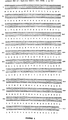
- An isolated DNA molecule comprising a nucleotide sequence selected from the group consisting of (a) SEQ ID NO: 1; (b) a nucleotide sequence that has substantial sequence similarity with SEQ ID NO: 1; and (c) a functional fragment of (a) or (b), wherein said DNA molecule encodes a GFP.
- the nucleotide sequence encoding a GFP may be operably linked to a nucleotide sequence encoding a targeting sequence for subcellular localization which directs a protein to a subcellular compartment.
- the nucleotide sequence encoding a GFP and a targeting sequence may further comprise a promoter operably linked to said nucleotide sequence.
- expression vectors comprising DNA molecules encoding a GFP, optionally operably linked to an inducible promoter and/or targeting sequence.
- the expression vector of the instant invention may carry a nucleotide sequence encoding a foreign protein operably linked to a second promoter.
- Also provided is a method of using the expression vectors of the instant invention to produce a transformed plant comprising the steps of introducing an expression carrying a gene encoding GFP into regenerable plant cells and selecting cells containing the GFP for regeneration.
- the method of the instant invention may include the step of inducing GFP expression where the nucleotide sequence encoding GFP is operably linked to an inducible promoter.
- the regenerable plant cells utilized in the method of the instant invention are selected from the group consisting of Zea, Brassica and Helianthus cells.
- transgenic plants expressing the isolated DNA molecule encoding GFP.
- transgenic plants comprising a vector carrying a nucleotide sequence encoding GFP are provided.
- a method for producing a transgenic plant comprising the steps of (a) constructing an expression vector comprising (i) a first promoter which is an inducible promoter, operably linked to a nucleotide sequence encoding a GFP, and (ii) a second promoter operably linked to a foreign gene; (b) introducing said expression vector into regenerable plant cells; (c) inducing expression of the gene encoding the GFP and selecting transformed plant cells containing said protein; and (d) regenerating transformed plants from said selected transformed plant cells.
- the inducible promoter may be selected from the group including the estrogen-inducible promoter, the estradiol-inducible promoter, the ACE1 promoter, the IN2 promoter and the tetracycline repressor promoter.
- Also provided is a method for producing a transgenic plant comprising the steps: (a) constructing an expression vector comprising (i) a first promoter operably linked to a nucleotide sequence encoding a sequence for subcellular localization which directs a protein to a subcellular compartment which is operably linked to a nucleotide sequence encoding a GFP, and (ii) a second promoter operably linked to a foreign gene; (b) introducing said expression vector into regenerable plant cells; (c) selecting transformed plant cells containing said GFP; and (d) regenerating transformed plants from said selected transformed plant cells.
- the targeting sequence for subcellular localization directs the GFP to the mitochondria, chloroplasts, peroxisomes, vacuole, endoplasmic reticulum, cell wall or for secretion generally into the apoplast.
- This method may include a nucleotide sequence encoding a GFP selected from the group consisting of: (a) SEQ ID NO: 1; (b) a nucleotide sequence that has substantial sequence similarity with SEQ ID NO: 1; and (c) a functional fragment of (a) or (b).
- Also provided is a method for producing a transgenic plant comprising the steps: (a) constructing an expression vector comprising (i) a first promoter operably linked to a nucleotide sequence encoding a screenable marker flanked on the 5-prime and 3-prime ends with a recombinase-specific target sequence, and (ii) a second promoter operably linked to a foreign gene; (b) introducing said expression vector into regenerable plant cells; (c) selecting transformed plant cells containing said screenable marker; (d) transforming the plant cells with a second expression vector containing a gene encoding a site-specific recombinase; (e) selecting plant cells that no longer express the screenable marker; (f) regenerating transformed plants from said selected transformed plant cells; and (g) isolating said foreign protein.
- the site-specific recombinase may be selected from the group consisting of the FLP/FRT, Ac/DS and cre/lox systems.
- the screenable marker may be
- An isolated DNA molecule comprising a nucleotide sequence encoding the GFP fused in frame to a nucleotide sequence encoding superoxide dismutase is also provided.
- Cells transformed with the DNA molecule contain a fusion protein that (i) produces green fluorescence in the presence of UV to blue light and (ii) displays superoxide dismutase activity.
- Also provided is a method for producing a transgenic plant comprising: (a) constructing an expression vector comprising (i) a first promoter operably linked to a nucleotide sequence encoding a GFP, and (ii) a second promoter operably linked to a gene encoding an enzyme that is an oxygen scavenger, and (iii) a third promoter operably linked to a foreign gene; (b) introducing said expression vector into regenerable plant cells; (c) selecting transformed plant cells containing said GFP; and (d) regenerating transformed plants from said selected transformed plant cells.
- the oxygen scavenger enzyme may be superoxide dismutase.
- a method for producing a transgenic plant comprising: (a) constructing an expression vector comprising (i) a first promoter operably linked to a nucleotide sequence encoding a fusion protein comprising the GFPand an oxygen scavenger enzyme fused in frame, and (ii) a second promoter operably linked to a foreign gene; (b) introducing said expression vector into regenerable plant cells; (c) selecting transformed plant cells containing said the GFP and oxygen scavenger enzyme activity; and (d) regenerating transformed plants from said selected transformed plant cells.
- the oxygen scavenger enzyme may be superoxide dismutase.
- a structural gene is a DNA sequence that is transcribed into messenger RNA (mRNA) which is then translated into a sequence of amino acids characteristic of a specific polypeptide.
- mRNA messenger RNA
- a promoter is a DNA sequence that directs the transcription of a structural gene.
- a promoter is located in the 5-prime region of a gene, proximal to the transcriptional start site of a structural gene. If a promoter is an inducible promoter , then the rate of transcription increases in response to an inducing agent. In contrast, the rate of transcription is not regulated by an inducing agent if the promoter is a constitutive promoter .
- a promoter may be regulated in a tissue-specific or tissue-preferred manner such that it is only active in transcribing the associated coding region in a specific tissue type(s) such as leaves, roots or meristem.
- a cytoplasmically localized protein is a protein coded for by a gene which does not include any specific signal for targeting of the protein into any subcellular organelle or compartment or any signals for secretion of the protein.
- the GFP structural gene operably linked 5-prime to a promoter and to an appropriate 3-prime sequence encodes for a protein compartmentalized in the cytoplasm.
- a signal or targeting sequence is a structural peptide domain required for targeting of a given polypeptide to a subcellular organelle, subcellular compartment or secretion from the cell.
- sequence for subcellular localization is intended to refer collectively to any form of signal, targeting or retention sequence as defined herein.
- Signal sequences for a polypeptide directed to the chloroplast or mitochondrion are largely localized to the amino-terminus of the polypeptide.
- Signal sequences for a polypeptide directed to the glyoxysomes and peroxisomes are largely localized to the carboxy-terminal domains of the polypeptide. Accordingly, targeted transport of the GFP protein is accomplished by means of chemically joining in proper reading frame, or operably linking , the nucleotide sequence encoding a signal sequence to the 5-prime and/or 3-prime region of the GFP structural gene.
- a mitochondrial targeting sequence facilitates the transport of a protein to a mitochondrial compartment.
- the mitochondrial targeting sequence is located at the amino-terminus of a polypeptide.
- a secretion targeting sequence targets a polypeptide for export into the extracellular space through the ER.
- a nucleotide sequence encoding the barley alpha amylase 1 (BAA) secretory targeting sequence to the 5-prime end of a structural gene targets the encoded protein for export into the extracellular space.
- a cell wall targeting sequence targets a polypeptide for export from the cell but the polypeptide is specifically localized to the cell wall.
- cell wall localization of a polypeptide is accomplished by operably linking a nucleotide sequence encoding BAA 5-prime, and operably linking a nucleotide sequence encoding a portion of the maize hydroxyproline-rich glycoprotein 3-prime to a gene encoding the polypeptide.
- a vacuolar signal sequence facilitates the transport of a protein to the vacuole.
- vacuolar targeting is accomplished by fusing the BAA secretory signal sequence at the amino-terminus of the protein and a sequence encoding a vacuolar signal sequence to the carboxy-terminus.
- Transport of a polypeptide to the vacuole is therefore accomplished by means operably linking a nucleotide sequence encoding BAA 5-prime, and a nucleotide sequence encoding a vacuolar signal sequence 3-prime to a gene encoding a polypeptide.
- vacuolar targeting is accomplished by constructing a nucleotide sequence comprising in the 5-prime to 3-prime direction nucleotide sequences encoding a vacuole signal sequence, BAA and a polypeptide.
- An endoplasmic reticulum retention sequence targets a polypeptide for localization in the lumen of the endoplasmic reticulum.
- a polypeptide is targeted for retention in the endoplasmic reticulum through the addition of the BAA sequence on the amino-terminus and an endoplasmic reticulum signal sequence on the carboxy-terminus of the polypeptide.
- a nuclear targeting sequence facilitates transport of a polypeptide to the nucleus.
- the nuclear signal sequence is located at the amino-terminus of a polypeptide.
- GFP was retained in the nucleus by operably linking a nucleotide sequence encoding a nuclear signal sequence 5-prime and a nucleotide sequence encoding maize acetolactate synthase 3-prime to a gene encoding a polypeptide.
- a peroxisomal targeting sequence facilitates the transport of a polypeptide into the peroxisome.
- the peroxisomal signal sequence is a tripeptide located at the carboxy-terminus of a polypeptide.
- a chloroplast targeting sequence facilitates the transport of a nuclear encoded protein to a chloroplast compartment.
- the chloroplast signal sequence is located at the amino-terminus of a polypeptide. Accordingly, transport of a polypeptide to a chloroplast compartment is accomplished by means of operably linking the nucleotide sequence encoding a chloroplast signal sequence to the 5-prime region of a gene encoding a polypeptide.
- An isolated DNA molecule is a fragment of DNA that is not integrated in the genomic DNA of an organism.
- cDNA Complementary DNA
- cDNA is a single-stranded DNA molecule that is formed from an mRNA template by the enzyme reverse transcriptase. Typically, a primer complementary to portions of mRNA is employed for the initiation of reverse transcription.
- cDNA refers to a double-stranded DNA molecule consisting of such a single-stranded DNA molecule and its complementary DNA strand.
- expression refers to the biosynthesis of a gene product.
- expression involves transcription of the structural gene into mRNA and the translation of mRNA into one or more polypeptides.
- a cloning vector is a DNA molecule, such as a plasmid, cosmid, or bacteriophage, that has the capability of replicating autonomously in a host cell.
- Cloning vectors typically contain one or a small number of restriction endonuclease recognition sites at which foreign DNA sequences can be inserted in a determinable fashion without loss of an essential biological function of the vector, as well as a marker gene that is suitable for use in the identification and selection of cells transformed with the cloning vector.
- Marker genes typically include, for example, genes that provide tetracycline resistance, ampicillin resistance or kanamycin resistance.
- An expression vector is a DNA molecule comprising a gene that is expressed in a host cell. Typically, gene expression is placed under the control of certain regulatory elements, including constitutive or inducible promoters, tissue-specific regulatory elements, and enhancers. Such a gene is said to be operably linked to the regulatory elements.
- Transformation includes introduction of genetic material into plant cells resulting in chromosomal integration and stable heritability through meiosis. Transformation also includes introduction of genetic material into plant cells in the form of plant viral vectors involving epichromosomal replication and gene expression which may exhibit variable properties with respect to meiotic stability.
- a foreign gene refers in the present description to a DNA sequence that is operably linked to at least one heterologous regulatory element.
- a recombinant host may be any prokaryotic or eukaryotic cell that contains either a cloning vector or expression vector. This term also includes those prokaryotic or eukaryotic cells that have been genetically engineered to contain the cloned gene(s) in the chromosome or genome of the host cell.
- a transgenic plant is a plant having one or more plant cells that contain an expression vector.
- a green fluorescent protein (GFP), or a functional fragment of a GFP, is capable of producing a green fluorescence.
- GFP absorbs in the UV to blue range with a peak at 395 nm and emits in the green with a peak at 510 nm.
- the "red-shifted" version of GFP is a modified version of GFP which absorbs between 480 to 490 nm and emits in the green with a peak at 510nm. Red-shifted GFP is abbreviated as GFPr.
- the "blue fluorescent protein” is a modified version of GFP which absorbs around 380nm and emits in the blue with a peak at around 445nm. Blue fluorescent protein is abbreviated as BFP.
- GFP m is a nucleotide sequence coding for GFP in which the DNA sequence has been modified based on codon preference in maize (Fig. 1).
- sequence similarity determinations can be performed, for example, using the FASTA program (Genetics Computer Group; Madison, WI). Alternatively, sequence similarity determinations can be performed using BLAST (Basic Local Alignment Search Tool) of the Experimental GENIFO(R) BLAST Network Service. See Altschul et al ., J. Mol. Biol. 215 : 403 (1990).
- the gene encoding GFP can be operably linked to an inducible promoter so that GFP can be transiently expressed and transformed cells identified. Alternatively, the gene encoding GFP can be operably linked to a signal sequence for targeting to an organelle or subcellular compartment or for secretion to the apoplast where GFP is not toxic to the cell.
- Oxidative stress can be ameliorated by transforming cells containing GFP with an enzyme that serves as an oxygen scavenger.
- enzymes are well known in the art.
- genes encoding the enzyme superoxide dismutase may protect against the primary oxidative stresses associated with GFP fluorescence. Balzan et al ., Proc. Nat Acad. Sci. 92 : 4219-4223 (1995).
- Other enzymes involved in the oxidative stress response such as ascorbate peroxidase or glutathione S-transferase, could help mitigate secondary effects in the cell. Conklin, Plant Physiol. 109 : 203-212 (1995).
- oxidative stress can be ameliorated by transforming cells with a DNA construct carrying genes encoding GFP and SOD.
- the gene encoding GFP can be fused in frame to the gene encoding SOD.
- Cells transformed with this DNA construct produce a fusion protein that cause the cells to fluoresce in the presence of UV-blue light and express SOD activity.
- the toxicity of GFP in transformed plants can be eliminated by excising the screenable marker gene following detection of transformed cells or sectors.
- the FLP/FRT system is used in conjunction with GFPm as a visible viable marker for FRT excision.
- the FLP/FRT system has been demonstrated in maize suspension cells using GUS expression as an indicator of FRT excision. Lysnik et al ., NAR 21 : 969-975 (1993).
- plant cells are bombarded with a DNA construct containing the GFP gene flanked by FRT sequences as well as a foreign or agronomic gene of interest.
- the GFP gene may be operably linked to a constitutive promoter or an inducible promoter.
- the GFP gene may be operably linked to a signal sequence. Stable transformants are detected by means of screening for GFP.
- Transgenic callus pieces are spread on medium and bombarded a second time with a FLP recombinase construct. Callus is monitored periodically under UV to blue illumination to detect cells that no longer express GFP. Callus pieces that no longer express GFP are regenerated and analyzed for expression of the foreign or agronomic gene. Agronomically useful transgenic plants are thereby produced that do not contain a marker gene.
- the sensitivity of the screening method can be further increased by placing two markers genes between the FRT sequences.
- plant cells are bombarded with a DNA construct containing the PAT and GFP genes flanked by FRT sequences and a foreign or agronomic gene. Stable transformants are recovered on bialaphos-containing medium and positive GFP-expression is confirmed.
- the transformed callus is then bombarded with FLP.
- the callus is then grown for 2-6 weeks with no selection until clear GFP-null sectors can be identified. These sectors can be transferred onto bialaphos/chlorophenol red multiwell test plates to confirm bialaphos sensitivity (i.e. within 3-5 days). Callus pieces that no longer express GFP or PAT are regenerated and analyzed for expression of the foreign or agronomic gene. This permits recovery of agronomically useful transformants without any marker genes in the final product.
- the Ac/Ds system of maize can also be used in transgenic plants to excise the screenable marker gene that is transformed together with a foreign or agronomic gene. Mobilization of Ac and/or Ds has been demonstrated in diverse plants such as tomato, tobacco and Arabidopsis . Yoder et al ., In Tomato Technology, Alan R. Liss, Inc. pp 189-198 (1987); Yoder et al ., U.S. Patent No. 5,225,341; Baker et al ., EMBO J 6 : 1547-1554 (1987) and Lawson et al . Mol. Gen. Genet., 245 : 608-615 (1994).
- cre/lox recombinase system from bacteriophage P1 could also be used in conjunction with GFP. Excision of transgenes in plants using the cre/lox system was first demonstrated in tobacco. Odell et al ., Mol. Gen. Genet ., 223 : 369-378 (1990) and Dale and Ow, Proc. Natl. Acad. Sci. USA , 88 : 10558-10562 (1991). Similar to the FLP and Ac systems described above, GFP expression provides an efficient, easily scorable phenotype for monitoring excision.
- Protein extracts can be prepared from cnidarian cells by standard methods known to the art. See, for example, Harlow and Lane, Antibodies, A Laboratory Manual , Cold Spring Harbor Press, (1988).
- cnidarian cells are extracted into a buffer, and the extracts separated into membrane and soluble fractions. Each fraction is tested for green fluorescence activity in the presence of blue light.
- Fractions which contain GFP activity are then purified further to determine which components are responsible for the activity. Purification of the active fractions can be carried out by methods known in the art. See, for example, PROTEIN PURIFICATION METHODS - A PRACTICAL APPROACH, Harris et al ., Eds. (IRL Press, Oxford, 1989). Extracts prepared as described above are purified by sequential size exclusion chromatography isoelectric focusing, HPLC size exclusion chromatography, and chromatography on an affinity column. Fractions which display GFP activity can be analyzed further by SDS-PAGE analysis to determine the approximate molecular mass of the active component.
- Purified GFPs prepared by the methods described above can be sequenced using methods well known in the art, for example using a gas phase peptide sequencer (Applied Biosystems, Foster City, CA). To determine as much of the peptide sequence as possible, it is preferred that the proteins of the present invention be cleaved into smaller fragments more suitable for gas-phase sequence analysis. This can be achieved by treatment of a purified GFP with selective peptidases, and in a particularly preferred embodiment, with endoproteinase lys-C (Boehringer). The fragments so produced can be separated by reversed-phase HPLC chromatography.
- peptide sequences of the proteins determined as above can be used to determine the DNA sequence encoding the protein. Methods for carrying out this determination are well known in the art. See, for example Sambrook et al ., MOLECULAR CLONING: A LABORATORY MANUAL, Second Edition, (Cold Spring Harbor Laboratory Press, Cold Spring Harbor, NY 1989).
- the peptide sequences are used to design degenerate oligonucleotide primers for polymerase chain reactions.
- Each degenerate primer set will preferably contain every possible DNA sequence encoding the corresponding peptide sequences.
- Primer sets are prepared in both the sense and antisense orientation.
- Suitable oligonucleotide primers can be synthesized using commercial synthesizers, such as those supplied by Applied Biosystems (Foster City, CA).
- the primers include additional nucleotide sequences containing restriction endonuclease cleavage sites.
- Template DNA for the PCR can be prepared from appropriate cnidarian cells or tissues using methods well known in the art. See Sambrook et al., supra. In a preferred embodiment, host cells are crushed under liquid nitrogen and mRNA is extracted using a commercially available kit (Pharmacia, Piscataway, NJ).
- mRNA preparation can then be used as a template for cDNA synthesis using poly(dT) or random hexamer primers by standard techniques. See Sambrook et al ., supra.
- cDNA synthesis is carried out using a commercially available kit (Pharmacia).
- the cDNA can then be used directly for PCR using the method of Saiki et al ., Science 239 : 487 (1988).
- the cDNA also is used to prepare a cDNA library by standard methods. See Sambrook et al ., supra.
- the cDNA is packaged into bacteriophage particles using a commercially available kit (Promega, Madison, WI). The packaged cDNA is then transfected into E. coli to produce a cDNA library.
- genomic DNA from cnidarian cells or tissue can be used as the template DNA for the PCR.
- Genomic DNA can be prepared by standard methods and PCR can then be used to prepare double stranded DNA molecules to probe the cDNA library and the genomic DNA for the gene(s) encoding GFP.
- degenerate primers are prepared corresponding to the termini of the longest peptide sequence determined by peptide sequencing.
- primers are used in a PCR with first strand cDNA as template to amplify the DNA encoding the peptide. PCR is carried out under standard conditions. See Sakai et al ., supra .
- PCR amplification products are analyzed by polyacrylamide gel electrophoresis using standard methods. If an amplification product of the expected size (based on the peptide sequence) is found, the product is digested with appropriate restriction enzymes, ligated into a cloning vector and cloned by standard methods. See Sambrook et al , supra. In a preferred embodiment, clones are sequenced to verify that sequences according to the expected peptide sequence are present.
- DNA sequence encoding the peptide can be used to prepare non-degenerate primers corresponding to that sequence, again containing restriction enzyme recognition sequences to aid in cloning of DNA products. These primers are used in combination with degenerate primers corresponding to other peptide sequences to generate PCR amplification products which can be cloned and then analyzed as above. By these means, fragments of the gene sequence of the protein can be determined.
- Alternative methods for carrying out this PCR analysis include use of the 5' or 3' RACE methods using commercially available kits, such as those manufactured by Life Technologies (Gaithersburg, MD) or Clontech (Palo Alto, CA). Primers for this method are selected according to the manufacturer's directions.
- Gene fragments prepared as above are excised from the cloning vector by restriction enzyme digestion, labeled with 32 P by conventional methods and used as probes to identify the complete gene encoding the protein from within a cDNA or genomic library.
- the probe is chosen such that it is long enough to ensure hybridization specificity, while remaining short enough to allow reasonable rates of hybridization to the target gene.
- a cnidarian genomic DNA library can be prepared by means well-known in the art. See, for example, Slightom et al . "Construction of ⁇ Clone Banks," in METHODS IN PLANT MOLECULAR BIOLOGY AND BIOTECHNOLOGY, Glick et al . (eds.), pages 121-146 (CRC Press, 1993).
- Genomic DNA can be isolated from cnidarian tissue, for example, by lysing plant tissue with the detergent Sarkosyl, digesting the lysate with proteinase K, clearing insoluble debris from the lysate by centrifugation, precipitating nucleic acid from the lysate using isopropanol, and purifying resuspended DNA on a cesium chloride density gradient. See, for example, Ausubel et al . (eds.), CURRENT PROTOCOLS IN MOLECULAR BIOLOGY, pages 2.3.1-2.3.3 (Wiley Interscience 1990) ["Ausubel"].
- DNA fragments that are suitable for the production of a genomic library can be obtained by the random shearing of genomic DNA or by the partial digestion of genomic DNA with restriction endonucleases. See, for example, Ausubel at pages 5.3.2-5.4.4, and Slightom et al ., supra.
- Genomic DNA fragments can be inserted into a vector, such as a bacteriophage or cosmid vector, in accordance with conventional techniques, such as the use of restriction enzyme digestion to provide appropriate termini, the use of alkaline phosphatase treatment to avoid undesirable joining of DNA molecules, and ligation with appropriate ligases. Techniques for such manipulation are disclosed by Slightom et al ., supra , and are well-known in the art. Also see Ausubel at pages 3.0.5-3.17.5.
- cDNA libraries are prepared by both random hexamer and poly (dT) priming from samples, and are used to maximize the chances of finding the complete coding sequence of the desired gene.
- the gene can be inserted into an appropriate expression system.
- the gene can be expressed in any number of different recombinant DNA expression systems to generate large amounts of protein, which can then be purified.
- nucleotide sequence of a synthetic gene encoding GFP can be optimized for expression in plants by modifying the codon usage to include plant preferred codons. See, for example, Murray et al ., NAR 17 : 477 (1989). Even more specifically, the nucleotide sequence of a synthetic gene encoding GFP can be optimized for expression in monocotyledonous or dicotyledonous plants. See, for example, Campbell et al ., Plant Physiol. 92 : 1 (1990).
- Genes encoding GFP can be obtained, for example, by synthesizing the genes with mutually priming long oligonucleotides. See, for example, Ausubel at pages 8.2.8 to 8.2.13. Also, see Wosnick et al ., Gene 60 :115 (1987). Moreover, current techniques using the polymerase chain reaction provide the ability to synthesize genes as large as 1.8 kilobases in length. Adang et al ., Plant Molec. Biol. 21 : 1131 (1993); Bambot et al ., PCR Methods and Applications 2 : 266 (1993).
- DNA clones can be analyzed using a variety of techniques such as restriction analysis, Southern analysis, primer extension analysis, and DNA sequence analysis.
- Primer extension analysis or S1 nuclease protection analysis can be used to localize the putative start site of transcription of the cloned gene.
- Ausubel at pages 4.8.1-4.8.5; Walmsley et al. "Quantitative and Qualitative Analysis of Exogenous Gene Expression by the S1 Nuclease Protection Assay," in METHODS IN MOLECULAR BIOLOGY, VOL. 7: GENE TRANSFER AND EXPRESSION PROTOCOLS, Murray (ed.), pages 271-281 (Humana Press Inc. 1991).
- Functional fragments of the GFP protein are identified by production of green fluorescence in the presence of blue UV light.
- the general approach of such functional analysis involves subcloning DNA fragments of a genomic clone, cDNA clone or synthetic gene sequence into an expression vector, introducing the expression vector into a heterologous host, and screening to detect green fluorescence in the presence of UV to blue light.
- Methods for generating fragments of a cDNA or genomic clone are well-known.
- Variants of an isolated DNA encoding GFP can be produced by deleting, adding and/or substituting nucleotides for the isolated nucleotides, for example, the nucleotide sequence of SEQ ID NO: 1.
- Such variants can be obtained, for example, by oligonucleotide-directed mutagenesis, linker-scanning mutagenesis, mutagenesis using the polymerase chain reaction, and the like. See, for example, Ausubel, pages 8.0.3-8.5.9. Also see generally, McPherson (ed.), DIRECTED MUTAGENESIS: A PRACTICAL APPROACH, (IRL Press 1991).
- the present invention also encompasses DNA molecules comprising nucleotide sequences that have substantial sequence similarity with SEQ ID NO: 1 and encode a GFP.
- the GFP-based screening method for plant transformation of the instant application can be used in conjunction with any method of plant transformation and regeneration.
- Numerous methods for plant transformation have been developed, including biological and physical, plant transformation protocols. See, for example, Miki et al ., "Procedures for Introducing Foreign DNA into Plants” in Methods in Plant Molecular Biology and Biotechnology, Glick, B.R. and Thompson, J.E. Eds. (CRC Press, Inc., Boca Raton, 1993) pages 67-88.
- expression vectors and in vitro culture methods for plant cell or tissue transformation and regeneration of plants are available. See, for example, Gruber et al ., "Vectors for Plant Transformation” in Methods in Plant Molecular Biology and Biotechnology, Glick, B.R. and Thompson, J.E. Eds. (CRC Press, Inc., Boca Raton, 1993) pages 89-119.
- A. tumefaciens and A. rhizogenes are plant pathogenic soil bacteria which genetically transform plant cells.
- the Ti and Ri plasmids of A. tumefaciens and A. rhizogenes, respectively, carry genes responsible for genetic transformation of the plant. See, for example, Kado, C.I., Crit. Rev. Plant. Sci. 10 : 1 (1991).
- Agrobacterium vector systems and methods for Agrobacterium -mediated gene transfer are provided by Gruber et al ., supra , Miki et al ., supra, and Moloney et al ., Plant Cell Reports 8 : 238 (1989).
- a generally applicable method of plant transformation is microprojectile-mediated transformation wherein DNA is carried on the surface of microprojectiles measuring 1 to 4 ⁇ m.
- the expression vector is introduced into plant tissues with a biolistic device that accelerates the microprojectiles to speeds of 300 to 600 m/s which is sufficient to penetrate plant cell walls and membranes.
- a preferred method is microprojectile-mediated bombardment of immature embryos.
- the embryos can be bombarded on the embryo axis side to target the meristem at a very early stage of development or bombarded on the scutellar side to target cells that typically form callus and somatic embryos.
- Targeting of the scutellum using projectile bombardment is well known to those in the art of cereal tissue culture. Klein et al ., Bio / Technol ., 6 : 559-563 (1988); Kartha et al ., Plant Cell Rep.
- a preferred transformation method involves bombardment of the scutellar surface of immature embryos to introduce a fGP expression cassette and any other cotransformed genes.
- Embryos can be pretreated for 1 to 48 hours with a high osmoticum medium or left on a high-osmoticum medium for 24-48 hours after bombardment to improve cell survival and transformation frequencies.
- Immature embryos are then cultured on typical callus-inducing medium with no selective agent. At each subculture transfer, i.e., every two weeks, the culture is monitored using UV-blue light for GFP fluorescence. Fluorescing calli are separated from non-fluorescing callus, and grown to the point where plants can be regenerated through standard media progressions.
- Microspores and microspore-derived embryogenic callus also represent a feasible alternative target/culturing route for using GFP screening to recover transformants. See Sun et al ., Plant Cell Rep . 8 : 313-316 (1989) and Mitchell et al ., J. Plant Physiol. 37 : 530-536 (1991). Furthermore, it is expected that the method of the present invention is also be applicable to any dicot species that is known to have a callus stage, for example, tobacco, canola or soybean.
- the method entails selective enlargement of transgenic sectors, toward genetic homogeneity, in cell layers that contribute to germline transmission.
- This method is described in copending U.S. patent application 08/483,091, incorporated herein by reference, and comprises the steps of (A) introducing foreign DNA into a meristem that is not enclosed by sheathing leaves; (B) inducing reorganization of the meristem to increase transgenic sector size, whereby the likelihood that a transgenic sector will contribute to germline transmission is increased; and (C) exposing the meristem to conditions under which it differentiates to form a plantlet, wherein the plantlet contains the transgenic sector or is homogeneously transformed by the foreign DNA, such that the plantlet can be grown into a transformed cereal plant that will transmit the foreign DNA to progeny.
- the foreign DNA can be introduced into a plurality of meristems, at least some of which differentiate in step (C) to form a plurality of plantlets.
- reorganization is effected through at least one manipulation selected from the group consisting of (i) imposition of a nonlethal selective pressure on the meristems, (ii) mechanically-induced meristem reorganization, and (iii) hormonally-induced shoot multiplication.
- the conditions in step (C) are such that the meristems undergo maturation and plant differentiation to form shoot apices, and the method further comprises effecting reorganization of meristem tissue in the shoot apices to enlarge transformed sectors or to produce periclinal L2 chimeras.
- the reorganization in this regard can be effected, for example, by exposing the shoot apices to nonlethal selection pressure such that transformed cells have a competitive growth advantage over nontransformed cells in the shoot apices, and the proportion of transformed cells in the shoot apices is increased.
- the method further comprises a step before step (B), e.g. , before step (A), of wounding the apical dome selectively.
- a method of the present invention also can comprise the further steps of (i) dissecting out an axillary bud from above the base of a leaf of a plantlet when a chimeric sector is observed in a substantial portion of the leaf, and then (ii) germinating the axillary bud into a whole plant or subjecting the axillary bud to shoot multiplication.
- the introduction of GFP-encoding DNA into dicot meristems provides an efficient method of mapping transgenic sectors and following these up into a germline and into progeny.
- the meristem is exposed by removal of the cotyledons, and DNA is introduced into meristem cells.
- a preferred method for introducing DNA into meristem cells is Agrobacterium -mediated delivery, but other DNA delivery methods can be used with this explant such as bombardment with DNA-coated particles, or silicon carbide fiber-mediated delivery. Kaeppler et al ., Plant Cell Rep. 9 : 415-418 (1990). After DNA introduction, the meristem explants are cultured.
- Plants can be manipulated, for example, by removal of the apical meristem, to stimulate axillary or secondary buds which can exhibit larger transgenic sectors relative to the primary shoot. Flowers above transgenic shoots are pollinated and the progeny are analyzed for transgene presence and expression.
- a variety of starting explants can regenerate shoots in sunflower, and thus represent alternative targets for GFP-encoding DNA delivery and transmission to progeny. These include the seedling meristem (as above), also the seedling hypocotyl, the mature cotyledon, the immature cotyledon, zygotic immature embryos, somatic embryos, and primary leaflets. See for example, respectively, Greco et al ., Plant Sci. Lett.
- GFP expression could be used in other dicot species, for example, soybean, to map sectors and/or identify transformants and follow the transgenes through to progeny.
- a GFP-encoding cassette and other cotransformed genes can be introduced into soybean cotyledonary node cells using Agrobacterium . The explants are cultured on Gamborg (B5) medium with or without kanamycin selection. With no selection, GFP expression is used to identify transgenic chimeric or homogeneously transformed plantlets, which are rooted, grown to maturity and pollinated in the greenhouse. Progeny seed are collected for analysis.
- the use of cotyledonary nodes and Agrobacterium is presented by way of example, but other target cells and culturing methods could be used with GFP for soybean.
- An inducible promoter is operably linked to a nucleotide sequence encoding a GFP.
- the inducible promoter is operably linked to a nucleotide sequence encoding a signal sequence which is operably linked to a nucleotide sequence encoding GFP. With an inducible promoter the rate of transcription increases in response to an inducing agent.
- any inducible promoter can be used in the instant invention. See Ward et al . Plant Mol. Biol . 22 : 361-366 (1993).
- Exemplary inducible promoters include that from the ACE1 system which responds to copper (Mett et al . PNAS 90 : 4567-4571 (1993)); In2 gene from maize which responds to benzenesulfonamide herbicide safeners (Hershey et al ., Mol. Gen. Genetics 227 : 229-237 (1991) and Gatz et al ., Mol. Gen. Genetics 243 : 32-38 (1994)) or Tet repressor from Tn10 (Gatz et al ., Mol. Gen. Genet.
- a particularly preferred inducible promoter is a promoter that responds to an inducing agent to which plants do not normally respond.
- An exemplary inducible promoter is the inducible promoter from a steroid hormone gene the transcriptional activity of which is induced by a glucocorticosteroid hormone. Schena et al ., Proc. Natl. Acad. Sci. U.S.A. 88 : 10421 (1991).
- the expression vector comprises an inducible promoter operably linked to a nucleotide sequence encoding GFP.
- the expression vector is introduced into plant cells and presumptively transformed cells are exposed to an inducer of the inducible promoter.
- the cells are screened for the presence of GFP protein by means of illuminating the cells with UV to blue light and screening for the presence of green fluorescence.
- a tissue-specific promoter is operably linked to a nucleotide sequence encoding a GFP.
- the tissue-specific promoter is operably linked to a nucleotide sequence encoding a signal sequence which is operably linked to a nucleotide sequence encoding GFP.
- Plants transformed with a gene encoding GFP operably linked to a tissue-specific promoter produce the GFP protein exclusively, or preferentially, in a specific tissue.
- tissue-specific or tissue-preferred promoter can be utilized in the instant invention.
- Exemplary tissue-specific or tissue-preferred promoters include a root-preferred promoter such as that from the phaseolin gene (Murai et al ., Science 23 : 476-482 (1983) and Sengupta-Gopalan et al ., Proc. Natl. Acad. Sci. USA 82 : 3320-3324 (1985)); a leaf-specific and light-induced promoter such as that from cab or rubisco (Simpson et al ., EMBO J.
- an anther-specific promoter such as that from LAT52 (Twell et al ., Mol. Gen. Genet. 217 : 240-245 (1989)); a pollen-specific promoter such as that from Zm13 (Guerrero et al ., Mol. Gen. Genet. 224 : 161-168 (1993)) or a microspore-preferred promoter such as that from apg (Twell et al ., Sex. Plant Reprod. 6 : 217-224 (1993).
- the expression vector comprises a tissue-specific or tissue-preferred promoter operably linked to a nucleotide sequence encoding GFP.
- the expression vector is introduced into plant cells. The cells are screened for the presence of GFP protein by means of illuminating the cells with UV to blue light and screening for the presence of green fluorescence.
- a constitutive promoter is operably linked to a nucleotide sequence encoding a GFP or the constitutive promoter is operably linked to a nucleotide sequence encoding a signal sequence which is operably linked to a nucleotide sequence encoding GFP.
- constitutive promoters include the promoters from plant viruses such as the 35S promoter rom CaMV (Odell et al ., Nature 313 : 810-812 (1985) and the promoters from such genes as rice actin (McElroy et al ., Plant Cell 2 : 163-171 (1990)); ubiquitin (Christensen et al ., Plant Mol. Biol . 12 : 619-632 (1989) and Christensen et al ., Plant Mol. Biol . 18 : 675-689 (1992)); pEMU (Last et al ., Theor. Appl. Genet .
- plant viruses such as the 35S promoter rom CaMV (Odell et al ., Nature 313 : 810-812 (1985) and the promoters from such genes as rice actin (McElroy et al ., Plant Cell 2 : 163-171 (1990)); ubiquitin (Christen
- the ALS promoter a XbaI/NcoI fragment 5-prime to the Brassica napus ALS3 structural gene (or a nucleotide sequence that has substantial sequence similarity to said XbaI/NcoI fragment), represents a particularly useful constitutive promoter.
- the expression vector comprises a constitutive promoter operably linked to a nucleotide sequence encoding GFP.
- the expression vector is introduced into plant cells and presumptively transformed cells are screened for the presence of GFP protein by means of illuminating the cells with UV to blue light and screening for the presence of green fluorescence.
- Transport of GFP to a subcellular compartment such as the chloroplast, vacuole, peroxisome, glyoxysome, cell wall or mitochondrion, or for secretion into the apoplast is accomplished by means of operably linking the nucleotide sequence encoding a signal sequence to the 5-prime and/or 3-prime region of a gene encoding GFP.
- Targeting sequences at the 5-prime and/or 3-prime end of the structural gene may determine, during protein synthesis and processing, where the encoded protein is ultimately compartmentalized.
- the presence of a signal sequence directs a polypeptide to either an intracellular organelle or subcellular compartment or for secretion to the apoplast.
- the addition of amino acids to the encoded protein can further influence the fate of GFP.
- a nuclear localization signal NLS alone is not sufficient to accumulate GFP in the nucleus.
- the GFP protein is sufficiently small that it freely diffuses from the nucleus into the cytoplasm, probably through the nuclear pores.
- the fusion of GFP to a sufficiently large protein permits accumulation in the nucleus if the GFP protein also contains an NLS at the amino-terminus.
- GFP can also be targeted to the nucleus by fusing GFP to proteins that are normally targeted to the nucleus.
- the following exemplary signal sequences were utilized for targeting of GFP.
- the invention encompasses use of any signal sequence, or combination of signal sequences, to facilitate transport of GFP to a subcellular compartment or the apoplast where the protein is not toxic to the cell but can be detected.
- GFP is expressed in plant cells transformed with a expression vector carrying a nucleotide sequence encoding a signal sequence(s), which directs a protein to a subcellular compartment or to the apoplast, operably linked to a gene encoding GFP.
- This GFP gene construct can be expressed from a constitutive, tissue-specific, tissue-preferred or inducible promoter. GFP is transported to a subcellular compartment or the apoplast where it is not toxic to the plant cell. Cells illuminated with UV to blue light can be detected because they emit green fluorescence. The transformed cells are selected for regeneration. If the expression vector also carries a gene encoding a foreign protein or agronomically useful protein, the regenerated plant can be used for production of this protein.
- a chloroplast signal sequence from the maize cab-m7 has been characterized and the nucleotide sequence is shown below. Becker et al ., Plant Mol. Biol. 20 : 49 (1992). The signal sequence includes 21 amino acids of the cab-m7 protein that extends beyond the processing site (marked by *).
- the mitochondrial signal sequence from the maize chaperonin 60 gene is shown below. Close, P.S., Master's Theses, Iowa State University (1993). The signal sequence includes intron 1 of cpn60II (marked by -) and includes 2 amino acids from the cpn60II protein beyond the processing site (marked by *).
- PHP8144 - Ubi::BAA-GFPm - Cloned sequence includes 1 amino acid beyond processing site (marked by *, lower case bases show linker sequence).
- the barley alpha amylase 1 signal sequence is shown below. Knox, C., et al ., "Structure and Organization of Two Divergent Alpha-Amylase Genes From Barley", Plant Mol. Biol . 9 :3-17 (1987). The cloned sequence includes sequence only up to processing site.
- HDEL endoplasmic reticulum retention signal from maize b-70 is shown below. Fontes et al ., Plant Cell 3 : 483-496 (1991).
- the sweet potato sporamin vacuole signal sequence is shown below. Matsuoka et al ., Proc. Natl. Acad. Sci . 88 : 834 (1991). The sequence shown includes 4 additional sporamin amino acids beyond the processing site (marked by *).
- SLK The consensus peroxisome signal sequence designated SLK is shown below. Gould et al ., J. Cell Biol 108: 1657 (1989).
- pea glutathione reductase mitochondrial and chloroplast signal sequence is shown below. Creissen et al ., Plant J . 2 : 129 (1991). The sequence shown includes 20 additional amino acids beyond the putative processing site (marked by *).
- the nuclear localization signal from simian virus 40 was fused to the N terminus of GFPm.
- the molecular weight of NLS-GFPm was increased by making a carboxy terminal addition of the large unrelated protein maize acetolactate synthase (ALS) (lower case bases show linker sequence).
- ALS acetolactate synthase
- a carboxy terminal fusion of a portion of the maize HRGP coding sequence to GFPm was used to anchor GFP to the cell wall. Sequence encoding amino acids 177 to 328 was used. Stiefel, V., Ruiz-Avila, L., Raz R., Valles M., Gomez J., Pages M., Martinez-Izquierdo J., Ludevid M., Landale J., Nelson T., and Puigdomenech P., "Expression of a maize cell wall hydroxyproline-rich glycoprotein gene in early leaf and root vascular differentiation", Plant Cell 2 : 785-793 (1990).
- GFP is detected in transformed plant cells by conventional spectrophometric methods.
- the transformed cells or tissue are screened for the presence of GFP protein by means of the illuminating the cells with UV to blue light and screening for the presence of green fluorescence.
- this cut-off or bandpass filter permitted light between 500-550 nm to reach the viewer.
- this filter permitted the passage of 420 to 450 nm light.
- Useful filters and wavelengths are not restricted to those described above, and further generic description of the optical characteristics of this system are available. Heim et al., Currently Biology 6 : 178-182 (1996).
- transgenic plants With transgenic plants according to the present invention, a foreign protein can be produced in commercial quantities.
- the selection and propagation techniques described above yield a plurality of transgenic plants which are harvested in a conventional manner, and a foreign protein then is extracted from a tissue of interest or from total biomass. Protein extraction from plant biomass can be accomplished by known methods which are discussed, for example, by Heney and Orr, Anal. Biochem . 114 : 92-6 (1981).
- the transgenic plant provided for commercial production of foreign protein is maize.
- the biomass of interest is seed.
- a genetic map can be generated, primarily via conventional RFLP and PCR analysis, which identifies the approximate chromosomal location of the integrated DNA molecule.
- Map information concerning chromosomal location is useful for proprietary protection of a subject transgenic plant.
- map of the integration region can be compared to similar maps for suspect plants, to determine if the latter have a common parentage with the subject plant. Map comparisons would involve hybridizations, RFLP, PCR and sequencing, all of which are conventional techniques.
- agronomic genes can be expressed in transformed plants. More particularly, plants can be genetically engineered to express various phenotypes of agronomic interest.
- the genes implicated in this regard include, but are not limited to, those categorized below.
- the GFPm nucleotide sequence was derived from a back translation of the protein sequence using maize preferred codons. Sequence analysis was performed using the Wisconsin Sequence Analysis Package from Genetics Computer Group, Madison, WI. The nucleotide sequence was assembled from a series of synthetic oligonucleotides. Cloning sites include a 5-prime flanking Bam HI restriction site, an Afl III site at the start codon, a 3-prime flanking Hpa I site or a Bgl II site converting the stop codon to an isoleucine (Fig. 1).
- Amino terminal fusions to GFPm were created using synthetic oligonucleotides encoding the signal sequence flanked by a 5-prime Bam HI or Bgl II restriction site and 3-prime Nco I site.
- the synthetic signal sequences were cloned into PHP7921 (Fig. 4) using the 5-prime flanking Bam HI and Afl III restriction sites of GFPm to create in-frame fusions. Sequences cloned in this manner include the maize chloroplast signal sequence, barley alpha-amylase signal sequence, pea glutathione reductase signal sequence, and SV40 nuclear localization signal.
- the sporamin vacuole signal sequence was synthesized with a 5-prime Bsp EI and 3-prime Bam HI for insertion between the BAA pre-sequence and GFPm coding sequence of pHP8144 (Fig. 5).
- the CPN60 promoter site created by site-directed mutagenesis, was used with the GFPm Afl III site to make the fusion sequence.
- Each of plasmids PHP7921 and PHP8144 are based on pUC18.
- Carboxy terminal sequences were synthesized with a 5-prime Bgl II and 3-prime Hpa I site, and cloned into pHP7921 or pHP8144 using the 3-prime Bfl II and Hpa I sites of GFPm.
- the barley lectin vacuole target, HDEL ER retention signal, SKL peroxisome signal, ALS coding sequence and HRGP coding sequence fusions were made using this strategy.
- the ubiquitin promoter is described in Christensen et al ., Plant Mol. Biol. 18 : 675-689 (1992).
- the 4xERE promoter is described in Klein-Hitpass et al ., Cell 46 : 1053-1061 (1986).
- the CPN60; 2x35S and ALS promoters are described in Close P. Ph.D. Dissertation, Iowa State University; Gardner et al ., Nucl. Acid Res . 9 : 2871-2888 (1981) and PHI Patent Application 08/409,297, respectively.
- the Omega prime (O') 5-prime sequence is described by Gallie et al ., Nucl. Acids Res.
- Structural genes used in the construction of the vectors include the GFP gene (native jellyfish) described by Prasher et al ., Gene 111 : 229-233 (1992); the maize ALS gene described by Fromm et al ., Bio / Technol . 8 : 883 (1990) and the maize HPRG described by Steifel et al ., Plant Mol. Biol .
- the FLP/FRT system contained in plasmids PHP8674 and PHP8007 is described in O'Gorman et al ., Science 251 : 1351-1355 (1991) and Jayaram M., Proc. Natl. Acad. Sci. USA 82 : 5875-5879 (1985).
- the Ac/Ds system is described by Muller-Neumann et al ., Mol. Gen. Genet. 198 : 19-24 (1984).
- the backbone of PHP8011 is a bin 19-based vector.
- Beven Nucl. Acids Res. 12 : 8711-8721 (1984).
- the NPT-II cassette was removed from bin 19 and the following cloned between the left and right border sequences; the double 35S promoter, omega', the GFPm coding sequence and the pinII 3' region (all described above) were cloned downstream of the left border sequence, followed in a head-to-tail orientation by the BnALS3 promoter, the NPT-II coding sequence and the pinII 3' region.
- Beven "Binary Agrobacterium Vectors for Plant Transformation", Nucl. Acids Res. 12 : 8711-8721 (1984).
- GFPr BFP and GFPs (soluble GFP) were constructed by means of oligonucleotide-directed mutagenesis of the GFPm nucleotide sequence shown in Figure 1 as described by Ausubel, supra .
- GFPr TCC was changed to ACG resulting in the S65T substitution in the GFP amino acid sequence.
- BFP TAC was changed to CAC, resulting in the Y66H substitution in the GFP amino acid sequence.
- GFPs the following sequence changes in GFPm were made.
- TTC was changed to AGC, resulting in a F99S substitution in the GFP amino acid sequence.
- the oligonucleotide used to introduce this mutation also caused a silent mutation at R96 (AGC changed to CGG), thereby adding a Bsr BI restriction site.
- ATG was changed to ACC, resulting in an M153T substitution in the GFP amino acid sequence
- GTG was changed to GCC, resulting in a V163A substitution in the GFP amino acid sequence.
- a single oligonucleotide was used to change the amino acids at 153 and 163.
- This oligonucleotide also caused a silent mutation at A154 (GCC changed to GCG), which added a Sac II restriction site. As reported by Crameri et al ., supra , these three amino acid changes did not alter the absorption/emission characteristics of GFP. These three amino acid substitutions, however, increased the solubility of GFP. Maize cells transformed with the GFPs gene fluoresce in blue to UV light based on transient assays.
- Maize Hi-II immature embryos were co-transformed via microprojectile bombardment with a mixture of PHP7814 (ubi::PAT::pinII) and PHP8409.
- Plasmid PHP7814 carries the PAT gene encoding resistance to bialaphos operably linked to the ubiquitin promoter and the terminator from the pinII gene.
- Standard CaCl 2 /spermidine precipiation of DNA onto tungsten microprojectiles was used to prepare the DNA-particles.
- the embryos of approximately 1.5-2.0 mm in length were cultured on 560P medium including N6 salts, Erikkson's vitamins, 0.69 mg/L proline, 2 mg/L 2,4-D, and 3% sucrose.
- embryos were removed from 560P medium and cultured, coleorhizal end up, on 560L medium which is equivalent to 560P except that it contains 12% sucrose. Embryos were allowed to acclimate to this medium for 3 h prior to transformation.
- Embryos were transformed using the PDS-1000 Helium Gun from Bio-Rad at one shot per sample using 650 PSI rupture disks. On average approximately 0.0067 ⁇ g of DNA was delivered per shot.
- 447 embryos were used for each treatment (pat gene with bialaphos selection or GFP gene with screening for GFP).
- the embryos were maintained on 560L medium for 48 h before transfer to 560R selection medium containing N6 salts, Erikkson's vitamins, 2 mg/L 2,4-D, 3% sucrose and 3mg/L bialaphos. Plates were maintained at 28°C in the dark and were observed for colony recovery. Transfer of colonies to fresh medium occurred every two weeks.
- Transgenic colony recovery under bialaphos selection was accomplished by picking the healthy, growing transgenic calli from amongst the inhibited background of non-transgenic tissue as the material was progressively transferred to fresh media.
- 560P media was used after bombardment and the two-day recovery on 560L. Calli were transfered to fresh non-selective 560P medium every two weeks. Screening for GFP expression was carried out at each transfer using a Xenon and/or Mercury light source with the appropriate filters for GFP visualization.
- Transgenic events were recovered from each treatment. The largest number of transgenic events were consistently obtained by means of bialaphos selection. However, the frequency of recovery of transgenic events with GFP screening was approximately one-half the rate of recovery with bialaphos selection which was surprisingly high considering that GFP screening does not rely on selection of transgenic events in the presence of a cellular toxin.
- GFP expressing colonies were identified they were monitored regularly for new growth and expression using the Xenon light source.
- Plant cells containing GFP were regenerated by transferring the callus to 288 medium containing MS salts, 1 mg/L IAA, 0.5 mg/L zeatin and 4% sucrose. The callus was placed in the light. As plantlets developed they were transferred to tubes containing 272K, hormone-free MS medium and 3% sucrose. The percentage of green fluorescent colonies that regenerated into whole plants was determined.
- Leaf samples were collected from TO transgenic plants from events recovered by means of bialaphos selection, or for events recovered by means of GFP visualization (non-selected). Genomic DNA was extracted from all leaf samples and Southern analysis was performed using the PAT and GFP genes as hybridization probes. Hybridization for the PAT gene and GFP gene were performed sequentially on the same blots, by stripping and reprobing for the other transgene. Bands hybridizing for the PAT gene and for the GFP gene were observed in all 8 GFP-screened events tested and in all 12 of the bialaphos selected events tested. Copy numbers and integration patterns for both treatments appeared similar, and were consistent with previous experiments by the inventors using bialaphos selection of callus. Copy numbers ranged from low (single or two copies for each gene) to numerous (i.e., >5 copies per gene). Integration events were predominantly at single integration sites but in some cases integration at multiple locations in the genome was observed.
- Bialaphos is the most efficient chemical selective agent for maize. Consequently, the high frequency with which transgenic events were obtained with GFP screening, compared to bialaphos selection, was unexpected.
- An advantage of GFP screening over bialaphos selection is that non-transformed tissue is not killed. Accordingly, transgenic sectors containing the GFP gene develop in a healthier environment for growth and development.
- Plasmid PHP8080 carries the GFPm gene operably linked to the ubiquitin promoter and a chloroplast signal sequence. GFP is directed to the chloroplasts of cells transformed with PHP8080.
- Plasmid PHP7921 carries the GFPm gene operably linked to ubiquitin promoter. GFP remains in the cytoplasm of cells transformed with pPGP7921.
- Plasmid PHP8087 carries the GFPm gene operably lined to the CPN60 promoter and CPN60 signal sequence. GFP is directed to mitochondria of cells transformed with pPGP8087.
- the cells were transformed by culturing maize embryos approximately 1.5 to 2 mm in length onto 560P medium containing N6 salts, Erikkson's vitamins, 0.69 g/L Proline, 2 mg/L 2,4-D and 3% sucrose. After 4-5 days of incubation in the dark at 28°C, embryos were removed from 560P medium and cultured, coleorhizal end up, onto 560L medium which is equivalent to 560P but contains 12% sucrose. Embryos were allowed to acclimate to this medium for 3 h prior to transformation. Embryos were transformed using the PDS-1000 Helium Gun from Bio-Rad at one shot per sample using 650PSI rupture disks.
- GFP localization was confirmed by analysis of TO callus. Samples of calli from the targeted GFP transformations were fixed in FAA and then examined using an inverted microscopes with UV filters to visualize GFP. For each targeted construct GFP expression was localized to the specified organelle.
- GFP expressing colonies were identified they were monitored regularly for new growth and expression using the Xenon light source.
- Plant cells containing GFP were regenerated by transferring the callus to 288 medium containing MS salts, 1 mg/L IAA, 0.5 mg/L zeatin and 4% sucrose. The callus was placed in the light. As plantlets developed they were transferred to tubes containing 272K, hormone-free MS medium and 3% sucrose. The percentage of green fluorescent colonies that regenerated into whole plants was determined.
- Transformed plants containing GFP in the mitochondrial subcellular compartment grew more vigorously than plants containing GFP in the cytoplasm or chloroplast.
- the transformed plants containing GFP in the mitochondria were equivalent to the controls in terms of growth rate and appearance.
- Tl embryos Germination of Tl embryos have been tested in the following manner. Aliquots of seed from a number of independent transformants were imbibed and the embryos were excised and placed on hormone-free MS medium with 3% sucrose for germination (this in vitro test made it easier to visualize the seedling). All embryos were germinated in the dark and then scored for visual GFP expression using UV-blue excitation under the dissecting microscope.
- Germination of a single event from plants transformed with PHP7921 was tested differently. Seed were screened using a UV-blue light source, and 10 seed with GFP-expressing seed (embryos and endosperm) were selected. Five of these seed were planted in soil, and in the other 5 the embryos were excised and germinated on medium. None of the seed in soil germinated, while all excised embryos germinated, grew and the seedlings continued to fluoresce. For events where germination appears to be negatively impacted, this could be due to increased GFP concentrations during seed maturation and dry-down. High GFP concentrations and aggregation of the protein has been found to be toxic in E. coli . Crameri et al ., Nature Biotechnol.
- GFP, GUS and NPTII as marker genes for sunflower transformation.
- Two different kinds of meristem systems split meristem; intact meristem
- FG, focusing gun: He, helium gun were used.
- the screenable markers GFP and GUS were tested with the intact meristem system under conditions involving no chemical selection but rather selection of transformants based on visual (GFP) or assayable (GUS) expression in transformed sectors.
- the NPTII marker gene was tested with the split meristem method using kanamycin for chemical selection of transformants and assays for NPTII expression to identify transformed sectors. In some cases, the experiments were carried only so far as identifying transformed sectors while other experiments were carried out all the way through to test for seed transmission of the marker gene to progeny. Transmission to progeny was confirmed by NPTII ELISA.
- the basic transformation protocol involved a combination of wounding by particle bombardment, followed by use of Agrobacterium for DNA delivery, as described by Bidney et al ., Plant Mol. Biol . 18 : 301-313 (1992).
- the plasmids used for plant transformation in these experiments were PHP167 containing GUS as the screenable marker, PHP8011 containing GFP as the screenable marker as well as the NPTII gene, and PHP762 containing NPTII as the selectable marker.
- Both PHP167 and PHP762 are binary vectors derived from pGA473. See An et al ., EMBO J . 4 : 277-284 (1985).
- the binary backbone for PHP8011 is bin 19. See Bevan, NAR 12 : 8711-8721 (1984).
- Parameters and general use of the focusing gun were similar to those 1.4 ⁇ m described in Sautter et al ., supra.
- Gold particles measuring at a concentration of 0.5x10 6 / ⁇ l and 80 bars of nitrogen were typically used although different sized particles (0.25 to 2.5 ⁇ m) and different nitrogen pressures (40-160 bar) were tested.
- the meristems were bombarded twice at the highest shelf with 600 psi rupture discs and a vacuum of 26 inches Hg and 1.8 ⁇ m tungsten particles.
- the intact meristem transformation method involved imbibing seed for 24 hours in the dark, removing the cotyledons and root radical, followed by culturing of the meristem explants. Twenty-four hours later, the primary leaves were removed to expose the apical meristem. The explants were placed apical dome side up and bombarded twice with particles, followed by co-cultivation with Agrobacterium. To start the co-cultivation for intact meristems a 0.5 ⁇ l droplet of OD 600 4.0 Agrobacterium was placed on the meristem.
- the meristems were transferred to culture medium with 250 ⁇ g/ml cefotaxime (+ 100 mg/l kanamycin for the NPTII selection experiments). Selection has also been done using 50 gm/l kanamycin.
- the split meristem method involved imbibing seed, breaking of the cotyledons to produce a clean fracture at the plane of the embryonic axis, excising the root tip and then bisecting the explants longitudinally between the primordial leaves. The two halves were placed cut surface up on the medium then bombarded twice with particles, followed by co-cultivation with Agrobacterium .
- the meristems were placed in an OD 600 0.6 Agrobacterium suspension for 30 minutes. They were then removed from the suspension onto solid culture medium for 3-day co-cultivation. After this period, the meristems were transferred to fresh medium with 250 ⁇ g/ml cefotaxime (+ 100mg/l kanamycin for selection). Selection has also been done using 50 gm/l kanamycin.
- Table 5 summarizes the results from experiments looking at the frequency of transformed sectors in primary shoots and secondary branches.
- Table 6 summarizes the results from experiments carried through to progeny for analysis of seed transmission.
- Transformants were identified in either seed or plants by assaying for marker gene expression.
- activity was determined using either histochemical staining or the fluorometric assay, see Jefferson et al ., EMBO J. 6 : 3901-3907 (1987). Inheritance of transgene expression was assessed using an NPTII ELISA.
- % SECTORS REPS (N) Screening: GUS 167 FG Intact 22.0 15 GUS 167 FG Intact 15.0 3 GUS 167 He Intact 13.6 12 GFP 8011 He Intact 7.5 1 Selection: NPTII/Kan 762 FG Intact 12.7 3 Overall Sector and Seed Transmission for Sunflower Transformation MARKER PLASMID PHP # GUN MERISTEM PREPARATION AVE.
- % SECTORS REPS N) SEED TRANSMISSION Screening: GUS 167 FG Intact 15.0 3 0/8 GFP 8011 He Intact 7.5 1 9/10 Selection: NPTII/KAN 762 FG Intact 12.7 4 0/2 NPTII/KAN 8011 He Split 1.8 4 6/8
- GUS did not subsequently contribute to the germline and thus did not transmit to progeny (Table 6). It was unlikely that this was due to the use of the focusing gun because, both quantitatively and qualitatively, mapping of GUS sectors after use of each type of gun was comparable. GFP was significantly better than NPTII (7.5% vs. 1.8%, see Table 6) for both sector frequency and seed transmission when compared using the helium gun.
- Parallel experiments comparing GFP screening, GUS screening and NPTII/kanamycin selection can be performed using intact meristems, the Agrobacterium strain EHA105 and the helium gun, in side-by-side comparisons.
- Plasmid PHP8011 can be used for GFP/NPII comparisons.
- An identical plasmid substituting the GUS structural gene for GFP can be used for GUS/NPTII comparisons, and both plasmids can be used in side-by-side experiments for GUS/GFP comparisons.
- Sector frequency in primary shoots and secondary shoots can be assayed and calculated as described above. Inheritance and expression of transgenes can also be analyzed in these experiments.
- Immature embryos of the Hi-II genotype were bombarded with PHP8674 which contains a GFPm reporter gene that is activated upon FLP recombinase-mediated FRT excision.
- Plasmid PHP8674 also carries a constitutively expressed gene for bialaphos resistance. Stably transformed callus was selected on bialaphos and examined under UV-blue light for GFP expression. No GFP expression was observed in these primary transformants.
- Pieces of callus transformed with PHP8674 were then bombarded with PHP8007.
- Plasmid PHP8007 contains the FLP recombinase gene operably linked to the ubiquitin promoter. Callus sectors expressing GFP were first observed ten days after the second bombardment.
- GFP-expressing sectors continued to grow and express the transgene after one month of culture.
- FRT/GFPm stably transformed callus was also bombarded with a non-FLP containing plasmid. This treatment did not produce GFP expressing sectors.
- Hi-II immature embryos were bombarded with PHP8007 which carries the FLP recombinase gene and a bialaphos resistance gene. Stable transformants were recovered following selection on medium containing bialaphos. These calli were re-bombarded with PHP8674. GFP expression was observed in the callus but this faded over 5-10 days until it could no longer be detected. The stably transformed callus expresses FLP recombinase. Introduction of PHP8674 likely provided the substrate for excision (the FRT sites along with spacer DNA between the sites) which activated the GFP cassette while still on the plasmid. This "activated expression" was only transient and disappeared as the plasmid was degraded.
- Plasmid PHP9053 was constructed in which the GFP protein was fused to the ALS enzyme (designated MALS for maize-ALS).
- the ALS gene which encodes a protein normally found in the cytoplasm, is typically used to confer herbicide resistance. Fang et al ., Plant Mol. Biol . 18 : 1185-1187 (1992).
- a nuclear localization signal from simian virus 40 was fused to the N terminus of GFPm as described in Example 1 (Kalderon et al ., Cell 39 : 499-509 (1984) with the ALS enzyme fused to the C terminus.
- the sequence encoding this nuclear targeted fusion protein was introduced into maize cells using particle bombardment as described previously. Once gene expression was confirmed through GFP fluorescence under the microscope, tissue was fixed as described earlier and examined to determine subcellular localization of GFP. Fluorescence was localized to the nucleus. Plant regeneration and assessment of toxicity for this experiment has not yet been done.
- GFP was targeted to the nucleus by fusing the protein to another polypeptide that is normally compartmentalized in the nucleus.
- the GFPZm-RAD51 fusion found in plasmid PHP8744 contains RAD51, a protein required for mitotic and meiotic recombination and double-stranded break repair, fused to GFP.
- the gene encoding RAD51 was cloned from yeast. Haaf et al ., Proc. Nat Acad. Sci. 92 : 2298-2302 (1995). Degenerate primers based on the nucleotide sequence of the RAD51 gene cloned from yeast were used to identify and isolate clones containing the RAD51 gene from maize.
- GFPm The carboxy terminus of GFPm was fused to the amino terminus of ZmRAD51a. Maize cells were transformed with the GFPm ⁇ ZmRAD51 fusion and fluorescence was localized in the nucleus. Plant regeneration and assessment of toxicity for this experiment has not yet been done.
Landscapes
- Health & Medical Sciences (AREA)
- Life Sciences & Earth Sciences (AREA)
- Genetics & Genomics (AREA)
- Engineering & Computer Science (AREA)
- Chemical & Material Sciences (AREA)
- Biomedical Technology (AREA)
- Biotechnology (AREA)
- Organic Chemistry (AREA)
- Zoology (AREA)
- Bioinformatics & Cheminformatics (AREA)
- General Engineering & Computer Science (AREA)
- Wood Science & Technology (AREA)
- Molecular Biology (AREA)
- General Health & Medical Sciences (AREA)
- Biochemistry (AREA)
- Biophysics (AREA)
- Physics & Mathematics (AREA)
- Microbiology (AREA)
- Plant Pathology (AREA)
- Cell Biology (AREA)
- Tropical Medicine & Parasitology (AREA)
- Toxicology (AREA)
- Gastroenterology & Hepatology (AREA)
- Medicinal Chemistry (AREA)
- Proteomics, Peptides & Aminoacids (AREA)
- Breeding Of Plants And Reproduction By Means Of Culturing (AREA)
- Micro-Organisms Or Cultivation Processes Thereof (AREA)
- Peptides Or Proteins (AREA)
- Agricultural Chemicals And Associated Chemicals (AREA)
Claims (8)
- Isoliertes DNA-Molekül, das eine Nucleotid-Sequenz umfasst, die aus der Gruppe, bestehend aus:wobei das isolierte DNA-Molekül funktionell an eine Nucleotid-Sequenz gebunden ist, die für eine Signal-Sequenz für eine subzelluläre Lokalisierung codiert, welche das durch dieses DNA-Molekül codierte Protein zu einem subzellulärem Kompartiment lenkt.(a) der in Figur 1 dargestellten Nucleotid-Sequenz (GFPm) ;(b) der in Figur 1 dargestellten Nucleotid-Sequenz, worin die Nucleotide TCC in Positionen 193-195 in ACG geändert sind, (GFPr);(c) der in Figur 1 dargestellten Nucleotid-Sequenz, in der die Nucleotide TAC in den Positionen 196-198 in CAC geändert sind, (BFP); und(d) der in Figur 1 dargestellten Nucleotid-Sequenz, in der die Nucleotide TTC in den Positionen 295-297 in AGC geändert sind, die Nucleotide ATG in den Positionen 457-459 in ACC geändert sind und die Nucleotide GTG in den Positionen 487-489 in GCC geändert sind, (GFPs), ausgewählt ist,
- Expressionsvektor, der das DNA-Molekül nach Anspruch 1 umfasst.
- Verfahren unter Verwendung des Expressionsvektors nach Anspruch 2 zur Herstellung einer transformierten Pflanze, umfassend die Schritte: Einführen des Expressionsvektors in regenerierbare Pflanzenzellen, Durchmustern nach Zellen, die GFPm, GFPr, BFP oder GFPs enthalten, und Regenerieren einer transformierten Pflanze aus den transformierten Zellen, die durch das Durchmustern als solche identifiziert wurden, die GFPm, GFPr, BFP oder GFPs enthalten.
- Verfahren nach Anspruch 3, wobei die regenerierbaren Pflanzenzellen aus der Gruppe, bestehend aus Zea-, Brassica- und Helianthus-Zellen, ausgewählt sind.
- Transgene Pflanze, die das DNA-Molekül nach Anspruch 1 enthält.
- Transgene Pflanze, die das DNA-Molekül nach Anspruch 1 enthält, wobei die Pflanze aus der Gruppe, bestehend aus den Gattungen Zea, Brassica und Helianthus, ausgewählt ist.
- Transgene Zeamays-Pflanze, die das DNA-Molekül nach Anspruch 1 enthält.
- Verfahren nach Anspruch 3, wobei die transformierte Pflanze ohne Selektion von Zellen, die ein Gen tragen, welches Resistenz gegenüber einer toxischen Substanz verleiht, produziert wird.
Applications Claiming Priority (3)
| Application Number | Priority Date | Filing Date | Title |
|---|---|---|---|
| US1634596P | 1996-05-01 | 1996-05-01 | |
| US16345P | 1996-05-01 | ||
| PCT/US1997/007688 WO1997041228A2 (en) | 1996-05-01 | 1997-05-01 | Use of the green fluorescent protein as a screenable marker for plant transformation |
Publications (2)
| Publication Number | Publication Date |
|---|---|
| EP0904371A2 EP0904371A2 (de) | 1999-03-31 |
| EP0904371B1 true EP0904371B1 (de) | 2004-09-22 |
Family
ID=21776667
Family Applications (1)
| Application Number | Title | Priority Date | Filing Date |
|---|---|---|---|
| EP97924601A Expired - Lifetime EP0904371B1 (de) | 1996-05-01 | 1997-05-01 | Verwendung des "green-fluorescent-proteins" als screenung-marker für pflanzentransformation |
Country Status (8)
| Country | Link |
|---|---|
| US (1) | US6486382B1 (de) |
| EP (1) | EP0904371B1 (de) |
| AR (1) | AR006928A1 (de) |
| AT (1) | ATE277177T1 (de) |
| AU (1) | AU730927B2 (de) |
| CA (1) | CA2252412C (de) |
| DE (1) | DE69730830T2 (de) |
| WO (1) | WO1997041228A2 (de) |
Families Citing this family (137)
| Publication number | Priority date | Publication date | Assignee | Title |
|---|---|---|---|---|
| EP1772519A1 (de) * | 1997-01-17 | 2007-04-11 | The Scripps Research Institute | RNS-bindendes Protein und Bindungsstelle, die für die Expression von rekombinanten Molekülen nützlich ist |
| AU733792B2 (en) | 1997-01-17 | 2001-05-24 | Scripps Research Institute, The | RNA binding protein and binding site useful for expression of recombinant molecules |
| US7022896B1 (en) | 1997-04-04 | 2006-04-04 | Board Of Regents Of University Of Nebraska | Methods and materials for making and using transgenic dicamba-degrading organisms |
| JP2001519663A (ja) | 1997-04-04 | 2001-10-23 | ピー. ウィークス、ドナルド | 遺伝子導入ジカンバ−分解生物体を製造及び使用するための方法及び材料 |
| US7105724B2 (en) | 1997-04-04 | 2006-09-12 | Board Of Regents Of University Of Nebraska | Methods and materials for making and using transgenic dicamba-degrading organisms |
| AU7022998A (en) * | 1997-04-28 | 1998-11-24 | Mcgill University | Reporter fusion proteins, expression vectors and transfected cell lines thereof for the analysis of nuclear transport |
| US7378506B2 (en) * | 1997-07-21 | 2008-05-27 | Ohio University | Synthetic genes for plant gums and other hydroxyproline-rich glycoproteins |
| US6570062B1 (en) * | 1997-07-21 | 2003-05-27 | Ohio University | Synthetic genes for plant gums and other hydroxyproline-rich glycoproteins |
| US6639050B1 (en) * | 1997-07-21 | 2003-10-28 | Ohio University | Synthetic genes for plant gums and other hydroxyproline-rich glycoproteins |
| IL122270A0 (en) * | 1997-11-20 | 1998-04-05 | Yeda Res & Dev | DNA molecules conferring to plants resistance to a herbicide and plants transformed thereby |
| US6541684B1 (en) | 1998-02-13 | 2003-04-01 | Trustees Of Columbia University In The City Of New York | Nucleotide sequences encoding maize RAD51 |
| EP1925320A3 (de) | 1998-03-27 | 2008-09-03 | Prolume, Ltd. | Luciferasen, fluoreszierende Proteine, Nukleinsäuren zur Kodierung der Luciferasen und der fluoreszierenden Proteine sowie deren Verwendung zur Diagnose, zum Screening mit hohem Durchsatz und zur Behandlung neuartiger Probleme |
| US6307123B1 (en) | 1998-05-18 | 2001-10-23 | Dekalb Genetics Corporation | Methods and compositions for transgene identification |
| US6388169B1 (en) * | 1998-06-08 | 2002-05-14 | Pioneer Hi-Bred International, Inc. | Maize orthologues of bacterial RecA proteins |
| IL146194A0 (en) * | 1999-05-05 | 2002-07-25 | Pioneer Hi Bred Int | A novel maize rad51-like gene and uses thereof |
| US6720478B1 (en) | 1999-05-05 | 2004-04-13 | Pioneer Hi-Bred International, Inc. | RAD51-like polynucleotide and uses thereof |
| US6852910B1 (en) | 1999-05-11 | 2005-02-08 | Omolayo O. Famodu | Plant recombination proteins |
| WO2000068390A2 (en) * | 1999-05-11 | 2000-11-16 | E.I. Du Pont De Nemours And Company | Plant recombination proteins |
| US6429357B1 (en) | 1999-05-14 | 2002-08-06 | Dekalb Genetics Corp. | Rice actin 2 promoter and intron and methods for use thereof |
| US6849778B1 (en) | 1999-10-15 | 2005-02-01 | Calgene Llc | Methods and vectors for site-specific recombination in plant cell plastids |
| AU1090701A (en) * | 1999-10-15 | 2001-04-30 | Calgene Llc | Methods and vectors for site-specific recombination in plant cell plastids |
| US7126041B1 (en) | 1999-12-10 | 2006-10-24 | North Carolina State Unversity | High efficiency gene targeting in plants |
| US7109315B2 (en) | 2000-03-15 | 2006-09-19 | Bruce J. Bryan | Renilla reniformis fluorescent proteins, nucleic acids encoding the fluorescent proteins and the use thereof in diagnostics, high throughput screening and novelty items |
| KR100414641B1 (ko) * | 2000-04-07 | 2004-01-13 | 동부한농화학 주식회사 | 형질전환식물체의 생체분석방법 및 그를 이용한 시스템 |
| US6617494B2 (en) | 2000-04-12 | 2003-09-09 | Paradigm Genetics, Inc. | Methods for identifying transgenic plants using morphological markers |
| DE10038573A1 (de) * | 2000-08-03 | 2002-02-21 | Mpb Cologne Gmbh Molecular Pla | Verfahren zur Selektion auf Wirtszellen mit eliminierten DNA-Sequenzen |
| US6696621B2 (en) | 2001-02-23 | 2004-02-24 | Paradigm Genetics, Inc. | Selectable marker in plants |
| DE10114209A1 (de) | 2001-03-23 | 2002-12-05 | Icon Genetics Ag | Ortsgerichtete Transformation durch Verwendung von Amplifikationsvektoren |
| US20020188965A1 (en) | 2001-04-20 | 2002-12-12 | Zou-Yu Zhao | Methods of transforming plants |
| US20050287647A9 (en) | 2001-05-30 | 2005-12-29 | Carl Perez | Plant artificial chromosomes, uses thereof and methods of preparing plant artificial chromosomes |
| FR2825579B1 (fr) * | 2001-06-11 | 2004-07-23 | Rhobio | Methode d'obtention de plante monocotyledone contenant un gene d'interet sans sequence auxiliaire etrangere |
| CA2463233A1 (en) * | 2001-06-26 | 2003-01-09 | Genome Biosciences, Llc | Gene targeting methods and vectors |
| US8022272B2 (en) | 2001-07-13 | 2011-09-20 | Sungene Gmbh & Co. Kgaa | Expression cassettes for transgenic expression of nucleic acids |
| EP1279737A1 (de) * | 2001-07-27 | 2003-01-29 | Coöperatieve Verkoop- en Productievereniging, van Aardappelmeel en Derivaten AVEBE B.A. | Transformationsmethode zur Erzeugung von Pflanzen ohne Selektionsmarker |
| US7456335B2 (en) | 2001-09-03 | 2008-11-25 | Basf Plant Science Gmbh | Nucleic acid sequences and their use in methods for achieving pathogen resistance in plants |
| GB0122828D0 (en) | 2001-09-21 | 2001-11-14 | Univ Cambridge Tech | Gene expression construct |
| KR100459107B1 (ko) * | 2002-03-21 | 2004-12-03 | 한국해양연구원 | 녹색형광단백질 유전자를 이용한 삭시톡신 검출용바이오센서 |
| BRPI0311324B1 (pt) | 2002-05-22 | 2020-01-28 | Monsanto Technology Llc | polinucleotídeo, vetor, polipeptídeo com atividade dessasturase, métodos para produção de planta e óleo de milho contendo ácidos graxos de ômega-3, para aumentar o valor nutricional de um produto comestível, de fabricação de alimento ou alimentação, bem como composição comestível |
| ATE546539T1 (de) | 2002-07-26 | 2012-03-15 | Basf Plant Science Gmbh | Revertierung der negativ-selektiven wirkung von negativen markerproteinen als selektionsverfahren |
| AU2003285844A1 (en) * | 2002-11-12 | 2004-06-03 | Zakrytoe Aktsionernoe Obschestvo "Evrogen" | Fluorescent proteins and chromoproteins from non-aequorea hydrozoa species and methods for using same |
| DK1576157T3 (da) * | 2002-12-26 | 2010-11-01 | Zakrytoe Aktsionernoe Obschest | Fluorescerende proteiner fra Copepode-arter og fremgangsmåder til anvendelse af samme |
| WO2004081184A2 (en) | 2003-03-07 | 2004-09-23 | Seminis Vegetable Seeds, Inc. | Markerless transformation |
| US20060252120A1 (en) * | 2003-05-09 | 2006-11-09 | Kieliszewski Marcia J | Synthetic genes for plant gums and other hydroxyproline-rich glycoproteins |
| PL1654276T3 (pl) | 2003-08-11 | 2013-08-30 | Simplot Co J R | Rośliny odporne na grzyby i ich zastosowanie |
| AU2004280634A1 (en) | 2003-10-09 | 2005-04-21 | E. I. Du Pont De Nemours And Company | Gene silencing by using micro-RNA molecules |
| EP2133427B1 (de) * | 2004-01-14 | 2013-12-11 | Ohio University | Verfahren zur Herstellung von Peptiden/Proteinen in Pflanzen und damit hergestellte Peptide/Proteine |
| CA2573918A1 (en) * | 2004-04-19 | 2005-11-24 | Ohio University | Cross-linkable glycoproteins and methods of making the same |
| EP1781784A2 (de) | 2004-08-02 | 2007-05-09 | BASF Plant Science GmbH | Verfahren zur isolierung von transkriptionsterminationssequenzen |
| WO2006016381A2 (en) * | 2004-08-11 | 2006-02-16 | Orf Liftaekni Hf | Traceability of transgenic plant seeds in upstream and downstream processing |
| EP2045327B8 (de) | 2005-03-08 | 2012-03-14 | BASF Plant Science GmbH | Expressionsverstärkende Intron-Sequenz |
| US8034994B2 (en) | 2005-04-19 | 2011-10-11 | Basf Plant Science Gmbh | Starchy-endosperm and/or germinating embryo-specific expression in mono-cotyledonous plants |
| BRPI0608829A2 (pt) | 2005-04-19 | 2011-03-15 | Basf Plant Science Gmbh | método para a expressão transgênica com especificidade intensificada em uma planta, uso de um construto de ácido nucleico quimérico, seqüência de ribonucleotìdeo quimérica, construto de expressão, vetor de expressão, organismo não-humano ou célula transformada, semente transformada, e, preparação farmacêutica |
| AR053279A1 (es) * | 2005-05-19 | 2007-04-25 | Monsanto Technology Llc | Regulacion post-transcripcional de la expresion genica |
| EP1896594B1 (de) | 2005-06-23 | 2011-01-12 | BASF Plant Science GmbH | Verbesserte verfahren zur herstellung stabil transformierter und fruchtbarer buntmais-pflanzen |
| US20080242834A1 (en) * | 2005-07-08 | 2008-10-02 | Ohio University | Methods of Predicting Hyp-Glycosylation Sites For Proteins Expressed and Secreted in Plant Cells, and Related Methods and Products |
| US9708619B2 (en) | 2005-09-20 | 2017-07-18 | Basf Plant Science Gmbh | Methods for controlling gene expression using ta-siRNA |
| US8859846B2 (en) | 2005-09-21 | 2014-10-14 | E. I. Du Pont De Nemours And Company | Doubling of chromosomes in haploid embryos |
| CA2628505A1 (en) | 2005-11-08 | 2007-05-18 | Basf Plant Science Gmbh | Use of armadillo repeat (arm1) polynucleotides for obtaining resistance to pathogens in plants |
| US20080313769A9 (en) | 2006-01-12 | 2008-12-18 | Athenix Corporation | EPSP synthase domains conferring glyphosate resistance |
| CA2632872A1 (en) | 2006-01-12 | 2007-07-19 | Basf Plant Science Gmbh | Use of stomatin (stm1) polynucleotides for achieving a pathogen resistance in plants |
| AR059724A1 (es) | 2006-03-02 | 2008-04-23 | Athenix Corp | Metodos y composiciones para mejorar la actividad enzimatica en plantas transgenicas |
| WO2007134234A2 (en) | 2006-05-12 | 2007-11-22 | Monsanto Technology Llc | Methods and compositions for obtaining marker-free transgenic plants |
| US7884262B2 (en) | 2006-06-06 | 2011-02-08 | Monsanto Technology Llc | Modified DMO enzyme and methods of its use |
| BRPI0712484B1 (pt) | 2006-06-06 | 2017-06-06 | Monsanto Technology Llc | método para seleção de células transformadas |
| US7855326B2 (en) | 2006-06-06 | 2010-12-21 | Monsanto Technology Llc | Methods for weed control using plants having dicamba-degrading enzymatic activity |
| AU2007291330B2 (en) | 2006-08-30 | 2013-01-17 | Basf Plant Science Gmbh | Method for increasing resistance to pathogens in transgenic plants |
| US8395020B2 (en) | 2006-08-31 | 2013-03-12 | Monsanto Technology Llc | Methods for rapidly transforming monocots |
| US8680235B2 (en) | 2006-09-22 | 2014-03-25 | Stowers Institute For Medical Research | Branchiostoma derived fluorescent proteins |
| EP2664673A3 (de) | 2006-10-05 | 2014-02-19 | E. I. du Pont de Nemours and Company | microRNA-Sequenzen von Mais |
| AU2007306345B2 (en) | 2006-10-12 | 2013-05-23 | Basf Plant Science Gmbh | Method for increasing pathogen resistance in transgenic plants |
| US8373022B2 (en) | 2006-10-24 | 2013-02-12 | Basf Plant Science Gmbh | Methods for increasing the resistance in plants to biotropic fungi |
| US7939721B2 (en) | 2006-10-25 | 2011-05-10 | Monsanto Technology Llc | Cropping systems for managing weeds |
| US20100162433A1 (en) | 2006-10-27 | 2010-06-24 | Mclaren James | Plants with improved nitrogen utilization and stress tolerance |
| DK2202314T3 (da) | 2007-01-15 | 2014-06-16 | Basf Plant Science Gmbh | Anvendelse af subtilisin (RNR9)-polynukleotider til opnåelse af patogenresistens i planter |
| CA2675926A1 (en) | 2007-02-16 | 2008-08-21 | Basf Plant Science Gmbh | Nucleic acid sequences for regulation of embryo-specific expression in monocotyledonous plants |
| US7838729B2 (en) | 2007-02-26 | 2010-11-23 | Monsanto Technology Llc | Chloroplast transit peptides for efficient targeting of DMO and uses thereof |
| RU2351039C1 (ru) * | 2007-08-23 | 2009-03-27 | Институт автоматики и электрометрии Сибирского отделения Российской академии наук | Термофотоэлектрический преобразователь |
| UA108597C2 (uk) | 2008-03-04 | 2015-05-25 | Вашингтон Стейт Юніверсіті | Спосіб регуляції ненасиченості жирних кислот олії насіння |
| EP2281043B1 (de) | 2008-04-25 | 2013-03-13 | Innate Pharma | Verbesserte tlr3-agonist-zusammensetzungen |
| CN101768213B (zh) | 2008-12-30 | 2012-05-30 | 中国科学院遗传与发育生物学研究所 | 一种与植物分蘖数目相关的蛋白及其编码基因与应用 |
| CN101817879A (zh) | 2009-02-26 | 2010-09-01 | 中国科学院遗传与发育生物学研究所 | 金属硫蛋白及其编码基因与应用 |
| PL2272327T3 (pl) | 2009-04-16 | 2025-01-20 | Benson Hill Seeds, Inc. | Nasiona soi o wysokiej zdolności kiełkowania i ultraniskiej zawartości rafinozy i stachiozy |
| CA3020943A1 (en) | 2009-04-22 | 2010-10-28 | Basf Plant Science Company Gmbh | Whole seed specific promoter |
| EP2451844B1 (de) | 2009-07-10 | 2015-04-22 | Innate Pharma | Tlr3-binder |
| ATE550350T1 (de) | 2009-07-10 | 2012-04-15 | Univ Berlin Freie | Rock2 und rock3, zwei neue gain-of-function- varianten der cytokininrezeptoren ahk2 und ahk3 |
| EP2275564A1 (de) | 2009-07-17 | 2011-01-19 | Freie Universität Berlin | Mittel und Verfahren zur Produktion von transgenen Pflanzen, die gegenüber Kohlhernie resistent sind |
| WO2011050271A1 (en) | 2009-10-23 | 2011-04-28 | Monsanto Technology Llc | Methods and compositions for expression of transgenes in plants |
| DE112010004582T5 (de) | 2009-11-27 | 2012-11-29 | Basf Plant Science Company Gmbh | Optimierte Endonukleasen und Anwendungen davon |
| EP2504429B1 (de) | 2009-11-27 | 2016-04-20 | BASF Plant Science Company GmbH | Chimäre endonukleasen und ihre verwendung |
| JP2013511979A (ja) | 2009-11-27 | 2013-04-11 | ビーエーエスエフ プラント サイエンス カンパニー ゲーエムベーハー | キメラエンドヌクレアーゼおよびその使用 |
| WO2011146754A1 (en) | 2010-05-19 | 2011-11-24 | The Samuel Roberts Noble Foundation, Inc. | Altered leaf morphology and enhanced agronomic properties in plants |
| WO2012061615A1 (en) | 2010-11-03 | 2012-05-10 | The Samuel Roberts Noble Foundation, Inc. | Transcription factors for modification of lignin content in plants |
| EP2663329A2 (de) | 2011-01-12 | 2013-11-20 | Innate Pharma | Tlr3-binder |
| WO2012167053A1 (en) | 2011-06-01 | 2012-12-06 | Janus Biotherapeutics, Inc. | Novel immune system modulators |
| RU2606114C2 (ru) | 2011-06-01 | 2017-01-10 | Джейнус Байотерапьютикс, Инк. | Новые модуляторы иммунной системы |
| CA2850932A1 (en) | 2011-10-04 | 2013-04-11 | Janus Biotherapeutics, Inc. | Novel imidazole quinoline-based immune system modulators |
| EP2612918A1 (de) | 2012-01-06 | 2013-07-10 | BASF Plant Science Company GmbH | In planta-Rekombination |
| WO2013178736A1 (en) | 2012-05-31 | 2013-12-05 | Innate Pharma | Tlr3 binding agents |
| WO2014036048A1 (en) | 2012-08-30 | 2014-03-06 | E. I. Du Pont De Nemours And Company | Long intergenic non-coding rnas in maize |
| MY196630A (en) | 2012-09-14 | 2023-04-23 | BASF Agricultural Solutions Seed US LLC | Hppd Variants and Methods of use |
| FI3622810T3 (fi) | 2012-09-24 | 2024-03-21 | Seminis Vegetable Seeds Inc | Menetelmät ja koostumukset kasvituotteiden säilyvyyden pidentämiseksi |
| WO2015138394A2 (en) | 2014-03-11 | 2015-09-17 | Bayer Cropscience Lp | Hppd variants and methods of use |
| WO2016029077A1 (en) | 2014-08-22 | 2016-02-25 | Janus Biotherapeutics, Inc. | Novel n2, n4, n7, 6-tetrasubstituted pteridine-2,4,7-triamine and 2, 4, 6, 7-tetrasubstituted pteridine compounds and methods of synthesis and use thereof |
| PT3837970T (pt) | 2014-10-15 | 2023-09-12 | Monsanto Technology Llc | Genes de tolerância a herbicidas e métodos de uso dos mesmos |
| EP3218497A1 (de) | 2014-11-12 | 2017-09-20 | NMC Inc. | Transgene pflanzen mit manipulierter redoxempfindlicher modulation von komplexen pigmenten fotosynthetischer antennen und verfahren zur herstellung davon |
| US9790490B2 (en) | 2015-06-18 | 2017-10-17 | The Broad Institute Inc. | CRISPR enzymes and systems |
| EP3436575A1 (de) | 2015-06-18 | 2019-02-06 | The Broad Institute Inc. | Neuartige crispr-enzyme und -systeme |
| UA126894C2 (uk) | 2015-08-03 | 2023-02-22 | Монсанто Текнолоджі Ллс | Спосіб і композиція для стійкості рослин до гербіцидів |
| US10378023B2 (en) | 2015-09-01 | 2019-08-13 | Monsanto Technology Llc | Methods and compositions for herbicide tolerance in plants |
| JP6873979B2 (ja) | 2015-09-11 | 2021-05-19 | バイエル・クロップサイエンス・アクチェンゲゼルシャフト | Hppd変異体および使用方法 |
| AU2017253107B2 (en) | 2016-04-19 | 2023-07-20 | Massachusetts Institute Of Technology | CPF1 complexes with reduced indel activity |
| US11624076B2 (en) | 2016-04-21 | 2023-04-11 | BASF Agricultural Solutions Seed US LLC | TAL-effector mediated herbicide tolerance |
| US11732268B2 (en) | 2016-06-28 | 2023-08-22 | Monsanto Technology Llc | Methods and compositions for use in genome modification in plants |
| KR102587506B1 (ko) | 2016-07-29 | 2023-10-11 | 몬산토 테크놀로지 엘엘씨 | 식물에서 유전자 발현을 위한 방법 및 조성물 |
| BR112019010476A2 (pt) | 2016-11-23 | 2019-09-10 | BASF Agricultural Solutions Seed US LLC | molécula de ácido nucleico recombinante, vetor, célula hospedeira, planta transgênica, semente transgênica, polipeptídeo recombinante, composição, método para controlar uma população de pragas, para matar pragas, para produzir um polipeptídeo, planta ou célula vegetal, método para proteger uma planta contra uma praga, para aumentar o rendimento em uma planta, uso e produto primário |
| EA201991547A1 (ru) | 2016-12-22 | 2020-01-17 | БАСФ АГРИКУЛЬЧУРАЛ СОЛЮШНС СИД УС ЛЛСи | Применение cry14 для борьбы с вредителями нематодами |
| US11286498B2 (en) | 2017-01-18 | 2022-03-29 | BASF Agricultural Solutions Seed US LLC | Use of BP005 for the control of plant pathogens |
| WO2018136604A1 (en) | 2017-01-18 | 2018-07-26 | Bayer Cropscience Lp | Bp005 toxin gene and methods for its use |
| DK3574101T5 (da) | 2017-01-30 | 2024-09-02 | Kws Saat Se & Co Kgaa | Reparationsskabelonbinding til endonukleaser til genommodifikation |
| CA3055317A1 (en) | 2017-03-07 | 2018-09-13 | BASF Agricultural Solutions Seed US LLC | Hppd variants and methods of use |
| US20210032651A1 (en) | 2017-10-24 | 2021-02-04 | Basf Se | Improvement of herbicide tolerance to hppd inhibitors by down-regulation of putative 4-hydroxyphenylpyruvate reductases in soybean |
| WO2019083810A1 (en) | 2017-10-24 | 2019-05-02 | Basf Se | IMPROVING HERBICIDE TOLERANCE FOR 4-HYDROXYPHENYLPYRUVATE DIOXYGENASE (HPPD) INHIBITORS BY NEGATIVE REGULATION OF HPPD EXPRESSION IN SOYBEANS |
| US11634725B2 (en) | 2017-11-03 | 2023-04-25 | University Of Florida Research Foundation, Inc. | Methods and compositions for plant pathogen resistance in plants |
| CN110157727A (zh) | 2017-12-21 | 2019-08-23 | 中国科学院遗传与发育生物学研究所 | 植物碱基编辑方法 |
| EP3841205A4 (de) | 2018-08-22 | 2022-08-17 | The Regents of The University of California | Crispr/cas-effektor-polypeptide vom variantentyp v und verfahren zur verwendung davon |
| US11414669B2 (en) | 2018-09-06 | 2022-08-16 | Monsanto Technology Llc | Compositions and methods for genome editing in planta |
| EP3877517A4 (de) | 2018-11-09 | 2022-09-07 | Inari Agriculture, Inc. | Rna-gesteuerte nukleasen und dna-bindungsproteine |
| EP4219700A1 (de) | 2019-03-07 | 2023-08-02 | The Regents of the University of California | Crispr-cas-effektorpolypeptide und verfahren zur verwendung davon |
| WO2021022043A2 (en) | 2019-07-30 | 2021-02-04 | Pairwise Plants Services, Inc. | Morphogenic regulators and methods of using the same |
| AU2020367523A1 (en) | 2019-10-14 | 2022-04-28 | BASF Agricultural Solutions Seed US LLC | Novel insect resistant genes and methods of use |
| CN114555628A (zh) | 2019-10-14 | 2022-05-27 | 巴斯夫农业种子解决方案美国有限责任公司 | 新颖抗虫基因和使用方法 |
| EP4069731A4 (de) | 2019-12-03 | 2024-05-29 | Alamar Biosciences, Inc. | Nukleinsäure-gekoppelter immun-sandwich-assay (nulisa) |
| CN113628157A (zh) * | 2020-05-06 | 2021-11-09 | 德克萨斯大学体系董事会 | 利用病理图像来表征肿瘤微环境的系统和方法 |
| EP4638759A2 (de) | 2022-12-19 | 2025-10-29 | BASF Agricultural Solutions US LLC | Insektentoxingene und verfahren zu deren verwendung |
| CN121548646A (zh) | 2023-07-07 | 2026-02-17 | 巴斯夫农业解决方案美国有限责任公司 | Cry基因用于控制线虫有害生物的用途 |
| AU2024366942A1 (en) | 2023-10-27 | 2026-05-07 | Basf Agricultural Solutions Us Llc | Use of novel genes for the control of nematode pests |
| WO2026010930A1 (en) | 2024-07-05 | 2026-01-08 | BASF Agricultural Solutions Seed US LLC | Use of axmi277 for the control of rotylenchulus reniformis nematode pests |
Family Cites Families (12)
| Publication number | Priority date | Publication date | Assignee | Title |
|---|---|---|---|---|
| NZ214563A (en) | 1984-12-31 | 1991-05-28 | Univ Georgia | Production of apoaeqorin using recombinant dna |
| US5422266A (en) | 1984-12-31 | 1995-06-06 | University Of Georgia Research Foundation, Inc. | Recombinant DNA vectors capable of expressing apoaequorin |
| US5225341A (en) | 1990-07-19 | 1993-07-06 | The Regents Of The University Of California | Biologically safe plant transformation system using a ds transposon |
| WO1993001283A1 (en) * | 1991-07-08 | 1993-01-21 | The United States Of America As Represented By The Secretary Of Agriculture | Selection-gene-free transgenic plants |
| GB9216151D0 (en) * | 1992-07-29 | 1992-09-09 | Ici Plc | Containment of plant germplasm |
| US5360728A (en) | 1992-12-01 | 1994-11-01 | Woods Hole Oceanographic Institution (W.H.O.I.) | Modified apoaequorin having increased bioluminescent activity |
| US5527695A (en) | 1993-01-29 | 1996-06-18 | Purdue Research Foundation | Controlled modification of eukaryotic genomes |
| AU694745B2 (en) | 1993-09-10 | 1998-07-30 | Trustees Of Columbia University In The City Of New York, The | Uses of green fluorescent protein |
| US5491084A (en) | 1993-09-10 | 1996-02-13 | The Trustees Of Columbia University In The City Of New York | Uses of green-fluorescent protein |
| WO1995021191A1 (en) | 1994-02-04 | 1995-08-10 | William Ward | Bioluminescent indicator based upon the expression of a gene for a modified green-fluorescent protein |
| GB9504446D0 (en) * | 1995-03-06 | 1995-04-26 | Medical Res Council | Improvements in or relating to gene expression |
| US5874304A (en) * | 1996-01-18 | 1999-02-23 | University Of Florida Research Foundation, Inc. | Humanized green fluorescent protein genes and methods |
-
1997
- 1997-04-30 AR ARP970101802A patent/AR006928A1/es unknown
- 1997-05-01 EP EP97924601A patent/EP0904371B1/de not_active Expired - Lifetime
- 1997-05-01 WO PCT/US1997/007688 patent/WO1997041228A2/en not_active Ceased
- 1997-05-01 AU AU29983/97A patent/AU730927B2/en not_active Ceased
- 1997-05-01 US US09/214,909 patent/US6486382B1/en not_active Expired - Fee Related
- 1997-05-01 DE DE69730830T patent/DE69730830T2/de not_active Expired - Lifetime
- 1997-05-01 CA CA002252412A patent/CA2252412C/en not_active Expired - Fee Related
- 1997-05-01 AT AT97924601T patent/ATE277177T1/de not_active IP Right Cessation
Also Published As
| Publication number | Publication date |
|---|---|
| DE69730830T2 (de) | 2005-09-22 |
| AR006928A1 (es) | 1999-09-29 |
| AU2998397A (en) | 1997-11-19 |
| WO1997041228A3 (en) | 1997-12-11 |
| CA2252412C (en) | 2005-10-25 |
| DE69730830D1 (de) | 2004-10-28 |
| CA2252412A1 (en) | 1997-11-06 |
| WO1997041228A2 (en) | 1997-11-06 |
| US6486382B1 (en) | 2002-11-26 |
| EP0904371A2 (de) | 1999-03-31 |
| ATE277177T1 (de) | 2004-10-15 |
| AU730927B2 (en) | 2001-03-22 |
Similar Documents
| Publication | Publication Date | Title |
|---|---|---|
| US6486382B1 (en) | Use of the green fluorescent protein as a screenable marker for plant transformation | |
| WO1997041228A9 (en) | Use of the green fluorescent protein as a screenable marker for plant transformation | |
| EP0914455B1 (de) | Transformation der zygote und regeneration der transformierten maispflanzen aus isolierten embryosäcken | |
| US5929301A (en) | Nucleic acid sequence encoding FLP recombinase | |
| AU2018347545B2 (en) | Systems and methods for cellular reprogramming of a plant cell | |
| JP4030582B2 (ja) | 植物における鱗翅目制御のための修飾バチルス・サーリンジェンシス遺伝子 | |
| Kaeppler et al. | Transgenic oat plants via visual selection of cells expressing green fluorescent protein | |
| WO1998001576A9 (en) | Transformation of zygote, egg or sperm cells and recovery of transformed plants from isolated embryo sacs | |
| CA2278028C (en) | Methods for improving transformation efficiency | |
| US6720475B1 (en) | Modified nucleic acid sequence encoding FLP recombinase | |
| Ottenschläger et al. | Green fluorescent protein (GFP) as a marker during pollen development | |
| Tian et al. | Green fluorescent protein as a tool for monitoring transgene expression in forest tree species | |
| CA2502657C (en) | Use of the green fluorescent protein as a screenable marker for plant transformation | |
| JP4741994B2 (ja) | 蛍光タンパク質の園芸植物への応用 | |
| Kaeppler et al. | Routine utilization of green fluorescent protein as a visual selectable marker for cereal transformation | |
| CN101027398A (zh) | 转基因植物种子在上游和下游加工中的可跟踪性 | |
| US20050081268A1 (en) | Bioluminescent plants and methods of making same | |
| Carlson | Visual selection of transgenic barley (Hordeum vulgare L.) structures and their regeneration into green plants | |
| CN118240050A (zh) | 利用红色荧光蛋白TdTMT标记植物愈伤组织及种子的方法 | |
| CN118240048A (zh) | 利用红色荧光蛋白mSCLI标记植物愈伤组织及种子的方法 | |
| CN118240047A (zh) | 利用绿色荧光蛋白标记植物愈伤组织及种子的方法 | |
| US20020129399A1 (en) | Biotin-binding compounds for induction of sterility in plants | |
| CA2355198A1 (en) | Als3 promoter in transformed plants |
Legal Events
| Date | Code | Title | Description |
|---|---|---|---|
| PUAI | Public reference made under article 153(3) epc to a published international application that has entered the european phase |
Free format text: ORIGINAL CODE: 0009012 |
|
| 17P | Request for examination filed |
Effective date: 19981201 |
|
| AK | Designated contracting states |
Kind code of ref document: A2 Designated state(s): AT BE CH DE DK ES FI FR GB GR IE IT LI LU MC NL PT SE |
|
| 17Q | First examination report despatched |
Effective date: 20020925 |
|
| GRAP | Despatch of communication of intention to grant a patent |
Free format text: ORIGINAL CODE: EPIDOSNIGR1 |
|
| GRAS | Grant fee paid |
Free format text: ORIGINAL CODE: EPIDOSNIGR3 |
|
| GRAA | (expected) grant |
Free format text: ORIGINAL CODE: 0009210 |
|
| AK | Designated contracting states |
Kind code of ref document: B1 Designated state(s): AT BE CH DE DK ES FI FR GB GR IE IT LI LU MC NL PT SE |
|
| PG25 | Lapsed in a contracting state [announced via postgrant information from national office to epo] |
Ref country code: IT Free format text: LAPSE BECAUSE OF FAILURE TO SUBMIT A TRANSLATION OF THE DESCRIPTION OR TO PAY THE FEE WITHIN THE PRESCRIBED TIME-LIMIT;WARNING: LAPSES OF ITALIAN PATENTS WITH EFFECTIVE DATE BEFORE 2007 MAY HAVE OCCURRED AT ANY TIME BEFORE 2007. THE CORRECT EFFECTIVE DATE MAY BE DIFFERENT FROM THE ONE RECORDED. Effective date: 20040922 Ref country code: FI Free format text: LAPSE BECAUSE OF FAILURE TO SUBMIT A TRANSLATION OF THE DESCRIPTION OR TO PAY THE FEE WITHIN THE PRESCRIBED TIME-LIMIT Effective date: 20040922 Ref country code: AT Free format text: LAPSE BECAUSE OF FAILURE TO SUBMIT A TRANSLATION OF THE DESCRIPTION OR TO PAY THE FEE WITHIN THE PRESCRIBED TIME-LIMIT Effective date: 20040922 |
|
| REG | Reference to a national code |
Ref country code: GB Ref legal event code: FG4D |
|
| REG | Reference to a national code |
Ref country code: CH Ref legal event code: EP |
|
| REG | Reference to a national code |
Ref country code: IE Ref legal event code: FG4D |
|
| REF | Corresponds to: |
Ref document number: 69730830 Country of ref document: DE Date of ref document: 20041028 Kind code of ref document: P |
|
| PG25 | Lapsed in a contracting state [announced via postgrant information from national office to epo] |
Ref country code: SE Free format text: LAPSE BECAUSE OF FAILURE TO SUBMIT A TRANSLATION OF THE DESCRIPTION OR TO PAY THE FEE WITHIN THE PRESCRIBED TIME-LIMIT Effective date: 20041222 Ref country code: GR Free format text: LAPSE BECAUSE OF FAILURE TO SUBMIT A TRANSLATION OF THE DESCRIPTION OR TO PAY THE FEE WITHIN THE PRESCRIBED TIME-LIMIT Effective date: 20041222 Ref country code: DK Free format text: LAPSE BECAUSE OF FAILURE TO SUBMIT A TRANSLATION OF THE DESCRIPTION OR TO PAY THE FEE WITHIN THE PRESCRIBED TIME-LIMIT Effective date: 20041222 |
|
| PG25 | Lapsed in a contracting state [announced via postgrant information from national office to epo] |
Ref country code: ES Free format text: LAPSE BECAUSE OF FAILURE TO SUBMIT A TRANSLATION OF THE DESCRIPTION OR TO PAY THE FEE WITHIN THE PRESCRIBED TIME-LIMIT Effective date: 20050102 |
|
| REG | Reference to a national code |
Ref country code: CH Ref legal event code: NV Representative=s name: RITSCHER & PARTNER AG |
|
| PG25 | Lapsed in a contracting state [announced via postgrant information from national office to epo] |
Ref country code: LU Free format text: LAPSE BECAUSE OF NON-PAYMENT OF DUE FEES Effective date: 20050501 |
|
| PG25 | Lapsed in a contracting state [announced via postgrant information from national office to epo] |
Ref country code: IE Free format text: LAPSE BECAUSE OF NON-PAYMENT OF DUE FEES Effective date: 20050502 |
|
| PG25 | Lapsed in a contracting state [announced via postgrant information from national office to epo] |
Ref country code: MC Free format text: LAPSE BECAUSE OF NON-PAYMENT OF DUE FEES Effective date: 20050531 |
|
| PLBE | No opposition filed within time limit |
Free format text: ORIGINAL CODE: 0009261 |
|
| STAA | Information on the status of an ep patent application or granted ep patent |
Free format text: STATUS: NO OPPOSITION FILED WITHIN TIME LIMIT |
|
| ET | Fr: translation filed | ||
| 26N | No opposition filed |
Effective date: 20050623 |
|
| REG | Reference to a national code |
Ref country code: IE Ref legal event code: MM4A |
|
| PG25 | Lapsed in a contracting state [announced via postgrant information from national office to epo] |
Ref country code: PT Free format text: LAPSE BECAUSE OF NON-PAYMENT OF DUE FEES Effective date: 20050222 |
|
| REG | Reference to a national code |
Ref country code: CH Ref legal event code: PCAR Free format text: RITSCHER & PARTNER AG;RESIRAIN 1;8125 ZOLLIKERBERG (CH) |
|
| PGFP | Annual fee paid to national office [announced via postgrant information from national office to epo] |
Ref country code: CH Payment date: 20130514 Year of fee payment: 17 Ref country code: GB Payment date: 20130501 Year of fee payment: 17 Ref country code: DE Payment date: 20130508 Year of fee payment: 17 |
|
| PGFP | Annual fee paid to national office [announced via postgrant information from national office to epo] |
Ref country code: BE Payment date: 20130531 Year of fee payment: 17 Ref country code: FR Payment date: 20130531 Year of fee payment: 17 Ref country code: NL Payment date: 20130510 Year of fee payment: 17 |
|
| REG | Reference to a national code |
Ref country code: CH Ref legal event code: PFA Owner name: PIONEER HI-BRED INTERNATIONAL, INC., US Free format text: FORMER OWNER: PIONEER HI-BRED INTERNATIONAL, INC., US |
|
| REG | Reference to a national code |
Ref country code: DE Ref legal event code: R119 Ref document number: 69730830 Country of ref document: DE |
|
| REG | Reference to a national code |
Ref country code: NL Ref legal event code: V1 Effective date: 20141201 |
|
| REG | Reference to a national code |
Ref country code: CH Ref legal event code: PL |
|
| GBPC | Gb: european patent ceased through non-payment of renewal fee |
Effective date: 20140501 |
|
| PG25 | Lapsed in a contracting state [announced via postgrant information from national office to epo] |
Ref country code: CH Free format text: LAPSE BECAUSE OF NON-PAYMENT OF DUE FEES Effective date: 20140531 Ref country code: LI Free format text: LAPSE BECAUSE OF NON-PAYMENT OF DUE FEES Effective date: 20140531 |
|
| REG | Reference to a national code |
Ref country code: DE Ref legal event code: R119 Ref document number: 69730830 Country of ref document: DE Effective date: 20141202 |
|
| PG25 | Lapsed in a contracting state [announced via postgrant information from national office to epo] |
Ref country code: NL Free format text: LAPSE BECAUSE OF NON-PAYMENT OF DUE FEES Effective date: 20141201 |
|
| REG | Reference to a national code |
Ref country code: FR Ref legal event code: ST Effective date: 20150130 |
|
| PG25 | Lapsed in a contracting state [announced via postgrant information from national office to epo] |
Ref country code: DE Free format text: LAPSE BECAUSE OF NON-PAYMENT OF DUE FEES Effective date: 20141202 |
|
| PG25 | Lapsed in a contracting state [announced via postgrant information from national office to epo] |
Ref country code: FR Free format text: LAPSE BECAUSE OF NON-PAYMENT OF DUE FEES Effective date: 20140602 Ref country code: GB Free format text: LAPSE BECAUSE OF NON-PAYMENT OF DUE FEES Effective date: 20140501 |
|
| PG25 | Lapsed in a contracting state [announced via postgrant information from national office to epo] |
Ref country code: BE Free format text: LAPSE BECAUSE OF NON-PAYMENT OF DUE FEES Effective date: 20140531 |