EP0902086A1 - Tuberculosis vaccine - Google Patents
Tuberculosis vaccine Download PDFInfo
- Publication number
- EP0902086A1 EP0902086A1 EP97114614A EP97114614A EP0902086A1 EP 0902086 A1 EP0902086 A1 EP 0902086A1 EP 97114614 A EP97114614 A EP 97114614A EP 97114614 A EP97114614 A EP 97114614A EP 0902086 A1 EP0902086 A1 EP 0902086A1
- Authority
- EP
- European Patent Office
- Prior art keywords
- nucleic acid
- cell
- domain
- acid molecule
- recombinant
- Prior art date
- Legal status (The legal status is an assumption and is not a legal conclusion. Google has not performed a legal analysis and makes no representation as to the accuracy of the status listed.)
- Withdrawn
Links
Images

Classifications
-
- C—CHEMISTRY; METALLURGY
- C07—ORGANIC CHEMISTRY
- C07K—PEPTIDES
- C07K14/00—Peptides having more than 20 amino acids; Gastrins; Somatostatins; Melanotropins; Derivatives thereof
- C07K14/195—Peptides having more than 20 amino acids; Gastrins; Somatostatins; Melanotropins; Derivatives thereof from bacteria
-
- A—HUMAN NECESSITIES
- A61—MEDICAL OR VETERINARY SCIENCE; HYGIENE
- A61P—SPECIFIC THERAPEUTIC ACTIVITY OF CHEMICAL COMPOUNDS OR MEDICINAL PREPARATIONS
- A61P31/00—Antiinfectives, i.e. antibiotics, antiseptics, chemotherapeutics
- A61P31/04—Antibacterial agents
-
- C—CHEMISTRY; METALLURGY
- C07—ORGANIC CHEMISTRY
- C07K—PEPTIDES
- C07K14/00—Peptides having more than 20 amino acids; Gastrins; Somatostatins; Melanotropins; Derivatives thereof
- C07K14/195—Peptides having more than 20 amino acids; Gastrins; Somatostatins; Melanotropins; Derivatives thereof from bacteria
- C07K14/35—Peptides having more than 20 amino acids; Gastrins; Somatostatins; Melanotropins; Derivatives thereof from bacteria from Mycobacteriaceae (F)
-
- C—CHEMISTRY; METALLURGY
- C12—BIOCHEMISTRY; BEER; SPIRITS; WINE; VINEGAR; MICROBIOLOGY; ENZYMOLOGY; MUTATION OR GENETIC ENGINEERING
- C12N—MICROORGANISMS OR ENZYMES; COMPOSITIONS THEREOF; PROPAGATING, PRESERVING, OR MAINTAINING MICROORGANISMS; MUTATION OR GENETIC ENGINEERING; CULTURE MEDIA
- C12N15/00—Mutation or genetic engineering; DNA or RNA concerning genetic engineering, vectors, e.g. plasmids, or their isolation, preparation or purification; Use of hosts therefor
- C12N15/09—Recombinant DNA-technology
- C12N15/11—DNA or RNA fragments; Modified forms thereof; Non-coding nucleic acids having a biological activity
- C12N15/62—DNA sequences coding for fusion proteins
-
- A—HUMAN NECESSITIES
- A61—MEDICAL OR VETERINARY SCIENCE; HYGIENE
- A61K—PREPARATIONS FOR MEDICAL, DENTAL OR TOILETRY PURPOSES
- A61K38/00—Medicinal preparations containing peptides
-
- C—CHEMISTRY; METALLURGY
- C07—ORGANIC CHEMISTRY
- C07K—PEPTIDES
- C07K2319/00—Fusion polypeptide
-
- C—CHEMISTRY; METALLURGY
- C07—ORGANIC CHEMISTRY
- C07K—PEPTIDES
- C07K2319/00—Fusion polypeptide
- C07K2319/01—Fusion polypeptide containing a localisation/targetting motif
- C07K2319/02—Fusion polypeptide containing a localisation/targetting motif containing a signal sequence
-
- C—CHEMISTRY; METALLURGY
- C07—ORGANIC CHEMISTRY
- C07K—PEPTIDES
- C07K2319/00—Fusion polypeptide
- C07K2319/40—Fusion polypeptide containing a tag for immunodetection, or an epitope for immunisation
Definitions
- the present invention relates to novel recombinant vaccines providing protective immunity especially against tuberculosis. Further, the present invention refers to novel recombinant nucleic acid molecules, vectors containing said nucleic acid molecules, cells transformed with said nucleic acid molecules and polypeptides encoded by said nucleic acid molecules.
- Tuberculosis (TB) caused by Mycobacterium tuberculosis remains a significant global problem. It is estimated that one third of the world's population is infected with M.tuberculosis (Kochi, 1991). In many countries the only measure for TB control has been vaccination with M.bovis bacille Calmette-Guérin (BCG). The overall vaccine efficacy of BCG against TB, however, is about 50 % with extreme variations ranging from 0 % to 80 % between different field trials (Roche et al., 1995). Thus, BCG should be improved, e.g. by genetic engineering, to provide a vaccine for better TB control (Murray et al., 1996; Hess and Kaufmann, 1993). The widespread emergence of multiple drug-resistant M.tuberculosis strains additionally underlines the urgent requirement for novel TB vaccines (Grange, 1996).
- M.tuberculosis belongs to the group of intracellular bacteria that replicate within the phagosomal vacuoles of resting macrophages, thus protection against TB depends on T cell-mediated immunity (Kaufmann, 1993).
- mycobacteria stimulate antigen-specific, major histocompatibility complex (MHC) class II-or class I-restricted CD4 and CD8 T cells, respectively (Kaufmann, 1993).
- MHC major histocompatibility complex
- MHC class I-restricted CD8 T cells The important role of MHC class I-restricted CD8 T cells was convincingly demonstrated by the failure of ⁇ 2-microglobulin ( ⁇ 2m) deficient mice to control experimental M.tuberculosis infection (Flynn et al., 1993). Because these mutant mice lack MHC class I, functional CD8 T cells cannot develop. In contrast to M.tuberculosis infection, ⁇ 2m-deficient mice are capable of controlling certain infectious doses of the BCG vaccine strain (Flynn et al., 1993; Ladel et al., 1995).
- the phagolysosomal escape of L.monocytogenes represents a unique mechanism to facilitate MHC class I antigen presentation of listerial antigens (Berche et al., 1987; Portnoy et al., 1988).
- Listeriolysin (Hly) a pore-forming sulfhydryl-activated cytolysin, is essential for the release of L.monocytogenes microorganisms from phagolysosomal vacuoles into the cytosol of host cells (Gaillard et al., 1987; Portnoy et al., 1988). This escape function was recently transferred to Bacillus subtilis and to attenuated Salmonella ssp.
- recombinant BCG strains secreting hemolytically active Hly were constructed which show an improved efficacy MHC class I-restricted immune response and, surprisingly, an equal or even lower cytotoxicity in comparison with the unmodified native BCG strains.
- these recombinant organisms are promising candidate vaccines against TB.
- a first aspect of the present invention is a recombinant nucleic acid molecule encoding a fusion polypeptide comprising (a) at least one domain from a Mycobacterium polypeptide, wherein said domain is capable of eliciting an immune response in a mammal, and (b) a phagolysosomal escape domain.
- a specific embodiment of this first aspect is the nucleic acid molecule in SEQ ID No. 1.
- This nucleic acid molecule comprises a signal peptide coding sequence (nucleotide 1 - 120), a sequence coding for an immunogenic domain (nucleotide 121 - 153), a peptide linker coding sequence (nucleotide 154 - 210), a sequence coding for a phagolysosomal domain (nucleotide 211 - 1722), a further peptide linker coding sequence (nucleotide 1723 - 1800) and a sequence coding for a random peptide (nucleotide 1801 - 1870).
- the corresponding amino acid sequence is shown in SEQ ID No.2.
- the nucleic acid of the present invention contains at least one immunogenic domain from a polypeptide derived from an organism of the genus Mycobacterium, preferably from Mycobacterium tuberculosis or from Mycobacterium bovis. This domain has a length of at least 6, preferably of at least 8 amino acids.
- the immunogenic domain is preferably a portion of a native Mycobacterium polypeptide.
- a modified immunogenic domain which is derived from a native immunogenic domain by substituting, deleting and/or adding one or several amino acids.
- the immunogenic domain is capable of eliciting an immune response in a mammal.
- This immune response can be a B cell-mediated immune response.
- the immunogenic domain is capable of eliciting a T cell-mediated immune response, more preferably a MHC class I-restricted CD8 T cell response.
- the domain capable of eliciting an immune response is peferably selected from immunogenic peptides or polypeptides from M.bovis or M.tuberculosis or from immunogenic fragments thereof.
- suitable antigens are Ag85B (p30) from M.tuberculosis (Harth et al., 1996), Ag85B ( ⁇ -antigen) from M.bovis BCG (Matsuo et al., 1988), Ag85A from M.tuberculosis (Huygen et al., 1996) and ESAT-6 from M.tuberculosis (Sorensen et al., 1996, Harboe et al., 1996 and Andersen et al., 1995). More preferably, the immunogenic domain is derived from the antigen Ag85B. Most preferably, the immunogenic domain comprises the sequence from aa.41 to aa.51 in SEQ ID No.2.
- the recombinant nucleic acid molecule according to the present invention further comprises a phagolysosomal escape domain, i.e. a polypeptide domain which provides for an escape of the fusion polypeptide from the phagolysosome into the cytosol of mammalian cells.
- a phagolysosomal escape domain i.e. a polypeptide domain which provides for an escape of the fusion polypeptide from the phagolysosome into the cytosol of mammalian cells.
- the phagolysosomal escape domain is derived from an organism of the genus Listeria. More preferably, the phagolysosomal escape domain is derived from the organism L.monocytogenes.
- the phagolysosomal domain is encoded by a nucleic acid molecule selected from: (a) the nucleotide sequence from nucleotide 211 - 1722 as shown in SEQ ID No. 1, (b) a nucleotide sequence which encodes for the same amino acid sequence as the sequence from (a), and (c) a nucleotide sequence hybridizing under stringent conditions with the sequence from (a) or (b).
- the present invention also comprises nucleic acid sequences hybridizing therewith.
- hybridization is used as defined in Sambrook et al. (Molecular Cloning. A laboratory manual, Cold Spring Harbor Laboratory Press (1989), 1.101-1.104).
- hybridization is used if a positive hybridization signal can still be observed after washing for one hour with 1 X SSC and 0.1 % SDS at 55°C, preferably at 62° C and more preferably at 68°C, particularly for 1 hour in 0.2 X SSC and 0.1 % SDS at 55°C, preferably at 62°C and more preferably at 68°C.
- a sequence hybridizing with a nucleotide sequence as per SEQ ID No. 1 under such washing conditions is a phagolysosomal escape domain encoding nucleotide sequence preferred by the subject invention.
- the recombinant nucleic acid molecule encoding for a fusion polypeptide contains a signal peptide encoding sequence.
- the signal sequence is a signal sequence active in Mycobacteria, preferably in M.bovis, e.g. a native M.bovis signal sequence.
- a preferred example of a suitable signal sequence is the nucleotide sequence coding for the Ag85B signal peptide which is depicted in SEQ ID No. 1 from nucleotide 1 to 120.
- a peptide linker be provided between the immunogenic domain and the phagolysosomal escape domain.
- said peptide linker has a length of from 5 to 50 amino acids. More preferably, a sequence encoding a linker as shown in SEQ ID No. 1 from nucleotide 154 to 210 or a sequence corresponding thereto as regards the degeneration of the genetic code.
- a further subject matter of the invention pertains to a recombinant vector comprising at least one copy of a nucleic acid molecule as defined above.
- the recombinant vector is a prokaryotic vector, i.e. a vector containing elements for replication or/and genomic integration in prokaryotic cells.
- the recombinant vector carries the nucleic acid molecule of the present invention operatively linked with an expression control sequence.
- the expression control sequence is preferably an expression control sequence active in Mycobacteria, particularly in M.bovis.
- the vector can be an extrachromosomal vector or a vector suitable for integration into the chromosome. Examples of such vectors are known to the man skilled in the art and, for instance, given in Sambrook et al. supra.
- a still further subject matter of the invention is a cell comprising a recombinant nucleic acid molecule or a vector as defined above.
- the cell is prokaryotic, particularly a Mycobacterium cell.
- the cell is capable of expressing the nucleic acid molecule of the invention.
- a recombinant Mycobacterium bovis cell which comprises at least one recombinant nucleic acid molecule encoding a fusion polypeptide comprising (a) at least one domain capable of eliciting an immune response in a mammal and (b) a phagolysosomal escape domain.
- the immunogenic domain is not restricted to Mycobacterium antigens and can be selected from autoantigens, tumor antigens and pathogen antigens such as virus antigens, parasite antigens, bacterial antigens in general and immunogenic fragments thereof.
- the immunogenic domain can have a length of at least 6, particularly of at least 8 amino acids.
- suitable tumor antigens are human tumor antigens such as the p53 tumor suppressor gene product (Houbiers et al., 1993) and melanocyte differentiation antigens, e.g. Melan-A/MART-1 and gp 100 (van Elsas et al., 1996).
- suitable virus antigens are human tumor virus antigens such as human papilloma virus antigens, e.g. antigens E6 and E7 (Bosch et al., 1991), influenza virus antigens, e.g. influenza virus nucleoprotein (Matsui et al., 1995; Fu et al., 1997) or retroviral antigens such as HIV antigens, e.g.
- Plasmodium antigens such as liver stage antigen (LSA-1), circumsporozoite protein (CS or allelic variants cp26 or cp29), thrombospondin related amonymous protein (TRAP), sporozoite threonine and asparagine rich protein (STARP) from Plasmodium falciparum (Aidoo et al., 1995) and Toxoplasma antigens such as p30 from Toxoplasma gondii (Khan et al., 1991; Bulow and Boothroyd, 1991).
- suitable bacterial antigens are Legionella antigens such as Major secretary protein from Legionella pneumophila (Blander and Horwitz, 1991).
- the cell according to the invention is preferably capable of secreting the fusion polypeptide encoded by the nucleic acid molecule of the invention and of providing it in a form suitable for MHC class I-restricted antigen recognition.
- a recombinant Mycobacterium bovis cell which comprises at least one nucleic acid molecule encoding a phagolysosomal escape peptide or polypeptide. Even if the phagolysosomal escape peptide or polypeptide is not fusioned with an antigen, a surprising improvement of the immunogenic properties is found.
- the recombinant Mycobacterium bovis cell which is provided according to the present invention may contain at least one further recombinant, e.g. heterologous nucleic acid molecule encoding a peptide or polypeptide capable of eliciting an immune response in a mammal.
- Said further immunogenic peptide or polypeptide may be selected from Mycobacterium antigens or, in a wider sense, from autoantigens, tumor antigens, pathogen antigens and immunogenic fragments thereof.
- the nucleic acid molecule coding for the further peptide or polypeptide may be situated on the same vector as the fusion gene. However, it may, for example, also be situated on a different plasmid, independently of the fusion gene, or be chromosomally integrated.
- a Mycobacterium cell according to the present invention has an intracellular persistence in infected cells, e.g. macrophages, which is equal or less than the intracellular persistence of a corresponding native Mycobacterium cell which does not contain the recombinant nucleic acid molecule.
- a still further subject matter of the present invention is a recombinant fusion polypeptide encoded by a nucleic acid molecule as defined above.
- the fusion polypeptide according to the invention imparts to a cell the capability of improved MHC class I-restricted antigen recognition.
- the present invention also refers to a pharmaceutical composition
- a pharmaceutical composition comprising as an active agent a cell or a fusion polypeptide as defined above, optionally together with pharmaceutically acceptable diluents, carriers and adjuvants.
- the composition is a living vaccine suitable for administration to a mammal, preferably a human.
- the actually chosen vaccination route depends on the choice of the vaccination vector. Administration may be achieved in a single dose or repeated at intervals. The appropriate dosage depends on various parameters such as the vaccinal vector itself or the route of administration.
- Administration to a mucosal surface e.g. ocular, intranasal, oral, gastric, intestinal, rectal, vaginal or urinary tract
- parenteral route e.g. subcutaneous, intradermal, intramuscular, intravenous or intraperitoneal
- the present invention pertains to a method for preparing a recombinant bacterial cell as defined above.
- this method comprises the steps of (i) inserting a recombinant nucleic acid molecule into a bacterial cell, said nucleic acid molecule encoding a fusion polypeptide comprising (a) at least one domain from a Mycobacterium polypeptide wherein said domain is capable of eliciting an immune response in a mammal and (b) a phagolysosomal escape domain, and (ii) cultivating the cell obtained according to step (i) under suitable conditions.
- a cell is obtained which is capable of expressing said nucleic acid molecule.
- the cell is a M.bovis cell.
- this method comprises the steps of (i) inserting a recombinant nucleic acid molecule into a Mycobacterium bovis cell, said nucleic acid molecule encoding a fusion polypeptide comprising (a) at least one domain from a polypeptide, wherein said domain is capable of eliciting an immune response in a mammal, and (b) a phagolysosomal escape domain, and (ii) cultivating the cell obtained according to (i) under suitable conditions.
- this method comprises the step of (i) inserting a recombinant nucleic acid molecule into a Mycobacterium bovis cell, said nucleic acid molecule encoding a phagolysosomal escape peptide or polypeptide, and (ii) cultivating the cell obtained according to (i) under suitable conditions.
- the method of the present invention comprises inserting at least one further recombinant nucleic acid molecule into the Mycobacterium bovis cell, said further recombinant nucleic acid molecule encoding a peptide or polypeptide capable of eliciting an immune response in a mammal.
- the present invention relates to a method for the preparation of a living vaccine comprising formulating the recombinant cell in a pharmaceutically effective amount with pharmaceutically acceptable diluents, carriers and/or adjuvants.
- M.bovis BCG strain Chicago was cultured in Dubos broth base (Difco) supplemented with Dubos medium albumin (Difco) at 37°C. A mid-logarithmic culture was aliquoted and stored at -70°C until use.
- L.monocytogenes EGD Sv 1 / 2a (Domann and Chakraborty, 1989) originally obtained from G.B. Mackaness was grown in brain heart infusion (BHI) broth (Difco) at 37°C with aeration.
- Plasmid pILH-1 was a generous gift of Drs.I. Gentschev and W. Goebel (University of Würzburg, Germany).
- the mycobacteria - E.coli shuttle vectors pAT261 and pMV306 were obtained from MedImmune (Gaithersburg, U.S.A.).
- Extrachromosomal pAT261 (parental vector pAB261 ; Stover et al., 1993) and integrative pMV306 (parental vector pMV361 ; Stover et al., 1991) expression plasmids were used for Hly secretion.
- the plasmids pAT261 and pMV306 share common elements including an expression cassette, the Tn903-derived aph gene conferring kanamycin-resistance as a selectable marker, and an E.coli origin of replication derived from pUC19 .
- pAT261 mycobacterial plasmid origin of replication
- pMV306 mycobacteriophage L5
- the inserted DNA-fragment of the M.bovis BGC-specific Ag85B - gene in plasmid construct pAT261 is under the control of the BCG hsp60 promoter.
- the Pst I restriction site (position 4404, MedImmune) downstream the coding sequence for the mature Ag85B protein was used to construct Hly-derived fusions which maintain the hemolytic activity of native Hly from L.monocytogenes EGD and are exported by the N-terminal Ag85B-specific signal peptide.
- the complete Xba I-Sal I DNA expression cassette, including hsp60 promoter, for the encoded Ag85B-Hly hybrid protein of plasmid pAT261:Hly was introduced into the plasmid pMV306 . This resulting construct was termed pMV306:Hly .
- the correct DNA sequence of these plasmids at the sites of fragment insertion was determined using the following oligonucleotides BCG-Hly5-GCTTTGTCCTGCTG and BCG-Hly3-GGAAGTCAGGGTGA (Sequiserve, Vaterstetten, Germany).
- the DNA sequence analysis revealed a random insertion of a short Pst I-DNA fragment at the 3'-end of the hly-hlyA gene fusion which codes for 11 aa.
- the plasmids pAT261:Hly or pMV306:Hly were introduced into M.bovis BCG strain Chicago by standard electroporation protocol (Langermann et al., 1994) and then recombinant colonies were selected on Middlebrook 7H10 agar supplemented with kanamycin (15 ⁇ g/ml). Kanamycin-resistant colonies were grown to mid-logarithmic phase in Dubos liquid media (Difco) containing 10 % Dubos medium albumin (Difco) and 15 ⁇ g/ml kanamycin for three weeks.
- Dubos liquid media Difco
- Dubos medium albumin Difco
- the cell suspension was concentrated 20-fold in RIPA buffer (1 % NP-40, 0.5 % Deoxycholate, 0.1 % SDS, 50 mM Tris, pH 8.0) to lyse the cells.
- Bacteria-free supernatant (1 ml) of these cultures were filtered through 0.2- ⁇ m membrane filters.
- the Hly fusion protein in the supernatant was enriched by incubation with 100 ⁇ l butyl-Sepharose (Pharmacia) for 30 min at room temperature in a rotating device (Schoel et al., 1994).
- the hemolytic activity of supernatants and whole-bacterial suspensions of BCG pAT261:Hly, BCG pMV306:Hly, BCG and L.monocytogenes were determined by serially diluting the samples in phosphate buffered saline (PBS) containing 0.1 % bovine serum albumin. Diluted samples (100 ⁇ l) were subsequently activated by adding cysteine (20 mM final concentration) and were incubated at 37°C for 45 min with 50 ⁇ l of sheep erythrocytes (6 x 10 8 cells/ml in PBS, pH 6.0) in 96-well plates. Hemolytic activities are complete CHU, which are defined as the reciprocal value of the highest dilution at which complete hemolysis was detectable (Gentschev et al., 1995).
- THP-1 Human and murine macrophage-like cells THP-1 (ATCC TIB-202) and J774A.1 (ATCC TIB-67), respectively, were allowed to adhere to 24-well plates (10 6 per well). In case of THP-1, adherence was achieved by stimulation with 10 nM PMA (Sigma) 48 h prior to infection. Cells were infected at multiplicity of infection (moi) of 10 mycobacteria (BCG, BCG pAT261:Hly or BCG pMV306:Hly) per cell for 3 h.
- moi multiplicity of infection
- CFU were determined by plating serial dilutions of supernatants and cell lysates on 7H10 agar enriched with Bacto Middlebrook OADC (Difco) and appropriate 15 ⁇ g/ml kanamycin. The degree of mycobacterial uptake by macrophages were comparable. The remaining samples of infected macrophages were washed with PBS and further incubated for 14 days in the presence of 200 ⁇ g/ml gentamicin. Intracellular growth of recombinant BCG strains was determined by CFU analysis after 1, 8 or 15 days post infection (p.i.).
- the cytotoxicity of recombinant BCG strains and of L.monocytogenes EGD as positive control was determined by measuring the LDH release by infected J774A.1 macrophages.
- the culture supernatants and cell lysates of BCG, BCG pAT261:Hly, BCG pMV306:Hly or L.monocytogenes EGD-infected J774A.1 macrophages were assayed for LDH activity using the quantitation kit obtained from Promega. J774A.1 cells (10 4 per well) were seeded into 96-well plates and infected at moi of 10. One hour after infection, gentamicin (final concentration 200 ⁇ g/ml) was added to the samples.
- pAT261 In order to transfer the phagolysosomal escape function [mediated by Hly of L.monocytogenes EGD Sv 1 / 2a (Domann and Chakraborty, 1989)] to BCG Chicago two different E.coli-mycobacteria shuttle vectors pAT261 and pMV306 were used.
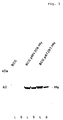
- the second-generation vector pAT261 a pMV261 derivative (Stover et al., 1991), directs extrachromosomal Hly expression with about five plasmid copies per BCG genome and the integrative plasmid pMV306 , a derivation of pMV361 , allows stable chromosomal expression of Hly (Fig. 1) (Stover et al., 1991).
- the construct was termed pAT261:Hly and its Xba I-Sal I DNA expression cassette under transcriptional control of the hsp60 mycobacterial promoter was subsequently used for insertion into the parental pMV306 vector resulting in the construct, pMV306:Hly (Fig. 1).
- the DNA sequence of the hly -specific insertion sites in both mycobacterial expression plamids, including the coding sequence for the BCG-specific Ag85B-signal peptide (Matsuo et al., 1990) was analysed.
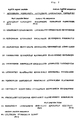
- the derived amino acid sequence of the complete Hly fusion protein is presented in Fig. 2.
- the mature Hly fusion protein consists of 30 amino acids (aa) at the N-terminus and 52 aa at the C-terminal part of the fusion which originally belong to HlyA of E.coli (Gentschev et al., 1995).
- each plasmid construct pAT261:Hly or pMV306:Hly was electroporated into BCG Chicago strain resulting in BCG pAT261:Hly or BCG pMV306:Hly with plasmid or chromosomal Hly expression, respectively.
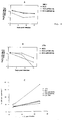
- BCG pAT261:Hly or BCG pMV306:Hly microorganisms in host cells was monitored by mycobacterial CFU of infected macrophages at day 1, 8 or 15 post infection (p.i.).
- the human monocytic cell line THP-1 (ATCC TIB-202) and the murine macrophage-like cell line J774A.1 (ATCC TIB-67) were used as mycobacterial target cells.
- Phorbol myristate acetate (PMA) stimulated THP-1 cells resemble native human monocyte-derived macrophages (Tsuchiya et al., 1982).
- BCG pMV306:Hly was comparable to BCG in THP-1 (Fig. 4).
- viable BCG pAT261:Hly bacteria were not detectable in infected J774A.1 cells suggesting complete growth inhibition of these mycobacterial constructs at least in the presence of gentamicin.
- Listeriolysin generates a route for the presentation of exogenous antigens by major histocompatibility complex class I, Eur. J. Immunol. 25: 2967-2971.
Landscapes
- Health & Medical Sciences (AREA)
- Chemical & Material Sciences (AREA)
- Genetics & Genomics (AREA)
- Organic Chemistry (AREA)
- Life Sciences & Earth Sciences (AREA)
- Engineering & Computer Science (AREA)
- Molecular Biology (AREA)
- General Health & Medical Sciences (AREA)
- Biomedical Technology (AREA)
- Biophysics (AREA)
- Biochemistry (AREA)
- Medicinal Chemistry (AREA)
- Bioinformatics & Cheminformatics (AREA)
- Proteomics, Peptides & Aminoacids (AREA)
- Zoology (AREA)
- Gastroenterology & Hepatology (AREA)
- Wood Science & Technology (AREA)
- General Engineering & Computer Science (AREA)
- Biotechnology (AREA)
- Microbiology (AREA)
- Physics & Mathematics (AREA)
- Plant Pathology (AREA)
- Public Health (AREA)
- Animal Behavior & Ethology (AREA)
- Nuclear Medicine, Radiotherapy & Molecular Imaging (AREA)
- Pharmacology & Pharmacy (AREA)
- Chemical Kinetics & Catalysis (AREA)
- Communicable Diseases (AREA)
- General Chemical & Material Sciences (AREA)
- Oncology (AREA)
- Veterinary Medicine (AREA)
- Medicines Containing Antibodies Or Antigens For Use As Internal Diagnostic Agents (AREA)
- Micro-Organisms Or Cultivation Processes Thereof (AREA)
- Medicines Containing Material From Animals Or Micro-Organisms (AREA)
- Peptides Or Proteins (AREA)
- Medicines That Contain Protein Lipid Enzymes And Other Medicines (AREA)
Priority Applications (14)
| Application Number | Priority Date | Filing Date | Title |
|---|---|---|---|
| EP97114614A EP0902086A1 (en) | 1997-08-22 | 1997-08-22 | Tuberculosis vaccine |
| SI9830871T SI1007686T1 (sl) | 1997-08-22 | 1998-08-12 | Vakcina proti tuberkulozi |
| JP2000507804A JP4255209B2 (ja) | 1997-08-22 | 1998-08-12 | 結核ワクチン |
| US09/485,717 US6673353B1 (en) | 1997-08-22 | 1998-08-12 | Tuberculosis vaccine |
| EP98947427A EP1007686B1 (en) | 1997-08-22 | 1998-08-12 | Tuberculosis vaccine |
| PT98947427T PT1007686E (pt) | 1997-08-22 | 1998-08-12 | Vacina contra a tuberculose |
| PCT/EP1998/005109 WO1999010496A1 (en) | 1997-08-22 | 1998-08-12 | Tuberculosis vaccine |
| AT98947427T ATE347599T1 (de) | 1997-08-22 | 1998-08-12 | Tuberkulose impfstoff |
| DE69836588T DE69836588T2 (de) | 1997-08-22 | 1998-08-12 | Tuberkulose impfstoff |
| AU94350/98A AU9435098A (en) | 1997-08-22 | 1998-08-12 | Tuberculosis vaccine |
| CA2301879A CA2301879C (en) | 1997-08-22 | 1998-08-12 | Tuberculosis vaccine |
| ES98947427T ES2274580T3 (es) | 1997-08-22 | 1998-08-12 | Vacuna de la tuberculosis. |
| DK98947427T DK1007686T3 (da) | 1997-08-22 | 1998-08-12 | Tuberkulosevaccine |
| CY20071100297T CY1106350T1 (el) | 1997-08-22 | 2007-03-01 | Εμβολιο φυματιωσης |
Applications Claiming Priority (1)
| Application Number | Priority Date | Filing Date | Title |
|---|---|---|---|
| EP97114614A EP0902086A1 (en) | 1997-08-22 | 1997-08-22 | Tuberculosis vaccine |
Publications (1)
| Publication Number | Publication Date |
|---|---|
| EP0902086A1 true EP0902086A1 (en) | 1999-03-17 |
Family
ID=8227261
Family Applications (2)
| Application Number | Title | Priority Date | Filing Date |
|---|---|---|---|
| EP97114614A Withdrawn EP0902086A1 (en) | 1997-08-22 | 1997-08-22 | Tuberculosis vaccine |
| EP98947427A Expired - Lifetime EP1007686B1 (en) | 1997-08-22 | 1998-08-12 | Tuberculosis vaccine |
Family Applications After (1)
| Application Number | Title | Priority Date | Filing Date |
|---|---|---|---|
| EP98947427A Expired - Lifetime EP1007686B1 (en) | 1997-08-22 | 1998-08-12 | Tuberculosis vaccine |
Country Status (13)
| Country | Link |
|---|---|
| US (1) | US6673353B1 (https=) |
| EP (2) | EP0902086A1 (https=) |
| JP (1) | JP4255209B2 (https=) |
| AT (1) | ATE347599T1 (https=) |
| AU (1) | AU9435098A (https=) |
| CA (1) | CA2301879C (https=) |
| CY (1) | CY1106350T1 (https=) |
| DE (1) | DE69836588T2 (https=) |
| DK (1) | DK1007686T3 (https=) |
| ES (1) | ES2274580T3 (https=) |
| PT (1) | PT1007686E (https=) |
| SI (1) | SI1007686T1 (https=) |
| WO (1) | WO1999010496A1 (https=) |
Cited By (22)
| Publication number | Priority date | Publication date | Assignee | Title |
|---|---|---|---|---|
| WO2001070991A1 (en) * | 2000-03-20 | 2001-09-27 | Glaxo Group Limited | Vaccine against mycobacterium infection based on epitopes of ag85 complex |
| EP1303299A4 (en) * | 2000-03-29 | 2005-01-26 | Univ Pennsylvania | COMPOSITIONS AND METHODS ENHANCE IMMUNOGENICITY OF ANTIGENS |
| EP1649869A1 (en) * | 2004-10-21 | 2006-04-26 | Vakzine Projekt Management GmbH | Combination of a recombinant mycobacterium and a biologically active agent as a vaccine |
| EP1804831A4 (en) * | 2004-09-24 | 2009-09-02 | Univ Pennsylvania | VACCINES ON LISTERIA AND LLO BASIS |
| US7662396B2 (en) | 2001-03-26 | 2010-02-16 | The Trustees Of The University Of Pennsylvania | Compositions and methods for enhancing the immunogenicity of antigens |
| US7700344B2 (en) | 2001-03-26 | 2010-04-20 | The Trustees Of The University Of Pennsylvania | Compositions and methods for enhancing the immunogenicity of antigens |
| US7794729B2 (en) | 1994-11-08 | 2010-09-14 | The Trustees Of The University Of Pennsylvania | Methods and compositions for immunotherapy of cancer |
| US8114414B2 (en) | 1994-11-08 | 2012-02-14 | The Trustees Of The University Of Pennsylvania | Compositions and methods for treatment of cervical cancer |
| US8241636B2 (en) | 2006-08-15 | 2012-08-14 | The Trustees Of The University Of Pennsylvania | Compositions comprising HMW-MAA and fragments thereof, and methods of use thereof |
| US8268326B2 (en) | 2006-08-15 | 2012-09-18 | The Trustees Of The University Of Pennsylvania | Compositions comprising HMW-MAA and fragments thereof, and methods of use thereof |
| US8771702B2 (en) | 2001-03-26 | 2014-07-08 | The Trustees Of The University Of Pennsylvania | Non-hemolytic LLO fusion proteins and methods of utilizing same |
| US8791237B2 (en) | 1994-11-08 | 2014-07-29 | The Trustees Of The University Of Pennsylvania | Compositions and methods for treatment of non-hodgkins lymphoma |
| US8956621B2 (en) | 1994-11-08 | 2015-02-17 | The Trustees Of The University Of Pennsylvania | Compositions and methods for treatment of cervical dysplasia |
| US9012141B2 (en) | 2000-03-27 | 2015-04-21 | Advaxis, Inc. | Compositions and methods comprising KLK3 of FOLH1 antigen |
| US9226958B2 (en) | 2010-10-01 | 2016-01-05 | University Of Georgia Research Foundation, Inc. | Use of Listeria vaccine vectors to reverse vaccine unresponsiveness in parasitically infected individuals |
| US9463227B2 (en) | 2011-03-11 | 2016-10-11 | Advaxis, Inc. | Listeria-based adjuvants |
| US9644212B2 (en) | 2008-05-19 | 2017-05-09 | Advaxis, Inc. | Dual delivery system for heterologous antigens |
| US9650639B2 (en) | 2008-05-19 | 2017-05-16 | Advaxis, Inc. | Dual delivery system for heterologous antigens |
| US9919038B2 (en) | 2009-03-04 | 2018-03-20 | The Trustees Of The University Of Pennsylvania | Compositions comprising angiogenic factors and methods of use thereof |
| US10016617B2 (en) | 2009-11-11 | 2018-07-10 | The Trustees Of The University Of Pennsylvania | Combination immuno therapy and radiotherapy for the treatment of Her-2-positive cancers |
| US10058599B2 (en) | 2012-03-12 | 2018-08-28 | Advaxis, Inc. | Suppressor cell function inhibition following Listeria vaccine treatment |
| US10064898B2 (en) | 2011-03-11 | 2018-09-04 | Advaxis, Inc. | Listeria-based adjuvants |
Families Citing this family (11)
| Publication number | Priority date | Publication date | Assignee | Title |
|---|---|---|---|---|
| US6051237A (en) * | 1994-11-08 | 2000-04-18 | The Trustees Of The University Of Pennsylvania | Specific immunotherapy of cancer using a live recombinant bacterial vaccine vector |
| DK1144447T3 (da) * | 1998-11-04 | 2010-02-08 | Isis Innovation | Dianostisk tuberkulosetest |
| US6855320B2 (en) | 2000-03-29 | 2005-02-15 | The Trustees Of The University Of Pennsylvania | Fusion of non-hemolytic, truncated form of listeriolysin O to antigens to enhance immunogenicity |
| KR101192652B1 (ko) * | 2003-02-06 | 2012-10-19 | 앤저 테라퓨틱스 인코퍼레이티드 | 비포식 세포로의 침투가 약화된 리스테리아, 리스테리아를 포함하는 백신, 및 그것의 사용방법 |
| WO2004094469A1 (en) | 2003-04-23 | 2004-11-04 | MAX-PLANCK-Gesellschaft zur Förderung der Wissenschaften e.V. | Tuberculosis vaccine with improved efficacy |
| US20100047286A1 (en) | 2004-12-01 | 2010-02-25 | Aeras Global Tb Vaccine Foundation | Recombinant BCG strains with enhanced ability to escape the endosome |
| DK3360569T3 (da) * | 2010-09-20 | 2020-04-06 | Vakzine Projekt Man Gmbh | Rekombinant mykobakterie som vaccine til anvendelse på mennesker |
| UA112067C2 (uk) | 2010-12-21 | 2016-07-25 | Макс-Планк-Гезельшафт Цур Фордерунг Дер Віссеншафтен Ай.Еф. | Визначення ефективності антимікобактеріальної вакцинації |
| EP2654783B1 (en) | 2010-12-21 | 2016-10-05 | Max-Planck-Gesellschaft zur Förderung der Wissenschaften e.V. | Recombinant mycobacterium as a vaccine |
| BR102012003790A2 (pt) | 2012-02-17 | 2014-04-22 | Fundacao Butantan | Cepa de mycobacterium recombinante, composição imunogênica e uso |
| CA2867516A1 (en) * | 2012-04-02 | 2013-10-10 | The Arizona Board Of Regents For And On Behalf Of Arizona State University | Recombinant bacterium for induction of cellular immune response |
Citations (1)
| Publication number | Priority date | Publication date | Assignee | Title |
|---|---|---|---|---|
| US5504005A (en) * | 1987-03-02 | 1996-04-02 | Albert Einstein College Of Medicine Of Yeshiva University | Recombinant mycobacterial vaccine |
-
1997
- 1997-08-22 EP EP97114614A patent/EP0902086A1/en not_active Withdrawn
-
1998
- 1998-08-12 SI SI9830871T patent/SI1007686T1/sl unknown
- 1998-08-12 AU AU94350/98A patent/AU9435098A/en not_active Abandoned
- 1998-08-12 DE DE69836588T patent/DE69836588T2/de not_active Expired - Lifetime
- 1998-08-12 US US09/485,717 patent/US6673353B1/en not_active Expired - Lifetime
- 1998-08-12 CA CA2301879A patent/CA2301879C/en not_active Expired - Lifetime
- 1998-08-12 ES ES98947427T patent/ES2274580T3/es not_active Expired - Lifetime
- 1998-08-12 DK DK98947427T patent/DK1007686T3/da active
- 1998-08-12 EP EP98947427A patent/EP1007686B1/en not_active Expired - Lifetime
- 1998-08-12 PT PT98947427T patent/PT1007686E/pt unknown
- 1998-08-12 WO PCT/EP1998/005109 patent/WO1999010496A1/en not_active Ceased
- 1998-08-12 JP JP2000507804A patent/JP4255209B2/ja not_active Expired - Lifetime
- 1998-08-12 AT AT98947427T patent/ATE347599T1/de active
-
2007
- 2007-03-01 CY CY20071100297T patent/CY1106350T1/el unknown
Patent Citations (1)
| Publication number | Priority date | Publication date | Assignee | Title |
|---|---|---|---|---|
| US5504005A (en) * | 1987-03-02 | 1996-04-02 | Albert Einstein College Of Medicine Of Yeshiva University | Recombinant mycobacterial vaccine |
Non-Patent Citations (3)
| Title |
|---|
| FLYNN J.L. ET AL.: "Major histocompatibility complex class I-restricted T cells are required for resistance to Mycobacterium tubercolosis infection", PROC. NATL. ACAD. SCI. USA, vol. 89, December 1992 (1992-12-01), pages 12013 - 12017, XP002052091 * |
| HESS J. AND KAUFMANN S.H.E.: "Vaccination strategies against intracellular microbes", FEMS MICROBIOL. IMMUNOL., vol. 7, no. 2, 1993, XP002052092 * |
| MAZZACCARO R.J. ET AL.: "Major histocompatibility class I presentation of soluble antigen facilitated by Mycobacterium tubercolosis infection", PROC. NATL. ACAD. SCI. USA, vol. 93, October 1996 (1996-10-01), pages 11786 - 11791, XP002052093 * |
Cited By (39)
| Publication number | Priority date | Publication date | Assignee | Title |
|---|---|---|---|---|
| US8114414B2 (en) | 1994-11-08 | 2012-02-14 | The Trustees Of The University Of Pennsylvania | Compositions and methods for treatment of cervical cancer |
| US8956621B2 (en) | 1994-11-08 | 2015-02-17 | The Trustees Of The University Of Pennsylvania | Compositions and methods for treatment of cervical dysplasia |
| US8791237B2 (en) | 1994-11-08 | 2014-07-29 | The Trustees Of The University Of Pennsylvania | Compositions and methods for treatment of non-hodgkins lymphoma |
| US7794729B2 (en) | 1994-11-08 | 2010-09-14 | The Trustees Of The University Of Pennsylvania | Methods and compositions for immunotherapy of cancer |
| WO2001070991A1 (en) * | 2000-03-20 | 2001-09-27 | Glaxo Group Limited | Vaccine against mycobacterium infection based on epitopes of ag85 complex |
| US9549973B2 (en) | 2000-03-27 | 2017-01-24 | The Trustees Of The University Of Pennsylvania | Compositions and methods comprising KLK3 or FOLH1 antigen |
| US9012141B2 (en) | 2000-03-27 | 2015-04-21 | Advaxis, Inc. | Compositions and methods comprising KLK3 of FOLH1 antigen |
| EP1303299A4 (en) * | 2000-03-29 | 2005-01-26 | Univ Pennsylvania | COMPOSITIONS AND METHODS ENHANCE IMMUNOGENICITY OF ANTIGENS |
| US7588930B2 (en) | 2000-03-29 | 2009-09-15 | The Trustees Of The University Of Pennsylvania | Compositions and methods for enhancing the immunogenicity of antigens |
| US7635479B2 (en) | 2000-03-29 | 2009-12-22 | The Trustees Of The University Of Pennsylvania | Composition and methods for enhancing immunogenecity of antigens |
| US7655238B2 (en) | 2000-03-29 | 2010-02-02 | The Trustees Of The University Of Pennsylvania | Compositions and methods for enhancing the immunogenicity of antigens |
| US7700344B2 (en) | 2001-03-26 | 2010-04-20 | The Trustees Of The University Of Pennsylvania | Compositions and methods for enhancing the immunogenicity of antigens |
| US8771702B2 (en) | 2001-03-26 | 2014-07-08 | The Trustees Of The University Of Pennsylvania | Non-hemolytic LLO fusion proteins and methods of utilizing same |
| US9499602B2 (en) | 2001-03-26 | 2016-11-22 | Advaxis, Inc. | Non-hemolytic LLO fusion proteins and methods of utilizing same |
| US7662396B2 (en) | 2001-03-26 | 2010-02-16 | The Trustees Of The University Of Pennsylvania | Compositions and methods for enhancing the immunogenicity of antigens |
| EP2980101A1 (en) * | 2004-09-24 | 2016-02-03 | The Trustees of The University of Pennsylvania | Vaccine comprising an n-terminal, pest sequence comprising fragment of listeriolysin (llo) protein fused to a her-2 antigen |
| EP1804831A4 (en) * | 2004-09-24 | 2009-09-02 | Univ Pennsylvania | VACCINES ON LISTERIA AND LLO BASIS |
| US7820180B2 (en) | 2004-09-24 | 2010-10-26 | The Trustees Of The University Of Pennsylvania | Listeria-based and LLO-based vaccines |
| KR101300905B1 (ko) * | 2004-10-21 | 2013-08-27 | 바크지네 프로제크트 마나게멘트 게엠베하 | 백신으로서의 생물학적 활성제와 재조합 마이코박테리움의 조합물 |
| RU2495677C2 (ru) * | 2004-10-21 | 2013-10-20 | Вакцине Проджект Менеджмент Гмбх | Сочетание рекомбинантной микробактерии и биологически активного средства в качестве вакцины |
| CN101048178B (zh) * | 2004-10-21 | 2012-09-05 | 疫苗工程管理有限公司 | 作为疫苗的重组分枝杆菌和生物活性剂的组合 |
| WO2006045468A1 (en) * | 2004-10-21 | 2006-05-04 | Vakzine Projekt Management Gmbh | Combination of a recombinant mycobacterium and a biologically active agent as a vaccine |
| US9078844B2 (en) | 2004-10-21 | 2015-07-14 | Vakzine Projekt Management Gmbh | Combination of a bacterial cell and a biologically active agent |
| EP1649869A1 (en) * | 2004-10-21 | 2006-04-26 | Vakzine Projekt Management GmbH | Combination of a recombinant mycobacterium and a biologically active agent as a vaccine |
| US10166276B2 (en) | 2006-05-02 | 2019-01-01 | The Trustees Of The University Of Philadelphia | Compositions and methods for treatment of non-hodgkins lymphoma |
| US8241636B2 (en) | 2006-08-15 | 2012-08-14 | The Trustees Of The University Of Pennsylvania | Compositions comprising HMW-MAA and fragments thereof, and methods of use thereof |
| US8268326B2 (en) | 2006-08-15 | 2012-09-18 | The Trustees Of The University Of Pennsylvania | Compositions comprising HMW-MAA and fragments thereof, and methods of use thereof |
| US11446369B2 (en) | 2007-05-10 | 2022-09-20 | Advaxis, Inc. | Compositions and methods comprising KLK3 or FOLH1 antigen |
| US9650639B2 (en) | 2008-05-19 | 2017-05-16 | Advaxis, Inc. | Dual delivery system for heterologous antigens |
| US9644212B2 (en) | 2008-05-19 | 2017-05-09 | Advaxis, Inc. | Dual delivery system for heterologous antigens |
| US10189885B2 (en) | 2008-06-23 | 2019-01-29 | The Trustees Of The University Of Pennsylvania | Non-hemolytic LLO fusion proteins and methods of utilizing same |
| US9919038B2 (en) | 2009-03-04 | 2018-03-20 | The Trustees Of The University Of Pennsylvania | Compositions comprising angiogenic factors and methods of use thereof |
| US10695410B2 (en) | 2009-03-04 | 2020-06-30 | The Trustees Of The University Of Pennsylvania | Compositions comprising angiogenic factors and methods of use thereof |
| US10016617B2 (en) | 2009-11-11 | 2018-07-10 | The Trustees Of The University Of Pennsylvania | Combination immuno therapy and radiotherapy for the treatment of Her-2-positive cancers |
| US9943590B2 (en) | 2010-10-01 | 2018-04-17 | The Trustees Of The University Of Pennsylvania | Use of Listeria vaccine vectors to reverse vaccine unresponsiveness in parasitically infected individuals |
| US9226958B2 (en) | 2010-10-01 | 2016-01-05 | University Of Georgia Research Foundation, Inc. | Use of Listeria vaccine vectors to reverse vaccine unresponsiveness in parasitically infected individuals |
| US9463227B2 (en) | 2011-03-11 | 2016-10-11 | Advaxis, Inc. | Listeria-based adjuvants |
| US10064898B2 (en) | 2011-03-11 | 2018-09-04 | Advaxis, Inc. | Listeria-based adjuvants |
| US10058599B2 (en) | 2012-03-12 | 2018-08-28 | Advaxis, Inc. | Suppressor cell function inhibition following Listeria vaccine treatment |
Also Published As
| Publication number | Publication date |
|---|---|
| CY1106350T1 (el) | 2011-10-12 |
| SI1007686T1 (sl) | 2007-04-30 |
| ES2274580T3 (es) | 2007-05-16 |
| WO1999010496A1 (en) | 1999-03-04 |
| DE69836588T2 (de) | 2007-04-05 |
| ATE347599T1 (de) | 2006-12-15 |
| JP4255209B2 (ja) | 2009-04-15 |
| CA2301879C (en) | 2014-02-04 |
| PT1007686E (pt) | 2007-03-30 |
| EP1007686B1 (en) | 2006-12-06 |
| CA2301879A1 (en) | 1999-03-04 |
| AU9435098A (en) | 1999-03-16 |
| DE69836588D1 (de) | 2007-01-18 |
| JP2001514000A (ja) | 2001-09-11 |
| US6673353B1 (en) | 2004-01-06 |
| DK1007686T3 (da) | 2007-04-10 |
| EP1007686A1 (en) | 2000-06-14 |
Similar Documents
| Publication | Publication Date | Title |
|---|---|---|
| EP1007686B1 (en) | Tuberculosis vaccine | |
| US8545854B2 (en) | Tuberculosis vaccine with improved efficacy | |
| US8124068B2 (en) | Recombinant intracellular pathogen immunogenic compositions and methods of use | |
| KR101329323B1 (ko) | 엔도솜을 이탈하는 능력이 보강된 재조합 비씨지 균주 | |
| US6776993B2 (en) | Tuberculosis vaccine | |
| Romano et al. | Immunogenicity and protective efficacy of tuberculosis DNA vaccines combining mycolyl‐transferase Ag85A and phosphate transport receptor PstS‐3 | |
| AU2002222098A1 (en) | Projection against mycobacterial infections | |
| Hess et al. | Vaccination strategies against intracellular microbes | |
| HK1091217B (en) | Tuberculosis vaccine with improved efficacy | |
| Rezwan | Lipoprotein maturation is required for virulence of Mycobacterium tuberculosis and is essential for correct lipoprotein localization |
Legal Events
| Date | Code | Title | Description |
|---|---|---|---|
| PUAI | Public reference made under article 153(3) epc to a published international application that has entered the european phase |
Free format text: ORIGINAL CODE: 0009012 |
|
| AK | Designated contracting states |
Kind code of ref document: A1 Designated state(s): AT BE CH DE DK ES FI FR GB GR IE IT LI LU MC NL PT SE |
|
| AX | Request for extension of the european patent |
Free format text: AL;LT;LV;RO;SI |
|
| STAA | Information on the status of an ep patent application or granted ep patent |
Free format text: STATUS: THE APPLICATION IS DEEMED TO BE WITHDRAWN |
|
| 18D | Application deemed to be withdrawn |
Effective date: 19981223 |