EP0837699B1 - Immunovecteurs utilisables pour le transport intracellulaire et intranucleaire - Google Patents
Immunovecteurs utilisables pour le transport intracellulaire et intranucleaire Download PDFInfo
- Publication number
- EP0837699B1 EP0837699B1 EP96924965A EP96924965A EP0837699B1 EP 0837699 B1 EP0837699 B1 EP 0837699B1 EP 96924965 A EP96924965 A EP 96924965A EP 96924965 A EP96924965 A EP 96924965A EP 0837699 B1 EP0837699 B1 EP 0837699B1
- Authority
- EP
- European Patent Office
- Prior art keywords
- cells
- immunovector
- antibody
- active principle
- dna
- Prior art date
- Legal status (The legal status is an assumption and is not a legal conclusion. Google has not performed a legal analysis and makes no representation as to the accuracy of the status listed.)
- Expired - Lifetime
Links
Images

Classifications
-
- C—CHEMISTRY; METALLURGY
- C07—ORGANIC CHEMISTRY
- C07K—PEPTIDES
- C07K16/00—Immunoglobulins [IG], e.g. monoclonal or polyclonal antibodies
- C07K16/18—Immunoglobulins [IG], e.g. monoclonal or polyclonal antibodies against material from animals or humans
-
- A—HUMAN NECESSITIES
- A61—MEDICAL OR VETERINARY SCIENCE; HYGIENE
- A61K—PREPARATIONS FOR MEDICAL, DENTAL OR TOILETRY PURPOSES
- A61K47/00—Medicinal preparations characterised by the non-active ingredients used, e.g. carriers or inert additives; Targeting or modifying agents chemically bound to the active ingredient
- A61K47/50—Medicinal preparations characterised by the non-active ingredients used, e.g. carriers or inert additives; Targeting or modifying agents chemically bound to the active ingredient the non-active ingredient being chemically bound to the active ingredient, e.g. polymer-drug conjugates
- A61K47/51—Medicinal preparations characterised by the non-active ingredients used, e.g. carriers or inert additives; Targeting or modifying agents chemically bound to the active ingredient the non-active ingredient being chemically bound to the active ingredient, e.g. polymer-drug conjugates the non-active ingredient being a modifying agent
- A61K47/68—Medicinal preparations characterised by the non-active ingredients used, e.g. carriers or inert additives; Targeting or modifying agents chemically bound to the active ingredient the non-active ingredient being chemically bound to the active ingredient, e.g. polymer-drug conjugates the non-active ingredient being a modifying agent the modifying agent being an antibody, an immunoglobulin or a fragment thereof, e.g. an Fc-fragment
- A61K47/6835—Medicinal preparations characterised by the non-active ingredients used, e.g. carriers or inert additives; Targeting or modifying agents chemically bound to the active ingredient the non-active ingredient being chemically bound to the active ingredient, e.g. polymer-drug conjugates the non-active ingredient being a modifying agent the modifying agent being an antibody, an immunoglobulin or a fragment thereof, e.g. an Fc-fragment the modifying agent being an antibody or an immunoglobulin bearing at least one antigen-binding site
- A61K47/6845—Medicinal preparations characterised by the non-active ingredients used, e.g. carriers or inert additives; Targeting or modifying agents chemically bound to the active ingredient the non-active ingredient being chemically bound to the active ingredient, e.g. polymer-drug conjugates the non-active ingredient being a modifying agent the modifying agent being an antibody, an immunoglobulin or a fragment thereof, e.g. an Fc-fragment the modifying agent being an antibody or an immunoglobulin bearing at least one antigen-binding site the antibody targeting a cytokine, e.g. growth factors, VEGF, TNF, a lymphokine or an interferon
-
- A—HUMAN NECESSITIES
- A61—MEDICAL OR VETERINARY SCIENCE; HYGIENE
- A61K—PREPARATIONS FOR MEDICAL, DENTAL OR TOILETRY PURPOSES
- A61K48/00—Medicinal preparations containing genetic material which is inserted into cells of the living body to treat genetic diseases; Gene therapy
-
- A—HUMAN NECESSITIES
- A61—MEDICAL OR VETERINARY SCIENCE; HYGIENE
- A61P—SPECIFIC THERAPEUTIC ACTIVITY OF CHEMICAL COMPOUNDS OR MEDICINAL PREPARATIONS
- A61P31/00—Antiinfectives, i.e. antibiotics, antiseptics, chemotherapeutics
-
- A—HUMAN NECESSITIES
- A61—MEDICAL OR VETERINARY SCIENCE; HYGIENE
- A61P—SPECIFIC THERAPEUTIC ACTIVITY OF CHEMICAL COMPOUNDS OR MEDICINAL PREPARATIONS
- A61P31/00—Antiinfectives, i.e. antibiotics, antiseptics, chemotherapeutics
- A61P31/12—Antivirals
- A61P31/14—Antivirals for RNA viruses
- A61P31/18—Antivirals for RNA viruses for HIV
-
- A—HUMAN NECESSITIES
- A61—MEDICAL OR VETERINARY SCIENCE; HYGIENE
- A61P—SPECIFIC THERAPEUTIC ACTIVITY OF CHEMICAL COMPOUNDS OR MEDICINAL PREPARATIONS
- A61P35/00—Antineoplastic agents
-
- A—HUMAN NECESSITIES
- A61—MEDICAL OR VETERINARY SCIENCE; HYGIENE
- A61P—SPECIFIC THERAPEUTIC ACTIVITY OF CHEMICAL COMPOUNDS OR MEDICINAL PREPARATIONS
- A61P43/00—Drugs for specific purposes, not provided for in groups A61P1/00-A61P41/00
Definitions
- the present invention relates to the active transfer of haptens, proteins, nucleic acids and other molecules in the nucleus of eukaryotic cells. This invention is of major importance since it can be applied to various fields, in particular that of gene therapy and vaccines.
- Gene therapy remains conditioned by a considerable number of parameters, among which the development of vectors capable of transport through the cytoplasm of these cells from the host organism active ingredients with specific properties predetermined in the body's cell nuclei in the absence of genetic damage associated with the use of these vectors, and the non-degradation of activity biological active ingredients transferred. We know that to date all of these conditions are far from being met (1).
- the current methods commonly used to transfer the DNA in cells are: general methods, not selective, which use the property of DNA to co-precipitate with the calcium phosphate or DEAE-dextran, or the direct introduction of DNA in cells under the effect of an electric field (electroporation). These methods are very toxic to cells, causing great mortality and great variability depending on the cells used.
- other methods use targeting of gene entry into cells by receptors on their membranes DNA can then enter the cell via either a specific ligand for these receptors asialorosomucoid (2), insulin (3) or transferrin (4), either antibody specific for membrane constituents (5).
- the DNA / ligand complex enters the cell through a process of endocytosis.
- transfection is therefore limited by a significant destruction of the complex in the lysosomal vesicles, and different methods have been proposed for overcome these drawbacks, in particular the blocking of the compartment lysosomal by chloroquine or the simultaneous addition of adenovirus which escape the endosomal compartment by destroying the membrane of endocytosis vesicles (6).
- the object of the present invention is to provide a new type vectors that are both more effective and safer than viral vectors whose use is envisaged to date
- the invention therefore relates to a coupling product between a principle biologically active and one of these new vectors, hereinafter referred to as "immunovectors", said coupling product being characterized, both by the ability of the immunovector to allow internalization into eukaryotic cells of biologically active principles so linked covalent or non-covalent to these immunovectors, and by their affinity for the DNA of these cells, to the point of making said immunovector capable of transfer the biologically active principle in the immediate vicinity of nuclei of these cells or in the nuclei of these cells
- immunovectors preferably consist of antibodies or antibody fragments capable of recognizing DNA sequences within these cells, and to which biologically active principles, these antibodies or antibody fragments can be covalently or non-covalently linked. being further capable of transporting these biologically active principles in vitro and in vivo across the membranes and cytoplasm of these cells, and of transferring them near or even into the nucleus of these cells.
- the invention also relates to a transfer method, in particular haptens, proteins and / or nucleic acids in the nucleus of cells particularly eukaryotic cells, this process being based on the use of the properties of said immunovectors.
- immunovectors capable of transporting principles biologically active, such as haptens, proteins, and acids nucleic acid across cell membranes and cytoplasm corresponding, and to ensure their transfer into the nucleus of said cells.
- antibodies can be obtained in polyclonal form from a serum, in particular from an animal previously immunized against nucleic acid fragments carrying the corresponding epitope, or under monoclonal form, from hybridomas secreting such antibodies.
- a chemical coupling mode will be used, allowing the production of covalent or non-covalent bonds
- Preferred coupling products are those with immunovectors are selectable by a cell penetration test comprising a first incubation of the immunovector studied in the presence of cells in culture in the nucleus of which the active ingredient capable of being associated with the immunovector should be transported, followed, after fixation and permeabilization of these cells, from another incubation with antibodies labeled anti-immunovectors, and finally close detection immediate of the nucleus or even within it of the reaction antigen-antibody type immunology between the immunovector and anti-immunovector antibody.
- Antibodies also have the ability to attach to cells, particular lymphoid cells are also usable This last category of immunovectors can also be selected by a test, which can then also include the incubation of immunovectors under study with lymphoid cells, washing said lymphoid cells, incubating them with anti-immunovector antibodies labeled, and determining the number of cells positive in each population.
- the lymphoid cells used are autoimmune mouse splenocytes with lupus syndrome.
- a preferred immunovector for the coupling product is chosen from Monoclonal IgG, (Fab ') 2 or (Fab') fragments, or any polypeptide corresponding to the site (s) of the antibodies involved in the recognition of the corresponding nucleic acid
- this immunovector can be an IgG carrying anti-DNA activity, and from individuals with autoimmune syndromes, more particularly systemic lupus erythematosus syndromes
- the immunovector coupled to active ingredient is a bi-specific antibody recognizing on the one hand DNA, and on the other hand a protein such as Tat, Rev of the HIV retrovirus, as well as surface markers such as CD3, CD4, CD8, CD19, and CD34.
- the biologically active principle coupled with the immunovector is a molecule chosen from in particular acids proteins, including enzymes, for example the peroxidase, haptens including biotin or fluorescein, activators or inhibitors of enzymes and drugs.
- acids proteins including enzymes, for example the peroxidase, haptens including biotin or fluorescein, activators or inhibitors of enzymes and drugs.
- the coupled nucleic acid is a polynucleotide, the immunovector being an IgG, the coupling taking place via p-benzoquinone at the rate of one molecule of immunovector for 4 polynucleotide molecules.
- polylysine which by its cationic properties is capable of compacting DNA, promotes cell transfection.
- the coupling of polylysine to the immunovector which is done using a coupling, more particularly a carbodiimide such as EDC (1- (3-dimethylaminopropyl) -1'-ethyl carbodiimide), allows DNA to react with it. This has the effect of inducing the release of the active site of the antibody which can sometimes be masked when the antibody is coupled to a active ingredient the size of a plasmid.
- a biologically active principle used preferably consists of a gene intended to integrate into the genome of the target cells, in particular by homologous recombination. More particularly a "naked" DNA containing an acid sequence nucleic acid encoding a polypeptide originating from bacterial cells or eukaryotes, fungal cells, or viruses, this polypeptide having immunizing properties.
- this active principle allows the immortalization of types selected cells, especially macrophages, cells dendritics, B and T cells, and hematopoietic cells, especially of human origin
- this biologically active principle is a antisense oligonucleotide allowing the inhibition of protein synthesis or nucleotide, for example in cells infectable by a retrovirus HIV, or in tumor cells.
- the inventors firstly attempted to obtain from the spleen of autoimmune mice (NZB x NZW) F1, with lupus syndrome, monoclonal IgG antibodies that have been selected for their ability to react with DNA but also, for their ability to penetrate to the nucleus of cells.
- polyclonal antibodies reacting with DNA and able to enter the nuclei of cells have been isolated by affinity chromatography This chromatography was applied, either to a "pool" of sera from normal patients or to an individual serum normal, and preferably from sera from patients with infections, particularly to a serum from normal patients with LED, or to a mouse serum (NZB x NZW) F1.
- the cell penetration test of immunovectors comprises a first incubation of eukaryotic cell lines in a medium containing said immunovectors preferably in concentration increasing, then fixing and, if necessary, permeabilization, or vice versa, of these cells, followed by incubation of said cell lines with anti-immunovector antibodies, preferably labeled with fluorescein or peroxidase, and the localization of the antibodies as well marked near the nuclei of said cells or better still at inside the nuclei.
- the cell lines are notably chosen among fibroblasts, thymocytes or splenocytes
- the first incubation is often carried out at 37 ° C., for approximately 2 to 8 hours with concentrations of immunovectors of approximately 1 to 70 ⁇ g / ml. , on cell lines seeded at a concentration ranging from 5 x 10 3 to 5 x 10 6 cells per milliliter
- the cell line is an exponentially growing fibroblastic line seeded at a concentration of 2 ⁇ 10 4 cells per milliliter, or thymocytes or splenocytes of BALB / c mice which are suspended at a rate of about 10 6 cells per milliliter.
- the invention relates to a process for the preparation of an immunovector-molecule (s) coupling product, the immunovectors being chosen from antibodies, more particularly the IgGs obtained according to the selection process, the fragments (Fab ′) 2 or ( Fab '), or any polypeptide corresponding to the site of the antibodies or antibody fragments involved in the transport of molecules.
- the process for preparing a coupling product according to the invention at least one molecule of biologically active product is coupled to each immunovector, said molecule preferably being linked to the immunovector preferably covalently. .
- haptens like fluorescein and biotin small molecules such as hormones, proteins including enzymes, inhibitors or activators of enzymes and drugs, for example antivirals such as acyclovir or AZT, can be actively transported through the cytoplasm of treated cells and transferred in the nucleus of said cells.
- fluorescein has been coupled to the free amino groups of the immunovectors by through an active group isothioyanate and biotin by through an active succinimide ester.
- the coupling of haptens or others to the immunovector can be done via other known homo- or heterobifunctional bridging reagents or groups in the literature like imidoesters and N-hydroxy succinimydil esters capable of reacting with amino groups, for example derivatives of reactive alkyl, haloaryl, haloacetyl and pyridyl disulfide groups preferably maleimides, or through with sulfhydryl groups, carbodiimides, as well as molecules carrying photoactivatable groups such as azidobenzoyl hydrazide (13).
- imidoesters and N-hydroxy succinimydil esters capable of reacting with amino groups
- amino groups for example derivatives of reactive alkyl, haloaryl, haloacetyl and pyridyl disulfide groups preferably maleimides, or through with sulfhydryl groups, carbodiimides, as well as molecules carrying photoactivatable groups such as azido
- the inventors have prepared coupling products where the immunovector is a bi-specific antibody against a target antigen, built, either chemically or by genetic engineering, and have in parallel immunized individuals, for example mice with said target antigens, and selected bi-specific antibody immunovectors preferentially reacting with said target antigens, so that the action of the immunovectors is specifically directed.
- the bi-specific antibodies used in this process recognize among others Tat, Rev proteins of the retrovirus HIV, as well as surface markers, CD3, CD4, CD8, CD19, and CD34.
- the present invention relates to a method for transferring a active ingredient in the nuclei of selected eukaryotic cells, characterized by coupling this active ingredient to an immunovector possessing times the ability to allow the internalization of this active ingredient in these eukaryotic cells and an affinity for the DNA of these cells, to the point of make it suitable for transporting this biologically active principle nearby immediate or in the nuclei of these cells
- This biologically active principle can be covalently coupled or not covalent to the immunovector.
- this transfer method is characterized in that the immunovector used in the constitution of this product is chosen from those that can be selected by a cell penetration test comprising a first incubation of the immunovector studied in presence of cells in the nucleus of which the active ingredient capable to be associated with the immunovector should be transported, followed after fixation and permeabilization of these cells, from another incubation with labeled anti-immunovector antibodies, and finally nearby detection immediate of the nucleus or even within it of the reaction antigen-antibody type immunology between the immunovector and anti-immunovector antibody.
- a cell penetration test comprising a first incubation of the immunovector studied in presence of cells in the nucleus of which the active ingredient capable to be associated with the immunovector should be transported, followed after fixation and permeabilization of these cells, from another incubation with labeled anti-immunovector antibodies, and finally nearby detection immediate of the nucleus or even within it of the reaction antigen-antibody type immunology between the immunove
- the immunovector used is formed of an antibody having an affinity for a nucleic acid, or a fragment of this antibody retaining this affinity.
- This immunovector used in this process is preferably chosen among the antibodies, preferably monoclonal IgG, the fragments (Fab ') 2 or (Fab'), or any polypeptides corresponding to the site (s) of antibody involved in the recognition of nucleic acid corresponding.
- the immunovector / principle coupling product active prepared it can be used for intranuclear transfer from other molecules.
- fluorescein / immunovector conjugate tested we can associate an anti-fluorescein antibody coupled with a molecule third, and thus transfer said third molecule into the nuclei of cells
- the biotin / immunovector conjugate can allow binding of an anti-biotin or avidin-streptavidin antibody coupled with a third molecule to be transferred into the nuclei.
- an enzyme such as than horseradish peroxidase, but other proteins with Various biological activities can also be used.
- peroxidase coupled to the immunovector through the glutaraldehyde.
- other methods known in the literature like those described in the case of haptens, can also be used.
- hapten / immunovector conjugates it can be used, in combination with protein / immunovector conjugates, a anti-protein antibody coupled with a third molecule for transfer intranuclear of said molecule.
- nucleus has been transferred to the nucleus
- nucleic acids with appropriate biological activities can also be actively transferred to the intranuclear level.
- a method for transferring active ingredients according to the invention allows in particular the transfer of genes intended to integrate into the genome of target cells, in particular by homologous recombination plus particularly the transfer of "naked" DNA, which can be especially used as "DNA vaccine”.
- this transfer method makes it possible to introduce sequences nucleotides involved in the immortalization of different types cells, particularly macrophages, dendritic cells, B and T cells, and hematopoietic cells, in particular of origin human. Mention may be made, as nucleotide sequences, of the sequences oncogenes or viral sequences associated with phenomena of cell transformation.
- the polynucleotide has been coupled to the immunovector via p-benzoquinone.
- other methods known in the literature can also be used.
- the present invention also relates to cells eukaryotes containing active molecules preferably at the level nuclear, characterized in that said molecules are not naturally incorporated into the nuclei of said cells, or have a rate low expression in said cells. These molecules are presented in or in these cells in the immediate vicinity of their nuclei, and coupled to an immunovector characterized by its affinity for the DNA of these cells, in the form of a coupling product according to the invention.
- virus-infected cells or tumor cells there are in particular virus-infected cells or tumor cells.
- hybridomas producing the antibodies according to the present invention as deposited at the CNCM on June 30, 1995 under the numbers I-1605, I-1606, I-1607.
- the invention relates to a pharmaceutical composition characterized in that it contains, in association with a vehicle physiologically acceptable, a coupling product according to the invention, in which the biologically active principle is an active principle of drug or vaccine and the immunovector is compatible with the host organism for which the drug is intended.
- the use of the coupling product of the invention for expression in cells receptors for a nucleotide sequence heterologous to DNA from the host is also contemplated.
- Human or murine IgG are first isolated by passing a mixture of sera from individuals with lupus erythematosus disseminated - or lupus mice (NZB x NZW) F1 - on protein A immobilized on Sepharose (14).
- the isolated IgGs are passed through a column of DNA immobilized on cellulose.
- the specific anti-DNA antibodies present in these IgGs are fixed on this DNA-cellulose immunoadsorbent and eluted with a buffer sodium carbonate bicarbonate 20 ⁇ M, pH 10, containing 5% of dimethyl sulfoxide (15). 1 to 2 mg of antibody are thus isolated from 10 mg of IgG
- the eluted antibodies are dialyzed, concentrated and stored at + 4 ° C until used.
- Splenocytes from lupus mice (NZB x NZW) F1 are fused with myeloma X63 according to the method of Köhler and Milstein.
- the hybridomas produced are tested in ELISA for IgG secretion and for their anti-DNA activity.
- Anti-DNA IgG secreting hybridomas are subcloned at least twice and the clones remained doubly positive (IgG + anti-DNA) are cultivated en masse or ascites are prepared from these clones in mice.
- IgG + anti-DNA are cultivated en masse or ascites are prepared from these clones in mice.
- mouse antibodies will be subsequently humanized by the use of one of the known techniques, for example that described by Riechmann et al. (20)
- Two fibroblast lines - PtK2 from kangaroo rat kidney and GMA-32 from hamster kidney - were mainly used.
- the slides carrying the exponentially growing fibroblasts seeded at 2 ⁇ 10 4 cells / ml, 24 hours previously and cultured in RPMI 1640 or MEM medium (containing 10% of fetal calf serum, 2mM-L-glutamine and 1% sodium pyruvate) are incubated at 37 ° C in renewed culture medium, containing selected amounts of immunovector (1 to 70 ⁇ g / ml).
- the cells are washed with PBS and fixed with either ethanol for 10 minutes at -20 ° C, or with 0.2% glutaraldehyde and 2% formaldehyde in PBS for 20 minutes . After three washes with PBS, the cells are permeabilized for 20 minutes in PBS containing 0.2% bovine serum albumin and 0.5% saponin.
- the cell preparations are then washed with PBS and incubated for 45 minutes at 24 ° C. with rabbit or sheep anti-mouse immunoglobulin (or human anti-immunoglobulin) antibodies labeled with fluorescein or with peroxidase (20 ⁇ g / ml) After washing, the cell preparations incubated with the fluorescent antibody are examined under a fluorescence microscope.
- the cell preparations incubated with the antibody labeled with peroxidase are first incubated in the cytochemical substrate for peroxidase (diaminobenzidine (DAB) + H 2 O 2 ) and, after washing, the preparation is examined under an optical microscope (14). . The number of positive cells is counted.
- DAB diaminobenzidine
- mice thymocytes were also used to test the penetration of the immunovectors into the nucleus.
- Thymocyte suspensions were prepared from mouse thymus BALB / c.
- the thymocytes at a concentration of 1 ⁇ 10 6 cells / ml, are incubated at 37 ° C. for 3 hours in a culture medium containing increasing amounts of immunovector (1 to 70 ⁇ g / ml). After washing and fixing, the lymphocytes are treated as the above fibroblast preparations for the intranuclear detection of antibodies.
- mice thymocytes or splenocytes were incubated cold for 45 minutes with 0.1 ml of the various monoclonal antibodies diluted in a solution of 0.1 bovine albumin % containing 0.2% sodium azide. After washing, the cells are incubated with anti-fluorescent mouse IgG antibodies for 45 minutes in the cold. After washing, the cells are examined at FACS and the number of positive cells determined in each population.
- the F (ab ') 2 fragments of the immunovectors are prepared according to described methods involving proteolysis by pepsin followed by reduction with cysteine to obtain the Fab 'fragment (14). So in 5 ml 0.1M citrate-citric acid buffer, pH 3.5, containing 5 mg of immunovector, add 150 ⁇ g of pepsin and incubate for 2 hours at 37 ° C. The medium is adjusted to pH 8 and the preparation filtered through a column protein A-Sepharose to remove undigested IgG. After dialysis against PBS, this preparation of F (ab ') 2 is stored at -20 ° C. until use.
- cysteine is added to a final concentration of 0.02 M in the preparation of F (ab ') 2. After 10 minutes of incubation at 37 ° C., 0.04 M of iodoacetamide is added and the mixture is left incubate for 30 minutes. This Fab 'preparation is dialyzed against PBS and is stored at -20 ° C until used.
- the polynucleotide used was composed of 15 nucleotides and carried a fluorescein in 5 'and a free NH 2 group in 3'. It was prepared according to conventional methods of nucleic synthesis. This nucleotide has been coupled to the immunovector via p-benzoquinone (14). 0.1 ml of ethanol containing 3 mg of p-benzoquinone is added to 0.4 ml of 0.1 M phosphate buffer pH 6 containing 1 mg of immunovector (whole molecule, F (ab ') 2 or Fab'). After an incubation of one hour at laboratory temperature the preparation is filtered on a Sephadex G-25 column.
- the fraction containing the activated immunovector is added with the polynucleotide in a ratio of one molecule of immunovector for 4 molecules of polynucleotide, and the solution brought back to pH 9.2 with carbonate-bicarbonate buffer After 18 hours of incubation at room temperature. laboratory, the reaction is stopped by adding lysine to the concentration of 0.1M final and then dialyzed against PBS. This preparation is stored at + 4 ° C until use
- Two plasmids were tested, the first carrying the promoter of the vimentin upstream of the gene encoding the SV40 T, t antigens (pHuVim 830 T, t) (21) and a second carrying the luciferase gene (22) under the control of a cytomegalovirus promoter (pCMV-Luc) (5).
- plasmids are maintained in the E. coli strain and are prepared after a bacterial culture by the standard lysis method in presence of detergent and in an alkaline medium The plasmids are then purified by chromatography on a resin column (Qiagen Plasmid Kits).
- GM A-32 fibroblasts cultured on glass slides are incubated at 37 ° C for 2 to 4 hours in RPMI culture medium containing increasing amounts of monoclonal immunovectors (antibody J-20.8 or Fab'2 fragments) labeled with fluorescein.
- the cells are washed and fixed as described in IC1.
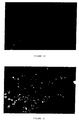
- they are examined under a microscope in fluorescence. Almost all of the fibroblast nuclei show a fluorescent marking.
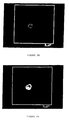
- fibroblast nuclei incubated with a control monoclonal antibody lg 2a without anti-DNA activity which does not does not penetrate into the nuclei, does not show fluorescence ( Figures 1 and 2)
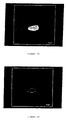
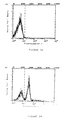
- immunovector monoclonal antibody C-2.1 or F-4.1 or control antibody (G-14 monoclonal antibody) labeled with the fluorescein is injected into two mice at a rate of 0.2 ml per route intravenously and 0.3 ml intraperitoneally. After 5 hours the mice are bled and sacrificed and the circulating blood lymphocytes are analyzed by FACS. We note that 60% of blood lymphocytes device from the mouse injected with the immunovector are fluorescent when none of the control animal's lymphocytes are fluorescent (Figure 3). Microscopic examination shows fluorescence at the level nuclei in the majority of cells.
- Fibroblasts of the PtK2 line (10 5 / ml) cultured 24 hours before are incubated in a complete RPMI culture medium with polyclonal anti-human IgG IgGs labeled with biotin in increasing amounts (5-100 ⁇ g). After 3 hours, the cells are washed, fixed and permeabilized as described in IC. The cells are then incubated with RPMI containing 1 ⁇ g / ml of streptavidin labeled with peroxidase. After one hour, the cells are washed three times with PBS and the peroxidase associated with the cells is revealed using the DAB + H 2 O 2 medium. Preparations are included in Mowiol and examined under an optical microscope A large number of fibroblast nuclei incubated with anti-DNA IgG are positive while cells incubated with IgG from normal individuals and labeled with biotin are negative .
- the PtK2 fibroblasts are incubated with increasing amounts of Fab 'fragments of an immunovector (antibody J-20.8) labeled with peroxidase. After 3 hours, the cells are washed three times with PBS and fixed for 20 minutes with 0.2% glutaraldehyde and 2% formaldehyde in PBS. After washing, the activity of the peroxidase is revealed by the DAB + H 2 0 2 colored test and the preparations are examined under an optical microscope. A large proportion of fibroblast nuclei incubated with the Fab 'fragments of the J-20.8 antibody are positive for peroxidase, while those incubated with the control antibody 48.9 are negative.
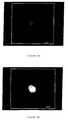
- 3 x 10 6 splenocytes prepared from the spleen of BALB / c mice, are incubated in 1 ml of RPMI containing 40 ⁇ g / ml of immunovector (J-20.8) or of its Fab 'fragment covalently coupled to the polynucleotide After three hours of incubation at 37 ° C, the cells are washed with PBS. fixed in 4% paraformaldehyde and examined under a microscope. Eight to 10% of the cells show intranuclear fluorescence (Figure 4).
- the transfection efficiency was evaluated by highlighting the synthesis of proteins encoded by these genes, either using anti-antigen antibodies T coupled to peroxidase, either by a luminometric assay of the activity of luciferase on its substrate luciferin.
- the cells used are fibroblasts of the GMA-32 line and Hep 2 carcinoma cells. They are cultured in a complete medium (RPMI 1640 medium containing 10% fetal calf serum, 2mM L-glutamine, 1% pyruvate sodium and antibiotics), at 37 ° C 5% CO 2 .
- a complete medium RPMI 1640 medium containing 10% fetal calf serum, 2mM L-glutamine, 1% pyruvate sodium and antibiotics
- Plasmid pHuVim 830 T, t The Hep2 cells are seeded the day before at the rate of 2 ⁇ 10 4 cells in 0.5 ml of complete medium per well of a 24-well plate.
- the medium is removed and replaced by 0.3 ml of complete medium containing 20 ⁇ g of antibody-poly-L-lysine and 2 ⁇ g of plasmid, or 20 ⁇ g of native antibodies and 2 ⁇ g of plasmid or 2 ⁇ g of plasmid alone.
- the medium is changed and the culture is continued by changing the medium every two days and by splitting the cells if necessary. The efficiency of the transfection is tested at variable times.
- PCMV-Luc plasmid GMA-32 cells are seeded the day before at the rate of 7 to 10 ⁇ 10 4 cells / 0.5 ml of complete medium per well of a 24-well plate of complete culture medium.
- the medium is removed and replaced with 0.5 ml of complete medium containing 8 ⁇ g of J-20.8 / polysin or F-14 6 / polylysine, or 20 ⁇ g of J-20 8 polyclonal IgG and 2 ⁇ g of plasmid or 2 ⁇ g of plasmid alone. After 6 hours, the medium is changed. The effectiveness of the transfection and tested 24 hours after the start of the transfection.
- Plasmid pHuVim 830 T, t the synthesis of the T antigen in the nucleus of the transfected cells is demonstrated by an immunocytochemical method
- the cells are washed 3 times with PBS and then fixed for 10 minutes in methanol at -20 ° C. They are then incubated with the anti-T antigen antibody coupled to peroxidase for 1 hour. After washing, the peroxidase is revealed by the DAB + H 2 O 2 mixture.
- isolated cells and some foci of cells have a nucleus strongly colored in brown after 48 hours and after 2 weeks
- the control with the native antibody or the plasmid alone is negative .
- PCMV-Luc plasmid the efficiency of transfection is demonstrated by the synthesis of detectable luciferase in the lysates of the transfected cells. This enzyme catalyzes the oxidation of luciferin which results in a product detectable in a luminometer. After the culture, the cells are washed in PBS and then lysed in a Trisphosphate buffer, 25 mM, pH 7.8, containing 8 mM MgCl 2 , 1 mM DTT, 1% Triton X100, 1% BSA and 15% glycerol.
- the lysate is assayed in a luminometer by automatic addition of a solution of luciferin (0.25 mM) and ATP (1 mM). An aliquot of the same lysate is assayed for its protein concentration by a Coomassie reagent (Bio-Rad Protein Assay). The results are expressed in units (RLU) per mg of protein. As the table shows, a gene transfer takes place in the presence of the antibody preparations J-20.8 / polylysine and F-14.6 / polylysine while the IgG / polylysine have no effect.
- the transfection efficiency for the same antibody / plasmid ratio is 10 times higher with preparation J-20.8 than with F-14.6.
- the addition of concentrated polyclonal IgGs during coupling to the polylysine seems to increase the transfection efficiency since 2 ⁇ g of J-20.8 (complex 20: 0.5) of the preparation J-20.8-lgG / polylysine give results of the same order of magnitude as 8 ⁇ g (complex 8: 0.5) of the preparation D-20.8 / polylysine.
- the preferred immunovectors were essentially formed by anti-DNA antibodies or fragments of these antibodies, provided that these fragments retain the recognition site for whole DNA. It goes without saying that the usable immunovectors in the context of the invention could be constituted in any other way, since they would also allow the transport of the principle biologically active which would be associated with it through the membranes of these cells and their cytoplasm and its transfer near the nucleus of cells, or even inside this nucleus.
- conjugates between a nuclear protein for example a histone, an hnRNP protein, a polymerase or factor associated with that polymerase, and the product active, this nuclear protein being itself (except that it is its own only capable of internalizing and transferring a principle biologically active in the cell nucleus) conjugated to the antibody cell membrane anti-receptor or any other molecule allowing the internalization in the cell of the conjugate thus produced.
- this conjugate is able to diffuse into the nucleus of cells and that it could in turn transport and transfer, as this was defined above, a biologically active principle that would coupled with this conjugate, it constitutes an immunovector coming within the framework of the present invention.
Landscapes
- Health & Medical Sciences (AREA)
- Life Sciences & Earth Sciences (AREA)
- Chemical & Material Sciences (AREA)
- General Health & Medical Sciences (AREA)
- Medicinal Chemistry (AREA)
- Veterinary Medicine (AREA)
- Public Health (AREA)
- Animal Behavior & Ethology (AREA)
- Pharmacology & Pharmacy (AREA)
- Organic Chemistry (AREA)
- Engineering & Computer Science (AREA)
- Molecular Biology (AREA)
- General Chemical & Material Sciences (AREA)
- Nuclear Medicine, Radiotherapy & Molecular Imaging (AREA)
- Epidemiology (AREA)
- Immunology (AREA)
- Genetics & Genomics (AREA)
- Chemical Kinetics & Catalysis (AREA)
- Bioinformatics & Cheminformatics (AREA)
- Virology (AREA)
- Biophysics (AREA)
- Oncology (AREA)
- Biochemistry (AREA)
- Communicable Diseases (AREA)
- Biotechnology (AREA)
- Proteomics, Peptides & Aminoacids (AREA)
- AIDS & HIV (AREA)
- Tropical Medicine & Parasitology (AREA)
- Peptides Or Proteins (AREA)
- Preparation Of Compounds By Using Micro-Organisms (AREA)
- Medicines Containing Antibodies Or Antigens For Use As Internal Diagnostic Agents (AREA)
- Micro-Organisms Or Cultivation Processes Thereof (AREA)
- Pharmaceuticals Containing Other Organic And Inorganic Compounds (AREA)
- Medicines That Contain Protein Lipid Enzymes And Other Medicines (AREA)
- Measuring Or Testing Involving Enzymes Or Micro-Organisms (AREA)
- Investigating Or Analysing Biological Materials (AREA)
- Medicinal Preparation (AREA)
- Materials For Medical Uses (AREA)
Applications Claiming Priority (3)
| Application Number | Priority Date | Filing Date | Title |
|---|---|---|---|
| FR9508316A FR2736642B1 (fr) | 1995-07-10 | 1995-07-10 | Immunovecteurs, notamment anticorps et fragments d'anticorps utilisables pour le transport intracellulaire et intranucleaire de principes biologiquement actifs notamment d'haptenes, de proteines et d'acides nucleiques |
| FR9508316 | 1995-07-10 | ||
| PCT/FR1996/001076 WO1997002840A1 (fr) | 1995-07-10 | 1996-07-10 | Immunovecteurs utilisables pour le transport intracellulaire et intranucleaire |
Publications (2)
| Publication Number | Publication Date |
|---|---|
| EP0837699A1 EP0837699A1 (fr) | 1998-04-29 |
| EP0837699B1 true EP0837699B1 (fr) | 2003-05-21 |
Family
ID=9480845
Family Applications (1)
| Application Number | Title | Priority Date | Filing Date |
|---|---|---|---|
| EP96924965A Expired - Lifetime EP0837699B1 (fr) | 1995-07-10 | 1996-07-10 | Immunovecteurs utilisables pour le transport intracellulaire et intranucleaire |
Country Status (11)
| Country | Link |
|---|---|
| US (3) | US6608034B1 (da) |
| EP (1) | EP0837699B1 (da) |
| JP (3) | JP2000506361A (da) |
| AT (1) | ATE240746T1 (da) |
| CA (1) | CA2224413C (da) |
| DE (1) | DE69628298T2 (da) |
| DK (1) | DK0837699T3 (da) |
| ES (1) | ES2198495T3 (da) |
| FR (1) | FR2736642B1 (da) |
| PT (1) | PT837699E (da) |
| WO (1) | WO1997002840A1 (da) |
Families Citing this family (15)
| Publication number | Priority date | Publication date | Assignee | Title |
|---|---|---|---|---|
| FR2736642B1 (fr) * | 1995-07-10 | 1997-09-12 | Pasteur Institut | Immunovecteurs, notamment anticorps et fragments d'anticorps utilisables pour le transport intracellulaire et intranucleaire de principes biologiquement actifs notamment d'haptenes, de proteines et d'acides nucleiques |
| FR2766826B1 (fr) * | 1997-08-04 | 2001-05-18 | Pasteur Institut | Vecteurs derives d'anticorps pour le transfert de substances dans les cellules |
| EP1006197A1 (en) * | 1998-12-04 | 2000-06-07 | Transgene S.A. | Use of an immuno complex for the preparation of a therapeutic composition useful for transfecting a polynucleotide into macropinocyte cells |
| JP3513068B2 (ja) * | 1999-05-12 | 2004-03-31 | 浜松ホトニクス株式会社 | 生細胞の細胞質内標的核酸を検出する方法 |
| FR2805821B1 (fr) | 2000-03-01 | 2004-01-16 | Diatos | Sequences d'acides amines facilitant la penetration d'une substance d'interet a l'interieur des cellules et/ou des noyaux cellulaires |
| US8003595B2 (en) | 2000-03-01 | 2011-08-23 | Cellectis | Amino acid sequences facilitating penetration of a substance of interest into cells and/or cell nuclei |
| US20030032597A1 (en) * | 2001-07-31 | 2003-02-13 | Sebestyen Magdolna G. | Targeting nucleic acids to a cellular nucleus |
| US7049286B2 (en) | 2001-08-30 | 2006-05-23 | Diatos, S.A. | Insulin conjugates and methods of use thereof |
| WO2003080115A1 (fr) * | 2002-03-22 | 2003-10-02 | Bipha Corporation | Complexes peptide hydrophile - immunoglobuline |
| DE602004022056D1 (de) | 2003-08-14 | 2009-08-27 | Diatos | Antibakterielle zusammensetzung, vor allem zur bekämpfung gramnegativer bakterien, umfassend ein peptid und ein vorteilhafterweise hydrophobes antibakterielles agens |
| EP1797901A1 (en) | 2005-12-16 | 2007-06-20 | Diatos | Cell penetrating peptide conjugates for delivering nucleic acids into cells |
| EP1818395A1 (en) | 2006-02-08 | 2007-08-15 | Diatos | Compositions and methods for treating lysosomal storage diseases |
| ES2610779T3 (es) | 2011-08-23 | 2017-05-03 | President And Fellows Of Harvard College | Nanopartículas de péptidos y usos de las mismas |
| MX382968B (es) | 2012-11-16 | 2025-03-12 | United Biomedical Inc | Vacuna de emergencia basada en péptidos sintéticos contra la fiebre aftosa. |
| US20220227887A1 (en) * | 2019-06-11 | 2022-07-21 | Ono Pharmaceutical Co., Ltd. | Immunosuppressant |
Family Cites Families (23)
| Publication number | Priority date | Publication date | Assignee | Title |
|---|---|---|---|---|
| FR2334107A1 (fr) * | 1975-12-05 | 1977-07-01 | Pasteur Institut | Procede de couplage de substances biologiques par des liaisons covalentes |
| US4650675A (en) * | 1983-08-18 | 1987-03-17 | The Children's Medical Center Corporation | Oligonucleotide conjugates |
| US4599998A (en) * | 1984-06-01 | 1986-07-15 | Castillo James D | Adjustable polycentric orthopedic appliance hinge |
| US4812397A (en) * | 1987-02-10 | 1989-03-14 | The Regents Of The University Of California | MAB-anti-DNA related to nephritis |
| US5428132A (en) * | 1987-10-11 | 1995-06-27 | United States Of America | Conjugate and method for integration of foreign DNA into cells |
| US4952499A (en) * | 1988-02-11 | 1990-08-28 | Dana-Farber Cancer Institute | Genes and their encoded proteins which regulate gene expression of the interleukin-2 receptor and of human lymphotropic retroviruses |
| US5391723A (en) * | 1989-05-31 | 1995-02-21 | Neorx Corporation | Oligonucleotide conjugates |
| ZA914625B (en) * | 1990-06-22 | 1993-02-24 | Lilly Co Eli | In vivo targeting with bifunctional antibodies |
| US5733523A (en) * | 1990-12-10 | 1998-03-31 | Akzo Nobel N.V. | Targeted delivery of a therapeutic entity using complementary oligonucleotides |
| DE4104186A1 (de) * | 1991-02-12 | 1992-08-13 | Genentech Inc | Neue, ueber endozytose in hoehere eukaryotische zellen aufnehmbare, nukleinsaeure enthaltende komplexe |
| CA2108451A1 (en) * | 1991-04-26 | 1992-10-27 | Beverley J. Randle | Novel antibodies, and methods for their use |
| US5298422A (en) * | 1991-11-06 | 1994-03-29 | Baylor College Of Medicine | Myogenic vector systems |
| US5922859A (en) | 1992-02-01 | 1999-07-13 | Boehringer Ingelheim International Gmbh | Complexes containing nucleic acid which can be taken-up by endocytosis into higher eukaryotic cells |
| CA2140280A1 (en) * | 1992-08-17 | 1994-03-03 | Avi J. Ashkenazi | Bispecific immunoadhesins |
| DE4318402A1 (de) * | 1993-06-03 | 1994-12-08 | Boehringer Mannheim Gmbh | Verfahren zum Nachweis eines programmierten oder induzierten Zelltods eukaryontischer Zeller |
| US5681700A (en) * | 1994-05-25 | 1997-10-28 | Oklahoma Medical Research Foundation | Assay for pathogenicity of anti-DNA antibodies |
| US5648219A (en) * | 1995-06-07 | 1997-07-15 | Zymogenetics, Inc. | Immortalized dendritic cells |
| US5837533A (en) * | 1994-09-28 | 1998-11-17 | American Home Products Corporation | Complexes comprising a nucleic acid bound to a cationic polyamine having an endosome disruption agent |
| US5908777A (en) * | 1995-06-23 | 1999-06-01 | University Of Pittsburgh | Lipidic vector for nucleic acid delivery |
| FR2736642B1 (fr) * | 1995-07-10 | 1997-09-12 | Pasteur Institut | Immunovecteurs, notamment anticorps et fragments d'anticorps utilisables pour le transport intracellulaire et intranucleaire de principes biologiquement actifs notamment d'haptenes, de proteines et d'acides nucleiques |
| US5616819A (en) * | 1995-08-28 | 1997-04-01 | Laroche Industries Inc. | Process for preparing fluorinated aliphatic compounds |
| JP2000507225A (ja) * | 1996-03-08 | 2000-06-13 | ザ リージェンツ オブ ザ ユニバーシティー オブ カリフォルニア | mab 3E10 ならびにその突然変異体および/または機能性フラグメントを使用する送達システム |
| US5992859A (en) * | 1998-04-27 | 1999-11-30 | Chum Power Machinery Corp. | Bit holding system for a power hand tool |
-
1995
- 1995-07-10 FR FR9508316A patent/FR2736642B1/fr not_active Expired - Fee Related
-
1996
- 1996-07-10 DK DK96924965T patent/DK0837699T3/da active
- 1996-07-10 US US08/981,474 patent/US6608034B1/en not_active Expired - Fee Related
- 1996-07-10 CA CA002224413A patent/CA2224413C/fr not_active Expired - Fee Related
- 1996-07-10 WO PCT/FR1996/001076 patent/WO1997002840A1/fr not_active Ceased
- 1996-07-10 EP EP96924965A patent/EP0837699B1/fr not_active Expired - Lifetime
- 1996-07-10 JP JP9504635A patent/JP2000506361A/ja not_active Withdrawn
- 1996-07-10 AT AT96924965T patent/ATE240746T1/de not_active IP Right Cessation
- 1996-07-10 DE DE69628298T patent/DE69628298T2/de not_active Expired - Lifetime
- 1996-07-10 ES ES96924965T patent/ES2198495T3/es not_active Expired - Lifetime
- 1996-07-10 PT PT96924965T patent/PT837699E/pt unknown
-
2003
- 2003-06-20 US US10/465,654 patent/US20040259822A1/en not_active Abandoned
-
2007
- 2007-09-13 JP JP2007238547A patent/JP4680968B2/ja not_active Expired - Fee Related
-
2009
- 2009-12-18 JP JP2009288101A patent/JP2010115202A/ja active Pending
-
2010
- 2010-10-06 US US12/899,170 patent/US20110020928A1/en not_active Abandoned
Also Published As
| Publication number | Publication date |
|---|---|
| CA2224413C (fr) | 2009-10-13 |
| EP0837699A1 (fr) | 1998-04-29 |
| ES2198495T3 (es) | 2004-02-01 |
| PT837699E (pt) | 2003-09-30 |
| FR2736642A1 (fr) | 1997-01-17 |
| JP2010115202A (ja) | 2010-05-27 |
| WO1997002840A1 (fr) | 1997-01-30 |
| FR2736642B1 (fr) | 1997-09-12 |
| CA2224413A1 (fr) | 1997-01-30 |
| JP2008054684A (ja) | 2008-03-13 |
| ATE240746T1 (de) | 2003-06-15 |
| US20110020928A1 (en) | 2011-01-27 |
| DE69628298T2 (de) | 2004-03-25 |
| US6608034B1 (en) | 2003-08-19 |
| US20040259822A1 (en) | 2004-12-23 |
| DK0837699T3 (da) | 2003-09-22 |
| JP2000506361A (ja) | 2000-05-30 |
| JP4680968B2 (ja) | 2011-05-11 |
| DE69628298D1 (de) | 2003-06-26 |
Similar Documents
| Publication | Publication Date | Title |
|---|---|---|
| JP4680968B2 (ja) | 細胞内および核内輸送に使用しうるイムノベクター | |
| JP3222461B2 (ja) | 新規タンパク質―ポリカチオン結合体 | |
| CN1200950C (zh) | 作为蛋白质或核酸的输送载体的免疫共轭物 | |
| Lackey et al. | A biomimetic pH-responsive polymer directs endosomal release and intracellular delivery of an endocytosed antibody complex | |
| EP1001815B1 (fr) | Vecteurs derives d'anticorps pour le transfert de substances dans les cellules | |
| Liu et al. | Quantum dot targeting with lipoic acid ligase and HaloTag for single-molecule imaging on living cells | |
| WO2000028001A1 (fr) | Exosomes modifies et utilisations | |
| Bui et al. | Virus-free method to control and enhance extracellular vesicle cargo loading and delivery | |
| Zhang et al. | Multimodality imaging of coiled‐coil mediated self‐assembly in a “drug‐free” therapeutic system | |
| WO1999003881A2 (fr) | Polypeptide chimerique comprenant le fragment b de la toxine shiga et des peptides d'interet therapeutique | |
| Brinkmann et al. | Expression cloning of cDNAs that render cancer cells resistant to Pseudomonas and diphtheria toxin and immunotoxins | |
| Hsu et al. | Development of a versatile and modular linker for antibody–drug conjugates based on oligonucleotide strand pairing | |
| JP3556214B2 (ja) | 新しい蛋白質・ポリカチオン結合体 | |
| WO2008113916A2 (fr) | Composition pharmaceutique comprenant des anticorps diriges contre l'enveloppe de herv-w | |
| CA2640793C (fr) | Domaine peptidique necessaire a l'interaction entre l'enveloppe d'un virus appartenant au groupe d'interference de herv-w et un recepteur hasct | |
| EP0468049A1 (fr) | Anticorps monoclonaux reconnaissant un peptide associe a un antigene majeur d'histocompatibilite | |
| Avrameas et al. | Efficient gene delivery by a peptide derived from a monoclonal anti-DNA antibody | |
| FR2793414A1 (fr) | Conjugue acide nucleique-anticorps pour delivrer un acide nucleique etranger dans les cellules | |
| WO1998034956A1 (fr) | Complexe non-covalent comprenant au moins un anticorps et un element de liaison aux immunoglobulines associe a une substance active, son procede de preparation et ses applications | |
| CA2366552A1 (fr) | Detection d'une activite superantigenique dans un echantillon biologique | |
| FR2779432A1 (fr) | Sequence nucleique du recepteur rii du tgfb, peptide code, et utilisations | |
| FR2861732A1 (fr) | ANTICORPS scFv ANTI-CD63 ET SES UTILISATIONS | |
| FR2828490A1 (fr) | Anticorps anti-idiotypiques de molecules hla de classe i et leur utilisation pour la preparation de compositions destinees a inhiber l'activation vasculaire |
Legal Events
| Date | Code | Title | Description |
|---|---|---|---|
| PUAI | Public reference made under article 153(3) epc to a published international application that has entered the european phase |
Free format text: ORIGINAL CODE: 0009012 |
|
| 17P | Request for examination filed |
Effective date: 19980112 |
|
| AK | Designated contracting states |
Kind code of ref document: A1 Designated state(s): AT BE CH DE DK ES FI FR GB GR IE IT LI LU MC NL PT SE |
|
| 17Q | First examination report despatched |
Effective date: 20010125 |
|
| GRAG | Despatch of communication of intention to grant |
Free format text: ORIGINAL CODE: EPIDOS AGRA |
|
| GRAG | Despatch of communication of intention to grant |
Free format text: ORIGINAL CODE: EPIDOS AGRA |
|
| GRAH | Despatch of communication of intention to grant a patent |
Free format text: ORIGINAL CODE: EPIDOS IGRA |
|
| GRAH | Despatch of communication of intention to grant a patent |
Free format text: ORIGINAL CODE: EPIDOS IGRA |
|
| GRAA | (expected) grant |
Free format text: ORIGINAL CODE: 0009210 |
|
| AK | Designated contracting states |
Designated state(s): AT BE CH DE DK ES FI FR GB GR IE IT LI LU MC NL PT SE |
|
| REG | Reference to a national code |
Ref country code: GB Ref legal event code: FG4D Free format text: NOT ENGLISH |
|
| REG | Reference to a national code |
Ref country code: CH Ref legal event code: NV Representative=s name: BOVARD AG PATENTANWAELTE Ref country code: CH Ref legal event code: EP |
|
| REG | Reference to a national code |
Ref country code: IE Ref legal event code: FG4D Free format text: FRENCH |
|
| REF | Corresponds to: |
Ref document number: 69628298 Country of ref document: DE Date of ref document: 20030626 Kind code of ref document: P |
|
| REG | Reference to a national code |
Ref country code: SE Ref legal event code: TRGR |
|
| REG | Reference to a national code |
Ref country code: DK Ref legal event code: T3 |
|
| REG | Reference to a national code |
Ref country code: GR Ref legal event code: EP Ref document number: 20030403044 Country of ref document: GR |
|
| REG | Reference to a national code |
Ref country code: PT Ref legal event code: SC4A Free format text: AVAILABILITY OF NATIONAL TRANSLATION Effective date: 20030714 |
|
| GBT | Gb: translation of ep patent filed (gb section 77(6)(a)/1977) |
Effective date: 20031006 |
|
| REG | Reference to a national code |
Ref country code: ES Ref legal event code: FG2A Ref document number: 2198495 Country of ref document: ES Kind code of ref document: T3 |
|
| PLBE | No opposition filed within time limit |
Free format text: ORIGINAL CODE: 0009261 |
|
| STAA | Information on the status of an ep patent application or granted ep patent |
Free format text: STATUS: NO OPPOSITION FILED WITHIN TIME LIMIT |
|
| 26N | No opposition filed |
Effective date: 20040224 |
|
| PGFP | Annual fee paid to national office [announced via postgrant information from national office to epo] |
Ref country code: PT Payment date: 20100618 Year of fee payment: 15 Ref country code: MC Payment date: 20100618 Year of fee payment: 15 Ref country code: LU Payment date: 20100625 Year of fee payment: 15 Ref country code: FI Payment date: 20100617 Year of fee payment: 15 Ref country code: DK Payment date: 20100622 Year of fee payment: 15 |
|
| PGFP | Annual fee paid to national office [announced via postgrant information from national office to epo] |
Ref country code: NL Payment date: 20100621 Year of fee payment: 15 Ref country code: IE Payment date: 20100701 Year of fee payment: 15 Ref country code: ES Payment date: 20100727 Year of fee payment: 15 Ref country code: CH Payment date: 20100708 Year of fee payment: 15 |
|
| PGFP | Annual fee paid to national office [announced via postgrant information from national office to epo] |
Ref country code: SE Payment date: 20100618 Year of fee payment: 15 Ref country code: IT Payment date: 20100721 Year of fee payment: 15 Ref country code: AT Payment date: 20100617 Year of fee payment: 15 |
|
| PGFP | Annual fee paid to national office [announced via postgrant information from national office to epo] |
Ref country code: GR Payment date: 20100625 Year of fee payment: 15 |
|
| PGFP | Annual fee paid to national office [announced via postgrant information from national office to epo] |
Ref country code: BE Payment date: 20100803 Year of fee payment: 15 |
|
| REG | Reference to a national code |
Ref country code: PT Ref legal event code: MM4A Free format text: LAPSE DUE TO NON-PAYMENT OF FEES Effective date: 20120110 |
|
| BERE | Be: lapsed |
Owner name: UNIVERSITE PIERRE ET MARIE *CURIE PARIS VI Effective date: 20110731 Owner name: INSTITUT *PASTEUR Effective date: 20110731 |
|
| REG | Reference to a national code |
Ref country code: NL Ref legal event code: V1 Effective date: 20120201 |
|
| PG25 | Lapsed in a contracting state [announced via postgrant information from national office to epo] |
Ref country code: MC Free format text: LAPSE BECAUSE OF NON-PAYMENT OF DUE FEES Effective date: 20110731 |
|
| REG | Reference to a national code |
Ref country code: CH Ref legal event code: PL |
|
| REG | Reference to a national code |
Ref country code: SE Ref legal event code: EUG |
|
| REG | Reference to a national code |
Ref country code: DK Ref legal event code: EBP |
|
| REG | Reference to a national code |
Ref country code: GR Ref legal event code: ML Ref document number: 20030403044 Country of ref document: GR Effective date: 20120202 |
|
| REG | Reference to a national code |
Ref country code: AT Ref legal event code: MM01 Ref document number: 240746 Country of ref document: AT Kind code of ref document: T Effective date: 20110710 |
|
| REG | Reference to a national code |
Ref country code: IE Ref legal event code: MM4A |
|
| PG25 | Lapsed in a contracting state [announced via postgrant information from national office to epo] |
Ref country code: BE Free format text: LAPSE BECAUSE OF NON-PAYMENT OF DUE FEES Effective date: 20110731 Ref country code: LI Free format text: LAPSE BECAUSE OF NON-PAYMENT OF DUE FEES Effective date: 20110731 Ref country code: CH Free format text: LAPSE BECAUSE OF NON-PAYMENT OF DUE FEES Effective date: 20110731 |
|
| PG25 | Lapsed in a contracting state [announced via postgrant information from national office to epo] |
Ref country code: PT Free format text: LAPSE BECAUSE OF NON-PAYMENT OF DUE FEES Effective date: 20120110 Ref country code: GR Free format text: LAPSE BECAUSE OF NON-PAYMENT OF DUE FEES Effective date: 20120202 Ref country code: IT Free format text: LAPSE BECAUSE OF NON-PAYMENT OF DUE FEES Effective date: 20110710 Ref country code: FI Free format text: LAPSE BECAUSE OF NON-PAYMENT OF DUE FEES Effective date: 20110710 Ref country code: NL Free format text: LAPSE BECAUSE OF NON-PAYMENT OF DUE FEES Effective date: 20120201 |
|
| PG25 | Lapsed in a contracting state [announced via postgrant information from national office to epo] |
Ref country code: IE Free format text: LAPSE BECAUSE OF NON-PAYMENT OF DUE FEES Effective date: 20110710 Ref country code: DK Free format text: LAPSE BECAUSE OF NON-PAYMENT OF DUE FEES Effective date: 20110731 |
|
| PGFP | Annual fee paid to national office [announced via postgrant information from national office to epo] |
Ref country code: GB Payment date: 20120723 Year of fee payment: 17 |
|
| PGFP | Annual fee paid to national office [announced via postgrant information from national office to epo] |
Ref country code: DE Payment date: 20120713 Year of fee payment: 17 Ref country code: FR Payment date: 20120813 Year of fee payment: 17 |
|
| PG25 | Lapsed in a contracting state [announced via postgrant information from national office to epo] |
Ref country code: AT Free format text: LAPSE BECAUSE OF NON-PAYMENT OF DUE FEES Effective date: 20110710 |
|
| REG | Reference to a national code |
Ref country code: ES Ref legal event code: FD2A Effective date: 20130417 |
|
| PG25 | Lapsed in a contracting state [announced via postgrant information from national office to epo] |
Ref country code: ES Free format text: LAPSE BECAUSE OF NON-PAYMENT OF DUE FEES Effective date: 20110711 Ref country code: SE Free format text: LAPSE BECAUSE OF NON-PAYMENT OF DUE FEES Effective date: 20110711 |
|
| PG25 | Lapsed in a contracting state [announced via postgrant information from national office to epo] |
Ref country code: LU Free format text: LAPSE BECAUSE OF NON-PAYMENT OF DUE FEES Effective date: 20110710 |
|
| GBPC | Gb: european patent ceased through non-payment of renewal fee |
Effective date: 20130710 |
|
| REG | Reference to a national code |
Ref country code: FR Ref legal event code: ST Effective date: 20140331 |
|
| PG25 | Lapsed in a contracting state [announced via postgrant information from national office to epo] |
Ref country code: GB Free format text: LAPSE BECAUSE OF NON-PAYMENT OF DUE FEES Effective date: 20130710 Ref country code: DE Free format text: LAPSE BECAUSE OF NON-PAYMENT OF DUE FEES Effective date: 20140201 |
|
| REG | Reference to a national code |
Ref country code: DE Ref legal event code: R119 Ref document number: 69628298 Country of ref document: DE Effective date: 20140201 |
|
| PG25 | Lapsed in a contracting state [announced via postgrant information from national office to epo] |
Ref country code: FR Free format text: LAPSE BECAUSE OF NON-PAYMENT OF DUE FEES Effective date: 20130731 |