EP0795317A2 - Wachskombination und diese enthaltende kosmetische Mittel - Google Patents
Wachskombination und diese enthaltende kosmetische Mittel Download PDFInfo
- Publication number
- EP0795317A2 EP0795317A2 EP97103059A EP97103059A EP0795317A2 EP 0795317 A2 EP0795317 A2 EP 0795317A2 EP 97103059 A EP97103059 A EP 97103059A EP 97103059 A EP97103059 A EP 97103059A EP 0795317 A2 EP0795317 A2 EP 0795317A2
- Authority
- EP
- European Patent Office
- Prior art keywords
- weight
- percent
- wax
- hair
- agent
- Prior art date
- Legal status (The legal status is an assumption and is not a legal conclusion. Google has not performed a legal analysis and makes no representation as to the accuracy of the status listed.)
- Granted
Links
Classifications
-
- A—HUMAN NECESSITIES
- A61—MEDICAL OR VETERINARY SCIENCE; HYGIENE
- A61Q—SPECIFIC USE OF COSMETICS OR SIMILAR TOILETRY PREPARATIONS
- A61Q19/00—Preparations for care of the skin
-
- A—HUMAN NECESSITIES
- A61—MEDICAL OR VETERINARY SCIENCE; HYGIENE
- A61K—PREPARATIONS FOR MEDICAL, DENTAL OR TOILETRY PURPOSES
- A61K8/00—Cosmetics or similar toiletry preparations
- A61K8/02—Cosmetics or similar toiletry preparations characterised by special physical form
- A61K8/04—Dispersions; Emulsions
- A61K8/046—Aerosols; Foams
-
- A—HUMAN NECESSITIES
- A61—MEDICAL OR VETERINARY SCIENCE; HYGIENE
- A61K—PREPARATIONS FOR MEDICAL, DENTAL OR TOILETRY PURPOSES
- A61K8/00—Cosmetics or similar toiletry preparations
- A61K8/02—Cosmetics or similar toiletry preparations characterised by special physical form
- A61K8/11—Encapsulated compositions
-
- A—HUMAN NECESSITIES
- A61—MEDICAL OR VETERINARY SCIENCE; HYGIENE
- A61K—PREPARATIONS FOR MEDICAL, DENTAL OR TOILETRY PURPOSES
- A61K8/00—Cosmetics or similar toiletry preparations
- A61K8/18—Cosmetics or similar toiletry preparations characterised by the composition
- A61K8/92—Oils, fats or waxes; Derivatives thereof, e.g. hydrogenation products thereof
- A61K8/922—Oils, fats or waxes; Derivatives thereof, e.g. hydrogenation products thereof of vegetable origin
-
- A—HUMAN NECESSITIES
- A61—MEDICAL OR VETERINARY SCIENCE; HYGIENE
- A61K—PREPARATIONS FOR MEDICAL, DENTAL OR TOILETRY PURPOSES
- A61K2800/00—Properties of cosmetic compositions or active ingredients thereof or formulation aids used therein and process related aspects
- A61K2800/40—Chemical, physico-chemical or functional or structural properties of particular ingredients
- A61K2800/41—Particular ingredients further characterized by their size
- A61K2800/412—Microsized, i.e. having sizes between 0.1 and 100 microns
-
- A—HUMAN NECESSITIES
- A61—MEDICAL OR VETERINARY SCIENCE; HYGIENE
- A61Q—SPECIFIC USE OF COSMETICS OR SIMILAR TOILETRY PREPARATIONS
- A61Q1/00—Make-up preparations; Body powders; Preparations for removing make-up
- A61Q1/02—Preparations containing skin colorants, e.g. pigments
- A61Q1/04—Preparations containing skin colorants, e.g. pigments for lips
- A61Q1/06—Lipsticks
-
- A—HUMAN NECESSITIES
- A61—MEDICAL OR VETERINARY SCIENCE; HYGIENE
- A61Q—SPECIFIC USE OF COSMETICS OR SIMILAR TOILETRY PREPARATIONS
- A61Q17/00—Barrier preparations; Preparations brought into direct contact with the skin for affording protection against external influences, e.g. sunlight, X-rays or other harmful rays, corrosive materials, bacteria or insect stings
-
- A—HUMAN NECESSITIES
- A61—MEDICAL OR VETERINARY SCIENCE; HYGIENE
- A61Q—SPECIFIC USE OF COSMETICS OR SIMILAR TOILETRY PREPARATIONS
- A61Q17/00—Barrier preparations; Preparations brought into direct contact with the skin for affording protection against external influences, e.g. sunlight, X-rays or other harmful rays, corrosive materials, bacteria or insect stings
- A61Q17/04—Topical preparations for affording protection against sunlight or other radiation; Topical sun tanning preparations
-
- A—HUMAN NECESSITIES
- A61—MEDICAL OR VETERINARY SCIENCE; HYGIENE
- A61Q—SPECIFIC USE OF COSMETICS OR SIMILAR TOILETRY PREPARATIONS
- A61Q19/00—Preparations for care of the skin
- A61Q19/001—Preparations for care of the lips
-
- A—HUMAN NECESSITIES
- A61—MEDICAL OR VETERINARY SCIENCE; HYGIENE
- A61Q—SPECIFIC USE OF COSMETICS OR SIMILAR TOILETRY PREPARATIONS
- A61Q5/00—Preparations for care of the hair
- A61Q5/02—Preparations for cleaning the hair
-
- A—HUMAN NECESSITIES
- A61—MEDICAL OR VETERINARY SCIENCE; HYGIENE
- A61Q—SPECIFIC USE OF COSMETICS OR SIMILAR TOILETRY PREPARATIONS
- A61Q5/00—Preparations for care of the hair
- A61Q5/04—Preparations for permanent waving or straightening the hair
-
- A—HUMAN NECESSITIES
- A61—MEDICAL OR VETERINARY SCIENCE; HYGIENE
- A61Q—SPECIFIC USE OF COSMETICS OR SIMILAR TOILETRY PREPARATIONS
- A61Q5/00—Preparations for care of the hair
- A61Q5/06—Preparations for styling the hair, e.g. by temporary shaping or colouring
-
- A—HUMAN NECESSITIES
- A61—MEDICAL OR VETERINARY SCIENCE; HYGIENE
- A61Q—SPECIFIC USE OF COSMETICS OR SIMILAR TOILETRY PREPARATIONS
- A61Q5/00—Preparations for care of the hair
- A61Q5/06—Preparations for styling the hair, e.g. by temporary shaping or colouring
- A61Q5/065—Preparations for temporary colouring the hair, e.g. direct dyes
-
- A—HUMAN NECESSITIES
- A61—MEDICAL OR VETERINARY SCIENCE; HYGIENE
- A61Q—SPECIFIC USE OF COSMETICS OR SIMILAR TOILETRY PREPARATIONS
- A61Q5/00—Preparations for care of the hair
- A61Q5/10—Preparations for permanently dyeing the hair
-
- A—HUMAN NECESSITIES
- A61—MEDICAL OR VETERINARY SCIENCE; HYGIENE
- A61Q—SPECIFIC USE OF COSMETICS OR SIMILAR TOILETRY PREPARATIONS
- A61Q5/00—Preparations for care of the hair
- A61Q5/12—Preparations containing hair conditioners
Definitions
- the present invention relates to a wax combination of apple wax, orange wax and / or lemon wax and jojoba oil and cosmetic agents for the treatment of the skin or the hair, which this wax combination contains in free form or as an active ingredient complex which is formed from the wax combination enclosed in capsules.
- Waxes can perform a variety of functions in cosmetic products. For example, they can be used alone to cover the skin or, as a fat component in emulsions, contribute to the viscosity and stability of the cosmetic product. When used in home cosmetic products, waxes can be used to regrease and make the skin hydrophobic, and can be used in hair cosmetic products to condition and care for the hair.
- the waxes can be divided into natural, chemically modified natural and synthetic waxes.
- the waxes that are important for cosmetics include mineral waxes and certain natural waxes of animal and vegetable origin.
- Natural and chemically modified natural mineral waxes come from non-renewable raw material sources or are made from raw materials produced by them. Synthetic Mineral waxes are often contaminated with synthesis-related impurities.
- Beeswax The best-known animal wax is beeswax, but its availability as a waste product from bees is limited. Beeswax also contains high levels of esters, which can adversely affect the stability of beeswax-containing cosmetic products.
- the currently most commonly used commercially available vegetable waxes in cosmetic products are candelilla and carnauba wax.
- these waxes are hard and brittle, have a high melting point and are difficult to emulsify in conventional cosmetic products.
- the wax combination according to the invention used in cosmetic products, shows a synergistic increase in the skin-protecting and skin-care effect compared to the individual components, for example the apple wax known from DE-OS 42 06 154.
- the wax combination according to the invention can be enclosed particularly well in suitable capsules, as a result of which good compatibility with other substances which can be used in cosmetic products is achieved and at the same time ensures easy and residue-free application and distribution of the wax combination on the skin or hair is.
- Another object of the present application consists in cosmetic compositions for the treatment of the skin or the hair, which contain the above-mentioned wax combination either in free form or as an active ingredient complex, which is formed from the wax combination enclosed in capsules.
- Capsules suitable for the active ingredient complex are composed of water-insoluble polymers, particularly preferably of microcrystalline cellulose, and contain hydroxypropyl methyl cellulose and lactose as auxiliaries. Suitable capsules are sold, for example, under the treatment Unispheres, in particular Unispheres UFW-523 and Unispheres RFW-522 by Induchem, D Weg / Switzerland.
- the wax combination according to the invention can be encapsulated by one of these methods. These include, for example, chemical processes, in which the product to be encapsulated is placed in a liquid medium in which a coacervate forming the wall of the capsules forms around the product, or the capsule wall is formed by copolymerization of monomers contained in the liquid medium.
- chemical processes in which the product to be encapsulated is placed in a liquid medium in which a coacervate forming the wall of the capsules forms around the product, or the capsule wall is formed by copolymerization of monomers contained in the liquid medium.
- One of the known encapsulation chemical methods can also be used.
- the substances to be encapsulated are, for example, centrifuged into fine particles and passed through a thin film, which consists of the material forming the capsule wall, or the substance to be encapsulated is atomized in vacuo, a coating being deposited electrostatically.
- a suitable method is, for example, that described in DE-OS 41 22 591.
- An encapsulation process is particularly preferred in which all the substances used are mixed together in the presence of water and the capsule is produced by the fluidized bed rotation process.
- An apple wax suitable for the wax combination according to the invention is, for example, under the trade name Apple wax green 2/080025 distributed by Dragoco, Holzminden / FRG.
- An orange wax suitable for the wax combination according to the invention is sold, for example, under the trade name "Orange peel wax” and a suitable lemon wax under the trade name "Lemon peel wax” by the company Koster Keunen b.v./Netherlands.
- a jojoba oil suitable for use in the wax combination according to the invention is sold, for example, under the trade name "jojoba oil” by the company Hess GmbH, Stuttgart / FRG.
- the wax combination according to the invention is produced by melting the three components a), b) and c) at 50 to 60 ° C., if necessary using a suitable stirring device and then cooling.
- the capsules should contain 0.01 to 30 percent by weight, preferably 0.1 to 20 percent by weight, of the wax combination, based on the capsule weight.
- the active ingredient complex should be present in a cosmetic agent in an amount of 0.01 to 50 percent by weight, preferably in an amount of 0.03 to 20 percent by weight.
- the active ingredient complex can be applied and distributed easily and without residue to the skin or hair and is well suited for the production of clear gels.
- the wax combination according to the invention like the active substance complex, has a skin-protecting effect and has a weaker occlusive effect than the petroleum jelly often used in cosmetic products. Both the wax combination and the active ingredient complex are therefore part of it Skin-protecting and skin-care cosmetic products are excellently suitable.
- the wax combination according to the invention can be used in pure form for covering and protecting the skin.
- As a component of cosmetic hair care and hair cleaning agents it improves the wet and dry combability and the feel of the hair, as well as the active ingredient complex, and protects the hair from the effects of cosmetic treatments such as bleaching, perming, dyeing and washing with degreasing surfactants.
- the cosmetic agents according to the invention can be used, for example, as agents for the care or protection of the skin, for example as day creams, night creams, skin creams, sunscreen creams, lipsticks, lip care agents or as make-up preparations such as make-up creams or blushes, as hair and / or body cleansers such as Shampoo, shower bath, bubble bath or cleaning lotion can be used.
- they can be used as hair treatment agents such as hair oil, as a gel or hair wax, as hair care products, for example as a hair treatment and conditioner or as a bleaching agent, permanent shaping agent, fixing agent, as a hair dye or hair tinting agent.
- the cosmetic agent according to the invention is an emulsion-like skin protection or skin care agent
- the agent preferably contains 0.03 to 50 percent by weight of the wax combination according to the invention in free form or 0.02 to 15 percent by weight of the active ingredient complex.
- a skin protection or skin care agent according to the invention in the form of an oil-in-water emulsion particularly contains preferably 0.03 to 20 percent by weight of the wax combination according to the invention in free form.
- the cosmetic agent according to the invention is a hair or body cleaning agent or a hair care agent, then it preferably has a content of 0.05 percent by weight of the wax combination in free form or 0.02 to 4 percent by weight of the active ingredient complex.
- Such an agent also contains 0.01 to 40 percent by weight of at least one anionic, cationic, amphoteric and / or non-ionic surfactant and 50 to 90 percent by weight of water.
- the hair and / or body cleanser according to the invention has a pH of 3 to 8, preferably 4 to 7.
- Sun oils according to the invention preferably contain 0.1 to 80% of the wax combination according to the invention in free form or 0.01 to 20% by weight of the active ingredient complex.
- Hair oils, brilliantines, hair gels and hair waxes according to the invention preferably contain 1 to 99.8 percent by weight of the wax combination according to the invention in free form or 1 to 19 percent by weight of the active ingredient complex.
- Permanent shaping and fixing agents according to the invention preferably have a content of 0.05 to 5 percent by weight of the wax combination according to the invention or of the active ingredient complex and also contain 0.05 to 15 percent by weight of at least one keratin-reducing mercapto compound.
- the required alkalinity is adjusted by adding ammonia, organic amines, ammonium and alkali carbonates or bicarbonates.
- sodium or ammonium sulfite or the sulfurous acid salt with an organic amine such as monoethanolamine and guanidine are preferably used in a concentration of about 2 to 12 percent by weight (calculated as SO 2 ).
- thioglycolic acid monoglycol esters or glycerol esters in particular are used in a concentration of about 5 to 50 percent by weight (corresponding to a free thioglycolic acid content of 2 to 16 percent by weight).
- the agent for permanent hair shaping according to the invention can also contain a mixture of the keratin-reducing compounds mentioned above.
- the hair is rinsed with water and then oxidatively aftertreated ("fixed").
- the aftertreatment agent is used in an amount of about 50 to 100 g.
- a fixing agent according to the invention or any fixing agent previously used for such treatment can be used for the oxidative aftertreatment.
- oxidizing agents which can be used in such a fixing agent are sodium and potassium bromate, sodium perborate, urea peroxide and hydrogen peroxide.
- the concentration of the oxidizing agent varies depending on the time of use (usually about 5 to 15 minutes) and the temperature of use.
- the oxidizing agent is usually present in the aqueous fixing agent in a concentration of about 0.5 to 10 percent by weight, a fixing agent according to the invention additionally containing 0.05 to 5 percent by weight of the wax combination according to the invention.
- Both the agent for permanent hair shaping according to the invention and the fixing agent according to the invention can be in the form of an aqueous solution or emulsion and in thickened form on an aqueous basis, in particular as a cream, gel or paste. It is also possible to fill this agent under pressure in aerosol cans and remove it as foam.
- the winders are then removed. If necessary, the unwound hair can now be treated oxidatively again.
- the hair is then rinsed with water, laid for the hairstyle and finally dried.
- the process for permanent hair shaping described above enables a gentle and uniform shaping from the hairline to the hair tips, the hair shows excellent wet and dry combability, a pleasant grip and an appealing gloss when dry, as well as a loose, erratic and even permanent wave, in particular in the area of the hair tips.
- a bleaching agent, oxidation hair dye or hair tinting agent according to the invention preferably contains 0.05 to 5 percent by weight of the wax combination according to the invention or of the active ingredient complex.
- a hair tinting agent according to the invention contains, in addition to the wax combination according to the invention, 0.05 to 2.0 percent by weight of at least one hair dye which is directly applied to the hair and which can be selected, for example, from the following classes of hair dye applied directly to the hair: aromatic nitro dyes, for example 1.4- Diamino-2-nitrobenzene, azo dyes, for example Acid Brown 4 (CI 14 805), anthraquinone dyes, for example Disperse Violet 4 (CI 61 105), triphenylmethane dyes, for example Basic Violet 1 (CI 42 535), the dyes depending on The nature of their substituents can have an acidic, nonionic or basic character, and / or natural hair dyes, such as henna and reng, which do not require oxidation to develop their color.
- aromatic nitro dyes for example 1.4- Diamino-2-nitrobenzene
- azo dyes for example Acid Brown 4 (CI 14 805)
- anthraquinone dyes for example Dis
- the agent according to the invention can be present in any preparation form suitable for skin and hair treatment agents, for example in the form of an aqueous alcoholic or alcoholic solution, as an emulsion, as a cream or as a gel.
- the agent can also be sprayed or foamed in a mixture with a propellant gas or by means of a mechanically operated spray device.
- the agent according to the invention is sprayed with the aid of a blowing agent, it preferably contains 3 to 75 percent by weight of the blowing agent and is filled into a pressure vessel.
- blowing agents are, for example, lower alkanes, such as n-butane, i-butane and propane, or also their mixtures with dimethyl ether and, furthermore, blowing agents in gaseous form, for example at the pressures under consideration N 2 , N 2 0 and CO 2 and mixtures of the blowing agents mentioned above are suitable.
- Mechanical spray devices are to be understood as devices which enable the spraying of a liquid without using a propellant.
- a suitable mechanical spraying device can be, for example, a spray pump or an elastic container provided with a spray valve, into which the cosmetic agent according to the invention is filled under pressure, the elastic container expanding and from which the agent continuously as a result of the contraction of the elastic container when the spray valve is opened is used.
- the cosmetic composition according to the invention can also contain customary ingredients for hair and skin treatment compositions, for example solvents, such as water and lower aliphatic alcohols, for example ethanol, propanol and isopropanol, or glycols such as glycerol and 1,2-propylene glycol; Wetting agents or emulsifiers from the classes of anionic, cationic, amphoteric or nonionic surface-active surfactants, such as fatty alcohol sulfates, alkylbenzenesulfonates, alkyltrimethylammonium salts, alkylbetaines, oxyethylated fatty alcohols, oxyethylated nonylphenols, fatty acid alkanolamides, oxyethylated fatty acid esters from 30 to 0.1% by weight; Perfume oils in an amount of 0.5 to 5.0 percent by weight; Opacifiers such as ethylene glycol distearate in an amount of about 0.5 to 5.0 percent by weight; Pearl
- Example 8 Sunscreen Cream (Oil-in-Water Emulsion)
- Example 9 Shampoo
- Example 12 Hair care foam to rinse out
- Example 4 10.00 g ethanol 0.30 g polyoxyethylene glycol derivative of castor oil (CTFA: PEG-35 caster oil) 0.30 g of polyethylene glycol (4) lauryl ether 0.10 g cetyltrimethylammonium chloride 0.07 g isopropanol 1.40 g vinylimidazolinium methochloride / vinylpyrrolidone copolymer (CTFA: Polyquaternum-16) 0.30 g perfume oil 87.13 g water 100.00 ⁇ G ⁇
- 96 g of the above hair care product are filled into an aerosol container with 4 g of a mixture of 50 percent by weight propane and 50 percent by weight n-butane.
- the care foam according to the invention is removed from the container when sprayed in foam form.
- Example 13 Hair care product, not rinsed out
- Example 16 Sprayable hair care product, not to be rinsed out
- Example 17 Sprayable hair care product, not rinsed out
- Example 20 Hair tint foam
- 94.00 g of the above hair tinting foam are mixed with 6 g of a mixture of 50 percent by weight propane, 40 percent by weight n-butane and 10 percent by weight dimethyl ether filled an aerosol container.
- the hair tinting agent according to the invention is removed from the container in foam form when sprayed.
- Example 21 Oxidative hair dye (dark brown)
- Example 22 Active ingredient complex
- Example 23 Active ingredient complex
- Example 24 Active ingredient complex
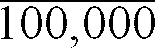
- Example 25 Active ingredient complex
- Example 28 Sunscreen Cream (Oil-in-Water Emulsion)
- Example 29 Shampoo
- Example 30 Haircare conditioner
- Example 32 Care product not to be rinsed out
- Example 23 0.50 g active ingredient complex according to Example 23 0.50 g polyacrylic acid 0.40 g of 2-amino-2-methyl-1-propanol 0.10 g vinyl pyrrolidone / dimethylaminoethyl methacrylate copolymer 0.20 g hydrogenated castor oil, ethoxylated with 45 moles of ethylene oxide 0.25 g D-panthenol 0.05 g lauryl polyglucose 12.00 g of ethanol 86.00 g water 100.00 ⁇ G ⁇
- Example 24 0.80 g active ingredient complex according to Example 24 3.00 g polyvinyl pyrrolidone 0.50 g polyacrylic acid (CTFA: Carbomer) 12.00 g of ethanol 0.20 g perfume oil 0.10 g ammonia 83.40 g water 100.00 ⁇ G ⁇
- Example 34 Haircare products, not rinsing out
- Example 23 0.70 g active ingredient complex according to Example 23 0.10 g keratin hydrolyzate 0.40 g cetyl trimethyl ammonium chloride 0.28 g isopropanol 0.33 g of coconut fatty acid amidopropyl betaine 0.90 g polyvinyl pyrrolidone 0.20 g citric acid 97.09 g water 100.00 ⁇ G ⁇
- Example 35 Hair care product, not rinsed out
- Example 22 0.80 g active ingredient complex according to Example 22 0.80 g polyvinyl pyrrolidone 0.32 g vinyl imidazolinium methochloride / vinyl pyrrolidone copolymer 0.21 g coconut fatty acid amidopropyl betaine 0.20 g keratin hydrolyzate 12.00 g of ethanol 0.20 g glyoxylic acid 85.47 g water 100.00 ⁇ G ⁇
- Example 37 Fixing agent for permanent deformation (neutralizing agent)
- Example 39 Oxidative hair dye (dark brown)
Landscapes
- Health & Medical Sciences (AREA)
- Life Sciences & Earth Sciences (AREA)
- Veterinary Medicine (AREA)
- Animal Behavior & Ethology (AREA)
- General Health & Medical Sciences (AREA)
- Public Health (AREA)
- Birds (AREA)
- Epidemiology (AREA)
- Chemical & Material Sciences (AREA)
- Oil, Petroleum & Natural Gas (AREA)
- Dermatology (AREA)
- Dispersion Chemistry (AREA)
- Cosmetics (AREA)
- Fats And Perfumes (AREA)
Abstract
Description
- Gegenstand der vorliegenden Erfindung sind eine Wachskombination aus Apfelwachs, Orangenwachs und/oder Zitronenwachs und Jojobaöl sowie kosmetische Mittel zur Behandlung der Haut oder der Haare, die diese Wachskombination in freier Form oder als einen Wirkstoffkomplex enthält, welcher aus der in Kapseln eingeschlossenen Wachskombination gebildet wird.
- In kosmetischen Mitteln können Wachse vielfältige Funktionen erfüllen. Beispielsweise können sie für sich allein zur Abdeckung der Haut verwendet werden oder als Fettkomponente in Emulsionen zur Viskosität und Stabilität des kosmetischen Mittels beitragen. In hauskosmetischen Mitteln eingesetzt, können Wachse der Rückfettung und Hydrophobierung der Haut dienen und in haarkosmetischen Mitteln eine Konditionierung und Pflege des Haares bewirken.
- Aufgrund der Herstellungsweise kann man die Wachse in natürliche, chemisch veränderte natürliche und synthetische Wachse einteilen. Zu den für die Kosmetik bedeutsamen Wachsen gehören die Mineralwachse und bestimmte natürliche Wachse tierischer und pflanzlicher Herkunft.
- Natürliche und chemisch veränderte natürliche Mineralwachse stammen aus nicht erneuerbaren Rohstoffquellen, bzw. werden aus durch diese erzeugten Rohstoffen hergestellt. Synthetische Mineralwachse sind häufig mit synthesebedingten Verunreinigungen belastet.
- Die Verwendung von natürlichen oder chemisch veränderten natürlichen Wachsen tierischer oder pflanzlicher Herkunft vermeidet die zuvor genannten Nachteile der Mineralwachse und kommt zudem den Wünschen weiter Verbraucherkreise nach der Verwendung von natürlichen, ökologisch unbedenklichen, d.h. nachwachsenden Rohstoffen entgegen.
- Das bekannteste tierische Wachs ist das Bienenwachs, dessen Verfügbarkeit als Ausscheidungsprodukt der Bienen jedoch begrenzt ist. Darüber hinaus enthält das Bienenwachs hohe Anteile an Estern, was die Stabilität bienenwachshaltiger kosmetischer Mittel nachteilig beeinflussen kann.
- Die derzeit am häufigsten in kosmetischen Mitteln eingesetzten, kommerziell erhältlichen pflanzlichen Wachse sind das Candelilla- und das Carnaubawachs. Diese Wachse sind jedoch hart und spröde, haben einen hohen Schmelzpunkt und sind in üblichen kosmetischen Mitteln nur schlecht emulgierbar.
- Es wurde nun gefunden, daß eine Wachskombination aus Apfelwachs, Orangen- und/oder Zitronenwachs und Jojobaöl die vorstehend genannten Nachteile nicht aufweist.
- Darüber hinaus zeigt die erfindungsgemäße Wachskombination, in kosmetischen Mittel eingesetzt, eine synergistische Steigerung der hautschützenden sowie haut- und haarpflegenden Wirkung gegenüber den einzelnen Komponenten, beispielsweise dem aus der DE-OS 42 06 154 bekannten Apfelwachs.
- Weiterhin haben herkömmlichen kosmetischen Mittel den Nachteil, daß nicht alle Roh- und Wirkstoffe beliebig kombinierbar sind, da es zu unerwünschten Wechselwirkungen zwischen ihnen kommen kann, oder da sie pH-Wert-empfindlich sind. Dadurch ist die Auswahl geeigneter Bestandteile und somit auch deren optimale Wirkung stark eingeschränkt.
- Es ist bekannt, zur Umgehung dieser Nachteile Mehrkammerverpackungssysteme einzusetzen, die jedoch in der Herstellung aufwendig und teuer sind. Es ist auch bekannt, einzelne Wirkstoffe in Gelatinekapseln einzuschließen, wobei es aber zu Problemen hinsichtlich einer leichten und rückstandslosen Auftragbarkeit und Verteilbarkeit der Wirkstoffe kommen kann.
- Es wurde nun gefunden, daß sich die erfindungsgemäße Wachskombination besonders gut in geeigneten Kapseln einschließen läßt, wodurch eine gute Verträglichkeit mit weiteren, in kosmetischen Mitteln einsetzbaren Stoffen erreicht wird und gleichzeitig ein leichtes und rückstandsloses Auftragen und Verteilen der Wachskombination auf der Haut oder dem Haar gewährleistet ist.
- Gegenstand der Erfindung ist deshalb eine Wachskombination, bestehend aus
- a) 0,01 bis 99 Gewichtsprozent, vorzugsweise 2 bis 70 Gewichtsprozent Apfelwachs,
- b) 0,01 bis 99 Gewichtsprozent, vorzugsweise 5 bis 70 Gewichtsprozent Orangen- und/oder Zitronenwachs,
- c) 0,01 bis 99 Gewichtsprozent, vorzugsweise 10 bis 70 Gewichtsprozent Jojobaöl.
- Ein weiterer Gegenstand der vorliegenden Anmeldung besteht in kosmetischen Mitteln zur Behandlung der Haut oder der Haare, die die vorstehend genannte Wachskombination entweder in freier Form oder als einen Wirkstoffkomplex enthalten, welcher aus der in Kapseln eingeschlossenen Wachskombination gebildet wird.
- Für den Wirkstoffkomplex geeignete Kapseln sind aus wasserunlöslichen Polymeren, besonders bevorzugt aus mikrokristalliener Cellulose aufgebaut und enthalten HydroxypropylMethylcellulose und Laktose als Hilfsstoffe. Geeignete Kapseln werden beispielsweise unter der Behandlung Unispheres, insbesondere Unispheres UFW-523 und Unispheres RFW-522 von der Firma Induchem, Dübendorf/Schweiz vertrieben.
- In der Literatur sind verschiedene Verfahren zur Herstellung von mit Wirkstoffen beladenen Kapseln beschrieben. Die Verkapselung der erfindungsgemäßen Wachskombination kann nach einem dieser Verfahren erfolgen. Hierzu zählen beispielsweise chemische Verfahren, wobei das zu verkapselnde Produkt in ein flüssiges Medium gegeben wird, in welchem sich um das Produkt herum ein die Wand der Kapseln bildendes Koazervat ausbildet oder die Kapselwand wird durch Kopolymerisation von in dem flüssigem Medium enthaltenen Monomeren gebildet. Es kann auch eines der bekannten chemischen Verfahren zur Verkapselung verwendet werden. Hierzu werden die zu verkapselnden Substanzen beispielsweise in feine Teilchen zentrifugiert und durch einen dünnen Film geleitet, der aus dem die Kapselwand bildenden Material besteht oder die zu verkapselnde Substanz wird im Vakuum zerstäubt, wobei sich auf elektrostatischem Weg ein Überzug absetzt. Ein geeignetes Verfahren ist beispielsweise das in der DE-OS 41 22 591 beschriebene. Besonders bevorzugt ist ein Verkapselungsverfahren, bei welchem sämtliche verwendeten Substanzen in Anwesenheit von Wasser zusammengemischt werden und die Kapsel durch das Wirbelschicht-Rotationsverfahren hergestellt werden.
- Ein für die erfindungsgemäße Wachskombination geeignetes Apfelwachs wird beispielsweise unter der Handelsbezeichnung Apfelwachs grün 2/080025 von der Firma Dragoco, Holzminden/BRD vertrieben.
- Ein für die erfindungsgemäße Wachskombination geeignetes Orangenwachs wird beispielsweise unter der Handelsbezeichnis "Orange peel wax" und ein geeignetes Zitronenwachs unter der Handelsbezeichnung "Lemon peel wax" von der Firma Koster Keunen b.v./Niederlande vertrieben.
- Ein für den Einsatz in der erfindungsgemäßen Wachskombination geeignetes Jojobaöl wird beispielsweise unter der Handelsbezeichnung "Jojobaöl" von der Firma Hess GmbH, Stuttgart/BRD vertrieben.
- Die erfindungsgemäße Wachskombination wird durch Aufschmelzen der drei Komponenten a), b) und c) bei 50 bis 60°C, ggf. unter Verwendung einer geeigneten Rührvorrichtung und anschließendes Abkühlen hergestellt.
- Wird die Wachskombination zur Herstellung des Wirkstoffkomplexes verkapselt, sollen die Kapseln 0,01 bis 30 Gewichtsprozent, vorzugsweise 0,1 bis 20 Gewichtsprozent der Wachskombination, bezogen auf das Kapselgewicht, enthalten. In einem kosmetischen Mittel sollte der Wirkstoffkomplex in einer Menge von 0,01 bis 50 Gewichtsprozent, vorzugsweise in einer Menge von 0,03 bis 20 Gewichtsprozent enthalten sein. Der Wirkstoffkomplex läßt sich leicht und rückstandslos auf die Haut oder das Haar auftragen und verteilen und eignet sich gut zur Herstellung klarer Gele.
- Die erfindungsgemäße Wachskombination zeigt ebenso wie der Wirkstoffkomplex eine hautschützende Wirkung und weist einen schwächeren okklusiven Effekt auf als die häufig in kosmetischen Mitteln eingesetzte Vaseline. Sowohl die Wachskombination als auch der Wirkstoffkomplex sind daher als Bestandteil hautschützender und hautpflegender kosmetischer Mittel hervorragend geeignet.
- Weiterhin kann die erfindungsgemäße Wachskombination in reiner Form zur Abdeckung und zum Schutz der Haut verwendet werden. Als Bestandteil kosmetischer Haarpflege- und Haarreinigungsmittel verbessert sie ebenso wie der Wirkstoffkomplex die Naß- und Trockenkämmbarkeit sowie den Griff des Haares und schützt das Haar vor den Auswirkungen kosmetischer Behandlungen wie Bleichen, Dauerwellen, Färben und Waschen mit entfettenden Tensiden. Wird die erfindungsgemäße Wachskombination in freier Form in kosmetischen Mitteln verwendet, dann kann ihr Anteil an dem kosmetischen Mittel zwischen 0,03 und 99,8 Gewichtsprozent betragen.
- Die erfindungsgemäßen kosmetischen Mittel können beispielsweise als Mittel zur Pflege oder zum Schutz der Haut, zum Beispiel als Tagescreme, Nachtcreme, Hautcreme, Sonnenschutzcreme, Lippenstift, Lippenpflegemittel oder auch als Make up Präperate wie Schminckcreme oder Rouge, als Haar- und/oder Körperreinigungsmittel wie als Shampoo, Duschbad, Schaumbad oder Reinigungslotion eingesetzt werden. Außerdem können sie als Haarbehandlungsmittel wie Haaröl, als Gel oder Haarwachs, als Haarpflegemittel, beispielsweise als Haarkur und Haarspülung oder als Bleichmittel, Dauerverformungsmittel, Fixiermittel, als Haarfärbemittel oder Haartönungsmittel eingesetzt werden.
- Wenn es sich bei dem erfindungsgemäßen kosmetischen Mittel um ein emulsionsförmiges Hautschutz- oder Hautpflegemittel handelt, enthält das Mittel bevorzugt 0,03 bis 50 Gewichtsprozent der erfindungsgemäßen Wachskombination in freier Form oder 0,02 bis 15 Gewichtsprozent des Wirkstoffkomplexes. Ein in Form einer Öl-in-Wasser-Emulsion vorliegendes erfindungsgemäßes Hautschutz- oder Hautpflegemittel enthält besonders bevorzugt 0,03 bis 20 Gewichtsprozent der erfindungsgemäßen Wachskombination in freier Form.
- Handelt es sich bei dem erfindungsgemäßen kosmetischen Mittel um ein Haar- oder Körperreinigungsmittel oder um ein Haarpflegemittel, dann weist es bevorzugt einen Gehalt von 0,05 Gewichtsprozent der Wachskombination in freier Form oder 0,02 bis 4 Gewichtsprozent des Wirkstoffkomplexes auf. In einem derartigen Mittel sind außerdem 0,01 bis 40 Gewichtsprozent mindestens eines anionischen, kationischen, amphoteren und/oder nicht-ionischen Tensids sowie 50 bis 90 Gewichtsprozent Wasser enthalten.
- Das erfindungsgemäße Haar- und/oder Körperreinigungsmittel weist einen pH-Wert von 3 bis 8, vorzugsweise 4 bis 7 auf. Erfindungsgemäße Sonnenöle enthalten bevorzugt 0,1 bis 80% der erfindungsgemäßen Wachskombination in freier Form oder 0,01 bis 20 Gewichtsprozent des Wirkstoffkomplexes. Erfindungsgemäße Haaröle, Brillantinen, Haargele und Haarwachse enthalten bevorzugt 1 bis 99,8 Gewichtsprozent der erfindungsgemäßen Wachskombination in freier Form oder 1 bis 19 Gewichtsprozent des Wirkstoffkomplexes.
- Erfindungsgemäße Dauerverformungs- und Fixiermittel weisen bevorzugt einen Gehalt von 0,05 bis 5 Gewichtsprozent der erfindungsgemäßen Wachskombination oder des Wirkstoffkomplexes auf und enthalten außerdem 0,05 bis 15 Gewichtsprozent mindestens einer keratinreduzierenden Mercaptoverbindung. Ein derartiges Mittel liegt bevorzugt als wäßrige, alkalisch (pH = 5 bis 10) eingestellte Zubereitung vor, welche als keratinreduzierende Mercaptoverbindung beispielsweise Cystein, Cysteamin, N-Acteyl-L-Cystein, Mercaptocarbonsäuren wie Thioglykolsäure oder Thiomilchsäure oder Salze von Mercaptocarbonsäuren wie Ammonium- und Guanidinsalze der Thioglykolsäure oder Thiomilchsäure enthält.
- Die erforderliche Alkalität wird hierbei durch die Zugabe von Ammoniak, organischen Aminen, Ammonium- und Alkalicarbonaten oder -hydrogencarbonaten eingestellt. Es kommt aber auch ein neutral oder sauer (pH = 4,5 bis 7) eingestelltes Haarverformungsmittel in Betracht, das im wäßrigen Medium einen wirksamen Gehalt an Sulfiten oder Mercaptocarbonsäureestern aufweist.
- Im ersteren Fall werden vorzugsweise Natrium- oder Ammoniumsulfit oder das Salz der schwefligen Säure mit einem organischen Amin, wie zum Beispiel Monoethanolamin und Guanidin, in einer Konzentration von etwa 2 bis 12 Gewichtsprozent (berechnet als SO2) verwendet. Im letzteren Fall kommen insbesondere Thioglykolsäuremonoglykolester oder -glycerinester in einer Konzentration von etwa 5 bis 50 Gewichtsprozent (entsprechend einem Gehalt an freier Thioglykolsäure von 2 bis 16 Gewichtsprozent) zur Anwendung.
- Das erfindungsgemäße Mittel zur dauerhaften Haarverformung kann auch ein Gemisch der vorstehend genannten keratinreduzierenden Verbindungen enthalten.
- Nach einer für die dauerhafte Verformung des Haares ausreichenden Einwirkungszeit, welche, je nach Haarbeschaffenheit, dem pH-Wert und der Verformungswirksamkeit des Verformungsmittels sowie in Abhängigkeit von der Anwendungstemperatur, etwa 10 bis 30 Minuten beträgt, wird das Haar mit Wasser gespült und anschließend oxidativ nachbehandelt ("fixiert"). Das Nachbehandlungsmittel wird, je nach Haarfülle, in einer Menge von etwa 50 bis 100 g verwendet.
- Für die oxidative Nachbehandlung kann ein erfindungsgemäßes Fixiermittel oder jedes beliebige bisher für eine derartige Behandlung verwendete Fixiermittel verwendet werden. Beispiele für in einem derartigen Fixiermittel verwendbare Oxidationsmittel sind Natrium- und Kaliumbromat, Natriumperborat, Harnstoffperoxid und Hydrogenperoxid.
- Die Konzentration des Oxidationsmittels ist in Abhängigkeit von der Anwendungszeit (in der Regel etwa 5 bis 15 Minuten) und der Anwendungstemperatur unterschiedlich. Üblicherweise liegt das Oxidationsmittel in dem wäßrigen Fixiermittel in einer Konzentration von etwa 0,5 bis 10 Gewichtsprozent vor, wobei ein erfindungsgemäßes Fixiermittel zusätzlich 0,05 bis 5 Gewichtsprozent der erfindungsgemäßen Wachskombination enthält.
- Sowohl das erfindungsgemäße Mittel zur dauerhaften Haarverformung als auch das erfindungsgemäße Fixiermittel kann in Form einer wäßrigen Lösung oder Emulsion sowie in verdickter Form auf wäßriger Basis, insbesondere als Creme, Gel oder Paste vorliegen. Es ist ebenfalls möglich, dieses Mittel unter Druck in Aerosoldosen abzufüllen und daraus als Schaum zu entnehmen.
- Anschließend werden die Wickler entfernt. Falls erforderlich, kann das abgewickelte Haar nun nochmals oxidativ nachbehandelt werden. Sodann wird das Haar mit Wasser gespült, zur Frisur gelegt und schließlich getrocknet.
- Das vorstehend beschriebene Verfahren zur dauerhaften Haarverformung ermöglicht eine schonende und gleichmäßige Umformung vom Haaransatz bis zu den Haarspitzen, das Haar zeigt eine hervorragende Naß- und Trockenkämmbarkeit, einen angenehmen Griff und einen ansprechenden Glanz im getrockneten Zustand sowie eine lockere, sprunghafte und gleichmäßige Dauerwellung, insbesondere im Bereich der Haarspitzen.
- Ein erfindungsgemäßes Blondiermittel, Oxydationshaarfärbemittel oder Haartönungsmittel enthält bevorzugt 0,05 bis 5 Gewichtsprozent der erfindungsgemäßen Wachskombination oder des Wirkstoffkomplexes.
- Ein erfindungsgemäßes Haartönungsmittel enthält zusätzlich zur erfindungsgemäßen Wachskombination 0,05 bis 2,0 Gewichtsprozent mindestens eines direkt auf das Haar aufziehenden Haarfarbstoffs, der beispielsweise aus den folgenden Klassen direkt auf das Haar aufziehender Haarfarbstoffe ausgewählt sein kann: aromatische Nitrofarbstoffe, zum Beispiel 1,4-Diamino-2-nitrobenzol, Azofarbstoffe, zum Beispiel Acid Brown 4 (C. I. 14 805), Anthrachinonfarbstoffe, zum Beispiel Disperse Violet 4 (C. I. 61 105), Triphenylmethanfarbstoffe, zum Beispiel Basic Violet 1 (C. I. 42 535), wobei die Farbstoffe je nach Art ihrer Substituenten sauren, nichtionogenen oder basischen Charakter haben können, und/oder natürliche Haarfarbstoffe, wie zum Beispiel Henna und Reng, der zur Farbentwicklung nicht der Oxidation bedarf.
- Das erfindungsgemäße Mittel kann in einer beliebigen für Haut- und Haarbehandlungsmittel geeigneten Zubereitungsform, beispielsweise in Form einer wäßrigalkoholischen oder alkoholischen Lösung, als Emulsion, als Creme oder als Gel vorliegen. Das Mittel kann auch im Gemisch mit einem Treibgas oder mittels einer mechanisch betriebenen Sprühvorrichtung versprüht oder aufgeschäumt werden.
- Wenn das erfindungsgemäße Mittel mit Hilfe eines Treibmittels versprüht wird, so enthält es bevorzugt 3 bis 75 Gewichtsprozent des Treibmittels und wird in einem Druckbehälter abgefüllt.
- Als Treibmittel sind beispielsweise niedere Alkane, wie zum Beispiel n-Butan, i-Butan und Propan, oder auch deren Gemische mit Dimethylether sowie ferner bei den in Betracht kommenden Drücken gasförmig vorliegende Treibmittel, wie beispielsweise N2, N20 und CO2 sowie Gemische der vorstehend genannten Treibmittel geeignet.
- Unter mechanischen Sprühvorrichtungen sind solche Vorrichtungen zu verstehen, welche das Versprühen einer Flüssigkeit ohne Verwendung eines Treibmittels ermöglichen. Als geeignete mechanische Sprühvorrichtung kann beispielsweise eine Sprühpumpe oder ein mit einem Sprühventil versehener elastischer Behälter, in den das erfindungsgemäße kosmetische Mittel unter Druck abgefüllt wird, wobei sich der elastische Behälter ausdehnt und aus dem das Mittel infolge der Kontraktion des elastischen Behälters bei Öffnen des Sprühventils kontinuierlich abgegeben wird, verwendet werden.
- Das erfindungsgemäße kosmetische Mittel kann darüber hinaus für Haar- und Hautbehandlungsmittel übliche Zusatzbestandteile, zum Beispiel Lösungsmittel, wie Wasser und niedere aliphatische Alkohole, beispielsweise Ethanol, Propanol und Isopropanol, oder Glykole wie Glycerin und 1,2-Propylenglykol; Netzmittel oder Emulgatoren aus den Klassen der anionischen, kationischen, amphoteren oder nichtionogenen oberflächenaktiven Tenside, wie Fettalkoholsulfate, Alkylbenzolsulfonate, Alkyltrimethylammoniumsalze, Alkylbetaine, oxethylierte Fettalkohole, oxethylierte Nonylphenole, Fettsäurealkanolamide, oxethylierte Fettsäureester, in einer Menge von 0,1 bis 30 Gewichtsprozent; Parfümöle in einer Menge von 0,5 bis 5,0 Gewichtsprozent; Trübungsmittel, wie zum Beispiel Ethylenglykoldistearat, in einer Menge von etwa 0,5 bis 5,0 Gewichtsprozent; Perlglanzmittel, wie zum Beispiel ein Gemisch aus Fettsäuremonoalkylolamid und Ethylenglykoldistearat, in einer Menge von etwa 1,0 bis 10 Gewichtsprozent; bakterizide und fungizide Wirkstoffe, wie zum Beispiel 2,4,4-Trichlor-2-hydroxydiphenylether oder Methylchlorisothiazolinon, in einer Menge von 0,01 bis 1,0 Gewichtsprozent; Verdickungsmittel, wie beispielsweise Kokosfettsäurediethanolamid, in einer Menge von etwa 0,5 bis 3,0 Gewichtsprozent; Puffersubstanzen wie beispielsweise Natriumcitrat oder Natriumphosphat, in einer Menge von 0,1 bis 1,0 Gewichtsprozent; Lösungsvermittler, wie zum Beispiel ethoxyliertes Rizinusöl, in einer Menge von etwa 0,1 bis 1,0 Gewichtsprozent; Anfärbestoffe wie zum Beispiel Fluorescein-Natriumsalz, in einer Menge von etwa 0,1 , bis 1,0 Gewichtsprozent; Pflegestoffe wie zum Beispiel kationische Harze, Lanolinderivate, in einer Menge von 0,1 bis 5 Gewichtsprozent; Lichtschutzmittel, Feuchthaltemittel, Antioxidantien, Komplexbildner und Antischuppenwirkstoffe in einer Menge von etwa 0,01 bis 0,8 Gewichtsprozent sowie ferner physiologisch verträgliche organische Säuren, wie zum Beispiel Ameisensäure, Glyoxylsäure, Milchsäure, Weinsäure, Zitronensäure, natürliche, modifizierte natürliche oder synthetische Polymere, wie zum Beispiel Schellack, kationische, anionische, nichtionische, amphotere Polymere, Chitosan, Chitin oder Chitosanderivate.
- Die nachfolgenden Beispiele sollen den Gegenstand der Erfindung erläutern.
-
15 g Apfelwachs
45 g Orangenwachs
40 g Jojobaöl


-
8 g Apfelwachs
40 g Orangenwachs
52 g Jojobaöl


-
20 g Apfelwachs
30 g Zitronenwachs
50 g Jojobaöl


-
12 g Apfelwachs
48 g Zitronenwachs
40 g Jojobaöl


-
2,00 g Wachskombination gemäß Beispiel 1
8,30 g Glycerinstearat, selbstemulgierend
1,70 g eines Gemisches aus Glycerylhydroxystearat, Cetylpalmitat, mikrokristallinem Wachs und Trihydroxystearin (Cutina BW, Henkel KGAA)
1,50 g Stearin
7,50 g flüssiges Paraffin
0,10 g p-Hydroxybenzoesäurepropylester
0,30 g p-Hydroxybenzoesäuremethylester
0,10 g Allantoin
0,20 g Parfümöl
78,30 g Wasser, vollentsalzt


-
4,50 g Wachskombination gemäß Beispiel 2
7,00 g Glycerinstearat, selbstemulgierend
1,40 g Stearin
7,60 g flüssiges Paraffin
0,10 g p-Hydroxybenzoesäurepropylester
0,30 g p-Hydroxybenzoesäuremethylester
0,10 g Allantoin 0,20 g Parfümöl
78,80 g Wasser, vollentsalzt


-
26,00 g Rizinusöl
4,00 g Babassuöl
19,00 g Mineralöl
28,00 g mikrokristallines Wachs (Lunacera ® M)
14,00 g Decyloleat
7,00 g Wachskombination gemäß Beispiel 2
2,00 g Wasser, vollentsalzt


-
7,00 g Glycerylstearat
2,50 g Cetylstearylalkohol
1,80 g Cetylstearylalkohol mit 20 Mol Ethylenoxid oxethyliert
1,40 g Cetylstearylalkohol mit 12 Mol Ethylenoxid oxethyliert
3,20 g Wachskombination gemäß Beispiel 1
6,50 g gemischte Triester des Glycerins mit Caprinsäure und Caprylsäure
7,50 g Gemisch der Ester der Caprinsäure und Caprylsäure mit Kokosnußalkohol
6,20 g Dibutyladipat
3,80 g Octyldodecanol
2,50 g Dimethylpolysiloxan
3,80 g 4-Methoxy-zimtsäure-2-ethylhexylester
2,70 g Glycerin
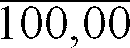
51,10 g Wasser, vollentsalzt

-
2,744 g Natriumlaurylethersulfat
0,029 g Benzoesäure
1,500 g Kokosfettsäureamidopropylbetain
2,000 g Ethylenglykoldistearat
0,400 g Wachskombination gemäß Beispiel 3
0,400 g Parfümöl
3,300 g Natriumchlorid
89,627 g Wasser, vollentsalzt


-
3,50 g Cetylstearylalkohol
0,50 g Wachskombination gemäß Beispiel 4
0,60 g Cetyltrimethylammoniumchlorid
0,40 g Zitronensäure
0,40 g Parfümöl
94,60 g Wasser, vollentsalzt


-
2,50 g Cetylstearylalkohol
0,80 g Laurylalkoholdiglykolether
1,10 g Vaseline
1,20 g Wachskombination gemäß Beispiel 4
0,40 g Cetylstearylsulfat-Natriumsalz
5,00 g Betainmonohydrat
0,20 g Benzoesäure
0,80 g Glyoxylsäure
0,20 g Parfümöl
87,80 g Wasser, vollentsalzt


-
0,40 g Wachskombination gemäß Beispiel 4
10,00 g Ethanol
0,30 g Polyoxyethylenglykolderivat des Rizinusöls (CTFA: PEG-35 caster oil)
0,30 g Polyethylenglykol(4)laurylether
0,10 g Cetyltrimethylammoniumchlorid
0,07 g Isopropanol
1,40 g Vinylimidazoliniummethochlorid/Vinylpyrrolidon-Copolymer (CTFA: Polyquaternum-16)
0,30 g Parfümöl
87,13 g Wasser


- 96 g des vorstehenden Haarpflegemittels werden mit 4 g eines Gemisches aus 50 Gewichtsprozent Propan und 50 Gewichtsprozent n-Butan in einen Aerosolbehälter abgefüllt. Der erfindungsgemäße Pflegeschaum wird beim Versprühen in Schaumform dem Behälter entnommen.
-
0,100 g Wachskombination gemäß Beispiel 3
0,112 g Isopropanol
0,600 g Distearyldimethylammoniumchlorid
0,200 g Glycerinmonodistearat
0,150 g Polyoxyethylen-(45)-polyoxypropylen-(33)-monobutylether
0,100 g Stearylalkohol
0,090 g Stearylbetain
0,100 g p-Hydroxybenzoesäuremethylester
0,840 g Ethanol
97,708 g Wasser


-
0,10 g Wachskombination gemäß Beispiel 3
3,00 g Polyvinylpyrrolidon
0,50 g Polyacrylsäure (CTFA: Carbomer)
12,00 g Ethanol
0,10 g Ammoniak
84,30 g Wasser


-
0,20 g Wachskombination gemäß Beispiel 1
5,00 g Polyvinylpyrrolidon/Vinylacetat-Copolymer
0,20 g Parfümöl
60,00 g n-Butan
34,60 g Ethanol


-
0,30 g Wachskombination gemäß Beispiel 2
0,10 g Keratinhydrolysat
0,40 g Cetyltrimethylammoniumchlorid
0,28 g Isopropanol
0,33 g Kokosfettsäureamidopropylbetain
0,90 g Polyvinylpyrrolidon
0,20 g Zitronensäure
97,49 g Wasser


-
0,20 g Wachskombination gemäß Beispiel 2
0,80 g Polyvinylpyrrolidon
0,32 g Vinylimidazoliniummethochlorid/Vinylpyrrolidon-Copolymer
0,21 g Kokosfettsäureamidopropylbetain
0,05 g mit 7 Mol Polyethylenglykol derivatisiertes hydriertes Rizinusöl (CTFA: PEG-7-hydrogenated caster oil)
0,18 g mit 40 Mol Polyethylenglykol derivatisiertes hydriertes Rizinusöl (CTFA: PEG-40-hydrogenated caster oil)
0,20 g Keratinhydrolisat
12,00 g Ethanol
0,20 g Glyoxylsäure
85,84 g Wasser


-
0,15 g Wachskombination gemäß Beispiel 2
8,82 g Thioglykolsäure
0,90 g mit 35 Mol Polyethylenglykol derivatisiertes Rizinusöl (CTFA: PEG-35-caster oil)
0,90 g Polyethylenglykol-(23)-nonylphenolether
0,90 g Poly(diallyldimethylammoniumchlorid)
0,28 g Styrol/Polyvinylpyrrolidon-Copolymer
0,15 g Ammoniak
3,50 g Ammoniumhydrogencarbonat
0,50 g Parfümöl
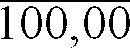
83,90 g Wasser

-
0,200 g Wachskombination gemäß Beispiel 1
2,610 g Cetylstearylalkohol
0,290 g Natriumlaurylsulfat
0,400 g Lanolinalkohol
1,900 g Wasserstoffperoxyd
0,085 g Phosphorsäure
0,100 g Salicylsäure
0,300 g Parfümöl
94,115 g Wasser


-
0,2000 g Wachskombination gemäß Beispiel 3
4,5000 g Cetylstearylalkohol
1,750 g Cetyltrimethylammoniumchloridd
4,2250 g Isopropanol
0,0025 g Basic Violet 14 (C. I. Nr. 42510)
89,322 g Wasser


- 94,00 g des vorstehenden Haartönungsschaumes werden mit 6 g eines Gemisches aus 50 Gewichtsprozent Propan, 40 Gewichtsprozent n-Butan und 10 Gewichtsprozent Dimethylether in einen Aerosolbehälter abgefüllt. Das erfindungsgemäße Haartönungsmittel wird beim Versprühen dem Behälter in Schaumform entnommen.
-
0,60 g Wachskombination gemäß Beispiel 2
17,10 g Cetylstearylalkohol
1,90 g Natriumlaurylsulfat
2,10 g Lanolinalkohol
6,10 g Glycerylstearat, selbstemulgierend
0,40 g Natriumsalz des Kokosfettsäureesters der Isoethionsäure (CTFA: Sodium cocoylisoethionate)
1,40 g Natriumlaurylethersulfat
0,06 g p-Aminophenolhydrochlorid
0,65 g P-Toluylendiaminsulfat
0,26 g Resorcin
0,60 g Natriumsulfit
0,30 g Ethylendiamintetraessigsäure
6,00 g Isopropanol
0,30 g Parfümöl
1,40 g Ammoniak
60,83 g Wasser


- Vor der Anwendung werden 50 g des vorstehenden Mittels mit 50 ml Wasserstoffperoxid (6%ige Lösung) vermischt.
-
15 g Apfelwachs
45 g Orangenwachs
40 g Jojobaöl


-
8 g Apfelwachs
40 g Orangenwachs
52 g Jojobaöl


-
20 g Apfelwachs
30 g Zitronenwachs
50 g Jojobaöl


-
12 g Apfelwachs
48 g Zitronenwachs
40 g Jojobaöl


-
10,00 g Wirkstoffkomplex gemäß Beispiel 22
8,30 g Glycerinstearat, selbstemulgierend
1,70 g eines Gemisches aus Glycerylhydroxystearat, Cetylpalmitat, mikrokristallinem Wachs und Trihydroxystearin
1,50 g Stearin
7,50 g flüssiges Paraffin
0,10 g p-Hydroxybenzoesäurepropylester
0,30 g p-Hydroxybenzoesäuremethylester
0,10 g Allantoin
0,20 g Parfümöl
70,30 g Wasser, vollentsalzt


-
12,00 g Wirkstoffkomplex gemäß Beispiel 25
7,00 g Glycerinstearat, selbstemulgierend
1,40 g Stearin
7,60 g flüssiges Paraffin
0,10 g p-Hydroxybenzoesäurepropylester
0,30 g p-Hydroxybenzoesäuremethylester
0,10 g Allantoin
0,20 g Parfümöl
71,30 g Wasser, vollentsalzt

-
7,00 g Glycerylstearat
2,50 g Cetylstearylalkohol
1,80 g Cetylstearylalkohol mit 20 Mol Ethylenoxid oxethyliert
1,40 g Cetylstearylalkohol mit 12 Mol Ethylenoxid oxethyliert
8,00 g Wirkstoffkomplex gemäß Beispiel 22
6,50 g gemischte Triester des Glycerins mit Caprinsäure und Caprylsäure
7,50 g Gemisch der Ester der Caprinsäure und Caprylsäure mit Kokosnußalkohol
6,20 g Dibutyladipat
3,80 g Octyldodecanol
2,50 g Dimethylpolysiloxan
3,80 g 4-Methoxy-zimtsäure-2-ethylhexylester
2,70 g Glycerin
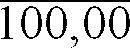
46,30 g Wasser, vollentsalzt


-
- 2,74 g
- Natriumlaurylethersulfat
- 0,03 g
- Benzoesäure
- 1,50 g
- Kokosfettsäureamidopropylbetain
- 2,00 g
- Ethylenglykoldistearat
- 0,80 g
- Wirkstoffkomplex gemäß Beispiel 24
- 0,40 g
- Parfümöl
- 3,30 g
- Natriumchlorid
- 89,23 g
- Wasser, vollentsalzt
- 100,00 g
-
3,50 g Cetylstearylalkohol
0,70 g Wirkstoffkomplex gemäß Beispiel 25
0,60 g Cetyltrimethylammoniumchlorid
0,40 g Zitronensäure
0,40 g Parfümöl
94,40 g Wasser, vollentsalzt


-
2,50 g Cetylstearylalkohol
0,80 g Laurylalkoholdiglykolether
1,10 g Vaseline
1,20 g Wirkstoffkomplex gemäß Beispiel 25
0,40 g Cetylstearylsulfat-Natriumsalz
5,00 g Betainmonohydrat
0,20 g Benzoesäure
0,80 g Glyoxylsäure
0,20 g Parfümöl
87,80 g Wasser, vollentsalzt


-
0,50 g Wirkstoffkomplex gemäß Beispiel 23
0,50 g Polyacrylsäure
0,40 g 2-Amino-2-methyl-1-propanol
0,10 g Vinylpyrrolidon/Dimethylaminoethyl-methacrylat Copolymer
0,20 g Hydriertes Rizinusöl, ethoxyliert mit 45 Mol Ethylenoxid
0,25 g D-Panthenol
0,05 g Laurylpolyglucose
12,00 g Ethanol
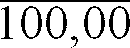
86,00 g Wasser

-
0,80 g Wirkstoffkomplex gemäß Beispiel 24
3,00 g Polyvinylpyrrolidon
0,50 g Polyacrylsäure (CTFA: Carbomer)
12,00 g Ethanol
0,20 g Parfümöl
0,10 g Ammoniak
83,40 g Wasser


-
0,70 g Wirkstoffkomplex gemäß Beispiel 23
0,10 g Keratinhydrolysat
0,40 g Cetyltrimethylammoniumchlorid
0,28 g Isopropanol
0,33 g Kokosfettsäureamidopropylbetain
0,90 g Polyvinylpyrrolidon
0,20 g Zitronensäure
97,09 g Wasser


-
0,80 g Wirkstoffkomplex gemäß Beispiel 22
0,80 g Polyvinylpyrrolidon
0,32 g Vinylimidazoliniummethochlorid/Vinylpyrrolidon-Copolymer
0,21 g Kokosfettsäureamidopropylbetain
0,20 g Keratinhydrolysat
12,00 g Ethanol
0,20 g Glyoxylsäure
85,47 g Wasser


-
0,70 g Wirkstoffkomplex gemäß Beispiel 23
8,82 g Thioglykolsäure
0,90 g mit 35 Mol Polyethylenglykol derivatisiertes Rizinusöl (CTFA: PEG-35-caster oil)
0,90 g Polyethylenglykol-(23)-nonylphenolether
0,90 g Poly(diallyldimethylammoniumchlorid)
0,28 g Styrol/Polyvinylpyrrolidon-Copolymer
0,15 g Ammoniak
3,50 g Ammoniumhydrogencarbonat
0,50 g Parfümöl
83,35 g Wasser


-
1,100 g Wirkstoffkomplex gemäß Beispiel 22
2,610 g Cetylstearylalkohol
0,290 g Natriumlaurylsulfat
0,400 g Lanolinalkohol
1,900 g Wasserstoffperoxyd
0,085 g Phosphorsäure
0,100 g Salicylsäure
0,300 g Parfümöl
93,215 g Wasser

-
0,6000 g Wirkstoffkomplex gemäß Beispiel 24
4,5000 g Cetylstearylalkohol
1,750 g Cetyltrimethylammoniumchlorid
4,2250 g Isopropanol
0,0025 g Basic Violet 14 (C. I. Nr. 42510)
88,9225 g Wasser


-
0,80 g Wirkstoffkomplex gemäß Beispiel 23
17,10 g Cetylstearylalkohol
1,90 g Natriumlaurylsulfat
2,10 g Lanolinalkohol
6,10 g Glycerylstearat, selbstemulgierend
0,40 g Natriumsalz des Kokosfettsäureesters der Isethionsäure (CTFA: Sodium cocoylisethionate)
1,40 g Natriumlaurylethersulfat
1,40 g Ammoniak
0,06 g p-Aminophenolhydrochlorid
0,65 g P-Toluylendiaminsulfat
0,26 g Resorcin
0,60 g Natriumsulfit
0,30 g Ethylendiamintetraessigsäure
6,00 g Isopropanol
0,30 g Parfümöl
60,63 g Wasser
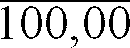

- Vor der Anwendung werden 50 g des vorstehenden Mittels mit 50 ml Wasserstoffperoxid (6%-ige Lösung) vermischt.
- Soweit nicht anderes vermerkt ist, sollen alle Prozentangaben Gewichtsprozent bedeuten.
Claims (10)
- Wachskombination bestehend ausa) 0,01 bis 99 Gewichtsprozent, vorzugsweise 2 bis 70 Gewichtsprozent Apfelwachs,b) 0,01 bis 99 Gewichtsprozent, vorzugsweise 5 bis 70 Gewichtsprozent Orangen- und/oder Zitronenwachs undc) 0,01 bis 99 Gewichtsprozent, vorzugsweise 10 bis 70 Gewichtsprozent Jojobaöl.
- Kosmetisches Mittel zur Behandlung der Haut und/oder der Haare, dadurch gekennzeichnet, daß es die Wachskombination von Anspruch 1 in freier Form oder als einen Wirkstoffkomplex enthält, welcher aus der in Kapseln eingeschlossenen Wachskombination gebildet wird.
- Mittel nach Anspruch 2, dadurch gekennzeichnet, daß der Wirkstoffkomplex aus Kapseln besteht, die 0,01 bis 30 Gewichtsprozent, vorzugsweise 0,1 bis 20 Gewichtsprozent der Wachskombination von Anspruch 1 enthalten, welche von einem wasserunlöslichen Polymeren, vorzugsweise mikrokristalliner Cellulose mit Hydroxypropylcellulose und Lactose als Hilfsstoffen umhüllt ist.
- Mittel nach Anspruch 3, dadurch gekennzeichnet, daß der Wirkstoffkomplex in einer Menge von 0,01 bis 50 Gewichtsprozent, vorzugsweise in einer Menge von 0,03 bis 20 Gewichtsprozent in dem kosmetischen Mittel enthalten ist.
- Mittel nach Anspruch 2, dadurch gekennzeichnet, daß es ein emulsionsförmiges Hautschutz- oder Hautpflegemittel ist, das 0,03 bis 50 Gewichtsprozent der Wachskombination in freier Fonn oder 0,02 bis 15 Gewichtsprozent des Wirkstoffkomplexes enthält.
- Mittel nach Anspruch 2, dadurch gekennzeichnet, daß es ein Haarpflegemittel ist, das 0,05 bis 5 Gewichtsprozent der Wachskombination in freier Form oder 0,02 bis 4 Gewichtsprozent des Wirkstoffkomplexes enthält.
- Mttel nach Anspruch 2, dadurch gekennzeichnet, daß es ein Haar- und/oder Körperreinigungsmittel ist, das0,05 bis 5 Gewichtsprozent der Wachskombination in freier Form oder 0,02 bis 4 Gewichtsprozent des Wirkstoffkomplexes sowie0,01 bis 40 Gewichtsprozent mindestens eines anionischen, kationischen, amphoteren oder nicht-ionischen Tensids oder eines Gemisches von zwei oder mehreren dieser Tenside und50 bis 90 Gewichtsprozent Wasserenthält.
- Mittel nach Anspruch 2, dadurch gekennzeichnet, daß es ein Dauerverformungsmittel ist, das0,05 bis 5 Gewichtsprozent der Wachskombination oder des Wirkstoffkomplexes und0,5 bis 15 Gewichtsprozent mindestens einer keratinreduzierenden Mercaptoverbindungenthält.
- Mittel nach Anspruch 2, dadurch gekennzeichnet, daß es ein Blondiermittel, ein Oxydationshaarfärbemittel oder ein Haartönungsmittel ist, das 0,05 bis 5 Gewichtsprozent der Wachskombination oder des Wirkstoffkomplexes enthält.
- Mittel nach Anspruch 9, dadurch gekennzeichnet, daß es ein Haartönungsmittel ist und zusätzlich 0,05 bis 2 Gewichtsprozent eines direkt auf das Haar aufziehenden und/oder eines natürlichen Haarfarbstoffes enthält.
Applications Claiming Priority (4)
| Application Number | Priority Date | Filing Date | Title |
|---|---|---|---|
| DE1996110459 DE19610459C1 (de) | 1996-03-16 | 1996-03-16 | Wachskombination aus Apfelwachs, Orangenwachs und/oder Zitronenwachs und Jojobaöl sowie kosmetische Mittel mit einem Gehalt an dieser Wachskombination |
| DE19610459 | 1996-03-16 | ||
| DE19610458 | 1996-03-16 | ||
| DE1996110458 DE19610458C1 (de) | 1996-03-16 | 1996-03-16 | Kosmetisches Mittel zur Behandlung der Haut oder der Haare |
Publications (3)
| Publication Number | Publication Date |
|---|---|
| EP0795317A2 true EP0795317A2 (de) | 1997-09-17 |
| EP0795317A3 EP0795317A3 (de) | 1997-10-22 |
| EP0795317B1 EP0795317B1 (de) | 2001-06-06 |
Family
ID=26023875
Family Applications (1)
| Application Number | Title | Priority Date | Filing Date |
|---|---|---|---|
| EP97103059A Expired - Lifetime EP0795317B1 (de) | 1996-03-16 | 1997-02-26 | Wachskombination und diese enthaltende kosmetische Mittel |
Country Status (6)
| Country | Link |
|---|---|
| US (1) | US5885561A (de) |
| EP (1) | EP0795317B1 (de) |
| JP (1) | JP3195557B2 (de) |
| BR (1) | BR9701310A (de) |
| DE (1) | DE59703707D1 (de) |
| ES (1) | ES2108668T3 (de) |
Cited By (8)
| Publication number | Priority date | Publication date | Assignee | Title |
|---|---|---|---|---|
| WO2000040207A1 (en) * | 1999-01-04 | 2000-07-13 | The Procter & Gamble Company | Transparent hair conditioning composition comprising breakable visible particle |
| WO2000040213A1 (en) * | 1999-01-04 | 2000-07-13 | The Procter & Gamble Company | Hair conditioning layered gel composition containing a high melting point compound |
| WO2001095868A3 (de) * | 2000-06-16 | 2002-05-23 | Rudolf Bauer | Verfahren zur haarumformung |
| WO2002067882A1 (de) * | 2001-02-24 | 2002-09-06 | Wella Aktiengesellschaft | Haarfärbemittel in form eines cremigen permanentschaums oder einer stabil aufgeschäumten färbecreme |
| EP1197201A3 (de) * | 2000-10-04 | 2002-11-06 | Wella Aktiengesellschaft | Haarwachsprodukt mit Wachsen, nicht-flüchtigen Ölen und flüchtigen, hydrophoben Stoffen |
| WO2002102335A1 (en) * | 2001-06-18 | 2002-12-27 | Unilever Plc | Hair styling compositions |
| WO2003028676A3 (de) * | 2001-09-27 | 2003-10-09 | Beiersdorf Ag | Selbstschäumende, schaumförmige, nachschäumende oder schäumbare kosmetische oder dermatologische zubereitungen mit einem gehalt an wachsen bzw. bei raumtemperatur festen und/oder halbfesten lipiden |
| WO2004050048A1 (de) * | 2002-12-02 | 2004-06-17 | Henkel Kommanditgesellschaft Auf Aktien | Haarfärbemittel mit verkapselten pflegestoffen |
Families Citing this family (33)
| Publication number | Priority date | Publication date | Assignee | Title |
|---|---|---|---|---|
| KR100234547B1 (ko) * | 1995-12-26 | 1999-12-15 | 손경식 | 유성물질이 충진된 캡슐을 함유하는 샴푸 조성물 |
| US20030211183A1 (en) * | 1999-10-29 | 2003-11-13 | Kyowa Hakko Kogyo Co., Ltd. | Skin-improving agent |
| US20030143178A1 (en) * | 2000-08-31 | 2003-07-31 | The Procter & Gamble Company | Pre-shampoo conditioning composition |
| EP1313429A1 (de) * | 2000-08-31 | 2003-05-28 | The Procter & Gamble Company | Vorbehandlungsmittel zur konditionierung des haares |
| CA2447206A1 (en) * | 2001-05-15 | 2002-11-21 | Roy M. Evans, Jr. | Hair treatment compositions and methods |
| DE10128468A1 (de) * | 2001-06-12 | 2002-12-19 | Wella Ag | Haarwachsprodukt mit reduzierter Dichte |
| DE10132915A1 (de) * | 2001-07-06 | 2003-01-30 | Wella Ag | Oxidationshaarfärbemittel |
| DE10144061A1 (de) * | 2001-09-07 | 2003-04-17 | Beiersdorf Ag | Selbstschäumende oder schaumförmige Zubereitungen mit anorganischen Gelbildnern, organischen Hydrokolloiden und partikulären hydrophoben und/oder hydrophobisierten und/oder ölabsorbierenden Festkörpersubstanzen |
| DE10155956A1 (de) * | 2001-11-09 | 2003-05-22 | Beiersdorf Ag | Selbstschäumende, schaumförmige, nachschäumende oder schäumbare kosmetische oder dermatologische Zubereitungen |
| DE10155792A1 (de) * | 2001-11-14 | 2003-05-22 | Beiersdorf Ag | Selbstschäumende, schaumförmige, nachschäumende oder schäumbare kosmetische oder dermatologische Zubereitungen mit einem Gehalt an Siloxanelastomeren |
| US20030207971A1 (en) * | 2001-11-27 | 2003-11-06 | React Of Delafield Llc | Emollient gel |
| US6635609B2 (en) * | 2002-02-11 | 2003-10-21 | Johnsondiversey, Inc. | Surface maintenance composition |
| DE10234801A1 (de) * | 2002-07-31 | 2004-02-19 | Wella Ag | Haarwachsprodukt mit flüssiger oder cremeförmiger Konsistenz |
| WO2004017932A1 (ja) * | 2002-07-31 | 2004-03-04 | Arimino Co.,Ltd | 毛髪脱色または染毛剤用乳化組成物、該乳化組成物を使用した脱色または染毛方法 |
| US20040180800A1 (en) * | 2003-03-10 | 2004-09-16 | Mcmahan John Marshall | Cleaning and protecting composition with antioxidant and UV light resistance and method of use |
| DE10333710A1 (de) * | 2003-07-23 | 2005-02-24 | Beiersdorf Ag | Kosmetische, dermatologische oder pharmazeutische Zubereitungen auf Basis von Gase enthaltenden Lipid/Wachs-Gemischen |
| DE102004004155A1 (de) * | 2004-01-28 | 2005-08-18 | Wella Aktiengesellschaft | Haarwachsprodukt aus Silikonwachs, silikonfreiem Wachs und Ölen |
| GB2416303A (en) * | 2004-07-14 | 2006-01-25 | Mercy Ege | After relaxer hair cream |
| JP2007077114A (ja) * | 2005-09-16 | 2007-03-29 | Hoyu Co Ltd | 染毛剤組成物及び脱色剤組成物 |
| EP1820487A1 (de) * | 2006-02-13 | 2007-08-22 | Wella Aktiengesellschaft | Farbstoffhaltige Pellets und deren Verwendung |
| WO2010149604A1 (en) * | 2009-06-24 | 2010-12-29 | Unilever Plc | Hair conditioning composition based on c16-c22 anionic surfactant, c16-c22 fatty material and an anionic protein fraction |
| WO2010149437A1 (en) * | 2009-06-24 | 2010-12-29 | Unilever Plc | Hair conditioning composition based on c16-c22 anionic surfactant and c16-c22 fatty material |
| WO2014002290A1 (en) * | 2012-06-29 | 2014-01-03 | L'oreal | Cosmetic composition for keratin fibers |
| FR2997846B1 (fr) * | 2012-11-09 | 2023-10-20 | Oreal | Composition comprenant un derive dicarbonyle et un acide, le procede de lissage des fibres keratiniques a partir de cette composition |
| DE102014225432A1 (de) * | 2014-12-10 | 2016-06-16 | Henkel Ag & Co. Kgaa | Mittel und Verfahren zur temporären Verformung keratinhaltiger Fasern |
| DE102014225425A1 (de) * | 2014-12-10 | 2016-06-16 | Henkel Ag & Co. Kgaa | Mittel und Verfahren zur Pflege keratinhaltiger Fasern |
| FR3067930B1 (fr) | 2017-06-27 | 2020-01-10 | Capsum | Dispersions comprenant au moins une huile volatile hydrocarbonee |
| CN114929182B (zh) | 2019-12-01 | 2024-05-28 | 宝洁公司 | 具有含有苯甲酸钠和二醇和/或甘油酯的防腐体系的毛发调理剂组合物 |
| US20210299014A1 (en) * | 2020-03-26 | 2021-09-30 | The Procter & Gamble Company | Hair care composition |
| EP4196233A1 (de) | 2020-08-11 | 2023-06-21 | The Procter & Gamble Company | Feuchtigkeitsspendende haarpflegezusammensetzungen mit brassicylvalinat-esylat |
| CN116472021A (zh) | 2020-08-11 | 2023-07-21 | 宝洁公司 | 含有芸苔油醇缬氨酸酯乙磺酸盐的清洁冲洗毛发调理剂组合物 |
| US11633336B2 (en) | 2020-08-11 | 2023-04-25 | The Procter & Gamble Company | Low viscosity hair conditioner compositions containing brassicyl valinate esylate |
| CN116568266A (zh) | 2020-12-01 | 2023-08-08 | 宝洁公司 | 含有溶解的去头皮屑活性物质的含水毛发调理剂组合物 |
Citations (2)
| Publication number | Priority date | Publication date | Assignee | Title |
|---|---|---|---|---|
| DE4122591C1 (en) | 1991-07-08 | 1993-02-18 | Roland 8012 Ottobrunn De Bodmeier | Producing microcapsules of water insoluble polymer and active agent - includes dissolving or dispersing active agent in aq. polymer contg. gellable assistants |
| DE4206154A1 (de) | 1992-02-28 | 1993-09-02 | Wella Ag | Verfahren zur gewinnung von apfelwachs, durch diese verfahren erhaeltliches apfelwachs sowie apfelwachshaltige kosmetische mittel |
Family Cites Families (3)
| Publication number | Priority date | Publication date | Assignee | Title |
|---|---|---|---|---|
| US3929492A (en) * | 1971-11-26 | 1975-12-30 | Johnson & Son Inc S C | Surface treating compositions |
| FR2587208B1 (fr) * | 1985-09-19 | 1988-05-13 | Scherninski Francois | Lotion antichute et regeneratrice capillaire |
| EP0569667A2 (de) * | 1992-02-13 | 1993-11-18 | Khalil Ahmad | Kosmetisches Haarwuchsmittel und Haarwasser gegen Haarausfall |
-
1997
- 1997-02-06 JP JP04008597A patent/JP3195557B2/ja not_active Expired - Lifetime
- 1997-02-26 EP EP97103059A patent/EP0795317B1/de not_active Expired - Lifetime
- 1997-02-26 DE DE59703707T patent/DE59703707D1/de not_active Expired - Fee Related
- 1997-02-26 ES ES97103059T patent/ES2108668T3/es not_active Expired - Lifetime
- 1997-03-05 US US08/811,615 patent/US5885561A/en not_active Expired - Lifetime
- 1997-03-17 BR BR9701310A patent/BR9701310A/pt not_active IP Right Cessation
Patent Citations (2)
| Publication number | Priority date | Publication date | Assignee | Title |
|---|---|---|---|---|
| DE4122591C1 (en) | 1991-07-08 | 1993-02-18 | Roland 8012 Ottobrunn De Bodmeier | Producing microcapsules of water insoluble polymer and active agent - includes dissolving or dispersing active agent in aq. polymer contg. gellable assistants |
| DE4206154A1 (de) | 1992-02-28 | 1993-09-02 | Wella Ag | Verfahren zur gewinnung von apfelwachs, durch diese verfahren erhaeltliches apfelwachs sowie apfelwachshaltige kosmetische mittel |
Cited By (12)
| Publication number | Priority date | Publication date | Assignee | Title |
|---|---|---|---|---|
| WO2000040207A1 (en) * | 1999-01-04 | 2000-07-13 | The Procter & Gamble Company | Transparent hair conditioning composition comprising breakable visible particle |
| WO2000040213A1 (en) * | 1999-01-04 | 2000-07-13 | The Procter & Gamble Company | Hair conditioning layered gel composition containing a high melting point compound |
| WO2001095868A3 (de) * | 2000-06-16 | 2002-05-23 | Rudolf Bauer | Verfahren zur haarumformung |
| EP1197201A3 (de) * | 2000-10-04 | 2002-11-06 | Wella Aktiengesellschaft | Haarwachsprodukt mit Wachsen, nicht-flüchtigen Ölen und flüchtigen, hydrophoben Stoffen |
| US6582679B2 (en) | 2000-10-04 | 2003-06-24 | Wella Ag | Hair wax products containing waxes, non-volatile oils and volatile hydrophobic materials |
| US7504090B2 (en) | 2000-10-04 | 2009-03-17 | Wella Ag | Hair wax products containing waxes, non-volatile oils and volatile hydrophobic materials |
| EP1197201B2 (de) † | 2000-10-04 | 2017-08-16 | The Procter and Gamble Company | Haarwachsprodukt mit Wachsen, nicht-flüchtigen Ölen und flüchtigen, hydrophoben Stoffen |
| WO2002067882A1 (de) * | 2001-02-24 | 2002-09-06 | Wella Aktiengesellschaft | Haarfärbemittel in form eines cremigen permanentschaums oder einer stabil aufgeschäumten färbecreme |
| WO2002102335A1 (en) * | 2001-06-18 | 2002-12-27 | Unilever Plc | Hair styling compositions |
| EP1269974A1 (de) * | 2001-06-18 | 2003-01-02 | Unilever Plc | Haarformungszusammensetzungen |
| WO2003028676A3 (de) * | 2001-09-27 | 2003-10-09 | Beiersdorf Ag | Selbstschäumende, schaumförmige, nachschäumende oder schäumbare kosmetische oder dermatologische zubereitungen mit einem gehalt an wachsen bzw. bei raumtemperatur festen und/oder halbfesten lipiden |
| WO2004050048A1 (de) * | 2002-12-02 | 2004-06-17 | Henkel Kommanditgesellschaft Auf Aktien | Haarfärbemittel mit verkapselten pflegestoffen |
Also Published As
| Publication number | Publication date |
|---|---|
| BR9701310A (pt) | 1998-09-29 |
| JPH09249525A (ja) | 1997-09-22 |
| JP3195557B2 (ja) | 2001-08-06 |
| US5885561A (en) | 1999-03-23 |
| DE59703707D1 (de) | 2001-07-12 |
| ES2108668T1 (es) | 1998-01-01 |
| EP0795317A3 (de) | 1997-10-22 |
| ES2108668T3 (es) | 2001-10-16 |
| EP0795317B1 (de) | 2001-06-06 |
Similar Documents
| Publication | Publication Date | Title |
|---|---|---|
| EP0795317B1 (de) | Wachskombination und diese enthaltende kosmetische Mittel | |
| DE69327995T2 (de) | Verwendung von N-Alkoxyalkylamiden in Haarpflegemitteln | |
| EP0815827B1 (de) | Kosmetisches Mittel zur Haarbehandlung mit Dendrimeren | |
| DE3871974T2 (de) | Haarschutzmittel und verfahren. | |
| JPH0435443B2 (de) | ||
| WO1987004616A1 (fr) | Agents de traitement capillaire et procede pour ameliorer l'etat des cheveux | |
| WO1982002337A1 (en) | Hair product and method for improving hair condition | |
| EP0966246A1 (de) | Zwei-komponenten kosmetisches pflegemittel | |
| DE102015221460A1 (de) | Dauerwellverfahren mit verbesserter Pflegeleistung und Wellwirkung | |
| EP0945121A1 (de) | Stylingmittel auf Wasserbasis enthaltend Gamma-Oryzanol und Calciumsalzen | |
| EP1034775B1 (de) | Haarwaschmittel | |
| DE19610459C1 (de) | Wachskombination aus Apfelwachs, Orangenwachs und/oder Zitronenwachs und Jojobaöl sowie kosmetische Mittel mit einem Gehalt an dieser Wachskombination | |
| EP0794758B1 (de) | 2-phasen-haarbehandlungsmittel | |
| DE19809942A1 (de) | Dosierbares kosmetisches Pflegemittel | |
| EP0987000B1 (de) | Aerosol-Haarwaschmittel | |
| EP1827354A1 (de) | Haarfarbveränderndes shampoo | |
| DE19818737C2 (de) | Aerosol-Haarwaschmittel | |
| EP0806934A1 (de) | 2-phasen-haarbehandlungsmittel | |
| WO2005037242A1 (de) | Mittel enthaltend baldrian | |
| JPS63215611A (ja) | 化粧料 | |
| DE19610458C1 (de) | Kosmetisches Mittel zur Behandlung der Haut oder der Haare | |
| EP0759738A1 (de) | Haar- und hautbehandlungsmittel | |
| DE4216667C2 (de) | Verwendung von alpha-Ketodicarbonsäuren gegen Wasserstoffperoxidreste im Haar | |
| EP1021164B1 (de) | Kosmetische mittel | |
| DE19937830A1 (de) | Kosmetisches Mittel |
Legal Events
| Date | Code | Title | Description |
|---|---|---|---|
| PUAI | Public reference made under article 153(3) epc to a published international application that has entered the european phase |
Free format text: ORIGINAL CODE: 0009012 |
|
| PUAL | Search report despatched |
Free format text: ORIGINAL CODE: 0009013 |
|
| AK | Designated contracting states |
Kind code of ref document: A2 Designated state(s): DE ES FR GB IT |
|
| AK | Designated contracting states |
Kind code of ref document: A3 Designated state(s): DE ES FR GB IT |
|
| ITCL | It: translation for ep claims filed |
Representative=s name: BARZANO' E ZANARDO ROMA S.P.A. |
|
| GBC | Gb: translation of claims filed (gb section 78(7)/1977) | ||
| REG | Reference to a national code |
Ref country code: ES Ref legal event code: BA2A Ref document number: 2108668 Country of ref document: ES Kind code of ref document: T1 |
|
| 17P | Request for examination filed |
Effective date: 19971103 |
|
| EL | Fr: translation of claims filed | ||
| GRAG | Despatch of communication of intention to grant |
Free format text: ORIGINAL CODE: EPIDOS AGRA |
|
| GRAG | Despatch of communication of intention to grant |
Free format text: ORIGINAL CODE: EPIDOS AGRA |
|
| GRAH | Despatch of communication of intention to grant a patent |
Free format text: ORIGINAL CODE: EPIDOS IGRA |
|
| 17Q | First examination report despatched |
Effective date: 20001121 |
|
| GRAH | Despatch of communication of intention to grant a patent |
Free format text: ORIGINAL CODE: EPIDOS IGRA |
|
| GRAA | (expected) grant |
Free format text: ORIGINAL CODE: 0009210 |
|
| AK | Designated contracting states |
Kind code of ref document: B1 Designated state(s): DE ES FR GB IT |
|
| REF | Corresponds to: |
Ref document number: 59703707 Country of ref document: DE Date of ref document: 20010712 |
|
| ITF | It: translation for a ep patent filed | ||
| GBT | Gb: translation of ep patent filed (gb section 77(6)(a)/1977) |
Effective date: 20010816 |
|
| REG | Reference to a national code |
Ref country code: ES Ref legal event code: FG2A Ref document number: 2108668 Country of ref document: ES Kind code of ref document: T3 |
|
| ET | Fr: translation filed | ||
| REG | Reference to a national code |
Ref country code: GB Ref legal event code: IF02 |
|
| PLBE | No opposition filed within time limit |
Free format text: ORIGINAL CODE: 0009261 |
|
| STAA | Information on the status of an ep patent application or granted ep patent |
Free format text: STATUS: NO OPPOSITION FILED WITHIN TIME LIMIT |
|
| 26N | No opposition filed | ||
| PGFP | Annual fee paid to national office [announced via postgrant information from national office to epo] |
Ref country code: ES Payment date: 20090216 Year of fee payment: 13 |
|
| PGFP | Annual fee paid to national office [announced via postgrant information from national office to epo] |
Ref country code: DE Payment date: 20090227 Year of fee payment: 13 |
|
| PGFP | Annual fee paid to national office [announced via postgrant information from national office to epo] |
Ref country code: GB Payment date: 20090106 Year of fee payment: 13 |
|
| PGFP | Annual fee paid to national office [announced via postgrant information from national office to epo] |
Ref country code: IT Payment date: 20090212 Year of fee payment: 13 |
|
| PGFP | Annual fee paid to national office [announced via postgrant information from national office to epo] |
Ref country code: FR Payment date: 20090206 Year of fee payment: 13 |
|
| GBPC | Gb: european patent ceased through non-payment of renewal fee |
Effective date: 20100226 |
|
| REG | Reference to a national code |
Ref country code: FR Ref legal event code: ST Effective date: 20101029 |
|
| PG25 | Lapsed in a contracting state [announced via postgrant information from national office to epo] |
Ref country code: FR Free format text: LAPSE BECAUSE OF NON-PAYMENT OF DUE FEES Effective date: 20100301 |
|
| PG25 | Lapsed in a contracting state [announced via postgrant information from national office to epo] |
Ref country code: DE Free format text: LAPSE BECAUSE OF NON-PAYMENT OF DUE FEES Effective date: 20100901 |
|
| REG | Reference to a national code |
Ref country code: ES Ref legal event code: FD2A Effective date: 20110308 |
|
| PG25 | Lapsed in a contracting state [announced via postgrant information from national office to epo] |
Ref country code: GB Free format text: LAPSE BECAUSE OF NON-PAYMENT OF DUE FEES Effective date: 20100226 Ref country code: IT Free format text: LAPSE BECAUSE OF NON-PAYMENT OF DUE FEES Effective date: 20100226 |
|
| PG25 | Lapsed in a contracting state [announced via postgrant information from national office to epo] |
Ref country code: ES Free format text: LAPSE BECAUSE OF NON-PAYMENT OF DUE FEES Effective date: 20110307 |
|
| PG25 | Lapsed in a contracting state [announced via postgrant information from national office to epo] |
Ref country code: ES Free format text: LAPSE BECAUSE OF NON-PAYMENT OF DUE FEES Effective date: 20100227 |