EP0765385B1 - Zusammensetzungen und verfahren zur stimulierung der proliferation und der differenzierung von menschlichen fetalen und erwachsenen pankreatischen zellen ex vivo - Google Patents
Zusammensetzungen und verfahren zur stimulierung der proliferation und der differenzierung von menschlichen fetalen und erwachsenen pankreatischen zellen ex vivo Download PDFInfo
- Publication number
- EP0765385B1 EP0765385B1 EP95918374A EP95918374A EP0765385B1 EP 0765385 B1 EP0765385 B1 EP 0765385B1 EP 95918374 A EP95918374 A EP 95918374A EP 95918374 A EP95918374 A EP 95918374A EP 0765385 B1 EP0765385 B1 EP 0765385B1
- Authority
- EP
- European Patent Office
- Prior art keywords
- cells
- hgf
- human
- pancreatic
- cell
- Prior art date
- Legal status (The legal status is an assumption and is not a legal conclusion. Google has not performed a legal analysis and makes no representation as to the accuracy of the status listed.)
- Expired - Lifetime
Links
- 238000000034 method Methods 0.000 title claims abstract description 48
- 230000001605 fetal effect Effects 0.000 title claims abstract description 39
- 230000035755 proliferation Effects 0.000 title claims abstract description 13
- 230000004069 differentiation Effects 0.000 title claims abstract description 10
- 230000004936 stimulating effect Effects 0.000 title claims description 8
- 239000000203 mixture Substances 0.000 title claims description 4
- 210000004027 cell Anatomy 0.000 claims abstract description 213
- NOESYZHRGYRDHS-UHFFFAOYSA-N insulin Chemical compound N1C(=O)C(NC(=O)C(CCC(N)=O)NC(=O)C(CCC(O)=O)NC(=O)C(C(C)C)NC(=O)C(NC(=O)CN)C(C)CC)CSSCC(C(NC(CO)C(=O)NC(CC(C)C)C(=O)NC(CC=2C=CC(O)=CC=2)C(=O)NC(CCC(N)=O)C(=O)NC(CC(C)C)C(=O)NC(CCC(O)=O)C(=O)NC(CC(N)=O)C(=O)NC(CC=2C=CC(O)=CC=2)C(=O)NC(CSSCC(NC(=O)C(C(C)C)NC(=O)C(CC(C)C)NC(=O)C(CC=2C=CC(O)=CC=2)NC(=O)C(CC(C)C)NC(=O)C(C)NC(=O)C(CCC(O)=O)NC(=O)C(C(C)C)NC(=O)C(CC(C)C)NC(=O)C(CC=2NC=NC=2)NC(=O)C(CO)NC(=O)CNC2=O)C(=O)NCC(=O)NC(CCC(O)=O)C(=O)NC(CCCNC(N)=N)C(=O)NCC(=O)NC(CC=3C=CC=CC=3)C(=O)NC(CC=3C=CC=CC=3)C(=O)NC(CC=3C=CC(O)=CC=3)C(=O)NC(C(C)O)C(=O)N3C(CCC3)C(=O)NC(CCCCN)C(=O)NC(C)C(O)=O)C(=O)NC(CC(N)=O)C(O)=O)=O)NC(=O)C(C(C)CC)NC(=O)C(CO)NC(=O)C(C(C)O)NC(=O)C1CSSCC2NC(=O)C(CC(C)C)NC(=O)C(NC(=O)C(CCC(N)=O)NC(=O)C(CC(N)=O)NC(=O)C(NC(=O)C(N)CC=1C=CC=CC=1)C(C)C)CC1=CN=CN1 NOESYZHRGYRDHS-UHFFFAOYSA-N 0.000 claims abstract description 123
- 108090001061 Insulin Proteins 0.000 claims abstract description 68
- 102000004877 Insulin Human genes 0.000 claims abstract description 61
- 229940125396 insulin Drugs 0.000 claims abstract description 61
- 238000002054 transplantation Methods 0.000 claims abstract description 23
- 238000004519 manufacturing process Methods 0.000 claims abstract description 10
- -1 poly(ADP-ribose) Polymers 0.000 claims description 31
- 210000002744 extracellular matrix Anatomy 0.000 claims description 28
- DFPAKSUCGFBDDF-UHFFFAOYSA-N Nicotinamide Chemical compound NC(=O)C1=CC=CN=C1 DFPAKSUCGFBDDF-UHFFFAOYSA-N 0.000 claims description 26
- 102000010834 Extracellular Matrix Proteins Human genes 0.000 claims description 22
- 108010037362 Extracellular Matrix Proteins Proteins 0.000 claims description 22
- 239000002356 single layer Substances 0.000 claims description 21
- 239000011159 matrix material Substances 0.000 claims description 19
- 229960003966 nicotinamide Drugs 0.000 claims description 13
- 235000005152 nicotinamide Nutrition 0.000 claims description 13
- 239000011570 nicotinamide Substances 0.000 claims description 13
- 210000004153 islets of langerhan Anatomy 0.000 claims description 12
- 239000001963 growth medium Substances 0.000 claims description 11
- 102000003960 Ligases Human genes 0.000 claims description 9
- 108090000364 Ligases Proteins 0.000 claims description 9
- 108091026813 Poly(ADPribose) Proteins 0.000 claims description 9
- 239000003112 inhibitor Substances 0.000 claims description 9
- 210000002237 B-cell of pancreatic islet Anatomy 0.000 claims description 8
- 239000003795 chemical substances by application Substances 0.000 claims description 7
- KXDAEFPNCMNJSK-UHFFFAOYSA-N Benzamide Chemical compound NC(=O)C1=CC=CC=C1 KXDAEFPNCMNJSK-UHFFFAOYSA-N 0.000 claims description 6
- 206010067584 Type 1 diabetes mellitus Diseases 0.000 claims description 6
- 230000015572 biosynthetic process Effects 0.000 claims description 6
- 230000002255 enzymatic effect Effects 0.000 claims description 6
- 238000004264 monolayer culture Methods 0.000 claims description 6
- 230000002062 proliferating effect Effects 0.000 claims description 5
- 238000012258 culturing Methods 0.000 claims description 4
- 238000001990 intravenous administration Methods 0.000 claims description 4
- 230000004663 cell proliferation Effects 0.000 claims description 3
- 238000003306 harvesting Methods 0.000 claims description 3
- 230000001413 cellular effect Effects 0.000 claims description 2
- 210000004748 cultured cell Anatomy 0.000 claims 2
- 230000024245 cell differentiation Effects 0.000 claims 1
- 239000000463 material Substances 0.000 claims 1
- 238000010899 nucleation Methods 0.000 claims 1
- 206010012601 diabetes mellitus Diseases 0.000 abstract description 13
- 102000003745 Hepatocyte Growth Factor Human genes 0.000 abstract description 9
- 108090000100 Hepatocyte Growth Factor Proteins 0.000 abstract description 9
- 230000001939 inductive effect Effects 0.000 abstract 2
- 101000898034 Homo sapiens Hepatocyte growth factor Proteins 0.000 description 78
- 102100021866 Hepatocyte growth factor Human genes 0.000 description 74
- 210000001519 tissue Anatomy 0.000 description 26
- 102000004887 Transforming Growth Factor beta Human genes 0.000 description 19
- 108090001012 Transforming Growth Factor beta Proteins 0.000 description 19
- 210000002919 epithelial cell Anatomy 0.000 description 19
- ZRKFYGHZFMAOKI-QMGMOQQFSA-N tgfbeta Chemical compound C([C@H](NC(=O)[C@H](C(C)C)NC(=O)CNC(=O)[C@H](CCC(O)=O)NC(=O)[C@H](CCCNC(N)=N)NC(=O)[C@H](CC(N)=O)NC(=O)[C@H](CC(C)C)NC(=O)[C@H]([C@@H](C)O)NC(=O)[C@H](CCC(O)=O)NC(=O)[C@H]([C@@H](C)O)NC(=O)[C@H](CC(C)C)NC(=O)CNC(=O)[C@H](C)NC(=O)[C@H](CO)NC(=O)[C@H](CCC(N)=O)NC(=O)[C@@H](NC(=O)[C@H](C)NC(=O)[C@H](C)NC(=O)[C@@H](NC(=O)[C@H](CC(C)C)NC(=O)[C@@H](N)CCSC)C(C)C)[C@@H](C)CC)C(=O)N[C@@H]([C@@H](C)O)C(=O)N[C@@H](C(C)C)C(=O)N[C@@H](CC=1C=CC=CC=1)C(=O)N[C@@H](C)C(=O)N1[C@@H](CCC1)C(=O)N[C@@H]([C@@H](C)O)C(=O)N[C@@H](CC(N)=O)C(=O)N[C@@H](CCC(O)=O)C(=O)N[C@@H](C)C(=O)N[C@@H](CC=1C=CC=CC=1)C(=O)N[C@@H](CCCNC(N)=N)C(=O)N[C@@H](C)C(=O)N[C@@H](CC(C)C)C(=O)N1[C@@H](CCC1)C(=O)N1[C@@H](CCC1)C(=O)N[C@@H](CCCNC(N)=N)C(=O)N[C@@H](CCC(O)=O)C(=O)N[C@@H](CCCNC(N)=N)C(=O)N[C@@H](CO)C(=O)N[C@@H](CCCNC(N)=N)C(=O)N[C@@H](CC(C)C)C(=O)N[C@@H](CC(C)C)C(O)=O)C1=CC=C(O)C=C1 ZRKFYGHZFMAOKI-QMGMOQQFSA-N 0.000 description 18
- 108020004414 DNA Proteins 0.000 description 17
- 108090000379 Fibroblast growth factor 2 Proteins 0.000 description 17
- 102000003974 Fibroblast growth factor 2 Human genes 0.000 description 17
- 230000000694 effects Effects 0.000 description 17
- 210000000496 pancreas Anatomy 0.000 description 16
- 239000003102 growth factor Substances 0.000 description 15
- 210000002966 serum Anatomy 0.000 description 14
- 239000002609 medium Substances 0.000 description 12
- WOVKYSAHUYNSMH-RRKCRQDMSA-N 5-bromodeoxyuridine Chemical compound C1[C@H](O)[C@@H](CO)O[C@H]1N1C(=O)NC(=O)C(Br)=C1 WOVKYSAHUYNSMH-RRKCRQDMSA-N 0.000 description 10
- 108010067035 Pancrelipase Proteins 0.000 description 10
- 230000012010 growth Effects 0.000 description 10
- 239000012980 RPMI-1640 medium Substances 0.000 description 9
- 230000002297 mitogenic effect Effects 0.000 description 9
- 210000000227 basophil cell of anterior lobe of hypophysis Anatomy 0.000 description 8
- 230000003389 potentiating effect Effects 0.000 description 8
- 238000011282 treatment Methods 0.000 description 8
- 239000000427 antigen Substances 0.000 description 7
- 102000036639 antigens Human genes 0.000 description 7
- 108091007433 antigens Proteins 0.000 description 7
- 108090000723 Insulin-Like Growth Factor I Proteins 0.000 description 6
- 238000003556 assay Methods 0.000 description 6
- 108090000623 proteins and genes Proteins 0.000 description 6
- 102000004127 Cytokines Human genes 0.000 description 5
- 108090000695 Cytokines Proteins 0.000 description 5
- 230000006820 DNA synthesis Effects 0.000 description 5
- 108090000385 Fibroblast growth factor 7 Proteins 0.000 description 5
- 108060003199 Glucagon Proteins 0.000 description 5
- WQZGKKKJIJFFOK-GASJEMHNSA-N Glucose Natural products OC[C@H]1OC(O)[C@H](O)[C@@H](O)[C@@H]1O WQZGKKKJIJFFOK-GASJEMHNSA-N 0.000 description 5
- 239000012981 Hank's balanced salt solution Substances 0.000 description 5
- 102000004218 Insulin-Like Growth Factor I Human genes 0.000 description 5
- 102000048143 Insulin-Like Growth Factor II Human genes 0.000 description 5
- 239000008103 glucose Substances 0.000 description 5
- 238000002372 labelling Methods 0.000 description 5
- 241000701447 unidentified baculovirus Species 0.000 description 5
- 102100028071 Fibroblast growth factor 7 Human genes 0.000 description 4
- 102000051325 Glucagon Human genes 0.000 description 4
- WZUVPPKBWHMQCE-UHFFFAOYSA-N Haematoxylin Chemical compound C12=CC(O)=C(O)C=C2CC2(O)C1C1=CC=C(O)C(O)=C1OC2 WZUVPPKBWHMQCE-UHFFFAOYSA-N 0.000 description 4
- 108090001117 Insulin-Like Growth Factor II Proteins 0.000 description 4
- 241000699666 Mus <mouse, genus> Species 0.000 description 4
- 108010025020 Nerve Growth Factor Proteins 0.000 description 4
- 102000015336 Nerve Growth Factor Human genes 0.000 description 4
- IQFYYKKMVGJFEH-XLPZGREQSA-N Thymidine Chemical compound O=C1NC(=O)C(C)=CN1[C@@H]1O[C@H](CO)[C@@H](O)C1 IQFYYKKMVGJFEH-XLPZGREQSA-N 0.000 description 4
- 238000004458 analytical method Methods 0.000 description 4
- 239000003242 anti bacterial agent Substances 0.000 description 4
- 229940088710 antibiotic agent Drugs 0.000 description 4
- 238000011717 athymic nude mouse Methods 0.000 description 4
- 238000004113 cell culture Methods 0.000 description 4
- 239000006285 cell suspension Substances 0.000 description 4
- 201000010099 disease Diseases 0.000 description 4
- 208000037265 diseases, disorders, signs and symptoms Diseases 0.000 description 4
- 230000002124 endocrine Effects 0.000 description 4
- 238000002474 experimental method Methods 0.000 description 4
- MASNOZXLGMXCHN-ZLPAWPGGSA-N glucagon Chemical compound C([C@@H](C(=O)N[C@H](C(=O)N[C@@H](CCC(N)=O)C(=O)N[C@@H](CC=1C2=CC=CC=C2NC=1)C(=O)N[C@@H](CC(C)C)C(=O)N[C@@H](CCSC)C(=O)N[C@@H](CC(N)=O)C(=O)N[C@@H]([C@@H](C)O)C(O)=O)C(C)C)NC(=O)[C@H](CC(O)=O)NC(=O)[C@H](CCC(N)=O)NC(=O)[C@H](C)NC(=O)[C@H](CCCNC(N)=N)NC(=O)[C@H](CCCNC(N)=N)NC(=O)[C@H](CO)NC(=O)[C@H](CC(O)=O)NC(=O)[C@H](CC(C)C)NC(=O)[C@H](CC=1C=CC(O)=CC=1)NC(=O)[C@H](CCCCN)NC(=O)[C@H](CO)NC(=O)[C@H](CC=1C=CC(O)=CC=1)NC(=O)[C@H](CC(O)=O)NC(=O)[C@H](CO)NC(=O)[C@@H](NC(=O)[C@H](CC=1C=CC=CC=1)NC(=O)[C@@H](NC(=O)CNC(=O)[C@H](CCC(N)=O)NC(=O)[C@H](CO)NC(=O)[C@@H](N)CC=1NC=NC=1)[C@@H](C)O)[C@@H](C)O)C1=CC=CC=C1 MASNOZXLGMXCHN-ZLPAWPGGSA-N 0.000 description 4
- 229960004666 glucagon Drugs 0.000 description 4
- 238000012744 immunostaining Methods 0.000 description 4
- 238000011534 incubation Methods 0.000 description 4
- 239000000047 product Substances 0.000 description 4
- 238000010186 staining Methods 0.000 description 4
- UCSJYZPVAKXKNQ-HZYVHMACSA-N streptomycin Chemical compound CN[C@H]1[C@H](O)[C@@H](O)[C@H](CO)O[C@H]1O[C@@H]1[C@](C=O)(O)[C@H](C)O[C@H]1O[C@@H]1[C@@H](NC(N)=N)[C@H](O)[C@@H](NC(N)=N)[C@H](O)[C@H]1O UCSJYZPVAKXKNQ-HZYVHMACSA-N 0.000 description 4
- 238000012360 testing method Methods 0.000 description 4
- VOUAQYXWVJDEQY-QENPJCQMSA-N 33017-11-7 Chemical compound OC(=O)CC[C@H](N)C(=O)N[C@@H](C)C(=O)N[C@@H](CCC(O)=O)C(=O)N[C@@H](CC(O)=O)C(=O)N[C@@H](CC(C)C)C(=O)N[C@@H](CCC(N)=O)C(=O)N[C@@H](C(C)C)C(=O)NCC(=O)N[C@@H](CCC(N)=O)C(=O)N[C@@H](C(C)C)C(=O)N[C@@H](CCC(O)=O)C(=O)N[C@@H](CC(C)C)C(=O)NCC(=O)NCC(=O)NCC(=O)N1CCC[C@H]1C(=O)NCC(=O)N[C@@H](C)C(=O)NCC(=O)N[C@@H](CO)C(=O)N[C@@H](CC(C)C)C(=O)N[C@@H](CCC(N)=O)C(=O)N1[C@H](C(=O)N[C@@H](CC(C)C)C(=O)N[C@@H](C)C(=O)N[C@@H](CC(C)C)C(=O)N[C@@H](CCC(O)=O)C(=O)NCC(=O)N[C@@H](CO)C(=O)N[C@@H](CC(C)C)C(=O)N[C@@H](CCC(N)=O)C(O)=O)CCC1 VOUAQYXWVJDEQY-QENPJCQMSA-N 0.000 description 3
- 238000010600 3H thymidine incorporation assay Methods 0.000 description 3
- 108091003079 Bovine Serum Albumin Proteins 0.000 description 3
- 108010075254 C-Peptide Proteins 0.000 description 3
- 102000029816 Collagenase Human genes 0.000 description 3
- 108060005980 Collagenase Proteins 0.000 description 3
- 102000009024 Epidermal Growth Factor Human genes 0.000 description 3
- 101000976075 Homo sapiens Insulin Proteins 0.000 description 3
- 101000599951 Homo sapiens Insulin-like growth factor I Proteins 0.000 description 3
- 108091006905 Human Serum Albumin Proteins 0.000 description 3
- 102000008100 Human Serum Albumin Human genes 0.000 description 3
- 241000283984 Rodentia Species 0.000 description 3
- 239000002253 acid Substances 0.000 description 3
- 238000010171 animal model Methods 0.000 description 3
- 238000013459 approach Methods 0.000 description 3
- 108010005774 beta-Galactosidase Proteins 0.000 description 3
- 229940098773 bovine serum albumin Drugs 0.000 description 3
- 229960002424 collagenase Drugs 0.000 description 3
- 230000007423 decrease Effects 0.000 description 3
- 238000011161 development Methods 0.000 description 3
- 210000003754 fetus Anatomy 0.000 description 3
- 239000012634 fragment Substances 0.000 description 3
- 210000000987 immune system Anatomy 0.000 description 3
- 238000003364 immunohistochemistry Methods 0.000 description 3
- 238000000338 in vitro Methods 0.000 description 3
- 238000001802 infusion Methods 0.000 description 3
- PBGKTOXHQIOBKM-FHFVDXKLSA-N insulin (human) Chemical compound C([C@@H](C(=O)N[C@@H](CC(C)C)C(=O)N[C@H]1CSSC[C@H]2C(=O)N[C@H](C(=O)N[C@@H](CO)C(=O)N[C@H](C(=O)N[C@H](C(N[C@@H](CO)C(=O)N[C@@H](CC(C)C)C(=O)N[C@@H](CC=3C=CC(O)=CC=3)C(=O)N[C@@H](CCC(N)=O)C(=O)N[C@@H](CC(C)C)C(=O)N[C@@H](CCC(O)=O)C(=O)N[C@@H](CC(N)=O)C(=O)N[C@@H](CC=3C=CC(O)=CC=3)C(=O)N[C@@H](CSSC[C@H](NC(=O)[C@H](C(C)C)NC(=O)[C@H](CC(C)C)NC(=O)[C@H](CC=3C=CC(O)=CC=3)NC(=O)[C@H](CC(C)C)NC(=O)[C@H](C)NC(=O)[C@H](CCC(O)=O)NC(=O)[C@H](C(C)C)NC(=O)[C@H](CC(C)C)NC(=O)[C@H](CC=3NC=NC=3)NC(=O)[C@H](CO)NC(=O)CNC1=O)C(=O)NCC(=O)N[C@@H](CCC(O)=O)C(=O)N[C@@H](CCCNC(N)=N)C(=O)NCC(=O)N[C@@H](CC=1C=CC=CC=1)C(=O)N[C@@H](CC=1C=CC=CC=1)C(=O)N[C@@H](CC=1C=CC(O)=CC=1)C(=O)N[C@@H]([C@@H](C)O)C(=O)N1[C@@H](CCC1)C(=O)N[C@@H](CCCCN)C(=O)N[C@@H]([C@@H](C)O)C(O)=O)C(=O)N[C@@H](CC(N)=O)C(O)=O)=O)CSSC[C@@H](C(N2)=O)NC(=O)[C@H](CCC(N)=O)NC(=O)[C@H](CCC(O)=O)NC(=O)[C@H](C(C)C)NC(=O)[C@@H](NC(=O)CN)[C@@H](C)CC)[C@@H](C)CC)[C@@H](C)O)NC(=O)[C@H](CCC(N)=O)NC(=O)[C@H](CC(N)=O)NC(=O)[C@@H](NC(=O)[C@@H](N)CC=1C=CC=CC=1)C(C)C)C1=CN=CN1 PBGKTOXHQIOBKM-FHFVDXKLSA-N 0.000 description 3
- 210000003734 kidney Anatomy 0.000 description 3
- 239000003550 marker Substances 0.000 description 3
- 108020004999 messenger RNA Proteins 0.000 description 3
- 230000003472 neutralizing effect Effects 0.000 description 3
- 210000004923 pancreatic tissue Anatomy 0.000 description 3
- 238000003752 polymerase chain reaction Methods 0.000 description 3
- 239000002243 precursor Substances 0.000 description 3
- 230000004044 response Effects 0.000 description 3
- 238000012552 review Methods 0.000 description 3
- 239000000523 sample Substances 0.000 description 3
- 229940104230 thymidine Drugs 0.000 description 3
- XLYOFNOQVPJJNP-UHFFFAOYSA-N water Substances O XLYOFNOQVPJJNP-UHFFFAOYSA-N 0.000 description 3
- APKFDSVGJQXUKY-KKGHZKTASA-N Amphotericin-B Natural products O[C@H]1[C@@H](N)[C@H](O)[C@@H](C)O[C@H]1O[C@H]1C=CC=CC=CC=CC=CC=CC=C[C@H](C)[C@@H](O)[C@@H](C)[C@H](C)OC(=O)C[C@H](O)C[C@H](O)CC[C@@H](O)[C@H](O)C[C@H](O)C[C@](O)(C[C@H](O)[C@H]2C(O)=O)O[C@H]2C1 APKFDSVGJQXUKY-KKGHZKTASA-N 0.000 description 2
- DWRXFEITVBNRMK-UHFFFAOYSA-N Beta-D-1-Arabinofuranosylthymine Natural products O=C1NC(=O)C(C)=CN1C1C(O)C(O)C(CO)O1 DWRXFEITVBNRMK-UHFFFAOYSA-N 0.000 description 2
- 241000283690 Bos taurus Species 0.000 description 2
- 241000700199 Cavia porcellus Species 0.000 description 2
- 102000001493 Cyclophilins Human genes 0.000 description 2
- 108010068682 Cyclophilins Proteins 0.000 description 2
- LFQSCWFLJHTTHZ-UHFFFAOYSA-N Ethanol Chemical compound CCO LFQSCWFLJHTTHZ-UHFFFAOYSA-N 0.000 description 2
- 241000287828 Gallus gallus Species 0.000 description 2
- 241000238631 Hexapoda Species 0.000 description 2
- 101001060261 Homo sapiens Fibroblast growth factor 7 Proteins 0.000 description 2
- 102000038455 IGF Type 1 Receptor Human genes 0.000 description 2
- 108010031794 IGF Type 1 Receptor Proteins 0.000 description 2
- 102100037852 Insulin-like growth factor I Human genes 0.000 description 2
- 101001055320 Myxine glutinosa Insulin-like growth factor Proteins 0.000 description 2
- 229930182555 Penicillin Natural products 0.000 description 2
- JGSARLDLIJGVTE-MBNYWOFBSA-N Penicillin G Chemical compound N([C@H]1[C@H]2SC([C@@H](N2C1=O)C(O)=O)(C)C)C(=O)CC1=CC=CC=C1 JGSARLDLIJGVTE-MBNYWOFBSA-N 0.000 description 2
- 102000004160 Phosphoric Monoester Hydrolases Human genes 0.000 description 2
- 108090000608 Phosphoric Monoester Hydrolases Proteins 0.000 description 2
- 101710098940 Pro-epidermal growth factor Proteins 0.000 description 2
- FAPWRFPIFSIZLT-UHFFFAOYSA-M Sodium chloride Chemical compound [Na+].[Cl-] FAPWRFPIFSIZLT-UHFFFAOYSA-M 0.000 description 2
- 102000004338 Transferrin Human genes 0.000 description 2
- 108090000901 Transferrin Proteins 0.000 description 2
- 241000700605 Viruses Species 0.000 description 2
- DFPAKSUCGFBDDF-ZQBYOMGUSA-N [14c]-nicotinamide Chemical compound N[14C](=O)C1=CC=CN=C1 DFPAKSUCGFBDDF-ZQBYOMGUSA-N 0.000 description 2
- 238000007792 addition Methods 0.000 description 2
- APKFDSVGJQXUKY-INPOYWNPSA-N amphotericin B Chemical compound O[C@H]1[C@@H](N)[C@H](O)[C@@H](C)O[C@H]1O[C@H]1/C=C/C=C/C=C/C=C/C=C/C=C/C=C/[C@H](C)[C@@H](O)[C@@H](C)[C@H](C)OC(=O)C[C@H](O)C[C@H](O)CC[C@@H](O)[C@H](O)C[C@H](O)C[C@](O)(C[C@H](O)[C@H]2C(O)=O)O[C@H]2C1 APKFDSVGJQXUKY-INPOYWNPSA-N 0.000 description 2
- 229960003942 amphotericin b Drugs 0.000 description 2
- WQZGKKKJIJFFOK-FPRJBGLDSA-N beta-D-galactose Chemical compound OC[C@H]1O[C@@H](O)[C@H](O)[C@@H](O)[C@H]1O WQZGKKKJIJFFOK-FPRJBGLDSA-N 0.000 description 2
- IQFYYKKMVGJFEH-UHFFFAOYSA-N beta-L-thymidine Natural products O=C1NC(=O)C(C)=CN1C1OC(CO)C(O)C1 IQFYYKKMVGJFEH-UHFFFAOYSA-N 0.000 description 2
- 239000002775 capsule Substances 0.000 description 2
- 238000005119 centrifugation Methods 0.000 description 2
- 239000002299 complementary DNA Substances 0.000 description 2
- 230000003247 decreasing effect Effects 0.000 description 2
- 230000002939 deleterious effect Effects 0.000 description 2
- 231100000673 dose–response relationship Toxicity 0.000 description 2
- 239000003937 drug carrier Substances 0.000 description 2
- 239000012530 fluid Substances 0.000 description 2
- 229920000669 heparin Polymers 0.000 description 2
- 229960002897 heparin Drugs 0.000 description 2
- 229940088597 hormone Drugs 0.000 description 2
- 239000005556 hormone Substances 0.000 description 2
- 102000057239 human FGF7 Human genes 0.000 description 2
- 102000057308 human HGF Human genes 0.000 description 2
- 239000007924 injection Substances 0.000 description 2
- 238000002347 injection Methods 0.000 description 2
- 230000000302 ischemic effect Effects 0.000 description 2
- 238000002955 isolation Methods 0.000 description 2
- 238000005259 measurement Methods 0.000 description 2
- 238000013425 morphometry Methods 0.000 description 2
- 210000004940 nucleus Anatomy 0.000 description 2
- 229940049954 penicillin Drugs 0.000 description 2
- 238000007747 plating Methods 0.000 description 2
- 238000002360 preparation method Methods 0.000 description 2
- 108090000765 processed proteins & peptides Proteins 0.000 description 2
- 102000004169 proteins and genes Human genes 0.000 description 2
- 102000005962 receptors Human genes 0.000 description 2
- 108020003175 receptors Proteins 0.000 description 2
- 239000007790 solid phase Substances 0.000 description 2
- 230000007480 spreading Effects 0.000 description 2
- 238000003892 spreading Methods 0.000 description 2
- 229960005322 streptomycin Drugs 0.000 description 2
- 239000000725 suspension Substances 0.000 description 2
- 238000013518 transcription Methods 0.000 description 2
- 230000035897 transcription Effects 0.000 description 2
- 230000002103 transcriptional effect Effects 0.000 description 2
- 239000012581 transferrin Substances 0.000 description 2
- 238000005406 washing Methods 0.000 description 2
- 108091032973 (ribonucleotides)n+m Proteins 0.000 description 1
- OPIFSICVWOWJMJ-AEOCFKNESA-N 5-bromo-4-chloro-3-indolyl beta-D-galactoside Chemical compound O[C@@H]1[C@@H](O)[C@@H](O)[C@@H](CO)O[C@H]1OC1=CNC2=CC=C(Br)C(Cl)=C12 OPIFSICVWOWJMJ-AEOCFKNESA-N 0.000 description 1
- 230000005730 ADP ribosylation Effects 0.000 description 1
- 241001203868 Autographa californica Species 0.000 description 1
- WOVKYSAHUYNSMH-UHFFFAOYSA-N BROMODEOXYURIDINE Natural products C1C(O)C(CO)OC1N1C(=O)NC(=O)C(Br)=C1 WOVKYSAHUYNSMH-UHFFFAOYSA-N 0.000 description 1
- 102100026189 Beta-galactosidase Human genes 0.000 description 1
- 206010005003 Bladder cancer Diseases 0.000 description 1
- 101001011741 Bos taurus Insulin Proteins 0.000 description 1
- 108091026890 Coding region Proteins 0.000 description 1
- 102000008186 Collagen Human genes 0.000 description 1
- 108010035532 Collagen Proteins 0.000 description 1
- 229930105110 Cyclosporin A Natural products 0.000 description 1
- PMATZTZNYRCHOR-CGLBZJNRSA-N Cyclosporin A Chemical compound CC[C@@H]1NC(=O)[C@H]([C@H](O)[C@H](C)C\C=C\C)N(C)C(=O)[C@H](C(C)C)N(C)C(=O)[C@H](CC(C)C)N(C)C(=O)[C@H](CC(C)C)N(C)C(=O)[C@@H](C)NC(=O)[C@H](C)NC(=O)[C@H](CC(C)C)N(C)C(=O)[C@H](C(C)C)NC(=O)[C@H](CC(C)C)N(C)C(=O)CN(C)C1=O PMATZTZNYRCHOR-CGLBZJNRSA-N 0.000 description 1
- 108010036949 Cyclosporine Proteins 0.000 description 1
- 239000003155 DNA primer Substances 0.000 description 1
- 102000004190 Enzymes Human genes 0.000 description 1
- 108090000790 Enzymes Proteins 0.000 description 1
- 101800003838 Epidermal growth factor Proteins 0.000 description 1
- 102000003972 Fibroblast growth factor 7 Human genes 0.000 description 1
- 102000003886 Glycoproteins Human genes 0.000 description 1
- 108090000288 Glycoproteins Proteins 0.000 description 1
- 229920002683 Glycosaminoglycan Polymers 0.000 description 1
- 102100034221 Growth-regulated alpha protein Human genes 0.000 description 1
- HTTJABKRGRZYRN-UHFFFAOYSA-N Heparin Chemical compound OC1C(NC(=O)C)C(O)OC(COS(O)(=O)=O)C1OC1C(OS(O)(=O)=O)C(O)C(OC2C(C(OS(O)(=O)=O)C(OC3C(C(O)C(O)C(O3)C(O)=O)OS(O)(=O)=O)C(CO)O2)NS(O)(=O)=O)C(C(O)=O)O1 HTTJABKRGRZYRN-UHFFFAOYSA-N 0.000 description 1
- 241000282412 Homo Species 0.000 description 1
- 101001052035 Homo sapiens Fibroblast growth factor 2 Proteins 0.000 description 1
- 101001069921 Homo sapiens Growth-regulated alpha protein Proteins 0.000 description 1
- 101001076292 Homo sapiens Insulin-like growth factor II Proteins 0.000 description 1
- 101500027527 Homo sapiens Transforming growth factor alpha Proteins 0.000 description 1
- 241001465754 Metazoa Species 0.000 description 1
- 241000699660 Mus musculus Species 0.000 description 1
- 101000851196 Mus musculus Pro-epidermal growth factor Proteins 0.000 description 1
- 206010028980 Neoplasm Diseases 0.000 description 1
- 108700020796 Oncogene Proteins 0.000 description 1
- 241000283973 Oryctolagus cuniculus Species 0.000 description 1
- 229930040373 Paraformaldehyde Natural products 0.000 description 1
- 108010005991 Pork Regular Insulin Proteins 0.000 description 1
- 102000016611 Proteoglycans Human genes 0.000 description 1
- 108010067787 Proteoglycans Proteins 0.000 description 1
- 102000006382 Ribonucleases Human genes 0.000 description 1
- 108010083644 Ribonucleases Proteins 0.000 description 1
- 102000013275 Somatomedins Human genes 0.000 description 1
- 241000256251 Spodoptera frugiperda Species 0.000 description 1
- 101800004564 Transforming growth factor alpha Proteins 0.000 description 1
- 102400001320 Transforming growth factor alpha Human genes 0.000 description 1
- 206010052779 Transplant rejections Diseases 0.000 description 1
- 108010070626 acid beta-galactosidase Proteins 0.000 description 1
- 230000002378 acidificating effect Effects 0.000 description 1
- 230000009471 action Effects 0.000 description 1
- 239000000853 adhesive Substances 0.000 description 1
- 230000001070 adhesive effect Effects 0.000 description 1
- 238000001042 affinity chromatography Methods 0.000 description 1
- 230000016571 aggressive behavior Effects 0.000 description 1
- 238000000540 analysis of variance Methods 0.000 description 1
- 230000001028 anti-proliverative effect Effects 0.000 description 1
- 238000003149 assay kit Methods 0.000 description 1
- 230000003190 augmentative effect Effects 0.000 description 1
- 230000001363 autoimmune Effects 0.000 description 1
- 230000000975 bioactive effect Effects 0.000 description 1
- 230000031018 biological processes and functions Effects 0.000 description 1
- 201000001531 bladder carcinoma Diseases 0.000 description 1
- 210000001772 blood platelet Anatomy 0.000 description 1
- IXIBAKNTJSCKJM-BUBXBXGNSA-N bovine insulin Chemical compound C([C@@H](C(=O)N[C@@H](CC(C)C)C(=O)N[C@H]1CSSC[C@H]2C(=O)N[C@@H](C)C(=O)N[C@@H](CO)C(=O)N[C@H](C(=O)N[C@H](C(N[C@@H](CO)C(=O)N[C@@H](CC(C)C)C(=O)N[C@@H](CC=3C=CC(O)=CC=3)C(=O)N[C@@H](CCC(N)=O)C(=O)N[C@@H](CC(C)C)C(=O)N[C@@H](CCC(O)=O)C(=O)N[C@@H](CC(N)=O)C(=O)N[C@@H](CC=3C=CC(O)=CC=3)C(=O)N[C@@H](CSSC[C@H](NC(=O)[C@H](C(C)C)NC(=O)[C@H](CC(C)C)NC(=O)[C@H](CC=3C=CC(O)=CC=3)NC(=O)[C@H](CC(C)C)NC(=O)[C@H](C)NC(=O)[C@H](CCC(O)=O)NC(=O)[C@H](C(C)C)NC(=O)[C@H](CC(C)C)NC(=O)[C@H](CC=3NC=NC=3)NC(=O)[C@H](CO)NC(=O)CNC1=O)C(=O)NCC(=O)N[C@@H](CCC(O)=O)C(=O)N[C@@H](CCCNC(N)=N)C(=O)NCC(=O)N[C@@H](CC=1C=CC=CC=1)C(=O)N[C@@H](CC=1C=CC=CC=1)C(=O)N[C@@H](CC=1C=CC(O)=CC=1)C(=O)N[C@@H]([C@@H](C)O)C(=O)N1[C@@H](CCC1)C(=O)N[C@@H](CCCCN)C(=O)N[C@@H](C)C(O)=O)C(=O)N[C@@H](CC(N)=O)C(O)=O)=O)CSSC[C@@H](C(N2)=O)NC(=O)[C@H](CCC(N)=O)NC(=O)[C@H](CCC(O)=O)NC(=O)[C@H](C(C)C)NC(=O)[C@@H](NC(=O)CN)[C@@H](C)CC)C(C)C)NC(=O)[C@H](CCC(N)=O)NC(=O)[C@H](CC(N)=O)NC(=O)[C@@H](NC(=O)[C@@H](N)CC=1C=CC=CC=1)C(C)C)C1=CN=CN1 IXIBAKNTJSCKJM-BUBXBXGNSA-N 0.000 description 1
- 229950004398 broxuridine Drugs 0.000 description 1
- 239000000872 buffer Substances 0.000 description 1
- 239000007853 buffer solution Substances 0.000 description 1
- 229910000389 calcium phosphate Inorganic materials 0.000 description 1
- 239000001506 calcium phosphate Substances 0.000 description 1
- 235000011010 calcium phosphates Nutrition 0.000 description 1
- 201000011510 cancer Diseases 0.000 description 1
- 230000010261 cell growth Effects 0.000 description 1
- 210000003855 cell nucleus Anatomy 0.000 description 1
- 238000006243 chemical reaction Methods 0.000 description 1
- 229960001265 ciclosporin Drugs 0.000 description 1
- 229920001436 collagen Polymers 0.000 description 1
- 230000001010 compromised effect Effects 0.000 description 1
- 239000012141 concentrate Substances 0.000 description 1
- 239000003636 conditioned culture medium Substances 0.000 description 1
- 210000000399 corneal endothelial cell Anatomy 0.000 description 1
- 238000004132 cross linking Methods 0.000 description 1
- 239000012228 culture supernatant Substances 0.000 description 1
- 230000001934 delay Effects 0.000 description 1
- 230000001419 dependent effect Effects 0.000 description 1
- 230000006866 deterioration Effects 0.000 description 1
- 239000012502 diagnostic product Substances 0.000 description 1
- 230000009699 differential effect Effects 0.000 description 1
- 230000029087 digestion Effects 0.000 description 1
- 238000012137 double-staining Methods 0.000 description 1
- 230000003828 downregulation Effects 0.000 description 1
- 229940079593 drug Drugs 0.000 description 1
- 239000003814 drug Substances 0.000 description 1
- 229940088598 enzyme Drugs 0.000 description 1
- YQGOJNYOYNNSMM-UHFFFAOYSA-N eosin Chemical compound [Na+].OC(=O)C1=CC=CC=C1C1=C2C=C(Br)C(=O)C(Br)=C2OC2=C(Br)C(O)=C(Br)C=C21 YQGOJNYOYNNSMM-UHFFFAOYSA-N 0.000 description 1
- 229940116977 epidermal growth factor Drugs 0.000 description 1
- 238000002481 ethanol extraction Methods 0.000 description 1
- 239000000469 ethanolic extract Substances 0.000 description 1
- 230000001747 exhibiting effect Effects 0.000 description 1
- 210000003020 exocrine pancreas Anatomy 0.000 description 1
- 238000000605 extraction Methods 0.000 description 1
- 210000003494 hepatocyte Anatomy 0.000 description 1
- 230000006801 homologous recombination Effects 0.000 description 1
- 238000002744 homologous recombination Methods 0.000 description 1
- 102000044162 human IGF1 Human genes 0.000 description 1
- 238000009396 hybridization Methods 0.000 description 1
- 238000010191 image analysis Methods 0.000 description 1
- 238000003365 immunocytochemistry Methods 0.000 description 1
- 238000002991 immunohistochemical analysis Methods 0.000 description 1
- 230000001506 immunosuppresive effect Effects 0.000 description 1
- 239000003018 immunosuppressive agent Substances 0.000 description 1
- 229940124589 immunosuppressive drug Drugs 0.000 description 1
- 238000009169 immunotherapy Methods 0.000 description 1
- 238000002513 implantation Methods 0.000 description 1
- 238000010348 incorporation Methods 0.000 description 1
- 208000015181 infectious disease Diseases 0.000 description 1
- 230000001524 infective effect Effects 0.000 description 1
- 230000002401 inhibitory effect Effects 0.000 description 1
- 230000002473 insulinotropic effect Effects 0.000 description 1
- 230000003993 interaction Effects 0.000 description 1
- 230000000670 limiting effect Effects 0.000 description 1
- 238000005567 liquid scintillation counting Methods 0.000 description 1
- 238000000464 low-speed centrifugation Methods 0.000 description 1
- 229920002521 macromolecule Polymers 0.000 description 1
- 230000035800 maturation Effects 0.000 description 1
- 230000004060 metabolic process Effects 0.000 description 1
- WSFSSNUMVMOOMR-NJFSPNSNSA-N methanone Chemical compound O=[14CH2] WSFSSNUMVMOOMR-NJFSPNSNSA-N 0.000 description 1
- 125000002496 methyl group Chemical group [H]C([H])([H])* 0.000 description 1
- 239000003226 mitogen Substances 0.000 description 1
- 230000000921 morphogenic effect Effects 0.000 description 1
- 230000000877 morphologic effect Effects 0.000 description 1
- 230000004899 motility Effects 0.000 description 1
- 229940053128 nerve growth factor Drugs 0.000 description 1
- 238000011580 nude mouse model Methods 0.000 description 1
- 210000000056 organ Anatomy 0.000 description 1
- 230000003076 paracrine Effects 0.000 description 1
- 239000012188 paraffin wax Substances 0.000 description 1
- 229920002866 paraformaldehyde Polymers 0.000 description 1
- 238000007911 parenteral administration Methods 0.000 description 1
- 239000002245 particle Substances 0.000 description 1
- 230000001575 pathological effect Effects 0.000 description 1
- 239000008188 pellet Substances 0.000 description 1
- 239000013641 positive control Substances 0.000 description 1
- 230000035935 pregnancy Effects 0.000 description 1
- 230000002265 prevention Effects 0.000 description 1
- 230000008569 process Effects 0.000 description 1
- 102000004196 processed proteins & peptides Human genes 0.000 description 1
- 238000000746 purification Methods 0.000 description 1
- 230000002285 radioactive effect Effects 0.000 description 1
- 230000002829 reductive effect Effects 0.000 description 1
- 230000010076 replication Effects 0.000 description 1
- 238000011160 research Methods 0.000 description 1
- 230000002441 reversible effect Effects 0.000 description 1
- 238000000527 sonication Methods 0.000 description 1
- 238000010561 standard procedure Methods 0.000 description 1
- 239000007858 starting material Substances 0.000 description 1
- 238000007619 statistical method Methods 0.000 description 1
- 239000000758 substrate Substances 0.000 description 1
- 239000013589 supplement Substances 0.000 description 1
- 230000001629 suppression Effects 0.000 description 1
- 208000024891 symptom Diseases 0.000 description 1
- 230000002195 synergetic effect Effects 0.000 description 1
- 230000001225 therapeutic effect Effects 0.000 description 1
- 231100000331 toxic Toxicity 0.000 description 1
- 230000002588 toxic effect Effects 0.000 description 1
- 238000001890 transfection Methods 0.000 description 1
- 238000011277 treatment modality Methods 0.000 description 1
- QORWJWZARLRLPR-UHFFFAOYSA-H tricalcium bis(phosphate) Chemical compound [Ca+2].[Ca+2].[Ca+2].[O-]P([O-])([O-])=O.[O-]P([O-])([O-])=O QORWJWZARLRLPR-UHFFFAOYSA-H 0.000 description 1
- 238000000108 ultra-filtration Methods 0.000 description 1
- 210000000689 upper leg Anatomy 0.000 description 1
- 208000010570 urinary bladder carcinoma Diseases 0.000 description 1
- VBEQCZHXXJYVRD-GACYYNSASA-N uroanthelone Chemical compound C([C@@H](C(=O)N[C@H](C(=O)N[C@@H](CS)C(=O)N[C@@H](CC(N)=O)C(=O)N[C@@H](CS)C(=O)N[C@H](C(=O)N[C@@H]([C@@H](C)CC)C(=O)NCC(=O)N[C@@H](CC=1C=CC(O)=CC=1)C(=O)N[C@@H](CO)C(=O)NCC(=O)N[C@@H](CC(O)=O)C(=O)N[C@@H](CCCNC(N)=N)C(=O)N[C@@H](CS)C(=O)N[C@@H](CCC(N)=O)C(=O)N[C@@H]([C@@H](C)O)C(=O)N[C@@H](CCCNC(N)=N)C(=O)N[C@@H](CC(O)=O)C(=O)N[C@@H](CC(C)C)C(=O)N[C@@H](CCCNC(N)=N)C(=O)N[C@@H](CC=1C2=CC=CC=C2NC=1)C(=O)N[C@@H](CC=1C2=CC=CC=C2NC=1)C(=O)N[C@@H](CCC(O)=O)C(=O)N[C@@H](CC(C)C)C(=O)N[C@@H](CCCNC(N)=N)C(O)=O)C(C)C)[C@@H](C)O)NC(=O)[C@H](CO)NC(=O)[C@H](CC(O)=O)NC(=O)[C@H](CC(C)C)NC(=O)[C@H](CO)NC(=O)[C@H](CCC(O)=O)NC(=O)[C@@H](NC(=O)[C@H](CC=1NC=NC=1)NC(=O)[C@H](CCSC)NC(=O)[C@H](CS)NC(=O)[C@@H](NC(=O)CNC(=O)CNC(=O)[C@H](CC(N)=O)NC(=O)[C@H](CC(C)C)NC(=O)[C@H](CS)NC(=O)[C@H](CC=1C=CC(O)=CC=1)NC(=O)CNC(=O)[C@H](CC(O)=O)NC(=O)[C@H](CC=1C=CC(O)=CC=1)NC(=O)[C@H](CO)NC(=O)[C@H](CO)NC(=O)[C@H]1N(CCC1)C(=O)[C@H](CS)NC(=O)CNC(=O)[C@H]1N(CCC1)C(=O)[C@H](CC=1C=CC(O)=CC=1)NC(=O)[C@H](CO)NC(=O)[C@@H](N)CC(N)=O)C(C)C)[C@@H](C)CC)C1=CC=C(O)C=C1 VBEQCZHXXJYVRD-GACYYNSASA-N 0.000 description 1
- 239000003981 vehicle Substances 0.000 description 1
- 238000011179 visual inspection Methods 0.000 description 1
- 230000036266 weeks of gestation Effects 0.000 description 1
- 238000010626 work up procedure Methods 0.000 description 1
Images




Classifications
-
- C—CHEMISTRY; METALLURGY
- C12—BIOCHEMISTRY; BEER; SPIRITS; WINE; VINEGAR; MICROBIOLOGY; ENZYMOLOGY; MUTATION OR GENETIC ENGINEERING
- C12N—MICROORGANISMS OR ENZYMES; COMPOSITIONS THEREOF; PROPAGATING, PRESERVING, OR MAINTAINING MICROORGANISMS; MUTATION OR GENETIC ENGINEERING; CULTURE MEDIA
- C12N5/00—Undifferentiated human, animal or plant cells, e.g. cell lines; Tissues; Cultivation or maintenance thereof; Culture media therefor
- C12N5/06—Animal cells or tissues; Human cells or tissues
- C12N5/0602—Vertebrate cells
- C12N5/0676—Pancreatic cells
-
- A—HUMAN NECESSITIES
- A61—MEDICAL OR VETERINARY SCIENCE; HYGIENE
- A61P—SPECIFIC THERAPEUTIC ACTIVITY OF CHEMICAL COMPOUNDS OR MEDICINAL PREPARATIONS
- A61P3/00—Drugs for disorders of the metabolism
- A61P3/08—Drugs for disorders of the metabolism for glucose homeostasis
-
- A—HUMAN NECESSITIES
- A61—MEDICAL OR VETERINARY SCIENCE; HYGIENE
- A61K—PREPARATIONS FOR MEDICAL, DENTAL OR TOILETRY PURPOSES
- A61K35/00—Medicinal preparations containing materials or reaction products thereof with undetermined constitution
- A61K35/12—Materials from mammals; Compositions comprising non-specified tissues or cells; Compositions comprising non-embryonic stem cells; Genetically modified cells
-
- C—CHEMISTRY; METALLURGY
- C12—BIOCHEMISTRY; BEER; SPIRITS; WINE; VINEGAR; MICROBIOLOGY; ENZYMOLOGY; MUTATION OR GENETIC ENGINEERING
- C12N—MICROORGANISMS OR ENZYMES; COMPOSITIONS THEREOF; PROPAGATING, PRESERVING, OR MAINTAINING MICROORGANISMS; MUTATION OR GENETIC ENGINEERING; CULTURE MEDIA
- C12N2501/00—Active agents used in cell culture processes, e.g. differentation
- C12N2501/10—Growth factors
- C12N2501/12—Hepatocyte growth factor [HGF]
Definitions
- the present invention relates to transplantation of human fetal or mature pancreatic cells to treat Type 1 diabetes mellitus. More particularly, the invention relates to the use of a human cytokine, hepatocyte growth factor/scatter factor ("HGF/SF”), to induce ex vivo the proliferation and differentiation of pancreatic cells prior to their transplantation into a diabetic subject.
- HGF/SF hepatocyte growth factor/scatter factor
- Type 1 diabetes mellitus is characterized, inter alia, by a loss of insulin-producing Beta (" ⁇ ") cells and decompensation of metabolism following autoimmune aggression.
- ⁇ insulin-producing Beta
- Treatments of such patients have included primarily parenteral administration of bovine or porcine insulin or recombinant human insulin. This treatment, however, delays, but does not avoid, the pathological sequelae of this disease, and, in addition, requires multiple daily injections of insulin and/or the use of an indwelling catheter and an insulin pump.
- Immunosuppressive treatment of patients for example, with cyclosporin A or FK506, also has been effected, but with only limited success, on a theory that Type 1 diabetes mellitus is a disease of autoaggression.
- Immunosuppressive drugs have toxic side effects, including the potential for infection as the result of suppression of the immune system.
- pancreatic islets for transplantation
- This tissue is rich in undifferentiated ⁇ -cells that can, at least in theory, grow and mature after transplantation. Tuch et al., Diabetes 35: 464 (1986). While the immature immune system of the fetus reduces the likelihood of fetal islet rejection by the recipient, problems relating to the limited availability of suitable fetal pancreases and to the immaturity of the insulin-producing cells in such tissues continue to hinder success in this approach. For a review, see Andersson, Transplantation Revs . 6: 20 (1992).
- HGF a 87 kDa two-chain glycoprotein cytokine first identified in rodent and human plasma and rodent blood platelets, is a potent hepatocyte mitogen. Rubin et al., Biochem. Biophys. Acta 1155: 357 (1993). HGF is apparently identical to a fibroblast secretory protein referred to as Scatter Factor ("SF") known to dissociate and increase the motility of epithelial cells.
- SF Scatter Factor
- HGF/SF is used here as the abbreviation of the name of this cytokine.
- HGF/SF is used here as the abbreviation of the name of this cytokine.
- HGF has been purified to homogeneity and sequenced, and its gene has been cloned. See Miyazawa et al., Biochem . Biophys. Res. Commun . 163: 967 (1989); Rubin et al., Proc. Nat'l Acad. USA 88: 415 (1991); Weidner et al., Sci . (USA) 88: 7001 (1991); Nakamura et al ., FEBS Lett . 224: 311 (1987); Nakamura et al., Nature 342: 440 (1989) Gohda et al., J. Clin. Invest . 81: 414 (1988).
- HGF/SF may act as a growth factor in a paracrine and an endocrine fashion.
- DeFrances et al., Development . 116: 387 (1992) demonstrated immunohistochemically the presence of HGF/SF in developing rat fetal pancreas with intense staining in acinar cells.
- a method for stimulating the ex vivo proliferation and differentiation of human pancreatic ⁇ -islet cells comprising the steps of:
- pancreatic cells unexpectedly can be induced to proliferate and to differentiate, that is, to produce increased numbers of pancreatic cells that form islet-like cell clusters ("ICC") containing a high percentage of ⁇ -epithelial cells with increased insulin production, by culturing the primary culture cells ex vivo with an effective concentration of the cytokine HGF/SF for an effective period of time under appropriate growth conditions.
- ICC islet-like cell clusters
- Proliferating, differentiated ICCs prepared in this manner can be used for transplantation into diabetic subjects, particularly into Type 1 diabetic human patients in whom insulin production is compromised in order to alleviate the symptoms of the disease, as well as into animal models of diabetes for the development of human treatment modalities.
- the present data demonstrate clearly that the method of the invention can be applied, not only to human fetal pancreatic cells, but also to mature (e.g., adult) human pancreatic cells. Nevertheless, the former are highly preferred because: (a) the immature immune system of the fetus reduces the likelihood of fetal islet rejection; and (b) the proliferative and differentiation response of fetal pancreatic cells to HGF/SF and other factors exceeds that observed with adult cells.
- Primary culture denotes a mixed cell population of human pancreatic cells that permits interaction of epithelial and mesenchymal cells within ICC.
- the word “primary” takes its usual meaning in the art of tissue culture.
- ex vivo cells that have been taken from a body, temporarily cultured in vitro , and returned to a body.
- “Differentiation” in the present context means increased numbers of islet-like cell clusters containing an increased proportion of ⁇ -epithelial cells that produce increased amounts of insulin.
- HGF/SF is the abbreviation for hepatocyte growth factor/scatter factor.
- An “effective concentration” of HGF/SF is one that will induce primary cultures of human fetal pancreatic cells to proliferate, to form ICC, to increase the number of ⁇ -epithelial cells, and to increase insulin production.
- Preferred concentrations are 5 to 50 ng/ml, most preferred are 15 to 35 ng/ml growth medium.
- effective period is meant the length of time necessary to observe the aforementioned enhancements.
- FGF-2 refers to basic fibroblast growth factor.
- FGF-7 means keratinocyte growth factor.
- IGF-I and “IGF-II” refer to insulin-like growth factors.
- TGF- ⁇ means transforming growth factor ⁇ .
- NGF is the abbreviation for nerve growth factor.
- EGF means epidermal growth factor.
- Ab-1 means monoclonal anti-IGF-1 receptor.
- AB-101-NA means chicken anti-human TGF- ⁇ .
- extracellular matrix is meant a complex mixture of macromolecules secreted by cells and located between and around such cells, and made insoluble by crosslinking.
- matrices consist of collagen scaffolding to which various adhesive proteins, glycosaminoglycans, sulfated heparins and proteoglycans are bound.
- Human fetal pancreases can be obtained at various gestational periods (18 to 24 weeks are preferred) from a non-profit procurement source such as Advanced Bioscience Resource, Oakland, CA, The International Institute for the Advancement of Medicine, Exton, PA., and the Anatomic Gift Foundation, Laurel, MD, following IRB review and approval.
- Pancreases should be shipped on ice in a standard culture medium (e.g., RPMI-1640, Irvine Scientific, Irvine, CA, supplemented with 10% normal human serum and antibiotics (penicillin 100U/ml, streptomycin 0.1 mg/ml, and amphotericin B 1 mg/ml), and should be received within 18 to 24 h of harvesting.
- a standard culture medium e.g., RPMI-1640, Irvine Scientific, Irvine, CA, supplemented with 10% normal human serum and antibiotics (penicillin 100U/ml, streptomycin 0.1 mg/ml, and amphotericin B 1 mg/ml
- Digestion and culture of pancreases is carried out conventionally, as described by Otonkoski et al ., Acta Endocrinol . 118: 68 (1988). Briefly, fragments of the tissue are digested with collagenase, for example, collagenase P (product of Boehringer; Indianapolis, IN). After being washed in a balanced salt buffer solution, the digested tissue is plated on culture dishes of a type that discourages cell attachment in RPMI-1640 medium containing 10% human serum, such as diSPo (product of Baxter, McGraw Park, IL), and is cultured in a complete growth medium (e.g., RPMI-1640) supplemented with human serum and antibiotics.
- collagenase for example, collagenase P (product of Boehringer; Indianapolis, IN).
- the digested tissue is plated on culture dishes of a type that discourages cell attachment in RPMI-1640 medium containing 10% human serum, such as diSPo (product of Baxter, McG
- a commercial-sized bioreactor such as the OPTICALTM culture system, Model 5300E (Charles River Labs.; Wilmington, MA), or the CELLMAXTM QUAD cell culture system (Cellco, Inc.; Germantown, MD), is seeded with a primary culture of human pancreatic cells.
- the bioreactor is perfused with a suitable, complete growth medium supplemented with an appropriately effective concentration of HGF/SF, e.g., 10 ng/ml.
- HGF/SF e.g. 10 ng/ml
- the ⁇ -epithelial cell-containing islet-like clusters are then harvested. Cells may be cryopreserved prior to use as described, for example, by Beattie et al ., Transplantation 56: 1340 (1993).
- HGF/SF can induce potent mitogenic and differentiation effects in human pancreatic ⁇ -cells grown as three dimensional ICCs free floating in a culture medium
- a combination of growing such cells as monolayers on certain extracellular matrices with treatment of such cultures with HGF/SF produces a synergistically increased mitogenic effect that is as much as 10-fold greater than observed with ICCs grown in the absence of matrix or growth factor.
- ICCs generated from cells grown on extracellular matrices in combination with the growth factor also exhibit greatly increased epithelial and ⁇ -cell content. Growth of fetal or mature pancreatic cells as a monolayer culture on an extracellular matrix is a highly preferred method according to this invention.
- HGF/SF extracellular matrix
- extracellular matrix is not limited to fetal human pancreatic cells, but can be observed with mature human pancreatic cells (see example below), thereby providing an alternate source of tissue.
- Preferred extracellular matrices are the well-known extracellular matrices from rat bladder carcinoma cell line 804G, see Langhofer et al., J. Cell Science 105:753 (1993), and BCEM bovine corneal endothelial cells, see Gospdarowicz et al. , in Cell Culture: Methods For Molecular And Cell Biology, Barnes et al. , eds., Alan R. Liss, N.Y., 1984, p.275-295). But other extracellular matrices exhibiting the functional properties of 804G and BCEM are within the scope of this invention.
- the matrices can be prepared as previously described, for example, by Hayek et al., In Vitro 25:146 (1989).
- ICCs are first prepared in petri dishes from pancreases as described above and in the examples. Selected ICCs of uniform size (generally, 50-70 ⁇ m in diameter) and homogeneous translucent appearance are hand-picked and plated in RPMI-1640 containing 10% human serum on culture dishes coated with an extracellular matrix. ICCs picked in this way are highly enriched in epithelial cells. At a selected time (typically after 5 days of growth), monolayer cells are removed from the matrix using non-enzymatic dissociating medium (Sigma Corp., St. Louis, NO), dispersed and washed as single cell suspensions, then reaggregated.
- non-enzymatic dissociating medium Sigma Corp., St. Louis, NO
- Fetal pancreatic cells may be induced to upregulate the insulin gene and thereby greatly increase insulin production by contacting these cells either as primary cultures, as monolayers on an extracellular matrix or as reaggregated monolayer cells with a biochemical agent that upregulates the insulin gene.
- poly(ADP-ribose) synthetase inhibitors such as a nicotimamide or a benzamide, typically at a concentration of about 10 mM, are highly preferred insulin gene upregulators according to the present invention.
- nicotinamide alone, or together with insulin has been studied as a treatment for Type I diabetes in humans and in animal models, with unclear results.
- Reaggregated monolayer cells may then be transferred to petri dishes, in preparation for transplantation of thus-expanded islet cell populations into a test animal model or a patient.
- the treated pancreatic cells can be placed in a suitable pharmaceutical vehicle for infusion into patients or experimental models of diabetes.
- a suitable pharmaceutical vehicle for infusion into patients or experimental models of diabetes.
- cells are washed with RPMI-1640 medium supplemented with 1 to 10% human serum albumin or with CMRL-1066 medium supplemented with 2 to 3% human serum albumin prior to suspension in a pharmaceutical vehicle.
- CMRL-1066 medium supplemented with 2 to 3% human serum albumin prior to suspension in a pharmaceutical vehicle.
- Cells then are loaded into syringes, such as 60-ml syringes, for infusion into human patients. See, e.g ., Scharp et al .
- Suitable routes for infusion of cells into patients include intraportal, intrasplenic, renal subcapsular space and intravenous routes.
- the kidney route is preferred because it is a relatively immunoprivileged site, and implantation at this site may be less susceptible to endocrinological deterioration. Andersson et al., Transplantation Revs . 6: 20 (1992).
- the growth medium is changed at suitable intervals, preferably at about 3 days of incubation.
- [methyl - 3 H]-thymidine (Amersham; Arlington, IL) can be added to each culture vessel, and the increase in cellular radioactivity followed.
- Rounded cell aggregates can be picked and counted under a stereomicroscope.
- these ICC's can be combined with the remaining cells in the dish (isolated by brief low speed centrifugation as described in the examples below).
- a balanced salt buffer such as HBSS
- the cells are sonicated, the DNA content measured, (for example, via the fluorometric approach described by Hinegarden, Anal. Biochem . 39: 192 (1971), and the insulin content measured conventionally, for example by RIA (DPC; Los Angeles, CA) on an ethanol extract of the cell sonicate.
- Incorporation of radioactive thymidine can be determined by liquid scintillation counting.
- Recombinant human IGF-1 and IGF-II may be obtained from The Whittier Program at the University of California at San Diego, La Jolla, CA 92037. Collaborative Research (Bedford, MA) is a source of recombinant human PDGF (10 ng/ml), 7s NGF (100 ng/ml), and mouse EGF (25 ng/ml).
- Recombinant human TGF- ⁇ 25 ng/ml is a product of Sigma (St. Louis, MO).
- Recombinant human HGF/SF (25 ng/ml) is produced by a baculovirus expression system as follows:
- the insect cell line Spodoptera frugiperda (Sf9) was obtained from the American Type Culture Collection and grown at 27°C in EXCELL 400 (JR Scientific) serum free growth medium.
- Autographica californica virus (AcNPV) can be obtained from Dr. M. Summers, Texas A&M University.
- Sf9 cells are infected with a multiplicity of infective particles of ⁇ 10 plaque-forming units/cell for protein expression studies and 0.1-10 pfu/cell for virus stock production.
- the baculotransfer vector pVL941 can be produced according to Luckow et al., Virology 170: 31 (1989).
- HGF/SF cDNA may be generated by polymerase chain reaction (PCR) using Bam H1 restriction enzyme-tagged oligonucleotide primers. PCR amplified product is cleaved with Bam H1 and subcloned into the Bam H1 site of the baculovirus vector pVL941. Recombinant baculovirus was produced by cotransfecting Sf9 insect cells with AcNPVDNA (1 mg) and pVL-HGF (2 mg) by calcium phosphate transfection.
- PCR polymerase chain reaction
- the resulting culture supernatant fluids are harvested after 4 days, and screened for homologous recombination by visual inspection and dot-blot hybridization using a 32 P-labeled, nick-translated HGF cDNA probe.
- Purified recombinant baculovirus may be obtained after 3 rounds of plaque purification.
- Sf9 cells were infected with the recombinant baculovirus grown in medium, such as EXCELL 400, for 3 days.
- the resulting conditioned medium is harvested, clarified by centrifugation at 1000 x g for 10 mins., and stored frozen at -20°C.
- the medium is thawed, and concentrated by ultrafiltration (YM filter, 10 kDa cutoff, Amicon).
- the recombinant HGF/SF in the concentrate may be purified by heparin affinity chromatography essentially as previously described. Rubin et al ., Proc Nat'l Acad. Sci . USA 88: 415 (1991).
- Recombinant human FGF-2 (50 ng/ml) is made according to Isaachi et al., loc . cit . 88: 2628 (1991).
- Recombinant human KGF/FGF-7 (50 ng/ml) is produced according to Ron et al., J . Biol. Chem . 268: 2984 (1993).
- Monoclonal anti-IGF-1 receptor (2 ⁇ g/ml) is obtained from Oncogene Science (Uniondale, NY), and chicken anti-human TGF- ⁇ (5 ⁇ g/ml) from R & D Systems (Minneapolis, MN).
- ICCs can be incubated with bromodeoxyuridine ("BrdU”), fixed in formaldehyde, embedded in paraffin and sectioned. Sections can be stained for insulin using an immunoalkaline phosphatase technique described, for example, by Erber et al., Am. J. Clin . Path . 88: 43 (1987), using polyclonal guinea pig anti-porcine insulin (Chemicon; El Sequndo, CA) as the primary antibody.
- bromodeoxyuridine bromodeoxyuridine
- Cell nuclei that have incorporated BrdU during DNA synthesis can be identified using mouse monoclonal anti-BrdU (Dako; Carpintaria, CA), detected with the immuno-peroxide technique of Sternberger et al., J. Histochem ., Cytochem . 18: 315 (1970), followed by hematoxylin counterstaining.
- Epithelial cells can be identified on separate sections using a mouse monoclonal anti-epithelial antigen antibody (Ber-EP4, Dako, above) as the primary antibody.
- a mouse monoclonal anti-epithelial antigen antibody (Ber-EP4, Dako, above) as the primary antibody.
- Mean cell size can be calculated by the ratio of total ICC area to the number of nuclei.
- Mean ⁇ -cell size can be estimated by measuring the surface area of individual insulin-positive cells.
- a sufficient number of ICC sections (at least 15) and nuclei (at least 1000) should be analyzed for each sample to correct for biological and experimental variability of the samples.
- cytokine TGF- ⁇ which may be present in ICCs themselves or in the commercial human serum used in the growth media, has a deleterious effect on the proliferation and differentiation of fetal pancreatic cells. This deleterious effect may be obviated by adding to culture media neutralizing concentrations of anti-TGF- ⁇ antibodies, as described in Example 4 below.
- mercantile kits containing, in separate compartments, a cryopreserved, HGF/SF-treated expanded human pancreatic cell culture plus one or more additional components such as HGF/SF, extracellular matrix, an insulin gene upregulating agent such as a poly(ADP-ribose) synthetase inhibitor (e.g., nicotinamide), and a pharmaceutically acceptable vehicle in which to suspend the cells for work up and use in a subject.
- a cryopreserved, HGF/SF-treated expanded human pancreatic cell culture plus one or more additional components such as HGF/SF, extracellular matrix, an insulin gene upregulating agent such as a poly(ADP-ribose) synthetase inhibitor (e.g., nicotinamide), and a pharmaceutically acceptable vehicle in which to suspend the cells for work up and use in a subject.
- Pancreases were dissected free of surrounding tissue and cut into 4 equally sized pieces. Tissues were then blotted, weighed, and cut into small pieces (1 mm 3 ), Fragments were digested for 15 mins. in a shaking water bath (37°C, 200 osci/min) in Hank's balanced salt solution ("HBSS") containing 5.5 mg/ml collagenase P. Digested tissues were washed twice in cold HBSS and plated (1/4 pancreas/dish) on 60 mm petri dishes of a type that encourages cell attachment, in RPMI 1640 with 10% HSA and antibiotics. One of the dishes served as the control, and growth factors were added to the others.
- HBSS Hank's balanced salt solution
- the human serum albumin content of the medium was reduced to 1% in the case of IGF-I, IGF-II or PDGF, and the medium supplemented with 10 ⁇ g/ml transferrin and 0.1% BSA. Medium (with the additions) was changed after 3 days.
- the average number of ICCs harvested from control cultures in 10% HSA was 13.4 per mg of starting tissue (Table 1).
- the yield of tissue was not affected by the gestational age. Based on an analysis of 383 pancreases, the mean weight of pancreas was 102 mg at 18 wk and 247 mg at 24 wk. This implies that in this age range the average yield of ICCs was 1400-3300 per pancreas. The yield was slightly, but significantly, lower in 1% HSA (9.2 vs. 13.4 ICC/mg, Table 1).
- the growth factors having a stimulating effect on the ICC yield included HGF/SF, IGF-II, FGF-2 and FGF-7 at the concentrations shown in Table 1.
- the effects of TGF- ⁇ , EGF, NGF, IGF-I and PDGF were not significant.
- TGF- ⁇ had a potent inhibitory effect, unlike any other factors tested (Table 1). This potential problem can be obviated by adding an anti-TGF- ⁇ antibody to the culture medium.
- the most potent stimulatory growth factor was HGF/SF (about 3-fold increase in ICC number).
- the ICCs formed in the presence of HGF/SF were generally more translucent and rounded than controls.
- FGF-2 was nearly as potent a stimulator of ICC formation as HGF/SF (about a 2.6-fold increase), this appeared to induce the formation of two different types of ICCs: small translucent ones (shown by immunostaining to be mostly epithelial), and larger, more dense clusters containing primarily non-epithelial cells. FGF-7 was least effective.
- ICCs were combined with the small cell pellet from the dish isolated by centrifugation at 800 x g for 3 mins. After two washes in HBSS, the cells were homogenized by sonication. DNA was analyzed flurometrically (see above).
- Insulin was measured by a commercial solid phase RIA kit after 16 hr acid ethanol extraction at +4°C.
- the assay CV was 8.3 and 12.2% for control samples containing 136 and 28 ⁇ U/ml insulin, respectively.
- HGF/SF HGF/SF
- FGF-2 FGF-2
- IGF-I IGF-I
- HGF/SF clearly is the most potent, causing a 180% increase.
- a fundamental difference between HGF/SF and FGF-2 was observed; the latter actually decreased the average insulin content per unit DNA by 30%, whereas the former induced a 65% increase in the same parameter (Table 1, Figure 1).
- FGF-7 caused an even stronger decrease in the insulin content per DNA than did FGF-2.
- the neutralizing TGF- ⁇ antibody had an effect opposite that of the antigen itself, suggesting that either the ICCs or serum-containing medium may have been a source of TGF- ⁇ .
- the ICC yield was increased and DNA synthesis stimulated by the TGF- ⁇ antibody. There was also a 61% increase in the total insulin content (Table 2). Effect of polyclonal TGF-B antibody and monoclonal IGF-I receptor antibody on the development of ICCs, DNA synthesis and insulin content ater 5 days of culture.
- ICC yield per mg tissue 64(32-86) 183(145-221) DNA content per mg tissue 82(6-169) 196(62-330) 3 H-Thymidine incorporation per mg tissue 70(0-161) 173(101-251) per DNA 84(25-141) 96(66-124) Insulin content per mg tissue 89(0-239) 161(99-224) per DNA 107(0-217) 106(17-194)
- HGF/SF The three most potent growth factors (HGF/SF, FGF-2 and TGF- ⁇ ) were studied for their effects on the cell populations contained within the ICCs. Based on the epithelial cell content after 7 days in culture, it was apparent that only HGF/SF had stimulated the growth of epithelial cells. In contrast, the proportion of epithelial cells was 50% lower after culture with either FGF-2 or TGF- ⁇ (Table 3). Together with the data presented above, this implies that FGF-2 mainly stimulated the growth of non-epithelial cells, and that the growth-inhibitory action of TGF- ⁇ was primarily targeted on epithelial cells.
- the non-epithelial cells were mainly found in large (>100 ⁇ m) rounded cell clusters consisting of relatively small cells, whereas in the TGF- ⁇ -treated cultures the non-epithelial cells were often seen centrally in irregularly shaped cell clusters with epithelial and insulin-positive cells in the periphery.
- HGF/SF- or FGF-2-induced ICCs 500 were transplanted under the kidney capsule of athymic nude mice.
- the treated clusters developed into functional islet tissue, as judged by human C-peptide response to a glucose challenge (HGF/SF, 5.0-fold increase; FGF-2, 1.9-fold increase, both relative to the controls.
- HGF/SF human C-peptide response to a glucose challenge
- FGF-2 1.9-fold increase
- HGF/SF pretreatment of human fetal pancreatic cells intended for transplantation results in significant increases in the transplantable cell mass.
- HGF/SF is the most potent stimulus for ICC formation from fetal pancreatic cells, and, most importantly, that HGF/SF is the only factor that increases the epithelial, ⁇ -cell and insulin content of the cells.
- the BrdU experiments confirmed the mitogenic effect of HGF/SF on ⁇ -cells or their precursors.
- TGF- ⁇ has an endogenous anti-proliferative effect on pancreatic epithelial cells.
- HGF/SF is useful in generating a more-abundant and more-differentiated source of islet cells or their precursors for use in treating a patient with Type 1 diabetes mellitus by islet cell transplantation.
- primary cultures of human fetal pancreatic cells are contacted with HGF/SF, without or with anti-TGF- ⁇ human or humanized antibodies, under conditions such that the ⁇ -cells in such cultures proliferate and differentiate into insulin-producing islet cell clusters containing a large proportion (e.g., 50%) of ⁇ -epithelial cells, and the cultures then administered to the patient parenterally, for example, by an intraportal, intrasplenic, renal subcapsular or intravenous route.
- HFP human fetal pancreases
- Isolation of ICCs Pancreases were obtained after the termination of pregnancy by dilatation and extraction between 18 and 24 weeks of gestation. Gestational age was determined by several criteria including bi-parietal diameter, femur length and fetal foot measurement. Warm ischemic time was approximately 5 min and cold ischemic time approximately 24 hours. Tissue was digested as previously described ⁇ 906 ⁇ and the fragments incubated in petri dishes that do not allow attachment in RPMI-1640 medium containing 10% pooled human serum, and antibiotics (100 U/ml penicillin, 0.1 mg/ml streptomycin, and 1 ⁇ g/ml amphotericin b). Hepatocyte growth factor/scatter factor (HGF/SF) was added to the cultures at 10 ng/ml concentration.
- HGF/SF Hepatocyte growth factor/scatter factor
- Acid ⁇ -galactosidase ( ⁇ -gal) activity was localized with a 4 hr incubation using X-gal as the substrate at acidic pH; this enzyme is considered a marker of pancreatic islet cells.
- Insulin was measured using a solid phase RIA assay kit, (Diagnostic Products, Los Angeles, CA). Insulin was extracted from tissues using acid ethanol according to standard techniques. The data were quantified by fluorescent measurement of DNA of each sample.
- RNAse protection assays were performed as previously reported (Beattie et al . 1994, above).
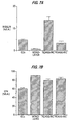
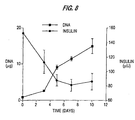
- RNAse protection assay showed that after normalizing to the cyclophilin signal, the expression of glucagon and insulin mRNAs in monolayers was decreased significantly over a 10 day period, compared to that in ICCs that had remained free floating. This down regulation of hormone genes was partially reversed by reaggregation of the cell population, and could be further increased by the presence of nicotinamide, as described below.
- Islet-specific gene transcription was upregulated by cell reaggregation of expanded monolayers.
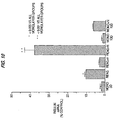
- cells from expanded monolayers were reaggregated to form ICCs and incubated, free floating, in petri dishes for 5 days, levels of expression of insulin and glucagon mRNAs increased significantly compared to those of the cells in monolayer. This effect was potentiated by the addition of 10 mM nicotinamide to the free floating aggregates (Figs. 7, 9, and 10).
- Immunohistochemical analysis of reaggregated ICCs cultured for 5 days in the presence of nicotinamide demonstrated well-formed ICCs with a significantly greater surface area of insulin containing cells than in reaggregates cultured in the absence of nicotinamide.
- transplantation data is depicted in Fig. 11. Only the grafts in those athymic nude mice that received transplants of reaggregated cells were able to respond to a glucose challenge as evidenced by an increase in circulating human insulin C-peptide.
- pancreatic epithelial cells will proliferate in monolayer on a matrix following exposure to the cytokine.
- the effect is not, however, nearly as profound as in fetal pancreatic cells.
Landscapes
- Health & Medical Sciences (AREA)
- Engineering & Computer Science (AREA)
- Life Sciences & Earth Sciences (AREA)
- Biomedical Technology (AREA)
- Organic Chemistry (AREA)
- Bioinformatics & Cheminformatics (AREA)
- Chemical & Material Sciences (AREA)
- Zoology (AREA)
- Wood Science & Technology (AREA)
- Genetics & Genomics (AREA)
- Biotechnology (AREA)
- General Health & Medical Sciences (AREA)
- Microbiology (AREA)
- Cell Biology (AREA)
- General Engineering & Computer Science (AREA)
- Biochemistry (AREA)
- Diabetes (AREA)
- Obesity (AREA)
- Endocrinology (AREA)
- Veterinary Medicine (AREA)
- Chemical Kinetics & Catalysis (AREA)
- Nuclear Medicine, Radiotherapy & Molecular Imaging (AREA)
- General Chemical & Material Sciences (AREA)
- Hematology (AREA)
- Public Health (AREA)
- Emergency Medicine (AREA)
- Animal Behavior & Ethology (AREA)
- Medicinal Chemistry (AREA)
- Pharmacology & Pharmacy (AREA)
- Micro-Organisms Or Cultivation Processes Thereof (AREA)
- Medicines Containing Material From Animals Or Micro-Organisms (AREA)
- Medicines That Contain Protein Lipid Enzymes And Other Medicines (AREA)
Claims (32)
- Verfahren zur Stimulation der ex vivo Proliferation und Differenzierung von humanen fötalen β-Pankreasinselzellen, umfassend die Schritte:(a) des Herstellens einer Primärkultur von humanen fötalen Pankreaszellen, und(b) des Kontaktierens der primären Kulturzellen mit einer wirksamen Konzentration von HGF/SF für einen wirksamen Zeitraum.
- Verfahren nach Anspruch 1, weiter umfassend das Kontaktieren von primären Kulturzellen mit einer wirksamen Konzentration von anti-TGF-β-Antikörpern für einen wirksamen Zeitraum.
- Verfahren nach Anspruch 1 oder 2, wobei die Zellprotiferation und - differenzierung umfaßt:eine Zunahme der Zahl der β-Epithelzellen relativ zu anderen Zelltypen, odereine Zunahme der Bildung von inselähnlichen Zellclustern, welche β-Epithelzellen enthalten, odereine Zunahme der durchschnittlichen zellulären Insulinproduktion.
- Verfahren nach einem der Ansprüche 1 bis 3, wobei die wirksame Konzentration von HGF/SF von 5 bis 50 ng/ml reicht.
- Verfahren nach einem der Ansprüche 1 bis 4, weiter umfassend das Züchten von kultivierten Zellen als Monolayer auf einer extrazellulären Matrix in der Gegenwart von HGF/SF.
- Verfahren nach Anspruch 5, wobei die extrazelluläre Matrix die 804G extrazelluläre Matrix oder die BCEM extrazelluläre Matrix ist.
- Verfahren nach Anspruch 5 oder Anspruch 6, weiter umfassend das Abtrennen der Monolayerzellen von der Matrix durch nicht-enzymatische Mittel.
- Verfahren nach einem der Ansprüche 5 bis 7, weiter umfassend die Wiederaggregation der Monotayerkulturzellen.
- Verfahren nach einem der Ansprüche 1 bis 8, weiter umfassend das Kontaktieren der Zellen mit einem Mittel, welches das Insulingen hochreguliert.
- Verfahren nach Anspruch 9, wobei das Mittel ein Poly(ADP-Ribose)-Synthetaseinhibitor wie Nikotinamid oder ein Benzamid ist.
- Verfahren zur Stimulation der ex vivo Proliferation und Differenzierung von humanen fötalen β-Pankreaszellen, umfassend die Schritte:(a) des Herstellens einer Primärkultur von humanen fötalen Pankreaszellen,(b) des Kultivierens der Zellen mit einer wirksamen Konzentration von HGF/SF unter Bedingungen, so daß sich Inselzeliencluster bilden,(c) des Kultivierens der Cluster als ein Monolayer auf einer extrazellulären Matrix in der Gegenwart einer wirksamen Konzentration von HGF/SF,(d) des Abtrennens der Zellen von dem Monolayer durch nicht-enzymatische Mittel, und(e) des Wiederaggregierens der abgetrennten Zellen in der Gegenwart eines Inhibitors der Poly(ADP-Ribose)-Synthetase.
- Verfahren nach einem der Ansprüche 1 bis 11 zum Herstellen von proliferierenden und differenzierenden humanen fötalen Pankreasinselzelien in klinischanwendbaren Mengen, umfassend die Schritte:(a) des Aussäens einer Kultur von humanen fötalen Pankreaszellen in einem Bioreaktor, und(b) des Durchströmens des Bioreaktors mit einem Wachstumsvollmedium, welches mit einer wirksamen Konzentration von HGF/SF, gegebenenfalls mit einer wirksamen Konzentration eines anti-TGF-β-Antikörpers, ergänzt ist.
- Verfahren nach Anspruch 12, wobei der Bioreaktor eine Wachstumsfläche aufweist, die mit einer extrazellulären Matrix beschichtet ist, und welches weiter die Schritteumfaßt.(c) des Abtrennens der Zellen von der Matrix durch nicht-enzymatische Mittel,(d) des Wiederaggregierens der abgetrennten Zellen, und(e) des Kontaktierens der wiederaggregierten Zellen mit einem Mittel, welches das Insulingen hochreguliert,
- Verfahren nach einem der Ansprüche 1 bis 13, welches weiter den Schritt des Emtens der so behandelten Pankreaszellen einschließt.
- Transplantationszusammensetzung, umfassend humane Pankreaszellen, welche gemäß dem Verfahren nach einem der Ansprüche 1 bis 14 gezüchtet worden sind, in einem pharmazeutisch verträglichen Träger.
- Geemtete humane Pankreaszellen, die durch das Verfahren nach Anspruch 14 hergestellt worden sind, zur Verwendung bei der Behandlung eines Patienten mit Typ 1 Diabetes mellitus.
- Geerntete Zellen nach Anspruch 16 zur Verabreichung auf einem intraportalen, innerhalb der Milz liegenden, Nieren-subkapsulären oder intravenösen Weg.
- Im Handel erhältlicher Kit, enthaltend Materialien zur Transplantation von humanen Pankreaszellen in einen dieselben benötigenden Patienten, umfassend gefrierkonservierte Pankreaszellen, die zuvor in der Gegenwart von HGF/SF vermehrt worden sind, in einem Container, gegebenenfalls weiter umfassend HGF/SF, weiter gegebenenfalls umfassend einen Behälter, der eine extrazelluläre Matrix enthält, und noch weiter umfassend gegebenenfalls einen Behälter, der einen Poly(ADP-Ribose)Synthetaseinhibitor enthält.
- Verfahren zur Stimulation der ex vivo-Proliferation von humanen adulten β-Pankreasinsetzellen, umfassend die Schritte:(a) des Herstellens einer Primärkultur von humanen adulten Pankreaszellen und(b) des Kontaktierens der primären Kulturzellen mit einer wirksamen Konzentration aus HGF/SF für einen wirksamen Zeitraum.
- Verfahren nach Anspruch 19, weiter umfassend das Kontaktieren der primären Kulturzellen mit einer wirksamen Konzentration aus anti-TGF-β-Antikörpern für einen wirksamen Zeitraum.
- Verfahren nach Anspruch 19, wobei die Zellproliferation eine Zunahme der Zahl der β-Epithelzelien relativ zu anderen Zelltypen umfaßt
- Verfahren nach einem der Ansprüche 19 bis 21, wobei die wirksame Konzentration von HGF/SF von 5 bis 50 ng/ml reicht
- Verfahren nach einem der Ansprüche 19 bis 22, weiter umfassend das Züchten der kultivierten Zellen als Monolayer auf einer extrazellulären Matrix in der Gegenwart von HGF/SF.
- Verfahren nach Anspruch 23, wobei die extrazelluläre Matrix die 804G extrazelluläre Matrix oder die BDEM extrazelluläre Matrix ist
- Verfahren nach Anspruch 23 oder Anspruch 24, weiter umfassend das Abtrennen der Monolayerzellen von der Matrix durch nicht-enzymatische Mittel.
- Verfahren nach einem der Ansprüche 23 bis 25, weiter umfassend das Wiederaggregieren der Monolayerkulturzellen.
- Verfahren nach einem der Ansprüche 19 bis 26, weiter umfassend das Kontaktieren der Zellen mit einem Mittel, welches das Insulingen hochreguliert.
- Verfahren nach Anspruch 27, wobei das Mittel ein Poly(ADP-Ribose)Synthetaseinhibitor wie Nikotinamid oder ein Benzamid ist.
- Verfahren nach einem der Ansprüche 19 bis 28, welches weiter den Schritt des Erntens der so behandelten Pankreaszellen einschließt.
- Transplantationszusammensetzung, umfassend humane Pankreaszellen, welche gemäß dem Verfahren nach einem der Ansprüche 19 bis 29 gezüchtet worden sind, in einem pharmazeutisch verträglichen Träger.
- Geemtete humane Pankreaszellen, die durch das Verfahren nach Anspruch 29 hergestellt worden sind, zur Verwendung bei der Behandlung eines Patienten mit Typ 1 Diabetes mellitus.
- Geerntete Zellen nach Anspruch 31 zur Verabreichung auf einem intraportalen, innerhalb der Milz liegenden, Nieren-subkapsulären oder intravenösen Weg.
Applications Claiming Priority (3)
| Application Number | Priority Date | Filing Date | Title |
|---|---|---|---|
| US08/235,394 US5587309A (en) | 1994-04-29 | 1994-04-29 | Method of stimulating proliferation and differentiation of human fetal pancreatic cells ex vivo |
| US235394 | 1994-04-29 | ||
| PCT/US1995/005521 WO1995029989A1 (en) | 1994-04-29 | 1995-04-28 | COMPOSITIONS AND METHOD OF STIMULATING THE PROLIFERATION AND DIFFERENTIATION OF HUMAN FETAL AND ADULT PANCREATIC CELLS $i(EX VIVO) |
Publications (2)
| Publication Number | Publication Date |
|---|---|
| EP0765385A1 EP0765385A1 (de) | 1997-04-02 |
| EP0765385B1 true EP0765385B1 (de) | 2004-06-30 |
Family
ID=22885314
Family Applications (1)
| Application Number | Title | Priority Date | Filing Date |
|---|---|---|---|
| EP95918374A Expired - Lifetime EP0765385B1 (de) | 1994-04-29 | 1995-04-28 | Zusammensetzungen und verfahren zur stimulierung der proliferation und der differenzierung von menschlichen fetalen und erwachsenen pankreatischen zellen ex vivo |
Country Status (8)
| Country | Link |
|---|---|
| US (2) | US5587309A (de) |
| EP (1) | EP0765385B1 (de) |
| JP (1) | JP3996950B2 (de) |
| AT (1) | ATE270323T1 (de) |
| AU (1) | AU695390B2 (de) |
| CA (1) | CA2189052A1 (de) |
| DE (1) | DE69533223T2 (de) |
| WO (1) | WO1995029989A1 (de) |
Families Citing this family (57)
| Publication number | Priority date | Publication date | Assignee | Title |
|---|---|---|---|---|
| US6558952B1 (en) * | 1992-12-14 | 2003-05-06 | Waratah Pharmaceuticals, Inc. | Treatment for diabetes |
| US5885956A (en) | 1992-12-14 | 1999-03-23 | Research Triangle Pharmaceuticals | Treatment for diabetes using a gastrin/CCK receptor ligand and an EGF receptor ligand |
| US5587309A (en) * | 1994-04-29 | 1996-12-24 | The United States Of America As Represented By The Department Of Health And Human Services | Method of stimulating proliferation and differentiation of human fetal pancreatic cells ex vivo |
| US5723333A (en) * | 1995-02-10 | 1998-03-03 | Regents Of The University Of California | Human pancreatic cell lines: developments and uses |
| US6110743A (en) * | 1995-02-10 | 2000-08-29 | The Regents Of The University Of California | Development and use of human pancreatic cell lines |
| ATE311466T1 (de) * | 1995-02-10 | 2005-12-15 | Univ California | Menschliche pancreas zellinien: entwicklungen und anwendungen |
| AU7443996A (en) * | 1995-10-30 | 1997-05-22 | Vivorx, Inc. | Method for ex vivo proliferation and differentiation of adult pancreatic islet cells, media useful therefor and uses thereof |
| US6110707A (en) * | 1996-01-19 | 2000-08-29 | Board Of Regents, The University Of Texas System | Recombinant expression of proteins from secretory cell lines |
| US6043092A (en) * | 1996-03-18 | 2000-03-28 | University Of Pittsburgh | Cell culture media for mammalian cells |
| US5672361A (en) * | 1996-03-29 | 1997-09-30 | Desmos, Inc. | Laminin 5 for growth of pancreatic islet cells |
| US5874306A (en) * | 1996-12-12 | 1999-02-23 | The Regents Of The University Of California | Culturing human pancreatic endocrine cells in medium containing extracellular matrix from human bladder carcinoma cells |
| SE9700983D0 (sv) * | 1997-03-18 | 1997-03-18 | Ascendia Ab | Stimulering, odling och preservation av pankreas- och andra celler |
| CA2216055A1 (en) * | 1997-09-19 | 1999-03-19 | Mcgill University | A medium to promote islet cell survival |
| US20040037818A1 (en) * | 1998-07-30 | 2004-02-26 | Brand Stephen J. | Treatment for diabetes |
| US6322962B1 (en) | 1998-08-14 | 2001-11-27 | Board Of Regents, The University Of Texas System | Sterol-regulated Site-1 protease and assays of modulators thereof |
| US6506599B1 (en) * | 1999-10-15 | 2003-01-14 | Tai-Wook Yoon | Method for culturing langerhans islets and islet autotransplantation islet regeneration |
| KR19990014353A (ko) * | 1998-10-17 | 1999-02-25 | 윤태욱 | 췌도의 대량 배양증식방법 |
| CA2359821A1 (en) * | 1999-02-04 | 2000-08-10 | Mcgill University | Platform for the differentiation of cells |
| US6946293B1 (en) | 1999-02-10 | 2005-09-20 | Es Cell International Pte Ltd. | Progenitor cells, methods and uses related thereto |
| JP2002538779A (ja) * | 1999-02-10 | 2002-11-19 | キュリス インコーポレイテッド | 膵臓細胞前駆細胞、それらに関する方法及び利用 |
| US6303355B1 (en) | 1999-03-22 | 2001-10-16 | Duke University | Method of culturing, cryopreserving and encapsulating pancreatic islet cells |
| US6365385B1 (en) | 1999-03-22 | 2002-04-02 | Duke University | Methods of culturing and encapsulating pancreatic islet cells |
| ATE397959T1 (de) * | 1999-04-06 | 2008-07-15 | Genentech Inc | Verwendung von erbb-rezeptorliganden zur behandlung von diabetes |
| JP3581660B2 (ja) | 1999-04-30 | 2004-10-27 | ラ ホヤ インスティチュート フォー アラジー アンド イムノロジー | 潜伏ウイルスの再活性化を予防しウイルスの複製を制御するための方法 |
| US20050265977A1 (en) * | 1999-04-30 | 2005-12-01 | Elliott Robert B | Xenotransplant for CNS therapy |
| EP1176970B1 (de) * | 1999-04-30 | 2010-05-19 | NeurotrophinCell Pty Ltd | Xenotransplant für zns therapie |
| US20090047325A1 (en) * | 1999-04-30 | 2009-02-19 | Neurotrophincell Pty. Limited | Xenotransplant for cns therapy |
| CA2375509A1 (en) * | 1999-06-23 | 2000-12-28 | Joslin Diabetes Center, Inc | Methods of making pancreatic islet cells |
| US6815203B1 (en) | 1999-06-23 | 2004-11-09 | Joslin Diabetes Center, Inc. | Methods of making pancreatic islet cells |
| ES2272482T3 (es) * | 2000-01-20 | 2007-05-01 | Diabcell Pty Limited | Preparacion y xenotransplante de islotes porcinos. |
| US6610535B1 (en) | 2000-02-10 | 2003-08-26 | Es Cell International Pte Ltd. | Progenitor cells and methods and uses related thereto |
| US6436704B1 (en) | 2000-04-10 | 2002-08-20 | Raven Biotechnologies, Inc. | Human pancreatic epithelial progenitor cells and methods of isolation and use thereof |
| US7790690B2 (en) | 2000-10-11 | 2010-09-07 | U.S. Department Of Veterans Affairs | Glucose sensitive regulator of insulin transcription |
| US20040014212A1 (en) * | 2000-10-17 | 2004-01-22 | Elliott Robert Bartlett | Preparation and xenotransplantation or porcine islets |
| US6972195B2 (en) * | 2002-09-27 | 2005-12-06 | Rongxiang Xu | Composition and method for culturing potentially regenerative cells and functional tissue-organs in vitro |
| US6642003B2 (en) | 2001-08-02 | 2003-11-04 | Cedars-Sinai Medical Center | Human glucose-dependent insulin-secreting cell line |
| WO2003027270A1 (en) * | 2001-09-28 | 2003-04-03 | Diabcell Pty Limited | Growing xenotransplant material in culture |
| KR20030033638A (ko) * | 2001-10-24 | 2003-05-01 | (주)한국췌도이식연구소 | 인공 췌도 세포 및 이의 용도 |
| NZ515310A (en) * | 2001-11-07 | 2004-08-27 | Diabcell Pty Ltd | Methods of treatment and delivery modes |
| CA2470539C (en) * | 2001-12-07 | 2011-10-04 | Geron Corporation | Islet cells from human embryonic stem cells |
| US20030138949A1 (en) * | 2001-12-12 | 2003-07-24 | Anil Bhushan | Methods for the regeneration of pancreatic islets and expansion of pancreatic endocrine cells |
| AU2003210959A1 (en) * | 2002-02-12 | 2003-09-04 | Cornell Research Foundation, Inc. | Identification and high-yield isolation of human pancreatic islet progenitor and stem cells |
| US7141240B2 (en) * | 2002-03-12 | 2006-11-28 | Cedars-Sinai Medical Center | Glucose-dependent insulin-secreting cells transfected with a nucleotide sequence encoding GLP-1 |
| CA2494134A1 (en) * | 2002-05-24 | 2003-12-04 | Waratah Pharmaceuticals, Inc. | Treatment for diabetes |
| US20030228287A1 (en) * | 2002-06-07 | 2003-12-11 | Regents Of The University Of California | Maintenance of islet cells |
| KR20050074492A (ko) * | 2002-10-22 | 2005-07-18 | 와라타 파마수티컬즈, 인크. | 당뇨병의 치료 |
| CA2567823A1 (en) * | 2003-05-27 | 2004-12-09 | Mcgill University | In vitro platform for screening agents inducing islet cell neogenesis |
| CN1791670A (zh) * | 2003-06-24 | 2006-06-21 | 戴伯塞尔有限公司 | 用于异种移植的用猪支持细胞培养的猪胰岛 |
| CN1961003B (zh) | 2004-03-31 | 2013-03-27 | 健泰科生物技术公司 | 人源化抗TGF-β抗体 |
| KR100660473B1 (ko) * | 2004-04-02 | 2006-12-22 | 학교법인연세대학교 | 췌장 선방세포로부터 이행분화된 췌장 전구세포주 |
| JP2005306749A (ja) * | 2004-04-19 | 2005-11-04 | Kringle Pharma Inc | Hgf含有臓器保存液 |
| NZ540597A (en) * | 2005-06-08 | 2007-02-23 | Neurotrophincell Pty Ltd | A method for preventing the onset of type I diabetes comprising administering an implantable composition comprising living choroid plexus cells |
| US8415153B2 (en) | 2006-06-19 | 2013-04-09 | Geron Corporation | Differentiation and enrichment of islet-like cells from human pluripotent stem cells |
| WO2013010045A1 (en) | 2011-07-12 | 2013-01-17 | Biotime Inc. | Novel methods and formulations for orthopedic cell therapy |
| US20150174202A1 (en) * | 2011-09-28 | 2015-06-25 | The Board Of Trustees Of The Leland Stanford Junior University | Methods and Compositions for Modulating Beta Cell Proliferation |
| GB201611123D0 (en) | 2016-06-27 | 2016-08-10 | Euremab Srl | Anti met antibodiesand uses thereof |
| IT201800000534A1 (it) * | 2018-01-03 | 2019-07-03 | Procedimenti per la promozione della crescita cellulare degli isolotti pancreatici. |
Family Cites Families (4)
| Publication number | Priority date | Publication date | Assignee | Title |
|---|---|---|---|---|
| EP0363125A3 (de) * | 1988-10-03 | 1990-08-16 | Hana Biologics Inc. | Produkt, enthaltend vermehrungsfähige Bauchspeicheldrüsen-Endokrinezellen, und Verfahren |
| US5362716A (en) * | 1989-12-27 | 1994-11-08 | The United States Of America As Represented By The Department Of Health And Human Services | Methods for stimulating hematopoietic progenitors using hepatocyte growth factor and lymphokines |
| US5510263A (en) * | 1993-04-05 | 1996-04-23 | Desmos, Inc. | Growth of pancreatic islet-like cell clusters |
| US5587309A (en) * | 1994-04-29 | 1996-12-24 | The United States Of America As Represented By The Department Of Health And Human Services | Method of stimulating proliferation and differentiation of human fetal pancreatic cells ex vivo |
-
1994
- 1994-04-29 US US08/235,394 patent/US5587309A/en not_active Expired - Lifetime
-
1995
- 1995-04-28 EP EP95918374A patent/EP0765385B1/de not_active Expired - Lifetime
- 1995-04-28 AU AU24336/95A patent/AU695390B2/en not_active Ceased
- 1995-04-28 DE DE69533223T patent/DE69533223T2/de not_active Expired - Lifetime
- 1995-04-28 CA CA002189052A patent/CA2189052A1/en not_active Abandoned
- 1995-04-28 AT AT95918374T patent/ATE270323T1/de not_active IP Right Cessation
- 1995-04-28 WO PCT/US1995/005521 patent/WO1995029989A1/en not_active Ceased
- 1995-04-28 JP JP52851095A patent/JP3996950B2/ja not_active Expired - Fee Related
- 1995-04-28 US US08/732,230 patent/US5888705A/en not_active Expired - Lifetime
Also Published As
| Publication number | Publication date |
|---|---|
| DE69533223D1 (de) | 2004-08-05 |
| JP3996950B2 (ja) | 2007-10-24 |
| AU695390B2 (en) | 1998-08-13 |
| WO1995029989A1 (en) | 1995-11-09 |
| AU2433695A (en) | 1995-11-29 |
| JPH10503923A (ja) | 1998-04-14 |
| CA2189052A1 (en) | 1995-11-09 |
| US5888705A (en) | 1999-03-30 |
| EP0765385A1 (de) | 1997-04-02 |
| US5587309A (en) | 1996-12-24 |
| DE69533223T2 (de) | 2005-07-14 |
| ATE270323T1 (de) | 2004-07-15 |
Similar Documents
| Publication | Publication Date | Title |
|---|---|---|
| EP0765385B1 (de) | Zusammensetzungen und verfahren zur stimulierung der proliferation und der differenzierung von menschlichen fetalen und erwachsenen pankreatischen zellen ex vivo | |
| Ilieva et al. | Pancreatic islet cell survival following islet isolation: the role of cellular interactions in the pancreas | |
| AU2001279245B2 (en) | Pancreatic progenitor cells | |
| US20040063204A1 (en) | Bone marrow cell differentiation | |
| JP2008526762A (ja) | 組織再生および創傷治癒のための脂肪由来幹細胞 | |
| US7029915B2 (en) | Method for differentiating rat hepatic stem cells to insulin-producing cells | |
| AU2001279245A1 (en) | Pancreatic progenitor cells | |
| JP2005533746A (ja) | ランゲルハンス島の幹細胞および真性糖尿病の処置におけるその使用 | |
| US9428733B2 (en) | Method for obtaining pancreatic endocrine cells from adipose tissue-origin cells | |
| JP6685327B2 (ja) | 膵島移植のための改善された方法 | |
| EP0953633A1 (de) | Zellkulturverfahren und Medium zur Herstellung von vermehrungsfähige, normale, differenzierte Humane Leberzellen | |
| EP4106776A1 (de) | Verfahren zum behandeln der chronischen transplant-und-wirts-krankheit | |
| JP2011520470A (ja) | 哺乳動物プロジェニター細胞をインスリン産生膵島細胞に分化させる方法 | |
| US11834673B2 (en) | Method for generating human multipotent mammary stem cells from normal primary breast luminal cells | |
| WO2022132986A2 (en) | Method of treating progressive heart failure in subjects with class ii heart failure | |
| US6008047A (en) | Cell culturing method and medium | |
| JP2025540289A (ja) | 持続性炎症を有する対象における心不全の治療方法 | |
| AU2022394471A1 (en) | Method of treating progressive heart failure in subjects at high risk of poor outcomes | |
| EP4433070A1 (de) | Verfahren zur behandlung von progressiver herzinsuffizienz bei personen mit hohem risiko für schlechte ergebnisse | |
| EP4264275A2 (de) | Verfahren zur behandlung von progressiver herzinsuffizienz bei personen mit klasse-ii-herzinsuffizienz | |
| EP1978090A1 (de) | Pankreatische Vorläuferzellen | |
| JP2004502425A (ja) | 指定された中間発生段階を有する膵臓幹細胞の培養 | |
| AU2005203060A1 (en) | Pancreatic progenitor cells, methods and uses related thereto |
Legal Events
| Date | Code | Title | Description |
|---|---|---|---|
| PUAI | Public reference made under article 153(3) epc to a published international application that has entered the european phase |
Free format text: ORIGINAL CODE: 0009012 |
|
| 17P | Request for examination filed |
Effective date: 19961107 |
|
| AK | Designated contracting states |
Kind code of ref document: A1 Designated state(s): AT BE CH DE DK ES FR GB GR IE IT LI LU MC NL PT SE |
|
| 17Q | First examination report despatched |
Effective date: 20010723 |
|
| GRAH | Despatch of communication of intention to grant a patent |
Free format text: ORIGINAL CODE: EPIDOS IGRA |
|
| GRAS | Grant fee paid |
Free format text: ORIGINAL CODE: EPIDOSNIGR3 |
|
| GRAA | (expected) grant |
Free format text: ORIGINAL CODE: 0009210 |
|
| AK | Designated contracting states |
Kind code of ref document: B1 Designated state(s): AT BE CH DE DK ES FR GB GR IE IT LI LU MC NL PT SE |
|
| PG25 | Lapsed in a contracting state [announced via postgrant information from national office to epo] |
Ref country code: NL Free format text: LAPSE BECAUSE OF FAILURE TO SUBMIT A TRANSLATION OF THE DESCRIPTION OR TO PAY THE FEE WITHIN THE PRESCRIBED TIME-LIMIT Effective date: 20040630 Ref country code: IT Free format text: LAPSE BECAUSE OF FAILURE TO SUBMIT A TRANSLATION OF THE DESCRIPTION OR TO PAY THE FEE WITHIN THE PRESCRIBED TIME-LIMIT;WARNING: LAPSES OF ITALIAN PATENTS WITH EFFECTIVE DATE BEFORE 2007 MAY HAVE OCCURRED AT ANY TIME BEFORE 2007. THE CORRECT EFFECTIVE DATE MAY BE DIFFERENT FROM THE ONE RECORDED. Effective date: 20040630 Ref country code: BE Free format text: LAPSE BECAUSE OF FAILURE TO SUBMIT A TRANSLATION OF THE DESCRIPTION OR TO PAY THE FEE WITHIN THE PRESCRIBED TIME-LIMIT Effective date: 20040630 Ref country code: AT Free format text: LAPSE BECAUSE OF FAILURE TO SUBMIT A TRANSLATION OF THE DESCRIPTION OR TO PAY THE FEE WITHIN THE PRESCRIBED TIME-LIMIT Effective date: 20040630 |
|
| REG | Reference to a national code |
Ref country code: GB Ref legal event code: FG4D Ref country code: CH Ref legal event code: EP |
|
| REG | Reference to a national code |
Ref country code: IE Ref legal event code: FG4D |
|
| REF | Corresponds to: |
Ref document number: 69533223 Country of ref document: DE Date of ref document: 20040805 Kind code of ref document: P |
|
| PG25 | Lapsed in a contracting state [announced via postgrant information from national office to epo] |
Ref country code: SE Free format text: LAPSE BECAUSE OF FAILURE TO SUBMIT A TRANSLATION OF THE DESCRIPTION OR TO PAY THE FEE WITHIN THE PRESCRIBED TIME-LIMIT Effective date: 20040930 Ref country code: GR Free format text: LAPSE BECAUSE OF FAILURE TO SUBMIT A TRANSLATION OF THE DESCRIPTION OR TO PAY THE FEE WITHIN THE PRESCRIBED TIME-LIMIT Effective date: 20040930 Ref country code: DK Free format text: LAPSE BECAUSE OF FAILURE TO SUBMIT A TRANSLATION OF THE DESCRIPTION OR TO PAY THE FEE WITHIN THE PRESCRIBED TIME-LIMIT Effective date: 20040930 |
|
| PG25 | Lapsed in a contracting state [announced via postgrant information from national office to epo] |
Ref country code: ES Free format text: LAPSE BECAUSE OF FAILURE TO SUBMIT A TRANSLATION OF THE DESCRIPTION OR TO PAY THE FEE WITHIN THE PRESCRIBED TIME-LIMIT Effective date: 20041011 |
|
| REG | Reference to a national code |
Ref country code: CH Ref legal event code: NV Representative=s name: PATENTANWAELTE SCHAAD, BALASS, MENZL & PARTNER AG |
|
| NLV1 | Nl: lapsed or annulled due to failure to fulfill the requirements of art. 29p and 29m of the patents act | ||
| ET | Fr: translation filed | ||
| PG25 | Lapsed in a contracting state [announced via postgrant information from national office to epo] |
Ref country code: LU Free format text: LAPSE BECAUSE OF NON-PAYMENT OF DUE FEES Effective date: 20050428 Ref country code: IE Free format text: LAPSE BECAUSE OF NON-PAYMENT OF DUE FEES Effective date: 20050428 |
|
| PG25 | Lapsed in a contracting state [announced via postgrant information from national office to epo] |
Ref country code: MC Free format text: LAPSE BECAUSE OF NON-PAYMENT OF DUE FEES Effective date: 20050430 |
|
| PLBE | No opposition filed within time limit |
Free format text: ORIGINAL CODE: 0009261 |
|
| STAA | Information on the status of an ep patent application or granted ep patent |
Free format text: STATUS: NO OPPOSITION FILED WITHIN TIME LIMIT |
|
| 26N | No opposition filed |
Effective date: 20050331 |
|
| PG25 | Lapsed in a contracting state [announced via postgrant information from national office to epo] |
Ref country code: PT Free format text: LAPSE BECAUSE OF NON-PAYMENT OF DUE FEES Effective date: 20041130 |
|
| PGFP | Annual fee paid to national office [announced via postgrant information from national office to epo] |
Ref country code: FR Payment date: 20110504 Year of fee payment: 17 Ref country code: DE Payment date: 20110427 Year of fee payment: 17 Ref country code: CH Payment date: 20110425 Year of fee payment: 17 |
|
| PGFP | Annual fee paid to national office [announced via postgrant information from national office to epo] |
Ref country code: GB Payment date: 20110426 Year of fee payment: 17 |
|
| REG | Reference to a national code |
Ref country code: CH Ref legal event code: PL |
|
| GBPC | Gb: european patent ceased through non-payment of renewal fee |
Effective date: 20120428 |
|
| REG | Reference to a national code |
Ref country code: FR Ref legal event code: ST Effective date: 20121228 |
|
| PG25 | Lapsed in a contracting state [announced via postgrant information from national office to epo] |
Ref country code: LI Free format text: LAPSE BECAUSE OF NON-PAYMENT OF DUE FEES Effective date: 20120430 Ref country code: CH Free format text: LAPSE BECAUSE OF NON-PAYMENT OF DUE FEES Effective date: 20120430 Ref country code: GB Free format text: LAPSE BECAUSE OF NON-PAYMENT OF DUE FEES Effective date: 20120428 |
|
| REG | Reference to a national code |
Ref country code: DE Ref legal event code: R119 Ref document number: 69533223 Country of ref document: DE Effective date: 20121101 |
|
| PG25 | Lapsed in a contracting state [announced via postgrant information from national office to epo] |
Ref country code: FR Free format text: LAPSE BECAUSE OF NON-PAYMENT OF DUE FEES Effective date: 20120430 |
|
| PG25 | Lapsed in a contracting state [announced via postgrant information from national office to epo] |
Ref country code: DE Free format text: LAPSE BECAUSE OF NON-PAYMENT OF DUE FEES Effective date: 20121101 |