EP0751785B2 - Zusammensetzungen aus einer thrombolytisch wirkende substanz und antikoagulantien, und ihre verwendungen - Google Patents
Zusammensetzungen aus einer thrombolytisch wirkende substanz und antikoagulantien, und ihre verwendungen Download PDFInfo
- Publication number
- EP0751785B2 EP0751785B2 EP95912261A EP95912261A EP0751785B2 EP 0751785 B2 EP0751785 B2 EP 0751785B2 EP 95912261 A EP95912261 A EP 95912261A EP 95912261 A EP95912261 A EP 95912261A EP 0751785 B2 EP0751785 B2 EP 0751785B2
- Authority
- EP
- European Patent Office
- Prior art keywords
- anticoagulant
- heparin
- administration
- active protein
- thrombolytically active
- Prior art date
- Legal status (The legal status is an assumption and is not a legal conclusion. Google has not performed a legal analysis and makes no representation as to the accuracy of the status listed.)
- Expired - Lifetime
Links
Images



Classifications
-
- A—HUMAN NECESSITIES
- A61—MEDICAL OR VETERINARY SCIENCE; HYGIENE
- A61K—PREPARATIONS FOR MEDICAL, DENTAL OR TOILETRY PURPOSES
- A61K38/00—Medicinal preparations containing peptides
- A61K38/16—Peptides having more than 20 amino acids; Gastrins; Somatostatins; Melanotropins; Derivatives thereof
- A61K38/55—Protease inhibitors
- A61K38/57—Protease inhibitors from animals; from humans
- A61K38/58—Protease inhibitors from animals; from humans from leeches, e.g. hirudin, eglin
-
- A—HUMAN NECESSITIES
- A61—MEDICAL OR VETERINARY SCIENCE; HYGIENE
- A61K—PREPARATIONS FOR MEDICAL, DENTAL OR TOILETRY PURPOSES
- A61K38/00—Medicinal preparations containing peptides
- A61K38/16—Peptides having more than 20 amino acids; Gastrins; Somatostatins; Melanotropins; Derivatives thereof
- A61K38/43—Enzymes; Proenzymes; Derivatives thereof
- A61K38/46—Hydrolases (3)
- A61K38/48—Hydrolases (3) acting on peptide bonds (3.4)
- A61K38/49—Urokinase; Tissue plasminogen activator
-
- A—HUMAN NECESSITIES
- A61—MEDICAL OR VETERINARY SCIENCE; HYGIENE
- A61P—SPECIFIC THERAPEUTIC ACTIVITY OF CHEMICAL COMPOUNDS OR MEDICINAL PREPARATIONS
- A61P31/00—Antiinfectives, i.e. antibiotics, antiseptics, chemotherapeutics
-
- A—HUMAN NECESSITIES
- A61—MEDICAL OR VETERINARY SCIENCE; HYGIENE
- A61P—SPECIFIC THERAPEUTIC ACTIVITY OF CHEMICAL COMPOUNDS OR MEDICINAL PREPARATIONS
- A61P7/00—Drugs for disorders of the blood or the extracellular fluid
- A61P7/02—Antithrombotic agents; Anticoagulants; Platelet aggregation inhibitors
-
- A—HUMAN NECESSITIES
- A61—MEDICAL OR VETERINARY SCIENCE; HYGIENE
- A61P—SPECIFIC THERAPEUTIC ACTIVITY OF CHEMICAL COMPOUNDS OR MEDICINAL PREPARATIONS
- A61P9/00—Drugs for disorders of the cardiovascular system
-
- A—HUMAN NECESSITIES
- A61—MEDICAL OR VETERINARY SCIENCE; HYGIENE
- A61P—SPECIFIC THERAPEUTIC ACTIVITY OF CHEMICAL COMPOUNDS OR MEDICINAL PREPARATIONS
- A61P9/00—Drugs for disorders of the cardiovascular system
- A61P9/08—Vasodilators for multiple indications
-
- A—HUMAN NECESSITIES
- A61—MEDICAL OR VETERINARY SCIENCE; HYGIENE
- A61P—SPECIFIC THERAPEUTIC ACTIVITY OF CHEMICAL COMPOUNDS OR MEDICINAL PREPARATIONS
- A61P9/00—Drugs for disorders of the cardiovascular system
- A61P9/10—Drugs for disorders of the cardiovascular system for treating ischaemic or atherosclerotic diseases, e.g. antianginal drugs, coronary vasodilators, drugs for myocardial infarction, retinopathy, cerebrovascula insufficiency, renal arteriosclerosis
Definitions
- the present invention relates to compositions and methods for the preparation of a pharmaceutical combination for the treatment of patients with acute occlusive vascular diseases. These are characterized by administration of an anticoagulant agent, which is not heparin, via intravenous bolus injection instead of prolonged intravenous infusion, in combination with thrombolytically-active protein which may be given by intravenous bolus injection and/or by intravenous infusion.
- an anticoagulant agent which is not heparin
- Cardiovascular diseases such as acute myocardial infarction, stroke, peripheral arterial occlusion, pulmonary embolisms, deep vein thrombosis, and other blood vessel thrombotic diseases are major causes of morbidity and mortality.
- the aforementioned diseases are caused by total or subtotal occlusive thrombus formation in a blood vessel, which prevents delivery of an adequate blood supply to the tissue.
- the thrombus consists of aggregates of blood cells such as platelets, erythrocytes and leukocytes, stabilized by a fibrin network.
- Thrombolytic therapy of acute myocardial infarction has been shown to markedly improve the natural history of acute myocardial infarction, with an approximately 30 % reduction in mortality (GISSI: Lancet 1986; 1: 871-874; ISIS-2: Lancet 1988; 2: 349-360; AIMS: Lancet 1988; 1: 545-549; Wilcox et al., Lancet 1988: 2: 525-539; ISAM: N Engl J Med 1986; 314: 1465-1471).
- Pharmacological approaches to enhancing velocity and quality of thrombolysis can, in general, be based upon the thrombolytic agent itself and upon adjunctive agents, i.e., other agents given concomitantly to the thrombolytic agent.
- rt-PA tissue-type plasminogen activator
- rt-PA Recombinant tissue-type plasminogen activator
- ISIS-3 Lancet 1992: 339: 753-770; GUSTO: N Engl J Med 1993; 329: 673-682
- a novel thrombolytically active protein such as the novel recombinant plasminogen activator BM 06.022 (also designated as rPA), described in US Patent No. 5,223,256 and incorporated by reference, was shown to achieve very high patency rates after double bolus administration (Bode et al., Circulation 1993; 88 (suppl. I): I-292, abstract 1562).
- aspirin and heparin are limited. This is attributable to their modes of action. Aspirin only inhibits one pathway of activation of platelets (by inhibition of cyclooxygenase). The action of heparin is dependent on the availability of antithrombin III. The restricted efficacy of heparin is also caused by the presence of inhibitors in plasma and its limited access to clot-bound thrombin.
- novel antiplatelet agents such as antagonists of the glycoprotein IIb/IIIa receptor (e.g., antibodies, peptides, or low molecular weight chemical entities) and in novel anticoagulants (peptidic and synthetic direct inhibitors of thrombin and other components of the coagulation system, such as inhibitors of factor Xa, IXa, VIIa, tissue factor, etc., or mimics of endogenous inhibitors of the coagulation system, such as activated protein C or thrombomodulin).
- antagonists of the glycoprotein IIb/IIIa receptor e.g., antibodies, peptides, or low molecular weight chemical entities
- novel anticoagulants peptidic and synthetic direct inhibitors of thrombin and other components of the coagulation system, such as inhibitors of factor Xa, IXa, VIIa, tissue factor, etc., or mimics of endogenous inhibitors of the coagulation system, such as activated protein C or thrombomodulin.
- hirudin a recombinant protein which directly inhibits clot-bound thrombin
- hirudin has a short half life of 10 - 15 minutes in dogs (Biomed Biochim Acta 1987; 46: 237-244 and Folia Haematol 1988; 115: 70-74) and of 9 - 50 minutes in humans (Thromb Haemost 1984; 52: 160-163).
- the present invention provides pharmaceutical compositions and methods for the preparation of a pharmaceutical combination for treatment of a patient with a thrombotic disease.
- the pharmaceutically effective compositions, for treatment of a patient with a thrombotic disease are characterized by administration of an i.v. bolus injection instead of prolonged i.v. infusion of a potent and effective anticoagulant agent which is not heparin, and which is not acetylsalicylic acid in combination with a thrombolytically active protein, which may be given by i.v. bolus injection and/or i.v. infusion.
- This method is useful because it reduces the amount of anticoagulant necessary without loosing the desired pharmacological effect of enhancing reperfusion and preventing reocclusion. Thereby, and most surprisingly, this reduces the bleeding risk, i.e. it improves the safety of the treatment.
- a lower price (possible by the lower amount of protein) for the treatment and the improved risk/benefit ratio enables more widespread use of this method resulting in reduction of mortality.
- this method simplifies the administration of the novel anticoagulant, thus only offering more convenience but also permitting more frequent and more effective treatment of patients, thereby saving many lives.
- the present invention relates to therapeutic or prophylactic compositions and methods for the preparation of a pharmaceutical combination for treating or preventing thrombotic diseases. More particular, the present invention relates to pharmaceutically effective compositions and methods for the preparation of a pharmaceutical combination for treatment or prophylaxis of thrombotic diseases characterized by the combined administration of an anticoagulant agent different from heparin and acetylsalicylic acid, given by i.v. bolus injection instead of prolonged i.v. infusion, and a thrombolytically active protein given by i.v. bolus injection and/or i.v. infusion.
- the present invention provides compositions and methods for the preparation of a pharmaceutical combination for treatment of patients with thrombotic diseases which confer the advantages of reducing the amount of novel anticoagulant agents, but maintaining the desired pharmacologic effect, of reducing the costs of therapy, of enhancing convenience of administration of the novel anticoagulant drug and, most importantly reducing the bleeding risk. All of these advantages will considerably contribute to more widespread use of thrombolysis which will help save more lives.
- Thrombotic diseases in the meaning of the present invention include acute myocardial infarction, stroke, peripheral arterial occlusion, pulmonary embolism, deep vein thrombosis, and other blood vessel thrombotic diseases which have a risk of reocclusion or recurrent thrombus formation after successful thrombolysis.
- the restriction of the administration of the non-heparin non-acetylsalicylic acid anticoagulant, e.g., hirudin, solely to an i.v. bolus injection instead of initial bolus injection plus continuous i.v. infusion over hours leads to greater safety for the patient by reducing the bleeding risk.
- the reduced bleeding risk results from a shorter duration of inhibition of the coagulation system, a more rapid normalization of the coagulation system, and a lower influence on the bleeding time.
- bleeding time which is a strong predictor of clinical bleeding (Gimple et al., Circulation 1989; 80: 581-588) is considerably lower in the group with i.v. bolus injection of the novel anticoagulant than in the group with i.v. continuous infusion of the anticoagulant.
- the restriction of administration of the novel anticoagulant solely to an i.v. bolus injection instead of the administration of i.v. bolus injection plus continuous i.v. infusion has maintained the superior effect of prevention of reocclusion by use of novel anticoagulants given as i.v. bolus injection plus infusion compared to that of conventional adjunctive treatment with aspirin plus heparin which still is associated with reocclusion.
- Anticoagulants different from heparin and acetylsalicylic acid encompassed by the present invention include peptidic and synthetic direct inhibitors of thrombin and inhibitors of other components of the coagulation system such as inhibitors of factor XIIIa, Xa, IXa, VIIa, tissue factor, von Willebrand factor (glycoprotein Ib) etc., or mimics or recombinant forms of endogenous inhibitors of the coagulation system, e.g. thrombomodulin or activated protein C.
- proteins preferably proteins, peptides or low molecular weight chemical entities which are produced by recombinant DNA technology, by isolation and purification of substances from natural sources, by peptide synthesis, chemical modification or by conventional chemical synthesis.
- Preferred anticoagulants are natural forms of hirudin (Markwardt, Methods Enzymol 1970; vol. 19: 924-932 and Markwardt, Biomed Biochim Acta 1985; 44: 1007-1013), more particularly, recombinant forms of hirudin such as desulfatohirudin (which lacks the sulfate on the tyrosine 63 residue of natural hirudin but has the same amino acid sequence as natural hirudin) (variant 1), CGP 39393 (Thromb Haemost 1989; 61:77-80), or forms which differ from natural hirudin in amino acid 1 and 2, leucine and threonine such as, HBW 023 (Markwardt et al., Thromb Res 1988; 52: 393-400 and Röthig et al., Hämostaseologie 1991; 11: 132-136).
- HBW 023 Markwardt et al., Thromb Res 1988; 52: 393-400 and Röthig e
- Desulfatohirudin can be produced in eukaryotic cells, e.g., Saccharomyces cerevisiae, or in bacterial cells, e.g., Escherichia coli.
- Other useful cell lines include Bacillus subtilis, baby hamster kidney cells, insect cells and others.
- Hirudin and desulphatohirudin consist of a single polypeptide chain of 65 amino acids with three disulfide bridges having a molecular weight of about 7,000.
- the present invention also relates to modified forms of hirudin such as deletion or substitution variants of hirudin and to chimeric or chemically-conjugated variants, e.g. PEG-hirudin or PEG-hirudin fragments.
- the present invention is also particularly related to hirulog and hirulog-like peptides (Maraganore et al., Biochemistry 1990; 29: 7095-7101 and Bourdon et al., FEBS letters 1991; 294: 163-166).
- Hirulog is a 20 amino acid synthetic peptide thrombin inhibitor (D-Phe-Pro-Arg-Pro-[Gly]4 coupled to residues 53 - 64 of the HV2 hirudin variant).
- thrombin inhibitors are derivatives of 3-amidinophenylalanine (Sezebecher et al., Thromb Haemost 1993; 69: 1316, abstract 2773), or the novel Thrombin-inhibitor "RTI" (Tschopp et al., Thromb Haemost 1993 69: 668, abstract 456), and other synthetic direct thrombin inhibitors.
- RTI novel Thrombin-inhibitor
- Preferred anticoagulants also include natural and particularly recombinant forms of selective, tight-binding inhibitors of blood coagulation factor Xa, such as Antistasin (Nutt et al., Arch Biochem Biophys 1991; 285: 37-44), and natural and recombinant forms of slow, tight-binding inhibitors, specific for factor Xa, such as tick anticoagulant peptide (Waxman et al., Science 1990; 248: 593-596) and other peptide inhibitors of factor Xa.
- blood coagulation factor Xa such as Antistasin (Nutt et al., Arch Biochem Biophys 1991; 285: 37-44)
- natural and recombinant forms of slow, tight-binding inhibitors, specific for factor Xa such as tick anticoagulant peptide (Waxman et al., Science 1990; 248: 593-596) and other peptide inhibitors of factor Xa.
- Factor Xa can also be inhibited by DX 9065a, an orally active synthetic anticoagulant with a benzamidine type structure (Kim et al., Thromb Haemost 1993; 69: 672, abstract 471) and by other synthetic, direct inhibitors of factor Xa.
- Inhibitors of factor IXa e.g., Benedict et al., J Clin Invest 1991; 88: 1760-1765
- factor XIIIa e.g., Shebuski et al., Blood 1990; 75: 1455-1459
- inhibitors of factor VIIa e.g., Meluch et al., Thromb Haemost 1993; 69: 887, abstract 1244
- tissue factor e.g., Ragni et. al., Circulation 1993;88(suppl.
- I-615 I-615, abstract 3309), of glycoprotein lb, or von Willebrand factor, (e.g., Yao et al., Clinical Research 1993; 41: 228A) and other inhibitors of components of the coagulation system are also included in the invention.
- von Willebrand factor e.g., Yao et al., Clinical Research 1993; 41: 228A
- anticoagulants useful in the invention are mimics or recombinant forms of endogenous inhibitors of the coagulation system such as recombinant thrombomodulin (e.g., Gomi et al., Blood 1990; 75: 1396-1399), recombinant tissue factor pathway inhibitor (e.g., Haskel et al., Circulation 1991; 84: 821-827), recombinant activated protein C (e.g., Gruber et al., Circulation 1990; 82: 578-585) and other mimics of endogenous anticoagulants.
- recombinant thrombomodulin e.g., Gomi et al., Blood 1990; 75: 1396-1399
- tissue factor pathway inhibitor e.g., Haskel et al., Circulation 1991; 84: 821-827
- recombinant activated protein C e.g., Gruber et al., Circulation 1990; 82: 578-
- the anticoagulants of the invention are administered in doses of 0.01 to 10 mg/kg over 0.5 to 5 minutes as intravenous bolus injection prior to or shortly after initiation of administration of the thrombolytically active protein.
- Hirudin, hirulog and related peptides are preferably administered in doses of 0.3 to 6 mg/kg over 0.5 to 3 minutes as an intravenous bolus injection prior to or within 5 minutes after initiation of administration of the thrombolytically active protein. More particularly, hirudin, hirulog and related peptides are administered in doses of 0.5 to 6 mg/kg over 1-2 minutes as an intravenous bolus injection prior to administration of the thrombolytically active protein.
- Oral administration instead of intravenous bolus injection can be performed with low molecular weight forms of new chemical entities and with peptides in combination with drug delivery systems.
- Thrombolytically active proteins useful in combination with the anticoagulants in the present invention are those agents known to the skilled artisan, such as recombinant tissue-type plasminogen activator, e.g., Alteplase and silteplase, and others such as anistreplase, streptokinase, urokinase, and pro-urokinase.
- tissue-type plasminogen activator e.g., Alteplase and silteplase
- anistreplase streptokinase
- urokinase urokinase
- pro-urokinase pro-urokinase
- the present invention also relates to thrombolytic agents such as recombinant plasminogen activator (rPA), BM 06.022, vampire bat plasminogen activator (e.g., Mellott et al., Arterioscler Thrombos 1992; 12: 212-221) and desmodus (vampire bat) salivary plasminogen activator DSPA (e.g., Witt et al., Blood 1992; 79: 1213-1217) or related forms and TNK variants of tissue-type plasminogen activator (e.g., Refino et al., Thromb Haemost 1993; 69: 841, abstract 1074).
- rPA recombinant plasminogen activator
- BM 06.022 recombinant plasminogen activator
- vampire bat plasminogen activator e.g., Mellott et al., Arterioscler Thrombos 1992; 12: 212-221
- thrombolytically active protein BM 06.022 described supra. This is a non-glycosylated protein consisting of amino acids 1-3 and 176-527 of wild type human t-PA. Additional thrombolytically active proteins are described in USP 4,970,159; EP-A-0,207,589; AU 61804/86; EP-A-0,231,624; EP-A-0,289,508; JP 63133988; EP-A-0,234,051; EP A 0,263,172; EP-A-0,241,208; EP-A-0,292,009; EP-A-297,066; EP-A-0,302,456; EP-A-0,379,890.
- E-6010 Sudzuki et al., J Cardiovasc Pharmacol 1991; 17: 738-746
- YM-g66 Yamamoto et al., Japan J Pharmacol 1993; 63: 135-142
- SUN-9216 Umemura et al., Stroke 1993; 24: 1077-1082.
- the doses and administration regimens of the thrombolytic agents include those approved by the health authorities, e.g. 100 mg of Alteplase or 1.5 million U of streptokinase.
- the dose and administration regimen can vary. Especially preferred is a total dose of 15 to 25 mega units (MU) of recombinant plasminogen activator BM 06.022; more especially preferred is a regimen of 10 + 10 MU boli of BM 08.022.
- the mode of administration of the thrombolytic agents may be via intravenous injection, single bolus or multiple bolus injection or via intravenous infusion, or a combination of these. Especially preferred is a double bolus intravenous injection of BM 06.022 or of other thrombolytically active proteins.
- the time interval between the injections of the thrombolytically active protein may be 15 to 60 minutes, more preferably from 20 to 40 minutes, most preferably the time interval may be 30 minutes.
- hirudin as the novel, more potent and effective anticoagulant different from heparin and acetylsalicylic acid by i.v. bolus injection with BM 06.022 as the thrombolytically active protein at dosing regimens described above is particularly preferred.
- the combination of hirulog as the novel more potent and effective anticoagulant different from heparin and acetylsalicylic acid by i.v. bolus injection with BM 06.022 as the thrombolytically active protein at dosing regimens described above is also preferred.
- the anticoagulants of the invention are administered as intravenous bolus injection prior to or shortly after initiation of administration of the thrombolytically active protein.
- the time interval between the injection of the non-heparin non-acetylsalicylic acid anticoagulant and the thrombolytically active protein may be from 1 - 30 minutes, especially 2 - 10 minutes and preferably about 5 minutes.
- the anticoagulant is administered prior to the administration of the thrombolytically active protein. If the anticoagulant is administered after the initiation of administration of the thrombolytically active protein, the time interval for administration of the anticoagulant is preferably 2 - 10 minutes and especially about 5 minutes after the first administration of the thrombolytically active protein.
- non-heparin non-acetylsalicylic acid anticoagulant as a single i.v. bolus injection may be followed 1 to 2 hours later by standard treatment with heparin in the treatment of acute myocardial infarction, i.e., i.v. infusion of heparin and later by subcutaneous administration, or may be followed directly by subcutaneous administration of heparin.
- Anticoagulant, as well as antiplatelet agents clinically act as antithrombotic agents but differ in their mode of action, i.e., both actions (inhibition of coagulation and inhibition of platelets) prevent thrombus formation and reocclusion.
- Antiplatelet agents different from aspirin are given as a single i.v.
- bolus injection concomitantly with the thrombolytically active protein, i.e., prior to or within 30 minutes of administration of the thrombolytically active protein, and may be followed by administration of aspirin over several days instead of by delayed or prolonged administration of the novel, more potent and effective antiplatelet agent.
- the novel more potent and effective antiplatelet agents different from heparin and acetylsalicylic acid are preferably inhibitors of the glycoprotein IIb/IIIa receptor on platelets which mediates platelet aggregation.
- Such inhibitors of the platelet glycoprotein IIb/IIIa (GP IIb/IIIa) receptor may be antibodies, fragments of antibodies, humanized antibodies or humanized fragments of antibodies to the GP IIb/IIIa receptor, peptides or peptidomimetics acting as antagonists to the GP IIb/IIIa antagonist, and low molecular synthetic new chemical entities inhibiting the GP IIb/IIIa antagonist.
- Inhibitors of the GP IIb/IIIa receptor are preferably the monoclonal antibody 7E3 or chimeric 7E3 antibody (fragment) to GP IIb/IIIa (Tcheng et al., Circulation 1993; 88 (suppl. I): 1-506, abstract 2727), the peptide GP IIb/IIIa antagonists Integrelin (Tcheng et al., Circulation 1993; 88 (suppl. I): 1-595, abstract 3200) and the peptide MK-852 (Theroux et al Circulation 1993; 88 (suppl. I): I-201, abstract 1075), as well as the non-peptide mimic of GP IIb/IIIa, MK-383 (Peerlinck et al., Circulation 1993; 88:1512-1517).
- GP IIb/IIIa receptors include Ro 43-5054 (J Pharmacol Exp Ther 1993; 264: 501-508), Ro 44-9883 (Thromb Haemostas 1993; 70: 817-821), BIBU 104 (Thromb Haemostas 1993; 69: 975, abstract 1557) and BIBU 52 (Thromb Haemostas 1993; 69: 1072, abstract 1887), SC 49992 (J Pharmacol Exp Ther 1993; 267: 1191-1197) and SC 54684 (Thromb Haemostas 1993; 69: 975, abstract 1558), DMP 728 (Circulation 1994; 80: 3-12), GR 144053 (Thromb Haemostas 1993; 69: 1071, abstract 1884), FR 144633 (Thromb Haemostas 1993; 69: 706, abstract 598), SKF-106760 (Nichols et al. presented at the Am Soc Pharmacol Exp Ther Meeting, July 30-August 3,
- the present invention includes also other inhibitors of GP IIb/IIIa not specifically mentioned herein.
- Treatment of a patient with a thrombotic disease by a combination, composition and method according to the present invention may include concomitant use of further adjunctive agents, such as antiplatelet agents, e.g., aspirin, and anticoagulant agents, e.g., heparin or low molecular weight heparin, or other drugs, e.g., ⁇ -blockers, angiotensin converting enzyme inhibitors, agents against reperfusion injury and others.
- further adjunctive agents such as antiplatelet agents, e.g., aspirin
- anticoagulant agents e.g., heparin or low molecular weight heparin
- drugs e.g., ⁇ -blockers, angiotensin converting enzyme inhibitors, agents against reperfusion injury and others.
- Subject of the present invention are also pharmaceutical compositions which contain a thrombolytically active protein in an appropriate container and an anticoagulant in a separate container to be used according to the above-mentioned administration regimens.
- the dose of the thrombolytically active protein in said first container essentially depends on the therapeutic efficacy of said protein for the treatment of patients with thrombotic diseases.
- the protein rPA is contained in such a container in an amout of 5 - 20 MU (which corresponds to 8-36 mg of the protein).
- the thrombolytically active protein is provided in two or more separate containers which allow the administration of an appropriate dosage of the thrombolytically active protein in the form of two or more boli injections. These two containers may contain the thrombolytically active protein in the same or different amounts depending on the desired administration regimen.
- each of the two containers preferably include an effective amount of 10 MU.
- the first container can be provided in form of a solution ready for injection or, alternatively, as a lyophilisate which is reconstituted prior to administration with an appropriate solution, mostly water for injection purposes, to give the desired injection solution.
- the lyophilisate as well as the reconstitution solution can contain additional pharmaceutical carrier or adjuvant materials which are useful in order to achieve, for example, an isotonic solution or to stabilize or solubilize the protein in said pharmaceutical composition.
- Pharmaceutical packaging units prepared in accordance with the present invention consist of an appropriate administration form which contains the thrombolytically active protein, and an appropriate packaging unit which contains the anticoagulant.
- the two active compounds are preferably present in the packaging unit in two different containers, e.g. glass ampoules. However, depending on the type of active compounds, it may also be possible to provide both compounds in a single dosage form.
- the pharmaceutical packaging unit contains two or more separate containers, each of which containing the appropriate amount of the non-heparin non-acetylsalicylic acid anticoagulant for the respective bolus injection.
- the pharmaceutical packaging units contain instructions, for example in the form of a package leaflet prescribed for medicaments from which it follows that the administration of a therapeutically active amount of the thrombolytically active protein advantageously takes place in combination with a bolus administration of an anticoagulant.
- Pharmaceutical packaging units may additionally contain a separate container for the administration of a pharmacologically effective amount of heparin.
- pharmaceutical packaging units contain in total three different pharmaceutical agents: First, a thrombolytically active protein, second, an anticoagulant and third heparin.
- Such packaging units are especially valuable in emergency situations where it is desirable to have a complete set of the pharmaceutical agents to be used for an effective treatment of thromboembolic conditions according to the present invention.
- the administration of the anticoagulant takes places before, simultaneously or after the administration of the thrombolytically active protein. It has been found that it is especially advantageous when the thrombolytically active protein is administered as a double or multiple bolus injection which is combined with very early anticoagulation, i.e. to administer the anticoagulant before the administration of the thrombolytically active protein. Further, it has been found that it is particularly advantageous in order to prevent reocclusion of the reopened blood vessels, when the thrombolytically active compound is administered in the form of a double or multiple bolus in combination with very early anticoagulation. It turned out that it is even more advantageous when heparin is additionally administered such that a sufficiently high serum concentration is maintained, especially during the time when the thrombolytically active protein is administered.
- Such information regarding the manner of use can either be given in the information leaflet or as a packing overprint on the medical preparation which can be brought together with medicinal preparations which contain thrombolytically active proteins.
- pharmaceutical packaging units containing only appropriate administration forms of the thrombolytically active proteins can contain such information e.g. in the form of package leaflets, wherein the combined administration together with anticoagulants according to the present invention is mentioned.
- pharmaceutical packaging units containing only anticoagulants can contain such information wherein the combined administration together with thrombolytically active proteins and the use according to the present invention is mentioned.
- a third alternative would be to provide pharmaceutical packaging units which contain a thrombolytically active protein, an anticoagulant and an appropriate information about the combined use of both, e.g. the usual package leaflet.
- the package leaflets can contain appropriate directions for use of the thrombolytically active protein, the non-heparin non-acetylsalicylic acid anticoagulant in combination with the administration of heparin.
- Appropriate directions of use of the above-mentioned pharmaceutical agents are essential for commercialization of such pharmaceutical packages containing either the thrombolytically active protein, the non-anticoagulant or heparin or a combination thereof.
- Commecialization of appropriate pharmaceuticals by pharmaceutical companies is only possible when prior approval of such pharmaceutical agents and the respective administration regimens is achieved by the respective national Health Authroities, such as the FDA in the US or the CPMP Authority in Europe. This includes but is not limited to performing clinical trials according to well-established procedures under the supervision of said pharmaceutical company which lateron intends to commercialize such pharmaceutical agents.
- This also includes filing of appropriate documentation about the results of such clinical trials with the respective Health Authority in order to get marketing approval.
- the approval is in many cases restricted to certain administration protocols or regimens which have to be included in printed form in the accompanying information leaflet prescribed for medicaments.
- galenical formulations for example lyophilisates or solutions in appropriate containers, such as e.g., in ampoules, are preferred.
- these pharmaceutical formulations contain usual pharmaceutical adjuvants which are suitable for preparation of isotonic solutions, and may also include additional stabilizing and solubilizing agents.
- the anticoagulants may be formulated in a similar way as solutions ready for use or as lyophilisates which are reconstituted with water prior to their use.
- the present example provides pharmacological evidence of the surprising and superior effect of pharmaceutically effective compositions and methods for treatment of acute occlusive vascular diseases described herein.
- the animal model employed in the example simulates acute myocardial infarction induced by acute coronary artery thrombus formation and allows evaluation of the risk of reocclusion after successful thrombolysis and of the bleeding risk.
- a left circumflex coronary artery thrombus was produced as follows: an adjustable screw occluded on the left circumflex coronary artery was tightened to produce a 90 % inhibition of the hyperemic blood flow response to a 20-s occlusion of the coronary artery.
- a 150 ⁇ A continuous anodal current was applied to the coronary artery electrode placed in the lumen of the artery and attached to the inner surface of the coronary artery and maintained until left circumflex coronary arterial blood flow decreased to and remained at 0 ml/min for at least 3 minutes. Electrical stimulation was delivered for at least 15 minutes.
- the thrombus was allowed to age for one hour before the thrombolytically active protein was administered.
- the thrombolytically active protein used for thrombolysis in this example was BM 06.022 disclosed in US Patent No. 5,223,256.
- the specific activity of BM 06.022 used in this experimental study was 575 000 U/mg.
- the anticoagulant used was recombinant hirudin produced in Hansenula polymorpha (variant BK-HV).
- Adjunctive treatment in the reference group was performed with aspirin and heparin.
- Aspirin was given as an i.v. bolus injection of 20 mg/kg 45 minutes after thrombus formation, i.e., 15 minutes before administration of the thrombolytically active protein.
- Five minutes later i.e., 50 minutes after thrombus formation - 10 minutes before administration of the thrombolytically active protein
- heparin was administered as an i.v. bolus injection of 120 IU/kg immediately followed by an continuous i.v. infusion of 80 IU/kg/h of heparin.
- Adjunctive treatment in the test group was performed with aspirin and hirudin BK-HV.
- Aspirin was given as an i.v. bolus injection of 20 mg/kg 45 minutes after thrombus formation, i.e., 15 minutes before administration of the thrombolytically active protein.
- hirudin BK-HV was administered as an i.v. bolus of 6 mg/kg over 1 min.
- a control experiment was performed with aspirin and hirudin BK-HV infusion.
- Aspirin was given as an i.v. bolus injection of 20 mg/kg 45 minutes after thrombus formation, i.e., 15 minutes before administration of the thrombolytically active protein.
- hirudin BK-HV was administered as an i.v. bolus injection of 2 mg/kg immediately followed by a continuous i.v. infusion of 2 mg/kg/h of hirudin BK-HV.
- the first i.v. bolus injection was performed 60 minutes after thrombus formation.
- the second i.v. bolus injection was performed 30 minutes later, i.e. there was a time interval of 30 minutes between the bolus injections.
- Each i.v. bolus injection was given at a dose of 140 kU/kg, i.e., the total dose of BM 06.022 was 280 kU/kg.
- the experimental observation period was 3.5 hours after the first i.v. bolus injection of BM 06.022.
- Mean and phasic coronary blood flow were measured.
- the time to reperfusion was defined as the time from onset of thrombolytic treatment to the time of return of coronary blood flow to 33 % of the control level before occlusion.
- Cyclical flow reductions were defined as the number of cycles with reperfusion followed by complete reocclusion (zero flow).
- Plasma samples were obtained before administration of the adjunctive agents and repeatedly after onset of thrombolytic treatment for measurement of the activated partial thromboplastin time (aPTT) according to Larrieu et al.
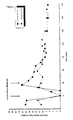
- hirudin either as a bolus or as an infusion induced a lower prolongation of the activated partial thromboplastin time (aPTT) than heparin-infusion ( Figure 4).
- aPTT activated partial thromboplastin time
- Figure 4 heparin-infusion
- the 90-minutes bleeding time was reported to be a strong predictor of clinical bleeding (Gimple et al., Circulation 1989; 80: 581-588).
- the present experiments surprisingly showed that the bleeding time after bolus-hirudin was less prolonged compared with the pretreatment value than after heparin-infusion as well as after hirudin-infusion (100 vs. 135 or 133 %, respectively; Table 3 and Fig. 5).
- the difference in the bleeding time prolongation between bolus-hirudin and hirudin-infusion is also apparent when compared with published reports of the combination of BM 06.022 and hirudin-infusion (Martin et al., Int J Hematol 1992; 56: 143-153; Table 3).
- hirudin is concomitantly administered in experimental studies in dogs with coronary artery thrombosis in doses of 6 mg/kg/h infusion (in combination with t-PA: Sitko et al., Circulation 1992; 85: 805-815) or of 2 mg/kg initial i.v. bolus injection plus 2 mg/kg/h i.v.
Landscapes
- Health & Medical Sciences (AREA)
- Life Sciences & Earth Sciences (AREA)
- Engineering & Computer Science (AREA)
- Animal Behavior & Ethology (AREA)
- Chemical & Material Sciences (AREA)
- Bioinformatics & Cheminformatics (AREA)
- Veterinary Medicine (AREA)
- Medicinal Chemistry (AREA)
- Public Health (AREA)
- General Health & Medical Sciences (AREA)
- Pharmacology & Pharmacy (AREA)
- Chemical Kinetics & Catalysis (AREA)
- Organic Chemistry (AREA)
- Nuclear Medicine, Radiotherapy & Molecular Imaging (AREA)
- General Chemical & Material Sciences (AREA)
- Proteomics, Peptides & Aminoacids (AREA)
- Immunology (AREA)
- Gastroenterology & Hepatology (AREA)
- Epidemiology (AREA)
- Heart & Thoracic Surgery (AREA)
- Cardiology (AREA)
- Biomedical Technology (AREA)
- Tropical Medicine & Parasitology (AREA)
- Zoology (AREA)
- Oncology (AREA)
- Communicable Diseases (AREA)
- Diabetes (AREA)
- Hematology (AREA)
- Urology & Nephrology (AREA)
- Vascular Medicine (AREA)
- Medicines That Contain Protein Lipid Enzymes And Other Medicines (AREA)
- Medicines Containing Material From Animals Or Micro-Organisms (AREA)
- Pharmaceuticals Containing Other Organic And Inorganic Compounds (AREA)
- Medicinal Preparation (AREA)
Claims (35)
- Verfahren zur Herstellung einer pharmazeutischen Kombination zur Verwendung bei der Behandlung von Patienten, die einer Thrombolyse-Therapie bedürfen, durch Verabreichung einer wirksamen Menge eines thrombolytisch wirksamen Proteins, wobei das thrombolytisch wirksame Protein eine Halbwertszeit von mehr als dem Doppelten des humanen Gewebeplasminogenaktivators aufweist und ausschließlich durch Bolusinjektion verabreicht wird, und die pharmazeutische Zusammensetzung so formuliert ist, daß ein Nichtheparin-, Nichtacetylsalicylsäure-Antikoagulans zur Verwendung in Kombination mit dem thrombolytisch wirksamen Protein bereitgestellt wird, und das Nichtheparin-, Nichtacetylsalicylsäure-Antikoagulans in einer Form ist, die eine Verabreichung des Antikoagulans ausschließlich durch wenigstens eine intravenöse Bolusinjektion ermöglicht.
- Verfahren nach Anspruch 1, wobei die pharmazeutische Kombination das Nichtheparin-Antikoagulans in einer Form bereitstellt, die zwei Bolusinjektionen ermöglicht.
- Verfahren nach Anspruch 1 oder 2 zur Herstellung einer pharmazeutischen Kombination, die verwendet wird, um einen erneuten Verschluß bei einem Patienten nach der Thrombolyse zu verhindern.
- Verfahren nach einem der Ansprüche 1 bis 3, wobei die pharmazeutische Kombination eine zweiteilige Kombination ist, um die getrennte Verabreichung des thrombolytisch wirksamen Proteins durch mehr als eine Bolusinjektion zu ermöglichen.
- Verfahren nach den vorstehenden Ansprüchen, wobei die pharmazeutische Kombination mit dem Nichtheparin-Antikoagulans in Kombination mit Heparin formuliert ist.
- Verfahren nach einem der vorstehenden Ansprüche, wobei das thrombolytisch wirksame Protein BM 06.022 ist.
- Verfahren nach Anspruch 6, wobei das BM 06.022 in der Kombination vorhanden ist, um eine Verabreichung in Form zweier Boli zu ermöglichen, die jeweils eine Dosis von 10 ME darstellen, wobei die Boli für die Verabreichung an den Patienten in einem Abstand von 30 Minuten geeignet sind.
- Verfahren nach einem der vorstehenden Ansprüche, wobei das Antikoagulans ein direkter Thrombinhemmer ist.
- Verfahren nach einem der Ansprüche 1 bis 7, wobei das Antikoagulans Hirudin ist.
- Verfahren nach einem der Ansprüche 1 bis 7, wobei das Antikoagulans Hirulog ist.
- Verfahren nach einem der Ansprüche 1 bis 7, wobei das Antikoagulans ein Antiplättchenmittel ist.
- Verfahren nach einem der vorstehenden Ansprüche, wobei die pharmazeutische Kombination das Nichtheparin-Antikoagulans, das thrombolytisch wirksame Protein und Heparin umfaßt.
- Verfahren nach Anspruch 12, wobei die pharmazeutische Kombination ermöglicht, das Heparin mittels intravenöser Infusion oder subkutan zu verabreichen, und dieses 1 bis 2 Stunden nach Verabreichung des Nichtheparin-Antikoagulans verabreicht werden kann.
- Verfahren nach einem der beiden Ansprüche 12 und 13, wobei das Nichtheparin-Antikoagulans Hirudin ist.
- Verfahren nach Anspruch 10, wobei die pharmazeutische Kombination Heparin umfaßt.
- Verfahren nach einem der beiden Ansprüche 12 und 13, wobei das Antikoagulans Hirulog ist.
- Verfahren zur Herstellung einer pharmazeutischen Kombination, die verwendet wird, die Gefahr einer Blutung und intrazerebralen Hämorrhagie bei einem Patienten zu verringern durch Verabreichung einer wirksamen Menge eines thrombolytisch wirksamen Proteins, ausgewählt aus der Gruppe bestehend aus Streptokinase, Urokinase und Pro-urokinase, wobei die pharmazeutische Kombination so formuliert ist, daß ein Nichtheparin-Antikoagulans zur Verwendung in Kombination mit dem thrombolytisch wirksamen Protein bereitgestellt wird, und das Nichtheparin-Antikoagulans in einer Form ist, die eine Verabreichung des Antikoagulans ausschließlich durch wenigstens eine intravenöse Bolusinjektion ermöglicht.
- Verfahren nach Anspruch 17, wobei die pharmazeutische Kombination das Nichtheparin-Antikoagulans in einer Form bereitstellt, die zwei Bolusinjektionen ermöglicht.
- Verfahren nach den Ansprüchen 17 oder 18, wobei die pharmazeutische Kombination mit dem Nichtheparin-Antikoagulans in Kombination mit Heparin formuliert ist.
- Verfahren nach einem der Ansprüche 17 bis 19, wobei das Antikoagulans ein direkter Thrombinhemmer ist.
- Verfahren nach einem der Ansprüche 17 bis 19, wobei das Antikoagulans Hirudin ist.
- Verfahren nach einem der Ansprüche 17 bis 19, wobei das Antikoagulans Hirulog ist.
- Verfahren nach einem der Ansprüche 17 bis 19, wobei das Antikoagulans ein Antiplättchenmittel ist.
- Verfahren nach einem der Ansprüche 17 bis 23, wobei die pharmazeutische Kombination das Nichtheparin-Antikoagulans, das thrombolytisch wirksame Protein und Heparin umfaßt.
- Pharmazeutische Kombination in Form einer vorgepackten Einheit zur Verwendung bei der Behandlung von Patienten, die einer Thrombolyse-Therapie bedürfen, umfassend getrennte Mengen jeweils eines thrombolytisch wirksamen Proteins, das eine Halbwertszeit von mehr als dem Doppelten des humanen Gewebeplasminogenaktivators aufweist, in einem ersten Behältnis und eines Nichtheparin-, Nichtacetylsalicylsäure-Antikoagulans in einem zweiten Behältnis, wobei die Menge an thrombolytisch wirksamem Protein und die Menge an Nichtheparin-, Nichtacetylsalicylsäure-Antikoagulans in jedem Behältnis so ist, daß eine Verabreichung der Mittel ausschließlich durch Bolusinjektion erfolgen kann.
- Pharmazeutische Kombination nach Anspruch 25, umfassend wenigstens zwei getrennte Behältnisse, die getrennte Mengen des thrombolytisch wirksamen Proteins enthalten, die zur Verabreichung des thrombolytisch wirksamen Proteins durch zwei oder mehr Bolusinjektionen geeignet sind.
- Pharmazeutische Kombination nach Anspruch 25 oder 26, wobei das thrombolytisch wirksame Protein ausgewählt ist aus der Gruppe bestehend aus BM 06.022 und K1K2P - Typ-Plasminogenaktivator.
- Pharmazeutische Kombination nach einem der Ansprüche 25 bis 27, wobei das Nichtheparin-Antikoagulans Hirudin oder Hirulog ist.
- Pharmazeutische Kombination nach einem der Ansprüche 25 bis 28, des weiteren umfassend ein zusätzliches Behältnis, das eine gesonderte Menge Heparin enthält.
- Verwendung eines Nichtheparin-, Nichtacetylsalicylsäure-Antikoagulans für die Herstellung einer pharmazeutischen Kombination zur Verringerung der Gefahr von Blutung und intrazerebraler Hämorrhagie bei einem Patienten, der einer Thrombolyse-Therapie bedarf, wobei der Patient der Thrombolyse-Therapie unterzogen wird durch Verabreichung einer wirksamen Menge eines thrombolytisch wirksamen Proteins, wobei das thrombolytisch wirksame Protein eine Halbwertszeit von mehr als dem Doppelten des humanen Gewebeplasminogenaktivators aufweist und ausschließlich durch Bolusinjektion verabreicht wird, und das Nichtheparin-, Nichtacetylsalicylsäure-Antikoagulans in einer Form ist, die eine Verabreichung des Antikoagulans ausschließlich durch wenigstens eine intravenöse Bolusinjektion ermöglicht.
- Verwendung eines Nichtheparin-Antikoagulans für die Herstellung einer pharmazeutischen Kombination zur Verringerung der Gefahr von Blutung und intrazerebraler Hämorrhagie bei einem Patienten, der einer Thrombolyse-Therapie bedarf, wobei der Patient der Thrombolyse-Therapie unterzogen wird durch Verabreichung einer wirksamen Menge Streptokinase, Urokinase oder Prourokinase, wobei das Nichtheparin-Antikoagulans in einer Form ist, die eine Verabreichung des Antikoagulans ausschließlich durch wenigstens eine intravenöse Bolusinjektion ermöglicht.
- Verwendung nach Anspruch 30 oder 31, wobei die pharmazeutischen Verpackungseinheiten mit Anweisungen zum Gebrauch des thrombolytisch wirksamen Proteins versehen sind, um dessen Verabreichung in Form von mehr als einer Bolusinjektion zu ermöglichen.
- Verwendung nach Anspruch 32, wobei die Boli dem Patienten im Abstand von etwa 30 Minuten verabreicht werden.
- Verwendung nach einem der Ansprüche 30 bis 33, wobei die pharmazeutischen Verpackungseinheiten mit Anweisungen zum Gebrauch des Nichtheparin-Antikoagulans in Kombination mit Heparin versehen sind.
- Verwendung nach Anspruch 34, wobei das Heparin 1-2 Stunden nach Verabreichung des Nichtheparin-Antikoagulans verabreicht wird.
Priority Applications (1)
| Application Number | Priority Date | Filing Date | Title |
|---|---|---|---|
| EP98102473A EP0850648A3 (de) | 1994-03-25 | 1995-03-22 | Zusammensetzungen aus einer thrombolytisch wirkende Substanz und Antikoagulantien, und ihre Verwendungen |
Applications Claiming Priority (3)
| Application Number | Priority Date | Filing Date | Title |
|---|---|---|---|
| US217618 | 1994-03-25 | ||
| US08/217,618 US5510330A (en) | 1994-03-25 | 1994-03-25 | Combinations of thrombolytically active proteins and non-heparin anticoagulants, and uses thereof. |
| PCT/EP1995/001061 WO1995026202A1 (en) | 1994-03-25 | 1995-03-22 | Combinations of thrombolytically active proteins and anticoagulants, and uses thereof |
Related Child Applications (2)
| Application Number | Title | Priority Date | Filing Date |
|---|---|---|---|
| EP98102473A Division EP0850648A3 (de) | 1994-03-25 | 1995-03-22 | Zusammensetzungen aus einer thrombolytisch wirkende Substanz und Antikoagulantien, und ihre Verwendungen |
| EP98102473.0 Division-Into | 1998-02-13 |
Publications (3)
| Publication Number | Publication Date |
|---|---|
| EP0751785A1 EP0751785A1 (de) | 1997-01-08 |
| EP0751785B1 EP0751785B1 (de) | 1998-06-24 |
| EP0751785B2 true EP0751785B2 (de) | 2001-12-19 |
Family
ID=22811809
Family Applications (2)
| Application Number | Title | Priority Date | Filing Date |
|---|---|---|---|
| EP95912261A Expired - Lifetime EP0751785B2 (de) | 1994-03-25 | 1995-03-22 | Zusammensetzungen aus einer thrombolytisch wirkende substanz und antikoagulantien, und ihre verwendungen |
| EP98102473A Ceased EP0850648A3 (de) | 1994-03-25 | 1995-03-22 | Zusammensetzungen aus einer thrombolytisch wirkende Substanz und Antikoagulantien, und ihre Verwendungen |
Family Applications After (1)
| Application Number | Title | Priority Date | Filing Date |
|---|---|---|---|
| EP98102473A Ceased EP0850648A3 (de) | 1994-03-25 | 1995-03-22 | Zusammensetzungen aus einer thrombolytisch wirkende Substanz und Antikoagulantien, und ihre Verwendungen |
Country Status (21)
| Country | Link |
|---|---|
| US (1) | US5510330A (de) |
| EP (2) | EP0751785B2 (de) |
| JP (1) | JPH09510439A (de) |
| KR (1) | KR100366982B1 (de) |
| CN (1) | CN1090029C (de) |
| AT (1) | ATE167631T1 (de) |
| AU (1) | AU702470B2 (de) |
| BR (1) | BR9507189A (de) |
| CA (1) | CA2186390A1 (de) |
| CZ (1) | CZ279596A3 (de) |
| DE (1) | DE69503120T3 (de) |
| DK (1) | DK0751785T4 (de) |
| ES (1) | ES2119411T5 (de) |
| FI (1) | FI120182B (de) |
| MX (1) | MX9603925A (de) |
| NO (1) | NO316584B1 (de) |
| NZ (1) | NZ282417A (de) |
| PL (1) | PL182165B1 (de) |
| RU (1) | RU2166326C2 (de) |
| UA (1) | UA41398C2 (de) |
| WO (1) | WO1995026202A1 (de) |
Families Citing this family (30)
| Publication number | Priority date | Publication date | Assignee | Title |
|---|---|---|---|---|
| US7896914B2 (en) * | 1995-06-07 | 2011-03-01 | Cook Incorporated | Coated implantable medical device |
| US7846202B2 (en) | 1995-06-07 | 2010-12-07 | Cook Incorporated | Coated implantable medical device |
| US7611533B2 (en) * | 1995-06-07 | 2009-11-03 | Cook Incorporated | Coated implantable medical device |
| US20070203520A1 (en) * | 1995-06-07 | 2007-08-30 | Dennis Griffin | Endovascular filter |
| US7550005B2 (en) * | 1995-06-07 | 2009-06-23 | Cook Incorporated | Coated implantable medical device |
| US6774278B1 (en) * | 1995-06-07 | 2004-08-10 | Cook Incorporated | Coated implantable medical device |
| US7867275B2 (en) * | 1995-06-07 | 2011-01-11 | Cook Incorporated | Coated implantable medical device method |
| US5840733A (en) * | 1996-07-01 | 1998-11-24 | Redcell, Canada, Inc. | Methods and compositions for producing novel conjugates of thrombin inhibitors and endogenous carriers resulting in anti-thrombins with extended lifetimes |
| US6010911A (en) * | 1997-04-30 | 2000-01-04 | Medtronic, Inc. | Apparatus for performing a heparin-independent high sensitivity platelet function evaluation technique |
| US6750201B1 (en) * | 1997-10-17 | 2004-06-15 | The Trustees Of The University Of Pennsylvania | Compositions and methods for promoting internalization and degradation of urokinase-type plasminogen activator |
| US6517814B2 (en) | 2001-01-09 | 2003-02-11 | Bristol-Myers Squibb Pharma Company | Macrocyclic chelants useful for metallopharmaceuticals |
| DE10115740A1 (de) | 2001-03-26 | 2002-10-02 | Ulrich Speck | Zubereitung für die Restenoseprophylaxe |
| DE10153601A1 (de) * | 2001-11-02 | 2003-05-22 | Paion Gmbh | DSPA zur Behandlung von Schlaganfall |
| FI20020197A0 (fi) * | 2002-02-01 | 2002-02-01 | Orion Corp | Yhdistelmä akuutin myokardiilisen infarktin hoitoon |
| US7084118B2 (en) * | 2002-02-22 | 2006-08-01 | Genentech, Inc. | Combination treatment with t-PA variant and low molecular weight heparin |
| DK1521603T3 (da) * | 2002-07-12 | 2011-04-18 | Cook Inc | Coated medicinsk anordning |
| DE10244847A1 (de) | 2002-09-20 | 2004-04-01 | Ulrich Prof. Dr. Speck | Medizinische Vorrichtung zur Arzneimittelabgabe |
| WO2005116623A2 (en) | 2004-05-17 | 2005-12-08 | Medtronic, Inc. | Point of care heparin determination system |
| US20060222640A1 (en) * | 2005-03-29 | 2006-10-05 | Boehringer Ingelheim International Gmbh | New pharmaceutical compositions for treatment of thrombosis |
| RU2433829C2 (ru) * | 2006-10-06 | 2011-11-20 | Асахи Касеи Фарма Корпорейшн | Средство для лечения и/или улучшения состояния при диссеминированном внутрисосудистом свертывании |
| RU2371215C2 (ru) * | 2007-08-13 | 2009-10-27 | ГОУ ВПО "Саратовский ГМУ Росздрава" | Способ коррекции нарушенной функциональной активности гликопротеидных рецепторов тромбоцитов |
| AR068914A1 (es) * | 2007-10-18 | 2009-12-16 | Paion Deutschland Gmbh | Uso de un activador de plasminogeno para la preparacion de un medicamento para el tratamiento de apoplejia |
| CN101952309A (zh) * | 2007-12-21 | 2011-01-19 | Ifxa有限公司 | 蛋白酶抑制剂 |
| RU2394611C1 (ru) * | 2009-06-05 | 2010-07-20 | Алексей Николаевич Иванов | Способ коррекции нарушенной функциональной активности гликопротеидных рецепторов эритроцитов |
| EP3708226A1 (de) | 2014-11-03 | 2020-09-16 | Thrombolytic Science, LLC | Verfahren und zusammensetzungen zur sicheren und wirksamen thrombolyse |
| WO2016122288A2 (ko) * | 2015-01-30 | 2016-08-04 | 고려대학교산학협력단 | 베르베논 유도체 및 재관류 치료제를 포함하는 뇌혈관 질환, 동맥경화증 또는 심혈관 질환 치료 또는 예방용 병용 제제 |
| RU2622006C2 (ru) * | 2015-06-15 | 2017-06-08 | Федеральное государственное автономное образовательное учреждение высшего профессионального образования "Казанский (Приволжский) федеральный университет" (ФГАОУВПО КФУ) | Применение рекомбинантного штамма bacillus subtilis eo-11 вкпм в-11978 в качестве продуцента субтилизиноподобной протеиназы, вещества с тромболитическими и антикоагулянтными свойствами |
| CN105396127A (zh) * | 2015-11-13 | 2016-03-16 | 中国人民解放军第四军医大学 | 一种用于急性心肌梗死的冠状动脉溶栓剂 |
| WO2018232305A1 (en) * | 2017-06-16 | 2018-12-20 | Thrombolytic Science, Llc | Methods and compositions for thrombolysis |
| CN114292765B (zh) * | 2021-09-24 | 2023-04-07 | 江西康之康中药科技有限公司 | 枯草芽孢杆菌纳豆亚种r3及其在发酵水蛭低温干燥品中的应用 |
Citations (5)
| Publication number | Priority date | Publication date | Assignee | Title |
|---|---|---|---|---|
| EP0233013A2 (de) † | 1986-01-29 | 1987-08-19 | Beecham Group Plc | Modifiziertes Enzym |
| WO1992018157A1 (de) † | 1991-04-16 | 1992-10-29 | Boehringer Mannheim Gmbh | Pharmazeutische verpackungseinheit enthaltend plasminogenaktivatoren zur mehrfachbolusgabe |
| US5240913A (en) † | 1989-08-18 | 1993-08-31 | Biogen, Inc. | Inhibitors of thrombin |
| US5242688A (en) † | 1990-12-24 | 1993-09-07 | Eli Lilly And Company | Method of treating thromboembolic disorders by administration of diglycosylated t-pa variants |
| WO1993024635A1 (en) † | 1992-06-03 | 1993-12-09 | Genentech, Inc. | Tissue plasminogen activator glycosylation variants with improved therapeutic properties |
Family Cites Families (15)
| Publication number | Priority date | Publication date | Assignee | Title |
|---|---|---|---|---|
| GB8508717D0 (en) * | 1985-04-03 | 1985-05-09 | Beecham Group Plc | Composition |
| US5084274A (en) * | 1987-11-17 | 1992-01-28 | Scripps Clinic And Research Foundation | Inhibition of arterial thrombotic occlusion or thromboembolism |
| DE3804600A1 (de) * | 1988-02-13 | 1989-08-24 | Basf Ag | Mischung aus einer thrombolytisch wirkenden und einer antithrombotischen substanz |
| GB8822147D0 (en) * | 1988-09-21 | 1988-10-26 | Ciba Geigy Ag | Pharmaceutically active combination |
| US5204323B1 (en) * | 1988-10-06 | 1995-07-18 | Ciba Geigy Corp | Hirudin antidotal compositions and methods |
| GB8826428D0 (en) * | 1988-11-11 | 1988-12-14 | Biopharm Ltd | Antithrombin |
| US4980165A (en) * | 1989-01-27 | 1990-12-25 | Genetics Institute, Inc. | Pharmaceutical formulations of plasminogen activator proteins |
| DE3903581A1 (de) * | 1989-02-07 | 1990-08-16 | Boehringer Mannheim Gmbh | Gewebs-plasminogenaktivator-derivat |
| EP0482069A1 (de) * | 1989-07-20 | 1992-04-29 | Biogen, Inc. | Mischungen und verfahren für die behandlung oder verhütung thrombotischer krankheiten |
| US5196404B1 (en) * | 1989-08-18 | 1996-09-10 | Biogen Inc | Inhibitors of thrombin |
| US5049132A (en) * | 1990-01-08 | 1991-09-17 | Cordis Corporation | Balloon catheter for delivering therapeutic agents |
| US5189019A (en) * | 1990-04-23 | 1993-02-23 | Merck & Co., Inc. | Antistasin derived anticoagulant protein |
| US5242810A (en) * | 1990-12-07 | 1993-09-07 | Biogen, Inc. | Bifunctional inhibitors of thrombin and platelet activation |
| GB9303275D0 (en) * | 1993-02-18 | 1993-04-07 | Ciba Geigy Ag | Pharmaceutical compositions |
| IT1266561B1 (it) * | 1993-07-22 | 1997-01-09 | Mini Ricerca Scient Tecnolog | Analoghi di un polipeptide anti-trombinico e procedimento per la loro preparazione |
-
1994
- 1994-03-25 US US08/217,618 patent/US5510330A/en not_active Expired - Lifetime
-
1995
- 1995-03-22 RU RU96119944/14A patent/RU2166326C2/ru not_active IP Right Cessation
- 1995-03-22 JP JP7519775A patent/JPH09510439A/ja active Pending
- 1995-03-22 DK DK95912261T patent/DK0751785T4/da active
- 1995-03-22 EP EP95912261A patent/EP0751785B2/de not_active Expired - Lifetime
- 1995-03-22 AT AT95912261T patent/ATE167631T1/de active
- 1995-03-22 ES ES95912261T patent/ES2119411T5/es not_active Expired - Lifetime
- 1995-03-22 PL PL95316449A patent/PL182165B1/pl not_active IP Right Cessation
- 1995-03-22 UA UA96104031A patent/UA41398C2/uk unknown
- 1995-03-22 CN CN95192275A patent/CN1090029C/zh not_active Expired - Fee Related
- 1995-03-22 BR BR9507189A patent/BR9507189A/pt not_active Application Discontinuation
- 1995-03-22 CA CA002186390A patent/CA2186390A1/en not_active Abandoned
- 1995-03-22 DE DE69503120T patent/DE69503120T3/de not_active Expired - Lifetime
- 1995-03-22 KR KR1019960705381A patent/KR100366982B1/ko not_active Expired - Fee Related
- 1995-03-22 CZ CZ962795A patent/CZ279596A3/cs unknown
- 1995-03-22 MX MX9603925A patent/MX9603925A/es not_active IP Right Cessation
- 1995-03-22 EP EP98102473A patent/EP0850648A3/de not_active Ceased
- 1995-03-22 NZ NZ282417A patent/NZ282417A/en not_active IP Right Cessation
- 1995-03-22 AU AU19511/95A patent/AU702470B2/en not_active Ceased
- 1995-03-22 WO PCT/EP1995/001061 patent/WO1995026202A1/en not_active Ceased
-
1996
- 1996-09-24 NO NO19964007A patent/NO316584B1/no not_active IP Right Cessation
- 1996-09-24 FI FI963802A patent/FI120182B/fi not_active IP Right Cessation
Patent Citations (5)
| Publication number | Priority date | Publication date | Assignee | Title |
|---|---|---|---|---|
| EP0233013A2 (de) † | 1986-01-29 | 1987-08-19 | Beecham Group Plc | Modifiziertes Enzym |
| US5240913A (en) † | 1989-08-18 | 1993-08-31 | Biogen, Inc. | Inhibitors of thrombin |
| US5242688A (en) † | 1990-12-24 | 1993-09-07 | Eli Lilly And Company | Method of treating thromboembolic disorders by administration of diglycosylated t-pa variants |
| WO1992018157A1 (de) † | 1991-04-16 | 1992-10-29 | Boehringer Mannheim Gmbh | Pharmazeutische verpackungseinheit enthaltend plasminogenaktivatoren zur mehrfachbolusgabe |
| WO1993024635A1 (en) † | 1992-06-03 | 1993-12-09 | Genentech, Inc. | Tissue plasminogen activator glycosylation variants with improved therapeutic properties |
Non-Patent Citations (5)
| Title |
|---|
| Brill-Edwards et al., Thromb. Haemostas. 68(4):424-427 (1992) † |
| Golino et al., Circulation 79:911-919 (1989) † |
| Imura et al., Thromb. Haemostas. 68(3):336-340 (1992) † |
| Juhan-Vague et al., Seminars in Thrombosis and Hemostasis 15(4):390-394 (1989) † |
| Kleiman et al., J. Am. Coll. Cardiol. 22:381-389 (1993) † |
Also Published As
Similar Documents
| Publication | Publication Date | Title |
|---|---|---|
| EP0751785B2 (de) | Zusammensetzungen aus einer thrombolytisch wirkende substanz und antikoagulantien, und ihre verwendungen | |
| Schaffer et al. | Antithrombotic efficacy of recombinant tick anticoagulant peptide. A potent inhibitor of coagulation factor Xa in a primate model of arterial thrombosis. | |
| US7329640B2 (en) | Method of treatment of hemorrhagic disease using a factor VIIa/tissue factor inhibitor | |
| EP0307847B1 (de) | Thrombolytisches Agens | |
| EP0719791A2 (de) | Arzneimittel zur Behandlung von Restenosis und Gefässsklerose | |
| US5626841A (en) | Use of intra-platelet urokinase-type plasminogen activators for long-term inhibition of thrombosis | |
| US6235279B1 (en) | Method for treating thromboembolic conditions by inhibiting reocclusion via the use of multiple bolus administration of thrombolytically active proteins | |
| Lefkovits et al. | Selective inhibition of Factor Xa is more efficient than factor VIIa–Tissue factor complex blockade at facilitating coronary thrombolysis in the canine model | |
| Deutsch et al. | Selective thrombin inhibitors: the next generation of anticoagulants | |
| Eisenberg | Role of new anticoagulants as adjunctive therapy during thrombolysis | |
| CA2024309C (en) | Pharmaceutical compositions comprising modified and unmodified plasminogen activators and uses thereof | |
| Chesebro | Direct thrombin inhibitor therapy in the cardiovascular patient | |
| Lerakis et al. | New thrombolytics: What is under development? | |
| Scharfstein et al. | Molecular approaches to antithrombotic therapy | |
| Agnelli | New strategies for enhancing the speed and rate of coronary reperfusion | |
| US7271143B1 (en) | Peptides for regulation of urokinase (uPA) and tissue type (tPA) plasminogen activator and method of optimizing therapeutic efficacy | |
| Love et al. | Thrombin inhibitors | |
| EP0332346A2 (de) | Piperidinylcyclopentylheptensäure-Derivat enthaltende pharmazeutische Kombinationspräparate |
Legal Events
| Date | Code | Title | Description |
|---|---|---|---|
| PUAI | Public reference made under article 153(3) epc to a published international application that has entered the european phase |
Free format text: ORIGINAL CODE: 0009012 |
|
| 17P | Request for examination filed |
Effective date: 19961025 |
|
| AK | Designated contracting states |
Kind code of ref document: A1 Designated state(s): AT BE CH DE DK ES FR GB GR IE IT LI LU NL PT SE |
|
| AX | Request for extension of the european patent |
Free format text: SI PAYMENT 961025 |
|
| GRAG | Despatch of communication of intention to grant |
Free format text: ORIGINAL CODE: EPIDOS AGRA |
|
| 17Q | First examination report despatched |
Effective date: 19971124 |
|
| GRAG | Despatch of communication of intention to grant |
Free format text: ORIGINAL CODE: EPIDOS AGRA |
|
| GRAG | Despatch of communication of intention to grant |
Free format text: ORIGINAL CODE: EPIDOS AGRA |
|
| GRAH | Despatch of communication of intention to grant a patent |
Free format text: ORIGINAL CODE: EPIDOS IGRA |
|
| GRAH | Despatch of communication of intention to grant a patent |
Free format text: ORIGINAL CODE: EPIDOS IGRA |
|
| GRAA | (expected) grant |
Free format text: ORIGINAL CODE: 0009210 |
|
| AK | Designated contracting states |
Kind code of ref document: B1 Designated state(s): AT BE CH DE DK ES FR GB GR IE IT LI LU NL PT SE |
|
| AX | Request for extension of the european patent |
Free format text: SI PAYMENT 961025 |
|
| REF | Corresponds to: |
Ref document number: 167631 Country of ref document: AT Date of ref document: 19980715 Kind code of ref document: T |
|
| REG | Reference to a national code |
Ref country code: CH Ref legal event code: EP |
|
| REF | Corresponds to: |
Ref document number: 69503120 Country of ref document: DE Date of ref document: 19980730 |
|
| REG | Reference to a national code |
Ref country code: CH Ref legal event code: NV Representative=s name: A. BRAUN, BRAUN, HERITIER, ESCHMANN AG PATENTANWAE |
|
| REG | Reference to a national code |
Ref country code: IE Ref legal event code: FG4D |
|
| ET | Fr: translation filed | ||
| REG | Reference to a national code |
Ref country code: ES Ref legal event code: FG2A Ref document number: 2119411 Country of ref document: ES Kind code of ref document: T3 |
|
| REG | Reference to a national code |
Ref country code: PT Ref legal event code: SC4A Free format text: AVAILABILITY OF NATIONAL TRANSLATION Effective date: 19980914 |
|
| RAP4 | Party data changed (patent owner data changed or rights of a patent transferred) |
Owner name: ROCHE DIAGNOSTICS GMBH |
|
| PLBI | Opposition filed |
Free format text: ORIGINAL CODE: 0009260 |
|
| REG | Reference to a national code |
Ref country code: DK Ref legal event code: T3 |
|
| PLBF | Reply of patent proprietor to notice(s) of opposition |
Free format text: ORIGINAL CODE: EPIDOS OBSO |
|
| 26 | Opposition filed |
Opponent name: BOEHRINGER INGELHEIM GMBH Effective date: 19990324 |
|
| NLR1 | Nl: opposition has been filed with the epo |
Opponent name: BOEHRINGER INGELHEIM GMBH |
|
| PLBF | Reply of patent proprietor to notice(s) of opposition |
Free format text: ORIGINAL CODE: EPIDOS OBSO |
|
| PLBF | Reply of patent proprietor to notice(s) of opposition |
Free format text: ORIGINAL CODE: EPIDOS OBSO |
|
| PLBF | Reply of patent proprietor to notice(s) of opposition |
Free format text: ORIGINAL CODE: EPIDOS OBSO |
|
| PLBF | Reply of patent proprietor to notice(s) of opposition |
Free format text: ORIGINAL CODE: EPIDOS OBSO |
|
| PLAW | Interlocutory decision in opposition |
Free format text: ORIGINAL CODE: EPIDOS IDOP |
|
| PLAW | Interlocutory decision in opposition |
Free format text: ORIGINAL CODE: EPIDOS IDOP |
|
| PUAH | Patent maintained in amended form |
Free format text: ORIGINAL CODE: 0009272 |
|
| STAA | Information on the status of an ep patent application or granted ep patent |
Free format text: STATUS: PATENT MAINTAINED AS AMENDED |
|
| 27A | Patent maintained in amended form |
Effective date: 20011219 |
|
| AK | Designated contracting states |
Kind code of ref document: B2 Designated state(s): AT BE CH DE DK ES FR GB GR IE IT LI LU NL PT SE |
|
| AX | Request for extension of the european patent |
Free format text: SI PAYMENT 19961025 |
|
| RIC2 | Information provided on ipc code assigned after grant |
Free format text: 7A 61K 38/49 A |
|
| REG | Reference to a national code |
Ref country code: GB Ref legal event code: IF02 |
|
| REG | Reference to a national code |
Ref country code: CH Ref legal event code: AEN Free format text: AUFRECHTERHALTUNG DES PATENTES IN GEAENDERTER FORM |
|
| NLR2 | Nl: decision of opposition | ||
| REG | Reference to a national code |
Ref country code: CH Ref legal event code: PFA Free format text: BOEHRINGER MANNHEIM GMBH TRANSFER- ROCHE DIAGNOSTICS GMBH |
|
| REG | Reference to a national code |
Ref country code: DK Ref legal event code: T4 |
|
| ET3 | Fr: translation filed ** decision concerning opposition | ||
| NLR3 | Nl: receipt of modified translations in the netherlands language after an opposition procedure | ||
| REG | Reference to a national code |
Ref country code: PT Ref legal event code: PD4A Free format text: ROCHE DIAGNOSTICS GMBH DE Effective date: 20020318 |
|
| REG | Reference to a national code |
Ref country code: GR Ref legal event code: EP Ref document number: 20020401073 Country of ref document: GR |
|
| REG | Reference to a national code |
Ref country code: ES Ref legal event code: DC2A Kind code of ref document: T5 Effective date: 20020315 |
|
| PG25 | Lapsed in a contracting state [announced via postgrant information from national office to epo] |
Ref country code: GR Free format text: LAPSE BECAUSE OF NON-PAYMENT OF DUE FEES Effective date: 20030115 |
|
| NLR3 | Nl: receipt of modified translations in the netherlands language after an opposition procedure | ||
| REG | Reference to a national code |
Ref country code: CH Ref legal event code: PFA Owner name: ROCHE DIAGNOSTICS GMBH Free format text: ROCHE DIAGNOSTICS GMBH# #68298 MANNHEIM (DE) -TRANSFER TO- ROCHE DIAGNOSTICS GMBH# #68298 MANNHEIM (DE) |
|
| REG | Reference to a national code |
Ref country code: GB Ref legal event code: 732E Free format text: REGISTERED BETWEEN 20090212 AND 20090218 |
|
| REG | Reference to a national code |
Ref country code: PT Ref legal event code: PC4A Owner name: ACTAVIS GROUP PTC EHF., IS Effective date: 20090213 |
|
| REG | Reference to a national code |
Ref country code: CH Ref legal event code: PUE Owner name: ACTAVIS GROUP PTC EHF. Free format text: ROCHE DIAGNOSTICS GMBH# #68298 MANNHEIM (DE) -TRANSFER TO- ACTAVIS GROUP PTC EHF.#REYKJAVIKURVEGI 78#220 HAFNARFJORDUR (IS) |
|
| REG | Reference to a national code |
Ref country code: FR Ref legal event code: TP |
|
| BECA | Be: change of holder's address |
Owner name: ACTAVIS GROUP PTC EHF.REYKJAVIKURVEGI 78, IS-220 H Effective date: 20091221 |
|
| REG | Reference to a national code |
Ref country code: NL Ref legal event code: TD Effective date: 20100716 Ref country code: NL Ref legal event code: SD Effective date: 20100716 |
|
| REG | Reference to a national code |
Ref country code: ES Ref legal event code: PC2A Owner name: ACTAVIS GROUP PTC EHF Effective date: 20110315 |
|
| PGFP | Annual fee paid to national office [announced via postgrant information from national office to epo] |
Ref country code: LU Payment date: 20120326 Year of fee payment: 18 Ref country code: IE Payment date: 20120323 Year of fee payment: 18 Ref country code: CH Payment date: 20120314 Year of fee payment: 18 |
|
| PGFP | Annual fee paid to national office [announced via postgrant information from national office to epo] |
Ref country code: PT Payment date: 20120223 Year of fee payment: 18 |
|
| PGFP | Annual fee paid to national office [announced via postgrant information from national office to epo] |
Ref country code: GR Payment date: 20120328 Year of fee payment: 18 Ref country code: DK Payment date: 20120323 Year of fee payment: 18 Ref country code: GB Payment date: 20120326 Year of fee payment: 18 Ref country code: IT Payment date: 20120326 Year of fee payment: 18 Ref country code: BE Payment date: 20120326 Year of fee payment: 18 Ref country code: SE Payment date: 20120322 Year of fee payment: 18 |
|
| PGFP | Annual fee paid to national office [announced via postgrant information from national office to epo] |
Ref country code: NL Payment date: 20120402 Year of fee payment: 18 Ref country code: DE Payment date: 20120327 Year of fee payment: 18 |
|
| PGFP | Annual fee paid to national office [announced via postgrant information from national office to epo] |
Ref country code: FR Payment date: 20120413 Year of fee payment: 18 |
|
| PGFP | Annual fee paid to national office [announced via postgrant information from national office to epo] |
Ref country code: AT Payment date: 20120328 Year of fee payment: 18 |
|
| PGFP | Annual fee paid to national office [announced via postgrant information from national office to epo] |
Ref country code: ES Payment date: 20120321 Year of fee payment: 18 |
|
| BERE | Be: lapsed |
Owner name: ACTAVIS GROUP PTC EHF. Effective date: 20130331 |
|
| REG | Reference to a national code |
Ref country code: PT Ref legal event code: MM4A Free format text: LAPSE DUE TO NON-PAYMENT OF FEES Effective date: 20130923 |
|
| REG | Reference to a national code |
Ref country code: NL Ref legal event code: V1 Effective date: 20131001 |
|
| REG | Reference to a national code |
Ref country code: DK Ref legal event code: EBP Effective date: 20130331 Ref country code: DK Ref legal event code: EBP |
|
| REG | Reference to a national code |
Ref country code: SE Ref legal event code: EUG |
|
| PG25 | Lapsed in a contracting state [announced via postgrant information from national office to epo] |
Ref country code: PT Free format text: LAPSE BECAUSE OF NON-PAYMENT OF DUE FEES Effective date: 20130923 Ref country code: SE Free format text: LAPSE BECAUSE OF NON-PAYMENT OF DUE FEES Effective date: 20130323 |
|
| REG | Reference to a national code |
Ref country code: CH Ref legal event code: PL |
|
| REG | Reference to a national code |
Ref country code: AT Ref legal event code: MM01 Ref document number: 167631 Country of ref document: AT Kind code of ref document: T Effective date: 20130322 |
|
| REG | Reference to a national code |
Ref country code: GR Ref legal event code: ML Ref document number: 20020401073 Country of ref document: GR Effective date: 20131002 |
|
| GBPC | Gb: european patent ceased through non-payment of renewal fee |
Effective date: 20130322 |
|
| REG | Reference to a national code |
Ref country code: FR Ref legal event code: ST Effective date: 20131129 |
|
| REG | Reference to a national code |
Ref country code: IE Ref legal event code: MM4A |
|
| REG | Reference to a national code |
Ref country code: DE Ref legal event code: R119 Ref document number: 69503120 Country of ref document: DE Effective date: 20131001 |
|
| PG25 | Lapsed in a contracting state [announced via postgrant information from national office to epo] |
Ref country code: CH Free format text: LAPSE BECAUSE OF NON-PAYMENT OF DUE FEES Effective date: 20130331 Ref country code: FR Free format text: LAPSE BECAUSE OF NON-PAYMENT OF DUE FEES Effective date: 20130402 Ref country code: BE Free format text: LAPSE BECAUSE OF NON-PAYMENT OF DUE FEES Effective date: 20130331 Ref country code: GB Free format text: LAPSE BECAUSE OF NON-PAYMENT OF DUE FEES Effective date: 20130322 Ref country code: DE Free format text: LAPSE BECAUSE OF NON-PAYMENT OF DUE FEES Effective date: 20131001 Ref country code: IE Free format text: LAPSE BECAUSE OF NON-PAYMENT OF DUE FEES Effective date: 20130322 Ref country code: AT Free format text: LAPSE BECAUSE OF NON-PAYMENT OF DUE FEES Effective date: 20130322 Ref country code: LI Free format text: LAPSE BECAUSE OF NON-PAYMENT OF DUE FEES Effective date: 20130331 |
|
| PG25 | Lapsed in a contracting state [announced via postgrant information from national office to epo] |
Ref country code: IT Free format text: LAPSE BECAUSE OF NON-PAYMENT OF DUE FEES Effective date: 20130322 Ref country code: NL Free format text: LAPSE BECAUSE OF NON-PAYMENT OF DUE FEES Effective date: 20131001 Ref country code: GR Free format text: LAPSE BECAUSE OF NON-PAYMENT OF DUE FEES Effective date: 20131002 |
|
| PG25 | Lapsed in a contracting state [announced via postgrant information from national office to epo] |
Ref country code: DK Free format text: LAPSE BECAUSE OF NON-PAYMENT OF DUE FEES Effective date: 20130331 |
|
| REG | Reference to a national code |
Ref country code: ES Ref legal event code: FD2A Effective date: 20140606 |
|
| PG25 | Lapsed in a contracting state [announced via postgrant information from national office to epo] |
Ref country code: ES Free format text: LAPSE BECAUSE OF NON-PAYMENT OF DUE FEES Effective date: 20130323 |
|
| PG25 | Lapsed in a contracting state [announced via postgrant information from national office to epo] |
Ref country code: LU Free format text: LAPSE BECAUSE OF NON-PAYMENT OF DUE FEES Effective date: 20130322 |