EP0708178A1 - Survival motor neuron (SMN) gene: a gene for spinal muscular atrophy - Google Patents
Survival motor neuron (SMN) gene: a gene for spinal muscular atrophy Download PDFInfo
- Publication number
- EP0708178A1 EP0708178A1 EP94402353A EP94402353A EP0708178A1 EP 0708178 A1 EP0708178 A1 EP 0708178A1 EP 94402353 A EP94402353 A EP 94402353A EP 94402353 A EP94402353 A EP 94402353A EP 0708178 A1 EP0708178 A1 EP 0708178A1
- Authority
- EP
- European Patent Office
- Prior art keywords
- sequence
- gene
- smn
- dna
- motor neuron
- Prior art date
- Legal status (The legal status is an assumption and is not a legal conclusion. Google has not performed a legal analysis and makes no representation as to the accuracy of the status listed.)
- Withdrawn
Links
Images


Classifications
-
- G—PHYSICS
- G01—MEASURING; TESTING
- G01N—INVESTIGATING OR ANALYSING MATERIALS BY DETERMINING THEIR CHEMICAL OR PHYSICAL PROPERTIES
- G01N33/00—Investigating or analysing materials by specific methods not covered by groups G01N1/00 - G01N31/00
- G01N33/48—Biological material, e.g. blood, urine; Haemocytometers
- G01N33/50—Chemical analysis of biological material, e.g. blood, urine; Testing involving biospecific ligand binding methods; Immunological testing
- G01N33/68—Chemical analysis of biological material, e.g. blood, urine; Testing involving biospecific ligand binding methods; Immunological testing involving proteins, peptides or amino acids
- G01N33/6893—Chemical analysis of biological material, e.g. blood, urine; Testing involving biospecific ligand binding methods; Immunological testing involving proteins, peptides or amino acids related to diseases not provided for elsewhere
-
- C—CHEMISTRY; METALLURGY
- C07—ORGANIC CHEMISTRY
- C07K—PEPTIDES
- C07K14/00—Peptides having more than 20 amino acids; Gastrins; Somatostatins; Melanotropins; Derivatives thereof
- C07K14/435—Peptides having more than 20 amino acids; Gastrins; Somatostatins; Melanotropins; Derivatives thereof from animals; from humans
- C07K14/46—Peptides having more than 20 amino acids; Gastrins; Somatostatins; Melanotropins; Derivatives thereof from animals; from humans from vertebrates
- C07K14/47—Peptides having more than 20 amino acids; Gastrins; Somatostatins; Melanotropins; Derivatives thereof from animals; from humans from vertebrates from mammals
-
- C—CHEMISTRY; METALLURGY
- C07—ORGANIC CHEMISTRY
- C07K—PEPTIDES
- C07K14/00—Peptides having more than 20 amino acids; Gastrins; Somatostatins; Melanotropins; Derivatives thereof
- C07K14/435—Peptides having more than 20 amino acids; Gastrins; Somatostatins; Melanotropins; Derivatives thereof from animals; from humans
- C07K14/475—Growth factors; Growth regulators
-
- C—CHEMISTRY; METALLURGY
- C12—BIOCHEMISTRY; BEER; SPIRITS; WINE; VINEGAR; MICROBIOLOGY; ENZYMOLOGY; MUTATION OR GENETIC ENGINEERING
- C12Q—MEASURING OR TESTING PROCESSES INVOLVING ENZYMES, NUCLEIC ACIDS OR MICROORGANISMS; COMPOSITIONS OR TEST PAPERS THEREFOR; PROCESSES OF PREPARING SUCH COMPOSITIONS; CONDITION-RESPONSIVE CONTROL IN MICROBIOLOGICAL OR ENZYMOLOGICAL PROCESSES
- C12Q1/00—Measuring or testing processes involving enzymes, nucleic acids or microorganisms; Compositions therefor; Processes of preparing such compositions
- C12Q1/68—Measuring or testing processes involving enzymes, nucleic acids or microorganisms; Compositions therefor; Processes of preparing such compositions involving nucleic acids
- C12Q1/6876—Nucleic acid products used in the analysis of nucleic acids, e.g. primers or probes
- C12Q1/6883—Nucleic acid products used in the analysis of nucleic acids, e.g. primers or probes for diseases caused by alterations of genetic material
-
- A—HUMAN NECESSITIES
- A01—AGRICULTURE; FORESTRY; ANIMAL HUSBANDRY; HUNTING; TRAPPING; FISHING
- A01K—ANIMAL HUSBANDRY; AVICULTURE; APICULTURE; PISCICULTURE; FISHING; REARING OR BREEDING ANIMALS, NOT OTHERWISE PROVIDED FOR; NEW BREEDS OF ANIMALS
- A01K2217/00—Genetically modified animals
- A01K2217/05—Animals comprising random inserted nucleic acids (transgenic)
-
- A—HUMAN NECESSITIES
- A61—MEDICAL OR VETERINARY SCIENCE; HYGIENE
- A61K—PREPARATIONS FOR MEDICAL, DENTAL OR TOILETRY PURPOSES
- A61K38/00—Medicinal preparations containing peptides
-
- C—CHEMISTRY; METALLURGY
- C12—BIOCHEMISTRY; BEER; SPIRITS; WINE; VINEGAR; MICROBIOLOGY; ENZYMOLOGY; MUTATION OR GENETIC ENGINEERING
- C12Q—MEASURING OR TESTING PROCESSES INVOLVING ENZYMES, NUCLEIC ACIDS OR MICROORGANISMS; COMPOSITIONS OR TEST PAPERS THEREFOR; PROCESSES OF PREPARING SUCH COMPOSITIONS; CONDITION-RESPONSIVE CONTROL IN MICROBIOLOGICAL OR ENZYMOLOGICAL PROCESSES
- C12Q2600/00—Oligonucleotides characterized by their use
- C12Q2600/158—Expression markers
-
- Y—GENERAL TAGGING OF NEW TECHNOLOGICAL DEVELOPMENTS; GENERAL TAGGING OF CROSS-SECTIONAL TECHNOLOGIES SPANNING OVER SEVERAL SECTIONS OF THE IPC; TECHNICAL SUBJECTS COVERED BY FORMER USPC CROSS-REFERENCE ART COLLECTIONS [XRACs] AND DIGESTS
- Y02—TECHNOLOGIES OR APPLICATIONS FOR MITIGATION OR ADAPTATION AGAINST CLIMATE CHANGE
- Y02A—TECHNOLOGIES FOR ADAPTATION TO CLIMATE CHANGE
- Y02A50/00—TECHNOLOGIES FOR ADAPTATION TO CLIMATE CHANGE in human health protection, e.g. against extreme weather
- Y02A50/30—Against vector-borne diseases, e.g. mosquito-borne, fly-borne, tick-borne or waterborne diseases whose impact is exacerbated by climate change
Definitions
- the present invention relates to the discovery of a survival motor-neuron gene or SMN gene which is a chromosome 5-SMA (Spinal Muscular Atrophy) determining gene.
- the present invention further relates to the nucleotide sequence encoding the SMN gene and corresponding amino acid sequence, a vector containing the gene encoding the SMN protein or a DNA sequence corresponding to the gene and transformant strains containing the SMN gene or a DNA sequence corresponding to the gene.
- the present invention relates to means and methods for detecting motor neuron diseases having symptoms of muscular weakness with or without sensory changes such as amytrophic lateral sclerosis (ALS), spinal muscular atrophy (SMA), primary lateral sclerosis (PLS) and the like.
- the methods for detecting such motor neuron diseases include, but are not limited to, the use of specific DNA primers in the PCR technique, the use of hybridization probes and the use of polyclonal and monoclonal antibodies.
- the present invention relates to the use of the SMN gene or part of the gene, cDNA, oligo-nucleotide or the encoded protein or part thereof in therapy by insertion of the SMN gene or part of the gene, cDNA, oligo-nucleotide or the encoded protein or part thereof, if required, into engineered viruses or vectors that serve as harmless carriers to transport the gene or part of the gene, cDNA, oligo-nucleotide or the encoded protein or part thereof to the body's cells including bone marrow cells.
- the invention further relates to antigens sequences directed to the SMN gene.
- the invention also relates to the protein encoded by the SMN gene.
- Degenerative motor neuron diseases can be placed into three major categories. Amyotrophic lateral sclerosis or ALS, motor neuron diseases such as spinal muscular atrophy (SMA) and motor neuron diseases associated with other degenerative disorders such as primary lateral sclerosis (PLS).
- SMA spinal muscular atrophy
- PLS primary lateral sclerosis
- ALS Amyotrophic lateral sclerosis
- the disease is characterized by progressive loss of motor neurons, both in the cerebral cortex and in the anterior horns of the spinal cord, together with their homologues in some motor nuclei of the brainstem. It typically affects both upper and lower motor neurons, although variants may predominantly involve only particular subsets of motor neurons, particularly early in the course of illness.
- ALS is evidenced by the development of asymmetric weakness, with fatigue and cramping of affected muscles.
- the weakness is accompanied by visible wasting and atrophy of the muscles involves and over time, more and more muscles become involved until the disorder takes on a symmetric distribution in all regions, including muscles of chewing, swallowing and movement of the face and tongue.
- Fifty percent of patients having ALS can be expected to die within three to five years from the onset of the diseaese.
- SMA Spinal muscular atrophies
- SMA Spinal muscular atrophies
- SMA represents the second most common fatal, autosomal recessive disorder after cystic fibrosis (1 out 6000 newborns).
- Childhood SMA is classically subdivided into three clinical groups on the basis of age of onset and clinical course.
- the acute form of Werdnig-Hoffmann disease (Type I) is characterized by severe generalized muscle weakness and hypotonia at birth or in the 3 months following birth. Death, from respiratory failure, usually occurs within the first two years. This disease may be distinguished from the intermediate (Type II) and juvenile (Type III, Kugelberg-Welander disease) forms.
- Type II children were able to sit but unable to stand or walk unaided, and they lived beyond 4 years.
- Type III patients had proximal muscle weakness, starting after the age of two. The underlying biochemical defect remains unknown.
- SMA IV a slowly evolving adult form of SMA
- PLS Primary lateral sclerosis
- the detection and clinical diagnosis for ALS, SMA and PLS is quite limited to muscle biopsies, the clinical diagnosis by a physician and electromyography (EMG).
- EMG electromyography
- the clinical criteria for diagnosing SMA is set forth in the Clinical Criteria International SMA Consortium (Munsat T.L., Neuromuscular disorders 1991, Vol. 1, p. 81). But due to the complications of the various tests to detect motor neuron disorders, the clinician usually attempts to eliminate various categories of other disease states such as structural lesions, infections, intoxications, metabolic disorders and heriditary biochemical disorders prior to utilizing the above-described test methods.
- a vector for instance plasmid, cosmid, phage, YAC vector
- RNA molecules in yet another aspect of the invention are the use of primers and hybridization probes to detect and diagnose patients having motor neuron disorders such as ALS, SMA and PLS.
- the therapy of motor neuron diseases can involve the protein encoded by the SMN gene.
- Yet another aspect of the present invention is the provision of a vector which is capable of replicating in a host microorganism to provide large quantities of the SMN protein.
- Yet another aspect of the present invention is the provision of specific DNA sequences that can be used to detect and diagnose spinal muscular atrophy and other motor neuron disorders. These DNA sequences can be used as primers in the polymerase chain reaction technique to amplify and detect the SMN gene sequence, a truncated or mutated version of the SNM gene sequence or lack of said sequence which leads to the diagnosis of SMA and other motor neuron disorders.
- T-BCD541 et C-BCD541 The inventors have identified two genes respectively designated T-BCD541 et C-BCD541, which are involved in motor neuron disorders.
- the T-BCD541 gene is responsible for the motor neuron diseases of the SMA type since its alteration either by partial or total deletion, by mutation or any other modification, is sufficient to lead to a pathological state.
- the C-BCD541 gene is different from the T-BCD541 gene, at the level of the cDNA since two nucleotides are modified. This C-BCD541 gene is nevertheless not correctly processed during the transcription in controls and patients suffering from motor neuron diseases.
- the genomic DNA of the C-BCD541 gene is not correctly spliced during the transcription providing thus for an abnormal transcript.
- the difference between the splicing of the T-BCD541 and the C-BCD541 gene could result from differences in the sequence of the introns of these genes.
- the present invention thus defines means for the detection of genomic abnormalities relating to motor neuron diseases at the level of the T-BCD541 gene or possibly at the level of the C-BCD541 gene.
- genes of the invention can be further defined in that each of them comprise intronic sequences corresponding to the following sequences : In the T-BCD541 gene - for intron n° 6 : - for intron n° 7 : In the C-BCD541 gene - for intron n° 6 - for intron n° 7
- the gene of the invention is capable of hybridizing in stringent conditions with the sequence of Figure 3 used as probe.
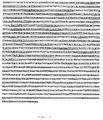
- the invention further relates to a variant of the SMN gene which variant is a C-BCD541 gene having a cDNA sequence corresponding to the sequence of Figure 2.
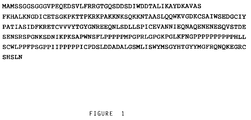
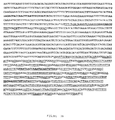
- the invention also relates to cDNA sequences such as obtained from one of the above genes. Such cDNA sequences are disclosed on Figures 2 and 3. Both of these cDNA sequences are capable of encoding a protein comprising the amino acid sequence described on Figure 1.
- the inventors have noted that the C-BCD541 gene is notable to produce in vivo this protein or is not able to produce it in a sufficient quantity due to the abnormal splicing of the gene during the transcription. Thus the presence of the C-BCD541 gene does not enable to correct in vivo the deficiency (deletion, mutation%) of the T-BCD541 gene responsible for the motor neuron diseases of the SMA type.
- the invention relates also to a nucleotide sequence comprising nucleotides 34 to 915 of the sequence of Figure 3, or to a sequence comprising nucleotides 34 to 915 of the sequence of Figure 2.
- nucleotide sequences correspond to the coding sequences of respectively the T-BCD541 gene and C-BCD541 gene.
- introns of the hereabove described genes are also included in the application.
- Especially introns 6 and 7 have respectively the following sequences :
- the invention further encompasses a nucleotide sequence, characterized in that it comprises at least around 9 nucleotides and in that it is comprised within a sequence which has been described above or in that it hybridizes with a sequence as described hereabove in hybridization conditions which are determined after choosing the oligonucleotide.
- sequences of the invention are either DNA (especially genomic DNA or cDNA or synthetic DNA) or RNA. They can be used as probes for the detection of the T-BCD541 or C-BCD541 genes or as primers for the amplification of genomic DNA present in a biological sample.
- Preferred primers are those comprising or replying to the following sequences :
- the primers used by pairs can form sets for the amplification of genomic DNA in order to detect motor neuron diseases.
- Preferred sets of primers are the following :
- Another preferred set of primers comprises:
- the invention also concerns antisense DNA or RNA, capable of hybridizing with the C-BCD541 gene and particulalrly to the intron sequences, especially with the fragment of the introns which differ from the corresponding part in the T-BCD541 gene.
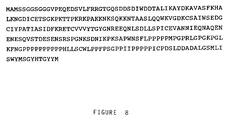
- the invention also relates to a protein comprising the amino acid sequence of Figure 1, or to a protein having the amino acid sequence of Figure 9.
- the protein replying to the sequence of Figure 1 can be used in a composition for the treatment of motor neuro diseases.
- Oral, intra-muscular or intra-venous or administration in the spinal cord fluid can be made.
- the invention further provides for a kit for the in vitro diagnosis of motor neuron diseases, comprising :
- a proper kit for the detection of the motor neuron diseases can contain a hybridization probe as hereabove described.
- Oligonucleotide probes corresponding to the divergences between the genes can be used.
- the diagnosis can be especially directed to SMA pathology.
- the invention also concerns cloning or expression vectors comprising a nucleotide sequence as defined hereabove.
- vectors can be example plasmids, cosmids, phages, YAC, pYAC.
- a vector has a motor neuron tropism.
- it can be chosen among poliovirus vector, herpes virus, adenovirus or retrovirus vectors.
- the invention also concerns recombinant host cells, i.e. yeasts, CHO cells, baculovirus, bone marrow cells, E. coli, fibroblasts-epithelial cells, transformed by the above recombinant sequences.
- the invention also relates to a method for detecting motor neuron disorders including spinal muscular atrophy, amyo trophic lateral sclerosis and primary lateral sclerosis, said method comprising the steps of :
- Steps (c) and (d) can be replaced by a step of digestion with the Bsr I enzyme or with any other enzyme capable of recognizing specifically the divergence of the genes or mismatches in genes, or by sequencing.
- the invention also relates to a method for detecting spinal muscular atrophy, said method comprising the steps of :
- Yet another aspect of the present invention is directed to the use of the entire or partial nucleotide sequence of SMN as a probe to detect SMA as well as to identify and clone genes related to SMM gene motor neuron in animals or organisms.
- Yet another aspect of the present invention is the use of the SMA protein to produce polyclonal and monoclonal antibodies, which antibodies may be used to detect and diagnose SMA.
- the present invention relates to the detection of SMA in patients having SMA or related motor neuron disorders such as ALS and PLS.
- Yet another aspect of the present invention is to administer the SMN gene part thereof, cDNA or oligonucleotides to patients who are either lacking the gene or have a genetically defective gene as such or after incorporation into engineered virsuses or vectors.
- Fig. 1 is the amino acid sequence of the SMN coding region of the clone T-BCD541.
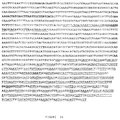
- Fig. 2A is the nucleotide sequence of the SMN coding region as well as the 5' and 3' flanking regions of clone C-BCD541; the coding region is underligned.
- Fig 2B contains the sequence starting from intron 6 up to exon 8 of the C-BCD541 gene.
- the underlined sequences are those of exons 7 and 8.
- Sequences of introns 6 and 7 can be chosen as oligonucleotides to amplify the cDNA region allowing the distinction, within exon 7, between the T-BCD541 gene and the C-BCD541 gene.
- the position of the divergent nucleotides between the T-BCD541 and C-BCD541 cDNA are in italics.
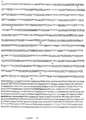
- Fig. 3A is the nucleotide sequence of the SMN coding region as well as the 5' and 3' flanking regions of clone T-BCD541.
- the coding sequences are underlined.
- the numbers of the exons are indicated on the sequence. Asterisks indicate the beginning of each exon.
- the nucleotides which are indicated in italics are those which differ between the c-BCD541 and the T-BCD541 genes.
- Fig. 3B represents the sequence from intron 6 up to the end of exon 8 of the T-BCD541 gene.
- the sequence of exons 7 and 8 in underlined.
- Fig. 4 is the nucleotide sequences of the markers C212, C272, C171, AFM157xd10, and C161.
- Fig. 5 represents various probes utilized in the present invention revealing several loci that the probes hybridized to.
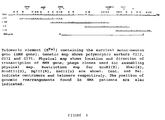
- Fig.6 represents the telomeric element containing the survival SMN gene.
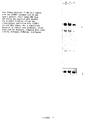
- Fig. 7 represents the marked decrease of gene dosage with probe 132SEII, mapping close to this
- Fig. 8 represents the amino acid sequence of the truncated SMN protein.
- the term "contig” means overlapping nucleotide sequences.
- the present invention characterized the small nested critical SMA region of about 140 Kb by a combination of genetic and physical mapping in SMA patients. This region suggested a precise location for the SMA gene and therefore, a limited region within which to search for candidate genes.
- the present invention identified a duplicated gene from the 5q13 region. One of them (the telomeric gene) is localized within the critical region. Moreover, this gene was lacking in 213 out of 230 (92.2%) or interrupted in 13 out of 230 (5.6%) SMA patients. In patients where the telomeric gene is not lacking or interrupted, deleterious mutations indicated that this telomeric gene, termed survival motor-neuron (SMN) gene is the chromosome 5 SMA-determining gene.
- STN survival motor-neuron
- the SMN gene was discovered using a complex system of restriction mapping, distinguishing the E Tel from the E Con by Southern blot, and the determination of the differences between the E Tel in SMA patients by genetic and physical mapping. After confirming the location of the SMN gene a phage contig spanning the critical region of the telomeric element was constructed to identify specific clones containing the SMN gene.
- YACs were ordered by comparing their haplotypes with that of the human donor at the polymorphic loci detected markers C212, C272, C171 and C161 (Fig4 ).
- the restriction enzymes Sac II, Bss HII, Sfi I, Eag I and Xho I were used to digest the YACs containing the telomeric loci detected by markers C212, C272, C171 and C161 (YAC clone 595C11 ), the centromeric loci detected by these markers ( YAC clones 121B8, 759A3, 278G7) or both ( YAC clones 903D1 and 920C9).
- Lambda phage libraries of YACs 595C11, 121B8 and 903D1 were constructed and subclones from phages containing markers C212(p322), C272(132SE11), C161(He3), AFM157xd10(131xb4) and CMS1(p11M1) were used as probes for PFGE analysis.
- Fig.5 shows that probes 132SE11, 11P1 and p322 revealed two loci and probe He3 revealed 4 loci on the YAC contig, whereas probe 131xb4 revealed several loci on 5p and 5q13.
- the restriction map ( Figure 6) showed that the 5q13 region contained a large inverted duplication of an element (E) of at least 500 Kb, termed E Tel and E Cen for the telomeric and centromeric elements respectively.
- DNA from YAC clones, controls and SMA patients was digested with restriction enzymes Sac I, Kpn I, Msp I, Pst I, Pvu II, Eco RI, Hind III, Bgl II and Xba I for Southern blotting and hybridized with clones 132SE11, 11p1, He3, 131xb4 and p322 as probes. None of the probes but one (He3) detected a difference between the two duplicated elements. Three Hind III restriction fragments of 12, 11 and 3.7 Kb were detected by probe He3.
- the genomic DNA of the 9 patients harboring large scale deletions and the 22 consanguineous patients displaying homozygosity by descent were digested with Hind III for Southern blotting and hybridized with probe He3.
- the 11 Kb fragment revealed by probe He3 was absent in 12/13 consanguineous type I patients. In 2/12, the deletion also involved the 3.7 Kb fragment. By contrast, the 11 Kb fragment was absent in 1/8 consanguineous type III patients only.
- the 11 Kb Hind III fragment was absent in 4/9 patients harboring large scale deletions on one mutant chromosome. Of particular interest was the absence of the 11 Kb fragment in the patient harboring a deletion of one of the two loci detected by markers C212 and C272 (reference above).
- a phage contig spanning the critical region of the telomeric element was constructed in order to identify and characterize the SMN gene.
- Phage clones containing markers C212, C272, C171 and C161 were isolated from the ⁇ phage libraries constructed from YAC clones 595C11 and 903D1 and used as a starting point for bidirectional walking.
- a phage contig (60 Kb) surrounding markers C212, C272 and C171 was constructed based on the restriction map of the phage clones (fig 6).
- BCD541 cDNA was used as probe for Southern blot and PFGE analyses of YAC clones spanning the disease locus was performed.
- telomeric BCD541 gene In order to look for divergences in the two copies of the BCD541 gene, the organization of the telomeric gene was characterized and compared to that of the centromeric counterpart. Genomic sequence analysis revealed that the telomeric BCD541 gene is composed of 8 exons (Fig.3).
- telomeric or telomeric gene loci in YAC clones 121B8 and 595C11 respectively
- PCR-amplification and sequence of each exon and their flanking regions revealed five discrepancies between the centromeric and the telomeric BCD541 genes.
- the first one is a conservative substitution in exon 7 (codon 280) specific for the telomeric (TTC) or the centromeric BCD541 gene (TTT).
- TTC telomeric
- TTTT centromeric BCD541 gene
- TTTT centromeric BCD541 gene
- TGG 3' non coding region
- TGA centromeric BCD541 gene
- T BCD541 gene is either lacking or truncated in 98% of SMA patients.
- these data support the view that the disease gene is located between the telomeric locus detected by C272 and exon 8 of the T BCD541 gene. Therefore, according to the overlapping restriction map of the phage contig, the critical region is entirely contained in 20 Kb, suggesting that the telomeric BCD541 gene is the chromosome 5 SMA-determining gene.
- a different splicing of exon 7 distinguished the C BCD541 from the T BCD541 gene using reverse transcription-based PCR.
- SMA patients were selected for the analysis of their transcripts by Northern blot or reverse transcription-based PCR amplification. Eight of them belonged type I, 1 to type II and 2 to type III.
- SSCP analysis of genomic DNA showed an absence of T BCD541 gene in 10 patients and one patient (SA) had C BCD541 and T BCD541 genes for both exon 7 and 8.
- SA patient
- Six unrelated controls who harbored both C BCD541 and T BCD541 genes and 2 controls with only the T BCD541 gene were included in the present study.
- the gene can be inserted into various plasmids such as puc18, pBr322, puc100 and the like.
- the methods for inserting genes into different plasmid vectors are described by Sambrook et al supra.
- Various microorganisms can be used to transform the vector to produce the SMN gene.
- host microorganisms include, but are not limited to, yeast, CHO cells, E. coli , Bacillus subtilis and the like.
- the SMN protein can be further purified from the host culture by methods known in the art.
- the present invention also relates to the production of polyclonal and monoclonal antibodies. These methods are known in the art as evidenced by Sambrook et al supra.
- the monoclonal antibody obtained by the procedure of Kohler and Milstein, for example, can be used in diagnosing SMA, as well as other motor neuron disorders.
- a method for detecting SMA as well as in ALS, and PLS patients who possibly have these motor neuron disorders is also encompassed by the present invention.
- This method involves extracting from a patient suspected of having SMA, DNA from a sample.
- This sample may include sera, plasma, cerebral spinal fluid and the like.
- primers that are derived from exons 7 and 8 of the SMN gene are contemplated for use in the present invention.
- the amplified product is subjected to SCCP (Single Strand Conformation Polymorphism).
- the gels are then subjected to autoradiography to determine if SMA is present in the sample.
- Yet another embodiment of the present invention is the detection of SMA using specific oligonucleotide probes based on the nucleotide sequence set forth in Figure 3. If a patient totally is lacking in the SMN gene, no hybridization to the specific probe will occur.
- the hybridization conditions may vary depending upon the type of sample utilized. It is preferable to conduct such hybridization analysis under stringent conditions which are known in the art and defined in Sambrook et al supra.
- the oligonucleotide probes may be labeled in any manner such as with enzymes, radioactivity and the like. It is preferable to use radiolabeled probes.
- the SMN gene can be utilized in conjunction with a viral or non-viral vector for admistration in vivo directly to the patients suffering from SMA or related motor neuron diseases or by administration in vitro in bone marrow cells, epithelial cells fibroblasts, followed by administration to the patient. See, for example Resenfeld et al, Science (1991) 252 pp. 431 to 434.
- Total yeast DNA from YAC clone 595C11 containing the telomeric loci detected by C212, C272 and C161, or YAC clone 121B8 containing the centromeric loci detected by the same markers or 903D1 YAC clone containing both loci was purified and partially digested with Sau 3A. DNA in the size range of 12 to 23 Kb was excised after 0.5% Seaplaque GTG agarose gel electrophoresis and precipitated with ethanol after ⁇ -agarase digestion. After partial fill-in of the Sau 3A site, DNA was subcloned at the partially filled Xho I site of bacteriophage FIXII( Stratagene).
- Clones of ⁇ containing the microsatellite DNA markers C212 (L-51), C272 (L-51, L-132), C171(L-5, L-13), C161 (595B1), 11M1(L-11), AFM157xd10 (L-131) were digested either with Eco RI or Hind III or both and subcloned into Puc18 plasmid vector. Subclones from phages containing markers C212(p322), C272(132SE11), C161(He3), AFM157xd10(131xb4) and CMS1(p11M1) were used as probes.
- YAC libraries from CEPH were screened by PCR with microsatellite C212, C272, C171, CMS1, and C161. YAC genotypes were established by electrophoresis of PCR products on denaturing polyacrylamide gels. YAC size was estimated by pulsed field gel electrophoresis.
- DNA samples were extracted from either peripheral blood leukocytes or lymphoblastoid cell lines. DNA were digested with restriction enzymes Eco RI, Hind III, Bgl II, Xba I, Pvu II, Xmn I, Rsa I, Pst I, Bam HI, separated by electrophoresis on an 0.8% agarose gel for Southern blotting and hybridized with radioactively labeled probes.
- Genotypic data were obtained for the C212(D5F149S1,-S2), C272(D5F150S1,-S2) and C161(D5F153S1,-S2) dinucleotide repeat.
- Amplification conditions were as follows: denaturation at 94°C, annnealing at 55°C, and extension at 72°C, 1 min each for 30 cycles. The procedure used for detection of dinucleotide repeat polymorphisms has been described elsewhere.
- Single strand DNAs were sequenced using the DyeDeoxyTM Terminator Cycle Sequencing Kit protocol supplied by Applied Biosystems,Inc and analysed on a ABI model 373A DNA automated sequencer.
- PCR-amplification of a lymphoblastoid cell line cDNA library was performed using specific primer complementary to the 3' end of the clones and primer specific to the vectors arms of the cDNA library as previously described (Fournier B, Saudubray J.M., Benichou B et al., 1994, J. Clin Invest. 94:526-531).
- Specific PCR-products was directly sequenced with both primers using the DyeDeoxyTM Terminator Cycle Sequencing Kit protocol supplied by Applied Biosystems, Inc. and analysed on a ABI model 373A DNA automated sequencer.
- RNA from lymphoblast cell lines of controls and SMA patients were isolated with the QuickPrep mRNA purification kit (Pharmacia) according to the supplier's procedure.
- Total RNA were prepared following the single-step RNA isolation method described by Chomczynski and Sacchi (Analytic Biochemistry 1987, 162: 156-159). The total RNA preparation were treated with RQ1-DNAse (Promega) to remove any contaminating genomic DNA.
- Northern blots were made from mRNA and total RNA by electrophoresis through 1.5% seakem agarose gel containing methyl mercuric hydroxide and transferred to positively charged membrane in 20 X SSC and heated for 2 hours at 80°C.
- 32P-radiolabeled DNA probes were synthesized by random priming method according to the manufacturer (Boehringer), and hybridized in a solution containing 5X SSEP, 1% SDS, 5X Denhardt's for 16 hours at 65°C. The membranes were washed to a final stringency of 0.1 X SSEP, 0.1% SDS at 65°C for 10 min. Autoradiography was at -80°C with intensifying screens and Kodak XAR films for 2 to 10 days. The amount of mRNA was normalized with a b-actine cDNA probe. The autoradiographs were scanned at 600 nm in computerized densitometer (Hoeffer Scientific Instruments, San Francisco). A Northern blot with polyA+ RNA from several human tissues was purchased from Clontech.
- PCR amplification was carried out in a final volume of 20 ml on single-strand cDNAs synthesized from the random hexamers-primed reverse transcription (Promega).
- the PCR reactions included 2 picomol of forward and reverse primers and 1 unit Taq polymerase in the reaction buffer recommended by Perkin Elmer/Cetus.
- Parameters for PCR amplification consisted in 1 min at 94°C, 1 min at 55°C and 1 min at 72°C for 30 cycles followed by a final extension period of 10 min at 72°C.
- Parameters for PCR amplification consisted in 1 min at 94°C, 1 min at 55°C and 1 min at 72°C for 30 cycles followed by a final extension period of 10 min at 72°C.
- the PCR products were cut from acrylamide gel and eluted in 100 ml of TE buffer.
- the diluted fragments were reamplified with the same primers prior direct sequencing.
- the PCR amplification products were cut from acrylamide gel and eluted in 100 ml of TE buffer.
- the diluted fragments were reamplified prior direct sequencing with both primers using the DyeDeoxyTM Terminator Cycle Sequencing Kit protocol supplied by Applied Biosystems, Inc and analysed on a ABI model 373A DNA automated sequencer. Six sets of primers along the cDNA sequence were used to amplify DNA products for sequence analysis.
- SSCP single strand conformation polymorphism
Landscapes
- Chemical & Material Sciences (AREA)
- Health & Medical Sciences (AREA)
- Life Sciences & Earth Sciences (AREA)
- Organic Chemistry (AREA)
- Proteomics, Peptides & Aminoacids (AREA)
- Molecular Biology (AREA)
- Genetics & Genomics (AREA)
- Zoology (AREA)
- Engineering & Computer Science (AREA)
- General Health & Medical Sciences (AREA)
- Biochemistry (AREA)
- Biophysics (AREA)
- Medicinal Chemistry (AREA)
- Analytical Chemistry (AREA)
- Immunology (AREA)
- Gastroenterology & Hepatology (AREA)
- Wood Science & Technology (AREA)
- Toxicology (AREA)
- Biotechnology (AREA)
- Microbiology (AREA)
- Pathology (AREA)
- Physics & Mathematics (AREA)
- Hematology (AREA)
- Urology & Nephrology (AREA)
- Biomedical Technology (AREA)
- General Engineering & Computer Science (AREA)
- Bioinformatics & Cheminformatics (AREA)
- Cell Biology (AREA)
- Food Science & Technology (AREA)
- General Physics & Mathematics (AREA)
- Measuring Or Testing Involving Enzymes Or Micro-Organisms (AREA)
- Peptides Or Proteins (AREA)
- Micro-Organisms Or Cultivation Processes Thereof (AREA)
- Medicines That Contain Protein Lipid Enzymes And Other Medicines (AREA)
- Preparation Of Compounds By Using Micro-Organisms (AREA)
- Saccharide Compounds (AREA)
- Pharmaceuticals Containing Other Organic And Inorganic Compounds (AREA)
Priority Applications (14)
| Application Number | Priority Date | Filing Date | Title |
|---|---|---|---|
| EP94402353A EP0708178A1 (en) | 1994-10-19 | 1994-10-19 | Survival motor neuron (SMN) gene: a gene for spinal muscular atrophy |
| DE69534351T DE69534351T2 (de) | 1994-10-19 | 1995-10-19 | Motorneuronlebenserhaltungsgen: ein Gen für spinale Muskelatrophie |
| EP95402335A EP0711833B1 (en) | 1994-10-19 | 1995-10-19 | Survival motor neuron (SMN) gene: a gene for spinal muscular atrophy |
| AU34369/95A AU702252B2 (en) | 1994-10-19 | 1995-10-19 | Survival motor neuron (SMN) gene: a gene for spinal muscular atrophy |
| CA002160937A CA2160937C (en) | 1994-10-19 | 1995-10-19 | Survival motor neuron (smn) gene: a gene for spinal muscular atrophy |
| AT95402335T ATE301191T1 (de) | 1994-10-19 | 1995-10-19 | Motorneuronlebenserhaltungsgen: ein gen für spinale muskelatrophie |
| JP30634995A JP4283345B2 (ja) | 1994-10-19 | 1995-10-19 | 生存運動ニューロン(smn)遺伝子:脊髄筋萎縮 |
| US08/545,196 US6080577A (en) | 1994-10-19 | 1995-10-19 | Survival motor neuron (SMN) gene: a gene for spinal muscular atrophy |
| US09/109,082 US7033752B1 (en) | 1994-10-19 | 1998-07-02 | Spinal muscular atrophy diagnostic methods |
| US11/222,810 US20060089490A1 (en) | 1994-10-19 | 2005-09-12 | Survival motor neuron (SMN) gene: a Gene for spinal muscular atrophy |
| US11/603,305 US20070166737A1 (en) | 1994-10-19 | 2006-11-22 | Survival motor neuron (SMN) gene: a gene for spinal muscular atrophy |
| JP2007271610A JP4723550B2 (ja) | 1994-10-19 | 2007-10-18 | 生存運動ニューロン(smn)遺伝子;脊髄筋萎縮 |
| US13/096,574 US8394932B2 (en) | 1994-10-19 | 2011-04-28 | Survival motor neurons (SMN) gene: a gene for spinal muscular atrophy |
| US13/758,754 US8962269B2 (en) | 1994-10-19 | 2013-02-04 | Spinal muscular atrophy diagnostic methods |
Applications Claiming Priority (1)
| Application Number | Priority Date | Filing Date | Title |
|---|---|---|---|
| EP94402353A EP0708178A1 (en) | 1994-10-19 | 1994-10-19 | Survival motor neuron (SMN) gene: a gene for spinal muscular atrophy |
Publications (1)
| Publication Number | Publication Date |
|---|---|
| EP0708178A1 true EP0708178A1 (en) | 1996-04-24 |
Family
ID=8218049
Family Applications (1)
| Application Number | Title | Priority Date | Filing Date |
|---|---|---|---|
| EP94402353A Withdrawn EP0708178A1 (en) | 1994-10-19 | 1994-10-19 | Survival motor neuron (SMN) gene: a gene for spinal muscular atrophy |
Country Status (7)
| Country | Link |
|---|---|
| US (6) | US6080577A (enExample) |
| EP (1) | EP0708178A1 (enExample) |
| JP (2) | JP4283345B2 (enExample) |
| AT (1) | ATE301191T1 (enExample) |
| AU (1) | AU702252B2 (enExample) |
| CA (1) | CA2160937C (enExample) |
| DE (1) | DE69534351T2 (enExample) |
Cited By (5)
| Publication number | Priority date | Publication date | Assignee | Title |
|---|---|---|---|---|
| EP0796321A4 (en) * | 1994-12-22 | 1999-01-27 | New England Medical Center Inc | E2 BINDING PROTEIN |
| WO1999043806A1 (en) * | 1998-02-24 | 1999-09-02 | Incyte Pharmaceuticals, Inc. | Human smn-like protein |
| WO1999061617A1 (en) * | 1998-05-29 | 1999-12-02 | Human Genome Sciences, Inc. | Interleukins-21 and 22 |
| EP0999270A1 (en) * | 1998-10-09 | 2000-05-10 | Institut National De La Sante Et De La Recherche Medicale (Inserm) | Method of regulating SMN gene expression |
| US11279977B2 (en) * | 2011-06-07 | 2022-03-22 | Icahn School Of Medicine At Mount Sinai | Materials and methods for identifying spinal muscular atrophy carriers |
Families Citing this family (24)
| Publication number | Priority date | Publication date | Assignee | Title |
|---|---|---|---|---|
| EP0708178A1 (en) * | 1994-10-19 | 1996-04-24 | Institut National De La Sante Et De La Recherche Medicale (Inserm) | Survival motor neuron (SMN) gene: a gene for spinal muscular atrophy |
| US20060088842A1 (en) * | 2004-02-13 | 2006-04-27 | Khue Vu Nguyen | RT-PCR-based cloning of human SMN, the SMA determining gene, and the construction of its expression plasmids |
| TW200613562A (en) * | 2004-10-26 | 2006-05-01 | Yi-Ning Su | Methods for smn genes and spinal muscular atrophy carriers detection |
| WO2006119295A2 (en) * | 2005-05-02 | 2006-11-09 | Combinatorx, Incorporated | Compositions and methods for the treatment of neurodegenerative diseases |
| WO2007133812A2 (en) * | 2005-12-30 | 2007-11-22 | Philadelphia Health & Education Corporation, D/B/A Drexel University College Of Medicine | Improved carriers for delivery of nucleic acid agents to cells and tissues |
| PT2424991T (pt) * | 2009-05-02 | 2018-10-19 | Genzyme Corp | Terapia génica para distúrbios neurodegenerativos |
| CN102665731A (zh) * | 2009-06-17 | 2012-09-12 | Isis制药公司 | 用于在对象中调节smn2剪接的组合物和方法 |
| WO2011032109A1 (en) * | 2009-09-11 | 2011-03-17 | Sma Foundation | Biomarkers for spinal muscular atrophy |
| EP3702460A1 (en) | 2010-11-12 | 2020-09-02 | The General Hospital Corporation | Polycomb-associated non-coding rnas |
| US9920317B2 (en) | 2010-11-12 | 2018-03-20 | The General Hospital Corporation | Polycomb-associated non-coding RNAs |
| SG11201407483YA (en) | 2012-05-16 | 2014-12-30 | Rana Therapeutics Inc | Compositions and methods for modulating smn gene family expression |
| EA201492116A1 (ru) | 2012-05-16 | 2015-05-29 | Рана Терапьютикс, Инк. | Композиции и способы для модулирования экспрессии mecp2 |
| US10837014B2 (en) | 2012-05-16 | 2020-11-17 | Translate Bio Ma, Inc. | Compositions and methods for modulating SMN gene family expression |
| EP3560502B1 (en) | 2013-04-12 | 2025-09-24 | The Curators of the University of Missouri | Smn2 element 1 antisense compositions and methods and uses thereof |
| EP3033422A4 (en) | 2013-08-16 | 2017-08-02 | Rana Therapeutics Inc. | Oligonucleotides targeting euchromatin regions of genes |
| EP3052632A4 (en) | 2013-10-04 | 2017-03-29 | Rana Therapeutics, Inc. | Compositions and methods for treating amyotrophic lateral sclerosis |
| EA201690588A1 (ru) | 2013-10-22 | 2016-09-30 | Шир Хьюман Дженетик Терапис, Инк. | Доставка мрнк в цнс и ее применение |
| WO2016040748A1 (en) | 2014-09-12 | 2016-03-17 | Ionis Pharmaceuticals, Inc. | Compositions and methods for detection of smn protein in a subject and treatment of a subject |
| CA2966044A1 (en) | 2014-10-30 | 2016-05-06 | The General Hospital Corporation | Methods for modulating atrx-dependent gene repression |
| WO2016149455A2 (en) | 2015-03-17 | 2016-09-22 | The General Hospital Corporation | The rna interactome of polycomb repressive complex 1 (prc1) |
| WO2021174019A1 (en) | 2020-02-28 | 2021-09-02 | Ionis Pharmaceuticals, Inc. | Compounds and methods for modulating smn2 |
| RU2742837C1 (ru) * | 2020-06-02 | 2021-02-11 | Общество С Ограниченной Ответственностью "Анабион" | Кодон-оптимизированная нуклеиновая кислота, которая кодирует белок SMN1, и ее применение |
| IL312753A (en) | 2021-11-23 | 2024-07-01 | Univ Massachusetts | Gene therapy for spinal muscular atrophy |
| EP4698653A2 (en) * | 2023-04-17 | 2026-02-25 | University of Massachusetts | Neuron specific promoters for aav gene transfer |
Citations (1)
| Publication number | Priority date | Publication date | Assignee | Title |
|---|---|---|---|---|
| WO1992000386A1 (en) * | 1990-06-27 | 1992-01-09 | The Trustees Of Columbia University In The City Of New York | Methods for detecting spinal muscular atrophy type i and types ii/iii and marker therefor |
Family Cites Families (3)
| Publication number | Priority date | Publication date | Assignee | Title |
|---|---|---|---|---|
| US5192659A (en) * | 1989-08-25 | 1993-03-09 | Genetype Ag | Intron sequence analysis method for detection of adjacent and remote locus alleles as haplotypes |
| EP0708178A1 (en) * | 1994-10-19 | 1996-04-24 | Institut National De La Sante Et De La Recherche Medicale (Inserm) | Survival motor neuron (SMN) gene: a gene for spinal muscular atrophy |
| US5792833A (en) * | 1994-12-22 | 1998-08-11 | New England Medical Center Hospitals, Inc. | E2 binding proteins |
-
1994
- 1994-10-19 EP EP94402353A patent/EP0708178A1/en not_active Withdrawn
-
1995
- 1995-10-19 CA CA002160937A patent/CA2160937C/en not_active Expired - Lifetime
- 1995-10-19 AT AT95402335T patent/ATE301191T1/de not_active IP Right Cessation
- 1995-10-19 JP JP30634995A patent/JP4283345B2/ja not_active Expired - Lifetime
- 1995-10-19 DE DE69534351T patent/DE69534351T2/de not_active Expired - Lifetime
- 1995-10-19 US US08/545,196 patent/US6080577A/en not_active Expired - Lifetime
- 1995-10-19 AU AU34369/95A patent/AU702252B2/en not_active Expired
-
1998
- 1998-07-02 US US09/109,082 patent/US7033752B1/en not_active Expired - Fee Related
-
2005
- 2005-09-12 US US11/222,810 patent/US20060089490A1/en not_active Abandoned
-
2006
- 2006-11-22 US US11/603,305 patent/US20070166737A1/en not_active Abandoned
-
2007
- 2007-10-18 JP JP2007271610A patent/JP4723550B2/ja not_active Expired - Fee Related
-
2011
- 2011-04-28 US US13/096,574 patent/US8394932B2/en not_active Expired - Fee Related
-
2013
- 2013-02-04 US US13/758,754 patent/US8962269B2/en not_active Expired - Fee Related
Patent Citations (1)
| Publication number | Priority date | Publication date | Assignee | Title |
|---|---|---|---|---|
| WO1992000386A1 (en) * | 1990-06-27 | 1992-01-09 | The Trustees Of Columbia University In The City Of New York | Methods for detecting spinal muscular atrophy type i and types ii/iii and marker therefor |
Non-Patent Citations (5)
| Title |
|---|
| B. ROSS ET AL: "Isolation of SMA candidate genes from a YAC contig by direct selection of cDNA from normalized cDNA libraries", THE AMERICAN JOURNAL OF HUMAN GENETICS, vol. 55, no. 3, September 1994 (1994-09-01), pages A2691, XP002022187 * |
| C. DIDONATO ET AL: "Identification of strong allele association and candidate cDNAs for the spinal muscular atrophy gene", THE AMERICAN JOURNAL OF HUMAN GENETICS, vol. 55, no. 3, September 1994 (1994-09-01), pages A31, XP002022186 * |
| D. KINGSBURY: "DNA probes in the diagnosis of genetic and infectious diseases", TRENDS IN BIOTECHNOLOGY., vol. 5, no. 4, 1987, CAMBRIDGE GB, pages 107 - 111, XP023594642, DOI: doi:10.1016/0167-7799(87)90029-1 * |
| P. KLEYN AND T. GILLIAM: "Progress toward cloning of the gene responsible for childhood spinal muscular atrophy", SEMINARS IN NEUROLOGY, vol. 13, no. 3, September 1993 (1993-09-01), pages 276 - 282, XP002022185 * |
| T. CARTER ET AL: "Identification of candidate genes in the spinal muscular atrophy gene region", THE AMERICAN JOURNAL OF HUMAN GENETICS, vol. 55, no. 3, September 1994 (1994-09-01), pages A31 * |
Cited By (8)
| Publication number | Priority date | Publication date | Assignee | Title |
|---|---|---|---|---|
| EP0796321A4 (en) * | 1994-12-22 | 1999-01-27 | New England Medical Center Inc | E2 BINDING PROTEIN |
| WO1999043806A1 (en) * | 1998-02-24 | 1999-09-02 | Incyte Pharmaceuticals, Inc. | Human smn-like protein |
| US6130064A (en) * | 1998-02-24 | 2000-10-10 | Incyte Pharmaceuticals, Inc. | Human SMN-like protein |
| US6620783B1 (en) | 1998-02-24 | 2003-09-16 | Incyte Corporation | Human SMN-like protein |
| WO1999061617A1 (en) * | 1998-05-29 | 1999-12-02 | Human Genome Sciences, Inc. | Interleukins-21 and 22 |
| EP0999270A1 (en) * | 1998-10-09 | 2000-05-10 | Institut National De La Sante Et De La Recherche Medicale (Inserm) | Method of regulating SMN gene expression |
| WO2000021553A3 (en) * | 1998-10-09 | 2000-07-27 | Inst Nat Sante Rech Med | Method of regulating smn gene expression |
| US11279977B2 (en) * | 2011-06-07 | 2022-03-22 | Icahn School Of Medicine At Mount Sinai | Materials and methods for identifying spinal muscular atrophy carriers |
Also Published As
| Publication number | Publication date |
|---|---|
| JP2008099696A (ja) | 2008-05-01 |
| US20060089490A1 (en) | 2006-04-27 |
| JPH08228785A (ja) | 1996-09-10 |
| CA2160937C (en) | 2010-02-02 |
| AU702252B2 (en) | 1999-02-18 |
| JP4723550B2 (ja) | 2011-07-13 |
| DE69534351T2 (de) | 2006-06-08 |
| AU3436995A (en) | 1996-05-02 |
| JP4283345B2 (ja) | 2009-06-24 |
| US20130323759A1 (en) | 2013-12-05 |
| US8394932B2 (en) | 2013-03-12 |
| US7033752B1 (en) | 2006-04-25 |
| CA2160937A1 (en) | 1996-04-20 |
| US8962269B2 (en) | 2015-02-24 |
| US6080577A (en) | 2000-06-27 |
| US20110294226A1 (en) | 2011-12-01 |
| US20070166737A1 (en) | 2007-07-19 |
| DE69534351D1 (de) | 2005-09-08 |
| ATE301191T1 (de) | 2005-08-15 |
Similar Documents
| Publication | Publication Date | Title |
|---|---|---|
| US8962269B2 (en) | Spinal muscular atrophy diagnostic methods | |
| Lefebvre et al. | Identification and characterization of a spinal muscular atrophy-determining gene | |
| Duggan et al. | Mutations in the δ-sarcoglycan gene are a rare cause of autosomal recessive limb-girdle muscular dystrophy (LGMD2) | |
| US20030190639A1 (en) | Genes involved in intestinal inflamatory diseases and use thereof | |
| Price et al. | Analysis of the HNF4 α gene in Caucasian Type II diabetic nephropathic patients | |
| WO1999052415A2 (en) | Therapeutics and diagnostics for congenital heart disease based on a novel human transcription factor | |
| EP0711833B1 (en) | Survival motor neuron (SMN) gene: a gene for spinal muscular atrophy | |
| US6310182B1 (en) | Compositions for the diagnosis and treatment of Chediak-Higashi syndrome | |
| EP0970243B1 (en) | Diagnosis and treatment of glaucoma | |
| US5840491A (en) | DNA sequence encoding the Machado-Joseph disease gene and uses thereof | |
| CA2324480A1 (en) | Glaucoma therapeutics and diagnostics based on a novel human transcription factor | |
| EP1293570A2 (en) | Application of aprataxin gene to diagnosis and treatment for early-onset spinocerebellar ataxia (EAOH) | |
| US5830661A (en) | Diagnosis and treatment of glaucoma | |
| EP1038015B1 (en) | Mood disorder gene | |
| JP4048555B2 (ja) | 骨粗鬆症薬剤感受性予測方法 | |
| CA2312472C (en) | Short gcg expansions in the pab ii gene for oculopharyngeal muscular dystrophy and diagnostic thereof | |
| JP3684921B2 (ja) | 骨粗鬆症薬剤感受性予測方法 | |
| US20030082714A1 (en) | Novel nucleic acid and polypeptide | |
| JPH10506529A (ja) | ヒト・ガラクトキナーゼ遺伝子 |
Legal Events
| Date | Code | Title | Description |
|---|---|---|---|
| PUAI | Public reference made under article 153(3) epc to a published international application that has entered the european phase |
Free format text: ORIGINAL CODE: 0009012 |
|
| AK | Designated contracting states |
Kind code of ref document: A1 Designated state(s): FR |
|
| 17P | Request for examination filed |
Effective date: 19960906 |
|
| 17Q | First examination report despatched |
Effective date: 20000118 |
|
| STAA | Information on the status of an ep patent application or granted ep patent |
Free format text: STATUS: THE APPLICATION IS DEEMED TO BE WITHDRAWN |
|
| 18D | Application deemed to be withdrawn |
Effective date: 20000729 |