EP0704425B1 - Additive composition for lubricant or fuel, lubricant or fuel composition containing the same, and novel substituted hydroxy aromatic ester derivative - Google Patents
Additive composition for lubricant or fuel, lubricant or fuel composition containing the same, and novel substituted hydroxy aromatic ester derivative Download PDFInfo
- Publication number
- EP0704425B1 EP0704425B1 EP94917796A EP94917796A EP0704425B1 EP 0704425 B1 EP0704425 B1 EP 0704425B1 EP 94917796 A EP94917796 A EP 94917796A EP 94917796 A EP94917796 A EP 94917796A EP 0704425 B1 EP0704425 B1 EP 0704425B1
- Authority
- EP
- European Patent Office
- Prior art keywords
- acid
- lubricant
- group
- fuel
- ester
- Prior art date
- Legal status (The legal status is an assumption and is not a legal conclusion. Google has not performed a legal analysis and makes no representation as to the accuracy of the status listed.)
- Expired - Lifetime
Links
- 0 Cc1ccc(*c2cc(C)c(cccc3)c3c2O)cc1 Chemical compound Cc1ccc(*c2cc(C)c(cccc3)c3c2O)cc1 0.000 description 4
Images





Classifications
-
- C—CHEMISTRY; METALLURGY
- C10—PETROLEUM, GAS OR COKE INDUSTRIES; TECHNICAL GASES CONTAINING CARBON MONOXIDE; FUELS; LUBRICANTS; PEAT
- C10L—FUELS NOT OTHERWISE PROVIDED FOR; NATURAL GAS; SYNTHETIC NATURAL GAS OBTAINED BY PROCESSES NOT COVERED BY SUBCLASSES C10G OR C10K; LIQUIFIED PETROLEUM GAS; USE OF ADDITIVES TO FUELS OR FIRES; FIRE-LIGHTERS
- C10L10/00—Use of additives to fuels or fires for particular purposes
- C10L10/02—Use of additives to fuels or fires for particular purposes for reducing smoke development
-
- C—CHEMISTRY; METALLURGY
- C07—ORGANIC CHEMISTRY
- C07C—ACYCLIC OR CARBOCYCLIC COMPOUNDS
- C07C69/00—Esters of carboxylic acids; Esters of carbonic or haloformic acids
- C07C69/76—Esters of carboxylic acids having a carboxyl group bound to a carbon atom of a six-membered aromatic ring
- C07C69/84—Esters of carboxylic acids having a carboxyl group bound to a carbon atom of a six-membered aromatic ring of monocyclic hydroxy carboxylic acids, the hydroxy groups and the carboxyl groups of which are bound to carbon atoms of a six-membered aromatic ring
-
- C—CHEMISTRY; METALLURGY
- C07—ORGANIC CHEMISTRY
- C07C—ACYCLIC OR CARBOCYCLIC COMPOUNDS
- C07C69/00—Esters of carboxylic acids; Esters of carbonic or haloformic acids
- C07C69/76—Esters of carboxylic acids having a carboxyl group bound to a carbon atom of a six-membered aromatic ring
- C07C69/84—Esters of carboxylic acids having a carboxyl group bound to a carbon atom of a six-membered aromatic ring of monocyclic hydroxy carboxylic acids, the hydroxy groups and the carboxyl groups of which are bound to carbon atoms of a six-membered aromatic ring
- C07C69/88—Esters of carboxylic acids having a carboxyl group bound to a carbon atom of a six-membered aromatic ring of monocyclic hydroxy carboxylic acids, the hydroxy groups and the carboxyl groups of which are bound to carbon atoms of a six-membered aromatic ring with esterified carboxyl groups
-
- C—CHEMISTRY; METALLURGY
- C07—ORGANIC CHEMISTRY
- C07C—ACYCLIC OR CARBOCYCLIC COMPOUNDS
- C07C69/00—Esters of carboxylic acids; Esters of carbonic or haloformic acids
- C07C69/76—Esters of carboxylic acids having a carboxyl group bound to a carbon atom of a six-membered aromatic ring
- C07C69/94—Esters of carboxylic acids having a carboxyl group bound to a carbon atom of a six-membered aromatic ring of polycyclic hydroxy carboxylic acids, the hydroxy groups and the carboxyl groups of which are bound to carbon atoms of six-membered aromatic rings
-
- C—CHEMISTRY; METALLURGY
- C10—PETROLEUM, GAS OR COKE INDUSTRIES; TECHNICAL GASES CONTAINING CARBON MONOXIDE; FUELS; LUBRICANTS; PEAT
- C10L—FUELS NOT OTHERWISE PROVIDED FOR; NATURAL GAS; SYNTHETIC NATURAL GAS OBTAINED BY PROCESSES NOT COVERED BY SUBCLASSES C10G OR C10K; LIQUIFIED PETROLEUM GAS; USE OF ADDITIVES TO FUELS OR FIRES; FIRE-LIGHTERS
- C10L1/00—Liquid carbonaceous fuels
- C10L1/10—Liquid carbonaceous fuels containing additives
- C10L1/14—Organic compounds
- C10L1/143—Organic compounds mixtures of organic macromolecular compounds with organic non-macromolecular compounds
-
- C—CHEMISTRY; METALLURGY
- C10—PETROLEUM, GAS OR COKE INDUSTRIES; TECHNICAL GASES CONTAINING CARBON MONOXIDE; FUELS; LUBRICANTS; PEAT
- C10L—FUELS NOT OTHERWISE PROVIDED FOR; NATURAL GAS; SYNTHETIC NATURAL GAS OBTAINED BY PROCESSES NOT COVERED BY SUBCLASSES C10G OR C10K; LIQUIFIED PETROLEUM GAS; USE OF ADDITIVES TO FUELS OR FIRES; FIRE-LIGHTERS
- C10L1/00—Liquid carbonaceous fuels
- C10L1/10—Liquid carbonaceous fuels containing additives
- C10L1/14—Organic compounds
- C10L1/18—Organic compounds containing oxygen
-
- C—CHEMISTRY; METALLURGY
- C10—PETROLEUM, GAS OR COKE INDUSTRIES; TECHNICAL GASES CONTAINING CARBON MONOXIDE; FUELS; LUBRICANTS; PEAT
- C10L—FUELS NOT OTHERWISE PROVIDED FOR; NATURAL GAS; SYNTHETIC NATURAL GAS OBTAINED BY PROCESSES NOT COVERED BY SUBCLASSES C10G OR C10K; LIQUIFIED PETROLEUM GAS; USE OF ADDITIVES TO FUELS OR FIRES; FIRE-LIGHTERS
- C10L1/00—Liquid carbonaceous fuels
- C10L1/10—Liquid carbonaceous fuels containing additives
- C10L1/14—Organic compounds
- C10L1/18—Organic compounds containing oxygen
- C10L1/19—Esters ester radical containing compounds; ester ethers; carbonic acid esters
-
- C—CHEMISTRY; METALLURGY
- C10—PETROLEUM, GAS OR COKE INDUSTRIES; TECHNICAL GASES CONTAINING CARBON MONOXIDE; FUELS; LUBRICANTS; PEAT
- C10L—FUELS NOT OTHERWISE PROVIDED FOR; NATURAL GAS; SYNTHETIC NATURAL GAS OBTAINED BY PROCESSES NOT COVERED BY SUBCLASSES C10G OR C10K; LIQUIFIED PETROLEUM GAS; USE OF ADDITIVES TO FUELS OR FIRES; FIRE-LIGHTERS
- C10L1/00—Liquid carbonaceous fuels
- C10L1/10—Liquid carbonaceous fuels containing additives
- C10L1/14—Organic compounds
- C10L1/18—Organic compounds containing oxygen
- C10L1/19—Esters ester radical containing compounds; ester ethers; carbonic acid esters
- C10L1/1905—Esters ester radical containing compounds; ester ethers; carbonic acid esters of di- or polycarboxylic acids
-
- C—CHEMISTRY; METALLURGY
- C10—PETROLEUM, GAS OR COKE INDUSTRIES; TECHNICAL GASES CONTAINING CARBON MONOXIDE; FUELS; LUBRICANTS; PEAT
- C10L—FUELS NOT OTHERWISE PROVIDED FOR; NATURAL GAS; SYNTHETIC NATURAL GAS OBTAINED BY PROCESSES NOT COVERED BY SUBCLASSES C10G OR C10K; LIQUIFIED PETROLEUM GAS; USE OF ADDITIVES TO FUELS OR FIRES; FIRE-LIGHTERS
- C10L1/00—Liquid carbonaceous fuels
- C10L1/10—Liquid carbonaceous fuels containing additives
- C10L1/14—Organic compounds
- C10L1/18—Organic compounds containing oxygen
- C10L1/19—Esters ester radical containing compounds; ester ethers; carbonic acid esters
- C10L1/191—Esters ester radical containing compounds; ester ethers; carbonic acid esters of di- or polyhydroxyalcohols
-
- C—CHEMISTRY; METALLURGY
- C10—PETROLEUM, GAS OR COKE INDUSTRIES; TECHNICAL GASES CONTAINING CARBON MONOXIDE; FUELS; LUBRICANTS; PEAT
- C10L—FUELS NOT OTHERWISE PROVIDED FOR; NATURAL GAS; SYNTHETIC NATURAL GAS OBTAINED BY PROCESSES NOT COVERED BY SUBCLASSES C10G OR C10K; LIQUIFIED PETROLEUM GAS; USE OF ADDITIVES TO FUELS OR FIRES; FIRE-LIGHTERS
- C10L1/00—Liquid carbonaceous fuels
- C10L1/10—Liquid carbonaceous fuels containing additives
- C10L1/14—Organic compounds
- C10L1/18—Organic compounds containing oxygen
- C10L1/192—Macromolecular compounds
- C10L1/198—Macromolecular compounds obtained otherwise than by reactions involving only carbon-to-carbon unsaturated bonds homo- or copolymers of compounds having one or more unsaturated aliphatic radicals, each having only one carbon to carbon double bond, and at least one being terminated by an acyloxy radical of a saturated carboxylic acid, of carbonic acid
-
- C—CHEMISTRY; METALLURGY
- C10—PETROLEUM, GAS OR COKE INDUSTRIES; TECHNICAL GASES CONTAINING CARBON MONOXIDE; FUELS; LUBRICANTS; PEAT
- C10L—FUELS NOT OTHERWISE PROVIDED FOR; NATURAL GAS; SYNTHETIC NATURAL GAS OBTAINED BY PROCESSES NOT COVERED BY SUBCLASSES C10G OR C10K; LIQUIFIED PETROLEUM GAS; USE OF ADDITIVES TO FUELS OR FIRES; FIRE-LIGHTERS
- C10L10/00—Use of additives to fuels or fires for particular purposes
- C10L10/04—Use of additives to fuels or fires for particular purposes for minimising corrosion or incrustation
-
- C—CHEMISTRY; METALLURGY
- C10—PETROLEUM, GAS OR COKE INDUSTRIES; TECHNICAL GASES CONTAINING CARBON MONOXIDE; FUELS; LUBRICANTS; PEAT
- C10L—FUELS NOT OTHERWISE PROVIDED FOR; NATURAL GAS; SYNTHETIC NATURAL GAS OBTAINED BY PROCESSES NOT COVERED BY SUBCLASSES C10G OR C10K; LIQUIFIED PETROLEUM GAS; USE OF ADDITIVES TO FUELS OR FIRES; FIRE-LIGHTERS
- C10L10/00—Use of additives to fuels or fires for particular purposes
- C10L10/08—Use of additives to fuels or fires for particular purposes for improving lubricity; for reducing wear
-
- C—CHEMISTRY; METALLURGY
- C10—PETROLEUM, GAS OR COKE INDUSTRIES; TECHNICAL GASES CONTAINING CARBON MONOXIDE; FUELS; LUBRICANTS; PEAT
- C10M—LUBRICATING COMPOSITIONS; USE OF CHEMICAL SUBSTANCES EITHER ALONE OR AS LUBRICATING INGREDIENTS IN A LUBRICATING COMPOSITION
- C10M129/00—Lubricating compositions characterised by the additive being an organic non-macromolecular compound containing oxygen
- C10M129/02—Lubricating compositions characterised by the additive being an organic non-macromolecular compound containing oxygen having a carbon chain of less than 30 atoms
- C10M129/68—Esters
- C10M129/76—Esters containing free hydroxy or carboxyl groups
-
- C—CHEMISTRY; METALLURGY
- C10—PETROLEUM, GAS OR COKE INDUSTRIES; TECHNICAL GASES CONTAINING CARBON MONOXIDE; FUELS; LUBRICANTS; PEAT
- C10M—LUBRICATING COMPOSITIONS; USE OF CHEMICAL SUBSTANCES EITHER ALONE OR AS LUBRICATING INGREDIENTS IN A LUBRICATING COMPOSITION
- C10M145/00—Lubricating compositions characterised by the additive being a macromolecular compound containing oxygen
- C10M145/18—Macromolecular compounds obtained otherwise than by reactions only involving carbon-to-carbon unsaturated bonds
- C10M145/22—Polyesters
-
- C—CHEMISTRY; METALLURGY
- C10—PETROLEUM, GAS OR COKE INDUSTRIES; TECHNICAL GASES CONTAINING CARBON MONOXIDE; FUELS; LUBRICANTS; PEAT
- C10L—FUELS NOT OTHERWISE PROVIDED FOR; NATURAL GAS; SYNTHETIC NATURAL GAS OBTAINED BY PROCESSES NOT COVERED BY SUBCLASSES C10G OR C10K; LIQUIFIED PETROLEUM GAS; USE OF ADDITIVES TO FUELS OR FIRES; FIRE-LIGHTERS
- C10L1/00—Liquid carbonaceous fuels
- C10L1/10—Liquid carbonaceous fuels containing additives
- C10L1/14—Organic compounds
- C10L1/18—Organic compounds containing oxygen
- C10L1/1817—Compounds of uncertain formula; reaction products where mixtures of compounds are obtained
-
- C—CHEMISTRY; METALLURGY
- C10—PETROLEUM, GAS OR COKE INDUSTRIES; TECHNICAL GASES CONTAINING CARBON MONOXIDE; FUELS; LUBRICANTS; PEAT
- C10L—FUELS NOT OTHERWISE PROVIDED FOR; NATURAL GAS; SYNTHETIC NATURAL GAS OBTAINED BY PROCESSES NOT COVERED BY SUBCLASSES C10G OR C10K; LIQUIFIED PETROLEUM GAS; USE OF ADDITIVES TO FUELS OR FIRES; FIRE-LIGHTERS
- C10L1/00—Liquid carbonaceous fuels
- C10L1/10—Liquid carbonaceous fuels containing additives
- C10L1/14—Organic compounds
- C10L1/18—Organic compounds containing oxygen
- C10L1/192—Macromolecular compounds
- C10L1/198—Macromolecular compounds obtained otherwise than by reactions involving only carbon-to-carbon unsaturated bonds homo- or copolymers of compounds having one or more unsaturated aliphatic radicals, each having only one carbon to carbon double bond, and at least one being terminated by an acyloxy radical of a saturated carboxylic acid, of carbonic acid
- C10L1/1985—Macromolecular compounds obtained otherwise than by reactions involving only carbon-to-carbon unsaturated bonds homo- or copolymers of compounds having one or more unsaturated aliphatic radicals, each having only one carbon to carbon double bond, and at least one being terminated by an acyloxy radical of a saturated carboxylic acid, of carbonic acid polyethers, e.g. di- polygylcols and derivatives; ethers - esters
-
- C—CHEMISTRY; METALLURGY
- C10—PETROLEUM, GAS OR COKE INDUSTRIES; TECHNICAL GASES CONTAINING CARBON MONOXIDE; FUELS; LUBRICANTS; PEAT
- C10L—FUELS NOT OTHERWISE PROVIDED FOR; NATURAL GAS; SYNTHETIC NATURAL GAS OBTAINED BY PROCESSES NOT COVERED BY SUBCLASSES C10G OR C10K; LIQUIFIED PETROLEUM GAS; USE OF ADDITIVES TO FUELS OR FIRES; FIRE-LIGHTERS
- C10L1/00—Liquid carbonaceous fuels
- C10L1/10—Liquid carbonaceous fuels containing additives
- C10L1/14—Organic compounds
- C10L1/20—Organic compounds containing halogen
- C10L1/201—Organic compounds containing halogen aliphatic bond
-
- C—CHEMISTRY; METALLURGY
- C10—PETROLEUM, GAS OR COKE INDUSTRIES; TECHNICAL GASES CONTAINING CARBON MONOXIDE; FUELS; LUBRICANTS; PEAT
- C10L—FUELS NOT OTHERWISE PROVIDED FOR; NATURAL GAS; SYNTHETIC NATURAL GAS OBTAINED BY PROCESSES NOT COVERED BY SUBCLASSES C10G OR C10K; LIQUIFIED PETROLEUM GAS; USE OF ADDITIVES TO FUELS OR FIRES; FIRE-LIGHTERS
- C10L1/00—Liquid carbonaceous fuels
- C10L1/10—Liquid carbonaceous fuels containing additives
- C10L1/14—Organic compounds
- C10L1/20—Organic compounds containing halogen
- C10L1/202—Organic compounds containing halogen aromatic bond
-
- C—CHEMISTRY; METALLURGY
- C10—PETROLEUM, GAS OR COKE INDUSTRIES; TECHNICAL GASES CONTAINING CARBON MONOXIDE; FUELS; LUBRICANTS; PEAT
- C10L—FUELS NOT OTHERWISE PROVIDED FOR; NATURAL GAS; SYNTHETIC NATURAL GAS OBTAINED BY PROCESSES NOT COVERED BY SUBCLASSES C10G OR C10K; LIQUIFIED PETROLEUM GAS; USE OF ADDITIVES TO FUELS OR FIRES; FIRE-LIGHTERS
- C10L1/00—Liquid carbonaceous fuels
- C10L1/10—Liquid carbonaceous fuels containing additives
- C10L1/14—Organic compounds
- C10L1/20—Organic compounds containing halogen
- C10L1/205—Organic compounds containing halogen carboxylic radical containing compounds or derivatives, e.g. salts, esters
-
- C—CHEMISTRY; METALLURGY
- C10—PETROLEUM, GAS OR COKE INDUSTRIES; TECHNICAL GASES CONTAINING CARBON MONOXIDE; FUELS; LUBRICANTS; PEAT
- C10L—FUELS NOT OTHERWISE PROVIDED FOR; NATURAL GAS; SYNTHETIC NATURAL GAS OBTAINED BY PROCESSES NOT COVERED BY SUBCLASSES C10G OR C10K; LIQUIFIED PETROLEUM GAS; USE OF ADDITIVES TO FUELS OR FIRES; FIRE-LIGHTERS
- C10L1/00—Liquid carbonaceous fuels
- C10L1/10—Liquid carbonaceous fuels containing additives
- C10L1/14—Organic compounds
- C10L1/20—Organic compounds containing halogen
- C10L1/206—Organic compounds containing halogen macromolecular compounds
- C10L1/208—Organic compounds containing halogen macromolecular compounds containing halogen, oxygen, with or without hydrogen
-
- C—CHEMISTRY; METALLURGY
- C10—PETROLEUM, GAS OR COKE INDUSTRIES; TECHNICAL GASES CONTAINING CARBON MONOXIDE; FUELS; LUBRICANTS; PEAT
- C10L—FUELS NOT OTHERWISE PROVIDED FOR; NATURAL GAS; SYNTHETIC NATURAL GAS OBTAINED BY PROCESSES NOT COVERED BY SUBCLASSES C10G OR C10K; LIQUIFIED PETROLEUM GAS; USE OF ADDITIVES TO FUELS OR FIRES; FIRE-LIGHTERS
- C10L1/00—Liquid carbonaceous fuels
- C10L1/10—Liquid carbonaceous fuels containing additives
- C10L1/14—Organic compounds
- C10L1/22—Organic compounds containing nitrogen
- C10L1/221—Organic compounds containing nitrogen compounds of uncertain formula; reaction products where mixtures of compounds are obtained
-
- C—CHEMISTRY; METALLURGY
- C10—PETROLEUM, GAS OR COKE INDUSTRIES; TECHNICAL GASES CONTAINING CARBON MONOXIDE; FUELS; LUBRICANTS; PEAT
- C10L—FUELS NOT OTHERWISE PROVIDED FOR; NATURAL GAS; SYNTHETIC NATURAL GAS OBTAINED BY PROCESSES NOT COVERED BY SUBCLASSES C10G OR C10K; LIQUIFIED PETROLEUM GAS; USE OF ADDITIVES TO FUELS OR FIRES; FIRE-LIGHTERS
- C10L1/00—Liquid carbonaceous fuels
- C10L1/10—Liquid carbonaceous fuels containing additives
- C10L1/14—Organic compounds
- C10L1/22—Organic compounds containing nitrogen
- C10L1/222—Organic compounds containing nitrogen containing at least one carbon-to-nitrogen single bond
- C10L1/2222—(cyclo)aliphatic amines; polyamines (no macromolecular substituent 30C); quaternair ammonium compounds; carbamates
- C10L1/2225—(cyclo)aliphatic amines; polyamines (no macromolecular substituent 30C); quaternair ammonium compounds; carbamates hydroxy containing
-
- C—CHEMISTRY; METALLURGY
- C10—PETROLEUM, GAS OR COKE INDUSTRIES; TECHNICAL GASES CONTAINING CARBON MONOXIDE; FUELS; LUBRICANTS; PEAT
- C10L—FUELS NOT OTHERWISE PROVIDED FOR; NATURAL GAS; SYNTHETIC NATURAL GAS OBTAINED BY PROCESSES NOT COVERED BY SUBCLASSES C10G OR C10K; LIQUIFIED PETROLEUM GAS; USE OF ADDITIVES TO FUELS OR FIRES; FIRE-LIGHTERS
- C10L1/00—Liquid carbonaceous fuels
- C10L1/10—Liquid carbonaceous fuels containing additives
- C10L1/14—Organic compounds
- C10L1/22—Organic compounds containing nitrogen
- C10L1/222—Organic compounds containing nitrogen containing at least one carbon-to-nitrogen single bond
- C10L1/224—Amides; Imides carboxylic acid amides, imides
-
- C—CHEMISTRY; METALLURGY
- C10—PETROLEUM, GAS OR COKE INDUSTRIES; TECHNICAL GASES CONTAINING CARBON MONOXIDE; FUELS; LUBRICANTS; PEAT
- C10L—FUELS NOT OTHERWISE PROVIDED FOR; NATURAL GAS; SYNTHETIC NATURAL GAS OBTAINED BY PROCESSES NOT COVERED BY SUBCLASSES C10G OR C10K; LIQUIFIED PETROLEUM GAS; USE OF ADDITIVES TO FUELS OR FIRES; FIRE-LIGHTERS
- C10L1/00—Liquid carbonaceous fuels
- C10L1/10—Liquid carbonaceous fuels containing additives
- C10L1/14—Organic compounds
- C10L1/22—Organic compounds containing nitrogen
- C10L1/23—Organic compounds containing nitrogen containing at least one nitrogen-to-oxygen bond, e.g. nitro-compounds, nitrates, nitrites
- C10L1/231—Organic compounds containing nitrogen containing at least one nitrogen-to-oxygen bond, e.g. nitro-compounds, nitrates, nitrites nitro compounds; nitrates; nitrites
-
- C—CHEMISTRY; METALLURGY
- C10—PETROLEUM, GAS OR COKE INDUSTRIES; TECHNICAL GASES CONTAINING CARBON MONOXIDE; FUELS; LUBRICANTS; PEAT
- C10L—FUELS NOT OTHERWISE PROVIDED FOR; NATURAL GAS; SYNTHETIC NATURAL GAS OBTAINED BY PROCESSES NOT COVERED BY SUBCLASSES C10G OR C10K; LIQUIFIED PETROLEUM GAS; USE OF ADDITIVES TO FUELS OR FIRES; FIRE-LIGHTERS
- C10L1/00—Liquid carbonaceous fuels
- C10L1/10—Liquid carbonaceous fuels containing additives
- C10L1/14—Organic compounds
- C10L1/22—Organic compounds containing nitrogen
- C10L1/234—Macromolecular compounds
- C10L1/238—Macromolecular compounds obtained otherwise than by reactions involving only carbon-to-carbon unsaturated bonds
-
- C—CHEMISTRY; METALLURGY
- C10—PETROLEUM, GAS OR COKE INDUSTRIES; TECHNICAL GASES CONTAINING CARBON MONOXIDE; FUELS; LUBRICANTS; PEAT
- C10L—FUELS NOT OTHERWISE PROVIDED FOR; NATURAL GAS; SYNTHETIC NATURAL GAS OBTAINED BY PROCESSES NOT COVERED BY SUBCLASSES C10G OR C10K; LIQUIFIED PETROLEUM GAS; USE OF ADDITIVES TO FUELS OR FIRES; FIRE-LIGHTERS
- C10L1/00—Liquid carbonaceous fuels
- C10L1/10—Liquid carbonaceous fuels containing additives
- C10L1/14—Organic compounds
- C10L1/22—Organic compounds containing nitrogen
- C10L1/234—Macromolecular compounds
- C10L1/238—Macromolecular compounds obtained otherwise than by reactions involving only carbon-to-carbon unsaturated bonds
- C10L1/2383—Polyamines or polyimines, or derivatives thereof (poly)amines and imines; derivatives thereof (substituted by a macromolecular group containing 30C)
-
- C—CHEMISTRY; METALLURGY
- C10—PETROLEUM, GAS OR COKE INDUSTRIES; TECHNICAL GASES CONTAINING CARBON MONOXIDE; FUELS; LUBRICANTS; PEAT
- C10L—FUELS NOT OTHERWISE PROVIDED FOR; NATURAL GAS; SYNTHETIC NATURAL GAS OBTAINED BY PROCESSES NOT COVERED BY SUBCLASSES C10G OR C10K; LIQUIFIED PETROLEUM GAS; USE OF ADDITIVES TO FUELS OR FIRES; FIRE-LIGHTERS
- C10L1/00—Liquid carbonaceous fuels
- C10L1/10—Liquid carbonaceous fuels containing additives
- C10L1/14—Organic compounds
- C10L1/22—Organic compounds containing nitrogen
- C10L1/234—Macromolecular compounds
- C10L1/238—Macromolecular compounds obtained otherwise than by reactions involving only carbon-to-carbon unsaturated bonds
- C10L1/2383—Polyamines or polyimines, or derivatives thereof (poly)amines and imines; derivatives thereof (substituted by a macromolecular group containing 30C)
- C10L1/2387—Polyoxyalkyleneamines (poly)oxyalkylene amines and derivatives thereof (substituted by a macromolecular group containing 30C)
-
- C—CHEMISTRY; METALLURGY
- C10—PETROLEUM, GAS OR COKE INDUSTRIES; TECHNICAL GASES CONTAINING CARBON MONOXIDE; FUELS; LUBRICANTS; PEAT
- C10L—FUELS NOT OTHERWISE PROVIDED FOR; NATURAL GAS; SYNTHETIC NATURAL GAS OBTAINED BY PROCESSES NOT COVERED BY SUBCLASSES C10G OR C10K; LIQUIFIED PETROLEUM GAS; USE OF ADDITIVES TO FUELS OR FIRES; FIRE-LIGHTERS
- C10L1/00—Liquid carbonaceous fuels
- C10L1/10—Liquid carbonaceous fuels containing additives
- C10L1/14—Organic compounds
- C10L1/24—Organic compounds containing sulfur, selenium and/or tellurium
- C10L1/2406—Organic compounds containing sulfur, selenium and/or tellurium mercaptans; hydrocarbon sulfides
- C10L1/2418—Organic compounds containing sulfur, selenium and/or tellurium mercaptans; hydrocarbon sulfides containing a carboxylic substituted; derivatives thereof, e.g. esters
-
- C—CHEMISTRY; METALLURGY
- C10—PETROLEUM, GAS OR COKE INDUSTRIES; TECHNICAL GASES CONTAINING CARBON MONOXIDE; FUELS; LUBRICANTS; PEAT
- C10L—FUELS NOT OTHERWISE PROVIDED FOR; NATURAL GAS; SYNTHETIC NATURAL GAS OBTAINED BY PROCESSES NOT COVERED BY SUBCLASSES C10G OR C10K; LIQUIFIED PETROLEUM GAS; USE OF ADDITIVES TO FUELS OR FIRES; FIRE-LIGHTERS
- C10L1/00—Liquid carbonaceous fuels
- C10L1/10—Liquid carbonaceous fuels containing additives
- C10L1/14—Organic compounds
- C10L1/24—Organic compounds containing sulfur, selenium and/or tellurium
- C10L1/2462—Organic compounds containing sulfur, selenium and/or tellurium macromolecular compounds
- C10L1/2475—Organic compounds containing sulfur, selenium and/or tellurium macromolecular compounds obtained otherwise than by reactions only involving unsaturated carbon to carbon bonds
-
- C—CHEMISTRY; METALLURGY
- C10—PETROLEUM, GAS OR COKE INDUSTRIES; TECHNICAL GASES CONTAINING CARBON MONOXIDE; FUELS; LUBRICANTS; PEAT
- C10L—FUELS NOT OTHERWISE PROVIDED FOR; NATURAL GAS; SYNTHETIC NATURAL GAS OBTAINED BY PROCESSES NOT COVERED BY SUBCLASSES C10G OR C10K; LIQUIFIED PETROLEUM GAS; USE OF ADDITIVES TO FUELS OR FIRES; FIRE-LIGHTERS
- C10L1/00—Liquid carbonaceous fuels
- C10L1/10—Liquid carbonaceous fuels containing additives
- C10L1/14—Organic compounds
- C10L1/24—Organic compounds containing sulfur, selenium and/or tellurium
- C10L1/2493—Organic compounds containing sulfur, selenium and/or tellurium compounds of uncertain formula; reactions of organic compounds (hydrocarbons, acids, esters) with sulfur or sulfur containing compounds
-
- C—CHEMISTRY; METALLURGY
- C10—PETROLEUM, GAS OR COKE INDUSTRIES; TECHNICAL GASES CONTAINING CARBON MONOXIDE; FUELS; LUBRICANTS; PEAT
- C10L—FUELS NOT OTHERWISE PROVIDED FOR; NATURAL GAS; SYNTHETIC NATURAL GAS OBTAINED BY PROCESSES NOT COVERED BY SUBCLASSES C10G OR C10K; LIQUIFIED PETROLEUM GAS; USE OF ADDITIVES TO FUELS OR FIRES; FIRE-LIGHTERS
- C10L1/00—Liquid carbonaceous fuels
- C10L1/10—Liquid carbonaceous fuels containing additives
- C10L1/14—Organic compounds
- C10L1/26—Organic compounds containing phosphorus
- C10L1/2691—Compounds of uncertain formula; reaction of organic compounds (hydrocarbons acids, esters) with Px Sy, Px Sy Halz or sulfur and phosphorus containing compounds
-
- C—CHEMISTRY; METALLURGY
- C10—PETROLEUM, GAS OR COKE INDUSTRIES; TECHNICAL GASES CONTAINING CARBON MONOXIDE; FUELS; LUBRICANTS; PEAT
- C10L—FUELS NOT OTHERWISE PROVIDED FOR; NATURAL GAS; SYNTHETIC NATURAL GAS OBTAINED BY PROCESSES NOT COVERED BY SUBCLASSES C10G OR C10K; LIQUIFIED PETROLEUM GAS; USE OF ADDITIVES TO FUELS OR FIRES; FIRE-LIGHTERS
- C10L1/00—Liquid carbonaceous fuels
- C10L1/10—Liquid carbonaceous fuels containing additives
- C10L1/14—Organic compounds
- C10L1/30—Organic compounds compounds not mentioned before (complexes)
- C10L1/301—Organic compounds compounds not mentioned before (complexes) derived from metals
- C10L1/303—Organic compounds compounds not mentioned before (complexes) derived from metals boron compounds
-
- C—CHEMISTRY; METALLURGY
- C10—PETROLEUM, GAS OR COKE INDUSTRIES; TECHNICAL GASES CONTAINING CARBON MONOXIDE; FUELS; LUBRICANTS; PEAT
- C10L—FUELS NOT OTHERWISE PROVIDED FOR; NATURAL GAS; SYNTHETIC NATURAL GAS OBTAINED BY PROCESSES NOT COVERED BY SUBCLASSES C10G OR C10K; LIQUIFIED PETROLEUM GAS; USE OF ADDITIVES TO FUELS OR FIRES; FIRE-LIGHTERS
- C10L1/00—Liquid carbonaceous fuels
- C10L1/10—Liquid carbonaceous fuels containing additives
- C10L1/14—Organic compounds
- C10L1/30—Organic compounds compounds not mentioned before (complexes)
- C10L1/305—Organic compounds compounds not mentioned before (complexes) organo-metallic compounds (containing a metal to carbon bond)
-
- C—CHEMISTRY; METALLURGY
- C10—PETROLEUM, GAS OR COKE INDUSTRIES; TECHNICAL GASES CONTAINING CARBON MONOXIDE; FUELS; LUBRICANTS; PEAT
- C10M—LUBRICATING COMPOSITIONS; USE OF CHEMICAL SUBSTANCES EITHER ALONE OR AS LUBRICATING INGREDIENTS IN A LUBRICATING COMPOSITION
- C10M2207/00—Organic non-macromolecular hydrocarbon compounds containing hydrogen, carbon and oxygen as ingredients in lubricant compositions
- C10M2207/10—Carboxylix acids; Neutral salts thereof
- C10M2207/14—Carboxylix acids; Neutral salts thereof having carboxyl groups bound to carbon atoms of six-membered aromatic rings
-
- C—CHEMISTRY; METALLURGY
- C10—PETROLEUM, GAS OR COKE INDUSTRIES; TECHNICAL GASES CONTAINING CARBON MONOXIDE; FUELS; LUBRICANTS; PEAT
- C10M—LUBRICATING COMPOSITIONS; USE OF CHEMICAL SUBSTANCES EITHER ALONE OR AS LUBRICATING INGREDIENTS IN A LUBRICATING COMPOSITION
- C10M2207/00—Organic non-macromolecular hydrocarbon compounds containing hydrogen, carbon and oxygen as ingredients in lubricant compositions
- C10M2207/10—Carboxylix acids; Neutral salts thereof
- C10M2207/14—Carboxylix acids; Neutral salts thereof having carboxyl groups bound to carbon atoms of six-membered aromatic rings
- C10M2207/142—Carboxylix acids; Neutral salts thereof having carboxyl groups bound to carbon atoms of six-membered aromatic rings polycarboxylic
-
- C—CHEMISTRY; METALLURGY
- C10—PETROLEUM, GAS OR COKE INDUSTRIES; TECHNICAL GASES CONTAINING CARBON MONOXIDE; FUELS; LUBRICANTS; PEAT
- C10M—LUBRICATING COMPOSITIONS; USE OF CHEMICAL SUBSTANCES EITHER ALONE OR AS LUBRICATING INGREDIENTS IN A LUBRICATING COMPOSITION
- C10M2207/00—Organic non-macromolecular hydrocarbon compounds containing hydrogen, carbon and oxygen as ingredients in lubricant compositions
- C10M2207/28—Esters
- C10M2207/282—Esters of (cyclo)aliphatic oolycarboxylic acids
-
- C—CHEMISTRY; METALLURGY
- C10—PETROLEUM, GAS OR COKE INDUSTRIES; TECHNICAL GASES CONTAINING CARBON MONOXIDE; FUELS; LUBRICANTS; PEAT
- C10M—LUBRICATING COMPOSITIONS; USE OF CHEMICAL SUBSTANCES EITHER ALONE OR AS LUBRICATING INGREDIENTS IN A LUBRICATING COMPOSITION
- C10M2207/00—Organic non-macromolecular hydrocarbon compounds containing hydrogen, carbon and oxygen as ingredients in lubricant compositions
- C10M2207/28—Esters
- C10M2207/284—Esters of aromatic monocarboxylic acids
-
- C—CHEMISTRY; METALLURGY
- C10—PETROLEUM, GAS OR COKE INDUSTRIES; TECHNICAL GASES CONTAINING CARBON MONOXIDE; FUELS; LUBRICANTS; PEAT
- C10M—LUBRICATING COMPOSITIONS; USE OF CHEMICAL SUBSTANCES EITHER ALONE OR AS LUBRICATING INGREDIENTS IN A LUBRICATING COMPOSITION
- C10M2207/00—Organic non-macromolecular hydrocarbon compounds containing hydrogen, carbon and oxygen as ingredients in lubricant compositions
- C10M2207/28—Esters
- C10M2207/285—Esters of aromatic polycarboxylic acids
-
- C—CHEMISTRY; METALLURGY
- C10—PETROLEUM, GAS OR COKE INDUSTRIES; TECHNICAL GASES CONTAINING CARBON MONOXIDE; FUELS; LUBRICANTS; PEAT
- C10M—LUBRICATING COMPOSITIONS; USE OF CHEMICAL SUBSTANCES EITHER ALONE OR AS LUBRICATING INGREDIENTS IN A LUBRICATING COMPOSITION
- C10M2207/00—Organic non-macromolecular hydrocarbon compounds containing hydrogen, carbon and oxygen as ingredients in lubricant compositions
- C10M2207/28—Esters
- C10M2207/287—Partial esters
-
- C—CHEMISTRY; METALLURGY
- C10—PETROLEUM, GAS OR COKE INDUSTRIES; TECHNICAL GASES CONTAINING CARBON MONOXIDE; FUELS; LUBRICANTS; PEAT
- C10M—LUBRICATING COMPOSITIONS; USE OF CHEMICAL SUBSTANCES EITHER ALONE OR AS LUBRICATING INGREDIENTS IN A LUBRICATING COMPOSITION
- C10M2207/00—Organic non-macromolecular hydrocarbon compounds containing hydrogen, carbon and oxygen as ingredients in lubricant compositions
- C10M2207/28—Esters
- C10M2207/34—Esters having a hydrocarbon substituent of thirty or more carbon atoms, e.g. substituted succinic acid derivatives
-
- C—CHEMISTRY; METALLURGY
- C10—PETROLEUM, GAS OR COKE INDUSTRIES; TECHNICAL GASES CONTAINING CARBON MONOXIDE; FUELS; LUBRICANTS; PEAT
- C10M—LUBRICATING COMPOSITIONS; USE OF CHEMICAL SUBSTANCES EITHER ALONE OR AS LUBRICATING INGREDIENTS IN A LUBRICATING COMPOSITION
- C10M2209/00—Organic macromolecular compounds containing oxygen as ingredients in lubricant compositions
- C10M2209/10—Macromolecular compoundss obtained otherwise than by reactions only involving carbon-to-carbon unsaturated bonds
- C10M2209/102—Polyesters
-
- C—CHEMISTRY; METALLURGY
- C10—PETROLEUM, GAS OR COKE INDUSTRIES; TECHNICAL GASES CONTAINING CARBON MONOXIDE; FUELS; LUBRICANTS; PEAT
- C10M—LUBRICATING COMPOSITIONS; USE OF CHEMICAL SUBSTANCES EITHER ALONE OR AS LUBRICATING INGREDIENTS IN A LUBRICATING COMPOSITION
- C10M2227/00—Organic non-macromolecular compounds containing atoms of elements not provided for in groups C10M2203/00, C10M2207/00, C10M2211/00, C10M2215/00, C10M2219/00 or C10M2223/00 as ingredients in lubricant compositions
- C10M2227/06—Organic compounds derived from inorganic acids or metal salts
- C10M2227/061—Esters derived from boron
-
- C—CHEMISTRY; METALLURGY
- C10—PETROLEUM, GAS OR COKE INDUSTRIES; TECHNICAL GASES CONTAINING CARBON MONOXIDE; FUELS; LUBRICANTS; PEAT
- C10N—INDEXING SCHEME ASSOCIATED WITH SUBCLASS C10M RELATING TO LUBRICATING COMPOSITIONS
- C10N2040/00—Specified use or application for which the lubricating composition is intended
- C10N2040/25—Internal-combustion engines
-
- C—CHEMISTRY; METALLURGY
- C10—PETROLEUM, GAS OR COKE INDUSTRIES; TECHNICAL GASES CONTAINING CARBON MONOXIDE; FUELS; LUBRICANTS; PEAT
- C10N—INDEXING SCHEME ASSOCIATED WITH SUBCLASS C10M RELATING TO LUBRICATING COMPOSITIONS
- C10N2040/00—Specified use or application for which the lubricating composition is intended
- C10N2040/25—Internal-combustion engines
- C10N2040/251—Alcohol-fuelled engines
-
- C—CHEMISTRY; METALLURGY
- C10—PETROLEUM, GAS OR COKE INDUSTRIES; TECHNICAL GASES CONTAINING CARBON MONOXIDE; FUELS; LUBRICANTS; PEAT
- C10N—INDEXING SCHEME ASSOCIATED WITH SUBCLASS C10M RELATING TO LUBRICATING COMPOSITIONS
- C10N2040/00—Specified use or application for which the lubricating composition is intended
- C10N2040/25—Internal-combustion engines
- C10N2040/255—Gasoline engines
-
- C—CHEMISTRY; METALLURGY
- C10—PETROLEUM, GAS OR COKE INDUSTRIES; TECHNICAL GASES CONTAINING CARBON MONOXIDE; FUELS; LUBRICANTS; PEAT
- C10N—INDEXING SCHEME ASSOCIATED WITH SUBCLASS C10M RELATING TO LUBRICATING COMPOSITIONS
- C10N2040/00—Specified use or application for which the lubricating composition is intended
- C10N2040/25—Internal-combustion engines
- C10N2040/255—Gasoline engines
- C10N2040/28—Rotary engines
-
- F—MECHANICAL ENGINEERING; LIGHTING; HEATING; WEAPONS; BLASTING
- F02—COMBUSTION ENGINES; HOT-GAS OR COMBUSTION-PRODUCT ENGINE PLANTS
- F02B—INTERNAL-COMBUSTION PISTON ENGINES; COMBUSTION ENGINES IN GENERAL
- F02B3/00—Engines characterised by air compression and subsequent fuel addition
- F02B3/06—Engines characterised by air compression and subsequent fuel addition with compression ignition
Definitions
- the present invention relates to an additive composition for a lubricant or a fuel, a lubricating oil composition or a fuel composition containing the additive for the lubricant or the fuel, a novel substituted hydroxyaromatic ester derivative, and a process for preparing the derivative. More specifically, the present invention relates to an additive composition for the lubricant excellent in high-temperature stability and the dispersibility of fine particles which can be used in an engine oil, particularly a diesel engine oil and a methanol engine oil compliable with future severe exhaust gas controls, and a lubricating oil composition containing the above-mentioned additive for the lubricant.
- the present invention relates to an additive composition for a fuel which is excellent in high-temperature stability, has the dispersibility of fine particles, and is useful as an excellent ashless detergent dispersant for a fuel oil, and a fuel composition containing the additive for the fuel.
- the present invention also relates to a novel substituted hydroxyaromatic ester derivative which is useful as an ashless detergent having excellent high-temperature stability in place of a conventional metal detergent, and a process for efficiently preparing the derivative.
- Examples of conventional ashless dispersants usually include succinimido-containing dispersants and hydroxy-benzylamine (Mannich base)-containing dispersants, and importance has been attached to their remarkable fine particles dispersion function. For this reason, they have been widely used as additives for gasoline and a diesel engine oil. Moreover, it has been confirmed that they can exert a synergistic effect with a zinc dialkyldithiophosphate and a metal detergent, and therefore they have been utilized as the extremely important additives for the lubricant.
- a conventional lubricating oil for an internal combustion engine is usually constituted of a base oil, an ashless dispersant such as polybutenylsuccinimide, a metal detergent such as a sulfonate or a phenate of an alkaline earth metal and a wear-resisting agent such as a zinc alkyldithiophosphate, but there has been a problem that oxides and sulfates are produced from metals in the additive components by combustion to cause environmental pollution.
- an ash-free lubricating oil composition obtained by mixing a base oil for the lubricating oil with an alkyl(3,5-di-t-butyl-4-hydroxyphenyl) carboxylate, a succinimide-containing ashless dispersant and an ashless antioxidant (Japanese Patent Application Laid-open No. 353598/1992).
- This composition is however accompanied by a problem that the high-temperature stability (the high-temperature detergency) is not sufficiently satisfactory.
- U.S. Patent No. 4,098,708 has suggested, as dispersants for a lubricating oil and a fuel oil, esters of alkyl-substituted hydroxyaromatic carboxylic acids having at least 10 carbon atoms and their derivatives.
- esters of alkyl-substituted hydroxyaromatic carboxylic acids having at least 10 carbon atoms and their derivatives As alcohol components suitable for these esters, monovalent and polyvalent hydrocarbon alcohols are enumerated, and as their typical examples, substituted phenols such as cresol are recited. Also in the case of these esters, however, the high-temperature stability (the high-temperature detergency) is not sufficiently satisfactory.
- CA. Re. No. 19310-46-4 has suggested p-(1,1,3,3-tetramethylbutyl)phenyl 5-(1,1,3,3-tetramethylbutyl)salicylate esters.
- any substituted hydrocarbon groups having 9 or more carbon atoms are not referred to, and applications as additives for the lubricant or the fuel are not referred to, either.
- CA. Re. No. 29875-45-4 has suggested 4-hydroxy-bis(p-dodecylphenyl) isophthalate esters.
- the aromatic ring of an isophthalic acid is not substituted by any hydrocarbon group.
- US-A-3,405,090 describes a highly specific process for the synthesis of phenyl salicylates in the presence of phosphorus oxychloride.
- An object of the present invention is to provide an additive composition for a lubricant as an ashless detergent dispersant having excellent high-temperature stability (high-temperature detergency) and a fine particles dispersion function, and a lubricating oil composition containing the additive for the lubricant.
- a further object of the present invention is to provide an additive composition for a fuel which has excellent high-temperature stability (high-temperature detergency) and a fine particles dispersion function and which is useful as an ashless detergent dispersant for a fuel, and a fuel composition containing the additive for the fuel.
- a still further object of the present invention is to provide a novel substituted hydroxyaromatic ester derivative useful as the additive for the lubricant or the fuel (the ashless detergent), and a process for efficiently preparing this derivative.
- an additive composition for a lubricant containing a specific substituted hydroxyaromatic ester derivative is useful as an excellent ashless detergent and anti-wear agent for a lubricant
- an additive composition for a fuel containing a specific substituted hydroxyaromatic ester derivative is useful as an excellent ashless detergent for a fuel and is excellent in the abrasion resistance of an injection pump and the storage stability of a fuel to which a particulate reducer is added, and by blending the additive for the lubricant or the fuel (the ashless detergent) with a conventional ashless dispersant, an additive composition for a lubricant or a fuel which is excellent in high-temperature stability (high-temperature detergency) and useful as an ashless detergent dispersant having a fine particles dispersion function is obtained.
- a substituted hydroxyaromatic ester derivative obtained by reacting a specific hydrocarbon group-substituted hydroxybenzenedicarboxylic acid with a specific phenol is a novel compound useful as an additive for a lubricant or a fuel excellent in high-temperature stability (high-temperature detergency).
- the present invention has been completed on the basis of these findings.
- the present invention provides:
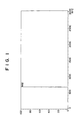
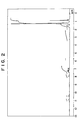
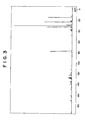
- Figs. 1, 2 and 3 are charts showing the results of electrolytic desorption ionization mass analysis, proton nuclear magnetic resonance spectroscopy and 13 C nuclear magnetic resonance spectroscopy of (hexadecylsalicylic acid) hexadecylphenyl ester obtained in Example 19, respectively.
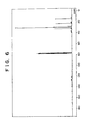
- Figs. 4, 5 and 6 are charts showing the results of the electrolytic desorption ionization mass analysis, proton nuclear magnetic resonance spectroscopy and 13 C nuclear magnetic resonance spectroscopy of (hexadecylhydroxybenzenedicarboxylic acid) bis(hexadecylphenyl) ester obtained in Example 19, respectively.
- Fig. 7 is a chart showing the results of the electrolytic desorption ionization mass analysis of (mixed C 11 -C 15 alkylsalicylic acid) mixed C 11 -C 15 alkylphenyl esters obtained in Example 20.
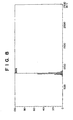
- Fig. 8 is a chart showing the results of the electrolytic desorption ionization mass analysis of (mixed C 11 -C 15 alkylhydroxybenzenedicarboxylic acid) bis(mixed C 11 -C 15 alkylphenyl) esters obtained in Example 20.
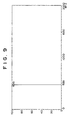
- Figs. 9, 10 and 11 are charts showing the results of the electrolytic desorption ionization mass analysis, proton nuclear magnetic resonance spectroscopy and 13 C nuclear magnetic resonance spectroscopy of (5-nonylsalicylic acid) p-nonylphenyl ester obtained in Example 21, respectively.
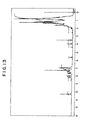
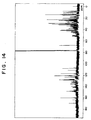
- Figs. 12, 13 and 14 are charts showing the results of the electrolytic desorption ionization mass analysis, proton nuclear magnetic resonance spectroscopy and 13 C nuclear magnetic resonance spectroscopy of (5-nonyl-2-hydroxy-1,3-benzenedicarboxylic acid) bis(p-nonylphenyl) ester obtained in Example 21, respectively.
- An additive composition for a lubricant or a fuel of the present invention comprises at least one selected from the group consisting of substituted hydroxyaromatic ester derivatives represented by the general formulae (I) and (II) and this additive is useful as an ashless detergent in place of a metal detergent.
- the additive composition for the lubricant of the present invention is also useful as an anti-wear agent
- the additive composition for the fuel of the present invention is also useful as the ashless detergent, as the anti-wear agent for preventing the abrasion of an injection pump which is triggered by the drop of a sulfur content in a gas oil, and as a storage stabilizer for a diesel gas oil composition to which a particulate reducer such as a polyoxyethylene compound is added.
- R 1 , R 2 , R 3 , R 4 and R 5 are each a hydrocarbon group having 6 to 7000 carbon atoms.
- the hydrocarbon group having 6 to 7000 carbon atoms include hydrocarbon groups having preferably 8 to 225 carbon atoms.
- the hydrocarbon groups include an alkyl group, an alkenyl group, a cycloalkyl group, a cycloalkenyl group and an aralkyl group, and they may have a non-hydrocarbon substituent and a hetero-atom in a chain or a ring.
- hydrocarbon groups include hydrocarbon groups such as a hexyl group, an octyl group, a nonyl group, a decyl group, a dodecyl group, a hexadecyl group and a triacontyl group, and groups derived from olefin polymers such as polyethylene, polypropylene and polybutene.
- R 1 , R 2 , R 3 , R 4 and R 5 are substantially straight-chain hydrocarbon groups.
- R 1 and R 2 may be the same or different, and R 3 , R 4 and R 5 may be the same or different.
- a, b, c, d and e are integers satisfying the relations of 1 ⁇ a ⁇ 3, 1 ⁇ b ⁇ 3, 0 ⁇ c ⁇ 3, 1 ⁇ d ⁇ 3, 1 ⁇ e ⁇ 3, 3 ⁇ (a+b+e) ⁇ 6 and 1 ⁇ (c+d) ⁇ 5, respectively.
- b is 2 or 3
- a plurality of R 1 s may be the same or different
- d is 2 or 3
- a plurality of R 2 s may be the same or different.
- f, g, h, i, j, k and m are integers satisfying the relations of 0 ⁇ f ⁇ 3, 0 ⁇ g ⁇ 3, 1 ⁇ (f+g) ⁇ 3, 0 ⁇ h ⁇ 4, 0 ⁇ i ⁇ 3, 1 ⁇ (h+i) ⁇ 6, 0 ⁇ j ⁇ 3, 1 ⁇ k ⁇ 3, 1 ⁇ m ⁇ 3, 3 ⁇ (f+g+h+i+m) ⁇ 8 and 1 ⁇ (j+K) ⁇ 5, respectively.
- h 2, 3 or 4
- a plurality of R 3 s may be the same or different
- i is 2 or 3
- a plurality of R 4 s may be the same or different.
- k is 2 or 3
- a plurality of R 5 s may be the same or different.
- Typical examples of the substituted hydroxyaromatic ester derivatives represented by the general formula (I) include (hexylhydroxybenzoic acid) hexylphenyl ester, (hexylhydroxybenzoic acid) dodecylphenyl ester, (octylhydroxybenzoic acid) octylphenyl ester, (nonylhydroxybenzoic acid) nonylphenyl ester, (nonylhydroxybenzoic acid) hexadecylphenyl ester, (dodecylhydroxybenzoic acid) nonylphenyl ester, (dodecylhydroxybenzoic acid) dodecylphenyl ester, (dodecylhydroxybenzoic acid) hexadecylphenyl ester, (hexadecylhydroxybenzoic acid) hexylphenyl ester, (hexadecylhydroxybenzoic acid) dodecy
- substituted hydroxyaromatic ester derivatives represented by the general formula (II) include (hexylhydroxynaphthoic acid) hexylphenyl ester, (hexylhydroxynaphthoic acid) hexadecylphenyl ester, (nonylhydroxynaphthoic acid) nonylphenyl ester, (dodecylhydroxynaphthoic acid) dodecylphenyl ester, (hexadecylhydroxynaphthoic acid) hexyldecylphenyl ester, (dodecylhydroxynaphthoic acid) eicosylphenyl ester, (eicosylhydroxynaphthoic acid) eicosylphenyl ester, (mixed C 11 -C 15 alkylhydroxynaphthoic acid) mixed C 11 -C 15 al
- hydroxyaromatic ester derivatives preferable examples are compounds represented by the general formula (III) wherein R 1 , R 2 , b, d and e are as defined above, and the total of b and e is in the range of 2 to 5, and the general formula (III') wherein R 3 , R 4 , R 5 , h, k and m are as defined above, n is 0, 1 or 2, the total of h and n is in the range of 1 to 6, and the total of h, n and m is in the range of 2 to 7.
- the additive composition for the lubricant or the additive for the fuel of the present invention may comprise one, two or more of the compounds represented by the above-mentioned general formula (I). Alternatively, it may comprise one, two or more of the compounds represented by the above-mentioned general formula (II). Moreover, it may comprise one or more of the compounds represented by the above-mentioned general formula (I) and one or more of the compounds represented by the above-mentioned general formula (II).
- this substituted hydroxyaromatic ester derivative represented by the general formula (I) can be obtained by reacting at least one of organic group-substituted hydroxybenzenecarboxylic acids represented by the general formula (X) wherein R 1 , a, b and e are as defined above, with at least one of organic group-substituted phenols represented by the general formula (XI) wherein R 2 , c and d are as defined above.
- this derivative of the general formula (II) can be obtained by reacting at least one of organic group-substituted hydroxynaphthalene-carboxylic acids represented by the general formula (XII) wherein R 3 , R 4 , f, g, h, i and m are as defined above, with at least one of organic group-substituted phenols represented by the general formula (XIII) wherein R 5 , j and k are as defined above.
- a molar ratio of the organic group-substituted hydroxyaromaticcarboxylic acid to the organic group-substituted phenol is in the range of 1:0.01 to 1:4, preferably 1:0.2 to 1:2.5.
- a reaction temperature is selected within the range of usually 100 to 300°C, preferably 150 to 250°C.
- This reaction may be carried out in the absence of any catalyst or in the presence of an acid catalyst or an alkaline catalyst.
- a solvent such as a hydrocarbon oil can be used.
- the above-mentioned organic group-substituted hydroxyaromatic carboxylic acid can be prepared by any of various methods, and one example thereof comprises reacting an alkali metal salt of an organic group-substituted phenol or naphthol with carbon dioxide in accordance with a known Kolbe-Schmitt reaction, and then hydrolyzing the resultant reaction product.
- the additive composition for a lubricant or a fuel of the present invention comprises, as a component (a), the additive for the lubricant or the fuel comprising at least one selected from the group consisting of substituted hydroxyaromatic ester derivatives represented by the above-mentioned general formulae (I) and (II), and, as a component (b), an ashless detergent.
- This kind of additive composition can be used as an ashless detergent dispersant which is excellent in high-temperature stability (high-temperature detergency) and which has a particles dispersion function.
- each of the carboxylic acid imides and carboxylic acid esters is preferably succinic acid
- each of the carboxylic acid imides and carboxylic acid esters preferably has a hydrocarbon group having a molecular weight of 200 or more in the molecular structure.
- This hydrocarbon group is an alkyl group or an alkenyl group, and it may have a non-hydrocarbon substituent and a hetero-atom in a chain or a ring.
- the carboxylic acid imide and the carboxylic acid ester are a reaction product of a carboxylic acid derivative with (1) an organic nitrogen compound having at least one -NH- group such as an amine, urea or hydrazine and a reaction product of the carboxylic acid derivative with (2) a hydroxy compound such as a phenol or an alcohol, respectively.
- Each of the carboxylic acid imide and the carboxylic acid ester may contain a reaction product of the carboxylic acid derivative with a reactive metal or a reactive metallic compound, so far as its amount has no influence on the effect.
- products obtained by subjecting these reaction products to a post-treatment are also useful as the component (b).
- Examples of a post-treatment agent include sulfur, sulfur compounds, urea, thiourea, guanidine, aldehydes, ketones, carboxylic acids, hydrocarbon-substituted succinic anhydrides, nitriles, epoxides, boron compounds and phosphorus compounds (the details of these carboxylic acid imides and carboxylic acid esters are described in Japanese Patent Publication No. 60876/1991).
- the above-mentioned hydroxybenzylamine is, for example, a reaction product of a hydrocarbon-substituted phenol such as a sulfur-crosslinked phenol or a methylene-crosslinked phenol, formaldehyde and a nitrogen compound having at least two -NH- groups, for example a polyamine.
- a hydrocarbon-substituted phenol such as a sulfur-crosslinked phenol or a methylene-crosslinked phenol, formaldehyde and a nitrogen compound having at least two -NH- groups, for example a polyamine.
- a weight ratio of the component (a), i.e., the additive for the lubricant or the fuel which comprises at least one selected from the groups consisting of the substituted hydroxyaromatic ester derivatives represented by the general formulae (I) and (II) to the component (b), i.e., the ashless dispersant is in the range of 10:90 to 99:1, preferably 15:85 to 75:25.
- a lubricating oil composition of the present invention can be prepared by adding, to a base oil for a lubricating oil, (a) at least one selected the group consisting of the substituted hydroxyaromatic ester derivatives represented by the above-mentioned general formulae (I) and (II) and (b) the ashless dispersant.
- the components (a) and (b) are each suitably blended with the base oil in amounts of 1 to 30 wt%, preferably 2 to 20 wt% based on the total weight of the lubricating oil composition.
- the base oil for the lubricating oil there can be used a mineral oil, a synthesized oil or a combination thereof.
- the mineral oil include fractions of paraffinic mineral oils, naphthenic mineral oils and aromatic mineral oils, and they may be used after treating by any refining method such as solvent refining, hydrofinishing, hydrocracking, and so on.
- the usable synthesized oil include polyphenyl ethers, polyvinyl ethers and hydrogenated/purified products thereof, alkylbenzenes, alkylnaphthalenes, esters, polyglycols and polyolefins.
- the fraction for the lubricating oil has a kinematic viscosity (100°C) usually in the range of 1 to 50 cSt, preferably in the range of 3 to 10 cSt.
- the synthesized oil comprising the ester there can be used a synthesized oil comprising an ester of a monobasic acid or a dibasic acid and an alcohol, for example, an ester obtained by reacting a dibasic acid having 6 to 16 carbon atoms with a straight-chain or a branched alcohol having 5 to 20 carbon atoms.
- the particularly preferable esters include adipates, sebacates, azelates, trimethylolpropane esters, trimethylolethane esters, pentaerythritol esters and neopentyl glycol esters.
- suitable are liquid products obtained by low polymerization or copolymerization of lower olefins such as ethylene, propylene, butylene, octene, decene and dodecene, mixtures of these liquid products, and hydrogenated/purified products thereof.
- lower olefins such as ethylene, propylene, butylene, octene, decene and dodecene, mixtures of these liquid products, and hydrogenated/purified products thereof.
- composite esters comprising dibasic acids, glycol, monobasic acids as well as ⁇ -olefin ⁇ dibasic acid copolymer esters are also usable.
- the above-mentioned mineral oils may be used singly or in a combination of two or more thereof, or the above-mentioned synthesized oils may be used singly or in a combination of two or more thereof, or one or more of the mineral oils and one or more of the synthesized oils may be used in combination.
- the lubricating oil composition of the present invention can be blended with various kinds of additive components which have usually been used in a conventional lubricating oil composition, for example, an antioxidant, an anticorrosive agent, an anti-foaming agent, a viscosity index improver, a pour point depressant, an anti-wear agent, a demulsifier and a metal detergent, in addition to the above-mentioned additive composition for the lubricant, so far as the objects of the present invention are not impaired.
- additive components which have usually been used in a conventional lubricating oil composition, for example, an antioxidant, an anticorrosive agent, an anti-foaming agent, a viscosity index improver, a pour point depressant, an anti-wear agent, a demulsifier and a metal detergent, in addition to the above-mentioned additive composition for the lubricant, so far as the objects of the present invention are not impaired.
- a fuel composition of the present invention can be prepared by adding, to a fuel, (a) at least one selected from the substituted hydroxyaromatic ester derivatives represented by the above-mentioned general formulae (I) and (II) and (b) the above-mentioned ashless dispersant.
- the components (a) and (b) are each suitably blended with the fuel in an amount of 0.005 to 5.0 wt%, preferably 0.02 to 2 wt% based on the total weight of the fuel composition.
- the fuel include gasoline, kerosine and gas oil.
- the fuel composition of the present invention has excellent detergent functions, and for example, it can prevent a deposit from adhering to the carburetor or the injector of an internal combustion engine, and it can also remove adhered materials.
- the fuel composition of the present invention can be blended with suitable amounts of known additives for the fuel, for example, a detergent, a cetane number improver, an antioxidant, a metal inactivating agent, a fluidity improver, an anticorrosive agent, an organic metal complex fuel additive, a demulsifier and an oxygen-containing fuel additive, in addition to the above-mentioned additive composition for the fuel, so far as the objects of the present invention are not impaired.
- a detergent for example, a cetane number improver, an antioxidant, a metal inactivating agent, a fluidity improver, an anticorrosive agent, an organic metal complex fuel additive, a demulsifier and an oxygen-containing fuel additive
- the present invention also intends to provide novel substituted hydroxyaromatic ester derivatives, that is to say, a substituted hydroxyaromatic ester derivative represented by the general formula (VII) wherein R 8 , R 9 and R 10 are each a hydrocarbon group selected from an alkyl, alkenyl, alkinyl, alicyclic or aromatic groups, and they may be the same or different.
- R 8 , R 9 and R 10 are each a hydrocarbon group selected from selected from alkyl groups, alkenyl groups and alkinyl groups and cyclic hydrocarbon groups (e.g., alicyclic hydrocarbon groups such as cycloparaffin groups and cycloolefin groups, and aromatic hydrocarbon groups such as a phenyl group and a naphthyl group), and they may be the same or different.
- this substituted hydroxyaromatic ester derivative also includes a mixture of two or more kinds of substituted hydroxyaromatic ester derivatives represented by the general formula (VII).
- the alkyl groups and the alkenyl groups are preferable. These hydrocarbon groups may be substituted by another hydrocarbon group such as a lower alkyl group, a cycloalkyl group or a phenyl group. In addition, the hydrocarbon groups also include groups substituted by non-hydrocarbon groups, so far as they substantially maintain the characteristics of the hydrocarbon groups.
- hydrocarbon groups include a propyl group, a butyl group, an isobutyl group, a pentyl group, a hexyl group, a 1-methylhexyl group, a 2,3,5-trimethylheptyl group, an octyl group, a 3-ethyloctyl group, a 4-ethyl-5-methyloctyl group, a nonyl group, a decyl group, a dodecyl group, a 2-methyl-4-ethyldodecyl group, a hexadecyl group, an octadecyl group, an eicosyl group, a docosyl group, a tetracontyl group, a 4-hexenyl group, a 2-ethyl-4-hexenyl group, a 6-octenyl group, a 3-cyclohexyloctyl group, a
- alkyl groups straight-chain and branched alkyl groups are preferable. Above all, the alkyl groups having 4 to 20 carbon atoms are preferable, and the alkyl groups having 9 to 16 carbon atoms are more preferable. In particular, it is preferred that the carbon number of R 8 is limited as mentioned above.
- Typical examples of the preferable alkyl groups include straight-chain and branched alkyl groups such as a butyl group, an isobutyl group, a pentyl group, a hexyl group, a 1-methylhexyl group, a heptyl group, a 2,3,5-trimethylheptyl group, an octyl group, a 3-ethyloctyl group, a 4-ethyl-5-methyloctyl group, a nonyl group, a decyl group, a dodecyl group, a 2-methyl-4-ethyldodecyl group, a hexadecyl group, an octadecyl group and an eicosyl group, and straight-chain and branched alkyl groups derived from olefin polymers (e.g., polyethylene, polypropylene, polybutene and ethylene-propylene copolymer).
- R 8 , R 9 and R 10 preferably are each a substantially straight-chain hydrocarbon group.
- the substituted hydroxyaromatic ester derivatives represented by the general formula (VII) are novel compounds, and these derivatives are useful as ashless dispersants excellent in high-temperature stability (high-temperature detergency) which can be substituted for the metal detergents. Therefore, they can be suitably used as additives for the lubricant for engine oils, above all, a diesel engine oil and a methanol engine oil which can comply with future severe exhaust gas controls, and as additives for the fuel for an internal combustion engine.
- substituted hydroxyaromatic ester derivatives can be used as anti-wear agents for preventing the abrasion of an injection pump which is caused by the drop of a sulfur content in a gas oil, and as storage stabilizers for a diesel gas oil composition to which a particulate reducer such as a polyoxyethylene compound is added.
- the substituted hydroxyaromatic ester derivative represented by the above-mentioned general formula (VII) of the present invention can be prepared by reacting a hydrocarbon group-substituted hydroxybenzenedicarboxylic acid represented by the general formula (VIII) wherein R 8 is as defined above, with at least one of hydrocarbon group-substituted phenols represented by the general formula (IX) wherein R 11 is R 9 or R 10 , and is as defined above, in the presence of no catalyst or a catalyst.
- the molar ratio of the hydrocarbon group-substituted hydroxybenzenedicarboxylic acid to the hydrocarbon group-substituted phenol is suitably in the range of 1:0.01 to 1:4, preferably 1:0.4 to 1:2.5.
- the total amount of all the hydrocarbon group-substituted phenols is preferably within the above-mentioned range.
- the reaction temperature is usually selected in the range of 100 to 300°C, preferably 150 to 250°C.
- This reaction may be carried out in the absence of any catalyst or in the presence of an acid catalyst or an alkaline catalyst.
- the acid catalyst include mineral acids and organic acids
- examples of the alkaline catalyst include alkali metals and alkaline earth metals.
- a solvent such as a hydrocarbon oil can be used.
- Typical examples of the hydrocarbon group-substituted hydroxybenzenedicarboxylic acid represented by the general formula (VIII) include butyl hydroxybenzenedicarboxylic acid, hexyl hydroxybenzenedicarboxylic acid, octyl hydroxybenzenedicarboxylic acid, nonyl hydroxybenzenedicarboxylic acid, decyl hydroxybenzenedicarboxylic acid, dodecyl hydroxybenzenedicarboxylic acid, hexadecyl hydroxybenzenedicarboxylic acid, octadecyl hydroxybenzenedicarboxylic acid and eicosyl hydroxybenzenedicarboxylic acid.
- the hydrocarbon group-substituted hydroxybenzenedicarboxylic acid represented by the general formula (VIII) can be prepared, for example, by reacting an alkali metal salt of a hydrocarbon group-substituted phenol with carbon dioxide in accordance with a known Kolbe-Schmitt reaction, and then hydrolyzing the resultant reaction product.
- hydrocarbon group-substituted phenol represented by the general formula (IX) include butylphenol, hexylphenol, octylphenol, nonylphenol, decylphenol, dodecylphenol, hexadecylphenol, octadecylphenol and eicosylphenol.
- the substituted hydroxyaromatic ester derivatives of the present invention represented by the general formula (VII) are useful as ashless dispersants, as described above.
- an additive composition for a lubricant or a fuel can be prepared which is desirable as an ashless detergent dispersant excellent in high-temperature stability (high-temperature detergency) and having a particles dispersion function.
- the temperature of the reaction system was lowered to 80°C, and the solution was then transferred to a 2-liter flask.
- 120 g of xylene was added, followed by stirring to uniform the solution.
- 250 g of 20 wt% sulfuric acid was added thereto over 30 minutes, and reaction was then done for 1 hour.
- the resultant reaction solution was washed with water, and after phase separation and filtration, xylene was distilled off.
- the yield of the resultant reaction product was 312 g.
- reaction product In a 500-milliliter flask were placed 300 g of the obtained reaction product and 100 g of hexadecylphenol, and reaction was then carried out at 250°C for 5 hours under nitrogen gas stream. Afterward, produced water and hexadecylphenol were distilled off at 250°C under reduced pressure. The yield of the resultant reaction product was 195 g.
- Example 2 The same procedure as in Example 1 was carried out except that hexadecylphenol was replaced with dodecylphenol (a reaction product of 1-dodecene and phenol).
- Example II The same procedure as in Example I was carried out except that hexadecylphenol was replaced with a mixture of dodecylphenol and dinonylphenol (a reaction product of propylene oligomer and phenol).
- Example 2 The same procedure as in Example 1 was carried out except that hexadecylphenol was replaced with nonylphenol (a reaction product of propylene oligomer and phenol).
- Example 2 The same procedure as in Example 1 was carried out except that 5-octylsalicylic acid and p-octylphenol were used.
- Each of additive compositions for lubricants obtained in Examples 3 to 7 was blended with a mineral oil which was a 500 neutral fraction to prepare lubricating oil compositions, and in this case, the amount of the additive composition was 10 wt% (2.5 wt% of a substituted hydroxyaromatic ester derivative and 7.5 wt% of an ashless dispersant) based on the total weight of each lubricating oil composition.
- a sample oil and air were caused to continuously flow at 0.3 ml/hr and 10 ml/min, respectively, through a glass tube having an inner diameter of 2 mm for 16 hours, while the temperature of the glass tube was maintained at 310°C.
- the weight of the lacquer deposited onto the glass tube was measured. The higher the grade is and the smaller the weight of the lacquer is, the more excellent the performance of the sample oil is.
- Example 2 The same procedure as in Example 1 was carried out except that hexadecylphenol was replaced with dodecylphenol (a reaction product of propylene oligomer and phenol), followed by purification, thereby obtaining 5-dodecylsalicylic acid. Afterward, this 5-dodecylsalicylic acid was reacted with p-cresol in the same manner as in Example 1.
- the lubricating oil compositions regarding Examples 8 to 12 showed better results in the hot tube tests and more excellent high-temperature stability (high-temperature detergency), as compared with the lubricating oil compositions using the substituted and unsubstituted hydroxyaromatic ester derivatives in Comparative Examples 1 to 4, the aromatic ester derivative having no hydroxyl group in Comparative Example 5, octadecyl-3-(3,5-di-t-butyl-4-hydroxyphenyl) propionate in Comparative Example 6, and overbased calcium phenate and overbased calcium salicylate which were metal detergents in Comparative Examples 7 and 8.
- Each of substituted hydroxyaromatic ester derivatives obtained in Example 1 and Reference Example 2 was blended with a mineral oil which was a 150 neutral fraction, to prepare lubricating oil compositions, and in this case, the amount of each substituted hydroxyaromatic ester derivative was 5 wt% based on the total weight of the lubricating oil composition.
- a shell wear depth (mm) was measured under a load of 30 kg at an oil temperature of 75°C for 60 minutes in accordance with ASTM D-2783.
- Each of additive compositions for lubricants obtained in Examples 13 to 15 was blended with a mineral oil which was a 500 neutral fraction to prepare lubricating oil compositions, and in this case, the amount of the additive composition for the lubricant was 10 wt% (2.5 wt% of a substituted hydroxyaromatic ester and 7.5 wt% of an ashless dispersant) based on the total weight of each lubricating oil composition.
- Example 2 All the same procedure as in Example 1 was carried out to obtain 195 g of a mixture of compounds represented by the general formulae (XIV) and (XV).
- a detector a differential refractometer
- Example 2 The same procedure as in Example 1 was carried out except that hexadecylphenol was replaced with mixed alkylphenols in which alkyl groups had 11, 12, 13, 14 and 15 carbon atoms (a reaction product of propylene oligomer and phenol).
- mixed compounds represented by the formula (XXXII) and mixed compounds represented by the formula (XXXIII) were separated by liquid chromatograph (in the formulae, R is an alkyl group having 11 to 15 carbon atoms):
- Each of the additive compositions for the lubricants obtained in the above-mentioned (1) was blended with a mineral oil which was a 500 neutral fraction to prepare lubricating oil compositions, and in this case, the amount of the additive composition for the lubricant was 10 wt% (2.5 wt% of the substituted hydroxyaromatic ester and 7.5 wt% of the ashless dispersant) based on the total weight of each lubricating oil composition.
- Each of the additive compositions for the lubricants obtained in the above-mentioned (1) was blended with a mineral oil which was a 500 neutral fraction to prepare lubricating oil compositions, and in this case, the amount of the additive composition for the lubricant was 10 wt% (2.5 wt% of the substituted hydroxyaromatic ester derivative and 7.5 wt% of the ashless dispersant) based on the total weight of each lubricating oil composition.
- Example 36 A diesel gas oil was blended with a polyoxyethylene compound used in Example 36 in an amount of 1 wt% based on the total weight of a composition, thereby preparing a diesel gas oil composition.
- the performance of this composition was evaluated by the same storage stability test as in Example 36. The results are shown in Table 6.
- Example 28 Ester of Ex. 1 0.2 1 or less Comp. Ex. 10 - - 10
- An additive for a lubricant or a fuel which comprises a specific substituted hydroxyaromatic ester derivative of the present invention can be added to an engine oil for an internal combustion engine, a gear oil, a bearing oil, a shock absorber oil and an industrial lubricating oil, or a fuel for the internal combustion engine.
- this additive for the lubricant is useful as an excellent ashless dispersant and anti-wear agent.
- an additive composition for the lubricant containing the ashless dispersant is excellent in high-temperature stability (high-temperature detergency) and has a fine particles dispersion function, and therefore it is useful as an excellent ashless detergent dispersant for a lubricating oil.
- the additive composition for the lubricant can be added to a diesel engine oil and a methanol engine oil which can comply with future severe exhaust gas controls.
- the above-mentioned additive for a fuel is useful as an ashless detergent, as an anti-wear agent for preventing the abrasion of an injection pump which is caused by the drop of a sulfur content in a gas oil, and as a storage stabilizer for a diesel gas oil composition to which a particulate reducer such as a polyoxyethylene compound is added.
- an additive composition for a fuel containing the ashless dispersant is excellent in the high-temperature stability (the high-temperature detergency) and has the fine particles dispersion function, and therefore it is useful as an excellent ashless detergent dispersant for a fuel composition.
- the additive composition for the fuel can prevent a deposit from adhering to a carburetor or a injector of an internal combustion engine, and it can also remove adhered materials. Therefore, this additive composition for the fuel can be added to gasoline, kerosine and gas oil.
Landscapes
- Chemical & Material Sciences (AREA)
- Organic Chemistry (AREA)
- Oil, Petroleum & Natural Gas (AREA)
- Engineering & Computer Science (AREA)
- Chemical Kinetics & Catalysis (AREA)
- General Chemical & Material Sciences (AREA)
- Health & Medical Sciences (AREA)
- Emergency Medicine (AREA)
- Combustion & Propulsion (AREA)
- Liquid Carbonaceous Fuels (AREA)
- Lubricants (AREA)
- Organic Low-Molecular-Weight Compounds And Preparation Thereof (AREA)
Applications Claiming Priority (10)
| Application Number | Priority Date | Filing Date | Title |
|---|---|---|---|
| JP143532/93 | 1993-06-15 | ||
| JP14353293 | 1993-06-15 | ||
| JP14353293 | 1993-06-15 | ||
| JP24435393 | 1993-09-30 | ||
| JP24435393 | 1993-09-30 | ||
| JP244353/93 | 1993-09-30 | ||
| JP6126094 | 1994-03-30 | ||
| JP61260/94 | 1994-03-30 | ||
| JP6126094A JP3409912B2 (ja) | 1994-03-30 | 1994-03-30 | フェノールエステル誘導体及びその製造方法 |
| PCT/JP1994/000944 WO1994029264A1 (en) | 1993-06-15 | 1994-06-10 | Additive for lubricant or fuel, lubricant or fuel composition containing the same, and novel substituted hydroxy aromatic ester derivative |
Publications (3)
| Publication Number | Publication Date |
|---|---|
| EP0704425A1 EP0704425A1 (en) | 1996-04-03 |
| EP0704425A4 EP0704425A4 (en) | 1996-11-27 |
| EP0704425B1 true EP0704425B1 (en) | 2002-09-04 |
Family
ID=27297443
Family Applications (1)
| Application Number | Title | Priority Date | Filing Date |
|---|---|---|---|
| EP94917796A Expired - Lifetime EP0704425B1 (en) | 1993-06-15 | 1994-06-10 | Additive composition for lubricant or fuel, lubricant or fuel composition containing the same, and novel substituted hydroxy aromatic ester derivative |
Country Status (7)
| Country | Link |
|---|---|
| US (1) | US5686398A (Direct) |
| EP (1) | EP0704425B1 (Direct) |
| KR (1) | KR100287585B1 (Direct) |
| CA (1) | CA2163657C (Direct) |
| DE (1) | DE69431297T2 (Direct) |
| TW (1) | TW275644B (Direct) |
| WO (1) | WO1994029264A1 (Direct) |
Families Citing this family (14)
| Publication number | Priority date | Publication date | Assignee | Title |
|---|---|---|---|---|
| JPH08253782A (ja) * | 1995-03-14 | 1996-10-01 | Idemitsu Kosan Co Ltd | 内燃機関用潤滑油組成物 |
| US5599359A (en) * | 1995-12-29 | 1997-02-04 | Chevron Chemical Company | Polyalkylphenyl and polyalkyloxycarbonylphenyl hydroxybenzoates and fuel compositions containing the same |
| GB0009310D0 (en) * | 2000-04-17 | 2000-05-31 | Infineum Int Ltd | Fuel oil compositions |
| JP4885534B2 (ja) * | 2005-12-20 | 2012-02-29 | 出光興産株式会社 | 冷凍機油組成物、これを用いた冷凍機用圧縮機及び冷凍装置 |
| CA2657939C (en) | 2006-07-20 | 2015-10-27 | Albemarle Corporation | Process technology for recovering brominated styrenic polymers from reaction mixtures in which they are formed and/or converting such mixtures into pellets or into granules or pastilles |
| WO2008013844A2 (en) * | 2006-07-25 | 2008-01-31 | General Vortex Energy, Inc. | System, apparatus and method for combustion of metal and other fuels |
| KR101472610B1 (ko) * | 2007-04-23 | 2014-12-15 | 이데미쓰 고산 가부시키가이샤 | 유압 작동유 및 유압 장치 |
| US8377859B2 (en) * | 2007-07-25 | 2013-02-19 | Exxonmobil Research And Engineering Company | Hydrocarbon fluids with improved pour point |
| US8290684B2 (en) * | 2009-05-26 | 2012-10-16 | GM Global Technology Operations LLC | Fuel stability methods and systems |
| CA2837102A1 (en) | 2011-06-15 | 2012-12-20 | The Lubrizol Corporation | Lubricating composition containing an ester of an aromatic carboxylic acid |
| US8694186B2 (en) | 2011-07-27 | 2014-04-08 | Ford Global Technologies, Llc | Method and system for engine control |
| CN105229128B (zh) * | 2013-05-20 | 2018-07-06 | 出光兴产株式会社 | 润滑油组合物 |
| JP7150455B2 (ja) * | 2018-03-30 | 2022-10-11 | 出光興産株式会社 | 潤滑油用分散剤及びその製造方法、並びに潤滑油組成物 |
| US12291687B2 (en) * | 2021-03-30 | 2025-05-06 | Idemitsu Kosan Co., Ltd. | Lubricating oil composition |
Family Cites Families (20)
| Publication number | Priority date | Publication date | Assignee | Title |
|---|---|---|---|---|
| US2580038A (en) * | 1949-09-30 | 1951-12-25 | Standard Oil Dev Co | Mineral oil containing resinified esters of salicylic acid |
| US2936320A (en) * | 1957-06-24 | 1960-05-10 | California Research Corp | Diesters of mixed aromatic dibasic acids |
| US3021357A (en) * | 1959-04-15 | 1962-02-13 | Standard Oil Co | Dialkyl esters of 5-t-alkylisophthalic acid |
| US3405090A (en) * | 1963-01-04 | 1968-10-08 | Eastman Kodak Co | Ultraviolet light stable poly-alpha-olefin composition |
| US3282842A (en) * | 1964-03-06 | 1966-11-01 | Mobil Oil Corp | Lubricating oil compositions |
| US3505383A (en) * | 1966-09-09 | 1970-04-07 | Nitto Kasei Co Ltd | Resins stabilized with organotin compounds containing a phenyl salicylate moiety |
| US3470099A (en) * | 1967-06-05 | 1969-09-30 | Exxon Research Engineering Co | Esters of polynuclear alcohols and lubricating oils containing same |
| CH495939A (de) * | 1968-07-23 | 1970-09-15 | Sandoz Ag | Verfahren zur Herstellung von neuen Arylestern |
| US3591553A (en) * | 1968-12-26 | 1971-07-06 | Eastman Kodak Co | Alkylphenyl 4 - hydroxyisophthalates and their use as ultraviolet light stabilizers |
| US3890301A (en) * | 1970-09-16 | 1975-06-17 | Standard Oil Co | Esters of 4-(high molecular weight alkyl-substituted carbophenoxy) phthalic acid |
| US3884960A (en) * | 1972-12-26 | 1975-05-20 | Ciba Geigy Corp | Polyol esters of alkyl substituted hydroxy-benzoyloxybenzoic acids |
| JPS49122502A (Direct) * | 1973-03-30 | 1974-11-22 | ||
| US4172802A (en) * | 1978-05-30 | 1979-10-30 | Cincinnati Milacron Inc. | Aqueous metal working fluid containing carboxylic acid group terminated diesters of polyoxyalkylene diols |
| JPS57175109A (en) * | 1981-04-21 | 1982-10-28 | Hokko Chem Ind Co Ltd | Improved purified machine oil emulsion |
| JPS59170277A (ja) * | 1983-03-15 | 1984-09-26 | Chiyoda Kagaku Kenkyusho:Kk | 油溶性の金属腐食防止剤 |
| JPH0715106B2 (ja) * | 1987-06-13 | 1995-02-22 | コスモ石油株式会社 | 安定化された燃料油組成物 |
| JPS646952A (en) * | 1987-06-29 | 1989-01-11 | Konishiroku Photo Ind | Silver halide color photographic sensitive material |
| JPS649458A (en) * | 1987-07-01 | 1989-01-12 | Konishiroku Photo Ind | Silver halide photographic sensitive material having good spectral absorption characteristic of formed dye |
| US5164122A (en) * | 1988-04-18 | 1992-11-17 | The Lubrizol Corporation | Thermal oxidatively stable synthetic fluid composition |
| US5599359A (en) * | 1995-12-29 | 1997-02-04 | Chevron Chemical Company | Polyalkylphenyl and polyalkyloxycarbonylphenyl hydroxybenzoates and fuel compositions containing the same |
-
1994
- 1994-06-10 DE DE69431297T patent/DE69431297T2/de not_active Expired - Lifetime
- 1994-06-10 KR KR1019950705610A patent/KR100287585B1/ko not_active Expired - Lifetime
- 1994-06-10 WO PCT/JP1994/000944 patent/WO1994029264A1/ja not_active Ceased
- 1994-06-10 US US08/557,103 patent/US5686398A/en not_active Expired - Lifetime
- 1994-06-10 EP EP94917796A patent/EP0704425B1/en not_active Expired - Lifetime
- 1994-06-10 CA CA002163657A patent/CA2163657C/en not_active Expired - Lifetime
- 1994-06-14 TW TW083105363A patent/TW275644B/zh not_active IP Right Cessation
Also Published As
| Publication number | Publication date |
|---|---|
| CA2163657A1 (en) | 1994-12-22 |
| WO1994029264A1 (en) | 1994-12-22 |
| CA2163657C (en) | 2005-02-22 |
| EP0704425A4 (en) | 1996-11-27 |
| KR960703161A (ko) | 1996-06-19 |
| TW275644B (Direct) | 1996-05-11 |
| DE69431297D1 (de) | 2002-10-10 |
| DE69431297T2 (de) | 2003-01-16 |
| US5686398A (en) | 1997-11-11 |
| EP0704425A1 (en) | 1996-04-03 |
| KR100287585B1 (ko) | 2001-05-02 |
Similar Documents
| Publication | Publication Date | Title |
|---|---|---|
| EP0708171B1 (en) | Overbased metal salts useful as additives for fuels and lubricants | |
| CA2277469C (en) | Salicyclic calixarenes and their use as lubricant additives | |
| US7456136B2 (en) | Linear compounds containing phenolic and salicylic units | |
| EP0662508B1 (en) | Lubricating oil compositions comprising overbased phenate detergent | |
| US5686398A (en) | Additive for lubricant or fuel, lubricating oil composition or fuel composition containing it, and substituted hydroxyaromatic ester derivative | |
| EP0556791B1 (en) | Mannich reaction products derived from alkenyl succinic acid anhydride, a polyamine and sulphur linked alkylphenols and their use as lubricants | |
| US5534168A (en) | Preparation of overbased magnesium sulphonates | |
| AU678249B2 (en) | Chlorine-free diesel engine lubricating composition | |
| US5415792A (en) | Overbased alkylated alkyl salicylates | |
| JP3421035B2 (ja) | 2サイクルエンジン潤滑剤およびその使用方法 | |
| AU2003221899B2 (en) | Method of operating internal combustion engine by introducing antioxidant into combustion chamber | |
| EP0594814B1 (en) | Metal carboxylates of alkylene bis-phenol alkanoic acids useful as additives for fuels and lubricants | |
| WO1996026995A1 (en) | Lubricating oil compositions | |
| JP3298086B2 (ja) | 潤滑剤用添加剤、潤滑剤用添加剤組成物及び潤滑油組成物 | |
| AU674573B2 (en) | Lubricating oil compositions for railroad diesel engines | |
| US6802874B2 (en) | Linear compounds containing phenol and salicylic acid units | |
| AU679076B2 (en) | Additive for lubricant or fuel, lubricant or fuel composition containing the same, and novel substituted hydroxy aromatic ester derivative | |
| JP3567940B2 (ja) | 置換ヒドロキシ芳香族カルボン酸エステル誘導体及びその製造方法 | |
| JP3409912B2 (ja) | フェノールエステル誘導体及びその製造方法 | |
| JPH083173A (ja) | 硼素含有置換ヒドロキシ芳香族カルボン酸エステル誘導体、その製造方法及び該エステル誘導体の用途 | |
| JP2000226593A (ja) | 潤滑油用添加剤及び潤滑油組成物 | |
| AU2002327499B2 (en) | Linear compounds containing phenolic and salicylic units | |
| JPH07331263A (ja) | 燃料用添加剤、燃料用添加剤組成物及び燃料組成物 | |
| AU2002327499A1 (en) | Linear compounds containing phenolic and salicylic units |
Legal Events
| Date | Code | Title | Description |
|---|---|---|---|
| PUAI | Public reference made under article 153(3) epc to a published international application that has entered the european phase |
Free format text: ORIGINAL CODE: 0009012 |
|
| 17P | Request for examination filed |
Effective date: 19951111 |
|
| AK | Designated contracting states |
Kind code of ref document: A1 Designated state(s): BE CH DE FR GB IT LI NL SE |
|
| A4 | Supplementary search report drawn up and despatched | ||
| AK | Designated contracting states |
Kind code of ref document: A4 Designated state(s): BE CH DE FR GB IT LI NL SE |
|
| 17Q | First examination report despatched |
Effective date: 19971125 |
|
| RTI1 | Title (correction) |
Free format text: ADDITIVE COMPOSITION FOR LUBRICANT OR FUEL, LUBRICANT OR FUEL COMPOSITION CONTAINING THE SAME, AND NOVEL SUBSTITUTED HYDROXY AROMATIC ESTER DERIVATIVE |
|
| GRAG | Despatch of communication of intention to grant |
Free format text: ORIGINAL CODE: EPIDOS AGRA |
|
| RTI1 | Title (correction) |
Free format text: ADDITIVE COMPOSITION FOR LUBRICANT OR FUEL, LUBRICANT OR FUEL COMPOSITION CONTAINING THE SAME, AND NOVEL SUBSTITUTED HYDROXY AROMATIC ESTER DERIVATIVE |
|
| GRAG | Despatch of communication of intention to grant |
Free format text: ORIGINAL CODE: EPIDOS AGRA |
|
| GRAG | Despatch of communication of intention to grant |
Free format text: ORIGINAL CODE: EPIDOS AGRA |
|
| GRAH | Despatch of communication of intention to grant a patent |
Free format text: ORIGINAL CODE: EPIDOS IGRA |
|
| GRAH | Despatch of communication of intention to grant a patent |
Free format text: ORIGINAL CODE: EPIDOS IGRA |
|
| GRAA | (expected) grant |
Free format text: ORIGINAL CODE: 0009210 |
|
| AK | Designated contracting states |
Kind code of ref document: B1 Designated state(s): BE CH DE FR GB IT LI NL SE |
|
| PG25 | Lapsed in a contracting state [announced via postgrant information from national office to epo] |
Ref country code: NL Free format text: LAPSE BECAUSE OF FAILURE TO SUBMIT A TRANSLATION OF THE DESCRIPTION OR TO PAY THE FEE WITHIN THE PRESCRIBED TIME-LIMIT Effective date: 20020904 Ref country code: LI Free format text: LAPSE BECAUSE OF FAILURE TO SUBMIT A TRANSLATION OF THE DESCRIPTION OR TO PAY THE FEE WITHIN THE PRESCRIBED TIME-LIMIT Effective date: 20020904 Ref country code: CH Free format text: LAPSE BECAUSE OF FAILURE TO SUBMIT A TRANSLATION OF THE DESCRIPTION OR TO PAY THE FEE WITHIN THE PRESCRIBED TIME-LIMIT Effective date: 20020904 Ref country code: BE Free format text: LAPSE BECAUSE OF FAILURE TO SUBMIT A TRANSLATION OF THE DESCRIPTION OR TO PAY THE FEE WITHIN THE PRESCRIBED TIME-LIMIT Effective date: 20020904 |
|
| REG | Reference to a national code |
Ref country code: GB Ref legal event code: FG4D |
|
| REG | Reference to a national code |
Ref country code: CH Ref legal event code: EP |
|
| REF | Corresponds to: |
Ref document number: 69431297 Country of ref document: DE Date of ref document: 20021010 |
|
| PG25 | Lapsed in a contracting state [announced via postgrant information from national office to epo] |
Ref country code: SE Free format text: LAPSE BECAUSE OF FAILURE TO SUBMIT A TRANSLATION OF THE DESCRIPTION OR TO PAY THE FEE WITHIN THE PRESCRIBED TIME-LIMIT Effective date: 20021204 |
|
| NLV1 | Nl: lapsed or annulled due to failure to fulfill the requirements of art. 29p and 29m of the patents act | ||
| ET | Fr: translation filed | ||
| REG | Reference to a national code |
Ref country code: CH Ref legal event code: PL |
|
| PLBE | No opposition filed within time limit |
Free format text: ORIGINAL CODE: 0009261 |
|
| STAA | Information on the status of an ep patent application or granted ep patent |
Free format text: STATUS: NO OPPOSITION FILED WITHIN TIME LIMIT |
|
| 26N | No opposition filed |
Effective date: 20030605 |
|
| PGFP | Annual fee paid to national office [announced via postgrant information from national office to epo] |
Ref country code: DE Payment date: 20130605 Year of fee payment: 20 Ref country code: GB Payment date: 20130605 Year of fee payment: 20 |
|
| PGFP | Annual fee paid to national office [announced via postgrant information from national office to epo] |
Ref country code: IT Payment date: 20130619 Year of fee payment: 20 Ref country code: FR Payment date: 20130624 Year of fee payment: 20 |
|
| REG | Reference to a national code |
Ref country code: DE Ref legal event code: R071 Ref document number: 69431297 Country of ref document: DE |
|
| REG | Reference to a national code |
Ref country code: GB Ref legal event code: PE20 Expiry date: 20140609 |
|
| PG25 | Lapsed in a contracting state [announced via postgrant information from national office to epo] |
Ref country code: GB Free format text: LAPSE BECAUSE OF EXPIRATION OF PROTECTION Effective date: 20140609 |
|
| PG25 | Lapsed in a contracting state [announced via postgrant information from national office to epo] |
Ref country code: DE Free format text: LAPSE BECAUSE OF EXPIRATION OF PROTECTION Effective date: 20140611 |