EP0335637A2 - Nervenwachstumsfaktor-Peptide - Google Patents
Nervenwachstumsfaktor-Peptide Download PDFInfo
- Publication number
- EP0335637A2 EP0335637A2 EP89303006A EP89303006A EP0335637A2 EP 0335637 A2 EP0335637 A2 EP 0335637A2 EP 89303006 A EP89303006 A EP 89303006A EP 89303006 A EP89303006 A EP 89303006A EP 0335637 A2 EP0335637 A2 EP 0335637A2
- Authority
- EP
- European Patent Office
- Prior art keywords
- lys
- val
- glu
- gly
- asp
- Prior art date
- Legal status (The legal status is an assumption and is not a legal conclusion. Google has not performed a legal analysis and makes no representation as to the accuracy of the status listed.)
- Withdrawn
Links
Images





Classifications
-
- C—CHEMISTRY; METALLURGY
- C07—ORGANIC CHEMISTRY
- C07K—PEPTIDES
- C07K5/00—Peptides containing up to four amino acids in a fully defined sequence; Derivatives thereof
- C07K5/04—Peptides containing up to four amino acids in a fully defined sequence; Derivatives thereof containing only normal peptide links
- C07K5/10—Tetrapeptides
- C07K5/1019—Tetrapeptides with the first amino acid being basic
-
- C—CHEMISTRY; METALLURGY
- C07—ORGANIC CHEMISTRY
- C07K—PEPTIDES
- C07K14/00—Peptides having more than 20 amino acids; Gastrins; Somatostatins; Melanotropins; Derivatives thereof
- C07K14/435—Peptides having more than 20 amino acids; Gastrins; Somatostatins; Melanotropins; Derivatives thereof from animals; from humans
- C07K14/475—Growth factors; Growth regulators
- C07K14/48—Nerve growth factor [NGF]
-
- A—HUMAN NECESSITIES
- A61—MEDICAL OR VETERINARY SCIENCE; HYGIENE
- A61K—PREPARATIONS FOR MEDICAL, DENTAL OR TOILETRY PURPOSES
- A61K38/00—Medicinal preparations containing peptides
Definitions
- This invention relates to neurotrophic factors and their involvement in neurodegenerative disorders. More particularly, this invention provides discrete peptides relating to nerve growth factor.
- Nerve growth factor is a protein which has prominent effects on developing sensory and sympathetic neurons of the peripheral nervous system. NGF acts via specific cell surface receptors on responsive neurons to support neuronal survival, promote neurite outgrowth, and enhance neurochemical differentiation. NGF actions are accompanied by alterations in neuronal membranes (Connolly et al, (1981) J Cell Bioi 90:176-180; Skaper and Varon (1980) Brain Res 197:379-389), in the state of phosphorylation of neuronal proteins (Yu et al, (1980) J Bioi Chem 255:10481-10492; Halegoua and Patrick (1980) Cell 22:571-581), and in the abundance of certain mRNA's and proteins likely to play a role in neuronal differentiation and function (see, for example, Tiercy and Shooter (1986) J Cell Bioi 103:2367-2378).
- Forebrain cholinergic neurons also respond to NGF and may require NGF for trophic support. Indeed, the distribution and ontogenesis of NGF and its receptor in the central nervous system (CNS) suggest that NGF acts as a target-derived neurotrophic factor for basal forebrain cholinergic neurons (Korsching, (1986) TINS, Nov/Dec, pp 570-573).
- Trophic factors such as NGF
- NGF neurotrophic factor
- cholinergic neurons in the CNS also depend on NGF for survival.
- NGF neuronal growth factor receptor 1
- Amyloid plaques accumulate in the brain in various pathological states: Alzheimer's, Down's syndrome, normal aging, kuru, Creutzfeldt-Jacob disease, Gerstmann-Straussler syndrome, and other neurodegenerative disorders.
- the extent of amyloid accumulation in Alzheimer's brains correlates with the degree of mental impairment. It is possible that amyloid deposits cause such impairments.
- the mass of the accumulation itself can physically displace normal brain tissue (Mobley et ai, (1983) Soc Neurosci 9:270).
- one of the amyloid proteins may promote neurite growth (Yanker et al (1988) Soc Neurosci 14:896; Schubert et al (1988) Science 241:223-226).
- massive tangles of neurites are associated with amyloid plaques. Inappropriate neurite growth could alter the maintenance and detour the formation of normal neurite-target connections.
- NGF is capable of encouraging tumor metastasis (Glinsky et al, (1987) Annal New York Acad Sci 496:656-659).
- the general concept of using some portion of a protein to block the binding of the entire protein to its intended receptor is known.
- the peptide Gly-Arg-Gly-Asp-Ser inhibits the colonization of a murine melanoma cell line in lungs of mice into which the melanoma cells were injected (Humphries et al, (1986) Science 255:467-470). This is apparently a result of inhibiting the ability of these cells to bind to the fibronectin, an extracellular matrix which contains this pentapeptide sequence (Akiyama et al, (1985) J Biol Chem 260:10402-10405).
- the peptide His-Glu-Pro-Pro was able to compete with IgE (of which it is a subsequence) for binding to F c C receptors in human basophils; this tetrapeptide is thus considered a promising drug for the treatment of allergies (Prenner, (1987) Annal of Allergy 58:332-335).
- the present invention provides a peptide having the ability to induce an NGF-associated biological response, wherein greater than 500/o of the amino acid sequence of the peptide is at least 20% homologous with a receptor binding domain of NGF.
- the present invention also provides NGF-related receptor-binding peptides having substantial homology to three discrete regions of native NGF. More particularly, one group of peptides comprises from 3 to 28 amino acid residues having substantial homology to residues 20-48 of native NGF (referred to at times herein as "Region C", with particular peptides within this region at times referred to as "C1", “C2”, etc.), more preferably to residues 28-38 of NGF; a second group of peptides comprises from 3 to 34 amino acid residues having substantial homology to residues 50-84 of native NGF ("Region A”), more preferably to residues 66-75 of NGF; and a third group of peptides comprises from 3 to 25 amino acid residues having substantial homology to residues 87-112 of native NGF (“Region B”), more preferably to residues 98-106 of NGF.
- one group of peptides comprises from 3 to 28 amino acid residues having substantial homology to residues 20-48 of
- Table 1 located herein in the Modes for Carrying Out the Invention section of this application, sets out the human and murine native sequences of the A, B, and C regions and lists the native sequences of the A1-A4, B1-B4 and C1-C13 subregions.
- the peptides of this invention include the native regions and subregions as well as analogs of these sequences. These analogs include peptides which vary from the native material in any of the following ways:
- the invention also provides as a preferred subgroup within the materials described above analogs of C2 NGF-related peptides exhibiting both agonist and antagonist properties in NGF bioassays. These analogs have the sequence:
- At least five, and even more preferably at least eight, of AA 1 through AA 9 are selected from the native NGF C2 sequence in which AA 1 is Asp, AA 2 is Ile, AA 3 is Lys, AA 4 is Gly, AAs is Lys, AA 6 is Glu, AA 7 is Val, AAs is Thr, and AA 9 is Val.
- Other preferred configurations in the C2 region employ the native sequence with R 2 as NH 2 or the native sequence with the AAa Thr deleted and R 2 as NH 2 .
- At least two, and more preferably three, of AA 1 , AA 2 , AA 3 and AA 4 are selected from the native C5 NGF sequence in which AA 1 is Lys, AA 2 is Gly, AA 3 is Lys and AA 4 is Glu, preferably with R 2 as NH 2 or NHR 3 .
- the C5 materials contain at least 3 and at most 5 amino acid residues.
- any peptide of the invention includes a glutamic or aspartic acid residue
- its free OH group can be replaced by any of the groups listed above for R 2 .
- the invention also provides a method of inhibiting NGF-mediated biochemical or biophysical cellular effects which comprises applying an NGF antagonist peptide to NGF responsive cells.
- Another aspect of the invention is a method of inhibiting the expression of mRNA or their encoded proteins by cells, the expression of which is stimulated by NGF, wherein the method comprises applying an NGF antagonist peptide of the invention to the cells.
- Yet another aspect of the invention is a method for treatment of disorders involving NGF-responsive cells, which method comprises administering an effective amount of one or more of the present peptides to an individual suffering from such a disorder.
- compositions composed of the peptides are also disclosed herein.
- Antagonist refers to an NGF peptide capable of promoting at least one of the biological responses normally associated with NGF.
- an NGF agonist may promote neurite growth but fail to enhance neurochemical differentiation in NGF responsive neurons.
- Antagonist refers to an NGF peptide that opposes at least one of the effects of NGF. In the presence of an antagonist, NGF has reduced ability to mediate biological responses normally associated with NGF.
- NGF receptor binding domain is any region of the NGF molecule which interacts directly or indirectly with the NGF receptor. Such interaction is intended to include any covalent or non-covalent interactions.
- the putative receptor binding domains for NGF as numbered to correspond to the murine p-NGF sequence, include amino acid residues 20-48 (Region C), 50-84 (Region A) and 87-112 (Region B).
- Substantial homology refers to substantial correspondence between the identity and sequence of amino acid residues of the native, murine NGF protein and the synthetic peptides. More particularly, at least half of the residues in the synthetic peptides correspond to the residues present in the native molecule.
- Murine NGF may be readily isolated from the submaxillary gland of male mice. This murine NGF is expressed as a 7S complex, containing the NGF-a, and 6 subunits. Alternatively, the NGF may be produced by recombinant DNA techniques as disclosed in European Patent Publication 121,338, published 10 October 1984, the disclosure of which is incorporated herein by reference.
- P-NGF is a dimer of two identical 118 amino acid chains, and is apparently solely responsible for the observed biological activity of NGF. As used herein, "NGF” refers to p-NGF.
- NGF sequence can be derived from any mammalian source, including, for example, murine or human origin, since the homology between the receptor binding domains among mammalian species is extremely high. Table 1 shows the comparison for Regions A, B and C between murine and human NGF.
- the term "effective amount” refers to the amount of NGF peptide needed to produce a desired manifestation or blocking of NGF activity. The precise amount will vary with the particular NGF peptide employed, the age and condition of the subject to be treated, and the nature and severity of the condition. However, the effective amount may be determined by one of ordinary skill in the art with only routine experimentation, following the methodology described herein.
- NGF-mediated activity or “NGF-associated activity” refers to cellular events triggered by NGF.
- the nature of these activities may be biochemical or biophysical.
- the following list is provided, without limitation, which discloses some of the known activities associated with NGF: ion flux, phospholipid metabolism, activation of cyclic AMP-dependent protein kinase, activation of cyclic AMP-independent protein kinase and other protein kinases, protein phosphorylation, activation of oncogenic proteins, activation of RNA transcription, stabilization of mRNA species, and enhancement of protein synthesis.
- disorder or "neurodegenerative disorder” as used herein refer to a disease state in a mammal which can include degenerative growth and development disorders, chromosomal abnormalities, viral infections and disorders of the nervous system or neoplastic conditions which can respond to treatment with the NGF-derived peptides.
- diseases characterized by the loss of function and/or degeneration of neurons and nerves are within the scope of the invention.
- any disease that can respond to treatment of NGF-responsive or NGF-synthesizing cells with the present peptides is within the scope of the invention.
- Exemplary cell types include without limitation, cholinergic neurons, sensory and sympathetic neurons, adrenal medullary cells, Schwann cells, fibroblasts, smooth muscle cells, astroglial cells, macrophages, epithelial cells, and melanoma cells.
- Exemplary disorders include without limitation, Alzheimer's disease, Down's syndrome, Creutzfeldt-Jacob disease, kuru, Gerstman-Straussler syndrome, scrapie, transmissible mink encephalopathy, Huntington's disease, Riley-Day familial dysautonomia, multiple system atrophy, and the like. Also considered within this definition is the treatment of injury to the nervous system.
- neural tumors such as neuroblastoma, involving either neurons or their supporting elements, may be responsive to treatment with NGF and NGF agonists.
- NGF antagonists would find utility in treating pathological events which may be enhanced by NGF, such as the treatment of tumors or tumor metastasis (Ginsky, supra).
- the amino terminal substituent (R 1 ) of the NGF peptides includes: hydrogen, lower alkyls having from 1 to 4 carbons such as methyl, ethyl, propyl and butyl and their amide-yielding lower alkyl carbonyl forms such as formyl and acetyl; lower alkenyls, such as ethenyl, and prop-1-enyl and prop-2-enyl; lower alkynyls such as ethynyl and the propynyls; an aryl group such as phenyl or naphthyl; an aroyl group such as benzoyl or naphthoyl; an aryloxy-carbonyl such as an aralkyloxy-carbonyl such as and a lower alkvloxvcarbonvl such as Hydrogen is a preferred R 1 substituent.
- the carboxy terminal substituent (R 2 ) of the NGF peptides includes: OH; NH 2 ; and ORs, such that the carboxy terminus is a lower alkyl or aryl ester, wherein R 3 is a lower alkyl having from 1 to 4 carbons or an aryl group of 6 to 10 carbons; OR 3 OH such that the terminus is a hydroxy-substituted ester with R 3 defined as above; NH-R 3 , wherein R 3 is defined as above, and PO 3 H 2 , B(OH) 2 , CH 2 0H, SO 3 H and 5-tetrazole which replaces the COOH of the carboxyl-terminal amino acid.
- Nle norleucine
- Aib aminoisobutyric acid
- AdaA is meant a-adamantylalanine
- AdaG is meant p -adamantylglycine
- homo-Arg is meant 1-homoarginine
- d-homo-Arg is meant d-homoarginine
- Acp is meant epsilon-amino caproic acid
- Chg is meant 1- ⁇ -cyclohexylglycine
- allo-Thr is meant 1-allothreonine.
- Cha ⁇ -cyclohexylalanine
- Me is meant methyl (CH 3 )
- Orn is meant ornithine
- pyro-Glu is meant the pyroglutamyl group
- Met(O) and d-Met(O) are meant the sulfoxides derived from 1- and d-methionine, respectively
- p-Ala is meant P-alanine.
- NGF neurotrophic factor
- Another method for studying the role of trophic factors such as NGF involves inhibiting the action of polypeptides by blocking binding of the polypeptide to its specific receptor. The primary requirement is to identify regions of the polypeptide likely to interact with these receptors. Though there is a great deal of data regarding structural and functional characteristics of the interaction of NGF with its receptor (see Yankner and Shooter (1982) Ann Rev Biochem 51:845-868), the regions of NGF involved in receptor binding are as yet unknown. If one predicts that NGF interacts with its receptor via hydrophilic domains, and that these domains are highly conserved through evolution, one can make informed guesses as to which regions may mediate binding. However, there are no clear criteria for quantitatively predicting the degree of agonist or antagonist activity of a given peptide.
- Region A (residues 50-84), Region B (residues 87-112) and Region C (residues 20-48) were chosen because of their relatively high degree of hydrophilicity, cross-species conservation, or the probability of containing a ⁇ -turn.
- the sequences provided for each of the three regions are provided; the human sequence is illustrated beneath the murine sequence.
- the amino-terminal amino group and/or the lysine or threonine side chains may optionally be acylated by formyl, acetyl, propionyl and similar lower alkylacyl residues or by aryl or heterocyclic acyl residues such as benzoyl, thenoyl, nicotinoyl, isonicotinoyl, n-alkylnicotinoyl and their dihydro and tetrahydro derivatives.
- Such modifications will enhance the blood-brain-barrier permeability of the therapeutic agent.
- the peptides of the present invention may be synthesized by any techniques that are known to those skilled in the peptide art. An excellent summary of the many techniques so available may be found in J.M. Stewart and J.D. Young, Solid Phase Peptide Synthesis, 2nd Ed., Pierce Chemical Co., Rockford, IL (1984) and G. Barany and R.B. Merrifield, The Peptides: Analysis, Synthesis, Biology, Editors E. Gross and J. Meienhofer, Vol. 2, Academic Press, New York (1980), pp. 3-254, for solid phase peptide synthesis; and M. Bodansky, Principles of Peptide Synthesis, Springer-Verlag, Berlin (1984) and E. Gross and J. Meienhofer, Eds., The Peptides: Analysis, Synthesis, Biology, supra, Vol. 1, for classical solution synthesis.
- these methods comprise the sequential addition of one or more amino acids or suitably protected amino acids to a growing peptide chain.
- amino acids or suitably protected amino acids Normally, either the amino or carboxyl group of the first amino acid is protected by a suitable protecting group.
- the protected or derivatized amino acid can then be either attached to an inert solid support or utilized in solution by adding the next amino acid in the sequence having the complementary (amino or carboxyl) group suitably protected, under conditions suitable for forming the amide linkage.
- the protecting group is then removed from this newly added amino acid residue and the next amino acid (suitably protected) is then added, and so forth. After all the desired amino acids have been linked in the proper sequence, any remaining protecting groups (and any solid support) are removed sequentially or concurrently, to afford the final polypeptide.
- Typical protecting groups include t-butyloxycarbonyl (Boc), 9-fluorenylmethoxycarbonyl (Fmoc) benzyloxycarbonyl (Cbz); p-toluenesulfonyl (Ts); 2,4-dinitrophenyl; benzyl (Bzl); biphenylisopropyloxycarboxycarbonyl, t-amyloxycarbonyl, isobornyloxycarbonyl, o-bromobenzyloxycarbonyl, cyclohexyl, isopropyl, acetyl, o-nitro- phenylsulfonyl and the like. Of these, Boc is preferred.
- Typical solid supports are generally classified as cross-linked polymeric supports. These can include divinylbenzene cross-linked styrene-based polymers, for example, divinylbenzene-hydroxymethylstyrene copolymers, divinylbenzene-chloromethylstyrene copolymers and divinylbenzene-benzhydrylaminopoly- styrene copolymers.
- divinylbenzene cross-linked styrene-based polymers for example, divinylbenzene-hydroxymethylstyrene copolymers, divinylbenzene-chloromethylstyrene copolymers and divinylbenzene-benzhydrylaminopoly- styrene copolymers.
- the last of these materials as illustrated herein using p-methyl-benzhydrylamine resin, offers the advantage of directly introducing the terminal amide function into the peptide chain, which function is retained by the chain when the chain is
- the peptides are prepared by conventional solid phase chemical synthesis on, for example, an Applied Biosystems, Inc. (ABI) 430A peptide synthesizer using a resin which permits the synthesis of the amide peptide form and t-Boc (tert-butyloxycarbonyl) derivatives (Peninsula Laboratories, Inc.) with standard solvents and reagents.
- Peptide composition is confirmed by quantitative amino acid analysis and the specific sequence of each peptide may be determined by sequence analysis.
- peptides containing only natural amino acids can be produced by recombinant DNA techniques by synthesizing DNA encoding the desired peptide, along with an ATG initiation codon.
- the DNA is cloned into an appropriate expression vector, such as pBR322-type vectors, using conventional methods to amplify the DNA. Once the sequence has been suitably amplified, it may be transferred to an appropriate expression vector.
- the expression vector preferably includes at least one regulatory element, which enables one to induce and/or suppress the expression of the introduced sequence.
- the expression vector may grow the host culture to a desired density prior to expressing the desired peptide and harvesting the product. If a fusion protein was produced, cleavage of the desired peptide from the fused protein is also performed.
- the peptides may also be produced by enzymatic or chemical cleavage of purified NGF or a polypeptide having the desired sequence. Such procedures are convention al and well known in the art.
- NGF neurotrophic factor
- a search through the library of peptide sequences (400,000 amino acid residues) collected by the National Biomedical Research Foundation (George Washington University Medical Center, Washington, D.C.) demonstrated 22 peptides which contain KGKE (peptide C5). Of the 22 peptides found, 12 occur in eukaryotic cells as shown in Table 2 below.
- the NGF-derived peptides have certain agonist or antagonist properties for NGF, they may also find utility as agonists or antagonists to one or more of the peptides described below.
- the peptides of the present invention may then be assayed to determine their activity in the NGF bioassay using dissociated embryonic chick dorsal root ganglia neurons according to published procedures, such as, for example, Riopelle et al, (1981) J Neurobiol 12:175-186 or Varon et al (1981) Dev Brain Res 1:73-87. Any peptide of interest may be evaluated in this assay to determine whether the peptide possesses antagonist or agonist activity with respect to NGF. If the peptide of interest is capable of inhibiting neuronal attachment, survival or neurite outgrowth in the presence of NGF, the peptide is defined as an antagonist. Similarly, if the peptide is capable of supporting neuronal attachment, survival or neurite outgrowth in the absence of NGF, it is defined as an agonist.
- the versatility of this assay provides a convenient tool to assess whether a specific peptide of interest falls within the scope of the present invention. It should be understood that while particular species may or may not have utility as an agonist or antagonist, all are useful in the development of organic agonists and antagonists since lack of activity is important to understanding and defining the NGF binding site. Thus, additional peptides may be generated from other regions within NGF, including peptides containing amino acid substitutions or deletions, as well as other chemical modifications, which may lead to peptides with greater inhibitory activity or perhaps a more significant agonist effect as measured in the NGF bioassay. Other variations and modifications will be apparent to those of ordinary skill in the art, and are to be considered within the scope of the instant invention.
- Alzheimer's disease is a neurodegenerative disorder.
- One of the hallmarks of Alzheimer's disease is the presence of numerous neuritic plaques. These plaques consist of degenerating axons and neurites surrounding an amyloid plaque core composed of 5- to 10-nm proteinaceous filaments. Similar filaments are also found outside of plaques as cerebrovascular amyloid.
- the brains of aged individuals with Down's syndrome also have both types of amyloid deposits.
- the p-protein is the principal protein component found in both cerebrovascular and neuritic plaque amyloid. A common mechanism may thus underlie the formation of amyloid in these diseases.
- NGF is shown to promote the expression of the genes for both the P-protein and the prion protein.
- An isoform of the latter protein is the infectious agent causing scrapie and is chemically related to the infectious agent(s) causing Creutzfeldt-Jacob disease, kuru, and to the host gene product causing Gerstmann-Straussler syndrome.
- Individuals suffering from these disorders or having a predisposition to these disorders may be treated with the NGF antagonist peptides of the invention to regulate the expression of these genes and their proteins, and therefore reduce the accumulation of the p-protein in Alzheimer's disease and Down's syndrome or the prior protein in CJD, kuru and GSS.
- the agonist peptides of the present invention may also be used to treat neurodegenerative disorders caused by a lack of NGF, such as, for example, Huntington's disease. In this disease, cholinergic neurons in the caudate-putamen degenerate. As NGF has been shown to support the differentiation of cholinergic neurons, agonist peptides may be administered to enhance the activity of the cholinergic neurons present in the caudate-putamen.
- NGF neurodegenerative disorders caused by a lack of NGF
- agonist peptides may be administered to enhance the activity of the cholinergic neurons present in the caudate-putamen.
- the peptides of the invention may be administered by parenteral means, including subcutaneous and intramuscular injection, injection into the CNS, implantation of sustained-release depots, intravenous injection, intranasal administration, and the like. Because the present peptides have the potential of being metabolically stable and of crossing the blood-brain barrier, they have the potential of being administered orally or by intravenous injection.
- the NGF peptides may be administered as a pharmaceutical composition comprising the peptide in combination with a pharmaceutically acceptable excipient.
- a pharmaceutical composition comprising the peptide in combination with a pharmaceutically acceptable excipient.
- suitable excipients include water, saline, Ringer's solution, dextrose solution, and solutions of ethanol, glucose, sucrose, dextran, mannose, mannitol, sorbitol, polyethylene glycol (PEG), phosphate, acetate, gelatin, collagen, and the like.
- PEG polyethylene glycol
- phosphate acetate
- gelatin collagen
- One may additionally include suitable preservatives, stabilizers, antioxidants, antimicrobials, buffering agents and the like.
- the formulations are constructed so as to achieve a constant concentration which will be bio-equivalent to about 100 times the serum level of NGF or 10 times the tissue concentration.
- Suitable dosages are from 10 ⁇ g/kg to 1000 mg/kg, more preferably 10 mg/kg to 400 mg/kg.
- the concentration of the formulation for NGF antagonists is generally 10-fold higher, regardless of the mode of administration.
- the higher dosage assures that the NGF inhibitor is able to compete effectively with endogenously produced NGF.
- NGF was purified from male mouse submaxillary gland and characterized as previously described (Mobley et ai, (1976) Biochem 15(25):5543-5551).
- Amide-form peptides were synthesized corresponding to subregions of the NGF molecule. These peptides are listed in Table 3 and are found in regions corresponding to residues 28-38, 66-75 and 98-106. It was speculated that the region from residues 28-38, 66-75 and 98-106, are directly involved in receptor interaction because of their relatively high degree of hydrophilicity, cross-species conservation, and in the case of Regions A and C, the probability of containing a p-turn. Therefore, a synthetic peptide modeled from these regions might serve as an NGF antagonist or agonist.
- the peptides shown in Table 3 were prepared on an ABI 430A peptide synthesizer using 0.5 millimoles of p-methyl-benzhydrylamine resin (ABI) and Boc amino acid derivatives (Peninsula Laboratories, San Carlos, CA) with standard solvents and reagents. Peptides were cleaved from their resins with anhydrous hydrogen fluoride in the presence of anisole and dimethylsulfide at 0°C. Cleaved peptides were washed with ether (3 x 50 ml), extracted with 10% acetic acid, lyophilized, redissolved in 10 ml purified H 2 0 and lyophilized.
- ether 3 x 50 ml
- Cleaved peptides were washed with ether (3 x 50 ml), extracted with 10% acetic acid, lyophilized, redissolved in 10 ml purified H 2 0 and lyophilized.
- the C-terminus of the peptides thus produced ended with an amide.
- Peptides were purified by high pressure liquid chromatography using either: (1) a C18 uBondapak column (Waters and Co.), eluted with a linear gradient of acetonitrile in 0.1°/o trifluoracetic acid; and/or (2) a polysulfoethyl A cation exchange column (Poly-LC, Columbia, MD) employing a gradient of 20 to 500 mM ammonium acetate in 250/0 acetonitrile, pH 6.8. The central portions of the major peak (230 nm) from each of several runs were combined. An aliquot was reapplied to the column under the same conditions. The analytical runs showed no detectable impurities. Peptide composition was confirmed by quantitative amino acid analysis. The sequence of peptide C5 (KGKE) was determined via automated Edman degradation.
- NGF bioassays using dissociated embryonic chick dorsal root ganglia neurons have been described (Varon et al, (1981) Dev Brain Res 1:73-87); Riopelle et al, (1981) J Neurobiol 12:175-186). Approximately 30 dorsal root ganglia were dissected from each developmental day 8 chick embryo. Ganglia were incubated for 10 min at 37 C in 5 ml of calcium-magnesium free balanced salt solution (CMF) and then for an additional 10 min in 0.01% trypsin in CMF.
- CMF calcium-magnesium free balanced salt solution
- Ganglia were then washed twice with 5 ml 10% fetal calf serum in HAMS F-12 medium supplemented with Hanks balanced salt solution (culture medium) and dissociated in 1.5 mi culture medium by trituration (10-15 times) through a flamed glass pipet.
- the resulting cell suspension was diluted to 10 ml in culture medium, added to a 100 mm culture dish and incubated for 2 hours at 37° C in 7% C0 2 - 93% air. During this incubation, non-neurons more readily attach to the substratum; therefore, the resulting supernatant contained a relatively enriched neuronal population (80-90% neurons).
- Each ganglion yielded 15,000-20,000 neurons; more than 95% of which excluded trypan blue.
- Tissue culture wells (96 well tissue culture plates, A/2 Costar) were precoated with 0.1 mg/ml of polyornithine for 1-2 hours and then washed twice with 100 ul of sterile water.
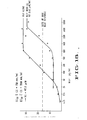
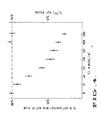
- To each well was added 25 ⁇ l of NGF and 25 ⁇ I of peptide, each in various dilutions (as indicated in Figures 1 B, 2 and 3) of culture media and 50 ul of a cell suspension diluted with culture media to a density of 100,000 cells/ml (5000 cells/well).
- 2 ⁇ g/ml of polyornithine were used to coat the wells, and 12.5 ⁇ l each of NGF and the peptide to be tested were added.
- 25 ⁇ l of the diluted cell suspension at the same density e.g., 100,000 cells/ml (2500 cells/well) were added.
- Figure 1A represents the data obtained from the second experiment.
- Cultures were incubated for 24 hr at 37° C in 93% air - 7% C0 2 .
- Neurite outgrowth was assessed by phase contrast microscopy. The number of neurite-bearing cells in a fixed area of the well was counted. In selected cultures, neuronal survival may be assessed by the addition of MTT (3-(4,5-dimethylthia- zol-2- yl)-2,5-diphenyl tetrazolium bromide, Sigma, St. Louis). Blue cellular staining is indicative of ongoing mitochondrial function. Maximum neurite outgrowth was obtained at approximately 800 pg/ml NGF. Table 3 provides the results for the individual peptides that were tested for agonist or antagonist potential. As observed from the results, peptides from each of the three putative receptor binding domains exhibited some degree of antagonist activity.
- the concentration of peptide causing a 50% reduction in the number of neurite-bearing neurons was determined as shown in Table 3.
- the number of neurite-bearing neurons was reduced with C1 and C2 but to a lesser extent than that observed for C5.
- KGKE potential nonspecific toxicity of peptide C5
- CNTF ciliary neurotrophic factor
- Neurons were cultured in the presence of peptides without NGF.
- Peptide C2 demonstrated neurite-promoting activity. As shown in Figure 2, the trophic effect of C2 was not equal to NGF at 1 ⁇ moles/ml; C2 elicited only 350/0 of the effect produced by NGF.
- peptide C5 The resistance of peptide C5 to proteolytic cleavage during cell culture was assessed.
- Quadruplicate wells were prepared each containing 2.O ⁇ mole/ml of peptide in culture medium, 100 pg/ml NGF and cells as described above. After 24 hr in culture, 320 ul (4 wells x 80 ul) of culture medium were collected. Fresh culture medium containing 2.0 ⁇ mole/ml of peptide was also prepared. Both samples of peptide-containing medium were filtered through a Centricon membrane (Amicon, Bedford) with a molecular weight cutoff of 10,000. 250 ⁇ l of filtrate was loaded onto a C18 uBondapak analytic HPLC column and run under the same conditions described above for peptide purification. The quantity of peptides in fresh compared to post-culture medium was determined by integration of their absorbance peaks. After 24 hr in culture, more than 80-85% of the initial quantity of peptide C5 was recovered.
- NGF was radiolabeled with 125 1 to a specific radioactivity of 40-60 cpm/pg using lactoperoxidase (Sutter et al, (1979) J Biol Chem 254:5972-5982). The radioactivity was greater than 90% precipitable in 10% TCA. In preliminary experiments, binding of 125 I-NGF at 37°C reached a maximum at 30-45 min.
- the direct binding assay for 125 I-NGF has been described by Sutter et al (1979, supra) and is incorporated herein by reference. Steady state binding was determined in incubations of dorsal root ganglia cells and 125 I-NGF in PBS containing serum albumin (1 mg/ml) at 37°C for 60 min. Bound and free 125 I-NGF were separated by centrifugation of the incubation mixture for 2 min at 10,000 x g. After the supernatant was aspirated the tips of the incubation tubes were cut and counted in a Beckman 300 Gamma counter.
- NGF was prepared by ion-exchange chromatography and characterized as described in the first example.
- NGF (30 ⁇ g) was administered intraventricularly (Mobley et al, (1985) supra) on postnatal day (PD) 3, and 7 and sacrifice was on PD 9. Vehicle-injected animals served as controls.
- NGF (30 ⁇ g) was administered intraventricularly on PD 7 and animals were sacrificed on PD 9.
- Controls included animals treated with NGF (30 ⁇ g) denatured by reduction and carbamoylmethylation (Morris et ai, (1971) Neurobiology 1:64-67), or injection vehicle alone.
- RNA samples (5 ⁇ g) were ethanol precipitated, vacuum dried, dissolved in 50 ⁇ l sterile water and incubated with 150 ⁇ l of 6.1 M formaldehyde in 10 x SSC at 65°C for 15 min. Nitrocellulose (BA 85; Schleicher and Schuell) was prewetted with 10 x SSC and placed on a slot minifold apparatus (Schleicher and Schuell). Samples were loaded and vacuum applied (Kafatos et al, (1979) Nucl Acid Res 7:1541-1552). Filters were baked at 80° C for 2 hr. The DNA insert of pHaPrP (Oesch et al, (1985) Cell 40:735-746) was excised with BamHI (Boehringer-Mannheim) and isolated by preparative gel electrophoresis.
- the recovered fragment was labeled to a specific activity of 10 9 dpm/ ⁇ g using random priming oligonucleotides (P.L. Biochemicals) and the Klenowfragment (Boehringer-Mannheim).
- Prehybridization and hybridization of the filters were performed using conventional procedures. Hybridizations were carried out for 16 hr at 42°C in 3 x SSC, 50% formamide, 0.05 M HEPES (pH 7.4), 0.2 mg/ml salmon sperm DNA, 0.15 mg/ml yeast RNA, 0.02% bovine serum albumin, and 0.02% polyvinyl pyrrolidone.
- the cDNA insert of pHaPrP was ethanol precipitated, the pellets dried and resuspended in 400 ⁇ l of TE buffer. Serial 10-fold dilutions were then prepared. After the addition of one-tenth volume 3 N NaOH, the dilutions were incubated at 65°C for 30 min, chilled, and following the addition of 400 ⁇ l of 2 M ammonium acetate, were loaded under vacuum onto nitrocellulose prewetted with 1 M ammonium acetate (Kafatos et al, (1979) supra). Filters were hybridized as described above.
- RNA samples were ethanol precipitated, washed once with 70% ethanol, and dissolved in 50% formamide, 2.2 M formaldehyde. After the addition of one-fifth volume of 10% Ficoll with 1% bromphenol blue, samples were electrophoresed through 1% agarose. The running buffer was 20 mM MOPs (pH 7.0), 1 mM EDTA, 2.2 M formaldehyde. After electrophoresis, gels were soaked in 20 x SSC and the RNA transferred to nitrocellulose as described (Thomas, (1980) Proc Natl Acad Sci USA 72:5201-5205). Filters were prehybridized and hybridized as indicated above.
- PrP levels were measured in the septum of NGF-and vehicle-injected hamsters following a single treatment on PD7.
- Each tissue sample (the septum of an individual animal) was weighed and then disrupted by trituration through a Pasteur pipette in cold Tris-NaCI-EDTA buffer containing 0.15% NP40 and 0.15% DOC. Extraction was performed on ice for 5 min; cell debris was pelleted 2,000 x g for 5 min and proteins were precipitated in 80% methanol at -20° C for 24 hr.
- Electrophoresis was performed in 12% polyacrylamide gels according to the method of Laemmli (Laemmli, (1970) Nature 227:680-685).
- Proteins were electroblotted to nitrocellulose filter paper (Towbin et al, (1979) Proc Natl Acad Sci USA 76:4350-4354). The filter was blocked with Blotto (5% nonfat-dry milk in PBS), incubated at room temperature with primary antisera (monoclonal antibody 13A5, raised against hamster PrP, (Barry et al, (1986) J Infect Dis 154:518-521), and immunostained with the Protoblot alkaline phosphatase system (Promega Biotech, Madison, WI). Nitrocellulose filters were densitometrically scanned to determine the amount of PrP.
- PrP mRNA was measured in several regions of the hamster brain during pre- and postnatal development. While PrP mRNA was found in all tissues sampled, its ontogenesis varied regionally. Three developmental patterns for PrP gene expression were found: (i) early expression, observed in brainstem and neocortex; (ii) intermediate expression, seen in hippocampus, thalamus and caudate-putamen; and (iii) delayed expression, found in septum. Low levels of PrP mRNA were detected in the brainstem in the immediate prenatal period, but increased rapidly to near-adult levels during the first postnatal week.
- PrP gene expression in neocortex was similar to brainstem in its developmental pattern except that greater than adult levels were seen during the second postnatal week. In contrast, there was little or no measurable PrP mRNA in hippocampus, caudate-putamen or thalamus through postnatal day 3. By 6 days PrP mRNA had increased. At this time PrP mRNA was 400/o of adult levels in hippocampus, 97% in thalamus and 1240/0 in caudate-putamen. PrP mRNA rose to adult or greater than adult levels in all three regions over the next two weeks. In caudate-putamen levels 220% of those in the adult were found at PD 16. Individual brain regions also differed in the amount of PrP mRNA found in adult animals. Randomly selected postnatal RNA samples were also analyzed by Northern analysis. In all instances the hybridizing species migrated as a 2.1 kb band.
- Septum was clearly delayed in its expression of PrP mRNA. Not until 9 days of age was PrP mRNA detected in this tissue; 170/0 of the adult level was measured at this time. PrP mRNA levels rose to 60-700/o of adult values by 12 days of age and reached maximal values by PD 16. The delayed appearance of PrP mRNA in septum exhibited a pattern reminiscent of the time-course followed by septohippocampal cholinergic markers in the rat (Large et al, (1986) Science 234:352-355; Shelton et al, (1979) Brain Res 163:263-275).
- ChAT the enzyme which catalyzes the final step of acetylcholine synthesis and is selectively localized in cholinergic neurons. ChAT activity was measured at intervals during postnatal development and the data were compared to those for PrP mRNA. ChAT specific activity in septum was less than 20% of adult levels at PD 3 and remained low through 9 days of age rising to adult levels over the ensuing week. From PD 9 through 16, the developmental increase in ChAT activity in the septum was virtually coincident with that for PrP mRNA. Thus, increasing PrP gene expression in the developing hamster septum was temporally coincident with the differentiation of cholinergic neurons.
- NGF neuro-chemical events in developing cholinergic neurons.
- NGF (30 ⁇ g) was administered intraventricularly to neonatal hamsters on PD 3, 5, and 7 and the animals were sacrificed on PD 9.
- Control littermates received injection vehicle alone.
- ChAT activity at day 9 was 34 0 /o of adult levels and PrP mRNA was 170/o of adult levels. Similar values were found in vehicle-injected animals.
- ChAT activity was increased almost twofold (Figure 5A), indicating that hamster basal forebrain cholinergic neurons responded to NGF injection.
- NGF induced a much larger change in PrP mRNA.
- the level of septal PrP mRNA was increased approximately 10-fold relative to controls and exceeded the levels found in adults.
- NGF neurochemical differentiation of developing forebrain cholinergic neurons.
- the NGF-mediated stimulation of ChAT activity in the septum of rat neonates was first evident 48 hr after a single intraventricular injection and persisted for the next several days (Johnston et al, (1987) supra).
- NGF was given as a single (30 ⁇ g) injection to neonatal hamsters at day 7 and animals were sacrificed 48 hours later, on day 9.
- PrP mRNA The increase in PrP mRNA induced by NGF treatment was confined to specific brain regions.
- the caudate-putamen in the rat contains NGF-responsive cholinergic neurons which are distinct from those found in basal forebrain.
- PrP mRNA was increased by 70% relative to vehicle-injected animals (Figure 5B). In contrast to the responses in septum and caudate-putamen, NGF had no effect on PrP mRNA levels in thalamus or hippocampus ( Figure 5B).
- NGF effects on basal forebrain neurons produced a far greater increase in PrP mRNA levels than in ChAT activity in either the multiple or single injection protocol.
- To compare NGF effects on PrP mRNA levels with those for the prion protein we measured the level of PrP in the septum 48 hr following a single NGF (30 ug) injection given on PD 7. By Western blot analysis there was a 3.3-fold increase in PrP. Thus, under the conditions of this experiment, the NGF-induced increase in the level of the PrP protein was somewhat less marked than the increase in PrP mRNA.
- ⁇ -PP mRNA was found in all the brain tissues sampled.
- the size of the mRNA in septum was 3.5 kb.
- the pattern for the ontogenesis of ⁇ -PP mRNA levels in the septum was similar to that for PrP.
- ⁇ -PP mRNA levels were first detected at PD9 when they equaled 19% of those found in the adult. There was an increase in ⁇ -PP mRNA during the next several days such that peak levels (325% of adult) were achieved at PD16.
- NGF injection had a marked effect on the level of ⁇ -PP mRNA.
- mRNA levels for ⁇ -PP were increased 4-fold relative to vehicle-injected animals.
- the effect of NGF was regionally specific in that NGF induced no increase in ⁇ -PP in the thalamus.
Landscapes
- Chemical & Material Sciences (AREA)
- Organic Chemistry (AREA)
- Health & Medical Sciences (AREA)
- Life Sciences & Earth Sciences (AREA)
- Proteomics, Peptides & Aminoacids (AREA)
- Biochemistry (AREA)
- Biophysics (AREA)
- General Health & Medical Sciences (AREA)
- Genetics & Genomics (AREA)
- Medicinal Chemistry (AREA)
- Molecular Biology (AREA)
- Gastroenterology & Hepatology (AREA)
- Zoology (AREA)
- Toxicology (AREA)
- Medicines That Contain Protein Lipid Enzymes And Other Medicines (AREA)
- Peptides Or Proteins (AREA)
Applications Claiming Priority (4)
| Application Number | Priority Date | Filing Date | Title |
|---|---|---|---|
| US17397588A | 1988-03-28 | 1988-03-28 | |
| US173975 | 1988-03-28 | ||
| US29969889A | 1989-01-10 | 1989-01-10 | |
| US299698 | 1989-01-23 |
Publications (2)
| Publication Number | Publication Date |
|---|---|
| EP0335637A2 true EP0335637A2 (de) | 1989-10-04 |
| EP0335637A3 EP0335637A3 (de) | 1991-03-13 |
Family
ID=26869739
Family Applications (1)
| Application Number | Title | Priority Date | Filing Date |
|---|---|---|---|
| EP19890303006 Withdrawn EP0335637A3 (de) | 1988-03-28 | 1989-03-28 | Nervenwachstumsfaktor-Peptide |
Country Status (4)
| Country | Link |
|---|---|
| EP (1) | EP0335637A3 (de) |
| AU (1) | AU3418389A (de) |
| PT (1) | PT90138A (de) |
| WO (1) | WO1989009225A1 (de) |
Cited By (11)
| Publication number | Priority date | Publication date | Assignee | Title |
|---|---|---|---|---|
| FR2649308A1 (fr) * | 1989-02-17 | 1991-01-11 | Tanabe Seiyaku Co | Animal d'experience, son procede d'obtention et conjugue utilisable a cet effet |
| JPH05186499A (ja) * | 1991-02-14 | 1993-07-27 | Fuji Photo Film Co Ltd | ペプチド誘導体及びその用途 |
| US5281607A (en) * | 1992-10-08 | 1994-01-25 | New York University | Method of using Alpha 2-Antagonists for the Treatment of Neurodegenerative Diseases |
| WO1995021193A1 (en) * | 1994-02-07 | 1995-08-10 | Mcgill University | Nerve growth factor structural analogs and their uses |
| US5475088A (en) * | 1992-03-17 | 1995-12-12 | Board Of Regents, The University Of Texas System | Neurotrophic peptides |
| US6029114A (en) * | 1996-07-31 | 2000-02-22 | Queen's University At Kingston | Molecular modelling of neurotrophin-receptor binding |
| US6291247B1 (en) | 1994-05-11 | 2001-09-18 | Queen's University At Kingston | Methods of screening for factors that disrupt neurotrophin conformation and reduce neurotrophin biological activity |
| JP2003502029A (ja) * | 1999-05-26 | 2003-01-21 | レイ ライン ジーノウミクス ソシエタ ペル アチオニ | Ngf−アンタゴニスト分子として作用するモノクローナル抗体、その合成及び生命工学的誘導体 |
| WO2005121168A3 (en) * | 2004-06-10 | 2006-03-16 | Enkam Pharmaceuticals As | Heparin binding peptide |
| WO2010093284A1 (ru) * | 2009-02-16 | 2010-08-19 | Учреждение Российской Академии Медицинских Наук Научно-Исследовательский Институт Фармакологии Имени В.В.Закусова Рамн | Дипептидные миметики нейротрофинов ngf и bdnf |
| RU2800369C1 (ru) * | 2022-04-05 | 2023-07-20 | Федеральное государственное бюджетное научное учреждение "Научно-исследовательский институт фармакологии имени В.В. Закусова" | Димерные дипептидные миметики нейротрофина-3 |
Families Citing this family (20)
| Publication number | Priority date | Publication date | Assignee | Title |
|---|---|---|---|---|
| SE465573B (sv) * | 1989-03-14 | 1991-09-30 | Lope Medicine Ab | Nervtillvaextfaktorpeptider, motsvarande antikroppar och foerfarande foer bestaemning av nativ nervtillvaextfaktor |
| US7255860B2 (en) | 2002-10-08 | 2007-08-14 | Rinat Neuroscience Corp. | Methods for treating post-surgical pain by administering an anti-nerve growth factor antagonist antibody |
| EP1556083B1 (de) | 2002-10-08 | 2011-02-02 | Rinat Neuroscience Corp. | Verfahren zur behandlung von postoperativen schmerzen durch verabreichung eines antikörpers gegen nervenwachstumsfaktor und diesen enthaltende zusammensetzungen |
| UA80447C2 (en) | 2002-10-08 | 2007-09-25 | Methods for treating pain by administering nerve growth factor antagonist and opioid analgesic | |
| US9498530B2 (en) | 2002-12-24 | 2016-11-22 | Rinat Neuroscience Corp. | Methods for treating osteoarthritis pain by administering a nerve growth factor antagonist and compositions containing the same |
| EP2270048B1 (de) | 2002-12-24 | 2015-11-11 | Rinat Neuroscience Corp. | Anti-NGF Antikörper und Verfahren zu ihrer Verwendung |
| US7569364B2 (en) | 2002-12-24 | 2009-08-04 | Pfizer Inc. | Anti-NGF antibodies and methods using same |
| KR20050111598A (ko) | 2003-02-19 | 2005-11-25 | 리나트 뉴로사이언스 코퍼레이션 | 신경 성장 인자 길항제 및 nsaid를 투여함으로써통증을 치료하는 방법 및 그것을 함유하는 조성물 |
| US7576206B2 (en) | 2003-08-14 | 2009-08-18 | Cephalon, Inc. | Proteasome inhibitors and methods of using the same |
| US7223745B2 (en) | 2003-08-14 | 2007-05-29 | Cephalon, Inc. | Proteasome inhibitors and methods of using the same |
| AU2005243247B2 (en) | 2004-04-07 | 2012-03-01 | Regents Of The University Of Minnesota | Methods for treating bone cancer pain by administering a nerve growth factor antagonist |
| US7468383B2 (en) | 2005-02-11 | 2008-12-23 | Cephalon, Inc. | Proteasome inhibitors and methods of using the same |
| WO2011087822A1 (en) | 2009-12-22 | 2011-07-21 | Cephalon, Inc. | Proteasome inhibitors and processes for their preparation, purification and use |
| WO2012024650A2 (en) | 2010-08-19 | 2012-02-23 | Abbott Laboratories | Anti-ngf antibodies and their use |
| JP6629069B2 (ja) | 2012-06-06 | 2020-01-15 | ゾエティス・エルエルシー | イヌ化抗ngf抗体およびその方法 |
| MX2020009526A (es) | 2018-03-12 | 2020-10-28 | Zoetis Services Llc | Anticuerpos anti-ngf y metodos de estos. |
| CN113845583B (zh) * | 2020-06-28 | 2023-08-11 | 江苏中新医药有限公司 | 一种修饰的重组人神经生长因子及其制备方法 |
| US20230348608A1 (en) | 2022-04-27 | 2023-11-02 | Regeneron Pharmaceuticals, Inc. | Treatment Of Arthropathy Based Upon Stratification Of Osteoarthritis Polygenic Risk Score |
| AU2024238259A1 (en) | 2023-03-17 | 2025-08-21 | Regeneron Pharmaceuticals, Inc. | Proteomic risk score for osteoarthritis (oa) |
| WO2026054762A1 (en) | 2024-09-05 | 2026-03-12 | Regeneron Pharmaceuticals, Inc. | Proteomic risk score for adjudicated arthropathy (aa) |
Family Cites Families (3)
| Publication number | Priority date | Publication date | Assignee | Title |
|---|---|---|---|---|
| US4230691A (en) * | 1978-05-23 | 1980-10-28 | The Massachusetts General Hospital | Nerve growth factor antibody and process |
| US4746508A (en) * | 1983-06-06 | 1988-05-24 | Beth Israel Hospital Assn. | Drug administration |
| AU602483B2 (en) * | 1985-01-18 | 1990-10-18 | Immunetech Pharmaceuticals | Immunoregulatory peptides |
-
1989
- 1989-03-20 WO PCT/US1989/001128 patent/WO1989009225A1/en not_active Ceased
- 1989-03-20 AU AU34183/89A patent/AU3418389A/en not_active Abandoned
- 1989-03-28 PT PT9013889A patent/PT90138A/pt not_active Application Discontinuation
- 1989-03-28 EP EP19890303006 patent/EP0335637A3/de not_active Withdrawn
Cited By (19)
| Publication number | Priority date | Publication date | Assignee | Title |
|---|---|---|---|---|
| FR2649308A1 (fr) * | 1989-02-17 | 1991-01-11 | Tanabe Seiyaku Co | Animal d'experience, son procede d'obtention et conjugue utilisable a cet effet |
| JPH05186499A (ja) * | 1991-02-14 | 1993-07-27 | Fuji Photo Film Co Ltd | ペプチド誘導体及びその用途 |
| US5475088A (en) * | 1992-03-17 | 1995-12-12 | Board Of Regents, The University Of Texas System | Neurotrophic peptides |
| US5281607A (en) * | 1992-10-08 | 1994-01-25 | New York University | Method of using Alpha 2-Antagonists for the Treatment of Neurodegenerative Diseases |
| WO1995021193A1 (en) * | 1994-02-07 | 1995-08-10 | Mcgill University | Nerve growth factor structural analogs and their uses |
| US6017878A (en) * | 1994-02-07 | 2000-01-25 | Mcgill University | Nerve growth factor structural analogs and their uses |
| US6291247B1 (en) | 1994-05-11 | 2001-09-18 | Queen's University At Kingston | Methods of screening for factors that disrupt neurotrophin conformation and reduce neurotrophin biological activity |
| US6029114A (en) * | 1996-07-31 | 2000-02-22 | Queen's University At Kingston | Molecular modelling of neurotrophin-receptor binding |
| JP2003502029A (ja) * | 1999-05-26 | 2003-01-21 | レイ ライン ジーノウミクス ソシエタ ペル アチオニ | Ngf−アンタゴニスト分子として作用するモノクローナル抗体、その合成及び生命工学的誘導体 |
| JP4917226B2 (ja) * | 1999-05-26 | 2012-04-18 | レイ ライン ジーノウミクス ソシエタ ペル アチオニ | Ngf−アンタゴニスト分子として作用するモノクローナル抗体、その合成及び生命工学的誘導体 |
| WO2005121168A3 (en) * | 2004-06-10 | 2006-03-16 | Enkam Pharmaceuticals As | Heparin binding peptide |
| WO2010093284A1 (ru) * | 2009-02-16 | 2010-08-19 | Учреждение Российской Академии Медицинских Наук Научно-Исследовательский Институт Фармакологии Имени В.В.Закусова Рамн | Дипептидные миметики нейротрофинов ngf и bdnf |
| RU2410392C2 (ru) * | 2009-02-16 | 2011-01-27 | Учреждение Российской академии медицинских наук Научно-исследовательский институт фармакологии имени В.В. Закусова РАМН | Дипептидные миметики нейротрофинов ngf и bdnf |
| CN102365294A (zh) * | 2009-02-16 | 2012-02-29 | 俄罗斯医学科学院夫·夫·扎库沙娃拉曼药理学院 | 神经营养因子ngf和bdnf的二肽模拟物 |
| US20150111828A1 (en) * | 2009-02-16 | 2015-04-23 | Uchrezhdenie Rossiiskoi Akademii Meditsynskikh Nauk Nauchno-Issledovatelsky Institut Farmakologii | Dipeptide mimetics of ngf and bdnf neurotrophins |
| CN102365294B (zh) * | 2009-02-16 | 2016-02-17 | 俄罗斯医学科学院夫·夫·扎库沙娃拉曼药理学院 | 神经营养因子ngf和bdnf的二肽模拟物 |
| US9683014B2 (en) * | 2009-02-16 | 2017-06-20 | Uchrezhdenie Rossiiskoi Akademii Meditsynskikh Nauk Nauchno-Issledovatelsky Institut Farmakologii Imeni V.V.Zakusova Ramn | Dipeptide mimetics of NGF and BDNF neurotrophins |
| RU2800369C1 (ru) * | 2022-04-05 | 2023-07-20 | Федеральное государственное бюджетное научное учреждение "Научно-исследовательский институт фармакологии имени В.В. Закусова" | Димерные дипептидные миметики нейротрофина-3 |
| RU2800369C9 (ru) * | 2022-04-05 | 2023-10-04 | Федеральное государственное бюджетное научное учреждение "Научно-исследовательский институт фармакологии имени В.В. Закусова" | Димерные дипептидные миметики нейротрофина-3 |
Also Published As
| Publication number | Publication date |
|---|---|
| PT90138A (pt) | 1989-11-10 |
| AU3418389A (en) | 1989-10-16 |
| EP0335637A3 (de) | 1991-03-13 |
| WO1989009225A1 (en) | 1989-10-05 |
Similar Documents
| Publication | Publication Date | Title |
|---|---|---|
| WO1989009225A1 (en) | Nerve growth factor peptides | |
| US5134121A (en) | Nerve growth factor peptides | |
| CA2168029C (en) | Prosaposin and cytokine-derived peptides as therapeutic agents | |
| AU751034B2 (en) | Cyclic prosaposin-derived peptides and uses thereof | |
| US6291247B1 (en) | Methods of screening for factors that disrupt neurotrophin conformation and reduce neurotrophin biological activity | |
| US5608035A (en) | Peptides and compounds that bind to the IL-1 receptor | |
| US6265535B1 (en) | Peptides and peptide analogues designed from binding sites of tumor necrosis factor receptor superfamily and their uses | |
| US6887844B1 (en) | NCAM binding compounds | |
| US6458357B1 (en) | Retro-inverso neurotrophic and analgesic peptides | |
| US6849602B1 (en) | Compositions for alleviating neuropathic pain with prosaposin receptor agonists | |
| WO2003033664A2 (en) | Bone anti-resorptive compounds | |
| CA2376474A1 (en) | Retro-inverso peptides derived from leukemia inhibitory factor | |
| WO1998042746A2 (en) | Synthetic saposin c-derived neurotrophic peptides | |
| AU781182B2 (en) | Prosaposin and cytokine-derived peptides as therapeutic agents | |
| JP4760377B2 (ja) | GPR103−like受容体蛋白質に対するリガンドの新規用途 | |
| MXPA01001966A (en) | Cyclic prosaposin-derived peptides and uses thereof | |
| AU2002348445A1 (en) | Bone anti-resorptive compounds |
Legal Events
| Date | Code | Title | Description |
|---|---|---|---|
| PUAI | Public reference made under article 153(3) epc to a published international application that has entered the european phase |
Free format text: ORIGINAL CODE: 0009012 |
|
| AK | Designated contracting states |
Kind code of ref document: A2 Designated state(s): AT BE CH DE ES FR GB GR IT LI LU NL SE |
|
| PUAL | Search report despatched |
Free format text: ORIGINAL CODE: 0009013 |
|
| AK | Designated contracting states |
Kind code of ref document: A3 Designated state(s): AT BE CH DE ES FR GB GR IT LI LU NL SE |
|
| STAA | Information on the status of an ep patent application or granted ep patent |
Free format text: STATUS: THE APPLICATION IS DEEMED TO BE WITHDRAWN |
|
| 18D | Application deemed to be withdrawn |
Effective date: 19910916 |