EP0303177B1 - Polymerisate mit funktionellen Gruppen - Google Patents
Polymerisate mit funktionellen Gruppen Download PDFInfo
- Publication number
- EP0303177B1 EP0303177B1 EP88112668A EP88112668A EP0303177B1 EP 0303177 B1 EP0303177 B1 EP 0303177B1 EP 88112668 A EP88112668 A EP 88112668A EP 88112668 A EP88112668 A EP 88112668A EP 0303177 B1 EP0303177 B1 EP 0303177B1
- Authority
- EP
- European Patent Office
- Prior art keywords
- polymers
- polymer
- formula
- nitrogen
- functional groups
- Prior art date
- Legal status (The legal status is an assumption and is not a legal conclusion. Google has not performed a legal analysis and makes no representation as to the accuracy of the status listed.)
- Expired - Lifetime
Links
- 229920000642 polymer Polymers 0.000 title claims description 59
- 125000000524 functional group Chemical group 0.000 title claims description 6
- IJGRMHOSHXDMSA-UHFFFAOYSA-N Atomic nitrogen Chemical compound N#N IJGRMHOSHXDMSA-UHFFFAOYSA-N 0.000 claims description 18
- 150000001993 dienes Chemical class 0.000 claims description 12
- 229920001400 block copolymer Polymers 0.000 claims description 11
- 229910052757 nitrogen Inorganic materials 0.000 claims description 10
- 229910052783 alkali metal Inorganic materials 0.000 claims description 9
- 150000001875 compounds Chemical class 0.000 claims description 8
- 150000001340 alkali metals Chemical class 0.000 claims description 7
- 229920002554 vinyl polymer Polymers 0.000 claims description 7
- 125000003118 aryl group Chemical group 0.000 claims description 5
- 229910052736 halogen Inorganic materials 0.000 claims description 5
- 150000002367 halogens Chemical group 0.000 claims description 5
- 229920001519 homopolymer Polymers 0.000 claims description 5
- 239000002904 solvent Substances 0.000 claims description 5
- UFHFLCQGNIYNRP-UHFFFAOYSA-N Hydrogen Chemical compound [H][H] UFHFLCQGNIYNRP-UHFFFAOYSA-N 0.000 claims description 4
- 125000000217 alkyl group Chemical group 0.000 claims description 4
- 239000001257 hydrogen Substances 0.000 claims description 4
- 229910052739 hydrogen Inorganic materials 0.000 claims description 4
- 229920005604 random copolymer Polymers 0.000 claims description 4
- 239000003513 alkali Substances 0.000 claims description 2
- 229910052799 carbon Inorganic materials 0.000 claims description 2
- 150000002431 hydrogen Chemical group 0.000 claims description 2
- 238000004519 manufacturing process Methods 0.000 claims description 2
- 150000002897 organic nitrogen compounds Chemical class 0.000 claims description 2
- 229910052760 oxygen Inorganic materials 0.000 claims 2
- OKTJSMMVPCPJKN-UHFFFAOYSA-N Carbon Chemical compound [C] OKTJSMMVPCPJKN-UHFFFAOYSA-N 0.000 claims 1
- QVGXLLKOCUKJST-UHFFFAOYSA-N atomic oxygen Chemical compound [O] QVGXLLKOCUKJST-UHFFFAOYSA-N 0.000 claims 1
- 125000000753 cycloalkyl group Chemical group 0.000 claims 1
- 229920002521 macromolecule Polymers 0.000 claims 1
- 239000001301 oxygen Substances 0.000 claims 1
- 229910052727 yttrium Chemical group 0.000 claims 1
- YXFVVABEGXRONW-UHFFFAOYSA-N Toluene Chemical compound CC1=CC=CC=C1 YXFVVABEGXRONW-UHFFFAOYSA-N 0.000 description 18
- PPBRXRYQALVLMV-UHFFFAOYSA-N Styrene Chemical compound C=CC1=CC=CC=C1 PPBRXRYQALVLMV-UHFFFAOYSA-N 0.000 description 16
- 239000000243 solution Substances 0.000 description 16
- 238000006243 chemical reaction Methods 0.000 description 15
- LFQSCWFLJHTTHZ-UHFFFAOYSA-N Ethanol Chemical compound CCO LFQSCWFLJHTTHZ-UHFFFAOYSA-N 0.000 description 12
- -1 cyclic sulfides Chemical class 0.000 description 11
- KAKZBPTYRLMSJV-UHFFFAOYSA-N Butadiene Chemical compound C=CC=C KAKZBPTYRLMSJV-UHFFFAOYSA-N 0.000 description 10
- XDTMQSROBMDMFD-UHFFFAOYSA-N Cyclohexane Chemical compound C1CCCCC1 XDTMQSROBMDMFD-UHFFFAOYSA-N 0.000 description 10
- WYURNTSHIVDZCO-UHFFFAOYSA-N Tetrahydrofuran Chemical compound C1CCOC1 WYURNTSHIVDZCO-UHFFFAOYSA-N 0.000 description 10
- 125000003178 carboxy group Chemical group [H]OC(*)=O 0.000 description 9
- VLKZOEOYAKHREP-UHFFFAOYSA-N n-Hexane Chemical compound CCCCCC VLKZOEOYAKHREP-UHFFFAOYSA-N 0.000 description 9
- 238000000034 method Methods 0.000 description 8
- 239000002253 acid Substances 0.000 description 7
- 229920001577 copolymer Polymers 0.000 description 7
- WGOPGODQLGJZGL-UHFFFAOYSA-N lithium;butane Chemical compound [Li+].CC[CH-]C WGOPGODQLGJZGL-UHFFFAOYSA-N 0.000 description 7
- UHOVQNZJYSORNB-UHFFFAOYSA-N Benzene Chemical compound C1=CC=CC=C1 UHOVQNZJYSORNB-UHFFFAOYSA-N 0.000 description 6
- 150000002148 esters Chemical class 0.000 description 6
- JOXIMZWYDAKGHI-UHFFFAOYSA-N toluene-4-sulfonic acid Chemical compound CC1=CC=C(S(O)(=O)=O)C=C1 JOXIMZWYDAKGHI-UHFFFAOYSA-N 0.000 description 6
- 125000001931 aliphatic group Chemical group 0.000 description 5
- 125000005843 halogen group Chemical group 0.000 description 5
- 229910052744 lithium Inorganic materials 0.000 description 5
- 229910052751 metal Inorganic materials 0.000 description 5
- 239000002184 metal Substances 0.000 description 5
- 239000000203 mixture Substances 0.000 description 5
- YLQBMQCUIZJEEH-UHFFFAOYSA-N tetrahydrofuran Natural products C=1C=COC=1 YLQBMQCUIZJEEH-UHFFFAOYSA-N 0.000 description 5
- 125000000391 vinyl group Chemical group [H]C([*])=C([H])[H] 0.000 description 5
- CURLTUGMZLYLDI-UHFFFAOYSA-N Carbon dioxide Chemical compound O=C=O CURLTUGMZLYLDI-UHFFFAOYSA-N 0.000 description 4
- MZRVEZGGRBJDDB-UHFFFAOYSA-N N-Butyllithium Chemical compound [Li]CCCC MZRVEZGGRBJDDB-UHFFFAOYSA-N 0.000 description 4
- 239000000178 monomer Substances 0.000 description 4
- KUYMVWXKHQSIAS-UHFFFAOYSA-N tert-butyl 2-chloroacetate Chemical compound CC(C)(C)OC(=O)CCl KUYMVWXKHQSIAS-UHFFFAOYSA-N 0.000 description 4
- RTZKZFJDLAIYFH-UHFFFAOYSA-N Diethyl ether Chemical compound CCOCC RTZKZFJDLAIYFH-UHFFFAOYSA-N 0.000 description 3
- OKKJLVBELUTLKV-UHFFFAOYSA-N Methanol Chemical compound OC OKKJLVBELUTLKV-UHFFFAOYSA-N 0.000 description 3
- PXHVJJICTQNCMI-UHFFFAOYSA-N Nickel Chemical compound [Ni] PXHVJJICTQNCMI-UHFFFAOYSA-N 0.000 description 3
- 150000004945 aromatic hydrocarbons Chemical class 0.000 description 3
- 239000003054 catalyst Substances 0.000 description 3
- 239000003153 chemical reaction reagent Substances 0.000 description 3
- 125000004185 ester group Chemical group 0.000 description 3
- 150000002430 hydrocarbons Chemical class 0.000 description 3
- 238000005984 hydrogenation reaction Methods 0.000 description 3
- 229910017464 nitrogen compound Inorganic materials 0.000 description 3
- 150000002830 nitrogen compounds Chemical class 0.000 description 3
- 238000006116 polymerization reaction Methods 0.000 description 3
- 238000002360 preparation method Methods 0.000 description 3
- 238000007086 side reaction Methods 0.000 description 3
- SDJHPPZKZZWAKF-UHFFFAOYSA-N 2,3-dimethylbuta-1,3-diene Chemical compound CC(=C)C(C)=C SDJHPPZKZZWAKF-UHFFFAOYSA-N 0.000 description 2
- LJJPSZXXTBBJGQ-UHFFFAOYSA-N 2-methylpropyl 4-(chloromethyl)benzoate Chemical compound CC(C)COC(=O)C1=CC=C(CCl)C=C1 LJJPSZXXTBBJGQ-UHFFFAOYSA-N 0.000 description 2
- QTBSBXVTEAMEQO-UHFFFAOYSA-N Acetic acid Chemical compound CC(O)=O QTBSBXVTEAMEQO-UHFFFAOYSA-N 0.000 description 2
- ZAMOUSCENKQFHK-UHFFFAOYSA-N Chlorine atom Chemical compound [Cl] ZAMOUSCENKQFHK-UHFFFAOYSA-N 0.000 description 2
- XEEYBQQBJWHFJM-UHFFFAOYSA-N Iron Chemical compound [Fe] XEEYBQQBJWHFJM-UHFFFAOYSA-N 0.000 description 2
- RRHGJUQNOFWUDK-UHFFFAOYSA-N Isoprene Chemical compound CC(=C)C=C RRHGJUQNOFWUDK-UHFFFAOYSA-N 0.000 description 2
- 238000005576 amination reaction Methods 0.000 description 2
- 125000003277 amino group Chemical group 0.000 description 2
- 238000010539 anionic addition polymerization reaction Methods 0.000 description 2
- 239000002585 base Substances 0.000 description 2
- 125000004432 carbon atom Chemical group C* 0.000 description 2
- 239000001569 carbon dioxide Substances 0.000 description 2
- 229910002092 carbon dioxide Inorganic materials 0.000 description 2
- 238000012512 characterization method Methods 0.000 description 2
- 229910052801 chlorine Inorganic materials 0.000 description 2
- 239000000460 chlorine Substances 0.000 description 2
- MVPPADPHJFYWMZ-UHFFFAOYSA-N chlorobenzene Chemical compound ClC1=CC=CC=C1 MVPPADPHJFYWMZ-UHFFFAOYSA-N 0.000 description 2
- 238000004140 cleaning Methods 0.000 description 2
- 238000007306 functionalization reaction Methods 0.000 description 2
- 238000005227 gel permeation chromatography Methods 0.000 description 2
- 238000010438 heat treatment Methods 0.000 description 2
- 230000007062 hydrolysis Effects 0.000 description 2
- 238000006460 hydrolysis reaction Methods 0.000 description 2
- 239000012535 impurity Substances 0.000 description 2
- 239000003999 initiator Substances 0.000 description 2
- 238000002347 injection Methods 0.000 description 2
- 239000007924 injection Substances 0.000 description 2
- 150000002576 ketones Chemical class 0.000 description 2
- 239000012528 membrane Substances 0.000 description 2
- VLTRZXGMWDSKGL-UHFFFAOYSA-N perchloric acid Chemical compound OCl(=O)(=O)=O VLTRZXGMWDSKGL-UHFFFAOYSA-N 0.000 description 2
- KJFMBFZCATUALV-UHFFFAOYSA-N phenolphthalein Chemical compound C1=CC(O)=CC=C1C1(C=2C=CC(O)=CC=2)C2=CC=CC=C2C(=O)O1 KJFMBFZCATUALV-UHFFFAOYSA-N 0.000 description 2
- 239000002798 polar solvent Substances 0.000 description 2
- 229920001296 polysiloxane Polymers 0.000 description 2
- 239000011541 reaction mixture Substances 0.000 description 2
- 150000003839 salts Chemical class 0.000 description 2
- 238000003756 stirring Methods 0.000 description 2
- 239000000126 substance Substances 0.000 description 2
- XLYOFNOQVPJJNP-UHFFFAOYSA-N water Substances O XLYOFNOQVPJJNP-UHFFFAOYSA-N 0.000 description 2
- PMJHHCWVYXUKFD-SNAWJCMRSA-N (E)-1,3-pentadiene Chemical group C\C=C\C=C PMJHHCWVYXUKFD-SNAWJCMRSA-N 0.000 description 1
- BDNKZNFMNDZQMI-UHFFFAOYSA-N 1,3-diisopropylcarbodiimide Chemical compound CC(C)N=C=NC(C)C BDNKZNFMNDZQMI-UHFFFAOYSA-N 0.000 description 1
- RZIHIJJOVJRDTA-UHFFFAOYSA-N 1,5-diazabicyclo[3.1.0]hexane Chemical compound C1CCN2CN21 RZIHIJJOVJRDTA-UHFFFAOYSA-N 0.000 description 1
- IGGDKDTUCAWDAN-UHFFFAOYSA-N 1-vinylnaphthalene Chemical compound C1=CC=C2C(C=C)=CC=CC2=C1 IGGDKDTUCAWDAN-UHFFFAOYSA-N 0.000 description 1
- NLGHCSSXCMOGKD-UHFFFAOYSA-N 2-methylpropyl 3-chloropropanoate Chemical compound CC(C)COC(=O)CCCl NLGHCSSXCMOGKD-UHFFFAOYSA-N 0.000 description 1
- ZCYVEMRRCGMTRW-UHFFFAOYSA-N 7553-56-2 Chemical compound [I] ZCYVEMRRCGMTRW-UHFFFAOYSA-N 0.000 description 1
- WKBOTKDWSSQWDR-UHFFFAOYSA-N Bromine atom Chemical compound [Br] WKBOTKDWSSQWDR-UHFFFAOYSA-N 0.000 description 1
- 238000004566 IR spectroscopy Methods 0.000 description 1
- WHXSMMKQMYFTQS-UHFFFAOYSA-N Lithium Chemical compound [Li] WHXSMMKQMYFTQS-UHFFFAOYSA-N 0.000 description 1
- VEQPNABPJHWNSG-UHFFFAOYSA-N Nickel(2+) Chemical compound [Ni+2] VEQPNABPJHWNSG-UHFFFAOYSA-N 0.000 description 1
- 239000005062 Polybutadiene Substances 0.000 description 1
- 239000004793 Polystyrene Substances 0.000 description 1
- 239000007868 Raney catalyst Substances 0.000 description 1
- 229910000564 Raney nickel Inorganic materials 0.000 description 1
- GRQJZSJOACLQOV-UHFFFAOYSA-N [Li].[N] Chemical compound [Li].[N] GRQJZSJOACLQOV-UHFFFAOYSA-N 0.000 description 1
- 229960000583 acetic acid Drugs 0.000 description 1
- 238000007171 acid catalysis Methods 0.000 description 1
- 230000002411 adverse Effects 0.000 description 1
- 150000001298 alcohols Chemical class 0.000 description 1
- 238000006136 alcoholysis reaction Methods 0.000 description 1
- 150000001299 aldehydes Chemical class 0.000 description 1
- 150000004703 alkoxides Chemical class 0.000 description 1
- 229910052782 aluminium Inorganic materials 0.000 description 1
- 150000008064 anhydrides Chemical class 0.000 description 1
- 125000001797 benzyl group Chemical group [H]C1=C([H])C([H])=C(C([H])=C1[H])C([H])([H])* 0.000 description 1
- 230000015572 biosynthetic process Effects 0.000 description 1
- XIKDMTDERPVARQ-UHFFFAOYSA-N bis(2-methylpropyl) 2-bromobutanedioate Chemical compound BrC(C(=O)OCC(C)C)CC(=O)OCC(C)C XIKDMTDERPVARQ-UHFFFAOYSA-N 0.000 description 1
- GDTBXPJZTBHREO-UHFFFAOYSA-N bromine Substances BrBr GDTBXPJZTBHREO-UHFFFAOYSA-N 0.000 description 1
- 229910052794 bromium Inorganic materials 0.000 description 1
- XZKRXPZXQLARHH-UHFFFAOYSA-N buta-1,3-dienylbenzene Chemical compound C=CC=CC1=CC=CC=C1 XZKRXPZXQLARHH-UHFFFAOYSA-N 0.000 description 1
- 238000011088 calibration curve Methods 0.000 description 1
- 150000001718 carbodiimides Chemical class 0.000 description 1
- 150000007942 carboxylates Chemical class 0.000 description 1
- 125000002843 carboxylic acid group Chemical group 0.000 description 1
- 239000010941 cobalt Substances 0.000 description 1
- 229910017052 cobalt Inorganic materials 0.000 description 1
- GUTLYIVDDKVIGB-UHFFFAOYSA-N cobalt atom Chemical compound [Co] GUTLYIVDDKVIGB-UHFFFAOYSA-N 0.000 description 1
- 238000001816 cooling Methods 0.000 description 1
- 229920001795 coordination polymer Polymers 0.000 description 1
- 238000005859 coupling reaction Methods 0.000 description 1
- 125000000113 cyclohexyl group Chemical group [H]C1([H])C([H])([H])C([H])([H])C([H])(*)C([H])([H])C1([H])[H] 0.000 description 1
- VILAVOFMIJHSJA-UHFFFAOYSA-N dicarbon monoxide Chemical compound [C]=C=O VILAVOFMIJHSJA-UHFFFAOYSA-N 0.000 description 1
- 238000009826 distribution Methods 0.000 description 1
- 150000002019 disulfides Chemical class 0.000 description 1
- 230000000694 effects Effects 0.000 description 1
- 230000008030 elimination Effects 0.000 description 1
- 238000003379 elimination reaction Methods 0.000 description 1
- 150000002118 epoxides Chemical class 0.000 description 1
- 150000002170 ethers Chemical class 0.000 description 1
- RGWOAXNKJWTDFA-UHFFFAOYSA-N ethyl 11-bromoundecanoate Chemical compound CCOC(=O)CCCCCCCCCCBr RGWOAXNKJWTDFA-UHFFFAOYSA-N 0.000 description 1
- 125000000816 ethylene group Chemical group [H]C([H])([*:1])C([H])([H])[*:2] 0.000 description 1
- 239000012362 glacial acetic acid Substances 0.000 description 1
- 150000003977 halocarboxylic acids Chemical class 0.000 description 1
- 150000002366 halogen compounds Chemical class 0.000 description 1
- 150000002429 hydrazines Chemical class 0.000 description 1
- 229930195733 hydrocarbon Natural products 0.000 description 1
- 125000004435 hydrogen atom Chemical group [H]* 0.000 description 1
- 125000002887 hydroxy group Chemical group [H]O* 0.000 description 1
- 239000012442 inert solvent Substances 0.000 description 1
- 229910052740 iodine Inorganic materials 0.000 description 1
- 239000011630 iodine Substances 0.000 description 1
- 229910052742 iron Inorganic materials 0.000 description 1
- 238000004811 liquid chromatography Methods 0.000 description 1
- HYTPUZBQMLUOGL-UHFFFAOYSA-N lithium;ethenylbenzene Chemical compound [Li+].[CH-]=CC1=CC=CC=C1 HYTPUZBQMLUOGL-UHFFFAOYSA-N 0.000 description 1
- 239000000463 material Substances 0.000 description 1
- 150000002739 metals Chemical class 0.000 description 1
- 125000002496 methyl group Chemical group [H]C([H])([H])* 0.000 description 1
- UVEWQKMPXAHFST-UHFFFAOYSA-N n,1-diphenylmethanimine Chemical compound C=1C=CC=CC=1C=NC1=CC=CC=C1 UVEWQKMPXAHFST-UHFFFAOYSA-N 0.000 description 1
- 125000004108 n-butyl group Chemical group [H]C([H])([H])C([H])([H])C([H])([H])C([H])([H])* 0.000 description 1
- HXTGGPKOEKKUQO-UHFFFAOYSA-N n-methyl-1-phenylmethanimine Chemical compound CN=CC1=CC=CC=C1 HXTGGPKOEKKUQO-UHFFFAOYSA-N 0.000 description 1
- 229910052759 nickel Inorganic materials 0.000 description 1
- 239000012454 non-polar solvent Substances 0.000 description 1
- 125000002524 organometallic group Chemical group 0.000 description 1
- 230000000737 periodic effect Effects 0.000 description 1
- 125000001997 phenyl group Chemical group [H]C1=C([H])C([H])=C(*)C([H])=C1[H] 0.000 description 1
- PMJHHCWVYXUKFD-UHFFFAOYSA-N piperylene Natural products CC=CC=C PMJHHCWVYXUKFD-UHFFFAOYSA-N 0.000 description 1
- 229920002857 polybutadiene Polymers 0.000 description 1
- 229920002223 polystyrene Polymers 0.000 description 1
- 238000003918 potentiometric titration Methods 0.000 description 1
- 150000003138 primary alcohols Chemical class 0.000 description 1
- 238000010992 reflux Methods 0.000 description 1
- 229920006395 saturated elastomer Polymers 0.000 description 1
- 150000003333 secondary alcohols Chemical class 0.000 description 1
- 150000008028 secondary esters Chemical class 0.000 description 1
- 239000003381 stabilizer Substances 0.000 description 1
- 239000007858 starting material Substances 0.000 description 1
- 229920003048 styrene butadiene rubber Polymers 0.000 description 1
- 230000001629 suppression Effects 0.000 description 1
- 125000000999 tert-butyl group Chemical group [H]C([H])([H])C(*)(C([H])([H])[H])C([H])([H])[H] 0.000 description 1
- 150000003509 tertiary alcohols Chemical class 0.000 description 1
- 150000008027 tertiary esters Chemical class 0.000 description 1
- 150000003573 thiols Chemical class 0.000 description 1
- MCULRUJILOGHCJ-UHFFFAOYSA-N triisobutylaluminium Chemical compound CC(C)C[Al](CC(C)C)CC(C)C MCULRUJILOGHCJ-UHFFFAOYSA-N 0.000 description 1
Classifications
-
- C—CHEMISTRY; METALLURGY
- C08—ORGANIC MACROMOLECULAR COMPOUNDS; THEIR PREPARATION OR CHEMICAL WORKING-UP; COMPOSITIONS BASED THEREON
- C08F—MACROMOLECULAR COMPOUNDS OBTAINED BY REACTIONS ONLY INVOLVING CARBON-TO-CARBON UNSATURATED BONDS
- C08F8/00—Chemical modification by after-treatment
- C08F8/30—Introducing nitrogen atoms or nitrogen-containing groups
Definitions
- the invention relates to functionally modified homo-, co- and / or block copolymers of vinyl aromatics and / or dienes and their production from living, anionically polymerized or from alkali metal metallized homo-, co- and / or block copolymers of vinyl aromatics and / or dienes, which are initially organic Nitrogen compounds were reacted to form an N-metal bond.
- Functionally modified polymers from vinyl aromatics and / or dienes and their preparation from the corresponding living, anionically polymerized or from the polymers metallized with alkali metal have been known for a long time. Then there are a variety of electrophilic substances that not only break living polymer chains, but also introduce a functional group into the polymer.
- Polymers with hydroxyl, carboxyl, thiol or halogen groups can be prepared by converting living polymers with compounds such as epoxides, aldehydes, ketones, carbon dioxide, anhydrides, cyclic sulfides, disulfides or halogen.
- a disadvantage of the known processes for introducing carboxyl groups is that the reaction with CO 2 in nonpolar hydrocarbons always leads to side reactions. These are essentially coupling reactions with the formation of compounds with a higher molecular weight (for example ketones or carbinols).
- reaction yield can also be achieved by using larger amounts of polar solvent components, e.g. Tetrahydrofuran also used.
- polar solvent components e.g. Tetrahydrofuran also used.
- the use of polar solvent components has an adverse effect on the microstructure of anionically polymerized dienes, e.g. Butadiene.
- polymers which have a nitrogen-lithium metal bond with compounds of the general formula are used implemented.
- the compounds are halogen acid esters in which the halogen atom is not located directly on the carbonyl carbon.
- X represents a halogen atom (chlorine, bromine or iodine), chlorine being preferred;
- the halogen atom X can be located anywhere along this chain instead of a hydrogen atom. However, ⁇ -halocarboxylic acid esters are preferably used.
- Y can also contain aromatic, cycloaliphatic and other N or O members, with the restriction that the halogen atom is not directly linked to an aromatic carbon atom.
- halocarboxylic acids described in more detail here are used as esters of primary, secondary or tertiary alcohols, with the secondary and tertiary esters being preferred.
- These alcohols can contain aliphatic, cycloaliphatic or aromatic members.
- Suitable compounds according to formula III are e.g. : Tert-butyl 2-chloroacetate, isobutyl 3-chloropropionate, ethyl 11-bromundecanoate, isobutyl 4-chloromethylbenzoate, diisobutyl bromosuccinate.
- homopolymers, copolymers and block copolymers of vinylaromatics and / or dienes are to be understood as the known polymers of this type which are anionically e.g. can be obtained from the corresponding monomers using organic alkali metal initiators.
- Such methods are well known so that they do not need to be discussed further here (see e.g. GB Patent 1444 680 or J.Appl.Polym. Sci. 22, (1978), pages 2007 to 2013).
- Particularly suitable vinylaromatics are styrene, the various alkylstyrenes or vinylnaphthalene, butadiene, isoprene, 2,3-dimethylbutadiene, piperylene, phenylbutadiene or other anionically polymerizable conjugated C 4 - to C 2 -dienes are suitable as dienes.
- the copolymers and the known block copolymers of vinyl aromatics and dienes are also suitable, depending on the choice of initiator and procedure, block copolymers or copolymers with a statistical distribution of the monomers can be obtained.
- the starting material for the polymers according to the invention with the functional groups of the general formula (I) is either prepared from the living anionically polymerized or from alkali metal-metallized homo-, co- and / or block copolymers of vinyl aromatics and / or dienes by known processes.
- the monomers in the presence of alkali metals or their alkyl or aryl derivatives, in particular in the presence of the alkyl derivatives of lithium such as sec-butyllithium in an inert solvent such as aliphatic, cycloaliphatic or aromatic hydrocarbons, in particular hexane, cyclohexane, benzene or toluene or in Anionically polymerized presence of tetrahydrofuran.
- an inert solvent such as aliphatic, cycloaliphatic or aromatic hydrocarbons, in particular hexane, cyclohexane, benzene or toluene or in Anionically polymerized presence of tetrahydrofuran.
- polymers are obtained which contain metal bonded to the end groups.
- homopolymers, copolymers and / or block polymers can also be prepared from vinylaromatics and / or dienes and subsequently metallized with alkali metals or their derivatives.
- Such metallized polymers contain the organometallic groups statistically distributed along the chain.
- organometallic polymers are reacted with nitrogen compounds as described in European patent applications 86110539 and 87103893 and German patent application 36 42 467, the polymers (II) being formed with N-alkali metal bonds, the alkali metal preferably being lithium.
- these polymers (11) are reacted with halogen acid esters of the general formula (III) in the presence of a solvent in a second step.
- a solvent such as hexane, cyclohexane, benzene, toluene etc.
- solvents such as hexane, cyclohexane, benzene, toluene etc.
- ethers such as tetrahydrofuran, diethyl ether and others, as are usually used as solvents in anionic polymerization.
- the reaction is advantageously carried out in the same solvents as the polymerization of the monomers or the reaction with the nitrogen compounds.
- the reaction of the N-lithium-containing polymers with halogen acid esters proceeds at high speed and with high yield. It is an advantage that one often does not use one or only a little excess is required, so that the reacted polymers are hardly contaminated by unreacted halogen compounds.
- the polymers according to the invention with acid ester groups can easily be converted into polymers with carboxylic acid groups by hydrolysis, if appropriate with acid catalysis and elimination of the ester function, which in turn can be used for further reactions.
- the hydrogenation is preferably carried out using molecular hydrogen and catalysts based on metals or metal salts from group 8 of the periodic table. It can be in a heterogeneous phase, e.g. with Raney nickel or in a homogeneous phase with catalysts based on salts, in particular the carboxylates, alkoxides or enolates of cobalt, nickel or iron, which are combined with metal alkyls, in particular aluminum alkyls.
- Base nitrogen determined by potentiometric titration with perchloric acid in a mixture of chlorobenzene / glacial acetic acid. Total nitrogen determined according to Kjeldahl.
- Acid number determination titrimetric with 0.1 N KOH in a mixture of toluene / methanol against phenolphthalein.
- the solution is titrated with benzylidene methylamine using an injection syringe. After adding 1.2 g of amination reagent (0.01 mol), the orange color has disappeared. The solution is kept at 40 ° C. for a further 15 min. A small amount of sample is taken from the reaction vessel for analytical purposes, precipitated, isolated and dried (PolymerA1). Then 1.55 g of tert-butyl chloroacetate is injected into the reaction vessel.
- polymer B1 After a further 15 minutes, the polymer is precipitated with vigorous stirring by pouring the solution into 5 liters of ethanol, filtered off and dried at 50 ° C. in vacuo (polymer B1).
- the polymer is precipitated and isolated as in Example 1 (polymer B2). A portion of B2 hydrolyzed as described to split off the ester function (polymer C2).
- the polymers have the following analytical data:
- a 6-liter reactor with cyclohexane which contains 5 cm 3 sec-butyllithium, is provided under pure nitrogen with a stirrer, thermometer, reflux condenser, silicone membrane and heating jacket Boiled cleaning. After draining this solution, the reactor is charged with 3000 cm 3 of cyclohexane and 100 g of styrene. After titrating out the proton-active impurities still present, as described in Example 1, 25 mmol of sec-butyllithium are added, and the styrene is left to polymerize at 65 ° C. for 1 hour.
- N, N'-diisopropylcarbodiimide are added to the remaining living polymer solution by means of an injection syringe. After a further 15 minutes, 5.7 g of isobutyl 4-chloromethylbenzoate are injected into the reaction vessel. The solution is stirred for a further 30 minutes. The polymer is then precipitated in ethanol, mixed with a commercially available stabilizer (e.g. ®Kerobit TBK) and dried at 50 ° C in a vacuum.
- a commercially available stabilizer e.g. ®Kerobit TBK
- a hydrogenation catalyst solution consisting of 1.3 g of nickel (II) acetytacetonate, dissolved in 40 ml of toluene and mixed with 30 ml of a solution of triisobutylaluminum (20% by weight in hexane) is added to the remaining reaction mixture.
- the reactor is charged with 15 bar of hydrogen and at a temperature of 56 ° C is allowed to hydrogenate for 8 h. The content of olefinically unsaturated bonds then dropped to 3% of the original unsaturation.
- the selectively hydrogenated random copolymer is precipitated, isolated and as in the previous examples play in solution treated with p-toluenesulfonic acid.
Landscapes
- Chemical & Material Sciences (AREA)
- General Chemical & Material Sciences (AREA)
- Health & Medical Sciences (AREA)
- Chemical Kinetics & Catalysis (AREA)
- Medicinal Chemistry (AREA)
- Polymers & Plastics (AREA)
- Organic Chemistry (AREA)
- Addition Polymer Or Copolymer, Post-Treatments, Or Chemical Modifications (AREA)
Description
- Die Erfindung betrifftfunktionell modifizierte Homo-, Co- und/oder Blockcopolymerisate aus Vinylaromaten undloder Dienen und deren Herstellung aus lebenden, anionisch polymerisierten oder aus mit Alkalimetall metallisierten Homo-, Co- und/oder Blockcopolymeren aus Vinylaromaten und/oder Dienen, die zunächst mit organischen Stickstoffverbindungen umgesetzt wurden unter Bildung einer N-Metallbindung.
- Funktionell modifizierte Polymerisate aus Vinylaromaten undloder Dienen und deren Herstellung aus den entsprechenden lebenden, anionisch polymerisierten oder aus den mit Alkalimetall metallisierten Polymerisaten sind bereits seit längerer Zeit bekannt. Danach gibt es eine Vielzahl elektrophiler Substanzen, die lebende Polymerketten nicht nur abbrechen, sondern eine funktionelle Gruppe in das Polymerisat einführen. So können z.B. Polymerisate mit Hydroxyl-, Carboxyl-, Thiol- oder Halogengruppen durch Umsatz lebender Polymerisate mit Verbindungen wie Epoxiden, Aldehyden, Ketonen, Kohlendioxid, Anhydriden, cyclischen Sulfiden, Disulfiden oder Halogen dargestellt werden.
- Die Funktionalisierung mit Carboxylgruppen durch Umsetzen lebender Polymerisate mit Kohlendioxid ist ebenfalls eingehend beschrieben (vgl. die Publikation Advances in Polymer Science, Anionic Polymerization 56, 70-72, Springer-Verlag, Berlin-Heidelberg [1984]).
- Nachteilig bei den bekannten Verfahren zur Einführung von Carboxylgruppen ist, daß die Umsetzung mit C02 in unpolaren Kohlenwasserstoffen stets zu Nebenreaktionen führt. Es handelt sich dabei im wesentlichen um Kopplungsreaktionen unter Bildung von Verbindungen mit höherer Molmasse (z.B. Ketone oder Carbinole).
- Aus der DE-B 1 520 468 und der US-A 3 227 701 ist bekannt, diese Nebenreaktionen dadurch zu unterdrücken, daß man die Lösung lebender Polymerer kurzzeitig in möglichst intensivem Kontakt mit C02 bringt. Hierzu werden spezielle Mischbatterien oder rotierende Scheiben vorgeschlagen.
- Eine Verbesserung der Reaktionsausbeute kann ebenfalls dadurch erreicht werden, daß man größere Mengen an polaren Lösungsmittelkomponenten wie z.B. Tetrahydrofuran mitverwendet. Die Verwendung von polaren Lösungsmittelbestandteilen übt jedoch, wie dem Fachmann bekannt ist, einen nachteiligen Effekt auf die Mikrostruktur anionisch polymerisierter Diene wie z.B. Butadien aus.
- Eine vollständige Unterdrückung der unerwünschten Nebenreaktionen und eine quantitative Funktionalisierung mit Carboxylgruppen ist bislang nicht erzielt worden.
- Aufgabe der vorliegenden Erfindung war es daher, in einer eindeutigen und mit hohem Umsatz verlaufenden Reaktion Polymerisate aus Vinylaromaten undloder Dienen mit mindestens einer Carboxyl- oder Estergruppe und/oder Endgruppe zu schaffen. Es bestand weiterhin die Aufgabe, die Umsetzung gegebenenfalls in unpolaren Lösungsmitteln, insbesondere in einem aliphatischen, cycloaliphatischen und/oder aromatischen Kohlenwasserstoff und unter Verwendung von stöchiometrischem oder geringfügigem Überschuß eines leicht zugänglichen Carboxylierungsreagenz, durchzuführen. Es bestand ferner die Aufgabe Polymerisate mit Carboxylgruppen auf einfachem Wege zu erhalten.
- Diese Aufgaben wurden durch Polymerisate nach Ansprüchen 1 bis 2 und ein Verfahren zur Herstellung der Polymerisate nach Anspruch 3 gelöst.
- In den Polymerisaten mit den funktionellen Gruppen der allgemeinen Formel (I) bedeutet
- Y bevorzugt eine verzweigte oder unverzweigte Kohlenwasserstoffkette mit 1 bis 20 C-Atomen, die zudem aromatische Glieder enthalten kann.
- R1 bevorzugt Wasserstoff, verzweigte oder unverzweigte Alkylreste mit 1 bis 7 C-Atomen,
- R einen beliebigen organischen Rest wie z.B. Methyl-, n-Butyl-, tert.-Butyl-, Phenyl-, Benzyl-, Cyclohexyl-, 6-Dimethylaminohexyl-, 4-Dimethylaminophenyl-.
- n ist eine ganze Zahl größer oder gleich 1, bevorzugt 1 bis 3.
- In den europäischen Patentanmeldungen 86110539 und 87103893 sowie in der deutschen Patentanmeldung 3 642 467 ist die Herstellung von Polymerisaten mit Aminogruppen vorgeschlagen worden, die durch Umsetzung Lithiummetall enthaltender Polymerisate mit speziellen Stickstoffverbindungen erhalten werden. Dabei handelt es sich um bestimmte Hydrazinderivate, sowie Verbindungen, die über mindestens eine
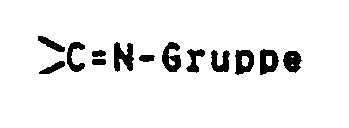
- Bei diesen Umsetzungen entstehen Polymerisate, die über eine oder mehrere N-Lithium-Gruppen verfügen, und die nach Hydrolyse oder Alkoholyse in Polymerisate mit Aminogruppen überführt werden können.
- Überraschend wurde nun gefunden, daß die N-Lithium-Gruppen enthaltenden Polymerisate auch zu Umsetzungen geeignet sind, die es gestatten, Carboxylgruppen einzuführen.
- Nach erfindungsgemäßen Verfahren werden dazu Polymerisate, die über eine Stickstoff-Lithiummetallbindung verfügen mit Verbindungen der allgemeinen Formel

- Bei den Verbindungen handelt es sich um Halogensäureester, bei denen das Halogenatom nicht direkt am Carbonylkohlenstoff sitzt. In Formel lll bedeuten X ein Halogenatom (Chlor, Brom oder Jod), wobei Chlor bevorzugt wird ; Y stellt im einfachsten Fall eine unverzweigte Kohlenwasserstoffkette dar [Y = H - (CH2)m], wobei m eine ganze Zahl gleich oder größer 1 ist. Das Halogenatom X kann entlang dieser Kette an beliebiger Stelle anstatt eines Wasserstoffatoms stehen. Bevorzugt werden jedoch ω-Halogencarbonsäureester eingesetzt.
- Y kann darüber hinaus auch aromatische, cycloaliphatische, sowie weitere N- oder O-Glieder enthalten, mit der Einschränkung, daß das Halogenatom nicht direkt an ein aromatisches Kohlenstoffatom gebunden ist.
- Das Symbol Y in Formel III steht in gleicher Weise für eine gegebenenfalls weiter substituierte Brücke, die mehr als eine Carboxylestergruppe aufweist.
- Die hier näher bezeichneten Halogencarbonsäuren werden als Ester primärer, sekundärer oder tertiärer Alkohole eingesetzt, wobei die sekundären und tertiären Ester bevorzugt werden. Diese Alkohole können aliphatische, cycloaliphatische oder aromatische Glieder enthalten.
- Geeignete Verbindungen nach Formel III sind z.B. : 2-Chloressigsäure-tert.-butylester, 3-Chlorpropionsäureisobutylester, 11-Bromundecansäureethylester, 4-Chlormethylbenzoesäureisobutylester, Brombernsteinsäurediisobutylester.
- Erfindungsgemäß sind unter Homo-, Co- und Blockcopolymerisaten aus Vinylaromaten und/oder Dienen die bekannten Polymerisate dieser Art zu verstehen, die anionisch z.B. mit Hilfe von alkalimetallorganischen Initiatoren aus den entsprechenden Monomeren erhalten werden können. Derartige Verfahren sind hinlänglich bekannt, so daß sie hier nicht weiter erörtert werden müssen (vgl. z.B. GB-Patent 1444 680 oder J.Appl.Polym. Sci. 22, (1978), Seiten 2007 bis 2013).
- Als Vinylaromaten kommen insbesondere Styrol, die verschiedenen Alkylstyrole oder Vinylnaphthalin, als Diene Butadien, Isopren, 2,3-Dimethylbutadien, Piperylen, Phenylbutadien oder andere anionisch polymerisierbare konjugierte C4- bis C,2-Diene in Betracht. Außer den jeweiligen Homopolymerisaten kommen auch die Copolymerisate und die bekannten Blockcopolymerisate von Vinylaromaten und Dienen in Frage, wobei je nach Wahl des Initiators und Verfahrensweise Blockcopolymerisate oder Copolymerisate mit statistischer Verteilung der Monomeren erhalten werden können.
- Das Ausgangsmaterial für die erfindungsgemäßen Polymerisate mit den funktionellen Gruppen der allgemeinen Formel (I) wird entweder aus den lebenden anionisch polymerisierten oder aus mit Alkalimetall metallierten Homo-, Co- und/oder Blockcopolymerisaten aus Vinylaromaten undloder Dienen nach bekannten Verfahren hergestellt.
- Dazu werden die Monomeren in Gegenwart von Alkalimetallen oder deren Alkyl- oder Arylderivaten, insbesondere in Gegenwart der Alkylderivate des Lithiums wie sec.-Butyllithium in einem inerten Lösungsmittel wie aliphatischen, cycloaliphatischen oder aromatischen Kohlenwasserstoffen, insbesondere Hexan, Cyclohexan, Benzol oder Toluol bzw. in Gegenwart von Tetrahydrofuran anionisch polymerisiert.
- Bei diesen Verfahren erhält man Polymerisate, welche an den Endgruppen Metall gebunden enthalten. Man kann aber auch Homo-, Co- undloder Blockpolymerisate aus Vinylaromaten undloder Dienen herstellen und nachträglich mit Alkalimetallen oder deren Derivaten metallieren. Derartige metallierte Polymerisate enthalten die metallorganischen Gruppierungen statistisch längs der Kette verteilt.
- Verfahren zur Metallierung ungesättigter Polymerisate und Umsetzen des erhaltenen metallierten Polymeren mit reaktionsfähigen chemischen Verbindungen sind auch in den US-Patenten 3 781 260 und 3 976 628 beschrieben.
- Anschließend werden die obigen metallorganischen Polymerisate mit Stickstoffverbindungen wie in den europäischen Patentanmeldungen 86110539 und 87103893 und der deutschen Patentanmeldung 36 42 467 beschrieben umgesetzt, wobei die Polymerisate (II) mit N-Alkalimetallbindungen entstehen, wobei das Alkalimetall bevorzugt Lithium ist.
- Erfindungsgemäß werden in einem zweiten Schritt diese Polymerisate (11) mit Halogensäureestern der allgemeinen Formel (III) in Gegenwart eines Lösungsmittels umgesetzt. Als Lösungsmittel bevorzugt geeignet sind aliphatische, cycloaliphatische oder aromatische Kohlenwasserstoffe wie Hexan, Cyclohexan, Benzol, Toluol usw. Geeignet sind femer Ether wie Tetrahydrofuran, Diethylether und andere, wie sie üblicherweise bei der anionischen Polymerisation als Lösungsmittel benutzt werden. Vorteilhaft wird die Umsetzung in den gleichen Lösungsmitteln durchgeführt wie die Polymerisation der Monomeren bzw. die Umsetzung mit den Stickstoffverbindungen.
- Die Umsetzung der N-Lithium enthaltenden Polymerisate mit Halogensäureestem verläuft mit großer Geschwindigkeit und mit hoher Ausbeute. Es ist ein Vorteil, daß man bei ihrer Anwendung häufig keinen oder nur wenig Überschuß benötigt, so daß die umgesetzten Polymeren kaum durch nicht umgesetzte Halogenverbindungen verunreinigt sind..
- Die erfindungsgemäßen Polymerisate mit Säureestergruppen können leicht durch Hydrolyse ggf. unter Säurekatalyse und Abspaltung der Esterfunktion in Polymerisate mit Carbonsäuregruppen umgewandelt werden, welche wiederum zu weiteren Umsetzungen herangezogen werden können.
- Die erfindungsgemäßen Polymerisate können ferner durch Hydrierung in Polymerisate überführt werden, in denen die aliphatischen ungesättigten Bindungen teilweise oder vollständig abgesättigt sind.
- Die Hydrierung wird vorzugsweise mit molekularem Wasserstoff und Katalysatoren auf Basis von Metallen oder Metallsalzen der 8. Gruppe des Periodensystems durchgeführt. Sie kann in heterogener Phase, z.B. mit Raney-Nickel oder in homogener Phase mit Katalysatoren auf Basis von Salzen, insbesondere den Carboxylaten, Alkoxyden oder Enolaten des Kobalts, Nickels oder Eisens, die mit Metallalkylen, insbesondere Aluminiumalkylen kombiniert sind, erfolgen.
- Die folgenden Beispiele dienen der Erläuterung der Erfindung :
- Die mittleren Molekulargewichte (Zahlenmittel Mn) wurden durch Gelpermeationschromatographie (GPC) anhand von Eichkurven für Polystyrol bzw. Polybutadien (Eichsubstanzen Mw/Mn = ca. 1) bei 23°C in 0,125 gew.%iger Tetrahydrofuranlösung bei einer Durchflußgeschwindigkeit von 1,5 ml/min ermittelt [vgl. G. Glöckner, "Polymercharakterisierung durch Flüssigkeitschromatographie", Verlag A. Hüthig, Heidelberg, 1982].
- Basenstickstoff bestimmt durch potentiometrische Titration mit Perchlorsäure in einer Mischung von Chlorbenzol/Eisessig. Gesamtstickstoff bestimmt nach Kjeldahl.
- Säurezahlbestimmung : titrimetrisch mit 0,1 n KOH in einer Mischung von Toluol/Methanol gegen Phenolphthalein.
- In einem unter Reinstickstoff mit einer Lösung von n-Butyllithium in Cyclohexan gespülten, thermostatisierbaren 2-Liter-Reaktionsgefäß, der mit Rührer und Thermometer versehen ist, und mit einer Siliconmembran gasdicht verschlossen ist, werden 500 ml Cyclohexan und 100 g Styrol gegeben. Bei 40°C wird mit einer Injektionsspritze unter gutem Rühren so lange eine 1,4 molare Lösung von sek.-Butyllithium in Cyclohexan zu der Styrollösung gegeben, bis eine bleibende schwache Gelbfärbung entsteht. Daraufhin werden weitere 10 mMol sek.-Butyllithium zugegeben. Die jetzt intensiv orange gefärbte Lösung erwärmt sich. Nach 1 Stunde ist die Polymerisation beendet. Mittels einer Injektionsspritze wird die Lösung mit Benzylidenmethylamin austitriert. Nach Zugabe von 1,2 g Aminierungsreagenz (0,01 Mol) ist die orange Farbe verschwunden. Man hält die Lösung für weitere 15 min bei 40°C. Dem Reaktionsgefäß wird eine geringe Probemenge zu analytischen Zwecken entnommen, gefällt, isoliert und getrocknet (PolymerA1). Danach wird 1,55 g Chloressigsäure-tert.-butylester in das Reaktionsgefäß eingespritzt.
- Nach weiteren 15 min wird das Polymerisat unter intensivem Rühren durch Eingießen der Lösung in 5 1 Ethanol gefällt, abfiltriert und bei 50°C im Vakuum getrocknet (Polymer B1).
- 30 g des Polymerisats B1 wurden in 300 ml Toluol gelöst, 1,5 g p-Toluolsulfonsäure versetzt und 8 h bei 80°C gerührt Anschließend wurde das Polymerisat erneut in Ethanol gefällt, mehrmals mit Ethanol-Wasser Mischungen gewaschen, isoliert und wie beschrieben getrocknet (Polymer C1).
- Die Polymerisate werden nachstehend charakterisiert:

- In gleicher Weise wie in Beispiel 1 wird ein lebendes Poly(styryl)lithium aus 80 g monomerem Styrol und 28,5 mmol sek-Butyllithium in 500 ml Cyclohexan hergestellt, jedoch erfolgte der Abbruch mit 1,5-Diaza-bicyc- lo-[3,1,0]hexan. Nach Zugabe von 2,4 g Aminierungsreagenz ist der Reaktionsansatz entfärbt.
- Nach Entnahme einer geringen Probemenge (Polymer A2) werden 4,3 g Chloressigsäure-tert -butylester in das Reaktionsgefäß eingespritzt
- Das Polymerisat wird analog Beispiel 1 gefällt und isoliert (Polymer B2). Eine Teilmenge von B2 wie beschrieben zur Abspaltung der Esterfunktion sauer hydrolysiert (Polymer C2). Die Polymerisate weisen folgende analytische Daten auf :

- Zur Herstellung eines 2-Blockcopolymerisats aus 20 Gew.% Styrol und 80 Gew.% Butadien wird ein mit Rührer, Thermometer, Rückflußkühler, Siliconmembran und Heizmantel versehener 6 I-Reaktor mit Cyclohexan, das 5 cm3 sek-Butyllithium enthält, unter Reinstickstoff zur Reinigung ausgekocht. Nach Ablassen dieser Lösung wird der Reaktor mit 3000 cm3 Cyclohexan und 100 g Styrol beschickt. Nach Austitrieren der noch vorhandenen protonenaktiven Verunreinigungen, wie in Beispiel 1 beschrieben, werden 25 mmol sek-Butyllithium zugegeben, und man läßt das Styrol bei 65°C 1 Stunde lang auspolymerisieren. Sodann wird 400 g 1,3-Butadien, das durch Abdestillieren von Butyllithium gereinigt wurde, nach und nach bei dieser Temperatur eingespeist. Zwei Stunden nach beendigtem Zulauf wird dem Reaktionsgefäß eine Probe entnommen. Das Blockcopolymerisat wird in Ethanol gefällt, isoliert und getrocknet Es weist ein Molekulargewicht (Mn) von 19.000 auf.
- Zu der verbliebenen lebenden Polymerlösung werden 3,2 g N,N'-Diisopropylcarbodiimid mittels einer Injektionsspritze zugesetzt Nach weiteren 15 Min wird noch 5,7 g 4-Chlormethylbenzoesäureisobutylester in das Reaktionsgefäß eingespritzt. Die Lösung wird für weitere 30 Min gerührt Anschließend wird das Polymerisat in Ethanol gefällt, mit einem handelsüblichen Stabilisator (z.B. ®Kerobit TBK) versetzt und bei 50°C im Vakuum getrocknet.
- 10 g des Blockcopolymerisats werden in 100 ml Toluol gelöst und 12 h bei 65°C mit 0,5 g p-Toluolsulfonsäure gerührt. Das Polymerisat wird erneut in Ethanol gefällt, mehrmals mit Ethano/Wasser Mischungen gewaschen und bei 50°C im Hochvakuum getrocknet.
- An dem Polymerisat wird ein Stickstoffgehalt von 0,14 Gew.% gefunden (Bestimmung nach Kjeldahl). Die Säurezahl beträgt 2,7 [mg KOH/g Polymer].
- Zur Herstellung eines hydrierten Random-Mischpolymerisats mit Carboxylendgruppen wird ein mit Rührer, Thermometer, Heizmantel und entsprechenden Zuläufen ausgestatteter 10 I-Reaktor unter Reinstickstoff entsprechend Beispiel 3 zur Reinigung ausgekocht. Der Reaktor wird sodann mit 5140 cm3 Cyclohexan, 50 cm3 Tetrahydrofuran, 500 g Styrol und 500 g gereinigtem 1,3-Butadien beschickt Nach dem Austitrieren der Verunreinigungen werden bei 40°C 58,8 mmol sek-Butyllithium zugegeben. Die Polymerisation wird unter Mantelkühlung 2 h bei 65°C durchgeführt. Dem Reaktor wird eine Probe entnommen. Das statistisch aufgebaute Styrol-Butadiencopolymer weist ein mittleres Molekulargewicht (Mn) von 17.000 auf.
- Der lebenden Polymerlösung werden 11,7 g (= 65 mmol) Benzylidenanilin und nach weiteren 15 min 9,7 g (= 65 mmol) Chloressigsäure-tert.-butylester zugesetzt.
- Nach 15 min wird eine Probe gezogen, gefällt, isoliert und getrocknet. An der Probe wird ein Stickstoffgehalt von 0,082 Gew.% (Kjeldahl-Stickstoff) gemessen.
- Dem verbliebenen Reaktionsansatz wird eine Hydrierkatalysatorlösung aus 1,3 g Nicket(ll)acetytacetonat, gelöst in 40 ml Toluol und mit 30 ml einer Lösung von Triisobutylaluminium (20 gew.%ig in Hexan) versetzt, zugeführt Der Reaktor wird mit 15 bar Wasserstoff beaufschlagt und bei einer Temperatur von 56°C läßt man 8 h hydrieren. Der Gehalt an olefinisch ungesättigten Bindungen ist danach auf 3% der ursprünglich vorhandenen Ungesättigtkeit gesunken.
- Das selektiv hydrierte Random-Mischpolymerisat wird gefällt, isoliert und wie in den vorhergehenden Beispielen in Lösung mit p-Toluolsulfonsäure behandelt.
- An einer sorgfältig gereinigten Probe des isolierten Materials wird eine Säurezahl von 3,1 [mg KOH/g Polymer] gemessen.
Claims (3)


Applications Claiming Priority (2)
| Application Number | Priority Date | Filing Date | Title |
|---|---|---|---|
| DE19873726285 DE3726285A1 (de) | 1987-08-07 | 1987-08-07 | Polymerisate mit funktionellen gruppen |
| DE3726285 | 1988-08-07 |
Publications (3)
| Publication Number | Publication Date |
|---|---|
| EP0303177A2 EP0303177A2 (de) | 1989-02-15 |
| EP0303177A3 EP0303177A3 (en) | 1989-08-16 |
| EP0303177B1 true EP0303177B1 (de) | 1991-06-12 |
Family
ID=6333275
Family Applications (1)
| Application Number | Title | Priority Date | Filing Date |
|---|---|---|---|
| EP88112668A Expired - Lifetime EP0303177B1 (de) | 1987-08-07 | 1988-08-04 | Polymerisate mit funktionellen Gruppen |
Country Status (4)
| Country | Link |
|---|---|
| US (1) | US5064907A (de) |
| EP (1) | EP0303177B1 (de) |
| JP (1) | JPH01221404A (de) |
| DE (2) | DE3726285A1 (de) |
Families Citing this family (6)
| Publication number | Priority date | Publication date | Assignee | Title |
|---|---|---|---|---|
| US5242974A (en) * | 1991-11-22 | 1993-09-07 | Affymax Technologies N.V. | Polymer reversal on solid surfaces |
| US5550215A (en) * | 1991-11-22 | 1996-08-27 | Holmes; Christopher P. | Polymer reversal on solid surfaces |
| EP1411066B1 (de) * | 2001-07-18 | 2011-05-11 | Asahi Kasei Chemicals Corporation | Modifiziertes blockcopolymer |
| WO2004111094A1 (en) | 2003-06-09 | 2004-12-23 | Bridgestone Corporation | Improved hysteresis elastomeric compositions comprising sequentially terminated polymers |
| JP5646947B2 (ja) * | 2010-10-19 | 2014-12-24 | 旭化成ケミカルズ株式会社 | 分岐変性共役ジエン系重合体の製造方法及び分岐変性共役ジエン系重合体組成物 |
| KR102122469B1 (ko) * | 2016-11-01 | 2020-06-12 | 주식회사 엘지화학 | 변성 공액디엔계 중합체 및 이의 제조방법 |
Family Cites Families (7)
| Publication number | Priority date | Publication date | Assignee | Title |
|---|---|---|---|---|
| US3178398A (en) * | 1960-10-24 | 1965-04-13 | Phillips Petroleum Co | Production and curing of polymers containing terminally reactive nitrogen |
| US3177190A (en) * | 1961-06-14 | 1965-04-06 | Phillips Petroleum Co | Preparing and curing compositions of terminally reactive polymers |
| US3976628A (en) * | 1968-12-18 | 1976-08-24 | The Firestone Tire & Rubber Company | Process for polylithiating unsaturated polymers |
| BE757783A (fr) * | 1969-10-25 | 1971-04-21 | Stamicarbon | Liaison chimique d'un acide amine a un support polymere |
| DE3527909A1 (de) * | 1985-08-03 | 1987-02-12 | Basf Ag | Polymerisate mit aminogruppen, deren herstellung und verwendung |
| US4680339A (en) * | 1986-02-24 | 1987-07-14 | Nalco Chemical Company | Carboxylate containing modified acrylamide polymers |
| DE3611421A1 (de) * | 1986-04-05 | 1987-10-08 | Basf Ag | Polymerisate mit aminogruppen, deren herstellung und verwendung |
-
1987
- 1987-08-07 DE DE19873726285 patent/DE3726285A1/de not_active Withdrawn
-
1988
- 1988-08-04 DE DE8888112668T patent/DE3863251D1/de not_active Expired - Lifetime
- 1988-08-04 EP EP88112668A patent/EP0303177B1/de not_active Expired - Lifetime
- 1988-08-05 JP JP63194682A patent/JPH01221404A/ja active Pending
-
1990
- 1990-08-30 US US07/576,196 patent/US5064907A/en not_active Expired - Fee Related
Also Published As
| Publication number | Publication date |
|---|---|
| DE3863251D1 (de) | 1991-07-18 |
| EP0303177A2 (de) | 1989-02-15 |
| DE3726285A1 (de) | 1989-02-16 |
| JPH01221404A (ja) | 1989-09-04 |
| EP0303177A3 (en) | 1989-08-16 |
| US5064907A (en) | 1991-11-12 |
Similar Documents
| Publication | Publication Date | Title |
|---|---|---|
| DE3611421A1 (de) | Polymerisate mit aminogruppen, deren herstellung und verwendung | |
| EP0274021B1 (de) | Am Kettenende funktionalisierte Polymere und Verfahren zu ihrer Herstellung | |
| EP0211395B1 (de) | Polymerisate mit Aminogruppen, deren Herstellung und Verwendung | |
| DE69133119T2 (de) | Polymerisation für olefinische monomere unter verwendung von anionischen initiatoren | |
| DE3783158T2 (de) | Blockpfropfcopolymere und ihr herstellungsverfahren. | |
| EP0046862B1 (de) | Verfahren zur Herstellung von verzweigten Blockcopolymerisaten und Verwendung derselben | |
| DE69411587T2 (de) | Endgruppen funktionalisierter isoprenpolymere mit geringer viskosität | |
| DE1169674B (de) | Verfahren zur Herstellung von Umsetzungs-produkten aus hochmolekularen alkalimetall-organischen Verbindungen | |
| EP0026916A1 (de) | Verfahren zur Herstellung von Mischungen linearer Dreiblockcopolymerisate sowie Formteile aus diesen | |
| DE69216649T2 (de) | Epoxidgruppenhaltige hydrierte Blockcopolymere | |
| EP0288761B1 (de) | Verfahren zur Herstellung multifunktioneller Initiatoren für die anionische Polymerisation, oligomere multifunktionelle Initiatoren, Verwendung der erhaltenen Polymeren zur Herstellung gegebenenfalls funktionalisierter Polymere und als Prepolymere für andere Harze | |
| DE3247597C2 (de) | ||
| WO2009021906A1 (de) | Nanostrukturierte polymere auf basis von konjugierten dienen | |
| DE69121602T2 (de) | Funktionalisierte Multiblockmakromonomere und Verfahren zur Herstellung | |
| EP0312928A1 (de) | Verzweigte Copolymerisate und Verfahren zu ihrer Herstellung | |
| EP0303177B1 (de) | Polymerisate mit funktionellen Gruppen | |
| DE69402678T2 (de) | Epoxydierte blockcopolymere | |
| DE69206590T2 (de) | Selektive Hydrierung von Polymeren von konjugierten Diolefinen. | |
| EP0220602A1 (de) | Transparente, schlagzähe Styrol-Block-Polymerisate und Verfahren zu ihrer Herstellung | |
| EP0283948B1 (de) | Mit Säureendgruppen modifizierte Polymerisate, deren Herstellung und Verwendung | |
| DE2265744C2 (de) | ||
| DE1302734B (de) | Verfahren zur Herstellung eines gehärteten Produkts aus einem Polymerisat auf Basis von vinylgruppenhaltigen Monomeren | |
| DE3444028C2 (de) | ||
| EP0220612A1 (de) | Salze mehrwertiger Kationen von Block-Polymerisaten von Vinylaromaten und konjugierten Dienen | |
| EP0219809A1 (de) | Salze mehrwertiger Kationen von Polymerisaten von konjugierten Dienen |
Legal Events
| Date | Code | Title | Description |
|---|---|---|---|
| PUAI | Public reference made under article 153(3) epc to a published international application that has entered the european phase |
Free format text: ORIGINAL CODE: 0009012 |
|
| AK | Designated contracting states |
Kind code of ref document: A2 Designated state(s): BE DE FR GB IT NL |
|
| PUAL | Search report despatched |
Free format text: ORIGINAL CODE: 0009013 |
|
| AK | Designated contracting states |
Kind code of ref document: A3 Designated state(s): BE DE FR GB IT NL |
|
| 17P | Request for examination filed |
Effective date: 19890713 |
|
| 17Q | First examination report despatched |
Effective date: 19901107 |
|
| GRAA | (expected) grant |
Free format text: ORIGINAL CODE: 0009210 |
|
| AK | Designated contracting states |
Kind code of ref document: B1 Designated state(s): BE DE FR GB IT NL |
|
| ITF | It: translation for a ep patent filed | ||
| PGFP | Annual fee paid to national office [announced via postgrant information from national office to epo] |
Ref country code: FR Payment date: 19910712 Year of fee payment: 4 |
|
| GBT | Gb: translation of ep patent filed (gb section 77(6)(a)/1977) | ||
| REF | Corresponds to: |
Ref document number: 3863251 Country of ref document: DE Date of ref document: 19910718 |
|
| PGFP | Annual fee paid to national office [announced via postgrant information from national office to epo] |
Ref country code: DE Payment date: 19910809 Year of fee payment: 4 |
|
| PGFP | Annual fee paid to national office [announced via postgrant information from national office to epo] |
Ref country code: BE Payment date: 19910812 Year of fee payment: 4 |
|
| PGFP | Annual fee paid to national office [announced via postgrant information from national office to epo] |
Ref country code: NL Payment date: 19910831 Year of fee payment: 4 |
|
| ET | Fr: translation filed | ||
| PLBE | No opposition filed within time limit |
Free format text: ORIGINAL CODE: 0009261 |
|
| STAA | Information on the status of an ep patent application or granted ep patent |
Free format text: STATUS: NO OPPOSITION FILED WITHIN TIME LIMIT |
|
| 26N | No opposition filed | ||
| PG25 | Lapsed in a contracting state [announced via postgrant information from national office to epo] |
Ref country code: GB Effective date: 19920804 |
|
| PG25 | Lapsed in a contracting state [announced via postgrant information from national office to epo] |
Ref country code: BE Effective date: 19920831 |
|
| BERE | Be: lapsed |
Owner name: BASF A.G. Effective date: 19920831 |
|
| PG25 | Lapsed in a contracting state [announced via postgrant information from national office to epo] |
Ref country code: NL Effective date: 19930301 |
|
| GBPC | Gb: european patent ceased through non-payment of renewal fee |
Effective date: 19920804 |
|
| NLV4 | Nl: lapsed or anulled due to non-payment of the annual fee | ||
| PG25 | Lapsed in a contracting state [announced via postgrant information from national office to epo] |
Ref country code: FR Effective date: 19930430 |
|
| PG25 | Lapsed in a contracting state [announced via postgrant information from national office to epo] |
Ref country code: DE Effective date: 19930501 |
|
| REG | Reference to a national code |
Ref country code: FR Ref legal event code: ST |
|
| PG25 | Lapsed in a contracting state [announced via postgrant information from national office to epo] |
Ref country code: IT Free format text: LAPSE BECAUSE OF NON-PAYMENT OF DUE FEES;WARNING: LAPSES OF ITALIAN PATENTS WITH EFFECTIVE DATE BEFORE 2007 MAY HAVE OCCURRED AT ANY TIME BEFORE 2007. THE CORRECT EFFECTIVE DATE MAY BE DIFFERENT FROM THE ONE RECORDED. Effective date: 20050804 |