EP0176928A2 - Diazepine enthaltende pharmazeutische Zusammensetzungen mit Plättchen aktivierender Faktor (PAF)-antagonistischer Wirkung - Google Patents
Diazepine enthaltende pharmazeutische Zusammensetzungen mit Plättchen aktivierender Faktor (PAF)-antagonistischer Wirkung Download PDFInfo
- Publication number
- EP0176928A2 EP0176928A2 EP85112075A EP85112075A EP0176928A2 EP 0176928 A2 EP0176928 A2 EP 0176928A2 EP 85112075 A EP85112075 A EP 85112075A EP 85112075 A EP85112075 A EP 85112075A EP 0176928 A2 EP0176928 A2 EP 0176928A2
- Authority
- EP
- European Patent Office
- Prior art keywords
- group
- compounds
- carbon atoms
- straight
- chain
- Prior art date
- Legal status (The legal status is an assumption and is not a legal conclusion. Google has not performed a legal analysis and makes no representation as to the accuracy of the status listed.)
- Withdrawn
Links
Classifications
-
- A—HUMAN NECESSITIES
- A61—MEDICAL OR VETERINARY SCIENCE; HYGIENE
- A61K—PREPARATIONS FOR MEDICAL, DENTAL OR TOILETRY PURPOSES
- A61K31/00—Medicinal preparations containing organic active ingredients
- A61K31/33—Heterocyclic compounds
- A61K31/395—Heterocyclic compounds having nitrogen as a ring hetero atom, e.g. guanethidine or rifamycins
- A61K31/55—Heterocyclic compounds having nitrogen as a ring hetero atom, e.g. guanethidine or rifamycins having seven-membered rings, e.g. azelastine, pentylenetetrazole
-
- A—HUMAN NECESSITIES
- A61—MEDICAL OR VETERINARY SCIENCE; HYGIENE
- A61P—SPECIFIC THERAPEUTIC ACTIVITY OF CHEMICAL COMPOUNDS OR MEDICINAL PREPARATIONS
- A61P11/00—Drugs for disorders of the respiratory system
- A61P11/08—Bronchodilators
-
- A—HUMAN NECESSITIES
- A61—MEDICAL OR VETERINARY SCIENCE; HYGIENE
- A61P—SPECIFIC THERAPEUTIC ACTIVITY OF CHEMICAL COMPOUNDS OR MEDICINAL PREPARATIONS
- A61P43/00—Drugs for specific purposes, not provided for in groups A61P1/00-A61P41/00
-
- A—HUMAN NECESSITIES
- A61—MEDICAL OR VETERINARY SCIENCE; HYGIENE
- A61P—SPECIFIC THERAPEUTIC ACTIVITY OF CHEMICAL COMPOUNDS OR MEDICINAL PREPARATIONS
- A61P7/00—Drugs for disorders of the blood or the extracellular fluid
- A61P7/02—Antithrombotic agents; Anticoagulants; Platelet aggregation inhibitors
Definitions
- the invention relates to pharmaceutical compositions containing diazepines with PAF-antagonistic activity.
- a large part of the diazepines is already known, other diazepines are new.
- PAF platelet activating factor
- AGEPC acetylglyceryl ester phosphorylcholine
- This compound is known to be a potent lipid mediator released by animal and human pro-inflammatory cells.
- Such cells mainly include basophilic and neutrophilic granulocytes, macrophages (from blood or tissue) and platelets that are involved in inflammatory reactions.
- PAF antagonists are needed to elucidate further pathophysiological functions of this mediator in animals and humans on the one hand and to treat pathological conditions and diseases in which PAF is involved on the other.
- Examples of the indications for a PAF antagonist are inflammatory processes in the tracheobronchial tree, acute and chronic bronchitis, bronchial asthma, anaphylactic conditions, allergies and inflammation in the area of the mucous membranes and skin.
- diazepines In the past twenty years, thousands of molecule variants in diazepines have been synthesized and pharmacologically, biochemically and in some cases also clinically tested. Most diazepines, especially those from the 1.4 series, have an anticonvulsant, anxiolytic, muscle relaxant and more or less strongly sedative (S. Garratini et al. "The Benzodiazepines", Raven Press, New York, 1973).
- Diazepines with action against schistosomiasis (Drugs of the future 2, 43 (1980)) and against high blood pressure (European patent application No. 87850) have become known.
- an analgesic effect (D. Römer et al. Nature 298, 759 (1982))
- an affinity for the dopamine receptor (Ruhland and Liepmann, C.I.N.P.-Kongress, Nuremberg (1983)) were found.
- the invention relates to pharmaceutical compositions with PAF-antagonistic activity, containing as active ingredient one or more compounds of the general formula
- Hal one of the halogen atoms fluorine, chlorine, bromine or iodine;
- Alkyl is a straight-chain or branched alkyl group with 1-8 carbon atoms.
- acid amide group means an aminocarbonyl group which is mono- or disubstituted by alkyl; this meaning also includes an aminocarbonyl group which includes the nitrogen atom to form the 5- or 6-ring, the hetero ring optionally containing an oxygen, nitrogen or sulfur atom as a further heteroatom, and the nitrogen atom present in the ring being an alkyl group as Can carry substituents.
- the compounds of the general formula I mentioned above are known or can be obtained by known methods, as described, for example, in Jeffrey WH Watthey et al “Heterocyclic Compounds” Volume 43 (1984), “Azepines” Part 2, published by John Wiley & Sons Inc. and LH Sternbach “Progress in Drug Research” Vol. 22 (1978), pp. 229-263, Birkhäuser Verlag Basel.
- Some of the compounds covered by the general formula I are capable of forming acid addition salts with inorganic or organic acids.
- Compounds of the general formula I which contain a carboxylic acid function can be obtained as water-soluble alkali or alkaline earth metal salts.
- the PAF antagonistic activity of compounds of the formula I was investigated on the basis of the inhibition of platelet aggregation in vitro and the antagonization of the bronchoconstriction caused by PAF in the anesthetized guinea pig.
- the PAF-induced aggregation of human platelets in vitro was used to determine the PAF-antagonistic effect of substances.
- TRP platelet-rich plasma
- the citrated blood is centrifuged at 150 g (1200 rpm) for 20 minutes.
- Platelet aggregation was measured using the method developed by Born and Cross (G.V.R. Born and M.J. Cross, J. Physiol. 168, 178 (1963)), a trigger (PAF) of the aggregation being added to the TRP with constant stirring.
- test substance is added in a volume of 10 ⁇ l 2 - 3 minutes before the aggregation is triggered.
- Either distilled water, ethanol and / or dimethyl sulfoxide are used as solvents (each in a suitable concentration).
- Control batches contain appropriate volumes of these solvents. After registration of the initial absorption (2 - 3 minutes) the aggregation is induced with PAF (5 x 10 -8 M).
- the maximum of the first aggregation wave is used to assess substance effects.
- the aggregation value achieved under the influence of the test substance is given as% of the control value - with an inhibition of aggregation below 100%, with an increase over 100%.
- Spontaneously breathing male guinea pigs weighing 300-450 g are orally pretreated 1 hour before the IV infusion with PAF (30 mg / kg x min) with the test substance or a control vehicle.
- the test animals are then intraperitoneal with 2 mg / kg urethane anesthetized, whereupon the jugular vein, the carotid aorta and the trachea were cannulated.
- the PAF infusion induces a strong, persistent bronchoconstriction in the control animals, which is measured on the basis of airway volume, compliance and resistance, as well as a reduction in blood pressure. After about 7-10 minutes, death occurs.
- the doses required for this range between 1 and 50 mg / kg p.o. and 0.1 to 1.0 mg / kg IV.
- the compounds of general formula I that can be used for the new indication can be administered topically, orally, parenterally or by inhalation to warm-blooded animals.
- the compounds are present as active ingredients in conventional dosage forms, e.g. in compositions consisting essentially of an inert pharmaceutical carrier and an effective dose of the active ingredient, e.g. Tablets, dragees, capsules, wafers, powders, solutions, suspensions, inhalation aerosols, ointments, emulsions, syrups, suppositories, etc.
- An effective dose of the compounds according to the invention is between 10 and 500, preferably between 25 and 100 mg per dose when administered orally, . If used intravenously or intramuscularly between 0.01 and 100, preferably between 0.1 and 50 mg per dose. Solutions containing 0.01 to 1.0, preferably 0.1 to 0.5% active ingredient should be used for inhalation.
- the tablet contains the following components:
- the ointment consists of the following ingredients:
- the ingredients are intimately mixed in a manner known per se to form an ointment, of which 100 g contain 2.0 g of the active substance.
- the aerosol is composed of the following components:
- the constituents are mixed together in a manner known per se and the mixture is filled into aerosol containers which contain a metering valve which releases between 1 and 20 mg of active substance per actuation.
- the solution consists of the following components:
- the active ingredient is dissolved in benzyl alcohol and then polyethylene glycol with alcohol is added.
- Sodium benzoate and benzoic acid are dissolved in 250 ml of water, combined with the above solution and made up to 1000 ml with water.
- the solution obtained is filtered pyrogen-free and the filtrate is filled under aseptic conditions into 1 ml ampoules, which are then sterilized and sealed. Each ampoule contains 1 - 5 mg of the active ingredient.
- Each suppository contains:
- Cocoa butter and carnauba wax are melted together.
- the active ingredient is added at 45 ° C. and the mixture is stirred until a complete dispersion has formed.
- the mixture is poured into molds of the appropriate size and the suppositories are appropriately packaged.
Landscapes
- Health & Medical Sciences (AREA)
- Public Health (AREA)
- Animal Behavior & Ethology (AREA)
- Veterinary Medicine (AREA)
- General Health & Medical Sciences (AREA)
- Chemical & Material Sciences (AREA)
- Life Sciences & Earth Sciences (AREA)
- Pharmacology & Pharmacy (AREA)
- Medicinal Chemistry (AREA)
- General Chemical & Material Sciences (AREA)
- Nuclear Medicine, Radiotherapy & Molecular Imaging (AREA)
- Bioinformatics & Cheminformatics (AREA)
- Chemical Kinetics & Catalysis (AREA)
- Organic Chemistry (AREA)
- Engineering & Computer Science (AREA)
- Epidemiology (AREA)
- Diabetes (AREA)
- Pulmonology (AREA)
- Hematology (AREA)
- Pharmaceuticals Containing Other Organic And Inorganic Compounds (AREA)
- Nitrogen Condensed Heterocyclic Rings (AREA)
- Heterocyclic Carbon Compounds Containing A Hetero Ring Having Oxygen Or Sulfur (AREA)
- Nitrogen And Oxygen Or Sulfur-Condensed Heterocyclic Ring Systems (AREA)
Abstract
Description
- Die Erfindung betrifft Diazepine enthaltende pharmazeutische Zusammensetzungen mit PAF-antagonistischer Wirkung. Ein großer Teil der Diazepine ist bereits ' bekannt, andere Diazepine sind neu.
- Bei PAF (Plättchen aktivierender Faktor) handelt es sich um das Acetylglyceryl-ester-phosphorylcholin (AGEPC) der Formel

- Diese Verbindung ist als potenter Lipidmediator bekannt, der von tierischen und menschlichen proinflammatorischen Zellen freigesetzt wird. Unter solchen Zellen finden sich hauptsächlich basophile und neutrophile Granulozyten, .Makrophagen (aus Blut oder Gewebe) sowie Thrombozyten, die an Eatzündungsreaktionen beteiligt sind.
- PAF zeigt im pharmakologischen Experiment folgende Wirkungen:
- a) Bronchokonstriktion, die etwa hundertmal stärker ist als die des Histamins;
- b) Blutdrucksenkung, die wahrscheinlich auf eine direkte periphere Vasodilatation zurückzuführen ist;
- c) Auslösung einer Thrombozytenaggregation (in vitro und in vivo nachgewiesen);
- d) proinflammatorische Wirkung durch Adhäsion und Aggregation von Neutrophilen, gefolgt von einer Freisetzung lysosomaler Enzyme und Aktivierung des Arachidonsäure-Stoffwechsels (in vitro geprüft).
- Diese experimentell nachweisbaren Wirkungen des PAF weisen direkt oder indirekt auf mögliche Funktionen dieses Mediators in der Anaphylaxie, in der Patho- 'physiologie des Asthma bronchiale und in der Entzündung hin.
- PAF-Antagonisten werden benötigt, um einerseits weitere pathophysiologische Funktionen dieses Mediators an Tier und Mensch aufzuklären und andererseits pathologische Zustände und Krankheiten, an denen PAF beteiligt ist, zu behandeln. Beispiele für die Indikationen eines PAF-Antagonisten sind Entzündungsprozesse des Tracheobronchialbaumes, akute und chronische Bronchitis, Asthma bronchiale, anaphylaktische Zustände, Allergien sowie Entzündungen im Bereich der Schleimhäute und der Haut.
- Es sind bereits Substanzen mit PAF-antagonistischer .Wirkung bekannt geworden, zum Beispiel:
- 1. Substanzen, deren Strukturen sich am PAF orientieren (europäische Patentanmeldung Nr. 94586; US-Patent Nr. 4 329 302; japanische Patentanmeldungen Nr. 57165394, 58035116, 58154512);
- 2. 11-Oxopyridochinazoline (europäische Patentanmel-- dung Nr. 94080).
- Darüber hinaus wurden Verbindungen/aus den folgenden Indikationsgebieten auf PAF-antagonistische Wirkung hin untersucht:
- Calciumantagonisten
- Antiallergika
- Entzündungshemmer
- a-Andrenergika
- Überraschenderweise wurde nun gefunden, daß zahlreiche Stoffe aus einer bisher nicht berücksichtigten Verbindungsklasse, der der Diazepine, eine starke PAF-antagonistische Wirkung aufweisen.
- In-den vergangenen zwanzig Jahren sind tausende Molekülvarianten bei Diazepinen synthetisiert und pharmakologisch, biochemisch und zum Teil auch klinisch geprüft worden. Die meisten Diazepine, insbesondere die aus der 1,4-Reihe, wirken anticonvulsiv, anxiolytisch, muskelrelaxierend und mehr oder weniger stark sedativ (S. Garratini et al. "The Benzodiazepines", Raven Press, New York, 1973).
- Unter der Vielzahl von Strukturen gibt es einige Ausnahmen, deren Wirkungsprofil ein anderes Bild zeigt. So sind Diazepine mit Wirkung gegen Bilharziose (Drugs of the future 2, 43 (1980)) und gegen hohen Blutdruck (europäische Patentanmeldung Nr. 87850) bekanntgeworden. Bei anderen Diazepinen wurde eine analgetische Wirkung (D. Römer et al. Nature 298, 759 (1982)) und eine Affinität zum Dopaminrezeptor (Ruhland und Liepmann, C.I.N.P.-Kongress, Nürnberg (1983)) festgestellt.
- Die PAF-antagonistische Wirkung von Diazepinen ist bisher nicht bekanntgeworden.
- Gegenstand der Erfindung sind daler pharmazeutische Zusammensetzungen mit PAF-antagonstischer Wirkung, enthaltend als Wirkstoff eine ofer mehrere Verbindungen der allgemeinen Formel

- In dieser Formel bedeuten:
- A einen anellierten Rin, der nachstehenden Formel


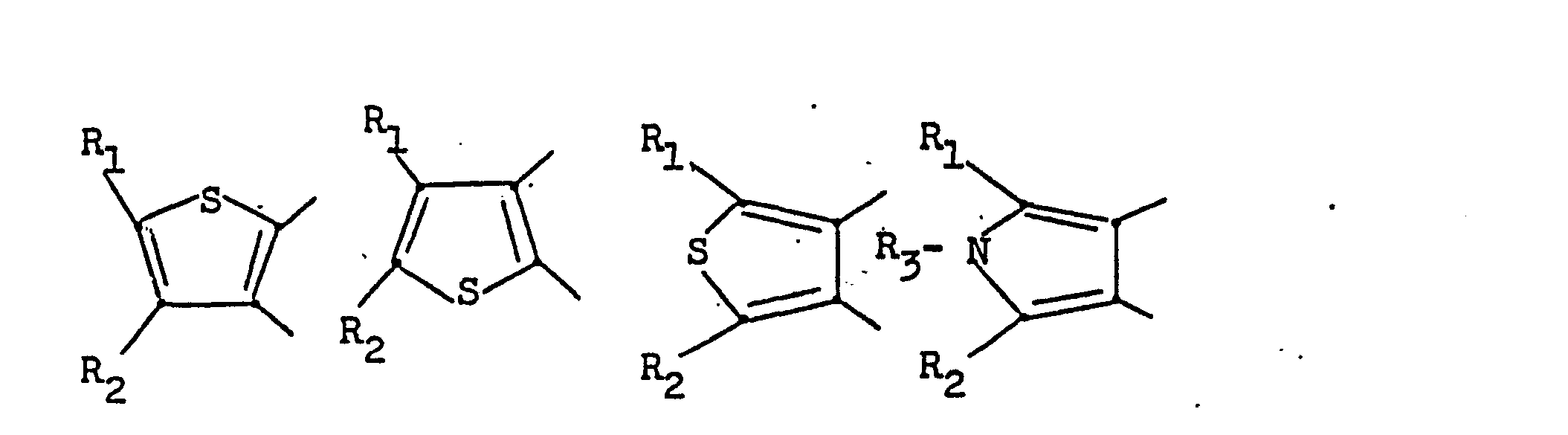


- R1 und R2, die gleich oder verschieden sein können, Wasserstoff, eine geradkettige oder verzweigte Alkyl-, Alkenyl- oder Alkinylgruppe mit 1 - 8 Kohlenstoffatomen, wobei diese Gruppe gegebenenfalls ein- oder mehrfach durch Halogen, Hydroxy, Alkoxy, Alkylmercapto, Amino, Alkylamino, Dialkylamino, Alkylcarbonyl, Alkyloxycarbonyl oder eine Säureamidgruppe weiter substituiert sein kann; einen ankondensierten gesättigten carbocyclischen oder heterocyclischen Ring, wobei letzterer Sauerstoff, Schwefel oder Stickstoff als Heteroatom enthalten kann und der stick- stoffhaltige Ring am Stickstoffatom eine Alkylgruppe tragen kann; Halogen, Trifluormethyl, Nitro,Cyano,optimal subst. Amino, Alkylmercapto, Alkylcarbonyl, Alkoxy, Alkyloxycarbonyl oder eine Säureamidgruppe;
- R3 und R4, die gleich oder verschieden sein können, Wasserstoff, eine geradkettige oder verzweigte Alkyl-, Alkenyl- oder Alkinylgruppe mit 1 - 8 Kohlenstoffatomen, wobei diese Gruppe gegebenenfalls ein- oder mehrfach durch Halogen, Hydroxy, Alkoxy, Alkylmercapto, Amino, Alkylamino, Dialkylamino, Alkylcarbonyl, Alkyloxycarbonyl, Cyano oder eine Säureamidgruppe weiter substituiert sein kann:
- R5 Wasserstoff, eine geradkettige oder verzweigte Alkyl-, Alkenyl- oder Alkinylgruppe mit 1 - 8 Kohlenstoffatomen, wobei diese Gruppe gegebenenfalls ein- oder mehrfach durch Halogen, Hydroxy, Alkoxy, Alkylmercapto, Amino, Alkylamino, Dialkylamino, Alkylcarbonyl, Alkyloxycarbonyl oder eine Säureamidgruppe weiter substituiert sein kann;
- R6 Phenyl, wobei der Phenylring bevorzugt in 2-Stellung durch Methyl, Methoxy, Halogen, Nitro oder Trifluormethyl substituiert sein kann, Thienyl oder a-Pyridyl;
- oder ; und
- Z Wasserstoff oder eine geradkettige oder verzweigte Alkyl-, Alkenyl- oder Alkinylgruppe mit l - 8 Kohlenstoffatomen, wobei diese Gruppe gegebenenfalls ein- oder mehrfach durch Halogen, Hydroxy, Alkoxy, Alkylmercapto, Amino, Alkylamino, Dialkylamino, Alkylcarbonyl, Alkyloxycarbonyl oder eine Säureamidgruppe weiter substituiert sein kann und gegebenenfalls deren Säureadditionssalze.
- Bevorzugt sind Verbindungen der allgemeinen Formel I, worin A einen anellierten Ring der nachstehenden Formel


- R1 und R2, die gleich oder verschieden sein können, Wasserstoff, eine geradkettige oder verzweigte Alkylgruppe mit 1 - 8 Kohlenstoffatomen; Halogen, wie z.B. F,C1, Br, eine Nitro-oder eine Alkoxygruppe, Alkyloxycarbonyl, R1 und R2 zusammen einen heterocyclischen Ring mit wenigstens einem Sauerstoff- oder Schwefelatom;
- R3 und R4, die gleich oder verschieden sein können, Wasserstoff, eine geradkettige oder verzweigte Alkylgruppe mit 1 - 8 Kohlenstoffatomen, wobei diese Gruppe mit einer Cyanogruppe weitersubstituiert sein kann,
- R5 Wasserstoff, eine geradkettige oder verzweigte Alkylgruppe mit 1 - 8 Kohlenstoffatomen;
- R6 eine Phenyl- oder a-Pyridylgruppe;
- γ oder ; und
- Z Wasserstoff oder eine geradkettige oder verzweigte Alkylgruppe mit 1 - 8 Kohlenstoffatomen, wobei diese Gruppe gegebenenfalls mit einer Dialkylaminogruppe weitersubstituiert sein kann,
- Bei den vorstehenden Bedeutungen für die Reste R1 bis R6 bedeuten, falls nichts anderes angegeben,
- Hal eines der Halogenatome Fluor, Chlor, Brom oder Jod; Alkyl eine geradkettige oder verzweigte Alkylgruppe mit 1 - 8 Kohlenstoffatomen.
- Der Ausdruck "Säureamidgruppe" bedeutet eine am Stickstoff ein- oder zweifach durch Alkyl substituierte Aminocarbonylgruppe; ferner fällt unter diese Bedeutung eine unter Einbeziehung des Stickstoffatoms zum 5- oder 6-Ring geschlossene Aminocarbonylgruppe, wobei der Heteroring gegebenenfalls als weiteres Heteroatom ein Sauerstoff-, Stickstoff- oder Schwefelatom enthalten kann, und wobei das etwa zusätzlich im Ring vorhandene Stickstoffatom eine Alkylgruppe als Substituenten tragen kann.
- Die oben angeführten Verbindungen der allgemeinen Formel I sind bekannt oder können nach bekannten Methoden erhalten werden, wie sie beispielsweise beschrieben sind in Jeffrey W. H. Watthey et al "Heterocyclic Compounds" Band 43 (1984), "Azepines" Part 2, Verlag John Wiley & Sons Inc. und L.H. Sternbach "Progress in Drug Research" Vol. 22 (1978), S. 229-263, Birkhäuser Verlag Basel. Einige der unter die allgemeine Formel I fallende Verbindungen sind befähigt, mit anorganischen oder organischen Säuren Säureadditionssalze zu bilden. Verbindungen der allgemeinen Formel I, die eine Carbonsäurefunktion enthalten, können als wasserlösliche Alkali- oder Erdalkalisalze erhalten werden.
- Die PAF-antagonistische Wirksamkeit von Verbindungen der Formel I wurde anhand der Hemmung der Blutplättchen-Aggregation in vitro und der Antagonisierung der durch PAF bewirkten Bronchokonstriktion am narkotisierten Meerschweinchen untersucht.
- Zur Bestimmung der PAF-antagonistischen Wirkung von Substanzen wurde die durch PAF induzierte Aggregation von Humanthrombozyten in vitro verwendet.
- Zur Gewinnung von thrombozytenreichem Plasma (TRP) erfolgt die Blutentnahme aus einer nicht gestauten Vene mit Hilfe einer Plastikspritze, in der sich 3,8 %ige Natriumcitratlösung befindet. Das Verhältnis zwischen Natriumcitratlösung und Blut beträgt 1:9.
- Nach vorsichtiger Durchmischung wird das Citratblut bei 150 g (1200 U/min) 20 Minuten lang zentrifugiert. Die Messung der Thrombozytenaggregation erfolgte nach dem von Born und Cross ausgearbeiteten Verfahren (G. V. R. Born und M. J. Cross, J. Physiol. 168, 178 (1963)), wobei dem TRP unter ständigem Rühren ein Auslöser (PAF) der Aggregation zugesetzt wird.
- Die Prüfsubstanz wird jeweils 2 - 3 Minuten vor Auslösung der Aggregation in einem Volumen von 10 µl zugesetzt. Als Lösungsmittel dienen entweder Aqua dest., Äthanol und/oder Dimethylsulfoxyd (jeweils in geeigneter Konzentration).
- Kontrollansätze enthalten entsprechende Volumina dieser Lösungsmittel. Nach Registrierung der Ausgangsabsorption (2 - 3 Minuten) wird die Aggregation mit PAF (5 x 10⁻⁸M) induziert.
- Zur Beurteilung von Substanzeffekten wird das Maximum der ersten Aggregationswelle verwendet. Die durch PAF .induzierte maximale Absorptionsrate (= maximale Aggregation x 100 %) wird jeweils gleichzeitig in einem Parallelansatz (= Kontrollansatz in einem der Kanäle des 2 Kanal-Aggregometers) zu jedem Testansatz (zweiter Kanal) mitgeprüft und als 100 %-Wert verwendet.
- Der unter dem Einfluß der Testsubstanz erreichte Aggregationswert wird als % des Kontrollwertes - bei einer Aggregationshemmung unter 100 %, bei einer Steigerung über 100 % - angegeben.
- Jede Prüfsubstanz wird bei Konzentrationen von 10-3 bis 10-8 M mit einem Stichprobenumfang von jeweils n = 4 hinsichtlich einer hemmenden Wirkung auf die durch PAF induzierte Thrombozytenaggregation untersucht. Danach wird eine Konzentrations-Wirkungskurve anhand von 3 Konzentrationen erstellt und die IK50 (Konzentration bei einer 50%igen Aggregationshemmung) ermittelt.
- Spontan atmende männliche, 300 - 450 g schwere Meerschweinchen werden 1 Stunde vor der i.v.-Infusion mit PAF (30 mg/kg x min) mit der Testsubstanz oder einem Kontrollvehikel oral vorbehandelt. Die Versuchstiere werden dann mit 2 mg/kg Urethan intraperitoneal anästhetisiert, worauf man die Vena jugularis, die Aorta carotis und die Trachea kanüliert. Die PAF-Infusion induziert bei den Kontrolltieren eine starke, anhaltende Bronchokonstriktion, die anhand des Atemwegvolumens, der Compliance und der Resistance gemessen wird, ebenso eine Senkung des Blutdruckes. Nach ca. 7 - 10 Minuten tritt der .Tod ein.
- Mit den beschriebenen PAF-Antagonisten können diese Effekte auf Atmung und Blutdruck sowie der Eintritt des Todes verhindert werden. Die dafür erforderlichen Dosen bewegen sich zwischen 1 und 50 mg/kg p.o. und 0,1 bis 1,0 mg/kg i.v..
- In der folgenden Tabelle ist die IK50 einer Reihe von Verbindungen der allgemeinen Formel I angegeben:


- Die für die neue Indikation anwendbaren Verbindungen der allgemeinen Formel I können warmblütigen Tieren topisch, oral, parenteral oder durch Inhalation verabreicht werden. Die Verbindungen liegen hierbei als aktive Bestandteile in üblichen Darreichungsformen vor, z.B. in Zusammensetzungen, die im wesentlichen aus einem inerten pharmazeutischen Träger und einer effektiven Dosis des Wirkstoffes bestehen, wie z.B. Tabletten, Dragees, Kapseln, Oblaten, Pulver, Lösungen, Suspensionen, Inhalationsaerosole, Salben, Emulsionen, Sirupe, Suppositorien usw.. Eine wirksame Dosis der erfindungsgemäßen Verbindungen liegt bei oraler Anwendung zwischen 10 und 500, vorzugsweise zwischen 25 und 100 mg pro Dosis, .bei intravenöser oder intramuskulärer Anwendung zwischen 0,01 und 100, vorzugsweise zwischen 0,1 und 50 mg pro Dosis. Für die Inhalation sollen Lösungen, die 0,01 bis 1,0,' vorzugsweise 0,1 bis 0,5 % Wirkstoff enthalten, eingesetzt werden.
- Nachfolgend werden Beispiele für einige pharmazeutische Zusammensetzungen unter Verwendung von Verbindungen der allgemeinen Formel I als aktiver Bestandteil angegeben.
- Falls nicht ausdrücklich anders bezeichnet, handelt es sich bei den Teilen um Gewichtsteile.
- Die Tablette enthält folgende Bestandteile:

-
- Die Stoffe werden in bekannter Weise zusammengemischt und die Mischung zu Tabletten verpreßt, von denen jede 1,95 g wiegt und 10 - 50 mg Wirkstoff enthält.
- Die Salbe setzt sich aus folgenden Bestandteilen zusammen:

- Die Bestandteile werden in an sich bekannter Weise innig zu einer Salbe vermischt, von der 100 g 2,0 g der Wirksubstanz enthalten.
- Das Aerosol ist aus folgenden Bestandteilen zusammengesetzt:

- Die Bestandteile werden in an sich bekannter Weise zusammengemischt und das Gemisch in Aerosolbehälter gefüllt, die ein Dosierventil enthalten, das pro Betätigung zwischen 1 und 20 mg Wirksubstanz abgibt.
- Die Lösung setzt sich aus folgenden Bestandteilen zusammen:

- Der Wirkstoff wird in Benzylalkohol gelöst und danach Polyethylenglykol mit Alkohol zugesetzt. Natriumbenzoat und Benzoesäure werden in 250 ml Wasser gelöst, mit obiger Lösung vereinigt und mit Wasser auf 1000 ml aufgefüllt. Die erhaltene Lösung wird pyrogenfrei filtriert und das Filtrat unter aseptischen Bedingungen in 1 ml Ampullen abgefüllt, die anschließend sterilisiert und zugeschmolzen werden. Jede Ampulle enthält 1 - 5 mg des Wirkstoffs.
- Jedes Zäpfchen enthält:

- Kakaobutter und Carnaubawachs werden zusammengeschmolzen. Bei 45°C gibt man den Wirkstoff hinzu und rührt bis eine komplette Dispersion entstanden ist.
- Die Mischung wird in Formen entsprechender Größe gegossen und die Zäpfchen zweckmäßig verpackt.
bedeuten,
und gegebenenfalls deren Säureadditionssalze.
Claims (8)


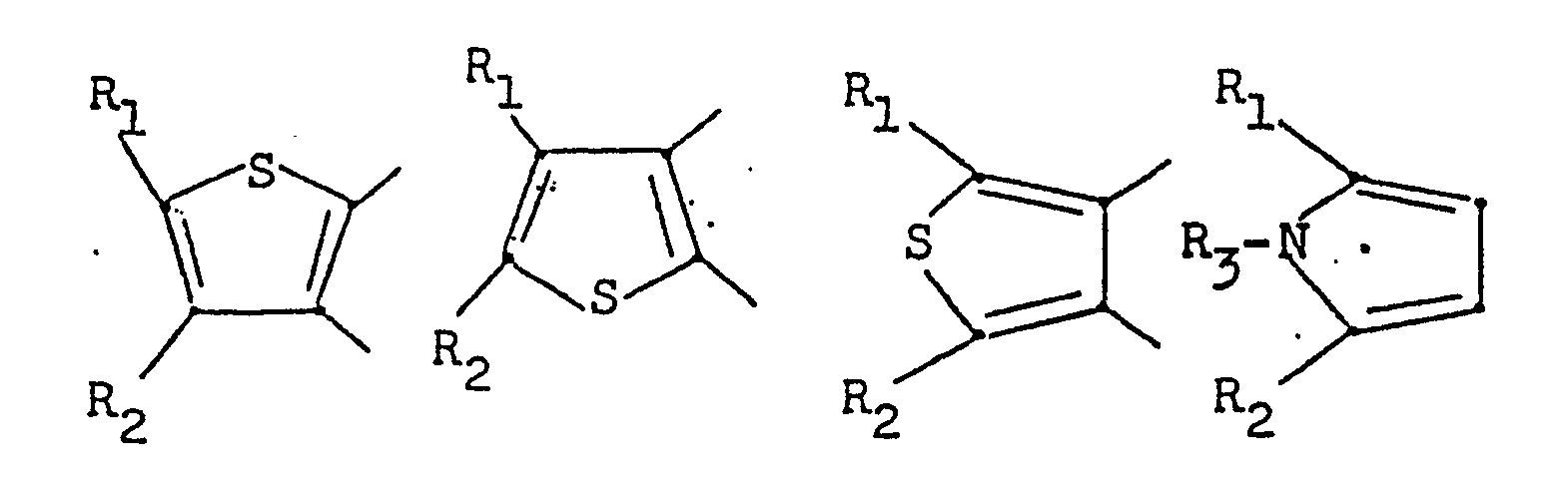


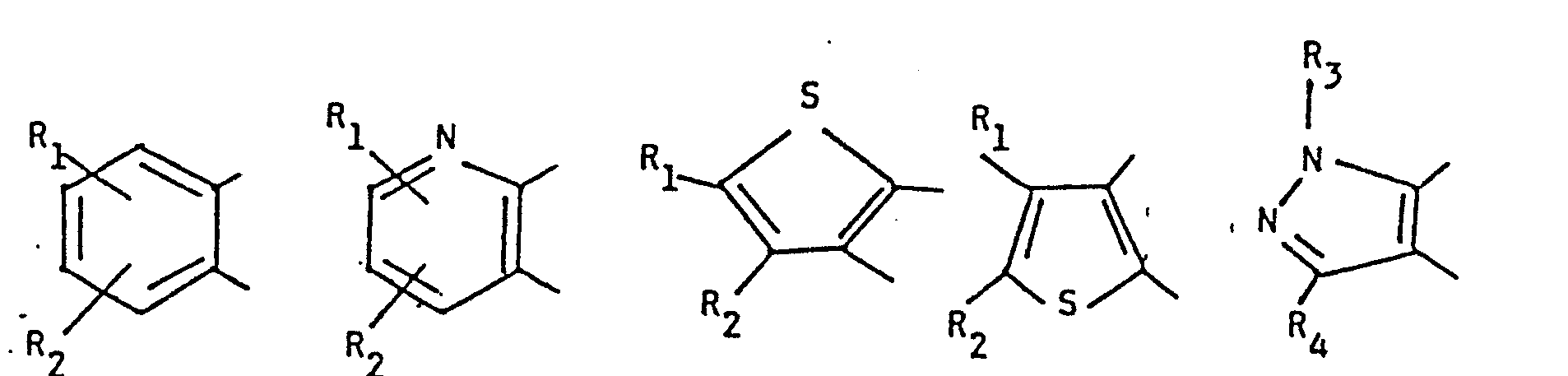


bedeuten,
und gegebenenfalls deren Säureadditionssalze, zur Herstellung eines Arzneimittels zur Behandlung von pathologischen Zuständen und Krankheiten, an denen PAF beteiligt ist.
Applications Claiming Priority (2)
| Application Number | Priority Date | Filing Date | Title |
|---|---|---|---|
| DE19843435974 DE3435974A1 (de) | 1984-10-01 | 1984-10-01 | Diazepine enthaltende pharmazeutische zusammensetzungen mit paf-antagonistischer wirkung |
| DE3435974 | 1984-10-01 |
Publications (2)
| Publication Number | Publication Date |
|---|---|
| EP0176928A2 true EP0176928A2 (de) | 1986-04-09 |
| EP0176928A3 EP0176928A3 (de) | 1990-09-05 |
Family
ID=6246813
Family Applications (1)
| Application Number | Title | Priority Date | Filing Date |
|---|---|---|---|
| EP19850112075 Withdrawn EP0176928A3 (de) | 1984-10-01 | 1985-09-24 | Diazepine enthaltende pharmazeutische Zusammensetzungen mit Plättchen aktivierender Faktor (PAF)-antagonistischer Wirkung |
Country Status (6)
| Country | Link |
|---|---|
| US (1) | US4623646A (de) |
| EP (1) | EP0176928A3 (de) |
| JP (1) | JPS6187623A (de) |
| DE (1) | DE3435974A1 (de) |
| PH (1) | PH22659A (de) |
| ZA (1) | ZA857522B (de) |
Cited By (6)
| Publication number | Priority date | Publication date | Assignee | Title |
|---|---|---|---|---|
| EP0384421A3 (de) * | 1989-02-23 | 1992-02-12 | Boehringer Ingelheim Kg | Verwendung von PAF-Antagonisten zur Behandlung von pathologischen Blutgasveränderungen |
| EP0548370A4 (en) * | 1991-07-15 | 1993-07-28 | Mochida Pharmaceutical Co., Ltd. | Drug for preventing and/or treating allergic disease |
| WO1999058117A1 (fr) * | 1998-05-13 | 1999-11-18 | Sanofi-Synthelabo | Utilisation de composes reduisant l'apoptose |
| FR2778564A1 (fr) * | 1998-05-13 | 1999-11-19 | Sanofi Sa | Utilisation de composes reduisant l'apoptose |
| WO2000066096A3 (en) * | 1999-04-30 | 2001-03-22 | Merab Lomia | Use of antiepileptics for treating respiratory disorders, in particular asthmatic disorders |
| CZ302455B6 (cs) * | 1999-04-09 | 2011-06-01 | Ipsen Pharma, S.A.S. | Pyrido-thieno-diazepiny, zpusob jejich prípravy a farmaceutické kompozice s jejich obsahem |
Families Citing this family (24)
| Publication number | Priority date | Publication date | Assignee | Title |
|---|---|---|---|---|
| US4667545A (en) * | 1985-06-03 | 1987-05-26 | Gould Jr Frederick H | Screw gun automatic feed |
| JPS6485978A (en) * | 1987-06-09 | 1989-03-30 | Yoshitomi Pharmaceutical | Novel thienodiazepine derivative |
| US4959361A (en) * | 1987-12-18 | 1990-09-25 | Hoffmann-La Roche Inc. | Triazolo(4,3-A)(1,4)benzodiazepines and thieno (3,2-F)(1,2,4)triazolo(4,3-A)(1,4)diazepine compounds which have useful activity as platelet activating factor (PAF) antagonists |
| US20060025388A1 (en) * | 1999-04-30 | 2006-02-02 | Glick Gary D | Compositions and methods relating to novel compounds and targets thereof |
| US20050113460A1 (en) * | 1999-04-30 | 2005-05-26 | The Regents Of The University Of Michigan | Compositions and methods relating to novel compounds and targets thereof |
| US7144880B2 (en) * | 1999-04-30 | 2006-12-05 | Regents Of The University Of Michigan | Compositions relating to novel compounds and targets thereof |
| MXPA01011052A (es) | 1999-04-30 | 2002-11-22 | Univ Michigan | Aplicaciones terapeuticas de benzodiazepinas pro-apoctoticas. |
| US20090275099A1 (en) * | 2004-04-27 | 2009-11-05 | Regents Of The University Of Michigan | Methods and compositions for treating diseases and conditions associated with mitochondrial function |
| US20050272723A1 (en) * | 2004-04-27 | 2005-12-08 | The Regents Of The University Of Michigan | Methods and compositions for treating diseases and conditions associated with mitochondrial function |
| US20060052369A1 (en) * | 2004-09-07 | 2006-03-09 | The Regents Of The University Of Michigan | Compositions and methods relating to novel compounds and targets thereof |
| CA2611031A1 (en) * | 2005-06-01 | 2007-05-10 | The Regents Of The University Of Michigan | Unsolvated benzodiazepine compositions and methods |
| US20070105844A1 (en) * | 2005-10-26 | 2007-05-10 | Regents Of The University Of Michigan | Therapeutic compositions and methods |
| CA2779041A1 (en) * | 2005-11-01 | 2007-05-10 | The Regents Of The University Of Michigan | Novel 1,4-benzodiazepine-2,5-diones with therapeutic properties |
| US7759338B2 (en) * | 2006-04-27 | 2010-07-20 | The Regents Of The University Of Michigan | Soluble 1,4 benzodiazepine compounds and stable salts thereof |
| JP5264716B2 (ja) | 2006-06-09 | 2013-08-14 | ザ リージェンツ オブ ザ ユニバーシティ オブ ミシガン | 化合物およびその標的に関連する組成物および方法 |
| JP5383513B2 (ja) * | 2007-03-09 | 2014-01-08 | ザ リージェンツ オブ ザ ユニバーシティ オブ ミシガン | 化合物およびその標的に関連する組成物ならびに方法 |
| NZ583689A (en) * | 2007-09-14 | 2012-04-27 | Univ Michigan | F1f0-atpase inhibitors and related methods |
| NZ584842A (en) | 2007-11-06 | 2012-06-29 | Univ Michigan | Benzodiazepinone compounds useful in the treatment of skin conditions, in particular, psoriasis |
| AU2009291632B2 (en) | 2008-09-11 | 2013-04-04 | The Regents Of The University Of Michigan | Aryl guanidine F1F0-ATPase inhibitors and related methods |
| WO2010121164A2 (en) | 2009-04-17 | 2010-10-21 | The Regents Of The University Of Michigan | 1,4-benzodiazepinone compounds and their use in treating cancer |
| JP2013505258A (ja) | 2009-09-18 | 2013-02-14 | ザ リージェンツ オブ ザ ユニバーシティ オブ ミシガン | ベンゾジアゼピノン化合物およびそれを使用する治療方法 |
| US9126978B2 (en) | 2009-11-17 | 2015-09-08 | The Regents Of The University Of Michigan | 1,4-benzodiazepine-2,5-diones and related compounds with therapeutic properties |
| JP5856064B2 (ja) | 2009-11-17 | 2016-02-09 | ザ リージェンツ オブ ザ ユニバーシティ オブ ミシガン | 治療特性を有する1,4−ベンゾジアゼピン−2,5−ジオンおよび関連化合物 |
| CN108640922B (zh) * | 2018-06-14 | 2019-08-30 | 沈阳药科大学 | 三氮唑并二氮杂卓-5-酮类化合物 |
Family Cites Families (2)
| Publication number | Priority date | Publication date | Assignee | Title |
|---|---|---|---|---|
| US3934018A (en) * | 1970-09-03 | 1976-01-20 | Abbott Laboratories | 4,6-Dihydro-1,3-dimethyl-8-phenylpyrazolo[4,3-e] [1,4]diazepin-5-(1H)-one and derivatives as anti-inflammatory agents |
| GB1371693A (en) * | 1972-02-10 | 1974-10-23 | Abbott Lab | 4,6-dihydro-1,3-dimethyl-4-ethyl-8-phenylpyrazolo-4,3-e-1,4- diazepin-5-1h-one and compositions containing the same |
-
1984
- 1984-10-01 DE DE19843435974 patent/DE3435974A1/de not_active Withdrawn
-
1985
- 1985-09-24 EP EP19850112075 patent/EP0176928A3/de not_active Withdrawn
- 1985-09-30 JP JP60217775A patent/JPS6187623A/ja active Pending
- 1985-09-30 ZA ZA857522A patent/ZA857522B/xx unknown
- 1985-10-01 US US06/782,648 patent/US4623646A/en not_active Expired - Fee Related
- 1985-10-01 PH PH32864A patent/PH22659A/en unknown
Cited By (6)
| Publication number | Priority date | Publication date | Assignee | Title |
|---|---|---|---|---|
| EP0384421A3 (de) * | 1989-02-23 | 1992-02-12 | Boehringer Ingelheim Kg | Verwendung von PAF-Antagonisten zur Behandlung von pathologischen Blutgasveränderungen |
| EP0548370A4 (en) * | 1991-07-15 | 1993-07-28 | Mochida Pharmaceutical Co., Ltd. | Drug for preventing and/or treating allergic disease |
| WO1999058117A1 (fr) * | 1998-05-13 | 1999-11-18 | Sanofi-Synthelabo | Utilisation de composes reduisant l'apoptose |
| FR2778564A1 (fr) * | 1998-05-13 | 1999-11-19 | Sanofi Sa | Utilisation de composes reduisant l'apoptose |
| CZ302455B6 (cs) * | 1999-04-09 | 2011-06-01 | Ipsen Pharma, S.A.S. | Pyrido-thieno-diazepiny, zpusob jejich prípravy a farmaceutické kompozice s jejich obsahem |
| WO2000066096A3 (en) * | 1999-04-30 | 2001-03-22 | Merab Lomia | Use of antiepileptics for treating respiratory disorders, in particular asthmatic disorders |
Also Published As
| Publication number | Publication date |
|---|---|
| EP0176928A3 (de) | 1990-09-05 |
| PH22659A (en) | 1988-11-14 |
| ZA857522B (en) | 1987-06-24 |
| US4623646A (en) | 1986-11-18 |
| DE3435974A1 (de) | 1986-04-10 |
| JPS6187623A (ja) | 1986-05-06 |
Similar Documents
| Publication | Publication Date | Title |
|---|---|---|
| EP0176927B1 (de) | Diazepine enthaltende pharmazeutische Zusammensetzungen mit Plättchen aktivierender Faktor (PAF)-antagonistischer Wirkung | |
| DE3435974A1 (de) | Diazepine enthaltende pharmazeutische zusammensetzungen mit paf-antagonistischer wirkung | |
| DD265799A5 (de) | Verwendung von neuen thieno-triazolo-1,4-diazepino-2-carbonsaeureamiden | |
| EP0193056B1 (de) | Kombination von Flupirtin und anticholinergisch wirkenden Spasmolytika | |
| DE69530933T2 (de) | Verwendung von 5-(tetradecyloxy)-2-furan carbonsäure für die behandlung von alzheimer krankheit oder psychosis | |
| CH692132A5 (de) | Adenosin-A3-Rezeptor-Modulatoren | |
| EP0366609B1 (de) | Verwendung von bicyclischen Imidazol-Verbindungen zur Behandlung von Hyperaldosteronismus | |
| DE69432474T2 (de) | Verwendung von 2-(2aklylphenylamino)oxazolinen und-thiazolinen zur herstellung eines medikaments mit alpha 2 adrenergener wirkung | |
| DE3604575A1 (de) | Kombination von flupirtin und anticholinergisch wirkenden spasmolytika | |
| DE2220623C2 (de) | Substituierte 4H-s-Triazolo[4,3-a] [1,4]benzodiazepine und Verfahren zu ihrer Herstellung | |
| EP0470616B1 (de) | Substituierte Pyrimidin-Derivate, Verfahren zu ihrer Herstellung und ihre Verwendung als Reagenzien | |
| DE2729824A1 (de) | Pharmazeutische zusammensetzungen mit organischen montmorillonit-derivaten und ihre herstellung | |
| EP0176929A2 (de) | Diazepine enthaltende pharmazeutische Zusammensetzungen mit Plättchen aktivierender Faktor (PAF)-antagonistischer Wirkung | |
| DE3112984A1 (de) | 2-(3-(4-(3-chlor-4-fluorphenyl)-1-piperazinyl) propyl)-1,2,4-triazolo(4,3-a)pyridin-3(2h)-on dessen pharmazeutische anwendung und herstellung | |
| DE2719608A1 (de) | Benzodiazepinderivate, verfahren zu ihrer herstellung und sie enthaltende arzneimittel | |
| CH639363A5 (de) | Bis/nitrosoureido/-polyol-derivate und verfahren zu ihrer herstellung. | |
| DE3028927C2 (de) | Azoverbindungen enthaltendes pharmazeutisches Mittel | |
| EP0417637A2 (de) | Verwendung von Dopamin-Autorezeptor-Agonisten bei der Behandlung von Drogenabhängigkeit | |
| EP0691846B1 (de) | Imidazolochinoxalinone zur behandlung zentralnervöser erkrankungen | |
| DE2721830A1 (de) | Arzneipraeparate mit einem gehalt an isothioharnstoffderivaten | |
| DE1470002A1 (de) | 5,6-Dihydromorphanthridinderivate | |
| DE2716374C2 (de) | N-2-(p-Chlorphenoxy)-isobutyryl-N'-morpholinmethylharnstoff, dessen Salze, Verfahren zu deren Herstellung und pharmazeutische Zubereitung | |
| EP0022213A1 (de) | Benzothiazol-2(3H)-one-Derivate enthaltende Arzneimittel | |
| DE69427927T2 (de) | Verwendung von Trimetazidin zur Herstellung von Medikamenten für die Behandlung von Gesundheitsstörungen, die durch die Nephrotoxizität von Cyclosporin A bedingt sind. | |
| EP0673249B1 (de) | Triazolochinazoline zur behandlung zentralnervöser erkrankungen |
Legal Events
| Date | Code | Title | Description |
|---|---|---|---|
| PUAI | Public reference made under article 153(3) epc to a published international application that has entered the european phase |
Free format text: ORIGINAL CODE: 0009012 |
|
| AK | Designated contracting states |
Kind code of ref document: A2 Designated state(s): AT BE CH DE FR GB IT LI LU NL SE |
|
| 17P | Request for examination filed |
Effective date: 19860624 |
|
| PUAL | Search report despatched |
Free format text: ORIGINAL CODE: 0009013 |
|
| AK | Designated contracting states |
Kind code of ref document: A3 Designated state(s): AT BE CH DE FR GB IT LI LU NL SE |
|
| 17Q | First examination report despatched |
Effective date: 19910425 |
|
| STAA | Information on the status of an ep patent application or granted ep patent |
Free format text: STATUS: THE APPLICATION IS DEEMED TO BE WITHDRAWN |
|
| 18D | Application deemed to be withdrawn |
Effective date: 19921107 |
|
| RIN1 | Information on inventor provided before grant (corrected) |
Inventor name: HARREUS, ALBRECHT, DR. Inventor name: CASALS-STENZEL, JORGE, DR. Inventor name: WEBER, KARL-HEINZ, DR. Inventor name: MUACEVIC, GOJKI, DR. Inventor name: WALTHER, GERHARD, DR. |