EP0152007A2 - Verfahren zur Beschichtung von saugfähigen Untergründen mit nasshaftenden Anstrichsystemen - Google Patents
Verfahren zur Beschichtung von saugfähigen Untergründen mit nasshaftenden Anstrichsystemen Download PDFInfo
- Publication number
- EP0152007A2 EP0152007A2 EP85100868A EP85100868A EP0152007A2 EP 0152007 A2 EP0152007 A2 EP 0152007A2 EP 85100868 A EP85100868 A EP 85100868A EP 85100868 A EP85100868 A EP 85100868A EP 0152007 A2 EP0152007 A2 EP 0152007A2
- Authority
- EP
- European Patent Office
- Prior art keywords
- copolymer
- radical
- monomers
- carbon atoms
- formula
- Prior art date
- Legal status (The legal status is an assumption and is not a legal conclusion. Google has not performed a legal analysis and makes no representation as to the accuracy of the status listed.)
- Withdrawn
Links
- 238000000576 coating method Methods 0.000 title claims abstract description 18
- 239000011248 coating agent Substances 0.000 title claims abstract description 17
- 238000000034 method Methods 0.000 title claims abstract description 11
- 239000012790 adhesive layer Substances 0.000 title 1
- 229920001577 copolymer Polymers 0.000 claims abstract description 30
- 239000003973 paint Substances 0.000 claims abstract description 21
- 239000000758 substrate Substances 0.000 claims abstract description 18
- 239000000178 monomer Substances 0.000 claims abstract description 15
- 230000002745 absorbent Effects 0.000 claims abstract description 10
- 239000002250 absorbent Substances 0.000 claims abstract description 10
- 239000000839 emulsion Substances 0.000 claims abstract description 9
- 229910052500 inorganic mineral Inorganic materials 0.000 claims abstract description 9
- 239000011707 mineral Substances 0.000 claims abstract description 9
- 239000002023 wood Substances 0.000 claims abstract description 9
- 239000000463 material Substances 0.000 claims abstract description 8
- 238000009835 boiling Methods 0.000 claims abstract description 4
- 238000001035 drying Methods 0.000 claims abstract description 4
- 239000003960 organic solvent Substances 0.000 claims abstract description 3
- -1 cyclic alkyl radical Chemical class 0.000 claims description 16
- 125000004432 carbon atom Chemical group C* 0.000 claims description 12
- VVQNEPGJFQJSBK-UHFFFAOYSA-N Methyl methacrylate Chemical compound COC(=O)C(C)=C VVQNEPGJFQJSBK-UHFFFAOYSA-N 0.000 claims description 9
- IJGRMHOSHXDMSA-UHFFFAOYSA-N Atomic nitrogen Chemical compound N#N IJGRMHOSHXDMSA-UHFFFAOYSA-N 0.000 claims description 8
- SOGAXMICEFXMKE-UHFFFAOYSA-N Butylmethacrylate Chemical compound CCCCOC(=O)C(C)=C SOGAXMICEFXMKE-UHFFFAOYSA-N 0.000 claims description 8
- UFHFLCQGNIYNRP-UHFFFAOYSA-N Hydrogen Chemical compound [H][H] UFHFLCQGNIYNRP-UHFFFAOYSA-N 0.000 claims description 8
- CQEYYJKEWSMYFG-UHFFFAOYSA-N butyl acrylate Chemical compound CCCCOC(=O)C=C CQEYYJKEWSMYFG-UHFFFAOYSA-N 0.000 claims description 8
- 229920000642 polymer Polymers 0.000 claims description 8
- 239000006185 dispersion Substances 0.000 claims description 7
- 239000001257 hydrogen Substances 0.000 claims description 7
- 229910052739 hydrogen Inorganic materials 0.000 claims description 7
- 150000003254 radicals Chemical class 0.000 claims description 7
- 229910052757 nitrogen Inorganic materials 0.000 claims description 4
- 239000001301 oxygen Substances 0.000 claims description 4
- 229910052760 oxygen Inorganic materials 0.000 claims description 4
- 239000000049 pigment Substances 0.000 claims description 4
- QVGXLLKOCUKJST-UHFFFAOYSA-N atomic oxygen Chemical group [O] QVGXLLKOCUKJST-UHFFFAOYSA-N 0.000 claims description 3
- WCYWZMWISLQXQU-UHFFFAOYSA-N methyl Chemical compound [CH3] WCYWZMWISLQXQU-UHFFFAOYSA-N 0.000 claims description 3
- CIUQDSCDWFSTQR-UHFFFAOYSA-N [C]1=CC=CC=C1 Chemical group [C]1=CC=CC=C1 CIUQDSCDWFSTQR-UHFFFAOYSA-N 0.000 claims description 2
- 125000000623 heterocyclic group Chemical group 0.000 claims description 2
- 150000002734 metacrylic acid derivatives Chemical class 0.000 claims description 2
- 125000004430 oxygen atom Chemical group O* 0.000 claims description 2
- PPBRXRYQALVLMV-UHFFFAOYSA-N Styrene Natural products C=CC1=CC=CC=C1 PPBRXRYQALVLMV-UHFFFAOYSA-N 0.000 abstract description 7
- CERQOIWHTDAKMF-UHFFFAOYSA-N Methacrylic acid Chemical compound CC(=C)C(O)=O CERQOIWHTDAKMF-UHFFFAOYSA-N 0.000 abstract description 4
- NIXOWILDQLNWCW-UHFFFAOYSA-N acrylic acid group Chemical group C(C=C)(=O)O NIXOWILDQLNWCW-UHFFFAOYSA-N 0.000 abstract description 3
- 150000001408 amides Chemical class 0.000 abstract description 3
- 125000005397 methacrylic acid ester group Chemical group 0.000 abstract description 2
- 229920001567 vinyl ester resin Polymers 0.000 abstract description 2
- 125000000391 vinyl group Chemical group [H]C([*])=C([H])[H] 0.000 abstract description 2
- SMZOUWXMTYCWNB-UHFFFAOYSA-N 2-(2-methoxy-5-methylphenyl)ethanamine Chemical compound COC1=CC=C(C)C=C1CCN SMZOUWXMTYCWNB-UHFFFAOYSA-N 0.000 abstract 1
- 125000004985 dialkyl amino alkyl group Chemical group 0.000 abstract 1
- 125000003011 styrenyl group Chemical class [H]\C(*)=C(/[H])C1=C([H])C([H])=C([H])C([H])=C1[H] 0.000 abstract 1
- XEKOWRVHYACXOJ-UHFFFAOYSA-N Ethyl acetate Chemical compound CCOC(C)=O XEKOWRVHYACXOJ-UHFFFAOYSA-N 0.000 description 27
- 239000000243 solution Substances 0.000 description 20
- XLYOFNOQVPJJNP-UHFFFAOYSA-N water Substances O XLYOFNOQVPJJNP-UHFFFAOYSA-N 0.000 description 9
- 239000004568 cement Substances 0.000 description 8
- CSCPPACGZOOCGX-UHFFFAOYSA-N Acetone Chemical compound CC(C)=O CSCPPACGZOOCGX-UHFFFAOYSA-N 0.000 description 6
- 239000004567 concrete Substances 0.000 description 6
- 239000004925 Acrylic resin Substances 0.000 description 5
- 229920000178 Acrylic resin Polymers 0.000 description 5
- 239000007787 solid Substances 0.000 description 5
- DGVVWUTYPXICAM-UHFFFAOYSA-N β‐Mercaptoethanol Chemical compound OCCS DGVVWUTYPXICAM-UHFFFAOYSA-N 0.000 description 5
- CERQOIWHTDAKMF-UHFFFAOYSA-M Methacrylate Chemical compound CC(=C)C([O-])=O CERQOIWHTDAKMF-UHFFFAOYSA-M 0.000 description 4
- XTXRWKRVRITETP-UHFFFAOYSA-N Vinyl acetate Chemical compound CC(=O)OC=C XTXRWKRVRITETP-UHFFFAOYSA-N 0.000 description 4
- 239000011449 brick Substances 0.000 description 4
- 239000000203 mixture Substances 0.000 description 4
- LFQSCWFLJHTTHZ-UHFFFAOYSA-N Ethanol Chemical compound CCO LFQSCWFLJHTTHZ-UHFFFAOYSA-N 0.000 description 3
- YXFVVABEGXRONW-UHFFFAOYSA-N Toluene Chemical compound CC1=CC=CC=C1 YXFVVABEGXRONW-UHFFFAOYSA-N 0.000 description 3
- 239000000975 dye Substances 0.000 description 3
- 150000002148 esters Chemical class 0.000 description 3
- 239000011505 plaster Substances 0.000 description 3
- 229920005989 resin Polymers 0.000 description 3
- 239000011347 resin Substances 0.000 description 3
- 239000004575 stone Substances 0.000 description 3
- BWSZXUOMATYHHI-UHFFFAOYSA-N tert-butyl octaneperoxoate Chemical compound CCCCCCCC(=O)OOC(C)(C)C BWSZXUOMATYHHI-UHFFFAOYSA-N 0.000 description 3
- NIXOWILDQLNWCW-UHFFFAOYSA-M Acrylate Chemical compound [O-]C(=O)C=C NIXOWILDQLNWCW-UHFFFAOYSA-M 0.000 description 2
- KAKZBPTYRLMSJV-UHFFFAOYSA-N Butadiene Chemical compound C=CC=C KAKZBPTYRLMSJV-UHFFFAOYSA-N 0.000 description 2
- CURLTUGMZLYLDI-UHFFFAOYSA-N Carbon dioxide Chemical compound O=C=O CURLTUGMZLYLDI-UHFFFAOYSA-N 0.000 description 2
- KFZMGEQAYNKOFK-UHFFFAOYSA-N Isopropanol Chemical compound CC(C)O KFZMGEQAYNKOFK-UHFFFAOYSA-N 0.000 description 2
- BAPJBEWLBFYGME-UHFFFAOYSA-N Methyl acrylate Chemical compound COC(=O)C=C BAPJBEWLBFYGME-UHFFFAOYSA-N 0.000 description 2
- LRHPLDYGYMQRHN-UHFFFAOYSA-N N-Butanol Chemical compound CCCCO LRHPLDYGYMQRHN-UHFFFAOYSA-N 0.000 description 2
- BZHJMEDXRYGGRV-UHFFFAOYSA-N Vinyl chloride Chemical compound ClC=C BZHJMEDXRYGGRV-UHFFFAOYSA-N 0.000 description 2
- 150000001298 alcohols Chemical class 0.000 description 2
- 229920000180 alkyd Polymers 0.000 description 2
- 125000003277 amino group Chemical group 0.000 description 2
- 239000010425 asbestos Substances 0.000 description 2
- 235000011089 carbon dioxide Nutrition 0.000 description 2
- 239000003086 colorant Substances 0.000 description 2
- 230000000052 comparative effect Effects 0.000 description 2
- UIWXSTHGICQLQT-UHFFFAOYSA-N ethenyl propanoate Chemical compound CCC(=O)OC=C UIWXSTHGICQLQT-UHFFFAOYSA-N 0.000 description 2
- ZSIAUFGUXNUGDI-UHFFFAOYSA-N hexan-1-ol Chemical compound CCCCCCO ZSIAUFGUXNUGDI-UHFFFAOYSA-N 0.000 description 2
- ZXEKIIBDNHEJCQ-UHFFFAOYSA-N isobutanol Chemical compound CC(C)CO ZXEKIIBDNHEJCQ-UHFFFAOYSA-N 0.000 description 2
- 239000004922 lacquer Substances 0.000 description 2
- 238000004519 manufacturing process Methods 0.000 description 2
- BDAGIHXWWSANSR-UHFFFAOYSA-N methanoic acid Natural products OC=O BDAGIHXWWSANSR-UHFFFAOYSA-N 0.000 description 2
- 239000002557 mineral fiber Substances 0.000 description 2
- NMRPBPVERJPACX-UHFFFAOYSA-N octan-3-ol Chemical compound CCCCCC(O)CC NMRPBPVERJPACX-UHFFFAOYSA-N 0.000 description 2
- 229920003023 plastic Polymers 0.000 description 2
- 239000004033 plastic Substances 0.000 description 2
- 229920002689 polyvinyl acetate Polymers 0.000 description 2
- 239000011118 polyvinyl acetate Substances 0.000 description 2
- 238000002360 preparation method Methods 0.000 description 2
- BDERNNFJNOPAEC-UHFFFAOYSA-N propan-1-ol Chemical compound CCCO BDERNNFJNOPAEC-UHFFFAOYSA-N 0.000 description 2
- 238000010992 reflux Methods 0.000 description 2
- 229910052895 riebeckite Inorganic materials 0.000 description 2
- 239000002904 solvent Substances 0.000 description 2
- 238000012360 testing method Methods 0.000 description 2
- SJIXRGNQPBQWMK-UHFFFAOYSA-N 2-(diethylamino)ethyl 2-methylprop-2-enoate Chemical compound CCN(CC)CCOC(=O)C(C)=C SJIXRGNQPBQWMK-UHFFFAOYSA-N 0.000 description 1
- QHVBLSNVXDSMEB-UHFFFAOYSA-N 2-(diethylamino)ethyl prop-2-enoate Chemical compound CCN(CC)CCOC(=O)C=C QHVBLSNVXDSMEB-UHFFFAOYSA-N 0.000 description 1
- DRHKEFCJMRVURM-UHFFFAOYSA-N 2-(diethylamino)propyl prop-2-enoate Chemical compound CCN(CC)C(C)COC(=O)C=C DRHKEFCJMRVURM-UHFFFAOYSA-N 0.000 description 1
- BEWCNXNIQCLWHP-UHFFFAOYSA-N 2-(tert-butylamino)ethyl 2-methylprop-2-enoate Chemical compound CC(=C)C(=O)OCCNC(C)(C)C BEWCNXNIQCLWHP-UHFFFAOYSA-N 0.000 description 1
- KDAKDBASXBEFFK-UHFFFAOYSA-N 2-(tert-butylamino)ethyl prop-2-enoate Chemical compound CC(C)(C)NCCOC(=O)C=C KDAKDBASXBEFFK-UHFFFAOYSA-N 0.000 description 1
- GOXQRTZXKQZDDN-UHFFFAOYSA-N 2-Ethylhexyl acrylate Chemical compound CCCCC(CC)COC(=O)C=C GOXQRTZXKQZDDN-UHFFFAOYSA-N 0.000 description 1
- UPMLOUAZCHDJJD-UHFFFAOYSA-N 4,4'-Diphenylmethane Diisocyanate Chemical compound C1=CC(N=C=O)=CC=C1CC1=CC=C(N=C=O)C=C1 UPMLOUAZCHDJJD-UHFFFAOYSA-N 0.000 description 1
- OSWFIVFLDKOXQC-UHFFFAOYSA-N 4-(3-methoxyphenyl)aniline Chemical compound COC1=CC=CC(C=2C=CC(N)=CC=2)=C1 OSWFIVFLDKOXQC-UHFFFAOYSA-N 0.000 description 1
- JLBJTVDPSNHSKJ-UHFFFAOYSA-N 4-Methylstyrene Chemical compound CC1=CC=C(C=C)C=C1 JLBJTVDPSNHSKJ-UHFFFAOYSA-N 0.000 description 1
- WIYVVIUBKNTNKG-UHFFFAOYSA-N 6,7-dimethoxy-3,4-dihydronaphthalene-2-carboxylic acid Chemical compound C1CC(C(O)=O)=CC2=C1C=C(OC)C(OC)=C2 WIYVVIUBKNTNKG-UHFFFAOYSA-N 0.000 description 1
- DKPFZGUDAPQIHT-UHFFFAOYSA-N Butyl acetate Natural products CCCCOC(C)=O DKPFZGUDAPQIHT-UHFFFAOYSA-N 0.000 description 1
- GDFCSMCGLZFNFY-UHFFFAOYSA-N Dimethylaminopropyl Methacrylamide Chemical compound CN(C)CCCNC(=O)C(C)=C GDFCSMCGLZFNFY-UHFFFAOYSA-N 0.000 description 1
- MYMOFIZGZYHOMD-UHFFFAOYSA-N Dioxygen Chemical compound O=O MYMOFIZGZYHOMD-UHFFFAOYSA-N 0.000 description 1
- VGGSQFUCUMXWEO-UHFFFAOYSA-N Ethene Chemical compound C=C VGGSQFUCUMXWEO-UHFFFAOYSA-N 0.000 description 1
- 239000005977 Ethylene Substances 0.000 description 1
- YNAVUWVOSKDBBP-UHFFFAOYSA-N Morpholine Natural products C1COCCN1 YNAVUWVOSKDBBP-UHFFFAOYSA-N 0.000 description 1
- VBIIFPGSPJYLRR-UHFFFAOYSA-M Stearyltrimethylammonium chloride Chemical compound [Cl-].CCCCCCCCCCCCCCCCCC[N+](C)(C)C VBIIFPGSPJYLRR-UHFFFAOYSA-M 0.000 description 1
- 229920006311 Urethane elastomer Polymers 0.000 description 1
- 239000002253 acid Substances 0.000 description 1
- 150000007513 acids Chemical class 0.000 description 1
- 150000001252 acrylic acid derivatives Chemical class 0.000 description 1
- 125000005396 acrylic acid ester group Chemical group 0.000 description 1
- XYLMUPLGERFSHI-UHFFFAOYSA-N alpha-Methylstyrene Chemical compound CC(=C)C1=CC=CC=C1 XYLMUPLGERFSHI-UHFFFAOYSA-N 0.000 description 1
- 239000003849 aromatic solvent Substances 0.000 description 1
- 125000003118 aryl group Chemical group 0.000 description 1
- 239000011230 binding agent Substances 0.000 description 1
- 239000004566 building material Substances 0.000 description 1
- 125000002091 cationic group Chemical group 0.000 description 1
- 239000007795 chemical reaction product Substances 0.000 description 1
- 150000001875 compounds Chemical class 0.000 description 1
- 238000010276 construction Methods 0.000 description 1
- XCJYREBRNVKWGJ-UHFFFAOYSA-N copper(II) phthalocyanine Chemical compound [Cu+2].C12=CC=CC=C2C(N=C2[N-]C(C3=CC=CC=C32)=N2)=NC1=NC([C]1C=CC=CC1=1)=NC=1N=C1[C]3C=CC=CC3=C2[N-]1 XCJYREBRNVKWGJ-UHFFFAOYSA-N 0.000 description 1
- HPXRVTGHNJAIIH-UHFFFAOYSA-N cyclohexanol Chemical compound OC1CCCCC1 HPXRVTGHNJAIIH-UHFFFAOYSA-N 0.000 description 1
- UFULAYFCSOUIOV-UHFFFAOYSA-N cysteamine Chemical compound NCCS UFULAYFCSOUIOV-UHFFFAOYSA-N 0.000 description 1
- 230000007547 defect Effects 0.000 description 1
- VPSZKCCWOGZNLS-CFYXSCKTSA-N dibutyl (z)-but-2-enedioate;ethenyl acetate Chemical compound CC(=O)OC=C.CCCCOC(=O)\C=C/C(=O)OCCCC VPSZKCCWOGZNLS-CFYXSCKTSA-N 0.000 description 1
- 235000014113 dietary fatty acids Nutrition 0.000 description 1
- 238000005516 engineering process Methods 0.000 description 1
- 150000002170 ethers Chemical class 0.000 description 1
- 125000001495 ethyl group Chemical group [H]C([H])([H])C([H])([H])* 0.000 description 1
- DNJIEGIFACGWOD-UHFFFAOYSA-N ethyl mercaptane Natural products CCS DNJIEGIFACGWOD-UHFFFAOYSA-N 0.000 description 1
- 229930195729 fatty acid Natural products 0.000 description 1
- 239000000194 fatty acid Substances 0.000 description 1
- 150000004665 fatty acids Chemical class 0.000 description 1
- 239000000835 fiber Substances 0.000 description 1
- 239000010419 fine particle Substances 0.000 description 1
- 235000019253 formic acid Nutrition 0.000 description 1
- 238000007710 freezing Methods 0.000 description 1
- 230000008014 freezing Effects 0.000 description 1
- 125000003055 glycidyl group Chemical group C(C1CO1)* 0.000 description 1
- 239000010440 gypsum Substances 0.000 description 1
- 229910052602 gypsum Inorganic materials 0.000 description 1
- FUZZWVXGSFPDMH-UHFFFAOYSA-N hexanoic acid Chemical compound CCCCCC(O)=O FUZZWVXGSFPDMH-UHFFFAOYSA-N 0.000 description 1
- 150000002431 hydrogen Chemical class 0.000 description 1
- 239000003999 initiator Substances 0.000 description 1
- 239000012948 isocyanate Substances 0.000 description 1
- 150000002513 isocyanates Chemical group 0.000 description 1
- 229960004592 isopropanol Drugs 0.000 description 1
- 150000002576 ketones Chemical class 0.000 description 1
- 239000007788 liquid Substances 0.000 description 1
- 229910052751 metal Inorganic materials 0.000 description 1
- 239000002184 metal Substances 0.000 description 1
- 150000002739 metals Chemical class 0.000 description 1
- HZVOZRGWRWCICA-UHFFFAOYSA-N methanediyl Chemical compound [CH2] HZVOZRGWRWCICA-UHFFFAOYSA-N 0.000 description 1
- 125000002496 methyl group Chemical group [H]C([H])([H])* 0.000 description 1
- IEQIEDJGQAUEQZ-UHFFFAOYSA-N phthalocyanine Chemical compound N1C(N=C2C3=CC=CC=C3C(N=C3C4=CC=CC=C4C(=N4)N3)=N2)=C(C=CC=C2)C2=C1N=C1C2=CC=CC=C2C4=N1 IEQIEDJGQAUEQZ-UHFFFAOYSA-N 0.000 description 1
- 229920001228 polyisocyanate Polymers 0.000 description 1
- 239000005056 polyisocyanate Substances 0.000 description 1
- 229920000193 polymethacrylate Polymers 0.000 description 1
- 239000004814 polyurethane Substances 0.000 description 1
- 239000011527 polyurethane coating Substances 0.000 description 1
- 229920005749 polyurethane resin Polymers 0.000 description 1
- 239000000047 product Substances 0.000 description 1
- 238000010526 radical polymerization reaction Methods 0.000 description 1
- 238000003756 stirring Methods 0.000 description 1
- 238000003860 storage Methods 0.000 description 1
- 229920003002 synthetic resin Polymers 0.000 description 1
- 239000000057 synthetic resin Substances 0.000 description 1
- 125000000999 tert-butyl group Chemical group [H]C([H])([H])C(*)(C([H])([H])[H])C([H])([H])[H] 0.000 description 1
- KSBAEPSJVUENNK-UHFFFAOYSA-L tin(ii) 2-ethylhexanoate Chemical compound [Sn+2].CCCCC(CC)C([O-])=O.CCCCC(CC)C([O-])=O KSBAEPSJVUENNK-UHFFFAOYSA-L 0.000 description 1
- 239000010913 used oil Substances 0.000 description 1
- 239000002966 varnish Substances 0.000 description 1
- 229920002554 vinyl polymer Polymers 0.000 description 1
Classifications
-
- C—CHEMISTRY; METALLURGY
- C04—CEMENTS; CONCRETE; ARTIFICIAL STONE; CERAMICS; REFRACTORIES
- C04B—LIME, MAGNESIA; SLAG; CEMENTS; COMPOSITIONS THEREOF, e.g. MORTARS, CONCRETE OR LIKE BUILDING MATERIALS; ARTIFICIAL STONE; CERAMICS; REFRACTORIES; TREATMENT OF NATURAL STONE
- C04B41/00—After-treatment of mortars, concrete, artificial stone or ceramics; Treatment of natural stone
- C04B41/45—Coating or impregnating, e.g. injection in masonry, partial coating of green or fired ceramics, organic coating compositions for adhering together two concrete elements
- C04B41/46—Coating or impregnating, e.g. injection in masonry, partial coating of green or fired ceramics, organic coating compositions for adhering together two concrete elements with organic materials
- C04B41/48—Macromolecular compounds
- C04B41/483—Polyacrylates
Definitions
- the invention relates to a method for coating absorbent substrates made of mineral material or wood with a wet coating system.
- dispersion paints For exterior coatings on mineral substrates, mainly polyvinyl acetate and copolymers of vinyl acetate with maleic esters, vinyl versatic acid, (meth) acrylic esters, ethylene or vinyl chloride, polymers of vinyl propionate or copolymers with (meth) acrylic esters or vinyl chloride, poly (meth) acrylates, styrene (meth ) acrylic ester copolymers and copolymers of styrene with butadiene are used.
- so-called dispersion lacquers based on aeryl resin are already used for wood to a certain extent, but are still widely used in alkyd lacquer systems.
- the emulsion paints are generally said to have relatively good adhesion to substrates. (See Ullmann's Encyklopadie der Techn. Chemie, 4th edition, volume 15, pp. 665-668, publisher Chemistry). In practical use, however, one encounters difficulties that are related to the condition of the subsurface.
- JP-OS 80-99 983 (cf. Chem. Abstr. 94, 5005f) recommends a paint system in which copolymers of polymerizable OH-active groups and (meth) acrylic acid esters are first reacted with polyisocyanates and the reaction product is used as a primer is applied to concrete. A polyurethane coating is then applied to this.
- JP-OS 80-125 176 (cf. Chem. Abstr. 94, 67 427d)
- acrylate prepolymers likewise modified with isocyanates are to be used as primers for coating concrete.
- Water-dilutable paints as primers for cement building materials are the subject of JP-OS 82-65 762 (cf. Chem. Abstr. 97, 129 261t).
- JP-OS 82-65 762 cf. Chem. Abstr. 97, 129 261t.
- a solution of a copolymer of butyl acrylate, diethylaminoethyl methacrylate, methyl methacrylate is neutralized with formic acid and brought to a solids content of 15% with water.
- the material to be coated is immersed in this solution for about 1 hour.
- the coating of concrete with cationic dispersions of copolymers with or without amino groups as primers and a coating of acrylic resin is the subject of JP-OS 79-116 021 (cf. Chem Abstr 92, 112 366e).
- JP-OS 79-116 021 cf. Chem Abstr 92, 112 366e.
- the use of an aqueous system of a copolymer of 60 parts of 2-ethylhexyl acrylate, 40 parts of methyl methacrylate, 3 parts of 2- (dimethylamino) ethyl methacrylate and octadecyltrimethylammonium chloride as a primer, to which an acrylic resin in emulsion is subsequently applied, is exemplified.
- the use of colorants cannot be inferred from the prior art mentioned.
- Wood as substrate is pretreated according to JP-OS 80-39 239 (cf. Chem. Abstr. 93, 96 934b with a mixture of aliphatic diamines, glycidyl esters of unsaturated acids and radical initiators and then coated with polyurethane or alkyd resin.
- the object on which the present invention is based relates in particular to deep primers and emulsion paints. or paints for paints on absorbent substrates.
- deep primers used hitherto for example based on polyvinyl acetate
- the problem is usually insufficient early water resistance when exposed to rain. If there is backward moisture exposure, the absence of bubbles which is absolutely essential is not guaranteed.
- absorbent substrates made of mineral material as is predominantly used in the construction sector, for example natural stones, masonry, plaster, concrete, cement, asbestos cement or mineral fiber cement and other materials containing cement-bound fibers, bricks, plaster and wood. Substantially different conditions are found for non-absorbent substrates such as metals and the majority of plastics.
- the task was to provide wet-adhering, early-water-resistant coating systems for coating absorbent substrates made of mineral materials or wood.
- the absorbent substrates are made of mineral material (e.g. natural stone, masonry, brick, plaster, concrete, cement, asbestos cement or mineral fiber cement and other fibrous minerals, gypsum) or wood.
- mineral material e.g. natural stone, masonry, brick, plaster, concrete, cement, asbestos cement or mineral fiber cement and other fibrous minerals, gypsum
- the application of the polymer-containing solution L is such that 2-15 g, preferably 2-10 g, of copolymer P is present on the zn2 substrate.
- the resin solutions used according to the invention penetrate deep into the respective substrates.
- the copolymers P can be obtained by free-radical polymerization in a manner known per se from the monomers of the formulas I and II.
- the monomers of the formula I generally make up 99.5-80% by weight of the total copolymer P.
- the use of several monomers of the formula I is included in a copolymer P, the T ⁇ max value, as indicated, being observed.
- Methyl methacrylate is of particular importance as a monomer of the formula I.
- Methacrylic acid esters with C 2 -C 8 alcohols and acrylic acid esters with C 1 -C 8 alcohols may also be mentioned.
- esters of (meth) acrylic acid from ethanol, n- and iso-propanol, n- and iso-butanol, hexyl alcohol, cyclohexyl alcohol, ethyl hexyl alcohol, especially the n-butyl acrylate and methacrylate.
- Styrene and its alkylated derivatives for example ⁇ -methylstyrene and p-methylstyrene, may also be mentioned.
- Vinyl esters of fatty acids in particular vinyl acetate and vinyl propionate, are also used.
- the monomers of the formula II are preferably dialkylaminoalkyl acrylates and methacrylates.
- copolymers P are, for example, those composed of methyl methacrylate, n-butyl acrylate, n-butyl methacrylate and 3-dialkylamino-2,2-dimethylpropyl-1- (meth) acrylates, approximately in the weight ratio (30 + 5): ( 25 + 5): (37 + 6): (8 + 2).
- T ⁇ max values are determined in accordance with DIN 53 445.
- the reduced viscosity ⁇ spec / c is measured in accordance with DIN 1342, DIN 51 562 and DIN 7 745 (see Houben-Weyl, Vol. 14/1, pp 81-84, Georg-Thieme-Verlag, Stuttgart, 1961). Values of the reduced viscosity of ⁇ 20 for the copolymer P are generally an indication of reduced adhesion as a result of the action of water.
- the solvents suitable for the preparation of solutions L with a boiling point in the range from 50 to 180 ° C. under normal conditions (760 mm Hg) are preferably oxygen-containing solvents, for example from the group of esters, ethers and ketones, and also aromatic or aromatic solvents. Ethyl acetate and butyl acetate may be mentioned in particular.
- the addition of the pigments or organic dyes to the solution L serves primarily to distinguish the primed area from a non-primed area.
- the pigments and / or organic dyes that can be used there is therefore a largely arbitrary selection. Examples include phthalocyanine blue and phthalocyanine green.
- solution L can also be carried out on the substrates.
- ethyl acetate degassed with 4 g of dry ice
- a Witt'schen pot with anchor blade stirrer, thermometer and reflux condenser and heated.
- 0.64 g of tert-butyl peroctoate in 10 g of ethyl acetate is added and with the addition of a mixture of 99.2 g of methyl methacrylate, 80.0 g of butyl acrylate, 116.5 g of butyl methacrylate, 24.3 g of 3-dimethylamino -2,2-dimethylpropyl-1-methacrylate, 3.2 g of tert-butyl peroctoate and 0.16 g of 2-mercaptoethanol started.
- Example 1 The polymer described in Example 1 is diluted with ethyl acetate to a solids content of about 12% with stirring.
- Bricks are primed with the deep ground described under AT 1 so that there is no closed coating film on the surface, i.e. practically all of the liquid is sucked in.
- the bricks pretreated in this way are dried overnight and then coated with a commercially available facade paint based on an aqueous dispersion based on acrylic resin. After a drying time of 24 hours, the stones are placed face down in a plastic tub filled with water so that the coated surface facing up is not covered with water.
Landscapes
- Chemical & Material Sciences (AREA)
- Engineering & Computer Science (AREA)
- Ceramic Engineering (AREA)
- Materials Engineering (AREA)
- Structural Engineering (AREA)
- Organic Chemistry (AREA)
- Paints Or Removers (AREA)
- Application Of Or Painting With Fluid Materials (AREA)
- Aftertreatments Of Artificial And Natural Stones (AREA)
- Addition Polymer Or Copolymer, Post-Treatments, Or Chemical Modifications (AREA)
Abstract
Description
- Die Erfindung betrifft ein Verfahren zur Beschichtung von saugfähigen Untergründen aus mineralischem Material oder aus Holz mit einem naßhaftenden Anstrichsystem.
- Die Beschichtung von mineralischen Untergründen und von Holz mit Anstrichmitteln wird seit langem ausgeübt.
- Die früher üblichen ölanstrichstoffe sind weitgehend von Dispersionsanstrichstoffen verdrängt worden. Für Außenanstriche auf mineralischen Untergründen werden hauptsächlich Polyvinylacetat und Copolymerisate des Vinylacetats mit Maleinsäureestern, Versaticsäurevinylester, (Meth)acrylsäureestern, Ethylen oder Vinylchlorid, Polymerisate des Vinylpropionats bzw. Copolymerisate mit (Meth)acrylsäureestern oder Vinylchlorid, Poly(meth)acrylate, Styrol-(Meth)acrylsäure- estercopolymerisate sowie Copolymerisate des Styrols mit Butadien verwendet. Für Holz werden heute bereits in gewissem Umfang sogenannte Dispersionslacke auf Aerylharzbasis, nach wie vor aber noch in großem ümfang Alkydlacksysteme eingesetzt.
- Den Dispersionsfarben wird allgemein eine relativ gute Haftung auf Untergründen zugeschrieben. (Vgl. Ullmanns Encyklopädie der Techn. Chemie, 4. Auflage, Band 15, S. 665-668, Verlag Chemie). In der praktischen Anwendung stößt man indessen auf Schwierigkeiten, die mit dem Zustand des Untergrunds zusammenhängen.
- Unter dem Aspekt der Dauerhaftigkeit von Anstrichen spielt die Naßhaftung eine äußerst wichtige Rolle. Sie läßt bei Beschichtung mit Dispersionsfarben, vor allem auch auf weniger gut tragfähigen Substraten häufig zu wünschen übrig. Man ist daher teilweise zur Beschichtung mit Anstrichsystemen übergegangen, die eine Grundierung mit einem sogenannten "Primer", gefolgt vom Aufbringen der Dispersionsfarbe vorsieht. Als "Primer" werden bisher vorwiegend organische Lösungen aus Homo- und vor allem Ccpolymerisaten des Vinylacetats, aus Acrylharzen, aber neuerdings auch zum Teil wäßrige Dispersionen extrem feinteiliger Kunstharze, beispielsweise auf Acrylharzbasis, angewendet. Es erschien überhaupt nicht naheliegend, die Naßhaftung im Sinne von Frühwasserfestigkeit bei Regenbeanspruchung bzw. von Blasenfreiheit bei rückwärtiger Feuchtigkeitsbeanspruchung durch Steigerung der Hydrophilie der Bindemittel entsprechender Grundierungen zu erhöhen. Es überrascht deshalb nicht, daß relativ hydrophile Ccmonomere wie die aminogruppenhaltigen (Meth)acrylsäureester keinen Eingang bei der Herstellung von Harzlösungen gefunden haben, die als Grundierungen im beschriebenen Sinne Verwendung finden.
- In der JP-OS 80-99 983 (vgl. Chem.Abstr. 94, 5005f) wird ein Anstrichsystem empfohlen, bei dem zunächst Copolymere aus polymerisationsfähigen OH-aktiven Gruppen und (Meth)acrylsäureestern mit Polyisocyanaten zur Reaktion gebracht und das Reaktionsprodukt als Primer auf Beton aufgetragen wird. Auf diesen bringt man anschließend eine Polyurethanbeschichtung auf. Ebenfalls mit Isocyanaten modifizierte Acrylat-Präpolymere sollen gemäß JP-OS 80-125 176 (vgl. Chem.Abstr. 94, 67 427d) als Primer zur Beschichtung von Beton verwendet werden.
- Beispielsweise werden 30 Tl. Butylacrylat, 70 Tl Methylmethacrylat, 14,1 Tl. 2-(tert.-Butylamino)ethylmethacrylat in Gegenwart von 2-Aminoethanthiol in Toluol polymerisiert und mit 25,2 Tl. Diphenylmethandiisocyanat und 0,1 Tl. Zinnoctoat erhitzt, mit Essigester verdünnt und auf Beton appliziert. Die Deckbeschichtung wird anschließend mit Urethankautschuk vorgenommen.
- Mit Wasser verdünnbare Anstrichmittel als Primer für Zement-Baumaterialien sind Gegenstand der JP-OS 82-65 762 (vgl. Chem.Abstr. 97, 129 261t). So wird zum Beispiel eine Lösung eines Copolymers aus Butylacrylat, Diethylaminoethyl-methacrylat, Methylmethacrylat mit Ameisensäure neutralisiert und mit Wasser auf einen Festkörpergehalt von 15 % gebracht. Das zu beschichtende Material wird ca. 1 Stunde in diese Lösung getaucht.
- Die Beschichtung von Beton mit kationischen Dispersionen von Copolymerisaten mit oder ohne Aminogruppen als Primer und einem überzug aus Acrylharz ist Gegenstand des JP-OS 79-116 021 (vgl. Chem Abstr 92, 112 366e). Beispielhaft belegt ist die Anwendung von einem wäßrigen System eines Copolymeren aus 60 Tln. 2-Ethylhexylacrylat, 40 Tln. Methylmethacrylat, 3 Tln. 2-(Dimethylamino)ethylmethacrylat und Octadecyltrimethylammoniumchlorid als Primer, auf den anschließend ein Acrylharz in Emulsion aufgebracht wird. Die Verwendung von Farbmitteln läßt sich dem genannten Stand der Technik nicht entnehmen.
- Holz als Substrat wird gemäß JP-OS 80-39 239 (vgl. Chem.Abstr. 93, 96 934b mit einer Mischung aus aliphatischen Diaminen, Glycidylestern von ungesättigten Säuren und Radikalinitiatoren vorbehandelt und anschließend mit Polyurethan- oder Alkydharz beschichtet.
- Die der vorliegenden Erfindung zugrundeliegende Aufgabe betrifft insbesondere Tiefgrundierungen und Dispersionsfarben. bzw. -lacke für Anstriche auf saugfähigen Untergründen. Erfahrungsgemäß genügen die bisher angewendeten Tiefgrundierungen, beispielsweise auf Polyvinylacetatbasis, insbesondere hinsichtlich ihrer Naßhaftung den Anforderungen der Technik nur unvollkommen. Zu beanstanden ist in der Regel ungenügende Frühwasserfestigkeit bei Regenbeanspruchung. Bei rückwärtiger Feuchtigkeitsbeanspruchung ist die unbedingt zu fordernde Blasenfreiheit nicht gewährleistet.
- Das Problem stellt sich besonders bei saugfähigen Untergründen aus mineralischem Material, wie es überwiegend auf dem Bausektor verwendet wird, beispielsweise Natursteinen, Mauerwerk, Putz, Beton, Zement, Asbestzement bzw. Mineralfaserzement und sonstige zementgebundene Fasern enthaltende Materialien, Ziegel, Gips sowie bei Holz. Wesentlich andere Bedingungen findet man bei nicht saugfähigen Substraten wie Metallen und der Mehrheit der Kunststoffe vor.
- Es bestand die Aufgabe, naßhaftende, frühwasserfeste Anstrichsysteme zur Beschichtung von saugfähigen Untergründen aus mineralischen Materialien oder aus Holz zur Verfügung zu stellen.
- Zur Lösung der vorliegenden Aufgabe wird ein Verfahren vorgeschlagen, wonach auf dem saugfähigen Untergrund eine Grundierung G (Primer) aufgebracht wird, bestehend aus der Lösung L eines Copolymerisats P aus Monomeren der Formel I



- worin R1' für Wasserstoff oder einen Methylrest,
- Y für Sauerstoff oder einen Rest -NR6, worin R6 Wasserstoff oder einen Alkylrest mit 1 bis 6 Kohlenstoffatomen bedeutet,
- A für eine gegebenenfalls verzweigte, aliphatische Kohlenwasserstoffbrücke mit 2 bis 10 Kohlenstoffatomen, und
- R4 und R5 unabhängig voneinander für einen Alkylrest mit 1 bis 6 Kohlenstoffatomen steht oder R4 und R5 gemeinsam unter Einbeziehung des Stickstoffs und gegebenenfalls weiterer Stickstoff- oder Sauerstoffatcme einen fünf- oder sechsgliedrigen, heterocyclischen Ring bilden,
- Bei den saugfähigen Untergründen handelt es sich, wie bereits ausgeführt, um solche aus mineralischem Material (z.B. Naturstein, Mauerwerk, Ziegel, Putz, Beton, Zement, Asbestzement bzw. Mineralfaserzement und sonstige faserhaltige Mineralien, Gips) oder um Holz.
- Im allgemeinen wird der Auftrag der polymerisathaltigen Lösung L so bemessen, daß auf den zn2 Substrat 2 - 15 g, vorzugsweise 2 - 10 g, Copolymerisat P entfällt. Es sollte jedoch zweckmäßigerweise darauf geachtet werden, daß sich im Anschluß an den Auftrag der polymerisathaltigen Lösung L kein Oberflächenfilm aus dem Polymerisat P bildet. Die erfindungsgemäß verwendeten Harzlösungen dringen tief in die jeweiligen Substrate ein.
- Die Copolymerisate P sind durch radikalische Polymerisation in an sich bekannter Weise aus den Monomeren der Formeln I und II zugänglich.
- Dabei machen die Monomeren der Formel I in der Regel 99,5 - 80 Gew.-% des gesamten Copolymerisats P aus. Umfaßt ist die Anwendung mehrerer Monomerer der Formel I in einem Copolymerisat P, wobei der Tλmax-Wert, wie angegeben einzuhalten ist. Von besonderer Bedeutung als Monomer der Formel I ist das Methylmethacrylat. Genannt seien weiter insbesondere Methacrylsäureester mit C2-C8-Alkoholen und Acrylsäureester mit C1-C8-Alkoholen. Von Interesse sind ferner die Ester der (Meth)acrylsäure von Ethanol, n- und iso-Propanol, n- und iso-Butanol, Hexylalkohol, Cyclohexylalkohol, Ethylhexylalkohol, insbesondere das n-Butylacrylat und -methacrylat.
- Weiter seien genannt Styrol und seine alkylierten Derivate, beispielsweise das α-Methylstyrol und das p-Methylstyrol. Weiter kommen Vinylester von Fettsäuren, insbesondere Vinylacetat und Vinylpropionat zur Anwendung.
- Bei den Monomeren der Formel II handelt es sich vorzugsweise um Dialkylaminoalkyl-acrylate und -methacrylate.
- Genannt seien beispielhaft 2-Dimethylamino- und 2-Diethylaminoethylacrylat oder -methacrylat, 2-Dimethylamino- und 2-Diethylaminopropylacrylat oder -methacrylat, 2-t-Butylaminoethyl-acrylat oder -methacrylat sowie die 3-Dialkylamino-2,2-dimethylpropyl-1-acrylate und -methacrylate, speziell die 3-Dimethylamino- und die 3-Diethylaminoverbindung und die den vorstehend genannten Verbindungen entsprechenden Amide (Y = NR6), worin R6 für Wasserstoff, Methyl oder Ethyl steht. Von Interesse ist ferner das Morpholinethyl-(meth)acrylat sowie die entsprechenden Amide. Besonders interessante Copolymerisate P stellen z.B. solche dar, die aus Methylmethacrylat, n-Butylacrylat, n-Butylmethacrylat und 3-Dialkylamino-2,2-dimethylpropyl-1-(meth)acrylaten aufgebaut sind, etwa im Gewichtsverhältnis (30 + 5) : (25 + 5) : (37+6): (8 + 2).
- /DIN7724 Die Bestimmung der Tλmax -Werte wird nach DIN 53 445 durchgeführt. Die Messung der reduzierten Viskosität ηspez/c erfolgt nach DIN 1342, DIN 51 562 und DIN 7 745 (vgl. Houben-Weyl, Bd. 14/1, pp 81-84, Georg-Thieme-Verlag, Stuttgart, 1961). Werte der reduzierten Viskosität von <20 für das Copolymerisat P sind im allgemeinen ein Indiz für verringerte Haftung im Gefolge von Wassereinwirkung.
- Bei den zur Herstellung der Lösungen L geeigneten Lösungsmitteln mit einem Siedepunkt im Bereich 50 bis 180°C unter Normalbedingungen (760 mm Hg) handelt es sich vorzugsweise um sauerstoff- haltige Lösungsmittel, beispielsweise aus der Gruppe der Ester, Äther und Ketone sowie um aromatische oder aromatenhaltige Lösungsmittel. Genannt seien insbesondere Ethylacetat, Butylacetat.
- Der Zusatz der Pigmente oder organischen Farbstoffe zur Lösung L dient primär dazu, die grundierte Fläche von einer nicht grundierten zu unterscheiden. Hinsichtlich der verwendbaren Pigmente und/oder organischen Farbstoffe herrscht somit eine weitgehend beliebige Auswahl. Genannt seien beispielsweise Phthalocyaninblau und Phthalocyaningrün.
- Auf den Zusatz der oben genannten Farbmittel kann aber auch völlig verzichtet werden, ohne die Lösung der gestellten Aufgabe zu beeinträchtigen.
- Gegebenenfalls kann auch ein mehrfacher Auftrag der Lösung L auf den Substraten vorgenommen werden.
- Die folgenden Beispiele dienen zur Erläuterung der Herstellung des Tiefgrundes (Grundierung)
- In einem Witt'schen Topf mit Ankerblattrührer, Thermometer und Rückflußkühler werden 460 g Äthylacetat (mit 4 g Trockeneis entgast) vorgelegt und aufgeheizt. Bei 77°C werden 0,64 g tert.-Butylperoctoat in 10 g Äthylacetat zugegeben und mit dem Zulauf eines Gemisches von 99,2 g Methacrylsäuremethylester, 80,0 g Acrylsäurebutylester, 116,5 g Methacrylsäurebutylester, 24,3 g 3-Dimethylamino-2,2-dimethylpropyl-1-methacrylat, 3,2 g tert.-Butylperoctoat und 0,16 g 2-Mercaptoäthanol begonnen.
- Die Zulaufdauer beträgt 2 Stunden. Nach Zulaufende werden dann nochmals 0,64 g tert.-Butylperoctoat in 10 g Äthylacetat zugegeben und die Sumpftemperatur weitere 8 Stunden bei 80°C gehalten. Es wird eine klare, gelbliche Lösung erhalten. Festkörper-Gehalt ca. 40-%, aktuelle Viskosität ca. 700 mPa.s; ηsp/c in Aceton ca. 33 ml/g. Tλmax = 62 °C.
- Durchführung wie unter Beispiel 1, aber unter Zulauf eines Gemisches von 99,2 g Methylmethacrylat, 80,0 g Butylacrylat, 120,0 g Butylmethacrylat, 20,8 g N-Dimethylaminopropylmethacryl-amid, 3,2 tert.-Butylperoctoat und 0,32 g 2-Mercaptoäthanol, Festkörpergehalt ca. 40 %, ca. 450 mPa.s; ηsp/c in Aceton ca. 32 ml/g. Tλmax = 65 °C.
- In einem Witt'schen Topf mit Ankerblattrührer, Thermometer und Rückflußkühler werden 420 g Äthylacetat (mit 4 g Trockeneis entgast) vorgelegt und aufgeheizt. Bei 77°C werden 2,75 g 2,2-Azobis-(isobutyronitril) in 10 g Äthylacetat zugegeben und mit dem Zulauf eines Gemisches von 254,1 Methylacrylat, 254,1 g Vinylacetat, 41,8 g 3-Dimethylamino-2,2-dimethylpropyl-1-methacrylat, 2,75 g 2,2-Azobis-(isobutyronitril) und 1,1 g Mercaptoäthanol begonnen. Zulaufdauer ca. 2 Stunden. Nach Zulaufende sowie 2 Stunden danach werden nochmals je 2,75 g 2,2-Azobis-(isobutyronitril) in je 10 g Äthylacetat zugegeben. Die Sumpf temperatur wird dann weitere 8 Stunden bei 80°C gehalten. Man erhält eine klare, gelbe Lösung. Festkörper-Gehalt ca. 55 %, aktuelle Viskosität ca. 900 mPa.s; ηsp/c in Aceton ca. 23 ml/g. Tλmax = 55 °C.
- Das in Beispiel 1 beschriebene Polymerisat wird unter Rühren mit Äthylacetat bis zu einem Festkörpergehalt von ca. 12 % verdünnt.
- Ziegelsteine werden mit dem unter AT 1 beschriebenem Tiefgrund so vorgestrichen, daß auf der Oberfläche kein geschlossener Anstrichfilm entsteht, d.h. praktisch die gesamte Flüssigkeit eingesaugt wird. Die so vorbehandelten Ziegelsteine werden über Nacht getrocknet und dann mit einer handelsüblichen Fassadenfarbe auf Basis einer wäßrigen Dispersion auf Acrylharzbasis überstrichen. Nach einer Trockenzeit von 24 Stunden werden die Steine mit der der gestrichenen Seite gegenüberliegenden Seite nach unten so in eine mit Wasser gefüllte Kunststoffwanne gestellt, daß die nach oben zeigende, beschichtete Fläche nicht mit Wasser bedeckt ist.
- Trotz mehrtägiger Lagerung unter diesen Bedingungen sind bei dem beschriebenen Anstrichsystem keinerlei Anstrichfehler wie z.B. Haftfestigkeitsverlust oder Blasenbildung festzustellen.
- Gleich gute Ergebnisse werden erhalten, wenn der Tiefgrund aus dem in Beispiel 2 beschriebenen Lösungspolymerisat hergestellt wird.
- Ähnliches gilt bei Verwendung des in Beispiel 3 beschriebenen Lösungspolymerisats. Hier werden ebenfalls bessere Ergebnisse erzielt als mit dem im Vergleichsbeispiel genannten Produkt. Die Frühwasserfestigkeit ist allerdings nicht ganz so gut wie die der in den Beispielen 1 und 2 genannten Systeme.
- Wird zur Herstellung des Tiefgrundes ein handelsübliches Copolymerisat auf Basis Vinylacetat-Dibutylmaleinat eingesetzt, ansonsten, aber wie unter AT 2 beschrieben verfahren, ist der Anstrich schon nach wenigen Stunden mit Blasen übersät.
in Anteilen von 0,5 - 20 Gew.-%, bezogen auf das gesamte Copolymerisat P
mit der Maßgabe, daß der Tλmax-Wert des Copolymerisats P im Bereich 20°C bis 80°C liegt und die reduzierte Viskosität ηspez/c des Copolymerisats P im Bereich 20 ml/g bis 60 ml/g liegt, und 0 - 15 Gew.-%, bezogen auf die Lösung L eines Pigmentes oder eines organischen Farbstoffs,
in organischen Lösungsmitteln LM mit einem Siedepunkt unter Normalbedingungen zwischen 50 und 180°C, wobei der Anteil des Copolymerisats P an der Lösung L 5 - 30 Gew.-% ausmacht und anschließend nach erfolgter Trocknung auf die Grundierung an sich bekannte wäßrige Dispersionslacke D oder Dispersionsfarben DF aufträgt. Die dynamische Einfriertemperatur Tλmax wird nach DIN 53 445/DIN 7724 bestimmt.
Claims (6)
dadurch gekennzeichnet,
daß man auf dem saugfähigen Untergrund eine Grundierung G (Primer)
bestehend aus der Lösung L
eines Copolymerisats P aus radikalisch polymerisierbaren Monomeren der Formel I


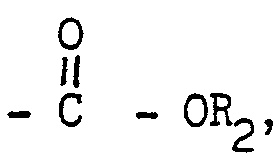
oder für einen gegebenenfalls mit Alkylresten mit 1 bis 4 Kohlenstoffatomen substituierter Phenylrest oder für einen Rest


in organischen Lösungsmitteln LM mit einem Siedepunkt unter Normalbedingungen zwischen 50 und 180°C, wobei der Anteil des Copolymerisats P an der Lösung L 5 - 30 Gew.-% ausmacht, aufbringt, und anschließend nach erfolgter Trocknung auf die Grundierung an sich bekannte wäßrige Dispersionslacke D oder Dispersionsfarben DF aufträgt.
Applications Claiming Priority (2)
| Application Number | Priority Date | Filing Date | Title |
|---|---|---|---|
| DE19843404951 DE3404951A1 (de) | 1984-02-11 | 1984-02-11 | Verfahren zur beschichtung von saugfaehigen untergruenden mit nasshaftenden anstrichsystemen |
| DE3404951 | 1984-02-11 |
Publications (2)
| Publication Number | Publication Date |
|---|---|
| EP0152007A2 true EP0152007A2 (de) | 1985-08-21 |
| EP0152007A3 EP0152007A3 (de) | 1987-01-14 |
Family
ID=6227487
Family Applications (1)
| Application Number | Title | Priority Date | Filing Date |
|---|---|---|---|
| EP85100868A Withdrawn EP0152007A3 (de) | 1984-02-11 | 1985-01-29 | Verfahren zur Beschichtung von saugfähigen Untergründen mit nasshaftenden Anstrichsystemen |
Country Status (4)
| Country | Link |
|---|---|
| US (1) | US4582730A (de) |
| EP (1) | EP0152007A3 (de) |
| JP (1) | JPS60192770A (de) |
| DE (1) | DE3404951A1 (de) |
Cited By (1)
| Publication number | Priority date | Publication date | Assignee | Title |
|---|---|---|---|---|
| DE102009006342A1 (de) * | 2009-01-27 | 2010-07-29 | Hoyer, Manfred | Gefärbte Steine und Verfahren zur Herstellung |
Families Citing this family (13)
| Publication number | Priority date | Publication date | Assignee | Title |
|---|---|---|---|---|
| DE4119034A1 (de) * | 1991-06-10 | 1992-12-17 | Beiersdorf Ag | Waessriger 1-komponenten-primer |
| US5736197A (en) * | 1992-11-30 | 1998-04-07 | Poly-Wall International, Inc. | Method of waterproofing rigid structural materials |
| CA2085940A1 (en) * | 1992-11-30 | 1994-05-31 | John H. Gaveske | Method of waterproofing rigid structural materials |
| DE4313361A1 (de) * | 1993-04-23 | 1994-10-27 | Baehre & Greten | Oberflächenvergütetes Formteil und Verfahren zu seiner Herstellung |
| US5576065A (en) * | 1995-02-03 | 1996-11-19 | Poly Wall International, Inc. | Multilayered system for waterproofing rigid structural materials |
| US5576062A (en) * | 1995-07-25 | 1996-11-19 | Polywall International, Inc. | Chemically resistant coating for concrete and masonry structures |
| US5777071A (en) * | 1995-10-05 | 1998-07-07 | Chemmasters | Water reducible curing and sealing compound |
| US6025032A (en) | 1998-03-03 | 2000-02-15 | Poly Wall International, Inc. | Method and composition for waterproofing |
| AU4809000A (en) | 1999-05-04 | 2000-11-17 | Protective Coatings Technology, Inc. | Method and composition for waterproofing |
| US20020151629A1 (en) * | 2001-02-08 | 2002-10-17 | Buffkin Halbert C. | Protective coating |
| US20040059036A1 (en) * | 2002-09-23 | 2004-03-25 | Gaveske John H. | Method and composition for waterproofing |
| US20060027145A1 (en) * | 2004-07-20 | 2006-02-09 | Mccampbell Kristi L | Tinted texturing mixture and method of application to a surface |
| US7498061B2 (en) * | 2004-12-17 | 2009-03-03 | Ppg Industries Ohio, Inc. | Method for reducing face checking of a wood product |
Family Cites Families (6)
| Publication number | Priority date | Publication date | Assignee | Title |
|---|---|---|---|---|
| NL251352A (de) * | 1958-04-01 | |||
| US3926898A (en) * | 1973-11-28 | 1975-12-16 | Dap Inc | Pigmented primer composition |
| DE2536968A1 (de) * | 1975-08-20 | 1977-03-03 | Roehm Gmbh | Verfahren zum nachtraeglichen impraegnieren von beton |
| NZ186925A (en) * | 1977-04-25 | 1979-12-11 | Ici Ltd | Top-coating based on a basecoat and top-coat compositions not requiring an intermediate baking operation |
| US4417013A (en) * | 1979-06-05 | 1983-11-22 | Sandoz Ltd. | Pigment compositions containing acrylate copolymers |
| CH642992A5 (de) * | 1979-06-05 | 1984-05-15 | Sandoz Ag | Feste pigmentzubereitungen. |
-
1984
- 1984-02-11 DE DE19843404951 patent/DE3404951A1/de not_active Withdrawn
-
1985
- 1985-01-28 US US06/695,302 patent/US4582730A/en not_active Expired - Fee Related
- 1985-01-29 EP EP85100868A patent/EP0152007A3/de not_active Withdrawn
- 1985-02-12 JP JP60023712A patent/JPS60192770A/ja active Pending
Cited By (1)
| Publication number | Priority date | Publication date | Assignee | Title |
|---|---|---|---|---|
| DE102009006342A1 (de) * | 2009-01-27 | 2010-07-29 | Hoyer, Manfred | Gefärbte Steine und Verfahren zur Herstellung |
Also Published As
| Publication number | Publication date |
|---|---|
| US4582730A (en) | 1986-04-15 |
| JPS60192770A (ja) | 1985-10-01 |
| DE3404951A1 (de) | 1985-08-14 |
| EP0152007A3 (de) | 1987-01-14 |
Similar Documents
| Publication | Publication Date | Title |
|---|---|---|
| US9382442B2 (en) | Aqueous binder compositions | |
| EP0152007A2 (de) | Verfahren zur Beschichtung von saugfähigen Untergründen mit nasshaftenden Anstrichsystemen | |
| CN103517928B (zh) | 水性多段聚合物分散体、其制备方法及其作为用于涂覆基材的粘合剂的用途 | |
| US9593191B2 (en) | Use of 2-octyl acrylate polymer as a binding agent in a coating composition | |
| EP0370299B1 (de) | Wässriges Beschichtungsmittel, ein Verfahren zu seiner Herstellung und seine Verwendung | |
| EP2561934B1 (de) | Basisschicht-/Klarschichtbeschichtung | |
| EP0773245B1 (de) | Verwendung einer wässrigen Polymerisatdispersion zur Herstellung von Wasserdampfsperren | |
| DE4439459A1 (de) | Wäßrige Polymerisatdispersion | |
| CN109563192B (zh) | 水性聚合物分散体 | |
| EP2791180B1 (de) | Verwendung wässriger polymerisatdispersionen zur verbesserung der resistenz gegenüber chemischen einflüssen | |
| DE3700534A1 (de) | Waessrige polymerdispersionen fuer die holzbeschichtung | |
| DE1519261A1 (de) | Anstrichmasse | |
| US4673703A (en) | Coating compositions | |
| BG107318A (bg) | ВОДОПР...НО'ИМ 'ВЪРЗВА(tm) 'Ъ''АВ | |
| EP0655481A1 (de) | Wässrige Polymerdispersionen als Bindemittel für blockfeste, kratzfeste und chemikalienbeständige Beschichtungen | |
| KR20230164159A (ko) | 공극-형성된 중합체 입자의 수성 중합체 분산액 | |
| EP0621808B1 (de) | Verfahren zur herstellung einer mehrschichtigen lackierung, nicht-wässrige lacke und selbstvernetzbare polyacrylatharze | |
| EA001802B1 (ru) | Дисперсионные покрытия на основе (со)полимеров винилиденфторида, модифицированных акриловыми полимерами | |
| DE2144972A1 (de) | Siloxan-Acrylat-Copolymere | |
| DE3738932A1 (de) | Waessriges beschichtungsmittel, ein verfahren zu seiner herstellung und seine verwendung | |
| DE1595178A1 (de) | Verfahren zur Herstellung von gegen Gefrieren und Wiederauftauen bestaendigen,zur Verwendung in UEberzugsmitteln geeigneten waessrigen Aminoester-Polymerisatdispersionen | |
| JP5006021B2 (ja) | 被覆用樹脂組成物 | |
| WO2025233672A1 (en) | Emulsion and a process for its preparation | |
| DE751603C (de) | Verfahren zur Herstellung von Polyvinylaethern | |
| EP0387591A2 (de) | Silicium enthaltende Polymerisate, die hauptsächlich aus Acrylsäure- und/oder Methacrylsäureestern aufgebaut sind |
Legal Events
| Date | Code | Title | Description |
|---|---|---|---|
| PUAI | Public reference made under article 153(3) epc to a published international application that has entered the european phase |
Free format text: ORIGINAL CODE: 0009012 |
|
| AK | Designated contracting states |
Designated state(s): AT DE FR GB NL SE |
|
| PUAL | Search report despatched |
Free format text: ORIGINAL CODE: 0009013 |
|
| AK | Designated contracting states |
Kind code of ref document: A3 Designated state(s): AT DE FR GB NL SE |
|
| 17P | Request for examination filed |
Effective date: 19870128 |
|
| 17Q | First examination report despatched |
Effective date: 19881220 |
|
| STAA | Information on the status of an ep patent application or granted ep patent |
Free format text: STATUS: THE APPLICATION IS DEEMED TO BE WITHDRAWN |
|
| 18D | Application deemed to be withdrawn |
Effective date: 19890503 |
|
| RIN1 | Information on inventor provided before grant (corrected) |
Inventor name: ROSSBERG, PETER, DR. Inventor name: ELSER, WILHELM Inventor name: WICKE, MICHAEL |