CN102795902B - Ventilation device applied to composting process - Google Patents
Ventilation device applied to composting process Download PDFInfo
- Publication number
- CN102795902B CN102795902B CN201210314537.6A CN201210314537A CN102795902B CN 102795902 B CN102795902 B CN 102795902B CN 201210314537 A CN201210314537 A CN 201210314537A CN 102795902 B CN102795902 B CN 102795902B
- Authority
- CN
- China
- Prior art keywords
- ventilation
- hollow circular
- circular tube
- ventilation device
- tube
- Prior art date
- Legal status (The legal status is an assumption and is not a legal conclusion. Google has not performed a legal analysis and makes no representation as to the accuracy of the status listed.)
- Expired - Fee Related
Links
- 238000009423 ventilation Methods 0.000 title claims abstract description 218
- 238000009264 composting Methods 0.000 title claims abstract description 45
- 238000000034 method Methods 0.000 title claims abstract description 26
- 230000008569 process Effects 0.000 title claims abstract description 22
- 238000005192 partition Methods 0.000 claims 1
- 239000002361 compost Substances 0.000 abstract description 59
- QVGXLLKOCUKJST-UHFFFAOYSA-N atomic oxygen Chemical compound [O] QVGXLLKOCUKJST-UHFFFAOYSA-N 0.000 abstract description 10
- 239000001301 oxygen Substances 0.000 abstract description 10
- 229910052760 oxygen Inorganic materials 0.000 abstract description 10
- 238000005265 energy consumption Methods 0.000 abstract description 5
- 230000008901 benefit Effects 0.000 abstract description 2
- 239000010813 municipal solid waste Substances 0.000 abstract description 2
- 230000000903 blocking effect Effects 0.000 abstract 1
- 230000008859 change Effects 0.000 abstract 1
- 230000008878 coupling Effects 0.000 abstract 1
- 238000010168 coupling process Methods 0.000 abstract 1
- 238000005859 coupling reaction Methods 0.000 abstract 1
- 238000000354 decomposition reaction Methods 0.000 abstract 1
- 230000008030 elimination Effects 0.000 abstract 1
- 238000003379 elimination reaction Methods 0.000 abstract 1
- 238000011010 flushing procedure Methods 0.000 abstract 1
- 238000000638 solvent extraction Methods 0.000 abstract 1
- 239000000463 material Substances 0.000 description 15
- 238000000855 fermentation Methods 0.000 description 11
- 230000004151 fermentation Effects 0.000 description 11
- 239000007789 gas Substances 0.000 description 10
- 238000010586 diagram Methods 0.000 description 7
- 238000007664 blowing Methods 0.000 description 5
- 238000000605 extraction Methods 0.000 description 5
- 230000000694 effects Effects 0.000 description 4
- 238000005516 engineering process Methods 0.000 description 3
- 239000005416 organic matter Substances 0.000 description 3
- 239000010802 sludge Substances 0.000 description 3
- 239000002910 solid waste Substances 0.000 description 3
- 239000002699 waste material Substances 0.000 description 3
- IJGRMHOSHXDMSA-UHFFFAOYSA-N Atomic nitrogen Chemical compound N#N IJGRMHOSHXDMSA-UHFFFAOYSA-N 0.000 description 2
- 241000196324 Embryophyta Species 0.000 description 2
- 239000002154 agricultural waste Substances 0.000 description 2
- 238000001816 cooling Methods 0.000 description 2
- 238000009792 diffusion process Methods 0.000 description 2
- 239000005431 greenhouse gas Substances 0.000 description 2
- 239000010806 kitchen waste Substances 0.000 description 2
- 244000144972 livestock Species 0.000 description 2
- 238000012423 maintenance Methods 0.000 description 2
- 238000004519 manufacturing process Methods 0.000 description 2
- VNWKTOKETHGBQD-UHFFFAOYSA-N methane Chemical compound C VNWKTOKETHGBQD-UHFFFAOYSA-N 0.000 description 2
- 244000005700 microbiome Species 0.000 description 2
- 239000002689 soil Substances 0.000 description 2
- 238000012546 transfer Methods 0.000 description 2
- 102000004190 Enzymes Human genes 0.000 description 1
- 108090000790 Enzymes Proteins 0.000 description 1
- 241000238631 Hexapoda Species 0.000 description 1
- 241000209140 Triticum Species 0.000 description 1
- 235000021307 Triticum Nutrition 0.000 description 1
- 238000005273 aeration Methods 0.000 description 1
- 230000000844 anti-bacterial effect Effects 0.000 description 1
- 244000052616 bacterial pathogen Species 0.000 description 1
- 230000009286 beneficial effect Effects 0.000 description 1
- 238000006065 biodegradation reaction Methods 0.000 description 1
- 230000005540 biological transmission Effects 0.000 description 1
- 238000009395 breeding Methods 0.000 description 1
- 230000001488 breeding effect Effects 0.000 description 1
- 230000007812 deficiency Effects 0.000 description 1
- 238000013461 design Methods 0.000 description 1
- 238000009826 distribution Methods 0.000 description 1
- 235000013601 eggs Nutrition 0.000 description 1
- 230000035558 fertility Effects 0.000 description 1
- 239000003337 fertilizer Substances 0.000 description 1
- 239000010921 garden waste Substances 0.000 description 1
- 230000017525 heat dissipation Effects 0.000 description 1
- 239000003864 humus Substances 0.000 description 1
- 239000010903 husk Substances 0.000 description 1
- 239000004615 ingredient Substances 0.000 description 1
- 229910052757 nitrogen Inorganic materials 0.000 description 1
- 235000015097 nutrients Nutrition 0.000 description 1
- 238000005457 optimization Methods 0.000 description 1
- 239000010815 organic waste Substances 0.000 description 1
- 239000002245 particle Substances 0.000 description 1
- 238000009304 pastoral farming Methods 0.000 description 1
- 244000144977 poultry Species 0.000 description 1
- 238000009374 poultry farming Methods 0.000 description 1
- 239000002994 raw material Substances 0.000 description 1
- 230000009467 reduction Effects 0.000 description 1
- 230000008439 repair process Effects 0.000 description 1
- 229920006395 saturated elastomer Polymers 0.000 description 1
- 239000003516 soil conditioner Substances 0.000 description 1
- 238000003900 soil pollution Methods 0.000 description 1
- 230000003068 static effect Effects 0.000 description 1
- 238000012549 training Methods 0.000 description 1
- 230000009466 transformation Effects 0.000 description 1
- XLYOFNOQVPJJNP-UHFFFAOYSA-N water Substances O XLYOFNOQVPJJNP-UHFFFAOYSA-N 0.000 description 1
- 239000010925 yard waste Substances 0.000 description 1
Images
Classifications
-
- Y—GENERAL TAGGING OF NEW TECHNOLOGICAL DEVELOPMENTS; GENERAL TAGGING OF CROSS-SECTIONAL TECHNOLOGIES SPANNING OVER SEVERAL SECTIONS OF THE IPC; TECHNICAL SUBJECTS COVERED BY FORMER USPC CROSS-REFERENCE ART COLLECTIONS [XRACs] AND DIGESTS
- Y02—TECHNOLOGIES OR APPLICATIONS FOR MITIGATION OR ADAPTATION AGAINST CLIMATE CHANGE
- Y02A—TECHNOLOGIES FOR ADAPTATION TO CLIMATE CHANGE
- Y02A40/00—Adaptation technologies in agriculture, forestry, livestock or agroalimentary production
- Y02A40/10—Adaptation technologies in agriculture, forestry, livestock or agroalimentary production in agriculture
- Y02A40/20—Fertilizers of biological origin, e.g. guano or fertilizers made from animal corpses
Landscapes
- Processing Of Solid Wastes (AREA)
- Fertilizers (AREA)
Abstract
Description
技术领域 technical field
本发明涉及处理污泥、畜禽养殖废弃物、城市垃圾、厨余废弃物、庭院废弃物等的堆肥技术领域,具体说是一种应用于堆肥工艺的通风装置。 The invention relates to the technical field of composting for treating sludge, livestock and poultry breeding waste, urban garbage, kitchen waste, garden waste, etc., and specifically relates to a ventilation device applied to the composting process.
背景技术 Background technique
堆肥化是在受控制条件下,利用微生物的作用和酶活性加速有机物的生物降解和转化,最终使有机物达到腐熟化和稳定化的过程。堆肥过程不仅可以减少有机固体废弃物的体积、重量、臭味,杀灭病原菌、虫卵、植物种子等,同时会产生大量的腐殖质。生产出来的堆肥产品,可以作为土壤调理剂和植物营养源,能有效地改善土壤结构、提高土壤肥力。目前,堆肥技术已广泛应用于处理剩余污泥、畜禽养殖废弃物、城市垃圾、厨余废弃物、庭院废弃物等。影响堆肥过程的参数很多,影响堆肥原料的主要参数有:C/N比、pH值、含水率、颗粒度、有机质含量、C/P比等,而堆肥过程中的主要控制参数有:温度、氧含量等。通风可用来控制堆肥过程的温度和氧含量,所以,通风被认为是堆肥系统中最重要的因素。合理的通风不仅可以提高堆肥产品质量,而且可以节省能耗,反之,过高的通风速率不仅造成通风损失过大,不利于维持堆体温度,而且会造成大量的氮素损失,减低堆肥产品的肥效,增加堆肥能耗;但过低的通风速率,就会降低堆体中的氧浓度,进而造成堆体局部厌(缺)氧,从而产生大量臭气以及NxO、甲烷等温室气体,给周边环境带来严重的污染和危害。显而易见,堆肥通风系统设计、运行和管理的优化不仅有助于堆肥技术的大力推广和广泛应用,而且有助于温室气体减排。堆肥过程通风起到供氧、去除水分和散热的作用。 Composting is the process of using microorganisms and enzyme activity to accelerate the biodegradation and transformation of organic matter under controlled conditions, and finally make the organic matter decompose and stabilize. The composting process can not only reduce the volume, weight, and odor of organic solid waste, kill pathogenic bacteria, insect eggs, plant seeds, etc., but also produce a large amount of humus. The produced compost products can be used as soil conditioner and plant nutrient source, which can effectively improve soil structure and improve soil fertility. At present, composting technology has been widely used in the treatment of excess sludge, livestock and poultry farming waste, urban waste, kitchen waste, yard waste, etc. There are many parameters affecting the composting process. The main parameters affecting the composting raw materials are: C/N ratio, pH value, moisture content, particle size, organic matter content, C/P ratio, etc. The main control parameters in the composting process are: temperature, oxygen content etc. Aeration can be used to control the temperature and oxygen content of the composting process, so it is considered to be the most important factor in the composting system. Reasonable ventilation can not only improve the quality of composting products, but also save energy consumption. On the contrary, excessive ventilation rate will not only cause excessive ventilation loss, which is not conducive to maintaining the temperature of the compost, but also cause a large amount of nitrogen loss, reducing the composting product. Fertilizer efficiency increases composting energy consumption; but too low ventilation rate will reduce the oxygen concentration in the heap, which will cause local anaerobic (deficiency) oxygen in the heap, resulting in a large amount of odor and greenhouse gases such as NxO and methane, which will affect the surrounding area. The environment brings serious pollution and harm. Obviously, the optimization of compost ventilation system design, operation and management not only contributes to the vigorous promotion and wide application of composting technology, but also contributes to the reduction of greenhouse gas emissions. Ventilation during the composting process plays the role of oxygen supply, moisture removal and heat dissipation.
综上所述,选择合适的堆肥通风方式,需要考虑以下主要因素:技术经济条件、物料利用率、运输和操作费用、设备维护和管理、工作人员培训、场地等方面。目前,我国农村由于经济、技术等条件落后,堆肥化处理农业废弃物大都采用自然通风和翻堆的方式;城市有机固体废弃物的堆肥化处理则多采用强制通风发酵仓的方式。因此,根据我国国情,用堆肥化处理农业废弃物可以选择设备投资少、人工操作费用少的被动通风方式;考虑到占地面积和堆肥周期,城市有机垃圾堆肥选择强制通风反应器堆肥系统较为适合。 To sum up, the following main factors need to be considered in choosing the appropriate composting ventilation method: technical and economic conditions, material utilization, transportation and operation costs, equipment maintenance and management, staff training, site, etc. At present, due to the backward economic and technological conditions in rural areas of our country, natural ventilation and turning are mostly used for composting agricultural waste; for composting urban organic solid waste, forced ventilation fermentation bins are mostly used. Therefore, according to my country's national conditions, the composting of agricultural waste can choose the passive ventilation method with less equipment investment and less manual operation cost; considering the area occupied and the composting cycle, the forced ventilation reactor composting system is more suitable for urban organic waste composting .
目前,现有的堆肥通风方式可分为:自然通风、翻堆、被动通风、强制通风等,自然通风、翻堆、被动通风方式常用于条垛式堆肥系统;强制通风方式常用于强制通风静态垛和大多数反应器堆肥系统;自然通风主要是依靠空气的扩散现象,由堆积层表面将氧扩散、传送到堆体内部;被动通风方式是利用设置在堆体中的穿孔管,促进空气在堆料中的传输,其原理是由于堆体内外的温度差,因堆体内部热气上升使得外部空气被吸入堆体,被动通风不需要翻堆和强制通风,所以大大降低了投资和运行费用;强制通风就是利用风机对物料进行正压鼓风、负压抽气以及两者结合的方式,进行气体交换,促进物质传输和对微生物的氧传递,然而,强制通风(正压鼓风或负压抽气)在堆肥过程中会造成温度、含水率等分布不均匀,例如,对于正压强制通风而言,通风管道附近区域有明显的冷却效应,很难使该区域的堆料达到杀菌效果,由于干燥空气的通入使得堆体底层变得干燥,相反堆体上层却由于饱和的空气冷却而形成大量冷凝水,会影响堆肥效果。 At present, the existing compost ventilation methods can be divided into: natural ventilation, turning, passive ventilation, forced ventilation, etc. Natural ventilation, turning, and passive ventilation are often used in strip composting systems; forced ventilation is often used in forced ventilation static Heap and most reactor composting systems; natural ventilation mainly relies on the diffusion of air, which diffuses and transmits oxygen from the surface of the pile to the inside of the pile; passive ventilation uses perforated pipes arranged in the pile to promote air in the pile The principle of the transmission in the pile is that due to the temperature difference between the inside and outside of the pile, the outside air is sucked into the pile due to the rise of the heat inside the pile. Passive ventilation does not require turning over the pile and forced ventilation, so the investment and operating costs are greatly reduced; Forced ventilation is the use of fans to blow materials under positive pressure, negative pressure suction, and a combination of the two to exchange gases and promote material transfer and oxygen transfer to microorganisms. However, forced ventilation (positive pressure blowing or negative pressure Air extraction) will cause uneven distribution of temperature, moisture content, etc. during the composting process. For example, for positive pressure forced ventilation, the area near the ventilation pipe has an obvious cooling effect, and it is difficult to achieve the bactericidal effect of the pile in this area. Due to the introduction of dry air, the bottom layer of the heap becomes dry. On the contrary, the upper layer of the heap forms a large amount of condensed water due to the cooling of saturated air, which will affect the composting effect.
现有的“横管式*”通风装置:指埋于堆肥底部的呈“王”字形的通风管系统,在各分支管上分布通风孔,存在能耗大,所需压力大,堆肥内部充氧不均匀,腐熟时间长,受环境温度影响大,不适宜冬季堆肥等缺点。 Existing "horizontal tube type * " ventilation device: refers to the "King"-shaped ventilation tube system buried in the bottom of the compost, and the ventilation holes are distributed on each branch tube, which has high energy consumption and high pressure required, and the compost is filled with air. Oxygen is not uniform, the decomposing time is long, it is greatly affected by the ambient temperature, and it is not suitable for composting in winter.
发明内容 Contents of the invention
综上所述,本发明的目的在于提供一种应用于堆肥工艺的通风装置。 To sum up, the object of the present invention is to provide a ventilation device for composting process.
本发明的目的是通过以下技术来实现的: The purpose of the present invention is achieved by the following technologies:
一种应用于堆肥工艺的通风装置,是由空心圆管Ⅰ和空心圆管Ⅱ组成,空心圆管Ⅰ和空心圆管Ⅱ套接;空心圆管Ⅰ下端1/5处与空心圆管Ⅱ下端的3/7处设有封闭圆环;封闭圆环将空心圆管Ⅰ和空心圆管Ⅱ之间的空间隔断,分为上部通风空间和下部通风空间;空心圆管Ⅰ的两端开口;空心圆管Ⅱ的管壁上设有通气孔;空心圆管Ⅰ的外露端连接外接设备;空心圆管Ⅱ的下端呈圆锥状。 A ventilation device used in the composting process, which is composed of a hollow circular tube I and a hollow circular tube II, and the hollow circular tube I and the hollow circular tube II are socketed; There is a closed ring at 3/7 of the center; the closed ring separates the space between the hollow tube I and the hollow tube II, and divides it into an upper ventilation space and a lower ventilation space; the two ends of the hollow tube I are open; the hollow The pipe wall of the round pipe II is provided with ventilation holes; the exposed end of the hollow round pipe I is connected to external equipment; the lower end of the hollow round pipe II is conical.
本发明的优点及有益效果: Advantage of the present invention and beneficial effect:
1、本发明所涉及的堆肥工艺通风系统同时具备自然通风、强制通风和被动通风功能,可以普遍适用于我国农村和城市的固体废弃物的堆肥处理。 1. The composting process ventilation system involved in the present invention has the functions of natural ventilation, forced ventilation and passive ventilation at the same time, and can be generally applicable to the composting of solid waste in rural areas and cities in my country. ``
2、本发明使用方便,效率快,在堆肥中的安放位置可自行调整,控制通风均匀性,且不容易堵塞,工作安全可靠,提高生产效率,节约工作时间。 2. The invention is easy to use and fast in efficiency. The placement position in the compost can be adjusted by itself, the uniformity of ventilation can be controlled, and it is not easy to be blocked. It works safely and reliably, improves production efficiency, and saves working time.
3、本发明的结构合理,可以自由改变堆肥通风方向,消除通风过程中产生的局部温度不均现象,消除堆肥中的死角、减少能耗,同时达到堆肥效果均匀。 3. The structure of the present invention is reasonable, and the composting ventilation direction can be changed freely, which can eliminate local temperature unevenness during the ventilation process, eliminate dead angles in the composting, reduce energy consumption, and achieve uniform composting effect at the same time.
4、本发明结构简单、制造简便,成本低廉,维护、维修方便,市场和用户易于接受,便于推广,市场潜力大。 4. The present invention is simple in structure, easy to manufacture, low in cost, convenient in maintenance and repair, easy to accept by the market and users, easy to popularize, and has great market potential.
5、本发明用途广泛,也可在土壤污染修复等其它行业的通风工艺中得到应用。 5. The invention has a wide range of uses, and can also be applied in the ventilation process of other industries such as soil pollution restoration.
附图说明 Description of drawings
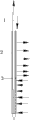
图1为本发明的结构示意图。 Fig. 1 is a structural schematic diagram of the present invention.
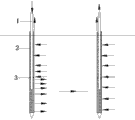
图2为本发明单装置的被动通风气流场示意图。 Fig. 2 is a schematic diagram of the passive ventilation airflow field of a single device of the present invention.
图3为本发明单装置的强制通风鼓气气流场示意图。 Fig. 3 is a schematic diagram of the airflow field of the forced ventilation blowing air of a single device of the present invention.
图4为本发明单装置的强制通风抽气气流场示意图。 Fig. 4 is a schematic diagram of the airflow field of the forced ventilation and air extraction of a single device of the present invention.
图5为本发明单/单、单/多、多/多装置的强制通风鼓气气流场示意图。 Fig. 5 is a schematic diagram of the airflow field of the forced ventilation blowing air of the single/single, single/multiple, and multiple/multiple devices of the present invention.
图6为本发明单/单、单/多、多/多装置的强制通风抽气气流场示意图。 Fig. 6 is a schematic diagram of the airflow field of the forced ventilation extraction of the single/single, single/multiple, and multiple/multiple devices of the present invention.
图7为发明单/单、单/多、多/多装置的强制通风鼓气与抽气组合气流场示意图。 Fig. 7 is a schematic diagram of the combined airflow field of forced ventilation blowing and air extraction of the single/single, single/multiple, and multiple/multiple devices of the invention.
图中:1-空心圆管Ⅰ 2-空心圆管Ⅱ 3-封闭圆环 In the figure: 1-Hollow tube Ⅰ 2-Hollow tube Ⅱ 3-Closed ring
具体实施方式 Detailed ways
下面结合附图对本发明做进一步说明: The present invention will be further described below in conjunction with accompanying drawing:
如图1所示,一种应用于堆肥工艺的通风装置,是由空心圆管Ⅰ1和空心圆管Ⅱ2组成,所述的空心圆管Ⅰ1和空心圆管Ⅱ2套接;空心圆管Ⅰ1下端1/5处与空心圆管Ⅱ2下端的3/7处设有封闭圆环;封闭圆环将空心圆管Ⅰ1和空心圆管Ⅱ2之间的空间隔断,分为上部通风空间和下部通风空间;空心圆管Ⅰ1的两端开口;空心圆管Ⅱ2的管壁上设有通气孔;空心圆管Ⅰ1的外露端连接外接设备;空心圆管Ⅱ2的下端呈圆锥状。 As shown in Figure 1, a ventilation device applied to the composting process is composed of a hollow circular tube I1 and a hollow circular tube II2. The hollow circular tube I1 and the hollow circular tube II2 are socketed; the lower end of the hollow circular tube I1 is 1 /5 and 3/7 of the lower end of the hollow tube Ⅱ2 are provided with a closed ring; the closed ring separates the space between the hollow tube Ⅰ1 and the hollow tube Ⅱ2 and divides it into an upper ventilation space and a lower ventilation space; the hollow Both ends of the round tube I1 are open; the wall of the hollow round tube II2 is provided with air holes; the exposed end of the hollow round tube I1 is connected to external equipment; the lower end of the hollow round tube II2 is conical.
实施例1 Example 1
自然通风 natural ventilation
堆肥堆于长方体发酵箱(长50×宽50×高100cm)中,堆肥体积0.25m3时,通风装置总长度设置为80cm,空心圆管Ⅱ2直径为4cm,空心圆管Ⅰ1直径为2cm,应用单个通风装置从上截面中心插入到堆肥内距底部20cm高度处,上端开口位于堆体外,增大堆肥内部与外界接触面积,通过空气扩散作用,由堆积层表面将氧扩散、传送到堆体内部。 The compost is piled in a rectangular parallelepiped fermentation box (length 50×width 50×height 100cm), when the volume of compost is 0.25m 3 , the total length of the ventilation device is set to 80cm, the diameter of the hollow circular tube Ⅱ2 is 4cm, and the diameter of the hollow circular tube Ⅰ1 is 2cm. A single ventilation device is inserted from the center of the upper section into the compost at a height of 20cm from the bottom. The upper opening is located outside the compost to increase the contact area between the interior of the compost and the outside world. Through air diffusion, oxygen is diffused and transmitted from the surface of the pile to the inside of the pile. .
堆体为0.5m3时,将堆肥堆于长方体发酵箱(长100×宽50×高100cm)中,将堆体上截面平均分成两个0.25m2的面积,将2个通风装置分别从以上两面积的中心插入堆肥内部距底部20cm高度处,上端开口位于堆体外。 When the heap size is 0.5m 3 , put the compost in a rectangular parallelepiped fermentation box (length 100×width 50×height 100cm), divide the upper section of the heap into two 0.25m 2 areas on average, and separate the two ventilation devices from the above The centers of the two areas are inserted into the compost at a height of 20 cm from the bottom, and the upper opening is located outside the compost.
堆体为1m3时,将堆肥堆于长方体发酵箱(长100×宽100×高100cm)中,将4个通风装置平均分布插入堆肥内部距底部20cm高度处,上端开口位于堆体外,对堆肥进行自然通风。 When the heap size is 1m3 , put the compost in a cuboid fermentation box (length 100×width 100×height 100cm), insert 4 ventilators evenly into the compost at a height of 20cm from the bottom, and open the upper end outside the heap. Provide natural ventilation.
实施例2 Example 2
被动通风 passive ventilation
如图2所示,堆肥堆于长方体发酵箱(长50×宽50×高100cm)中,通风装置总长度设置为80cm,空心圆管Ⅱ直径为4cm,空心圆管Ⅰ直径为2cm,堆肥体积0.25m3,将单个通风装置从上截面中心插入到堆肥内部距底部20cm高度处,上端开口位于堆体外,堆肥过程中内部温度升高,内部空气受热上升,而外界低温气体通过通风装置的内外管筒流向堆肥内部,形成被动通风。 As shown in Figure 2, the compost is piled in a cuboid fermentation box (length 50×width 50×height 100cm), the total length of the ventilation device is set to 80cm, the diameter of the hollow circular tube II is 4cm, and the diameter of the hollow circular tube I is 2cm. 0.25m 3 , insert a single ventilation device from the center of the upper section into the compost at a height of 20cm from the bottom. The tubes flow to the interior of the compost for passive ventilation.
堆肥为0.5m3时,将堆肥堆于长方体发酵箱(长100×宽50×高100cm)中,将堆体上截面平均分成两个0.25m2的面积,将2个通风装置分别从以上两面积的中心插入堆肥内部距底面20cm高度处,上端开口位于堆体外。 When the compost size is 0.5m 3 , put the compost in a cuboid fermentation box (length 100×width 50×height 100cm), divide the upper section of the compost into two 0.25m 2 areas on average, and separate the two ventilation devices from the above two The center of the area is inserted into the compost at a height of 20 cm from the bottom surface, and the upper opening is located outside the compost.
堆体为1m3时,将堆肥堆于长方体发酵箱(长100×宽100×高100cm)中,将4个通风装置平均分布插入堆肥内部距底部20cm高度处,上端开口位于堆体外,使堆肥进行被动通风。 When the heap size is 1m 3 , put the compost in a cuboid fermentation box (length 100×width 100×height 100cm), insert 4 ventilation devices evenly into the compost at a height of 20cm from the bottom, and open the upper end outside the heap so that the compost Provide passive ventilation.
实施例3 Example 3
强制通风(单装置) Forced ventilation (single unit)
如图3、4所示,堆肥堆于长方体发酵箱(长50×宽50×高100cm)中,通风装置总长度设置为80cm,空心圆管Ⅱ直径为4cm,空心圆管Ⅰ直径为2cm。堆肥体积小于0.25m3,应用单个通风装置上截面中心插入到堆肥内部距底部20cm高度处,上端管口接入真空泵,对堆肥进行强制负压抽风,通风速率为0.1m3/min﹒m3,此时,堆肥内气流在通风装置3/7处的下部通风空间-堆肥-通风装置4/7处的上部通风空间之间形成回路,堆肥过程中抽气与鼓气交替进行。
As shown in Figures 3 and 4, the compost is piled in a cuboid fermentation box (length 50×width 50×height 100cm), the total length of the ventilation device is set to 80cm, the diameter of the hollow circular tube II is 4cm, and the diameter of the hollow circular tube I is 2cm. The volume of the compost is less than 0.25m 3 , and the center of the upper section of the single ventilation device is inserted into the compost at a height of 20cm from the bottom. m 3 , at this time, the airflow in the compost forms a loop between the lower ventilation space at
实施例4 Example 4
强制通风(单-单) Forced ventilation (single-single)
堆体为0.25-0.5m3时,将堆肥堆于长方体发酵箱(长100×宽50×高100cm)中,通风装置总长度设置为80cm,空心圆管Ⅱ直径为4cm,空心圆管Ⅰ直径为2cm,将堆体上截面平均分成两个0.25m2的面积,应用两个通风装置分别从以上两面积的中心插入堆肥内,距底面20cm高度处,根据2个通风装置外接设备的不同,单管的通风速率为0.1m3/min﹒m3,进行以下三种运行方式: When the heap size is 0.25-0.5m 3 , put the compost in a cuboid fermentation box (length 100×width 50×height 100cm), set the total length of the ventilation device to 80cm, the diameter of the hollow circular tube II is 4cm, and the diameter of the hollow circular tube I Divide the upper section of the heap into two 0.25m2 areas on average, use two ventilation devices to insert into the compost from the center of the above two areas respectively, at a height of 20cm from the bottom surface, according to the difference of the external equipment of the two ventilation devices, The ventilation rate of a single pipe is 0.1m 3 /min. m 3 , carry out the following three operation modes:
如图5所示,将通风装置a空心圆管Ⅰ1上端管口接入鼓风机,通风装置b上端开口于空气中,气流通过通风装置a空心圆管Ⅰ1进入通风装置3/7处的下部通风空间,再通过堆肥物料,其中一部分气体向上,通过通风装置a空心圆管Ⅱ2进入通风装置a4/7处的上部通风空间,然后进入外界空气中;另一部分气体流向通风装置b,通过通风装置b通气孔进入通风装置b内,然后通过通风装置b空心圆管进入外界空气中。 As shown in Figure 5, the upper end of the hollow circular tube I1 of the ventilation device a is connected to the blower, and the upper end of the ventilation device b is opened in the air, and the air flow passes through the hollow circular tube I1 of the ventilation device a and enters the lower ventilation space at 3/7 of the ventilation device , and then through the compost material, part of the gas goes upwards, enters the upper ventilation space at ventilation device a4/7 through the hollow circular tube II2 of the ventilation device a, and then enters the outside air; the other part of the gas flows to the ventilation device b, and passes through the ventilation device b. The air hole enters the ventilation device b, and then enters the outside air through the hollow circular tube of the ventilation device b.
如图7所示,将通风装置a空心圆管Ⅰ1上端管口接入鼓风机,通风装置b空心圆管Ⅰ1上端开口接于抽风机,气流通过通风装置a空心圆管Ⅰ1进入通风装置3/7处的下部通风空间,再通过堆肥物料,其中一部分气体向上,通过通风装置a空心圆管Ⅱ2进入通风装置a4/7处的上部通风空间,然后进入外界空气中;另一部分气体流向通风装置b,通过通风装置b空心圆管Ⅱ2上的通气孔进入通风装置b3/7处的下部通风空间,然后通过空心圆管Ⅰ1进入抽风机排出。
As shown in Figure 7, the upper end of the hollow circular tube I1 of the ventilation device a is connected to the blower, the upper end of the hollow circular tube I1 of the ventilation device b is connected to the exhaust fan, and the air flow enters the
如图6所示,将通风装置a空心圆管Ⅰ1上端管口接入抽气机,通风装置b上端开口于空气中,其中一部分外界气体通过通风装置b空心圆管进入通风装置b,再通过堆肥物料,进入通风装置a3/7处的下部通风空间,通过通风装置a空心圆管Ⅰ1排入外界空气中;另一部分外界气体气体通过通风装置a外管Ⅱ2上端开口进入通风装置a4/7处的上部通风空间,向下流经堆肥物料,通过通风装置a空心圆管Ⅱ2上的通气孔进入通风装置a3/7处的下部通风空间,然后通过空心圆管Ⅰ1进入抽风机排出。 As shown in Figure 6, the upper end of the hollow circular tube I1 of the ventilation device a is connected to the air extractor, and the upper end of the ventilation device b is opened in the air, and part of the external air enters the ventilation device b through the hollow circular tube of the ventilation device b, and then passes through The compost material enters the lower ventilation space at ventilation device a3/7, and is discharged into the outside air through ventilation device a hollow tube I1; the other part of the outside gas enters ventilation device a4/7 through the upper opening of ventilation device a outer tube II2 The upper ventilation space of the compost flows downward through the compost material, enters the lower ventilation space at the ventilation device a3/7 through the ventilation hole on the hollow circular tube II2 of the ventilation device a, and then enters the exhaust fan through the hollow circular tube I1 to be discharged.
实施例5 Example 5
强制通风(单-多) Forced ventilation (single-multiple)
堆体为1.0m3时,将堆肥堆于长方体发酵箱(长100×宽100×高100cm)中,通风装置总长度设置为80cm,空心圆管Ⅱ直径为4cm,空心圆管Ⅰ直径为2cm,将堆体上截面平均分成4个0.25m2面积,将4个通风装置从每个0.25m2面积中心插入到堆肥内部距底部20cm高度处,然后在堆肥体上整体截面的中心插入1个通风装置,到堆肥内部距底部20cm高度处,根据通风装置外接设备的不同,单管的通风速率为0.1m3/min﹒m3,进行以下四种运行方式: When the heap size is 1.0m 3 , put the compost in a cuboid fermentation box (length 100×width 100×height 100cm), the total length of the ventilation device is set to 80cm, the diameter of the hollow circular tube II is 4cm, and the diameter of the hollow circular tube I is 2cm , divide the upper section of the compost body into four 0.25m 2 areas on average, insert 4 ventilation devices from the center of each 0.25m 2 area to the height of 20cm from the bottom inside the compost, and then insert one in the center of the overall section of the compost body Ventilation device, to the height of 20cm from the bottom inside the compost, according to the different external equipment of the ventilation device, the ventilation rate of a single pipe is 0.1m 3 /min. m 3 , carry out the following four operation modes:
如图5所示,将通风装置a内管Ⅰ1上端管口接入鼓风机,另外4个通风装置b的空心圆管Ⅰ1上端开口于空气中,气流通过通风装置a的空心圆管Ⅰ1进入通风装置a3/7处的下部通风空间,再通过堆肥物料,其中一部分气体向上,通过通风装置a空心圆管Ⅱ2进入通风装置a4/7处的上部通风空间,然后进入外界空气中;另一部分气体流向4个通风装置b,通过空心圆管Ⅱ2上的通气孔进入,然后通过通风装置b的空心圆管进入外界空气中。 As shown in Figure 5, the upper end of the inner tube I1 of the ventilation device a is connected to the blower, and the upper ends of the hollow circular tubes I1 of the other four ventilation devices b are opened in the air, and the air flow enters the ventilation device through the hollow circular tube I1 of the ventilation device a The lower ventilation space at a3/7 passes through the compost material, part of the gas goes upwards, enters the upper ventilation space at a4/7 of the ventilation device through the hollow circular tube II2 of the ventilation device a, and then enters the outside air; the other part of the gas flows to 4 A ventilation device b enters through the air hole on the hollow tube II2, and then enters the outside air through the hollow tube of the ventilation device b.
如图6所示,将通风装置a空心圆管Ⅰ1上端管口接入抽气机,另4个通风装置b空心圆管Ⅰ1上端开口于空气中,一部分外界气体通过4个通风装置b的空心圆管进入通风装置b内,再通过堆肥物料,进入通风装置a3/7处的下部通风空间,通过通风装置a空心圆管Ⅰ1排入外界空气中;另一部分外界气体通过接有抽气机的通风装置a的空心圆管Ⅱ2上端开口进入通风装置a4/7处的上部通风空间,向下流经堆肥物料,通过此通风装置a外管Ⅱ2通气孔进入通风装置a3/7处的下部通风空间,然后通过空心圆管Ⅰ1进入抽风机排出。 As shown in Figure 6, the upper end of the hollow circular tube I1 of the ventilation device a is connected to the air extractor, and the upper ends of the hollow circular tube I1 of the other four ventilation devices b are opened in the air, and a part of the external air passes through the hollow of the four ventilation devices b The round pipe enters the ventilation device b, and then passes through the compost material, enters the lower ventilation space at the ventilation device a3/7, and is discharged into the outside air through the hollow round pipe I1 of the ventilation device a; the other part of the outside air passes through the air pump connected with the air extractor. The upper opening of the hollow circular tube II2 of the ventilation device a enters the upper ventilation space at the ventilation device a4/7, flows downward through the compost material, and enters the lower ventilation space at the ventilation device a3/7 through the ventilation hole of the outer tube II2 of the ventilation device a. Then it enters the exhaust fan through the hollow tube I1 and discharges it.
如图7所示,将通风装置a空心圆管Ⅰ1上端管口接入抽气机,另4个通风装置b空心圆管Ⅰ1上端开口分别接入一鼓气机,鼓风机将气流由4个通风装置b的空心圆管Ⅰ1鼓入通风装置b3/7处的下部通风空间,然后气流流经堆肥物料直接进入通风装置a3/7处的下部通风空间,经由此通风装置a的空心圆管Ⅰ1,由抽风机排出。 As shown in Figure 7, connect the upper end nozzle of ventilation device a hollow round tube I1 to the air extractor, and the upper openings of the other four ventilation device b hollow round tubes I1 are respectively connected to an air blower, and the air blower will pass the air flow through the four ventilators. The hollow circular tube I1 of device b blows into the lower ventilation space of ventilation device b3/7, and then the air flows through the compost material directly into the lower ventilation space of ventilation device a3/7, through the hollow circular tube I1 of ventilation device a, Exhausted by exhaust fan. the
如图7所示,将通风装置a空心圆管Ⅰ1上端管口接入鼓气机,4个通风装置b空心圆管Ⅰ1上端开口分别接入一抽气机,鼓风机将气流由通风装置a的空心圆管Ⅰ1鼓入通风装置a3/7处的下部通风空间,然后气流流经堆肥物料直接进入另4个通风装置b3/7处的下部通风空间,从这4个通风装置b空心圆管Ⅰ1经由抽风机排出。 As shown in Figure 7, the upper end of the hollow circular tube I1 of the ventilation device a is connected to the air blower, and the upper openings of the four hollow circular tubes I1 of the ventilation device b are respectively connected to an air extractor, and the blower blows the air flow from the ventilation device a The hollow circular tube Ⅰ1 blows into the lower ventilation space at ventilation device a3/7, and then the airflow flows through the compost material and directly enters the lower ventilation space at the other 4 ventilation devices b3/7, and the hollow circular tube Ⅰ1 from these 4 ventilation devices b Exhaust via exhaust fan.
实施例6 Example 6
强制通风(多-多) Forced ventilation (multi-multi)
堆体为1.0m3时,将堆肥堆于长方体发酵箱(长100×宽100×高100cm)中,通风装置总长度设置为80cm,外管直径为4cm,内管直径为2cm,将堆体上截面平均分成4个0.25m2面积,将4个通风装置从每个0.25m2面积中心插入到堆肥内部距底部20cm高度处,根据通风装置所接设备的不同,单管的通风速率为0.1m3/min﹒m3,进行以下3种运行方式: When the heap size is 1.0m 3 , put the compost in a cuboid fermentation box (length 100×width 100×height 100cm), set the total length of the ventilation device to 80cm, the diameter of the outer tube is 4cm, and the diameter of the inner tube is 2cm. The upper section is divided into 4 areas of 0.25m 2 on average, and 4 ventilation devices are inserted from the center of each 0.25m 2 area to the height of 20cm from the bottom inside the compost. According to the different equipment connected to the ventilation device, the ventilation rate of a single pipe is 0.1 m 3 /min. m 3 , carry out the following 3 operation modes:
如图5所示,将2个通风装置a空心圆管Ⅰ1上端管口分别接入一鼓风机,另外两个通风装置b空心圆管Ⅰ1上端开口于空气中,气流分别通过通风装置a的空心圆管Ⅰ1进入通风装置a3/7处的下部通风空间,再通过堆肥物料;一部分气体向上,通过通风装置a的空心圆管Ⅱ2进入通风装置a4/7处的上部通风空间,然后进入外界空气中;另一部分气体流向两个通风装置b,通过通气孔进入另两个通风装置b中,然后通过两个通风装置b的空心圆管进入外界空气中。 As shown in Figure 5, the upper ends of the two ventilation devices a, the hollow circular tubes I1, are respectively connected to a blower, and the upper ends of the other two ventilation devices b, the hollow circular tubes I1, are opened in the air, and the air flows through the hollow circles of the ventilation device a respectively. Pipe Ⅰ1 enters the lower ventilation space at ventilation device a3/7, and then passes through the compost material; part of the gas goes upward, and enters the upper ventilation space at ventilation device a4/7 through the hollow round tube II2 of ventilation device a, and then enters the outside air; Another part of the gas flows to the two ventilation devices b, enters into the other two ventilation devices b through the air holes, and then enters the outside air through the hollow circular tubes of the two ventilation devices b.
如图6所示,将通风装置a空心圆管Ⅰ1上端管口接入抽气机,通风装置b空心圆管Ⅰ1上端开口于空气中,一部分外界气体通过通风装置b空心圆管进入通风装置b,再通过堆肥物料,进入通风装置a3/7处的下部通风空间,通过通风装置a的空心圆管Ⅰ1排入外界空气中;另一部分外界气体通过通风装置a的空心圆管Ⅱ2上端开口进入通风装置a4/7处的上部通风空间,然后向下流经堆肥物料,通过通风装置a空心圆管Ⅱ2通气孔进入通风装置3/7处的下部通风空间,然后通过通风装置a空心圆管Ⅰ1进入抽风机排出。 As shown in Figure 6, the upper end of the hollow circular tube I1 of the ventilation device a is connected to the air extractor, the upper end of the hollow circular tube I1 of the ventilation device b is opened in the air, and a part of the external air enters the ventilation device b through the hollow circular tube of the ventilation device b , and then through the compost material, it enters the lower ventilation space at ventilation device a3/7, and is discharged into the outside air through the hollow tube I1 of ventilation device a; the other part of the outside air enters the ventilation through the upper opening of the hollow tube II2 of ventilation device a The upper ventilation space at 4/7 of the device a, then flows downward through the compost material, and enters the lower ventilation space at the 3/7 part of the ventilation device a through the ventilation hole of the hollow circular tube II2 of the ventilation device a, and then enters the exhaust air through the hollow circular tube Ⅰ1 of the ventilation device a machine discharge.
如图7所示,将通风装置a空心圆管Ⅰ1上端管口分别接入一鼓气机,通风装置b的空心圆管Ⅰ1上端开口分别接入一抽气机,鼓风机将气流由通风装置a的空心圆管Ⅰ1鼓入通风装置a3/7处的下部通风空间,然后气流流经堆肥物料直接进入通风装置b3/7处的下部通风空间,经由通风装置b的空心圆管Ⅰ1,通过抽风机排出。 As shown in Figure 7, connect the upper end nozzles of the hollow circular tubes I1 of the ventilation device a to an air blower, and the upper openings of the hollow circular tubes I1 of the ventilation device b are connected to an air exhauster respectively, and the blower blows the air flow from the ventilation device a The hollow circular tube Ⅰ1 of the ventilation device blows into the lower ventilation space of the ventilation device a3/7, and then the air flows through the compost material and directly enters the lower ventilation space of the ventilation device b3/7, passes through the hollow circular tube Ⅰ1 of the ventilation device b, and passes through the exhaust fan discharge.
以上实施例中的堆肥,按照配料重量比:麦壳、污泥、回流堆肥=1:1:1;初始含水率为55%;初始C/N=30:1。 The compost in the above examples, according to the weight ratio of ingredients: wheat husk, sludge, return compost = 1:1:1; initial moisture content 55%; initial C/N = 30:1.
表1:为现有的横管式通风装置与实施例3、4、5、6的强制通风对比表
Table 1: is the forced ventilation comparison table of existing horizontal tube ventilation device and
Claims (3)
Priority Applications (1)
| Application Number | Priority Date | Filing Date | Title |
|---|---|---|---|
| CN201210314537.6A CN102795902B (en) | 2012-08-30 | 2012-08-30 | Ventilation device applied to composting process |
Applications Claiming Priority (1)
| Application Number | Priority Date | Filing Date | Title |
|---|---|---|---|
| CN201210314537.6A CN102795902B (en) | 2012-08-30 | 2012-08-30 | Ventilation device applied to composting process |
Publications (2)
| Publication Number | Publication Date |
|---|---|
| CN102795902A CN102795902A (en) | 2012-11-28 |
| CN102795902B true CN102795902B (en) | 2014-05-14 |
Family
ID=47195244
Family Applications (1)
| Application Number | Title | Priority Date | Filing Date |
|---|---|---|---|
| CN201210314537.6A Expired - Fee Related CN102795902B (en) | 2012-08-30 | 2012-08-30 | Ventilation device applied to composting process |
Country Status (1)
| Country | Link |
|---|---|
| CN (1) | CN102795902B (en) |
Families Citing this family (5)
| Publication number | Priority date | Publication date | Assignee | Title |
|---|---|---|---|---|
| CN105819919B (en) * | 2016-03-04 | 2018-08-07 | 浙江大学 | The tonifying Qi in sunlight compost room and draining integral system |
| CN108530117B (en) * | 2018-06-25 | 2024-01-30 | 黑龙江省农业科学院畜牧研究所 | Ventilation equipment for livestock manure fermentation and ventilation method thereof |
| CN115073236A (en) * | 2022-07-15 | 2022-09-20 | 四川逢春制药有限公司 | Preparation method and application of dregs of a decoction compound fertilizer for salvia miltiorrhiza planting |
| CN115057745A (en) * | 2022-07-15 | 2022-09-16 | 四川逢春制药有限公司 | Preparation method and application of dregs compound fertilizer for planting white paeony root |
| CN117776793A (en) * | 2023-12-19 | 2024-03-29 | 如皋市现代农业机械有限公司 | A small-scale upward air circulation fermentation system and its working principle |
Citations (4)
| Publication number | Priority date | Publication date | Assignee | Title |
|---|---|---|---|---|
| CN201962215U (en) * | 2010-12-30 | 2011-09-07 | 中山大学 | Multifunctional integrated pipe for composting |
| CN102180720A (en) * | 2011-01-31 | 2011-09-14 | 新疆天物科技发展有限公司 | Simple air distribution pipe for treating organic wastes and using method thereof |
| CN202116462U (en) * | 2011-07-01 | 2012-01-18 | 万若(北京)环境工程技术有限公司 | Aerobic composting wind distributing device |
| CN202786040U (en) * | 2012-08-30 | 2013-03-13 | 兰州大学 | Ventilation device applied to composting process |
-
2012
- 2012-08-30 CN CN201210314537.6A patent/CN102795902B/en not_active Expired - Fee Related
Patent Citations (4)
| Publication number | Priority date | Publication date | Assignee | Title |
|---|---|---|---|---|
| CN201962215U (en) * | 2010-12-30 | 2011-09-07 | 中山大学 | Multifunctional integrated pipe for composting |
| CN102180720A (en) * | 2011-01-31 | 2011-09-14 | 新疆天物科技发展有限公司 | Simple air distribution pipe for treating organic wastes and using method thereof |
| CN202116462U (en) * | 2011-07-01 | 2012-01-18 | 万若(北京)环境工程技术有限公司 | Aerobic composting wind distributing device |
| CN202786040U (en) * | 2012-08-30 | 2013-03-13 | 兰州大学 | Ventilation device applied to composting process |
Also Published As
| Publication number | Publication date |
|---|---|
| CN102795902A (en) | 2012-11-28 |
Similar Documents
| Publication | Publication Date | Title |
|---|---|---|
| CN103242073B (en) | A kind of slot type aerobic compost foul smell reduces discharging, collects and treatment process | |
| CN102795902B (en) | Ventilation device applied to composting process | |
| CN204058287U (en) | A kind of compost fermentation device | |
| CN205933675U (en) | Environmental control system of good oxygen compost technology | |
| CN103430906A (en) | Method for resource integrated utilization of agricultural wastes | |
| CN209853963U (en) | Sludge drying aerobic fermentation system | |
| CN216460820U (en) | Tunnel kiln type garbage biological drying system | |
| CN202148262U (en) | No-power induced air type composting device | |
| CN202754909U (en) | Continuous harmless fermentation tunnel set for composts for edible fungi | |
| CN102850099B (en) | Fixed aerobic composting reactor | |
| CN207811608U (en) | The closed aerobic fermentation chamber of organic fertilizer | |
| CN203284341U (en) | Organic solid waste recycling fermentation device | |
| CN204737893U (en) | Simple and easy greenhouse aerobic fermentation device of fertilizer | |
| CN202400981U (en) | Human feces aerobic composting device | |
| CN202786040U (en) | Ventilation device applied to composting process | |
| CN203174000U (en) | Sludge biological drying and aeration system with air-blasting lower part and air-exhausting upper part | |
| CN202543092U (en) | Sludge composting device | |
| CN106614023A (en) | Cyclic production system for livestock breeding and vegetable planting | |
| CN202465537U (en) | A mobile device for producing CO2 by fermenting agricultural waste in a facility greenhouse | |
| CN110104898B (en) | Garbage anaerobic and aerobic composting and wastewater purification treatment system | |
| CN103539494A (en) | Bin type sludge aerobic composting method | |
| JP3975293B2 (en) | Garbage disposal system | |
| CN219621096U (en) | Movable molecular film aerobic composting fermentation box | |
| CN216191964U (en) | Rural organic waste resource utilization equipment | |
| CN106747741A (en) | High-efficient compost pond |
Legal Events
| Date | Code | Title | Description |
|---|---|---|---|
| C06 | Publication | ||
| PB01 | Publication | ||
| C10 | Entry into substantive examination | ||
| SE01 | Entry into force of request for substantive examination | ||
| C53 | Correction of patent for invention or patent application | ||
| CB03 | Change of inventor or designer information |
Inventor after: Wang Houcheng Inventor after: Zeng Zhengzhong Inventor after: Nan Zhongren Inventor after: Cheng Shihong Inventor before: Wang Houcheng Inventor before: Zeng Zhengzhong Inventor before: Nan Zhongren |
|
| COR | Change of bibliographic data |
Free format text: CORRECT: INVENTOR; FROM: WANG HOUCHENG CENG ZHENGZHONG NAN ZHONGREN TO: WANG HOUCHENG CENG ZHENGZHONG NAN ZHONGREN CHENG SHIHONG |
|
| C53 | Correction of patent for invention or patent application | ||
| CB03 | Change of inventor or designer information |
Inventor after: Zeng Zhengzhong Inventor after: Wang Houcheng Inventor after: Nan Zhongren Inventor after: Liang Peng Inventor after: Cheng Shihong Inventor before: Wang Houcheng Inventor before: Zeng Zhengzhong Inventor before: Nan Zhongren Inventor before: Cheng Shihong |
|
| COR | Change of bibliographic data |
Free format text: CORRECT: INVENTOR; FROM: WANG HOUCHENG CENG ZHENGZHONG NAN ZHONGREN CHENG SHIHONG TO: CENG ZHENGZHONG WANG HOUCHENG NAN ZHONGREN LIANG PENG CHENG SHIHONG |
|
| C14 | Grant of patent or utility model | ||
| GR01 | Patent grant | ||
| CF01 | Termination of patent right due to non-payment of annual fee |
Granted publication date: 20140514 Termination date: 20180830 |
|
| CF01 | Termination of patent right due to non-payment of annual fee |