WO2025005163A1 - 調製管理システム及び調製管理プログラム - Google Patents
調製管理システム及び調製管理プログラム Download PDFInfo
- Publication number
- WO2025005163A1 WO2025005163A1 PCT/JP2024/023275 JP2024023275W WO2025005163A1 WO 2025005163 A1 WO2025005163 A1 WO 2025005163A1 JP 2024023275 W JP2024023275 W JP 2024023275W WO 2025005163 A1 WO2025005163 A1 WO 2025005163A1
- Authority
- WO
- WIPO (PCT)
- Prior art keywords
- preparation
- work
- processing unit
- subject
- automatic
- Prior art date
- Legal status (The legal status is an assumption and is not a legal conclusion. Google has not performed a legal analysis and makes no representation as to the accuracy of the status listed.)
- Ceased
Links
Images




Classifications
-
- A—HUMAN NECESSITIES
- A61—MEDICAL OR VETERINARY SCIENCE; HYGIENE
- A61J—CONTAINERS SPECIALLY ADAPTED FOR MEDICAL OR PHARMACEUTICAL PURPOSES; DEVICES OR METHODS SPECIALLY ADAPTED FOR BRINGING PHARMACEUTICAL PRODUCTS INTO PARTICULAR PHYSICAL OR ADMINISTERING FORMS; DEVICES FOR ADMINISTERING FOOD OR MEDICINES ORALLY; BABY COMFORTERS; DEVICES FOR RECEIVING SPITTLE
- A61J3/00—Devices or methods specially adapted for bringing pharmaceutical products into particular physical or administering forms
-
- G—PHYSICS
- G16—INFORMATION AND COMMUNICATION TECHNOLOGY [ICT] SPECIALLY ADAPTED FOR SPECIFIC APPLICATION FIELDS
- G16H—HEALTHCARE INFORMATICS, i.e. INFORMATION AND COMMUNICATION TECHNOLOGY [ICT] SPECIALLY ADAPTED FOR THE HANDLING OR PROCESSING OF MEDICAL OR HEALTHCARE DATA
- G16H20/00—ICT specially adapted for therapies or health-improving plans, e.g. for handling prescriptions, for steering therapy or for monitoring patient compliance
- G16H20/10—ICT specially adapted for therapies or health-improving plans, e.g. for handling prescriptions, for steering therapy or for monitoring patient compliance relating to drugs or medications, e.g. for ensuring correct administration to patients
Definitions
- the present invention relates to a preparation management system and a preparation management program that manages part or all of the preparation work of preparing medicines based on preparation data.
- a preparation assistance system that includes a pharmacy server that receives an order for a drug to be dispensed, such as a prescription from a physician (see, for example, U.S. Patent Publication 1).
- the preparation assistance system maintains an extensive record of the received order, a detailed protocol for dispensing the drug, a record of the preparation of the drug in response to the order, and other items.
- the preparation assistance system assigns compounding tasks to a number of compounding devices, which may include a manual compounding station and one or more robotic compounders.
- the formulation assistance system receives a plurality of requests, at least some of which require compounding of one or more drugs, and assigns respective compounding tasks to the plurality of compounding devices according to a set of rules designed to promote efficient use of compounding resources and avoid waste.
- the formulation assistance system is configured to assign respective portions of a batch compounding task to at least two of the plurality of compounding devices, the respective portions of the batch compounding task assigned to each of the at least two of the plurality of compounding devices being selected based at least in part on performance records of the at least two compounding devices such that the portions of the batch compounding task assigned to the at least two compounding devices are expected to be completed simultaneously.
- the object of the present invention is to provide a preparation management system and preparation management program that allows for the effective use of installed equipment.
- a preparation management system is a preparation management system that manages part or all of the preparation work of preparing medicines based on preparation data, and includes an acquisition processing unit and a selection processing unit.
- the acquisition processing unit acquires work information related to the preparation work.
- the selection processing unit selects, for each piece of work information, a preparation entity that performs the preparation work from among a human entity and an automatic entity that automatically performs at least a part of the preparation work.
- the selection processing unit preferentially selects the automatic entity over the human entity, and selects the human entity for the portion of the preparation work that exceeds a limit set corresponding to the automatic entity.
- a preparation management system is a preparation management system that manages part or all of the preparation work of preparing medicines based on preparation data, and includes an acquisition processing unit, a selection processing unit, a presentation processing unit, and an allocation processing unit.
- the acquisition processing unit acquires work information related to the preparation work.
- the selection processing unit selects, for each piece of work information, a preparation entity that performs the preparation work from among a human entity and an automatic entity that automatically performs at least a part of the preparation work.
- the presentation processing unit presents, for each piece of work information, the preparation entity selected by the selection processing unit as a proposal.
- the allocation processing unit allocates the preparation work to the preparation entity of the proposal in response to an approval operation for the proposal presented by the presentation processing unit.
- a preparation management program is used to manage all or part of a preparation task for preparing medicines based on preparation data, and is a preparation management program for causing one or more processors to execute an acquisition step and a selection step.
- the acquisition step task information related to the preparation task is acquired.
- a preparation subject performing the preparation task is selected from a human subject and an automatic subject that automatically performs at least part of the preparation task for each of the task information.
- the automatic subject is selected with priority over the human subject, and the human subject is selected for the portion of the preparation task that exceeds a limit set for the automatic subject.
- the present invention provides a preparation management system and preparation management program that allows for the effective use of installed equipment.
- FIG. 1 is a block diagram showing an example of a preparation management system according to an embodiment of the present invention.
- FIG. 2 is a block diagram showing an example of a preparation assisting device according to an embodiment of the present invention.
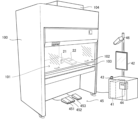
- FIG. 3 is a schematic external view showing an example of a preparation assisting device according to an embodiment of the present invention.
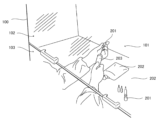
- FIG. 4 is a diagram showing a state in which a safety cabinet used in the preparation assisting device according to the embodiment of the present invention is used.
- FIG. 5 is a block diagram showing an example of an automatic preparation device according to an embodiment of the present invention.
- FIG. 6 is a schematic external view showing an example of an automatic preparation device according to an embodiment of the present invention.
- FIG. 1 is a block diagram showing an example of a preparation management system according to an embodiment of the present invention.
- FIG. 2 is a block diagram showing an example of a preparation assisting device according to an embodiment of the present invention.
- FIG. 3 is a schematic external view showing an example of a preparation assisting
- FIG. 7 is a perspective view showing an example of an automatic preparation device according to an embodiment of the present invention with the main door open.
- FIG. 8 is a flowchart illustrating an example of a preparation management process performed by a preparation management system according to an embodiment of the present invention.
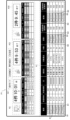
- FIG. 9 is a diagram showing an example of a distribution screen displayed in the preparation management system according to an embodiment of the present invention.
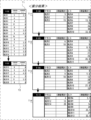
- FIG. 10 is a schematic diagram showing a specific example of a selection process executed by a selection processing unit of a preparation management system according to an embodiment of the present invention.
- FIG. 11 is a diagram showing an example of a distribution screen displayed on a preparation management system according to a modified example of the present invention.
- a preparation management system 10 includes a preparation management device 1, a client terminal 3, a preparation assistance device 4, and an automatic preparation device 5.
- the preparation management system 10 is used to improve the efficiency of drug preparation work performed by users (operators) such as doctors or pharmacists, and manages part or all of the preparation work.
- Users of the preparation management system 10 are, for example, pharmacists, doctors, nurses, medical staff, or facility managers at medical institutions such as hospitals, nursing homes, or pharmacies.
- the preparation management system 10 is used in a hospital, and the pharmacists at the hospital (hospital pharmacists) are the users of the preparation management system 10.
- preparation in this disclosure means mixing multiple medicines or preparing them in appropriate amounts depending on the patient's disease or condition, and includes mixing the medicines with each other, mixing the medicine with a liquid such as an infusion (including an injection), and mixing the liquids with each other.
- the medicine includes liquid medicines (medicinal liquids) and powder medicines (powders), and if the medicine is a powder, dissolving the powder in the liquid (dissolving liquid) such as an infusion is also included in mixing the medicine with the liquid.
- the preparation work includes a series of steps of mixing the medicine with the liquid based on preparation data and storing the mixture of the medicine and the liquid (hereinafter referred to as the "prepared medicine") in a dosing container.
- the manner in which the prepared drug is contained in the dispensing container includes not only a manner in which the prepared drug is produced outside the dispensing container and then contained in the dispensing container, but also a manner in which the prepared drug is produced inside the dispensing container and then contained in the dispensing container.
- the preparation work involves the preparation of an injectable drug such as an anticancer drug.
- the preparation management device 1, the client terminal 3, the preparation assistance device 4, and the automatic preparation device 5 are capable of communicating via a communication network NT1 such as a LAN (Local Area Network), a WAN (Wide Area Network), the Internet, or an intranet.
- the preparation management system 10 may include multiple of at least one of the client terminals 3, the preparation assistance devices 4, and the automatic preparation devices 5.
- the preparation management device 1 is connected to a higher-level system 6, such as an electronic medical record system or a prescription input terminal, via the communication network NT1, which inputs prescription data to the preparation management device 1.
- the prescription data includes the prescription issue date, patient ID, patient name, patient date of birth, drug information (drug code, drug name, dosage, etc.), method of administration (oral, topical, etc.), usage information (three times a day after each meal, etc.), type of medical treatment (outpatient, hospitalized, etc.), medical department, ward, and room.
- the preparation management device 1 is capable of reading prescription data from a prescription, or that the user can input prescription data in the preparation management device 1.
- the preparation management device 1 is a computer including a control unit 11, a memory unit 12, a communication I/F 13, a display unit 14, an operation unit 15, and a drive device 16.
- the preparation management device 1 may be provided outside a medical institution such as a hospital or a pharmacy where the preparation management system 10 is used, and may be realized by a server (or cloud computing), etc.
- the preparation management device 1 may also be an information processing device such as a smartphone, a tablet terminal, or a laptop computer.
- the control unit 11 has control devices such as a CPU (Central Processing Unit), a ROM (Read Only Memory), a RAM (Random Access Memory), and an EEPROM (registered trademark).
- the CPU is a processor that executes various arithmetic operations.
- the ROM is a non-volatile storage unit in which information such as control programs for causing the CPU to execute various processes is stored in advance.
- the RAM is a volatile storage unit
- the EEPROM is a non-volatile storage unit.
- the RAM and the EEPROM are used as temporary storage memories (working areas) for the various processes executed by the CPU.
- the control unit 11 then uses the CPU to execute various processes in accordance with various control programs (for example, the preparation management program described below) that are stored in advance in the ROM, the EEPROM, or the storage unit 12.
- the storage unit 12 is a non-volatile storage unit such as a hard disk or SSD (Solid State Drive) in which various control programs and various data executed by the control unit 11 are stored.
- the storage unit 12 includes a program storage unit in which an operating system (OS) and application programs such as browser software are stored.
- OS operating system
- application programs such as browser software
- the storage unit 12 also stores various databases, such as a drug master, a patient master, and a user master. Furthermore, the storage unit 12 also stores a drug database in addition to the drug master.
- the pharmaceutical master contains information about each pharmaceutical, such as the pharmaceutical ID, pharmaceutical code, pharmaceutical name, YJ code, JAN code (or RSS code), vial code, classification (dosage form: powder, tablet, liquid, topical medication, etc.), tablet shape (capsule, spherical tablet, flat tablet (disk-shaped tablet), etc.), tablet color, tablet size, specific gravity, pharmaceutical type (ordinary medicine, poison, narcotic, highly toxic drug, antipsychotic, therapeutic drug, etc.), compounding variations, excipients, and precautions.
- the user master contains information about users, such as the pharmacy name, pharmacist name, pharmacist ID, password, user group, and processing authority.
- the patient master contains information about patients, such as the patient ID, name, sex, age, medical history, prescription drug history, family information, medical department, ward, and room.
- the drug database information such as drug code, drug name, JAN code, RSS code, medicine bottle code, dosage form, unit, specific gravity, drug type, compounding variation, excipient drug, cautions, allergy information, package insert information, etc. are stored in association with each drug.
- information such as tablet identification information (for example, information for identifying the drug type of the tablet) formed on the tablet and tablet shape are stored.
- the drug database is read from a recording medium such as a CD or DVD by the drive device 16, for example, or received from an external device via the communication network NT1, and stored in the storage unit 12.
- the drug database is used in the preparation management system 10 when importing information into various masters such as the drug master, or when referring to information on the package insert of each drug.
- the control unit 11 may be configured to be able to read the drug database from an external device or website via the communication network NT1 as necessary.
- the drug database is used for updating the drug master, etc.
- the communication I/F 13 is a communication interface having a network card or the like that performs wireless or wired data communication according to a predetermined communication protocol between external devices such as the client terminal 3, the preparation assistance device 4, and the automatic preparation device 5 via the communication network NT1.
- the display unit 14 is a device such as a liquid crystal display or an organic EL (Electro-Luminescence) display that displays various information according to control instructions from the control unit 11.
- a liquid crystal display or an organic EL (Electro-Luminescence) display that displays various information according to control instructions from the control unit 11.
- organic EL Electro-Luminescence
- the operation unit 15 is a device operated by a user to input various information to the preparation management device 1.
- the operation unit 15 includes a keyboard and a pointing device (such as a mouse) that accepts input operations on various operation screens displayed on the display unit 14.
- the operation unit 15 may also include a touch panel that accepts touch operations on various operation screens displayed on the display unit 14, or a voice input device that accepts input of various information by voice recognition.
- the drive device 16 is a device that reads the OS or the preparation management program, etc. from a computer-readable recording medium 161 on which the OS or the browser software, etc. is recorded.
- the drive device 16 may be integrated into the preparation management device 1, or may be externally attached to the preparation management device 1 by being removably connected to the preparation management device 1.
- the recording medium 161 is a CD, DVD, BD, USB memory, etc.
- the drive device 16 is a CD drive, DVD drive, BD drive, USB port, etc.
- the control unit 11 installs the preparation management program, etc. read from the recording medium 161 using the drive device 16, into the program storage unit of the storage unit 12.
- the control unit 11 executes various processes in accordance with the preparation management program.
- the control unit 11 also has the function of generating prescription data (hereinafter referred to as preparation data) indicating the contents of the preparation work described below based on the prescription data, and inputting the preparation data to the preparation assistance device 4 and the automatic preparation device 5.
- preparation data prescription data
- the preparation assistance process and automatic preparation process described below are executed in the preparation assistance device 4 and the automatic preparation device 5 based on the preparation data.
- the control unit 11 displays the results of the preparation management process executed based on the preparation data on the client terminal 3, etc.
- the control unit 11 has a function of selecting the preparation subject performing the preparation work from a human subject and an automatic subject through the preparation management process.
- a human subject is a subject consisting of a "person” such as a pharmacist, and in this embodiment, the preparation support device 4 is an example of the human subject.
- an automatic subject is a subject that automatically performs at least a part of the preparation work, and in this embodiment, the automatic preparation device 5 is an example of the automatic subject.
- the preparation management device 1 has a function of presenting the selected preparation subject to the user from the client terminal 3 as the proposed content.
- presentation means showing information (e.g., the proposed content) to the user, and may include various forms such as display, printing, audio output, transmission to other systems (other devices), and writing to memory. Details of the preparation management process executed by the control unit 11 will be described later.
- the client terminal 3 is a personal computer including a control unit 31, a memory unit 32, a communication I/F 33, a display unit 34, and an operation unit 35.
- Each of the client terminals 3 is an operation terminal that is installed in a medical institution where the preparation management system 10 is used and is operated by a user such as a pharmacist.
- the control unit 31 has the same configuration as the control unit 11, and has control devices such as a CPU, ROM, RAM, and EEPROM, and uses the CPU to execute various processes according to various control programs pre-stored in the ROM, the EEPROM, or the memory unit 32.
- control devices such as a CPU, ROM, RAM, and EEPROM, and uses the CPU to execute various processes according to various control programs pre-stored in the ROM, the EEPROM, or the memory unit 32.
- the storage unit 32 is a non-volatile storage unit such as a hard disk or SSD in which various control programs and various data executed by the control unit 31 are stored.
- the storage unit 32 includes a program storage unit in which an operating system (OS) and application programs such as browser software are stored.
- the browser software is application software that accesses the preparation management device 1 via the communication network NT1 to display various operation screens and the like on the display unit 34, and transmits input operations on the operation screen using the operation unit 35 to the preparation management device 1. For example, when address information such as a URL (Universal Resource Locator) corresponding to the preparation management device 1 is input into a predetermined position on the operation screen displayed by the browser software, the control unit 31 accesses the preparation management device 1 based on the address information.
- URL Universal Resource Locator
- the communication I/F 33 is a communication interface having a network card or the like that performs wireless or wired data communication according to a predetermined communication protocol between external devices such as the preparation management device 1 via the communication network NT1.
- the display unit 34 is a device such as a liquid crystal display or an organic EL display that displays various information according to control instructions from the control unit 31.
- the operation unit 35 has a similar configuration to the operation unit 35, and is a device that is operated by a user to input various information to the preparation management device 1.
- the control unit 31 accepts user operations on the operation unit 35, and executes processing according to the content of the user operation.
- the preparation management device 1 and the client terminal 3 constitute a server-client system, and the preparation management device 1 executes various processes in response to user operations of the client terminal 3.
- the control unit 11 of the preparation management device 1 transmits data described in a page description language such as HTML to the client terminal 3, thereby causing the display unit 34 of the client terminal 3 to display various screens.
- the control unit 31 of the client terminal 3 transmits an operation signal to the preparation management device 1 in response to an operation input to the operation unit 35.
- preparation management program may be installed in one or more of the preparation management device 1, the client terminal 3, and the preparation assistance device 4, and the preparation management process described below may be executed in cooperation with the preparation management device 1, the client terminal 3, or the preparation assistance device 4, etc.
- the preparation assisting device 4 includes a control unit 41, an operation display unit 42, a first reading unit 43, a printer 44, an operation input unit 45, an imaging unit 46, a communication I/F (interface) 47, a second reading unit 21, and a weighing unit 22.
- the preparation assisting device 4 is used to improve the efficiency of a drug preparation operation performed by a user (operator) such as a doctor or a pharmacist.
- the preparation assistance device 4 sequentially displays procedures and instructions for each work step included in the preparation work on the operation display unit 42 based on the preparation data. This allows the user to proceed with the preparation work in sequence by following the display on the operation display unit 42.
- the user may, for example, use a syringe to aspirate a liquid medicine (medicinal solution) from a medicine container and inject it into an infusion container such as an infusion bag containing a liquid such as saline.
- a syringe to aspirate a liquid such as saline from an infusion container such as an infusion bag and inject it into a medicine container containing a powdered medicine (powdered medicine) to dissolve the powdered medicine, and then aspirate the dissolved medicinal solution with a syringe and inject it into an infusion container such as an infusion bag.
- the prepared medicine is administered to a patient using an administration container that contains the prepared medicine. Therefore, when the medicine prepared in the preparation work (the prepared medicine) is injected into an infusion container, the infusion container is used as the administration container.
- the second reading unit 21 and the weighing unit 22 are disposed within the work chamber 101 of the safety cabinet 100.
- the control unit 41, the operation display unit 42, the first reading unit 43, the printer 44, the operation input unit 45, the photographing unit 46, and the communication I/F 47 are disposed outside the work chamber 101 of the safety cabinet 100.
- the arrangement of each part of the preparation support device 4 shown here is merely an example, and is not limited to this arrangement.
- the photographing unit 46 may be disposed within the work chamber 101.
- the safety cabinet 100 includes a work chamber 101, which is partitioned off by a transparent glass door 102 at the front.
- the glass door 102 is supported at a position where an opening 103 is formed below, and a user can access the work chamber 101 by inserting their hand through the opening 103.
- the safety cabinet 100 is also provided with an air purifier 104 having a HEPA filter for purifying the air in the work chamber 101 and discharging it.
- the user inserts both hands into the work chamber 101 through the open portion 103 and performs the drug preparation work while visually checking the inside of the work chamber 101 through the glass door 102.
- the user uses a syringe 203 to aspirate liquid drug (medicinal liquid) from a drug container 201 in the work chamber 101 and injects it into an infusion container 202 such as an infusion bag that contains a liquid such as saline.
- the medicine container 201 contains a predetermined amount of the medicine to be prepared in the preparation work, and is composed of containers of various types and sizes (capacities), such as a vial containing a medicine liquid, a vial containing a powdered medicine, or an ampoule containing a medicine liquid.
- the infusion container 202 contains a predetermined amount of infusion liquid as the liquid used in the preparation work, and is an example of a "container" that contains the liquid.
- the liquid contained in the infusion container 202 is, for example, infusion liquid such as physiological saline, glucose, or high-calorie infusion.
- the infusion container 202 is composed of containers of various types and sizes (capacities), such as an infusion bag (soft bag), a plastic bottle, or a vial.
- a clean bench or the like may be used in place of the safety cabinet 100 in the preparation assistance device 4.
- the second reading unit 21 provided in the work room 101 of the safety cabinet 100 is a code reading device capable of reading code information such as one-dimensional codes or two-dimensional codes.
- the code information is attached to a container (the drug container 201 or the infusion container 202) in which the drug or liquid used in the preparation work is contained.
- the two-dimensional code is, for example, a QR code (registered trademark).
- the code information includes identification information (hereinafter also referred to as "content identification information”) for identifying the type of the drug or liquid contained in the drug container 201 or the infusion container 202 to which the code information is attached.
- the code information includes identification information (hereinafter also referred to as "container identification information") for identifying the drug container 201 or the infusion container 202 to which the code information is attached, that is, the container itself and not the contents.
- identification information hereinafter also referred to as "container identification information" for identifying the drug container 201 or the infusion container 202 to which the code information is attached, that is, the container itself and not the contents.
- the code information read by the second reading unit 21 is input to the control unit 41.
- the weighing unit 22 which is also provided in the work chamber 101 of the safety cabinet 100, is an electronic balance used for various measurements in the preparation work.
- the weighing results by the weighing unit 22 are input to the control unit 41 in real time.
- the weighing unit 22 also inputs stability information indicating whether the weighing results are stable or not to the control unit 41. This allows the control unit 41 to obtain the weighing results by the weighing unit 22 and information such as whether the results are stable or not.
- the control unit 41 may be configured to actively read out the weighing results by the weighing unit 22 and information such as whether the results are stable or not.
- the communication I/F 47 is a communication interface that performs data communication with the preparation management device 1, etc., wirelessly or wired via a communication network such as a LAN (Local Area Network), a WAN (Wide Area Network), the Internet, or an intranet.
- the communication I/F 47 is configured to be able to perform data communication with not only the preparation management device 1, but also, for example, the second reading unit 21 and the weighing unit 22 in the workroom 101, and further the client terminal 3, a wearable terminal, or a higher-level system 6, etc.
- the control unit 41 is connected to the preparation management device 1 etc. via the communication I/F 47 so that it can communicate with them.
- the control unit 41 can obtain the preparation data indicating the content of the preparation work performed by the user from the preparation management device 1 etc.
- the preparation data includes patient information (patient ID, patient name, height, weight, and body surface area, etc.), preparation date, drug information (drug code or drug name, etc.), liquid information (infusion code or infusion name, etc.), dosage, regimen identification information, information about the drug container 201, and information about the infusion container 202.
- the regimen identification information is information that can identify regimen information, such as a therapy name (regimen name), a therapy ID, or a regimen ID.
- the preparation data also includes information about the type (ampule containing a drug solution, a vial containing a drug solution, a vial containing powdered medicine, or an infusion bag, etc.) and size (volume) of the drug container 201 or the infusion container 202.
- the preparation data may include doctor information, preparation content information (syringe 203 used in the preparation work, type and number of needles, etc.), preparation procedure information (work content, solvent, amount of solvent, amount extracted, etc.), medication date, prescription category, medical department, and ward.
- preparation data may also be the prescription data itself.
- the control unit 41 is mainly composed of a computer having one or more CPUs (Central Processing Units) 411, one or more RAMs (Random Access Memories) 412, and one or more storage units 413.
- CPUs Central Processing Units
- RAMs Random Access Memories
- the storage unit 413 includes storage areas such as a data area, a program area, and a master area. Note that the storage unit 413 may include multiple storage media, and the data area, the program area, and the master area may be distributed across the multiple storage media.
- the data area accumulates and stores the preparation data acquired from the preparation management device 1, etc.
- the control unit 41 can also newly register or edit the preparation data in response to user operations.
- the data area also stores history data indicating the content of the preparation work performed by the user in accordance with the preparation data in association with the preparation data.
- the history data includes the user of the preparation work, the start time of the work, the end time of the work, and images taken during the preparation work.
- the program area stores a control program for causing the control unit 41 to execute the preparation support process described below.
- the program area also stores application programs such as an operating system (OS) and browser software.
- OS operating system
- the medicine master includes, as container attribute information described below, information about the medicine container 201 or the infusion container 202, such as the type (ampule containing a medicine solution, vial containing a medicine solution, vial containing powdered medicine, or infusion bag, etc.), the amount of the medicine or liquid contained in each container (predetermined amount), the capacity (maximum capacity), and the weight of the container alone.
- container attribute information described below
- information about the medicine container 201 or the infusion container 202 such as the type (ampule containing a medicine solution, vial containing a medicine solution, vial containing powdered medicine, or infusion bag, etc.), the amount of the medicine or liquid contained in each container (predetermined amount), the capacity (maximum capacity), and the weight of the container alone.
- the various information stored in the memory unit 413 may be pre-stored in the memory unit 413, may be received from outside the preparation assistance device 4 via a telecommunications line, or may be read from a computer-readable recording medium.
- the operation display unit 42 has a display unit such as a liquid crystal display or an organic EL display that displays various information according to control instructions from the control unit 41, and an operation unit that is operated by the user to input various information to the control unit 41.
- the operation display unit 42 displays at least the procedures and instructions related to each work step included in the preparation work to the user, and is therefore positioned in a position that is easily visible to the user performing the preparation work.
- the operation section of the operation display section 42 is a touch panel that accepts touch operations on various operation screens displayed on the display section.
- the first reading unit 43 is a code reading device capable of reading code information such as a one-dimensional code or a two-dimensional code written (printed) on a preparation receipt or the like corresponding to the preparation data.
- the code information includes identification information (hereinafter also referred to as "data identification information") for identifying the preparation data.
- the code information read by the first reading unit 43 is input to the control unit 41.
- the control unit 41 then identifies the preparation data to be the target of the current preparation work based on the code information read from the preparation receipt using the first reading unit 43. Specifically, the control unit 41 reads the data identification information from the code information, and selects the preparation data corresponding to the data identification information from the data storage unit of the storage unit 413. Note that the control unit 41 may obtain the preparation data from the code information.
- the printer 44 is used by the control unit 41 to print various information. For example, it is used to print the preparation receipt corresponding to the preparation data executed by the control unit 41, or to print the history of the preparation work executed according to the preparation data.
- the operation input unit 45 is an operation unit for the user to input operations to the control unit 41 while the preparation work is being performed.
- the operation input unit 45 has, as an example, a first foot switch 451, a second foot switch 452, and a third foot switch 453.
- the first foot switch 451 and the second foot switch 452 are used for operations such as selecting an item to be operated
- the third foot switch 453 is used for operations such as deciding on an item to be operated.
- the control unit 41 executes various processes in response to a user operation on the operation display unit 42 or the operation input unit 45.
- the photographing unit 46 is realized, for example, by a camera device fixed outside the work chamber 101.
- the data of the image captured by the photographing unit 46 (hereinafter referred to as "image data") is input to the control unit 41 in real time.
- the photographing unit 46 is arranged facing the inside of the work chamber 101 so that it can capture an image of the syringe (syringe barrel) of the injector 203 in the work chamber 101 handled by the user.
- the image captured by the photographing unit 46 is, for example, a full-color still image, but is not limited to this, and may be, for example, a monochrome image or a moving image.
- the photographing unit 46 is controlled by the control unit 41, captures an image upon receiving a control signal from the control unit 41, and inputs the obtained image data to the control unit 41.
- the photographing unit 46 may actively capture an image and transmit the image data to the control unit 41.
- the user selects the necessary work processes from, for example, the prepared drug authentication process, tare process, liquid extraction process, liquid measuring process, liquid photographing process, dissolving process, drug extraction process, drug measuring process, drug photographing process, and mixing process, and executes them sequentially.
- the drug authentication process is a process for authenticating the drug and the liquid used in the preparation work, and is, for example, a process for reading the identification information of the drug or the liquid using the second reading unit 21.
- the tare process is a process for pre-weighing only the equipment used in the preparation work, such as the syringe 203, and is, for example, a process for placing the syringe 203 on the weighing unit 22.
- the liquid extraction process is a process of extracting a required amount of liquid such as physiological saline from the infusion container 202 using the syringe 203.
- the liquid measurement process is a process for measuring the weight of the extracted liquid, and is a process for placing the syringe 203 on the weighing unit 22.
- the control unit 41 measures the difference between the weight of the syringe 203 placed on the weighing unit 22 and the weight of the syringe 203 set by the tare as the weight of the extracted liquid.
- the dissolving process is a process for dissolving the medicine when the medicine is a powder, and is a process for injecting the liquid extracted by the syringe 203 into the medicine container 201 as a dissolving liquid.
- the liquid photographing process is a process for photographing the syringe 203 from which the liquid has been extracted using the photographing unit 46.
- the drug extraction process is a process of extracting the required amount of the drug (medicinal liquid) from the drug container 201 with the syringe 203.
- the drug weighing process is a process for weighing the weight of the extracted drug, and is a process for placing the syringe 203 on the weighing unit 22. Note that in the drug weighing process as well, the control unit 41 measures the difference between the weight of the syringe 203 placed on the weighing unit 22 and the weight of the syringe 203 set by the tare weight subtraction as the weight of the drug.
- the drug photographing process is a process for photographing the syringe 203 from which the medical liquid has been extracted with the photographing unit 46.
- the mixing process is a process of injecting the dissolved drug (the prepared drug) or the drug (medicinal liquid) in the syringe 203 into the administration container. That is, if the drug is in powder form (powdered drug), the drug is dissolved in the liquid as the dissolving liquid in a container other than the administration container (e.g., the drug container 201), and the drug dissolved in the liquid, i.e., the prepared drug, is moved from the other container to the administration container in the mixing process.
- the drug is in liquid form (medicinal liquid)
- the drug extracted from the drug container 201 by the syringe 203 is injected into the administration container in the mixing process, and the drug and the liquid are mixed in the administration container to produce the prepared drug.
- the drug may be mixed with the liquid in a container (e.g., the infusion container 202) other than the administration container, and the drug mixed with the liquid, i.e., the prepared drug, may be moved from the separate container to the administration container in the mixing step.
- the prepared drug is finally contained in the administration container.
- the control unit 41 executes the preparation assistance process based on a control program stored in the memory unit 413.
- the control unit 41 causes the operation display unit 42 to sequentially display the work steps required for the preparation work based on the preparation data that is the subject of the preparation work. This allows the worker to proceed with the work steps in order by following the display.
- the automatic preparation device 5 includes a control unit 51, a medicine loading unit 54, and a preparation processing unit 55.
- the control unit 51 controls the operation of the preparation processing unit 55, thereby executing the automatic preparation process of injecting a medicine (medicine, formulation) such as an anticancer drug indicated in the preparation data from one or more medicine containers containing a predetermined amount of the medicine into an infusion container.
- a medicine medicine, formulation
- the control unit 51 includes a first control unit 52 and a second control unit 53 that are connected to each other so as to be able to communicate bidirectionally via a communication network such as a LAN or the Internet (e.g., the communication network NT1).
- the first control unit 52 is provided on the drug loading unit 54 side, and the second control unit 53 is provided on the preparation processing unit 55 side.
- the first control unit 52 is also connected to the preparation management device 1 via the communication network NT1, and the preparation data is input from the preparation management device 1 to the first control unit 52.
- the first control unit 52 is a computer including a CPU 521, a ROM 522, a RAM 523, a data storage unit 524, and an operation unit 525.
- the first control unit 52 is connected to various electrical components provided in the medicine loading unit 54, such as a display 541, a barcode reader 542, and an air purifier 543, which will be described later.
- the CPU 521 is a processor that executes processing according to various control programs.
- the ROM 522 is a non-volatile memory in which programs such as BIOS executed by the CPU 521 are pre-stored.
- the RAM 523 is a volatile or non-volatile memory used for the expansion of various control programs by the CPU 521 and for temporary storage of data.
- the data storage unit 524 is a hard disk or the like that stores various application programs executed by the CPU 521 and various data. Specifically, the preparation data input from the preparation management device 1 is stored in the data storage unit 524.
- the data storage unit 524 also stores various databases, such as a drug master, patient master, doctor master, prescription category master, medical department master, and ward master.
- a drug master when there are multiple types of drug containers for the same drug, default amount information corresponding to each drug container is stored.
- the operation unit 525 includes various operation means such as a keyboard, mouse, or touch panel that accepts various user operations in the first control unit 52.
- the second control unit 53 is a computer including a CPU 531, a ROM 532, a RAM 533, a data storage unit 534, an operation unit 535, etc.
- the second control unit 53 is connected to various electrical components such as a first robot arm 551, a second robot arm 552, and a container transport unit 553, which are provided in the preparation processing unit 55 and will be described later.
- the CPU 531 is a processor that executes processing according to various control programs.
- the ROM 532 is a non-volatile memory in which programs such as the BIOS executed by the CPU 531 are pre-stored.
- the RAM 533 is a volatile or non-volatile memory used for the expansion of various control programs by the CPU 531 and for temporary storage of data.
- the data storage unit 534 is a hard disk or the like that stores various application programs and various data executed by the CPU 531.
- the data storage unit 534 stores in advance a control program for controlling the preparation processing unit 55, etc.
- the operation unit 535 includes various operation means such as a keyboard, mouse, or touch panel that accepts various user operations in the second control unit 53.
- the drug loading section 54 is a clean bench equipped with a display 541, a barcode reader 542, and an air purifier 543. As shown in Fig. 7, the drug loading section 54 and the preparation processing section 55 are connected to each other via a communication opening 565 formed on the side of the preparation processing section 55.
- the display 541 is a display means such as a liquid crystal display or an organic EL display that displays various information in response to control instructions from the first control unit 52. Specifically, the display 541 displays preparation data that is the subject of the automatic preparation process in the automatic preparation device 5.
- the barcode reader 542 reads a barcode written on a prescription or preparation instructions, and inputs the contents of the barcode into the first control unit 52.
- the air purifier 543 supplies air into the medicine loading unit 54 through a specified filter.
- the user performs preparation work for the automatic preparation process to be executed by the automatic preparation device 5 while placing their hands inside the drug loading section 54.
- the preparation work includes, for example, a loading work of placing drug containers (ampoules, vials, etc.), syringes, and infusion bags in predetermined positions of a container 566, and loading the container 566 into the preparation processing section 55.
- the container 566 is supplied to the preparation processing unit 55 through the communication opening 565.
- a main door 561 is provided on the front side of the preparation processing section 55.
- the main door 561 is opened and closed to access the preparation processing chamber 560, for example, when cleaning the preparation processing chamber 560 provided in the preparation processing section 55.
- the preparation processing section 55 is provided with a waste storage chamber 562 that stores waste such as the drug containers and syringes after use in the automatic preparation process in the preparation processing chamber 560.
- the preparation processing chamber 560 is provided with a first robot arm 551, a second robot arm 552, a container transport unit 553, and the like, which are all articulated.
- the preparation processing chamber 560 is also provided with an ampoule cutter, a stirring device, a loading shelf, a drug reading unit, a weighing scale, a preparation communication port 563, a dust cover, multiple cameras, a germicidal lamp, and the like.
- the preparation work is performed by the dual-arm first robot arm 551 and the second robot arm 552.
- the second control unit 53 controls the first robot arm 551 and the second robot arm 552 to cause the first robot arm 551 and the second robot arm 552 to perform the preparation work.
- the preparation processing unit 55 may have, for example, a configuration having one robot arm, a configuration including three or more robot arms, or a configuration without using a robot arm, so long as it has a structure capable of performing the automatic preparation process.
- the preparation processing section 55 is also provided with a container transport section 553 that transports the container 566 supplied from the communication opening 565.
- the drug container (ampule, vial, etc.) and syringe placed in the container 566 are transported to the preparation processing chamber 560 by the container transport section 553.
- the infusion bag placed in the container 566 is transported by the container transport section 553 and held in a state where the mixing port of the infusion bag is positioned at the preparation communication port 563.
- the ampoule cutter is capable of breaking off the top of the ampoule.
- the stirring device is capable of stirring the vial.
- the stirring device is used when injecting a transfusion liquid or medicine into the vial to dissolve the powdered medicine and produce a mixed medicine.
- the storage shelf is used to temporarily store the drug containers and the syringes during the automatic preparation process executed by the automatic preparation device 5.
- the storage shelf is also used as a standby position for storing the drug containers when drug remains inside the drug containers after the automatic preparation process has been executed.
- the standby position may be provided at a position separate from the storage shelf.
- the drug reading unit is capable of reading barcodes that indicate information about the contained drug and are written on labels attached to the drug containers, such as the ampules and vials.
- the weighing scale is used to measure the weight of the syringe in the automatic preparation process executed in the automatic preparation device 5, and the measurement result by the weighing scale is input to the second control unit 53.
- the second control unit 53 can obtain the amount of drug solution aspirated from the drug container, for example, by calculating the difference between the weight of the syringe after the drug has been aspirated from the drug container and the known weight of the syringe itself.
- the preparation communication port 563 is formed on the side wall of the preparation processing chamber 560 as shown in FIG. 7.
- the infusion bag is held in a state where only the mixing port of the infusion bag is located inside the preparation processing chamber 560 through the preparation communication port 563.
- the germicidal lamp is turned on, for example, three hours before the start of the automatic preparation process, to sterilize the inside of the preparation process chamber 560.
- the preparation processing section 55 is also provided with an exhaust system that sucks in the air in the preparation processing chamber 560 through slits 564 (see FIG. 7) formed in the lower part of the side wall of the preparation processing chamber 560 and exhausts it from an exhaust fan (not shown) provided above the preparation processing chamber 560.
- the preparation processing section 55 is also provided with an air supply system that cleans outside air through an air intake port formed in the ceiling of the preparation processing chamber 560 and guides it to the preparation processing chamber 560, etc.
- the first robot arm 551 and the second robot arm 552, etc. are controlled by the second control unit 53, and a drug such as an anticancer drug indicated in the preparation data is injected into the infusion bag from one or more drug containers containing a predetermined amount of the drug.
- the preparation management system 10 includes the automatic preparation device 5 that performs the automatic preparation process in addition to the preparation assistance device 4, so that it is easy to reduce the burden on people (operators) when performing the preparation work.
- the burden on people may not be sufficiently reduced. That is, even in an environment where the automatic preparation device 5 is introduced, if the automatic preparation device 5 is not used sufficiently and is in an idle state (non-operating state), the introduced equipment may not be used effectively.
- the configuration described below makes it possible to make it easier to effectively use the introduced equipment.
- At least one of the preparation assistance devices 4, which is an example of a human subject, and at least one of the automatic preparation devices 5, which is an example of an automatic subject exist as subjects performing the preparation work (the preparation subjects). That is, the preparation assistance device 4 assists with the preparation work, but the preparation work is performed by a "person", and is therefore an example of the human subject.
- the automatic preparation device 5 is an example of the automatic subject, as the preparation work is performed automatically by a robot.
- the automatic preparation device 5 may be referred to as "Kemoro".
- the control unit 11 is capable of executing the preparation management process to distribute multiple pieces of preparation data corresponding to the preparation work to be performed to two preparation entities, namely the human entity (the preparation assistance device 4) and the automatic entity (the automatic preparation device 5).
- the control unit 11 of the preparation management device 1 includes an acquisition processing unit 111, a selection processing unit 112, an allocation processing unit 113, and a presentation processing unit 114.
- the control unit 11 functions as the acquisition processing unit 111, the selection processing unit 112, the allocation processing unit 113, and the presentation processing unit 114 by executing various processes according to the preparation management program stored in the storage unit 12.
- the acquisition processing unit 111 executes an acquisition process to acquire work information related to the preparation work.
- the work information includes the preparation data related to the preparation work.
- the acquisition processing unit 111 acquires the work information from the higher-level system 6, for example, periodically or irregularly, and stores the acquired work information in the storage unit 12.
- the selection processing unit 112 executes a selection process to select the preparation subject that will perform the preparation work from the human subject and the automatic subject.
- the selection processing unit 112 selects the preparation subject for each piece of work information (i.e., for each preparation work).
- the selection processing unit 112 does not allocate the preparation work to the preparation subjects.
- it is the allocation processing unit 113 that allocates the preparation work to the preparation subjects, and the selection processing unit 112 performs a provisional allocation that only selects the preparation subjects that are candidates for allocation of the preparation work by the allocation processing unit 113.
- the selection processing unit 112 gives priority to selecting the automatic subject over the human subject. Then, the selection processing unit 112 selects the human subject for the preparation work that exceeds the limit frame set corresponding to the automatic subject. In other words, the selection processing unit 112 basically selects the automatic subject (the automatic preparation device 5) of the human subject (the preparation assistance device 4) and the automatic subject (the automatic preparation device 5) as the preparation subject that performs the preparation work. Then, when the limit frame set corresponding to the automatic subject is exceeded, the selection processing unit 112 selects the human subject as the preparation subject for the excess amount of the preparation work.
- the preparation management system 10 sets priorities between the human subject and the automatic subject so that the automatic subject is used preferentially over the human subject. This makes it easier to reduce the burden on people, and in an environment where the automatic preparation device 5 (i.e., "Kemoro") is introduced, the automatic preparation device 5 (Kemoro) can be fully utilized, making it less likely that a situation will occur in which the introduced equipment is not used effectively because the automatic preparation device 5 is idle (in a non-operating state). As a result, the preparation management system 10 according to this embodiment has the advantage of making it easier to use the introduced equipment effectively.
- the allocation processing unit 113 executes allocation processing to allocate the preparation work to one of the preparation subjects. As will be described in detail later, when the presentation processing unit 114 presents the preparation subject selected by the selection processing unit 112 for each piece of work information as a proposal, and the user approves the proposal, the allocation processing unit 113 allocates the preparation work to the preparation subject of the proposal.
- the presentation processing unit 114 executes a presentation process to present the preparation subject selected by the selection processing unit 112 for each piece of work information as the proposed content.
- presentation there are various forms of "presentation”, such as display, printing, audio output, transmission to other systems (other devices), and writing to memory.
- the presentation processing unit 114 presents the proposed content by displaying it on the display unit 34 of the client terminal 3.
- the acquisition processing unit 111 of the control unit 11 acquires the work information from the upper system 6 (acquisition step). At this time, the acquisition processing unit 111 acquires the work information a predetermined number of times.
- the acquisition processing unit 111 acquires the work information for only 10 of the orders for the preparation work, even if there are 11 or more orders for the preparation work. If the number of orders for the preparation work is less than the predetermined number (for example, 10), the acquisition processing unit 111 acquires the work information for all of the orders.
- the acquisition processing unit 111 basically acquires the work information for a maximum of a predetermined number of orders, starting from the oldest, in the order in which the preparation work orders were placed.
- Step S2> when the selection processing unit 112 of the control unit 11 selects the preparation subject from the human subject and the automatic subject for each piece of work information, the selection processing unit 112 judges whether the preparation work related to the work information falls within the limit frame set for the automatic subject. In other words, the selection processing unit 112 judges whether the preparation work related to the work information falls within the limit frame of the automatic preparation device 5, which is the automatic subject, and if it falls within the limit frame (S2: Yes), the selection processing unit 112 shifts the process to step S4. On the other hand, if the preparation work related to the work information does not fall within the limit frame of the automatic preparation device 5 (S2: No), that is, if it exceeds the limit frame, the selection processing unit 112 shifts the process to step S4.
- Step S3 and S4 the selection processing unit 112 selects the preparation subject from the human subject and the automatic subject for each piece of work information (selection step). If the preparation work falls within the limit frame (S2: Yes), in step S3, the selection processing unit 112 selects the automatic subject as the preparation subject for the preparation work. In other words, the selection processing unit 112 preferentially selects the automatic subject as the preparation subject, and therefore selects the automatic subject rather than the human subject as the preparation subject as long as the preparation work falls within the limit frame.
- step S4 the selection processing unit 112 selects the human subject as the preparation subject for the preparation work.
- the selection processing unit 112 preferentially selects the automatic subject as the preparation subject, if the preparation work exceeds the limit frame, it selects the human subject rather than the automatic subject as the preparation subject.
- Step S5> the selection processing unit 112 judges whether or not the preparation subject has been selected for all of the work information acquired in the step S1. If either the automatic subject (S3) or the human subject (S4) has been selected as the preparation subject for all of the work information (S5: Yes), the selection processing unit 112 shifts the process to step S6. On the other hand, if there is any of the work information for which neither the automatic subject (S3) nor the human subject (S4) has been selected as the preparation subject (S5: No), the selection processing unit 112 returns the process to the step S2.
- the selection processing unit 112 selects the preparation subject for the predetermined number of pieces of work information. Therefore, the selection processing unit 112 can select the preparation subject for multiple pieces of preparation work all at once.
- step S6 the presentation processing unit 114 of the control unit 11 presents the preparation subject selected by the selection processing unit 112 as the proposed content for each piece of work information (proposal step). Specifically, the presentation processing unit 114 presents the proposed content by displaying a sorting screen P1 as shown in Fig. 9 on the display unit 34 of the client terminal 3.
- the sorting screen P1 includes the preparation subject (the automatic preparation device 5 or the preparation assistance device 4) selected by the selection processing unit 112 as the proposed content for each piece of work information (the preparation work).
- Step S7 the distribution processing unit 113 of the control unit 11 judges whether or not the approval operation has been performed by the user. Specifically, when an operation to approve the proposed contents for any of the preparation works is performed on the operation unit 35 of the client terminal 3 on the distribution screen P1, the distribution processing unit 113 judges that the approval operation has been performed (S7: Yes) and shifts the process to step S8. On the other hand, when an operation to approve the proposed contents for any of the preparation works is not performed on the operation unit 35 of the client terminal 3 on the distribution screen P1, the distribution processing unit 113 judges that the approval operation has not been performed (S7: No) and shifts the process to step S9.
- step S8 the allocation processing unit 113 allocates the preparation work for which the approval operation has been performed to the preparation subject according to the proposed content for the preparation work. For example, for the preparation work for which the automatic preparation device 5 (the automatic subject) is selected as the proposed content, the allocation processing unit 113 allocates the preparation work to the automatic preparation device 5 by performing the approval operation. For the preparation work for which the preparation assistance device 4 (the human subject) is selected as the proposed content, the allocation processing unit 113 allocates the preparation work to the preparation assistance device 4 by performing the approval operation.
- the allocation processing unit 113 allocates the preparation work to the preparation subject of the proposal content in accordance with the approval operation for the proposal content presented by the presentation processing unit 114 (allocation step). Therefore, the user can allocate the preparation work to the preparation subject simply by performing the approval operation.
- step S9 the distribution processing unit 113 of the control unit 11 judges whether or not a change operation has been performed by the user. Specifically, when an operation is performed on the operation unit 35 of the client terminal 3 on the distribution screen P1 to request a change to the proposed content for any of the preparation works, the distribution processing unit 113 judges that the change operation has been performed (S9: Yes) and shifts the process to step S10. On the other hand, when an operation is not performed on the operation unit 35 of the client terminal 3 on the distribution screen P1 to request a change to the proposed content for any of the preparation works, the distribution processing unit 113 judges that the change operation has not been performed (S9: No) and shifts the process to step S11.
- step S10 the allocation processing unit 113 allocates the preparation work for which the change operation has been performed to a preparation subject other than the proposed content. For example, for the preparation work for which the automatic preparation device 5 (the automatic subject) is selected as the proposed content, the allocation processing unit 113 allocates the preparation work to the preparation assistance device 4 by performing the change operation. For the preparation work for which the preparation assistance device 4 (the human subject) is selected as the proposed content, the allocation processing unit 113 allocates the preparation work to the automatic preparation device 5 by performing the change operation.
- the allocation processing unit 113 allocates the preparation work to a preparation subject other than the proposal content, in response to the change operation on the proposal content presented by the presentation processing unit 114. Therefore, the user can allocate the preparation work to the preparation subject simply by performing the change operation.
- step S11 the allocation processing unit 113 judges whether allocation has been performed for all the work information (the preparation work) acquired in step S1. If all the work information has been allocated to either the automatic subject or the human subject as the preparation subject (S11: Yes), the allocation processing unit 113 ends a series of processes. On the other hand, if there is any one piece of work information that has not been allocated to either the automatic subject or the human subject as the preparation subject (S11: No), the allocation processing unit 113 returns the process to step S7.
- the allocation screen P1 includes an unallocated area A1, an automatic-subject area A2, a human-subject area A3, and an operation mode area A4.
- the unassigned area A1 is an area where pre-assigned information related to the preparation work before allocation by the allocation processing unit 113 is displayed.
- the pre-assigned information is displayed, for example, in a row in the vertical direction (top-bottom direction) of the allocation screen P1.
- the pre-assigned information is displayed in chronological order so that the lower the row, the more preparation work for the work information acquired later.
- the pre-assigned information includes a number of items such as recommendation, time of receipt, required time, ID, patient name, target drug, quantity, change, and required time (at time of change). These multiple items are displayed in a row in the horizontal direction (left-right direction) of the allocation screen P1.
- the recommendation column displays an approval button B1 indicating the preparation subject of the proposed content.
- the received time column displays the time when the work information was acquired.
- the required time column displays the estimated required time for the preparation work if performed by the preparation subject of the proposed content.
- the change column displays a change button B2 indicating a preparation subject different from the proposed content.
- the required time (when changed) column displays the estimated required time for the preparation work if performed by a preparation subject different from the proposed content.
- the automatic subject area A2 and the human subject area A3 are areas in which post-allocation information relating to the preparation work after allocation by the allocation processing unit 113 is displayed.
- the automatic subject area A2 displays the post-allocation information relating to the preparation work allocated to the automatic preparation device 5 as the automatic subject.
- the human subject area A3 displays the post-allocation information relating to the preparation work allocated to the preparation support device 4 as the human subject.
- the post-allocation information is displayed, for example, in a row in the vertical direction (top-bottom direction) of the allocation screen P1.
- the post-allocation information is displayed in chronological order so that moving downwards represents the preparation work of the work information acquired later.
- the post-allocation information includes a number of items such as the reception time, the required time, the ID, the patient name, the target drug, and the number of bottles. These multiple items are displayed in a row in the horizontal direction (left-right direction) of the allocation screen P1.
- the automatic subject area A2 displays the number of preparation tasks assigned to the automatic preparation device 5 as the automatic subject ("4 tasks” in the example of FIG. 9) and the estimated end time of the multiple preparation tasks ("10:01" in the example of FIG. 9).
- the human subject area A3 displays the number of preparation tasks assigned to the preparation support device 4 as the human subject ("4 tasks” in the example of FIG. 9) and the estimated end time of the multiple preparation tasks ("9:53" in the example of FIG. 9).
- the display manner of the sorted information differs depending on the progress of the preparation work.
- the sorted information for which the preparation work has already started is displayed in the darkest color
- the sorted information for which preparation work has been completed is displayed in the next darkest color
- the sorted information for which preparation work has not yet been completed is displayed in the lightest color. This allows the user to easily visually check the progress of the preparation work for the sorted information.
- the operation mode area A4 is an area for selecting and displaying the operation mode of the control unit 11.
- the operation modes include an automatic allocation mode, a manual allocation mode, and an all-send mode, and one of the operation modes is selected by a radio button.
- the allocation processing unit 113 automatically allocates the preparation work to the preparation subject of the proposed content without user operation.
- the allocation processing unit 113 allocates the preparation work to the preparation subject of the proposed content only after the user performs the approval operation.
- the all-send mode is selected, the allocation processing unit 113 allocates the preparation work to the automatic preparation device 5 as the automatic subject for all of the work information acquired by the acquisition processing unit 111.
- the work information acquired by the acquisition processing unit 111 is first displayed as the pre-allocation information in the unallocated area A1.
- the selection processing unit 112 selects the preparation subject to be recommended, and the presentation processing unit 114 displays the approval button B1 indicating the preparation subject as the proposed content in the recommendation field.
- the approval button B1 labeled "Kemoro" is displayed in the recommendation field of the unallocated area A1.
- the approval button B1 labeled "Human” is displayed in the recommendation field of the unallocated area A1.
- the allocation processing unit 113 allocates the preparation work related to the pre-allocation information to the preparation assistance device 4 as the person-centered one. Therefore, the work information related to the preparation work is moved from the unallocated area A1 to the person-centered area A3.
- the allocation processing unit 113 allocates the preparation work related to the pre-allocation information to the preparation assistance device 4 as the human subject.
- the preparation work is allocated to a preparation subject other than the proposed content. Therefore, the work information related to the preparation work is moved from the unallocated area A1 to the human-subject area A3.
- the allocation processing unit 113 allocates the preparation work related to the pre-allocation information to the automatic preparation device 5 as the automatic subject.
- the preparation work is allocated to a preparation subject other than the proposed content. Therefore, the work information related to the preparation work is moved from the unallocated area A1 to the automatic subject area A2.
- the presentation processing unit 114 displays the pre-allocation information related to the preparation work before it is allocated by the allocation processing unit 113, and the post-allocation information related to the preparation work after it is allocated by the allocation processing unit 113, on the same screen (the allocation screen P1).
- the presentation processing unit 114 displays at least the post-allocation information separately for each preparation subject.
- the post-allocation information is displayed separately for each preparation subject depending on whether it is displayed in the automatic subject area A2 or the human subject area A3. Therefore, the user can easily check the preparation work before it is allocated by the allocation processing unit 113 and the preparation work after it has been allocated, on the allocation screen P1.
- the allocated preparation work it can be easily checked on the allocation screen P1 whether it has been allocated to the automatic subject or the human subject.
- the sorted information can be moved (transferred) between the automatic subject area A2 and the human subject area A3.
- the user can, for example, select any of the sorted information displayed in the automatic subject area A2 and move the sorted information to the human subject area A3 by an operation such as dragging.
- the preparation subject for the sorted information is changed from the automatic preparation device 5 to the preparation assistance device 4.
- the limit frame is set with respect to at least the time required for the preparation work. That is, the selection processing unit 112 selects the automatic subject preferentially over the human subject, and selects the human subject for the preparation work that exceeds the required time set as the limit frame corresponding to the automatic subject. Specifically, the selection processing unit 112 calculates the cumulative waiting time for each preparation subject, and when the cumulative waiting time of the automatic subject exceeds the time set as the limit frame, it determines that the limit frame has been exceeded.
- the cumulative waiting time is the time required to complete all of the assigned preparation work, and the later the preparation work is performed, the longer it is.
- the time set as the limit frame corresponding to the automatic preparation device 5, which is the automatic subject is "20 minutes”.
- the selection processing unit 112 determines that the limit frame is exceeded when the cumulative retention time of the preparation work allocated to the automatic preparation device 5, which is the automatic subject, exceeds "20 minutes”.
- the upper limit (read number) of the number of work information acquired by the acquisition processing unit 111 is "10”
- the interval (read interval) at which the acquisition processing unit 111 acquires the work information is "1 minute”.
- the read number is the number of preparation work including the amount allocated to each of the automatic subject and the human subject, and excludes the amount of the preparation work that has been completed.
- the automatic allocation mode is selected as the operation mode, and the allocation processing unit 113 automatically allocates the preparation work to the preparation subject of the proposed content without user operation.
- the preparation management device 1 receives orders for a total of 14 preparation operations, "Prescription 1" to “Prescription 14", from the upper system 6 at "9:00”, and receives orders for a total of six preparation operations, "Prescription 15" to "Prescription 20", from the upper system 6 at “9:05”.
- Tables T1 and T2 for each of the preparation operations, "Prescription 1" to "Prescription 20", the required time when performed by the automatic preparation device 5 (referred to as “required time (chemo)") and the required time when performed by the preparation support device 4 (referred to as “required time (person)" are determined.
- the required time when performed by the automatic preparation device 5 is “5 minutes”
- the required time when performed by the preparation support device 4 is "2.5 minutes”.
- the acquisition processing unit 111 acquires the work information related to "Prescription 1" to "Prescription 10" among "Prescription 1" to "Prescription 14".
- the selection processing unit 112 first selects the automatic subject (chemoro) as the preparation subject for "Prescription 1" to "Prescription 3" by preferentially selecting the automatic subject (chemoro) over the human subject (human).
- the selection processing unit 112 calculates the cumulative residence time for each preparation subject, and the cumulative residence time for the automatic subject (chemoro) has reached "15 minutes”.
- the selection processing unit 112 determines that "Prescription 4" to "Prescription 10" exceed the limit, and selects the human subject (human) as the preparation subject. As a result, as shown in Table T11, "Prescription 1" to "Prescription 3" are assigned to the automatic subject (chemo), and "Prescription 4" to "Prescription 10" are assigned to the human subject (human).
- the preparation work of "Prescription 1" is completed in the automatic subject (chemoro), so the acquisition processing unit 111 acquires the work information of "Prescription 11" instead of "Prescription 1".
- the selection processing unit 112 attempts to select the automatic subject (chemoro) as the preparation subject for "Prescription 11” by preferentially selecting the automatic subject (chemoro) over the human subject (human).
- the preparation work of "Prescription 11" whose required time is "11 minutes" cannot be allocated to the automatic subject (chemoro). Therefore, the selection processing unit 112 determines that "Prescription 11" exceeds the limit, and selects the human subject (human) as the preparation subject.
- "Prescription 2" and “Prescription 3" are assigned to the automatic subject (chemo)
- "Prescription 4" to "Prescription 11” are assigned to the human subject (human).
- the preparation work of "Prescription 4" is completed in the human subject (human), so the acquisition processing unit 111 acquires the work information of "Prescription 12" instead of "Prescription 4".
- the selection processing unit 112 selects the automatic subject (chemoro) as the preparation subject for "Prescription 12" by giving priority to selecting the automatic subject (chemoro) over the human subject (human).
- "Prescription 2", “Prescription 3", and “Prescription 12" are assigned to the automatic subject (chemoro)
- "Prescription 5" to "Prescription 11" are assigned to the human subject (human).
- the human subject finishes the preparation work for "Prescription 5".
- the preparation work for "Prescription 13” which has a required time of 7 minutes, cannot be assigned to the automatic subject (chemolo) within the limit of 20 minutes. Therefore, the selection processing unit 112 determines that "Prescription 13" will exceed the limit, and selects the human subject (human) as the preparation subject.
- the preparation work of "Formulation 2" is completed in the automatic subject (chemoro), so the acquisition processing unit 111 acquires the work information of "Formulation 14" instead of "Formulation 2".
- the selection processing unit 112 selects the automatic subject (chemoro) as the preparation subject for "Formulation 14" by giving priority to selecting the automatic subject (chemoro) over the human subject (human).
- "Formulation 3", “Formulation 12", and “Formulation 14" are assigned to the automatic subject (chemoro)
- "Formulation 6" to "Formulation 11" and "Formulation 13" are assigned to the human subject (human).
- the selection processing unit 112 recalculates the preparation subject to be selected during the read interval, taking into account the cumulative dwell time (at least of the automatic subject) that changes over time, so that it fits within the number of reads and the cumulative dwell time fits within the limit frame. Furthermore, in the above specific example, the selection processing unit 112 selects the preparation subject so that the time set as the limit frame is not exceeded, but this is not limited thereto, and the selection processing unit may select the preparation subject by allowing up to a time exceeding the time set as the limit frame.
- the limit may be set with respect to at least the number of pieces of work information. That is, the selection processing unit 112 selects the automatic subject with priority over the human subject, and selects the human subject for the preparation work that exceeds the number set as the limit corresponding to the automatic subject. Specifically, the selection processing unit 112 determines that the limit is exceeded when the number of preparation works that have been assigned to the automatic subject (and have not yet been completed) exceeds the number set as the limit. With this configuration, it is possible to assign the preparation work to the automatic subject in consideration of the number of the preparation works, and the automatic subject can be used efficiently.
- both the limit frame regarding the time required for the preparation work and the limit frame regarding the number of pieces of work information may be set.
- the selection processing unit 112 determines that the limit frame has been exceeded and allocates the preparation work to the human subject.
- the selection processing unit 112 can select the preparation subject regardless of the limit frame.
- the exceptional condition may be that the preparation work by the human subject (the preparation support device 4) is an absolute condition for the target drug of the preparation work.
- the selection processing unit 112 selects the human subject as the preparation subject of the preparation work, even if it falls within the limit frame, as the exceptional condition is satisfied.
- the selection processing unit 112 selects the automatic subject as the preparation subject of the preparation work, even if it exceeds the limit frame, as the exceptional condition is satisfied.
- the exception condition may include, for example, that the subject drug of the preparation work is a designated drug for drug vial optimization (DVO) and that there is a remaining drug.
- DVO drug for drug vial optimization
- the exception condition is met, and the selection processing unit 112 selects the preparation entity on the side where the remaining drug exists as the preparation entity for the preparation work, regardless of the restriction frame.
- the components included in the preparation management system 10 may be distributed across multiple housings. Conversely, the components (such as the preparation management device 1 and the client terminal 3) that are distributed across multiple housings in the above embodiment may be integrated into one housing.
- FIG. 11 shows an example of the sorting screen P1 according to the modified example.
- the sorting screen P1 shown in FIG. 11 includes a first person-subject area A31 and a second person-subject area A32 as the person-subject area A3.
- the sorting screen P1 according to the modified example assumes that there is not a single person-subject but multiple (two) people-subjects.
- the selection processing unit 112 selects the preparation subject from among "Kemoro” (the automatic preparation device 5), "Human 1” (the preparation assistance device 4), and “Human 2” (the preparation assistance device 4) for each piece of work information. Both “Human 1” and “Human 2” are the preparation assistance devices 4, but the workers (users) who use the preparation assistance devices 4 are different people. Therefore, the selection processing unit 112 can select the preparation subject, for example, taking into account the proficiency of the workers.
Landscapes
- Health & Medical Sciences (AREA)
- General Health & Medical Sciences (AREA)
- Chemical & Material Sciences (AREA)
- Engineering & Computer Science (AREA)
- Public Health (AREA)
- Medicinal Chemistry (AREA)
- Primary Health Care (AREA)
- Medical Informatics (AREA)
- Epidemiology (AREA)
- Bioinformatics & Cheminformatics (AREA)
- Pharmacology & Pharmacy (AREA)
- Life Sciences & Earth Sciences (AREA)
- Animal Behavior & Ethology (AREA)
- Veterinary Medicine (AREA)
- Medical Treatment And Welfare Office Work (AREA)
- Medical Preparation Storing Or Oral Administration Devices (AREA)
Abstract
調製管理システム(10)は、調製データに基づいて薬品を調製する調製作業の一部又は全部を管理し、取得処理部(111)と、選択処理部(112)と、を備える。前記取得処理部(111)は、前記調製作業に係る作業情報を取得する。前記選択処理部(112)は、前記作業情報毎に、前記調製作業を行う調製主体を、人主体(調製支援装置4)と、前記調製作業の少なくとも一部を自動的に行う自動主体(自動調製装置5)と、から選択する。前記選択処理部(112)は、前記人主体よりも前記自動主体を優先的に選択し、前記自動主体に対応して設定されている制限枠を超過する分の前記調製作業については、前記人主体を選択する。
Description
本発明は、調製データに基づいて薬品を調製する調製作業の一部又は全部を管理する調製管理システム及び調製管理プログラムに関する。
関連技術として、例えば、医師からの処方箋などの調合される薬剤のオーダーを受信する薬局サーバを含む調製支援システムが知られている(例えば、特許文献1参照)。前記調製支援システムは、受信したオーダーの広範な記録、薬剤の調合のための詳細なプロトコル、オーダーに応じた薬剤の調製の記録、及び他のアイテムを維持する。前記調製支援システムは、手動調合ステーション、及び1つ又は複数のロボット調合器を含み得る、複数の調合デバイスに調合タスクを割り当てる。
前記調製支援システムは、少なくともそのうちのいくつかが1つ又は複数の薬剤の調合を必要とする複数の要求を受信し、調合リソースの効率的な使用を促進し、無駄を回避するように設計されたルールのセットに従って、前記複数の調合デバイスにそれぞれの調合タスクを割り当てる。前記調製支援システムは、前記複数の調合デバイスのうちの少なくとも2つにバッチ調合タスクのそれぞれの部分を割り当てるように構成されており、前記複数の調合デバイスのうちの少なくとも2つの各々に割り当てられた前記バッチ調合タスクのそれぞれの部分は、前記少なくとも2つの調合デバイスに割り当てられた前記バッチ調合タスクの部分が同時に完了することが見込まれるように、前記少なくとも2つの調合デバイスの性能記録に少なくとも部分的に基づいて選択されている。
ところで、前記調製支援システムでは、折角、前記複数のロボット調合器が導入されている環境下であっても、前記複数のロボット調合器の少なくとも一部は十分に使用されず、遊んでいる状態(非稼働の状態)となりやすいという問題がある。
本発明の目的は、導入されている設備を効果的に利用しやすい調製管理システム及び調製管理プログラムを提供することにある。
本発明の一の局面に係る調製管理システムは、調製データに基づいて薬品を調製する調製作業の一部又は全部を管理する調製管理システムであって、取得処理部と、選択処理部と、を備える。前記取得処理部は、前記調製作業に係る作業情報を取得する。前記選択処理部は、前記作業情報ごとに、前記調製作業を行う調製主体を、人主体と、前記調製作業の少なくとも一部を自動的に行う自動主体と、から選択する。前記選択処理部は、前記人主体よりも前記自動主体を優先的に選択し、前記自動主体に対応して設定されている制限枠を超過する分の前記調製作業については、前記人主体を選択する。
本発明の他の局面に係る調製管理システムは、調製データに基づいて薬品を調製する調製作業の一部又は全部を管理する調製管理システムであって、取得処理部と、選択処理部と、提示処理部と、振分処理部と、を備える。前記取得処理部は、前記調製作業に係る作業情報を取得する。前記選択処理部は、前記作業情報ごとに、前記調製作業を行う調製主体を、人主体と、前記調製作業の少なくとも一部を自動的に行う自動主体と、から選択する。前記提示処理部は、前記作業情報ごとに前記選択処理部で選択された前記調製主体を提案内容として提示する。前記振分処理部は、前記提示処理部で提示される前記提案内容についての承認操作に応じて、当該提案内容の前記調製主体に前記調製作業を振り分ける。
本発明の他の局面に係る調製管理プログラムは、調製データに基づいて薬品を調製する調製作業の一部又は全部の管理に用いられ、取得ステップと、選択ステップと、を1以上のプロセッサーに実行させるための調製管理プログラムである。前記取得ステップでは、前記調製作業に係る作業情報を取得する。前記選択ステップでは、前記作業情報ごとに、前記調製作業を行う調製主体を、人主体と、前記調製作業の少なくとも一部を自動的に行う自動主体と、から選択する。前記選択ステップでは、前記人主体よりも前記自動主体を優先的に選択し、前記自動主体に対応して設定されている制限枠を超過する分の前記調製作業については、前記人主体を選択する。
本発明によれば、導入されている設備を効果的に利用しやすい調製管理システム及び調製管理プログラムを提供することにある。
以下添付図面を参照しながら、本発明の実施形態について説明し、本発明の理解に供する。なお、以下の実施形態は、本発明を具体化した一例であって、本発明の技術的範囲を限定する性格のものではない。また、下記の実施形態で説明する構成及び処理機能は取捨選択して任意に組み合わせることも可能である。
[調製管理システム10]
図1に示すように、本発明の実施形態に係る調製管理システム10は、調製管理装置1と、クライアント端末3と、調製支援装置4と、自動調製装置5と、を備える。本実施形態では、前記調製管理システム10は、医師又は薬剤師などのユーザー(作業者)によって実行される、薬品の調製作業の効率化を図るために使用され、前記調製作業の一部又は全部を管理する。
図1に示すように、本発明の実施形態に係る調製管理システム10は、調製管理装置1と、クライアント端末3と、調製支援装置4と、自動調製装置5と、を備える。本実施形態では、前記調製管理システム10は、医師又は薬剤師などのユーザー(作業者)によって実行される、薬品の調製作業の効率化を図るために使用され、前記調製作業の一部又は全部を管理する。
前記調製管理システム10のユーザーは、例えば病院、介護老人保険施設、又は薬局などの医療機関における薬剤師、医師、看護士、医療スタッフ、又は施設管理者などである。本実施形態では一例として、前記調製管理システム10は、病院で用いられ、当該病院の薬剤師(病院薬剤師)が前記調製管理システム10のユーザーであることとする。
また、本開示でいう「調製」とは、薬品(医薬品)の分野において、患者の疾患又は状態などに応じて複数の薬品を混合したり、適正な量で準備したりすることを意味し、前記薬品同士の混合、前記薬品と輸液(注射液を含む)等の液体との混合、及び前記液体同士の混合などを含む。前記薬品は、液状の薬品(薬液)、及び粉状の薬品(粉薬)などを含み、前記薬品が粉薬であれば、当該粉薬を輸液等の前記液体(溶解液)にて溶解することも、前記薬品と前記液体との混合に含まれる。本実施形態では、特に断りがない限り、前記調製支援装置4で一部又は全部が支援される前記調製作業は、調製データに基づいて前記薬品と前記液体とを混合し、前記薬品及び前記液体の混合物(以下、「調製済み薬品」と称する)を投与容器に収容する一連の工程を含む。
ここで、例えば薬品容器から薬品(薬液)をシリンジで抜き取り、前記液体が入った前記投与容器に注入する場合、前記投与容器内で前記調製済み薬品(前記薬品及び前記液体の混合物)が生成されることになる。このように、前記投与容器内で前記調製済み薬品が生成される場合も、最終的に前記調製済み薬品が前記投与容器に収容されることに変わりない。そのため、前記調製済み薬品を前記投与容器に収容する態様としては、前記投与容器外で前記調製済み薬品を生成してから当該調製済み薬品を前記投与容器に収容する態様だけでなく、前記投与容器内で前記調製済み薬品を生成することで当該調製済み薬品を前記投与容器に収容する態様も含む。一例として、前記調製作業では、抗がん剤などの注射薬の調製が行われる。
前記調製管理装置1、前記クライアント端末3、前記調製支援装置4、及び前記自動調製装置5は、LAN(Local Area Network)、WAN(Wide Area Network)、インターネット、又はイントラネット等の通信網NT1を介して通信可能である。前記調製管理システム10は、前記クライアント端末3、前記調製支援装置4、及び前記自動調製装置5のうちの少なくとも一つについて、複数備えていてもよい。
前記調製管理装置1には、前記調製管理装置1に処方データを入力する電子カルテシステム又は処方入力端末などの上位システム6が前記通信網NT1を介して接続されている。例えば、前記処方データには、処方箋交付年月日、患者ID、患者名、患者生年月日、薬品情報(薬品コード、薬品名、用量など)、服用方法(内服、外用など)、用法情報(1日3回毎食後など)、診療種別(外来、入院など)、診療科、病棟、及び病室などが含まれる。なお、前記調製管理装置1が処方箋から処方データを読み取り可能であること、又は前記調製管理装置1においてユーザー操作による処方データの入力が可能であることも考えられる。
[調製管理装置1]
前記調製管理装置1は、制御部11、記憶部12、通信I/F13、表示部14、操作部15、及びドライブ装置16等を備えるコンピューターである。前記調製管理装置1は、前記調製管理システム10が使用される病院又は薬局等の医療機関の外部に設けられてもよく、サーバ(又はクラウドコンピューティング)等で実現されてもよい。また、前記調製管理装置1は、スマートフォン、タブレット端末、又はラップトップコンピューターなどの情報処理装置であってもよい。
前記調製管理装置1は、制御部11、記憶部12、通信I/F13、表示部14、操作部15、及びドライブ装置16等を備えるコンピューターである。前記調製管理装置1は、前記調製管理システム10が使用される病院又は薬局等の医療機関の外部に設けられてもよく、サーバ(又はクラウドコンピューティング)等で実現されてもよい。また、前記調製管理装置1は、スマートフォン、タブレット端末、又はラップトップコンピューターなどの情報処理装置であってもよい。
前記制御部11は、CPU(Central Processing Unit)、ROM(Read Only Memory)、RAM(Random Access Memory)、及びEEPROM(登録商標)などの制御機器を有する。前記CPUは、各種の演算処理を実行するプロセッサーである。前記ROMは、前記CPUに各種の処理を実行させるための制御プログラムなどの情報が予め記憶される不揮発性の記憶部である。前記RAMは揮発性の記憶部、前記EEPROMは不揮発性の記憶部である。前記RAM及び前記EEPROMは、前記CPUが実行する各種の処理の一時記憶メモリー(作業領域)として使用される。そして、前記制御部11は、前記CPUを用いて、前記ROM、前記EEPROM、又は前記記憶部12に予め記憶された各種の制御プログラム(例えば、後述する調製管理プログラム)に従って各種の処理を実行する。
前記記憶部12は、前記制御部11によって実行される各種の制御プログラム及び各種のデータが記憶されるハードディスク又はSSD(Solid State Drive)等の不揮発性の記憶部である。具体的に、前記記憶部12には、オペレーティングシステム(OS)及びブラウザソフトなどのアプリケーションプログラムが記憶されるプログラム記憶部が含まれる。
また、前記記憶部12には、例えば医薬品マスター、患者マスター、ユーザーマスターなどの各種のデータベースも記憶されている。さらに、前記記憶部12には、前記医薬品マスターとは別に薬品データベースも記憶されている。
前記医薬品マスターには、薬品ID、薬品コード、薬品名、YJコード、JANコード(又はRSSコード)、薬瓶コード、区分(剤形:散薬、錠剤、水剤、外用薬など)、錠剤の形状(カプセル錠、球形錠、平錠(円板状の錠剤)など)、錠剤の色、錠剤のサイズ、比重、薬品種(普通薬、毒薬、麻薬、劇薬、抗精神薬、治療薬など)、配合変化、賦形薬品、注意事項などの医薬品各々に関する情報が含まれる。
前記ユーザーマスターには、薬局名、薬剤師の氏名、薬剤師のID、パスワード、ユーザーグループ、及び処理権限などのユーザーに関する情報が含まれる。前記患者マスターには、患者ID、氏名、性別、年齢、既往歴、処方薬履歴、家族情報、診療科、病棟、及び病室などの患者に関する情報が含まれる。
前記薬品データベースには、薬品ごとに、薬品コード、薬品名称、JANコード、RSSコード、薬瓶コード、剤形、単位、比重、薬品種、配合変化、賦形薬品、注意事項、アレルギー情報、添付文書情報などの情報が対応付けて記憶されている。特に、前記薬品データベースにおいて、錠剤については、その錠剤に形成されている錠剤の識別情報(例えば、その錠剤の薬種を識別するための情報)及び錠剤の形状などの情報が記憶されている。前記薬品データベースは、例えば前記ドライブ装置16によってCD又はDVDなどの記録媒体から読み取られ、又は前記通信網NT1を介して外部装置から受信され、前記記憶部12に記憶される。なお、前記薬品データベースは、前記調製管理システム10において、前記医薬品マスターなどの各種マスターに情報を取り込む際、又は薬品各々の添付文書の情報を参照する際などに使用される。また、前記制御部11が、前記通信網NT1を介して外部装置又はウェブサイトから前記薬品データベースを必要に応じて読み出すことが可能な構成であってもよい。なお、前記薬品データベースは前記医薬品マスターの更新などに用いられる。
前記通信I/F13は、前記通信網NT1を介して前記クライアント端末3、前記調製支援装置4、及び前記自動調製装置5などの外部機器との間で、予め定められた通信プロトコルに従って無線又は有線でデータ通信を実行するネットワークカード等を有する通信インターフェースである。
前記表示部14は、前記制御部11からの制御指示に従って各種の情報を表示する液晶ディスプレイ又は有機EL(Electro-Luminescence)ディスプレイなどの装置である。
前記操作部15は、前記調製管理装置1に各種の情報を入力するためにユーザーによって操作される装置である。具体的に、前記操作部15は、前記表示部14に表示される各種の操作画面における入力操作を受け付けるキーボード及びポインティングデバイス(マウス等)を含む。また、前記操作部15は、前記表示部14に表示される各種の操作画面に対するタッチ操作を受け付けるタッチパネル、又は音声認識により各種情報の入力を受け付ける音声入力装置を含んでもよい。
前記ドライブ装置16は、前記OS又は前記ブラウザソフトなどが記録されたコンピューター読み取り可能な記録媒体161から前記OS又は前記調製管理プログラムなどを読み取る装置である。前記ドライブ装置16は、前記調製管理装置1に一体化されていてもよいし、前記調製管理装置1に対して取り外し可能に接続されることで前記調製管理装置1に外付けされてもよい。前記記録媒体161は、CD、DVD、BD、又はUSBメモリなどであり、前記ドライブ装置16は、CDドライブ、DVDドライブ、BDドライブ、又はUSBポートなどである。前記調製管理装置1では、前記制御部11により、前記ドライブ装置16を用いて前記記録媒体161から読み取られた前記調製管理プログラムなどが前記記憶部12の前記プログラム記憶部にインストールされる。
このように構成された前記調製管理装置1において、前記制御部11は、前記調製管理プログラムに従って各種の処理を実行する。なお、前記制御部11は、前記処方データに基づいて、後述する調製作業の内容を示す処方データ(以下、調製データと称する)を生成し、その調製データを前記調製支援装置4及び前記自動調製装置5に入力する機能も有する。これにより、前記調製支援装置4及び前記自動調製装置5では、前記調製データに基づいて、後述する調製支援処理及び自動調製処理が実行される。
前記制御部11は、前記調製データに基づいて実行される調製管理処理の結果を前記クライアント端末3などに表示する。ここで、前記制御部11は、前記調製管理処理により、前記調製作業を行う調製主体を、人主体と自動主体とから選択する機能を有している。人主体は、薬剤師等の「人」からなる主体であって、本実施形態では、前記調製支援装置4は前記人主体の一例である。一方、自動主体は、前記調製作業の少なくとも一部を自動的に行う主体であって、本実施形態では、前記自動調製装置5は前記自動主体の一例である。
本実施形態に係る前記調製管理システム10では、前記調製管理装置1は、選択された前記調製主体を、提案内容として前記クライアント端末3からユーザーに提示する機能を有している。本開示でいう「提示」は、ユーザーに対して情報(例えば前記提案内容)を示すことを意味し、一例として、表示、印刷、音声出力、他システム(他装置)への送信、及びメモリへの書き込み等、種々の態様を含み得る。前記制御部11により実行される前記調製管理処理の詳細については後述する。
[クライアント端末3]
前記クライアント端末3は、制御部31、記憶部32、通信I/F33、表示部34、及び操作部35などを備えるパーソナルコンピューターである。前記クライアント端末3各々は、前記調製管理システム10が使用される医療機関に配置され、薬剤師などのユーザーによって操作される操作端末である。
前記クライアント端末3は、制御部31、記憶部32、通信I/F33、表示部34、及び操作部35などを備えるパーソナルコンピューターである。前記クライアント端末3各々は、前記調製管理システム10が使用される医療機関に配置され、薬剤師などのユーザーによって操作される操作端末である。
前記制御部31は、前記制御部11と同様の構成であって、CPU、ROM、RAM、及びEEPROMなどの制御機器を有し、前記CPUを用いて、前記ROM、前記EEPROM、又は前記記憶部32に予め記憶された各種の制御プログラムに従って各種の処理を実行する。
前記記憶部32は、前記制御部31によって実行される各種の制御プログラム及び各種のデータが記憶されるハードディスク又はSSD等の不揮発性の記憶部である。具体的に、前記記憶部32には、オペレーティングシステム(OS)及びブラウザソフトなどのアプリケーションプログラムが記憶されるプログラム記憶部が含まれる。前記ブラウザソフトは、前記通信網NT1を介して前記調製管理装置1にアクセスすることにより前記表示部34に各種の操作画面などを表示させると共に、前記操作部35を用いた前記操作画面に対する入力操作を前記調製管理装置1に伝達するためのアプリケーションソフトウェアである。例えば、前記制御部31は、前記ブラウザソフトにより表示される操作画面の所定位置に、前記調製管理装置1に対応するURL(Universal Resource Locator)などのアドレス情報が入力された場合に、該アドレス情報に基づいて前記調製管理装置1にアクセスする。
前記通信I/F33は、前記通信網NT1を介して前記調製管理装置1などの外部機器との間で、予め定められた通信プロトコルに従って無線又は有線でデータ通信を実行するネットワークカード等を有する通信インターフェースである。
前記表示部34は、前記制御部31からの制御指示に従って各種の情報を表示する液晶ディスプレイ又は有機ELディスプレイなどの装置である。前記操作部35は、前記操作部35と同様の構成であって、前記調製管理装置1に各種の情報を入力するためにユーザーによって操作される装置である。そして、前記制御部31は、前記操作部35に対するユーザー操作を受け付け、当該ユーザー操作の内容に応じて処理を実行する。
そして、前記調製管理システム10では、前記調製管理装置1及び前記クライアント端末3によりサーバクライアントシステムが構成されており、前記調製管理装置1が前記クライアント端末3のユーザー操作に応じて各種の処理を実行する。例えば、前記調製管理装置1の前記制御部11は、HTMLなどのページ記述言語によって記述されたデータを前記クライアント端末3に送信することにより、前記クライアント端末3の前記表示部34に各種の画面を表示させる。また、前記クライアント端末3の制御部31は、前記操作部35に対する操作入力に応じて前記調製管理装置1に操作信号を送信する。
なお、前記調製管理装置1、前記クライアント端末3、及び前記調製支援装置4のいずれか一つ又は複数に、前記調製管理プログラムの一部又は全部がインストールされており、後述の調製管理処理が前記調製管理装置1、前記クライアント端末3、又は前記調製支援装置4などによって協働して実行されることも考えられる。
[調製支援装置4]
次に、図2~図4を参照しつつ、前記調製支援装置4の構成について説明する。図2及び図3に示すように、前記調製支援装置4は、制御部41、操作表示部42、第1読取部43、プリンター44、操作入力部45、撮影部46、通信I/F(インターフェース)47、第2読取部21、及び秤量部22などを備える。本実施形態では、前記調製支援装置4は、医師又は薬剤師などのユーザー(作業者)によって実行される、薬品の調製作業の効率化を図るために使用される。
次に、図2~図4を参照しつつ、前記調製支援装置4の構成について説明する。図2及び図3に示すように、前記調製支援装置4は、制御部41、操作表示部42、第1読取部43、プリンター44、操作入力部45、撮影部46、通信I/F(インターフェース)47、第2読取部21、及び秤量部22などを備える。本実施形態では、前記調製支援装置4は、医師又は薬剤師などのユーザー(作業者)によって実行される、薬品の調製作業の効率化を図るために使用される。
前記調製支援装置4は、前記調製データに基づいて、前記調製作業に含まれる各作業工程に係る手順及び指示等を、前記操作表示部42に順次に表示させる。これにより、ユーザーは、前記操作表示部42の表示に従って、順に前記調製作業を進めることが可能である。
具体的に、前記調製作業において、ユーザーは、例えば、注射器にて、薬品容器から液状の薬品(薬液)を吸引し、生理食塩液等の液体が収容されている輸液バッグ等の輸液容器に注入する作業を実施することがある。また、前記調製作業において、ユーザーは、例えば、注射器にて、輸液バッグ等の輸液容器から生理食塩液等の液体を吸引して、粉状の薬品(粉薬)が収容されている薬品容器に注入してその粉薬を溶解させ、その溶解後の薬液を注射器で吸引して輸液バッグ等の輸液容器に注入する作業を実施することもある。前記調製済み薬品の患者への投与は、当該調製済み薬品を収容した投与容器を用いて実施される。そのため、前記調製作業において調製された薬品(前記調製済み薬品)が輸液容器に注入される場合、当該輸液容器が前記投与容器として用いられることになる。
図3に示すように、前記第2読取部21及び前記秤量部22は、安全キャビネット100の作業室101内に配置される。一方、前記制御部41、前記操作表示部42、前記第1読取部43、前記プリンター44、前記操作入力部45、前記撮影部46、及び前記通信I/F47は、前記安全キャビネット100の前記作業室101外に配置される。なお、ここで示す前記調製支援装置4の各部の配置は一例に過ぎず、この配置に限らない。例えば、前記撮影部46が前記作業室101内に配置されてもよい。
前記安全キャビネット100は、前面が透明なガラス扉102で仕切られた前記作業室101を備える。また、前記ガラス扉102は、下方に開放部103が形成される位置で支持されており、ユーザーは前記開放部103から手を差し込むようにして前記作業室101内にアクセス可能である。なお、前記安全キャビネット100には、前記作業室101内の空気を清浄化して排気するためのHEPAフィルタを有する空気清浄装置104なども設けられている。
そして、図4に示されるように、ユーザーは、前記開放部103から両手を前記作業室101内に差し込み、前記ガラス扉102越しに前記作業室101内を目視しながら、薬品の前記調製作業を行う。当該調製作業において、ユーザーは、前記作業室101内にて、例えば、注射器203にて、薬品容器201から液状の薬品(薬液)を吸引し、生理食塩液等の液体が収容されている輸液バッグ等の輸液容器202に注入する。
具体的に、前記作業室101内には、前記薬品容器201、及び前記輸液容器202などが配置されている。前記薬品容器201は、前記調製作業での調製の対象となる前記薬品を既定量収容しており、例えば、薬液入りバイアル瓶、粉薬入りバイアル瓶、又は薬液入りアンプルなどの様々な種類、及び大きさ(容量)の容器からなる。前記輸液容器202は、前記調製作業で用いられる前記液体としての輸液を既定量収容しているのであって、前記液体を収容する「容器」の一例である。前記輸液容器202に収容される前記液体としては、例えば生理用食塩水、ブドウ糖、又は高カロリー輸液などの輸液がある。前記輸液容器202は、例えば、輸液バッグ(ソフトバッグ)、プラスチックボトル、又はバイアル瓶などの様々な種類、及び大きさ(容量)の容器からなる。
なお、前記調製支援装置4では、毒性の無い薬品又は輸液について前記調製作業する場合、前記安全キャビネット100に代えて、クリーンベンチなどが用いられることも考えられる。
前記安全キャビネット100の前記作業室101内に設けられる前記第2読取部21は、一次元コード又は二次元コードなどのコード情報を読み取り可能なコード読取装置である。前記コード情報は、前記調製作業で使用する薬品、又は液体が収容されている容器(前記薬品容器201、又は前記輸液容器202)に付されている。前記二次元コードは、例えばQRコード(登録商標)である。前記コード情報には、当該コード情報が付された前記薬品容器201、又は前記輸液容器202に収容されている前記薬品、又は前記液体の種類を識別するための識別情報(以下、「内容物識別情報」とも称する)が含まれている。さらに、前記コード情報は、当該コード情報が付された前記薬品容器201、又は前記輸液容器202そのもの、つまり内容物ではなく容器自体を識別するための識別情報(以下、「容器識別情報」とも称する)を含んでいる。前記第2読取部21で読み取られる前記コード情報は、前記制御部41に入力される。
同じく前記安全キャビネット100の前記作業室101内に設けられる前記秤量部22は、前記調製作業における各種の計量に用いられる電子天秤である。前記秤量部22による計量結果は、リアルタイムで前記制御部41に入力される。また、前記秤量部22は、計量結果が安定したか否かを示す安定情報を前記制御部41に入力する。これにより、前記制御部41では、前記秤量部22による計量結果及び安定有無などの情報を取得することが可能である。なお、前記制御部41が、前記秤量部22による計量結果及び安定有無などの情報を能動的に読み出し可能な構成であってもよい。
前記通信I/F47は、LAN(Local Area Network)、WAN(Wide Area Network)、インターネット、又はイントラネットなどの通信網を介して、無線又は有線で前記調製管理装置1等とデータ通信を実行する通信インターフェースである。前記通信I/F47は、前記調製管理装置1以外にも、例えば、前記作業室101内の前記第2読取部21、及び前記秤量部22、更には前記クライアント端末3、ウェアラブル端末、又は上位システム6等とも、データ通信可能に構成されている。
前記制御部41は、通信I/F47により、前記調製管理装置1等と通信可能に接続される。前記制御部41は、ユーザーが実行する前記調製作業の内容を示す前記調製データを、前記調製管理装置1等から取得可能である。
例えば、前記調製データには、患者情報(患者ID、患者氏名、身長、体重、及び体表面積など)、調製日、薬品情報(薬品コード、又は薬品名など)、液体情報(輸液コード、又は輸液名など)、用量、レジメン識別情報、前記薬品容器201に関する情報、及び前記輸液容器202に関する情報などが含まれる。前記レジメン識別情報は、例えば療法名(レジメン名)、療法ID、又はレジメンIDなどのレジメン情報を識別可能な情報である。また、前記調製データには、前記薬品容器201、又は前記輸液容器202について、種類(薬液入りアンプル、薬液入りバイアル瓶、粉薬入りバイアル瓶、又は輸液バッグなど)、及び大きさ(容量)に関する情報などが含まれる。さらに、前記調製データには、医師情報、調製内容情報(前記調製作業に使用する注射器203、注射針の種類及び本数等)、及び調製手順情報(作業内容、溶媒、溶媒量、及び抜取量等)、投薬日、処方箋区分、診療科、及び病棟などの情報が含まれていてもよい。また、前記調製データは、前記処方データそのものであってもよい。
前記制御部41は、1以上のCPU(Central Processing Unit)411、1以上のRAM(Random Access Memory)412、及び1以上の記憶部413などを有するコンピューターを主構成とする。
前記記憶部413には、データ領域、プログラム領域、及びマスター領域などの記憶領域が含まれる。なお、前記記憶部413が、複数の記憶媒体を備えており、前記データ領域、前記プログラム領域、及び前記マスター領域が複数の記憶媒体に分散して設けられていてもよい。
前記データ領域には、前記調製管理装置1等から取得される前記調製データが蓄積して記憶される。なお、前記制御部41では、ユーザー操作に応じて前記調製データを新規登録又は編集することも可能である。また、前記データ領域には、前記調製データに従ってユーザーにより実行された前記調製作業の内容を示す履歴データが、前記調製データに対応付けて記憶される。例えば、前記履歴データには、前記調製作業のユーザー、作業開始時間、作業終了時間、及び前記調製作業の途中で撮影される撮影画像などが含まれる。
前記プログラム領域には、前記制御部41に後述の調製支援処理などを実行させるための制御プログラムが記憶される。なお、前記プログラム領域には、オペレーティングシステム(OS)及びブラウザソフトなどのアプリケーションプログラムも記憶されている。
前記マスター領域には、例えば医薬品マスター、患者マスター、ユーザーマスターなどの各種のマスター情報が記憶される。例えば、前記医薬品マスターには、後述する容器属性情報として、前記薬品容器201、又は前記輸液容器202についての、種類(薬液入りアンプル、薬液入りバイアル瓶、粉薬入りバイアル瓶、又は輸液バッグなど)、容器ごとの前記薬品又は前記液体の収容量(既定量)、容量(最大収容量)、容器のみの重量などの情報が含まれる。
前記記憶部413に記憶される種々の情報は、前記記憶部413に予め記憶されていてもよいし、前記調製支援装置4の外部から電気通信回線を通じて受信してもよいし、コンピューター読み取り可能な記録媒体から読み取られてもよい。
前記操作表示部42は、前記制御部41からの制御指示に従って各種の情報を表示する液晶ディスプレイ又は有機ELディスプレイなどの表示部と、前記制御部41に各種の情報を入力するためにユーザーによって操作される操作部とを有する。前記操作表示部42は、少なくとも前記調製作業に含まれる各作業工程に係る手順及び指示等をユーザーに向けて表示するので、前記調製作業を行うユーザーから見やすい位置に配置される。
具体的に、前記操作表示部42の前記操作部は、前記表示部に表示される各種の操作画面に対するタッチ操作を受け付けるタッチパネルである。
前記第1読取部43は、前記調製データに対応する調製箋などに表記(印刷)されている一次元コード又は二次元コードなどのコード情報を読み取り可能なコード読取装置である。前記コード情報には、前記調製データを識別するための識別情報(以下、「データ識別情報」とも称する)が含まれている。前記第1読取部43で読み取られる前記コード情報は、前記制御部41に入力される。そして、前記制御部41は、前記第1読取部43を用いて前記調製箋から読み取られる前記コード情報に基づいて、今回の前記調製作業の対象となる前記調製データを特定する。具体的に、前記制御部41は、前記コード情報から前記データ識別情報を読み取り、前記データ識別情報に対応する前記調製データを前記記憶部413のデータ記憶部から選択する。なお、前記制御部41が、前記コード情報から前記調製データを取得してもよい。
前記プリンター44は、前記制御部41によって各種の情報を印刷するために用いられる。例えば、前記制御部41によって実行される前記調製データに対応する前記調製箋の印刷、又は前記調製データに従って実行される前記調製作業の履歴の印刷などに用いられる。
前記操作入力部45は、ユーザーが前記調製作業の実行中に前記制御部41への操作入力を行うための操作部である。前記操作入力部45は、図3に示すように、一例として第1フットスイッチ451、第2フットスイッチ452、及び第3フットスイッチ453を有する。前記第1フットスイッチ451及び前記第2フットスイッチ452は、操作対象の項目の選択操作などに用いられ、前記第3フットスイッチ453は、操作対象の項目の決定操作などに用いられる。具体的に、本実施形態では、前記操作表示部42又は前記操作入力部45に対するユーザー操作に応じて、前記制御部41が各種の処理を実行する場合について説明する。
前記撮影部46は、例えば前記作業室101外に固定されるカメラ装置にて実現される。前記撮影部46で撮影される画像のデータ(以下、「画像データ」と称する)は、リアルタイムで前記制御部41に入力される。前記撮影部46は、例えば、ユーザーが扱う前記作業室101内の前記注射器203のシリンジ(注射筒)を撮影できるように、前記作業室101内に向けて配置されている。前記撮影部46で撮影される画像は、一例としてはフルカラーの静止画であるが、これに限らず、例えばモノクロ画像、動画像であってもよい。本実施形態では、前記撮影部46は、前記制御部41にて制御され、前記制御部41からの制御信号を受けて撮影し、得られた前記画像データを前記制御部41に入力する。なお、前記撮影部46が能動的に撮影して、前記画像データを前記制御部41に送信してもよい。
前記調製作業では、ユーザーによって、例えば調製薬品認証工程、風袋引き工程、液体抜取工程、液体計量工程、液体撮影工程、溶解工程、薬品抜取工程、薬品計量工程、薬品撮影工程、及び混注工程などから必要な作業工程が選択されて順次実行される。
前記薬品認証工程は、前記調製作業で使用する前記薬品及び前記液体を認証するための工程であり、例えば前記第2読取部21を用いて前記薬品又は前記液体の識別情報を読み取る工程である。前記風袋引き工程は、前記調製作業で使用する前記注射器203などの機材のみの重量を予め計量するための工程であり、例えば前記注射器203を前記秤量部22に載置する工程である。
前記液体抜取工程は、前記輸液容器202から生理食塩液のような液体を前記注射器203で必要量抜き取る工程である。前記液体計量工程は、抜き取った前記液体の重量を計量するための工程であり、前記注射器203を前記秤量部22に載置する工程である。なお、前記液体計量工程において、前記制御部41は、前記秤量部22に載置された前記注射器203の重量と前記風袋引きで設定された前記注射器203の重量との差分を、抜き取った前記液体の重量として計量する。前記溶解工程は、前記薬品が粉薬である場合に当該薬品を溶解するための工程であり、前記注射器203で抜き取られた前記液体を溶解液として前記薬品容器201に注入する工程である。前記液体撮影工程は、前記液体を抜き取った前記注射器203を前記撮影部46で撮影するための工程である。
前記薬品抜取工程は、前記薬品容器201から前記薬品(薬液)を前記注射器203で必要量抜き取る工程である。前記薬品計量工程は、抜き取った前記薬品の重量を計量するための工程であり、前記注射器203を前記秤量部22に載置する工程である。なお、前記薬品計量工程においても、前記制御部41は、前記秤量部22に載置された前記注射器203の重量と前記風袋引きで設定された前記注射器203の重量との差分を、前記薬品の重量として計量する。前記薬品撮影工程は、前記薬液を抜き取った前記注射器203を前記撮影部46で撮影するための工程である。
前記混注工程は、溶解後の前記薬品(前記調製済み薬品)、又は前記注射器203内の前記薬品(薬液)を、前記投与容器に注入する工程である。すなわち、前記薬品が粉状(粉薬)である場合には、前記投与容器とは別の容器(例えば前記薬品容器201)において前記薬品を前記溶解液としての前記液体にて溶解させ、前記液体に溶解した状態の前記薬品、つまり前記調製済み薬品を、前記混注工程にて、当該別の容器から前記投与容器に移動させる。また、前記薬品が液状(薬液)である場合には、前記薬品容器201から前記注射器203で抜き取った前記薬品を、前記混注工程にて、前記投与容器に注入することで、前記投与容器内で前記薬品と前記液体とを混合させて、前記調製済み薬品を生成する。あるいは、前記薬品が液状(薬液)である場合でも、前記投与容器とは別の容器(例えば前記輸液容器202)において前記薬品を前記液体と混合し、当該液体と混合された状態の前記薬品、つまり前記調製済み薬品を、前記混注工程にて、当該別の容器から前記投与容器に移動させてもよい。これにより、前記調製作業において、最終的に、前記調製済み薬品が前記投与容器に収容されることになる。
前記制御部41は、前記記憶部413に記憶されている制御プログラムに基づいて前記調製支援処理を実行する。前記調製支援処理では、前記制御部41は、前記調製作業の対象となる前記調製データに基づいて、前記調製作業に必要な作業工程を前記操作表示部42に順次に表示させる。これにより、作業者は、その表示に従って順に前記作業工程を進めることが可能である。
[自動調製装置5]
次に、図5~図7を参照しつつ、前記自動調製装置5の構成について説明する。図5に示すように、前記自動調製装置5は、制御部51、薬品装填部54及び調製処理部55を備える。そして、前記自動調製装置5では、前記制御部51により前記調製処理部55の動作が制御されることによって、調製データに示された抗がん剤などの薬品(薬剤、製剤)を既定量の前記薬品が収容された一又は複数の薬品容器から輸液容器に注入する前記自動調製処理が実行される。
次に、図5~図7を参照しつつ、前記自動調製装置5の構成について説明する。図5に示すように、前記自動調製装置5は、制御部51、薬品装填部54及び調製処理部55を備える。そして、前記自動調製装置5では、前記制御部51により前記調製処理部55の動作が制御されることによって、調製データに示された抗がん剤などの薬品(薬剤、製剤)を既定量の前記薬品が収容された一又は複数の薬品容器から輸液容器に注入する前記自動調製処理が実行される。
前記制御部51は、LAN又はインターネットなどの通信網(例えば、前記通信網NT1)を介して双方向通信可能に接続された第1制御部52及び第2制御部53を備える。前記第1制御部52は、前記薬品装填部54側に設けられ、前記第2制御部53は、前記調製処理部55側に設けられている。また、前記第1制御部52は、前記通信網NT1を介して前記調製管理装置1に接続されており、前記第1制御部52には、前記調製管理装置1から前記調製データが入力される。
前記第1制御部52は、CPU521、ROM522、RAM523、データ記憶部524、及び操作部525などを備えるコンピューターである。前記第1制御部52には、前記薬品装填部54に設けられた後述のディスプレイ541、バーコードリーダ542、及び空気清浄装置543などの各種の電気部品が接続されている。
前記CPU521は、各種の制御プログラムに従って処理を実行するプロセッサーである。前記ROM522は、前記CPU521により実行されるBIOS等のプログラムが予め記憶された不揮発性メモリである。前記RAM523は、前記CPU521による各種の制御プログラムの展開及びデータの一時記憶に用いられる揮発性メモリ又は不揮発性メモリである。
前記データ記憶部524は、前記CPU521によって実行される各種のアプリケーションプログラム及び各種のデータを記憶するハードディスク等である。具体的に、前記データ記憶部524には、前記調製管理装置1から入力される前記調製データが記憶される。また、前記データ記憶部524には、例えば医薬品マスター、患者マスター、医師マスター、処方箋区分マスター、診療科マスター、及び病棟マスターなどの各種データベースが記憶されている。なお、前記医薬品マスターにおいて、同じ薬品について複数種類の薬品容器が存在する場合にはその薬品容器各々に対応する既定量情報が記憶されている。
前記操作部525は、前記第1制御部52における各種のユーザー操作を受け付けるキーボード、マウス、又はタッチパネルなどの各種の操作手段を含む。
前記第2制御部53は、CPU531、ROM532、RAM533、データ記憶部534、操作部535などを備えるコンピューターである。前記第2制御部53には、前記調製処理部55に設けられた後述の第1ロボットアーム551、第2ロボットアーム552、及びコンテナ搬送部553などの各種の電気部品が接続されている。
前記CPU531は、各種の制御プログラムに従って処理を実行するプロセッサーである。前記ROM532は、前記CPU531により実行されるBIOS等のプログラムが予め記憶された不揮発性メモリである。前記RAM533は、前記CPU531による各種の制御プログラムの展開及びデータの一時記憶に用いられる揮発性メモリ又は不揮発性メモリである。
前記データ記憶部534は、前記CPU531によって実行される各種のアプリケーションプログラム及び各種のデータを記憶するハードディスク等である。例えば、前記データ記憶部534には、前記調製処理部55を制御するための制御プログラムなどが予め記憶されている。
前記操作部535は、前記第2制御部53における各種のユーザー操作を受け付けるキーボード、マウス、又はタッチパネルなどの各種の操作手段を含む。
図6及び図7に示すように、前記薬品装填部54は、ディスプレイ541、バーコードリーダ542、及び空気清浄装置543を備えるクリーンベンチである。なお、図7に示すように、前記薬品装填部54と前記調製処理部55とは、前記調製処理部55の側面に形成された連通開口565により連通されている。
前記ディスプレイ541は、前記第1制御部52からの制御指示に応じて各種の情報を表示させる液晶ディスプレイ又は有機ELディスプレイなどの表示手段である。具体的に、前記ディスプレイ541には、前記自動調製装置5における前記自動調製処理の対象となる調製データなどが表示される。また、前記バーコードリーダ542は、処方箋又は調製指示書などに記載されたバーコードを読み取って、前記バーコードの内容を前記第1制御部52に入力する。前記空気清浄装置543は、前記薬品装填部54内に所定のフィルタを通じて空気を供給する。
ユーザーは、図6に示すように、前記薬品装填部54内に手を入れた状態で、前記自動調製装置5により実行される前記自動調製処理の準備作業を行う。具体的に、前記準備作業には、例えばコンテナ566の所定の位置に薬品容器(アンプル、バイアル瓶など)、注射器、及び輸液バッグを載置させ、前記コンテナ566を前記調製処理部55に装填する装填作業が含まれる。
そして、前記コンテナ566は、ユーザーにより前記薬品容器、前記注射器及び前記輸液バッグがセットされた後、前記連通開口565を通じて前記調製処理部55に供給される。
図6に示すように、前記調製処理部55の前面には、主扉561が設けられている。前記主扉561は、例えば前記調製処理部55に設けられた調製処理室560内の清掃などの際に、前記調製処理室560内にアクセスするために開閉される。
前記調製処理部55には、前記調製処理室560における前記自動調製処理で使用された後の前記薬品容器及び前記注射器などの廃棄物が収容されるゴミ収容室562が設けられている。
図7に示すように、前記調製処理室560には、多関節構造の第1ロボットアーム551、第2ロボットアーム552、コンテナ搬送部553などが設けられている。また、前記調製処理室560には、アンプルカッター、攪拌装置、載置棚、薬品読取部、秤量計、調製連通口563、ゴミ蓋、複数のカメラ、殺菌灯などが設けられている。
前記自動調製装置5では、双腕型の前記第1ロボットアーム551及び前記第2ロボットアーム552により前記調製作業が実行される。具体的に、前記第2制御部53は、前記第1ロボットアーム551及び前記第2ロボットアーム552を制御して、前記第1ロボットアーム551及び前記第2ロボットアーム552に前記調製作業を実行させる。なお、前記調製処理部55は、前記自動調製処理を実行することができる構造であれば、例えば1本のロボットアームを有する構成、3本以上のロボットアームを含む構成、又はロボットアームを用いない構成であってもよい。
また、前記調製処理部55には、前記連通開口565から供給される前記コンテナ566を搬送するコンテナ搬送部553が設けられている。前記コンテナ566に載置された薬品容器(アンプル、バイアル瓶など)及び注射器は、前記コンテナ搬送部553によって前記調製処理室560に搬送される。また、前記コンテナ566に載置された輸液バッグは、前記コンテナ搬送部553によって搬送されて、前記輸液バッグの混注口が調製連通口563に位置する状態で保持される。
前記アンプルカッターは、前記アンプルの頭部を折ることが可能である。
前記攪拌装置は、前記バイアル瓶を攪拌することが可能である。前記攪拌装置は、前記バイアル瓶に散薬が収容されている場合に、前記バイアル瓶内に輸液又は薬品などを注入して前記散薬を溶解させ、混合薬品を生成するときに使用される。
前記載置棚は、前記自動調製装置5において実行される前記自動調製処理において前記薬品容器及び前記注射器などを仮置きするために用いられる。また、前記載置棚は、前記自動調製処理が実行された後に前記薬品容器の内部に薬品が残存している場合に前記薬品容器を待機させるための待機位置としても利用される。もちろん、前記待機位置は、前記載置棚とは別の位置に設けられていてもよい。
前記薬品読取部は、前記アンプル及び前記バイアル瓶などの前記薬品容器に貼付されたラベルに記載され、収容された薬品の情報を示すバーコードを読み取ることが可能である。
前記秤量計は、前記自動調製装置5において実行される前記自動調製処理において前記注射器の重量を計測するために用いられ、前記秤量計による計測結果は前記第2制御部53に入力される。これにより、前記第2制御部53は、例えば前記薬品容器から薬品を吸引した後の前記注射器の重量と前記注射器自体の既知の重量との差分を演算することにより、前記薬品容器から吸引した薬液量を取得することができる。
前記調製連通口563は、図7に示すように、前記調製処理室560の側壁に形成されている。前記輸液バッグは、前記輸液バッグの混注口だけが前記調製連通口563を通じて前記調製処理室560内に位置する状態で保持される。
前記殺菌灯は、例えば前記自動調製処理の開始の3時間前から点灯され、前記調製処理室560内を殺菌する。
また、前記調製処理部55には、前記調製処理室560内の空気を当該調製処理室560の側壁の下部に形成されたスリット564(図7参照)から吸引して前記調製処理室560の上方に設けられた不図示の排気ファンから排出する排気システムが設けられている。また、前記調製処理部55には、前記調製処理室560の天井部に形成された吸気口から外気を清浄にして前記調製処理室560等に導く給気システムも設けられている。
前記自動調製装置5において実行される前記自動調製処理では、前記第2制御部53により前記第1ロボットアーム551及び前記第2ロボットアーム552などが制御されることにより、前記調製データに示された抗がん剤などの薬品が既定量の前記薬品が収容された一又は複数の前記薬品容器から前記輸液バッグに注入される。
[制御部11]
ところで、前記調製管理システム10は、前記調製支援装置4に加えて、前記自動調製処理を行う前記自動調製装置5を含んでいるため、前記調製作業を行うに際して、人(作業者)の負担を軽減しやすい。しかしながら、複数の前記調製作業が要求される状況において、(人主体である)前記調製支援装置4と、(自動主体である)前記自動調製装置5と、に前記調製作業をどのように振り分けるかによって、人の負担が十分に軽減されない可能性もある。すなわち、折角、前記自動調製装置5が導入されている環境下であっても、前記自動調製装置5が十分に使用されず、遊んでいる状態(非稼働の状態)にあれば、導入されている設備が効果的に利用されないことになり得る。これに対して、本実施形態に係る前記調製管理システム10では、以下に説明する構成により、導入されている設備を効果的に利用しやすくすることが可能である。
ところで、前記調製管理システム10は、前記調製支援装置4に加えて、前記自動調製処理を行う前記自動調製装置5を含んでいるため、前記調製作業を行うに際して、人(作業者)の負担を軽減しやすい。しかしながら、複数の前記調製作業が要求される状況において、(人主体である)前記調製支援装置4と、(自動主体である)前記自動調製装置5と、に前記調製作業をどのように振り分けるかによって、人の負担が十分に軽減されない可能性もある。すなわち、折角、前記自動調製装置5が導入されている環境下であっても、前記自動調製装置5が十分に使用されず、遊んでいる状態(非稼働の状態)にあれば、導入されている設備が効果的に利用されないことになり得る。これに対して、本実施形態に係る前記調製管理システム10では、以下に説明する構成により、導入されている設備を効果的に利用しやすくすることが可能である。
本実施形態では、前記調製作業を行う主体(前記調製主体)として、前記人主体の一例である少なくとも1つの前記調製支援装置4と、前記自動主体の一例である少なくとも1つの前記自動調製装置5と、が存在する。すなわち、前記調製支援装置4は、前記調製作業の支援を行うものの前記調製作業を行うのはあくまで「人」であるため、前記人主体の一例である。一方、前記自動調製装置5は、前記調製作業をロボットにより自動的に行うため、前記自動主体の一例である。以下では、前記自動調製装置5を「ケモロ」と称することがある。
前記調製管理装置1において、前記制御部11は、これから実施すべき前記調製作業に対応する複数の前記調製データを2つの前記調製主体、つまり前記人主体(前記調製支援装置4)及び前記自動主体(前記自動調製装置5)に振り分ける、前記調製管理処理を実行することが可能である。
図1に示すように、前記調製管理装置1の前記制御部11は、取得処理部111、選択処理部112、振分処理部113、及び提示処理部114を含む。具体的に、前記制御部11は、前記記憶部12に記憶されている前記調製管理プログラムに従って各種の処理を実行することにより、前記取得処理部111、前記選択処理部112、前記振分処理部113、及び前記提示処理部114として機能する。
前記取得処理部111は、前記調製作業に係る作業情報を取得する取得処理を実行する。前記作業情報は、前記調製作業に係る前記調製データを含んでいる。前記取得処理部111は、例えば、定期的又は不定期に、前記上位システム6等から前記作業情報を取得し、取得した前記作業情報を前記記憶部12に記憶する。
前記選択処理部112は、前記調製作業を行う前記調製主体を、前記人主体と、前記自動主体と、から選択する選択処理を実行する。ここで、前記選択処理部112は、前記調製主体を、前記作業情報ごと(つまり前記調製作業ごと)に選択する。ここで、前記選択処理部112は、前記調製主体に対する前記調製作業の振り分けまでは行わない。つまり、前記調製主体に対する前記調製作業の振り分けを行うのは前記振分処理部113であって、前記選択処理部112は、前記振分処理部113での前記調製作業の振り分けの候補となる前記調製主体を選択するだけの仮振り分けを行う。
前記選択処理部112は、前記人主体よりも前記自動主体を優先的に選択する。その上で、前記選択処理部112は、前記自動主体に対応して設定されている制限枠を超過する分の前記調製作業については、前記人主体を選択する。すなわち、前記選択処理部112は、基本的に、前記調製作業を行う前記調製主体として、前記人主体(前記調製支援装置4)及び前記自動主体(前記自動調製装置5)のうちの前記自動主体(前記自動調製装置5)を選択する。そして、前記自動主体に対応して設定されている制限枠を超過した場合に、前記選択処理部112は、当該超過分の前記調製作業の前記調製主体として、前記人主体を選択する。
要するに、前記人主体である前記調製支援装置4と、前記自動主体である前記自動調製装置5と、が導入されている場合、前記調製管理システム10は、前記人主体よりも前記自動主体を優先的に使用するように、前記人主体と前記自動主体との間に優先順位を設定する。これにより、人の負担が軽減されやすくなり、前記自動調製装置5(つまり「ケモロ」)が導入されている環境下にあっては、前記自動調製装置5(ケモロ)を十分に活用でき、前記自動調製装置5が遊んでいる状態(非稼働の状態)にあることで導入されている設備が効果的に利用されない状況が、生じにくくなる。結果的に、本実施形態に係る前記調製管理システム10では、導入されている設備を効果的に利用しやすくなる、という利点がある。
前記振分処理部113は、いずれかの前記調製主体に前記調製作業を振り分ける振分処理を実行する。詳しくは後述するが、前記提示処理部114が、前記作業情報ごとに前記選択処理部112で選択された前記調製主体を提案内容として提示した状態で、当該提案内容についてユーザーによる承認操作がされると、前記振分処理部113は、当該提案内容の前記調製主体に前記調製作業を振り分ける。
前記提示処理部114は、前記作業情報ごとに前記選択処理部112で選択された前記調製主体を前記提案内容として提示する提示処理を実行する。ここで、「提示」の態様としては、表示、印刷、音声出力、他システム(他装置)への送信、及びメモリへの書き込み等、種々の態様があるところ、本実施形態では一例として、前記提示処理部114は、前記提案内容を前記クライアント端末3の前記表示部34に表示させることにより提示する。
[調製管理処理]
次に、図8を参照しつつ、主として前記調製管理装置1の前記制御部11で実行される前記調製管理処理の手順の一例について説明する。
次に、図8を参照しつつ、主として前記調製管理装置1の前記制御部11で実行される前記調製管理処理の手順の一例について説明する。
<ステップS1>
まず、図8に示すステップS1において、前記制御部11の前記取得処理部111は、前記上位システム6から前記作業情報を取得する(取得ステップ)。このとき、前記取得処理部111は、前記作業情報を所定件数ずつ取得する。ここで、一例として、前記所定件数が「10件」であるとすると、前記取得処理部111は、11件以上の前記調製作業のオーダーがあったとしても、そのうちの10件のみについて前記作業情報を取得する。前記調製作業のオーダーが前記所定件数(例えば10件)未満であれば、前記取得処理部111は、当該オーダーの全てについて前記作業情報を取得する。前記取得処理部111は、基本的に、前記調製作業のオーダーが入った順に、古い方から最大所定件数分の前記作業情報を取得する。
まず、図8に示すステップS1において、前記制御部11の前記取得処理部111は、前記上位システム6から前記作業情報を取得する(取得ステップ)。このとき、前記取得処理部111は、前記作業情報を所定件数ずつ取得する。ここで、一例として、前記所定件数が「10件」であるとすると、前記取得処理部111は、11件以上の前記調製作業のオーダーがあったとしても、そのうちの10件のみについて前記作業情報を取得する。前記調製作業のオーダーが前記所定件数(例えば10件)未満であれば、前記取得処理部111は、当該オーダーの全てについて前記作業情報を取得する。前記取得処理部111は、基本的に、前記調製作業のオーダーが入った順に、古い方から最大所定件数分の前記作業情報を取得する。
<ステップS2>
次のステップS2において、前記制御部11の前記選択処理部112は、前記作業情報ごとに、前記調製主体を、前記人主体と、前記自動主体と、から選択するに際し、当該作業情報に係る前記調製作業が、前記自動主体に対して設定されている前記制限枠内に収まるか否かを判断する。つまり、前記選択処理部112は、当該作業情報に係る前記調製作業が、前記自動主体である前記自動調製装置5の前記制限枠内に収まるか否かを判断し、前記制限枠に収まる場合(S2:Yes)、処理をステップS3に移行する。一方、前記選択処理部112は、当該作業情報に係る前記調製作業が、前記自動調製装置5の前記制限枠内に収まらない場合(S2:No)、つまり前記制限枠を超過する場合、処理をステップS4に移行する。
次のステップS2において、前記制御部11の前記選択処理部112は、前記作業情報ごとに、前記調製主体を、前記人主体と、前記自動主体と、から選択するに際し、当該作業情報に係る前記調製作業が、前記自動主体に対して設定されている前記制限枠内に収まるか否かを判断する。つまり、前記選択処理部112は、当該作業情報に係る前記調製作業が、前記自動主体である前記自動調製装置5の前記制限枠内に収まるか否かを判断し、前記制限枠に収まる場合(S2:Yes)、処理をステップS3に移行する。一方、前記選択処理部112は、当該作業情報に係る前記調製作業が、前記自動調製装置5の前記制限枠内に収まらない場合(S2:No)、つまり前記制限枠を超過する場合、処理をステップS4に移行する。
<ステップS3,S4>
前記ステップS3,S4では、前記選択処理部112は、前記作業情報ごとに、前記調製主体を、前記人主体と、前記自動主体と、から選択する(選択ステップ)。前記調製作業が前記制限枠内に収まる場合(S2:Yes)には、前記ステップS3において、前記選択処理部112は、当該調製作業の前記調製主体として、前記自動主体を選択する。つまり、前記選択処理部112は、前記調製主体として前記自動主体を優先的に選択するので、前記調製作業が前記制限枠内に収まる限り、前記調製主体として前記人主体ではなく前記自動主体を選択する。
前記ステップS3,S4では、前記選択処理部112は、前記作業情報ごとに、前記調製主体を、前記人主体と、前記自動主体と、から選択する(選択ステップ)。前記調製作業が前記制限枠内に収まる場合(S2:Yes)には、前記ステップS3において、前記選択処理部112は、当該調製作業の前記調製主体として、前記自動主体を選択する。つまり、前記選択処理部112は、前記調製主体として前記自動主体を優先的に選択するので、前記調製作業が前記制限枠内に収まる限り、前記調製主体として前記人主体ではなく前記自動主体を選択する。
一方、前記調製作業が前記制限枠内に収まらない場合(S2:No)には、前記ステップS4において、前記選択処理部112は、当該調製作業の前記調製主体として、前記人主体を選択する。つまり、前記選択処理部112は、前記調製主体として前記自動主体を優先的に選択するものの、前記調製作業が前記制限枠を超過する場合には、前記調製主体として前記自動主体ではなく前記人主体を選択する。
<ステップS5>
次のステップS5では、前記選択処理部112は、前記ステップS1で取得した全ての前記作業情報について、前記調製主体を選択したか否かを判断する。全ての前記作業情報について、前記調製主体として前記自動主体(S3)と前記人主体(S4)とのいずれかが選択されていれば(S5:Yes)、前記選択処理部112は、処理をステップS6に移行する。一方、前記調製主体として前記自動主体(S3)と前記人主体(S4)とのいずれかも選択されていない前記作業情報が一つでもあれば(S5:No)、前記選択処理部112は、処理を前記ステップS2に戻す。
次のステップS5では、前記選択処理部112は、前記ステップS1で取得した全ての前記作業情報について、前記調製主体を選択したか否かを判断する。全ての前記作業情報について、前記調製主体として前記自動主体(S3)と前記人主体(S4)とのいずれかが選択されていれば(S5:Yes)、前記選択処理部112は、処理をステップS6に移行する。一方、前記調製主体として前記自動主体(S3)と前記人主体(S4)とのいずれかも選択されていない前記作業情報が一つでもあれば(S5:No)、前記選択処理部112は、処理を前記ステップS2に戻す。
これにより、前記選択処理部112は、前記所定件数の前記作業情報について前記調製主体の選択を行うことになる。したがって、前記選択処理部112は、複数件の前記調製作業について、まとめて前記調製主体を選択することが可能である。
<ステップS6>
前記ステップS6では、前記制御部11の前記提示処理部114は、前記作業情報ごとに、前記選択処理部112で選択された前記調製主体を前記提案内容として提示する(提案ステップ)。具体的に、前記提示処理部114は、図9に示すような振分画面P1を、前記クライアント端末3の前記表示部34に表示させることにより、前記提案内容の提示を行う。つまり、前記振分画面P1には、前記作業情報(前記調製作業)ごとに、前記選択処理部112で選択された前記調製主体(前記自動調製装置5又は前記調製支援装置4)が前記提案内容として含まれている。
前記ステップS6では、前記制御部11の前記提示処理部114は、前記作業情報ごとに、前記選択処理部112で選択された前記調製主体を前記提案内容として提示する(提案ステップ)。具体的に、前記提示処理部114は、図9に示すような振分画面P1を、前記クライアント端末3の前記表示部34に表示させることにより、前記提案内容の提示を行う。つまり、前記振分画面P1には、前記作業情報(前記調製作業)ごとに、前記選択処理部112で選択された前記調製主体(前記自動調製装置5又は前記調製支援装置4)が前記提案内容として含まれている。
<ステップS7>
次のステップS7では、前記制御部11の前記振分処理部113は、ユーザーによる前記承認操作がなされたか否かを判断する。具体的に、前記振分処理部113は、前記振分画面P1上で、いずれかの前記調製作業について、前記提案内容を承認するような操作が前記クライアント端末3の前記操作部35に対してなされると、前記承認操作があったと判断し(S7:Yes)、処理をステップS8に移行する。一方、前記振分処理部113は、前記振分画面P1上で、いずれの前記調製作業についても、前記提案内容を承認するような操作が前記クライアント端末3の前記操作部35に対してなされなければ、前記承認操作がないと判断し(S7:No)、処理をステップS9に移行する。
次のステップS7では、前記制御部11の前記振分処理部113は、ユーザーによる前記承認操作がなされたか否かを判断する。具体的に、前記振分処理部113は、前記振分画面P1上で、いずれかの前記調製作業について、前記提案内容を承認するような操作が前記クライアント端末3の前記操作部35に対してなされると、前記承認操作があったと判断し(S7:Yes)、処理をステップS8に移行する。一方、前記振分処理部113は、前記振分画面P1上で、いずれの前記調製作業についても、前記提案内容を承認するような操作が前記クライアント端末3の前記操作部35に対してなされなければ、前記承認操作がないと判断し(S7:No)、処理をステップS9に移行する。
<ステップS8>
前記ステップS8では、前記振分処理部113は、前記承認操作がなされた前記調製作業について、前記提案内容通りの前記調製主体に当該調製作業を振り分ける。例えば、前記提案内容として前記自動調製装置5(前記自動主体)が選択されている前記調製作業については、前記承認操作がなされることで、前記振分処理部113は当該調製作業を前記自動調製装置5に振り分ける。前記提案内容として前記調製支援装置4(前記人主体)が選択されている前記調製作業については、前記承認操作がなされることで、前記振分処理部113は当該調製作業を前記調製支援装置4に振り分ける。
前記ステップS8では、前記振分処理部113は、前記承認操作がなされた前記調製作業について、前記提案内容通りの前記調製主体に当該調製作業を振り分ける。例えば、前記提案内容として前記自動調製装置5(前記自動主体)が選択されている前記調製作業については、前記承認操作がなされることで、前記振分処理部113は当該調製作業を前記自動調製装置5に振り分ける。前記提案内容として前記調製支援装置4(前記人主体)が選択されている前記調製作業については、前記承認操作がなされることで、前記振分処理部113は当該調製作業を前記調製支援装置4に振り分ける。
このように、前記振分処理部113は、前記提示処理部114で提示される前記提案内容についての前記承認操作に応じて、当該提案内容の前記調製主体に前記調製作業を振り分ける(振分ステップ)。したがって、ユーザーにおいては、前記承認操作をするだけで、前記調製主体に前記調製作業を振り分けることができる。
<ステップS9>
前記ステップS9では、前記制御部11の前記振分処理部113は、ユーザーによる変更操作がなされたか否かを判断する。具体的に、前記振分処理部113は、前記振分画面P1上で、いずれかの前記調製作業について、前記提案内容の変更を希望するような操作が前記クライアント端末3の前記操作部35に対してなされると、前記変更操作があったと判断し(S9:Yes)、処理をステップS10に移行する。一方、前記振分処理部113は、前記振分画面P1上で、いずれの前記調製作業についても、前記提案内容の変更を希望するような操作が前記クライアント端末3の前記操作部35に対してなされなければ、前記変更操作がないと判断し(S9:No)、処理をステップS11に移行する。
前記ステップS9では、前記制御部11の前記振分処理部113は、ユーザーによる変更操作がなされたか否かを判断する。具体的に、前記振分処理部113は、前記振分画面P1上で、いずれかの前記調製作業について、前記提案内容の変更を希望するような操作が前記クライアント端末3の前記操作部35に対してなされると、前記変更操作があったと判断し(S9:Yes)、処理をステップS10に移行する。一方、前記振分処理部113は、前記振分画面P1上で、いずれの前記調製作業についても、前記提案内容の変更を希望するような操作が前記クライアント端末3の前記操作部35に対してなされなければ、前記変更操作がないと判断し(S9:No)、処理をステップS11に移行する。
<ステップS10>
前記ステップS10では、前記振分処理部113は、前記変更操作がなされた前記調製作業について、前記提案内容とは別の前記調製主体に当該調製作業を振り分ける。例えば、前記提案内容として前記自動調製装置5(前記自動主体)が選択されている前記調製作業については、前記変更操作がなされることで、前記振分処理部113は当該調製作業を前記調製支援装置4に振り分ける。前記提案内容として前記調製支援装置4(前記人主体)が選択されている前記調製作業については、前記変更操作がなされることで、前記振分処理部113は当該調製作業を前記自動調製装置5に振り分ける。
前記ステップS10では、前記振分処理部113は、前記変更操作がなされた前記調製作業について、前記提案内容とは別の前記調製主体に当該調製作業を振り分ける。例えば、前記提案内容として前記自動調製装置5(前記自動主体)が選択されている前記調製作業については、前記変更操作がなされることで、前記振分処理部113は当該調製作業を前記調製支援装置4に振り分ける。前記提案内容として前記調製支援装置4(前記人主体)が選択されている前記調製作業については、前記変更操作がなされることで、前記振分処理部113は当該調製作業を前記自動調製装置5に振り分ける。
このように、前記振分処理部113は、前記提示処理部114で提示される前記提案内容についての前記変更操作に応じて、当該提案内容とは別の前記調製主体に前記調製作業を振り分ける。したがって、ユーザーにおいては、前記変更操作をするだけで、前記調製主体に前記調製作業を振り分けることができる。
<ステップS11>
前記ステップS11では、前記振分処理部113は、前記ステップS1で取得した全ての前記作業情報(前記調製作業)について、振り分けを実施したか否かを判断する。全ての前記作業情報について、前記調製主体として前記自動主体と前記人主体とのいずれかに振り分けられていれば(S11:Yes)、前記振分処理部113は、一連の処理を終了する。一方、前記調製主体として前記自動主体と前記人主体とのいずれかにも振り分けられていない前記作業情報が一つでもあれば(S11:No)、前記振分処理部113は、処理を前記ステップS7に戻す。
前記ステップS11では、前記振分処理部113は、前記ステップS1で取得した全ての前記作業情報(前記調製作業)について、振り分けを実施したか否かを判断する。全ての前記作業情報について、前記調製主体として前記自動主体と前記人主体とのいずれかに振り分けられていれば(S11:Yes)、前記振分処理部113は、一連の処理を終了する。一方、前記調製主体として前記自動主体と前記人主体とのいずれかにも振り分けられていない前記作業情報が一つでもあれば(S11:No)、前記振分処理部113は、処理を前記ステップS7に戻す。
なお、上記のフローチャートは一例に過ぎず、処理が適宜追加又は省略されてもよいし、処理の順番が適宜入れ替わってもよい。
[振分画面P1]
次に、図9を参照しつつ、前記振分画面P1について説明する。図9などの前記表示部34(又は前記表示部24)に表示される画面を示す図面において、領域を表す一点鎖線、引出線及び参照符号は、説明のために付しているに過ぎず、実際に前記表示部34(又は前記表示部24)に表示される訳ではない。
次に、図9を参照しつつ、前記振分画面P1について説明する。図9などの前記表示部34(又は前記表示部24)に表示される画面を示す図面において、領域を表す一点鎖線、引出線及び参照符号は、説明のために付しているに過ぎず、実際に前記表示部34(又は前記表示部24)に表示される訳ではない。
図9に示すように、前記振分画面P1には、未振分領域A1、自動主体領域A2、人主体領域A3、及び動作モード領域A4などが含まれている。
前記未振分領域A1は、前記振分処理部113による振り分け前の前記調製作業に係る振分前情報が表示される領域である。前記振分前情報は、例えば、前記振分画面P1の縦方向(上下方向)に複数並べて表示される。図9の例では、下方にいくに従って後で取得された前記作業情報の前記調製作業となるように、複数の前記振分前情報が時系列に沿って表示される。さらに、前記振分前情報は、推奨、受信時刻、所要時間、ID、患者名、対象薬品、本数、変更、及び所要時間(変更時)などの複数の項目を含んでいる。これら複数の項目は、前記振分画面P1の横方向(左右方向)に並べて表示される。
前記推奨欄には、前記提案内容としての前記調製主体を示す承認ボタンB1が表示される。前記受信時刻欄には、前記作業情報の取得時刻が表示される。前記所要時間欄には、前記提案内容としての前記調製主体で実施する場合の前記調製作業の目安となる所要時間が表示される。前記変更欄には、前記提案内容とは異なる前記調製主体を示す変更ボタンB2が表示される。前記所要時間(変更時)欄には、前記提案内容とは異なる前記調製主体で実施する場合の前記調製作業の目安となる所要時間が表示される。
前記自動主体領域A2、及び前記人主体領域A3は、それぞれ前記振分処理部113による振り分け後の前記調製作業に係る振分後情報が表示される領域である。特に、前記自動主体領域A2には、前記自動主体としての前記自動調製装置5に振り分けられた前記調製作業に係る前記振分後情報が表示される。一方、前記人主体領域A3には、前記人主体としての前記調製支援装置4に振り分けられた前記調製作業に係る前記振分後情報が表示される。
前記自動主体領域A2、及び前記人主体領域A3の各々において、前記振分後情報は、例えば、前記振分画面P1の縦方向(上下方向)に複数並べて表示される。図9の例では、下方にいくに従って後で取得された前記作業情報の前記調製作業となるように、複数の前記振分後情報が時系列に沿って表示される。さらに、前記振分後情報は、前記受信時刻、前記所要時間、前記ID、前記患者名、前記対象薬品、及び前記本数などの複数の項目を含んでいる。これら複数の項目は、前記振分画面P1の横方向(左右方向)に並べて表示される。
また、前記自動主体領域A2には、前記自動主体としての前記自動調製装置5に振り分けられた前記調製作業の件数(図9の例では「4件」)、及び当該複数件の前記調製作業の目安となる終了時刻(図9の例では「10:01」)が表示される。同様に、前記人主体領域A3には、前記人主体としての前記調製支援装置4に振り分けられた前記調製作業の件数(図9の例では「4件」)、及び当該複数件の前記調製作業の目安となる終了時刻(図9の例では「9:53」)が表示される。
ここで、前記振分後情報は、前記調製作業の進捗によって、表示態様が異なることが好ましい。一例として、図9に示すように、既に前記調製作業を開始している前記振分後情報については最も濃い色で表示し、前記調製作業の準備が完了した前記振分後情報については次に濃い色で表示し、前記調製作業の準備が未だの前記振分後情報については最も薄い色で表示する。これにより、ユーザーにおいては、前記振分後情報についての前記調製作業の進捗が視覚的に容易に確認できる。
前記動作モード領域A4は、前記制御部11の動作モードを選択及び表示する領域である。前記動作モードとしては、自動振分モード、手動振分モード、及び全送信モードなどがあり、いずれかの前記動作モードがラジオボタンにて選択される。前記自動振分モードが選択されている状態では、前記振分処理部113は、ユーザーの操作によらずに前記提案内容の前記調製主体に前記調製作業を自動で振り分ける。前記手動振分モードが選択されている状態では、前記振分処理部113は、ユーザーによる前記承認操作があって初めて、前記提案内容の前記調製主体に前記調製作業を振り分ける。前記全送信モードが選択されている状態では、前記振分処理部113は、前記取得処理部111が取得した前記作業情報について全て前記自動主体としての前記自動調製装置5に前記調製作業を振り分ける。
前記振分画面P1によれば、前記手動振分モードが選択されている状態では、前記取得処理部111で取得された前記作業情報は、まずは前記未振分領域A1に、前記振分前情報として表示される。このとき、前記選択処理部112が、推奨する前記調製主体を選択し、前記提示処理部114は、前記推奨欄に、前記提案内容としての前記調製主体を示す前記承認ボタンB1が表示される。例えば、図9に示すように、前記選択処理部112が前記調製主体として前記自動調製装置5を選択した前記調製作業については、「ケモロ」と表記された前記承認ボタンB1が前記未振分領域A1の前記推奨欄に表示される。一方、前記選択処理部112が前記調製主体として前記調製支援装置4を選択した前記調製作業については、「ヒト」と表記された前記承認ボタンB1が前記未振分領域A1の前記推奨欄に表示される。
この状態で、ユーザーが前記振分画面P1上で、「ケモロ」と表記されたいずれかの前記振分前情報の前記承認ボタンB1を操作すると、前記承認操作がされたこととして、前記振分処理部113は、当該振分前情報に係る前記調製作業を前記自動主体としての前記自動調製装置5に振り分ける。そのため、当該調製作業に係る前記作業情報は、前記未振分領域A1から前記自動主体領域A2に移動することになる。
同様に、ユーザーが前記振分画面P1上で、「ヒト」と表記されたいずれかの前記振分前情報の前記承認ボタンB1を操作すると、前記承認操作がされたこととして、前記振分処理部113は、当該振分前情報に係る前記調製作業を前記人主体としての前記調製支援装置4に振り分ける。そのため、当該調製作業に係る前記作業情報は、前記未振分領域A1から前記人主体領域A3に移動することになる。
一方、ユーザーが前記振分画面P1上で、前記承認ボタンB1に「ケモロ」と表記されたいずれかの前記振分前情報について、「ヒト」と表記された前記変更ボタンB2を操作すると、前記変更操作がされたこととして、前記振分処理部113は、当該振分前情報に係る前記調製作業を前記人主体としての前記調製支援装置4に振り分ける。つまり、前記提案内容とは別の前記調製主体に前記調製作業が振り分けられる。そのため、当該調製作業に係る前記作業情報は、前記未振分領域A1から前記人主体領域A3に移動することになる。
同様に、ユーザーが前記振分画面P1上で、前記承認ボタンB1に「ヒト」と表記されたいずれかの前記振分前情報について、「ケモロ」と表記された前記変更ボタンB2を操作すると、前記変更操作がされたこととして、前記振分処理部113は、当該振分前情報に係る前記調製作業を前記自動主体としての前記自動調製装置5に振り分ける。つまり、前記提案内容とは別の前記調製主体に前記調製作業が振り分けられる。そのため、当該調製作業に係る前記作業情報は、前記未振分領域A1から前記自動主体領域A2に移動することになる。
このように、前記提示処理部114は、前記振分処理部113で振り分けられる前の前記調製作業に係る前記振分前情報と、前記振分処理部113で振り分けられた後の前記調製作業に係る前記振分後情報と、を同一画面(前記振分画面P1)に表示する。ここで、前記提示処理部114は、少なくとも前記振分後情報を前記調製主体ごと区別して表示する。つまり、前記振分後情報については、前記自動主体領域A2と前記人主体領域A3とのいずれに表示されるかによって、前記調製主体ごと区別して表示される。したがって、ユーザーにおいては、前記振分画面P1により、前記振分処理部113で振り分けられる前の前記調製作業と、振り分けられた後の前記調製作業と、を容易に確認することができる。しかも、振り分けられた前記調製作業については、前記自動主体と前記人主体とのいずれに振り分けられたかも、前記振分画面P1にて容易に確認することができる。
また、本実施形態では、前記自動主体領域A2と前記人主体領域A3との間で、前記振分後情報の移動(転送)が可能である。具体的には、ユーザーは、例えば、前記自動主体領域A2に表示されているいずれかの前記振分後情報を選択して、当該振分後情報をドラッグ等の操作により、前記人主体領域A3に移動させることが可能である。これにより、当該振分後情報については、前記調製主体が前記自動調製装置5から前記調製支援装置4へと変更されることになる。
[具体例]
次に、図10を参照しつつ、主として前記選択処理部112で実行される前記選択処理の具体例について説明する。
次に、図10を参照しつつ、主として前記選択処理部112で実行される前記選択処理の具体例について説明する。
本実施形態では、前記制限枠は、少なくとも前記調製作業の所要時間に関して設定されている。すなわち、前記選択処理部112は、前記人主体よりも前記自動主体を優先的に選択しつつ、前記自動主体に対応して前記制限枠として設定されている前記所要時間を超過する分の前記調製作業については、前記人主体を選択する。具体的に、前記選択処理部112は、前記調製主体ごとに滞留累計時間を計算し、前記自動主体の前記滞留累計時間が、前記制限枠として設定されている時間を超える場合に、当該制限枠を超過すると判断する。前記滞留累計時間は、振り分け済みの前記調製作業を全て終了するまでに要する時間であって、後の方で行われる前記調製作業ほど長くなる。この構成によれば、前記調製作業の前記所要時間を考慮した前記自動主体への前記調製作業の振り分けが可能となり、前記自動主体を効率的に利用することができる。
ここでは一例として、前記自動主体である前記自動調製装置5に対応して前記制限枠として設定されている時間は「20分」であることとする。つまり、前記選択処理部112は、前記自動主体である前記自動調製装置5に振り分けた前記調製作業による前記滞留累計時間が、「20分」を超える場合に、前記制限枠を超過すると判断する。また、図10の例では、その他の条件として、前記取得処理部111が前記作業情報を取得する件数の上限(読込件数)は「10件」とし、かつ前記前記取得処理部111が前記作業情報を取得する間隔(読込間隔)は「1分」であることとする。ここで、前記読込件数は、前記自動主体及び前記人主体のそれぞれに振り分けられた分を含めた前記調製作業の件数であって、前記調製作業が終了した分については除外する。さらに、図10では、前記動作モードとして前記自動振分モードが選択されており、前記振分処理部113が、ユーザーの操作によらずに前記提案内容の前記調製主体に前記調製作業を自動で振り分けることと仮定する。
図10においては、前記調製管理装置1は、「9:00」に「処方1」~「処方14」の計14個の前記調製作業に係るオーダーを前記上位システム6から受信し、「9:05」に「処方15」~「処方20」の計6個の前記調製作業に係るオーダーを前記上位システム6から受信する場合を想定する。ここで、テーブルT1,T2に示すように、「処方1」~「処方20」の各々の前記調製作業について、前記自動調製装置5で実施した場合の所要時間(「所要時間(ケモロ)と表記」)、及び前記調製支援装置4で実施した場合の所要時間(「所要時間(人)と表記」)がそれぞれ決まっている。例えば、「処方1」の前記調製作業にあっては、前記自動調製装置5で実施した場合の所要時間は「5分」であって、前記調製支援装置4で実施した場合の所要時間は「2.5分」である。
図10の例では、「9:00」の時点で、テーブルT11に示すように、前記取得処理部111は「処方1」~「処方14」のうちの「処方1」~「処方10」に係る前記作業情報を取得する。このとき、前記選択処理部112は、前記人主体(ヒト)よりも前記自動主体(ケモロ)を優先的に選択することで、まず「処方1」~「処方3」については、前記調製主体として前記自動主体(ケモロ)を選択する。ここで、前記選択処理部112は、前記調製主体ごとに前記滞留累計時間を計算しており、前記自動主体(ケモロ)の前記滞留累計時間が、「15分」に達している。つまり、前記制限枠である「20分」の範囲内では、前記所要時間が5分以内の前記調製作業しか、前記自動主体(ケモロ)に振り分けることができないところ、「処方4」~「処方10」の中に、前記自動調製装置5で実施した場合の所要時間が5分以下のものがない。そのため、前記選択処理部112は、「処方4」~「処方10」については、前記制限枠を超過すると判断し、前記調製主体として前記人主体(ヒト)を選択する。その結果、前記テーブルT11のように、「処方1」~「処方3」が前記自動主体(ケモロ)に振り分けられ、「処方4」~「処方10」が前記人主体(ヒト)に振り分けられる。
次に、「9:05」の時点で、テーブルT12のように、前記自動主体(ケモロ)において「処方1」の前記調製作業が終了するため、前記取得処理部111は、当該「処方1」の代わりに「処方11」の前記作業情報を取得する。このとき、前記選択処理部112は、前記人主体(ヒト)よりも前記自動主体(ケモロ)を優先的に選択することで、「処方11」については、前記調製主体として前記自動主体(ケモロ)を選択しようとする。しかしながら、前記制限枠である「20分」の範囲内では、前記所要時間が「11分」である「処方11」の前記調製作業については、前記自動主体(ケモロ)に振り分けることができない。そのため、前記選択処理部112は、「処方11」については、前記制限枠を超過すると判断し、前記調製主体として前記人主体(ヒト)を選択する。その結果、前記テーブルT12のように、「処方2」及び「処方3」が前記自動主体(ケモロ)に振り分けられ、「処方4」~「処方11」が前記人主体(ヒト)に振り分けられる。
次に、「9:06」の時点で、テーブルT13のように、前記人主体(ヒト)において「処方4」の前記調製作業が終了するため、前記取得処理部111は、当該「処方4」の代わりに「処方12」の前記作業情報を取得する。このとき、前記選択処理部112は、前記人主体(ヒト)よりも前記自動主体(ケモロ)を優先的に選択することで、「処方12」については、前記調製主体として前記自動主体(ケモロ)を選択する。その結果、前記テーブルT13のように、「処方2」、「処方3」及び「処方12」が前記自動主体(ケモロ)に振り分けられ、「処方5」~「処方11」が前記人主体(ヒト)に振り分けられる。
なお、ここから4分後の「9:10」の時点で、前記人主体(ヒト)において「処方5」の前記調製作業が終了する。ただし、その時点では、次の「処方13」については、前記制限枠である「20分」の範囲内では、前記所要時間が「7分」である「処方13」の前記調製作業については、前記自動主体(ケモロ)に振り分けることができない。そのため、前記選択処理部112は、「処方13」については、前記制限枠を超過すると判断し、前記調製主体として前記人主体(ヒト)を選択する。
次に、「9:11」の時点で、テーブルT14のように、前記自動主体(ケモロ)において「処方2」の前記調製作業が終了するため、前記取得処理部111は、当該「処方2」の代わりに「処方14」の前記作業情報を取得する。このとき、前記選択処理部112は、前記人主体(ヒト)よりも前記自動主体(ケモロ)を優先的に選択することで、「処方14」については、前記調製主体として前記自動主体(ケモロ)を選択する。その結果、前記テーブルT14のように、「処方3」、「処方12」及び「処方14」が前記自動主体(ケモロ)に振り分けられ、「処方6」~「処方11」及び「処方13」が前記人主体(ヒト)に振り分けられる。
以上説明した通り、前記選択処理部112は、前記読込間隔で、時間経過に伴って変化する(少なくとも前記自動主体の)前記滞留累計時間を考慮し、前記読込件数に収まり、かつ前記滞留累計時間が前記制限枠内に収まるように、選択する前記調製主体を再計算する。さらに、上記の具体例では、前記選択処理部112は、前記制限枠として設定された時間を超えないように前記調製主体を選択しているが、これに限らず、前記制限枠として設定された時間を超える分まで許容して前記調製主体を選択してもよい。
[その他の機能]
その他の機能として、前記制限枠は、少なくとも前記作業情報の件数に関して設定されてもよい。すなわち、前記選択処理部112は、前記人主体よりも前記自動主体を優先的に選択しつつ、前記自動主体に対応して前記制限枠として設定されている件数を超過する分の前記調製作業については、前記人主体を選択する。具体的に、前記選択処理部112は、前記自動主体へ振り分け済み(かつ終了前)の前記調製作業が、前記制限枠として設定されている件数を超える場合に、当該制限枠を超過すると判断する。この構成によれば、前記調製作業の件数を考慮した前記自動主体への前記調製作業の振り分けが可能となり、前記自動主体を効率的に利用することができる。
その他の機能として、前記制限枠は、少なくとも前記作業情報の件数に関して設定されてもよい。すなわち、前記選択処理部112は、前記人主体よりも前記自動主体を優先的に選択しつつ、前記自動主体に対応して前記制限枠として設定されている件数を超過する分の前記調製作業については、前記人主体を選択する。具体的に、前記選択処理部112は、前記自動主体へ振り分け済み(かつ終了前)の前記調製作業が、前記制限枠として設定されている件数を超える場合に、当該制限枠を超過すると判断する。この構成によれば、前記調製作業の件数を考慮した前記自動主体への前記調製作業の振り分けが可能となり、前記自動主体を効率的に利用することができる。
さらに、前記調製作業の所要時間に関する前記制限枠と、前記作業情報の件数に関する前記制限枠との両方が設定されてもよい。この場合、前記選択処理部112は、時間及び件数の2種類の前記制限枠のいずれか一方でも超過する場合、前記制限枠を超過すると判断して前記人主体へ前記調製作業を割り振る。
また、前記選択処理部112は、例外条件を満たす場合には、前記制限枠に依らずに、前記調製主体を選択可能である。ここで、前記例外条件としては、前記調製作業の対象薬品が、前記人主体(前記調製支援装置4)による前記調製作業が絶対条件であること等がある。つまり、前記調製作業の対象薬品が前記人主体による前記調製作業を絶対条件とする場合には、前記例外条件を満たすこととして、前記選択処理部112は、前記制限枠内に収まるとしても、当該調製作業の前記調製主体として前記人主体を選択する。反対に、前記調製作業の対象薬品が、前記自動主体(前記自動調製装置5)による前記調製作業が絶対条件とする場合、前記例外条件を満たすこととして、前記選択処理部112は、前記制限枠を超過するとしても、当該調製作業の前記調製主体として前記自動主体を選択する。
さらに、前記例外条件は、例えば、前記調製作業の対象薬品が薬剤バイアル最適化(DVO:Drug Vial Optimization)の指定薬品で、かつ残薬が存在すること、を含んでもよい。つまり、廃棄薬剤を減らすべく1つのバイアルを複数の調製作業で使用するDVOの指定薬品の前記調製作業であって、前記調製支援装置4と前記自動調製装置5とのいずれかに残薬が存在する場合には、前記例外条件を満たすこととして、前記選択処理部112は、前記制限枠に依らずに、当該調製作業の前記調製主体として前記残薬が存在する側の前記調製主体を選択する。
このように、前記例外条件が設定可能であることで、前記制限枠にとらわれずに、前記調製主体の柔軟な選択が可能となる。
[変形例]
前記調製管理システム10に含まれる複数の構成要素は、複数の筐体に分散して設けられていてもよい。反対に、上記実施形態において、複数の筐体に分散している複数の構成要素(前記調製管理装置1及び前記クライアント端末3など)が、1つの筐体に集約して設けられていてもよい。
前記調製管理システム10に含まれる複数の構成要素は、複数の筐体に分散して設けられていてもよい。反対に、上記実施形態において、複数の筐体に分散している複数の構成要素(前記調製管理装置1及び前記クライアント端末3など)が、1つの筐体に集約して設けられていてもよい。
図11は、変形例に係る前記振分画面P1の一例を示す。図11に示す前記振分画面P1は、前記人主体領域A3として、第1人主体領域A31と、第2人主体領域A32と、を含んでいる。すなわち、当該変形例に係る前記振分画面P1は、前記人主体が単一ではなく複数(2つ)存在する場合を想定している。
図11の例では、前記選択処理部112は、前記作業情報ごとに、前記調製主体を「ケモロ」(前記自動調製装置5)、「ヒト1」(前記調製支援装置4)、及び「ヒト2」(前記調製支援装置4)から選択する。「ヒト1」及び「ヒト2」はいずれも前記調製支援装置4であるが、当該調製支援装置4を使用する作業者(ユーザー)が別人である。そのため、前記選択処理部112は、例えば、作業者の熟練度等を考慮して、前記調製主体を選択することができる。
さらに、図11の例では、前記提案内容とは異なる前記調製主体を示す前記変更ボタンB2が表示される前記変更欄として、「変更1」及び「変更2」が設けられている。例えば、前記提案内容が「ケモロ」である場合には、「変更1」に「ヒト1」の前記変更ボタンB2が表示され、「変更2」に「ヒト2」の前記変更ボタンB2が表示される。これにより、ユーザーにおいては、いずれの前記変更ボタンB2を操作するかによって、前記調製作業を「ヒト1」と「ヒト2」とのいずれに振り分けるかを指定することが可能である。
Claims (11)
- 調製データに基づいて薬品を調製する調製作業の一部又は全部を管理する調製管理システムであって、
前記調製作業に係る作業情報を取得する取得処理部と、
前記作業情報ごとに、前記調製作業を行う調製主体を、人主体と、前記調製作業の少なくとも一部を自動的に行う自動主体と、から選択する選択処理部と、を備え、
前記選択処理部は、前記人主体よりも前記自動主体を優先的に選択し、前記自動主体に対応して設定されている制限枠を超過する分の前記調製作業については、前記人主体を選択する、
調製管理システム。 - 前記制限枠は、少なくとも前記作業情報の件数に関して設定されている、
請求項1に記載の調製管理システム。 - 前記制限枠は、少なくとも前記調製作業の所要時間に関して設定されている、
請求項1又は2に記載の調製管理システム。 - 前記作業情報ごとに前記選択処理部で選択された前記調製主体を提案内容として提示する提示処理部を更に備える、
請求項1~3のいずれか1項に記載の調製管理システム。 - 前記提示処理部で提示される前記提案内容についての承認操作に応じて、当該提案内容の前記調製主体に前記調製作業を振り分ける振分処理部を更に備える、
請求項4に記載の調製管理システム。 - 前記振分処理部は、前記提示処理部で提示される前記提案内容についての変更操作に応じて、当該提案内容とは別の前記調製主体に前記調製作業を振り分け可能に構成されている、
請求項5に記載の調製管理システム。 - 前記提示処理部は、
前記振分処理部で振り分けられる前の前記調製作業に係る振分前情報と、前記振分処理部で振り分けられた後の前記調製作業に係る振分後情報と、を同一画面に表示し、
少なくとも前記振分後情報については前記調製主体ごと区別して表示する、
請求項5又は6に記載の調製管理システム。 - 前記取得処理部は、前記作業情報を所定件数ずつ取得する、
前記選択処理部は、前記所定件数の前記作業情報について前記調製主体の選択を行う、
請求項1~7のいずれか1項に記載の調製管理システム。 - 前記選択処理部は、例外条件を満たす場合には、前記制限枠に依らずに、前記調製主体を選択可能である、
請求項1~8のいずれか1項に記載の調製管理システム。 - 調製データに基づいて薬品を調製する調製作業の一部又は全部を管理する調製管理システムであって、
前記調製作業に係る作業情報を取得する取得処理部と、
前記作業情報ごとに、前記調製作業を行う調製主体を、人主体と、前記調製作業の少なくとも一部を自動的に行う自動主体と、から選択する選択処理部と、
前記作業情報ごとに前記選択処理部で選択された前記調製主体を提案内容として提示する提示処理部と、
前記提示処理部で提示される前記提案内容についての承認操作に応じて、当該提案内容の前記調製主体に前記調製作業を振り分ける振分処理部と、を備える、
調製管理システム。 - 調製データに基づいて薬品を調製する調製作業の一部又は全部の管理に用いられ、
前記調製作業に係る作業情報を取得する取得ステップと、
前記作業情報ごとに、前記調製作業を行う調製主体を、人主体と、前記調製作業の少なくとも一部を自動的に行う自動主体と、から選択する選択ステップと、を1以上のプロセッサーに実行させるための調製管理プログラムであって、
前記選択ステップでは、前記人主体よりも前記自動主体を優先的に選択し、前記自動主体に対応して設定されている制限枠を超過する分の前記調製作業については、前記人主体を選択する、
調製管理プログラム。
Priority Applications (1)
| Application Number | Priority Date | Filing Date | Title |
|---|---|---|---|
| JP2025530185A JPWO2025005163A1 (ja) | 2023-06-28 | 2024-06-27 |
Applications Claiming Priority (2)
| Application Number | Priority Date | Filing Date | Title |
|---|---|---|---|
| JP2023-106067 | 2023-06-28 | ||
| JP2023106067 | 2023-06-28 |
Publications (1)
| Publication Number | Publication Date |
|---|---|
| WO2025005163A1 true WO2025005163A1 (ja) | 2025-01-02 |
Family
ID=93939156
Family Applications (1)
| Application Number | Title | Priority Date | Filing Date |
|---|---|---|---|
| PCT/JP2024/023275 Ceased WO2025005163A1 (ja) | 2023-06-28 | 2024-06-27 | 調製管理システム及び調製管理プログラム |
Country Status (2)
| Country | Link |
|---|---|
| JP (1) | JPWO2025005163A1 (ja) |
| WO (1) | WO2025005163A1 (ja) |
Citations (2)
| Publication number | Priority date | Publication date | Assignee | Title |
|---|---|---|---|---|
| JP2015087803A (ja) * | 2013-10-28 | 2015-05-07 | 株式会社日立製作所 | 部品設備割付装置、部品設備割付方法、及びプログラム |
| JP2020069268A (ja) * | 2018-11-01 | 2020-05-07 | 株式会社湯山製作所 | 混注管理システム、混注管理プログラム、及び混注管理方法 |
-
2024
- 2024-06-27 JP JP2025530185A patent/JPWO2025005163A1/ja active Pending
- 2024-06-27 WO PCT/JP2024/023275 patent/WO2025005163A1/ja not_active Ceased
Patent Citations (2)
| Publication number | Priority date | Publication date | Assignee | Title |
|---|---|---|---|---|
| JP2015087803A (ja) * | 2013-10-28 | 2015-05-07 | 株式会社日立製作所 | 部品設備割付装置、部品設備割付方法、及びプログラム |
| JP2020069268A (ja) * | 2018-11-01 | 2020-05-07 | 株式会社湯山製作所 | 混注管理システム、混注管理プログラム、及び混注管理方法 |
Also Published As
| Publication number | Publication date |
|---|---|
| JPWO2025005163A1 (ja) | 2025-01-02 |
Similar Documents
| Publication | Publication Date | Title |
|---|---|---|
| JP7477806B2 (ja) | 混注管理システム、混注管理プログラム、及び混注管理方法 | |
| JP6432281B2 (ja) | 病棟薬剤業務支援システム | |
| US20030055685A1 (en) | Systems and methods for monitoring administration of medical products | |
| JP2016529024A (ja) | 薬剤の手作業の調合を監視するため、記録に残すため、及び支援するための方法及び装置 | |
| KR101122501B1 (ko) | 조제제어시스템 | |
| JP6892001B2 (ja) | 調剤管理装置、混注装置、プログラム | |
| CN113874304B (zh) | 药剂管理系统 | |
| US20220262473A1 (en) | Iv compounding systems and methods | |
| KR20090073125A (ko) | 약제 관리 지도 지원 시스템 | |
| JP5072138B2 (ja) | 薬歴管理システム | |
| JP6996107B2 (ja) | 有害事象管理システム、有害事象管理プログラム | |
| JP7436780B2 (ja) | 分包データ生成装置、分包システム、包数決定装置、制限日決定装置、及び分包データ生成プログラム | |
| WO2025005163A1 (ja) | 調製管理システム及び調製管理プログラム | |
| KR20000037445A (ko) | 컴퓨터 네트워크를 이용한 의약 조제 방법 | |
| JP6545446B2 (ja) | 処方箋情報送信システム、患者情報管理サーバ、情報送信方法及びプログラム | |
| JP2020069268A (ja) | 混注管理システム、混注管理プログラム、及び混注管理方法 | |
| JP7360010B2 (ja) | 情報管理システム、情報管理プログラム | |
| JP2019180586A (ja) | 医療支援システムおよび作業台 | |
| JP7594181B2 (ja) | 調製支援システム及び調製支援プログラム | |
| JP2019036142A (ja) | アレルギー判定システム及びアレルギー判定プログラム | |
| JP7360197B2 (ja) | 調剤支援装置、調剤支援システム、調剤支援方法および調剤支援プログラム | |
| JP2023082991A (ja) | 薬品管理システム及び薬品管理プログラム | |
| JP3213724U (ja) | 介護施設入居者管理システム | |
| Neville | Mosby's Pharmacy Technician Lab Manual Revised Reprint | |
| JP2025050240A (ja) | 薬品管理システム、薬品管理方法、及び薬品管理プログラム |
Legal Events
| Date | Code | Title | Description |
|---|---|---|---|
| 121 | Ep: the epo has been informed by wipo that ep was designated in this application |
Ref document number: 24832022 Country of ref document: EP Kind code of ref document: A1 |
|
| ENP | Entry into the national phase |
Ref document number: 2025530185 Country of ref document: JP Kind code of ref document: A |
|
| WWE | Wipo information: entry into national phase |
Ref document number: 2025530185 Country of ref document: JP |
|
| NENP | Non-entry into the national phase |
Ref country code: DE |