WO2024009455A1 - 数値制御装置および数値制御プログラム - Google Patents
数値制御装置および数値制御プログラム Download PDFInfo
- Publication number
- WO2024009455A1 WO2024009455A1 PCT/JP2022/026967 JP2022026967W WO2024009455A1 WO 2024009455 A1 WO2024009455 A1 WO 2024009455A1 JP 2022026967 W JP2022026967 W JP 2022026967W WO 2024009455 A1 WO2024009455 A1 WO 2024009455A1
- Authority
- WO
- WIPO (PCT)
- Prior art keywords
- command
- numerical control
- analysis
- processing
- control device
- Prior art date
- Legal status (The legal status is an assumption and is not a legal conclusion. Google has not performed a legal analysis and makes no representation as to the accuracy of the status listed.)
- Ceased
Links
Images





Classifications
-
- G—PHYSICS
- G05—CONTROLLING; REGULATING
- G05B—CONTROL OR REGULATING SYSTEMS IN GENERAL; FUNCTIONAL ELEMENTS OF SUCH SYSTEMS; MONITORING OR TESTING ARRANGEMENTS FOR SUCH SYSTEMS OR ELEMENTS
- G05B19/00—Program-control systems
- G05B19/02—Program-control systems electric
- G05B19/18—Numerical control [NC], i.e. automatically operating machines, in particular machine tools, e.g. in a manufacturing environment, so as to execute positioning, movement or co-ordinated operations by means of program data in numerical form
- G05B19/404—Numerical control [NC], i.e. automatically operating machines, in particular machine tools, e.g. in a manufacturing environment, so as to execute positioning, movement or co-ordinated operations by means of program data in numerical form characterised by control arrangements for compensation, e.g. for backlash, overshoot, tool offset, tool wear, temperature, machine construction errors, load, inertia
-
- G—PHYSICS
- G05—CONTROLLING; REGULATING
- G05B—CONTROL OR REGULATING SYSTEMS IN GENERAL; FUNCTIONAL ELEMENTS OF SUCH SYSTEMS; MONITORING OR TESTING ARRANGEMENTS FOR SUCH SYSTEMS OR ELEMENTS
- G05B19/00—Program-control systems
- G05B19/02—Program-control systems electric
- G05B19/18—Numerical control [NC], i.e. automatically operating machines, in particular machine tools, e.g. in a manufacturing environment, so as to execute positioning, movement or co-ordinated operations by means of program data in numerical form
- G05B19/406—Numerical control [NC], i.e. automatically operating machines, in particular machine tools, e.g. in a manufacturing environment, so as to execute positioning, movement or co-ordinated operations by means of program data in numerical form characterised by monitoring or safety
-
- G—PHYSICS
- G05—CONTROLLING; REGULATING
- G05B—CONTROL OR REGULATING SYSTEMS IN GENERAL; FUNCTIONAL ELEMENTS OF SUCH SYSTEMS; MONITORING OR TESTING ARRANGEMENTS FOR SUCH SYSTEMS OR ELEMENTS
- G05B19/00—Program-control systems
- G05B19/02—Program-control systems electric
- G05B19/18—Numerical control [NC], i.e. automatically operating machines, in particular machine tools, e.g. in a manufacturing environment, so as to execute positioning, movement or co-ordinated operations by means of program data in numerical form
- G05B19/4093—Numerical control [NC], i.e. automatically operating machines, in particular machine tools, e.g. in a manufacturing environment, so as to execute positioning, movement or co-ordinated operations by means of program data in numerical form characterised by part programming, e.g. entry of geometrical information as taken from a technical drawing, combining this with machining and material information to obtain control information, named part program, for the NC machine
Definitions
- the present disclosure relates to a numerical control device that performs numerical control to issue commands to machine tools using numerical information.
- Numerical control often includes an analysis process that analyzes commands from a program, and a command process that creates operating instructions for the machine tool based on the results of the analysis process.
- the coordinates on the relative position data of the working part of the machine tool with respect to the workpiece recognized in the analysis process will be referred to as “analysis coordinates”, and the coordinates on the relative position data in the command process will be referred to as "command coordinates”. That's what it means.
- Some numerical control devices are configured so that commanded coordinates can be changed by an external command different from a program command. In this case, even if the command coordinates are changed based on an external command, the change will not be reflected in the analysis coordinates because analysis processing is performed in parallel to the command processing. Therefore, the analysis coordinates will subsequently deviate from the command coordinates by the amount of the change. As a result, problems may occur, such as, for example, when the analysis process is executed with the analysis coordinates shifted, the command coordinates at the end of numerical control may shift from the desired coordinates. .
- the command coordinates are shifted in a predetermined axis direction from the analysis coordinates by an external command in order to make deeper or shallower cuts on a desired part of the workpiece, this shift will be performed in the subsequent analysis process. It is necessary to calculate the analytical coordinates by taking the amount into consideration. However, if the shift amount is not taken into account, the analysis process is executed while the analytical coordinates are deviated from the command coordinate values by the shift amount. For this reason, the final command coordinates are shifted. This may cause inconvenience.
- the present invention has been made in view of the above-mentioned circumstances, and an object of the present invention is to reduce the overall cycle time of numerical control while also being able to quickly respond to changes in command coordinates caused by external commands. do.
- the numerical control device of the present disclosure includes: In a numerical control device that simultaneously performs analysis processing for analyzing commands from a program and command processing for creating operation commands for a machine tool based on the results of the analysis processing, The operation command in the command processing can be changed based on an external command as an operation command for the machine tool from outside the numerical control device, a monitoring unit that monitors the presence or absence of the external command; a handling unit that performs handling processing to reflect the external command in the analysis processing on the condition that the external command is detected by the monitoring unit; has.
- the numerical control program of the present disclosure is A numerical control program that causes a computer to function as a numerical control device that simultaneously performs analysis processing for analyzing commands from a program and command processing for creating operation commands for a machine tool based on the results of the analysis processing,
- the operation command in the command processing can be changed based on an external command as an operation command for the machine tool from outside the numerical control device
- the computer further includes a monitoring unit that monitors the presence or absence of the external command, and a countermeasure that performs countermeasure processing to reflect the external command in the analysis process on the condition that the external command is detected by the monitoring unit. function as a department.
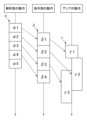
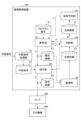
- FIG. 1 is a configuration diagram showing a numerical control device according to a first embodiment. It is a block diagram which shows a numerical control device from another viewpoint. It is a flowchart which shows the flow of control by a numerical control device. It is a time chart showing the first half of an example of control by a numerical control device. 12 is a time chart additionally showing the second half of the example of the same control. It is a block diagram which shows the numerical control apparatus of 2nd Embodiment. It is a block diagram which shows the numerical control apparatus of 3rd Embodiment. It is a block diagram which shows the numerical control apparatus of 4th Embodiment.
- the numerical control device 100 shown in FIG. 1 performs numerical control for controlling the machine tool 300.
- the numerical control device 100 is configured to allow a user to input a command program for causing the machine tool 300 to perform a desired operation.
- the command based on the command program will be referred to as "program command C1.” That is, the numerical control device 100 is configured to be able to input the program command C1.
- the numerical control device 100 is configured to be capable of inputting an external command C2 as an operation command for the machine tool 300 from outside the numerical control device 100.
- the external command C2 is a command based on an external signal that is a signal from outside the numerical control device 100.
- the external signal is, for example, a signal based on a PLC (Programmable Logic Controller).
- the numerical control device 100 includes an analysis section 10, an external signal processing section 18, and a command section 20.
- the analysis unit 10 performs “analysis processing ⁇ ” as a process for analyzing the program command C1, and transmits the analysis result to the command unit 20.
- analysis processing ⁇ as a process for analyzing the program command C1
- the coordinates on the relative position data of the working part of the machine tool 300 with respect to the workpiece, which are recognized in the analysis process ⁇ will be referred to as "analytical coordinates P1.”
- the external signal processing unit 18 analyzes the external signal input to the numerical control device 100 and transmits an external command C2 to the command unit 20.
- the command unit 20 performs "command processing ⁇ " as a process of creating an operation command for the machine tool 300 based on the result of the analysis process ⁇ and the external command C2.
- command coordinates P2 the coordinates on the relative position data of the working part of the machine tool 300 with respect to the workpiece in the command processing ⁇
- the command unit 20 issues an operation command to the machine tool 300 via the amplifier 200 by outputting the result of command processing ⁇ to the amplifier 200 located outside the numerical control device 100.
- the processing by the amplifier 200 will be referred to as "amplifier processing ⁇ .”
- the command unit 20 performs command processing ⁇ using the result of analysis processing ⁇ as is. Therefore, the result of the analysis process ⁇ directly becomes the result of the command process ⁇ , and the analysis coordinate P1 and the command coordinate P2 match.
- the command unit 20 outputs the result of the analysis process ⁇ plus the external command C2 as the result of the command process ⁇ . Therefore, the coordinates obtained by shifting the analytical coordinate P1 by the amount of operation based on the external command C2 become the command coordinate P2, and the analytical coordinate P1 and the command coordinate P2 are shifted from each other.
- coordinate deviation ⁇ P the deviation between the analytical coordinate P1 and the command coordinate P2
- the numerical control device 100 further includes a monitoring section 30 and a reflecting section 40 in order to eliminate the coordinate shift ⁇ P.
- the "reflection unit” may be read as the "handling unit”.
- the monitoring unit 30 monitors the presence or absence of the external command C2 and the presence or absence of the coordinate shift ⁇ P. Then, when the monitoring unit 30 detects the external command C2 and also detects the coordinate shift ⁇ P that needs to be resolved, the monitoring unit 30 transmits a reflection request C3 to the reflection unit 40.
- the coordinate deviation ⁇ P that needs to be eliminated is, for example, a coordinate deviation ⁇ P that, if not eliminated, may cause problems in other machining operations.
- the coordinate deviation ⁇ P that does not require correction is, for example, a coordinate deviation ⁇ P only in a predetermined axial direction and that does not adversely affect other machining operations.
- the reflection unit 40 When the reflection unit 40 receives the reflection request C3, it performs a "reflection process ⁇ " as a process for resolving the coordinate shift ⁇ P by reflecting the external command C2 in the subsequent analysis process ⁇ . Note that “reflection processing” may be read as “coping processing”.
- the reflection process ⁇ is performed by the reflection unit 40 acting on the analysis unit 10. Specifically, in the reflection process ⁇ , for example, the analysis unit 10 is made to recognize that the current analysis coordinate P1 is shifted by the amount of coordinate shift caused by the external command C2. As a result, a movement amount sufficient to cancel the coordinate shift is added, and the coordinate shift ⁇ P is eliminated.
- the reflection process ⁇ may be performed in the following different example mode, for example.
- a portion in which it is better to maintain the coordinate shift based on the external command C2 in the analysis process ⁇ will be referred to as a "shift-required portion”
- a portion in which it is better to cancel the maintenance of the coordinate shift will be referred to as a "shift-unnecessary portion”.
- the portion that requires a shift is, for example, a portion where maintaining the coordinate shift will not have an adverse effect, and where maintaining the coordinate shift is more likely to comply with the intention of the external command C2.
- portions that do not require a shift are, for example, portions where maintaining the coordinate shift may have an adverse effect, or portions where canceling the coordinate shift is more likely to comply with the intention of the external command C2.
- parts that require shifting and parts that do not require shifting include parts related to workpiece machining, parts related to movement of workpieces and tools, parts related to positioning and movement of the table rotation axis, and parts related to attachment and detachment of workpieces and tools. can be mentioned.
- the analysis process ⁇ is performed so that the coordinate shift according to the external command C2 is maintained for the part that requires a shift, and the coordinate shift according to the external command C2 is canceled for the part that does not require a shift.
- the external command C2 is reflected on the external command C2.
- the coordinate shift is directly applied to the analysis coordinate P1. This eliminates the coordinate shift ⁇ P.
- a movement amount sufficient to cancel the coordinate shift is added, and immediately before transitioning from a portion that does not require a shift to a portion that does not require a shift in analysis processing ⁇ . adds enough movement to restore the coordinate shift.
- the coordinate shift is maintained for the portion that requires a shift while the coordinate shift ⁇ P is eliminated, and the coordinate shift for the portion that does not require a shift is canceled.
- the reflection unit 40 When the reflection unit 40 receives the reflection request C3, in addition to the above-described "reflection process ⁇ ", the reflection unit 40 performs the following determination of whether or not it is necessary to discard. Below are the processing results of the analysis processing ⁇ and command processing ⁇ that have already been executed, and the operation commands based on the processing results have not yet been output to the outside of the numerical control device 100, that is, the processing results that have not been output to the amplifier 200. Processing results that do not exist are called “unoutput results.” The reflection unit 40 determines whether or not the unoutput results are affected by the external command C2, as a determination as to whether discarding is necessary or not.
- the reflection unit 40 may execute the reflection process ⁇ before executing the next analysis process ⁇ .
- the reflecting unit 40 determines that there is an influence due to the external command C2 in the determination of whether or not it is necessary to discard, it performs "discard processing" to discard the unoutputted results determined to have the influence.
- the discard process ⁇ is performed by the reflection unit 40 acting on the analysis unit 10 and the command unit 20.
- the numerical control device 100 is mainly composed of a computer Cp and a numerical control program p100.
- the computer Cp has a CPU, ROM, RAM, etc.
- the numerical control program p100 is a program for causing the computer Cp to function as the numerical control device 100 in cooperation with the computer Cp.
- the numerical control program p100 includes an analysis program p10, a command program p20, a monitoring program p30, and a reflection program p40.
- the analysis program p10 is a program for causing the computer Cp to function as the analysis section 10.
- the command program p20 is a program for causing the computer Cp to function as the command unit 20.
- the monitoring program p30 is a program for causing the computer Cp to function as the monitoring unit 30.
- the reflection program p40 is a program for causing the computer Cp to function as the reflection unit 40.
- the monitoring unit 30 monitors the command coordinate P2.
- the monitoring unit 30 determines whether or not the external command C2 has been input based on changes in the command coordinates P2 and the like. If the determination is negative, the flow ends because the reflection request C3 is unnecessary. On the other hand, if an affirmative determination is made in S32, the process advances to S33.
- the monitoring unit 30 determines whether there is a coordinate shift ⁇ P that needs to be resolved. If the determination is negative, the flow ends because the reflection request C3 is unnecessary. On the other hand, if an affirmative determination is made in S33, the process proceeds to S34, where a reflection request C3 is transmitted to the reflection unit 40, and then the process proceeds to S41.
- the reflection unit 40 performs reflection processing ⁇ based on the reflection request C3. This eliminates the coordinate shift ⁇ P.
- the analysis unit 10 sequentially performs, for example, a first analysis process ⁇ 1, a second analysis process ⁇ 2, a third analysis process ⁇ 3, a fourth analysis process ⁇ 4, and a fifth analysis process ⁇ 5 as the analysis process ⁇ . conduct.
- These first to fifth analysis processes ⁇ 1 to ⁇ 5 are, for example, so-called “N10”, “N20”, “N30”, “N50”, and “N60” analysis processes.
- the command unit 20 sequentially performs, for example, a first command process ⁇ 1, a second command process ⁇ 2, a third command process ⁇ 3, a fourth command process ⁇ 4, and a fifth command process ⁇ 5 as the command process ⁇ .
- the command unit 20 performs the first command processing ⁇ based on the results of the first analysis processing ⁇ 1, performs the second command processing ⁇ based on the results of the second analysis processing ⁇ 2, and performs the third analysis processing ⁇ .
- a third command process ⁇ 3 is performed based on the result of ⁇ 3, a fourth command process ⁇ 4 is performed based on the result of the fourth analysis process ⁇ 4, and a fifth command process ⁇ 5 is performed based on the result of the fifth analysis process ⁇ 5.
- the analysis unit 10 and the command unit 20 execute the analysis process ⁇ and the command process ⁇ independently of each other. Therefore, the analysis unit 10 and the command unit 20 execute the analysis process ⁇ and the command process ⁇ in parallel, respectively. Therefore, for example, when the first analysis process ⁇ 1 is completed, the analysis unit 10 starts the second analysis process ⁇ 2 without waiting for the completion of the first command process ⁇ 1, and when the second analysis process ⁇ 2 is completed, the second analysis process ⁇ 2 is started. The third analysis process ⁇ 3 is started without waiting for the completion of the command process ⁇ 2. In other words, the analysis unit 10 reads each analysis process ⁇ in advance.
- the amplifier 200 sequentially performs, for example, a first amplifier process ⁇ 1, a second amplifier process ⁇ 2, a third amplifier process ⁇ 3, a fourth amplifier process ⁇ 4, and a fifth amplifier process ⁇ 5 as the amplifier process ⁇ . Specifically, the amplifier 200 performs the first amplification process ⁇ 1 based on the result of the first command process ⁇ 1, performs the second amplification process ⁇ 2 based on the result of the second command process ⁇ 2, and performs the third command process ⁇ 3.
- a third amplification process ⁇ 3 is performed based on the result, a fourth amplification process ⁇ 4 is performed on the fourth command process ⁇ 4 based on the result, and a fifth amplification process ⁇ 5 is performed on the fifth command process ⁇ 5 based on the result.
- the command unit 20 and the amplifier 200 execute the command processing ⁇ and the amplifier processing ⁇ independently of each other. Therefore, the command unit 20 and the amplifier 200 execute the command processing ⁇ and the amplifier processing ⁇ , respectively, in parallel. Therefore, for example, when the first command processing ⁇ 1 is completed, the command unit 20 starts the second command processing ⁇ 2 without waiting for the completion of the first amplifier processing ⁇ 1, and when the second command processing ⁇ 2 is completed, the second command processing ⁇ 2 is started. The third command process ⁇ 3 is started without waiting for the completion of the amplifier process ⁇ 2. In other words, the command unit 20 reads each command process ⁇ in advance.
- the monitoring unit 30 transmits a reflection request C3 to the reflection unit 40.
- the reflection unit 40 performs reflection processing ⁇ based on the reflection request C3.
- the analysis processes ⁇ after the fourth analysis process ⁇ 4 are updated.
- the external command C2 is reflected in the analysis processing ⁇ 4 and subsequent analysis processing ⁇ 4.
- the reflection unit 40 determines whether or not it is necessary to discard based on the reflection request C3, and if the determination is affirmative, it also performs the discard process ⁇ .
- the third analysis process ⁇ 3 and the third command process ⁇ 3 do not need to be discarded, and the fourth and fifth analysis processes ⁇ 4 and ⁇ 5 and the fourth command process ⁇ 4 are determined to need to be discarded. do.
- the results of the third analysis process ⁇ 3 and the third command process ⁇ 3 are not discarded, but only the results of the fourth and fifth analysis processes ⁇ 4, ⁇ 5 and the fourth command process ⁇ 4 are discarded.
- the analysis unit 10 discards the results of the analysis processes ⁇ 4 and ⁇ 5 that were read in advance, and starts the analysis after reflection from the discarded results. Redo process ⁇ . Further, the command unit 20 also discards the result of the prefetched command processing ⁇ 4, and redoes the command processing ⁇ from the discarded point based on the reflected analysis processing ⁇ . As described above, the external command C2 is reflected in the analysis process ⁇ and the command process ⁇ after the input of the external command C2.
- the cycle time of the entire numerical control including the analysis process ⁇ and the command process ⁇ can be suppressed. Furthermore, the monitoring unit 30 monitors the presence or absence of the external command C2, and transmits the reflection request C3 to the reflection unit 40 on the condition that the external command C2 is detected. Therefore, the reflection unit 40 can take prompt action. As described above, according to the present embodiment, when the external command C2 is detected, it is possible to take immediate action while suppressing the cycle time of the entire numerical control.
- the reflection unit 40 performs a reflection process ⁇ to reflect the external command C2 in the analysis process ⁇ based on the reflection request C3 from the monitoring unit 30. Therefore, even if the user does not manually change the program command C1, the external command C2 can be automatically reflected in the analysis process ⁇ by the reflection process ⁇ performed by the reflection unit 40.
- the monitoring unit 30 further monitors whether there is a coordinate deviation ⁇ P between the analysis coordinate P1 and the command coordinate P2, and sends the reflection request C3 to the reflection unit 40 on the condition that the coordinate deviation ⁇ P is detected. Send to. Therefore, the reflection request C3 can be sent only when the coordinate shift ⁇ P occurs due to the external command C2.
- the monitoring unit 30 further determines whether or not the coordinate shift ⁇ P is a shift that requires elimination, and sends a reflection request C3 to the reflection unit 40 on the condition that it is determined to be a shift that requires elimination. Therefore, the reflection request C3 can be sent only when a coordinate shift ⁇ P that requires resolution occurs. Therefore, for coordinate deviations ⁇ P that do not need to be reflected due to reasons such as no conflict between axis commands, the reflection process ⁇ can be omitted and the cycle time of numerical control can be shortened.
- the reflection unit 40 performs the necessity of discarding as well as the reflection process ⁇ , and determines whether or not the unoutput results are affected by the external command C2. Then, a discard process ⁇ is performed to discard the unoutput results determined to have an influence. Thereby, the external command C2 can be reflected in the analysis process ⁇ and the command process ⁇ from the earliest possible timing. On the other hand, the discard process ⁇ is not performed for unoutput results determined to have no influence from the external command C2. Therefore, the number of discard processes ⁇ can be reduced as much as possible, and the waste of discarding the results of pre-reading can be avoided as much as possible.
- the numerical control device 100 of this embodiment further includes an interrupt adjustment section 42.
- the reflection unit 40 transmits a “reflection report R” as a report to that effect to the interrupt adjustment unit 42.
- the interrupt adjustment unit 42 determines the timing at which the reflection process ⁇ is likely to be performed based on the “reflection history D” as the history of the reflection report R. Then, in advance of this timing, an "interrupt adjustment process ⁇ " is performed to temporarily stop the analysis process ⁇ by acting on the analysis unit 10.
- the reflection process ⁇ can be performed efficiently. Further, by performing the interrupt adjustment process ⁇ , the discard process ⁇ can be reduced, and the waste of discarding the prefetch results can be avoided as much as possible. Thereby, the CPU of the numerical control device 100 can be utilized more effectively, and the cycle time of numerical control can be further shortened.
- the interrupt adjustment unit 42 determines the timing at which the reflection process ⁇ is likely to be performed based on the reflection history D. Therefore, the timing can be found efficiently.
- the numerical control device 100 of this embodiment has a reflection reservation section 43 instead of the interrupt adjustment section 42.
- the reflection reservation unit 43 is similar to the interrupt adjustment unit 42 until it determines the timing at which the reflection process ⁇ is likely to be performed based on the reflection history D.
- the reflection reservation unit 43 performs a “reflection reservation process ⁇ ” that makes it possible to execute the reflection process ⁇ on the result of the analysis process ⁇ related to the timing by acting on the analysis unit 10.
- the result of the analysis process ⁇ related to the timing is expressed using a variable, and the result of the external command C2 can be input into the variable later. .
- the reflection process ⁇ can be efficiently performed.
- a notification device 250 is provided to notify the user that there is a coordinate shift ⁇ P.
- the notification device 250 may, for example, make notifications by means of auditory appeal such as sound, or may make notification by means of visual appeal such as display.
- the notification device 250 may be a speaker of a computer that constitutes the numerical control device 100, a display of the computer, or a device other than the computer that is dedicated to notifications. good.
- the numerical control device 100 of this embodiment has a notification section 44 instead of the reflection section 40 of the first embodiment.
- the “notification unit” may be read as the “handling unit”.
- the notification unit 44 Upon receiving the reflection request C3, the notification unit 44 temporarily suspends the analysis process ⁇ and the command process ⁇ , and performs the notification process ⁇ .
- the notification process ⁇ is a process of transmitting the notification command C4 to the notification device 250.
- the notification device 250 Upon receiving the notification command C4, the notification device 250 notifies the user U that there is a coordinate shift ⁇ P, that is, it is necessary to reflect the external command C2 in the analysis process ⁇ .
- the user U modifies the program command C1 by, for example, an M code command or a precode command based on the notification from the notification device 250, and reflects the external command C2 in the analysis process ⁇ .
- the coordinate shift ⁇ P can be eliminated. Therefore, compared to the case where there is no notification from the notification device 250, it is possible to deal with the problem more reliably and quickly.
- the reflection unit 40 may reflect the external command C2 in the analysis process ⁇ by acting not on the analysis unit 10 but on the program command C1 itself. Further, if there is a process that no longer needs to be executed due to the reflection process ⁇ , the process may be omitted to shorten the cycle time of numerical control.
- the case where the depth of cut is increased or decreased is shown as an example of the external command C2, but in addition to that, for example, the command coordinate P2 may be shifted in the axial direction of the tool axis and An example may be a case where a machining operation test by cutting is performed.
- the monitoring unit 30 detects the input of the external command C2 and cannot specify the aspect of the coordinate shift ⁇ P, the numerical control may be stopped. According to this aspect, fail-safe action can be taken when an unrecognized coordinate shift ⁇ P occurs.
- the notification device 250 when there is a modification method that is preferable in terms of shortening the cycle time of numerical control rather than the user U modifying the program command C1 independently, the notification device 250 is configured to notify the modification method. Good too.
Landscapes
- Engineering & Computer Science (AREA)
- Physics & Mathematics (AREA)
- Human Computer Interaction (AREA)
- Manufacturing & Machinery (AREA)
- General Physics & Mathematics (AREA)
- Automation & Control Theory (AREA)
- Geometry (AREA)
- Numerical Control (AREA)
Abstract
数値制御装置100は、プログラムによる動作指令C1を解析する解析処理αと、解析処理αの結果に基づいて工作機械300に対する動作指令を作成する指令処理βと、を並行して行う。数値制御装置100は、外部からの工作機械300に対する動作指令としての外部指令C2に基づいて、指令処理βにおける動作指令を変更可能に構成されている。数値制御装置100は、さらに監視部30と対処部40とを有する。監視部30は、外部指令C2の有無を監視する。対処部40は、監視部30によって外部指令C2が検知されたことを条件に、外部指令C2を解析処理αに反映させるための対処処理δを行う。
Description
本開示は、工作機械に対して数値情報で指令を出す数値制御を行う数値制御装置に関する。
数値制御は、多くの場合、プログラムによる指令を解析する解析処理と、解析処理の結果に基づいて工作機械に対する動作指令を作成する指令処理と、を含む。
数値制御は、一般的に、極力素早く行うことが求められる。その対策としては、解析処理と指令処理とを直列的に一体で行うのではなく、並行して行うことによって、数値制御全体のサイクルタイムを短縮することが考えられる。しかしながら、その場合、以下の問題が発生し得る点に、本開示者らは着目した。
以下、解析処理において認識される、ワークに対する工作機械の作業部の相対的な位置データ上の座標を「解析座標」といい、指令処理における当該相対的な位置データ上の座標を「指令座標」という。数値制御装置の中には、プログラムによる指令とは別の外部指令によって、指令座標を変更可能に構成されたものがある。この場合において、外部指令に基づいて指令座標を変更したとしても、指令処理に並行して解析処理が行われることから、当該変更は解析座標には反映されない。そのことから、当該変更分だけ、以後、解析座標が指令座標からずれてしまう。それによって、例えば、解析座標がずれた状態で解析処理が実行されることに伴って、数値制御の終了時における指令座標が所望の座標からずれてしまう等の不都合が発生してしまうおそれがある。
具体的には、例えば、ワークの所望部分について、切削を深く又は浅くするために、外部指令によって指令座標を解析座標から所定軸方向にシフトさせた場合には、その後の解析処理において、このシフト量を加味した上で解析座標を計算する必要がある。しかし、シフト量を加味しない場合は、解析座標がシフト量分だけ指令座標値からずれたまま解析処理が実行される。このため、最終的な指令座標がずれてしまう。それによって、不都合が発生してしまうおそれがある。
本発明は、上記事情に鑑みてなされたものであり、数値制御全体のサイクルタイムを抑えつつも、外部指令によって指令座標が変更された場合には、速やかに対処できるようにすることを目的とする。
本開示の数値制御装置は、
プログラムによる指令を解析する解析処理と、前記解析処理の結果に基づいて工作機械に対する動作指令を作成する指令処理と、を並行して行う数値制御装置において、
当該数値制御装置の外部からの前記工作機械に対する動作指令としての外部指令に基づいて、前記指令処理における動作指令を変更可能に構成されており、
前記外部指令の有無を監視する監視部と、
前記監視部によって前記外部指令が検知されたことを条件に、前記外部指令を前記解析処理に反映させるための対処処理を行う対処部と、
を有する。
プログラムによる指令を解析する解析処理と、前記解析処理の結果に基づいて工作機械に対する動作指令を作成する指令処理と、を並行して行う数値制御装置において、
当該数値制御装置の外部からの前記工作機械に対する動作指令としての外部指令に基づいて、前記指令処理における動作指令を変更可能に構成されており、
前記外部指令の有無を監視する監視部と、
前記監視部によって前記外部指令が検知されたことを条件に、前記外部指令を前記解析処理に反映させるための対処処理を行う対処部と、
を有する。
本開示の数値制御プログラムは、
コンピュータを、プログラムによる指令を解析する解析処理と、前記解析処理の結果に基づいて工作機械に対する動作指令を作成する指令処理と、を並行して行う数値制御装置として機能させる数値制御プログラムにおいて、
前記数値制御装置の外部からの前記工作機械に対する動作指令としての外部指令に基づいて、前記指令処理における動作指令を変更可能に構成されており、
さらに前記コンピュータを、前記外部指令の有無を監視する監視部と、前記監視部によって前記外部指令が検知されたことを条件に、前記外部指令を前記解析処理に反映させるための対処処理を行う対処部と、として機能させる。
コンピュータを、プログラムによる指令を解析する解析処理と、前記解析処理の結果に基づいて工作機械に対する動作指令を作成する指令処理と、を並行して行う数値制御装置として機能させる数値制御プログラムにおいて、
前記数値制御装置の外部からの前記工作機械に対する動作指令としての外部指令に基づいて、前記指令処理における動作指令を変更可能に構成されており、
さらに前記コンピュータを、前記外部指令の有無を監視する監視部と、前記監視部によって前記外部指令が検知されたことを条件に、前記外部指令を前記解析処理に反映させるための対処処理を行う対処部と、として機能させる。
本開示によれば、数値制御全体のサイクルタイムを抑えつつも、外部指令に基づいて指令座標が変更された場合には、速やかに対処できる。
以下、本開示の実施形態について、図面を参照しつつ説明する。ただし、本開示は、以下の実施形態に何ら限定されるものではなく、本発明の趣旨を逸脱ない範囲内で適宜変更して実施できる。
[第1実施形態]
図1に示す数値制御装置100は、工作機械300を制御するための数値制御を行う。数値制御装置100は、ユーザによって、工作機械300に所望の動作をさせるための指令プログラムを入力可能に構成される。以下、指令プログラムに基づく指令を「プログラム指令C1」という。つまり、数値制御装置100は、プログラム指令C1を入力可能に構成されている。さらに、数値制御装置100は、自身の外部からの工作機械300に対する動作指令としての外部指令C2も入力可能に構成されている。外部指令C2は、数値制御装置100の外部からの信号である外部信号に基づく指令である。外部信号は、例えば、PLC(Programmable Logic Controller)等に基づく信号である。
図1に示す数値制御装置100は、工作機械300を制御するための数値制御を行う。数値制御装置100は、ユーザによって、工作機械300に所望の動作をさせるための指令プログラムを入力可能に構成される。以下、指令プログラムに基づく指令を「プログラム指令C1」という。つまり、数値制御装置100は、プログラム指令C1を入力可能に構成されている。さらに、数値制御装置100は、自身の外部からの工作機械300に対する動作指令としての外部指令C2も入力可能に構成されている。外部指令C2は、数値制御装置100の外部からの信号である外部信号に基づく指令である。外部信号は、例えば、PLC(Programmable Logic Controller)等に基づく信号である。
具体的には、数値制御装置100は、解析部10と外部信号処理部18と指令部20とを有する。解析部10は、プログラム指令C1を解析する処理としての「解析処理α」を行って、その解析結果を指令部20に送信する。以下、解析処理αにおいて認識される、ワークに対する工作機械300の作業部の相対的な位置データ上の座標を「解析座標P1」という。
外部信号処理部18は、数値制御装置100に入力された外部信号を解析して、外部指令C2を指令部20に送信する。
指令部20は、解析処理αの結果と外部指令C2とに基づいて、工作機械300に対する動作指令を作成する処理としての「指令処理β」を行う。以下、指令処理βにおける、ワークに対する工作機械300の作業部の相対的な位置データ上の座標を「指令座標P2」という。指令部20は、指令処理βの結果を、数値制御装置100の外部にあるアンプ200に出力することによって、アンプ200を介して工作機械300に対する動作指令を行う。以下、アンプ200による処理を、「アンプ処理γ」という。
指令部20は、外部指令C2の入力が無い場合は、解析処理αの結果をそのまま用いて指令処理βを行う。そのため、解析処理αの結果がそのまま指令処理βの結果となって、解析座標P1と指令座標P2とが一致する。他方、外部指令C2の入力が有る場合には、指令部20は、解析処理αの結果に外部指令C2を加えたものを、指令処理βの結果として出力する。そのことから、解析座標P1を、外部指令C2による操作量だけシフトさせた座標が、指令座標P2となって、解析座標P1と指令座標P2とが互いにずれる。以下、解析座標P1と指令座標P2とのずれを「座標ずれΔP」という。
数値制御装置100は、座標ずれΔPを解消するために、さらに監視部30と反映部40とを有する。なお、「反映部」は、「対処部」と読み替えてもよい。
監視部30は、外部指令C2の有無と座標ずれΔPの有無とを監視する。そして、監視部30は、外部指令C2を検知した場合であって、かつ、解消を要する座標ずれΔPを検知した場合には、反映依頼C3を反映部40に送信する。解消を要する座標ずれΔPとは、例えば解消しないと他の加工動作に不都合が生じ得る座標ずれΔPである。他方、解消を要しない座標ずれΔPとは、例えば所定軸方向へのみの座標ずれΔPであって他の加工動作に悪影響を及ぼさない座標ずれΔPである。
反映部40は、反映依頼C3を受信した場合には、外部指令C2を以後の解析処理αに反映させることによって座標ずれΔPを解消する処理としての「反映処理δ」を行う。なお、「反映処理」は、「対処処理」と読み替えてもよい。
反映処理δは、反映部40が解析部10に働きかけることによって行われる。具体的には、反映処理δでは、例えば、現在の解析座標P1が外部指令C2による座標シフト分だけずれていることを解析部10に認識させる。これによって、当該座標シフトをキャンセルするだけの移動量が追加されると共に、座標ずれΔPが解消される。
また、これ以外にも、例えば次の別例の態様で反映処理δを行ってもよい。以下、解析処理αにおける外部指令C2による座標シフトを維持した方が良い部分を「シフト必要部分」といい、当該座標シフトの維持をキャンセルした方が良い部分を「シフト不要部分」という。シフト必要部分は、例えば、座標シフトを維持しても悪影響を及ぼさない部分であって、かつ、座標シフトを維持した方が外部指令C2の意図に沿う蓋然性が高い部分である。他方、シフト不要部分は、例えば、座標シフトを維持すると悪影響を及ぼすおそれがある部分や、座標シフトをキャンセルした方が外部指令C2の意図に沿う蓋然性が高い部分である。シフト必要部分およびシフト不要部分の例としては、ワークの加工に関わる部分、ワークの移動や工具の移動に関わる部分、テーブル回転軸の位置決めや移動に関わる部分、ワークや工具の着脱に関わる部分等が挙げられる。
別例の態様の反映処理δでは、例えば、シフト必要部分については、外部指令C2による座標シフトが維持され、シフト不要部分については、外部指令C2による座標シフトがキャンセルされるように、解析処理αに対して外部指令C2を反映させる。具体的には、例えば、解析処理αにおけるシフト必要部分については、解析座標P1に座標シフトをそのまま採用する。これによって、座標ずれΔPが解消される。さらに、解析処理αにおけるシフト必要部分からシフト不要部分に移行する直前には、座標シフトをキャンセルさせるだけの移動量を追加し、解析処理αにおけるシフト不要部分からシフト必要部分に再び移行する直前には、座標シフトを復活させるだけの移動量を追加する。これによって、座標ずれΔPが解消されたまま、シフト必要部分については座標シフトが維持され、シフト不要部分については座標シフトがキャンセルされる。
反映部40は、反映依頼C3を受信した場合には、以上に示した「反映処理δ」に加えて、次に示す破棄要否判定を行う。以下、既に実行された解析処理αおよび指令処理βの処理結果であって、当該処理結果に基づく動作指令が未だ数値制御装置100の外部に出力されていない処理結果、つまりアンプ200に出力されていない処理結果を「未出力結果」という。反映部40は、破棄要否判定として、未出力結果について、外部指令C2による影響があるか否か判定する。具体的には、外部指令C2自体が未出力結果に影響があるか否かを判定してもよいし、外部指令C2による座標ずれΔPが未出力結果に影響を及ぼすか否かを判定することによって、当該判定を行ってもよい。より具体的には、例えば、未出力結果が、座標ずれΔPにおける軸方向シフトを含まない場合には、当該未出力結果の破棄をしなくても意図した指令座標への移動が可能である。そのため、この場合には、外部指令C2による影響がないと判定する。この場合には、反映部40は、反映依頼C3を受信したあと、次回の解析処理αを実行するまでに反映処理δを実行すればよい。他方、反映部40は、破棄要否判定において外部指令C2による影響がると判定した場合には、当該影響があると判定した未出力結果を破棄する「破棄処理」を行う。その破棄処理εは、反映部40が解析部10および指令部20に働きかけることによって行われる。
図2に示すように、数値制御装置100は、コンピュータCpと数値制御プログラムp100とを主体に構成されている。コンピュータCpは、CPU、ROM、RAM等を有する。数値制御プログラムp100は、コンピュータCpとの協働によってコンピュータCpを数値制御装置100として機能させるためのプログラムである。
数値制御プログラムp100は、解析プログラムp10と指令プログラムp20と監視プログラムp30と反映プログラムp40とを有する。解析プログラムp10は、コンピュータCpを解析部10として機能させるためのプログラムである。指令プログラムp20は、コンピュータCpを指令部20として機能させるためのプログラムである。監視プログラムp30は、コンピュータCpを監視部30として機能させるためのプログラムである。反映プログラムp40は、コンピュータCpを反映部40として機能させるためのプログラムである。
次に図3を参照しつつ、数値制御装置100によって反映処理δおよび破棄処理εを行うまでのフローについて説明する。このフローは、例えば所定周期ごとに繰り返し行われる。まず、S31において、監視部30が指令座標P2を監視する。次に、S32において、監視部30が、指令座標P2の変化等に基づいて外部指令C2の入力があったか否か判定する。否定判定した場合、反映依頼C3が不要であることから、フローを終了する。他方、S32で肯定判定した場合S33に進む。
S33では、監視部30が、解消を要する座標ずれΔPが有るか否か判定する。否定判定した場合、反映依頼C3が不要であることから、フローを終了する。他方、S33で肯定判定した場合、S34に進み、反映部40に対して反映依頼C3を送信してからS41に進む。
S41では、反映部40が反映依頼C3に基づいて反映処理δを行う。これによって、座標ずれΔPが解消される。S42では、破棄要否判定を行う。つまり、各未出力結果について座標ずれΔPによる影響を受けるか否か判定する。否定判定した場合、破棄処理εが不要であることから、そのままフローを終了する。他方、S42で肯定判定した場合、S43に進み、反映部40が破棄処理εを行う。これによって、未出力結果が破棄される。その後、フローを終了する。
次に図4,図5を参照しつつ、反映処理δおよび破棄処理εの具体例について説明する。
図4に示すように、解析部10は、解析処理αとして、例えば、第1解析処理α1、第2解析処理α2、第3解析処理α3、第4解析処理α4、第5解析処理α5を順に行う。これら第1~第5の各解析処理α1~α5は、例えば、いわゆる「N10」「N20」「N30」「N50」「N60」の解析処理である。
指令部20は、指令処理βとして、例えば、第1指令処理β1、第2指令処理β2、第3指令処理β3、第4指令処理β4、第5指令処理β5を順に行う。具体的には、指令部20は、第1解析処理α1に結果に基づいて第1指令処理βを行い、第2解析処理α2の結果に基づいて第2指令処理βを行い、第3解析処理α3の結果に基づいて第3指令処理β3を行い、第4解析処理α4の結果に基づいて第4指令処理β4を行い、第5解析処理α5の結果に基づいて第5指令処理β5を行う。
これらの際、解析部10および指令部20は、互いに独立して解析処理αおよび指令処理βをそれぞれ実行する。そのことから、解析部10および指令部20は、並行して、解析処理αおよび指令処理βをそれぞれ実行する。そのため、解析部10は、例えば第1解析処理α1が完了すれば、第1指令処理β1の完了を待たずに第2解析処理α2を開始し、第2解析処理α2が完了すれば、第2指令処理β2の完了を待たずに第3解析処理α3を開始する。つまり、解析部10は、各解析処理αを先読みする。
アンプ200は、アンプ処理γとして、例えば、第1アンプ処理γ1,第2アンプ処理γ2,第3アンプ処理γ3,第4アンプ処理γ4,第5アンプ処理γ5を順に行う。具体的には、アンプ200は、第1指令処理β1に結果に基づいて第1アンプ処理γ1を行い、第2指令処理β2に結果に基づいて第2アンプ処理γ2を行い、第3指令処理β3に結果に基づいて第3アンプ処理γ3を行い、第4指令処理β4に結果に基づいて第4アンプ処理γ4を行い、第5指令処理β5に結果に基づいて第5アンプ処理γ5を行う。
これらの際、指令部20およびアンプ200は、互いに独立して指令処理βおよびアンプ処理γをそれぞれ実行する。そのことから、指令部20およびアンプ200は、並行して、指令処理βおよびアンプ処理γをそれぞれ実行する。そのため、指令部20は、例えば第1指令処理β1が完了すれば、第1アンプ処理γ1の完了を待たずに第2指令処理β2を開始し、第2指令処理β2が完了すれば、第2アンプ処理γ2の完了を待たずに第3指令処理β3を開始する。つまり、指令部20は、各指令処理βを先読みする。
この図4に示す場合において、例えば図5に示すように、外部指令C2が入力されて、第2指令処理β2に基づく動作によって、指令座標P2が所定の軸方向に所定量シフトしたとする。具体的には、例えば、外部指令C2によって切り込み量を増加又は減少させた場合である。このとき、監視部30は、反映依頼C3を反映部40に送信する。反映部40は、反映依頼C3に基づいて、反映処理δを行う。その反映処理δによって、第4解析処理α4以降の解析処理αが更新される。つまり、第4解析処理α4以降の解析処理αに、外部指令C2が反映される。さらに、反映部40は、反映依頼C3に基づいて、破棄要否判定を行い、肯定判定した場合には、破棄処理εも行う。ここでは、第3解析処理α3および第3指令処理β3については、破棄不要と判定され、第4,第5解析処理α4,α5および第4指令処理β4については、破棄必要と判定されたものとする。この場合、第3解析処理α3および第3指令処理β3の結果については、破棄されることなく、第4,第5解析処理α4,α5および第4指令処理β4の結果についてのみ、破棄される。
以上のように、数値制御の途中において、外部指令C2が入力された場合、解析部10は、先読みしていた解析処理α4,α5の結果を破棄して、破棄したところから、反映後の解析処理αをやり直す。また、指令部20も、先読みしていた指令処理β4の結果を破棄して、破棄したところから、反映後の解析処理αに基づいて指令処理βをやり直す。以上によって、外部指令C2の入力以後の解析処理αおよび指令処理βに、外部指令C2が反映される。
以下に本実施形態の効果をまとめる。
本実施形態によれば、解析処理αと指令処理βとを並行して行うため、解析処理αおよび指令処理βを含む数値制御全体のサイクルタイムを抑えることができる。しかも、監視部30は、外部指令C2の有無を監視し、外部指令C2が検知されたことを条件に反映依頼C3を反映部40に送信する。そのため、反映部40は、速やかに対処できる。以上の通り、本実施形態によれば、数値制御全体のサイクルタイムを抑えつつも、外部指令C2が検知された場合には、速やかに対処できる。
しかも、反映部40は、監視部30からの反映依頼C3に基づいて、外部指令C2を解析処理αに反映させる反映処理δを行う。そのため、ユーザが手動でプログラム指令C1を変更しなくても、反映部40による反映処理δによって、自動で外部指令C2を解析処理αに反映させることができる。
しかも、監視部30は、さらに、解析座標P1と指令座標P2との間に座標ずれΔPがあるか否かを監視し、座標ずれΔPが検知されたことを条件に反映依頼C3を反映部40に送信する。そのため、外部指令C2によって座標ずれΔPが生じたときにのみ、反映依頼C3を送信することができる。
しかも、監視部30は、さらに、当該座標ずれΔPが解消を要するずれであるか否か判定し、解消を要するずれであると判定したことを条件に反映依頼C3を反映部40に送信する。そのため、解消を要する座標ずれΔPが生じたときにのみ、反映依頼C3を送信することができる。そのため、軸指令が競合していないなどの理由で反映しなくても問題ない座標ずれΔPについては、反映処理δを省略して、数値制御のサイクルタイムを短縮することができる。
しかも、反映部40は、反映処理δと共に、破棄要否判定を行い、未出力結果について、外部指令C2による影響があるか否かを判定する。そして、影響があると判定した未出力結果を破棄する破棄処理εを行う。それによって、極力早いタイミングから、外部指令C2を解析処理αおよび指令処理βに反映させることができる。他方、外部指令C2による影響がないと判定した未出力結果については、破棄処理εを行わない。そのため、破棄処理εを極力減らして、先読みの結果を破棄する無駄を極力回避することができる。
[第2実施形態]
次に第2実施形態について説明する。以下の実施形態については、指定する実施形態をベースにそれと異なる点を中心に説明し、当該指定する実施形態と同一又は類似の点については、説明を適宜省略する。本実施形態は、第1実施形態をベースに説明する。
次に第2実施形態について説明する。以下の実施形態については、指定する実施形態をベースにそれと異なる点を中心に説明し、当該指定する実施形態と同一又は類似の点については、説明を適宜省略する。本実施形態は、第1実施形態をベースに説明する。
図6に示しように、本実施形態の数値制御装置100は、さらに割込み調整部42を有する。反映部40は、反映処理δを行った際には、その旨の報告としての「反映報告R」を割込み調整部42に送信する。割込み調整部42は、反映報告Rの履歴としての「反映履歴D」に基づいて反映処理δが行われる可能性が高いタイミングを判定する。そして、当該タイミングの事前には、解析部10に働きかけることによって、解析処理αを一時停止させる「割込み調整処理ρ」を行う。
本実施形態によれば、割込み調整処理ρを行うことによって、反映処理δを効率的に行うことができる。また、割込み調整処理ρを行うことによって破棄処理εを減らして、先読みの結果を破棄する無駄を極力回避することができる。それらによって、数値制御装置100のCPUを、より有効に活用して、数値制御のサイクルタイムをより短縮することができる。
しかも、割込み調整部42は、反映履歴Dに基づいて、反映処理δが行われる可能性が高いタイミングを判定する。そのため、効率的に当該タイミングを見つけることができる。
[第3実施形態]
次に、図7を参照しつつ、第3実施形態について説明する。本実施形態は、第2実施形態をベースに説明する。本実施形態の数値制御装置100は、割込み調整部42の代わりに、反映予約部43を有する。反映予約部43も、反映履歴Dに基づいて、反映処理δが行われる可能性が高いタイミングを判定するまでは、割込み調整部42の場合と同様である。
次に、図7を参照しつつ、第3実施形態について説明する。本実施形態は、第2実施形態をベースに説明する。本実施形態の数値制御装置100は、割込み調整部42の代わりに、反映予約部43を有する。反映予約部43も、反映履歴Dに基づいて、反映処理δが行われる可能性が高いタイミングを判定するまでは、割込み調整部42の場合と同様である。
その後、反映予約部43は、解析部10に働きかけることによって、当該タイミングに係る解析処理αの結果に対して反映処理δを実行可能にする「反映予約処理σ」を行う。具体的には、例えば反映予約処理σでは、当該タイミングに係る解析処理αの結果については、変数を用いて表すようにして、後から当該変数に、外部指令C2の結果を入力可能しておく。
本実施形態によれば、反映予約処理σを行うことによって、反映処理δを効率的に行うことができる。また、反映予約処理σを行うことによって破棄処理εを減らして、先読みの結果を破棄する無駄を極力回避することができる。
[第4実施形態]
次に、図8を参照しつつ、第4実施形態について説明する。本実施形態は、第1実施形態をベースに説明する。本実施形態では、座標ずれΔPがあることをユーザに告知するための告知装置250が設けられている。告知装置250は、例えば、音等による聴覚に訴える手段で告知を行うものであってもよいし、表示等による視覚に訴える手段で告知を行うものであってもよい。具体的には、告知装置250は、数値制御装置100を構成するコンピュータのスピーカであってもよいし、コンピュータのディスプレイであってもよいし、コンピュータとは別の告知専用の装置であってもよい。
次に、図8を参照しつつ、第4実施形態について説明する。本実施形態は、第1実施形態をベースに説明する。本実施形態では、座標ずれΔPがあることをユーザに告知するための告知装置250が設けられている。告知装置250は、例えば、音等による聴覚に訴える手段で告知を行うものであってもよいし、表示等による視覚に訴える手段で告知を行うものであってもよい。具体的には、告知装置250は、数値制御装置100を構成するコンピュータのスピーカであってもよいし、コンピュータのディスプレイであってもよいし、コンピュータとは別の告知専用の装置であってもよい。
本実施形態の数値制御装置100は、第1実施形態でいう反映部40の代わりに、告知部44を有している。「告知部」は、「対処部」と読み替えてもよい。告知部44は、反映依頼C3を受信すると、解析処理αおよび指令処理βを一時停止させると共に、告知処理τを行う。告知処理τは、告知指令C4を告知装置250に送信する処理である。告知装置250は、告知指令C4を受信すると、座標ずれΔPがある旨の告知、つまり、外部指令C2を解析処理αに反映させる必要がある旨の告知を、ユーザUに対して行う。
本実施形態によれば、ユーザUは、告知装置250からの告知に基づいて、例えばMコード指令やプリコード指令によってプログラム指令C1を修正して、外部指令C2を解析処理αに反映させることによって、座標ずれΔPを解消することができる。そのため、告知装置250からの告知が無い場合に比べて、確実かつ素早く対処できる。
[他の実施形態]
以上に示した実施形態は、例えば次のように変更できる。反映処理δでは、反映部40が、解析部10ではなく、プログラム指令C1自体に働きかけることよって解析処理αに外部指令C2を反映させるようにしてもよい。また、反映処理δによって、実行不要になった処理がある場合には、当該処理を省略して数値制御のサイクルタイムを短縮してもよい。
以上に示した実施形態は、例えば次のように変更できる。反映処理δでは、反映部40が、解析部10ではなく、プログラム指令C1自体に働きかけることよって解析処理αに外部指令C2を反映させるようにしてもよい。また、反映処理δによって、実行不要になった処理がある場合には、当該処理を省略して数値制御のサイクルタイムを短縮してもよい。
第1実施形態では、外部指令C2の例として、切り込み量を増加又は減少させた場合を示したが、それ以外にも、例えば、指令座標P2を工具軸の軸長方向にずらした上でエアカットによる加工動作テストを行った場合等を例示できる。
監視部30によって、外部指令C2の入力が検知された場合において、座標ずれΔPの態様を特定できない場合には、数値制御を停止するようにしてもよい。この態様によれば、認識できない座標ずれΔPが発生した場合に、フェイルセーフアクションを取ることができる。
第4実施形態において、ユーザUが独自にプログラム指令C1を修正するよりも、数値制御のサイクルタイム短縮の点において好ましい修正方法がある場合において、告知装置250が、当該方法を告知するようにしてもよい。
30 監視部
40 反映部(対処部)
42 割込み調整部
43 反映予約部
44 告知部(対処部)
100 数値制御装置
C1 プログラム指令(プログラムによる指令)
C2 外部指令
D 反映履歴
P1 解析座標
P2 指令座標
α 解析処理
β 指令処理
δ 反映処理(対処処理)
ε 破棄処理
ρ 割込み調整処理
σ 反映予約処理
τ 告知処理(対処処理)
Cp コンピュータ
p100 数値制御プログラム
40 反映部(対処部)
42 割込み調整部
43 反映予約部
44 告知部(対処部)
100 数値制御装置
C1 プログラム指令(プログラムによる指令)
C2 外部指令
D 反映履歴
P1 解析座標
P2 指令座標
α 解析処理
β 指令処理
δ 反映処理(対処処理)
ε 破棄処理
ρ 割込み調整処理
σ 反映予約処理
τ 告知処理(対処処理)
Cp コンピュータ
p100 数値制御プログラム
Claims (10)
- プログラムによる指令を解析する解析処理と、前記解析処理の結果に基づいて工作機械に対する動作指令を作成する指令処理と、を並行して行う数値制御装置において、
当該数値制御装置の外部からの前記工作機械に対する動作指令としての外部指令に基づいて、前記指令処理における動作指令を変更可能に構成されており、
前記外部指令の有無を監視する監視部と、
前記監視部によって前記外部指令が検知されたことを条件に、前記外部指令を前記解析処理に反映させるための対処処理を行う対処部と、
を有する数値制御装置。 - 前記対処部は、前記対処処理として、前記外部指令を前記解析処理に反映させる反映処理を行う反映部である、請求項1に記載の数値制御装置。
- 前記対処部は、前記対処処理として、前記外部指令を前記解析処理に反映させる必要があることをユーザに告知する告知処理を行う告知部である、請求項1に記載の数値制御装置。
- 前記監視部は、前記解析処理において認識される、ワークに対する前記工作機械の作業部の相対的な位置としての解析座標と、前記指令処理における前記相対的な位置としての指令座標と、の間にずれがあるか否かを監視し、
前記対処部は、前記ずれが検知されたことを条件に、前記対処処理を行う、
請求項1~3のいずれか1つに記載の数値制御装置。 - 前記監視部は、前記ずれが解消を要するずれであるか否か判定し、
前記対処部は、前記ずれが解消を要するずれであると判定されたことを条件に、前記対処処理を行う、
請求項4に記載の数値制御装置。 - 前記対処部は、前記対処処理を行う場合において、既に行われた前記解析処理の処理結果であって当該処理結果に基づく動作指令が未だ前記数値制御装置の外部に出力されていない処理結果としての未出力結果について、前記外部指令による影響があるか否かを判定し、
前記対処部は、前記影響があると判定した前記未出力結果を破棄する破棄処理を行う、請求項1~5のいずれか1つに記載の数値制御装置。 - 前記対処処理が行われる可能性が高いタイミングを判定して、前記タイミングの事前に前記解析処理を一時停止させる割込み調整処理を行う割込み調整部を有する、請求項1~6のいずれか1つに記載の数値制御装置。
- 前記対処処理が行われる可能性が高いタイミングを判定して、前記タイミングに係る前記解析処理の結果に対して前記対処処理を実行可能にする反映予約処理を行う反映予約部を有する、請求項1~7のいずれか1つに記載の数値制御装置。
- 前記対処処理が行われた履歴に基づいて前記タイミングを判定する、請求項7又は8に記載の数値制御装置。
- コンピュータを、プログラムによる指令を解析する解析処理と、前記解析処理の結果に基づいて工作機械に対する動作指令を作成する指令処理と、を並行して行う数値制御装置として機能させる数値制御プログラムにおいて、
前記数値制御装置の外部からの前記工作機械に対する動作指令としての外部指令に基づいて、前記指令処理における動作指令を変更可能に構成されており、
さらに前記コンピュータを、前記外部指令の有無を監視する監視部と、前記監視部によって前記外部指令が検知されたことを条件に、前記外部指令を前記解析処理に反映させるための対処処理を行う対処部と、として機能させる数値制御プログラム。
Priority Applications (2)
| Application Number | Priority Date | Filing Date | Title |
|---|---|---|---|
| JP2024531845A JPWO2024009455A1 (ja) | 2022-07-07 | 2022-07-07 | |
| PCT/JP2022/026967 WO2024009455A1 (ja) | 2022-07-07 | 2022-07-07 | 数値制御装置および数値制御プログラム |
Applications Claiming Priority (1)
| Application Number | Priority Date | Filing Date | Title |
|---|---|---|---|
| PCT/JP2022/026967 WO2024009455A1 (ja) | 2022-07-07 | 2022-07-07 | 数値制御装置および数値制御プログラム |
Publications (1)
| Publication Number | Publication Date |
|---|---|
| WO2024009455A1 true WO2024009455A1 (ja) | 2024-01-11 |
Family
ID=89453089
Family Applications (1)
| Application Number | Title | Priority Date | Filing Date |
|---|---|---|---|
| PCT/JP2022/026967 Ceased WO2024009455A1 (ja) | 2022-07-07 | 2022-07-07 | 数値制御装置および数値制御プログラム |
Country Status (2)
| Country | Link |
|---|---|
| JP (1) | JPWO2024009455A1 (ja) |
| WO (1) | WO2024009455A1 (ja) |
Citations (4)
| Publication number | Priority date | Publication date | Assignee | Title |
|---|---|---|---|---|
| JPH0336606A (ja) * | 1989-07-04 | 1991-02-18 | Mitsubishi Electric Corp | 数値制御装置 |
| JP2000207006A (ja) * | 1999-01-08 | 2000-07-28 | Brother Ind Ltd | Nc加工機 |
| WO2015087540A1 (ja) * | 2013-12-12 | 2015-06-18 | パナソニックIpマネジメント株式会社 | モータ駆動装置 |
| JP2016091415A (ja) * | 2014-11-07 | 2016-05-23 | ファナック株式会社 | パラメータ変更によりncプログラムの起動が可能な数値制御装置 |
-
2022
- 2022-07-07 WO PCT/JP2022/026967 patent/WO2024009455A1/ja not_active Ceased
- 2022-07-07 JP JP2024531845A patent/JPWO2024009455A1/ja active Pending
Patent Citations (4)
| Publication number | Priority date | Publication date | Assignee | Title |
|---|---|---|---|---|
| JPH0336606A (ja) * | 1989-07-04 | 1991-02-18 | Mitsubishi Electric Corp | 数値制御装置 |
| JP2000207006A (ja) * | 1999-01-08 | 2000-07-28 | Brother Ind Ltd | Nc加工機 |
| WO2015087540A1 (ja) * | 2013-12-12 | 2015-06-18 | パナソニックIpマネジメント株式会社 | モータ駆動装置 |
| JP2016091415A (ja) * | 2014-11-07 | 2016-05-23 | ファナック株式会社 | パラメータ変更によりncプログラムの起動が可能な数値制御装置 |
Also Published As
| Publication number | Publication date |
|---|---|
| JPWO2024009455A1 (ja) | 2024-01-11 |
Similar Documents
| Publication | Publication Date | Title |
|---|---|---|
| JP6496340B2 (ja) | スキャナ制御装置、ロボット制御装置及びリモートレーザ溶接ロボットシステム | |
| JP2014063389A (ja) | 系統間待合せ機能を有する数値制御装置 | |
| JP2005327191A (ja) | サーボ制御装置 | |
| JP2008027376A (ja) | 数値制御装置 | |
| JP2015036833A (ja) | 干渉確認装置 | |
| JP7473321B2 (ja) | シミュレーション装置、数値制御装置、及びシミュレーション方法 | |
| US6570121B1 (en) | Laser machining apparatus | |
| JP4280241B2 (ja) | 学習制御機能を有する数値制御装置 | |
| US8903518B2 (en) | Motor control apparatus equipped with dead-zone processing unit | |
| JP5886656B2 (ja) | 数値制御装置 | |
| WO2024009455A1 (ja) | 数値制御装置および数値制御プログラム | |
| JP5210070B2 (ja) | 数値制御工作機械 | |
| JP6362795B1 (ja) | 加工制御装置及び工作機械、並びに加工制御方法 | |
| JP2020086485A (ja) | 数値制御装置 | |
| JP2017211872A (ja) | アラーム解決のためのプログラム修正支援機能を備えた数値制御装置 | |
| JP2007203346A (ja) | レーザ制御方法及びレーザ制御装置 | |
| JP2015053016A (ja) | プログラム再開機能を備えた数値制御装置 | |
| US10551825B2 (en) | Numerical controller for controlling corner speed of a machine | |
| JP2021092855A (ja) | 通信制御装置 | |
| JP2016224533A (ja) | Nc機械制御システム | |
| JP7609601B2 (ja) | 数値制御演算システム | |
| WO2023145241A1 (ja) | 数値制御装置 | |
| JP2003022109A (ja) | 数値制御装置 | |
| JP2007213241A (ja) | 割り込み加工可能な数値制御工作機械 | |
| JP7355965B1 (ja) | 数値制御装置及び数値制御システム |
Legal Events
| Date | Code | Title | Description |
|---|---|---|---|
| 121 | Ep: the epo has been informed by wipo that ep was designated in this application |
Ref document number: 22950249 Country of ref document: EP Kind code of ref document: A1 |
|
| ENP | Entry into the national phase |
Ref document number: 2024531845 Country of ref document: JP Kind code of ref document: A |
|
| NENP | Non-entry into the national phase |
Ref country code: DE |
|
| 122 | Ep: pct application non-entry in european phase |
Ref document number: 22950249 Country of ref document: EP Kind code of ref document: A1 |