WO2023090361A1 - 改変d領域を含むヒト免疫グロブリン重鎖遺伝子座を有する哺乳動物人工染色体ベクター、及びそのベクターを保持する細胞又は非ヒト動物 - Google Patents
改変d領域を含むヒト免疫グロブリン重鎖遺伝子座を有する哺乳動物人工染色体ベクター、及びそのベクターを保持する細胞又は非ヒト動物 Download PDFInfo
- Publication number
- WO2023090361A1 WO2023090361A1 PCT/JP2022/042560 JP2022042560W WO2023090361A1 WO 2023090361 A1 WO2023090361 A1 WO 2023090361A1 JP 2022042560 W JP2022042560 W JP 2022042560W WO 2023090361 A1 WO2023090361 A1 WO 2023090361A1
- Authority
- WO
- WIPO (PCT)
- Prior art keywords
- human
- region
- sequence
- heavy chain
- immunoglobulin heavy
- Prior art date
- Legal status (The legal status is an assumption and is not a legal conclusion. Google has not performed a legal analysis and makes no representation as to the accuracy of the status listed.)
- Ceased
Links
Images







Classifications
-
- C—CHEMISTRY; METALLURGY
- C12—BIOCHEMISTRY; BEER; SPIRITS; WINE; VINEGAR; MICROBIOLOGY; ENZYMOLOGY; MUTATION OR GENETIC ENGINEERING
- C12N—MICROORGANISMS OR ENZYMES; COMPOSITIONS THEREOF; PROPAGATING, PRESERVING, OR MAINTAINING MICROORGANISMS; MUTATION OR GENETIC ENGINEERING; CULTURE MEDIA
- C12N15/00—Mutation or genetic engineering; DNA or RNA concerning genetic engineering, vectors, e.g. plasmids, or their isolation, preparation or purification; Use of hosts therefor
- C12N15/09—Recombinant DNA-technology
- C12N15/63—Introduction of foreign genetic material using vectors; Vectors; Use of hosts therefor; Regulation of expression
- C12N15/79—Vectors or expression systems specially adapted for eukaryotic hosts
- C12N15/85—Vectors or expression systems specially adapted for eukaryotic hosts for animal cells
- C12N15/8509—Vectors or expression systems specially adapted for eukaryotic hosts for animal cells for producing genetically modified animals, e.g. transgenic
-
- A—HUMAN NECESSITIES
- A01—AGRICULTURE; FORESTRY; ANIMAL HUSBANDRY; HUNTING; TRAPPING; FISHING
- A01K—ANIMAL HUSBANDRY; AVICULTURE; APICULTURE; PISCICULTURE; FISHING; REARING OR BREEDING ANIMALS, NOT OTHERWISE PROVIDED FOR; NEW BREEDS OF ANIMALS
- A01K67/00—Rearing or breeding animals, not otherwise provided for; New or modified breeds of animals
- A01K67/027—New or modified breeds of vertebrates
- A01K67/0275—Genetically modified vertebrates, e.g. transgenic
-
- C—CHEMISTRY; METALLURGY
- C07—ORGANIC CHEMISTRY
- C07K—PEPTIDES
- C07K16/00—Immunoglobulins [IG], e.g. monoclonal or polyclonal antibodies
-
- C—CHEMISTRY; METALLURGY
- C07—ORGANIC CHEMISTRY
- C07K—PEPTIDES
- C07K16/00—Immunoglobulins [IG], e.g. monoclonal or polyclonal antibodies
- C07K16/06—Immunoglobulins [IG], e.g. monoclonal or polyclonal antibodies from serum
-
- C—CHEMISTRY; METALLURGY
- C12—BIOCHEMISTRY; BEER; SPIRITS; WINE; VINEGAR; MICROBIOLOGY; ENZYMOLOGY; MUTATION OR GENETIC ENGINEERING
- C12N—MICROORGANISMS OR ENZYMES; COMPOSITIONS THEREOF; PROPAGATING, PRESERVING, OR MAINTAINING MICROORGANISMS; MUTATION OR GENETIC ENGINEERING; CULTURE MEDIA
- C12N5/00—Undifferentiated human, animal or plant cells, e.g. cell lines; Tissues; Cultivation or maintenance thereof; Culture media therefor
- C12N5/06—Animal cells or tissues; Human cells or tissues
- C12N5/0602—Vertebrate cells
-
- C—CHEMISTRY; METALLURGY
- C12—BIOCHEMISTRY; BEER; SPIRITS; WINE; VINEGAR; MICROBIOLOGY; ENZYMOLOGY; MUTATION OR GENETIC ENGINEERING
- C12N—MICROORGANISMS OR ENZYMES; COMPOSITIONS THEREOF; PROPAGATING, PRESERVING, OR MAINTAINING MICROORGANISMS; MUTATION OR GENETIC ENGINEERING; CULTURE MEDIA
- C12N5/00—Undifferentiated human, animal or plant cells, e.g. cell lines; Tissues; Cultivation or maintenance thereof; Culture media therefor
- C12N5/10—Cells modified by introduction of foreign genetic material
- C12N5/12—Fused cells, e.g. hybridomas
- C12N5/16—Animal cells
-
- A—HUMAN NECESSITIES
- A01—AGRICULTURE; FORESTRY; ANIMAL HUSBANDRY; HUNTING; TRAPPING; FISHING
- A01K—ANIMAL HUSBANDRY; AVICULTURE; APICULTURE; PISCICULTURE; FISHING; REARING OR BREEDING ANIMALS, NOT OTHERWISE PROVIDED FOR; NEW BREEDS OF ANIMALS
- A01K2217/00—Genetically modified animals
- A01K2217/07—Animals genetically altered by homologous recombination
- A01K2217/072—Animals genetically altered by homologous recombination maintaining or altering function, i.e. knock in
-
- A—HUMAN NECESSITIES
- A01—AGRICULTURE; FORESTRY; ANIMAL HUSBANDRY; HUNTING; TRAPPING; FISHING
- A01K—ANIMAL HUSBANDRY; AVICULTURE; APICULTURE; PISCICULTURE; FISHING; REARING OR BREEDING ANIMALS, NOT OTHERWISE PROVIDED FOR; NEW BREEDS OF ANIMALS
- A01K2217/00—Genetically modified animals
- A01K2217/07—Animals genetically altered by homologous recombination
- A01K2217/075—Animals genetically altered by homologous recombination inducing loss of function, i.e. knock out
-
- A—HUMAN NECESSITIES
- A01—AGRICULTURE; FORESTRY; ANIMAL HUSBANDRY; HUNTING; TRAPPING; FISHING
- A01K—ANIMAL HUSBANDRY; AVICULTURE; APICULTURE; PISCICULTURE; FISHING; REARING OR BREEDING ANIMALS, NOT OTHERWISE PROVIDED FOR; NEW BREEDS OF ANIMALS
- A01K2227/00—Animals characterised by species
- A01K2227/10—Mammal
- A01K2227/105—Murine
-
- A—HUMAN NECESSITIES
- A01—AGRICULTURE; FORESTRY; ANIMAL HUSBANDRY; HUNTING; TRAPPING; FISHING
- A01K—ANIMAL HUSBANDRY; AVICULTURE; APICULTURE; PISCICULTURE; FISHING; REARING OR BREEDING ANIMALS, NOT OTHERWISE PROVIDED FOR; NEW BREEDS OF ANIMALS
- A01K2267/00—Animals characterised by purpose
- A01K2267/01—Animal expressing industrially exogenous proteins
-
- C—CHEMISTRY; METALLURGY
- C07—ORGANIC CHEMISTRY
- C07K—PEPTIDES
- C07K2317/00—Immunoglobulins specific features
- C07K2317/20—Immunoglobulins specific features characterized by taxonomic origin
- C07K2317/21—Immunoglobulins specific features characterized by taxonomic origin from primates, e.g. man
-
- C—CHEMISTRY; METALLURGY
- C07—ORGANIC CHEMISTRY
- C07K—PEPTIDES
- C07K2317/00—Immunoglobulins specific features
- C07K2317/20—Immunoglobulins specific features characterized by taxonomic origin
- C07K2317/24—Immunoglobulins specific features characterized by taxonomic origin containing regions, domains or residues from different species, e.g. chimeric, humanized or veneered
-
- C—CHEMISTRY; METALLURGY
- C12—BIOCHEMISTRY; BEER; SPIRITS; WINE; VINEGAR; MICROBIOLOGY; ENZYMOLOGY; MUTATION OR GENETIC ENGINEERING
- C12N—MICROORGANISMS OR ENZYMES; COMPOSITIONS THEREOF; PROPAGATING, PRESERVING, OR MAINTAINING MICROORGANISMS; MUTATION OR GENETIC ENGINEERING; CULTURE MEDIA
- C12N15/00—Mutation or genetic engineering; DNA or RNA concerning genetic engineering, vectors, e.g. plasmids, or their isolation, preparation or purification; Use of hosts therefor
- C12N15/09—Recombinant DNA-technology
- C12N15/63—Introduction of foreign genetic material using vectors; Vectors; Use of hosts therefor; Regulation of expression
- C12N15/79—Vectors or expression systems specially adapted for eukaryotic hosts
- C12N15/85—Vectors or expression systems specially adapted for eukaryotic hosts for animal cells
- C12N15/8509—Vectors or expression systems specially adapted for eukaryotic hosts for animal cells for producing genetically modified animals, e.g. transgenic
- C12N2015/8518—Vectors or expression systems specially adapted for eukaryotic hosts for animal cells for producing genetically modified animals, e.g. transgenic expressing industrially exogenous proteins, e.g. for pharmaceutical use, human insulin, blood factors, immunoglobulins, pseudoparticles
-
- C—CHEMISTRY; METALLURGY
- C12—BIOCHEMISTRY; BEER; SPIRITS; WINE; VINEGAR; MICROBIOLOGY; ENZYMOLOGY; MUTATION OR GENETIC ENGINEERING
- C12N—MICROORGANISMS OR ENZYMES; COMPOSITIONS THEREOF; PROPAGATING, PRESERVING, OR MAINTAINING MICROORGANISMS; MUTATION OR GENETIC ENGINEERING; CULTURE MEDIA
- C12N2800/00—Nucleic acids vectors
- C12N2800/30—Vector systems comprising sequences for excision in presence of a recombinase, e.g. loxP or FRT
Definitions
- the present invention relates to mammalian artificial chromosome vectors comprising human immunoglobulin heavy chain loci and human immunoglobulin light chain loci with altered human immunoglobulin heavy chain D regions.
- the present invention also relates to mammalian cells or non-human animals comprising said mammalian artificial chromosome vector.
- the present invention further relates to a method for modifying the D region in the production of the mammalian artificial chromosome vector.
- Human antibodies are used as therapeutic agents for tumors and autoimmune diseases because they are not recognized as foreign substances by the human body. Such antibodies can be produced by using phage display technology or human antibody-producing mice.
- Human antibody-producing mice are Trans-chromosomic (TC) mice carrying mouse artificial chromosome vectors containing full-length human immunoglobulin heavy chain and light chain loci (Patent Document 1, Patent Document 2, Non-Patent Document 1).
- Non-Patent Document 3 discloses a platform for achieving further expanded human antibody diversity.
- An object of the present invention is to provide means for achieving expansion of human antibody diversity in human antibody-producing non-human animals.
- the present inventors focused on the finding that cattle efficiently produce broadly neutralizing antibodies against HIV (MJ Burke et al., Viruses 2020, 12, 473; doi : 10.3390/v12040473), found a way to expand the diversity of human antibodies and/or emerge human antibodies with longer than normal antibody heavy chain CDR3s.
- the present invention includes the features shown below.
- the human-derived genomic sequence from D1-1 to D1-26 of the human immunoglobulin heavy chain locus D region has the following (1) and (2), or (1) and (3), a mammalian artificial chromosome vector characterized in that it is replaced with a modified sequence of the D region consisting of a combination of the D region
- the modified sequence is (1) the human-derived genomic sequence between the open reading frames (ORF) from D1-1 to D1-26 of the human immunoglobulin heavy chain locus D region, or the ORF except between D3-9 and D3-10
- the human-derived genomic sequence between comprises a sequence truncated to a length of 49 bp or more from each VDJ recombination sequence end of the inter-ORF region flanked by the VDJ recombination sequences, and (2) instead of the ORF sequences from D1-1 to D1-26 of
- the ORF sequence from B1-1 to B9-4 of the bovine-derived immunoglobulin heavy chain locus D region has a nucleotide sequence of SEQ ID NOs: 127 to 149 or has 90% or more identity with the nucleotide sequence.
- the ORF sequence from 1S5 to 1S35 of the monkey-derived immunoglobulin heavy chain locus D region comprises a nucleotide sequence of SEQ ID NOS: 150 to 175 or a nucleotide sequence having 90% or more identity with the nucleotide sequence.
- a non-human comprising the mammalian artificial chromosome vector according to any one of [1] to [10] and having disrupted endogenous immunoglobulin heavy chain, ⁇ light chain and ⁇ light chain genes or loci Mammal.
- a non-human animal comprising human immunoglobulin heavy chain and light chain loci, wherein the human-derived genomic sequence from D1-1 to D1-26 of the D region of the human immunoglobulin heavy chain locus is: (1) and (2), or (1) and (3), is replaced with a modified sequence of the D region, wherein the modified sequence of the D region is (1) the human-derived genomic sequence between the open reading frames (ORF) from D1-1 to D1-26 of the human immunoglobulin heavy chain locus D region, or the ORF except between D3-9 and D3-10
- the human-derived genomic sequence between comprises a sequence truncated to a length of 49 bp or more from each VDJ recombination sequence end of the inter-ORF region flanked by the VDJ recombination sequences, and (2) instead of the ORF sequences from D1-1 to D1-26 of the human immunoglobulin heavy chain locus D region, from B1-1 to B9-4 of the bovine-derived immunoglobulin heavy chain locus D region
- the non-human animal according to any one of [14] to [17] is immunized with a target antigen, and spleen cells, lymph node cells or B cells from the non-human animal producing an antibody that binds to the target antigen , fusing the spleen cells, lymph node cells or B cells with myeloma cells to form hybridomas, culturing the hybridomas to obtain monoclonal antibodies that bind to the target antigen, How to make.
- a mammalian artificial chromosome vector comprising a first site-specific recombinase recognition site, a promoter and a second site-specific recombinase recognition site.
- the mammalian artificial chromosome vector according to [23] wherein the deleted D region is a region from D1-1 to D1-26.
- the human-derived genomic sequence of the D region of the human immunoglobulin heavy chain locus or its human minimalization i.e., the inter-open reading frame (ORF) region.
- Antibody diversity by replacing the ORF (gene) sequence of the D region sequence with an ORF sequence of a D region derived from an animal such as a bovine or a monkey, or a modified ORF sequence of a human D region sequence can be extended and human antibodies can be generated that preferably contain a CDRH3 of 15 to 50 or more amino acids in length.
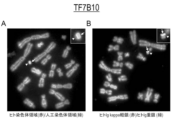
- FIG. 2 is a diagram relating to Example 1;
- FIG. 2A shows CHO cells (cell clone TF7-B10) in which one copy of Ig-NAC ( ⁇ DH) is maintained independently of the host mouse chromosome.
- Ig-NAC( ⁇ DH) arrowheads represent human chromosomal regions (red) and arrows represent artificial chromosomal regions (green).
- FIG. 2B shows that Ig-NAC ( ⁇ DH) contains human immunoglobulin (Ig) heavy chains (arrowheads or green) and kappa light chains (arrowheads or red).
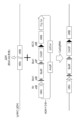
- FIG. 2 shows the results of Example 1; This figure shows restriction enzyme AfiIII in plasmid pRP[Exp]-CAG>mCherry (synthesized by Vector Builder) having CAGP (CAG promoter; conjugate of cytomegalovirus enhancer and chicken ⁇ -actin promoter).
- FIG. 10 is a diagram related to Example 2;
- plasmid CAG- ⁇ C31-HRB-Fcy::fur was cleaved with restriction enzymes NotI (NEB) and SpeI (NEB), and a plasmid HRA-derived fragment ("A") was inserted upstream of CAGP to produce HDR. It indicates that the vector was obtained.
- BsdR represents the blasticidin resistance gene
- CAGP the CAG promoter
- R4 attB, Bxb1 attB and Bxb1 attP the recombinase recognition site
- AmpR the ampicillin resistance gene
- pUCori the pUC replication origin.
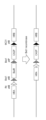
- FIG. 10 is a diagram related to Example 2; This figure shows that the HDR vector was inserted near the DH region deletion site ( ⁇ DH) of Ig-NAC ( ⁇ DH) in CHO cells by genome editing (Cas9/gRNA).
- FIG. 10 is a diagram related to Example 2; This figure shows removal of the blasticidin resistance gene from the HDR vector by site-specific recombination by introducing Bxb1 recombinase into cells.
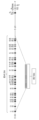
- FIG. 10 is a diagram relating to Example 3; This figure shows that each genomic sequence between ORFs D1-1 to D1-26 of the human immunoglobulin heavy chain gene D region is shortened to a size of approximately 200 bp, minimizing the D region.
- FIG. 11 is a diagram relating to Example 6; This figure shows the procedure for generating a human minimalized IgHD vector from human miniA, human miniB and human miniC.
- human miniA is from R4 attP and downstream of HRA to D fragment 3-10
- human miniB is from D fragment 3-10 to 3-22
- human miniC is from D fragment 3-22 to HRB.
- ⁇ C31 attP and blasticidin resistance gene (BSDR) respectively.
- FIG. 11 is a diagram relating to Example 6; This figure shows that site-specific recombination between ⁇ C31 attB in the HDR vector with the blasticidin resistance gene removed shown in FIG. Generation of HDR vector with IgHD inserted.
- FIG. 11 is a diagram relating to Example 6; This figure shows that site-specific recombination between ⁇ C31 attB in the HDR vector with the blasticidin resistance gene removed shown in FIG. Generation of HDR vector with IgHD inserted.
- FIG. 11 is a diagram relating to Example 6; This figure shows removal of unnecessary sequences such as the CAG promoter and the blasticidin resistance gene from the human minimalized IgHD-inserted HDR vector generated in FIG. 9 by introducing R4 recombinase into the cells. .
- FIG. 11 is a diagram relating to Example 6; This figure shows human minimalized IgHD (a total of 23 pieces from D2-2 to D5-24 in the figure) in a vector (Fig. 8) containing the human minimalized immunoglobulin heavy chain locus D region, and bovine human IgHD. (A total of 23 from B1-1 to B9-4 in the figure) are used to construct vectors.
- FIG. 11 is a diagram relating to Example 9; This figure shows the procedure for constructing a bovinized human IgHD vector carrying bovine miniA, B, and C.
- bovine human IgHD was divided into three parts in the same manner as in Example 5, and bovine miniA, bovine miniB, and bovine miniC, which were the three-part plasmid DNAs, were chemically synthesized (the synthesis was entrusted to Eurofins Genomics).
- FIG. 9 shows the procedure for constructing a bovinized human IgHD vector carrying bovine miniA, B, and C.
- bovine human IgHD was divided into three parts in the same manner as in Example 5, and bovine miniA, bovine miniB, and bovine miniC, which were the three-part plasmid DNAs, were chemically synthesized (the synthesis was entrusted to Eurofins Genomics).
- FIG. 11 is a diagram relating to Example 9; This figure shows the procedure for constructing a bovinized human IgHD
- Ig immunoglobulin
- Example 14 shows the results of Example 14;
- This figure shows antigen (SARS -Using a 96-well plate on which the CoV2 spike protein S1 receptor binding site (RBD) was immobilized and an anti-human IgG Fc antibody, the indicated 1/1,000 to 1/1,000,000-fold dilution of the anti-
- the results of ELISA performed on serum are shown. At this time, it was confirmed that an immune response was generated by continuous booster immunization, and the antibody titer against RBD (vertical axis, OD at 450 nm) increased.
- b1-b5 represent boosters 1-5.
- Example 11 shows the results of Example 18; This figure shows the structure of the simianized human IgHD region obtained by replacing the human minimalized IgHD region (approximately 43 kb) with the cynomolgus monkey D fragment (approximately 44 kb).
- FIG. 20 is a diagram relating to Example 19; This figure shows 26 modified long DH sequences to replace D fragments 1-1 to 1-26 of the human long minimalized IgHD region.
- FIG. 29 is a diagram relating to Example 29;
- the present invention in a first aspect, in a mammalian artificial chromosome vector comprising human immunoglobulin heavy chain and light chain loci, D1-1 to D1 of the human immunoglobulin heavy chain locus D region A mammal characterized in that the human-derived genomic sequence up to -26 is replaced with a modified sequence of the D region consisting of a combination of (1) and (2) or (1) and (3) below
- An animal artificial chromosome vector wherein the modified sequence of the D region is (1) human-derived genomic sequence between ORFs from D1-1 to D1-26 of the human immunoglobulin heavy chain locus D region, or human-derived genome between the above ORFs excluding between D3-9 and D3-10 the sequence comprises a truncated sequence of 49 bp or more from each VDJ recombination sequence end of the inter-ORF region flanked by the VDJ recombination sequences; and (2) instead of the OR
- Human immunoglobulin heavy chain locus D region herein refers to all ORFs (also referred to as “genes” (or polypeptide-encoding regions) or “D fragments”), VDJ recombination sequences, and all It refers to the entirety including the inter-ORF (ie, between genes) regions of the .
- VDJ recombination sequences are sequences flanking the upstream and downstream of the V, D and J regions of human immunoglobulin heavy and light chain loci, the heavy chain, light chain kappa and light chain lambda genes It contains conserved sequences of 7, 23, 9 and/or 12 bases in different locations depending on the locus.
- the recombinant sequence contains 28 bp (ie, 9 bp, 12 bp (spacer), 7 bp) of bases.
- Mammalian artificial chromosome vectors are, but not limited to, artificial chromosome vectors made from mammalian chromosomes such as humans, rodents (e.g., mice, rats, hamsters, guinea pigs, etc.), more specifically in the genomic sequence from the long arm and short arm (if any) comprising the centromere and telomere from said animal and having, for example, 99.5% to 100%, preferably 100%, of the genes removed
- rodents e.g., mice, rats, hamsters, guinea pigs, etc.
- an artificially engineered chromosomal vector containing a human immunoglobulin heavy chain locus comprising an altered antibody heavy chain D region and, optionally, a human immunoglobulin light chain locus.
- telomeres in the present specification are natural telomeres of the same or different species, or artificial telomeres.
- homologous means an animal of the same species as the mammal from which the chromosome fragment of the artificial chromosome vector is derived, while “heterologous” means a mammal other than the animal (which includes humans).
- An artificial telomere sequence refers to an artificially produced sequence having a telomere function, such as the (TTAGGG)n sequence (n means repeat).
- telomere sequence into an artificial chromosome can be performed by a method including telomere truncation (cleavage by artificially inserting a telomere sequence) as described in, for example, International Publication WO00/10383. Telomere truncation can be used for chromosome shortening in the creation of artificial chromosomes of the present invention.
- a human antibody heavy chain variable region consists of framework (FR) 1, CDRH1, FR2, CDRH2, FR3, CDRH3, FR4, and part of the constant region from the N-terminal side.
- FR1, CDRH1, FR2, CDRH2 and FR3 are encoded primarily by V region nucleotide sequences of the VDJ sequence formed by recombination (or rearrangement) of the human immunoglobulin heavy chain locus.
- CDRH3 and FR4 are mainly encoded by the D region nucleotide sequence and J region nucleotide sequence of the above VDJ sequence, respectively.
- the D region is modified in order to produce a human antibody containing an antibody heavy chain CDR3 with a length of 18 or more amino acids.
- the human antibody light chain variable region consists of FR1, CDRL1, FR2, CDRL2, FR3, CDRL3, FR4, and part of the constant region, and FR1, CDRL1, FR2, CDRL2, FR3 and CDRL3 (part) It is encoded mainly by the V region nucleotide sequence of the VJ sequence formed by recombination (or rearrangement) of the human immunoglobulin light chain locus, and CDRH3 (part) and FR4 are mainly encoded by the VJ sequence is encoded by the J region nucleotide sequence of
- the present invention expands the diversity of human antibodies, preferably The D region genomic sequence of the human antibody heavy chain locus is modified so that an antibody containing a longer (eg, 18 or more) amino acid length of CDRH3 than usual in a human antibody can be obtained.
- modified sequences of the human D region are described below.
- An example of a modified sequence is that the genomic sequence of the inter-ORF (also referred to as "inter-genic") region of the human immunoglobulin heavy chain locus D region is flanked by VDJ recombination sequences at the ends of each VDJ recombination sequence of the inter-ORF region.
- a modified D region genomic sequence comprising a sequence truncated to a length of 49 bp or more from the be.
- the D region (also referred to as the “IgHD” region) of the human immunoglobulin heavy chain locus is present on human chromosome 14 (14q32.33) and is 5′ ⁇ 3′ in order, for example, D1-1 (position 23599). Accession No. X97051), D2-2 (Positions 35049-37615; Accession No. J00232), D3-3 (Positions 37616-39425; Accession No. X13972), D4-4 (Positions 39426-40474; Accession No. X13972), D5-5 (Positions 40475-41880; Accession No. X13972), D6-6 (Positions 41881-43056; Accession No.
- X13972 D1-7 (Positions 43057-44649; Accession No. X13972), D2-8 (Positions 44650-47262) Accession No. X13972), D3-9 (Positions 47263-48619; Accession No. X13972), D3-10 (Positions 48620-49158; Accession No. X13972), D4-11 (Positions 49159-50078; Accession No.
- the ORF sequences D1-1 to D1-26 of the human immunoglobulin heavy chain (IgH) D region are, for example, the nucleotide sequences of SEQ ID NOS: 101-126 below. Also, an example of the size between ORFs after shortening is shown between each sequence.
- SEQ ID NO: 101 (IGHD1-1): ggtacaactggaacgac (Size between ORFs of D1-1 and D2-2 + VDJ recombination sequence (28bp ⁇ 2): 256bp)
- SEQ ID NO: 102 (IGHD2-2): aggatatgtagtagtaccagctgctatgcc (Size between ORFs of D2-2 and D3-3 + VDJ recombination sequence (28bp x 2): 256bp)
- SEQ ID NO: 103 (IGHD3-3): gtattacgatttttggagtggttattatacc (Size between ORFs of D3-3 and D4-4 + VDJ recombination sequence (28bp x 2): 256bp)
- SEQ ID NO: 104 (IGHD4-4): tgactacagtaactac (Size between ORFs of D4-4 and D5-5 +
- the modified sequence contains the modified ORF of the human IgHD region, and each human-derived genomic sequence of the inter-ORF region (that is, intergenic region) is flanked by the VDJ-recombined sequence. to a length of 49 bp or more, such as from about 100 bp to about 500 bp, from about 150 bp to about 300 bp, or from about 200 bp to about 250 bp.
- the length of the modified human IgHD region after minimization is preferably about 10 kb or less so that it can be inserted into a (conventional) plasmid vector. For example, when shortening to about 200 bp, it is minimized to a length of about 8 kb.
- the above shortening (or minimization) method is not particularly limited. can be deleted.
- D1-1 to D1-26 of the human D region is divided into several (eg, 3 to 5) segments, and each segment is minimized. They can be ligated side by side to create the human minimalized D region of interest ( Figure 8).
- the nucleotide sequence of the D region which includes the ORF sequences from D1-1 to D1-26 of the human minimalized D region, the VDJ recombination sequence (28 bp ⁇ 2) and the sequence between the minimalized ORFs, is, for example, the nucleotide sequence of SEQ ID NO: 1 below.
- nucleotide sequence containing an addition.
- a human minimalized D region sequence such as SEQ ID NO: 1 can be used when replacing the human IgHD region ORF with a heterologous ORF.
- Another modified sequence includes the genomic sequence of the immunoglobulin heavy chain locus D region derived from a non-human animal capable of producing an antibody with an antibody heavy chain CDR3 amino acid length of 18 or more, or a modified sequence thereof.
- Such non-human animals are, for example, animals such as cows, monkeys (eg, cynomolgus monkeys), sheep, horses, rabbits, birds, sharks (eg, bull sharks, reef sharks, and white sharks).
- Information retrieval from, for example, the International ImmunoGeneTics information system (IMGT) can confirm that at least the above animal species are species with D segments longer than the longest D segment in humans (37 base pairs).
- the bovine immunoglobulin heavy chain locus D region (21q24), for example, IGHD B1-1, B2-1, B3-1, B4-1, B9-1, B1-2, B2-2, B5-2, B8-2, B6-2, B1-3, B2-3, B3-3, B7-3, B5-3, B6-3, B1-4, B2-4, B3- 4, B7-4, B5-4, B6-4 and B9-4.
- the ORF sequence from B1-1 to B9-4 of the bovine immunoglobulin heavy chain locus D region can be replaced to include
- the nucleotide sequence of the bovine human minimalized D region thus obtained is, for example, the nucleotide sequence of SEQ ID NO: 2 below, or 90% or more, 95% or more, 97% or more, 98% or more, or It includes nucleotide sequences that have 99% or more identity, or nucleotide sequences that contain deletions, substitutions or additions of one or several nucleotides (or bases) in the nucleotide sequence.
- the ORF sequences from B1-1 to B9-4 of the bovine IgHD region are, for example, the nucleotide sequences of SEQ ID NOs: 127-149 below.
- Cynomolgus monkey immunoglobulin heavy chain locus D region (Chr7q; G.-Y. Yu et al., Immunogenetics 2016; 68: 417-428) is 5′ ⁇ 3′ in order, for example, IGHD 1S5, 2S11, 3S6 , 4S24,5S8,6S4,1S10,2S17,3S18,2S34,5S14,5S31,6S3,1S27,2S22,4S36,4S30,5S37,6S20,1S33,2S28,6S32,3S12,6S38,6S26, and 1S39 about 44kb ( Figure 15).
- the ORF sequences from D1-1 to D1-26 of the human immunoglobulin heavy chain locus D region are replaced with the ORF sequences from 1S5 to 1S35 of the monkey immunoglobulin heavy chain locus D region.
- the ORF sequences from 1S5 to 1S35 of the cynomolgus monkey D region are, for example, the nucleotide sequences of SEQ ID NOs: 150-175 below.
- SEQ ID NO: 150 (1S5): ggtataactggaactac SEQ ID NO: 151 (2S11): agaatattgtagtagtacttactgctcctcc SEQ ID NO: 152 (3S6): gtattacgaggatgattacggttactattacacccacagcgt SEQ ID NO: 153 (4S24): tgactacggtagcagctac SEQ ID NO: 154 (5S8): gtggatacagctacagttac SEQ ID NO: 155 (6S4): gggtatagcagcggctggtac SEQ ID NO: 156 (1S10): ggtatagctggaacgac SEQ ID NO: 157 (2S17
- another modified sequence is created based on a human antibody heavy chain CDR3 sequence of 18 amino acids or more in place of the ORFs from D1-1 to D1-26 of the human immunoglobulin heavy chain locus D region, It contains 26 modified ORF sequences from D1-1 to D1-26 of the human immunoglobulin heavy chain locus D region.
- Such a modified D region ORF is, for example, a nucleotide sequence shown in SEQ ID NOs: 75 to 100 as shown in FIG.
- a nucleotide sequence having an identity of 99% or more, or a nucleotide sequence containing deletion, substitution or addition of one or several nucleotides (or bases) in the nucleotide sequence, D1-1 of the human IgHD region to D1-26 can be replaced with the corresponding 26 modified ORF sequences described above.
- the nucleotide sequence of the human minimalized D region so replaced is, for example, the nucleotide sequence of SEQ ID NO: 3, or 90% or more, 95% or more, 97% or more, 98% or more, or 99% or more of said nucleotide sequence. It includes nucleotide sequences with identity or nucleotide sequences containing deletions, substitutions or additions of one or several nucleotides (or bases) in said nucleotide sequences.
- a method for determining a modified ORF sequence based on a human antibody heavy chain CDR3 sequence can include, for example, the steps shown below.
- the upstream from the sequence "WG" on the N-terminal side of VH is defined as CDR3 (M. Chiu et al. ., Antibodies 2019;8(4):55; doi.org/10.3390/antib8040055).
- CDR3 M. Chiu et al. ., Antibodies 2019;8(4):55; doi.org/10.3390/antib8040055.
- known sequences with CDR3 of 18 amino acids or more are searched.
- the nucleotide sequence of CDR3 is extracted.
- synonymous (no amino acid changes) substitution mutations are introduced into the somatic mutation hotspot sequence to the extent possible.
- Identity in the present specification can be determined using a protein or gene search system such as BLAST or FASTA with or without introducing gaps (Zheng Zhang et al., J. Comput.Biol.2000;7:203-214;Altschul, SF et al., Journal of Molecular Biology1990;215:403-410;Pearson, WR et al., Proc.Natl.Acad Sci USA, 1988;85:2444-2448).
- the D region of the human immunoglobulin heavy chain locus can be modified, for example, by methods comprising the following steps.
- a mammalian artificial chromosome vector [Ig-NAC]) containing human immunoglobulin heavy and light chain loci is provided.
- Ig-NAC has a structure that includes a human immunoglobulin heavy chain locus and a human immunoglobulin light chain ⁇ (or ⁇ ) locus from the telomere side to the centromere side (eg, Japanese Patent No. 6868250).
- Ig-NAC is capable of stable replication and distribution as a chromosome independent of the original chromosome of the cell to be introduced.
- examples of this vector are rodent artificial chromosome vectors (eg mouse or rat artificial chromosome vectors). Production of rodent artificial chromosome vectors is described, for example, in Japanese Patent No. 6775224 and Japanese Patent No. 6868250 by the present applicant.
- a mammalian artificial chromosome vector may be produced, for example, by telomere truncation of a mammalian chromosome, comprising the centromere of the animal, a long arm segment near the centromere and, if present in the animal, a short arm segment, and a telomere .
- the mouse-derived chromosome fragment is any chromosome of mouse 1 to 19, X and Y chromosomes, preferably any fragment of chromosome 1 to 19 (at least the number of all endogenous genes in the long arm 99.5%, preferably nearly 100% deleted long arm fragment), the fragment includes a long arm fragment in which the long arm distal is deleted from the mouse chromosome long arm site near the centromere .
- Mouse chromosome sequence information is available from DDBJ/EMBL/GenBank, Santa Cruz Biotechnology, Inc.; Available from Chromosome Databases such as.
- the long arm fragment is non-limiting, for example, AC121307, AC161799 etc.
- the long arm region distal to the position is deleted consists of fragments.
- the long arm fragment consists of, but not limited to, a long arm fragment in which a region distal to Gm35974 has been deleted.
- it consists of a mouse chromosome 10-derived long arm fragment obtained by deleting the distal long arm from the gene Gm8155, which is the chromosomal region of the mouse chromosome 10 long arm.
- mouse artificial chromosome vectors include mouse artificial chromosomes contained in deposited cell line DT40 (10MAC) T5-26 (international deposit number NITE BP-02656), or deposited cell line DT40 (16MAC) T1-14 (international deposit number NITE BP-02657) includes mouse artificial chromosomes.
- the mammalian artificial chromosome vector of the present invention is, for example, the following steps (a) to (c): (a) obtaining cells that retain mammalian chromosomes; (b) deleting the mouse chromosome long-arm distal so that it does not contain the majority (99.5%-100%, preferably 100%) of the endogenous gene(s), and (c) long-arm proximal can be made by a method comprising the step of inserting one or more DNA sequence insertion sites into
- the order of steps (b) and (c) may be reversed.
- a mammalian artificial chromosome vector of the present invention To produce a mammalian artificial chromosome vector of the present invention, first, cells that retain mammalian chromosomes are produced. For example, mammalian fibroblasts carrying mammalian chromosomes labeled with drug resistance genes (e.g., blasticidin S resistance gene (BSr)) and mouse A9 cells (ATCC VA20110-2209 ) by cell fusion and transferring the chromosome from a mouse A9 hybrid cell carrying a mammalian chromosome labeled with a drug resistance gene into a cell with a high rate of homologous recombination.
- mammalian fibroblasts can be obtained based on the method described in the literature.
- mouse fibroblasts can be established from C57B6 mice available from CLEA Japan.
- Chicken DT40 cells Dieken et al., Nature Genetics, 12:174-182, 1996), for example, can be used as cells with a high homologous recombination rate.
- the transfer can be performed by a known chromosomal transfer method, for example, the micronuclear cell fusion method (Koi et al., Jpn. J. Cancer Res., 80:413-418, 1973).
- ⁇ Step (1b)> In cells that retain a single chromosome from a mammal, the long arm distal of the mammalian chromosome and, if present in the animal, the short arm distal are deleted. At this time, the important thing is to delete (or remove or delete) most of the endogenous genes present on the long and short arms and construct an artificial chromosome that retains the mammalian centromere. This is at least 99.5%, preferably at least 99.7%, more preferably at least 99.8%, most preferably 99.9-100% of the total endogenous gene(s) present on the long and short arms Most preferably, the cutting position is determined so as to delete (or remove or delete) 100%.
- telomere truncation Specifically, in cells that retain mammalian chromosomes, a targeting vector that retains the telomere sequence is constructed, and a clone in which an artificial or natural telomere sequence is inserted at a desired position on the chromosome by homologous recombination is obtained. gives deletion mutants by telomere truncation.
- the desired position is the cutting position of the distal long arm to be deleted, and the telomere sequence is substituted and inserted at this position by homologous recombination to delete the distal long arm.
- Such positions can be appropriately set by designing the target sequence when constructing the targeting vector.
- a target sequence is designed based on the DNA sequence of the long arm of a mammalian chromosome, and set so that telomere truncation occurs on the telomere side of the target sequence. This results in a mammalian chromosomal fragment in which most of the endogenous gene has been deleted. Telomere truncation can be similarly performed for other chromosomes. The same is true for amputation of the distal short arm.
- a recognition site for a site-specific recombination enzyme can preferably be inserted. That is, certain enzymes are known to recognize a specific recognition site and specifically cause recombination of DNA at the recognition site, and in the mammalian artificial chromosome vector in the present invention, such an enzyme and its A system of recognition sites for enzymes can be used to insert and load the desired human immunoglobulin heavy chain or locus and/or human immunoglobulin light chain gene or locus sequences.
- a Cre enzyme derived from bacteriophage P1 and a loxP sequence system as its recognition site Cre/loxP system; B.
- a known method such as a homologous recombination method can be used to insert the recognition site for such a site-specific recombination enzyme, and the insertion position and number are appropriately set within the proximal long arm and proximal short arm. can do.
- One type of recognition site or different types of recognition sites can be inserted into the mammalian artificial chromosome vector. Insertion of the target gene or locus by setting the recognition site, that is, the human immunoglobulin heavy chain gene or locus, the human immunoglobulin light chain ⁇ gene or locus, or the human immunoglobulin light chain ⁇ gene or locus Since the position can be specified, the insertion position is constant and free from unintended position effects.
- a reporter gene may preferably be inserted into the mammalian artificial chromosome vector, in addition to the sequence of the above gene or locus of interest.
- reporter genes include, but are not limited to, fluorescent protein (e.g., green fluorescent protein (GFP or EGFP), yellow fluorescent protein (YFP), etc.) gene, tag protein-encoding DNA, ⁇ -galactosidase gene, luciferase gene and the like.
- the mammalian artificial chromosome vector may further contain a selectable marker gene.
- Selectable markers are useful in selecting cells transformed with the vector.
- selectable marker genes include positive selectable marker genes and negative selectable marker genes, or both.
- Positive selectable marker genes include drug resistance genes such as neomycin resistance gene, ampicillin resistance gene, blasticidin S (BS) resistance gene, puromycin resistance gene, geneticin (G418) resistance gene, hygromycin resistance gene, etc.
- Negative selectable marker genes include, for example, herpes simplex thymidine kinase (HSV-TK) gene, diphtheria toxin A fragment (DT-A) gene and the like. HSV-TK is commonly used in combination with ganciclovir or acyclovir.
- human immunoglobulin gene or locus means a human immunoglobulin heavy chain gene or locus from human chromosome 14, a human immunoglobulin light chain from human chromosome 2, unless otherwise specified. It refers to the kappa gene or locus and/or the human immunoglobulin light chain lambda gene or locus from human chromosome 22.
- the human immunoglobulin gene or locus is, for example, human chromosome 14 immunoglobulin heavy locus (human) NC — 000014.9 ((base number 105586437..106879844) or (base number 105264221..107043718)), human immunoglobulin kappa locus (human) NC — 000002.12 ((base number 88857361..90235368) or (base number 88560086..90265666)) of chromosome 2, and immunoglobulin lambda locus of human chromosome 22 (human) NC_000022.11 (( (base numbers 22026076..22922913) or (base numbers 21620362..23823654)).
- the human immunoglobulin heavy chain gene or locus is about 1.3 Mb base length, the human immunoglobulin light chain ⁇ gene or locus is about 1.4 Mb base length, and the human immunoglobulin light chain ⁇ gene. Alternatively, the locus is about 0.9 Mb base long.
- the mouse antibody heavy chain gene or locus is on mouse chromosome 12
- the mouse antibody light chain ⁇ gene or locus is on mouse chromosome 6,
- the mouse antibody light chain ⁇ gene or The locus is on mouse chromosome 16.
- the mouse antibody heavy chain gene or locus is Chromosome 12, NC_000078.6 (113258768..116009954, complement)
- the mouse antibody light chain ⁇ gene or locus is Chromosome 6, NC_000072.6 (67555636 ..70726754)
- the mouse antibody light chain ⁇ gene or locus is represented by the base sequence described in Chromosome 16, NC — 000082.6 (19026858..19260844, complement).
- the rat antibody heavy chain gene or locus is on rat chromosome 6
- the rat antibody light chain ⁇ gene or locus is on rat chromosome 4
- the rat antibody light chain ⁇ gene or locus is on rat chromosome 4.
- the locus is on rat chromosome 11.
- the nucleotide sequences of these genes or loci are available from NCBI in the United States (GenBank, etc.), published literature, and the like.
- ⁇ Second step> In a mammalian artificial chromosome vector (Ig-NAC) containing the human immunoglobulin (heavy chain and / or light chain) locus prepared in the first step, from the human immunoglobulin heavy chain locus, for example, genome editing (J M. Chylinski et al., Science 2012;337:816-821) and site-specific recombination techniques (e.g., use of site-specific recombination enzymes) to combine the V and J regions of the human heavy chain locus.
- the D region present between is deleted to create 'Ig-NAC( ⁇ DH)'.
- Genome editing in this specification is a technology for editing and genetically modifying genomic DNA using artificial cleavage enzymes such as TALEN (TALE nuclease), CRISPR-Cas system, etc. Any technique of genome editing can be used in the method of the invention, but preferably the CRISPR-Cas system is used.
- TALEN TALE nuclease
- CRISPR-Cas system CRISPR-Cas system
- the CRISPR/Cas9 system was discovered from the adaptive immune system against viruses and plasmids of bacteria and archaea, but the vector construction is relatively simple and it is possible to modify multiple genes at the same time (Jineket et al. al., Science, 17, 337(6096): 816-821, 2012; Sander et al., Nature biotechnology, 32(4): 347-355, 2014).
- This system includes a Cas9 protein and a guide RNA (gRNA) with an approximately 20 base pair target sequence.
- the gRNA recognizes the PAM sequence near the target sequence and specifically binds to the target genomic DNA, and the Cas9 protein induces a double-strand break upstream of the 5' side of the PAM sequence. do.
- the site of the human immunoglobulin heavy chain locus targeted by the guide RNA is, but not limited to, the 5' upstream site of the human D1-1 fragment, and the target sequence of the guide RNA is, for example, the 5' -AGATCCTCCATGCGTGCTGTGGG-3' (SEQ ID NO: 4).
- Site-specific recombination enzymes in this specification are enzymes that specifically recombine with the target DNA sequence at the recognition sites of these enzymes. Site-specific recombination can be performed by using such a recombination enzyme and its recognition site.
- site-specific recombinases are Cre integrase (also called Cre recombinase), Flp recombinase, ⁇ C31 integrase, R4 integrase, TP901-1 integrase, Bxb1 integrase, and the like.
- the recognition sites of the enzyme include, for example, loxP (Cre recombinase recognition site), FRT (Flp recombinase recognition site), ⁇ C31attB and ⁇ C31attP ( ⁇ C31 recombinase recognition site), R4attB and R4attP (R4 recombinase recognition site), TP901-1attB and TP901-1attP (TP901-1 recombinase recognition site), or Bxb1attB and Bxb1attP (Bxb1 recombinase recognition site).
- acceptor site for introducing a synthetic D region polynucleotide is inserted into the site from which the D region of the human immunoglobulin heavy chain locus has been deleted.
- acceptor sites are cassettes containing recognition sites for site-specific recombination enzymes.
- An example of the method for inserting the acceptor site is described in ⁇ Third Step> below.
- the site-specific recombination enzymes and their recognition sites are, for example, the above Cre recombinase and loxP system, Flp recombinase and FRT system, ⁇ C31 recombinase and ⁇ C31attB and ⁇ C31attP systems, and the like.
- a site-specific recombinase eg, Cre
- Cre can catalyze site-specific recombination reactions between recognition site sequences (eg, between loxPs).
- ⁇ Third step> A synthetic D region polynucleotide is inserted into the acceptor site by a method such as site-specific recombination technology or genome editing technology.
- the synthetic D region polynucleotide is a human-derived genomic sequence from D1-1 to D1-26 of the D region of the human immunoglobulin heavy chain locus, as described in Section 1 above, which includes (1) and ( 2), or a modified D region substituted with a modified sequence of the D region consisting of a combination of (1) and (3), wherein the modified sequence is (1) human-derived genomic sequence between the open reading frames (ORF) from D1-1 to D1-26 of the human immunoglobulin heavy chain locus D region, or the ORF except between D3-9 and D3-10
- the human-derived genomic sequence between comprises a sequence truncated to a length of 49 bp or more from each VDJ recombination sequence end of the inter-ORF region flanked by the VDJ recombination sequences, and (2) Instead of the ORF sequence from D1-1 to D1-26 of the human immunoglobulin heavy chain locus D region, the bovine-derived immunoglobulin heavy chain locus D region from B1-1
- the method of replacing the human immunoglobulin heavy chain D region in the production of the mammalian artificial chromosome vector with its modified sequence comprises the following steps: can include (1′) providing a mammalian artificial chromosome vector containing human immunoglobulin heavy and light chain loci; (2 ') step (1 ') to delete the human immunoglobulin heavy chain D region from the mammalian artificial chromosome vector, (3') a cassette containing a first site-specific recombination enzyme recognition site, a promoter and a second site-specific recombination enzyme recognition site at the deletion site of the D region of the vector obtained in step (2'); insert, (4') modification of the human immunoglobulin heavy chain D region using a second site-specific recombinase at the second site-specific recombinase recognition site of the cassette inserted in step (3') inserting a cassette comprising a
- the modified sequence of the human immunoglobulin heavy chain D region, the first site-specific recombinant enzyme recognition site, the second site-specific recombinant enzyme recognition site, the first site-specific recombinant enzyme, and the second Site-specific recombination enzymes are not limited, but for example those described above can be used.
- the promoter is not limited, but for example, the CAG promoter can be used.
- step (2 ') in order to delete the human immunoglobulin heavy chain D region from the mammalian artificial chromosome vector of step (1 '), for example, the above genome editing, using techniques such as site-specific recombination can be done.
- the polynucleotide and a site-specific recombination enzyme recognition site at its 5′ end A vector containing a containing cassette (for example, the sequence of ⁇ C31-BsdR-oriC-R4) is prepared, and a site-specific recombination reaction is performed between the vector and the Ig-NAC ( ⁇ DH) to generate Ig-NAC ( ⁇ DH ) can be inserted into the human heavy chain D region cleavage site (FIGS. 5, 6, 9 and 10).
- Ig-NAC human immunoglobulin heavy chain V region partial sequence and human immunoglobulin heavy chain J region (and optionally , C region) to create a vector containing a site-specific recombination enzyme recognition site between the partial sequence, genome editing (Cas9 / gRNA) between this vector and Ig-NAC ( ⁇ DH)
- Ig-NAC Insert the site-specific recombinase recognition site into the human heavy chain D region cleavage site of ( ⁇ DH), act another site-specific recombinase, and human heavy chain D region of the Ig-NAC ( ⁇ DH)
- An Ig-NAC is generated that contains a site-specific recombinase recognition site at the cleavage site.
- a vector containing the polynucleotide and a site-specific recombination enzyme recognition site at its 5' end is prepared, and a site-specific recombination enzyme (for example, ⁇ C31 recombinase) is acted on, and another site-specific recombinase (eg, Bxb1 recombinase or R4 recombinase) is acted on to the human heavy chain D region cleavage site of the above Ig-NAC ( ⁇ DH) synthetic D region polynucleotide
- ⁇ DH human heavy chain D region cleavage site of the above Ig-NAC
- the invention still further provides, in another aspect, a mammalian artificial chromosome vector comprising human immunoglobulin heavy and light chain loci, wherein said human immunoglobulin heavy chain loci lack a D region,
- a mammalian artificial chromosome vector comprising a first site-specific recombinase recognition site, a promoter and a second site-specific recombinase recognition site in place of the deleted D region.
- the above vector may further contain a third site-specific recombination enzyme recognition site.
- mammalian artificial chromosome vector is the vector produced in the above step (3') (e.g., Fig. 9).
- the deleted D region is the region from D1-1 to D1-26, or the region from D1-1 to D7-27.
- the first site-specific recombination enzyme recognition site and the second site-specific recombination enzyme recognition site are not limited, but those described above, for example, can be used.
- the promoter is not limited, but for example, the CAG promoter can be used.
- the invention provides a mammalian cell comprising the mammalian artificial chromosome vector described in Section 1 above.
- Mammalian cells By introducing a human immunoglobulin locus in which the antibody heavy chain D region has been modified ("modified Ig-NAC" in Section 1) into mammalian-derived cells via the mammalian artificial chromosome vector of the present invention, Mammalian cells can be engineered that are capable of producing human antibodies.
- modified Ig-NAC modified immunoglobulin locus in which the antibody heavy chain D region has been modified
- the mammalian artificial chromosome vector of the present invention can be transferred or introduced into any mammalian cell.
- Techniques therefor include, for example, the micronucleus cell fusion method, lipofection, calcium phosphate method, microinjection, electroporation and the like, and the preferred method is the micronucleus cell fusion method.
- micronucleus cell fusion method cells having the ability to form micronuclei containing the mammalian artificial chromosome vector of the present invention (e.g., mouse A9 cells) are combined with other desired cells by micronucleus fusion. It is a method of transfecting into cells.
- Cells having the ability to form micronuclei are treated with a polyploid-inducing agent (e.g., colcemid, colchicine, etc.) to form micronucleated multinucleated cells, and treated with cytochalasin to form micronuclei. can perform cell fusion with cells of a polyploid-inducing agent (e.g., colcemid, colchicine, etc.) to form micronucleated multinucleated cells, and treated with cytochalasin to form micronuclei. can perform cell fusion with cells of
- the above-mentioned vector-introducible cells are mammalian cells such as rodent cells and human cells. It includes cells, stem cells such as somatic stem cells, somatic cells, fetal cells, adult cells, normal cells, primary cultured cells, passaged cells, established cells, and the like.
- Stem cells include, for example, embryonic stem (ES) cells, embryonic germ (EG) cells, somatic stem cells such as mesenchymal stem cells, induced pluripotent stem (iPS) cells, nuclear transfer cloned embryo-derived embryonic stem ( ntES) cells and the like.
- Preferred cells are e.g. rodents such as mice, rats, hamsters (e.g.
- Chinese hamsters guinea pigs, primates such as humans, monkeys, chimpanzees, ungulates such as cows, pigs, sheep, goats, horses and camels.
- somatic cells stem cells, progenitor cells, and non-human germline cells from mammals such as mammals.
- the vectors are more stably retained in rodent cells or tissues into which the vectors of the present invention have been introduced.
- Non-limiting examples of somatic cells include hepatocytes, enterocytes, kidney cells, splenocytes, lung cells, heart cells, skeletal muscle cells, brain cells, skin cells, bone marrow cells, fibroblasts, and the like.
- ES cells are stem cells with pluripotency and semi-permanent proliferative ability established from the inner cell mass of the blastocyst of a fertilized egg derived from mammals (MJ Evans and MH Kaufman (1981) Nature 292: 154-156; JA Thomson et al. (1999) Science 282: 1145-1147; JA Thomson et al. 7844-7848; JA Thomson et al. (1996) Biol.Reprod.55:254-259; JA Thomson and VS Marshall (1998) Curr. -165).
- Rat ES cells as well as mouse ES cells (MJ Evans and MH Kaufman, Nature 1981; 292(5819): 154-156), can be obtained from rat blastocyst stage embryos or 8-cell stage embryos. It is a cell line with pluripotency and self-renewal ability, which is established from the inner cell mass of the embryo.
- rat blastocysts with lysed zona pellucida are cultured on mouse embryonic fibroblast (MEFF) feeders with medium containing leukemia inhibitory factor (LIF) and 7-10 days later, blastocysts
- LIF leukemia inhibitory factor
- the outgrowth formed from the cells is dispersed, transferred onto a MEF feeder and cultured, and after about 7 days, ES cells emerge.
- rat ES cells see, for example, K.K. Kawaharada et al. , World J Stem Cells 2015;7(7):1054-1063.
- iPS cells are formed by introducing a specific reprogramming factor (DNA or protein) into somatic cells (including somatic stem cells), culturing them in an appropriate medium, and subculturing them to form colonies in about 3 to 5 weeks. can be generated.
- Reprogramming factors are, for example, the combination consisting of Oct3/4, Sox2, Klf4 and c-Myc; the combination consisting of Oct3/4, Sox2 and Klf4; the combination consisting of Oct4, Sox2, Nanog and Lin28; , Klf4, c-Myc, Nanog and Lin28 are known (K. Takahashi and S. Yamanaka, Cell 126: 663-676 (2006); WO2007/069666; M.
- mitomycin C-treated mouse fetal fibroblast cell lines eg, STO
- vector-introduced somatic cells eg, about 10 4 to 10 5 cells
- Feeder cells are not necessarily required (Takahashi, K. et al., Cell 131:861-872 (2007)).
- the basal medium is, for example, Dulbecco's Modified Eagle Medium (DMEM), Ham's F-12 medium, mixed medium thereof, or the like, and the ES cell medium is mouse ES cell medium, primate ES cell medium (Reprocell), or the like. can be used.
- Non-human animal in the third aspect of the present invention, a non-human animal comprising human immunoglobulin heavy chain and light chain loci, the D region of the human immunoglobulin heavy chain locus from D1-1 to D1- Up to 26 human-derived genomic sequences are replaced with a modified sequence of the D region consisting of a combination of (1) and (2) or (1) and (3) below, and the modified sequence of the D region but, (1) human-derived genomic sequence between D1-1 to D1-26 open reading frames (ORF) of the human immunoglobulin heavy chain locus D region, or the ORF except between D3-9 and D3-10
- the human-derived genomic sequence between comprises a sequence truncated to a length of 49 bp or more from each VDJ recombination sequence end of the inter-ORF region flanked by the VDJ recombination sequences, and (2) Instead of the ORF sequence from D1-1 to D1-26 of the human immunoglobulin heavy chain locus D region, the bovine-derived immunoglobulin heavy
- the invention comprises a mammalian artificial chromosome vector as described in Section 1 above, and wherein the endogenous immunoglobulin heavy chain, kappa light chain and lambda light chain genes or loci are disrupted.
- non-human animals refers to animals other than humans, including primates such as monkeys and chimpanzees, rodents such as mice, rats, hamsters and guinea pigs, cattle, pigs, sheep, goats, horses and camels. including, but not limited to, mammals such as ungulates such as hoofed animals.
- Non-human animals For example, by techniques such as mammalian artificial chromosome vector-mediated technology, gene targeting technology, genome editing technology, and / or microinjection technology, pluripotent cells such as the above ES cells and iPS cells, or germ cells, eggs Human immunoglobulins can be produced by introducing a human immunoglobulin locus (“modified Ig-NAC”) in which the human immunoglobulin heavy chain D region is modified into totipotent cells such as mother cells and spermatogonia. Non-human animals can be produced that do.
- modified Ig-NAC human immunoglobulin locus
- Non-human animals can be produced that do.
- the endogenous loci corresponding to the human immunoglobulin heavy and light chain kappa, lambda loci are disrupted (or knocked out) and, if desired, the non-human animal
- the human immunoglobulin light chain ⁇ locus from human chromosome 22 can be inserted (or knocked in). Techniques such as gene targeting, genome editing, etc. can be used for the method of disruption.
- a targeting vector is constructed to disrupt the endogenous locus, or to replace/insert (or knock-in) the exogenous DNA in place of the endogenous locus.
- a vector for disrupting an endogenous locus and inserting foreign DNA comprises a 5′ upstream sequence (about 2.5 kb or more) and a 3′ downstream sequence (about 2.5 kb or more) of the endogenous locus, Between these sequences can be included, for example, an exogenous drug resistance gene sequence, or an exogenous DNA sequence as described above to replace the endogenous locus to be disrupted.
- Drug resistance genes include, for example, neomycin resistance genes and ampicillin resistance genes.
- the CRISPR / Cas9 system uses Cas9 protein and a guide RNA (gRNA) having a target sequence of about 20 base pairs to co-express them in cells, so that gRNA is near the target sequence and binds specifically to target genomic DNA, Cas9 protein can induce double-strand breaks 5′ upstream of the PAM sequence.
- gRNA guide RNA
- the antibody heavy chain and light chain loci of non-human animals can be cleaved and removed, or the human immunoglobulin heavy chain D region derived from human chromosome 14 can be added to the cleaved site.
- a vector containing foreign DNA corresponding to a modified human immunoglobulin heavy chain locus, a human immunoglobulin light chain ⁇ locus derived from human chromosome 2, and a human immunoglobulin light chain ⁇ locus derived from human chromosome 22 can be used to insert (or knock-in) the foreign DNA.
- a vector containing the foreign DNA of interest is introduced into ES cells or iPS cells derived from a non-human animal to disrupt the endogenous locus derived from the animal, and the DNA sequence of interest is inserted into the genome. be able to.
- the insertion of the foreign DNA of interest can be confirmed by identifying the amplified product by PCR using forward and reverse primers prepared based on the inserted sequence.
- a chimeric non-human animal can be produced by microinjecting ES cells or iPS cells into which the foreign DNA sequence has been inserted into an early embryo of a foster parent non-human animal.
- the non-human animal in which the endogenous gene locus has been disrupted is, for example, a chimeric non-human animal containing a human immunoglobulin locus in which the human immunoglobulin heavy chain D region has been modified or its progeny animal, and a cluster of the corresponding endogenous gene. It can be produced by mating animals in which the endogenous gene is heterozygously deleted, which are obtained by mating chimeric animals or progeny animals in which the entire gene is deleted, and further mating the animals.
- non-human animals of the present invention include a human immunoglobulin heavy chain locus with a modified human immunoglobulin heavy chain D region derived from human chromosome 14 and a human immunoglobulin light chain ⁇ locus derived from human chromosome 2.
- a non-human animal comprising a chromosome-derived human immunoglobulin light chain ⁇ locus and a human immunoglobulin light chain ⁇ locus derived from human chromosome 22, or a non-human animal comprising the artificial chromosome vector.
- Non-human animals are preferably rodents such as mice and rats containing the mouse artificial chromosome vector.
- Animal cells e.g., chicken B cell line DT40
- a human immunoglobulin light chain kappa locus from human chromosome 2 modified by introduction of site-specific recombinase recognition sites (e.g., loxP or FRT), and sites
- site-specific recombinase recognition sites e.g., loxP or FRT
- Each animal cell e.g., DT40
- a human immunoglobulin light chain ⁇ locus derived from human chromosome 22 modified by introducing a specific recombination enzyme recognition site e.g., loxP or FRT
- MAC mouse artificial chromosome
- CHO Chinese hamster ovary cells
- a site-specific recombination enzyme e.g., Cre or Flp
- human Rodent cells containing a MAC vector containing a kappa immunoglobulin light chain locus as well as rodent cells containing a MAC vector containing a human immunoglobulin light chain lambda locus can be generated.
- human immunoglobulin Animal cells containing a human immunoglobulin heavy chain locus in which the heavy chain D region is modified are fused with rodent cells (e.g., CHO) containing a MAC vector by a cell fusion method to generate a human immunoglobulin heavy chain D region.
- rodent cells e.g., CHO
- Rodent cells can be generated that contain MAC vectors containing modified human immunoglobulin heavy chain loci ("modified Ig-NAC" above).
- a rodent cell containing a MAC vector comprising a human immunoglobulin heavy chain locus in which the human immunoglobulin heavy chain D region is modified and a human immunoglobulin light chain ⁇ locus, and the human immunoglobulin heavy chain D region
- Each of the rodent cells containing the MAC vector containing the modified human immunoglobulin heavy chain locus and the human immunoglobulin light chain ⁇ gene or locus derived from human chromosome 22, by the micronuclear cell fusion method A human immunoglobulin heavy chain locus in which the human immunoglobulin heavy chain D region derived from human chromosome 14 is fused with a human animal (e.g., mouse or rat) pluripotent stem cell (e.g., ES cell or iPS cell) and a non-human animal (e.g., mouse or rat) pluripotent stem cell containing a MAC vector containing a human immunoglobulin light chain kappa locus from human chromosome 2, and
- Generating a non-human animal (e.g., mouse or rat) pluripotent stem cell containing a MAC vector containing a human immunoglobulin heavy chain locus and a human immunoglobulin light chain ⁇ locus derived from human chromosome 22. can be done.
- Non-human animal comprising a MAC vector comprising a human immunoglobulin heavy chain locus and a human immunoglobulin light chain ⁇ locus derived from human chromosome 2, wherein the human immunoglobulin heavy chain D region derived from human chromosome 14 above is modified (e.g., mouse or rat) pluripotent stem cells, and a human immunoglobulin heavy chain locus with an altered human immunoglobulin heavy chain D region from human chromosome 14 and a human immunoglobulin light chain ⁇ from human chromosome 22
- Each non-human animal (e.g., mouse or rat) pluripotent stem cell containing a MAC vector containing the gene locus is transformed into an early embryo (e.g., 8-cell stage embryo or blastocyst stage) of a non-human animal that is B cell-deficient or non-deficient.
- the chimeric animal When the chimeric animal retains endogenous B cells, the chimeric animal is further an allogeneic non-human animal lacking mouse antibody heavy chain, light chain ⁇ and light chain ⁇ loci (or lacking B cells). (eg mice or rats).
- the human immunoglobulin heavy chain locus in which the human immunoglobulin heavy chain D region derived from human chromosome 14 is modified and the human immunoglobulin light chain ⁇ derived from human chromosome 2 A MAC vector containing the locus, or a human immunoglobulin heavy chain locus with a modified human immunoglobulin heavy chain D region derived from human chromosome 14 and a human immunoglobulin light chain ⁇ locus derived from human chromosome 22.
- Non-human animals can be generated that contain each of the above MAC vectors.
- Non-human animals eg, mice or rats
- mice or rats can be generated that contain MAC vectors containing the light chain ⁇ locus.
- all endogenous antibody genes or loci corresponding to human immunoglobulin heavy chain genes or loci and human immunoglobulin light chain ⁇ and ⁇ genes or loci are disrupted. or preferably knocked out, thereby allowing only human antibodies to be produced in said non-human animal.
- the present invention further provides for producing human antibodies using the non-human animals described in Section 3 comprising a mammalian artificial chromosome vector comprising human immunoglobulin heavy and light chain loci, and producing the human antibodies.
- a method for producing a human antibody is provided, comprising recovering.
- a "human antibody” as used herein may be any class or subclass of human immunoglobulin (Ig).
- Such classes include IgG, IgA, IgM, IgD and IgE, and subclasses include IgG1, IgG2, IgG3, IgG4, IgA1 and IgA2.
- IgG chains are called ⁇ chains, ⁇ 1, ⁇ 2, ⁇ 3 and ⁇ 4 chains corresponding to IgG1-IgG4, IgA, IgM, IgD and IgE are referred to as ⁇ -chains ( ⁇ 1 and ⁇ 2), ⁇ -chains, ⁇ -chains and ⁇ -chains respectively.
- All antibody light chains have ⁇ and ⁇ chains, and it is known that ⁇ chain gene rearrangement occurs when ⁇ chain gene rearrangement is unsuccessful in the process of immunoglobulin gene rearrangement.
- the human immunoglobulin heavy chain locus is VH1, VH2 . .
- V variable region genes including VHm (where m is, for example, 38 to 46), DH1, DH2, . . D (diversity) region genes including DHn (where n is 23), JH1, JH2. .
- the D region gene of the human immunoglobulin heavy chain locus is a synthetic D region described as a modified sequence consisting of a combination of (1) and (2) or (1) and (3) in Section 1 above Including substitutions by nucleotide sequence.
- the antibody produced through the rearrangement of the human immunoglobulin gene is difficult to consistently produce with conventional human antibodies, such as 18 to 50 amino acids or longer Human antibodies can be produced that contain ultralong CDRH3. Human antibodies containing such ultra-long-chain CDRH3 are difficult to produce by conventional monoclonal antibody-producing methods, since they occur at a low frequency in humans.
- a human antibody molecule consists of two human antibody heavy chains and two human antibody light chains, each heavy chain and each light chain being linked by two disulfide bonds, and two heavy chains (C) It has a structure linked by two disulfide bonds in the region.
- each of the variable (V) regions of the heavy and light chains of an antibody molecule has three regions with particularly large mutations (hypervariable regions), which are called complementarity determining regions (CDRs).
- the hypervariable regions of the heavy chain variable region are called CDRH1, CDRH2 and CDRH3 from the N-terminal side, while the hypervariable regions of the light chain variable region are called CDRL1, CDRL2 and CDRL3 from the N-terminal side.
- the present invention expands the diversity of human antibodies by rearranging the human immunoglobulin genes.
- the human antibody containing ultralong CDRH3 produced by the non-human animal of the present invention has a structure consisting of a long ( ⁇ -ribbon) Stalk and a Knob, and the Knob has a loop and multiple disulfide bonds.
- Antibodies that can be obtained by the method of the present invention are ultralong antibodies with a length of 18 or more, 20 or more, 25 or more, 30 or more, 40 or more, or 50 or more amino acids in the antibody heavy chain CDR3. Since it is a human antibody containing CDRH3, it can be used against pathogenic viruses such as human immunodeficiency virus (HIV), influenza virus, coronaviruses (eg, SARS-CoV, MERS-CoV), RS (Respiratory syncytial) virus, and other pathogens ( For example, it is considered to be effective for diseases including infections caused by malaria parasites, trypanosoma parasites).
- the human antibodies are therapeutically useful because they allow a "hook" type interaction that binds to the receptor cavity of the virus or pathogen at the protruding CDRH3 region.
- the antibodies of the present invention can be made into cocktails of multiple types of antibodies, and can be used not only for treatment but also for enhancing preventive effects.
- Specific antibody production methods include the following methods.
- the human antibody-producing non-human animal (eg, mouse or rat) of the present invention can be immunized with a target antigen such as an HIV envelope protein to produce a polyclonal antibody that specifically binds to the target antigen.
- a target antigen such as an HIV envelope protein
- the above animal is immunized with a target antigen
- the B lymphocytes of the animal individual with an increased antigen-specific antibody titer are used to fuse with myeloma cells to produce hybridomas (immortalized B cells), and the human in the hybridoma supernatant is Broadly neutralizing human monoclonal antibodies can be selected by screening monoclonal antibodies by ELISA analysis for evaluation of antigen-binding ability and, if necessary, evaluation of infection with HIV or the like.
- the present invention provides, in a fourth aspect, the production of an antibody, comprising immunizing the non-human animal according to Section 3 above with a target antigen and obtaining an antibody that binds to the target antigen from the blood of the non-human animal.
- a fabrication method is provided.
- the invention further comprises immunizing a non-human animal according to Section 3 above with a target antigen, and extracting spleen cells or lymph node cells from said non-human animal producing antibodies that bind to said target antigen. obtaining, fusing the spleen cells or lymph node cells with myeloma cells to form hybridomas, culturing the hybridomas, and obtaining monoclonal antibodies that bind to the target antigen. do.
- the invention further comprises immunizing a non-human animal according to Section 3 above with a target antigen and obtaining B cells from said non-human animal producing antibodies that bind to said target antigen;
- a nucleic acid encoding a protein consisting of an antibody heavy chain and light chain, or a variable region thereof, is obtained from the B cell, and an antibody that binds to the target antigen by DNA recombination technology or phage display technology using the nucleic acid (e.g., , recombinant antibodies, monoclonal antibodies, single chain antibodies (scFv), etc.).
- the above nucleic acids include DNA (including cDNA) or RNA (including mRNA).
- the above scFv is a recombinant antibody fragment produced by binding an antibody heavy chain variable region polypeptide and an antibody light chain variable region polypeptide via a linker.
- variable regions of human antibodies are expressed on the surface of phages as, for example, single-chain antibodies (scFv) or Fabs, and phages that bind to antigens are selected (Nature Biotechnology, 2005; 23(9): 1105- 1116).
- scFv single-chain antibodies
- Fabs Fabs
- phages that bind to antigens are selected (Nature Biotechnology, 2005; 23(9): 1105- 1116).
- a human antibody can be obtained by constructing an expression vector having the sequence and introducing it into an appropriate host for expression (WO92/01047, WO92/ 20791, WO93/06213, WO93/11236, WO93/19172, WO95/01438, WO95/15388, Annu.Rev.Immunol, 1994;12:433-455, Nature Biotechnology, 2005; 05-1116) .
- Antibodies prepared by the above method are prepared by filling blood (antiserum) or cell supernatant containing the antibody with a carrier bound to an antigenic substance or an immunoglobulin G-binding carrier (e.g., agarose gel, silica gel, etc.). It can be applied to a column and then recovered and purified by a technique such as affinity chromatography, which involves eluting the human antibody bound to the carrier from the carrier.
- a carrier bound to an antigenic substance or an immunoglobulin G-binding carrier e.g., agarose gel, silica gel, etc.
- Ig-NAC ( ⁇ DH) construction with deleted human IgHD region In order to construct Ig-NAC ( ⁇ DH) with deleted human IgHD region, CRISPR / Cas9 gRNA was designed, evaluated, selected, DH region removal was performed by two-site cleavage in CHO cells retaining Ig-NAC, and Ig-NAC ( ⁇ DH) retaining CHO cells were obtained by screening.
- Plasmids expressing candidate gRNAs designed based on Cas9 and gRNA-expressing all-in-one vector eSpCas9 (1.1) were constructed.
- CHO cells bearing Ig-NAC were transfected with the all-in-one vector with Lipofectamine LTX (Invitrogen) according to the manufacturer's protocol.
- DNA was extracted from the transfected cells using the PureGene kit (Qiagen), the cleavage activity was confirmed with the Cel-1 assay kit (IDT), and vectors with the following gRNA sequences exhibiting high activity were selected.
- gRNA Up3 5'-AGATCCTCCATGCGTGCTGT (GGG)-3' (SEQ ID NO: 4) (Here, the gRNA sequence is a sequence of 20 bases excluding the PAM sequence (GGG).)
- gRNA Down4 5'-CTGCGGCATGAACCCAATGC(AGG)-3' (SEQ ID NO: 5) (Here, the gRNA sequence is a sequence of 20 bases excluding the PAM sequence (AGG).)
- the DH region was deleted in each combination of gRNA Up3 (“5′guide3” in the figure) and Down4 (“5′guide4” in the figure) (FIG. 1).
- the all-in-one vector for each gRNA and the CMV-tdTomato expression vector were introduced into Ig-NAC-retaining CHO cells (Patent No. 6868250) using Lipofectamine LTX (Invitrogen) according to the manufacturer's protocol. Cells were obtained by sorting.
- the EGFP signal indicates retention of Ig-NAC, and the tdTomato signal indicates lipofection.
- the co-positive cells were further cultured, and EGFP-positive and tdTomato-negative cells were collected in a 384-well plate by single-cell sorting 8 days after the first sorting.
- the grown clones were further scaled up and screened as described below.
- junction primer F1 5'-TCCCACGGCCCAAGGAAGACAAGACACA-3' (SEQ ID NO: 6)
- Junction primer R1 5'-TCGAACACGCTCCTAGCATTGCACAGCC-3' (SEQ ID NO: 7)
- Deletion confirmation primer F1 5'-ACACCTGTCTCCCGGGTTGTG-3' (SEQ ID NO: 8)
- Deletion confirmation primer R1 5'-AAGAAACGCAGGACGGTGGA-3' (SEQ ID NO: 9)
- Defect confirmation primer F2 5'-CAGCAGCCACTCTGATCCCA-3' (SEQ ID NO: 10)
- Deletion confirmation primer R2 5'-CTGGTGGACTCTACGGCGAA-3' (SEQ ID NO: 11)
- Deletion confirmation primer F3 5'-
- KOD FX (TOYOBO) was used as the enzyme, and the reaction conditions were 35 cycles of 98°C for 15 seconds, 60°C for 30 seconds, and 68°C for 90 seconds. Out of 381 clones obtained from all combinations, removal of the D region was confirmed in 35 clones. After that, PCR for confirming the presence of antibody gene regions other than DH on Ig-NAC was performed by the method described in Japanese Patent No. 6868250) to select candidate Ig-NAC ( ⁇ DH) clones.
- Ig-NAC ( ⁇ DH) is maintained independently without being integrated into the host chromosome, in order to confirm that it maintains the expected structure, in Japanese Patent No. 6868250
- FISH analysis FISH analysis by the described method
- CHO cells in which one copy of Ig-NAC ( ⁇ DH) was retained independently of the host chromosome were obtained (FIG. 2), and the cell clone was TF7-B10. named.
- Example 2 Insertion of acceptor site for introducing synthetic D region into Ig-NAC ( ⁇ DH) Genome editing and homologous recombination were performed on the DH region deleted in Ig-NAC ( ⁇ DH) prepared in Example 1. This allows introduction of a chemically synthesized DH region by inserting an acceptor site. Therefore, the sequences before and after the DH region deletion site of Ig-NAC ( ⁇ DH) (V region side: HRA, J fragment side: HRB) and Bxb1 attB, Bxb1 attP, ⁇ C31 attB, R4 attB (Patent No.
- Bxb1 attB (SEQ ID NO: 18) TGGCCGTGGCCGTGCTCGTCCTCGTCGGCCGGCTTGTCGACGACGGCGGTCTCCGTCGTCAGGATCATCCGGGGCCAC
- Bxb1 attP (SEQ ID NO: 19) TATGGCCGTGATGACCTGTGTCTTCGTGGTTTGTCTGGTCAACCACCGCGGTCTCAGTGGTGTACGGTACAAACCCA
- ⁇ C31 attB (SEQ ID NO: 20) GATGTAGGTCACGGTCTCGAAGCCGCGGTGCGGGTGCCAGGGCGTGCCCTTGGGCTCCCCGGGCGCGTACTCCACCTCACCCATCTGGTCCATCATGATGAACGGGTCGAGGTGGCGGTAGTTGATCCCGGCGAACGCGCGCGCGGCGCACCGGGAAGCCCTCGCCCTCGAAACCGCTGGGCGCGGTGGTCACGGTGAGCACGGGACGTGCGACGGCGTCGGCGGGTGCGGATACGGGGCAGCGTCAGCGGGTT CTCGACGGTCACGGCGGGCAT
- R4 attB (SEQ ID NO:21) GCGCCCAAGTTGCCCATGACCATGCCGAAGCAGTGGTAGAAGGGCACCGGCAGACAC
- Fcy fur gene into CAG promoter-carrying vector
- Insertion of HDR vector into Ig-NAC ( ⁇ DH)-carrying CHO cells selectively kills cells in which insertion by random integration other than the desired homologous recombination has occurred
- a negative selectable marker, the Fcy::fur gene was inserted to allow The Fcy::fur gene was obtained by PCR amplification from pSelect-zeo-Fcy::fur plasmid (Invivogen) DNA using the following primers and conditions.
- Fcy-fur-F1 5'-CATGAATCTAGAAGTGCAGGTGCCAGAACATT-3' (SEQ ID NO: 22)
- fur-BspH1-R1 5'-CATGAATCATGACCCCCTGAACCTGAAACATA-3' (SEQ ID NO: 23)
- Taq DNA polymerase uses KODone (TOYOBO), reaction conditions: 98° C., 10 seconds; 60° C., 5 seconds; 35 cycles of PCR were performed at °C for 13 seconds.
- the DNA fragment of the Fcy::fur gene was purified by agarose gel electrophoresis, and both ends were cleaved with restriction enzymes BspHI (NEB) and XbaI (NEB). Plasmid DNA containing CAG promoter pRP[Exp]-CAG>mCherry (synthesized by Vector Builder), inserting the above Fcy::fur gene into restriction enzymes AfiIII (NEB) and XbaI (NEB) cleavage sites to create a plasmid CAG-Fcy::fur was obtained (Fig. 3).
- Plasmid CAG-Fcy::fur was cleaved with restriction enzyme XbaI, and a pHRB-derived fragment cleaved at both ends with XbaI was inserted between the CAG promoter and Fcy::fur gene to obtain plasmid CAG- ⁇ C31-HRB-Fcy::fur. was obtained (Fig. 3).
- HDR vector plasmid 2 Preparation of HDR vector plasmid 2 above. Plasmid DNA for introducing HRA and site-specific recombination enzyme site R4 attB, Bxb1 attB, Bxb1 attP, blasticidin resistance gene into plasmid CAG- ⁇ C31-HRB-Fcy::fur prepared in , pHRA is Eurofin Synthesized by Genomics. This plasmid was cleaved with restriction enzyme NotI and restriction enzyme SpeI.
- CRISPR/Cas9 allows efficient homologous recombination by causing two DNA double strand breaks at the target site.
- Guide RNAs, gRNA-A1 and gRNA-B1 were designed at two locations (targets) near the DH region deletion site on Ig-NAC ( ⁇ DH).
- gRNA-A1 GGGCCCAGGCGCCGTTTAAT AGG (SEQ ID NO: 24) (Here, the gRNA sequence is a sequence of 20 bases excluding the PAM sequence (AGG).)
- gRNA-B1 TGCCGCAGAGTGCCAGGTGCAGG (SEQ ID NO: 25) (Here, the gRNA sequence is a sequence of 20 bases excluding the PAM sequence (AGG).)
- NGG recognized by Cas9 was removed, and oligo DNAs added with a restriction enzyme BbsI recognition sequence were synthesized (Eurofins Genomics). Further, after annealing these oligo DNAs, the plasmid DNA cleaved with the restriction enzyme BbsI (NEB) was cloned into the Cas9 expression vector (px330, addgene Plasmid #42230) cleaved with the restriction enzyme BbsI. The presence or absence of insertion of oligo DNA was confirmed by performing PCR on the resulting E. coli colonies using the following primers and conditions. U6F was used as the forward primer.
- BbsI restriction enzyme
- gRNA-A1R was used to confirm gRNA-A1
- gRNA-B1R was used to confirm gRNA-B1.
- U6F GAGGGCCTATTTCCCATGATTCC (SEQ ID NO: 26)
- gRNA-A1F CACCGGGGCCCAGGGCGCCGTTTAAT (SEQ ID NO: 27)
- gRNA-A1R AAACATTAAACGGCGCCTGGGCCCC (SEQ ID NO: 28)
- gRNA-B1F CACCGTGCCGCAGAGTGCCAGGGTGC (SEQ ID NO: 29)
- gRNA-B1R AAACGCACCTGGCACTCTGCGGCAC (SEQ ID NO: 30)
- Taq DNA polymerase uses (EmeraldAmp PCR Master Mix, Takara Bio), reaction conditions: 98°C, 2 minutes, once ⁇ 98°C, 10 seconds; 60°C, seconds; 68°C, 13 seconds, 35 cycles of PCR did
- the target band was obtained around 330 bp by 2% agarose gel electrophoresis. Colonies were cultured in liquid LB medium and ampicillin 100 ⁇ L/mL, and plasmid DNA (Nucleospin Plasmid Transfection-grade, Takara Bio) was used. Cas9-gRNA expression vector A1, B1) was obtained.
- HDR Vector Insertion into Ig-NAC( ⁇ DH) By genome editing using Cas9/gRNA, the HDR vector was inserted near the DH region deletion site of Ig-NAC( ⁇ DH) in CHO cells (FIG. 5).
- the HDR vector and the Cas9-gRNA expression vector A1, B1 were introduced by electroporation using the CHO cell clone TF7B10 carrying the Ig-NAC ( ⁇ DH) prepared in Example 1.
- CHO cells TF7B10 were trypsinized, suspended in OptiMEM (Thermo Fisher Scientific) to 1 ⁇ 10 7 cells/mL, and then 5 ⁇ g of HDR vector, 2.5 ⁇ g of gRNA-A1, 2.5 ⁇ g of gRNA- Electroporation was performed at 150 V for 7.5 ms using NEPA21 (Nepagene) in the presence of B1.
- Cells were seeded in three 96-well plates after electroporation, and after 48 to 72 hours, 800 ⁇ g / mL G418 (Fuji Film Wako Pure Chemical) and 1600 ⁇ g / mL blasticidin (Fuji Film Wako Pure Chemical), 10% FBS ( SIGMA), cultured in F12 medium containing 1600 ⁇ g / mL blasticidin, 200 ⁇ M 5FC (Tokyo Kasei Kogyo), 10% FBS after 84 to 96 hours from the start of culture, and cultured by replacing the medium with F12 medium containing drug resistant clones. obtained.
- PCR analysis Cultivate the isolated drug-resistant clones, extract genomic DNA from the cells using Cellysis (Qiagen), use this genomic DNA as a template, three primers specific for homologous recombination (below), and Ig-NAC One strain (TF7B10-74) was selected from which a band specific for homologous recombination was obtained by PCR analysis using 12 types of Ig-NAC-specific primers prepared above (Japanese Patent No. 6868250). Approximately 0.1 ⁇ g of genomic DNA was used for PCR amplification.
- Taq polymerase uses KODone (TOYOBO), performs one cycle of 98 ° C. for 2 minutes, denatures at 98 ° C.
- HRAprimerF1 5'-GAACTGACCGTCTGCTCCA-3' (SEQ ID NO: 31)
- Bxb1attBF1 5'-TGCCGAAGCAGTGGTAGAAG-3' (SEQ ID NO: 32)
- ⁇ C31F1 5′-GGGCAACGTGCTGGTTATTG-3′
- HRAprimerR1 5'-GTGCCCTTCTACCACTGCTTC-3'
- Bxb1attPR1 5'-AGAGTGAAGCAGAACGTGGG-3'
- HRBR1 5'-TGCTTTTTCGCAACCATGGG-3' (SEQ ID NO: 36)
- the horizontal column indicates the clone name
- the vertical column indicates the primers and elongation time used in PCR. ⁇ indicates positive.
- Example 3 Removal of blasticidin-resistant gene by site-specific recombination using Bxb1 recombinase
- Bxb1 recombinase In order to determine the presence or absence of cydin resistance, it is necessary to remove the blasticidin resistance gene inserted by homologous recombination.
- the blasticidin resistance gene As shown in the HDR vector, the blasticidin resistance gene is located between Bxb1 attB and Bxb1 attP, and introduction of Bxb1 recombinase into the cell causes site-specific recombination between Bxb1 attB-attP, Ablation of the blasticidin resistance gene is possible (Fig. 6).
- Bxb1 recombinase gene transfer to remove blasticidin-resistant gene The Bxb1 recombinase gene expression vector (Japanese Patent No. 6868250) is obtained in Example 2, and the acceptor site-inserted Ig-NAC ( ⁇ DH) is retained. It was introduced into CHO cells TF7B10-74, which are living in the same region, by electroporation. TF7B10-74 cells were trypsinized, suspended in Opti MEM to 2 ⁇ 10 6 cells/mL, added with 10 ⁇ g of Bxb1 recombinase gene expression vector, and incubated with NEPA21 (Neppagene) at 150 V, 7.5 ms. electroporation was performed.
- NEPA21 Neppagene
- Cells were seeded in one 10 cm dish after electroporation. After 5 days, the cells were trypsinized and seeded at 150 cells per 384-well plate. After seeding on a 384-well plate, the cells were cultured in F12 medium containing 800 ⁇ g/mL G418 and 10% FBS for 9 days, and single clones were picked up.
- PCR analysis The isolated cells were cultured, genomic DNA was extracted from the cells using Cellysis (Qiagen), and using this genomic DNA as a template, two specific primers after Bxb1 site-specific recombination, and on Ig-NAC PCR analysis was performed using 12 kinds of Ig-NAC-specific primers (Japanese Patent No. 6868250) prepared in 1998. Among the two primers specific for Bxb1 site-specific recombination, primerHRAF1-Bxb1attPR2 shifts the band from around 2800 bp to around 1500 bp after site-specific recombination. Two strains (clone D1, J23) were selected that gave specific bands after Bxb1 site-specific recombination.
- Taq polymerase uses KODone (TOYOBO), performs one cycle of 98 ° C. for 2 minutes, denatures at 98 ° C. for 10 seconds, anneals at 60 ° C. for 5 seconds, extends at 68 ° C., 5 seconds if the length of the amplified fragment is 500 bp or less , 35 cycles of 100 sec/kb for ⁇ 500 bp.
- HRAprimerF1 5'-GAACTGACCGTCTGCTCCA-3' (SEQ ID NO: 31)
- Bxb1attPR2 5'-GGGGCGTACTTGGCATATGA-3' (SEQ ID NO: 37)
- Fluorescence in situ hybridization (FISH) FISH analysis was performed according to the method described in (Japanese Patent No. 6868250) using a human gene-specific probe human cot1 (invitrogen) and a mouse gene-specific probe mouse cot1 (invitrogen).
- Table 2 shows the results of the above PCR analysis, blasticidin resistance confirmation, and FISH analysis.
- the rows indicate the clone names, and the columns indicate the primers and extension times used in PCR.
- ⁇ indicates positive for Bxb1 recombination, and x indicates negative for Bxb1 recombination.
- Example 4 Introduction of Ig-NAC ( ⁇ DH/Bsr-) into CHO cell line HPRT(-) by micronucleation method (MMCT) Ig whose blasticidin resistance gene removal by Bxb1 recombinase was confirmed in Example 3
- the TF7B10-74-D1 clone carrying -NAC ( ⁇ DH/Bsr-) was found to be tetraploid while independently carrying Ig-NAC by FISH analysis (Table 2). Since this cell is important as a platform cell for introducing chemically synthesized DNA, Ig-NAC ( ⁇ DH/Bsr-) was transfected into the normal diploid CHO cell line HPRT(-) by MMCT.
- PCR analysis The isolated cells were cultured, genomic DNA was extracted from the cells using Cellysis (Qiagen), and using this genomic DNA as a template, PCR was performed using the same primers as in the PCR analysis performed in Example 2. . The band of interest could be confirmed in 14 of the 24 cell clones picked up.
- FISH analysis 6 cells were arbitrarily selected from 14 cell clones in which the band of interest was confirmed by PCR analysis, and FISH analysis was performed. FISH analysis was performed using a mouse gene-specific probe mouse cot1 (invitrogen) according to the method described in (Japanese Patent No. 6868250). Table 3 shows the results of PCR analysis and FISH analysis for the 6 cell clones subjected to FISH analysis. In Table 3, the rows indicate the clone names, and the columns indicate the primers and extension times used in PCR. ⁇ indicates positive for Bxb1 recombination. In the table, Ig-NACx1 indicates that 1 copy of Ig-NAC is detected per cell, and Ig-NACx2 indicates that 2 copies of Ig-NAC are detected per cell.
- Example 5 Insertion of chemically synthesized DNA containing human minimalized IgHD by site-specific recombination using ⁇ C31 recombinase
- the human IgHD region is as large as approximately 40.2 kb, most of which is composed of fragments other than the D fragment encoding the antibody. is an array. For example, there is about 2500 bp of non-antibody coding region between the first and second D fragments. On the other hand, the length between the 9th D fragment and the 10th D fragment is as short as about 100 bp.
- plasmid DNA human miniA, human miniB, and human miniC were chemically synthesized by dividing the vector sequence into three (Eurofins Genomics).
- human miniA is R4 attP and downstream from HRA to D fragment 3-10
- human miniB is D fragment 4-11 to 3-22
- human miniC is D fragment 4-23 to HRB and ⁇ C31 attP , which has a blasticidin-resistant gene.
- the human minimalized IgHD vector carrying this human miniA, B, and C is described in 1 below. and 2. (FIG. 8).
- PCR analysis The isolated cells were cultured, genomic DNA was extracted from the cells using Cellysis (Qiagen), and using this genomic DNA as a template, ⁇ C31 site-specific recombination followed by one specific primer and human minimalized IgHD PCR analysis was performed using 2 types of primers prepared inside and 12 types of Ig-NAC-specific primers prepared on Ig-NAC. Approximately 0.1 ⁇ g of genomic DNA was used for PCR amplification.
- Taq polymerase uses KODone (TOYOBO), performs one cycle of 98 ° C. for 2 minutes, denatures at 98 ° C. for 10 seconds, anneals at 60 ° C.
- BsdR1 5'-ATGCAGATCGAGAAGCACCT-3' (SEQ ID NO: 38) 2-8to3-9F: 5'-AACGCACCAGACCAGCAGAC-3' (SEQ ID NO: 39) 4-11to5-12R: 5'-GACGTGGGCCTAGAGGCT-3' (SEQ ID NO: 40) 3-22to4-23F: 5'-CAGGCGGGGAAGATTCAGAA-3' (SEQ ID NO: 41) 4-23to5-24R: 5'-TAGAGAGCCTGGGCCTAGAG-3' (SEQ ID NO: 42)
- FISH analysis FISH analysis was performed on 3 clones for which the band of interest was confirmed by PCR analysis. FISH analysis was performed using a mouse gene-specific probe mouse cot1 (invitrogen) according to the method described in (Japanese Patent No. 6868250). Table 4 shows the results of PCR analysis and FISH analysis for the three cell clones subjected to FISH analysis.
- Ig-NACx1 indicates that 1 copy of Ig-NAC is detected per cell
- Ig-NACx2 indicates that 2 copies of Ig-NAC are detected per cell.
- Example 6 Partial sequence removal by site-specific recombination using R4 recombinase Among the sequences introduced on Ig-NAC ( ⁇ DH), the CAG promoter and the blasticidin resistance gene are not necessary for antibody gene expression. is an array of These sequences are flanked by R4 attB and attP and can be removed by site-specific recombination between R4 attB-attP by introducing R4 recombinase into cells (Fig. 10).
- R4 recombinase gene expression vector introduction R4 recombinase gene expression vector (Patent No. 6868250) is confirmed to be inserted into a human minimalized IgHD vector, and CHO cells 1-10 with a high retention rate of one Ig-NAC It was introduced into pEFI-8 (Example 5) by electroporation. 1-10 pEFI-8 cells were trypsinized, suspended in Opti MEM to 3 ⁇ 10 6 cells/mL, added with 10 ⁇ g of R4 recombinase gene expression vector, and incubated at 150 V, 7 using NEPA21 (Nepagene). Electroporation was performed for 0.5 ms.
- Cells were seeded in one 10 cm dish after pulsing. After 24-48 hours, the cells were trypsinized and seeded at 150 cells per 384-well plate. Two weeks after seeding on a 384-well plate, the cells were cultured in F12 medium containing 800 ⁇ g/mL G418 and 10% FBS, and 24 single clones were picked up.
- PCR analysis The isolated cells were cultured, genomic DNA was extracted from the cells using Cellysis (Qiagen), and using this genomic DNA as a template, one specific primer after R4 site-specific recombination, and human minimalized IgHD PCR analysis was performed using 2 types of primers prepared inside and 12 types of Ig-NAC-specific primers prepared on Ig-NAC. PCR was performed using primers specific for the R4 site-specific recombination, and 6 strains were selected that gave specific bands after the R4 site-specific recombination. Approximately 0.1 ⁇ g of genomic DNA was used for PCR amplification. Taq polymerase uses KODone (TOYOBO), performs one cycle of 98 ° C.
- R4attLF2 5'-CCCTCAAGGTGTGAACAGGG-3' (SEQ ID NO: 43)
- R4attLR2 5'-CTGGAGGGAGGCATGTTCTG-3' (SEQ ID NO: 44)
- FISH analysis was performed on 6 cell clones in which the band of interest was confirmed by PCR analysis. FISH analysis was performed using a mouse gene-specific probe mouse cot1 (invitrogen) according to the method described in (Japanese Patent No. 6868250). Table 5 shows the results of PCR analysis and FISH analysis for 6 cell clones subjected to FISH analysis.
- the horizontal column indicates the clone name, and the vertical column indicates the primers and extension time used in PCR. ⁇ indicates positive.
- Ig-NACx1 indicates that Ig-NAC is detected at 1 copy per cell.
- Example 7 Introduction of human minimalized IgHD-loaded Ig-NAC by micronucleation method (MMCT) into mouse ES cell line
- MMCT micronucleation method
- mouse ES cells HKD31 6TG- in which both alleles of the endogenous immunoglobulin heavy chain and ⁇ chain loci have been disrupted 9 strain (XO) (Patent No. 4082740) was used.
- the HKD31 6TG-9 strain was cultured using mitomycin C-treated fetal mouse fibroblast cell lines as feeder cells, and 15% FBS and 1% nucleoside, penicillin streptomycin, penicillin streptomycin, and 1% ES cell culture medium were placed on the feeder cell layer.
- the cells were cultured at 37 degrees using Dulbecco's Modified Eagle's Medium (DMEM) containing Non-Essential Amino Acids, L-glutamine solution, 2-mercaptoethanol and LIF.
- DMEM Dulbecco's Modified Eagle's Medium
- 400 nM paclitaxel and 500 nM reversine were added to approximately 4 ⁇ 10 7 1-10 pEF1-K5 and 1-10 pEF1-M24 to prepare micronuclei.
- the total amount of micronuclei obtained was suspended in 5 mL of DMEM and centrifuged to precipitate.
- Mouse ES cells HKD31 6TG-9 strain of 5 ⁇ 10 6 to 4 ⁇ 10 6 were dispersed with trypsin, washed 3 times with DMEM, and added to 5 mL. After being suspended in DMEM, it was added onto the precipitate of micronuclei. The supernatant was removed by centrifugation at 1200 rpm for 5 minutes.
- the precipitate was loosened well by tapping, and 0.5 mL of PEG solution (2.5 g PEG 1000 ⁇ Fuji Film Wako Pure Chemical>, 3 mL DMEM ⁇ Fuji Film Wako Pure Chemical>, 0.5 mL DMSO ⁇ Fuji Film Wako Pure Chemical>) was added. In addition, it was shaken in a water bath at 37°C, and after 90 seconds, 13 mL of DMEM was slowly added, centrifuged at 1200 rpm for 5 minutes, the supernatant was removed, the precipitate was suspended in 30 mL of ES cell medium, and feeder cells were seeded in advance. Three 10 cm dishes were seeded. After 48 hours, the medium was replaced with an ES cell medium supplemented with 350 ⁇ g/mL G418, and then the medium was replaced with the same composition once every two days. 14 drug-resistant colonies that emerged after 1 week to 10 days were picked up.
- PEG solution 2.5 g PEG 1000 ⁇ Fu
- PCR analysis The isolated cells were cultured, genomic DNA was extracted from the cells using Cellysis (Qiagen), and using this genomic DNA as a template, PCR was performed using the same primers as in the PCR analysis performed in Example 5. . The target band could be confirmed in 5 of the 14 picked up.
- Example 8 Preparation of chimeric mice from mouse ES cell lines containing human minimalized IgHD-containing Ig-NAC Chimeric mice were prepared from human minimalized IgHD-containing Ig-NAC mouse ES cells in order to confirm human antibody production. .
- mice are produced according to the method of Gene Targeting, Experimental Medicine, 1995.
- the host is MCH (ICR) (white, purchased from Clea Japan), or HKLD mice exhibiting antibody gene deficiency (Igh/Ig ⁇ KO) or low expression (Igl1 low).
- Cell stage embryos were used. It is possible to determine whether or not the pups born as a result of transplanting the injected embryos into foster mothers are chimeras based on their coat color. By transplanting the embryos into foster mothers, chimeric mice (having a dark brown coat color) can be obtained.
- a total of 211 ICR embryos were injected with 4 clones of mouse ES cell lines harboring human minimalized Ig-NAC and transplanted into 6 foster mothers. As a result, a total of 5 GFP-positive chimeric mice were obtained. As a result of judging the chimera rate by coat color, the chimera rate was 10 to 40% for 5 chimeric mice.
- Mouse ES cell line 2 clones were injected into 465 HKLD embryos and transplanted into 27 foster mothers, resulting in 14 GFP-positive individuals. As a result of judging the chimera rate by coat color, the chimera rate was 5 to 50% for 14 chimeric mice.
- bovine D fragment 8-2 the position of human D fragment 3-10 was replaced with bovine D fragment 8-2.
- the order of the bovine D fragment was not changed. Since bovine has fewer D fragments than humans, the three human D fragments that were not replaced were deleted along with 100 bp before and after. Thus, bovinized human IgHD was designed as shown in (Fig. 11).
- bovine human IgHD was divided into three parts in the same manner as in Example 5, and the plasmid DNA bovine miniA (HRA) and the bovine D fragments B1-1 to B8 corresponding to the regions of human D fragments 1-1 to 3-10 were obtained.
- bovine miniB including bovine D fragments B6-2 to B5-4 corresponding to the regions of human D fragments 4-11 to 3-22
- bovine miniC human D fragments 4-23 to 1- A bovine D fragment B6-4 to B9-4 corresponding to the region of 26, containing HRB, ⁇ C31 attP, and the blasticidin resistance gene
- the bovinized human minimalized IgHD vector carrying bovine miniA, B, and C was prepared by the following procedure 1. 2. (Fig. 12).
- bovine miniC fragment into R4 attP-HRA/1-1_3-22 Human miniC was cleaved with restriction enzymes EcoRI and SalI.
- a bovinized human IgHD vector was constructed by inserting the fragment human miniC into R4 attP-HRA/1-1 — 3-22 which was similarly cut with restriction enzymes EcoRI and SalI.
- Bovinized Human IgHD Vector by ⁇ C31 Recombinase It was carried out in the same manner as in Example 5. 1-10 cells (Example 4) were trypsinized and suspended in Opti MEM to 3 ⁇ 10 6 cells/mL, then 1 ⁇ g of ⁇ C31 recombinase gene expression vector ⁇ C31pEF1 (Patent No. 6868250) and 3 ⁇ g of A bovine human IgHD vector was added and electroporation was performed at 150 V for 7.5 ms using NEPA21 (Nepagene). Two 384-well plates were seeded after pulsing. After 48 to 72 hours, the cells were cultured by replacing the medium with F12 medium containing 800 ⁇ g/mL G418, 800 ⁇ g/mL blasticidin and 10% FBS. After 13 days, 16 plants resistant to blasticidin were picked up.
- PCR analysis The isolated cells were cultured, genomic DNA was extracted from the cells using Cellysis (Qiagen), and PCR analysis was performed using this genomic DNA as a template and the same primers as in Example 5.
- FISH analysis was performed on 4 clones arbitrarily selected from 16 cell clones in which the band of interest was confirmed by PCR analysis. FISH analysis was performed using a mouse gene-specific probe mouse cot1 (invitrogen) according to the method described in (Japanese Patent No. 6868250).
- Table 7 shows the results of PCR analysis and FISH analysis for the four cell clones subjected to FISH analysis.
- the rows indicate the clone names, and the columns indicate the primers and extension times used in PCR. ⁇ indicates positive.
- Ig-NACx1 indicates that 1 copy of Ig-NAC is detected per cell
- Ig-NACx2 indicates that 2 copies of Ig-NAC are detected per cell.
- Example 10 Removal of partial sequence by site-specific recombination using R4 recombinase 1.
- Introduction of R4 Recombinase Gene Expression Vector It was carried out in the same manner as in Example 6.
- 1-10 C4 cells (Example 9) in which introduction of the bovine human IgHD vector was confirmed were trypsinized, suspended in Opti MEM at 3 ⁇ 10 6 cells/mL, and then subjected to 10 ⁇ g of R4 recombinase gene expression. The vector was added and electroporation was performed at 150 V, 7.5 ms using NEPA21 (Nepagene). Cells were seeded in one 10 cm dish after pulsing.
- the cells were trypsinized and seeded at 150 cells per 384-well plate. After seeding in a 384-well plate, the cells were cultured in F12 medium containing 800 ⁇ g/mL G418 and 10% FBS for 17 days, and 22 single clones were picked up.
- PCR analysis The isolated cells are cultured, genomic DNA is extracted from the cells using Cellysis (Qiagen), and using this genomic DNA as a template, one specific primer after R4 site-specific recombination as in Example 6 , and 2 primers made in human minimalized IgHD and 12 Ig-NAC specific primers made on Ig-NAC. PCR was performed using primers specific for the R4 site-specific recombination, and 3 clones were selected which gave specific bands after the R4 site-specific recombination.
- FISH analysis FISH analysis was performed on 3 clones for which the band of interest was confirmed by PCR analysis. FISH analysis was performed using a mouse gene-specific probe mouse cot1 (invitrogen) according to the method described in (Japanese Patent No. 6868250). Table 8 shows the results of PCR analysis and FISH analysis for the three cell clones subjected to FISH analysis. In Table 8, the rows indicate the clone names, and the columns indicate the primers and extension times used in PCR. ⁇ indicates positive. In the table, Ig-NACx1 indicates that Ig-NAC is detected at 1 copy per cell.
- bovine minimalized IgHD bovine human minimalized IgHD
- MMCT micronucleation method
- Mouse ES cell line HKD31 6TG-9 (XO) in which both alleles of the endogenous immunoglobulin heavy chain and ⁇ chain loci have been disrupted was used as the chromosome recipient cell (Japanese Patent No. 4082740). Micronuclei were formed in the same manner as in Example 7, fused with mouse ES cell HKD31 6TG-9 strain (XO), and the cells were seeded on three 10 cm dishes. After 48 hours, the medium was replaced with an ES cell medium supplemented with 350 ⁇ g/mL G418, and then the medium was replaced with the same composition once every two days. Twenty-three drug-resistant colonies that appeared after 1 week to 10 days were picked up.
- PCR analysis The isolated cells were cultured, genomic DNA was extracted from the cells using Cellysis (Qiagen), and using this genomic DNA as a template, PCR was performed using the same primers as in the PCR analysis performed in Example 6. . The desired band could be confirmed in 14 of the 23 picked up.
- Example 12 Production of chimeric mice from mouse ES cell lines containing Ig-NAC containing minimalized bovine IgHD In order to confirm human antibody production, chimeric mice were produced from mouse ES cells containing Ig-NAC containing minimalized bovine IgHD.
- mice are produced according to the method of Gene Targeting, Experimental Medicine, 1995.
- the host is MCH (ICR) (white, purchased from Clea Japan), or HKLD mice exhibiting antibody gene deficiency (Igh/Ig ⁇ KO) or low expression (Igl1 low).
- Cell stage embryos were used. It is possible to determine whether or not the pups born as a result of transplanting the injected embryos into foster mothers are chimeras based on their coat color. By transplanting the embryos into foster mothers, chimeric mice (having a dark brown coat color) can be obtained.
- mice harboring Ig-NAC containing bovine minimalized IgHD Eight clones of mouse ES cells harboring Ig-NAC containing bovine minimalized IgHD were injected into a total of 591 ICR embryos and transplanted into 32 foster mothers. As a result, 18 GFP-positive individuals were obtained. As a result, the chimera rate was 5-60% for 18 chimeric mice. In addition, 5 clones were injected into a total of 380 HKLD embryos and transplanted into 21 foster mothers, resulting in 13 GFP-positive individuals. As a result of judging the chimera rate by coat color, the chimera rate was 5 to 80% for 13 chimeric mice.
- Example 13 Human minimalized chimeric mouse analysis (B cell analysis, ELISA, cDNA preparation) B cell differentiation analysis, plasma antibody concentration measurement ELISA analysis, and gene sequence analysis by cDNA recovery from spleen can be performed to evaluate whether human antibodies are being produced from human minimalized chimeric mice.
- B-cell differentiation analysis If cells positive for both EGFP and B220, which is a B-cell marker, can be detected, B-cell differentiation due to the contribution of antibody production is indicated, and this is an indirect evaluation of the functional expression of the antibody.
- Peripheral blood samples obtained from chimeric mice were subjected to flow cytometry analysis of B220 by the method described in Japanese Patent No. 6868250. As a result, not only GFP-positive cell populations but also GFP and B220 co-positive populations were confirmed. Therefore, it was shown that a functional antibody was expressed. The highest GFP positive rate per individual was obtained in 28.12% of individuals, and the highest GFP and B220 copositive rate per individual was 2.30%.
- RNA derived from human antibody-producing mouse spleen is synthesized from RNA derived from human antibody-producing mouse spleen, and human antibody gene variable region cloning and base sequencing are performed. Analysis and evaluation were carried out in the same manner as in Japanese Patent No. 6868250. After collection, the spleens were stored overnight at 4°C in RNAlater (Ambion), then removed from the solution and stored at -80°C. 1 mL of ISOGEN (Nippon Gene) is added to the pressure tube containing the zirconia beads, and 50 mg of tissue is added.
- ISOGEN Natural Gene
- Bovine minimalized chimeric mouse analysis B cell analysis, ELISA, cDNA preparation
- B cell differentiation analysis, plasma antibody concentration measurement ELISA analysis, and gene sequence analysis by cDNA recovery from spleen can be performed as an evaluation of whether human antibodies are being produced from bovine minimalized chimeric mice.
- B-cell differentiation analysis If cells positive for both EGFP and B220, which is a B-cell marker, can be detected, B-cell differentiation due to the contribution of antibody production will be indicated, and this will be an indirect evaluation of the functional expression of the antibody.
- Peripheral blood samples obtained from chimeric mice were subjected to flow cytometry analysis of B220 by the method described in Japanese Patent No. 6868250. As a result, not only GFP-positive cell populations but also GFP and B220 co-positive populations were confirmed. Therefore, it was shown that a functional antibody was expressed. The highest GFP positive rate per individual was obtained in 40.38% of individuals, and the highest GFP and B220 copositive rate per individual was 3.23%.
- RNA derived from human antibody-producing mouse spleen is synthesized from RNA derived from human antibody-producing mouse spleen, and human antibody gene variable region cloning and base sequencing are performed. Analysis and evaluation were performed in the same manner as in Japanese Patent No. 6868250. After collection, the spleens were stored overnight at 4°C in RNAlater (Ambion), then removed from the solution and stored at -80°C. 1 mL of ISOGEN (Nippon Gene) is added to the pressure tube containing the zirconia beads, and 50 mg of tissue is added.
- ISOGEN Natural Gene
- Human minimalized ( ⁇ IgH/ ⁇ Ig ⁇ -ES) chimeric mouse repertoire analysis 1. Human antibody gene heavy chain region cloning and base sequencing from human minimalized ( ⁇ IgH / ⁇ Ig ⁇ -ES) chimeric mouse spleen cDNA cDNA derived from chimeric mouse spleen retaining human minimalized IgHD was subjected to PCR using the following primers, and human antibody The gene heavy chain variable region was amplified. As a negative control, spleen-derived cDNA obtained from non-chimeric mouse ICR was used.
- HIGMEX1-2 5'-CCAAGCTTCAGGAGAAAGTGATGGAGTC-3' (SEQ ID NO: 45)
- VH1/5BACK 5'-CAGGTTGCAGCTGCAGCAGTCTGG-3'
- VH4BACK 5'-CAGGTGCAGCTGCAGGAGTCGGG-3'
- VH3BACK 5'- GAGGTGCAGCTGCAGGAGTCTGG-3' (SEQ ID NO: 48)
- PCR was performed under the conditions of 35 cycles of 98°C for 10 seconds, 59°C for 5 seconds, and 68°C for 5 seconds using a combination of constant region x variable region (three types). All amplified products were detected by ethidium bromide staining after 1.5% agarose gel electrophoresis. As a result, an amplification product was detected around the expected 470 bp in all combinations. On the other hand, no specific amplification product was detected at the same position in all of the negative controls. These amplified products were extracted from an agarose gel and treated with restriction enzymes using HindIII and PstI. This was cloned into the HindIII, PstI sites of the pUC119 (TAKARA) vector.
- the VH1 family-derived clones, the VH4 family-derived clones, and the VH3 family-derived clones were sequenced to determine the nucleotide sequences of the amplified products.
- Example 16 Repertoire analysis of bovine minimalized ( ⁇ IgH/ ⁇ Ig ⁇ -ES) chimeric mice Using cDNA derived from bovine minimalized ( ⁇ IgH/ ⁇ Ig ⁇ -ES) chimeric mouse spleen, PCR was performed by the method shown in Example 15, A human antibody gene heavy chain variable region was amplified. As a negative control, spleen-derived cDNA obtained from non-chimeric mouse ICR was used. The results demonstrate the use of the bovine D fragment in the chimeric mouse spleen Ig ⁇ -cDNA.
- bovine D fragment-specific primers were designed and used.
- cowF1 5'-ATTATCTGCAGAAGTCTGACCCGCACACAGG-3' (SEQ ID NO: 49)
- cowF2 5'-ATTATCTGCAGTGTGGAGCTGGCCAATGCAT-3' (SEQ ID NO: 50)
- cowF3 5'-ATTATCTGCAGATGGTTATGGTTATGGTTATGGTTATGG-3' (SEQ ID NO: 51)
- cowR1 5'-GTCGGAAGCTTATAACCACAACCATAACCAT-3' (SEQ ID NO: 52)
- the expected length (forward primer and HIGMEX1-2 prepared in the fragment: around 250 bp, reverse primer prepared in the fragment and the variable region primer used in Example 15: around 400 bp) amplified product. was detected.
- no specific amplification product was detected at the same position in all of the negative controls.
- These amplified products were extracted from an agarose gel and treated with restriction enzymes using HindIII and PstI. This was cloned into the HindIII, PstI sites of the pUC119 (TAKARA) vector. The plasmid into which the amplified product was inserted was sequenced to determine the base sequence.
- clone 1 D fragment (bovine D1-3): TGTGGAGCTGGCCA (SEQ ID NO: 53) J fragment (human J3): ATGCTTTTGATATCTGGGGCCAAGGGACAATGGTCACCGTCTCTTCAG (SEQ ID NO: 54) clone 2 D fragment (bovine 6-3 or 6-4): ATGGTTATGGTTATGGTTATGGTTGTGGTTATGGTTATGGTTATAC (SEQ ID NO: 55) J fragment (human J1): CTTCCAGCACTGGGGCCAGGGCACCCTGGTCACCGTCTCCTCAG (SEQ ID NO: 56) clone 3 V fragment (human V3-23): GGGGGAGGCTTGGTACAGCCTGGGGGGTCCCTGAGACTCTCCTGTGCAGCCTCTGGATTCACCTTTAGCAGCTATGCCATGAGCTGGGTCCGCCAGGCTCCAGGGAAGGGGCTGGAGTGGGTTCTCAGCTATTAGTGGTAGTGGTGGTAGCACATACTACGCAGACTCCGTGAAGGGCC
- the amino acid sequence derived from the clone 2 cDNA sequence is the following sequence: It was confirmed that the length of CDRH3 was 18 amino acids or more (underlined number of amino acids) or longer chain CDR3.
- Example 17 Human minimalized ( ⁇ IgH/ ⁇ Ig ⁇ -ES) chimeric mouse immune response An antigen protein was administered to human minimalized chimeric mice, and enzyme-linked immunosorbent assay (Enzyme) was performed using serum or plasma samples collected after administration. - Linked Immuno Sorbent Assay (hereinafter referred to as ELISA) can be performed to evaluate whether immune responses and antigen-specific antibodies are induced.
- Enzyme enzyme-linked immunosorbent assay
- ELISA Linked Immuno Sorbent Assay
- Antiserum ELISA Plasma is prepared from peripheral blood 3 days after each immunization. In order to evaluate the titer of antigen-specific IgG in plasma, antiserum ELISA is performed using a 96-well plate on which the antigen is immobilized and an anti-human IgG Fc antibody.
- Bovine minimalized ( ⁇ IgH/ ⁇ Ig ⁇ -ES) chimeric mouse immune response Receptor binding domain (hereinafter referred to as RBD) of SARS-CoV2 spike protein S1 was administered to bovine minimized chimeric mice as an antigen and administered.
- ELISA was performed using serum or plasma samples collected later to assess the induction of immune responses and antigen-specific antibodies.
- Antiserum ELISA Plasma was prepared from peripheral blood 3 days after each immunization. In order to evaluate the titer of antigen-specific IgG in plasma, antiserum ELISA was performed using a 96-well plate on which the antigen was immobilized and an anti-human IgG Fc antibody. As a result, it was confirmed that continuous booster immunization resulted in an immune response and an increase in the antibody titer against RBD (Fig. 14).
- OGAB Organic Gene Assembly in Bacillus subtilis
- simian IgHD vector by ⁇ C31 recombinase It was carried out in the same manner as in Example 5. 1-10 cells were trypsinized and suspended in Opti MEM to 3 ⁇ 10 6 cells/mL, then 1 ⁇ g of ⁇ C31 recombinase gene expression vector ⁇ C31pEF1 (Patent No. 6868250) and 3 ⁇ g of simian IgHD vector were added. In addition, electroporation was performed at 150 V for 7.5 ms using NEPA21 (Nepagene). Cells were seeded in two 384-well plates after pulsing. After 48 hours, the medium was replaced with F12 medium containing 800 ⁇ g/mL G418, 800 ⁇ g/mL blasticidin and 10% FBS, and cultured. After 12 days, 17 plants resistant to blasticidin were picked up.
- PCR analysis The isolated cells were cultured, and genomic DNA was extracted from the cells using Cellysis (Qiagen). In addition to 12 types of Ig-NAC-specific primers prepared on Ig-NAC, PCR analysis was performed using one type of simian IgHD-specific primer shown below. Approximately 0.1 ⁇ g of genomic DNA was used for PCR amplification. Taq polymerase uses KODone (TOYOBO), performs one cycle of 98 ° C. for 2 minutes, denatures at 98 ° C. for 10 seconds, anneals at 60 ° C.
- KODone TOYOBO
- the following five types of primers were prepared and long PCR was performed. Approximately 0.1 ⁇ g of genomic DNA was used for PCR amplification.
- Taq polymerase was PrimeSTAR TM GXL Premix Fast (Takara Bio Inc.) and the following PCR was performed by a step-down method.
- PACF1 5'- CGGTGTGCGGTTGTATGCCTGCTGT-3' (SEQ ID NO: 64) 3-3to4-4R: 5'-GGCCAGGCAGGATGATGGACTCCCA-3' (SEQ ID NO: 65) 3-3F: 5'- CGGTTACTATTACACCCCACAGCGTC-3' (SEQ ID NO: 66) 3-10F2: 5'-TTGTAGTGGTGGTGTCTGCTACACC-3' (SEQ ID NO: 67) 3-16R: 5'-GTAGTTACTGTATTCACACAGTGAC-3' (SEQ ID NO: 68) F37: 5'-CTGCAGGCCCTGTCCTCTTC-3' (SEQ ID NO: 69) 4-23R: 5'- ATAGTAATACCACTGTGGGAGGGCC-3' (SEQ ID NO: 70)
- FISH analysis was performed on one cell clone in which the band of interest was confirmed by PCR analysis. FISH analysis was performed using a mouse gene-specific probe mouse cot1 (invitrogen) according to the method described in (Japanese Patent No. 6868250).
- Table X shows the results of PCR analysis and FISH analysis in one cell clone subjected to FISH analysis.
- the rows indicate the clone names, and the columns indicate the primers and extension times used in PCR. ⁇ indicates positive.
- Ig-NACx1 indicates that Ig-NAC is detected at 1 copy per cell.
- Example 20 Partial sequence removal (simianization) by site-specific recombination using R4 recombinase 1.
- Introduction of R4 Recombinase Gene Expression Vector It was carried out in the same manner as in Example 6.
- a cell clone in which introduction of the simianized human IgHD vector was confirmed (Example 19) was treated with trypsin, suspended in OptiMEM to a concentration of 3 ⁇ 10 6 cells/mL, and then 10 ⁇ g of the R4 recombinase gene expression vector was added.
- NEPA21 Nappagene was used to perform electroporation at 150 V for 7.5 ms.
- One 10 cm dish was seeded after pulsing.
- the cells were trypsinized and seeded at 150 cells per 384-well plate. Seventeen days after seeding on the 384-well plate, the medium was replaced with F12 medium containing 800 ⁇ g/mL G418 and 10% FBS, cultured, and single clones were picked up.
- PCR analysis Culturing the isolated cells, extracting genomic DNA from the cells using Cellysis (Qiagen), using this genomic DNA as a template, one specific primer after R4 site-specific recombination as in Example 6 , and 2 primers prepared in simian IgHD, and 12 Ig-NAC-specific primers prepared on Ig-NAC were used for PCR analysis. PCR was performed using specific primers after R4 site-specific recombination, and clones (1-10 M9-I9) were selected that gave a specific band after R4 site-specific recombination.
- FISH analysis was performed on the clone (1-10 M9-I9) for which the band of interest was confirmed by PCR analysis. FISH analysis was performed using a mouse gene-specific probe mouse cot1 (invitrogen) according to the method described in (Japanese Patent No. 6868250).
- Example 21 Introduction of simian IgHD-loaded Ig-NAC into mouse ES cell line by micronucleation method (MMCT) 1. Transfer of Ig-NAC loaded with simian IgHD into mouse ES cells using MMCT method Clones in which R4 site-specific recombination was confirmed by PCR and FISH analysis in Example 10 are used as chromosome donor cells. Mouse ES cell line HKD31 6TG-9 (XO) in which both alleles of the endogenous immunoglobulin heavy chain and ⁇ chain loci are disrupted is used as the chromosome recipient cell (Patent No. 4082740).
- XO XO
- Micronuclei are formed in the same manner as in Example 7, fused with mouse ES cell HKD31 6TG-9 strain (XO), and seeded on three 10 cm dishes. After 48 hours, the medium is replaced with an ES cell medium supplemented with 350 ⁇ g/mL G418, and then the medium is replaced with the same composition once every two days. Pick up drug-resistant colonies that appear after 1 week to 10 days.
- PCR analysis The isolated cells are cultured, genomic DNA is extracted from the cells using Cellysis (Qiagen), and using this genomic DNA as a template, PCR is performed using the same primers as in the PCR analysis performed in Example 6. .
- mice were generated from mouse ES cell lines containing simian IgHD-containing Ig-NAC. make. Chimeric mice are produced according to the procedure of Gene Targeting, Experimental Medicine, 1995, using mouse ES cells retaining Ig-NAC containing simian IgHD.
- the host is MCH (ICR) (white, purchased from Clea Japan) or HKLD mice exhibiting antibody gene deficiency (Igh/Ig ⁇ KO) or low expression (Igl1 low). Morula and 8 cells obtained by mating. Stage embryos are used.
- Example 23 Monkey IgHD chimeric mouse analysis (B cell analysis, ELISA, cDNA preparation) B cell differentiation analysis, plasma antibody concentration measurement ELISA analysis, and gene sequence analysis by recovering cDNA from spleen can be performed to evaluate whether monkey IgHD chimeric mice produce monkey IgHD human antibodies.
- B-cell differentiation analysis If cells positive for both EGFP and B220, which is a B-cell marker, can be detected, B-cell differentiation due to the contribution of antibody production will be indicated, and this will be an indirect evaluation of the functional expression of the antibody.
- Peripheral blood samples obtained from chimeric mice were subjected to flow cytometry analysis of B220 by the method described in Japanese Patent No. 6868250. As a result, not only GFP-positive cell populations but also GFP and B220 co-positive populations were confirmed. This indicates that a functional antibody is expressed.
- RNA derived from human antibody-producing mouse spleen is synthesized from RNA derived from human antibody-producing mouse spleen, and human antibody gene variable region cloning and base sequencing are performed. Analysis and evaluation are performed in the same manner as in Japanese Patent No. 6868250. After collection, the spleens were stored overnight at 4°C in RNAlater (Ambion), then removed from the solution and stored at -80°C. 1 mL of ISOGEN (Nippon Gene) is added to the pressure tube containing the zirconia beads, and 50 mg of tissue is added.
- ISOGEN Natural Gene
- RNA After crushing with the device (about 30 to 45 seconds) and confirming that the tissue was crushed, after spin down, 1 mL of supernatant was collected, 200 ⁇ L of chloroform was added, and RNeasy Mini kit was used according to the manufacturer's protocol. Extract the RNA.
- Example 24 Monkeyized ( ⁇ IgH/ ⁇ Ig ⁇ -ES) chimeric mouse repertoire analysis 1.
- Human antibody gene heavy chain region cloning and base sequencing from simian ( ⁇ IgH/ ⁇ Ig ⁇ -ES) chimeric mouse spleen cDNA cDNA derived from chimeric mouse spleen retaining simian IgHD was subjected to PCR using the following primers to determine the human antibody gene weight. Amplify the chain variable region. Spleen-derived cDNA obtained from non-chimeric mouse ICR is used as a negative control.
- Constant region HIGMEX1-2: 5'-CCAAGCTTCAGGAGAAAGTGATGGAGTC-3' (SEQ ID NO: 71)
- VH1/5BACK 5'-CAGGTGCAGCTGCAGCAGTCTGG-3'
- VH4BACK 5'-CAGGTGCAGCTGCAGGAGTCGGG-3'
- VH3BACK 5'-GAGGTGCAGCTGCAGGAGTCTGG-3' (SEQ ID NO: 74)
- PCR is performed under the conditions of 35 cycles of 98°C for 10 seconds, 59°C for 5 seconds, and 68°C for 5 seconds using a combination of constant region x variable region (three types). All amplified products are detected by ethidium bromide staining after 1.5% agarose gel electrophoresis. After the amplified product is extracted from an agarose gel, it is treated with restriction enzymes using HindIII and PstI. This is cloned into the HindIII, PstI sites of the pUC119 (TAKARA) vector. The plasmid into which the amplification product has been inserted is sequenced to determine the base sequence of the amplification product.
- Example 25 Monkeyized ( ⁇ IgH/ ⁇ Ig ⁇ -ES) chimeric mouse immune response An antigen protein was administered to monkeyized ( ⁇ IgH/ ⁇ Ig ⁇ -ES) chimeric mice, and enzyme-linked immunosorbent assay (Enzyme) was performed using serum or plasma samples.
- enzyme-linked immunosorbent assay (hereinafter referred to as ELISA) can be performed to evaluate whether immune responses and antigen-specific antibodies are induced.
- an antigen protein solution of 1 mg/mg was prepared with PBS containing 0.4 M arginine, Freund's Complete adjuvant (Sigma F5881) was used for initial immunization, and Sigma Adjuvant System TM (SAS TM ) (Sigma S6322) was used for booster immunization. ) to prepare the challenge solution. 200 ⁇ L for initial immunization (100 ⁇ g antigen, intraperitoneal), 100 ⁇ L for booster (50 ⁇ g antigen, intraperitoneal, every 2 weeks), and 100 ⁇ L for final immunization (50 ⁇ g antigen, 1 mg/mg antigen protein solution, intravenous injection) to 6-week-old chimeric mice. ).
- Antiserum ELISA Plasma is prepared from peripheral blood 3 days after each immunization. In order to evaluate the titer of antigen-specific IgG in plasma, antiserum ELISA is performed using a 96-well plate on which the antigen is immobilized and an anti-human IgG Fc antibody.
- Example 26 Establishment of a mouse strain that retains human minimalized IgHD-loaded Ig-NAC and has disrupted endogenous immunoglobulin heavy chain and ⁇ chain loci.
- mouse ES cells retaining Ig-NAC loaded with human minimalized IgHD produced as a chimeric mouse produced as shown in Example 8, the endogenous immunoglobulin heavy chain and ⁇ chain were disrupted mouse strain
- a mouse strain harboring Ig-NAC loaded with human minimalized IgHD and in which the endogenous immunoglobulin heavy and kappa chain loci were disrupted was established by crossing with .
- Example 27 Establishment of a mouse strain that retains bovine minimalized IgHD-loaded Ig-NAC and in which the endogenous immunoglobulin heavy chain and ⁇ chain loci are disrupted
- mouse ES cell TT2F XO
- mouse ES cells that retain bovine minimalized IgHD-loaded Ig-NAC prepared as wild-type mice or chimeric mice prepared as shown in Example 12 endogenous immunoglobulin heavy chains and ⁇ chains are destroyed.
- a mouse strain was established in which the endogenous immunoglobulin heavy chain and ⁇ chain loci were disrupted while retaining the bovine minimalized IgHD-loaded Ig-NAC.
- the resulting mouse individual (#241) which retains the bovine minimalized IgHD-loaded Ig-NAC and has the endogenous immunoglobulin heavy chain and ⁇ chain loci disrupted, was subjected to flow cytometry by the method described in Example 13. A metric analysis was performed. As a result, the GFP positive rate of peripheral blood mononuclear cells was 99.09%, and the GFP and B220 co-positive rate of peripheral blood mononuclear cells was 6.26%. It was comparable to mouse individuals that retained wild-type Ig-NAC and had the endogenous immunoglobulin heavy chain and ⁇ chain loci disrupted (Japanese Patent No. 6868250).
- Example 28 Establishment of a mouse strain that retains simian IgHD-loaded Ig-NAC and has disrupted endogenous immunoglobulin heavy chain and ⁇ chain loci
- a mouse strain that retains simian IgHD-loaded Ig-NAC and has disrupted endogenous immunoglobulin heavy chain and ⁇ chain loci
- monkeys A mouse strain can be established that carries an IgHD-loaded Ig-NAC with disruption of the endogenous immunoglobulin heavy and kappa chain loci.
- Example 29 Insertion of chemically synthesized DNA containing human long chain minimalized IgHD by site-specific recombination using ⁇ C31 recombinase D fragments 1-1 to 1-26 of human minimalized IgHD designed in Example 5
- Human long-chain minimalized IgHD vectors substituted with 26 modified long-chain DH sequences shown in FIG. and 2. It was prepared by the procedure of.
- Human long DH sequences were designed based on long (18 amino acids or more) CDR3 sequences found in human antibody cDNA sequences registered with NCBI.
- Human long-chain miniA, human long-chain miniB, and human long-chain miniC vectors were synthesized by Eurofins Genomics in the same manner as in Example 5.
- Human long chain miniA Fragment into Human Long Chain MiniB Human long chain miniA was cleaved with restriction enzymes XhoI and NotI.
- human long chain miniA/B vector was constructed by inserting long chain miniA into human long chain miniB cleaved with restriction enzymes XhoI and NotI.
- Human long chain miniC was cleaved with restriction enzymes EcoRI and SalI.
- a human long chain minimalized IgHD vector was constructed by inserting a human long chain miniC fragment into a human long chain miniA/B vector cleaved with restriction enzymes EcoRI and SalI.
- PCR analysis In the same manner as in Example 5, 1 primer specific after ⁇ C31 site-specific recombination, and 2 primers generated in human long chain minimalized IgHD, Ig-NAC specific generated on Ig-NAC 3. using 12 different primers; PCR analysis of the clones obtained in . Approximately 0.1 ⁇ g of genomic DNA was used for PCR amplification.
- Taq polymerase uses KODone (TOYOBO), performs one cycle of 98 ° C. for 2 minutes, denatures at 98 ° C. for 10 seconds, anneals at 60 ° C. for 5 seconds, elongation at 68 ° C., 5 seconds if the length of the amplified fragment is 500 bp or less , 35 cycles of 100 sec/length (bp) for ⁇ 500 bp.
- FISH analysis was performed on the clone (1-10 HL15) for which the band of interest was confirmed by PCR analysis. FISH analysis was performed using a mouse gene-specific probe mouse cot1 (invitrogen) according to the method described in (Japanese Patent No. 6868250).
- Example 30 Partial sequence removal by site-specific recombination using R4 recombinase Among the sequences introduced onto Ig-NAC ( ⁇ DH), the CAG promoter and the blasticidin resistance gene are not necessary for antibody gene expression. is an array of These sequences are flanked by R4 attB and R4 attP and can be removed by site-specific recombination between R4 attB-attP by introducing R4 recombinase into cells.
- R4 recombinase gene expression vector introduction As in Example 6, the R4 recombinase gene expression vector (Patent No. 6868250) was confirmed to contain a human long-chain minimalized IgHD vector, and one Ig-NAC was retained. A high percentage CHO cell clone (1-10 HL15) was transfected by electroporation. The resulting G418-resistant clones were picked.
- PCR analysis As in Example 6, 1. PCR analysis was performed using the genomic DNA of the G418-resistant clone obtained in 2. above as a template, and clones (1-10 HL15-28, 1-10 HL15-43) that gave specific bands after R4 site-specific recombination were selected.
- FISH analysis was performed on cell clones (1-10 HL15-28, 1-10 HL15-43) in which the band of interest was confirmed by PCR analysis. FISH analysis was performed using a mouse gene-specific probe mouse cot1 (invitrogen) according to the method described in (Japanese Patent No. 6868250).
- Example 31 Introduction of human long-chain minimalized IgHD-loaded Ig-NAC into mouse ES cell line by micronucleation method (MMCT) In Example 30, PCR and FISH analysis confirmed that R4 site-specific recombination occurred Using the obtained clones as chromosome donor cells, human long-chain minimalized IgHD-containing Ig-NAC transfer is performed into mouse ES cells using the MMCT method.
- MMCT micronucleation method
- PCR Analysis Similar to Example 7, the isolated cells are cultured and genomic DNA is extracted from the cells using Celllysis (Qiagen). PCR is performed using this genomic DNA as a template, and clones from which the band of interest is detected are selected.
- Example 32 Generation of chimeric mice from mouse ES cell lines harboring human long-chain minimalized IgHD-containing Ig-NAC Chimeric mice are generated from minimized IgHD-containing Ig-NAC mouse ES cells.
- Mouse ES cell line clones harboring human long-chain minimalized HD-containing Ig-NAC are injected into ICR embryos and implanted into foster mothers.
- GFP-positive chimeric mice are obtained.
- the obtained chimeric mice are analyzed by the methods described in Examples 13, 14, 15 and the like. The results demonstrate the use of the long human D fragment in the chimeric mouse spleen Ig ⁇ -cDNA.
- Example 33 Construction of synthetic D region-introduced acceptor-bearing Ig-NAC with deletion of human IgHD7-27 26 fragments have been deleted and 7-27, which lies far from the D region and near the J region, has not been deleted.
- design evaluate and select CRISPR / Cas9 gRNA at two locations before and after D fragment 7-27.
- human IgHD7-27 is deleted by cleaving the Ig-NAC-holding CHO cells 1-10 (Example 4) equipped with the introduction platform of chemically synthesized DNA by genome editing using the above gRNA and Cas9.
- the synthesized D region-introduced acceptor-retaining Ig-NAC is obtained.
- the present invention expands the diversity of human antibodies. Preferably, it enables the production of human antibodies comprising CDRH3 of 18 to 50 or more amino acids.
- SEQ ID NO: 1 Nucleotide sequence of human minimalized D region
- SEQ ID NO: 2 Nucleotide sequence of human minimalized D region replaced with bovine ORF737. . B1-1 to replace 767 D2-2 1024. . B2-1 to replace 1039 D3-3 1296. . B3-1 to replace 1331 D4-4 1588. . B4-1 to replace 1630 D5-5 1887. . B9-1 to replace 1900 D6-6 2157. . B1-2 to replace 2187 D1-7 2444. . B2-2 to replace 2459 D2-8 2715. . B5-2 to replace 2756 D3-9 2910. . B8-2 to replace 3057 D3-10 3374. . B6-2 to replace 3431 D4-11 3688. .
- SEQ ID NOS: 26-52 Primers SEQ ID NO: 61: Amino Acid Sequences of Peptides Containing Long CDRH3
- SEQ ID NOS: 62-74 Primers SEQ ID NOS: 75: Substituted for Nucleotide Sequences of Human DH Numbers 1-1 Modified Long DH Sequence
- SEQ ID NO:76 Modified Long DH Sequence Substituted for the Nucleotide Sequence of Human DH Numbers 2-2
- SEQ ID NO:78 Modified Long DH Sequence Substituted for the Nucleotide Sequence of Human DH Numbers 4-4
- SEQ ID NO:79 Modified Long DH Substituted for the Nucleotide Sequence of Human DH Numbers 5-5
- SEQ ID NO:80 modified long DH sequence substitute
Landscapes
- Health & Medical Sciences (AREA)
- Life Sciences & Earth Sciences (AREA)
- Engineering & Computer Science (AREA)
- Genetics & Genomics (AREA)
- Chemical & Material Sciences (AREA)
- Organic Chemistry (AREA)
- Biotechnology (AREA)
- Zoology (AREA)
- Biomedical Technology (AREA)
- Bioinformatics & Cheminformatics (AREA)
- Wood Science & Technology (AREA)
- General Health & Medical Sciences (AREA)
- Biochemistry (AREA)
- General Engineering & Computer Science (AREA)
- Microbiology (AREA)
- Environmental Sciences (AREA)
- Biophysics (AREA)
- Veterinary Medicine (AREA)
- Molecular Biology (AREA)
- Cell Biology (AREA)
- Proteomics, Peptides & Aminoacids (AREA)
- Medicinal Chemistry (AREA)
- Animal Behavior & Ethology (AREA)
- Animal Husbandry (AREA)
- Biodiversity & Conservation Biology (AREA)
- Immunology (AREA)
- Physics & Mathematics (AREA)
- Plant Pathology (AREA)
- Peptides Or Proteins (AREA)
- Micro-Organisms Or Cultivation Processes Thereof (AREA)
Priority Applications (3)
| Application Number | Priority Date | Filing Date | Title |
|---|---|---|---|
| US18/693,313 US20240392313A1 (en) | 2021-11-16 | 2022-11-16 | Mammalian artificial chromosome vector having human immunoglobulin heavy chain locus comprising modified d-region, and cell or non-human animal retaining the vector |
| EP22895642.1A EP4389895A4 (en) | 2021-11-16 | 2022-11-16 | MAMMALIAN ARTIFICIAL CHROMOSOME VECTOR HAVING A HUMAN IMMUNOGLOBULIN HEAVY CHAIN LOCUS CONTAINING A MODIFIED D REGION, AND CELL OR NON-HUMAN ANIMAL CONTAINING SAID VECTOR |
| JP2023562377A JP7748680B2 (ja) | 2021-11-16 | 2022-11-16 | 改変d領域を含むヒト免疫グロブリン重鎖遺伝子座を有する哺乳動物人工染色体ベクター、及びそのベクターを保持する細胞又は非ヒト動物 |
Applications Claiming Priority (2)
| Application Number | Priority Date | Filing Date | Title |
|---|---|---|---|
| JP2021-186124 | 2021-11-16 | ||
| JP2021186124 | 2021-11-16 |
Publications (1)
| Publication Number | Publication Date |
|---|---|
| WO2023090361A1 true WO2023090361A1 (ja) | 2023-05-25 |
Family
ID=86397075
Family Applications (1)
| Application Number | Title | Priority Date | Filing Date |
|---|---|---|---|
| PCT/JP2022/042560 Ceased WO2023090361A1 (ja) | 2021-11-16 | 2022-11-16 | 改変d領域を含むヒト免疫グロブリン重鎖遺伝子座を有する哺乳動物人工染色体ベクター、及びそのベクターを保持する細胞又は非ヒト動物 |
Country Status (4)
| Country | Link |
|---|---|
| US (1) | US20240392313A1 (https=) |
| EP (1) | EP4389895A4 (https=) |
| JP (1) | JP7748680B2 (https=) |
| WO (1) | WO2023090361A1 (https=) |
Citations (16)
| Publication number | Priority date | Publication date | Assignee | Title |
|---|---|---|---|---|
| WO1992001047A1 (en) | 1990-07-10 | 1992-01-23 | Cambridge Antibody Technology Limited | Methods for producing members of specific binding pairs |
| WO1992020791A1 (en) | 1990-07-10 | 1992-11-26 | Cambridge Antibody Technology Limited | Methods for producing members of specific binding pairs |
| WO1993006213A1 (en) | 1991-09-23 | 1993-04-01 | Medical Research Council | Production of chimeric antibodies - a combinatorial approach |
| WO1993011236A1 (en) | 1991-12-02 | 1993-06-10 | Medical Research Council | Production of anti-self antibodies from antibody segment repertoires and displayed on phage |
| WO1993019172A1 (en) | 1992-03-24 | 1993-09-30 | Cambridge Antibody Technology Limited | Methods for producing members of specific binding pairs |
| WO1995001438A1 (en) | 1993-06-30 | 1995-01-12 | Medical Research Council | Sbp members with a chemical moiety covalently bound within the binding site; production and selection thereof |
| WO1995015388A1 (en) | 1993-12-03 | 1995-06-08 | Medical Research Council | Recombinant binding proteins and peptides |
| WO2000010383A1 (fr) | 1998-08-21 | 2000-03-02 | Kirin Beer Kabushiki Kaisha | Procede de modification des chromosomes |
| WO2007069666A1 (ja) | 2005-12-13 | 2007-06-21 | Kyoto University | 核初期化因子 |
| JP4082740B2 (ja) | 1997-02-28 | 2008-04-30 | キリンファーマ株式会社 | 内因性遺伝子が破壊されている分化多能性保持細胞 |
| JP4318736B2 (ja) | 1995-08-29 | 2009-08-26 | 協和発酵キリン株式会社 | ヒト抗体遺伝子を発現する非ヒト動物とその利用 |
| JP2014529998A (ja) * | 2011-09-19 | 2014-11-17 | カイマブ・リミテッド | ヒトへの使用に合わせて作製された抗体、可変ドメインおよび鎖 |
| WO2018079857A1 (ja) * | 2016-10-31 | 2018-05-03 | 国立大学法人鳥取大学 | ヒト抗体産生非ヒト動物及びそれを用いたヒト抗体作製法 |
| JP6775224B2 (ja) | 2018-03-16 | 2020-10-28 | 国立大学法人鳥取大学 | マウス人工染色体ベクター及びその使用 |
| WO2021003152A1 (en) * | 2019-07-01 | 2021-01-07 | Trianni, Inc. | Transgenic mammals and methods of use thereof |
| JP2021186124A (ja) | 2020-05-27 | 2021-12-13 | 株式会社三洋物産 | 遊技機 |
Family Cites Families (4)
| Publication number | Priority date | Publication date | Assignee | Title |
|---|---|---|---|---|
| JP5588866B2 (ja) * | 2007-08-10 | 2014-09-10 | メダレックス エル.エル.シー. | Hco32およびhco27、ならびに関連実施例 |
| ES2984483T3 (es) * | 2010-03-31 | 2024-10-29 | Ablexis Llc | Ingeniería genética de ratones para la producción de anticuerpos quiméricos |
| US10793829B2 (en) * | 2010-07-26 | 2020-10-06 | Trianni, Inc. | Transgenic mammals and methods of use thereof |
| CN103025884B (zh) * | 2010-07-26 | 2015-11-25 | 特里安尼公司 | 转基因动物和使用方法 |
-
2022
- 2022-11-16 JP JP2023562377A patent/JP7748680B2/ja active Active
- 2022-11-16 WO PCT/JP2022/042560 patent/WO2023090361A1/ja not_active Ceased
- 2022-11-16 US US18/693,313 patent/US20240392313A1/en active Pending
- 2022-11-16 EP EP22895642.1A patent/EP4389895A4/en active Pending
Patent Citations (17)
| Publication number | Priority date | Publication date | Assignee | Title |
|---|---|---|---|---|
| WO1992020791A1 (en) | 1990-07-10 | 1992-11-26 | Cambridge Antibody Technology Limited | Methods for producing members of specific binding pairs |
| WO1992001047A1 (en) | 1990-07-10 | 1992-01-23 | Cambridge Antibody Technology Limited | Methods for producing members of specific binding pairs |
| WO1993006213A1 (en) | 1991-09-23 | 1993-04-01 | Medical Research Council | Production of chimeric antibodies - a combinatorial approach |
| WO1993011236A1 (en) | 1991-12-02 | 1993-06-10 | Medical Research Council | Production of anti-self antibodies from antibody segment repertoires and displayed on phage |
| WO1993019172A1 (en) | 1992-03-24 | 1993-09-30 | Cambridge Antibody Technology Limited | Methods for producing members of specific binding pairs |
| WO1995001438A1 (en) | 1993-06-30 | 1995-01-12 | Medical Research Council | Sbp members with a chemical moiety covalently bound within the binding site; production and selection thereof |
| WO1995015388A1 (en) | 1993-12-03 | 1995-06-08 | Medical Research Council | Recombinant binding proteins and peptides |
| JP4318736B2 (ja) | 1995-08-29 | 2009-08-26 | 協和発酵キリン株式会社 | ヒト抗体遺伝子を発現する非ヒト動物とその利用 |
| JP4082740B2 (ja) | 1997-02-28 | 2008-04-30 | キリンファーマ株式会社 | 内因性遺伝子が破壊されている分化多能性保持細胞 |
| WO2000010383A1 (fr) | 1998-08-21 | 2000-03-02 | Kirin Beer Kabushiki Kaisha | Procede de modification des chromosomes |
| WO2007069666A1 (ja) | 2005-12-13 | 2007-06-21 | Kyoto University | 核初期化因子 |
| JP2014529998A (ja) * | 2011-09-19 | 2014-11-17 | カイマブ・リミテッド | ヒトへの使用に合わせて作製された抗体、可変ドメインおよび鎖 |
| WO2018079857A1 (ja) * | 2016-10-31 | 2018-05-03 | 国立大学法人鳥取大学 | ヒト抗体産生非ヒト動物及びそれを用いたヒト抗体作製法 |
| JP6868250B2 (ja) | 2016-10-31 | 2021-05-12 | 国立大学法人鳥取大学 | ヒト抗体産生非ヒト動物及びそれを用いたヒト抗体作製法 |
| JP6775224B2 (ja) | 2018-03-16 | 2020-10-28 | 国立大学法人鳥取大学 | マウス人工染色体ベクター及びその使用 |
| WO2021003152A1 (en) * | 2019-07-01 | 2021-01-07 | Trianni, Inc. | Transgenic mammals and methods of use thereof |
| JP2021186124A (ja) | 2020-05-27 | 2021-12-13 | 株式会社三洋物産 | 遊技機 |
Non-Patent Citations (34)
| Title |
|---|
| A. R. REES, MABS, vol. 12, no. 1, 2020, pages e1729683 |
| ALTSCHUL, S. F. ET AL., JOURNAL OF MOLECULAR BIOLOGY, vol. 215, 1990, pages 403 - 410 |
| ANNU. REV. IMMUNOL, vol. 12, 1994, pages 433 - 455 |
| B. SAUER, METHODS OF ENZYMOLOGY, vol. 225, 1993, pages 890 - 900 |
| DIEKEN ET AL., NATURE GENETICS, vol. 12, 1996, pages 174 - 182 |
| G.-Y. YU ET AL., IMMUNOGENETICS, vol. 68, 2016, pages 417 - 428 |
| J. A. THOMSON ET AL., BIOL. REPROD., vol. 55, 1996, pages 254 - 259 |
| J. A. THOMSON ET AL., PROC. NATL. ACAD. SCI. USA, vol. 92, 1995, pages 7844 - 7848 |
| J. A. THOMSON ET AL., SCIENCE, vol. 282, 1999, pages 1145 - 1147 |
| J. A. THOMSONV. S. MARSHALL, CURR. TOP. DEV. BIOL., vol. 38, 1998, pages 133 - 165 |
| J. DONG ET AL., FRONTIERS IN IMMUNOLOGY, vol. 10, 2019 |
| J. K. HAAKENSON ET AL., FRONTIERS IN IMMUNOLOGY, vol. 9, 2018 |
| J. LIAO ET AL., CELL RES, vol. 18, 2008, pages 600 - 603 |
| J. YU ET AL., SCIENCE, vol. 318, 2007, pages 1917 - 1920 |
| J.M. CHYLINSKI ET AL., SCIENCE, vol. 337, no. 6096, 2012, pages 816 - 821 |
| K. KAWAHARADA ET AL., WORLD J. STEM CELLS, vol. 7, no. 7, 2015, pages 1054 - 1063 |
| K. TAKAHASHIS. YAMANAKA, CELL, vol. 126, 2006, pages 663 - 676 |
| K. TOMIZUKA ET AL., PROC. NATL. ACAD. SCI. USA, vol. 97, no. 2, 2000, pages 922 - 927 |
| KOI ET AL., JPN. J. CANCER RES., vol. 80, 1973, pages 413 - 418 |
| KOTI, M. ; KATAEVA, G. ; KAUSHIK, A.K.: "Novel atypical nucleotide insertions specifically at V"H-D"H junction generate exceptionally long CDR3H in cattle antibodies", MOLECULAR IMMUNOLOGY, PERGAMON, GB, vol. 47, no. 11-12, 1 July 2010 (2010-07-01), GB , pages 2119 - 2128, XP027072110, ISSN: 0161-5890, DOI: 10.1016/j.molimm.2010.02.014 * |
| M. A. ALFALEH ET AL., FRONT. IMMUNOL., vol. 11, 2020, Retrieved from the Internet <URL:https://doi.org/10.3389/fimmu.2020.01986> |
| M. CHIU ET AL., ANTIBODIES, vol. 8, no. 4, 2019, pages 55 |
| M. J. EVANSM. H. KAUFMAN, NATURE, vol. 292, no. 5819, 1981, pages 154 - 156 |
| M. NAKAGAWA ET AL., NAT. BIOTECHNOL., vol. 26, 2008, pages 101 - 106 |
| M. RUIZ ET AL., EXP. CLIN. IMMUNOGENET., vol. 16, 1999, pages 173 - 184 |
| M.J. BURKE ET AL., VIRUSES, vol. 12, 2020, pages 473 |
| NATURE BIOTECHNOLOGY, vol. 23, no. 9, 2005, pages 1105 - 1116 |
| PEARSON, W. R. ET AL., PROC. NATL. ACAD. SCI. U.S.A., vol. 85, 1988, pages 2444 - 2448 |
| SANDER ET AL., NATURE BIOTECHNOLOGY, vol. 32, no. 4, 2014, pages 347 - 355 |
| See also references of EP4389895A4 |
| TAKAHASHI, K ET AL., CELL, vol. 131, 2007, pages 861 - 872 |
| WANG ET AL., CELL, vol. 153, 2013, pages 1379 - 93 |
| Y. DI ET AL., IMMUNOLOGY, vol. 00, August 2021 (2021-08-01), pages 1 - 14 |
| ZHENG ZHANG ET AL., J.COMPUT. BIOL., vol. 7, 2000, pages 203 - 214 |
Also Published As
| Publication number | Publication date |
|---|---|
| EP4389895A1 (en) | 2024-06-26 |
| JPWO2023090361A1 (https=) | 2023-05-25 |
| JP7748680B2 (ja) | 2025-10-03 |
| EP4389895A4 (en) | 2025-07-30 |
| US20240392313A1 (en) | 2024-11-28 |
Similar Documents
| Publication | Publication Date | Title |
|---|---|---|
| JP6479024B2 (ja) | 抗体親和性の最適化のための高スループットマウスモデル | |
| JP6641379B2 (ja) | トランスジェニックマウス | |
| JP5557217B2 (ja) | マウス人工染色体ベクター | |
| JP6868250B2 (ja) | ヒト抗体産生非ヒト動物及びそれを用いたヒト抗体作製法 | |
| CN114554841B (zh) | 转基因哺乳动物及其使用方法 | |
| US20240175049A1 (en) | Long germline dh genes and long hcdr3 antibodies | |
| US20250366449A1 (en) | Mouse artificial chromosome vector and use thereof | |
| US20210000087A1 (en) | Transgenic mammals and methods of use thereof | |
| JP7748680B2 (ja) | 改変d領域を含むヒト免疫グロブリン重鎖遺伝子座を有する哺乳動物人工染色体ベクター、及びそのベクターを保持する細胞又は非ヒト動物 | |
| KR102953869B1 (ko) | 유전자이식 포유동물 및 이의 사용 방법 | |
| US20240215556A1 (en) | Transgenic rodents expressing chimeric equine-rodent antibodies and methods of use thereof | |
| Price | MUrine tools to catch high-affinity plasma cells (MUTCHAP) |
Legal Events
| Date | Code | Title | Description |
|---|---|---|---|
| 121 | Ep: the epo has been informed by wipo that ep was designated in this application |
Ref document number: 22895642 Country of ref document: EP Kind code of ref document: A1 |
|
| WWE | Wipo information: entry into national phase |
Ref document number: 2023562377 Country of ref document: JP |
|
| WWE | Wipo information: entry into national phase |
Ref document number: 18693313 Country of ref document: US Ref document number: 2022895642 Country of ref document: EP |
|
| ENP | Entry into the national phase |
Ref document number: 2022895642 Country of ref document: EP Effective date: 20240319 |