WO2023085071A1 - 情報処理装置、情報処理方法及び情報処理プログラム - Google Patents
情報処理装置、情報処理方法及び情報処理プログラム Download PDFInfo
- Publication number
- WO2023085071A1 WO2023085071A1 PCT/JP2022/039551 JP2022039551W WO2023085071A1 WO 2023085071 A1 WO2023085071 A1 WO 2023085071A1 JP 2022039551 W JP2022039551 W JP 2022039551W WO 2023085071 A1 WO2023085071 A1 WO 2023085071A1
- Authority
- WO
- WIPO (PCT)
- Prior art keywords
- user
- information
- information processing
- content
- users
- Prior art date
- Legal status (The legal status is an assumption and is not a legal conclusion. Google has not performed a legal analysis and makes no representation as to the accuracy of the status listed.)
- Ceased
Links
Images



Classifications
-
- G—PHYSICS
- G06—COMPUTING OR CALCULATING; COUNTING
- G06Q—INFORMATION AND COMMUNICATION TECHNOLOGY [ICT] SPECIALLY ADAPTED FOR ADMINISTRATIVE, COMMERCIAL, FINANCIAL, MANAGERIAL OR SUPERVISORY PURPOSES; SYSTEMS OR METHODS SPECIALLY ADAPTED FOR ADMINISTRATIVE, COMMERCIAL, FINANCIAL, MANAGERIAL OR SUPERVISORY PURPOSES, NOT OTHERWISE PROVIDED FOR
- G06Q30/00—Commerce
- G06Q30/02—Marketing; Price estimation or determination; Fundraising
- G06Q30/0207—Discounts or incentives, e.g. coupons or rebates
-
- G—PHYSICS
- G06—COMPUTING OR CALCULATING; COUNTING
- G06Q—INFORMATION AND COMMUNICATION TECHNOLOGY [ICT] SPECIALLY ADAPTED FOR ADMINISTRATIVE, COMMERCIAL, FINANCIAL, MANAGERIAL OR SUPERVISORY PURPOSES; SYSTEMS OR METHODS SPECIALLY ADAPTED FOR ADMINISTRATIVE, COMMERCIAL, FINANCIAL, MANAGERIAL OR SUPERVISORY PURPOSES, NOT OTHERWISE PROVIDED FOR
- G06Q50/00—Information and communication technology [ICT] specially adapted for implementation of business processes of specific business sectors, e.g. utilities or tourism
- G06Q50/10—Services
Definitions
- the present invention relates to an information processing device, an information processing method, and an information processing program.
- the above conventional technology merely collects used products such as used ink cartridges, and provides predetermined services and provides incentives based on the degree of evaluation of such used products.
- used products such as used ink cartridges
- incentives based on the degree of evaluation of such used products.
- the user who uses the product and the user who discharges the used product are the same. It is not always possible to provide appropriate incentives to
- This application was made in view of the above, and aims to provide appropriate incentives to users.
- An information processing apparatus includes a reception unit that receives information about a used nonwoven fabric product that is a nonwoven product used by a user, and an incentive provided to a user who takes care of the user, and a provision control unit for controlling the provision of incentives that are entertainment for the user based on the information on the used nonwoven fabric product.
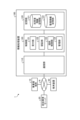
- FIG. 1 is a diagram illustrating an example of information processing executed by an information processing apparatus according to an embodiment
- FIG. 2 is a diagram illustrating an example of a configuration of an information processing system according to the embodiment
- 3 is a diagram illustrating an example of a user information storage unit according to the embodiment
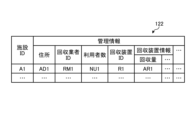
- FIG. 4 is a diagram illustrating an example of a management information storage unit according to the embodiment
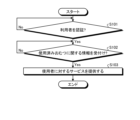
- FIG. 5 is a flowchart illustrating an example of the flow of providing processing executed by the information processing apparatus according to the embodiment
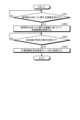
- FIG. 6 is a flowchart illustrating an example of the flow of provision processing executed by the information processing apparatus according to the embodiment.
- FIG. 7 is a diagram illustrating an example of a hardware configuration
- a receiving unit that receives information about a used nonwoven product, which is a nonwoven product used by a user, and an incentive that is provided to the user who takes care of the user and is entertainment for the user.
- An information processing apparatus comprising: a provision control unit that controls provision based on information relating to the used nonwoven fabric product.
- an information processing device for example, information on diapers used by users such as children (hereinafter sometimes referred to as used diapers) is received. Subsequently, the information processing device provides the user, who is the parent of the user, with a service (hereinafter sometimes referred to as a customization experience service) that allows the user to experience diaper customization as an incentive. to control.
- a service hereinafter sometimes referred to as a customization experience service
- the user uses a predetermined operator terminal to select a coloring book as customization content.
- the user paints.
- the user completes a coloring book of a given character.
- the company that provides the customization experience service prints the coloring book completed by the user on the diaper worn by the user.
- the user obtains the diaper on which the coloring book is printed. In this way, the user can receive diapers that are of interest to the user as an incentive.
- the information processing device can provide appropriate incentives to those who use the product even if the person who uses the product is not the same person who discharges the used product.
- the information processing apparatus can provide appropriate incentives to those who have used the products, and can raise awareness of recycling among those who dispose of the used products.
- the information processing device provides, as the incentive, a nonwoven fabric product that is wearable by the user and partially customized.
- the information processing device for example, diapers created based on customized content selected according to user's operation are provided. Accordingly, the information processing device can provide appropriate incentives to the user.
- the information processing device provides an entertainment service to the user as the incentive.
- a notification regarding the provision of a customized experience service is provided.
- the information processing apparatus can provide the user and the user with an opportunity to create a commemorative diaper.
- the information processing device can provide appropriate incentives to the user.
- the information processing device provides, as the service, a service for customizing a part of the nonwoven fabric product worn by the user.
- a notification regarding the provision of a customized experience service is provided.
- the information processing apparatus can provide the user and the user with an opportunity to create a commemorative diaper.
- the information processing device can provide appropriate incentives to the user.
- the content of customizing a part of the non-woven fabric product is content according to a predetermined period.
- the content of customizing a part of the non-woven fabric product is the content of changing the design of the part of the non-woven fabric product.
- an illustration sheet created by the user, the name of the user, a photograph of the user's face, etc. are attached to the diaper, thereby providing a satisfactory experience for the user. can be provided.
- the content of customizing a part of the non-woven fabric product is content that changes the amount of the non-woven fabric product contained in the package containing the non-woven fabric product.
- the content of customizing a part of the non-woven fabric product is content that changes the design of the package containing the non-woven product.
- the information processing device notifies the business operator that collects the used nonwoven product of work information for collecting the used nonwoven product for recycling. Offer more.
- the collection device which is a device for collecting used diapers
- the used diapers can be collected after one week.
- Information on a collection schedule, such as collection, is provided to the collection company as work information.
- the information processing device can collect the used nonwoven fabric product at an appropriate timing.
- the information processing device controls the provision of incentives that are changed based on the quality of the used nonwoven fabric products.
- the customization content may be changed.
- the information processing device allows the user to correct the processing for the used diaper to an appropriate processing.
- the information processing device controls the provision of incentives that are changed based on the amount of used nonwoven products.
- the customization content may be changed.
- the information processing device can increase the user's awareness of recycling used diapers.
- the information processing device further receives user information about the user, and authenticates the user based on the user information.
- identification information for identifying a user is accepted as user information. Subsequently, the information processing device compares the identification information for identifying the user with the user information, and authenticates the user when the matching is successful. Thereby, the information processing device can identify the user for whom the disposal mode of the used diaper is appropriate.
- FIG. 1 is a diagram illustrating an example of information processing executed by an information processing apparatus 100 according to an embodiment.
- the steps shown in FIG. 1 include actions of natural persons.
- the following describes the process of collecting used diapers, and the process of collecting used diapers for recycling.
- user U1 takes user B1, such as a child under his care, to provide user B1 with a diaper customization experience service (an example of a non-woven fabric product) in a free space of a commercial building (an example of a facility). Give an example to experience.
- a diaper customization experience service an example of a non-woven fabric product
- user U1 has applied in advance to receive the customized experience service.
- the user U1 uses the terminal device used by the user U1 to access content on the Internet, which is content for applying for a customized experience service.
- content is content provided by a business operator that manages the information processing apparatus 100 .
- user U1 inputs user information about the user, information about the place to receive the customized experience service, and the date and time on the content. Thereby, the user U1 completes the application for the customized experience service. Then, user U1 receives a notice, e-mail, or the like indicating that the application has been completed.
- the notification or email shall include a QR (Quick Response) code (registered trademark).
- step S1 For example, assume that user U1 goes out to a commercial building with user B1. In this case, it is assumed that user U1 brings the diaper used by user B1 and visits the commercial building. Thus, user U1 brings used diapers into a commercial building (step S1).
- the user U1 operates the operator terminal 10 used by the operator AU1 who provides the customized experience service, and authenticates the user.
- information processing apparatus 100 accepts a user authentication request (step S2).
- the operator AU1 who provides the customized experience service is an operator who manages the information processing apparatus 100.
- user U1 causes the business operator terminal 10 to read the QR code displayed on the terminal device.
- the business terminal 10 acquires the identification information that identifies the user.
- the information processing device 100 receives the authentication request of the user U1 from the business operator terminal 10 together with the identification information for identifying the user.
- the information processing device 100 authenticates the user U1 (step S3).
- the information processing device 100 collates the identification information for identifying the user transmitted from the business operator terminal 10 with the user information stored in the storage unit of the information processing device 100 .
- the information processing apparatus 100 authenticates the user U1 when the collation is successful.
- the information processing device 100 receives information on used diapers from the business operator terminal 10 (step S4).
- the information processing apparatus 100 receives information on the amount of used diapers, etc., as the information on used diapers.
- the amount of used diapers may be the number of used diapers, the weight of used diapers, or the like.
- the information processing apparatus 100 performs information processing for infant diapers and adult diapers separately, information processing for diaper sizes, and the like. be able to.
- the user U1 uses a predetermined garbage bag provided in a collection device installed near the business terminal 10, wraps the garbage bag in a used diaper, and puts it in the collection device. Discard. Subsequently, the user U1 inputs information on the discarded used diaper to the business terminal 10.
- FIG. The information processing device 100 receives information on used diapers from the business operator terminal 10 .
- the information processing device 100 provides a service to the user based on the received information regarding the amount of used diapers (step S5).
- the information processing device 100 provides the operator terminal 10 with a notification regarding the provision of the customized experience service determined based on the amount of used diapers.
- the customization experience service is a service that provides coloring books to users.
- the operator AU1 provides the customized experience service to the user U1 and the user B1 based on the notification sent to the operator terminal 10. For example, it is assumed that the user U1 uses the operator terminal 10 and selects a coloring book as the customization content. In this case, the user U1 and the user B1 experience the customization experience service to color and customize diapers (step S6).
- user U1 and user B1 receive a coloring book of a predetermined character from business operator AU1. Subsequently, user B1 completes a coloring book of a predetermined character. Then, the operator AU1 prints the coloring book completed by the user B1 on the diaper worn by the user B1. Subsequently, user U1 obtains a diaper on which a coloring book is printed. In this way, the user B1 can receive, as an incentive, diapers that are of interest to the user.
- the information processing apparatus 100 manages various types of information based on the received information regarding used diapers (step S7).
- the information processing device 100 manages information regarding the amount of used diapers discarded in the collecting device.
- the information processing device 100 provides the collection agency server 20 with work information for collecting used diapers for recycling based on the managed management information (step S8).
- the information processing apparatus 100 provides the recovery agent server 20 with information relating to a recovery schedule corresponding to the management information, which is for recovering used diapers to be recycled, as work information.
- the information processing device 100 is related to a collection schedule such that when the amount of used diapers collected by the collection device is equal to or greater than a predetermined amount, the used diapers are collected one week later.
- the information is provided to the collection agency server 20 as work information.
- the collection company RC1 referred to here may be any collection company, such as a collection company designated by a local government or a collection company designated by the business operator AU1.
- the collection company RC1 collects the used diapers for recycling (step S9).
- the collection company RC1 according to the collection schedule information provided to the collection company server 20, goes to a collection device installed in a commercial building to collect the recyclable objects. Then, the collection company RC1 collects the used diapers as recycling objects from the collection device.
- the collection company RC1 transports the used diapers to the recycling plant FO1. Then, the recycling company that carries out the recycling process at the recycling plant FO1 carries out the recycling process on the used diapers. In this way, the collected used diapers are recycled at the recycling plant FO1.
- the recycling company referred to here may be any recycling company, for example, a recycling company designated by a local government, a recycling company designated by the operator AU1, a recycling company designated by a collection company, etc. is.
- the information processing device 100 receives information on used diapers. Then, the information processing apparatus 100 controls provision of an incentive that is provided to the user who takes care of the user and is entertainment for the user, based on the information regarding the used diaper. Accordingly, the information processing apparatus 100 can provide appropriate incentives to the user.
- FIG. 2 is a diagram showing a configuration example of the information processing system 1 according to the embodiment.
- the information processing system 1 includes a business operator terminal 10 , a collection agency server 20 , a terminal device 30 and an information processing device 100 .
- the business terminal 10, the collection agency server 20, the terminal device 30, and the information processing device 100 are connected via a network N so as to be communicable by wire or wirelessly.
- the information processing system 1 shown in FIG. 2 includes a plurality of business operator terminals 10, a plurality of collection agent servers 20, a plurality of terminal devices 30, and a plurality of information processing devices 100. good too.
- the operator terminal 10 is an information processing device used by an operator who provides a customized experience service. Specifically, the operator terminal 10 accesses content such as web content displayed on a browser and content for applications.
- the business terminal 10 is a desktop PC (Personal Computer), a notebook PC, a tablet terminal, a mobile phone, a PDA (Personal Digital Assistant), or the like.
- the operator terminal 10 has a reader for reading one-dimensional codes such as bar codes and two-dimensional codes such as QR codes.
- the business terminal 10 is communicatively connected to a collection device that collects used nonwoven fabric products used by users.
- the collection device is installed near the business terminal 10 .
- the collection device is a recycling box that has a storage unit for storing used nonwoven fabric products inside the collection device, and a detection sensor for detecting the weight or inventory number of multiple nonwoven fabric products stored inside.
- the recovery device is a box that has a lid and can be sealed. It is also assumed that the collection device has a button for opening the lid. In this case, the collection device opens the cover when the button of the collection device is pressed by the user. Subsequently, the user disposes of the used nonwoven fabric product in the recovery device. Then, the recovery device closes the lid when the button of the recovery device is pressed by the user.
- the collection device uses a weight sensor, a pressure sensor, etc. as a detection sensor, and calculates the number of used non-woven fabric products based on the detection information detected by the weight sensor, the pressure sensor, etc.
- the collection device has a communication unit, etc. for bi-directional communication with each device.
- the communication unit can be a wireless LAN (Local It is connected to the network N by various wireless communication such as Area Network) or various wired communication, and communicates with various devices via the network N.
- the collection company server 20 is an information processing device managed by a collection company that collects used nonwoven fabric products from collection devices, and is realized by, for example, a server device or a cloud system.
- the collection agency server 20 receives work information provided by the information processing device 100 . Then, the collection company collects the used nonwoven fabric product from the collection device according to the work information.
- the terminal device 30 is an information processing device used by a user who accesses content such as web content displayed on a browser and content for applications.
- the terminal device 30 is a desktop PC (Personal Computer), a notebook PC, a tablet terminal, a mobile phone, a PDA (Personal Digital Assistant), or the like.
- the information processing device 100 is an information processing device that can communicate with various devices via a network N such as the Internet, and is realized by, for example, a server device or a cloud system.
- the information processing device 100 is communicably connected to various other devices via a network N.
- FIG. 2 shows a configuration example of the information processing apparatus 100 according to the embodiment.
- the information processing apparatus 100 has a communication section 110, a storage section 120, and a control section .
- the communication unit 110 is realized by, for example, a NIC (Network Interface Card) or the like.
- the communication unit 110 is connected to the network N by wire or wirelessly, and transmits and receives information to and from other various devices.
- the storage unit 120 is realized by, for example, a semiconductor memory device such as a RAM (Random Access Memory) or flash memory, or a storage device such as a hard disk or an optical disk.
- Storage unit 120 has user information storage unit 121 and management information storage unit 122 .
- the user information storage unit 121 stores various information about users.
- FIG. 3 shows an example of the user information storage unit 121 according to the embodiment.
- the user information storage unit 121 has items such as "user ID (Identifier)" and "user information".
- “user information” has items such as "sex”, “age”, “user ID”, and “user information”.
- “user information” includes “sex”, “age”, “diaper size”, “diaper type", “diaper”, and the like.
- User ID is an identifier that identifies a user.
- Gender is information about the gender of the user associated with the “user ID”.
- Age is information about the age of the user associated with the "user ID”.
- User ID is an identifier that identifies the user that the user takes care of.
- Gender is information about the gender of the user associated with the “user ID”.
- Age is information about the age of the user associated with the "user ID”.
- Diaper size is information about the size of the diaper worn by the user associated with the "user ID".
- the size is newborn size, S, M, L, Big, and the like.
- the newborn size is a size smaller than the S size.
- Big is a size larger than the L size.
- the "type of diaper” is information about the type of diaper worn by the user associated with the "user ID”.
- the types of diapers are standard diapers, diapers having a function of preventing rough skin, and the like.
- “Diaper” is information about the diaper associated with the "user ID”. Note that "diaper” may be, for example, a product number, a lot number, or the like.
- "U1" identified by the user ID has a gender of "US1” and an age of "UO1".
- "U1” has a user ID of "B1”, a gender of "BS1”, an age of "BO1”, a diaper size of "SI1", and a diaper type of "TY1". and the diaper is "MA1".
- the gender and the like are represented by abstract codes such as "US1”, but the gender and the like are numerical values, information on character strings, and files containing information on gender and the like. format or the like.
- the management information storage unit 122 stores various information about used diapers.
- FIG. 4 shows an example of the management information storage unit 122 according to the embodiment.
- the management information storage unit 122 has items such as "facility ID” and "management information".
- “management information” has items such as "address”, “collector ID”, “number of users”, “collector ID”, and “collector information”.
- "recovery device information” includes "recovery amount” and the like.
- “Facility ID” is an identifier that identifies a facility.
- the “address” is information about the address associated with the “facility ID” and location information.
- the “collection company ID” is an identifier that identifies the collection company associated with the “facility ID”.
- the collection company is a collection company designated by a local government, a collection company contracted with the business operator AU1, or the like.
- “Number of users” is the number of users who used the collection device associated with the "facility ID”.
- “Recovery device ID” is an identifier for identifying a recovery device.
- the “collected amount” is information related to the amount of collected used diapers associated with the "collecting device ID”.
- A1 identified by the facility ID has an address of "AD1”, a collection company ID of "RM1”, a number of users of "NU1”, and a collection device ID of " R1” and the recovery amount is “AR1”.
- the address and the like are represented by abstract codes such as "AD1", but the address and the like are numerical values, character strings, file formats of files containing information on the address, etc.
- the number of users who used the collection device associated with the "facility ID" was used as the "number of users", but instead of the number of users, the number of users was used. good too.
- the "management information" may further include items such as the number of users.
- the control unit 130 is a controller, and for example, various programs (information processing programs) stored in a storage device inside the information processing apparatus 100 are controlled by a CPU (Central Processing Unit), an MPU (Micro Processing Unit), or the like. example) is implemented by using RAM as a work area. Also, the control unit 130 is a controller, and is implemented by an integrated circuit such as an ASIC (Application Specific Integrated Circuit) or an FPGA (Field Programmable Gate Array).
- ASIC Application Specific Integrated Circuit
- FPGA Field Programmable Gate Array
- the control unit 130 includes a reception unit 131, an authentication unit 132, a provision control unit 133, and a management unit 134, and realizes or executes information processing functions and actions described below. do.
- the internal configuration of the control unit 130 is not limited to the configuration shown in FIG. 2, and may be another configuration as long as it performs the information processing described later.
- the connection relationship between the processing units of the control unit 130 is not limited to the connection relationship shown in FIG. 2, and may be another connection relationship.
- the reception unit 131 receives various information and various requests. Specifically, the reception unit 131 receives information on used nonwoven fabric products that have been used by the user. For example, the reception unit 131 receives information on the amount of used diapers from the business terminal 10 as information on the used diapers input by the user. Then, the reception unit 131 stores information about the amount of used diapers in the user information storage unit 121 .
- the reception unit 131 receives user information from the terminal device 30 . Then, the reception unit 131 stores the user information and user information in the user information storage unit 121 . In the example of FIG. 1, when the user U1 makes an application to receive the customization experience service, the reception unit 131 sends the user information, the place where the customization experience service is received, and the date and time to the terminal device 30. Accept. At this time, the receiving unit 131 may receive user information about the user together with the user information.
- the reception unit 131 receives a user's authentication request.
- the user U1 causes the business terminal 10 to read the QR code displayed on the terminal device 30 .
- the business terminal 10 acquires the identification information that identifies the user.
- the accepting unit 131 accepts an authentication request for the user U1 from the business operator terminal 10 together with identification information for identifying the user.
- the authentication unit 132 authenticates various information. Specifically, the authentication unit 132 authenticates the user based on the user information. In the example of FIG. 1 , the authentication unit 132 collates identification information for identifying a user transmitted from the operator terminal 10 and user information stored in the storage unit 120 . Subsequently, the authentication unit 132 authenticates the user U1 when the collation is successful.
- the authentication unit 132 may determine whether the user is using a predetermined service based on the user information. Specifically, the authentication unit 132 determines whether or not the user information received by the receiving unit 131 matches the information on the user contracting for the predetermined service stored in the storage unit 120. may
- the user information that has a contract with a predetermined service stored in the storage unit 120 includes identification information that identifies the user, information regarding the user's age, information regarding the gender, information regarding the telephone number, Including information on address or whereabouts, information on payment status of fees, etc.
- the predetermined service is a subscription service that provides diapers to contracted users on a regular basis (for example, once a month).
- the storage unit 120 stores information about users who have contracted for a subscription service.
- the authentication unit 132 identifies the same user. can be determined.
- the authentication unit 132 determines that the user is not the same user. You can judge.
- the provision control unit 133 controls the provision of incentives that are entertainment for the users, which are incentives provided to the user who takes care of the user, based on the information on the used nonwoven fabric product.
- the provision control unit 133 provides an entertainment service to the user as an incentive.
- the provision control unit 133 provides the operator terminal 10 with a notification regarding the provision of the customized experience service.
- the provision control unit 133 provides the collection agent server 20 with work information for collecting used diapers for recycling based on the information on the amount of used diapers collected.
- the provision control unit 133 uses, as work information, information on a collection schedule corresponding to information on the amount of collected used diapers, which is a collection schedule for collecting used diapers to be recycled, to the collection company server. 20.
- the supply control unit 133 collects the used diapers one week later when it is determined that the amount of used diapers collected by the collection device satisfies a predetermined condition. Information on the collection schedule is provided to the collection agency server 20 as work information.
- the management unit 134 manages various information. Specifically, the management unit 134 manages information about the used diapers collected by the collecting device. For example, the management unit 134 manages various types of information based on information on collected used diapers.
- the management unit 134 manages information regarding the amount of used diapers discarded in the collection device. Subsequently, the management section 134 stores information regarding the amount of used diapers in the management information storage section 122 . The management unit 134 manages various information stored in the management information storage unit 122 .
- the management unit 134 may also determine whether the amount of used diapers stored in the management information storage unit 122 satisfies a predetermined condition. Specifically, when the amount of used diapers (collected amount) stored in the management information storage unit 122 is equal to or greater than a predetermined amount, the management unit 134 determines that the amount of used diapers satisfies a predetermined condition. You can judge. On the other hand, the management unit 134 may determine that the amount of used diapers does not satisfy the predetermined condition when the amount of used diapers stored in the management information storage unit 122 is less than the predetermined amount.
- FIG. 5 is a flowchart showing an example of the flow of providing processing executed by the information processing apparatus 100 according to the embodiment.
- the authentication unit 132 authenticates the user (step S101). Specifically, if the user is not authenticated (step S101; No), the authentication unit 132 waits until the user is authenticated.
- step S101 when the user has been authenticated (step S101; Yes), the reception unit 131 determines whether or not information on used diapers has been received (step S102). Specifically, when the reception unit 131 has not received information on the used diaper (step S102; No), the process returns to before step S102.
- the provision control unit 133 provides services to the user (step S103).
- FIG. 6 is a flowchart showing an example of the flow of providing processing executed by the information processing apparatus 100 according to the embodiment.
- the reception unit 131 determines whether or not information on used diapers has been received (step S201). Specifically, if the information on the used diaper has not been received (step S201; No), the reception unit 131 waits until the information on the used diaper is received.
- the management section 134 manages various information based on the information on the used diaper (step S202).
- the management unit 134 determines whether or not the collection amount satisfies a predetermined condition (step S203). Specifically, when the management unit 134 determines that the collection amount does not satisfy the predetermined condition (step S203; No), the process returns to before step S203.
- the provision control unit 133 provides work information to the collection agent server 20 (step S204).
- the information processing apparatus 100 described above may be embodied in various forms other than the above embodiment. Therefore, other embodiments of the information processing apparatus 100 will be described below.
- business operators that provide customized experience services In the above embodiment, an example was given in which the business operator that provides the customization experience service and the business operator that manages the information processing device 100 are the same business operator.
- the business operator managing the information processing device 100 may be a different business operator.
- the business operator that provides the customized experience service may be a business operator contracted by the business operator managing the information processing device 100, and may be, for example, a business operator of a planning and operating company.
- nonwoven products In the above embodiment, an example in which the nonwoven fabric product is a diaper has been described, but the present invention is not limited to this.
- the nonwoven product may be wipes, pads, and the like.
- the nonwoven fabric product may be a diaper provided by a subscription service to which the user has previously subscribed.
- the information processing apparatus 100 acquires information about collected used diapers from the business operator terminal 10
- the present invention is not limited to this.
- the information processing device 100 may directly acquire information about collected used diapers from a collection device.
- the facility is a commercial building
- the facility is not limited to this.
- the facility may be a commercial facility, an educational institution such as a school, or a public facility such as a government office.
- the region may be targeted.
- a region is a specific village, town, city, ward, or the like.
- a collection device may be located outside a commercial building.
- the user may receive the customization experience service together with the user in the commercial building after disposing of the used diaper in the collection device.
- the collection device is a recycling box
- the present invention is not limited to this.
- the collection device may perform recycling pretreatment (primary treatment for recycling) on used diapers by using various conventional techniques.
- the recovery device may contain a polyvalent metal salt, particularly an alkaline earth metal salt, such as a calcium salt, for separating excrement (particularly urine and feces) from the super absorbent resin that constitutes the diaper.
- a polyvalent metal salt particularly an alkaline earth metal salt, such as a calcium salt
- pre-recycling treatment is performed using a treatment agent such as an aqueous solution containing calcium chloride or a salt thereof, alcohol for washing, or a chemical that reduces the odor of excrement.
- the collection device reduces the volume of used diapers by performing pre-recycling treatment using a treatment agent on used diapers.
- the collecting device can transport more used diapers at once. In this way, the collection device can reduce the trouble of transporting the recycling target to the collection company RC1.
- the object to be customized may be a package in which diapers are packaged, a cardboard box used when diapers are delivered, or the like. In this way, a company that provides a customized experience service can provide an experience that satisfies the user.
- the customized content may be customized content that is changed according to the season.
- the customized content may be changed in conjunction with the birthday of the user.
- the customized content may be changed according to the user's age and gender.
- the customization content may be changed according to the degree of growth of the user. In this way, the customization content may be changed based on information regarding attributes of the user.
- the customization content may be the content of printing the user's name, nickname, etc. on the diaper.
- the content of customization may be the content of attaching a photograph of the user's face to the diaper. This improves the ability to identify customized diapers. In this way, it is possible to prevent the customized diaper from being confused with the diapers used by other users in kindergartens, nursery schools and the like.
- the customization content may be the content drawn on the illustration sheet created by the user and attached to the diaper.
- the content of customization may be the content of attaching an illustration or the like selected by the user to the diaper. For example, when a user is shown an illustration of a dinosaur, a vehicle, an arbitrary character, etc., the user reacts by showing a reaction such as being happy, excited, or pointing a finger. It shall be the selected illustration.
- the customized content may be the content of attaching an illustration selected by the user to the packaging.
- the content of customization may be the content of attaching a collage illustration of a user's favorite toy, character, etc. to the diaper.
- the customization content may be the content of customizing the diaper size.
- the customization content may be content for customizing the size of the diaper based on the size of the circumference of the user's abdomen, the size of the user's rise, or the size of the circumference of the user's thighs.
- the user's diaper size is M size. It is also assumed that the thigh size of the user is larger than that of a child of the same age. In this case, the content of customization may be the content of customizing the M-size diaper so that the circumference of the thighs is loose. In another example, the user's diaper size is M size. It is also assumed that the user's stomach circumference is smaller than that of a child of the same age. In this case, the contents of the customization may be contents that allow a gather design to make the circumference of the stomach of the M-size diaper tighter. Also, the diaper size of the user is L size.
- the content of customization may be a content that allows designing of diapers such that the rise of L-size diapers is deepened.
- the customization content may be content that changes the design of the diaper.
- the customization content may be a content that attaches a famous character, a character limited to a region, or the like to the diaper.
- the contents of customization may be the contents of allowing the user to select the pattern of the diaper for each part constituting the diaper, such as superabsorbent resin.
- the pattern selected by the user is one that the user shows a reaction such as being happy, excited, or pointing a finger.
- the customization content is the content of creating one diaper by combining the part of the diaper with the first pattern selected by the user and the part of the diaper with the second pattern. There may be.
- the customization content may be content that changes the amount of diapers contained in the package containing the diapers. Further, the customization content may be such that the amount of diapers of sizes that the user often wears is larger than the amount of diapers of sizes that the user is expected to wear in the future. Further, the contents of customization may be such that only diapers of the user's favorite pattern or color are contained in the package. Further, the contents of customization may be contents in which different colors of the pattern selected by the user are accommodated in the packaging. This allows the user to select the diaper that he/she likes.
- the customization content may be content that changes the design of the package containing the diaper.
- an arbitrary pattern such as a dinosaur pattern, a vehicle pattern, or a design such as an arbitrary character
- the user reacts with pleasure, excitement, or pointing a finger. shall be the design selected by the user.
- the contents of customization may be the contents of adding an arbitrary pattern such as a dinosaur pattern or a vehicle pattern selected by the user, or an arbitrary character or the like to the packaging.
- the customized content may be selected by the user according to the age of the user.
- the customization content may be content that customizes the material of the packaging.
- the customized content may be an environment-friendly packaging material or the like as a packaging material.
- the customization content may be a customization content that allows selection of the type of packaging.
- the customized content may be simple packaging, a bag that can be used repeatedly as a diaper pouch, a bag whose contents can be visually recognized, and the like. As a result, the operator providing the customized experience service can raise the user's awareness of consideration for the environment.
- the size of the package may be selected arbitrarily.
- the thickness of the cloth for packaging may be selected arbitrarily.
- the customized content may be digital content.
- the customization content may be content that customizes content that can be used in a given application.
- the operator providing the customized experience service can provide an experience that satisfies the user.
- the operator who provides the customization experience service may provide, instead of the customization content, content that allows the user to try on a diaper of a size that will be used in the future.
- the operator who provides the customization experience service can provide users and users with an opportunity to try on diapers.
- the user and the user may visit the commercial building without carrying used diapers. This saves the user the trouble of bringing used diapers.
- used diapers generally have a foul odor. For this reason, when using various means of transportation to bring used diapers with a bad smell to a commercial building, the user may hesitate to use the means of transportation. By removing such psychological obstacles, it is possible to make it easier for the user to participate in the customized experience service.
- the present invention is not limited to this.
- the user may pack used diapers and deliver them in advance to the recycling plant FO1.
- the provision control unit 133 may provide a diaper that can be worn by the user as an incentive.
- the provision control unit 133 may provide a partially customized diaper.
- the user selects information regarding the delivery of used diapers to a recycling factory when applying for a customized experience service.
- the terminal device 30 displays content for selecting customization content for customizing the diaper. Subsequently, the terminal device 30 selects customization content according to the user's operation. The terminal device 30 then transmits information about the selected customization content to the information processing device 100 .
- business operator AU1 creates customized diapers based on the customization details.
- the operator AU1 then delivers the created diaper to the user.
- the provision control unit 133 provides diapers that can be worn by the user, and thus can provide appropriate incentives to the user. After delivering the used diapers to the recycling factory FO1, the user and the user may visit the commercial building and receive the customization experience service in the commercial building.
- the collecting company RC1 may recycle the used diapers at the recycling plant FO1 and then provide the business operator AU1 with the pulp material obtained by the recycling process.
- the recovery company RC1 may receive a predetermined reward from the business operator AU1 instead of providing the pulp material.
- the collection company RC1 may provide the company AU1 with information on the quality of the collected used diapers.
- the quality of used diapers is determined by the degree of ease of recycling. For example, if a used diaper contains impurities other than excrement, such as hair, bags for wrapping the used diaper, newspapers, etc., the quality of the used diaper is lowered. In addition, when the amount of excrement contained in a used diaper is more than a predetermined amount, the quality of the used diaper is lowered. Moreover, when the excrement contained in the used diaper is only urine, the quality is improved. Based on such trends, used diaper quality may be scored.
- the collection agency server 20 transmits information about the quality of the used diapers collected to the information processing device 100 .
- the provision control unit 133 may change the incentive when the quality of the used diaper is equal to or higher than a predetermined threshold.
- the provision control unit 133 may change the customization content when the quality of the used diaper is equal to or higher than a predetermined threshold. As a result, the provision control unit 133 can correct the processing for the used diaper to an appropriate processing by the user.
- the provision control unit 133 may control provision of incentives changed based on the amount of used diapers collected.
- the collection agent server 20 transmits information about the amount of used diapers collected to the information processing device 100 .
- the supply control unit 133 may change the incentive when the amount of used diapers is equal to or greater than a predetermined threshold.
- the provision control unit 133 may change the customization content when the amount of used diapers is equal to or greater than a predetermined threshold. As a result, the provision control unit 133 can increase the user's awareness of recycling used diapers.
- the provision control unit 133 may further provide information on traceability to the terminal device 30 .
- the information on traceability is information on the process in which the used diapers used by the user are collected for recycling and the used diapers are recycled at the recycling plant FO1.
- the collection company RC1 is information on the process of providing the business operator AU1 with the pulp material obtained by the recycling process after the used diapers are recycled at the recycling plant FO1.
- the provision control unit 133 may provide the terminal device 30 with information on notification such as "currently being recycled at the recycling factory X" as information on traceability.
- the traceability information includes the collection company RC1, the recycling plant FO1, and the business operator AU1 placed on a predetermined map and indicating where the used diaper is currently located on the map. shall be informational.
- the provision control unit 133 may provide information on such traceability to the terminal device 30 .
- the provision control unit 133 provides the user with information on traceability, so it is possible to raise the user's awareness of recycling. Furthermore, the provision control unit 133 can raise the user's awareness of environmental conservation.
- the provision control unit 133 may change the incentive when the user has experienced the customization experience service multiple times. For example, it is assumed that customized contents are associated with and stored in the storage unit 120 for each user. In this case, the provision control unit 133 may provide the operator terminal 10 with a notification regarding the provision of the customization experience service combining the previous customization content and the current customization content.
- the operator AU1 provides the customized experience service to the user and the user based on the notification sent to the operator terminal 10. For example, it is assumed that the user uses the operator terminal 10 to select a coloring book as the customization content. In addition, it is assumed that the content of customization selected by the user last time is the content of attaching a photograph of the user's face to the diaper. In this case, the user completes a coloring book of a predetermined character. Subsequently, the operator AU1 prints the coloring book completed by the user on the diaper worn by the user. Further, the business operator AU1 attaches the user's face photo to the diaper. The user then obtains such a diaper.
- the user can receive diapers that are of interest to the user as an incentive. Also, for example, by attaching a photograph of the user's face or the like to the diaper, a record corresponding to the user's growth will be left. Thereby, the user can receive the diaper as a souvenir for the user himself/herself.
- each component of each device illustrated is functionally conceptual and does not necessarily have to be physically configured as illustrated. That is, the specific form of distribution/integration of each device is not limited to the illustrated one. Further, all or part of each component may be functionally or physically distributed and integrated in arbitrary units according to various loads and usage conditions.
- the above “section, module, unit” can be read as “means” or “circuit”.
- the reception unit can be read as reception means or a reception circuit.
- FIG. 7 is a diagram illustrating an example of a hardware configuration
- the computer 1000 is connected to an output device 1010 and an input device 1020 , and a bus 1090 connects an arithmetic device 1030 , a cache 1040 , a memory 1050 , an output IF (Interface) 1060 , an input IF 1070 and a network IF 1080 .
- a bus 1090 connects an arithmetic device 1030 , a cache 1040 , a memory 1050 , an output IF (Interface) 1060 , an input IF 1070 and a network IF 1080 .
- the arithmetic device 1030 operates based on programs stored in the cache 1040 and memory 1050, programs read from the input device 1020, and the like, and executes various processes.
- the cache 1040 is a cache such as a RAM that temporarily stores data used by the arithmetic device 1030 for various arithmetic operations.
- the memory 1050 is a storage device in which data used for various calculations by the arithmetic unit 1030 and various databases are registered, and is realized by ROM (Read Only Memory), HDD (Hard Disk Drive), flash memory, etc. memory.
- the output IF 1060 is an interface for transmitting information to be output to the output device 1010 that outputs various information such as a monitor and a printer. It may be realized by a standard connector such as HDMI (registered trademark) (High Definition Multimedia Interface).
- the input IF 1070 is an interface for receiving information from various input devices 1020 such as a mouse, keyboard, scanner, etc., and is implemented by, for example, USB.
- the input device 1020 includes optical recording media such as CD (Compact Disc), DVD (Digital Versatile Disc), PD (Phase change rewritable disk), magneto-optical recording media such as MO (Magneto-Optical disk), tape media, It may be implemented by a device that reads information from a magnetic recording medium, a semiconductor memory, or the like. Also, the input device 1020 may be realized by an external storage medium such as a USB memory.
- the network IF 1080 has a function of receiving data from another device via the network N and sending it to the arithmetic device 1030, and transmitting data generated by the arithmetic device 1030 via the network N to other devices.
- the arithmetic device 1030 controls the output device 1010 and the input device 1020 via the output IF 1060 and the input IF 1070.
- arithmetic device 1030 loads a program from input device 1020 or memory 1050 onto cache 1040 and executes the loaded program.
- the arithmetic device 1030 of the computer 1000 implements the functions of the control unit 130 by executing the program loaded on the cache 1040 .
Landscapes
- Business, Economics & Management (AREA)
- Strategic Management (AREA)
- Engineering & Computer Science (AREA)
- Physics & Mathematics (AREA)
- General Physics & Mathematics (AREA)
- Finance (AREA)
- Tourism & Hospitality (AREA)
- Development Economics (AREA)
- Economics (AREA)
- Marketing (AREA)
- Accounting & Taxation (AREA)
- General Business, Economics & Management (AREA)
- Theoretical Computer Science (AREA)
- Entrepreneurship & Innovation (AREA)
- Game Theory and Decision Science (AREA)
- Health & Medical Sciences (AREA)
- General Health & Medical Sciences (AREA)
- Human Resources & Organizations (AREA)
- Primary Health Care (AREA)
- Management, Administration, Business Operations System, And Electronic Commerce (AREA)
Abstract
本願に係る情報処理装置(100)は、使用者によって使用された不織布製品である使用済み不織布製品に関する情報を受付ける受付部(131)と、前記使用者を養護する利用者に対して提供されるインセンティブであって、前記使用者にとって娯楽となるインセンティブの提供を、前記使用済み不織布製品に関する情報に基づいて制御する提供制御部(133)とを備えることを特徴とする。
Description
本発明は、情報処理装置、情報処理方法及び情報処理プログラムに関する。
従来、使用済みのインクカートリッジ等の使用済み製品を回収し、かかる使用済み製品の評価度合いに基づいて、所定のサービスの提供や、インセンティブの付与を行う技術が知られている。
しかしながら、上記従来技術は、使用済みのインクカートリッジ等の使用済み製品を回収し、かかる使用済み製品の評価度合いに基づいて、所定のサービスの提供や、インセンティブの付与を行うに過ぎない。例えば、上記従来技術では、製品を使用する使用者と、使用済み製品を排出する利用者とが同一である場合を想定しており、使用者と、利用者とが同一でない場合には、使用者に対して適切なインセンティブを提供することができるとは限らない。
本願は、上記に鑑みてなされたものであって、使用者に対して適切なインセンティブを提供することを目的とする。
本願に係る情報処理装置は、使用者によって使用された不織布製品である使用済み不織布製品に関する情報を受付ける受付部と、前記使用者を養護する利用者に対して提供されるインセンティブであって、前記使用者にとって娯楽となるインセンティブの提供を、前記使用済み不織布製品に関する情報に基づいて制御する提供制御部とを備えることを特徴とする。
実施形態の一態様によれば、使用者に対して適切なインセンティブを提供することができる。
本明細書及び添付図面の記載により、少なくとも以下の事項が明らかとなる。
使用者によって使用された不織布製品である使用済み不織布製品に関する情報を受付ける受付部と、前記使用者を養護する利用者に対して提供されるインセンティブであって、前記使用者にとって娯楽となるインセンティブの提供を、前記使用済み不織布製品に関する情報に基づいて制御する提供制御部とを備えることを特徴とする情報処理装置。
このような情報処理装置によれば、例えば、子供等である使用者によって使用されたおむつ(以下では、使用済みおむつと表記する場合がある)に関する情報を受付ける。続いて、情報処理装置は、使用者の親である利用者に対して、インセンティブとしておむつのカスタマイズを使用者に対して体験させるサービス(以下では、カスタマイズ体験サービスと表記する場合がある)の提供を制御する。
例えば、利用者が所定の事業者端末を利用して、カスタマイズ内容として、塗り絵を選択するものとする。この場合、使用者は、塗り絵を行う。例えば、使用者は、所定のキャラクターの塗り絵を完成させる。続いて、カスタマイズ体験サービスを提供する事業者は、使用者が着用するおむつに、使用者が完成させた塗り絵を印刷する。そして、利用者は、塗り絵が印刷されたおむつを取得する。このようにして、使用者は、インセンティブとして、使用者にとって興味関心を引くおむつを受取ることができる。
このように、情報処理装置は、製品を使用する者が、使用済み製品を排出する者と同一でない場合であっても、製品を使用する者にとって適切なインセンティブを提供することができる。これにより、情報処理装置は、製品を使用した者に適切なインセンティブを提供することができつつ、使用済み製品を排出する者に対してリサイクルに対する意識を向上させることができる。
また、情報処理装置は、前記インセンティブとして、前記使用者が着用可能な不織布製品であって、当該不織布製品の一部がカスタマイズされた不織布製品を提供する。
このような情報処理装置によれば、例えば、利用者による操作に応じて選択されたカスタマイズ内容に基づいて作成されたおむつを提供する。これにより、情報処理装置は、使用者に対して適切なインセンティブを提供することができる。
また、情報処理装置は、前記インセンティブとして、前記使用者に対して娯楽となるサービスを提供する。
このような情報処理装置によれば、例えば、カスタマイズ体験サービスの提供に関する通知を提供する。これにより、情報処理装置は、利用者及び使用者にとって、記念となるおむつを作成する機会を提供することができる。このように、情報処理装置は、使用者に対して適切なインセンティブを提供することができる。
また、情報処理装置は、前記サービスとして、前記使用者が着用する不織布製品の一部をカスタマイズさせるサービスを提供する。
このような情報処理装置によれば、例えば、カスタマイズ体験サービスの提供に関する通知を提供する。これにより、情報処理装置は、利用者及び使用者にとって、記念となるおむつを作成する機会を提供することができる。このように、情報処理装置は、使用者に対して適切なインセンティブを提供することができる。
また、前記不織布製品の一部をカスタマイズする内容は、所定の期間に応じた内容である。
このような情報処理装置によれば、例えば、季節ごとに応じてカスタマイズ内容が変更されることで、使用者にとって、満足する内容の体験を提供することができる。
また、前記不織布製品の一部をカスタマイズする内容は、当該不織布製品の一部のデザインが変更される内容である。
このような情報処理装置によれば、例えば、使用者によって作成されたイラストシートや、使用者の名前や、使用者の顔写真等をおむつに付すことで、使用者にとって、満足する内容の体験を提供することができる。
また、前記不織布製品の一部をカスタマイズする内容は、当該不織布製品が収容された包装に含まれる当該不織布製品の量が変更される内容である。
このような情報処理装置によれば、例えば、使用者がよく着用するサイズのおむつの量を、使用者が将来的に着用すると予測されるサイズのおむつの量よりも多くした商品を提供することで、利用者又は使用者にとって、満足する内容の体験を提供することができる。
また、前記不織布製品の一部をカスタマイズする内容は、当該不織布製品が収容された包装のデザインが変更される内容である。
このような情報処理装置によれば、例えば、使用者によって選択された柄や、キャラクター等を包装に付すことで、使用者にとって、満足する内容の体験を提供することができる。
また、情報処理装置は、使用済み不織布製品の回収に関する回収情報に基づいて、当該使用済み不織布製品をリサイクル対象として回収するための作業情報を、当該使用済み不織布製品を回収する事業者に対してさらに提供する。
このような情報処理装置によれば、例えば、使用済みおむつを回収する装置である回収装置に回収された使用済みおむつの量が所定の量以上である場合に、1週間後に、使用済みおむつを回収するといった回収スケジュールに関する情報を作業情報として回収業者に対して提供する。これにより、情報処理装置は、適切なタイミングで使用済み不織布製品を回収することができる。
また、情報処理装置は、使用済み不織布製品の質に基づいて変更されたインセンティブの提供を制御する。
このような情報処理装置によれば、例えば、使用済みおむつの質が所定の閾値以上である場合に、カスタマイズ内容を変更してもよい。これにより、情報処理装置は、利用者が使用済みおむつに対する処理を適切な処理へ補正することができる。
また、情報処理装置は、使用済み不織布製品の量に基づいて変更されたインセンティブの提供を制御する。
このような情報処理装置によれば、例えば、使用済みおむつの量が所定の閾値以上である場合に、カスタマイズ内容を変更してもよい。これにより、情報処理装置は、利用者が使用済みおむつをリサイクルする意識を向上させることができる。
また、情報処理装置は、前記利用者に関する利用者情報をさらに受付け、前記利用者情報に基づいて、前記利用者を認証する。
このような情報処理装置によれば、例えば、利用者情報として、利用者を識別する識別情報を受付ける。続いて、情報処理装置は、利用者を識別する識別情報と、利用者情報とを照合し、かかる照合が成功した場合に、利用者を認証する。これにより、情報処理装置は、使用済みおむつの廃棄態様が適切である利用者を特定することができる。
以下に、情報処理装置、情報処理方法及び情報処理プログラムを実施するための形態(以下、「実施形態」と記載する)の一例について図面を参照しつつ詳細に説明する。なお、この実施形態により情報処理装置、情報処理方法及び情報処理プログラムが限定されるものではない。また、以下の実施形態において同一の部位には同一の符号を付し、重複する説明は省略する。
[実施形態]
〔1.情報処理装置が示す情報処理の一例〕
図1を用いて、実施形態に係る情報処理装置100が実行する情報処理の一例について説明する。図1は、実施形態に係る情報処理装置100が実行する情報処理の一例を示す図である。なお、図1に示すステップは、便宜上、自然人の行動等を含む。
〔1.情報処理装置が示す情報処理の一例〕
図1を用いて、実施形態に係る情報処理装置100が実行する情報処理の一例について説明する。図1は、実施形態に係る情報処理装置100が実行する情報処理の一例を示す図である。なお、図1に示すステップは、便宜上、自然人の行動等を含む。
以下では、使用済みおむつを収集する処理について説明し、そして、使用済みおむつをリサイクル対象として回収する処理について説明する。
まず、図1を用いて、使用済みおむつを収集する処理について説明する。図1では、利用者U1が養護する子供等の使用者B1を連れて、商業ビル(施設の一例)が有するフリースペースで行われるおむつ(不織布製品の一例)のカスタマイズ体験サービスを使用者B1に体験させる例を挙げる。
なお、利用者U1は、カスタマイズ体験サービスを受けるための申込みを予め行っているものとする。例えば、利用者U1は、利用者U1によって利用される端末装置を用いて、カスタマイズ体験サービスの申込みを行えるコンテンツであって、インターネット上のコンテンツにアクセスする。例えば、かかるコンテンツは、情報処理装置100を管理する事業者によって提供されるコンテンツである。
続いて、利用者U1は、利用者に関する利用者情報と、カスタマイズ体験サービスを受ける場所と、日時とに関する情報をコンテンツ上で入力する。これにより、利用者U1は、カスタマイズ体験サービスの申込みを完了する。そして、利用者U1は、申込みが完了したことを示す通知又はメール等を受取る。この場合、通知又はメールにQR(Quick Response)コード(登録商標)が含まれているものとする。
例えば、利用者U1が使用者B1を連れて商業ビルへ外出するものとする。この場合、利用者U1は、使用者B1によって使用されたおむつを持参して商業ビルに訪れるものとする。このように、利用者U1は、使用済みおむつを商業ビルに持ち込む(ステップS1)。
続いて、利用者U1は、カスタマイズ体験サービスを提供する事業者AU1によって利用される事業者端末10を操作し、利用者の認証を行う。具体的には、情報処理装置100は、利用者の認証要求を受付ける(ステップS2)。なお、カスタマイズ体験サービスを提供する事業者AU1は、情報処理装置100を管理する事業者である。
例えば、利用者U1は、端末装置に表示させたQRコードを事業者端末10に読取らせる。これにより、事業者端末10は、利用者を識別する識別情報を取得する。続いて、情報処理装置100は、利用者を識別する識別情報とともに、利用者U1の認証要求を事業者端末10から受付ける。
そして、情報処理装置100は、利用者U1を認証する(ステップS3)。例えば、情報処理装置100は、事業者端末10から送信された利用者を識別する識別情報と、情報処理装置100が有する記憶部に記憶された利用者情報とを照合する。続いて、情報処理装置100は、照合に成功した場合に、利用者U1を認証する。ここで、利用者U1の認証が成功したものとする。
続いて、情報処理装置100は、使用済みおむつに関する情報を事業者端末10から受付ける(ステップS4)。図1の例では、情報処理装置100は、使用済みおむつに関する情報として、使用済みおむつの量に関する情報等を受付ける。ここで、使用済みおむつの量とは、使用済みおむつの枚数でもよく、使用済みおむつの重量等を示すものでもよい。使用済みおむつの量が質量を示すものである場合、例えば、情報処理装置100は、乳幼児用のおむつと大人用おむつとを分けた情報処理や、おむつのサイズを分けた情報処理等の実行することができる。
より具体的な例を挙げると、利用者U1は、事業者端末10の傍に設置される回収装置に備え付けられる所定のゴミ袋を使用して、ゴミ袋を使用済みおむつに包んで回収装置に廃棄する。続いて、利用者U1は、廃棄した使用済みおむつに関する情報を事業者端末10に入力する。そして、情報処理装置100は、使用済みおむつに関する情報を事業者端末10から受付ける。
そして、情報処理装置100は、受付けられた使用済みおむつの量に関する情報に基づいて、使用者に対するサービスを提供する(ステップS5)。図1の例では、情報処理装置100は、使用済みおむつの量に基づいて決定されたカスタマイズ体験サービスの提供に関する通知を事業者端末10に提供する。ここで、カスタマイズ体験サービスが使用者に塗り絵を提供するサービスであるものとする。
続いて、事業者AU1は、事業者端末10に通知された通知に基づいて、カスタマイズ体験サービスを利用者U1及び使用者B1に提供する。例えば、利用者U1が事業者端末10を利用して、カスタマイズ内容として、塗り絵を選択するものとする。この場合、利用者U1及び使用者B1は、カスタマイズ体験サービスを体験することで、塗り絵を行い、おむつをカスタマイズする(ステップS6)。
図1の例では、利用者U1と、使用者B1とは、事業者AU1から所定のキャラクターの塗り絵をもらう。続いて、使用者B1は、所定のキャラクターの塗り絵を完成させる。そして、事業者AU1は、使用者B1が着用するおむつに、使用者B1が完成させた塗り絵を印刷する。続いて、利用者U1は、塗り絵が印刷されたおむつを取得する。このようにして、使用者B1は、インセンティブとして、使用者にとって興味関心を引くおむつを受取ることができる。
次に、図1を用いて、使用済みおむつをリサイクル対象として回収する処理について説明する。具体的には、情報処理装置100は、受付けた使用済みおむつに関する情報に基づいて、各種情報を管理する(ステップS7)。例えば、情報処理装置100は、回収装置に廃棄された使用済みおむつの量に関する情報等を管理する。
続いて、情報処理装置100は、管理する管理情報に基づいて、使用済みおむつをリサイクル対象として回収するための作業情報を回収業者サーバ20に提供する(ステップS8)。例えば、情報処理装置100は、管理情報に応じた回収スケジュールであって、使用済みおむつであるリサイクル対象を回収するための回収スケジュールに関する情報を作業情報として回収業者サーバ20に提供する。
より具体的な例を挙げると、情報処理装置100は、回収装置に回収された使用済みおむつの量が所定の量以上である場合に、1週間後に、使用済みおむつを回収するといった回収スケジュールに関する情報を作業情報として回収業者サーバ20に提供する。
なお、ここでいう回収業者RC1は、如何なる回収業者であってもよく、例えば、自治体に指定されている回収業者や、事業者AU1によって指定された回収業者等である。
そして、回収業者RC1は、リサイクル対象として使用済みおむつを回収する(ステップS9)。例えば、回収業者RC1は、回収業者サーバ20に提供された回収スケジュールに関する情報に従って、商業ビルに設置された回収装置に、リサイクル対象を回収しに行く。そして、回収業者RC1は、回収装置から、使用済みおむつをリサイクル対象として回収する。
続いて、回収業者RC1は、使用済みおむつをリサイクル工場FO1に輸送する。そして、リサイクル工場FO1にてリサイクル処理を行うリサイクル業者は、使用済みおむつに対してリサイクル処理を行う。このように、回収された使用済みおむつがリサイクル工場FO1にてリサイクルされる。
なお、ここでいうリサイクル業者は、如何なるリサイクル業者であってもよく、例えば、自治体に指定されているリサイクル業者や、事業者AU1によって指定されたリサイクル業者や、回収業者によって指定されたリサイクル業者等である。
従来、製品を使用する使用者と、使用済み製品を排出する利用者とが同一である場合を想定しており、使用者と、利用者とが同一でない場合には、使用者に対して適切なインセンティブを提供することができるとは限らなかった。そこで、情報処理装置100は、使用済みおむつに関する情報を受付ける。そして、情報処理装置100は、使用者を養護する利用者に対して提供されるインセンティブであって、使用者にとって娯楽となるインセンティブの提供を、使用済みおむつに関する情報に基づいて制御する。これにより、情報処理装置100は、使用者に対して適切なインセンティブを提供することができる。
〔2.情報処理システムの構成〕
次に、図2を用いて、実施形態に係る情報処理システム1の構成について説明する。図2は、実施形態に係る情報処理システム1の構成例を示す図である。図2に示すように、情報処理システム1は、事業者端末10と、回収業者サーバ20と、端末装置30と、情報処理装置100とを含む。事業者端末10、回収業者サーバ20、端末装置30及び情報処理装置100は、ネットワークNを介して有線又は無線により通信可能に接続される。
次に、図2を用いて、実施形態に係る情報処理システム1の構成について説明する。図2は、実施形態に係る情報処理システム1の構成例を示す図である。図2に示すように、情報処理システム1は、事業者端末10と、回収業者サーバ20と、端末装置30と、情報処理装置100とを含む。事業者端末10、回収業者サーバ20、端末装置30及び情報処理装置100は、ネットワークNを介して有線又は無線により通信可能に接続される。
なお、図2に示す情報処理システム1には、複数台の事業者端末10や、複数台の回収業者サーバ20や、複数台の端末装置30や、複数台の情報処理装置100が含まれてもよい。
事業者端末10は、カスタマイズ体験サービスを提供する事業者によって利用される情報処理装置である。具体的には、事業者端末10は、ブラウザに表示されるウェブコンテンツやアプリケーション用のコンテンツ等のコンテンツにアクセスする。例えば、事業者端末10は、デスクトップ型PC(Personal Computer)や、ノート型PCや、タブレット端末や、携帯電話機や、PDA(Personal Digital Assistant)等である。
また、事業者端末10は、バーコード等の1次元コードや、QRコード等の2次元コード等を読取るためのリーダーを有する。また、事業者端末10は、使用者によって使用された使用済み不織布製品を回収する回収装置と通信可能に接続される。例えば、回収装置は、事業者端末10の傍に設置される。
例えば、回収装置は、回収装置内部に使用済み不織布製品を収容する収容部や、内部に収容される複数の不織布製品の重量又は在庫数を検出するための検出センサ等を有するリサイクル箱である。
より具体的な例を挙げると、回収装置が蓋を有し、密閉可能な箱であるものとする。また、回収装置が蓋を空けるためのボタンを有するものとする。この場合、回収装置は、利用者によって回収装置が有するボタンが押下された場合に、蓋を開く。続いて、利用者が使用済み不織布製品を回収装置に廃棄する。そして、回収装置は、利用者によって回収装置が有するボタンが押下された場合に、蓋を閉める。
また、回収装置は、検出センサとして、加重センサや、圧力センサ等を用いて、加重センサや、圧力センサ等によって検知された検知情報に基づいて、使用済み不織布製品の枚数を算出する。
また、回収装置は、各装置と双方向に通信を行うための通信部等を有する。例えば、通信部は、LTE(Long Term Evolution)や、LTE-Advanced等の4G(Generation)や、5Gや、Bluetooth(登録商標)や、Wifi(登録商標)(Wireless Fidelity)等の無線LAN(Local Area Network)等といった各種の無線通信又は各種の有線通信でネットワークNと接続され、ネットワークNを介して各種の装置と通信を行う。
回収業者サーバ20は、回収装置から使用済み不織布製品を回収する回収業者によって管理される情報処理装置であり、例えば、サーバ装置又はクラウドシステム等により実現される。例えば、回収業者サーバ20は、情報処理装置100によって提供された作業情報を受付ける。そして、回収業者は、作業情報に従って、回収装置から使用済み不織布製品を回収する。
端末装置30は、ブラウザに表示されるウェブコンテンツやアプリケーション用のコンテンツ等のコンテンツにアクセスする利用者によって利用される情報処理装置である。例えば、端末装置30は、デスクトップ型PC(Personal Computer)や、ノート型PCや、タブレット端末や、携帯電話機や、PDA(Personal Digital Assistant)等である。
情報処理装置100は、インターネット等のネットワークNを介して、各種の装置と通信可能な情報処理装置であり、例えば、サーバ装置又はクラウドシステム等により実現される。例えば、情報処理装置100は、ネットワークNを介して、他の各種装置と通信可能に接続される。
〔3.情報処理装置の構成〕
次に、図2を用いて、実施形態に係る情報処理装置100の構成について説明する。図2に、実施形態に係る情報処理装置100の構成例を示す。図2に示すように、情報処理装置100は、通信部110と、記憶部120と、制御部130とを有する。
次に、図2を用いて、実施形態に係る情報処理装置100の構成について説明する。図2に、実施形態に係る情報処理装置100の構成例を示す。図2に示すように、情報処理装置100は、通信部110と、記憶部120と、制御部130とを有する。
(通信部110について)
通信部110は、例えば、NIC(Network Interface Card)等によって実現される。そして、通信部110は、ネットワークNと有線又は無線で接続され、他の各種装置との間で情報の送受信を行う。
通信部110は、例えば、NIC(Network Interface Card)等によって実現される。そして、通信部110は、ネットワークNと有線又は無線で接続され、他の各種装置との間で情報の送受信を行う。
(記憶部120について)
記憶部120は、例えば、RAM(Random Access Memory)、フラッシュメモリ(Flash Memory)等の半導体メモリ素子、または、ハードディスク、光ディスク等の記憶装置によって実現される。記憶部120は、利用者情報記憶部121と、管理情報記憶部122とを有する。
記憶部120は、例えば、RAM(Random Access Memory)、フラッシュメモリ(Flash Memory)等の半導体メモリ素子、または、ハードディスク、光ディスク等の記憶装置によって実現される。記憶部120は、利用者情報記憶部121と、管理情報記憶部122とを有する。
(利用者情報記憶部121について)
利用者情報記憶部121は、利用者に関する各種情報を記憶する。ここで、図3に、実施形態に係る利用者情報記憶部121の一例を示す。図3に示した例では、利用者情報記憶部121は、「利用者ID(Identifier)」、「利用者情報」といった項目を有する。例えば、「利用者情報」は、「性別」、「年齢」、「使用者ID」、「使用者情報」といった項目を有する。例えば、「使用者情報」は、「性別」や、「年齢」や、「おむつのサイズ」や、「おむつの種別」や、「おむつ」等を含む。
利用者情報記憶部121は、利用者に関する各種情報を記憶する。ここで、図3に、実施形態に係る利用者情報記憶部121の一例を示す。図3に示した例では、利用者情報記憶部121は、「利用者ID(Identifier)」、「利用者情報」といった項目を有する。例えば、「利用者情報」は、「性別」、「年齢」、「使用者ID」、「使用者情報」といった項目を有する。例えば、「使用者情報」は、「性別」や、「年齢」や、「おむつのサイズ」や、「おむつの種別」や、「おむつ」等を含む。
「利用者ID」は、利用者を識別する識別子である。「性別」は、「利用者ID」に対応付けられた利用者の性別に関する情報である。「年齢」は、「利用者ID」に対応付けられた利用者の年齢に関する情報である。
「使用者ID」は、利用者が養護する使用者を識別する識別子である。「性別」は、「使用者ID」に対応付けられた使用者の性別に関する情報である。「年齢」は、「使用者ID」に対応付けられた使用者の年齢に関する情報である。
「おむつのサイズ」は、「使用者ID」に対応付けられた使用者が着用するおむつのサイズに関する情報である。例えば、サイズは、新生児用サイズ、S、M、L、Big等である。ここで、新生児用サイズとは、Sサイズよりも小さいサイズである。また、Bigとは、Lサイズよりも大きいサイズである。「おむつの種別」は、「使用者ID」に対応付けられた使用者が着用するおむつの種別に関する情報である。例えば、おむつの種別は、標準的なおむつや、肌荒れを防ぐ機能を有するおむつ等である。「おむつ」は、「使用者ID」に対応付けられたおむつに関する情報である。なお、「おむつ」は、例えば、商品の品番や、ロット番号等でもよい。
例えば、図3では、利用者IDによって識別された「U1」は、性別が「US1」であり、年齢が「UO1」である。また、「U1」は、使用者IDが「B1」であり、性別が「BS1」であり、年齢が「BO1」であり、おむつのサイズが「SI1」であり、おむつの種別が「TY1」であり、おむつが「MA1」である。
なお、図3に示した例では、性別等を、「US1」等の抽象的な符号で表現したが、性別等は、数値や、文字列に関する情報や、性別等に関する情報を含むファイルのファイル形式等であってもよい。
(管理情報記憶部122について)
管理情報記憶部122は、使用済みおむつの各種情報を記憶する。ここで、図4に、実施形態に係る管理情報記憶部122の一例を示す。図4に示した例では、管理情報記憶部122は、「施設ID」、「管理情報」といった項目を有する。例えば、「管理情報」は、「住所」、「回収業者ID」、「利用者数」、「回収業者ID」、「回収装置情報」といった項目を有する。例えば、「回収装置情報」は、「回収量」等を含む。
管理情報記憶部122は、使用済みおむつの各種情報を記憶する。ここで、図4に、実施形態に係る管理情報記憶部122の一例を示す。図4に示した例では、管理情報記憶部122は、「施設ID」、「管理情報」といった項目を有する。例えば、「管理情報」は、「住所」、「回収業者ID」、「利用者数」、「回収業者ID」、「回収装置情報」といった項目を有する。例えば、「回収装置情報」は、「回収量」等を含む。
「施設ID」は、施設を識別する識別子である。「住所」は、「施設ID」に対応付けられた住所に関する情報や、位置情報である。「回収業者ID」は、「施設ID」に対応付けられた回収業者を識別する識別子である。例えば、回収業者は、自治体によって指定された回収業者や、事業者AU1と契約された回収業者等である。
「利用者数」は、「施設ID」に対応付けられた回収装置を利用した利用者の人数である。「回収装置ID」は、回収装置を識別する識別子である。「回収量」は、「回収装置ID」に対応付けられた回収された使用済みおむつの量に関する情報である。
例えば、図4では、施設IDによって識別された「A1」は、住所が「AD1」であり、回収業者IDが「RM1」であり、利用者数が「NU1」であり、回収装置IDが「R1」であり、回収量が「AR1」である。
なお、図4に示した例では、住所等を、「AD1」等の抽象的な符号で表現したが、住所等は、数値や、文字列や、住所等に関する情報を含むファイルのファイル形式等であってもよい。また、上記例では、「利用者数」が「施設ID」に対応付けられた回収装置を利用した利用者の人数である例を挙げたが、利用者数の代わりに使用者数であってもよい。また、「管理情報」は、使用者数といった項目をさらに有してもよい。
(制御部130について)
制御部130は、コントローラ(Controller)であり、例えば、CPU(Central Processing Unit)やMPU(Micro Processing Unit)等によって、情報処理装置100内部の記憶装置に記憶されている各種プログラム(情報処理プログラムの一例)がRAMを作業領域として実行されることにより実現される。また、制御部130は、コントローラであり、例えば、ASIC(Application Specific Integrated Circuit)やFPGA(Field Programmable Gate Array)等の集積回路により実現される。
制御部130は、コントローラ(Controller)であり、例えば、CPU(Central Processing Unit)やMPU(Micro Processing Unit)等によって、情報処理装置100内部の記憶装置に記憶されている各種プログラム(情報処理プログラムの一例)がRAMを作業領域として実行されることにより実現される。また、制御部130は、コントローラであり、例えば、ASIC(Application Specific Integrated Circuit)やFPGA(Field Programmable Gate Array)等の集積回路により実現される。
図2に示すように、制御部130は、受付部131と、認証部132と、提供制御部133と、管理部134とを有し、以下に説明する情報処理の機能や作用を実現または実行する。なお、制御部130の内部構成は、図2に示した構成に限られず、後述する情報処理を行う構成であれば他の構成であってもよい。また、制御部130が有する各処理部の接続関係は、図2に示した接続関係に限られず、他の接続関係であってもよい。
(受付部131について)
受付部131は、各種情報や、各種要求を受付ける。具体的には、受付部131は、使用者によって使用された不織布製品である使用済み不織布製品に関する情報を受付ける。例えば、受付部131は、利用者によって入力された使用済みおむつに関する情報として、使用済みおむつの量に関する情報を事業者端末10から受付ける。そして、受付部131は、かかる使用済みおむつの量に関する情報を利用者情報記憶部121に記憶する。
受付部131は、各種情報や、各種要求を受付ける。具体的には、受付部131は、使用者によって使用された不織布製品である使用済み不織布製品に関する情報を受付ける。例えば、受付部131は、利用者によって入力された使用済みおむつに関する情報として、使用済みおむつの量に関する情報を事業者端末10から受付ける。そして、受付部131は、かかる使用済みおむつの量に関する情報を利用者情報記憶部121に記憶する。
また、受付部131は、利用者情報を端末装置30から受付ける。そして、受付部131は、かかる利用者情報及び使用者情報を利用者情報記憶部121に記憶する。図1の例では、受付部131は、利用者U1がカスタマイズ体験サービスを受けるための申込みを行う場合に、利用者情報と、カスタマイズ体験サービスを受ける場所と、日時とに関する情報を端末装置30に受付ける。なお、このとき、受付部131は、利用者情報とともに、使用者に関する使用者情報を受付けてもよい。
また、受付部131は、利用者の認証要求を受付ける。図1の例では、利用者U1は、端末装置30に表示させたQRコードを事業者端末10に読取らせる。これにより、事業者端末10は、利用者を識別する識別情報を取得する。続いて、受付部131は、利用者を識別する識別情報とともに、利用者U1の認証要求を事業者端末10から受付ける。
(認証部132について)
認証部132は、各種情報を認証する。具体的には、認証部132は、利用者情報に基づいて、利用者を認証する。図1の例では、認証部132は、事業者端末10から送信された利用者を識別する識別情報と、記憶部120に記憶された利用者情報とを照合する。続いて、認証部132は、照合に成功した場合に、利用者U1を認証する。
認証部132は、各種情報を認証する。具体的には、認証部132は、利用者情報に基づいて、利用者を認証する。図1の例では、認証部132は、事業者端末10から送信された利用者を識別する識別情報と、記憶部120に記憶された利用者情報とを照合する。続いて、認証部132は、照合に成功した場合に、利用者U1を認証する。
また、認証部132は、利用者情報に基づいて、利用者が所定のサービスを利用しているか否かを判定してもよい。具体的には、認証部132は、受付部131によって受付けられた利用者情報と、記憶部120に記憶される所定のサービスに契約している利用者情報とが一致するか否かを判定してもよい。
例えば、記憶部120に記憶される所定のサービスに契約している利用者情報は、利用者を識別する識別情報や、利用者の年齢に関する情報や、性別に関する情報や、電話番号に関する情報や、住所又は居所に関する情報や、料金の支払い状況に関する情報等を含む。
例えば、所定のサービスが、契約している利用者に対して定期的(例えば、1ヶ月毎)におむつを提供するサブスクリプションサービスであるものとする。また、サブスクリプションサービスを契約している利用者情報が記憶部120に記憶されているものとする。この場合、認証部132は、受付部131によって受付けられた利用者情報と、記憶部120に記憶されるサブスクリプションサービスに契約している利用者情報とが一致する場合、同一の利用者であると判定してもよい。一方、認証部132は、受付部131によって受付けられた利用者情報と、記憶部120に記憶されるサブスクリプションサービスに契約している利用者情報とが一致しない場合、同一の利用者ではないと判定してもよい。
(提供制御部133について)
提供制御部133は、使用者を養護する利用者に対して提供されるインセンティブであって、使用者にとって娯楽となるインセンティブの提供を、使用済み不織布製品に関する情報に基づいて制御する。
提供制御部133は、使用者を養護する利用者に対して提供されるインセンティブであって、使用者にとって娯楽となるインセンティブの提供を、使用済み不織布製品に関する情報に基づいて制御する。
例えば、提供制御部133は、インセンティブとして、使用者に対して娯楽となるサービスを提供する。より具体的な例を挙げると、提供制御部133は、カスタマイズ体験サービスの提供に関する通知を事業者端末10に提供する。
また、提供制御部133は、回収された使用済みおむつの量に関する情報に基づいて、使用済みおむつをリサイクル対象として回収するための作業情報を回収業者サーバ20に提供する。例えば、提供制御部133は、回収された使用済みおむつの量に関する情報に応じた回収スケジュールであって、使用済みおむつであるリサイクル対象を回収するための回収スケジュールに関する情報を作業情報として回収業者サーバ20に提供する。
より具体的な例を挙げると、提供制御部133は、回収装置に回収された使用済みおむつの量が所定の条件を満たすと判定された場合に、1週間後に、使用済みおむつを回収するといった回収スケジュールに関する情報を作業情報として回収業者サーバ20に提供する。
(管理部134について)
管理部134は、各種情報を管理する。具体的には、管理部134は、回収装置に回収された使用済みおむつに関する情報を管理する。例えば、管理部134は、回収された使用済みおむつに関する情報に基づいて、各種情報を管理する。
管理部134は、各種情報を管理する。具体的には、管理部134は、回収装置に回収された使用済みおむつに関する情報を管理する。例えば、管理部134は、回収された使用済みおむつに関する情報に基づいて、各種情報を管理する。
より具体的な例を挙げると、管理部134は、回収装置に廃棄された使用済みおむつの量に関する情報を管理する。続いて、管理部134は、使用済みおむつの量に関する情報を管理情報記憶部122に記憶する。そして、管理部134は、管理情報記憶部122に記憶された各種情報を管理する。
また、管理部134は、管理情報記憶部122に記憶される使用済みおむつの量が所定の条件を満たすか否かを判定してもよい。具体的には、管理部134は、管理情報記憶部122に記憶される使用済みおむつの量(回収量)が所定の量以上である場合に、使用済みおむつの量が所定の条件を満たすと判定してもよい。一方、管理部134は、管理情報記憶部122に記憶される使用済みおむつの量が所定の量未満である場合に、使用済みおむつの量が所定の条件を満たさないと判定してもよい。
〔4.処理手順(1)〕
次に、図5を用いて、実施形態に係る情報処理装置100が実行する提供処理の手順について説明する。図5は、実施形態に係る情報処理装置100が実行する提供処理の流れの一例を示すフローチャートである。
次に、図5を用いて、実施形態に係る情報処理装置100が実行する提供処理の手順について説明する。図5は、実施形態に係る情報処理装置100が実行する提供処理の流れの一例を示すフローチャートである。
図5に示すように、認証部132は、利用者を認証する(ステップS101)。具体的には、認証部132は、利用者を認証しない場合(ステップS101;No)、利用者を認証するまで待機する。
一方、受付部131は、利用者を認証した場合(ステップS101;Yes)、使用済みおむつに関する情報を受付けたか否かを判定する(ステップS102)。具体的には、受付部131は、使用済みおむつに関する情報を受付けていない場合(ステップS102;No)、ステップS102の前に戻る。
一方、提供制御部133は、受付部131が使用済みおむつに関する情報を受付けた場合(ステップS102;Yes)、使用者に対するサービスを提供する(ステップS103)。
〔5.処理手順(2)〕
次に、図6を用いて、実施形態に係る情報処理装置100が実行する提供処理の手順について説明する。図6は、実施形態に係る情報処理装置100が実行する提供処理の流れの一例を示すフローチャートである。
次に、図6を用いて、実施形態に係る情報処理装置100が実行する提供処理の手順について説明する。図6は、実施形態に係る情報処理装置100が実行する提供処理の流れの一例を示すフローチャートである。
図6に示すように、受付部131は、使用済みおむつに関する情報を受付けたか否かを判定する(ステップS201)。具体的には、受付部131は、使用済みおむつに関する情報を受付けていない場合(ステップS201;No)、使用済みおむつに関する情報を受付けるまで待機する。
一方、管理部134は、受付部131が使用済みおむつに関する情報を受付けた場合(ステップS201;Yes)、使用済みおむつに関する情報に基づいて、各種情報を管理する(ステップS202)。
続いて、管理部134は、回収量が所定の条件を満たすか否かを判定する(ステップS203)。具体的には、管理部134は、回収量が所定の条件を満たさないと判定した場合(ステップS203;No)、ステップS203の前に戻る。
一方、提供制御部133は、管理部134が、回収量が所定の条件を満たすと判定した場合(ステップS203;Yes)、作業情報を回収業者サーバ20に提供する(ステップS204)。
〔6.変形例〕
上述した情報処理装置100は、上記実施形態以外にも種々の異なる形態にて実施されてよい。そこで、以下では、情報処理装置100の他の実施形態について説明する。
上述した情報処理装置100は、上記実施形態以外にも種々の異なる形態にて実施されてよい。そこで、以下では、情報処理装置100の他の実施形態について説明する。
〔6-1.カスタマイズ体験サービスを提供する事業者〕
上記実施形態では、カスタマイズ体験サービスを提供する事業者と、情報処理装置100を管理する事業者とが同一の事業者である例を挙げて説明したが、カスタマイズ体験サービスを提供する事業者と、情報処理装置100を管理する事業者とは、異なる事業者であってもよい。例えば、カスタマイズ体験サービスを提供する事業者は、情報処理装置100を管理する事業者が契約した事業者であり、例えば、企画運営会社の事業者であってもよい。
上記実施形態では、カスタマイズ体験サービスを提供する事業者と、情報処理装置100を管理する事業者とが同一の事業者である例を挙げて説明したが、カスタマイズ体験サービスを提供する事業者と、情報処理装置100を管理する事業者とは、異なる事業者であってもよい。例えば、カスタマイズ体験サービスを提供する事業者は、情報処理装置100を管理する事業者が契約した事業者であり、例えば、企画運営会社の事業者であってもよい。
〔6-2.不織布製品〕
上記実施形態では、不織布製品がおむつである例について説明したが、これに限定されない。例えば、不織布製品は、おしりふき・パッド等であってもよい。また、不織布製品は、利用者が予め契約しているサブスクリプションサービスによって提供されたおむつであってもよい。
上記実施形態では、不織布製品がおむつである例について説明したが、これに限定されない。例えば、不織布製品は、おしりふき・パッド等であってもよい。また、不織布製品は、利用者が予め契約しているサブスクリプションサービスによって提供されたおむつであってもよい。
〔6-3.情報処理〕
上記実施形態では、情報処理装置100が回収された使用済みおむつに関する情報を事業者端末10から取得する例について説明したが、これに限定されない。例えば、情報処理装置100は、回収された使用済みおむつに関する情報を回収装置から直接取得してもよい。
上記実施形態では、情報処理装置100が回収された使用済みおむつに関する情報を事業者端末10から取得する例について説明したが、これに限定されない。例えば、情報処理装置100は、回収された使用済みおむつに関する情報を回収装置から直接取得してもよい。
〔6-4.施設〕
上記実施形態では、施設が商業ビルである例について説明したが、これに限定されない。例えば、施設は、商業施設や、学校等の教育機関や、役所等の公共施設等であってもよい。また、施設の代わりに、地域が対象となってもよい。例えば、地域とは、特定の村、町、市、区等である。
上記実施形態では、施設が商業ビルである例について説明したが、これに限定されない。例えば、施設は、商業施設や、学校等の教育機関や、役所等の公共施設等であってもよい。また、施設の代わりに、地域が対象となってもよい。例えば、地域とは、特定の村、町、市、区等である。
〔6-5.回収装置の位置〕
上記実施形態では、回収装置が事業者端末10の傍に設置される例について説明したが、これに限定されない。例えば、回収装置は、商業ビルの外に設置されていてもよい。この場合、利用者は、使用済みおむつを回収装置に廃棄した後、商業ビルで使用者とともにカスタマイズ体験サービスを受けてもよい。
上記実施形態では、回収装置が事業者端末10の傍に設置される例について説明したが、これに限定されない。例えば、回収装置は、商業ビルの外に設置されていてもよい。この場合、利用者は、使用済みおむつを回収装置に廃棄した後、商業ビルで使用者とともにカスタマイズ体験サービスを受けてもよい。
〔6-6.回収装置〕
上記実施形態では、回収装置がリサイクル箱である例について説明したが、これに限定されない。例えば、回収装置は、各種従来技術を用いることにより、使用済みおむつに対してリサイクルするためのリサイクル前処理(リサイクル処理のための一次処理)を行ってもよい。
上記実施形態では、回収装置がリサイクル箱である例について説明したが、これに限定されない。例えば、回収装置は、各種従来技術を用いることにより、使用済みおむつに対してリサイクルするためのリサイクル前処理(リサイクル処理のための一次処理)を行ってもよい。
例えば、回収装置は、おむつを構成する高吸水性樹脂に対して排泄物(特に、尿や、便)を分離するための多価金属塩、特にアルカリ土類金属塩、たとえばカルシウム塩を含む化合物、例えば塩化カルシウム、もしくはこれらの塩を含む水溶液や、洗浄用のアルコールや、排泄物の臭いを低減させる薬剤等の処理剤を用いて、リサイクル前処理を行う。
また、回収装置は、使用済みおむつに対して処理剤を用いたリサイクル前処理を行うことで、使用済みおむつの体積を減少させる。これにより、回収装置は、回収業者RC1が使用済みおむつをリサイクル工場FO1に輸送するときに、より多くの使用済みおむつを一度に輸送することができる。このように、回収装置は、回収業者RC1に対して、リサイクル対象を輸送する手間を低減させることができる。
〔6-7.カスタマイズ対象〕
上記実施形態では、カスタマイズされる対象がおむつである例について説明したが、これに限定されない。例えば、カスタマイズされる対象は、おむつが包装されるパッケージや、おむつが配送される際に使用される段ボール等であってもよい。このように、カスタマイズ体験サービスを提供する事業者は、使用者にとって、満足する内容の体験を提供することができる。
上記実施形態では、カスタマイズされる対象がおむつである例について説明したが、これに限定されない。例えば、カスタマイズされる対象は、おむつが包装されるパッケージや、おむつが配送される際に使用される段ボール等であってもよい。このように、カスタマイズ体験サービスを提供する事業者は、使用者にとって、満足する内容の体験を提供することができる。
〔6-8.カスタマイズ内容〕
上記実施形態では、カスタマイズ内容が塗り絵を印刷する例について説明したが、これに限定されない。例えば、カスタマイズ内容は、季節ごとに応じてカスタマイズ内容が変更されたカスタマイズ内容であってもよい。また、カスタマイズ内容は、使用者の誕生日に連動して変更されてもよい。また、カスタマイズ内容は、使用者の年齢や、性別に応じて変更されてもよい。また、カスタマイズ内容は、使用者の成長度合いに応じて変更されてもよい。このように、カスタマイズ内容は、使用者の属性等に関する情報に基づいて変更されてもよい。
上記実施形態では、カスタマイズ内容が塗り絵を印刷する例について説明したが、これに限定されない。例えば、カスタマイズ内容は、季節ごとに応じてカスタマイズ内容が変更されたカスタマイズ内容であってもよい。また、カスタマイズ内容は、使用者の誕生日に連動して変更されてもよい。また、カスタマイズ内容は、使用者の年齢や、性別に応じて変更されてもよい。また、カスタマイズ内容は、使用者の成長度合いに応じて変更されてもよい。このように、カスタマイズ内容は、使用者の属性等に関する情報に基づいて変更されてもよい。
また、カスタマイズ内容は、おむつに使用者の名前や、ニックネーム等を印刷する内容であってもよい。また、カスタマイズ内容は、使用者の顔を撮影した写真をおむつに付す内容であってもよい。これにより、カスタマイズされたおむつの識別力が向上する。このように、カスタマイズされたおむつが、幼稚園や、保育園等で他の使用者が使用しているおむつと混同されることを防ぐことができる。
また、カスタマイズ内容は、使用者によって作成されたイラストシートに描かれた内容をおむつに付す内容であってもよい。また、カスタマイズ内容は、使用者によって選択されたイラスト等をおむつに付す内容であってもよい。例えば、使用者に対して、恐竜や、乗り物や、任意のキャラクター等のイラストを見せて、使用者が喜んだり、興奮したり、指を指して示したりといった反応を示したものを使用者が選択したイラストであるものとする。この場合、カスタマイズ内容は、使用者によって選択されたイラストを包装に付す内容であってもよい。他の例では、カスタマイズ内容は、使用者の好みの玩具や、キャラクター等をコラージュしたイラストをおむつに付す内容であってもよい。
また、カスタマイズ内容は、おむつのサイズをカスタマイズする内容であってもよい。例えば、カスタマイズ内容は、使用者のお腹周りのサイズや、使用者の股上のサイズや、使用者の太もも周りのサイズに基づいて、おむつのサイズをカスタマイズする内容であってもよい。
より具体的な例を挙げると、使用者のおむつのサイズが、Mサイズである。また、使用者の太もものサイズが、同年代の子供の太もものサイズよりも大きいものとする。この場合、カスタマイズ内容は、Mサイズのおむつの太もも周りを緩くするようにカスタマイズする内容であってもよい。他の例では、使用者のおむつのサイズが、Mサイズである。また、使用者のお腹周りのサイズが、同年代の子供のお腹周りのサイズよりも小さいものとする。この場合、カスタマイズ内容は、Mサイズのおむつのお腹周りをきつくするようなギャザー設計ができる内容であってもよい。また、使用者のおむつのサイズが、Lサイズである。また、使用者の股上のサイズが、同年代の子供の股上のサイズよりも大きいものとする(すなわち、使用者の身長が同年代の子供よりも高い)。この場合、カスタマイズ内容は、Lサイズのおむつの股上を深めにするようなおむつの設計ができる内容であってもよい。
また、カスタマイズ内容は、おむつのデザインを変更する内容であってもよい。例えば、カスタマイズ内容は、著名なキャラクターや、地域限定のキャラクター等をおむつに付す内容であってもよい。また、カスタマイズ内容は、高吸水性樹脂等のおむつを構成する部品毎におむつの柄を使用者に選択させる内容であってもよい。例えば、使用者が喜んだり、興奮したり、指を指して示したりといった反応を示したものを使用者が選択した柄であるものとする。この場合、使用者が第1柄と、第2柄とを選択したものとする。このとき、カスタマイズ内容は、使用者によって選択された第1柄が付されたおむつの部位と、第2柄が付されたおむつの部位とを組合せることで、一のおむつを作成する内容であってもよい。
また、カスタマイズ内容は、おむつが収容された包装に含まれるおむつの量を変更する内容であってもよい。また、カスタマイズ内容は、使用者がよく着用するサイズのおむつの量を、使用者が将来的に着用すると予測されるサイズのおむつの量よりも多くしたものであってもよい。また、カスタマイズ内容は、使用者の好みの柄や、色のおむつのみが包装に収容される内容であってもよい。また、カスタマイズ内容は、使用者によって選択された柄の色違いが包装に収容される内容であってもよい。これにより、使用者は、自身が好むおむつを選択することができる。
また、カスタマイズ内容は、おむつが収容された包装のデザインを変更する内容であってもよい。例えば、使用者に対して、恐竜柄や、乗り物の柄等の任意の柄や、任意のキャラクター等のデザインを見せて、使用者が喜んだり、興奮したり、指を指して示したりといった反応を示したものを使用者が選択したデザインであるものとする。この場合、カスタマイズ内容は、使用者によって選択された恐竜柄や、乗り物の柄等の任意の柄や、任意のキャラクター等を包装に付す内容であってもよい。また、カスタマイズ内容は、使用者の年齢に応じて、使用者に選択させてもよい。
また、カスタマイズ内容は、包装の材質をカスタマイズする内容であってもよい。例えば、カスタマイズ内容は、包装の材質として、環境にやさしい包装材料等であってもよい。また、カスタマイズ内容は、包装の種別を選択可能なカスタマイズ内容であってもよい。例えば、カスタマイズ内容は、簡易包装や、おむつポーチとして繰り返し使用可能な袋や、中身が視認可能な袋等であってもよい。これにより、カスタマイズ体験サービスを提供する事業者は、利用者に対して、環境への配慮に関する意識を向上させることができる。なお、包装の大きさは、任意の大きさを選択できてもよい。また、包装の生地の厚さは、任意の厚さを選択できてもよい。
また、カスタマイズ内容は、デジタルコンテンツであってもよい。例えば、カスタマイズ内容は、所定のアプリケーションで利用可能なコンテンツをカスタマイズする内容であってもよい。
このように、利用者は、事業者端末10を利用して、各種カスタマイズ内容を選択することができる。これにより、カスタマイズ体験サービスを提供する事業者は、使用者にとって、満足する内容の体験を提供することができる。なお、カスタマイズ体験サービスを提供する事業者は、上記カスタマイズ内容の代わりに、使用者に対して将来的に使用するサイズのおむつを試着できる内容を提供してもよい。これにより、カスタマイズ体験サービスを提供する事業者は、利用者及び使用者に対して、おむつを試着する機会を提供することができる。
〔6-9.使用済みおむつの配送〕
上記実施形態では、利用者が使用済みおむつを商業ビルに持ち込む例について説明したが、これに限定されない。例えば、利用者は、商業ビルに対して、使用済みおむつを梱包して予め配送してもよい。この場合、利用者は、カスタマイズ体験サービスを受けるための申込みを行う場合に、商業ビルへ使用済みおむつの配送に関する情報を選択するものとする。
上記実施形態では、利用者が使用済みおむつを商業ビルに持ち込む例について説明したが、これに限定されない。例えば、利用者は、商業ビルに対して、使用済みおむつを梱包して予め配送してもよい。この場合、利用者は、カスタマイズ体験サービスを受けるための申込みを行う場合に、商業ビルへ使用済みおむつの配送に関する情報を選択するものとする。
続いて、利用者と、使用者とは、使用済みおむつを持たずに商業ビルを訪れてもよい。これにより、利用者が使用済みおむつを持参する手間を省くことができる。
また、一般に、使用済みおむつは悪臭を伴う。このため、利用者は、悪臭を伴う使用済みおむつを商業ビルに持参するために、各種交通機関等を利用する場合、交通機関を利用することを躊躇する可能性がある。このような心理的な障害を取り払うことで、利用者がカスタマイズ体験サービスにより参加しやすくすることができる。
〔6-10.リサイクル工場への使用済みおむつの配送〕
上記実施形態では、利用者が使用済みおむつを商業ビルに持ち込む例について説明したが、これに限定されない。例えば、利用者は、リサイクル工場FO1に対して、使用済みおむつを梱包して予め配送してもよい。この場合、提供制御部133は、インセンティブとして、使用者によって着用可能なおむつを提供してもよい。例えば、提供制御部133は、おむつの一部がカスタマイズされたおむつを提供してもよい。
上記実施形態では、利用者が使用済みおむつを商業ビルに持ち込む例について説明したが、これに限定されない。例えば、利用者は、リサイクル工場FO1に対して、使用済みおむつを梱包して予め配送してもよい。この場合、提供制御部133は、インセンティブとして、使用者によって着用可能なおむつを提供してもよい。例えば、提供制御部133は、おむつの一部がカスタマイズされたおむつを提供してもよい。
より具体的な例を挙げると、利用者は、カスタマイズ体験サービスを受けるための申込みを行う場合に、リサイクル工場へ使用済みおむつの配送に関する情報を選択するものとする。この場合、端末装置30は、おむつをカスタマイズするカスタマイズ内容を選択するためのコンテンツを表示する。続いて、端末装置30は、利用者による操作に応じて、カスタマイズ内容を選択する。そして、端末装置30は、選択されたカスタマイズ内容に関する情報を情報処理装置100に送信する。
続いて、事業者AU1は、かかるカスタマイズ内容に基づいてカスタマイズされたおむつを作成する。そして、事業者AU1は、作成したおむつを利用者に対して配送する。
このように、提供制御部133は、使用者によって着用可能なおむつを提供するため、使用者に対して適切なインセンティブを提供することができる。なお、利用者と、使用者とは、リサイクル工場FO1に対して使用済みおむつを配送した後に、商業ビルを訪れて、商業ビルでカスタマイズ体験サービスを受けてもよい。
〔6-11.リサイクル後の処理〕
また、回収業者RC1は、使用済みおむつに対してリサイクル工場FO1にてリサイクル処理を行った後、リサイクル処理されることで得られたパルプ材を、事業者AU1に提供してもよい。この場合、回収業者RC1は、パルプ材を提供する代わりに所定の報酬を、事業者AU1から受けてもよい。
また、回収業者RC1は、使用済みおむつに対してリサイクル工場FO1にてリサイクル処理を行った後、リサイクル処理されることで得られたパルプ材を、事業者AU1に提供してもよい。この場合、回収業者RC1は、パルプ材を提供する代わりに所定の報酬を、事業者AU1から受けてもよい。
〔6-12.使用済みおむつの質〕
また、回収業者RC1は、使用済みおむつに対してリサイクル工場FO1にてリサイクル処理を行った後、回収された使用済みおむつの質に関する情報を、事業者AU1に提供してもよい。ここで、使用済みおむつの質とは、リサイクル処理が行いやすい度合いによって決定される。例えば、使用済みおむつに排泄物以外の髪・使用済みおむつを包む袋や新聞等の不純物が含まれている場合に、質が低くなる。また、使用済みおむつに含まれる排泄物のうち、便の量が所定量以上である場合に、質が低くなる。また、使用済みおむつに含まれる排泄物が尿のみである場合に、質が高くなる。このような傾向に基づいて、使用済みおむつの質がスコアリングされてもよい。
また、回収業者RC1は、使用済みおむつに対してリサイクル工場FO1にてリサイクル処理を行った後、回収された使用済みおむつの質に関する情報を、事業者AU1に提供してもよい。ここで、使用済みおむつの質とは、リサイクル処理が行いやすい度合いによって決定される。例えば、使用済みおむつに排泄物以外の髪・使用済みおむつを包む袋や新聞等の不純物が含まれている場合に、質が低くなる。また、使用済みおむつに含まれる排泄物のうち、便の量が所定量以上である場合に、質が低くなる。また、使用済みおむつに含まれる排泄物が尿のみである場合に、質が高くなる。このような傾向に基づいて、使用済みおむつの質がスコアリングされてもよい。
例えば、回収業者サーバ20は、回収された使用済みおむつの質に関する情報を情報処理装置100に送信する。この場合、使用済みおむつを使用者毎に対応付けて記憶部120に記憶しているものとする。このとき、提供制御部133は、使用済みおむつの質が所定の閾値以上である場合に、インセンティブを変更してもよい。
より具体的な例を挙げると、提供制御部133は、使用済みおむつの質が所定の閾値以上である場合に、カスタマイズ内容を変更してもよい。これにより、提供制御部133は、利用者が使用済みおむつに対する処理を適切な処理へ補正することができる。
〔6-13.使用済みおむつの量〕
また、提供制御部133は、回収された使用済みおむつの量に基づいて変更されたインセンティブの提供を制御してもよい。例えば、回収業者サーバ20は、回収された使用済みおむつの量に関する情報を情報処理装置100に送信する。この場合、使用済みおむつを使用者毎に対応付けて記憶部120に記憶しているものとする。このとき、提供制御部133は、使用済みおむつの量が所定の閾値以上である場合に、インセンティブを変更してもよい。
また、提供制御部133は、回収された使用済みおむつの量に基づいて変更されたインセンティブの提供を制御してもよい。例えば、回収業者サーバ20は、回収された使用済みおむつの量に関する情報を情報処理装置100に送信する。この場合、使用済みおむつを使用者毎に対応付けて記憶部120に記憶しているものとする。このとき、提供制御部133は、使用済みおむつの量が所定の閾値以上である場合に、インセンティブを変更してもよい。
より具体的な例を挙げると、提供制御部133は、使用済みおむつの量が所定の閾値以上である場合に、カスタマイズ内容を変更してもよい。これにより、提供制御部133は、利用者が使用済みおむつをリサイクルする意識を向上させることができる。
〔6-14.トレーサビリティに関する情報の提供〕
また、提供制御部133は、さらに、トレーサビリティに関する情報を端末装置30に提供してもよい。ここで、トレーサビリティに関する情報とは、使用者によって使用された使用済みおむつがリサイクル対象として回収され、そして、使用済みおむつがリサイクル工場FO1でリサイクル処理している工程に関する情報である。また、回収業者RC1は、使用済みおむつに対してリサイクル工場FO1にてリサイクル処理を行った後、リサイクル処理されることで得られたパルプ材を事業者AU1に提供する工程に関する情報である。
また、提供制御部133は、さらに、トレーサビリティに関する情報を端末装置30に提供してもよい。ここで、トレーサビリティに関する情報とは、使用者によって使用された使用済みおむつがリサイクル対象として回収され、そして、使用済みおむつがリサイクル工場FO1でリサイクル処理している工程に関する情報である。また、回収業者RC1は、使用済みおむつに対してリサイクル工場FO1にてリサイクル処理を行った後、リサイクル処理されることで得られたパルプ材を事業者AU1に提供する工程に関する情報である。
例えば、提供制御部133は、トレーサビリティに関する情報として、「現在、リサイクル工場Xでリサイクルされているよ」といった通知に関する情報を端末装置30に提供してもよい。
他の例では、トレーサビリティに関する情報が、回収業者RC1と、リサイクル工場FO1と、事業者AU1とが所定の地図上に配置され、使用済みおむつが現時点で地図上のどの位置に位置するのかを示す情報であるものとする。この場合、提供制御部133は、かかるトレーサビリティに関する情報を端末装置30に提供してもよい。
このように、提供制御部133は、トレーサビリティに関する情報を利用者に対して提供するため、利用者に対して、利用者のリサイクルに対する意識を高めることができる。さらに、提供制御部133は、利用者に対して、環境保全に関する意識を高めることができる。
〔6-15.複数回利用の使用者〕
また、提供制御部133は、使用者が複数回、カスタマイズ体験サービスを体験した場合、インセンティブを変更してもよい。例えば、使用者毎に、カスタマイズ内容が記憶部120に対応付けられて記憶されているものする。この場合、提供制御部133は、前回のカスタマイズ内容と、今回のカスタマイズ内容とを組合せたカスタマイズ体験サービスの提供に関する通知を事業者端末10に提供してもよい。
また、提供制御部133は、使用者が複数回、カスタマイズ体験サービスを体験した場合、インセンティブを変更してもよい。例えば、使用者毎に、カスタマイズ内容が記憶部120に対応付けられて記憶されているものする。この場合、提供制御部133は、前回のカスタマイズ内容と、今回のカスタマイズ内容とを組合せたカスタマイズ体験サービスの提供に関する通知を事業者端末10に提供してもよい。
続いて、事業者AU1は、事業者端末10に通知された通知に基づいて、カスタマイズ体験サービスを利用者及び使用者に提供する。例えば、利用者が事業者端末10を利用して、カスタマイズ内容として、塗り絵を選択するものとする。また、前回、利用者が選択したカスタマイズ内容が、使用者の顔写真をおむつに付す内容であるものとする。この場合、使用者は、所定のキャラクターの塗り絵を完成させる。続いて、事業者AU1は、使用者が着用するおむつに、使用者が完成させた塗り絵を印刷する。さらに、事業者AU1は、かかるおむつに使用者の顔写真を付す。そして、利用者は、かかるおむつを取得する。
このようにして、使用者は、インセンティブとして、使用者にとって興味関心を引くおむつを受取ることができる。また、例えば、顔写真等をおむつに付すことで、使用者の成長に応じた記録が残されることとなる。これにより、利用者は、利用者自身にとっても記念となるおむつを受取ることができる。
〔6-16.その他〕
上記した各処理のうち、自動的に行われるものとして説明した処理の全部または一部は、手動的に行われてもよい。また、手動的に行われるものとして説明した処理の全部または一部は、公知の方法で自動的に行われてもよい。この他、上記文書中や図面中で示した処理手順、具体的名称、各種のデータやパラメータを含む情報については、特記する場合を除いて任意に変更することができる。例えば、各図に示した各種情報は、図示した情報に限られるものではない。
上記した各処理のうち、自動的に行われるものとして説明した処理の全部または一部は、手動的に行われてもよい。また、手動的に行われるものとして説明した処理の全部または一部は、公知の方法で自動的に行われてもよい。この他、上記文書中や図面中で示した処理手順、具体的名称、各種のデータやパラメータを含む情報については、特記する場合を除いて任意に変更することができる。例えば、各図に示した各種情報は、図示した情報に限られるものではない。
また、図示した各装置の各構成要素は機能概念的なものであり、必ずしも物理的に図示の如く構成されなくともよい。すなわち、各装置の分散・統合の具体的形態は図示のものに限られない。また、各構成要素は、その全部または一部を、各種の負荷や使用状況などに応じて、任意の単位で機能的または物理的に分散・統合して構成してもよい。
また、上記してきた各処理は、矛盾しない範囲で適宜組合せて実行されてもよい。
また、上述してきた「部(section、module、unit)」は、「手段」や「回路」などに読み替えることができる。例えば、受付部は、受付手段や受付回路に読み替えることができる。
〔7.ハードウェア構成〕
また、上述した実施形態に係る事業者端末10や、回収業者サーバ20や、端末装置30や、情報処理装置100は、例えば、図7に示すような構成のコンピュータ1000によって実現される。図7は、ハードウェア構成の一例を示す図である。コンピュータ1000は、出力装置1010、入力装置1020と接続され、演算装置1030、キャッシュ1040、メモリ1050、出力IF(Interface)1060、入力IF1070、ネットワークIF1080がバス1090により接続される。
また、上述した実施形態に係る事業者端末10や、回収業者サーバ20や、端末装置30や、情報処理装置100は、例えば、図7に示すような構成のコンピュータ1000によって実現される。図7は、ハードウェア構成の一例を示す図である。コンピュータ1000は、出力装置1010、入力装置1020と接続され、演算装置1030、キャッシュ1040、メモリ1050、出力IF(Interface)1060、入力IF1070、ネットワークIF1080がバス1090により接続される。
演算装置1030は、キャッシュ1040やメモリ1050に格納されたプログラムや入力装置1020から読み出したプログラム等に基づいて動作し、各種の処理を実行する。キャッシュ1040は、RAM等、演算装置1030が各種の演算に用いるデータを一次的に記憶するキャッシュである。また、メモリ1050は、演算装置1030が各種の演算に用いるデータや、各種のデータベースが登録される記憶装置であり、ROM(Read Only Memory)、HDD(Hard Disk Drive)、フラッシュメモリ等により実現されるメモリである。
出力IF1060は、モニタやプリンタといった各種の情報を出力する出力装置1010に対し、出力対象となる情報を送信するためのインタフェースであり、例えば、USB(Universal Serial Bus)やDVI(Digital Visual Interface)、HDMI(登録商標)(High Definition Multimedia Interface)といった規格のコネクタにより実現されてよい。一方、入力IF1070は、マウス、キーボード、およびスキャナ等といった各種の入力装置1020から情報を受信するためのインタフェースであり、例えば、USB等により実現される。
例えば、入力装置1020は、CD(Compact Disc)、DVD(Digital Versatile Disc)、PD(Phase change rewritable Disk)等の光学記録媒体、MO(Magneto-Optical disk)等の光磁気記録媒体、テープ媒体、磁気記録媒体、または半導体メモリ等から情報を読み出す装置により実現されてもよい。また、入力装置1020は、USBメモリ等の外付け記憶媒体により実現されてもよい。
ネットワークIF1080は、ネットワークNを介して他の機器からデータを受信して演算装置1030へ送り、また、ネットワークNを介して演算装置1030が生成したデータを他の機器へ送信する機能を有する。
ここで、演算装置1030は、出力IF1060や入力IF1070を介して、出力装置1010や入力装置1020の制御を行うこととなる。例えば、演算装置1030は、入力装置1020やメモリ1050からプログラムをキャッシュ1040上にロードし、ロードしたプログラムを実行する。例えば、コンピュータ1000が情報処理装置100として機能する場合、コンピュータ1000の演算装置1030は、キャッシュ1040上にロードされたプログラムを実行することにより、制御部130の機能を実現することとなる。
以上、本願の実施形態を図面に基づいて詳細に説明した。しかしながら、これらは例示であり、本願の実施形態は、発明の開示の欄に記載の態様を始めとして、所謂当業者の知識に基づいて種々の変形、改良を施した他の形態で実施することが可能である。
N ネットワーク
1 情報処理システム
10 事業者端末
20 回収業者サーバ
30 端末装置
100 情報処理装置
110 通信部
120 記憶部
121 利用者情報記憶部
122 管理情報記憶部
130 制御部
131 受付部
132 認証部
133 提供制御部
134 管理部
1 情報処理システム
10 事業者端末
20 回収業者サーバ
30 端末装置
100 情報処理装置
110 通信部
120 記憶部
121 利用者情報記憶部
122 管理情報記憶部
130 制御部
131 受付部
132 認証部
133 提供制御部
134 管理部
Claims (14)
- 使用者によって使用された不織布製品である使用済み不織布製品に関する情報を受付ける受付部と、
前記使用者を養護する利用者に対して提供されるインセンティブであって、前記使用者にとって娯楽となるインセンティブの提供を、前記使用済み不織布製品に関する情報に基づいて制御する提供制御部と
を備えることを特徴とする情報処理装置。 - 前記提供制御部は、
前記インセンティブとして、前記使用者が着用可能な不織布製品であって、当該不織布製品の一部がカスタマイズされた不織布製品を提供する
ことを特徴とする請求項1に記載の情報処理装置。 - 前記提供制御部は、
前記インセンティブとして、前記使用者に対して娯楽となるサービスを提供する
ことを特徴とする請求項1に記載の情報処理装置。 - 前記提供制御部は、
前記サービスとして、前記使用者が着用する不織布製品の一部をカスタマイズさせるサービスを提供する
ことを特徴とする請求項3に記載の情報処理装置。 - 前記不織布製品の一部をカスタマイズする内容は、所定の期間に応じた内容である
ことを特徴とする請求項4に記載の情報処理装置。 - 前記不織布製品の一部をカスタマイズする内容は、当該不織布製品の一部のデザインが変更される内容である
ことを特徴とする請求項4又は5に記載の情報処理装置。 - 前記不織布製品の一部をカスタマイズする内容は、当該不織布製品が収容された包装に含まれる当該不織布製品の量が変更される内容である
ことを特徴とする請求項4~6のいずれか1つに記載の情報処理装置。 - 前記不織布製品の一部をカスタマイズする内容は、当該不織布製品が収容された包装のデザインが変更される内容である
ことを特徴とする請求項4~7のいずれか1つに記載の情報処理装置。 - 前記提供制御部は、
使用済み不織布製品の回収に関する回収情報に基づいて、当該使用済み不織布製品をリサイクル対象として回収するための作業情報を、当該使用済み不織布製品を回収する事業者に対してさらに提供する
ことを特徴とする請求項1~8のいずれか1つに記載の情報処理装置。 - 前記提供制御部は、
使用済み不織布製品の質に基づいて変更されたインセンティブの提供を制御する
ことを特徴とする請求項1~9のいずれか1つに記載の情報処理装置。 - 前記提供制御部は、
使用済み不織布製品の量に基づいて変更されたインセンティブの提供を制御する
ことを特徴とする請求項1~10のいずれか1つに記載の情報処理装置。 - 前記受付部は、
前記利用者に関する利用者情報をさらに受付け、
前記利用者情報に基づいて、前記利用者を認証する認証部をさらに備える
ことを特徴とする請求項1~11のいずれか1つに記載の情報処理装置。 - コンピュータが実行する情報処理方法であって、
使用者によって使用された不織布製品である使用済み不織布製品に関する情報を受付ける受付工程と、
前記使用者を養護する利用者に対して提供されるインセンティブであって、前記使用者にとって娯楽となるインセンティブの提供を、前記使用済み不織布製品に関する情報に基づいて制御する提供制御工程と
を含むことを特徴とする情報処理方法。 - 使用者によって使用された不織布製品である使用済み不織布製品に関する情報を受付ける受付手順と、
前記使用者を養護する利用者に対して提供されるインセンティブであって、前記使用者にとって娯楽となるインセンティブの提供を、前記使用済み不織布製品に関する情報に基づいて制御する提供制御手順と
をコンピュータに実行させるための情報処理プログラム。
Applications Claiming Priority (2)
| Application Number | Priority Date | Filing Date | Title |
|---|---|---|---|
| JP2021-184280 | 2021-11-11 | ||
| JP2021184280A JP7397044B2 (ja) | 2021-11-11 | 2021-11-11 | 情報処理装置、情報処理方法及び情報処理プログラム |
Publications (1)
| Publication Number | Publication Date |
|---|---|
| WO2023085071A1 true WO2023085071A1 (ja) | 2023-05-19 |
Family
ID=86335728
Family Applications (1)
| Application Number | Title | Priority Date | Filing Date |
|---|---|---|---|
| PCT/JP2022/039551 Ceased WO2023085071A1 (ja) | 2021-11-11 | 2022-10-24 | 情報処理装置、情報処理方法及び情報処理プログラム |
Country Status (2)
| Country | Link |
|---|---|
| JP (1) | JP7397044B2 (ja) |
| WO (1) | WO2023085071A1 (ja) |
Citations (4)
| Publication number | Priority date | Publication date | Assignee | Title |
|---|---|---|---|---|
| US20070032768A1 (en) * | 2005-08-05 | 2007-02-08 | Kimberly- Clark Worldwide, Inc. | Article with premium |
| JP3129471U (ja) * | 2006-12-04 | 2007-02-22 | 有限会社澤 | 衣類 |
| US20090050507A1 (en) * | 2007-08-22 | 2009-02-26 | Barry John Jadin | Packages of absorbent articles with with premiums |
| JP2021105884A (ja) * | 2019-12-26 | 2021-07-26 | ユニ・チャーム株式会社 | 管理装置、管理方法、及び管理プログラム |
Family Cites Families (1)
| Publication number | Priority date | Publication date | Assignee | Title |
|---|---|---|---|---|
| JP7168597B2 (ja) | 2020-02-25 | 2022-11-09 | ユニ・チャーム株式会社 | 情報処理装置、情報処理方法および情報処理プログラム |
-
2021
- 2021-11-11 JP JP2021184280A patent/JP7397044B2/ja active Active
-
2022
- 2022-10-24 WO PCT/JP2022/039551 patent/WO2023085071A1/ja not_active Ceased
Patent Citations (4)
| Publication number | Priority date | Publication date | Assignee | Title |
|---|---|---|---|---|
| US20070032768A1 (en) * | 2005-08-05 | 2007-02-08 | Kimberly- Clark Worldwide, Inc. | Article with premium |
| JP3129471U (ja) * | 2006-12-04 | 2007-02-22 | 有限会社澤 | 衣類 |
| US20090050507A1 (en) * | 2007-08-22 | 2009-02-26 | Barry John Jadin | Packages of absorbent articles with with premiums |
| JP2021105884A (ja) * | 2019-12-26 | 2021-07-26 | ユニ・チャーム株式会社 | 管理装置、管理方法、及び管理プログラム |
Non-Patent Citations (1)
| Title |
|---|
| "Marketing textbook. 4th printing", 28 January 2019, DIAMOND, INC., ISBN: 978-4-478-10440-8, pages: 115 - 121, XP009546005 * |
Also Published As
| Publication number | Publication date |
|---|---|
| JP7397044B2 (ja) | 2023-12-12 |
| JP2023071466A (ja) | 2023-05-23 |
Similar Documents
| Publication | Publication Date | Title |
|---|---|---|
| CN104350489B (zh) | 文档的智能呈现 | |
| US20100153458A1 (en) | Identifying and Generating Sensor and Actuator Cohorts | |
| JP2020144706A (ja) | 提供装置、提供方法、提供プログラム、および提供システム | |
| JP2021135604A (ja) | 情報処理装置、情報処理方法および情報処理プログラム | |
| JP7397044B2 (ja) | 情報処理装置、情報処理方法及び情報処理プログラム | |
| JP2011034544A (ja) | 目標や日課の実行有無によって報酬提供や罰金を課す目標達成支援システム | |
| JP6101056B2 (ja) | 情報処理装置、情報処理方法、及びプログラム | |
| JP2021105884A (ja) | 管理装置、管理方法、及び管理プログラム | |
| JP7389092B2 (ja) | 情報処理装置、情報処理方法及び情報処理プログラム | |
| JP2023071467A (ja) | 情報処理装置、情報処理方法及び情報処理プログラム | |
| KR101582294B1 (ko) | 사용자 나레이션 기반의 e-book 대여 서비스 시스템 | |
| JP7558995B2 (ja) | 情報処理装置、情報処理方法及び情報処理プログラム | |
| JP2009009555A (ja) | 紙おむつ貸与管理システム | |
| JP7239772B1 (ja) | 情報処理装置、情報処理方法及び情報処理プログラム | |
| JP2019075053A (ja) | 贈答品用メッセージ管理システム及び贈答品用メッセージ管理方法 | |
| Bischi | Compartmental analysis of economic systems with heterogeneous agents: an introduction | |
| JP2022061140A (ja) | 情報処理装置、情報処理方法及び情報処理プログラム | |
| WO2023063023A1 (ja) | 情報処理装置、情報処理方法及び情報処理プログラム | |
| JP7393757B2 (ja) | ラベル発行装置およびラベル発行システム | |
| JP7283277B2 (ja) | サーバー装置、および制御プログラム | |
| JP2019204141A (ja) | 著作物提示装置及び著作物提示プログラム | |
| US7650069B1 (en) | GrannySnap architecture | |
| WO2024024634A1 (ja) | 情報処理方法、情報処理装置、記録媒体及び情報処理システム | |
| JP2021189499A (ja) | 情報提供装置、情報提供方法および情報提供プログラム | |
| JP2025169830A (ja) | 在庫管理システム、在庫管理方法及び在庫管理プログラム |
Legal Events
| Date | Code | Title | Description |
|---|---|---|---|
| 121 | Ep: the epo has been informed by wipo that ep was designated in this application |
Ref document number: 22892571 Country of ref document: EP Kind code of ref document: A1 |
|
| NENP | Non-entry into the national phase |
Ref country code: DE |
|
| 122 | Ep: pct application non-entry in european phase |
Ref document number: 22892571 Country of ref document: EP Kind code of ref document: A1 |