WO2023068295A1 - バイオプロセス、微生物を培養する方法及び標的物質を製造する方法並びにバイオプロセス装置 - Google Patents
バイオプロセス、微生物を培養する方法及び標的物質を製造する方法並びにバイオプロセス装置 Download PDFInfo
- Publication number
- WO2023068295A1 WO2023068295A1 PCT/JP2022/038920 JP2022038920W WO2023068295A1 WO 2023068295 A1 WO2023068295 A1 WO 2023068295A1 JP 2022038920 W JP2022038920 W JP 2022038920W WO 2023068295 A1 WO2023068295 A1 WO 2023068295A1
- Authority
- WO
- WIPO (PCT)
- Prior art keywords
- reaction system
- microbial
- microbial reaction
- medium
- microorganism
- Prior art date
- Legal status (The legal status is an assumption and is not a legal conclusion. Google has not performed a legal analysis and makes no representation as to the accuracy of the status listed.)
- Ceased
Links
Images







Classifications
-
- C—CHEMISTRY; METALLURGY
- C12—BIOCHEMISTRY; BEER; SPIRITS; WINE; VINEGAR; MICROBIOLOGY; ENZYMOLOGY; MUTATION OR GENETIC ENGINEERING
- C12M—APPARATUS FOR ENZYMOLOGY OR MICROBIOLOGY; APPARATUS FOR CULTURING MICROORGANISMS FOR PRODUCING BIOMASS, FOR GROWING CELLS OR FOR OBTAINING FERMENTATION OR METABOLIC PRODUCTS, i.e. BIOREACTORS OR FERMENTERS
- C12M1/00—Apparatus for enzymology or microbiology
-
- C—CHEMISTRY; METALLURGY
- C12—BIOCHEMISTRY; BEER; SPIRITS; WINE; VINEGAR; MICROBIOLOGY; ENZYMOLOGY; MUTATION OR GENETIC ENGINEERING
- C12N—MICROORGANISMS OR ENZYMES; COMPOSITIONS THEREOF; PROPAGATING, PRESERVING, OR MAINTAINING MICROORGANISMS; MUTATION OR GENETIC ENGINEERING; CULTURE MEDIA
- C12N1/00—Microorganisms; Compositions thereof; Processes of propagating, maintaining or preserving microorganisms or compositions thereof; Processes of preparing or isolating a composition containing a microorganism; Culture media therefor
-
- C—CHEMISTRY; METALLURGY
- C12—BIOCHEMISTRY; BEER; SPIRITS; WINE; VINEGAR; MICROBIOLOGY; ENZYMOLOGY; MUTATION OR GENETIC ENGINEERING
- C12N—MICROORGANISMS OR ENZYMES; COMPOSITIONS THEREOF; PROPAGATING, PRESERVING, OR MAINTAINING MICROORGANISMS; MUTATION OR GENETIC ENGINEERING; CULTURE MEDIA
- C12N15/00—Mutation or genetic engineering; DNA or RNA concerning genetic engineering, vectors, e.g. plasmids, or their isolation, preparation or purification; Use of hosts therefor
- C12N15/09—Recombinant DNA-technology
- C12N15/11—DNA or RNA fragments; Modified forms thereof; Non-coding nucleic acids having a biological activity
- C12N15/52—Genes encoding for enzymes or proenzymes
-
- C—CHEMISTRY; METALLURGY
- C12—BIOCHEMISTRY; BEER; SPIRITS; WINE; VINEGAR; MICROBIOLOGY; ENZYMOLOGY; MUTATION OR GENETIC ENGINEERING
- C12N—MICROORGANISMS OR ENZYMES; COMPOSITIONS THEREOF; PROPAGATING, PRESERVING, OR MAINTAINING MICROORGANISMS; MUTATION OR GENETIC ENGINEERING; CULTURE MEDIA
- C12N15/00—Mutation or genetic engineering; DNA or RNA concerning genetic engineering, vectors, e.g. plasmids, or their isolation, preparation or purification; Use of hosts therefor
- C12N15/09—Recombinant DNA-technology
- C12N15/63—Introduction of foreign genetic material using vectors; Vectors; Use of hosts therefor; Regulation of expression
- C12N15/74—Vectors or expression systems specially adapted for prokaryotic hosts other than E. coli, e.g. Lactobacillus, Micromonospora
-
- C—CHEMISTRY; METALLURGY
- C12—BIOCHEMISTRY; BEER; SPIRITS; WINE; VINEGAR; MICROBIOLOGY; ENZYMOLOGY; MUTATION OR GENETIC ENGINEERING
- C12N—MICROORGANISMS OR ENZYMES; COMPOSITIONS THEREOF; PROPAGATING, PRESERVING, OR MAINTAINING MICROORGANISMS; MUTATION OR GENETIC ENGINEERING; CULTURE MEDIA
- C12N9/00—Enzymes; Proenzymes; Compositions thereof; Processes for preparing, activating, inhibiting, separating or purifying enzymes
- C12N9/0004—Oxidoreductases (1.)
-
- C—CHEMISTRY; METALLURGY
- C12—BIOCHEMISTRY; BEER; SPIRITS; WINE; VINEGAR; MICROBIOLOGY; ENZYMOLOGY; MUTATION OR GENETIC ENGINEERING
- C12P—FERMENTATION OR ENZYME-USING PROCESSES TO SYNTHESISE A DESIRED CHEMICAL COMPOUND OR COMPOSITION OR TO SEPARATE OPTICAL ISOMERS FROM A RACEMIC MIXTURE
- C12P13/00—Preparation of nitrogen-containing organic compounds
- C12P13/04—Alpha- or beta- amino acids
- C12P13/20—Aspartic acid; Asparagine
-
- C—CHEMISTRY; METALLURGY
- C12—BIOCHEMISTRY; BEER; SPIRITS; WINE; VINEGAR; MICROBIOLOGY; ENZYMOLOGY; MUTATION OR GENETIC ENGINEERING
- C12P—FERMENTATION OR ENZYME-USING PROCESSES TO SYNTHESISE A DESIRED CHEMICAL COMPOUND OR COMPOSITION OR TO SEPARATE OPTICAL ISOMERS FROM A RACEMIC MIXTURE
- C12P7/00—Preparation of oxygen-containing organic compounds
- C12P7/40—Preparation of oxygen-containing organic compounds containing a carboxyl group including Peroxycarboxylic acids
- C12P7/44—Polycarboxylic acids
Definitions
- the present invention relates to a bioprocess, a method for culturing microorganisms, a method for producing a target substance, and a bioprocess apparatus that utilize CO 2 in gas as a substrate.
- Carbon dioxide (CO 2 ) is one of the gaseous components that make up the atmosphere, and as it is called a “greenhouse gas,” it is a gas that has the property of increasing the average temperature of the earth.
- a greenhouse gas is a gas that has the property of increasing the average temperature of the earth.
- industries such as the petrochemical industry and the machinery industry, as well as the economy
- mass consumption of fossil fuels such as petroleum has increased the concentration of CO2 in the atmosphere year by year, exacerbating the problem of global warming.
- Various efforts have been made to realize a low-carbon, recycling-oriented society as a countermeasure against such problems. Fields such as material production are no exception to these efforts, and attempts are being made to develop material production technologies based on bioprocesses using microorganisms, etc., in place of the conventional petrochemical industry.
- Patent Document 1 carbon dioxide (CO 2 ) in the atmosphere or exhaust gas is dissolved in water or an alkaline solution, the concentration of dissolved oxygen in the resulting carbon dioxide solution is reduced, and this is used as a substrate.
- a method for producing methane is described, which is characterized by carrying out hydrogen-utilizing methane fermentation. Specifically, the technology described in Patent Document 1 dissolves CO 2 in exhaust gas discharged from aerobic biological treatment using an activated sludge method in water or an aqueous sodium hydroxide solution, and the resulting dioxide In this method, after reducing the dissolved oxygen in the carbon solution, methane is produced by culturing mixed methanogenic bacteria using this as a carbon source.
- Patent Document 2 supplies a gas containing CO 2 , H 2 , and O 2 to the medium as a carbon source, and extracts Capriavidus necator, Rhodococcus opacus, ), Hydrogenovibrio marinus, a kind of marine hydrogen-oxidizing bacteria, Rhodopseudomonas capsulata, a kind of red photosynthetic bacteria, Hydrogenobacter thermophilus, a kind of thermophilic hydrogen bacteria (Hydrogenobacter thermophilus), and Xanthobacter autotrophicus, which is a type of nitrogen-fixing hydrogen bacteria.
- Patent Document 4 by preventing the outflow of sulfur denitrifying bacteria to promote the denitrification rate and supplying the inorganic carbon necessary for the sulfur denitrification reaction using waste such as combustion exhaust gas , discloses a technology relating to a method for biologically removing nitrogen from wastewater at a reduced cost.
- Patent Document 4 in this technology, a small amount of NaOH solution is added to incinerated ash of sewage sludge to make it alkaline, and a gas with a high carbon dioxide concentration is blown in from a flue gas supply means to increase HCO 3 - ions. It is also described that a form in which a bicarbonate solution is prepared and used as a carbon source in the sulfur denitrification reaction can be employed.
- An object of the present invention is to provide a new technology that can utilize CO 2 as a substrate in bioprocesses using microorganisms.
- step (b) The bioprocess of [1], wherein the microbial reaction system (Y) includes a metabolic reaction utilizing HCO 3 - as a substrate.
- step (b) Prior to step (b), the alkali that has undergone step (a) is previously added as a substrate to a medium or reaction medium for use in the microbial reaction system (Y), and in step (b), the medium or The bioprocess according to [1] or [2], wherein the reaction liquid is used to advance the microbial reaction system (Y).
- step (b) Prior to step (b), the alkali that has undergone step (a) is added in advance as a substrate to the medium or reaction medium for use in the microbial reaction system (Y), and thereby the medium or reaction solution is The bioprocess according to any one of [1] to [3], wherein the pH is adjusted to a predetermined value, and the microbial reaction system (Y) is allowed to proceed using the medium or reaction solution in step (b). .
- the microbial reaction system (Y) is a liquid phase reaction system composed of a culture solution or a reaction solution
- the pH of the microbial reaction system (Y) is monitored, and the alkali that has undergone the step (a) is supplied to the microbial reaction system (Y).
- the bioprocess according to any one of [1] to [4], wherein the pH of the microbial reaction system (Y) is controlled to a predetermined value or range.
- the microbial reaction system (Y) is a liquid-phase reaction system composed of a culture solution or a reaction solution, and in step (b), during the progress of the microbial reaction system (Y), The pH of the microbial reaction system (Y) is adjusted to a predetermined value or range by supplying the mixed aqueous solution of the alkali and NH 3 that has undergone the step (a) to the microbial reaction system (Y) while monitoring the pH.
- the bioprocess according to any one of [1] to [5], wherein the bioprocess is controlled to
- step (p1) Proceeding a microbial reaction system (X1) accompanied by generation of CO 2 ; (q1) recovering exhaust gas (G1) containing CO2 from the microbial reaction system (X1) in step (p1); further comprising In step (a), the exhaust gas (G1) recovered in step (q1) is used as at least part of the gas (G), [1]
- the bioprocess according to any one of [6].
- the microbial reaction system (X1) in the step (p1) is a microbial reaction system accompanied by the growth of microorganisms, and the microbial body grown in the step (p1) is used in the microbial reaction system (Y) in the step (b).
- the microbial reaction system (Y) is a microbial reaction system accompanied by CO2 emission, further comprising recovering an exhaust gas (G2) containing CO2 from the microbial reaction system (Y);
- step (a) contains at least one selected from the group consisting of NaOH, KOH, and NH3 .
- a method for producing a target substance wherein the target substance is produced via a microbial reaction system (Y) in step (b), (c) recovering the target substance produced in step (b);
- the target substance is selected from the group consisting of proteins, peptides, amino acids, organic acids, vitamins, coenzymes, carbohydrates, sugars, hydrocarbons and salts thereof, alcohols, hydrogen gas, and biogas
- the medium or reaction solution constituting the microbial reaction system (Y) contains a buffer.
- the buffer is selected from the group consisting of acetate, succinate, citrate, carbonate, bicarbonate, phosphate buffer, Tris buffer, HEPES buffer, and MOPS buffer. , [33].
- step (a) (a) contacting a gas (G) containing CO2 with an alkali to absorb at least part of the CO2 into the alkali; (b) culturing microorganisms using the alkali that has undergone step (a) as a substrate; including, A method for culturing microorganisms.
- step (b) The method of [35], wherein the microorganism has a metabolic pathway including a metabolic reaction that utilizes HCO 3 - as a substrate.
- step (b) Prior to step (b), the alkali that has undergone step (a) is added in advance as a substrate to a medium, and in step (b), the microorganism is cultured using the medium, [35] or [ 36].
- step (b) Prior to step (b), the alkali that has undergone step (a) is previously added to the medium as a substrate, thereby adjusting the pH of the medium to a predetermined value, and in step (b), The method according to any one of [35] to [37], wherein the microorganism is cultured using a medium.
- step (b) the microorganism is cultured using a liquid medium, the pH of the liquid medium is monitored during cultivation of the microorganism, and the alkali that has undergone the step (a) is supplied to the medium.
- step (b) the microorganism is cultured using a liquid medium, the pH of the liquid medium is monitored during the cultivation of the microorganism, and the liquid medium is added with the alkali that has undergone the step (a).
- step (p1) Proceeding a microbial reaction system (X1) accompanied by generation of CO 2 ; (q1) recovering exhaust gas (G1) containing CO2 from the microbial reaction system (X1) in step (p1); further comprising In step (a), the exhaust gas (G1) recovered in step (q1) is used as at least part of the gas (G), [35] The method according to any one of [40].
- the microbial reaction system (X1) in step (p1) is a microbial reaction system accompanied by the growth of microorganisms, and in step (b), the microorganisms grown through step (p1) are used as inoculum.
- step (b) The culturing of the microorganism in step (b) is accompanied by the emission of exhaust gas (G2) containing CO2 , further comprising recovering the exhaust gas (G2) comprising the CO2 ;
- step (a) exhaust gas (G2) is used as at least part of gas (G).
- step (a) contains at least one selected from the group consisting of NaOH, KOH, and NH3 .
- the microorganism is microalgae, protists, fungi, or prokaryotes.
- step (b) The method of any one of [35] to [48], wherein in step (b), the microorganism is cultured using a medium containing a buffer.
- the buffer is selected from the group consisting of acetate, succinate, citrate, carbonate, bicarbonate, phosphate buffer, Tris buffer, HEPES buffer, and MOPS buffer. , [49].
- step (a) contacting a gas (G) containing CO2 with an alkali to absorb at least part of the CO2 into the alkali; (b) using the alkali that has undergone step (a) as a substrate to react microorganisms to produce a target substance; (c) recovering the target substance produced in step (b); including, A method for producing a target substance.
- step (b) Prior to step (b), the alkali that has undergone step (a) is previously added as a substrate to a medium or reaction medium, and in step (b), the microorganism is allowed to react in the medium or reaction medium, [ 51] or the method of [52].
- step (b) Prior to step (b), the alkali that has undergone step (a) is previously added as a substrate to the culture medium or reaction medium, thereby adjusting the pH of the culture medium or reaction medium to a predetermined value;
- step (b) the microorganism is reacted using a liquid medium or reaction solution, and during the reaction of the microorganism, the pH of the liquid medium or reaction solution is monitored, and the liquid medium or reaction solution is subjected to The method according to any one of [51] to [54], wherein the pH of the liquid medium or reaction solution is controlled to a predetermined value or range by supplying the alkali that has passed through (a).
- step (b) a liquid medium or reaction solution is used to react the microorganism, and during the reaction of the microorganism, the pH of the liquid medium or reaction solution is monitored, and the liquid medium or reaction solution is any one of [51] to [55], wherein the pH of the liquid medium or the reaction solution is controlled to a predetermined value or range by supplying the mixed aqueous solution of the alkali and NH 3 that has undergone the step (a).
- step (p1) advancing a microbial reaction system (X1) accompanied by generation of CO2 ; (q1) recovering exhaust gas (G1) containing CO2 from the microbial reaction system (X1) in step (p1); further comprising In step (a), the exhaust gas (G1) recovered in step (q1) is used as at least part of the gas (G), [51] The method according to any one of [56].
- the microbial reaction system (X1) in the step (p1) is a microbial reaction system involving the growth of microorganisms, and in the step (b), the microorganisms grown through the step (p1) are used as inoculum or biocatalyst.
- step (b) The reaction of the microorganism in step (b) is accompanied by emission of exhaust gas (G2) containing CO2 , further comprising recovering the exhaust gas (G2) comprising the CO2 ;
- step (a) exhaust gas (G2) is used as at least part of gas (G).
- step (b) The method according to any one of [51] to [59], wherein the reaction of the microorganism in step (b) does not involve substantial growth of the microorganism.
- step (b) Any of [51] to [62], wherein in step (b), the microorganisms are allowed to react in a state in which the microorganisms are suspended in a liquid medium or a reaction solution at high density to produce the target substance. or the method of claim 1.
- step (b) the microorganisms are allowed to react in a state in which the microorganisms are suspended in a liquid medium or a reaction solution at high density to produce the target substance. or the method of claim 1.
- step (b) the microorganisms are allowed to react in a state in which the microorganisms are suspended in a liquid medium or a reaction solution at high density to produce the target substance. or the method of claim 1.
- step (a) contains at least one selected from the group consisting of NaOH, KOH, and NH3 .
- step (b) The method of any one of [51] to [68], wherein in step (b), the microorganism is reacted using a medium or reaction medium containing a buffer.
- the buffer is selected from the group consisting of acetate, succinate, citrate, carbonate, bicarbonate, phosphate buffer, Tris buffer, HEPES buffer, and MOPS buffer. , [69].
- the following bioprocess equipment is provided.
- a CO2 absorption unit that causes an alkali to absorb at least part of the CO2 contained in the gas (G); a microbial reaction unit (YU) comprising a medium or reaction medium and a reaction vessel (YR) containing a microorganism (YM); with from the CO 2 absorption unit, at least a part of the CO 2 is absorbed, as a substrate, to the microbial reaction system (Y) performed in the reaction tank (YR). process equipment.
- a microbial reaction unit comprising a reaction vessel (XR) containing a medium or reaction medium and a microorganism (XM);
- the microbial reaction system (X) performed in the reaction tank (XR) is accompanied by the discharge of exhaust gas (G1) containing CO2 ,
- the bioprocess apparatus according to [74], wherein the exhaust gas (G1) discharged from the microbial reaction system (X) is supplied as at least part of the gas (G) to the CO 2 absorption unit. .
- the microbial reaction unit (YU) is a microbial reaction unit that advances the microbial reaction system (Y) accompanied by the discharge of exhaust gas ( G2 ) containing CO2;
- the exhaust gas (G2) discharged from the microbial reaction system (Y) is configured to be supplied to the CO 2 absorption unit as at least part of the gas (G),
- the bioprocess device according to [74] or [75].
- an exhaust gas recovery unit for recovering the exhaust gas (G1) discharged from the microbial reaction system (X) and/or the exhaust gas (G2) discharged from the microbial reaction system (Y); an exhaust gas supply unit for supplying the exhaust gas (G1) and/or (G2) recovered via the exhaust gas recovery unit to the CO 2 absorption unit as at least part of the gas (G);
- [78] further comprising a microorganism recovery unit for recovering from the microorganism reaction system (X) the microorganism grown via the microorganism reaction system (X); [75]-[ 77].
- microorganism recovery unit comprises a device for recovering the culture that constitutes the microbial reaction system (X) and separating the grown microorganisms from the culture.
- the bioprocess device according to any one of [74] to [79], wherein the pH of the microbial reaction system (Y) is adjusted to a predetermined value or range by controlling the supply amount of
- a gas supply unit for continuously supplying a predetermined gas to the gas phase portion inside the reaction vessel (YR); at least one dissolved gas sensor for measuring the dissolved concentration of at least one gaseous species in the culture medium or reaction medium constituting the microbial reaction system (Y); further comprising In order to maintain the dissolved concentration of the at least one gaseous species in the medium or reaction medium constituting the microbial reaction system (Y) at a predetermined value or range, the gas phase portion inside the reaction tank (YR) is subjected to the predetermined
- the bioprocess device according to any one of [74] to [81], which is configured to continuously supply the gas of [74] to [81].
- bioprocesses are provided that can efficiently utilize CO2 in gases as a substrate for microbial reactions.
- CO 2 in flue gas can be effectively utilized as a substrate for microbial reactions, thereby providing an environmentally friendly and efficient bioprocess.
- efficient bioprocesses are provided as efficient methods of producing target substances or growing microorganisms.
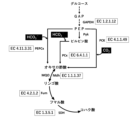
- FIG. 1 is a schematic diagram showing the reductive pentose phosphate cycle.
- FIG. 1 is a schematic diagram showing a reductive TCA cycle.
- 1 is a schematic diagram showing the 3-hydroxypropionic acid cycle.
- FIG. Schematic diagram showing the anaplerotic pathway. 1 is a schematic diagram showing an example of metabolic pathways possessed by microorganisms that can be used in the present invention.
- FIG. BRIEF DESCRIPTION OF THE DRAWINGS FIG. 1 is a schematic diagram showing an example of an embodiment that can be adopted by a bioprocess device according to the present invention;
- FIG. 4 is a schematic diagram showing another embodiment that can be employed by the bioprocess equipment according to the present invention.
- FIG. 4 is a schematic diagram showing yet another embodiment that can be employed by the bioprocess equipment according to the present invention
- FIG. 4 is a schematic diagram showing yet another embodiment that can be employed by the bioprocess equipment according to the present invention
- FIG. 4 is a schematic diagram showing yet another embodiment that can be employed by the bioprocess equipment according to the present invention
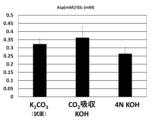
- 4 is a diagram showing the results of Test Example 1.
- FIG. FIG. 10 is a diagram showing the results of Test Example 2;
- FIG. 10 is a diagram showing the results of Test Example 3;
- bioprocess means a biological process (method) that utilizes the metabolic activity of microorganisms, which utilizes a microbial reaction system as described later. Therefore, a “bioprocess” involves material conversion at least through metabolic reactions possessed by microorganisms.
- the "bioprocess” in the present invention involves material conversion, but is not necessarily limited to a method for producing a predetermined target substance, and includes a method for growing microorganisms, a method for converting or processing substances and things, and the like. It is a concept that also includes, and its use and purpose are not limited.
- the bioprocess according to the first aspect of the present invention is a concept that can encompass each method according to the second and third aspects of the present invention.
- the term "microbial reaction system” refers to a reaction system utilizing a microbial body having metabolic activity, more specifically, a reaction system utilizing a metabolic reaction possessed by the microbial body.
- the metabolic reaction may be a metabolic reaction inherently possessed by a wild-type microorganism, and/or a metabolic reaction artificially constructed using gene recombination technology or the like, and is limited to a specific form. not something.
- the "microbial reaction system” is a reaction system that utilizes a microbial body having metabolic activity. Therefore, the microbial body is cultured or allowed to react as described later so that a predetermined metabolic reaction occurs in the microbial body. It is realized by Therefore, the "microbial reaction system” in the present invention does not include at least a reaction system realized by an in vitro enzymatic reaction using metabolic enzymes extracted and purified from microorganisms.
- the "microbial reaction system” is based on the biological reaction of microorganisms as described above.
- the “microbial reaction system (Y)” uses CO 2 contained in the gas (G) as a substrate. It is a system. Therefore, any microorganism having a metabolic reaction pathway that accompanies carbon assimilation or carbonic acid assimilation (carbonic acid fixation, carbon dioxide fixation) can be used without particular limitation in realizing the “microbial reaction system (Y)”.
- “microbial reaction system (X)” is a microbial reaction that accompanies CO 2 excretion, and any microorganism that has a metabolic reaction pathway that accompanies CO 2 excretion can be used without particular limitation.
- a microorganism capable of aerobic respiration based on the TCA cycle or the like has a respiratory pathway that accompanies CO 2 discharge, and thus can be used in the microbial reaction system (X).
- Other metabolic reaction pathways accompanied by CO 2 emissions include ethanol fermentation, butyric acid fermentation, acetic acid fermentation, isobutanol fermentation, etc.
- Microorganisms capable of performing these fermentations can also be used in the microbial reaction system (X).
- the microorganisms that can be used to realize the microbial reaction systems (X) and (Y) are not particularly limited as long as they are described above, and belong to microalgae, protists, fungi, prokaryotes, etc. Microorganisms can be used. Concrete examples are shown below together with descriptions of embodiments that can be employed in the present invention.
- ⁇ Second Aspect> (a) contacting a gas (G) comprising CO2 with an alkali so that at least a portion of said CO2 is absorbed by said alkali; (b) culturing microorganisms using the alkali that has undergone step (a) as a substrate; including, A method for culturing microorganisms.
- ⁇ Third Aspect> (a) contacting a gas (G) comprising CO2 with an alkali so that at least a portion of said CO2 is absorbed by the alkali; (b) reacting microorganisms by using the alkali that has undergone step (a) as a substrate to produce a target substance; (c) recovering the target substance produced in step (b); including, A method for producing a target substance.
- the step (a) includes "bringing the gas (G) containing CO 2 into contact with the alkali to absorb at least part of the CO 2 into the alkali. That is.
- gas (G) containing CO 2 may be interpreted literally, and any gas containing CO 2 can be used without limitation regardless of its origin.
- various exhaust gases contain CO 2 as a component, so various exhaust gases containing CO 2 or gases obtained by subjecting these exhaust gases to arbitrary treatments such as CO 2 concentration may be used.
- gas (G) comprising CO2 includes gases comprising other components in addition to CO2 , gases consisting essentially of CO2 , as well as gases containing CO2 It is a concept that includes a gas consisting only of
- the term “substantially” in “a gas substantially composed of CO2 " is logically denied inclusion of components other than CO2 , considering the origin of the gas, the processing process, etc. However, it does not mean that the contamination of trace amounts of impurities is not excluded.
- exhaust gas when “exhaust gas” is used as the “gas (G) containing CO2 ", it is sufficient that the exhaust gas contains CO2 , and the origin of the exhaust gas does not matter.
- Exhaust gases that can be used in the present invention include, for example, fuels in industrial plants, thermal power plants, power machines, etc.
- step (a) when the gas (G) containing CO 2 is brought into contact with an alkali, the CO 2 contained in the gas (G) is naturally adsorbed by the alkali component to form carbonate and/or hydrogen carbonate (heavy carbonate), which can be used as a substrate for the subsequent microbial reaction and culture in step (b). More specifically, when the concentration of CO2 contained in the gas (G) is relatively low, when the CO2 in the gas (G) is adsorbed by alkali, an alkali carbonate is produced, and the gas (G) contains If the concentration of CO2 is relatively high, alkali bicarbonate can form.
- the method or mode of contacting the gas (G) containing CO 2 with an alkali is such that the CO 2 in the gas (G) is absorbed by the alkali, and the alkali carbonate or alkali bicarbonate is As long as it can occur, it can be used without any particular limitation.
- a suitable method or mode can be adopted in consideration of the form of the alkali.
- the gas (G) may be brought into contact with the alkali by passing the gas (G) through the tank in which the alkali is placed. good.
- gas (G) may be passed through the tank into which the alkali solution has been introduced. G) may be contacted and/or gas (G) may be bubbled through the liquid phase of the alkaline solution (eg, from below the liquid surface to above the liquid surface).
- the CO 2 concentration in the gas (G) is not particularly limited, but is, for example, about 0.1 to about 100% by volume, about 0.5 to about 99% by volume, about 0.5 to about 98% by volume. is. More specifically, the CO 2 concentration is about 0.5 to about 60% by volume, about 0.5 to about 50% by volume, about 0.5 to about 40% by volume, about 0.5 to about 30% by volume. , or in the range of about 0.5 to about 50 volume percent. Furthermore, in the case of exhaust gas generated from a bioprocess using microorganisms, depending on its origin and type, the CO 2 concentration is, for example, about 0.5 to about 60% by volume, about 5 to about 60%, about 10 to about 60%. % by volume, about 20 to about 60% by volume, about 30 to about 60% by volume, more specifically about 40 to about 55% by volume, about 45 to about 50% by volume. Any gas (G) within each of the above CO2 concentration ranges can be employed.
- step (a) prior to and/or in step (a), contacting the gas (G) with an alkali to absorb the CO2 in the gas (G) into the alkali while at the same time
- concentration of CO 2 contained in the gas (G) is measured using an infrared spectroscopic gas analyzer, a thermal conductivity gas analyzer, a density gas analyzer, a gas chromatograph analyzer, a mass spectrometer, any combination of these, etc. may be measured and monitored by the gas measurement method of
- gas species other than CO2 in gas (G) may be detected or quantified, for example, gas species that are undesirable for microbial reactions and toxic to humans and the environment.
- a step of removing high gas species or combustible gas species may be provided.
- the CO 2 contained in the gas (G) is absorbed by an alkali, and at the same time, the exhaust gas derived as described above is treated with a predetermined CO 2 adsorbent.
- a predetermined CO 2 concentration method such as a pressure swing adsorption method to reduce the CO 2 concentration in the exhaust gas to the above concentration range.
- the resulting CO 2 concentration-enriched gas may be used as the CO 2 -containing gas (G) in step (a). That is, the gas (G) in step (a) also includes exhaust gas in which the CO 2 concentration is concentrated within a predetermined range.
- the "alkali” for absorbing CO 2 contained in gas (G) may be an alkaline substance capable of absorbing CO 2 as carbonate or bicarbonate.
- alkaline substances include, but are not limited to, alkali metal hydroxides (eg, LiOH, NaOH, KOH), alkaline earth metal hydroxides (eg, Ca(OH) 2 , Mg(OH) 2 , Ba(OH) 2 , Sr(OH) 2 , Ra(OH) 2 , Be(OH) 2 ), NH 3 [aqueous ammonia (10% to 35% solution)].
- alkali metal hydroxides eg, LiOH, NaOH, KOH
- alkaline earth metal hydroxides eg, Ca(OH) 2 , Mg(OH) 2 , Ba(OH) 2 , Sr(OH) 2 , Ra(OH) 2 , Be(OH) 2
- NH 3 aqueous ammonia (10% to 35% solution)
- NaOH and/or KOH are preferred,
- Na 2 CO 3 produced by allowing NaOH to absorb CO 2 and K 2 CO 3 produced by allowing KOH to absorb CO 2 have respective water solubilities of 21.5 g/100 mL and 111 g/ 100 mL, and when KOH is used, the produced carbonate (K 2 CO 3 ) has a relatively high solubility in the medium or culture solution used for culturing microorganisms, and carbon dioxide in the gas (G) in the microbial reaction This is because the efficient use of
- the alkali may be a solid alkaline substance such as pellets or powder, or an alkaline solution in the form of a solution in which the alkaline substance is dissolved in a solvent such as water.
- a solvent such as water.
- the gas (G) is brought into contact with the solid alkaline substance, the CO2 in the gas (G) is absorbed by the solid alkaline substance, and the solid alkaline substance that has absorbed the CO2 is then dissolved in the culture medium or culture solution. or (ii) an alkaline solution (e.g.
- an alkaline aqueous solution in which an alkaline substance is dissolved in a solvent such as water in advance, and an alkaline solution containing CO 2 Gas (G) is aerated, the alkaline solution absorbs CO 2 in the gas (G), and then the alkaline solution in which the CO 2 is absorbed is added to the medium or culture solution, thereby causing microbial reaction and Embodiments for use as a substrate for microbial culture.
- step (a) the form of absorption of CO 2 using an alkaline substance is not limited, and a suitable one may be appropriately selected and employed according to various conditions and purposes. Moreover, both embodiments (i) and (ii) may be employed in certain embodiments.
- the amount of alkali in step (a) is not particularly limited, but the amount or excess of alkali substance capable of stoichiometrically capturing the amount of CO 2 contained in a given amount of gas (G) is may be used to capture CO2 in the gas (G).
- the concentration of the alkaline substance in the solvent such as water (solvent substantially composed of water) may be appropriately set in consideration of the type of the alkaline substance and various other conditions. Although not particularly limited, it can be, for example, 1 to 50% by mass, preferably 10 to 50% by mass, and more preferably 25 to 45% by mass.
- the alkali in step (a) is provided in the form of an aqueous alkali solution, the aqueous alkali solution comprising at least one selected from the group consisting of NaOH, KOH, and NH3 . .
- the aqueous alkaline solution comprises NaOH and/or KOH, more preferably an aqueous solution of NaOH or KOH, particularly preferably an aqueous KOH solution.
- the alkali concentration ranges are as described above, and each embodiment employing each alkali concentration range is an embodiment explicitly set forth herein.
- step (a) the capture or amount or rate of capture of CO2 in the gas (G) by the alkali need not necessarily be confirmed or measured, but as part of the process or method step the CO2 is absorbed.
- the amount of at least one of carbonate, bicarbonate, carbonate ion, and bicarbonate ion contained in the alkali or the medium or reaction medium to which the alkali is added is neutralized titration/potential difference using hydrochloric acid or the like It may be measured by a predetermined method such as a titration method.
- the amount of alkali applied to a predetermined amount of gas (G) (in the case of an alkaline solution, the concentration of the alkaline substance and the amount of solution, etc.); ) supply amount and supply rate; treatment time of gas (G) with alkali; supply amount of alkaline substance that absorbs CO 2 with respect to a predetermined amount of medium or reaction medium used for microbial reaction. Controlling embodiments may also be employed.
- step (b) the microbial reaction system (Y) is advanced by using the alkali that has passed through the step (a) as a substrate. Furthermore, in the method for culturing microorganisms according to the second aspect, in step (b), microorganisms are cultured by using the alkali that has undergone step (a) as a substrate. Furthermore, in the method for producing a target substance according to the third aspect, in the step (b), the alkali that has passed through the step (a) is used as a substrate to cause the microorganisms to react to produce the target substance.
- step (b) utilizes the "alkali having at least a portion of CO2 absorbed" as a substrate to produce a microbial reaction system or microbial culture (proliferation) or a target substance via these is the process of carrying out or proceeding with the production of
- the meaning of "advancing the microbial reaction system (Y) by using the alkali that has undergone the step (a) as a substrate” is The purpose is to supply CO 2 (for example, alkali carbonate or alkali bicarbonate or carbonate ions or bicarbonate ions that can be generated therefrom) absorbed by the microbial reaction system (Y) as a reaction substrate.
- CO 2 for example, alkali carbonate or alkali bicarbonate or carbonate ions or bicarbonate ions that can be generated therefrom
- the microbial reaction system (Y) is realized by microbial metabolic pathways including metabolic reactions involving carbon assimilation or carbonic acid assimilation (carbonic acid fixation, carbon dioxide fixation).
- step (b) by using the alkali that has undergone step (a) as a substrate means, for example, a predetermined
- step (b) is performed by culturing or reacting microorganisms, or prior to step (b) and/or during step (b), the above-mentioned alkali with CO 2 absorbed is added to a microbial reaction system. It can be realized by a form in which it is supplied as a substrate to the medium or reaction medium that constitutes (Y).
- the alkali and CO2 form an alkali carbonate.
- the alkali carbonate thus formed dissociates into ionic components in a solution such as an aqueous solution or in a culture medium or reaction medium, so that CO 3 2 ⁇ (carbonate ion) or HCO 3 ⁇ (bicarbonate ion) is dissociated. can occur.
- HCO 3 ⁇ (bicarbonate ion) can be a substrate utilized by some of various enzymes in the CO 2 fixation metabolic pathway possessed by microorganisms.
- HCO 3 ⁇ (bicarbonate ions), after being taken up into the microbial cell, may be used to induce microbial carbonic anhydrases (eg CAH1, CAH3, CAH6, CAH9 of the green alga Chlamydomonas). etc.) into CO 2 , and the CO 2 thus converted can be utilized in metabolic reactions catalyzed by certain enzymes that may have it as a substrate.
- microbial carbonic anhydrases eg CAH1, CAH3, CAH6, CAH9 of the green alga Chlamydomonas. etc.
- Various carbonic anhydrases are enzymes (EC4 . 2.1.1), and is known to exist in a wide range of organisms, from prokaryotes such as bacteria to eukaryotes.
- the microbial reaction system (Y) or microorganism in step (b) may comprise a metabolic pathway that utilizes HCO 3 ⁇ as a substrate. Additionally or alternatively, the microbial reaction system (Y) or microorganisms in step (b) can generate bicarbonate ions (HCO 3 ⁇ ) from carbon dioxide (CO 2 ) and water (H 2 O). and a hydrogen ion (H + ) that catalyzes the reaction of interconverting carbonic anhydrase (EC 4.2.1.1).
- HCO 3 ⁇ bicarbonate ions
- H + hydrogen ion
- These embodiments may be realized by expressing native enzyme genes possessed by wild-type microorganisms, or may be realized by forced expression of native enzyme genes by genetic recombination technology. Alternatively, it may be realized by forced expression of the corresponding recombinant enzyme gene.
- the term "metabolic pathway using HCO 3 - as a substrate” means that HCO 3 - taken up into microbial cells can utilize it as a substrate. forms directly utilized or taken up in enzyme-catalyzed metabolic reactions and/or said HCO 3 — is converted to CO 2 by certain enzymes or proteins as described above, after which said CO 2 undergoes certain metabolic reactions. It is understood as a term that also includes a form that is taken in as a substrate in a reaction. On the other hand, in the present invention, when the term "reaction or metabolic reaction using HCO 3 - as a substrate” or the like is used, the term is interpreted literally, and HCO 3 - is directly used as a reaction substrate. or a specific metabolic reaction that is incorporated.
- the metabolic pathway possessed by the microorganism in the microbial reaction system (Y) or step (b) is specifically a metabolic pathway that utilizes CO 2 or HCO 3 - as a substrate at least in part.
- the metabolic pathway may be a metabolic pathway inherently possessed by a wild-type microorganism, or may be a metabolic pathway artificially constructed by genetic engineering techniques.
- the microbial reaction (Y) or the metabolic pathway possessed by the microorganism preferably includes a metabolic reaction that utilizes HCO 3 - as a substrate.
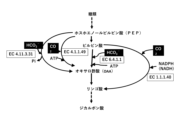
- Examples of microbial reaction (Y) or metabolic pathways possessed by the above microorganisms include glycolysis and TCA cycle possessed by many microorganisms; reductive pentose phosphate cycle possessed by photosynthetic bacteria (cyanobacteria) and chemosynthetic bacteria (e.g. Fig. 1); reductive TCA cycle possessed by purple non-sulfur bacteria, purple sulfur bacteria (a type of photosynthetic bacteria), and hydrogen-oxidizing bacteria (e.g., Fig. 2(a)); incomplete reductive cycle possessed by coryneform bacteria, etc. TCA pathway (eg, FIG. 2(b)); 3-hydroxypropionic acid cycle possessed by green non-sulfur bacteria (eg, FIG.
- the microbial reaction (Y) or the microorganism is glycolysis, TCA cycle, reductive pentose phosphate cycle, reductive TCA cycle, incomplete reductive TCA pathway, 3-hydroxypropion At least one selected from the group consisting of acid cycle, acetyl-CoA pathway, anaplerotic pathway, and glyoxylate cycle.
- the microbial reaction (Y) or the metabolic pathway possessed by the microorganism comprises glycolysis, and TCA cycle, reductive pentose phosphate cycle, reductive TCA cycle, incomplete reductive TCA 3-hydroxypropionate cycle, acetyl-CoA pathway, anaplerotic pathway, and glyoxylate cycle.
- the microbial reaction (Y) or metabolic pathway possessed by the microorganism comprises glycolysis, and TCA cycle, reductive TCA cycle, incomplete reductive TCA pathway, and anaplerotic including at least one selected from the group consisting of pathways;
- anaplerotic pathways that recruit predetermined intermediates in the TCA cycle or the reductive TCA cycle convert CO 2 molecules or HCO 3 ⁇ to intermediate metabolism of C3 compounds in glycolysis, as shown in FIG. 3(b). It is a pathway that incorporates into products to generate C4 compounds such as oxaloacetic acid and malic acid.
- the microbial reaction (Y) or said microorganism comprises a metabolic pathway that utilizes HCO 3 ⁇ as a substrate, preferably an anaplerotic pathway that utilizes HCO 3 ⁇ as a substrate.
- the anaplerotic enzymes that make up the anaplerotic pathway are pyruvate carboxylase (PC, EC 6.4.1.1), phosphoenolpyruvate carboxylase (PEPC, EC 4.1.1 .31), phosphoenolpyruvate carboxykinase (PEPCk, EC 4.1.1.49, EC 4.1.1.38) and optionally Malic Enzyme (ME, EC 1.1.1.40, heavy catalyzes reversible carboxylation of pyruvic acid to produce malic acid in an environment with a relatively high carbonate ion HCO 3 -concentration .).
- PC pyruvate carboxylase
- PEPC EC 4.1.1 .31
- PEPCk phosphoenolpyruvate carboxykinase
- ME Malic Enzyme
- EC 1.1.1.40 heavy catalyzes reversible carboxylation of pyruvic acid to produce malic acid in an environment with a relatively high carbonate i
- pyruvate carboxylase (PC, EC 6.4.1.1) uses HCO 3 ⁇ as a substrate and incorporates it into the C3 compound pyruvate, resulting in the C4 compound oxalo An enzyme that produces acetic acid.
- phosphoenolpyruvate carboxylase is also an enzyme that similarly uses HCO 3 ⁇ as a substrate and incorporates it into phosphoenolpyruvate, a C3 compound, to produce oxaloacetate, a C4 compound.
- the microbial reaction system (Y) or the microorganism is a TCA cycle and/or a reductive TCA cycle or an incomplete reductive TCA cycle and the TCA cycle or a reductive TCA cycle or an incomplete and an anaplerotic pathway that recruits certain intermediates in the reductive TCA cycle.
- the microbial reaction (Y) or microorganism includes glycolytic and anaplerotic pathways and includes a reductive TCA cycle or an incomplete reductive TCA pathway.
- the microbial reaction system (Y) or the above-described microorganism produces wild-type or recombinant phosphoenolpyruvate carboxylase (PEPC) and/or pyruvate carboxylase (PC) that utilizes HCO 3 ⁇ as a substrate. It has a configuration that allows forcible expression of the encoding gene.
- the biological reaction system (Y) or the above-mentioned microorganism comprises at least one enzyme group (enzyme-encoding gene) that controls each metabolic pathway including an enzyme that utilizes CO 2 or HCO 3 - as a substrate. hold one.
- the biological reaction system (Y) or the above-mentioned microorganism retains at least one of the following enzyme groups (i) to (v) (each enzyme-encoding gene).
- isocitrate dehydrogenase e.g. an enzyme specified by EC 1.1.1.41 (isocitrate dehydrogenase (NAD + )) and/or the enzyme specified by EC 1.1.1.42 (isocitrate dehydrogenase (NADP + ))] and/or the enzyme specified by EC 6.4.1.7 (2-oxoglutarate carboxylase); and EC1 A group of enzymes that control the reductive TCA cycle, including the enzyme (pyruvate synthase) identified by 2.7.1.
- Enzymes identified by EC 6.4.1.1 (pyruvate carboxylase); Enzymes identified by EC 4.1.1.31 (phosphoenolpyruvate carboxylase, PEPC); EC 4.1.1.49 (phosphoenolpyruvate carboxykinase (ATP)) and/or EC 4.1.1.38 (phosphoenolpyruvate carboxykinase (diphosphate)); and optionally EC 1.1 .1.40 (malic enzyme, catalyzes the reversible carboxylation of pyruvate to produce malate under relatively high concentrations of bicarbonate HCO 3 ) .
- the amount of the alkali added through the step (a) to the microbial reaction system (Y) or the medium or reaction medium is used as a substrate in the microbial reaction system (Y) or the metabolic reaction in the microorganism to be used.
- the amount may be appropriately set so that the microbial reaction system (Y) or the growth of the microorganisms and the production of the target substance proceed satisfactorily. More specifically, the amount of CO 2 adsorbed by the alkali, the equivalent amount of HCO 3 ⁇ that can be generated in the microbial reaction system (Y), the medium or the reaction medium, etc. are used as a guide, and optionally the progress of the microbial reaction or the growth of the microorganism is used. Alternatively, the amount may be appropriately set in consideration of the yield of the target substance and the like.
- the alkali from step (a) is added to the microbial reaction system (Y) or medium or reaction medium. It may be added as a substrate and thereby adjust the pH of the microbial reaction system (Y) or medium or reaction medium to a predetermined value. Further, in certain embodiments, in step (b), the pH of the microbial reaction system (Y) or medium or reaction medium is monitored and the microbial reaction system (Y) or medium or reaction medium is The pH of the microbial reaction system (Y) or the culture medium or reaction medium may be controlled to a predetermined value or range by supplying an alkali that has been passed through.
- a mixture (preferably a mixed aqueous solution) of the alkali that has undergone step (a) (the alkali that has absorbed CO2 ) and the alkali that has not absorbed CO2 is used as a microbial reaction system ( Y) or the medium or reaction medium may be supplied to control the pH of the microbial reaction system (Y) or the medium or reaction medium to a predetermined value or range.
- a microbial reaction system Y
- the medium or reaction medium may be supplied to control the pH of the microbial reaction system (Y) or the medium or reaction medium to a predetermined value or range.
- NH3 which also serves as a nitrogen source, can be preferably used.
- the bioprocess of the first aspect, as well as the methods of aspects 2-3 comprise (p1) advancing the microbial reaction system (X1) with the production of CO2 ; (q1) recovering exhaust gas (G1) containing CO2 from the microbial reaction system (X1) in step (p1); including In the step (a), the exhaust gas (G1) recovered in the step (q1) may be used as at least part of the gas (G).
- the microbial reaction system (X1) in step (p1) is a microbial reaction system involving the growth of microorganisms, and the microbial body grown in step (p1) is It may be used in the reaction system (Y).
- the bioprocess of the first aspect comprises: (p2) advancing a microbial reaction system (X2) accompanied by growth of microorganisms; further comprising The microorganism grown in step (p2) may be used in the microbial reaction system (Y) or culture or reaction of microorganisms in step (b).
- the bioprocess according to the first aspect comprises, in addition to step (p2), (q2) subsequent to step (p2), separating or recovering the grown microbial organisms from the microbial reaction system (X2);
- the microbial organisms separated or collected in step (q2) may be used in the microbial reaction system (Y) or culture or reaction of microorganisms in step (b).
- bioprocess according to the first aspect and the methods according to the second to third aspects can include the following embodiments 1) to 3).
- Embodiment 1) Further comprising steps (p1) and (q1), and in step (a), as at least part of the gas (G), exhaust gas (G1) recovered in step (q1) is used, provided that the step (p2) and (q2) are not included.
- Embodiment 2) Further comprising steps (p1) and (q1) and (p2), and in step (a), as at least part of the gas (G), exhaust gas (G1) recovered in step (q1) is used. and the microbial organism grown in the step (p2) is used in the microbial reaction system (Y) or the culture or reaction of the microorganism in the step (b).
- Embodiment 3 Further comprising steps (p1) and (q1) and (p2) and (q2), wherein in step (a), as at least part of the gas (G), the exhaust gas (G1 ), and the microorganism grown in the step (p2) is used in the microbial reaction system (Y) in the step (b) or cultured or reacted with the microorganism, and the microorganism separated or recovered in the step (q2) is used in the microbial reaction system (Y) or the culture or reaction of the microorganism in step (b).
- the microbial reaction system (X1) in the step (p1) and the microbial reaction system (X2) in the step (p2) may be mutually different microbial reaction systems or the same microbial reaction system. not excluded.
- step (p3) proceeding a microbial reaction system (X3) with the production of CO2 and with the growth of microorganisms; (q3-1) recovering exhaust gas (G3) containing CO 2 from the microbial reaction system (X3) in step (p3); further comprising In step (a), the exhaust gas (G3) recovered in step (q3) is used as at least part of the gas (G), and the microbial organisms grown in step (p3) undergo the microbial reaction in step (b). It can be used as an inoculum or a biocatalyst for the culture or reaction of system (Y) or microorganisms.
- the bioprocess according to the first aspect and the method according to the second to third aspects in addition to steps (p3) and (q3-1), (q3-2), subsequent to step (p3), separating or recovering the grown microbial organisms from the microbial reaction system (X3);
- the microorganism isolated or collected in step (q3-2) can be used as an inoculum or a biocatalyst for the microbial reaction system (Y) or culture or reaction of microorganisms in step (b).
- the microbial reaction system (Y) or the culture or reaction of the microorganisms in the step (b) is accompanied by a microbial reaction accompanied by the emission of CO 2 , and the exhaust gas generated in the microbial reaction system (Y) or the culture or reaction of the microorganisms ( Embodiments may be employed which further comprise recovering G2) and utilize the exhaust gas (G2) as at least a portion of the exhaust gas (G) in step (a).
- Exhaust gases (G1, G2, G3) generated from the microbial reaction system (Y) or culture or reaction of microorganisms, or microbial reaction systems (X1, X3) in step (b) are combined with at least gas (G) in step (a)
- the microbial reaction system (Y) or the culture or reaction of the microorganisms in step (b), or the microbial reaction system (X1) or (X3) produces CO2 emissions. It can be a microbial reaction system with aerobic respiration or an aerobic culture.
- Microorganisms in the present invention include microalgae (e.g., diatoms, dinoflagellates, cyanobacteria, green algae, red algae), protists (e.g., euglenoids), fungi (e.g., yeasts such as Saccharomyces cerevisiae and Schizosaccharomyces pombe). ), prokaryotes (eg, bacteria, archaea), and the like.
- microalgae e.g., diatoms, dinoflagellates, cyanobacteria, green algae, red algae
- protists e.g., euglenoids
- fungi e.g., yeasts such as Saccharomyces cerevisiae and Schizosaccharomyces pombe.
- prokaryotes eg, bacteria, archaea
- the microorganisms constituting the microbial reaction system or the microorganisms to be cultured or reacted are chemosynthetic bacteria (for example, nitrifying bacteria such as Nitrosomonas europaea and Nitrobacter winogradskyi; hydrogen-oxidizing bacteria; sulfur-oxidizing bacteria such as Acidithiobacillus thiooxidans; Chemoautotrophic bacteria including iron-oxidizing bacteria such as Acidithiobacillus ferrooxidans), cyanobacteria (e.g. Synechocystis sp. PCC 6803, Thermosyne chococcus elongatus BP-1, Anabaena sp.
- chemosynthetic bacteria for example, nitrifying bacteria such as Nitrosomonas europaea and Nitrobacter winogradskyi; hydrogen-oxidizing bacteria; sulfur-oxidizing bacteria such as Acidithiobacillus thiooxidans; Chemoautotrophic bacteria including iron-oxidizing bacteria such as Acid
- the microorganism is a hydrogen-oxidizing bacterium, such as Acidovorax facilis, Alcaligenes latus, Alcaligenes latus, Aquaspirillum autotrophicum, Arthrobacter sp.
- Pseudonocardia autotrophica Rhodococcus opacus
- Hydrogenibacillus schlegelii Hydrogenophilus thermoluteolus (TH-1 strain)
- Hydrogenobacter thermophilus Hydrogenobacteriophylph It may be at least one selected from the group consisting of cidophilus, Aquifex pyrophilus, and Hydrogenovibrio marinus.
- the microorganism is Escherichia coli, Enterococcus faecalis, Bacillus subtilis, Lactobacillus acidophilus, Clostridium Genus (e.g., Clostridium thermocellum, Clostridium acetobutylicum), Rhodopseudomonas (e.g., Rhodopseudomonas palustris), Rhodobacter (e.g., Rhodobacter capsulatus), Pantoea (e.g., Pantoea ananatis further detailed below) Burgeys Manual of Determinative Bacteriology, Vol. 8, p.599, 1974).
- Clostridium Genus e.g., Clostridium thermocellum, Clostridium acetobutylicum
- Rhodopseudomonas e.g., Rhodopseudomonas palustris
- Rhodobacter e.g., Rhodobacter
- coryneform bacteria include, for example, the genus Corynebacterium (including the former genus Brevibacterium), the genus Arthrobacter, and Mycobacterium. ), Micrococcus, Microbacterium, and the like. Examples of species and strains belonging to coryneform bacteria are shown below.
- Corynebacterium spp. Corynebacterium glutamicum (for example, FERM P-18976 strain, ATCC13032 strain, ATCC31831 strain, ATCC13058 strain, ATCC13059 strain, ATCC13060 strain, ATCC13232 strain, ATCC135CCAT135532 strain, ATCC135CCAT1353286 strain, , ATCC 13745 strain, ATCC 13746 strain, ATCC 13761 strain, ATCC 14020 strain); Corynebacterium acetoglutamicum (e.g. ATCC 15806 strain); Corynebacterium acetoacidophilum (e.g.
- Coryne Corynebacterium melassecola for example strain ATCC17965
- Corynebacterium efficiens for example strain YS-314, YS-314 T strain (NBRC100395 T strain)
- Corynebacterium alkanolyticum e.g. ATCC21511 strain
- Corynebacterium callunae e.g. ATCC15991 strain, NBRC15359 strain, DSM20147 strain
- Corynebacterium lilium e.g.
- Corynebacterium thermoaminogenes (Corynebacterium efficiens strain) ( Corynebacterium thermoaminogenes ( Corynebacterium efficiens strain); Corynebacterium - Herculis ( Corynebacterium herculis ) (eg ATCC 13868 strain); Corynebacterium ammoniagenes ( Corynebacterium ammoniagenes ( Brevibacterium ammoniagenes ) (for example, ATCC6871 strain, ATCC6872 strain, DSM20306 strain, NBRC12071 T strain, NBRC12072 strain), NBRC12072 strain); Polytisoli ( Corynebacterium Corynebacterium marinum (e.g.
- strain DSM44953 Corynebacterium humireducens (e.g. strain NBRC106098 ); ) (eg YIM70093 strain ) Corynebacterium deserti (eg GIMN1.010 strain); Corynebacterium doosanense (eg CAU212 strain, DSM45436 strain); Corynebacterium maris (for example strain DSM45190).
- Corynebacterium humireducens e.g. strain NBRC106098 );
- Corynebacterium deserti eg GIMN1.010 strain
- Corynebacterium doosanense eg CAU212 strain, DSM45436 strain
- Corynebacterium maris for example strain DSM45190.
- Arthrobacter Arthrobacter globiformis (for example, ATCC8010 strain, ATCC4336 strain, ATCC21056 strain, ATCC31250 strain, ATCC31738 strain, ATCC35698 strain, NBRC3062 strain, NBRC12137T strain).
- Micrococcus genus Micrococcus freudenreichii [eg, No. 239 (FERM P-13221) strain]; Micrococcus luteus [eg, NCTC strain 2665, No. 240 (FERM P-13222) strain]; Micrococcus ureae (eg IAM1010 strain); Micrococcus roseus (eg IFO3764 strain).
- Microbacterium Microbacterium ammoniaphilum (for example, ATCC15354 strain).
- the microbial reaction system or microbial culture or reaction of step (b) is realized by a genetically modified microorganism that satisfies at least one of the following conditions (I)-(IV): can be anything.
- Condition (I) Succinate dehydrogenase activity or fumarate reductase activity is reduced or inactivated compared to wild-type microorganisms corresponding to the genetically modified microorganisms (preferably lack of sdhCAB gene or FrdDCBA gene Condition (II) Compared to the wild-type microorganism, lactate dehydrogenase activity is reduced or inactivated (preferably lacking the ldh gene);
- Condition (III) Wild-type phosphoenolpyruvate carboxylase A modified phosphoenolpyruvate carboxylase activity that is resistant to feedback inhibition by aspartic acid in activity, or an exogenous organism that is more resistant to feedback inhibition by aspartic acid than the wild-type phosphoenolpyruvate carboxy
- the genetically modified microorganism is preferably a bacterium, more preferably a bacterium having an incomplete reductive TCA pathway, preferably a coryneform bacterium.
- condition (I), (II) and (IV) is satisfied, and condition (III) below is satisfied, preferably condition (I), at least two of conditions (II) and (IV) may be satisfied, and in certain embodiments both conditions (I) and (II), both conditions (I) and (IV), Alternatively, both conditions (II) and (IV) may be satisfied.
- FIG. 4 shows a genetically modified metabolic pathway that can be realized by satisfying conditions (I) to (IV). In a further specific embodiment, the gene set shown in FIG.
- a genetically modified microorganism (preferably a genetically modified bacterium, more preferably a genetically modified coryneform bacterium, still more preferably a genetically modified corynebacterium) having a modified metabolic pathway is utilized in the microbial reaction system (Y). obtain.
- a genetically modified microorganism that satisfies at least one of the conditions (I) to (IV) is used, downstream of the TCA cycle, the reductive TCA cycle, or the incomplete reductive TCA pathway, etc.
- metabolic pathways Through metabolic pathways, metabolites in those downstream metabolic pathways or metabolites derived therefrom can be efficiently produced as target substances.
- microbial bodies are recovered from the microbial reaction system or culture medium or reaction medium by an appropriate operation such as centrifugation, and the recovered microorganisms
- the body may be reused to repeat step (b) multiple times.
- step (b) is repeated multiple times by reusing microorganisms in this way lead to cost reductions in production and treatment steps, and can realize efficient target substance production and treatment processes. This is an embodiment that can be preferably adopted.
- the type and composition of the microbial reaction system, microbial culture or reaction medium or reaction medium that can constitute the microbial reaction system in the present invention are appropriately selected after considering the type and properties of the target microorganism, suitability for microbial growth and target substance production, etc. You can choose. More specifically, the nutrient sources (substrates) that make up the microbial reaction system, culture medium, or reaction medium can generally be divided into three categories: carbon sources, nitrogen sources, and minerals.
- the composition of the reaction medium may be appropriately designed according to the target microorganism species, its culture, and the purpose of the reaction.
- an alkali with CO 2 absorbed is used as a substrate for the microbial reaction system (Y) or microbial culture or reaction in step (b), but in addition other carbon sources are used.
- carbon sources examples include CO2 gas (aeration), NaHCO3 , KHCO3 , Na2CO3 , K2CO3 , as well as carbohydrates, more specifically sugars including polysaccharides and monosaccharides , further including these Various materials are mentioned, for example, the following components are mentioned.
- monosaccharides such as glucose, fructose, mannose, xylose, arabinose, galactose
- disaccharides such as sucrose, maltose, lactose, cellobiose, xylobiose, trehalose
- polysaccharides such as cellulose, starch, glycogen, agarose, pectin, alginic acid
- Molasses blackstrap molasses, molasses), etc.
- non-edible agricultural waste such as rice straw, forest residue, bagasse, corn stover, etc.
- non-edible biomass sources made from non-edible herbaceous and woody plants
- Saccharified solution containing multiple sugars such as glucose and xylose obtained by saccharifying energy crops such as switchgrass, napier grass, and miscanthus with saccharifying enzymes; sugar alcohols such as mannitol, sorbitol, xylitol, and glycerin; acetic acid, citric fermentation, Organic acids such as lactic acid, fumaric acid, maleic acid and gluconic acid; Alcohols such as ethanol, propanol and butanol; Hydrocarbons such as normal paraffin.
- a carbon source can be used individually by 1 type or in combination of 2 or more types.
- concentration of the carbon source in the microbial reaction system or medium or reaction medium is preferably about 1-20 w/v%, more preferably about 2-10 w/v%.
- saccharide concentration in the microbial reaction system or medium or reaction medium is, for example, about 1-20 w/v%, more preferably about 2-10 w/v%, even more preferably about 2-8 w/v%. .
- Nitrogen sources include inorganic or organic ammonium compounds such as ammonium hydrogen carbonate (NH 4 HCO 3 ), ammonium carbonate ((NH 4 ) 2 CO 3 ), ammonium chloride, ammonium sulfate, ammonium nitrate, ammonium acetate, urea, aqueous ammonia, Sodium nitrate, potassium nitrate, etc. can be used.
- Nitrogen-containing organic compounds such as corn steep liquor, meat extract, peptone, NZ-amine, protein hydrolysates, casamino acids and amino acids can also be used.
- the nitrogen source can be used singly or in combination of two or more.
- concentration of the nitrogen source in the microbial reaction system or medium or reaction medium can be adjusted appropriately according to conditions such as the type of genetically modified microorganism used, the type and properties of the desired target substance, the reaction conditions, and the type of nitrogen compound. Although not particularly limited, it can be adjusted to, for example, about 0.1 to 20 w/v% and about 0.1 to 10 w/v%.
- Minerals include monopotassium phosphate, dipotassium phosphate, magnesium sulfate (hydrate), sodium chloride, iron (II) sulfate heptahydrate, ferrous nitrate, manganese sulfate, zinc sulfate, Examples include cobalt sulfate and calcium carbonate.
- Inorganic salts can be used singly or in combination of two or more.
- the concentration of the inorganic salt in the reaction solution may be appropriately adjusted according to conditions such as the type of genetically modified microorganism to be used, the type and properties of the desired target substance, the reaction conditions, and the type of inorganic salt, and is not particularly limited. However, for example, it may be about 0.01 to 5 w/v%, preferably about 0.01 to 1 w/v%.
- vitamins can be added to the microbial reaction system or medium or reaction medium as necessary.
- vitamins include biotin, thiamine (vitamin B1), pyridoxine (vitamin B6), pantothenic acid, and inositol.
- concentration of vitamins may be appropriately adjusted according to conditions such as the types and properties of the microorganisms to be used, the types and properties of the desired target substances, the reaction conditions, and the types of each vitamin, and is not particularly limited. , for example about 0.01 to 1 w/v%, preferably about 0.01 to 0.08 w/v%, about 0.01 to 0.06 w/v%.
- antifoaming agents such as polyalkylene glycol-based, silicone-based, animal oil-based, and vegetable oil-based antifoaming agents may optionally be added to the microbial reaction system, medium, or reaction medium.
- a corresponding drug for example, an antibiotic such as hygromycin, chloramphenicol, kanamycin, ampicillin, penicillin, etc. is added. good too.
- the pH of the microbial reaction system or the culture medium or reaction medium is not particularly limited as long as it is within the range in which the desired growth of microorganisms or the production of target substances can be realized, and it depends on the conditions such as the type and properties of each microorganism. can be adjusted to a suitable range.
- the pH at which microorganisms can grow is relatively wide. 8.0
- fungi such as yeast and molds have a viable pH range of about 1.5 to about 9.0 (optimum pH range of about 4.0 to about 6.0).
- bacteria having an optimum pH for growth near neutral it is preferably about 6.0 to about 8.0, more preferably about 6.5 to about 8.0, eg around 7.5. is.
- the oxygen concentration (dissolved oxygen concentration) in the microbial reaction system or medium or reaction medium may be appropriately set according to the properties of various microorganisms. It is generally known that microorganisms are classified according to the influence of oxygen on their growth. Bacteria that cannot grow without oxygen are called obligate aerobes, those that can grow regardless of the presence of oxygen are called facultative anaerobes, and those that cannot grow in the presence of oxygen are called obligate anaerobes. . Strictly aerobic bacteria obtain energy primarily by oxygen respiration or aerobic production (eg, acetic acid fermentation, gluconic acid fermentation, citric acid fermentation, itaconic acid fermentation, kojic acid fermentation, fumaric acid fermentation, sorbose fermentation). Facultative anaerobes perform oxygen respiration in the presence of oxygen, and acquire energy through anaerobic fermentation in the absence of oxygen. Highly active. Microbial reactions involving oxygen respiration produce exhaust gases containing significant amounts of CO2 .
- the exhaust gas from an aerobic microbial reaction system in which obligate aerobes or facultative anaerobes are cultured or allowed to react in the presence of oxygen is treated in step (a) as It may be reused as at least part of the gas (G).
- the microbial reaction system (Y) or the microbial culture or reaction in the step (b) is an aerobic reaction system that generates exhaust gas that is recycled as at least part of the gas (G) in the step (a).
- Embodiments that are microbial reaction systems are, of course, also included in the present invention.
- one or more aerobic microbial reaction systems are provided separately from the microbial reaction system (Y) or the microbial culture or reaction in step (b), and the exhaust gas generated from these is provided in step (a)
- Embodiments in which the gas (G) in is recycled as at least part of the gas (G) are of course also included.
- anaerobic bacteria acquire energy mainly through intrinsic anaerobic fermentation pathways (eg, alcohol fermentation, lactic acid fermentation, glycerin fermentation, acetone-butanol fermentation, methane fermentation, butyric acid fermentation, propionic acid fermentation) and the like.
- anaerobic fermentations for example alcoholic fermentation, acetone-butanol fermentation, methane fermentation, etc., are accompanied by the production of CO 2 .
- an anaerobic microbial reaction system in which obligate anaerobes are cultured or allowed to react under anaerobic conditions is a microbial reaction accompanied by the generation of CO2
- the microbial reaction The off-gas from the system may be recycled as at least part of the gas (G) in step (a).
- the microbial reaction system (Y) or the microbial culture or reaction in step (b) is an anaerobic microbial reaction system in which obligate anaerobes are cultured or reacted under anaerobic conditions. Included in the present invention.
- an anaerobic microbial reaction system for culturing or reacting obligatory anaerobic bacteria under anaerobic conditions is provided separately from the microbial reaction system (Y) or the culture or reaction of microorganisms in step (b) 1 or Embodiments with multiple microbial reaction systems (X) are of course also envisioned.
- the microbial reaction system (Y) or the culture or reaction of microorganisms in step ( b ) is a microbial reaction or Embodiments that are microbial growth are of course also included.
- the culture or reaction of the microbial reaction system (Y) or microorganisms (bacteria) in step (b) may be performed under anaerobic or microaerobic conditions.
- step (b) is performed under “anaerobic conditions or microaerophilic conditions"
- the dissolved oxygen concentration of the microbial reaction system (Y) in step (b) or the medium or reaction medium used in step (b) can be adjusted, for example, in the range of 0 to about 2.0 mg/L, preferably 0 to about 1.0 mg/L, more preferably 0 to about 0.50 mg/L.
- the dissolved oxygen concentration in the microbial reaction system or the culture medium or reaction medium can be appropriately measured by using a measurement method well known to those skilled in the art. For example, it can be easily measured using a dissolved oxygen meter.
- a dissolved oxygen meter is permanently installed in order to realize a more efficient bioprocess, and a microbial reaction system or medium or A configuration may be adopted in which the dissolved oxygen concentration of the reaction medium is monitored and the dissolved oxygen concentration is controlled to a predetermined value.
- anaerobic conditions means a state in which dissolved oxygen is substantially absent and electron acceptors such as oxides such as nitric acid are scarce or substantially absent. It can be said that it is a technical term meaning
- a microorganism for example, a coryneform bacterium or a bacterium of the genus Escherichia
- a microorganism is cultured or allowed to react under reducing conditions to such an extent that the microorganism does not substantially grow, so that the microorganism is exposed to the target substance.
- a coryneform bacterium or a bacterium of the genus Escherichia is used as a microorganism, and the oxidation-reduction potential of the microbial reaction system (Y) in step (b) or the medium or reaction medium used in step (b) is, for example, about - It can be adjusted in the range of 100 mV to -700 mV, preferably in the range of about -200 mV to -500 mV, more preferably in the range of about -250 mV to -500 mV.
- the oxidation-reduction potential of the microbial reaction system or medium or reaction medium can generally be measured using an oxidation-reduction potentiometer, and is measured using a commercially available oxidation-reduction potentiometer (for example, BROADLEY JAMES, ORP Electrodes). You may Alternatively, as a simple method, a resazurin indicator (discolored from blue to colorless if in a reduced state) may be used to confirm the reduced state of the microbial reaction system or medium or reaction medium.
- a resazurin indicator (discolored from blue to colorless if in a reduced state) may be used to confirm the reduced state of the microbial reaction system or medium or reaction medium.
- the microbial reaction system (Y) or the culture or reaction of the microorganisms in the step (b) may be performed under aerobic conditions or growth conditions depending on the purpose.
- the acceptor is essentially absent, it is in a poor state, or the type or nature of the existing electron acceptor does not allow the microorganism to grow, but is supplied to the microbial reaction system or medium or reaction medium.
- the carbon source is taken into a predetermined metabolic pathway in the microorganism and used for the production of the target substance, and the strict reduction conditions as described above are not necessarily required. That is, the term "anaerobic conditions or microaerobic conditions" is a concept that includes not only strict reducing conditions but also such conditions.
- “Anaerobic conditions or microaerobic conditions” can be realized, for example, by not aerating a microbial reaction system, a culture medium, or a reaction medium with an oxygen-containing gas. Alternatively, it can also be realized by passing an inert gas such as carbon dioxide gas, nitrogen gas, helium, neon, argon, krypton, xenon, etc. through the microbial reaction system or culture medium or reaction medium.
- an inert gas such as carbon dioxide gas, nitrogen gas, helium, neon, argon, krypton, xenon, etc.
- various techniques can be used without any particular restrictions on the method for adjusting the microbial reaction system, medium, or reaction medium under the reducing conditions.
- a known technique for preparing an aqueous reaction medium solution such as the following can be used.
- an aqueous solution for the medium or reaction medium may be used instead of distilled water or the like.
- distilled water or the like is heat-treated or decompressed to remove dissolved gas, whereby a medium or an aqueous solution for a reaction medium under reducing conditions can be obtained.
- under reduced pressure of about 10 mmHg or less, preferably about 5 mmHg or less, more preferably about 3 mmHg or less, for about 1 to 60 minutes, preferably about 5 to 40 minutes, dissolution by treating with distilled water or the like.
- Gases, particularly dissolved oxygen can be removed to produce an aqueous solution for the reaction medium under reducing conditions (anaerobic conditions).
- a suitable reducing agent e.g., thioglycolic acid, ascorbic acid, cysteine hydrochloride, mercaptoacetic acid, thiolacetic acid, glutathione, sodium sulfide, etc.
- a suitable reducing agent e.g., thioglycolic acid, ascorbic acid, cysteine hydrochloride, mercaptoacetic acid, thiolacetic acid, glutathione, sodium sulfide, etc.
- An appropriate combination of these methods is also an effective method for adjusting a medium under reducing conditions or an aqueous solution for a reaction medium.
- the reduction state of the microbial reaction system, culture medium, or reaction medium may be monitored during the culture or reaction, and controlled to be maintained within a predetermined value or range.
- a method of sealing the system with an inert gas or the like as described above may be used.
- Additives and various nutrient solutions may be added as appropriate, and in such cases, it is also effective to remove oxygen from these various additives in advance.
- the step (b ) may proceed.
- the microorganisms In the case of promoting substance metabolism and substance production under non-proliferation conditions by coryneform bacteria, Escherichia spp., etc., if the microorganisms are cultured or allowed to react in such a high-density state, the microorganisms act like chemical catalysts. It can efficiently promote the desired metabolism and production of target substances.
- the state in which the microorganisms are suspended at a high density means, for example, that the microorganisms are placed in a microorganism reaction system or medium or reaction medium, and the mass volume percent concentration of the wet microorganisms is about 1.0 to It refers to a suspended state of about 50.0 w/v%, preferably about 3.0 to about 30.0 w/v%.
- the medium or reaction medium may be, for example, A medium [Inui, M. et al., Metabolic analysis of Corynebacterium glutamicum during J. Mol. Microbiol. Biotechnol. 7:182-196 (2004)], BT medium [Omumasaba, C.A. et al., Corynebacterium glutamicum glyceraldehyde-3-phosphate dehydrogenase isoforms with opposite, ATP J. Mol. Microbiol. Biotechnol. 8:91-103 (2004)], and various media described in Examples below can be used.
- the concentrations of carbon sources, sugars, nitrogen sources, inorganic salts (minerals), vitamins, etc. may be appropriately changed within the above ranges.
- various known media typically used for culturing microorganisms may be used, such as LB medium, NB medium, SCD medium, YPD medium, PSY medium, ISP medium, MRS medium. , SW medium, SWS medium, or the like may be used.
- the pH of the medium may be appropriately adjusted within the above range.
- the microbial reaction system or the medium or reaction medium used for culturing or reacting the microorganism may contain a buffer.
- the type of buffering agent may be appropriately selected according to the type and properties of the microorganisms to be used and the pH value to be adjusted in the culture medium or reaction medium.
- buffers include acetates, succinates, citrates, carbonates, bicarbonates, phosphate buffers, Tris buffers, and MOPS buffers.
- the culture temperature or reaction temperature employed in the present invention may be appropriately set in consideration of various conditions such as the type and properties of the microorganisms to be used, and is not particularly limited.
- the preferred temperature range is about 8° C. to about 23° C., preferably about 10° C. to about 20° C., more preferably about 12° C. to about 18° C. when using a psychrophilic microorganism as the microorganism.
- thermophilic bacteria when using thermophilic bacteria (thermophiles) to 80° C., preferably about 50° C. to about 70° C., more preferably about 55° C. to 65° C., and when hyperthermia is used, about 70° C. to about 122° C., preferably about 75° C. to about 110° C., for example It can be from 80°C to 105°C.
- some psychrophilic bacteria can grow even at 0°C
- ultrathermophilic bacteria such as Methanopyrus candleri can survive even at 122°C at ultrahigh temperature and high pressure. do. Therefore, the culture temperature or reaction temperature employed in the present invention may be appropriately determined in consideration of the optimum temperature for growth of the microorganisms to be used, the temperature at which they can be grown, the production efficiency of the target substance, and the like. is not limited to
- the culture time or reaction time employed in the present invention may also be appropriately adjusted so that the desired growth of microorganisms is achieved and/or the desired yield of the target substance is obtained, and is not particularly limited. Generally, for example, about 1 hour to about 7 days, preferably about 1 hour to about 3 days from the viewpoint of a more efficient target substance, for example, about 1 hour to 48 hours.
- the culture or reaction of microorganisms may be batch, fed-batch, or continuous. Among them, a batch system is preferable.
- the bioprocess according to the first aspect is a method for producing a target substance, in which the target substance is produced via the microbial reaction system (Y) in step (b), and as step (c), Further comprising recovering the target substance produced in step (b).
- the method according to the third is also a method of producing a target substance using microorganisms, in step (b), the target substance is produced by reacting microorganisms under predetermined conditions, and then in step (c) ) to recover the target substance.
- step (c) will be described while showing specific embodiments.
- step (c) includes recovering the target substance by collecting the microorganism and/or the medium or reaction medium itself containing the unwanted substance. This is the concept of
- the target substance may be recovered by collecting the target substance-containing microorganism and/or the medium or reaction medium itself.
- the target substance may be recovered by separating and/or purifying the target substance from the medium or the microbial organism.
- the target substance separation and purification process should be carried out according to the required purity, etc., considering the type of target substance and the use of the target substance.
- appropriate separation/purification techniques may be employed.
- various crystallization methods various filtration techniques such as ultrafiltration, various chromatography techniques such as ion exchange chromatography, affinity chromatography, hydrophobic chromatography, reversed phase chromatography, etc.
- concentration method dialysis, activated carbon adsorption method, etc.
- the method of the present invention may optionally further comprise steps such as washing, drying, crushing, pulverizing or granulating and/or packaging the target material.
- ⁇ Type of target substance> In the bioprocess or the method for producing a target substance according to the present invention, by reusing the CO 2 contained in the exhaust gas as a substrate, various target substances can be produced with high yield using microorganisms. .
- the types of target substances vary depending on the type of microorganism to be employed.
- CDP-choline various physiologically active substances such as hormonal substances; carbohydrates and sugars; Amino acids; amino acid derivatives such as L-3,4-dihydroxyphenylalanine (L-DOAP), 5-hydroxytryptophan, pyrrolidone carboxylic acid; alcohols such as ethanol, butanol, isopropanol; phenol, catechol, 4-hydroxybenzoic acid, 4 -Aminobenzoic acid, anthranilic acid, gallic acid, succinic acid, fumaric acid, malic acid, shikimic acid, 3-dehydroshikimic acid, 3-dehydroquinic acid, protocatechuic acid, chorismic acid; and various organic compounds such as salts thereof, etc. is mentioned.
- microorganisms include not only wild-type microorganisms, but also genetically modified microorganisms that have undergone various genetic manipulations in order to impart predetermined properties such as the ability to efficiently produce a desired target substance. It is a subsumable concept.
- the target substance is at least one selected from the group consisting of amino acids, aromatic compounds, organic acids, hydrocarbons, salts thereof, alkanols, and alcohols.
- the target substance is preferably an amino acid, a derivative thereof, or a salt thereof.
- the amino acids include valine, leucine, isoleucine, glutamine, aspartic acid, glutamic acid, arginine, alanine, proline, cysteine, lysine (lysine), threonine, asparagine, phenylalanine, serine, methionine, glycine, tyrosine, histidine, Contains tryptophan, cystine and theanine.
- the amino acid may be any of L-form, D-form and DL-form (racemic form).
- amino acid derivatives are specifically metabolites derived from L-amino acids in the metabolic system of genetically modified microorganisms.
- the target substance is L-aspartic acid or a metabolite derived therefrom.
- Metabolites derived from L-aspartic acid include amino acids and amino acid derivatives such as L-threonine, L-lysine, L-arginine and L-homoserine.
- the target substance is citric acid, cis-aconitic acid, D-isocitric acid, ⁇ -ketoglutarate, succinyl-CoA, succinic acid or further metabolites derived therefrom, or salts thereof.
- these metabolites can be efficiently produced, for example, by culturing or reacting obligate or facultative anaerobic microorganisms retaining the TCA cycle under aerobic conditions.
- the target substance is oxaloacetic acid, L-malic acid, fumaric acid, or metabolites derived therefrom or salts thereof. These metabolites are efficiently produced by using bacteria (coryneform bacteria, Escherichia spp., etc.) in which the reduced TCA cycle operates when cultured or reacted under reducing conditions where they do not grow substantially. obtain.
- the target substance is oxaloacetate, fumarate, malate, succinate, or metabolites or salts thereof that pass through these compounds on the biosynthetic pathway.
- the target substance is aspartic acid or a metabolite derived therefrom, or a salt thereof.
- the target substance is aspartic acid, beta-alanine or asparagine or a salt thereof.
- the target substance is a metabolite in the TCA cycle or the reductive TCA cycle or incomplete reductive TCA pathway (e.g., oxaloacetate, fumarate, malate, succinate, succinyl CoA, ⁇ - ketoglutarate, D-isocitric acid, cis-aconitic acid, citric acid, acetyl-CoA), metabolites via at least one of their metabolites on the biosynthetic pathway, or salts thereof.
- a metabolite in the TCA cycle or the reductive TCA cycle or incomplete reductive TCA pathway e.g., oxaloacetate, fumarate, malate, succinate, succinyl CoA, ⁇ - ketoglutarate, D-isocitric acid, cis-aconitic acid, citric acid, acetyl-CoA
- metabolites via at least one of their metabolites on the biosynthetic pathway, or salts thereof.
- the target substance is at least a metabolite in the glycolysis, reductive pentose phosphate cycle, acetyl-CoA pathway, anaplerotic pathway or glyoxylate cycle or metabolites thereof on a biosynthetic pathway. Metabolites via one, or salts thereof.
- the invention according to the fourth aspect is a CO 2 absorption unit that absorbs at least part of the CO 2 contained in the gas (G) with alkali, and a reaction tank (YR) that contains a culture medium or reaction medium and microorganisms (YM) and a microbial reaction unit (YU) containing a microbial reaction system ( Y) is a bioprocess device configured to feed into Y).
- the “bioprocess device” is not limited in its use, but specifically, it is a device that can be used to perform the bioprocess or each method according to the first to third aspects above. be.
- the “bioprocess equipment” is irrespective of its size or scale, from small-scale bioreactors mainly for research and testing purposes or small-scale microorganism culture equipment to large-scale equipment for sludge treatment and industrial production of substances. It can be built in a wide variety of sizes or scales, up to large scales built as capacity plants.
- the bioprocess equipment will be described while showing various specific embodiments.
- FIG. 5 shows Embodiment 1 adopting a basic configuration as a bioprocess apparatus according to the present invention.
- the bioprocess apparatus 101 includes an alkaline tank 3 containing an alkaline solution and a reaction tank 5 (reaction tank (YR)) in which a microbial reaction system (Y) is performed. That is, the alkaline bath 3 is at least one member that constitutes the CO 2 absorption unit.
- a gas (G) containing CO 2 is passed through the alkaline solution contained in the alkaline bath 3 to absorb at least part of the CO 2 contained in the gas (G) into the alkaline solution.
- the reaction tank 5 is at least one member that constitutes a microbial reaction unit (YU) that allows the microbial reaction system (Y) to proceed.
- microbial reaction system is a concept that includes the culture or reaction of microorganisms, and as a specific element, it is a concept that includes a medium or reaction medium and microorganisms. The same is true for the embodiments described below.
- the gas supply pipe 2 for supplying the gas (G) containing CO 2 supplies the gas (G) to the liquid phase portion of the alkaline solution contained in the alkaline tank 3.
- the gas supply pipe 2 for supplying the gas (G) containing CO 2 supplies the gas (G) to the liquid phase portion of the alkaline solution contained in the alkaline tank 3.
- the portion of the alkaline bath 3 where the alkaline solution is located (the lower portion of the alkaline bath 3) and communicates with the inside of the alkaline bath 3.
- the alkali tank 3 and the reaction tank 5 are communicated through a substrate supply pipe 4 .
- the CO 2 contained in the gas (G) is absorbed by the alkaline solution, and then the alkaline solution in which the CO 2 is absorbed is transferred from the alkaline tank 3 through the substrate supply pipe 4 to the reaction tank 5. and is used as a substrate in the microbial reaction system (Y) in the reaction tank 5 .
- the gas (G) supplied to the alkali tank 3 via the gas supply pipe 2 is not particularly limited, but may be, for example, exhaust gas discharged from an industrial plant. , or a predetermined biological reaction system (biological reaction accompanied by CO 2 emission, especially biological reaction system accompanied by oxygen respiration (eg microbial reaction system), etc.)), or exhaust gas discharged from these may be derived from both.
- a predetermined biological reaction system biological reaction accompanied by CO 2 emission, especially biological reaction system accompanied by oxygen respiration (eg microbial reaction system), etc.
- exhaust gas discharged from these may be derived from both.
- various exhaust gases as described above are once collected from exhaust gas sources such as microbial reaction systems and industrial plants, stored in exhaust gas storage tanks, and optionally subjected to necessary treatment.
- the gas (G) can be supplied to the alkali tank 3 through the gas supply pipe 2 .
- the bioprocess apparatus 101 is configured such that the gas supply pipe 2 in the bioprocess apparatus 101 is directly or indirectly connected to the exhaust gas generation source as described above so that various exhaust gases can be supplied to the alkali tank 3.
- the gas supply pipe 2a is directly or indirectly connected to the reaction tank 1 (reaction tank (XR)) that is the exhaust gas generation source.
- reaction tank 1 reaction tank (XR)
- a microbial reaction system (X) accompanied by generation of exhaust gas (G1) containing CO 2 is performed.
- examples of such a microbial reaction system (X) include a fermentation reaction accompanied by CO 2 generation, a microbial reaction system in which oxygen respiration proceeds, or a culture or reaction of microorganisms.
- the reaction tank 5 is at least one member that constitutes a microbial reaction unit (XU) that allows the above-described microbial reaction system (X) to proceed.
- the exhaust gas (G1) generated in the reaction tank 1 contains CO 2 generated from the microbial reaction system (X) .
- the alkaline bath 3 where at least part of the CO 2 in the gas (G) is absorbed in the alkaline solution, as described above.
- the alkaline solution in which the CO 2 is absorbed can be used in the reaction tank 5 as a microbial reaction system (Y) or as a substrate for culturing or reacting microorganisms.
- the microbial reaction system (X) performed in the reaction tank 1 is not particularly limited, for example, purification treatment of sludge and contaminants, growth of predetermined microorganisms, and It can be designed as a microbial reaction system for the purpose of producing a given substance by harvesting, microbial fermentation, or the like.
- bioprocess apparatus According to the bioprocess apparatus according to the present embodiment, it leads to realization of a more efficient bioprocess while reducing CO 2 emissions into the atmosphere.
- Other members and items are as described in the first embodiment.
- Embodiment 1B As shown in FIG. 6B, in Embodiment 1B, in Embodiment 1 (FIG. 5), the gas supply pipe 2b is directly or indirectly connected to the reaction tank 5 in which the microbial reaction system (Y) is performed.
- a microbial reaction system (Y) accompanied by the generation of exhaust gas (G2) containing CO 2 or culturing or reaction of microorganisms is carried out.
- the reaction tank 5 as the microbial reaction system (Y), a fermentation reaction accompanied by CO 2 generation, a microbial reaction system in which oxygen respiration proceeds, or a culture or reaction of microorganisms is carried out.
- the CO 2 contained in the exhaust gas (G2) generated in the reaction tank 5 is absorbed into the alkaline solution in the alkali tank 3, so that the microbial reaction performed in the reaction tank 5 Recycling of CO2 in the cyclic off-gas (G2) in the bioprocess allows for recycling as a substrate for system (Y), resulting in lower emissions of CO2 into the atmosphere and efficient bio It leads to the realization of the process.
- Embodiment 1A A variation combining Embodiment 1A and Embodiment 1B is also assumed. That is, in the bioprocess apparatus according to the same variation, the exhaust gas (G1) generated from the microbial reaction system (X) performed in the reaction tank 1 is supplied to the alkali tank 3 through the gas supply pipe 2a, and the reaction tank 5 Exhaust gas (G2) generated from the microbial reaction system (Y) performed in (1) is also configured to be supplied to the alkali tank 3 through the gas supply pipe 2b.
- the biological reaction system (X) and the microbial reaction system (Y) are designed as separate systems, and each of these systems is subjected to fermentation accompanied by CO 2 generation. It can be applied to microbial reaction systems in which reaction or oxygen respiration proceeds, or to the case of culture or reaction of microorganisms. Other members and items are as described in the first embodiment.
- the bioprocess apparatus 201 generally includes a reaction tank 10 in which a microbial reaction system (X) proceeds, and an exhaust gas (G1) recovered from the reaction tank 10.
- the reaction tank 10 is one of the members constituting the microbial reaction unit (XU)
- the alkali tank 30 is one of the members constituting the CO 2 absorption unit
- the alkali supply tank 70 is one of the members constituting the alkali supply unit
- the reaction tank 50 is one of the members constituting the microorganism reaction unit (YU).
- the microbial reaction system (X) implemented in the reaction tank 10 is a microbial reaction system with generation of exhaust gas (G1) containing CO 2 .
- the microbial reaction system (X) can be designed as a fermentation reaction with CO 2 evolution, or a microbial reaction system or culture or reaction of microorganisms in which oxygen respiration proceeds.
- the reaction tank 10 communicates with an exhaust gas storage tank T via an exhaust gas recovery pipe 11 .
- the exhaust gas (G1) generated from the microbial reaction system (X) performed inside the reaction tank 10 is recovered in the exhaust gas storage tank T through the exhaust gas recovery pipe 11 and temporarily stored.
- the flue gas storage tank T communicates with the alkali tank 30 through the gas supply pipe 13, and the flue gas (G1) temporarily stored in the flue gas storage tank T is converted into gas (G) containing CO 2 . It is supplied to the alkali bath 30 through the supply pipe 13 .
- the exhaust gas storage tank T and the gas supply pipe 13 are members constituting an exhaust gas supply unit.
- an alkali supply tank 70 for supplying an alkaline solution is connected to the alkali tank 30 via an alkali supply pipe 18 , and the alkali solution is supplied from the alkali supply tank 70 .
- the gas (G) is supplied from the exhaust gas storage tank T to the alkaline tank 30 through the exhaust gas supply pipe 13, and when it is aerated in the alkaline solution inside the alkaline tank 30, it is contained in the gas (G) CO2 will be absorbed in the alkaline solution (alkaline substance in solution).
- a configuration may be employed in which the upper part of the alkali tank 30, which is the gas phase portion, and the exhaust gas storage tank T are communicated with each other via another communication pipe 12.
- the exhaust gas storage tank T it is possible to re-collect the exhaust gas from the upper gas phase portion of the alkali tank 30 into the exhaust gas storage tank T via the communicating pipe 12 and circulate between the exhaust gas storage tank T and the alkali tank 30 multiple times. Therefore, it becomes possible to more reliably absorb CO 2 contained in the exhaust gas into the alkaline solution, and the reuse rate of the CO 2 contained in the exhaust gas can be improved.
- the alkaline tank 30 is communicated with the reaction tank 50 via the substrate supply pipe 16 . That is, the alkaline solution in which CO 2 in the gas (G) is absorbed in the alkaline tank 30 is supplied to the reaction tank 50 through the substrate supply pipe 16, and the CO 2 absorbed in the alkaline solution in this way is In the form of HCO 3 ⁇ (bicarbonate ion) or the like, it is used as a substrate for the microbial reaction system (Y) (cultivation or reaction of microorganisms) performed in the reaction tank 50 .
- Y microbial reaction system
- the reaction tank 10 may be communicated with the microorganism collection unit 60 via the communication pipe 15. Additionally, the reaction tank 50 may also be connected to the microorganism collection unit 80 via the communication pipe 17 .
- Each microorganism recovery unit 60 and 80 respectively recovers at least a portion of the culture obtained through the microbial reaction systems (X) and (Y), or each microorganism recovery unit 60 and 80 sedimentation , centrifugation, filter technology, etc., to separate the grown microorganisms from the medium or reaction medium.
- the culture obtained via the microbial reaction system (X) and / or (Y), the medium or reaction medium constituting this, or the microorganism or the like can be obtained.
- the product thus obtained may be recovered as a target substance in substance production or may be subjected to further downstream processes.
- the product thus obtained may be supplied as an inoculum or a biocatalyst to a specific substance separation/purification process or to yet another microbial reaction system. From the viewpoint of ensuring the efficiency of the entire microbial bioprocess, although not shown in FIG.
- An embodiment in which an inoculum or a biocatalyst is supplied to the reaction system (Y) in a controllable configuration can also be preferably employed. Furthermore, in this embodiment, a configuration in which the recovery unit 80 recovers the microbial organisms grown or the target substance produced via the microbial reaction system (Y) can also be preferably adopted.
- the bioprocess device 201 includes a gas analyzer A1 for analyzing gas generated from the microbial reaction system (X) proceeding in the reaction tank 10, and a microbial reaction system (X) proceeding in the reaction tank 50. and a gas analyzer A2 for analyzing the gas generated from Y).
- the bioprocess apparatus 102 includes a microbial reaction system (X) (medium or reaction medium or culture) proceeding in the reaction tank 10 and a microbial reaction system (Y) (medium or reaction medium or culture) proceeding in the reaction tank 50.
- sensors S1 and S3 for measuring various physical properties (e.g., pH, temperature, dissolved oxygen concentration, dissolved carbon dioxide concentration, concentration of other various substances such as CO 3 2 ⁇ , HCO 3 ⁇ ).
- the bioprocess device 201 can measure various physical properties of the alkaline solution in the exhaust gas storage tank T (eg, pH, temperature, dissolved oxygen concentration, dissolved carbon dioxide concentration, concentration of other various substances such as CO 3 2 ⁇ , HCO 3 ⁇ ) may have a sensor S2 for measuring the
- the bioprocess device 202 according to the third embodiment has the configuration of the bioprocess device 201 according to the second embodiment, and further includes the upper gas phase portion of the reaction tank 50 and the exhaust gas storage tank T, They are configured to communicate with each other via the communicating pipe 14 .
- the microbial reaction system (Y) progressing in the reaction tank 50 is accompanied by exhaust gas containing CO 2 . Then, not only the exhaust gas generated from the microbial reaction system (X) in the reaction tank 10 but also the exhaust gas generated from the microbial reaction system (Y) proceeding in the reaction tank 50 is collected in the exhaust gas storage tank T and then supplied to the alkali tank 30. becomes possible.
- the CO 2 contained in the exhaust gas derived from the microbial reaction systems (X) and (Y) is absorbed by the alkaline solution in the alkaline tank 30, thereby It can be reused as a substrate for the microbial reaction system (Y) used.
- bioprocess devices 101-103, 201 and 202 may employ at least one or more of the following embodiments (I)-(V).
- a pH sensor unit for measuring the pH of the microbial reaction system (Y) (medium or reaction medium or culture) implemented inside the reaction tanks 5 and 50, and controlling the pH of the microbial reaction system (Y) and a pH control unit.
- the pH control unit supplies the microbial reaction system (Y) with alkali that has absorbed at least part of the CO 2 based on the pH value of the microbial reaction system (Y) measured by the pH sensor unit. It is preferable that the pH of the microbial reaction system (Y) is adjusted to a predetermined value or range by controlling the supply amount of the alkali substrate contained.
- the alkali substrate is prepared by mixing the alkali in which at least part of the CO 2 is absorbed and the alkali in which the CO 2 is not absorbed in a predetermined ratio.
- Embodiments further comprising an alkaline substrate preparation unit.
- a gas supply unit that continuously supplies a predetermined gas to the gas phase inside the reaction tank (YR) in the microbial reaction unit (YR); and at least one dissolved gas sensor that measures the dissolved concentration of at least one gaseous species in the culture.
- the predetermined gas is continuously supplied at a predetermined supply amount to the gas phase portion inside the reaction vessel (YR) so that the dissolved concentration of at least one gas species is maintained at a predetermined value or range.
- the predetermined gas supplied to the gas phase inside the reaction tank (YR) is suitable according to the type and properties of the microbial reaction system (Y) and the microorganisms used therein. It is not limited as long as it uses a suitable gas.
- the microbial reaction system (Y) is an aerobic culture or reaction
- the atmosphere, oxygen (O 2 ), or a gas containing these is used as the gas to be supplied to the gas phase inside the reaction tank (YR).
- the microbial reaction system (Y) is based on hydrogen-oxidizing bacteria, hydrogen (H 2 ), oxygen (O 2 ) and carbon dioxide ( A mixed gas in which at least two or all of CO 2 ) are mixed at a predetermined ratio may be used.
- the bioprocess device is, for example, , a device for measuring the mass of wet microbial cells separated/recovered from the microbial reaction system (X); and at least one control unit, wherein the at least one control unit measures the wet microbial mass measured by the device.
- the necessary amount of It may be controlled to supply an amount of medium or reaction medium.
- the control unit controls that the mass volume percent concentration of wet microbial cells in the microbial reaction system (Y) is about 1.0 to about 50.0 w/ v%, preferably in the range of about 3.0 to about 30.0 w/v%. It may be controlled to do so.
- an embodiment configured so that the number and growth of microbial cells in the microbial reaction system (Y) can be monitored at least from the start of the reaction or culture to the middle of the reaction or culture.
- Such an embodiment can be realized by equipping the bioprocess apparatus with, for example, a flow cytometer or a spectrophotometer for measuring the number and growth of microbial cells in the microbial reaction system (Y).
- each piping and other disclosed members may be interposed with additional members such as on-off valves, pumps, various ports such as sampling ports, various sensors and the like.
- additional members such as on-off valves, pumps, various ports such as sampling ports, various sensors and the like.
- at least one control unit automatically controls the members disclosed in the present application and other members can also be preferably adopted.
- Individual members and their automatic control are not particularly limited, but it is sufficient if existing members and techniques are arbitrarily used.
- Example 1 Aspartic acid production using CO2 - absorbing alkaline solution (coryneform bacteria)> (1) Absorption of carbon dioxide (CO 2 ) in exhaust gas into an alkaline solution An aspartic acid-producing strain obtained by subjecting Corynebacterium glutamicum ATCC13032 (NBRC 12168) to a predetermined genetic manipulation was extracted from a glycerol stock at -80°C.
- CO 2 carbon dioxide
- NBRC 12168 Corynebacterium glutamicum ATCC13032
- a medium (1 L composition: urea 2 g, (NH 4 ) 2 SO 4 7 g, KH 2 PO 4 0.5 g, K 2 HPO 4 0.5 g, MgSO 4.7H 2 O: 0.5 g, FeSO 4 ⁇ 7H 2 O 6 mg, MnSO 4 ⁇ nH 2 O 4.2 mg, D-biotin 200 ⁇ g, thiamine hydrochloride 200 ⁇ g, yeast extract 2 g, casamino acid 7 g, glucose 20 g, 1.5% Agar). This was cultured overnight in a constant temperature incubator (Panasonic MIR-162PJ) set at 33°C.
- a constant temperature incubator Panasonic MIR-162PJ
- the cells were scraped from the plate, transferred to a test tube containing 10 mL of medium A, and incubated at 33° C. using a shaking culture machine (“Bioshaker BR-43FL” manufactured by TAITEC Co., Ltd.). , 200 rpm for 12 hours. After culturing, the entire amount of the culture in the test tube was transferred to a 500 mL Erlenmeyer flask containing 100 mL of A medium in advance, and further cultured at 33° C. and 200 rpm for 12 hours using a shaking incubator (same as above).
- a shaking culture machine (“Bioshaker BR-43FL” manufactured by TAITEC Co., Ltd.).
- Main culture was performed using a 10L Jar microorganism culture apparatus ("BMS-10NP4" manufactured by ABLE Co., Ltd.), inoculating the entire amount of the culture obtained by the above culture in a medium having the following composition, and performing the culture under the following culture conditions.
- Exhaust gas generated from the culture system for 1800 minutes from the start of culturing was blown into 500 mL of a KOH aqueous solution (10N) prepared in advance in a 2 L Erlenmeyer flask to absorb CO 2 in the exhaust gas into KOH.
- one end of the tube is connected to the exhaust port of the culture tank in the microorganism culture apparatus, the other end of the tube is placed below the liquid level of the KOH aqueous solution in the 2 L Erlenmeyer flask, and the liquid phase of the KOH aqueous solution is The part was vented with exhaust air.
- the above strain was cultured as follows using a 10L Jar microorganism culture device ("BMS-10NP4" manufactured by ABLE Co., Ltd.). First, 6200 ml of water, 800 ml of molasses (Hokkaido Sugar Co., Ltd.), 7 g of KH 2 PO 4 , 5 g of MgSO4 ⁇ 7H 2 O, and 10 ml of an antifoaming agent ("DISFOAM CB-442" manufactured by NOF Corporation) were added to a vessel, After autoclaving, set in the microorganism culture apparatus, 100 mL of A medium 1 L [composition: urea 2 g, (NH 4 ) 2 SO 4 7 g, KH 2 PO 4 0.5 g, K 2 HPO 4 0.5 g in a 500 mL flask , MgSO 4.7H 2 O 0.5 g, FeSO 4.7H 2 O 6 mg, MnSO 4.nH 2 O 4.2 mg, D-biotin 200 ⁇ g, thiamine hydro
- the aspartic acid production reaction is described in Bio Jr. 8 (manufactured by ABLE Co., Ltd.) was used under the following conditions. Incidentally, when the turbidity OD610 of the reaction solution was measured during the preparation of the reaction solution, the value was about 200. As a result, it was confirmed that the cell density in the reaction solution was about 25 w/v% in terms of wet cell mass volume percent concentration, and that a reaction solution in which the cells were suspended at a high density was prepared. bottom.
- Aspartic acid production test was conducted by preparing three samples using 4M K 2 CO 3 aqueous solution (reagent), CO 2 -absorbed 10N KOH solution, and 4N KOH aqueous solution as pH adjusting solutions.
- FIG. 9 shows the results.
- the vertical axis indicates the ratio of aspartic acid to 1 mol of glucose taken.
- the data shown in FIG. 9 show the average value of each value obtained in two tests. More specifically, in the sample using a KOH aqueous solution without absorbing CO2 as the pH adjusting liquid, the molar yield of aspartic acid to glucose was 0.264, whereas the pH adjusting liquid was , the molar yield of aspartic acid was 0.362 in the sample using the aqueous KOH solution with CO 2 absorbed, and the latter showed a higher value.
- the aspartic acid-producing strain of Corynebacterium glutamicum was used by absorbing the CO 2 contained in the exhaust gas into an alkali and using the alkali that absorbed the CO 2 as a substrate. It was shown that the target substance, aspartic acid, can be efficiently produced through the bioprocess.
- Escherichia coli NBRC13500 (hereinafter simply referred to as "Escherichia coli") was scraped and applied to an LB agar medium, and the constant temperature incubator Taitek BR-43FL (manufactured by Taitec Co., Ltd.) was applied. was cultured under aerobic conditions at 30° C. for 24 hours.
- 100 mL of growth medium A was prepared in advance in a 500 mL baffled flask.
- the growth medium A was sterilized by cooling at room temperature after autoclaving.
- a 50% glucose solution was added to the growth medium A prepared as described above so that the final concentration was 4%. Then, in 10 mL of growth medium A separately prepared for suspension, the total amount of E. coli cultured in the above agar medium was suspended to prepare a cell suspension. The OD value was measured for the cell suspension, and based on the measured OD value, 100 mL of the growth medium A prepared in advance as described above was adjusted so that the initial OD value after inoculation was 0.1. , was inoculated with the above cell suspension.
- An incubator shaker INNOVA44 (manufactured by Eppendorf) is charged with the growth medium A inoculated with the above-mentioned cell suspension, and the above-mentioned E. coli is cultured under aerobic conditions at 30 ° C. and 180 rpm for 22 to 24 hours, A preculture A was obtained.
- the preculture A obtained as described above was seeded in 450 mL of the growth medium B 450 mL having the composition shown in Table 2 and used in a 1 L jar microbial culture apparatus BMZ-01NP3 (manufactured by ABLE Co., Ltd.), and under aerobic conditions. , was further scaled up.
- the procedure is as follows.
- the pH, ORP, and DO sensors set in the microbial culture apparatus were calibrated, and 450 mL of growth medium B was prepared in the microbial culture apparatus and sterilized in an autoclave.
- the microorganism culture apparatus was set in a controller, and each of the above sensors was connected to the controller to calibrate the upper limit of the DO sensor.
- 50 mL of a 50% glucose solution was then added to growth medium B prepared as above.
- the OD value of preculture A was measured, and based on the measured value, preculture A was inoculated into growth medium B prepared in the microorganism culture apparatus so that the initial OD value was 0.1.
- this scale-up culture was performed under culture conditions of a stirring speed of 800 rpm, 30°C, pH of 6.8, and an aeration rate of 0.25 L/min (0.5 vvm) until all the glucose was consumed. After culturing, the whole amount of the culture was placed in a 1 L centrifuge tube and centrifuged at 5000 rpm for 20 minutes.
- reaction sample Nos. 1 and 2 employing the three conditions shown in Table 4, respectively. 1 to 3 were prepared.
- K 2 CO 3 in the K 2 CO 3 /NH 3 mixed aqueous solution supplied as the pH-adjusting feed liquid in sample No. 2 is a commercially available reagent, but it is a compound generated by allowing the KOH aqueous solution to absorb CO 2 . .
- sample No. In 2 in order to simulate a substance production bioprocess using an alkaline solution with CO 2 absorbed as a substrate, sample No. In 2, a K 2 CO 3 /NH 3 mixed aqueous solution prepared by reagents was used. Table 4 shows the cell density (wet cell mass volume percent concentration w/v%) at the start of the reaction.
- Each reaction solution set in the microorganism culture device was stirred for about 30 minutes. Then, 100 mL of a 50% glucose solution was added to each reaction solution, and the reaction was initiated under the conditions of a stirring speed of 300 rpm, 30° C., pH of 6.8, and an air flow rate of 0 vvm. After the initiation of the reaction, a portion of each reaction solution was sampled every 4 hours, and the reaction was allowed to proceed for 48 hours. Glucose concentration analysis and organic acid analysis were performed on each sample sampled as described above. A biosensor (Oji Keisokuki BF-7) was used for glucose concentration measurement, and Prominence (Shimadzu) was used for succinic acid analysis.
- each value of the oxidation-reduction potential and dissolved oxygen concentration OD of each sample reaction solution changed within the following ranges.
- Sample No. 1 supply of CO2 gas
- Redox potential -360mV to -380mV Dissolved oxygen concentration: 0.01 ppm to 0.1 ppm
- Sample No. 2 K2CO3 / NH3 mixed aqueous solution
- Redox potential -300mV to -400mV Dissolved oxygen concentration: 0.03 ppm to 0.04 ppm
- Sample No. 3 ( NH3 aqueous solution) Redox potential: -300mV to -350mV Dissolved oxygen concentration: 0.03 ppm to 0.05 ppm
- FIG. 10 shows the results of succinic acid analysis.
- 1 showed a significant improvement in the amount of succinic acid produced. More specifically, after 48 hours from the start of the reaction, sample no. The amount of succinic acid produced in Sample No. 3 was 4.18 g, while the amount of succinic acid produced in Sample No. 3 was 4.18 g. In Sample No. 1, the amount of succinic acid produced was 5.45 g. 1 is sample no. 3/No. A 1.3-fold improvement in yield was observed when the ratio was set to 1.
- sample no . 2 is Sample No. 2 simply bubbled with CO2 gas. A significant improvement in succinic acid production was observed over the succinic acid production in 1. More specifically, after 48 hours from the start of the reaction, sample no. The amount of succinic acid produced in Sample No. 3 was 4.18 g. Sample No. 2 produced 7.33 g of succinic acid. 2 is sample no. 1/No. 2 and 1.34 times, Sample No. 3/No. 2, a 1.75-fold improvement in yield was observed.
- sample No. In 2 a simulation test of an embodiment in which gaseous CO 2 is once absorbed into the KOH aqueous solution as an alkali, converted to the form of K 2 CO 3 , and then supplied as a substrate to a microbial bioprocess involving succinic acid production.
- This is a test example for the purpose of And according to this simulation test, as mentioned above, it is better to absorb CO2 gas into alkali and then supply it to the microbial bioprocess, instead of simply ventilating it to the microbial bioprocess. It was confirmed that improvement in the production efficiency of the target substance can be expected.
- This test example is a test that simulates a bioprocess for culturing hydrogen-oxidizing bacteria (Hydrogenophilus thermoluteolus TH-1 strain) using KOH aqueous solution, NaOH aqueous solution, and NH3 aqueous solution, each of which absorbs CO2, as substrates. . That is, the KOH aqueous solution, the NaOH aqueous solution, and the NH3 aqueous solution each absorbing CO2 were the K2CO3 aqueous solution, the Na2CO3 aqueous solution, and the ( NH4 ) 2CO3 aqueous solution prepared using the reagent, respectively. The bioprocess was mimicked by culturing the hydrogen-oxidizing bacteria using
- a medium (pH 7.0) having the composition shown in Table 5 was used as a basal medium, and K 2 CO 3 aqueous solution, Na 2 CO 3 aqueous solution, and (NH 4 ) 2 CO 3 aqueous solution had final concentrations of 6 mM, 18 mM, and 18 mM, respectively.
- the series using K 2 CO 3 had a K 2 CO 3 concentration of 6 mM and 18 mM, and the series using Na 2 CO 3 had a Na 2 CO 3 concentration.
- Good growth of hydrogen-oxidizing bacteria was observed in culture samples of 6 mM, 18 mM, and 30 mM, and in the series using (NH 4 ) 2 CO 3 with a (NH 4 ) 2 CO 3 concentration of 6 mM.
- the culture medium to which the HEPES buffer was not added was low in growth of hydrogen-oxidizing bacteria in all samples, and was unsuitable as a culture process for hydrogen-oxidizing bacteria.
- the reason why sufficient growth of hydrogen-oxidizing bacteria was not observed in the medium sample to which the HEPES buffer was not added was that the pH of the medium exceeded the range in which hydrogen-oxidizing bacteria could grow due to the addition of each alkaline substance. It was presumed that this was because the pH reached around 9.0.
- the addition of a buffer (buffer) is a matter that should be adopted according to the type and properties of the microorganisms to be used. If the growth/viability is deviated from the range, it is possible to realize a microbial bioprocess using an alkali that absorbs CO2 as a substrate by adding a buffer or adjusting the pH as appropriate. .
- This test example confirmed that a bioprocess aimed at the growth of hydrogen-oxidizing bacteria can be realized by using an alkali that absorbs CO 2 as a substrate.
- the experiment according to this test example was conducted at the Central Research Institute of Electric Power Industry.
- the present invention has high industrial applicability in various industrial fields involving material production and microbial treatment. Specifically, according to the present invention, there is high industrial applicability in fields such as the production of various raw materials such as chemical products and pharmaceuticals, the production of fuels such as methane and hydrogen gas, and the treatment of sludge and waste. have.
Landscapes
- Life Sciences & Earth Sciences (AREA)
- Health & Medical Sciences (AREA)
- Chemical & Material Sciences (AREA)
- Engineering & Computer Science (AREA)
- Genetics & Genomics (AREA)
- Organic Chemistry (AREA)
- Zoology (AREA)
- Wood Science & Technology (AREA)
- Bioinformatics & Cheminformatics (AREA)
- Biotechnology (AREA)
- General Engineering & Computer Science (AREA)
- Biomedical Technology (AREA)
- Microbiology (AREA)
- Biochemistry (AREA)
- General Health & Medical Sciences (AREA)
- Molecular Biology (AREA)
- Medicinal Chemistry (AREA)
- Chemical Kinetics & Catalysis (AREA)
- General Chemical & Material Sciences (AREA)
- Physics & Mathematics (AREA)
- Biophysics (AREA)
- Plant Pathology (AREA)
- Sustainable Development (AREA)
- Tropical Medicine & Parasitology (AREA)
- Virology (AREA)
- Preparation Of Compounds By Using Micro-Organisms (AREA)
Priority Applications (1)
| Application Number | Priority Date | Filing Date | Title |
|---|---|---|---|
| JP2023550054A JPWO2023068295A1 (https=) | 2021-10-21 | 2022-10-19 |
Applications Claiming Priority (2)
| Application Number | Priority Date | Filing Date | Title |
|---|---|---|---|
| JP2021172169 | 2021-10-21 | ||
| JP2021-172169 | 2021-10-21 |
Publications (1)
| Publication Number | Publication Date |
|---|---|
| WO2023068295A1 true WO2023068295A1 (ja) | 2023-04-27 |
Family
ID=86059161
Family Applications (1)
| Application Number | Title | Priority Date | Filing Date |
|---|---|---|---|
| PCT/JP2022/038920 Ceased WO2023068295A1 (ja) | 2021-10-21 | 2022-10-19 | バイオプロセス、微生物を培養する方法及び標的物質を製造する方法並びにバイオプロセス装置 |
Country Status (2)
| Country | Link |
|---|---|
| JP (1) | JPWO2023068295A1 (https=) |
| WO (1) | WO2023068295A1 (https=) |
Cited By (7)
| Publication number | Priority date | Publication date | Assignee | Title |
|---|---|---|---|---|
| WO2024236787A1 (ja) * | 2023-05-17 | 2024-11-21 | 株式会社日立製作所 | 物質合成を実施する方法、およびco2を吸収し、コハク酸を製造するための方法 |
| WO2024247940A1 (ja) * | 2023-06-01 | 2024-12-05 | 株式会社Co2資源化研究所 | プロトカテク酸を生成するヒドロゲノフィラス属細菌形質転換体 |
| WO2024247941A1 (ja) * | 2023-06-01 | 2024-12-05 | 株式会社Co2資源化研究所 | プロトカテク酸を生成するヒドロゲノフィラス属細菌形質転換体 |
| WO2025110043A1 (ja) * | 2023-11-21 | 2025-05-30 | 株式会社Co2資源化研究所 | フェノールを生成するヒドロゲノフィラス属細菌形質転換体 |
| WO2025142411A1 (ja) * | 2023-12-28 | 2025-07-03 | 株式会社Co2資源化研究所 | cis,cis-ムコン酸又はカテコールの生成能を有するヒドロゲノフィラス属細菌形質転換体 |
| WO2025254198A1 (ja) * | 2024-06-06 | 2025-12-11 | Green Earth Institute株式会社 | 標的物質を製造する方法 |
| WO2025263186A1 (ja) * | 2024-06-18 | 2025-12-26 | 株式会社Co2資源化研究所 | 4-ヒドロキシ安息香酸の脱炭酸能を有するヒドロゲノフィラス属細菌形質転換体及びフェノールの製造方法 |
Citations (10)
| Publication number | Priority date | Publication date | Assignee | Title |
|---|---|---|---|---|
| JPH0356121A (ja) * | 1989-07-24 | 1991-03-11 | Fujita Corp | 炭酸ガス除去方法 |
| JPH04180828A (ja) * | 1990-11-16 | 1992-06-29 | Shimizu Corp | 産業廃ガス中の二酸化炭素の除去回収方法 |
| JPH05138193A (ja) * | 1991-11-22 | 1993-06-01 | Meidensha Corp | 廃水の生物学的窒素除去方法 |
| JP2004321857A (ja) * | 2003-04-21 | 2004-11-18 | Kurita Water Ind Ltd | メタン生成方法 |
| CN103103126A (zh) * | 2011-11-10 | 2013-05-15 | 中国石油化工股份有限公司 | 一种微生物耦合培养生产油脂的方法 |
| US20130319059A1 (en) * | 2010-12-09 | 2013-12-05 | Washington State University | Integrated carbon capture and algae culture |
| CN109423452A (zh) * | 2017-08-21 | 2019-03-05 | 上海吉态来生物技术有限公司 | 一种利用工业废气中二氧化碳的发酵方法 |
| JP2019517775A (ja) * | 2016-03-19 | 2019-06-27 | キベルディ インコーポレイテッドKiverdi,Inc. | C1基質からのタンパク質、食料、及び有用な副生成物の生成のための微生物並びに人工エコシステム |
| WO2020208842A1 (ja) * | 2019-04-12 | 2020-10-15 | Green Earth Institute 株式会社 | 遺伝子組換え微生物及びこれを用いた目的物質の生産方法 |
| CN113502210A (zh) * | 2021-08-17 | 2021-10-15 | 天津农学院 | 一种二氧化碳内循环的沼气发酵减碳方法 |
Family Cites Families (1)
| Publication number | Priority date | Publication date | Assignee | Title |
|---|---|---|---|---|
| CA2807102C (en) * | 2010-07-31 | 2018-08-21 | Myriant Corporation | Improved fermentation process for the production of organic acids |
-
2022
- 2022-10-19 JP JP2023550054A patent/JPWO2023068295A1/ja active Pending
- 2022-10-19 WO PCT/JP2022/038920 patent/WO2023068295A1/ja not_active Ceased
Patent Citations (10)
| Publication number | Priority date | Publication date | Assignee | Title |
|---|---|---|---|---|
| JPH0356121A (ja) * | 1989-07-24 | 1991-03-11 | Fujita Corp | 炭酸ガス除去方法 |
| JPH04180828A (ja) * | 1990-11-16 | 1992-06-29 | Shimizu Corp | 産業廃ガス中の二酸化炭素の除去回収方法 |
| JPH05138193A (ja) * | 1991-11-22 | 1993-06-01 | Meidensha Corp | 廃水の生物学的窒素除去方法 |
| JP2004321857A (ja) * | 2003-04-21 | 2004-11-18 | Kurita Water Ind Ltd | メタン生成方法 |
| US20130319059A1 (en) * | 2010-12-09 | 2013-12-05 | Washington State University | Integrated carbon capture and algae culture |
| CN103103126A (zh) * | 2011-11-10 | 2013-05-15 | 中国石油化工股份有限公司 | 一种微生物耦合培养生产油脂的方法 |
| JP2019517775A (ja) * | 2016-03-19 | 2019-06-27 | キベルディ インコーポレイテッドKiverdi,Inc. | C1基質からのタンパク質、食料、及び有用な副生成物の生成のための微生物並びに人工エコシステム |
| CN109423452A (zh) * | 2017-08-21 | 2019-03-05 | 上海吉态来生物技术有限公司 | 一种利用工业废气中二氧化碳的发酵方法 |
| WO2020208842A1 (ja) * | 2019-04-12 | 2020-10-15 | Green Earth Institute 株式会社 | 遺伝子組換え微生物及びこれを用いた目的物質の生産方法 |
| CN113502210A (zh) * | 2021-08-17 | 2021-10-15 | 天津农学院 | 一种二氧化碳内循环的沼气发酵减碳方法 |
Cited By (9)
| Publication number | Priority date | Publication date | Assignee | Title |
|---|---|---|---|---|
| WO2024236787A1 (ja) * | 2023-05-17 | 2024-11-21 | 株式会社日立製作所 | 物質合成を実施する方法、およびco2を吸収し、コハク酸を製造するための方法 |
| WO2024247940A1 (ja) * | 2023-06-01 | 2024-12-05 | 株式会社Co2資源化研究所 | プロトカテク酸を生成するヒドロゲノフィラス属細菌形質転換体 |
| WO2024247941A1 (ja) * | 2023-06-01 | 2024-12-05 | 株式会社Co2資源化研究所 | プロトカテク酸を生成するヒドロゲノフィラス属細菌形質転換体 |
| JPWO2024247940A1 (https=) * | 2023-06-01 | 2024-12-05 | ||
| JP7756469B2 (ja) | 2023-06-01 | 2025-10-20 | 株式会社Co2資源化研究所 | プロトカテク酸を生成するヒドロゲノフィラス属細菌形質転換体 |
| WO2025110043A1 (ja) * | 2023-11-21 | 2025-05-30 | 株式会社Co2資源化研究所 | フェノールを生成するヒドロゲノフィラス属細菌形質転換体 |
| WO2025142411A1 (ja) * | 2023-12-28 | 2025-07-03 | 株式会社Co2資源化研究所 | cis,cis-ムコン酸又はカテコールの生成能を有するヒドロゲノフィラス属細菌形質転換体 |
| WO2025254198A1 (ja) * | 2024-06-06 | 2025-12-11 | Green Earth Institute株式会社 | 標的物質を製造する方法 |
| WO2025263186A1 (ja) * | 2024-06-18 | 2025-12-26 | 株式会社Co2資源化研究所 | 4-ヒドロキシ安息香酸の脱炭酸能を有するヒドロゲノフィラス属細菌形質転換体及びフェノールの製造方法 |
Also Published As
| Publication number | Publication date |
|---|---|
| JPWO2023068295A1 (https=) | 2023-04-27 |
Similar Documents
| Publication | Publication Date | Title |
|---|---|---|
| WO2023068295A1 (ja) | バイオプロセス、微生物を培養する方法及び標的物質を製造する方法並びにバイオプロセス装置 | |
| CA3064497A1 (en) | Improvements in biological conversion and product recovery processes | |
| TW201311889A (zh) | 導入有二氧化碳固定路徑之微生物 | |
| KR101714943B1 (ko) | 이산화탄소 고정 회로를 도입한 미생물 | |
| US20100086980A1 (en) | Method for producing lactic acid | |
| Dijkhuizen et al. | Current views on the regulation of autotrophic carbon dioxide fixation via the Calvin cycle in bacteria | |
| Hollinshead et al. | Boosting d-lactate production in engineered cyanobacteria using sterilized anaerobic digestion effluents | |
| US11965201B2 (en) | Arginine supplementation to improve efficiency in gas fermenting acetogens | |
| CN112888776A (zh) | 转基因微生物及使用其的目标物质的生产方法 | |
| AU2021260860B2 (en) | Method for producing biomass using hydrogen-oxidizing bacteria | |
| JP4745753B2 (ja) | コリネ型細菌を用いる還元条件でのアミノ酸の製造方法 | |
| Li et al. | Polyamine biosynthesis-driven CO2 capture for sustainable applications | |
| TWI631213B (zh) | 生產由乙醯輔酶a衍生之化學物質的微生物 | |
| Harutyunyan et al. | Influence of glycine, succinate, levulinic acid and glutamate concentrations on growth of purple non-sulfur photosynthetic bacteria and 5-aminolevulinic acid production | |
| JP4647391B2 (ja) | コリネ型細菌による高効率なジカルボン酸の製造方法 | |
| JP2005211042A (ja) | フマル酸の製造方法 | |
| Novak et al. | INFLUENCE OF INITIAL MALATE CONCENTRATION ON 5-ALA SYNTHESIS DURING CULTIVATION OF RHODOBACTER CAPSULATUS B-6508. | |
| WO2025254198A1 (ja) | 標的物質を製造する方法 | |
| TW202417635A (zh) | 使用酵素分解細胞團來提取營養補充劑產物 | |
| HK40115258A (en) | Method for producing biomass using hydrogen-oxidizing bacteria | |
| WO2023095896A1 (ja) | 遺伝子組換え微生物、及びアスパラギン酸を生産する方法 | |
| WO2014115816A1 (ja) | 二酸化炭素固定経路を導入した微生物 | |
| EA040778B1 (ru) | Добавление аргинина с целью повышения эффективности ацетогенов, ферментирующих газ |
Legal Events
| Date | Code | Title | Description |
|---|---|---|---|
| 121 | Ep: the epo has been informed by wipo that ep was designated in this application |
Ref document number: 22883599 Country of ref document: EP Kind code of ref document: A1 |
|
| WWE | Wipo information: entry into national phase |
Ref document number: 2023550054 Country of ref document: JP |
|
| NENP | Non-entry into the national phase |
Ref country code: DE |
|
| 122 | Ep: pct application non-entry in european phase |
Ref document number: 22883599 Country of ref document: EP Kind code of ref document: A1 |