WO2023068279A1 - ブラウチア(Blautia)属細菌のスクリーニング方法 - Google Patents
ブラウチア(Blautia)属細菌のスクリーニング方法 Download PDFInfo
- Publication number
- WO2023068279A1 WO2023068279A1 PCT/JP2022/038803 JP2022038803W WO2023068279A1 WO 2023068279 A1 WO2023068279 A1 WO 2023068279A1 JP 2022038803 W JP2022038803 W JP 2022038803W WO 2023068279 A1 WO2023068279 A1 WO 2023068279A1
- Authority
- WO
- WIPO (PCT)
- Prior art keywords
- wexlerae
- brautia
- strain
- culture
- bacteria
- Prior art date
- Legal status (The legal status is an assumption and is not a legal conclusion. Google has not performed a legal analysis and makes no representation as to the accuracy of the status listed.)
- Ceased
Links
Images





Classifications
-
- A—HUMAN NECESSITIES
- A23—FOODS OR FOODSTUFFS; TREATMENT THEREOF, NOT COVERED BY OTHER CLASSES
- A23K—FODDER
- A23K10/00—Animal feeding-stuffs
- A23K10/10—Animal feeding-stuffs obtained by microbiological or biochemical processes
- A23K10/16—Addition of microorganisms or extracts thereof, e.g. single-cell proteins, to feeding-stuff compositions
-
- A—HUMAN NECESSITIES
- A23—FOODS OR FOODSTUFFS; TREATMENT THEREOF, NOT COVERED BY OTHER CLASSES
- A23L—FOODS, FOODSTUFFS OR NON-ALCOHOLIC BEVERAGES, NOT OTHERWISE PROVIDED FOR; PREPARATION OR TREATMENT THEREOF
- A23L33/00—Modifying nutritive qualities of foods; Dietetic products; Preparation or treatment thereof
- A23L33/10—Modifying nutritive qualities of foods; Dietetic products; Preparation or treatment thereof using additives
- A23L33/135—Bacteria or derivatives thereof, e.g. probiotics
-
- A—HUMAN NECESSITIES
- A61—MEDICAL OR VETERINARY SCIENCE; HYGIENE
- A61K—PREPARATIONS FOR MEDICAL, DENTAL OR TOILETRY PURPOSES
- A61K35/00—Medicinal preparations containing materials or reaction products thereof with undetermined constitution
- A61K35/66—Microorganisms or materials therefrom
- A61K35/74—Bacteria
- A61K35/741—Probiotics
-
- A—HUMAN NECESSITIES
- A61—MEDICAL OR VETERINARY SCIENCE; HYGIENE
- A61P—SPECIFIC THERAPEUTIC ACTIVITY OF CHEMICAL COMPOUNDS OR MEDICINAL PREPARATIONS
- A61P1/00—Drugs for disorders of the alimentary tract or the digestive system
- A61P1/16—Drugs for disorders of the alimentary tract or the digestive system for liver or gallbladder disorders, e.g. hepatoprotective agents, cholagogues, litholytics
-
- A—HUMAN NECESSITIES
- A61—MEDICAL OR VETERINARY SCIENCE; HYGIENE
- A61P—SPECIFIC THERAPEUTIC ACTIVITY OF CHEMICAL COMPOUNDS OR MEDICINAL PREPARATIONS
- A61P3/00—Drugs for disorders of the metabolism
-
- A—HUMAN NECESSITIES
- A61—MEDICAL OR VETERINARY SCIENCE; HYGIENE
- A61P—SPECIFIC THERAPEUTIC ACTIVITY OF CHEMICAL COMPOUNDS OR MEDICINAL PREPARATIONS
- A61P3/00—Drugs for disorders of the metabolism
- A61P3/04—Anorexiants; Antiobesity agents
-
- A—HUMAN NECESSITIES
- A61—MEDICAL OR VETERINARY SCIENCE; HYGIENE
- A61P—SPECIFIC THERAPEUTIC ACTIVITY OF CHEMICAL COMPOUNDS OR MEDICINAL PREPARATIONS
- A61P3/00—Drugs for disorders of the metabolism
- A61P3/06—Antihyperlipidemics
-
- A—HUMAN NECESSITIES
- A61—MEDICAL OR VETERINARY SCIENCE; HYGIENE
- A61P—SPECIFIC THERAPEUTIC ACTIVITY OF CHEMICAL COMPOUNDS OR MEDICINAL PREPARATIONS
- A61P3/00—Drugs for disorders of the metabolism
- A61P3/08—Drugs for disorders of the metabolism for glucose homeostasis
- A61P3/10—Drugs for disorders of the metabolism for glucose homeostasis for hyperglycaemia, e.g. antidiabetics
-
- C—CHEMISTRY; METALLURGY
- C12—BIOCHEMISTRY; BEER; SPIRITS; WINE; VINEGAR; MICROBIOLOGY; ENZYMOLOGY; MUTATION OR GENETIC ENGINEERING
- C12N—MICROORGANISMS OR ENZYMES; COMPOSITIONS THEREOF; PROPAGATING, PRESERVING, OR MAINTAINING MICROORGANISMS; MUTATION OR GENETIC ENGINEERING; CULTURE MEDIA
- C12N1/00—Microorganisms; Compositions thereof; Processes of propagating, maintaining or preserving microorganisms or compositions thereof; Processes of preparing or isolating a composition containing a microorganism; Culture media therefor
-
- C—CHEMISTRY; METALLURGY
- C12—BIOCHEMISTRY; BEER; SPIRITS; WINE; VINEGAR; MICROBIOLOGY; ENZYMOLOGY; MUTATION OR GENETIC ENGINEERING
- C12N—MICROORGANISMS OR ENZYMES; COMPOSITIONS THEREOF; PROPAGATING, PRESERVING, OR MAINTAINING MICROORGANISMS; MUTATION OR GENETIC ENGINEERING; CULTURE MEDIA
- C12N1/00—Microorganisms; Compositions thereof; Processes of propagating, maintaining or preserving microorganisms or compositions thereof; Processes of preparing or isolating a composition containing a microorganism; Culture media therefor
- C12N1/20—Bacteria; Culture media therefor
-
- C—CHEMISTRY; METALLURGY
- C12—BIOCHEMISTRY; BEER; SPIRITS; WINE; VINEGAR; MICROBIOLOGY; ENZYMOLOGY; MUTATION OR GENETIC ENGINEERING
- C12Q—MEASURING OR TESTING PROCESSES INVOLVING ENZYMES, NUCLEIC ACIDS OR MICROORGANISMS; COMPOSITIONS OR TEST PAPERS THEREFOR; PROCESSES OF PREPARING SUCH COMPOSITIONS; CONDITION-RESPONSIVE CONTROL IN MICROBIOLOGICAL OR ENZYMOLOGICAL PROCESSES
- C12Q1/00—Measuring or testing processes involving enzymes, nucleic acids or microorganisms; Compositions therefor; Processes of preparing such compositions
- C12Q1/02—Measuring or testing processes involving enzymes, nucleic acids or microorganisms; Compositions therefor; Processes of preparing such compositions involving viable microorganisms
- C12Q1/04—Determining presence or kind of microorganism; Use of selective media for testing antibiotics or bacteriocides; Compositions containing a chemical indicator therefor
Definitions
- the present invention relates to a screening method for bacteria belonging to the genus Blautia. More specifically, the present invention provides that Blautia wexlerae species have metabolic improving effects (that is, body weight gain reducing action, adipose tissue reducing action, adipose tissue inflammation suppressing action, fasting blood sugar level lowering action, fasting The present invention relates to a screening method for determining whether or not the present invention has blood insulin-lowering action, insulin resistance-improving action).
- Metabolic syndrome is a condition in which two or more of hyperglycemia, hypertension, and dyslipidemia are combined with visceral fat obesity, and arteriosclerosis is likely to occur. It is estimated that 1 in 2 men and 1 in 5 women in Japan aged 40 to 74 have metabolic syndrome or are at risk of developing it. Therefore, the importance of optimizing calorie intake through dietary therapy has been advocated for the purpose of preventing or eliminating lipid accumulation in metabolic syndrome.
- compositions comprising bacterial strains of the genus Brauchia as a means of increasing microbiota diversity for use in the treatment and/or prevention of diseases associated with decreased microbiota diversity such as obesity and type 2 diabetes. It has been proposed (Patent Document 1).
- Patent Document 1 what is specifically described in Patent Document 1 is that viable bacterial strains belonging to Blautia hydrogenotrophica have therapeutic activity against autoimmune diseases. No effect of Wexlerae is given. Moreover, even for Brautia hydrogenotrophica, it has not been proved at all whether it has a metabolic improving effect or an effect of killing dead bacteria.
- Non-Patent Document 3 There is also a report that it was 5.589% in humans (Non-Patent Document 3), and it remains unclear whether there is a correlation between obesity and the amount of Brauchia wexlerae in the intestine. In addition, some strains of Brautia wexlerae are causative of diabetes, and it has been reported that the characteristics of the strains of Brautia wexlerae differ depending on their characteristics (Patent Document 2).
- An object of the present invention is to provide a screening method for the intestinal bacterium, Brautia wexlerae, for determining whether it has the effect of preventing and/or improving metabolic disorders.
- the present inventors have conducted intensive research in view of the above problems, and found that Brauchia wexlerae has a body weight gain-reducing action, adipose tissue-reducing action, adipose tissue inflammation-inhibiting action, fasting blood sugar level-lowering action, fasting L-ornithine, S - adenosylmethionine, It was discovered that acetylcholine, amylopectin, acetic acid, succinic acid, lactic acid, etc. are produced. The present inventors have succeeded in screening Brautia wexlerae strains having a metabolic improvement effect by using the production amounts of these substances as indices, and have completed the present invention.
- a method for determining whether a strain belonging to Blautia wexlerae has a function of improving metabolism comprising: (i) anaerobically culturing the isolated test strain of Brautia wexlerae; (ii) detecting production of two or more substances selected from the group consisting of L-ornithine, S-adenosylmethionine, acetylcholine, amylopectin, acetic acid, succinic acid and lactic acid in the resulting culture; and (iii) ) A method comprising the step of determining that the test strain has a function of improving metabolism when the production of two or more substances can be detected in step (ii).
- a composition for preventing or ameliorating metabolic disorders, comprising as an active ingredient at least one selected from the group consisting of viable, dead, and culture supernatants of Brautia wexlerae, the Brautia wexlerae strain.
- composition produces two or more substances selected from the group consisting of L-ornithine, S-adenosylmethionine, acetylcholine, amylopectin, acetic acid, succinic acid and lactic acid when the isolated strain is anaerobically cultured
- the metabolic disorder is at least one selected from the group consisting of obesity, diabetes, impaired glucose tolerance, hyperinsulinemia, dyslipidemia, increased adipose tissue and fatty liver, according to [5].
- Composition [7] The composition according to [5] or [6], which is a food or food additive.
- [5A] A method for preventing or improving metabolic abnormality in a subject, comprising having the subject ingest an effective amount of at least one selected from the group consisting of live bacteria, dead bacteria, and culture supernatant of Brautia wexlerae. 2 selected from the group consisting of L-ornithine, S-adenosylmethionine, acetylcholine, amylopectin, acetic acid, succinic acid and lactic acid, when the isolated strain is anaerobically cultured.
- a method that produces more than one species comprising having the subject ingest an effective amount of at least one selected from the group consisting of live bacteria, dead bacteria, and culture supernatant of Brautia wexlerae. 2 selected from the group consisting of L-ornithine, S-adenosylmethionine, acetylcholine, amy
- Brautia wexlerae At least one selected from the group consisting of viable, dead and culture supernatants of Brautia wexlerae for use as a composition for preventing or improving metabolic disorders, said Brautia wexlerae
- the strain produces two or more substances selected from the group consisting of L-ornithine, S-adenosylmethionine, acetylcholine, amylopectin, acetic acid, succinic acid and lactic acid when the isolated strain is anaerobically cultured. At least one selected from the group consisting of live bacteria, dead bacteria and culture supernatant.
- live bacteria (probiotics) and / or dead bacteria (prebiotics) of the target Brautia wexlerae strain have an inhibitory effect on weight gain, an inhibitory effect on adipose tissue increase, and an adipose tissue inflammation Diseases or pathological conditions accompanied by metabolic abnormalities, such as obesity, diabetes, impaired glucose tolerance, and hyperinsulinemia, can be determined without conducting experiments such as administration to animals, as it can be determined whether they have inhibitory effects and inhibitory effects on elevation of blood sugar levels.
- useful strains of Brautia wexlerae for preventing or improving dyslipidemia, increased adipose tissue, fatty liver, etc. can be quickly and easily found.
- the present invention can be used in the field of health industry, and compositions containing strains screened in the present invention can be used in various fields such as pharmaceuticals, foods, and feeds.
- mice were fed with a normal diet (Control diet, CD) and a high fat diet (HFD) for 8 weeks, during which the high-fat diet mice were fed with a viable bacterial culture of Brautia wexlerae (Bw) three times a week. (HFD+Bw) or medium (HFD) as a control was orally administered with a sonde, showing body weight fluctuation results (A) and photographs of mice after 8 weeks (B). The bar in the photograph indicates 1 cm.
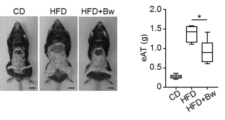
- mice were fed a normal diet (CD), a high-fat diet (HFD) for 8 weeks, during which time the high-fat diet mice were fed three times a week with live bacterial cultures of Brautia wexlerae (Bw) (HFD+Bw) or control.
- 8 shows a photograph of the peri-testicular adipose tissue and the weight of the peri-testicular adipose tissue (eAT) of mice after 8 weeks of administration of medium (HFD) by an oral probe. The bar in the photograph indicates 1 cm.
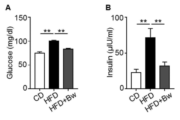
- HOMA-IR an index of insulin resistance after 8 weeks, is shown when the medium (HFD) was administered as an oral probe.
- HFD medium
- HOMA-IR fasting insulin level ( ⁇ U/mL) ⁇ fasting blood glucose level (mg/dL)/405. **P ⁇ 0.01 Mice were fed on a normal diet (CD), high-fat diet (HFD) for 8 weeks, during which time the high-fat diet mice were fed three times a week with live bacterial cultures (HFD + Bw) of Brautia wexlerae JCM17041 strain T (Bw).
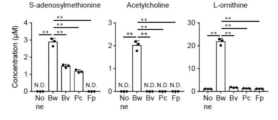
- Fig. 2 shows the results of the decrease and increase of components in the medium in which the Brauchia wexlerae JCM17041 T strain (Bw) was anaerobically cultured.
- FIG. 4 shows concentrations of succinic acid, lactic acid, and acetic acid in the culture supernatant after anaerobic culture of Brautia wexlerae JCM17041 T strain (Bw).
- FIG. 1 shows the concentration of S-adenosylmethionine and L-ornithine in each culture supernatant after anaerobically culturing Brauchia wexlerae JCM17041 T strain (Bw 17041) and JCM31267 T strain (Bw 31267).
- Mice were fed on a normal diet (CD), high-fat diet (HFD) for 8 weeks, during which time the high-fat diet mice were fed three times a week with live bacterial cultures (HFD+Bw) of Brautia wexlerae JCM31267 T strain (Bw).
- the present invention provides a method for determining whether a strain of Brautia wexlerae has an effect of preventing and/or improving metabolic disorders, and a method for screening a strain of Brautia wexlerae having a function of improving metabolism (hereinafter collectively referred to as "the strain of the present invention. method”).
- Brautia wexlerae which is the test subject in the method of the present invention, belongs to the phylum Gram-positive bacteria (Firmicutes), the class Clostridia, the order Clostridiales, the family Lachnospiraceae, and the genus Blautia. It is classified as a Gram-positive obligate anaerobe.
- the genus Blautia includes, in addition to Blautia wexlerae, Blautia hydrogenotrophica, Blautia stercoris, Blautia faecis, Blautia coccoides, and Blautia coccoides.
- Whether or not the bacterium isolated from the isolation source is a strain belonging to Brautia wexlerae can be determined, for example, by PCR-amplifying all or part of the 16S rRNA gene using the genomic DNA extracted from the strain as a template, and determining the nucleotide sequence of the amplified fragment. can be determined and compared to known Brautia wexlerae sequence data and a phylogenetic analysis can be performed. A phylogenetic analysis and a method for constructing a phylogenetic tree can be performed, for example, according to the following procedures.
- genomic DNA that serves as a template is extracted from bacteria.
- Methods for extracting DNA from bacteria are known, and any method may be used. In general, a method of treating cells with a cell wall-degrading enzyme such as lysozyme, a method of physical disruption with glass beads, a treatment method of repeated freezing and thawing, and the like are used. A commercially available reagent for DNA extraction can also be used. Genomic DNA does not necessarily have to be extracted in an intact state. Therefore, it is possible to appropriately select a method that has a low possibility of sample contamination, is easy to operate, and can be performed quickly.
- the target DNA encoding 16S rRNA is amplified by polymerase chain reaction (PCR).
- the sequences of the primers used in PCR can be appropriately designed so that target DNAs encoding 16S rRNAs of all known bacteria belonging to at least Brautia wexlerae are amplified, but are usually conserved across species.
- a primer consisting of a sequence (universal primer; for example, a primer set of 27F and 357R that amplifies about 350 bases of the V1-V2 region, and 342F that amplifies about 460 bases of the V3-V4 region used in the examples described later and 806R primer sets) are used.
- PCR conditions are not particularly limited, and can be appropriately selected within a commonly used range. Using commercially available PCR reagents, the reaction can be performed according to the attached instructions.
- DNA fragments amplified by PCR are purified using a spin column or the like as necessary, and then their base sequences are determined. Determination of base sequences can be carried out according to standard methods.
- the determined nucleotide sequence can be searched for homology with known bacterial 16S ribosomal DNA sequences using an appropriate gene sequence database and homology search program to extract known sequences showing the highest homology.
- BLAST and FASTA can be used through the homepage of the DNA Data Bank of Japan (DDBJ).
- DDBJ DNA Data Bank of Japan
- Any other gene sequence database can be used as long as it contains a data set of nucleotide sequences of bacterial 16S rRNA genes (for example, RDP (http://rdp.cme.msu.edu), Silva (http:/ /www.arb-silva.de) etc.).
- RDP http://rdp.cme.msu.edu
- Silva http:/ /www.arb-silva.de
- 16S rRNA gene sequence identity is required for identification at the genus level, and 98% or more for identification at the species level (Science 2005, 307, 1915-1920). . Therefore, when the sequence of the 16S rRNA gene of an isolated bacterium has 98% or more identity with the known sequence of a bacterium belonging to Brautia wexlerae as a result of homology search, the bacterium is regarded as a bacterium belonging to Brautia wexlerae. can be identified.
- a known 16S rRNA gene sequence that serves as a reference for discrimination includes, but is not limited to, the sequence derived from Blautia wexlerae JCM 17041 T strain (SEQ ID NO: 1) registered in GenBank under accession number LC037229.1. Therefore, when the nucleotide sequence of the PCR-amplified fragment has 98% or more identity with the nucleotide sequence represented by SEQ ID NO: 1, the isolated bacterium can be identified as a bacterium belonging to Brautia wexlerae. .
- the strain of Brautia wexlerae is anaerobically cultured, the medium after culture is analyzed by LC-MS/MS or the like, and an increase in a specific component is detected to metabolize the strain of Brautia wexlerae. It is determined that there is an effect on the anomaly.
- Brautia wexlerae can be cultured under known culture conditions and maintained and amplified. Since Brautia wexlerae is an obligatory anaerobe, it is cultured in an anaerobe medium. In addition to the carbon source, nitrogen source and inorganic substances necessary for the growth of bacteria, reducing agents (e.g., cysteine hydrochloride, nitrogen sulfide, titanium citrate, etc.) are added to the anaerobic culture medium to lower the redox potential. Supplemented medium is included.
- reducing agents e.g., cysteine hydrochloride, nitrogen sulfide, titanium citrate, etc.
- carbon sources include, for example, glucose, dextrin, soluble starch, sucrose, etc.
- nitrogen sources include, for example, ammonium salts, nitrates, corn steep liquor, peptone, casein, meat extract, soybean meal, potato.
- Inorganic or organic substances such as extracts; inorganic substances include, for example, calcium chloride, sodium dihydrogen phosphate, magnesium chloride, and the like, respectively.
- blood derived from horses, rabbits, and sheep, hemin, vitamin K, and the like can be added to the anaerobic culture medium.
- the medium may be solid or liquid.
- Difco TM reinforced clostridial medium (#218081; BD Bioscience, San Jose, Calif.) can be used as the medium.
- Brautia wexlerae is an obligatory anaerobic bacterium
- cultivation is carried out under anaerobic conditions (oxygen concentration of 1 ppm or less).
- it can be cultured in an anaerobic gas chamber under a mixed gas atmosphere of 10% CO 2 , 10% H 2 and 80% N 2 .
- the culture temperature is about 37°C.
- the culture period is, for example, 12 to 72 hours, preferably 24 to 48 hours, but is not particularly limited.
- the culture supernatant is analyzed for components. Cultivation may be performed under known culture conditions, but anaerobic conditions (oxygen concentration of 1 ppm or less), for example, in an anaerobic gas chamber, under a mixed gas atmosphere of 10% CO 2 , 10% H 2 and 80% N 2 Cultivate in
- the culture temperature is about 37° C.
- the culture period is 12 to 72 hours, preferably 24 to 48 hours.
- Specific components of the culture supernatant after culturing are measured by LC-MS/MS or HPLC.
- amylopectin produced not only in the medium but also in the cells the cells collected after culturing are freeze-dried, and the freeze-dried cells are analyzed.
- Succinic acid , Lactic Acid and Acetic Acid in Culture Supernatant by HPLC can be analyzed by high performance liquid chromatography (HPLC).
- HPLC high performance liquid chromatography
- the apparatus used for HPLC analysis is not particularly limited, for example, a high-performance liquid chromatograph apparatus manufactured by Shimadzu Corporation or Waters Corporation is used.
- a fatty acid analysis kit manufactured by YMC Co., Ltd. can be used for labeling fatty acids.
- the amount of amylopectin in the freeze-dried cells can be measured, for example, by using an amylose/amylopectin analysis kit manufactured by Megazyme.
- a Brauchia wexlerae strain has a function of improving metabolism Whether a strain of Brautia wexlerae has a function of improving metabolism can be confirmed by LC-MS/MS analysis, HPLC analysis, and analysis of freeze-dried bacterial cells of the medium.
- the production of two or more of ornithine, S-adenosylmethionine, acetylcholine, amylopectin, acetic acid, succinic acid, and lactic acid can be confirmed to determine that the substance has a function of improving metabolism.
- the determination is made by confirming the production of preferably 4 or more, more preferably 6 or more.
- Measurement may be performed for any two or more of the above seven substances as long as production of two or more substances can be confirmed. In one preferred embodiment, all of the above seven substances are measured.
- the production of L-ornithine, S-adenosylmethionine, acetylcholine, acetic acid, succinic acid and lactic acid by the tested strains is measured, for example, in media not inoculated with microorganisms after incubation under identical anaerobic conditions. It can be confirmed by the amount of each substance in the culture supernatant of the strain to be tested being significantly higher than the amount of each substance.
- the production of amylopectin by the strain to be tested can be confirmed, for example, by detecting a significant increase in the amount of amylopectin per cell weight of the strain to be tested before and after anaerobic culture.
- a strain of Brautia wexlerae contained in a sample such as feces has a function of improving metabolism can be determined by isolating Brautia wexlerae from a sample. It can be determined by anaerobically culturing the Brautia wexlerae strain and measuring in the same manner. Specimens include not only intestinal flora such as feces, but also oral flora such as saliva, skin flora on the skin surface, vaginal flora, and other living organisms. It can also be applied to environmental specimens such as soil and water.
- Preferred specimens in the present invention are human and non-human mammal feces.
- a method for isolating Brautia wexlerae from a specimen for example, the specimen is suspended in sterile phosphate-buffered saline (PBS) or the like, and the resulting suspension is treated with a platinum loop or the like to isolate Brautia wexlerae.
- Candidates for Brautia wexlerae can be selected from the mycological characteristics (morphological characteristics, biochemical characteristics, etc.) of colonies that have appeared after plating on a plate medium suitable for culture. Identification of a selected colony as a Brautia wexlerae colony can be performed, for example, by the 16S rRNA gene analysis described above.
- a composition containing Brautia wexlerae determined to have a function of improving metabolism. may be provided).
- Brautia wexlerae strains determined to have a function of improving metabolism by the method of the present invention that is, the group consisting of L-ornithine, S-adenosylmethionine, acetylcholine, amylopectin, acetic acid, succinic acid and lactic acid when anaerobically cultured
- a strain that produces two or more substances selected from) isolated viable bacteria, as long as they are in a living state can be obtained from the culture (bacteria) as it is, or from the culture by a method known per se, For example, wet cells collected by centrifugation, filtration, magnetic separation, etc., or their washed products (can be washed with sterilized water, medium, PBS, etc.), or their freeze-dried powders, etc. It can be blended in the composition of the present invention in the state of "product”.
- Killed bacteria of Brautia wexerellae can be prepared by physically and/or chemically treating and sterilizing viable cells according to standard methods.
- physical treatment methods include heat treatment (autoclave treatment, pasteurization, high temperature sterilization, etc.), oxygen exposure treatment, drying treatment (heat drying, freeze drying, etc.), electromagnetic wave treatment (ultraviolet sterilization, gamma ray sterilization, etc.), Grinding/crushing treatment (glass bead treatment, French press treatment, ultrasonic treatment, etc.), or a combination thereof.
- chemical treatment methods include chemical treatment (formaldehyde treatment, surfactant treatment, acid treatment, alkali treatment), enzymatic treatment (protease treatment, saccharifying enzyme treatment, etc.), and combinations thereof.
- dead cells can be prepared by treating live cells of the bacterium of the present invention at a temperature of about 60 to 120° C. for about several seconds to 30 minutes.
- Killed bacteria of Brautia wexerellae can be obtained directly from the above dead cells (including physically and chemically disrupted cells) or by various known extraction methods (e.g., various solvent extractions, supercritical fluid extractions). It can be blended in the composition of the present invention in the state of "treated dead cells" such as the resulting extract.
- a culture supernatant obtained by culturing a Brautia wexlerae strain determined to have a function of improving metabolism by the above method can also be used.
- the culture supernatant can be prepared by removing cells from the culture solution of Brautia wexlerae by a method known per se such as centrifugation or filtration.
- the culture supernatant can be added to the composition of the present invention as it is or after being concentrated as appropriate.
- the Brautia wexlerae strain to be blended in the composition of the present invention may be used singly or in combination of two or more strains.
- live bacteria and dead bacteria including each treated bacterial cell
- live bacteria and their culture supernatant the whole culture may be used
- killed bacteria and culture supernatant the whole culture may be used
- live bacteria, dead bacteria and culture Any combination of supernatants may be used.
- Viable or dead bacteria of Brautia wexlerae strains determined to have a function of improving metabolism, their processed products, and their culture supernatants are added alone or pharmaceutically or food or feed processing acceptable additives can be formulated with a product. Alternatively, it can be incorporated into a pharmaceutical composition or food or feed as a pharmaceutical additive or food or feed additive.
- the pharmaceutical or pharmaceutical containing the additive can be, for example, powders, granules, pills, soft capsules, hard capsules, tablets, chewable tablets, rapidly disintegrating tablets, It can be formulated into tablets, syrups, solutions, suspensions, suppositories, injections and the like.
- compositions for oral administration include solid or liquid dosage forms, specifically tablets (including sugar-coated tablets and film-coated tablets), pills, granules, powders, and capsules (including soft capsules). , syrups, emulsions, suspensions and the like.
- Such compositions are produced by known methods and may contain additives commonly used in the pharmaceutical field, such as excipients, binders, disintegrants, lubricants, and the like.
- excipients include animal and vegetable oils such as soybean oil, safflower oil, olive oil, germ oil, sunflower oil, beef tallow, and sardine oil; polyhydric alcohols such as polyethylene glycol, propylene glycol, glycerin and sorbitol; and sorbitan fatty acid esters. , surfactants such as sucrose fatty acid esters, glycerin fatty acid esters and polyglycerin fatty acid esters, purified water, lactose, starch, crystalline cellulose, D-mannitol, lecithin, gum arabic, sorbitol solution, sugar solution and the like.
- animal and vegetable oils such as soybean oil, safflower oil, olive oil, germ oil, sunflower oil, beef tallow, and sardine oil
- polyhydric alcohols such as polyethylene glycol, propylene glycol, glycerin and sorbitol
- sorbitan fatty acid esters such as sucrose fatty acid est
- Binders include, for example, hydroxypropylmethylcellulose, hydroxypropylcellulose, gelatin, pregelatinized starch, polyvinylpyrrolidone, polyvinyl alcohol and the like.
- Disintegrants include, for example, carmellose calcium, carmellose sodium, croscarmellose sodium, crospovidone, low-substituted hydroxypropylcellulose, corn starch and the like.
- Lubricants include, for example, talc, hydrogenated vegetable oils, waxes, light silicic anhydride derived from natural products and their derivatives, stearic acid, magnesium stearate, calcium stearate, aluminum stearate and the like.
- Sweeteners, coloring agents, pH adjusters, flavoring agents, various amino acids, etc. can also be added to the above composition.
- tablets and granules may be coated by a well-known method.
- a liquid formulation may be dissolved or suspended in water or other suitable medium at the time of administration.
- compositions for parenteral administration for example, injections, suppositories, etc. are used.
- Injections can be prepared, for example, by suspending or emulsifying cells or processed cells of Blautia wexlerae in a sterile aqueous or oily liquid commonly used for injections. can.
- Aqueous solutions for injection include, for example, physiological saline, isotonic solutions containing glucose and other adjuvants, and the like.
- As the oily liquid for example, sesame oil, soybean oil, or the like is used.
- Suppositories used for rectal administration can be prepared by mixing the bacterial cells, treated bacterial cells and/or culture supernatant of Brautia wexlerae with a conventional suppository base.
- composition of the present invention may be used in combination with other drugs such as anti-inflammatory drugs, anti-arteriosclerotic drugs, anti-diabetic drugs, etc., depending on the target disease. good.
- the composition of the present invention and the concomitant drug may be formulated as a single composition (mixture), or may be provided as separate compositions.
- the composition of the present invention and the concomitant drug can be administered to a subject at the same time or at different times, by the same route or by different routes.
- the composition of the present invention is provided as a food (or feed) or a food additive (or feed additive)
- the food (or feed) or the food (or feed) containing the additive may be a solution, suspension
- the food (or feed) or the food (or feed) containing the additive may be a solution, suspension
- the food (or feed) or the food (or feed) containing the additive may be a solution, suspension
- the food (or feed) or the food (or feed) containing the additive may be a solution, suspension
- the food (or feed) or the food (or feed) containing the additive may be a solution, suspension
- the food (or feed) or the food (or feed) containing the additive may be a solution, suspension
- Specific examples include supplements (powder, granules, soft capsules, hard capsules, tablets, chewable tablets, rapidly disintegrating tablets, syrups, liquids, etc.), beverages (carbonated drinks, lactic acid drinks, sports drinks, fruit juice drinks, vegetable drinks, soy milk drinks).
- dairy products yogurt, butter, cheese, ice cream, etc.
- confectionery gummy, jelly, gum, chocolate, cookies, candy, caramel , Japanese sweets, snacks, etc.
- instant foods instant noodles,
- the above food contains various nutrients, various vitamins (vitamin A, vitamin B1, vitamin B2, vitamin B6, vitamin C, vitamin D, vitamin E, vitamin K, etc.), various minerals ( magnesium, zinc, iron, sodium, potassium, selenium, etc.), dietary fiber, dispersants, stabilizers such as emulsifiers, sweeteners, taste ingredients (citric acid, malic acid, etc.), flavors, royal jelly, propolis, agaricus, etc. can be compounded.
- the viable cell count of Brautia wexlerae contained in the composition of the present invention is, for example, 10 4 to 10 12 colony forming units (cfu), preferably 10 6 to 10 10 cfu, as a daily intake.
- the number of dead bacteria the number of viable bacteria (cfu) before sterilization is used as a guide for the number of dead bacteria, and the intake per day is 10 4 to 10 12 cfu before sterilization, preferably 10 6 ⁇ 10 10 cfu.
- the culture supernatant can be prepared from a culture containing the above number of viable bacteria per unit volume (amount to be added to the composition).
- composition of the present invention may further contain cells of other useful microorganisms or processed cells thereof.
- Such other microorganisms include, for example, genus Lactobacillus, genus Streptococcus, genus Leuconostoc, genus Pediococcus, genus Lactococcus, and Enterococcus.
- genus genus, Bifidobacterium genus, yeast, Bacillus genus, Clostridium butyricum, Aspergillus oryzae, etc., but not limited thereto.
- microorganisms can be added to the composition of the present invention in the form of not only viable cells but also dead cells or crushed cells, cell extracts, cell components, etc., as long as they are effective. You can also The amount of the microorganism to be used in combination is, for example, 10 4 to 10 12 colony forming units (cfu), preferably 10 6 to 10 10 cfu, as a daily intake.
- cfu colony forming units
- the Brautia wexlerae strain determined to have a function of improving metabolism has a metabolic improving effect (that is, weight gain rate reducing effect, adipose tissue reducing effect, adipose tissue inflammation inhibitory action, fasting blood sugar level lowering action, fasting blood insulin lowering action, and insulin resistance improving action), and therefore metabolic function is improved by enriching the bacterial species in the intestinal flora. can do.
- a metabolic improving effect that is, weight gain rate reducing effect, adipose tissue reducing effect, adipose tissue inflammation inhibitory action, fasting blood sugar level lowering action, fasting blood insulin lowering action, and insulin resistance improving action
- metabolic function is improved by enriching the bacterial species in the intestinal flora. can do.
- dead cells and culture supernatants of Brautia wexlerae can exert a metabolic improving effect as prebiotics in the same manner as viable cells. Therefore, the composition of the present invention is useful as a pharmaceutical or pharmaceutical additive, or
- “Lifestyle-related diseases” refers to a group of diseases in which lifestyle habits such as eating habits, exercise habits, rest, smoking, and drinking are involved in the onset and progression of such diseases.
- composition for improving metabolism of the present invention is useful for diabetes (type 1 diabetes, type 2 diabetes, gestational diabetes, etc.), diabetic complications (arteriosclerotic disease, diabetic retinopathy, diabetic nephropathy, diabetic neuropathy). etc.), dyslipidemia, hyperlipidemia, hypercholesterolemia, hypertriglyceridemia, insulin resistance, and prevention or improvement of fatty liver.
- diabetes type 1 diabetes, type 2 diabetes, gestational diabetes, etc.
- diabetic complications arteriosclerotic disease, diabetic retinopathy, diabetic nephropathy, diabetic neuropathy). etc.
- dyslipidemia hyperlipidemia
- hypercholesterolemia hypertriglyceridemia
- insulin resistance and prevention or improvement of fatty liver.
- composition of the present invention can be applied to humans or other mammals (e.g., dogs, cats, mice, rats, hamsters, guinea pigs, rabbits, pigs, cows, goats, horses, sheep, monkeys, etc.) as described above.
- the daily intake can be taken orally once or divided into several times a day. Alternatively, it can be administered rectally.
- the composition of the present invention When the composition of the present invention is provided as a food, the food can be sold with a label indicating that it is used for improving metabolic disorders.
- “indication” means all actions to inform consumers of the above-mentioned use. Regardless of the object, medium, etc. to be displayed, all correspond to the "display" in the present invention. However, it is preferable to display the product in an expression that allows consumers to directly recognize the usage.
- the act of describing the above-mentioned use on the product or product packaging related to the food of the present invention, transferring, delivering, or displaying for transfer or delivery the product or product packaging that describes the above-mentioned use , the act of importing, displaying or distributing the above-mentioned use in advertisements, price lists or transaction documents related to products, or by electromagnetic (Internet, etc.) methods by describing the above-mentioned use in information containing these contents Act of providing, etc. can be exemplified.
- the labeling it is preferable to be a labeling approved by the government, etc. , catalogs, pamphlets, POP and other advertising materials at sales sites, and other documents.
- labeling as health food, functional food, enteral nutrition food, food for special dietary use, food with nutrient function claims, quasi-drugs, etc. can be exemplified, and other labels approved by the Ministry of Health, Labor and Welfare, such as , food for specified health use, and labeling approved by similar systems.
- Examples of the latter include labeling as a food for specified health uses, labeling as a conditionally specified health food, labeling to the effect that it affects the structure and functions of the body, and labeling to reduce the risk of disease.
- labeling as a food for specified health use stipulated in the Ordinance for Enforcement of the Health Promotion Law (Ministry of Health, Labor and Welfare Ordinance No. 86 of April 30, 2003), and similar Display is a typical example.
- Example 1 Effect of Improving Metabolism in Mice by Administration of Live or Killed Bacteria of Brautia wexlerae JCM17041 (Materials and Methods) Animals Mice used were C57BL/6JJmsSlc. All mice were housed in an SPF grade animal facility within the National Institutes of Biomedical Innovation, Health and Nutrition. Animals were allowed food and water ad libitum under a strict 12 hour light cycle.
- mice 4-week-old mice were fed a normal diet (Oriental yeast, AIN-93M), a high-fat diet (Oriental yeast, AIN-93G), a high-fat diet + Brautia wexlerae JCM17041 (Blautia) live bacteria, a high-fat diet + Brautia wexlerae JCM17041 (Blautia) killed cells were divided into 4 groups.
- Blautia wexlerae JCM17041 (Blautia) viable bacteria were cultured to a turbidity (OD600 value) of 1 to 3 in the culture solution, and then ingested with an oral probe at a dose of 0.5 mL three times a week.
- Brautia wexlerae JCM17041 (Blautia) dead cells were obtained by heat-treating the same number of Brautia wexlerae JCM17041 viable cells at 60° C. for 30 minutes.
- Experimental animals were used in accordance with the Declaration of Helsinki and the methods described in the "Standards for the Care and Storage of Experimental Animals" established by the Japanese Association for Laboratory Animals. All experiments were approved by the National Institute of Biomedical Innovation, Health and Nutrition (Institutional Approval Nos. DS25-2, DS25-3).
- viable cells of Brautia wexlerae were collected by centrifugation, resuspended in Difco TM reinforced clostridial medium, treated at 60° C. for 30 minutes, and heat sterilized. Successful heat sterilization was confirmed by plating heat-treated bacteria and no growth.
- Plasma insulin levels were obtained by collecting blood from the fundus using hematocrit capillary heparin treatment (manufactured by HIRSCHMANN), and measuring the plasma using a Levis insulin mouse T (manufactured by Fujifilm Wako Shibayagi).
- IPGTT Glucose Tolerance Test
- Example 2 LC-MS/MS analysis of culture supernatant of Brautia wexlerae JCM17041 Anaerobically cultured at 37° C. for 48 hours. Water was added to 100 ⁇ L of the culture supernatant after culturing to make 200 ⁇ L, mixed with 400 ⁇ L of a methanol solution containing methionine sulfone as an internal standard, and then 400 ⁇ L of chloroform. After centrifugation at 4° C. and 20,000 ⁇ g for 15 minutes, 200 ⁇ L of the supernatant was centrifuged through a 5-kDa cutoff filter (manufactured by Human Metabolome Technology).
- LC-MS/MS analysis was performed using a Nexera system (manufactured by Shimadzu Corporation) equipped with two LC-40D pumps, a DGU-405 degasser, a SIL-40C autosampler, a CTO-40C column oven, and a CBM-40 control module. , LCMA-8050 quadrupole mass spectrometer (manufactured by Shimadzu Corporation).
- FIG. 6 shows the results of the decrease and increase of the components in the culture supernatant obtained by anaerobically culturing the Brauchia wexlerae JCM17041 T strain (Bw).
- S-adenosylmethionine, acetylcholine and L-ornithine can be confirmed in the culture supernatant after culture of Brauchia wexlerae JCM17041, indicating that these substances are produced by culture.
- Example 3 Measurement of amylopectin in freeze-dried cells after culture of Brautia wexlerae JCM17041
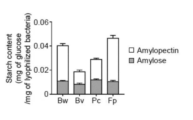
- the amounts of amylose and amylopectin in the freeze-dried samples were determined using an amylose/amylopectin assay kit manufactured by Megazyme. Bacteroides vulgataus (Bv), Prevotella copri (Pc), and Faecalibacterium prausnitzii (Fp) were similarly measured. The results are shown in FIG. Amylopectin is highly accumulated in the freeze-dried cells of Brautia wexlerae JCM17041 after culture, indicating that the culture produces amylopectin.
- Example 4 Fatty acid analysis of Brautia wexlerae JCM17041 culture supernatant by HPLC After culture of Brautia wexlerae JCM17041 cultured in Example 2, the medium supernatant was labeled with a fatty acid analysis kit manufactured by YMC Co., Ltd., followed by the manufacturer's instructions. , 6.0 ⁇ 250 mm YMC-Pack FA column (manufactured by YMC) was used to measure succinic acid, lactic acid and acetic acid by high performance liquid chromatography (HPLC). Detecting UV spectra were measured at 400 nm. The results are shown in FIG. Succinic acid, lactic acid, and acetic acid can be confirmed in the culture supernatant of Brautia wexlerae JCM17041, indicating that these short-chain fatty acids are produced by cultivation.
- a fatty acid analysis kit manufactured by YMC Co., Ltd.
- HPLC high performance liquid chromatography
- Brautia wexlerae JCM17041 which was confirmed to have a function of improving metabolism by mouse animal experiments, is L-ornithine, S-adenosylmethionine, acetylcholine, amylopectin, acetic acid, succinic acid in anaerobic culture. , characteristically produces lactic acid, and by confirming the production of these, it can be determined that it has the ability to improve metabolism.
- Example 5 Verification with another strain of Brautia wexlerae (JCM31267)
- JCM31267 Japan Collection of Microorganisms
- LC-MS/MS of the culture supernatant after anaerobic culture in the same manner as in Example 2 Analysis was carried out.
- Brautia wexlerae JCM31267 was cultured in the same manner as JCM17041, and the culture supernatant was prepared. The results are shown in FIG. It was confirmed that Brauchia wexlerae JCM31267 also produced S-adenosylmethionine and L-ornithine in the culture supernatant.
- the method of the present invention can easily determine whether the intestinal bacterium, Brautia wexlerae, is useful for metabolic diseases such as lifestyle-related diseases. Moreover, it is useful also as a medical use using it.
Landscapes
- Health & Medical Sciences (AREA)
- Life Sciences & Earth Sciences (AREA)
- Chemical & Material Sciences (AREA)
- Engineering & Computer Science (AREA)
- Organic Chemistry (AREA)
- Bioinformatics & Cheminformatics (AREA)
- General Health & Medical Sciences (AREA)
- Medicinal Chemistry (AREA)
- Zoology (AREA)
- Microbiology (AREA)
- Animal Behavior & Ethology (AREA)
- Biotechnology (AREA)
- Public Health (AREA)
- Veterinary Medicine (AREA)
- Wood Science & Technology (AREA)
- Pharmacology & Pharmacy (AREA)
- Diabetes (AREA)
- Genetics & Genomics (AREA)
- Chemical Kinetics & Catalysis (AREA)
- Nuclear Medicine, Radiotherapy & Molecular Imaging (AREA)
- General Chemical & Material Sciences (AREA)
- Obesity (AREA)
- Biochemistry (AREA)
- Hematology (AREA)
- Polymers & Plastics (AREA)
- Biomedical Technology (AREA)
- General Engineering & Computer Science (AREA)
- Molecular Biology (AREA)
- Mycology (AREA)
- Proteomics, Peptides & Aminoacids (AREA)
- Food Science & Technology (AREA)
- Tropical Medicine & Parasitology (AREA)
- Virology (AREA)
- Endocrinology (AREA)
- Toxicology (AREA)
- Child & Adolescent Psychology (AREA)
- Nutrition Science (AREA)
- Physiology (AREA)
- Animal Husbandry (AREA)
- Gastroenterology & Hepatology (AREA)
Priority Applications (1)
| Application Number | Priority Date | Filing Date | Title |
|---|---|---|---|
| JP2023554712A JPWO2023068279A1 (https=) | 2021-10-18 | 2022-10-18 |
Applications Claiming Priority (2)
| Application Number | Priority Date | Filing Date | Title |
|---|---|---|---|
| JP2021170540 | 2021-10-18 | ||
| JP2021-170540 | 2021-10-18 |
Publications (1)
| Publication Number | Publication Date |
|---|---|
| WO2023068279A1 true WO2023068279A1 (ja) | 2023-04-27 |
Family
ID=86059175
Family Applications (1)
| Application Number | Title | Priority Date | Filing Date |
|---|---|---|---|
| PCT/JP2022/038803 Ceased WO2023068279A1 (ja) | 2021-10-18 | 2022-10-18 | ブラウチア(Blautia)属細菌のスクリーニング方法 |
Country Status (2)
| Country | Link |
|---|---|
| JP (1) | JPWO2023068279A1 (https=) |
| WO (1) | WO2023068279A1 (https=) |
Cited By (5)
| Publication number | Priority date | Publication date | Assignee | Title |
|---|---|---|---|---|
| WO2025070280A1 (ja) * | 2023-09-25 | 2025-04-03 | オルト株式会社 | ブラウティア属細菌 |
| WO2025070283A1 (ja) * | 2023-09-25 | 2025-04-03 | オルト株式会社 | ブラウティア属細菌を用いた免疫賦活剤 |
| JP2025054170A (ja) * | 2023-09-25 | 2025-04-07 | オルト株式会社 | ブラウティア属細菌を用いた免疫賦活剤 |
| JP2025054169A (ja) * | 2023-09-25 | 2025-04-07 | オルト株式会社 | ブラウティア属細菌 |
| JP2026022984A (ja) * | 2024-07-31 | 2026-02-13 | 京都府公立大学法人 | 疾患の発症リスク及び/又は重症度の判定方法 |
Families Citing this family (1)
| Publication number | Priority date | Publication date | Assignee | Title |
|---|---|---|---|---|
| CN120683025A (zh) * | 2025-08-28 | 2025-09-23 | 美益添生物医药(武汉)有限公司 | 布劳特氏菌Blautia的增菌剂、微生物培养基及应用 |
Citations (8)
| Publication number | Priority date | Publication date | Assignee | Title |
|---|---|---|---|---|
| JP2005261361A (ja) * | 2004-03-19 | 2005-09-29 | Hiroshima Univ | 酵母変異体およびその利用 |
| JP2010516289A (ja) * | 2007-02-01 | 2010-05-20 | シージェイ チェイルジェダン コーポレーション | 高度分枝状アミロースおよびアミロペクチン・クラスターを酵素的に調製する方法 |
| JP2016508368A (ja) * | 2013-02-05 | 2016-03-22 | ラドウィッグ ストッカー ホフフェイステレイ ゲーエムベーハー | 腸疾患の予防および治療のための、微生物の使用 |
| JP2016510311A (ja) * | 2012-12-20 | 2016-04-07 | コンパニ・ジェルベ・ダノンCompagnie Gervais Danone | 体重増加及びインスリン抵抗性を治療又は予防するためのビフィドバクテリウムアニマリスの使用 |
| JP2017193508A (ja) * | 2016-04-20 | 2017-10-26 | 雪印メグミルク株式会社 | 肥満抑制剤 |
| JP2019508363A (ja) * | 2016-12-12 | 2019-03-28 | フォーディー ファーマ ピーエルシー4D Pharma | 細菌株を含む組成物 |
| WO2020079024A1 (en) * | 2018-10-15 | 2020-04-23 | Pharmabiome Ag | Consortia of living bacteria useful for treatment of colorectal cancer |
| JP2021122241A (ja) * | 2020-02-06 | 2021-08-30 | 宮崎県 | Gaba及びオルニチンを高産生する新規乳酸菌、並びに当該乳酸菌を用いた経口組成物の製造方法 |
-
2022
- 2022-10-18 WO PCT/JP2022/038803 patent/WO2023068279A1/ja not_active Ceased
- 2022-10-18 JP JP2023554712A patent/JPWO2023068279A1/ja active Pending
Patent Citations (8)
| Publication number | Priority date | Publication date | Assignee | Title |
|---|---|---|---|---|
| JP2005261361A (ja) * | 2004-03-19 | 2005-09-29 | Hiroshima Univ | 酵母変異体およびその利用 |
| JP2010516289A (ja) * | 2007-02-01 | 2010-05-20 | シージェイ チェイルジェダン コーポレーション | 高度分枝状アミロースおよびアミロペクチン・クラスターを酵素的に調製する方法 |
| JP2016510311A (ja) * | 2012-12-20 | 2016-04-07 | コンパニ・ジェルベ・ダノンCompagnie Gervais Danone | 体重増加及びインスリン抵抗性を治療又は予防するためのビフィドバクテリウムアニマリスの使用 |
| JP2016508368A (ja) * | 2013-02-05 | 2016-03-22 | ラドウィッグ ストッカー ホフフェイステレイ ゲーエムベーハー | 腸疾患の予防および治療のための、微生物の使用 |
| JP2017193508A (ja) * | 2016-04-20 | 2017-10-26 | 雪印メグミルク株式会社 | 肥満抑制剤 |
| JP2019508363A (ja) * | 2016-12-12 | 2019-03-28 | フォーディー ファーマ ピーエルシー4D Pharma | 細菌株を含む組成物 |
| WO2020079024A1 (en) * | 2018-10-15 | 2020-04-23 | Pharmabiome Ag | Consortia of living bacteria useful for treatment of colorectal cancer |
| JP2021122241A (ja) * | 2020-02-06 | 2021-08-30 | 宮崎県 | Gaba及びオルニチンを高産生する新規乳酸菌、並びに当該乳酸菌を用いた経口組成物の製造方法 |
Non-Patent Citations (4)
| Title |
|---|
| BENÍTEZ-PÁEZ ALFONSO, GÓMEZ DEL PUGAR EVA M., LÓPEZ-ALMELA INMACULADA, MOYA-PÉREZ ÁNGELA, CODOÑER-FRANCH PILAR, SANZ YOLANDA: "Depletion of Blautia Species in the Microbiota of Obese Children Relates to Intestinal Inflammation and Metabolic Phenotype Worsening", MSYSTEMS, vol. 5, no. 2, 28 April 2020 (2020-04-28), pages e00857 - 19, XP093058444, DOI: 10.1128/mSystems.00857-19 * |
| C. LIU, S. M. FINEGOLD, Y. SONG, P. A. LAWSON: "Reclassification of Clostridium coccoides, Ruminococcus hansenii, Ruminococcus hydrogenotrophicus, Ruminococcus luti, Ruminococcus productus and Ruminococcus schinkii as Blautia coccoides gen. nov., comb. nov., Blautia hansenii comb. nov., Blautia hydrogenotrophica comb. nov., Blautia luti comb. nov", INTERNATIONAL JOURNAL OF SYSTEMATIC AND EVOLUTIONARY MICROBIOLOGY, SOCIETY FOR GENERAL MICROBIOLOGY, vol. 58, no. 8, 1 August 2008 (2008-08-01), pages 1896 - 1902, XP055005236, ISSN: 14665026, DOI: 10.1099/ijs.0.65208-0 * |
| HOSOMI KOJI, SAITO MAYU, PARK JONGUK, MURAKAMI HARUKA, SHIBATA NAOKO, ANDO MASAHIRO, NAGATAKE TAKAHIRO, KONISHI KANA, OHNO HARUMI,: "Oral administration of Blautia wexlerae ameliorates obesity and type 2 diabetes via metabolic remodeling of the gut microbiota", NATURE COMMUNICATIONS, vol. 13, no. 1, 18 August 2022 (2022-08-18), XP093058447, DOI: 10.1038/s41467-022-32015-7 * |
| HU XIAOMIN, LIANG GONG, RUILIN ZHOU, ZIYING HAN, LI JI, YAN ZHANG, SHUYANG ZHANG, DONG WU: "Variations in gut microbiome are associated with prognosis of hypertriglyceridemia-associated acute pancreatitis", BIOMOLECULES, vol. 11, 6 May 2021 (2021-05-06), pages 695, XP093058459 * |
Cited By (7)
| Publication number | Priority date | Publication date | Assignee | Title |
|---|---|---|---|---|
| WO2025070280A1 (ja) * | 2023-09-25 | 2025-04-03 | オルト株式会社 | ブラウティア属細菌 |
| WO2025070283A1 (ja) * | 2023-09-25 | 2025-04-03 | オルト株式会社 | ブラウティア属細菌を用いた免疫賦活剤 |
| JP2025054170A (ja) * | 2023-09-25 | 2025-04-07 | オルト株式会社 | ブラウティア属細菌を用いた免疫賦活剤 |
| JP2025054169A (ja) * | 2023-09-25 | 2025-04-07 | オルト株式会社 | ブラウティア属細菌 |
| JP7706190B2 (ja) | 2023-09-25 | 2025-07-11 | オルト株式会社 | ブラウティア属細菌 |
| JP7706191B2 (ja) | 2023-09-25 | 2025-07-11 | オルト株式会社 | ブラウティア属細菌を用いた免疫賦活剤 |
| JP2026022984A (ja) * | 2024-07-31 | 2026-02-13 | 京都府公立大学法人 | 疾患の発症リスク及び/又は重症度の判定方法 |
Also Published As
| Publication number | Publication date |
|---|---|
| JPWO2023068279A1 (https=) | 2023-04-27 |
Similar Documents
| Publication | Publication Date | Title |
|---|---|---|
| WO2023068279A1 (ja) | ブラウチア(Blautia)属細菌のスクリーニング方法 | |
| US20250228277A1 (en) | Microbial compositions comprising ellagitannin and methods of use | |
| JP7325106B2 (ja) | リポ多糖制御性腸内細菌及びその用途 | |
| US11104878B2 (en) | Lactic acid bacteria capable of controlling blood sugar and use thereof | |
| CN106103696B (zh) | 新颖的拟干酪乳杆菌菌株 | |
| US20240131081A1 (en) | Obligate anaerobic human intestinal microbe for cancer treatment, and use thereof | |
| AU2018286837B2 (en) | Therapeutic uses of Lactobacillus plantarum | |
| KR20240118626A (ko) | 락티플란티바실러스 플란타럼 y7 균주를 포함하는 장 기능 개선용 조성물 | |
| JP7431964B2 (ja) | ミトコンドリア機能改善用組成物 | |
| CN118119286A (zh) | 用于促进低聚糖的同化的组合物 | |
| JP7419404B2 (ja) | 抗老化用組成物 | |
| KR20230116027A (ko) | F. 프라우스니치이 존재도를 촉진하는 데 사용하기위한 2'-푸코실락토스 | |
| JP2021112181A (ja) | 老化細胞の蓄積抑制用組成物 | |
| EP4659748A1 (en) | Compound for preventing or treating nonalcoholic fatty liver disease and composition thereof | |
| EP4659756A1 (en) | Monascus pilosus strain, composition for preventing or treating nonalcoholic fatty liver disease and use of said monascus pilosus | |
| KR101376629B1 (ko) | 신규한 락토바실러스 아리조넨시스 bcnu 9200 균주 및 이를 유효성분으로 포함하는 생균제 조성물 | |
| JP2025146804A (ja) | 腸内細菌叢改善用組成物 | |
| JP2025146805A (ja) | パラバクテロイデス属細菌の増殖制御用組成物 | |
| JP2023116876A (ja) | 抗酸化用組成物 | |
| HK40117530A (en) | Microbial compositions comprising ellagitannin and methods of use | |
| CN120678231A (zh) | 肠道菌群改善用组合物 | |
| CN120678230A (zh) | 副拟杆菌属细菌增殖控制用组合物 | |
| HK40061746A (en) | Microbial compositions comprising ellagitannin and methods of use | |
| HK40061746B (en) | Microbial compositions comprising ellagitannin and methods of use |
Legal Events
| Date | Code | Title | Description |
|---|---|---|---|
| 121 | Ep: the epo has been informed by wipo that ep was designated in this application |
Ref document number: 22883583 Country of ref document: EP Kind code of ref document: A1 |
|
| WWE | Wipo information: entry into national phase |
Ref document number: 2023554712 Country of ref document: JP |
|
| NENP | Non-entry into the national phase |
Ref country code: DE |
|
| 122 | Ep: pct application non-entry in european phase |
Ref document number: 22883583 Country of ref document: EP Kind code of ref document: A1 |